No big hoo-hah this year: just a down and dirty list of my favorite releases and reissues of the year, covered in previous Quick Takes or elsewhere on the Web (links are to my original articles)!
Bruce Hornsby, The Way It Is; Scenes from the Southside; Harbor Lights; Here Come the Noisemakers (live); Intersections 1985-2005 (box set); Solo Concerts (live). See my appreciation of Bruce’s career here!
Thanks for your ongoing attention and steadfast support. We at the Rockin’ Republic of Prog appreciate it! Best wishes as we all turn the corner and head into the New Year!
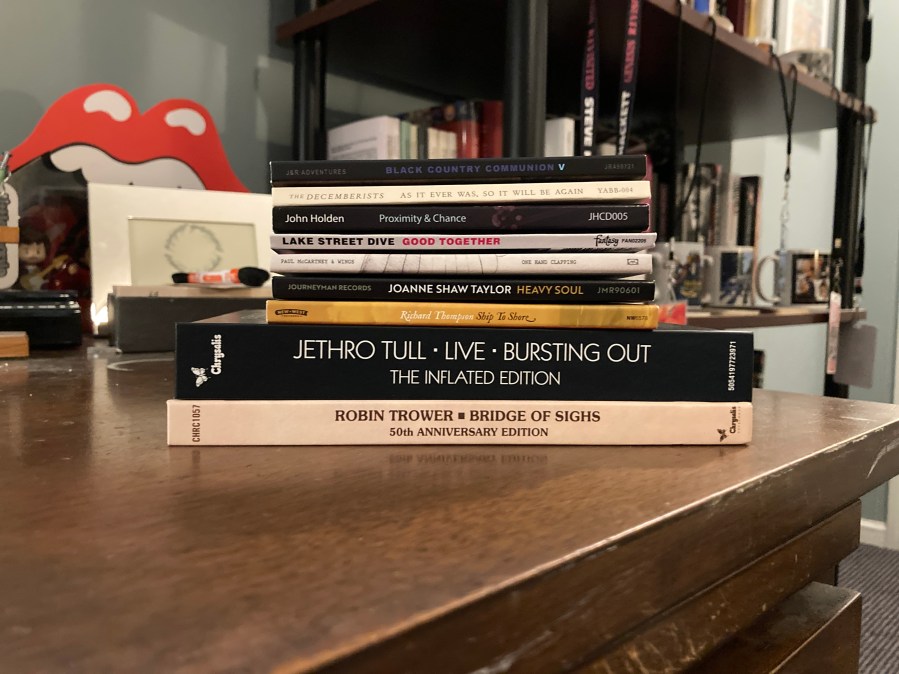
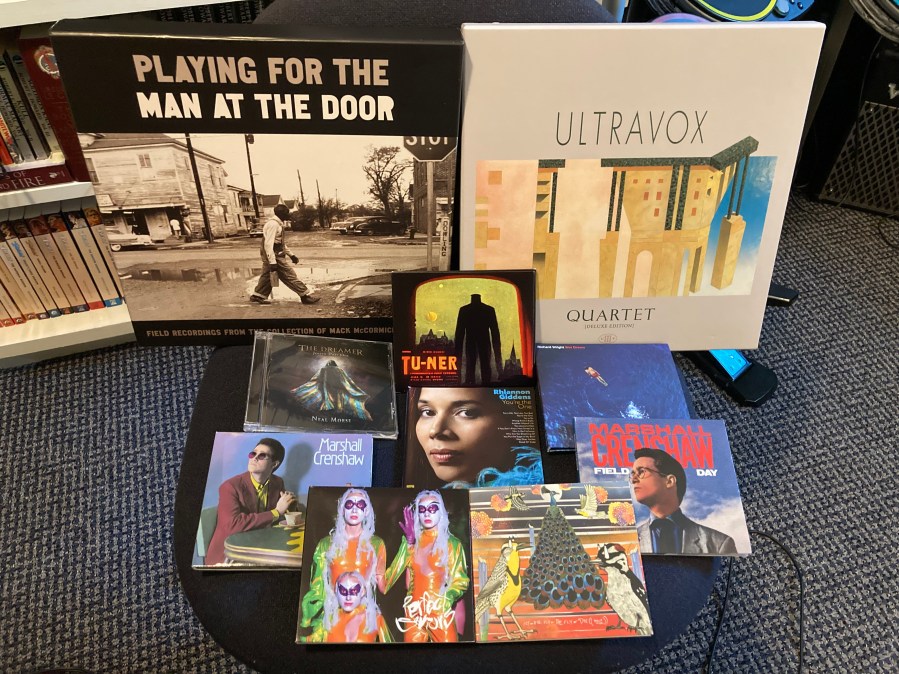
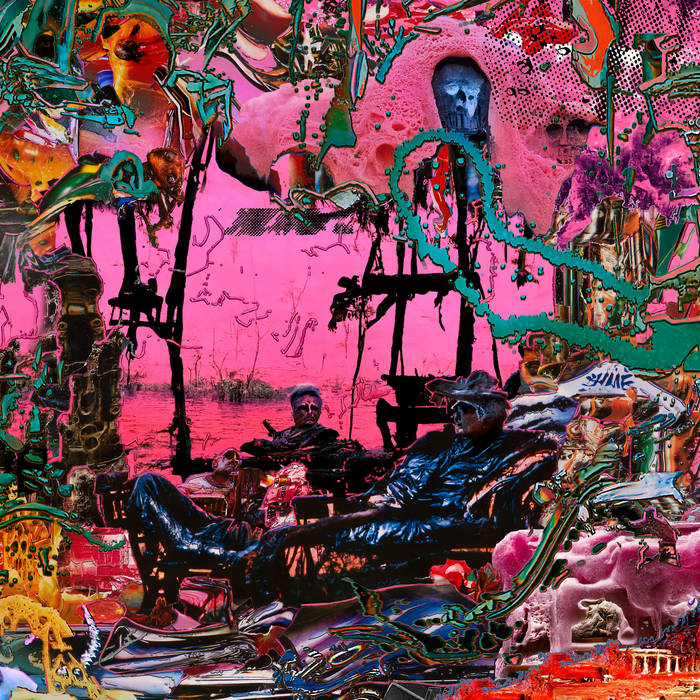
What do the new releases shown above and reviewed below have in common? To me, they all show their creators working at the top of their capabilities — whatever the genre of music and whenever it was made. Purchase links are embedded in the album titles.
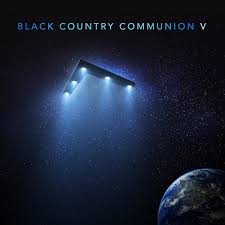
For example: these days, nobody does rock in the classic vein better than Anglo-American supergroup Black Country Communion. Never mind the unimaginative title: BCC’s fifth album V hearkens back to the days of Deep Led Purple Zeppelin in high style. Whether on opener “Enlighten” with its drone/riff switchoffs, the doomy chug of “Red Sun”, syncopated symphonic wobble “Skyway” or the crushing power-chord funk of finale “Open Road”, Joe Bonamassa’s guitar wails and stutters, vocalist Glenn Hughes howls at the moon, Derek Sherinian’s keys grind away underneath, and Jason Bonham brings that devastating family backbeat. From start to finish, this addition to my Favorites of 2024 list is whoop-ass hard rock at its finest.
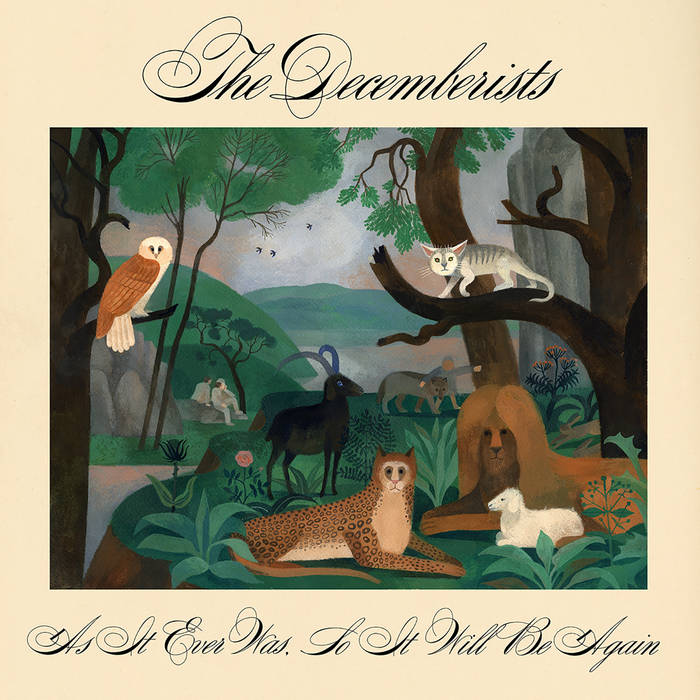
Back during the indie-rock boom of the early 2000s, The Decemberists flew a geekier flag than most; Colin Meloy’s artsy ensemble reminded me of nothing so much as They Might Be Giants and Fairport Convention collaborating on a Very Special Episode of Glee. The band’s first album in six years, As It Ever Was, So It Will Be Againis a double-LP summation of Meloy’s enduring obsessions: the snarky jangle-pop of Side One (“Burial Ground”, ” Long White Veil”); the death-haunted Brit-folk on Side Two (“William Fitzwililam”, “The Black Maria”); Side Three’s servings of vicious, brassy satire (especially the scabrous “America Made Me”) and – what else? – a side-long prog-rock epic, “Joan in the Garden” (think Pink Floyd’s “Echoes” with Uriah Heep mounting a hostile takeover), to wind the whole thing up. It’s all utterly theatrical and ever so tongue in cheek; but you can also tell that Meloy and his merry crew also adore what they (gently) mock. If you’re looking for a record that has everything including the kitchen sink, this sprawling, delightful mess could be just the ticket; it snuck its way onto my Favorites list with nary a warning.
DIY Brit-progger John Holden, on the other hand, takes his theatricality seriously, and the result, Proximity and Chance, is the best album of his burgeoning career. It’s sleek, richly dramatic musical storytelling throughout, whether Holden is basing his playlets on true stories (Victorian melodrama “Burnt Cork and Limelight”, modern-day spy scenario “Agents”), plundering Kipling to grand effect (the mini-cantata “The Man Who Would Be King”), or marveling at the odds against existence, let alone love (the two-part title track). An talented array of singers and players — Peter Jones leaning into his vocal roles and providing exquisite saxophone work, Sally Minnear leaving it all on the studio floor for the breakup ballad “Fini” — bring their A-games to enhance the lush synthesized orchestrations. Craft meshes beautifully with content here on Holden’s most flowing, accomplished effort to date.
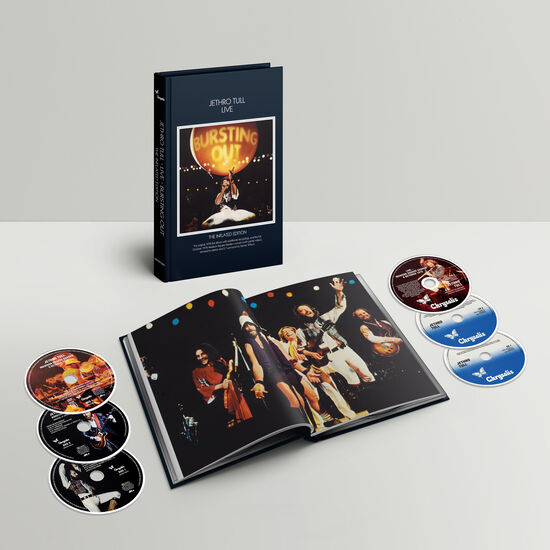
Speaking of theatrical prog: two-thirds of the way through their late 1970s “folk trilogy”, Jethro Tull were arguably at the height of their fame and drawing power — so what better time for their first complete live album? The latest deluxe re-boxing from Tull’s catalog, 1978’s Bursting Out returns as “The Inflated Edition”; along with the obligatory, whistle-clean Steven Wilson remix of the original album, this 3-CD/3-DVD set includes concert video simulcast by satellite from Madison Square Garden. Both shows impress: Ian Anderson is an adrenalized whirling dervish on vocals, acoustic guitar and flute, while the rest of Tull is an equally driven performing unit, executing with passion and precision throughout a mix of hits (“Skating Away”, “Thick As a Brick”, “Aqualung”, “Locomotive Breath”) newer tunes (“Songs from the Wood”, “Heavy Horses”) and oddball moments (“God Rest Ye Merry Gentlemen”? Eric Coates’ “Dambusters March”?) A sentimental fave from my college years, it’s as solid a sampler of Tull as you could hope to find.
As accomplished young players aiming for smart, retro-soul nirvana, Boston’s Lake Street Dive has occasionally got in their own way attempting to crown their groovy concoctions with Big Social Statements. But their latest, Good Together, hits the bullseye for brainy, danceable pop; Bridget Kearney’s ear-catching bass licks and Rachael Price’s arresting vocal hooks make for a winning combination on the title song, the single “Dance with a Stranger” – heck, all the way through the album! And with witty commentary on the state of postmodern love stirred into deep tracks like keyboardist Akie Bermiss’ “Better Not Tell You” and drummer Michael Calbrese’s “Seats at the Bar”, the whole band is pulling in the same direction, sharp and on point throughout. Even the thinkpiece ideas like the closer “Set Sail (Prometheus and Eros”) click this time; Good Together is proof of concept that Lake Street Dive can boogie down and philosophize at the same time. The end result is fun that stays with you long after your feet stop moving.
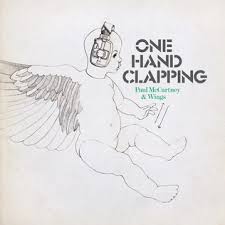
You can understand why the soundtrack of Paul McCartney & Wings’ live-in-studio video One Hand Clapping remained unreleased for fifty years – the drummer quit, new albums followed quickly, Macca tossed off a lot of twee tunes from behind the piano. But really, this is a magnificent find; raucous and committed, the band sizzles here. Linda McCartney’s thick synth sweeps, Jimmy McCullough’s eager, active lead guitar, perfectly judged touches of brass and strings all back up Paul’s riveting performances of core Wings tracks plus sideswipes at Elvis and the Beatles. There’s glam rock, a country excursion or two, the cinemascope brilliance of “Live and Let Die” – whew! Yes, Wings had their daft moments, but if you think McCartney never got his mojo working again after Abbey Road (or if you don’t get why people listen to this geezer who’s older than both presidential candidates), you owe it to yourself to hear this.
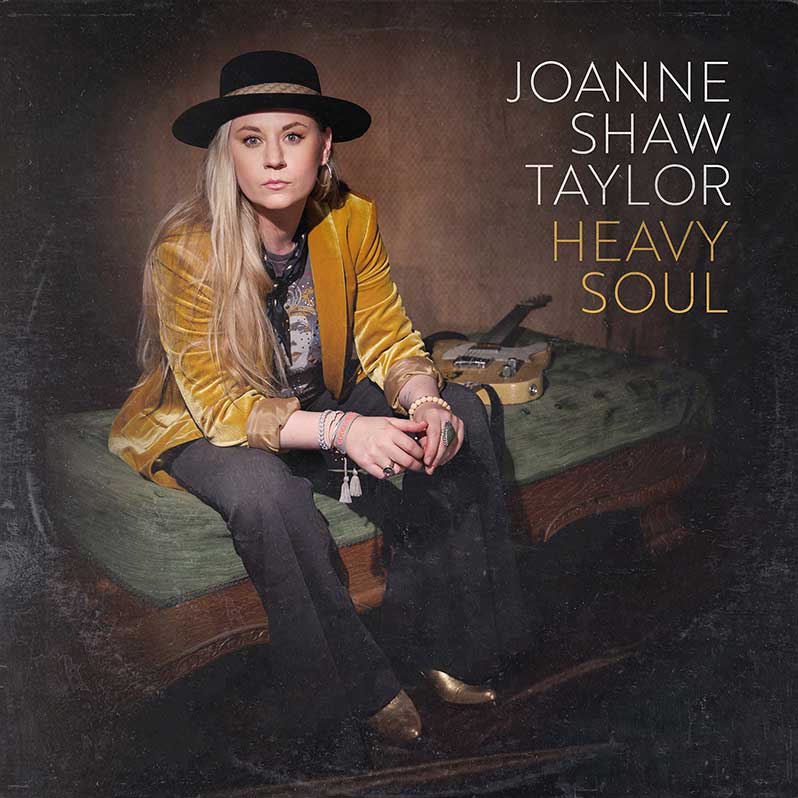
About twelve years ago, I heard Joanne Shaw Taylor live at a local hole in a wall and was appropriately floored. A fiery British blues-rock guitarist with an impassioned singing voice that sounds like it’s been soaked in Tennessee whiskey? Count me in! At every stop on her checkered path Shaw Taylor has always impressed, but her new Heavy Soulwent straight on this year’s Favorites list. Her songcraft takes a giant step forward on “Sweet ‘Lil Lies”, “Black Magic” and the onomatopoeic title track – her developing pop chops mesh magnificently with her blues roots – and she tackles Joan Armatrading’s anthemic “All the Way from America”, Gamble and Huff’s funky “Drowning in a Sea of Love” and the Celtic soul of Van Morrison’s “Someone Like You” with joyful abandon. If you’ve not checked JST out, you should, and this is a strong a shot of her as you’ll find.
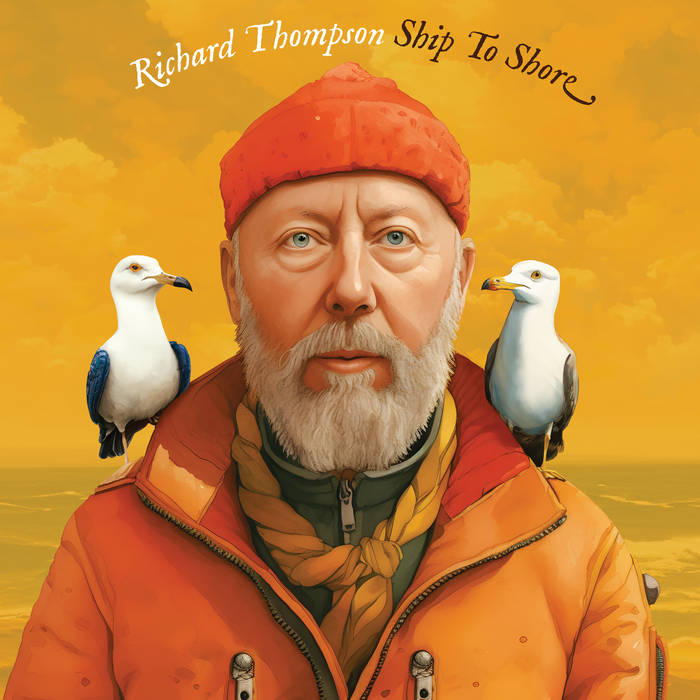
Richard Thompson is the guitarist Joanne Shaw Taylor probably hopes she can be someday, the songwriter Colin Meloy wishes he somehow could be; from his days inventing British folk-rock with Fairport Convention through a critically acclaimed set of solo albums that never captured mass attention, Thompson’s gleefully downbeat tunes and gnarly instrumental wizardry have never failed to move and shake those in the know. His latest album Ship to Shoreis another first-in-six-years gem; if anything, Thompson is working on a higher level than before. His acidic takes on thwarted love (“Freeze”, “Trust”, “Turnstile Casanova”) leave you gasping for breath; shadows lurk behind the desperate infatuation of “Maybe”, the queasy jollity of “Singapore Sadie” and the downhome cliches of “What’s Left to Lose” and “We Roll”. Backed by Taras Prodaniuk’s bass and Michael Jerome’s drums, Thompson conjures a clinging fog of guitar anchored in power-trio punch, with one brooding texture and lacerating lead break after another. As the title of one of his self-released albums unsubtly insinuates, doom and gloom from the tomb are Thompson’s stock in trade – but watch out! His unique blend of heartbreak and black humor can be oddly addictive.
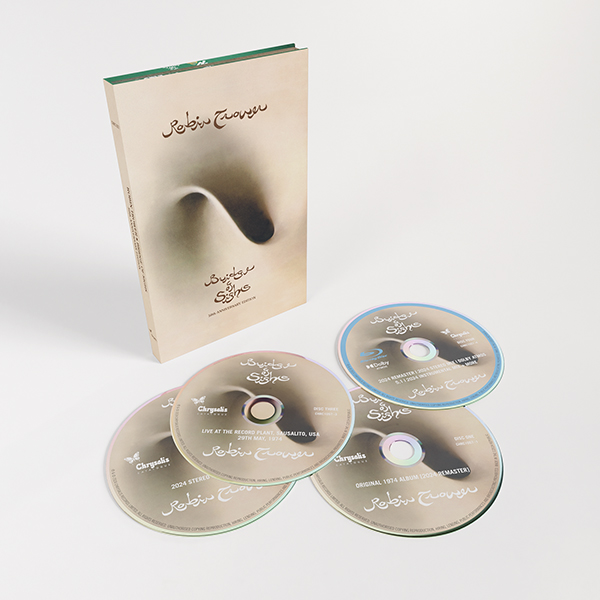
Finally, the undisputed masterwork of the man who taught King Crimson’s Robert Fripp to bend a string gets the deluxe edition it deserves. Robin Trower’s 1974 classic Bridge of Sighs hit rock fans in the USA (where Trower and Crimson toured together that year) like a ton of bricks; in vocalist/bassist Jimmy Dewar and drummer Reg Isidore, Trower had his dream team to escape the classical flourishes of Procol Harum and dig into musical veins previously mined by his hero Jimi Hendrix. “Day of the Eagle”, “Too Rolling Stoned” and “Little Bit of Sympathy” hit hard and funky; the title track, “In This Place” and “About to Begin” leave the listener floating on little wings of poignant mysticism. And everywhere, Trower’s unique solo sound; a guitar that really does sound like the sky is crying. A rough mix that reveals producer Matthew Fisher and engineer Geoff Emerick’s crucial roles in unifying the album and a raucous live-in-studio set provide the perfect complements to a genuinely great record.
— Rick Krueger
This set of Quick Takes is in memory of friend and concert buddy Jack Keller (1952-2024), with whom I saw Joanne Shaw Taylor, Richard Thompson, and many other fine artists live. Wish I could hear his story about working security for the Grand Rapids stop of Genesis’ The Lamb Lies Down on Broadway tour one more time . . .
And I will do alright Well in truth, I might I may be stumbling round on some cold night And I will miss the times when we were so right Although it seems so long ago, so long
I get into trouble and I hit the wall No place to turn – no place at all I pick a number between one and two And I ask myself what would Julius Caesar do?
Bob Dylan, “My Own Version of You”
Shortly after Bob Dylan barked out those couplets to the audience at Grand Rapids’ DeVos Performance Hall, he answered his rhetorical question with another recent tune: “I prayed to the cross and I kissed the girls and I crossed the Rubicon”. So it was no surprise that, on a night where the 82-year-old icon genially lorded it over his band and a capacity crowd, another historical JC crept into the setlist too . . .
But let’s rewind. Hitting the stage in a black sequined suit and white hat, Dylan planted himself behind a baby grand piano and promptly dispelled any expectations of a by-the-numbers night of bygone hits. The opener was recognizable as the 1970s deep track “Watching the River Flow” — but only just. Words were stretched out, scrunched together and slurred, melodies recast on the very edge of speech, the original flowing folk song juiced up by jumpin’ R&B from the backup quintet. To top it off, Dylan took all the solos — ranging from inspired rhythmic riffs to maddeningly repeated three-note licks (the kind you played in grade-school piano duets) that occasionally locked in with the band’s chords. The message was clear: “I’m doing whatever I want with these songs tonight. Keep up.”
To their credit, Dylan’s crew did just that, with style to spare. Whether on electric or stand-up bass, long-time musical director Tony Garnier’s pulse was always squarely in the pocket; guitarists Bob Britt and Doug Lancio’s sturdy strumming kept the songs plowing forward, even when their boss pulled back on the melodies and rhythms. With the vehicle in motion, utility player Donnie Herron piled on the colorful trim — floating pedal steel guitar, countrified fiddle, sprightly mandolin. And drummer Jesse Pentecost, the newest band member, gave it all a kick in the pants, changing and chopping the grooves of every tune from Dylan’s latest album of new material, Rough and Rowdy Ways. Nothing was straight off the record: slow blues spread out into shuffles; crawling ballads shifted up a gear to more fluid tempos; the whimsical meditation “Key West (Philosopher Pirate)” turned into film noir, darkening on a dime during an ominous, reharmonized refrain. If details got lost in the roar of the journey, it proved an exhilarating ride. (And Dylan was digging it — late in the set, he introduced the band members by name, which apparently only happens when he’s in a good mood.)
Dylan proved equally daring on a relatively obscure selection of vintage tunes, taking the reinventions of this year’s live-in-studio Shadow Kingdom even farther. “I’ll Be Your Baby Tonight” careened from free-tempo intro to Little Richard stomper (complete with Jerry Lee Lewis piano glisses) to a hard-braked burlesque finale. “To Be Alone With You” got the full honky-tonk treatment, courtesy of Pentecost’s loping backbeat and Herron’s cry-in-your-beer filigree. Given the nature of the night, the biggest surprise wasn’t that Dylan’s fundamentalist calling card “Gotta Serve Somebody” cropped up as a rockabilly-flavored rhumba; it was that the only cover of the set, Chuck Berry’s “Nadine”, was played and sung absolutely straight (and garnered as much applause as anything else)!
Though I’ve gotta say the biggest kick for me was the relaxed finale: “Every Grain of Sand”, one of Dylan’s numerous farewells to whoever or whatever threatened to cramp his style over the decades. A final fruit of his evangelizing years, it proved a graceful closer for the evening, a benediction of sorts on the rapt audience, complete with Bob’s only harmonica solo of the night after the final lyrics:
I hear the ancient footsteps like the motion of the sea Sometimes I turn, there’s someone there, other times it’s only me I am hanging in the balance of the reality of man Like every sparrow falling, like every grain of sand.
At which point, Bob Dylan carefully hobbled to center stage, stood there bathed in applause, smiled, and — the very embodiment of Boomer noblesse oblige — took leave of the 2,000 mere mortals before him, off to future stops on his latest imperial progress.
Unless otherwise noted, title links are typically to Bandcamp for streaming and purchasing, or to Spotify/YouTube for streaming with a additional purchase link following the review.
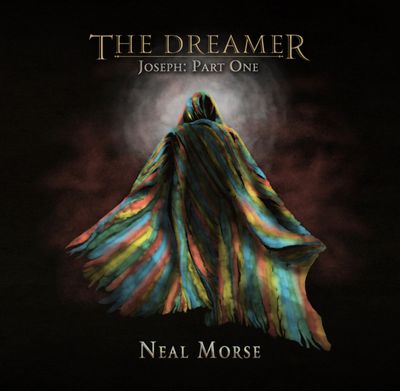
Neal Morse, The Dreamer – Joseph, Part One: For his latest rock opera a la 2019’s Jesus Christ the Exorcist, Morse and his studio sidekicks swerve toward hard-hitting blues-rock; the usual “Overture” and the narrative tracks “Burns Like A Wheel” and “Gold Dust City” are stuffed to the brim with chunky organ and grunged-up wah-wah guitar work. Wailing vocals from the cast of Christian Progressive Rock stalwarts who play Jacob, Joseph’s brothers and his Egyptian captors slot right in; even the power ballads (“The Pit”) have more grit this time around! And while the second half of the album is stylistically slicker (complete with classical chorale “I Will Wait on the Lord”), the hooky closer “Why Have You Forsaken Me?” pulls all the musical threads together, with Morse’s emotive portrayal of Joseph setting up intriguing possibilities for Part 2 — which, given his extravagant productivity, shouldn’t be too long in coming. Order from Radiant Records here.
Tu-Ner, T-1 Contact Information: Power trio improvisation that takes no prisoners, from another eerily luminous satellite band orbiting the gravity well of King Crimson. Trey Gunn and Pat Mastelotto formed one of Crimson’s most ferocious rhythm sections in the early 2000s, also recording together as TU; here Mastelotto clatters away merrily on his sonic smorgasbord of drums and percussion, while Gunn unleashes the deepest, fattest bass licks known to subwoofers. Above and around the Rhythm Buddies’ brutalist bedrock, Markus Reuter (who’s worked with Mastelotto in the duo Tuner and the trio Stick Men) unleashes slashing, swooping touch guitar lines and dark, brooding soundscape clouds — and when Gunn joins him on the higher end, sparks really fly. Always arresting, intermittently galvanizing, but the track titles (or this review for that matter) can’t really give you a feel for what this sounds like. In other words, you’ve gotta hear what Tu-Ner do to believe it.
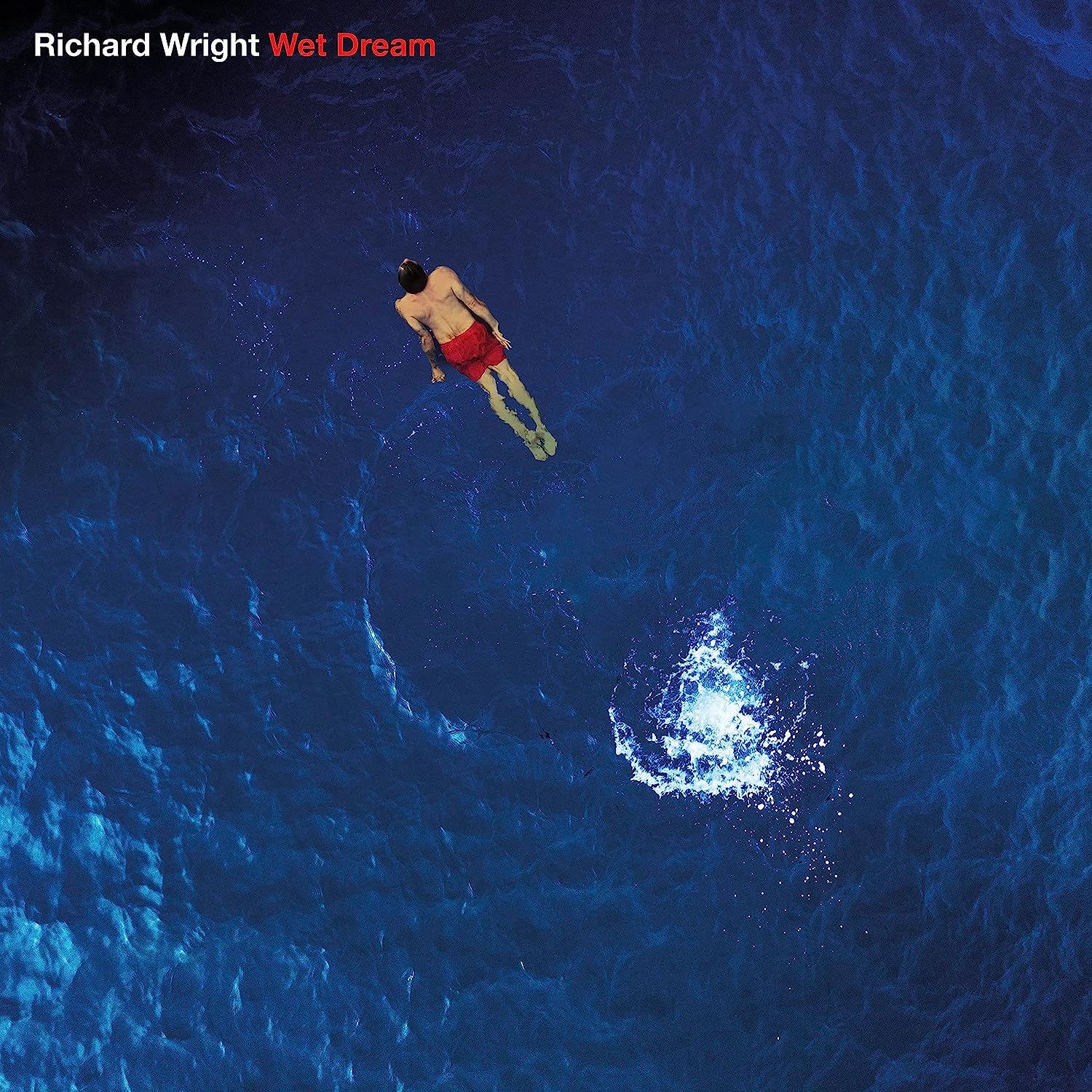
Richard Wright, Wet Dream: In case you ever wondered exactly what keyboardist Wright brought to Pink Floyd, his 1978 solo album has it in spades. On tracks like “Mediterranean C” and “Drop In from the Top” lush, floating chord progressions set up open-ended jams by guitarist Snowy White and sax legend Mel Collins; Wright’s reedy voice spins out languid vignettes of detachment and disillusion such as “Summer Elegy” and “Holiday”. All thoroughly gorgeous (especially in this immaculate new Steven Wilson remix), occasionally funky, ineffably melancholy — and not terribly urgent in isolation. Still, you can hear the breathing space that Floyd lost as Wright faded into the background and Roger Waters began repeatedly kicking his audience in the head on The Wall. Order from Rhino Records here.
Ultravox, Quartet [Deluxe Edition]: Speaking of immaculate Steven Wilson remixes: this is his third in a series for the British new wave quartet. Regrouping after early personnel changes, Ultravox struck a quirky vein of New Romantic post-punk on 1980’s Vienna, then pursued cutting-edge Krautrock on the follow-up Rage in Eden. Connecting with legendary producer/5th Beatle George Martin, frontman Midge Ure, violinist/keyboardist Billly Currie, bassist Chris Cross and drummer Warren Cann aimed straight for the charts; Quartet is as pure of a pop album as they ever achieved. The UK singles “Reap the Wild Wind,” “Hymn,” “Visions in Blue” and “We Came to Dance” have an irresistible mix of rock drive, synth-pop color and devil-may-care melody, and the album tracks slot right in; the whole thing’s overripe and melodramatic in the most appealing way. Plenty of extras in the 7-disc box too, with b-sides, rarities, rehearsal tapes, studio monitor mixes and an intense live set all included. Order from the Ultravox store here.
Unless otherwise noted, title links are typically to Bandcamp for streaming and purchasing, or to Spotify for streaming with a additional purchase link where available.
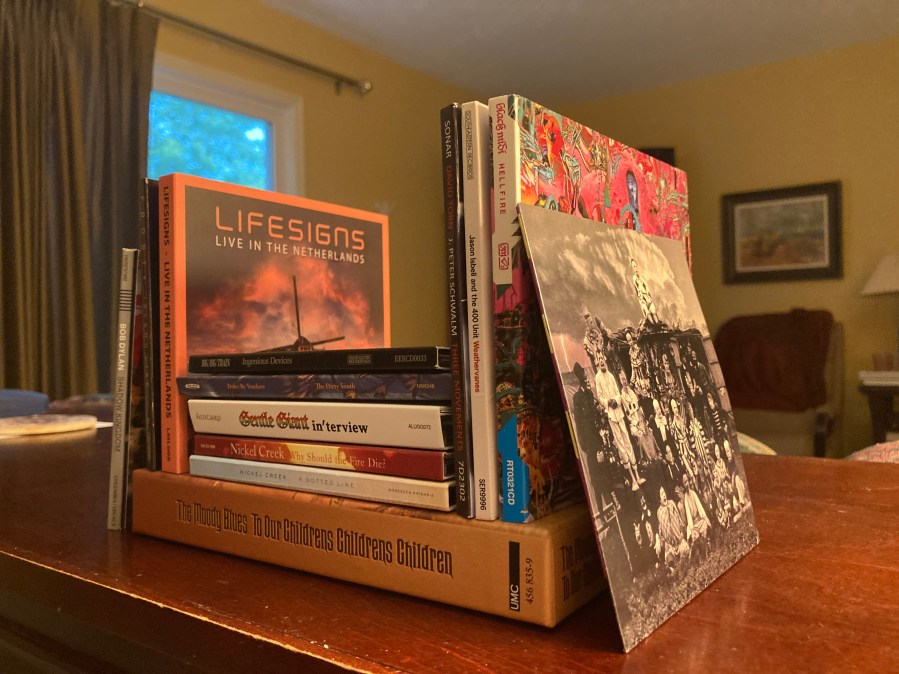
Starting with an obvious choice around these parts: Ingenious Devices proves a winning Big Big Train compilation, featuring Greg Spawton’s life-enhancing explorations of humanity’s drive to expand its reach. Vividly orchestrated reworkings of “East Coast Racer” and “Brooklands” join a remix of Grand Tour’s “Voyager” and a stirring live take of “Atlantic Cable” featuring new lead singer Alberto Bravin; the result is a fresh, vital, thoroughly moving suite of prog epics. Recommended without hesitation!
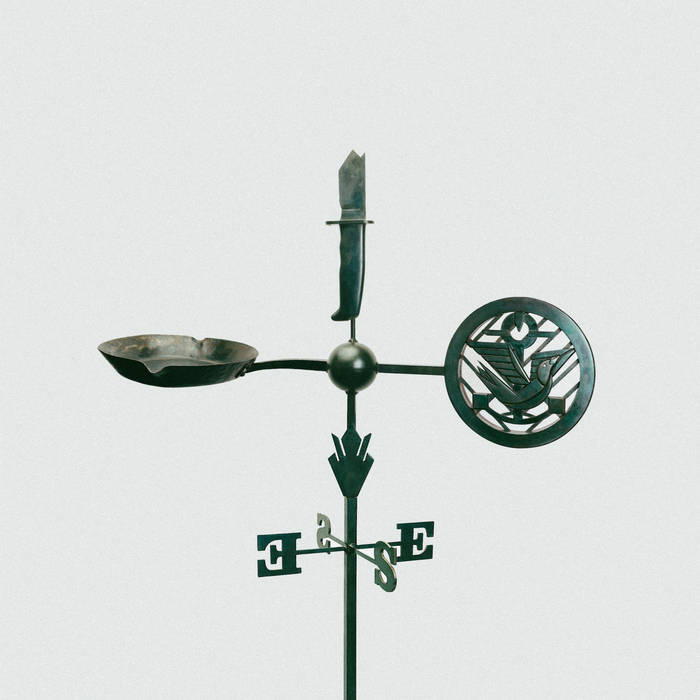
Southern rockers Drive-By Truckers have also reached back — fleshing out their classic 2004 effort as The Complete Dirty South, the double album they originally conceived. Triple-threat guitarist/songwriters Patterson Hood, Mike Cooley and Jason Isbell reel off tale after compelling tale of characters caught in desperate circumstances, torn between bad choices, clinging to vagrant hopes. Their rampaging hard-rock energy, seasoned with delicate country soul balladry, is what elevates the whole concept beyond haunted fatalism to an intense meditation on courage in the face of overwhelming odds. (Having left the DBTs in 2007, Jason Isbell continues to go from strength to strength. His brand-new effort with The 400 Unit, Weathervanes, brings tons of sharp writing and fiery playing to a clutch of deeply empathetic Americana narratives, topped with irresistible choruses and just a pinch of classic rock a la Bruce, The Byrds and Neil Young. Whatever your take on country music, you really shouldn’t miss either of these.)
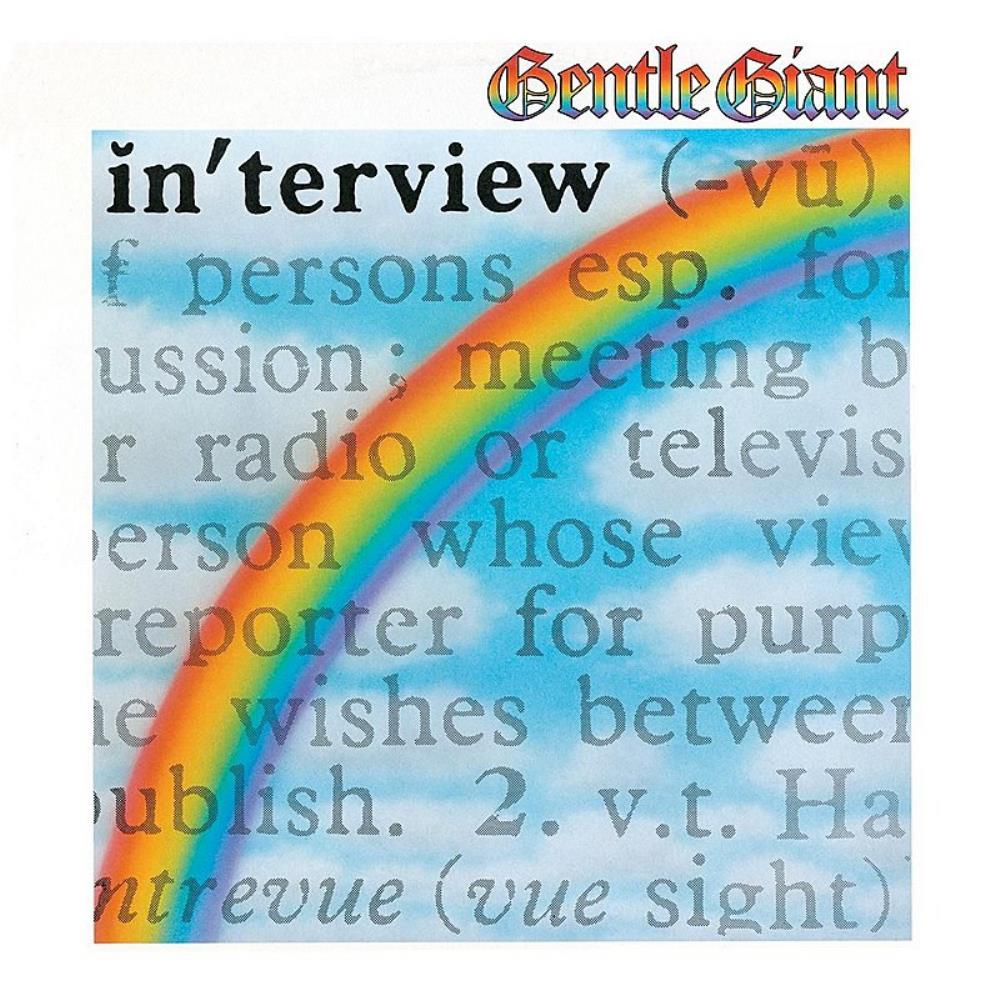
Also on the reissue front, Gentle Giant’s 1976 effort Interview now has a spruced-up, punchy remix from Steven Wilson (available here) that breezily clarifies the British quintet’s counterpoint vocals (“Design”), interweaving instrumental lines (the title track, frenetically funky closer “I Lost My Head”) and multistylistic hijinks (the unanticipated reggae chorus of “Give It Back”). The Moody Blues’ second release of 1969, To Our Children’s Children’s Children, becomes their third vintage set to get the multi-disc box treatment – though it’s only available digitally in the US. While the album proper leans toward studio psychedelia laced with wispy slow-dance tunes and the odd cabaret flourish, the bonus live tracks (including a complete set from the Royal Albert Hall) reveal the Moodies as quite the stomping rock outfit, slipping the leash on the album’s single “Gypsy,” the encore “Ride My Seesaw” and core tracks from Days of Future Passed.
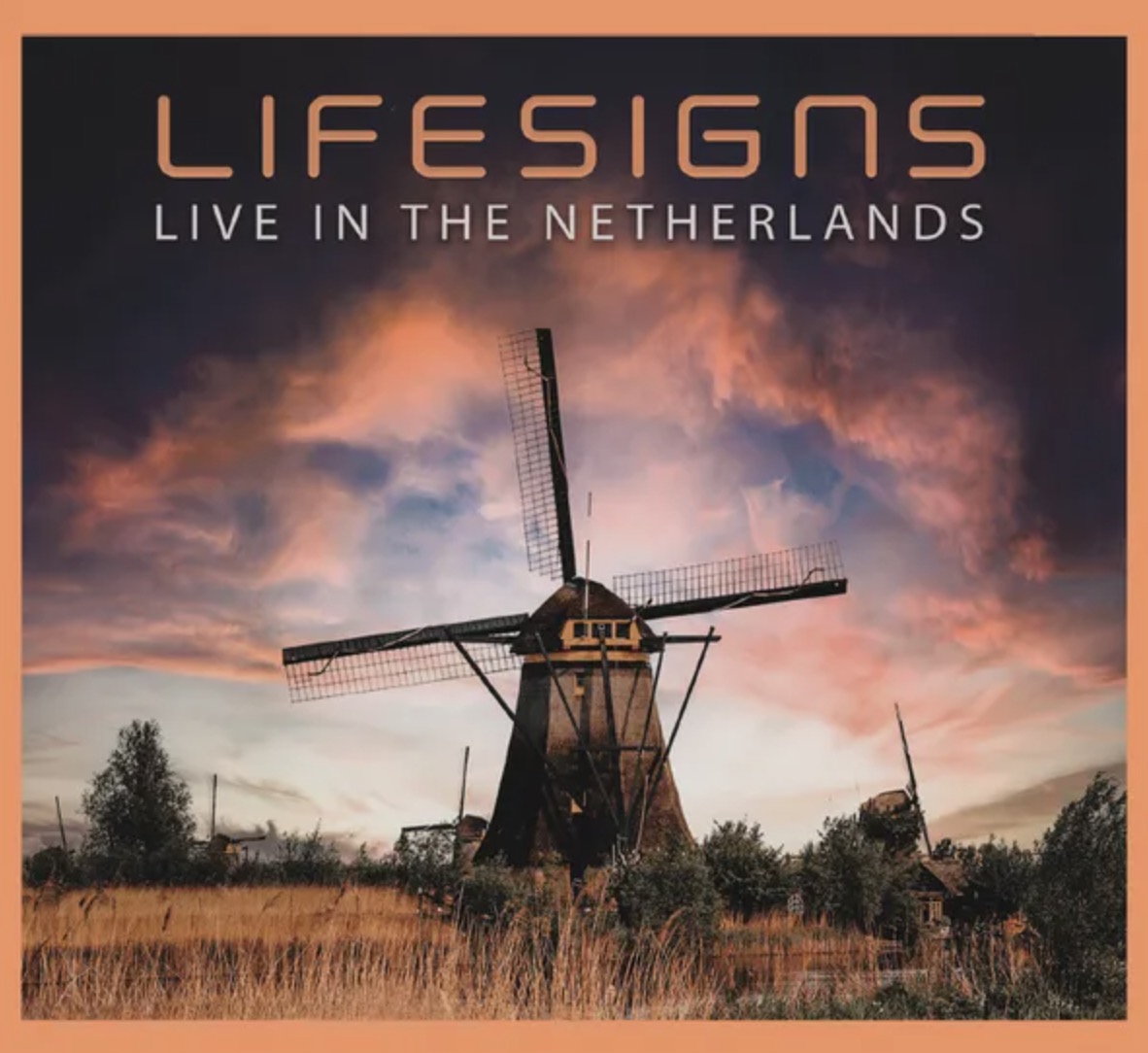
Live releases have picked up again as well. For their concert video debut Island Live (available through Magenta’s Tigermoth label), Jem Godfrey’s tech-forward quartet Frost* reap a whirlwind harvest of monumentally proportioned prog. With bassist Nathan King and drummer Craig Blundell anchoring the jumpy polyrhythms, guitarist John Mitchell and keyboardist Godfrey eagerly splatter as many unhinged solos as possible across devilishly ingenious harmonic structures, singing their hearts out all the while. (Check out a video sample here.) Prefer calmer (though no less extended) sonic voyages? Lifesigns’ Live in the Netherlands should be just the ticket. Leaning on the music from 2021’s Altitude, keyboardist/composer John Young and guitarist Dave Bainbridge prove steady hands on the wheel, soothing the soul as they scale the majestic heights of “Open Skies,” “Ivory Tower” and “Last One Home”. (One other winner from outside the genre: for a 2021 COVID-time video, Bob Dylan fused his recent rummagings amongst the blues and pre-rock vocal stylings to revitalize his vintage repertoire. The unplugged sorta-soundtrack Shadow Kingdom is the winning result; order it here.)
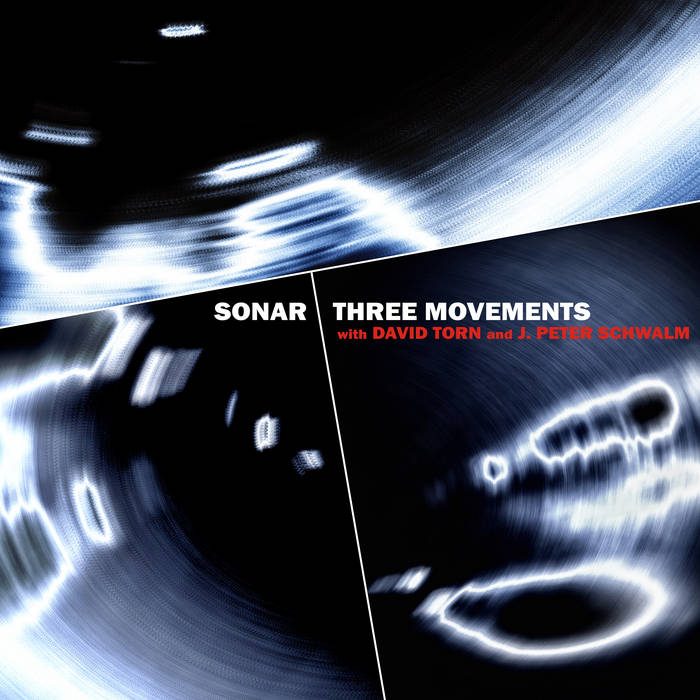
Speaking of concerts, my prep for a recent show by British “post-Brexitcore” bashers black midi included their latest album Hellfire, which hit plenty of 2022 best-of lists in and out of the prog world. A detailed live review is forthcoming; suffice to say that on record, bm’s dense, anarchic musical interaction tracks all too well with their jaundiced first-person lyrical vignettes — it’s postmodern life as absurd, unstoppable apocalypse. A welcome bonus from that concert was meeting Mike Potter, Renaissance man of the Eastern Seaboard — astrophysicist, former recording studio owner and a whiz on keys, woodwinds and vocals too! Potter’s band Alakazam has just released their fourth disc, Carnival Dawn; it’s a heady conceptual effort that stirs equal parts Ray Bradbury and Stephen King into a bubbling stew garnished with ominous Mellotron, creepy clarinet and saxophone, and the wondrously deranged verbal musings of sundry evil clowns. By the pricking of my thumbs, it’s worth a listen — if you dare. And for a coolly energizing dose of order to chase the above chaos, you won’t do better than Sonar’s new Three Movements. Here Stephen Thelen and company harness a genuinely symphonic tension, building up towering rhythmic edifices that reach dizzying heights; at the climaxes, as guests David Torn on guitar and J. Peter Schwalm on electronics launch volley after volley of improvised ambience, the tension breaks, the clouds clear, and you might just hear the music of the spheres!
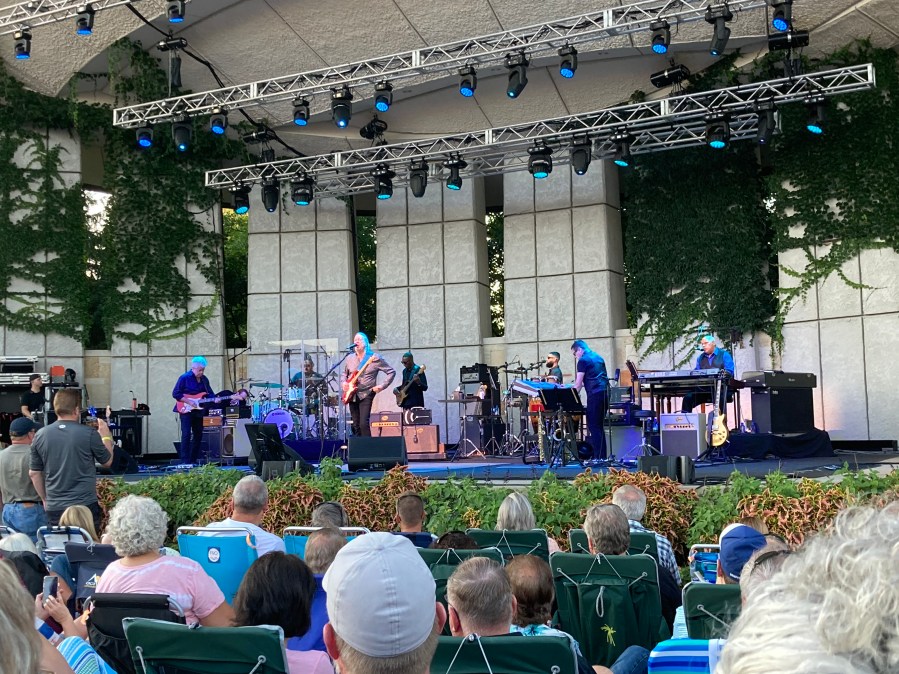
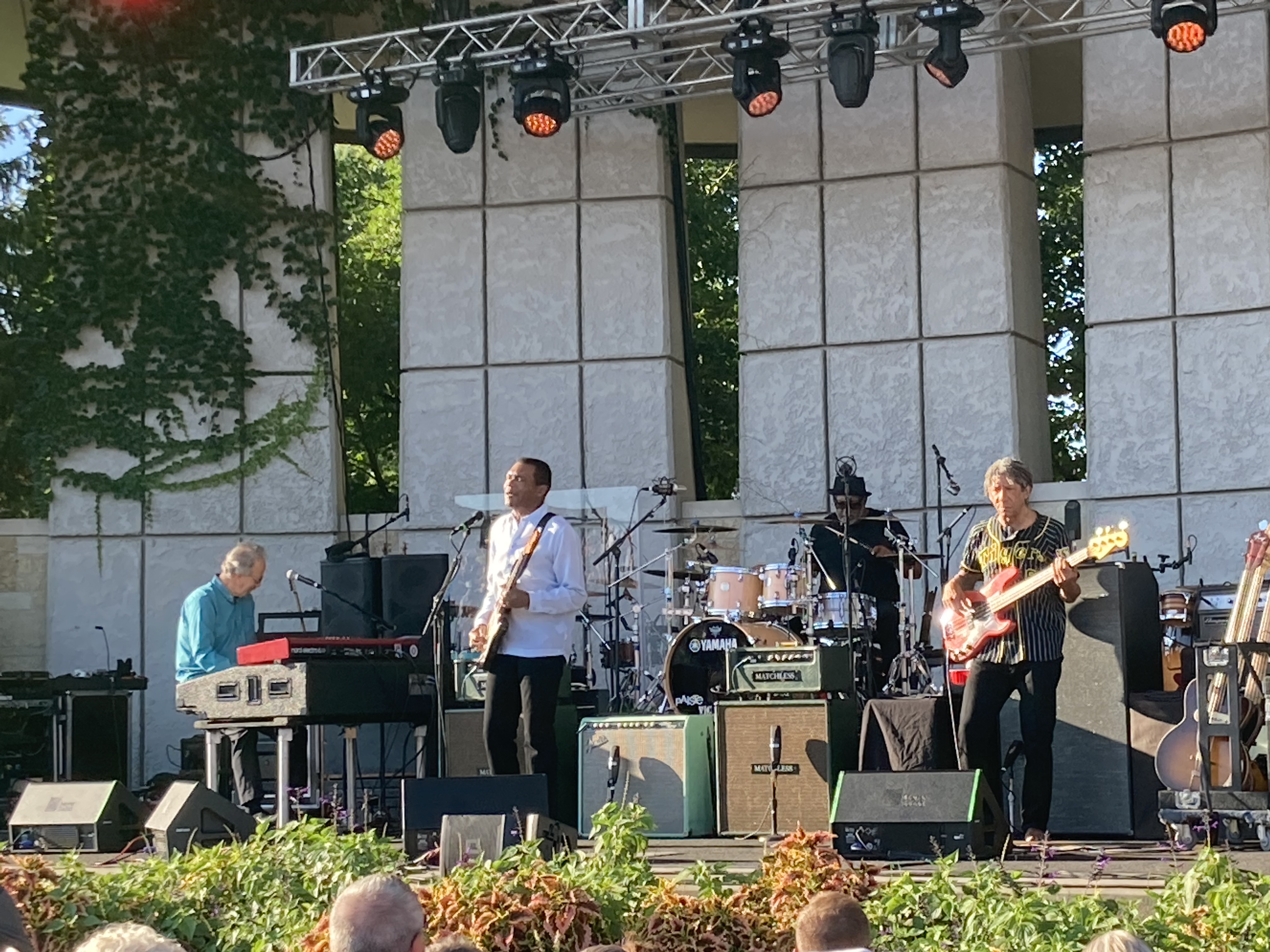
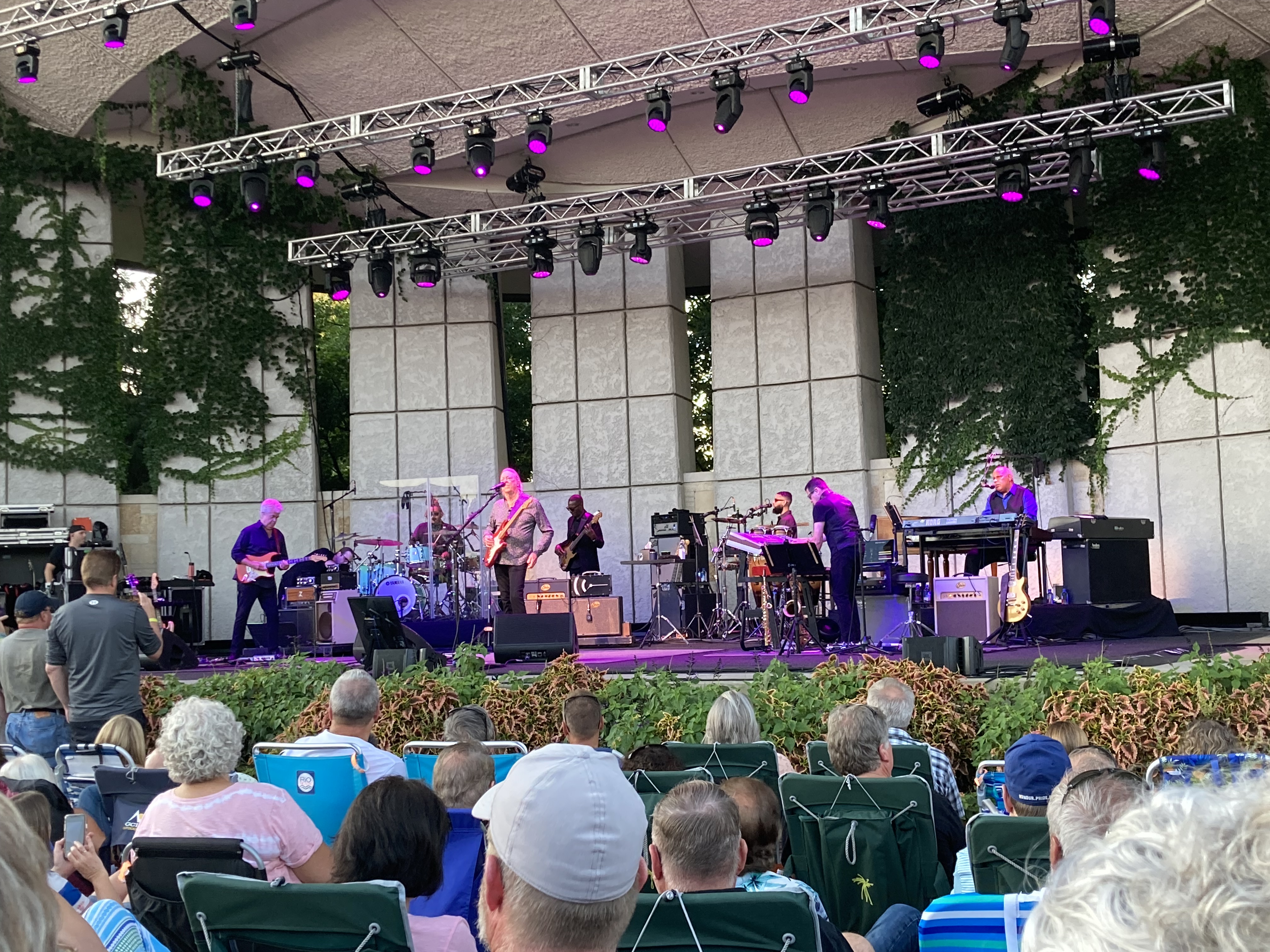
Boz Scaggs with the Robert Cray Band and Jeff LeBlanc, Meijer Gardens Amphitheater, Grand Rapids Michigan, August 22, 2022.
Fair warning: there was absolutely nothing prog about this show. And there didn’t have to be — my wife, my friends and I got the good time vibes we came for, along with about 2000 other locals, if sometimes from some unexpected directions.
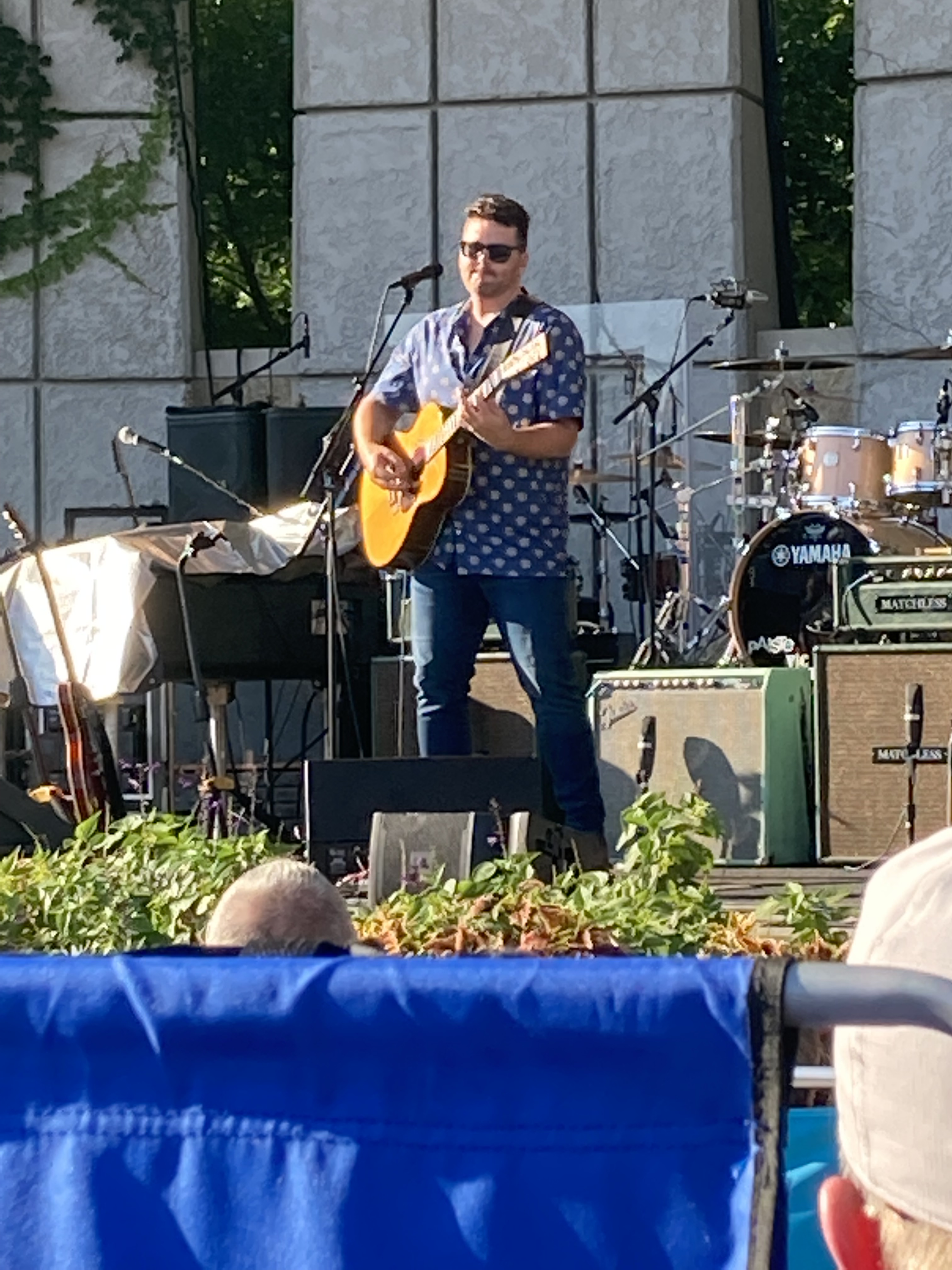
Case in point: opening act Jeff LeBlanc. (All together now: “Who?”) A solo act like many others: one guy with his guitars, a way with catchy melodies that you might hear over the PA system at a place like Walgreens (he said it, not me!) and great taste in covers. Pulling out hometowner Al Green’s soul classic “Let’s Stay Together” as his third tune, he had the crowd firmly on his side by the end of his 15-minute set. If LeBlanc’s music is a bit anonymous, his affable stage presence still provided a great way to ease us into the evening.
Then, the Robert Cray Band took the stage for a absorbing hour of down home goodies. While Cray caught the attention of the 1980s blues scene on guitar, and still showcases great 12-bar tunes like the claustrophobic “Phone Booth” in his set, his singing and songwriting have always had broader horizons, stretching into R&B, soul and beyond. Supported by Les Falconer’s solid drumming, Richard Cousins’ booming bass and Dover “White Cliff” Weinberg’s idiomatic organ work, Cray powered through captivating originals like “Anything You Want”, “I Guess I Showed Her” and the humorous, instrumental Booker T homage “Hip Tight Onions”, singing and playing his heart out even with the sun in his eyes. But it was on quiet tunes such as “I Shiver” and the closer “Time Makes Two” that Cray really impressed, bringing his arresting solo breaks down to near silence and taking the rowdy audience with him. The standing ovation at the end — for a man who didn’t even play his biggest hit, “Smoking Gun” — showed that everyone with ears to hear knew they had just seen a master at work.
Then it was time for Boz Scaggs — sauntering into the spotlight with his six-piece backing band on front of a crowd that expected the hits and wound up getting more than they bargained for. Sure, Scaggs kicked off with “What Can I Say” — the opening track from his smash album Silk Degrees — then kept the slick, disco-edged soul of that record going with hit-radio favorites like “JoJo” and “Lowdown”. But he also dove into his most recent, rootsy effort Out of the Blues with tracks like the gritty “Rock and Stick”, Don Robey’s lush “The Feeling Is Gone” and the piledriving “Radiator 110”. Not to mention his own drop-dead gorgeous ballads “Harbor Lights” and “Look What You’ve Done to Me” (the cue for couples to snuggle as darkness fell and the temperature dropped). Through it all, Scaggs’ laconic, behind-the-beat singing and his effortless falsetto work revealed another master, who’d come through his flash of fame to the decades beyond, with his chops and his instincts for what makes great music intact.
Throughout, Eric Crystal shone on saxes and melodica, as well as utility keys and guitar; Mike Logan laid down smooth, supple work on organ, synths and electric piano; guitarist Mike Miller and legendary bassist Willie Weeks proved that the right few notes equal maximum groove; and a great drummer/percussionist duo (whose names I didn’t catch — your contributions are welcome!) not only kept the rhythms percolating, but joined with Logan to nail the high backing vocals that gave Scaggs’ hits some of their glossy sheen.
And, unsurprisingly for folks who delved deeper than those hits, Scaggs and the band could rock, too! Not only did Silk Degrees’ deep cut “Georgia” and the set closer “Lido Shuffle” roar out of the starting blocks, the band came back for encores “It’s Over” and Chuck Berry’s “You Never Can Tell” ready to rumble, with Crystal duckwalking across the stage and Miller ripping off some spellbinding leads. Then, acknowledging the rowdy, wildly applauding audience (“You guys play rough!”) and pushing against the township’s noise ordinance, Scaggs belted out the fiercest song of the night, “Breakdown Dead Ahead”, for a perfectly chosen finale.
To some extent, the careers of both Scaggs (even in the wake of his success) and Cray suffered from the change in American radio that happened in the late 1970s and early 1980s, when rock stations corporatized and honed their playlists to focus on Album-Oriented Rock. In the process they dumped the prog epics this site focuses on — but they also dropped anything that even paid homage to black music like the proverbial hot potato. (I’d heard at least a third of Scaggs’ setlist on Detroit rock radio back in the day — but only up till about 1979. After that, crickets.) So it’s possible Scaggs and Cray might have been bigger back in the day; but given the rapt reception they received this past Monday night, people seem realize that, whatever fruits of fame might have eluded these artists over the years, they still deliver the goods.
Rob Koral – Wild Hearts – 2021 Tracks: Show Me The Way (5:46), Funky “D” (7:14), Summer (8:12), Take Me Back (4:40), Saving Grace (7:18), The Showdown (5:17), The Beyond (5:00), Hold Tight (5:37)
Part jazz, part classic rock, part blues, and all with a sprinkling of prog over the top for good measure. That’s probably the best way to describe Rob Koral’s new album, Wild Hearts. Rob has played on over 30 records, and he is most well known for his work with the band Sketch. He is also a founding member of the band Zoe Schwarz Blue Commotion.
The songs on Wild Hearts are very upbeat, reminding me a little of the first Jethro Tull record and of Blodwyn Pig. The music is relatively simple – guitars by Rob Koral, Hammond organ by Pete Whittaker, and drums by Jeremy Stacey. The album sounds extremely fresh, which is likely due to the group recording the songs live in studio on one day in December 2020. I think that approach is best for this kind of jazz-blues instrumental music. It begs for improvisation. Rob wrote all the music, but he says that he didn’t tell Pete and Jeremy what to play. The result is music with form that still breathes. You can even hear the little hand movements on the guitar strings and the little natural noises you would get playing live. There’s even a sense of space from the room the recorded the music in. These elements add warmth to the recording, as well as bring a vintage feel to the music.
The Hammond organ really makes this record stand out for me. It adds such a rich atmosphere to the songs, even when the guitar is taking center stage. The drums have a jazzy improv feel that sets the perfect stage for the guitars and organ. My only really critique is perhaps a little bit of repetition throughout, but that also may be a result of the album being recorded live in a day. As such it’s quite an achievement. In a way it feels like a live jazz show. A song like “The Beyond” especially has that feel of anticipation as the soloing switches back and forth between guitar and organ. The longer guitar solo builds gradually over a very simple but effective drum beat. It’s smooth with a little bit of grit on the lower ends.
Wild Hearts’ strength as an album is it takes jazz and rock and strips them down to the basics. There’s nothing overly complicated here, but the extended jamming gives the songs room to grow and breath. It’s a solid album that has a positive and upbeat tone to it, sure to please on repeated listens.
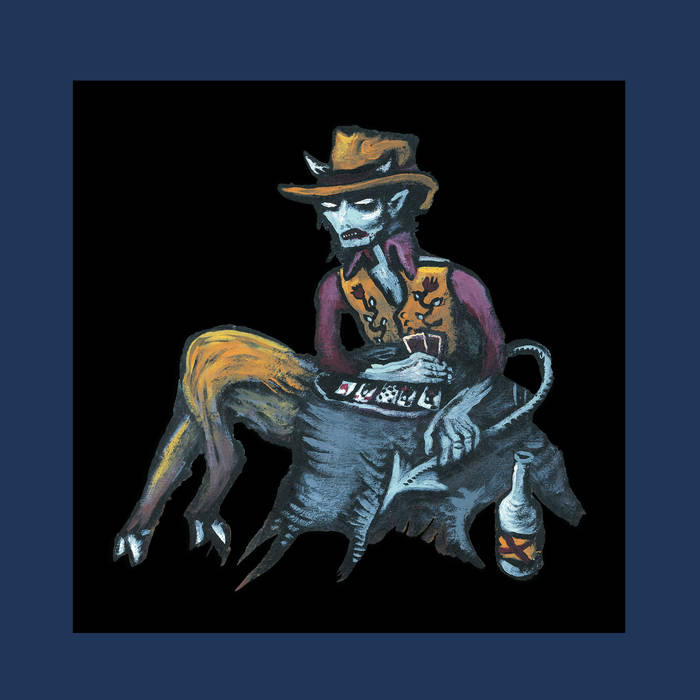
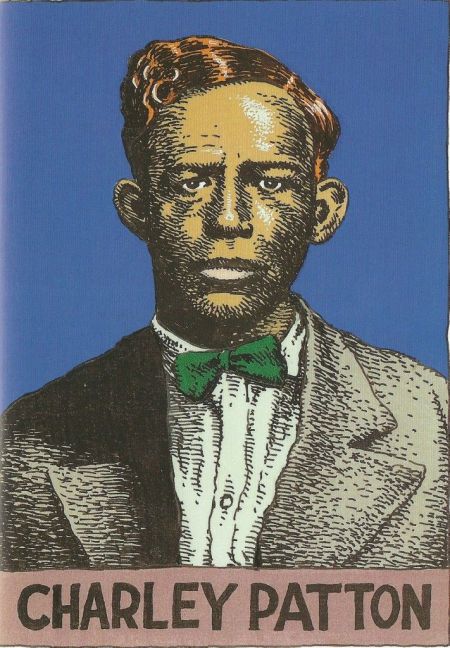
While John Fahey was working on the set of songs that included “Sunny Side of the Ocean,” for The Transfiguration of Blind Joe Death (1965), he was completing his master’s thesis in folklore at the University of California at Berkeley, the first biography and analysis of the work of blues guitarist/singer Charley Patton. It was published in paperback form in 1970 and is now considered a classic of blues literature. (Like most early Fahey endeavors, original printings go for exorbitant sums. However, indulge yourself here for free.) Fahey’s obsession with Patton is clear but also realistic, and contains in it the reach and grasp of a true scholar. One gets the impression he probably could have rattled this off in his sleep, despite the occasional dry stiffness no doubt desired by his thesis committee. Fahey’s point: blues and folk scholarship was missing out big on players like Patton, who for years had been written off as being past the cut-off point of interest of circa 1928, i.e., more influenced by records than oral tradition and thus not worth bothering over. The racism banked deep in this position aside, Fahey argues successfully that the atmosphere of non-direction in the recording studio for blues artists of Patton’s era (1929-1934) in particular — a result of A&R men having no idea what black communities wanted in the “race records” they were promoting to those same communities — gave players like Patton freedom to perform more naturally than they might otherwise, and produced work that provided a window into African American existence in the Mississippi Delta in the first half of the 20th century.
Fahey’s efforts notwithstanding, Patton remains a dazzling mystery, dead and mostly forgotten for over thirty years before Fahey’s scholarship and the debts acknowledged by artists like Bob Dylan. Far wilder in lifestyle and presentation than that other King of the Delta Blues, Robert Johnson (himself no stranger to the on-the-edge, rough life of an itinerant Delta musician) Patton’s repertoire was also more diverse, and his showmanship as much a part of his legend as his musicianship to the people who knew him and had seen him perform (to the extent that Son House expressed surprise to Fahey on hearing a Patton record Fahey played back for him, not recalling his friend’s potent guitar prowess but instead Patton’s “clowning”). While Patton’s legacy never attained the rock’n’roll sanctification accorded Johnson’s work — there’s no equivalent for Patton to Cream’s cover of Johnson’s “Crossroads” or the Stones’ “Stop Breaking Down” — his work constitutes in its rawness an essential rock document, the direct antecedent to the entire career of Howlin’ Wolf (who Patton mentored), and thus by association Captain Beefheart and Tom Waits. So if Robert Johnson is closely associated with classic blues rock as exemplified by Cream and the jam bands that followed, Patton can to some degree be claimed by artists who inhabit rock’s lunatic fringe. This isn’t, of course, an all-or-nothing proposition, but just one possible, shifting observation. Patton was a punk.
The sun shone warmly again on the south side of Chicago as Progtoberfest III kicked off its second day. Taking in the view as I exited the ‘L’, it was amusing and welcoming to see a familiar screaming face painted on the exterior of Reggie’s:
Hoping to get Alphonso Johnson’s and Chester Thompson’s autographs in the VIP Lounge the night before, I’d struck up a delightful conversation with members of the North Carolina Genesis tribute band ABACAB. In 2016, festival organizer Kevin Pollack had given them “homework” for this year: to play all of Genesis’ live album Seconds Out on the 40th anniversary of its release. You could tell the band was nervous (they focus on 1980s Genesis to get bookings, so they had to learn half the album in the past year) but also absolutely thrilled to bring it to the Rock Club stage. And on Saturday afternoon, they nailed it, to the joy of an enthusiastic, supportive crowd and rave reviews from other acts. They’re already planning to return to Reggie’s in April as a headliner, and for Progtoberfest IV next October. Check out why below:
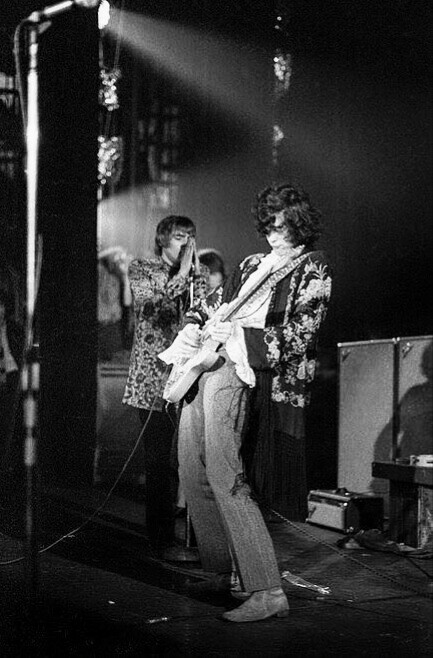
Nearing the end: Keith Relf (left) and Jimmy Page, 1968
In July 1968 an exhausted Keith Relf handed the keys to the Yardbirds to Jimmy Page, the last of the triumvirate of ground-breaking guitarists to grace the seminal rock band. Relf and drummer Jim McCarty had tired of the road and, in some measure, rock itself, and wanted to do something in a folk vein. For them the frenetic rock scene had run its course.
In October of that year Page took the New Yardbirds (himself plus John Paul Jones, Robert Plant, and John Bonham) to Olympic studios in London. Over 36 hours they hammered out Led Zeppelin, the biggest shockwave in rock history, the culmination of Chuck Berry’s rock n’ roll thunder, recaptured by Jeff Beck’s dangerous and deviant guitar a couple of years earlier, the climax of every frenzied dance ending in sweat-drenched pony-tails and bobby socks blackened by the gym floor.
Page proudly wore his old band on his paisley sleeve: “Communication Breakdown” brandished the proto-punk of Roger the Engineer; “Dazed and Confused” bore the same structure of the Yardbird’s cover of Jake Holmes’ original (credit where it’s due), including a mirror of Page’s guitar break from the BBC version of “Think About It”; “Black Mountain Side” was the Near Eastern-inspired complement to “White Summer”; and the slow burning blues tracks (“You Shook Me” and “I Can’t Quit You Baby”) harken to the Yardies’ roots.
The final Yardbirds salute, the over-powering “How Many More Times,” opens with a cocksure shuffle after the manner of Clapton-era “Smokestack Lightnin’,” then rolls through a Beck-style bolero into not one but two Samwell-Smith-inspired rave ups that bookend a surreal break: a bow drawn over Page’s heavily distorted ‘dragon’ Telecaster — the schoolgirl catching her breath and picking herself up from the dancefloor.
Oh, Rosie…
Seeing Jefferson Airplane in 1967 and hearing Jack Casady’s Homeric bass solo, Page thought to himself, “This is the end of the world.” No. Led Zeppelin was the end of everything. All rock music since January 1969 is post-Zeppelin. Even Led Zeppelin had to become post-Zeppelin to maintain its dignity. The virus exploded; the DNA of countless, nameless concert halls, honky tonks, and juke joints spread through the atmosphere, reconfiguring itself in other forms: folk rock, metal, punk, fusion, techno, roots rock, grunge, etc.
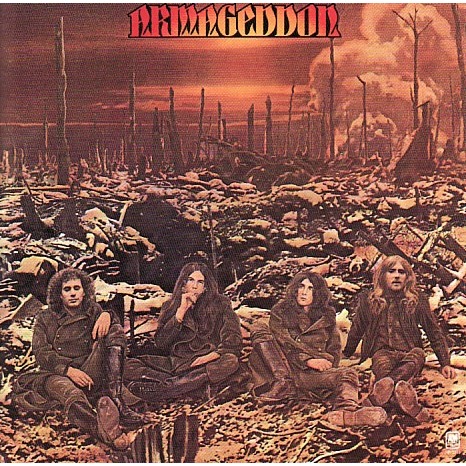
Not the least of these was progressive rock, which is where Keith Relf turned up in 1974 when he formed Armageddon. In addition to Steamhammer’s speed riffer Martin Pugh and bassist Louis Cennamo, Florida native Bobby Caldwell — veteran of stints with Johnny Winter, Rick Derringer, and the Allman Brothers (“Mountain Jam”) — took a seat at the drum kit.
Armageddon (1975) is an aptly titled foray into the post-Zeppelin musicscape. But the album isn’t a detour unto itself. It looks at the past and present musically, and to the future lyrically. Pugh’s riffs are contemporaneous with Houses of the Holy and Physical Grafitti. Prefiguring later developments in prog rock, the music pulls back from the inclusion of multiple themes and motifs, settling into a groove, often one with funk and fusion elements, and extending the passage with subtle alterations. This is particularly evident on the blistering opener, “Buzzard,” as well as “Last Stand Before.”
Relf’s voice isn’t as deep and prominent as on the old Yardbird’s tracks. A lifelong asthma sufferer (it’s painful to watch Jeff Beck mimic Relf puffing on an inhaler), Relf was basically down to one lung by this stage of his ill-fated life and career. But this didn’t thwart his signature harmonica work, and when the instrument makes its appearance toward the end of tracks it comes with the harrowing apocalyptic authority of seven trumpets blowing.
Rock and roll, moving your soul
Took a few as well
On the line, out of time
Shooting stars that all fell
Oh Lord, do something, gotta slow it down
It’s coming on too fast, can’t take it
Feel like I’m gonna drown
Gonna stand and face it, but I need you near
Through the darkest hours, I’m calling
Sometimes I think you don’t hear me calling
Hear me calling
Awareness of the consummation and transformation of all things pervades the album. From the shimmering “Silver Tightrope,”
I thought I saw the candle-bearers
On their way to the beyond
Beckon to me from the future
To come and join the throng
I stepped upon the silver tightrope
Balancing beliefs
And wings unfurling with a new hope
I left behind my griefs
Even the darker “Buzzard” includes a promise,
But the meek will stand
Understanding nature
Seeing far beyond the plan
Take their place in time
Take their place in timeless structure
The end of this present life came quickly and unexpectedly for Keith Relf in May 1975, as he was the victim of an accidental electrocution while working with ungrounded sound equipment in his basement. When the Yardbirds were inducted into the Rock n’ Roll Hall of Fame his wife and son accepted the honor on his behalf.
This post-everything world doesn’t last forever. In the meantime Armageddon occupies the already/not yet space with tight arrangements, subtle time changes, and expert chops from all its participants. And Relf proves the humblest instrument of ages past works in this context, creating a confident work one can take on a long drive — keeping an eye on the speedometer — in the direction of Proghalla.














 Rob Koral – Wild Hearts – 2021
 While
While 

 Armageddon
 Progarchy