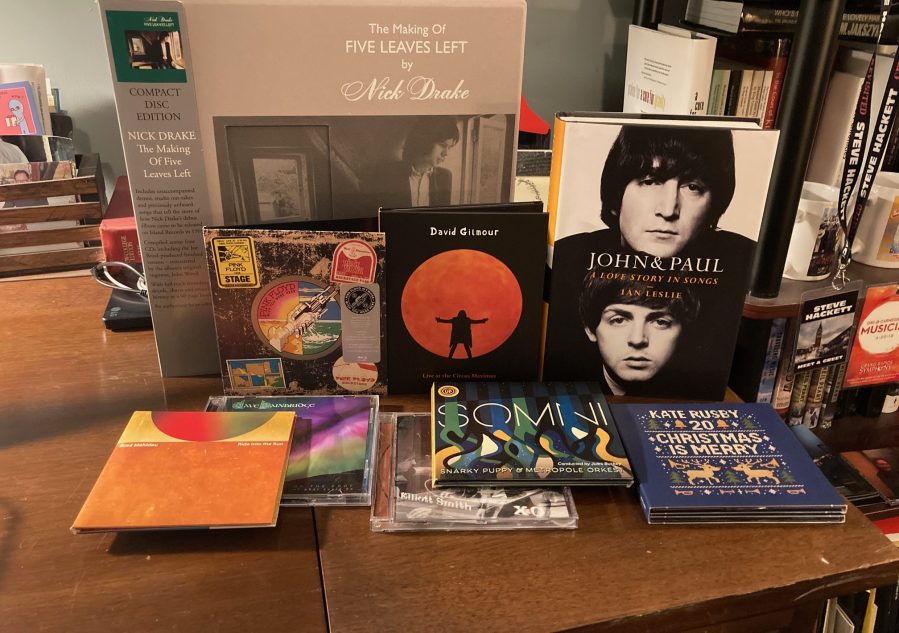
Rick’s Quick Takes for Summer’s End

As usual, direct purchase links will follow each album review, along with video or audio streaming where available. Given the potential impact of new US tariffs and regulations on both overseas musicians and the vendors who sell their music, I especially encourage readers to support your favorite prog artists and retailers during this period of transition.

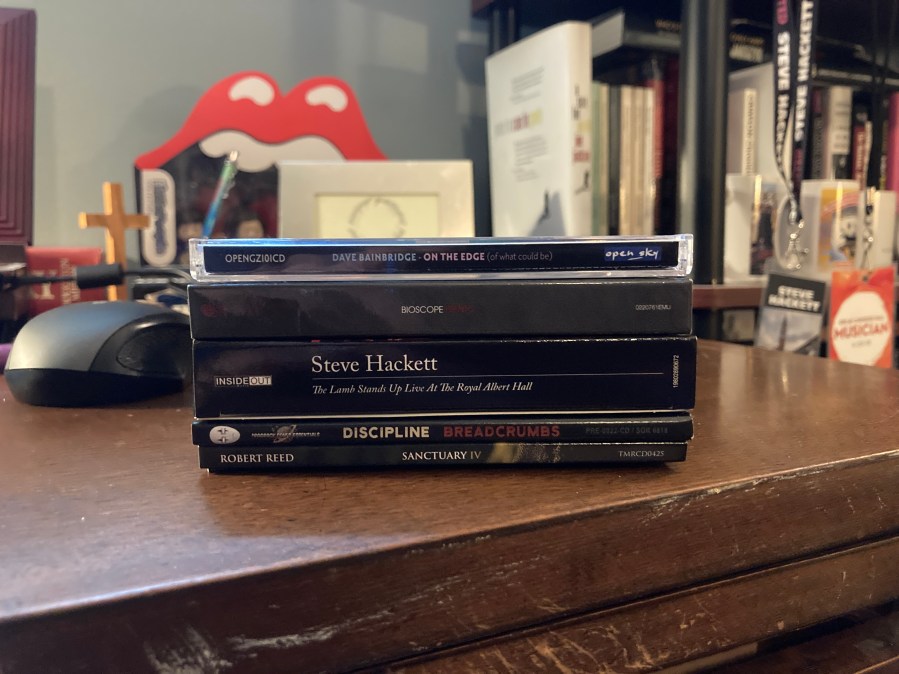
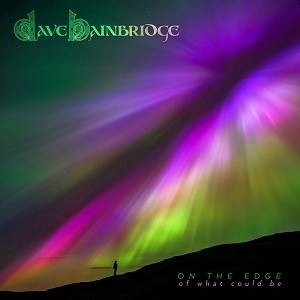
Dave Bainbridge, On the Edge (Of What Could Be): I glommed onto Bainbridge with his fabulous 2021 effort To the Far Away, but every one of his solo albums is crammed full of delights — rocking, rhapsodic and ravishing throughout. On the Edge is no exception: a double album with a self-contained suite on each disc, like Dave’s band Iona it takes listeners on a trip through the beauty of this world to the promise of a life to come. So many highights they can’t all fit here! Up-tempo elegy “Colour of Time” (with Randy McStine’s fierce vocal inspiring Bainbridge to heights of biting, frenzied jazz-fusion); the title track’s multi-sectioned build from triple-time acoustic folkiness to a thrilling electric climax; Simon Phillips’ fleet drum groove on “Farther Up and Farther In”, topped with mind-melting acrobatics from Bainbridge and piper Troy Donockley; Frank van Essen’s evocative violin and Bainbridge’s primal, Santana-meets-Mahavishnu cry on the orchestral “Beyond the Plains of Earth and Sky” are just a few of many great moments. Toss in vocals (in English and Gaelic) from a bevy of fine singers and virtuoso keyboards from Bainbridge, and you have an set that takes you on a genuinely amazing journey, gathering power as it builds to a spectacular culmination. Already a 2025 Favorite and a solid contender for the year-end top spot.

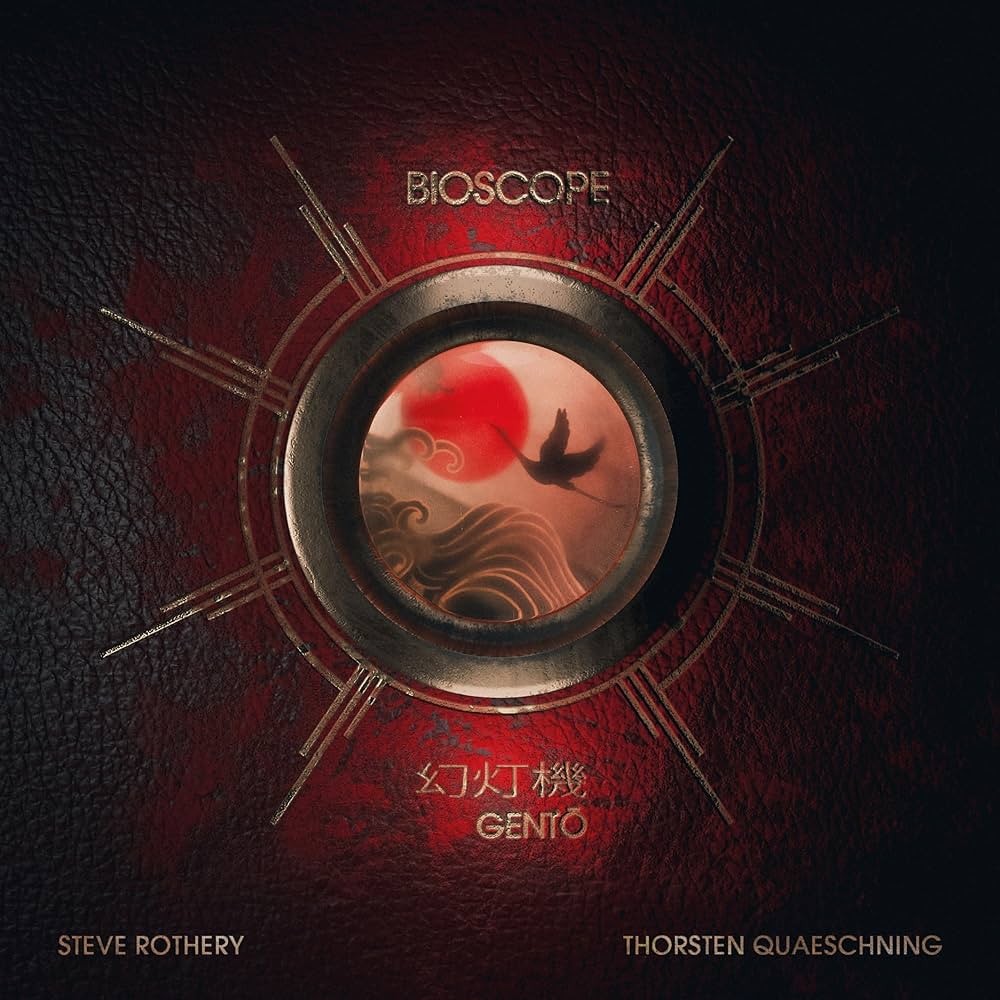
Bioscope, Gento: Steve Rothery’s keening, singing guitar has been one of Marillion’s prime calling cards for more than 40 years; as Edgar Froese’s appointed musical heir, Thorsten Quaeschning has recently propelled synth-rock trailblazers Tangerine Dream to fresh creative heights. Recorded during breaks in their bands’ work, the duo’s debut is a classic example of how two great tastes can taste great together. With the exception of psychedelic-Beatles closer “Kaleidoscope”, the musical elements on Gento repeatedly gather from thin air, coalesce, intensify, interact, react and dissipate — whether driven by Quaeschning (the wispy melodies, luxuriant textures and motorik rhythms of the three-part opener “Vanishing Point”), Rothery (the chiming rhythm guitar, slide/synth duets, fierce fuzz riffing and floating arabesques that shape another trilogy, “Bioscope”), or both in wonderfully organic call and response mode at multiple pieces’ climaxes. Add the rock solid drumming of Elbow’s Alex Reeves, and the results really are magical. Gento has gently, unobtrusively grown on me, all the way to making my 2025 Favorites list; it may take a few listens, but I think it will do something similar for you.

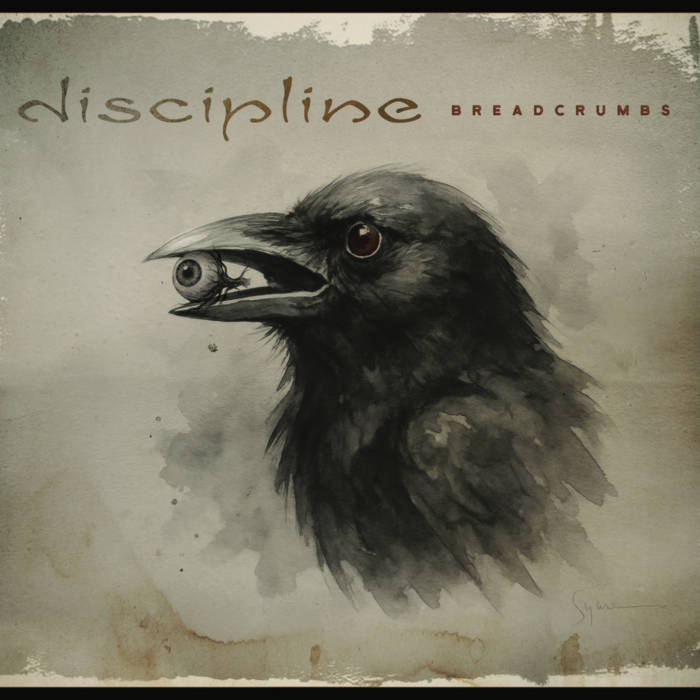
Discipline, Breadcrumbs: Eight years on from their last record, the Detroit proggers serve up another helping of their trademark, stately melancholia. Breadcrumbs proudly mines veins dug by King Crimson, Gabriel-era Genesis, Van der Graaf Generator — even a bit of keyboard-period Rush, with production by Terry Brown and art by Hugh Syme to boot — but as always, the results are a heady, hearty brew all its own. Throughout the intriguing title epic, the measured lament of “Keep the Change”, the relentless, stinging “When the Night Calls to Day/Aloft” and the thwarted, impressionistic “Aria”, Matthew Parmenter’s lyrical rhetoric and harmonically slippery keys take point, with Chris Herin providing pungent, tasty support and comment on guitar. While Breadcrumbs leans away from the slashing theatrics of vintage Discipline classics Unfolded Like Staircase and To Shatter All Accord, it still gives off a chilly intensity that showcases the band at their most spellbinding and cathartic. Through every challenging musical twist and verbal turn. this album is finely crafted and delivered with total conviction — another instant 2025 Favorite!

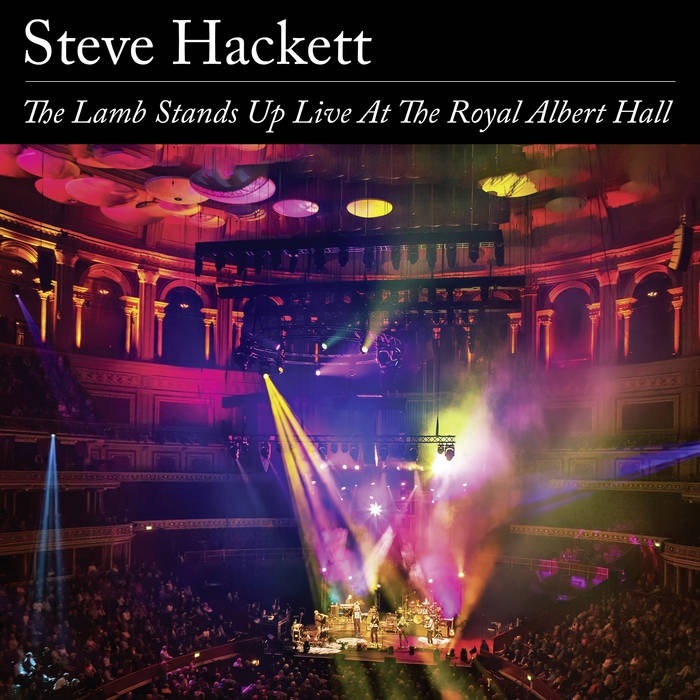
Steve Hackett, The Lamb Stands Up Live At The Royal Albert Hall: Yes, it’s Hackett’s tenth live album of the 21st century, but as usual, fans will find this a must for multiple reasons. Given recent personnel announcements, it’s probably Steve’s last live set with Roger King’s keyboards and Craig Blundell’s drums driving his talented band forward; the first half proves a spirited solo set, with lots of pleasingly vintage material and a thrusting trilogy of excerpts from 2024’s The Circus and The Nightwhale. And it’s hard to conceive of a better anniversary celebration for The Lamb Lies Down on Broadway! Nad Sylvan utterly inhabits protagonist Rael and Peter Gabriel’s other sundry characters; unjustly-forgotten Genesis vocalist Ray Wilson conjures an atmospheric, rumbling take of “Carpet Crawlers”; reflective moments like “Hairless Heart” shimmer, narratives like “The Lamia” and the title track subtly, potently grip your attention, and heavier moments like “Fly on a Windshield”, “Lilywhite Lilith” and “It” slam good and hard. With the super-deluxe box of The Lamb finally coming out at the end of September after multiple delays, sets like Dave Kerzner’s studio tribute and Hackett’s new concert set have nicely filled the gap while reminding both long-time and first-time listeners how ahead of its time the album was, and how vibrant this music still is.

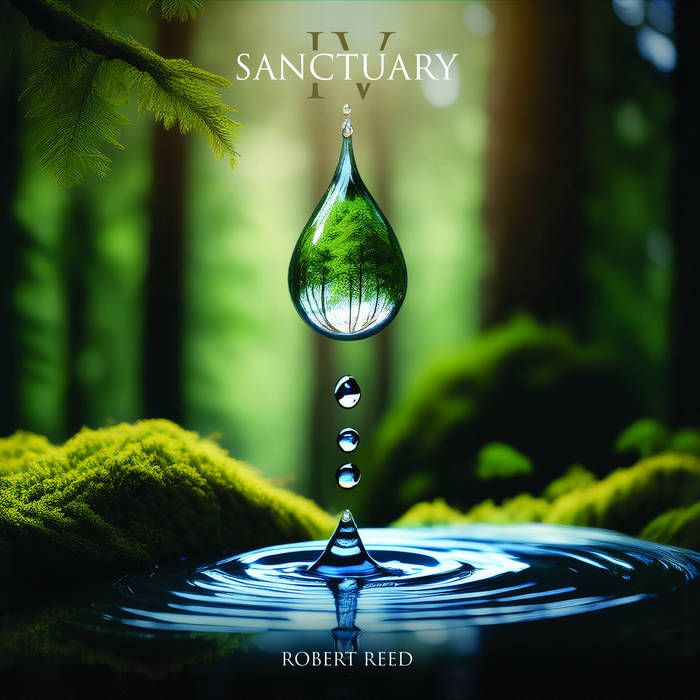
Robert Reed, Sanctuary IV. One of the driving forces behind 1990s neo-proggers Magenta, Reed has branched out impressively in the following decades. Reed’s Sanctuary albums — episodic long-form pieces in the genre pioneered by Mike Oldfield’s Tubular Bells — have evolved far beyond pastiche or even tribute, and here he refines and re-energizes his approach to its peak. Compelling opener “The Eternal Search” races forward, climaxing with an utterly berserk Simon Phillips drum solo; “Truth” bounces vivid instrumental colors off of sampled male vocals, morphs into a nautical shuffle laced with Les Penning’s recorder tootles, then lunges for a grandiose, double-time finale; and the closing “Sanctuary” provides the perfect comedown with its gentle, compact, well-wrought theme. If you’re looking for a sweet spot between Bainbridge’s Celtic maximalism and Bioscope’s kinematic ambience, Sanctuary IV’s shimmering, tuneful instrumentals could be just your ticket.

— Rick Krueger
Rick’s Quick Takes: “Clean-up on Aisle ’24!”

File under “unfinished business”, I guess. Below, albums from last year I hadn’t gotten around to reviewing, or hadn’t heard yet, or didn’t even know existed until I stumbled across them. (That last category, by the way, turned up a couple of real winners!) Purchase links are included in each artist/title listing; streaming options follow each review.

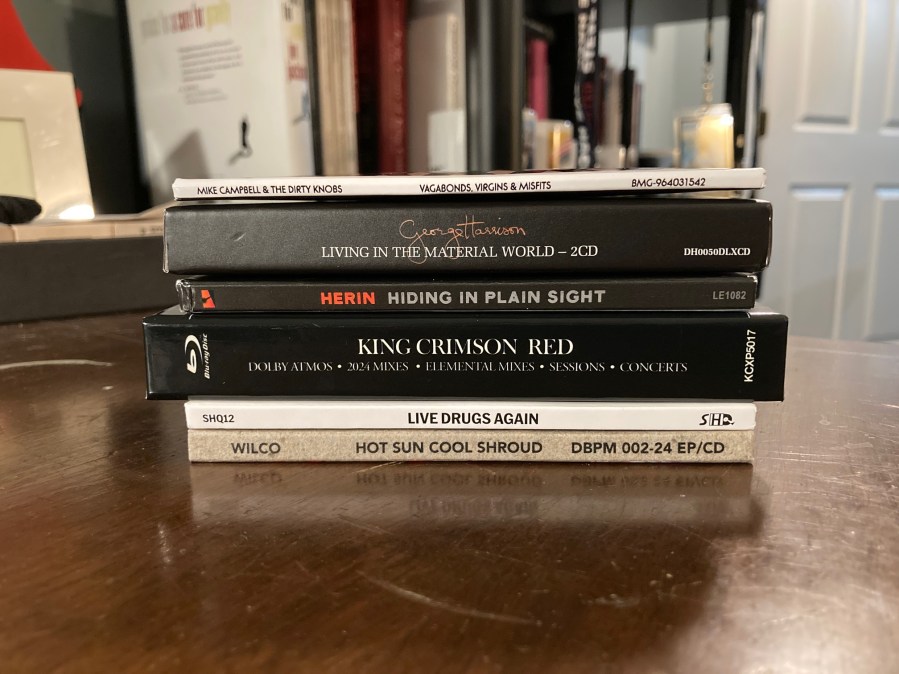
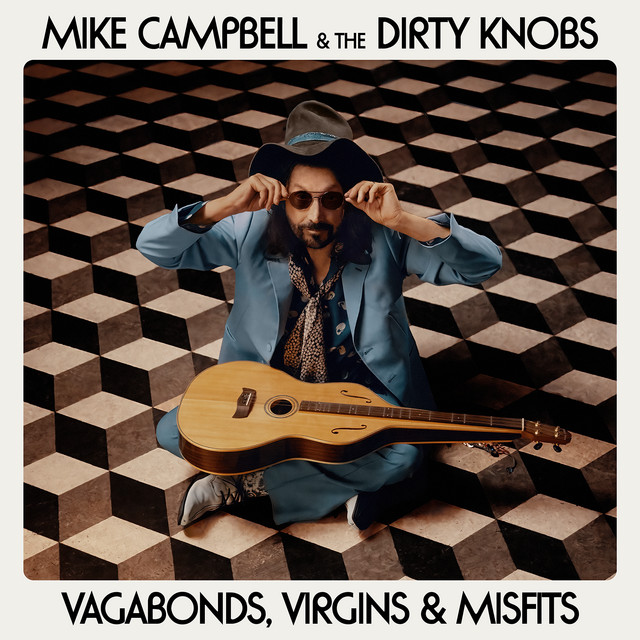
Mike Campbell and The Dirty Knobs, Vagabonds, Virgins & Misfits: On their third album as a band, the late Tom Petty’s right-hand man Campbell and compadres hit the motherlode. It takes a few tracks for the Dirty Knobs to loosen up, but once the desperate slowburn “Hands Are Tied” achieves rave-up velocity, it’s all gold — Byrdsy stomp “Shake These Bones”, harrowing border narrative “An Innocent Man”, honky-tonk single “Don’t Wait Up” (with country-soul heavyweight/summer tour partner Chris Stapleton kicking in a verse) and trashy addiction kiss-off “My Old Friends” are just the highlights! Guest stars galore, including former Heartbreakers, prove worthy foils for Campbell’s tales of big trouble and occasional triumph, spun out by his sinewy baritone and tasty, twangy guitar. If you’re looking for an album that puts the classic back in classic rock, look no further! I’m calling this a Delayed Favorite.

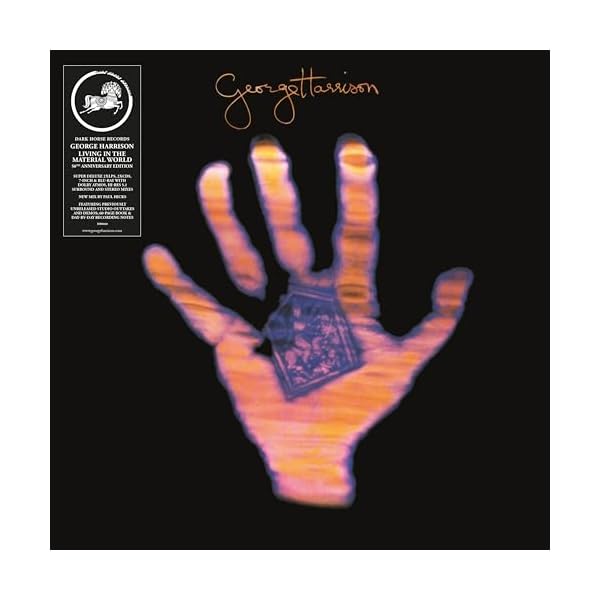
George Harrison, Living in the Material World (50th Anniversary Edition): While Harrison’s 1973 sophomore solo effort did chart-topping business and garnered positive reviews back in the day, it never quite lodged in public consciousness like his monumental debut All Things Must Pass. Songs that ricocheted between rapt religious devotion (“Give Me Love”, “Don’t Let Me Wait Too Long”), pressurized street-corner sermons (the title track, “The Lord Loves the One”) and sour reflections on post-Fab Four wrangling (“Sue Me, Sue You Blues”, “Try Some, Buy Some”) had a part in this, along with muddy production obscuring inspired, rootsy playing by George, Gary Wright & Nicky Hopkins on keyboards, and – rock solid as ever – Ringo as primary drummer. Paul Hicks’ fresh mix opens up things considerably: George’s breathy vocals are now more passionate than harsh, his acoustic playing shimmers, his slide work bites hard and sweet, and the band chugs along in high style. Now much more approachable, this vivid new version is well worth hearing (available in single, double and super-deluxe configurations).

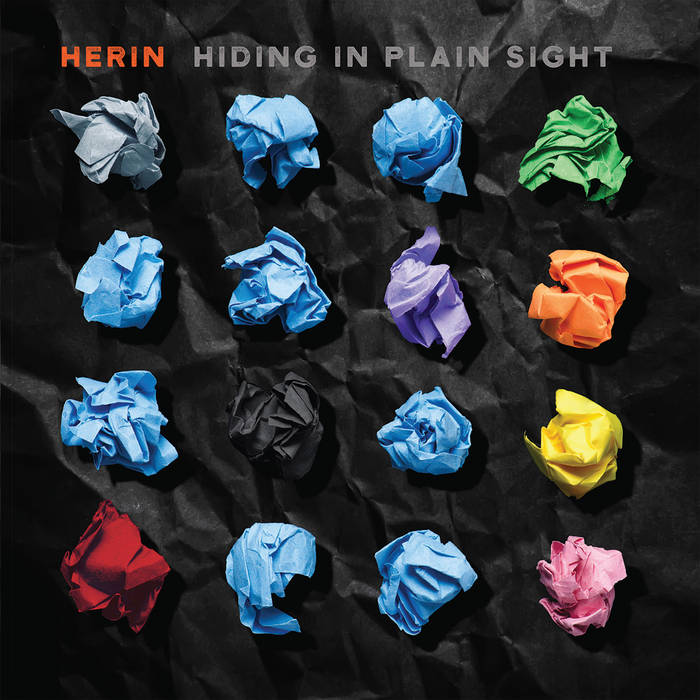
Herin, Hiding in Plain Sight: Detroit guitarist/songwriter Chris Herin is best known as the mainspring of hard-proggers Tiles (rooted in the music of Rush, with producer Terry Brown and artist Hugh Syme frequently on hand to play up the similarities) for 25 years. Here he goes solo with a deeply personal concept record, chronicling his beloved father’s 10-year struggle with Alzheimer’s disease. Grounding the music in accessible yet expansive AOR, Herin constantly shifts lyrical perspective — now observing dementia’s progress from the outside, now imagining how it played out inside his dad’s head. With Herin’s unswerving rhythm guitar at the center, an starry cast of players and vocalists bring his song cycle to life: highlights include subtle guitar textures from Jethro Tull’s Martin Barre (“The Darkest Hour”) and Alex Lifeson (“Second Ending”), a searing lead playout by Peter Frampton (“The Heart of You”), heart-piercing vocal turns from Porcupine Tree/Steven Wilson sideman Randy McStine (especially “Secret Adversary”) and a trio of dramatic soliloquies by Discipline’s Matthew Parmenter set to chamber music backdrops. Somber yet uplifting in its evocation of loss, pain and undying love, this is a special album.

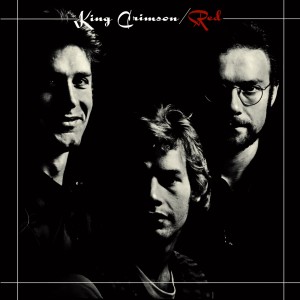
King Crimson, Red (50th Anniversary Edition): Limping home from the endless highways of America in 1974, Robert Fripp had had it with everything about King Crimson — even the unbeatable rhythm section of John Wetton (who wanted to go for mass appeal a la Dark Side of the Moon) and Bill Bruford (who wanted to hit as many things as possible loud, hard and often). Recorded in a last gasp before Fripp declared the band finished forever (oops), Red somehow gave all three players, plus guests from throughout Crimson’s first run, a unparalleled chance to shine. The uber-heavy title track, the wistful elegy “Fallen Angel”, the stinging clatter of “One More Red Nightmare” unleashed a power trio equally apt at dark romanticism and modernist brutality. And then there was “Starless” – a 13-minute swansong kicked off by Wetton’s most funereal vocal, collapsing in on itself, mounting to peak tension as Bruford slowly rebuilt the beat over a bass/guitar duel worthy of a Shostakovich string quartet, finally exploding into a double-time frenzy of wailing saxes and Fripp’s frantic, fuzzed-up speed-strums. This new 2 CD/2 BluRay version includes multiple fresh and original mixes, six complete concerts from the era, and all the surviving session reels. Overkill at its finest, capturing one of prog’s most ambitious bands going over the top just before Fripp called retreat and abandoned the genre label for good. (As mentioned last month, a Favorite for 45 years.)

The War On Drugs, Live Drugs Again: A second sampling of Adam Granduciel and his live septet making super-sized music to wallow in. Leaning heavily on 2021’s first-rate I Don’t Live Here Anymore, the WoD set one towering, hypnotic groove after another in motion; meanwhile Granduciel’s vocals skip atop the glistering surfaces, burrow between the chiming, interweaving riffs, howl burning desires above his choruses’ climactic maelstroms (pushed even farther by chewy, white-hot guitar tags). Part of the fun for rock history buffs like me is the kaleidoscope of callbacks that flit by, then fade into the aural soup: a Who-like synth cycle, high-impact four-on-the-floor drumming, distortion ramped up to touch the sublime, vocal yelps that channel Dylan, Springsteen, Bono. But the elation, the emotional release of these performances prove Granduciel and The War on Drugs are more than the sum of their wide-eyed, eclectic influences; this album is the closest thing to Elton John’s “solid walls of sound” that I’ve encountered in a long time. (Note that the CD version includes two extra tracks.)

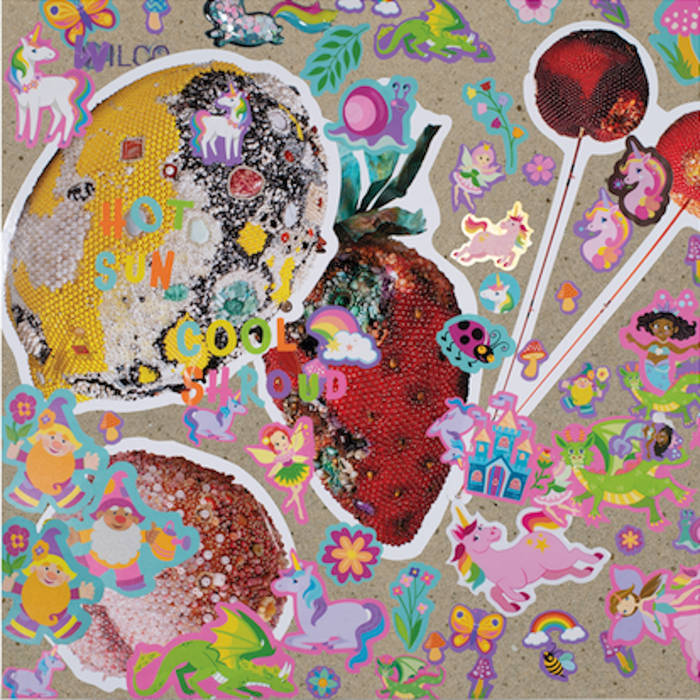
Wilco, Hot Sun Cool Shroud: A EP I missed from the Kings of Indie Dad-Rock, with the impact of an album twice its length; Jeff Tweedy and his long-time partners in chaos hit quick and dirty on six short, sharp tracks. Opener “Hot Sun” is driving yet ambiguous thrash underpinned with regally queasy synth/string pads; “Ice Cream” is a loose soul ballad with distant angel choirs and percussive rumbles; “Annihilation” goes from mumbly to lucid to arrhythmic, while closer “Say You Love Me” is a trademark Wilco eulogy, harnessing stately Beatleisms to preach connection and community. Stir in two instrumentals (the jabbering “Livid” and the bitonal acoustic gallop “Inside the Bell Bones”) and you have another Delayed Favorite. (One, I might add, very reminiscent of the band’s 2004 tour de force A Ghost Is Born, which is reissued in multiple deluxe formats next month.)

— Rick Krueger

Kruekutt’s 2021 Favorites!

I thought I didn’t have a big list of favorites from this year’s listening — until I revisited my six-month survey from back in June and added in the good stuff I’ve heard since then! The listing below incorporates links to full or capsule reviews, or other relevant pieces on Progarchy and elsewhere; albums I haven’t written about yet get brief comments, along with my Top Favorites of the year. Most of these are available to check out online in some form; if you find yourself especially enjoying something, use that Christmas cash and support your choice with a purchase! And the winners are . . .

Continue reading “Kruekutt’s 2021 Favorites!”

The Big Prog (Plus) Preview for Fall 2021!

What new music and archival finds are heading our way in the next couple of months? Check out the representative sampling of promised progressive goodies — along with a few other personal priorities — below. (Box sets based on reissues will follow in a separate article!) Pre-order links are embedded in the artist/title listings below.

Out now:

Amanda Lehmann, Innocence and Illusion: “a fusion of prog, rock, ballads, and elements of jazz-blues” from the British guitarist/vocalist best known as Steve Hackett’s recurring sidekick. Available direct from Lehmann’s webstore as CD or digital download.

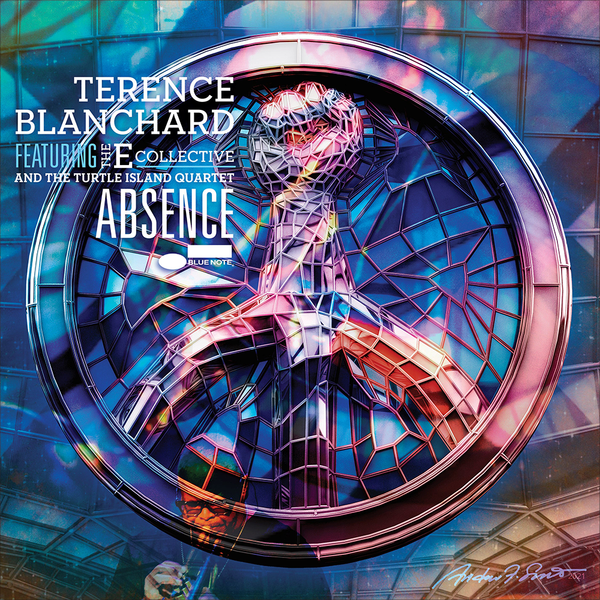
Terence Blanchard featuring the E-Collective and the Turtle Island Quartet, Absence: trumpeter/film composer Blanchard dives into music both written and inspired by jazz legend Wayne Shorter. His E-Collective supplies cutting edge fusion grooves, and the Turtle Island String Quartet adds orchestral depth to the heady sonic concoctions. Available from Blue Note Records as CD or digital download.

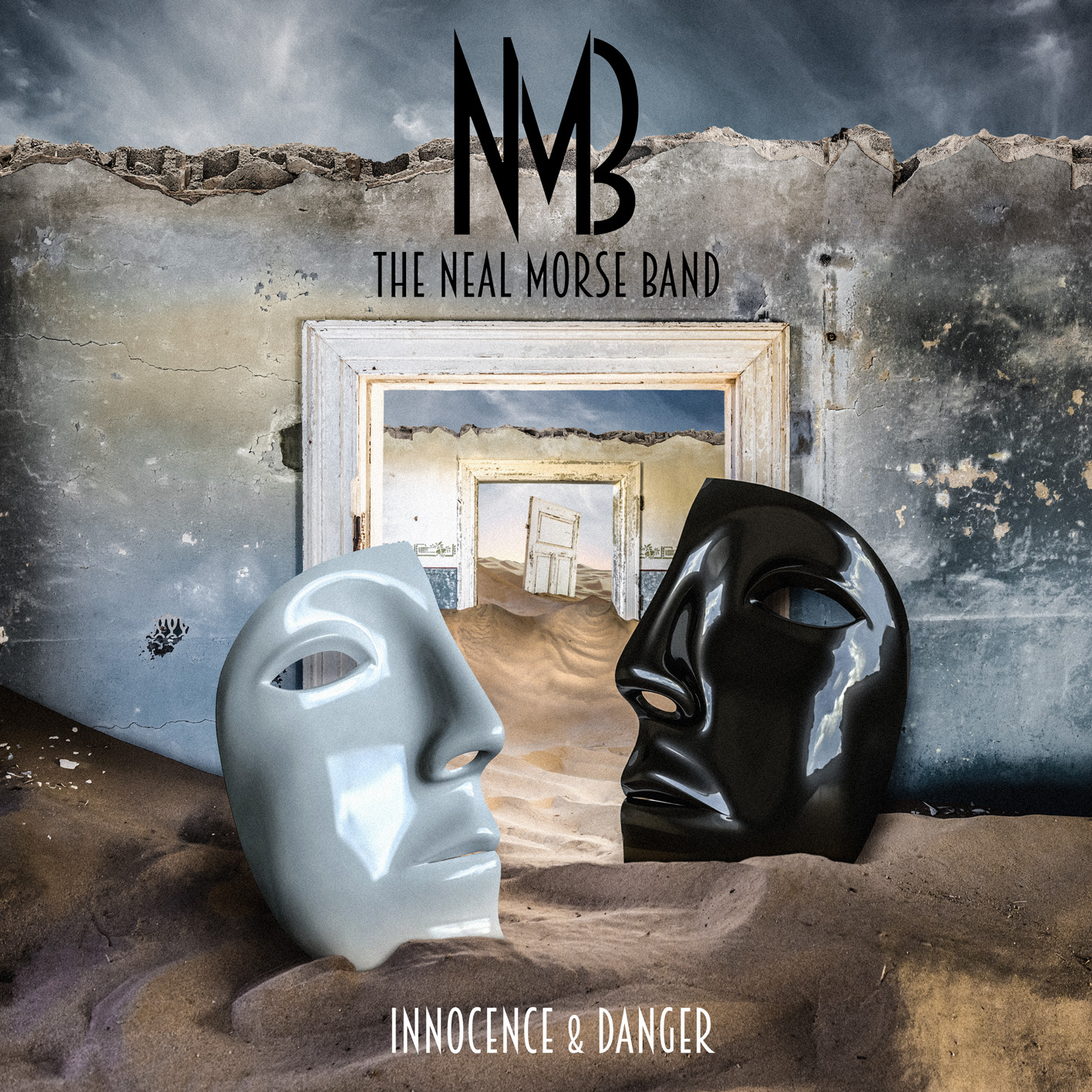
The Neal Morse Band, Innocence and Danger: another double album from Neal, Mike Portnoy, Randy George, Bill Hubauer and Eric Gillette. No overarching concept this time — just everything and the kitchen sink, ranging from a cover of Simon and Garfunkel’s “Bridge Over Troubled Water” to brand-new half-hour epics. Available from Inside Out as 2CD, 2CD/DVD or 3 LPs/2 CDs

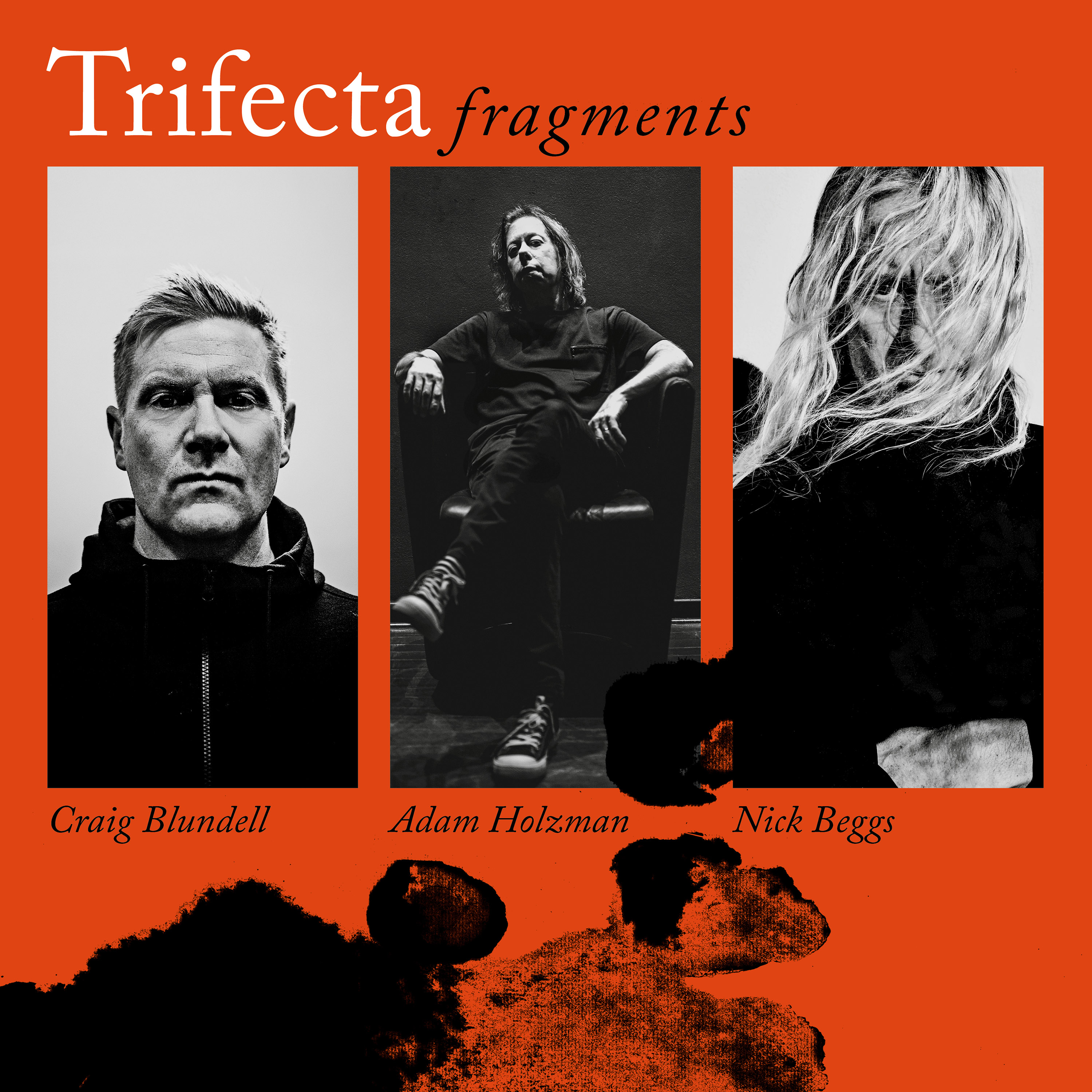
Trifecta, Fragments: what happens when Steven Wilson’s rhythm section turns his pre-show sound checks into “jazz club”? Short, sharp tracks that mix the undeniable chops and musicality of Adam Holzman on keys, Nick Beggs on Stick and Craig Blundell on drums with droll unpredictability and loopy titles like “Clean Up on Aisle Five” and “Pavlov’s Dog Killed Schrodinger’s Cat”. Available from Burning Shed as CD or LP (black or neon orange).

Upcoming releases after the jump!

Continue reading “The Big Prog (Plus) Preview for Fall 2021!”

Progtoberfest: Day 3 Report

by Rick Krueger

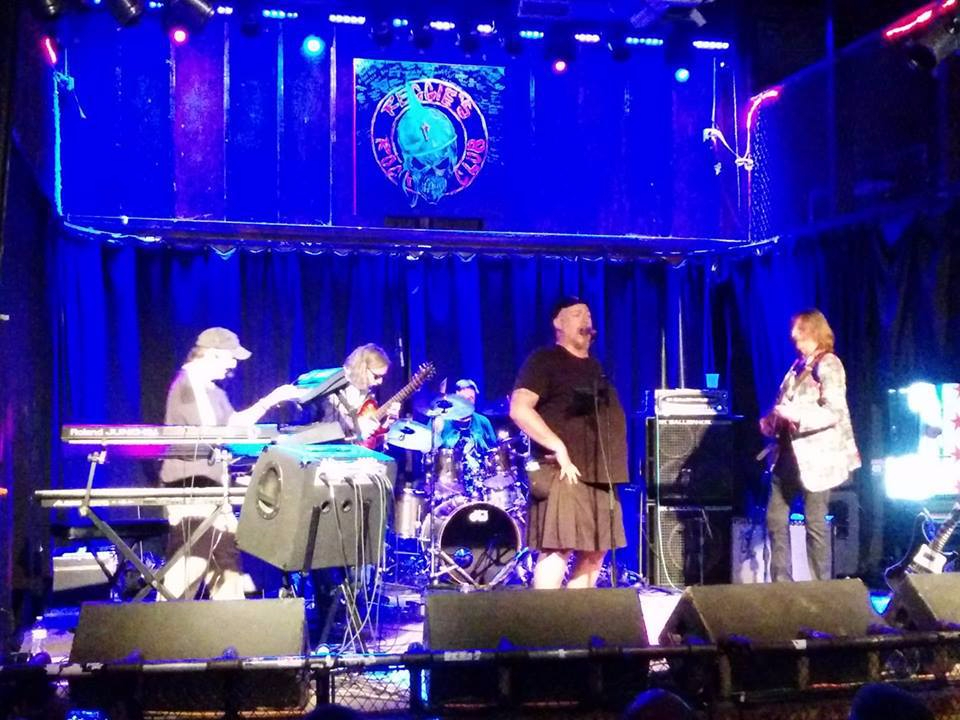
As I entered Reggie’s Rock Club on the final day of Progtoberfest, the Virginia band Kinetic Element were winding up their set.  From the merch stand (where Discipline’s Matthew Parmenter was kind enough to make change for me as I bought CDs), their take on classic prog, spearheaded by keyboardist Mike Visaggio, sounded accomplished and intriguing; I wished I could have arrived earlier and heard more.  Plus, you gotta love a band with a lead singer in a kilt!  (Props to Progtoberfest’s Facebook group admin Kris McCoy for the picture below.)

Kinetic Element

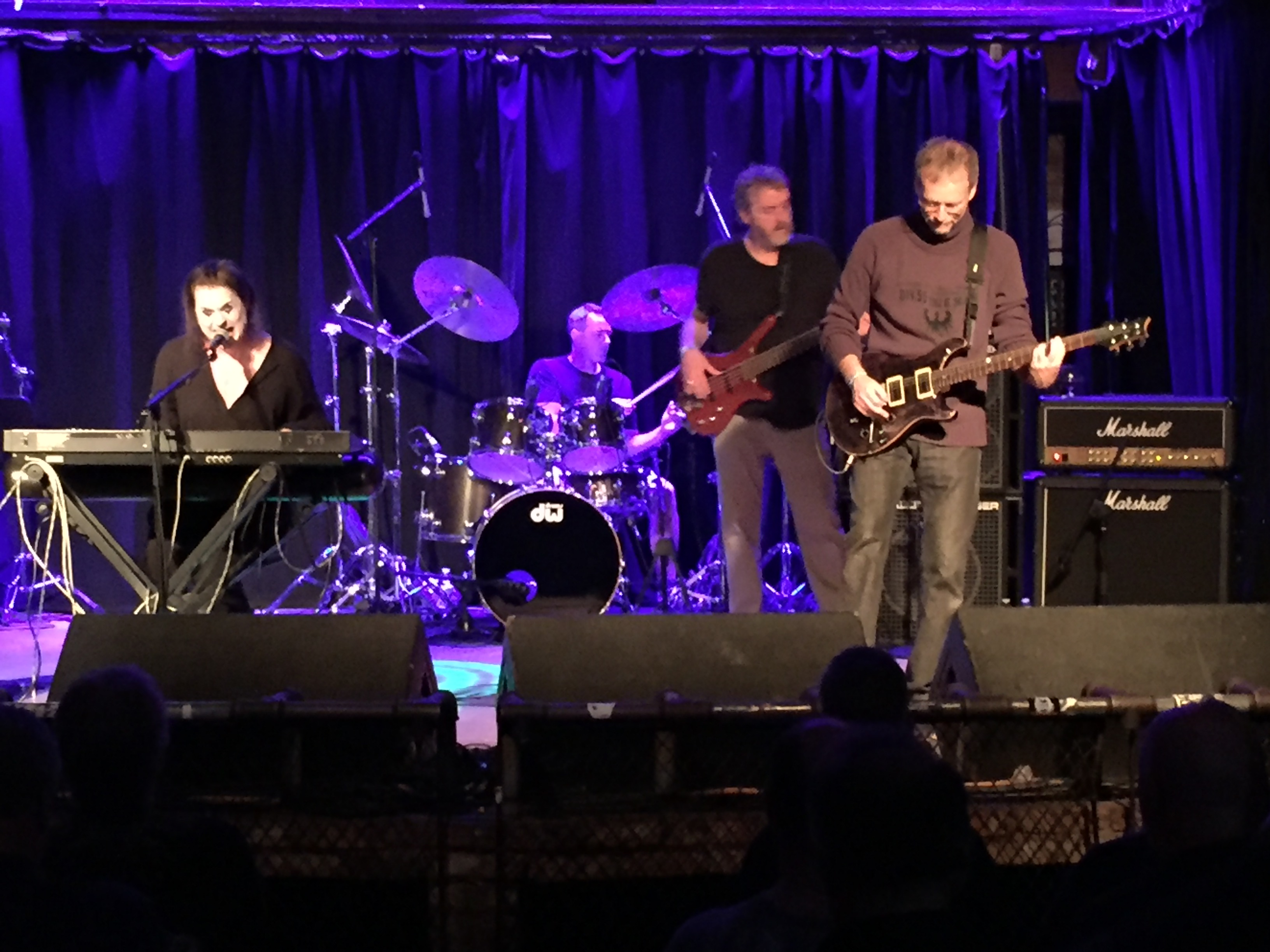
The second high point of the festival for me followed, as fellow Detroiters Discipline held the Rock Club spellbound with their baleful, epic-length psychodramas. Matthew Parmenter reeled in the crowd with his declamatory vocals and emotional range; from there, the quartet’s mesmerizing instrumental interplay kept them riveted. The well-earned standing ovation at the end felt oddly cathartic, as if the audience was waking from a clinging nightmare, blinking at the newly-rediscovered daylight — even while rain clouds and colder temperatures rolled in outside.

IMG_4264

Continue reading “Progtoberfest: Day 3 Report”

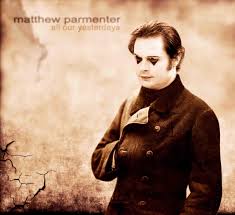
All our Yesterdays

All our Yesterdays

Released today on the small but mighty Bad Elephant Music label, All our Yesterdays is Discipline front man and songwriter Matthew Parmenters third solo release, following up 2008’s Horror Express.
Parmenter is a unique talent, and I will put it out there straight away that this album will be a Marmite album to many, there will be people out there who love this work, and people who will find it too idiosyncratic and left field for their tastes.
This however is not a bad thing, it’s wonderful as a reviewer to receive an album that grabs you by the back of the neck from the get go, and if you’re wondering where my tastes fall, I am firmly in the former camp. Basically I love this record.
I will admit now that whilst I’ve heard of Discipline and of Matthew Parmenter, this is the first time I have ever heard any of his music, and when my bank manager hangs their head in despair as I investigate his intensive back catalogue I can only blame David Elliott and BEM for introducing me to this music.
The album itself is performed entirely by Parmenter (with only Discipline drummer Paul Dzendzel playing on 4 tracks) so to all intents and purposes it is a truly solo work, and yet Parmenters virtuoso playing and complex arrangements make it sound like he’s backed by a full band.
There are shades of Peter Hammill/Van Der Graaf Generator on this album, (another artist/band who are uncompromising in their musical vision as Parmenter) particularly on the keyboard and piano driven Digital with some fantastic vocal work which brings mid-seventies Hammill to mind, again not a criticism as Matthew Parmenter is as creative and original musical visionary as Hammill is.
The impressive title track, showcases Parmenters musical talents, with a blistering guitar solo, and his fantastic vocal range is entirely taken from the works of Shakespeare, and I can just visualize him performing this on stage, pouring his heart out into the ether.
The BEM website encourages you to listen in full as this musical work is ‘best experienced as a single, all-encompassing musical odyssey’, normally as I’m a contrary Yorkshireman I ignore all listening instructions and get into the record in my own way, but BEM are right, this is an immersive experience, and whilst it sounds good booming through the stereo, it sounds even better on headphones, sat by a swimming pool in Fuerteventure drinking a cool beer (guess what I listened to on my holidays?)
In all seriousness, the musical dynamics are designed for an intimate listening experience, and the arrangements fall somewhere between the epic sound of early Queen (particularly on dramatic opener Scheherazade, and the powerful I am a Shadow) and the classical music meets rock of Jon Lords 1970’s solo work. Whilst the keyboard and piano driven work on the brooding and sinister All for Nothing acts as a backdrop for Parmenters impassioned and powerful vocals, whilst the sax that kicks in brings Van Der Graaf Generator back to mind.
Meanwhile the piano driven pop of Stuff in the Bag showcases another side to Matthews talent, as he goes from dark to light with a quick mood change that should jar, but fits seamlessly into the record as a whole. Whilst the closing epic Hey for the Dance brings the record to a fantastic close, with Parmenters vocals and the folk influenced closing coda culminating in a genuinely uplifting piece of music, that launches into an extended rock fade.
Listening to the arrangements, the depth and power that is present throughout this epic work, its hard to imagine that there isn’t a full band in the studio and an orchestra hiding out somewhere as well, it’s a testament to Parmenters skill and vision that his concept works throughout from start to finish.
I hesitate to refer to the works on this album as songs, as they are more like movements in a musical symphony, harking back to the days when progressive rock meant moving forward and pushing the recorded form to se how far you could get away with and how creative you could be with the medium,
A lot of contemporary bands on the scene have certainly forgotten the true meaning of progressive rock, Matthew Parmenter hasn’t.
He has released a contemporary concept album, as fresh and original as anything I’ve heard so far this year, and yet clocking in at around the 40 minute mark it never overstays it’s welcome, and would easily fit on one side of a C90 tape to pop in your walkman.
Like I said earlier this Matthew Parmenter is a unique talent, and this album isn’t going to be everybody’s pint of bitter, however I would rather hear a record that is striking, original and polarises opinion than a record that just sits there and you think ‘Well, it’s alright innit?’
This is an astonishing piece of work, and to all of you who’ve pre-ordered it and are waiting for the thump at the letterbox, you are in for a real treat my friends.

Poor Richard’s Inconsequential Idea

Heaven knows I admire Richard M. Weaver.ideas

The great Southern scholar and philosopher hails from my neck of the woods.  He grew up in Weaverville, NC, just up the road from my mother’s people in Leicester.  His Southern Essays is a book I hold almost as closely as the Bible; it reminds me of who I am and where I come from.  It introduced me (before Russell Kirk) to my early American political hero, that colorful, bull-whip cracking intransigent, John Randolph of Roanoke, with his special blend of “social bond individualism.”  Weaver shaped my understanding and thinking in ways that will ever remain with me.

His most famous book is Ideas Have Consequences, a tour de force in traditional conservative thought and social commentary.   Weaver saw the rejection of universals as the harbinger of a disordered mind and disordered society.   Symptomatic, in his view, were certain elements of pop culture, notably jazz music.  On this score, just as Randolph broke with Jefferson, I have to break with the great intellect.

Edward Feser wrote a fantastic 2010 blog post that took Weaver’s ideas on jazz to task.

Weaver and I agree that it was a catastrophe to abandon realism about universals, to deny that things – including, most importantly, human beings – have essences which define an objective standard of goodness for them. But realism comes in different forms, and the different forms have different moral, theological, cultural, and political implications.

Feser draws a distinction between Platonic and Aristotelian philosophies and finds Weaver defaulting to a Manichean view of music.

[Weaver] tells us that jazz is a mark of modern civilization’s “barbarism,” “disintegration,” and “primitivism.” Why? His reasons seem to boil down to four: First, jazz evinces “a rage to divest itself of anything that suggests structure or confinement” and an eschewal of “form or ritual”; second, its celebration of the soloist’s virtuosity is a mark of “egotism” or “individualization”; third, its appeal lies in “titillation” and its themes are often “sexual or farcical,” appealing to the “lower” rather than “higher centers,” so that it fails to raise us to “our metaphysical dream”; fourth, it is “the music of equality.” Obviously, what he says about jazz applies also to other elements of modern pop culture.

Let’s consider Weaver’s concerns in order. First, it is, of course, by now a commonplace that to accuse jazz of formlessness or lack of structure is the height of superficiality. From swing to bop to modal jazz to fusion to acid jazz, it does not take much listening to discern the order underlying even the freest improvisation. Even free jazz has structure, though as I indicated in my previous post, it is so abstract that it can (in my view, anyway) only ever be of purely intellectual rather than aesthetic interest. It is hard not to see in Weaver’s criticism the Platonist’s impatience with the messiness and complexity of the real world, a desire for all form or order to be simple and evident enough to be accessible from the armchair. As the Aristotelian realizes…to know the essences of things we actually have to get our hands dirty and investigate them empirically, in all their rich detail. If the structure of jazz is complex and unobvious, it is in that respect only mimicking the world of our experience.

To which I say, “amen.”  Certainly this applies to progressive music as well.  Perhaps none combined fusion elements better than a band that came up in Weaver’s back yard, the Dixie Dregs.  Begun as a lab project at the University of Miami’s Frost School of Music, the Dregs engaged one another in complex musical conversations that exemplified a flair and swagger secured in its own kind of social bond individualism.

At least I have to believe the audacious John Randolph would have celebrated the Dixie Dregs, even if Richard Weaver would have been freaked out.

So here’s to ideas and their consequences — to getting our hands dirty —  from the appropriately titled Dregs of the Earth.