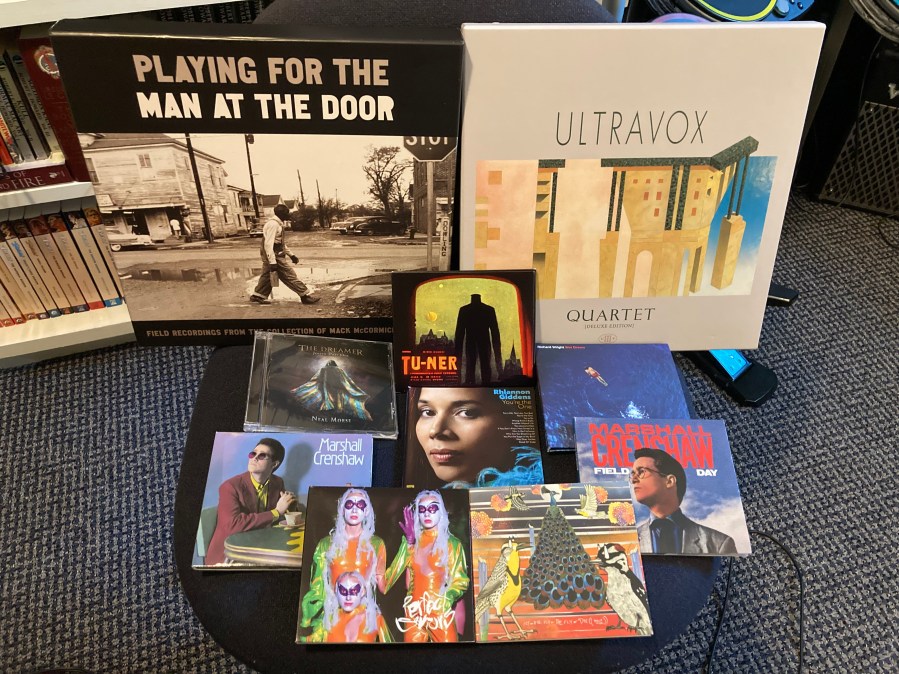
With new releases from the first third of 2025 piling up, a desperate attempt to answer the question “Can album reviews convey the essential info listeners need in haiku form?” For example, about the format used below:
Streams linked in titles; Brief poetic impressions; Shopping links follow.
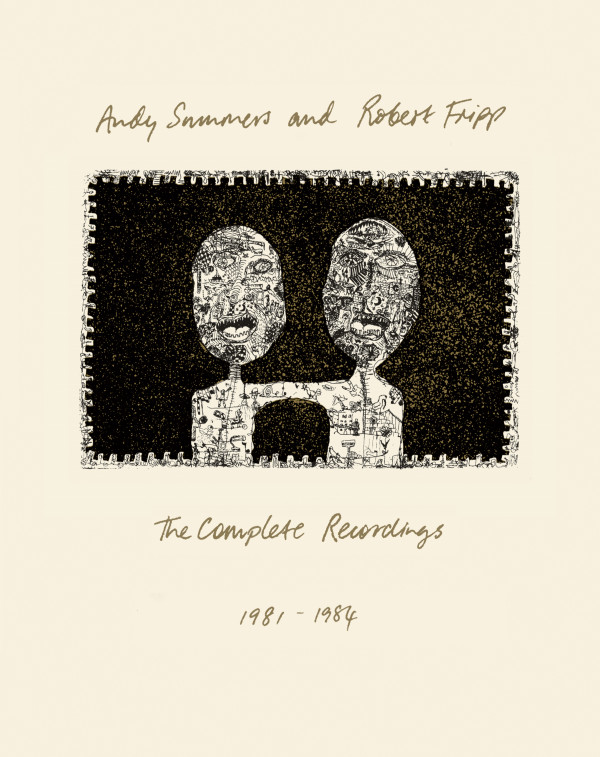
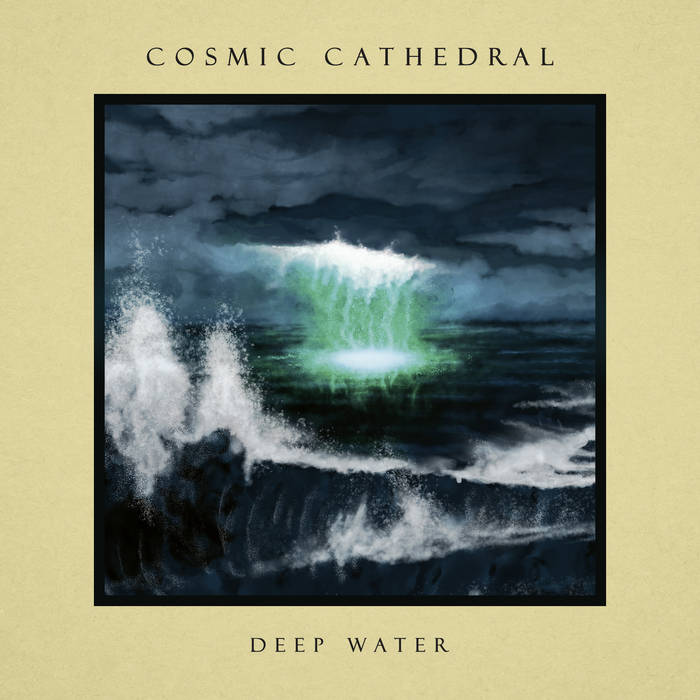
Spawton’s young heartache Sparked this grandiose concept – Well-wrought remaster. (CDs sold out; vinyl available at Burning Shed and The Band Wagon USA)
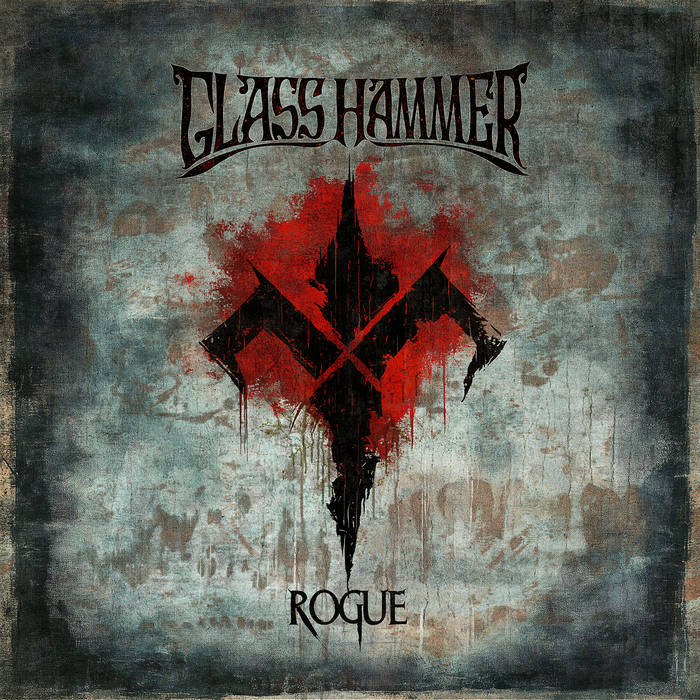
Groovy riffs from The Down Troddence often inspires a dance more than headbanging. But they do bind that western groove metal backbone with some exotic elements. Even though these extraordinary and exotic strands originate several time zones away, everything they have conjured sounds coherent. This magical coherence of groove thrash with Indian classical or with that of local lore and folklore, or with regional dialect feels inexplicable. Unsurprising their roots reside in the land of looms and lores, a popular name for a small town in Kerala. Braiding Malayalam language and the surrounding cultural references, The Down Troddence weaves an enchanting hand crafted harmony, something which sounds familiar and yet remains foreign.
The song “Forgotten Martyrs” is a smoldering testament to all these qualities. Layering a Carnatic melody meets Jimi Hendrix like blues on a groove train, with precision vocal modulation, and sheer propulsive force of drums, The Down Troddence crafts an uncanny symphony. The track simply binds together an otherwise exploding album with diverse ideas. These influences range from groove, to folk to death metal and alternative. A track this rich, vibrant and well produced transports this elegant melange of an album to a new class. The tier where fine talent, production engineering, and refined aesthetic sensibilities converge, forging the subtle and exquisite ungodly metal we all adore.
Due to circumstances beyond my control — thanks to everybody who helped out! — this edition of Quick Takes is playing catch-up. This time around, purchase links are embedded in the release title, with any additional sample/streaming links labelled (LISTEN HERE).
The last few months’ progressive rock releases have skewed heavily toward reissues — for example, Keith Emerson and Greg Lake’s mid-1980s reunion with hard-rocker Cozy Powell in the drummer’s chair. Triple-cd box Emerson, Lake & Powell: The Complete Collection(LISTEN HERE) is a compact, yet worthy appendix to the ELP canon. The main album, ranging from extended throwbacks “The Score” and “The Miracle” through jazzy diversion “Step Aside” to souped-up classical gas like the single “Touch and Go” and Holst’s “Mars, the Bringer of War” is big, brash, widescreen stuff; both in the studio and on the two live discs included, Emerson’s thrusting digital synthesizer upgrades, Lake’s full-throated bravura vocals and Powell’s sleek percussive drive come on like gangbusters on new material and vintage classics such as “Pictures at an Exhibition” and “Pirates”. ELP’s mass appeal remained in the rear view mirror, but Emerson, Lake and Powell was a game try at reinvention for a different time.
Carl Palmer was playing drums for Asia during ELPowell’s flare and fade, but he’s remained engaged with his biggest band’s work, stepping up as legacy guardian after Emerson and Lake’s passing. Disc 1 of Palmer’s solo boxFanfare for the Common Man(a reissue/expansion of 2001’s Do You Wanna Play, Carl?) shows how he emerged from his bandmates’ shadows in the later 1970s, asserting himself in spellbinding trio jams, big band blowouts and a stylish, eclectic percussion concerto; disc 2 covers his roots in British R&B and psychedelia plus his later collaborations with Asia and others, while a new 3rd disc documents live work reinventing the ELP repertoire for guitar-based power trio. The accompanying BluRay video and biography are revealing, though scattered and even self-contradictory. But that’s a minor blemish: Palmer remains rightly admired and respected by musical peers and fans, and still on the road in his 70s, he retains the rhythmic fire and momentum that this set amply demonstrates.
ELP weren’t the only proggers trying to reinvent themselves after the mid-70s; on side one of 1977’s The Missing Piece(LISTEN HERE), the manic British sextet Gentle Giant made ever so coy feints at co-opting the energy of punk and New Wave (especially on the self-conscious spoof “Betcha Thought We Couldn’t Do It”). Side two was more relaxed; reaching for the soul-inflected art-pop that Genesis and Yes later rode to the top of the charts, the Shulman brothers & company still stirred in Baroque cross-rhythms (“As Old As You’re Young”), stately balladry (“Memories of Old Days”) and breakneck instrumental and vocal twists and turns (“Winning”). With Steven Wilson providing fresh stereo and spatial audio remixes, this is another delightful installment in the Giant’s ongoing series of album upgrades.
English folk-classicalists Renaissance kept plugging through the decades, with operatic lead singer Annie Haslam at the helm. 2000’s Tuscany(LISTEN HERE) was Haslam’s last go-round with key members guitarist Michael Dunford and drummer Terence Sullivan (plus limpid guest piano work from former keyboardist Jon Tout). Not as urgent as their 1970s work, it’s still a lovely, impressionistic album, gently meditating on the nexus of art (“Lady from Tuscany”, “Dear Landseer”), nature (“Pearls of Wisdom,” “Dolphin’ s Prayer”) and love (“In the Sunshine”, “One Thousand Roses”). A complete live show from Renaissance’s 2001 tour of Japan included as a bonus mixes new tunes with career standbys such as “Carpet of the Sun,” “Northern Lights” and “Mother Russia”, showing off Haslam and company’s musicality and consistency. As usual, Esoteric Recordings’ latest Renaissance reissue provides the context to better assess the work of this underrated band.
And in the wake of its new reissue, I now consider Yes’ 1994 album Talk the most unified effort of their post-prog decade. (It was also the least well-known, due to grunge taking over rock radio and Yes’ record company collapsing.) The only full-blown songwriting team-up of hippie muse Jon Anderson and guitarist/keyboardist/composer Trevor Rabin, Talk’s tunes ooze out-there ambition and hi-gloss appeal; the choral kick of “The Calling” and “Walls”, “Real Love’ jangle-pop/heavy metal synergy, the skip-hopping “State of Play” and the closing multi-part epic “Endless Dream” are stunningly remastered to devastating impact. Rhythm section Chris Squire and Alan White are at their most down and dirty; Tony Kaye leans in with expressive, gnarly organ work. And a bonus live set (from the soundboard at a 1994s tour stop) showed that this lineup could conjure a fairly close approximation of the classic sound on standbys like “Heart of the Sunrise” and “I’ve Seen All Good People”. If you loved Yes but wrote them off between 90125 and Union, I’m serious; give Talk a shot.
There have also been plenty of ear-opening new releases, mostly rooted in improvisation rather than composition. The latest posthumous set from piano legend Chick Corea has its source in a 2019 tour and follow-up sessions with eclectic banjo virtuoso Bela Fleck; the aptly-titled Remembrance(LISTEN HERE) covers an incredible range of sonic possibilities, with the duo wailing on Thelonious Monk’s “Bemsha Swing”, Scarlatti sonatas, brand new compositions and impromptus pulled from thin air. Impeccably tasty and always in the moment, Corea and Fleck spark off each other constantly, caught up in an unending sense of play and delight. Fans of either player will love this, and folks who dig acoustic jazz, bluegrass or both will find themselves smiling again and again when they hear it.
While Brad Mehldau is one of the numerous young lions who followed in Corea’s wake on piano, his sound and vision are uniquely his own, as a fresh pair of solo discs make clear. On After Bach II, Mehldau brings his love for the classical piano tradition and his improvisational chops to bear on a second set of J.S. Bach’s richly poised keyboard works, mingling preludes and fugues played straight with jazzier extrapolations (“Between Bach”) and superimposed twists of rhythm and counterpoint based on one of Bach’s pinnacles, the Goldberg Variations. Apres Fauré brings a similar freedom to the music of Gabriel Fauré, the French composer who became a unique bridge between the late Romantic and Impressionist schools; Mehldau responds to Fauré’s sense of adventure with sweeping repetitious bass lines, long-spun singing melodies, and thick two-handed harmonies. Plenty of rigorous development to chew on, plenty of knotty invention and lush sound to bask in on both of these!
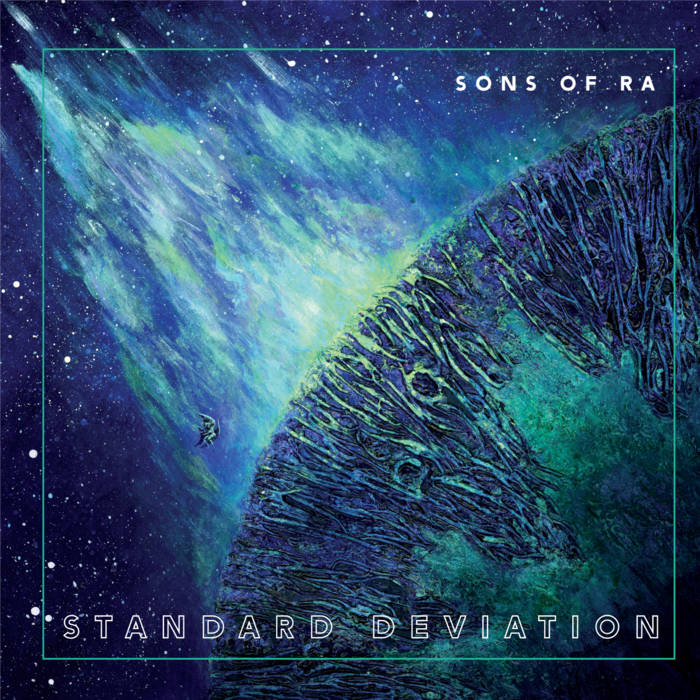
On their new EP Tropic of Cancer, Chicago’s heavy-prog-jazzers Sons of Ra show how they can unspool variations on a theme with staggering impact. Setting a nimble, dancing idea with roots in fusion’s golden age into motion, multi-instrumentalists Erik Oldman and Keith Wakefield and drummer Michael Rataj put it through exhilarating paces over 23 minutes: you get wah-wah electric piano extrapolations, a sax/bass duet over a bed of guitar/sax noise; a wonderfully idiomatic folk/Celtic throwdown (complete with guests on violin, flute and pipa); a Santanesque guitar jam that spirals up dizzingly before it goes off like a fireworks display; and a gargantuan finish with hypnotic sax wailing over a shuddering guitar army. No jive; this is great stuff, and Sons of Ra are a band to which attention must be paid!
King Crimson-adjacent power trio Markus Reuter, Trey Gunn and Pat Mastelotto are also back with the ironically titled Tu-Ner for Lovers, another heaping helping of rich, doomy thrash. Sculpted from improvs recorded on their 2023 tour, the trio scrape, scratch and scrawl from the get-go, with Mastelotto laying down off-kilter tribal beats, Gunn rattling listeners’ innards with sludgy bass lines and Reuter slapping down arresting leads and color clusters on touch guitar. Stalking the abstract sublime, the music coalesces as the album progresses, locking in to galvanizing effect on closing stompers “They Call Him Threnody” and “Transistor Valentine”, wispily floater “I Put a Crush on You” and skittering finale “Combat and Courtship”. You may need to be in the right mood for this to grab you — alienation? Righteous anger? — but when you are, boy, does it hit home!
Kamasi Washington’s long-awaited double album Fearless Movement is every bit as kickass and sprawling as previous spectaculars The Epic and Heaven and Earth (the latter my 2018 Album of the Year), but somehow settles in a gentler, more welcoming vein. It kicks off with “Lesanu”, an Egyptian Orthodox chant of Psalm 96 riding first a free-jazz slam, then a finger-snapping, hand-clapping vamp and ends with “Prologue”, an Astor Piazzolla tango that morphs into a blaxploitation movie theme; at all points within and between, Washington on tenor sax, keyboardists Cameron Graves and Brandon Coleman, Ryan Porter and Dontae Winslow on brass, and a platoon of guests play and sing up a storm. But slower burning tracks like “Asha the First” and “Together” provide respite from the intensity of Washington’s sweep and surge, and a looser, relaxed sense of momentum on the Zapp cover “Computer Love” and the extended workout “Road to Self (KO)” helps you catch your breath. Washington and his friends are still making audacious spiritual jazz, building from whispers to screams again and again and dancing across barlines like they don’t exist; but somehow this set feels more like a place to make a home than a monument to visit. And yes, this one’s gonna be on my Favorites list this time around, too . . .
And sometimes, you just need some down-home picking and singing. On the heels of selling out the Ryman Auditorium (documented on record to great effect last year) and duetting with Willie Nelson, Charley Crockett pitches a passel of new songs our way on $10 Cowboy(LISTEN HERE) As with much of Crockett’s recent work, this album leans into soul nearly as much as country; the choogling brass and choral vocals of “America”, the piano-with-strings heartbreaker “Gettin’ Tired Again” and the funky “Diamond in the Rough” can’t help but call Motown and Memphis to mind. But there’s plenty of Nashville/Austin classicism too, in the steel guitar-laced single “Hard Luck and Circumstances”, the Latin-flavored acoustic revenge ballad “Spade” and the honky tonk shuffle “Ain’t Done Losing It” Whether this is the long-predicted breakthrough for Crockett or not, $10 Cowboy is a thoroughly satisfying album, capturing sharply defined snapshots of a nation wondering when things will get better.
And (thanks to the copious music collection found at the main branch of the Grand Rapids Public Library), I discovered that Sierra Ferrell’s 2021 debut Long Time Coming is every bit as good as her new one (Trail of Flowers, reviewed last time). My entire notes for this one consisted of the word “WOW!!”, so I’ll just point you in the direction of this review (from my go-to site for genre news and reviews, Saving Country Music), add Long Time Coming to my 2024 Favorites list and look forward to hearing her live in September!
Unless otherwise noted, title links are typically to Bandcamp for streaming and purchasing, or to Spotify/YouTube for streaming with a additional purchase link following the review.
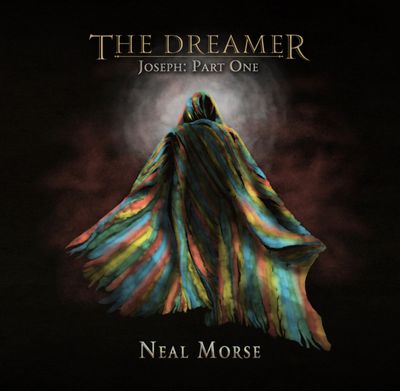
Neal Morse, The Dreamer – Joseph, Part One: For his latest rock opera a la 2019’s Jesus Christ the Exorcist, Morse and his studio sidekicks swerve toward hard-hitting blues-rock; the usual “Overture” and the narrative tracks “Burns Like A Wheel” and “Gold Dust City” are stuffed to the brim with chunky organ and grunged-up wah-wah guitar work. Wailing vocals from the cast of Christian Progressive Rock stalwarts who play Jacob, Joseph’s brothers and his Egyptian captors slot right in; even the power ballads (“The Pit”) have more grit this time around! And while the second half of the album is stylistically slicker (complete with classical chorale “I Will Wait on the Lord”), the hooky closer “Why Have You Forsaken Me?” pulls all the musical threads together, with Morse’s emotive portrayal of Joseph setting up intriguing possibilities for Part 2 — which, given his extravagant productivity, shouldn’t be too long in coming. Order from Radiant Records here.
Tu-Ner, T-1 Contact Information: Power trio improvisation that takes no prisoners, from another eerily luminous satellite band orbiting the gravity well of King Crimson. Trey Gunn and Pat Mastelotto formed one of Crimson’s most ferocious rhythm sections in the early 2000s, also recording together as TU; here Mastelotto clatters away merrily on his sonic smorgasbord of drums and percussion, while Gunn unleashes the deepest, fattest bass licks known to subwoofers. Above and around the Rhythm Buddies’ brutalist bedrock, Markus Reuter (who’s worked with Mastelotto in the duo Tuner and the trio Stick Men) unleashes slashing, swooping touch guitar lines and dark, brooding soundscape clouds — and when Gunn joins him on the higher end, sparks really fly. Always arresting, intermittently galvanizing, but the track titles (or this review for that matter) can’t really give you a feel for what this sounds like. In other words, you’ve gotta hear what Tu-Ner do to believe it.
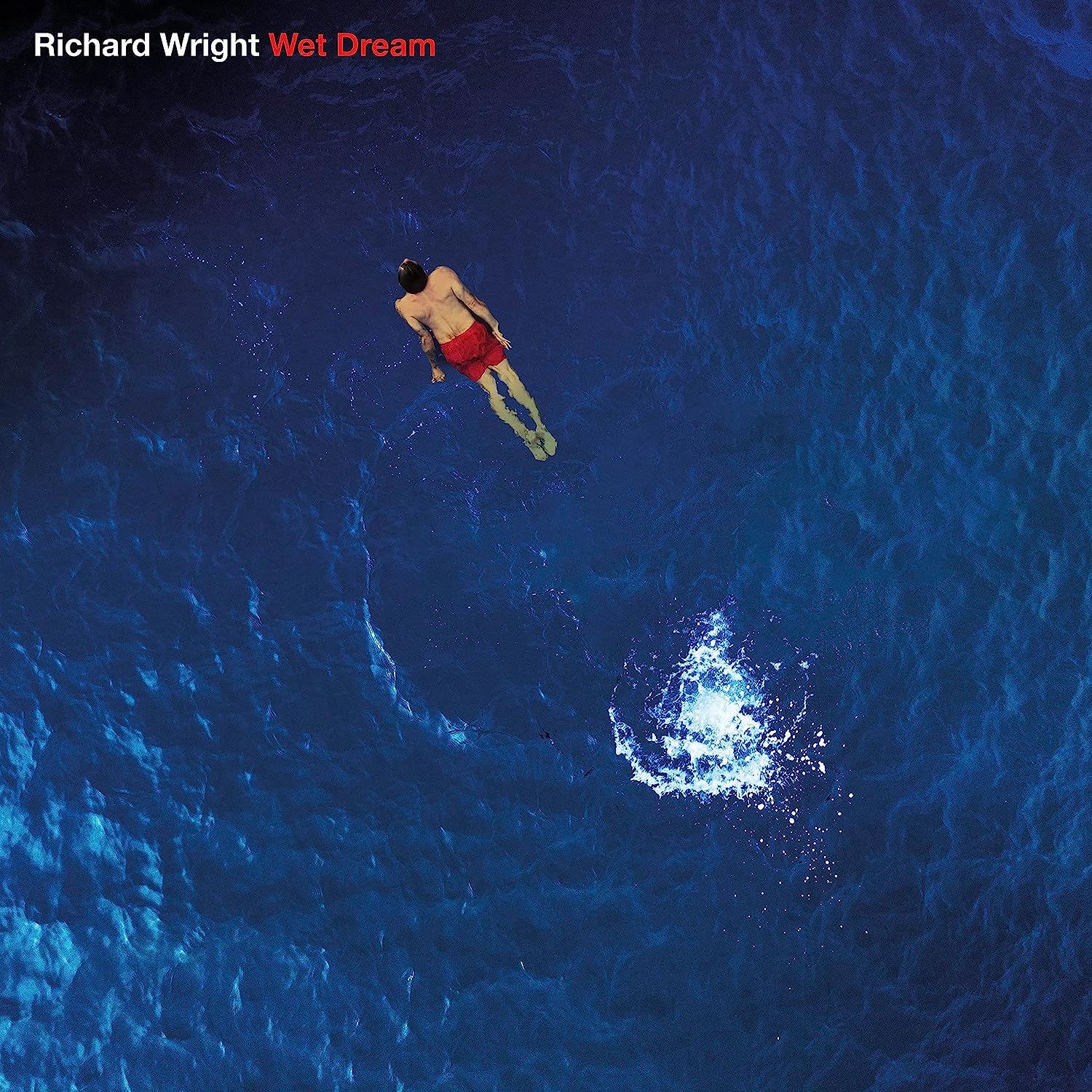
Richard Wright, Wet Dream: In case you ever wondered exactly what keyboardist Wright brought to Pink Floyd, his 1978 solo album has it in spades. On tracks like “Mediterranean C” and “Drop In from the Top” lush, floating chord progressions set up open-ended jams by guitarist Snowy White and sax legend Mel Collins; Wright’s reedy voice spins out languid vignettes of detachment and disillusion such as “Summer Elegy” and “Holiday”. All thoroughly gorgeous (especially in this immaculate new Steven Wilson remix), occasionally funky, ineffably melancholy — and not terribly urgent in isolation. Still, you can hear the breathing space that Floyd lost as Wright faded into the background and Roger Waters began repeatedly kicking his audience in the head on The Wall. Order from Rhino Records here.
Ultravox, Quartet [Deluxe Edition]: Speaking of immaculate Steven Wilson remixes: this is his third in a series for the British new wave quartet. Regrouping after early personnel changes, Ultravox struck a quirky vein of New Romantic post-punk on 1980’s Vienna, then pursued cutting-edge Krautrock on the follow-up Rage in Eden. Connecting with legendary producer/5th Beatle George Martin, frontman Midge Ure, violinist/keyboardist Billly Currie, bassist Chris Cross and drummer Warren Cann aimed straight for the charts; Quartet is as pure of a pop album as they ever achieved. The UK singles “Reap the Wild Wind,” “Hymn,” “Visions in Blue” and “We Came to Dance” have an irresistible mix of rock drive, synth-pop color and devil-may-care melody, and the album tracks slot right in; the whole thing’s overripe and melodramatic in the most appealing way. Plenty of extras in the 7-disc box too, with b-sides, rarities, rehearsal tapes, studio monitor mixes and an intense live set all included. Order from the Ultravox store here.
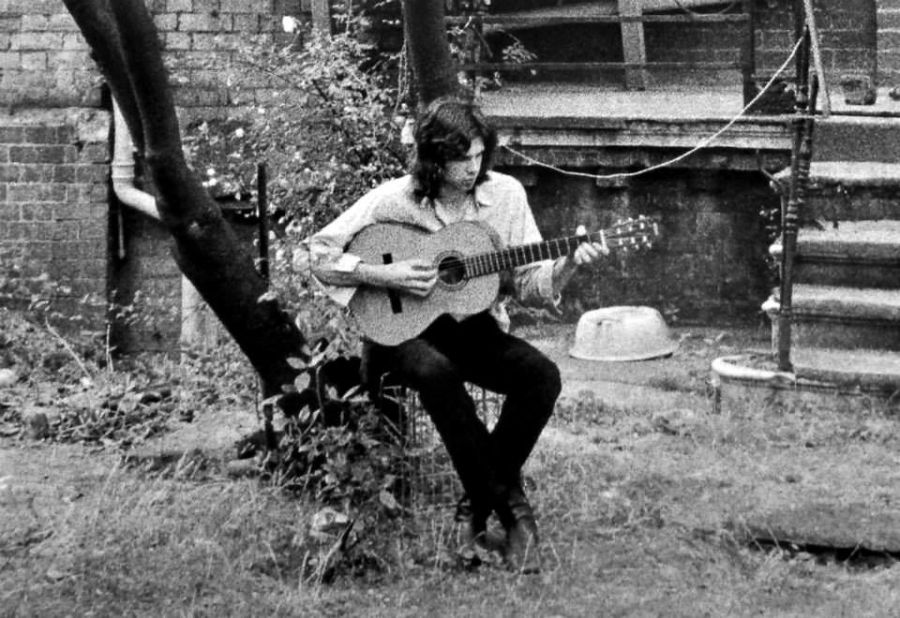
Leading up to his 75th birthday today, I’ve been thinking of writing about Nick Drake — perhaps the ultimate Rock-era example of a brilliant musician neglected in his lifetime and “discovered” long afterwards. But Ted Gioia, author of The History of Jazz and one of the best current writers about music of all kinds, has said everything I’d want to say and more at his Honest Broker Substack.
Drake had a paradoxical power to touch the emotions of the audience even when it sounded as if he were singing just for himself . . . every syllable seems infused with private meaning . . . Drake is now more than a music star, almost an emblematic figure. And I say with some sorrow, but with complete conviction, that his life and times remind me of so many people nowadays who have been cast adrift in our society—suffering in ways spookily reminiscent of what he experienced fifty years ago.
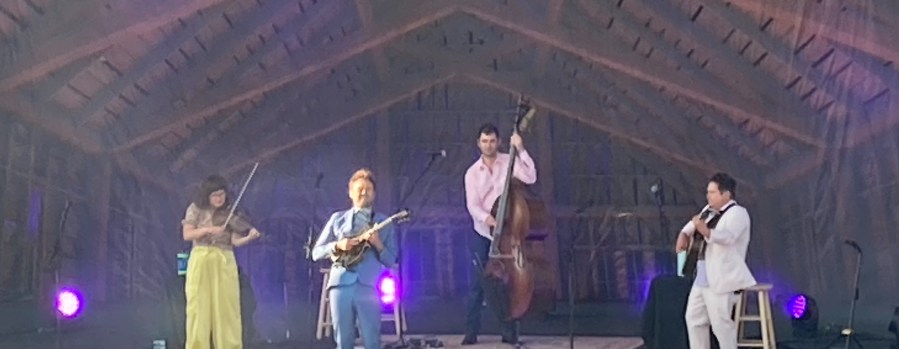
Nickel Creek with Gaby Moreno, Frederik Meijer Gardens Amphitheater, June 8, 2023
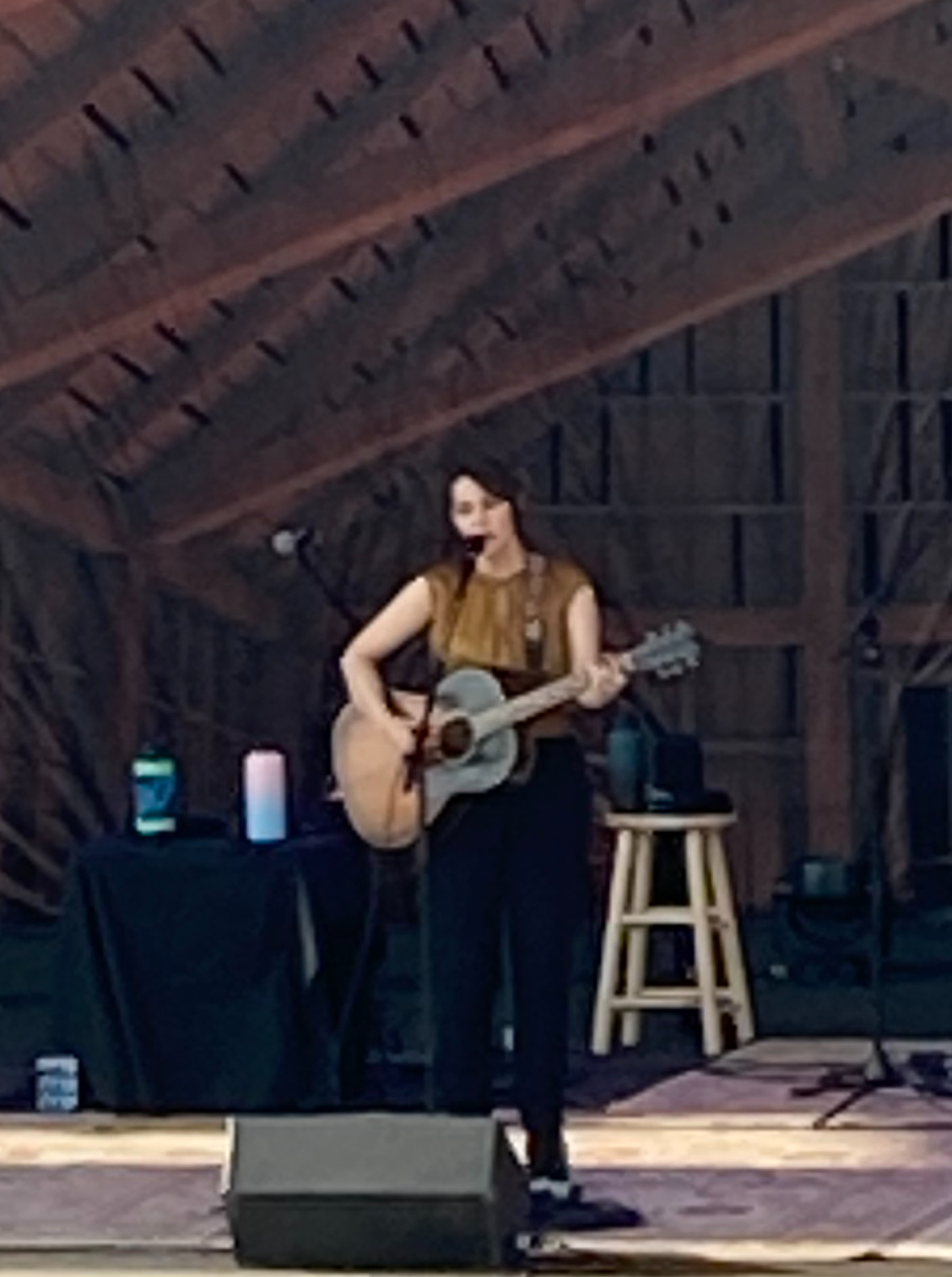
After a warm late spring day (with atmospheric residue from Canadian forest fires actually visible under the stage lights), a capacity crowd of 1,900 was primed for ignition at my local outdoor amphitheater’s opening night. And once Guatemalan singer-songwriter Gaby Moreno had warmed us up with her beguiling vocals and deft guitar work, Nickel Creek didn’t disappoint.
Launching into “Where the Long Line Leads” from the brand-new reunion album Celebrants, fiddler/guitarist Sara Watkins shot off sassy sung verses like rockets, as mandolinist Chris Thile and guitarist Sean Watkins fueled the rhythm with their tight backing harmonies, then grabbed equal shares of the three-part choruses. And once Thile, then Sara ripped out incendiary solos, stoked by guest bassist Jeff Picker — whew! By the end of that opener, the progressive bluegrass trio had fired up Meijer Gardens but good.
It was a hot start to a hot night, even as the temperature on the amphitheater lawn went down with the sun. Mixing in about half of Celebrants with roughly equal selections from their previous four albums, Nickel Creek walked the line flawlessly between fresh and vintage, instrumental and vocal, tradition and the cutting edge. The trickily-timed bluegrass workout “Going Out . . .” slotted in effortlessly with obvious audience favorites like “Ode to a Butterfly” and “Smoothie Song”; Thile’s “The Meadow” proved another ironic kiss-off to passing romance in the ongoing vein of “Helena”, “This Side” and “Somebody More Like You”. Sara’s “Thinnest Wall”, goofily introduced as a song about “the middle of a relationship for a change,” wore its heart on its sleeve just as much as oldies “When You Come Back Down” and “Sabra Girl”; and Sean’s vocal feature “21st of May” proved weirdly sympathetic to its tale of a desperate preacher who believes that, at long last, he’s finally got the date of the Rapture right!
From the inbox this morning, we got sent this new single from UK-based band, Barricane. The group is a six-piece based around singer songwriters Rosy Piper and Emily Green. Also featuring Charlie Lane (bass), Chris Alchin (keyboard, acoustic guitar and synt), Hamish Wall (electric guitar), and Gary Neville (drums).
“Saltwater” packs a lot into a mere five minutes. It begins with atmospheric guitars and spacey drums with ethereal vocals over the top before gradually building. The real treat is the ending where the song shifts into a proggy synth space before the electric guitar comes in for a hard rock solo complete with a wall of drums. It’s great. Check it out.
If there’s a theme this month, it might be “musicians going for it” — whatever the era, whatever the wisdom they assimilate along the way. Another common factor: all of these are strong contenders for my end of the year favorites list! As usual, purchasing links are embedded in each artist/title listing; where available, album playlists or samples follow each review.
Bill Bruford, Making a Song and Dance: completists may go pale, but this isn’t another massive “collect ’em all” box a la Bruford: Seems Like A Lifetime Ago or Earthworks Complete. Rather, it’s a judiciously curated, career-spanning set targeted at a wider market and chosen by the man himself. Organized to reflect the creative roles Bruford posited for expert drummers in his doctoral dissertation Uncharted, discs 1 and 2 cover his years as a “collaborator” in ongoing bands, (mostly Yes and King Crimson), while discs 3 and 4 lay out his qualifications as a jazz-oriented “composing leader” in the above bands and other occasional combos. But if your listening experience is like mine, discs 5 (“The Special Guest”) and 6 (“The Improviser”) will provide the freshest material and perhaps the niftiest surprises; Bruford sits in with everyone from folk-rock iconoclast Roy Harper to speed-fusion guitarist Al DiMeola to the Buddy Rich Big Band, then contributes equal amounts of chops and space to music conjured from thin air with (among others) daringly lateral pianists Patrick Moraz and Michael Borstlap. When the man said he retired from performance because he couldn’t think of anything more to play, he wasn’t kidding — based on the evidence collected here, he’d already done it all. Not only does Making A Song and Dance give an ample picture of Bruford’s stylistic range, it brilliantly charts the growth of an essential artist down the decades.
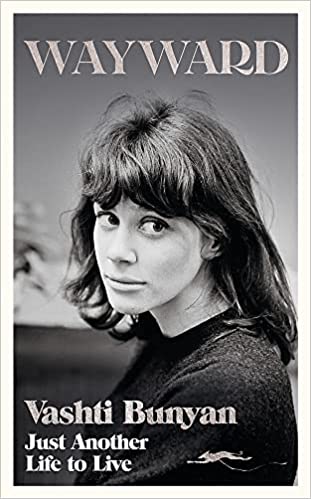
Vashti Bunyan, Wayward – Just Another Life to Live: indirectly named after a Biblical queen, Vashti Bunyan’s thirst for meaning led from a middle-class childhood through Oxford art school to a London fling as a wannabe pop chanteuse (her debut single was a Mick Jagger/Keith Richards offcut). Adrift in the aftermath, Bunyan seized what seemed a golden opportunity: a journey with her paramour from the Big Smoke to a new life in the Hebrides, undertaken by horse-drawn wagon. That unlikely odyssey forms the heart of this evocative, compelling narrative; laboriously heading north through the heart of England, Bunyan gains understanding of the natural world, of the extremes of human kindness and cruelty — and of her own animating passions, her sturdy inner core. She also writes the deceptively simple, uncommonly rich songs that became her lovely 1970 album Just Another Diamond Day. The fulfillment (and dissolution) of Bunyan’s quest, her immersion in “lookaftering” children and stepchildren, and her artistry’s rebirth when the Internet rediscovered her music in the early 2000s provide the epilogue to this tale of a wandering soul’s coming to terms with the beauty and the beastliness of life. Highly recommended.
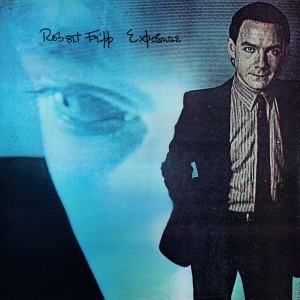
Robert Fripp, Exposure:After King Crimson “ceased to exist” in 1974, Fripp withdrew from the music industry, pursuing a spiritual sabbatical. Reinvigorated, he dipped his toe back in the water via guest shots with David Bowie and Blondie, then moved to New York City to get serious about returning to active service. Exposure was Fripp’s calling card for his “Drive to 1981,” self-described as research and development for what might come next; along with nods to his current production work with Peter Gabriel and Daryl Hall, ghosts of Crimson past (the metallic “Breathless”) and future (“NY3,” with ‘found vocals’ from Fripp’s argumentative neighbors draped over cyclical odd-time riffs) haunt the album. But there’s also New Wave 12-bar blues (“You Burn Me Up I’m A Cigarette,” with tongue-twister lyrics gamely tackled by Hall), furious punk energy (“Disengage,” featuring Peter Hammill’s improvised, gleefully atonal vocals cutting across Fripp’s proto-shred guitar and Phil Collins’ blunt, brutal drumming), and surprising amounts of gentle lyricism (Hall on “North Star”, Terre Roche on “Mary”, Gabriel on a gorgeous solo piano “Here Comes the Flood”). What binds these disparate tracks together is the innovation of Frippertronics — the solo guitar looping set-up that Fripp then took to concert halls, dance clubs, restaurants and record stores on a low-budget promotional tour — weaving in, out, between and behind it all to unify the album and give it a futuristic impetus. As strange and compelling a beast as any Fripp has brought us over the years, Exposure is a wild, worthwhile listen in and of itself, while providing distinctive previews of coming attractions. The new “Fourth Edition” features a discreetly energizing remix by Steven Wilson, plus previous versions (including an unreleased master with Hall as the primary vocalist) on a bonus DVD. For those with deeper pockets, the 32-disc box set Exposures exhaustively archives Fripp’s studio and live work from 1979-1981 — including the Frippertronics concert at Peaches Records in Detroit that completely exploded my own musical boundaries. (More of this boundary-breaking beauty can be found on the new release of 1981 Frippertronics, Washington Square Church.)
Erewän – How Will All This End? – Anesthetize Productions, December 10, 2021
Tracks: Rising Sun on the Shore (4:06), Childhoods (5:05), Walk Away (5:32), Headline (7:07), The Banshee’s Keening (5:45), Witches of the Middle Ages (4:33), Twist of Fate (5:24), Evil’s In Us (8:14), Highlands (5:49)
Erewän’s late-2021 album, How Will All This End? has a fresh sound mixing a variety of rock and acoustic sounds. While Erewän may sound like a band name, it is actually the stage name for a Nice, France-based solo artist. Musically that may surprise you, since there is a rather heavy Celtic influence on the record. Erewän wrote all of the lyrics and the music, and Alexandra Lamia and Eric Bouillette guest on a couple of tracks. The rest of the music was performed by Erewän, who also made the artwork.
The album mixes elements of traditional progressive rock with folk music, particularly Celtic folk music. Irish whistles and violin are prevalent, along with acoustic guitar. Erewän plays some excellent electric guitar, as well. It’s a very pleasant album to listen to no matter where the music goes. At many times it’s rather soothing.
How Will All This End? is essentially a concept album, with all of the songs connected by the theme of the evil mankind has committed throughout history, and how that evil infiltrates each of us. The lyrics are sobering, and they force us to take a good look inside. Thankfully the music isn’t as gloomy as the lyrics can sometimes be.
Evil is deep down inside men
Evil is in each of us
Evil! Evil! Evil! Evil!
Man is a wolf to man, He is the danger
He’s proved it through the ages, man can be toxic
Obsessed with one thing: How to own more
More power or money, so he made up the war
– “Evil’s in Us”
As you can imagine, the record has some rather dark moments. “Headline” is a difficult track addressing the problems of bullying in schools and school shootings. It takes a very dark turn with the sounds of gunfire and screaming midway through the song. It’s a tough pill to swallow, but it’s a reminder of the evil we deal with in the world.
Thankfully the next song starts off more upbeat musically. “The Banshee’s Keening” has a very Celtic feel, as the name might suggest. I’ve always enjoyed the sounds of Irish whistles, which this song has in abundance, along with what sounds like fiddle in the background. The song is about exactly what the title says. A banshee is a spirit in Irish folklore that roams across the land “keening,” or wailing, in response to someone’s death.
“Witches of the Middle Ages” displays the calmer elements of the album, with a simple acoustic melody and the haunting Irish whistles and what I believe are bagpipes (it might be a guitar effect). The lyrics tell the story of a girl accused of being a witch and then executed by the Inquisition.
Thankfully it’s not all doom and gloom. In the lyrics of “Evil’s in Us,” Erewän gives us a glimpse of hope:
But demons rub shoulders with angels
Yet maybe angles could win sometimes
If you take time to listen to your heart
To your heart
To your heart
The final track is instrumental, which is a very good thing. The album is quite dark lyrically, and “Highlands” gives the listener a chance to decompress. It’s a soothing track, starting out acoustic with Irish whistles, piano, and strings before gradually adding in the rock elements. Midway through it jams into an electric guitar solo that retains the Celtic folk music styling with its melody. It’s a great bookend to the opening instrumental track, which eases the listener into the journey Erewän takes us on. Both songs remind me of Dave Bainbridge and Dave Brons’ solo work. If you’re a fan of their work, definitely check out Erewän.
My one complaint about the record is Erewän’s vocals can sometimes be difficult to understand. His accent is thick, which might leave the listener lost at times. I’ll compare it to the recent Premiata Forneria Marconi album, which features both English and Italian versions of the songs. I listened to the English version first, and I found Franz Di Cioccio’s vocals to be difficult to follow, although I really enjoyed the music. When I listened to the Italian version, his vocals sounded great and very natural. All that to say, I would love to hear a version of Erewän’s album with French vocals. I know that would limit the marketability of the record, but it still would be nice to hear.
Even as it is, How Will All This End? is a great album filled with a beautiful blend of rock and acoustic folk music. The lyrics make you think, which is what good art should do. The guitar solos soar, blending well with the Irish whistles. Give it a listen on Bandcamp.
As previously promised, a look at the big reissues landing in the next few months — especially those available in one or more box set formats. Ordering links are embedded in the artist/title listings below.
Out Now:
The Beach Boys, Feel Flows – TheSunflower and Surf’s Up Sessions, 1969-1971: between their initial impact and their imperial phase as timeless purveyors of fun fun fun, Brian Wilson and his family pursued heaviness and relevance in a market that thought it had outgrown them — at least for the moment. This slice of the Boys’ catalog features less slick, more homespun takes on their timeless concerns (the same amount of girls, less cars, more daily life), with Wilson brothers Dennis (on Sunflower) and Carl (on Surf’s Up) taking the lead. The brilliant moments — “This Whole World,” “Forever,” “Long Promised Road,” “Til I Die” for starters — outweigh the embarrassingly dated ones, and music to make you smile is never too long in coming. Available from The Beach Boys’ webstore as 2 CDs, 5 CDs, 2 LPs or 4 LPs (colored vinyl).
BeBop Deluxe, Live in the Air Age:when Bill Nelson’s avant-glam guitar heroics didn’t generate bigger record sales, a live album was the next obvious move for this sterling British quartet. Better chart positions weren’t forthcoming, but 1977’s Live in the Air Age is an exquisite slab of BBD at work — Chuck Berry updated for the Apollo era, with a bit of Bowie/Mercury panache in Nelson’s vocals and blazing solos aplenty. Available from Esoteric Recordings as 3 CDs (adding the complete 1977 London concert) or 15 CDs/1 DVD (adding all surviving recordings from the 1977 British tour and a live television special).
George Harrison, All Things Must Pass: the quiet Beatle exploded on his first album after the Fabs’ breakup, immersing his radiant devotional compositions in Phil Spector’s patented Wall of Sound and drafting Ringo, Badfinger and the embryonic Derek and the Dominoes as his rock orchestra. The new remix scales back the symphonic swirl, brings forward George’s vocals, and gives the rhythm section a kick in the pants; just right to these ears. A serious contender for the single best solo Beatle album, well worth an immersion course. Available from the Harrison webstore in Standard (2 CDs or 3 LPs — limited colored vinyl available as well), Deluxe (3 CDs or 5 LPs), Super Deluxe (5 CDs/BluRay or 8 LPs) and Uber Deluxe (5 CDs/BluRay/8 LPs/various bespoke gimcracks/”artisan wooden crate” — you don’t wanna know what it costs) editions.
The Elements of King Crimson – 2021 Tour Box: the 7th annual compilation of tidbits from the Discipline Global Mobile archives, doubling as a concert program. This year’s selection of rarities focuses on the nine drummers that have called King Crimson their musical home (sometimes two or three of them at once). Studio snippets – like the one with Fripp, John Wetton on bass and Phil Collins on drums – live tracks, oddities, previews of coming attractions, and more. Available from Burning Shed or on Crimson’s current USA tour.
Lee Morgan, The Complete Live at the Lighthouse: never a mass media superstar, Morgan was nonetheless a jazz icon — one of the finest trumpeters of his day who played with heroes of the music like Art Blakey and John Coltrane, recorded more than 20 albums as a leader for Blue Note Records, and even managed to score a Top 25 pop hit with his funky “The Sidewinder.” This box (another product of jazz archivist Zev Feldman’s boundless energy) sets forth an entire weekend’s worth of recordings by Morgan and his dedicated, powerful 1970 band. Bennie Maupin on reeds, Harold Mabern on piano, Jymie Merritt on bass and Mickey Roker on drums bring the sophisticated, challenging compositions and spirited solos and backing; Morgan takes it from there, lyrical and fiery in turn. This is a great potential entry point if you want to explore jazz as a newbie, and a serious desert island possiblility for those already into the music. Available from Blue Note’s webstore as 8 CDs or 12 LPs.
Clive Nolan and Rick Wakeman, Tales by Gaslight: keyboardists Nolan (Pendragon, Arena) and Wakeman (Yes, Strawbs) box up their out-of-print concept albums Jabberwocky (with dad Rick W. reciting Lewis Carroll’s nonsense verse) and The Hound of the Baskervilles, adding a bonus disc collecting rough drafts of a 3rd album based on Frankenstein. Separate booklets and art prints for each of the 3 CDs included. Theatrical as all get out, and surprisingly good fun if you’re in the mood for Victorian-flavored melodrama. Available from Burning Shed.
Marillion, Fugazi: the band’s 1984 album, perceived as a “sophomore slump” at the time, is much more than a bridge between the feral debut Script for A Jester’s Tear and the early masterwork Misplaced Childhood, with plenty of gripping moments to recommend it. A new remix by Andy Bradfield and Avril Mackintosh compensates handily for the production nightmares recounted in this deluxe edition’s copious notes. Also includes a complete live set from Montreal; the CD/BluRay version adds bonus tracks, documentaries, and a Swiss television concert. Out September 10; pre-order from Marillion’s webstore as 4 CDs/BluRay or 4 LPs.
Van der Graaf Generator, The Charisma Years, 1970-1978: VDGG may have shared the stage with Genesis in each band’s formative years, but they were a thoroughly different beast. Peter Hammill’s desperate existential narratives and the wigged out instrumental web woven by David Jackson, Hugh Banton and Guy Evans made for a unique, highly combustible chemistry — bonkers dystopian sci-fi narrative over free jazz one moment, raggedly soaring hymns to human potential the next. This 17 CD/3 BluRay set collects the band’s 8 studio albums from the Seventies, adding extensive BBC sessions, a live show from Paris, all surviving television appearances “and more.” Now available from Burning Shed; the four newly remastered albums in this box (H to He Who Am the Only One, Pawn Hearts, Godbluffand Still Life) are available as separate CD/DVD sets for those wanting a lower priced introduction to this underrated band’s indescribably stirring music.
October:
The Beatles, Let It Be: the Fab Four’s star-crossed attempt to return to their roots – recording live in front of movie cameras – ultimately became their first post-break-up release, drenched with Phil Spector’s orchestral overdubs to cover the rough spots. With a new 6-hour Peter Jackson documentary on the sessions hitting Disney Plus Thanksgiving weekend, Apple unleashes a fresh stereo remix (the 4th in the series that kicked off with Sgt. Pepper’s 50th anniversary). Super Deluxe versions also include 27 sessions tracks, a 4-track EP and a test mix of Get Back, the proposed original version of the album. Out October 15th; pre-order from the Fabs’ webstore in Standard (1 CD or 1 LP), Deluxe (2 CDs with selected bonus tracks) and Super Deluxe (4 CDs/1 BluRay or 4 LP/1 EP) editions. (The companion book of photos and transcribed conversations from the sessions, Get Back, is released on October 12.)
Emerson Lake and Palmer, Out of This World – Live (1970-1997): a compilation of key live shows in ELP’s history: their 1970 debut at the Isle of Wight Festival; a career peak show at the 1974 California Jam; the 1977 full-orchestra extravaganza at Montreal’s Olympic Stadium; 1992’s comeback concert at London’s Royal Albert Hall; and a previously unreleased 1997 show from Phoenix, Arizona. Out October 29; pre-order from ImportCDs as 7 CDs or 10 LPs.
Joni Mitchell, Archives , Volume 2 – The Reprise Years (1968-1971): more archival recordings from the early days of Mitchell’s recording career. Home and studio demos, outtakes, unreleased songs, her Carnegie Hall debut and much more — a complete acoustic set recorded by a enraptured Jimi Hendrix, anyone? Out October 29; pre-order from Mitchell’s webstore on 5 CDs or 10 LPs (4000 copies only), The Carnegie Hall concert is available separately on 3 LPs (black or white vinyl).
Pink Floyd, A Momentary Lapse of Reason (Remixed and Updated): the 2019 remix of Floyd’s post-Roger Waters comeback from the opulent The Later Years box, now available on its own. “Sounds less like the 1980s, more like classic Floyd” is the party line here. Out October 29; pre-order from Floyd’s webstore in 1 CD, CD/DVD, CD/BluRay or 2 LP formats.
November:
Genesis, The Last Domino? Yet another compilation of Genesis’ greatest hits, fan favorites and core album cuts, released just in time for their first US tour in 14 years. No real surprises in the track selection, but the blurbed promise of “new stereo mixes” of four Gabriel-era classics is intriguing. Out November 19; pre-order from Genesis’ webstore on 2 CDs or 4 LPs. (The UK version of this compilation, out September 17, sports a slightly different track list.)
Elvis Presley, Back in Nashville:the King’s final sessions in Music City, stripped of overdubs a la last year’s From Elvis in Nashville box, that yielded material for three years worth of albums. 82 tracks encompassing country/folk, pop, religious music and Christmas music. Out November 12; pre-order from the Presley webstore on 4 CDs or 2 LPs.
In the Works (release date forthcoming):
Robert Fripp, Exposures: another exhaustive (and potentially exhausting) set from Discipline Global Mobile. This one promises to cover Fripp’s “Drive to 1981,” including his guest-star-heavy solo debut Exposure, the ambient Frippertronics of God Save the Queen and Let the Power Fall, and the egghead dance music of Under Heavy Manners and The League of Gentlemen. Tons of live gigs promised to supplement rarities and studio outtakes.
Marillion, Holidays in Eden: the new Marillion album (now officially titled An Hour Before It’sDark) may push this further back on the release schedule, but Steve Hogarth’s second effort with the boys (an intriguing effort that tried and failed to go commercial) is next up for the deluxe reissue treatment.
Porcupine Tree, Deadwing:a promised deluxe set in the vein of 2020’s In Absentia. Internet gossip flared up when Steven Wilson, Steve Barbieri and Gavin Harrison were rumored to have reset the band’s legal partnership earlier this year; who knows how or when the Tree may blossom again?
Renaissance, Scheherezade and Other Stories: coming from Esoteric Recordings, the folk-prog quintet’s finest hour in the studio, melding orchestral grace with an Arabian Nights theme for the half-hour title track. If this is in the vein of other recent Renaissance issues, hope for a multi-disc set with a bonus live set and a surround remix.