

It’s been another excellent month for new music. So let’s just cut to the chase, shall we? Purchase links are embedded in the artist/title listing; playlists or video samplers follow each review.
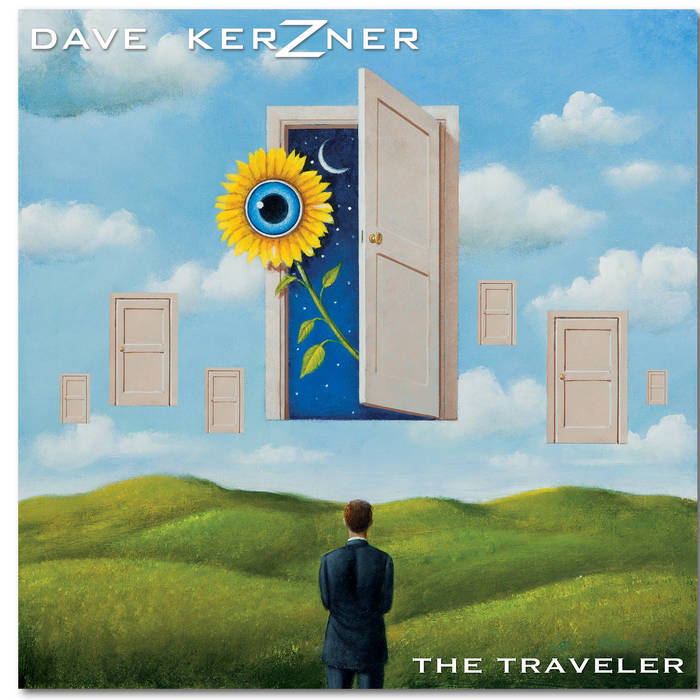
Dave Kerzner, The Traveler: A third concept album from Kerzner, continuing the through line of New World and Static (with nods to In Continuum’s Acceleration Theory lurking about as well). The opener “Another Lifetime” sets out this record’s remarkable strengths: confident, appealing songwriting with hooky yet sophisticated melodies and structures; Kerzner’s best, widest ranging vocals to date; and the perfectly judged contributions of Fernando Perdomo on guitar, Joe Deninzon on violin, Ruti Celli on cello and Marco Minneman on drums (only a smattering of the stellar guest list here). The dry, forward sound and the copious use of vintage keyboards on tunes like “A Time In Your Mind” evokes early-80s Genesis at times (since Kerzner got those keyboards from Tony Banks, no real surprise there), but the power ballad “Took It For Granted” and the closing suite framed by the two parts of “Here and Now” show Kerzner moving his character’s story forward while striking out in fresh musical directions like the sunshine guitar pop of “A Better Life”. Overall, Kerzner exhibits a lighter touch here, and The Traveler is the better for it; by letting his new songs sell themselves and keeping proceedings to the point, he both satisfies us and leaves us wanting more. After repeated listens, this one’s already on my “favorites of ’22” list!
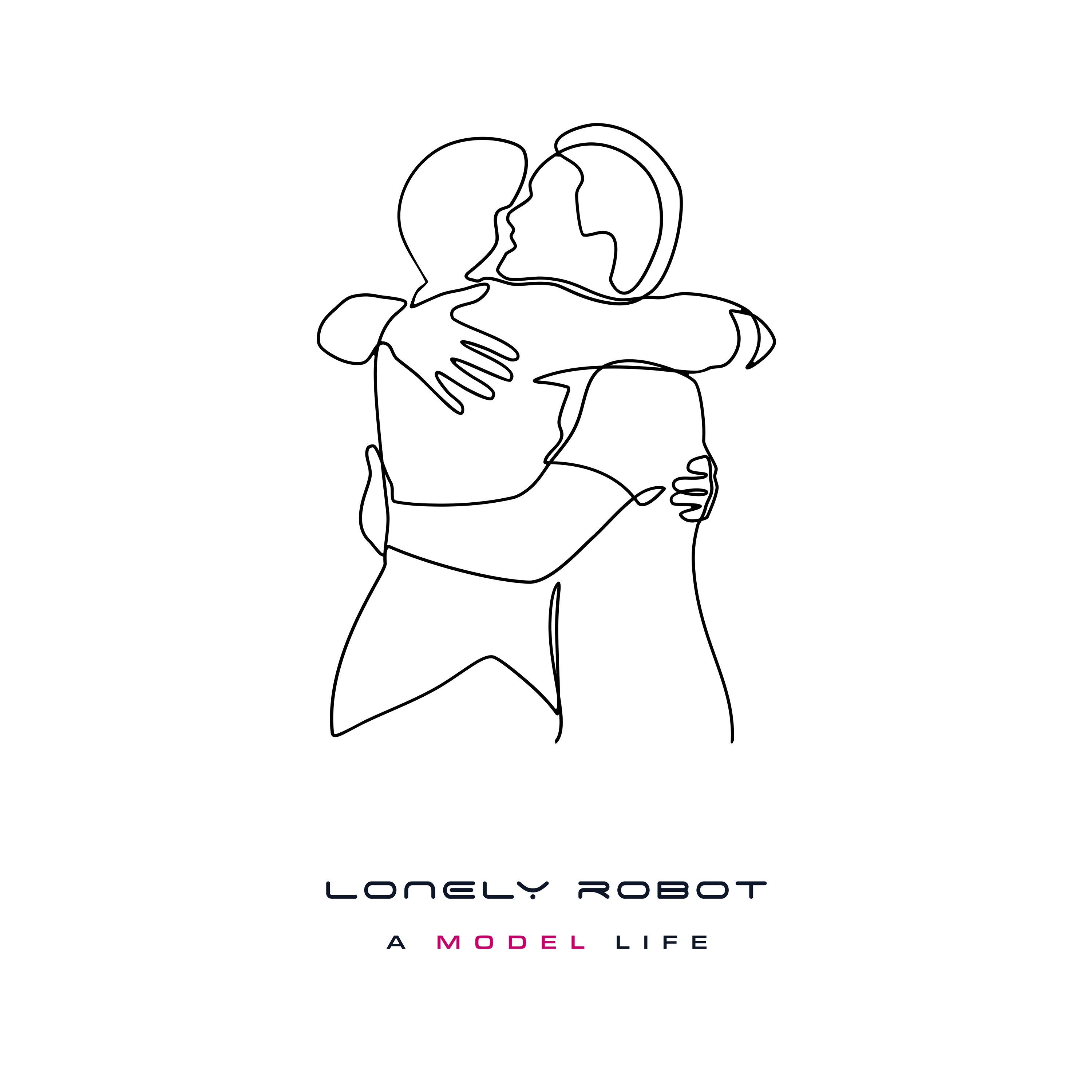
Lonely Robot, A Model Life: John Mitchell has had a rough last few years, and he doesn’t care who knows it. In the wake of a global pandemic, the collapse of a long-term relationship, and a confrontation with his deepest doubts and fears, Mitchell’s done what he does best: slip into his Lonely Robot persona and pour it all out in a fine set of laterally structured, elegantly crafted, fearlessly emotional songs. Writing, singing and playing (especially in his rekindled relationship with the guitar solo) at peak inspiration, Mitchell lays the ghost of his former love (the nervy “Recalibrating”, the forlorn “Mandalay”), skewers our mad world (“Digital God Machine” and “Island of Misfit Toys”), mourns ways of lives and times now in the rearview mirror (the breathtaking ballad “Species in Transition”, the crunching elegy “Starlit Stardust”), and ponders how and why he became who he is (the brilliant final run of “Rain Kings”, “Duty of Care”, “In Memoriam”). Easily his best work under the Lonely Robot banner, Mitchell wears his heart on his sleeve and plays to the gallery at the same time; this is an outright spectacular effort that’s got both all the feels and all the chops. (Check out our latest interview with John Mitchell here.)
Motorpsycho, Ancient Astronauts: the kings of Norwegian drone-prog continue their enviable hot streak on their fifth album in six years. “We’re all a little bit insane,” Bent Saether chirps on the opener “The Ladder”, and as the track spirals upward, mingling the howl of Hans Magnus Ryan’s guitar and Saether’s darkly glimmering Mellotron, you believe him. The edgily abstract interlude “The Flower of Awareness” cleanses the palette for a Crimsonesque workout on “Mona Lisa/Azrael”; Ryan builds towering edifices of distortion over a trademark Saether riff, as drummer Tomas Jarmyr matches their ebb and flow all the way through the shuddering climax and the slo-mo collapse. Astonishingly, all this just serves as prologue to the “Chariot of the Sun: To Phaeton on the Occasion of the Sunrise (Theme from an Imagined Movie)” It’s as if Motorpsycho’s brief for this 22-minute finale was to rival “La Villa Strangiato” in both range and focus; gentle strumming and wordless vocals give way to more menacing bass riffs, fuzz guitar deployed in duet and counterpoint, feral percussive cross-rhythms. It all mounts to multiple climaxes (a mighty unison riff, ominous post-rock minimalism) that circle back to end with the melancholy lyricism that kicked it all off. Ancient Astronauts is a genuinely thrilling ride; strap in and brace yourself for liftoff.
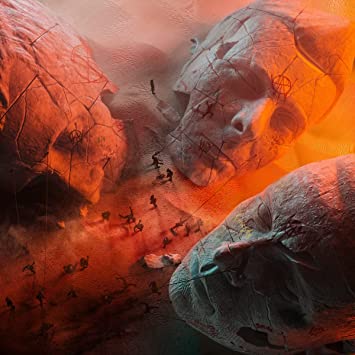
Muse, Will of the People: they’re baaack!!!!!! And as usual, Matt Bellamy, Chris Wolstenholme and Dominic Howard earn every one of those exclamation points. The guitars and drums are turned up to 12, the classical keyboard licks pack double the bombast (including a Bach “Toccata and Fugue” steal), the electronica wallows in creepshow kitsch, the vacuum-packed harmonies are piled even higher, and the gang chants are bellowed louder than ever. All this sound and fury portrays a world on the brink, an elite obsessed with control, and a populace angry that the game is rigged. Still, it’s hard to know who Bellamy is rooting for; at times, his lyrics and driven singing seem equally repulsed by both the leaders (“Compliance”, Kill or Be Killed”) and the led (the title track and “Euphoria”). But in the end, this is quite the slamming album; if you’re in the mood for existential desperation set to one badass, air-guitarable riff and singalong chorus after another — and these days, who isn’t? — this just may be your ticket. Might want to only play that obscenity-laden final track when no one else is around, though.
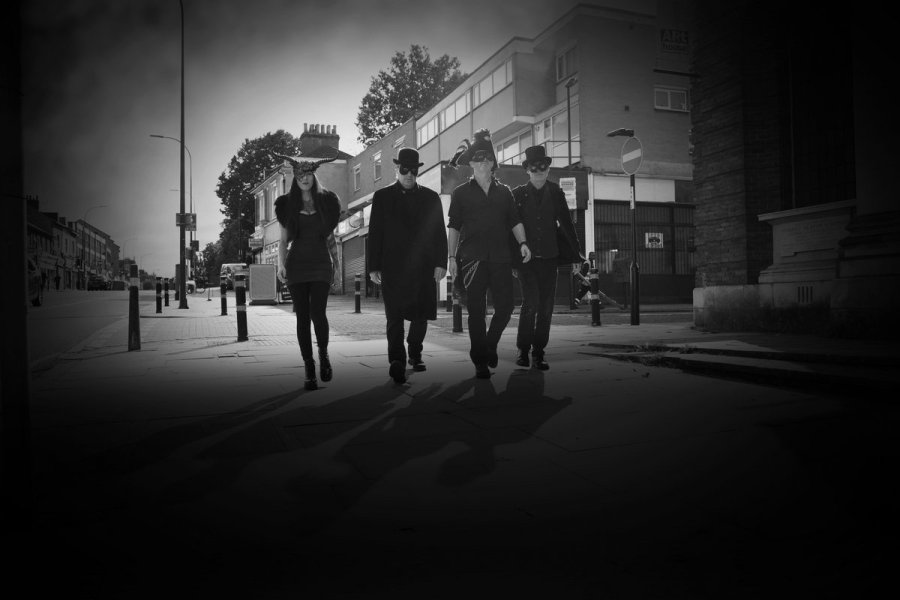
 Shades of Plato, Malware, March 28, 2022

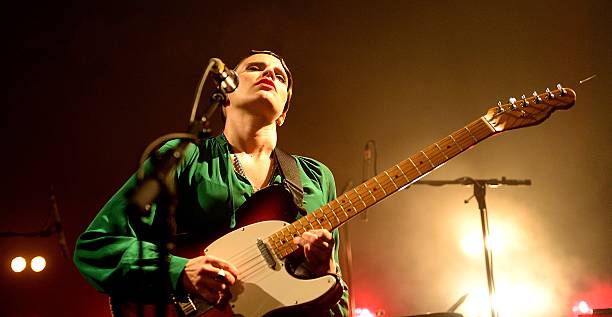 You could do worse than follow the 1951 Wayne Shanklin song “Jezebel” as a guiding aesthetic for launching a recording career. A hit for Frankie Laine (1951), Edith Piaf (1951), and, remarkably, Herman’s Hermits (1966), “Jezebel” is built around a flamenco figure that adapts itself well to pop drama and, as Anna Calvi demonstrated on her first single, shows a sympathy to the reverb-y guitar dynamics and thundering tom-driven drumming favored by surf guitarists and Italian directors of Spanish-set westerns.
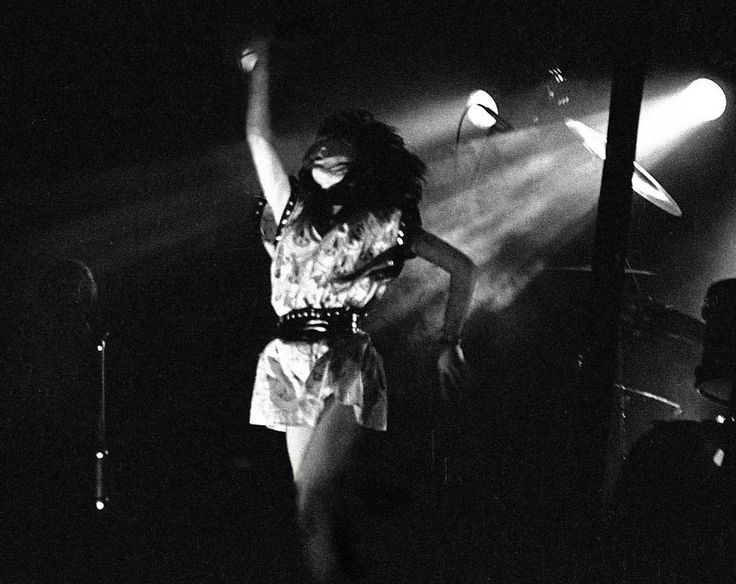 A commanding presence in British punk since the later 1970s, and creating out of that — along with
 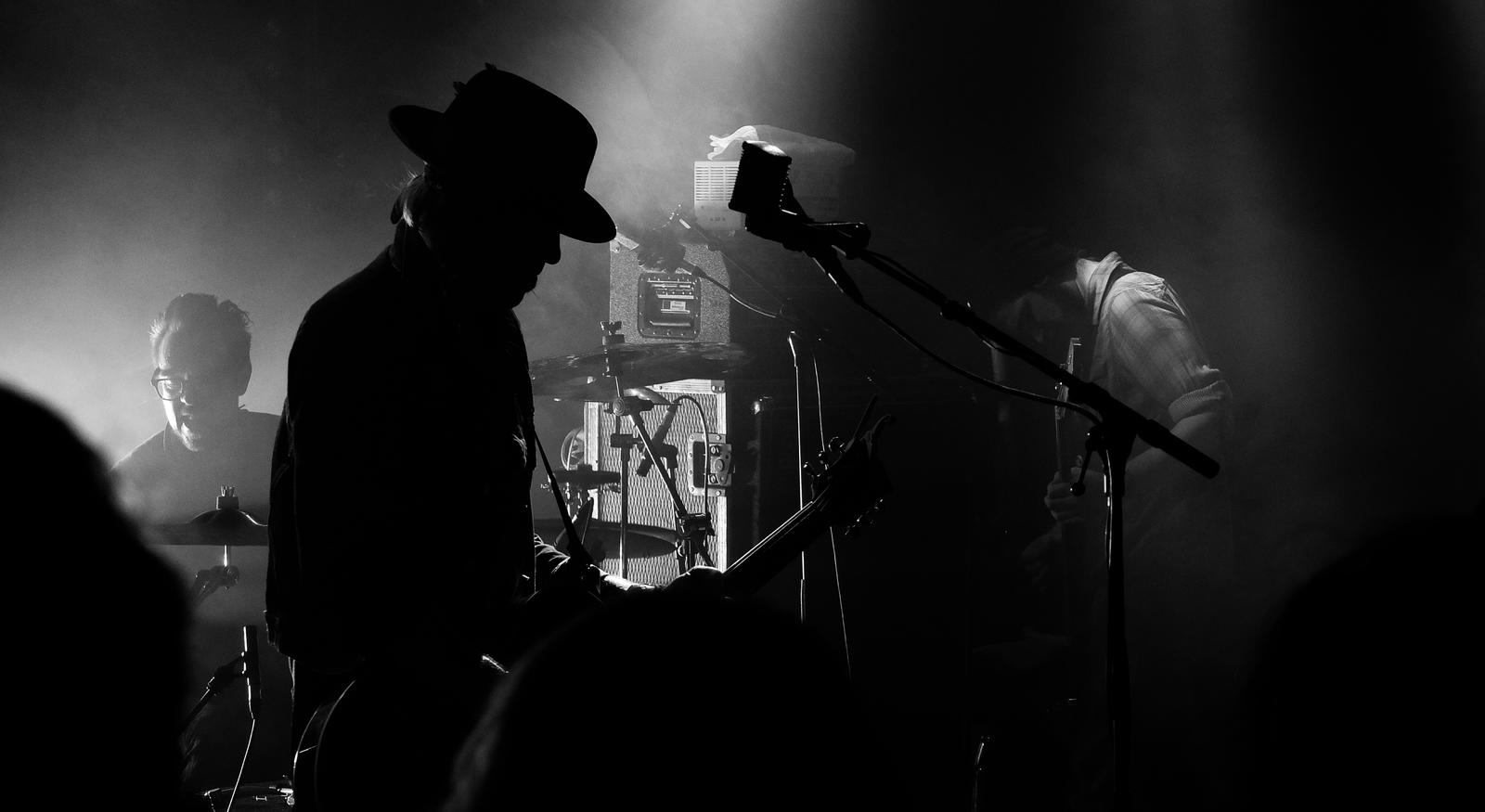 Like Robin Pecknold of
 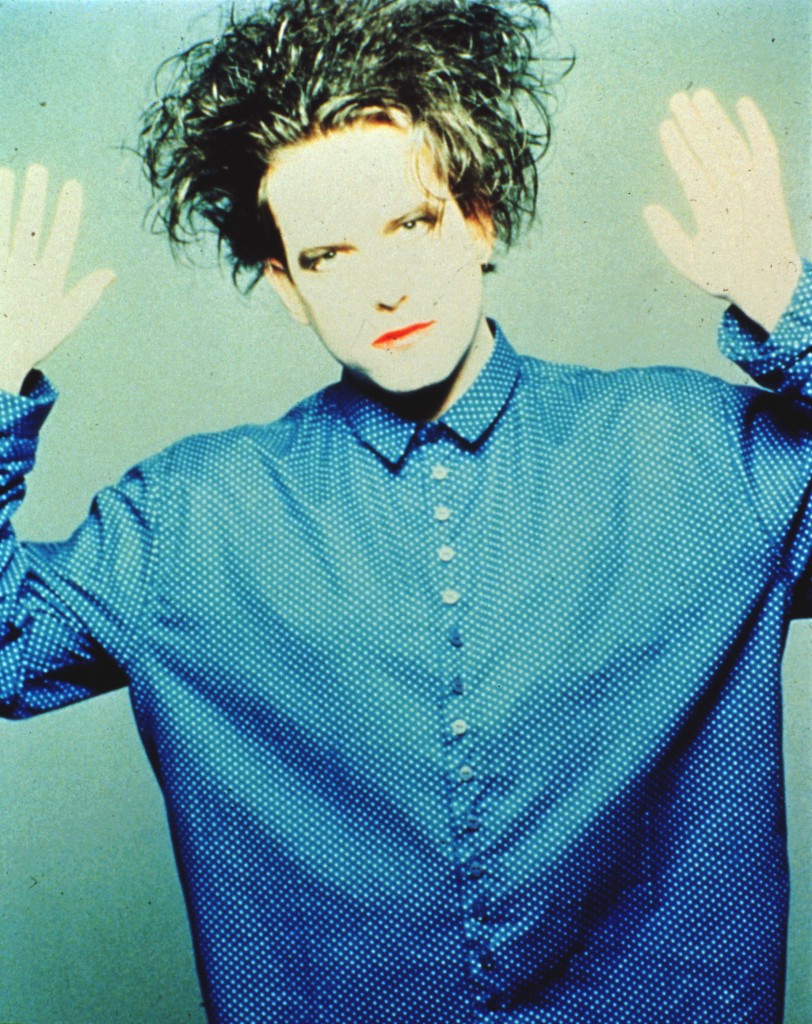 The Cure’s Disintegration is a lush, beautiful masterpiece. When it was released in 1989, the band was cresting a wave of popularity, and rare was the college dorm room in America that didn’t have a copy of their singles comp, Staring at the Sea (1986), sitting next to the deck, while Kiss Me Kiss Me Kiss Me (1987) was radio ready. Robert Smith had become an unlikely hero, a post-punk goth who had paid his dues and, with a colossal songwriting talent, was reaping the rewards of someone who virtually created his own genre. Nobody else sounded like the Cure. Neither psychedelic nor prog nor punk, but fearless in their approach, comfortable in their painted skin. On Disintegration the band slows the tempos, backgrounding Smith’s economical lyrics with huge keyboard/guitar drift pieces that seem to exist in the gloaming. A perpetually wilting flower, the first-person character in Smith’s work has had a long shelf life, and would rot if it weren’t for Smith’s genius with song and his ability to effortlessly write pop hits at will. Entreat is from the tour supporting the album, recorded at Wembley in ’89, and consists of the all the songs on Disintegration in the same running order. It had a very limited release originally, but pieces of it emerged here and there on CD singles taken from Disintegration (I first heard parts of it on the Pictures of You EP), and was eventually, finally bundled with Disintegration on the 2010 re-release. Entreat was a bold move, a full performance of a newly-released record, and demonstrates just how confident Smith and his band were in the new songs.
 Progarchy