


Starting out with a burner from 2022 that just arrived due to the ongoing vagaries of overseas shipping: Norwegian guitarist Hedvig Mollestad connects with the Trondheim Jazz Orchestra for the conceptual Maternity Beat. As on her previous collaborative jazz-rock projects Ekhidna and Tempest Revisited, Mollestad’s writing runs the gamut, from thrusting dash through tribal fusion getdowns and chamber interplay to a glorious finale that ratchets up to a blazing climax. And her playing is as creative and involving as ever, ranging from the gutbucket blues and skronky feedback of “Do Re Mi Ma Ma” to the gliding, Jeff Beck-ish boogie of “All Flights Cancelled” and beyond. Another winner from this impressive musician that grows more immersive the more you listen.
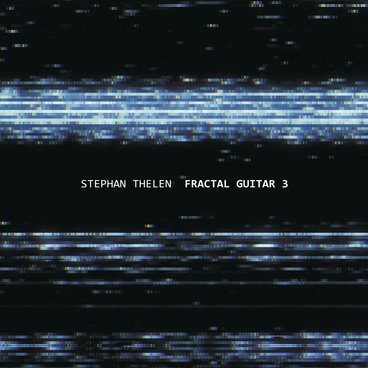
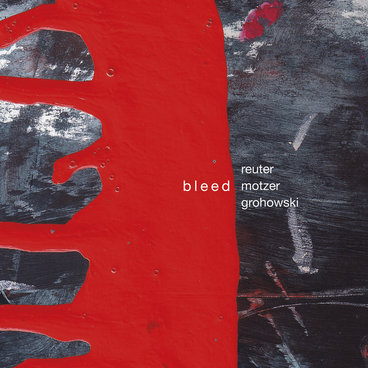

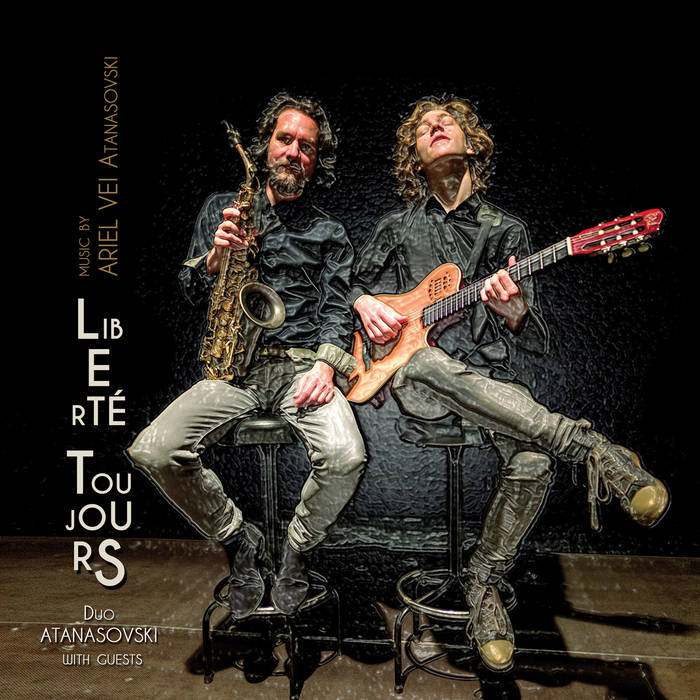
Even with his relocation from New York City to Toledo, Spain this year, impresario Leonardo Pavkovic has kept MoonJune Records churning out first rate albums that consistently ride the cutting edge of possible musics. In the most recent batch of MoonJune releases, Sonar guitarist Stephan Thelen returns with Fractal Guitar 3, another winning album of intriguing compositions that create harmony and structure via the interaction of cyclic time and minimalist melodies; touch guitarist Markus Reuter teams with multi-instrumentalist Tim Motzer and drummer Kenny Growhoski for Bleed, a bold, grungy set of abstract pieces drawn from free improvisation; Anchor & Burden (Reuter’s “European supergroup” featuring drummer extraordinaire Asaf Sirkis) weighs in with Kosmonautik Pilgrimage, monumentally turbulent full improv with Lovecraftian artwork and titles to match its swirling, heavy vibe; and Duo Atanatovski (a Slovenian father and son on guitar/cello and winds) team with a rhythm section for the radiant Liberté Toujours, an album of soaring, propulsive jazz that I guarantee will lift your spirits. The best way to catch all the action on MoonJune is a yearly subscription at Bandcamp.

On a whim (admittedly nudged by a recommendation from allmusic.com), I checked out Guided by Voices’ brand new La La Land and was instantly captivated. The brainchild and main musical vehicle of Dayton Ohio guitarist and singer Robert Pollard, the band is known for its insanely prolific output (the current lineup has released 14 albums in the last 5 years), slamming home musical earworms laced with whimsical, elusive lyrics aplenty in a devil-may-care blend of the British invasion, low-fi punk-pop and just the right amount of psych-prog garnish. In the past, GbV’s releases lacked a certain quality control, but recent albums seem to be all killer, no filler: here the air-tight riffs lodge directly in your pleasure centers; Pollard reels off irresistible chorus after irresistible chorus in a delightfully mannered, indeterminate accent; and expansive efforts like the pretty acoustic tune “Queen of Spaces” and the off-kilter, multi-part build of “Slowly On the Wheel” offset the short, sharp shocks of the opening “Another Day to Heal” and the Beatlesque “Ballroom Etiquette”. Well worth exploring, but mind stepping too far into the whirlpool …
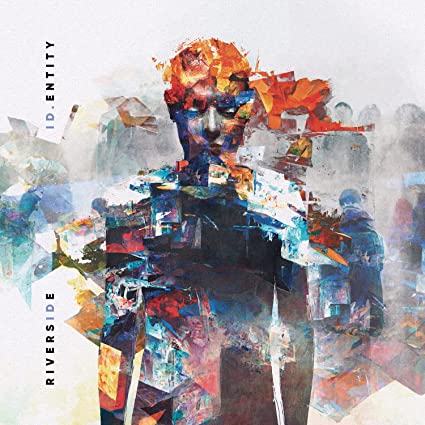
I’ve got to agree with Bryan that Riverside’s latest, ID.Entity, is a strong contender for “best of the year” status, even this early in the game. This is hooky, hard art-rock (metallic around the edges) with a compelling sense of ebb and flow — not to mention plenty of high-power guitar and keyboard heroics. What makes the blend especially savory here is Mariusz Duda’s vocals; wistfully edgy, drily sardonic and bluntly dismissive by turns, his melancholy meditations on a divided world with no place left to hide grab and shake you, whether you want to see the pictures he’s painting or not. Definitely up to Progarchy’s favorite Polish proggers’ high standards, with the potential to rope in fans of a recent vintage — like me — as well. (Need to catch up on Duda and company? The 2021 online compilation 20 – The Shorts and the Longs might be your ticket.)
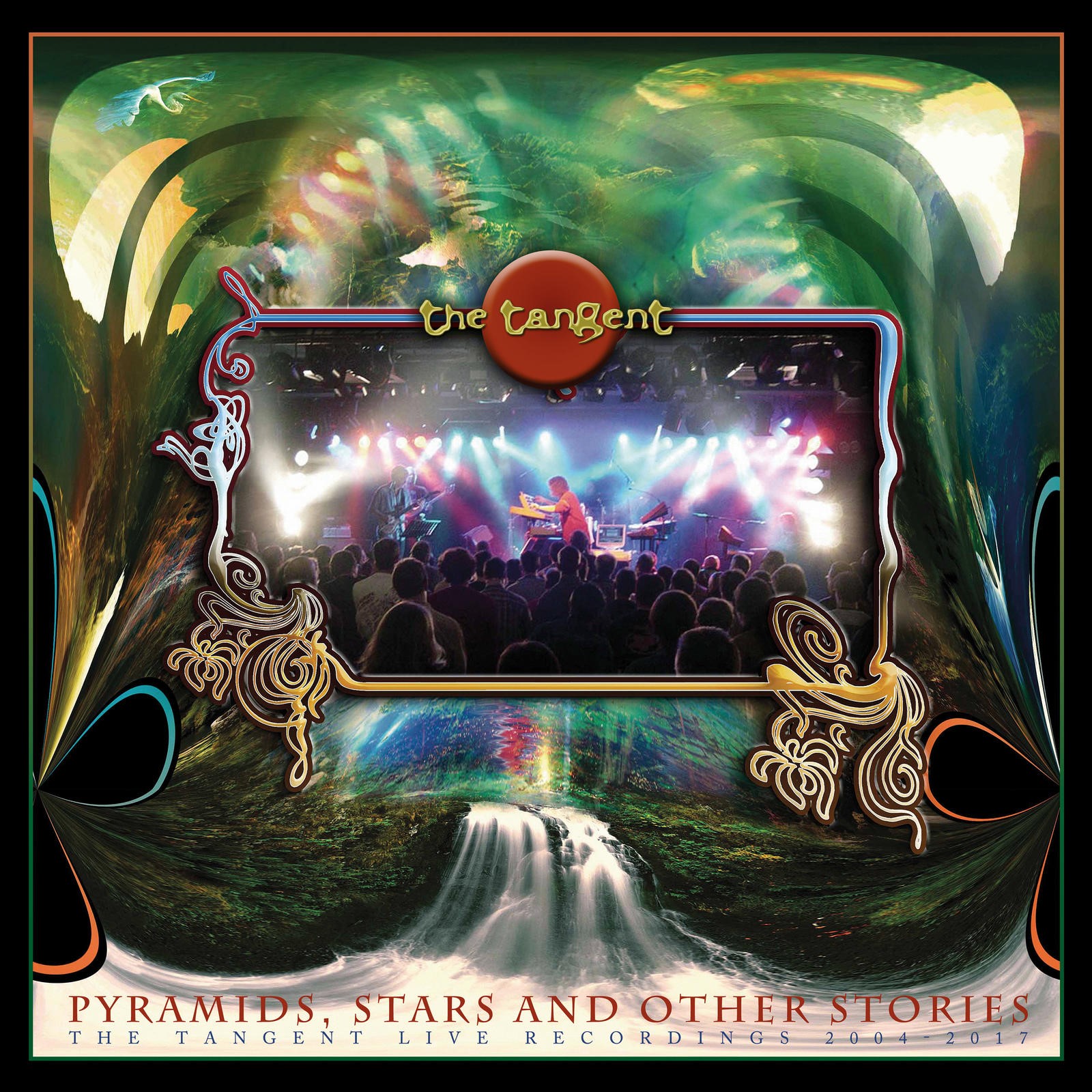
Always ready to bring a bit of reconfigured retro flash into here and now, Andy Tillison has opened wide The Tangent’s vaults for an old-school “triple-live” album, Pyramids, Stars and Other Stories. The release kicks off with a soul-stirring 2004 set, as the original lineup (including Roine Stolt) powers through early classics like “The World That We Drive Through” and “The Music That Died Alone”. Add a substantial serving of later songs and instrumentals performed by equally gifted lineups on the 2012 UK and the 2017 US tours (the last of which I was privileged to see at Chicago’s Progtoberfest), and you have 2 1/2 hours of back-catalog gems delivered in grand style. I gleefully gulped down the whole thing in one sitting; Tillison’s non-stop compositional eclecticism and his unquenchable penchant for speaking (well, singing) his mind delight from beginning to end, and his compatriots step up to match his commitment throughout. On their game, The Tangent’s devotion to music and their appeal to our consciences point us to the best of what we are and what we can be; here, they hit peak form throughout, with any rough edges only adding to their appeal. This generous set is both a first-rate introduction for new listeners and an essential item for hard core fans. In addition to purchasing the album through the usual outlets, you can still support the band directly and pre-order a limited number of signed copies here.
— Rick Krueger





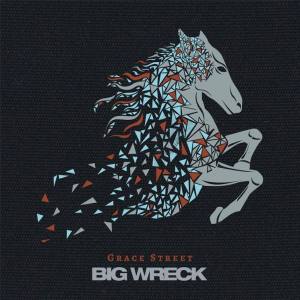 singer/guitarist/writer’s solo effort as “acoustic, reflective, mellow, mournful, defiant, sad, and yet shot through with a sense of cautious hope.” The new Big Wreck album Grace Street has its reflective and mellow moments—”Useless” is a mesmerizing, melodic gem and “Motionless” is a soaring mid-tempo number—but the key, overlapping descriptives surely are “defiant” and “hope”. If I were to channel my 17-year-old self (30 years ago!), I would simply say, “This albums kicks ***!” Since reuniting in late 2011, the Canadian rockers have produced three must have albums: Albatross (2012), which includes
  Years before the hybrid of classic rock and distorted garage psychedelia and punk became the legendary Grunge that vanquished the Hair Metal Dragon in the early 1990s, Screaming Trees and Thin White Rope plied their trade in relative obscurity and penury. Even as “punk broke” in America and they were afforded greater opportunity for exposure, as groups they had already cycled through lineup changes and masterwork albums, and the timing for broad success never really synced. Yet you can sight through the lens of their recorded legacy an understanding of what Grunge in America was, where it came from, what it meant, how it drew upon American roots music, acknowledging what Greil Marcus called the “old, weird America,” of everything from 13th Floor Elevators and Neil Young to the folk revival of the 1960s to the hillbilly/race records of the 1920s and 1930s. The references aren’t always apparent, but they’re embedded in the dust devils Thin White Rope appeared through and the rain-soaked northwestern pines the Screaming Trees turned dayglo.
 Progarchy