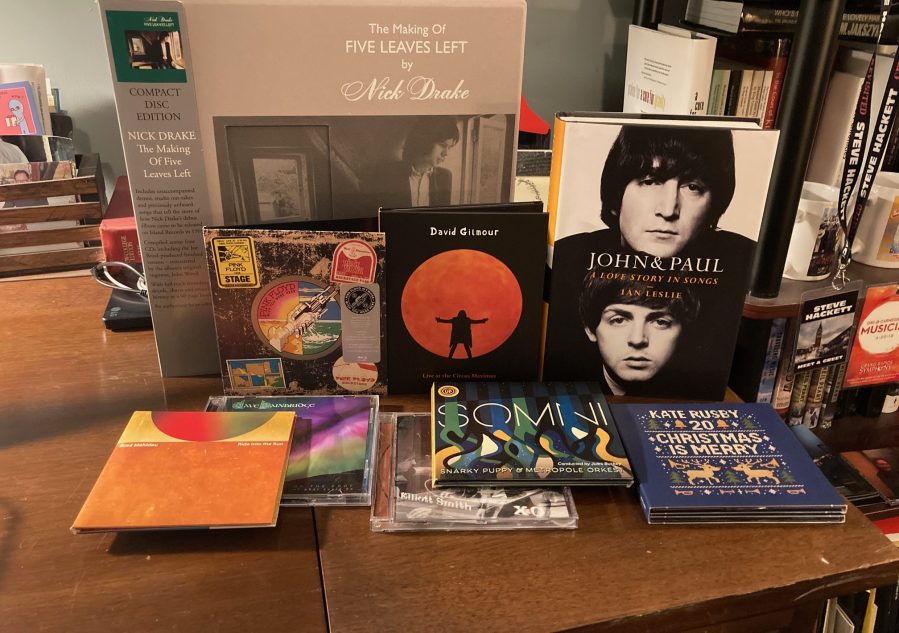
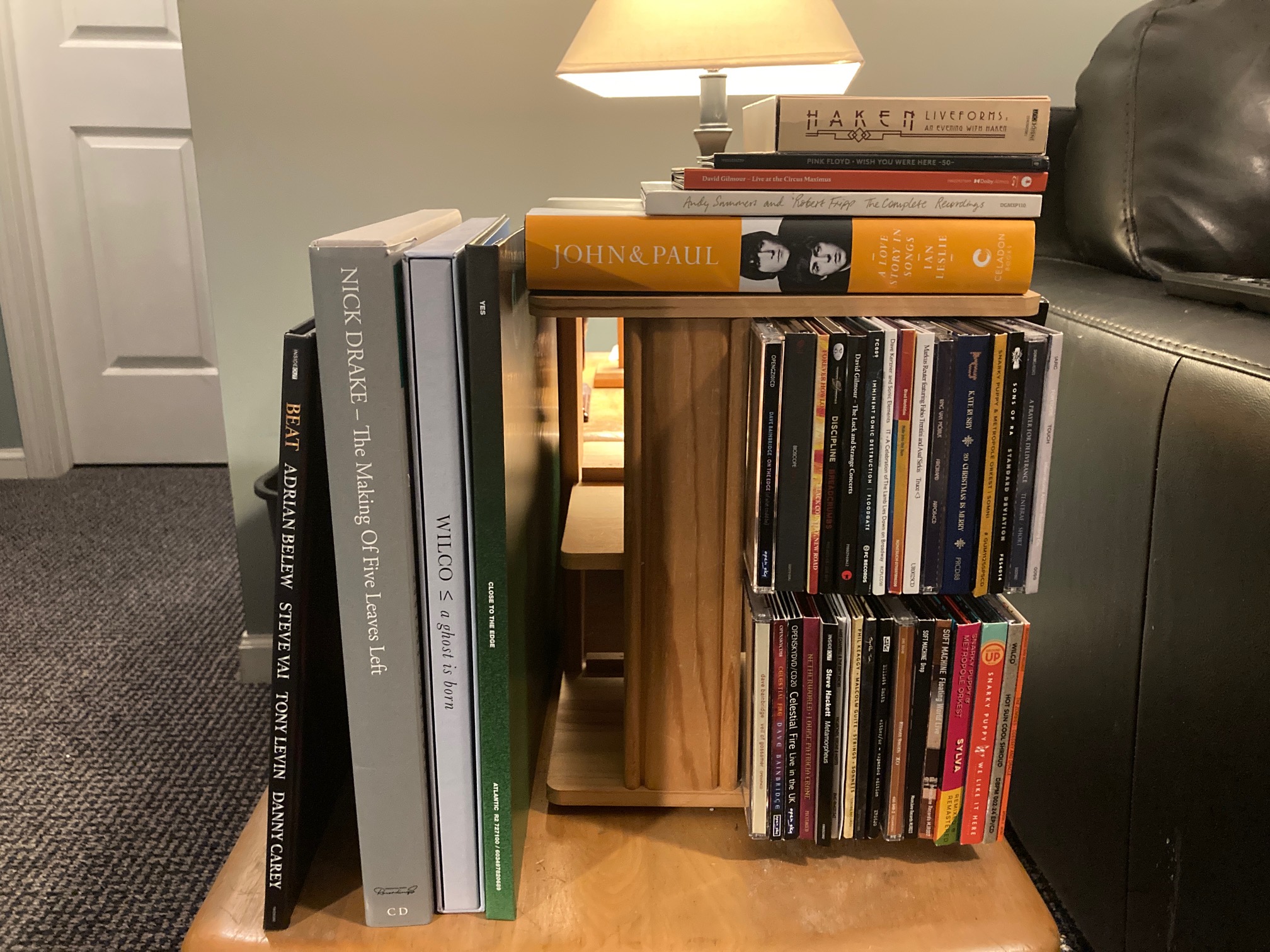
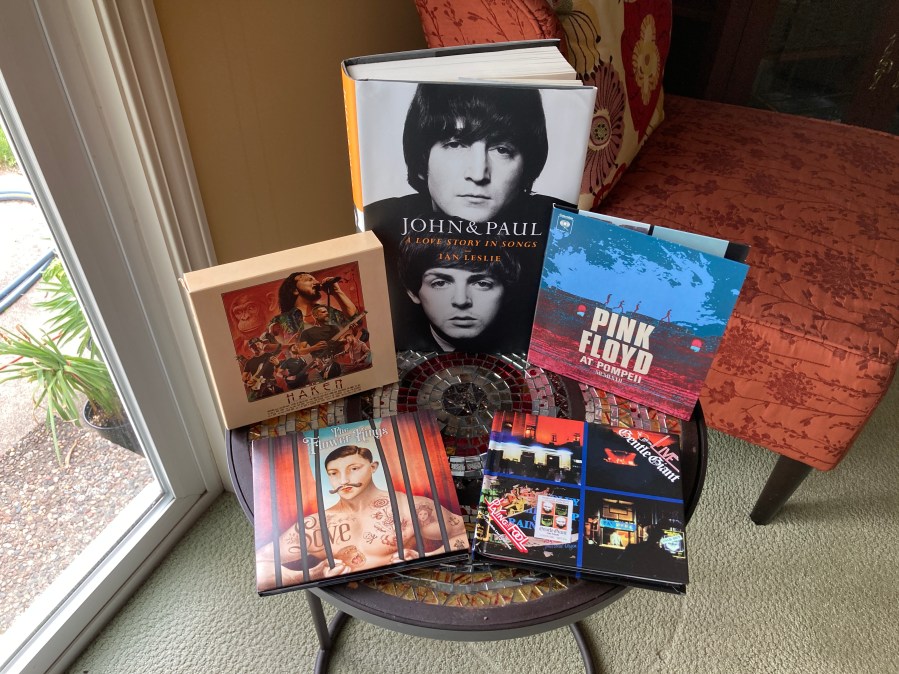
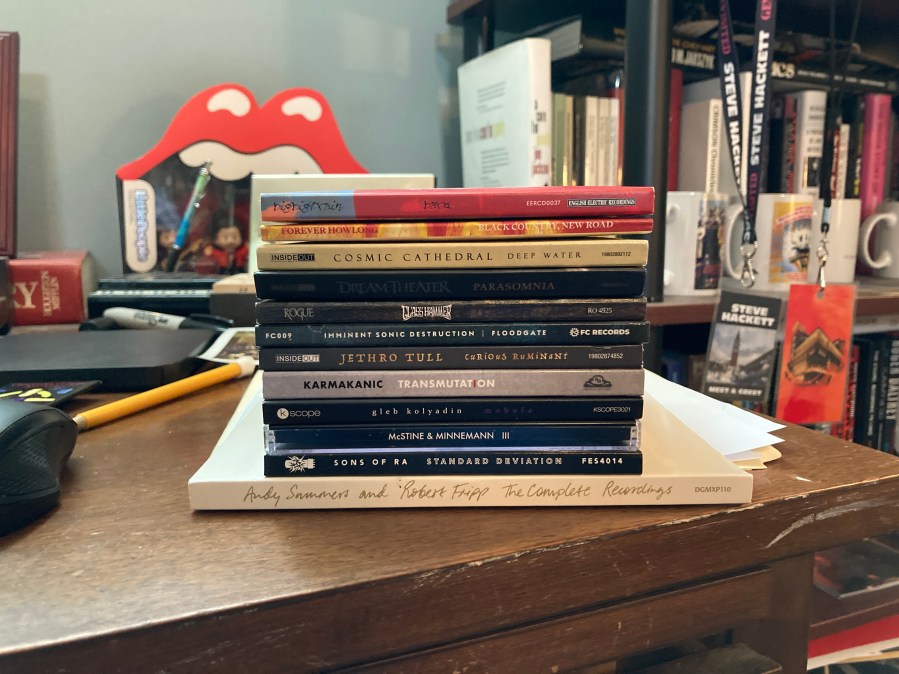
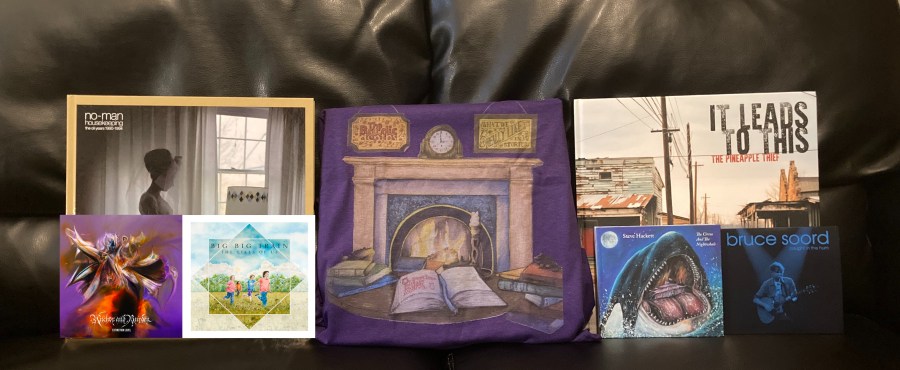
It’s been a good year for music! So good it demanded a slightly different format this time around. You can read my original reviews of my 40 or so favorites from 2025 at the article links that precede each listicle. Listings include the types of release as laid out below, with Top Favorite listings in bold italics (as well as pictured above)!
New Releases:
New Albums
Live Albums (audio and video)
Christmas Albums
Back Catalog:
Reissues
Box Sets (minimum of 3 CDs)
Discoveries (unheard until 2025)
Rediscoveries (heard before, forgotten, loved again in 2025)
Nick Drake, The Making of Five Leaves Left – Top Favorite Box Set! An utter original who died far too young, Drake’s wistful, sturdy, thoroughly unique British folk-rock gradually rose from turn-of-the-1970s obscurity to be embraced by aficionados worldwide. While his three albums (and another disc of studio leftovers) speak for themselves, this lovely box traces his progress over two formative years, from impromptu dorm-room recordings through a breathtaking audition and simpatico sessions (especially those with double bass magician Danny Thompson and master orchestrator Robert Kirby) to the uncluttered, spacious beauty of his debut. If Drake needs any advocacy beyond the sheer communicative power of his songs, here’s all the evidence you need; and as a bonus, long-time fans will find treasures they may not have known they were missing.
No haikus this time, I promise! However, I am going to try and make up for my recent radio silence by covering a lot of ground at a fast and furious pace. Listening links will be available in the title listings. Buckle up . . .
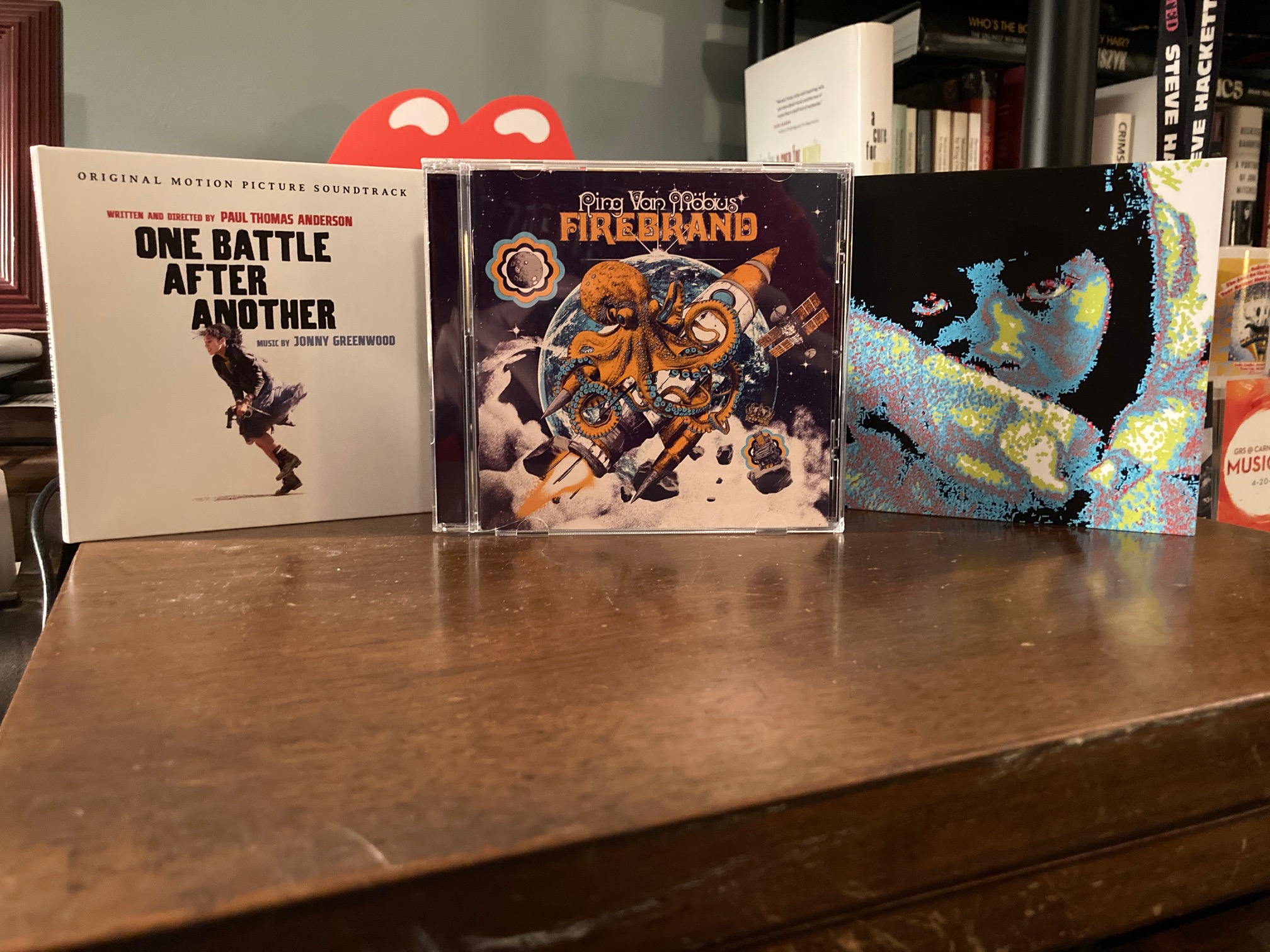
Completely new & noteworthy releases have seemed few and far between the last few months — although I’ve not yet heard the new Neal Morse album Time Lord has so fulsomely praised. My hands-down favorite (easily making my year-end shortlist) has to be Firebrand, the farewell album from Norwegian keyboard trio Ring Van Möbius. On three extended tracks, Thor Erik Helgesen delivers more frenzied organ riffs and howling modular synthesizer licks per minute than we’ve heard since the glory days of Emerson, Lake & Palmer — plus thoroughly unhinged singing of Dag Olav Husås’ trippy lyrics to boot! With Havard Rasmussen’s growling bass and Husås’ throbbing percussion driving the album to multiple shattering climaxes, Firebrand is a demented psychedlic journey to the outer limits of angular, aggressive prog — and all the more gripping on account of it! Meanwhile Tony Levin, Markus Reuter and Pat Mastoletto are back as Stick Men for a 5-track EP of new material, Brutal. This one packs a serious, King Crimson-adjacent punch; the title track, “Bash Machine” and “Pulp” all live up to their names, leaping out of the speakers with heady abandon, precision instrumental riffery, and dense blocks of hardcore sound. More, please! And whatever the debate over the merits of Paul Thomas Anderson’s latest film One Battle After Another, Jonny Greenwood provides yet another arresting soundtrack for the director; this time around, Greenwood foregrounds jagged piano over his exquisitely modernist orchestral textures (as well as the occasional gnarly reminder of his trademark guitar sounds in Radiohead and The Smile).
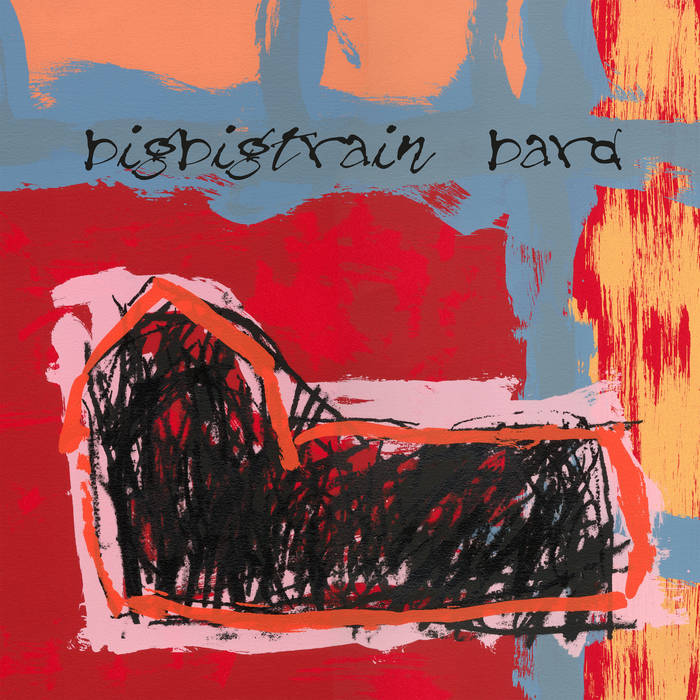
On the other hand, there’s a motherlode of excellent live albums out this quarter! Big Big Train score yet again with Are We Nearly There Yet?, as Alberto Bravin, Greg Spawton and their band of equals blitz through 2024’s fabulous The Likes of Uson disc 1, then gloriously reaffirm BBT back-catalog highlights and rarities on disc 2. District 97 has buffed up and expanded their stellar 2013 collaboration with John Wetton, One More Red Night: Live in Chicago, doubling the disc’s playing time with the Wetton/Leslie Hunt duet “The Perfect Young Man” and D97’s debut album epic “Mindscan”. Reunited with Mike Portnoy, Dream Theater’s 3-CD, 2-BluRay Quarantieme: Live a Paris is an unbeatable 40th-anniversary souvenir; from the crunchy, complex metal of “Metropolis” and Scenes from a Memory through phone-waving power ballads like “Hollow Years” and “The Spirit Carries On” to full-on prog suites “Stream of Consciousness” and “Octavarium”, the entire band operates at a new peak. And, while mashing up a new production of Hamlet with songs from Radiohead’s Hail to the Thief for the Royal Shakespeare Company, Thom Yorke decided the group’s concert takes on the material deserved their own release. Hail to the Thief (Live Recordings 2003-2009) is a banger well worth fans’ time; Radiohead is at their most feral here, squeezing fresh juice from the album’s fuzzed-up, squelchy snapshots of cultural unease with a tightened-up yet wilder sound.
Still, two live particular live releases stood out for me. David Gilmour’s 2024 tour set, available as audio from throughout (The Luck and Strange Concerts) or breathtaking video of a single show (Live at the Circus Maximus), is sleek and spectacular in equal measure, the subdued melancholy and sublimated anger of his solo albums and late Pink Floyd interlaced with the familiar flavors of selected Floyd classics. One of the best things about this set is that it isn’t all Gilmour’s baby: Greg Phillinganes ably fills the keyboard and vocal roles of Richard Wright on “Time”; daughter Romany visibly steals the Rome audience’s heart with her lead vocal on “Between Two Points”; backing vocalists Louise Campbell and The Webb Sisters light up a fresh take on “The Great Gig in the Sky” plus recent solo songs “The Piper’s Call” and “A Boat Lies Waiting”. But Gilmour is still the star, never disappointing on the standards, raising chills with his singing and solos every bit as much on “A Great Day for Freedom” and “High Hopes” as on “Wish You Were Here” and “Comfortably Numb”, his young backing band keeping up all the while. Unmissable, and a unquestioned 2025 Favorite, especially the video version.
Plus, just this past week I discovered my holiday album of the year! Yorkshire songstress Kate Rusby, “the nightingale of Barnsleydale”, has made eight Christmas albums in the last two decades; her latest, Christmas Is Merry, is a live compilation from recent December tours that celebrates the season with the joy and awe it deserves. From whimsical takes on Tin Pan alley chestnuts (“It’s the Most Wonderful Time of the Year”, “I Want a Hippopotamus for Christmas”) to rumbustious traditional carols (“Hark Hark”, “Sunny Bank”) to off-center originals (“Glorious”), all backed by a trad folk band and brass, Rusby is guaranteed to raise a smile. And when she switches to her intimate croon for the foreboding “The Moon Shines Bright” and a hushed “O Little Town of Bethlehem”, I dare you not to be moved. An immediate 2025 Favorite; you really need to hear this.
There have been first-rate reissues aplenty as well. My Favorites have been: The Zombies’ long-neglected Summer of Love classic Odessey and Oracle remastered in mono, with Colin Blunstone’s sublime vocals and Rod Argent’s classically tinged organ propelling an impressively mature song suite; the 20th anniversary remaster of Sigur Ros’ Takk — a delightfully imaginative, massively symphonic highlight of the Icelandic post-rockers’ output; and Pink Floyd’s 50th anniversary edition of their elegiac masterpiece Wish You Were Here(especially the BluRay release, which includes a complete 1975 show suitably exhumed from its original bootleg by Steven Wilson).
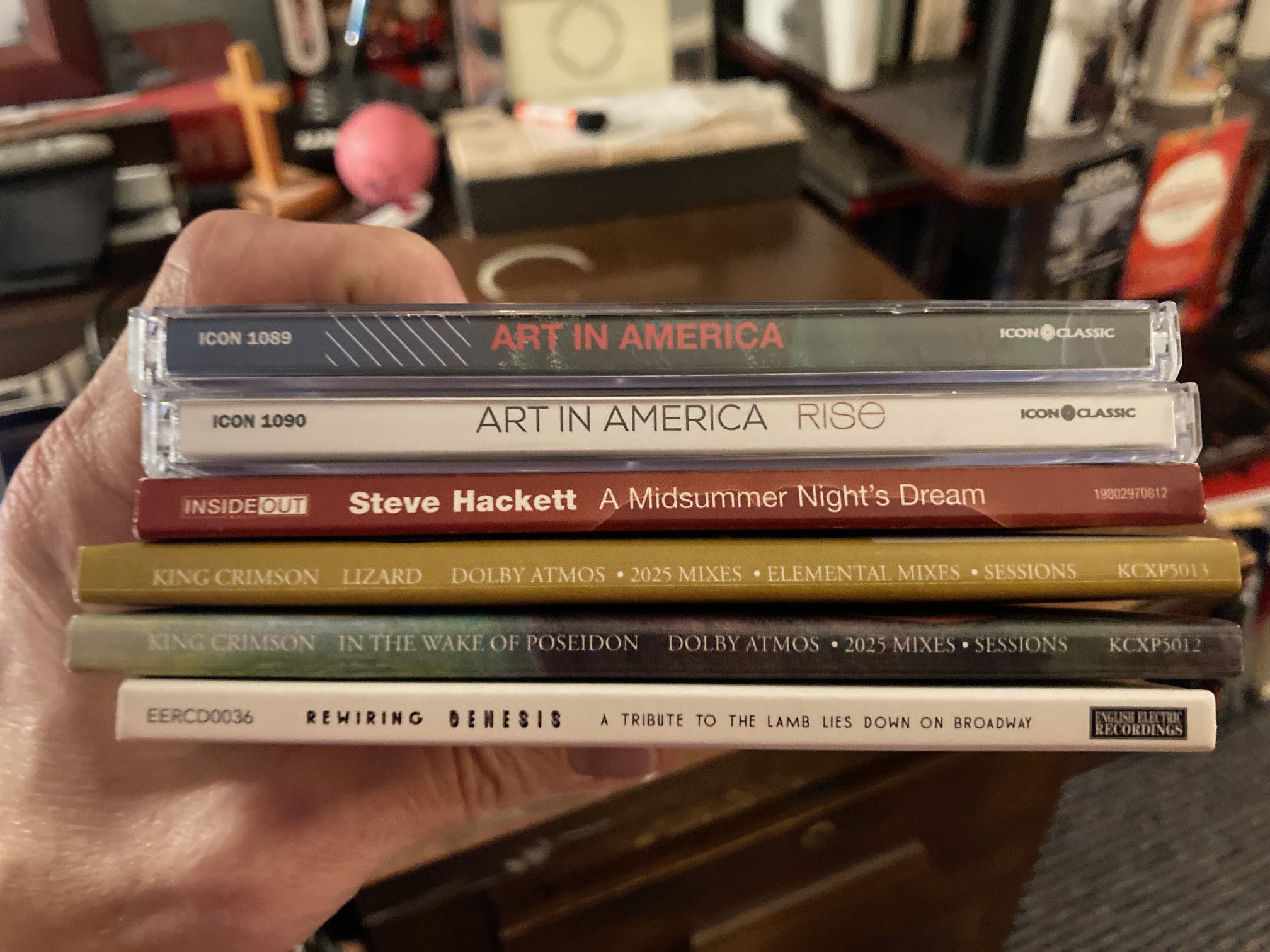
And there are lots more reissues worth a listen: the 1983 debut from Detroit pop-proggers Art in America (they had a harp player — yes, a giant harp, one with all those strings) along with their unreleased second album Rise; Steve Hackett’s album-length acoustic collaboration with Shakespeare and the Royal Philharmonic Orchestra, A Midsummer Night’s Dream; fresh Steven Wilson remixes in stereo, surround and Atmos of King Crimson’s transitional albums In the Wake of Poseidon (Robert Fripp and Peter Sinfield carrying on from the innovative debut with a rotating cast of characters) and Lizard (free jazz meets post-Wagnerian romanticism; quite the magnificent mess); Nick d’Virgilio and Mark Hornby’s long-unavailable, polystylistic Rewiring Genesis: A Tribute to The Lamb Lies On Broadway (with full orchestra on “In the Cage” a Dixieland “Counting Out Time”, sneaky Jethro Tull quotes tucked in the fadeout of “The Waiting Room”, etc.)
Lastly, while the music industry’s annual fourth-quarter release glut means that my box set backlog is worse than ever, I can wholeheartedly recommend the super-deluxe version of the original The Lamb Lies Down on Broadway; while the set’s Atmos mix has been controversial, its straight-up stereo remaster gives the music an absorbing clarity that fills in the blanks of Peter Gabriel’s opaque storyline, and a live bootleg from Genesis’ contemporaneous tour (with vocals mostly overdubbed by Gabriel 20 years later) is equally, winningly surreal. Finally, the 20-disc Peter Hammill: The Charisma and Virgin Recordings, 1971-1986 isn’t for the faint of heart — but given Hammill’s track record with Van der Graaf Generator, hardcore enthusiasts like me knew that anyway. Boundless existential musings set to music of structural, timbral and histrionic extremes — nearly 200 tracks, with 1975’s proto-punk album Nadir’s Big Chance and 1977’s dark, devastating break-up song cycle Over standing out. Hammill (who opened for Genesis during parts of The Lamb tour) may be strong meat, but he never gives less than his all.
“How many of you came here by mistake tonight? Wives, girlfriends, best friends, and so on? I know what you’re thinking — ‘we’ve been here ninety minutes and he’s played four [expletive deleted] songs!’”
— Steven Wilson, September 19, 2025
To which the mostly – though not exclusively – male fans who brought those wives, girlfriends, best friends and so on to The Fillmore Detroit (btw, thanks for renaming the venerable State Theater so it’s just another franchise, Live Nation) would probably reply: “Yeah, but how about those four songs?!?”
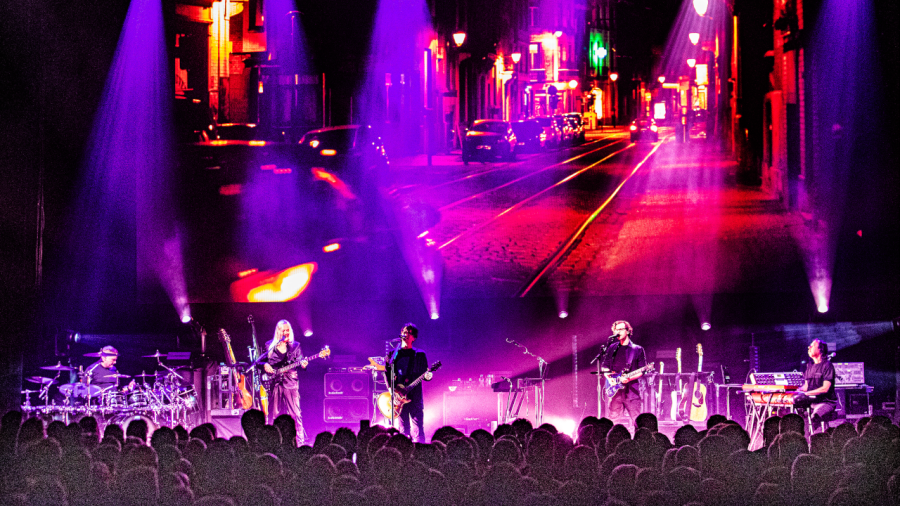
As usual on this tour, Steven Wilson and his band kicked off with the entirety of his new concept album, The Overview, with hi-rez video projections and surround audio to match. While my critique of Wilson’s latest music holds — I found it compositionally thin, too derivative of his influences, annoyingly reductive in its materialist message — the scope of the visuals fused with the propulsion of Nick Beggs on basses and Craig Blundell on drums supplied the depth and drive my at-home listening has lacked. And when Randy McStine launched into a scorching guitar lament on “Objects Outlive Us: The Heat Death of the Universe”, or when Adam Holzman and his synthesizer skittered across galaxies on “The Overview: Infinity Measured in Moments” — well, the Chestertonian sense of wonder I’d been longing for was there in the moment, embodied if unprofessed.
Confirming Wilson’s current fascination with the creative template of vintage electronic music, he and Holzman opened the second set with a creepy synth duet on The Future Bites’ “King Ghost”. But then came the moment the numerous folks in Rush t-shirts had been awaiting – an no-holds-barred take on “Home Invasion/Regret #9” from 2015’s neo-prog masterwork Hand.Cannot.Erase. Everything veteran cosmic rockers love about this album was there: blazing guitar riffs, biting Rhodes chords from Holzman, earthy funk grooves from Beggs and Blundell, solo space aplenty for Holzman and McStine, and lyrics spat out by Wilson, as on target in their bleak portrait of online life as they were a decade ago:
Download sex and download God Download the funds to meet the cost Download a dream home and a wife Download the ocean and the sky
Download love and download war Download the shit you didn’t want Download the things that make you mad Download the life you wish you had
Another day of life has passed me by But I have lost all faith in what’s outside The awning of the stars across the sky And the wreckage of the night
From that point, Wilson and the band didn’t miss a trick; as they trawled his back catalog, the crowd stayed with them through every twist and turn. And admittedly, there was something for everyone in this setlist: the soft pop of “What Life Brings” (which, Wilson pointed out, never got traction on TikTok due to its minute-long guitar solo); Beggs’ jaw-dropping Stick feature on The Harmony Codex closer “Staircase”; a take on the vintage Porcupine Tree tarantella “Dislocated Day”, stretched out by Wilson bringing Blundell’s volume lower . . . and lower . . . and lower; “Pariah”, To The Bone’s vocal duet that proved effective even with a prerecorded Ninet Tayib; extended cinematic workout “Impossible Tightrope”; the metal-injected melancholy of “Harmony Korine”; and brutal, thrashy set-closer “Vermillioncore”. As encores, the multi-part epic “Ancestral” and the mournfully uplifting title track of The Raven That Refused To Sing put a satisfying button on the night.
If Steven Wilson remains unapologetic about his consistently contrarian musical moves, his current live concerts embrace a certain realism; repeated stabs at channeling modern pop toward progressive ends (especially on The Future Bites) didn’t necessarily expand his core audience, while the recent Porcupine Tree reunion seems to have brought younger generations of rock and metal fans into the fold. Projecting a new-found comfort with cult status (as he cracked after a labored joke about tariffs, “I’m not famous enough to be extradited”), Wilson and his killer band are delivering the virtuoso goods present and past on this tour, and the delighted Detroit crowd — a pleasant surprise for a grateful Wilson, given that it was his first solo stop there — ate it up. Whether you believe Wilson peaked ten years ago, hold on to hope that his best is yet to come, or even wind up at his concert by mistake, I think you’ll find something to your liking at this generous three-hour show. (Remaining US and world tour dates are here.)
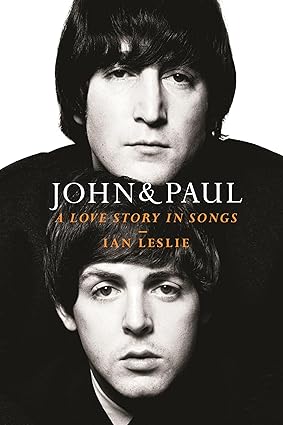
This month’s selection kicks off with something very special: John & Paul: A Love Story in Songs by Ian Leslie, the most impressive book on The Beatles I’ve encountered in ages. Pop-psychology journalist Leslie blew up the Internet in 2020 with “64 Reasons to Celebrate Paul McCartney”, but the driving passion here is his scrupulously balanced estimation of both Macca and John Lennon as men and musicians. Staying off the long and winding “John versus Paul” road so many authors take, Leslie traces the arc of an exceptionally deep male friendship between “two damaged romantics whose jagged edges happened to fit.” Which birthed an exceptional creative partnership, the fruits of which still brighten the world. His thoughtful reflections on 43 songs — grounded in copious documentary evidence, the best Beatle scholarship, accessible musical analysis and his own insight into creativity — vividly portray the forging, then the fracturing of Lennon and McCartney’s bond, from pre-Beatlemania through the Fab Four’s imperial phase and their ill-tempered breakup to Lennon’s shocking death. Tangled as their connection became in the throes of professional and personal conflict, John and Paul couldn’t help but look to each other throughout the 1970s — as competition (writing “Imagine”, John wanted the melody to be as good as Paul’s “Yesterday”), as foe or friend of the moment, as the only other person who could possibly understand. Throughout, Leslie brings to bear admiring gratitude for The Beatles’ music — George and Ringo get their props as well — along with compelling clarity on the emotions that drove that music. And in the end, his portrait of a collaboration that “even as its most competitive, was a duet, not a duel” is utterly moving, equal to chronicling what Lennon and McCartney made of their tempestuous time together and apart. Just read this.
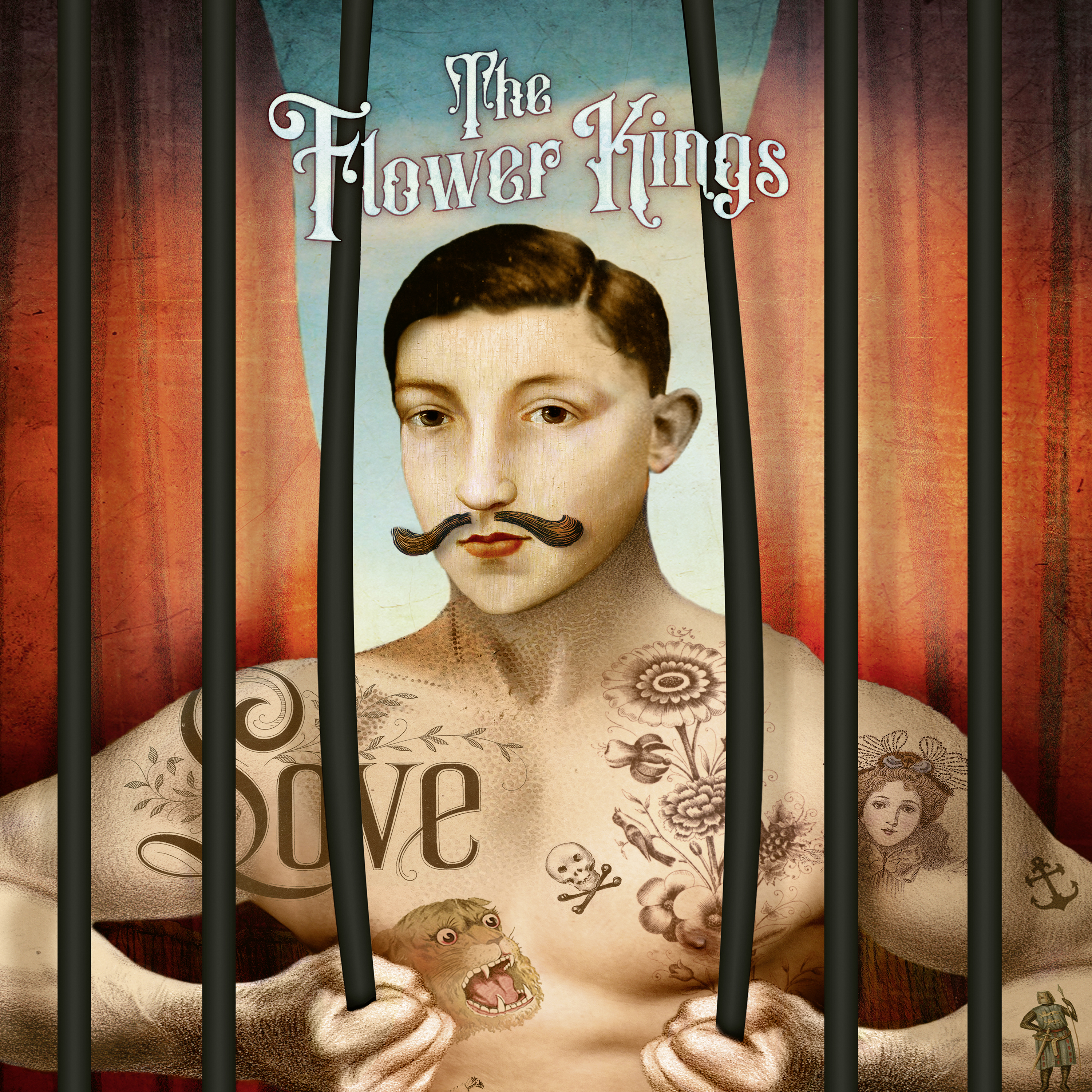
The Flower Kings, Love: A long-playing magic carpet ride, with the minutes effortlessly flying by in the capable hands of Roine Stolt and his Scandinavian comrades. Kicking off with a pair of change-ups (tough, bluesy opener “We Claim the Moon”, jazzified ballad “The Elder”), the Kings then settle into a multi-part suite that, if a bit sedate, has plenty of instrumental color and dynamic vocal shading to hold interest. But the home stretch of this album is where Stolt and company take wing, channelling their inner Yes for the acoustic lilt of “The Promise”, the orchestral build and double-time finale of “Love Is”, the grooving power ballad “Walls of Shame” and the extended closer “Considerations”. Sneakily, subtly addictive, Love is simultaneously a master class in ongoing invention and a psychedelic time travel exercise — so retro it’s actually back there, yet fresh as a daisy throughout.
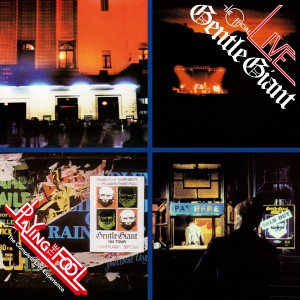
Gentle Giant, Playing the Fool – The Complete Live Experience: The original 1977 release was inspired both by Gentle Giant falling victim to bootleggers and by the rush of mid-70s double concert albums (the British sextet had opened for Peter Frampton both before and after his game-changing Comes Alive set). On the edge of punk’s advent, was a mass-market breakout still possible for a prog band that promiscuously swapped guitars, saxes, recorders, violin, multi-keyboards, mallet percussion and hand drums onstage, mixing soul shouting with Baroque vocal counterpoint all the while? The Shulman brothers, Kerry Minnear, Gary Green and John Weathers give it their all here, from the ricocheting precision of “Excerpts from Octopus” to a wobbly take on “Sweet Georgia Brown” improvised when said keyboards blew up in Brussels. This brand-new reissue restores the complete live set, including three tracks off the contemporaneous “Interview” album, showcasing Gentle Giant as a jaw-dropping live act, doubtless as awesome to behold in the moment as they are to hear right now.
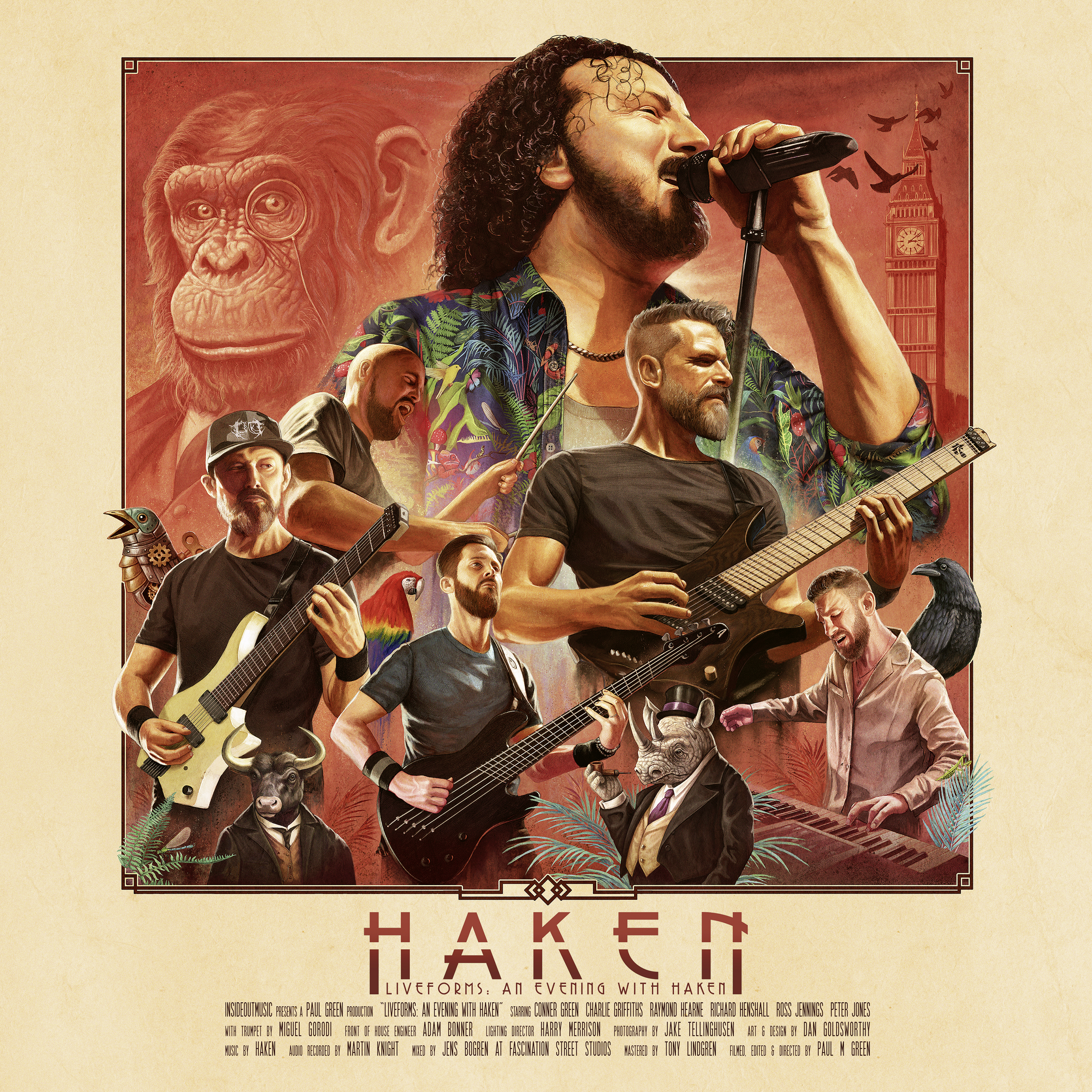
Haken, Liveforms: If Gentle Giant has a modern-day successor, it’s gotta be these guys! Captured in concert at London’s O2 Forum, Haken doesn’t constantly trade instruments, mind you — though the unrelenting interweave of Charlie Griffiths & Richard Henshall’s guitars and Connor Green’s bass (all downtuned, all with an extra string), Peter Jones’ Wakeman-meets-electronica keys and Raymond Hearne’s dizzily polyrhythmic drums evoke a similar instrumental giddiness. Mix in singer Ross Jennings’ searing, soaring leads and occasional demented-barbershop-quartet backing vox, and you have one singular, headturning sound.
A complete run-through of their latest album Fauna (featured on the vinyl version) is equal parts ballet and blitzkrieg. The BluRay/CD package adds a second set to showcase Haken’s catalog to brilliant effect, from the headlong pop-prog of “Cockroach King” and “1985” to the foundational metal epics “Crystallized” and “Visions”. Whether they’re pivoting on rhythmic and melodic dimes, diving into the heavy, or wrangling multiple genres at the same time, this band deserves a hearty “WWOOARRRRGGGHHH” from fans across the board.
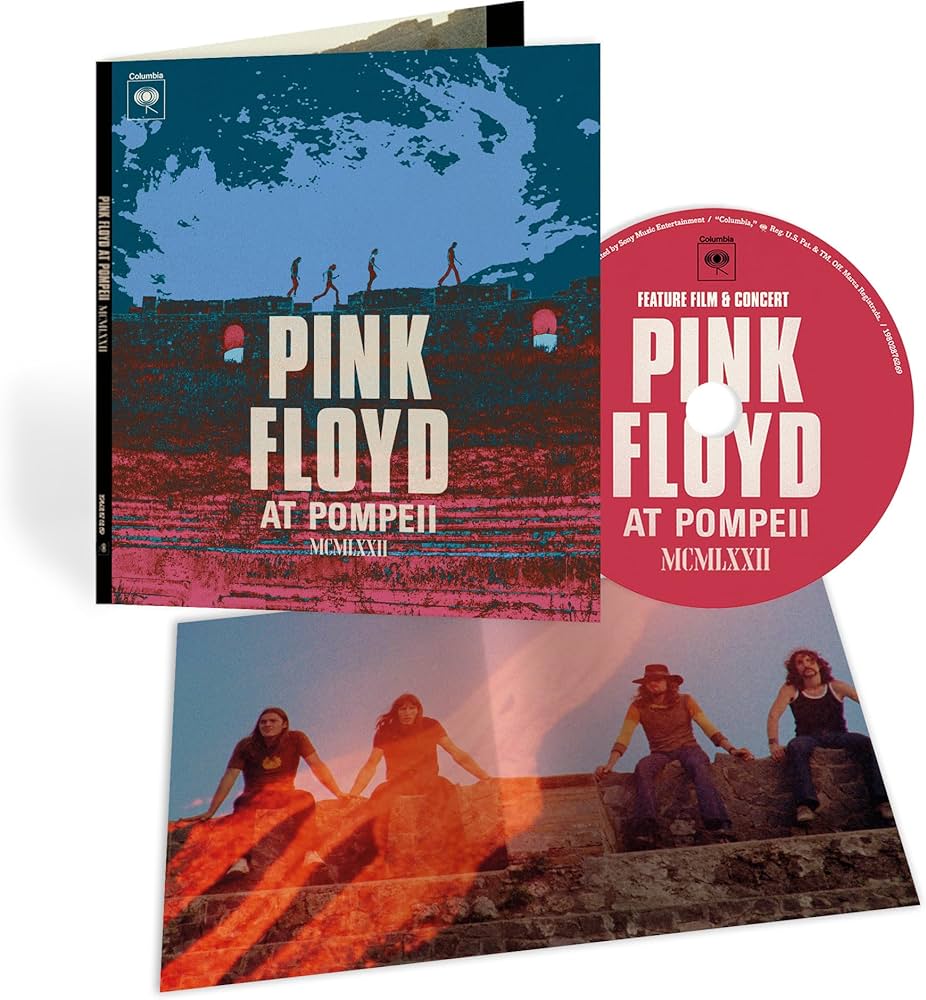
Pink Floyd, At Pompeii MCMLXXII: A pristine new version of the classic acid-trip midnight movie, complete with a typically crystal-clear, hard-hitting new sound mix from Steven Wilson. I dig the behind the scenes footage from the recording of The Dark Side of the Moon at Abbey Road — flashes of studio inspiration, David Gilmour and Nick Mason’s passive-aggressive interview snippets, revealing glimpses of the hostile, fragile band dynamic just waiting to be completely curdled by mass success. But the main course here is Roger Waters, Rick Wright, Gilmour and Mason huddled in that ancient, haunted amphitheatre, surrounded by devastated ruins and arid desert, conjuring up the spooky sonic webs of “Echoes” and “A Saucerful of Secrets”, the obsessive mantra “Set the Controls for the Heart of the Sun”, the whisper-to-scream catharsis of “Careful with That Axe, Eugene” and “One of These Days”.
Without those long years of building their lysergic, near-telepathic style to the feverishly precise pitch shown here, could the Floyd have taken the world by storm with Dark Side? Available in multiple audio and video formats, At Pompeii remains a stunning portrait of a band on the brink of an unlikely world-conquering moment.
Tesseract, War of Being Tour, Part 2 Band: Daniel Tompkins (vocals), Acle Kahney (lead guitar), James Monteith (rhythm guitar), Amos Williams (bass), Jay Postones (drums) Setlist (one hour): Natural Disaster, Of Mind – Nocturne, King, Sacrifice, Legion, War of Being, The Grey, Juno (with Concealing Fate Part 3: The Impossible outro)
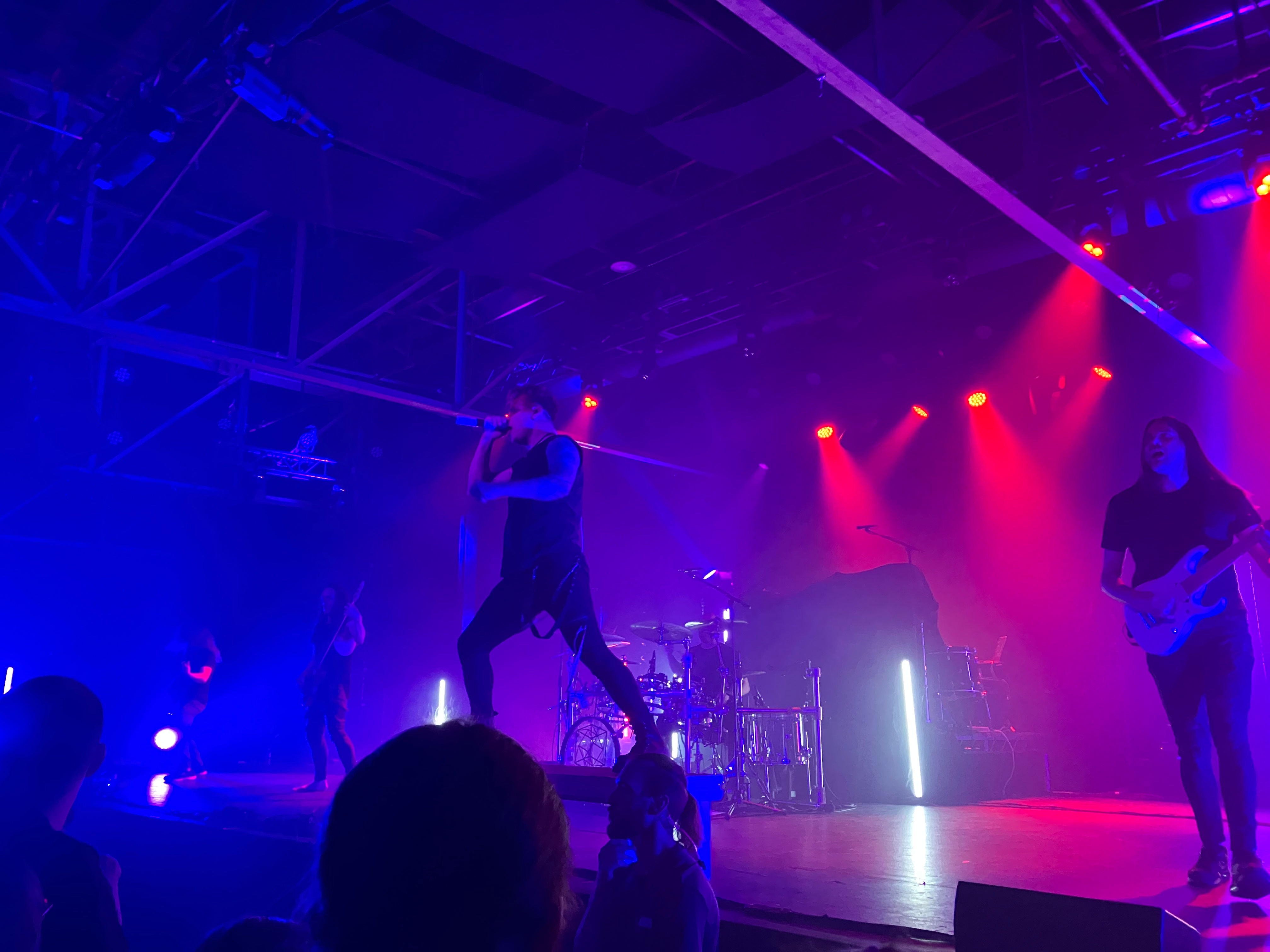
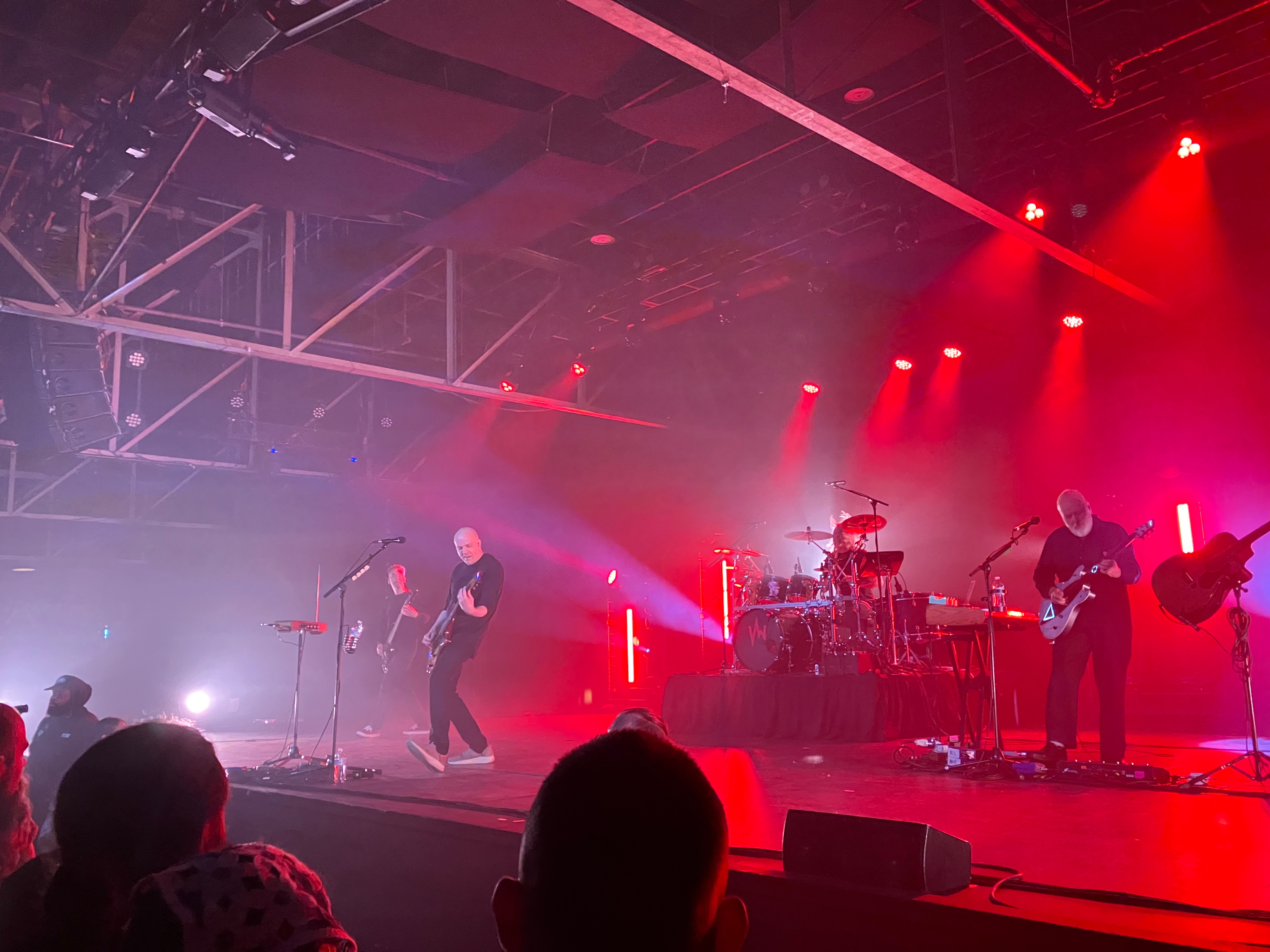
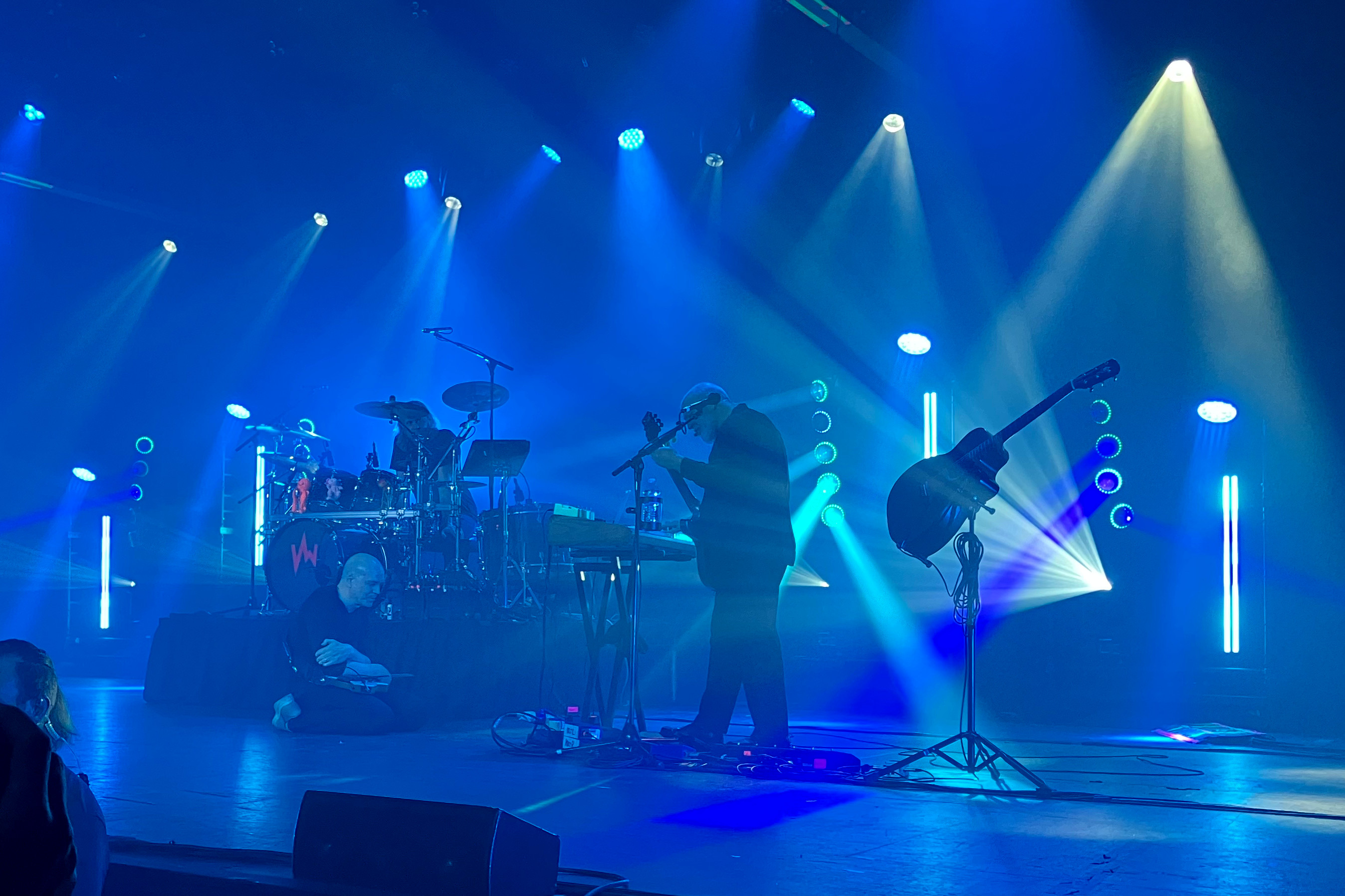
Devin Townsend, Powernerd Tour Band: Devin Townsend (vocals, lead guitar, theremin), Mike Keneally (rhythm guitar, keyboards, backing vocals), Darby Todd (drums), James Leach (bass) Setlist (~one hour fifty minutes): Powernerd, Love?, The Fluke, Lightworker, Dimensions, Aftermath, Deep Peace, By Your Command, Bastard, Why?, Gratitude, Almost Again, Truth, Kingdom Encore: Ih-Ah! (Devin solo acoustic), Deadhead, Bad Devil
Talk about a power lineup. For me, anyways. This show was only on my radar for the last couple weeks when I first saw it when stumbling across Devin’s Powernerd tour. When I saw TesseracT were opening for him on part 2 of their War of Being tour, I was intrigued. I saw them on the first part of this tour back in 2023 in St. Louis, and they were phenomenal. I had never seen Devin live before, but I’ve really fallen into his music since 2019’s Empath. I didn’t buy the tickets until a couple days before because work has been so busy and I’ve been so tired, but when Devin announced early last week that after this tour he would be stepping back from regular touring, I figured I needed to go. Nashville is a little over an hour from me, so it’s an easy trip and can be back in my own bed the same night. Or in my case falling asleep on the couch at 1am with the dog barking at me for leaving her at home.
I left work a little early to go home and feed the hound before heading south early for some BBQ near the venue and to get a free parking spot on the street near the venue, Marathon Music Works. Marathon Motor Works was a brass-era automotive manufacturer in Nashville, active from 1909-1914. The buildings still stand all these years later, and one of them is the home of this deceptively large venue. It looks like a small club from the outside, but inside has a standing capacity of 1800. For being in what is essentially a large open warehouse, the sound quality was quite good. More on that later. Multiple discretely located bars and a hot dog stand round things out inside. The weather was a bit crap, so the venue opened the doors long before the stated 6:00pm doors open time, allowing people to line up in the vestibule area. They also offered free water at the bars and security handed out free water bottles in the interim between bands. I’ve never seen a concert venue do that before, and considering the inexpensive cost of the show ($43 plus ~$13 fee), I was pleasantly surprised. This was a great venue. Parking is limited, but there are a few paid lots nearby and street parking in the area if you show up early.
Tesseract
Beginning right on time, TesseracT take the stage to a largely Devin-focused crowd. While it seems most people haven’t heard of TesseracT before (to their shame), the band seems to impress all-around. They thoroughly impressed me, playing a strong setlist of some of their best tracks. Unsurprisingly they pull from their heavier output, with crunching riffs and Tompkins distorted vocals. As the first show of the tour, Tompkins wisely paced himself. Their songs require a lot from him, so he has to pick and choose which high notes to reach for and which to knock down a notch. He knows which ones to shoot for to really make the songs. His distorted vocals were always stellar, and his high notes never disappointed.
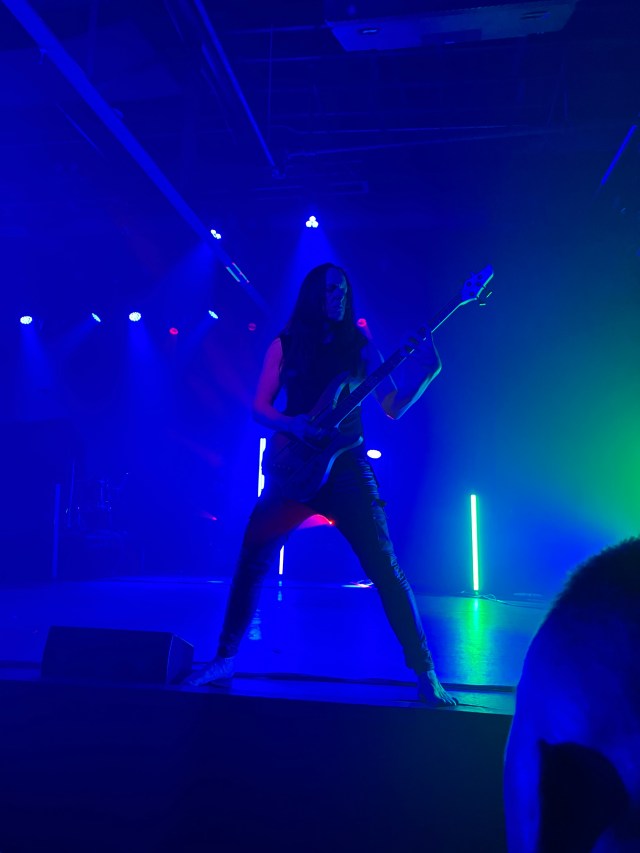
I suppose you could say I was in the second row, standing right behind the folks leaning on the rail, off stage left (so, right side of the stage from the audience perspective). I had a great view of prog metal’s giant (literally – he looks like he’s 7 feet tall) James Monteith. When I saw them before, I was in the loft at that venue, which afforded a great overall view. This time it was nice to get a closer look at Monteith’s fingerwork. Their music is so complicated that often he was in the zone and focused on his fretwork. But he still took time to engage with the audience, even climbing on the little stool that Tompkins took more use of. Bassist Amos Williams also made several trips over from his side of the stage to engage a bit. Sadly Acle never wandered over to our side.
Watching the band up-close I was struck with how they really don’t get their power from a particular virtuosic player or excessively technical noodling, but rather from exquisitely tight riffs and technical polyrhythms. To stay in sync as well as they do is a remarkable accomplishment. While standing in line to get into the show, I saw a young dude with a t-shirt that asked, “Does it even djent?” TesseracT answered that question with a resounding YES. The heavy repetitive crunches, the stuttered drops, the thundering bass and drums – oh yes, it djents.
I brought earplugs as I usually do to shows like this. I found myself standing rather close to one of the stacks, although I was so close and it was hanging that I don’t think the full brunt of it was aimed at me. I could feel the bass though, but not in a makes you run to the bathroom way. I could actually feel my hair moving, and my pant legs had the signature quiver of a good subwoofer. With my earplugs in, I found it hard to hear some of the more dynamic elements, so I pulled them out for probably 60-70% of the entire show (both TesseracT and Devin). Taking them in and out may have been a bit awkward, but it worked out well and I left without the fuzzy head feeling. That’s a testament (ha!) to the sound engineer and whoever designed the sound system at the venue. There was no unpleasant distortion like I was expecting when I took the plugs out. The sound was clear and loud, but not overly loud. For it to sound so good when I was so close to the action was quite surprising.
TesseracT are a serious outfit and put on a serious show. Their stage is clean, and their lighting show it pristine, befitting the technical prowess present on stage. Tompkins had a serious demeanor, but he also clearly plays the role of the showman well, with precise movements on stage that mirror the riffs the band is playing. He had dark makeup on the upper part of his face (eyes up), fitting the aesthetic of War of Being. He talked to the crowd a little bit, at one point commenting that they opened for Devin fifteen years ago on his first solo headlining tour. That was probably one of their first tours as well, so it was cool to see them together again. Devin generously gave them an hour to play, which was a pleasant surprise. I figured they would have a 45 minute set, so when they played three songs more than I was expecting, I was thrilled. That was a switch from when I saw them headline in 2023, when they had two opening bands and only played an hour 15 minute headlining set. I enjoyed that show, but I was disappointed they didn’t play more. Here they played a little less than that but more than I expected, so I left very happy. All in perspective, I suppose. I look forward to seeing them live again someday.
I think they deserved more love than they got, although I saw a much longer line at their merch desk than there had been before the show started (Devin’s line was massive before the show), so hopefully they gained new fans. I, for one, bought my copy of the newly re-released CD of Concealing Fate before the show. It hasn’t been issued since it’s initial release, and it is darn near impossible to find, so it was great to pick up an overpriced copy at the merch desk.
Devin Townsend
Devin Townsend’s show is somewhat of a stark contrast to TesseracT’s, or to most other heavy metal or prog metal bands. Anyone who has seen Devin before or followed him at all could attest to that. I had never seen him live in-person before, and I was surprised at just how engaging he is with the crowd. And how much of a goof he is. He’s absolutely hilarious on top of being extremely talented. Right off the bat he came onstage without any kind of intro and started talking to the audience. He made it sound like there was some sort of issue with the intro music, but he may have been kidding. Whatever the issue was, he lightened the mood.
This was obviously Devin’s crowd. TesseracT put on a fantastic show, but most of the people were there to see Devin, and it showed with the energy level once he took the stage. That energy was infectious, but truth be told I couldn’t sustain the energy myself for very long. I used up a lot of my energy in TesseracT’s show, but it has also been a long few weeks. After a few hours of standing, I found myself wishing I had brought along my roll-on Icy-Hot for my lower back, and my feet were killing me. That put a damper on my enjoyment of Devin’s set, but it didn’t impact how good his set was and how much fun it was to see him live.
Since this was the first show of the tour and he didn’t play his Powernerd material on his more recent European shows, it was the live debut for the two songs he played off his new record (“Powernerd” and “Gratitude”). The title track was a great way to start the show, getting the audience revved up right away. I was thrilled he followed it with a Strapping Young Lad song (“Love?”), one of my favorite SYL songs. I overheard some people before the show commenting on how Devin doesn’t play the Strapping stuff anymore, but they clearly haven’t been paying attention the last several years because he re-introduced some of that material to his live shows, including three songs at this show (“Love?”, “Aftermath,” and “Almost Again”).
This was a very balanced set displaying the many sides of Devin. His heavy side dominated with tracks like “Powernerd,” “Love?”, and “Kingdom,” but his softer and sometimes spacier sides showed themselves in “Lightworker,” “Why?”, and the impromptu acoustic version of “Ih-Ah!”. He said that particular track wasn’t actually on the setlist, and I saw he didn’t play it at last night’s show in Georgia.
Devin’s humor was sprinkled throughout, whether it be through his belching, forgetting lyrics to the new songs, his balls jokes, inappropriate maneuvers with the theremin, air humping behind the security guy, briefly twerking, or the way he knelt down and wistfully looked at Keneally as that master played a keyboard solo with one hand and played some guitar notes with the other. In talking with the audience, Devin brought up the weird feeling of playing live after having been cooped up in the studio for so long. He lets his fans in on how he’s feeling, which helps create a connection between fan and artist.
I was over on the same side of the stage as Mike Keneally, and he was really fun to watch. He looks older than he is (he’s 63 but easily looks 70), which could be because of his borderline business-casual attire, in sharp contrast to both Devin’s hoody and the brutal riffs of much of the music. He was clearly having a blast, and watching him play those heavy Strapping riffs was hilarious. It is fitting that he’s playing with Devin now after playing a similar role for Frank Zappa many years ago; Devin reminds me a little of Zappa with his talent, quirkiness, and prodigious output.
The fun thing about this setlist is just how deep it is. Devin covered the length and breadth of his career. Despite the decades of music under his belt, his voice sounds as good as ever. From the operatic styling of “Why?” to the emotional distortion of “Deadhead,” Devin seemingly hasn’t aged a day. His voice really is a rare talent. Speaking of “Why?”, I’m so glad he played that. I love that song, and so did the crowd, judging by the unanimous sing-along that ensued. “Kingdom” is obviously always a hit, but I especially enjoyed hearing “Deadhead” live. It is probably my favorite Devin song, combining the best elements of his different styles. A perfect choice for an encore.
Encore
The show ended close to 11pm, with Devin giving us close to 2 hours of music – a surprise considering TesseracT played an hour. With Devin’s goofiness and chill personality the perfect balance to TesseracT’s seriousness and technical prowess, it was a stellar pairing, one I am glad I decided to go and see. They are only touring together for a couple weeks, so catch them if you can before they part ways on their respective tours.
With new releases from the first third of 2025 piling up, a desperate attempt to answer the question “Can album reviews convey the essential info listeners need in haiku form?” For example, about the format used below:
Streams linked in titles; Brief poetic impressions; Shopping links follow.
Spawton’s young heartache Sparked this grandiose concept – Well-wrought remaster. (CDs sold out; vinyl available at Burning Shed and The Band Wagon USA)
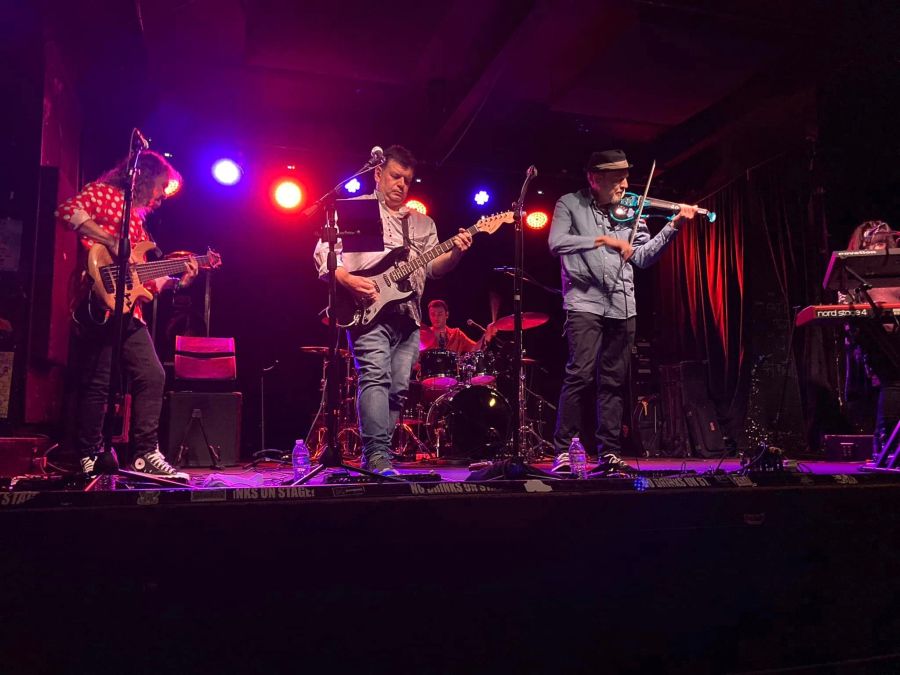
It hadn’t been an auspicious beginning for The David Cross Band’s stateside tour; their opening night in Asheville, North Carolina was scuttled by Hurricane Helene’s brutal landfall, blowing a hole in their plans (and their finances) and stranding them in the disaster zone for a couple of fateful days, until they could source a full tank of gas and find an open road north. As they took the stage at Grand Rapids’ Pyramid Scheme, you could tell they felt for the devastated community they’d left behind — but also that they were also grateful to be back on track and playing for an enthusiastic (if compact and shall we say, mostly of a certain vintage) audience.
Electric violinist Cross, best known for his early-1970s stint in King Crimson, wasn’t messing around. As guitarist/vocalist John Mitchell — yep, fellow Progarchists, that genial jack of all trades from The John Wetton Band/Frost*/Lonely Robot’/Kino/Arena/It Bites/etc. — hit a chord, Cross took off on the kind of free improvisation that awed Crimson fans back in the day (including the drummer two seats over from me, who raved about a stop at GR’s Aquinas College 50 years ago). Cross, Mitchell, bassist/vocalist Mick Paul, keyboardist Sheila Maloney and drummer Jack Summerfield quickly locked in, building the folky core material to a simmering peak with classical flourishes and just the right amount of rock muscle. The epic Cross original “Calamity” shared a similar brooding feel, while “Tonk” and “Starfall” (the latter written with Crimson lyricist Richard Palmer-James) proved convincing slabs of the hard-hitting odd-time prog-metal the crowd had come to hear.
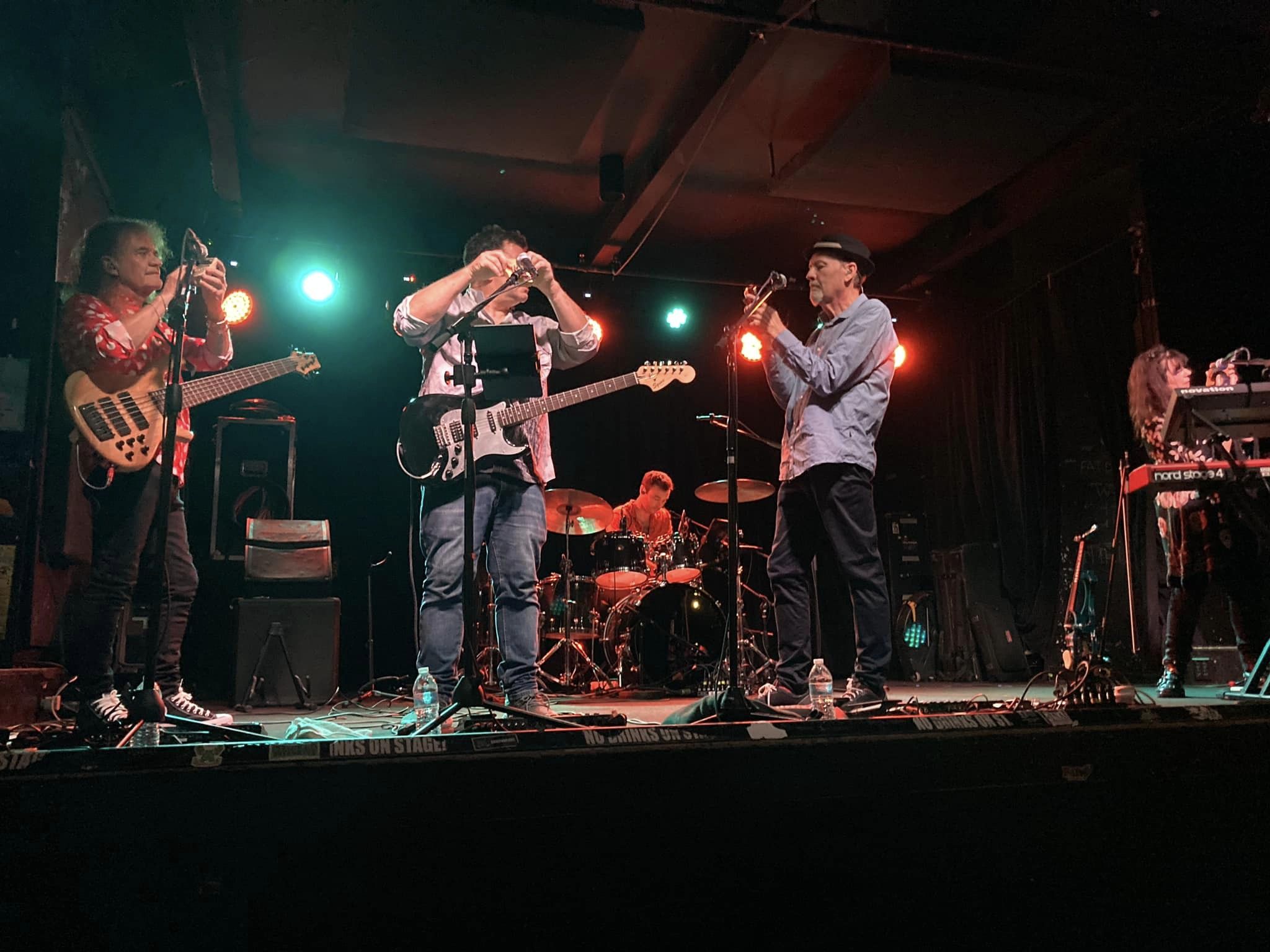
But as cool as Cross’ original work is, this North American stint isn’t called the “Larks Tongues’ 50+” tour for nothing; there was plenty of classic King Crimson on tap. “The Great Deceiver” was a high-octane update of the “flying brick wall” groove with which Bill Bruford and Wetton had terrorized Robert Fripp and Cross back in the day, as Paul, Mitchell and Maloney belted out Palmer-James’ sardonic lyrics; “Red” remains every inch the monstrous instrumental stomp it was in 1974. And after an apropos announcement in the vein of the Who’s Keith Moon from Mitchell (“Silence for rock history, please – especially up there in the jazz club”), the band launched into the entire Larks’ Tongues in Aspic album — complete with the extended thumb-piano intro that opens Part 1 of the title track.
Not on their cell phones: the Larks’ Tongues in Aspic Thumb Piano Ensemble in action
Throughout the night, Summerfield and Paul drove the band forward with propulsive power and a wicked edge, while Maloney served up lush keyboard colors, the occasional synth solo, and a nifty electronica backbone to freshen the mournful ballad “Exiles”. Paul’s rough-hewn voice soared on that tune, and Mitchell’s singing spanned the tender ardor of “Book of Saturday” and the vicious kiss-off of “Easy Money”, channeling Fripp’s monolithic power chords and tritone-laced solo style all the while. At center stage, Cross covered all bases with aplomb; buzzing like a hornet’s nest, shrieking like a banshee or launching sustained flights of aching, soaring melody, he moved with the music in the moment, no matter its direction or destination. Eschewing the precision tooling of recent King Crimson tours for a freer flow, the band built the tribal funk of “The Talking Drum” to a fever pitch, then pumped up the crushing Hendrix-plays-Stravinsky riffs of “Larks’ Tongues Part Two” to a shattering climax.
The final touch could only be “Starless”, one of the last pieces Cross played live with Crimson in those early salad days. Mitchell rose to the occasion, singing Wetton & Palmer-James’ melancholy words with fervor and grace. Then Summerfield and Paul cranked the tension of the instrumental build to a tipping point. From that height, Cross dove into the breakneck double-time coda, blazing the trail for Maloney and Mitchell to follow. As the quintet stuck the landing, the audience hit their feet (with only minimal prompting from Mitchell), glad to be in the moment with a band that, on this night, had ascended to a sweet spot where memory and spontaneity combine.
Due to circumstances beyond my control — thanks to everybody who helped out! — this edition of Quick Takes is playing catch-up. This time around, purchase links are embedded in the release title, with any additional sample/streaming links labelled (LISTEN HERE).
The last few months’ progressive rock releases have skewed heavily toward reissues — for example, Keith Emerson and Greg Lake’s mid-1980s reunion with hard-rocker Cozy Powell in the drummer’s chair. Triple-cd box Emerson, Lake & Powell: The Complete Collection(LISTEN HERE) is a compact, yet worthy appendix to the ELP canon. The main album, ranging from extended throwbacks “The Score” and “The Miracle” through jazzy diversion “Step Aside” to souped-up classical gas like the single “Touch and Go” and Holst’s “Mars, the Bringer of War” is big, brash, widescreen stuff; both in the studio and on the two live discs included, Emerson’s thrusting digital synthesizer upgrades, Lake’s full-throated bravura vocals and Powell’s sleek percussive drive come on like gangbusters on new material and vintage classics such as “Pictures at an Exhibition” and “Pirates”. ELP’s mass appeal remained in the rear view mirror, but Emerson, Lake and Powell was a game try at reinvention for a different time.
Carl Palmer was playing drums for Asia during ELPowell’s flare and fade, but he’s remained engaged with his biggest band’s work, stepping up as legacy guardian after Emerson and Lake’s passing. Disc 1 of Palmer’s solo boxFanfare for the Common Man(a reissue/expansion of 2001’s Do You Wanna Play, Carl?) shows how he emerged from his bandmates’ shadows in the later 1970s, asserting himself in spellbinding trio jams, big band blowouts and a stylish, eclectic percussion concerto; disc 2 covers his roots in British R&B and psychedelia plus his later collaborations with Asia and others, while a new 3rd disc documents live work reinventing the ELP repertoire for guitar-based power trio. The accompanying BluRay video and biography are revealing, though scattered and even self-contradictory. But that’s a minor blemish: Palmer remains rightly admired and respected by musical peers and fans, and still on the road in his 70s, he retains the rhythmic fire and momentum that this set amply demonstrates.
ELP weren’t the only proggers trying to reinvent themselves after the mid-70s; on side one of 1977’s The Missing Piece(LISTEN HERE), the manic British sextet Gentle Giant made ever so coy feints at co-opting the energy of punk and New Wave (especially on the self-conscious spoof “Betcha Thought We Couldn’t Do It”). Side two was more relaxed; reaching for the soul-inflected art-pop that Genesis and Yes later rode to the top of the charts, the Shulman brothers & company still stirred in Baroque cross-rhythms (“As Old As You’re Young”), stately balladry (“Memories of Old Days”) and breakneck instrumental and vocal twists and turns (“Winning”). With Steven Wilson providing fresh stereo and spatial audio remixes, this is another delightful installment in the Giant’s ongoing series of album upgrades.
English folk-classicalists Renaissance kept plugging through the decades, with operatic lead singer Annie Haslam at the helm. 2000’s Tuscany(LISTEN HERE) was Haslam’s last go-round with key members guitarist Michael Dunford and drummer Terence Sullivan (plus limpid guest piano work from former keyboardist Jon Tout). Not as urgent as their 1970s work, it’s still a lovely, impressionistic album, gently meditating on the nexus of art (“Lady from Tuscany”, “Dear Landseer”), nature (“Pearls of Wisdom,” “Dolphin’ s Prayer”) and love (“In the Sunshine”, “One Thousand Roses”). A complete live show from Renaissance’s 2001 tour of Japan included as a bonus mixes new tunes with career standbys such as “Carpet of the Sun,” “Northern Lights” and “Mother Russia”, showing off Haslam and company’s musicality and consistency. As usual, Esoteric Recordings’ latest Renaissance reissue provides the context to better assess the work of this underrated band.
And in the wake of its new reissue, I now consider Yes’ 1994 album Talk the most unified effort of their post-prog decade. (It was also the least well-known, due to grunge taking over rock radio and Yes’ record company collapsing.) The only full-blown songwriting team-up of hippie muse Jon Anderson and guitarist/keyboardist/composer Trevor Rabin, Talk’s tunes ooze out-there ambition and hi-gloss appeal; the choral kick of “The Calling” and “Walls”, “Real Love’ jangle-pop/heavy metal synergy, the skip-hopping “State of Play” and the closing multi-part epic “Endless Dream” are stunningly remastered to devastating impact. Rhythm section Chris Squire and Alan White are at their most down and dirty; Tony Kaye leans in with expressive, gnarly organ work. And a bonus live set (from the soundboard at a 1994s tour stop) showed that this lineup could conjure a fairly close approximation of the classic sound on standbys like “Heart of the Sunrise” and “I’ve Seen All Good People”. If you loved Yes but wrote them off between 90125 and Union, I’m serious; give Talk a shot.
There have also been plenty of ear-opening new releases, mostly rooted in improvisation rather than composition. The latest posthumous set from piano legend Chick Corea has its source in a 2019 tour and follow-up sessions with eclectic banjo virtuoso Bela Fleck; the aptly-titled Remembrance(LISTEN HERE) covers an incredible range of sonic possibilities, with the duo wailing on Thelonious Monk’s “Bemsha Swing”, Scarlatti sonatas, brand new compositions and impromptus pulled from thin air. Impeccably tasty and always in the moment, Corea and Fleck spark off each other constantly, caught up in an unending sense of play and delight. Fans of either player will love this, and folks who dig acoustic jazz, bluegrass or both will find themselves smiling again and again when they hear it.
While Brad Mehldau is one of the numerous young lions who followed in Corea’s wake on piano, his sound and vision are uniquely his own, as a fresh pair of solo discs make clear. On After Bach II, Mehldau brings his love for the classical piano tradition and his improvisational chops to bear on a second set of J.S. Bach’s richly poised keyboard works, mingling preludes and fugues played straight with jazzier extrapolations (“Between Bach”) and superimposed twists of rhythm and counterpoint based on one of Bach’s pinnacles, the Goldberg Variations. Apres Fauré brings a similar freedom to the music of Gabriel Fauré, the French composer who became a unique bridge between the late Romantic and Impressionist schools; Mehldau responds to Fauré’s sense of adventure with sweeping repetitious bass lines, long-spun singing melodies, and thick two-handed harmonies. Plenty of rigorous development to chew on, plenty of knotty invention and lush sound to bask in on both of these!
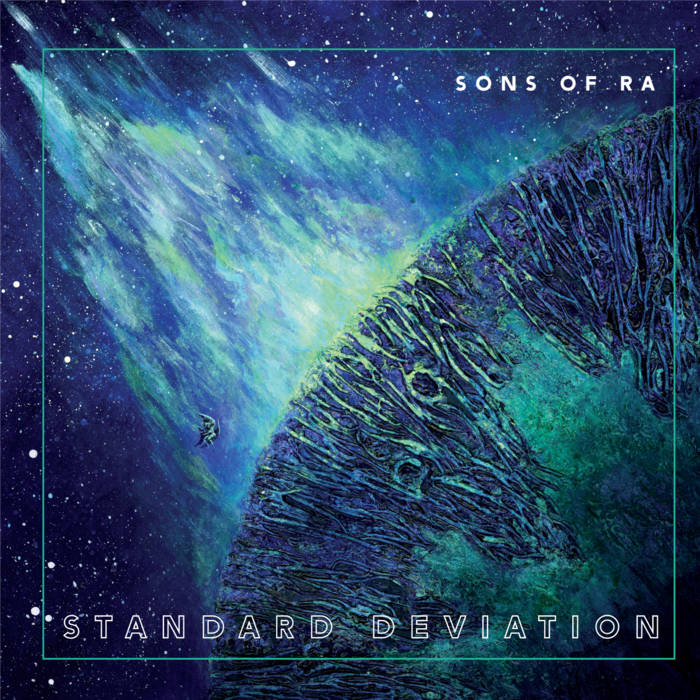
On their new EP Tropic of Cancer, Chicago’s heavy-prog-jazzers Sons of Ra show how they can unspool variations on a theme with staggering impact. Setting a nimble, dancing idea with roots in fusion’s golden age into motion, multi-instrumentalists Erik Oldman and Keith Wakefield and drummer Michael Rataj put it through exhilarating paces over 23 minutes: you get wah-wah electric piano extrapolations, a sax/bass duet over a bed of guitar/sax noise; a wonderfully idiomatic folk/Celtic throwdown (complete with guests on violin, flute and pipa); a Santanesque guitar jam that spirals up dizzingly before it goes off like a fireworks display; and a gargantuan finish with hypnotic sax wailing over a shuddering guitar army. No jive; this is great stuff, and Sons of Ra are a band to which attention must be paid!
King Crimson-adjacent power trio Markus Reuter, Trey Gunn and Pat Mastelotto are also back with the ironically titled Tu-Ner for Lovers, another heaping helping of rich, doomy thrash. Sculpted from improvs recorded on their 2023 tour, the trio scrape, scratch and scrawl from the get-go, with Mastelotto laying down off-kilter tribal beats, Gunn rattling listeners’ innards with sludgy bass lines and Reuter slapping down arresting leads and color clusters on touch guitar. Stalking the abstract sublime, the music coalesces as the album progresses, locking in to galvanizing effect on closing stompers “They Call Him Threnody” and “Transistor Valentine”, wispily floater “I Put a Crush on You” and skittering finale “Combat and Courtship”. You may need to be in the right mood for this to grab you — alienation? Righteous anger? — but when you are, boy, does it hit home!
Kamasi Washington’s long-awaited double album Fearless Movement is every bit as kickass and sprawling as previous spectaculars The Epic and Heaven and Earth (the latter my 2018 Album of the Year), but somehow settles in a gentler, more welcoming vein. It kicks off with “Lesanu”, an Egyptian Orthodox chant of Psalm 96 riding first a free-jazz slam, then a finger-snapping, hand-clapping vamp and ends with “Prologue”, an Astor Piazzolla tango that morphs into a blaxploitation movie theme; at all points within and between, Washington on tenor sax, keyboardists Cameron Graves and Brandon Coleman, Ryan Porter and Dontae Winslow on brass, and a platoon of guests play and sing up a storm. But slower burning tracks like “Asha the First” and “Together” provide respite from the intensity of Washington’s sweep and surge, and a looser, relaxed sense of momentum on the Zapp cover “Computer Love” and the extended workout “Road to Self (KO)” helps you catch your breath. Washington and his friends are still making audacious spiritual jazz, building from whispers to screams again and again and dancing across barlines like they don’t exist; but somehow this set feels more like a place to make a home than a monument to visit. And yes, this one’s gonna be on my Favorites list this time around, too . . .
And sometimes, you just need some down-home picking and singing. On the heels of selling out the Ryman Auditorium (documented on record to great effect last year) and duetting with Willie Nelson, Charley Crockett pitches a passel of new songs our way on $10 Cowboy(LISTEN HERE) As with much of Crockett’s recent work, this album leans into soul nearly as much as country; the choogling brass and choral vocals of “America”, the piano-with-strings heartbreaker “Gettin’ Tired Again” and the funky “Diamond in the Rough” can’t help but call Motown and Memphis to mind. But there’s plenty of Nashville/Austin classicism too, in the steel guitar-laced single “Hard Luck and Circumstances”, the Latin-flavored acoustic revenge ballad “Spade” and the honky tonk shuffle “Ain’t Done Losing It” Whether this is the long-predicted breakthrough for Crockett or not, $10 Cowboy is a thoroughly satisfying album, capturing sharply defined snapshots of a nation wondering when things will get better.
And (thanks to the copious music collection found at the main branch of the Grand Rapids Public Library), I discovered that Sierra Ferrell’s 2021 debut Long Time Coming is every bit as good as her new one (Trail of Flowers, reviewed last time). My entire notes for this one consisted of the word “WOW!!”, so I’ll just point you in the direction of this review (from my go-to site for genre news and reviews, Saving Country Music), add Long Time Coming to my 2024 Favorites list and look forward to hearing her live in September!
Two years after their fine debut album, SiX by SiX — Saga guitarist Ian Crichton, Saxon drummer Nigel Glockler and veteran vocalist/bassist/keyboardist/arranger Robert Berry — release their sophomore effort Beyond Shadowland on April 26th. The 11 new tracks hit hard and strong, stretching out in an eclectic variety of directions but always stuffed full of upbeat lyrics, killer melodic hooks, thrillingly crunchy guitar work, and tough, grounded percussive grooves.
What with the pre-release singles “The Arms of a Word” and “Obiliex” – the pronunciation of the latter somehow becoming a running gag below) already out in the wild, Robert Berry – who I first interviewed in 2022 – was ready and eager to talk about the band’s working process, their hopes for the new album, and their coalescing plans for live work! (One confirmed live date was announced after our time together, at New Jersey’s annual ProgStock festival in October.) As before, Berry proved gracious, genial, and genuinely interested in my reactions to SiX by SiX’s latest material. The video of this interview is right below, with a transcript plus the videos of the singles following the jump.
2024 is out of the gate hot — three of the albums below are already on my Year-End Favorites list, and there are no duds in this bunch! As usual, purchase links are embedded in the artist/title listing, with a partial or complete streaming preview below the review.
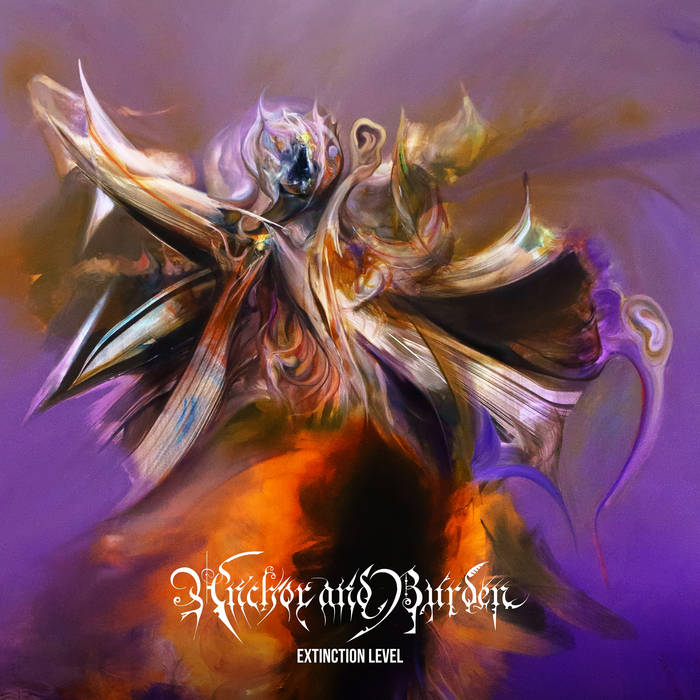
Anchor and Burden, Extinction Level:MoonJune Music mainman Leonardo Pavkovic has labelled this brutal beauty “uncompromising progressive avantgarde doom-jazz post-metal”. That pretty much covers it! Kicking off with opener “Fractured Self” and “Body Expansion”, touch guitarists Markus Reuter and Alexander Dowerk spend the next hour launching knife-edged slabs of sonic concrete into sub-orbit; drummer Asaf Sirkis pulverizes any semblance of a steady beat into terrifying quick marches (“Mutual Assured Destruction”), hyperactive polyrhythms (“Nine Gates to Dominion”), or just lethal, unanticipated deadfalls; and electronics wizard Bernhard Wöstheinrich provides both breathing space for a comedown, as on the closing “The Crust of This Earth”, and crash pads for droning, sludgy guitar plunges throughout the extended title track. Absolutely bonkers, already a favorite; you may have to be in the right mood for it, but Extinction Level’s free-for-all improv (not far removed from King Crimson’s outer limits) turns out to be a heady, head-banging good time.
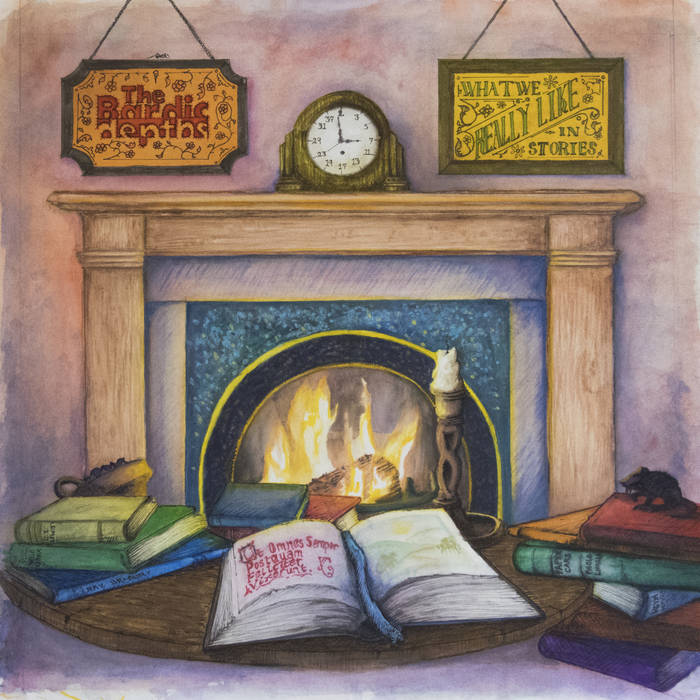
The Bardic Depths, What We Really Like in Stories (released March 7): both more direct and more varied than their previous releases, TBD’s third is a first-class album that delivers generously on its title’s promises. Brad Birzer’s graceful lyrics effortlessly transport us into the minds of creators as diverse as Ray Bradbury (“You’ve Written Poetry, My Boy”), Willa Cather (“Old Delights”) and Robert E. Howard (“The Feast Is Over”) — then into the creations themselves (the Orwellian dystopia of “Vendetta”, the postapocalyptic “Stillpoint”, the high adventure of “Whispers in Space”). In turn, Dave Bandana and Gareth Cole’s compositions are appealingly streamlined, giving Cole’s guitars, Bandana’s guitars & synths and Peter Jones’ keys & saxophones plenty of room to shine but never straying into aimless jams. Add a warm vocal blend from the quartet (with Jones and Bandana at the forefront) to Tim Gehrt’s steady, sparkling grooves, and you have a prog album that’s accessible without compromise, thought-provoking without pretension. This one’s charms might sneak up on you, but repeated listens will thoroughly repay your kind attention. (Check out our Bardic Depths roundtable here.)
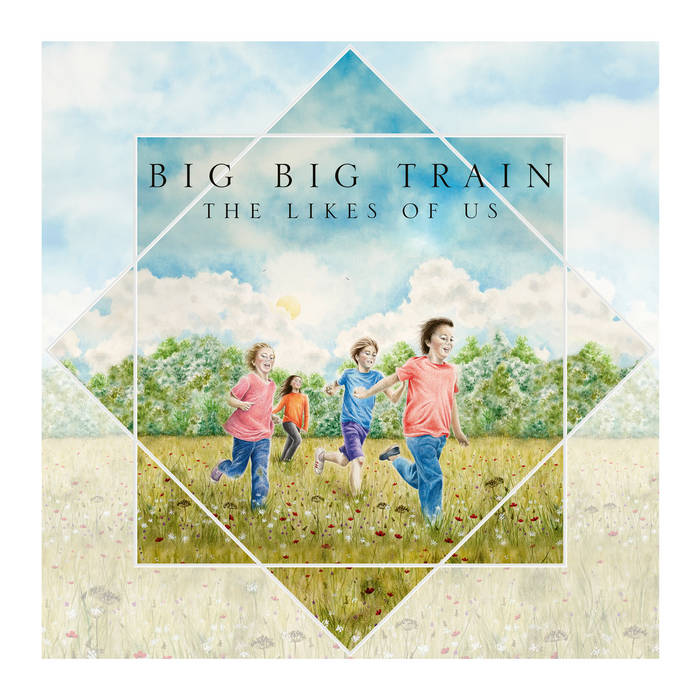
Big Big Train, The Likes of Us (released March 1): the wonder here isn’t that indefatigable founder Greg Spawton and his international crew have regrouped with such power and panache; it’s that they’ve tackled the struggles and sorrows of recent years head-on, forging them into the band’s most direct, integrated album since Grimspound. From mission statement/overture “Light Left in the Day” through epics “Between the Masts” and “Miramare” to killer ballad “Love’s Light” and finale “Last Eleven”, new singer Alberto Bravin fares forward into the unknown, summoning the essence of friendship and the pain of loss, calling on all in earshot to seize the day. There’s tons of musical variety, too, from the hard-rocking “Oblivion” to the playful “Skates On” and the 12-string weave of “Bookmarks”, with all seven players (five of whom sing) each getting their time to shine. And yes, that brass section pops in at just the right moments, to bring a tear to the eye or lift the spirit as required. Familiar yet fresh, and destined for that year-end faves list, BBT fans can be well satisfied with this latest excursion – and The Likes of Us is well turned out to welcome new Passengers onboard as well! (Check out our interview with Alberto Bravin here.)
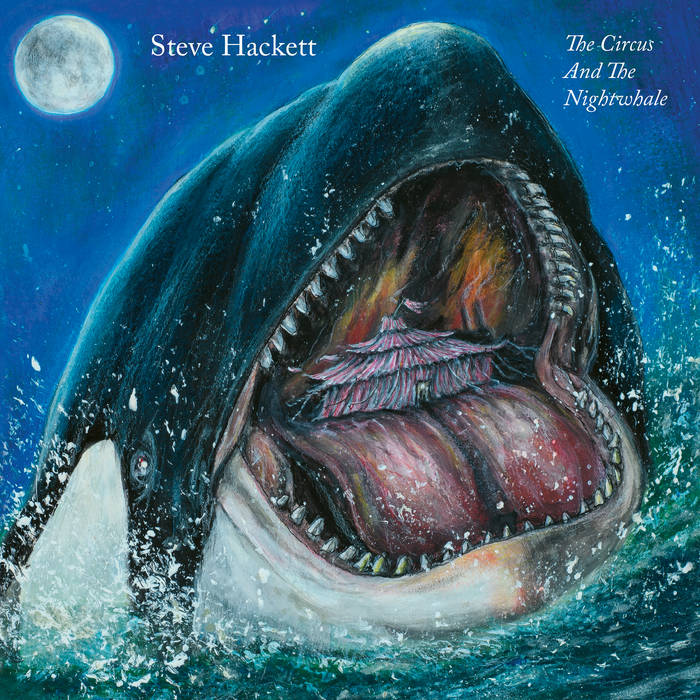
Steve Hackett, The Circus and the Nightwhale: Prepare to have your ears pinned back here: Hackett leaps out of the gate with freshly energized songwriting and ferocious guitar work and doesn’t let up throughout this compact, compellingly listenable concept album. The restless opening sprint of “People of the Smoke”, the “Squonk”-like stomp of “Taking You Down” (with standout lead vocal by Nad Sylvan and towering sax from Rob Townsend), the lush orchestral interlude “These Passing Clouds” are all full to bursting with devastatingly melodic, wildly spraying six-string excursions from Steve; even lighter tracks like the harmonious “Enter the Ring” and luxuriant 12-string centerpiece “Ghost Moon and Living Love” overflow with prime solo licks, mind-melting and heart-gripping in equal measure. Add Roger King’s richly scenic keyboards to a succession of marvelously eclectic tunes that waste no time and a coming-of-age narrative that climbs from the gutter to the stars (braced with a dose of the marvelous — there’s that Nightwhale, after all). And voila! You’ve got a Hackett opus that immediately goes to the 2024 favorites list, ranking right up there with Spectral Mornings,At the Edge of Lightor whichever of his 30 solo efforts you prefer best.
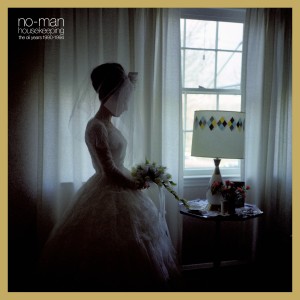
No-Man, Housekeeping – The OLI Years, 1990-1994:Ben Coleman, Tim Bowness and Steven Wilson’s earliest singles for One Little Indian (oops, Independent), “Days in the Trees” and Donovan’s “Colours”, are the perfect sneak peek/summation of this compilation’s garishly romantic delights. Just as you start thinking “ho hum, fey indie Nineties dance-pop”, the heavens – or are they the abysses? – open, accompanied by lush squalls of immaculately recorded dissonance. As if Roxy Music and ABC had somehow wound up co-headlining a vaudeville show, Bowness’ desperate vocals and Coleman’s slashing violin work match up swoon for swoon, while Wilson toughens the grooves and hoists ambitious synthesized backdrops, colorful splatters of guitar punctuating the aching pantomimes all the while. Containing the first two No-Man albums (the singles-oriented Loveblows and Lovecries and the ravishing, guest-heavy Flowermouth) plus the early EP Lovesighs, a singles disc and radio sessions, Housekeeping is a generously filled, beautifully designed boxset that points unerringly toward Bowness and Wilson’s more mature achievements (whether together or apart), but is also thoroughly listenable and intriguing in its own right.
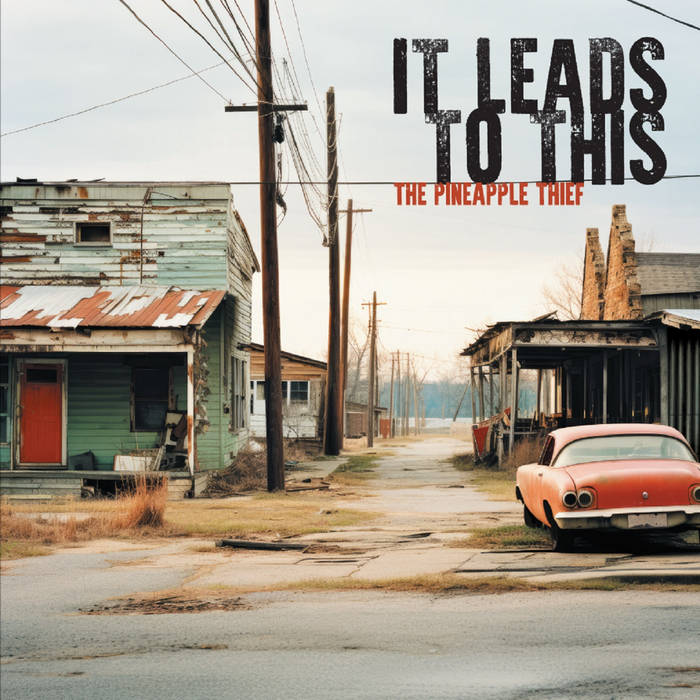
The Pineapple Thief, It Leads to This: more badass guitar loops and riffs (spaghetti westerns and surf music entwined in a Steve Reich soundscape); more bleak musings on our pervasive inability to connect, crooned with Bruce Soord’s trademark tenderness and fury; more moments of tasty, laterally-inflected drumming from Gavin Harrison. The current edition of the Thief’s fourth studio album is its own self-contained world, set in motion by the Soord/Harrison team’s moody interplay and rotating on Jon Sykes and Steve Kitch’s steady axis; undeniably of a piece with their recent catalog, and all the better for it. If none of the eight songs particularly stand out, they’re all honed to sleek perfection, building through seductive, bracing miasmas of dread and determined pursuits of flickering light to the knockout punch of the last two tracks. Whatever nightmare Soord is sleepwalking through, his eyes and heart are wide open as he edges forward, with Sykes, Kitch and Harrison urging him on all the while. (Soord’s recent “unplugged” solo CD/DVD, the already out-of-print Caught in the Hum, is an even more distilled example of this melancholy, coolly yearning aesthetic.)







 Progarchy