Rick’s Quick Takes for January (In the Bleak Midwinter)

Note: Artist/title links go to purchase options; streaming previews follow reviews.
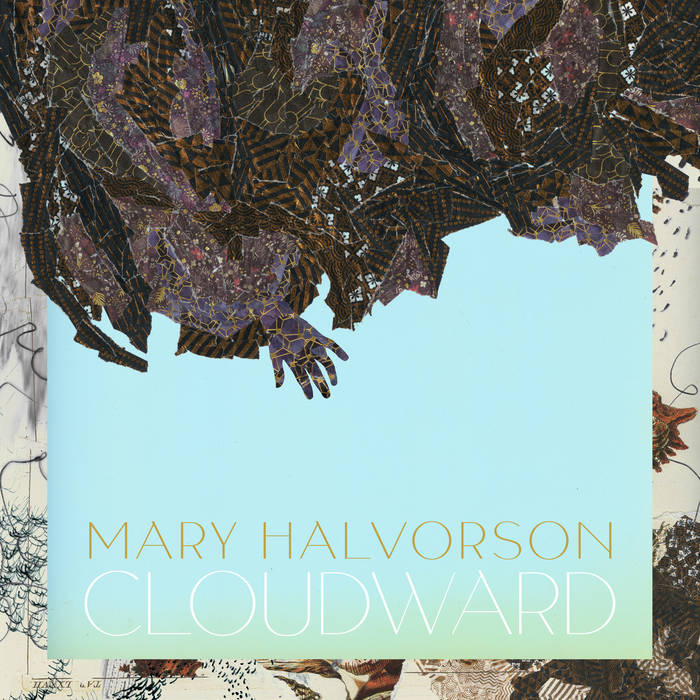
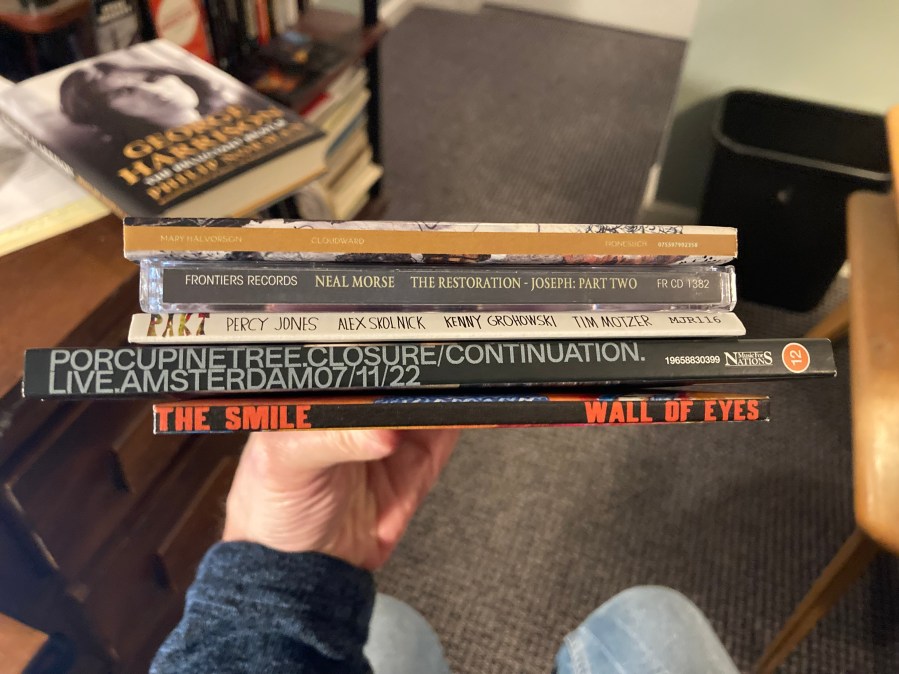
Mary Halvorson, Cloudward: Trailblazing guitarist Halvorson gathers the sextet from her 2022 classic Amaryllis around eight new avant-jazz compositions. Trumpeter Adam O’Farrill and trombonist Jacob Garchik sizzle on opener “The Gate”; Patricia Brennan’s vibraphone lends a rich shimmer to “The Tower”; Nick Dunston launches an epic bass solo to kick off the closing “Ultramarine”. And Tomas Fujiwara? He’s everything you could imagine in one drummer — meditatively punctuating “Unscrolling”, driving the riff-fest “Tailhead” and covering all points in-between. Set these folks loose on their leader’s sinewy, elegant concoctions of yearning and abstraction, and you never know what will happen next. All the while, Halvorson sets the pace on her instrument, with a woody, delay-laced sound and a skittering, percussive style all her own. Whether Halvorson’s and company are swinging like mad on “Collapsing Mouth” or coalescing like electrical static around Laurie Anderson’s guest violin on “Incarnadine”, Cloudward is another head-spinning, laugh-out-loud delight.
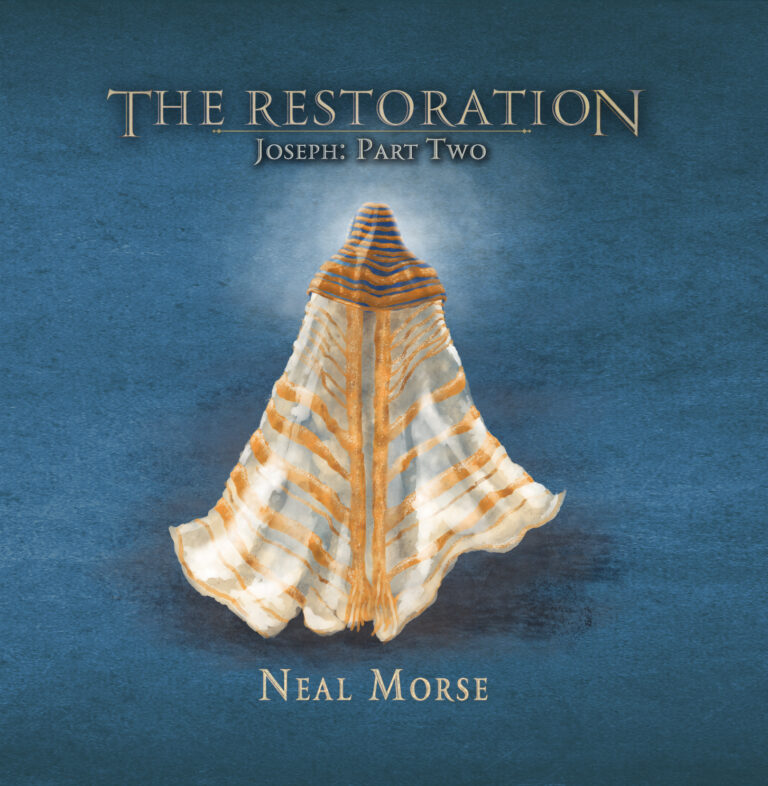
Neal Morse, The Restoration — Joseph, Part Two: The conclusion of Morse’s latest rock opera takes Part One’s rough and ready swagger and turns it up to 11, with grit even in the proggiest moments (Jacob’s sons’ vocal fugue a la Gentle Giant on “The Argument”) and fresh muscle propelling the Latin groove “Everlasting”. There’s heft to the lyrics too, as the showdown between a newly-powerful Joseph and his off-balance brothers displaces Neal’s usual conversion narrative. (Don’t worry, though; reconciliation and revival are just a title track away.) With tight melodic/thematic connections to The Dreamer and a beefy sound recalling George Harrison’s All Things Must Pass and Joe Cocker’s Mad Dogs and Englishmen, The Restoration is also a spectacular vocal showcase; ensemble highlights include Ted Leonard’s emotive Judah and the Nick D’Virgilio/Ross Jennings cameos as Pharaoh’s butler and baker, and Morse puts his newly darkened tone to thrilling use at dramatic highpoints like “I Hate My Brothers”. Together, the Joseph albums are easily my favorite Morse-related releases since The Similitude of a Dream and The Great Adventure, and The Restoration goes straight to my Official Faves List for the new year.
PAKT, No Steps Left to Trace: Another year, another heaping helping of cutting-edge free improvisation from MoonJune Records, courtesy of indefatigable impresario Leonardo Pavkovic! Now in their third year as a collective, bassist Percy Jones, guitarist Alex Skolnick, drummer Kenny Grohowski and guitarist/electronicist Tim Motzer unleash their first double album, created entirely from scratch both in the studio and live. It’s a genuinely explosive set, especially when Jones (best known from Phil Collins’ 1970s fusion band Brand X) ramps up the double-time grooves and his compatriots lock on! But the intensity doesn’t slacken when the music spaces out, either; listening hard and leaning into their deep, uncanny sense of interplay, PAKT also conjures some of the most arresting ambient jams I’ve come across recently. Bursting every genre boundary you can think of, No Steps Left to Trace isn’t for the musically faint of heart — but, for those with ears to hear, it’s a trip well worth taking.
Porcupine Tree, Closure/Continuation. Live Amsterdam 7/11/22: The show I saw in Chicago a couple of months before but bigger, scaled up for packed European arenas instead of partially-filled Stateside auditoriums and rush-released on video before Christmas. The sum of all the prog-metal parts here is flat-out engaging: Gavin Harrison’s percussive impossibilities and Richard Barbieri’s synth squelches ground Steven Wilson’s driven singing and sardonic patter, while utility players supreme Randy McStine and Nate Navarro slam the songs home. Newer material stacks up well against PT’s classics, with pensive slowburns “Dignity”, “Chimera’s Wreck” and “Buying New Soul” nicely offsetting thrashy frequency-eaters “Blackest Eyes”, “Herd Culling” and “Anesthetize”. A solid introduction for anyone who missed the Tree’s initial, spiky flowering, this one will probably resonate deeper with longtime fans (like me) who took Wilson’s long-term “never again” PR onslaught at face value – until we no longer had to.
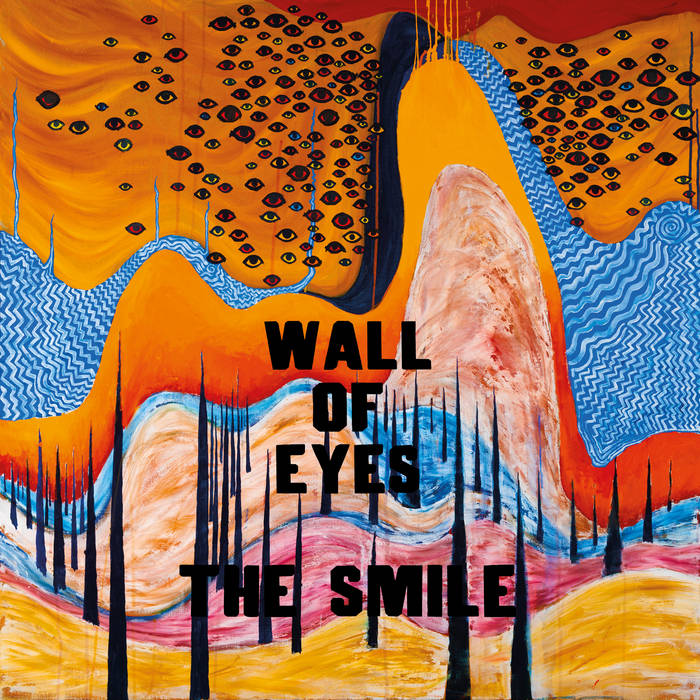
The Smile, Wall of Eyes: Admit it: does Stanley Donwood’s latest album cover look like a psychedelic Lord of the Rings paperback cover from the 1960s or what? And the title track kick-off of this Radiohead-facing project is every bit as disorienting: a understated bossa nova from Tom Skinner to which a balefully depressive Thom Yorke lyric, tightly wound orchestral smears and Jonny Greenwood’s arhythmic guitar plinks attach themselves like disfiguring barnacles. No forthright kicks to the head in the style of A Light for Attracting Attention here; The Smile beckon us toward dystopia ever so gently — odd-time licks over the ominous vamp “Read the Room”, Greenwood and Skinner gouging a trench below Yorke’s mewling protests on “Under Our Pillows”; the Beatlesque ballad “Friend of a Friend” delicately dissolving the boundary between courage and despair in less than five minutes. In the face of lives ever more trapped onscreen, are the only options self-destruction (as “Bending Hectic’s” dissonant strings erupting into unmistakable Greenwood power chords) or resignation to Technopoly’s embrace (the closing “You Know Me!”)? Whatever our take, Yorke, Greenwood and Skinner once again prove brutally honest guides to the expanse of beauty and abyss of horrors lying before us. 

— Rick Krueger 

Concert Review: TesseracT Live in St. Louis, 10/21/23

TesseracT, Live at the Red Flag, St. Louis, MO, October 21, 2023
Opening acts: Alluvial and Intervals
TesseracT Setlist: Natural Disaster, Echoes, Of Mind – Nocturne, Dystopia, King, War of Being, Smile, The Arrow, Legion, The Grey, Juno
Encore: Concealing Fate Part 1: Acceptance, Concealing Fate Part 2: Deception

Hot off the heels of the release of their best album to date, TesseracT lit up St. Louis last night – quite literally. You’d be hard-pressed to find a band with a more interesting and atmospheric lighting setup. Between the strobes and the many light bars set up along the stage, the band creates a unique stage vibe with their light show. But I’m getting ahead of myself.

I’m a toddler TesseracT fan, having really only dug into them with the release of the brilliant livestream turned live album PORTALS in 2021. I’ve been aware of them since at least 2015 with the release of live album Odyssey. I would always give their records a chance, but at the time I didn’t really get it. I suppose the combination of my maturing tastes and the release of PORTALS perfectly coincided, and TesseracT have since become one of my favorite bands. I was very excited for the release of their latest album, War of Being (yes, I need to review it). With tickets pretty affordable, even for premium balcony seats at a small venue, I decided this show was not to be missed.

I hadn’t been to a show at the Red Flag before. It’s essentially a rectangular-shaped club with the stage on one of the long sides and a balcony on the back side and the left-hand short side. I got there early and was able to get a spot just to the left of the sound booth. I generally dislike these club-type shows because you have to stand for 4 hours, but the balcony had seats and a rail with a little table, so it was a super chill spot to watch the show, and the view was absolutely perfect.

The venue is in St. Louis’ midtown next to Saint Louis University. As such I figured there would be more options for food. Nope. The only two restaurants near the venue had stated closing times of 7pm on a Saturday, which is beyond lame, but even lamer was they were both closed by 6:15 because they sold out of food. So if you ever come to the Red Flag for food, don’t come hungry. Clearly I should have planned better, but come on. You expect food to be available near a concert venue on a weekend.

The guy behind me in line had a Soen shirt on, and after I had a run-in with a praying mantis that dropped onto me from the tree above, I struck up a conversation with him. Turns out he was from Chile in the US temporarily on business and had driven down from Milwaukee primarily to see Intervals, one of his favorite bands for a long time but that he had never had a chance to see. He also had a balcony ticket, so we hung out for the rest of the night chatting about prog and metal. It was great to meet you, Sebastion. I told him I always meet somebody cool at these prog concerts, and he commented about how chill prog and metal fans tend to be. I saw this in action when part of the crowd turned into a mosh pit multiple times during the night and every time someone fell down, the others in the pit immediately picked them up and made sure they were ok.

I was unfamiliar with both Alluvial and Intervals, but both put on solid performances. Alluvial could be described as more death metal, and as such I didn’t understand a single word of the vocals. But the band played heavy and tight and brought a solid energy to the room.

Intervals really surprised me. They are an all-instrumental melodic progressive metal band with some djent influences. They reminded me a lot of Polyphia. They played a blend of their old and new music, and even that reflected the changes Polyphia has made, with the older music being heavier and the newer far more technical. Intervals is the brainchild of lead guitarist Aaron Marshall, who can really shred. Sadly they had some tech issues multiple times. At one point, their entire sound went dead, so the drummer used it as a chance for an impromptu drum solo. Then during another song Marshall’s amp went dead. There wasn’t much he could do while his techs worked to fix it, so he played his solo anyways even though nobody could hear it. Despite the setbacks, they put on a solid show and are definitely worth checking out.

The stage was cleared for TesseracT, leaving them with a clean workspace, much appreciated I’m sure by the barefoot Amos Williams (bass). The stage setup featured a lineup of vertical light bars behind the band and several light boxes at the sides of the stage and around the drum kit. These were used to great effect throughout the set, along with the overhead lights and the smoke machine. Despite being a small stage, the clean layout and lighting made it seem much bigger.

The band jumped right into it with the first two tracks off their latest album, both of which are heavy and full of energy. These songs gave vocalist Dan Tompkins a great opportunity to show the range of his voice and the heavier edge that the new album has compared to their last few records.

Despite playing for only about one hour 15 minutes, the band played songs from every album, and every one was expertly performed and equally well received by the excited crowd. The band even got my lazy butt out of my balcony seat. The setlist on this tour includes “The Smile” and “The Arrow” played back-to-back for the first time. Those songs close off 2018’s Sonder, and they sounded fantastic live. That album also was well represented at the show with “King” and “Juno” getting played.

Some bands have musicians that stand out with flamboyant and virtuosic performances, but TesseracT’s members work together to create a wall of sound. The technicality is on full display when you watch the fingers of lead guitarist Acle Kahney, rhythm guitarist James Monteith (who looks like he’s 7 feet tall), and bassist Amos Williams. But they aren’t particularly showy about it – they let the music speak for itself. Williams is probably the most mobile of the band aside from Tompkins. Jay Postones is also a machine on the drums.

Due to the wall of sound style of production TesseracT uses, the band uses sequencers to fill out the background of their sound. The result is their live shows sound very similar to their albums, which is a win in my book.

The vocals are also heavily layered on the records, and you can hear those backing tracks in the live show too, which gives Tompkins some wiggle room if he isn’t feeling a particular note on a particular night. He easily has one of the best voices in the business. His range is impressive, and he has added new styles of distorted vocals on both the new album and in the live show. That was most pronounced on the tracks from the new album. My favorite is “Legion,” which I think may be my favorite TesseracT song overall. The performance certainly grabs your attention on the record, and it was equally impressive live. He hit some very high notes on that song, and the distorted vocals on the track are some of his best.

His banter with the crowd was also solid, giving him a firm command of the stage and the crowd. He mentioned the long five-year gap between albums, promising that it wouldn’t take that long for them to make a new album. He also hinted at a return to the US and St. Louis next year for another tour.

The light show certainly adds to TesseracT’s overall stage presence. If you’ve watched PORTALS or seen them live, you know what I’m talking about. The lighting often makes the band stand out as silhouettes, which furthers the idea of TesseracT’s sound coming from the whole rather than any one player. It can make it a little difficult to see clearly at times, but the total result is an impressive headbanging affair.

My only complaint would have to be with the length of the setlist. I definitely wanted more. Sure, it was a long night with two opening bands, but I really wanted to hear more from TesseracT. I was surprised to see how many people left after the band walked offstage after “Juno.” They gave it a minute or two before coming back on for an extremely heavy closer of “Concealing Fate” Parts 1 and 2. Even though it may have been short, it was a solid set. Every song was stellar, and the band played their heavier moments. With a longer set, I would expect some more extended atmospherics from the band, as we saw on PORTALS.

Overall I had a blast seeing TesseracT, as well as their openers Alluvial and Intervals. This was the first concert I’ve been to this year, and it didn’t disappoint. If you get a chance to see them on this tour, don’t miss it. The prices are reasonable, and the performance is stellar. They’re touring the western US and then the southern states over the next few weeks before traveling back to Europe for some shows in early 2014 and then a tour leg in Asia and Australia.

You can find upcoming tour dates at TesseracT’s website: https://www.tesseractband.co.uk

Molybaron’s Ominous Masterpiece

Molybaron, Something Ominous, Inside Out Music, September 15, 2023
Tracks: Something Ominous (4:05), Set Alight (3:25), Billion Dollar Shakedown (3:38), Breakdown (3:16), Anyway (4:14), Daylight Dies in Darkness (4:06), Dead On Arrival (3:21), Pendulum (3:34), Reality Show (4:17), Vampires (3:45)
Players: Gary Kelly (vocals/guitar), Sebastian De Saint Angel (bass), Camille Greneron (drums), Florian Soum (lead guitar)

Molybaron have become one of the most intriguing bands in prog metal over the last few years. Formed in Paris in 2015, the band is led by Dublin-based vocalist, guitarist, lyricist, and composer Gary Kelly. With a voice and vocal styling that stands apart from most others in the genre, Kelly shines on this record with his playful and aggressive performance.

Something Ominous is remarkably fresh and engaging. It’s heavy, gritty, riffy, and catchy. I loved 2021’s The Mutiny, but some of the lyrics were very political, something I’ve complained about regarding other artists in the past. Beyond the politics, Kelly’s lyrics incorporate a lot of cultural critique. Even if I may have disagreed with some (certainly not all) of his points, I found the music and his performance too good to keep me away. Something Ominous is a major step forward lyrically. The politics is still there, but it’s more of a critique about how everything sucks and how the powers that be are turning us (the people) against each other. There’s also some open and raw emotional moments, like on “Breakdown,” which looks at the struggles of emotional and mental health.

There were multiple points on the album that reminded me strongly of Muse, if Muse played heavier rock and metal (they came close on “Won’t Stand Down” off last year’s We The People). I could probably come up with other comparisons, but that might water down how unique Molybaron are. No one else sounds quite like them. Their overall sound is punctuated by a loud and driving bass and layers of guitars playing both crunchy and soaring tones. But, again, it’s Gary Kelly’s performance that truly sets the band apart. His voice is unlike any other singer I can think of, and he mixes up the way he sings on different tracks and sometimes multiple times in a single song. It keeps the album trotting along at an enjoyable pace, and at points it brings a smile of sheer musical joy to my face.

“Billion Dollar Shakedown” is scathing in its critique of the elites running/ruining society, and Kelly’s vocal acrobatics make this an absolute blast to blast. There’s a slight hip hop influence to the singing on the verses, but you can understand the lyrics just fine. The chorus is sung in a very fun up and down way that is angry yet playful at the same time. The guitar solo towards the end is heavy metal heaven (or hell).

The narrator on the verses on “Billion Dollar Shakedown” takes on the part of the ones in charge, and it’s done with a healthy dose of sarcasm. I particularly appreciate what I think is a critique of years of pointless Covid lockdowns that didn’t save anybody, as well as other more general nonsense in modern society:

Shut your eyes shut your eyes, forget what you see
Control the narrative, bury the lead
Gaslit, triggered, terrified
You’re a danger to your neighbor get the f*** back inside.

Shoot em down shoot em down, resist temptation
You’re next in line for some cancellation
Big Tech, laws, manufactured consent
Professional suicide for those who dissent!

Kelly writes about his lyrics overall,

In general, a lot of my lyrics tend to focus on mental health, drug and alcohol abuse, but I also write about political corruption, collusion between state and corporate media, big Pharma, big tech and systematic censorship. This new album explores aging and the acute awareness of time passing by the anticipation of losing the ones you love, lingering regrets about precious time spent on unimportant things, the fear of being old and alone.

“Breakdown” looks at mental breakdowns and how overwhelming they can be. The song opens with some simple piano chords before quickly pounding into a bombastic shout of, “Cuz it’s another f***ing breakdown!”

Maybe tomorrow I’ll find happiness
An antidote for this emptiness
Carry the weight of tomorrow’s fears
Deep inside my belly all these years

Lying here staring at the sky above
From the bottom of the hole I’ve dug
Another day of solitude
Alone, alone

Cuz it’s another f***ing breakdown
Breakdown

I’m losing everything

Doc tells me I’ll feel better if I learn to take a breath
But the lunatic inside my chest, has a grip as cold as death
Maybe one day I will be alright
Or maybe it was all just a waste of time

It’s a refreshingly honest and deeply personal take on these issues. Having artists be open about this can help with reduce the stigma, especially for men.

“Daylight Dies in Darkness” shows off a more contemplative side of Molybaron. It starts with quiet electric guitar strumming followed by heartfelt vocals from Kelly that soon take on a sense of desperation: “Father I’ve come – do you remember I’m your son?” The song slowly swells until it takes on a heavy brooding metal riff and guitar solo in the last quarter. It’s a ballad of sorts, but not in any kind of sappy romantic way. It’s a ballad of melancholy, and it shows Molybaron excels with emotional songs as well as they do with bombastic metal.

Every song on this short (38 minutes) album is worth playing on repeat. The tracks I’ve highlighted are the ones that have jumped out at me in the early days of playing the record on repeat, but the others are just as good in their own ways. I haven’t enjoyed a new album as much as this one in a while. Molybaron may not be your typical prog metal band – if anything they could be considered accessible. Yet their music and themes remain complex, even if packaged in 3-4 minute tracks. Something Ominous is a must listen, and it’ll find its way near the top of my year-end best-of list.


Album is out September 15: https://molybaron.lnk.to/SomethingOminous

https://molybaron.com

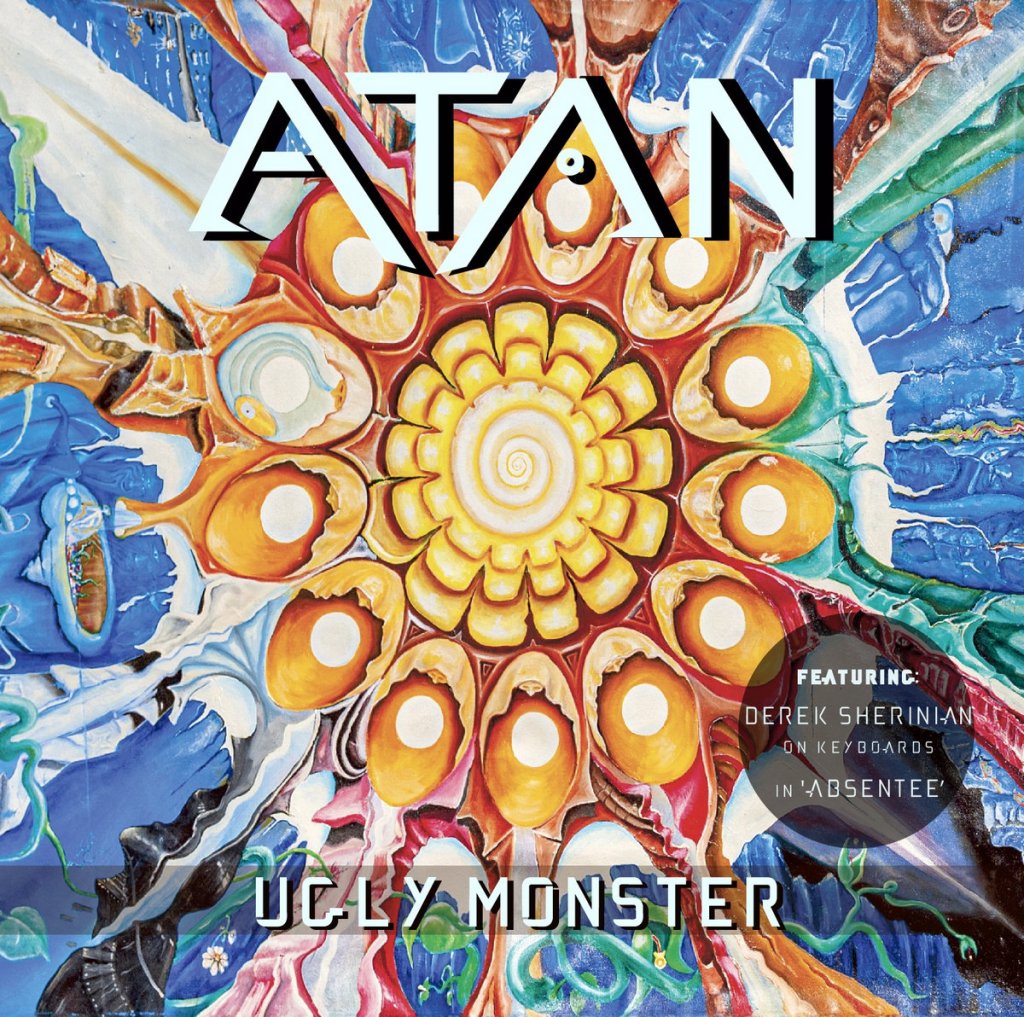
Album Review – Atan’s “Ugly Monster”

Atan, Ugly Monster, 2022
Tracks: Clenching Teeth (4:04), Abducted (5:30), Faces (4:33), Ugly Monster (3:36), Origami Doll (2:37), Protected (5:45), Words (5:30), Sorrow (5:41), The Mind (4:51), Second Fig (4:43), Absentee (Bonus Track featuring Derek Sherinian) (6:28)
Players: Claudia Moscoso (vocals), Andrzej Czaplewski (guitars, samples and synths), Jerry Sadowski (drums), Marcin Palider (bass)

While Atan recently released a new EP, here at Progarchy I seem to be stuck living in the past (I am an historian, after all). Last year’s Ugly Monster was the band’s debut, and it stands tall for a debut record. Featuring a blend of heavy progressive metal subgenres led by female vocals, Ugly Monster has offered a lot to enjoy on repeated listens.

Just as comfortable exploring a spaced out metal zone a la Tool as they are a smash-mouth djent riff, Atan easily and interestingly bend metal subgenres throughout the course of the album. The only song where it doesn’t work for me is “Origami Doll,” where the track takes on a Japanese-influenced style of metal. That likely appeals to some (like it or not, Babymetal is popular for a reason), but it isn’t my cup of tea. Thankfully that’s the shortest song on the album. Musically the song is fine, but the vocal lines do nothing for me.

Atan is at their best when they blend both ends of the metal spectrum – moving seamlessly in and out of heavy, gritty bass-driven djent riffs with passages of minor-key spacey metal brilliance. In many ways “Protected” sounds like it could have come off Meshuggah’s last album, which featured a healthy dose of quiet but densely brooding tracks. Atan also tries their hand at a wall of sound approach to metal with “Words.” A slower track, the guitars seem to create a wall in the midst of the mix. The result reminds me somewhat of Chevelle with a mix of Devin Townsend. Or Tool. That’s probably a better comparison. “The Mind” has a touch of Rush with the bombastic drums and towering guitars punctuated by higher end vocals.

The bonus track features some synthy noodling by Derek Sherinian, who often does keys for hire for bands looking to add a little something to their songs. I’m often skeptical when bigger name musicians do this, but it really does add a lot to this track and to Atan’s sound. I hope they add more keyboards to their sound in the future.

Atan really took me by surprise with this polished and mature record. It contains plenty of variety in terms of styles of metal without feeling disjointed. The album isn’t overly heavy or djenty, despite displaying those influences. As such, progressive rock fans more skeptical of the heavier end of the genre should still find much to appreciate on Ugly Monster. It holds its interest, and I think the band have a solid base to build upon in future releases.

http://www.atanband.com/index.php
https://www.facebook.com/ATAN.2020/
https://atan2020.bandcamp.com/album/ugly-monster-2

Rick’s Quick Takes from March

“Delays, delays!”

Marvin the Martian, “Hare-Way to the Stars”

(A quick note: for new releases, order links are embedded in album titles; online playlists/previews/etc. follow reviews when available. For catalog albums, playlists are linked with titles.)

Once again, I get to second a positive review from Bryan — this time of Fauna, the new release from prog-metallers Haken. Wildly creative, I found this to be the British sextet’s most appealing effort since 2016’s Affinity, stirring in flavors of fusion, postmodern pop, funk, reggae, electronica and even opera alongside one heavy yet tuneful chorus after another. Whether on the short, sharp shocks of “Taurus” and “Lovebite” or the extended journeys of “Sempiternal Beings” and “Elephants Never Forget”, Ross Jennings’ vocals soar, Charlie Griffiths and Richard Henshall’s guitars crunch, Peter Jones’ keys fill what few sonic crevices remain, and rhythm section Conner Green and Raymond Hearne thunder. Play it loud — but look out for multiple, exciting curveballs on every track!

Last month also saw the release of two live albums from veteran bands who’ve made it through the pandemic back to the stage:

Van der Graaf Generator’s The Bath Forum Concert (a CD/DVD/BluRay set) documents the venerable trio’s 2022 return to action; tackling an ambitious setlist that spans their entire career, guitarist/pianist/singer Peter Hammill is as declamatory and vehement as ever, organist Hugh Banton covers the aural spectrum between cathedral and crypt, and drummer Guy Evans locks into or disrupts the grinding soundscapes as the spirit moves him. The beautifully filmed video shows VDGG working hard and watching each other, opting for the flow as they feel it rather than relying on clinical precision; warts and all, this is refreshingly in the moment, a strong show that captures the band’s existential angst and humanistic idealism in full.

Two years after their 2020 Far Eastern tour collapsed around them, King Crimson satellite band Stick Men returned to Japan and blew away any cobwebs that might have accumulated at Osaka’s BB Live venue. The resulting album Umeda showcases avant guitarist Markus Reuter, multi-bassist Tony Levin and percussionist Pat Mastelotto at their aggressive, angular best; whether on long-standing improvisational frameworks “Cusp”, “Schattenhaft” and “Swimming in Tea”, newer compositions “Ringtone”, “Tentacles” and “Danger in the Workplace” or Crimson classics “Red”, “Larks’ Tongues in Aspic Pt. II” or “The Sheltering Sky”, these guys are frighteningly good, whether working up a hair-raising din or backing off for spacey, unexpectedly lush interludes. A great introduction for newbies and a must for fans.

Plus, in February and March the recorded music industry resumed cranking out deluxe box set reissues and compilations — apparently the market of Boomers (like me) with more money than sense isn’t tapped out yet:

Continue reading “Rick’s Quick Takes from March”

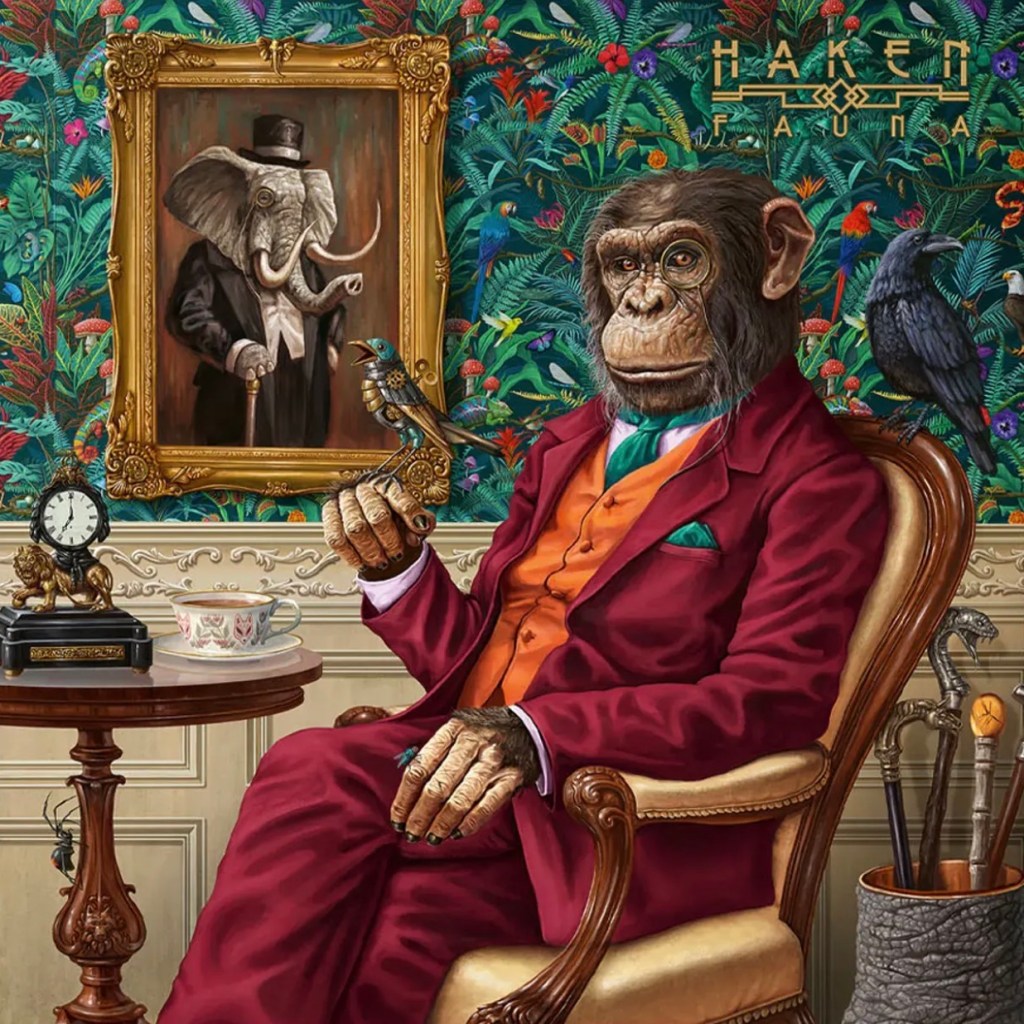
Album Review – Haken’s “Fauna”

Haken, Fauna, Inside Out Music, 2023
Tracks: Taurus (4:49), Nightingale (7:25), The Alphabet of Me (5:34), Sempiternal Beings (8:24), Beneath the White Rainbow (6:45), Island in the Clouds (5:46), Lovebite (3:50), Elephants Never Forget (11:07), Eyes of Ebony (8:32)

Haken have never been a band to shy away from experimentation, yet no matter what musical pond they dip their toes into, their albums always sounds distinct. There’s no mistaking their music for someone else’s. Maybe it’s the syncopation and the speedy jazz-influenced guitar riffing. Or Ross Jennings’ signature voice. Or the band’s ability to make quiet music remarkably complex while still being able to lay down intensely heavy riffs that hold their own amongst the heaviest prog metal powerhouses of the day. And they can go back and forth between the two seamlessly.

Fauna is in many ways a typical Haken album, then, in the sense that is features the band’s playfulness and willingness to experiment. “The Alphabet of Me” has both rapped lines (before you get mad, even Dream Theater has tried that) and trumpet. “Sempiternal Beings” (sempiternal is a fancy word for eternal) has a masterful balance between the dark and light sides of Haken’s music. “Island in the Clouds” even has cowbell.

The ocean between us is where we find inner peace.

“Sempiternal Beings”

“Beneath the White Rainbow” is magnificently chaotic. The bizarre filter on the vocals make it seem a bit cloudy, and the heaviness of the music give it a djent edge. “Lovebite” has a pop edge with a catchy melody in the chorus, but the chorus remains heavy enough to make it palatable to my prog snob ears. Keyboardist Peter Jones’ (original Haken keyboardist who rejoined the band; not the Tiger Moth Tales PJ) swirling key acrobatics adds a layer of interest here as well, as does the brief guitar solo in the final third. The drum blast beats to open the song are anything but pop.

“Elephants Never Forget” is the prog star of the record and the best song here, in my opinion. This is the kind of song that made me fall in love with Haken a decade ago. It has the playfulness of “The Cockroach King” with the epic grandeur of “Crystallised.” The vocal harmonies return, although they probably could have been used to even greater effect. But they are there. The song’s length gives it space to breathe and move, which is generally what holds my interest in music. And it doesn’t get more prog than singing about the “leviathan of Doggerland.”

I think the album would have been better served by ending on this track rather than “Eyes of Ebony.” It has a sort of swell to it that feels complete. “Eyes of Ebony” is still a great track, especially once it gets rolling, but I don’t think it’s the best choice for an album closer. It kind of just tapers off, leaving the record on a bit of an uncertain note. “Elephants Never Forget” has a satisfying ending.

Truth be told, I’d be perfectly happy if Haken made an entire album of songs like “Elephants Never Forget,” rather than the rabbit trails they often go down into other musical genres. A lot of the electronic, rap, etc. does very little for me, but I appreciate how they are able to fold those elements into their sound without compromising their style of music. I generally prefer the softer elements in Riverside’s and TesseracT’s music over Haken’s softer side, but that may be because both of those bands have a spacier Floydy edge that Haken doesn’t really have. It all comes down to preference. All in all this is another solid record from one of the foremost names in the prog metal scene today. It’s one of the best records released thus far this year, second only to Riverside’s ID.Entity.

https://hakenmusic.com/music/fauna/
Merch: https://www.omerch.com/shop/haken

Rick’s Quick Takes for February

Transatlantic’s The Final Flight: Live at L’Olympia is a worthy souvenir of the latest — and last? — tour by our favorite “more never is enough” classic-prog supergroup. Over three hours, Neal Morse, Roine Stolt, Pete Trewavas, Mike Portnoy and sidekick Ted Leonard play every possible note of their ultra-epic The Absolute Universe, plus generous chunks of the band’s first three albums (sorry, Kaleidoscope fans). You might notice some rough edges in Morse’s singing despite a few preemptive downward key shifts, but Transatlantic still delivers the goods without fail — the jaw-dropping ensemble work, knockout solos, choral counterpoint, head-spinning transitions and heart-stopping climaxes just keep coming. And if this is their swan song, thanks for 20+ years of over-the-top thrills and spills are well past due!

Rick Wakeman’s latest album, A Gallery of the Imagination, is less a conceptual effort (like The Six Wives of Henry VIII or even the recent The Red Planet) than an impressionist suite based on a overall musical approach (as on his Piano Portraits releases). As such, Wakeman’s strong suit — spacious melodies decorated with arpeggios aplenty, then rocked up via finger-busting solo work — is here in abundance, with appropriately sturdy backing by The English Rock Ensemble. But be prepared — the line between prog and middle-of-the-road pop is remarkably thin at times, especially when sentimental lyrics like “A Day Spent on the Pier” are declaimed with stagey brio by vocalist Hayley Sanderson. If you can deal with that, there’s plenty to enjoy here.

Simon Collins and Kelly Nordstrom (best known in the prog world for the Sound of Contact album Dimensionaut with Dave Kerzner and Matt Dorsey) veer in a heavier direction with their new project, eMolecule’s The Architect. The initial blasts of electronica-laced prog-metal, amped up with gusto by Nordstrom, slot in beautifully with the dystopian sci-fi narrative, but it takes a while for Collins’ trademark vocal inflections to peek through the robotic audio processing. Ultimately, the light and shade of “Beyond Belief” and “Awaken” (a ballad in the Phil-to-Simon family tradition) and a building sense of Floydian atmospherics provide the contrast needed for eMolecule’s well-executed sound and fury to fully connect.

I stumbled across the British post-rockers Plank via 2014’s excellent Hivemind. After tackling animals and insects as their previous subjects, the trio widen their horizons here, returning after 9 years for their new concept opus The Future of the Sea. This is a stunning set of limpid, gorgeous instrumentals, weaving elements of psychedelia, prog and math-rock into textures of massive breadth and heft (whether the big guns are being held in reserve or out on parade at any given moment). The closing 6-part suite “Breaking Waves” is a full-on, monolithic delight that mounts to a shattering, satisfying climax. Give this one a try!

The ongoing passing of rock legends tends to direct me toward their most recent releases, especially if I’d dismissed them on initial notice. Thus, when David Crosby died in January, I bit the bullet and picked up his Lighthouse Band’s CD/DVD Live at the Capitol Theatre. Ignoring this beauty, released late last year, was a mistake; it’s a thoroughly enjoyable, even moving document of Crosby’s late career renaissance, here shown in collaboration with Snarky Puppy bassist Michael League and singer/songwriters Becca Stevens and Michelle Willis. Yes, the man’s voice is a shadow of its former self here — but so is his legendary ego; this lovely set may be more of a team effort than Crosby, Stills and Nash (& Young) ever was. The jazz-inflected songwriting, the hushed vocal blend, the lovely sense of understatement and space all make this delicate music blossom and take root in the heart. This tour came to West Michigan on Thanksgiving weekend of 2018; hearing this set, I’m sorry I missed the show! Yes, it’s that good.

I wish I could say the same about 18, the collaboration with Johnny Depp that turned out to be guitar legend Jeff Beck’s swan song; even putting aside Depp’s recent notoriety, there’s a mismatch of tone that makes the album a puzzling listen. Though Beck’s rich melodicism is as compelling as ever, his soaring aesthetic keeps bouncing off the consistently lugubrious song selection and morose vocals from Depp. Usually I’d be all over an album that ricochets from Motown and the Everly Brothers to Killing Joke and The Velvet Underground, but the eclectic selection simply refuses to cohere. Some glorious moments (instrumental takes on the Beach Boys’ “Don’t Talk” and “Caroline, No”, the John Lennon cover “Isolation” that closes the album on a solid footing), but Beck’s light and Depp’s dark cancel each other out far too often for the music to take wing.

In the meantime, the past month has seen multiple first-rate releases in the jazz (and jazz-related) world:

From out of left field, Lake Street Dive singer Rachael Price teams with guitarist/songwriter Vilray Blair Bolles for I Love A Love Song! This second duo effort pairs Price’s well-honed jazz and pop sensibilities with whimsical Vilray originals in the Great American Songbook tradition. Well-upholstered arrangements from a finely tuned large combo and a boxy yet lush recorded sound set up the retro feel; but ultimately it’s Price’s subtle, in-the-pocket sense of swing that sells the music, often breezy and melancholy at the same time.

Piano legend Brad Mehldau has never hesitated to incorporate rock songs into the jazz canon; with Your Mother Should Know, he makes a program of Beatles tunes (plus David Bowie’s “Life on Mars” — it originally featured Rick Wakeman on piano!) sound not just obvious, but inevitable in the idiom. Above all, this is fun, albeit often of a serious stripe; from the headlong boogie woogie of “I Saw Her Standing There” through the thickened harmonies of “I Am the Walrus” and hovering balladry of “Here There and Everywhere” to the stretched-out gospel of “Baby’s in Black” and the ecstatic extended solo of “Golden Slumbers”, Mehldau’s instincts for where to take these songs by Lennon, McCartney and Harrison are unerring, his invention refreshing and often astonishing, his technique impeccable. Absolutely worth a listen, whether you’re a Fabs fan or not.

Are improvisational Australian trio The Necks “jazz”? Hard to say; but while their music resists categorization (or even description), their latest release Travel is as attractive a summation of what they do as anything. Four pieces of music, each one made from scratch at the start of a day in the studio, building from a minimal idea that gains momentum, complexity and impact through repetition and variation of ideas, dynamics and sounds. “Signal” rambles, “Forming” smolders, “Imprinting” shimmers and “Bloodstream” flares up for a riveting double-album journey. Is it world-inflected rock? Ambient jazz? Something else? I frankly don’t care; I just know that after an online listen, I had to buy it. (And kudos to Vertigo Music of Grand Rapids for having it in stock!)

P.S. In the “blast from the past” department, I’ve spent a surprising amount of time reveling in the swagger of Cheap Trick’s Dream Police, a widescreen slab of power-pop brilliance from 1979. And sticking my toe in the deep waters of Guided by Voices last month led me to their slam-bang “best of” compilation from 2003, Human Amusements at Hourly Rates. Both highly recommended if you wanna rock!

— Rick Krueger

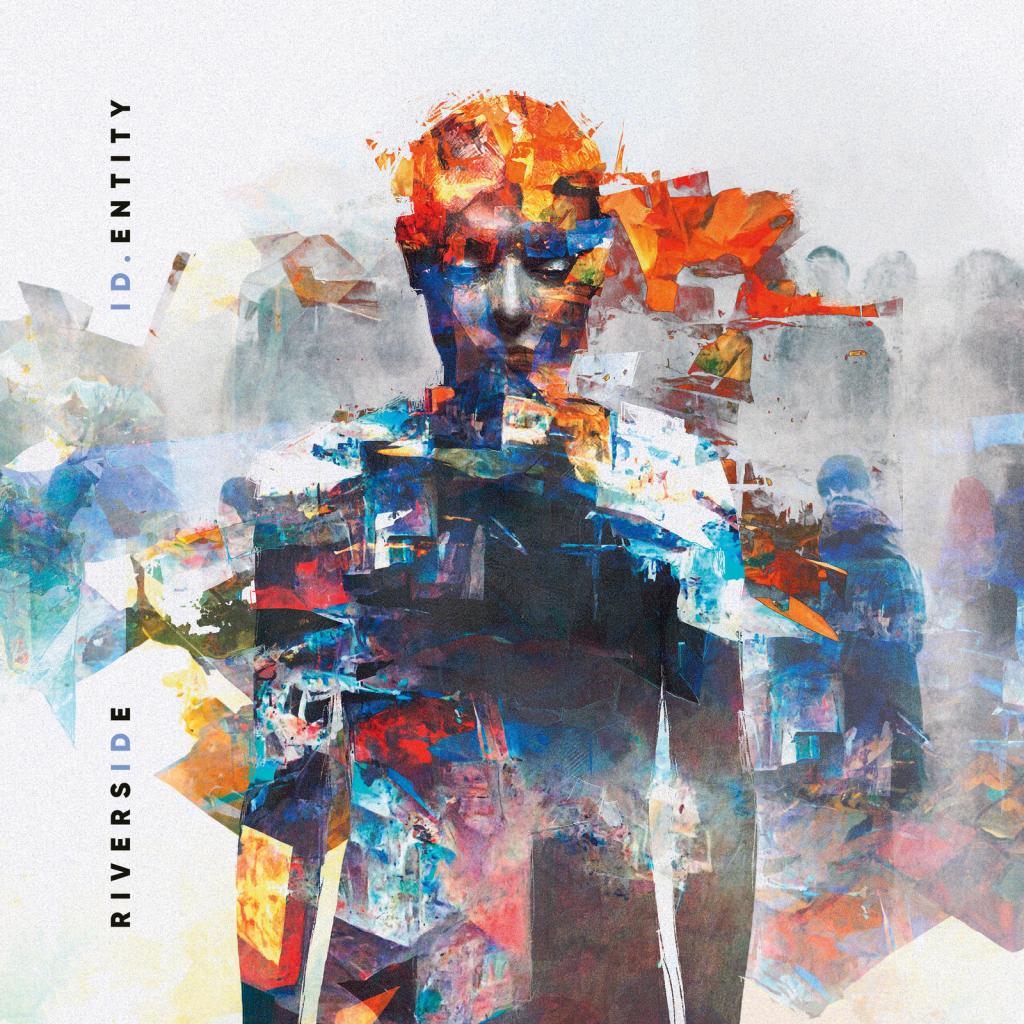
Riverside Remind Us Who We Are – ID.Entity – Album Review

Riverside, ID.Entity, InsideOut Music, January 20, 2023
Tracks: Friend or Foe? (7:29), Landmine Blast (4:50), Big Tech Brother (7:24), Post-Truth (5:37), The Place Where I Belong (13:16), I’m Done With you (5:52), Self-Aware (8:43)

It’s been a long four and a half years since Riverside gave us their brilliant Wasteland, an album we seem to have been living in the years since its release. In 2019 I saw the band live for the first time, and I was blown away. It may have been the best concert I’ve ever attended. I was a fan before, but after that I became a FAN. I’m even a member of their fan club, Shelter of Mine, and I rank them up with Big Big Train as one of the finest bands in the progressive rock scene.

Perhaps you’re thinking there goes all objectivity in this review, and perhaps you’re right. Or perhaps Riverside really can do no wrong. I can think of very few bands that have never put out a bad album, especially over two decades of writing and touring. And yet here we are – their eighth album, multiple EPs, a few live albums (including one only available to fan club members), and they’re still putting out winners. Whether they’re heavy, quiet and atmospheric, or somewhere in the middle, Riverside have mastered all aspects of their sound.

Upon first listen, ID.Entity struck me as being a slightly new direction. I thought I remembered the band saying a couple years ago that their next album would be heavier, which made me think it might be more like Anno Domini High Definition, arguably their heaviest album to date. ID.Entity isn’t that heavy, but it’s heavier than Wasteland, which was, to be sure, a different album for Riverside. An excellent album, but different. Their first record without Piotr Grudziński on guitar, after his tragic passing in 2016, but before Maciej Meller joined them as a full member (he toured with them from 2017-2020, joining them as a full member in 2020). This album sounds like a more traditional Riverside album, with guitars taking a more prominent role again.

The more I listen to it, the heavier it sounds. The guitar riffing towards the end of “Big Tech Brother” is brilliantly headbangable. Michał Łapaj’s keyboards come in on top of that at the end, but it doesn’t lighten the sound at all. Łapaj’s touch on Riverside’s sound may be more recognizable than any other keyboardist in progressive metal, besides Jordan Rudess, of course. Łapaj’s signature Hammond along with his other synth sounds have long set Riverside apart from more generic progressive metal crunchers. I was especially impressed when I saw them live. He brings a real tube-powered Leslie speaker (or some similar speaker) to get an authentic Hammond sound out of his modern keyboard.

As usual, Mariusz Duda demonstrates why he’s one of the best bassists in the business. His crunchy bassline to open “I’m Done With You” is extremely satisfying, and it sets the stage for some grittier vocals in the chorus. Much of the song is stripped back a little, with pretty basic drums and a relatively simple bassline, but the guitar and keyboard lines are distinctly Riverside with a very catchy melody. Taken together, the song is actually pretty heavy.

You are not my judge
You are not my God
You are not my own CEO
Why don’t you simply shut your mouth
And take your poison from my soul
Far away

I’m Done With You

Some of the vocal lines on “The Place Where I Belong” are a bit crowded in the quieter parts of the song – a lot of words condensed into a smaller musical space. But it’s a long song – their longest since “Second Life Syndrome,” in fact. And yet the song delights in the final third with this heartfelt lyrical passage:

I don’t have to be the best
Feel pressure all the time
The ‘winner takes it all’ is not my thing
Stop comparing me to someone else’s dreams
Let me stay in the place where I belong
For your bar is set to high
I’m sorry, I’m getting out of this race
Don’t want to take my part
For your bar is set to high
I’m sorry ,I’m checking out of this race
Don’t want to share my part
For your bar is set to high
I’m sorry, I’m getting out of this race
Don’t want to take my part…

The Place Where I Belong

I suppose the ironic thing here is Riverside really are the best.

Lyrically this album touches on themes of disconnection from others via social media and the associated polarization, as well as themes of big tech and government overreach. Considering the band members grew up in the waning days of communism in Poland, their words of warning on “Big Tech Brother” should wake all of us up.

So what’s it like
To stick your head in the sand
To choose ignorance
“I’ve nothing to hide,” you say
“It’s all okay and fine”
Being tracked
Being parsed
Being mined
Modified
Being used
Being searched
Being lied to
Monetised
All that we’ve got
Is not for free at all

When this life for everyone becomes too hard
What we must give in return is a bit too much
Mass control

Big Tech Brother

“Post-Truth” deals with the frustrations of the constant news barrage designed to keep us all perpetually enraged. How do we go on living in a world like this?

In a constant lie
In a constant lie
I live
Can no longer tell
Days from nights

Post-Truth

All these ideas, along with the other songs on the album, share common themes related to how we interact with and through the digital world. How we relate to each other, how media entities influence us, how companies and governments spy on and control us. Extremely relevant lyrics that aren’t pushy but remain a call to wake up to what’s happening. It’s a message pleasantly packaged in Riverside’s signature style of hard progressive rock. Lyrics have been an integral part of Riverside’s appeal to me since I first began listening to them. Thankfully that streak continues on ID.Entity.

This album contains everything I love about Riverside. Duda’s stunning vocals, his intricate bass, Floydian drums, synthy soundscapes and driving organ, and the Floydy guitars. Riffs abound, making it a very enjoyable listening experience to rock out to. With all that, is it too early to declare ID.Entity THE album of 2023? Maybe it is, but other bands are going to have to work awfully hard to top this.

https://www.riversideband.pl/en/
https://riverside.lnk.to/IDEntityID

Album out Friday, January 20, 2023.

In Concert: A Night of Michigan Prog Metal

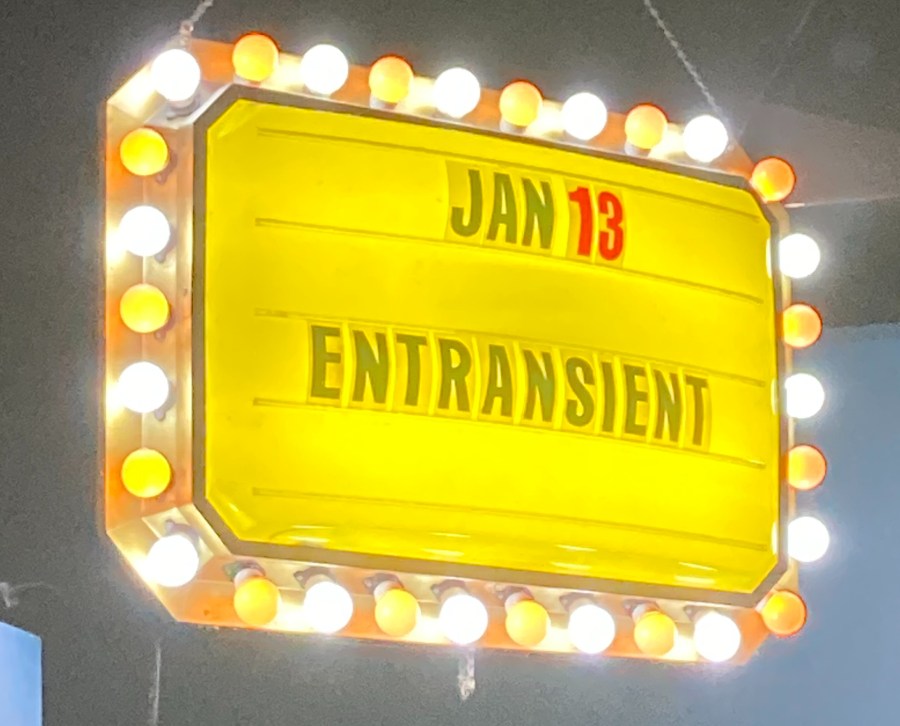
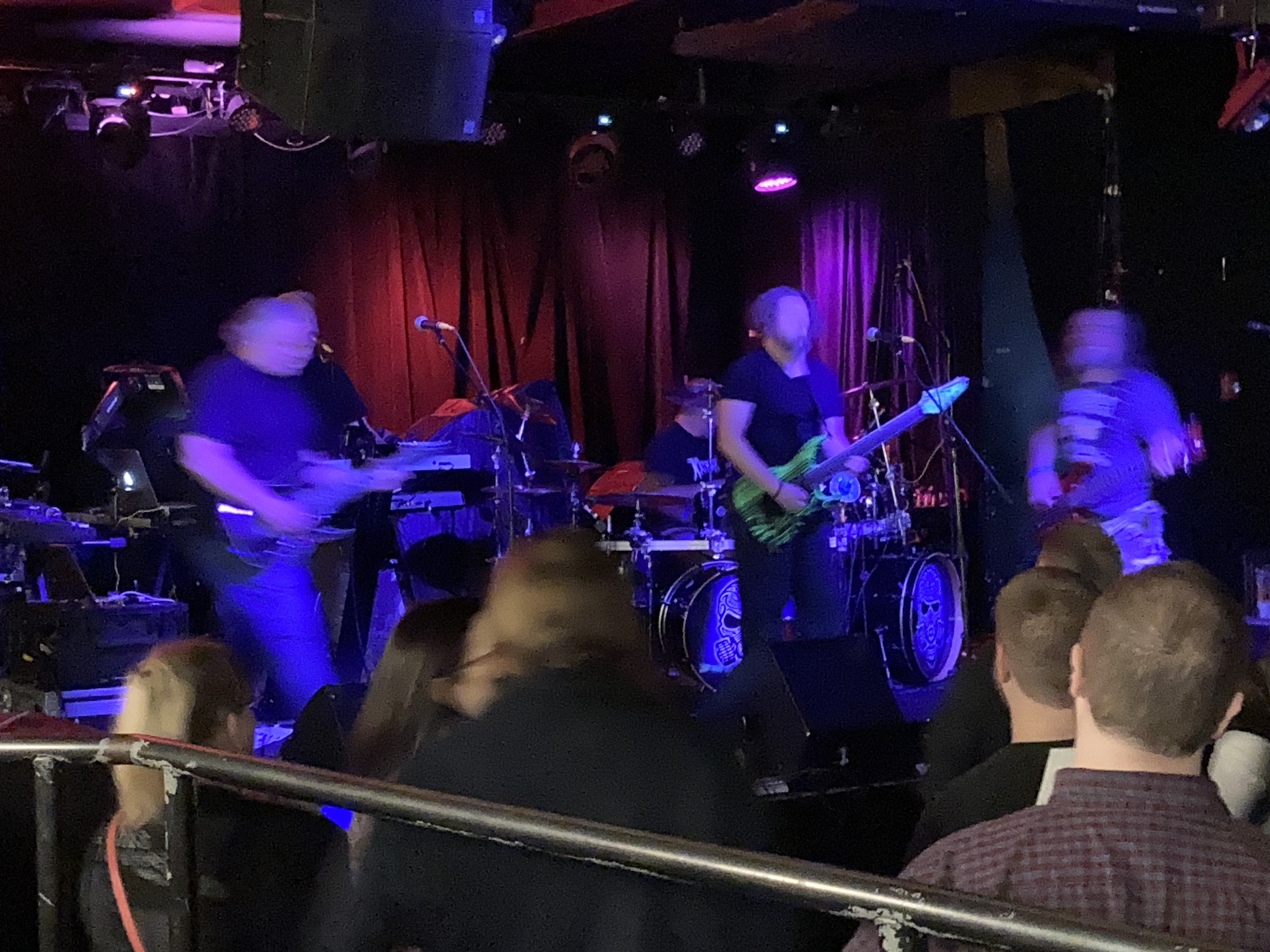
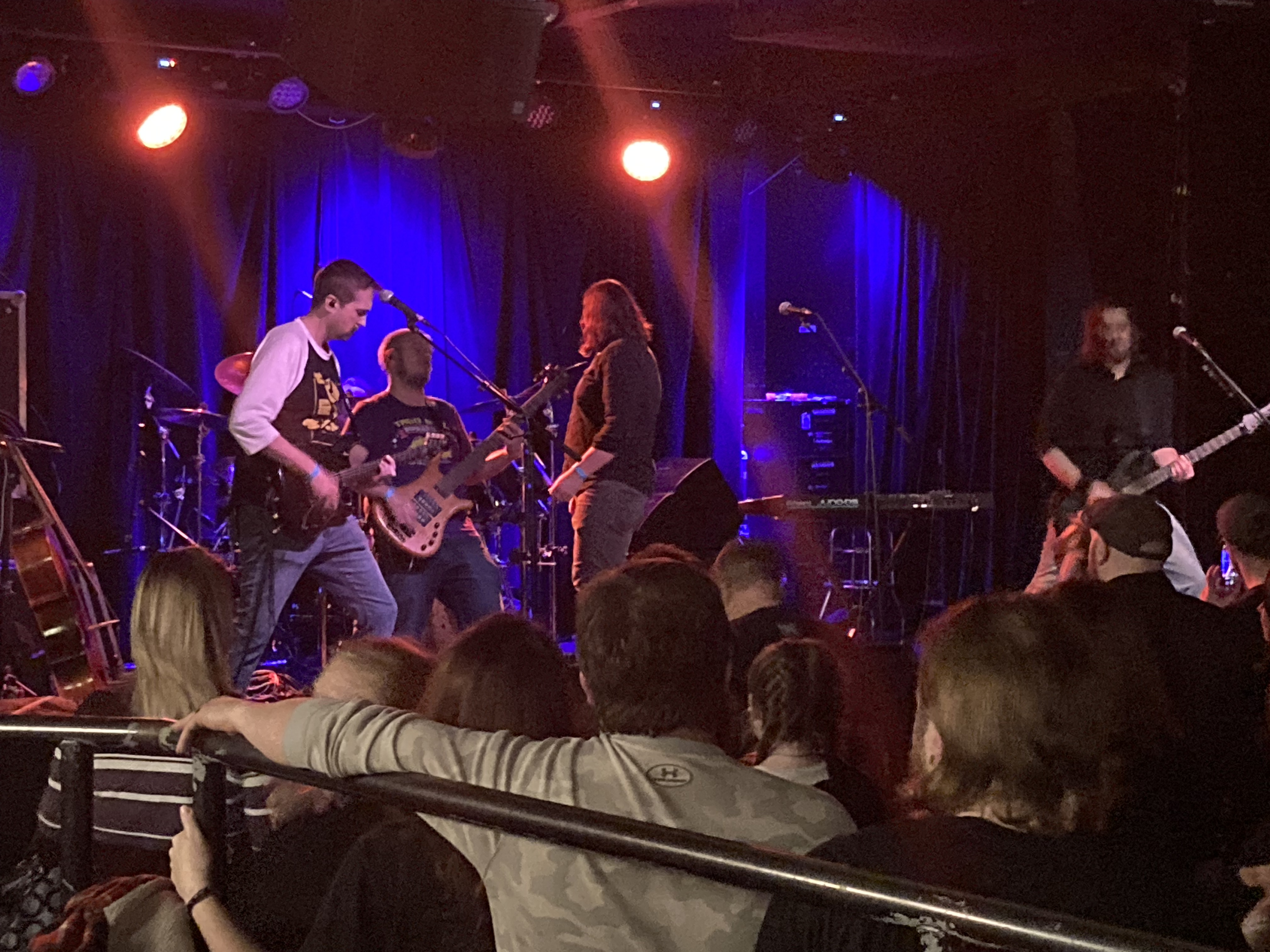
Entransient Album Release Party with Imminent Sonic Destruction and Paradigm Shifter, The Pyramid Scheme, Grand Rapids Michigan, January 14, 2023

I gotta admit, it was first-class fun to reconnect with fellow members of the (extremely informal) West Michigan Prog Posse, checking out three homegrown bands at this local 400-capacity venue.

First up was the Grand Rapids-based Paradigm Shifter, self-described as “an instrumental Metal band taking influences from Hardcore and Progressive metal.” This young trio had chops galore and plenty of decent ideas packed into titles like “Hammer Down” and “Primal Fear”. To this old-codger-in-training, it reminded me (in a good way!) of surf music like “Wipe Out” and “Pipeline” — though played with droptuned, heavily distorted 7-string guitars. The band’s current limitations (computerized drums, extended re-tuning covered by pre-recorded interludes) certainly aren’t impossible to overcome, and if they took their guitar hero posing a trifle too seriously — well, haven’t we all at one time or another? Changing pace for “Leap of Faith”, a rap-rock finale with guest vocalists that sounded like a Linkin Park comeback, Paradigm Shifter was a solid opener, offering something for everyone in a remarkably youthful crowd.

Imminent Sonic Destruction, a Detroit progressive metal band of 15 years vintage, was up next, with the melodramatic oratory of British sci-fi author Michael Moorcock ringing in our ears. Gleefully self-aware as they took the stage, ISD quickly cued us in that their music is completely over the top, and that they’re in on any potential silliness right along with us. Ping-ponging between extravagant, multi-part headbangers, complete with cookie monster vocals (“With Death This Story Ends”, “The Fog”) and tightly harmonized, symphonic power ballads (“Solitude” and the title track from their latest album The Sun Will Always Set) guitarists Tony Piccoli (also a game lead vocalist) and Scott David Thompson (a key harmonizer), bassist Bryan Paxton (doing the growls), keyboardist Pete Hopersberger (pleasingly prominent in the mix vocally and instrumentally) and drummer Pat DeLeon (also of Motor City proggers Tiles) provided one pile driving good time!

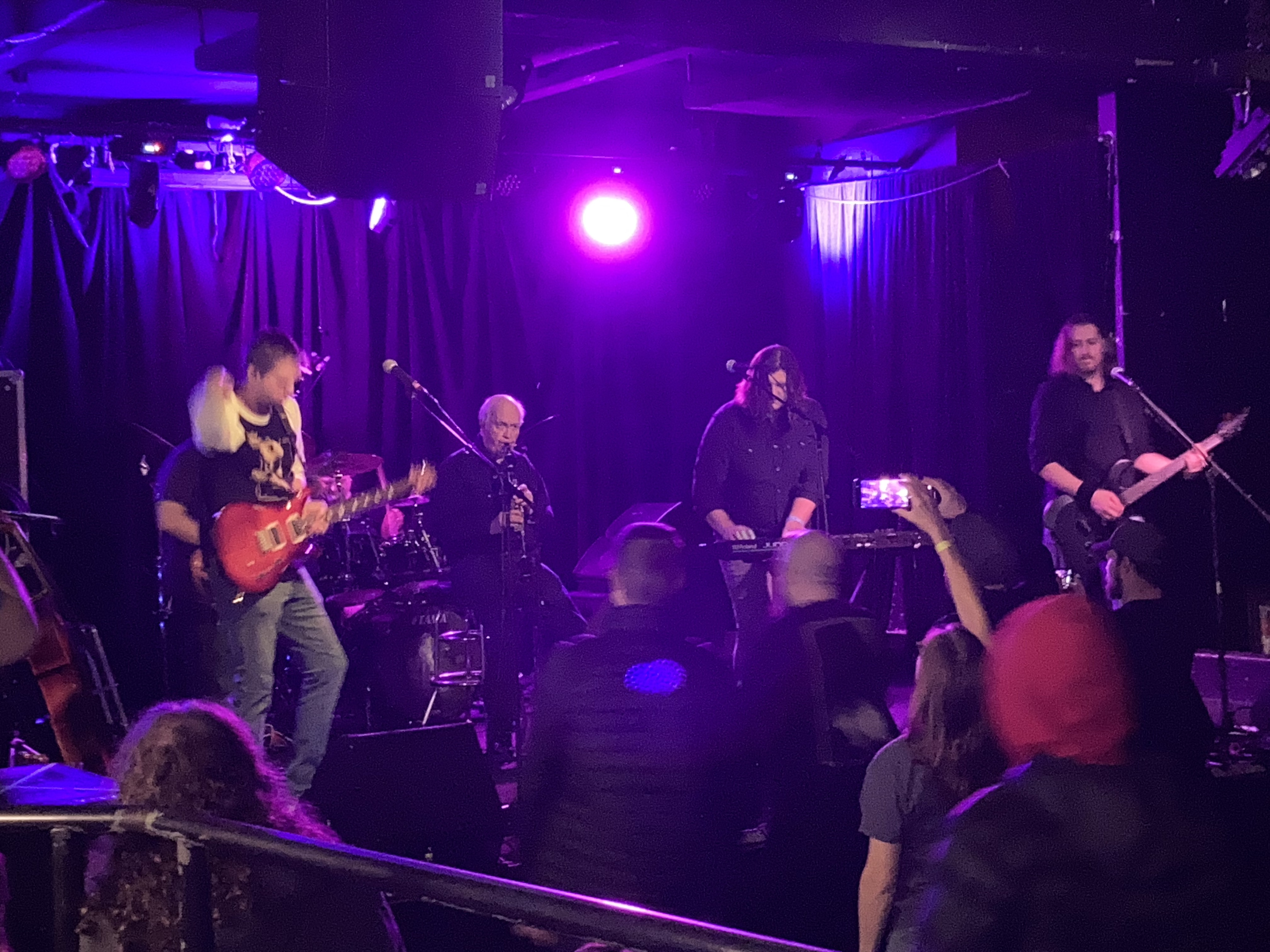
And then there was the evening’s hosts Entransient, who I’ve written about previously, both live (opening for Thank You Scientist and Bent Knee at the Pyramid Scheme) and on record (their fine new album Ghosts in the Halls) Tonight, they opted for a slow build, starting with an acoustic mini-set — complete with cello — before firing the big guns. Their consistently sharp songwriting had the broadest range of the night’s bands, as guitarists Nick Hagen and Doug Murray, bassist Matt Schrauben and drummer Jeremy Hyde whipped up a compelling blend of light & shade. And while it took vocalist Scott Martin a few tunes to get the measure of the room, he swiftly hit peak form, belting out new tracks like “Parasite” and “Synergize” along with setlist standbys like “The Weight of Things”. Plus, in the night’s coolest moment, the band played “Take What’s Left” from their debut album — featuring Hagen’s dad Tom, on the most metal clarinet solo I am ever likely to hear.

In between bands, the talk at our table turned to that evergreen topic, the future of progressive music in general and progressive rock in particular. One of my friends made two points: 1) the genre has to take root amongst younger generations for it to prosper, and; 2) the heavier edge that Fate’s Warning and Dream Theater brought into the mix is probably a core component in that future prosperity. Based on the strong performances by all three of the night’s bands and the demographics of the 150-175 people at the show, I have to agree; the heavy is here to stay!

— Rick Krueger

Devin Townsend Lights the Night – “Lightwork” and “Nightwork”

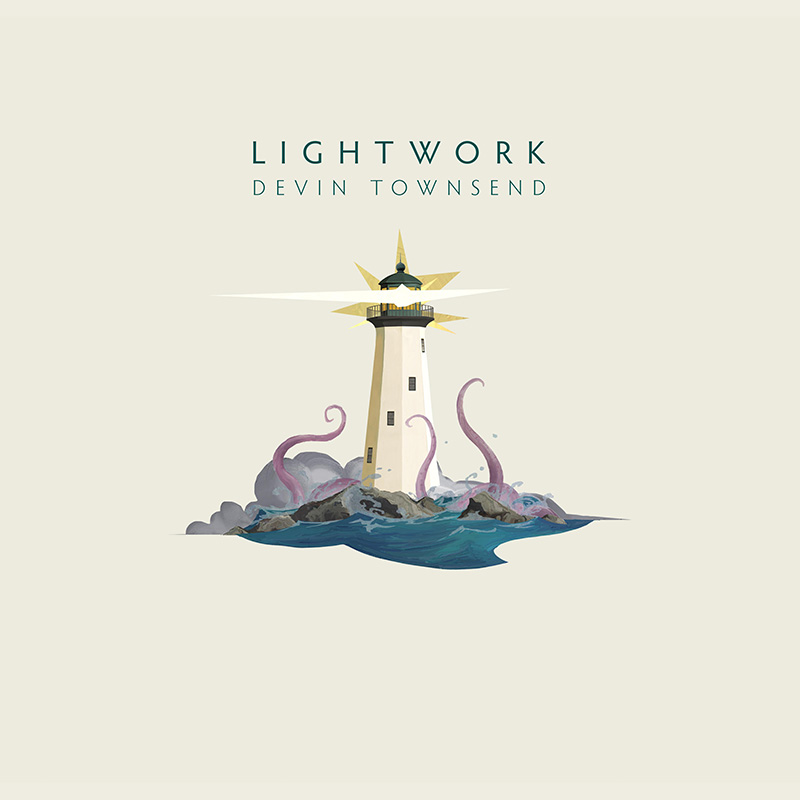
Devin Townsend, Lightwork, 2022, Inside Out Music/Hevy Devy Records

Lightwork Tracks: Moonpeople (4:44), Lightworker (5:29), Equinox (4:39), Call of the Void (5:53), Heartbreaker (7:00), Dimensions (5:23), Celestial Signals (5:12), Heavy Burden (4:23), Vacation (3:10), Children of God (10:06)

Nightwork Tracks: Starchasm, Pt. 2 (4:34), Stampys Blaster (0:38), Factions (5:13), Yogi (3:57), Precious Sardine (10:14), Hope is in the World (4:16), Children of Dog (6:45), Sober (4:37), Boogus (3:33), Carry Me Home (4:04)

Devin Townsend seems to be the most eclectic artist operating in what could broadly be called the progressive music scene. He’s most well known for his work as a metal artist, having some of the finest clean and distorted vocals in the business. He’s also a stellar guitarist and an even better producer. Beyond the metal, he’s long dabbled in ambient music, and as of late he’s been blending the two together to marvelous effect. 2019’s Empath was a masterpiece demonstrating that extreme metal, musical theater, opera, and ambient music can blend into a powerful and moving epic.

Last year he released The Puzzle, a minor release that is primarily ambient with vocals serving more of an instrumental role, meaning it was more about the sound than the actual lyrics. That record reflected Devin’s mind as he processed the Covid-19 pandemic, especially the early phases of it. At the same time he released Snuggles, a shorter ambient album whose goal was to calm and soothe the listener. I can state from personal experience that it does just that. It’s a great antidote to anxiety and depression.

Last month found Devin releasing his latest “major” release, Lightwork, along with its slightly heavier companion album, Nightwork. His intention was to go lighter on this record, although the metal elements still pop up now and again, especially in the vocals, which vary from clean to distorted depending on what the songs need. It’s a very different record than Empath. I hesitate to call it “pop,” as that might conjure up images of Steven Wilson’s The Future Bites. I think there are some interesting parallels between Townsend and Wilson that are worth exploring in a future article, but Townsend’s approach to pop (for lack of a better word) is far more introspective than Wilson’s. Wilson often wears his influences on his sleeve, while still creating a signature sound. Townsend creates his own sound, incorporating elements from myriad genres to make music that sounds like no one else. If Lightwork can be called pop, it is because it is more accessible than some of Townsend’s other work. It still remains complex in its layering, lyrical themes, and overall sound.

Lightwork has less of a flow to it, with the focus being more on the actual songs. With the wall of sound approach Devin is known for, there is some blending together between tracks, so it never feels disjointed. There is a loose overall theme to the record of love and light – a port in the storm, as it were. Musically it ebbs and flows. “Lightworker” has some epic soaring vocal moments with orchestral layers and backing vocals, not dissimilar from bits of Empath. Devin holds nothing back vocally.

“Equinox” sees Devin delving into his more atmospheric rock side while incorporating memorable melodies. The use of distorted vocals in parts of the song is a contrast to the spacier elements of the music, but since Devin’s distorted vocals are easy to understand (one of the reasons he’s my favorite metal vocalist), it works really at conveying the emotion of the lyrics.

The world is gonna turn without you baby
Don’t worry about a thing it’s all a game

Just as it’s falling apart, I’ve fallen for you
Just as I tear it apart, I’ve fallen for you

Though we try to pretend that it’s not the end
It keeps us calm now babe

“Equinox”

This is easily my favorite song on the record. It’s relatively simple, but the intricate layers and vocal work draw me in every time. I feel like I’m standing in a giant open space surrounded by stars and a dancing aurora as the music swells over my head. Perhaps that’s a testament to Devin’s unmatched skill on the mixing board.

From the very beginning going back to his Strapping Young Lad days, Townsend has always been blisteringly brutal and honest in his lyrics. Those lyrics reflected his emotional state at the time. His lyrics today are equally emotional and honest, but they’re so much more uplifting and hopeful. “Call of the Void” calls the listener to maintain composure in the face of the world’s insanity. Devin’s voice leads the charge with soulful grit.

Cause whеn you see the world’s insane reaction
To follow your hеart, the worst reaction is to freak out
So don’t you freak out
Cause when you feel the urge to feign reaction
Just follow your heart, the worst reaction is to freak out
So don’t you freak out
 
You want them to see the world the same as you and
To feel the pain the same as you
But everybody in the world’s different point of view
Can never see the world the same

“Call of the Void”
 

“Dimensions” is a heavier track with an industrial sound. The bass, courtesy of Jonas Hellborg, dominates. The song is metal, but not in a traditional sense. It’s closer to a band like Rammstein than Iron Maiden. The screamed section is sung over a quieter section of music, and when his vocals step into the background, the music gets louder. An interesting back and forth. The song also features a guitar solo from Mike Keneally.

“Celestial Signals” follows it with a much larger and more open sound, flinging us back amongst the stars in swirling guitars and swelling vocals from both Devin, the choir and Ché Aimee Dorval and/or Anneke van Giersbergen (both sing on both records, and usually it’s easy to tell the difference, but the backing vocals on this track are set pretty deep into the mix).

The final track, “Children of God,” is the longest at just over ten minutes. It also has a large and open sound with lyrics dancing on a cliff of blended sounds, with drums being the most distinct.

Lightwork is hard to nail down as any one “thing.” There’s so much going on. “Vacation” is in direct opposition to “Heavy Burden,” and yet somehow it works. Devin’s quirkiness keeps you on your toes.


While Nightwork may be a companion album, it’s every bit as good, or maybe better. As the name may imply, the album is heavier than Lightwork. It opens with a more straightforward “Devin” metal track. Blasting drums (thanks Morgan Ågren), crunching guitars, and both Devin and Anneke on vocals. Steve Vai also contributes “additional instrumentation” to “Starchasm, Pt. 2.” For those curious about “Pt. 2,” “Starchasm” is a track on last year’s The Puzzle. “Stampys Blaster” picks right up with a 38 second bit of uplifting heavy metal bordering on extreme metal with intense blast beats, all while Devin sings “I love you all.”

“Factions” is another blistering metal track with brilliantly complex drumming and Devin’s signature crunchy guitars and vocals. It’s lightyears away from Lightwork, yet it’s right at home in the Devin universe. The atmospheric screams of “Sorry… I’m sorry…” over a wall of drums is eminently relatable. The song has two neoclasslical style shredding guitar solos that sound different from Devin’s playing, but the album notes don’t say they were played by anyone else, so…

Nightwork does bounce around in style, though, with “Yogi” being a different animal entirely. Quirky, bouncy, not metal at all, but still definitely Devin. “Precious Sardine” reminds me of The Puzzle, with various musical styles and vocals acting more like background instruments. “Hope is in the World” and “Children of Dog” (a reworking of “Children of God”) are more upbeat tracks like Lightwork. They retain metal elements, but they’re brighter songs.

“Sober” is my favorite track off both albums. It is atmospheric, spacey, and intensely emotional. The backing sound of waves add to the ebb and flow of the song. The lyrics are profoundly moving, reflecting the confusion and desperation of addiction as it relates to relationships:

How can you want me, if I can’t stay sober?
And how could you leave me in this state?

I can’t help these feelings that have come into my life
I can’t seem to be the one I used to want to fight

How can you want me, if I can’t stay over?
And how could you leave me in this place?

Time is falling into silence
I’m already tired
All the dreams we had are dying
You’re not even trying

It’s alright

How can you want me, if I can’t stay sober?
And how could you leave me in this state?

How could you leave me?

“Sober”

It’s a very reflective song, which is slightly disturbed by the next song, “Boogus.” “Boogus” is a very fun song made in a distinctly 1960s style reminding me of The Munsters sound track. It’s very fun, and not a style you hear much anymore. But, I think it should have been placed somewhere else on the album, with “Carry Me Home” following “Sober” to close the record. “Carry Me Home” is a peaceful track reflecting the realities of a couple’s love after many years into a relationship:

But oh, I hope you understand
I still love you now the way I did back then

“Carry Me Home”

Mental health has been a prominent theme in Devin’s lyrics in the past, especially in more recent years with his positivity seemingly meant to uplift his listener’s spirits.

‘Cause it’s so hard to give when it’s hard enough to live
And you wanna die, defeat flat on the floor
Well, the nights go by, and still we try to keep some sense of this
Give me hope
Home, on the way home
And I wonder why I ever left at all
Carry me home, all the way home
Let’s simplify and get right back to it all
Carry me home…

“Carry Me Home”

Sometimes life is just hard, and we need someone to carry us home.


In many ways, Nightwork is my favorite of the two records, despite it being a companion. Perhaps the heaviness of the first few tracks is more my speed, or the atmospheric brilliance and honesty of “Sober” and “Carry Me Home” keep running through my head. I find it hard to separate the two albums. I bought the fancy special edition in a vinyl gatefold-sized package (2 CDs, 1 blu-ray) with colorful artwork for days, and my iTunes automatically put Nightwork as disc two of the deluxe edition of Lightwork, rather than a separate album.

The variety of musical sounds on these albums might not be for everyone, but I appreciate the art Townsend is making. He’s making the music he feels like making, even if he knows (and worries) that it may upset some people. His sensitivity shines through, and if you keep an open mind, you’ll find a lot to enjoy while broadening your musical horizons. For those turned off in the past to Devin’s heavier side, Lightwork is a must-listen. I think you’ll find it much more accessible, and perhaps you too can come to more fully appreciate the brilliance of Devin Townsend. He is, after all, one of the most interesting artists in music. Everything he makes is worth paying attention to. As such, I recommend you get one of the editions that includes both albums, rather than just Lightwork.

https://hevydevy.com
Merch: https://www.omerch.com/shop/devintownsend