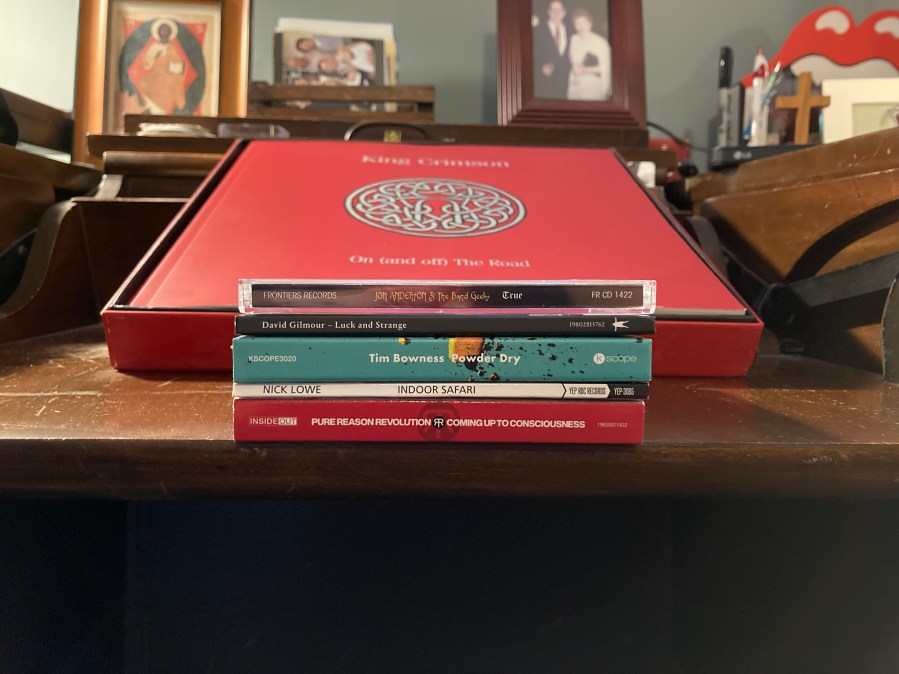
Rick’s Quick Takes: Across the Great Divide

This month’s connecting thread: grizzled veterans connect with high-powered talent from younger generations; the chemistry fizzes, fuses and pops — and some excellent new music is the result! (Of course, there’s an outlier or two in this month’s stack as well.) Let’s get down to it, shall we? Purchase links are embedded in the artist/title listing, with album streams or samples following the review.
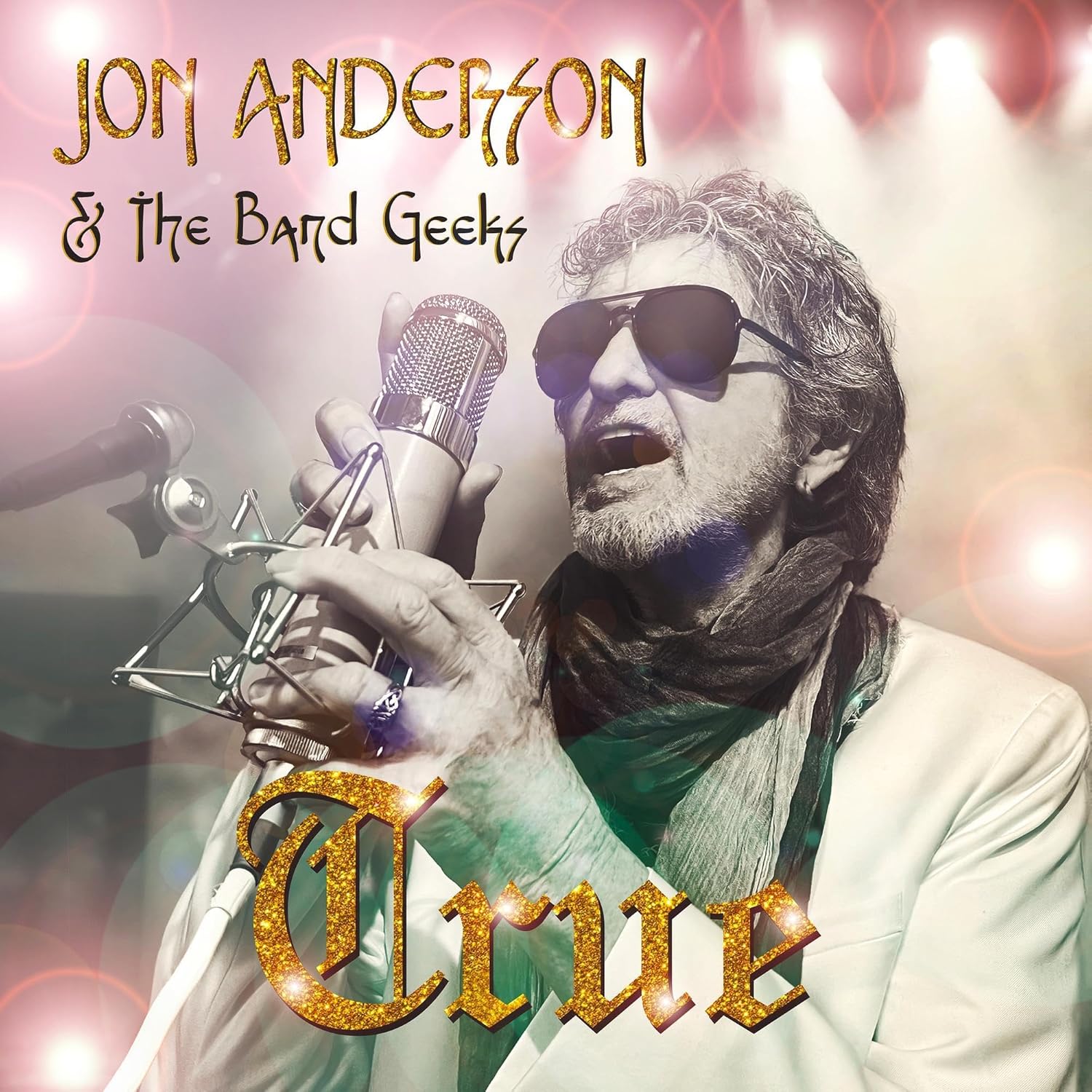
Jon Anderson and The Band Geeks, True: Anderson (going on 80, and as seemingly immortal as Keith Richards) has consistently worked with little-known yet impeccable virtuosos since his abrupt exit from Yes; watching him front a high-impact big band from the 10th row in 2019 was a thrilling experience. Now, teaming with a quintet of killer players half his age, he delivers the album fans have desired for decades. Sure, there are times when The Band Geeks (bassist Richie Castellano, guitarist Andy Graziano, keyboardists Christopher Clark and Robert Kipp and drummer Andy Ascolese) seem a little too eager to ape their counterparts in the classic Yes lineup, but overall they lean into epics like “Counties and Countries” or “Once Upon a Dream” and shorter romps like “True Messenger”, “Shine On” and “Still a Friend” with full commitment, fresh creativity and chops galore. Then there’s Anderson, still soaring into sub-orbit with that unmistakable voice, still preaching peace, love and understanding with his trademark New Age word salads. (Is there no way this man could run for U.S. President? At this point, he’d get my vote.) At first, I thought Time Lord’s full review was a bit over the top — but repeated hearings are bringing me around. Most hardcore Yes-heads will flip over this, and casual listeners will find plenty to lure them in.
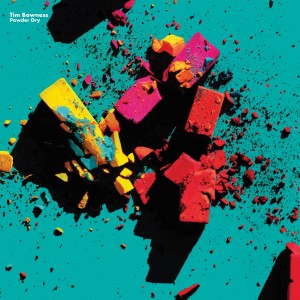
Tim Bowness, Powder Dry: the exception to this month’s rule, Bowness’ first-ever “solo solo project” hits the speakers like a cold slap in the face. Instead of the languorous widescreen ruminations of previous albums, we get brusque, sparse song sketches (rarely more than 3 minutes); a disorienting mix of natural tones, machine rhythms, bracing industrial grit and gnarled lo-fi samples yields shocks, disturbances and wake-up calls aplenty across these 16 tracks. Well practiced in the dark arts of ineffable yearning and melancholy, here Bowness hones and refines his lyrics to bare-knuckled, highly charged haikus, whether staring down decadent cultures (opener “Rock Hudson”), devolving psyches (“This Way Now”, the title track), disintegrating connections (“Heartbreak Notes”) or the unholy conjunction of all three (“Summer Turned”, “Built to Last”). With his stoic vocals bearing the brunt of this emotional tangle, Bowness’ voice plumbs fresh depths, flickering in desperate hope one moment, driven to sublimated fury and fear the next. If you’re already a Bowness fan, stow your expectations — but whether he’s familiar or brand new to you, don’t hesitate to strap in for a compelling, cathartic ride.
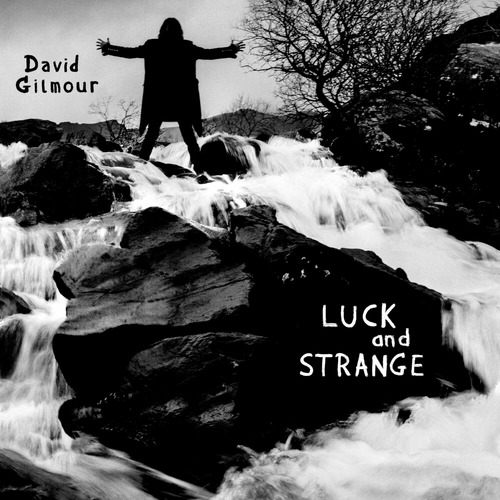
David Gilmour, Luck and Strange: another prog legend who can sound like nobody but himself cranks up one more time. But the canvass Gilmour paints on here accents different tones and tints, with youthful co-producer Charlie Andrew shaking up instrumental backgrounds and song formats to good effect. There’s a sense of lightness, air and space this time around, a less obviously Floydian palette that both complements and contrasts with Gilmour’s craggy singing and singular take on blues guitar. Polly Samson’s lyrics level up as well, tackling well-worn topics (nostalgia on “Luck and Strange”, spirituality on “A Single Spark”, love as refuge on “Dark and Velvet Nights” and “Sings”) from newly contemplative angles, sounding absolutely right coming out of Gilmour’s mouth. (Oh, and daughter Romany Gilmour totally enthralls in her vocal turn on The Montgolfier Brothers’ “Between Two Points”.) By the time Gilmour hearkens back to which one’s Pink, firing off a final round of Stratocaster fireworks on orchestral closer “Scattered”, he’s taken us on the most varied – and I’d argue, most sheerly enjoyable – ride of his solo career; this one’s already a 2024 Favorite.
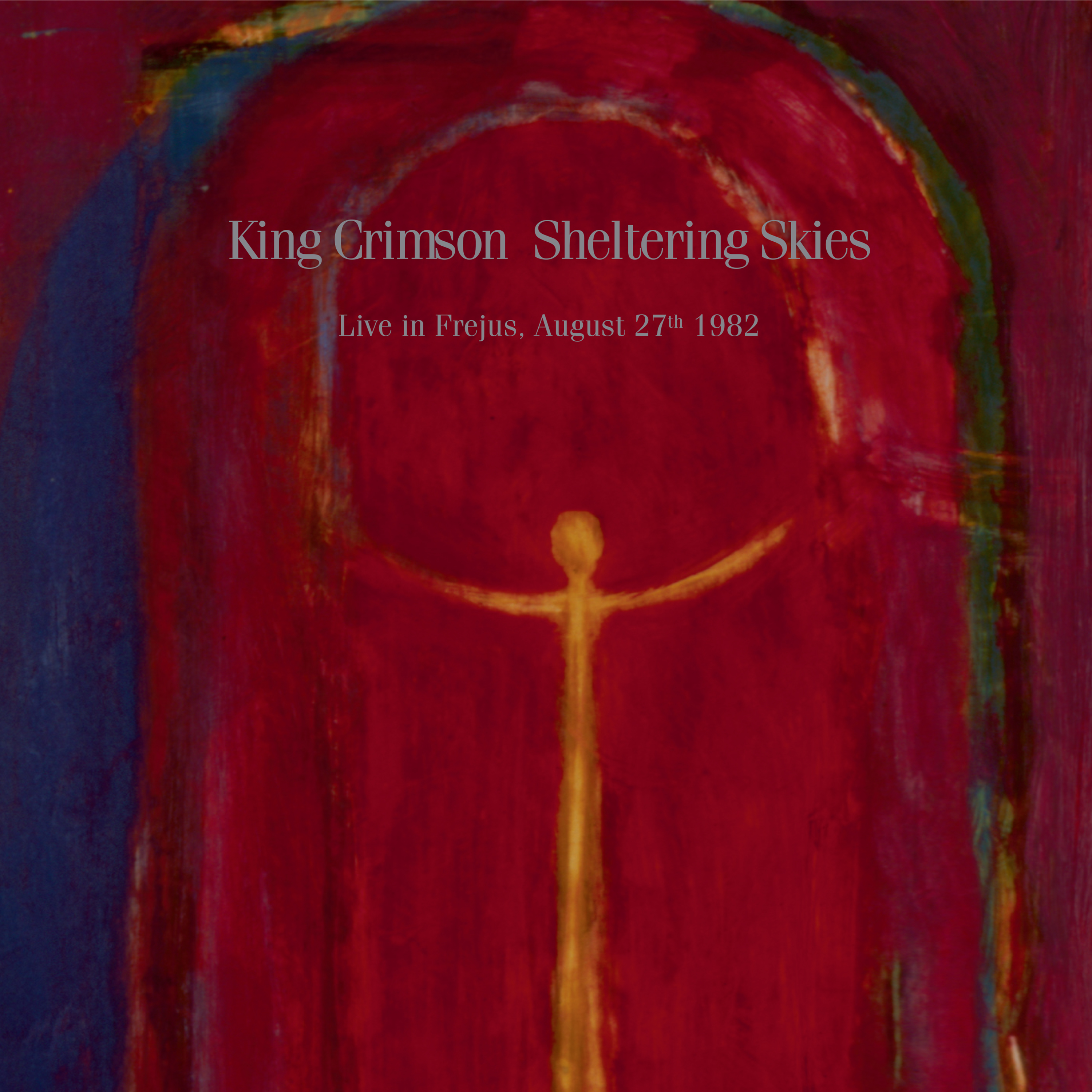
King Crimson, Sheltering Skies: OK, so this one isn’t “new” new. But when Crimson sherpas Robert Fripp and Bill Bruford teamed with American upstarts Adrian Belew and Tony Levin back in the 1980s, the result was a revitalized second reign for the King, swapping out trademark Mellotrons and prodigious pomp for raucous noise, limber polyrhythms and surging, seething energy. With Belew and Levin now touring this music again as BEAT, this issue of a 1982 show previously released on video couldn’t come at a better time; opening for Roxy Music on the French Riviera, Crimson pulls the unsuspecting audience right into the clinches for the hottest of hot dates. From the subdued intensity of “Matte Kudasai” and “The Sheltering Sky” through the dynamic clatter of “Indiscipline” and the hypnotic guitar weave of “Neal and Jack and Me” to Bruford and Belew’s ecstatic percussion duet that kicks off “Waiting Man”, this is that rare live album of nothing but highlights. Banter, bicker, balderdash, brouhaha, ballyhoo — whatever their desired flavor of elephant talk (including some 70s throwbacks), Crim devotees will find it here.
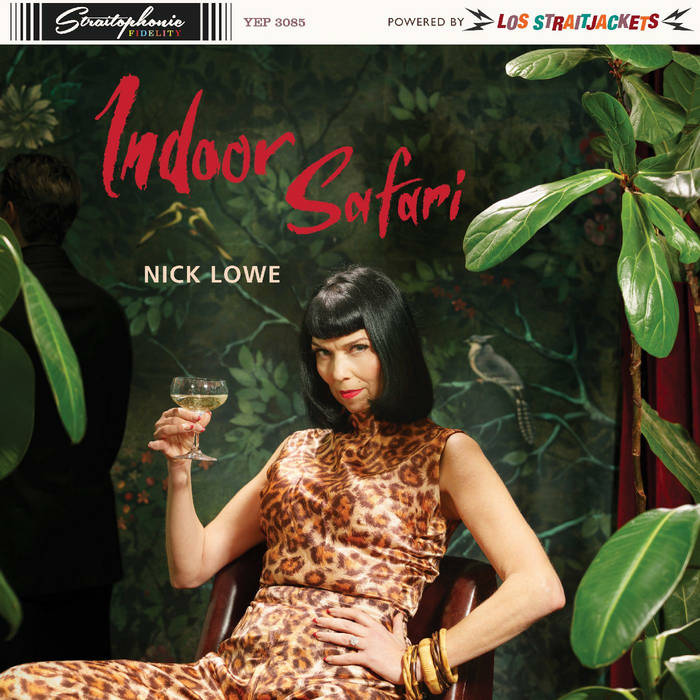
Nick Lowe, Indoor Safari: almost 50 years on from his solo debut at the crest of the New Wave, Lowe’s pure pop for now people remains pin-sharp and on point. Who else can still pump out breezy rockers like “Went to A Party” and “Jet Pac Boomerang” (the latter complete with high-culture similes and a Fab easter egg), ring wry changes on the battle of the sexes in “Blue on Blue” (“You’re like a mill, you run me through”) and “Don’t Be Nice to Me”, then capture the emotional devastation of the quietly crooned “A Different Kind of Blue”? Masked surf-rockers Los Straitjackets (currently celebrating their 30th anniversary) prove crucial here, laying down swinging retro grooves for Lowe’s originals and hoisting just the right backdrops as he nails the blue-collar aspiration of Garnet Mimms “A Quiet Place” and the innocent romance of Ricky Nelson’s “Raincoat in the River”. Lowe’s smart-aleck satire has always entertained, but his later embrace of pre-rock stylings deepened his songwriting and singing; now, even at his jauntiest, his aim for the heart is true. This is a real charmer that’s gone straight onto my 2024 Favorites list.
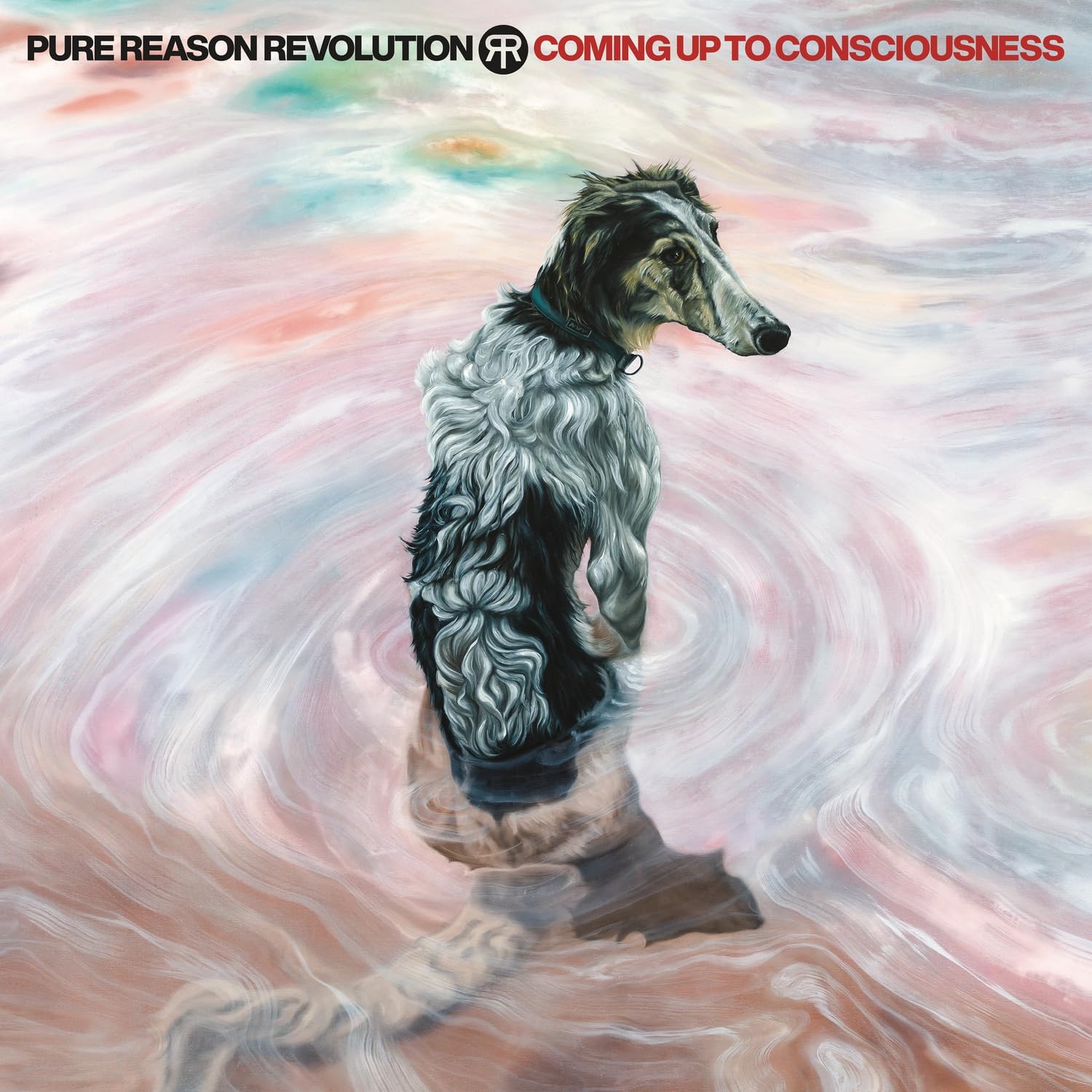
Pure Reason Revolution, Coming Up to Consciousness: a variation in reverse of this month’s theme, as long-time Pink Floyd/Gilmour bassist Guy Pratt brings extra low-end oomph to the latest from Jon Courtney, Greg Jong and their fellow electroproggers. As Time Lord ably spells out in his full review, once again PRR relies on the proven recipe of previous high points like 2006 debut The Dark Third and 2022’s Above Cirrus: float in on low-key ambience, keep the verses chilled out, ramp up on the bridge, kick hard into the chorus! (While seasoning to taste with lush harmonies, towering guitar riffs and slamming club beats, whipping up maximum tension and release before serving.) Here the results are consistently yummy, not least because the soundscapes’ ebb and flow echo Courtney’s perennial lyrical themes. As Courtney, Jong and Annicke Shireen’s voices entwine, splinter, and reunite, there’s a serene insistence on transfiguration, on something more than material, beyond the harsh realities of eros (“Dig til You Die”, “Betrayal”), fear (“The Gallows”), and death itself (“Useless Animal”, “As We Disappear”). Pure Reason Revolution isn’t giving us answers, but Coming Up to Consciousness points us toward the mystery they’ve pursued all along.

— Rick Krueger
Rick’s Quick Takes: Come On, Feel the Noise!

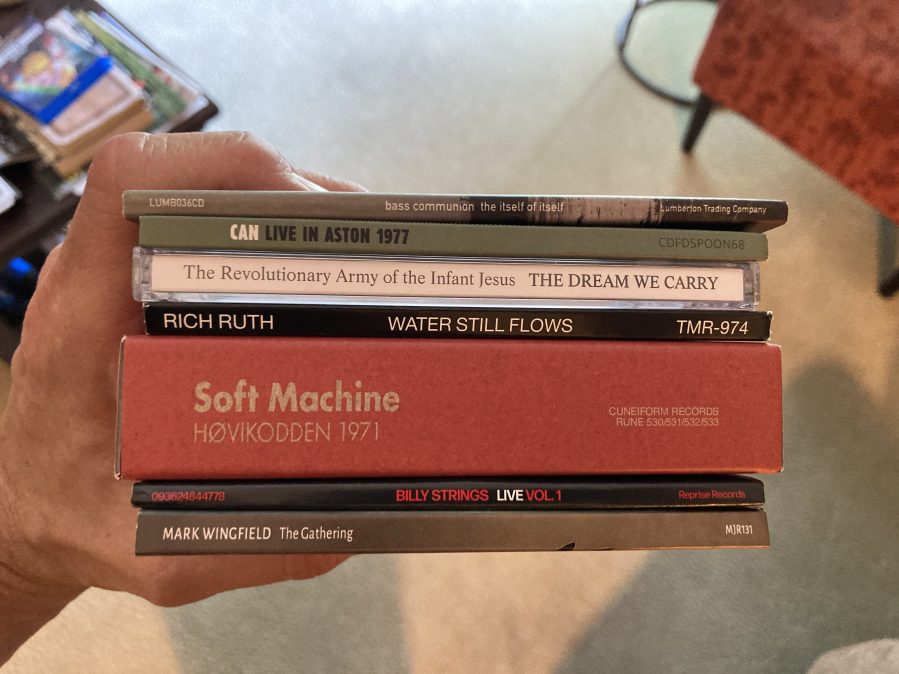
This time around, a cross-section of mostly new, mostly instrumental albums that may start in one genre but willfully refuse to stay there — with frequently bracing results. Purchase links are embedded in the artist/title listings, with any additional purchase links for physical media at the end of a review and streaming access following.

Bass Communion, The Itself of Itself: We can’t say Steven Wilson doesn’t warn us on the album sleeve: “audio artefacts and noise such as tape hiss, wow and flutter, vinyl crackle, distortion and earth hum are (probably) deliberate.” Delving into his longstanding experimental/electronic doom-drone persona, Wilson once again abandons melody and rhythm to slap down raw sonic textures and grind them together across extended time spans. The results range from arresting (the relentless build of horror-soundtrack opener “Unperson”, the uneasy, alarming stasis of the title piece) to utterly forgettable (when my dehumidifier kicked in during “Study for Tape Hiss and Other Artefacts”, I really thought it was part of the track). Am I finally sussing out (as some have theorized) Wilson’s extended con of the prog world? Getting a sneak peek of his 2025 solo album The Overview? Or hearing the latest from an artist who just does whatever he wants and doesn’t particularly care how possessive fans get about him? I’m a diehard Wilson fan, but when it comes to Bass Communion, your guess as to his motivation is probably as good as mine. (Order the CD from Burning Shed here.)

Can, Live in Aston 1977: Krautrock’s most thoroughly improvisational outfit got thoroughly funky in the late ’70s, courtesy of Rosko Gee, Jamaican bassist of no mean ability. With Gee powering the beat and previous bassist Holger Czukay dialing up snippets from shortwave radio and tape libraries, this version of Can is rhythmically tighter and tonally looser at the same time. That means Michael Karoli has more room to howl on guitar, Irmin Schmidt can conjure thicker clouds and launch edgier thunderbolts from his keyboards, and drummer Jaki Liebezeit can drill down into his unstoppable, drily metronomic groove. The clangorous solo section of “Drei” (enticing in its ambiguity – who’s playing this crazy thing that sounds like a bell choir in hyperdrive?) and the insistent, stonking, organ-led groove of “Vier” are high points. A solid addition to this fine archival series of vintage concerts.

The Revolutionary Army of the Infant Jesus, The Dream We Carry: RAIJ’s 2020 effort Songs of Yearning was my Top Favorite album of that strange year; I called it “a sacramental transmission from, then to, the heart of creation.” The Liverpool “experimental arthouse collective” has reduced its core personnel and pared back its weirdness ever so slightly, but their inviting mélange of reflection and insistence, sacred and profane persist. Jesse Main’s vocals and Eliza Carew’s cello gracefully arc over Paul Boyce and Leslie Hampson’s lush instrumental backing; on multi-track suites like “Les Fils des Etoiles” through “Object of Desire”, fragments of multilingual poems, songs and spoken word rise from nowhere, become incarnate, declare their tidings, then disappear into a wistful bed of chamber and orchestral tone color. Like RAIJ’s entire catalog, The Dream We Carry testifies to mystery tucked within the mundane, exemplified by album ender “The Song of Wandering Aengus”; it’s an eloquent yet elusive invitation to encounter the Spirit active at the heart of the fields we know.

Rich Ruth, Water Still Flows: Reviewing 2022’s I Survived, It’s Over, my thumbnail sketch of Nashville guitarist Rich Ruth pointed to him as RAIJ’s American counterpart — but on the evidence of his latest, that assessment sells him short. For Water Still Flows, Ruth adds massive slabs of dark metal riffage to his already potent mix of cosmic ambience, celebratory spiritual jazz, and slow-crawling post-rock. Opener “Action at a Distance” feels like a heftier “Won’t Get Fooled Again”; marauding power chords choke off the luxuriant strings of “God Won’t Speak”; the blissful comedown of “Somewhere in Time” sticks a soft landing after the devastating climax of “Aspiring to the Sky”. With an eclectic ensemble of sax, harp, and pedal steel plus Ruth’s frenetic axework anchored by Reuben Gingrich’s crashing drums, this album is a mighty, impeccably shaped tone poem that once again journeys through pain and catastrophe to refreshment and renewal. (Order the LP or CD from Third Man Records here.)

Soft Machine, H​ø​vikodden 1971: The seminal British jazz-rock band at its creative peak, recorded over two nights at a Norwegian arts center. At each show, Mike Ratledge’s inimitable fuzz organ takes command; multi-saxist Elton Dean lets loose with an unending stream of raucous Coltrane licks; Hugh Hopper’s bass swarms, clambers and climbs, refusing to stay on the low end; Robert Wyatt’s limber drumming seethes, weaving through the tonal murk at will. Sometimes locking together in breathtaking unison, sometimes scattering to widely separated corners, the Softs approach classic material like “Facelift”, “Fletcher’s Blend” and “Out-Bloody-Rageous” from vastly different perspectives at different shows; the first night is a anarchic fireworks display, gobsmacking in its sweep, while the second night channels the quartet’s energy into a thrilling, thrusting sense of unified drive (albeit with laid back interludes). There’s tons of live Soft Machine available, but this newly released box set is a genuine high point of their already formidable discography.

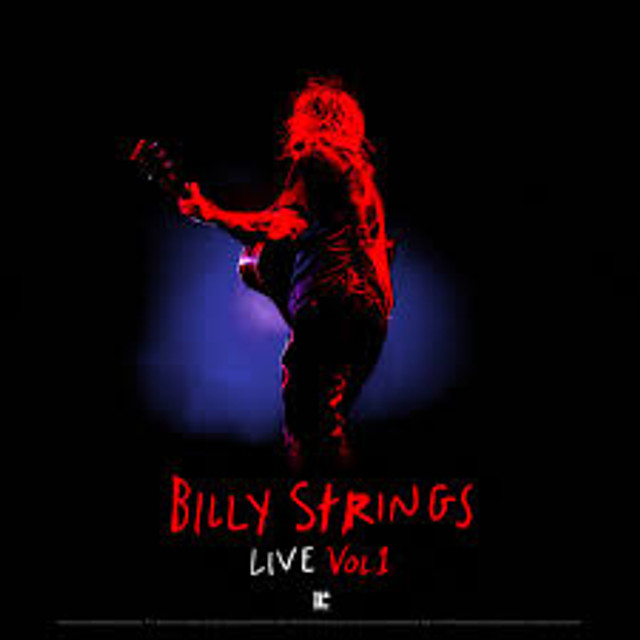
Billy Strings, Live Vol. 1: I’ve gotta admit, I’m late to the party here; before a recent sojourn in Nashville and a resulting reacquaintance with all things Americana, I had missed out on the mightiest musician to hail from Michigan in a long, long time. Strings is, without a doubt, the real deal: a virtuoso guitarist, a first-rate singer and a songwriter who’s already shown signs of true, durable greatness. On his first live release, he and his band turn gritty evocations of small-town vice (“Dust in a Baggie,” “Turmoil and Tinfoil”) and poetic contemplations of the bigger picture (“Long Forgotten Dream”, “Fire Line/Reuben’s Train”) into unabashed, dynamic bluegrass brilliance, stirring in proggy interplay and psychedelic seasoning, stretching out their jams for maximum tension and impact, but with nary a wasted note or a thoughtless lick. This is an absolutely smashing major label debut, a snapshot of a phenomenon in perpetual motion, the music grounded in Strings’ heart as well as his fearsome chops, and already on my Favorites list for this year. (Strings’ next studio album, Highway Prayers, has just been announced for a September 27 release.)

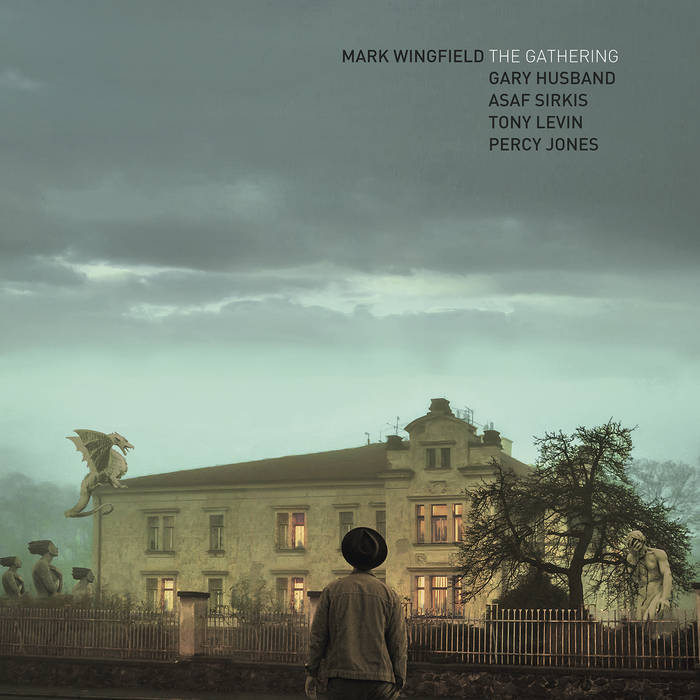
Mark Wingfield, The Gathering: Nightmarish complications severely curtailed MoonJune Records’ ability to sell this beauty on CD — which is a shame, because it may be British fusionist Wingfield’s most accomplished and focused effort to date. Languorous, enticing compositions like “Apparition in the Vaults”, “A Fleeting Glance” and “Cinnamon Bird” consistently take flight here: Wingfield’s guitar traces ecstatic melodic parabolas and sparse changes; Gary Husband colors the soundscape with juicy pads, inspired atmospheres and choice accents on piano and synth; Asaf Sirkis lays down a spacious, unshakeable polyrhythmic grid to propel things forward. What makes this even more of a killer session is the overdubbed bass contributions of King Crimson’s Tony Levin (focusing on active, rich-toned counterpoint) and Brand X’s Percy Jones (bubbling under with his unique tone and angular comping). It’s daring and delightful from start to finish, as an all-star lineup of truly great players work with total concentration and dedication, and make this sophisticated yet accessible music their own.

— Rick Krueger

Rick’s Quick Takes for February ( Levels, Likes, Loves, Leads – and Nightwhales?)

2024 is out of the gate hot — three of the albums below are already on my Year-End Favorites list, and there are no duds in this bunch! As usual, purchase links are embedded in the artist/title listing, with a partial or complete streaming preview below the review.

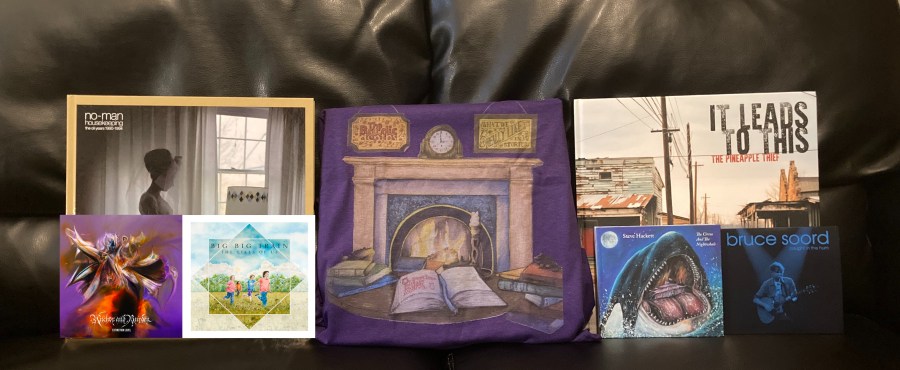
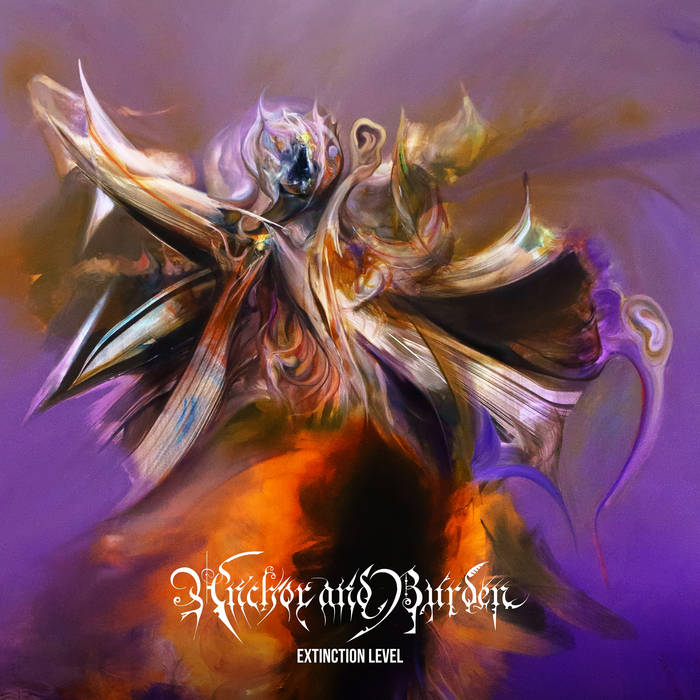
Anchor and Burden, Extinction Level: MoonJune Music mainman Leonardo Pavkovic has labelled this brutal beauty “uncompromising progressive avantgarde doom-jazz post-metal”. That pretty much covers it! Kicking off with opener “Fractured Self” and “Body Expansion”, touch guitarists Markus Reuter and Alexander Dowerk spend the next hour launching knife-edged slabs of sonic concrete into sub-orbit; drummer Asaf Sirkis pulverizes any semblance of a steady beat into terrifying quick marches (“Mutual Assured Destruction”), hyperactive polyrhythms (“Nine Gates to Dominion”), or just lethal, unanticipated deadfalls; and electronics wizard Bernhard Wöstheinrich provides both breathing space for a comedown, as on the closing “The Crust of This Earth”, and crash pads for droning, sludgy guitar plunges throughout the extended title track. Absolutely bonkers, already a favorite; you may have to be in the right mood for it, but Extinction Level’s free-for-all improv (not far removed from King Crimson’s outer limits) turns out to be a heady, head-banging good time.

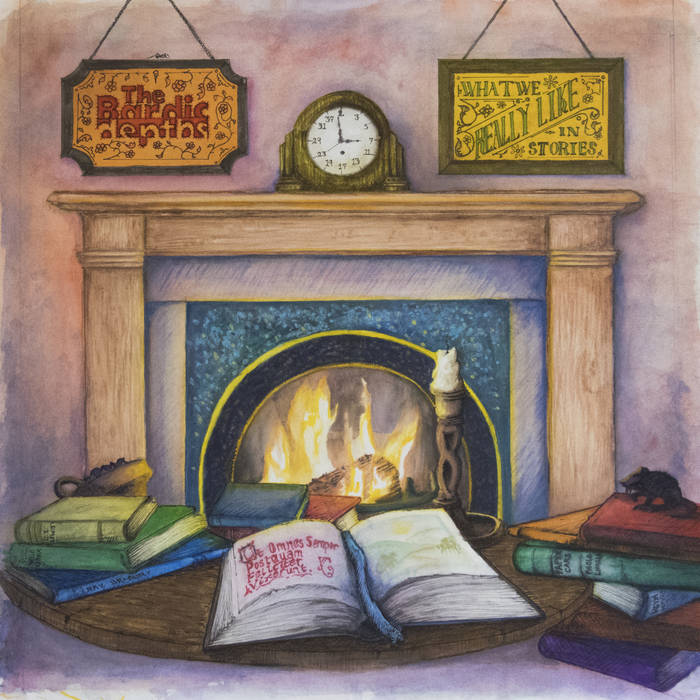
The Bardic Depths, What We Really Like in Stories (released March 7): both more direct and more varied than their previous releases, TBD’s third is a first-class album that delivers generously on its title’s promises. Brad Birzer’s graceful lyrics effortlessly transport us into the minds of creators as diverse as Ray Bradbury (“You’ve Written Poetry, My Boy”), Willa Cather (“Old Delights”) and Robert E. Howard (“The Feast Is Over”) — then into the creations themselves (the Orwellian dystopia of “Vendetta”, the postapocalyptic “Stillpoint”, the high adventure of “Whispers in Space”). In turn, Dave Bandana and Gareth Cole’s compositions are appealingly streamlined, giving Cole’s guitars, Bandana’s guitars & synths and Peter Jones’ keys & saxophones plenty of room to shine but never straying into aimless jams. Add a warm vocal blend from the quartet (with Jones and Bandana at the forefront) to Tim Gehrt’s steady, sparkling grooves, and you have a prog album that’s accessible without compromise, thought-provoking without pretension. This one’s charms might sneak up on you, but repeated listens will thoroughly repay your kind attention. (Check out our Bardic Depths roundtable here.)

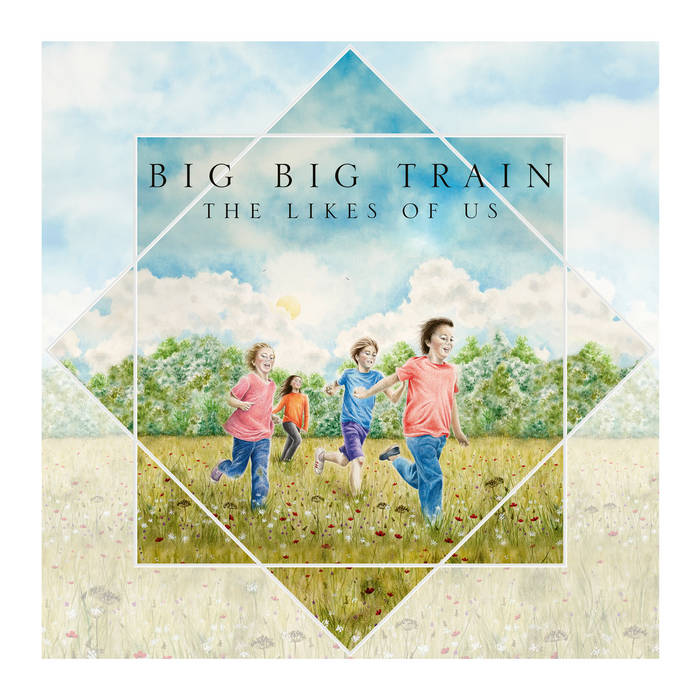
Big Big Train, The Likes of Us (released March 1): the wonder here isn’t that indefatigable founder Greg Spawton and his international crew have regrouped with such power and panache; it’s that they’ve tackled the struggles and sorrows of recent years head-on, forging them into the band’s most direct, integrated album since Grimspound. From mission statement/overture “Light Left in the Day” through epics “Between the Masts” and “Miramare” to killer ballad “Love’s Light” and finale “Last Eleven”, new singer Alberto Bravin fares forward into the unknown, summoning the essence of friendship and the pain of loss, calling on all in earshot to seize the day. There’s tons of musical variety, too, from the hard-rocking “Oblivion” to the playful “Skates On” and the 12-string weave of “Bookmarks”, with all seven players (five of whom sing) each getting their time to shine. And yes, that brass section pops in at just the right moments, to bring a tear to the eye or lift the spirit as required. Familiar yet fresh, and destined for that year-end faves list, BBT fans can be well satisfied with this latest excursion – and The Likes of Us is well turned out to welcome new Passengers onboard as well! (Check out our interview with Alberto Bravin here.)

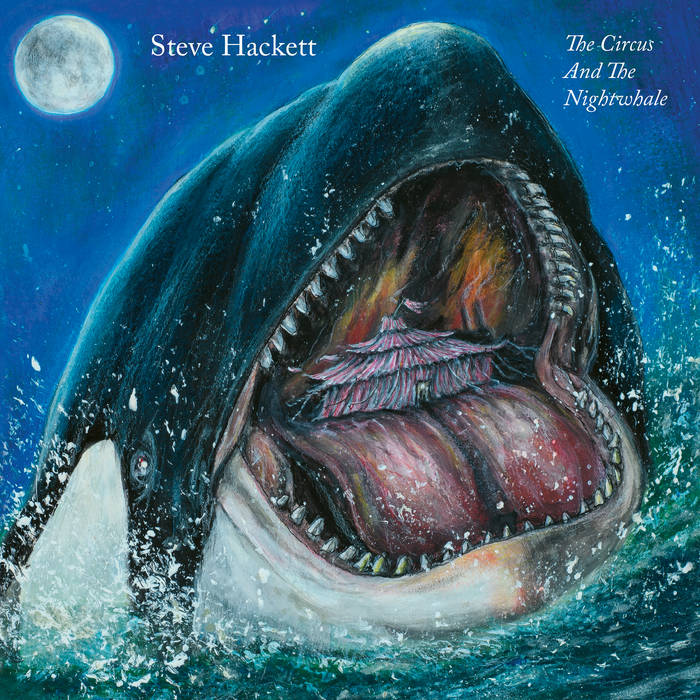
Steve Hackett, The Circus and the Nightwhale: Prepare to have your ears pinned back here: Hackett leaps out of the gate with freshly energized songwriting and ferocious guitar work and doesn’t let up throughout this compact, compellingly listenable concept album. The restless opening sprint of “People of the Smoke”, the “Squonk”-like stomp of “Taking You Down” (with standout lead vocal by Nad Sylvan and towering sax from Rob Townsend), the lush orchestral interlude “These Passing Clouds” are all full to bursting with devastatingly melodic, wildly spraying six-string excursions from Steve; even lighter tracks like the harmonious “Enter the Ring” and luxuriant 12-string centerpiece “Ghost Moon and Living Love” overflow with prime solo licks, mind-melting and heart-gripping in equal measure. Add Roger King’s richly scenic keyboards to a succession of marvelously eclectic tunes that waste no time and a coming-of-age narrative that climbs from the gutter to the stars (braced with a dose of the marvelous — there’s that Nightwhale, after all). And voila! You’ve got a Hackett opus that immediately goes to the 2024 favorites list, ranking right up there with Spectral Mornings, At the Edge of Light or whichever of his 30 solo efforts you prefer best.

No-Man, Housekeeping – The OLI Years, 1990-1994: Ben Coleman, Tim Bowness and Steven Wilson’s earliest singles for One Little Indian (oops, Independent), “Days in the Trees” and Donovan’s “Colours”, are the perfect sneak peek/summation of this compilation’s garishly romantic delights. Just as you start thinking “ho hum, fey indie Nineties dance-pop”, the heavens – or are they the abysses? – open, accompanied by lush squalls of immaculately recorded dissonance. As if Roxy Music and ABC had somehow wound up co-headlining a vaudeville show, Bowness’ desperate vocals and Coleman’s slashing violin work match up swoon for swoon, while Wilson toughens the grooves and hoists ambitious synthesized backdrops, colorful splatters of guitar punctuating the aching pantomimes all the while. Containing the first two No-Man albums (the singles-oriented Loveblows and Lovecries and the ravishing, guest-heavy Flowermouth) plus the early EP Lovesighs, a singles disc and radio sessions, Housekeeping is a generously filled, beautifully designed boxset that points unerringly toward Bowness and Wilson’s more mature achievements (whether together or apart), but is also thoroughly listenable and intriguing in its own right.

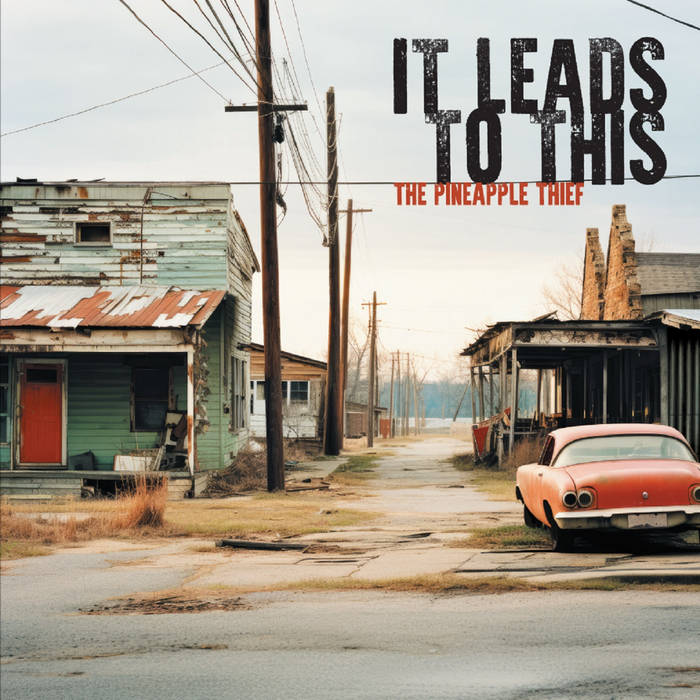
The Pineapple Thief, It Leads to This: more badass guitar loops and riffs (spaghetti westerns and surf music entwined in a Steve Reich soundscape); more bleak musings on our pervasive inability to connect, crooned with Bruce Soord’s trademark tenderness and fury; more moments of tasty, laterally-inflected drumming from Gavin Harrison. The current edition of the Thief’s fourth studio album is its own self-contained world, set in motion by the Soord/Harrison team’s moody interplay and rotating on Jon Sykes and Steve Kitch’s steady axis; undeniably of a piece with their recent catalog, and all the better for it. If none of the eight songs particularly stand out, they’re all honed to sleek perfection, building through seductive, bracing miasmas of dread and determined pursuits of flickering light to the knockout punch of the last two tracks. Whatever nightmare Soord is sleepwalking through, his eyes and heart are wide open as he edges forward, with Sykes, Kitch and Harrison urging him on all the while. (Soord’s recent “unplugged” solo CD/DVD, the already out-of-print Caught in the Hum, is an even more distilled example of this melancholy, coolly yearning aesthetic.)

— Rick Krueger
Rick’s Quick Takes for Summer – Part One

Unless otherwise noted, title links are typically to Bandcamp for streaming and purchasing, or to Spotify for streaming with a additional purchase link where available.

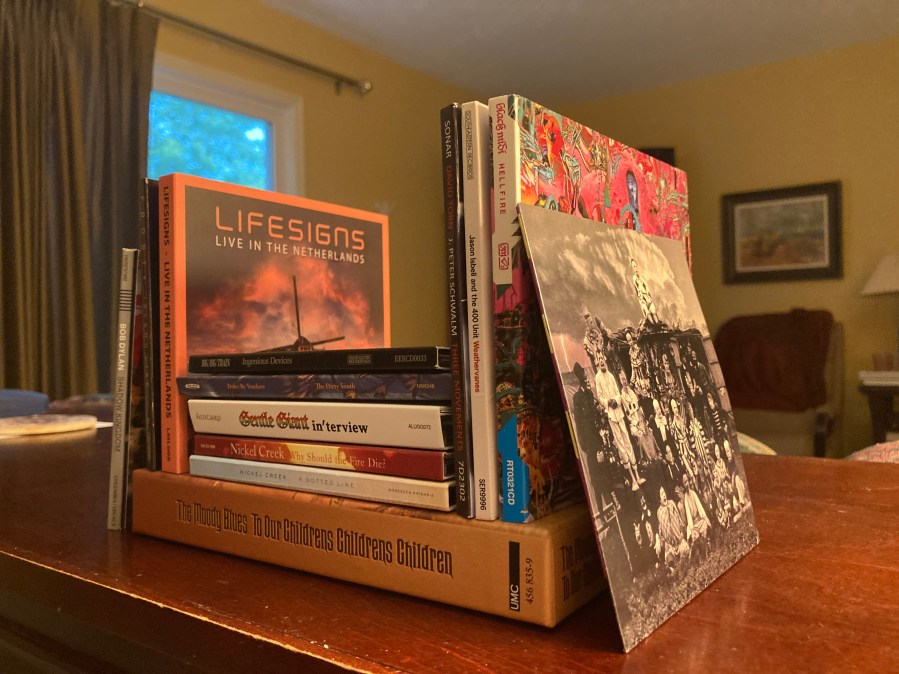
Starting with an obvious choice around these parts: Ingenious Devices proves a winning Big Big Train compilation, featuring Greg Spawton’s life-enhancing explorations of humanity’s drive to expand its reach. Vividly orchestrated reworkings of “East Coast Racer” and “Brooklands” join a remix of Grand Tour’s “Voyager” and a stirring live take of “Atlantic Cable” featuring new lead singer Alberto Bravin; the result is a fresh, vital, thoroughly moving suite of prog epics. Recommended without hesitation!

Southern rockers Drive-By Truckers have also reached back — fleshing out their classic 2004 effort as The Complete Dirty South, the double album they originally conceived. Triple-threat guitarist/songwriters Patterson Hood, Mike Cooley and Jason Isbell reel off tale after compelling tale of characters caught in desperate circumstances, torn between bad choices, clinging to vagrant hopes. Their rampaging hard-rock energy, seasoned with delicate country soul balladry, is what elevates the whole concept beyond haunted fatalism to an intense meditation on courage in the face of overwhelming odds. (Having left the DBTs in 2007, Jason Isbell continues to go from strength to strength. His brand-new effort with The 400 Unit, Weathervanes, brings tons of sharp writing and fiery playing to a clutch of deeply empathetic Americana narratives, topped with irresistible choruses and just a pinch of classic rock a la Bruce, The Byrds and Neil Young. Whatever your take on country music, you really shouldn’t miss either of these.)

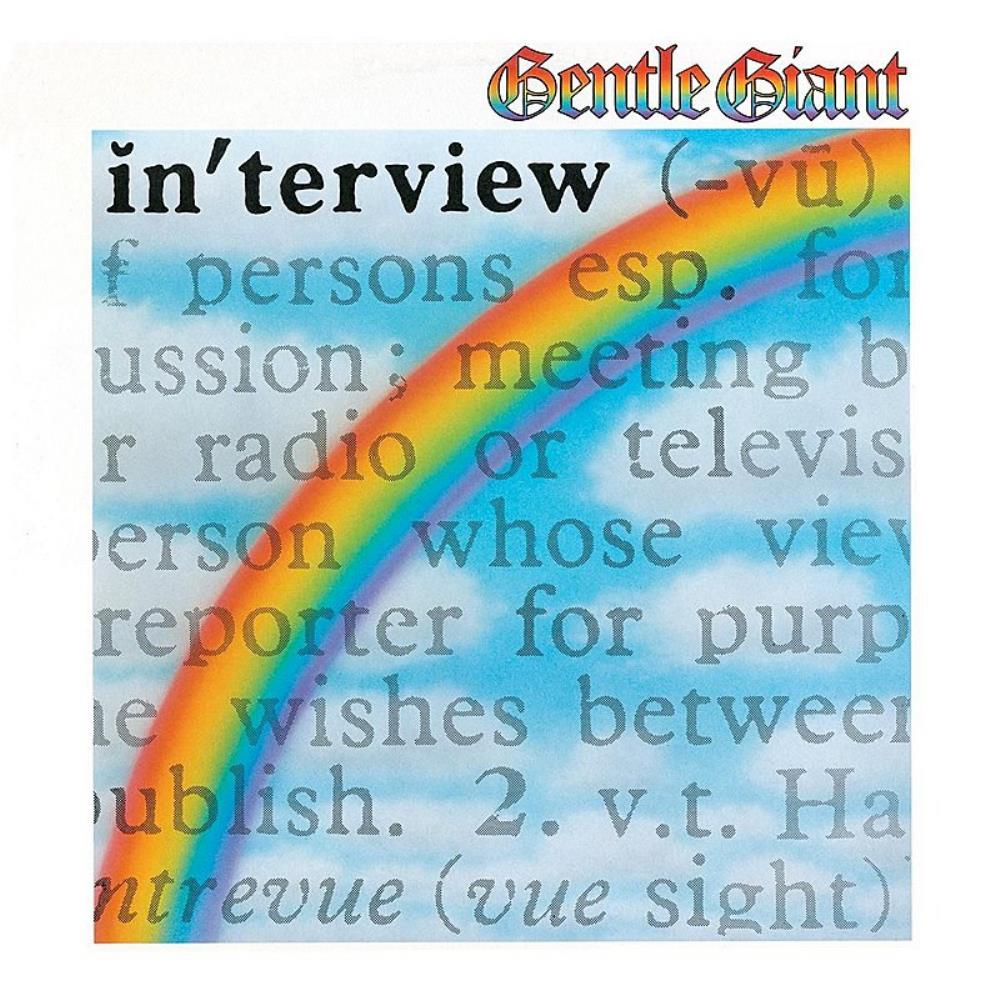
Also on the reissue front, Gentle Giant’s 1976 effort Interview now has a spruced-up, punchy remix from Steven Wilson (available here) that breezily clarifies the British quintet’s counterpoint vocals (“Design”), interweaving instrumental lines (the title track, frenetically funky closer “I Lost My Head”) and multistylistic hijinks (the unanticipated reggae chorus of “Give It Back”). The Moody Blues’ second release of 1969, To Our Children’s Children’s Children, becomes their third vintage set to get the multi-disc box treatment – though it’s only available digitally in the US. While the album proper leans toward studio psychedelia laced with wispy slow-dance tunes and the odd cabaret flourish, the bonus live tracks (including a complete set from the Royal Albert Hall) reveal the Moodies as quite the stomping rock outfit, slipping the leash on the album’s single “Gypsy,” the encore “Ride My Seesaw” and core tracks from Days of Future Passed.

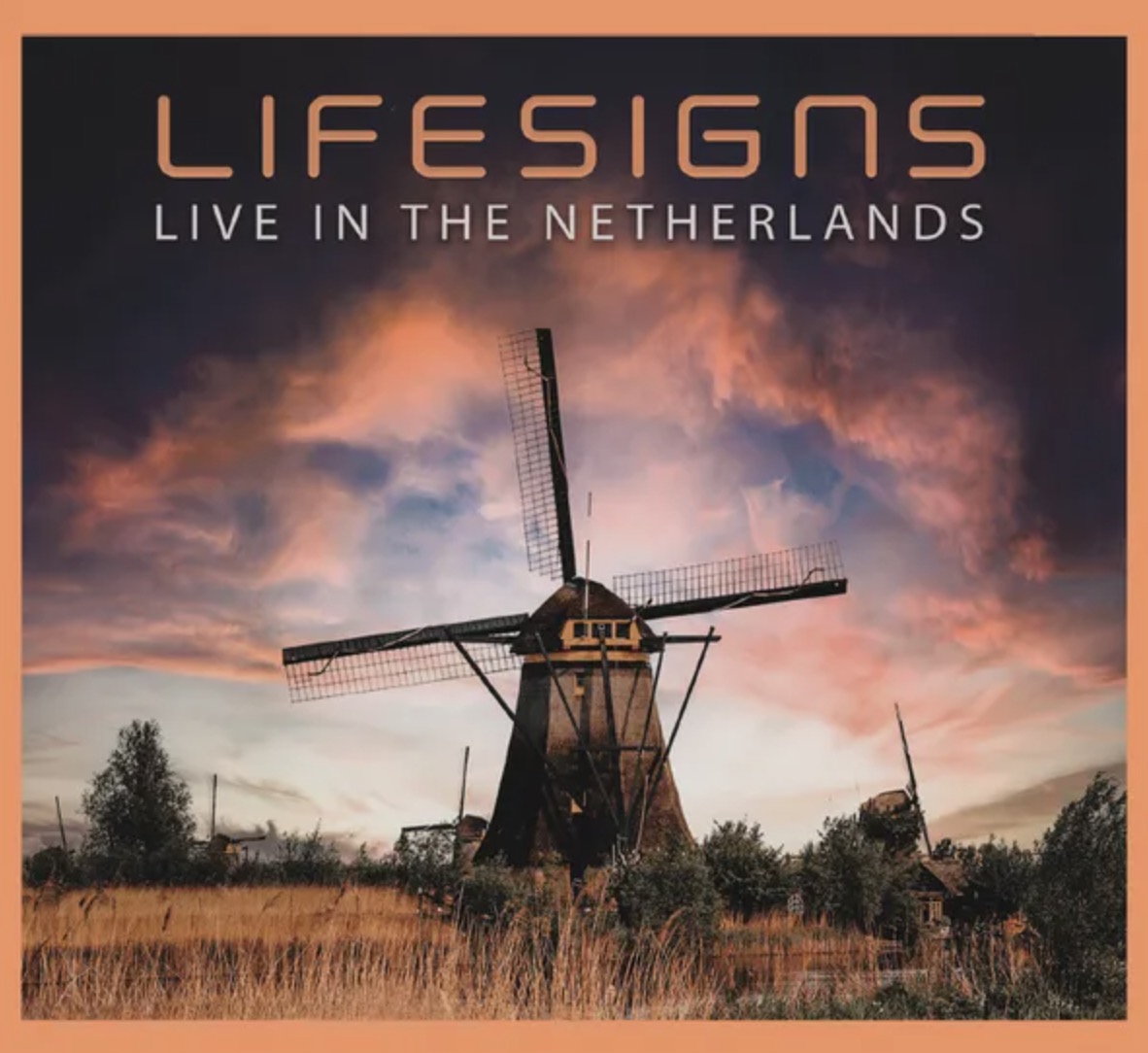
Live releases have picked up again as well. For their concert video debut Island Live (available through Magenta’s Tigermoth label), Jem Godfrey’s tech-forward quartet Frost* reap a whirlwind harvest of monumentally proportioned prog. With bassist Nathan King and drummer Craig Blundell anchoring the jumpy polyrhythms, guitarist John Mitchell and keyboardist Godfrey eagerly splatter as many unhinged solos as possible across devilishly ingenious harmonic structures, singing their hearts out all the while. (Check out a video sample here.) Prefer calmer (though no less extended) sonic voyages? Lifesigns’ Live in the Netherlands should be just the ticket. Leaning on the music from 2021’s Altitude, keyboardist/composer John Young and guitarist Dave Bainbridge prove steady hands on the wheel, soothing the soul as they scale the majestic heights of “Open Skies,” “Ivory Tower” and “Last One Home”. (One other winner from outside the genre: for a 2021 COVID-time video, Bob Dylan fused his recent rummagings amongst the blues and pre-rock vocal stylings to revitalize his vintage repertoire. The unplugged sorta-soundtrack Shadow Kingdom is the winning result; order it here.)

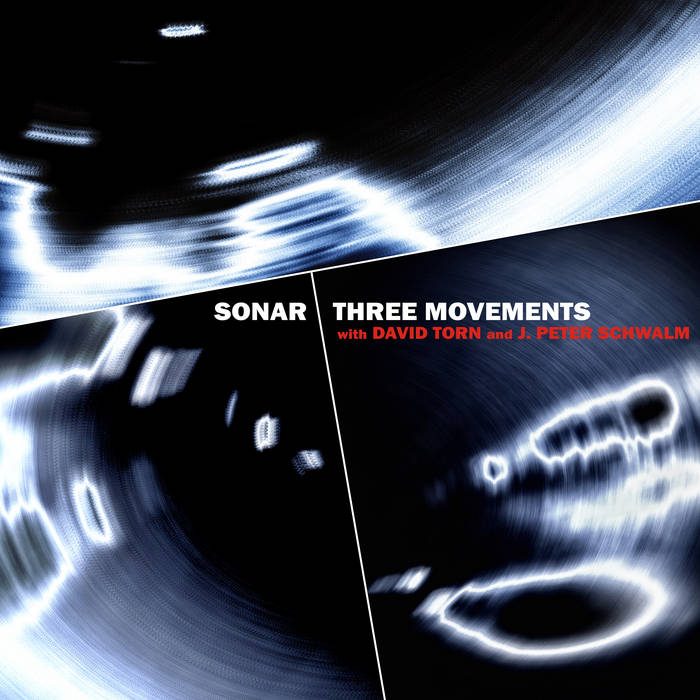
Speaking of concerts, my prep for a recent show by British “post-Brexitcore” bashers black midi included their latest album Hellfire, which hit plenty of 2022 best-of lists in and out of the prog world. A detailed live review is forthcoming; suffice to say that on record, bm’s dense, anarchic musical interaction tracks all too well with their jaundiced first-person lyrical vignettes — it’s postmodern life as absurd, unstoppable apocalypse. A welcome bonus from that concert was meeting Mike Potter, Renaissance man of the Eastern Seaboard — astrophysicist, former recording studio owner and a whiz on keys, woodwinds and vocals too! Potter’s band Alakazam has just released their fourth disc, Carnival Dawnit’s a heady conceptual effort that stirs equal parts Ray Bradbury and Stephen King into a bubbling stew garnished with ominous Mellotron, creepy clarinet and saxophone, and the wondrously deranged verbal musings of sundry evil clowns. By the pricking of my thumbs, it’s worth a listen — if you dare. And for a coolly energizing dose of order to chase the above chaos, you won’t do better than Sonar’s new Three Movements. Here Stephen Thelen and company harness a genuinely symphonic tension, building up towering rhythmic edifices that reach dizzying heights; at the climaxes, as guests David Torn on guitar and J. Peter Schwalm on electronics launch volley after volley of improvised ambience, the tension breaks, the clouds clear, and you might just hear the music of the spheres!

P.S.: in the aftermath of last month’s Nickel Creek concert, I’ve continued to delight in their back catalog. In addition to this year’s brilliant Celebrants, I especially recommend the final effort from their original run, 2005’s sprawingly eclectic Why Should the Fire Die?, and their tightly focused 2014 reunion, A Dotted Line. (Buy Nickel Creek CDs here.)

— Rick Krueger

Konglomerat

Gottwut’s sonic brew is rooted in the 90s. Not just industrial, techno and symphonic elements – Konglomerat integrates alternative, gothic and occasional hard rock riffs. In spite of constantly shifting its sound and tempo, the record manages to hold its atmosphere. Drawing from a broad spectrum of influences it simply packs enough ammo — more than enough to capture the attention of a goth or an industrial head. Needless to say, those vocals and compositions structured for live shows will inevitably draw well deserving comparisons with this massively influential industrial band from Berlin.