The Unexpected Religious, Psychedelic Rock of The Electric Prunes

The title alone may have made you unsure if this is the kind of music for you or weary of any music put out by these apparent galvanic fruits. However, I’m here to tell you that The Electric Prunes have some incredibly notable psychedelic rock opera songs that will quite literally bring you closer to the Heavens. The Electric Prunes are better known for their consistent and classic ’60s rock ‘n’ roll sound; “I Had Too Much To Dream Last Night” is a great example of this through the band’s garage punk vibe. “Onie” is another certified ’60s classic from the group, and a personal favorite of mine because of its iconic, delicate, and melancholic sound.

However, through the name of The Electric Prunes, composer David Axelrod created some of the most unique, spiritual, and coolest psychedelic rock. The songs I’ll be covering are from an EP and album that were sort of unnecessary, but intentional additions to the discography of The Electric Prunes. Personally, I think they are fascinating creations by Axelrod and worthy of praise by fans of psych. The following songs consist of delectable and extraordinary blends of R&B, rock, psychedelica, Gregorian music, soul, and jazz. So, get ready for a spiritual awakening of sorts.

Mass in F Minor was the EP that started this short, but very interesting phase for the band. It consists of six tracks which are entirely sung in Latin, and is almost thirty minutes of a psychedelic mass. What you’ll notice throughout the songs is the authenticity of Gregorian chant and its use of what is known as “stepwise motion”. Stepwise motion is when each note in a melody moves up or down a single note. It creates this singular and uniform sound, making this EP a respectable piece to this medieval craft. In addition, drummer Michael Weakly stabilizes a jazzy feel by holding all of the other musicians’ instrumental parts together. Interestingly enough, this release was sort of the start of the decline of The Electric Prunes due to their inability to keep up with their producer David Hassinger’s demands for the EP. The band played on every track, however, session musicians were brought in and, in a sense, took over the project. As unfortunate as this was for the band members, some great music was created. David Axelrod is really the genius behind this concept and why it works so well; he wrote and arranged everything. Axelrod’s style shines brightly throughout, creating such a solid set of confident and holistic tracks. Stripping it down to the basics: the blend of the vocals, electric guitar, drums, bass, and organ form this cadence that really itches the part of my brain that adores the aesthetics of the past.
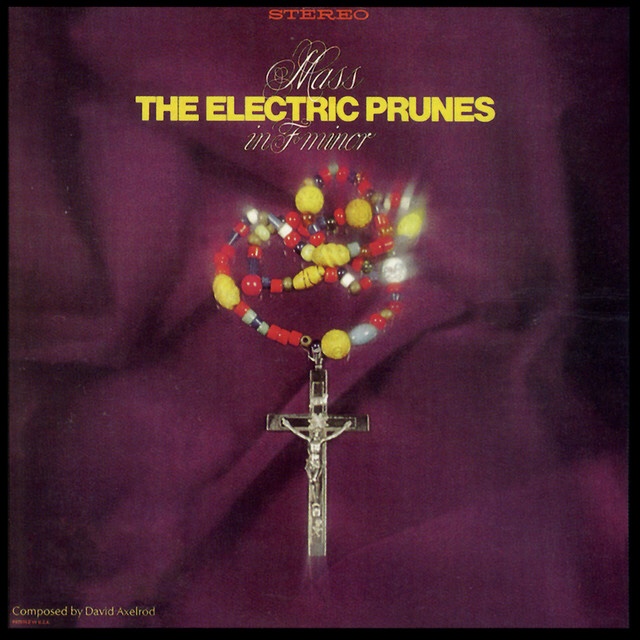
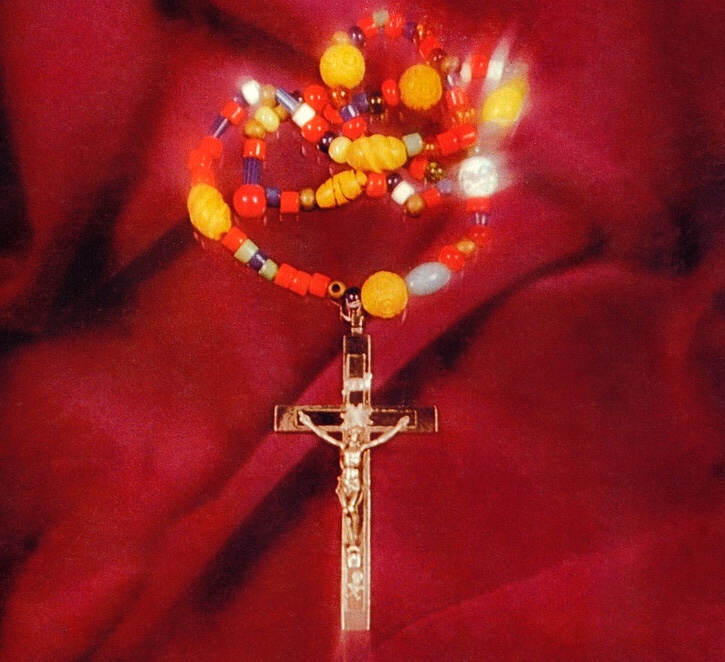
Cover art for Mass in F minor EP

The opening track: “Kyrie Eleison”, better known from cult classic film Easy Rider, is sung boldly and outspokenly by lead singer James Lowe. I think Lowe did a great job on all the tracks—he really added so much mystique and graveness. There’s a point in the song when Lowe’s vocals are isolated. You really get immersed in it all because he truly sounds like a man of religious order, strongly citing a sacred chant for a congregation to hear. This song, along with the others, have a signature ’60s rock sound mixed with music that goes back hundreds of years. Without his superb vocals, I would not be transported to a daydream of ancient ceremony and royal garbs. The simple guitar riff and drum combo as soon as the song starts is cool and collected. The guitar reverb is essential in creating that dreamy, psychedelic effect. Every time I hear it, I can’t help but sway. Another cool thing in the song is this brief guitar rendition of the song “My Favorite Things.” Guitarist Ken Williams plays this demented version of it for just a few seconds towards the end of the song.

The song “Credo” is my favorite example of the use of stepwise motion. The song starts off pretty regular and then it jumps to this faster pace cadence with Lowe’s vocals leading a fleet of instruments. It is only a small portion of the song, but it is so catchy. Lowe is surfing off that singular melody with a massive wave of instruments behind him. The rest of the song is pure instrumental rock ‘n’ roll with subtle trickles of allure.

My personal favorite song is the last one off the EP titled “Agnus Dei”. This song starts and ends with so much confidence. I can see David Axelrod’s vision so clearly with how he arranged and directed this piece. This song does not quiver or feel unsure of itself, but instead almost stands on its own as this beautifully written piece. The fusion of stringed instruments and electric guitar blend with grand conviction. In the beginning, Lowe sings the title of the song and after a momentary pause the stringed instruments emerge gracefully. Then, the rock ‘n’ roll begins: Weakly starts things off with a simple groove, and then, the iconic, echoing reverb of the electric guitar takes over. The unification of the orchestra and rock is one of my favorite parts of the song. I can’t help but get lost in the music. Midway through is this instrumental tunnel the musicians take you into. It’s Williams’ guitar and the strings surfing through this cosmic echo chamber that I never want to leave. Ultimately, this song is solid throughout and unwavering.

Listen to “Agnus Dei”—my favorite song from this EP

Not too long after Mass in F minor, their next album, Release of an Oath was released. It is the same concept as its predecessor with its religious undertones intertwined with rock and jazz fusions. This album is centered more around R&B type tunes and is sung entirely in English. At this point, the original Electric Prunes had disbanded. The musicians playing on this album are an entirely new set of people. It was kind of sad to learn that this was not the original band nor was it done in the true spirit of The Electric Prunes, however, some truly unique music was born in the process; there is no doubt about that. Just like the previous release, Axelrod created a solid set of songs that matched one another very nicely. The instrumentals are an easy listen for all fans of psych, so it’s a no brainer to check this album out. My favorite parts of this album are the drums and keyboard.
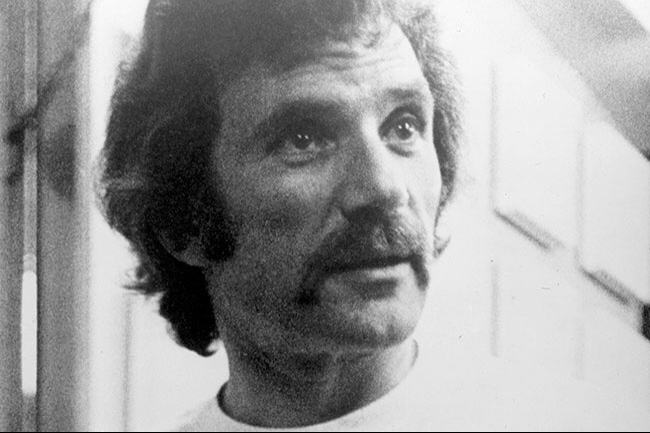
David Axelrod, the man behind Mass in F minor and Release of an Oath

“Holy Are You” is the most recognized song from the album, and rightfully so, because this song is absolutely timeless. The beginning, middle, and end take you on this beautifully mastered journey. Within the first minute of the song we go from a simple keyboard and vocal combo to a groovy R&B beat. The percussion in this track is incredible. It is no wonder this song has been sampled many times by Rap and Hip-Hop artists. (Sidenote, “Respect Mine” by Fat Joe is a perfect example of a great song that sampled “Holy Are You”). Drummers, Earl Palmer, Gary Coleman, and Richard Whetstone elevate the song entirely and are the reason the song is such a contemporary tour de force, in my opinion. With every groove and fill carrying the song to mastery, I can’t help but dance and sing along every time I hear it. A part I really love from the song is when you can hear the percussion, flute, bass, and keyboard create this enchanting jam. The keyboard adds this delightful twinkling sound to the mix that just whisks the listener away into an instrumental dream. And, of course, the insanely awesome guitar solo is another notable feat. Every note and every instrument in this song feels absolutely necessary and purposeful. I can not stress this enough: the unity of the orchestra, R&B, and electric guitar are perfect. This song is simply fantastic and is truly an example of Axelrod’s best.

Listen to this legendary R&B song “Holy Are You” by The Electric Prunes

The other song I want to briefly cover from this album is “Closing Hymn”. As you can tell from the title of the song, it is the final one on the album. I really enjoy the repetition in this track and the tune overall. Again, you have this killer drum beat that holds everything together and makes you want to dance along. Despite being such a simple note change from up to down and vice versa, keyboard Don Randi performs a wistful lulling effect through this. The dreamlike sound of the notes brushes you softly like the touch of flower petals and the subtle reverberation in the ending of the notes are a hollow, ethereal echo. It is such a pretty song and a great close to the album.

I learned a lot while writing this review, but I’m most excited about hearing more of David Axelrod’s works. I listened to a few of his solo works and I have to say I think I found another style of music that deeply resonates with me. He does such a great job blending genres together like I’ve never heard before. Even though this psychedelic gospel wasn’t what the original Electric Prunes had in mind, some truly special melodies were made in the process. David Axelrod did good in the name of The Electric Prunes. Thank you to all the musicians involved in these pieces and thank you for reading.

A huge thank you to The Electric Prunes website for all of this amazing information: http://www.electricprunes.com/


Kruekutt’s 2022 Favorites

A few notes before I dive in: items I’ve reviewed here are linked to the relevant Progarchy article via the artist/album title; If I didn’t review an item here or elsewhere, it’s marked with an asterisk (*) — but I hope the capsule description and listening/order links will encourage you to check it out!

My favorite new music of 2022:

  • Dave Bainbridge, To The Far Away: A thrilling, ravishingly beautiful album about love, longing, hope and a future. Lyrics of rich simplicity cradled in a lush orchestral blend of rock, prog and Celtic folk. My interview with Bainbridge is here.
  • Big Big Train, Welcome to the Planet: what turned out to be BBT’s final effort with the late David Longdon consolidates the widened horizons of Grand Tour and the intimate subjects of Common Ground, casting an epic light on the everyday glory of family, community, joy and loss.
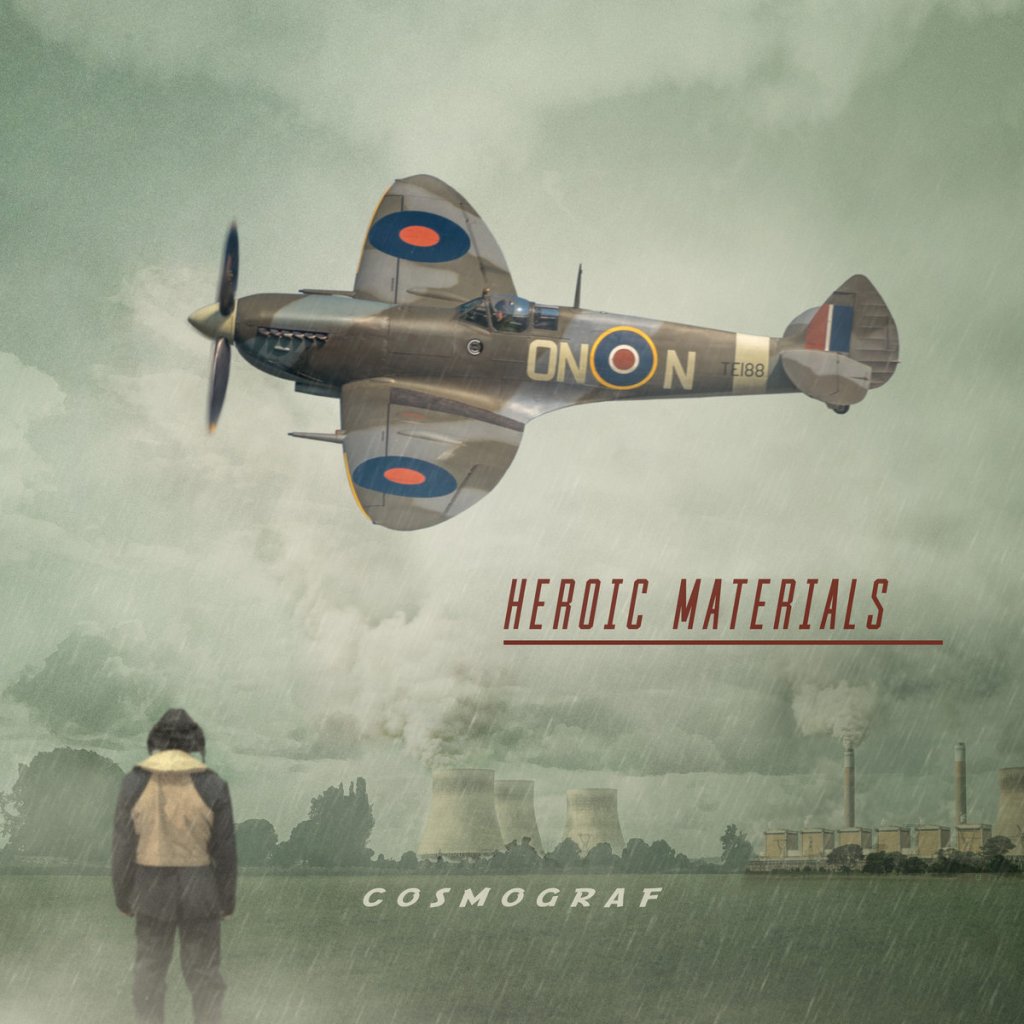
  • Cosmograf, Heroic Materials: Elegiac in its evocation of past achievements, urgent in its contemporary call to action, breathtaking in its poised blend of fragility and strength, Robin Armstrong’s latest is a riveting listen.
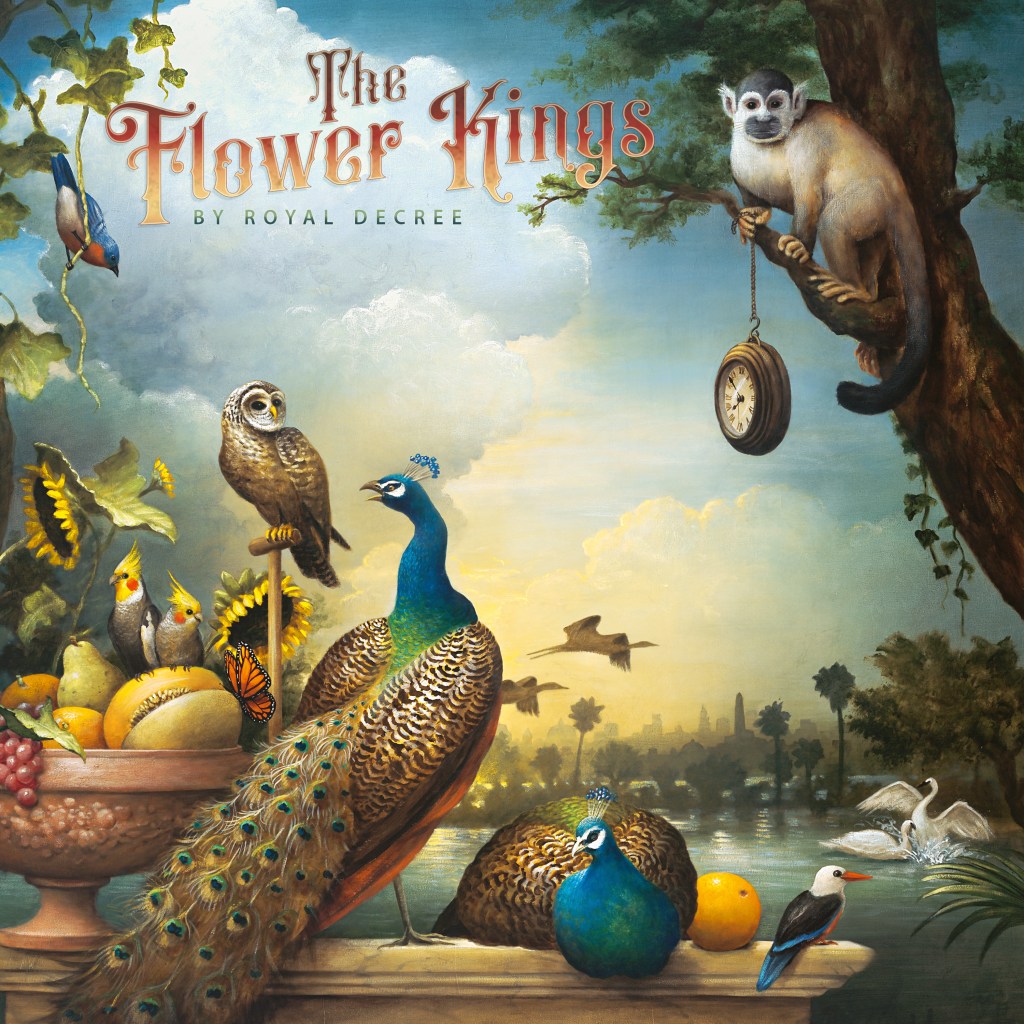
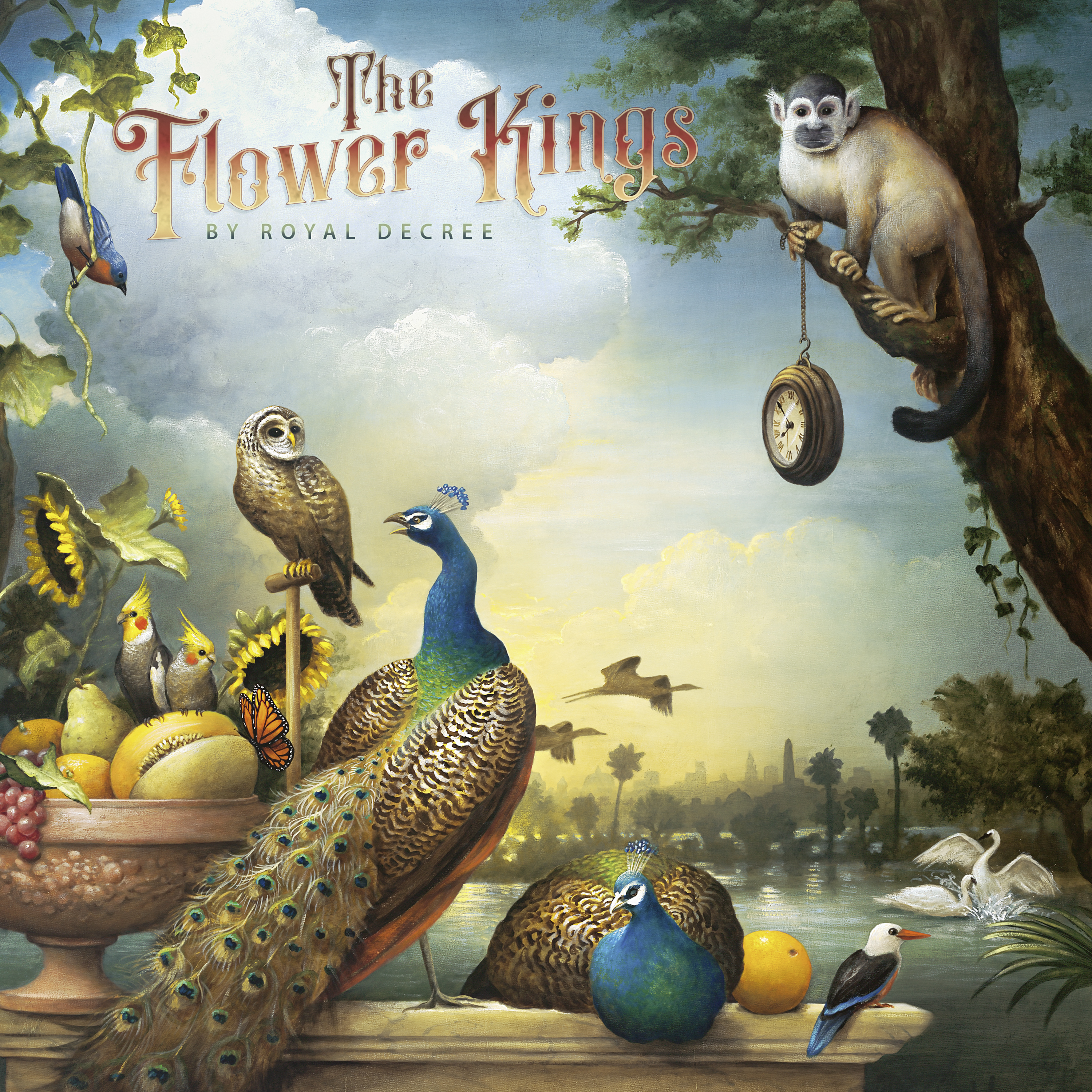
  • The Flower Kings, By Royal Decree: TFK’s third double album in a row, this is the sound of Roine Stolt and company refreshed and revisiting their optimistic roots, soaring on the wings of one marvelous melody after another. As much a joy to hear as it must have been to create.
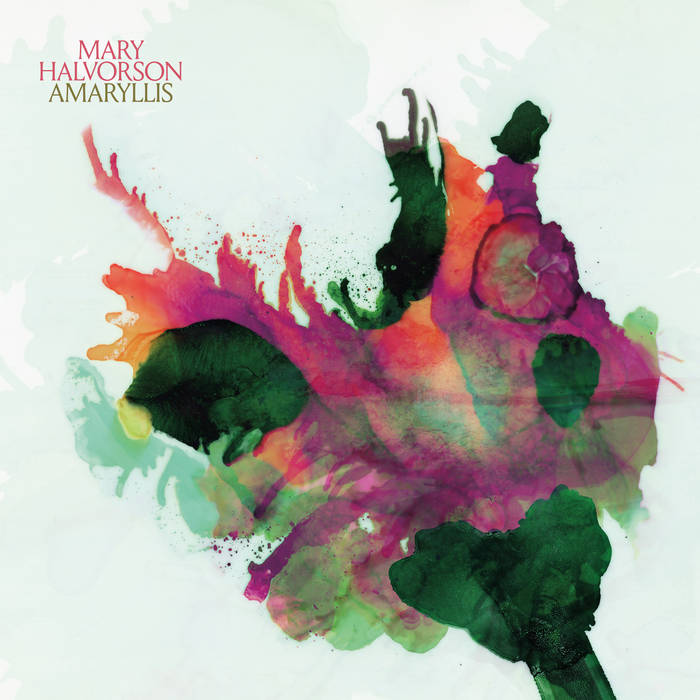
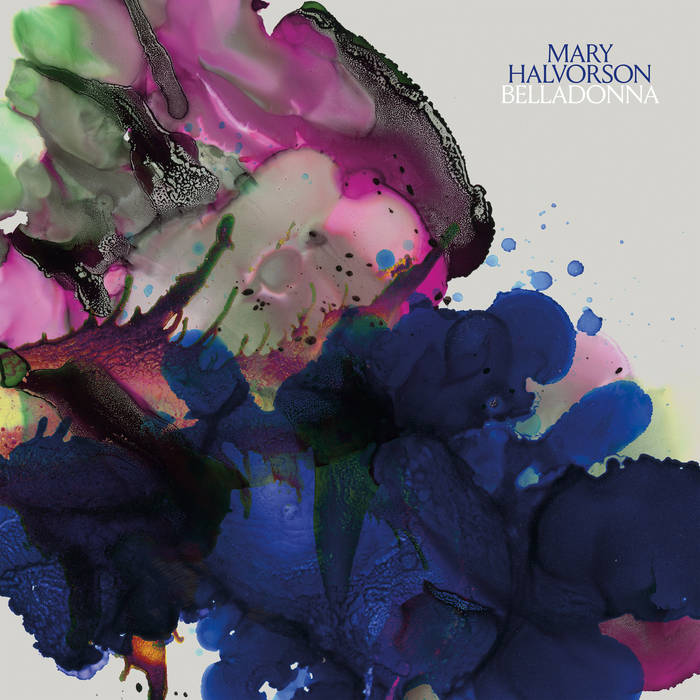
  • Mary Halvorson, Amaryllis & Belladonna: free jazz guitarist Halvorson hits a major label with two albums — teaming with a boisterously simpatico sextet on Amaryllis, then dancing atop and around modern classical textures from the Mivos Quartet on Belladonna. Audacious and engrossing, this music will open your ears real good!
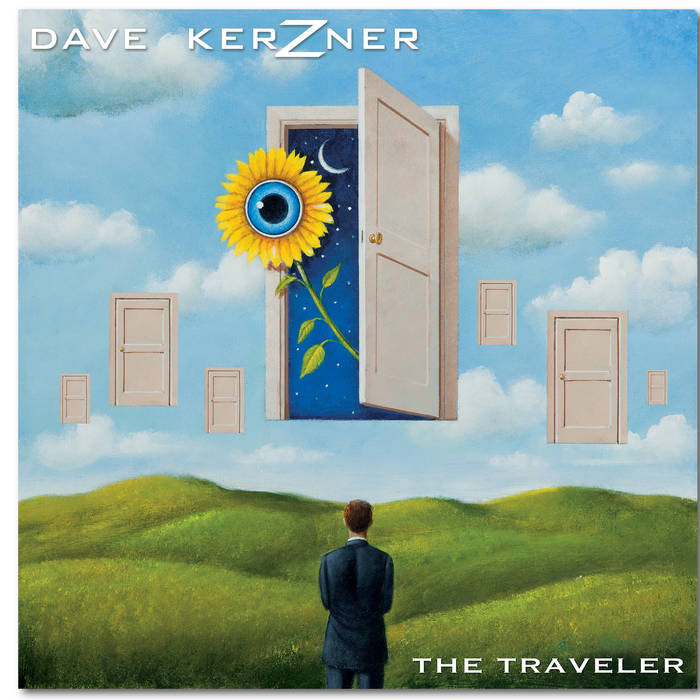
  • Dave Kerzner, The Traveller: confident, appealing songwriting with hooky yet sophisticated melodies and structures, Kerzner’s best, widest ranging vocals to date and perfectly judged contributions from a stellar guest list. Letting his new songs sell themselves and keeping proceedings to the point, he both satisfies us and leaves us wanting more. 
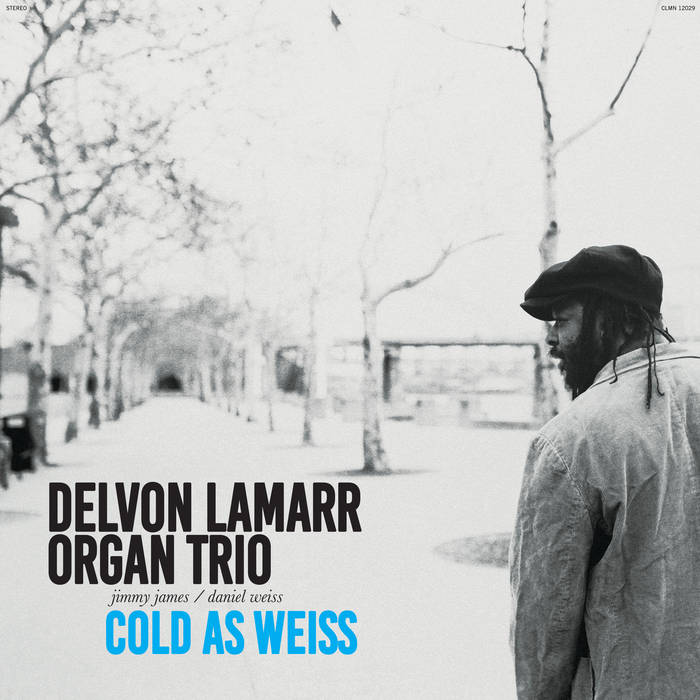
  • The Delvon Lamarr Organ Trio, Cold As Weiss: An immediately accessible reboot of a classic jazz trio format. Organist Lamarr, guitarist Jimmy James and drummer Daniel Weiss are thrilling players who never fail to make their instruments sing. Funky, catchy bite-size tracks with great individual playing and razor sharp ensemble. 
  • Marillion, An Hour Before It’s Dark: The front half of Los Marillos’ latest has more swagger than they’ve mustered in a while; the back half’s meditative downshift climaxes with the sweeping smashcut finale “Care,” as power chords and massed choirs climb heavenward. Unique as anything in their catalog, and another thoroughbred winner.
  • Pure Reason Revolution, Above Cirrus: this fifth album reveals PRR at their best, consistently upping their game to the next level. For every moment of blissful harmonies and glidepath atmospherics, there’s an equal and opposite moment of feral guitar/drum slammin’ — and when they layer the two together, look out! Well worth buckling up for the ride.
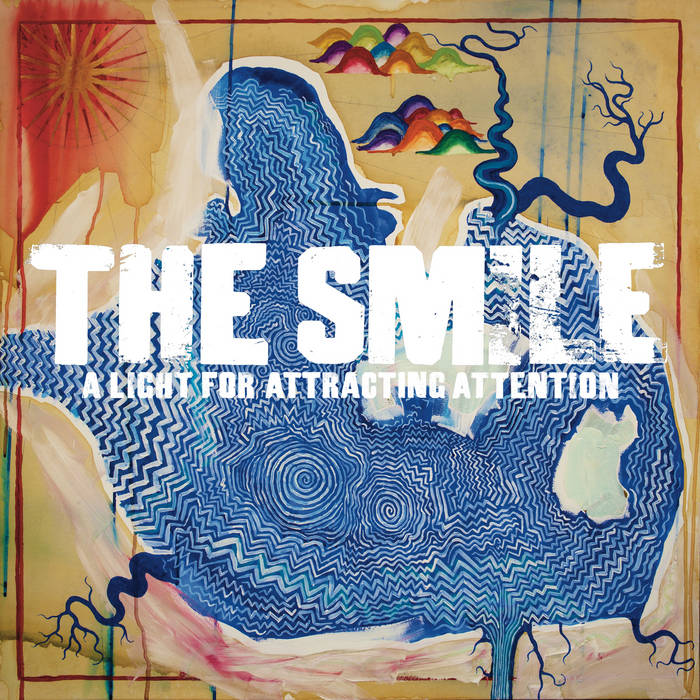
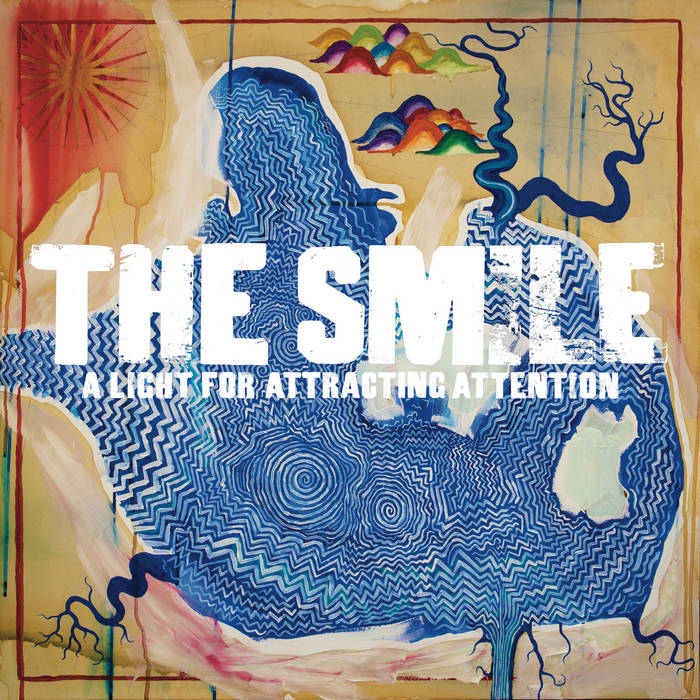
  • The Smile, A Light For Attracting Attention: A Radiohead side project worth your while. Thom Yorke overflows with apocalyptic dread; Jonny Greenwood’s off-kilter instrumental instincts are keener than ever; Tom Skinner’s skittering beats relentlessly drive the grim, lush soundscapes forward. Music for our contemporary dystopia, irresistibly sucking you in.
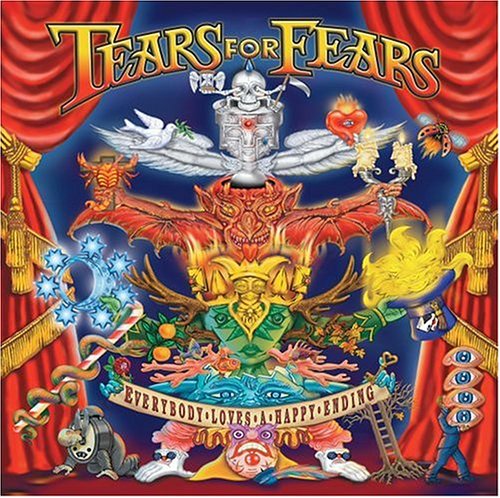
  • Tears For Fears, The Tipping Point: Roland Orzbaal & Curtis Smith’s catchy-as-always comeback goes for catharsis via unstoppable rhythms, unforgettable choruses and naked vulnerability on every single track, Devastatingly gorgeous, uncompromising art-pop that will haunt you long after every listen.
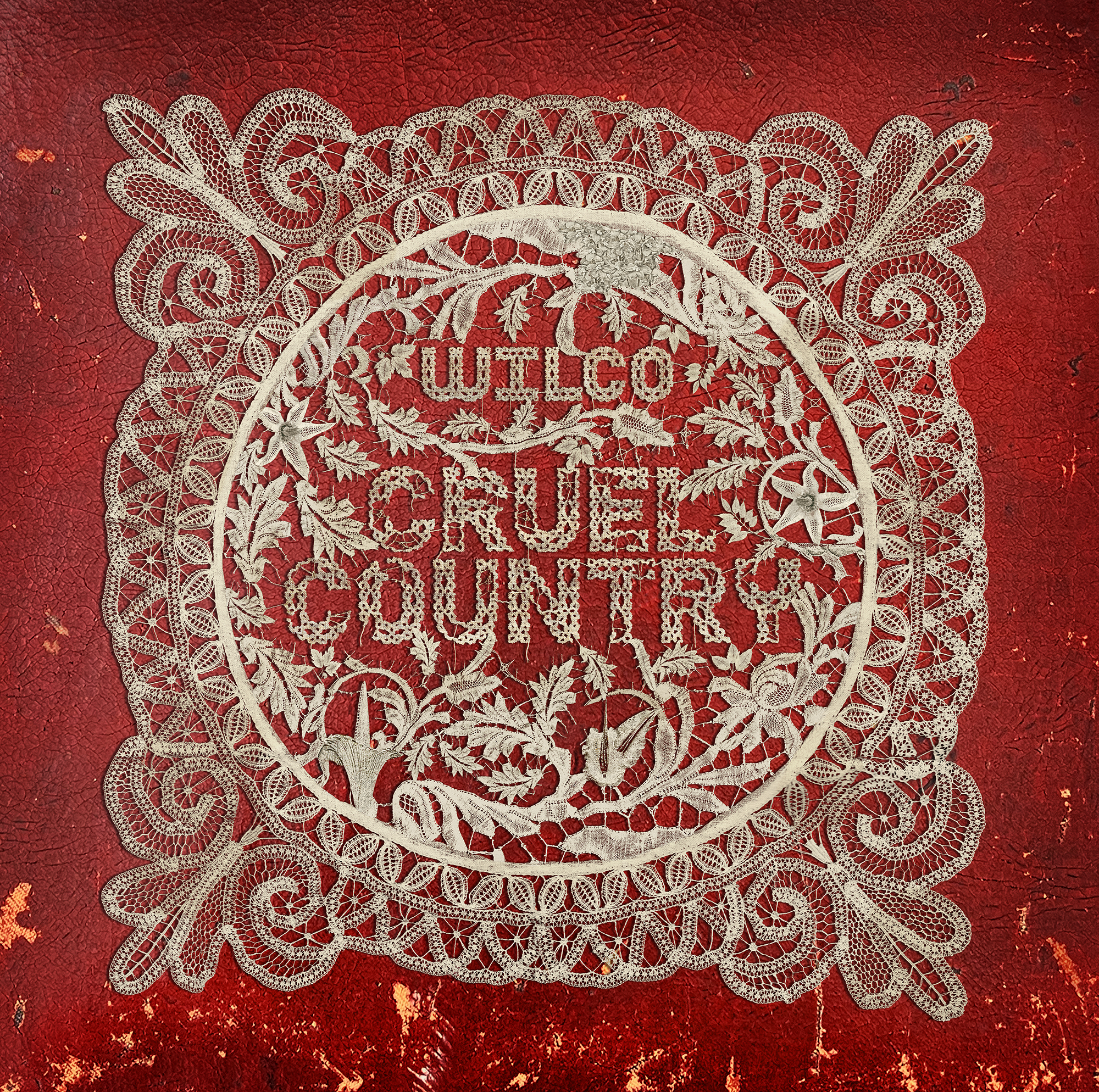
  • And my Top Favorite of the year — Wilco, Cruel Country. A double set that detours from Jeff Tweedy’s thoughtful dad-rock toward Nashville and Bakersfield, the tactile interplay of the band and Tweedy’s quizzical, empathetic probes of societal alienation elevate this to an album of genuine tenderness and subtlety, gathering strength and heart as it unrolls. After a digital-only release this year, it’s finally coming out on LP and CD January 20!

My favorite reissues of 2022:

  • The Beatles, Revolver Special Edition*: No Revolver, no Sergeant Pepper — no prog? Regardless of what ifs, the Fabs’ great leap forward of 1966 was brilliant in its own right, dragging pop headlong toward the avant-garde. Here it gets a subtle yet effective remix, with fascinating studio outtakes framing the cutting-edge results.
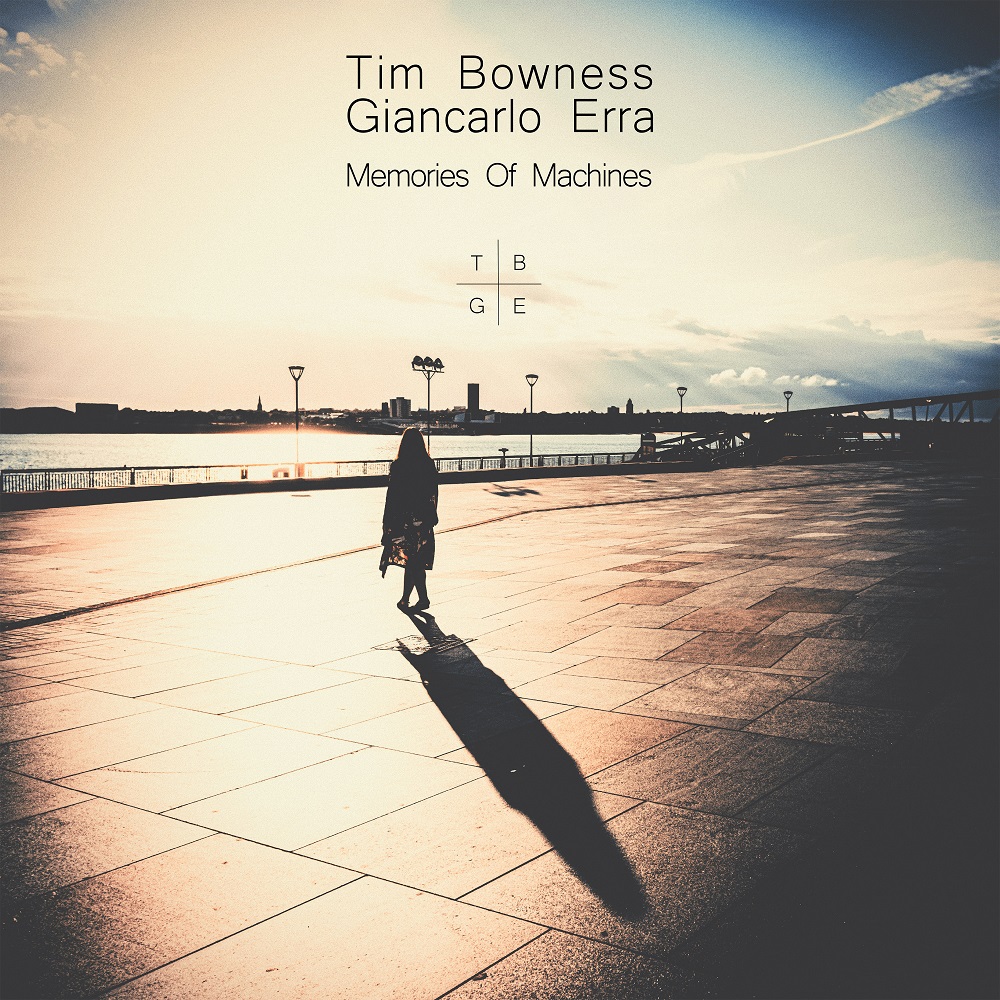
  • Tim Bowness & Giancarlo Erra, Memories of Machines: an irresistible mix of unflinchingly intimate art-rock and lowering ambient backdrops. Ten years on, original arrangements and track lengths are restored, Erra’s textural work is inched forward — and as always, Bowness breaks your heart with his ringing couplets and his stoic voice.
  • My Top Favorite Reissue of the year: Robert Fripp, Exposure/Exposures. The guitarist’s 1979 return to active duty after a post-King Crimson sabbatical, binding together a disparate set of songs and guest artists with his innovative ambient Frippertronics. Whether by itself or as part of a gargantuan box set that chronicles Fripp’s entire “Drive to 1981,” it’s a wild, worthwhile listen in and of itself, while providing distinctive previews of coming attractions.
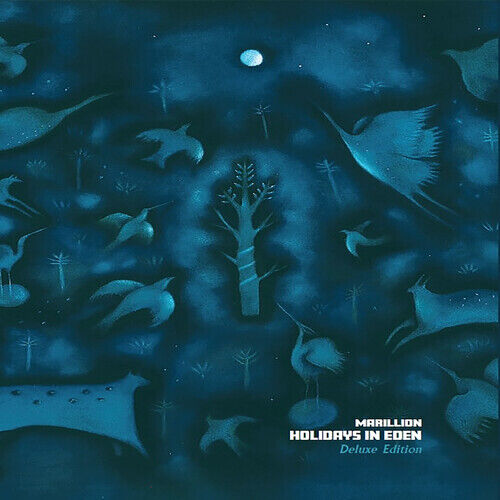
  • Marillion, Holidays in Eden Deluxe Edition*: my introduction to the band (I first saw them live on the US tour promoting the album), Holidays was partially a product of record company pressure for hit singles, but it also has plenty of Marillion’s trademark ambition, power and lyricism. A fresh remix complemented by exciting live shows on both audio and video.
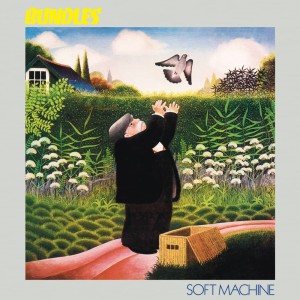
  • Soft Machine, Bundles*: Add blazing young guitarist Allan Holdsworth to one of the pioneering British jazz-rock bands, stir in quirky compositions by keyboardists Karl Jenkins and Mike Ratledge, and stand by for fireworks! This fresh reissue also includes a hot live set featuring Holdsworth’s successor John Ethridge (still active with the Softs today).
  • Wilco, Yankee Hotel Foxtrot Super Deluxe Edition*: The album that put Wilco on the map (after they were dropped by their label), YHF mutated from Americana through dream-pop to electronica-tinged folk-rock as band members and producers came and went. Eight discs that copiously chronicle the recording process, plus blistering two live sets.

My favorite (re)discoveries of 2022:

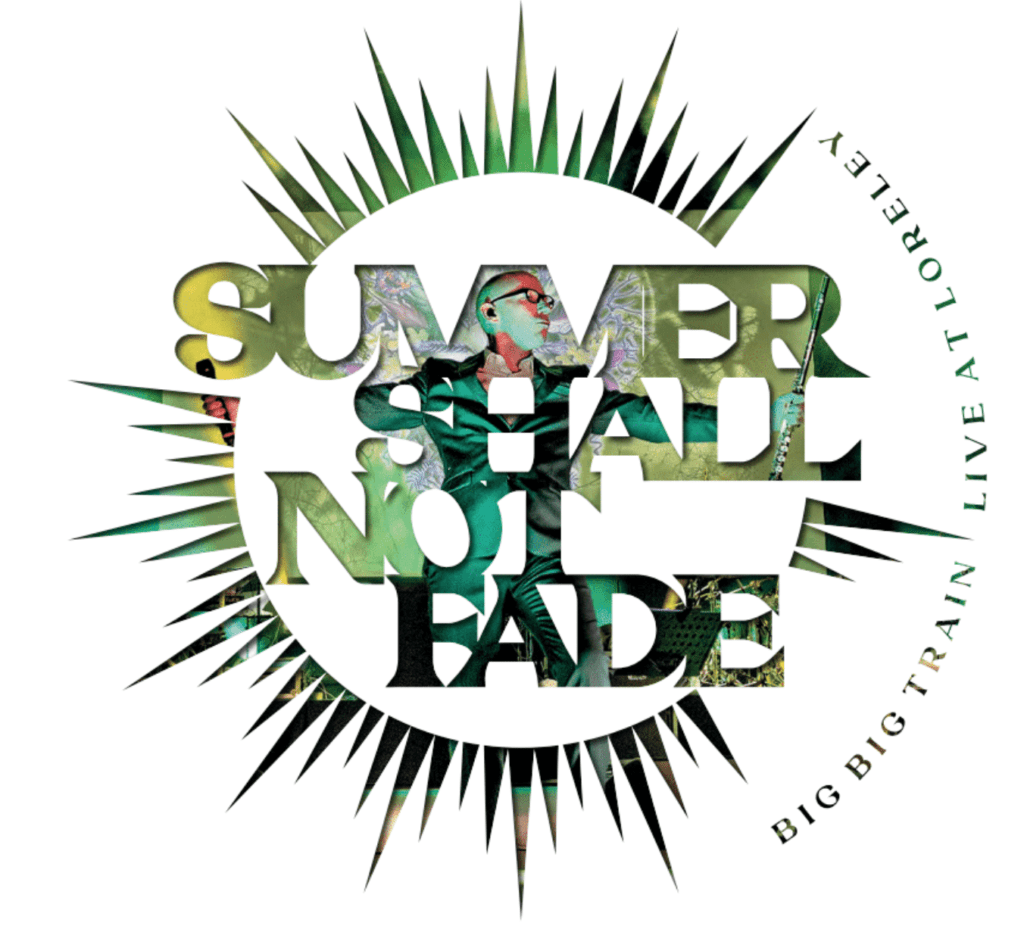
My favorite live album of 2022: Big Big Train, Summer Shall Not Fade*. Equal parts power and grace, BBT’s 2018 headlining gig at Germany’s Night of the Prog may be their best live release yet. Playing to their largest crowd ever, David Longdon commands the stage; Greg Spawton and Nick D’Virgilio provide a muscular foundation; Dave Gregory, Rikard Sjobom, Danny Manners and Rachel Hall serve up one delightful moment after another. Bryan Morey’s review nails it; this is indispensable.

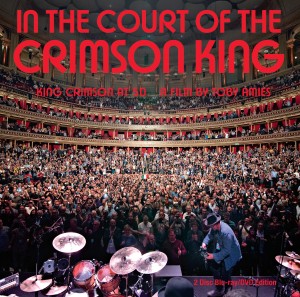
My favorite rock documentary of 2022: In The Court of the Crimson King: King Crimson at 50*. The most unconventional band of the last five decades gets the most unconventional documentary possible. Crims past and present weigh in on “living, dying, laughing, playing and rocking out”, with Robert Fripp providing the ever-present focal point in a particularly puckish fashion. There’s also a deluxe edition with live Crimson video (both in the studio and at 2019’s Rock in Rio festival) and four bonus CDs of soundtrack cuts, rarities, etc.

My favorite books about music of 2022:

  • Vashti Bunyan, Wayward: Just Another Life to Live. Singer-songwriter Bunyan’s unlikely late-60s odyssey from Swinging London to the Hebrides forms the heart of this evocative narrative. Laboriously traversing the heart of England, she gains understanding of the natural world, of human kindness and cruelty — and of her own sturdy inner core.
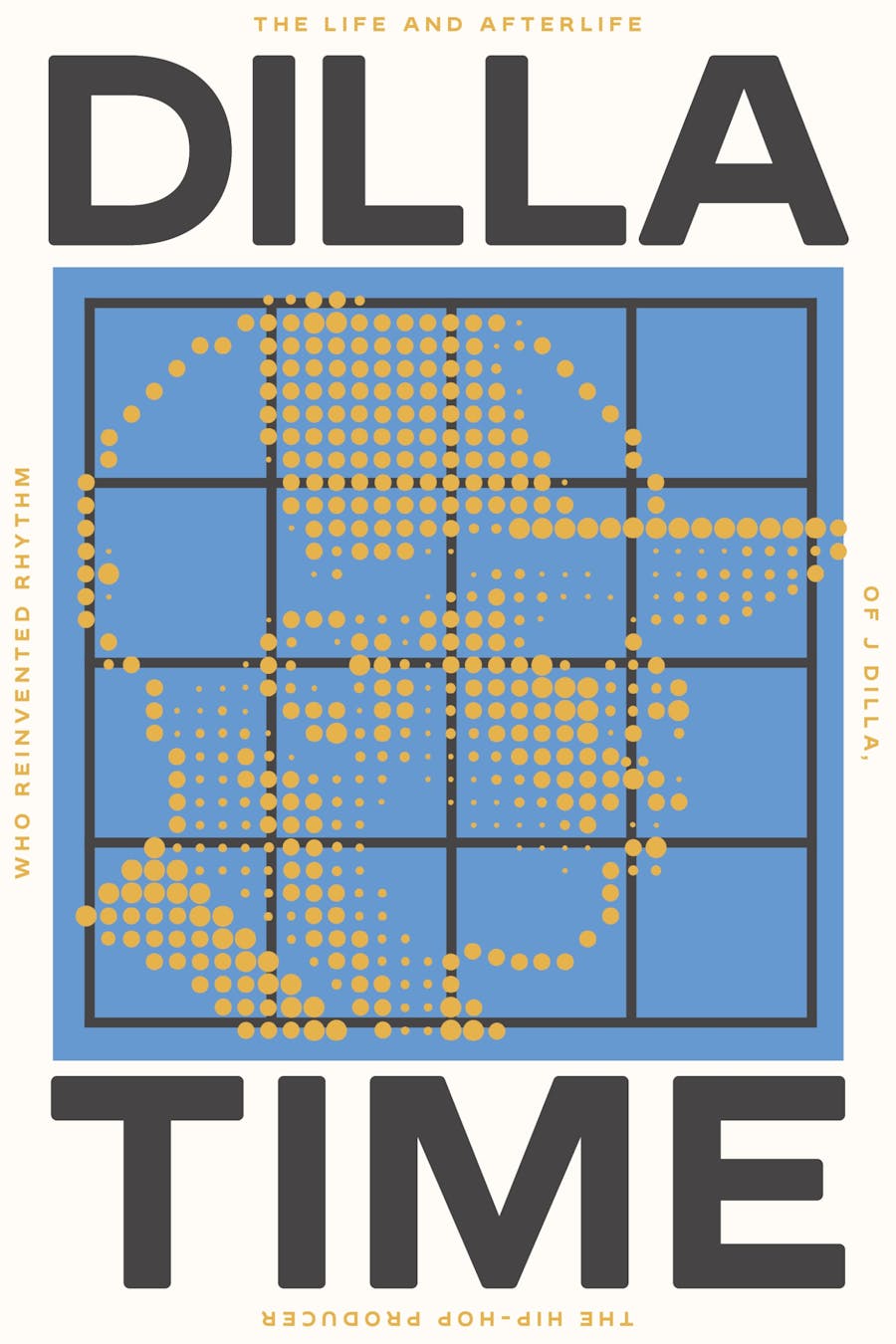
  • Dan Charnas (with musical analysis by Jeff Peretz), Dilla Time: The Life And Afterlife Of J Dilla, The Hip-Hop Producer Who Reinvented Rhythm*. In Charnas’ telling, Dilla emerges as an innovator who laid down new paths for neo-soul and conceptual hip-hop, via his subtle yet unsettling variations on previously straight-up rhythms. Peretz’s equally innovative graphic depictions of rhythmic innovations across the decades buttress the page-turning narrative.
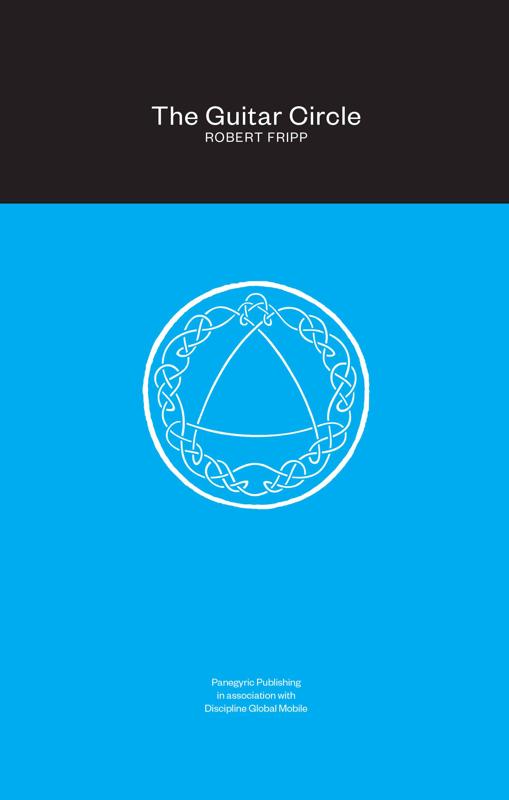
  • Robert Fripp, The Guitar Circle*. More a philosophical tome than a how-to book, though still remarkably practical, Fripp’s highly conceptual explanation of his process (as unfolded in Guitar Craft courses and Guitar Circles) won’t be for everyone. But those who dig in will grasp where this eternally questing musician is coming from better than ever before.
  • David Leaf, God Only Knows: The Story of Brian Wilson, The Beach Boys And The California Myth*. The third edition of Leaf’s lifework chronicles The Beach Boys’ journey from surf-rock through eccentric art-pop to the dead end of nostalgia, then sidesteps to Wilson’s solo comeback, culminating in the completion of his masterwork Smile. Not in the least objective, but comprehensive, even-handed toward the rest of The Beach Boys, and heartfelt.
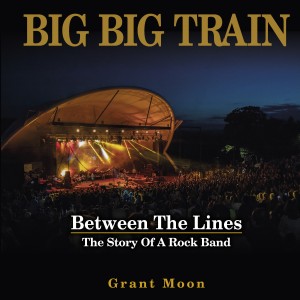
  • Grant Moon, Big Big Train – Between The Lines: The Story Of A Rock Band. How BBT became a prog powerhouse — through sheer bloody-mindedness, growth in craft and a keen ear for musical contributors — is the tale told in this richly detailed bio/coffee table tome. Both a celebration of the music made and an unflinching look at the price paid for a dream.

And in closing . . .

If you’re interested, check out these recordings I played or sang on that were released in 2022:

— Rick Krueger

Arnaud Quevedo & Friends – Double Album Review

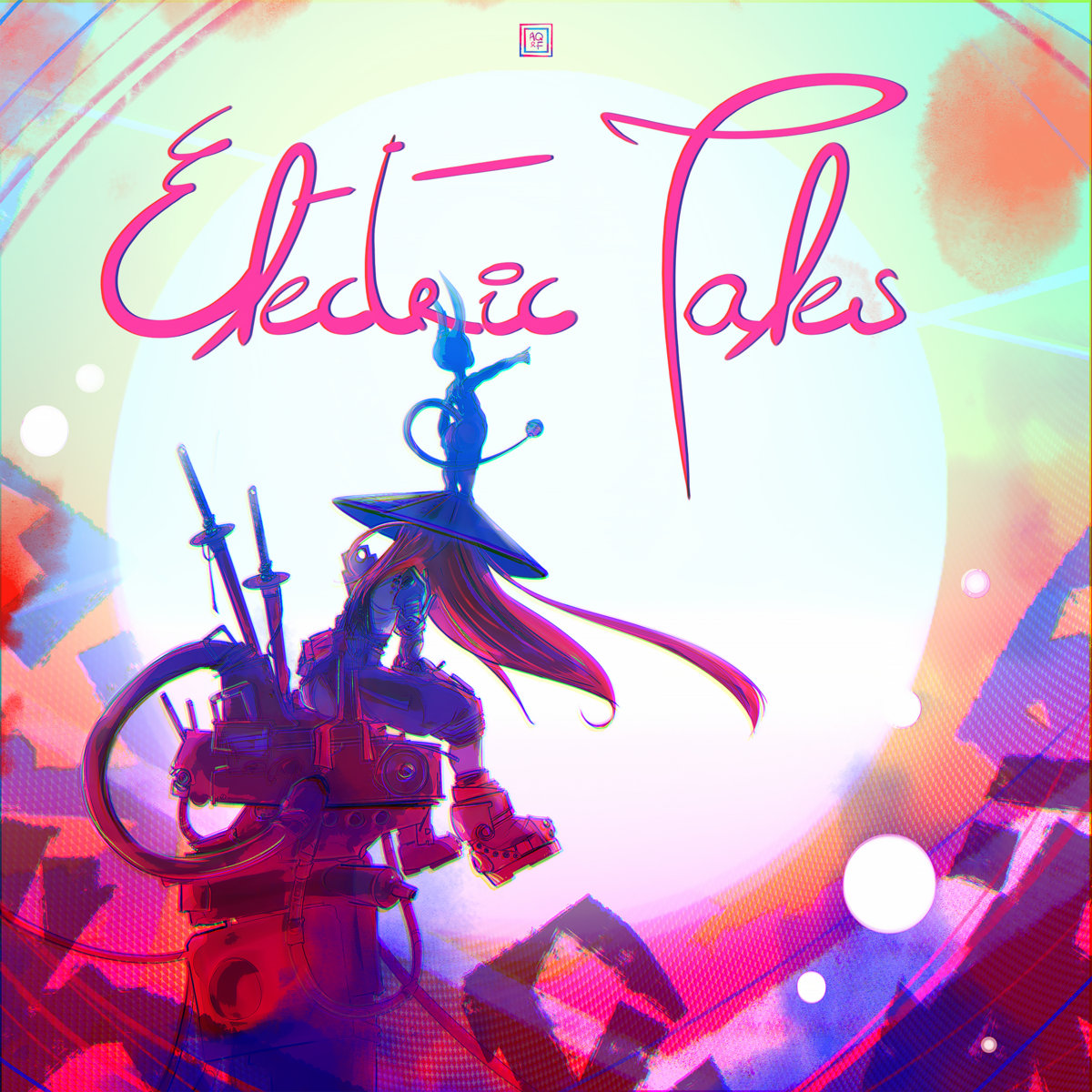
Arnaud Quevedo & Friends - Electric TalesArnaud Quevedo & Friends, Electric Tales, 2020
Tracks: 
Electric Overture (1:32), The Dark Jester (7:24), The Electric Princess Part 1 (9:06), The Electric Princess Part 2 (9:02), Entering… (Impro) (4:11) Mushi’s Forest (6:21), Flower Fields (Impro) (3:26), The Hypothetical Knight (6:24), Hope (5:07), Electric Dreamer (3:49)

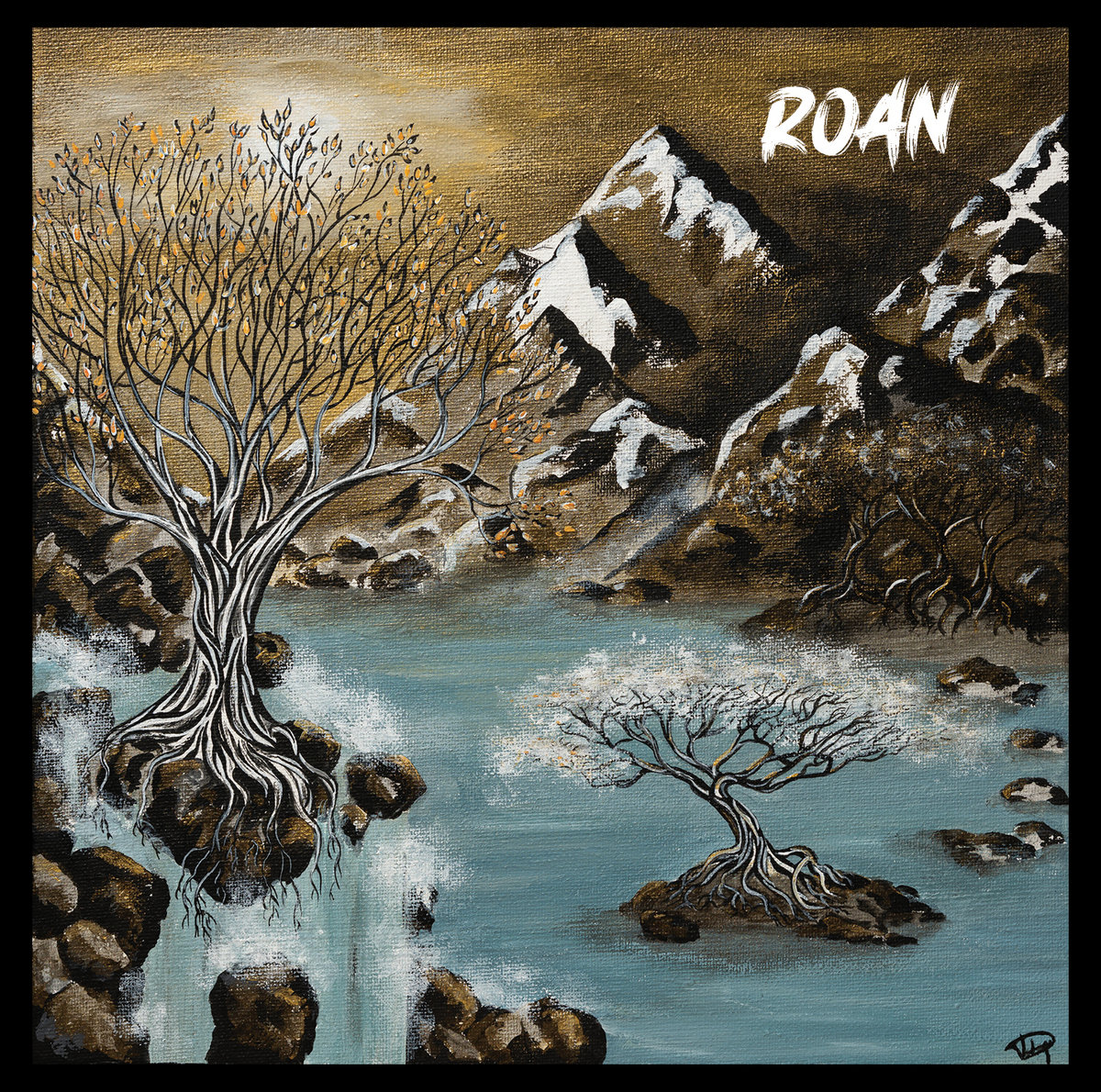
Arnaud Quevedo & Friends - RoanArnaud Quevedo & Friends, Roan, Bad Dog Promotions, 2021
Tracks: Aube (1:33), Prologue (4:33) Découverte (8:48), Curiosité (2:26), Féerie (3:22), Dépassement (3:17), Nostalgie (1:56), Ryoko (12:33), Fardeau (1:51), Chrysalide (4:41), Métamorphose (5:50), Épilogue (3:30)

For the second in my series of reviews of French artists (see number 1 here), we have Arnaud Quevedo & Friends, a guitar-centered jazz fusion outfit based in La Rochelle, France. The group centers around Arnaud Quevedo, a guitarist and music teacher at Conservatoire La Rochelle. Bassist Noé Russeil joins Quevedo on both records, as does double bassist Éva Tribolles. Both also provide vocals. Lucille Mille plays flute and sings on Electric Tales, Julien Gomila plays saxophone on that record. There is a much larger cast on Roan, composed of more stringed and blown instruments. While Quevedo plays drums on Electric Tales, that duty is expertly handled by Anthony Raynal on Roan

One of the primary differences between the two records is the lyrics on Electric Tales are in English while they are in French on Roan. I prefer the French vocals because they sound more natural to both the music and for the singers. Some of the English lyrics, like on “The Dark Jester,” are really difficult to understand. 

Jazz is the name of the game here, but it remains tied to the rock world throughout. Electric Tales periodically reminded me of The Tangent, another band that heavily leans on jazz. “The Electric Princess” Parts 1 and 2 are almost entirely instrumental, with some more easily understandable lyrics near the end of part 2. The guitar and flute are prominent throughout, balancing the jazz with a rock feel. Continue reading “Arnaud Quevedo & Friends – Double Album Review”

Rick’s Quick Takes for June

Six months in, 2022 is already shaping up as a banner year for new music. My own positive bias prevents me from objectively reviewing The Bardic Depths’ brand new album (though modesty doesn’t seem to prevent me mentioning it; I’m still stoked that I got to participate) — but there are still plenty of fresh releases to cover this time around! As usual, purchasing links are embedded in each artist/title listing; where available, album playlists or samples follow each review. But first, the latest installment in what’s becoming Progarchy’s Book of the Month Club . . .

Big Big Train – Between The Lines: The Story Of A Rock Band: when Greg Spawton and Andy Poole started a band, it didn’t stand out at first; one early concert promoter called the nascent Big Big Train “fairly mediocre” in retrospect. How BBT became a prog powerhouse — through sheer bloody-mindedness, growth in their craft and a keen ear for what world class musicians like Nick D’Virgilio, David Longdon and so many others could contribute — is the tale at the core of this passionately detailed band bio/coffee table book. Standout features include lavish design, with a overflow of revelatory photos; fully rounded portraits of major and minor participants, mostly unfolded through Grant Moon’s thorough interview work; and remarkable candor, especially in a self-published effort, about the human costs of BBT’s rise to genre prominence and mainstream media attention. (Moon’s portrayal of Spawton and Poole’s gradual estrangement, even as their joint project finally gathers speed, is both sensitive and haunting.) Between The Lines covers all of Big Big Train’s great leaps forward and forced backtracks through Longdon’s untimely death, leaving the reader with Spawton and his fellow survivors determined as ever to continue. Not shy about celebrating the beauty and ambition of the music the group has made, on record and in person, it also doesn’t flinch from portraying the price paid to scale those heights.

The Pineapple Thief, Give It Back: on which Gavin Harrison gives his new band’s vintage repertoire a kick up the backside with his stylish stick work, and Bruce Soord willingly “rewires” his own songs with new sections, verses and narrative closures. The results probe further into the moody motherlode that new-era TPT mines and refines: dramatic vignettes simmering with emotional turmoil; lean, mean guitar riffs arching over roiling keyboard textures; and always, those simultaneously airy and propulsive grooves. But while Soord and Harrison take the creative lead, this is a marvelously tight unit at work; Steve Kitch (keys) and Jon Sykes (bass and backing vocals) are indispensable contributors throughout. All of which makes Give It Back another enticing entry in the Thief’s discography — deceptively low-key on first impression, it blossoms into a compelling combination of tenderness and grit. (With plenty of headroom in the mastering to pump up the volume!)

Porcupine Tree, Closure/Continuation: The big news is that this is recognizably a Porcupine Tree album — that’s why, over repeated listens, it works so well. Steven Wilson is as happy and carefree as ever, cutting loose about fraught relationships (“Harridan”), nihilism in high places (“Rats Return”, “Walk the Plank”) and, of course, the inevitability of death (“Chimera Wreck”); plus there’s a spooky take on a Lovecraftian invasion (“Herd Culling”), a compassionate portrait of a man with nothing (“Dignity”) and a drop-dead gorgeous ballad that looks forward in hope and back in regret at the same time (“Of the New Day”). Still, it’s the reconstituted band, mostly writing the music in team formation, that gives the record its core integrity and guts. Wilson’s angular guitar and bass work, seemingly effortless songcraft and vocals that often climb to a wordless falsetto (a legacy of The Future Bites?) are perfectly swaddled in Richard Barbieri’s squelchy sound design and ineffably eerie synth solos, then hurtled forward by Gavin Harrison’s consummate percussive drive — whether he’s cruising the straightaways or leaning into jaw-dropping polyrhythmic curves. Of a piece if not conceptual, Closure/Continuation is never less than well-wrought and frequently awesome, worthy to stand alongside Porcupine Tree’s catalog as either a next or a final chapter in their saga. Now floating like a butterfly, now stinging like a bee, with commitment evident in every note, it may well knock you out.

Continue reading “Rick’s Quick Takes for June”

Rick’s Quick Takes for March

Lots of great music has crossed the metaphorical Progarchy transom this month! Purchasing links are embedded in each artist/title listing; album playlists or samples follow each review.

The Flower Kings, By Royal Decree: Fun fact: this is the third double album in a row from king of Kings Roine Stolt and his merry band. And like 2019’s Waiting for Miracles (which started the streak) it’s compulsively listenable from start to finish. Fresh out of lockdown, Stolt, singer Hasse Fröberg, keyboardist Zach Kamins, drummer Mirko deMaio and alternating bassists Jonas Reingold & Michael Stolt laid down 18 songs in the studio, negotiating the twists and turns of wildly varied material (some of which dates back to the early 1990s) with energy, precision and evident delight. Not a trace of metal here, and I hear much more psychedelia, fusion and Eurofunk in the mix than stereotypical “prog” — but to my ears, that’s what makes goodies like the unpredictable opener “The Great Pretender”, the ravishing ballads “A Million Stars” and “Silent Ways”, and the off-kilter eccentricity “Letter” so fresh and fun. There are plenty of serious lyrical moments too, as in “The Soldier” and “Revolution”; but, by and large, By Royal Decree is the sound of Stolt and company refreshed and revisiting their optimistic roots, soaring on the wings of one marvelous melody after another. It’s as much a joy to hear as it must have been to create.

Continue reading “Rick’s Quick Takes for March”

Rick’s Quick Takes for February

Brought to you (mostly) by the letter B! Purchasing links are embedded in the artist/title listing; a sample follows each review.

Dave Bainbridge, To The Far Away: put simply, a thrilling, ravishingly beautiful album. Separated from his fiancée on the eve of their wedding by the COVID pandemic, guitarist/keyboardist Bainbridge focused on the essentials — love and the longing it stirs, the beauty of the world and the changing seasons, the desire for hope and a future. Poet Lynn Caldwell’s words (movingly sung by Sally Minnear and Iain Hornal) capture these themes with rich simplicity, cradled in a lush orchestral blend of rock, prog and Celtic folk. Often evoking the palette of his breakthrough band Iona, Bainbridge and a stellar group of collaborators grab your attention and your heartstrings again and again, whether on the dramatic instrumental “Rain and Sun”, the epic paean to the creative spirit “Ghost Light”, the classically-tinged rhapsody “Infinitude (Region of the Stars)” or the yearning sprint of “Speed Your Journey”. Already one of my favorites of 2022, and recommended without hesitation. (And check out our extensive interview with Dave here.)

Continue reading “Rick’s Quick Takes for February”

Kruekutt’s 2021 Favorites!

I thought I didn’t have a big list of favorites from this year’s listening — until I revisited my six-month survey from back in June and added in the good stuff I’ve heard since then! The listing below incorporates links to full or capsule reviews, or other relevant pieces on Progarchy and elsewhere; albums I haven’t written about yet get brief comments, along with my Top Favorites of the year. Most of these are available to check out online in some form; if you find yourself especially enjoying something, use that Christmas cash and support your choice with a purchase! And the winners are . . .

Continue reading “Kruekutt’s 2021 Favorites!”

Rob Koral’s “Wild Hearts” – Jazz Rock At Its Purest

Rob Koral - Wild HeartsRob Koral – Wild Hearts – 2021
Tracks: Show Me The Way (5:46), Funky “D” (7:14), Summer (8:12), Take Me Back (4:40), Saving Grace (7:18), The Showdown (5:17), The Beyond (5:00), Hold Tight (5:37)

Part jazz, part classic rock, part blues, and all with a sprinkling of prog over the top for good measure. That’s probably the best way to describe Rob Koral’s new album, Wild Hearts. Rob has played on over 30 records, and he is most well known for his work with the band Sketch. He is also a founding member of the band Zoe Schwarz Blue Commotion.

The songs on Wild Hearts are very upbeat, reminding me a little of the first Jethro Tull record and of Blodwyn Pig. The music is relatively simple – guitars by Rob Koral, Hammond organ by Pete Whittaker, and drums by Jeremy Stacey. The album sounds extremely fresh, which is likely due to the group recording the songs live in studio on one day in December 2020. I think that approach is best for this kind of jazz-blues instrumental music. It begs for improvisation. Rob wrote all the music, but he says that he didn’t tell Pete and Jeremy what to play. The result is music with form that still breathes. You can even hear the little hand movements on the guitar strings and the little natural noises you would get playing live. There’s even a sense of space from the room the recorded the music in. These elements add warmth to the recording, as well as bring a vintage feel to the music.

The Hammond organ really makes this record stand out for me. It adds such a rich atmosphere to the songs, even when the guitar is taking center stage. The drums have a jazzy improv feel that sets the perfect stage for the guitars and organ. My only really critique is perhaps a little bit of repetition throughout, but that also may be a result of the album being recorded live in a day. As such it’s quite an achievement. In a way it feels like a live jazz show. A song like “The Beyond” especially has that feel of anticipation as the soloing switches back and forth between guitar and organ. The longer guitar solo builds gradually over a very simple but effective drum beat. It’s smooth with a little bit of grit on the lower ends.

Wild Hearts’ strength as an album is it takes jazz and rock and strips them down to the basics. There’s nothing overly complicated here, but the extended jamming gives the songs room to grow and breath. It’s a solid album that has a positive and upbeat tone to it, sure to please on repeated listens.

http://www.robkoral.co.uk
Order the CD here: https://www.zoeschwarzmusic.com/music/wild-hearts-rob-koral.html

Sunday Jazz – Benjamin Croft’s “Far and Distant Things”

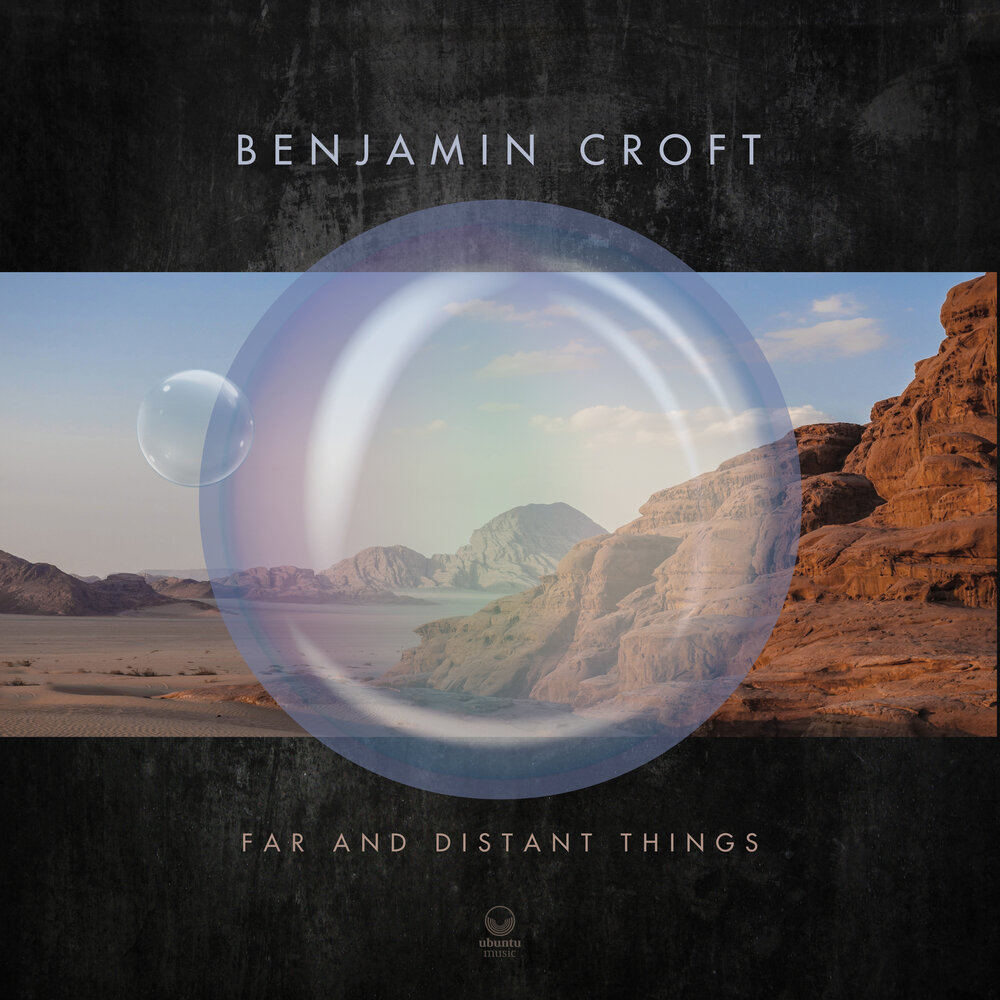
Benjamin Croft Far and Distant ThingsBenjamin Croft, Far and Distant Things, Ubuntu Music, 2021

Tracks: Overture (1:13), Far and Distant Things (6:13), Brock (4:47), S.A.D. (Spatial Awareness Disease) (6:21). Tudor Job Agency (6:25), S&R Video (5:07), The War Against Loudness (6:17), How Not To Win The Nobel Peace Prize (6:17), Than You, That’s What I Wanted To Know… (5:35), St Gandalf’s (1:55), The Cashectomy (6:25)

I don’t listen to as much jazz as I should, probably because it is such a diverse genre that I barely know where to begin. I’ve always enjoyed jazz music in live settings. I think the genre excels when played live because it is a highly experimental genre, allowing room for improvisation. When I was in college I loved attending the concerts put on by the faculty jazz band. They were always so much fun. I think I enjoy jazz for some of the same reasons I enjoy progressive rock, which obviously is heavily influenced by jazz. At its most basic, the technical musicality in jazz keeps me interested. 

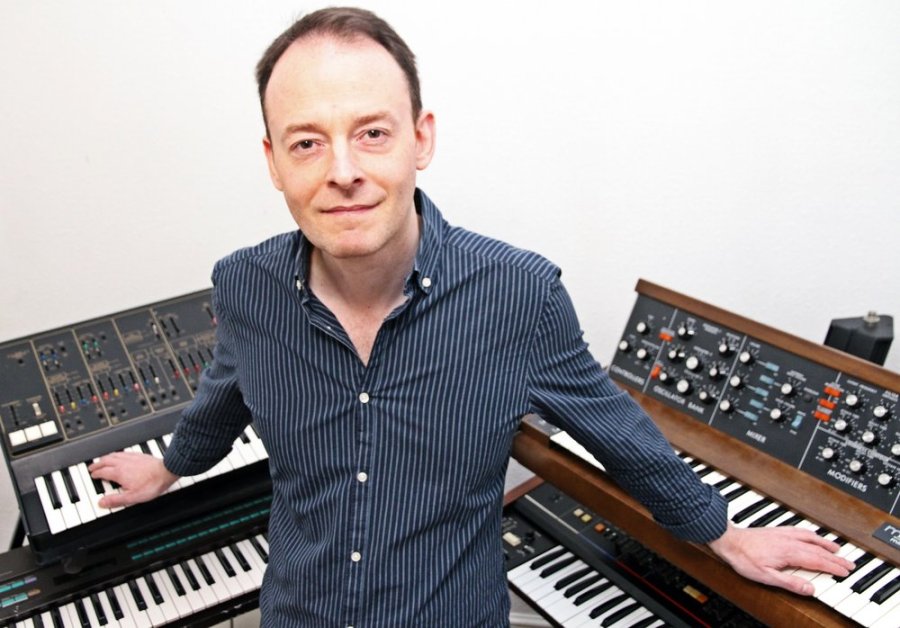
UK musician Benjamin Croft’s Far and Distant Things has been such an enjoyable CD to listen to over the past month and a half. Croft wrote and arranged all the tracks on the album, and he also played all of the keyboards. In addition to Steinway and Yamaha grand pianos, Croft plays a whole list of various synthesizers and keyboards, thus bringing in a bit of a prog texture to his jazz record. Perhaps those elements are why he sent us his CD for review, but regardless of why, this is an excellent album. At any rate, the artwork is certainly prog, featuring cover art (and other artwork on the CD and in the packaging) by Hugh Syme. 

Beyond Croft on keyboards, the songs have a revolving cast of characters, with Tristan Mailliot or Laurie Lowe playing drums on most of the tracks, except for “St. Gandalf’s,” which features Chad Wackerman. Flo Moore and Henry Thomas share bass guitar duties on the record. Guitars and on the album are played by a few guests, as are the wind instruments. Garthe Lockrane’s flutes on “Overture” and “Brock” are really quite something. It brings in that element of classic progressive rock as well as a fresh classical texture.

As is typical in jazz, there’s a lot of soloing on each track – keyboards, guitar, bass, trumpets, flute. Not each one of those on every track, but you get my meaning. The playing is smooth and easy to absorb. Some jazz can be overpowering, but Far and Distant Things sets you right at ease. The drumming and bass create a smooth yet complex rhythm throughout the entire album. The interplay between piano, keyboards, and the various wind instruments is quite pleasant. 

“How Not To Win The Nobel Peace Prize” is an interesting piece in the way it shifts over the course of the track. It starts off as a more typical jazz song before speeding up and morphing at the end of the song into more experimental territory before fading out. It’s a shame it fades out, because I wanted to hear where they were going. The title of the track, along with others on the album, hints at a bit of sarcasm, which I can always appreciate. 

Benjamin Croft – Far and Distant Things Music Video – YouTube

There are some rock moments on the record. “Far and Distant Things,” featuring Frank Gambale on electric guitar, is perhaps more rock than it is jazz, especially when you take the synths into account. “Tudor Job Agency” has its jazz moments, but the guitar, played by Barry Finnerty, has a Clapton-esque vibe to it. There is also a passage of some incredibly fast drum beats that add a rock element to the song.

Give Benjamin Croft’s Far and Distant Things a listen for a laid back Sunday afternoon or evening. Or for any day of the week. The music is exceptionally well-written and equally well-performed. It brings me back to simpler times when I could enjoy a live jazz show without worrying about… well all the things we seem to worry about these days. This instrumental album will take you a world away, if only for an hour. 

https://www.benjamincroftmusic.com
Spotify

The Big Prog (Plus) Preview for Fall 2021!

What new music and archival finds are heading our way in the next couple of months? Check out the representative sampling of promised progressive goodies — along with a few other personal priorities — below. (Box sets based on reissues will follow in a separate article!) Pre-order links are embedded in the artist/title listings below.

Out now:

Amanda Lehmann, Innocence and Illusion: “a fusion of prog, rock, ballads, and elements of jazz-blues” from the British guitarist/vocalist best known as Steve Hackett’s recurring sidekick. Available direct from Lehmann’s webstore as CD or digital download.

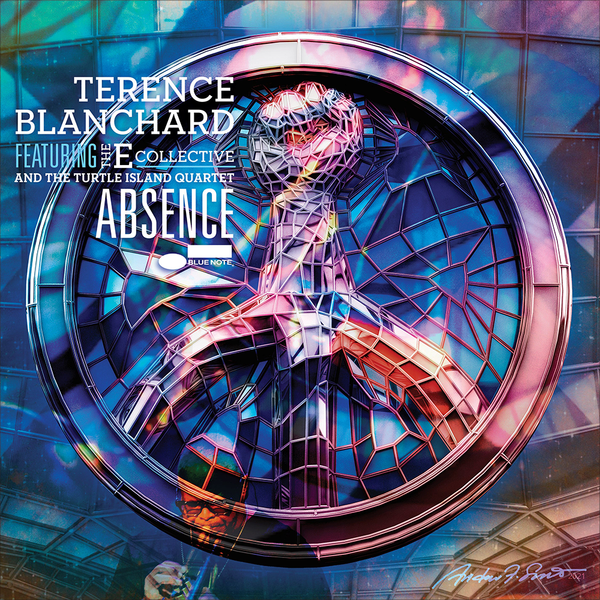
Terence Blanchard featuring the E-Collective and the Turtle Island Quartet, Absence: trumpeter/film composer Blanchard dives into music both written and inspired by jazz legend Wayne Shorter. His E-Collective supplies cutting edge fusion grooves, and the Turtle Island String Quartet adds orchestral depth to the heady sonic concoctions. Available from Blue Note Records as CD or digital download.

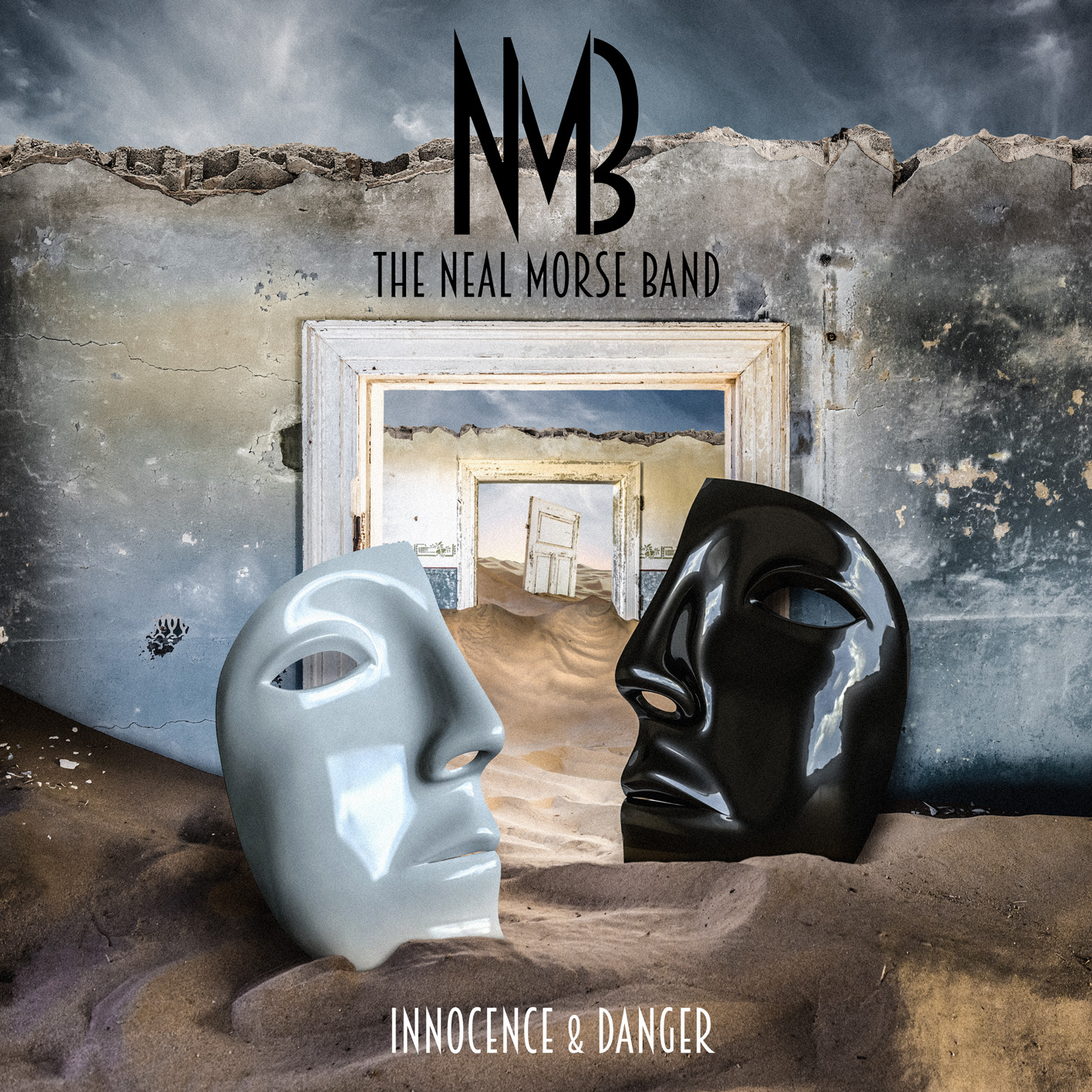
The Neal Morse Band, Innocence and Danger: another double album from Neal, Mike Portnoy, Randy George, Bill Hubauer and Eric Gillette. No overarching concept this time — just everything and the kitchen sink, ranging from a cover of Simon and Garfunkel’s “Bridge Over Troubled Water” to brand-new half-hour epics. Available from Inside Out as 2CD, 2CD/DVD or 3 LPs/2 CDs

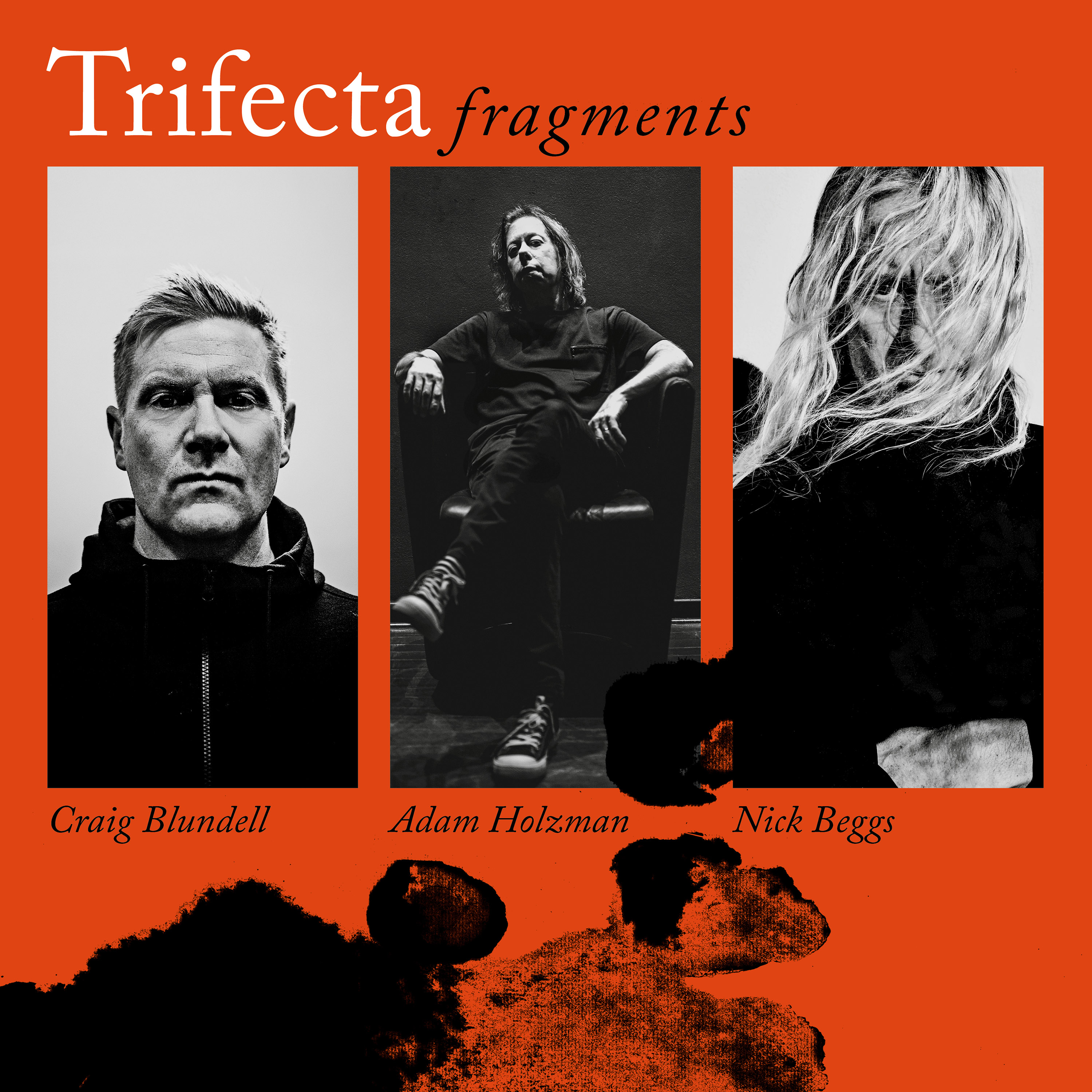
Trifecta, Fragments: what happens when Steven Wilson’s rhythm section turns his pre-show sound checks into “jazz club”? Short, sharp tracks that mix the undeniable chops and musicality of Adam Holzman on keys, Nick Beggs on Stick and Craig Blundell on drums with droll unpredictability and loopy titles like “Clean Up on Aisle Five” and “Pavlov’s Dog Killed Schrodinger’s Cat”. Available from Burning Shed as CD or LP (black or neon orange).

Upcoming releases after the jump!

Continue reading “The Big Prog (Plus) Preview for Fall 2021!”