Cosmic Cathedral’s Phil Keaggy: The Progarchy Interview

For more than 50 years, guitarist/singer/songwriter Phil Keaggy has pursued his singular muse. Cruising under the radar of the general public and fashionable tastemakers, Keaggy’s reputation among fellow musicians and knowledgeable fans is deservedly stellar; his formidable skills in acoustic fingerpicking, stinging electric solo work, and free-flowing improv are complemented by a tasty melodic sense, a impressively broad spectrum of influences, and a singing voice that can’t help but remind you of Paul McCartney at his most yearning and wistful. His lengthly discography of first-rate albums under his own name speaks for itself.

But Phil Keaggy truly loves nothing more than collaborations – with other singers, full bands, duets, trios, ambient players, jazzers, jammers, proggers and even poets, well-known and unknown – and his latest project testifies to that. Recruited by the ever-prolific Neal Morse to join forces with ace bassist Byron House and live Genesis drummer Chester Thompson, Keaggy’s playing and singing is all over Deep Water, Cosmic Cathedral’s “prog meets yacht rock” debut on Inside Out. In advance of that album’s release this week, I had the privilege of connecting with Phil in his Nashville studio to talk about both this latest project and his eclectic career. A transcript of our interview follows the video.

So congratulations on Cosmic Cathedral’s first album!

Yeah, maybe there’ll be another album after this, yeah. 

That would be really great.

So have you had a chance to listen to it, Rick?

I have, and I really did enjoy it. And we will certainly have some conversations about that as we go on.  But the first question I kind of wanted to set up, because as I mentioned, I’ve known your work for a number of years, and you’ve had this amazingly prolific and varied career. But just on the off chance that there’s someone who picks up this album and someone says, who’s this Phil Keaggy guy? How would you describe your life in music to somebody who hasn’t necessarily heard much of what you’ve done?

Well, I started out making records when I was just in eighth, ninth grade. And then I formed a band eventually, called Glass Harp, in 1968.  And we recorded for Decca Records. We did three records and one live album. None of them did that well, but we were popular in the northeastern Ohio area – Cleveland, Akron, Columbus, Pittsburgh, especially.  We did a West Coast tour in ‘71. We used to go up to Detroit a lot and play. We opened up for a lot of big bands like Humble Pie and Yes, Chicago, Grand Funk, etc.

But then I left the band and I started making albums that centered upon my faith and communicating my faith in Jesus. And so to the world, I became kind of lost to the world of music. And then when I got signed to Christian record labels, they really didn’t know exactly what to do with me because I wasn’t in the center of what CCM music was, contemporary Christian music.  I was a bit more adventurous. I was a bit more guitar oriented and not so much songwriting oriented, even though I wrote songs. And so I was too religious for the world and too worldly for the religious.

So that’s why 99 percent of the world has no idea who I am. And so, it doesn’t offend me, doesn’t bother me. It’s just the path that I’ve been on all my life.  But I’ve met up with some great players. I’ve had a chance to play with giants like Neal Morse, Tony Levin, Jerry Marotta, Byron House, Chester Thompson, and even jammed with Paul McCartney one time. So, I’ve had great highlights in my life.

But the greatest highlight is knowing God through his Son, Jesus, and also being married to a wonderful woman for almost 52 years. And we’ve got kids that have grown up and who love us. Yeah, I don’t think I feel like I suffer from any lack of anything, especially because of the love that I’ve known in my life, love of family, friends, and the love of music.

I hear that testimony, and that’s a wonderful thing to hear. In your life in music, as you’ve noted, you seem to be kind of a musician’s musician. You collaborate with a lot of people who maybe have a higher profile.  And as you say, Neal Morse is one of those talents. How did the two of you hook up originally? And what’s your history together been like?

Well, our history has been very sparse, in fact. But we did meet back at the time he did this album called One.  And he invited me because he knew of my albums, like Sunday’s Child, which is a very British rock kind of sounding album, Crimson and Blue, which was a real fun jam album with really good players on it.  In fact, John Sferra from Glass Harp played drums on that album. And also I’ve had a life of acoustic music with Beyond Nature and various albums like that.

But I think he liked the idea of the two of us singing on something together. And so I sang a little bit, “Cradle to the Grave”, “What is Life”, that George Harrison song with him. I played guitar solo on the tune called “Creation”.  And then we kind of got out of touch for many a year.

And then all of a sudden about a year and a half ago, he contacts me about the possibility of getting together with Chester Thompson and Byron House, who I’ve been in the studio with.   Chester played on my All at Once album.  And I did an album with Byron House and another friend of ours, Kyle Jones, who’s a percussionist/drummer on an album called Catz’n’Jammuz; it’s basically an improv album. So in the past, I’ve worked with all three of these good men, these good musicians, great musicians.

And so when he invited us all to join him at his studio in White House, I’d say it was about January 2024.  We just jammed and his co-producer/engineer Jerry [Guidroz], recorded everything. And some of those songs that ended up on Deep Water, the album [by] Cosmic Cathedral, were inspired by some of those jams. And then they further developed, Neal primarily arranging and developing the songs.

I helped out with the lyrics of “Walking in Daylight”, and I sang it. Actually, I proposed a vocal to it as an idea.  But I was surprised he left my vocal on the album, as a lead vocal. And that was pretty cool.

But they gave me a lot of space to play on the album.  I had ample opportunity to express myself on my electric guitar.  At that time, last fall, I did a lot of the guitar work in my own studio, because when they tracked this album in July last summer, I had just been through hand surgery. I had trigger thumb and finger, and they cut open my hand, and I was in a cast for three weeks. And so there was just no way.

But by the end of September and early October, I started getting on the guitar. And they sent me the files. They said, “hey, want to try playing on something?” And I played on a section of the “Deep Water Suite” I played a little bit of acoustic on it, and I sang. He asked me to sing on that.

That’s the first thing Neal invited me to do. I did it in my studio here. And then at the end, [sings the line] And then I did this electric thing, and that was the very first time I played on a recording for Neal.

And then they sent me “The Heart of Life”, the opening track. I spent a lot of time just learning the licks and the riffs and the changes, and then they had these beautiful open spaces for me to solo. There are two major solos in that song, and that was when I thought, even though it’s painful to play, I really dug in.  And the second solo, which is after the part when he sings about, “I thought of God as Captain Bligh”.

That’s my favorite line on that album.

I know, it stands out, doesn’t it, Rick?

It’s just so off the wall, and yet it fits perfectly.

And it’s so ominous. It’s so ominous in this section. And then when I heard that, and then there’s this big space, and I opened up my solo with this note that I reversed.  So it kind of creaks in, and then all of a sudden, I go into this Allan Holdsworth kind of mode on the tone, even though I can’t play all those licks that Allan does. But I’ve always honored his guitar playing, always thought he was a genius and a great inspiration to that feeling you get when it doesn’t sound like a typical guitar solo, and that’s what I wanted to do.

And I love also the different modes, because I’ve been influenced by various music from other cultures.  It doesn’t matter, anywhere on the earth, if it’s good, I love it. Bulgarian, Indian, Chinese, Middle Eastern, South American, Irish. I love the gifts that God gives to people all around the world musically.

So that kind of comes out here and there. And so when I did the five albums with Jeff Johnson, we’ve got one called Ravenna, which is inspired by the art in Italy, and Cappadocia, which is inspired by perhaps the region of Turkey; the Frio Suite album, which was inspired by the Frio River in Texas, and so on and so forth.

This newest one called Spinning on a Cosmic Dime, I mentioned to Neal, I said, you know, my last album out with Jeff Johnson has the word “cosmic” in it. He never mentioned anything about it. So everybody’s getting into a cosmic kind of mood, aren’t they? Cosmic dime, Cosmic cathedral.  Maybe somebody ought to come up with an album called Cosmic Capers.  That would be kind of interesting.

Who knows, that one might be next. So I’m hearing you say that you get a lot of your vocabulary on guitar from folk, from modal cultures.  What are some of the other sources of your style? It’s very unique, and yet you can tell there’s a lot behind it.

Yeah, a lot of years, a lot of playing, a lot of listening, a lot of appreciation. And of course, with the level of artistic giftings that Neal Morse has and the other fellas, Chester and Byron, elevates my desire to play well, really something that must really fit and belong to the essence of this creativity.

So yeah, I just feel that because of all the years we’ve all listened to music, we just want it to be done really, really well. Not just a quick building that was erected, but as beautiful as a cathedral. And it’s ominous, you know what I’m saying?

Yes, yes, that sort of over-towering feel.  It’s like when Jacob wakes up from the dream at Bethel, and he says, how awesome or how terrible is this place, depending on what translation you use.

Oh yeah, yeah, yeah. You know, it’s interesting because I was not sure I was even going to be on the album because of my hand situation.  I didn’t know how long it was going to set me back. I always look at those three guys as they are the cathedral, and I’m this little chapel over to the right.

Oh, okay.

You know, a little chap. Yes. “Hello, you’re just a little chap, aren’t you?” I’m a chapel.

But because they are the foundation, you know, they are truly the foundation of this, all three of them in sync, you know, as strong as Cream was or as strong as Emerson Lake and Palmer, a threesome. And I feel like I’m on this album by invitation, for sure.

Okay.  Chester and Byron’s groove. It’s very different than most people would think of when they think of prog rock.   

Exactly. 

It does seem like there’s so much, like you say, not just space for solos, but there’s space in the beat they generate. What’s it like playing over that groove?

Well, that’s what got me excited. I didn’t know what to expect when they first sent me the files, you know.  The first file was “Fires of the Sunrise” and then “The Heart of Life”. And I was able to just sit back and listen to it. And first of all, I was blown away by the fidelity, blown away by the expertise of these guys on their instruments.  And I thought, man, this is a dream to be able to play on something like this.

Yeah, the intensity, the quality, like you mentioned, there’s a different groove going on from what people would consider prog rock, which I oftentimes think of prog rock as kind of mechanical sometimes.  It’s just kind of intellectual, cerebral, you know, right brain to the nth. But the thing is, what Chester brings into with Byron is this sense of soul.

So I think they influenced Neal and how Neal played himself.  I mean, on “Time to Fly”, for instance, it just sounds like a Steely Dan thing, Great horn. He knew what he was going for and he got it with the horn player, the sax player, the BGVs [background vocals], which has that what Donald Fagen would do.

And just the fact that there’s a nice amount of space.  It’s not just constant noise; it’s not just music that just kind of like can get irritating after a while. I mean, there’s a couple of places where it does sound a little bit like a video game to me. But that’s tongue in cheek almost, isn’t it? Yeah.

It’s deliberately over the top.

Yes. But then it gets into some fantastic grooves, you know, the kind of stuff you want to play over.  You just have to play over, you know. And so they gave me a lot of nice space to play. In fact, one of the sections, “New Revelation”, I think it was, I played a solo and then Jerry said, “we’re going to extend the solo a number of measures longer.  Would you mind playing some more?” [Both laugh] I go, “Yeah, yeah, yeah. Twist my arm. You know, sure.  I’d be happy to.”  And then we went back and forth and they actually, toward the end of it — because I liked one solo and Jerry liked this other one. So what he ended up doing was he put toward the end of the solo, both of my guitar solos going on.  OK. And you know what I’m talking about?

Yeah, I do. That was like “And now, in stereo!”

Yeah. Yeah.  Yeah, that’s right. And that was that was great. It’s like, why not? You know, it’s like — what was that McCartney song? “Rockshow”.

Yeah. You know, it’s kind of like let everybody join in, you know, but it was just primarily the four of us, you know.  They had tasty percussion on it, too. And as I mentioned, the BGVs and the horns well, added a really nice touch to everything.

Neal has so many ideas. He is so prolific.  You and he are a really good match instrumentally, certainly. Are there any other moments we’ve talked about like “Time to Fly”?  We’ve talked about the opening track. We’ve talked about those two spots in the “Deep Water” suite.  Is there anything else that you recollect as being a special favorite of yours from the process?

I love the closing. “Heaven is opened.”

Yeah.

Opening “The Door to Heaven”. What is it called?

I do not recollect. But yes, that’s the gist of it.

You know, the piece starts beautifully. And I was influenced by Anthony Phillips.

Oh, OK.  The Genesis guy.

The Genesis guy. And when I did my album, The Master and the Musician in 1978, he was, [his] album was on my turntable a lot, you know.

Oh, OK.

He and [British guitarist] John Renbourn were real influences to me.  [That part of the suite is] just so pretty.

And the way it develops, you know. “You’re the water, the deepest place I know”. Neal has me singing that latter part of it because he said, “I can’t reach those notes.  I thought you could”. And it pushed me. It modulates to another higher key before the very ending.

And then you got that “big life” which sounds like a chorus of voices. That’s the payoff. That whole ending is just so powerful to the the epic piece.  I think the ending is epic and powerful. It’s spiritual. It’s musical.  It’s fulfilling. But but I love every song. I mean, every song holds its own, even the ballad.  “I Won’t Make It” that Neal wrote with the strings in it. And yeah, it’s just an honest — it’s like Emerson Lake and Palmer’s “Oh, what a lucky man he was”. For a prog guy into to create such an honest and beautiful melodic piece like that. That’s a really sweet place where it sits in the album, too. So, yeah, what a great album.

[After the jump: Phil Keaggy tells how his wildest dream came true, muses on Cosmic Cathedral playing live, and reflects on his power trio improv album with Tony Levin & Jerry Marotta.]

Continue reading “Cosmic Cathedral’s Phil Keaggy: The Progarchy Interview”

Rick’s Quick Takes: 4th-Quarter ’24 Lightning Round!

Where have the last two months gone? And how many new releases have I enjoyed in the interim? Enough that I’ll be shooting to summarize each one included below in two to four sentences, max! (Though I can’t guarantee they’ll be short sentences.) Purchase/streaming links embedded as usual, so here we gooo . . .

New Music

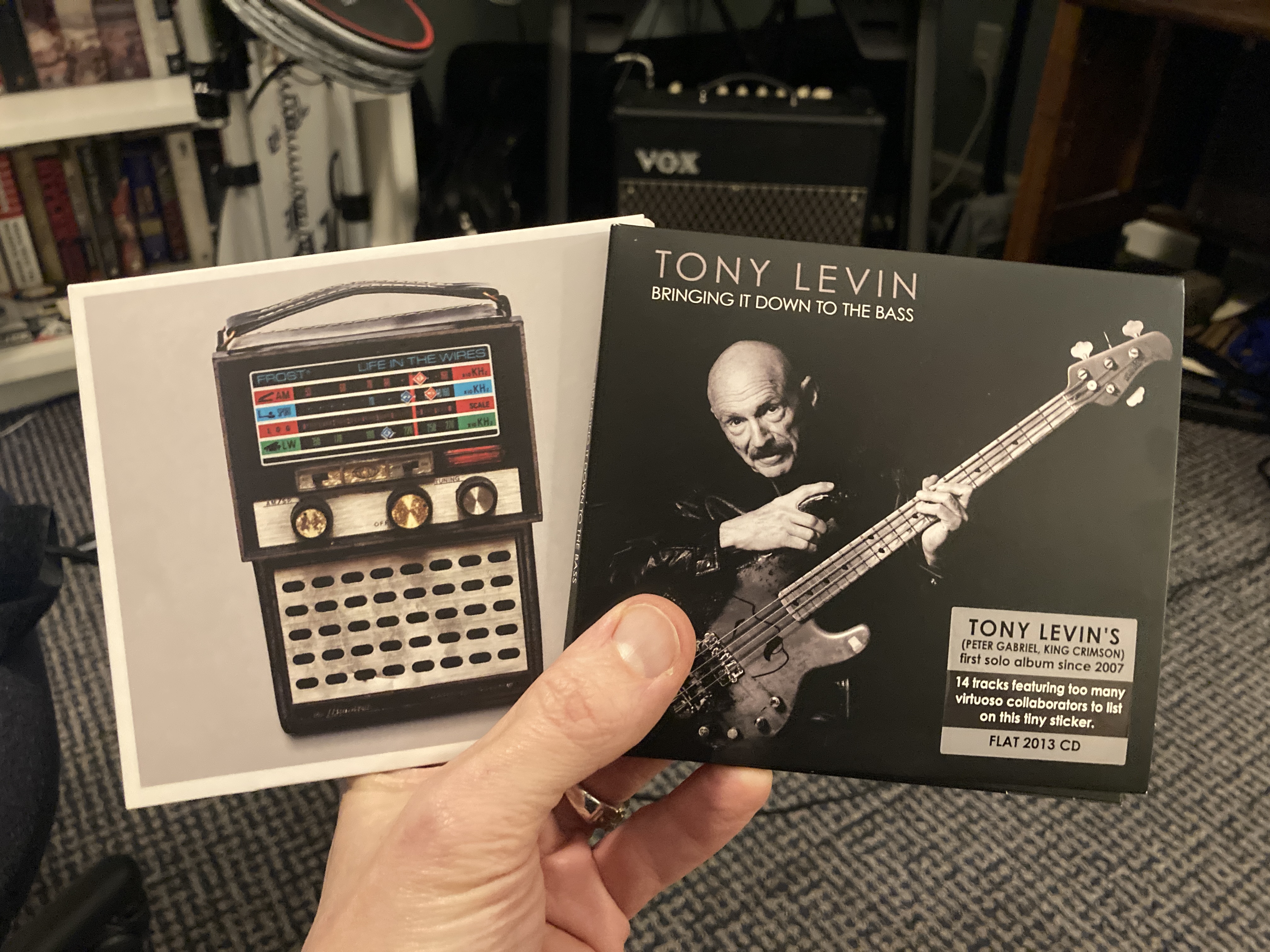
As teased in our October interview with mainman Jem Godfrey, Frost*’s Life in the Wires (listen here) is the conceptual album of a prog fan’s fondest dreams; the storyline is vintage dystopia (1984 meets Who’s Next), the music a full-on sonic assault from the get-go (replete with widdly synthesizer solos). Pitted against the required cybernetic supervillain, in search of freedom out there in the fields, can Godfrey’s protagonist Naio escape permanent lockdown in teenage wasteland? The ultimate answer is well worth the winding journey; powered by the heady backing of John Mitchell, Nathan King and Craig Blundell, Godfrey easily conjures up the equal of previous band high points Milliontown and Falling Satellites.

On his fresh solo album Bringing It Down to the Bass, Tony Levin launches 14 low-end odysseys with (to quote the hype sticker) “too many virtuoso collaborators to list.” But whether proving that “Boston Rocks” with Bowie guitarist Earl Slick and Dream Theater drummer Mike Portnoy, “Floating in Dark Waves” below Robert Fripp’s soundscapes, or reuniting with fellow Peter Gabriel bandmembers on multiple jams, Levin always grabs the ear with his supremely melodic bass, Stick and cello work. And his low-key, half-spoken vocals prove surprisingly effective, especially on dry barbershop throwbacks “Side B/Turn It Over” and “On the Drums” and the moving John Lennon tribute “Fire Cross the Sky.”

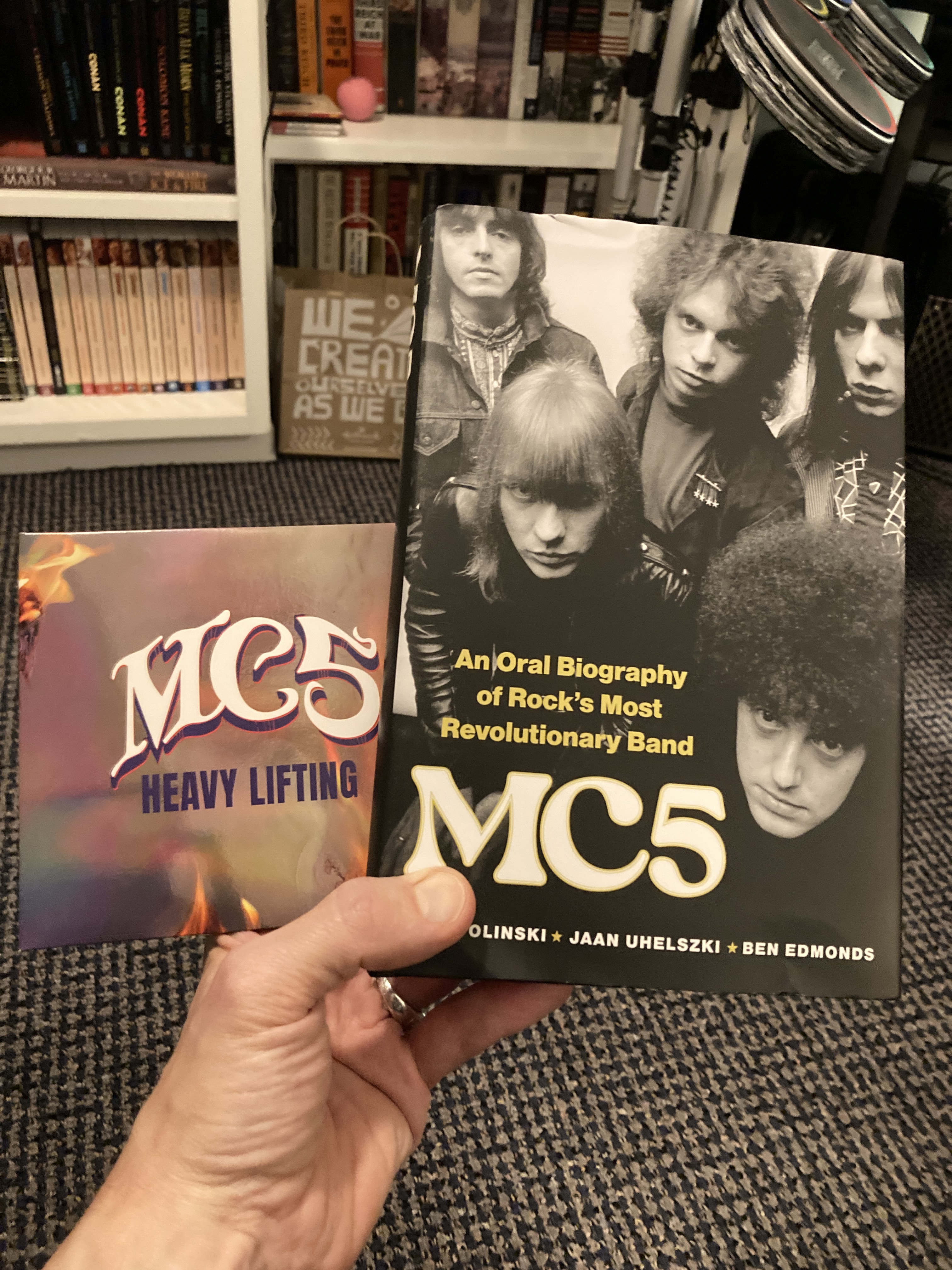
Pioneer garage rock guitarist Wayne Kramer had one more winner in him before his passing earlier this year. Credited in tribute to Kramer’s seminal Detroit collective MC5, Heavy Lifting (listen here) rages against the political and cultural machines still standing since the band’s original heyday, agitating for a better deal with 13 brash, irresistible helpings of punk (“Barbarians at the Gate”), rock (“Edge of the Switchblade”) and soul (Edwin Starr cover “Twenty-Five Miles”). For the full skinny on why Kramer & company finally snuck into the Rock & Roll Hall of Fame through the back door this year, the new MC5: A Oral Biography of Rock’s Most Revolutionary Band is essential reading.

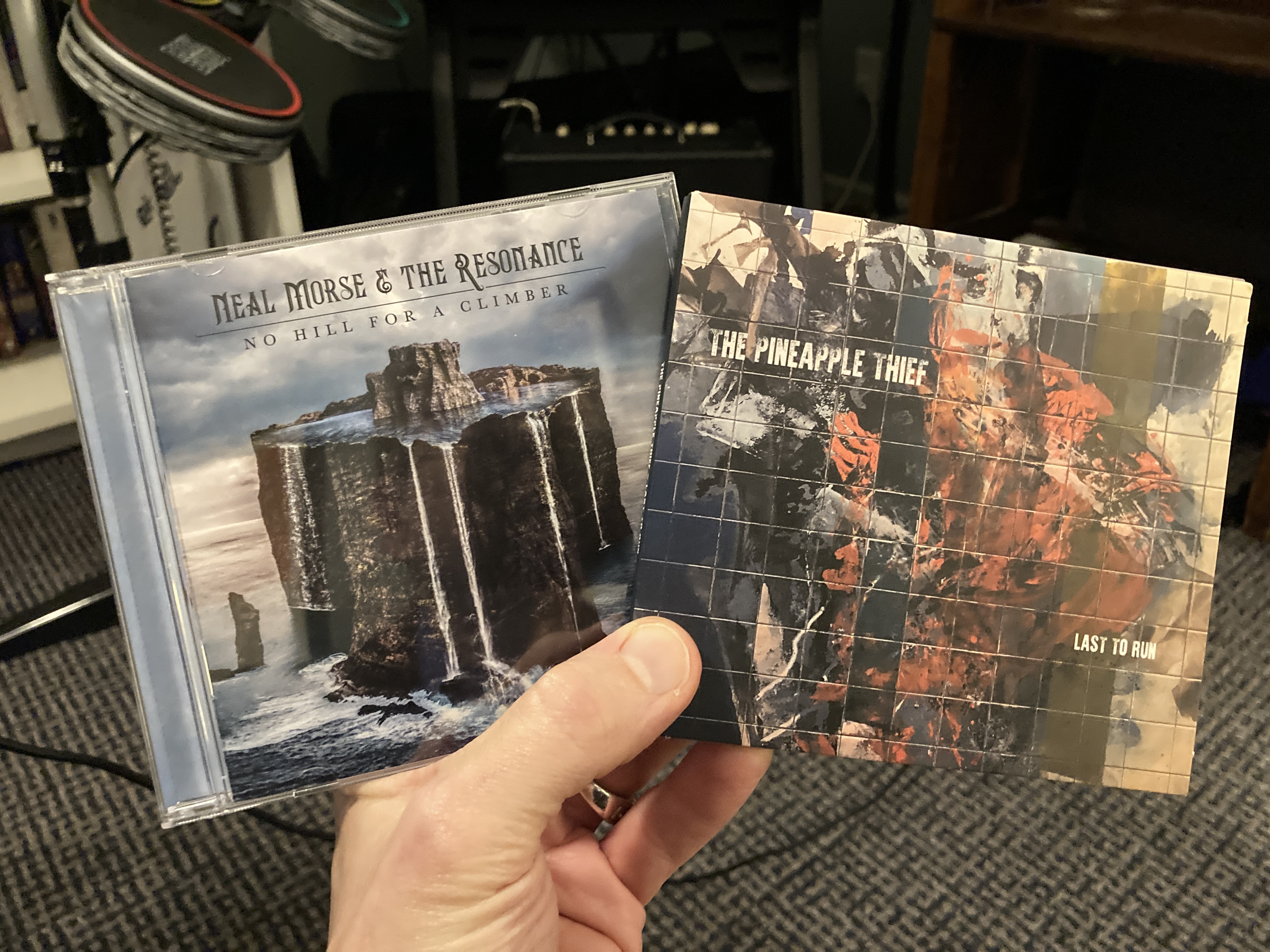
As his long-time collaborators spin off in other directions, Neal Morse just keeps on keeping on! Teaming with The Resonance, a purpose-built quartet of young Nashville hotshots, Morse’s latest No Hill for a Climber (listen here) is a bit of a throwback; instead of full-blown rock opera, Morse builds a multi-faceted album, sandwiching creepy swinger “Thief”, head-down rocker “All the Rage” and melting ballad “Ever Interceding” between twin epics (opener “Eternity in Your Eyes” and the closing title suite). The more straight-on vibe Morse embraced on his Joseph duology predominates here, but with enough detours to keep long-time listeners coming back and intrigue new hearers.

Straight-on is a pretty good description of the new The Pineapple Thief EP Last to Run (listen here) as well; far more than leftovers from the fine It Leads to This, the five songs included here strike hard and deep. As Gavin Harrison weaves enticing rhythmic illusions on drums, Bruce Soord spins up dark, pensive vignettes of personalities in crisis (“All Because of Me”), relationships snarled by dysfunction (“No Friend of Mine”) and societies on the brink (“Election Day”). Another band that mines a familiar vein repeatedly, yet consistently leaves listeners craving more.

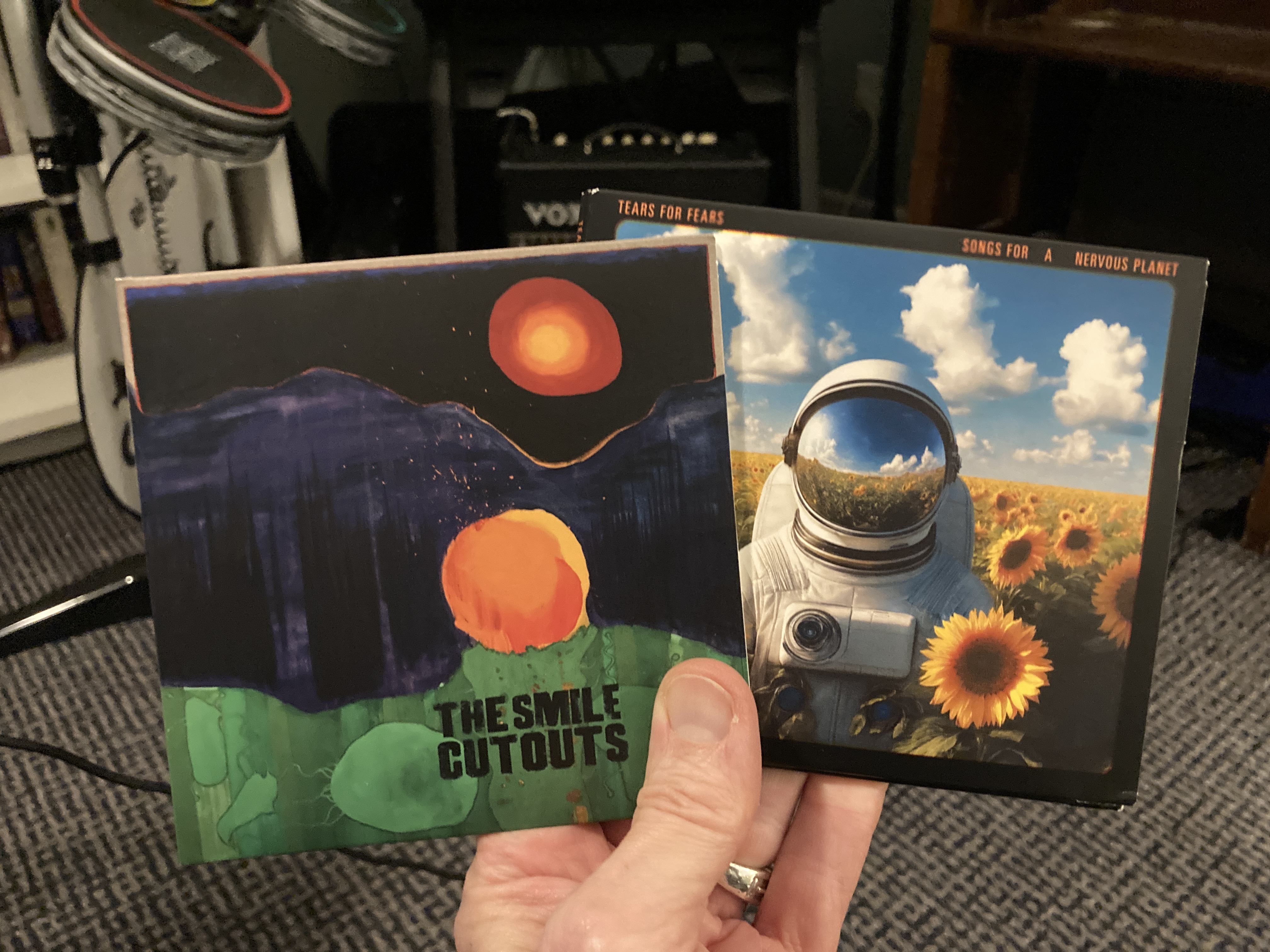
Speaking of dysfunction, The Smile’s Cutouts (listen here) resembles nothing so much as a numbed comedown, trailing the apocalypses unflinchingly depicted earlier this year on their Wall of Eyes. Thom Yorke’s nonsense lyrics and bleached-out vocal affect sound light-years away from the redemption Radiohead intimated even at their most jaundiced; Jonny Greenwood spins up orchestral/electronics, evoking distant, forgotten nightmares; Tom Skinner holds down the spare, spacey beat, blithely driving into nothingness. If not as gripping as this trio’s first two albums, Cutouts can still compel with its chill.

But where The Smile chills, Tears for Fears seeks warmth; the four fresh tracks on TfF’s mostly-live Songs for a Nervous Planet (listen here) home in on healing (“Say Goodbye to Mom and Dad”), lasting love (the lush “The Girl that I Call Home” and the psychedelic “Emily Says”) and self-actualization (the quirkily glib “Astronaut”). And there’s plenty more catharsis in concert, as Roland Orzbaal, Curt Smith and backing band blast out the hits of yesteryear and revisit the highlights of their fine 2022 comeback The Tipping Point, all with plenty of enthusiasm and aplomb.

(Live albums and archival releases – box set time! – follow the jump.)

Continue reading “Rick’s Quick Takes: 4th-Quarter ’24 Lightning Round!”

Neal Morse: The Progarchy Interview

Justifiably one of our Artists of the Decade, Neal Morse has been prolific as ever in the past few years: a two-album rock opera on the Biblical tale of Joseph, made with an all-star cast [The Dreamer and The Restoration]; solo albums like 2020’s Sola Gratia and the new Late Bloomer; album/tour cycles with Transatlantic [The Absolute Universe] and the NMB [Innocence and Danger]; plus the new semi-acoustic trio with Nick D’Virgilio and Ross Jennings, as heard on the albums Troika and Sophomore.   When I connected with him recently, the focus was on his new band The Resonance, their new album No Hill for a Climber (out November 8th) and his upcoming cycle of Morsefest weekends in the US, EU and UK.  Due to audio glitches beyond our control, we can’t post the whole conversation, but the excerpts below capture Neal’s excitement about the new release and his upcoming shows, his candor about the challenges of putting an album together, and his enthusiasm for delving deep into the creative process.

How the new album project came together:

‘I was looking out at 2024, and I didn’t know what I would be doing aside from the Late Bloomer album; I’d already written all the songs.  And then I had Morsefest London and we had Cruise to the Edge with Flying Colors.  But aside from that, I didn’t have anything else booked for the whole year.

And I was talking about it with my wife.  And she said, there are all these really great local guys that I’ve played with at different events – Christmas concerts, church gigs, things like that.  It was her idea that I’d try to make a prog album with those guys.  At first, I was like, “well, maybe we could do a few writing sessions and see how it feels.” 

But the thing that really attracted me to it was the fact that everybody’s local.  I read about The Beatles in the old days; they were all living around London, some of them only ten minutes from the studio.  So, if somebody was inspired with a song, they could just get on the phone and meet at the studio very often, while the fire is hot, so to speak.  There’s something really inspiring about that for somebody that’s creative.  If you get inspired by an idea, it can be a bummer if it takes a really long time to work on it or come to fruition. 

I really enjoyed this; there was a lot more freshness happening on No Hill for a Climber for me.  Some of those things I just had the idea right before we got together to work on it.  And I actually wrote quite a bit of the stuff in the room, and I also wrote some of the stuff by myself.

There’s great players of all shapes and sizes [in Nashville].  And really, those musicians: they might be playing country cause that’s what pays, but secretly they love Mahavishnu Orchestra or something! I’ve found that to be very common.  Same in Christian music.  These guys really love prog, actually!  And it was great to get together with some young people with different ideas.  There were ideas they had that would never occur to me!’

About the members of The Resonance

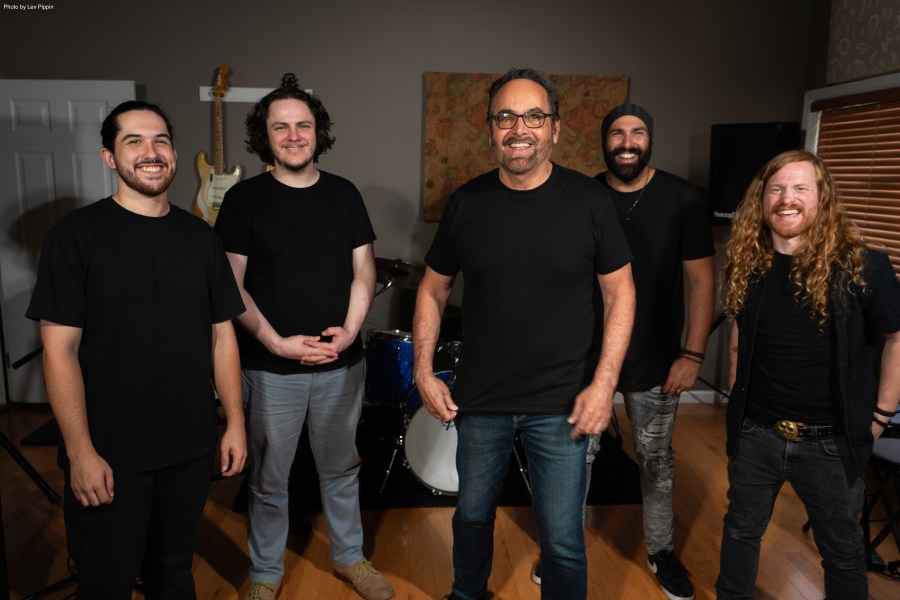
‘Chris Riley I’ve known for about ten years.  I first met him at Morsefest, actually.  I can’t remember when I met him next, but over time we became friends; he began to play bass at City On A Hill Church in downtown Nashville, the church where I was pastoring at the time.  And he’s come to all the Radiant Schools, these week-long schools that I have here.  And so I started to hear his progressive rock music, which was really amazing!  At the Radiant School, when we’d listen to each other’s music that the students were all writing during the week and also had brought in stuff they’d written.  When Chris’ music would be playing, everybody would come running like, “What is that?”  And he’s a multi-instrumentalist, a really interesting artist, I think.  Kind of a left-field guy.  He’s the guy that helped me do the soundscapes on the Joseph albums, some of the really weird ones.  He’s really out there.  Expect the unexpected with Chris Riley!

Philip Martin is a young guy that I’ve known most of his life, because we’re friends with his parents.  And I got to watch him develop as a musician, as a person.  He was getting better and better at the drums, and so I asked him to start playing percussion; he’s been the percussionist at Morsefest for many years now.  So, Philip’s been percussionist at Morsefest and also playing with me – you might recognize him in some of the videos I’ve done; he’s been in other things.  He’s really blossomed as you can hear on the album.  The drumming’s pretty great, I think!

Andre Madatian is a music teacher and a guitar player that I’ve known for about 10 years also.  And he played a guitar solo on the Joseph album that I really, really liked.  Anyway, he’s a really pleasant guy to be around, and when I was talking about who might I make a record with – whenever he comes to play, he just brings so much to the table.  And so I thought, “Well, let’s have preparatory writing sessions,” and the rest is history, you might say.

[The vocalist] was the wild card.  When we were writing this music, we were hearing, I was hearing particularly these high vocals in certain sections.  In fact [ballad] “Ever Interceding”, when I wrote it, I wrote it in D, knowing that I can’t sing it!  The bridge starts on an A and I can’t get anywhere near that, really.  But I didn’t want to change the key and lower it for me; it didn’t feel right.

So, there we had all these songs, but we didn’t have a singer.  And we were delivering the album in May and it was mid-April!  And I was talking to the singer that was a friend of Andre’s that he said was just awesome and came highly recommended.  Well, I talked to him for a week; he said he was going to come over the next week.  And around the end of April, he says “Hey, I’m busy; can we talk about June?”  And I said, “No; I’ve already got a time line on this!”  And Rich [Mouser] is set up to mix.  We’ve gotta deliver this thing!

So I started making some more calls, and a mutual friend said, “Oh, I’ve got the guy, this Johnny Bisaha.  He’s gonna be amazing!”  What’s so incredible to me, I think we met right at the end of April; he came over the first week of May, I believe, and did all his vocals on the album in two days.  In the eleventh hour he came and just hit it right out of the park.  And he’s also just another pleasant, great guy to be around, and that’s important too.’

Where the album title came from:

‘Well, it’s not a concept album, so it’s not telling a story; it would be like Close to the Edge.  “No hill for a climber” – I was reading a book called Demon Copperhead [by Barbara Kingsolver], and that was in February.  We were flying to see my daughter and her husband in Colorado, and I was reading that.  And I said, “What a phrase!”  I don’t know if you ever do that, if you’re reading and a phrase will jump out at you.  “That’s a cool saying!  I’ve never heard that – no hill for a climber.”

So I was just sitting there on this airplane flight, and I started singing it to myself.  I got up and I started walking up and down, cause I didn’t want to wake up the person sitting next to me!  So, I’m walking up and down the aisle singing into my phone real close, hoping it’ll come out with all the noise.  Quite a bit of the sketch of that chorus came right out on the airplane.

And then I sat down and started reading the book again.  And a little while later, I started hearing the thing that comes afterward.  So I get up and I’m walking around the airplane again!  I got up a few times on that one flight.  My wife finally said to me, cause she was sitting with the baby elsewhere, and she said “Man, what’s with you?  What’s going on?  Have you gone crazy?”  I said, “I don’t know, man; God’s giving me a lot of stuff – I want to make sure I don’t lose it!”  I knew it was good.’

About the opening suite, “Eternity in Your Eyes”:

‘Some of what I wrote, I would say that’s got some of the most Spock’s Beard-type stuff in it.  Some of it’s quite reminiscent of Spock’s Beard – even the sounds.  The bass sound – we actually ran four tracks of bass to achieve the sound that we got!  I’m really happy with it.

There’s so much to say about it.  It originally was not a particularly long piece.  I had written the verse and the chorus for “Eternity in Your Eyes” on piano.  Part of my job as producer was to listen to the other music that the other guys had written and figure out where to place it or how to use it.  And so I had the idea to start off that piece – as it grew; after we added Chris Riley’s demos, the “Northern Lights” part and the “Hammer and Nails” section.  Cause I listened to his demos, and he had this really long piece; I don’t remember how long it is, it’s like 40 minutes long.  And I asked if we could take those parts out and put them in “Eternity in Your Eyes”.  And he was just like, “Oh, yeah, sure, yeah.”  And I was like, “Oh, great!”  Cause I loved those sections.

So then the challenge was to figure out how to get into there from “Eternity in Your Eyes”, and then how to get out!  And once we did that, I listened down to the whole thing and went, “You know, we need something between those two parts!” [Laughs} I was in the mountains in Gatlinburg, Tennessee for a few days, and I had the idea to put in a jam in the middle.  I was like, “man, there isn’t enough stretching out and soloing!”  One thing I really liked that Transatlantic did was that they would stretch out parts and really get into a long solo section that starts off small and builds up.  I’ve always really liked that, but I don’t always remember to put those into the things I’m working on.

Anyway, I had the idea to put in the jam thing, but then going from the jam into “Hammer and Nails” didn’t really work.  So then the idea to put in a little bit of the chorus.  And now that it’s becoming this longer piece, it makes a lot of sense to put in a little bit of the chorus in there, to tie it all in.  And then it was one of the other guys that had the idea to have Johnny sing it!  Then once Johnny came in, it was, oh!  We need him to sing on more than “Ever Interceding” and “No Hill”.  So let’s have him sing a verse of “All the Rage”, and let’s put him in the bridge of “Eternity in Your Eyes” – you see what I’m saying?  As it was developing, all of these things were changing.  Right up until the last minute, actually.

Everything you put in changes the perspective of the whole piece.  Cause when you listen down, you want to feel the flow.  And that’s the greatest challenge of the long pieces is getting the flow right.  It’s not easy! [Laughs]  It doesn’t usually just happen perfectly out of the gate.  There’s a lot of consideration and cutting and pasting and putting in.  But as long as you step back from the canvass and go, “Yeah!  Yeah!  It’s working; I think we’ve got it, [British accent] by Jove!”’

About “Thief”, the second track and second single:

‘Yeah!  I don’t know where these things come from.  I was just taking a nap one afternoon; and I woke up with this strange “Thi-e-e-e-f” [Demonstrates words and bass line].  So I had this idea for the beginning.  And this is one of these times where collaborations really kick in.  I had the beginning, which was weird and kinda spooky, and it was like, “Where do I go from here?”  I tried a bunch of things; I finally went into a 6/8 thing.  [Demonstrates} “Everything you touch turns into lies”.  I was very happy with that; it sounded kind of like Queen.  And then I had the idea [demonstrates], “My Lord’s gonna fight” and I wanted to go into something big – but I everything I tried, I tried a lot of different things and nothing was working for me.

So I called up Chris Riley; that’s the great thing about having everybody local.  Chris just came over that night and he listened to it.  “Oh, yeah, cool!  What about this thing?”  That middle part of “Thief” is actually something that Chris Riley brought in to the Radiant School about 3 years ago [demonstrates] with the ascending bass and the organ.  He actually laid that into the computer, when we were just sort of getting it out.  Cause I didn’t really remember how that went.

And I knew I wanted to peak it out and have it stop, wait and go “Thief!”  Cause that’s the way my mind works.  My original idea was that we’d do some blistering fiddly bit and then stop.  But I thought, “I don’t know; it seems like I’ve done that a lot.”  Then I had the idea, “What if we all just freak out?  We’re just going along and all of a sudden, everybody just starts going out, playing random, crazy stuff?  And then stopping all together!”  And of course, obviously, that’s what we wound up doing.  That’s actually one of my favorite moments on the album. [Laughs] It’s so crazy!  When we first tracked that, it was Philip Martin and me playing bass.  It started out with just bass and drums and everything else was layered on on top of it.’

About “All the Rage”, the first single:

‘I was looking for a chorus; I wrote that one by myself, so I had the opening that I thought was good, proggy but yet a little rock riff.  It’s in 4/4, you know? [Chuckles]  I had the whole thing up to the chorus, and I kept trying different choruses.

And when I came up with that “all the rage” thing, that was what fed the whole lyric. “You’re all the rage, but you won’t turn the page.” The whole lyric sort of fell out of that.  It’s a challenge to write stuff that’s progressive yet short yet accessible.  And we tracked that together in the room, just rockin’.  And I think you can feel that; that has a good fresh feel about it.  And the tempo’s changing; if you notice, the last chorus is quite a bit faster than the other choruses.  But I think that’s what gives it life.  I think it has a lot of good feel to it.’

Continue reading “Neal Morse: The Progarchy Interview”

Rick’s Quick Takes for Spring

For your consideration, recent releases from the worlds of prog, jazz, folk, country and marvelously unclassifiable music. As usual, purchase links are embedded in the artist/title listing, with streaming previews below the review.

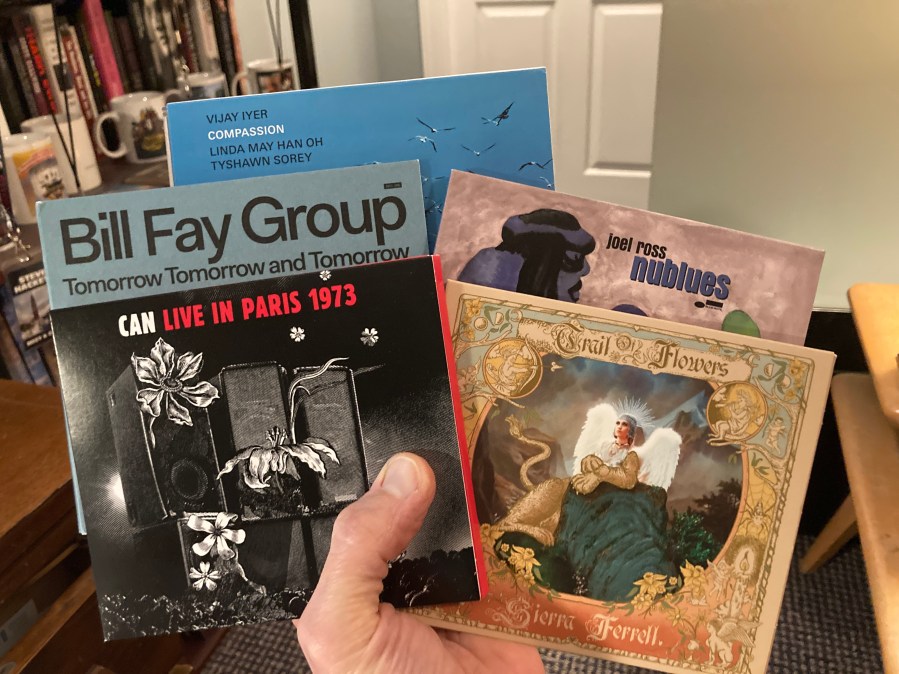
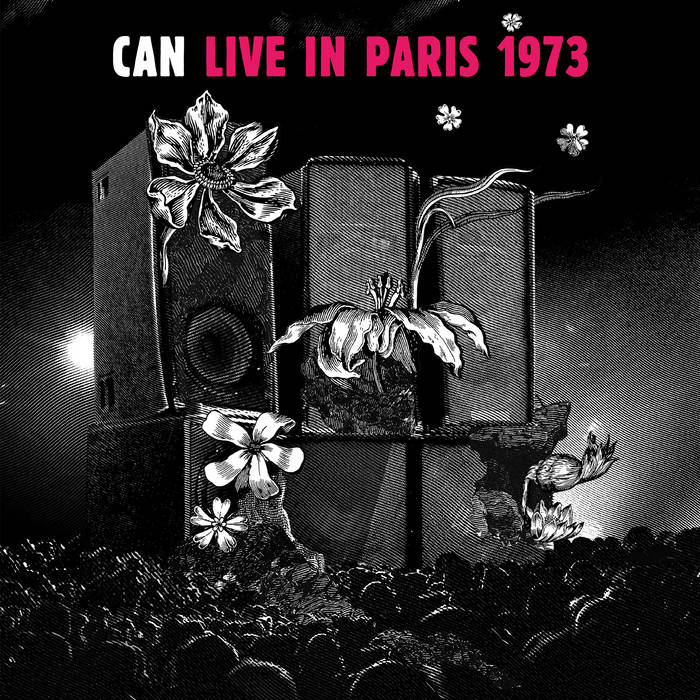
Can, Live in Paris 1973: Another immensely enjoyable archive release from the guys who sent krautrock into orbit with a winning combination of tight grooves and freeform jamming. The fresh angle this time around is the presence of late vocalist Damo Suzuki; locking in with Jaki Liebezeit’s propulsive percussion, the throbbing bass of Holger Czukay, and Michael Karoli and Irwin Schmidt’s guitar/keyboard interplay, Suzuki burbles, banters, bickers – a daffy, devious jester who pulls improvised melody and lyric from thin air as he goes along. Oh, and forget about sounding “just like the records” – studio tracks “One More Night” and “Spoon” are touched on to kick off the jams, then abandoned or deepened, stretched like taffy to the point of sonic hypnosis, mannnn . . . Five gripping examples of Can’s live prowess; whether they could actually stop time or not (it may have been the psychedelics), these ninety minutes of unbridled creativity go by in a flash.

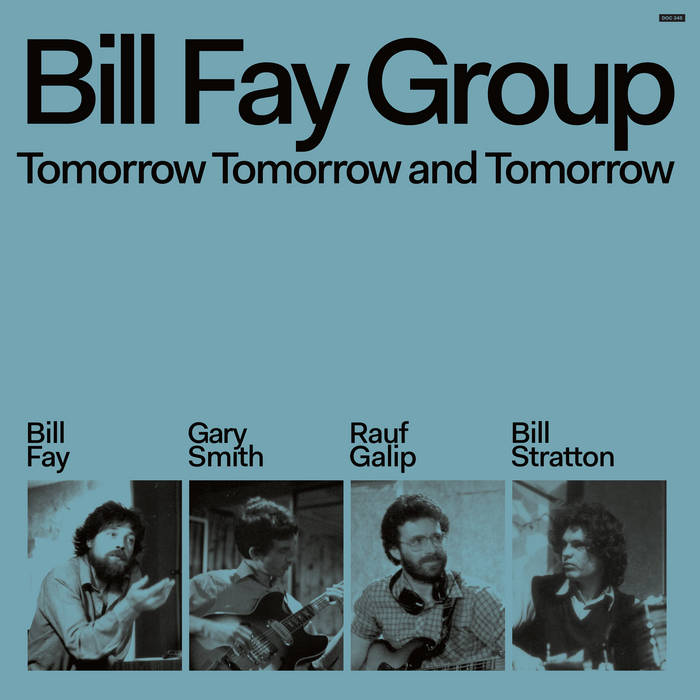
The Bill Fay Group, Tomorrow and Tomorrow and Tomorrow: Ignored in the late 1960s and early 70s, British singer-songwriter Fay achieved cult favorite status after Wilco covered his hymnic “Be Not So Fearful” in the wake of 9/11. Utterly unlike the manneristic Dylan-meets-Kinks pop of his debut or the bleak rock crunch of 1971’s lost classic Time of the Last Persecution (both well worth seeking out), these vibrant demos from 1977 capture the gentle Christian mysticism at the heart of Fay’s songs, executed with grace and empathy by the three-piece Acme Quartet (?). The multiple versions of meditations like “Strange Stairway”, “Isles of Sleep” and “Life” radiate understated grace and power, foregoing apocalyptic panic to embrace simple, jubilant confessions of faith (“So that the world might believe/That Life has risen/That Life has conquered”). Prayers and hypnotic invocations that invite and welcome without rancor or hectoring, couched in song that’s timeless yet vividly in the moment.

Sierra Ferrell, Trail of Flowers: Widescreen mountain music for the anxious generation, this went straight to my 2024 Favorites list. In West Virginia native Ferrell’s sure grasp, her second album mounts to melodramatic heights on the wings of old time country. Ferrell’s sly, witty songwriting whiplashes between Americana subgenres to perfection; her opening run of originals – yearning road dog anthem “American Dreaming”, cautionary honky-tonk stomp “Dollar Bill Bar”, giddy fiddle reel “Fox Hunt”, and string-swathed heartbreaker “Wish You Well” left me astonished in the wake of their range and breadth. There isn’t a dud track here (check out jaunty Latin-tinged romp “Why Haven’t You Loved Me Yet”, murder ballad “Rosemary”, hybrid gospel/love song “Lighthouse” – oh heck, all of ’em); when you add in Ferrell’s beguiling voice (spanning the spectrum of twang from Janis Joplin to Dolly Parton and all points between) and gutsy fiddle work, plus producer Eddie Spear’s rich gothic ambience, the result is thoroughly winning. Believe the hype – if anybody can save country music from Greater Nashville’s ongoing torrent of processed pop, artists like Sierra Ferrell and Charley Crockett (both playing my local outdoor amphitheater this summer) are your best bet.

Vijay Iyer, Compassion: Building on the near-telepathic teamwork they established on 2021’s Uneasy (one of my faves from that year), pianist Iyer, bassist Linda May Han Oh and drummer Tyshawn Sorey come out swinging with this full-on follow-up. The impressionistic title tune shimmers into focus, with the trio relying on space and silence as much as sound; a luscious take on Stevie Wonder’s “Overjoyed” doubles as a tribute to Chick Corea, inspired by Iyer’s opportunity to play the late legend’s own piano. Whether on the angular, driving “Ghostrumental” or the rugged throwback blues “It Goes”, Oh pulls gorgeous melodies out of the air, Sorey whips up a seething percussive stew even as he grooves, and Iyer stirs in one heady, pensive idea after another. Iyer characterizes the music as “a reminder, an assurance, a plea, and perhaps an inspiration – to find each other in this together”; it’s a tribute to these exceptional musicians that, with what seems like maximum grace and minimum sweat, Compassion tangibly conjures up the empathy it advocates in sound.

Joel Ross, nublues: Chicago-born vibraphonist Ross impressed me to no end when I caught him live as part of the Blue Note 85th-Anniversary All-Star Band this past January. His fourth album is of a piece with his previous three: a soundworld of abstract yet delightfully contemplative jazz, soaked in the blues, always tumbling and turning with a non-stop flow of invention. Ross’ interaction with young saxophone lion Immanuel Wilkins (also an All-Star), Jeremy Corren on piano and bass/drums duo Kanoa Mendenhall and Jeremy Corren are the secret sauce at the music’s heart, whether putting their own spin on Thelonious Monk’s “Evidence” or John Coltrane’s “Equinox” and “Central Park West”, conjuring the title track from thin air – Mendenhall shines on bowed bass here – or building “Bach (God the Father in Eternity)” into a steamrolling surge of gospel-soaked eloquence. It’s like crashing a conversation already in progress and discovering you were invited all along.

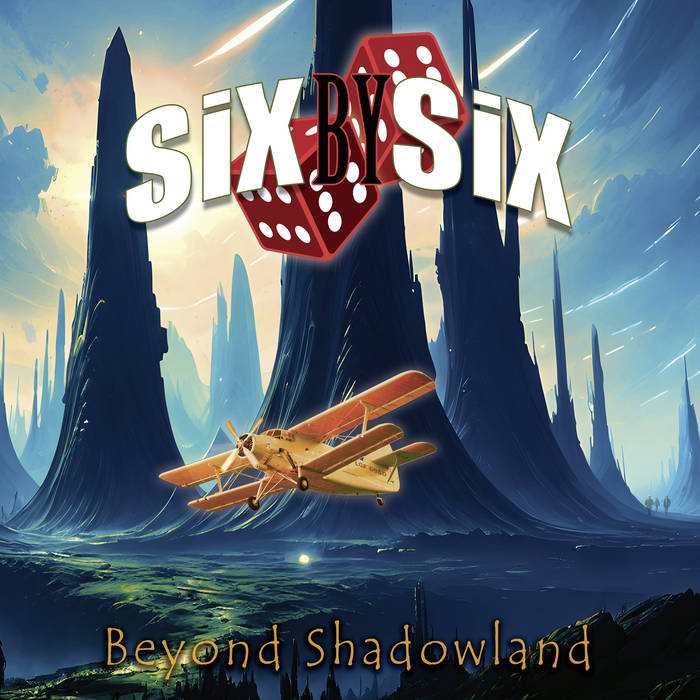
SiX by SiX, Beyond Shadowland: Robert Berry, Ian Crichton and Nigel Glockler hit hard and strong, blasting past Difficult Second Album Syndrome to craft a wild and wooly extension of their first-rate debut. Sonically, this one comes across hotter and crunchier, as multi-instrumentalist Berry corrals Crichton’s hypercreative guitar licks into decidedly unconventional song structures, then layers in heaping helpings of lyrical positivity, while Glockler lays down rock solid percussive foundations. The result is a record that gets stronger as it goes, with head-turning surprises that stack up thick and fast: the acoustic-based sci-fi narrative “Obiliex”, the slashing, tribally funky “Titans”, the fuzz-toned flutter of “Sympathize” and, in “One Step”, an epic that progresses from yearning balladry through a proggy midsection to a hip-hop shuffle that works! Add in the relatively straight-up singles “Arms of a Word” and “The Mission” and you have a sophomore effort that oozes both mass appeal and maximum creativity. Check out the new Progarchy interview with Robert Berry here.

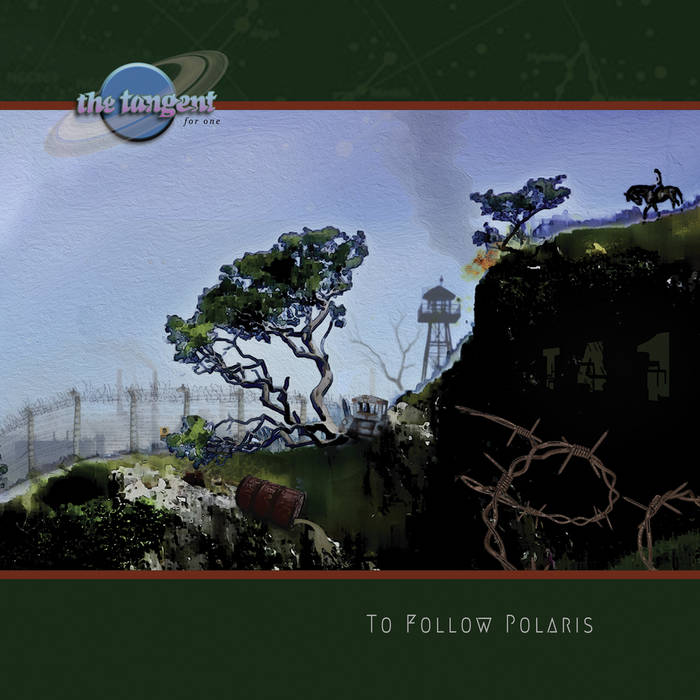
The Tangent, To Follow Polaris (released May 10): On which Andy Tillison takes off the gloves. Playing all the instruments himself (the album’s labeled “Tangent for one”) with style and panache, Tillison sails confidently through textures ranging from glitchy electronica to vintage soul and funk, with generous lashings of his trademark organ and synthesizer throughout. Kaleidoscopic overture/mission statement “The North Sky” lays down Tillison’s lyrical marker on graspable truth; brooding ballad-of-the-algorithm “A Like in the Darkness” paints a genuinely creepy portrait of online life; “The Fine Line” muses on the commodification of journalism, “destroy[ing] the world to sell the story”. Then on “The Anachronism”, Andy lets it rip – a furious jeremiad calling out both the ineffectual monocracy that’s lost its grip on events and the self-absorbed masses who watch it all happen on their phones. The whole thing builds to a crashing, anarchic climax – only to return to Tillison’s beginning, “follow[ing] the North Star/(When all around me seems to be going South)”. Be warned: something Tillison sings on this audacious, accomplished effort will probably cheese you off – but only because, in a world of grinning provocateurs, shameless attention whores and cynical game players, he’s a genuine idealist, with no other agenda than speaking his mind and wondering why we can’t have a better world.

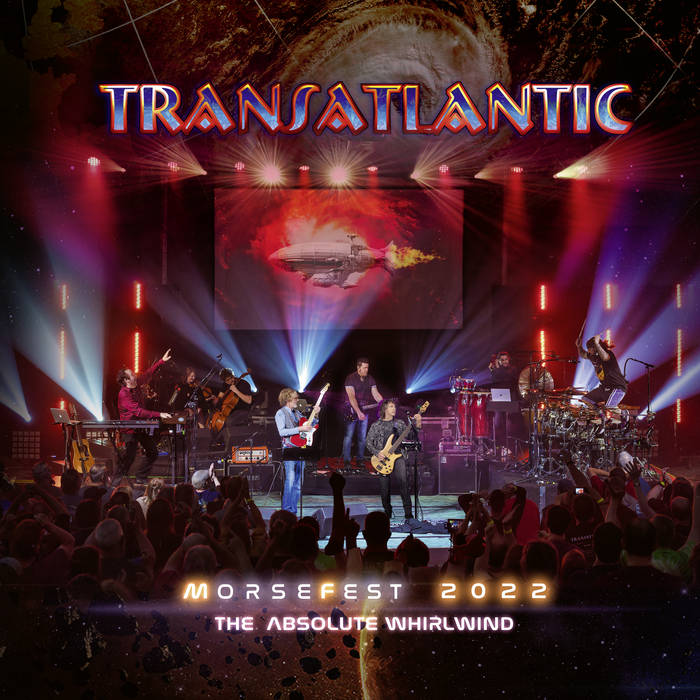
Transatlantic, Morsefest 2022: The Absolute Whirlwind: Or should this be subtitled, “More Never Is Enough . . . Yet Again, Still”? Transatlantic’s second live set off the back of 2022’s The Absolute Universe, this five-CD, two-BluRay set certainly doesn’t skimp on the quantity. There’s five hours of music here from two consecutive nights: the twin album-length epics that provide the release’s title, three elongated ballads, a side-long Procol Harum cover, and bits and bobs of five more extended extravaganzas from the back catalog. It’s not all gravy; there are brief instants where the energy flags and, as Neal Morse and Roine Stolt strain to sing the high notes, I’m reminded that it’s been 25 years since this supergroup first crashed into the prog world’s consciousness. But these are far outnumbered by the moments where Morse, Stolt, Pete Trewavas, Mike Portnoy and “fifth Transatlantic” Ted Leonard fire up the afterburners and launch into startlingly tight ensemble passages, awe-inspiring solos, pin-sharp vocal counterpoint (often backed up by a real choir), dizzying transitions and over-the-top, orchestrally augmented climaxes. Too much of a good thing? It’s possible – but, with the recent news that Portnoy’s resumed the drum chair in Dream Theater, Transatlantic isn’t a good thing to be taken for granted.

— Rick Krueger

Rick’s Quick Takes: Summer, Part 3

Unless otherwise noted, title links are typically to Bandcamp for streaming and purchasing, or to Spotify/YouTube for streaming with a additional purchase link following the review.

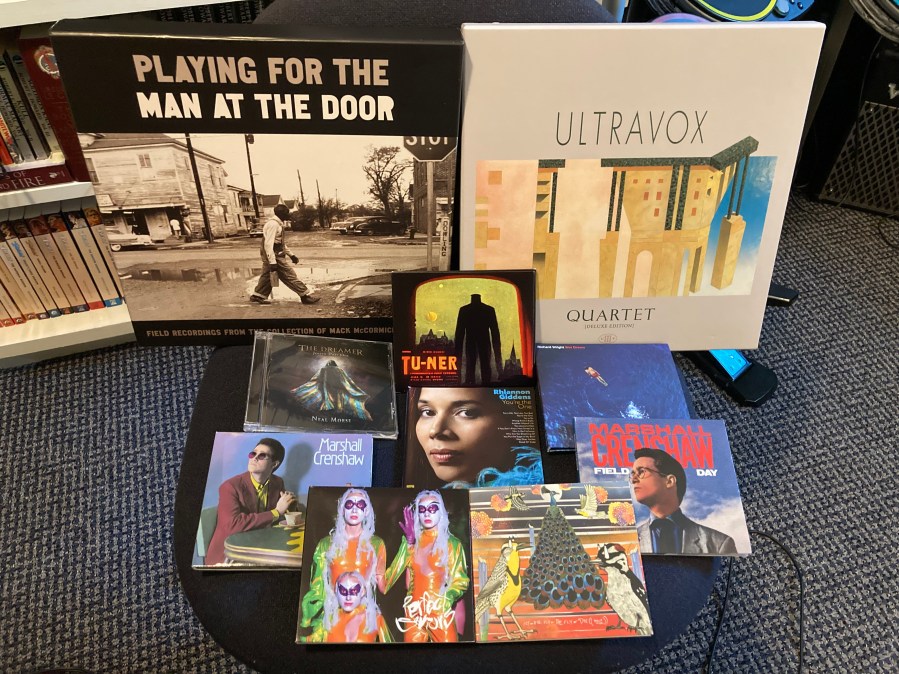
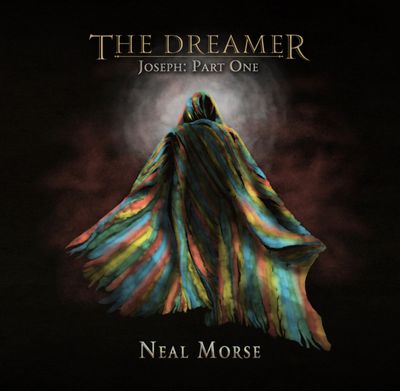
Neal Morse, The Dreamer – Joseph, Part One: For his latest rock opera a la 2019’s Jesus Christ the Exorcist, Morse and his studio sidekicks swerve toward hard-hitting blues-rock; the usual “Overture” and the narrative tracks “Burns Like A Wheel” and “Gold Dust City” are stuffed to the brim with chunky organ and grunged-up wah-wah guitar work. Wailing vocals from the cast of Christian Progressive Rock stalwarts who play Jacob, Joseph’s brothers and his Egyptian captors slot right in; even the power ballads (“The Pit”) have more grit this time around! And while the second half of the album is stylistically slicker (complete with classical chorale “I Will Wait on the Lord”), the hooky closer “Why Have You Forsaken Me?” pulls all the musical threads together, with Morse’s emotive portrayal of Joseph setting up intriguing possibilities for Part 2 — which, given his extravagant productivity, shouldn’t be too long in coming. Order from Radiant Records here.

Tu-Ner, T-1 Contact Information: Power trio improvisation that takes no prisoners, from another eerily luminous satellite band orbiting the gravity well of King Crimson. Trey Gunn and Pat Mastelotto formed one of Crimson’s most ferocious rhythm sections in the early 2000s, also recording together as TU; here Mastelotto clatters away merrily on his sonic smorgasbord of drums and percussion, while Gunn unleashes the deepest, fattest bass licks known to subwoofers. Above and around the Rhythm Buddies’ brutalist bedrock, Markus Reuter (who’s worked with Mastelotto in the duo Tuner and the trio Stick Men) unleashes slashing, swooping touch guitar lines and dark, brooding soundscape clouds — and when Gunn joins him on the higher end, sparks really fly. Always arresting, intermittently galvanizing, but the track titles (or this review for that matter) can’t really give you a feel for what this sounds like. In other words, you’ve gotta hear what Tu-Ner do to believe it.

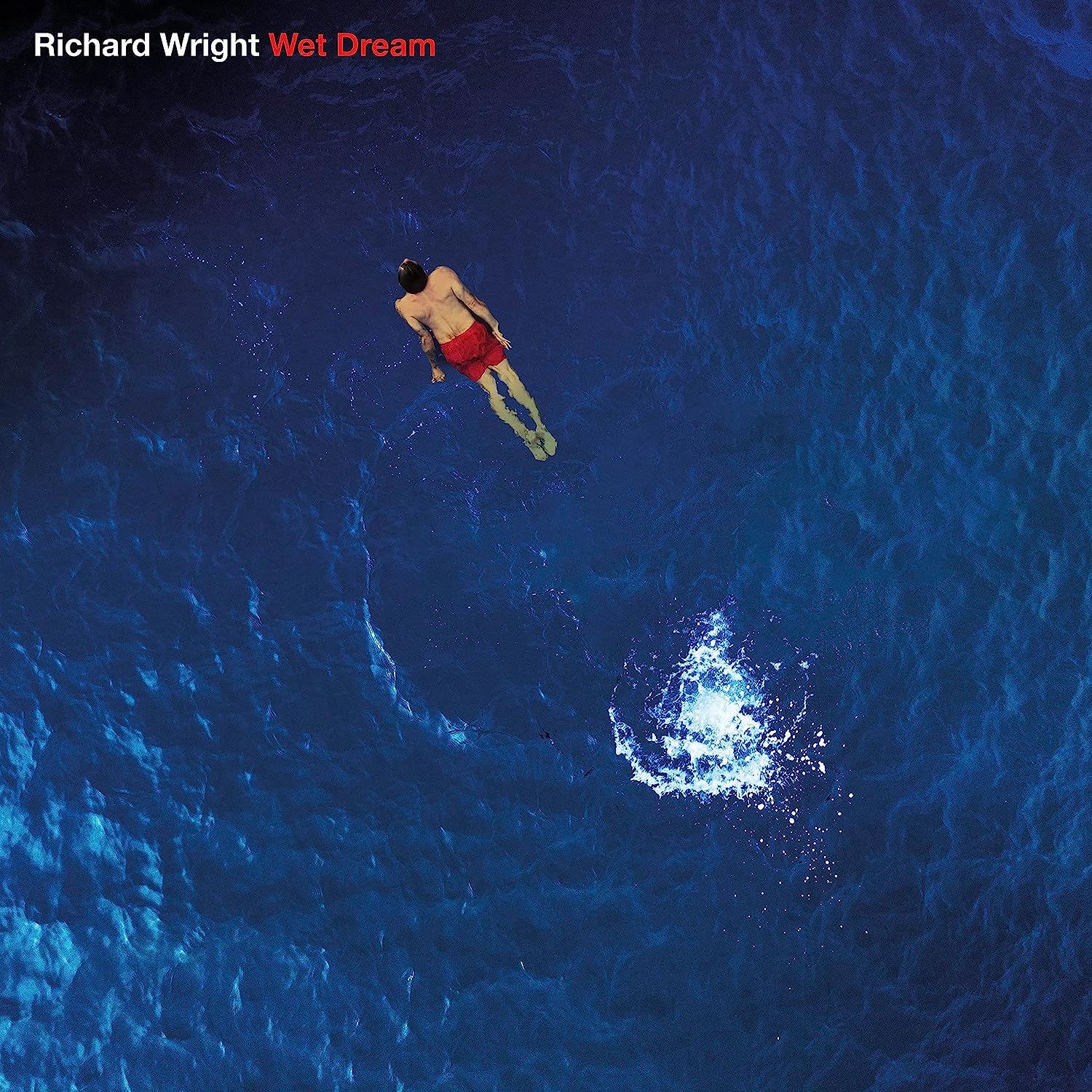
Richard Wright, Wet Dream: In case you ever wondered exactly what keyboardist Wright brought to Pink Floyd, his 1978 solo album has it in spades. On tracks like “Mediterranean C” and “Drop In from the Top” lush, floating chord progressions set up open-ended jams by guitarist Snowy White and sax legend Mel Collins; Wright’s reedy voice spins out languid vignettes of detachment and disillusion such as “Summer Elegy” and “Holiday”. All thoroughly gorgeous (especially in this immaculate new Steven Wilson remix), occasionally funky, ineffably melancholy — and not terribly urgent in isolation. Still, you can hear the breathing space that Floyd lost as Wright faded into the background and Roger Waters began repeatedly kicking his audience in the head on The Wall. Order from Rhino Records here.

Ultravox, Quartet [Deluxe Edition]: Speaking of immaculate Steven Wilson remixes: this is his third in a series for the British new wave quartet. Regrouping after early personnel changes, Ultravox struck a quirky vein of New Romantic post-punk on 1980’s Vienna, then pursued cutting-edge Krautrock on the follow-up Rage in Eden. Connecting with legendary producer/5th Beatle George Martin, frontman Midge Ure, violinist/keyboardist Billly Currie, bassist Chris Cross and drummer Warren Cann aimed straight for the charts; Quartet is as pure of a pop album as they ever achieved. The UK singles “Reap the Wild Wind,” “Hymn,” “Visions in Blue” and “We Came to Dance” have an irresistible mix of rock drive, synth-pop color and devil-may-care melody, and the album tracks slot right in; the whole thing’s overripe and melodramatic in the most appealing way. Plenty of extras in the 7-disc box too, with b-sides, rarities, rehearsal tapes, studio monitor mixes and an intense live set all included. Order from the Ultravox store here.

Continue reading “Rick’s Quick Takes: Summer, Part 3”

Rick’s Quick Takes: Summer, Part Two

Unless otherwise noted, title links are typically to Bandcamp for streaming and purchasing, or to Spotify/YouTube for streaming with a additional purchase link following the review.

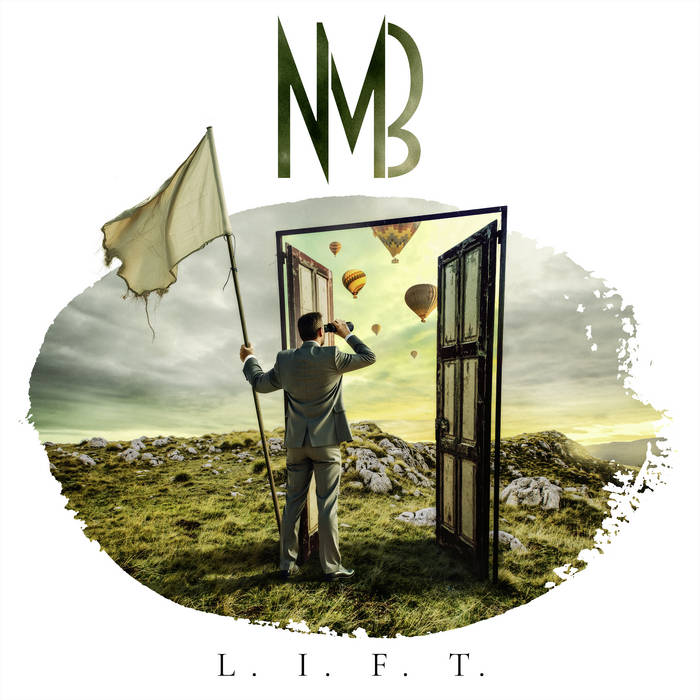
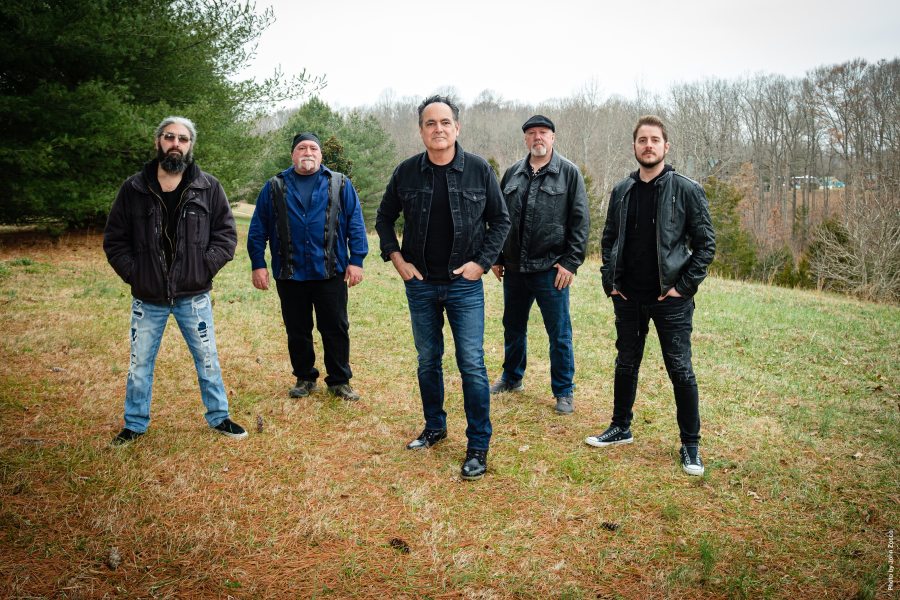
First off, the triple-disc elephant in the room: the Neal Morse Band’s An Evening of Innocence & Danger: Live in Hamburg. Morse, Eric Gillette, Bill Hubauer, Randy George and Mike Portnoy deliver exactly what the title says, plowing through the NMB’s most recent conceptual opus with the added excitement of rougher vocal edges and elongated opportunities for face-melting solos. Welcome deep cuts at the end of each set plus the heady mashup encore “The Great Similitude” heat things up nicely. The band’s delight in being back in front of a transatlantic audience comes through with (sorry not sorry) flying colors. Order from Radiant Records here.

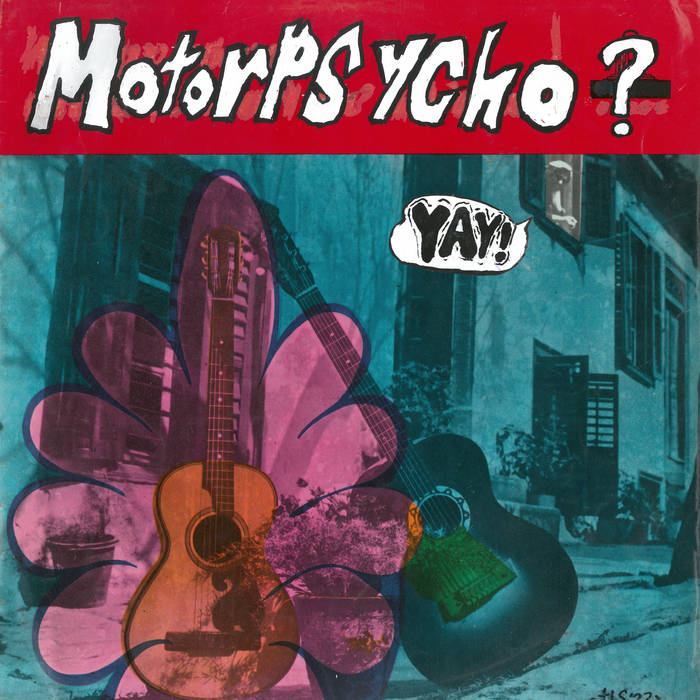
Motorpsycho, on the other hand, cools things down on their new, palindromically titled Yay! This time around, Bent Sæther, Magnus “Snah” Ryan and Tomas Järmyr back off the booming drones, steering into light acoustic textures and Laurel Canyon vocal harmonies for a fresh, intimate variation on their spiraling neopsychedelia. Even with titles like “Cold & Bored” and “Dank State (Jan ’21)”, the results are inviting and exhilarating. (And don’t worry — the band’s penchant for the long jam is alive and well on more expansive tracks like “Hotel Daedelus” and closer “The Rapture”) My favorite from this crew since 2017’s The Tower.

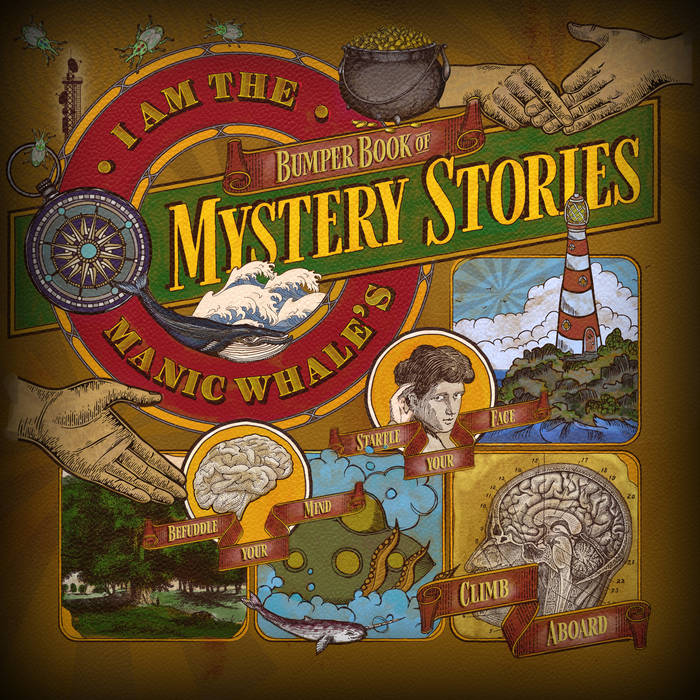
And, seconding Russell Clarke, I heartily recommend I Am the Manic Whale’s Bumper Book of Mystery Stories. Dialing down the snark of previous albums and turning up the atmospherics, it’s a thematically linked suite of veddy veddy British melodic prog vignettes engineered to thrill and disturb. Michael Whiteman and his jolly compatriots seem absolutely delighted to creep you out on “Ghost Train”, send your head spinning on “Erno’s Magic Cube”, and drag you into headlong adventure on land (“Secret Passage”), sea (“Nautilus”) and outer space (“We Interrupt This Broadcast . . .”). I felt like a kid again!

Meanwhile, Greta Van Fleet come slamming back with Starcatcher. With the polished studio sound of 2021’s The Battle of Garden’s Gate well and truly ditched, Frankenmuth, Michigan’s finest get down and dirty here, launching one ferocious rocker after another and mounting a stairway to . . . somewhere? on the trippy single “Meeting the Master.” Yeah, GVF still wear their influences on their capacious sleeves, and sometimes feel a bit inside the box for all the Kiszka brothers’ ecstatic caterwauling. But getting the Led out to Generation Z still strikes me as a worthwhile mission, and to see these young’uns keep the flame alight is all an aging rocker could ask for. Order from GVF’s webstore here.

Continue reading “Rick’s Quick Takes: Summer, Part Two”

Kruekutt’s 2021 Favorites!

I thought I didn’t have a big list of favorites from this year’s listening — until I revisited my six-month survey from back in June and added in the good stuff I’ve heard since then! The listing below incorporates links to full or capsule reviews, or other relevant pieces on Progarchy and elsewhere; albums I haven’t written about yet get brief comments, along with my Top Favorites of the year. Most of these are available to check out online in some form; if you find yourself especially enjoying something, use that Christmas cash and support your choice with a purchase! And the winners are . . .

Continue reading “Kruekutt’s 2021 Favorites!”

The Big Prog (Plus) Preview for Fall 2021!

What new music and archival finds are heading our way in the next couple of months? Check out the representative sampling of promised progressive goodies — along with a few other personal priorities — below. (Box sets based on reissues will follow in a separate article!) Pre-order links are embedded in the artist/title listings below.

Out now:

Amanda Lehmann, Innocence and Illusion: “a fusion of prog, rock, ballads, and elements of jazz-blues” from the British guitarist/vocalist best known as Steve Hackett’s recurring sidekick. Available direct from Lehmann’s webstore as CD or digital download.

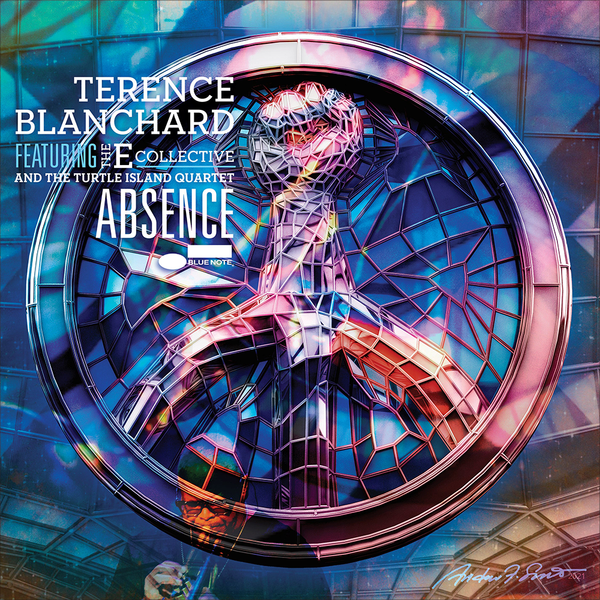
Terence Blanchard featuring the E-Collective and the Turtle Island Quartet, Absence: trumpeter/film composer Blanchard dives into music both written and inspired by jazz legend Wayne Shorter. His E-Collective supplies cutting edge fusion grooves, and the Turtle Island String Quartet adds orchestral depth to the heady sonic concoctions. Available from Blue Note Records as CD or digital download.

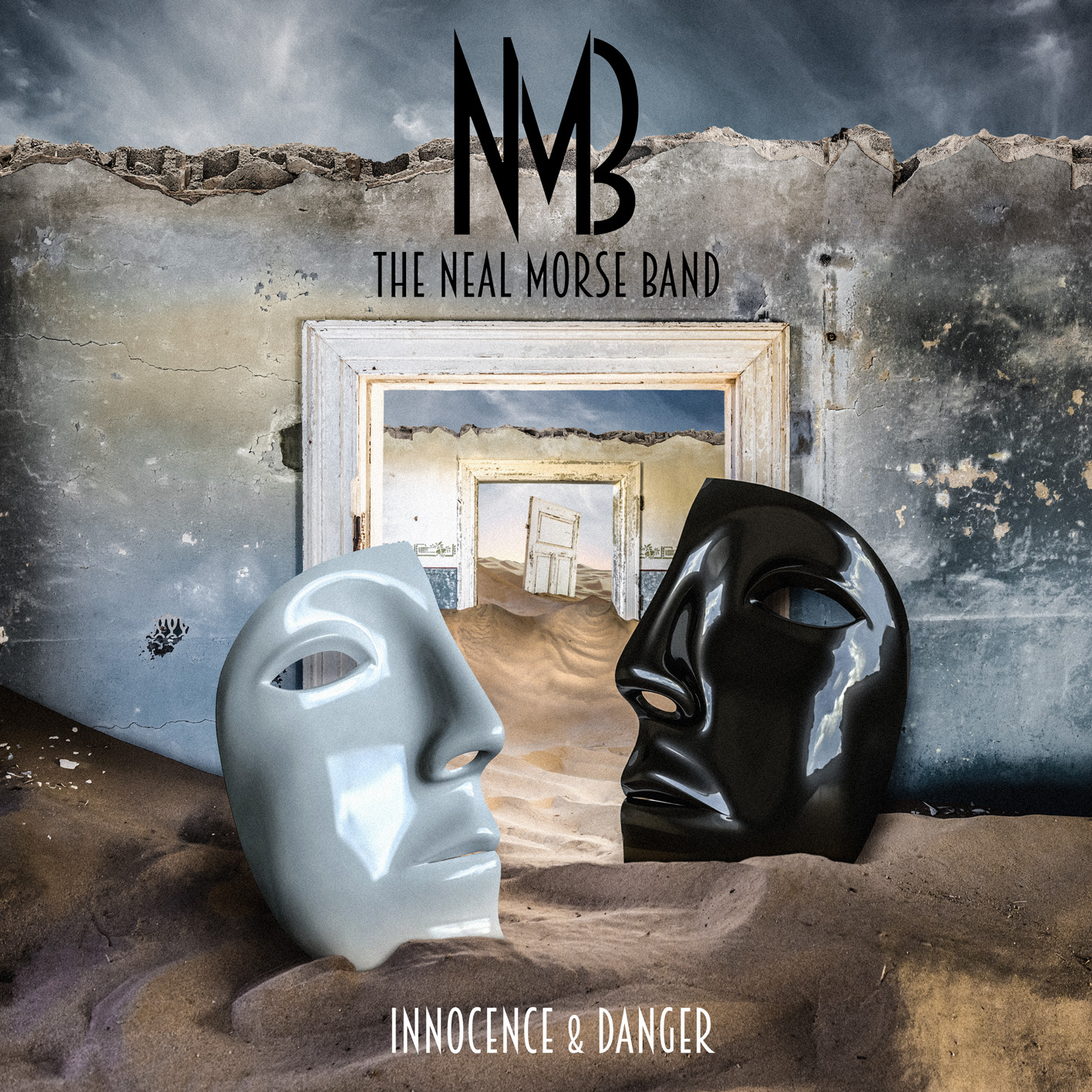
The Neal Morse Band, Innocence and Danger: another double album from Neal, Mike Portnoy, Randy George, Bill Hubauer and Eric Gillette. No overarching concept this time — just everything and the kitchen sink, ranging from a cover of Simon and Garfunkel’s “Bridge Over Troubled Water” to brand-new half-hour epics. Available from Inside Out as 2CD, 2CD/DVD or 3 LPs/2 CDs

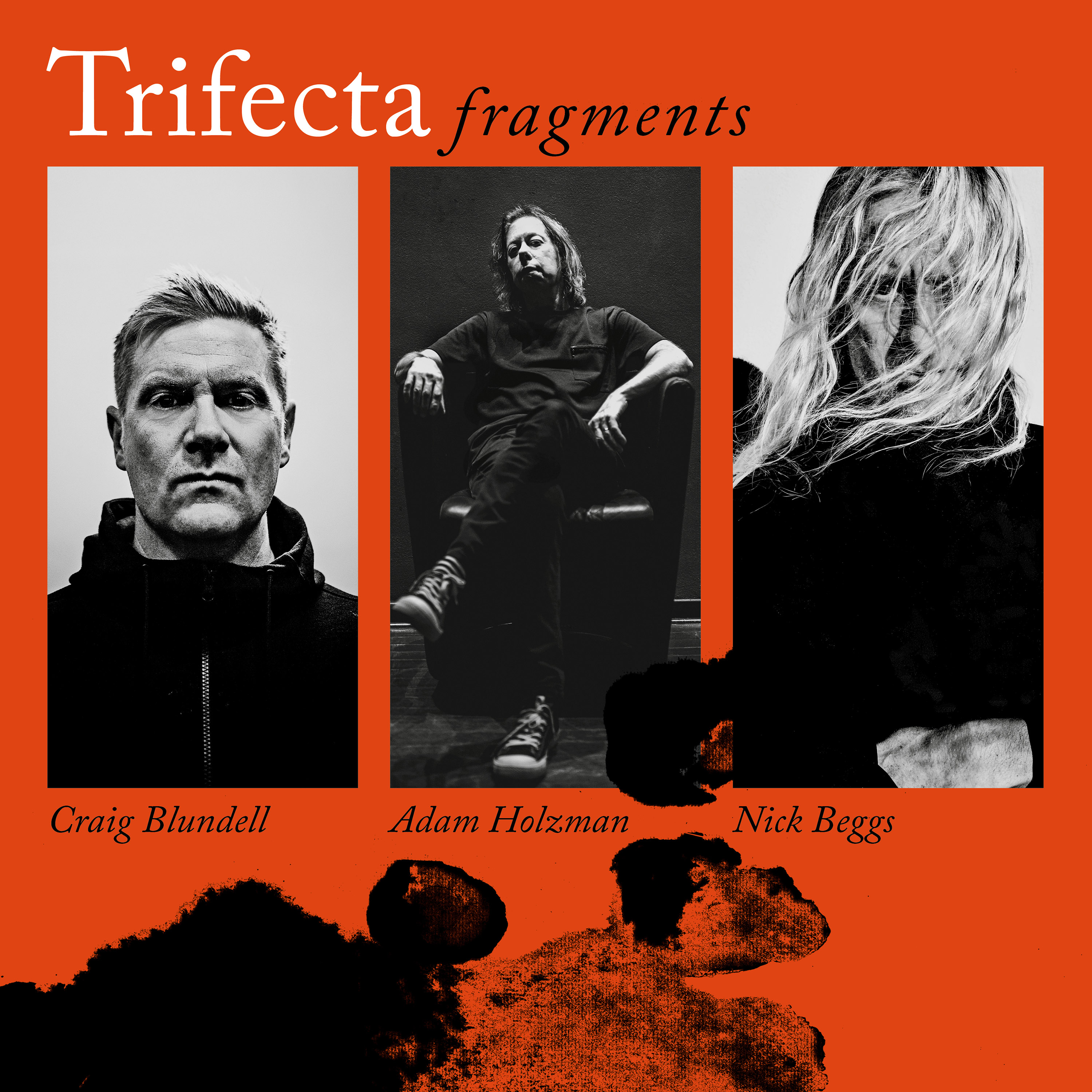
Trifecta, Fragments: what happens when Steven Wilson’s rhythm section turns his pre-show sound checks into “jazz club”? Short, sharp tracks that mix the undeniable chops and musicality of Adam Holzman on keys, Nick Beggs on Stick and Craig Blundell on drums with droll unpredictability and loopy titles like “Clean Up on Aisle Five” and “Pavlov’s Dog Killed Schrodinger’s Cat”. Available from Burning Shed as CD or LP (black or neon orange).

Upcoming releases after the jump!

Continue reading “The Big Prog (Plus) Preview for Fall 2021!”

The Neal Morse Band’s Randy George: The Progarchy Interview

The Neal Morse Band, Innocence & DangerInside Out Music, August 27, 2021
Tracks: 
CD 1: 1. Do It All Again (08:55) 2. Bird On A Wire (07:22) 3. Your Place In The Sun (04:12) 4. Another Story To Tell (04:50) 5. The Way It Had To Be (07:14) 6. Emergence (03:12) 7. Not Afraid Pt 1 (04:53) 8. Bridge Over Troubled Water (08:08)
CD2: 9. Not Afraid Pt 2 (19:32) 10.Beyond The Years (31:22)

Last week I had the wonderful opportunity to interview Randy George from the Neal Morse Band about their upcoming album, Innocence & Danger. What an album! After back-to-back double concept albums, the band decided to make an album of independent songs. It’s still a double album, but it’s very digestible.

Innocence & Danger has quickly risen to one of my favorite albums of the year, and Randy George’s brilliant bass playing has a lot to do with that. His bass is more prominent in the mix, and it really shines opposite Mike Portnoy’s drums in the rhythm section. I think Neal Morse’s vocals also deserve a mention as they are the best they have sounded in years. Maybe that’s due to a lack of touring over the past year+, but he (and everyone else) sound great. The vocal harmonies are turned up to the max, and the prog is in full force. But don’t be surprised if you hear a few other surprise elements in the music – something we talk a bit about in the interview below. Oh, and “Beyond the Years,” the album’s 31-minute epic, may be the best long song I’ve heard from Neal Morse and company.

This interview was conducted on July 21, 2021 via Zoom. There was quite a bit of scratchiness in the Zoom audio, so I’ve decided to spare you that and just give you the transcript, which was edited lightly for readability. The interview is pretty wide ranging. We start with an update on the last year and a half for Randy before we go into a deep dive of the album. Then we discuss some of Randy’s influences as a musician before we talk a bit about the history of prog, it’s place in the music world, and how the future will look back on their music. 

NealMorseBand_2

Bryan: Thanks for joining me here for Progarchy. I really appreciate you taking the time.

Randy: Yeah! Happy to do it.

Bryan: It’s been tough career-wise for musicians without being able to tour. How’ve you been in that regard?

Randy: Well, you know, I guess we’re all feeling it to some degree. I guess as a function of where I live it hasn’t really been that bad. We had done that Cover to Cover 3 CD, and it was wrapped and delivered to the label before the pandemic hit. There were some videos that needed to be [made]. We wanted to do videos, so there were a few videos, and I did a couple of those. And then Neal [Morse] did Sola Gratia. I recorded that and then we did videos for that. Then we did Morsefest in September, and my wife and I have been playing locally since September, pretty much twice a month or three times a month ever since last September.

In a lot of ways, yeah we had to wear masks a little more during the time, but for the most part we kept busy. We felt it most right at the beginning. Everybody was sort of freaked out, got shut down March through July or whatever. Then people started to open up a bit. So initially everyone was a little bit like, wow, there’s nowhere to go. But we both work from home. We really didn’t travel outside very much. We’re here on our own little plot. Plenty to keep us busy here. But yeah I watched it from a distance. I’m sure for some people it was really hard, and it sucks that it had to happen like that. I look forward to the end.

Bryan: Yeah I think everybody does. Morsefest was one of the first – definitely one of the biggest in the prog world of concerts that came back in person. That was kind of exciting because it was a glimmer of hope after so many months of nothing at all live-wise.

Randy: People will always find a way.

Bryan: Yeah exactly. I’ve had a chance to listen to Innocence and Danger a little bit over the last couple of days. It’s a fantastic album. It feels like a little bit of a different direction, especially after the last two concept albums. Can you tell me about how the album came together?

Randy: Well, the whole thing – we were going to start working on Innocence & Danger way back in the beginning of 2020. We initially signed a record deal with Inside Out. Then the pandemic hit. Mike [Portnoy] was really busy with Sons of Apollo, and we didn’t really have any clear cut date in mind that we could get together and do this. So quite honestly between signing the deal and getting in the studio to do this, it was more than a year. We did in January come together at Neal’s house and wrote the whole thing in about twelve days and tracked the drums and took it home and developed it over the next couple months, and Rich [Mouser] mixed it.

We went into it not having a lot of pre-written material. Neal didn’t have anything. Bill [Hubauer] and I both brought recorded ideas that were predominantly raw ideas that could be developed rather than finished demos that already had a lot of development to them. The Neal Morse Band tends to – no matter what you bring in, they want to redo it. So we kind of, it’s easier to bring in ideas that they can all sort of get their head into and write with. Some of it is much easier to do that, between Bill and I and Eric [Gillette], we have plenty of musical stuff. Neal, of course, he may not have come in with anything, but he gets up early in the morning and he’ll start writing and work on ideas then we end up working on them the same day or the next day. So Neal does actually write a fair amount of stuff. He just doesn’t always go into the session with all of it prepared, unless it’s a concept thing were he has an idea. We knew this wasn’t going to be another concept album. We just wanted to do an album of songs. We felt it was the right time for that.

Continue reading “The Neal Morse Band’s Randy George: The Progarchy Interview”

2021: My Favorite Albums, Six Months In

As life in these United States opens up, my life finally seems to be settling down — at least for the summer. Which means it’s time to make up for the backlog of excellent albums (new and old) that I’ve heard since January, but haven’t written about here! Links to listen (to complete albums or samples) are included whenever possible.

New Albums: The Art of Losing (The Anchoress’ rich meditation on endurance) and the multi-version adrenalin rush of Transatlantic’s The Absolute Universe notwithstanding, most of the new albums I’ve loved so far have migrated towards jazz and classical — frequently with pianists at their center. Vijay Iyer’s Uneasy, made with bassist Linda May Han Oh and drummer Tyshawn Sorey, is a state of the art piano trio effort; blues and abstraction suspended in perfect balance and caught in an intimate, tactile recording. Canadian Bach and Mozart specialist Angela Hewitt shows off her range with Love Songs, a gorgeous confection of orchestral and art song transcriptions assembled in lockdown and performed with undeniable panache. The same goes for Danny Driver’s phenomenal rendition of Gyorgy Ligeti’s hypermodern 18 Etudes — virtuoso pieces whose serene surfaces turn out to be rooted in super-knotty counterpoint and off-kilter rhythmic cells. My favorite new album of 2021 to date? Promises by electronica artist Floating Points, spiritual jazz saxophonist Pharoah Sanders, and The London Symphony Orchestra, which manages to bring all of the above (well, except for the piano!) together in one glorious, 40-minute ambient epic.

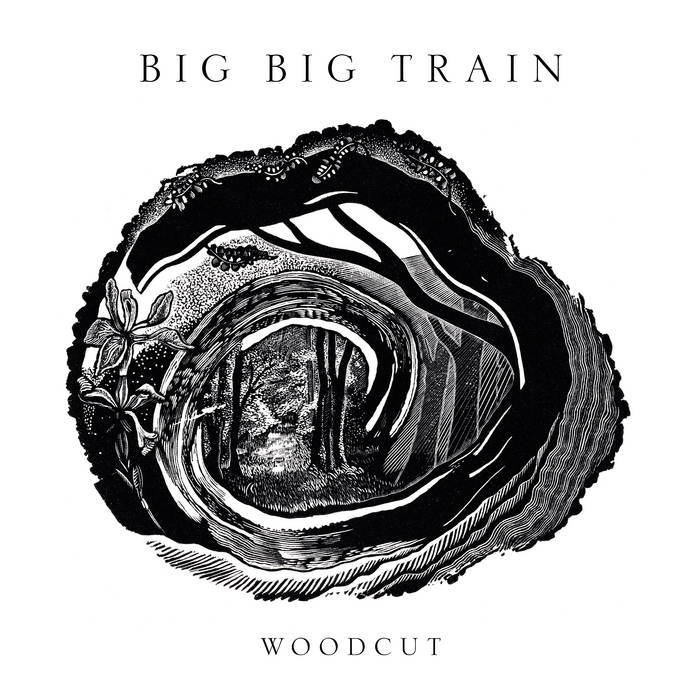
Reissues: Big Big Train’s double-disc update of The Underfall Yard has definitely had its share of listening time, between Rob Aubrey’s rich remix/remaster and the welcome bonus disc (featuring fresh recordings of the title track and “Victorian Brickwork” by the full band and brass quintet). With My Bloody Valentine’s catalog back in print, their masterpiece Loveless sounds as incredible as ever; crushing distortion and lush romanticism collide to channel the sublime. And Pete Townshend has masterminded a comprehensive Super Deluxe edition of The Who Sell Out, the band’s pre-Tommy high point. But my favorite reissues thus far have been It Bites’ The Tall Ships (especially the title track — what a power ballad!) and Map of the Past (a favorite of mine since its original release). With the then-unknown John Mitchell taking over from Francis Dunnery, IB sailed into the 21st century with their 1980s pomp intact, killer hooks, head-spinning riffs and all.

Live Albums: Beyond the visceral thrills of Fanfare for the Uncommon Man: The Official Keith Emerson Tribute Concert, I’ve had a blast hearing krautrock legends Can conjure up spellbinding group improvisation on Live in Stuttgart 75, an initial dip into their voluminous concert archives. I’ve been giddy to hear Kansas, bolstered by keyboardist Tom Brislin, get their mojo working on Point of Know Return Live & Beyond. (They’ll be my first post-lockdown rock show next month.) And my journey back into soul music (see below) set me up nicely for the razor-sharp, precision funk of Tower of Power: 50 Years of Funk and Soul Live at the Fox Theater, a deliriously exciting reunion show recorded in 2018.

From the Catalog: All the good new stuff above aside, this is where some of my most fruitful listening has been happening this year — frequently inspired by other media. Watching the movie One Night in Miami led me back to Sam Cooke’s Portrait of a Legend: 1951-1964; the resulting dive into soul music ultimately brought me to Marvin Gaye’s classic concept album What’s Going On — 50 years old in 2021! Perusing various “best of 2020” lists turned me on to the avant-garde jazz of trumpeter Ambrose Akinmusere’s on the tender spot of every calloused moment and Maria McKee’s art-pop song cycle La Vita Nuova (inspired by Dante, no less). Jazz/fusion legend Chick Corea’s death prompted a deep dive into his catalog; new favorites included Return to Forever’s Where Have I Known You Before and the fabulous Five Peace Band Live, Corea’s long-delayed collaboration with guitarist John McLaughlin. And after long years of the album doing nothing for me, Radiohead’s The Bends finally clicked when I read Steven Hyden’s fine band biography This Isn’t Happening. (Curt Bianchi’s wonderful new book, Elegant People: A History of the Band Weather Report, is prompting a similar deep dive into that quintessential jazz/rock band’s catalog; I highly recommend their cutting edge debut album from 1971 and their 1976 masterpiece of groove, Black Market.)

Coming Soon: In addition to Big Big Train’s Common Ground (take it from me, it’s a humdinger), I highly recommend MoonJune Records’ latest release, Indonesian fusion guitarist Dewa Budjana’s incandescent Naurora. I’m also eagerly anticipating new music from the Neal Morse Band (oops, NMB now), Steve Hackett and Isildur’s Bane & Peter Hammill; reissues of BeBop Deluxe’s Live in the Air Age and George Harrison’s All Things Must Pass; and comprehensive box sets from The Beach Boys and Van Der Graaf Generator. Plus live shows from Kansas, Emmylou Harris and Los Lobos, King Crimson with The Zappa Band, and opening night of Genesis’ USA tour.

So, yeah, it’s taken a while — but at least from my point of view, 2021 has already been a solid year for music — and the prospects for it getting even better are looking up!

— Rick Krueger