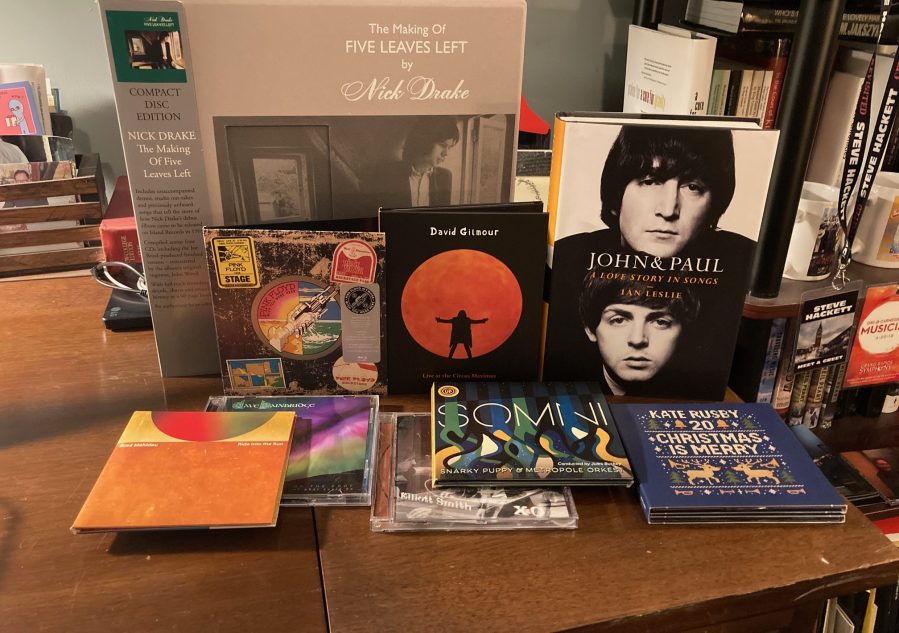
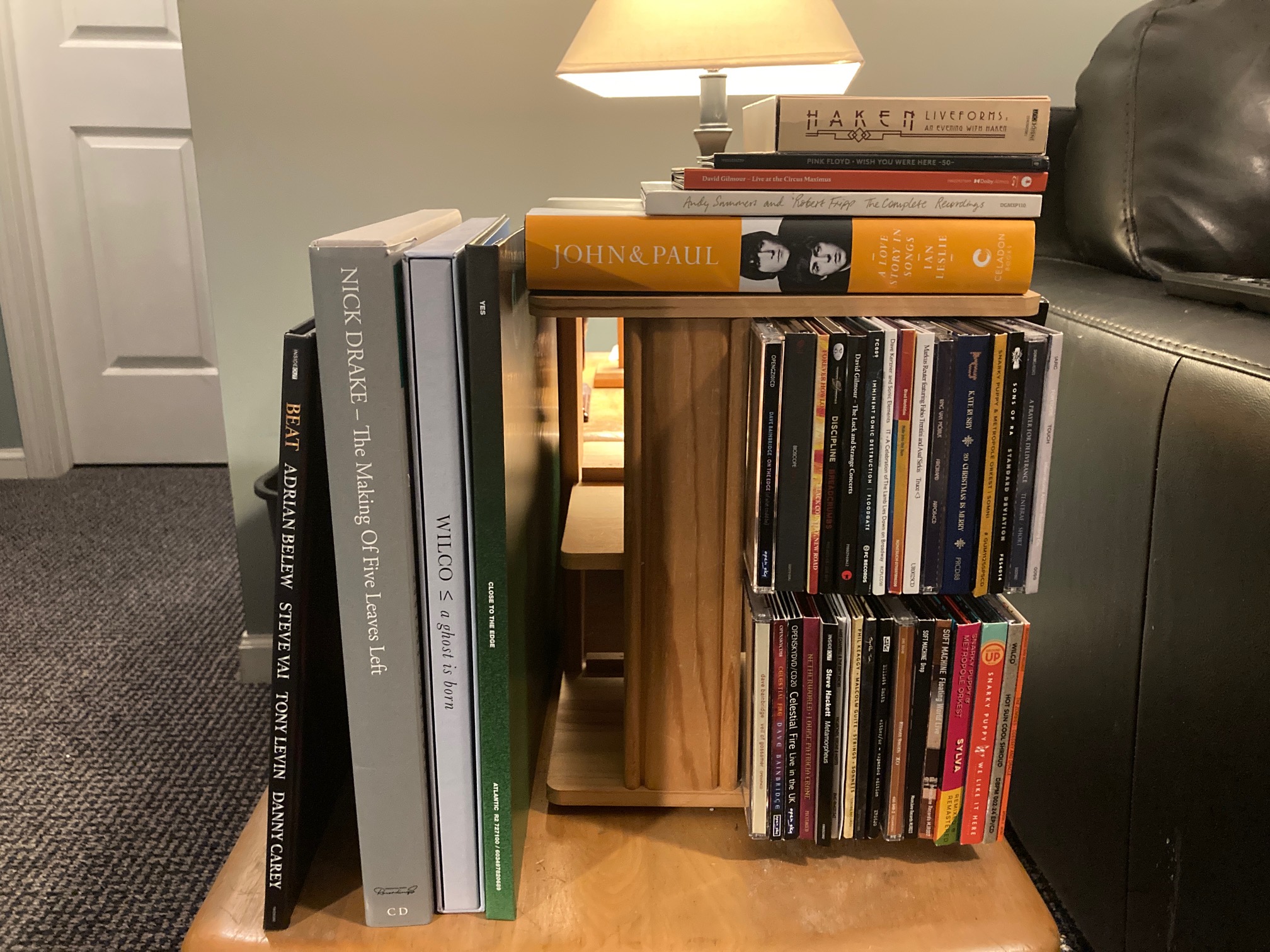
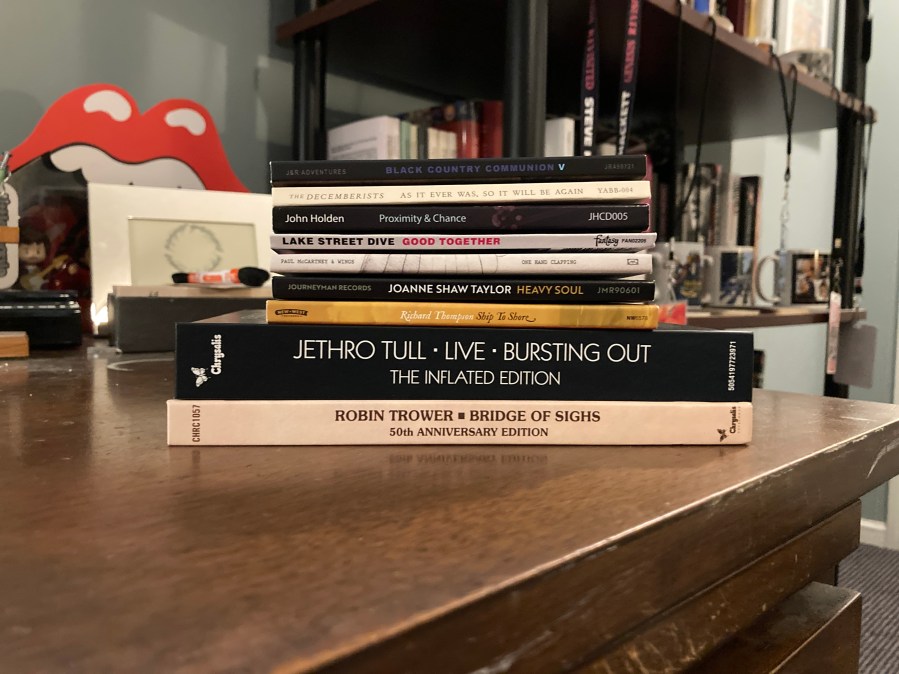
It’s been a good year for music! So good it demanded a slightly different format this time around. You can read my original reviews of my 40 or so favorites from 2025 at the article links that precede each listicle. Listings include the types of release as laid out below, with Top Favorite listings in bold italics (as well as pictured above)!
New Releases:
New Albums
Live Albums (audio and video)
Christmas Albums
Back Catalog:
Reissues
Box Sets (minimum of 3 CDs)
Discoveries (unheard until 2025)
Rediscoveries (heard before, forgotten, loved again in 2025)
Nick Drake, The Making of Five Leaves Left – Top Favorite Box Set! An utter original who died far too young, Drake’s wistful, sturdy, thoroughly unique British folk-rock gradually rose from turn-of-the-1970s obscurity to be embraced by aficionados worldwide. While his three albums (and another disc of studio leftovers) speak for themselves, this lovely box traces his progress over two formative years, from impromptu dorm-room recordings through a breathtaking audition and simpatico sessions (especially those with double bass magician Danny Thompson and master orchestrator Robert Kirby) to the uncluttered, spacious beauty of his debut. If Drake needs any advocacy beyond the sheer communicative power of his songs, here’s all the evidence you need; and as a bonus, long-time fans will find treasures they may not have known they were missing.
No haikus this time, I promise! However, I am going to try and make up for my recent radio silence by covering a lot of ground at a fast and furious pace. Listening links will be available in the title listings. Buckle up . . .
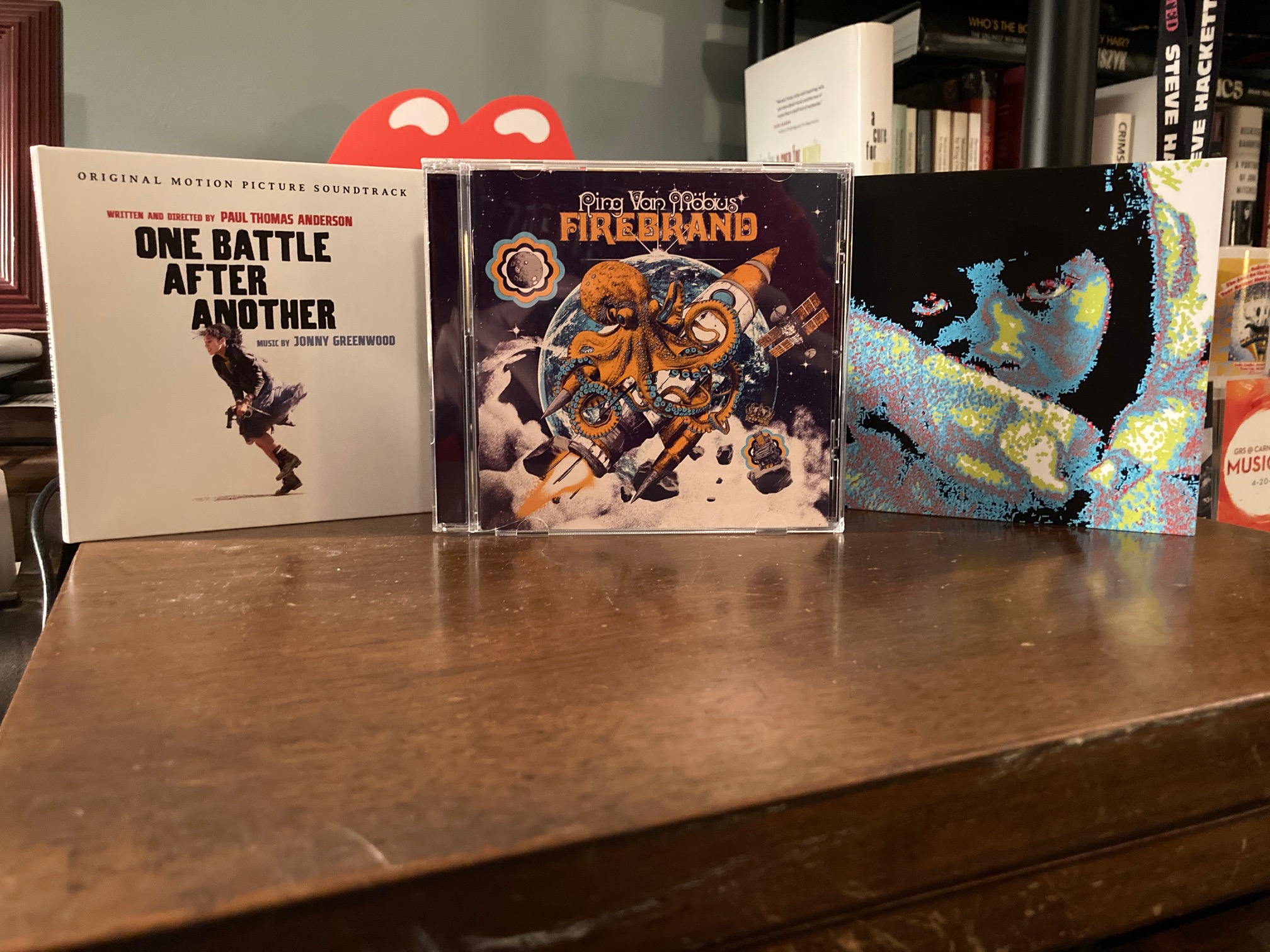
Completely new & noteworthy releases have seemed few and far between the last few months — although I’ve not yet heard the new Neal Morse album Time Lord has so fulsomely praised. My hands-down favorite (easily making my year-end shortlist) has to be Firebrand, the farewell album from Norwegian keyboard trio Ring Van Möbius. On three extended tracks, Thor Erik Helgesen delivers more frenzied organ riffs and howling modular synthesizer licks per minute than we’ve heard since the glory days of Emerson, Lake & Palmer — plus thoroughly unhinged singing of Dag Olav Husås’ trippy lyrics to boot! With Havard Rasmussen’s growling bass and Husås’ throbbing percussion driving the album to multiple shattering climaxes, Firebrand is a demented psychedlic journey to the outer limits of angular, aggressive prog — and all the more gripping on account of it! Meanwhile Tony Levin, Markus Reuter and Pat Mastoletto are back as Stick Men for a 5-track EP of new material, Brutal. This one packs a serious, King Crimson-adjacent punch; the title track, “Bash Machine” and “Pulp” all live up to their names, leaping out of the speakers with heady abandon, precision instrumental riffery, and dense blocks of hardcore sound. More, please! And whatever the debate over the merits of Paul Thomas Anderson’s latest film One Battle After Another, Jonny Greenwood provides yet another arresting soundtrack for the director; this time around, Greenwood foregrounds jagged piano over his exquisitely modernist orchestral textures (as well as the occasional gnarly reminder of his trademark guitar sounds in Radiohead and The Smile).
On the other hand, there’s a motherlode of excellent live albums out this quarter! Big Big Train score yet again with Are We Nearly There Yet?, as Alberto Bravin, Greg Spawton and their band of equals blitz through 2024’s fabulous The Likes of Uson disc 1, then gloriously reaffirm BBT back-catalog highlights and rarities on disc 2. District 97 has buffed up and expanded their stellar 2013 collaboration with John Wetton, One More Red Night: Live in Chicago, doubling the disc’s playing time with the Wetton/Leslie Hunt duet “The Perfect Young Man” and D97’s debut album epic “Mindscan”. Reunited with Mike Portnoy, Dream Theater’s 3-CD, 2-BluRay Quarantieme: Live a Paris is an unbeatable 40th-anniversary souvenir; from the crunchy, complex metal of “Metropolis” and Scenes from a Memory through phone-waving power ballads like “Hollow Years” and “The Spirit Carries On” to full-on prog suites “Stream of Consciousness” and “Octavarium”, the entire band operates at a new peak. And, while mashing up a new production of Hamlet with songs from Radiohead’s Hail to the Thief for the Royal Shakespeare Company, Thom Yorke decided the group’s concert takes on the material deserved their own release. Hail to the Thief (Live Recordings 2003-2009) is a banger well worth fans’ time; Radiohead is at their most feral here, squeezing fresh juice from the album’s fuzzed-up, squelchy snapshots of cultural unease with a tightened-up yet wilder sound.
Still, two live particular live releases stood out for me. David Gilmour’s 2024 tour set, available as audio from throughout (The Luck and Strange Concerts) or breathtaking video of a single show (Live at the Circus Maximus), is sleek and spectacular in equal measure, the subdued melancholy and sublimated anger of his solo albums and late Pink Floyd interlaced with the familiar flavors of selected Floyd classics. One of the best things about this set is that it isn’t all Gilmour’s baby: Greg Phillinganes ably fills the keyboard and vocal roles of Richard Wright on “Time”; daughter Romany visibly steals the Rome audience’s heart with her lead vocal on “Between Two Points”; backing vocalists Louise Campbell and The Webb Sisters light up a fresh take on “The Great Gig in the Sky” plus recent solo songs “The Piper’s Call” and “A Boat Lies Waiting”. But Gilmour is still the star, never disappointing on the standards, raising chills with his singing and solos every bit as much on “A Great Day for Freedom” and “High Hopes” as on “Wish You Were Here” and “Comfortably Numb”, his young backing band keeping up all the while. Unmissable, and a unquestioned 2025 Favorite, especially the video version.
Plus, just this past week I discovered my holiday album of the year! Yorkshire songstress Kate Rusby, “the nightingale of Barnsleydale”, has made eight Christmas albums in the last two decades; her latest, Christmas Is Merry, is a live compilation from recent December tours that celebrates the season with the joy and awe it deserves. From whimsical takes on Tin Pan alley chestnuts (“It’s the Most Wonderful Time of the Year”, “I Want a Hippopotamus for Christmas”) to rumbustious traditional carols (“Hark Hark”, “Sunny Bank”) to off-center originals (“Glorious”), all backed by a trad folk band and brass, Rusby is guaranteed to raise a smile. And when she switches to her intimate croon for the foreboding “The Moon Shines Bright” and a hushed “O Little Town of Bethlehem”, I dare you not to be moved. An immediate 2025 Favorite; you really need to hear this.
There have been first-rate reissues aplenty as well. My Favorites have been: The Zombies’ long-neglected Summer of Love classic Odessey and Oracle remastered in mono, with Colin Blunstone’s sublime vocals and Rod Argent’s classically tinged organ propelling an impressively mature song suite; the 20th anniversary remaster of Sigur Ros’ Takk — a delightfully imaginative, massively symphonic highlight of the Icelandic post-rockers’ output; and Pink Floyd’s 50th anniversary edition of their elegiac masterpiece Wish You Were Here(especially the BluRay release, which includes a complete 1975 show suitably exhumed from its original bootleg by Steven Wilson).
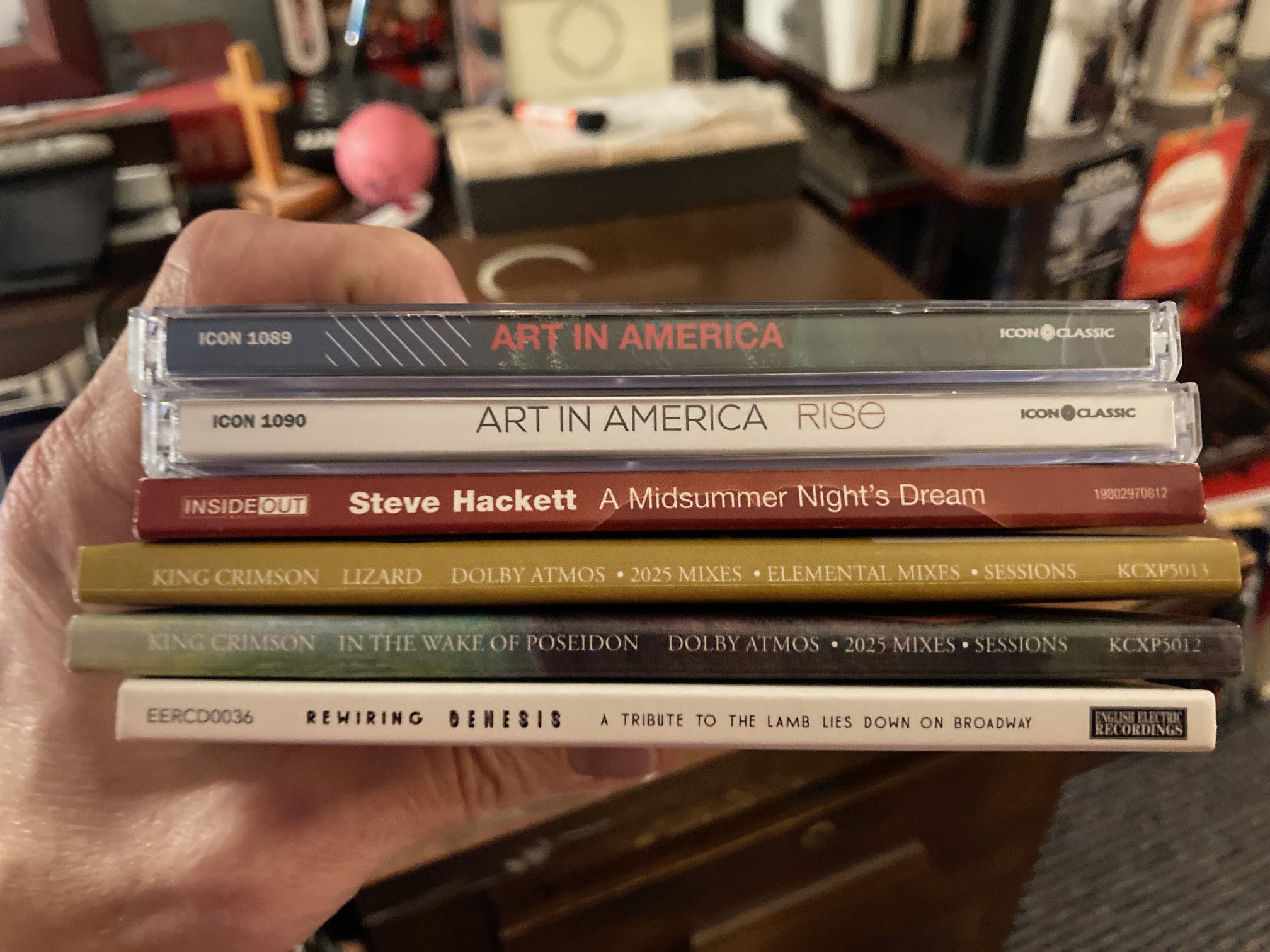
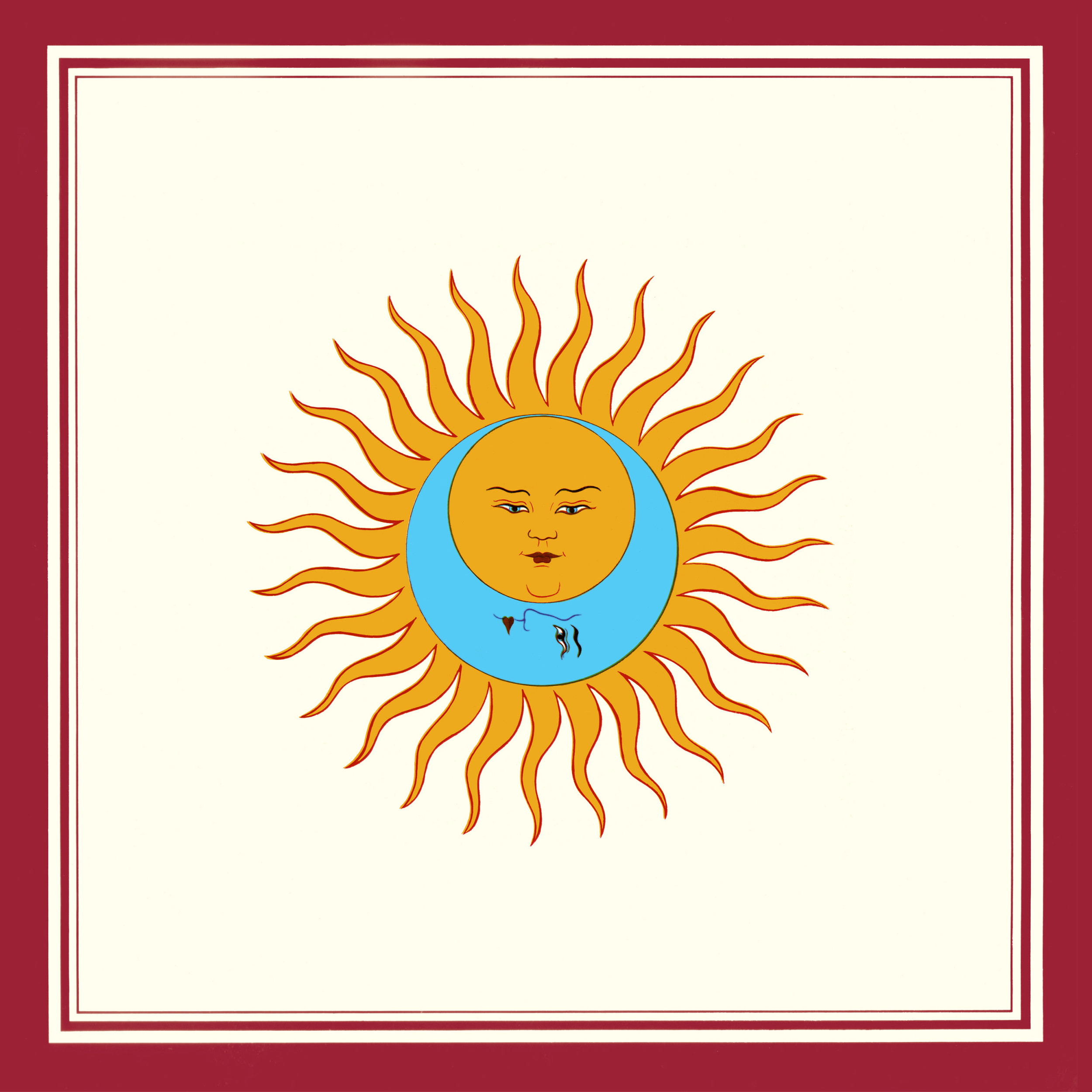
And there are lots more reissues worth a listen: the 1983 debut from Detroit pop-proggers Art in America (they had a harp player — yes, a giant harp, one with all those strings) along with their unreleased second album Rise; Steve Hackett’s album-length acoustic collaboration with Shakespeare and the Royal Philharmonic Orchestra, A Midsummer Night’s Dream; fresh Steven Wilson remixes in stereo, surround and Atmos of King Crimson’s transitional albums In the Wake of Poseidon (Robert Fripp and Peter Sinfield carrying on from the innovative debut with a rotating cast of characters) and Lizard (free jazz meets post-Wagnerian romanticism; quite the magnificent mess); Nick d’Virgilio and Mark Hornby’s long-unavailable, polystylistic Rewiring Genesis: A Tribute to The Lamb Lies On Broadway (with full orchestra on “In the Cage” a Dixieland “Counting Out Time”, sneaky Jethro Tull quotes tucked in the fadeout of “The Waiting Room”, etc.)
Lastly, while the music industry’s annual fourth-quarter release glut means that my box set backlog is worse than ever, I can wholeheartedly recommend the super-deluxe version of the original The Lamb Lies Down on Broadway; while the set’s Atmos mix has been controversial, its straight-up stereo remaster gives the music an absorbing clarity that fills in the blanks of Peter Gabriel’s opaque storyline, and a live bootleg from Genesis’ contemporaneous tour (with vocals mostly overdubbed by Gabriel 20 years later) is equally, winningly surreal. Finally, the 20-disc Peter Hammill: The Charisma and Virgin Recordings, 1971-1986 isn’t for the faint of heart — but given Hammill’s track record with Van der Graaf Generator, hardcore enthusiasts like me knew that anyway. Boundless existential musings set to music of structural, timbral and histrionic extremes — nearly 200 tracks, with 1975’s proto-punk album Nadir’s Big Chance and 1977’s dark, devastating break-up song cycle Over standing out. Hammill (who opened for Genesis during parts of The Lamb tour) may be strong meat, but he never gives less than his all.
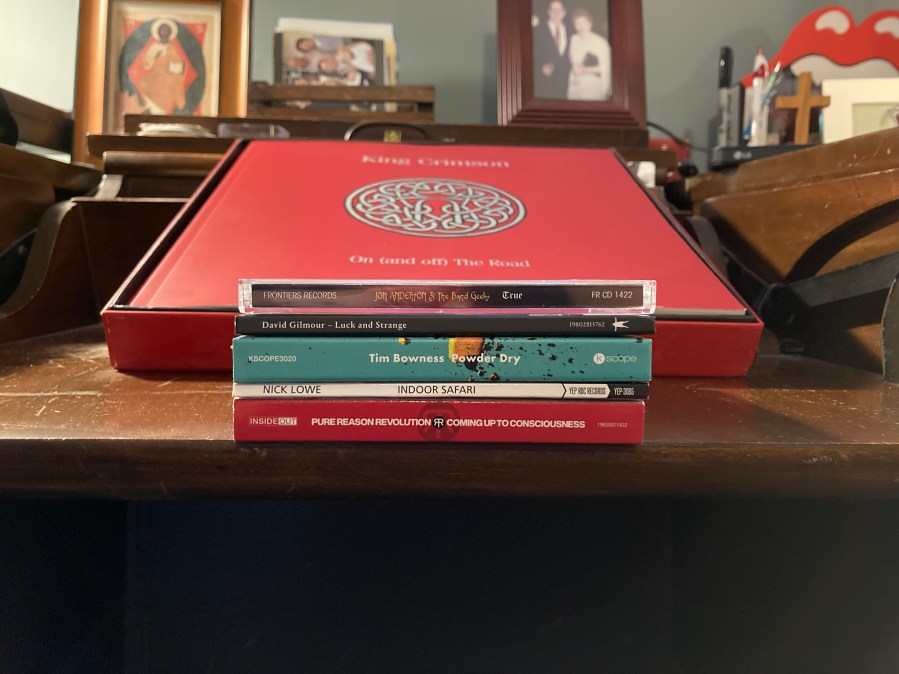
This month’s connecting thread: grizzled veterans connect with high-powered talent from younger generations; the chemistry fizzes, fuses and pops — and some excellent new music is the result! (Of course, there’s an outlier or two in this month’s stack as well.) Let’s get down to it, shall we? Purchase links are embedded in the artist/title listing, with album streams or samples following the review.
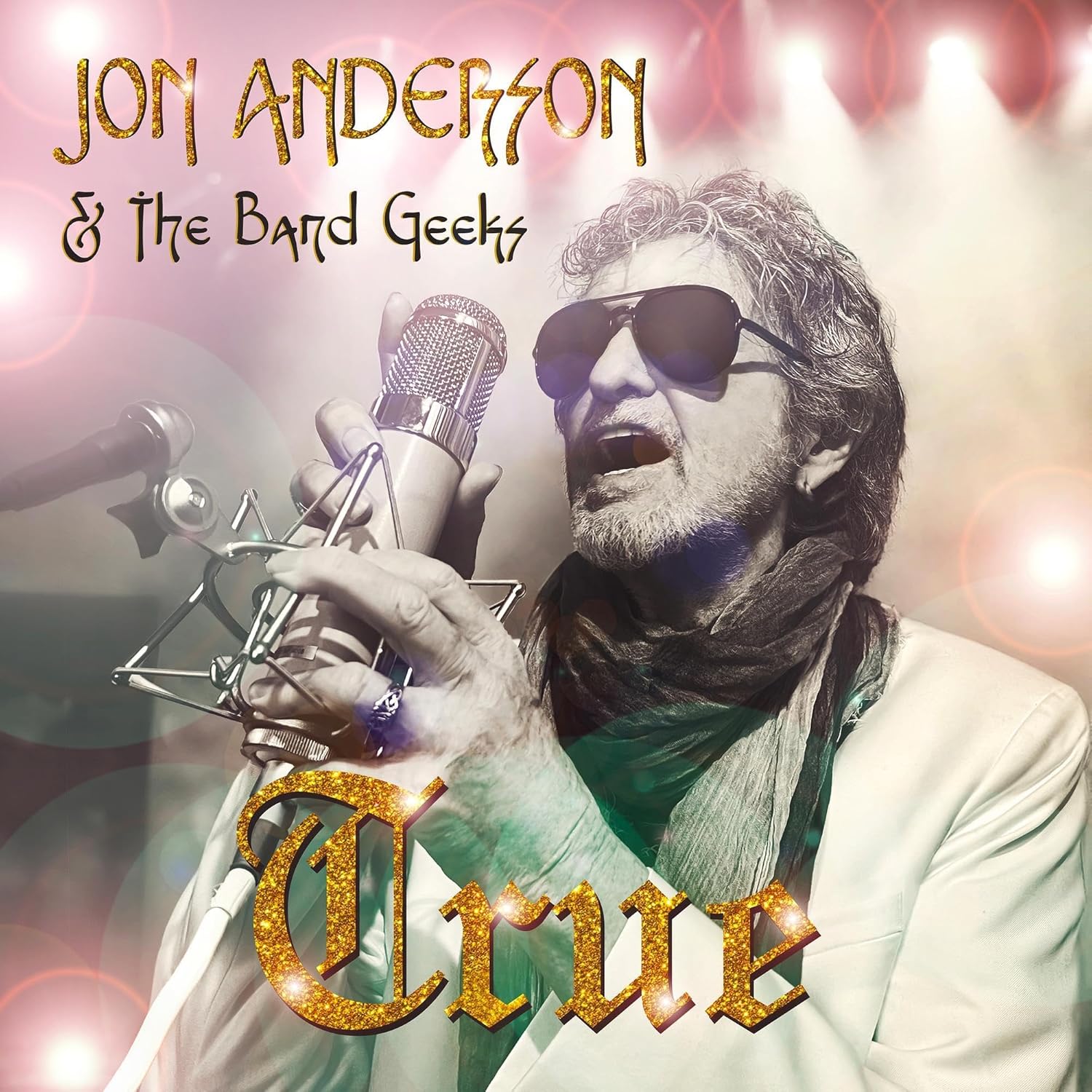
Jon Anderson and The Band Geeks, True: Anderson (going on 80, and as seemingly immortal as Keith Richards) has consistently worked with little-known yet impeccable virtuosos since his abrupt exit from Yes; watching him front a high-impact big band from the 10th row in 2019 was a thrilling experience. Now, teaming with a quintet of killer players half his age, he delivers the album fans have desired for decades. Sure, there are times when The Band Geeks (bassist Richie Castellano, guitarist Andy Graziano, keyboardists Christopher Clark and Robert Kipp and drummer Andy Ascolese) seem a little too eager to ape their counterparts in the classic Yes lineup, but overall they lean into epics like “Counties and Countries” or “Once Upon a Dream” and shorter romps like “True Messenger”, “Shine On” and “Still a Friend” with full commitment, fresh creativity and chops galore. Then there’s Anderson, still soaring into sub-orbit with that unmistakable voice, still preaching peace, love and understanding with his trademark New Age word salads. (Is there no way this man could run for U.S. President? At this point, he’d get my vote.) At first, I thought Time Lord’s full review was a bit over the top — but repeated hearings are bringing me around. Most hardcore Yes-heads will flip over this, and casual listeners will find plenty to lure them in.
Tim Bowness, Powder Dry:the exception to this month’s rule, Bowness’ first-ever “solo solo project” hits the speakers like a cold slap in the face. Instead of the languorous widescreen ruminations of previous albums, we get brusque, sparse song sketches (rarely more than 3 minutes); a disorienting mix of natural tones, machine rhythms, bracing industrial grit and gnarled lo-fi samples yields shocks, disturbances and wake-up calls aplenty across these 16 tracks. Well practiced in the dark arts of ineffable yearning and melancholy, here Bowness hones and refines his lyrics to bare-knuckled, highly charged haikus, whether staring down decadent cultures (opener “Rock Hudson”), devolving psyches (“This Way Now”, the title track), disintegrating connections (“Heartbreak Notes”) or the unholy conjunction of all three (“Summer Turned”, “Built to Last”). With his stoic vocals bearing the brunt of this emotional tangle, Bowness’ voice plumbs fresh depths, flickering in desperate hope one moment, driven to sublimated fury and fear the next. If you’re already a Bowness fan, stow your expectations — but whether he’s familiar or brand new to you, don’t hesitate to strap in for a compelling, cathartic ride.
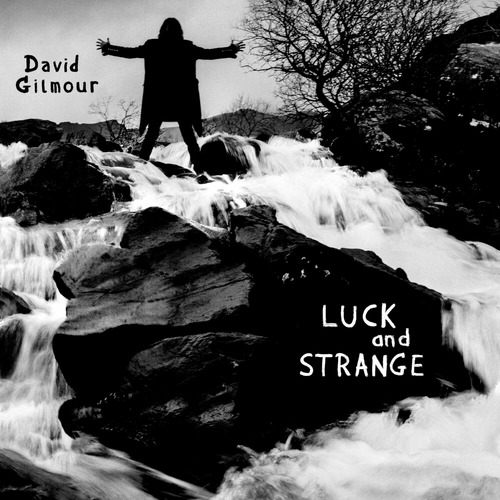
David Gilmour, Luck and Strange: another prog legend who can sound like nobody but himself cranks up one more time. But the canvass Gilmour paints on here accents different tones and tints, with youthful co-producer Charlie Andrew shaking up instrumental backgrounds and song formats to good effect. There’s a sense of lightness, air and space this time around, a less obviously Floydian palette that both complements and contrasts with Gilmour’s craggy singing and singular take on blues guitar. Polly Samson’s lyrics level up as well, tackling well-worn topics (nostalgia on “Luck and Strange”, spirituality on “A Single Spark”, love as refuge on “Dark and Velvet Nights” and “Sings”) from newly contemplative angles, sounding absolutely right coming out of Gilmour’s mouth. (Oh, and daughter Romany Gilmour totally enthralls in her vocal turn on The Montgolfier Brothers’ “Between Two Points”.) By the time Gilmour hearkens back to which one’s Pink, firing off a final round of Stratocaster fireworks on orchestral closer “Scattered”, he’s taken us on the most varied – and I’d argue, most sheerly enjoyable – ride of his solo career; this one’s already a 2024 Favorite.
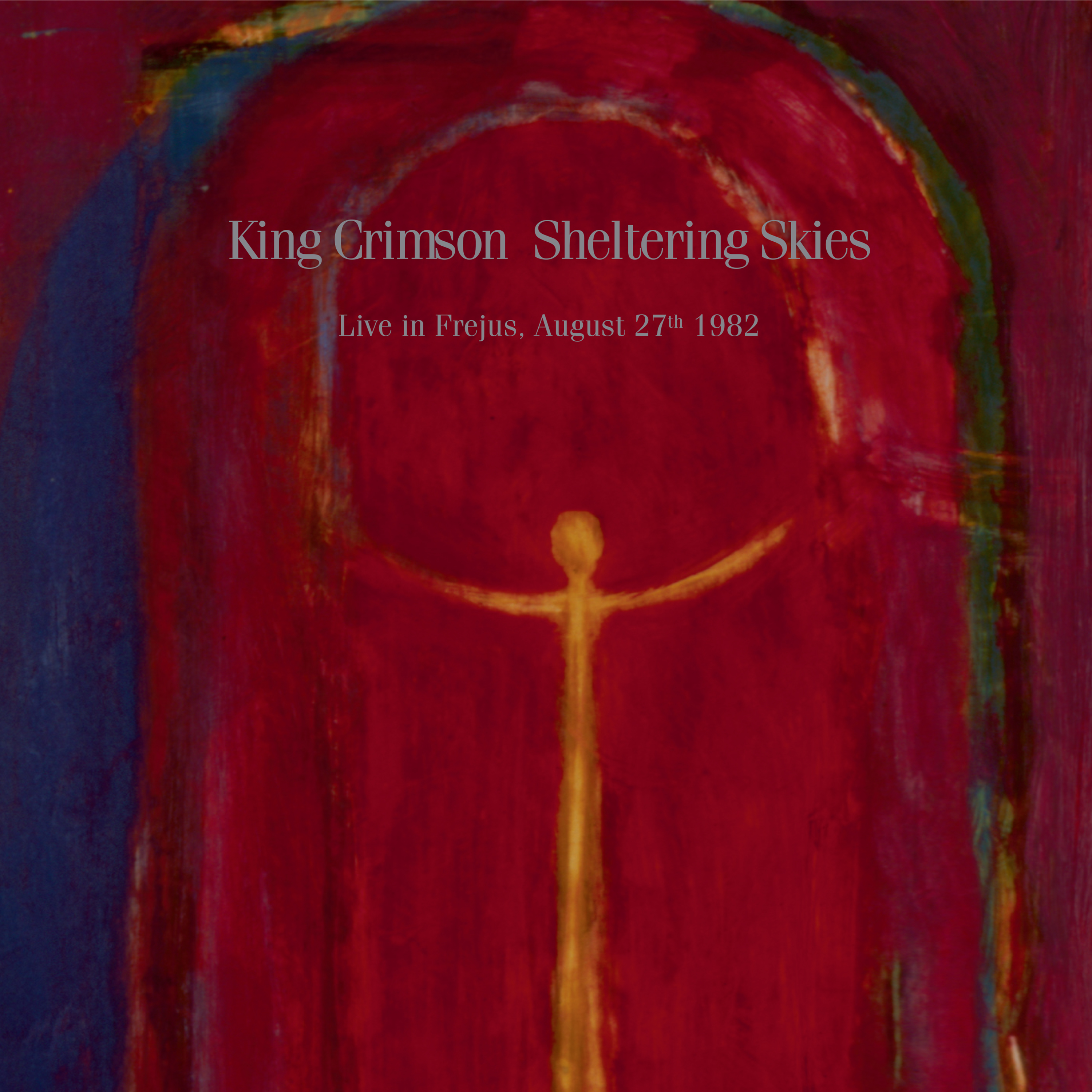
King Crimson, Sheltering Skies: OK, so this one isn’t “new” new. But when Crimson sherpas Robert Fripp and Bill Bruford teamed with American upstarts Adrian Belew and Tony Levin back in the 1980s, the result was a revitalized second reign for the King, swapping out trademark Mellotrons and prodigious pomp for raucous noise, limber polyrhythms and surging, seething energy. With Belew and Levin now touring this music again as BEAT, this issue of a 1982 show previously released on video couldn’t come at a better time; opening for Roxy Music on the French Riviera, Crimson pulls the unsuspecting audience right into the clinches for the hottest of hot dates. From the subdued intensity of “Matte Kudasai” and “The Sheltering Sky” through the dynamic clatter of “Indiscipline” and the hypnotic guitar weave of “Neal and Jack and Me” to Bruford and Belew’s ecstatic percussion duet that kicks off “Waiting Man”, this is that rare live album of nothing but highlights. Banter, bicker, balderdash, brouhaha, ballyhoo — whatever their desired flavor of elephant talk (including some 70s throwbacks), Crim devotees will find it here.
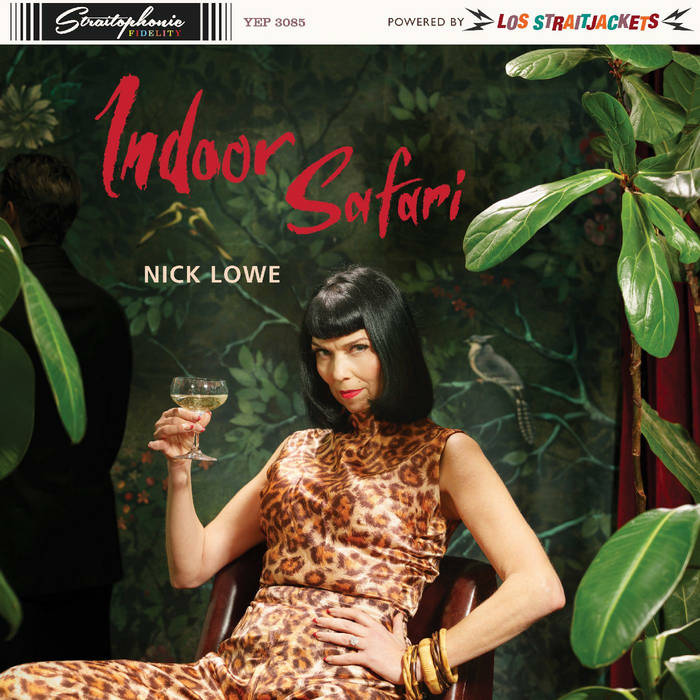
Nick Lowe, Indoor Safari:almost 50 years on from his solo debut at the crest of the New Wave, Lowe’s pure pop for now people remains pin-sharp and on point. Who else can still pump out breezy rockers like “Went to A Party” and “Jet Pac Boomerang” (the latter complete with high-culture similes and a Fab easter egg), ring wry changes on the battle of the sexes in “Blue on Blue” (“You’re like a mill, you run me through”) and “Don’t Be Nice to Me”, then capture the emotional devastation of the quietly crooned “A Different Kind of Blue”? Masked surf-rockers Los Straitjackets (currently celebrating their 30th anniversary) prove crucial here, laying down swinging retro grooves for Lowe’s originals and hoisting just the right backdrops as he nails the blue-collar aspiration of Garnet Mimms “A Quiet Place” and the innocent romance of Ricky Nelson’s “Raincoat in the River”. Lowe’s smart-aleck satire has always entertained, but his later embrace of pre-rock stylings deepened his songwriting and singing; now, even at his jauntiest, his aim for the heart is true. This is a real charmer that’s gone straight onto my 2024 Favorites list.
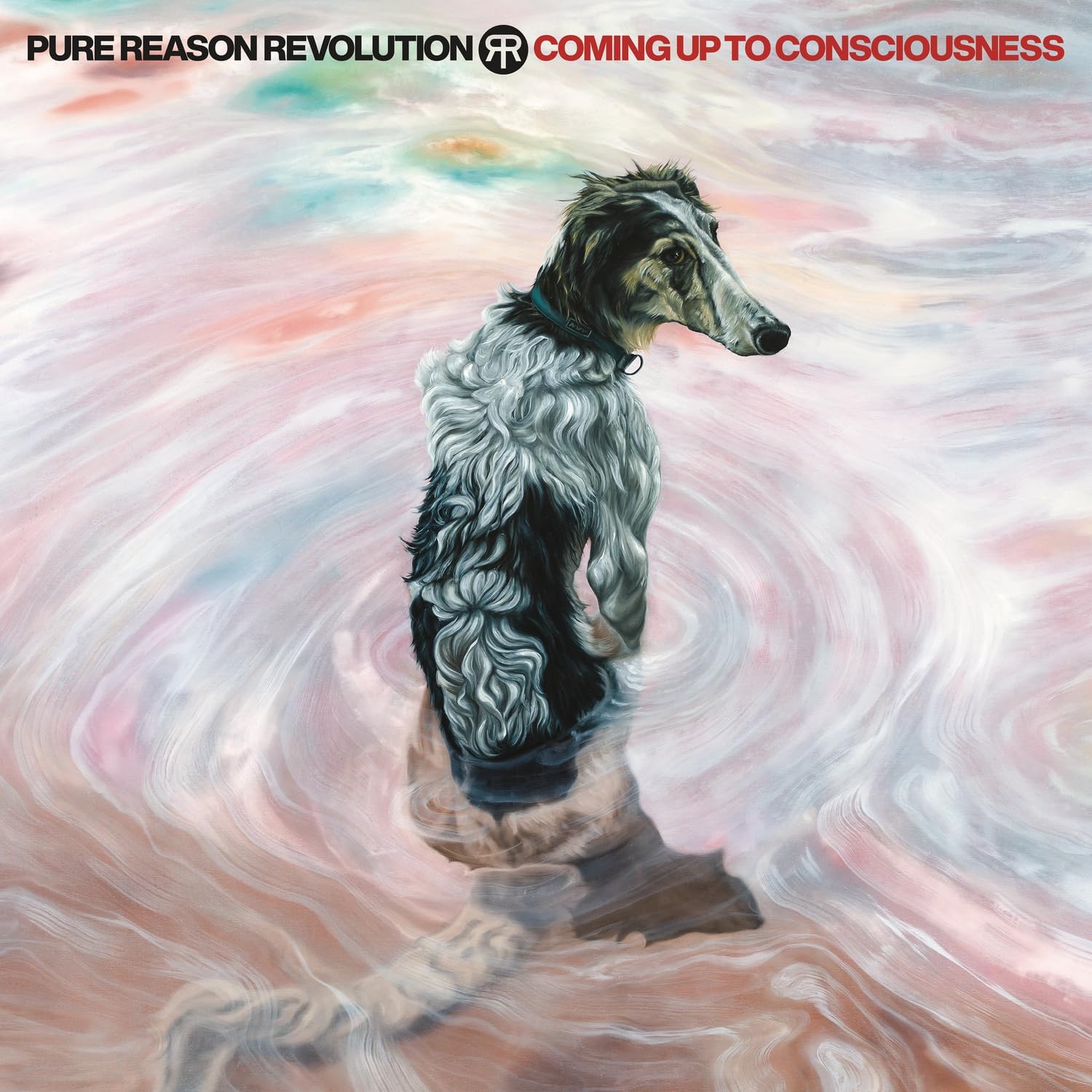
Pure Reason Revolution, Coming Up to Consciousness:a variation in reverse of this month’s theme, as long-time Pink Floyd/Gilmour bassist Guy Pratt brings extra low-end oomph to the latest from Jon Courtney, Greg Jong and their fellow electroproggers. As Time Lord ably spells out in his full review, once again PRR relies on the proven recipe of previous high points like 2006 debut The Dark Third and 2022’s Above Cirrus: float in on low-key ambience, keep the verses chilled out, ramp up on the bridge, kick hard into the chorus! (While seasoning to taste with lush harmonies, towering guitar riffs and slamming club beats, whipping up maximum tension and release before serving.) Here the results are consistently yummy, not least because the soundscapes’ ebb and flow echo Courtney’s perennial lyrical themes. As Courtney, Jong and Annicke Shireen’s voices entwine, splinter, and reunite, there’s a serene insistence on transfiguration, on something more than material, beyond the harsh realities of eros (“Dig til You Die”, “Betrayal”), fear (“The Gallows”), and death itself (“Useless Animal”, “As We Disappear”). Pure Reason Revolution isn’t giving us answers, but Coming Up to Consciousness points us toward the mystery they’ve pursued all along.
What do the new releases shown above and reviewed below have in common? To me, they all show their creators working at the top of their capabilities — whatever the genre of music and whenever it was made. Purchase links are embedded in the album titles.
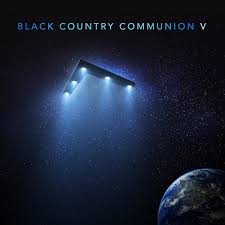
For example: these days, nobody does rock in the classic vein better than Anglo-American supergroup Black Country Communion. Never mind the unimaginative title: BCC’s fifth album V hearkens back to the days of Deep Led Purple Zeppelin in high style. Whether on opener “Enlighten” with its drone/riff switchoffs, the doomy chug of “Red Sun”, syncopated symphonic wobble “Skyway” or the crushing power-chord funk of finale “Open Road”, Joe Bonamassa’s guitar wails and stutters, vocalist Glenn Hughes howls at the moon, Derek Sherinian’s keys grind away underneath, and Jason Bonham brings that devastating family backbeat. From start to finish, this addition to my Favorites of 2024 list is whoop-ass hard rock at its finest.
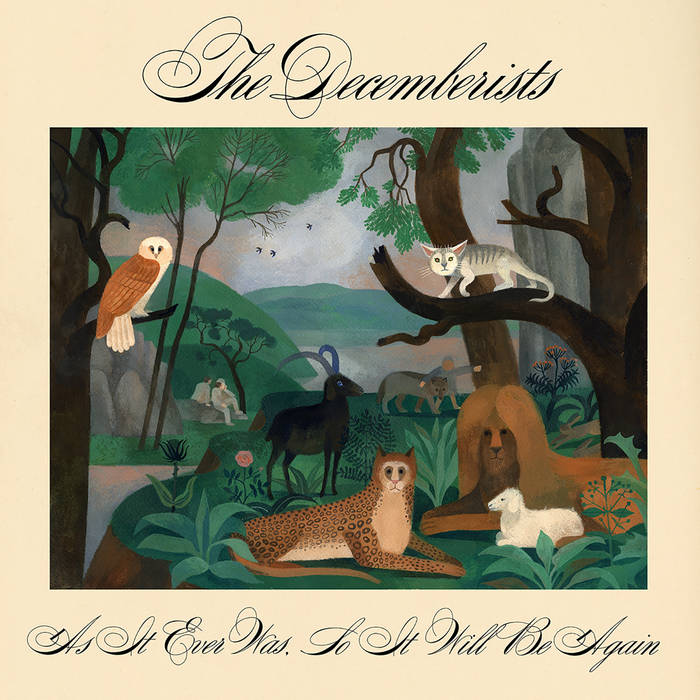
Back during the indie-rock boom of the early 2000s, The Decemberists flew a geekier flag than most; Colin Meloy’s artsy ensemble reminded me of nothing so much as They Might Be Giants and Fairport Convention collaborating on a Very Special Episode of Glee. The band’s first album in six years, As It Ever Was, So It Will Be Againis a double-LP summation of Meloy’s enduring obsessions: the snarky jangle-pop of Side One (“Burial Ground”, ” Long White Veil”); the death-haunted Brit-folk on Side Two (“William Fitzwililam”, “The Black Maria”); Side Three’s servings of vicious, brassy satire (especially the scabrous “America Made Me”) and – what else? – a side-long prog-rock epic, “Joan in the Garden” (think Pink Floyd’s “Echoes” with Uriah Heep mounting a hostile takeover), to wind the whole thing up. It’s all utterly theatrical and ever so tongue in cheek; but you can also tell that Meloy and his merry crew also adore what they (gently) mock. If you’re looking for a record that has everything including the kitchen sink, this sprawling, delightful mess could be just the ticket; it snuck its way onto my Favorites list with nary a warning.
DIY Brit-progger John Holden, on the other hand, takes his theatricality seriously, and the result, Proximity and Chance, is the best album of his burgeoning career. It’s sleek, richly dramatic musical storytelling throughout, whether Holden is basing his playlets on true stories (Victorian melodrama “Burnt Cork and Limelight”, modern-day spy scenario “Agents”), plundering Kipling to grand effect (the mini-cantata “The Man Who Would Be King”), or marveling at the odds against existence, let alone love (the two-part title track). An talented array of singers and players — Peter Jones leaning into his vocal roles and providing exquisite saxophone work, Sally Minnear leaving it all on the studio floor for the breakup ballad “Fini” — bring their A-games to enhance the lush synthesized orchestrations. Craft meshes beautifully with content here on Holden’s most flowing, accomplished effort to date.
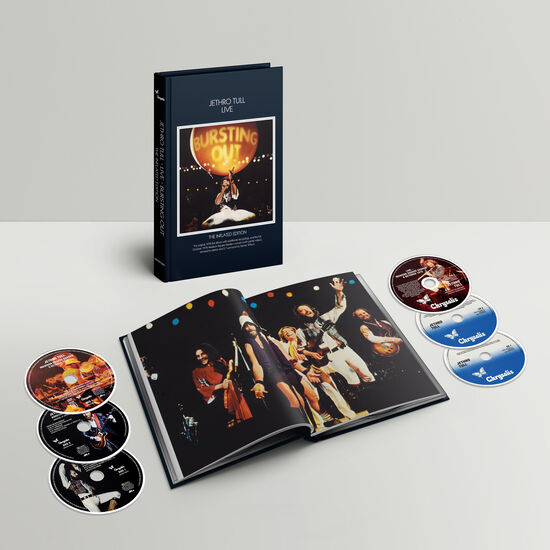
Speaking of theatrical prog: two-thirds of the way through their late 1970s “folk trilogy”, Jethro Tull were arguably at the height of their fame and drawing power — so what better time for their first complete live album? The latest deluxe re-boxing from Tull’s catalog, 1978’s Bursting Out returns as “The Inflated Edition”; along with the obligatory, whistle-clean Steven Wilson remix of the original album, this 3-CD/3-DVD set includes concert video simulcast by satellite from Madison Square Garden. Both shows impress: Ian Anderson is an adrenalized whirling dervish on vocals, acoustic guitar and flute, while the rest of Tull is an equally driven performing unit, executing with passion and precision throughout a mix of hits (“Skating Away”, “Thick As a Brick”, “Aqualung”, “Locomotive Breath”) newer tunes (“Songs from the Wood”, “Heavy Horses”) and oddball moments (“God Rest Ye Merry Gentlemen”? Eric Coates’ “Dambusters March”?) A sentimental fave from my college years, it’s as solid a sampler of Tull as you could hope to find.
As accomplished young players aiming for smart, retro-soul nirvana, Boston’s Lake Street Dive has occasionally got in their own way attempting to crown their groovy concoctions with Big Social Statements. But their latest, Good Together, hits the bullseye for brainy, danceable pop; Bridget Kearney’s ear-catching bass licks and Rachael Price’s arresting vocal hooks make for a winning combination on the title song, the single “Dance with a Stranger” – heck, all the way through the album! And with witty commentary on the state of postmodern love stirred into deep tracks like keyboardist Akie Bermiss’ “Better Not Tell You” and drummer Michael Calbrese’s “Seats at the Bar”, the whole band is pulling in the same direction, sharp and on point throughout. Even the thinkpiece ideas like the closer “Set Sail (Prometheus and Eros”) click this time; Good Together is proof of concept that Lake Street Dive can boogie down and philosophize at the same time. The end result is fun that stays with you long after your feet stop moving.
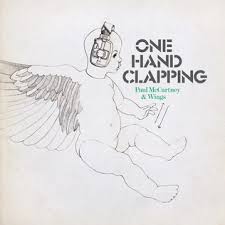
You can understand why the soundtrack of Paul McCartney & Wings’ live-in-studio video One Hand Clapping remained unreleased for fifty years – the drummer quit, new albums followed quickly, Macca tossed off a lot of twee tunes from behind the piano. But really, this is a magnificent find; raucous and committed, the band sizzles here. Linda McCartney’s thick synth sweeps, Jimmy McCullough’s eager, active lead guitar, perfectly judged touches of brass and strings all back up Paul’s riveting performances of core Wings tracks plus sideswipes at Elvis and the Beatles. There’s glam rock, a country excursion or two, the cinemascope brilliance of “Live and Let Die” – whew! Yes, Wings had their daft moments, but if you think McCartney never got his mojo working again after Abbey Road (or if you don’t get why people listen to this geezer who’s older than both presidential candidates), you owe it to yourself to hear this.
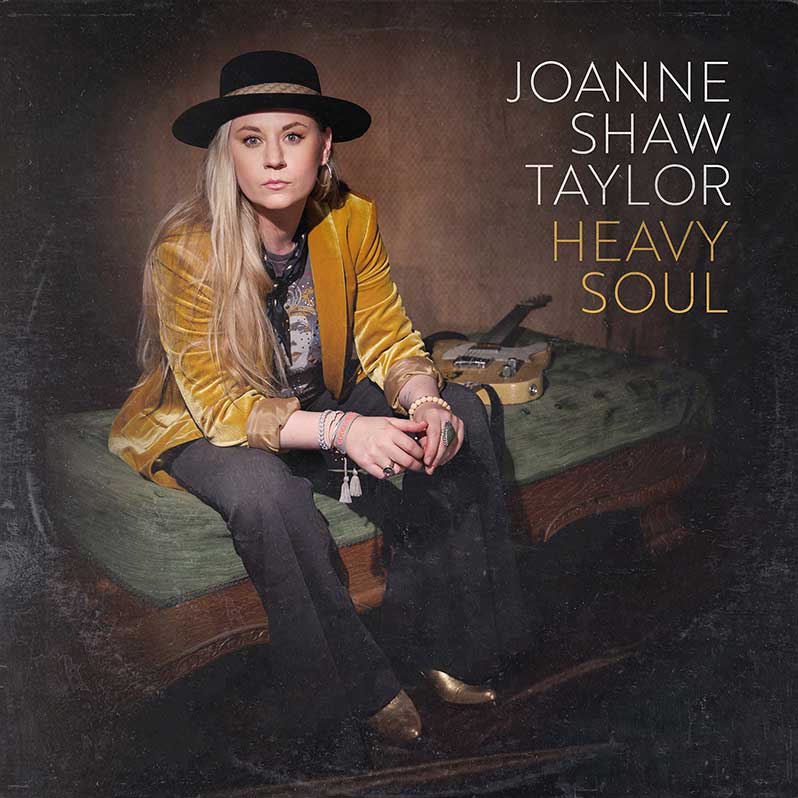
About twelve years ago, I heard Joanne Shaw Taylor live at a local hole in a wall and was appropriately floored. A fiery British blues-rock guitarist with an impassioned singing voice that sounds like it’s been soaked in Tennessee whiskey? Count me in! At every stop on her checkered path Shaw Taylor has always impressed, but her new Heavy Soulwent straight on this year’s Favorites list. Her songcraft takes a giant step forward on “Sweet ‘Lil Lies”, “Black Magic” and the onomatopoeic title track – her developing pop chops mesh magnificently with her blues roots – and she tackles Joan Armatrading’s anthemic “All the Way from America”, Gamble and Huff’s funky “Drowning in a Sea of Love” and the Celtic soul of Van Morrison’s “Someone Like You” with joyful abandon. If you’ve not checked JST out, you should, and this is a strong a shot of her as you’ll find.
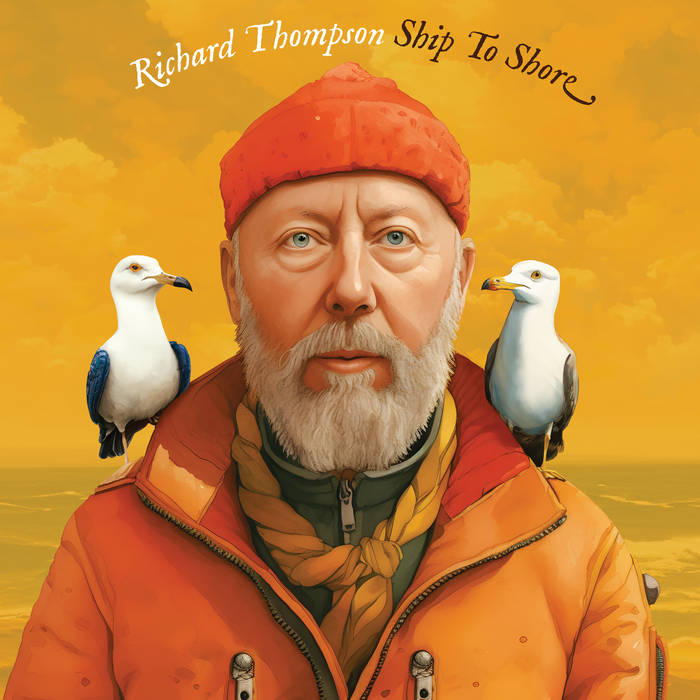
Richard Thompson is the guitarist Joanne Shaw Taylor probably hopes she can be someday, the songwriter Colin Meloy wishes he somehow could be; from his days inventing British folk-rock with Fairport Convention through a critically acclaimed set of solo albums that never captured mass attention, Thompson’s gleefully downbeat tunes and gnarly instrumental wizardry have never failed to move and shake those in the know. His latest album Ship to Shoreis another first-in-six-years gem; if anything, Thompson is working on a higher level than before. His acidic takes on thwarted love (“Freeze”, “Trust”, “Turnstile Casanova”) leave you gasping for breath; shadows lurk behind the desperate infatuation of “Maybe”, the queasy jollity of “Singapore Sadie” and the downhome cliches of “What’s Left to Lose” and “We Roll”. Backed by Taras Prodaniuk’s bass and Michael Jerome’s drums, Thompson conjures a clinging fog of guitar anchored in power-trio punch, with one brooding texture and lacerating lead break after another. As the title of one of his self-released albums unsubtly insinuates, doom and gloom from the tomb are Thompson’s stock in trade – but watch out! His unique blend of heartbreak and black humor can be oddly addictive.
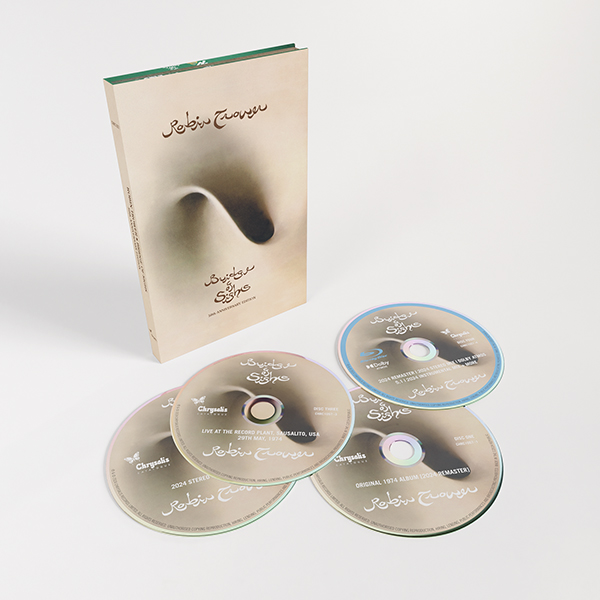
Finally, the undisputed masterwork of the man who taught King Crimson’s Robert Fripp to bend a string gets the deluxe edition it deserves. Robin Trower’s 1974 classic Bridge of Sighs hit rock fans in the USA (where Trower and Crimson toured together that year) like a ton of bricks; in vocalist/bassist Jimmy Dewar and drummer Reg Isidore, Trower had his dream team to escape the classical flourishes of Procol Harum and dig into musical veins previously mined by his hero Jimi Hendrix. “Day of the Eagle”, “Too Rolling Stoned” and “Little Bit of Sympathy” hit hard and funky; the title track, “In This Place” and “About to Begin” leave the listener floating on little wings of poignant mysticism. And everywhere, Trower’s unique solo sound; a guitar that really does sound like the sky is crying. A rough mix that reveals producer Matthew Fisher and engineer Geoff Emerick’s crucial roles in unifying the album and a raucous live-in-studio set provide the perfect complements to a genuinely great record.
— Rick Krueger
This set of Quick Takes is in memory of friend and concert buddy Jack Keller (1952-2024), with whom I saw Joanne Shaw Taylor, Richard Thompson, and many other fine artists live. Wish I could hear his story about working security for the Grand Rapids stop of Genesis’ The Lamb Lies Down on Broadway tour one more time . . .
And I will do alright Well in truth, I might I may be stumbling round on some cold night And I will miss the times when we were so right Although it seems so long ago, so long
Well – that was a longer break than anticipated. (Sometimes, as John Lennon sang, “Life is what happens to you/While you’re busy making other plans.”) Thanks for your patience and ongoing support as we wave goodbye to 2023 and 2024 begins!
Thanks as well to Time Lord and Bryan for their 2023 wrap-ups. The flow of excellent new and reissued music continued unabated in November and December; below are some further favorites (plus some I didn’t get around to before my last post), with listening links and “micro-quick takes” to match.
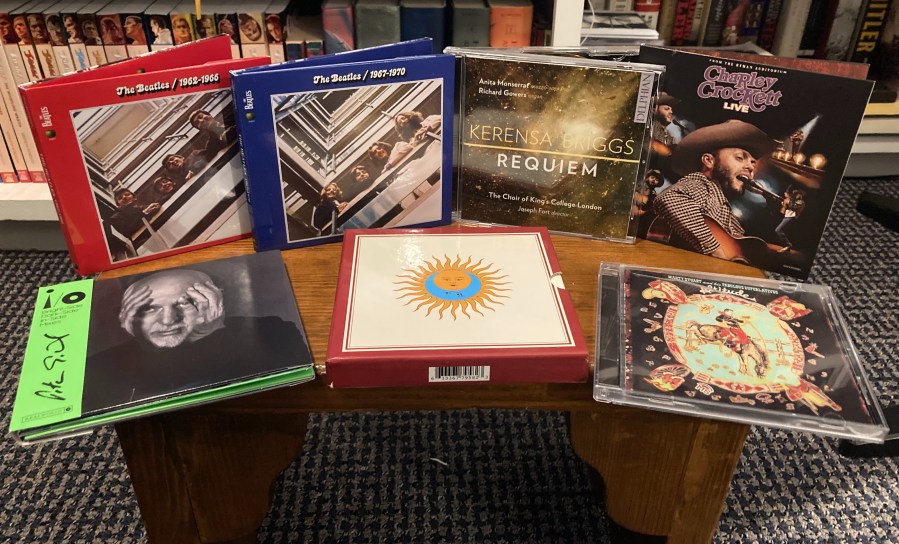
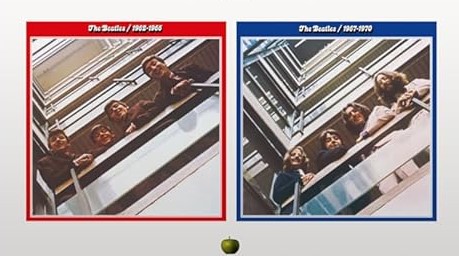
The Beatles, 1962-1966 & 1967-1970: The pioneering 1973 compilations get a cutting-edge makeover. The “Red” album expands by 12 tracks — more covers, more George vocals, more from Revolver — and everything’s finally remixed to breathtaking true stereo by Giles Martin. The “Blue” album broadens the picture of the Fab Four’s later years via 9 more tracks, with the archival swan song “Now and Then” (read Time Lord’s elegiac appreciation here) serving as a lovely, definitive coda. Fifty years on, a reminder of what all the shouting was about – and why Beatlemania has never really gone away.
Kerensa Briggs, Requiem: The first new classical piece I’ve fallen in love with in a long time. Briggs is a young British choral composer with formidable gifts and a direct, appealing style; based in chant and ripened with echoes of the French romantics, her Requiem cuts straight to the heart of grief, consoling the listener’s spirit with its rich settings of Scriptural promises. The Choir of King’s College London, conducted by Joseph Fort, responds vibrantly on the major piece and other short works (including a setting of the Taoist text “Inner Light” that George Harrison nicked for a Beatles B-side). Restorative, uplifting and highly recommended.
Charley Crockett, Live from the Ryman Auditorium: A recent Nashville vacation (including a night at the Grand Ole Opry) triggered a deep dive into all things country — traditional, bluegrass, alternative, modern, you name it. Leaning on his Gothic concept album The Man from Waco, Texas troubadour Crockett and his band The Blue Drifters electrify a sold-out Mother Church of Country Music with this generous, rambunctious set. One of the most eclectic artists in the genre today, Crockett flavors his honky-tonk stew with everything from mariachi to Motown (check out “I’m Just A Clown”), from funk to deep blues, with props to Red Dirt forebears like James Hand and Townes Van Zandt along the way — and his thick, chewy baritone sells it all. If you crave some down-home listening, you can’t go wrong here.
Peter Gabriel, i/o:Yeah, PG has been promising new music for twenty years — but, boy, has he delivered the goods! Released a track at a time every full moon, the finished album (available in three different mixes) is a hypnotic, seductive delight all the way. Whether on atmospheric opener “Panopticom”, melancholy meditations “Playing for Time” and “And Still”, or upscale worldbeat anthems “Road to Joy” and “Olive Tree”, killer hooks, arresting soundscapes and neoclassic soul melodies abound. It’s Gabriel as you remember him — including those lyrics that swing wildly between sappy motivational speeches and sage advice — freshly retooled and energized, blazing a hopeful, humanistic path thru this century’s chaos.
King Crimson, Larks’ Tongues in Aspic XL:Robert Fripp wasn’t kidding when he called the 1972-73 incarnation of Crimson a magic band. John Wetton on bass and Bill Bruford on drums bring the muscle; David Cross on violin and Jamie Muir on percussion add thrills in the moment. Arguably, the crunching Hendrix-meets-Stravinsky title tracks, menacing balladry of “Exiles” and improvised mojo of “The Talking Drum” set the template for the rest of KC’s career. This 2-CD/2-BluRay set includes a new spatial audio mix by (who else?) Steven Wilson, an “Elemental Mix” that spotlights individual contributions and the complete sessions for nerds like me who want to know how the sausage got made. Explosive, unstoppable stuff.
Marty Stuart and His Fabulous Superlatives, Altitude:Whether backing greats like Lester Flatt and Johnny Cash, riding his “hillbilly boogie” to a successful solo career, or charming Ken Burns’ documentary audiences, Stuart comes as close to the living personification of country music as anybody. Here he and his stellar backing band lay down some serious hoodoo: “Sitting Alone” fuses tight harmonies to a Byrdsy guitar jangle, the title track twangs with abandon, “Tomahawk” joyfully calls down the Second Coming in double time, and a hush descends for the haunting “And the Angels Came Down.” A fresh helping of Cosmic American Music as pioneered by The Grateful Dead and Gram Parsons: sleek, gutsy and deeply satisfying.
And in review, the list of my other favorite releases and reissues of the year, covered in previous Quick Takes (links are to my original articles):
Stay tuned, won’t you? With new albums due soon from Neal Morse, The Pineapple Thief, Steve Hackett, The Bardic Depths and Big Big Train (not to mention BBT’s first US tour this March), the Rockin’ Republic of Prog is ready for a banner year!
Unless otherwise noted, title links are typically to Bandcamp for streaming and purchasing, or to Spotify for streaming with a additional purchase link where available.
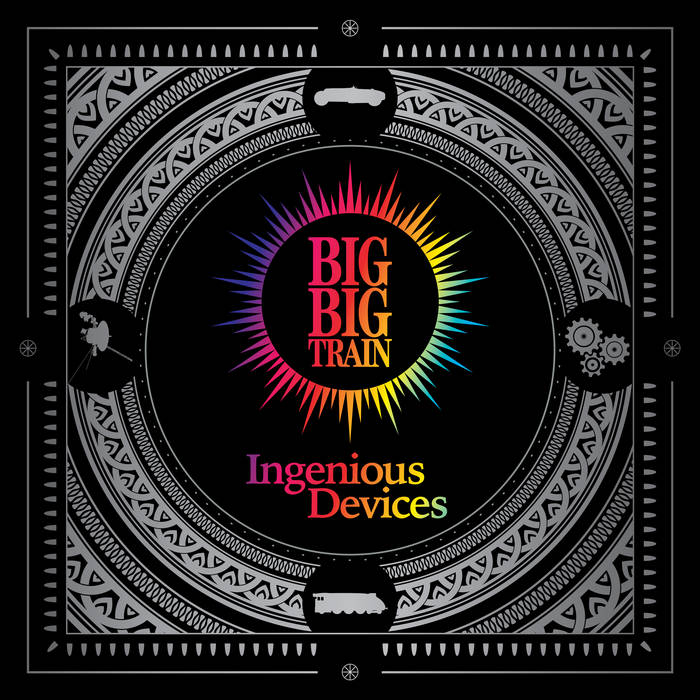
Starting with an obvious choice around these parts: Ingenious Devices proves a winning Big Big Train compilation, featuring Greg Spawton’s life-enhancing explorations of humanity’s drive to expand its reach. Vividly orchestrated reworkings of “East Coast Racer” and “Brooklands” join a remix of Grand Tour’s “Voyager” and a stirring live take of “Atlantic Cable” featuring new lead singer Alberto Bravin; the result is a fresh, vital, thoroughly moving suite of prog epics. Recommended without hesitation!
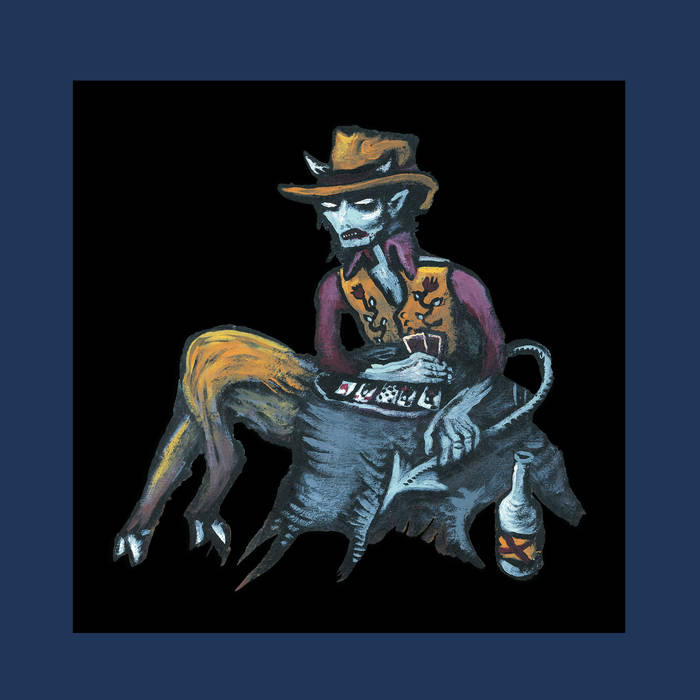
Southern rockers Drive-By Truckers have also reached back — fleshing out their classic 2004 effort as The Complete Dirty South, the double album they originally conceived. Triple-threat guitarist/songwriters Patterson Hood, Mike Cooley and Jason Isbell reel off tale after compelling tale of characters caught in desperate circumstances, torn between bad choices, clinging to vagrant hopes. Their rampaging hard-rock energy, seasoned with delicate country soul balladry, is what elevates the whole concept beyond haunted fatalism to an intense meditation on courage in the face of overwhelming odds. (Having left the DBTs in 2007, Jason Isbell continues to go from strength to strength. His brand-new effort with The 400 Unit, Weathervanes, brings tons of sharp writing and fiery playing to a clutch of deeply empathetic Americana narratives, topped with irresistible choruses and just a pinch of classic rock a la Bruce, The Byrds and Neil Young. Whatever your take on country music, you really shouldn’t miss either of these.)
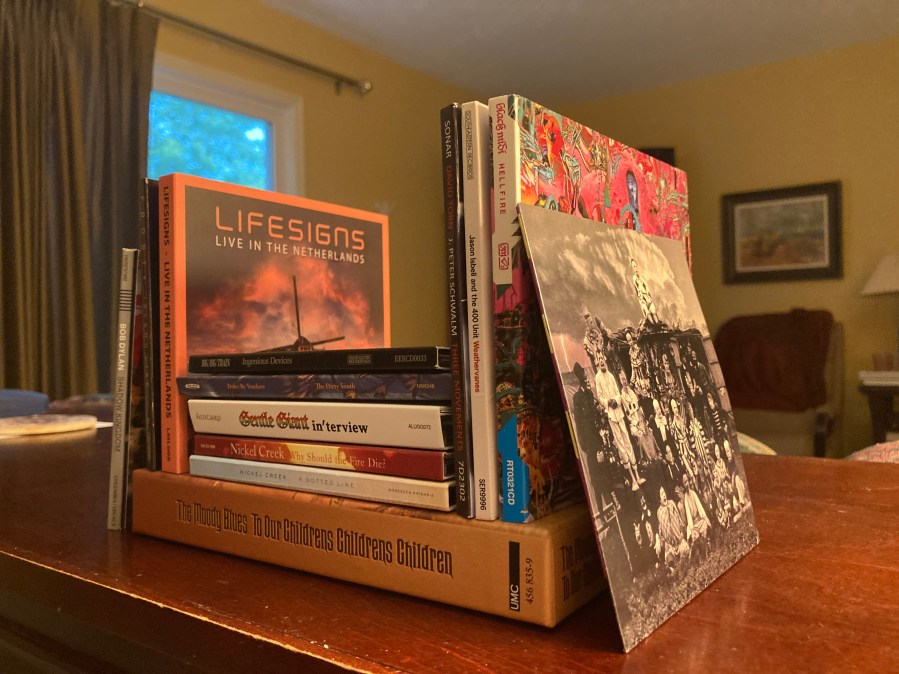
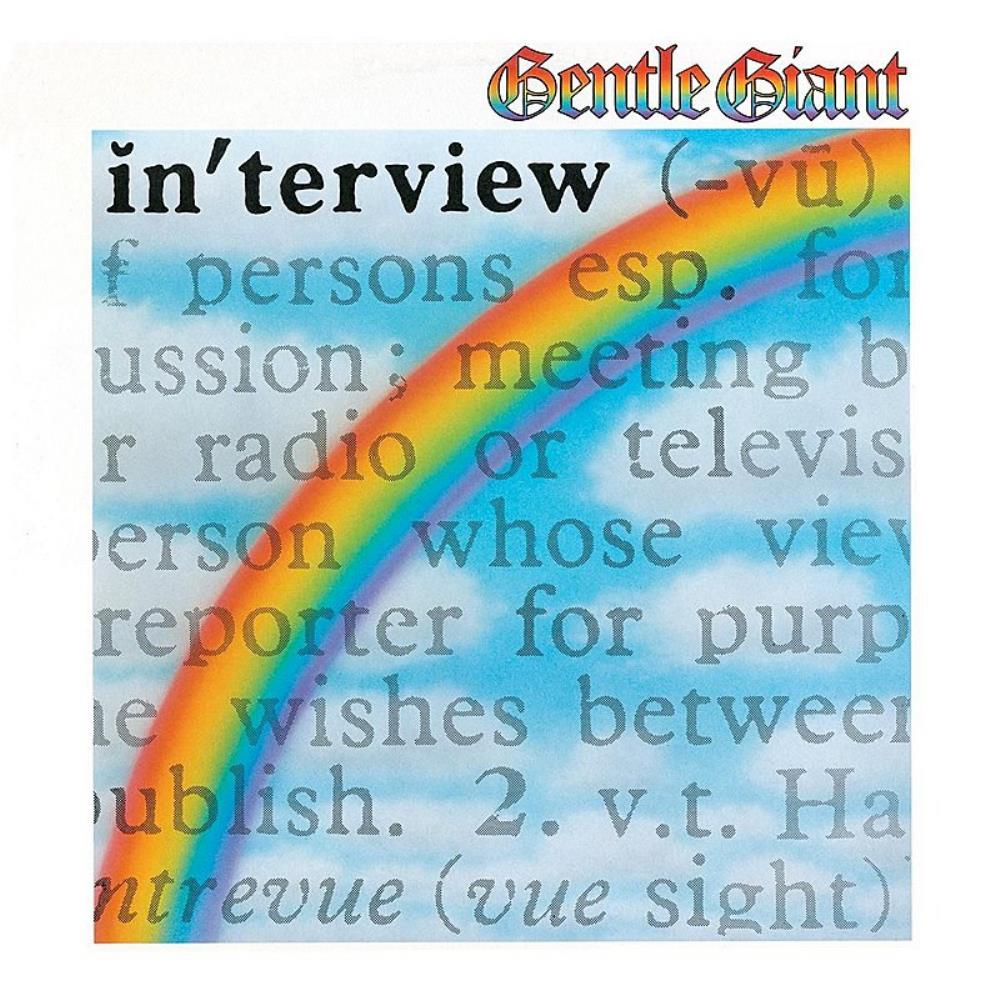
Also on the reissue front, Gentle Giant’s 1976 effort Interview now has a spruced-up, punchy remix from Steven Wilson (available here) that breezily clarifies the British quintet’s counterpoint vocals (“Design”), interweaving instrumental lines (the title track, frenetically funky closer “I Lost My Head”) and multistylistic hijinks (the unanticipated reggae chorus of “Give It Back”). The Moody Blues’ second release of 1969, To Our Children’s Children’s Children, becomes their third vintage set to get the multi-disc box treatment – though it’s only available digitally in the US. While the album proper leans toward studio psychedelia laced with wispy slow-dance tunes and the odd cabaret flourish, the bonus live tracks (including a complete set from the Royal Albert Hall) reveal the Moodies as quite the stomping rock outfit, slipping the leash on the album’s single “Gypsy,” the encore “Ride My Seesaw” and core tracks from Days of Future Passed.
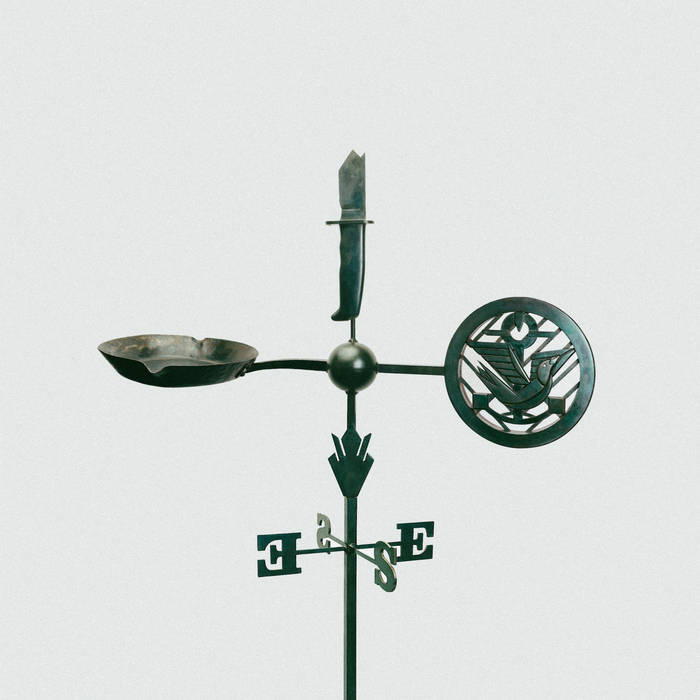
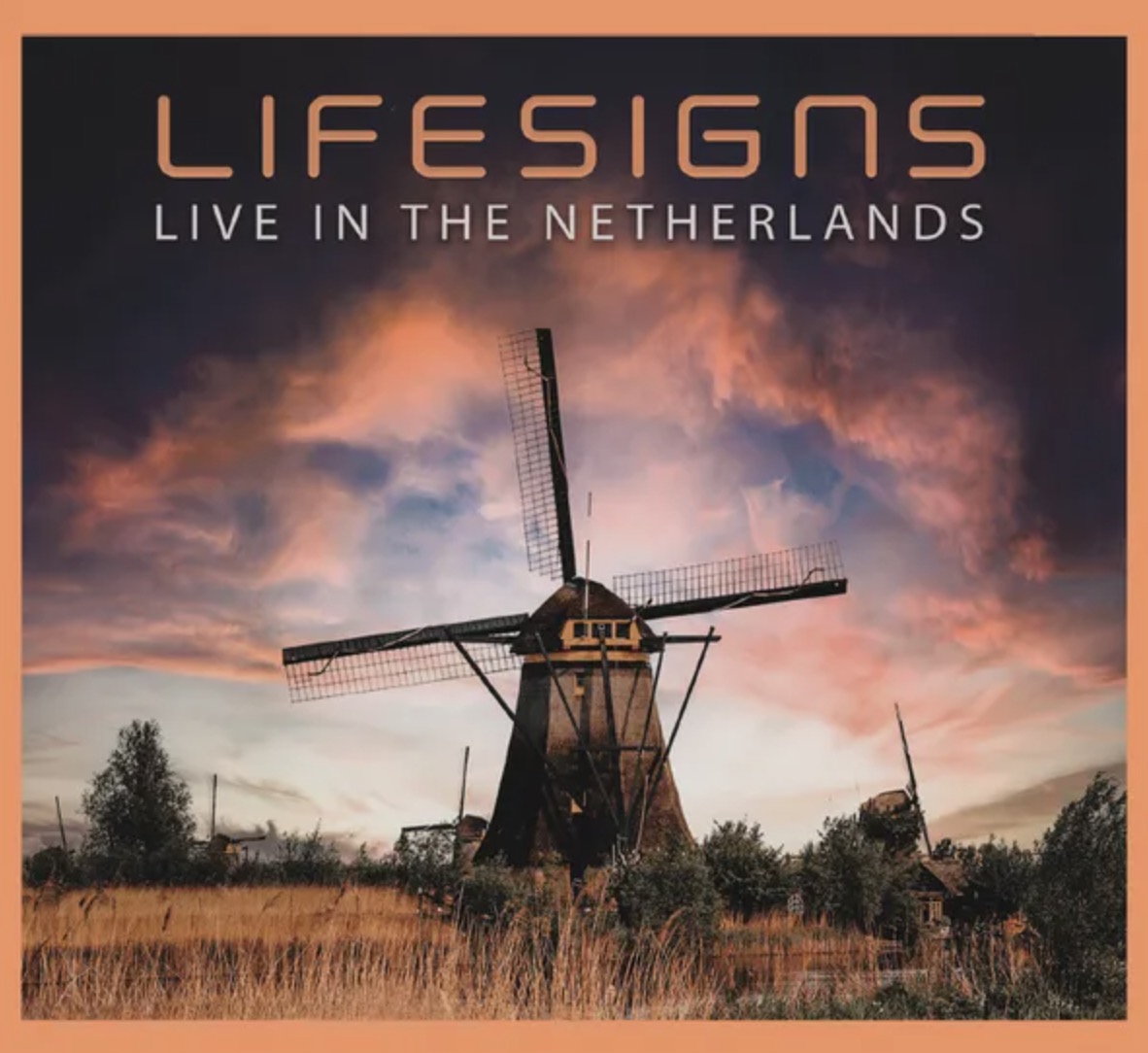
Live releases have picked up again as well. For their concert video debut Island Live (available through Magenta’s Tigermoth label), Jem Godfrey’s tech-forward quartet Frost* reap a whirlwind harvest of monumentally proportioned prog. With bassist Nathan King and drummer Craig Blundell anchoring the jumpy polyrhythms, guitarist John Mitchell and keyboardist Godfrey eagerly splatter as many unhinged solos as possible across devilishly ingenious harmonic structures, singing their hearts out all the while. (Check out a video sample here.) Prefer calmer (though no less extended) sonic voyages? Lifesigns’ Live in the Netherlands should be just the ticket. Leaning on the music from 2021’s Altitude, keyboardist/composer John Young and guitarist Dave Bainbridge prove steady hands on the wheel, soothing the soul as they scale the majestic heights of “Open Skies,” “Ivory Tower” and “Last One Home”. (One other winner from outside the genre: for a 2021 COVID-time video, Bob Dylan fused his recent rummagings amongst the blues and pre-rock vocal stylings to revitalize his vintage repertoire. The unplugged sorta-soundtrack Shadow Kingdom is the winning result; order it here.)
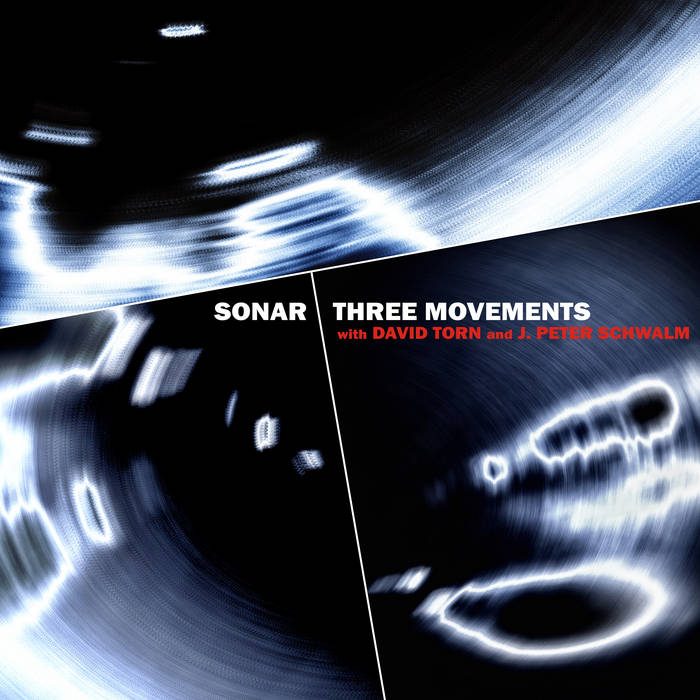
Speaking of concerts, my prep for a recent show by British “post-Brexitcore” bashers black midi included their latest album Hellfire, which hit plenty of 2022 best-of lists in and out of the prog world. A detailed live review is forthcoming; suffice to say that on record, bm’s dense, anarchic musical interaction tracks all too well with their jaundiced first-person lyrical vignettes — it’s postmodern life as absurd, unstoppable apocalypse. A welcome bonus from that concert was meeting Mike Potter, Renaissance man of the Eastern Seaboard — astrophysicist, former recording studio owner and a whiz on keys, woodwinds and vocals too! Potter’s band Alakazam has just released their fourth disc, Carnival Dawn; it’s a heady conceptual effort that stirs equal parts Ray Bradbury and Stephen King into a bubbling stew garnished with ominous Mellotron, creepy clarinet and saxophone, and the wondrously deranged verbal musings of sundry evil clowns. By the pricking of my thumbs, it’s worth a listen — if you dare. And for a coolly energizing dose of order to chase the above chaos, you won’t do better than Sonar’s new Three Movements. Here Stephen Thelen and company harness a genuinely symphonic tension, building up towering rhythmic edifices that reach dizzying heights; at the climaxes, as guests David Torn on guitar and J. Peter Schwalm on electronics launch volley after volley of improvised ambience, the tension breaks, the clouds clear, and you might just hear the music of the spheres!
(A quick note: for new releases, order links are embedded in album titles; online playlists/previews/etc. follow reviews when available. For catalog albums, playlists are linked with titles.)
Once again, I get to second a positive review from Bryan — this time of Fauna, the new release from prog-metallers Haken. Wildly creative, I found this to be the British sextet’s most appealing effort since 2016’s Affinity, stirring in flavors of fusion, postmodern pop, funk, reggae, electronica and even opera alongside one heavy yet tuneful chorus after another. Whether on the short, sharp shocks of “Taurus” and “Lovebite” or the extended journeys of “Sempiternal Beings” and “Elephants Never Forget”, Ross Jennings’ vocals soar, Charlie Griffiths and Richard Henshall’s guitars crunch, Peter Jones’ keys fill what few sonic crevices remain, and rhythm section Conner Green and Raymond Hearne thunder. Play it loud — but look out for multiple, exciting curveballs on every track!
Last month also saw the release of two live albums from veteran bands who’ve made it through the pandemic back to the stage:
Van der Graaf Generator’s The Bath Forum Concert(a CD/DVD/BluRay set) documents the venerable trio’s 2022 return to action; tackling an ambitious setlist that spans their entire career, guitarist/pianist/singer Peter Hammill is as declamatory and vehement as ever, organist Hugh Banton covers the aural spectrum between cathedral and crypt, and drummer Guy Evans locks into or disrupts the grinding soundscapes as the spirit moves him. The beautifully filmed video shows VDGG working hard and watching each other, opting for the flow as they feel it rather than relying on clinical precision; warts and all, this is refreshingly in the moment, a strong show that captures the band’s existential angst and humanistic idealism in full.
Two years after their 2020 Far Eastern tour collapsed around them, King Crimson satellite band Stick Men returned to Japan and blew away any cobwebs that might have accumulated at Osaka’s BB Live venue. The resulting album Umedashowcases avant guitarist Markus Reuter, multi-bassist Tony Levin and percussionist Pat Mastelotto at their aggressive, angular best; whether on long-standing improvisational frameworks “Cusp”, “Schattenhaft” and “Swimming in Tea”, newer compositions “Ringtone”, “Tentacles” and “Danger in the Workplace” or Crimson classics “Red”, “Larks’ Tongues in Aspic Pt. II” or “The Sheltering Sky”, these guys are frighteningly good, whether working up a hair-raising din or backing off for spacey, unexpectedly lush interludes. A great introduction for newbies and a must for fans.
Plus, in February and March the recorded music industry resumed cranking out deluxe box set reissues and compilations — apparently the market of Boomers (like me) with more money than sense isn’t tapped out yet:
A few notes before I dive in: items I’ve reviewed here are linked to the relevant Progarchy article via the artist/album title; If I didn’t review an item here or elsewhere, it’s marked with an asterisk (*) — but I hope the capsule description and listening/order links will encourage you to check it out!
Big Big Train, Welcome to the Planet: what turned out to be BBT’s final effort with the late David Longdon consolidates the widened horizons of Grand Tour and the intimate subjects of Common Ground, casting an epic light on the everyday glory of family, community, joy and loss.
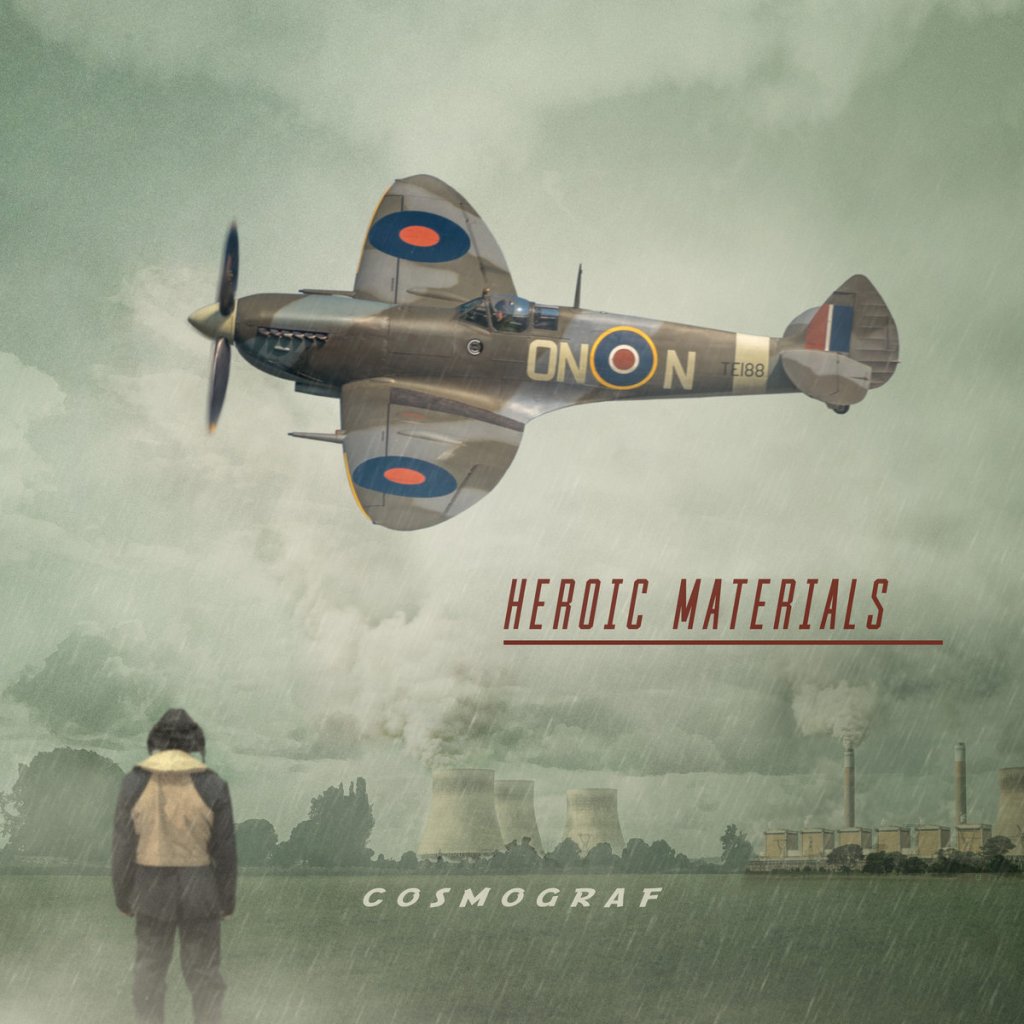
Cosmograf, Heroic Materials: Elegiac in its evocation of past achievements, urgent in its contemporary call to action, breathtaking in its poised blend of fragility and strength, Robin Armstrong’s latest is a riveting listen.
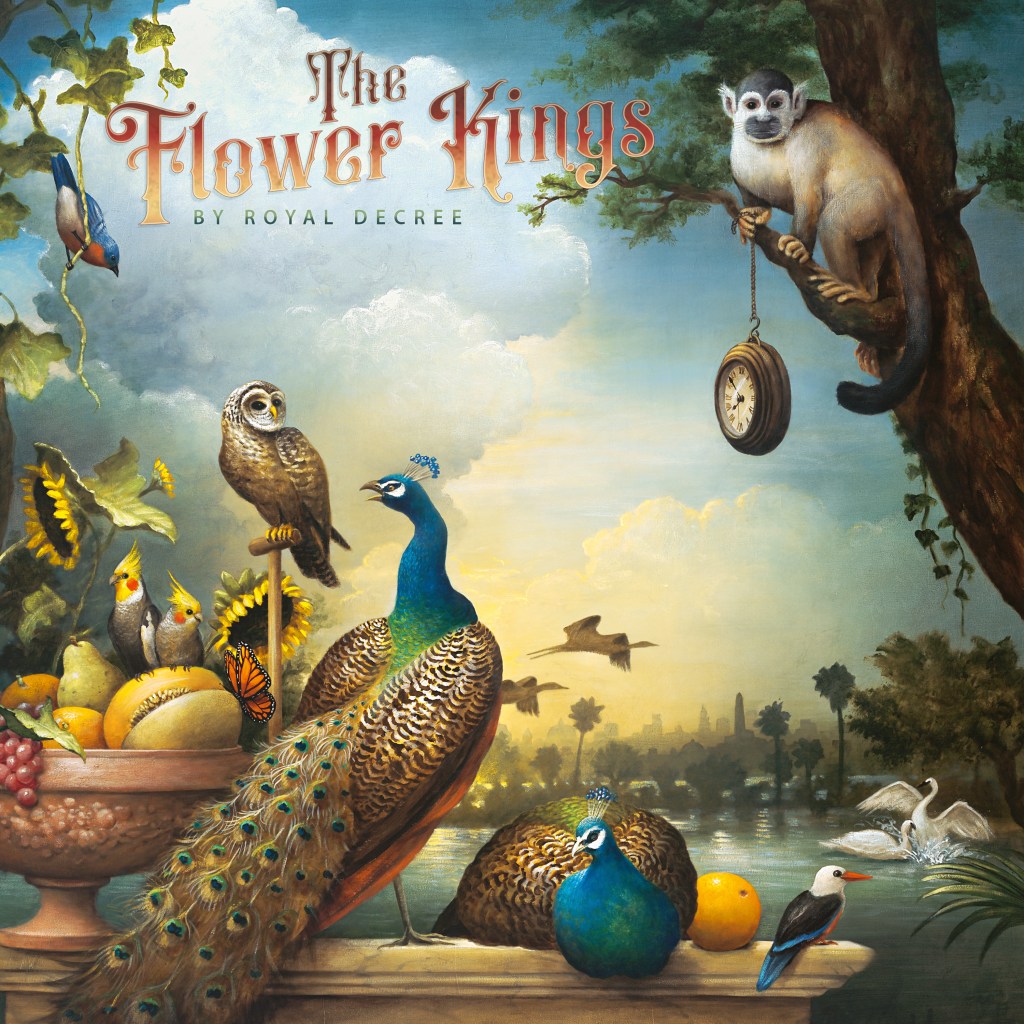
The Flower Kings, By Royal Decree: TFK’s third double album in a row, this is the sound of Roine Stolt and company refreshed and revisiting their optimistic roots, soaring on the wings of one marvelous melody after another. As much a joy to hear as it must have been to create.
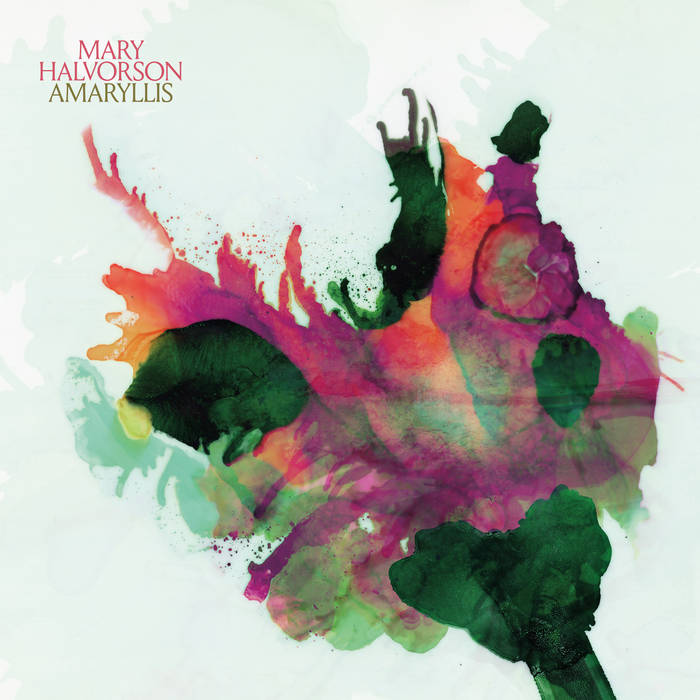
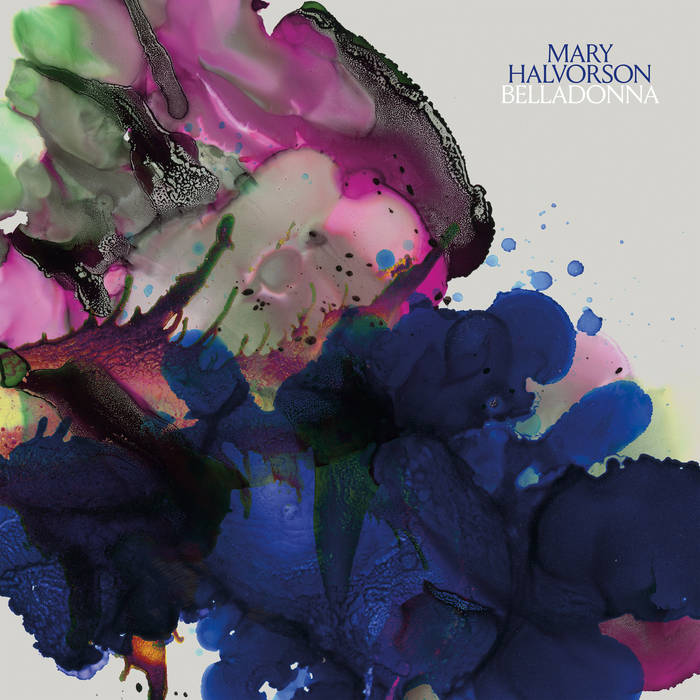
Mary Halvorson, Amaryllis & Belladonna: free jazz guitarist Halvorson hits a major label with two albums — teaming with a boisterously simpatico sextet on Amaryllis, then dancing atop and around modern classical textures from the Mivos Quartet on Belladonna. Audacious and engrossing, this music will open your ears real good!
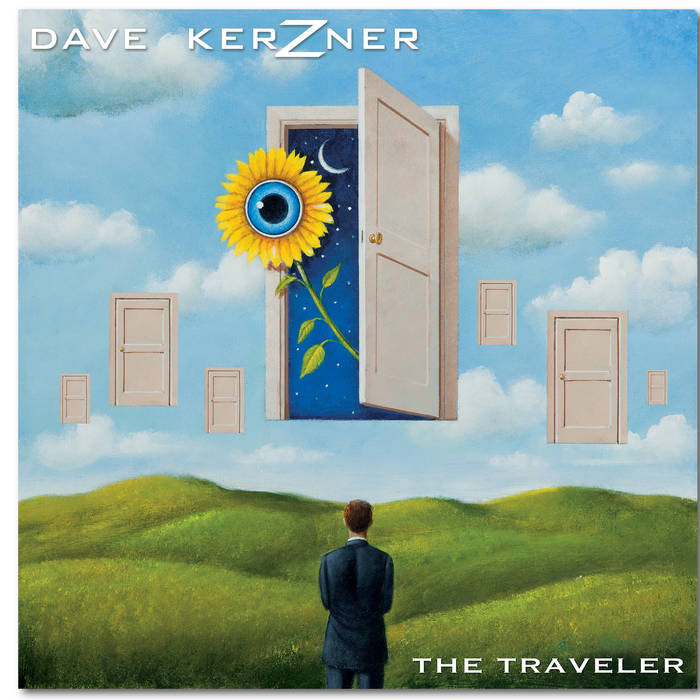
Dave Kerzner, The Traveller: confident, appealing songwriting with hooky yet sophisticated melodies and structures, Kerzner’s best, widest ranging vocals to date and perfectly judged contributions from a stellar guest list. Letting his new songs sell themselves and keeping proceedings to the point, he both satisfies us and leaves us wanting more.
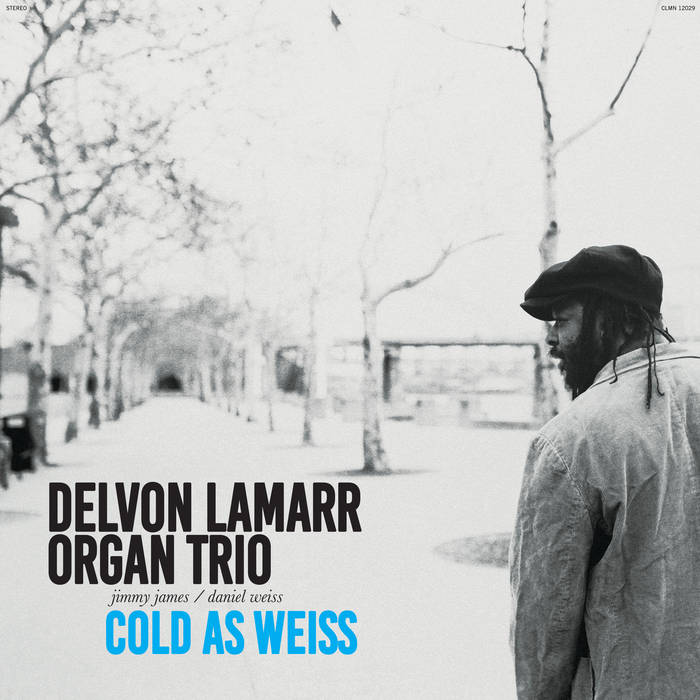
The Delvon Lamarr Organ Trio, Cold As Weiss: An immediately accessible reboot of a classic jazz trio format. Organist Lamarr, guitarist Jimmy James and drummer Daniel Weiss are thrilling players who never fail to make their instruments sing. Funky, catchy bite-size tracks with great individual playing and razor sharp ensemble.
Marillion, An Hour Before It’s Dark: The front half of Los Marillos’ latest has more swagger than they’ve mustered in a while; the back half’s meditative downshift climaxes with the sweeping smashcut finale “Care,” as power chords and massed choirs climb heavenward. Unique as anything in their catalog, and another thoroughbred winner.
Pure Reason Revolution, Above Cirrus: this fifth album reveals PRR at their best, consistently upping their game to the next level. For every moment of blissful harmonies and glidepath atmospherics, there’s an equal and opposite moment of feral guitar/drum slammin’ — and when they layer the two together, look out! Well worth buckling up for the ride.
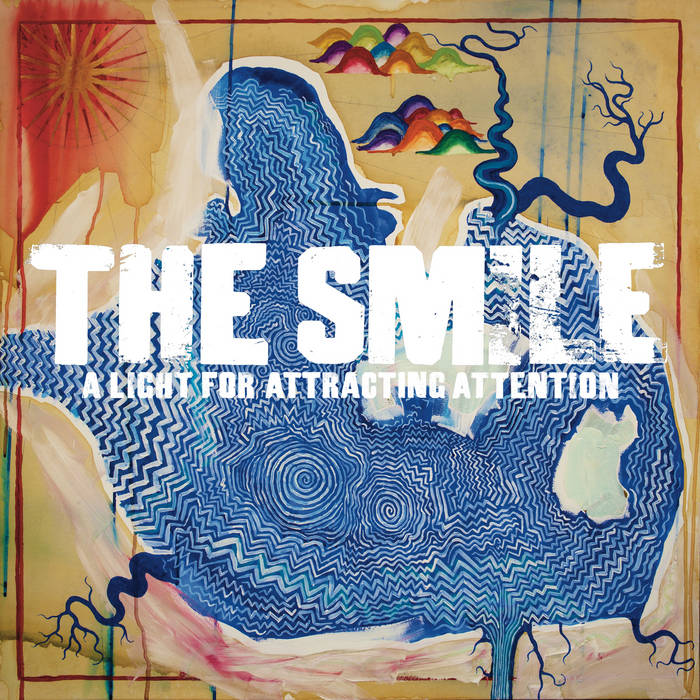
The Smile, A Light For Attracting Attention: A Radiohead side project worth your while. Thom Yorke overflows with apocalyptic dread; Jonny Greenwood’s off-kilter instrumental instincts are keener than ever; Tom Skinner’s skittering beats relentlessly drive the grim, lush soundscapes forward. Music for our contemporary dystopia, irresistibly sucking you in.
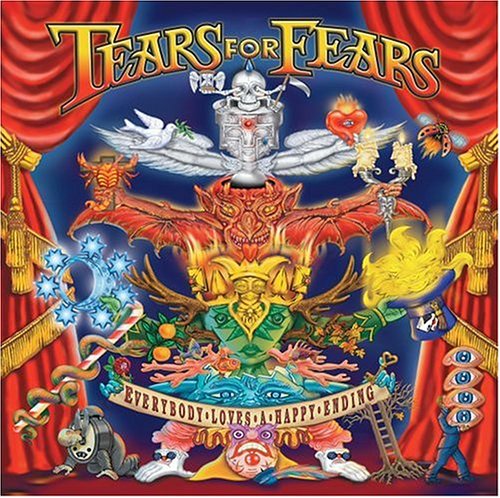
Tears For Fears, The Tipping Point: Roland Orzbaal & Curtis Smith’s catchy-as-always comeback goes for catharsis via unstoppable rhythms, unforgettable choruses and naked vulnerability on every single track, Devastatingly gorgeous, uncompromising art-pop that will haunt you long after every listen.
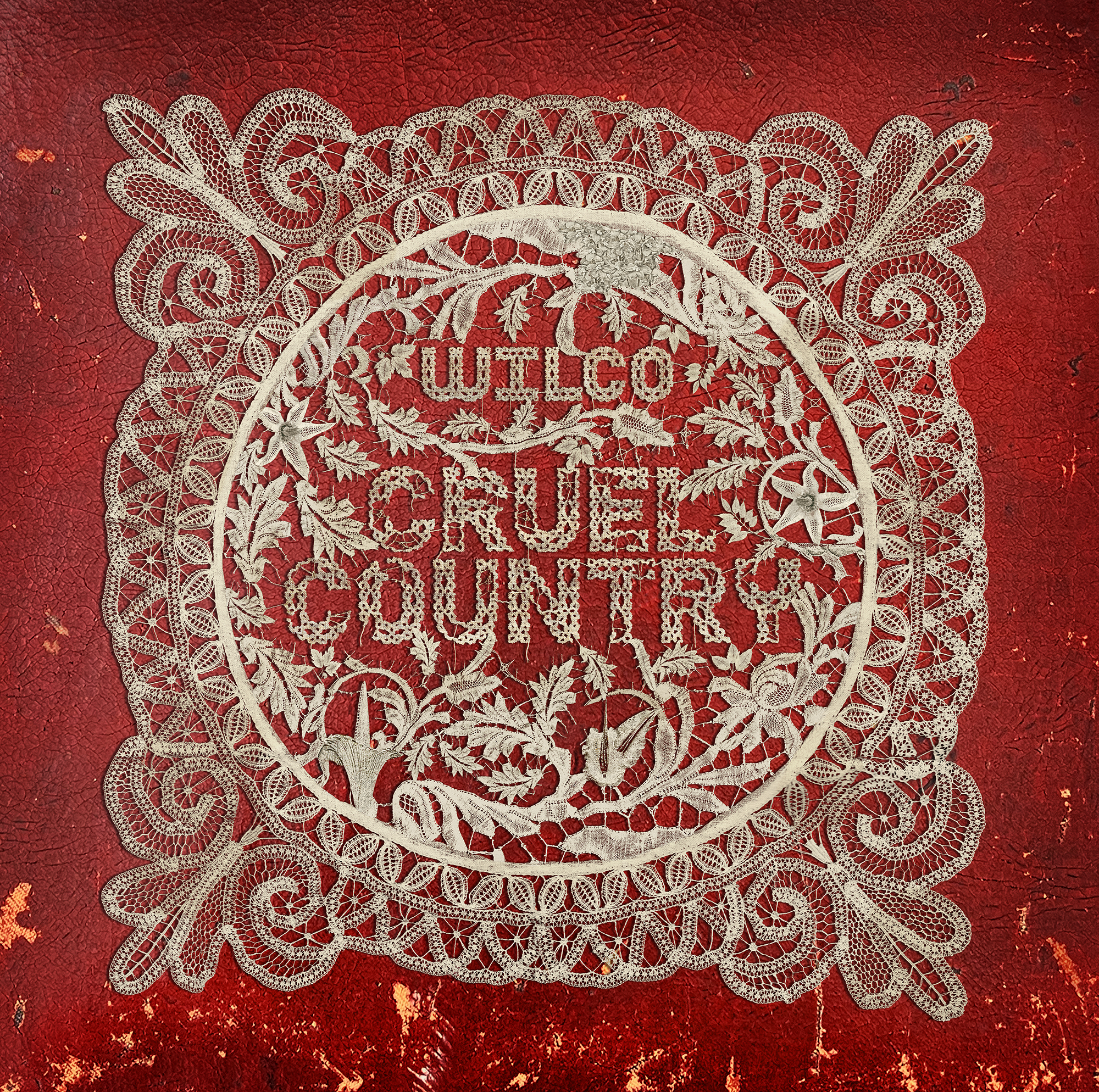
And my Top Favorite of the year — Wilco, Cruel Country. A double set that detours from Jeff Tweedy’s thoughtful dad-rock toward Nashville and Bakersfield, the tactile interplay of the band and Tweedy’s quizzical, empathetic probes of societal alienation elevate this to an album of genuine tenderness and subtlety, gathering strength and heart as it unrolls. After a digital-only release this year, it’s finally coming out on LP and CD January 20!
My favorite reissues of 2022:
The Beatles, Revolver Special Edition*: No Revolver, no Sergeant Pepper — no prog? Regardless of what ifs, the Fabs’ great leap forward of 1966 was brilliant in its own right, dragging pop headlong toward the avant-garde. Here it gets a subtle yet effective remix, with fascinating studio outtakes framing the cutting-edge results.
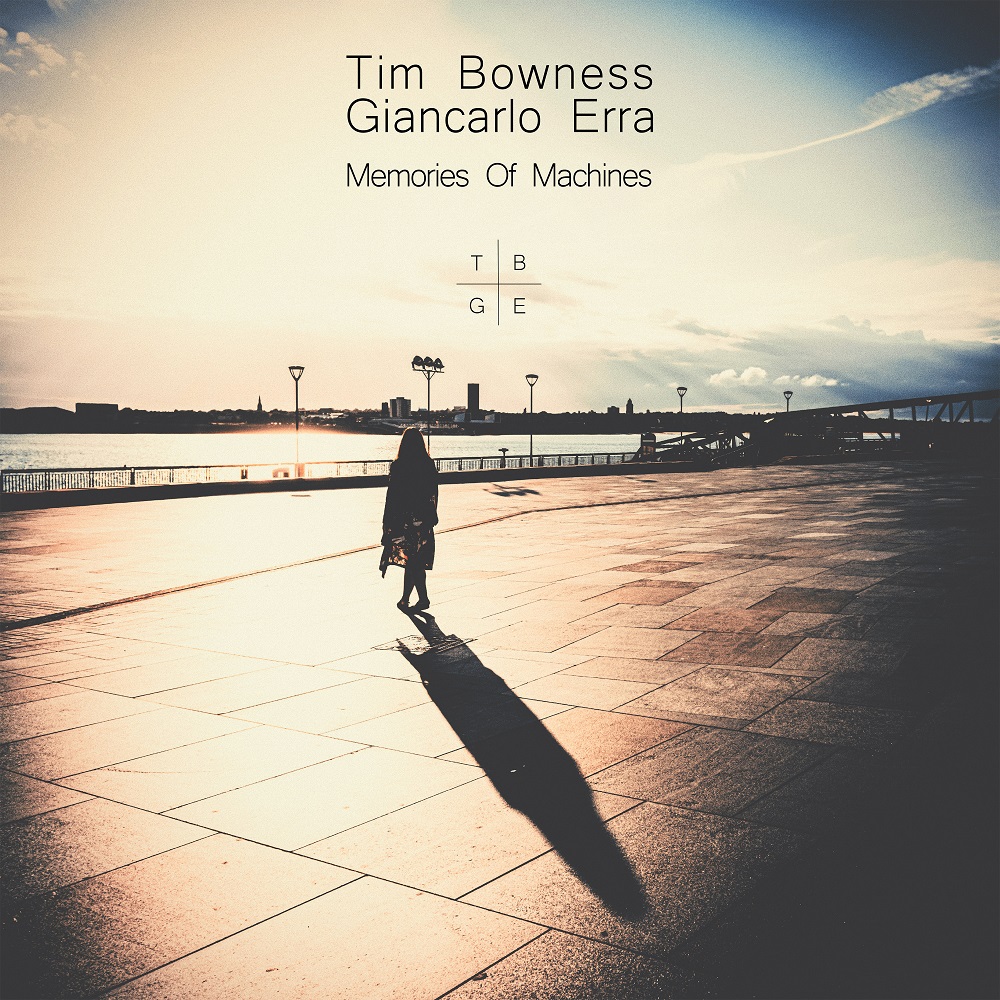
Tim Bowness & Giancarlo Erra, Memories of Machines: an irresistible mix of unflinchingly intimate art-rock and lowering ambient backdrops. Ten years on, original arrangements and track lengths are restored, Erra’s textural work is inched forward — and as always, Bowness breaks your heart with his ringing couplets and his stoic voice.
My Top Favorite Reissue of the year: Robert Fripp, Exposure/Exposures. The guitarist’s 1979 return to active duty after a post-King Crimson sabbatical, binding together a disparate set of songs and guest artists with his innovative ambient Frippertronics. Whether by itself or as part of a gargantuan box set that chronicles Fripp’s entire “Drive to 1981,” it’s a wild, worthwhile listen in and of itself, while providing distinctive previews of coming attractions.
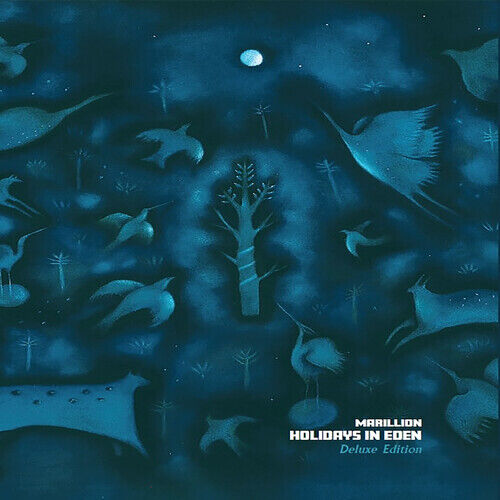
Marillion, Holidays in Eden Deluxe Edition*: my introduction to the band (I first saw them live on the US tour promoting the album), Holidays was partially a product of record company pressure for hit singles, but it also has plenty of Marillion’s trademark ambition, power and lyricism. A fresh remix complemented by exciting live shows on both audio and video.
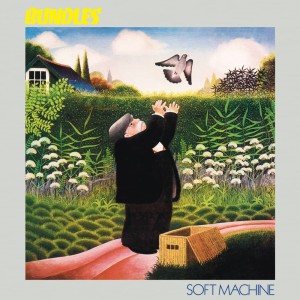
Soft Machine, Bundles*: Add blazing young guitarist Allan Holdsworth to one of the pioneering British jazz-rock bands, stir in quirky compositions by keyboardists Karl Jenkins and Mike Ratledge, and stand by for fireworks! This fresh reissue also includes a hot live set featuring Holdsworth’s successor John Ethridge (still active with the Softs today).
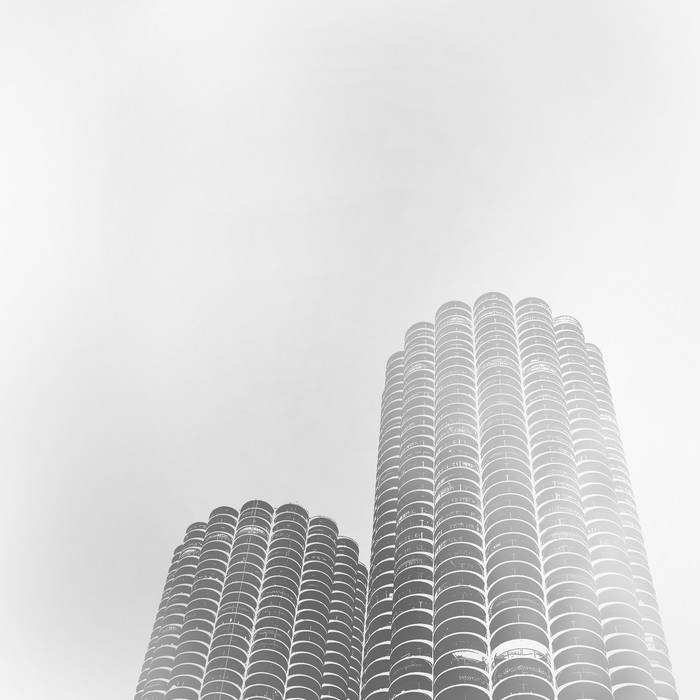
Wilco, Yankee Hotel Foxtrot Super Deluxe Edition*:The album that put Wilco on the map (after they were dropped by their label), YHF mutated from Americana through dream-pop to electronica-tinged folk-rock as band members and producers came and went. Eight discs that copiously chronicle the recording process, plus blistering two live sets.
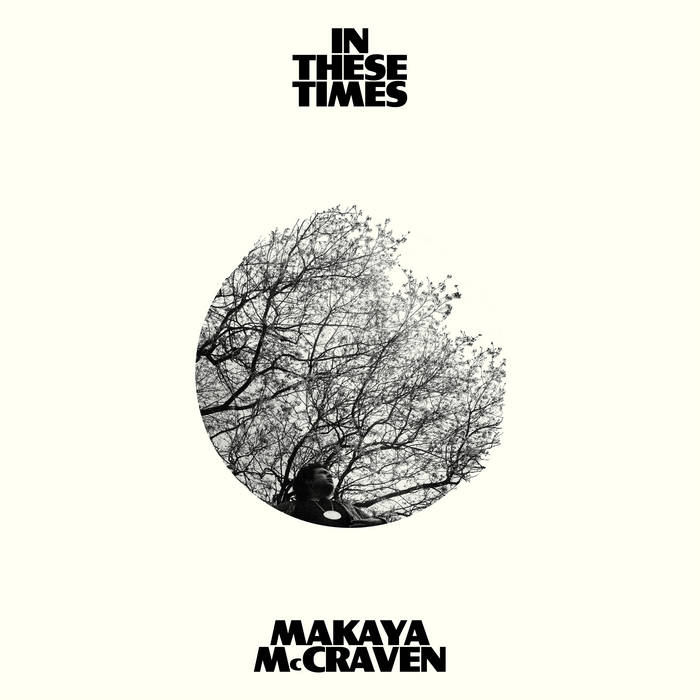
Anything released by Chicago’s International Anthem Recording Company! For starters, check out these beauties on Bandcamp: drummer/producer Makaya McCraven’sIn These Times*; cornetist/composer Rob Mazurek’s Exploding Star Orchestra, Dimensional Stardust*; and guitarist/improviser Jeff Parker’s The New Breed*. Hoping to write more about this amazing label and the music released on it in the new year!
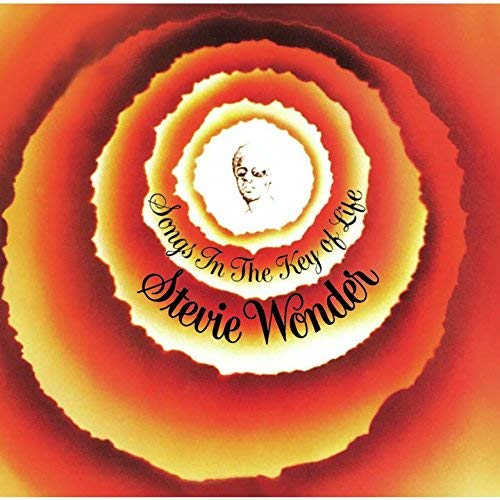
Stevie Wonder, Songs in the Key of Life & Original Musiquarium I: On his groundbreaking 1970s albums, Wonder blended heavenly melodies, sophisticated chord structures, groundbreaking synthesizer work and heaping helpings of funk rhythms for one innovative, irresistible breakthrough after another. Songs in the Key of Life remains Wonder’s most expansive, fascinating and welcoming classic; Musiquarium is a double-disc highlights compilation from that golden decade.
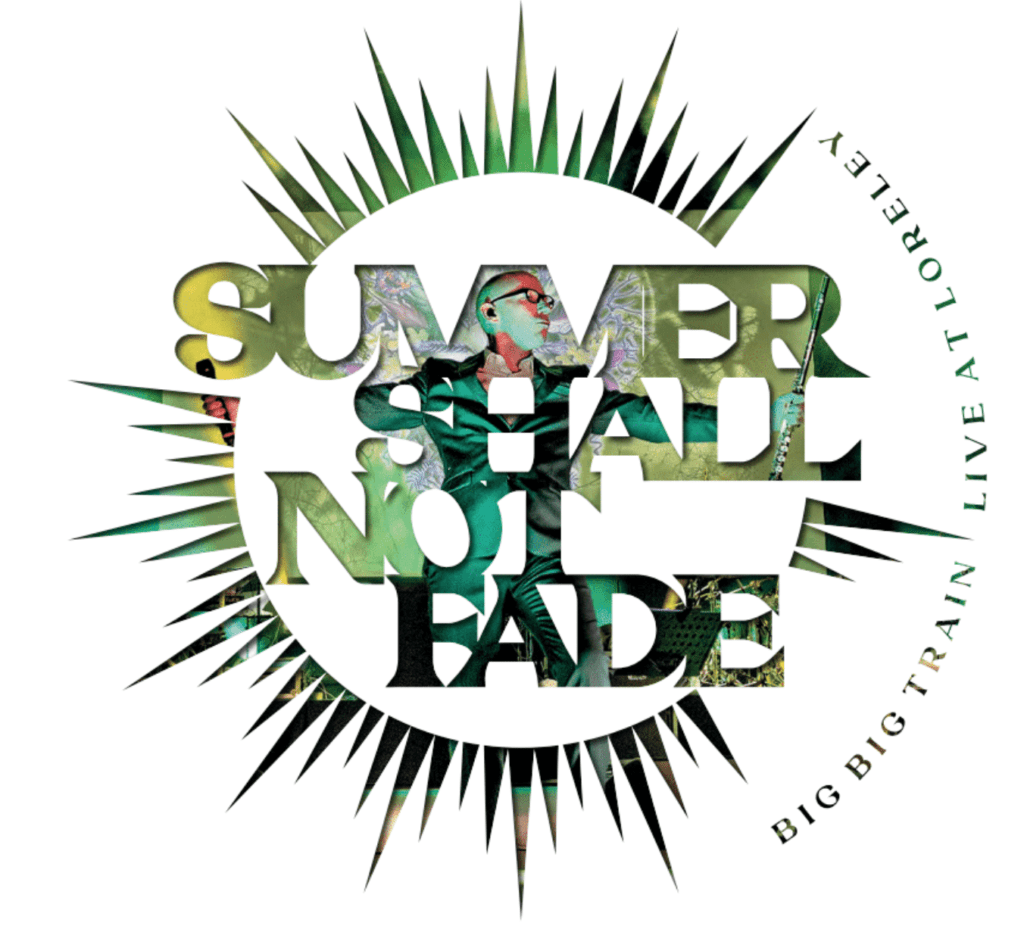
My favorite live album of 2022: Big Big Train, Summer Shall Not Fade*. Equal parts power and grace, BBT’s 2018 headlining gig at Germany’s Night of the Prog may be their best live release yet. Playing to their largest crowd ever, David Longdon commands the stage; Greg Spawton and Nick D’Virgilio provide a muscular foundation; Dave Gregory, Rikard Sjobom, Danny Manners and Rachel Hall serve up one delightful moment after another. Bryan Morey’s review nails it; this is indispensable.
My favorite rock documentary of 2022: In The Court of the Crimson King: King Crimson at 50*.The most unconventional band of the last five decades gets the most unconventional documentary possible. Crims past and present weigh in on “living, dying, laughing, playing and rocking out”, with Robert Fripp providing the ever-present focal point in a particularly puckish fashion. There’s also a deluxe edition with live Crimson video (both in the studio and at 2019’s Rock in Rio festival) and four bonus CDs of soundtrack cuts, rarities, etc.
My favorite books about music of 2022:
Vashti Bunyan, Wayward: Just Another Life to Live. Singer-songwriter Bunyan’s unlikely late-60s odyssey from Swinging London to the Hebrides forms the heart of this evocative narrative. Laboriously traversing the heart of England, she gains understanding of the natural world, of human kindness and cruelty — and of her own sturdy inner core.
Robert Fripp, The Guitar Circle*. More a philosophical tome than a how-to book, though still remarkably practical, Fripp’s highly conceptual explanation of his process (as unfolded in Guitar Craft courses and Guitar Circles) won’t be for everyone. But those who dig in will grasp where this eternally questing musician is coming from better than ever before.
David Leaf, God Only Knows: The Story of Brian Wilson, The Beach Boys And The California Myth*. The third edition of Leaf’s lifework chronicles The Beach Boys’ journey from surf-rock through eccentric art-pop to the dead end of nostalgia, then sidesteps to Wilson’s solo comeback, culminating in the completion of his masterwork Smile. Not in the least objective, but comprehensive, even-handed toward the rest of The Beach Boys, and heartfelt.
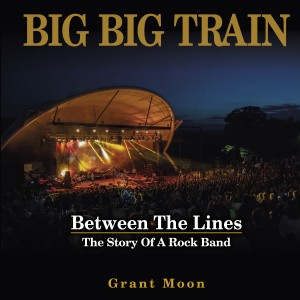
Grant Moon, Big Big Train – Between The Lines: The Story Of A Rock Band. How BBT became a prog powerhouse — through sheer bloody-mindedness, growth in craft and a keen ear for musical contributors — is the tale told in this richly detailed bio/coffee table tome. Both a celebration of the music made and an unflinching look at the price paid for a dream.
And in closing . . .
If you’re interested, check out these recordings I played or sang on that were released in 2022:
It’s been another excellent month for new music. So let’s just cut to the chase, shall we? Purchase links are embedded in the artist/title listing; playlists or video samplers follow each review.
Dave Kerzner, The Traveler: A third concept album from Kerzner, continuing the through line of New World and Static (with nods to In Continuum’s Acceleration Theory lurking about as well). The opener “Another Lifetime” sets out this record’s remarkable strengths: confident, appealing songwriting with hooky yet sophisticated melodies and structures; Kerzner’s best, widest ranging vocals to date; and the perfectly judged contributions of Fernando Perdomo on guitar, Joe Deninzon on violin, Ruti Celli on cello and Marco Minneman on drums (only a smattering of the stellar guest list here). The dry, forward sound and the copious use of vintage keyboards on tunes like “A Time In Your Mind” evokes early-80s Genesis at times (since Kerzner got those keyboards from Tony Banks, no real surprise there), but the power ballad “Took It For Granted” and the closing suite framed by the two parts of “Here and Now” show Kerzner moving his character’s story forward while striking out in fresh musical directions like the sunshine guitar pop of “A Better Life”. Overall, Kerzner exhibits a lighter touch here, and The Traveler is the better for it; by letting his new songs sell themselves and keeping proceedings to the point, he both satisfies us and leaves us wanting more. After repeated listens, this one’s already on my “favorites of ’22” list!
Lonely Robot, A Model Life:John Mitchell has had a rough last few years, and he doesn’t care who knows it. In the wake of a global pandemic, the collapse of a long-term relationship, and a confrontation with his deepest doubts and fears, Mitchell’s done what he does best: slip into his Lonely Robot persona and pour it all out in a fine set of laterally structured, elegantly crafted, fearlessly emotional songs. Writing, singing and playing (especially in his rekindled relationship with the guitar solo) at peak inspiration, Mitchell lays the ghost of his former love (the nervy “Recalibrating”, the forlorn “Mandalay”), skewers our mad world (“Digital God Machine” and “Island of Misfit Toys”), mourns ways of lives and times now in the rearview mirror (the breathtaking ballad “Species in Transition”, the crunching elegy “Starlit Stardust”), and ponders how and why he became who he is (the brilliant final run of “Rain Kings”, “Duty of Care”, “In Memoriam”). Easily his best work under the Lonely Robot banner, Mitchell wears his heart on his sleeve and plays to the gallery at the same time; this is an outright spectacular effort that’s got both all the feels and all the chops. (Check out our latest interview with John Mitchell here.)
Motorpsycho, Ancient Astronauts: the kings of Norwegian drone-prog continue their enviable hot streak on their fifth album in six years. “We’re all a little bit insane,” Bent Saether chirps on the opener “The Ladder”, and as the track spirals upward, mingling the howl of Hans Magnus Ryan’s guitar and Saether’s darkly glimmering Mellotron, you believe him. The edgily abstract interlude “The Flower of Awareness” cleanses the palette for a Crimsonesque workout on “Mona Lisa/Azrael”; Ryan builds towering edifices of distortion over a trademark Saether riff, as drummer Tomas Jarmyr matches their ebb and flow all the way through the shuddering climax and the slo-mo collapse. Astonishingly, all this just serves as prologue to the “Chariot of the Sun: To Phaeton on the Occasion of the Sunrise (Theme from an Imagined Movie)” It’s as if Motorpsycho’s brief for this 22-minute finale was to rival “La Villa Strangiato” in both range and focus; gentle strumming and wordless vocals give way to more menacing bass riffs, fuzz guitar deployed in duet and counterpoint, feral percussive cross-rhythms. It all mounts to multiple climaxes (a mighty unison riff, ominous post-rock minimalism) that circle back to end with the melancholy lyricism that kicked it all off. Ancient Astronauts is a genuinely thrilling ride; strap in and brace yourself for liftoff.
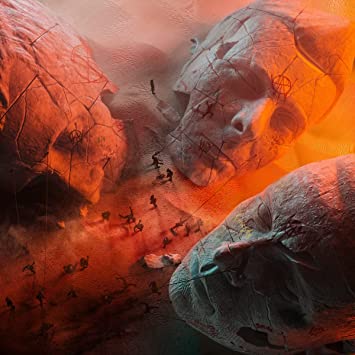
Muse, Will of the People: they’re baaack!!!!!! And as usual, Matt Bellamy, Chris Wolstenholme and Dominic Howard earn every one of those exclamation points. The guitars and drums are turned up to 12, the classical keyboard licks pack double the bombast (including a Bach “Toccata and Fugue” steal), the electronica wallows in creepshow kitsch, the vacuum-packed harmonies are piled even higher, and the gang chants are bellowed louder than ever. All this sound and fury portrays a world on the brink, an elite obsessed with control, and a populace angry that the game is rigged. Still, it’s hard to know who Bellamy is rooting for; at times, his lyrics and driven singing seem equally repulsed by both the leaders (“Compliance”, Kill or Be Killed”) and the led (the title track and “Euphoria”). But in the end, this is quite the slamming album; if you’re in the mood for existential desperation set to one badass, air-guitarable riff and singalong chorus after another — and these days, who isn’t? — this just may be your ticket. Might want to only play that obscenity-laden final track when no one else is around, though.
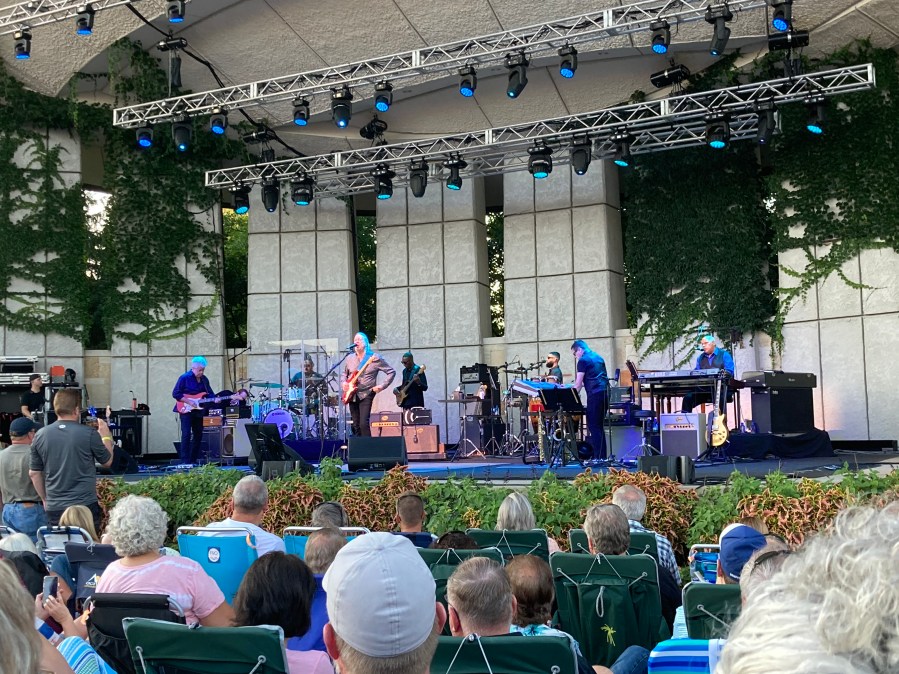
Boz Scaggs with the Robert Cray Band and Jeff LeBlanc, Meijer Gardens Amphitheater, Grand Rapids Michigan, August 22, 2022.
Fair warning: there was absolutely nothing prog about this show. And there didn’t have to be — my wife, my friends and I got the good time vibes we came for, along with about 2000 other locals, if sometimes from some unexpected directions.
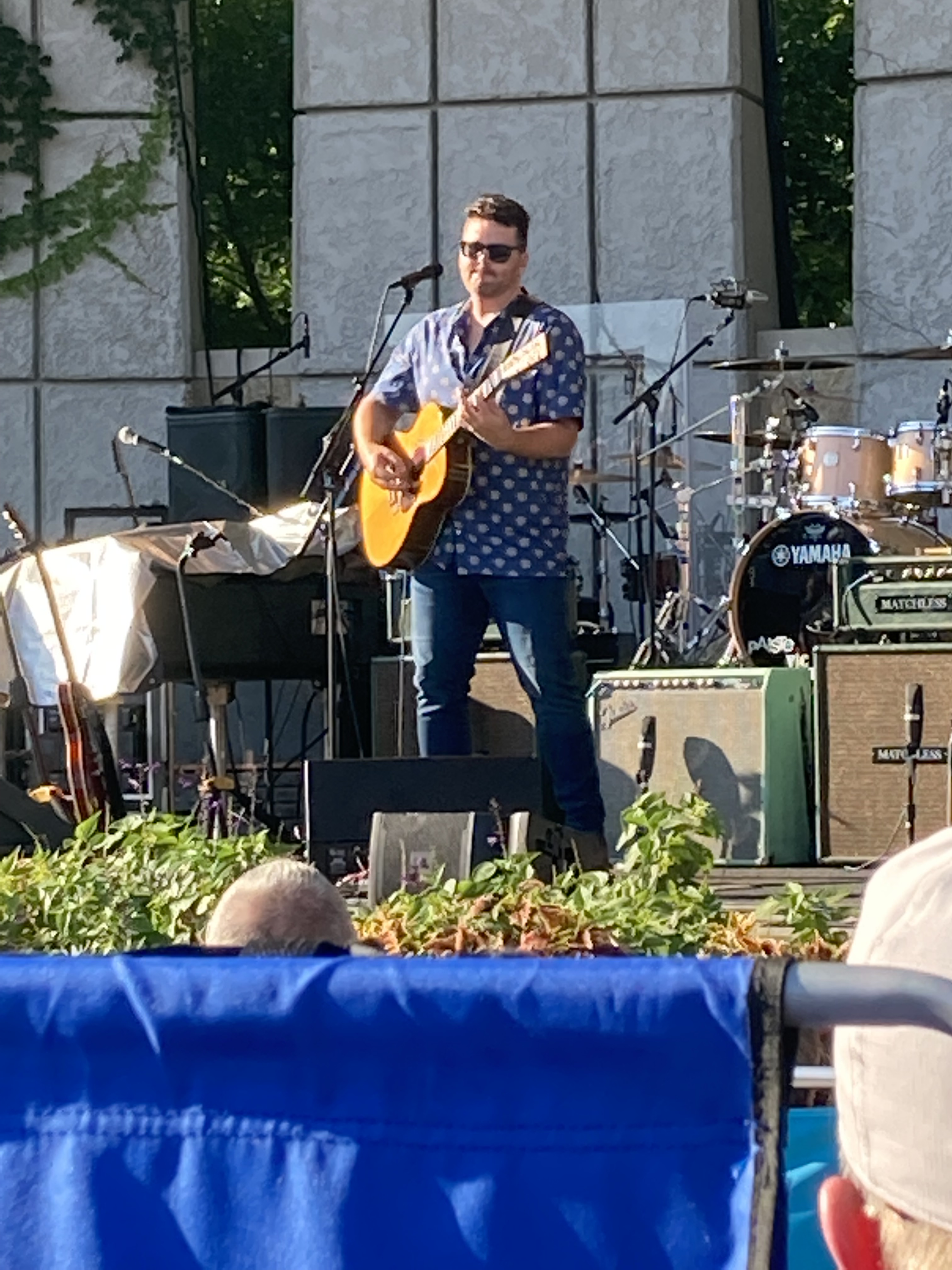
Case in point: opening act Jeff LeBlanc. (All together now: “Who?”) A solo act like many others: one guy with his guitars, a way with catchy melodies that you might hear over the PA system at a place like Walgreens (he said it, not me!) and great taste in covers. Pulling out hometowner Al Green’s soul classic “Let’s Stay Together” as his third tune, he had the crowd firmly on his side by the end of his 15-minute set. If LeBlanc’s music is a bit anonymous, his affable stage presence still provided a great way to ease us into the evening.
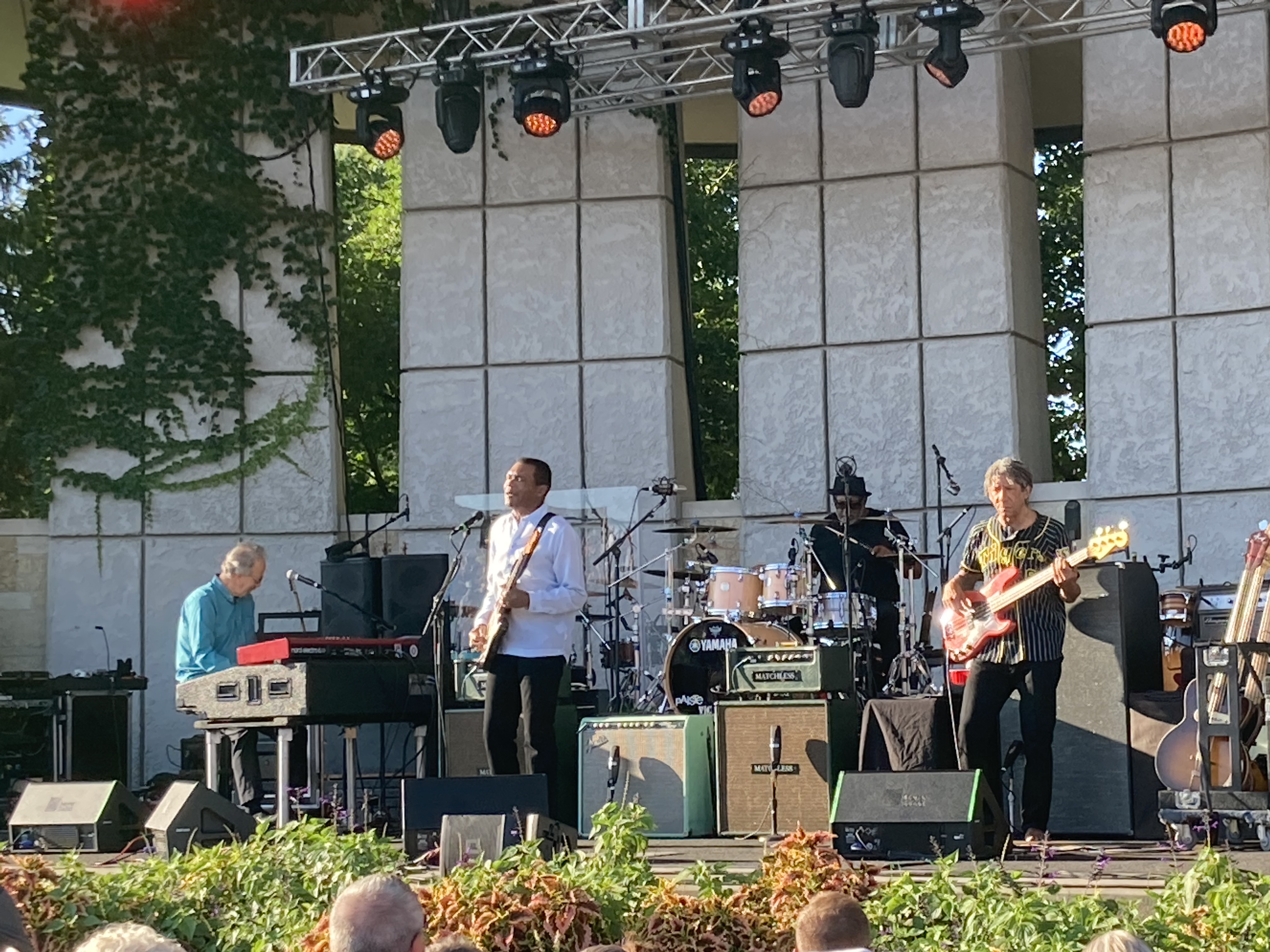
Then, the Robert Cray Band took the stage for a absorbing hour of down home goodies. While Cray caught the attention of the 1980s blues scene on guitar, and still showcases great 12-bar tunes like the claustrophobic “Phone Booth” in his set, his singing and songwriting have always had broader horizons, stretching into R&B, soul and beyond. Supported by Les Falconer’s solid drumming, Richard Cousins’ booming bass and Dover “White Cliff” Weinberg’s idiomatic organ work, Cray powered through captivating originals like “Anything You Want”, “I Guess I Showed Her” and the humorous, instrumental Booker T homage “Hip Tight Onions”, singing and playing his heart out even with the sun in his eyes. But it was on quiet tunes such as “I Shiver” and the closer “Time Makes Two” that Cray really impressed, bringing his arresting solo breaks down to near silence and taking the rowdy audience with him. The standing ovation at the end — for a man who didn’t even play his biggest hit, “Smoking Gun” — showed that everyone with ears to hear knew they had just seen a master at work.
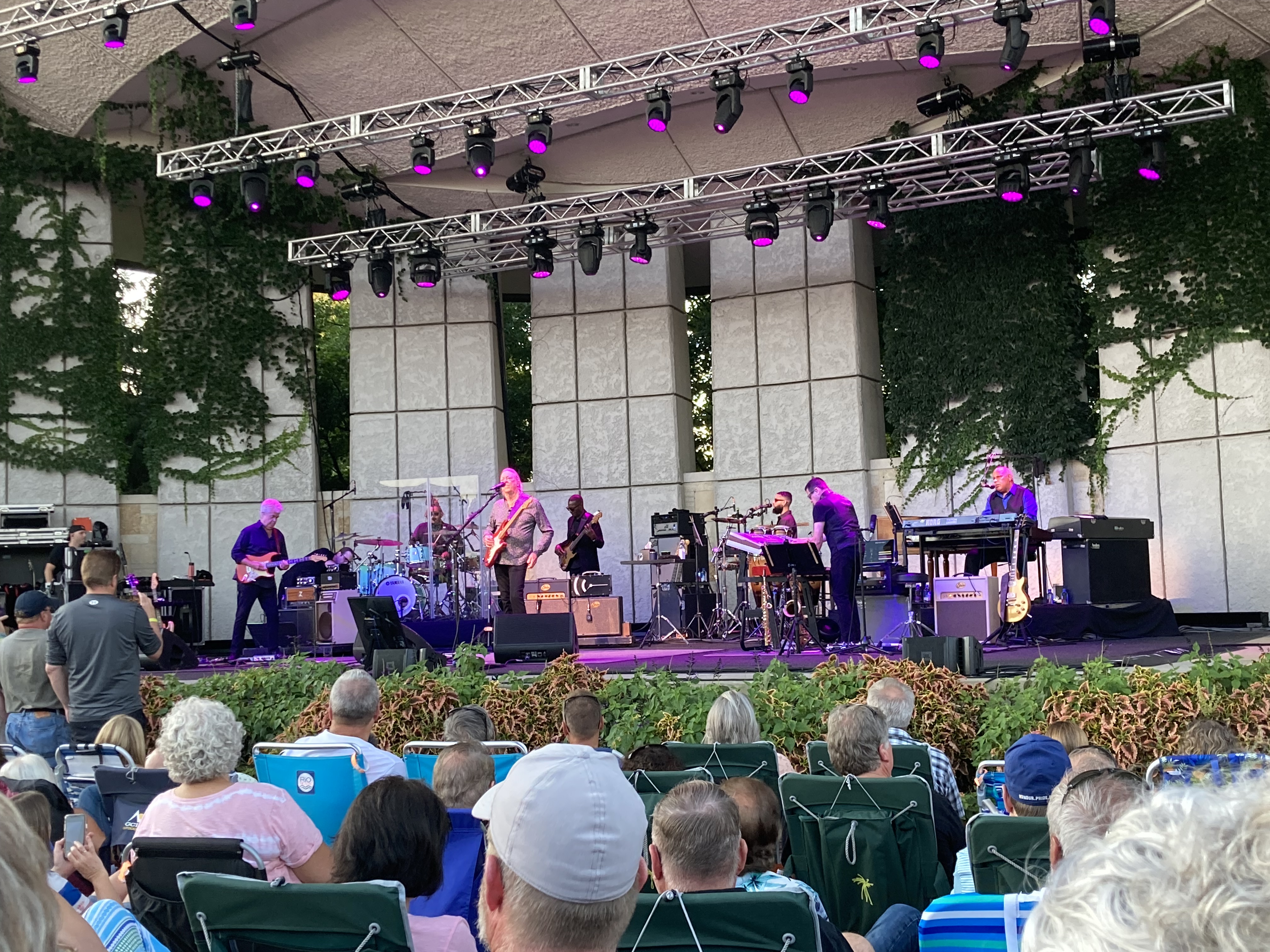
Then it was time for Boz Scaggs — sauntering into the spotlight with his six-piece backing band on front of a crowd that expected the hits and wound up getting more than they bargained for. Sure, Scaggs kicked off with “What Can I Say” — the opening track from his smash album Silk Degrees — then kept the slick, disco-edged soul of that record going with hit-radio favorites like “JoJo” and “Lowdown”. But he also dove into his most recent, rootsy effort Out of the Blues with tracks like the gritty “Rock and Stick”, Don Robey’s lush “The Feeling Is Gone” and the piledriving “Radiator 110”. Not to mention his own drop-dead gorgeous ballads “Harbor Lights” and “Look What You’ve Done to Me” (the cue for couples to snuggle as darkness fell and the temperature dropped). Through it all, Scaggs’ laconic, behind-the-beat singing and his effortless falsetto work revealed another master, who’d come through his flash of fame to the decades beyond, with his chops and his instincts for what makes great music intact.
Throughout, Eric Crystal shone on saxes and melodica, as well as utility keys and guitar; Mike Logan laid down smooth, supple work on organ, synths and electric piano; guitarist Mike Miller and legendary bassist Willie Weeks proved that the right few notes equal maximum groove; and a great drummer/percussionist duo (whose names I didn’t catch — your contributions are welcome!) not only kept the rhythms percolating, but joined with Logan to nail the high backing vocals that gave Scaggs’ hits some of their glossy sheen.
And, unsurprisingly for folks who delved deeper than those hits, Scaggs and the band could rock, too! Not only did Silk Degrees’ deep cut “Georgia” and the set closer “Lido Shuffle” roar out of the starting blocks, the band came back for encores “It’s Over” and Chuck Berry’s “You Never Can Tell” ready to rumble, with Crystal duckwalking across the stage and Miller ripping off some spellbinding leads. Then, acknowledging the rowdy, wildly applauding audience (“You guys play rough!”) and pushing against the township’s noise ordinance, Scaggs belted out the fiercest song of the night, “Breakdown Dead Ahead”, for a perfectly chosen finale.
To some extent, the careers of both Scaggs (even in the wake of his success) and Cray suffered from the change in American radio that happened in the late 1970s and early 1980s, when rock stations corporatized and honed their playlists to focus on Album-Oriented Rock. In the process they dumped the prog epics this site focuses on — but they also dropped anything that even paid homage to black music like the proverbial hot potato. (I’d heard at least a third of Scaggs’ setlist on Detroit rock radio back in the day — but only up till about 1979. After that, crickets.) So it’s possible Scaggs and Cray might have been bigger back in the day; but given the rapt reception they received this past Monday night, people seem realize that, whatever fruits of fame might have eluded these artists over the years, they still deliver the goods.
























 Progarchy