Rick’s Quick Takes for Summer’s End

As usual, direct purchase links will follow each album review, along with video or audio streaming where available. Given the potential impact of new US tariffs and regulations on both overseas musicians and the vendors who sell their music, I especially encourage readers to support your favorite prog artists and retailers during this period of transition.
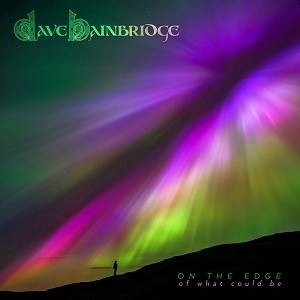
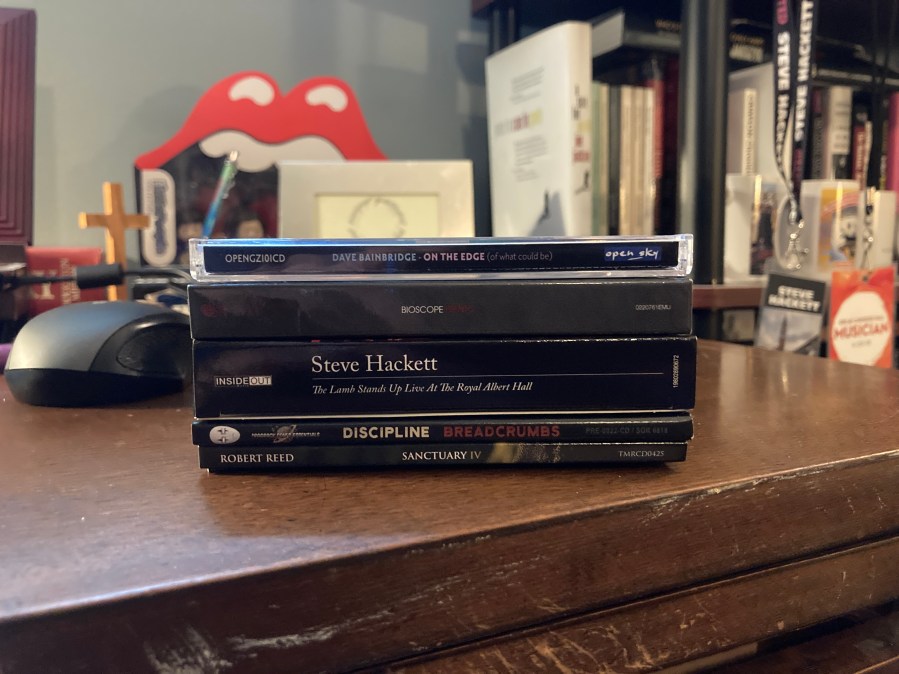
Dave Bainbridge, On the Edge (Of What Could Be): I glommed onto Bainbridge with his fabulous 2021 effort To the Far Away, but every one of his solo albums is crammed full of delights — rocking, rhapsodic and ravishing throughout. On the Edge is no exception: a double album with a self-contained suite on each disc, like Dave’s band Iona it takes listeners on a trip through the beauty of this world to the promise of a life to come. So many highights they can’t all fit here! Up-tempo elegy “Colour of Time” (with Randy McStine’s fierce vocal inspiring Bainbridge to heights of biting, frenzied jazz-fusion); the title track’s multi-sectioned build from triple-time acoustic folkiness to a thrilling electric climax; Simon Phillips’ fleet drum groove on “Farther Up and Farther In”, topped with mind-melting acrobatics from Bainbridge and piper Troy Donockley; Frank van Essen’s evocative violin and Bainbridge’s primal, Santana-meets-Mahavishnu cry on the orchestral “Beyond the Plains of Earth and Sky” are just a few of many great moments. Toss in vocals (in English and Gaelic) from a bevy of fine singers and virtuoso keyboards from Bainbridge, and you have an set that takes you on a genuinely amazing journey, gathering power as it builds to a spectacular culmination. Already a 2025 Favorite and a solid contender for the year-end top spot.
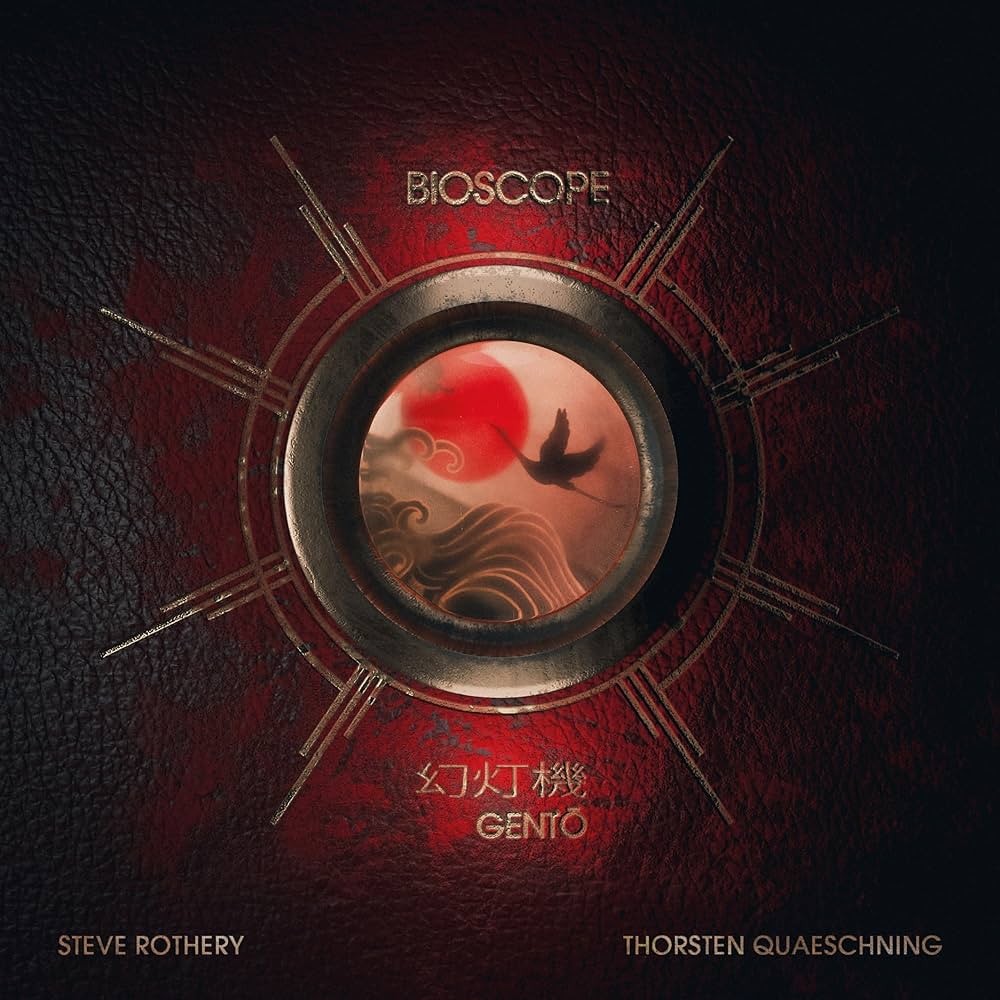
Bioscope, Gento: Steve Rothery’s keening, singing guitar has been one of Marillion’s prime calling cards for more than 40 years; as Edgar Froese’s appointed musical heir, Thorsten Quaeschning has recently propelled synth-rock trailblazers Tangerine Dream to fresh creative heights. Recorded during breaks in their bands’ work, the duo’s debut is a classic example of how two great tastes can taste great together. With the exception of psychedelic-Beatles closer “Kaleidoscope”, the musical elements on Gento repeatedly gather from thin air, coalesce, intensify, interact, react and dissipate — whether driven by Quaeschning (the wispy melodies, luxuriant textures and motorik rhythms of the three-part opener “Vanishing Point”), Rothery (the chiming rhythm guitar, slide/synth duets, fierce fuzz riffing and floating arabesques that shape another trilogy, “Bioscope”), or both in wonderfully organic call and response mode at multiple pieces’ climaxes. Add the rock solid drumming of Elbow’s Alex Reeves, and the results really are magical. Gento has gently, unobtrusively grown on me, all the way to making my 2025 Favorites list; it may take a few listens, but I think it will do something similar for you.
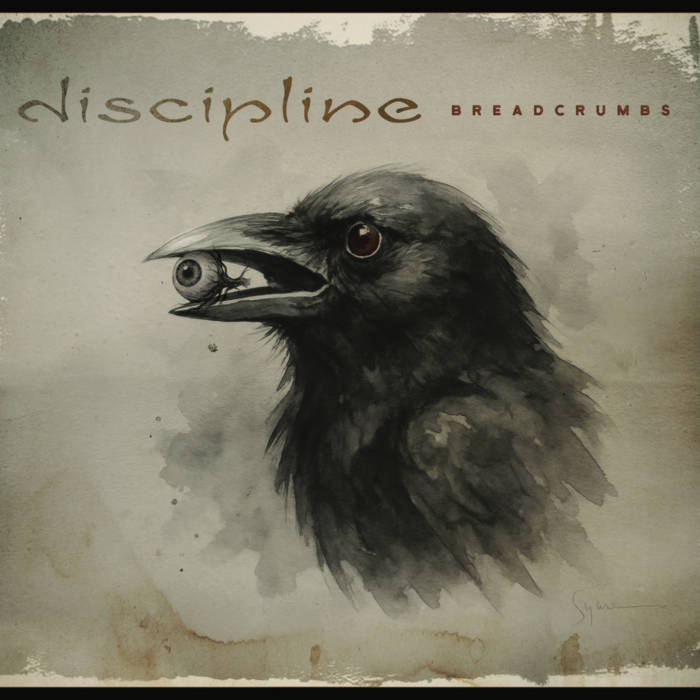
Discipline, Breadcrumbs: Eight years on from their last record, the Detroit proggers serve up another helping of their trademark, stately melancholia. Breadcrumbs proudly mines veins dug by King Crimson, Gabriel-era Genesis, Van der Graaf Generator — even a bit of keyboard-period Rush, with production by Terry Brown and art by Hugh Syme to boot — but as always, the results are a heady, hearty brew all its own. Throughout the intriguing title epic, the measured lament of “Keep the Change”, the relentless, stinging “When the Night Calls to Day/Aloft” and the thwarted, impressionistic “Aria”, Matthew Parmenter’s lyrical rhetoric and harmonically slippery keys take point, with Chris Herin providing pungent, tasty support and comment on guitar. While Breadcrumbs leans away from the slashing theatrics of vintage Discipline classics Unfolded Like Staircase and To Shatter All Accord, it still gives off a chilly intensity that showcases the band at their most spellbinding and cathartic. Through every challenging musical twist and verbal turn. this album is finely crafted and delivered with total conviction — another instant 2025 Favorite!
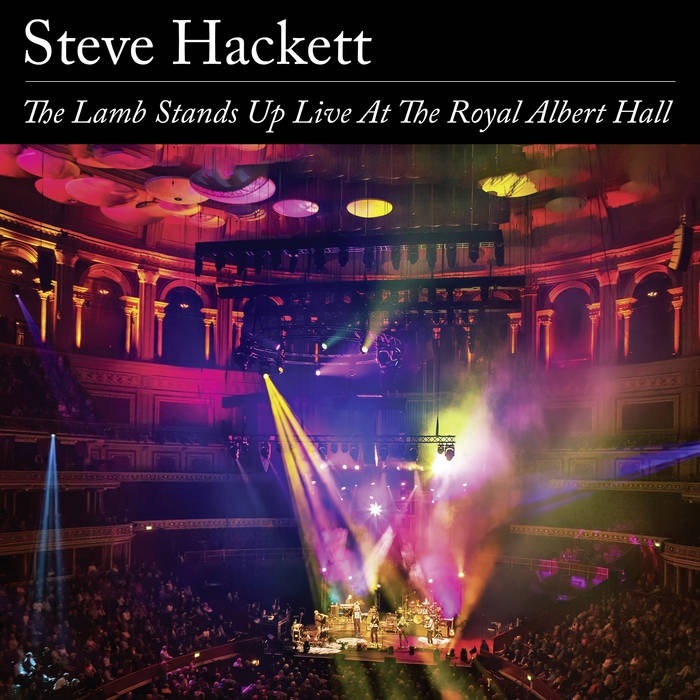
Steve Hackett, The Lamb Stands Up Live At The Royal Albert Hall: Yes, it’s Hackett’s tenth live album of the 21st century, but as usual, fans will find this a must for multiple reasons. Given recent personnel announcements, it’s probably Steve’s last live set with Roger King’s keyboards and Craig Blundell’s drums driving his talented band forward; the first half proves a spirited solo set, with lots of pleasingly vintage material and a thrusting trilogy of excerpts from 2024’s The Circus and The Nightwhale. And it’s hard to conceive of a better anniversary celebration for The Lamb Lies Down on Broadway! Nad Sylvan utterly inhabits protagonist Rael and Peter Gabriel’s other sundry characters; unjustly-forgotten Genesis vocalist Ray Wilson conjures an atmospheric, rumbling take of “Carpet Crawlers”; reflective moments like “Hairless Heart” shimmer, narratives like “The Lamia” and the title track subtly, potently grip your attention, and heavier moments like “Fly on a Windshield”, “Lilywhite Lilith” and “It” slam good and hard. With the super-deluxe box of The Lamb finally coming out at the end of September after multiple delays, sets like Dave Kerzner’s studio tribute and Hackett’s new concert set have nicely filled the gap while reminding both long-time and first-time listeners how ahead of its time the album was, and how vibrant this music still is.
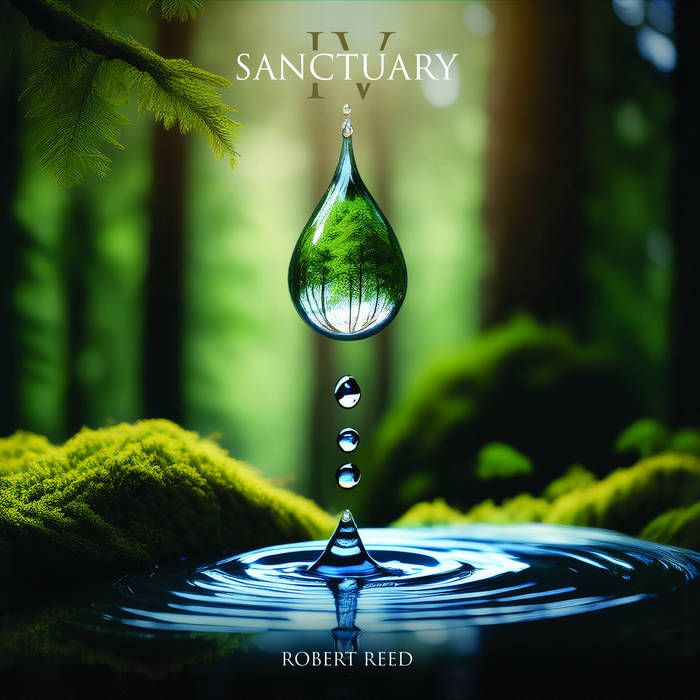
Robert Reed, Sanctuary IV. One of the driving forces behind 1990s neo-proggers Magenta, Reed has branched out impressively in the following decades. Reed’s Sanctuary albums — episodic long-form pieces in the genre pioneered by Mike Oldfield’s Tubular Bells — have evolved far beyond pastiche or even tribute, and here he refines and re-energizes his approach to its peak. Compelling opener “The Eternal Search” races forward, climaxing with an utterly berserk Simon Phillips drum solo; “Truth” bounces vivid instrumental colors off of sampled male vocals, morphs into a nautical shuffle laced with Les Penning’s recorder tootles, then lunges for a grandiose, double-time finale; and the closing “Sanctuary” provides the perfect comedown with its gentle, compact, well-wrought theme. If you’re looking for a sweet spot between Bainbridge’s Celtic maximalism and Bioscope’s kinematic ambience, Sanctuary IV’s shimmering, tuneful instrumentals could be just your ticket.

— Rick Krueger
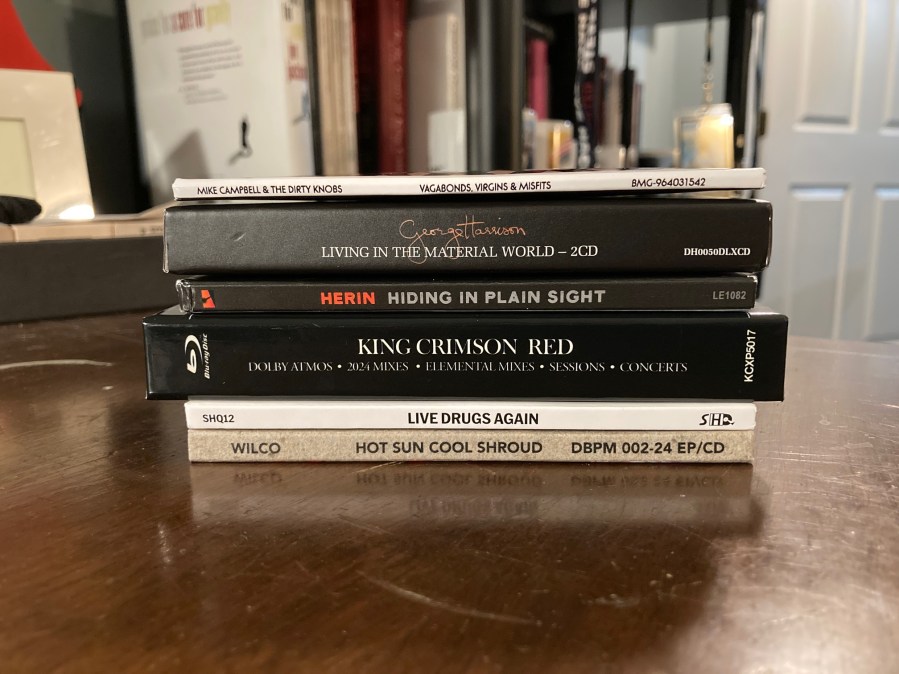
Rick’s Quick Takes: “Clean-up on Aisle ’24!”

File under “unfinished business”, I guess. Below, albums from last year I hadn’t gotten around to reviewing, or hadn’t heard yet, or didn’t even know existed until I stumbled across them. (That last category, by the way, turned up a couple of real winners!) Purchase links are included in each artist/title listing; streaming options follow each review.

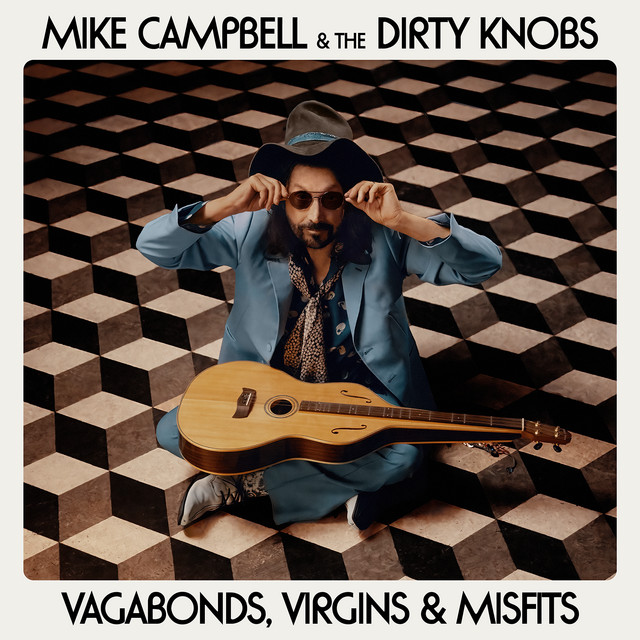
Mike Campbell and The Dirty Knobs, Vagabonds, Virgins & Misfits: On their third album as a band, the late Tom Petty’s right-hand man Campbell and compadres hit the motherlode. It takes a few tracks for the Dirty Knobs to loosen up, but once the desperate slowburn “Hands Are Tied” achieves rave-up velocity, it’s all gold — Byrdsy stomp “Shake These Bones”, harrowing border narrative “An Innocent Man”, honky-tonk single “Don’t Wait Up” (with country-soul heavyweight/summer tour partner Chris Stapleton kicking in a verse) and trashy addiction kiss-off “My Old Friends” are just the highlights! Guest stars galore, including former Heartbreakers, prove worthy foils for Campbell’s tales of big trouble and occasional triumph, spun out by his sinewy baritone and tasty, twangy guitar. If you’re looking for an album that puts the classic back in classic rock, look no further! I’m calling this a Delayed Favorite.

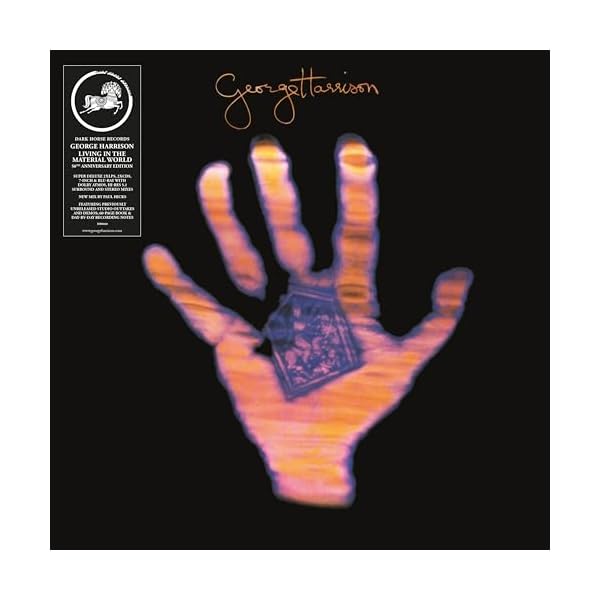
George Harrison, Living in the Material World (50th Anniversary Edition): While Harrison’s 1973 sophomore solo effort did chart-topping business and garnered positive reviews back in the day, it never quite lodged in public consciousness like his monumental debut All Things Must Pass. Songs that ricocheted between rapt religious devotion (“Give Me Love”, “Don’t Let Me Wait Too Long”), pressurized street-corner sermons (the title track, “The Lord Loves the One”) and sour reflections on post-Fab Four wrangling (“Sue Me, Sue You Blues”, “Try Some, Buy Some”) had a part in this, along with muddy production obscuring inspired, rootsy playing by George, Gary Wright & Nicky Hopkins on keyboards, and – rock solid as ever – Ringo as primary drummer. Paul Hicks’ fresh mix opens up things considerably: George’s breathy vocals are now more passionate than harsh, his acoustic playing shimmers, his slide work bites hard and sweet, and the band chugs along in high style. Now much more approachable, this vivid new version is well worth hearing (available in single, double and super-deluxe configurations).

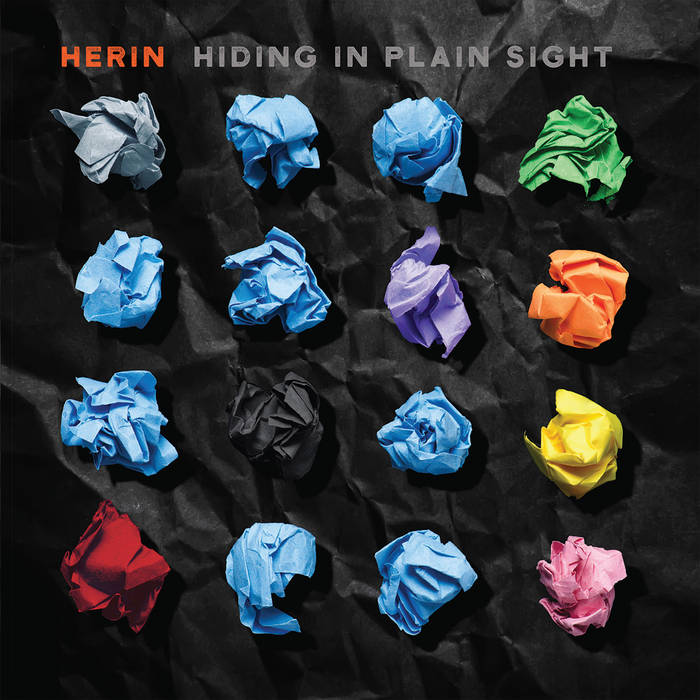
Herin, Hiding in Plain Sight: Detroit guitarist/songwriter Chris Herin is best known as the mainspring of hard-proggers Tiles (rooted in the music of Rush, with producer Terry Brown and artist Hugh Syme frequently on hand to play up the similarities) for 25 years. Here he goes solo with a deeply personal concept record, chronicling his beloved father’s 10-year struggle with Alzheimer’s disease. Grounding the music in accessible yet expansive AOR, Herin constantly shifts lyrical perspective — now observing dementia’s progress from the outside, now imagining how it played out inside his dad’s head. With Herin’s unswerving rhythm guitar at the center, an starry cast of players and vocalists bring his song cycle to life: highlights include subtle guitar textures from Jethro Tull’s Martin Barre (“The Darkest Hour”) and Alex Lifeson (“Second Ending”), a searing lead playout by Peter Frampton (“The Heart of You”), heart-piercing vocal turns from Porcupine Tree/Steven Wilson sideman Randy McStine (especially “Secret Adversary”) and a trio of dramatic soliloquies by Discipline’s Matthew Parmenter set to chamber music backdrops. Somber yet uplifting in its evocation of loss, pain and undying love, this is a special album.

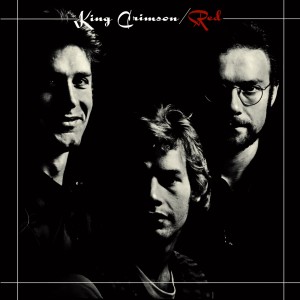
King Crimson, Red (50th Anniversary Edition): Limping home from the endless highways of America in 1974, Robert Fripp had had it with everything about King Crimson — even the unbeatable rhythm section of John Wetton (who wanted to go for mass appeal a la Dark Side of the Moon) and Bill Bruford (who wanted to hit as many things as possible loud, hard and often). Recorded in a last gasp before Fripp declared the band finished forever (oops), Red somehow gave all three players, plus guests from throughout Crimson’s first run, a unparalleled chance to shine. The uber-heavy title track, the wistful elegy “Fallen Angel”, the stinging clatter of “One More Red Nightmare” unleashed a power trio equally apt at dark romanticism and modernist brutality. And then there was “Starless” – a 13-minute swansong kicked off by Wetton’s most funereal vocal, collapsing in on itself, mounting to peak tension as Bruford slowly rebuilt the beat over a bass/guitar duel worthy of a Shostakovich string quartet, finally exploding into a double-time frenzy of wailing saxes and Fripp’s frantic, fuzzed-up speed-strums. This new 2 CD/2 BluRay version includes multiple fresh and original mixes, six complete concerts from the era, and all the surviving session reels. Overkill at its finest, capturing one of prog’s most ambitious bands going over the top just before Fripp called retreat and abandoned the genre label for good. (As mentioned last month, a Favorite for 45 years.)

The War On Drugs, Live Drugs Again: A second sampling of Adam Granduciel and his live septet making super-sized music to wallow in. Leaning heavily on 2021’s first-rate I Don’t Live Here Anymore, the WoD set one towering, hypnotic groove after another in motion; meanwhile Granduciel’s vocals skip atop the glistering surfaces, burrow between the chiming, interweaving riffs, howl burning desires above his choruses’ climactic maelstroms (pushed even farther by chewy, white-hot guitar tags). Part of the fun for rock history buffs like me is the kaleidoscope of callbacks that flit by, then fade into the aural soup: a Who-like synth cycle, high-impact four-on-the-floor drumming, distortion ramped up to touch the sublime, vocal yelps that channel Dylan, Springsteen, Bono. But the elation, the emotional release of these performances prove Granduciel and The War on Drugs are more than the sum of their wide-eyed, eclectic influences; this album is the closest thing to Elton John’s “solid walls of sound” that I’ve encountered in a long time. (Note that the CD version includes two extra tracks.)

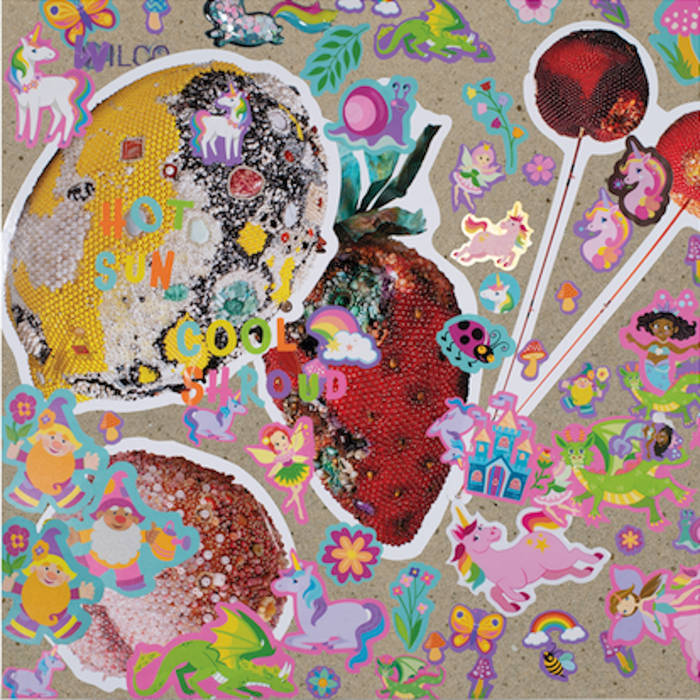
Wilco, Hot Sun Cool Shroud: A EP I missed from the Kings of Indie Dad-Rock, with the impact of an album twice its length; Jeff Tweedy and his long-time partners in chaos hit quick and dirty on six short, sharp tracks. Opener “Hot Sun” is driving yet ambiguous thrash underpinned with regally queasy synth/string pads; “Ice Cream” is a loose soul ballad with distant angel choirs and percussive rumbles; “Annihilation” goes from mumbly to lucid to arrhythmic, while closer “Say You Love Me” is a trademark Wilco eulogy, harnessing stately Beatleisms to preach connection and community. Stir in two instrumentals (the jabbering “Livid” and the bitonal acoustic gallop “Inside the Bell Bones”) and you have another Delayed Favorite. (One, I might add, very reminiscent of the band’s 2004 tour de force A Ghost Is Born, which is reissued in multiple deluxe formats next month.)

— Rick Krueger

Rick’s Quick Takes: Across the Great Divide

This month’s connecting thread: grizzled veterans connect with high-powered talent from younger generations; the chemistry fizzes, fuses and pops — and some excellent new music is the result! (Of course, there’s an outlier or two in this month’s stack as well.) Let’s get down to it, shall we? Purchase links are embedded in the artist/title listing, with album streams or samples following the review.

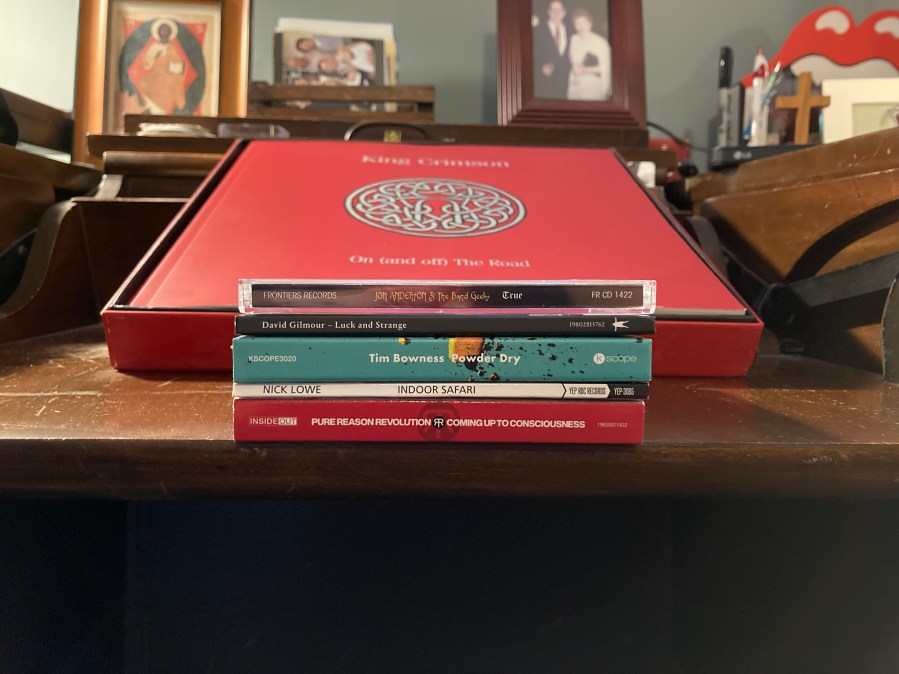
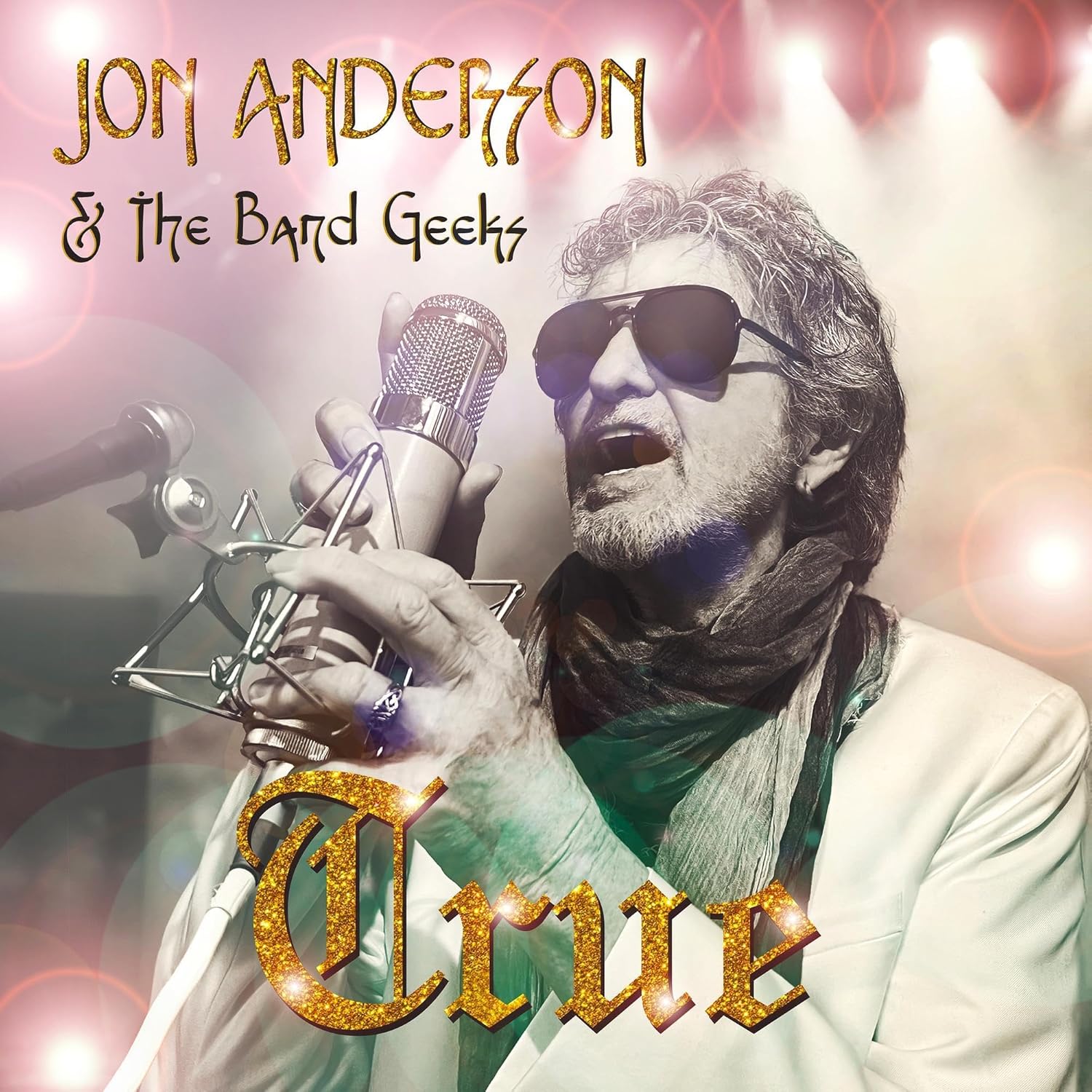
Jon Anderson and The Band Geeks, True: Anderson (going on 80, and as seemingly immortal as Keith Richards) has consistently worked with little-known yet impeccable virtuosos since his abrupt exit from Yes; watching him front a high-impact big band from the 10th row in 2019 was a thrilling experience. Now, teaming with a quintet of killer players half his age, he delivers the album fans have desired for decades. Sure, there are times when The Band Geeks (bassist Richie Castellano, guitarist Andy Graziano, keyboardists Christopher Clark and Robert Kipp and drummer Andy Ascolese) seem a little too eager to ape their counterparts in the classic Yes lineup, but overall they lean into epics like “Counties and Countries” or “Once Upon a Dream” and shorter romps like “True Messenger”, “Shine On” and “Still a Friend” with full commitment, fresh creativity and chops galore. Then there’s Anderson, still soaring into sub-orbit with that unmistakable voice, still preaching peace, love and understanding with his trademark New Age word salads. (Is there no way this man could run for U.S. President? At this point, he’d get my vote.) At first, I thought Time Lord’s full review was a bit over the top — but repeated hearings are bringing me around. Most hardcore Yes-heads will flip over this, and casual listeners will find plenty to lure them in.

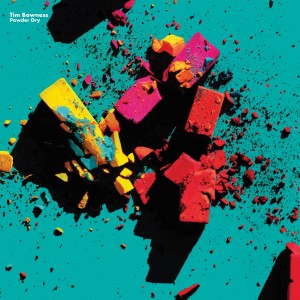
Tim Bowness, Powder Dry: the exception to this month’s rule, Bowness’ first-ever “solo solo project” hits the speakers like a cold slap in the face. Instead of the languorous widescreen ruminations of previous albums, we get brusque, sparse song sketches (rarely more than 3 minutes); a disorienting mix of natural tones, machine rhythms, bracing industrial grit and gnarled lo-fi samples yields shocks, disturbances and wake-up calls aplenty across these 16 tracks. Well practiced in the dark arts of ineffable yearning and melancholy, here Bowness hones and refines his lyrics to bare-knuckled, highly charged haikus, whether staring down decadent cultures (opener “Rock Hudson”), devolving psyches (“This Way Now”, the title track), disintegrating connections (“Heartbreak Notes”) or the unholy conjunction of all three (“Summer Turned”, “Built to Last”). With his stoic vocals bearing the brunt of this emotional tangle, Bowness’ voice plumbs fresh depths, flickering in desperate hope one moment, driven to sublimated fury and fear the next. If you’re already a Bowness fan, stow your expectations — but whether he’s familiar or brand new to you, don’t hesitate to strap in for a compelling, cathartic ride.

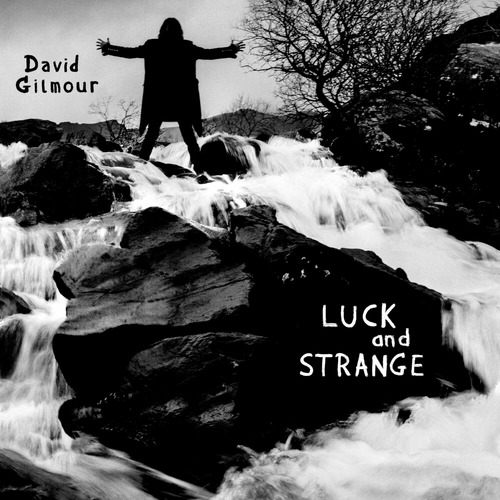
David Gilmour, Luck and Strange: another prog legend who can sound like nobody but himself cranks up one more time. But the canvass Gilmour paints on here accents different tones and tints, with youthful co-producer Charlie Andrew shaking up instrumental backgrounds and song formats to good effect. There’s a sense of lightness, air and space this time around, a less obviously Floydian palette that both complements and contrasts with Gilmour’s craggy singing and singular take on blues guitar. Polly Samson’s lyrics level up as well, tackling well-worn topics (nostalgia on “Luck and Strange”, spirituality on “A Single Spark”, love as refuge on “Dark and Velvet Nights” and “Sings”) from newly contemplative angles, sounding absolutely right coming out of Gilmour’s mouth. (Oh, and daughter Romany Gilmour totally enthralls in her vocal turn on The Montgolfier Brothers’ “Between Two Points”.) By the time Gilmour hearkens back to which one’s Pink, firing off a final round of Stratocaster fireworks on orchestral closer “Scattered”, he’s taken us on the most varied – and I’d argue, most sheerly enjoyable – ride of his solo career; this one’s already a 2024 Favorite.

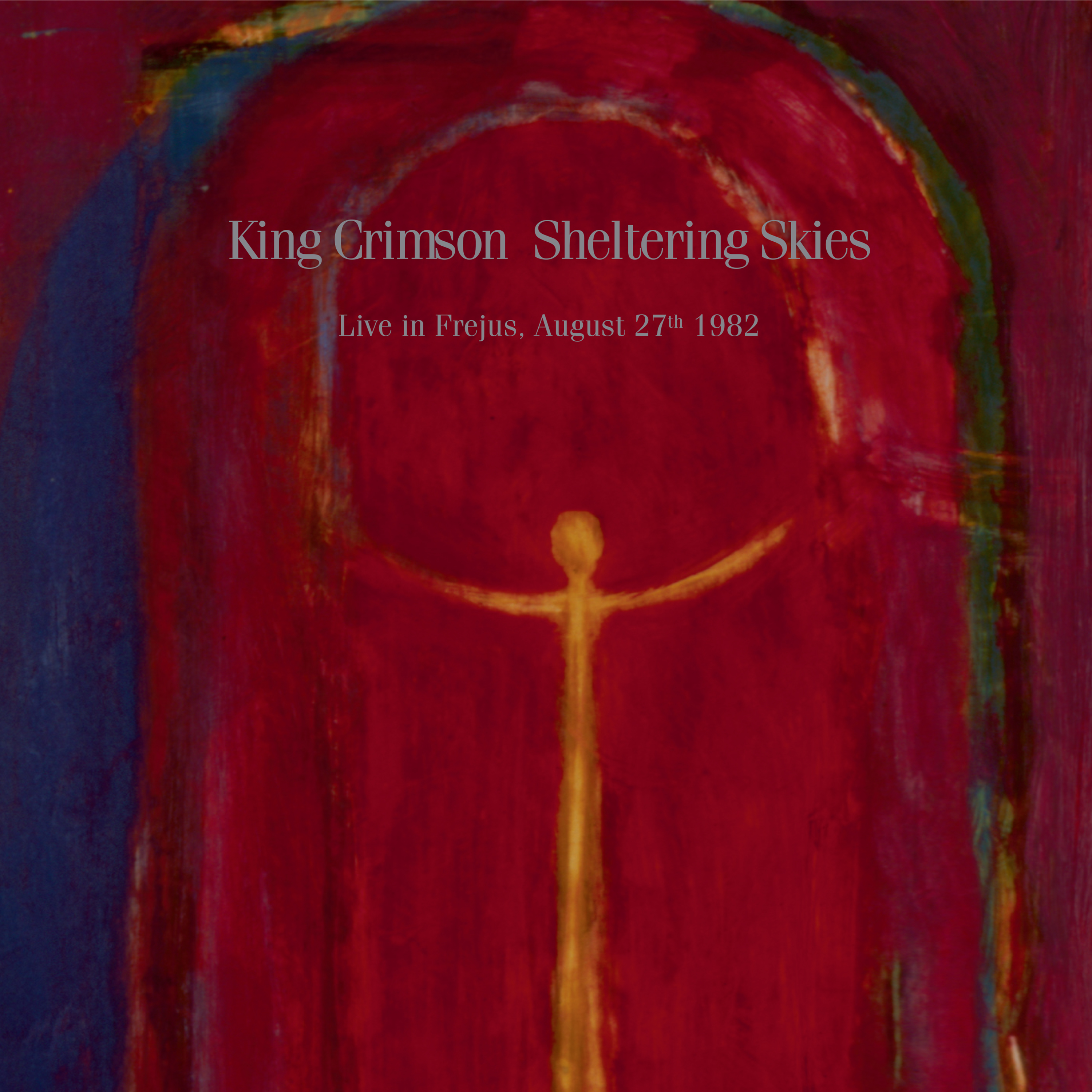
King Crimson, Sheltering Skies: OK, so this one isn’t “new” new. But when Crimson sherpas Robert Fripp and Bill Bruford teamed with American upstarts Adrian Belew and Tony Levin back in the 1980s, the result was a revitalized second reign for the King, swapping out trademark Mellotrons and prodigious pomp for raucous noise, limber polyrhythms and surging, seething energy. With Belew and Levin now touring this music again as BEAT, this issue of a 1982 show previously released on video couldn’t come at a better time; opening for Roxy Music on the French Riviera, Crimson pulls the unsuspecting audience right into the clinches for the hottest of hot dates. From the subdued intensity of “Matte Kudasai” and “The Sheltering Sky” through the dynamic clatter of “Indiscipline” and the hypnotic guitar weave of “Neal and Jack and Me” to Bruford and Belew’s ecstatic percussion duet that kicks off “Waiting Man”, this is that rare live album of nothing but highlights. Banter, bicker, balderdash, brouhaha, ballyhoo — whatever their desired flavor of elephant talk (including some 70s throwbacks), Crim devotees will find it here.

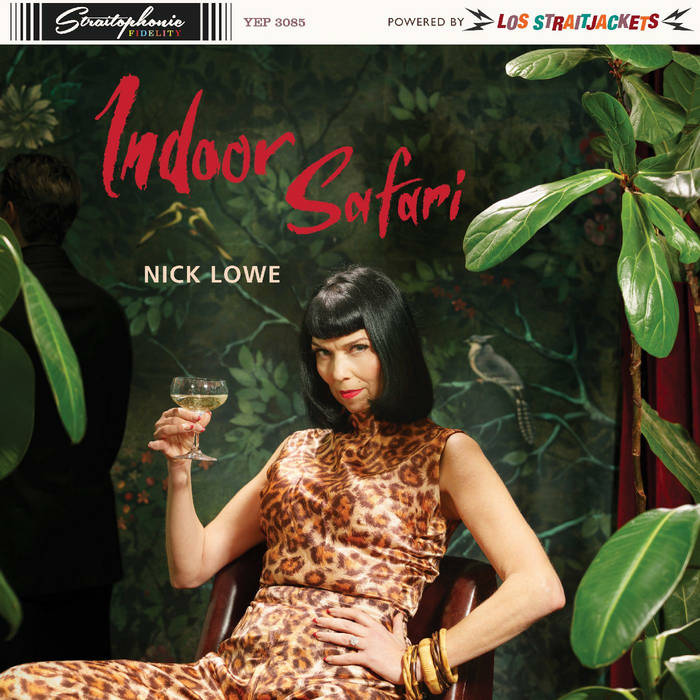
Nick Lowe, Indoor Safari: almost 50 years on from his solo debut at the crest of the New Wave, Lowe’s pure pop for now people remains pin-sharp and on point. Who else can still pump out breezy rockers like “Went to A Party” and “Jet Pac Boomerang” (the latter complete with high-culture similes and a Fab easter egg), ring wry changes on the battle of the sexes in “Blue on Blue” (“You’re like a mill, you run me through”) and “Don’t Be Nice to Me”, then capture the emotional devastation of the quietly crooned “A Different Kind of Blue”? Masked surf-rockers Los Straitjackets (currently celebrating their 30th anniversary) prove crucial here, laying down swinging retro grooves for Lowe’s originals and hoisting just the right backdrops as he nails the blue-collar aspiration of Garnet Mimms “A Quiet Place” and the innocent romance of Ricky Nelson’s “Raincoat in the River”. Lowe’s smart-aleck satire has always entertained, but his later embrace of pre-rock stylings deepened his songwriting and singing; now, even at his jauntiest, his aim for the heart is true. This is a real charmer that’s gone straight onto my 2024 Favorites list.

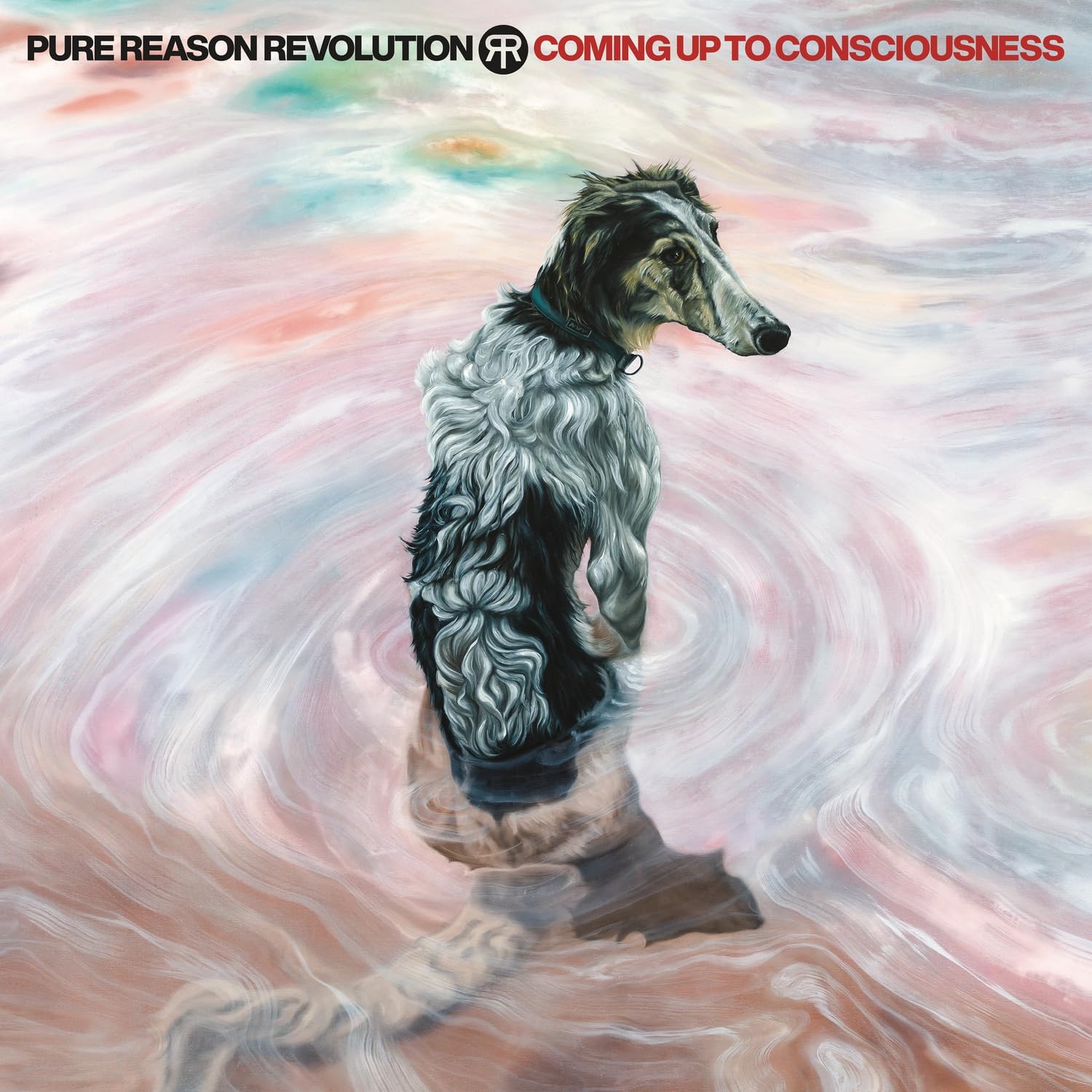
Pure Reason Revolution, Coming Up to Consciousness: a variation in reverse of this month’s theme, as long-time Pink Floyd/Gilmour bassist Guy Pratt brings extra low-end oomph to the latest from Jon Courtney, Greg Jong and their fellow electroproggers. As Time Lord ably spells out in his full review, once again PRR relies on the proven recipe of previous high points like 2006 debut The Dark Third and 2022’s Above Cirrus: float in on low-key ambience, keep the verses chilled out, ramp up on the bridge, kick hard into the chorus! (While seasoning to taste with lush harmonies, towering guitar riffs and slamming club beats, whipping up maximum tension and release before serving.) Here the results are consistently yummy, not least because the soundscapes’ ebb and flow echo Courtney’s perennial lyrical themes. As Courtney, Jong and Annicke Shireen’s voices entwine, splinter, and reunite, there’s a serene insistence on transfiguration, on something more than material, beyond the harsh realities of eros (“Dig til You Die”, “Betrayal”), fear (“The Gallows”), and death itself (“Useless Animal”, “As We Disappear”). Pure Reason Revolution isn’t giving us answers, but Coming Up to Consciousness points us toward the mystery they’ve pursued all along.

— Rick Krueger

Steven Wilson, The Harmony Codex

Now available to preorder from Burning Shed on CD, Blu-Ray, black or orange LP, cassette and 2 CD/Blu-Ray box set:

The Harmony Codex – the seventh album by Steven Wilson – is a genre-spanning collection that represents the apotheosis of a life spent fully absorbed in music.

While The Harmony Codex nods to records from Steven Wilson’s recent past, at times echoing the paranoid rumble of 2008’s Insurgentes, the crystalline electronics of 2021’s The Future Bites and the expansive storytelling of 2013’s The Raven That Refused To Sing (and Other Stories), here he has managed to create something entirely unique, a record that exists outside of the notion of genre. And although The Harmony Codex is a record made with spatial audio in mind, it’s not one that needs an elaborate sound system to lift you out of body – two speakers and an open mind will do just fine.

Released on September 29th. Tracklist:

1. Inclination (7.15) 

2. What Life Brings (3.40)

3. Economies of Scale (4.17)

4. Impossible Tightrope (10.42)

5. Rock Bottom (4.25)

6. Beautiful Scarecrow (5.21)

7. The Harmony Codex (9.50)

8. Time is Running Out (3.57)

9. Actual Brutal Facts (5.05)

10. Staircase (9.26)

Watch the video for the track “Economies of Scale” below:

— Rick Krueger

InteReview: Light’s “The Path”

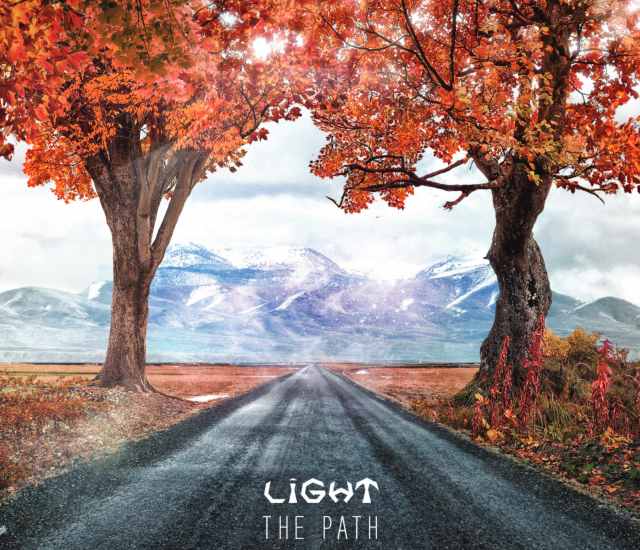
Light, The Path, January 8, 2023
Tracks: Seekness (14:15), Cornua (1:31), The Sweet Release Of Death (5:04), Blue Sun (8:38), Tibia (1:19), Betray (3:13), Newts (6:44), Electris (1:40), The Sublimation Of An Oak (4:13), Tympana (1:23), Dive (13:57), Chalemia (1:47), Mesmerize (3:12), Burning Birds (7:12), Lux Æterna (3:24)

Light is the brainchild of Toulouse, France, based artist Camille De Carvalho, who wrote The Path together with Auriann Rossard, Loup Vaillant, and Paul-Henry Touzac. Carvalho plays an astounding number of instruments on the record, from keyboards to clarinet to duduk and everything in between. She’s joined by a talented cast of other musicians providing additional orchestral work as well as guitar, bass, drums, and vocals. The record is a unique blend of prog, jazz, and classical, leaning most heavily on the symphonic with a distinctly modern flair.

“Blue Sun” perhaps best exemplifies what Light does best. The symphonic overtones dominate, but the overall sound gradually builds adding in the rock elements as it crescendos in a King Crimson-esque wall of controlled chaos. The vocals come in after the midway point, adding further depth to the sound. As the record moves along, the vocals increase, typically in a more classical form than the lead vocals to which rock listeners might be accustomed.

The album’s mix is very lush, with the varied instruments all sounding clear in the mix. There’s a lot of depth to the overall sound as well, making it a very immersive experience.

The Path is an album that will stretch the typical prog fan’s ears, but there is much to enjoy in this album.

Progarchy got the chance to interview Light mastermind Camille about her recent release and what it took to make this project a reality.

You released an album in January 2023 entitled “The Path” How do you feel about the release? 

I’m very excited ! I’ve been working on this for 14 years, almost half of my life !

I’ve spent so much time and money in it, it’s really strange to see it done. I thought (and many of my friends too) that I’d never finish it, that I’d always find something to change, to add, to tweak… Having now the CD in my hands feels unreal.

How much of a challenge was it to work on the album?

It was the most challenging thing I’ve ever done. Basically, I wanted to write for orchestra, but I had no orchestra and the ones I contacted were not interested.

I had to learn to play around 100 instruments, spend all my evenings playing, writing, practicing or reading books about how to write for all of these instruments.

And then when I met the first persons interested by the project, I had to manage the recordings, the rehearsals, the writing of the lyrics, the communication…

It was really a lot, but I stayed determined.

Speaking of challenges, did you set any in the early phase of what has become the final result?

Yes, at the very beginning, the challenge was to record an album featuring only keyboards (then I heared White Noise 2, hated it, and decided it was a bad idea)

Also, every piece I wrote was challenging : there’s always a point where I tell myself «and what if, instead, I did this ?» and it’s always some horrible over complicated polyrythm, or scale… the piano part of Dive, for example, is really a nightmare to play. I wrote it in 2010, and managed to play it in 2020, after years of working on my fingers independance and stamina

Tell us about the different instrumental aspects that you explore on these new songs.

I tried to mix a lot of genres, mainly prog rock but also jazz, classical and a little bit of metal. But the main way I see my music is that I want to write impossible things.

Apart from the interludes and maybe one or two simple tracks, all are impossible to play live as is : it can be because of the polyrythms (particularly the infamour 107:100:93 in Blue Sun, or the 48:47 in The Sublimation of an Oak), the time signatures (I used some things like 61/32 and 47/16), or the instruments’ balance : as every instrument is recorded separately, I can make the ocarina sound louder than the trombone for example, and it’d be impossible in real life. I wanted to push the complexity as far as I could, but keep “listenable” by anyone. I don’t want my music to be seen as really harcore to listen to, even though I love some pretty hardcore bands. I want people to groove, in a way, when they listen to it. To think it’s strange, but in a good way.

I love math, and used a lot of formulas or concepts to create a starting point for the tracks. I don’t let math do all the work, because I didn’t like the results obtained by the people who tried it; I only use it as a basis and it’s often a challenge to adapt to what it has created, because it doesn’t follow musical logic. I drew explanation for the things I used and put it in the booklet, you can try to decypher it and find how it has helped me.

Also, all the interludes are inspired from plain chant, a singing technique used by monks in medieval times. I love it ! And it’s so rarely used

What is your opinion about the current progressive rock scene? 

I must confess I don’t listen to enough new bands, there are so much things to discover in the past I tend to forget the present ! But still, Auriann, the drummer of the band, is constantly searching for new music and dragging me to shows so I know some, like Ni, PoiL, Piniol, Pryapisme, Sungazer, Haken, Myrath… I think prog rock never died and will never die, and now with modern techniques and instruments, we can push the music further than ever. You have to search for them, but there are really good bands currently.

Let us know about your influences—the artists that in a way shaped and continue to shape the your music.

Haha it’s hard to answer without being boring so I’ll limit myself, but I have to categorize : 

In classical music, I’m really fan of the beginning of the 20th Century : Ravel is my first love, Holst the reason why I’m not single anymore, and Lili Boulanger my current obsession.

For rock, my 2 main and most obvious inspirations are Magma and Frank Zappa, and I’m a huge fan of Gentle Giant, King Crimson and all the 70’s era.

For jazz, I’d say that Coltrane, John Zorn, Andy Emler and Louis Amrstong shaped my tastes, even if their influence isn’t as prevalent as Zappa’s or Holst’s in this album

What are your top 5 records of all time?

Hard question, I think it is for everyone. I think the best way to answer it is with rare unknown albums, as they’re better to help understanding the tastes of someone. So yes, I could say Relayer by Yes, or Kid A by Radiohead and sure, they’re great, but it’s also obvious that I love them.

Here is my pick : 

1 – “Everywhere At The End of Time”, by The Caretaker : my biggest musical shock, an album about dementia ; you can’t stay the same after you’ve listened to this madness

2 – “Trout Mask Replica”, by Captain Beefheart : well known, but I had to. A lesson in what is freedom, and music. Try again if you hate it : you’ll get it (eventually)

3 – “8”, by Supersilent : it’s an improvisation band, without any planning or concertation. First time I listened to this, I was at work : the walls and roof disappeared and I suddenly was in a cold storm, completely lost. My tasks did not progress after that

4 – “Rire, c’est pas sérieux”, by Raoul Petite : I love Zappa but as english is not my main language, I don’t always understand the lyrics. Well if you love Zappa but speak french primarily, there’s Raoul Petite for you

5 – “Circus”, by Circus : this album taught me something very important : to shut up. Sometimes, there are unexpected silences in their music, and it creates a very peculiar atmosphere that can be mimicked by nothing else. I can’t say I used it in my album, at all, but I will probably in the future

Besides the release of “The Path” are there any other plans for the future?

I’ve already started to write the concept of the next album, which will be greatly inspired by the life of Lili Boulanger (and her music).

Also, a music video will be released with the album, and I have a few covers I still have to finish recording, as they were rewards of the Kickstarter campaign. I’m currently working on Shine On You Crazy Diamond, it’s nearly finished ; it’ll contain no guitar, no bass and no drums… you will see!


Check out Light and The Path on Bandcamp: https://lightprogrock.bandcamp.com/album/the-path

Barricane Release New Single, “Saltwater”

From the inbox this morning, we got sent this new single from UK-based band, Barricane. The group is a six-piece based around singer songwriters Rosy Piper and Emily Green. Also featuring Charlie Lane (bass), Chris Alchin (keyboard, acoustic guitar and synt), Hamish Wall (electric guitar), and Gary Neville (drums).

“Saltwater” packs a lot into a mere five minutes. It begins with atmospheric guitars and spacey drums with ethereal vocals over the top before gradually building. The real treat is the ending where the song shifts into a proggy synth space before the electric guitar comes in for a hard rock solo complete with a wall of drums. It’s great. Check it out.

https://barricane.bandcamp.com/track/saltwater
https://www.barricanemusic.com

Devin Townsend Lights the Night – “Lightwork” and “Nightwork”

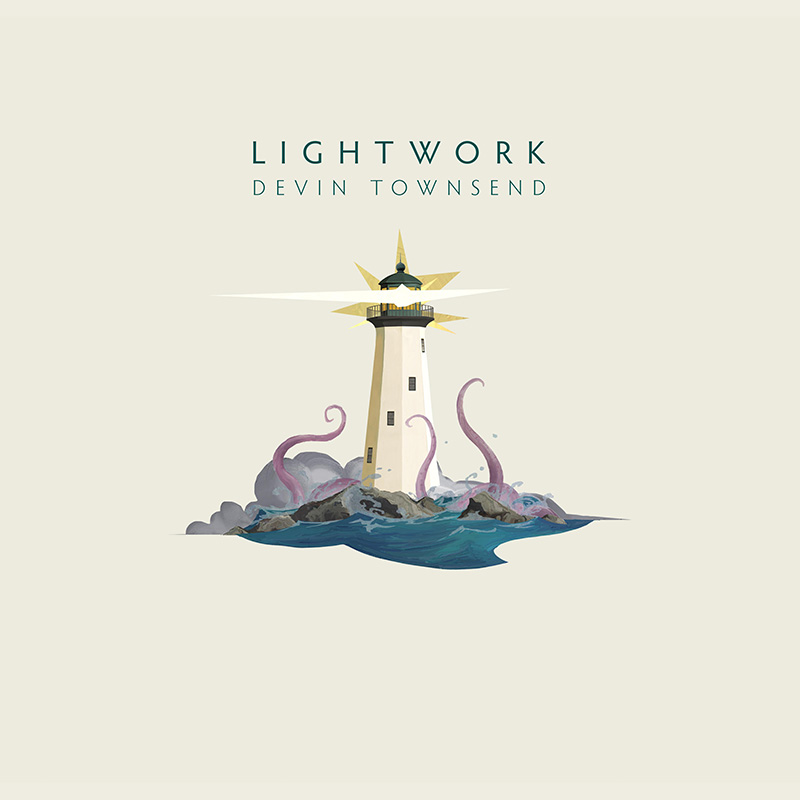
Devin Townsend, Lightwork, 2022, Inside Out Music/Hevy Devy Records

Lightwork Tracks: Moonpeople (4:44), Lightworker (5:29), Equinox (4:39), Call of the Void (5:53), Heartbreaker (7:00), Dimensions (5:23), Celestial Signals (5:12), Heavy Burden (4:23), Vacation (3:10), Children of God (10:06)

Nightwork Tracks: Starchasm, Pt. 2 (4:34), Stampys Blaster (0:38), Factions (5:13), Yogi (3:57), Precious Sardine (10:14), Hope is in the World (4:16), Children of Dog (6:45), Sober (4:37), Boogus (3:33), Carry Me Home (4:04)

Devin Townsend seems to be the most eclectic artist operating in what could broadly be called the progressive music scene. He’s most well known for his work as a metal artist, having some of the finest clean and distorted vocals in the business. He’s also a stellar guitarist and an even better producer. Beyond the metal, he’s long dabbled in ambient music, and as of late he’s been blending the two together to marvelous effect. 2019’s Empath was a masterpiece demonstrating that extreme metal, musical theater, opera, and ambient music can blend into a powerful and moving epic.

Last year he released The Puzzle, a minor release that is primarily ambient with vocals serving more of an instrumental role, meaning it was more about the sound than the actual lyrics. That record reflected Devin’s mind as he processed the Covid-19 pandemic, especially the early phases of it. At the same time he released Snuggles, a shorter ambient album whose goal was to calm and soothe the listener. I can state from personal experience that it does just that. It’s a great antidote to anxiety and depression.

Last month found Devin releasing his latest “major” release, Lightwork, along with its slightly heavier companion album, Nightwork. His intention was to go lighter on this record, although the metal elements still pop up now and again, especially in the vocals, which vary from clean to distorted depending on what the songs need. It’s a very different record than Empath. I hesitate to call it “pop,” as that might conjure up images of Steven Wilson’s The Future Bites. I think there are some interesting parallels between Townsend and Wilson that are worth exploring in a future article, but Townsend’s approach to pop (for lack of a better word) is far more introspective than Wilson’s. Wilson often wears his influences on his sleeve, while still creating a signature sound. Townsend creates his own sound, incorporating elements from myriad genres to make music that sounds like no one else. If Lightwork can be called pop, it is because it is more accessible than some of Townsend’s other work. It still remains complex in its layering, lyrical themes, and overall sound.

Lightwork has less of a flow to it, with the focus being more on the actual songs. With the wall of sound approach Devin is known for, there is some blending together between tracks, so it never feels disjointed. There is a loose overall theme to the record of love and light – a port in the storm, as it were. Musically it ebbs and flows. “Lightworker” has some epic soaring vocal moments with orchestral layers and backing vocals, not dissimilar from bits of Empath. Devin holds nothing back vocally.

“Equinox” sees Devin delving into his more atmospheric rock side while incorporating memorable melodies. The use of distorted vocals in parts of the song is a contrast to the spacier elements of the music, but since Devin’s distorted vocals are easy to understand (one of the reasons he’s my favorite metal vocalist), it works really at conveying the emotion of the lyrics.

The world is gonna turn without you baby
Don’t worry about a thing it’s all a game

Just as it’s falling apart, I’ve fallen for you
Just as I tear it apart, I’ve fallen for you

Though we try to pretend that it’s not the end
It keeps us calm now babe

“Equinox”

This is easily my favorite song on the record. It’s relatively simple, but the intricate layers and vocal work draw me in every time. I feel like I’m standing in a giant open space surrounded by stars and a dancing aurora as the music swells over my head. Perhaps that’s a testament to Devin’s unmatched skill on the mixing board.

From the very beginning going back to his Strapping Young Lad days, Townsend has always been blisteringly brutal and honest in his lyrics. Those lyrics reflected his emotional state at the time. His lyrics today are equally emotional and honest, but they’re so much more uplifting and hopeful. “Call of the Void” calls the listener to maintain composure in the face of the world’s insanity. Devin’s voice leads the charge with soulful grit.

Cause whеn you see the world’s insane reaction
To follow your hеart, the worst reaction is to freak out
So don’t you freak out
Cause when you feel the urge to feign reaction
Just follow your heart, the worst reaction is to freak out
So don’t you freak out
 
You want them to see the world the same as you and
To feel the pain the same as you
But everybody in the world’s different point of view
Can never see the world the same

“Call of the Void”
 

“Dimensions” is a heavier track with an industrial sound. The bass, courtesy of Jonas Hellborg, dominates. The song is metal, but not in a traditional sense. It’s closer to a band like Rammstein than Iron Maiden. The screamed section is sung over a quieter section of music, and when his vocals step into the background, the music gets louder. An interesting back and forth. The song also features a guitar solo from Mike Keneally.

“Celestial Signals” follows it with a much larger and more open sound, flinging us back amongst the stars in swirling guitars and swelling vocals from both Devin, the choir and Ché Aimee Dorval and/or Anneke van Giersbergen (both sing on both records, and usually it’s easy to tell the difference, but the backing vocals on this track are set pretty deep into the mix).

The final track, “Children of God,” is the longest at just over ten minutes. It also has a large and open sound with lyrics dancing on a cliff of blended sounds, with drums being the most distinct.

Lightwork is hard to nail down as any one “thing.” There’s so much going on. “Vacation” is in direct opposition to “Heavy Burden,” and yet somehow it works. Devin’s quirkiness keeps you on your toes.


While Nightwork may be a companion album, it’s every bit as good, or maybe better. As the name may imply, the album is heavier than Lightwork. It opens with a more straightforward “Devin” metal track. Blasting drums (thanks Morgan Ågren), crunching guitars, and both Devin and Anneke on vocals. Steve Vai also contributes “additional instrumentation” to “Starchasm, Pt. 2.” For those curious about “Pt. 2,” “Starchasm” is a track on last year’s The Puzzle. “Stampys Blaster” picks right up with a 38 second bit of uplifting heavy metal bordering on extreme metal with intense blast beats, all while Devin sings “I love you all.”

“Factions” is another blistering metal track with brilliantly complex drumming and Devin’s signature crunchy guitars and vocals. It’s lightyears away from Lightwork, yet it’s right at home in the Devin universe. The atmospheric screams of “Sorry… I’m sorry…” over a wall of drums is eminently relatable. The song has two neoclasslical style shredding guitar solos that sound different from Devin’s playing, but the album notes don’t say they were played by anyone else, so…

Nightwork does bounce around in style, though, with “Yogi” being a different animal entirely. Quirky, bouncy, not metal at all, but still definitely Devin. “Precious Sardine” reminds me of The Puzzle, with various musical styles and vocals acting more like background instruments. “Hope is in the World” and “Children of Dog” (a reworking of “Children of God”) are more upbeat tracks like Lightwork. They retain metal elements, but they’re brighter songs.

“Sober” is my favorite track off both albums. It is atmospheric, spacey, and intensely emotional. The backing sound of waves add to the ebb and flow of the song. The lyrics are profoundly moving, reflecting the confusion and desperation of addiction as it relates to relationships:

How can you want me, if I can’t stay sober?
And how could you leave me in this state?

I can’t help these feelings that have come into my life
I can’t seem to be the one I used to want to fight

How can you want me, if I can’t stay over?
And how could you leave me in this place?

Time is falling into silence
I’m already tired
All the dreams we had are dying
You’re not even trying

It’s alright

How can you want me, if I can’t stay sober?
And how could you leave me in this state?

How could you leave me?

“Sober”

It’s a very reflective song, which is slightly disturbed by the next song, “Boogus.” “Boogus” is a very fun song made in a distinctly 1960s style reminding me of The Munsters sound track. It’s very fun, and not a style you hear much anymore. But, I think it should have been placed somewhere else on the album, with “Carry Me Home” following “Sober” to close the record. “Carry Me Home” is a peaceful track reflecting the realities of a couple’s love after many years into a relationship:

But oh, I hope you understand
I still love you now the way I did back then

“Carry Me Home”

Mental health has been a prominent theme in Devin’s lyrics in the past, especially in more recent years with his positivity seemingly meant to uplift his listener’s spirits.

‘Cause it’s so hard to give when it’s hard enough to live
And you wanna die, defeat flat on the floor
Well, the nights go by, and still we try to keep some sense of this
Give me hope
Home, on the way home
And I wonder why I ever left at all
Carry me home, all the way home
Let’s simplify and get right back to it all
Carry me home…

“Carry Me Home”

Sometimes life is just hard, and we need someone to carry us home.


In many ways, Nightwork is my favorite of the two records, despite it being a companion. Perhaps the heaviness of the first few tracks is more my speed, or the atmospheric brilliance and honesty of “Sober” and “Carry Me Home” keep running through my head. I find it hard to separate the two albums. I bought the fancy special edition in a vinyl gatefold-sized package (2 CDs, 1 blu-ray) with colorful artwork for days, and my iTunes automatically put Nightwork as disc two of the deluxe edition of Lightwork, rather than a separate album.

The variety of musical sounds on these albums might not be for everyone, but I appreciate the art Townsend is making. He’s making the music he feels like making, even if he knows (and worries) that it may upset some people. His sensitivity shines through, and if you keep an open mind, you’ll find a lot to enjoy while broadening your musical horizons. For those turned off in the past to Devin’s heavier side, Lightwork is a must-listen. I think you’ll find it much more accessible, and perhaps you too can come to more fully appreciate the brilliance of Devin Townsend. He is, after all, one of the most interesting artists in music. Everything he makes is worth paying attention to. As such, I recommend you get one of the editions that includes both albums, rather than just Lightwork.

https://hevydevy.com
Merch: https://www.omerch.com/shop/devintownsend

Oak’s Third Masterpiece – “The Quiet Rebellion of Compromise”

Oak, The Quiet Rebellion Of Compromise, 2022, Karisma Records,
Tracks:
Highest Tower, Deepest Well (5:57), Quiet Rebellion (4:51), Dreamless Sleep (5:37), Sunday 8 AM (5:54), Demagogue Communion (6:16), Paperwings (13:52), Guest of Honour (7:03)

Oslo’s Oak have been my favorite “new” band since I discovered them in 2016 when they released their 2013 album, Lighthouse, on CD. The album blew me away. I had never before heard rock, classical, and atmospheric music synthesized with such precision and in such a beautiful way. I was equally if not more stunned with their 2018 follow-up, False Memory Archive. It continued their sound, and it saw the band mature as they developed their wall of sound, their compositions, and their arrangements.

In November the band released The Quiet Rebellion of Compromise, a masterpiece standing toe-to-toe with both their previous releases and any release from the giants of the genre (I’m looking at you Marillion, Porcupine Tree/Steven Wilson, Big Big Train). Upon first listen I thought perhaps this record didn’t live up to its predecessor, but that was based upon my mild shock at some of the new elements the band added to their sound. After a few listens, their brilliance convinced me. I don’t typically rate albums for my Progarchy reviews, but in this case I give it a 10 out of 10.

This record includes the atmospheric overtones, the piano, the swelling rock sounds, singer Simen Valldal Johannessen’s deep brooding vocals and his evocative lyrics – everything the previous albums contained. But they’ve included more of the electronic influence to their sound on this record. While always there, it is more pronounced, especially on “Paperwings.” Typically not a genre I listen to, I wasn’t sure how to respond to the electronic elements at first, but after careful listens, I came to appreciate how it fit into the music and into the band’s sound.

Another element I did not expect was the introduction of black metal-style distorted vocals. I don’t listen to black metal, but I’m familiar with the unique form of distortion those vocalists use. It’s different from the type of metal I typically listen to, which tends to use either a grittier distortion (Meshuggah) or a higher-end distortion (Devin Townsend). Black metal vocals are low and smooth, befitting Johannessen’s natural singing voice. To be clear, he uses it on four lines on “Paperwings,” and considering the lyrical content of the album, it fits perfectly. The album covers intense themes of mental health and suicide, with the font used on the album cover based upon handwriting from actual suicide notes. Chilling, to say the least. But the band did their research, consulting scholars and mental health professionals. All that to say, the distorted vocals, while new to Oak’s sound, are used sparingly and to great effect when you consider these lyrics in the light of suicidal thoughts:

One thought takes hold
Seeps out rules all
Lights fade, time bends
One step so it ends

Oak – “Paperwings”

It took me over ten listens before I picked up on distorted growls deep in the mix on other tracks, not singing any particular lyrics – just adding to the band’s wall of sound. I think it appears in two places, and it’s very subtle. I’ll let you listen for it.

I appreciate how the band reach back into their previous work and pull in brief lyrical and musical excerpts, tying this record to those others and creating a sense of continuation. In doing so, Oak create their own mystique – a musical world you can fall into and feel like you’re somewhere else. Interestingly, it makes me feel connected to potential future albums as well.

Musically Oak blows me away. Whether its Johannessen’s soothing piano, Sigbjørn Reiakvam’s intricate drumming, Stephan Hvinden’s atmospheric guitars, or Øystein Sootholtet’s basswork (as well as acoustic and electric guitar and keyboards) – this band stands out. Steinar Refsdal adds some wonderful saxophone, which dances nicely atop the wall of sound created in the swelling instrumental passages that have become a signature part of Oak’s sound.

One of my favorite parts on the album is the bassline in the second half of “Sunday 8 AM.” The first half of the song is a bit of slow burn for me, but when it hits the instrumental part halfway through, I’m in musical heaven. The drums sing, the piano and keyboards build gently, and then that deep bassline comes in – wow. The musical highlight of the year for me. Even when the saxophone comes in on top of that, it’s the bass that steals the show with a memorable line that makes you want to skip back to the beginning of the instrumental passage once the song ends. I can’t even imagine how amazing this would be live.

I’ve mentioned the “wall of sound” a couple of times. What I mean by that is the way the band layer and gradually add (or subtract) musical elements to create a sound more majestic and powerful than any of the parts taken in isolation. Devin Townsend and Steven Wilson are masters of this sound, and I would place Oak up with them in terms of quality and its prominence on their records. It also helps that the album is mixed very well. There is a lot of dynamic range, with the record sounding very clear. They’ve also played a bit with the stereo mix, with some of the programmed sounds or percussion dancing around the mix.

The band use a variety of sounds, some of which have become staples in their music – percussion sounds I haven’t heard other bands use, thus making Oak’s music instantly identifiable for me. By including them on this record, I feel a sense of nostalgia to when I first started listening to Oak five years ago, even if the band have begun to include other elements in their sound. It still sounds unmistakably like them. They also include spoken tracks, probably from other sources like movies, which help add to the mystique. “Paperwings” has a passage with a hypnotist speaking to a patient over a calm musical section, which immediately proceeds a heavier and more chaotic section that eventually includes the distorted vocals. Musically we are drawn into the hypnosis with the subject.

Oak know how to end an album like few bands. “Psalm 51” off False Memory Archive may be one of the best album closers I’ve ever heard. The musical build-up to end the song is absolutely perfect. You’re left completely satisfied. I don’t think “Guest of Honour” is quite that good, but it was a high bar to match. Nevertheless, it’s a great song. The lyrics, “Walking blind through damp corridors / Piercing sounds, of footsteps or guns / Racing heart – I’m wearing you out” have particularly stuck with me, especially that last line.

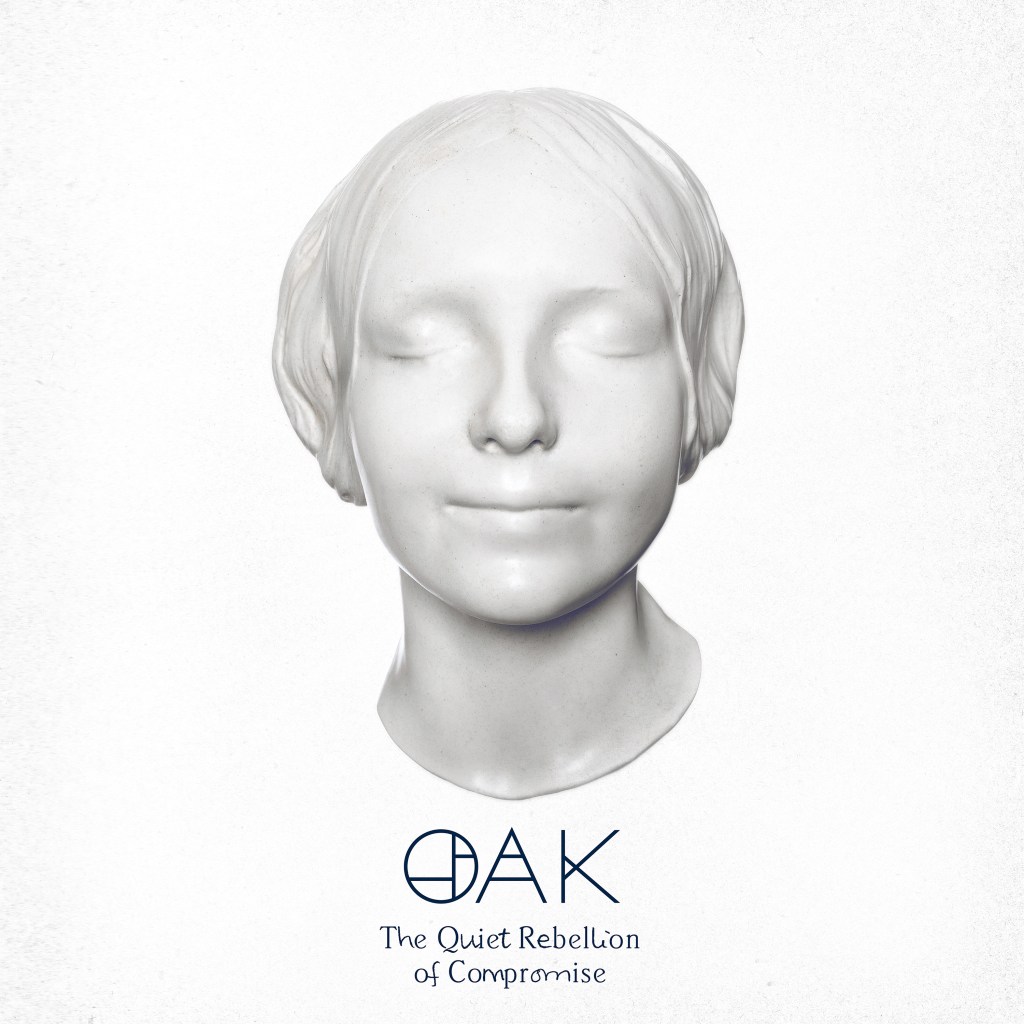
The physical CD comes in a digipack, making it the nicest of their physical releases thus far. I’m sure the vinyl is even more stunning. I liked the album art from their first two albums a lot more than this, because I felt those fit the band’s aesthetic better. With that said, there’s something very unsettling about the expression on the face of the female bust on the cover, which given the subject matter on the album seems entirely the point. Suicide and mental health concerns are inherently unsettling.

It didn’t take long for The Quiet Rebellion of Compromise to blow everything else out of the way at the top of my best albums of the year list. It’s an album I can listen to over and over again, finding new bits to enjoy and investigate after many listens. That’s one of the things I’ve loved about their previous records. I can keep listening and never grow tired of them, and it appears this record has that same quality. Oak are a criminally under-appreciated band that deserve widespread attention. They’re one of the most imaginative bands in the genre right now, and they aren’t to be missed. Everything they have done is worth paying attention to. It isn’t often that a band like this comes around. Don’t let the close of the year pass without diving into this record.

https://www.oakinoslo.com
https://oakinoslo.bandcamp.com/album/the-quiet-rebellion-of-compromise
Facebook
Instagram

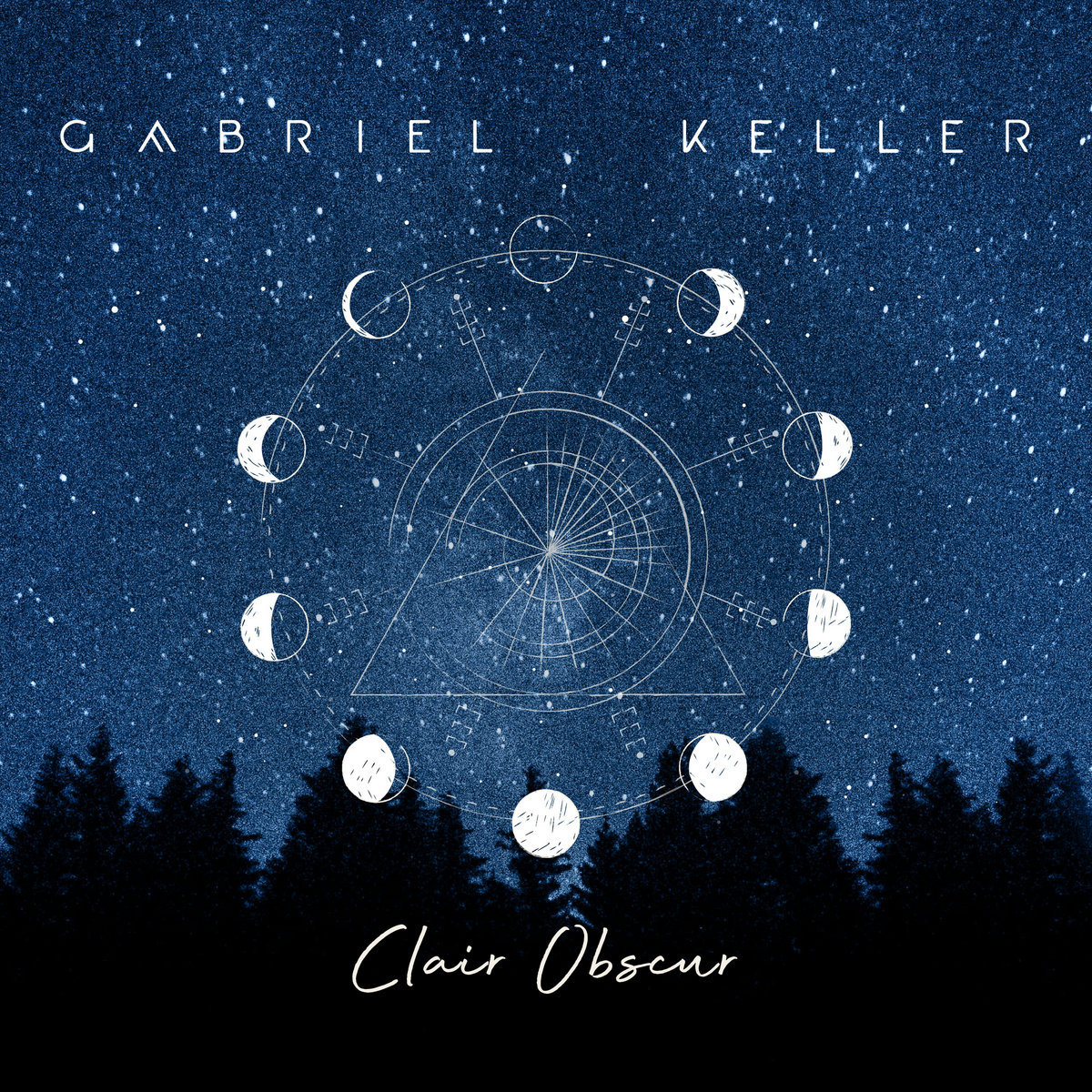
Gabriel Keller’s Stunning Musical Journey – “Clair Obscur”

GabrielGabriel Keller – Clair Obscur, 2022
Tracks: Tumulte (3:29), Time (5:01), Train To Resolution (4:27), Open Arms (5:13), Melancholia (3:50), Sonate Au Clair Obscur (6:42), Nothing Human (5:35), Out Of My Life (6:51), Honey (4:45), Acclamie (2:59)

We’re back into our mini series of reviews of French progressive rock albums, and today’s album has been my favorite of the batch. Gabriel Keller’s Clair Obscur has a range of influences, from the Beatles and Pink Floyd to Porcupine Tree and Opeth. The album features four different vocalists, each of whom wrote their own lyrics in their language of choice (English and French). There are three different guitarists and a host of stringed and blown instruments as well.

The first half of the album leans more on the pop influences, much influenced by Emi B’s smooth and clear vocals. The lyrics touch on struggles of love in difficult circumstances. The melodies on these tracks (“Time,” “Train to Resolution,” and “Open Arms”) are very catchy and very memorable. The melancholic pop of “Open Arms” makes a nice transition to Charlotte Gagnor’s appropriately entitled track, “Melancholia.” The French lyrics and Gagnor’s voice create a haunting atmosphere that is beautifully supported by strings and the occasional Gilmour lick from Keller’s guitar.

As the album moves along, it gradually gets heavier until it is solidly in progressive metal territory by “Honey.” One might think the differences in style across one album would be jarring, but the gradual shift as it goes makes it work really well. Even though there are four different singers with four different styles of writing, and thus varying lyrical themes, the album feels very cohesive. That’s a testament to Gabriel Keller as a musical writer.

The instrumental opening track sets the stage nicely, giving the listener a flavor of what’s to come: guitar-driven rock with spacey backgrounds and layered sounds with varying levels of heaviness. Similarly, the instrumental closing track helps the listener decompress after the album gradually ascended the mountain of rock.

The variety of instrumentation also set this album apart. “Sonate au Clair Obscur” demonstrates the layers to be found on this record. It’s a longer primarily instrumental piece complete with stringed quartet, piano, and varying styles of guitar. It starts off quieter before gradually moving into heavier and more complex territory. The strings take on a more abrupt pace, complementing the growing heaviness of the guitar tone. There are some lyrics in the song, but they are more like backing vocal tracks with the music taking center stage. This track is really about the music.

“Nothing Human” is the closest to Porcupine Tree that we get on the record. The mournful guitar playing in the back of the mix behind Maïté Merlin’s vocals. The guitars have a heavy crunch throughout, especially in the chorus. My only beef in this song comes from pronunciation on a particular vowel in the word “winner,” which repeats in the chorus. In French and English, the letters “i” and “e” are pronounced opposite from each other. As such, the way Merlin pronounces this word in English comes out a bit differently than intended. I’m immature so I found it funny, which clearly isn’t the intent of the song. Honestly, that is the only complaint I have with the record – I’m grasping at straws for that. The song is great. The heaviness is well-balanced by Merlin’s vocals.

This record has certainly grabbed my attention over the several months I’ve had it (yes, yes, I know, I’m slow at reviewing and I have a backlog), so much so that Clair Obscur will find its way into my year-end best of list. The songs are memorable, and they draw you in with each listen. The stylistic variety on the album works well because of how the album is arranged. It gradually builds by the end leaving you wondering how you got to where you ended up. If you’re looking for an album to take you on a journey through realms of melancholic pop and hard rock crunch, put Clair Obscur on your list.

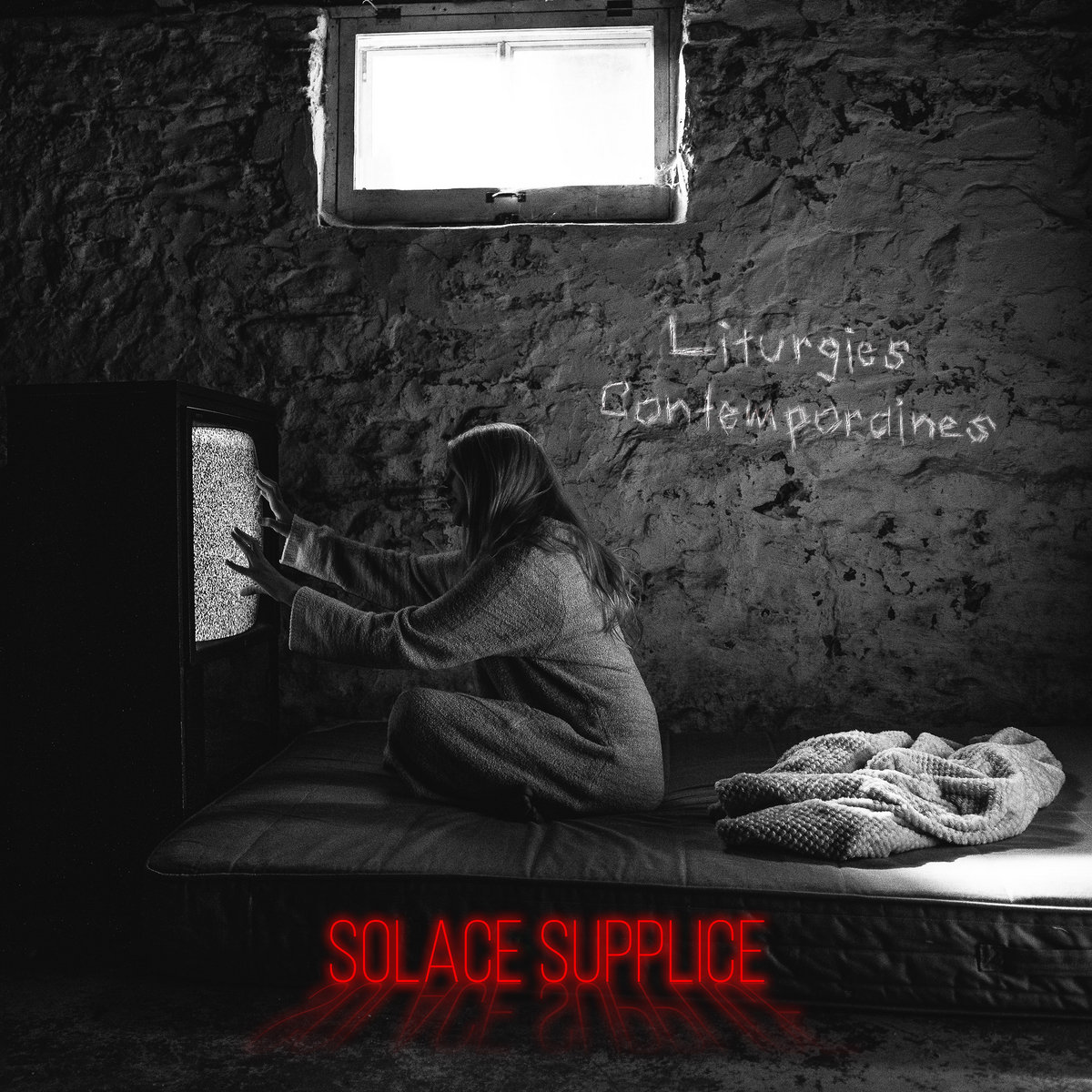
Album Review: @SolaceSupplice “Liturgies Contemporaines”

Solace Supplice - Liturgies ContemporainesSolace Supplice, Liturgies Contemporaines, June 15, 2022
Tracks: Le Tartuffe Exemplaire (5:12), Sunset Street (4:12), A Demi-Maux (4:03), Les Miradors (6:46), Cosmos Adultérin (3:57), Schizophrénie Paranoïde (3:14), Au Cirque Des Âmes (4:10), En Guidant Les Hussards (4:19), Liturgies Contemporaines (3:53), Dans La Couche Du Diable (4:46), Marasmes Et Décadence (4:33)

[Edit: I discovered just after finishing this review and posting it that primary band member Eric Bouillette passed away last month. Our deepest condolences to his family and the band. He was an incredibly talented musician and artist.]

For my third review of recent French releases (see 1 and 2), I bring you Solace Supplice’s Liturgies Contemporaines. Ok, I’m cheating. The band is technically based in England, but the lyrics are in French and the primary players are French. The album has a solid soundscape that is both moody and epic, with a variety of musical textures and sounds.

Primary members Eric Bouillette and Anne-Claire Rallo are members of Nine Skies, a fine band that has made some waves in prog circles in recent years. Both are multi-instrumentalists, with Bouillette playing guitars, keyboards, and violins as well as singing. Rallo plays keyboards and bass. They are joined by Jimmy Pallagrosi on drums, Laurent Benhamou on saxophone on a couple tracks, and Willow Beggs (Nick Beggs’ daughter) on bass on several tracks.  

The record opens with an old English-language clip from the BBC. The song quickly dives into a fast-paced guitar-driven gallop, with that BBC clip popping up again periodically. I liked the inclusion of that clip because it elevates the scope of the record just a bit – makes things feel a little bit more epic. 

The title track, “Liturgies Contemporaines,” is probably my favorite on the record. It is brooding and atmospheric, slightly reminiscent of Steven Wilson or Porcupine Tree. The vocals and guitars really shine over the repeating keyboard line and simple drum riff. Bouillette’s vocals really stand out on this song. The tone he creates on this is rather different than on the rest of the record, and I think he sounds best on this song. Sometimes his vocals are a bit monotonous when singing the French lyrics, but his voice is very dynamic on the title track.

Lyrically the album leans on the more obscure, allowing for more interpretation. It also helps that they’re in French, forcing English listeners to either dig deep (lyrics posted on their website), or just appreciate them for the way they sound. Bouillette’s style of singing works well on “Dans La Couche Du Diable.” The song starts quieter with piano and acoustic guitar, over which he gently sings. A pounding guitar and drum riff kicks in with a marching beat, and the vocals march along with it. The result is quite effective, especially as the song builds towards the end. The track swells towards the end as the keyboards swirl in the background. With a little extra working at the end, I think it would have made a better ending track to close the album, as “Marasmes Et Décadence” doesn’t go much of anywhere musically for most of the song until the guitar solo, bass, and keyboard solo kick in at the end. “Dans La Couche Du Diable” sounds more like an album closer to me. 

Bouillette’s guitar work is dynamic throughout the record, with clean solos on “A Demi-Maux” and grittier shredding on “Les Miradors.” The atmospheric guitar on the title track really shows the range of his capabilities, with the guitar contributing to the soundscape and standing center-stage in the second half of the song. The band scatter in some unexpected musical moments to keep us on our toes. Bouillette’s violin on “Au Cirque Des Âmes” has a gypsy jazz feel to it, and the saxophone on “En Guidant Les Hussards” adds a jazzy and atmospheric sound.

I’ve found Liturgies Contemporaines compelling on repeated listens. It has a solid rock drive with multiple textures and a variety of sounds that manages to remain cohesive. The title track really makes the album for me – I just wish it were longer. The songs could have also been edited to flow together a little better, as the general production value strikes me as being a concept album. All the same, the record is worth multiple listens for fans of contemporary prog. Certainly fans of Nine Skies will want to check it out, if they haven’t already. 

https://solacesupplice.weebly.com
https://www.facebook.com/solacesupplice/
https://twitter.com/SolaceSupplice
https://www.instagram.com/solace_supplice/
https://solacesupplice.bandcamp.com/album/liturgies-contemporaines