

Category: progressive rock
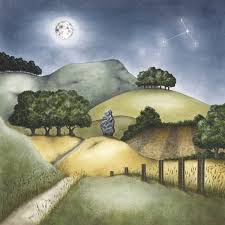
Big Big Train, a Big Big Interview
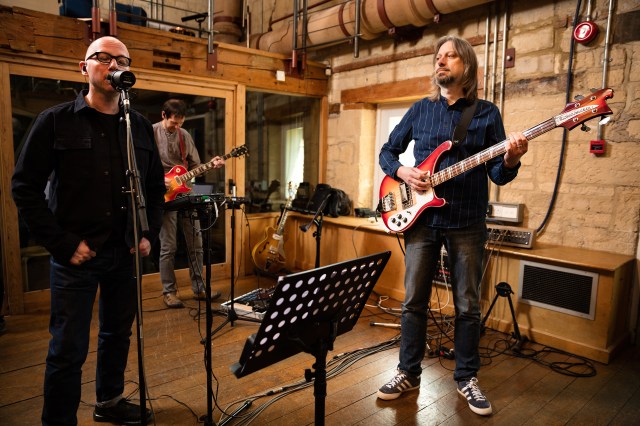
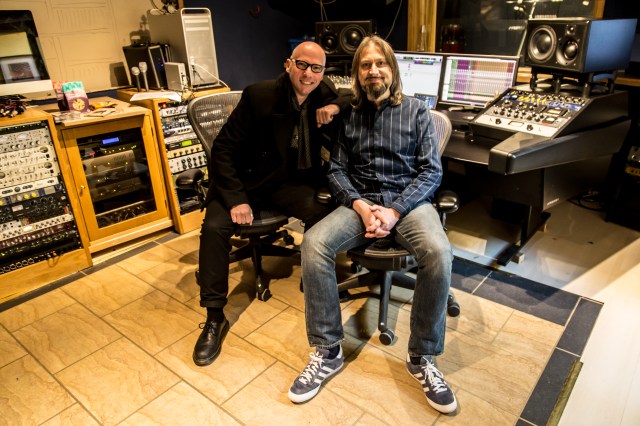
Following on from their surprise release of The Second Brightest Star, and coming up to their sell out gigs in October, I managed to grab a chat with Greg Spawton and David Longdon of Big Big Train, together through the magic of Skype (eventually, my technical ineptitude aside) to talk all things secretive, live and the next stops on the line. This interview was conducted prior to the announcement of next years debut European gig at Lorelei, hence some of the secrecy!
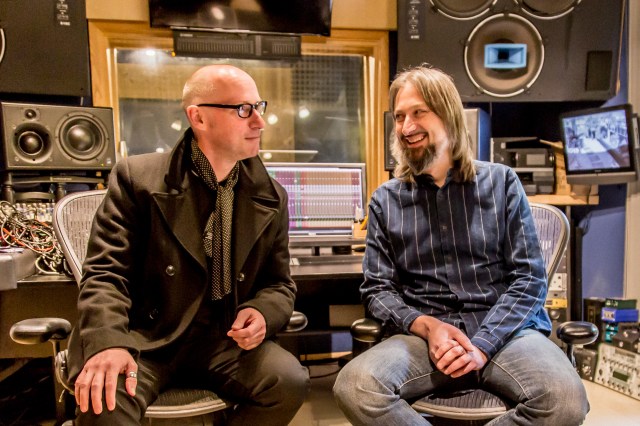
(photo by Lorraine Poole)
Lets start with the surprise album, how did you manage to keep that one a secret?
Greg ‘We don’t know’ laughter ‘We thoroughly thought the cat would be out of the bag’
David ‘We didn’t think we’d be able to keep it quiet, because in this day and age it’s ver4y difficult to keep this sort of thing quiet, but we did, and we were expecting the bubble to burst at any moment, thankfully it didn’t and the surprise wasn’t spoiled and it was released on the day that we intended, which was the summer solstice’
Greg:’ It presented a few challenges for us, David and I talked about this before because other artists have done surprise albums, and they’ve had non-disclosure contracts for people to sign, obviously we don’t have the muscle to get that thing agreed to, so we had to try to create a strategy where as few people as possible knew about. But still before the day of release 30 or 40 people across the world knew about it, and we thought any one of those could mention it, but nobody did. It was very heart-warming that we kept it secret but to be honest I don’t think we’d do it again it was very stressful. It’s more difficult doing it that way than having a pre-order campaign’
When did you have the album?
Greg ‘To be honest we were working in parallel with the songs on Grimspound, we probably discussed it December or January, it was a long time ago’
David ‘ We originally thought about doing an EP, once Grimspound started to take shape, and we knew what we were dealing with we thought some songs that were part of the cycle, didn’t fit on Grimspound. Grimspound has such a strong identity, as indeed did Folklore. I guess they written around the same time, whilst some of the songs on Second Brightest Star were purposefully written for this release. We knew that we’d got another album in our sights, we could have released Grimspound as a double, but we’d like the idea of a different album. We plan these things well in advance, you have to’
Greg: ‘At one stage Grimspound was stretching out to 75 minutes and that’s when it started to feel unwieldy. Possibly we could have dug our heels and said ‘lets make it a double, do it that way’. But as I said before whenever we make an album we try to make it flow, like a proper collection of material that belongs together. However we sequenced the very long version of Grimspound it didn’t quite flow how we wanted it to, so we took a few tracks off. Which enabled us to write a couple of other pieces which enabled the Second Brightest Star to flow, in fact I think it flows as well as anything we’ve ever done.’
It forms a loose trilogy,
David ‘It forms the conclusion of the trilogy, which is what it is’
Greg ‘It’s a bit messier than that because the Wassail EP before all this had a couple of tracks on it Lost Rivers of London and Mudlarks, they’re part of the trilogy songs, I think you know the problem is, you make a number of decisions. If we’d thought it through two years ago to the nth degree we would have done things slightly differently, but you make these calls as you go and things evolve. Grimspound evolved from a companion EP to a full-blown studio album, and a similar process happened with the Second Brightest Star.
David and I we did the bulk of the writing, but there’s 4 other people writing in the band now, and so there’s a lot of material. It’s not a neat process, you don’t start writing for an album and then stop, there’s always a bit around the edges where things flow and that’s where we found ourselves’
David ‘ Not only that, the band was changing as well, the music was developing and aside from the bands career was developing, there were lots of different drivers, lots of accelerants. Grimspound turned out to be very much it’s own thing, it’s a very progressive rock album for prog fans, and is very much pitched in that arena, whereas Folklore was much more subtle. They’ve all got their own flavour.’
I do love the fact that on the Facebook page people are trying to come up with track listings if you were to put all the albums together.
Greg ‘It’s interesting, I’ve screenshotted one of those because I wonder how we would do it if we were, we did go through that process with Full Power, which took a lot of thinking to make that a coherent release. When I look at the length of some of the play lists that these people are putting up, and it’s three hours and more. It’s very difficult to make something flow over that length of time. Maybe if we get some downtime we’ll put a Spotify play list up which shows the album as we would have released it if that had been the plan from the start’
Now you’ve snuck out the Second Brightest star to surprise us all, I suspect you’re working out the set list for the London gigs’
David ‘ We’re practising at the moment aren’t we Greg, so it’s making songs that we’ve written go into our brains’
Greg ‘It’s learning stuff, learning songs we haven’t played before, and reminding ourselves of songs we have played before if we are playing them again. It’s getting them stuck in. One of the problems David and I face is that we play four or five gigs a year, if that and therefore we haven’t got the muscle memory of doing 100 shows a year, so when preparing for these gigs it’s a longish process, about two or three months of getting it under the fingers or into the throat. That’s our plans for the next two or three months. I would love to tell you we’ve got another album coming out on Friday but that would be a complete fib (laughter) ‘
David ‘the nicest thing about doing it the way we do it is that each session of shows are entirely bespoke, it makes them events. It’s not a question of ‘we’ve got a set’ and we’re going to wheel it out again and again and again until we can’t do it anymore. We’ve got lots of material, there are a few things that we played last time that we’ll play this time, but we’ve a wealth of new songs as well. There’ll be things from the English Electric albums and then songs from our canon that we want to get out and air. That’s exciting as well’
With the shows will there a companion Blu-Ray/CD release as well?
Greg: ‘Yes we’ve got a full film crew, as you know we filmed the Kings Place gigs and they came out really well, we were quite surprised to be honest as we only filmed them to maybe put a few songs up on You Tube, but Pete Callow is a very clever director and he made the most of the fairly small set up in Kings Place.
It’s interesting, I had a conversation with Pete a couple of weeks ago, and he was giving us the options of how grandiose we want to be. The starting point is that this is a gig. It’s not a show that’s being filmed with an audience there, it is a gig for the audience and they are the ones that count, so we’ve forbidden anything like any crazy wires across the stage, we don’t want anything that we’re filming for the TV to disturb the live audience, so the film crew have to be in the background, so people don’t find it’s getting in their way’
The plan is for it to be a more ambitious camera set up, so that we’ll have plenty of shots, David and I are very similar we don’t like fast editing. It gets very dizzy, but there are things we’d like to see in there, if Danny’s playing a nice keyboard solo I’d like to see it. We’ll just make sure we have cameras that can capture the moments so we can get a nice film out on Blu-ray’
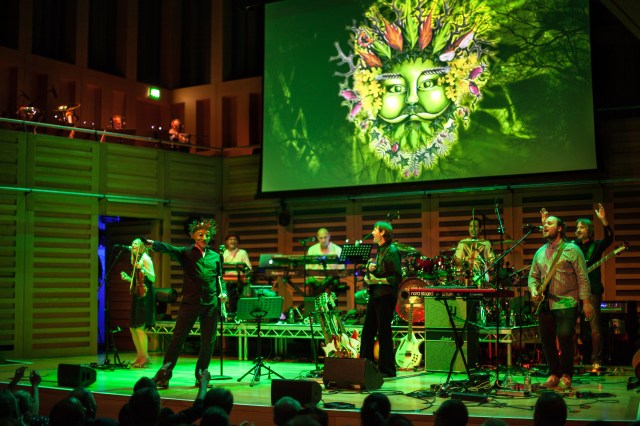
(photo by Simon Hogg)
Of course with the size of the band, and the logistics, working this way is a better approach for the band?
David ‘Logistically it’s an expensive thing to organise, everything costs money’
Greg ‘It is, it’s all about logistics, at the moment we’re doing everything ourselves. Everything is in house, and we know that can’t continue because in 2019 we want to do a couple of small tours in Europe and England, so that will take things to a level where we need somebody else to blame when it all goes wrong, and at the end of the day the band members and the crew need to be focused on their jobs and if we’re getting drawn into organising things the shows become very complex.
Which is why the strategy we’ve had, OK it’s a pain for people to travel to London from up and down the UK and abroad, but this is the way that we’ve been able to play live and is something that will change in the nearish future, but for now it’s the most sensible approach for a progressive rock band in 2017.
David ‘It’s amazing place to come from all over the world, it’s a capital city so it’s not just coming to see a band in place, it’s coming to see a band in an incredible city’
Are the gigs all sold out now?
David ‘yes they are’
That’s pretty good going isn’t it?
David ‘its amazing, when we were looking at what do we do next after Kings Place, there were no guarantees, because those shows went so well. I mean we’re still at the place where it could end tomorrow, it’s very much belt and braces. How much is too much when it comes to capacity. The last ones were 450 seaters; these ones are 900 seaters’
Greg ‘ David’s exactly right; there’s optimists and pessimists within the band, suggesting larger venues. Pitching it is very important, we felt we’d take a step forward and it’s gone really well in terms of sales. It’s gone really well, who’d have thunk it really? We were excited to see Kings Place out, and to do this at the next level up, its pinch yourself tine really’
David ‘We want to get out and do it, because Kings Place went so well, when we play live its very much our time, with our fans in the audience and it’s there time with us, and I’m really looking forward to playing this material with them. It’s sounding great in rehearsal and we’re only just scratching the surface of it. I really can’t wait’
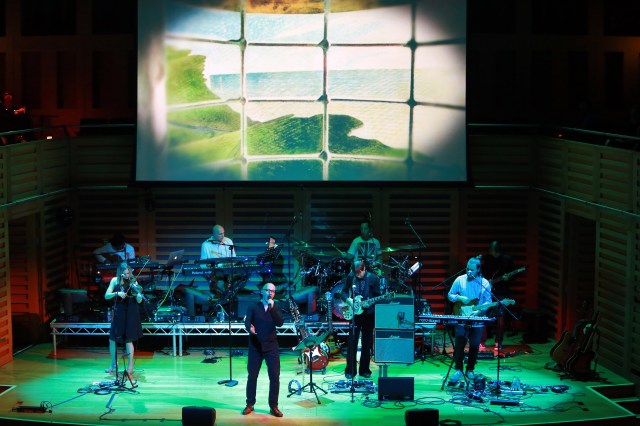
(photo by Willem Klopper)
You’ve released three albums of fresh material in a short space of time, and you have an impressive back catalogue, how do you decide when you look at the songs, and think right, what are we going to play?
Greg ‘I’m trying not to give anything away as people get upset if set lists get printed ahead of time. One of the things we started with is that the audience is a lot bigger this time, and there are a lot of people who have never seen us before. We have got a huge back catalogue now, and as David said it’s quite exciting to play stuff live we’ve never played before so we could have started with a blank sheet, which would have been exciting. But I expect a few fans in the audience would have been thinking ‘I wanted to hear that’ so you start with a process where you look at the essential live tracks that Big Big Trains want to hear at this stage in career, which may change as new albums come out and then you look through albums old and recent and select stuff you think will be good live and create a balanced set list. As you know we’re a band all over the world and there’s lots of emails flying round with various suggestions, rejections and approvals.
Maybe David would disagree but I thought the set list came together very easily and it felt to us that the songs we play in September and October are the right ones for us to play at this time, and moving forward we will add to those’
David ‘the set feels good, it’s balanced, I remember speaking with fans in the foyer in Kings Place I was making a mental note of some of the things the fans were asking us to play, and when they coincide with the ideas that we’ve got its great. There’s one track in particular that came from that angle, a lot of people mentioned it to us, and there’s been a few things like that in the set’
Of course you’re heavily involved with the whole fan base with the group on face book
David ‘It’s a two-way thing; we wouldn’t be playing in places like Cadogon Hall without that support. We are there because of them; we can’t afford to do it on our own. The bands grown because of the fans and it’s down to them, it is a two-way thing. We’re very grateful, which is how it should be’
When you look at other discussion groups online, it’s a good-natured place isn’t it/
David ‘yeah, you’ve got to protect that ethos. There’s some incredibly jaw dropping things going on in the world at the moment, and in society that make you scratch your head and wonder, but we try to make it what it is. A bit of haven from all that. It’s not that we aren’t interested in political events around the world, we are, we’re very interested and in political events at home, but there’s a time and a place for it. It’s not for a progressive rock forum, not as far as I’m concerned and not for Big Big Train’
Do you have longer terms for the band, thinking two or three albums ahead?
Greg ‘we know the next album title, we know some of the songs that are going to be on there, David and I we’ve discussed working those things out. We know what we’re aiming for and taking the ethos of the material that we write into foreign places, literally writing about things that are moving away from England a little bit, which fits in with our career profile, certainly in terms of gigging. We’ve got plans through to 2019, and I have no doubt that we’ll be able to bring those to fruition.
That’s one of the nice things about being in Big Big Train in the last four or five years, is that whereas 7 or 8 years ago we’d talk about things and they’d feel out of reach. Now we talk about things and they feel achievable and doable and that they will happen and happen in a positive way. It’s like a fulfilment machine; it enables us to get our musical material in front of people and heard by people. That’s what songwriters want really and that’s what its all about. You can sit in your room and write stuff but if its not getting that approval if you like of people listening to your music, liking your stuff, your music and your lyrics. But we’re careful planners, we know what month and year the next album is coming out, and I suspect if we went away for a few weeks we have got about an hour of material if not more already written, and we’d get the songwriting process done to make it the best album we can’
Coming to the songwriting and structure of the albums, I know earlier you said a 75-minute Grimspound didn’t feel quite right, do you have an optimum time for an album?
Greg ‘that’s a good question, obviously albums in the 60’s/70’s etcetera were defined by format, the comfortable vinyl length defined the album length and there wasn’t much going beyond late 40’s/50 minutes. About 45 minutes seemed the perfect album then, I think there’s something in that. I know when CD’s came out and albums became a bit bloated I thought. Anything around the 40-50 minutes can be a sweet spot. But if you feel as a band you have a lot of strong material and it sits together, then length is no object so we found our recent albums have been coming in at around late 50’s 60 odd minutes, and that for me is where they work. It depends. I suspect our next album will have a couple of hours material to choose from, and we may decide to make that double album we’ve never done, or we may decided to pin it back to 40 minutes. Those decisions will be made when we have the material in front of us, sift it and see how it all fits together’
David ‘the good thing about being an independent band is that we can have ideas, we can action them. Not only that is the speed of the action, the turnaround. We’re not waiting for permission or going cap in hand to a record label for an advance to go and do something, we go and do it ourselves. We say wouldn’t it be great if we did this, or wouldn’t that be cool. We make it happen. It is an amazing position to be in. I love the fact that the ideas can flow, as they should, they are unhindered; it’s a really positive thing. There’s no shortage of ideas in Big Big Train, that’s the nice thing about it. We’re a band who have plenty of thoughts on what we do, what we’re doing next and why we’re doing it so, long may it continue’
(photo by Simon Hogg)
I know Greg earlier you said about the difference between 2007/2008 and now where you say yes we can do it, what do you think has caused that change?
Greg ‘getting the right line up was really crucial, as you know the band has a long back story, and I don’t think I was writing terrible songs in the early 90’s or whenever, but that I needed to be working with an equal to get those songs as strong as they could be, and deliver them in a beautiful way. In 2007 Nick came into the band and David joined in 2009, and there’s no point in hiding from the fact that David brings a really high end voice, but he also brought with him songs, and an ethos which worked well with my ethos, and we found ourselves particularly the two of us as real brothers in arms in terms of working together and we decided to expand and become a full band again, David was suggesting people like Danny etcetera who came into the band and we’ve just been able to make sure the right people are there to do the right things, which works for the band. Then there’s a momentum of its own, you get the right people in writing good stuff, then the momentum takes over. As David said having that freedom to define out own destinies has been extraordinary. I mean we have been offered many record deals, but it would have to be a stunningly beneficial deal for us to depart from being a self managed and self financed band where we are today, because I don’t think we’d be able to make those decisions in the timely manner that we do today, I think it would change things. I think we’re interested in Steven Wilson’s move, as he feels he needs to be on a bigger label for more people to hear his music, and I’m fully behind him on that call, but for us right now, doing what we do together as a group of people feels like the right thing for us. It’s been a long haul, especially for me, right now we’re in a really good place and I can’t wait to play for people again, and for people to hear material over the next couple of years’
Touching on Mr Wilson, he’s remixing albums into 5.1, if it were viable would you want to pick an album from your back catalogue and remixing it into 5.1?
Greg ‘The Underfall Yard is a very important album for us, it was the first album David was involved in, he joined the band, it was a relaunch, it’s where we started writing about history and landscape and is where it all came together really, in 2019 that will be the tenth anniversary of that album, so I imagine when we play live we’ll be doing a number of songs live from that album, and we’ll be doing a reissue, it’s never been available on vinyl, and there’s definitely demand for a vinyl release and we will be doing a 5.1 release as well, 5.1 is interesting, you need that critical mass of fans to warrant the remixing and producing discs in 5.1. I’m not 100% convinced we’re there yet to do it for every album, but it’s something we’re keeping an eye on, and as the fan base is growing its something that will happen when the time is right. We’d all love to celebrate the Underfall Yard in a couple of years and that’s ripe for 5.1.’
What about a full performance of the Underfall Yard?
Greg ‘There have been conversations, I know some bands go out and play full albums, and it’s about 52 minutes so it wouldn’t completely dominate a set, maybe do one set Underfall Yard and the other something different, but I’m not sure yet. If we do that we’ll advertise it that way so people know what they’re coming to see’
Have you been to the Underfall Yard recently?
David ‘We’ve been down to the SS Great Britain, have you been to it?’
It’s on my doorstep so, I had some guided tours round there before they started the renovations, and we walked round where the new bit brings you in front of the Underfall yard and the pump house,
Greg ‘I will have to get back, I walked near there the last time I was in Bristol, but as David said the last time we were down there we were at the SS Great Britain that was around Far Skies Deep Time,’
David ‘The first pictures with Dave Gregory’
Greg ‘Of course, we picked Dave up and had some pictures done on the SS Great Britain. I love Bristol, my sons just been at the UWE, it’s a very cool place as you know’
Its got plenty of great venues as well, not that I’m dropping any hints..
Greg ‘there’s one I looked at in a church, a 4 or 500 seater, and when we do 2019 Bristol will be on the tour’
David ‘Fleece and Firkin, that what you want isn’t it?
Fleece or the Thekla
Greg ‘I saw the Lemon twigs on the Thekla, it’s a bit sticky floors for us, we like our seated venues, our fans must concentrate when watching Big Big Train so we like them to take the weight off their feet (laughter)
David ‘If it sinks while we’re on board we could play Abide with Me as it goes down, or we could do the Star and Garter, that’s another one’
So your talking about widening your musical horizons on the next album, and stepping away from England, are there other things inspiring you to write differently?
David ‘As we said earlier we work well ahead, and there’s always stuff around, you read stuff, you speak to people. There’s always more to be done, the nicest thing about it is as well. Big Big Train is a band that can share the load, so it’s not a mammoth task for one person to be doing. I know some bands have one person that writes everything and works on everything, at least the way our model is if you like, having multiple writers means if people are able to do stuff it liberates and takes the pressure off. There are always plenty of ideas. Plus this is progressive rock, so all the crazy ideas can be used further down the line. If we were in a more restrictive genre like deep house or something like that we’d be very limited on the ideas we could have. I’m not interested in that sort of stuff, so prog it is’
(photo by Lorraine Poole)
Do you find in the past few years prog has stopped being a dirty word?
David ‘yes, it has, there’s nothing quite like announcing you’re a progressive rock musician defiantly, challenging them with your eyes and they go ‘what’s that then?’ Some people still cling to the past about progressive rock, it got a very unfair beating and a lot of things that were upsetting people aren’t in place anymore. You don’t have to be a rich man to make progressive rock music, you just need access to a desktop computer, plug ins, things like that. You don’t need to own a mellotron to write for one. It’s been very liberating. But that’s not why we do it; we do it because we love it. I’m a singer and a songwriter, Greg’s a songwriter and we’re all musicians and this how we choose to express ourselves’
Greg ‘For us it’s a very liberating genre, the boundaries are very wide, and it enables us to do things we want to do. The fact that its now no longer music that dare not speak its name, is great, Prog magazine have had a lot to do with that, websites like yours have a had a lot to do with bringing people together and celebrating it. Turns out the original wave of bands in the seventies had a sense of humour after all, they were not po-faced about it, they were doing what they wanted to do and things got out of hand a little bit. I think the good bits of the genre are worth celebrating and are celebrated. As David said music making is democratised now, you don’t have to have a Hammond organ and a full mellotron to be able to make music. It’s not a rich mans game. There’s no reason to diss prog rock. One of the things we found before Christmas with the Classic Rock, Metal hammer, Prog magazine suddenly looked like they were going out of business, was that camaraderie in the rock community, we all stood together as rock fans, not prog fans or rock fans, just music fans. It doesn’t dominate the charts like it did in the 70’s in any way shape of form, I think we all agree that rock music is a form that’s worth maintaining, and there’s great rock music being made these days, but it doesn’t have the weight or the power that it did, and it brings people together’
David ‘I was reading an article the other day about the death of the electric guitar and how sales are plummeting, you won’t get those stories of the kid going into the shop, getting his electric guitar and the rest being history. But sales have dropped off for the time being. Does it mean something? I don’t know. Dave Gregory’s got them all!’
Greg ‘there’s none left out there at the moment! There are cycles with it, the thing is there’s an awful lot more that people do with their time now, people are into gaming, watching boxed sets. But in the seventies and indeed the early 80’s there were fewer things that people could do as a creative hobby, and therefore people gravitated towards making music more easily. Now, on the one hand music’s democratised and more people do it cheaply, but it seems that rock music is suffering from that. It may be an indication that there are different times ahead, or it may just be a blip.
Who’d have thought that vinyl would have come back?
When Chris Topham approached us about releasing our stuff on vinyl I think we had a bit of a giggle, it didn’t seem to me in anyway to be a sensible idea, and now we would even consider a new release without factoring in the vinyl version, these things do go in cycles’
David ‘The world of the hipster, I am far too folically challenged to be a hipster’
Greg ‘I wish we were part of the world of the hipster. We’re too old and gray around the gills. It seems to be cool again. Ironically when I went to school with a copy of a prog album under my arm on vinyl I was looked on, as a bit of a bell end, but these days a hipster would do such a thing. It’s funny how things change’
Maybe the difference is they have the courage of their own convictions’
David ‘The weight of their own beards’
Greg ‘their convictions are the weight of their beards.
I remember going to school in the 90’s with prog stuff and that was a definite no go,
Greg ‘You are a man out of time’
It was dead handy growing up in Rotherham in the mid 90’s though
Greg ‘The classic rock society’
Exactly
David ‘I don’t know about you, as I’m near Nottingham that you kind of ripples of the music industry, looking at Sounds or the NME at these new trends, it seemed to me that rock music sang to the soul of the midland male type of thing, it did. Its never stopped singing to me, it never stopped resonating. I still get excited by it, I think I’m a lifer’
When we write songs for Big Big Train, we’re not extending them for the sheer hell of doing it, we like the extended song format, we like the ideas, the modulations, the keys, the instrumentations, the ideas, there’s a lot of thought goes into that, and we’re lucky in the band that there’s a lot of muscle in terms of musical arrangements and people are able to bring a hell of a lot to these compositions’ Its brilliant, we make the music we want to make and make the music that we love and when you asked earlier why did it work, what made it successful I like to think that hopefully its because we did what we love, and that people picked up on it and they could sense the authenticity to the intent of the music and we care about what we do’
It comes across in the artwork, the music, the sleeve notes, and the whole package, there’s a level of sophistication and care,
Greg ‘You’re absolutely right, you’ve got to get it right, starting from the first bit of music we write to the moment it’s realised we’re trying o make people see that Big Big train does care, and you know that there is a quality threshold that we will always be above. It’s not a question of me or David saying we would never want to, but we won’t just walk blindly into making an album that we’re not 100% behind. Its what we live and breathe for, and to find that we’ve got an audience for that at this stage in our lives is absolutely brilliant’
David ‘We are grateful and it’s a two way thing, definitely reciprocal and one thing fuels the other, its great’.
Many thanks to Greg and David for their time, and of course for taking us along on their amazing musical journey.
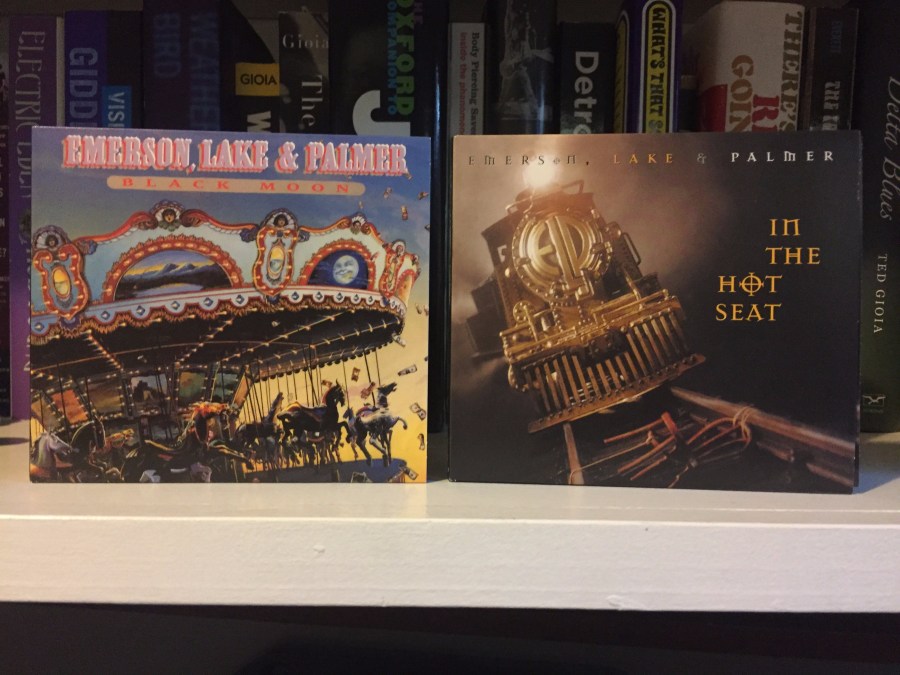
Rick’s Retroarchy: Emerson, Lake and Palmer in the 1990s
by Rick Krueger
Interviewer: “Would you characterize the new album … as a reunion? A comeback? Or something else?”
Derek St. Hubbins: “It’s both, really. We reuned and we came back.”
— interview with Spinal Tap, Guitar World magazine, April 1992
When Emerson, Lake & Palmer reformed in 1992, it wasn’t really a surprise.
Since the debacle of Love Beach, Carl Palmer had recruited Greg Lake to pinch hit as Asia’s bassist and vocalist for a MTV broadcast from Japan. Then Keith Emerson had reconnected with Lake, drafting Cozy Powell as drummer for a well-received album that both evoked and modernized the classic ELP sound. Then a post-Asia Palmer and singer/songwriter Robert Berry had partnered with Emerson in the more commercial (though less successful) AOR band 3. All the possible pairings had played out: the only other option, as Spinal Tap put it, was to reune. And at least attempt a comeback.
Continue reading “Rick’s Retroarchy: Emerson, Lake and Palmer in the 1990s”
Steven Wilson – Refuge (Lyric Video)
Steven Wilson’s new album is an amazing masterpiece. I give it my highest rating and I can’t stop listening to it! Now there is a new video out for one of the most moving songs on the disc.
Inspired by the plight of Syrian refugees, “Refuge” builds from the hushed beauty and pathos of the song section to an instrumental apex in which Paul Stacey’s guitar, Mark Feltham’s harmonica and Steven Wilson’s synth solo unite in epic glory, before dropping back down to a haunting aftermath. “Refuge” is a powerfully intense and cinematic highlight from the forthcoming album To the Bone.
https://stevenwilson.lnk.to/RefugeSo
Lyric video created by Lasse Hoile
Interview with SOUL ENEMA’s Constantin Glantz
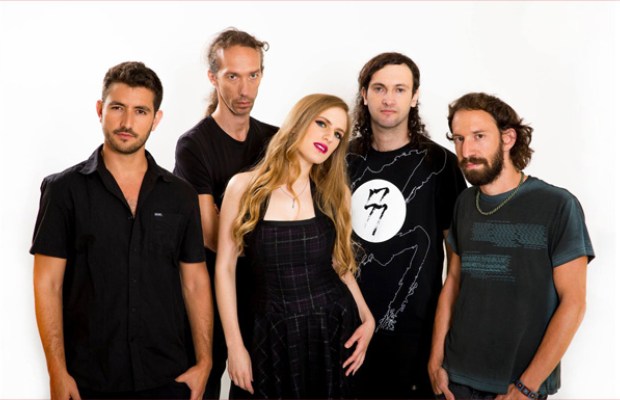
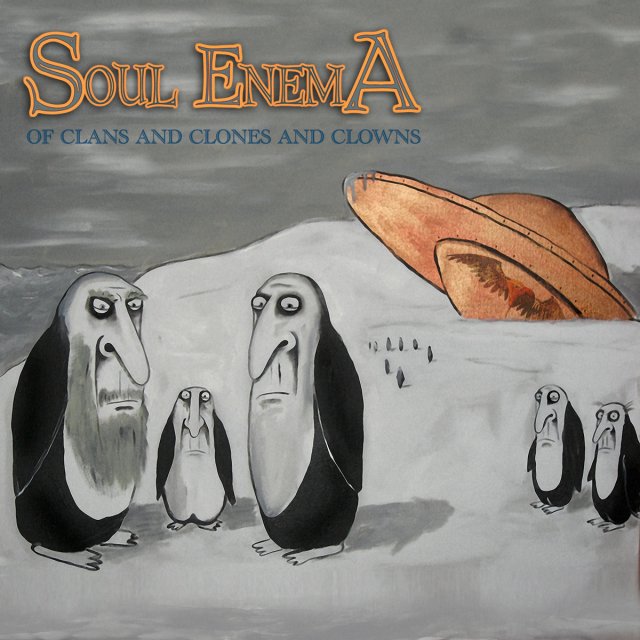
It took almost seven years for Israel’s proggers Soul Enema to come up with a follow-up to their 2010’s debut album “Thin Ice Crawling,” but as it turns out, “Of Clans and Clones and Clowns” was worth a wait. On the new album, the quintet has collaborated with a number of musicians, including a guest appearance by Ayreon’s Arjen Lucassen and ex-Orphaned Land’s Yossi Sassi.
Keyboardist and composer Constantin Glantz told us about the creative process behind the new record, and more.
Hey folks. How are you doing?
Thanks, it’s damn hot outside, but everything else is quite well otherwise. The new album came out June 23 and now the video for “Spymania” is out – that one was a hell of a fun to make. Interesting period, definitely!
You are just launched your second album titled “Of Clans and Clones and Clowns.” How do you feel about the release?
I feel that we accomplished what we planned here, and it’s going great so far! Very positive feedbacks, the amount of people that are really moved and touched by it – it’s just really surprising. People typically get to hear our album by chance, and then we receive some comments like – “How come you’re not more famous with this music!?” I don’t know. Seriously, we are top secret, and you are reading strictly classified information here.
How much of a challenge was to work on the album?
I think everything was a challenge, because that was one of our aims. We didn’t really do “the next studio album“, we just tried to make as great and special a record as possible, and then some. I don’t know if we succeeded, but I’m not sorry – I think this stuff deserved such attention and dedication.
What other artists similar to your genre that are coming from Israel are you friends with?
We are friendly with many, and there are some new, that came in touch in the wake of the album release. That makes me think we might have done something right in the end. Maybe vodka really connecting people, but music may do it even better sometimes (laughs). In general, there’s a sort of mini explosion right now – many good Prog-related bands from Israel, some of them have quite a presence internationally, and it’s really a feature for such a small country. So, you’d better keep your eyes on the Israeli Prog scene, it has some goods to deliver, and nowadays it’s becoming more and more obvious. A touch of Middle Eastern specifics is also a distinct factor sometimes, but it’s not always raised on hummus – there’s pretty much everything here.
What is your opinion about the current progressive rock/metal scene?
I’m not a big expert, there’s really a huge amount of new coming bands and artists, and it’s hard to stay deeply in touch. In general, it’s nice to hear more originality, more gifted visionaries, and less of the “production line”. So once in a while when I recognize something of a kind, combined with great music writing – that may make me happier as a listener.
Can you tell me something about your influences?
As you can hear on the new record – it’s quite eclectic. As we jokingly put it – “from Abba to Zappa, from King Crimson to King Diamond”. Everything could be a potential influence. When I recorded some animal voices and Guinea pigs and my own kid, all of them were influences as well – they made the right kind of sounds for a particular occasion, so they ended up being on the album. I must admit that Guinea pigs received no credit in the end, so I’m giving them a tiny moment of fame here – cheers, homies! Life is the biggest possible influence; you just have to configure your antennas to catch those signals and translate them into something creative.
What are you listening to these days?
Well, last days it was some ethnic breakbit album, for some reason. Ah, here’s the reason: it was really well-done. The singing, the arrangements – they just made this electronic thing come alive on their own terms. Hardly a surprise, but I listened to some old time favorite along the way as well: “Pawn Hearts” album by VDGG – this one never falls short of brilliance for me. What else here… Split Enz, the early albums – such a unique band.
Your 5 favourite records of all time?
Impossible to limit it to just five. So, i will focus on some of my Prog-related favorites, besides the one already mentioned in the previous answer:
Cardiacs – “A Little Man and a House and the Whole World Window” – 1988 (ABC reissue, 1995). Some say that Prog was nearly dead in the 80’es, except a bit of Neo and a bit of RIO. I wouldn’t take it for granted. This one is beyond any clear boundaries and definitions, and Tim is a certified genius. One of my all time favorites.
Voivod – “The Outer Limits” – 1993. If I still need one single Prog Metal album to pick – this is it. Always mindblowing. For some reason there’s no 5000 clones of this band and this particular album, and I’m fine with that, actually.
Genesis – “Selling England by the Pound” – 1973. No surprises here, contains a few of the greatest tracks ever recorded in history of rock music. No, not “More Fool Me”. Yes, those ones you think of first.
Pink Floyd – “Animals” – 1977. There’s an opinion that Prog was finished by ‘77 and replaced by Punk. Haha, not in PF world at least – this is their proggiest record yet, but it has a grain of punkish anger and sarcasm as well. This is their peak for me. No single note or sound is out of place, nothing is non essential. Zero compromise with wider public tastes, despite hitting the real rock stardom level with a large stadium tours and other attributes.
Brian Wilson/The Beach Boys – “Smile/The Smile Sessions” – 1967/2004/2011. What can I say here? It should have been the most revolutionary record of the 60’es. It’s unbelievable what Brian was very close to achieve here with those limited studio technologies and his wild fantasy.
I left outside at least a similar amount of albums that deserve top places as much as those.
Can you tell me a little bit more about the gear you used to record “Of Clans and Clones and Clowns”?
I can talk about my side, as far as keyboards go. Since I prefer the period between mid- 60’s and the early 80’s, predominantly some analog types of keyboard gear, I used anything that can convincingly replicate the authentic qualities of those instruments, without sticking too much to the retro approach. It’s mostly different VST software with some appropriate editing. Besides typical rock band instrumentation, we used violin, flutes and more exotic stuff like sitar and samisen. Sometimes not in a very strict way; for example Michael recorded those sitar licks and then I processed them in a few spots, reversing it to make the atmospheric drone that you hear on “The Age of Cosmic Baboon”. Yossi Sassi (ex-Orphaned Land, Yossi Sassi Band) used his signature bouzoukitara – a two headed beast of bouzouki and guitar on the track “Aral Sea II”. Then the mix was done by renowned sound engineer Jens Bogren in Fascination Street Studios. The analog gear that he used was particularly instrumental in keeping our sounds as authentic as possible. I think we managed to retain the general warmness while getting that big sound.
Besides the release of the album, are there any other plans for the future?
We will put the new video soon, and it will be beautiful, I think I can admit to that. That’s all I can tell so far, keep following.
Any words for the potential new fans?
If you are still reading to the very end, you are hopefully ready to let the music do the talking. We have done a very complex and time consuming job here in order to take it to another level, so we hope your journey with this album will be really addictive and long lasting!
Order “Of Clans and Clones and Clowns” from Bandcamp here. Follow Soul Enema on Facebook.
The Year of Big Big Train: 2017
Is it possible that this train is unstoppable? I’m honestly not sure. I am sure—absolutely certain—that I hope it never does.
If you don’t know yet (which is unlikely), Big Big Train has just released its third release of 2017.
Unbelievable.
Let me stress this again: un-freaking-beautifully-believable.
This past week, the English prog band proved once again why they lead the current revival of the genre, with the free (yes, free) release of a 34-minute EP, entitled simply “London Song.” Yet, there’s nothing simple about the 34-minutes of music. A combination of their various songs dealing with London, this “new” track comes with all kinds of surprises and segues worthy of Rush’s Xanadu.
What a thing of beauty. If Grimspound, Second Brightest Star, and London Song have yet to convince you that there are things in this world worth preserving and cherishing, nothing will.
Since downloading it, I have listened to it almost exclusively. The new Steven Wilson is kinda neat, but it’s nothing compared to the genius of London Song. And, after all the inane debates this week on social media about vocals and politics, Big Big Train just does its own thing. And, what a thing it is!
https://bigbigtrain.bandcamp.com/album/london-song
Review: Art Against Agony – Russian Tales
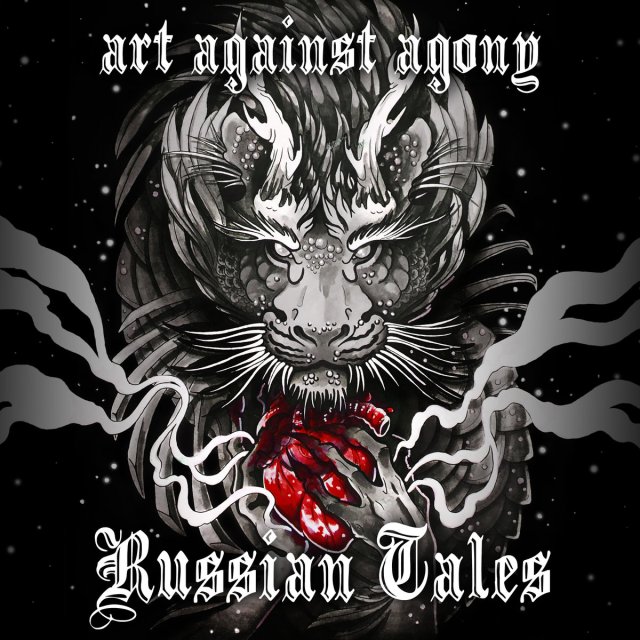
We’ve been following this Germany-based collective for quite some time now, and their brand new release — an EP titled “Russian Tales” — was conceived during the group’s tour across Russia in Winter 2016. It may be because of it that the five songs here feel a bit cold in its nature, but hey — you spend 12000km experiencing winter in Siberia, and then let’s talk. All digression aside, Art Against Agony have once again produced a mind-twisting release, something they are already known in the experimental, avant-garde and prog metal underground.
The group’s can-do attitude of mixing odd experimentation techniques into a metal state has earned them success since their 2014 debut “Three Short Stories.” The particular experiment AAA undertake is the fusion of contrasting genres, principally the extreme side of metal and fancy jazz.
For “Russian Tales” it could be said that it’s a transitional release, as it was conceived between the release of “The Difference Between a Duck and a Lobster” in February 2016 and “The Forgotten Story” EP from February this year. The production here is perfect. “Nothing to Declare” and “Tea for the Dragon” both have infectious grooves that are more riff focused rather than uncontrollable experimentation. The latter could be considered as a centrepiece of the EP. “Coffee for the Queen,” for which the band recently released a music video is another highlight here; it’s more prog metal oriented than other pieces. Throughout the album the guitars constantly build up, what gives the band, in general, both vintage and modern sound that increases the uniqueness of their soundscapes.
The closing “Saratov Incident” feels personal, and it’s by far the djentiest moment on “Russian Tales.” The band unleashes a cannonade of riffs, accompanied with lush atmospheric motif and pounding drum work.
Although a release that was written while on road and in constant motion, “Russian Tales” is very consistent in terms of its structure and material offered here. You can possibly sense how it took its form out in the wild wilderness, and for this young band it certainly stands as a huge statement. At the time when this review is posted Art Against Agony are on another tour across Russia, so who knows, maybe they will come up with “Russian Tales 2.” Highly recommended!
Apollo’s Fire Play Vivaldi – Live at Ravinia, 7/27/17
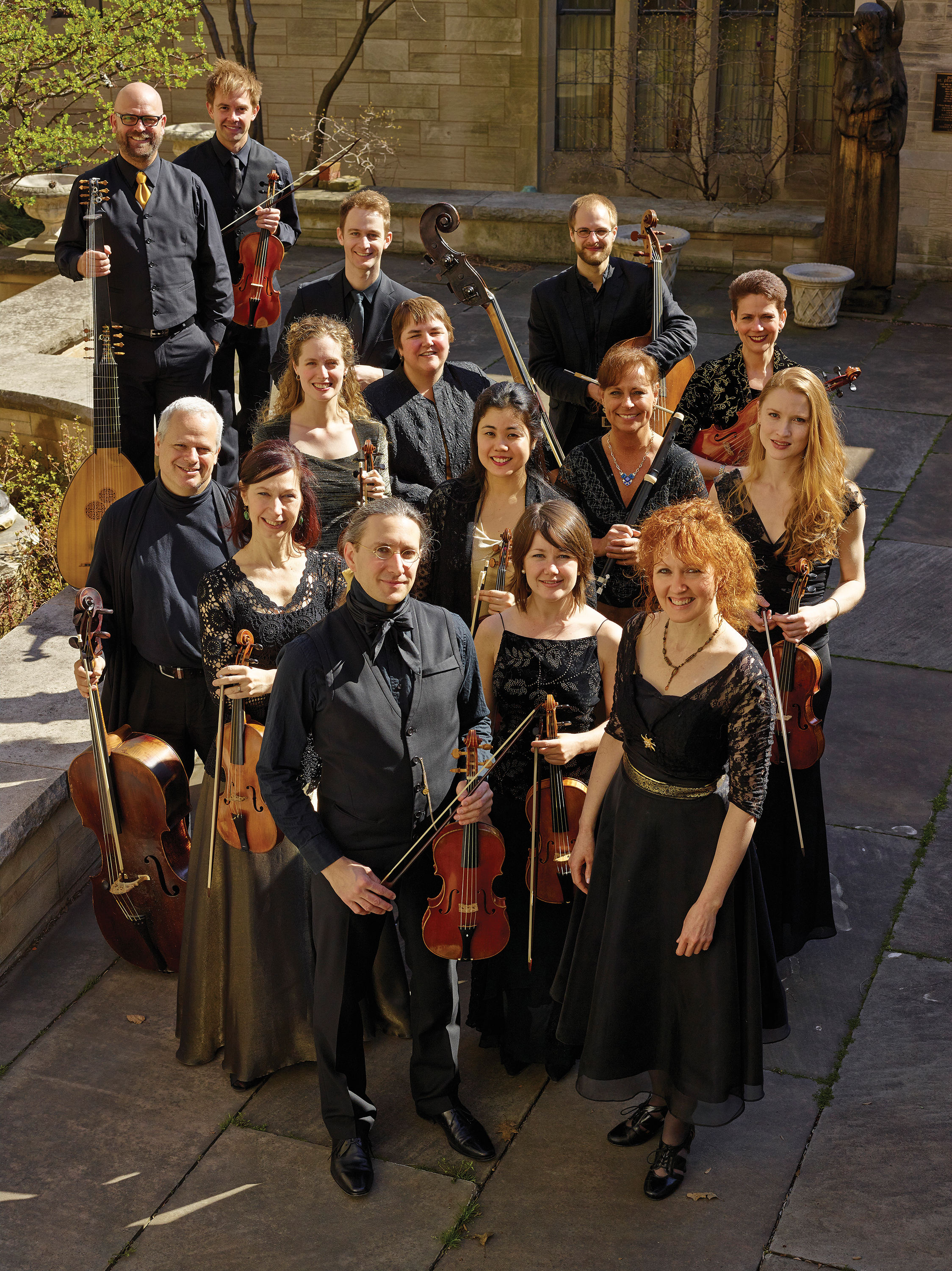
As Apollo’s Fire artistic director, conductor, and harpsichordist Jeannette Sorrell aptly pointed out in the program for last night’s concert at Ravinia, Antonia Vivaldi was the rock and roll composer of the eighteenth century. While that statement might seem odd for one of the greatest composers of the Baroque period, his melodies and use of instrumental solos share much in common with contemporary progressive rock. Indeed, I don’t believe it would be too much of a stretch to compare Vivaldi’s music with that of Dream Theater.
Apollo’s Fire was founded by Jeannette Sorrell in 1992 as an ensemble dedicated to Baroque music. Having taken their stage debut only recently in 2010, this Cleveland-based troupe are beginning to turn heads worldwide. Sorrell is well educated in music and conducting, having studied the latter under Leonard Bernstein and other great conductors. As a harpsichordist, she is masterful. Considering Vivaldi was often called “the Redhead Priest,” it is fitting that Sorrell has bright red hair.
Continue reading “Apollo’s Fire Play Vivaldi – Live at Ravinia, 7/27/17”
Big Big Train Release Free “London Song” EP
 Big Big Train is awesome. Earlier today, the band announced they are giving away a compilation of all their London-related songs, appropriately titled “London Song.” Just click the “Buy Digital Album” button on the page linked below, enter 0.00 into the box, and enter your email. Click the link in the email they send you, and enjoy the free download by following the on-screen instructions.
Via the BBT Facebook page:
All of Big Big Train’s songs with a London theme have been brought together into a song cycle for a download only EP which has been released on the 28th July. As all of the individual pieces of music which make up London Song have been previously released, there is no cost for downloading the EP. An email address is required and email addresses will be included on the Big Big Train mailing list.
London Song (34:02):
(i) Turner on the Thames (Spawton)
(ii) London Plane (Spawton)
(iii) Lost Rivers of London (Spawton)
(iv) London Stone (Sjoblom / Manners)
(v) Skylon (Longdon / Spawton / Sjöblom)
(vi) Mudlarks (Spawton)
https://bigbigtrain.bandcamp.com/album/london-song
This band just keeps on giving!
After the Silver Cord is Loosed: Armageddon
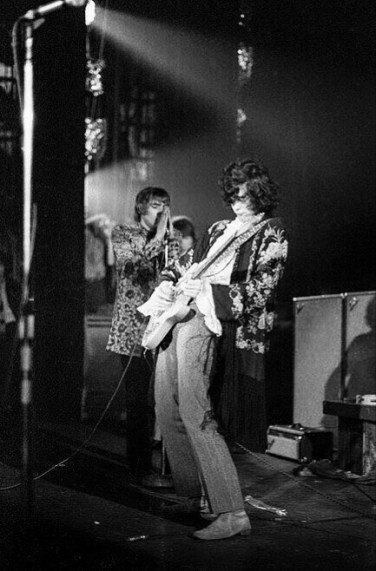
In July 1968 an exhausted Keith Relf handed the keys to the Yardbirds to Jimmy Page, the last of the triumvirate of ground-breaking guitarists to grace the seminal rock band. Relf and drummer Jim McCarty had tired of the road and, in some measure, rock itself, and wanted to do something in a folk vein. For them the frenetic rock scene had run its course.
In October of that year Page took the New Yardbirds (himself plus John Paul Jones, Robert Plant, and John Bonham) to Olympic studios in London. Over 36 hours they hammered out Led Zeppelin, the biggest shockwave in rock history, the culmination of Chuck Berry’s rock n’ roll thunder, recaptured by Jeff Beck’s dangerous and deviant guitar a couple of years earlier, the climax of every frenzied dance ending in sweat-drenched pony-tails and bobby socks blackened by the gym floor.
Page proudly wore his old band on his paisley sleeve: “Communication Breakdown” brandished the proto-punk of Roger the Engineer; “Dazed and Confused” bore the same structure of the Yardbird’s cover of Jake Holmes’ original (credit where it’s due), including a mirror of Page’s guitar break from the BBC version of “Think About It”; “Black Mountain Side” was the Near Eastern-inspired complement to “White Summer”; and the slow burning blues tracks (“You Shook Me” and “I Can’t Quit You Baby”) harken to the Yardies’ roots.
The final Yardbirds salute, the over-powering “How Many More Times,” opens with a cocksure shuffle after the manner of Clapton-era “Smokestack Lightnin’,” then rolls through a Beck-style bolero into not one but two Samwell-Smith-inspired rave ups that bookend a surreal break: a bow drawn over Page’s heavily distorted ‘dragon’ Telecaster — the schoolgirl catching her breath and picking herself up from the dancefloor.
Oh, Rosie…
Seeing Jefferson Airplane in 1967 and hearing Jack Casady’s Homeric bass solo, Page thought to himself, “This is the end of the world.” No. Led Zeppelin was the end of everything. All rock music since January 1969 is post-Zeppelin. Even Led Zeppelin had to become post-Zeppelin to maintain its dignity. The virus exploded; the DNA of countless, nameless concert halls, honky tonks, and juke joints spread through the atmosphere, reconfiguring itself in other forms: folk rock, metal, punk, fusion, techno, roots rock, grunge, etc.
Not the least of these was progressive rock, which is where Keith Relf turned up in 1974 when he formed Armageddon. In addition to Steamhammer’s speed riffer Martin Pugh and bassist Louis Cennamo, Florida native Bobby Caldwell — veteran of stints with Johnny Winter, Rick Derringer, and the Allman Brothers (“Mountain Jam”) — took a seat at the drum kit.
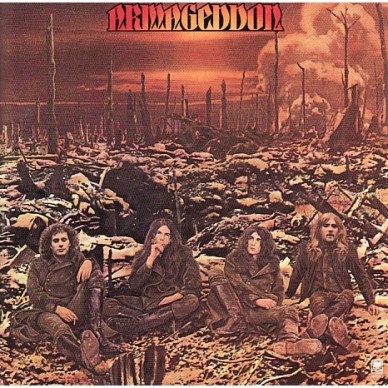 Armageddon (1975) is an aptly titled foray into the post-Zeppelin musicscape. But the album isn’t a detour unto itself. It looks at the past and present musically, and to the future lyrically. Pugh’s riffs are contemporaneous with Houses of the Holy and Physical Grafitti. Prefiguring later developments in prog rock, the music pulls back from the inclusion of multiple themes and motifs, settling into a groove, often one with funk and fusion elements, and extending the passage with subtle alterations. This is particularly evident on the blistering opener, “Buzzard,” as well as “Last Stand Before.”
Relf’s voice isn’t as deep and prominent as on the old Yardbird’s tracks. A lifelong asthma sufferer (it’s painful to watch Jeff Beck mimic Relf puffing on an inhaler), Relf was basically down to one lung by this stage of his ill-fated life and career. But this didn’t thwart his signature harmonica work, and when the instrument makes its appearance toward the end of tracks it comes with the harrowing apocalyptic authority of seven trumpets blowing.
Rock and roll, moving your soul
Took a few as well
On the line, out of time
Shooting stars that all fell
Oh Lord, do something, gotta slow it down
It’s coming on too fast, can’t take it
Feel like I’m gonna drown
Gonna stand and face it, but I need you near
Through the darkest hours, I’m calling
Sometimes I think you don’t hear me calling
Hear me calling
Awareness of the consummation and transformation of all things pervades the album. From the shimmering “Silver Tightrope,”
I thought I saw the candle-bearers
On their way to the beyond
Beckon to me from the future
To come and join the throng
I stepped upon the silver tightrope
Balancing beliefs
And wings unfurling with a new hope
I left behind my griefs
Even the darker “Buzzard” includes a promise,
But the meek will stand
Understanding nature
Seeing far beyond the plan
Take their place in time
Take their place in timeless structure
The end of this present life came quickly and unexpectedly for Keith Relf in May 1975, as he was the victim of an accidental electrocution while working with ungrounded sound equipment in his basement. When the Yardbirds were inducted into the Rock n’ Roll Hall of Fame his wife and son accepted the honor on his behalf.
This post-everything world doesn’t last forever. In the meantime Armageddon occupies the already/not yet space with tight arrangements, subtle time changes, and expert chops from all its participants. And Relf proves the humblest instrument of ages past works in this context, creating a confident work one can take on a long drive — keeping an eye on the speedometer — in the direction of Proghalla.
 Progarchy