More Than a Memoir: Steven Wilson’s “Limited Edition of One”

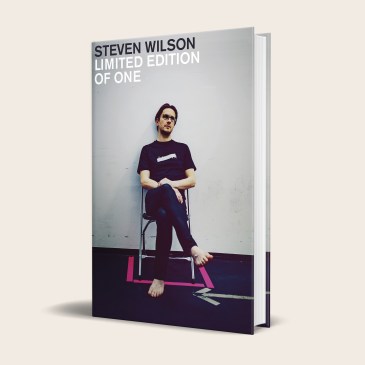
steven-wilson_limited-edition-of-one_bookSteven Wilson (with Mick Wall), Limited Edition of One: How to Succeed in the Music Industry Without Being Part of the Mainstream, London: Constable (imprint of Little, Brown Book Group), 2022, 361 pages
Steven Wilson – the most famous contemporary artist that no one has ever heard of. Well, certainly the most talented. After many years of maintaining a veil of mystery between his public persona and his personal life, Wilson recently published a book (in the UK – it comes out in the US in July). I believe the audiobook and digital versions are both available for purchase in the US right now.

The book comes in three versions: regular hardback, special edition in a slipcase with 128 pages of additional material plus a 70-minute CD featuring music pulled from old cassettes made very early in his career, and an artist’s edition that has long since sold out of its limited 125 copies. Wilson also read the audiobook version, for those so inclined. I bought the hardback regular edition from Burning Shed in the UK and had it shipped to the US because I didn’t feel like waiting the extra few months. That was expensive enough. I would’ve liked the special edition with the additional written material and CD, especially now after having read and thoroughly enjoying the book. I’d love more material, but it just isn’t in the budget. Alas, the life of a non-profit employee early in his career, especially during the worst inflation in 40 years.

I hesitate to call Wilson’s book a memoir. While it contains a lot of passages one would include in a memoir, it is so much more than a memoir. It has chapters dedicated to Wilson’s pastime of creating lists of favorite music, books, movies, and even a list where he debunks common myths about himself. Since Wilson was aided by music journalist and author Mick Wall in writing Limited Edition of One, there are some interesting elements where Wilson “breaks the fourth wall” and includes the transcriptions of some of the conversations they had in the development of certain chapters. There are chapters of memories, in no particular order. He talks about his childhood, certain parts of his career, how his musical heroes influenced his musical development, how his dad’s electronic tinkering and making equipment for Steven influenced the development of the experimental side of his music… and so much more.

One of the primary themes of the book is the recurring idea of a struggling artist trying to make it big, but not quite getting to the level of which he initially dreamed. Arriving somewhere, but not here. While he can live comfortably on what he’s done, it hasn’t been easy. While most in the pop world hit it big, with help from the record labels, in their late teens (or even earlier!) or early 20s, but it’s all over by the time they’re 30. Wilson is 54, and he’s more famous now than he’s ever been. As such, this book is the story of an atypical musical career, which I think makes it much more fascinating than a “tell-all” memoir from a music legend from 40-50 years ago who has long since ceased innovating musically. I think Wilson’s struggles as a musician have helped fuel his driving spirit of innovation.

Perhaps had he been born 15 years earlier, Wilson could’ve been as big as his musical heroes. But then again, the Wilson we enjoy (or complain about) wouldn’t have been the same artist if he had been operating in the same musical milieu as his heroes rather than chewing on their sounds years later as he strives to create his own art. Music as a whole did progress, and Wilson saw to it that it did. Porcupine Tree took progressive music into uncharted territory, creating new soundscapes while still incorporating the best elements of the past. Sadly the public, or the media elites, wanted music that was easy, simple, that didn’t make you think too hard.

Anyone who’s heard any of Wilson’s diverse discography knows full well that “dumb” music isn’t part of his repertoire. Even when he “goes pop” as he started to on To the Bone and as he certainly did on The Future Bites, the end result asks much of the listener. I may have roasted The Future Bites, but I did so with upmost respect for Wilson as an artist. My critique came from a position where I don’t particularly like pop music or many of the varied artists that heavily influenced that side of Wilson’s work. I named my review “Steven Wilson Bites the Future… and the Fans?”, partly as a form of clickbait, but also because Wilson made a conscious decision to expand his audience, perhaps at the expense of an existing fan base, much of which would rather see Porcupine Tree be the main focus of Wilson’s career. He talks about this in the book, but he also sees it from the perspective of an artist having to make the music that excites him at that particular point in time. As such Wilson’s advice to other artists is to ultimately be true to yourself, your art, and what you want your art to say, even if people get upset about it.

Continue reading “More Than a Memoir: Steven Wilson’s “Limited Edition of One””

Steve Hackett in Concert: From Spectral Surrender to Seconds Out

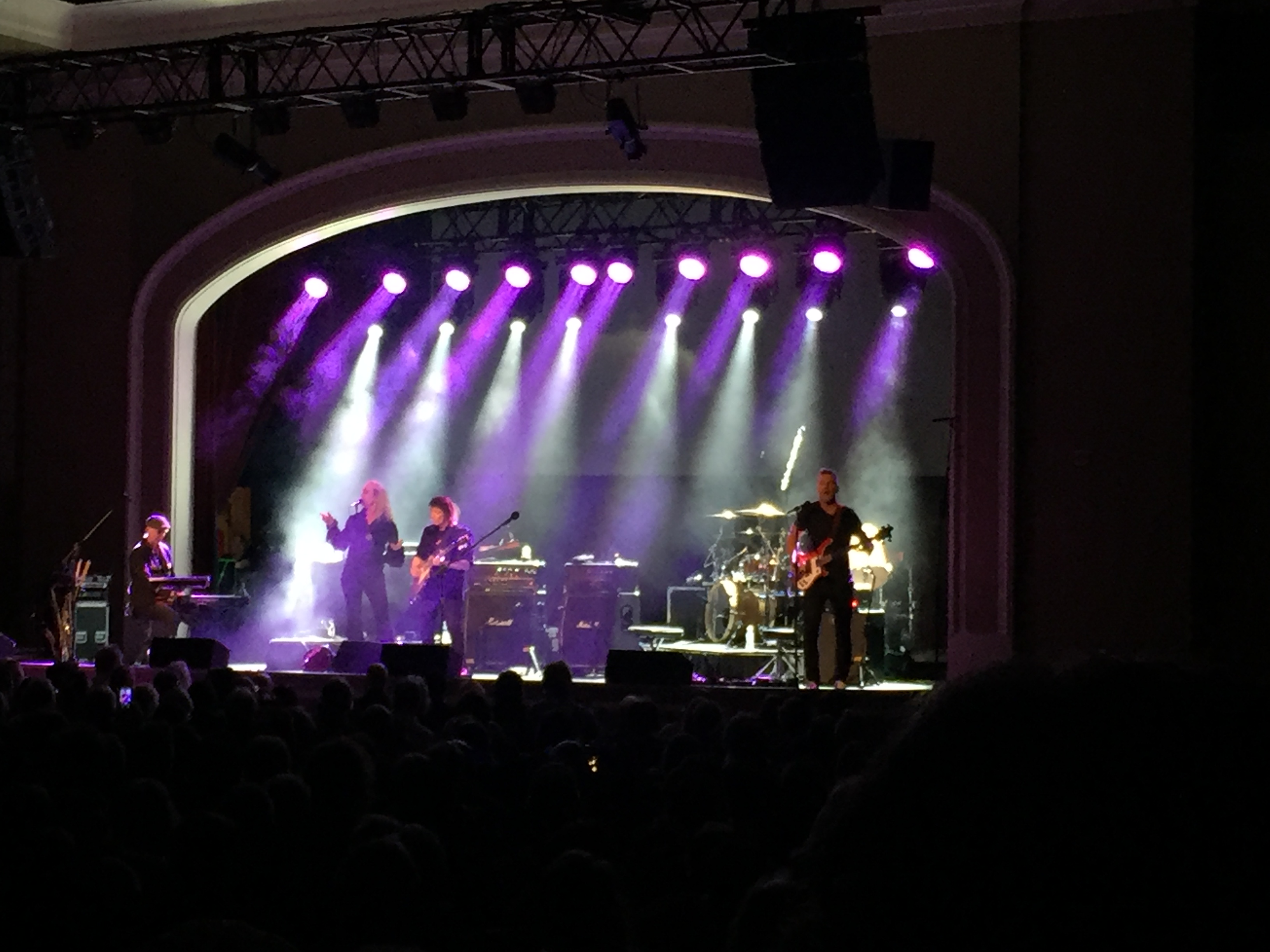
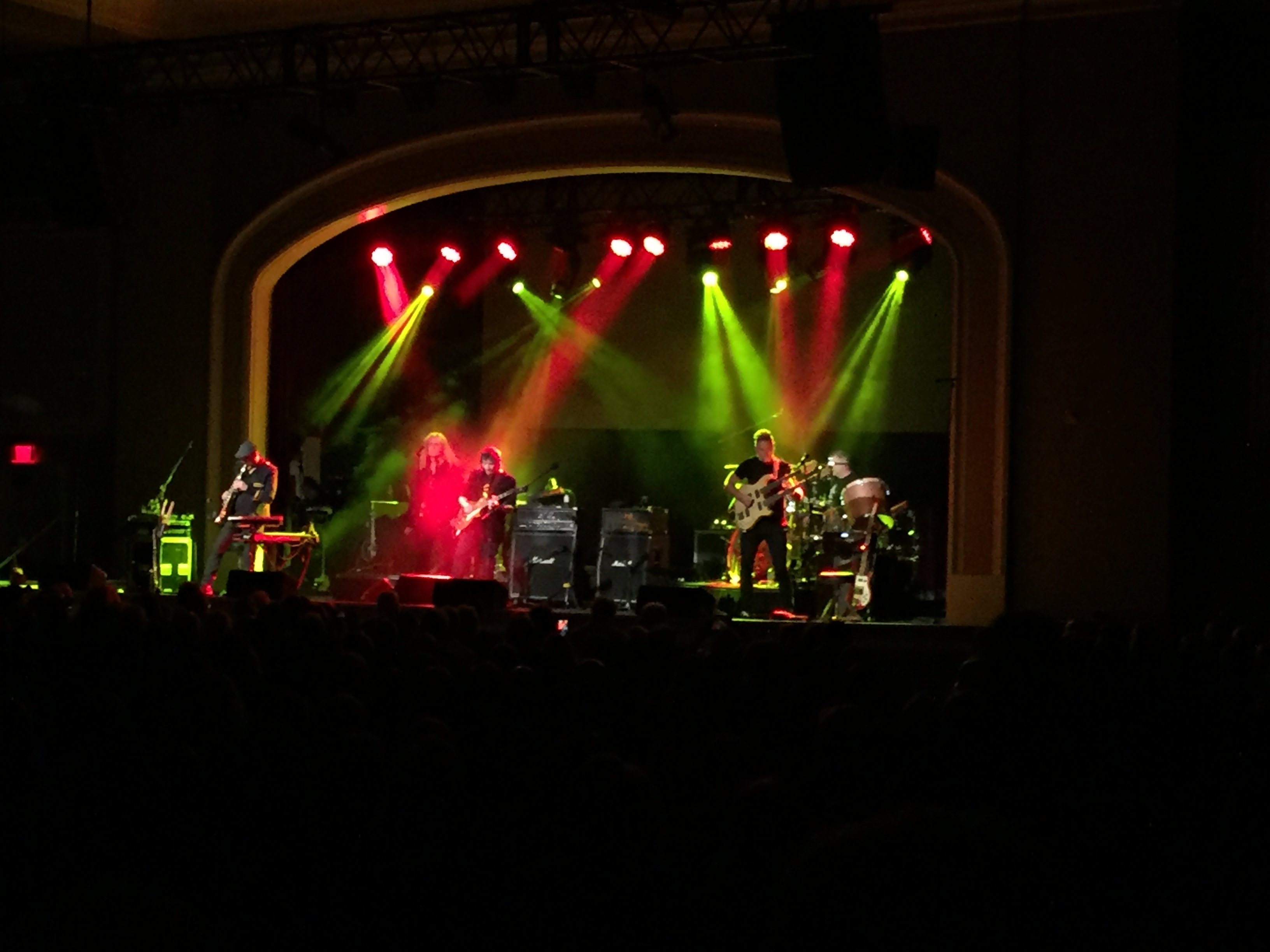
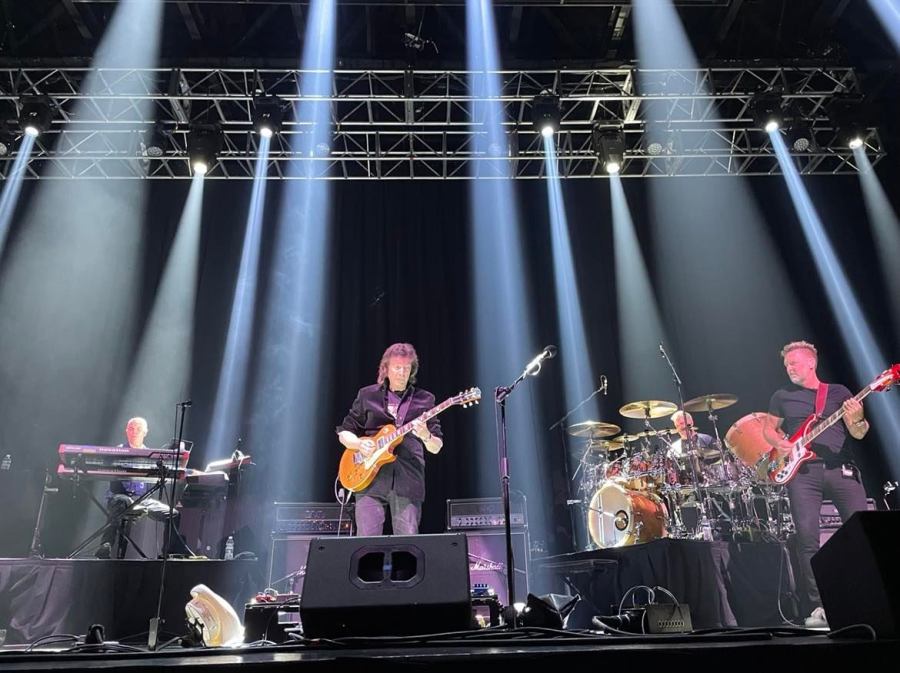
Steve Hackett — Seconds Out + More, GLC Live at 20 Monroe, Grand Rapids, Michigan, May 4, 2022

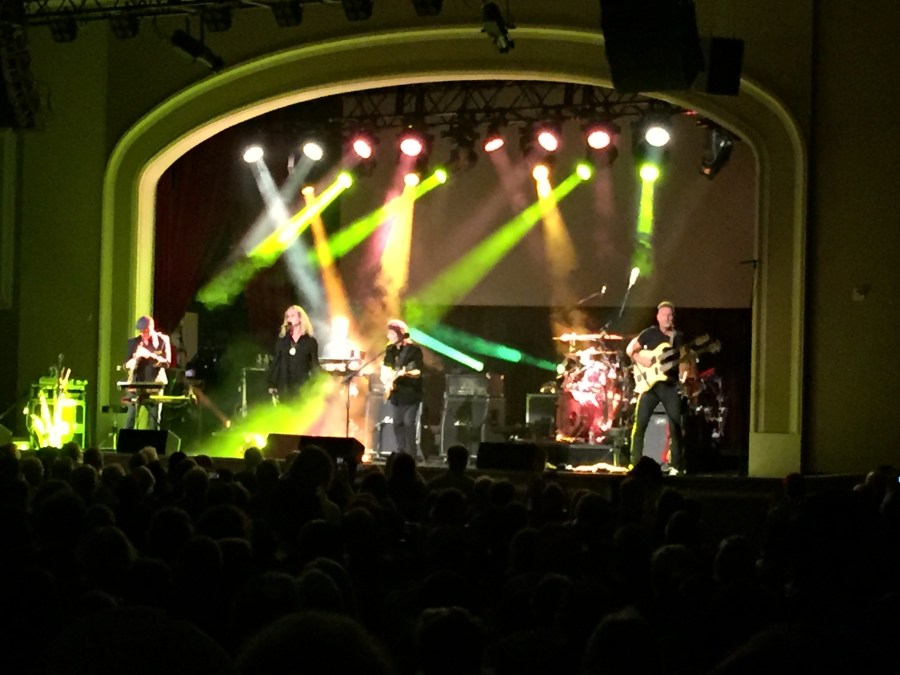
Once again, Bryan Morey has beaten me to the punch with a live review of Steve Hackett. (My excuse this time: he had ten days head start on me.) Like Bryan, I was impressed with the energy and delight Hackett and his merry band projected as he returned to my hometown venue for the third time. “The weekend starts here!” he crowed to the capacity crowd (quoting the classic BBC-TV pop show Ready Steady Go) and boy, did he make good on that pitch! Hopefully without repeating Bryan’s many excellent points, a few more comments follow . . .

While I was delighted when I heard that Seconds Out would be the focus of Hackett’s show, I wondered how well it would work in concert — because Genesis never played this exact setlist in 1977! The original live album is a construct, with the music re-sequenced for maximum impact over four sides of vinyl (that year’s encore, “The Lamb Lies Down on Broadway/The Musical Box” was moved forward to the end of side two), excerpted from onstage medleys (“Afterglow” immediately followed “In That Quiet Earth” back then, the way I heard Hackett perform it in 2013) and even flown in from the previous tour (“Cinema Show” had been recorded in 1976 and shelved).

But arguably, those interventions are part of why this album made such an impact on both Genesis fans and the broader public over the years; as it’s endured, it’s gained stature as a balanced, thorough survey of the band’s proggiest era, with an unhurried pace and flow that gradually gains in both momentum and excitement. Which explains why the whole thing did work live, this time as a multi-course banquet of Hackett’s finest hours in his defining group. And in that light, the whirlwind trawl of Hackett’s solo career that kicked things off, informed by both the poised classicism of 1979’s Spectral Mornings and the manic energy of two tracks from last fall’s Surrender to Silence, served as the perfect appetizer.

But all that’s conceptual; what about the execution? Briefly, this was the most free and most daring that Hackett and his supporting cast have been in the four times I’ve seen him. Rather than reverentially presenting the material as if fixed in stone, the players took this music by storm; throughout the night the band consistently pushed Hackett musically — and he consistently delivered.

Continue reading “Steve Hackett in Concert: From Spectral Surrender to Seconds Out”

Album Review: “You Have It All” by Lobate Scarp

Lobate Scarp, You Have It All (Indiegogo/Bandcamp) ★★★★★ A+ 10/10

What kind of band would you get if you combined Keith Emerson on keyboards, Steve Hackett on guitar, Chris Squire on bass, Neil Peart on drums, and Robby Steinhardt on violin? That’s the best way I can try and communicate to you what the sound of Lobate Scarp is like. But don’t get me wrong; I don’t mean to suggest that Lobate Scarp is simply a pastiche of familiar sounds from ELP, Genesis, Yes, Rush, and Kansas. Not at all. What I mean is that the sound of Lobate Scarp is like some impossible dream come true.

As if it burst forth from the dream world of their cover art, Lobate Scarp does indeed have their very own unique sound. That’s the wondrous fact now firmly established by You Have It All, their second full-length album. It is a truly magnificent achievement. It instantly secures You Have It All a permanent place in the celestial upper echelon where my all-time favorite records rotate in eternal bliss.

Back in 2012, Lobate Scarp’s first CD, Time and Space, contained exquisite intimations of greatness. I am forever grateful to Adam Sears himself for boldly going where no band had gone before and introducing his work to me. I was simply floored. This band was offering something new: yes, their own sound; and who cares about fashion, we always want bravely epic prog with unlimited daring. Helmed by Adam’s visionary hand, that courageous debut album also hinted at a future greatness, because right away there was debate about the merits of the CD on this site. That’s a small clue a band just may be very special.

That kind of debate does not happen for a band that is a mere copycat nostalgia act trying to replay the glories of the era of the birth of prog. No, a band with their own sound, and doing something new and interesting, will inevitably provoke different and polarizing responses. First, Progarchy published a negative assessment, and then a positive assessment. Finally, I tried to break the deadlock at Progarchy, by myself declaring the album one of the very best albums of the year.

Over the years, I was delighted to learn of the band being quietly at work, with an occasional burst of beautiful light in 2016 and 2019. And now the patient work of a decade has come to fruition. You Have It All is an apt title for an album of such staggering ambition that actually and successfully attains all the moonshots it takes.

The first thing that has to be said about this record is just how good it sounds. It is absolutely one of the best sounding audio experiences of my life. Steven Leavitt and Rich Mouser and Michael Bernard have all done amazing work with this CD and created an audio paradise. The production and engineering investment of talent that has been lovingly poured into this record is indisputable in every note. Every penny that was crowdfunded has been spent to dazzling effect.

The startlingly immediate surround-sound of the drum kit on every track is a marvel to behold, whether it is special guest drummer Eric Moore (of Suicidal Tendencies, and Infectious Grooves) on the two epic tracks “You Have It All” (14:31) and “Flowing Through the Change” (17:25), or Jimmy Keegan (of Spock’s Beard, and Pattern Seeking Animals) or Mike Gerbrandt on the other tracks. And the various guitar tones will have you doing double takes… who is that? Is Steve Hackett on this album, or what??? And Adam Sears can be likened to Keith Emerson for his uncompromising pursuit of sound for the sake of glorious sound.

Usually, Lobate Scarp is Adam Sears (vocals/ keys), Andy Catt (bass), Peter Matuchniak (guitar), Evan Michael Hart (drums), and Christina Burbano-Jeffrey (violin), as when they performed most recently at RoSFest in April in Sarasota, Florida. But the impressive parade of studio musicians appearing on the CD recording is a testament to Lobate Scarp’s unrelenting pursuit of excellence by any means necessary. I have the impression that they will record and re-record, and collaborate and re-collaborate, again and again, in any permutation and combination of talents, regular or extraordinary, as they pursue the perfect sound and the perfect record. And gosh darn it, their diligence of a decade has paid off mightily with this release.

You Have It All has the effect of a typical Yes album on me, in that it unfailingly elevates my spirit and transforms my mood for the better just by listening. This is no small musical miracle. Yes is a band prized as rare on this earth for just that reason. Operating in that same prog tradition of making intimate contact with the listener, Lobate Scarp uses their magic power to do what only the rarest of musicians have the power to do.

As far as I can discern the story tying the album together, it goes something like this. The hero of the story is Everyman, so let’s call him Adam, since that is what the word Adam means. Adam is jamming with his prog band on “Conduit,” the opening instrumental track, with his band endlessly practicing in pursuit of perfection. But people think Prog Adam is crazy for loving to spend his precious time practicing prog music like this. This instrumental: It’s so long! Over five minutes long and there aren’t even any lyrics yet! The people are criticizing Prog Adam for his super-proggy instrumental. So, he replies in track two, telling them there is “Nothing Wrong” with his life. He’s doing what he wants to do. But just telling the haters to stop it is not enough. Prog Adam therefore goes in search of spiritual sustenance, looking for a spiritual “Life-Line” on the next track, as sustenance for his prog, and finding it. With this spiritual enlightenment attained, Prog Adam goes back to his band, and then they communicate the spiritual enlightenment by expressing its lesson in the epic track, “You Have It All.” Jon Davison even makes a guest appearance on this track, making a cameo as the voice of the universe that teaches Prog Adam what he needed to learn, so that he is then able to communicate it with the epic musical power of “You Have It All” (14:31). End of Part One.

Part Two begins with “Beautiful Light,” with Prog Adam viewing the universe on a daily basis through the mystical lens he learned about in Part One. But then, with “Test Tube Universe,” Prog Adam, either back in his day job as a scientist, or simply by making an analogy on the basis of considering a scientist in his lab, considers the thought that maybe the universe is just like an experiment that, although beautiful and supportive to us (see Part One’s lesson), does not really matter to its creator. But then in “Flowing Through the Change” (17:25), Prog Adam makes spiritual contact with the transcendent creative force behind the universe and taps into its deepest essence: namely, love. This final spiritual awakening to the fullness of love is foreshadowed with “In the Night I” and “In the Night II” which are threaded between the earlier tracks on the album, since “In the Night III” is the second movement within “Flowing Through the Change,” wherein Prog Adam sees the face of God, and thereby finds his way to the path of love.

If all this sounds a bit woo to you, what can I say except that, I’m probably making this all up, or else, if you listen to the music, it will make you into a believer in prog and love and light, and so on. The radiant power of the music on this album magically transforms whatever it comes into contact with. Unless your heart is made of stone. Or, maybe even then, too; that’s how good this music is.

So, what are you waiting for, Bandcamp Friday? It’s already here! You Have It All has everything you need.

Reviewed by C.S. Morrissey for Progarchy.com

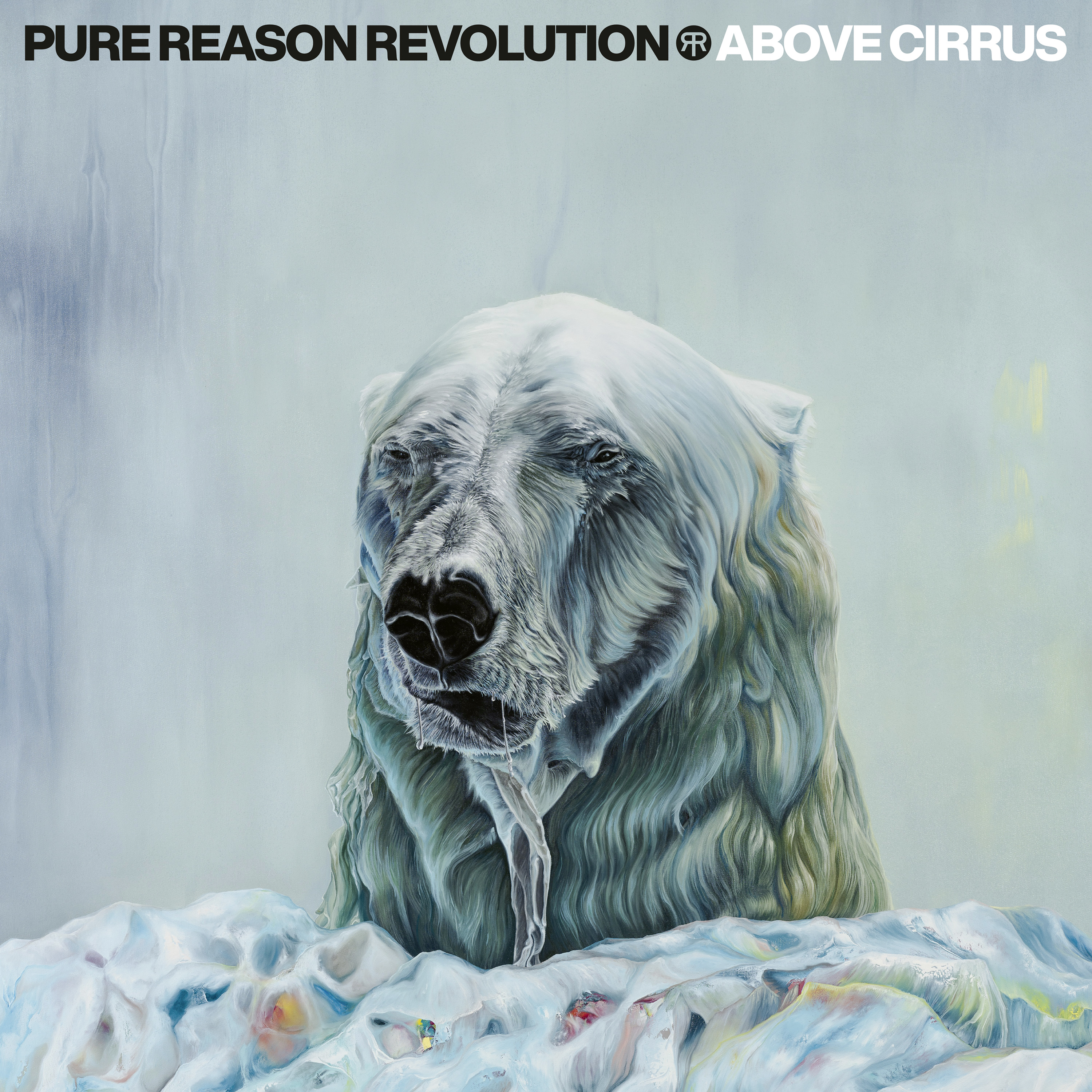
Album Review: “Above Cirrus” by Pure Reason Revolution

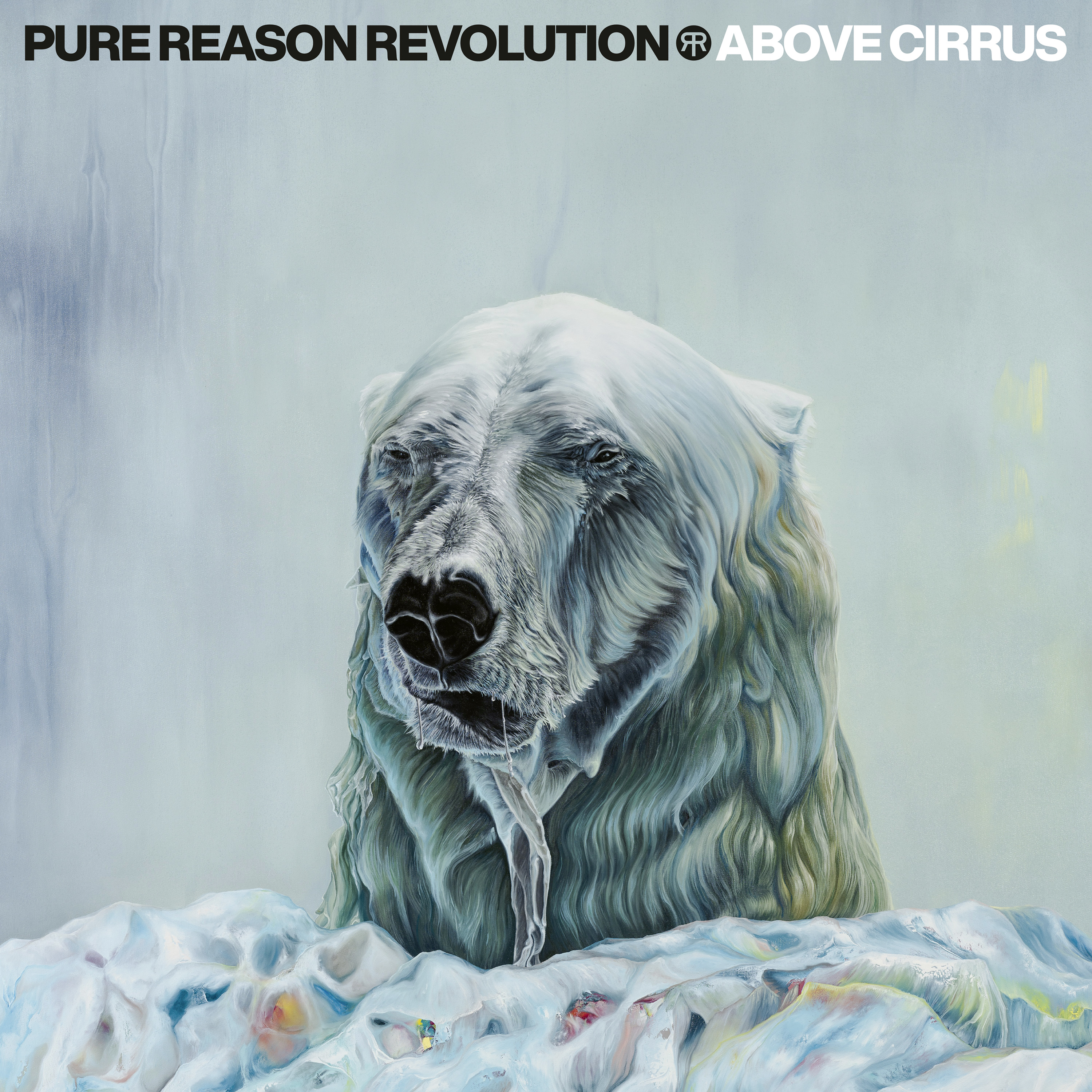
Pure Reason Revolution, Above Cirrus (Inside Out Music) ★★★★★ A+ 10/10

This brilliant new release draws upon all the best features of Pure Reason Revolution’s back catalogue. But it also reveals PRR developing now into a heavier band, with cascades of sound that can suddenly rock the listener at unpredictable junctures.

I have listened to no other record this year more times than I have this one. Its beauty and complexity continues to unfold after repeated spins. My considered assessment is that this album lays claim to being PRR’s best work yet.

Those are bold words to commit to print, because Pure Reason Revolution burst upon the scene with a stunning debut LP in 2006, The Dark Third, foreshadowed only by their 2005 EP, Cautionary Tales for the Brave. The Dark Third earned them so many accolades, and was such an unexpected prog rock masterpiece, that it has been almost impossible for reviewers to avoid invidious comparison of their later work with that glorious debut.

For example, many listeners were baffled by the emphasis on dance grooves and electronica synth sounds on 2009’s Amor Vincit Omnia and 2010’s Hammer and Anvil. But those paying closer attention would have realized that PRR cannot be easily pegged as a conventional prog band, ready to unproblematically adopt a nostalgic label like “the new Pink Floyd.” That has always been a lazy inference, based solely on the David Gilmour-esque guitar of “Aeropause,” the opening track of The Dark Third. Rather, it is “Golden Clothes,” the last track on the 2 CD edition of The Dark Third (which unites disparate tracks from the UK and US editions), that contains the seeds for PRR’s later adventures, especially on their next two albums. The fact is, there is no genre that PRR works within other than: “no limits”; and so “prog” is simply the easiest way to try and categorize a band so creative that they consistently defy nominal categorization. They continually change musical shape, and not just from album to album, but typically within any given song.

Above Cirrus feels like the second half of a double album experience that began with PRR’s recent reunion on 2020’s Eupnea. On this new disc, the otherworldly harmonic duo of Chloe Alper and Jon Courtney consolidate their best musical insights and experiences from Eupnea. Hence, Greg Jong, also on guitars and vocals, is now a full PRR member again, which had not been the case ever since after The Dark Third had been recorded and just before it was released. Perhaps it was Greg’s stellar contributions to Eupnea that led to the realization that there was something in the debut LP’s ternary chemistry that was still untapped. Adding a fourth element, Geoff Dugmore contributed drums to Eupnea and, now here once again, his thunderous impact is heard to thrilling effect all through Above Cirrus. Consider, for example, how he seems to singlehandedly guide his bandmates on a trip from dance to metal in “Phantoms.” The only thing present on Eupnea that is not augmented further on Above Cirrus is Chloe’s complete metamorphosis into the new Kate Bush. Like the queen herself, Chloe too is capable of slaying at a distance with the emotional power of her unmatched phrasing. But on Above Cirrus she selflessly recedes into the harmonic structures, with no full blown leads or duets. Yet she still occasionally unveils her lone voice, on songs like “Cruel Deliverance,” with sparing turns of phrase that pierce the soul.

The theme of Eupnea (literally, “breathe well”) seemed to be “life,” and the theme of Above Cirrus seems to be “afterlife,” in the sense that the music this time around explores the theme of re-birth; that is, of what kind of positivity and regeneration can still come forth after encounters with evil and darkness. The impressionistic lyrics of PRR are so poetic and arresting, they add yet one more uncanny effect to be savored upon repeated listens and contemplations of the band’s work. On Above Cirrus, “Our Prism” and “New Kind of Evil” each allude to coping with the shadows of the pandemic, and “Phantoms” confronts lies, disinformation, and malice. “Cruel Deliverance” invokes death, failed escape, emotional wounds, and deception. Most epically, “Scream Sideways” is ten minutes of astonishing, visceral, haunting explorations of conflict, grief, and love. “Dead Butterfly” exquisitely contemplates violence and the fragility of life, while “Lucid” kaleidoscopically depicts lovers fighting their way through to reconciliation. Each of these songs connects powerfully with the listener on a deep emotional level. They generously repay the patient auditor with delicate and graceful bursts of radiance and consolation.

Looking back at The Dark Third 2 CD edition, that debut was really an era of a double album’s worth of material, adding up to an hour and half in total (if you also include “Sound of Free” from The Intention Craft EP). The theme was twofold: dreams and reality, and the moveable boundary between the two.

Further, PRR’s next two albums may together be considered to form a double album: Amor Vincit Omnia focuses on the theme of “love,” and Hammer and Anvil on the theme of “war.” Each disc complements the other; in themselves, they each contain carefully intricate musical tapestries. I am continually amazed that songs like “Victorious Cupid” or “Les Malheurs” or “Never Divide” or “Blitzkrieg” are not more widely recognized as the works of pure genius that they are, equal to or surpassing anything on The Dark Third. But such is the conundrum of being a devoted listener of PRR. Part of the pleasure lies in one’s expectations being repeatedly confounded and subverted by this endlessly clever and imaginative band. Only the joy and ecstasy of the music is itself the reward. Any reviewer’s words that come afterwards may serve only as mere nods to others, like us, who have also found their way to this incomparable band.

Eupnea and Above Cirrus, as I have already opined, take the shape of two halves of one whole, and not without precedent, at least if my above remarks also strike other listeners as true. Eupnea, with its theme of “life,” seems to possess a gentler prog idiom than Above Cirrus‘s fearless exploration of “afterlife,” namely, the life still possible after darkness and death. This new PRR disc may be too challenging for some in that it is scarcely comprehensible on first listen. But perhaps in that way it mindfully rises to embody its theme.

Jon, we are told, asked Greg, who knew all the cloud names: Well, what’s above cirrus? Nothing’s above cirrus, replied Greg. Well, if the only thing after life can be life, then this dazzling music is a fitting celebration of the miracle of life’s regenerative powers. For music is already beyond life. In this way, too, for PRR — with Eupnea and Above Cirrus now indisputably proof of a PRR back from the dead — music is their afterlife. And they take us right to the heart of the miracle.

Reviewed by C.S. Morrissey for Progarchy.com

For further immersion into PRR, click to Progarchy’s interviews with Jon Courtney here and here.

Live Again – Steve Hackett Plays St. Louis – 4/26/22

Steve Hackett – Genesis Revisted – Seconds Out + More – Saint Louis, Missouri, April 26, 2022
Set 1: 
Clocks – The Angel of Mons, Held in the Shadows, Every Day, The Devil’s Cathedral, Shadow of the Hierophant (instrumental version)
Set 2: Squonk, Carpet Crawlers, Robbery, Assault & Battery, Afterglow, Firth of Fifth, I Know What I Like, The Lamb Lies Down on Broadway, The Musical Box (Closing Section), Supper’s Ready, Cinema Show, Aisle of Plenty
Encore: Dance on a Volcano, Drum Solo, Los Endos
Players: Steve Hackett, Nad Sylvan (vocals), Rob Townsend (all things blown), Roger King (keyboards), Jonas Reingold (bass, twelve string), Craig Blundell (drums)

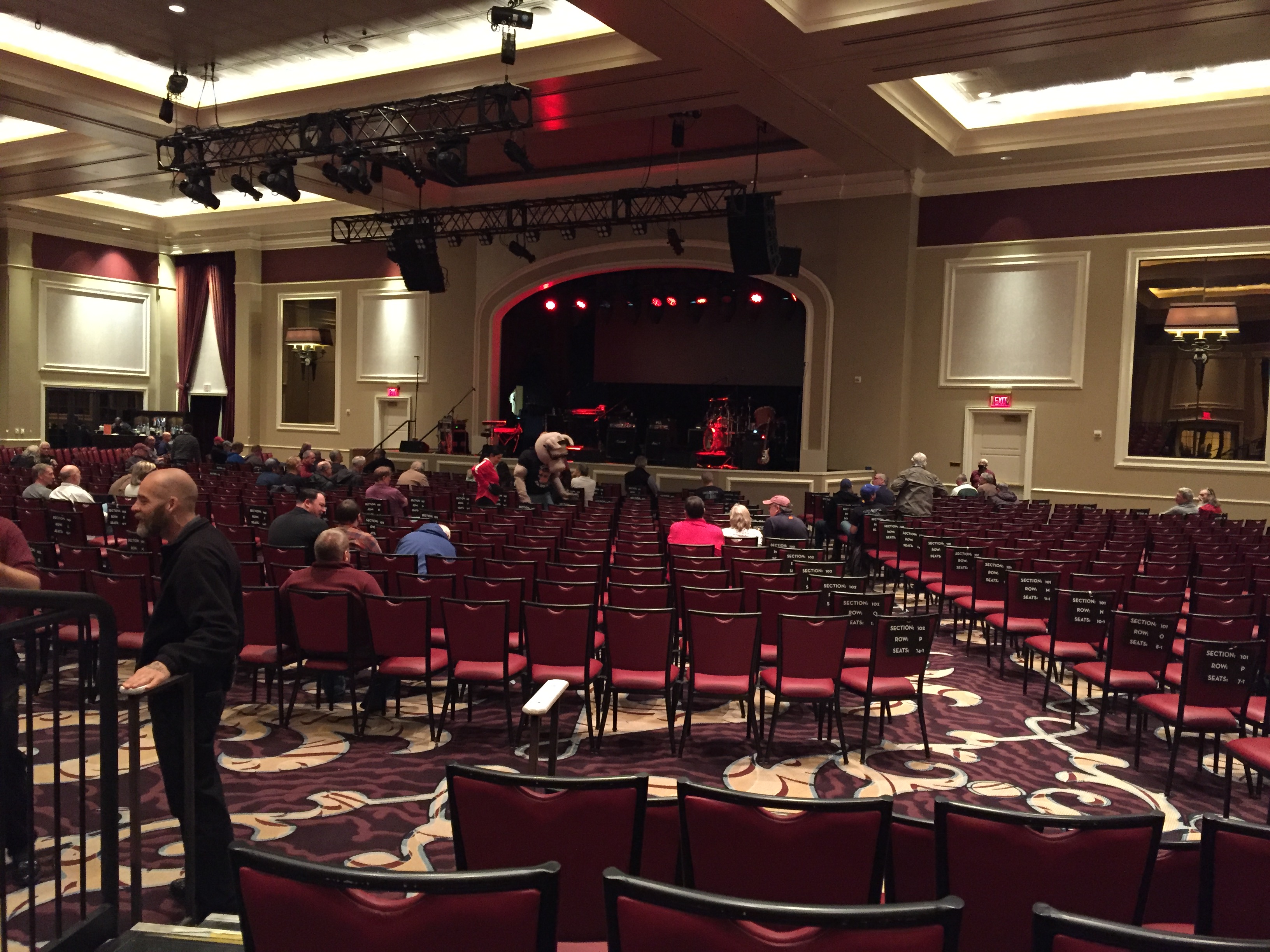
I wasn’t planning on attending Steve Hackett’s show here in St. Louis at the River City Casino. For one I couldn’t really afford it, and two I didn’t want to buy tickets months ago since I wasn’t sure if I’d still be

River City Casino - Steve Hackett Show
Great view from the risers inside the River City Casino convention center

living in St. Louis. But a friend from church is a big prog fan, and I knew he was going. Monday night he told me he had a spare ticket, and he offered it to me! Well I sure as heck couldn’t turn that down. Thanks, Eric!

I haven’t been to a live concert since October 2019 when I saw Steve Hackett in Grand Rapids on his Selling England By the Pound tour (check out my review of that show). This tour features the same talented lineup. I have all of Hackett’s live albums from the past decade or so, and while I’ve only seen him in person with this current lineup, I think it’s the best he has had in the last decade of Genesis Revisited shows. Everyone plays so well together, and it’s clear they’re having a blast. They play like a proper band rather than touring musicians supporting a big name musician.

The band’s vibe together was quickly established in the short first set, which featured some excellent selections from Hackett’s solo career. If I had to pick five songs from his solo career for them to play, I couldn’t have picked a better set. “Clocks” was a great instrumental opener followed by “Held in the Shadows,” one of the best songs off Hackett’s most recent solo album, Surrender of Silence. Hackett’s vocals were so effortlessly smooth. This was followed up by a rousing rendition of “Every Day,” another classic from Spectral Mornings.

After that they played “The Devil’s Cathedral,” my favorite song off Surrender of Silence. Nad Sylvan was stellar on vocals, as he was the entire night. This song displays what this band can do when they make music together. I would love to hear an entire album of new music from this band, perhaps with Nad and Steve sharing lead vocals. The instrumental version of “Shadow of the Hierophant” followed – the greatest solo Hackett song that should’ve been a Genesis track. Genesis lost a lot when Hackett left. Sure they may have become the most popular pop rock band in the world, but they lost their soul.

After the intermission, the audience (which seemed to be pretty inebriated by this point – especially the four talkative blokes in front of me) was treated to the entirety of the Seconds Out setlist. Every song was brilliant. This band plays so well, and they do justice to the music. They take a few artistic liberties as they’ve done for several years now, but I think it adds to the sound. For instance some of the keyboard parts are either replaced or layered with Rob Townsend’s saxophone, and his saxophone replaces the flute in “Firth of Fifth.” He also plays Irish whistles on parts of “Supper’s Ready” instead of flute. In some ways these changes add to the music. 

Nad Sylvan really stole the show on “Carpet Crawlers.” Vocals dominate that track, with the music taking a bit of a back seat, and Nad rose to the occasion with a phenomenal rendition. Nad sang effortlessly on every song, hitting all the high notes with ease. He sounds a little more natural singing the Peter Gabriel songs, although he sounded great on everything. “Robbery, Assault & Battery” must be a very difficult song to sing, but he did a great job. The song shows the playful storytelling side of Genesis, which still remained after Gabriel left the band. I don’t think Hackett’s band has played that song live before, or at least not in the last decade, so fans who see him every tour will get to hear some “new” material.

Since they played all of Seconds Out, there was a fair bit of overlap with the music played at the last tour, which is fine by me since I love Selling England By the Pound. “Firth of Fifth” was exquisite as always. So good that I even pulled out my earplugs. I think that guitar solo is just about the best ever, and Hackett does such a great job with it in a live setting. No one can play it like he does. Roger King is an expert with the piano intro too, something Tony Banks gave up a long time ago.

And since I mentioned the earplugs, I’ll make a quick comment about that. I always bring earplugs to concerts since I never know how loud it’s going to be. Both Hackett shows I’ve been to have been fairly well mixed with reasonable sound levels and minimal distortion, which is good since this music deserves full dynamic range instead of distorted rock crunch. With that said, it was still a bit too loud for much of the concert for my comfort, so I was taking them in and out all night. That didn’t really bother me. I probably could have left them out without permanent damage, but I’d rather be safe than sorry when it comes to my hearing. My eyesight is bad enough – I don’t need to lose my hearing too.

Like on the original live Genesis album, Hackett’s band played the ending section of “The Musical Box,” which Nad nailed on vocals. The epic “Supper’s Ready” followed that, and I’m so happy that I got to see that played live. The band performed flawlessly. The music and lyrics carried me away, as all good music should. Sadly I was drawn out of it a little bit by the perpetual yapping from one particular inebriated bloke in front of me, but I found that the earplugs actually helped drown him out, which helped me focus on the music. It’s a shame to be drawn out of those special musical moments where you really feel a connection with the band.

Steve Hackett - Live

It’s no wonder Seconds Out is such a legendary live album. What a setlist! “Cinema Show” right after “Supper’s Ready” – it doesn’t get much better than that. The band deviated from that original setlist by adding “Aisle of Plenty” at the end of “Cinema Show.” The songs flow together, so it’s only natural to include “Aisle of Plenty,” which serves much the same purpose on Selling England as “Afterglow” does on Wind and Wuthering. It’s a cool down after an intense musical and lyrical journey.

Following that the band took their bows and left the stage to a standing ovation and thunderous roar. They were cheered for a couple minutes by the loudest encore cheer I think I’ve ever heard at a live show. It reminded me of some of the cheers I’ve heard on live prog albums recorded in Europe. It was great to hear that from an American audience in a relatively small venue. The band came back out and blew us away with “Dance on a Volcano” and “Los Endos.”

The real treat was Craig Blundell’s blistering drum solo between those two songs. Absolutely phenomenal. Drum solos can often be kind of boring, but Blundell’s solos are very… musical, if that makes sense. He grabs your attention and holds it. The speed at which he played was impressive, but he also adds in brilliant chops. It was one of my favorite parts of the evening. Even Jonas Reingold came back out on stage near the edge to watch his bandmate play. The bit of jazz-infused “Los Endos” made for an excellent final encore to a memorable musical night.


Much was made of Genesis’ final (supposedly) tour, especially their final show, which both Peter Gabriel and Steve Hackett attended. I’m sure that attention was deserved, but I watched some clips on YouTube from those shows, and I’ll take Steve Hackett’s shows over the latest iteration of Genesis any day. There’s more energy, better musicians, and better vocals. The songs sound like the albums, and Hackett’s guitar is virtually unrepeatable. His tone is so unique, and his style of playing is unmatched.

Another plus is Hackett’s band is a who’s who of current prog names. I may never get to see the Flower Kings or the Tangent (Jonas Reingold), Frost* (Craig Blundell), or Nad Sylvan play his solo stuff, but I get to see them play legendary music with my favorite guitarist. It’s hard to beat that. The band also clearly enjoys what they are doing. Hackett was obviously having fun, and I saw Jonas playing air drums at one point in the show when he wasn’t playing for several seconds.

If you’ve been following Hackett’s live shows over the last decade, there may not be many surprises in this current setlist, but there doesn’t need to be. The music is phenomenal, and I’ll leave it at that. If he’s coming near you on this tour or the upcoming Foxtrot at 50 shows, definitely grab a ticket. Last night was the most fun I’ve had in a long time. 

http://www.hackettsongs.com/tour.html

Steve Hackett Live
Dancing on a Volcano


Jon Courtney talks about Pure Reason Revolution’s new album Above Cirrus

Jon Courtney of Pure Reason Revolution spoke with Progarchy.com today about Pure Reason Revolution’s new album Above Cirrus, which will be released next month.

Listen to “Phantoms,” or “New Kind of Evil,” or click on the audio file above to listen to what Jon Courtney had to say about these tracks, and all the others on the album, during today’s Progarchy interview.

Rick’s Quick Takes for April

Short, sharp shocks this month: all albums and EPs reviewed below come in under the old school LP limit of 45 minutes! Purchasing links are embedded in each artist/title listing; album playlists or samples follow each review.

Entransient, Ghosts in the Halls: My hometown’s very own prog-metal band lays out the cards for all to see on their Facebook page: “Melodic neo/post-prog rock from Michigan. Influenced by Anathema, Alcest, and Porcupine Tree.” The good news is that guitarists Matt Schrauben & Doug Murray, bassist Nick Hagen, drummer Jeremy Hyde and vocalist/keyboardist Scott Murray refine those influences into a distinctive blend, marked by rich atmosphere and a towering core sound. The opening epic “Parasite” grabs hold immediately with its games of acoustic/electric musical chairs; “Synergize” and “Last Strawman” drive forward without mercy, as Murray testifies fiercely over bare grooves and fuzzed chords alike. More reflective moments like the title track, “Misplaced” and “Where the Shadows Lie” dial down the tempos and the lyrical angst while keeping the edge intact as the band prowls lush, more aerated soundscapes. (Kudos for Hagen’s mixing and engineering, as well as for the mastering work of The Pineapple Thief’s Steve Kitch; the band’s dynamic and textural range is captured with crystalline clarity throughout.) Entransient has an open, readily appealing touch to their music; as they blaze a fresh trail in a style that easily collapses into cliché, they’re well worth a listen.

Envy of None: No, this sounds nothing like Rush, even with Alex Lifeson’s guitar work in the mix. (If that’s what you want, the new anniversary edition of Moving Pictures is now available — and getting glowing reviews from unlikely sources like Pitchfork, for pete’s sake.) Lifeson does provide satisfying crunch, acoustic contrast, and creative lead work in spades, bedding in seamlessly with fellow core players Andy Curran (bass & guitar) and Alfio Annibalini (guitar and keys). They weave a darkly enticing aural mesh that cradles the understated, seductive singing of Maiah Wynne; her breathily fragile volleys, playing off the sticky minimalist hooks embedded in EoN’s web, are what might really ensnare you. Musically, this is all about basic song forms deployed in ambient/industrial/goth/post-rock styles; the seasoned instrumental interplay and Wynne’s preternaturally mature vocal work are what elevate the album above the obvious genre markers. So it’s old-fashioned chemistry and star quality, from veterans and newcomer alike, that turn out to be key to Envy of None’s appeal. Try it on that basis and see if it grabs you.

Continue reading “Rick’s Quick Takes for April”

Happy Easter

Happy Easter, citizens of the Republic of Progarchy! I typically share Marillion’s song, “Easter” on this day every year. I do that again this year, but I want to point out that this song feels particularly relevant today. A month and a half ago, Russia invaded Ukraine after 8 years of arming rebels on Ukraine’s eastern border. In the weeks since we’ve all seen many of the horrors from this pointless war on social media or TV. Schools, hospitals, train stations filled with fleeing refugees indiscriminately struck by missiles. Streets filled with dead civilians. It’s truly horrific, and I shudder to think what will come of this mess. As is usual in war, the antagonists suffer no physical harm as they direct their attack from halls of luxury while people who already have very little lose everything – even their lives.

Marillion – Easter – Live at the Royal Albert Hall – YouTube

Thirty years ago, something similar was all too common on the border between Ireland and Northern Ireland. Fighting and violence had been ongoing for numerous decades, and even today tensions remain strong, with violent protests breaking out a year ago in Northern Ireland related to Brexit. But like in any war, the most people living on either side simply wanted peace. They likely didn’t share the zealous spirit of the terrorist setting off bombs, yet they have to live with the consequences of the terrorist’s actions.

Over a century ago on Easter 1916, the Irish nationalist groups suffered a stinging defeat by the British. William Butler Years’ poem, Easter, 1916, commemorates this event, and the poem directly influenced Steve Hogarth in writing “Easter” in 1989. The song combines elements of Irish folk music with Marillion’s classic neoprog sound. The opening verse paints a picture of peaceful rural Ireland, with green hills nestled in misty valleys. But the hedgerows and trees hide a bloody secret:

A tattered necklace of hedge end trees
On the southern side of the hill
Betrays where the border runs between
Where Mary Dunoon’s boy fell

The second verse looks at it from the perspective of someone (probably a soldier) being shipped from Liverpool to Northern Ireland. Perhaps his fate will be the same as Mary Dunoon’s boy. Those verses merely set the stage. The real meat of the song is the call to peace and forgiveness.

And Easter here again, a time for the blind to see
Easter, surely now can all of your hearts be free

What will you do?
Make a stone of your heart?
Will you set things right?
When you tear them apart?
Will you sleep at night?
With the plough and the stars alight?

What will you do?
With the wire and the gun?
That’ll set things right
When it’s said and done?
Will you sleep at night?
Is there so much love to hide?

Will the shooting and explosions really solve our problems? They didn’t for Ireland and Great Britain. They finally realized that on Good Friday and Easter 1998 with the signing of a peace agreement. Now we find ourselves with a new bloody conflict many orders of magnitude worse than the Ireland-Britain conflict Marillion sang of with “Easter.” The questions asked in this song need to be asked of the Russians and Ukrainians. Both sides have corrupt governments, but one side (Russia) is solely responsible for the hell they have unleashed on millions of innocent civilians. Things aren’t set right when torn apart. This Easter (which the Eastern Orthodox Church celebrates next Sunday) is the perfect time for them to reflect on this and if what they’re doing is really worth more people dying.


Easter is indeed a time for the blind to see, a time for hearts to be set free, a time for hearts of stone to be softened.  But why is that? Much is made in western culture about Christmas, the holiday which celebrates the birth of Jesus, but Easter is a far more important holiday. On Good Friday, Christians remember Jesus’ death on the cross. We call it Good because without His death, we could never be reconciled to God. You see, our sin (the things we do and think that are morally wrong) creates a giant chasm between us and God. God is holy and perfect, and we can’t enter into His presence in our sinful state. God knows this, and in His unsurpassed mercy, He looked on us with favor and sent His son, Jesus, into the world to become one of us. Both fully God and fully man, He is the only person who ever lived a sinless life. After a three-year ministry, Jesus was crucified by a Roman governor in an effort to placate an angry mob stirred on by religious leaders threatened by the message of salvation Jesus taught. But unbeknownst to that governor and those religious leaders, Jesus’ death served a much higher purpose. In His death, Jesus bore our sin so that we don’t have to.

After Jesus died, He was taken down from the cross and placed in a tomb, which was sealed with a stone and guarded by Roman soldiers. There His body lay until that glorious Sunday morning (Easter) when death discovered it could not contain the creator of the universe. Jesus rose from the dead, defeating sin and death forever! On Easter we celebrate Jesus breaking death so we might live. In response to this lavish gift, Christians are supposed to live lives of service and love to others. We are to show compassion to the poor, mercy to the sick, and love to the unloved. We are to be the hands of Jesus to a suffering world.

Our world is desperately broken. We long for a day without war. A day when little children going to school don’t have to be worried about a rocket blasting into their building because of the whims of a crazed dictator 500 miles away. We dream of a day when people won’t feel the need to numb the pain of living with drugs just to get through another day. We wish for the pain of ongoing depression to be taken away. We dream of futures better than the present. We dream of… so much.

The world will remain broken until Jesus returns, but until that happens, we have the chance to show love. We can find fulfillment in a personal relationship with God, and through that we can spread joy, hope, and love to others. All it requires is making Jesus your lord – repenting of your sin, repenting of your pride, relinquishing control of your life to Him and allowing Him to use you to build His kingdom. Only then can true meaning and purpose in life be found. It isn’t easy. In fact being a Christian is really hard sometimes, but it’s worth it. Unity with God the Father and unity with fellow believers is a precious gift worth far more than any earthly riches. Even if our world literally blows up around us due to circumstances over which we have no control, we might still have internal peace knowing that God loves us and cares for us.

You might think, “I don’t read this site to be preached at,” and that’s fair. But I pay the WordPress rent for the site, so I’ll write what I want ;p And more than that, I care about you, dear reader. Your life matters. Your soul matters more than you can possibly comprehend. The decisions we make in this life really do impact where we spend eternity. We can spend it in eternal bliss unified with God, or we can spend it in eternal torment separated from Him. God ultimately gives us what we want. If we want nothing to do with Him now, then He will give us that after we die. But just like life without God is dark and depressing – full of war, famine, hatred, murder, rape, lust, bitterness, anger, etc. – eternal death will be far darker. The sin in this world is merely a shadow of the death to come. The goodness in this world reflects the goodness of God, and it too is merely a shadow of the joy and peace to be found in Heaven.

Don’t let today pass without giving this some serious thought. We don’t have forever. Time flies by in the blink of an eye, and none of us are promised another day. But through faith in Jesus Christ and His work on the cross and resurrection from the dead, we can have absolute confidence on which side of the chasm we will spend eternity. Even when our world gets rocked by war, sickness, famine, drought, and storm, we can have confidence knowing we are deeply loved by a God who laid down His life for us.

Happy Easter, Progarchy.

Forgive, Forget
Sing “Never again.”

James Labrie Releases New Single – Solo Album Out May 20

Dream Theater vocalist James Labrie has released a single, “Give and Take,” off his upcoming solo album, Beautiful Shade of Grey. I just received a promo copy of the album, and after one quick listen I’d have to say it’s pretty good. It’s far more subdued than Dream Theater. At times it reminds me of Glass Hammer. There’s even a cover of Led Zeppelin’s “Ramble On.”

More from Inside Out Music:


James LaBrie, known internationally as the vocalist for progressive metal icons & Grammy-winners Dream Theater, embarks on uncharted waters with his fourth solo album, titled ‘Beautiful Shade of Grey’, out on May 20th, 2022. Today sees the launch of the album’s second single, “Give & Take”, and you can watch the Wayne Joyner-produced video here: https://youtu.be/-cxWibWBi_o

James comments: “This track is a take on the coercive manipulation between the corporate elite and the proletariat class. An atmospheric soundscape with beautiful feel and scope.”

Paul Logue adds: “Musically Give & Take is a nice balance of Dream Theater, Eden’s Curse and a even little Queensryche thrown in for good measure. The dark musical undertones allow James’ vocals to really shine whilst his lyrics take the listener on a journey through the classic tale of good versus evil.”

Watch the previously released video for the track ‘Devil in Drag’ here: https://www.youtube.com/watch?v=fwDfh5Mvd0o

The new endeavor sees him traverse personal maturation, loss, a myriad of complex relationships, and most importantly – LaBrie’s burning passion for music. On paper, the latest studio offering from the Canadian singer first took shape shortly after the global pandemic began to emerge. But in reality, LaBrie formed a bond with his fellow collaborator, bassist Paul Logue (Eden’s Curse), nearly a decade earlier.

The two first met in 2011, when James would lend his voice to a feature for Logue’s band, UK melodic metal outfit Eden’s Curse, on the song “No Holy Man”. As years went by the two remained in touch, occasionally kicking the tires on the idea of working together on another project. But when Dream Theater performed in Glasgow during the late winter of 2020, LaBrie and Logue would run into each other at the airport – once again asking the question. But this time, armed with the knowledge that a drastic change in the world was all but imminent, LaBrie made the decision to set things in motion.

On the album, Logue plays acoustic rhythm guitar (both six & twelve string) and acoustic bass, while guitarist Marco Sfogli, who’s contributed on all of LaBrie’s solo albums since 2005’s ‘Elements of Persuasion’, handled the leads and solos. Logue recruited Eden’s Curse keyboardist Christian Pulkkinen to lend his playing on the record, while the suggestion to recruit James’s son Chance to play drums would also come from Paul. ‘Beautiful Shade of Grey’, as LaBrie describes it, was a title that only came to him once he identified the record’s two core themes throughout its track list. “A lot of these lyrics are dealing with the beauty of human beings, and a lot are dealing with the grey areas of the in between. You’re not exactly happy, but you’re not exactly sad, either.”

The record starts off (and ends) with the track “Devil In Drag”, which emerges as a wall of synthesizers and acoustic strumming before exploding into a full-blown ensemble. LaBrie expresses that the song was written about “someone who started out as a decent human being, but along the way lost touch with their roots – overtime becoming self-serving, narcissistic and devoid of principles or values.” Going on to say, “’Devil In Drag’ is written from the perspective of someone who’s known them all their life and, seeing them now, asking ‘what happened?’”

27b

Beautiful Shade of Grey will be released as a Limited CD Digipak, 180g LP + CD & as Digital Album, with artwork by Thomas Ewerhard. Pre-order now here: https://jameslabrie.lnk.to/BeautifulShadeOfGrey

The full track-listing is as follows:

  1. Devil In Drag
  2. SuperNova Girl
  3. Give And Take
  4. Sunset Ruin
  5. Hit Me Like A Brick
  6. Wildflower
  7. Conscience Calling
  8. What I Missed
  9. Am I Right
  10. Ramble On
  11. Devil In Drag (Electric Version)