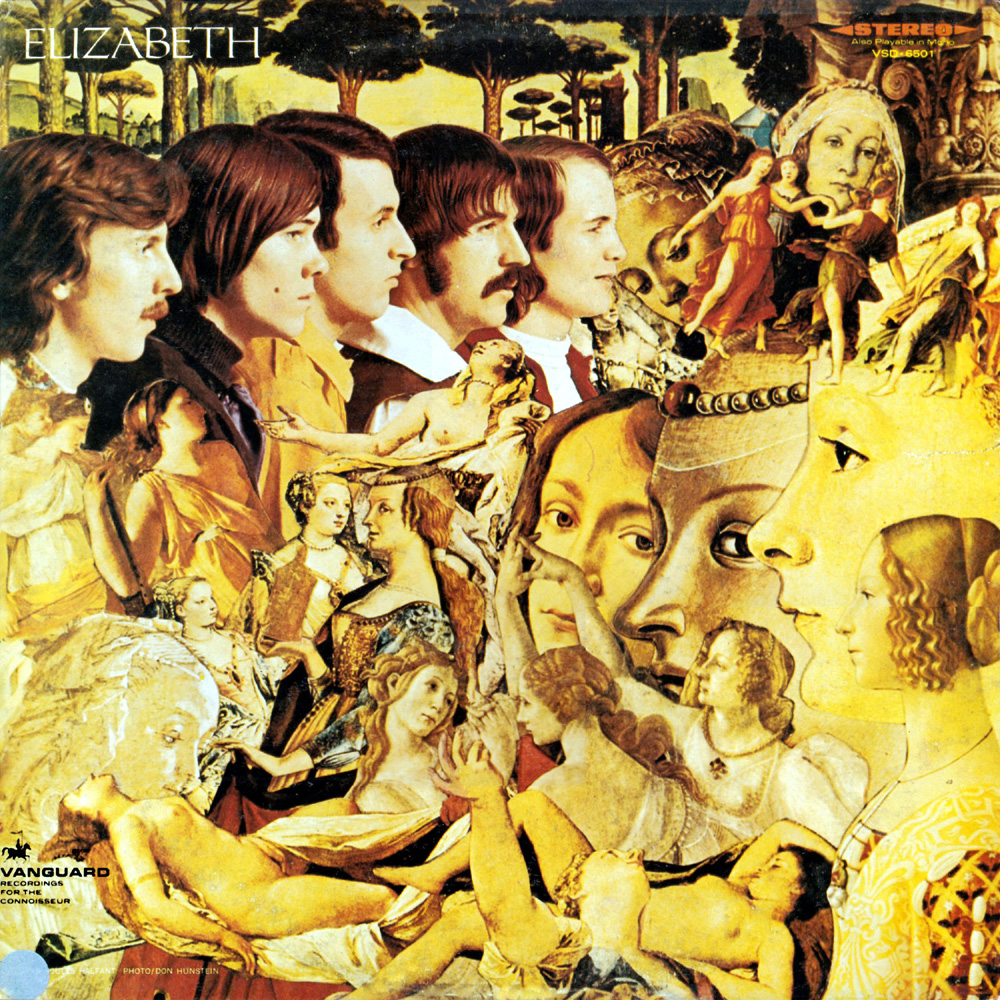
Although this Philadelphia-based band debuted during the reign of a certain Queen with the same name, Elizabeth never enjoyed the success or the tenure of that estimable lady. Formed by Steve Weingarten (lead guitar and vocals), Bob Patterson (guitar and vocals), Jim Dahme (guitar, flute, and vocals), Steve Bruno (organ and bass), and Hank Ransome (drums), Elizabeth released one eponymous album in 1968 before calling it a day shortly thereafter.
The album itself is filled with accessible, “radio-friendly” songs. Here are a few of the standouts:
“Not That Kind of Guy,” the opening number, is a catchy song with an early Beatle-esque sound (similar to “Taxman”).
“Mary Anne” is a lovely jazz song with some elements of folk sprinkled in. Think of it as a less tragic version of “Eleanor Rigby.”
The fifth song, “You Should Be More Careful,” is the true highlight on this album. A cautionary tale about picking up strange girls at bars, this song is a force of nature that never lets up. Weingarten, employing a “fuzzy” guitar sound, breaks out into a twisted guitar solo that is worth listening to several times over.
“Alarm Rings Five” is a gentler tune that features some solid organ work courtesy of Bruno and beautiful flute courtesy of Dahme.
With elements of jazz, folk, and psychedelia, Elizabeth‘s sole album fits nicely into the proto-prog/acid rock music of the late ’60s. The music and lyrics will not necessarily captivate all listeners, but this album is worth a listen for psychedelic or jazz rock aficionados.
Devin Townsend,Devolution Series #2 – Galactic Quarantine, Inside Out Music, 2021 Tracks: Velvet Kevorkian (02:28), All Hail The New Flesh (05:32), By Your Command (08:18), Almost Again (03:42), Juular (03:50), March Of The Poozers (05:25), Supercrush! (05:15), Hyperdrive (03:42), Stormbending (05:21), Deadhead (07:55), Aftermath (06:51,), Love? (05:21), Spirits Will Collide (04:35), Kingdom (05:05), Detox (06:20)
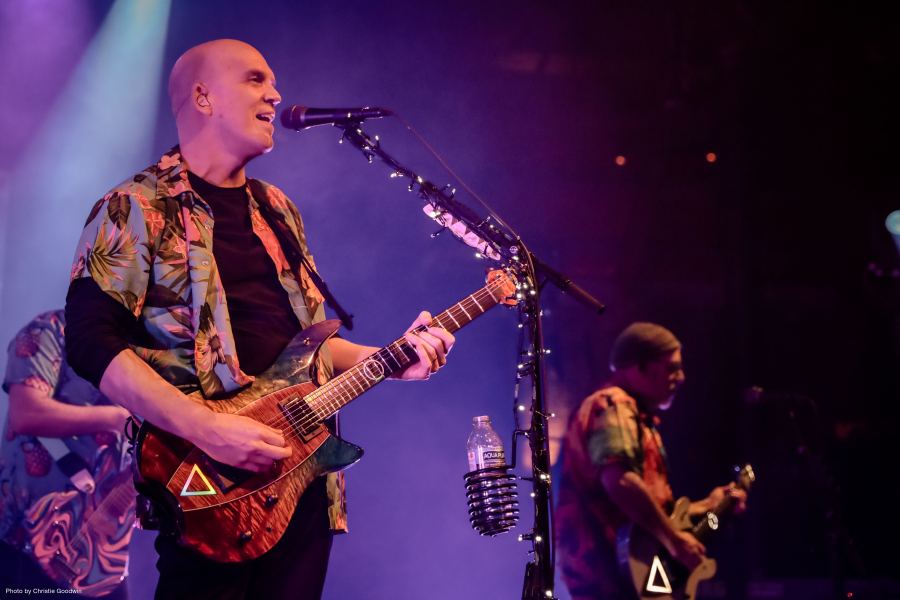
Just a few months ago I pontificated about the sheer brilliance of the mighty Devin Townsend. I’m happy to announce that Devin has since surpassed my already high expectations with the release of the second volume of his Quarantine Series, this one formally entitled Devolution Series #2 – Galactic Quarantine.
Over the last year many music artists turned to the Internet when their ability to tour was cut off. None did it better than Devin Townsend. I’m not sure when he started live streaming, but I know I saw him announce impromptu live streams on Twitter pretty frequently as he worked on mixing various things. With his tour cut short, he began working on several live stream concerts, many of which raised money for hospitals in the UK and Canada in the early days of the pandemic.
This particular show originally aired on September 5, 2020 with musicians contributing from around the US and Canada. How anyone could pull this off to the extremely high level that he did it is astounding. It’s one thing to live stream yourself performing music, but it is another thing entirely to incorporate musicians from around the world and merge them onto a single screen.
The setlist is a what’s what of some of the best music from Devin’s career, be it solo music, Devin Townsend Project, or Strapping Young Lad. It’s all good, and it’s all really really heavy. Sure, there’s plenty of cursing, but that’s par for the course with Devin and his music – particularly the Strapping stuff. Less so in his other work after Strapping. Besides, those Strapping songs have a level of rage that befits the world we live in. It’s also nice to hear Devin play that music again, especially since it seemed for a while like he wasn’t going to be returning to those songs or that style of music. He’s been very open about how it took a very toxic mindset for him to write that music all those years ago, but hopefully playing it doesn’t bring up those same emotions. For me, listening to it is rather cathartic.
“Deadhead” is always a favorite when it gets included in his live sets, with its Floydian atmospherics and the gut-tearing crunch of Devin’s vocals. The sweetness of the clean vocals mixed with the grittiness of his distorted vocals perfectly represents the struggles of love that he sings about in the lyrics.
He may end the live album with one of SYL’s most intense songs (“Detox”), but he also gives us the beautiful “Spirits Will Collide” off of Empath near the end of the show. There’s so much hope in those lyrics – really in that entire record. In that regard, this live show has some very disparate lyrical themes, but our lives are full of conflicting emotions. Why shouldn’t our music be full of that too. It can’t or shouldn’t be happiness and sunshine all the time, and likewise it shouldn’t be doom and gloom all the time. Balance is key.
Musically the whole show is perfect. Guitars, drums, wall of sound… the mixing is fantastic, and many of the songs sound better than the original album recordings. Townsend’s vocals seem to get better with age, which makes for a thoroughly enjoyable listening experience. He’s one of those few artist’s that I would almost rather listen to live, in part because of his voice but all because of his sense of humor.
This is yet another great minor release from Devin Townsend that any fan will certainly want to check out. This particular release would also make a good entry point for Devin’s music, since the tracklist features songs from across the heavier side of his career. Highly recommended.
It’s always nice to see progressive rock taken seriously outside of our little prog bubble. Today I came across this recent July 2 essay by Henry T. Edmondson III over at Law & Liberty, a wonderful website dedicated to the tradition of classical liberalism and its impact on law and society. Edmondson is professor of political science and public policy at Georgia College.
In this essay, Edmondson looks at vice and virtue through the lens of Pink Floyd’s “Comfortably Numb,” going so far as to compare the lyrics of this song (and others by Pink Floyd) to the wise words of Aristotle. Here are some brief highlights:
Ours may be an age of unanticipated consequences. The longevity offered by medical progress proceeds apace with a falling interest in those things that make for a meaningful life. The constant connectivity of social media is shredding the nation’s shared fabric; and, convenience and the alleviation of pain may have produced an untroubled insensitivity to things that matter.
How then, might the prophetic Waters/Gilmour composition have anticipated the present day? The “prophet” in this sense is not a fortune-teller; rather he sees further in the distance than others, and has the capacity to articulate what others cannot. In this case, “Comfortably Numb” suggests that the individual life is dissolving into an insubstantial existence—the “smoke” of “a distant ship” visible “on the horizon.”
And this:
The collective politics of the band were decidedly left-of-center, especially those of Roger Waters, who could be arrogant and obnoxious, especially to his bandmates. Pink Floyd’s acclaimed album “Animals” (1977) repurposes George Orwell’s Animal Farm so that the oppressors include the commercial class as well as the political. But the band’s insight into the human condition has appeal across the political spectrum. Their diagnosis of our present state is remarkable, and when that acumen is expressed through their art, it is arresting.
Aristotle, in his Ethics, develops the idea of the cardinal virtues. In Aristotle’s scheme, for every virtue, there are two vices: one vice is too much of the virtue; the other two little. One of those virtues is temperance or moderation. It is flanked by two vices, indulgence on the excessive side and insensibility on the defective side (Nicomachean Ethics, III, 11).While self-indulgence may be easy to recognize, insensibility may not, and that vice may offer a clue to the state of comfortable numbness. Whereas lust and desire may run amok in the vice of excess; in the defective vice of insensibility, the passions that support virtue, including honor, ambition, love, pride and fear, are scarce. Consequently, the insensible life is bland and driftless: comfortably numb. Aristotle warns such a state is barely “human.” Curbing the vice of excess seems relatively straightforward, at least compared with awakening someone from the insensible state, precisely because the motivating passions are enervated. Perhaps ruminative artists like Pink Floyd can be of assistance in the quest for a cure.
The Wall is certainly a deep lyrical well from which to draw. In 2019 I wrote an in depth piece about “Hey You,” arguing that the song touches on our most deepest of human desires – connection with others. Certainly that theme connects with the numbness spoken about in “Comfortably Numb.” If one can’t get the human connection they need, then they will often turn to drugs, alcohol, lust, or any other vice instead. We would do well to heed Pink Floyd’s warning, especially in an age where we are torn apart by loneliness, substance abuse, lust, and violence.
As life in these United States opens up, my life finally seems to be settling down — at least for the summer. Which means it’s time to make up for the backlog of excellent albums (new and old) that I’ve heard since January, but haven’t written about here! Links to listen (to complete albums or samples) are included whenever possible.
New Albums:The Art of Losing (The Anchoress’ rich meditation on endurance) and the multi-versionadrenalin rush of Transatlantic’sThe Absolute Universenotwithstanding, most of the new albums I’ve loved so far have migrated towards jazz and classical — frequently with pianists at their center. Vijay Iyer’s Uneasy, made with bassist Linda May Han Oh and drummer Tyshawn Sorey, is a state of the art piano trio effort; blues and abstraction suspended in perfect balance and caught in an intimate, tactile recording. Canadian Bach and Mozart specialist Angela Hewitt shows off her range with Love Songs, a gorgeous confection of orchestral and art song transcriptions assembled in lockdown and performed with undeniable panache. The same goes for Danny Driver’s phenomenal rendition of Gyorgy Ligeti’s hypermodern 18 Etudes — virtuoso pieces whose serene surfaces turn out to be rooted in super-knotty counterpoint and off-kilter rhythmic cells. My favorite new album of 2021 to date? Promises by electronica artist Floating Points, spiritual jazz saxophonist Pharoah Sanders, and The London Symphony Orchestra, which manages to bring all of the above (well, except for the piano!) together in one glorious, 40-minute ambient epic.
Reissues: Big Big Train’s double-disc update of The Underfall Yardhas definitely had its share of listening time, between Rob Aubrey’s rich remix/remaster and the welcome bonus disc (featuring fresh recordings of the title track and “Victorian Brickwork” by the full band and brass quintet). With My Bloody Valentine’s catalog back in print, their masterpiece Loveless sounds as incredible as ever; crushing distortion and lush romanticism collide to channel the sublime. And Pete Townshend has masterminded a comprehensive Super Deluxe edition of The Who Sell Out, the band’s pre-Tommy high point. But my favorite reissues thus far have been It Bites’ The Tall Ships (especially the title track — what a power ballad!) and Map of the Past (a favorite of mine since its original release). With the then-unknown John Mitchell taking over from Francis Dunnery, IB sailed into the 21st century with their 1980s pomp intact, killer hooks, head-spinning riffs and all.
From the Catalog: All the good new stuff above aside, this is where some of my most fruitful listening has been happening this year — frequently inspired by other media. Watching the movie One Night in Miami led me back to Sam Cooke’s Portrait of a Legend: 1951-1964; the resulting dive into soul music ultimately brought me to Marvin Gaye’s classic concept album What’s Going On — 50 years old in 2021! Perusing various “best of 2020” lists turned me on to the avant-garde jazz of trumpeter Ambrose Akinmusere’s on the tender spot of every calloused moment and Maria McKee’s art-pop song cycle La Vita Nuova (inspired by Dante, no less). Jazz/fusion legend Chick Corea’s death prompted a deep dive into his catalog; new favorites included Return to Forever’s Where Have I Known You Before and the fabulous Five Peace Band Live, Corea’s long-delayed collaboration with guitarist John McLaughlin. And after long years of the album doing nothing for me, Radiohead’s The Bends finally clicked when I read Steven Hyden’s fine band biography This Isn’t Happening. (Curt Bianchi’s wonderful new book, Elegant People: A History of the Band Weather Report, is prompting a similar deep dive into that quintessential jazz/rock band’s catalog; I highly recommend their cutting edge debut album from 1971 and their 1976 masterpiece of groove, Black Market.)
So, yeah, it’s taken a while — but at least from my point of view, 2021 has already been a solid year for music — and the prospects for it getting even better are looking up!
Geddy Lee’s mother, Mary Weinrib, passed away on July 2 at the age of 95. Many of you probably already know this, but she was a Holocaust survivor who met her husband, Morris, at Auschwitz. She gave her total support to Geddy and his bandmates when they started Rush, and obviously without her we wouldn’t have been blessed with Rush’s music.
From her obituary:
Manya (Malka) Rubinstein was born in 1925 in Warsaw and grew up in Wierzbnik, a Jewish shtetl that was part of Starachowice, Poland, which was occupied by the Germans beginning in 1939. Mary endured the labor camp at the munition’s factory in Starachowice and the concentration camps at Auschwitz, where she met and fell in love with her husband Morris Weinrib, and at Bergen-Belsen, where she was finally liberated in April 1945. Reunited and married in 1946, Mary and Morris emigrated to Canada. After her husband Morris’s sudden death in 1965, Mary was left with three young children and a variety store that her husband had owned and managed. Mary was determined to learn the business; and, against the advice of well-meaning friends, she took over managing their store in Newmarket, and she successfully ran the business until she retired. People were drawn to her zest for life, her sense of humor, and her compassion and generous spirit. There’s a customer for everything, Mary would say, and if you couldn’t find it at Times Square Discount, you didn’t need it. Preparing family meals at Rosh Hashanah and Passover was a large-scale labor of love for Mary, who cherished her family above all; and after full days running the store, Mary would cook and bake over several nights, making everybody’s favorite dishes and desserts. The mother of Rush bass player and lead singer Geddy Lee, Mary was an early supporter and a fixture at Rush concerts. When the first Rush album was released, Mary plastered the windows of her store with Rush posters and gave albums away to any kids who wanted them but didn’t have the money to buy them. Among the longest living Holocaust survivors, Mary lived to see her family grow and prosper.
We offer our sincerest condolences to Geddy Lee and the rest of his family, including Alex Lifeson, who I’m sure was close with Geddy’s mother as well, since they were childhood friends.
What do you get when you combine an Australian Aboriginal creation myth, jazz guitar, several flutes, mellotron, and a healthy dose of psychedelic and ambient soundscapes? Yaraandoo. The brainchild of Rob Thomsett, an Australian guitarist, Yaraandoo is considered quite the collector’s item in the world of obscure prog: only 100 LP copies were originally released in 1975.
Yaraandoo tells the tale (through the instruments listed above, in this case) of the world’s creation and the fall of man. According to Thomsett, the story includes several elements that make it distinctively Australian, including gum trees, kangaroo rats, and the red earth of the Outback.
The album opens with the soft sound of mellotron and percussion, and this ambient, dreamy, and spacy sound, driven by the mellotron, several flutes, and Thomsett’s luscious guitar, never lets up. (The best comparison I can think of is some of Robert Fripp’s ambient work.) Although jazz is clearly an influence here, it is not the kind of jazz-inspired music you would hear on Relayer or In the Court of the Crimson King; this is much more ethereal in tone. About twenty minutes in, however, we get to enjoy some faster-paced interplay between the saxophone and electric guitar. And too soon, alas, Yaraandoo closes as it opens: softly, with chimes and acoustic guitar gently returning us to earth after this serene cosmic journey.
Caveat emptor: for those looking for an epic, this may not be the album for you – most of the songs are very short (under three minutes). But that does not mean you should overlook this obscure gem. And if ever you find yourself pondering the permanent things in the Outback, consider Yaraandoo as a source of inspiration.
2020 was going to be Big Big Train’s breakout year in North America. Building on ten years of increasing momentum, the road first paved on 2009’s The Underfall Yard (singer David Longdon’s debut with the band) had led to five more thrilling albums, brought to life in concert by a fearsomely talented septet (and the BBT Brass Ensemble). It was official — that spring, Big Big Train would tour the United States for the first time!
Then, as with so many other events, the coronavirus pandemic brought those big big plans to a screeching halt. Shows for 2020, then 2021 were inexorably cancelled; as the enforced period of inactivity lengthened, guitarist Dave Gregory, violinist Rachel Hall and keyboardist Danny Manners left the band. While the double album career survey Summer’s Lease and the live Empire served as worthy capstones to their era, BBT’s faithful Passengers couldn’t help but wonder: what was next for founder Greg Spawton, Longdon (both pictured above) and remaining compatriots Nick D’Virgilio and Rikard Sjöblom? Had the Train reached its final destination?
Fortunately, the answer was a resounding “Nope!” With Big Big Train’s brand new release Common Ground set for release at the end of July, followed by North American and UK tours in 2022, David Longdon was kind enough to join me for a Zoom chat last week. Obviously excited by both the new album and the prospect of returning to the stage, Longdon was generous with his time and his answers, open about the toll the pandemic took on him and his beloved country, and willing to “thrash through” the intricate lyrical and musical ideas on the record. A delightful mix of familiar and innovative elements, Common Ground is yet another BBT album of exceptional artistic ambition, power, beauty and grace, and David Longdon couldn’t be happier about it! A transcript of our conversation follows the video. Enjoy!!
So I wanted to start back last year, because the pandemic threw all of us into uncharted territory. One of the first impacts from our end, as a music fan, was that you cancelled your North American tour, Big Big Train’s first American tour. We had tickets for the Fort Wayne show, and we were disappointed, but we certainly understood.
But obviously, that enforced pause in playing live went on a lot longer. How did that feed into making your new album, Common Ground?
Well, everything ground to a halt, didn’t it? The world as we knew it just ground to a halt; the unthinkable happened! It’s such an extraordinary time. And it was very much like – I said so at the time — like living in like a Ray Bradbury book, or something like that. Or certainly a J.G. Ballard book, this apocalyptic times kind of thing. “It’s awful! Were we gonna make it through? Is this gonna be our equivalent of whatever saw off the dinosaurs?” That kind of stuff.
The news bulletins were horrendous. The death rates were going up, the R-rates in the UK, they’re looking at that. Each day the wave of fresh cases, and more worryingly, the rising death toll. It was going up and up and up and up. And of course, in the UK, we’d seen it coming over from Europe in the months leading to up to our first lockdown. And we knew what was coming, because we’d had correspondences from our European friends. Yeah, it’s the stuff of nightmares! Very uncertain times.
One of the things that I found as a comfort would be walking in nature, being in the natural world; I always take great comfort from that. I’d rather be outside than inside, particularly when things were starting to get a bit hairy, back in March last year for us. Yeah, it was horrendous!
So music, writing music and going for walks in nature were the thing that kind of kept me on the straight and narrow, really. It kept me sane. So that’s how I dealt with it. And through the first lockdown I was finishing off the record that I made with Judy Dyble [Between a Breath and a Breath].
I don’t see how what happened to the world in that time could have not had an impact on the record, really. And with losing three members of a long-standing lineup: again, some of that quite possibly came to a head as a result of being a real crossroads for the band and for the world at that time.
So yeah, the pandemic was a huge impact on the album. And the band. And the world. And everything!
OK. So you mentioned there were some changes thrust on you by circumstance – the band members leaving, for example. As you and Greg and the others started writing and recording. what changes were intentional choices?
OK. Well as I said to you, personally, from my writing point of view, rather than writing songs where in the past, something like “Ariel” I’d be researching The Tempest, I’d be researching the life of William Shakespeare. I’d be researching the life of Percy Bysshe Shelley, and collating lots of information to make the story and make it scan as a piece of music, I just felt like I needed to write in the real world, in the now of that time, if that makes sense.
I know that, inevitably songs like “The Strangest Times,” which is very directly about the pandemic, I know that will eventually be a time capsule of that period. But I can’t wait when it is! I’m looking forward to that being the case! I would say that in particular.
The Catch, Excuses For Kings, 2021 Tracks: Daedalus And The Angel (3:14), Circus (3:19), Riches To Rags (6:03), Real Love In The Modern World (2:55), What In The World (3:59), Leviathan (7:49), Find Another Way (5:10), Excuses For Kings (8:05), Last One To Leave (2:01)
First off, I’ve been sitting on the debut album from UK band The Catch for too long, so my sincere apologies to the band, who graciously sent me their CD Excuses For Kings for review quite a while ago. I have been listening to and enjoying it ever since I received it. It has an aesthetic that reminds me of some of the music on the Bad Elephant Music label or music from Cosmograf (Robin Armstrong) and his new label, Gravity Dream Music. The vocals even remind me of Progarchy’s very own Dave Bandana.
The music might best be described as a combination of the dominant progressive sounds of both the 1970s and the 1980s. There are synth overtones, but the electric guitar plays a primary role along with upbeat drums playing a steady rock rhythm. The band is a two person group made up of singer-songwriter Robert Williams and guitarist Donovan Baine.
Williams provides vocals, guitars, bass, and programming – presumably synths and drums. If the drums really are all programmed, then they are some of the better sounding programmed drums I’ve heard in a while. I’m not usually a big fan of programmed drums, but these didn’t stick out to me at all. They have a natural sound. With that said, I’ll always encourage a band to find a real drummer if at all possible.
The combination of prog technicality with excellent songwriting make this an enjoyable record on repeated listens. The lyrics are dense, telling a stories that reflect on our crumbling society. Williams packs a lot into each song, and he often (but not always) sings rather rapidly, so there will always be more to uncover on repeated listens. Perusing the lyrics in the booklet will help in that regard.
Real love in the modern world Freedom from the cursed career of Albion To live in the mortal realm To feel the air and bless the ground we walk upon
An on, moving into the sun, seekers of the permanent one
The highly poetic lyrics are not only well-written, but they are also rather profound. There is a lot of religious, historical, and mythological imagery. We’re forced to consider how we think we’ve come so far, when in reality we’ve fallen from great heights:
Once we ferried stone From Memphis to Cairo Now we sit in traffic instead Moving by stars and trash spewed from cars Strewn up and down this highway tonight
– “Excuses For Kings”
This is just a taste of what you can expect in the musical and lyrical journey in Excuses For Kings. The fast-paced music whisks the listener away on this voyage, with upbeat rhythms and smooth guitars keeping your interest along the way. It’s a enjoyable listen from start to finish, and I highly recommend you check it out.
The best place to buy the record is from their website, where you can buy a CD-quality download or pick up the CD. The CD comes in a nice digipack with a bit of a mystical album cover showing ancient or medieval ruins morphing into the horrid-looking high-rise condos that desecrate modern cities. The disc also comes with a booklet featuring all the lyrics.
The Friday Night Progressive online radio show is celebrating its tenth anniversary tomorrow night (June 25, 2021) starting at 9PM EST. The show is hosted by Ron Marquiss, and it celebrates the best in independent progressive rock, instrumental, and fusion. The free show focuses on the more complex and technical side of the genre rather than the poppier stuff. You can find links to all the places you can listen to the show live over at their website: https://fridaynightprogressive.com.
In addition to the tenth anniversary show, Ron is releasing a short album called Lines & Circles under the band name, Drive In Movie Band. The group features musicians from all around the world. This just under a half-hour album is all instrumental, highlighting the complex and jazz side of the genre. The first track even has a bit of an early King Crimson vibe.
Lines & Circles has the following lineup:
Ron Marquiss – Composition, Keys, Guitar, Bass
Jordan Marquiss – Drums
Joe Compagna – Bass
Nathan Ames – Guitar
Adrianne Simioni – Violin
Astraea Antal – Flute
Bret Harold Hart – Guitar and other instruments
Brent McDonald – Guitar and Keys
David Leiter – ELP sound FX
The albums are a way for Marquiss to cover the costs of running the free Friday Night Progressive radio show. You can check them out at the following links:
This Circus closed after a brief tour in 1969 – our loss, in my humble opinion. Formed by Mel Collins (of King Crimson fame) in the late ’60s, Circus produced only one eponymous album in their brief existence, but it’s a gem. Collins takes centerstage here on sax and flute, but fellow bandmates Ian Jelfs (vocals and guitar), Kirk Riddle (bass), and Chris Burrows (drums) more than hold their own.
The majority of the songs (five out of eight, to be exact) are covers – but dull and uninspired they are not. And the three original songs (all penned by Collins) would be worthy additions to an early Soft Machine or Giles, Giles, and Fripp album. Here are (more than) a few highlights:
Circus opens up with a cover of the Beatles’ classic “Norwegian Wood,” and it is one of the better interpretations of any Beatles song I have ever heard. Rather than relying on melodic vocals (although Jelfs does sound somewhat Beatle-esque in his singing), the band members allow their instruments to do most of the work for them. Collins is absolutely superb on the sax, and the middle of this lengthy cover includes some fun interplay between the drums and guitar.
“Pleasures of a Lifetime” – Collins’s first contribution to the album – opens with a gentle acoustic melody, but picks up the pace about halfway through thanks to Burrows’s deft handling of the sticks.
The cover of Henry Rollins’s “St. Thomas” is a great upbeat tune, featuring top notch work from Jelfs on guitar and Collins on flute.
“Goodnight John Morgan” is another original tune and, alas, an all too brief one. I suggest listening to this one as you sit at a smoky bar late at night with a scotch in your hand while the rain pelts the roof above you. Collins’s sax will put you into that kind of mood.
“II B. S.” (a cover of a Charlie Mingus classic) opens with a funky bass riff that doesn’t let up. Percussion anchors this tune, but Collins once again shines through on the saxophone.
The last two songs – a cover of The Mamas & the Papas’ “Monday Monday” and a cover of Tim Hardin’s “Don’t Make Promises” – feature masterful work on the flute courtesy of Collins.
Sadly, Circus couldn’t deliver the same quality of material for a second album, and they split up, Collins going on to replace Ian McDonald in King Crimson. But at least we can enjoy this hidden gem, which sounds as fresh and as lively as it did when it was released over fifty years ago. For those who enjoy jazz fusion mixed with a healthy dose of psychedelic rock, you will not want to miss this under-appreciated effort.


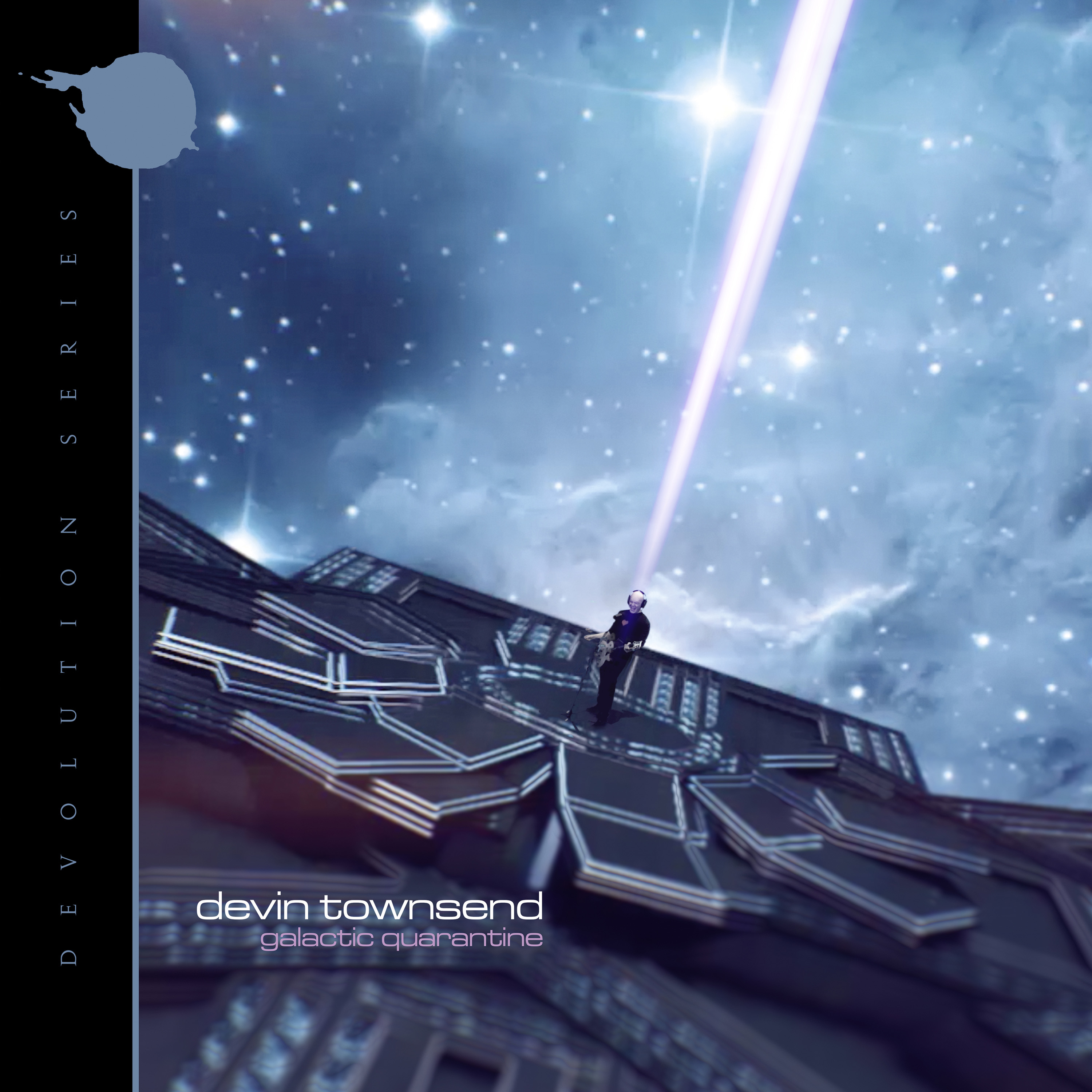 Devin Townsend, Devolution Series #2 – Galactic Quarantine, Inside Out Music, 2021

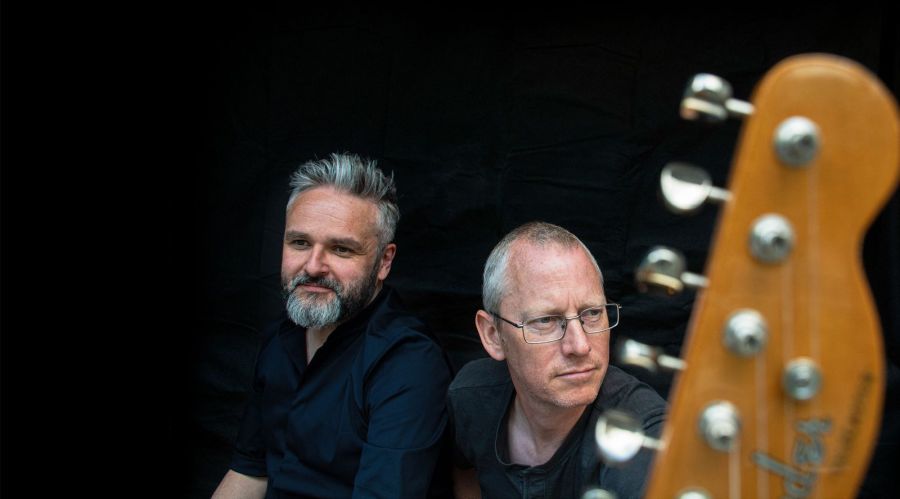
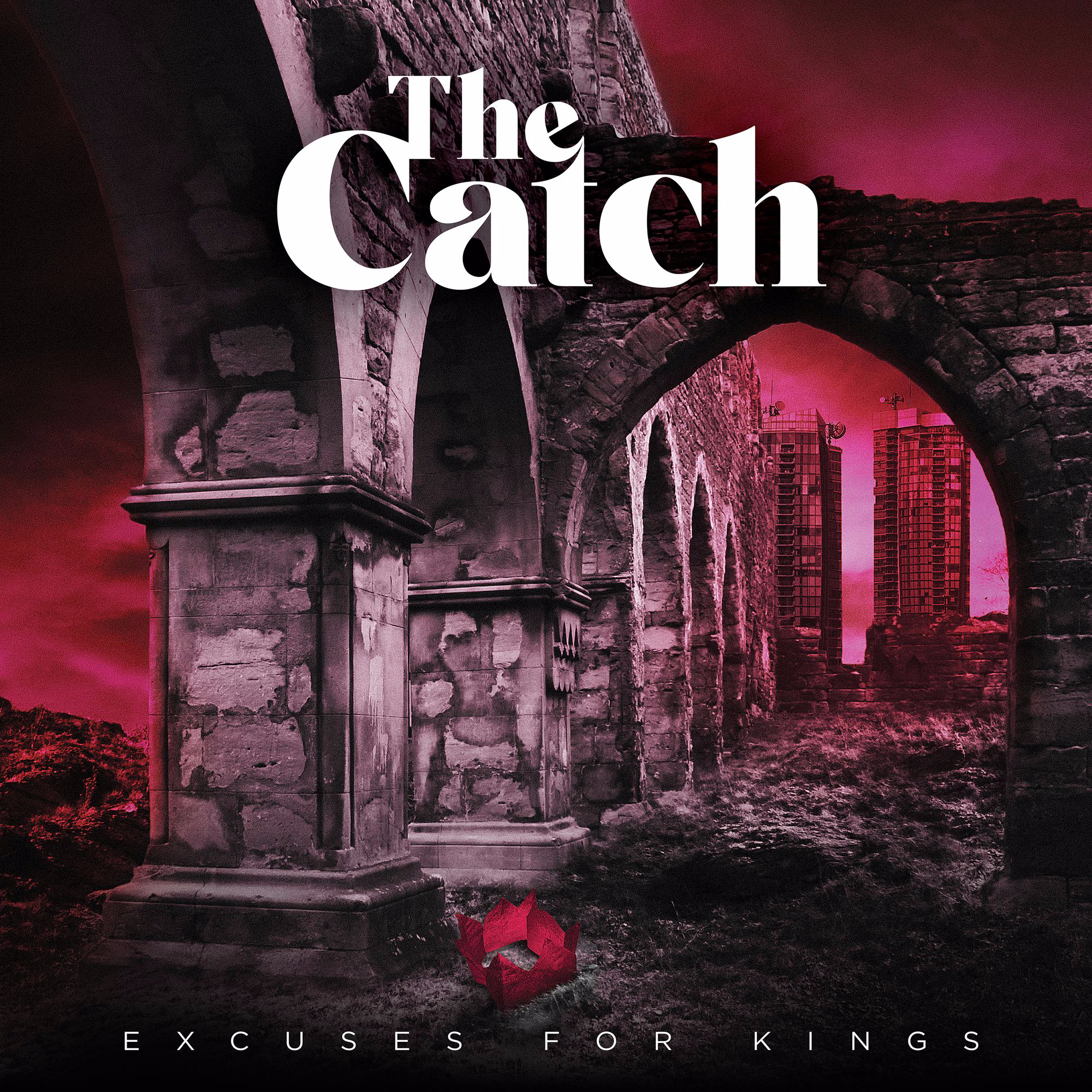 The Catch, Excuses For Kings, 2021
 In addition to the tenth anniversary show, Ron is releasing a short album called Lines & Circles under the band name, Drive In Movie Band. The group features musicians from all around the world. This just under a half-hour album is all instrumental, highlighting the complex and jazz side of the genre. The first track even has a bit of an early King Crimson vibe.
 Progarchy