Rick’s Quick Takes for June

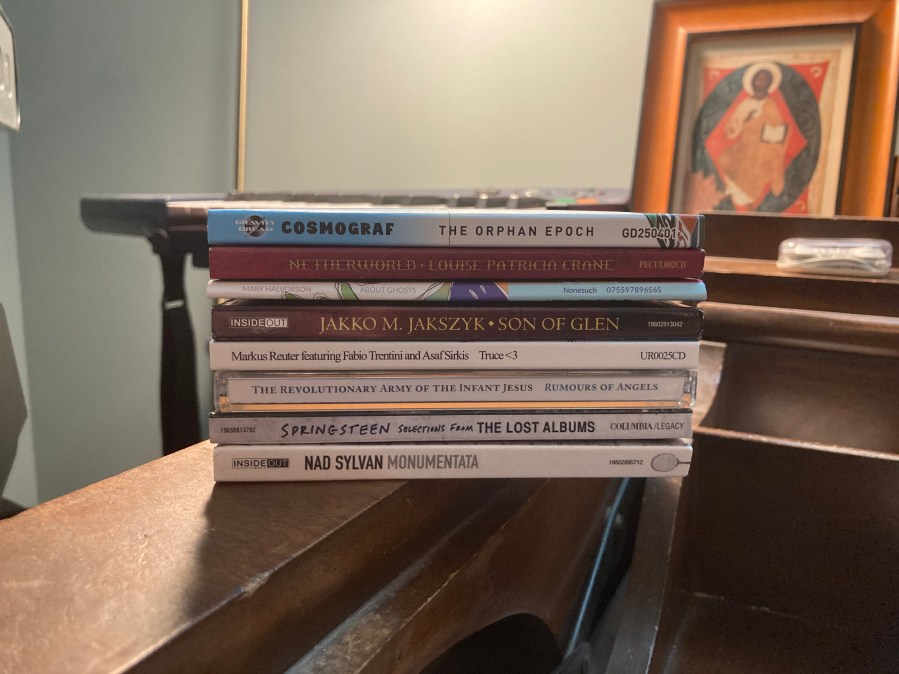
It’s been an hugely enjoyable month for out-of-the-box music! Along with the alluring, elegant wallop of Nad Sylvan’s Monumentata (listen here) and the mesmeric slow burn of Jakko Jakszyk’s ruminative Son of Glen (listen here), three impressive new releases, a compilation taken from one of this year’s most-anticipated box sets, an utterly unexpected reissue — plus one from last year that got away — have crossed my desk. As usual, purchasing links are embedded in the artist/title listing, with streaming options after the review.

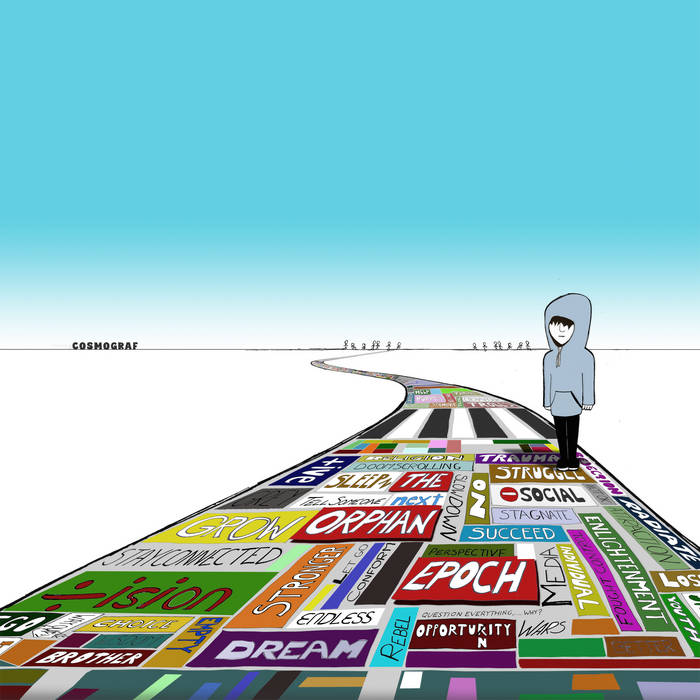
Cosmograf, The Orphan Epoch: Another winning set from Robin Armstrong! More thematic than conceptual this time around, The Orphan Epoch focuses on today’s younger generation and their search for a valid path, confronted by conformity and control like never before. “Division Warning” unfurls from fetching piano filigree to steamroller guitar supporting a dramatic, emotionally ripe chorus; elegance and savagery bob and weave, then fly in formation for “We Are the Young.” There’s gorgeous sax commentary from Peter Jones on the foreboding “Seraphim Reels”; big riffs, gang chanting and blustery organ workouts on “Kings and Lords”; a quiet, menacing synth pulse that, with Kyle Fenton’s skittering drums, propels the encroaching darkness of “You Didn’t See the Thief”; the loose yet inevitable build of “Empty Box.” It all coalesces along “The Road of Endless Miles,” as strong, hard power chording pushes Armstrong’s overdriven vocals to a striking crest, then ebbs away into dead silence. Impeccable, punchy, dynamic sound throughout brings out so much fine-grained detail, all in the service of Armstrong’s bleak yet beautiful, thoroughly humanistic vision. Moving and gutsy, this impressive record deserves the widest possible audience.

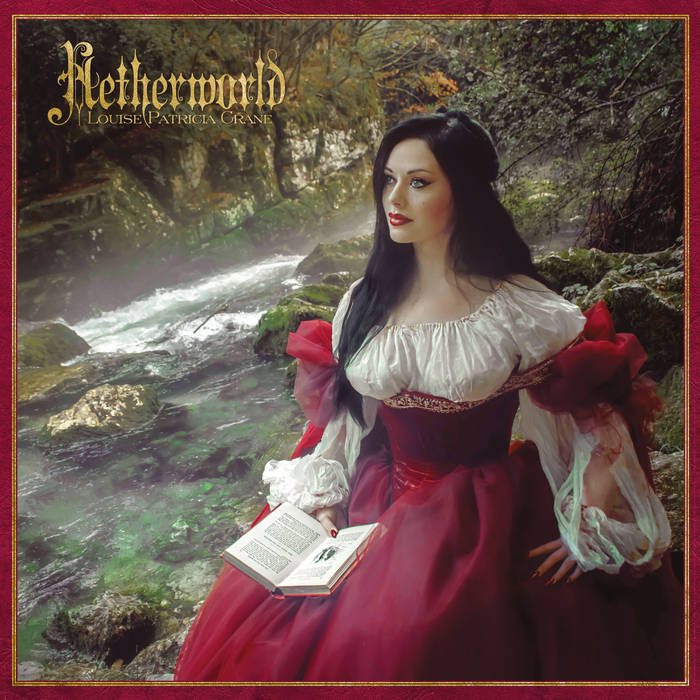
Louise Patricia Crane, Netherworld: Both in his recent Progarchy interview and in the liner notes for his latest, Son of Glen, Jakko M. Jakszyk has been beating the drums for this 2024 album – and he’s right to do it! Crane brings vaulting artistic ambition, assured worldbuilding and mad skills at singing, playing and production to bear on Netherworld; the result is an utterly absorbing song-cycle that pulls you in with the initial “Dance with the Devil” and refuses to let go until the last strains of “Japanese Doll” have died away. Wisps of early Genesis and Tull give “Tiny Bard” and “The Lady Peregrine’s Falcon” a folk-prog tinge, while a trace of vintage Kate Bush lingers in Crane’s resonant vocals, but the sweep of her archetypal lyrics and the variety of settings (from subtly psychedelic “The Red Room” to the overcast jazz of “Bete Noire”) dispel any hint of tired pastiche. Rather, Jakszyk joins an imposing crew of modern prog titans (hailing from King Crimson, Marillion, and points beyond), all dedicated to bringing Crane’s singular point of view to life. These classic ingredients come together in a heady, winningly original brew on an atmospheric soundstage that breathes; Nick Drake’s catalog and the rumbling calm of Talk Talk’s post-rock years are the closest parallels I can call to mind. Netherworld is a brilliant album, thoroughly deserving of your time, attention — and even love. It went on my Belated Favorites list like a shot!

Mary Halvorson, About Ghosts: More kaleidoscopic ensemble jazz from Halvorson’s Amaryllis sextet plus guests (including youthful sax giant Immanuel Wilkins). The warm, glittering sound of opener “Full of Neon” is typical here; launching a pointillistic riff, the ensemble builds through brass smears and a convoluted unison head to perfectly judged solos from trombonist Jacob Garchik and guest tenor Brian Settles. Trumpeter Adam O’Farrill, vibist Patricia Brennan and Wilkins get their licks in as well, while the rhythm section of Nick Dunston and Tomas Fujiwara kick up plenty of dust and swing like mad. And while Halvorson generally lays back as a soloist here (“Carved From”, also a spotlight moment for Wilkins, is an enjoyable exception), her pointed guitar tone laced with congenial digital wobbles consistently pokes through at just the right moments. From “Absinthian’s” uptempo tick-tock through the graceful Ellingtonia of the title track to the sleek glide of “Polyhedral” and “Endmost’s” smooth, richly chorded bossa, Halvorson and her players are always inventive and inviting, conjuring sunny textures from the knottiest material. A great way to either discover this fine composer/performer’s unique voice, or to check out her continuing growth.

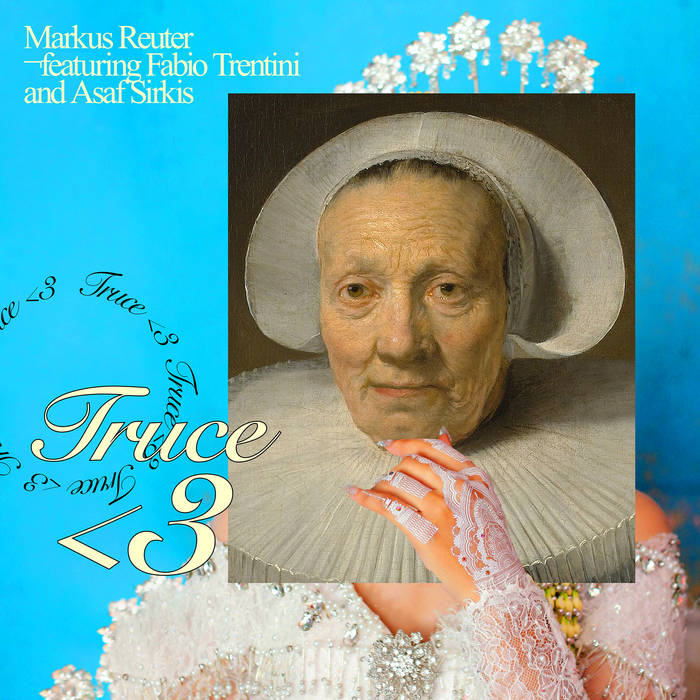
Markus Reuter – featuring Fabio Trentini and Asaf Sirkis, Truce <3: Full-on instrumental rock from three undersung players who know their stuff — including the magic that can happen when the red light comes on with nothing prepared! Reuter’s touch guitar conjures up hanging sonic clouds, cycling loops, piledriving licks and rich melodic spirals; Trentini’s bass lines ground the evolving excursions with a tasty mix of repetition and variation, plus fat, enticing tone; on drums, Sirkis is endlessly, subtly inventive within rock-solid grooves. Slinky kickoff “Not Alone,” the driven, stuttering funk of “It’s Not in the Cards,” the bubbling, smoldering interplay of “Crooked” and “Guardian Shadow,” with its stinging elegiac lament that morphs into a total wig-out, are just the highlights; every improvisatory leap here is inspired. Completely whipped up from scratch like the first two entries in this stunning series, Truce<3 catches music as it’s made on the fly, irresistibly setting body, mind and heart in motion. Already on the Favorites list for this year.

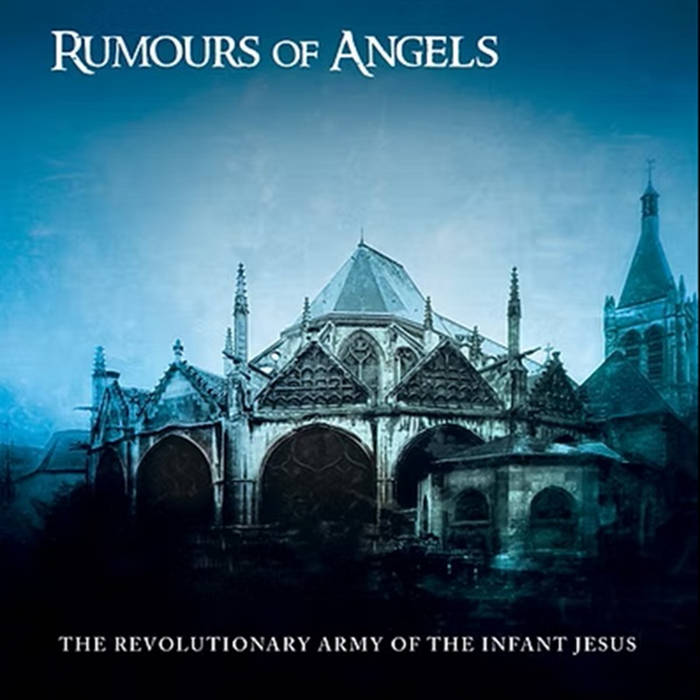
The Revolutionary Army of the Infant Jesus, Rumours of Angels: Originally part of 2013 French boxset After the End, this set compiles two EPs from the end of RAIJ’s 20th-century run and two previously uncollected tracks. As such, you can hear the gleeful clash of opposites — floating folk melodies, chant and spoken word colliding with low drones, tribal rhythms and bruising industrial noise, all drenched in thick, wet echo — that marked the Liverpool collective’s initial, headlong assault on modernity. If tracks like “Cantata Sacra” and “Dies Irae” feel like desperate attempts to call down the Holy Spirit through sheer, strenuous force, moments in “The Parable (of the Singing Ringing Tree)” and “Suspended on a Cross” point toward the mix of ambient stillness and randomized sound collage that permeate later, more considered classics Beauty Will Save the World and Songs of Yearning (my album of 2020). For those who’ve already taken the plunge, Rumours of Angels is an unexpected gift, a vital signpost on RAIJ’s road toward their current, more meditative (yet still earthy) incarnation. If you’re new to it all, don’t let me dissuade you from trying this one out — but be sure to buckle up!

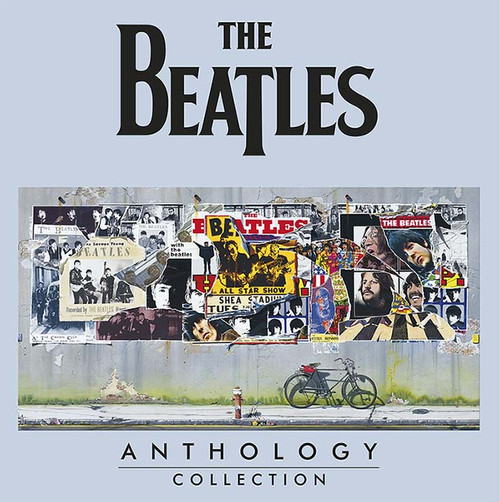
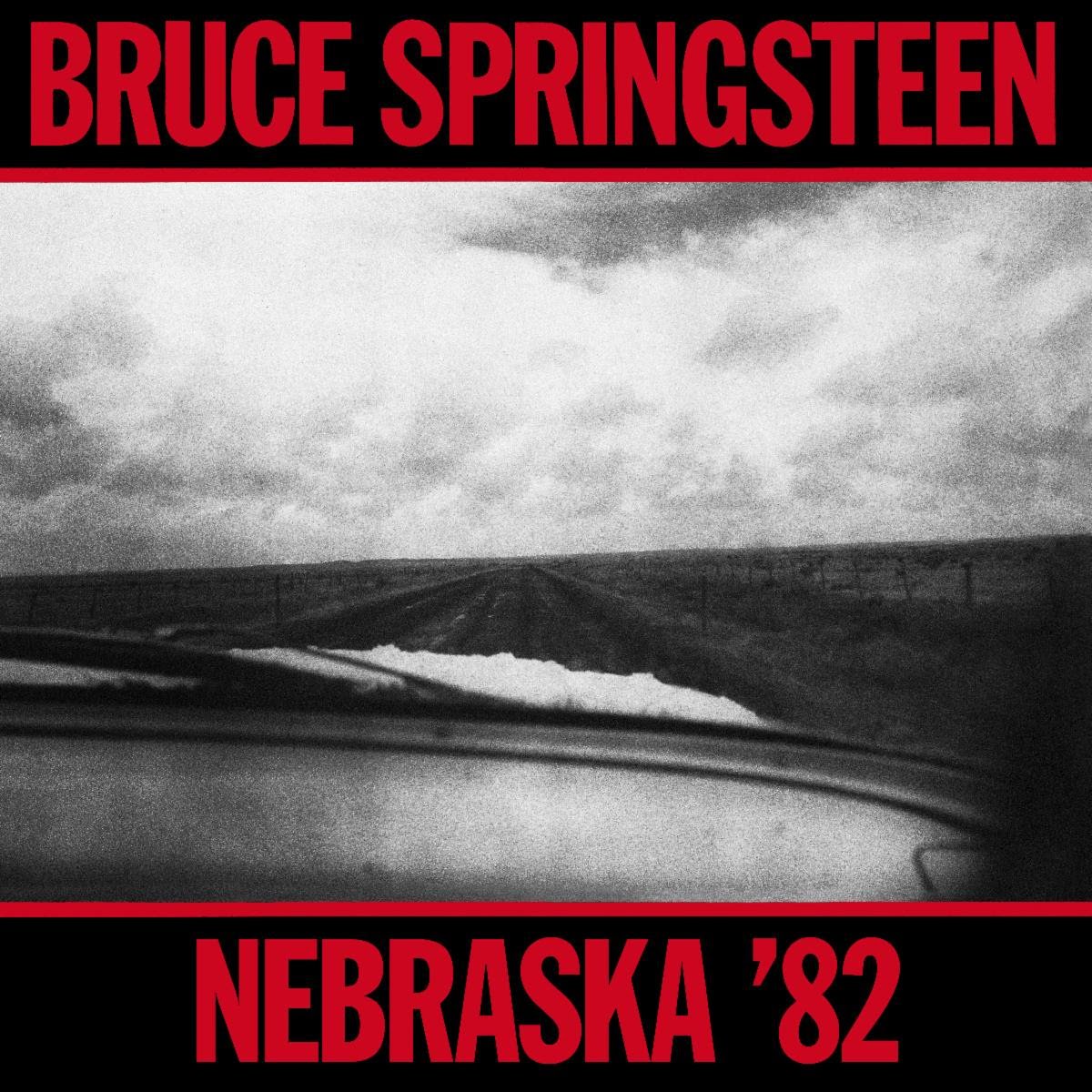
Bruce Springsteen, Lost and Found – Selections from the Lost Albums: I’d argue there are at least three facets to Springsteen’s artistic persona: the unstoppable Boss, barnstorming the globe with the E Street Band; the compulsive singer/songwriter, forever panning his psyche for creative gold; and most evident here, the obsessional auteur, agonizing time after time over the content of his next release. This sampler from Tracks II, an expansive (and exorbitantly priced) box of 7 unreleased albums, startles with the scope of Springsteen’s musical inspirations — though your mileage may vary as to how convincing the various genre exercises are. Chilled-out trip-hop Bruce (“Blind Spot”), spiritual-but-not-religious Bruce (“Faithless”) and country/rockabilly Bruce (“Repo Man”) click best for me; and even tejano Bruce (“Adelita”) and saloon crooner Bruce (“Sunday Love”) have their arresting moments. If anything, the straight-up rockers might be the weakest element here; “You Lifted Me Up” reminds me of nothing so much as a third-string praise and worship chorus. Still, it’s hard to beat Lost and Found’s value — 1/4th of the box set’s tracks for 1/20th of the price, and it certainly lets you know what you’re in for from Springsteen’s latest raid on his vaults. If you’re intrigued like I am, check out the sampler, maybe listen to the complete set online — then hope for a Black Friday price drop.

— Rick Krueger
Rick’s Quick Takes: 4th-Quarter ’24 Lightning Round!

Where have the last two months gone? And how many new releases have I enjoyed in the interim? Enough that I’ll be shooting to summarize each one included below in two to four sentences, max! (Though I can’t guarantee they’ll be short sentences.) Purchase/streaming links embedded as usual, so here we gooo . . .

New Music

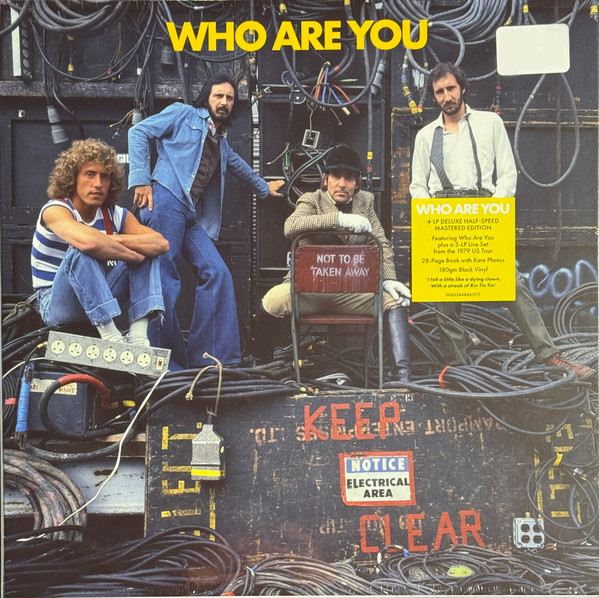
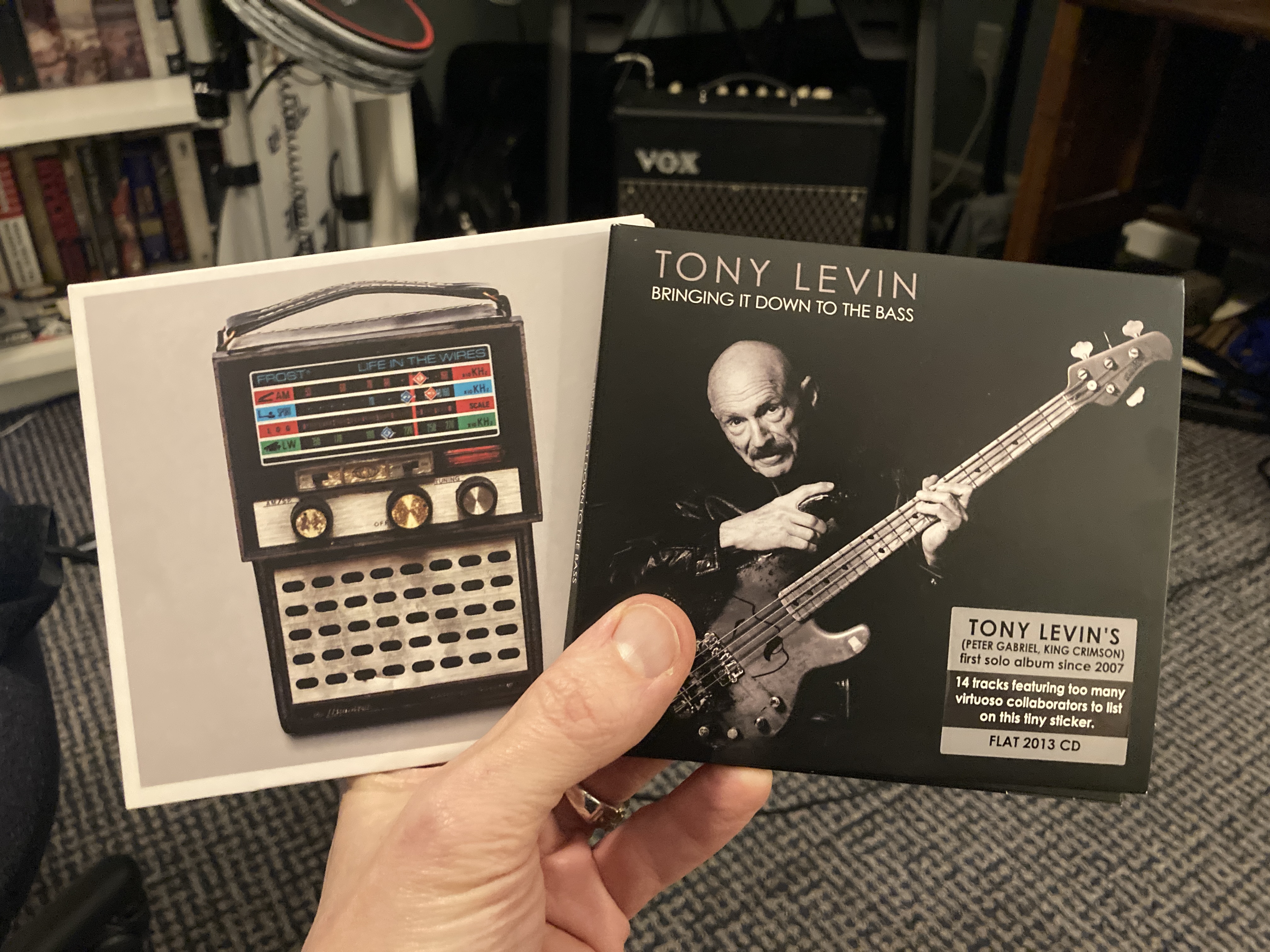
As teased in our October interview with mainman Jem Godfrey, Frost*’s Life in the Wires (listen here) is the conceptual album of a prog fan’s fondest dreams; the storyline is vintage dystopia (1984 meets Who’s Next), the music a full-on sonic assault from the get-go (replete with widdly synthesizer solos). Pitted against the required cybernetic supervillain, in search of freedom out there in the fields, can Godfrey’s protagonist Naio escape permanent lockdown in teenage wasteland? The ultimate answer is well worth the winding journey; powered by the heady backing of John Mitchell, Nathan King and Craig Blundell, Godfrey easily conjures up the equal of previous band high points Milliontown and Falling Satellites.

On his fresh solo album Bringing It Down to the Bass, Tony Levin launches 14 low-end odysseys with (to quote the hype sticker) “too many virtuoso collaborators to list.” But whether proving that “Boston Rocks” with Bowie guitarist Earl Slick and Dream Theater drummer Mike Portnoy, “Floating in Dark Waves” below Robert Fripp’s soundscapes, or reuniting with fellow Peter Gabriel bandmembers on multiple jams, Levin always grabs the ear with his supremely melodic bass, Stick and cello work. And his low-key, half-spoken vocals prove surprisingly effective, especially on dry barbershop throwbacks “Side B/Turn It Over” and “On the Drums” and the moving John Lennon tribute “Fire Cross the Sky.”

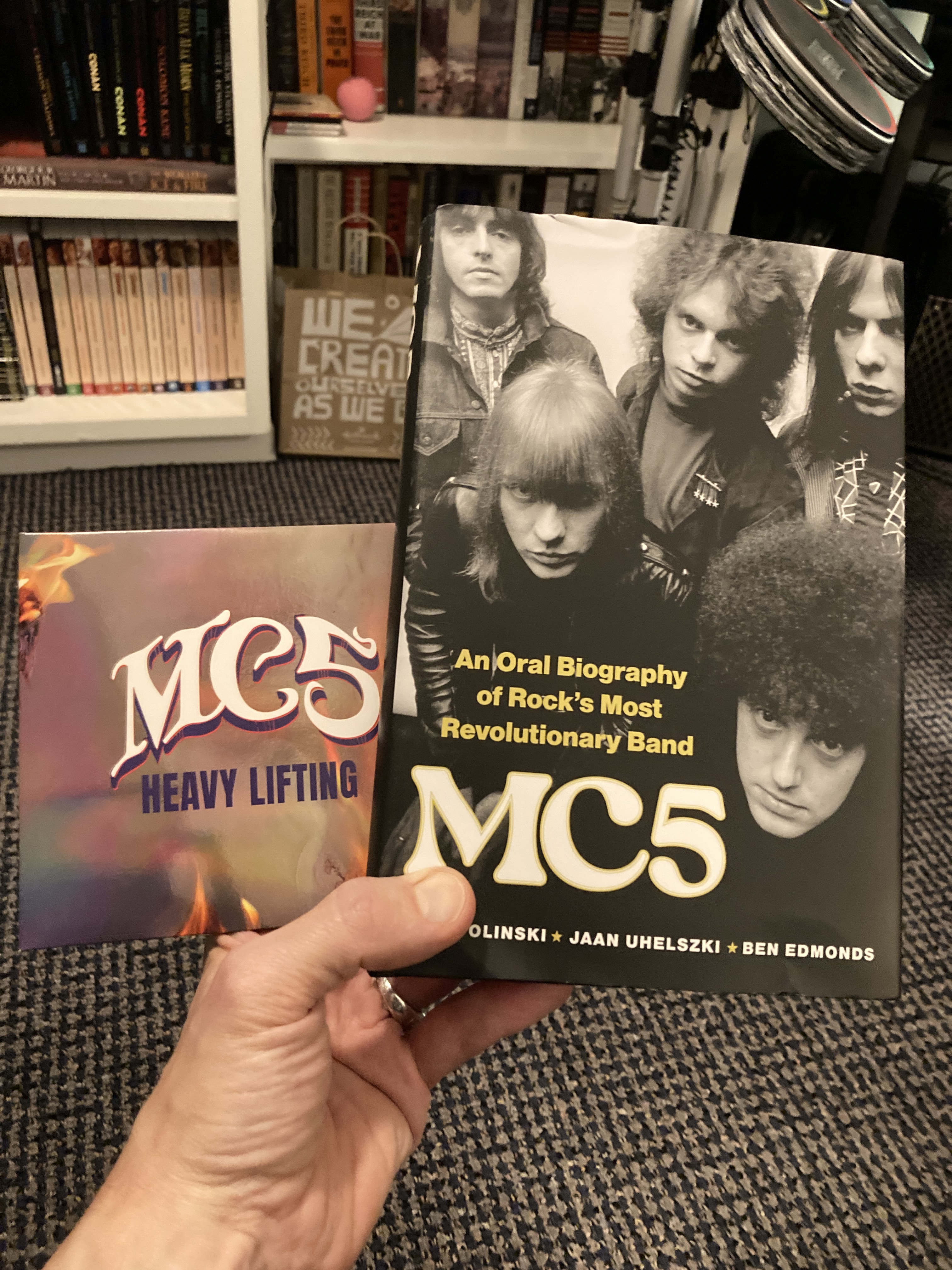
Pioneer garage rock guitarist Wayne Kramer had one more winner in him before his passing earlier this year. Credited in tribute to Kramer’s seminal Detroit collective MC5, Heavy Lifting (listen here) rages against the political and cultural machines still standing since the band’s original heyday, agitating for a better deal with 13 brash, irresistible helpings of punk (“Barbarians at the Gate”), rock (“Edge of the Switchblade”) and soul (Edwin Starr cover “Twenty-Five Miles”). For the full skinny on why Kramer & company finally snuck into the Rock & Roll Hall of Fame through the back door this year, the new MC5: A Oral Biography of Rock’s Most Revolutionary Band is essential reading.

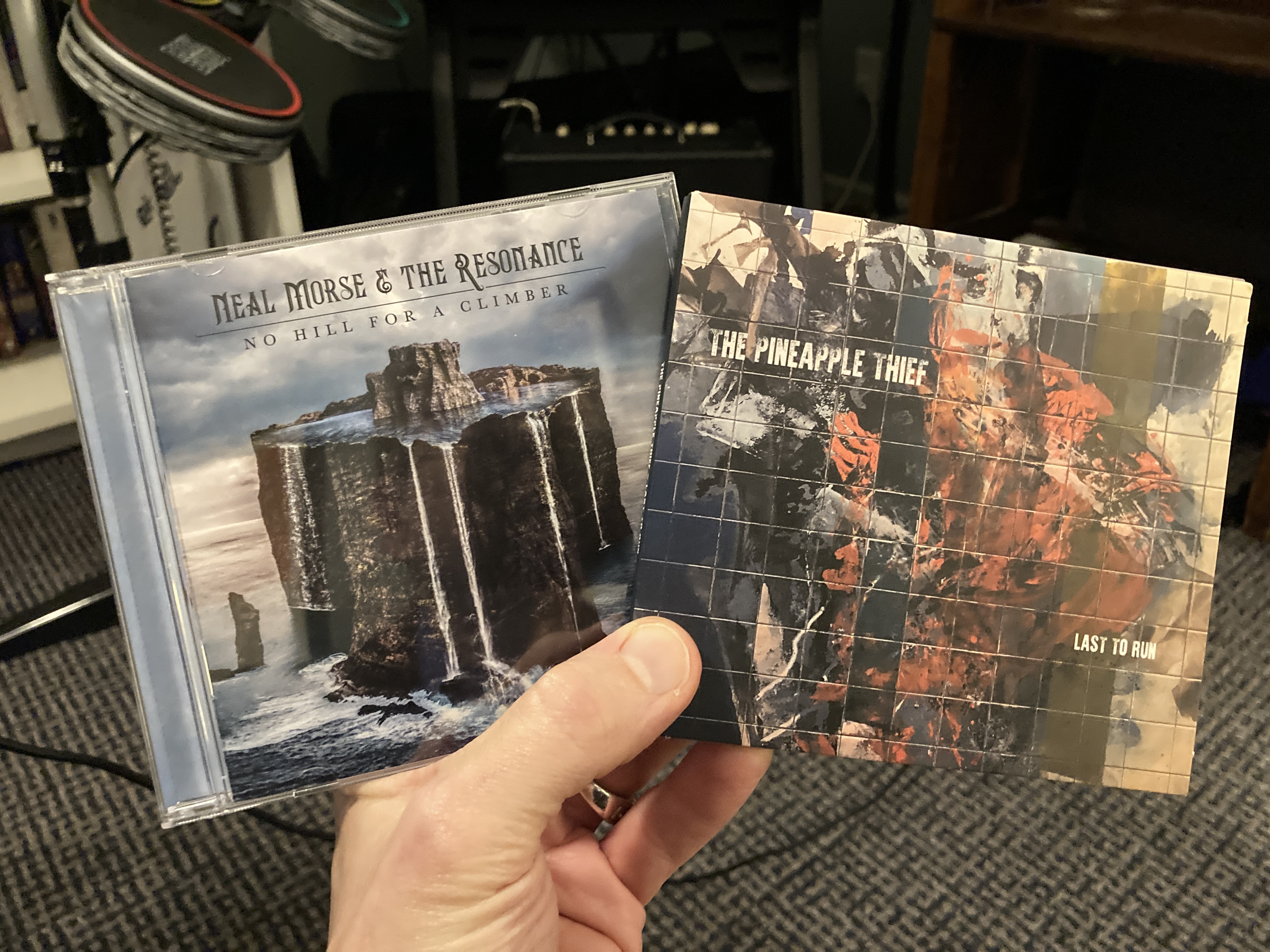
As his long-time collaborators spin off in other directions, Neal Morse just keeps on keeping on! Teaming with The Resonance, a purpose-built quartet of young Nashville hotshots, Morse’s latest No Hill for a Climber (listen here) is a bit of a throwback; instead of full-blown rock opera, Morse builds a multi-faceted album, sandwiching creepy swinger “Thief”, head-down rocker “All the Rage” and melting ballad “Ever Interceding” between twin epics (opener “Eternity in Your Eyes” and the closing title suite). The more straight-on vibe Morse embraced on his Joseph duology predominates here, but with enough detours to keep long-time listeners coming back and intrigue new hearers.

Straight-on is a pretty good description of the new The Pineapple Thief EP Last to Run (listen here) as well; far more than leftovers from the fine It Leads to This, the five songs included here strike hard and deep. As Gavin Harrison weaves enticing rhythmic illusions on drums, Bruce Soord spins up dark, pensive vignettes of personalities in crisis (“All Because of Me”), relationships snarled by dysfunction (“No Friend of Mine”) and societies on the brink (“Election Day”). Another band that mines a familiar vein repeatedly, yet consistently leaves listeners craving more.

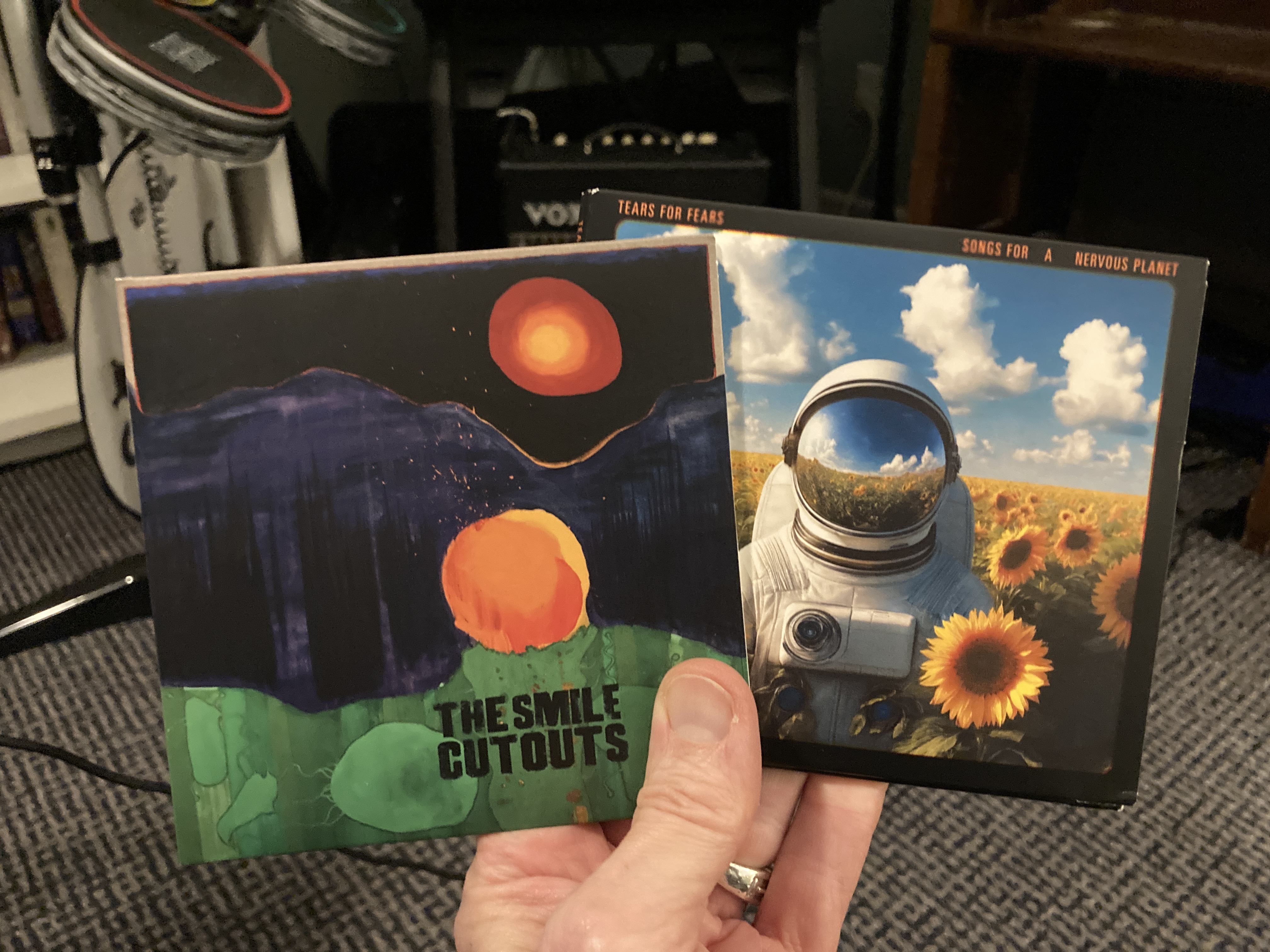
Speaking of dysfunction, The Smile’s Cutouts (listen here) resembles nothing so much as a numbed comedown, trailing the apocalypses unflinchingly depicted earlier this year on their Wall of Eyes. Thom Yorke’s nonsense lyrics and bleached-out vocal affect sound light-years away from the redemption Radiohead intimated even at their most jaundiced; Jonny Greenwood spins up orchestral/electronics, evoking distant, forgotten nightmares; Tom Skinner holds down the spare, spacey beat, blithely driving into nothingness. If not as gripping as this trio’s first two albums, Cutouts can still compel with its chill.

But where The Smile chills, Tears for Fears seeks warmth; the four fresh tracks on TfF’s mostly-live Songs for a Nervous Planet (listen here) home in on healing (“Say Goodbye to Mom and Dad”), lasting love (the lush “The Girl that I Call Home” and the psychedelic “Emily Says”) and self-actualization (the quirkily glib “Astronaut”). And there’s plenty more catharsis in concert, as Roland Orzbaal, Curt Smith and backing band blast out the hits of yesteryear and revisit the highlights of their fine 2022 comeback The Tipping Point, all with plenty of enthusiasm and aplomb.

(Live albums and archival releases – box set time! – follow the jump.)

Continue reading “Rick’s Quick Takes: 4th-Quarter ’24 Lightning Round!”

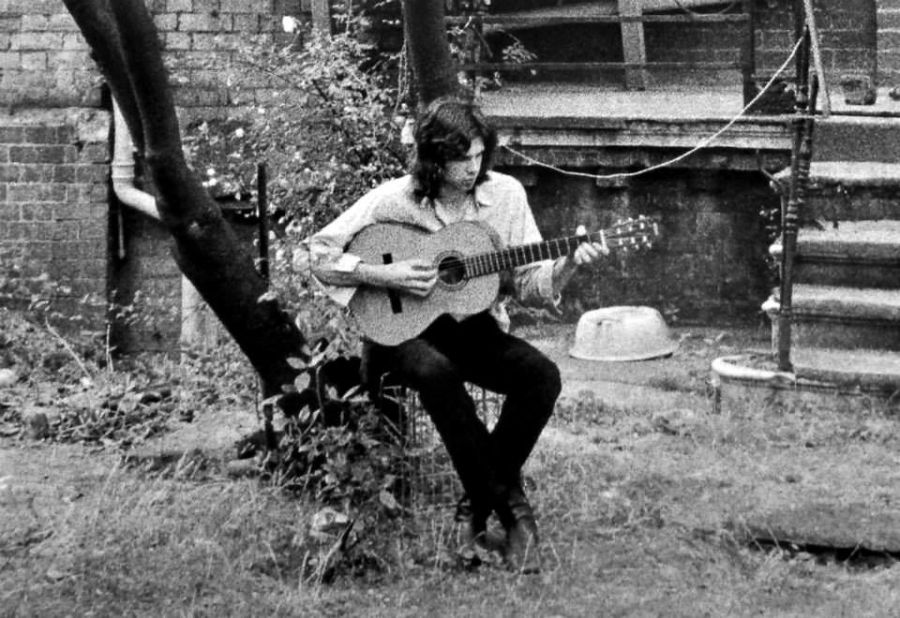
Nick Drake, 19 June 1948 – 25 November 1974

Leading up to his 75th birthday today, I’ve been thinking of writing about Nick Drake — perhaps the ultimate Rock-era example of a brilliant musician neglected in his lifetime and “discovered” long afterwards. But Ted Gioia, author of The History of Jazz and one of the best current writers about music of all kinds, has said everything I’d want to say and more at his Honest Broker Substack.

Drake had a paradoxical power to touch the emotions of the audience even when it sounded as if he were singing just for himself . . . every syllable seems infused with private meaning . . . Drake is now more than a music star, almost an emblematic figure. And I say with some sorrow, but with complete conviction, that his life and times remind me of so many people nowadays who have been cast adrift in our society—suffering in ways spookily reminiscent of what he experienced fifty years ago.

Ted Gioia, “Nick Drake at Age 75”

— Rick Krueger
Rick’s Quick Takes for May

As always, purchase links are embedded in each artist/title listing; playlists/videos/samples follow the review.

Artemis, In Real Time: This second album delivers on the promise and potential of Artemis’ 2020 debut. As I recently discovered in concert, here’s a jazz sextet with a forceful front line (Nicole Glover and Alexa Tarantino on woodwinds, Ingrid Jensen on trumpet) and an assertive rhythm section (founder Renee Rosnes on piano, Noriko Ueda on bass, Allison Miller on drums) that revels in both challenging and collaborating with each other. Whether hurtling through the post-bop twists of Miller’s “Bow and Arrow” and Jensen’s “Timber”, reaching for the skies on Ueda’s open-hearted “Lights Away From Home” or tenderly exploring Rosnes’ spacious ballads “Balance Of Time” and “Empress Afternoon” — not to mention their unique spins on tunes by departed giants Lyle Mays and Wayne Shorter — this is a group of top-rank players that mesh marvelously as an ensemble, delivering a whole lot of serious, elegant fun.

Brian Dunne, Loser on the Ropes: It’s true that I wouldn’t have come across this New Jersey-born, Brooklyn-based singer-songwriter if my nephew hadn’t played drums for his recent tour. But I’m glad I did! Dunne’s vivid lyrics — questing, skeptical, bemused, and poignant all at once — hitch a ride on his insistent verbal rhythms, catchy melodies and tightly constructed tunes, sung with his direct, inviting voice to impressive effect. He rocks out on “Stand Clear of the Closing Doors” and “Bad Luck” and whips up midtempo singalongs on “It’s A Miracle” and “Optimist,” slowing down for more reflective efforts like the title track and the closer “Something to Live For”. There are sonic echoes of mid-period Dire Straits and (inevitably?) 1980s Springsteen, but this is fresh, thoughtful music with both forthright appeal and subtle intensity, well worth hearing.

Bill Evans, Treasures: from the late 1950s to his premature demise in 1980, Bill Evans changed jazz piano forever with what Miles Davis called his “quiet fire”, reshaping the piano trio format as a conversation of equals in the process. The latest in a rich harvest of archival discoveries from jazz detective Zev Feldman and his compatriots, Treasures captures Evans’ steady, probing artistic growth in the late 1960s via a series of visits to Denmark. Whether captured solo, in full flight with various bassists and drummers, or even at a heart of a suite for big band and orchestra, Evans is consistently engaged, shaping jazz standards, rarified pop tunes and his own compositions into things of sheer beauty with his intense lyricism and sense of swing. As good an introduction to this titan of the genre as any!

Guardians of the Galaxy, Awesome Mix, Vol. 3: Fair warning: this semi-soundtrack to the latest Marvel Cinematic Universe blockbuster probably won’t give children of 1970s radio like me the same nostalgia buzz as the first two volumes of Awesome Mix. Sure, there are still great throwbacks from Heart, Rainbow, Earth Wind & Fire, Alice Cooper and Bruuuce; but this time around they share playlist space with the American slacker punk (X, The Replacements) rock-rap (Beastie Boys, Faith No More), and post-indie dream pop (Florence and the Machine) that followed over the decades. So it’s a more diffuse experience, with tracks that are actually eminently forgettable (Spacehog? The Mowgli’s?) — not to mention a missed opportunity for a prog shout-out. On the other hand, any compilation that includes The Flaming Lips’ hospice anthem “Do You Realize?” and EHAMIC’s “Koinu No Carnival” — Chopin filtered through an electronica mixmaster! — deserves at least a listen, and possibly space on your shelf or hard drive.

Marillion, Seasons End Deluxe Edition: The final reissue in the set of Los Marillos’ eight EMI albums, boxed up in typically comprehensive fashion. Layering his and John Helmer’s words atop the veteran band’s latest soundscapes (often repurposed from a futile final effort at working with original vocalist Fish), new boy Steve Hogarth brought it all back home with melodies that tacked closer to folksong than operatic recitative and scenarios that evoked slice-of-life drama as well as existential soliloquies. In retrospect, Seasons End was just the start of H-era Marillion’s evolution, but the end result still rocks hard, smart and sharp after all these years, from the atmospheric intro of “The King of Sunset Town” to the unnerving claustrophobia of closer “The Space”. In addition to a remix of the 1989 original, we get b-sides, demos and early versions of multiple album tracks — plus three high-energy live sets (audio and video from 1990, plus 2022’s British Marillion Weekend) and two documentaries on the CD Blu-Ray version. Like the entire series, this re-release is great listening and great value for money. (And deluxe boxes of post-EMI albums have been promised by manager Lucy Jordache. Stay tuned …)

Paul Simon, Seven Psalms: Designed as a unified song-cycle to be heard in its entirety (it’s one 33-minute track on CD and streaming audio), Simon’s new work is a dreamlike meditation unlike anything else in his catalog. His subdued voice and acoustic guitar carry the musical weight, hinting at gospel, folk and blues as the suite unfurls, with ambience courtesy of composer Harry Partch’s “cloud chamber bowls”, British choir Voces8 and full orchestra. Anything but orthodox, metaphor-packed portraits of “The Lord” — who Simon compares to, among other things, a virus, a virgin forest and a record producer — become a recurring theme, punctuating scattered thoughts on life past and present. Scattered, that is, until the finale “Wait” (“I’m not ready/I’m just packing my gear”), where Simon abruptly, delicately drills down to our common endpoint. Ruminating on what’s been becomes a stoic stock-taking of what we’ve become, a bracing reminder of what awaits us all — and, just possibly, a call to hope in what might lie beyond. Subtle and devastatingly effective, Seven Psalms is a momento mori for the Boomer generation — and for anybody else with ears to hear.

U.K., Curtain Call: When keyboardist/violinist Eddie Jobson locked in with guitar genius Allan Holdsworth and the then-defunct King Crimson’s rhythm section — John Wetton on bass & vocals, Bill Bruford drumming — sparks flew thick and fast. U.K.’s 1978 debut album was a sleek, captivating blend of progressive rock and jazz fusion; 1979’s Danger Money slimmed down to a more focused power trio as Zappa drummer Terry Bozzio replaced Bruford and Wetton’s writing veered toward proto-Asia pomp-rock. The inevitable semi-reunion happened in the 2010s, with Jobson coming off a productive career in film and TV scoring and Wetton rebounding from a hard-fought battle with substance abuse for a extraordinary final run. Joined here in 2013 by hot young virtuosos Alex Machacek (guitar) and Marco Minnemann (drums), the duo triumphantly roar through U.K.’s complete repertoire to an enthusiastic Tokyo crowd. From the crash/bash technoflash of “In the Dead of Night”, “Alaska/Time To Kill” and “Carrying No Cross” to the glowering, tasty tension of “Thirty Years” and Rendezvous 6:02″, this foursome whips up a level of excitement and energy that was unstoppable on the night and remains irresistible on disc. Now remastered and reissued by Jobson in tribute to his late partner, this reasonably priced video (on BluRay & DVD with a bonus audio Blu-Ray) is an immensely satisfying summation for long-time fans, and a glimpse of what the fuss was all about for curious newbies.

Yes, Mirror to the Sky: After the stodgy fiasco that was Heaven & Earth and the modest charm of The Quest, Steve Howe and the rest of Yes’ current line-up actually raise a ruckus this time around. Large helpings of vocal and instrumental interplay in the grand tradition, plenty of fresh, arresting guitar licks by Howe, and lots of splendidly evocative harmonies from Jon Davison and Billy Sherwood make Mirror to the Sky a real pleasure to hear. If you expect the peak inspiration and combustible drive of Yes’ classic era, you’ll be disappointed, but this release is a convincing mix of extended epics like the title track and proggy pop like the singles “Cut from the Stars” and “All Connected”, with only the bonus disc’s “Magic Potion” sounding like a dud to my ears. For me, the most enjoyable new Yes album since 1999’s The Ladder. Check out Time Lord’s review here.

— Rick Krueger
Rick’s Quick Takes for February

Transatlantic’s The Final Flight: Live at L’Olympia is a worthy souvenir of the latest — and last? — tour by our favorite “more never is enough” classic-prog supergroup. Over three hours, Neal Morse, Roine Stolt, Pete Trewavas, Mike Portnoy and sidekick Ted Leonard play every possible note of their ultra-epic The Absolute Universe, plus generous chunks of the band’s first three albums (sorry, Kaleidoscope fans). You might notice some rough edges in Morse’s singing despite a few preemptive downward key shifts, but Transatlantic still delivers the goods without fail — the jaw-dropping ensemble work, knockout solos, choral counterpoint, head-spinning transitions and heart-stopping climaxes just keep coming. And if this is their swan song, thanks for 20+ years of over-the-top thrills and spills are well past due!

Rick Wakeman’s latest album, A Gallery of the Imagination, is less a conceptual effort (like The Six Wives of Henry VIII or even the recent The Red Planet) than an impressionist suite based on a overall musical approach (as on his Piano Portraits releases). As such, Wakeman’s strong suit — spacious melodies decorated with arpeggios aplenty, then rocked up via finger-busting solo work — is here in abundance, with appropriately sturdy backing by The English Rock Ensemble. But be prepared — the line between prog and middle-of-the-road pop is remarkably thin at times, especially when sentimental lyrics like “A Day Spent on the Pier” are declaimed with stagey brio by vocalist Hayley Sanderson. If you can deal with that, there’s plenty to enjoy here.

Simon Collins and Kelly Nordstrom (best known in the prog world for the Sound of Contact album Dimensionaut with Dave Kerzner and Matt Dorsey) veer in a heavier direction with their new project, eMolecule’s The Architect. The initial blasts of electronica-laced prog-metal, amped up with gusto by Nordstrom, slot in beautifully with the dystopian sci-fi narrative, but it takes a while for Collins’ trademark vocal inflections to peek through the robotic audio processing. Ultimately, the light and shade of “Beyond Belief” and “Awaken” (a ballad in the Phil-to-Simon family tradition) and a building sense of Floydian atmospherics provide the contrast needed for eMolecule’s well-executed sound and fury to fully connect.

I stumbled across the British post-rockers Plank via 2014’s excellent Hivemind. After tackling animals and insects as their previous subjects, the trio widen their horizons here, returning after 9 years for their new concept opus The Future of the Sea. This is a stunning set of limpid, gorgeous instrumentals, weaving elements of psychedelia, prog and math-rock into textures of massive breadth and heft (whether the big guns are being held in reserve or out on parade at any given moment). The closing 6-part suite “Breaking Waves” is a full-on, monolithic delight that mounts to a shattering, satisfying climax. Give this one a try!

The ongoing passing of rock legends tends to direct me toward their most recent releases, especially if I’d dismissed them on initial notice. Thus, when David Crosby died in January, I bit the bullet and picked up his Lighthouse Band’s CD/DVD Live at the Capitol Theatre. Ignoring this beauty, released late last year, was a mistake; it’s a thoroughly enjoyable, even moving document of Crosby’s late career renaissance, here shown in collaboration with Snarky Puppy bassist Michael League and singer/songwriters Becca Stevens and Michelle Willis. Yes, the man’s voice is a shadow of its former self here — but so is his legendary ego; this lovely set may be more of a team effort than Crosby, Stills and Nash (& Young) ever was. The jazz-inflected songwriting, the hushed vocal blend, the lovely sense of understatement and space all make this delicate music blossom and take root in the heart. This tour came to West Michigan on Thanksgiving weekend of 2018; hearing this set, I’m sorry I missed the show! Yes, it’s that good.

I wish I could say the same about 18, the collaboration with Johnny Depp that turned out to be guitar legend Jeff Beck’s swan song; even putting aside Depp’s recent notoriety, there’s a mismatch of tone that makes the album a puzzling listen. Though Beck’s rich melodicism is as compelling as ever, his soaring aesthetic keeps bouncing off the consistently lugubrious song selection and morose vocals from Depp. Usually I’d be all over an album that ricochets from Motown and the Everly Brothers to Killing Joke and The Velvet Underground, but the eclectic selection simply refuses to cohere. Some glorious moments (instrumental takes on the Beach Boys’ “Don’t Talk” and “Caroline, No”, the John Lennon cover “Isolation” that closes the album on a solid footing), but Beck’s light and Depp’s dark cancel each other out far too often for the music to take wing.

In the meantime, the past month has seen multiple first-rate releases in the jazz (and jazz-related) world:

From out of left field, Lake Street Dive singer Rachael Price teams with guitarist/songwriter Vilray Blair Bolles for I Love A Love Song! This second duo effort pairs Price’s well-honed jazz and pop sensibilities with whimsical Vilray originals in the Great American Songbook tradition. Well-upholstered arrangements from a finely tuned large combo and a boxy yet lush recorded sound set up the retro feel; but ultimately it’s Price’s subtle, in-the-pocket sense of swing that sells the music, often breezy and melancholy at the same time.

Piano legend Brad Mehldau has never hesitated to incorporate rock songs into the jazz canon; with Your Mother Should Know, he makes a program of Beatles tunes (plus David Bowie’s “Life on Mars” — it originally featured Rick Wakeman on piano!) sound not just obvious, but inevitable in the idiom. Above all, this is fun, albeit often of a serious stripe; from the headlong boogie woogie of “I Saw Her Standing There” through the thickened harmonies of “I Am the Walrus” and hovering balladry of “Here There and Everywhere” to the stretched-out gospel of “Baby’s in Black” and the ecstatic extended solo of “Golden Slumbers”, Mehldau’s instincts for where to take these songs by Lennon, McCartney and Harrison are unerring, his invention refreshing and often astonishing, his technique impeccable. Absolutely worth a listen, whether you’re a Fabs fan or not.

Are improvisational Australian trio The Necks “jazz”? Hard to say; but while their music resists categorization (or even description), their latest release Travel is as attractive a summation of what they do as anything. Four pieces of music, each one made from scratch at the start of a day in the studio, building from a minimal idea that gains momentum, complexity and impact through repetition and variation of ideas, dynamics and sounds. “Signal” rambles, “Forming” smolders, “Imprinting” shimmers and “Bloodstream” flares up for a riveting double-album journey. Is it world-inflected rock? Ambient jazz? Something else? I frankly don’t care; I just know that after an online listen, I had to buy it. (And kudos to Vertigo Music of Grand Rapids for having it in stock!)

P.S. In the “blast from the past” department, I’ve spent a surprising amount of time reveling in the swagger of Cheap Trick’s Dream Police, a widescreen slab of power-pop brilliance from 1979. And sticking my toe in the deep waters of Guided by Voices last month led me to their slam-bang “best of” compilation from 2003, Human Amusements at Hourly Rates. Both highly recommended if you wanna rock!

— Rick Krueger
Boz Scaggs & Robert Cray in Concert – Two from Out of the Blues

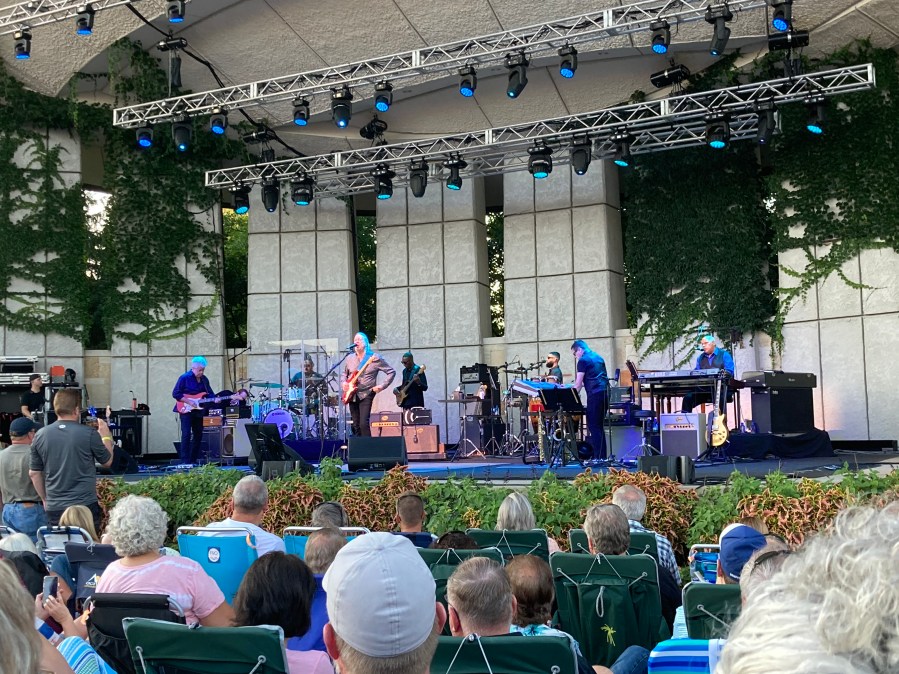
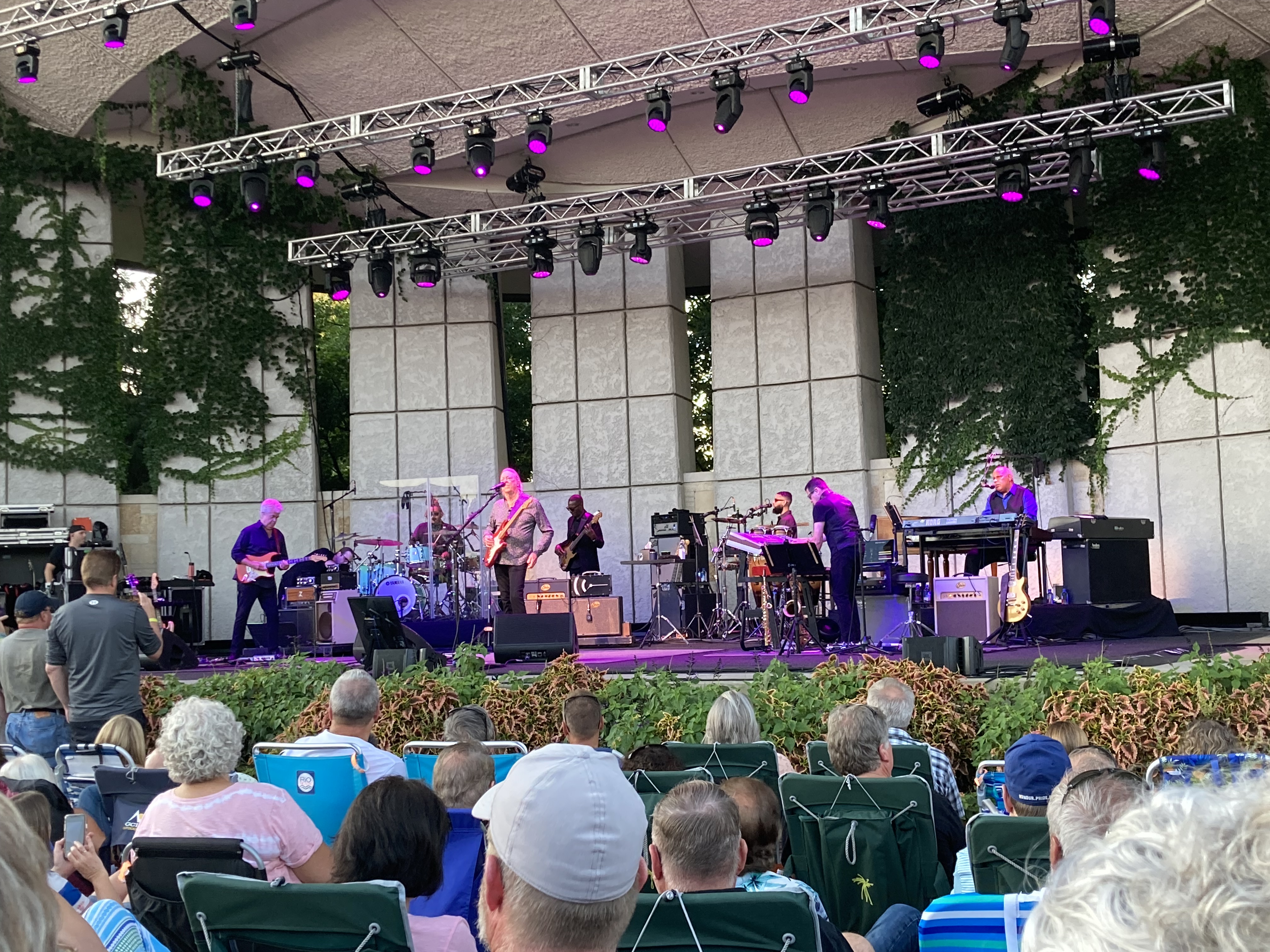
Boz Scaggs with the Robert Cray Band and Jeff LeBlanc, Meijer Gardens Amphitheater, Grand Rapids Michigan, August 22, 2022.

Fair warning: there was absolutely nothing prog about this show. And there didn’t have to be — my wife, my friends and I got the good time vibes we came for, along with about 2000 other locals, if sometimes from some unexpected directions.

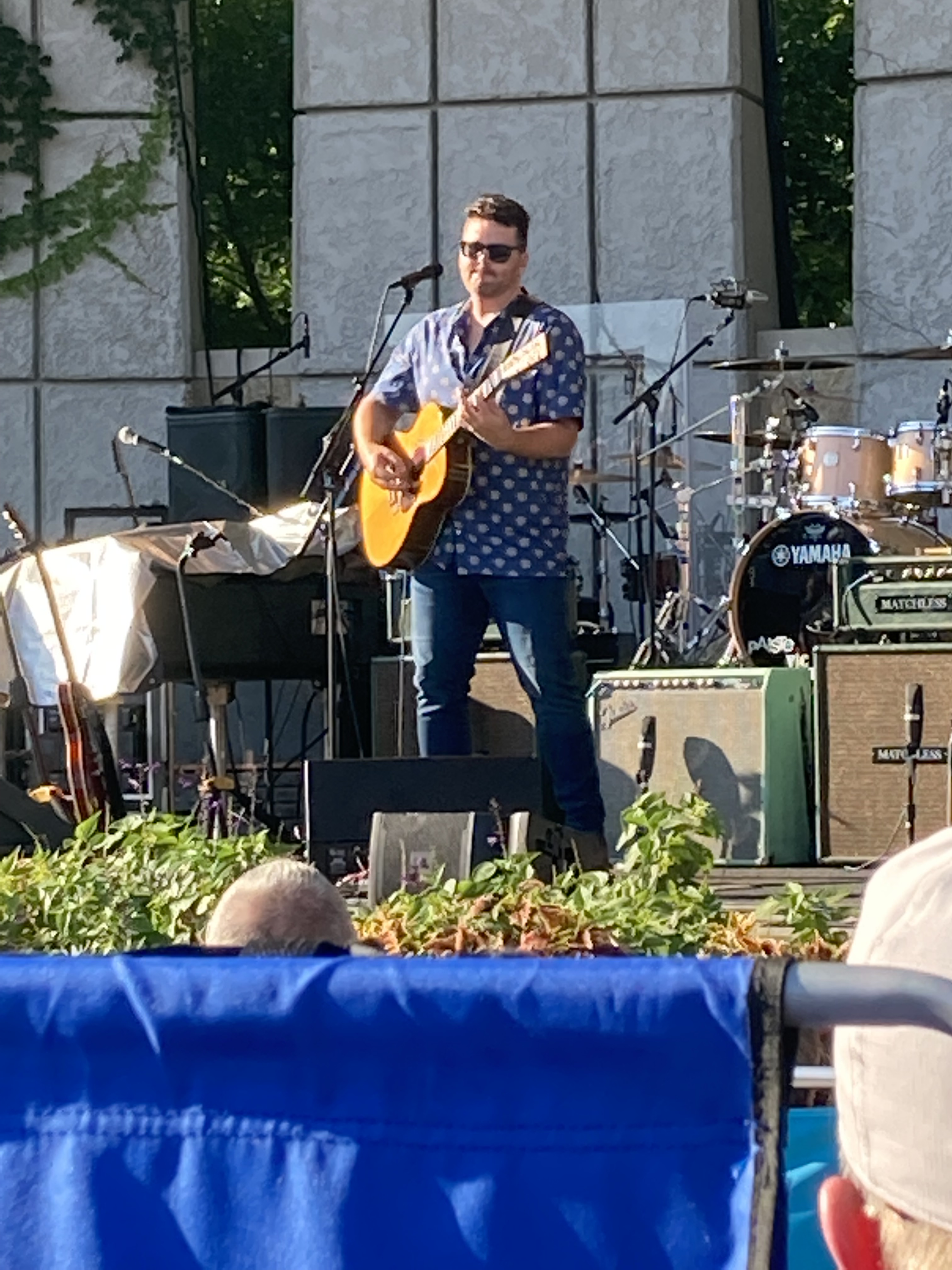
Case in point: opening act Jeff LeBlanc. (All together now: “Who?”) A solo act like many others: one guy with his guitars, a way with catchy melodies that you might hear over the PA system at a place like Walgreens (he said it, not me!) and great taste in covers. Pulling out hometowner Al Green’s soul classic “Let’s Stay Together” as his third tune, he had the crowd firmly on his side by the end of his 15-minute set. If LeBlanc’s music is a bit anonymous, his affable stage presence still provided a great way to ease us into the evening.

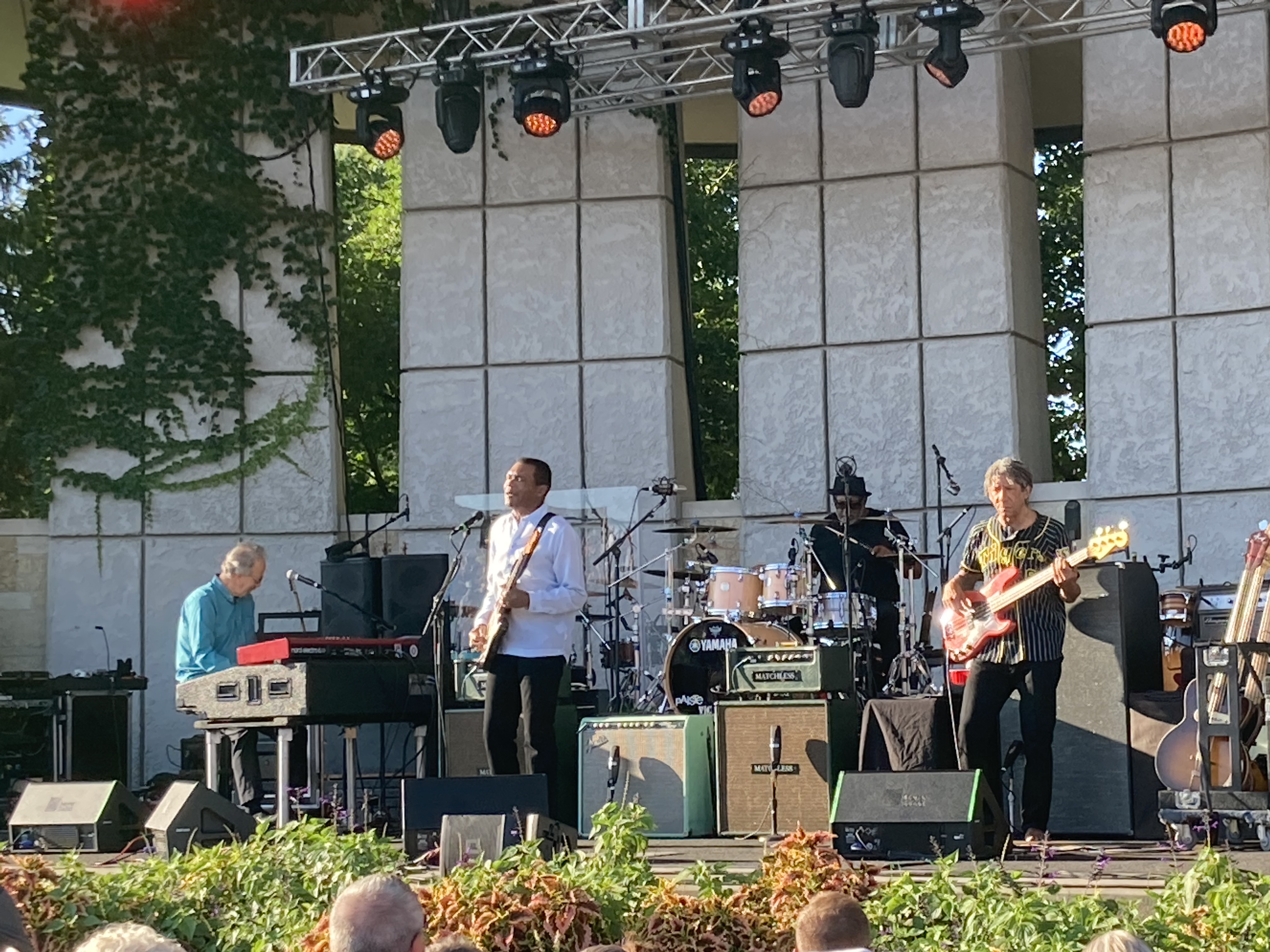
Then, the Robert Cray Band took the stage for a absorbing hour of down home goodies. While Cray caught the attention of the 1980s blues scene on guitar, and still showcases great 12-bar tunes like the claustrophobic “Phone Booth” in his set, his singing and songwriting have always had broader horizons, stretching into R&B, soul and beyond. Supported by Les Falconer’s solid drumming, Richard Cousins’ booming bass and Dover “White Cliff” Weinberg’s idiomatic organ work, Cray powered through captivating originals like “Anything You Want”, “I Guess I Showed Her” and the humorous, instrumental Booker T homage “Hip Tight Onions”, singing and playing his heart out even with the sun in his eyes. But it was on quiet tunes such as “I Shiver” and the closer “Time Makes Two” that Cray really impressed, bringing his arresting solo breaks down to near silence and taking the rowdy audience with him. The standing ovation at the end — for a man who didn’t even play his biggest hit, “Smoking Gun” — showed that everyone with ears to hear knew they had just seen a master at work.

Then it was time for Boz Scaggs — sauntering into the spotlight with his six-piece backing band on front of a crowd that expected the hits and wound up getting more than they bargained for. Sure, Scaggs kicked off with “What Can I Say” — the opening track from his smash album Silk Degrees — then kept the slick, disco-edged soul of that record going with hit-radio favorites like “JoJo” and “Lowdown”. But he also dove into his most recent, rootsy effort Out of the Blues with tracks like the gritty “Rock and Stick”, Don Robey’s lush “The Feeling Is Gone” and the piledriving “Radiator 110”. Not to mention his own drop-dead gorgeous ballads “Harbor Lights” and “Look What You’ve Done to Me” (the cue for couples to snuggle as darkness fell and the temperature dropped). Through it all, Scaggs’ laconic, behind-the-beat singing and his effortless falsetto work revealed another master, who’d come through his flash of fame to the decades beyond, with his chops and his instincts for what makes great music intact.

Throughout, Eric Crystal shone on saxes and melodica, as well as utility keys and guitar; Mike Logan laid down smooth, supple work on organ, synths and electric piano; guitarist Mike Miller and legendary bassist Willie Weeks proved that the right few notes equal maximum groove; and a great drummer/percussionist duo (whose names I didn’t catch — your contributions are welcome!) not only kept the rhythms percolating, but joined with Logan to nail the high backing vocals that gave Scaggs’ hits some of their glossy sheen.

And, unsurprisingly for folks who delved deeper than those hits, Scaggs and the band could rock, too! Not only did Silk Degrees’ deep cut “Georgia” and the set closer “Lido Shuffle” roar out of the starting blocks, the band came back for encores “It’s Over” and Chuck Berry’s “You Never Can Tell” ready to rumble, with Crystal duckwalking across the stage and Miller ripping off some spellbinding leads. Then, acknowledging the rowdy, wildly applauding audience (“You guys play rough!”) and pushing against the township’s noise ordinance, Scaggs belted out the fiercest song of the night, “Breakdown Dead Ahead”, for a perfectly chosen finale.

To some extent, the careers of both Scaggs (even in the wake of his success) and Cray suffered from the change in American radio that happened in the late 1970s and early 1980s, when rock stations corporatized and honed their playlists to focus on Album-Oriented Rock. In the process they dumped the prog epics this site focuses on — but they also dropped anything that even paid homage to black music like the proverbial hot potato. (I’d heard at least a third of Scaggs’ setlist on Detroit rock radio back in the day — but only up till about 1979. After that, crickets.) So it’s possible Scaggs and Cray might have been bigger back in the day; but given the rapt reception they received this past Monday night, people seem realize that, whatever fruits of fame might have eluded these artists over the years, they still deliver the goods.

— Rick Krueger
Tim Bowness: The 2022 Progarchy Interview

Tim Bowness’ sterling new album Butterfly Mind — to be released after last-minute supply delays on August 5th — isn’t just his latest for InsideOut Music/Sony, it’s also his 40th anniversary release! Since 1982, Tim has made his mark in the music industry as a contributor to bands such as Plenty (2 albums of recently re-recorded material from their 1980s heyday) and No-Man (7 albums, including 2019’s comeback Love You to Bits), as the co-founder of the record label and online music shop Burning Shed, and as co-host of the podcast The Album Years with No-Man collaborator and long-time friend Steven Wilson. Oh, and he’s also released five of his six previous solo albums on InsideOut since 2014, all chock-full of thoughtful, provocative art-rock brought to life by the cream of today’s progressive musicians. Butterfly Mind continues Bowness’ hot streak while striking out in fresh, arresting directions.

This is also at least Tim’s fifth interview with us at Progarchy. This time around, as well as revealing how “shed envy”, George Orwell, and flavored milk drinks played into the creation of Butterfly Mind, Tim unpacks his philosophy of lyric writing, reacts to Steven Wilson’s memoir and brings us up to date on the latest challenges of running Burning Shed. A complete transcription follows the video below!

So, when last we spoke, and I think that was in 2020, you joked about doing nothing and emptying out your Hard Drive of Doom over the next couple years.  But here we are, in the run-up to yet another new album.  So, what was the impetus behind the songs that have become your new album, Butterfly Mind?

Well, I did actually have nine months of not writing anything; the same before Late Night Laments as well.  Basically, I didn’t write for about eight and nine months, and then I suddenly felt compelled to write.  Because before Late Night Laments, I’d been working on No-Man’s Love You to Bits, and that had taken us about a year.  That was a case of rewriting an existing piece and adding to it.  And Late Night Laments came out very much as an album in opposition to Love You to Bits, cause Love You to Bits had been this quite electronic, pummeling, beat-oriented work.  And I desperately wanted to do something quieter, more reflective.

And when I’d finished Late Night Laments, I really did have no ideas!  All I did for about nine months was record cover versions of songs for fun.  As you say, I got my Hard Drive of Doom out, I re-recorded some very old Plenty songs, and about nine months after that, I wrote a piece called “Lost Player”.  And the floodgates opened once again! 

So, within about four months, I’d written four or five pieces, several of which didn’t end up on the album.  Two were with Richard Barbieri, who is in Porcupine Tree, as I’m sure many of you might know.  And another was a track with [Plenty member] Brian [Hulse], which is ending up on the Japanese version of the album.  But it really kickstarted again, sort of October 2020, and I just suddenly felt the desire to write.  And if there was any motivation, it was again to do something different from what I’d done.

So, whereas Late Night Laments as an atmospheric album and it was quite consistently quiet, with this album I wanted to surprise myself and surprise the listener.

And I think you did!  Because it’s true; when I heard Butterfly Mind, it immediately seemed harder-edged – there’s experimental sonics; you’ve got some songs with multiple sections; there’s almost a sort of muted hysteria in terms of the subject matter.  But we can get to that in a bit.

On this album, instead of using that variety of players that you used on Flowers at The Scene and Late Night Laments, you’re building out from this core band – Brian Hulse on guitars and keys, Nick Beggs on bass and Stick, and Richard Jupp on drums.  How did that unit come together?

It came together in a variety of ways, really.  With Richard Jupp, I’d long been a fan of Elbow, and with him it was a case of shed envy!  I’d seen an article on him and his home studio, and he had this magnificent shed and home studio.  So, I contacted him, and obviously mentioned how much I liked his drumming as well.  I particularly liked it on the first couple of Elbow albums, where he’s a very versatile player who can do dynamic, and he can do quiet.  And luckily his teenage son, it turned out, was a fan of No-Man, Porcupine Tree and The Album Years, so he knew my work. 

So that’s how Richard got involved; I said, “would you be interested in playing with me?”  The session with Richard was great, because it was the first session after all the lockdowns in the UK.  And so we were in the studio together, working in real time on the music.  So, it’s very exciting!  And he definitely went above and beyond what I’d expected.  Because originally, he was planned to be on maybe half the album.  But he heard certain tracks like “Always the Stranger” and said, “I’ve got to play on this; let me play on this!”  So, it was really good!

Nick Beggs came about because as much as I love the players I’d been using on my previous albums — Colin Edwin, John Jowett, they’re both incredibly gifted.  And I’ll continue to work with them; in fact, I’ve worked with Colin since I completed this album.  I wanted something different; I wanted a different kind of energy.  I mentioned this to Steven Wilson and he said, “Nick Beggs would be my choice.”  So, then I approached Nick Beggs, and luckily he agreed. 

So, yeah, it comes from a core group working on the song, then finding the right solo instrumentalists.  People like Ian Anderson and Dave Formula, who are on the album.

Yes, and I noticed that here are plenty of cameos – you mentioned Ian Anderson; Peter Hammill comes in on guitar and vocals for a couple of tracks again; Greg Spawton plays bass pedals that don’t sound like bass pedals, so that’s kind of fun. 

[Laughs] Yeah, it’s true!

But the biggest news that I saw in terms of guest shots was Ben Coleman playing some violin.    What led the two of you to team up again?  As I understand it, it’s the first time you’ve been in the studio together since No-Man’s initial heyday.

Yeah, it’s the first time since 1993, so 29 years!   I think in the case with a lot of the players, such as Ian Anderson, it’s because I felt like it required that flute solo voice.  And Ian plays on three tracks; one of them isn’t on the album, it’s on the outtakes CD, which is the second disc of the CD version.

And so really, it was finding the players I thought were appropriate for the piece.  And Dave Formula is somebody whose music I’ve loved for many years.  He was in a band called Magazine, who were very big when I was at school, and then he was also in a band Visage, who were also very big as well.  But he’s a tremendous Hammond organ and synth player, who has been around actually since the mid-60s.  He’s the same age as Ian Anderson, even though his heyday was in the early 1980s, with people like Visage and Magazine!

So generally speaking, I found people whose music I felt resonated with mine, and I felt they’d be able to bring something out of the material.  And the same goes for younger artists.   Like Martha Goddard, who sings backing vocals on three tracks, and Mark Tranmer, who is a wonderful guitarist who’s in a band called The Montgolfier Brothers.

And with Ben Coleman, it was because I could hear violin on two of the track; I could suddenly hear that classic No-Man sound!  I just got in touch with him, and luckily, he was interested.  He contributed to three or four of the tracks on the album in the end.  And it was glorious – as soon as he started playing, it was that sound!

Yes, yes it is!  It’s absolutely unmistakable!  So let’s dig into subject matter a little bit more.  The first time I heard “We Feel” and “Only A Fool” they were genuinely scary to me!  And I also know that you never want to connect all the dots for us; you want us to take away our own meaning.  Or our own perception of what you’re trying to say in these songs.  But what clues are you leaving for us to decipher?

Continue reading “Tim Bowness: The 2022 Progarchy Interview”

The Fall 2021 Box Set Bonanza

As previously promised, a look at the big reissues landing in the next few months — especially those available in one or more box set formats. Ordering links are embedded in the artist/title listings below.

Out Now:

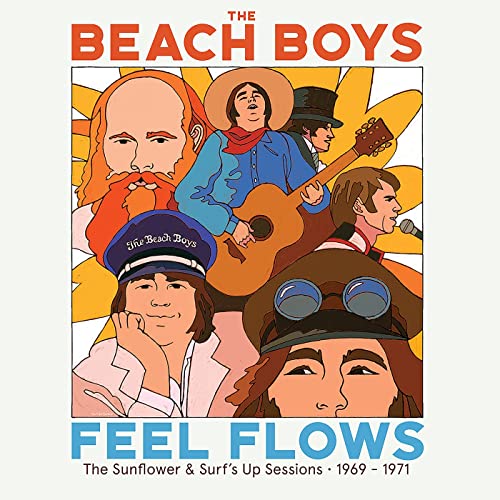
The Beach Boys, Feel Flows – The Sunflower and Surf’s Up Sessions, 1969-1971: between their initial impact and their imperial phase as timeless purveyors of fun fun fun, Brian Wilson and his family pursued heaviness and relevance in a market that thought it had outgrown them — at least for the moment. This slice of the Boys’ catalog features less slick, more homespun takes on their timeless concerns (the same amount of girls, less cars, more daily life), with Wilson brothers Dennis (on Sunflower) and Carl (on Surf’s Up) taking the lead. The brilliant moments — “This Whole World,” “Forever,” “Long Promised Road,” “Til I Die” for starters — outweigh the embarrassingly dated ones, and music to make you smile is never too long in coming. Available from The Beach Boys’ webstore as 2 CDs, 5 CDs, 2 LPs or 4 LPs (colored vinyl).

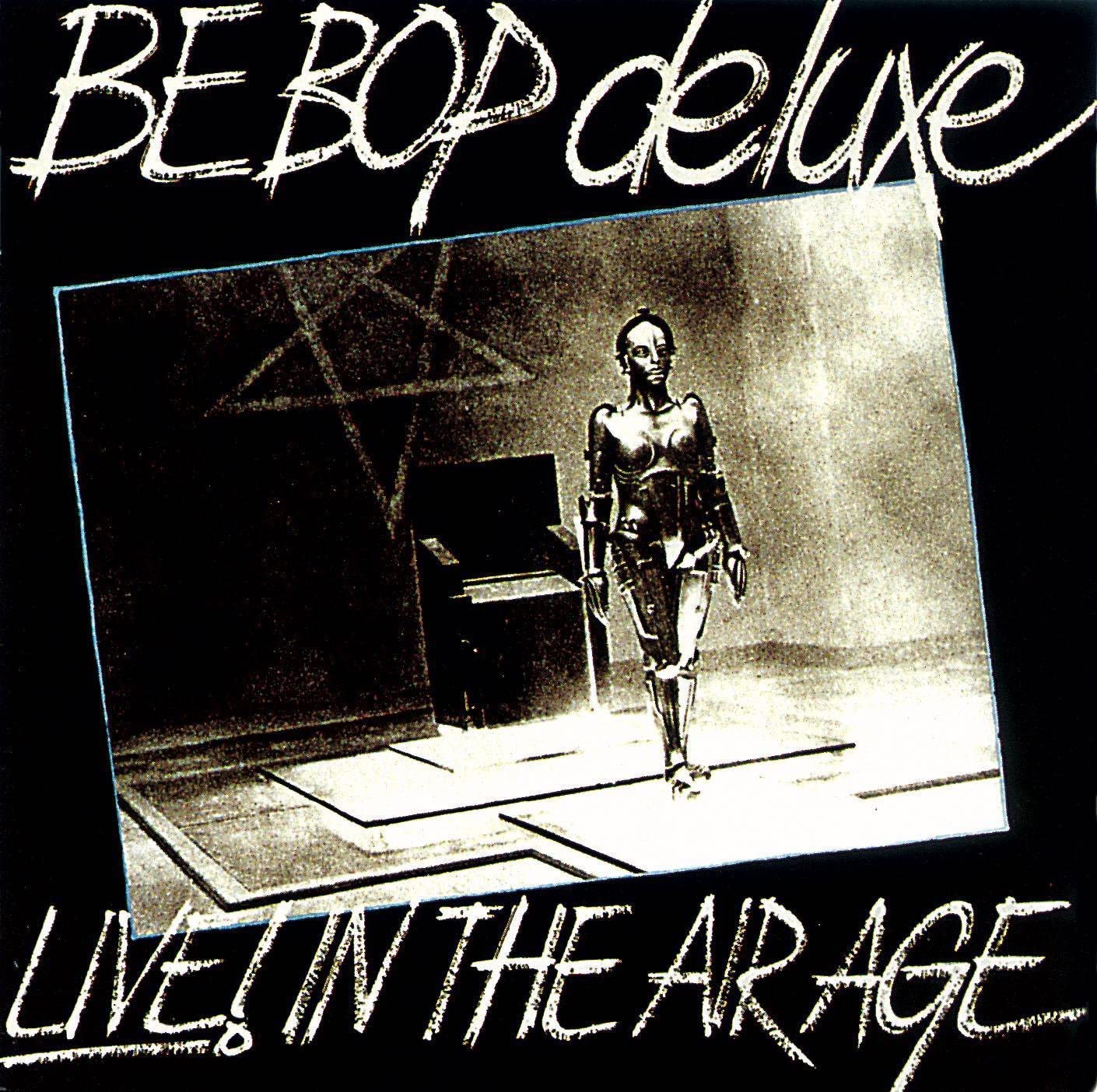
BeBop Deluxe, Live in the Air Age: when Bill Nelson’s avant-glam guitar heroics didn’t generate bigger record sales, a live album was the next obvious move for this sterling British quartet. Better chart positions weren’t forthcoming, but 1977’s Live in the Air Age is an exquisite slab of BBD at work — Chuck Berry updated for the Apollo era, with a bit of Bowie/Mercury panache in Nelson’s vocals and blazing solos aplenty. Available from Esoteric Recordings as 3 CDs (adding the complete 1977 London concert) or 15 CDs/1 DVD (adding all surviving recordings from the 1977 British tour and a live television special).

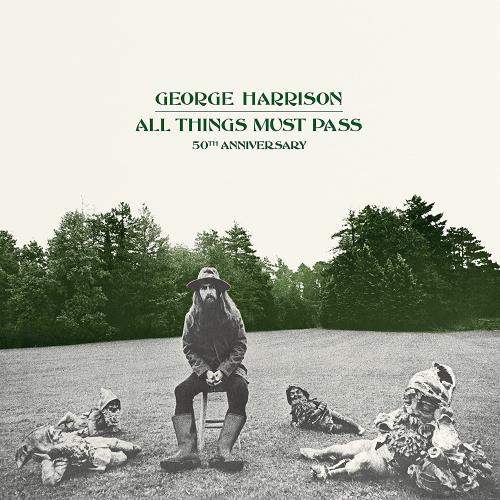
George Harrison, All Things Must Pass: the quiet Beatle exploded on his first album after the Fabs’ breakup, immersing his radiant devotional compositions in Phil Spector’s patented Wall of Sound and drafting Ringo, Badfinger and the embryonic Derek and the Dominoes as his rock orchestra. The new remix scales back the symphonic swirl, brings forward George’s vocals, and gives the rhythm section a kick in the pants; just right to these ears. A serious contender for the single best solo Beatle album, well worth an immersion course. Available from the Harrison webstore in Standard (2 CDs or 3 LPs — limited colored vinyl available as well), Deluxe (3 CDs or 5 LPs), Super Deluxe (5 CDs/BluRay or 8 LPs) and Uber Deluxe (5 CDs/BluRay/8 LPs/various bespoke gimcracks/”artisan wooden crate” — you don’t wanna know what it costs) editions.

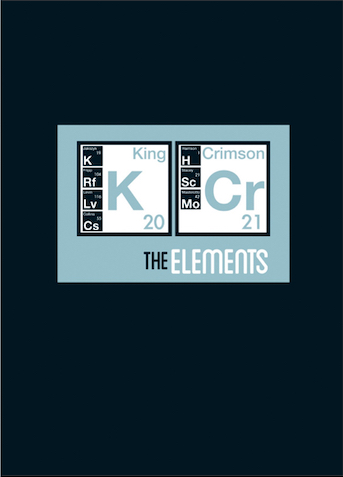
The Elements of King Crimson – 2021 Tour Box: the 7th annual compilation of tidbits from the Discipline Global Mobile archives, doubling as a concert program. This year’s selection of rarities focuses on the nine drummers that have called King Crimson their musical home (sometimes two or three of them at once). Studio snippets – like the one with Fripp, John Wetton on bass and Phil Collins on drums – live tracks, oddities, previews of coming attractions, and more. Available from Burning Shed or on Crimson’s current USA tour.

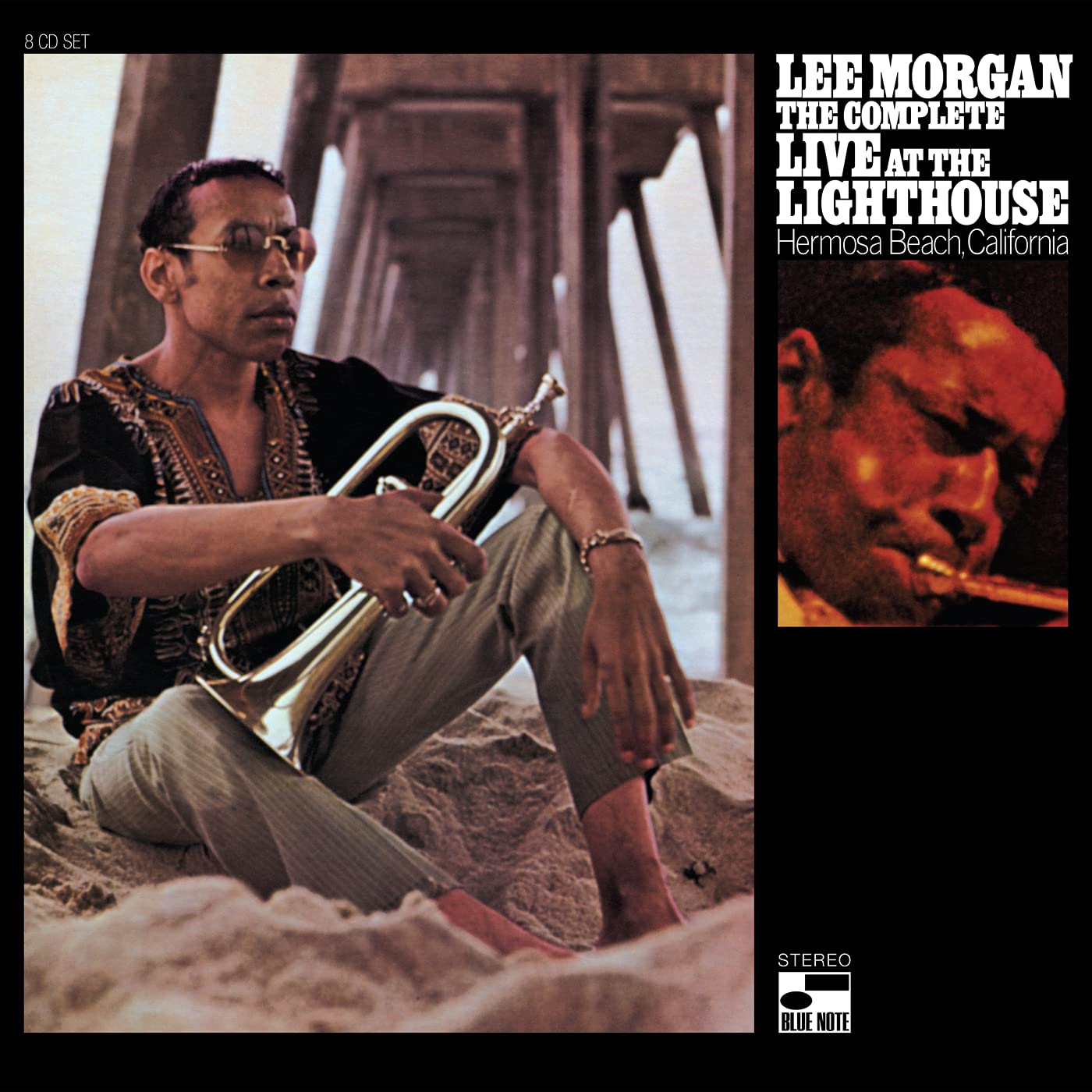
Lee Morgan, The Complete Live at the Lighthouse: never a mass media superstar, Morgan was nonetheless a jazz icon — one of the finest trumpeters of his day who played with heroes of the music like Art Blakey and John Coltrane, recorded more than 20 albums as a leader for Blue Note Records, and even managed to score a Top 25 pop hit with his funky “The Sidewinder.” This box (another product of jazz archivist Zev Feldman’s boundless energy) sets forth an entire weekend’s worth of recordings by Morgan and his dedicated, powerful 1970 band. Bennie Maupin on reeds, Harold Mabern on piano, Jymie Merritt on bass and Mickey Roker on drums bring the sophisticated, challenging compositions and spirited solos and backing; Morgan takes it from there, lyrical and fiery in turn. This is a great potential entry point if you want to explore jazz as a newbie, and a serious desert island possiblility for those already into the music. Available from Blue Note’s webstore as 8 CDs or 12 LPs.

Clive Nolan and Rick Wakeman, Tales by Gaslight: keyboardists Nolan (Pendragon, Arena) and Wakeman (Yes, Strawbs) box up their out-of-print concept albums Jabberwocky (with dad Rick W. reciting Lewis Carroll’s nonsense verse) and The Hound of the Baskervilles, adding a bonus disc collecting rough drafts of a 3rd album based on Frankenstein. Separate booklets and art prints for each of the 3 CDs included. Theatrical as all get out, and surprisingly good fun if you’re in the mood for Victorian-flavored melodrama. Available from Burning Shed.

September:

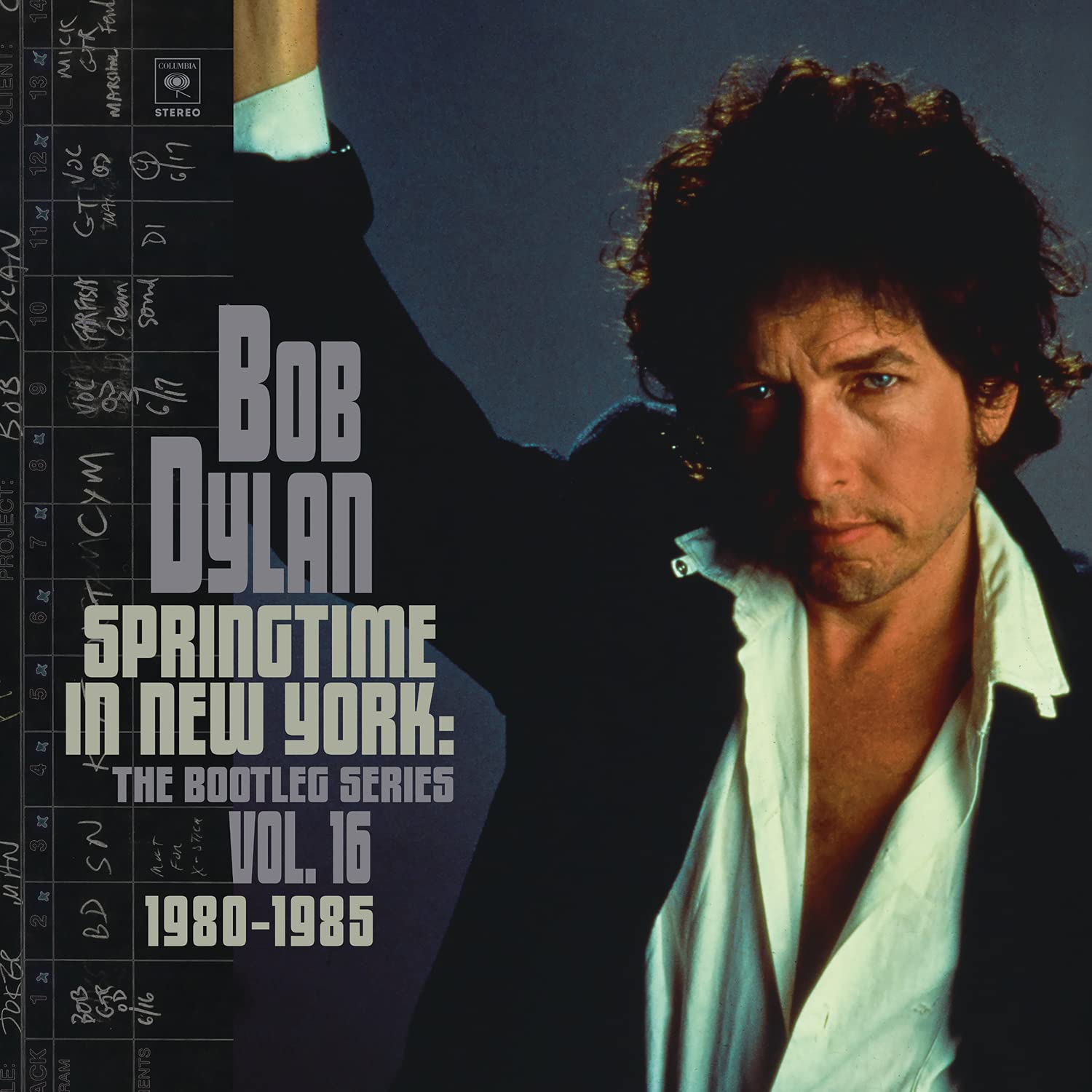
Bob Dylan, Springtime in New York – The Bootleg Series, Volume 16, 1980-1985: Outtakes, alternate versions, rehearsals, live performances and more from the era that yielded Dylan’s albums Shot of Love, Infidels and Empire Burlesque. Out September 17; pre-order from Dylan’s webstore and elsewhere in the following formats: 2 LP Highlights, 2 CD Highlights or 5 CDs complete. (There’s also a subscriber-only 4 LP set from Jack White’s Third Man Records.)

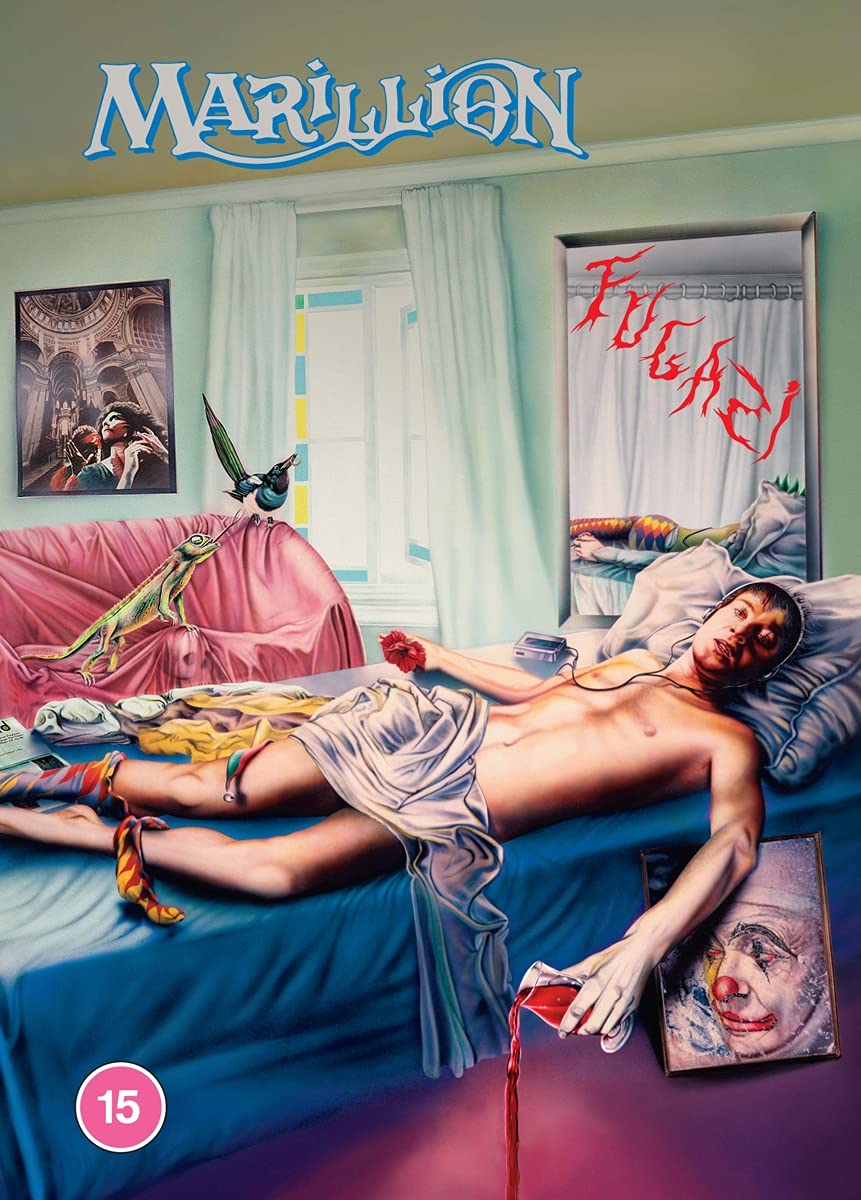
Marillion, Fugazi: the band’s 1984 album, perceived as a “sophomore slump” at the time, is much more than a bridge between the feral debut Script for A Jester’s Tear and the early masterwork Misplaced Childhood, with plenty of gripping moments to recommend it. A new remix by Andy Bradfield and Avril Mackintosh compensates handily for the production nightmares recounted in this deluxe edition’s copious notes. Also includes a complete live set from Montreal; the CD/BluRay version adds bonus tracks, documentaries, and a Swiss television concert. Out September 10; pre-order from Marillion’s webstore as 4 CDs/BluRay or 4 LPs.

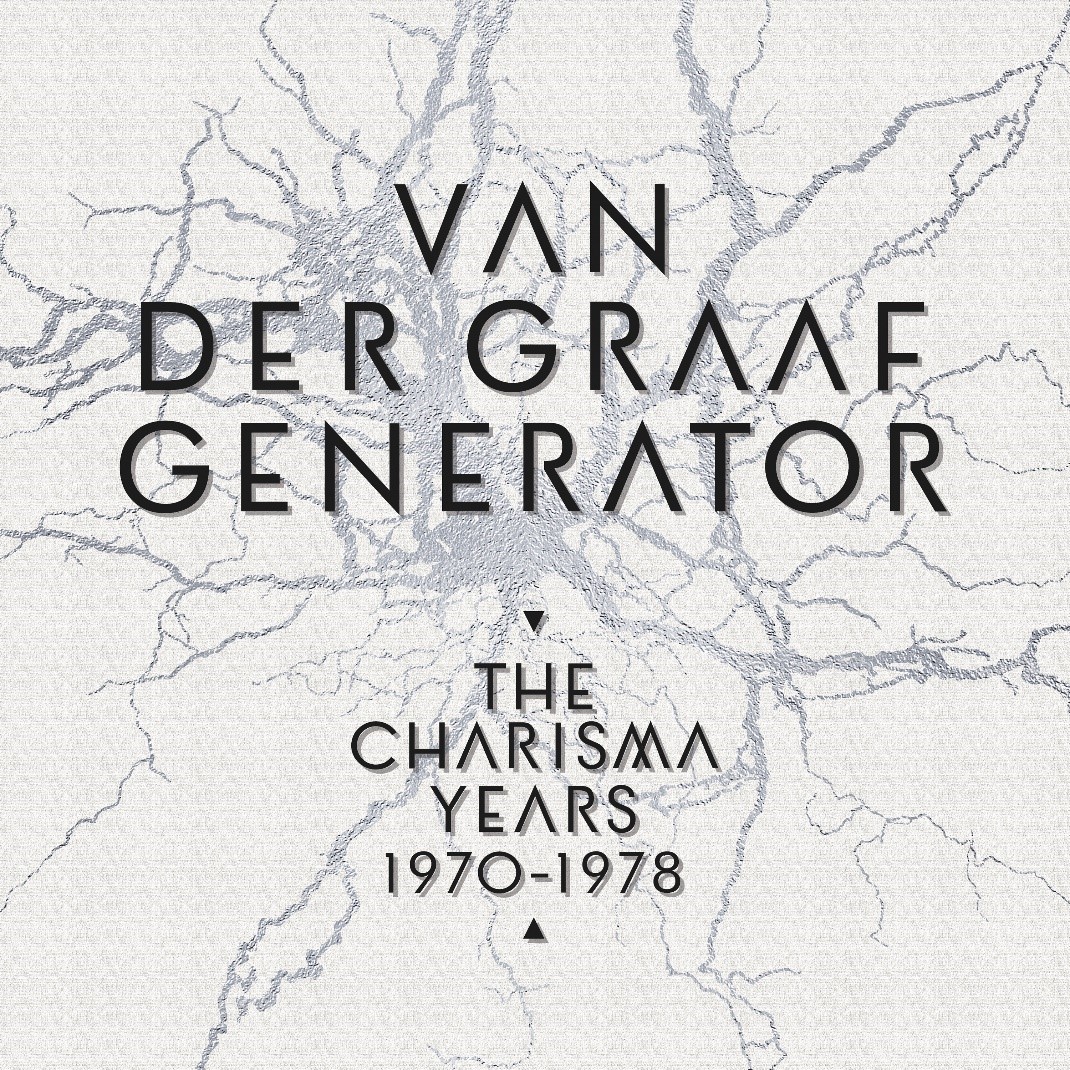
Van der Graaf Generator, The Charisma Years, 1970-1978: VDGG may have shared the stage with Genesis in each band’s formative years, but they were a thoroughly different beast. Peter Hammill’s desperate existential narratives and the wigged out instrumental web woven by David Jackson, Hugh Banton and Guy Evans made for a unique, highly combustible chemistry — bonkers dystopian sci-fi narrative over free jazz one moment, raggedly soaring hymns to human potential the next. This 17 CD/3 BluRay set collects the band’s 8 studio albums from the Seventies, adding extensive BBC sessions, a live show from Paris, all surviving television appearances “and more.” Now available from Burning Shed; the four newly remastered albums in this box (H to He Who Am the Only One, Pawn Hearts, Godbluff and Still Life) are available as separate CD/DVD sets for those wanting a lower priced introduction to this underrated band’s indescribably stirring music.

October:

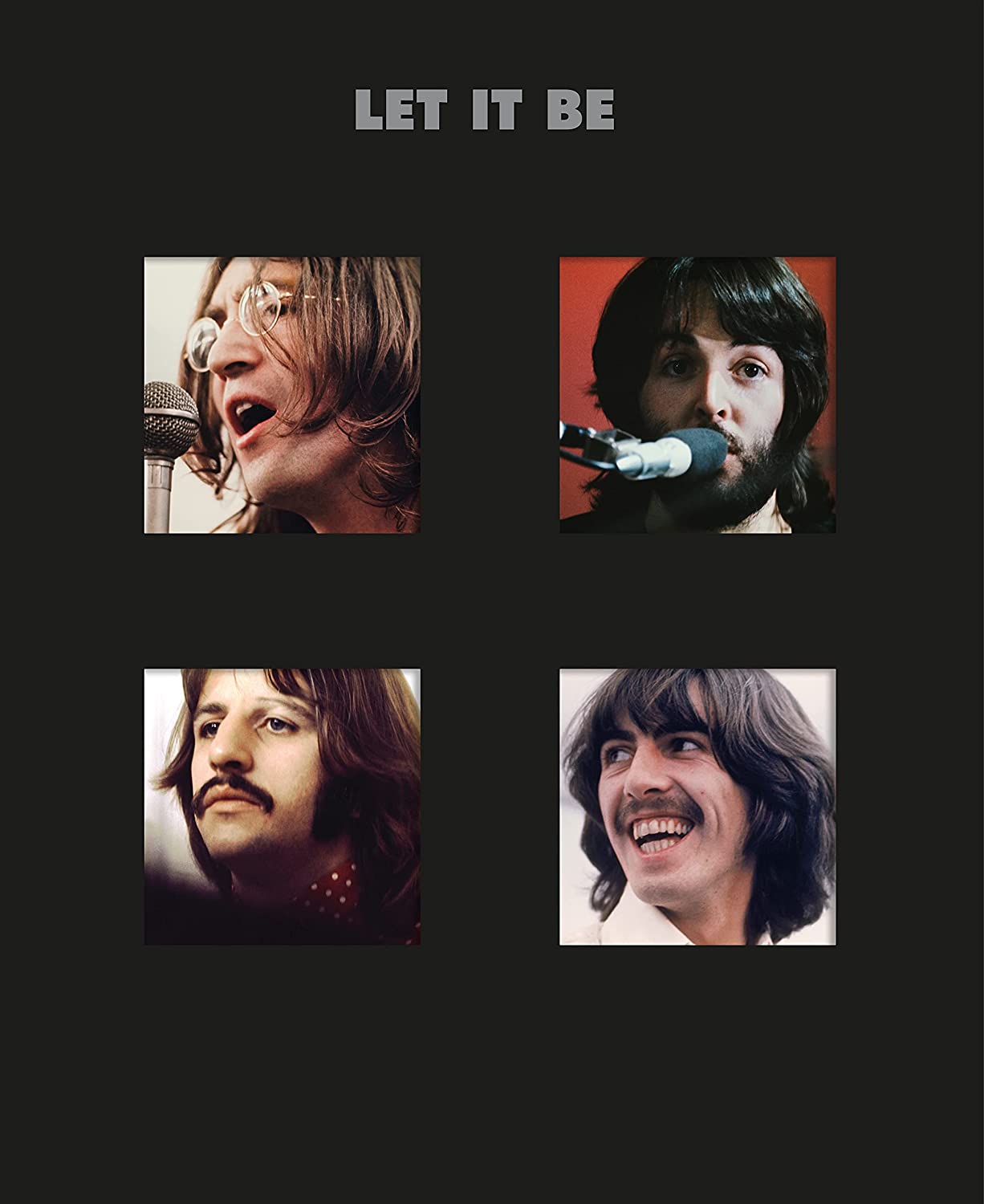
The Beatles, Let It Be: the Fab Four’s star-crossed attempt to return to their roots – recording live in front of movie cameras – ultimately became their first post-break-up release, drenched with Phil Spector’s orchestral overdubs to cover the rough spots. With a new 6-hour Peter Jackson documentary on the sessions hitting Disney Plus Thanksgiving weekend, Apple unleashes a fresh stereo remix (the 4th in the series that kicked off with Sgt. Pepper’s 50th anniversary). Super Deluxe versions also include 27 sessions tracks, a 4-track EP and a test mix of Get Back, the proposed original version of the album. Out October 15th; pre-order from the Fabs’ webstore in Standard (1 CD or 1 LP), Deluxe (2 CDs with selected bonus tracks) and Super Deluxe (4 CDs/1 BluRay or 4 LP/1 EP) editions. (The companion book of photos and transcribed conversations from the sessions, Get Back, is released on October 12.)

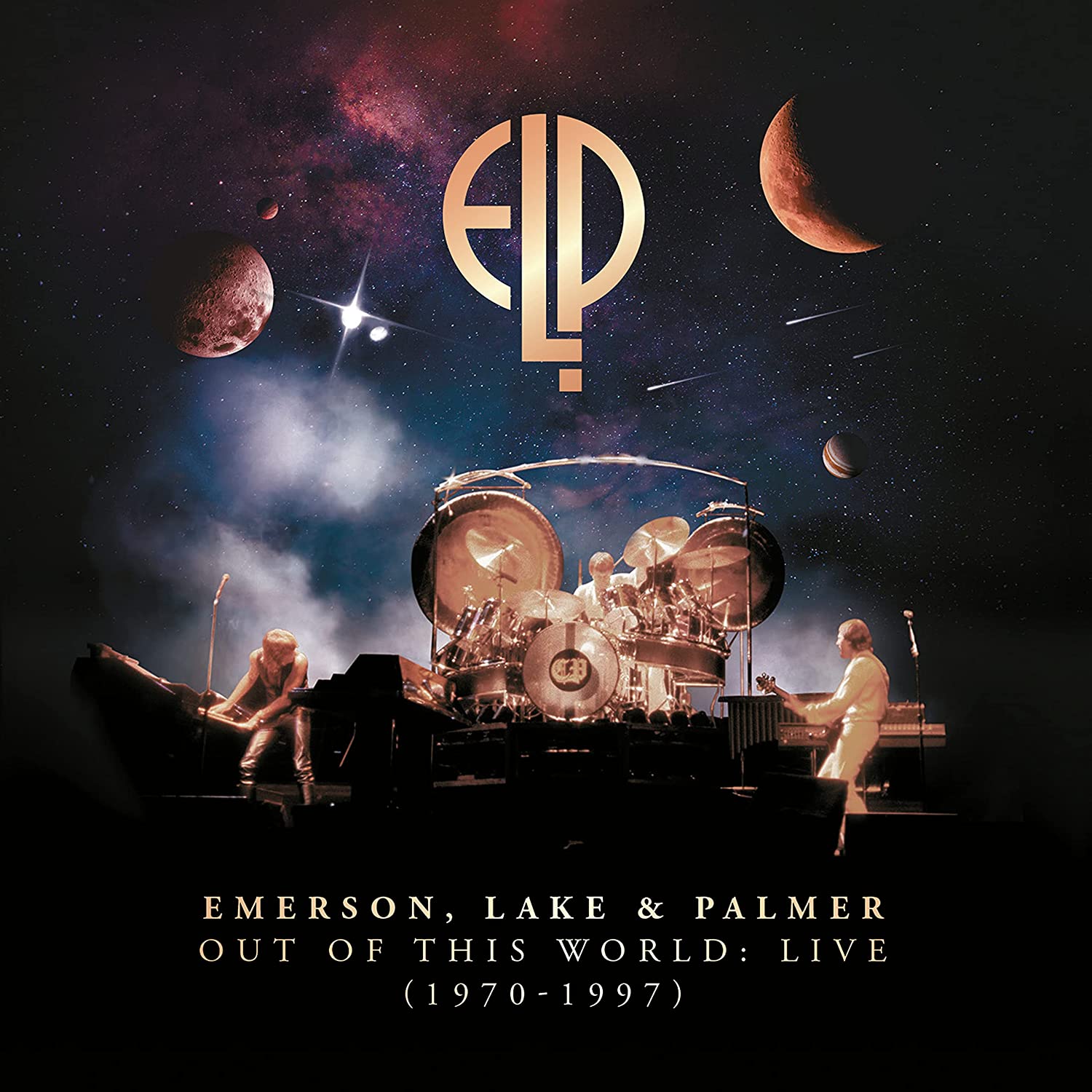
Emerson Lake and Palmer, Out of This World – Live (1970-1997): a compilation of key live shows in ELP’s history: their 1970 debut at the Isle of Wight Festival; a career peak show at the 1974 California Jam; the 1977 full-orchestra extravaganza at Montreal’s Olympic Stadium; 1992’s comeback concert at London’s Royal Albert Hall; and a previously unreleased 1997 show from Phoenix, Arizona. Out October 29; pre-order from ImportCDs as 7 CDs or 10 LPs.

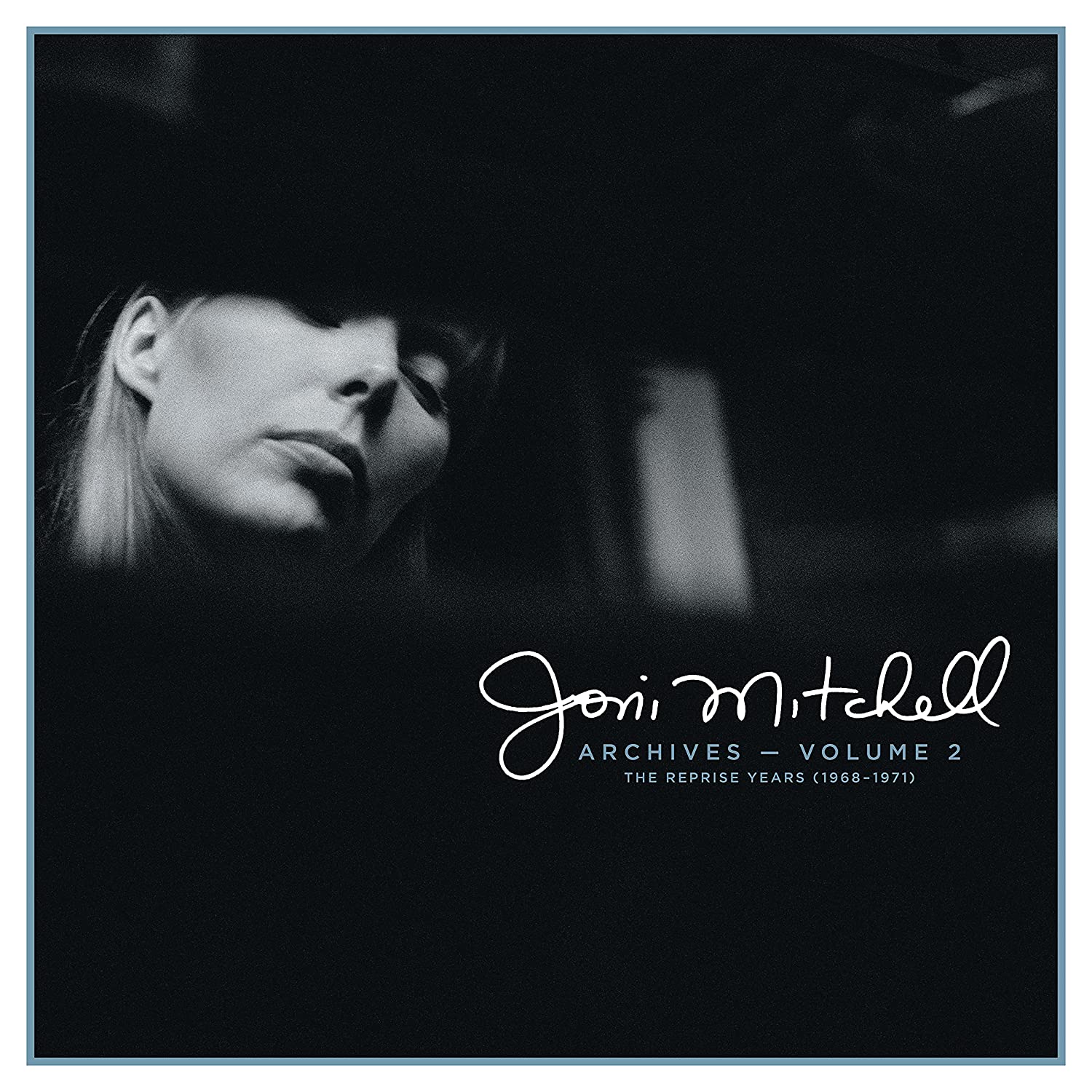
Joni Mitchell, Archives , Volume 2 – The Reprise Years (1968-1971): more archival recordings from the early days of Mitchell’s recording career. Home and studio demos, outtakes, unreleased songs, her Carnegie Hall debut and much more — a complete acoustic set recorded by a enraptured Jimi Hendrix, anyone? Out October 29; pre-order from Mitchell’s webstore on 5 CDs or 10 LPs (4000 copies only), The Carnegie Hall concert is available separately on 3 LPs (black or white vinyl).

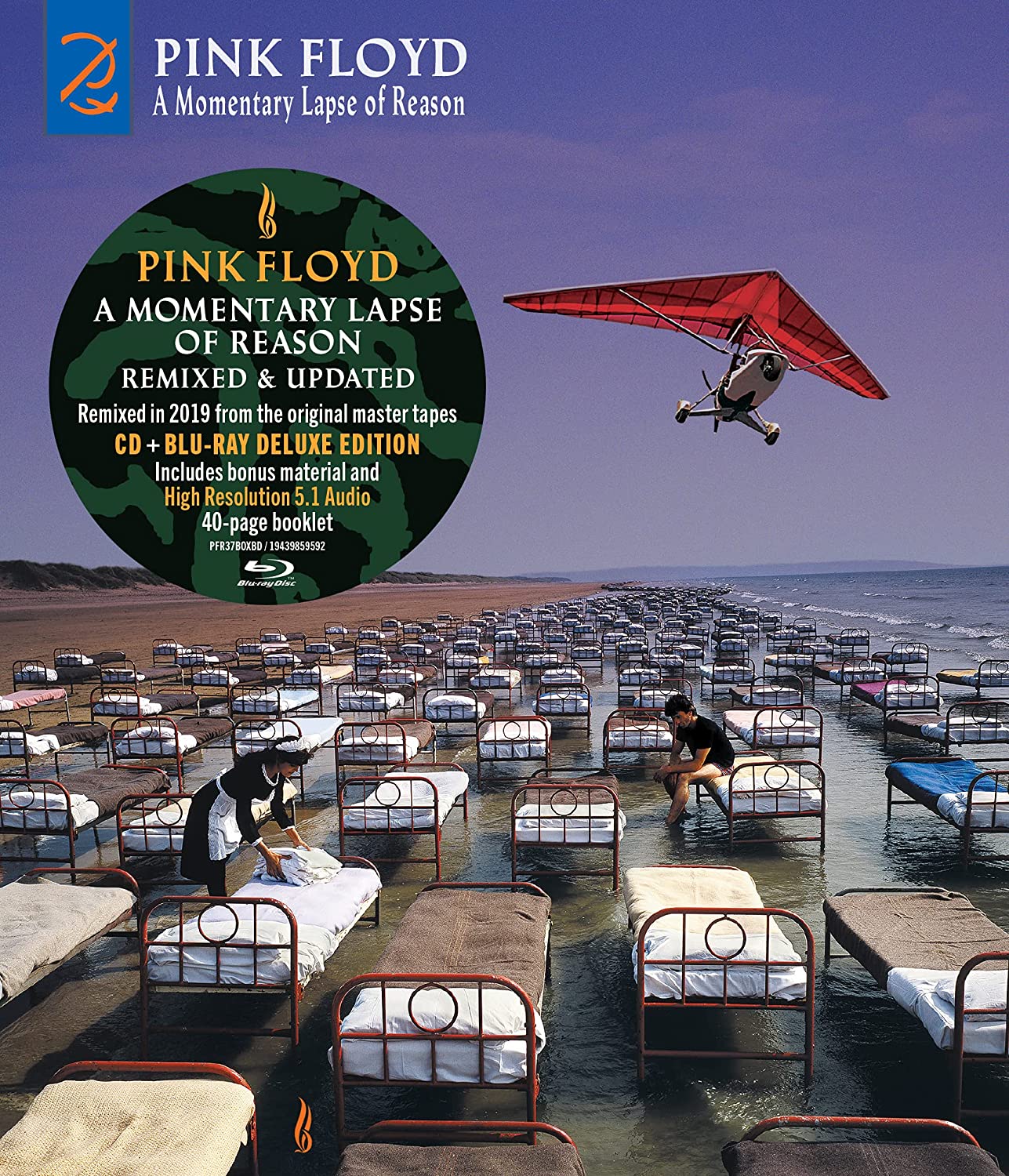
Pink Floyd, A Momentary Lapse of Reason (Remixed and Updated): the 2019 remix of Floyd’s post-Roger Waters comeback from the opulent The Later Years box, now available on its own. “Sounds less like the 1980s, more like classic Floyd” is the party line here. Out October 29; pre-order from Floyd’s webstore in 1 CD, CD/DVD, CD/BluRay or 2 LP formats.

November:

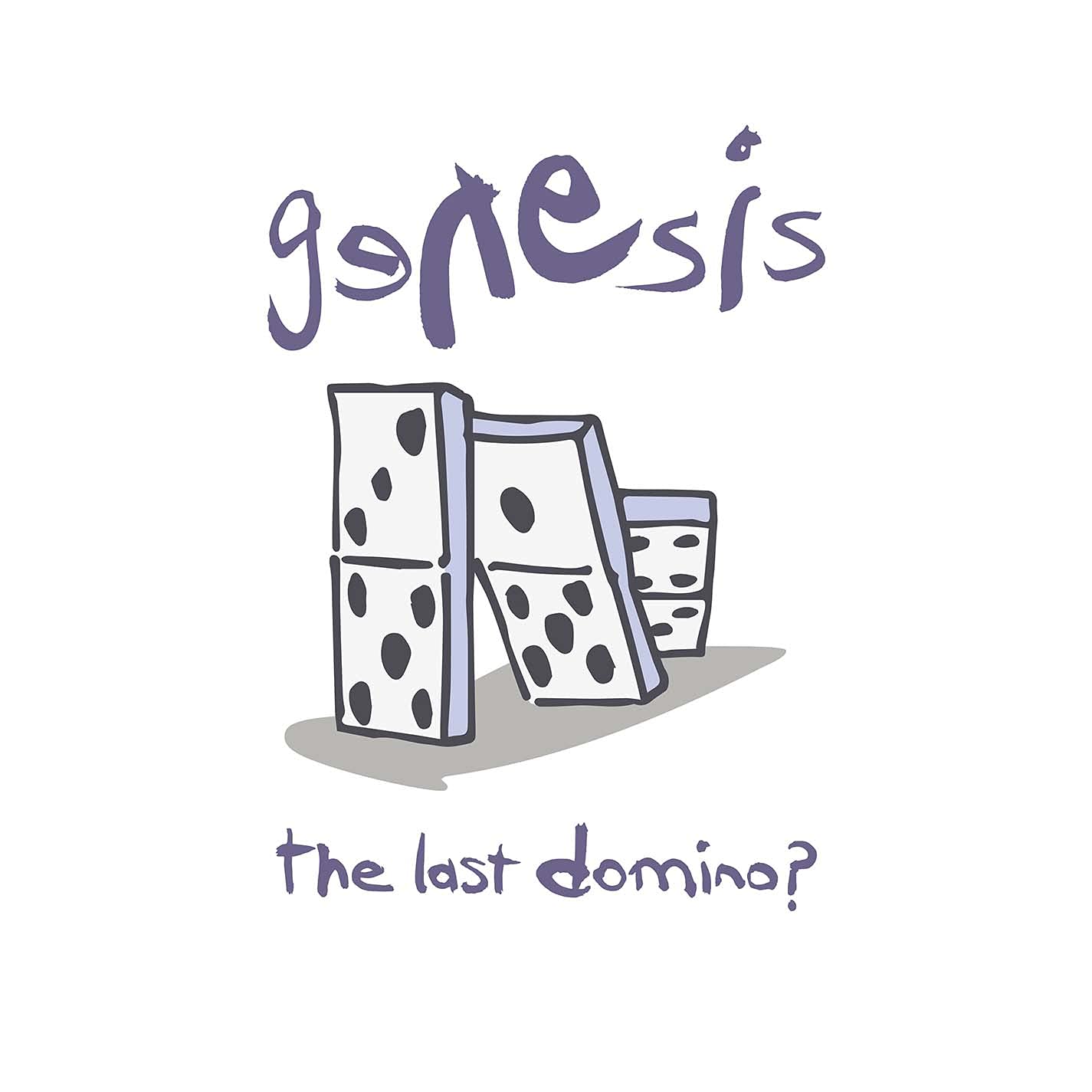
Genesis, The Last Domino? Yet another compilation of Genesis’ greatest hits, fan favorites and core album cuts, released just in time for their first US tour in 14 years. No real surprises in the track selection, but the blurbed promise of “new stereo mixes” of four Gabriel-era classics is intriguing. Out November 19; pre-order from Genesis’ webstore on 2 CDs or 4 LPs. (The UK version of this compilation, out September 17, sports a slightly different track list.)

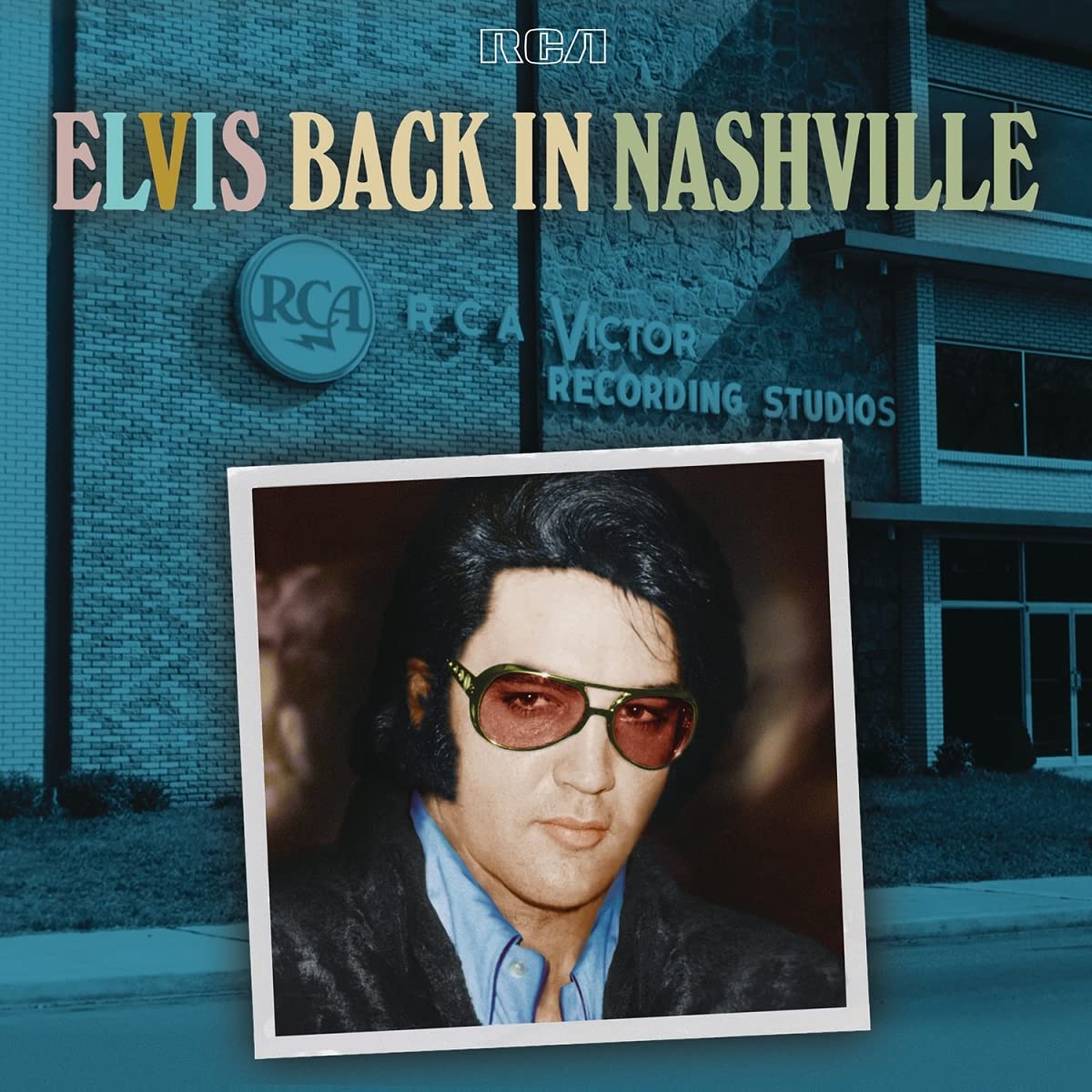
Elvis Presley, Back in Nashville: the King’s final sessions in Music City, stripped of overdubs a la last year’s From Elvis in Nashville box, that yielded material for three years worth of albums. 82 tracks encompassing country/folk, pop, religious music and Christmas music. Out November 12; pre-order from the Presley webstore on 4 CDs or 2 LPs.

In the Works (release date forthcoming):

Robert Fripp, Exposures: another exhaustive (and potentially exhausting) set from Discipline Global Mobile. This one promises to cover Fripp’s “Drive to 1981,” including his guest-star-heavy solo debut Exposure, the ambient Frippertronics of God Save the Queen and Let the Power Fall, and the egghead dance music of Under Heavy Manners and The League of Gentlemen. Tons of live gigs promised to supplement rarities and studio outtakes.

Marillion, Holidays in Eden: the new Marillion album (now officially titled An Hour Before It’s Dark) may push this further back on the release schedule, but Steve Hogarth’s second effort with the boys (an intriguing effort that tried and failed to go commercial) is next up for the deluxe reissue treatment.

Porcupine Tree, Deadwing: a promised deluxe set in the vein of 2020’s In Absentia. Internet gossip flared up when Steven Wilson, Steve Barbieri and Gavin Harrison were rumored to have reset the band’s legal partnership earlier this year; who knows how or when the Tree may blossom again?

Renaissance, Scheherezade and Other Stories: coming from Esoteric Recordings, the folk-prog quintet’s finest hour in the studio, melding orchestral grace with an Arabian Nights theme for the half-hour title track. If this is in the vein of other recent Renaissance issues, hope for a multi-disc set with a bonus live set and a surround remix.

— Rick Krueger
The Big Prog (Plus) Preview for Fall 2021!

What new music and archival finds are heading our way in the next couple of months? Check out the representative sampling of promised progressive goodies — along with a few other personal priorities — below. (Box sets based on reissues will follow in a separate article!) Pre-order links are embedded in the artist/title listings below.

Out now:

Amanda Lehmann, Innocence and Illusion: “a fusion of prog, rock, ballads, and elements of jazz-blues” from the British guitarist/vocalist best known as Steve Hackett’s recurring sidekick. Available direct from Lehmann’s webstore as CD or digital download.

Terence Blanchard featuring the E-Collective and the Turtle Island Quartet, Absence: trumpeter/film composer Blanchard dives into music both written and inspired by jazz legend Wayne Shorter. His E-Collective supplies cutting edge fusion grooves, and the Turtle Island String Quartet adds orchestral depth to the heady sonic concoctions. Available from Blue Note Records as CD or digital download.

The Neal Morse Band, Innocence and Danger: another double album from Neal, Mike Portnoy, Randy George, Bill Hubauer and Eric Gillette. No overarching concept this time — just everything and the kitchen sink, ranging from a cover of Simon and Garfunkel’s “Bridge Over Troubled Water” to brand-new half-hour epics. Available from Inside Out as 2CD, 2CD/DVD or 3 LPs/2 CDs

Trifecta, Fragments: what happens when Steven Wilson’s rhythm section turns his pre-show sound checks into “jazz club”? Short, sharp tracks that mix the undeniable chops and musicality of Adam Holzman on keys, Nick Beggs on Stick and Craig Blundell on drums with droll unpredictability and loopy titles like “Clean Up on Aisle Five” and “Pavlov’s Dog Killed Schrodinger’s Cat”. Available from Burning Shed as CD or LP (black or neon orange).

Upcoming releases after the jump!

Continue reading “The Big Prog (Plus) Preview for Fall 2021!”

Neil Young’s Archives II: On 3rd Thought …

Neil Young has walked back his walkback at the NYA Times Contrarian:

Reprise Records, my record company for about 50 years, underestimated the demand for Archives Volume II.  We were all surprised.  It is a beautiful package that I am proud to have made for you.  I do feel badly that we did not deliver it to many who were waiting so long for it.

We don’t feel that offering more of a product sold as a limited edition is a good thing to do.  Thank you to all who purchased this set.

In 2021 we will be offering more Archives Volume II products as Reprise had originally planned, available in all outlets.  These, while not the boxed set, will offer all of the music and discs with a smaller book.  The original large book will be available for separate sale.

Thanks!  NYA

So what are the implications here? These thoughts hit me:

  • Note that Reprise was already planning a cheaper version of Archives II. Back in 2009, the basic edition of Archives I (pictured above) dropped the same week as the more expensive DVD & Blu-ray versions (which weren’t considered this time around due to the Archives‘ migration online). It’s arguable that this staged marketing effort was a major reason Archives II’s limited edition sold out; nobody told Neil Young fans that a lower-priced version would eventually be available! (Of course, I wanted the limited edition no matter what, so mission accomplished.)
  • As physical product’s market share in the recorded music industry has eroded, first in favor of downloads, then streaming subscriptions, marketing strategies have also shifted. For the big boys (tech companies and the three major labels) the industry’s physical product (7 percent of US sales in the first half of 2020, measured in dollars) is now mostly a means to wring maximum amounts out of legacy fans with money to spend. The mass market belongs to streaming (85 percent of US sales) — which furnishes them the lions’ share of those proceeds, through paid subscriptions and advertising. Hmm . . . that couldn’t have skewed Reprise’s estimates for Archives II’s limited edition sales, could it?
  • These new realities have also strengthened the power of major labels in relation to artists. If Neil Young — one of the true 800-pound gorillas of rock culture, absolutely used to throwing his weight around to get his way — can’t get Warner Music to pony up a second printing of the limited Archives II, what chance does a start-up artist have pushing back on anything against Warner, Universal or Sony BMG? As David Lowery famously wrote back in 2012, “meet the new boss; worse than the old boss.”
  • The focus on streaming has also changed how legacy musicians and their support staff (or their estates) conceive of box sets and high-end collections. For example, the new super-deluxe edition of Prince’s Sign O’ the Times has a bonus track listing explicitly designed so fans can assemble their own playlists without having to purchase digital or physical versions. And let’s face it, Neil Young wants to sell you a subscription to the Archives website if at all possible; in 2020, downloads (6 percent of US sales) and physical sales are the gravy on top, not the meat and potatoes.
  • In addition to streaming online, the relative shift to LPs offline (currently accounting for 62% of income from US physical sales — it’s the product with a higher value per unit, that outsells CDs about 3 to 1 at independent record stores and still has a small footprint for impulse purchases in big-box chains) has tilted manufacturing and distribution accordingly. What does it say about the industry’s current capacity for physical media that the new indie album by Wilco’s Jeff Tweedy, Love Is The King came out online this past week, but CDs and LPs won’t be available until January? If the big guns are simultaneously bearish on physical sales and hogging CD and vinyl production, how do the little guys get a shot?

In some ways, all of the above is irrelevant to the main thrust of this website. Progressive music in all its forms is, whether we admit it or not, an incredibly small niche in today’s recorded music industry — but one that, between two solidly-funded labels that can get product to the mass market (KScope and Inside Out, which seems to have considerable freedom as part of Sony BMG), a multitude of independent and artist-run ventures and potent distribution channels like Bandcamp and Burning Shed, has proved remarkably resilient. The persistence of prog is a big part of why we love it so.

On the other hand, the music industry already caught one bug in 2020, with US physical sales declining in the second quarter of this year due to the first wave of the COVID pandemic. And if the Goliaths come down with another economic cold . . . could the fallout spread to the little guys with slingshots that we want to support?

–Rick Krueger