Groovy riffs from The Down Troddence often inspires a dance more than headbanging. But they do bind that western groove metal backbone with some exotic elements. Even though these extraordinary and exotic strands originate several time zones away, everything they have conjured sounds coherent. This magical coherence of groove thrash with Indian classical or with that of local lore and folklore, or with regional dialect feels inexplicable. Unsurprising their roots reside in the land of looms and lores, a popular name for a small town in Kerala. Braiding Malayalam language and the surrounding cultural references, The Down Troddence weaves an enchanting hand crafted harmony, something which sounds familiar and yet remains foreign.
The song “Forgotten Martyrs” is a smoldering testament to all these qualities. Layering a Carnatic melody meets Jimi Hendrix like blues on a groove train, with precision vocal modulation, and sheer propulsive force of drums, The Down Troddence crafts an uncanny symphony. The track simply binds together an otherwise exploding album with diverse ideas. These influences range from groove, to folk to death metal and alternative. A track this rich, vibrant and well produced transports this elegant melange of an album to a new class. The tier where fine talent, production engineering, and refined aesthetic sensibilities converge, forging the subtle and exquisite ungodly metal we all adore.
Due to circumstances beyond my control — thanks to everybody who helped out! — this edition of Quick Takes is playing catch-up. This time around, purchase links are embedded in the release title, with any additional sample/streaming links labelled (LISTEN HERE).
The last few months’ progressive rock releases have skewed heavily toward reissues — for example, Keith Emerson and Greg Lake’s mid-1980s reunion with hard-rocker Cozy Powell in the drummer’s chair. Triple-cd box Emerson, Lake & Powell: The Complete Collection(LISTEN HERE) is a compact, yet worthy appendix to the ELP canon. The main album, ranging from extended throwbacks “The Score” and “The Miracle” through jazzy diversion “Step Aside” to souped-up classical gas like the single “Touch and Go” and Holst’s “Mars, the Bringer of War” is big, brash, widescreen stuff; both in the studio and on the two live discs included, Emerson’s thrusting digital synthesizer upgrades, Lake’s full-throated bravura vocals and Powell’s sleek percussive drive come on like gangbusters on new material and vintage classics such as “Pictures at an Exhibition” and “Pirates”. ELP’s mass appeal remained in the rear view mirror, but Emerson, Lake and Powell was a game try at reinvention for a different time.
Carl Palmer was playing drums for Asia during ELPowell’s flare and fade, but he’s remained engaged with his biggest band’s work, stepping up as legacy guardian after Emerson and Lake’s passing. Disc 1 of Palmer’s solo boxFanfare for the Common Man(a reissue/expansion of 2001’s Do You Wanna Play, Carl?) shows how he emerged from his bandmates’ shadows in the later 1970s, asserting himself in spellbinding trio jams, big band blowouts and a stylish, eclectic percussion concerto; disc 2 covers his roots in British R&B and psychedelia plus his later collaborations with Asia and others, while a new 3rd disc documents live work reinventing the ELP repertoire for guitar-based power trio. The accompanying BluRay video and biography are revealing, though scattered and even self-contradictory. But that’s a minor blemish: Palmer remains rightly admired and respected by musical peers and fans, and still on the road in his 70s, he retains the rhythmic fire and momentum that this set amply demonstrates.
ELP weren’t the only proggers trying to reinvent themselves after the mid-70s; on side one of 1977’s The Missing Piece(LISTEN HERE), the manic British sextet Gentle Giant made ever so coy feints at co-opting the energy of punk and New Wave (especially on the self-conscious spoof “Betcha Thought We Couldn’t Do It”). Side two was more relaxed; reaching for the soul-inflected art-pop that Genesis and Yes later rode to the top of the charts, the Shulman brothers & company still stirred in Baroque cross-rhythms (“As Old As You’re Young”), stately balladry (“Memories of Old Days”) and breakneck instrumental and vocal twists and turns (“Winning”). With Steven Wilson providing fresh stereo and spatial audio remixes, this is another delightful installment in the Giant’s ongoing series of album upgrades.
English folk-classicalists Renaissance kept plugging through the decades, with operatic lead singer Annie Haslam at the helm. 2000’s Tuscany(LISTEN HERE) was Haslam’s last go-round with key members guitarist Michael Dunford and drummer Terence Sullivan (plus limpid guest piano work from former keyboardist Jon Tout). Not as urgent as their 1970s work, it’s still a lovely, impressionistic album, gently meditating on the nexus of art (“Lady from Tuscany”, “Dear Landseer”), nature (“Pearls of Wisdom,” “Dolphin’ s Prayer”) and love (“In the Sunshine”, “One Thousand Roses”). A complete live show from Renaissance’s 2001 tour of Japan included as a bonus mixes new tunes with career standbys such as “Carpet of the Sun,” “Northern Lights” and “Mother Russia”, showing off Haslam and company’s musicality and consistency. As usual, Esoteric Recordings’ latest Renaissance reissue provides the context to better assess the work of this underrated band.
And in the wake of its new reissue, I now consider Yes’ 1994 album Talk the most unified effort of their post-prog decade. (It was also the least well-known, due to grunge taking over rock radio and Yes’ record company collapsing.) The only full-blown songwriting team-up of hippie muse Jon Anderson and guitarist/keyboardist/composer Trevor Rabin, Talk’s tunes ooze out-there ambition and hi-gloss appeal; the choral kick of “The Calling” and “Walls”, “Real Love’ jangle-pop/heavy metal synergy, the skip-hopping “State of Play” and the closing multi-part epic “Endless Dream” are stunningly remastered to devastating impact. Rhythm section Chris Squire and Alan White are at their most down and dirty; Tony Kaye leans in with expressive, gnarly organ work. And a bonus live set (from the soundboard at a 1994s tour stop) showed that this lineup could conjure a fairly close approximation of the classic sound on standbys like “Heart of the Sunrise” and “I’ve Seen All Good People”. If you loved Yes but wrote them off between 90125 and Union, I’m serious; give Talk a shot.
There have also been plenty of ear-opening new releases, mostly rooted in improvisation rather than composition. The latest posthumous set from piano legend Chick Corea has its source in a 2019 tour and follow-up sessions with eclectic banjo virtuoso Bela Fleck; the aptly-titled Remembrance(LISTEN HERE) covers an incredible range of sonic possibilities, with the duo wailing on Thelonious Monk’s “Bemsha Swing”, Scarlatti sonatas, brand new compositions and impromptus pulled from thin air. Impeccably tasty and always in the moment, Corea and Fleck spark off each other constantly, caught up in an unending sense of play and delight. Fans of either player will love this, and folks who dig acoustic jazz, bluegrass or both will find themselves smiling again and again when they hear it.
While Brad Mehldau is one of the numerous young lions who followed in Corea’s wake on piano, his sound and vision are uniquely his own, as a fresh pair of solo discs make clear. On After Bach II, Mehldau brings his love for the classical piano tradition and his improvisational chops to bear on a second set of J.S. Bach’s richly poised keyboard works, mingling preludes and fugues played straight with jazzier extrapolations (“Between Bach”) and superimposed twists of rhythm and counterpoint based on one of Bach’s pinnacles, the Goldberg Variations. Apres Fauré brings a similar freedom to the music of Gabriel Fauré, the French composer who became a unique bridge between the late Romantic and Impressionist schools; Mehldau responds to Fauré’s sense of adventure with sweeping repetitious bass lines, long-spun singing melodies, and thick two-handed harmonies. Plenty of rigorous development to chew on, plenty of knotty invention and lush sound to bask in on both of these!
On their new EP Tropic of Cancer, Chicago’s heavy-prog-jazzers Sons of Ra show how they can unspool variations on a theme with staggering impact. Setting a nimble, dancing idea with roots in fusion’s golden age into motion, multi-instrumentalists Erik Oldman and Keith Wakefield and drummer Michael Rataj put it through exhilarating paces over 23 minutes: you get wah-wah electric piano extrapolations, a sax/bass duet over a bed of guitar/sax noise; a wonderfully idiomatic folk/Celtic throwdown (complete with guests on violin, flute and pipa); a Santanesque guitar jam that spirals up dizzingly before it goes off like a fireworks display; and a gargantuan finish with hypnotic sax wailing over a shuddering guitar army. No jive; this is great stuff, and Sons of Ra are a band to which attention must be paid!
King Crimson-adjacent power trio Markus Reuter, Trey Gunn and Pat Mastelotto are also back with the ironically titled Tu-Ner for Lovers, another heaping helping of rich, doomy thrash. Sculpted from improvs recorded on their 2023 tour, the trio scrape, scratch and scrawl from the get-go, with Mastelotto laying down off-kilter tribal beats, Gunn rattling listeners’ innards with sludgy bass lines and Reuter slapping down arresting leads and color clusters on touch guitar. Stalking the abstract sublime, the music coalesces as the album progresses, locking in to galvanizing effect on closing stompers “They Call Him Threnody” and “Transistor Valentine”, wispily floater “I Put a Crush on You” and skittering finale “Combat and Courtship”. You may need to be in the right mood for this to grab you — alienation? Righteous anger? — but when you are, boy, does it hit home!
Kamasi Washington’s long-awaited double album Fearless Movement is every bit as kickass and sprawling as previous spectaculars The Epic and Heaven and Earth (the latter my 2018 Album of the Year), but somehow settles in a gentler, more welcoming vein. It kicks off with “Lesanu”, an Egyptian Orthodox chant of Psalm 96 riding first a free-jazz slam, then a finger-snapping, hand-clapping vamp and ends with “Prologue”, an Astor Piazzolla tango that morphs into a blaxploitation movie theme; at all points within and between, Washington on tenor sax, keyboardists Cameron Graves and Brandon Coleman, Ryan Porter and Dontae Winslow on brass, and a platoon of guests play and sing up a storm. But slower burning tracks like “Asha the First” and “Together” provide respite from the intensity of Washington’s sweep and surge, and a looser, relaxed sense of momentum on the Zapp cover “Computer Love” and the extended workout “Road to Self (KO)” helps you catch your breath. Washington and his friends are still making audacious spiritual jazz, building from whispers to screams again and again and dancing across barlines like they don’t exist; but somehow this set feels more like a place to make a home than a monument to visit. And yes, this one’s gonna be on my Favorites list this time around, too . . .
And sometimes, you just need some down-home picking and singing. On the heels of selling out the Ryman Auditorium (documented on record to great effect last year) and duetting with Willie Nelson, Charley Crockett pitches a passel of new songs our way on $10 Cowboy(LISTEN HERE) As with much of Crockett’s recent work, this album leans into soul nearly as much as country; the choogling brass and choral vocals of “America”, the piano-with-strings heartbreaker “Gettin’ Tired Again” and the funky “Diamond in the Rough” can’t help but call Motown and Memphis to mind. But there’s plenty of Nashville/Austin classicism too, in the steel guitar-laced single “Hard Luck and Circumstances”, the Latin-flavored acoustic revenge ballad “Spade” and the honky tonk shuffle “Ain’t Done Losing It” Whether this is the long-predicted breakthrough for Crockett or not, $10 Cowboy is a thoroughly satisfying album, capturing sharply defined snapshots of a nation wondering when things will get better.
And (thanks to the copious music collection found at the main branch of the Grand Rapids Public Library), I discovered that Sierra Ferrell’s 2021 debut Long Time Coming is every bit as good as her new one (Trail of Flowers, reviewed last time). My entire notes for this one consisted of the word “WOW!!”, so I’ll just point you in the direction of this review (from my go-to site for genre news and reviews, Saving Country Music), add Long Time Coming to my 2024 Favorites list and look forward to hearing her live in September!
2024 is out of the gate hot — three of the albums below are already on my Year-End Favorites list, and there are no duds in this bunch! As usual, purchase links are embedded in the artist/title listing, with a partial or complete streaming preview below the review.
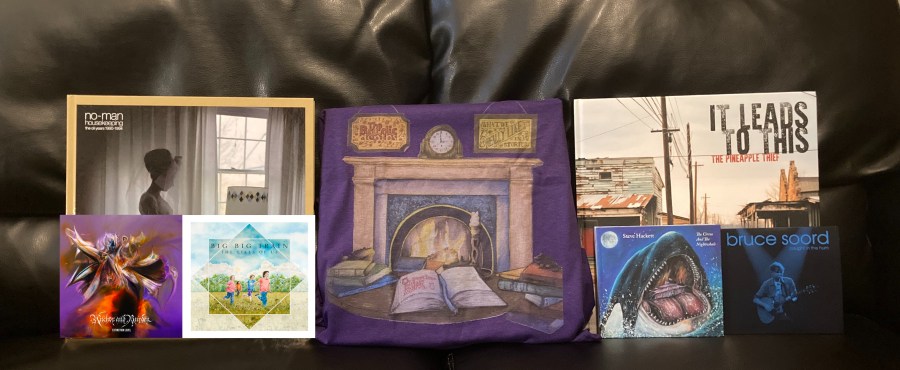
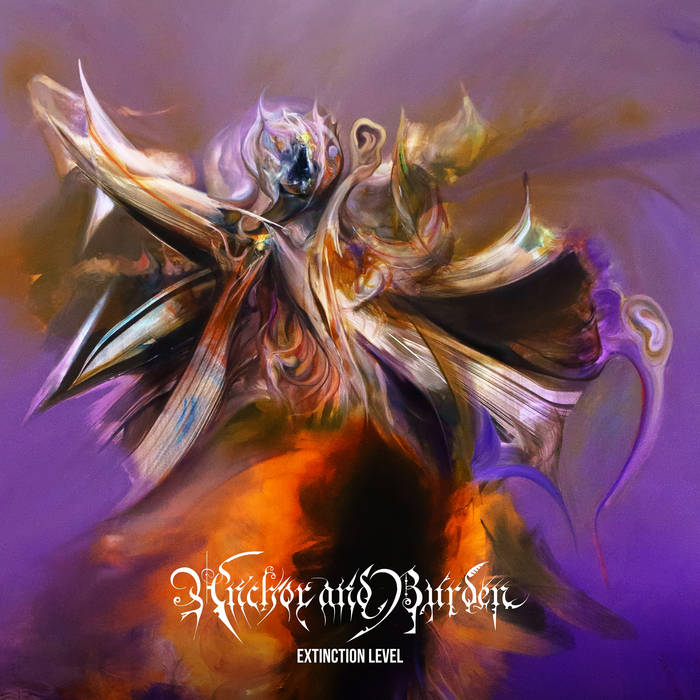
Anchor and Burden, Extinction Level:MoonJune Music mainman Leonardo Pavkovic has labelled this brutal beauty “uncompromising progressive avantgarde doom-jazz post-metal”. That pretty much covers it! Kicking off with opener “Fractured Self” and “Body Expansion”, touch guitarists Markus Reuter and Alexander Dowerk spend the next hour launching knife-edged slabs of sonic concrete into sub-orbit; drummer Asaf Sirkis pulverizes any semblance of a steady beat into terrifying quick marches (“Mutual Assured Destruction”), hyperactive polyrhythms (“Nine Gates to Dominion”), or just lethal, unanticipated deadfalls; and electronics wizard Bernhard Wöstheinrich provides both breathing space for a comedown, as on the closing “The Crust of This Earth”, and crash pads for droning, sludgy guitar plunges throughout the extended title track. Absolutely bonkers, already a favorite; you may have to be in the right mood for it, but Extinction Level’s free-for-all improv (not far removed from King Crimson’s outer limits) turns out to be a heady, head-banging good time.
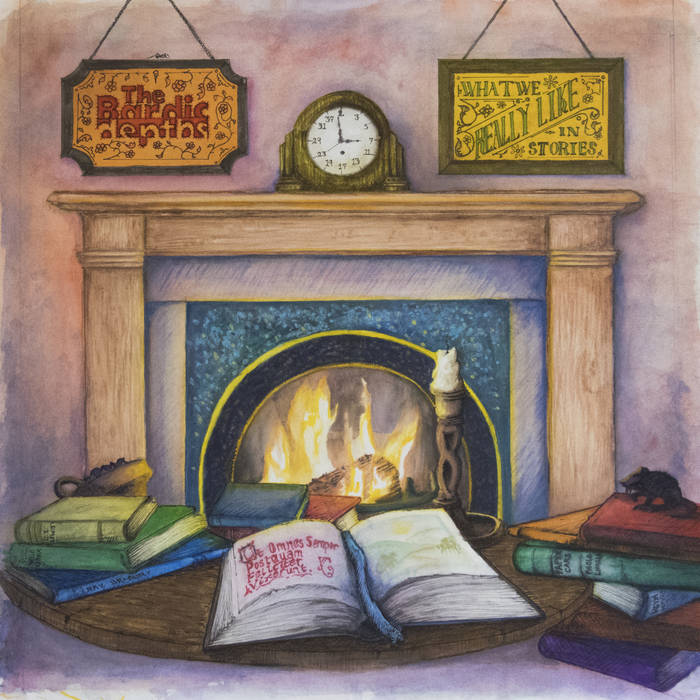
The Bardic Depths, What We Really Like in Stories (released March 7): both more direct and more varied than their previous releases, TBD’s third is a first-class album that delivers generously on its title’s promises. Brad Birzer’s graceful lyrics effortlessly transport us into the minds of creators as diverse as Ray Bradbury (“You’ve Written Poetry, My Boy”), Willa Cather (“Old Delights”) and Robert E. Howard (“The Feast Is Over”) — then into the creations themselves (the Orwellian dystopia of “Vendetta”, the postapocalyptic “Stillpoint”, the high adventure of “Whispers in Space”). In turn, Dave Bandana and Gareth Cole’s compositions are appealingly streamlined, giving Cole’s guitars, Bandana’s guitars & synths and Peter Jones’ keys & saxophones plenty of room to shine but never straying into aimless jams. Add a warm vocal blend from the quartet (with Jones and Bandana at the forefront) to Tim Gehrt’s steady, sparkling grooves, and you have a prog album that’s accessible without compromise, thought-provoking without pretension. This one’s charms might sneak up on you, but repeated listens will thoroughly repay your kind attention. (Check out our Bardic Depths roundtable here.)
Big Big Train, The Likes of Us (released March 1): the wonder here isn’t that indefatigable founder Greg Spawton and his international crew have regrouped with such power and panache; it’s that they’ve tackled the struggles and sorrows of recent years head-on, forging them into the band’s most direct, integrated album since Grimspound. From mission statement/overture “Light Left in the Day” through epics “Between the Masts” and “Miramare” to killer ballad “Love’s Light” and finale “Last Eleven”, new singer Alberto Bravin fares forward into the unknown, summoning the essence of friendship and the pain of loss, calling on all in earshot to seize the day. There’s tons of musical variety, too, from the hard-rocking “Oblivion” to the playful “Skates On” and the 12-string weave of “Bookmarks”, with all seven players (five of whom sing) each getting their time to shine. And yes, that brass section pops in at just the right moments, to bring a tear to the eye or lift the spirit as required. Familiar yet fresh, and destined for that year-end faves list, BBT fans can be well satisfied with this latest excursion – and The Likes of Us is well turned out to welcome new Passengers onboard as well! (Check out our interview with Alberto Bravin here.)
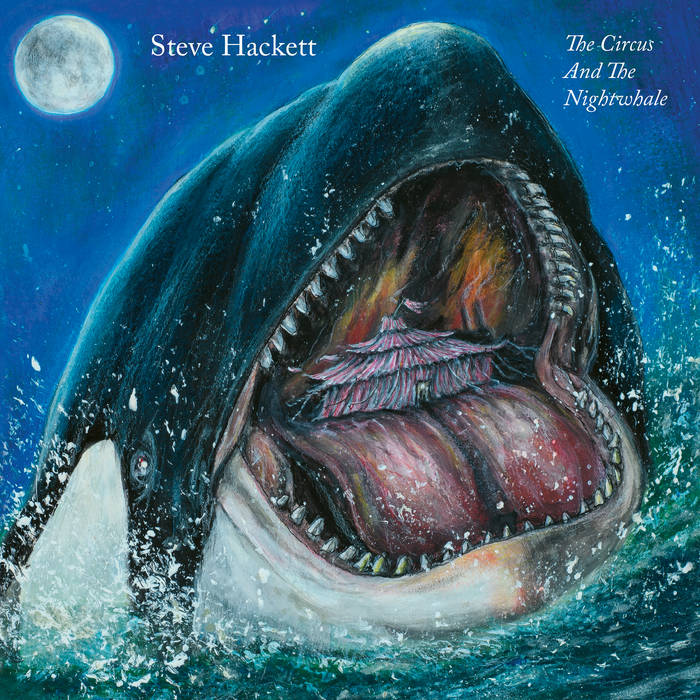
Steve Hackett, The Circus and the Nightwhale: Prepare to have your ears pinned back here: Hackett leaps out of the gate with freshly energized songwriting and ferocious guitar work and doesn’t let up throughout this compact, compellingly listenable concept album. The restless opening sprint of “People of the Smoke”, the “Squonk”-like stomp of “Taking You Down” (with standout lead vocal by Nad Sylvan and towering sax from Rob Townsend), the lush orchestral interlude “These Passing Clouds” are all full to bursting with devastatingly melodic, wildly spraying six-string excursions from Steve; even lighter tracks like the harmonious “Enter the Ring” and luxuriant 12-string centerpiece “Ghost Moon and Living Love” overflow with prime solo licks, mind-melting and heart-gripping in equal measure. Add Roger King’s richly scenic keyboards to a succession of marvelously eclectic tunes that waste no time and a coming-of-age narrative that climbs from the gutter to the stars (braced with a dose of the marvelous — there’s that Nightwhale, after all). And voila! You’ve got a Hackett opus that immediately goes to the 2024 favorites list, ranking right up there with Spectral Mornings,At the Edge of Lightor whichever of his 30 solo efforts you prefer best.
No-Man, Housekeeping – The OLI Years, 1990-1994:Ben Coleman, Tim Bowness and Steven Wilson’s earliest singles for One Little Indian (oops, Independent), “Days in the Trees” and Donovan’s “Colours”, are the perfect sneak peek/summation of this compilation’s garishly romantic delights. Just as you start thinking “ho hum, fey indie Nineties dance-pop”, the heavens – or are they the abysses? – open, accompanied by lush squalls of immaculately recorded dissonance. As if Roxy Music and ABC had somehow wound up co-headlining a vaudeville show, Bowness’ desperate vocals and Coleman’s slashing violin work match up swoon for swoon, while Wilson toughens the grooves and hoists ambitious synthesized backdrops, colorful splatters of guitar punctuating the aching pantomimes all the while. Containing the first two No-Man albums (the singles-oriented Loveblows and Lovecries and the ravishing, guest-heavy Flowermouth) plus the early EP Lovesighs, a singles disc and radio sessions, Housekeeping is a generously filled, beautifully designed boxset that points unerringly toward Bowness and Wilson’s more mature achievements (whether together or apart), but is also thoroughly listenable and intriguing in its own right.
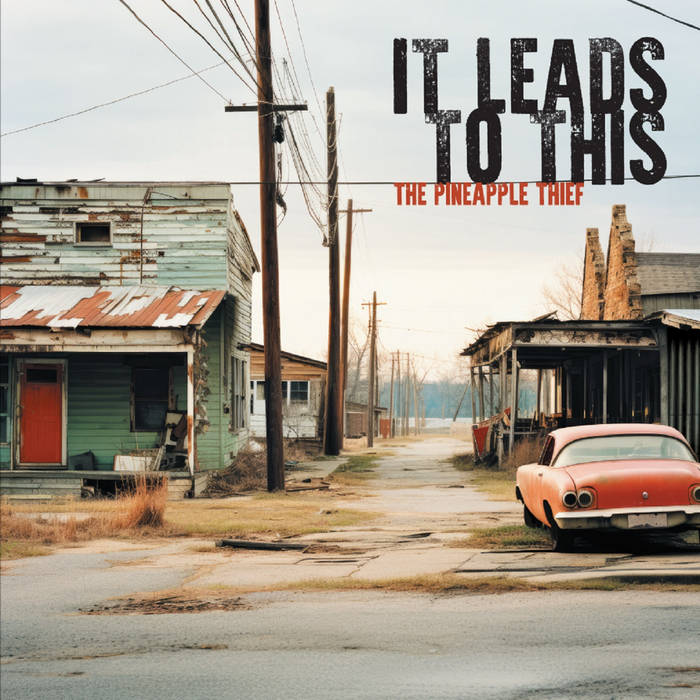
The Pineapple Thief, It Leads to This: more badass guitar loops and riffs (spaghetti westerns and surf music entwined in a Steve Reich soundscape); more bleak musings on our pervasive inability to connect, crooned with Bruce Soord’s trademark tenderness and fury; more moments of tasty, laterally-inflected drumming from Gavin Harrison. The current edition of the Thief’s fourth studio album is its own self-contained world, set in motion by the Soord/Harrison team’s moody interplay and rotating on Jon Sykes and Steve Kitch’s steady axis; undeniably of a piece with their recent catalog, and all the better for it. If none of the eight songs particularly stand out, they’re all honed to sleek perfection, building through seductive, bracing miasmas of dread and determined pursuits of flickering light to the knockout punch of the last two tracks. Whatever nightmare Soord is sleepwalking through, his eyes and heart are wide open as he edges forward, with Sykes, Kitch and Harrison urging him on all the while. (Soord’s recent “unplugged” solo CD/DVD, the already out-of-print Caught in the Hum, is an even more distilled example of this melancholy, coolly yearning aesthetic.)
Unless otherwise noted, title links are typically to Bandcamp for streaming and purchasing, or to Spotify/YouTube for streaming with a additional purchase link following the review.
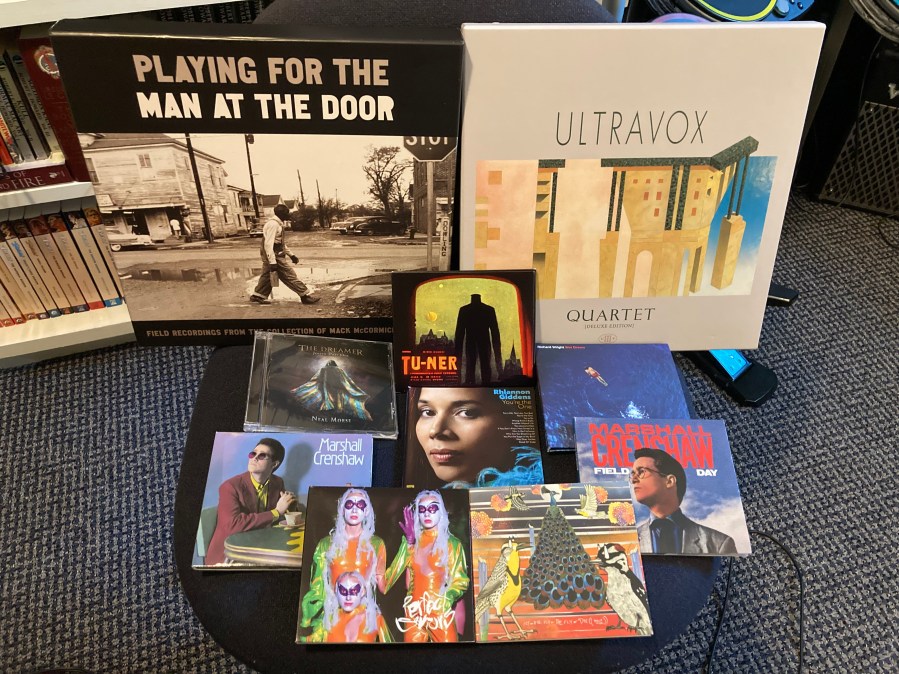
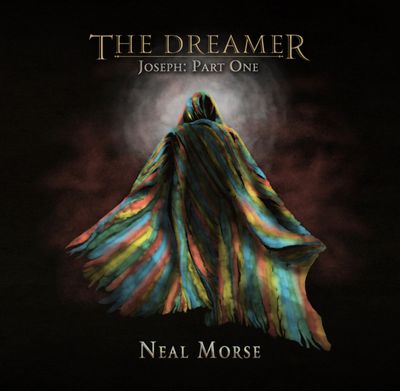
Neal Morse, The Dreamer – Joseph, Part One: For his latest rock opera a la 2019’s Jesus Christ the Exorcist, Morse and his studio sidekicks swerve toward hard-hitting blues-rock; the usual “Overture” and the narrative tracks “Burns Like A Wheel” and “Gold Dust City” are stuffed to the brim with chunky organ and grunged-up wah-wah guitar work. Wailing vocals from the cast of Christian Progressive Rock stalwarts who play Jacob, Joseph’s brothers and his Egyptian captors slot right in; even the power ballads (“The Pit”) have more grit this time around! And while the second half of the album is stylistically slicker (complete with classical chorale “I Will Wait on the Lord”), the hooky closer “Why Have You Forsaken Me?” pulls all the musical threads together, with Morse’s emotive portrayal of Joseph setting up intriguing possibilities for Part 2 — which, given his extravagant productivity, shouldn’t be too long in coming. Order from Radiant Records here.
Tu-Ner, T-1 Contact Information: Power trio improvisation that takes no prisoners, from another eerily luminous satellite band orbiting the gravity well of King Crimson. Trey Gunn and Pat Mastelotto formed one of Crimson’s most ferocious rhythm sections in the early 2000s, also recording together as TU; here Mastelotto clatters away merrily on his sonic smorgasbord of drums and percussion, while Gunn unleashes the deepest, fattest bass licks known to subwoofers. Above and around the Rhythm Buddies’ brutalist bedrock, Markus Reuter (who’s worked with Mastelotto in the duo Tuner and the trio Stick Men) unleashes slashing, swooping touch guitar lines and dark, brooding soundscape clouds — and when Gunn joins him on the higher end, sparks really fly. Always arresting, intermittently galvanizing, but the track titles (or this review for that matter) can’t really give you a feel for what this sounds like. In other words, you’ve gotta hear what Tu-Ner do to believe it.
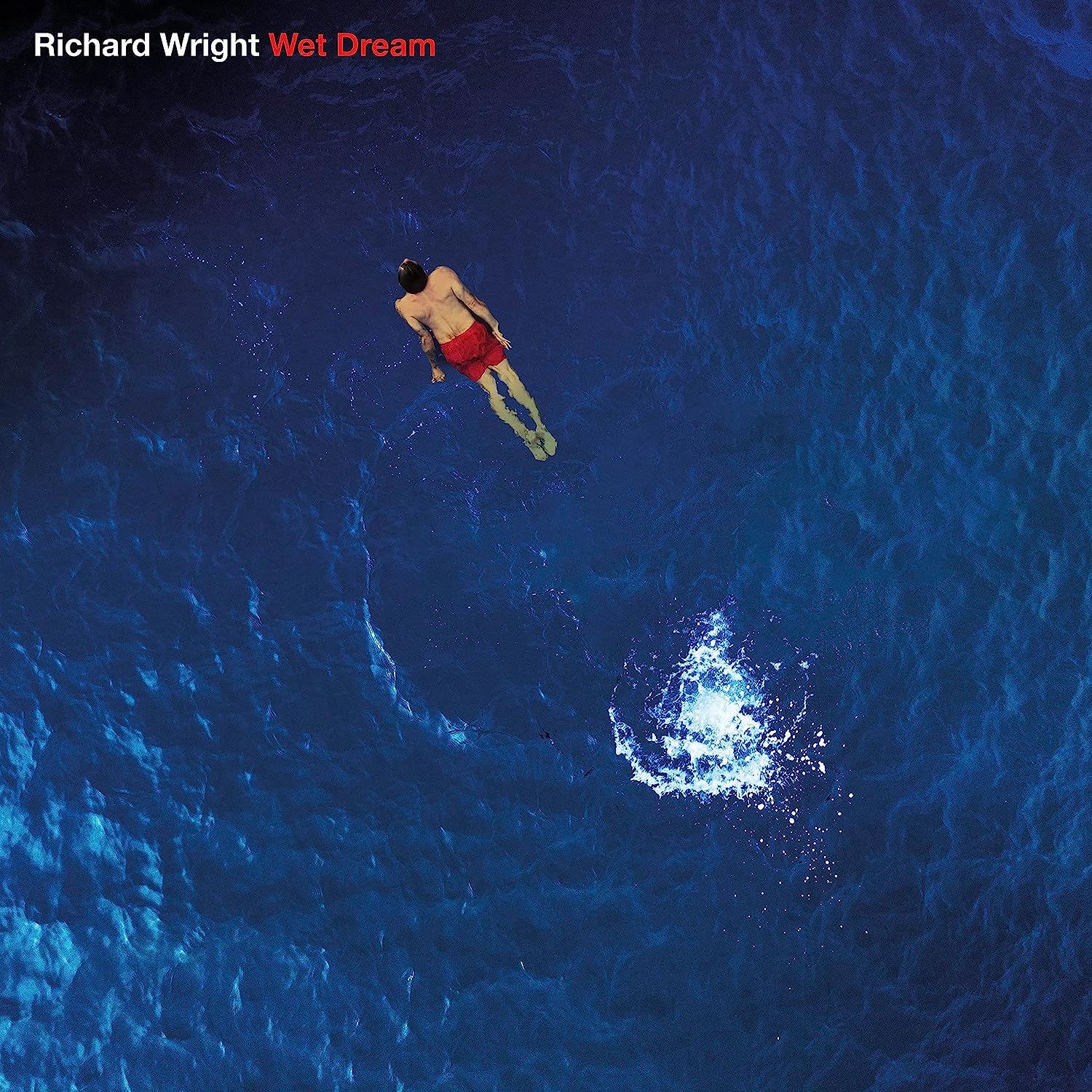
Richard Wright, Wet Dream: In case you ever wondered exactly what keyboardist Wright brought to Pink Floyd, his 1978 solo album has it in spades. On tracks like “Mediterranean C” and “Drop In from the Top” lush, floating chord progressions set up open-ended jams by guitarist Snowy White and sax legend Mel Collins; Wright’s reedy voice spins out languid vignettes of detachment and disillusion such as “Summer Elegy” and “Holiday”. All thoroughly gorgeous (especially in this immaculate new Steven Wilson remix), occasionally funky, ineffably melancholy — and not terribly urgent in isolation. Still, you can hear the breathing space that Floyd lost as Wright faded into the background and Roger Waters began repeatedly kicking his audience in the head on The Wall. Order from Rhino Records here.
Ultravox, Quartet [Deluxe Edition]: Speaking of immaculate Steven Wilson remixes: this is his third in a series for the British new wave quartet. Regrouping after early personnel changes, Ultravox struck a quirky vein of New Romantic post-punk on 1980’s Vienna, then pursued cutting-edge Krautrock on the follow-up Rage in Eden. Connecting with legendary producer/5th Beatle George Martin, frontman Midge Ure, violinist/keyboardist Billly Currie, bassist Chris Cross and drummer Warren Cann aimed straight for the charts; Quartet is as pure of a pop album as they ever achieved. The UK singles “Reap the Wild Wind,” “Hymn,” “Visions in Blue” and “We Came to Dance” have an irresistible mix of rock drive, synth-pop color and devil-may-care melody, and the album tracks slot right in; the whole thing’s overripe and melodramatic in the most appealing way. Plenty of extras in the 7-disc box too, with b-sides, rarities, rehearsal tapes, studio monitor mixes and an intense live set all included. Order from the Ultravox store here.
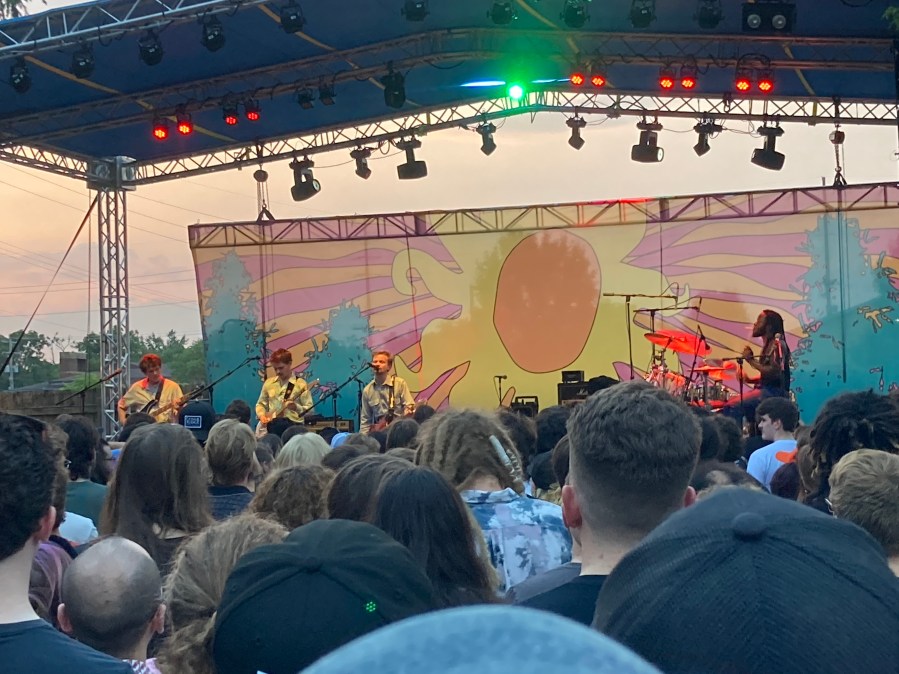
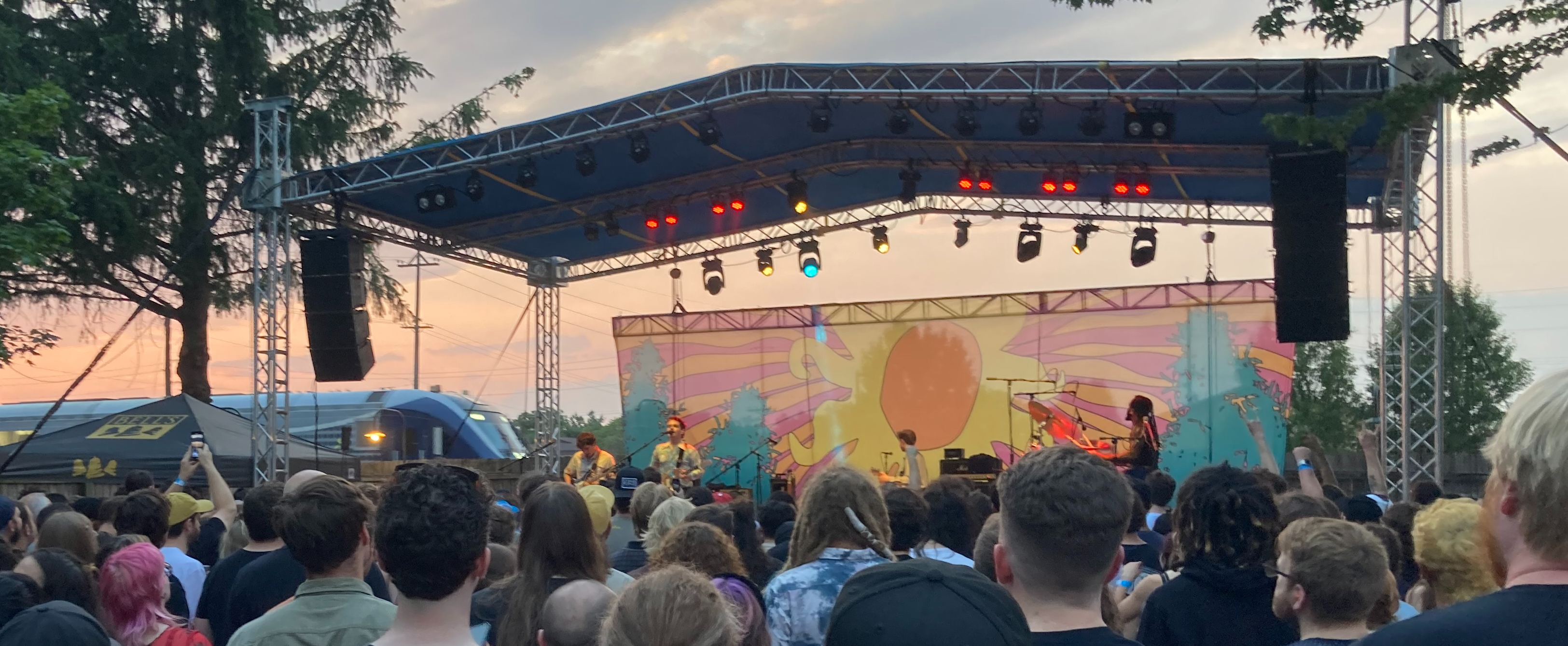
black midi with Circuit des Yeux, Bell’s Eccentric Cafe & Beer Garden, Kalamazoo Michigan, June 30, 2023.
The sludgy, spasmodic riffs of black midi’s opener “953” had crashed to a definitive, screeching halt. The hundreds-strong audience stood happily stunned at the young British quartet’s feral, frenetic onslaught. Cue an Amtrak train passing directly behind the stage, hailing the north side of Kalamazoo with its overblown, howling whistle, right in rhythm. It made perfect sense that guitarist/second vocalist Cameron Picton stepped immediately to the mike and yelled at the top of his lungs, “I [EXPLETIVE] LOVE TRAINS!!!!” just before the band kicked into the taut build of “Speedway.”
black midi’s music sounded like that all night — an unstoppable series of planned accidents that formed weirdly compelling shapes as they unspooled. Sculpting order into chaos, drummer Morgan Simpson’s groove and chops never faltered, no matter how many unpredictable stops and starts in a given song; guest bassist Seth Evans locked down apparently arbitrary pulses with imperturbable style. Guitarists Picton and Gordie Greep bounced off these lopsided foundations in furiously random directions, especially on the highlights from bm’s Hellfire album — ominously creepy funk slamming into a death-metal polka on “Welcome to Hell”, superspeed jazz-fusion counterpoint melting into lounge-lizard ambience on “Sugar/Tzu”, quietly floating chords ramping up to accelerating sheets of thrashy noise on “Dangerous Liaisons”. These guys know their rock history — teasing the Beatles’ “Taxman” before kicking into “27 Questions”, morphing from Metallica’s “Enter Sandman” riff into their unreleased “Lumps” — but they obviously feel bound by none of it when they jam and compose. Which seemed to be a giant part of their appeal to the remarkably youthful crowd; had they ever heard anything quite like this? (A middle-aged geezer like me definitely hadn’t; these guys made The Mars Volta sound normal.)
Unless otherwise noted, title links are typically to Bandcamp for streaming and purchasing, or to Spotify for streaming with a additional purchase link where available.
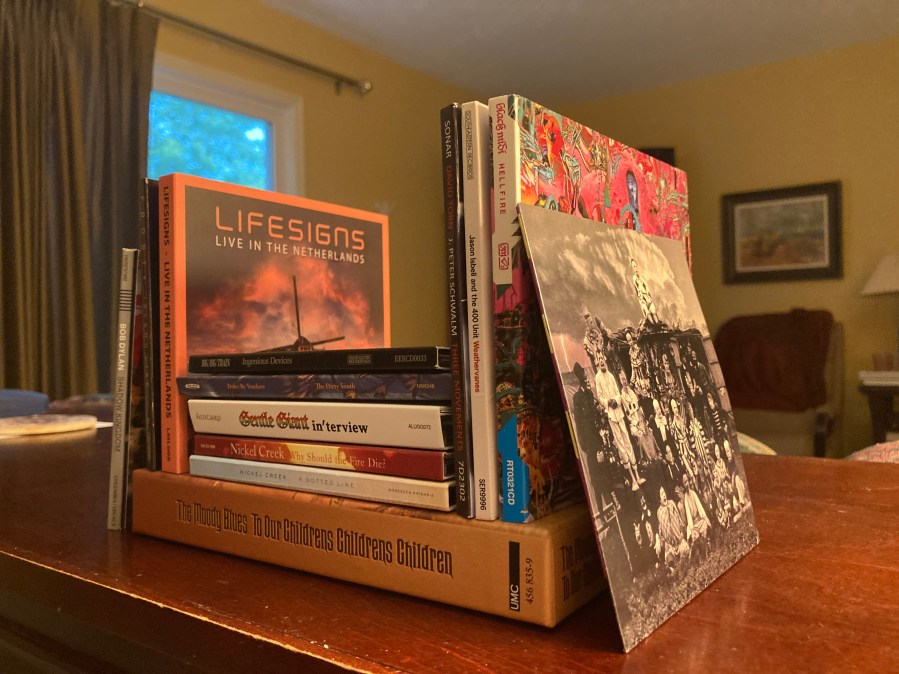
Starting with an obvious choice around these parts: Ingenious Devices proves a winning Big Big Train compilation, featuring Greg Spawton’s life-enhancing explorations of humanity’s drive to expand its reach. Vividly orchestrated reworkings of “East Coast Racer” and “Brooklands” join a remix of Grand Tour’s “Voyager” and a stirring live take of “Atlantic Cable” featuring new lead singer Alberto Bravin; the result is a fresh, vital, thoroughly moving suite of prog epics. Recommended without hesitation!
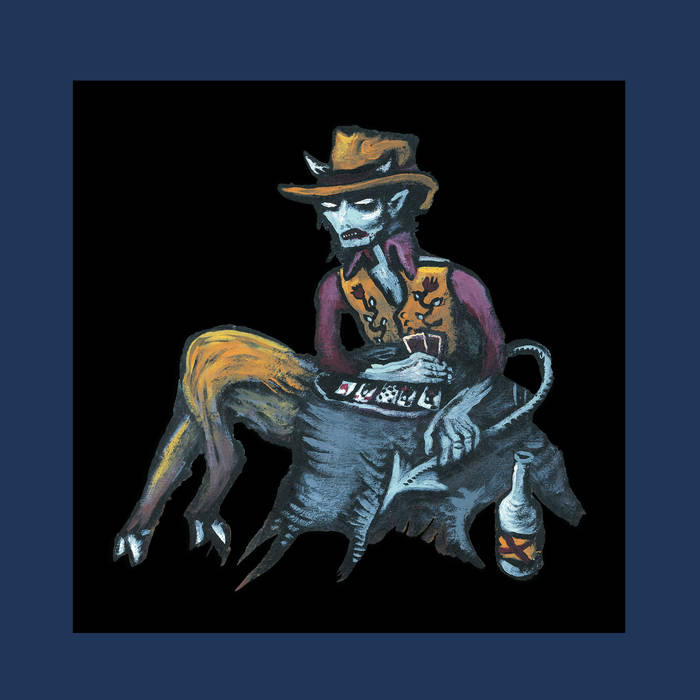
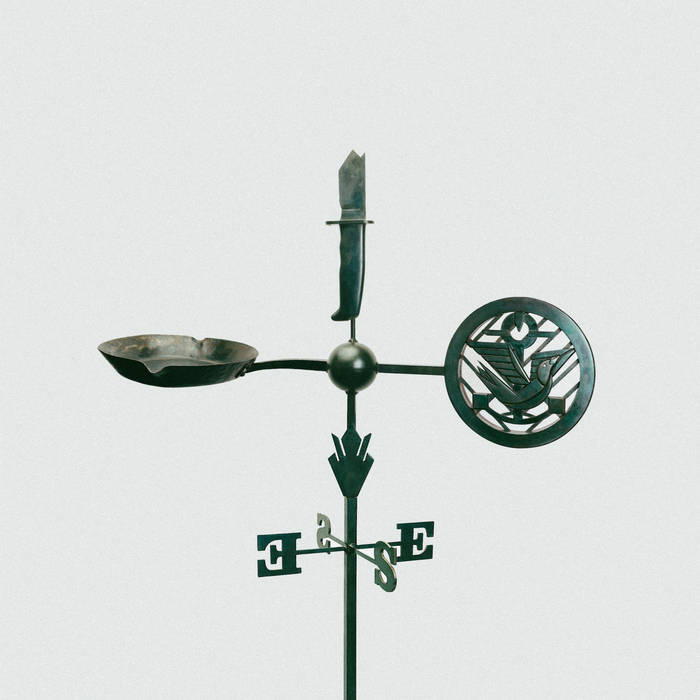
Southern rockers Drive-By Truckers have also reached back — fleshing out their classic 2004 effort as The Complete Dirty South, the double album they originally conceived. Triple-threat guitarist/songwriters Patterson Hood, Mike Cooley and Jason Isbell reel off tale after compelling tale of characters caught in desperate circumstances, torn between bad choices, clinging to vagrant hopes. Their rampaging hard-rock energy, seasoned with delicate country soul balladry, is what elevates the whole concept beyond haunted fatalism to an intense meditation on courage in the face of overwhelming odds. (Having left the DBTs in 2007, Jason Isbell continues to go from strength to strength. His brand-new effort with The 400 Unit, Weathervanes, brings tons of sharp writing and fiery playing to a clutch of deeply empathetic Americana narratives, topped with irresistible choruses and just a pinch of classic rock a la Bruce, The Byrds and Neil Young. Whatever your take on country music, you really shouldn’t miss either of these.)
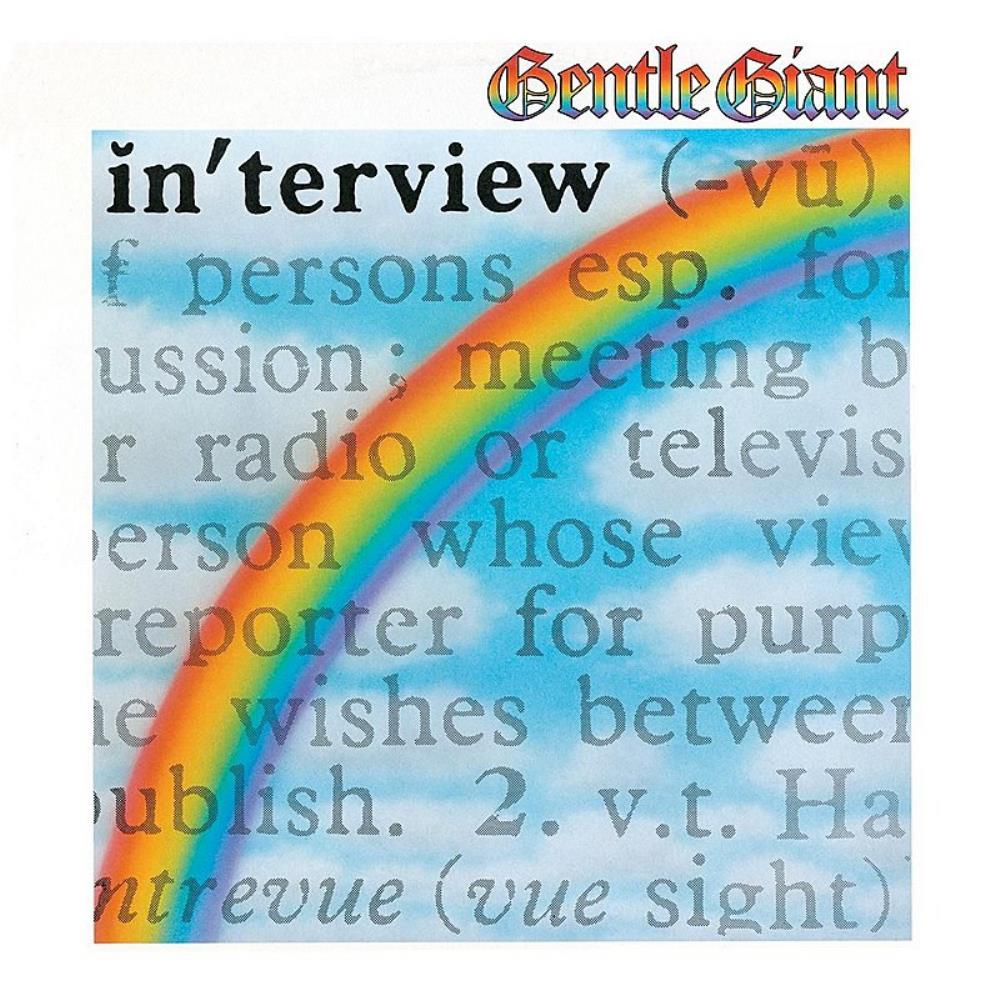
Also on the reissue front, Gentle Giant’s 1976 effort Interview now has a spruced-up, punchy remix from Steven Wilson (available here) that breezily clarifies the British quintet’s counterpoint vocals (“Design”), interweaving instrumental lines (the title track, frenetically funky closer “I Lost My Head”) and multistylistic hijinks (the unanticipated reggae chorus of “Give It Back”). The Moody Blues’ second release of 1969, To Our Children’s Children’s Children, becomes their third vintage set to get the multi-disc box treatment – though it’s only available digitally in the US. While the album proper leans toward studio psychedelia laced with wispy slow-dance tunes and the odd cabaret flourish, the bonus live tracks (including a complete set from the Royal Albert Hall) reveal the Moodies as quite the stomping rock outfit, slipping the leash on the album’s single “Gypsy,” the encore “Ride My Seesaw” and core tracks from Days of Future Passed.
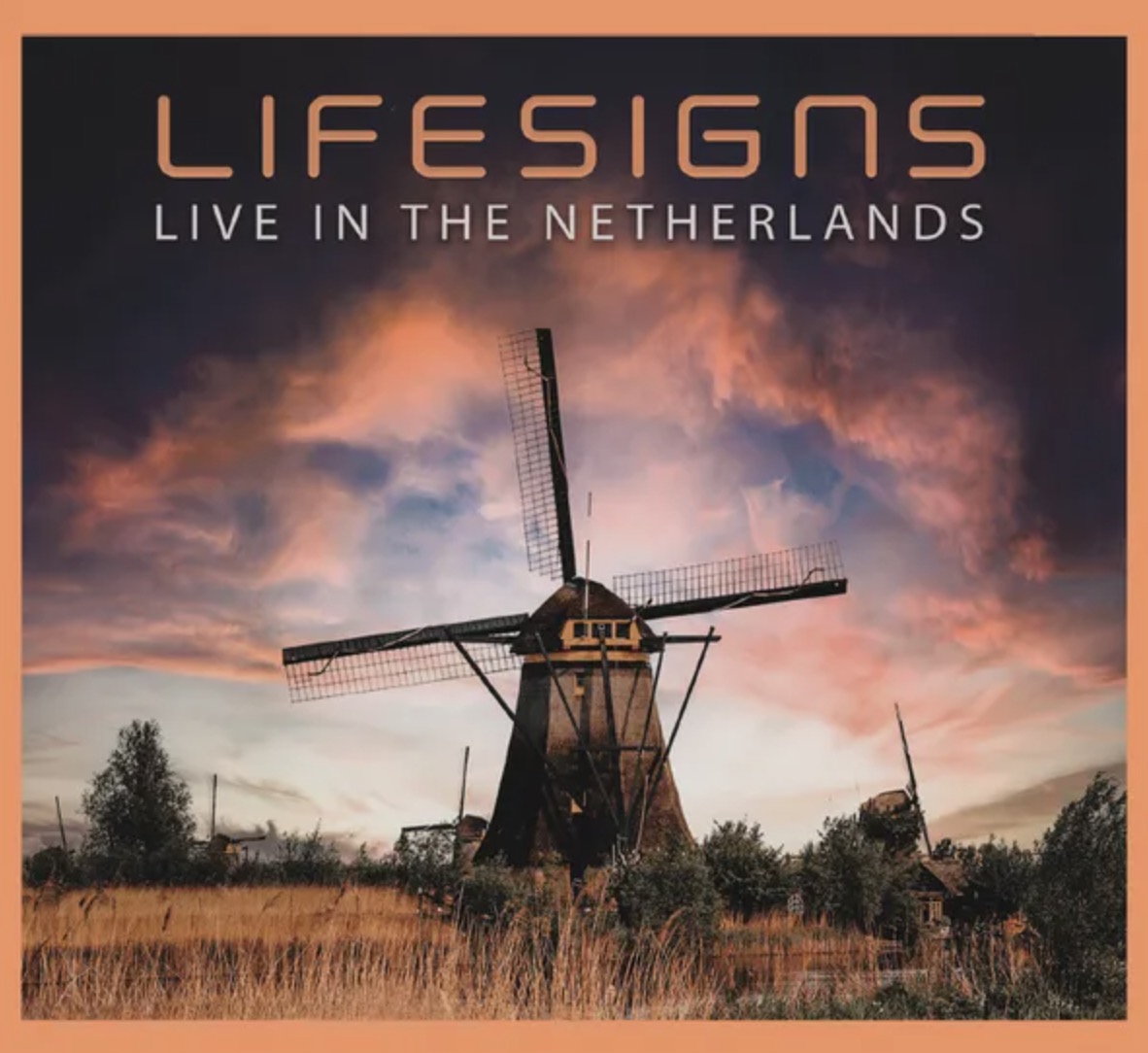
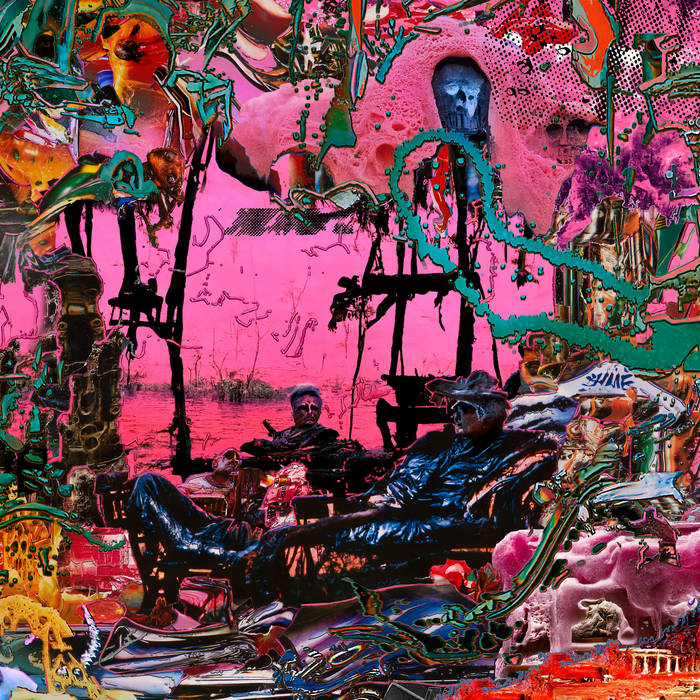
Live releases have picked up again as well. For their concert video debut Island Live (available through Magenta’s Tigermoth label), Jem Godfrey’s tech-forward quartet Frost* reap a whirlwind harvest of monumentally proportioned prog. With bassist Nathan King and drummer Craig Blundell anchoring the jumpy polyrhythms, guitarist John Mitchell and keyboardist Godfrey eagerly splatter as many unhinged solos as possible across devilishly ingenious harmonic structures, singing their hearts out all the while. (Check out a video sample here.) Prefer calmer (though no less extended) sonic voyages? Lifesigns’ Live in the Netherlands should be just the ticket. Leaning on the music from 2021’s Altitude, keyboardist/composer John Young and guitarist Dave Bainbridge prove steady hands on the wheel, soothing the soul as they scale the majestic heights of “Open Skies,” “Ivory Tower” and “Last One Home”. (One other winner from outside the genre: for a 2021 COVID-time video, Bob Dylan fused his recent rummagings amongst the blues and pre-rock vocal stylings to revitalize his vintage repertoire. The unplugged sorta-soundtrack Shadow Kingdom is the winning result; order it here.)
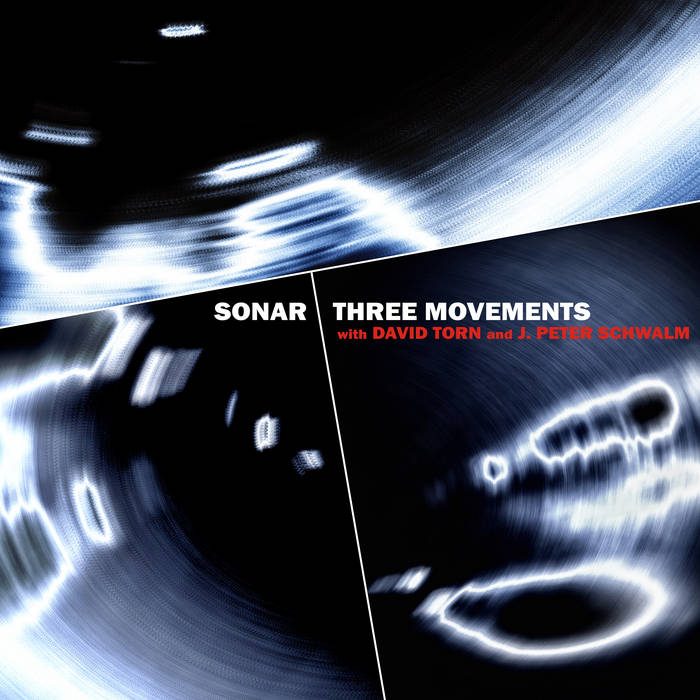
Speaking of concerts, my prep for a recent show by British “post-Brexitcore” bashers black midi included their latest album Hellfire, which hit plenty of 2022 best-of lists in and out of the prog world. A detailed live review is forthcoming; suffice to say that on record, bm’s dense, anarchic musical interaction tracks all too well with their jaundiced first-person lyrical vignettes — it’s postmodern life as absurd, unstoppable apocalypse. A welcome bonus from that concert was meeting Mike Potter, Renaissance man of the Eastern Seaboard — astrophysicist, former recording studio owner and a whiz on keys, woodwinds and vocals too! Potter’s band Alakazam has just released their fourth disc, Carnival Dawn; it’s a heady conceptual effort that stirs equal parts Ray Bradbury and Stephen King into a bubbling stew garnished with ominous Mellotron, creepy clarinet and saxophone, and the wondrously deranged verbal musings of sundry evil clowns. By the pricking of my thumbs, it’s worth a listen — if you dare. And for a coolly energizing dose of order to chase the above chaos, you won’t do better than Sonar’s new Three Movements. Here Stephen Thelen and company harness a genuinely symphonic tension, building up towering rhythmic edifices that reach dizzying heights; at the climaxes, as guests David Torn on guitar and J. Peter Schwalm on electronics launch volley after volley of improvised ambience, the tension breaks, the clouds clear, and you might just hear the music of the spheres!
Primus: A Tribute to Kings with Battles, GLC Live at 20 Monroe, Grand Rapids, Michigan, May 31, 2022
Having been sucked in to seeing this show by the sheer audacity of the concept — Primus covering Rush’ complete album A Farewell to Kings — I wasn’t sure what to expect in terms of the audience. On the night, GLC Live hosted what was by no means a typical “progressive rock” crowd. With all the restrooms equally busy at the usual break points, I saw pierced youth, middle-aged mullet wearers, date night couples, Gen X parents with their Millennial kids and the occasional fan in costume (from silk kimonos to the hat pictured here, depicting the album cover of Primus’ Sailing the Seas of Cheese) packing the standing-room-only main floor. So I got as close to the soundboard as I could and awaited the night’s developments.
Making their Grand Rapids debut, New York City’s Battles got the crowd moving with a ecstatic blend of electronica, funk and rock, mostly from 2019’s stellar Juice B Crypts album. Ian Williams set the mood with his genial dad-dancing — triggering loops and laying down riffs on synth, garnishing the resulting blend with effects-laden guitar riffs and the odd solo in the moment. John Stanier, a hard-hitting drummer in the John Bonham vein, drove the tunes and cued one whiplash rhythm change after another, triggering new beats and repeatedly bashing his elevated crash cymbal along the way. The grooves were relentless but refreshingly unpredictable and airy; the interlocking melodic lines ranged from punky ferocity to video-game-soundtrack campiness; and the occasional pre-recorded guest vocal (like Jon Anderson adding some Yes-style sunshine to “Sugar Foot”) always seemed to furnish a cherry on top the sweet sonic sundae. Williams and Stanier have forged an impressively interactive relationship with their electronics in real time, bringing an artsy asymmetry and freshness to their music that gathered thrilling momentum as the set progressed. After 45 minutes of Battles, I felt like I’d already got my money’s worth. (And I can’t recommend their recorded catalog highly enough — if there’s such a thing as dance music for prog heads, this is it!)
Battles onstage at GLC Live: L to R, John Stanier and Ian Williams.
Following the openers’ clean lines and summery vibe, the headliners’ full-on first set was initially bewildering to a newbie like me. Bypassing their long-ago radio hits for the most part, Primus conjured up a thick, hypnotic pulse to jam on extended, deep catalog tracks like opener “Harold of the Rocks” and “American Life”, as well as new music from their Conspiranoid EP. While that approach grabbed the already-primed crowd from the start, I had to get my bearings. Still, it was quickly evident that Les Claypool’s circular, polyphonic bass riffs are the heart of Primus’ sound (with his outsider sensibility every bit as evident instrumentally as in his carnival barker voice and Zappaesque lyrics); that drummer Tim “Herb” Alexander not only locks in with Claypool’s grooves, but that he pretty much fills the remaining space in the soundfield; and that their tight connection allows Larry “Ler” LaLonde the freedom to play guitar in a completely lateral fashion, with blindingly off-angle solos that seem to defy not only the laws of tradition, but possibly the laws of physics. Add in a full-on light show and quirkily-cued screen projections, and you had an undeniably appealing set, connecting with the audience via its eccentricities, not despite them. But one question remained for me: how well could Primus, who opened for Rush back in their own early days, possibly recreate the operatic metal sound of their heroes in the 1970s?
Primus onstage at GLC Live: left to right, Larry LaLonde, Tim Alexander (behind drums), Les Claypool)
The answer: better than anyone had a right to expect. Primus had unquestionably done their homework; “A Farewell to Kings'” chiming classical intro and lumbering riffs plus “Xanadu’s” double-neck duet and bell tree accents proved the opening shots of an awe-inspiring re-creation, with all of Rush’s instrumental bells and whistles delightfully present and correct. All three players were stretching themselves to hit their marks, and you could tell how the effort had strengthened their overall bond as a band. And I’ll give the kimono-clad Claypool full credit for giving Geddy Lee’s utterly impossible vocals his best shot; generally sticking to a lower octave, occasionally letting loose with appropriate Plant-y screams, inviting the obvious singalong on “Closer to the Heart”, he was obviously having the time of his life nearly a year into this tour. By the time “Cygnus X-1, Book 1: The Voyage” (complete with Captain Smiler onboard the good ship Rocinante onscreen) gathered speed and dove into its climactic black hole, I was sold — even though my aching back meant I didn’t stay for what turned out to be an extended encore. Along with Battles’ marvelous opening set, my introduction to Primus’ weird world of pure imagination and their well-done “tribute to kings” proved to be an appropriately titled evening: a first-rate, full-on musical experience. If the above strikes your fancy and you get the chance, this tour is well worth your time and cash!
— Rick Krueger
Battles Setlist:
The Yabba
Hiro 3
IPT-2
Summer Simmer/Ice Cream (featuring Matias Aguayo)
A Loop So Nice . . .
Titanium 2 Step (featuring Sal Principato)
Fort Greene Park
Sugar Foot (featuring Jon Anderson and Prairie WWWW)
TRAS
Ambulance
Atlas
Primus Setlist:
Harold of the Rocks
Fisticuffs
The Pressman (quickly abandoned because, to quote Claypool, “I can’t remember the words. We’ll play something else!”)
Here’s a fun one no one was expecting. Haken guitarist Charlie Griffiths teamed up with members of Dream Theater, Protest the Hero, Cradle of Filth and Inhuman Condition to create a special Christmas version of Slayer’s “Seasons In The Abyss.” And of course they named their “band” Sleigher. Ha.
Charlie Griffiths and Dan Goldsworthy play guitars, with the latter also writing alternate lyrics. Rody Walker of Protest the Hero sings vocals, Daniel Firth (Cradle of Filth) plays bass, Jeramie Kling (Inhuman Condition) plays drums, Haken’s Ray Hearne plays tuba, and the incomparable Jordan Rudess of Dream Theater provides a stellar keyboard solo – that he played on the first take! What a legend. Check it out:
To my astonishment, this appears to be the first Mastodon album reviewed on this website. How can this be? After all, this is a band that not only seasons their exceptionally math-y thrash metal with delectable flavors of sludge, stoner rock, prog and even hints of country. This is a band who came to my attention on David Letterman with the lead track from 2009’s Crack the Skye, an album-long narrative arguing the case for astral projection’s secret influence on the Russian Revolution. (And it wasn’t their first concept album, either — that was 2004’s Leviathan, based on — what else? — Herman Melville’s Moby Dick.)
After this — plus no-holds-barred follow-ups like 2011’s The Hunter and 2014’s Cthulvian Once More Round the Sun — I can’t help but ask again, where’s the love for Mastodon from Progarchy been all this time?
It’s not too late to hop on the bandwagon, though; Mastodon’s smoking new double disc effort, Hushed and Grim, is here to melt our minds and set our heads banging. Every single one of the fifteen tunes offer has at least two (and sometimes three) killer riffs pounded out by Brent Hinds and Bill Kelliher on guitar and Troy Sanders on bass, with Brann Dailor adding multiple layers of mayhem on drums. Sounds like a potentially stagnant formula on the surface, but given that the Atlanta-based quartet can spin on a dime through multiple textures, tempos, and time signatures in the course of a single song, the approach never fails.
And you never know what ear candy may show up in the midst of the prevailing heaviness — there’s the finger-pickin’ Americana intro to “The Beast,” the impeccable synthesizer solo on “Skeletons of Splendor,” the dream pop verses of the otherwise grunged-up “Had It All.” Hinds digs deep for his full-tilt solos, with a Southern-fried touch of Duane Allman peaking through every so often; Dailor’s playing calls to mind an alternate-universe Keith Moon playing with Jimmy Page instead of Pete Townsend. And the combined vocals (Sanders, Hinds and Dallor split the leads, with Kelliher as a harmony voice) provide kaleidoscopic colors to match the range of the music, from heavenly harmonies complementing 12-string textures to raucous, full-throated bellows over odd-time gallops. Producer David Bottrill (whose other credits include King Crimson and Tool) pulls all the elements of this sonic maelstrom together; the end product is marvelously stylish, delightful to listen to even as it knocks you flat.
But the music, as cool as it is, isn’t hanging out there on its own; the lyrics have a pungent bite as well. Mastodon are on a mission here, paying tribute to long time friend and manager Nick John, who died in 2018. Is the narrative here, kicking off with the vicious opener “Pain With An Anchor” and concluding with the epic “Gigantum,” a journey through the stages of grief? A depiction of dying from the inside out? Or yet another meditation on existence and mortality (for which I’ve proved a sucker time and again in the age of COVID-19)? Your mileage may vary with your interpretation — but boy, do Sanders, Hinds, Dallor and Kelliher bring the goods. The rage of “Sickle and Peace,” the devastated sorrow of “Teardrinker,” the desperate struggle of “Pushing the Tides” — all of it hits home. If you’re not cathartically drained after a listen to Hushed and Grim, you haven’t been paying attention.
As I think I’ve mentioned before, I’m not a big prog-metal head — but when it’s prog-metal as good as Mastodon, I surrender willingly. Check out Hushed and Grim for yourself below — and definitely catch them live if they come to your town! (I did back in 2015, and my ears might still be ringing.)
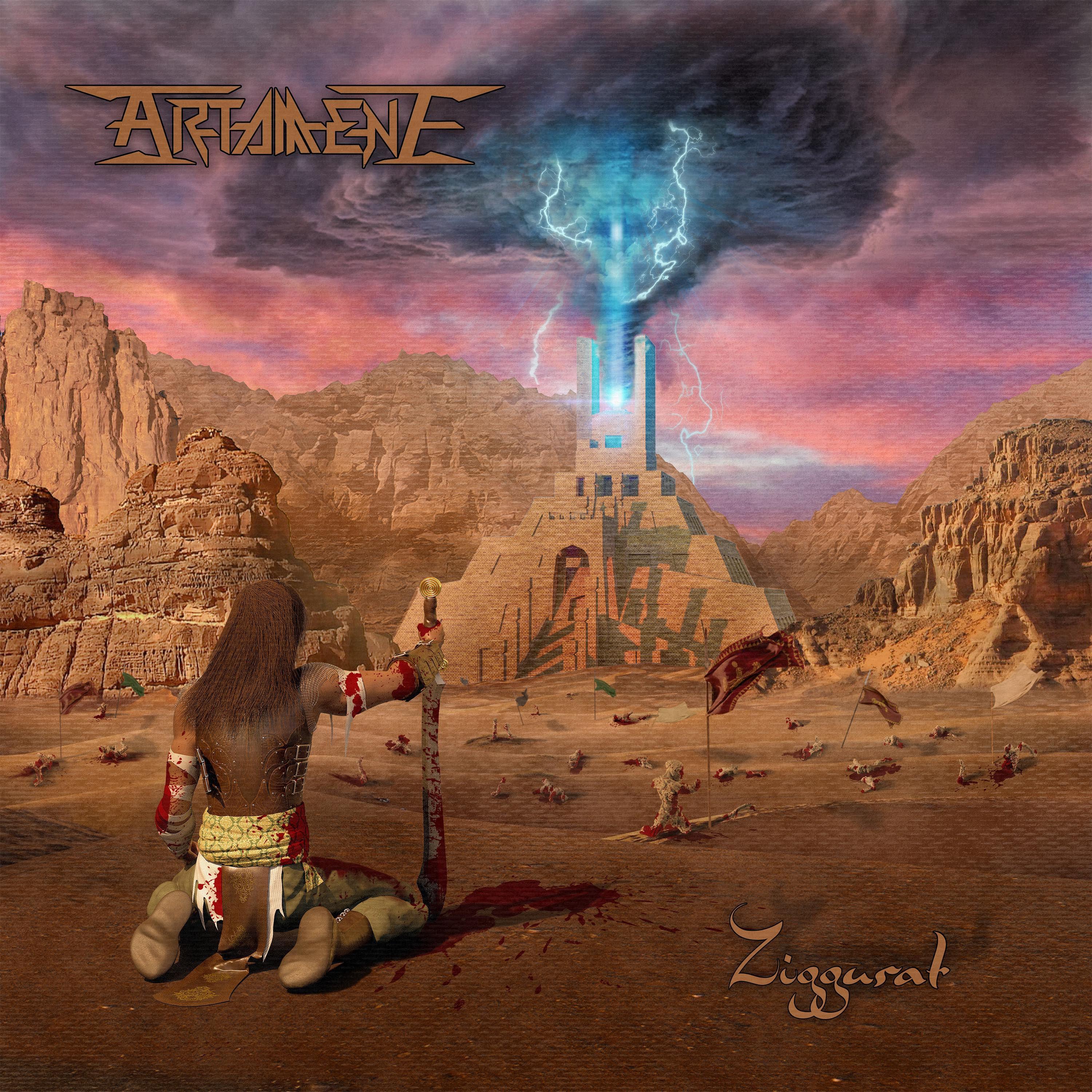
Artamene, Ziggurat, 2021 Tracks: Infinite Escape (5:27), Fear of Darkness (4:11), Heavy Motion (3:55), Mayhem (3:51), Shining Black (5:24), Inshushinak (6:01), Rain of Paradise (2:56), Petrichor (5:39)
Persecution is still disgustingly widespread in the world today. There are millions of people in countries across the globe who face imprisonment, torture, and death for their religious beliefs, their ethnicity, political beliefs… the list could go on. Iran is one such country. America has experienced childish backlash against heavy metal (Tipper Gore and her Parents Music Resource Center in the 1980s as one example) in the past, but American musicians have never feared imprisonment just for making and performing metal music. This threat is real for Iranian metal musicians, and Artamene wants the rest of the world to know that awful truth.
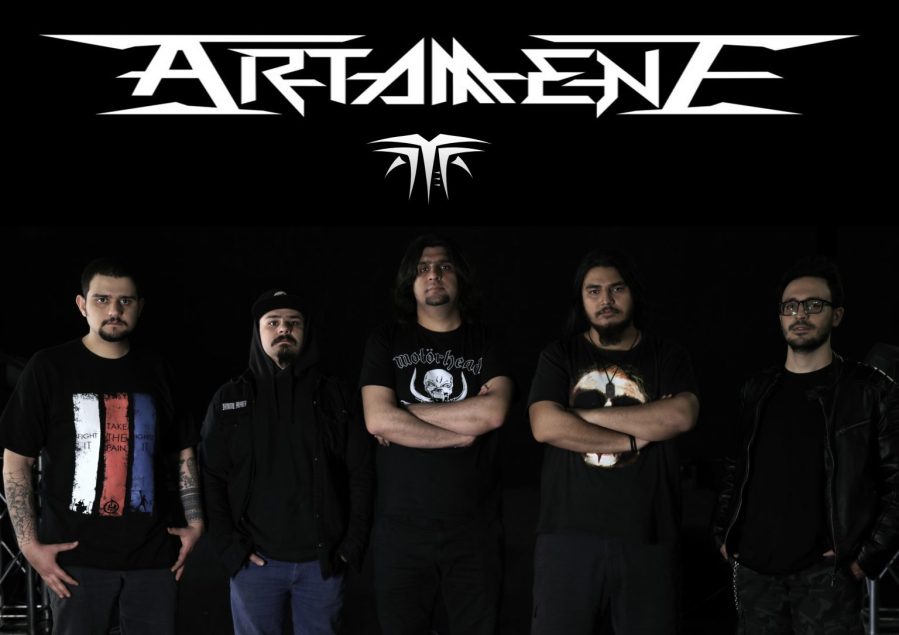
Artamene was formed in Iran in 2017 by brothers Pedram (lead guitar) and Pooya Shitrah (drums) along with Soheil Avakh (vocals) and Ali Karimi (rhythm guitar). Their album, Ziggurat, also features Yahya Rahmani on bass. Pedram and Pooya grew up listening to and playing metal with each other, and they decided to form Artamene. The problem is the Iranian government thinks metal is inherently Satanic, and they have thrown bands in jail for making metal. Members of the bands Confess and Arsames have been sentenced to prison on charges of “Satanism,” although thankfully the musicians were able to escape the country.
I don’t hear anything Satanic on Artamene’s Ziggurat, so hopefully the band will be safe from those accusations. They are allowed to play live concerts, although the behavior of the audience is strictly regulated by the government. They actually get 200-500 people at their concerts.
The music itself is quite good. There are a lot of thrash metal elements, but there are also some more atmospheric metal moments and certainly progressive flares. Thrash metal in general often has a lot of progressive metal elements, minus the keyboards usually. On Ziggurat there are heavy distorted guitars, clean solos, and clean rhythm sections. The bass is clear, heavy, and distinct throughout. It shines in the mix. The drums are intricate and pounding with a prominent double kick, reminding me of the brilliant Gene Hoglan (Strapping Young Lad, Testament).
The vocals are heavy and distorted, but they’re not black metal vocals. Thrash tends to have its own sort of yelled distorted vocals, along with cleans. Avakh’s vocals follow that trend, and his voice works very well with the music. It helps that the lyrics are in English. At times Avakh’s voice reminds me of M. Shadows from Avenged Sevenfold.














 Artamene, Ziggurat, 2021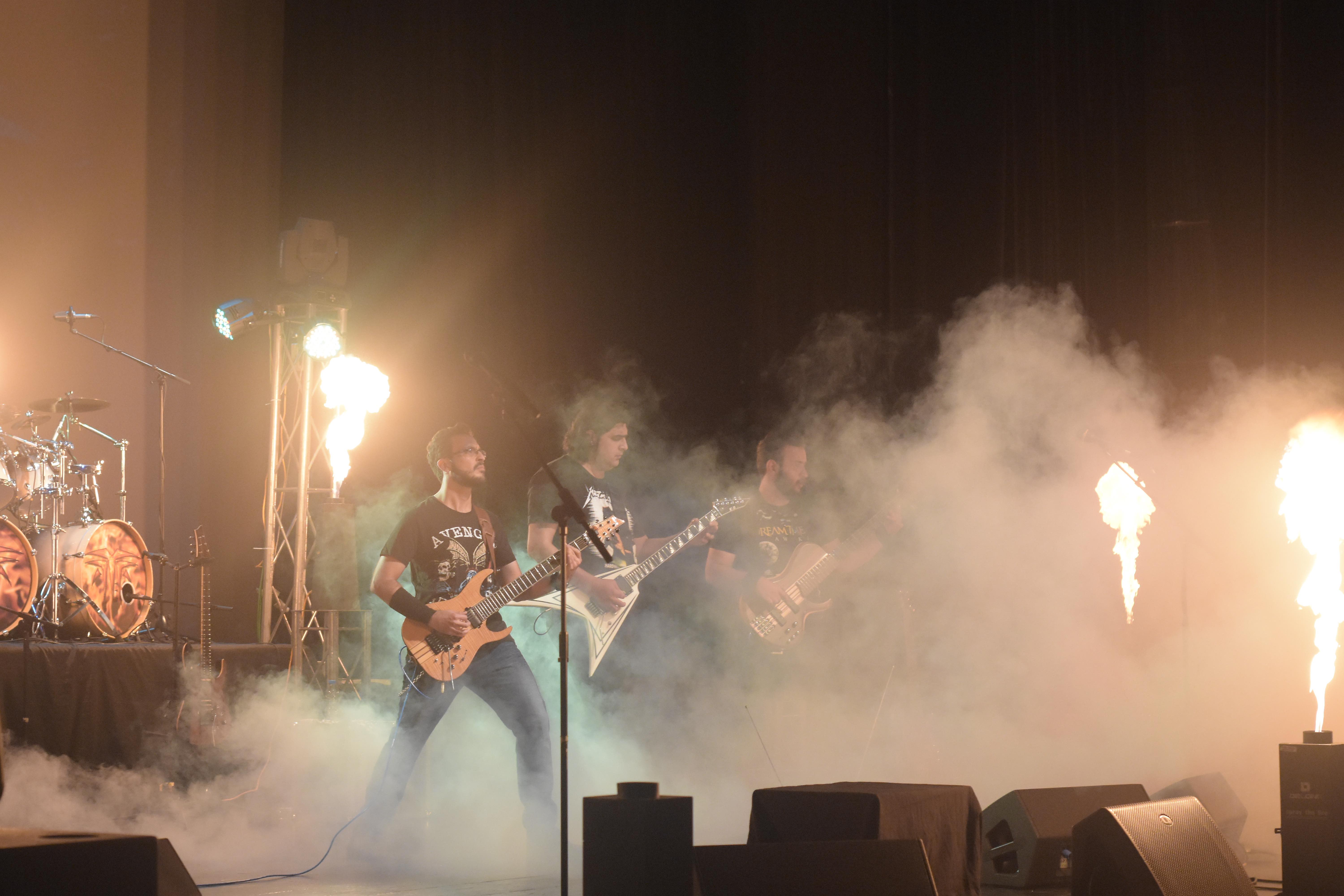
 Progarchy