Boz Scaggs & Robert Cray in Concert – Two from Out of the Blues

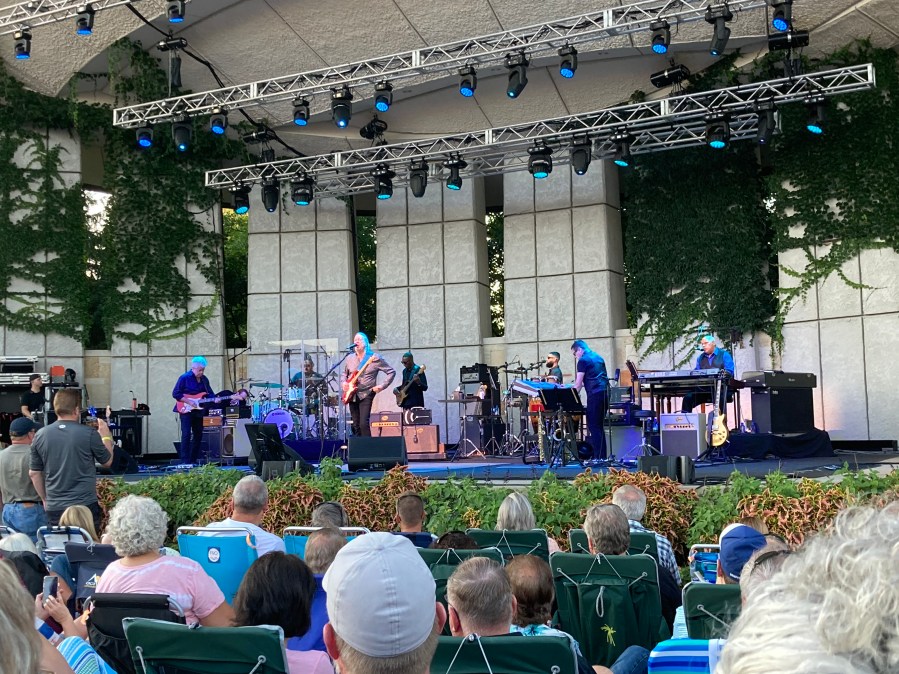
Boz Scaggs with the Robert Cray Band and Jeff LeBlanc, Meijer Gardens Amphitheater, Grand Rapids Michigan, August 22, 2022.

Fair warning: there was absolutely nothing prog about this show. And there didn’t have to be — my wife, my friends and I got the good time vibes we came for, along with about 2000 other locals, if sometimes from some unexpected directions.
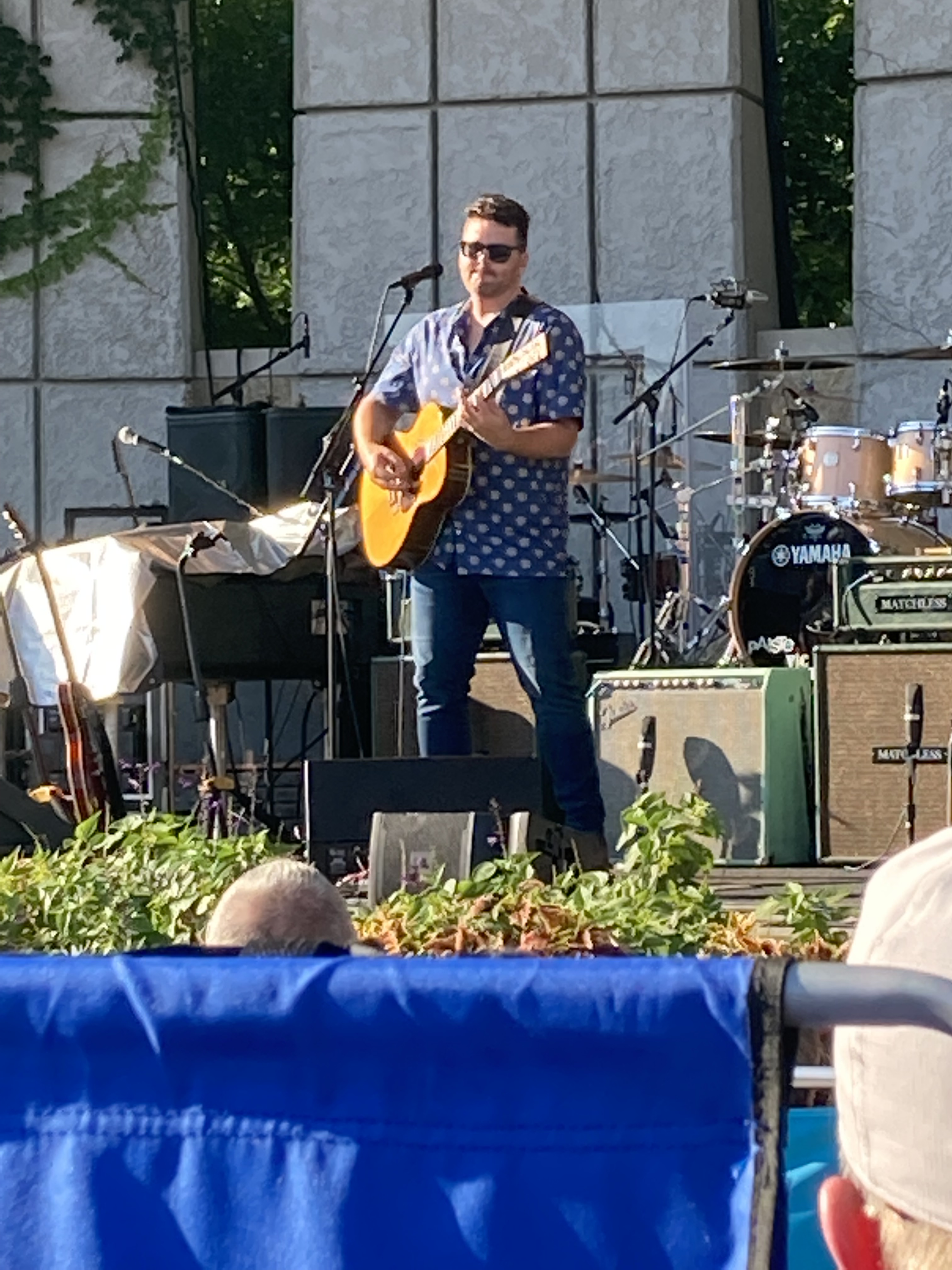
Case in point: opening act Jeff LeBlanc. (All together now: “Who?”) A solo act like many others: one guy with his guitars, a way with catchy melodies that you might hear over the PA system at a place like Walgreens (he said it, not me!) and great taste in covers. Pulling out hometowner Al Green’s soul classic “Let’s Stay Together” as his third tune, he had the crowd firmly on his side by the end of his 15-minute set. If LeBlanc’s music is a bit anonymous, his affable stage presence still provided a great way to ease us into the evening.
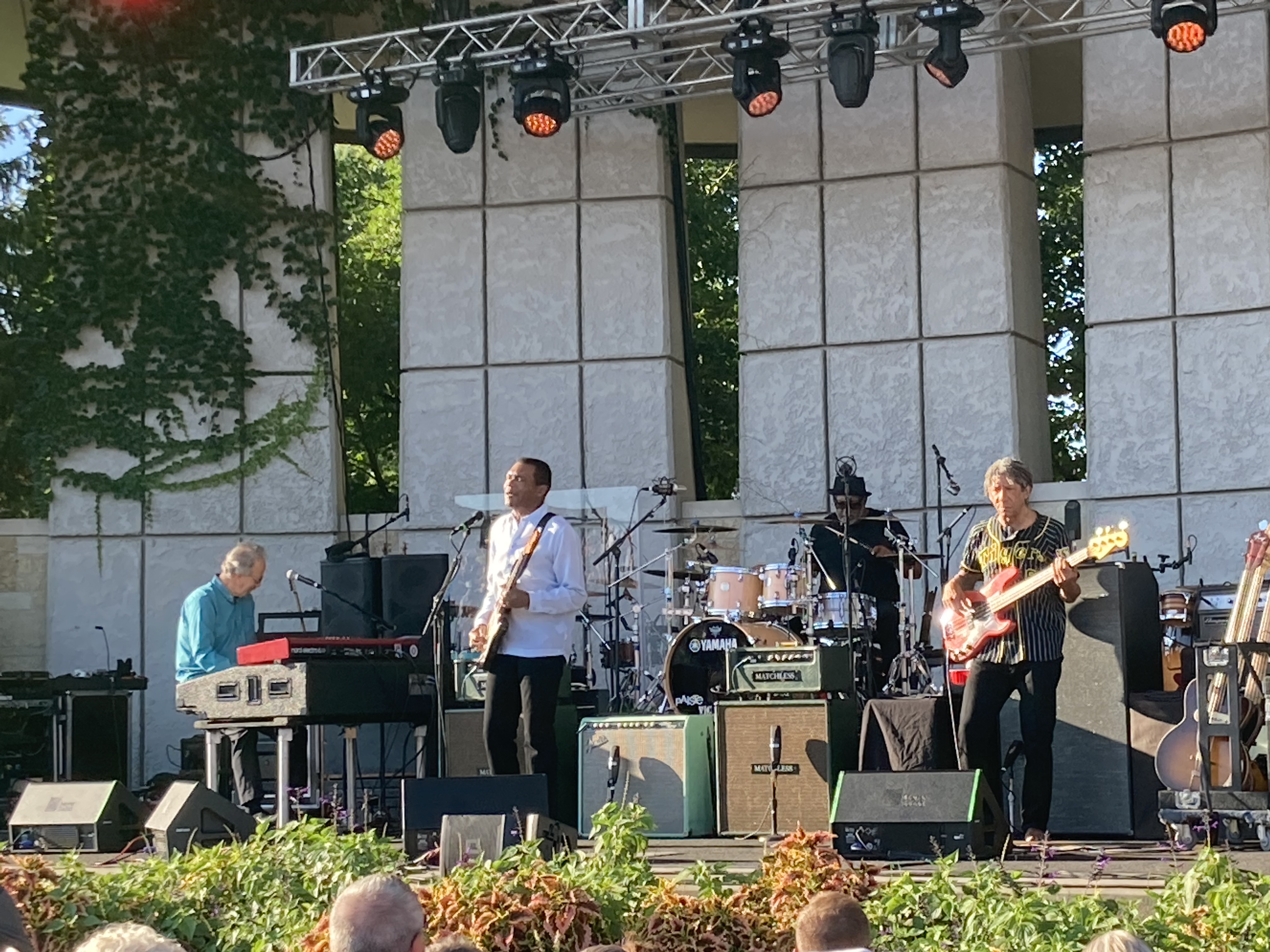
Then, the Robert Cray Band took the stage for a absorbing hour of down home goodies. While Cray caught the attention of the 1980s blues scene on guitar, and still showcases great 12-bar tunes like the claustrophobic “Phone Booth” in his set, his singing and songwriting have always had broader horizons, stretching into R&B, soul and beyond. Supported by Les Falconer’s solid drumming, Richard Cousins’ booming bass and Dover “White Cliff” Weinberg’s idiomatic organ work, Cray powered through captivating originals like “Anything You Want”, “I Guess I Showed Her” and the humorous, instrumental Booker T homage “Hip Tight Onions”, singing and playing his heart out even with the sun in his eyes. But it was on quiet tunes such as “I Shiver” and the closer “Time Makes Two” that Cray really impressed, bringing his arresting solo breaks down to near silence and taking the rowdy audience with him. The standing ovation at the end — for a man who didn’t even play his biggest hit, “Smoking Gun” — showed that everyone with ears to hear knew they had just seen a master at work.
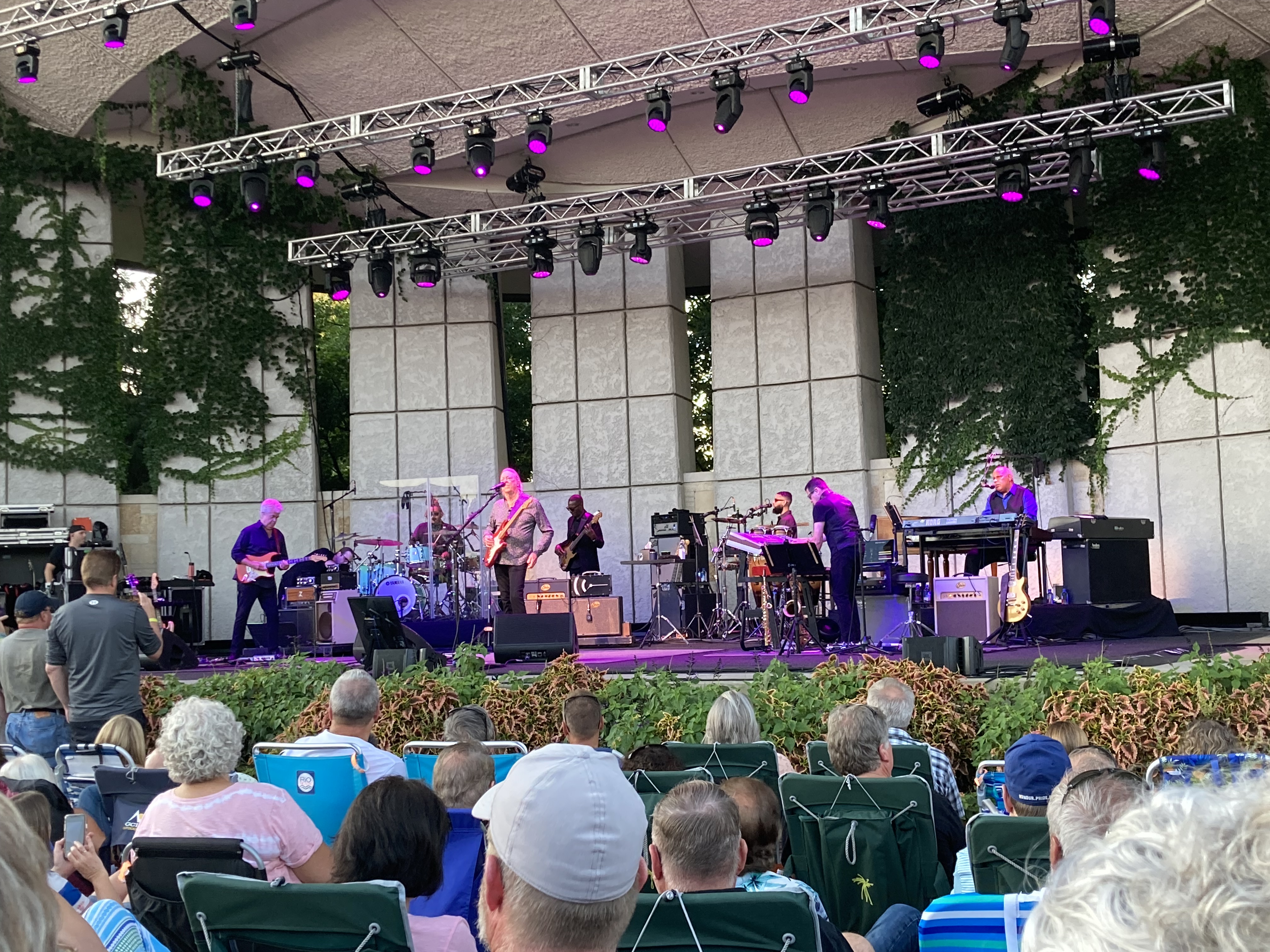
Then it was time for Boz Scaggs — sauntering into the spotlight with his six-piece backing band on front of a crowd that expected the hits and wound up getting more than they bargained for. Sure, Scaggs kicked off with “What Can I Say” — the opening track from his smash album Silk Degrees — then kept the slick, disco-edged soul of that record going with hit-radio favorites like “JoJo” and “Lowdown”. But he also dove into his most recent, rootsy effort Out of the Blues with tracks like the gritty “Rock and Stick”, Don Robey’s lush “The Feeling Is Gone” and the piledriving “Radiator 110”. Not to mention his own drop-dead gorgeous ballads “Harbor Lights” and “Look What You’ve Done to Me” (the cue for couples to snuggle as darkness fell and the temperature dropped). Through it all, Scaggs’ laconic, behind-the-beat singing and his effortless falsetto work revealed another master, who’d come through his flash of fame to the decades beyond, with his chops and his instincts for what makes great music intact.

Throughout, Eric Crystal shone on saxes and melodica, as well as utility keys and guitar; Mike Logan laid down smooth, supple work on organ, synths and electric piano; guitarist Mike Miller and legendary bassist Willie Weeks proved that the right few notes equal maximum groove; and a great drummer/percussionist duo (whose names I didn’t catch — your contributions are welcome!) not only kept the rhythms percolating, but joined with Logan to nail the high backing vocals that gave Scaggs’ hits some of their glossy sheen.

And, unsurprisingly for folks who delved deeper than those hits, Scaggs and the band could rock, too! Not only did Silk Degrees’ deep cut “Georgia” and the set closer “Lido Shuffle” roar out of the starting blocks, the band came back for encores “It’s Over” and Chuck Berry’s “You Never Can Tell” ready to rumble, with Crystal duckwalking across the stage and Miller ripping off some spellbinding leads. Then, acknowledging the rowdy, wildly applauding audience (“You guys play rough!”) and pushing against the township’s noise ordinance, Scaggs belted out the fiercest song of the night, “Breakdown Dead Ahead”, for a perfectly chosen finale.

To some extent, the careers of both Scaggs (even in the wake of his success) and Cray suffered from the change in American radio that happened in the late 1970s and early 1980s, when rock stations corporatized and honed their playlists to focus on Album-Oriented Rock. In the process they dumped the prog epics this site focuses on — but they also dropped anything that even paid homage to black music like the proverbial hot potato. (I’d heard at least a third of Scaggs’ setlist on Detroit rock radio back in the day — but only up till about 1979. After that, crickets.) So it’s possible Scaggs and Cray might have been bigger back in the day; but given the rapt reception they received this past Monday night, people seem realize that, whatever fruits of fame might have eluded these artists over the years, they still deliver the goods.

— Rick Krueger
Rick’s Quick Takes for June

Six months in, 2022 is already shaping up as a banner year for new music. My own positive bias prevents me from objectively reviewing The Bardic Depths’ brand new album (though modesty doesn’t seem to prevent me mentioning it; I’m still stoked that I got to participate) — but there are still plenty of fresh releases to cover this time around! As usual, purchasing links are embedded in each artist/title listing; where available, album playlists or samples follow each review. But first, the latest installment in what’s becoming Progarchy’s Book of the Month Club . . .

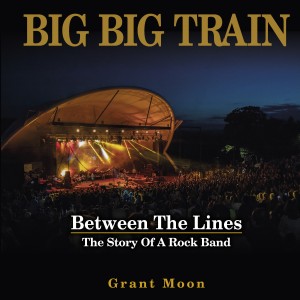
Big Big Train – Between The Lines: The Story Of A Rock Band: when Greg Spawton and Andy Poole started a band, it didn’t stand out at first; one early concert promoter called the nascent Big Big Train “fairly mediocre” in retrospect. How BBT became a prog powerhouse — through sheer bloody-mindedness, growth in their craft and a keen ear for what world class musicians like Nick D’Virgilio, David Longdon and so many others could contribute — is the tale at the core of this passionately detailed band bio/coffee table book. Standout features include lavish design, with a overflow of revelatory photos; fully rounded portraits of major and minor participants, mostly unfolded through Grant Moon’s thorough interview work; and remarkable candor, especially in a self-published effort, about the human costs of BBT’s rise to genre prominence and mainstream media attention. (Moon’s portrayal of Spawton and Poole’s gradual estrangement, even as their joint project finally gathers speed, is both sensitive and haunting.) Between The Lines covers all of Big Big Train’s great leaps forward and forced backtracks through Longdon’s untimely death, leaving the reader with Spawton and his fellow survivors determined as ever to continue. Not shy about celebrating the beauty and ambition of the music the group has made, on record and in person, it also doesn’t flinch from portraying the price paid to scale those heights.

The Pineapple Thief, Give It Back: on which Gavin Harrison gives his new band’s vintage repertoire a kick up the backside with his stylish stick work, and Bruce Soord willingly “rewires” his own songs with new sections, verses and narrative closures. The results probe further into the moody motherlode that new-era TPT mines and refines: dramatic vignettes simmering with emotional turmoil; lean, mean guitar riffs arching over roiling keyboard textures; and always, those simultaneously airy and propulsive grooves. But while Soord and Harrison take the creative lead, this is a marvelously tight unit at work; Steve Kitch (keys) and Jon Sykes (bass and backing vocals) are indispensable contributors throughout. All of which makes Give It Back another enticing entry in the Thief’s discography — deceptively low-key on first impression, it blossoms into a compelling combination of tenderness and grit. (With plenty of headroom in the mastering to pump up the volume!)

Porcupine Tree, Closure/Continuation: The big news is that this is recognizably a Porcupine Tree album — that’s why, over repeated listens, it works so well. Steven Wilson is as happy and carefree as ever, cutting loose about fraught relationships (“Harridan”), nihilism in high places (“Rats Return”, “Walk the Plank”) and, of course, the inevitability of death (“Chimera Wreck”); plus there’s a spooky take on a Lovecraftian invasion (“Herd Culling”), a compassionate portrait of a man with nothing (“Dignity”) and a drop-dead gorgeous ballad that looks forward in hope and back in regret at the same time (“Of the New Day”). Still, it’s the reconstituted band, mostly writing the music in team formation, that gives the record its core integrity and guts. Wilson’s angular guitar and bass work, seemingly effortless songcraft and vocals that often climb to a wordless falsetto (a legacy of The Future Bites?) are perfectly swaddled in Richard Barbieri’s squelchy sound design and ineffably eerie synth solos, then hurtled forward by Gavin Harrison’s consummate percussive drive — whether he’s cruising the straightaways or leaning into jaw-dropping polyrhythmic curves. Of a piece if not conceptual, Closure/Continuation is never less than well-wrought and frequently awesome, worthy to stand alongside Porcupine Tree’s catalog as either a next or a final chapter in their saga. Now floating like a butterfly, now stinging like a bee, with commitment evident in every note, it may well knock you out.

Continue reading “Rick’s Quick Takes for June”

Rhiannon Giddens with Francesco Turrisi, There Is No Other

If you haven’t heard Rhiannon Giddens yet … well, just listen:

Gifted with a glorious, classically trained voice plus extraordinary skills on banjo and fiddle, equally at home with African-American spirituals, Celtic “mouth music” and opera, Giddens is the kind of protean musician that comes along once in a generation.

Founding “postmodern string band” the Carolina Chocolate Drops, writing music for Bob Dylan’s words on The New Basement Tapes, winning a MacArthur Genius fellowship, acting in CMT’s Nashville series — Giddens has gone from strength to strength in a remarkably short time, earning every step up in her meteoric rise.  Seeing her live in the summer of 2015, I walked away giddy, as she and her band effortlessly filled a Cape Cod town hall with irresistible rhythms, utterly committed performances that ran the gamut from a tear-inducing take on Dolly Parton to funked-up Appalachian folk tunes  —  and that powerful, powerful voice.

For her third solo album (after 2015’s Tomorrow Is My Turn and 2017’s Freedom Highway), Giddens has teamed with Italian pianist/percussionist Francesco Turrisi, who  filters early Mediterranean folk music through the prism of jazz.  Recorded in Dublin, Ireland in five days with minimal preparation and few overdubs, There Is No Other soars, sears and astonishes — breaking your heart one instant, healing it and setting off fireworks of exhilaration the next, commanding your attention throughout.

Words can only approximate the sweep of traditions and times woven together here.  Folk ballads from Appalachia, Italy and England, jazz via Hermeto Pascoal (a Brazilian collaborator with Miles Davis) and vocalese pioneer Oscar Brown, classical arias by Carlisle Floyd and Samuel Barber — they’re all subsumed into the spell that Giddens (on banjo, violin and viola) and Turrisi (on piano, accordion, lute, banjo, and percussion) conjure up.  This music is warm, determined, melancholy, driven and delighted by turns, seamlessly flowing from one track to track, each its own thing, each part of a greater unity.

And Giddens’ singing — again, gorgeous beyond words.  On “Gonna Write Me A Letter” and her own “I’m On My Way”, she’s an unstoppable force of nature; on “Pizzica di San Vito” and “Briggs’ Forro”, a rippling vocal breeze above dancing beds of rhythm; on “Wayfaring Stranger” and “The Trees on the Mountains”, the cry of a broken heart devastated by life and love; on “Brown Baby” and her gospel-tinged “He Will See You Through”, the voice of maturity, determination and hard-won belief.  Nothing human is foreign to her — the wisdom of generations and the optimism of youth come together to devastating effect.

I recommend There Is No Other without hesitation — it’s one of those albums that Duke Ellington might have termed “beyond category”, resonating deeply with the core of our shared humanity.  As Giddens and Turrisi put in in their liner notes,

From the beginning of our musical partnership we have been struck with the commonality of the human experience through music; how instruments, modes, and the very functions of songs and tunes are universal from culture to culture.  There are very real and documented yet unheralded historical links between many of the instruments we play; and yet others of the connections we have here arise solely from our artistic instinct; but either way, the overwhelming feeling we have is that there is no Other.

Rhiannon Giddens and Francesco Turrisi tour North America from September to November; tour dates are here.  In the meantime, listen to There Is No Other for yourself:

— Rick Krueger

Ry Cooder, The Prodigal Son: Rick’s Quick Takes

Even allowing for occasional brushes with fame — playing with Captain Beefheart and the Rolling Stones in the 1960s, making the very first digitally recorded pop album (1979’s Bop Till You Drop), producing the worldwide smash Buena Vista Social Club — Ry Cooder has steadfastly remained below the radar over five decades.  Occasionally though, he resurfaces with his trademark blend of Americana: plenty of space in the irresistible groove; tasty instrumental interplay; rich harmony vocals carrying an idiosyncratic, pungent lyrical message.

Cooder’s first album in six years, The Prodigal Son, is a welcome return to basics.  With the exotic decorations and oddball concepts of recent albums stripped away,  Cooder plays almost all the instruments (guitar, banjo, mandolin, bass and keyboard); his son Joachim co-produces and mans the drums.  The genre focus is narrowed too, zooming in on vernacular gospel by the likes of Blind Willie Johnson, Alfred Reed, Carter Stanley and William Dawson.  As Cooder told MOJO magazine,

“Gospel is the best music to sing.  When you sing it and play it, I always felt you go to some other place physically and emotionally … Maybe age has got something to do with that.  You live through certain experiences, you keep looking for something, and maybe you’ll find it.  I think I have.”

Continue reading “Ry Cooder, The Prodigal Son: Rick’s Quick Takes”

Hamilton Live On Stage: “Sufficient to Strike Astonishment into Angels”

By Rick Krueger

Hamilton at the Private Bank Theatre, Chicago, August 30, 2017.

On August 31, 1772 (245 years ago today — wild, huh?) a hurricane ravaged the West Indies island of St. Croix.  Seven days later, a orphaned young man living there set the precedent for every newshound who’s camped out in Texas this past week.  He wrote a letter describing his experiences at the heart of the maelstrom, along with the whipsaw play of his emotions in its wake.  “It seemed as if a total dissolution of nature was taking place,” he wrote, “… sufficient to strike astonishment into angels.”

The businessmen of St. Croix were so impressed that they tracked down the letter’s anonymous author, took up a collection, and sent him off-island to be educated.  And Alexander Hamilton emigrated to New York City,  just as the nascent American Revolution began to gather speed.

Continue reading “Hamilton Live On Stage: “Sufficient to Strike Astonishment into Angels””

Fieldwork: Alan Lomax online

alan_at_archiveWhen Alan Lomax initially envisioned his freely available Global Jukebox, a project that would bring together the recordings of vernacular music and stories he and others made around the world, it was a far off dream that the advent of the internet could only hint at.  The 17,000+ recordings he had made since the 1940s (and these, by the way, don’t include the recordings he made for the Library of Congress in the 1930s and 1940s) would need conservation work, digitization, and a robust search and delivery platform.  Recently that work has been completed by the Association for Cultural Equity, a nonprofit founded by Lomax in 1983 “to explore and preserve the world’s expressive traditions with humanistic commitment and scientific engagement.”

Progarchistas should be aware of this archive because — in addition to its contents being at the root of much rock, including progressive rock, music — the work of Lomax, probably the best known and most prolific of field collectors, represents recorded evidence of how people, in the pre-internet era and often in conditions where even a radio was a luxury, lived day-to-day with the music and dances and stories they and their ancestors created, for entertainment and for their own cultural identity.  What can this body of work mean to us, and how does it reflect, or not, constants in the way we experience and participate in music across cultures? The richness of this archive, and of Lomax’s endeavor, is endless food for such thought.

http://research.culturalequity.org/home-audio.jsp