Six months in, 2022 is already shaping up as a banner year for new music. My own positive bias prevents me from objectively reviewing The Bardic Depths’ brand new album (though modesty doesn’t seem to prevent me mentioning it; I’m still stoked that I got to participate) — but there are still plenty of fresh releases to cover this time around! As usual, purchasing links are embedded in each artist/title listing; where available, album playlists or samples follow each review. But first, the latest installment in what’s becoming Progarchy’s Book of the Month Club . . .
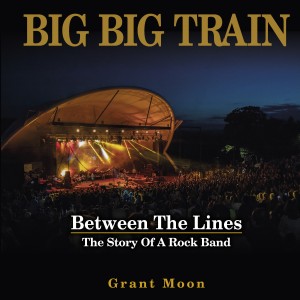
Big Big Train – Between The Lines: The Story Of A Rock Band: when Greg Spawton and Andy Poole started a band, it didn’t stand out at first; one early concert promoter called the nascent Big Big Train “fairly mediocre” in retrospect. How BBT became a prog powerhouse — through sheer bloody-mindedness, growth in their craft and a keen ear for what world class musicians like Nick D’Virgilio, David Longdon and so many others could contribute — is the tale at the core of this passionately detailed band bio/coffee table book. Standout features include lavish design, with a overflow of revelatory photos; fully rounded portraits of major and minor participants, mostly unfolded through Grant Moon’s thorough interview work; and remarkable candor, especially in a self-published effort, about the human costs of BBT’s rise to genre prominence and mainstream media attention. (Moon’s portrayal of Spawton and Poole’s gradual estrangement, even as their joint project finally gathers speed, is both sensitive and haunting.) Between The Lines covers all of Big Big Train’s great leaps forward and forced backtracks through Longdon’s untimely death, leaving the reader with Spawton and his fellow survivors determined as ever to continue. Not shy about celebrating the beauty and ambition of the music the group has made, on record and in person, it also doesn’t flinch from portraying the price paid to scale those heights.
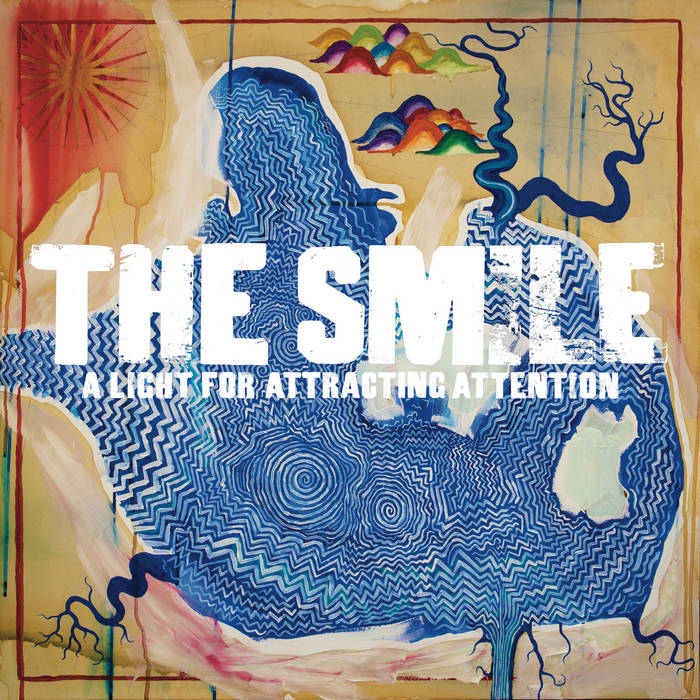
The Pineapple Thief, Give It Back:on which Gavin Harrison gives his new band’s vintage repertoire a kick up the backside with his stylish stick work, and Bruce Soord willingly “rewires” his own songs with new sections, verses and narrative closures. The results probe further into the moody motherlode that new-era TPT mines and refines: dramatic vignettes simmering with emotional turmoil; lean, mean guitar riffs arching over roiling keyboard textures; and always, those simultaneously airy and propulsive grooves. But while Soord and Harrison take the creative lead, this is a marvelously tight unit at work; Steve Kitch (keys) and Jon Sykes (bass and backing vocals) are indispensable contributors throughout. All of which makes Give It Back another enticing entry in the Thief’s discography — deceptively low-key on first impression, it blossoms into a compelling combination of tenderness and grit. (With plenty of headroom in the mastering to pump up the volume!)
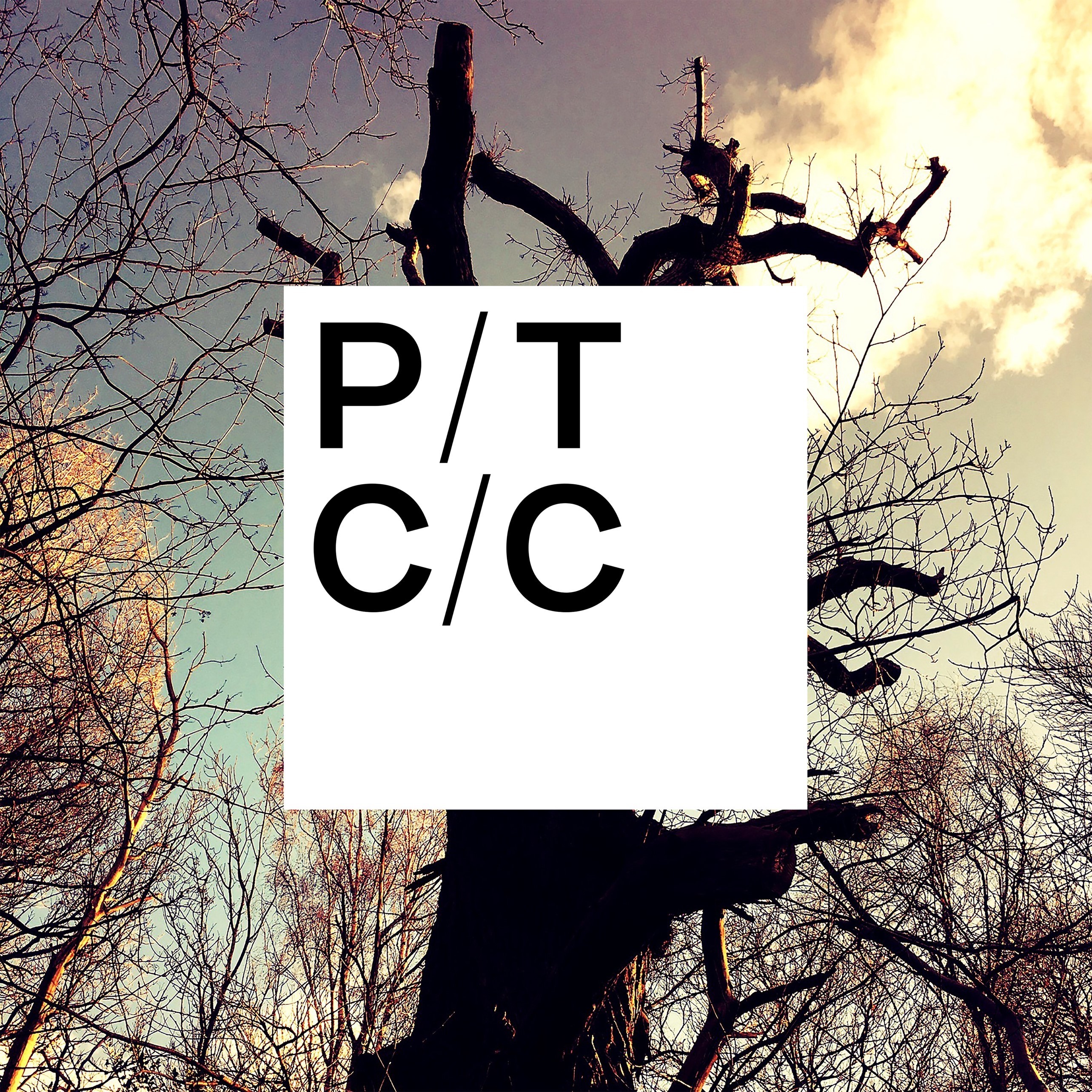
Porcupine Tree, Closure/Continuation: The big news is that this is recognizably a Porcupine Tree album — that’s why, over repeated listens, it works so well. Steven Wilson is as happy and carefree as ever, cutting loose about fraught relationships (“Harridan”), nihilism in high places (“Rats Return”, “Walk the Plank”) and, of course, the inevitability of death (“Chimera Wreck”); plus there’s a spooky take on a Lovecraftian invasion (“Herd Culling”), a compassionate portrait of a man with nothing (“Dignity”) and a drop-dead gorgeous ballad that looks forward in hope and back in regret at the same time (“Of the New Day”). Still, it’s the reconstituted band, mostly writing the music in team formation, that gives the record its core integrity and guts. Wilson’s angular guitar and bass work, seemingly effortless songcraft and vocals that often climb to a wordless falsetto (a legacy of The Future Bites?) are perfectly swaddled in Richard Barbieri’s squelchy sound design and ineffably eerie synth solos, then hurtled forward by Gavin Harrison’s consummate percussive drive — whether he’s cruising the straightaways or leaning into jaw-dropping polyrhythmic curves. Of a piece if not conceptual, Closure/Continuation is never less than well-wrought and frequently awesome, worthy to stand alongside Porcupine Tree’s catalog as either a next or a final chapter in their saga. Now floating like a butterfly, now stinging like a bee, with commitment evident in every note, it may well knock you out.
The Tangent, Songs From the Hard Shoulder, Inside Out Music, June 10, 2022 Tracks: The Changes (17:06), The GPS Vultures (17:01), The Lady Tied to the Lamp Post (20:52), Wasted Soul (4:40), In the Dead of Night / Tangential Aura / Reprise (Bonus Track) (16:11)
The Tangent never cease to inspire, amaze, and mystify. Two years after Auto Reconnaissance, the band’s follow-up Songs From the Hard Shoulder might be their proggiest yet. Auto Reconnaissance was my favorite Tangent record since 2015’s Spark in the Aether, and Songs From the Hard Shoulder is a more than worthy successor. But where Auto Reconnaissance may have been a great place for new listeners to jump into the band’s work, this record may be a bit daunting for that. It is, after all, made up of three epics each over 17-minutes long, one shorter track, and a 16-minute bonus track cover of a UK song mixed with some Tangential noodling. This isn’t a record for the fainthearted, but it will reward you if you give it the chance.
Oh, the jazz. Besides Andy Tillison’s lyrics, my favorite aspect of The Tangent’s music is their use of jazz. It permeates their sound, but it doesn’t overpower the rock. Theo Travis’ work on saxophone and flute particularly stand out to me on this record. It’s always brilliant, but it strikes me as more prominent here. Or maybe I’m just noticing it more this time around. Either way, it’s great.
The instrumental jamming is front and center on this record. It’s always been there, but it is unmistakably the core of this record. How could it not be with songs this long. “The GPS Vultures” is a 17-minute long instrumental! But don’t let that fool you. It never bores. It ebbs and flows, as any longer track should. There are solos from every band member, there’s experimentation, and there’s general jamming. Maybe some of the crinkly experimental passages of computer-synth noise could be excised, but those don’t last long.
Lyrically “The Changes” finds Tillison wrestling with the last 2+ years, how we dealt with that, and what we do going forwards. He uses personal stories from the band to give an example of what it is they lost during lockdowns before pointing out that his story is just one of millions. He points out that things weren’t so hot before all this, so what’s the point in going back to the way it was? In an interview with Progarchy, he made sure to explain that he wasn’t making a political statement but rather a cultural critique. After all, cultural critique is where he excels, in my opinion.
Speaking of that, “The Lady Tied to the Lamp Post” is peak Tillison. The song tells the story of an encounter Tillison had with a homeless woman, and he uses that story as a lens to comment on the social crisis of homelessness. It’s a powerful track, particularly near the end when he reminds the listener that all of us aren’t much more than a few clicks of a mouse on somebody’s computer screen before we too are out on the streets. In the end he calls for more humanity in the way we treat those less fortunate than ourselves.
At over 20 minutes, this song covers a lot of ground. It opens quiet with Tillison singing over a mix of light drums, piano, and subtle guitar. It moves into a much more fast-paced section that’s pure prog, as Tillison tells more of the story. At 9 minutes in, Tillison delivers an especially passionate high-note that certainly surprised me. A second longer instrumental passage follows, most of which is good. There’s about 30 seconds that we probably could have done without, but it moves into an industrial-sounding passage that works quite well. The fast-paced section with Steve Roberts’ drums leading the way returns to finish off the story.
Tillison’s vocal delivery really sells the story on this track, as well as on the opening song. Throughout the album he uses his various styles of singing, including his regular voice, his talk-singing, and his shout-singing when he’s really worked up. He uses these to accentuate his particular points, adding in an element of acting to the performance. Is his voice for everyone? Probably not, but it sounds great to me.
If you’re like me you might be surprised at “Wasted Soul.” In his interview with Progarchy, Andy explained how much of an influence Earth, Wind & Fire and other African American music from the 1970s was on him musically. This song is pure 70s funk and soul. That’s not music I’m particularly well-versed in, but “Wasted Soul” is a great track. It has a catchy up-temp beat with a great horn section. It shows the versatility of the band, and it’s a fun closer to a somewhat weird record.
I’ve listened to this album a lot over the last month or two, and I’m still not sure if I like it better than Auto Reconnaissance or not. The last album had a more accessible balance of shorter tracks to longer ones, but I’ve found myself engrossed with Songs From the Hard Shoulder each time I’ve put it on. Andy’s lyrics almost always draw me into reflection (I’ve been turned off by some of his more overtly political lyrics in the past), which is always a good thing. This is art, after all, and good art should make you think. The icing on the cake with The Tangent is stellar music performed by one of the most unique bands on the scene today. They really don’t sound like anyone else, even when they’re wearing their influences on their sleeves. Their sound is their own, which makes them a joy to listen to. While Songs From the Hard Shoulder might be difficult for newcomers to get into, it’s still a great album I’ll be happy to return to for years to come.
Shades of Plato, Malware, March 28, 2022 Tracks: Malware (3:57), Death Of Me (4:23), All Women To Me (3:11), Oliver Reed (3:44), Clickbait (3:59), Time Is Not Your Friend (3:49), Ecdysis (3:57), Une Place Au Soleil (5:14), A Little Learning (3:53), She’s Always Hitting On Me (4:41), No Friend To Me (3:35), The Dead Don’t Dance (3:38), Mr. Von Hugo (3:22), People Suck (6:14), Don’t Let Your Dreams Be Shadows (4:54)
Three years in the making and five years after their debut album, UK band Shades of Plato’s sophomore album Malware blends musical and lyrical influences into a compelling and hard-hitting rock album. The result sounds a bit like Jethro Tull minus the folk influence. Sprinkle in a bit of Canterbury scene influence (hey, the album was recorded in Kent) and straight up hard-rock, and you have a pretty good idea of their overall sound. Frank Zappa’s eclecticism also seems to be a pretty strong influence.
The four band members play behind pseudonyms: Ol’ Dirty Flute on vocals and flute, Captain Black on bass and keyboards, Jack Sorrow on guitars and keyboards, and Pandora on drums. Ol’ Dirty Flute’s voice is very reminiscent of Ian Anderson, albeit without the range Anderson had in his prime. His flute make the Tull influence unmistakable, yet it manages to still not sound pastoral at all.
The music itself leans perhaps more classic rock than prog as we might think of it today. The tracks are on the shorter side, and they tend to show off varying influences while still maintaining a cohesive sound across the record. The bass on the title track has a heavy Tool sound, while the opening rhythm of “Death Of Me” reminds me a lot of early Black Sabbath, a sound maintained in the song by a distinct guitar crunch.
The songs contain memorable hooks and melodies, which help serve the quite exceptional lyrics. The band even shows some quirkiness with a track like “Mr. Von Hugo,” which has a catchy repetitive chorus. The vocals on the album could be a bit stronger, as the limited range does seem cause the vocals to fade back into the mix a little bit. Having the lyric sheet included with the digipack CD is a help.
The lyrics really stand out on this record. As the band’s name might suggest, Plato is a big influence here, with his ideas spread throughout the record. The philosophic bend to the lyrics reminds me of Neil Peart’s lyrics at times, especially in the middle period of Rush’s career. Shades of Plato also have a strong grasp on contemporary culture, and as such there are some great critiques of modern ills. “Clickbait” brings up the negative aspects of the internet, such as the ability of it to radicalize people or turn them into virulent “activists” in ways they might not be in real life.
You can be an activist It takes one finger to enlist Virtue-signalling your friends With whatever twitter trends Share the same ideology Hash tag haters by decree Then selfie surfeit Instagram Like a good Kardashian
“Clickbait”
“Time Is Not Your Friend” is a good reminder that life is fleeting. Things you wanted to tell your loved ones but didn’t should be said when you get the chance. No matter how far away we think the end is, it is indeed there waiting for us, and that should cause us to act.
Counting on your demise As a far distant event Well think again, it sits in wait At every hour you are sent Time is not your friend And you’re always close to the end And you can’t go round again
“Time Is Not Your Friend”
“A Little Learning” is fantastic. Every big-name musician or any actor who decides to use their platform to push beliefs which have nothing to do with how they make their living really should take this song to heart.
I’d put a sock in what you’ve said so far You ain’t changing shit with your guitar Keep your polemics to yourself Your audience, they don’t share your wealth
Don’t proselytize on my timeline Your diatribes don’t define My anarchy, it’s not okay Keep your own counsel, is what I saw
A little learning is a dangerous thing I’m going to duck you in the Pyrian spring…
“A Little Learning”
Shades of Plato save the best for last: the final track, “Don’t Let Your Dreams Be Shadows,” takes its influence from Plato’s Allegory of the Cave. For those unfamiliar with said allegory, the short version is everyone is living in the darkness of a cave where their reality is limited to shadows cast by a candle. Someone escapes from the cave and discovers the brightness of reality in the outside world. That person (the philosopher) returns to the cave to bring everyone else out into reality, but they refuse to leave their world of shadows. Shades of Plato similarly call the listeners not to “let your dreams be shadows,” choosing instead to “run free through orchid meadows / Unhindered by the hedgerows.” Experience life as it really is, not as the internet projects it to be (see “Clickbait”).
And I’ll be waiting for you Here on the outside When light comes streaming through I’ll be your guide Until you’re accustomed to The cosmos in your eyes And our ascent to the firmament Is assured; undying; heaven-sent.
“Don’t Let Your Dreams Be Shadows”
Earlier I said this album had more of a classic rock edge, but this is no mere straightforward hard-rock album. The lyrics move far beyond that, and combined with the subtle keyboard washes and the recurring flute, this album begins to take on a progressive edge. While not necessarily a concept album, there are lyrical themes that pop up across the album that connect with each other in subtle ways, some of which I have touched on in this review. The album is worth digging into for the lyrics alone, but you’ll also find the music very rewarding.
The album is available at Bandcamp for download or a CD – both priced at £5.
I suppose there are various sorts of answers that might be appropriate for a question like that. What I have in mind now has to do with hearing a story told, hearing it knowing that one is supposed to live or to inhabit the story in a sense.
How much detail is needed for that? My own answer would frequently be “not too much!” You may know people who tell stories with too little detail, but I am more often annoyed by too much. How much is enough (but not too much)? There is no algorithm. Yet great storytelling somehow hits just the right level. We know it when we hear it.
This has to do with an (at least implicit) sensitivity to the logic of a narrative. Not logic in the narrow, “if A then B” sense, but the deep logic, the logos of a narrative — roughly, with its “why.” This includes the “why” as intended by the author(s) of the narrative, of course, but it is also much more than that. It is a logic that the author must converse with. It is a product of an author’s will in one sense, but it also has a sort of will of its own, which imposes itself on the author, and insists on going where IT will. If I think about my individual life, which has a narrative (biographical) logic, this provides a clear example. I have had a significant hand in “authoring” my own narrative, yes, but large parts of the narrative has unfolded in ways that were by no means the result of my will (not to mention that it had already been unfolding before I developed any awareness of it). I am probably much more shaped by the story than I am the shaper of it.
A “concept album” can often be judged (among other ways) by the skill with which the narrative is shaped, but also by how much the narrative is allowed to take its own shape. If we encounter a release that presents itself as having a “concept,” we will immediately wonder: What’s the story, and how well is it told? In other words: What is the logos of the story, and how well does the teller allow the logic to follow its path?
This month, The Bardic Depths present us with their sophomore release: Promises of Hope (out June 24th). Expectations are high, given their amazing eponymous debut in 2020 (hereafter TBD; see my review here). I will be honest about my very first impressions. My first listen had me wondering if it was less than I had expected, if the concept (the story) was more vague and stereotypical than the concept of their prior release. But this was probably rooted in my fear and trepidation more than in fact. I wanted POH to be at the same level as TBD, since I am very fond of both Brad Birzer and Dave Bandana, and since I was blown away by TBD.
My transition to finding all of my expectations met and surpassed came when I heard “The Burning Flame” (track 4), which has been disseminated as a teaser, within in its conceptual (narrative) context. Do these guys tell a good story? Emphatically, yes!
I left the story to Brad [Birzer]; it’s a tricky sort of subject. But I think it’s one that we dealt with in a not-complex way, in quite a simplistic way. But it told the story that we wanted to tell; it didn’t go into too much detail, but it gives the listener something to think about.
Here is the question opened above: Is there enough (but not too much) detail? The “tricky sort of subject” is suicide, and I want to offer a “translation” of Dave’s characterization: The telling of the story is “not complex” in the sense that its level of detail is just right for the complexity of the concept (for the logos of the narrative). Just enough detail to open itself to the participation of any listener with any kind of experience of the central subject. Experience with this subject is too common, though we experience it at varying degrees of distance. No matter the distance, experience related to suicide (contemplated or attempted by oneself, or bringing shadow into one’s world when it is another) generally brings acute pain and deep sorrow. It is the frequent companion of the dwindling or loss of hope.
The subject is personal for Birzer. Having lost a family member years ago, he tells us he has long reflected on suicide and the possibility of redemption. He references both Dido’s suicide in Virgil’s Aeneid, and the prevention of Aravis’ suicide in C. S. Lewis’ The Horse and His Boy, but the actual story takes an interestingly minimalist tack:
A young woman (a queen of a fantasy world) tries to kill herself, but Heaven won’t allow it.
That’s it. That is what the listener is given as a concept. Birzer says more about it in the CD booklet, but that single sentence is the whole plot. Only two other characters are identified: an unnamed man (“he”), by whom she is betrayed, and the Blessed Virgin Mary, who intervenes to reject her suicide. (The latter explicitly sets the narrative in a broadly Christian context, which is no surprise from Birzer, but don’t expect the theology involved to be either simplistic or “in your face”!)
Is that enough detail? I was skeptical at first, but the band more than sells the concept, compelling the listener to find the detail in the spaces between: between the lines of the lyrics, between instruments and voices, between the narrative logos and the ear of the listener willing to be drawn in. It is rather like a Biblical parable, in which one cannot help but recognize oneself in some way.
Just as the wills, the agencies of the narrative and of the hearer are at issue (“in play”), so Birzer allows the “problem” (question? issue? mystery?) of the will to be an open question. The will of the protagonist to destroy herself comes up against a will that is higher. Is determinism presupposed? Birzer’s apparent wish (will) is to avoid foreclosure of this weighty issue. But what of the logos of the narrative in this regard? What of the will of the listener? The play of the wills both in the narrative and performance and in the interpretive will of the listener is both unsettled and highly charged.
Now, when I talk of selling the concept or “drawing in,” I have assumed all along that this is as much (or more) a matter of the music and the performance as of the concept. But I must now turn in that direction more explicitly.
[Ah, finally! He’s gonna comment on the band!]
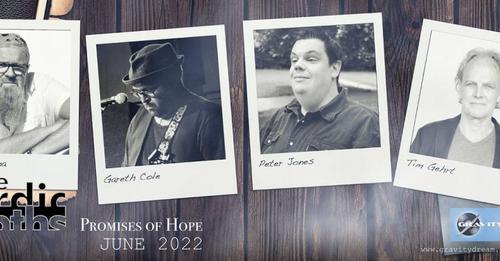
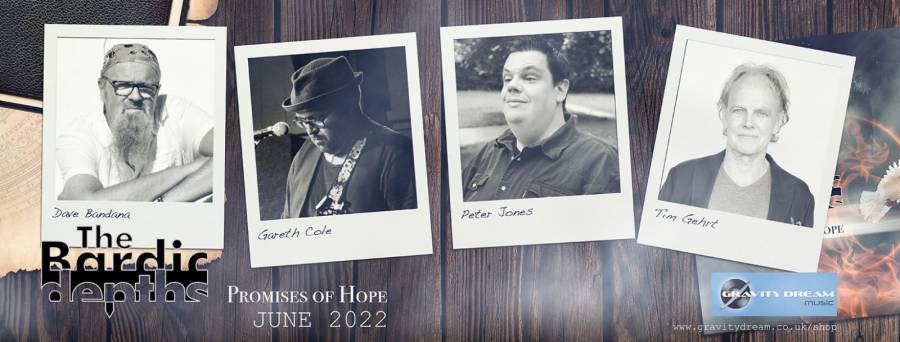
Well, here is another (perhaps unexpected?) turn of thought: I have been referring to the concept, and it turns out that talking about the band is not really a “turn” away from concept. The Bardic Depths is a band, and this even more so now than on TBD, since Gareth Cole, Tim Gehrt, and Peter Jones join Dave Bandana as official members of The Bardic Depths! But it seems to me that The Bardic Depths is essentially a concept that is also a band (as opposed to a band with a concept). First it was the collaboration of Bandana and Birzer (still the conceptual core). While the “official membership” has widened, the concept has not really changed; it has only been further enriched.
This is very good news for us, the listeners!
What the concept amounts to still involves the open circle of participation evident on TBD, with friends from both sides of “The Pond”, and even from “Down Under” contributing. Such not-face-to-face collaboration is not unique among contemporary recording artists, I know. But I am an old-timer, and it still rather boggles my 1970s mind. And the level of craft, skill, and loving commitment to the collective task is a big part of the “force” that sells it. But it also makes sense that the concept has drawn Cole, Gehrt, and Jones closer in. The contributions of all three seem more pervasive and more essential, more integral this time. They give the music a pulse and a general “physiognomy”, providing the inviting richness to which the “guests” are clearly willing to bring their all.
Krueger’s interview with Bandana provides interesting discussion of individual members and guests. If I offer a few comments in what follows, omissions should not be taken as negative in any way. Everyone is amazing here!
But I will risk heaping explicit praise on Peter Jones (also of Tiger Moth Tales and Camel). A standout soloist on TBD, Jones here clearly finds a profound chemistry (alchemy?) with the rest of the band. His vocals ignite; his saxophone sears, his pennywhistle dances around the fire. And Jones does not ever overshadow his bandmates; he elevates them. And he clearly senses the logos.
Cole’s lead guitar work is phenomenal, and Kevin McCormick’s lead contribution on “The Burning Flame” fits in gorgeously! (The Floyd is strong in this one.)
Also not to be missed are Rick Krueger’s wonderful organ contributions (classic prog mode on “And She Appeared”, and evocative church organ on “Imagine.”
Bandana is, as expected, everywhere and seemingly on everything. (I’m especially taken with his bass this time.) And there’s Paolo Limoli’s exquisite piano!! And Robin Armstrong’s production is top-notch!! And I haven’t mentioned Gehrt’s deft drumming!! See, my tendency here is to lose words and multiply exclamation points.
The upshot is that Promises of Hope is a worthy successor to TBD, and a worthy exemplar of the concept that is The Bardic Depths.
Listen, I urge you, as one should listen to an opera, where the time taken to unfold the story pushes against “hasty” listening (hasty in Treebeard’s sense), asking for a patient ear. The issue of hastiness is about time, but it is not only about “clock time.” It is about our tendency, as some have recently suggested, to listen in order to respond rather than listening in order to hear.
Allow the agencies of both the narrative and the (musical) tellers to draw you into companionship, into participation, into the deep logic of the story. Allow the possibility of your own death (as a part of what gives your life definition) to inform your listening, to bring some complexity to your encounter with this “not-complex” narrative. It draws back from throwing too much complexity at you, so that you may bring your own.
Finally, it’s worth noting that I have not really said anything here about hope. Yes, Emily, we’re all learning about why you called it “the thing with feathers.” Some (many?) are inclined to say that hope is in short supply these days. But it is not an accident that I have not made that central herein. I leave that to your listening, because it is really what the narrative is about! (…hence the title, duh.). I would not promise that everyone can find hope there, but I think what I can promise (whether or not hope is what you seek) is some mighty good listening.
You need to hear Promises of Hope!
[Thanks to Dave Bandana for providing me with an advance copy of POH.]
I know I’m a little late to the party (a thank you to Rick for his most recent post!), but as a fan of both Stranger Things and Kate Bush, I would be remiss if I did not acknowledge this.
“Running Up That Hill has just gone to No 2 in the UK charts and No. 1 in Australia, New Zealand, Switzerland, Sweden…. How utterly brilliant! It’s hard to take in the speed at which this has all been happening since the release of the first part of the Stranger Things new series. So many young people who love the show, discovering the song for the first time. The response to Running Up That Hill is something that has had its own energy and volition. A direct relationship between the shows and their audience and one that has stood completely outside of the music business. We’ve all been astounded to watch the track explode! Thanks so much to everyone who has supported the song and a really special thank you to the Duffer Brothers for creating something with such heart . All best wishes, Kate“
In addition, “Running Up That Hill” has re-entered the Billboard Magazine Hot 100 at number 8 –Bush’s first Top 10 placement ever in the US. Slate Magazine breaks down how she got there:
All this has provided the perfect excuse for me to break out my Kate Bush box sets and revel in her breathtaking creativity. My fave albums – The Kick Inside, Hounds of Love and the 1986 compilation The Whole Story — remain the same. Though I’ve always been a fan of 2005’s Aerial, 2016’s live Before the Dawn is thoroughly stunning, and the 2018 remasters unveiled the charms of Never For Ever and the wonderfully bonkers The Dreaming for me. As summer listening projects go, this one’s a winner! (I’m also re-reading Graeme Thomson’s fine biography of Ms. Bush , Under the Ivy.)
Or, I might just check out “Running Up That Hill” one more time:
Muse recently announced their upcoming album, “Will of the People,” will be released on August 26. Musically the singles released thus far are a mixed bag, with “Won’t Stand Down” being by far the best. Parts of it are some of the best hard rock the band has ever made – even approaching metal at points. “Compliance” has more of the electronic edge the band has dabbled with in the past, especially on Simulation Theory. The title track has a typical Muse power ballad groove, but there are elements that sound like they were ripped straight from Marilyn Manson’s “Beautiful People.”
With all that said, I’m cautiously excited about the record. The anti-establishment anti-tyranny concept for the album is right up my alley. The band has long been known for such themes, and now is certainly the time for more music in that vein while it’s still legal in the west. Matt Bellamy comments,
‘Will of the People’ is fictional story set in a fictional metaverse on a fictional planet ruled by a fictional authoritarian state run by a fictional algorithm manifested by a fictional data centre running a fictional bank printing a fictional currency controlling a fictional population occupying a fictional city containing a fictional apartment where a fictional man woke up one day and thought ‘f*** this.’
You can pre-order the album from the band’s store: https://usstore.muse.mu. The album will be available on vinyl, CD, and even cassette. No 8-track? Bummer.
Full disclosure: I PLAY ON THE NEW BARDIC DEPTHS ALBUM!!!!!
Now that I’ve got that out of my system . . . oh, wait. You want details?
Having gotten to know Dave Bandana through this website and the Big Big Train group on Facebook, I was one of the folks who contributed spoken words (“This! Is! War!”) for The Bardic Depths’ 2020 debut. I had mentioned to Dave that, if he ever needed a church organ part for an album, he should get in touch. Which didn’t lessen my surprise when, in that strange summer of 2020, he did! And so, I wound playing not only church organ for Promises of Hope’s closing track “Imagine” (no, not that “Imagine”), but a Hammond organ solo on the opener “And She Appeared.” Being listed in the album booklet as a “special guest” has turned out to be more of a kick than I ever would have anticipated.
With all that as backstory, Dave agreed to join me for a chat about the new album, released worldwide on June 24th! We cover its genesis and the integral contributions of lyricist/conceptualizer Brad Birzer, producer Robin Armstrong, the new core band that plays on every track, and other collaborators. (And yeah, there are a few minutes devoted to a goofy volunteer keyboardist.) The video of our conversation is below, with a complete transcription following.
So, brand new Bardic Depths album! I’ve been looking forward to it, for reasons we will probably get into – but I know a lot of people are as well! But what was the initial impetus for returning to the world of The Bardic Depths?
The success of the first one, and the actual joy of recording the first one and bringing it all together. Especially as, when we originally had done the first album, we didn’t know how it was gonna finish off. It was just gonna be a little home studio thing with me and Brad [Birzer] and a few friends. But then as more friends got involved in it, and then Peter Jones got involved and Robin [Armstrong] got involved, and the thing turned into a fully-fledged proper album. And just the joy of doing that and seeing the fruition from that, we couldn’t not do a second album!
And to be honest, I was straight on writing even before the first one was released. So that was the major impetus for wanting to do a second album. And, hopefully the same thing’s gonna happen for a third one as well!
So, you were so excited that you already had material going for this?
I didn’t have material going. I knew that I wanted to write again and started writing straight away from when that first one came out. I can’t even remember how much of that initial burst of enthusiasm got used on Promises of Hope. Probably a few snippets of it, but the writing certainly started as the first one was completed.
OK. So, where did the concept that drives this album – the overall, the lyrical concept — emerge from? I’m assuming Brad Birzer had a great deal to do with that. But where did that come from?
Yeah, he had a lot to do with it! Brad had sent me a little novelette thing that he’d written, a story. I’d suggested to him a while back, “you’re a great writer. Have you ever written a novel?” He said, “well actually, I started on one, but I never got it finished.” So, he sent that to me, and I said, “this would be a great idea for a concept album.” So, he then carried on and took it — he didn’t actually complete the story; what he did was, he took it as far as he’d gone with it and elaborated around it a little bit more. So, Brad was the guy that came up with the story for the second one.
And in the publicity, you mention that Virgil and C.S. Lewis are the two bards here. And it seems to me that the Virgil, if I’m reading the story right, it’s the story of Dido and Aeneas from the Aeneid.
Yep!
Got that one right! I can’t place the C.S. Lewis part of it, but I’m sure I’ll figure it out as time goes by.
Brad’s the person to speak to for this. I think the actual C.S. Lewis part is actually in the booklet. In the booklet Brad’s written a whole page, basically detailing what the story’s all about. [Searching his memory] I can’t remember the complete title of the book. [A later message from Dave stated that the book is The Horse and His Boy from The Chronicles of Narnia.] Anyway, Brad’s actually quoted from that book, so we’ll see it in there, so we’ll know which one it is.
I left the story to Brad; it’s a tricky sort of subject. But I think it’s one that we dealt with in a not-complex way, in quite a simplistic way. But it told the story that we wanted to tell; it didn’t go into too much detail, but it gives the listener something to think about.
Uh-huh. So why Promises of Hope as the title?
The original title was gonna be Hope, Not Victory. But as an album title, that was possibly a little bit more difficult to explain away. And I liked Promises of Hope; it appears a lot in the lyrics – “with promises of hope, but never of victory” is a line that comes up quite a lot. And I think to have a promise of hope is something to look forward to, rather than the other way around. So, I changed it to make it a little more joyous, for want of a better word, yeah?
Got it! So, as you were recording this, how did the core band that you wound up with at the end of this album take shape as you were making this album?
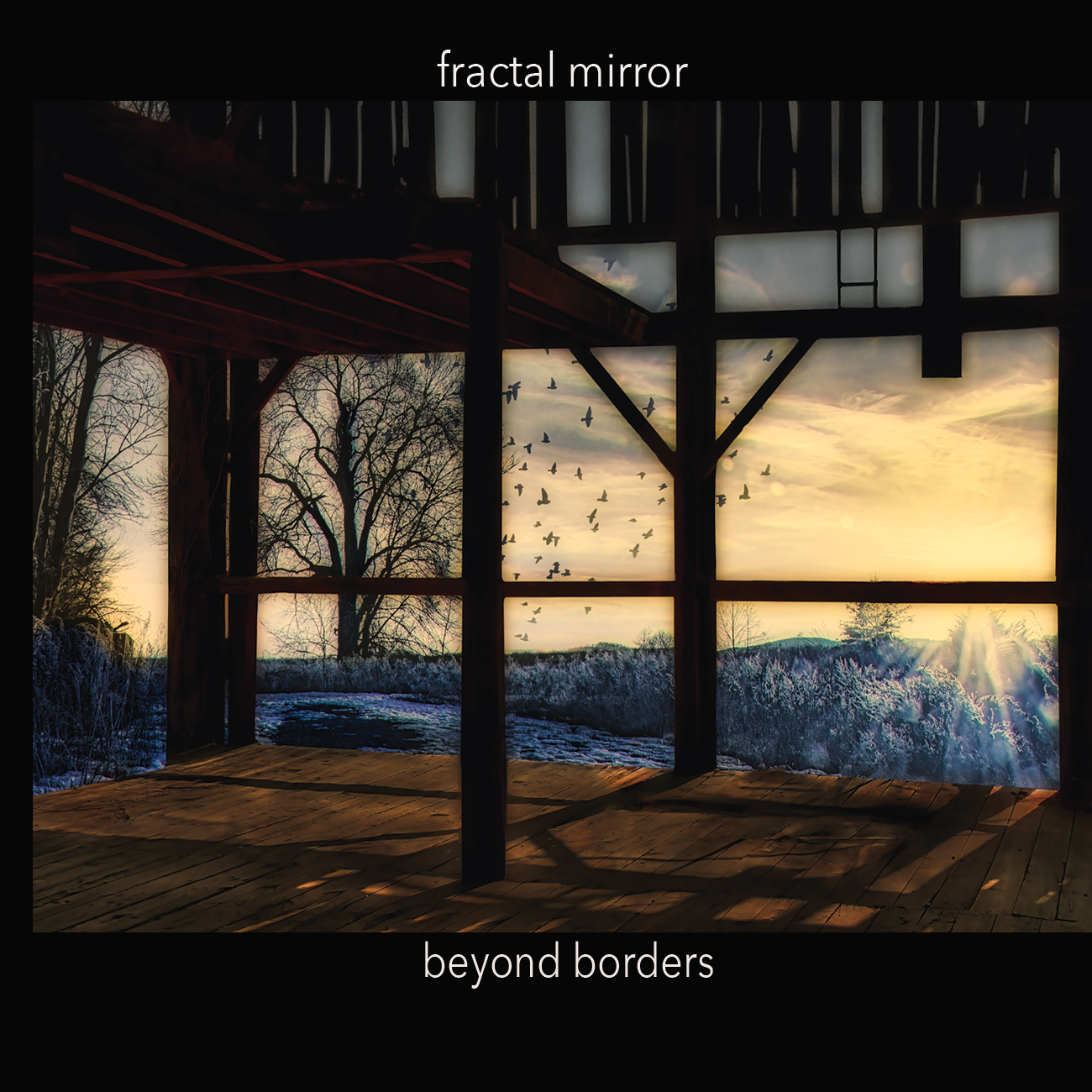
Fractal Mirror, Beyond Borders, Bad Elephant Music, October 15, 2021 Tracks: Beyond (4:28), Ashes (17:12), Slip Away (4:18), Shadow Man (5:46), Kingdom of the Lost (4:18), Borders (12:46)
Ok, so I’m almost 8 months late to the party on this one, but better late than never. We’ve been covering Fractal Mirror for a long time here at Progarchy, and I didn’t want that to stop. The international (The Netherlands, UK, USA) group has an eclectic blend of styles that can easily be called progressive and melodic, yet they’ve always had a bit of a pop influence.
For those not in the know, Fractal Mirror is signed to Bad Elephant Music and features Leo Koperdraat on vocals, keyboards, and mellotron; Frank Urbaniak on drums; Ed Van Haagen on bass, and Gareth Cole on guitars and backing vocals. Like many of their records, Brett Kull (who I had the great pleasure of interviewing a few years ago) mixed Beyond Borders, and he also provides some backing vocals. Marking a change, Frank Urbaniak created the artwork this time around after Brian Watson had done their album art in the past. Urbaniak’s skill as a photographer is remarkable, as some of his work on the band’s facebook page will attest to.
Their latest record, Beyond Borders, marks a bit of a directional change, not so much in sound, but in the long-form nature of two of the tracks. In past albums most of the songs were on the shorter side, with 8 minutes being a long song for them and the albums having 10 or 11 tracks. Beyond Borders has a stronger instrumental side, allowing the 17-minute “Ashes” and nearly 13-minute “Borders” to grow and breath. The other songs are shorter, but with only six tracks, its the longer ones that really stand out. The opening song, “Beyond” acts as a nice little instrumental prologue or overture.
The mellotron creates a moody soundscape throughout the record, as it has on their past albums. The keyboards in general create walls of sound. Cole’s guitars really stand out to me on this album. They steal the show, as he does in the other bands with which he’s involved. Urbaniak’s drums and Haagen’s bass create a groovy rhythm section. I love Urbaniak’s playful cymbal work, which makes a pleasant foil to the more melancholic mellotron and keyboards, as well as the deeper tone to Koperdraat’s haunting vocals. Said vocals have always been a hallmark of Fractal Mirror’s sound, for me anyways, with its unique tone and mournful quality. The resulting sound on the record is beautifully balanced.
Another element I love about this record is the vocal harmonies and layering of the backing vocals. The melodies often have pop hooks that work quite well, but then again that’s always been one of Fractal Mirror’s strong points.
Lyrically there’s a lot to digest. I wish I had a printed or digital version of the CD booklet to dive into, but from what I’ve absorbed, the lyrics have a contemplative feel. What are they contemplating? Seems to be the ills of today, but they’re digging deep below the surface. They aren’t commenting on politics or events. They’re using images to paint pictures that are colored in by the instrumentation.
Beyond Borders may very well be Fractal Mirror’s best album to date. Their melodic prog sound has grown and matured with each passing record. I appreciate the longer songs on this album, which really allow their musical and lyrical ideas to develop. Definitely not an album to be overlooked.
Primus: A Tribute to Kings with Battles, GLC Live at 20 Monroe, Grand Rapids, Michigan, May 31, 2022
Having been sucked in to seeing this show by the sheer audacity of the concept — Primus covering Rush’ complete album A Farewell to Kings — I wasn’t sure what to expect in terms of the audience. On the night, GLC Live hosted what was by no means a typical “progressive rock” crowd. With all the restrooms equally busy at the usual break points, I saw pierced youth, middle-aged mullet wearers, date night couples, Gen X parents with their Millennial kids and the occasional fan in costume (from silk kimonos to the hat pictured here, depicting the album cover of Primus’ Sailing the Seas of Cheese) packing the standing-room-only main floor. So I got as close to the soundboard as I could and awaited the night’s developments.
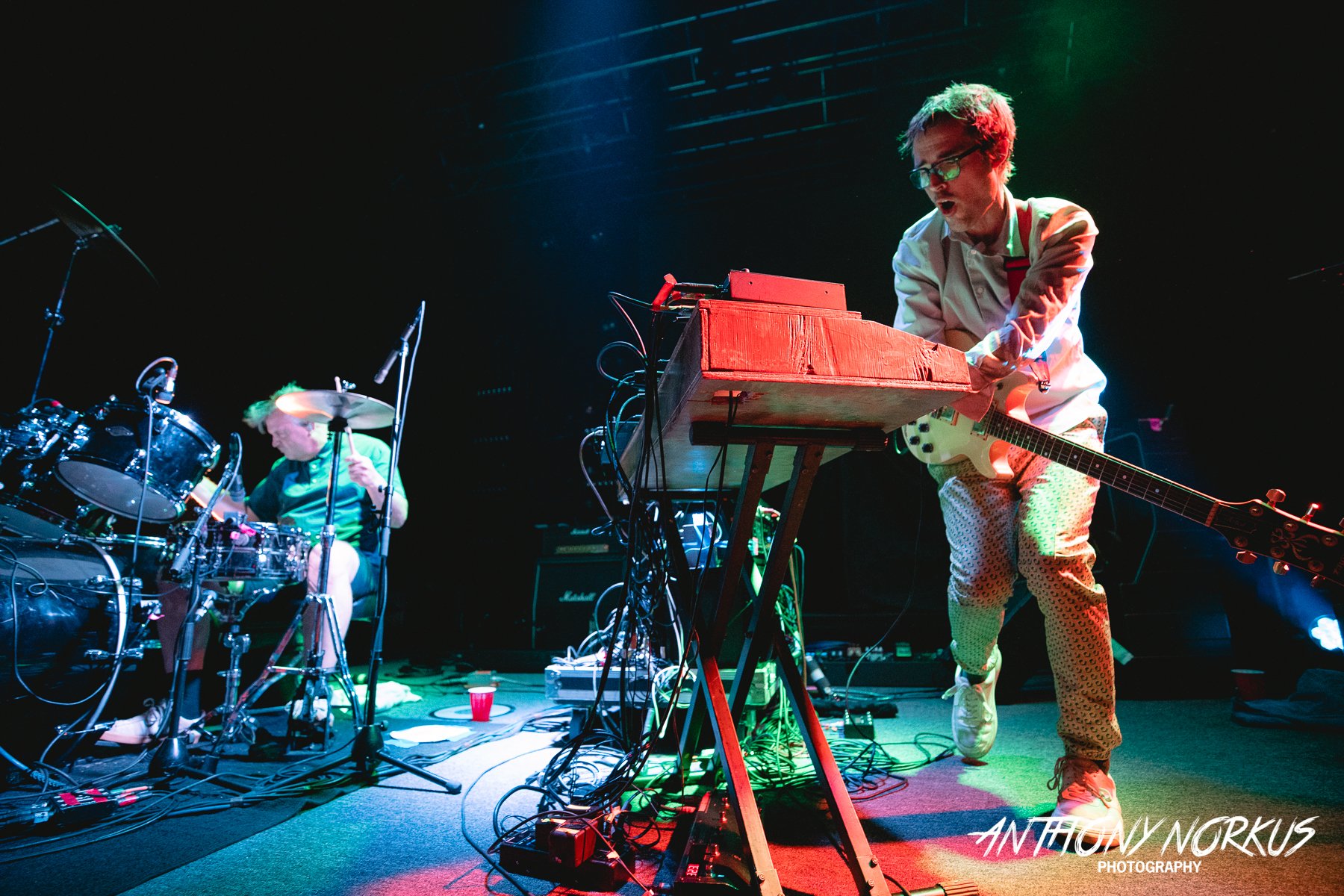
Making their Grand Rapids debut, New York City’s Battles got the crowd moving with a ecstatic blend of electronica, funk and rock, mostly from 2019’s stellar Juice B Crypts album. Ian Williams set the mood with his genial dad-dancing — triggering loops and laying down riffs on synth, garnishing the resulting blend with effects-laden guitar riffs and the odd solo in the moment. John Stanier, a hard-hitting drummer in the John Bonham vein, drove the tunes and cued one whiplash rhythm change after another, triggering new beats and repeatedly bashing his elevated crash cymbal along the way. The grooves were relentless but refreshingly unpredictable and airy; the interlocking melodic lines ranged from punky ferocity to video-game-soundtrack campiness; and the occasional pre-recorded guest vocal (like Jon Anderson adding some Yes-style sunshine to “Sugar Foot”) always seemed to furnish a cherry on top the sweet sonic sundae. Williams and Stanier have forged an impressively interactive relationship with their electronics in real time, bringing an artsy asymmetry and freshness to their music that gathered thrilling momentum as the set progressed. After 45 minutes of Battles, I felt like I’d already got my money’s worth. (And I can’t recommend their recorded catalog highly enough — if there’s such a thing as dance music for prog heads, this is it!)
Battles onstage at GLC Live: L to R, John Stanier and Ian Williams.
Following the openers’ clean lines and summery vibe, the headliners’ full-on first set was initially bewildering to a newbie like me. Bypassing their long-ago radio hits for the most part, Primus conjured up a thick, hypnotic pulse to jam on extended, deep catalog tracks like opener “Harold of the Rocks” and “American Life”, as well as new music from their Conspiranoid EP. While that approach grabbed the already-primed crowd from the start, I had to get my bearings. Still, it was quickly evident that Les Claypool’s circular, polyphonic bass riffs are the heart of Primus’ sound (with his outsider sensibility every bit as evident instrumentally as in his carnival barker voice and Zappaesque lyrics); that drummer Tim “Herb” Alexander not only locks in with Claypool’s grooves, but that he pretty much fills the remaining space in the soundfield; and that their tight connection allows Larry “Ler” LaLonde the freedom to play guitar in a completely lateral fashion, with blindingly off-angle solos that seem to defy not only the laws of tradition, but possibly the laws of physics. Add in a full-on light show and quirkily-cued screen projections, and you had an undeniably appealing set, connecting with the audience via its eccentricities, not despite them. But one question remained for me: how well could Primus, who opened for Rush back in their own early days, possibly recreate the operatic metal sound of their heroes in the 1970s?
Primus onstage at GLC Live: left to right, Larry LaLonde, Tim Alexander (behind drums), Les Claypool)
The answer: better than anyone had a right to expect. Primus had unquestionably done their homework; “A Farewell to Kings'” chiming classical intro and lumbering riffs plus “Xanadu’s” double-neck duet and bell tree accents proved the opening shots of an awe-inspiring re-creation, with all of Rush’s instrumental bells and whistles delightfully present and correct. All three players were stretching themselves to hit their marks, and you could tell how the effort had strengthened their overall bond as a band. And I’ll give the kimono-clad Claypool full credit for giving Geddy Lee’s utterly impossible vocals his best shot; generally sticking to a lower octave, occasionally letting loose with appropriate Plant-y screams, inviting the obvious singalong on “Closer to the Heart”, he was obviously having the time of his life nearly a year into this tour. By the time “Cygnus X-1, Book 1: The Voyage” (complete with Captain Smiler onboard the good ship Rocinante onscreen) gathered speed and dove into its climactic black hole, I was sold — even though my aching back meant I didn’t stay for what turned out to be an extended encore. Along with Battles’ marvelous opening set, my introduction to Primus’ weird world of pure imagination and their well-done “tribute to kings” proved to be an appropriately titled evening: a first-rate, full-on musical experience. If the above strikes your fancy and you get the chance, this tour is well worth your time and cash!
— Rick Krueger
Battles Setlist:
The Yabba
Hiro 3
IPT-2
Summer Simmer/Ice Cream (featuring Matias Aguayo)
A Loop So Nice . . .
Titanium 2 Step (featuring Sal Principato)
Fort Greene Park
Sugar Foot (featuring Jon Anderson and Prairie WWWW)
TRAS
Ambulance
Atlas
Primus Setlist:
Harold of the Rocks
Fisticuffs
The Pressman (quickly abandoned because, to quote Claypool, “I can’t remember the words. We’ll play something else!”)




 The Tangent, Songs From the Hard Shoulder, Inside Out Music, June 10, 2022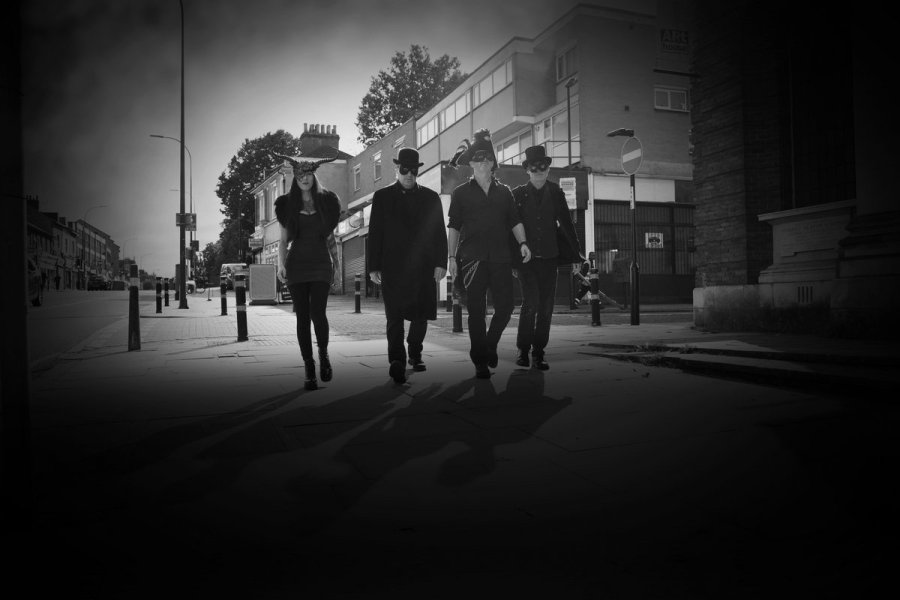
 Shades of Plato, Malware, March 28, 2022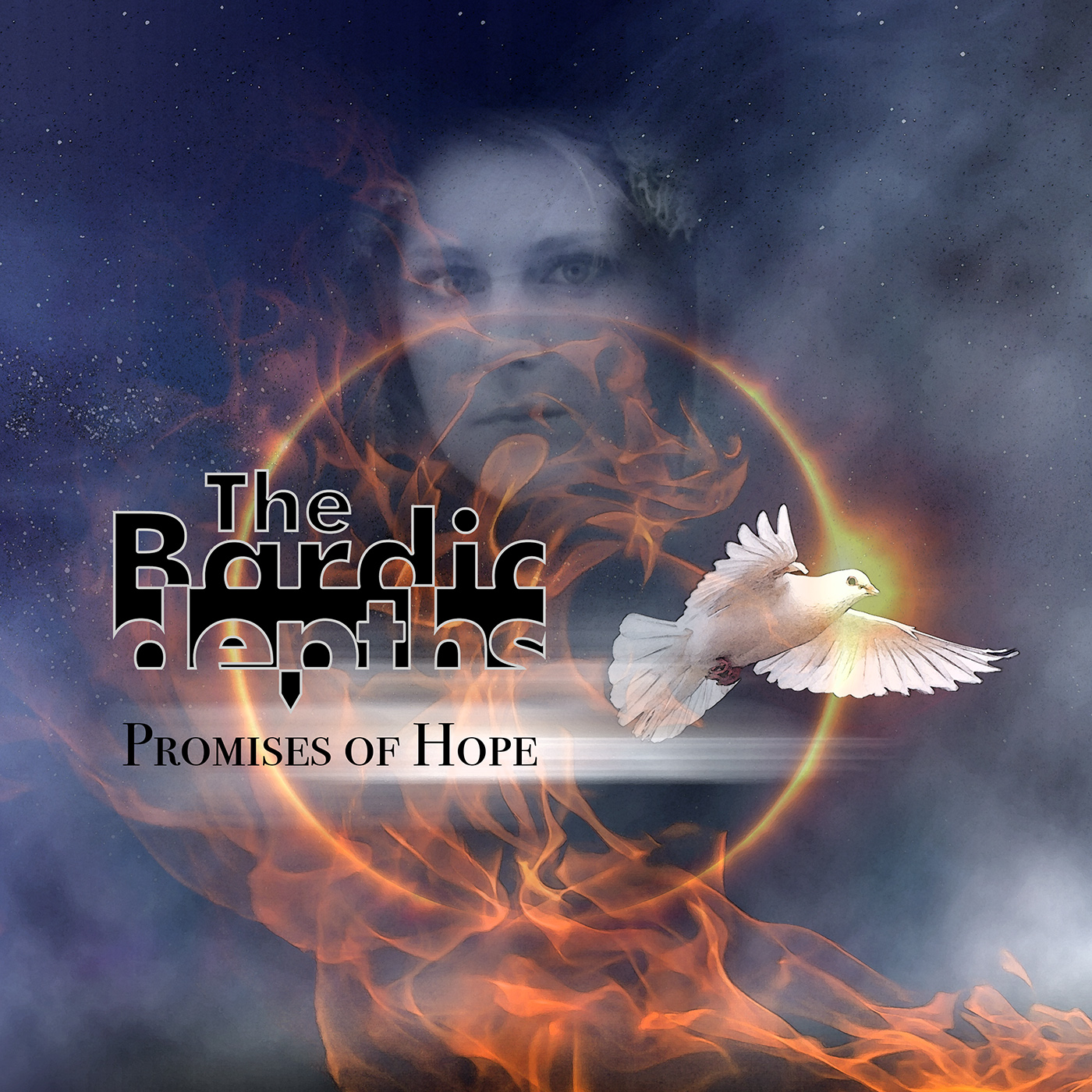




 Progarchy