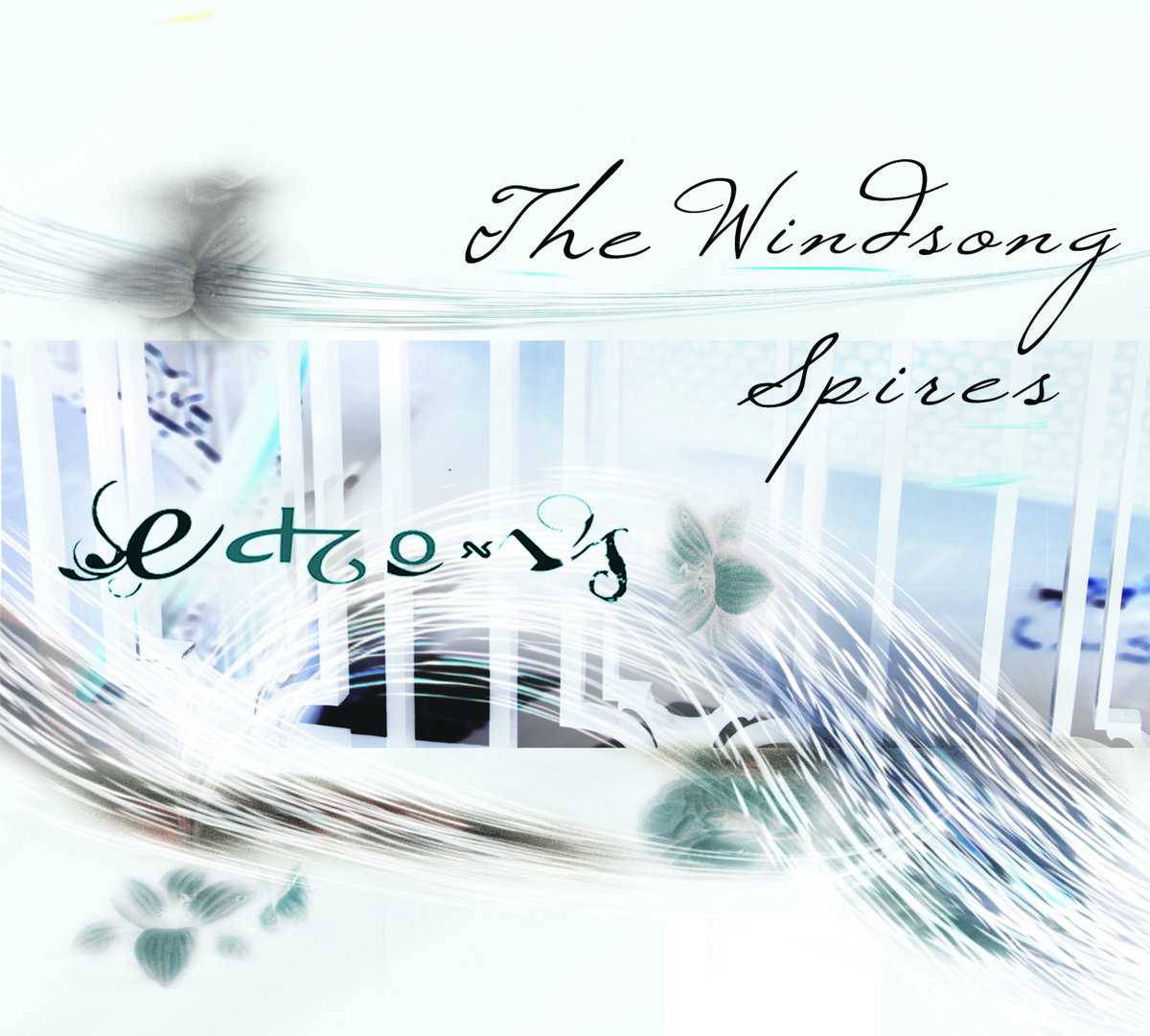
Echo Us, The Windsong Spires, June 22, 2021 Tracks: We Seek the Descending Levers, (8:06), If You Can Imagine… (5:29), The Night Sky (3:19), When the Windsong Spires, (5:49), Squals (3:53), (Fly You Home) (4:41), And When They Dance At Dusk, (4:16), I’ll Wave You In (4:54), (And Acquiesce) (5:41), If We Can Breathe Again… (3:39), Under the Smallest Sky (11:40)
Electronic. Atmospheric. Ethereal. These are just a few of the words I could use to describe Portland, Oregon, music project Echo Us. The band was founded by composer and multi-instrumentalist Ethan J. Matthews 20 years ago. He is joined on the record by drummer Andrew Greene and vocalist Charlotte Engler. Matthews provides vocals, guitars, hammered dulcimer, glockenspiel, percussion, and synthesizers.
Just based upon the variety of instruments Matthews plays, you might guess that his music has a rather eclectic mix, and you’d be right. Their sound ranges from atmospheric to classical and folk, all within a subtle rock context. I even picked up what sounded a bit like a Pacific Northwestern Native American influence in the opening moments of the album. Piano plays a prominent role on the record, along with clean electric guitar.
The vocals contribute to the ethereal tone of much of the music, but the drums keep the music grounded here on earth without allowing the album to get too heady. In that way there’s a nice balance between the various sounds. The mix of male and female vocals also contributes to the balance of the sound on the record. Matthews’ voice reminds me of Tim Bowness, and Engler’s voice reminds me a bit of Kate Bush or Amanda Lehman.
The music helps tell a story. “The Night Sky” is primarily piano with synth sounds swirling around it and ghostly vocals at times throughout the brief track. The listener is left picturing a calm, cool night sky away from the hustle and bustle of the city.
Greene’s drums and percussion on the record might sound relatively straightforward at first notice, but when you dig in you notice there’s a lot going on. One moment it might be a simple drum part, but the next might have a military-style snare drumming, such as on a portion of “When the Windsong Spires.” This conjures up new images in the mind, adding to the musical tapestry Echo Us create.
I’m not positive that this is intentional, but I get the feeling that the names of the tracks are meant to be read together as you might read an imagist poem. Since the names of the songs include punctuation, I suspect I’m right.
We Seek the Descending Levers, If You Can Imagine… The Night Sky When the Windsong Spires, Squals (Fly You Home) And When They Dance At Dusk, I’ll Wave You In (And Acquiesce) If We Can Breathe Again… Under the Smallest Sky
This is a pretty cool way to add texture to a record. You have the poetry of the lyrics, but to use the very names of the songs to create another poem is unique.
One might classify The Windsong Spires as ambient music, but there’s a lot more going on than just ambient sounds. The drums and guitars bring in elements of rock, although I don’t know if I can call this outright rock ‘n roll. At the end of the day genres can be rather meaningless categories to which we assign music. What really matters is whether or not the music is good, and Echo Us is very good. Their music has had a calming effect on me, which has been much appreciated and needed lately. When everything else seems to be crashing and burning, it’s nice to settle back into something that slows you down and makes you think.
Considering his reputation as one of the greatest living twelve-string guitar players, Paul Brett is probably not among the more obscure names I have included in this series thus far. Having performed with the likes of Arthur Brown, Roy Harper, and the Strawbs in the late 1960s and early 1970s, Brett was by no means a stranger to the prog scene by the time he ventured forth on his own. He released several solo albums in the 1970s, Interlife being perhaps the most celebrated of the bunch. Although Brett’s acoustic and electric guitars are the stars of the show, the album also features the talents of ex-Strawbs drummer Rod Coombes and the ubiquitous Mel Collins on saxophone, who helps give the album a jazzier feel. Here are a few highlights from this hidden gem:
The opening number “Interlife” is both the longest and strongest track on the album. Although it begins as a soft folk tune with the rich sound of layered acoustic guitars, it transitions quickly and seamlessly to a unique blend of folk and jazz rock. Each member of Brett’s supporting cast is able to show off their chops, be it Coombes on drums, Collins on Sax, Derek Austin on synthesizer, or Delisle Harper on bass. Fans of Mike Oldfield’s instrumental prog masterpiece Tubular Bells – which also features several acoustic and electric guitars – will appreciate this track.
The remaining tracks, beginning with “Celebration,” are much shorter and equally enjoyable. Brett again opens with the gentle sound of acoustic guitar on “Celebration” before he’s joined by his mates. The electric guitar soars on this piece before the track finishes in a sort of jig.
“Segregation” also begins gently, but transitions suddenly to a jazzy guitar riff and a thumping bass line courtesy of Harper, who does a superb job on this piece. “Isolation,” another acoustically-driven work, follows “Segregation” before we arrive…
“Into Life,” the heaviest piece on the album. Unlike the other tracks, the closer opens with electric guitar, bass, and drums. Perhaps this is meant to represent the (somewhat) chaotic transition into life itself, but it does feel somewhat out of place on what is otherwise a rather subdued album.
Fans of the Strawbs, Mike Oldfield, and Roy Harper will not want to miss Interlife. For those less inclined toward the prog folk scene, I would still recommend this as an excellent album for a rainy or slow-paced day. Brett’s work on both acoustic and electric guitar (but especially the former) is simply superb and would be appreciated by any prog enthusiast.
As previously promised, a look at the big reissues landing in the next few months — especially those available in one or more box set formats. Ordering links are embedded in the artist/title listings below.
Out Now:
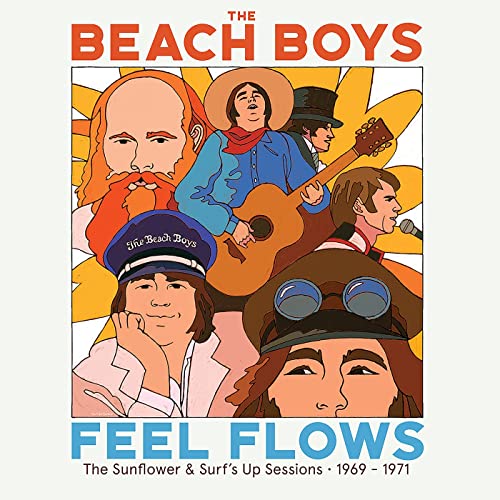
The Beach Boys, Feel Flows – TheSunflower and Surf’s Up Sessions, 1969-1971: between their initial impact and their imperial phase as timeless purveyors of fun fun fun, Brian Wilson and his family pursued heaviness and relevance in a market that thought it had outgrown them — at least for the moment. This slice of the Boys’ catalog features less slick, more homespun takes on their timeless concerns (the same amount of girls, less cars, more daily life), with Wilson brothers Dennis (on Sunflower) and Carl (on Surf’s Up) taking the lead. The brilliant moments — “This Whole World,” “Forever,” “Long Promised Road,” “Til I Die” for starters — outweigh the embarrassingly dated ones, and music to make you smile is never too long in coming. Available from The Beach Boys’ webstore as 2 CDs, 5 CDs, 2 LPs or 4 LPs (colored vinyl).
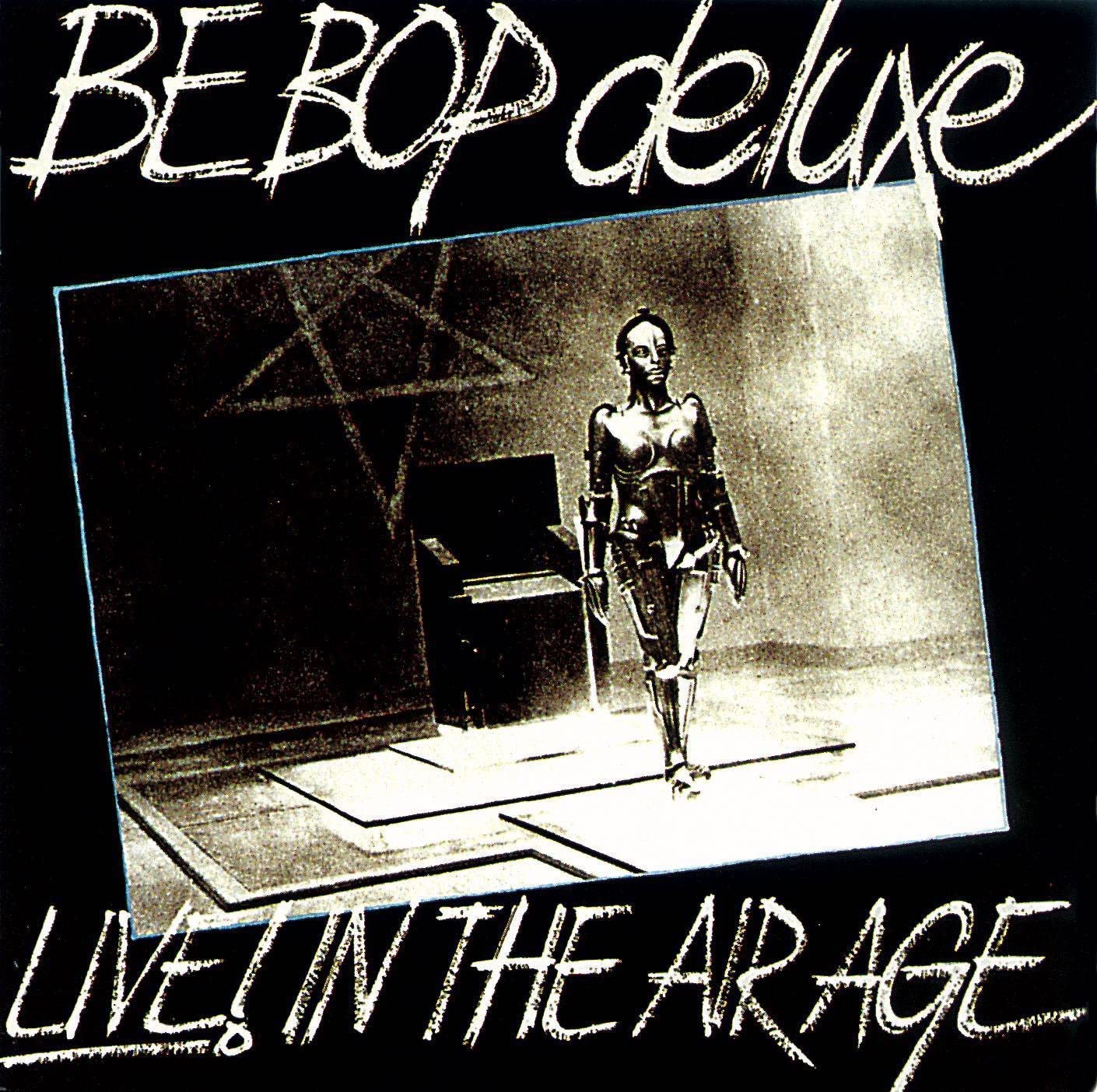
BeBop Deluxe, Live in the Air Age:when Bill Nelson’s avant-glam guitar heroics didn’t generate bigger record sales, a live album was the next obvious move for this sterling British quartet. Better chart positions weren’t forthcoming, but 1977’s Live in the Air Age is an exquisite slab of BBD at work — Chuck Berry updated for the Apollo era, with a bit of Bowie/Mercury panache in Nelson’s vocals and blazing solos aplenty. Available from Esoteric Recordings as 3 CDs (adding the complete 1977 London concert) or 15 CDs/1 DVD (adding all surviving recordings from the 1977 British tour and a live television special).
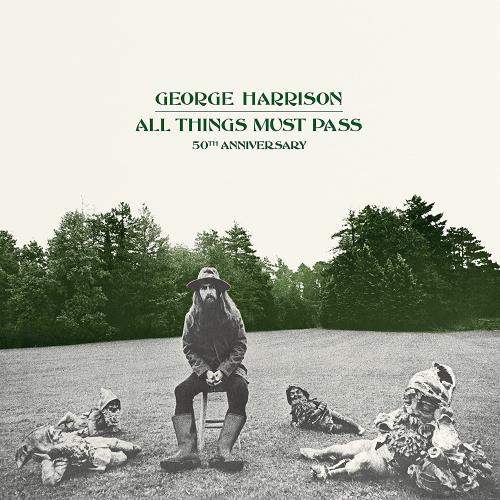
George Harrison, All Things Must Pass: the quiet Beatle exploded on his first album after the Fabs’ breakup, immersing his radiant devotional compositions in Phil Spector’s patented Wall of Sound and drafting Ringo, Badfinger and the embryonic Derek and the Dominoes as his rock orchestra. The new remix scales back the symphonic swirl, brings forward George’s vocals, and gives the rhythm section a kick in the pants; just right to these ears. A serious contender for the single best solo Beatle album, well worth an immersion course. Available from the Harrison webstore in Standard (2 CDs or 3 LPs — limited colored vinyl available as well), Deluxe (3 CDs or 5 LPs), Super Deluxe (5 CDs/BluRay or 8 LPs) and Uber Deluxe (5 CDs/BluRay/8 LPs/various bespoke gimcracks/”artisan wooden crate” — you don’t wanna know what it costs) editions.
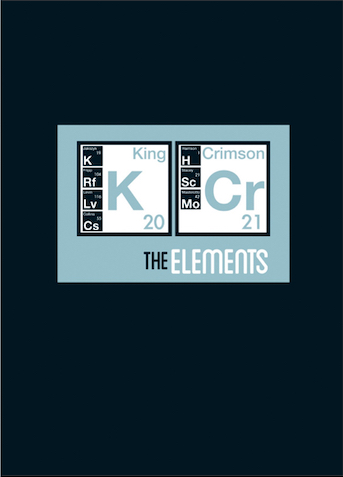
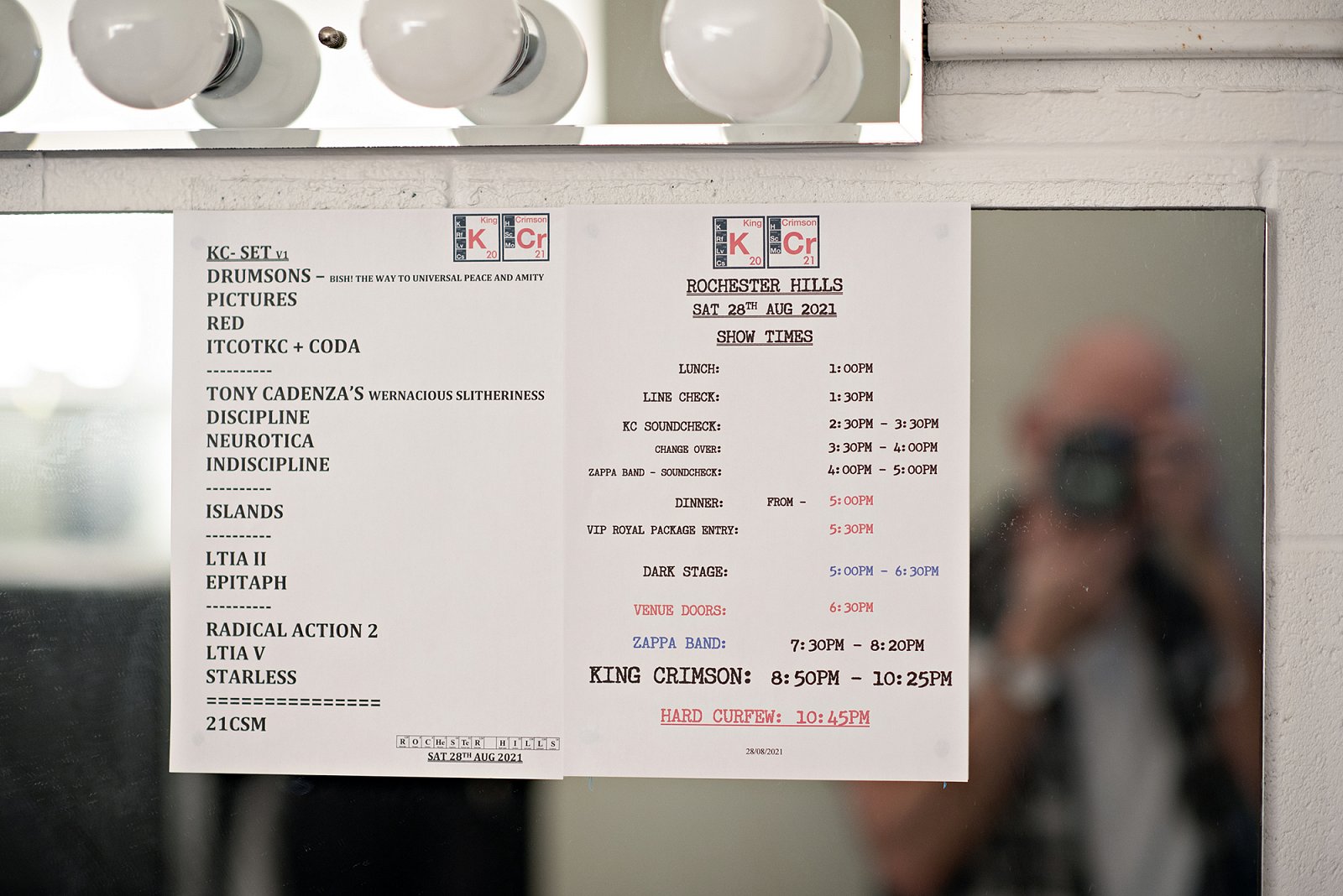
The Elements of King Crimson – 2021 Tour Box: the 7th annual compilation of tidbits from the Discipline Global Mobile archives, doubling as a concert program. This year’s selection of rarities focuses on the nine drummers that have called King Crimson their musical home (sometimes two or three of them at once). Studio snippets – like the one with Fripp, John Wetton on bass and Phil Collins on drums – live tracks, oddities, previews of coming attractions, and more. Available from Burning Shed or on Crimson’s current USA tour.
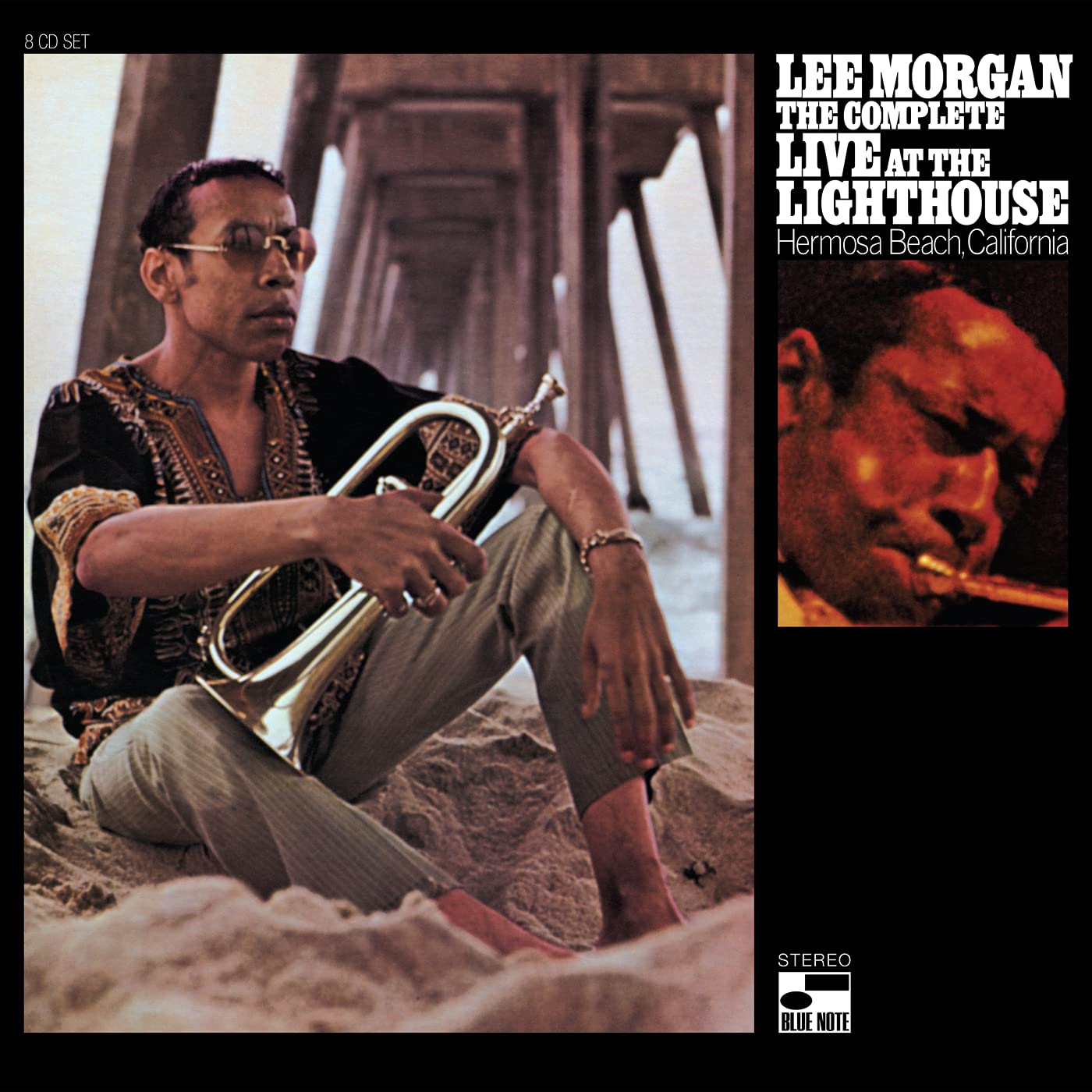
Lee Morgan, The Complete Live at the Lighthouse: never a mass media superstar, Morgan was nonetheless a jazz icon — one of the finest trumpeters of his day who played with heroes of the music like Art Blakey and John Coltrane, recorded more than 20 albums as a leader for Blue Note Records, and even managed to score a Top 25 pop hit with his funky “The Sidewinder.” This box (another product of jazz archivist Zev Feldman’s boundless energy) sets forth an entire weekend’s worth of recordings by Morgan and his dedicated, powerful 1970 band. Bennie Maupin on reeds, Harold Mabern on piano, Jymie Merritt on bass and Mickey Roker on drums bring the sophisticated, challenging compositions and spirited solos and backing; Morgan takes it from there, lyrical and fiery in turn. This is a great potential entry point if you want to explore jazz as a newbie, and a serious desert island possiblility for those already into the music. Available from Blue Note’s webstore as 8 CDs or 12 LPs.
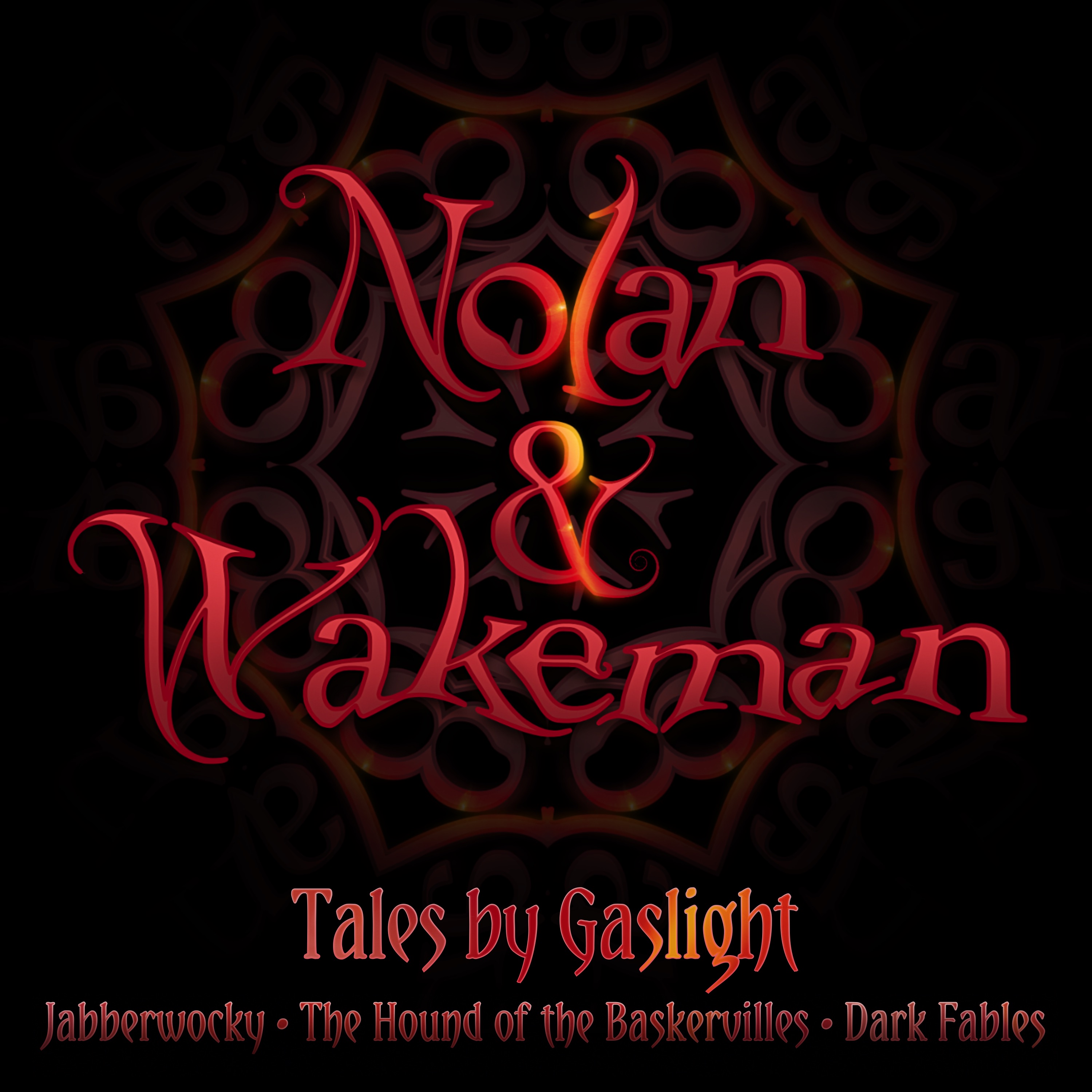
Clive Nolan and Rick Wakeman, Tales by Gaslight: keyboardists Nolan (Pendragon, Arena) and Wakeman (Yes, Strawbs) box up their out-of-print concept albums Jabberwocky (with dad Rick W. reciting Lewis Carroll’s nonsense verse) and The Hound of the Baskervilles, adding a bonus disc collecting rough drafts of a 3rd album based on Frankenstein. Separate booklets and art prints for each of the 3 CDs included. Theatrical as all get out, and surprisingly good fun if you’re in the mood for Victorian-flavored melodrama. Available from Burning Shed.
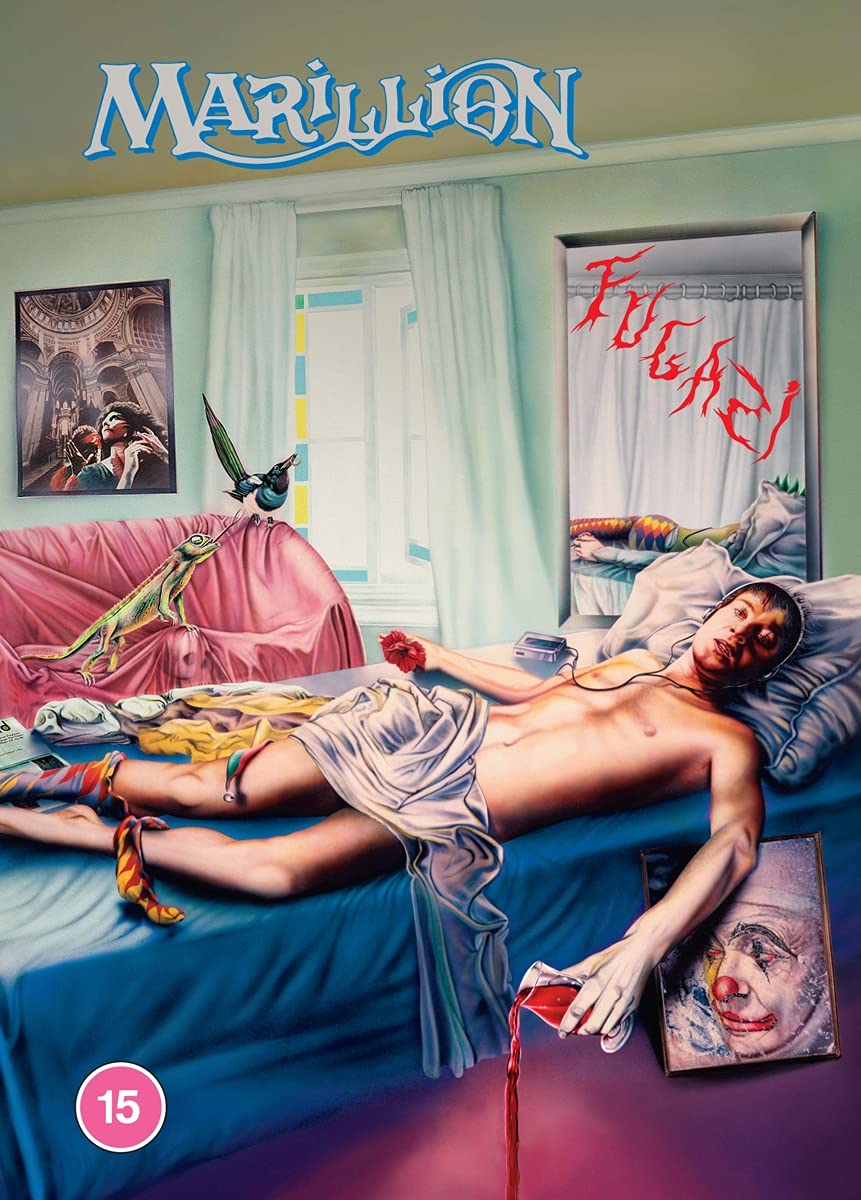
Marillion, Fugazi: the band’s 1984 album, perceived as a “sophomore slump” at the time, is much more than a bridge between the feral debut Script for A Jester’s Tear and the early masterwork Misplaced Childhood, with plenty of gripping moments to recommend it. A new remix by Andy Bradfield and Avril Mackintosh compensates handily for the production nightmares recounted in this deluxe edition’s copious notes. Also includes a complete live set from Montreal; the CD/BluRay version adds bonus tracks, documentaries, and a Swiss television concert. Out September 10; pre-order from Marillion’s webstore as 4 CDs/BluRay or 4 LPs.
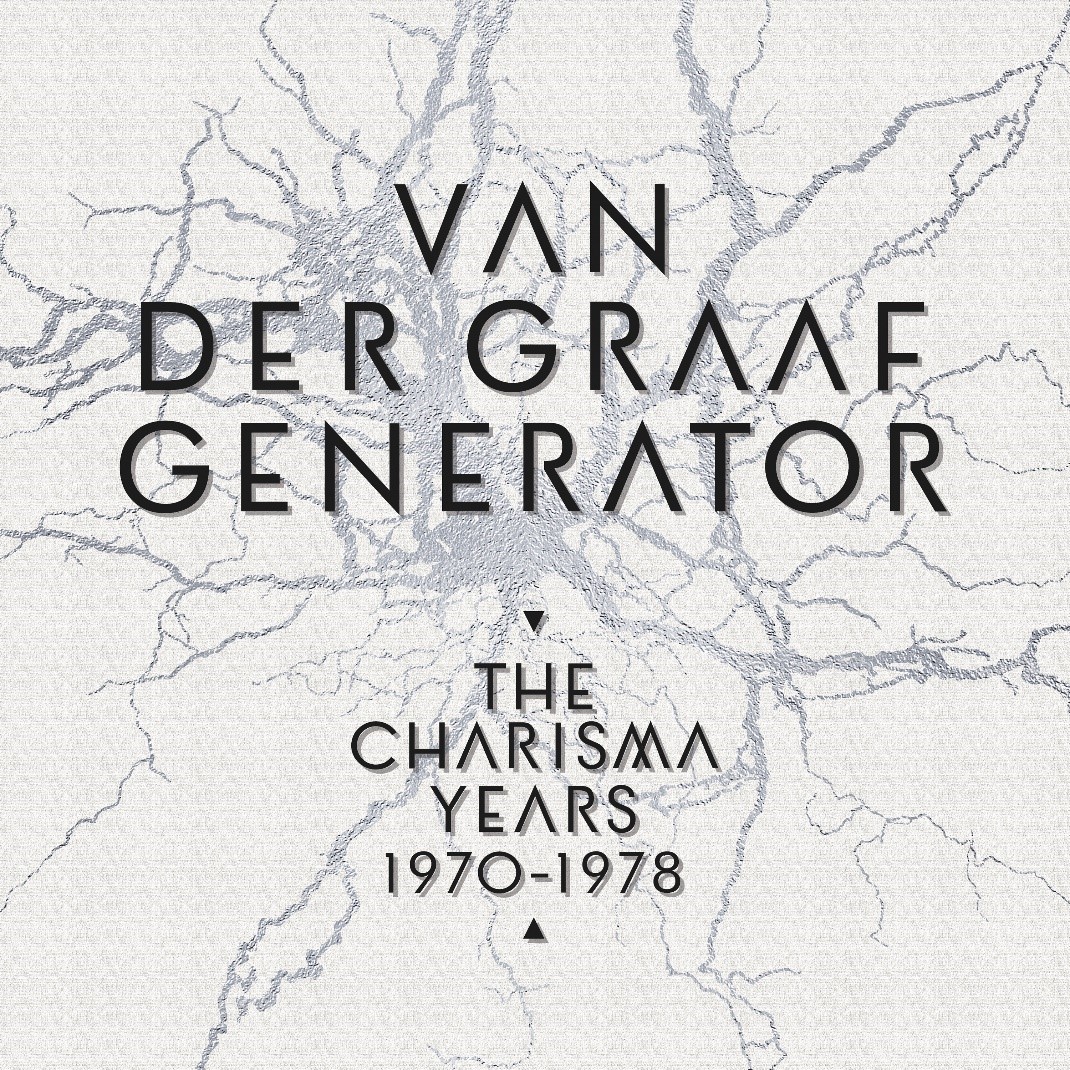
Van der Graaf Generator, The Charisma Years, 1970-1978: VDGG may have shared the stage with Genesis in each band’s formative years, but they were a thoroughly different beast. Peter Hammill’s desperate existential narratives and the wigged out instrumental web woven by David Jackson, Hugh Banton and Guy Evans made for a unique, highly combustible chemistry — bonkers dystopian sci-fi narrative over free jazz one moment, raggedly soaring hymns to human potential the next. This 17 CD/3 BluRay set collects the band’s 8 studio albums from the Seventies, adding extensive BBC sessions, a live show from Paris, all surviving television appearances “and more.” Now available from Burning Shed; the four newly remastered albums in this box (H to He Who Am the Only One, Pawn Hearts, Godbluffand Still Life) are available as separate CD/DVD sets for those wanting a lower priced introduction to this underrated band’s indescribably stirring music.
October:
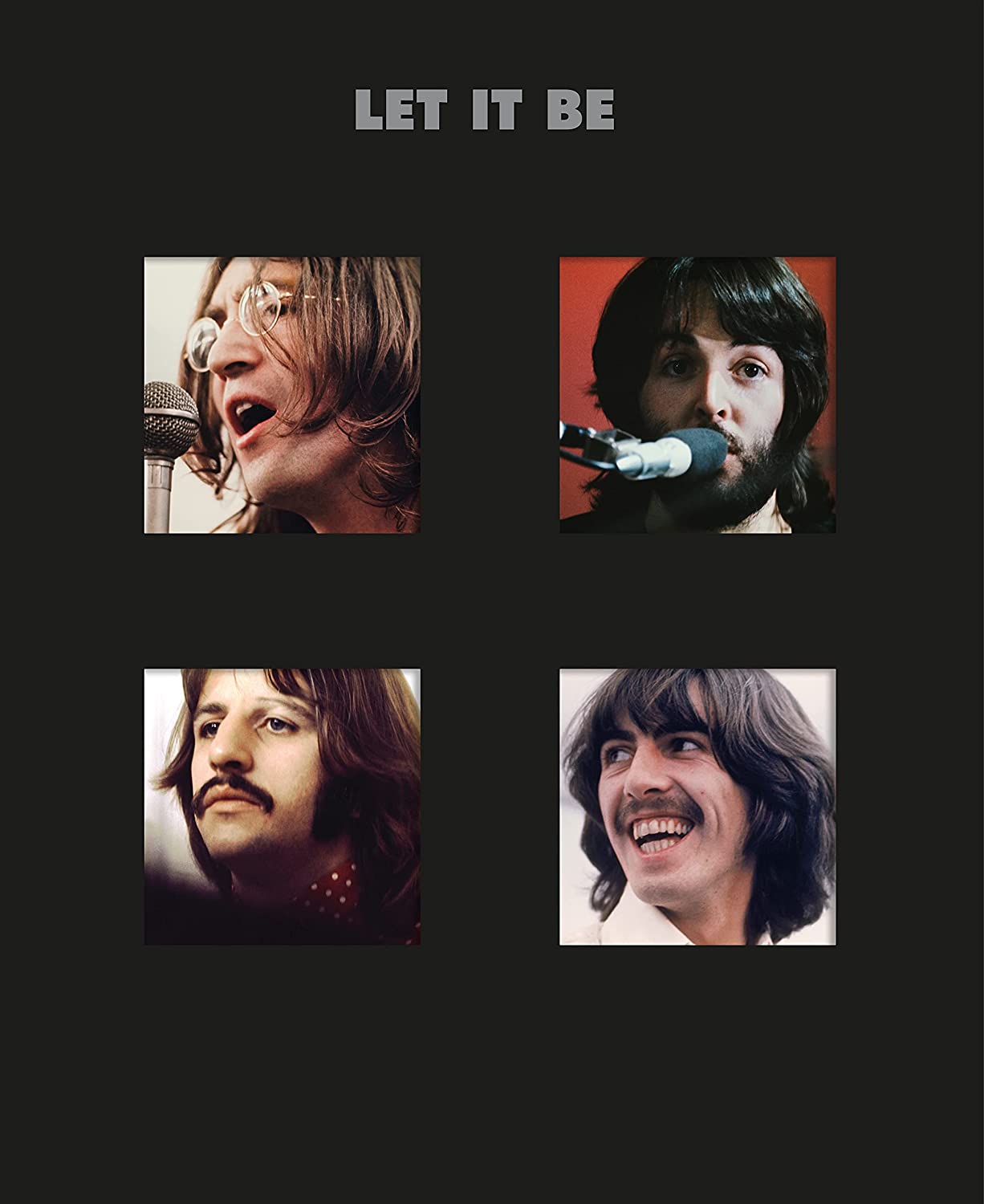
The Beatles, Let It Be: the Fab Four’s star-crossed attempt to return to their roots – recording live in front of movie cameras – ultimately became their first post-break-up release, drenched with Phil Spector’s orchestral overdubs to cover the rough spots. With a new 6-hour Peter Jackson documentary on the sessions hitting Disney Plus Thanksgiving weekend, Apple unleashes a fresh stereo remix (the 4th in the series that kicked off with Sgt. Pepper’s 50th anniversary). Super Deluxe versions also include 27 sessions tracks, a 4-track EP and a test mix of Get Back, the proposed original version of the album. Out October 15th; pre-order from the Fabs’ webstore in Standard (1 CD or 1 LP), Deluxe (2 CDs with selected bonus tracks) and Super Deluxe (4 CDs/1 BluRay or 4 LP/1 EP) editions. (The companion book of photos and transcribed conversations from the sessions, Get Back, is released on October 12.)
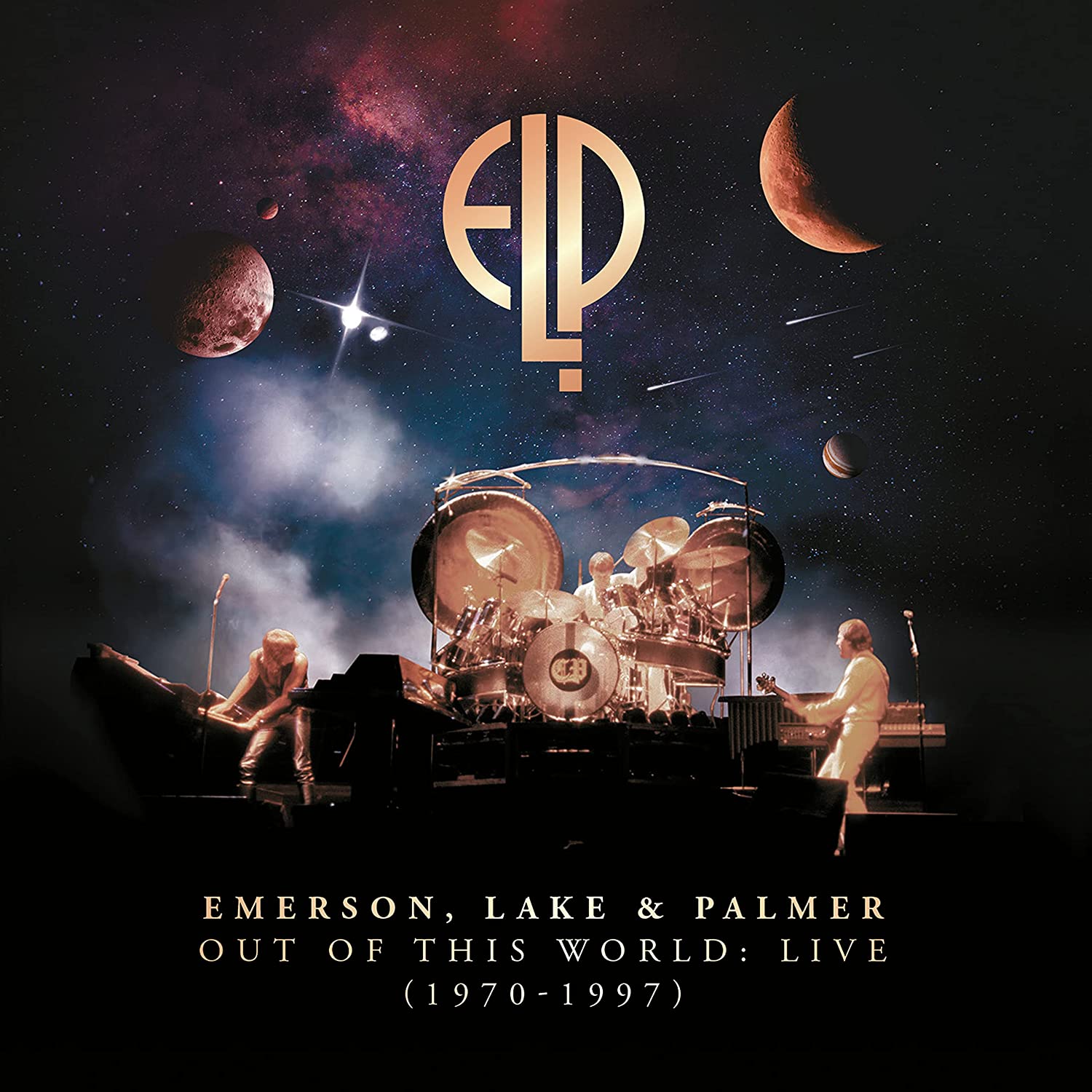
Emerson Lake and Palmer, Out of This World – Live (1970-1997): a compilation of key live shows in ELP’s history: their 1970 debut at the Isle of Wight Festival; a career peak show at the 1974 California Jam; the 1977 full-orchestra extravaganza at Montreal’s Olympic Stadium; 1992’s comeback concert at London’s Royal Albert Hall; and a previously unreleased 1997 show from Phoenix, Arizona. Out October 29; pre-order from ImportCDs as 7 CDs or 10 LPs.
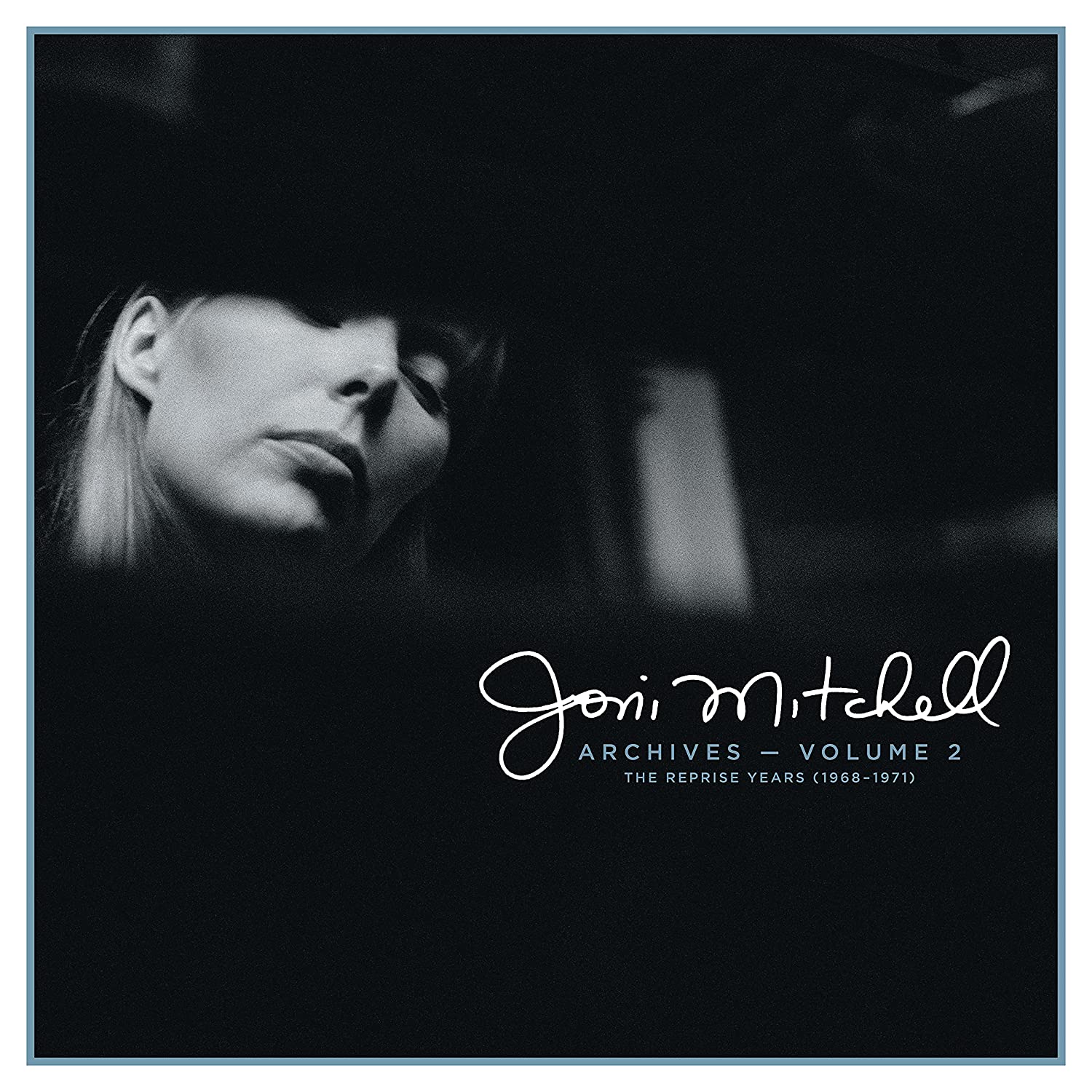
Joni Mitchell, Archives , Volume 2 – The Reprise Years (1968-1971): more archival recordings from the early days of Mitchell’s recording career. Home and studio demos, outtakes, unreleased songs, her Carnegie Hall debut and much more — a complete acoustic set recorded by a enraptured Jimi Hendrix, anyone? Out October 29; pre-order from Mitchell’s webstore on 5 CDs or 10 LPs (4000 copies only), The Carnegie Hall concert is available separately on 3 LPs (black or white vinyl).
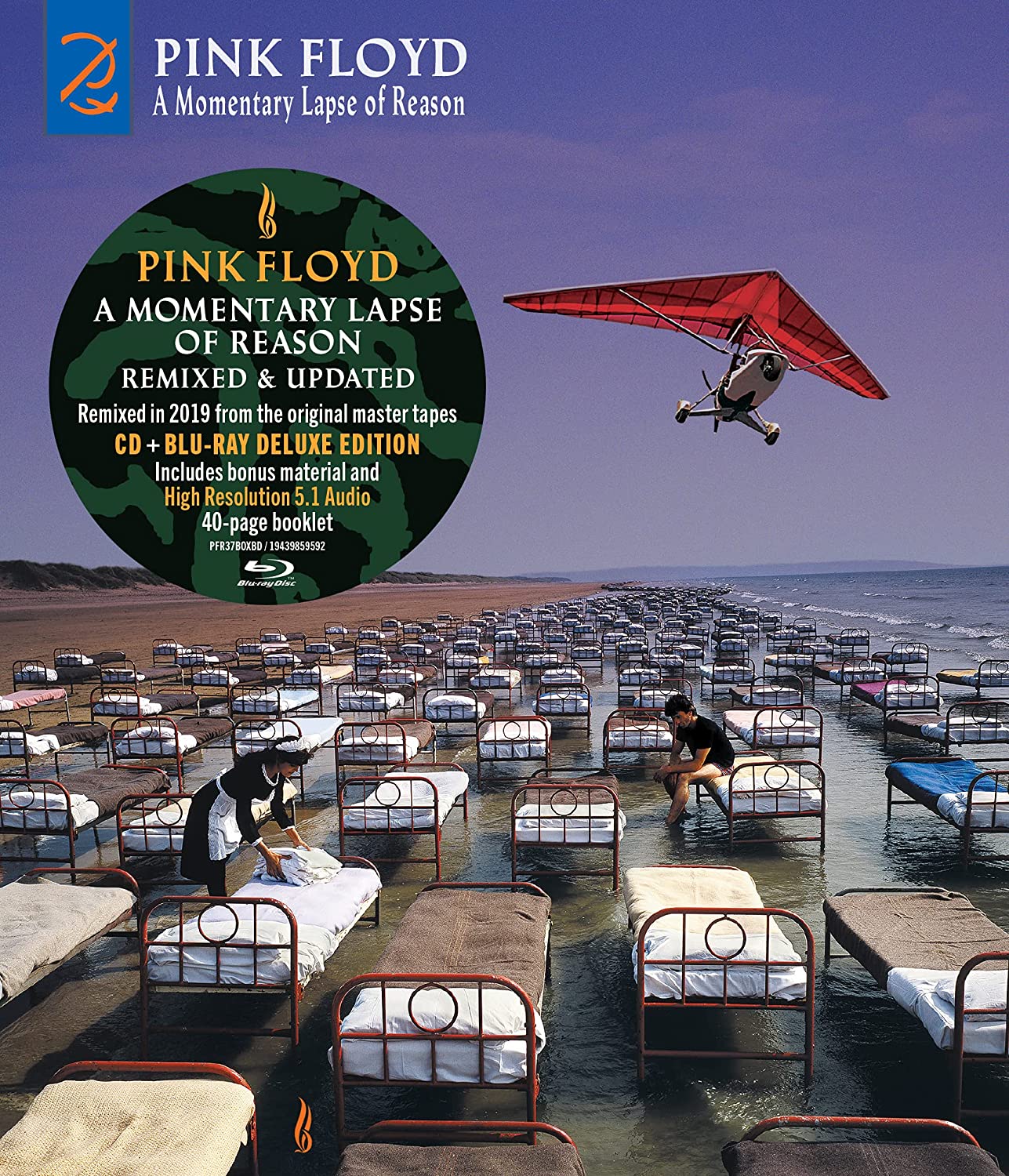
Pink Floyd, A Momentary Lapse of Reason (Remixed and Updated): the 2019 remix of Floyd’s post-Roger Waters comeback from the opulent The Later Years box, now available on its own. “Sounds less like the 1980s, more like classic Floyd” is the party line here. Out October 29; pre-order from Floyd’s webstore in 1 CD, CD/DVD, CD/BluRay or 2 LP formats.
November:
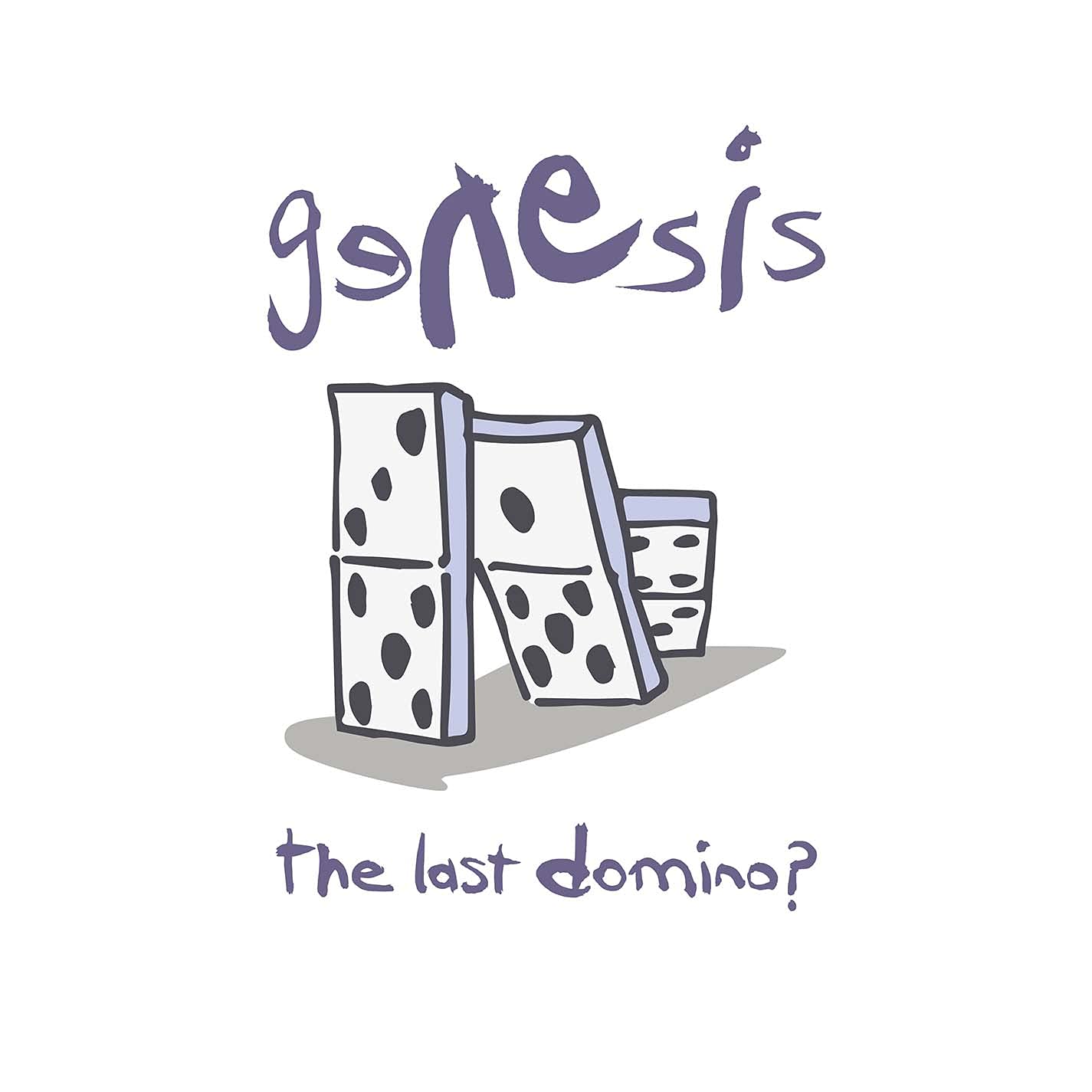
Genesis, The Last Domino? Yet another compilation of Genesis’ greatest hits, fan favorites and core album cuts, released just in time for their first US tour in 14 years. No real surprises in the track selection, but the blurbed promise of “new stereo mixes” of four Gabriel-era classics is intriguing. Out November 19; pre-order from Genesis’ webstore on 2 CDs or 4 LPs. (The UK version of this compilation, out September 17, sports a slightly different track list.)
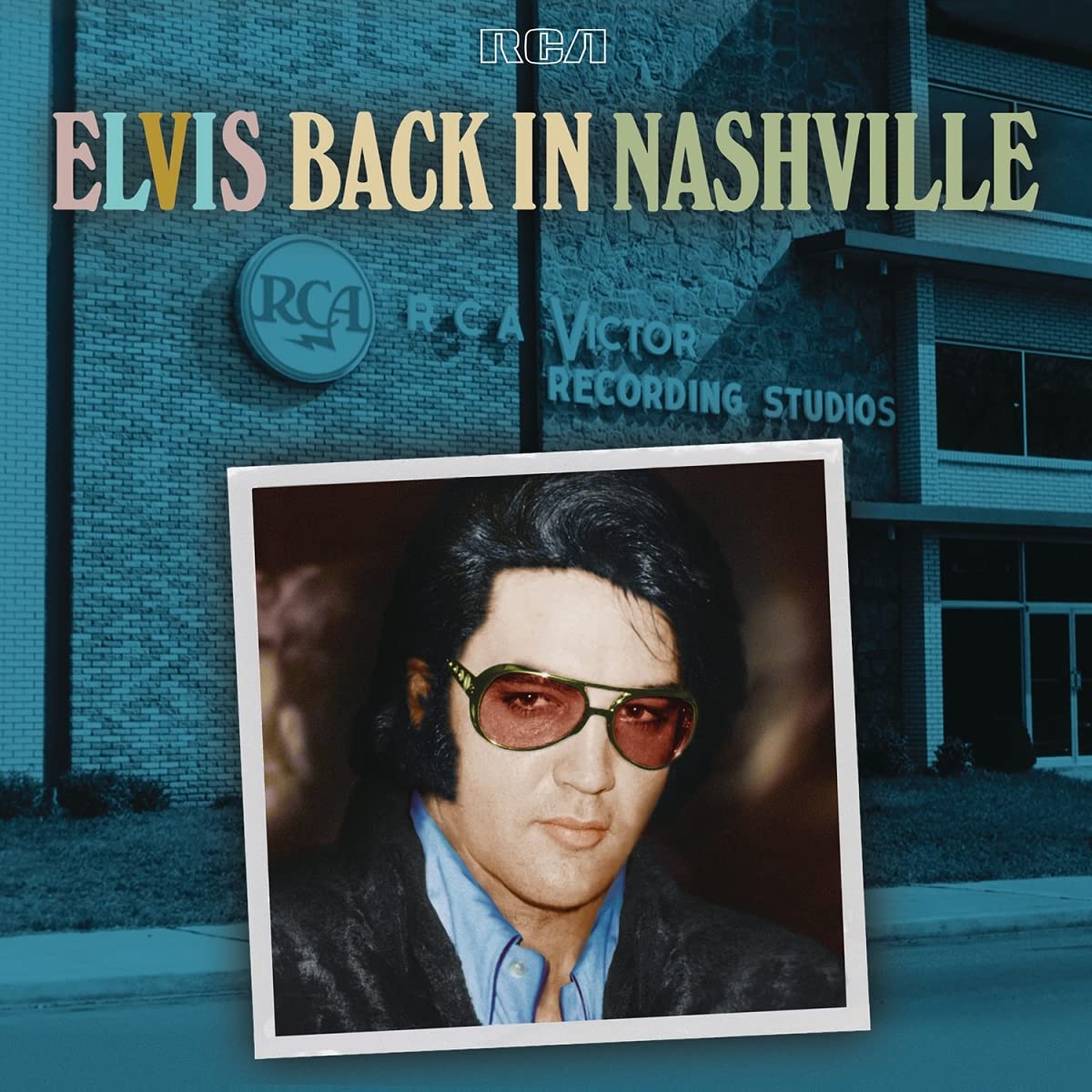
Elvis Presley, Back in Nashville:the King’s final sessions in Music City, stripped of overdubs a la last year’s From Elvis in Nashville box, that yielded material for three years worth of albums. 82 tracks encompassing country/folk, pop, religious music and Christmas music. Out November 12; pre-order from the Presley webstore on 4 CDs or 2 LPs.
In the Works (release date forthcoming):
Robert Fripp, Exposures: another exhaustive (and potentially exhausting) set from Discipline Global Mobile. This one promises to cover Fripp’s “Drive to 1981,” including his guest-star-heavy solo debut Exposure, the ambient Frippertronics of God Save the Queen and Let the Power Fall, and the egghead dance music of Under Heavy Manners and The League of Gentlemen. Tons of live gigs promised to supplement rarities and studio outtakes.
Marillion, Holidays in Eden: the new Marillion album (now officially titled An Hour Before It’sDark) may push this further back on the release schedule, but Steve Hogarth’s second effort with the boys (an intriguing effort that tried and failed to go commercial) is next up for the deluxe reissue treatment.
Porcupine Tree, Deadwing:a promised deluxe set in the vein of 2020’s In Absentia. Internet gossip flared up when Steven Wilson, Steve Barbieri and Gavin Harrison were rumored to have reset the band’s legal partnership earlier this year; who knows how or when the Tree may blossom again?
Renaissance, Scheherezade and Other Stories: coming from Esoteric Recordings, the folk-prog quintet’s finest hour in the studio, melding orchestral grace with an Arabian Nights theme for the half-hour title track. If this is in the vein of other recent Renaissance issues, hope for a multi-disc set with a bonus live set and a surround remix.
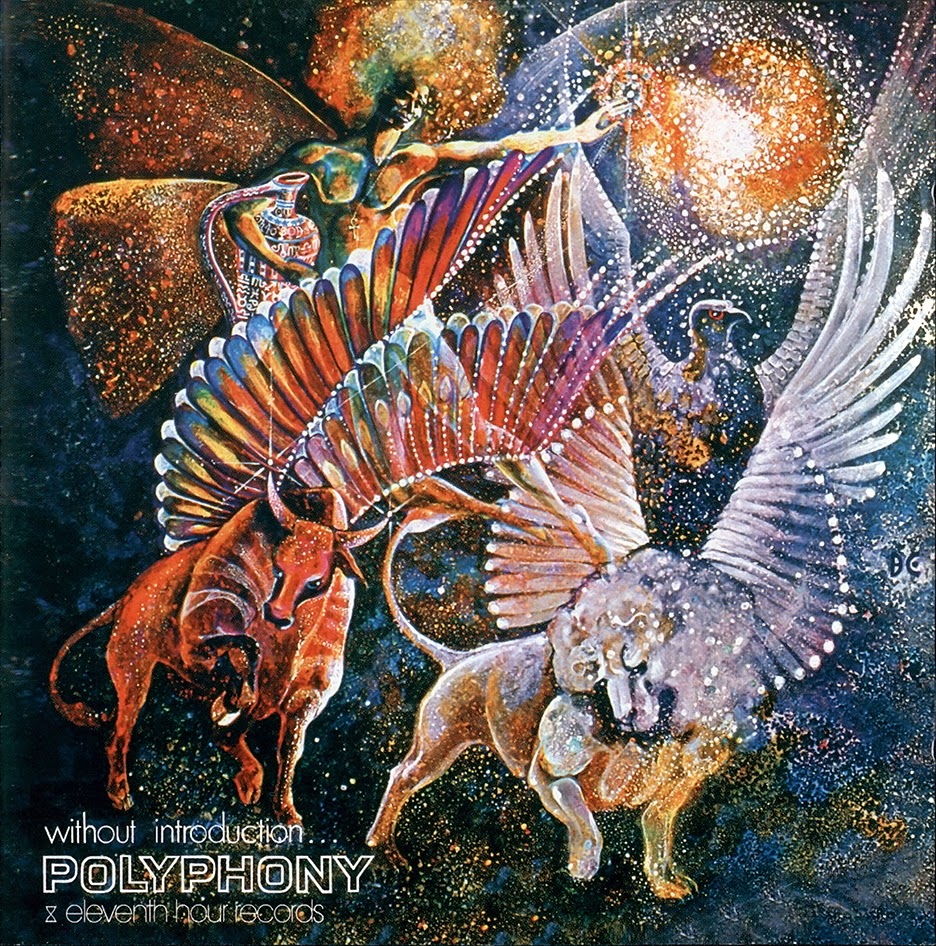
Although the name of this band refers to a musical texture defined by two or more lines of independent melody, I want to call your attention first to the album artwork, which is among the most beautiful I have seen in any genre of music. According to a review on Prog Archives, the artist wanted to show the “four elements of the universe subsiding toward an energy force which was ‘polyphony’.” The rich detail on the cover provides the perfect complement to such a complex album. With elements of ELP, Atomic Rooster, Jimi Hendrix, and Deep Purple, Polyphony seemed poised for success, but like so many other talented bands of the day were instead lost in the shuffle, and Without Introduction remained their only release. Here are my thoughts on the four tracks:
“Juggernaut” is a fitting title for the opening piece, which hits with a burst of keys and guitar right from the start. If Jimi Hendrix had joined ELP to form HELP (rumor has it he nearly did), it would probably sound like this piece. The interplay between Glenn Howard’s slide guitar and Craig Massey’s organ is excellent – and intense. It actually reminds me a little bit of Boston’s “Foreplay,” the lengthy introduction to their superb “Long Time.” We don’t get any vocals until after the nine-minute mark, and they may remind some listeners of Nad Sylvan, Progarchy’s favorite Vampirate.
The next piece, “40 Second Thing in 39 Seconds” is a brief experiment with a Moog synthesizer. It’s a bizarre piece, but considering what Emerson did with the Moog, it would be music to many a progger’s ears.
“Ariel’s Flight” is the longest piece on the album and, despite featuring more vocals, nevertheless remains dominated by Howard’s raw guitar and Massey’s deft work on the keys. Martin Ruddy’s pounding bass and Chris Spong’s steady beat on the drums are also superb; the rhythm section on this album is not to be ignored.
The closing track, “Crimson Dagger,” also opens with a blitz of guitars and keys but transitions to a smoother, psychedelic soundscape about three minutes in. This piece also features the strongest vocals on the album, including some solid backing vocals by all members except the drummer. Unfortunately, the song ends rather abruptly, but this is one of the album’s few weak points.
It’s too bad Polyphony was little appreciated in their day, as their debut album suggests they could have contended with some of prog’s heaviest hitters. Lovers of symphonic and “classic era” prog rock will especially enjoy this hidden gem, but it will no doubt appeal to many in the prog world.
Progarchists will know Amanda Lehmann from her work with Steve Hackett. Perhaps they’ve even been lucky enough to see her onstage with Hackett, both side-by-side wailing away on their guitars.
Now she’s out with a solo album, and I know what you’re thinking: Is it any good? Or is she just one of those musicians who best functions doing side work in service of a more famous talent?
Let me answer that question right away. The album is excellent. It’s proof why prog lovers should be open to new musicians and new experiences and not just spend their time buying bloated box sets of the greatest artists of yesteryear.
Now, there’s nothing wrong with owning and collecting all of Steve Hackett, because he is amazing, and he’s total prog royalty. But we have to realize that there are so many other talented (but lesser-known) artists out there who also deserve our passionate support.
To his credit, Hackett obviously recognizes Lehmann’s talent. By happy circumstance, he surely knows her thanks to his wife. That’s great. Likewise, by happy circumstance, you know Hackett only thanks to your fan-marriage to Genesis. That’s exactly how we meet one other and discover new things.
Next question: should you buy this album? Yes, absolutely. It is worthy to be added to your prog collection. If you need a quick excuse, let me point out Hackett himself appears on track 6, “Forever Days”, and deploys a wicked guitar solo that alone is worth the price of admission.
So, if you need an appearance from prog royalty to justify the adoption of a physical CD into your collection, this is it. Thanks be to Hackett for dropping this solo onto Lehmann’s album and giving us all an excuse to get to know her better.
Hackett also co-wrote a nice little song with Lehmann that closes the album: track 9, “Where the Small Things Go”, which at 1:42 shows us that small little songs do indeed go well at the end of an album. It’s a nice finish, showcasing the artistic bond between the two artists with a gentle acoustic departure using classical guitar.
Lehmann wrote the rest of the album’s material herself and it’s all superb. The album kicks off with “Who Are the Heroes?” as we first get to hear her singing voice along with her guitar work. I was pleased to find myself making analogies to Kate Bush right away. Lehmann’s vocal phrasing and general sensibility (marking both her vocals and arrangements) call to mind Bush quite remarkably.
Lehmann’s voice is different in timbre, so don’t go listening and expect a soundalike. It sounds more like an alternative universe where Kate Bush smoked three packs a day. So, Lehmann is truly her own voice, but she’s still hugely talented like Bush and longtime fans of Bush will understand what I mean about their shared artistic sensibilities.
Further proof of my analogy is “Tinkerbell” (track 2, 4:52), which includes orchestral arrangements, and “Only Happy When It Rains” (track 3, 3:47), which has a swinging jazzy arrangement that would not be out of place on an early Kate Bush album. Here, the mischievous Hackett plays harmonica. And Rob Townsend plays sax; he also appears on “Memory Lane” (track 5, 4:49), a poignant personal reflection about dementia by Lehmann inspired by her mother.
“The Watcher” (track 4, 7:25) is an epic prog extravaganza that is well placed. After introducing her range of musical abilities on the first three tracks, Lehmann hits us with a prog experience that makes us happy we came on this journey. The title made me think of “Watcher of the Skies” immediately, but that obvious association aside, this track illustrates why I hope Lehmann keeps composing and putting out albums. She’s got what it takes and she makes great unknown music that stands well next to the best known of our favorites.
“Childhood Delusions” (track 8, 4:46) consolidates the Kate Bush comparison for me, with its jazzy whimsy. I can easily imagine Bush singing this song. Lehmann’s own unique voice is great on it too. Who knows, maybe they can do a duet of it sometime for charity. I’d totally pay to hear that. Kate Bush is one of my all time favorites, but I am most pleased to discover this album thanks to the nifty introduction that the generous Steve Hackett has arranged for us all.
The album credits don’t say who plays sax here, but maybe we should assume it’s Townsend a third time. The album credits also fail to tell us who the drummer on the album is, so I’m going to go right ahead start a rumor and say it’s Phil Collins, just to get more people out there buying this excellent album.
Nick Magnus and Roger King between the two of them offer impressive support, contributing keyboards and engineering and mixing on different tracks, thereby helping to keep everything throughout the album running smoothly at the highest levels of musical excellence.
“We Are One” (track 7, 4:56), which precedes “Childhood Delusions”, is also highly reminiscent for me of the sort of Kate Bush song I love, and it is another prog extravaganza standout (like “The Watcher”). If you haven’t already paused during this review to order a copy of this CD, let me just stop now so you can go do it. I hope you will enjoy this music as much as I do.
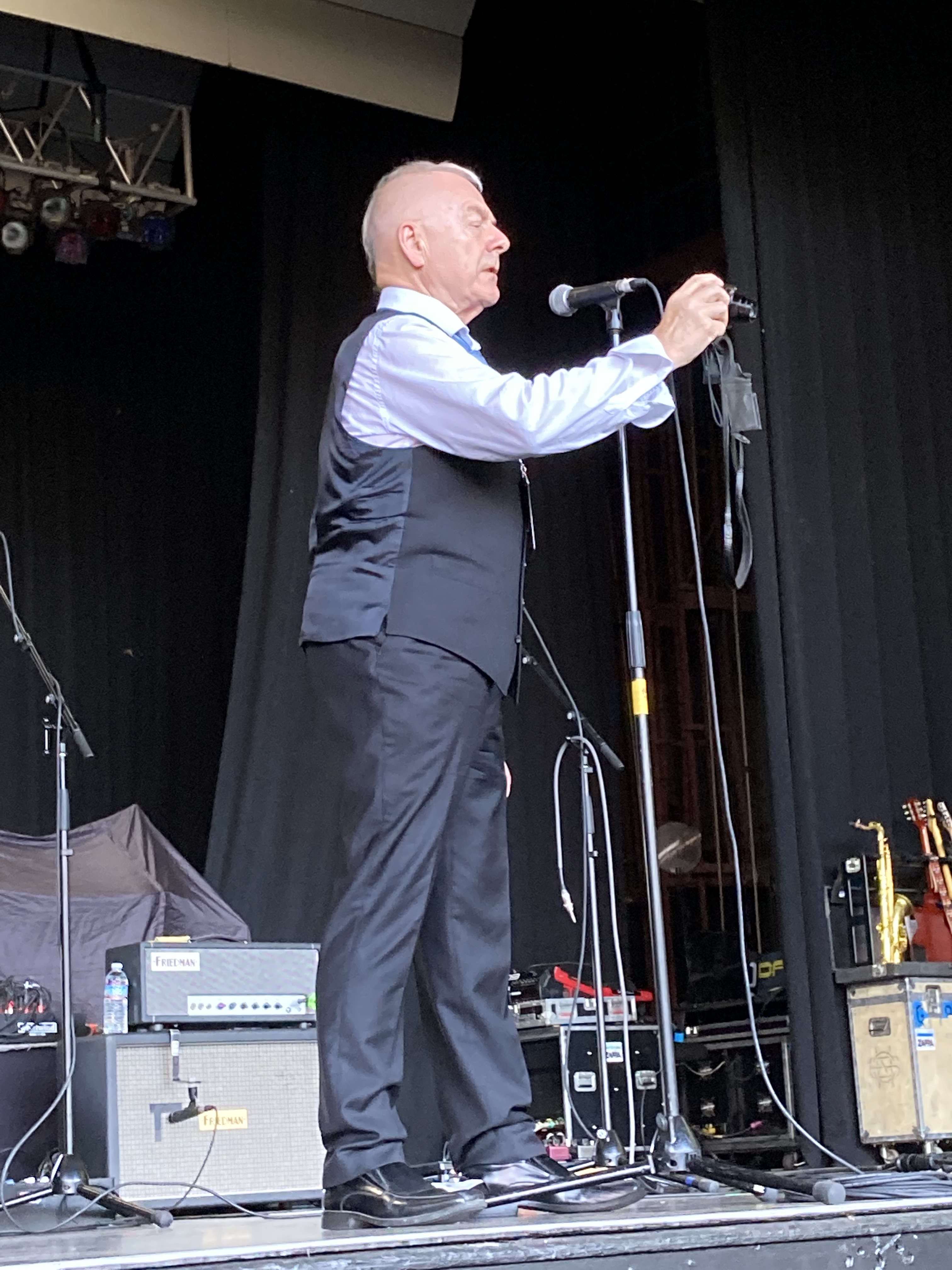
Robert Fripp, resplendent with mohawk, at August 28th’s Royal Package presentation.
A studio album is a love letter. And I enjoy love letters, especially when they’re from my wife. But live music … (looking to the heavens with a sigh) I’ll always go for the clinches.
Robert Fripp, King Crimson Royal Package presentation
King Crimson, Meadow Brook Amphitheatre, Rochester Hills, Michigan, August 28, 2021
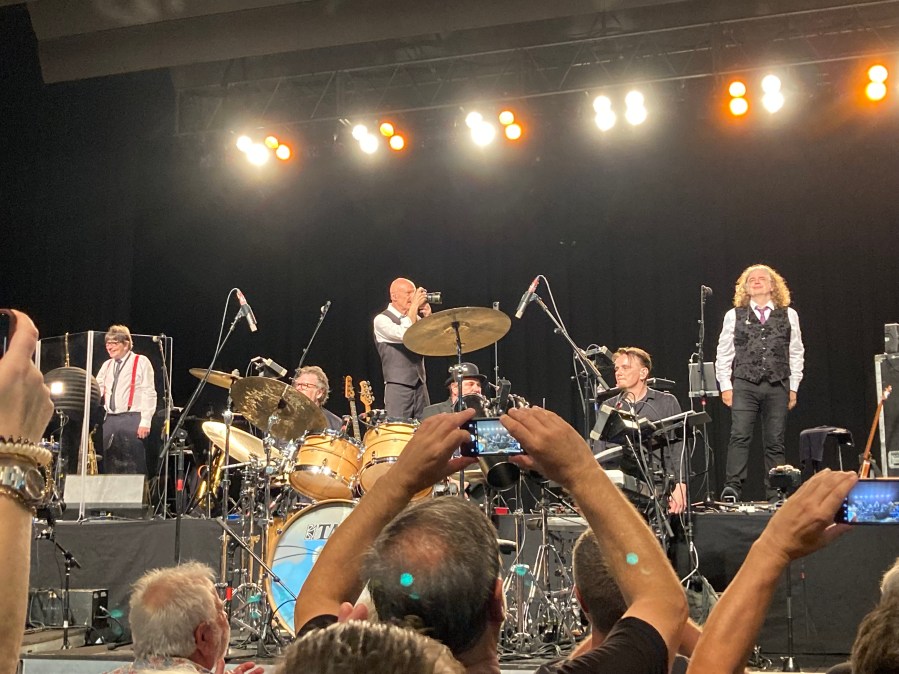
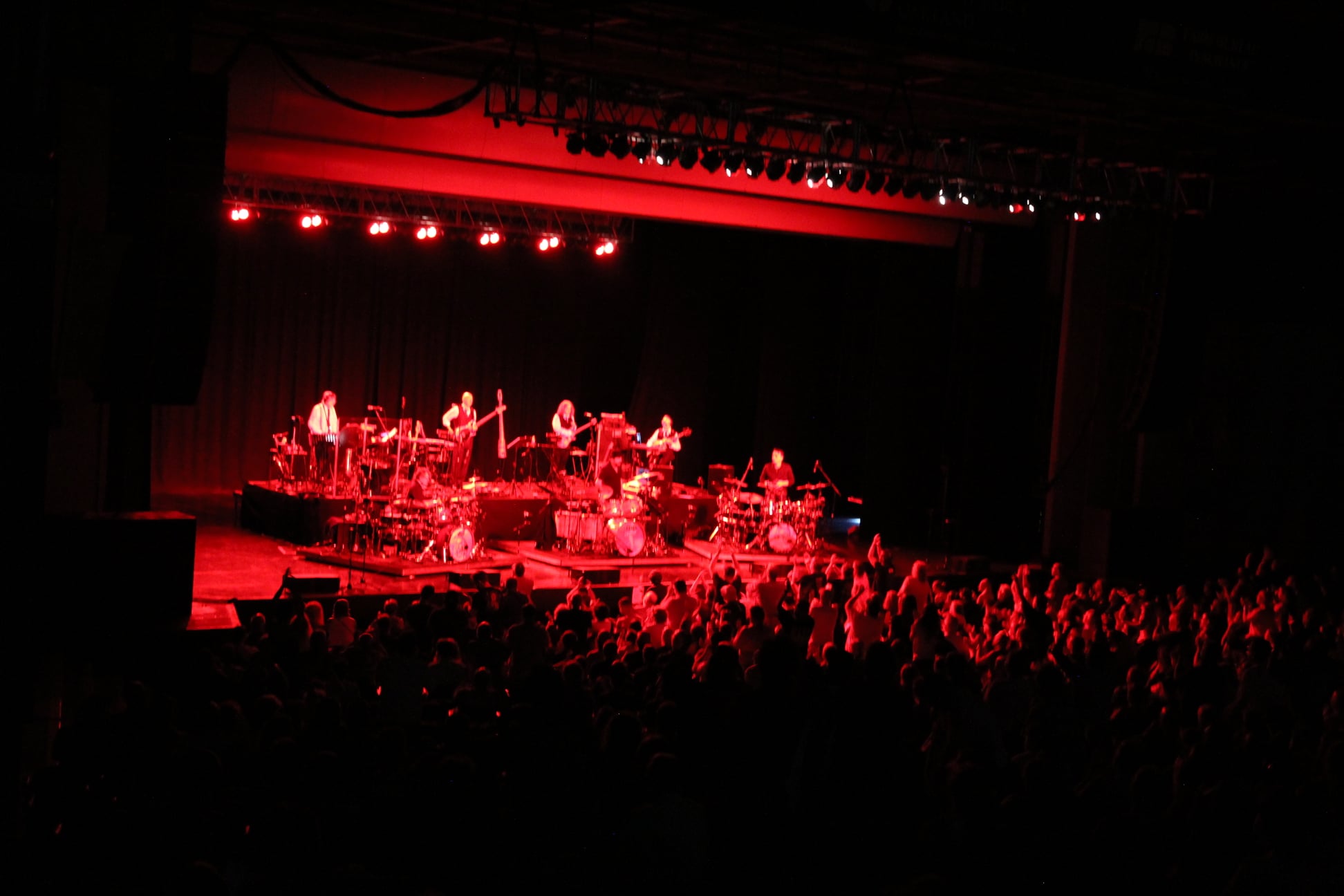
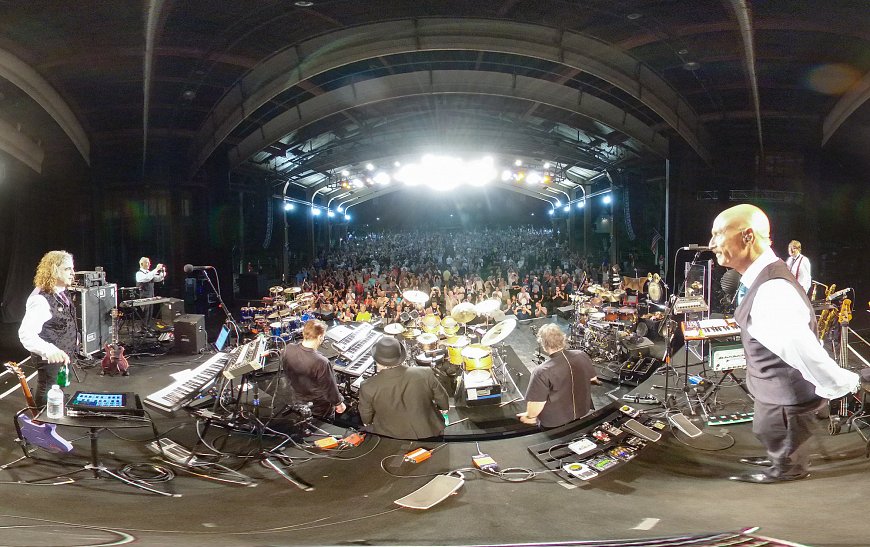
Following an opening set from The Zappa Band that showcased Frank Zappa’s lifelong trademarks — smug, satirical vignettes enfolded in gleefully virtuosic workouts — King Crimson went straight for the clinches. The rock (as in the opener “Pictures of A City” and “Radical Action II”) rocked hard; the metal (including “Larks’ Tongues in Aspic Part Two” and “Level Five”) was remorselessly heavy; the out there material (“Neurotica” and “Indiscipline,” played back to back) went waaaaay out there; the more intricate music (the opening multi-part drum trio, along with “Discipline,” a welcome surprise in the setlist) shone with both precision and passion.
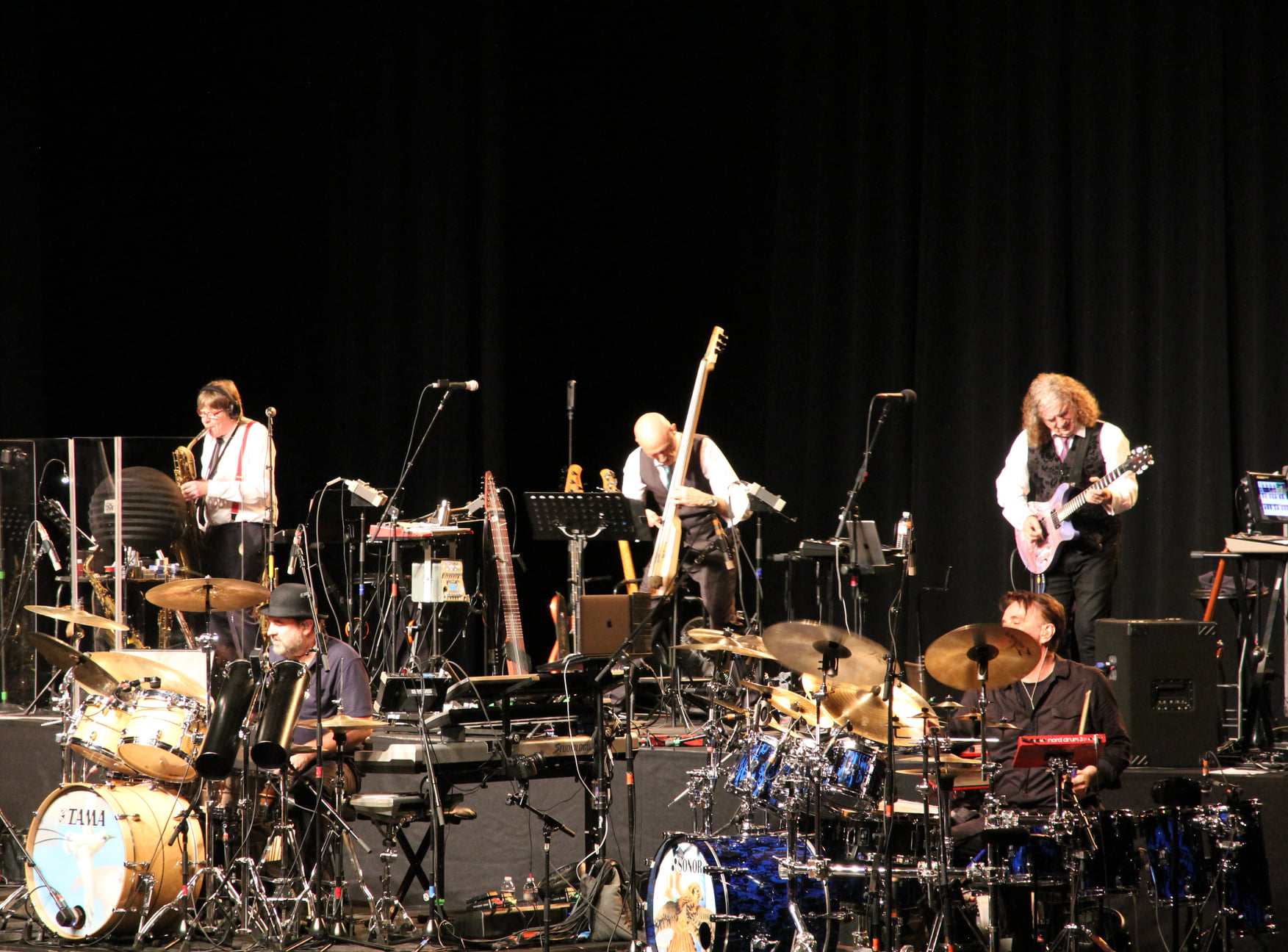
Left to right: Mel Collins, Tony Levin, and Jakko Jakszyk groove on “Neurotica,” as Jeremy Stacey and Gavin Harrison wait to pounce. Photo by King Crimson manager David Singleton.Click here to access Singleton’s online diary for the show.
To be fair, the genres — along with the era a song may have come from — are never that clear cut with this Crimson, even within individual pieces. The mid-section of “Pictures of A City” saw Mel Collins pushing at the boundaries of tonality with his sax solo, egged on by Robert Fripp’s banjo-from-hell guitar chords. Tony Levin’s inventive bass lines on “The Court of the Crimson King,” “Red” and “Larks Two” honored the original work of Greg Lake and John Wetton while adding his own spin to spur on Collins and Fripp. And the drum battle that opens “Indiscipline” turned into a comedic cutting contest, as Pat Mastelotto, Jeremy Stacey and Gavin Harrison moved from flashing their chops to cracking up each other with their contributions. (Harrison’s deadpan disco snippet got the audience laughing too.) By treating everything as brand new, the band gracefully transcends the multiple eras in which these varied musics were birthed.
With a shorter setlist than recent tours and fewer surprise choices in the mix, what stood out for me this evening were the ballads — “The Court of the Crimson King,” “Islands,” “Epitaph” and “Starless”. Even the two guys sitting in back of me who talked through a good chunk of the show shut up for them! Vocalist/guitarist Jakko Jakszyk stood and delivered, drawing old emotions and new insights from the lyrics as he sang. And the ensemble coalesced around him with palpable intensity, cradling the vocals, then conjuring up the ironic circus of “Court,” the serene seascape of “Islands” (kudos to Stacey for his luscious piano work), the bleak cultural devastation of “Epitaph.” The endlessly mounting tension of “Starless” was, as always, a high point — melancholy and uplifting at the same time, grabbing for the audience’s heart as it built and cracking psyches wide open as the double time finale took flight. After that, what could be the encore but a slamming “21st Century Schizoid Man,” complete with Levin prodding Fripp and Collins to even greater extremes and a kit-spanning drum excursion by Harrison?
The band takes a bow following “Starless.” Photo by King Crimson manager David Singleton.
I make no secret of my admiration for King Crimson; Robert Fripp and his various co-conspirators have formed my ideal of the questing musician’s life and work since I stumbled into a Frippertronics record store show back in 1979. And I’ve never hesitated to sing the praises of the current Crimson incarnation; their 2017 and 2019 tours yielded two of the best rock concerts I’ve ever attended. So it moved me that, with the COVID-19 pandemic delaying this show for a year and throwing numerous obstacles in their path, Crimson could return to the States and provide another genuinely awe-inspiring evening for the thousands gathered in this Detroit-area amphitheatre. Never say never; but if (as Crimson’s management has stated) this may the final time the band plays North America, I’m convinced that we shall not see their like again.
Longtime followers of me on Progarchy know that I am a huge fan of musician/composer Kevin Keller (See my earlier posts here and here.) Keller’s extraordinary The Front Porch Of Heaven was one of my favorite albums of 2020. I call it extraordinary, because he recorded it in the aftermath of having open heart surgery, and it is an aural odyssey of his experience.
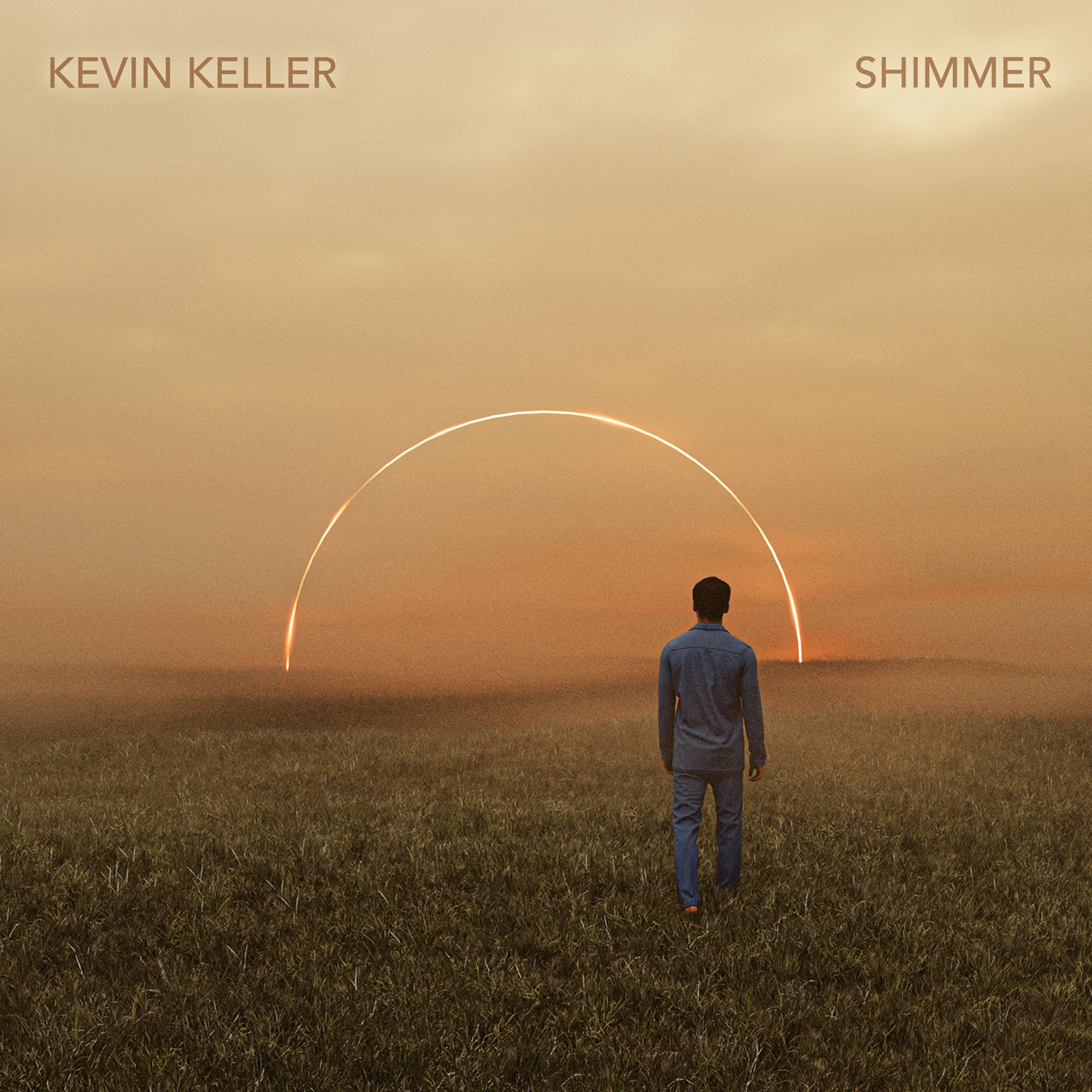
Not one to rest on his laurels, Keller is set to release a new album, Shimmeron September 17, 2021. It continues his winning streak and illustrates Keller’s remarkable ability to write and record consistently excellent “ambient chamber music”. The interesting twist to Shimmer is that it is Keller’s response to the RPM Challenge, where musicians try to record an entire album from start to finish in the 28 days of February. As he wrote the songs, Keller solicited feedback from his fans on social media, and incorporated their suggestions into the compositions. The result is a surprisingly cohesive and organic-feeling collection of tracks.
The first song, Orchards, kicks things off with a bouncy piano riff that is reminiscent of Minimalist masters such as Steve Reich or John Adams. It’s an energetic track that allows a beautiful melody to develop on top of the rhythmic foundation. One of Keller’s strengths is his tasteful deployment of analog synthesizers, and Shimmer as a wholeis a perfect example of that strength. While the piano is the lead instrument on most tracks, the synths provide a bed of ambience that support and enhance the songs, not overwhelm them.
Inverness, the second song, is one of my favorites. It begins with a slow, stately theme that is almost Enoesque in its simplicity and builds, note-by-note, into a fine melody that picks up steam until it fills the soundstage completely. There are subtle bass tones that are almost below the threshold of hearing (at least my threshold!), and they add much power to the song. After the music reaches an emotional crescendo, it gradually tapers off into the ether.
The third track is also the title track, and the best phrase to describe is, well, shimmeringly beautiful. It is a 10-minute small masterpiece of restraint. Keller uses every second to carefully develop the composition before the listener’s ears. Over a simple piano ostinato, some wordless female vocals float angelically, as more musical motifs enter, courtesy of woodwind-like synths. Eventually, some more propulsive elements take over, as the piano playing responds energetically. At the 7:15 mark, the party winds down, and the final couple of minutes are devoted to a graceful, spacier recapitulation of the main theme. I could listen to Shimmer all day on repeat and never tire of it.
“Side Two” opens with Bridges, a fine example of Keller’s ability to craft a gorgeous melody. Bridges is 21st century romanticism at its best: it conveys a wistful longing without a hint of saccharine sentimentality. And just as the listener is getting lost in its beauty, it’s gone.
Ithaca is a very ambient, spacey track with synth strings playing extended notes under a delicate theme played on virtual piano. There is a sense of hushed anticipation to this track; you have to listen closely to even hear the theme.
Riverbend, at 8:50, is the second longest song. It brings to my mind classic Tangerine Dream (think Risky Business soundtrack) with its insistent, burbling synths. It eventually develops into quite a majestic piece of music.
Shimmer closes with Delta, which is the most “traditional” sounding song on the album. A virtual piano plays the main theme, which is picked up by various analog synths. The production builds until the final minute, when a lone synth plays a variation on the theme into the fadeout.
Shimmer is another triumph for Kevin Keller, who is one of the most talented musician/composers working today. It is even more remarkable, considering he wrote and recorded the entire album by himself in a mere 28 days. The production is outstanding, and Keller’s masterful use of analog synthesizers lends a warmth and intimacy to his music that many other electronic artists simply can’t achieve.
Shimmer will be released on both CD and vinyl. You can preorder it here. If you appreciate intelligent, well-crafted music that straddles the boundary between melodic ambient and classical music, then there is no other artist who creates more satisfying work than Kevin Keller.
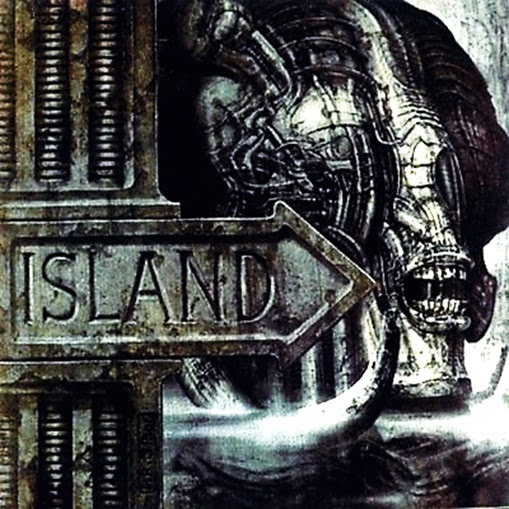
If the album cover looks familiar to you, that’s because it was designed by the same man responsible for Emerson, Lake, and Palmer’s Brain Salad Surgery and Ridley Scott’s Alien: H. R. Giger. Island may be the strangest thing to come out of Switzerland since that eccentric creator of biomechanical horrors. That small, idyllic mountain country may not come to mind when one thinks of avant-garde, but, like Giger, Island certainly does not fit the Swiss mold – or any mold, for that matter. Pictures is easily one of the bolder, more original releases that I have ever heard. Like Van der Graaf Generator, Island relied not on bass or guitar (in fact, they feature not a single guitar on the entire album), but rather on percussion, keys, and woodwinds. Like Gentle Giant, Island’s free jazz-style approach offered the band opportunities for some incredibly complex improvisation. And like King Crimson and Peter Gabriel, Island wasn’t afraid to add a dash of black humor to their lyrics, providing the album with a (somewhat) lighter tone than is suggested by that horrifying album cover. Now to the music itself:
The album opens with the appropriately titled “Introduction,” which sounds like Ligeti’s Requiem or something out of Kubrick’s 2001: A Space Odyssey. This brief piece ends with some eerie words whispered over a cacophony of sound before it transitions rapidly to…
The dynamic “Zero,” which opens with a flourish of keyboards. The interplay between keyboardist Peter Scherer, drummer Guge Jurg Meier, and woodwind wunderkind Rene Fisch is impressive and will probably remind most listeners of King Crimson or Gentle Giant. But we do not hear the vocals of Benjamin Jager until…
The title track. Jager, who sounds a bit like Peter Gabriel, has some fun on this song (it takes a quirky fellow to sing about “gastric juices”), but the focus remains on the instruments, and Jager himself is no slouch on percussion. In the middle of this complex piece we are entertained to both a gentle clarinet solo and smooth sax work courtesy of Fisch. These mad scientists of music continue to experiment on…
“Herold and King / Dloreh,” a fitting title for such an odd piece. After some three minutes of beautiful but somewhat dark piano melodies, we get a good half minute of silence before Jager’s vocals fade in…singing the lyrics in reverse, of course (look again at the title of the song). Once again, we are treated to some fascinating interplay between keys, sax, and percussion, and at one point the ominous sound of a drone provides an additional layer of eeriness. To up the weirdness factor, the track includes some whispered vocals (reminiscent of Goblin or VDGG) and scat (or something like it) throughout. The strange brew continues to satisfy on…
“Here and Now,” the closing track. This piece features (briefly, alas) a gorgeous and textured organ sound, and the percussion and sax shine as they have throughout. The drone effect is again put to good use, adding a haunting layer to what is otherwise the most “upbeat” track on the album.
This is a challenging album that may not initially appeal to your tastes. In fact, it may take three or four spins before you can appreciate it, and it is certainly worth more than one listen: this is top-notch musicianship with a healthy dose of dark humor. Anyone who appreciates Gentle Giant, Van der Graaf Generator, or King Crimson will be impressed by this little-known avant-garde masterpiece. Just don’t let Giger’s monster scare you off.
What new music and archival finds are heading our way in the next couple of months? Check out the representative sampling of promised progressive goodies — along with a few other personal priorities — below. (Box sets based on reissues will follow in a separate article!) Pre-order links are embedded in the artist/title listings below.
Out now:
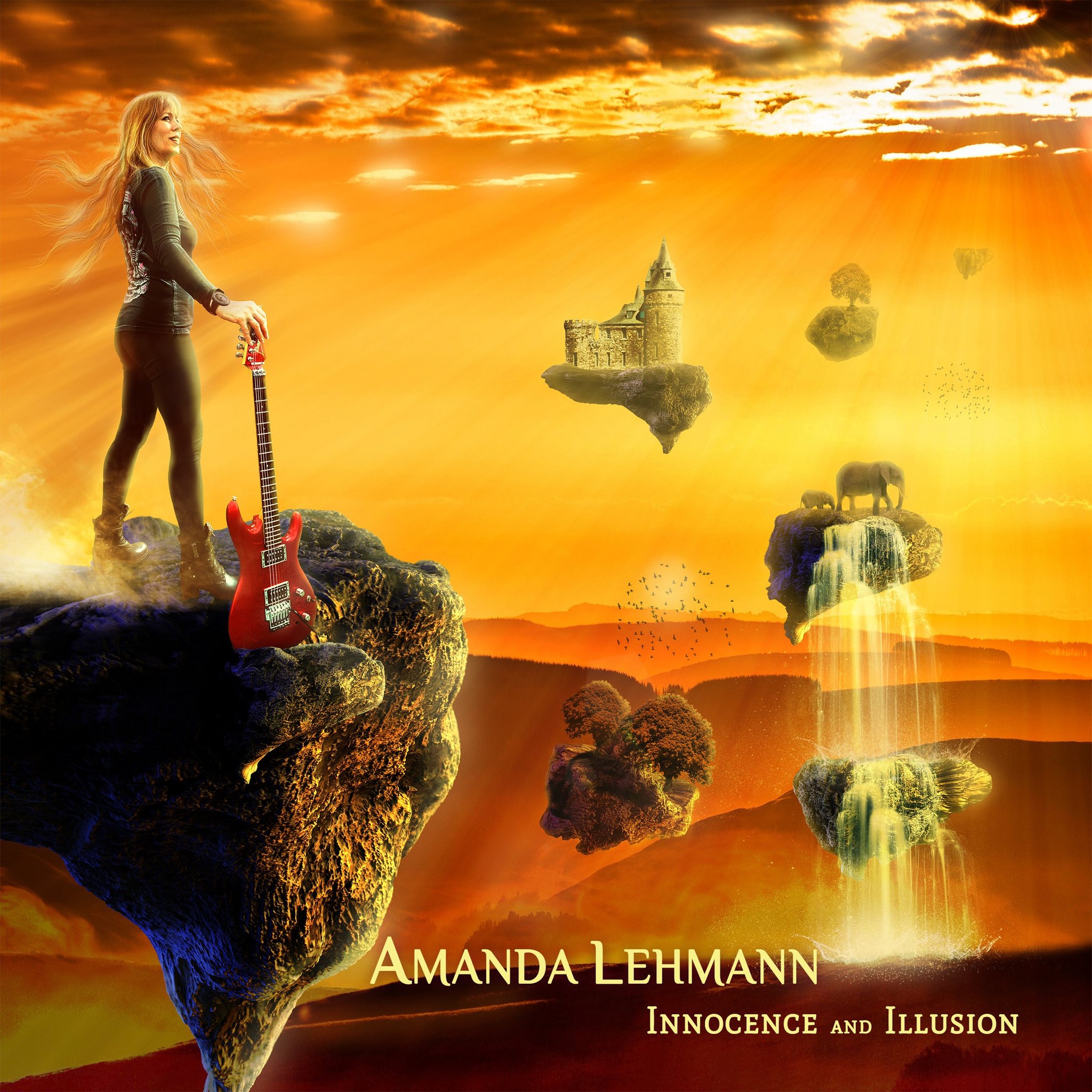
Amanda Lehmann, Innocence and Illusion:“a fusion of prog, rock, ballads, and elements of jazz-blues” from the British guitarist/vocalist best known as Steve Hackett’s recurring sidekick. Available direct from Lehmann’s webstore as CD or digital download.
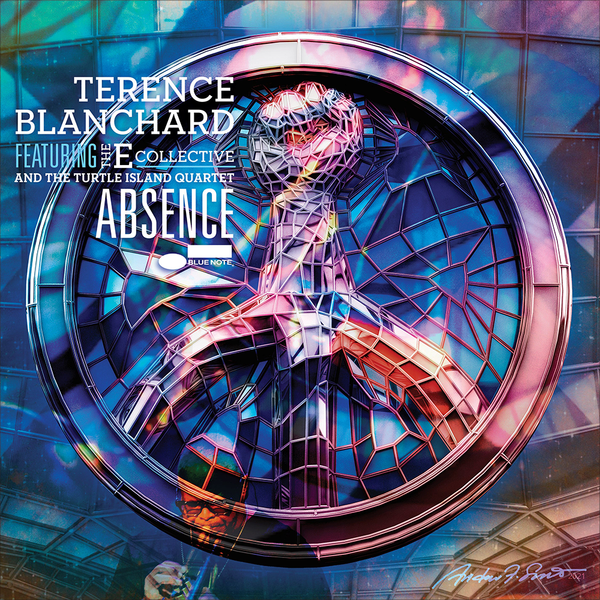
Terence Blanchard featuring the E-Collective and the Turtle Island Quartet, Absence:trumpeter/film composer Blanchard dives into music both written and inspired by jazz legend Wayne Shorter. His E-Collective supplies cutting edge fusion grooves, and the Turtle Island String Quartet adds orchestral depth to the heady sonic concoctions. Available from Blue Note Records as CD or digital download.
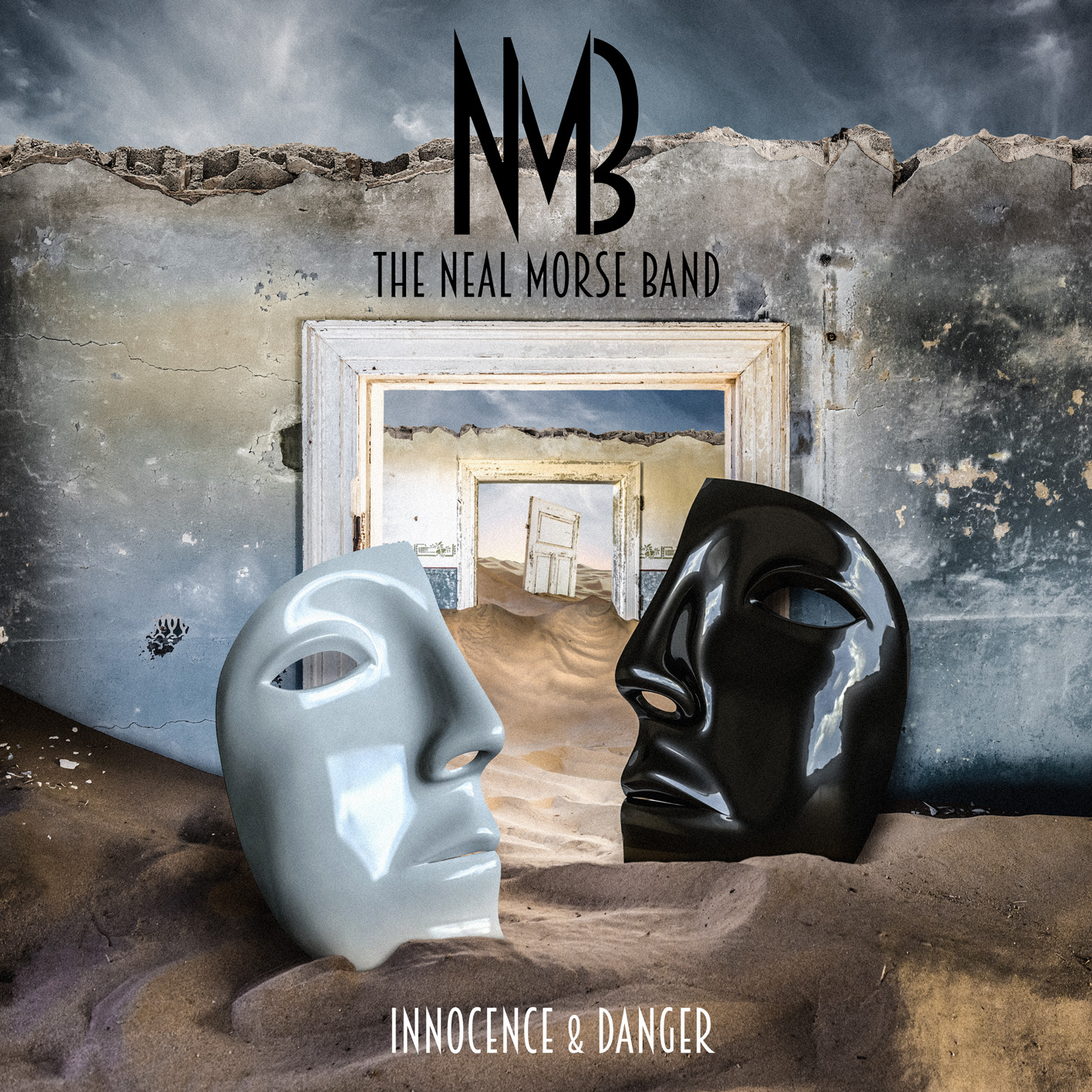
The Neal Morse Band, Innocence and Danger: another double album from Neal, Mike Portnoy, Randy George, Bill Hubauer and Eric Gillette. No overarching concept this time — just everything and the kitchen sink, ranging from a cover of Simon and Garfunkel’s “Bridge Over Troubled Water” to brand-new half-hour epics. Available from Inside Out as 2CD, 2CD/DVD or 3 LPs/2 CDs
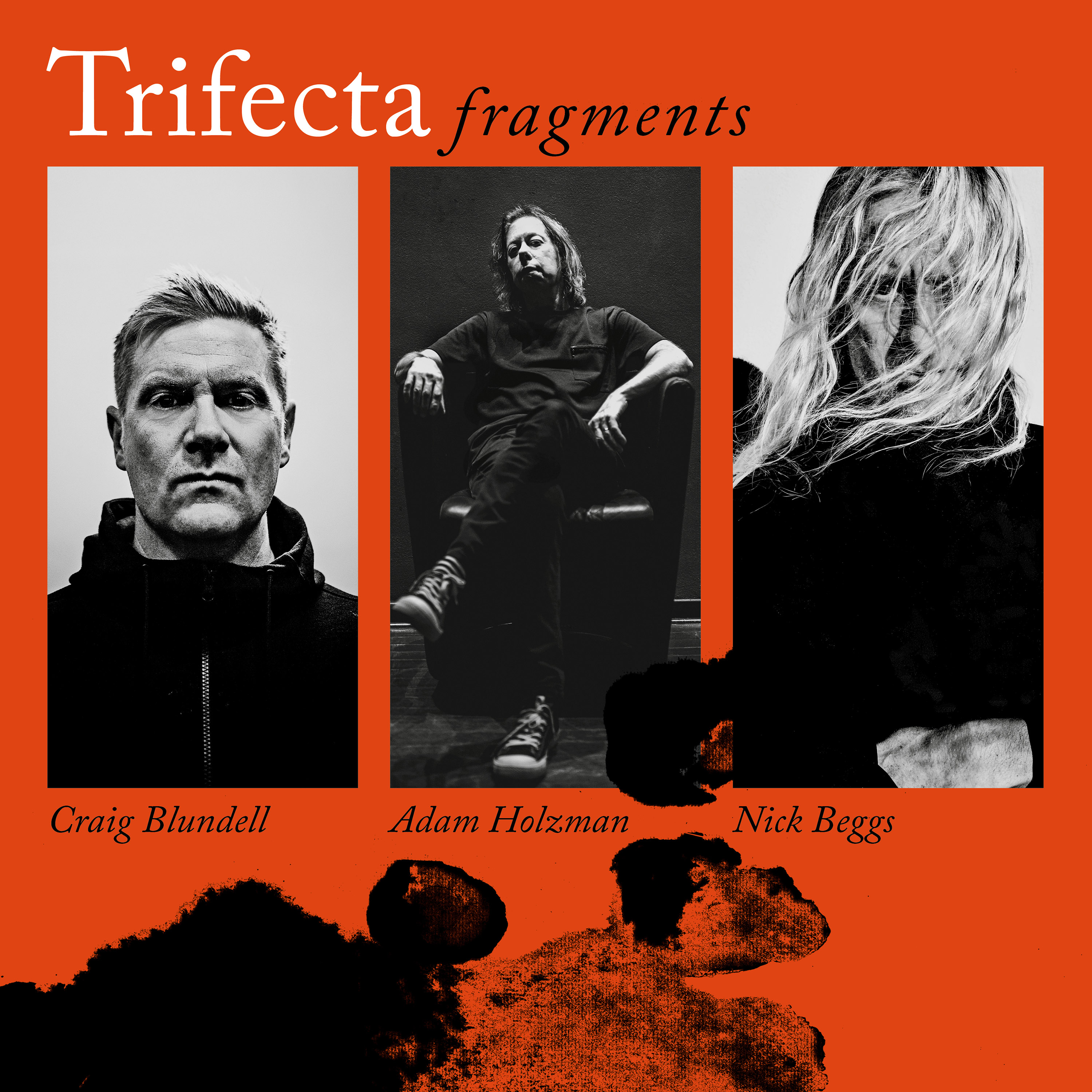
Trifecta, Fragments: what happens when Steven Wilson’s rhythm section turns his pre-show sound checks into “jazz club”? Short, sharp tracks that mix the undeniable chops and musicality of Adam Holzman on keys, Nick Beggs on Stick and Craig Blundell on drums with droll unpredictability and loopy titles like “Clean Up on Aisle Five” and “Pavlov’s Dog Killed Schrodinger’s Cat”. Available from Burning Shed as CD or LP (black or neon orange).
It’s nice to see concerts coming back a bit, even if it’s very far away from me. From Inside Out Music:
Under the motto “Utopia for Realists”, thousands of enthusiastic fans celebrated the stage return of the Mandoki Soulmates in front of St. Stephen’s Basilica in the heart of Budapest last Saturday, where they performed ‘Utopia For Realists: Hungarian Pictures’ in full, ahead of its release in September. After the pandemic break, this was the legendary band’s first performance since their show at the Berlin Concert Hall to celebrate the 30th anniversary of the fall of the Berlin Wall.
“I am happy and proud that despite the travel restrictions, many of my soulmates were able to arrive in Budapest,” enthused producer Mandoki, who presented an impressive line up of international rock and jazz icons such as Al Di Meola, Mike Stern, Randy Brecker, Bill Evans, Till Brönner, Tony Carey, Richard Bona and Italian bandoneon virtuoso Fausto Beccalossi as vocalist and drummer. Also on hand was Budapest music legend Szakcsi, professor at the Franz Liszt Academy and icon of Roma music. Mandoki: “It was overwhelming to finally be able to make music together again after such a long time.”
The Mandoki Soulmates also delivered goosebump moments for music lovers of all stripes in front of St. Stephen’s Basilica with their progressive jazz-rock suite “Utopia For Realists: Hungarian Pictures” (soon to be released via InsideOutMusic), based on themes by Béla Bartók and the greatest Soulmates hits. “Bartók mixed sounds and traditional melodies from a wide variety of regions in the Carpathian lowlands to send a signal against the threat of National Socialism with the power of music to unite people. This idea of uniting people has been a lasting inspiration for me,” Mandoki explains.
InsideOutMusic recently announced the release of a brand-new expanded version of Mandoki Soulmates ‘Hungarian Pictures’ suite, released under the title ‘Utopia For Realists: Hungarian Pictures’ on September 24th, 2021.

 Echo Us, The Windsong Spires, June 22, 2021

 Progarchy