
Its music Jim but not as we know it: Sonar at the Vortex Jazz Club, London on Tuesday 30th April
Sonar are from Switzerland and their first album, ‘A Flaw of Nature’ was released last year . I liked it so much it entered my Top 12 Progressive Rock albums of 2102 at number 6.
https://progarchy.com/2012/12/15/my-top-12-albums-of-2012/
and this is what I said:
“Experimental, minimalist, instrumental post/math rock. Simply hypnotic. Specially tuned guitars produce an unusual harmonic sound. The more I listen, the more I like this album. Pretty awesome actually.”
The 4 tracks that could not make it onto the album were released on an EP recently called “Skeleton Groove” . This EP saw the band start moving away from a strictly minimalist slower ‘groove’ to a faster tempo and slightly rockier sound, particularly in the tracks ‘Broken Symmetry’ and ‘String Geometry’.
Sonar (short for Sonic Architecture) like mathematical/technical references in their song titles. Their first album includes track titles such ‘Mobius Loop’; ‘Structure 3.7’ and ‘Tritone Harmonics’. This is not surprising when one considers their lead guitarist Stefan Thelen has a PHD in Mathematics and the band’s sound is based upon tuning their guitars to tritones (‘diabolus in musica’). This creates a somewhat unusual and unique sound, described by the band itself as tritone harmonics.
I had messaged the band to encourage them to visit London as I was intrigued to hear what the band would sound like live. Stefan had said ‘watch this space’ and sure enough after returning from Norway following the recording of new material for their forthcoming sophomore album, they had arranged a short European tour that included a gig at the Vortex Jazz Club in Dalston, North London. This was a venue new to me.
Arriving somewhat early, before 8pm, we found the club closed (well it was a bit early for a Jazz club!). Standing around the post-modern looking Square upon which the club faced, I was lucky enough to bump into the band itself and had a chat with Christian Kuntner, bassist and a Facebook friend. Christian is instantly recognizable with his tall, gaunt and shaven headed Germanic looks. We talked about how the recording had gone in Norway (very successful) but he made no commitment about a release date and assured me that releasing the new album on vinyl was just too expensive !
Finally getting into the club we ascended some stairs that opened up into a very small cosy room with a small stage at one end and bar at the other. In between were about 25 small round tables with marble tops and wrought iron legs. Each table was candlelit and could fit a cosy threesome at best. With a small amount of extra standing room, the venue could fit no more than 100 people at a push….we were the first in and tables had name tags on them ! So a far cry from most venues I frequent but not unusual for a Jazz club. It had the necessary Jazz ambience, a French ‘look and feel’, dark and intimate. Beers in hand, Stephan Thelen introduced himself and we talked about his influences, he is a major Robert Fripp/early King Crimson fan and his views on the new album (in his words ‘more playful’)…more about that later. The set would consist of old and new tracks.
However, first up were a band called MooV and they entered stage left (well through the audience actually) and we (now about 30 people) were treated to an intriguing mix of piano sequencer ; cello; bass and vocals for about 45 minutes.
A five piece band, billed as a three piece, but performed as a four piece !…rather confusing but that’s what we got. Colin Riley, pianist and main composer, explained that MooV’s music was malleable and open-ended and this allowed them to perform with a varied number of band members. So tonight there was no percussion but equally on some occasions there maybe no cello. MooV have been around since 2005 and made only two albums and had only performed 16 gigs…that’s only about 2 per year so not a vast output. However, as I found out afterwards, the band members are involved in numerous projects. We were told all this after the first track but, if we were concerned that this might affect their live performance, then we need not have worried. To describe their music is challenging as it appears to have may influences without any one dominating. So I enlisted some support by accessing the band’s web page and got:
‘The final product is absolutely unclassifiable’ (London Jazz Blog) .
Oh well that wasn’t much help !…so let’s have a go anyway:
Arty but not Art Rock
Jazzy but not Jazz
progressive but certainly not Prog Rock
poppy but not pop
electronic but not electronica
a sense of chamber music but not chamber music
does that help ?…probably not
Experimental and avant garde and certainly creative and stimulating; unpredictable, even random; with enigmatic, intimate lyrics with a dark edge. The use of sequencing effects and constant changes in pitch (musical and vocal) and rhythm create the backbone of the music. At times angular and unsettling but at other times ethereal and beautifully soft. Sparse and minimalistic. I cannot think of comparisons but perhaps think of Sigur Ros’s simpler tracks unplugged with a folksy edge with Bjork’s vocals (not sure that makes sense!). There is certainly a Scandinavian ‘feel’ at times. The vocalist, Elisabeth Nygard has Scandinavian roots, being from Norway. She has a hypnotic, breathy and fragile voice in the delivery of both word and sound (e.g. wailing/sighing etc.) She appears totally immersed and connected to the music.
Having bought their latest album and in view of Colin Riley’s words, it is also fair to say that listening to their music on cd compared to a live setting is a very different experience. Only live do you truly feel the power and emotional intensity; the darkness; the light. Whether this music has a wide audience I doubt it as, at times, it is almost inaccessible. But to listen is to experience and whether the feelings and emotions produced are good or bad, it is still worth experiencing. Thanks to Colin, Elisabeth, Natalie (cello) and Pete (bass).
Afterwards I managed to speak with the lead singer Elisabeth Nygard and discovered that her major influences were classical, chamber music and folk. She recommended their latest album ‘Here’ but we could speak no longer as we were both in respective toilet queues !
Here’s a link to their website:
So after 45 minutes of hearing something I was not expecting and, at the time, felt was almost impossible to describe, we grabbed another beer before the main attraction..
By the time Sonar arrived on stage the club was nearly full and there was a healthy buzz about the place. To be honest I was a little apprehensive as to whether the music would come across as too sparse for a live setting. Known for their minimalist style, their set was also minimalist in nature with each guitar having a small miked up amp. No frills here.
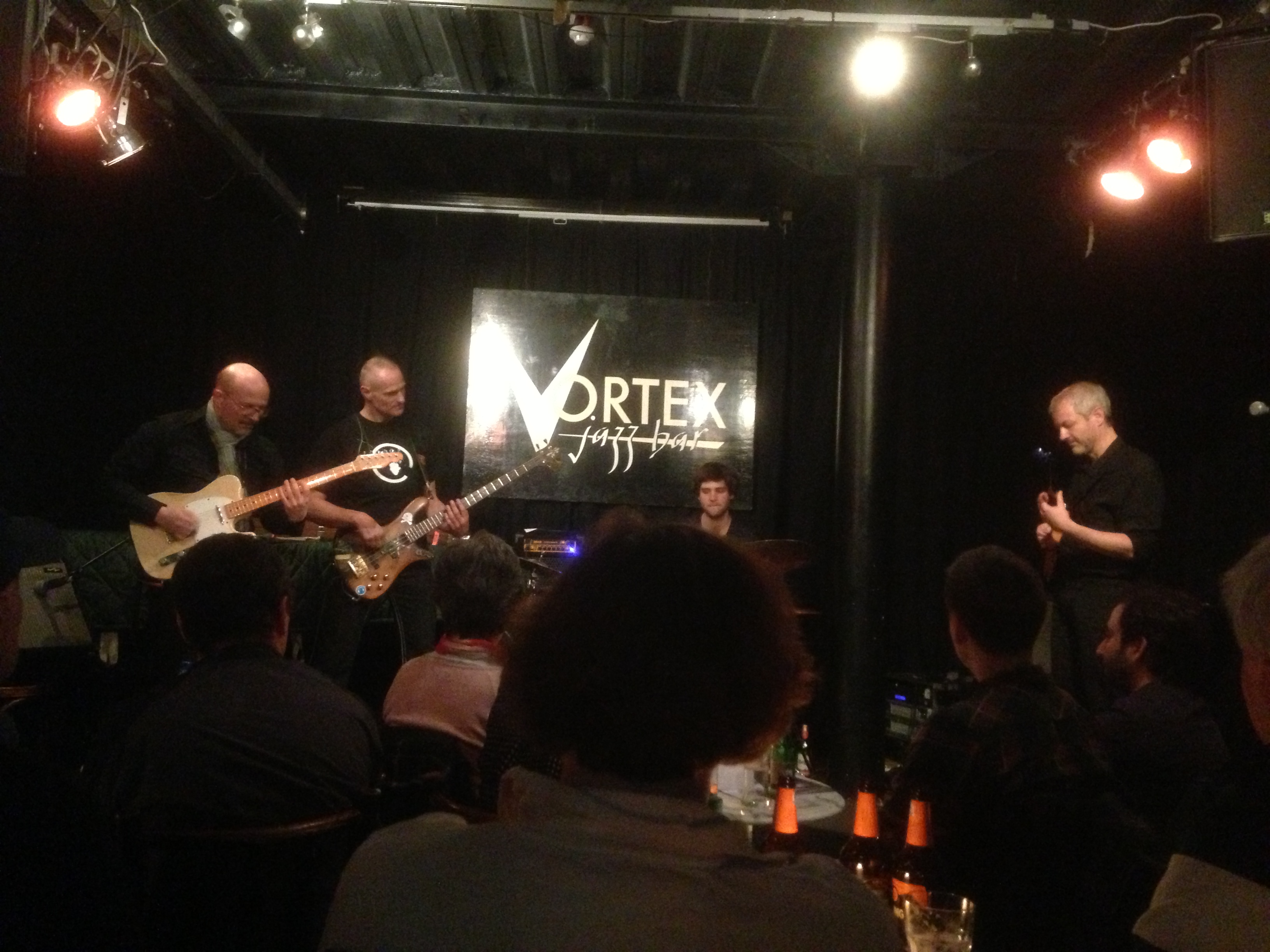
They commenced with probably their most well-known track, Tromso, from their first album. At over 11 minutes long it is typical of their style. Complex interwoven polyrhythmic guitar motifs, superbly played throughout, supported by staccato bass lines and varied percussion. One clear characteristic of their musical style is how the percussion (just a basic drum kit) drives the tempo of each track. The drum is more than a single instrument. Accenting; snare comping; rim shots(?); cross sticking; the effective use of cymbals and a variety of drumsticks, added an extra dynamic that was/is critical to the delivery of each track. Manuel Pasquinelli is indeed a top class drummer with exceptional timing. However the diversity of bass playing techniques and unusual effects was also noticeable and from the top draw.
The use of crescendo and decrescendos is equally noticeable as is the constant use of complex and layered polyrhythms.
After playing a couple of tracks from their first album, the rest of the set focussed on new material. Track 3 titled ‘Static Motion’ was a standout for me. Generally I felt the new output is less minimalistic; has more complexity; is driven along at a faster tempo; has more groove and at times has a rocky and very occasionally a funky edge. I personally like this subtle change in direction and really look forward to the release of the new album later this year.
As the set continued one could sense the developing satisfaction and enjoyment amongst the band members as their confidence increased. This was appreciated by an audience who increasingly warmed to the set. After an hour the set closed but demands for more were accepted. At the end of the first encore we were in danger of missing the last train home, so we not only missed the end of the set but also a beer with the band afterwards. Maybe next time Stefan.
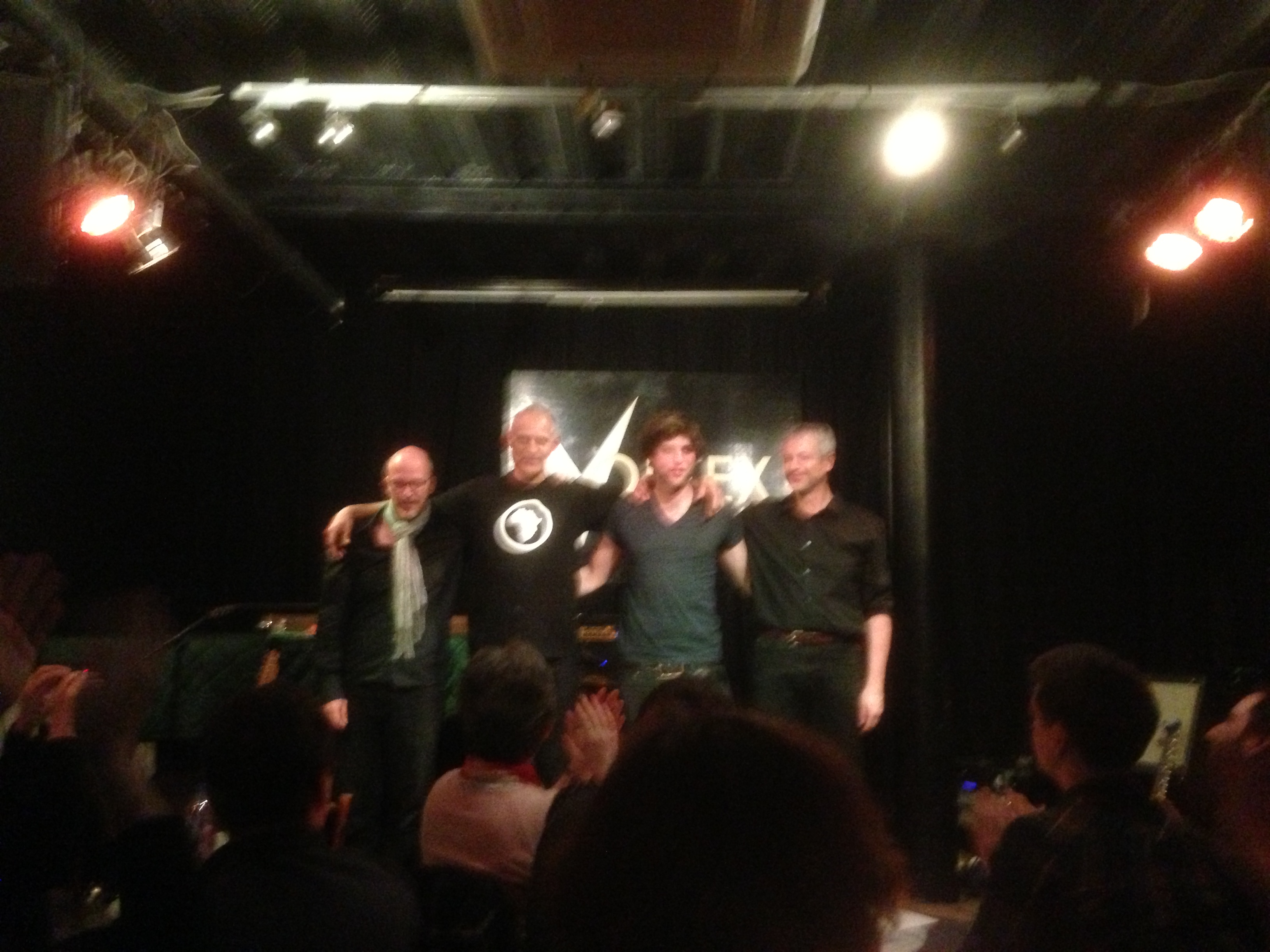
Sonar are a group of accomplished musicians carving out a unique furrow in the prog jazz scene. An essential live experience. Thank you Stefan, Christian, Bernhard and Manuel.
Check out the bands website:
http://www.sonar-band.ch/words.html
and here’s a video of Tromso:
http://www.youtube.com/watch?v=0ckh0aGhHoo
and it’s all free to air on Bandcamp.
Nosound Cover Pink Floyd’s Echoes
 I know that I can get into all kinds of trouble for stating this, but, when covers are done well, they’re often even better than the originals. And, I don’t mean to degrade the originals. For example, I think NDV’s Rewiring Genesis does an even better job at LAMB LIES DOWN than did Genesis originally. Heresy??? Maybe. But, it’s true.
Here’s another example. I love Pink Floyd’s Echoes. I was probably 14 or so when my friend and sometime debate colleague, Darrin, showed me Pink Floyd’s Live in Pompei on laser disc. I was blown away.
But, this version (linked below) is even better. I’m sure production and technological advances have something do with it. But, I also think it’s because the covers do come later, and the folks who cover them often have integrated the songs into their very being in ways the original writers probably didn’t.
Yes, start writing crazy things about me in the posts comments! At 45, I’m thick skinned enough to take it!!!
So, here’s the cover and the masterpiece: Nosound’s version of Pink Floyd’s Echoes. Makes me just sigh in wonder. Erra is a genius. And, he “just gets it.”
https://soundcloud.com/kscopemusic/nosound-echoes-pink-floyd-live
Mr So & So – Truths, Lies & Half-Lies
The release of a new album by the excellent Mr So & So is imminent. I’ve already fallen in love with the wonderful cover art. If the music’s anywhere near as good, we are in for a treat. You can order a digital download or a physical CD from Bandcamp now.

Radiant Records–Outrageous clearance sale right now.
 Progarchy readers, Radiant Records (Neal Morse’s company) is having an incredible sale right now. Lots of early Spock’s Beard for $1.99/cd. Also, Transatlantic and Yellow Matter Custard. DVDs and some really rare stuff, all on sale. Worth checking out.
http://www.radiantrecords.com/category/191735-clearance.aspx
Press Release regarding new Sanguine Hum
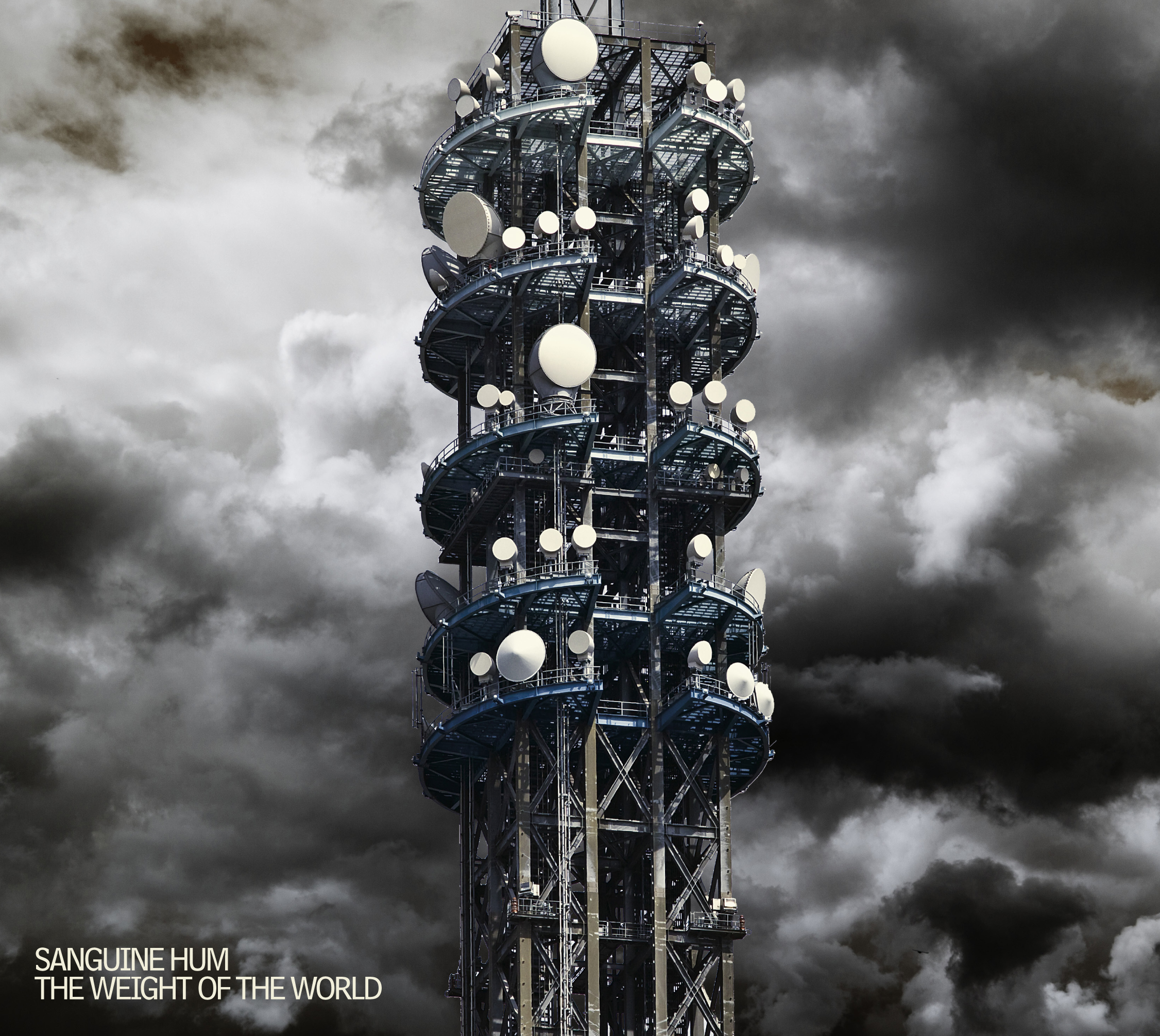 London, UK – Esoteric Antenna is pleased to announce the release of the eagerly awaited new studio album by modern progressive rock ensemble Sanguine Hum. ‘The Weight of the World’ sees Oxford, UK’s Sanguine Hum expand their musical horizons on all fronts with a seven-track collection of diverse compositions – technically challenging and exciting yet always melodic and direct. Songs such as “From the Ground Up”, “Cognoscenti” and “System for Solution” pursue the Porcupine Tree meets Radiohead approach of their debut record ‘Diving Bell’ with powerful yet intricate riffs propelling the songwriting that continues to make ever more inventive use of surprising twists and turns in the arrangement.
“Best prog rock album so far this century. The kind of record that prog rock bands 40 years from now will try to copy…” – Michael Bjorn, Strange Days (Japan)
Surprises are to be found as well in the instrumentation as the band open up the sound and more explicitly reference a love of electronica and the music of artists such as Boards of Canada and Aphex Twin, best heard in the song “Day of Release” as synthetic percussion and rumbling synths give way to chiming acoustic guitar and a soaring vocal melody. As a counterpoint, the album also features the highly atmospheric “Phosphor”, which sees Sanguine Hum break new creative ground. Perhaps even more exciting for a band that perhaps held some of their progressive influences in check on their debut album, is the 15-minute title track that manages the task of combining effective and emotional songwriting with thrilling musical developments that push the band to the limit. ‘The Weight of the World’ breaks new ground for a band at the forefront of truly “progressive” music.
Recorded at Oxford’s Evolution studios, Joff Winks (vocals, guitars, programming), Matt Baber (keyboards, percussion, programming), Brad Waissman (bass) and Andrew Booker (drums, percussion) have pushed the creative boundaries of Sanguine Hum to produce one of THE truly progressive and landmark albums of 2013.
In support of the release of ‘The Weight of the World’, Sanguine Hum will be performing at The Borderline in London on Friday June 7th with TIN SPIRITS and MATT STEVENS. The band will also be playing at Band on the Wall in Manchester on June 21st – same line-up as at the Borderline.
SANGUINE HUM – ‘The Weight of the World’ CD can be purchased at http://www.cherryred.co.uk/esoteric-exd.asp?id=401
SANGUINE HUM – ‘The Weight of the World’ Limited Digipack 2 disc deluxe edition with Bonus DVD (NTSC Region Free): The Making of ‘The Weight of the World’ home movie.
For more information: www.troopersforsound.com
Press inquiries: Glass Onyon PR, PH: 828-350-8158, glassonyonpr@gmail.com
 Esoteric Antenna is a Cherry Red Records label
Cherry Red Records, Power Road Studios, 114 Power Road, London W4 5PY
Staring into the Abyss: Darkness, the Ugly Truth, and Comfort in the Lyrics of Tool
 One of my favorite books is ‘The Prince’ by Niccolo Machiavelli. Anyone having even a passing familiarity with this work knows it is a lightning rod of controversy, with some hotly-debated interpretations. To say that I like this work is not to say I am a fan of methods that are referred to as “Machiavellian” or that the “ends justifies the means” (an interpretation that I would hotly dispute). What I like about Machiavelli’s writing in ‘The Prince’ is his stone-cold sober look at human nature – warts and all, and more generally, the unvarnished truth. Machiavelli has no time for such pieties that people are basically good and, left to their own devices, will do the right thing. He knows better.
If Machiavelli were alive today, I’m guessing he would certainly identify with the lyrics of some of Tool’s work. Heck, he might even write their lyrics. Aside from the fact that there were not many hippies in Florence during the early 1500’s, it’s not hard to imagine Machiavelli the lyricist penning this verse from Tool’s ‘Vicarious’:
Credulous at best, your desire to believe in angels in the hearts of men.
Pull your head on out your hippy haze and give a listen.
Shouldn’t have to say it all again.
The universe is hostile. So impersonal. Devour to survive.
So it is. So it’s always been.
Machiavelli would have certainly understood the sentiment in the above verse. And like Machiavelli, Maynard James Keenan and Tool have no illusions about whether or not there are “angels in the hearts of men.” They know better.
Tool lyrics range from very disturbing (‘Stinkfist’, ‘Prison Sex’), depressing (‘Schism’), occasionally weird (the Area 51 acid trip of ‘Rosetta Stoned’), and often times take a generally dark view of humanity. If you are looking for happy, sunny lyrical themes, Tool is most decidedly not your band.
Before I get into this too much further, I do want to note that I am going to practice a little self-censorship in this piece, as certain Tool songs contain enough F-bombs and S-bombs to cause a collective nervous breakdown of Tipper Gore and her staff at the PMRC. I’ll simply insert asterisks into the F-bombs and S-bombs. My reasoning is that I don’t know who reads this site and I don’t want to overrun it with curse words, particularly if any minors are reading. Well, that, and the fact that the Dept. of Swearing has informed me I used up a significant portion of my lifetime curse-word quota during my six years in the U.S. Navy, and thus need to save the remaining portion of my quota for when it could really come in handy (for example, when my piece of @#*& printer keeps &#!*<?% up). Rest assured, this is not an editorial decision by anyone else on this site, the decision here is mine and mine alone.
And one other thing – I’m not going to get too much into the music of Tool itself, which is typically excellent. Justin Chancellor is an outstanding bassist, and Adam Jones is an exceptionally innovative guitarist. No discussion of the best drummers in the business today is complete if Danny Carey is not included. And few vocalists can convey emotion with the sustained intensity of Maynard James Keenan.
Now, let’s get back to our regularly scheduled programming.
Our Darker Selves
When we look at the history of the Rome, we like to think of ourselves as better than those Romans who flocked to the Colusseum. We would never indulge in viewing such violent spectacles, would we? We don’t want to see people die or get hurt. Tool isn’t buying it, as spelled out in the above-mentioned ‘Vicarious’:
Eye on the TV
’cause tragedy thrills me
Whatever flavor
It happens to be like;
Killed by the husband
Drowned by the ocean
Shot by his own son
She used the poison in his tea
And kissed him goodbye
That’s my kind of story
It’s no fun ’til someone dies
While ‘Vicarious’ may appear to some to be more directed to the media and the “if it bleeds, it leads” ethos, stepping a little farther back reveals that it’s more about what lurks in the hearts of people everywhere. Now, in fairness, not everybody wants to watch people die, at least not in real life … but I think more of us are at least insensitive (if not outright desiring) to the witnessing violence we will admit. In my own personal life, my two favorite spectator sports are American football and boxing – both of which are violent and can take a frightening toll on the participants. The issue of concussions and their after-affects is an ongoing story that presently puts a cloud over American professional football. With respect to boxing, most of us are familiar with the plight of once quick-witted Muhammad Ali, now saddled with a severe case of Parkinson’s disease. And yet I was thrilled, absolutely mesmerized by his titanic battles with Joe Frazier, especially 1975’s Thrilla in Manila, which I have re-watched on numerous occasions despite knowing Ali’s current condition.
Don’t look at me like
I am a monster
Frown out your one face
But with the other
Stare like a junkie
Into the TV
Stare like a zombie
Let me repeat that sentiment – don’t look at me like I am a monster. Several years ago in a conversation with an acquaintance I mentioned that I liked boxing. He asked me how I could watch something like that where the only object (in his view anyway) was to “beat the s**t out of each other.” That was on a Friday. The following Monday he was raving about a hit from one of Sunday’s football games, one in which a player returning a punt was wiped out and carted off the field.
Why can’t we just admit it?
Why can’t we just admit it?
I also remember, later that year, being over at a friend’s house along with dozens of others to watch the heavyweight title fight between Lennox Lewis and Mike Tyson. When in round 7 a huge right hand by Lewis momentarily separated Tyson from his senses and put him on the canvas for the 10-count, a deafening roar of approval erupted.
You all feel the same so
Why can’t we just admit it?
Human beings are quite good at not merely watching others fight, but becoming participants themselves – at least at the scale of nation-states and other large organizations having political goals. This lamentable characteristic is explored in ‘Right in Two’:
Angels on the sideline,
Puzzled and amused.
Why did Father give these humans free will?
Now they’re all confused.
Don’t these talking monkeys know that
Eden has enough to go around?
Plenty in this holy garden, silly monkeys,
Where there’s one you’re bound to divide it.
Right in two.
…
Monkey killing monkey killing monkey.
Over pieces of the ground.
Silly monkeys give them thumbs.
They make a club.
And beat their brother, down.
…
Fight over the clouds, over wind, over sky
Fight over life, over blood, over prayer,
overhead and light
Fight over love, over sun,
over another, Fight…
The creator has endowed us with a planet having more than enough for everybody, with plenty to spare and in defiance of the most dire Malthusian predictions. While some of our drive to acquisition and the defense thereof is undoubtedly springs from deep seated survival instincts (not easily discarded, even in times of abundance), much of our conflict is still driven by greed, lust, envy, and ideology. In the last century, literally hundreds of millions were slaughtered, fighting over blood, prayer, ideology, whatever. So far, this century doesn’t look like it will be much different. For that matter, previous centuries weren’t that much different either.
Repugnant is a creature who would squander the ability to lift an eye to heaven conscious of his fleeting time here.
Indeed.
This is not to say that I condone pacifism (I most certainly do not), nor that there is no such thing as a just war. But still, look at us …
Destruction of Others, Destruction of Self
One of the seven deadly sins is wrath. From Wikipedia (stop laughing), wrath “may be described as inordinate and uncontrolled feelings of hatred and anger.” Wrath, in its purest form, presents with self-destructiveness, violence, and hate that may provoke feuds that can go on for centuries.” Tool deals with this deadly sin in ‘The Grudge’.
Wear the grudge like a crown of negativity.
Calculate what we will or will not tolerate.
Desperate to control all and everything.
Unable to forgive your scarlet lettermen.
Clutch it like a cornerstone. Otherwise it all comes down.
Justify denials and grip ’em to the lonesome end.
Clutch it like a cornerstone. Otherwise it all comes down.
Terrified of being wrong. Ultimatum prison cell.
Saturn ascends, choose one or ten. Hang on or be humbled again.
Clutch it like a cornerstone. Otherwise it all comes down.
Justify denials and grip ’em to the lonesome end.
Saturn ascends, comes round again.
Saturn ascends, the one, the ten. Ignorant to the damage done.
…
Wear your grudge like a crown. Desperate to control.
Unable to forgive. And we’re sinking deeper.
Defining, confining, controlling, and we’re sinking deeper.
There is so much truth and wisdom in those few verses it’s really hard to know where to begin. I’m sure most of us have held at least a petty grudge at some point in our lives, particularly when we were kids. With maturity, some will outgrow such grudges and avoid their self-destructive effects. Others will not, or will develop new ones, and will be consumed by them. That’s what grudges do to their holders – they consume them.
And it’s not just individuals that hold grudges. Groups of people, from small clans to the largest of civilizations may also hold grudges. Hatfields and McCoys, anyone?
And is it any wonder why wrath is among the seven deadly sins?
Greed, Gluttony, and General Decadence
Greed and gluttony are two more of the deadly sins, and are among the themes explored by Tool in Ænima. While Ænima on the surface appears to be an indictment of that “hopeless f**king hole we call LA”, it could just as well be an indictment of the current state of western culture. LA just happens to be Maynard’s example (via his friend, the late Bill Hicks) of a “bulls**t, sideshow, three-ring circus of freaks” that best exemplifies our decadence.
Fret for your figure and
Fret for your latte and
Fret for your lawsuit and
Fret for your hairpiece and
Fret for your Prozac and
Fret for your pilot and
Fret for your contract and
Fret for your car.
…
F**k L Ron Hubbard and
F**k all his clones.
F**k all these gun-toting
Hip gangster wannabes.
Learn to swim.
F**k retro anything.
F**k your tattoos.
F**k all you junkies and
F**k your short memory.
Learn to swim.
F**k smiley glad-hands,
With hidden agendas.
F**k these dysfunctional,
Insecure actresses.
It’s like shooting fish in a barrel, isn’t it?
It’s been said that politics is downstream from culture. Cue ‘Intolerance’, from the ‘Undertow’ album.
I don’t want to be hostile.
I don’t want to be dismal.
But I don’t want to rot in an apathetic existence either.
See
I want to believe you,
and I want to trust you
and I want to have faith to put away the dagger.
But you lie, cheat, and steal
lie, cheat, and steal
you lie, cheat and steal
And yet
I tolerate you.
Veil of virtue hung to hide your method
while I smile and laugh and dance
and sing your praise and glory.
Shroud of virtue hung to mask your stigma
as I smile and laugh and dance
and sing your glory
while you
lie, cheat, and steal.
How can I tolerate you?
I can’t speak for what goes on in other countries, but for my own, does this not hit the nail on the head as to the state of our current political climate (please, though, no political debates on this site)? While the lyrics above could apply to a number of different institutions, they lend themselves particularly well as a scathing indictment of the current state of American politics and the two wretched parties in control.
Alas, we can’t just point the finger at the politicians, when we are the ones that keep putting them in power – and willingly give them even more after we’ve put them there.
Our guilt, our blame,
I’ve been far too sympathetic.
Our blood, our fault.
I’ve been far too sympathetic.
I am not innocent.
You are not innocent.
Noone is innocent.
Why?
So why listen to these kinds of lyrics? Why take in so much negativity, so much anger, and so much darkness? Isn’t listening to music supposed to be some form of joyful experience? Isn’t it supposed to be entertainment?
Well, no, not necessarily anyway.
Science attempts to explain the physical world around us. Technology can help us harness the physical world for our benefit. But it is the humanities that grow our minds and convey to us the realities of life that are beyond the reach of science and can’t be addressed through technology. Literature, poetry, and film, and other art forms fall under this larger umbrella – as do song lyrics such as those discussed herein. Particular ones of Tool’s lyrics are particularly good at illuminating certain realities of life.
It is essential to see the world as it is, warts an all, if one wants to obtain any sort of comfort or inner peace. The great Stoic Epictetus instructed his students to not avert their eyes from the painful events of life, but rather to look at them squarely and contemplate them often. To do so is to free one’s self from illusions and thereby avoid the unnecessary pain that otherwise occurs in the inevitable collisions with reality we all have. The world is what it is, not what we want it to be. And as we have already been reminded, “the universe is hostile, so impersonal.”
Some might choose to descend into cynicism and misanthropy upon contemplating the ideas within the lyrics presented. But that is taking the easy way out. Do you actually think Tool is going to let you off easy? Ha. Pffft. Think again.
The Way Out
Nope, Tool isn’t going to let you take the easy way out. They aren’t going to let you fall into the cynical trap. You’ve still got work to do. We’ve already discussed some of the lyrics of ‘The Grudge’ above. But even in a song that explores the deadly sin of wrath, Tool lets us know that it is still a choice – and that another path is there to be taken:
Saturn comes back around. Lifts you up like a child or
Drags you down like a stone
To consume you till you choose to let this go.
Give away the stone. Let the oceans take and
Transmutate this cold and fated anchor.
Give away the stone. Let the waters kiss and
Transmutate these leaden grudges into gold.
Let go.
You can be consumed by a grudge, or you can let it go. Your choice. One choice is harder to make than the other one … but the harder choice is the only beneficial one.
The “learn to swim” lyric noted above in the discussion of Ænima above presents an interesting juxtaposition within that song. At first glance, it appears to be a reference to saving one’s self when LA falls into the ocean. But reading between the lines, it could just as well refer to learning to be one’s self instead of denying that and becoming consumed by “stupid s**t, silly s**t.” Indeed, while we cannot control the culture or society around us, we can certainly make a conscious choice to not let it drag us down. We can “learn to swim” to maintain our own personal integrity and dignity.
The album ‘Lateralus’ has a number of songs with lyrics that point to the way out of despair. Take ‘Parabola’ for example:
Twirling round with this familiar parable
Spinning, weaving round each new experience
Recognize this as a holy gift and celebrate this chance to be alive and breathing
A chance to be alive and breathing
This body holding me reminds me of my own mortality
Embrace this moment, remember, we are eternal
All this pain is an illusion
We all deal with pain in our lives, but so much of our pain is indeed illusory. Often times with certain events it is our own perceptions that cause the pain, rather than the events themselves. And sometimes changing those perceptions can do wonders.
Continued growth of mind is one message to take away from the title track of ‘Lateralus’:
Black then white are all I see
In my infancy,
Red and yellow then came to be,
Reaching out to me,
Lets me see.
As below, so above and beyond, I imagine
Drawn beyond the lines of reason.
Push the envelope.
Watch it bend.
….
Feed my will to feel this moment
Urging me to cross the line.
Reaching out to embrace the random.
Reaching out to embrace whatever may come.
I embrace my
Desire to
I embrace my
Desire to
Feel the rhythm,
To feel connected
Enough to step aside
And weep like a widow
To feel inspired
To fathom the power
To witness the beauty
To bathe in the fountain,
To swing on the spiral
To swing on the spiral
To…
Swing on the spiral of our divinity and
Still be a human.
…
Spiral out
Keep going
Spiral out
Keep going
Spiral out
Keep going
Spiral out
Keep going
The lyrical pattern established in the beginning of ‘Lateralus’ and carries through to the very end is one that instructs the listener to keep expanding the mind, to step beyond the ‘black and white’, to ‘spiral out’. ‘Embrace the random’ also encourages the listener to accept those realities of life which are beyond ones control and not subject to change, and to accept events as they occur.
While ‘Parabola’ and ‘Lateralus’ are both fantastic songs, it is the 11-minute plus tour de force of ‘Reflection’ that really points the way out from the cynicism and misanthropy that is too easy to fall into when contemplating some of the harsher realities expressed in songs such as ‘Vicarious’, ‘Right in Two’, and ‘Ænima’. ‘Reflection’ starts with us being at rock bottom:
I have come curiously close to the end, down
Beneath my self-indulgent pitiful hole,
Defeated, I concede and
Move closer
I may find comfort here
I may find peace within the emptiness
How pitiful.
But even at the bottom of the hole, even when it all seems lost and hopeless, there is still a glimmer:
And in my darkest moment, fetal and weeping
The moon tells me a secret – my confidant
As full and bright as I am
This light is not my own and
A million light reflections pass over me
Its source is bright and endless
She resuscitates the hopeless
Without her, we are lifeless satellites drifting
And it is from that glimmer the direction is revealed. There is a way out of despair, a way out of the disillusionment, the cynicism, the negativity, out of the darkness that will consume us if we let it do so.
And as I pull my head out I am without one doubt
Don’t wanna be down here feeding my narcissism.
I must crucify the ego before it’s far too late
I pray the light lifts me out
Before I pine away.
So crucify the ego, before it’s far too late
To leave behind this place so negative and blind and cynical,
And you will come to find that we are all one mind
Capable of all that’s imagined and all conceivable.
Just let the light touch you
And let the words spill through
And let them pass right through
Bringing out our hope and reason …
before we pine away.
As much as anything, ‘Reflection’ is about a maturation process, a maturing of the soul and the acquisition of wisdom that comes with it. But, that too is a choice.
 As stated above, it’s easy to fall into a trap of cynicism. It’s easy to hold grudges, and easy to just go along with the wider culture instead of “learning to swim.” It’s definitely easy to take a dark view of humanity while forgetting what is on the other side of the ledger – art, architecture, a civilization that is more humane with more abundance than anything imagined by our ancestors, and so on. But taking the easy way out rarely leads to anything good, nor does it get you closer to the truth or lead to real peace of mind.
During the writing of this piece, I received an email from a friend with a quote from C.S. Lewis that I think really sums up the message in the lyrics of a number of Tool songs when taken as a larger body of work:
“If you look for truth, you may find comfort in the end; if you look for comfort you will not get either comfort or truth, only soft soap and wishful thinking to begin, and in the end, despair.”
You certainly will not find comfort in the lyrics of Tool, if that’s what you are seeking. If you wish to seek comfort directly, go listen to something else, mindful of the quote above. On the other hand, if you seek truth and are willing to face it, even when it’s dark and unpleasant, then the lyrics of the various Tool works discussed above should not bother you. Not only will you get a good dose of the truth, you may also find a little bit of comfort as a result. And most assuredly, you will also hear some incredible music by some exceptionally talented musicians.
My top albums from 2102 – a quick re-visit !
I thought it might be interesting to have a quick dip back into my thoughts at the end of 2012 and update with some comments and observations about the albums I chose as my top 12 to see how we are all getting along :
Big Big Train – English Electric
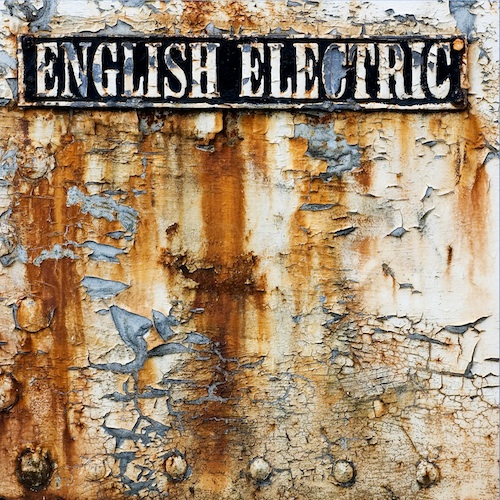
Yep – still up there on regular play and as stunning as the first listen. East Coast Racer has moved up the league though and is currently one of my favourite BBT tracks of all time. This track is simply a masterpiece. Brilliant subject, amazing vocals, outstanding arrangement and superb production. The Underfall Yard has yet to be beaten though 🙂
Steve Hackett – Genesis Revisted II

Not played this as much as I thought after the first few listens – it’s there, in the background, but not on the playlist as much as I thought it would have been – still love it though.
Pineapple Thief – All the Wars
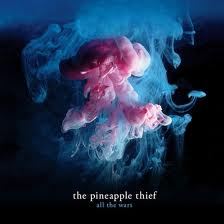
A regular feature on my playlist. I just love the crisp sound, the overall feel and urgency of this melancholic record.
Nine Stones Close – One Eye on the Sunrise

Still an absolute belter of an album and one which just gets better with each play. A regular first-teamer this one. Shame no-one seems to know them ….
It Bites – Map of the Past

A marvellous album but one that somehow doesn’t shout out for attention as much as some others for me. But every time I play it I marvel at the catchiness, melody and arrangements …. should listen to this more !
The Rumour Cubes – The Narrow State
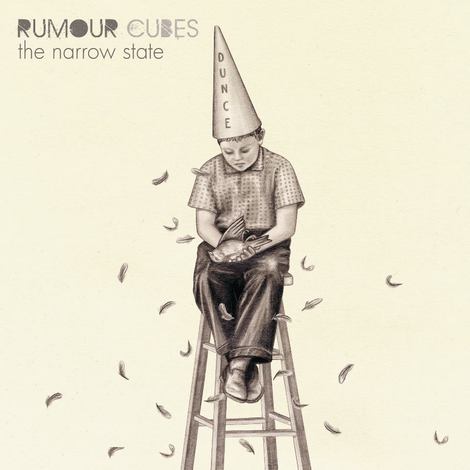
A quirky favourite of mine and a regular feature. Haunting cellos, violins and a beautiful Mono-esque feel to it. Brilliant.
Anathema – Weather Systems
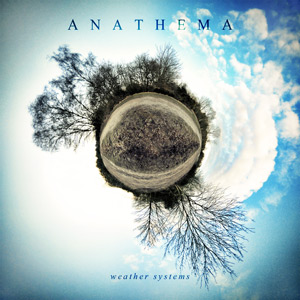
One of he few albums that needs to be played all the way through, in one sitting, to get the full deal. A regular on my commute and one that relaxes, enchants and adds spirituality to my day.
Storm Corrosion – Storm Corrosion

Not worked for me this one ! To be frank I find it annoying so it’s been relegated to the naughty corner at the moment.
Headspace – I am Anonymous

This is turning out to be an absolute corker of an album. A brilliantly conceived slice of power metal and a favourite I turn to on a weekly basis. Powerful, engaging, interesting – it’s got the lot !
Twilights Embrace – Traces (EP)
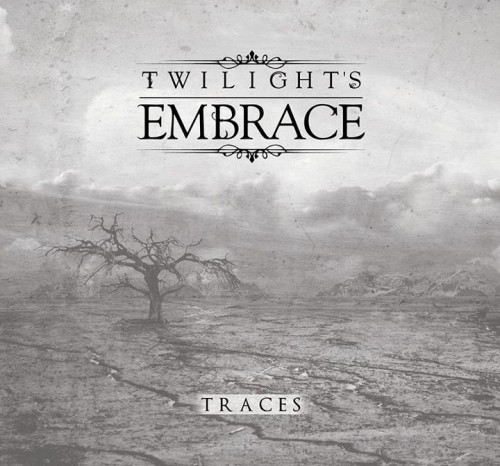
These lads from Nottingham have produced two cracking EP’s and they are high on my list as I seem to have expanded my metal taste to incorporate some melodic growls. Tremendous stuff and being EP’s short enough to blast every week at least. A further discovery in this genre has been Finnish band Swallow the Sun and their epic ‘Emerald Forest and the Blackbird’ – thanks for the recommendation from Matt Spall (@ManofMuchMetal)
Neal Morse – Momentum

This was a late entrant and is mid-table in plays I reckon. It’s good, it’s upbeat and fun but some of it I find a bit obvious (nothing wrong with that though !)
Echolyn – Echolyn

I really like this album and it has grown to be firm favourite. I enjoy it’s simply class and elegance with great musicianship, songs and atmosphere. Lovely.
That’s it folks !
Enochian Theory – live in Manchester
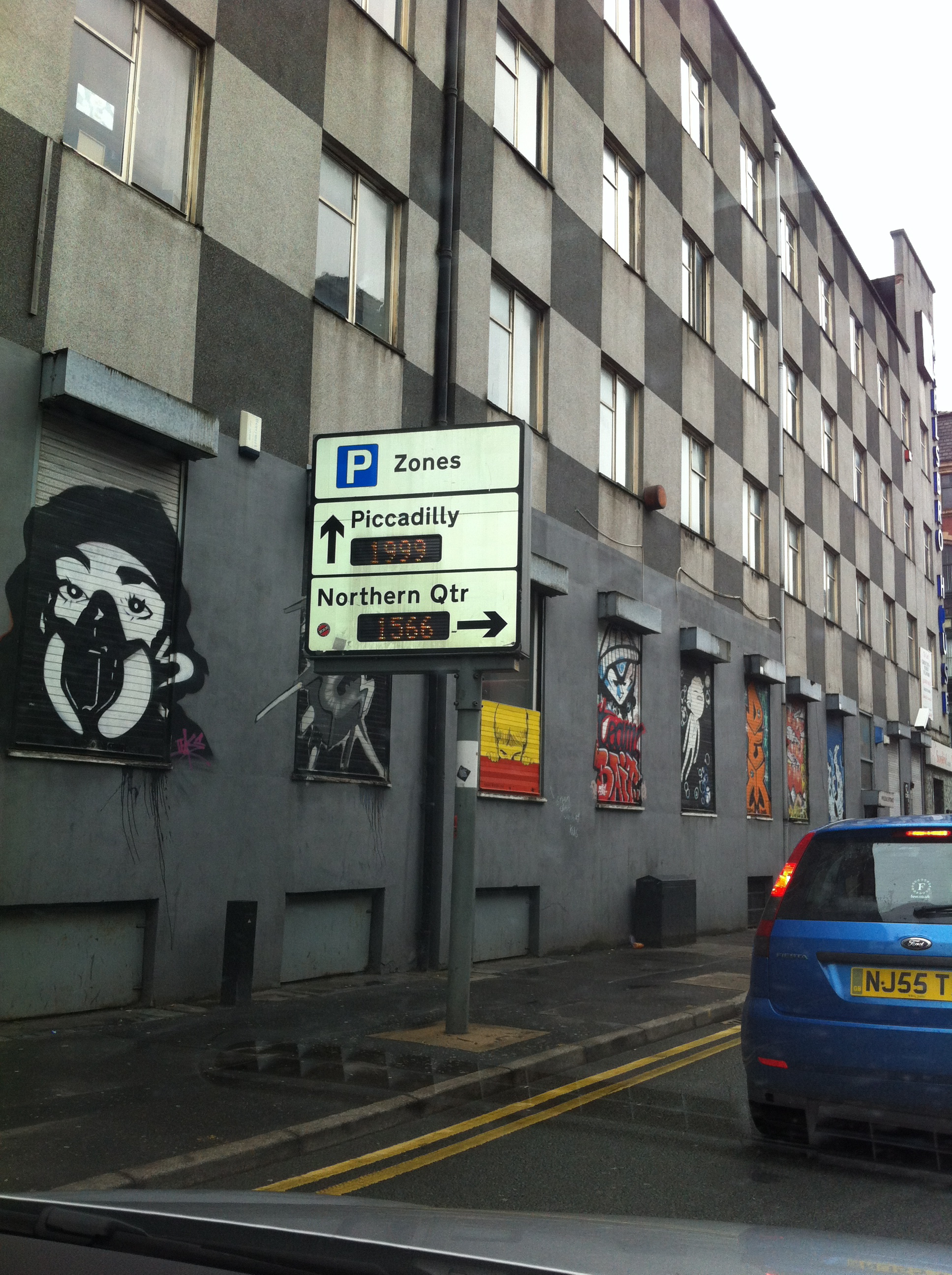
Every time I see the sign below, as we approach the Northern Quarter in Manchester, I get that quiver of anticipation that brings memories of friends, old and new, great ale in great pubs, and of course live music in small intimate venues.
Enochian Theory are a small group with a big sound and their current album ‘Life…and all it Entails’ is currently on my most-played list with a terrific overall tone with layers of melodic invention carefully placed over some seriously heavy sections with the requisite growls (albeit few and far between and deftly introduced…).
Having the opportunity to see these guys at first hand was too good to miss and as the support group, they would be on at a comfortable mid-week time, so business,life, and all it entails could carry on. The headline group, The Enid, are not a band I am familiar with but suffice to say they were interesting, strange, maddeningly dramatic and worthy of further investigation. A highlight of this particular evening was meeting one of my Twitter friends, Nick Efford, with whom we seem to share a great deal of things in common. Nick is an Enid fan and knows them well so I would leave any further comments to him regarding their music and performance this evening as I couldn’t quite work it out ….
Back to the Theory !
The Ruby Lounge in Manchester is typical of the Northern Quarter subterranean venue with a gloomy street entrance leading down into a gloomy stairwell which leads into a gloomy bar area with a fairly gloomy stage section stuck over in one corner with barely enough room to swing the proverbial cat.
Intimate is the word – in fact so intimate I could reach over and take a shot of the set list on the speaker.

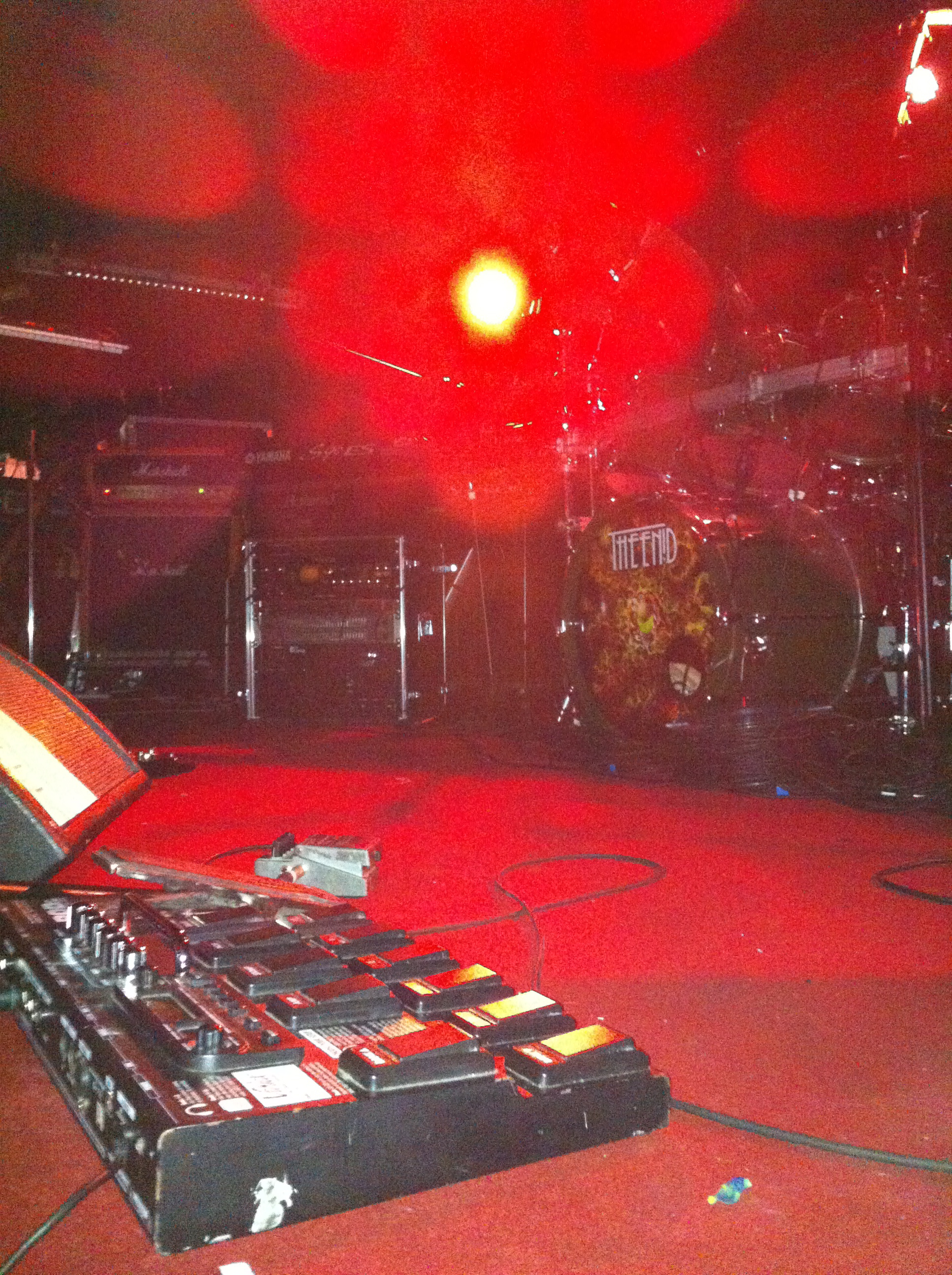
To my delight most of the set was from the wonderful ‘Life.. and all it Entails’ but I was unsure how they would transfer the ‘big’ sound of this album in such a small venue, particularly as they are just a threesome
Needless to say, the sound suffered somewhat and the guitar was a bit lost in a muddy mix, but they had a wonderful selection of backing tracks and loops from their intriguingly titled string section – The Lost Orchestra – which filled out the sound and gave the subtle texture that pervades the aforementioned album.
Ben Harris-Hayes on guitar, vocals and throat (!) is a humble and gracious performer, totally committed to his art and ever so slightly apologetic – an engaging character to watch as he switches pedals, adds sounds, sings and generally controls proceedings.
My eyes were drawn to Shaun Rayment on bass (you may recall I am a once God-like bass player in a band….) as I was interested to see if the sinuous bass lines on the album would be re-created live. No need for disappointment here – Shaun was incredibly focused and drove the songs on with terrific tight bass lines and worked the hell out of his fretboard – brilliant stuff.
Not being a drummer I can’t comment on the technical skills of Sam Street on drums but I was knocked for six when his double bass drums kicked in – the ferocity of some of the drumming counteracts the delicacy of much of their music and this apparent discrepancy is, I think, what gives them a unique sound..
I’m not going through each song here but suffice to say I was impressed with their live performance of what are complex and involving songs.
A thoroughly enjoyable set made even better by a brief chat with Ben after their set. I mentioned there was enthusiasm for him on Progarchy but he had not heard of ‘us’ but was delighted to know there are folk out there completely smitten with his work …….

The Death of the Artist in Everybody’s Collection


Dan Flynn pays tribute to the greatest album cover artist ever, Storm Thorgerson, in “The Death of an Artist in Everybody’s Collection“:
His greatest critical if not commercial triumph may have come not with his pre-fame friends in Pink Floyd but with a similarly experimentally minded artist. Peter Gabriel didn’t name his early albums. Hipgnosis’s cover art did. The singer’s third solo effort, officially titled Peter Gabriel like the two albums preceding it, unofficially became “Melt” because of the arresting black-and-white image of the singer manipulated to look as though his flesh dripped off his face. Thorgerson created that one, as well as “Scratch,” in which Gabriel’s fingernails leave a trail of white streaks. Thorgerson’s car appears on—what else?—“Car” by Gabriel. Akin to The Beatles’ “white album,” Gabriel’s early releases go by the names the cover graphic bestowed upon them rather than their proper titles. …
If cassettes and CDs supplanting vinyl didn’t signal the end of cover art, then certainly digital downloads did. The LP record awarded Thorgerson a canvass a foot long by a foot wide. Steve Jobs reduced these visuals to roughly the size of a Starburst candy. Small is the new big. Something gained, something lost—what we reclaim in shelf space we miss in aesthetic beauty.
Storm Thorgerson understood visual for people who understood aural. He also knew when to die. Cover art, like the vinyl discs they protected, play about as vibrant a role in contemporary pop culture as the Victrola. Album art is sadly gone. So is the man who most excelled at creating it.


 Progarchy