Listen above to our conversation about the genesis of the album, each one of its magnificent tracks, and also Anneke’s musical plans going forward. We even ask her about future work with her metal band Vuur…
This is probably the only time I’ll have a legitimate reason to use this cool new WordPress feature.
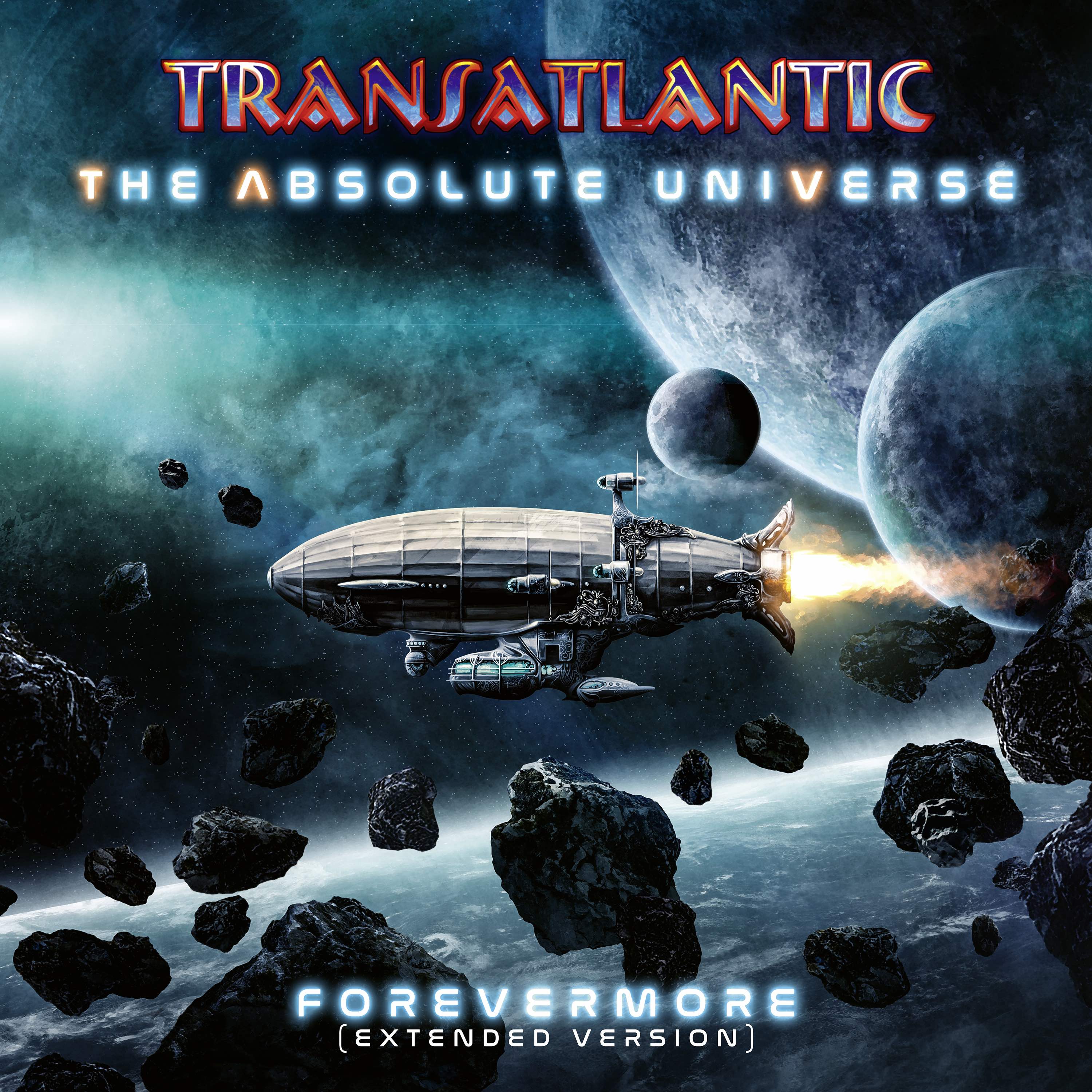
Transatlantic have reached the ripe old age of 21, and with that they’ve released a brand new album. Wait, that isn’t right. They’ve released two brand new albums. Well, no, they haven’t really done that either. What they have done is released two versions of one album: one at ~65 minutes and the other at ~91 minutes. The Absolute Universe: The Breath of Life is the short one, and The Absolute Universe: Forevermore is the long one. For the sake of clarity (both mine and yours), I’m going to refer to the albums as the extended version and the abridged version.
Now why on earth, you may ask, would a band want to release two different versions of an album? Excellent question. I was a bit miffed when Big Big Train did it with Folklore (the vinyl and Hi-Res audio version was longer with some tracks from the Wassail EP and a slightly altered track listing), and I’m a bit miffed that Transatlantic has done it. Apparently the band couldn’t come to an agreement on whether they should release a longer version of what they had written or a condensed version, so they decided to release both.
The abridged version is $9.99 on iTunes, while the extended edition is $16.99, so it’ll cost you just under $30 to buy the downloads. You may need to take out a loan to buy physical copies. And don’t think you can get away with buying just the extended version thinking you’ll just get the abridged version plus some extra tracks. Nope they’ve gone and changed things in the tracks that overlap, so in many ways they’re very different. There’s also a third version on Blu-Ray only that combines the two into a ~96 minute version. Good grief. I haven’t heard that version, nor do I intend to.
If you’re going to buy only one of them, I suggest you buy the extended version. It has a much better flow to it with smoother transitions than the abridged version. Even though it’s longer, it isn’t packed with filler. To my ear it sounds more like a Transatlantic album. There are more songs with Roine Stolt on lead vocals. Yes of course he sings on the abridged version, but he sings less in the second half of that album. That makes the abridged version seem to morph into a Neal Morse album as it comes to a close. “Lonesome Rebel” towards the end of extended version remedies that by restoring some balance. In addition to Roine’s stellar vocals, the mix of wonderful electric and acoustic guitars and vocal harmonies really makes this track stand out.
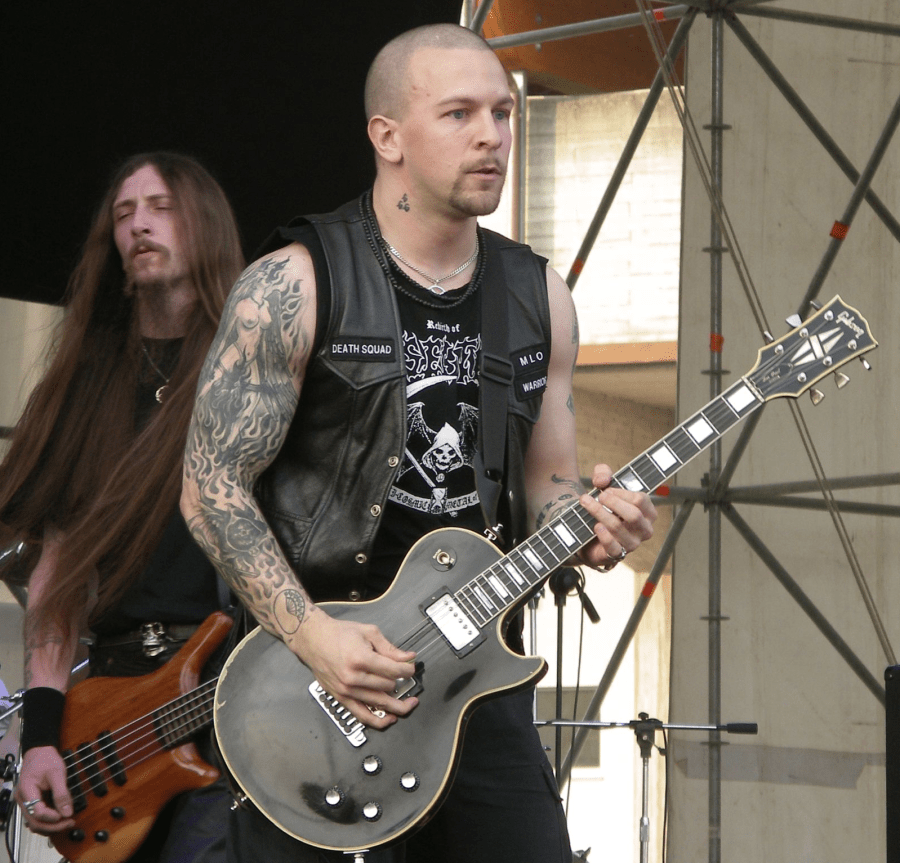
Straddling Gothenburg death and Norwegian black metal, at the margin of what we might term as consonance and coarseness, resides Dissection. Crossing genre and aesthetic boundaries, Storm of the Light’s Bane prods listener into conflicting paths. Responses to this could vary, from a nodding reverence of those exquisite guitar passages, to a chilling silence, or just a morbid mosh-pit. Channeling their Scandinavian contemporaries, Dissection simply shapes their own brand of occult romanticism, often more despondent and atmospheric.
Extending the boundaries of aggression and poetry, these compositions are constantly shifting their contours. Adequately complemented by the drifts in lyrical prose — “I drown in the colour of your eye, for a black heart will only find beauty in darkness“– simultaneously conveys the elegance of an autumn night and dual guitar harmonies. With vocal textures reflecting the gloom in lyrics, Nödtveidt adds a layer of darkness unlike any other. Channeling divergent strands, and yet in perfect harmony, Storm of the Light’s Bane is one of those meticulous crafts. The rare ones illustrating extreme metal in all its glory and quirks. Described in Nödtveidt’s own lyrics — “Forged in blood by tragedy” — album leaves a lasting mental imprint.
Simon Collins, Becoming Human, 2020
Tracks: 1. Into the Fray (1:18), 2. Becoming Human (4:17), 3. The Universe Inside of Me (6:56), 4. Man Made Man (4:32), 5. This is the Time (3:55), 6. Thoughts Become Matter (5:05), 7. I Will Be Waiting (7:27), 8. No Love (4:02), 9. Living in Silence (4:09), 10. 40 Years (4:18), 11. So Real (4:28), 12. Dead Ends (9:06)
No stranger to the music industry due to his music legend father Phil Collins, Simon Collins takes centre stage in empowering album ‘Becoming Human’. There’s no doubt that songwriting flows through his veins, and the latest release from Simon Collins completely confirms this.
Known for performing in band Sound of Contact, Simon’s solo project was produced by keyboardist and sound designer Robbie Bronniman, and features one of the key players from SoC. Released via Frontiers Records, this refreshing album pays odes to the greats while layering it’s authencity on the table. Crossing through realms of pop, industrial and rock, there’s no need to completely label the sound of this album.
Having gained support from Prog Magazine and sites across the globe, ‘Becoming Human’ features 12 tracks of progressive music with subtle fragrances of futuristic electronica in it’s mix. Exploring lyrical themes such as personal loss, addiction and the nature of our place in the universe, the relevant album is speaking to thousands across the globe due to the current state of the world.
Led by leading singles ‘Becoming Human’ and ‘The Universe Indie of Me’, this album is one of those releases that needs constant plays to fully experience it’s journey. A rollercoaster ride through elements of nostalgic prog, there’s nudges to artists such as Vangelis, Genesis, Peter Gabriel and Steven Wilson within the release, while still holding onto it’s authenticity. Commenting both on Simon’s personal feelings, the relatable album is something that can speak to many.
During these uneasy times for the globe, we’re left questioning what is real, and what it truly means to be a human. ‘Becoming Human’ requires your gaze and will captivate you into a realm of thought-provoking feelings. A true asset in the progressive world, Simon Collins could be as huge as his dad.
[Sly and the Family Stone’s album ‘There’s a riot goin’ on’] is Muzak with its finger on the trigger . . . If you listen, you get sharper, and you begin to hear what the band is hearing; every bass line or vocal nuance eventually takes on great force.
Greil Marcus, Mystery Train: Images of America in Rock’n’Roll Music
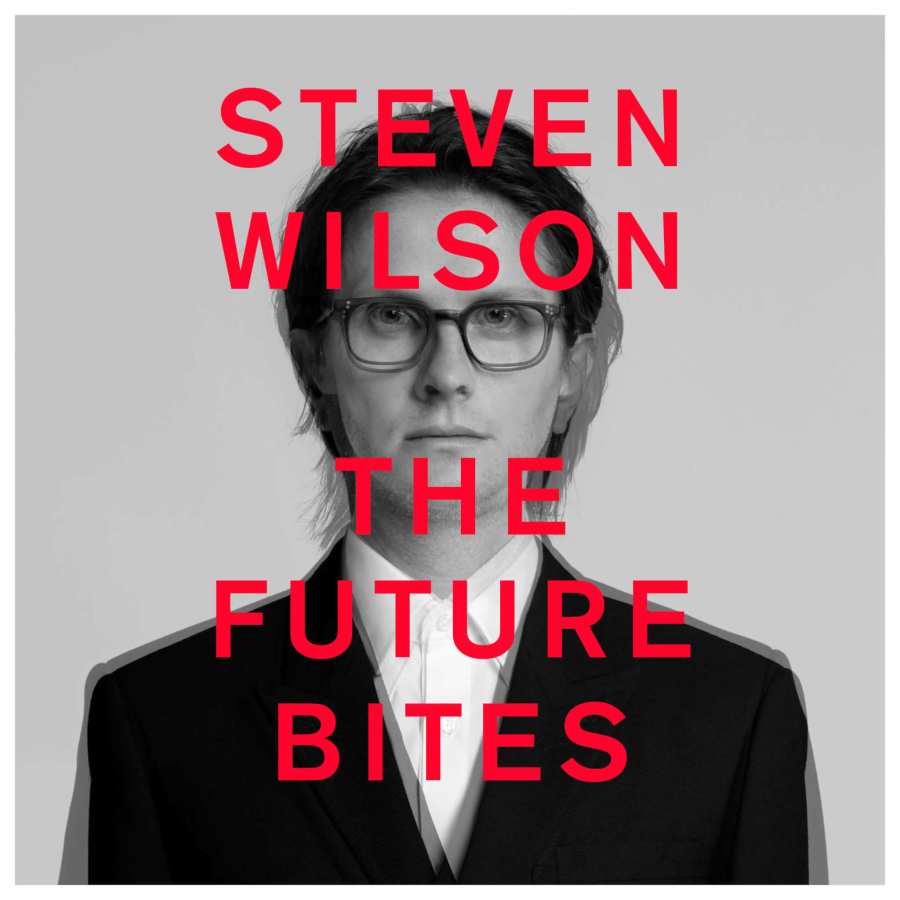
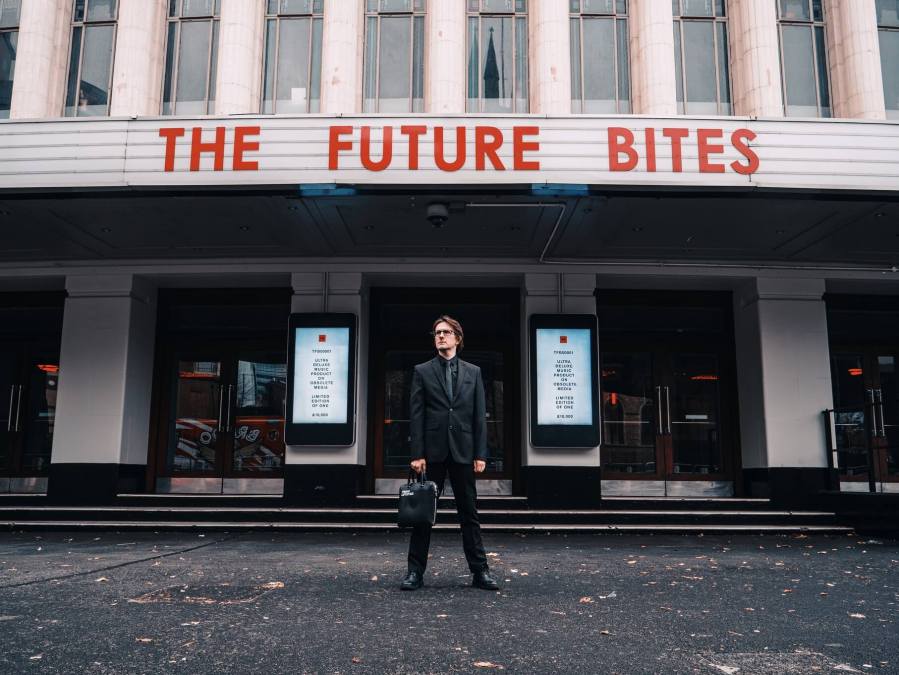
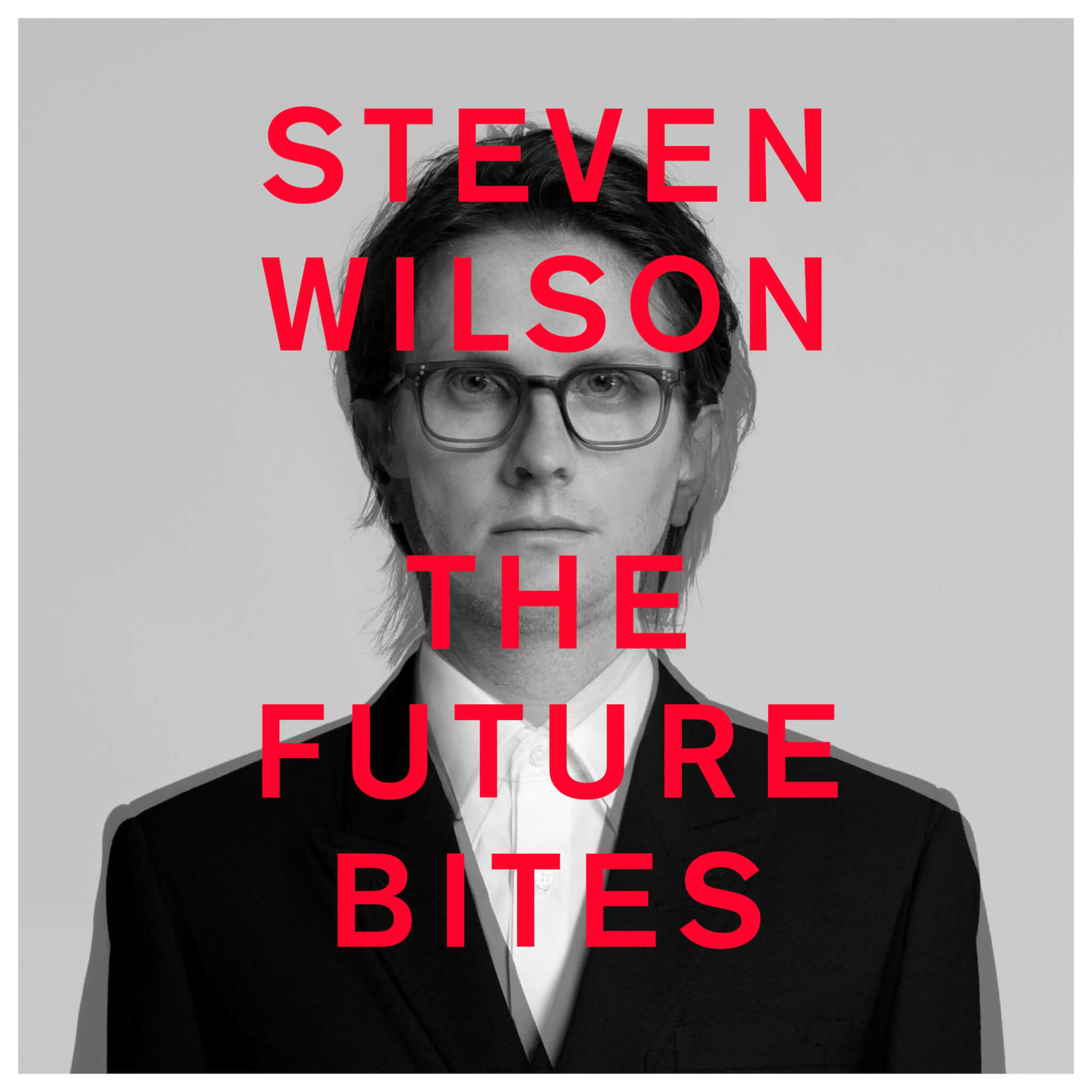
Steven Wilson’s The Future Bites didn’t click for me until I stopped listening to it. Let me explain.
It was when I was playing TFB for the fifth time, as I was doing something else, that I finally heard it — almost as if the album was designed to catch you by surprise when you’re focused elsewhere or distracted. I found myself drawn toward the interplay of backing textures instead of the spare surface detail, zooming in on the ambience of the foundational grooves and pads instead of the gyrating vocal and instrumental leads. Instead of missing the rock rhythms, the power riffs, the extended structures and the virtuoso musical moments of Wilson’s previous efforts, I started digging into what was actually there. The minimalism — maybe even the monotony Bryan Morey detected in his review — becomes the message.
Which, whatever you may think of the results, is a pretty neat trick. So the thought struck me: is this latest release meant to work as background music, as much or more than as a foreground listening experience? When you turn the frequently static norms of today’s electronic pop inside out, is this what you get?
If so, it fits with more of Steven Wilson’s catalog than later adopters might think — sample the extended trance trip of Porcupine Tree’s Voyage 34, the forlorn, scratched-up drones of his Bass Communion efforts, even the symphonic disco of 2019’s No-Man comebackLove You to Bits if you doubt me. (Not to mention his remastering of vintage efforts by German synth wizards Tangerine Dream.) And it seems to me his new sound — a postmodern British upgrade of Greil Marcus’ concept? — is not just purposeful, but channeled for a purpose. After all, the man knows (and has lyrically railed against) the sound of Muzak. By embracing it here, he’s planting depth charges beneath our buffed-up virtual lives, triggering both our individual delight as we succumb to the age of the algorithm and our creeped-out, collective unease with the results. We may be having a good time amusing ourselves into financial and spiritual bankruptcy, but Wilson’s depictions of lost, alienated souls (by turns ironic, empathetic, furious, blackly hilarious) hold up a mirror — one with the caption “Limited Edition Deluxe Box Set Purchaser” across the bottom — and dare us to study the reflection as we spiral downward.
Today the mighty Big Big Train released the remixed edition of their 23-minute epic, “The Underfall Yard,” in advance of the reissue of their 2009 album on April 9. First impressions – the mix sounds warmer with more prominent bass. The big guitar solo is also different, although I’m not exactly sure why. I think I prefer the original solo better. Lovely video to go along with the track, though.
Enter your email address below to receive all our reviews, interviews, and general progressive rock news delivered right to your inbox.
Before we get into the review itself, I want to be clear that I have the upmost respect for Steven Wilson. No matter what I think of The Future Bites, I am not calling into question Wilson’s integrity as a musician, writer, producer, or artist. Everything he does, he does well. This go around he decided to make a pop album, and the pop world certainly has much to learn from Steven Wilson. This is pop in the vein of Tears for Fears or Talk Talk, so if you like those bands, you may like The Future Bites. I don’t particularly enjoy those bands, although I respect them. I also want to make clear that I don’t see what Wilson is doing with this album as being just like what Genesis did after Steve Hackett departed. Genesis sold out and started writing boring trash, both musically and lyrically. Wilson’s lyrics and themes on The Future Bites lead the listener to reflection. This is far from “selling out.” Watching some recent interviews with Wilson only confirmed for me that Wilson is an honest man. This album is incredibly self aware, which I’m sure made this a very vulnerable album for him to make. With all that said, let this long review begin.
Perhaps not surprisingly The Future Bites is doing rather well in the charts, particularly in the UK (number 4 overall as of this writing). It’s wholeheartedly a “pop” album, whatever that actually means. I recall thinking that 2017’s To The Bone was a pop album when it came out, but going back to it now I see that it has far more in common with Wilson’s previous solo work than it does with The Future Bites. There are a few moments on To The Bone that clearly connect with this album, but overall it was a rock album.
Contrarily the remnants of what could be called “rock” are pretty much gone on The Future Bites. That doesn’t necessarily mean Wilson will never return to a traditional progressive rock sound, but he has said in interviews that he isn’t interested in making progressive rock music right now. As to why, well, we can only speculate. Some might say he’s making a lot more money doing this, but I don’t think that is what’s going on here. I think he’s tired of doing what he’s done before, and he’s pushing himself into new territory that reflects the kind of music he enjoyed when he was growing up.
For the most part the album sounds quite stunning. Not musically. Musically it’s nothing special at all, like most pop. It’s still more musically exceptional than 99% of what passes for pop these days, but compared to an album like Hand. Cannot. Erase., it pales. The actual mixing of the record is quite fantastic, apart from the vocals on “Count of Unease,” which sound like they were recorded in a college dorm bathroom. This record is Wilson’s first time mixing in Dolby Atmos. I’d love to hear the album on a good Atmos system, but I don’t have one of those. Even so the regular stereo mix sounds crystal clear, and there is a lot of depth to the various sounds he employs.
It’s really many of those sounds he chose that I take issue with. He leans heavily into electronic music, which isn’t necessarily a bad thing. One of my favorite newer bands, Oak, uses elements of electronic music, and I know Wilson has done that before in the past, but Oak and Wilson always left the rock elements in tact. Without the rock, it leaves much to be desired. I don’t know much about electronic music, but I know there are artists and composers who specialize in and excel at it. On The Future Bites it feels like Wilson is using the electronic aspects in the same way he has in the past, but without the rock the album feels like it’s missing something. The other issue I have with the record is some of Wilson’s vocals.
Absolutely brilliant news from Big Big Train. After teasing us regarding a reissue of 2009’s The Underfall Yard for the past couple years, Big Big Train is finally giving it to us in April! It’ll contain the original album plus a second CD of extras, including two brand new tracks. It’ll also be released on vinyl for the first time in addition to the two-CD digipack. More from the band after the jump: Continue reading “Big Big Train Announce “The Underfall Yard” Reissue”→
I had the pleasure and privilege of interviewing via email MFTJ (Mike Keneally and Scott Schorr) this past weekend. Their new album, My Mom’s Getting a Horse, features not only the talents of these two fine gentlemen, but also a sense of humor sorely needed in these strange times. Take a moment to enjoy this funky and delicious bowl of “prog soup.”
This is the second album you two have done together. How did you meet, and what inspired you to put together an album?
MIKE: We met while I was on tour with Joe Satriani in the mid-2010s, and Marco Minnemann was in the band. Scott was co-producing Marco’s albums and releasing them through Lazy Bones, and Marco introduced me to Scott when we traveled through his part of New Zealand where he lived at the time. We connected musically and personally – I knew of Scott’s work on the Levin Torn White album and the great reputation he’d accrued through that, and I was really impressed with the promotional video work he was doing for Marco’s EEPS album, so a few years later when Scott proposed to me that we work on some music together I was ready to jump in.
SCOTT: My inspiration to work with Mike was purely the results of the contours and finely groomed foundations of his beard. (His being a phenomenal musician and great dude didn’t even enter into the picture.)
Clearly, the two of you have quirky senses of humor. Who came up with the band name – Mankind’s Final Traffic Jam? And what inspired the titles of the tunes (“Donner Party Highlights”, “Lucy Has the Grip of a Crop Duster”, “Soft Teeth,” etc.)?
MIKE: The text/literature aspect of MFTJ is all Scott’s area; I get to give enough songs on my solo album weird-ass names so I don’t need to encroach on that aspect of MFTJ, which is more defined by Scott’s sensibilities, which are as weird as mine but arguably a bit darker. I have dark artistic impulses sometimes but often end up taking steps to brighten them up before release – Scott is happier to let things stay down there in the murk, which I love.
SCOTT: I’m perpetually stuck in the prison of sophomoric humor which I shall never be released from. Some partake in Korean Interpretive Dance as a hobby. I choose the art of naming songs and am grateful to Mike for allowing me the freedom to be stupid and weird. Although, he has shot down some of my favorite titles such as “When Your Ass Goes Lower Than Your Knees” and “I Wish Joan Rivers Was Still Alive.”
Mike, you have a reputation for working with some of the greats, including Frank Zappa and Joe Satriani. How much of your work with them influenced this album? Or were you looking to do something more “original”?
MIKE: I wasn’t thinking consciously about originality, I was just improvising along to the rhythm tracks Scott sent me, without much in the way of forethought or planning. Zappa, Satriani, and really everyone I’ve ever worked with had an impact on the process just because the experience of working with all of them had some kind of impact on my musical impulses – so, in the course of improvising over a specific texture or groove, something might come out which is redolent of someone I’ve worked with in the past, but it’s not conscious, it’s just me being me. And I think the longer I continue working in music, that process gets a little more refined and my improvisational impulses become more truly “me.”
After I send tracks to Scott, he sends me back his initial song construct – his choices of what fragments of my improvised tracks would become key parts of a song. At that point I enter co-producer mode and give my suggestions on instrument levels, stereo placement and song structure. Again, everyone I’ve ever worked with has at least a subtle impact on choices I make during this process, but it’s just me being me. Not thinking about originality or not, but just trying to make songs sound and feel as good as they possibly can.
Scott, I know you’re a successful producer, working with the likes of Tony Levin and Jordan Rudess, but I didn’t realize you were a skilled musician in your own right! Would you mind giving a brief background on your career as a musician? Any particular musical influences?
SCOTT: Can we use the term “skilled musician” loosely! I guess I’m proficient in drums as that’s been my primary instrument since before the wheel was invented. I can also noodle fairly well and come up with pretty melodies on the piano. In terms of bass and guitar, if it wasn’t for ProTools and the ability to loop, I’d be about as proficient as my dog. With those instruments, I’ll turn on a click track and jam for six hours until I come up with a cool four to eight bar riff to loop. I’ll also dig into sounds I’ve created from noises or grab stuff from various sample sites.
I’ve been in bands and recording projects since high school. In another life, a lot of my songs were licensed by numerous film and TV projects. My musical influences: YES (from The Yes Album through Tormato), Genesis (old to mid era), Rush, Crimson, Sabbath, Zeppelin, old school Hip-Hop, The Beatles, any great writer of pop songs and each artist I’ve produced and released on Lazy Bones as they’ve all taught me a great deal.
You describe the album as “instrumental prog soup flavored with art-rock, hip-hop, hard rock, and psychedelia.” These “flavors” seem disparate on the surface, but you guys blended them together quite artfully. What is it about progressive rock in particular that allows musicians like you to work with variety of genres and turn it into an album like “My Mom’s Getting a Horse”?
MIKE: “Progressive” is so non-specific as a genre name, but for me, anyway, it’s one of the few genres where there really aren’t any rules to adhere to. Prog fans all have different priorities, but my feeling is that there’s an unusual quantity of listeners who just want to be surprised, to be transported, and to have a lot of different sonic content to try and decode and just wallow around in with their headphones on. There are a whole lot of sonic layers and a big bunch of musical information in the MFTJ tracks, even if they can also be received as just basic 4/4 groove tunes if you want to make use of them that way. It’s multi-functional music and I think it really repays whatever amount of attention you care to bring to it, but it really stands up to scrutiny. I enjoy MFTJ’s music more and more every time I hear it, and I have a weird, kind of surreal relationship to it, in that my musical contributions are created completely quickly and spontaneously and as soon as I’m done playing them, I don’t think about them again. So when I hear Scott’s re-arrangements of my playing, I can barely remember having played any of it, which is both mildly unsettling and really, really fun for me.
SCOTT: We all know Prog sometimes suffers at times from pomposity. Of course, it’s one of my favorite genres but I appreciate all sides of the Prog argument. It’s generally such brutal and complex music that I try to balance it out a bit by adding humor whenever possible to any of those types of albums I’m involved with. Look at the Levin Minnemann Rudess album, “From The Law Offices Of…” and Marco Minnemann’s, EEPS. (Do you see how I deftly worked in that plug?!) Artistically challenging records balanced out with fun and humor. I think one of the attractions of MFTJ is the sometimes “in-your-face” humor. From my perspective, it’s displayed in every note and in my musical relationship with Mike.
As we’re all aware, the pandemic has made it more or less impossible for musicians to play live concerts (excluding virtual shows). Did you guys face any challenges recording and producing this album?
MIKE: This was the first album I did all of my work for on a new home studio, newly created last year after the pandemic got me off the road. So I was working out a lot of tech details constantly, and it was wonderful to have this project to get my act together on. As far as the workflow and our working relationship, it was fantastic.
SCOTT: Since I’m based in Australia and the majority of artists I work with are from the States, I was used to the remote recording we did for both MFTJ albums.
Once this passes, do you have plans for a tour? Or plans for a third album?
MIKE: It’s really not “live” music and it’s kind of terrifying to imagine how to perform it – the amount of musicians required would be daunting. It is possible to imagine playing over tracks, but I’m not sure how fascinating that would be. If the budget existed, it would really be something to imagine this music in a live presentation, but definitely no plans exist. In terms of a third album, this has been discussed! No “plans” yet, but the energy is afloat.
SCOTT: As I’ve told Mike, if I had my way, I’d do one MFTJ album a year until we reached album #10!
Where can prog lovers find your music?
SCOTT: Go to our Bandcamp page at https://mftj.bandcamp.com or https://www.lazybones.com.






 Progarchy
