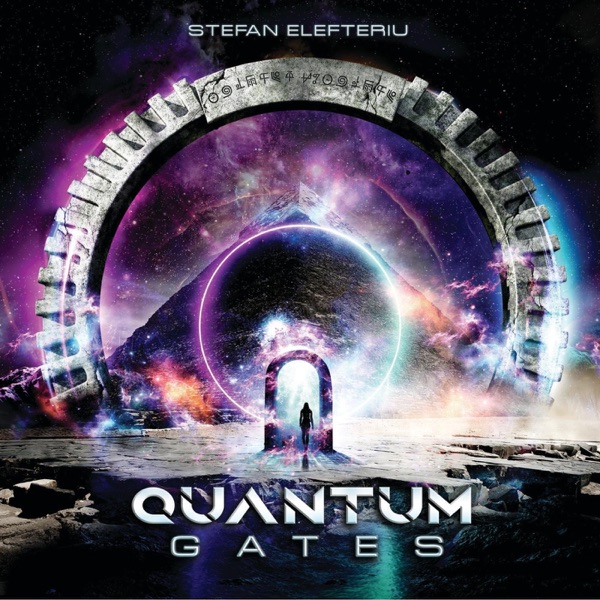
Editor’s note: Today we are happy to bring you a guest review of Stefan Elefteriu’s album, Quantum Gates, by Chloe Mogg, a UK-based singer/songwriter and music journalist. Typically electronic-style music might be considered on the fringes of what we cover here at Progarchy, but Stefan’s music is anything by typical.
Stefan has a fascinating story. He began studying violin at a young age in Communist Romania, but he ended up in a rock band called Blitz in the late 1970s. With communism forbidding privately owned businesses, Stefan built his own synthesizers, speakers, and other equipment so he could make theatrical soundtracks. With the fall of communism his career expanded into the film and advertising realms. Those influences are clear on Quantum Gates, but the album also features ethereal vocals at points. There are some heavier rock moments, while the rest of the album definitely has traits common with the more psychedelic side of prog. This isn’t techno dance music, which is what I usually think of when I think “electronic music.” This is serious music worthy of serious attention. It’s also very good. Since I clearly have much to learn about this kind of music, I’m happy to turn the rest of the review over to someone more knowledgeable:
A journey through space, time and numerous musical genres, Stefan Elefteriu is an artist not afraid to think outside of the box. Progressive and electronic based, “Quantum Gates” is the latest release from the genius behind the music. An experience not for the faint hearted, “Quantum Gates” soars through realms of sci-fi based music straight from the soul. With quite the story behind his music, Stefan’s journey began by building his own synthesisers in Communist Romania to scoring a science fiction film. A multi-instrumentalist that creates music without boundaries, the truly immersive experience is suited for fans of classical, rock and electronic elements fused together.
On the album, Stefan mentioned, “Twelve portals open to twelve different worlds awaiting discovery through imagination, fantasy and feelings… Go beyond the Quantum Gates and, with each re-listening, you will perceive new territories of musical expression. Let the evolution and permanent dialogue of the melodic lines – based on symphonic counterpoint – take you through a new multidimensional sound universe.”
Touching familiar ground that Vangelis, Pink Floyd, Enigma and Kraftwerk have been upon, Stefan’s album introduces parallel worlds of hope during the world’s current climate. Like something you’d hear on the Interstellar score, the vibrant journey is accessible yet armed with complexity. An escapism for fans across the globe, the talent that Stefan has is clear in the near release.
Looking for a great last minute musical gift idea?
Want to pass on the old-school values — the musical essence of rock and roll — to the next generation? This greatest hits package is a killer choice.
In the wake of the ‘90s alternative boom, mainstream rock music had become largely disconnected from its roots in the blues—that is, until The White Stripes hooked it up to some rusty jumper cables and jolted it back to life.
Emerging from the Detroit garage-rock trenches in 1997, the duo of Jack and Meg White embraced a vision of the blues that was equal parts John Lee Hooker and Jon Spencer, projecting a raw primitivism through their minimalist guitar/drums formation, yet also displaying a healthy appreciation for artifice by constructing their own media-trolling mythology.
A married couple at the time, they instead presented themselves as a brother/sister act, wrapping themselves in a childlike white/red color scheme that reflected the perpetual battle between innocence and fury playing out in their music.
While the Stripes were initially right at home among the garage-punk miscreants on the Sympathy for the Record Industry label, their latent appreciation of classic pop songcraft—as evinced by their aching cover of Dolly Parton’s “Jolene” on a 2000 B-side—proved to be their ticket out of the underground.
Alongside The Strokes’ Is This It, 2001’s White Blood Cells became a bellwether for the 21st-century garage-rock renaissance thanks to equally thrashy and catchy nuggets like “Fell in Love With a Girl.”
But with 2003’s double-album behemoth Elephant (and its eternal sports-arena stomper, “Seven Nation Army”), the Stripes transcended the garage realm entirely and entered the echelon of rock’s most omnipotent bands.
They continued to expand the sonic possibilities of a two-piece group up until 2007, at which point Meg’s intensifying battles with anxiety forced them off the road, before they officially disbanded in 2011.
But as a prolific solo artist and the impresario behind the Third Man Records empire, Jack has continued the Stripes’ mission of upholding old-school values in a modern world.
This year, I’m starting off my “best of” retrospective with albums that aren’t technically “new” — compilations, live albums, reissues and (re)discoveries from previous years — that grabbed me on first listen, then compelled repeated plays in 2020. I’m not gonna rank them except for my Top Pick, which I’ll save for the very end. The others are listed alphabetically by artist. (Old school style, that is — last names first where necessary!) Where available, listening opportunities are linked in the album title or included below my summary via Bandcamp, YouTube or Spotify.
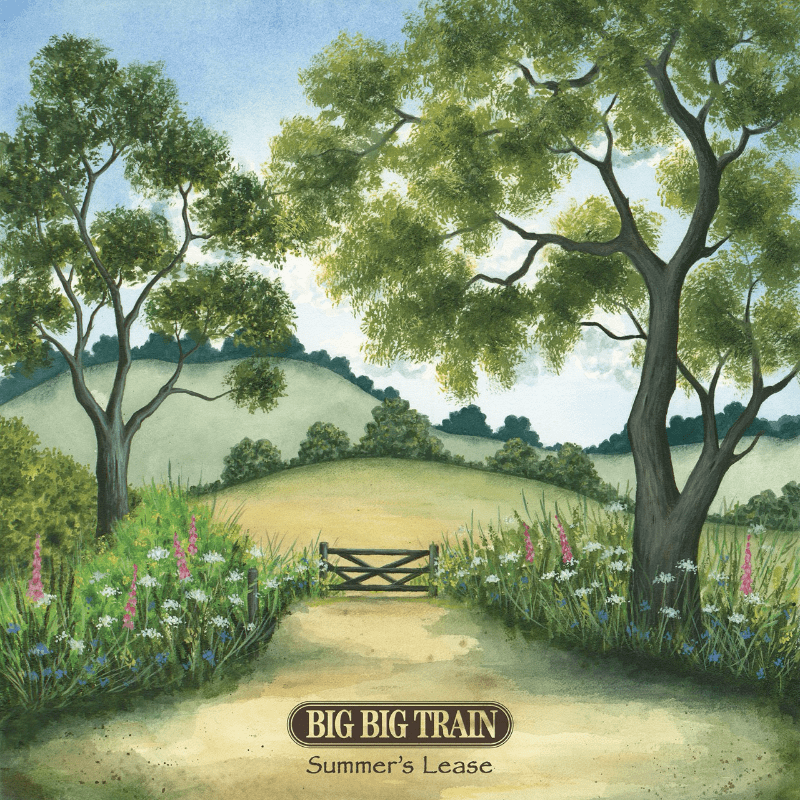
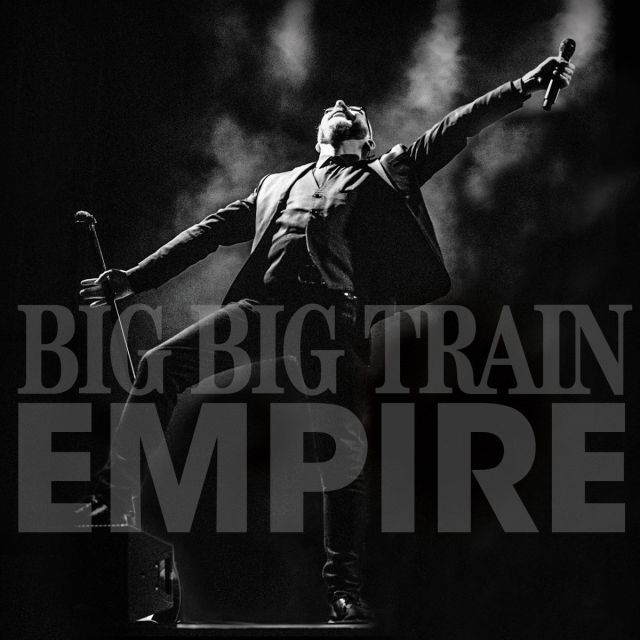
Big Big Train, Summer’s Lease (compilation)and Empire (live): This year, I’ve bought music from even more far-flung corners of the world than usual — including Big Big Train’s Japanese-only retrospective. Disc 1 features various rarities on CD for the first time: re-recordings old and new (including excerpts from my intro to the band, the Stone and Steel Blu-Ray), plus the “London Song” sequence from Folklore in all its sprawling glory. Disc 2 leans into the post-Underfall Yard era with a solid mix of epics and, um, shorter epics, plus an unreleased instrumental as dessert. It’s all impeccably curated, and (in retrospect) a fitting capstone to the work of recently departed Train crew Dave Gregory Rachel Hall and Danny Manners. In a similar fashion, Empire is a fond farewell — the last concert played by this incarnation of the band (including Cosmograf’s Robin Armstrong) before COVID-19 killed off their first-ever North American tour. Which makes the entire show, brilliantly performed as always, even more poignant, from the rocket-fueled opener “Alive” to the romantic, spiraling coda for the best version of “East Coast Racer” yet. Sorry, there’s something in my eye . . .
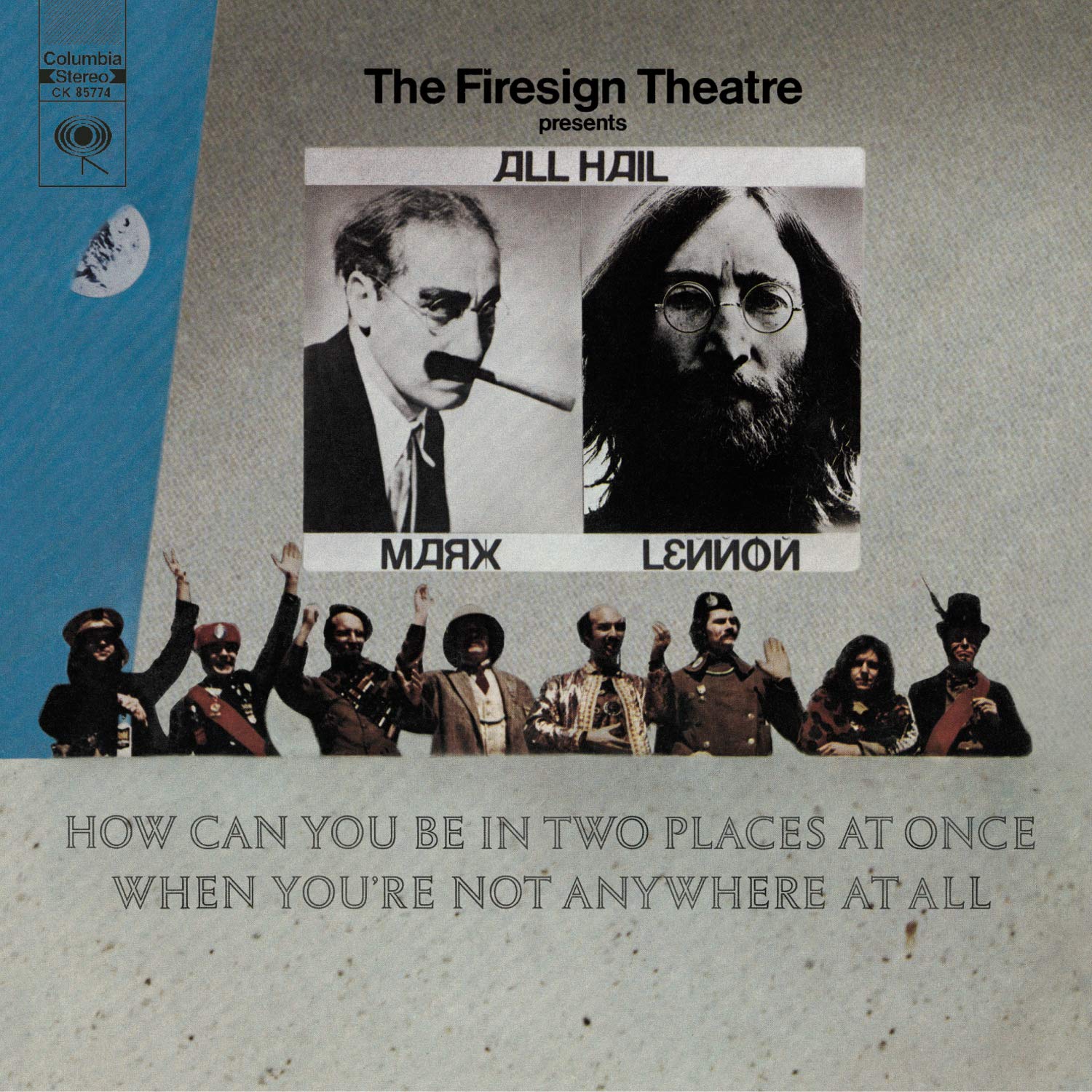
The Firesign Theatre, How Can You Be in Two Places at Once When You’re Not Anywhere At All(rediscovery): This spring, my big brother Bob pointed me back to this 1969 classic — quite possibly the single most insane comedy album ever recorded. The half-hour long title track’s surrealistic road trip morphs into a wickedly irreverent (yet oddly touching) patriotic pageant, with stopover cameos from Lewis Carroll and James Joyce; “The Further Adventures Of Nick Danger,” memorized and mimed to by me and my roommates back in college, is a hallucinogenic smoothie of hardboiled detective drama, time travel and the Beatles’ White Album. “Wait a minute — didn’t I say that line on the other side of the record?” Believe me, you need to find out.
Pat Mastelotto and Markus Reuter, FACE (discovery): My New Year’s resolution was to become a MoonJune Music subscriber through Bandcamp; twelve months later, it’s still one of the best musical decisions I made. In recent years, touch guitarist Reuter has become a major contributor to Leonardo Pavkovic’s ongoing quest to “explore and expand boundaries of jazz, rock, ethnographic, avant, the unknown and anything between and beyond,” frequently joined by King Crimson drummer Mastelotto (his partner with Tony Levin in Stick Men). The 2017 FACE (not actually on MoonJune) stands out in the duo’s catalog: a single, 35-minute instrumental travelogue that swiftly spans the globe and its myriad rhythms, aided and abetted by Steven Wilson and associates of David Lynch, Tool and the Rembrandts. Blink with your ears and you’ll miss the transitions from theme to theme and place to place; this one both demands and thoroughly rewards my attention every time. Hopefully, the excerpts linked above will convince you — don’t hesitate to hop on board!
The Neal Morse Band, The Great Adventour Live in Brno (live): every bit as impressive as when I saw this show in Detroit the same year, the NMB’s concert take on The Great Adventure is even tighter, more driven and more finely honed than the studio version. Kaleidoscopic contrasts of rhythm, instrumental color, vocal textures (mainly from Morse, guitarist Eric Gillette and keyboardist Bill Hubauer) and tonality mesh effortlessly with drummer Mike Portnoy and bassist Randy’s George’s badass forward propulsion, mirroring the lyrical highs and lows of the journey to John Bunyan’s Celestial City. The result is sustained, extended, unforced ecstasy in the Czech audience, capturing how Morse’s recent work embodies the ongoing ideal of American revivalist religion. A journey worth taking, whether you caught this in person or not.
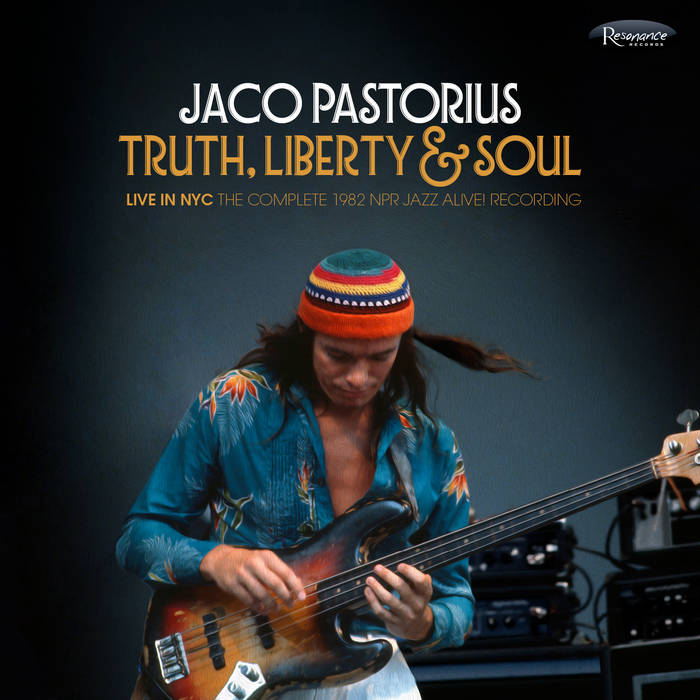
Jaco Pastorius, Truth, Liberty and Soul: Live in NYC(live, archival, discovery): 2020 was the year I came across Resonance Records, where “jazz detective” Zev Feldman has been unearthing incredible archival treasures for nearly a decade. Jaco Pastorius single-handedly revolutionized electric bass playing in the 1970s; this 2017 release captures him in 1982, fresh from his boundary-busting stint in jazz-rock titans Weather Report. Fronting a big band of great players — the best New York horns, the drum/percussion duo of Peter Erskine and Don Alias, Othello Molineaux on steel pans and harmonica virtuoso Toots Thielmanns — Pastorius mixes classic tunes with his own soulful writing. It’s a mighty, bubbling noise — jazz, funk, rock, reggae, swing and more, with a groove that never stops and heart behind the flash. Irresistible for anyone with a pulse!
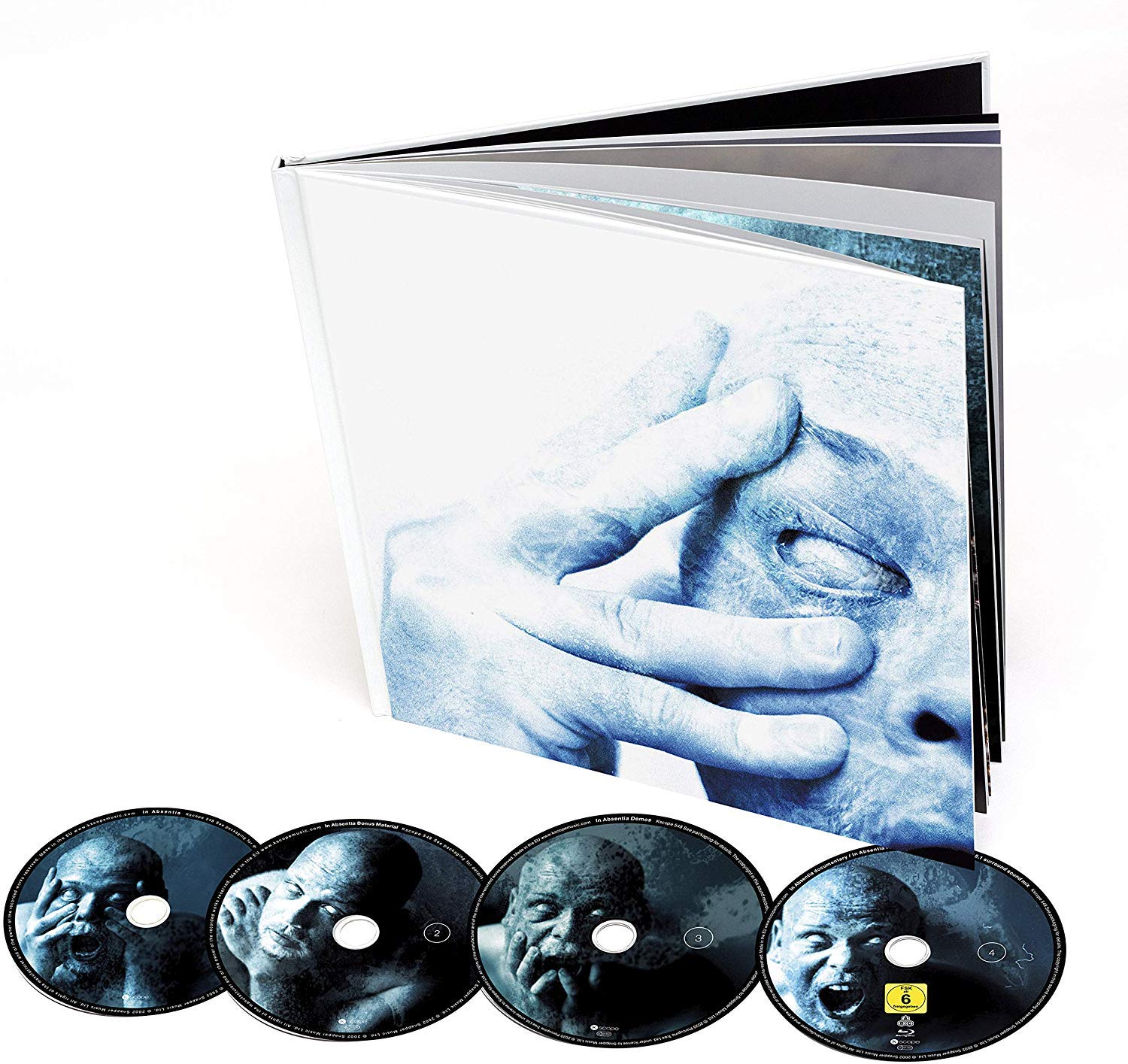
Porcupine Tree, In Absentia(deluxe reissue): Not the Porcupine Tree album that hooked me (that was Deadwing, promised its own deluxe box next year) but, looking back, my firm favorite of the band’s late period. Freshly signed to the American label that brought us Trans Siberian Orchestra, Steven Wilson and company made the polar opposite of a sentimental holiday album, focusing on the inner motivations of — serial killers? What makes that work? Well, how about: the full-on debut of Gavin Harrison’s stylish, rhythmically slippery drumming; Richard Barbieri’s off-center, arresting synth textures and solos; Colin Edwin’s relentless, incomparably steady bass workouts; Steven Wilson’s reignited love of metal slamming up against the songcraft developed on Stupid Dream and Lightbulb Sun, as well as a fixation with Beach Boys-tinged harmonies? Oh, and a clutch of superior tunes that became perennial favorites, both on the main album (“Blackest Eyes,” “Trains,” “The Sound of Muzak”) and the bonus disc (“Drown With Me,” “Futile”). Add in subtle yet superb remastering and you have a near-perfect example of how these boxes should be done.
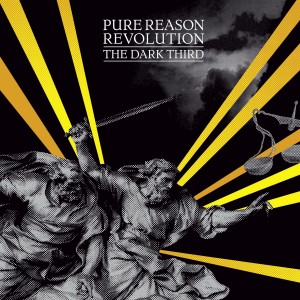
Pure Reason Revolution, The Dark Third (reissue): At a time when progressive rock’s troops were thin on the ground, PRR provided reinforcements — and a breath of fresh air. It’s still hard to believe a major label released The Dark Third back in 2006; the effortlessly evolving long-form suites, the sweet-and-sour pairings of lush soundscapes and jacked-up beats were a vivid variant on Pink Floyd’s classic palette that turned the bass and drums up to 11. Jon Courtney, Chloe Alper and their cohorts weave the webs of melody and harmony; Paul Northfield’s co-production brings out the cavernous bottom end. The new bonus disc includes both the intriguing student work that led to Sony signing PRR and outtakes that showed up in different forms on later albums. Always an booming, blissed-out listen, now more inviting than ever.
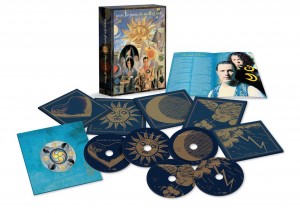
Tears for Fears, The Seeds of Love (reissue): A marvelously all-over-the-place, widescreen record. Unabashedly pop but also fearlessly expanding the TFF sound into psychedelia (the title track was everywhere back in 1989), soul (big shout-out to Oleta Adams and Tessa Niles, who pushed Roland Orzbaal and Curt Smith to new vocal heights on “Woman in Chains” & “Swords & Knives”), jazz (Nicky Holland & Adams serve up stunningly tasty piano), world music (Jon Hassell’s superlative trumpet on “Standing on the Corner of the Third World” & “Famous Last Words”) and even a touch of prog-funk on “Year of the Knife.’ The squeaky-clean remaster (plenty of headroom and dynamic range) is dandy, but if you need more, the super-deluxe set linked above includes some dynamite rehearsal recordings.
and my Top Pick . . .
Ella Fitzgerald, The Lost Berlin Tapes (live, archival): My recent listening has tacked in the direction of mainstream jazz; if I had to speculate as to why, I’d say I might be looking for less tension and more release during my unobligated time. But what’s on offer is a factor as well. Instead of baking sourdough bread or taking up acoustic guitar during the time of COVID, it’s as if jazz musicians and aficionados have all dug deep in their closets and simultaneously unearthed long lost vintage recordings — which record companies eager to fill their distribution pipelines have snapped up and launched into the wider world.
This, in my view, is the best of that harvest: an astounding, life-affirming 1962 concert buried in the archives of Ella Fitzgerald’s manager until now. Ella and her fellas (Paul Smith on piano, Wilfred Middlebrooks on bass, Stan Levey on drums) are at their absolute peak, in tune with each other and with an extroverted, enthralled Berlin audience. Every note of this concert radiates warmth and inner joy, even when the mood darkens on torch songs like “Cry Me A River” and Billie Holiday’s “Good Morning Heartache.” And when Ella swings on “Jersey Bounce,” jumps on “Clap Hands, Here Comes Charlie,” digs into Ray Charles’ “Hallelujah, I Love Him So” (resulting in an immediate, complete encore!), then breaks into her trademark scatting on “Mack the Knife,” well, she is unstoppable. I have had no finer feeling listening to music this year; whatever may ail your soul, I believe that The Lost Berlin Tapes are good medicine for it.
But wait, there’s more! Watch for my “new album” favorites from 2020 coming soon . . .
Los Angeles, CA’s melodic metal one-man band The Crown Remnant, formed by singer and multi-instrumentalist Will Ash, is launching a music video for “The Fall,” taken from the upcoming studio album “The End of Days.” Watch it below.
Speaking about the upcoming full-length release Ash said: “This record was written with extreme expedition, I think due to how seamless the themes came together. For me, writing isn’t forced – I don’t start a project unless I have a really good idea, or a good collection of musical ideas to begin with. ‘The End of Days‘ was no exception. Musically, I’m constantly experimenting. Ideas that started even after writing the previous record ‘The Wicked King’ in 2017 came into play. I had been working on chunks of songs since then, little inspirations and outlines of a melancholic, vintage inspired something.
“That expanded into the major theme of the new album – endings (and innately, beginnings),“Ash continues. “With 2020 bringing real senses of loss to millions of people through the global pandemic, endings were on my mind. The world in chaos, and a shift in political mandates worldwide made a theoretical end of the world interesting to postulate about. As the ideas developed, I ended up writing the album in a way that observed a 3 act ‘story arc’ – with each act bringing a new piece of the story of the world ending, and each with its own theme and musical direction.“
The underlying message of “The End of Days” is a sense of hope, but also warning. Ash goes on saying, “Continuing down the path of extreme nationalism, exclusion, and selfishness will bring about a certain type of apocalypse – whether ideologically, economically, or literally. This whole big rock that we have to live on only functions when we realize that we all have to live together. When we do that, we achieve great things. But when we promote isolation, or tribalism, we end up tearing each other – and the world we live in – apart.“
Watch a music video for the new single “The Fall” below.
Vultress, Hypnopompia, 2020 Tracks: 1. Hypnopompia (0:35), 2. Cmdr Hall and wherewithal (4:56), 3. Tether (5:57), 4. Fall Into Then (4:13), 5. L’appel Du Vide (5:07), 6. New Sun (9:51)
It isn’t everyday that I get to feature a band from America’s great Midwest – much less a prog metal band from the Midwest. They hail from Valparaiso, Indiana, a mid-sized town on the far southeastern edge of what could be considered the greater Chicagoland area. The band is comprised of Jordan Gaboian (guitar), Paul Uhrina (drums) and Anthony Capuano(vocals/keys). Hypnopompia is their second album, following 2014’s Distance.
At just over a half-hour long, perhaps Hypnopompia would have been better billed as an EP rather than an album, especially since the album is rather inconsistent. “Tether” and “L’appel Du Vide” are from completely different genres, and “Tether” alone has multiple genres intermingling – some of which work and some which don’t. I also noticed a strong Dream Theater influence on their first album that I don’t notice in their new album.
Someone commented on Bandcamp that Capuano’s voice is reminiscent of both Claudio Sanchez (Coheed and Cambria) and Serj Tankian (System of a Down). This is a pretty fair assessment. Sanchez’s influence is most prevalent on “L’appel du Vide,” while the latter influence can be heard on “Tether.” There is a moment on their first album where it’s clear that he is channeling James Labrie circa 1994 – specifically the distortion Labrie used on “6:00.” Capuano doesn’t do that at all on this album, preferring instead more of a death metal growl in the brief moments when he does decide to use distortion. Most of his singing is clean, and it is pretty good, although it might take a few listens to adjust to it. However I think the music would be best served if he added the warmth from “L’appel du Vide” to their metal moments, like Claudio Sanchez does, and he should go with the mid-90s Labrie-style distortion rather than the growling, since it matches the music better.
I really wanted “Tether” to be my favorite track because it had a unique playfulness and heaviness that fits well with today’s prog-metal scene. It opens with heavy acoustic strumming before pounding into a deep metal riff. All good so far. Capuano mixes up the vocal styling a bit, which works when it’s the Tankian-style high-pitched notes, but it doesn’t work as well with the growls. The middle of the song does a hard shift into a traditional jazz section with saxophone, which the band performs extremely well. This brief section was one of my favorite parts on the album, in fact. However after that they go back into a really heavy drop-tuned section that includes saxophone playing in a less-orderly way than it was during the jazz section. To my ear this doesn’t work as well.
The fifth track, “L’appel du Vide,” is a bit of a surprise. It’s a ballad, which feels out of place on the album. However, Capuano’s voice shines. It has a warmth that could help on the metal tracks. Perhaps if the song morphed into a heavier chorus it wouldn’t feel so out of place, but it’s really a pop ballad without the rock that Dream Theater usually infuse into their ballads. The chorus could shine with electric guitar and drums, kind of like Dream Theater’s “Wither” or Coheed and Cambria’s “Here To Mars.” The song even builds up to that kind of moment, so it is a bit of a letdown when the calm acoustic guitar remains. About 2:45 in we get an electric guitar playing clean highs in the background, but the drums and bass are still playing as if it is a quiet ballad. Yes what I’m proposing is formulaic, but it is a formula that works for prog-metal ballads (see the aforementioned DT and C&C tracks). With a build up to a heavier wall of sound the song would fit a lot better in the album.
“Fall Into Then” is the most consistent song on the album musically and vocally. The style stays the same, and it keeps a heavy tone throughout. It has a really strong driving guitar groove, with some Hammond-style organ highlights thrown in for good measure. Turn this one up – you won’t be disappointed. There is some really good bass drum pedaling along with a thundering bassline.
“New Sun” follows along a similar track, but it includes some weird electronic vocal distortions in the middle that don’t really work. The heavy synth section in the middle works well, even though it slows the pace, but the electronic vocals are really jarring. Apart from that it is an excellent longer-form prog metal song with some nice guitar moments. The keyboard work on this one is a nice touch as well.
Overall I’d have to say I enjoyed the track “A Chord From Heaven” off their first album a lot more than anything off Hypnopompia. Looking at both albums it is abundantly clear that all the pieces are here for something truly special. I think this album detoured a bit from the trajectory the band created with their first album. They could take elements from Hypnopompia and apply it to new music made more in the vein of their first album, and they’d be in great shape. With that said I still recommend you give this a listen.
Just some first impressions of Dimitri Toonen’s new solo album, Leave My Mind Sometimes. This is some seriously good music. The instruments, vocals, and lyrics feed the emotion in the music to wonderful effect. There is relative simplicity at the individual instrument level, but joined together it is quite beautiful. The music has its quiet and heavy moments. The electric guitar is smooth and calculated without being formulaic, and the acoustic guitar sets the calm moments nicely. I look forward to digging into this some more. In the meantime, check out the music video for “Not Home Today,” and check out the rest of the album for yourself. Full review hopefully forthcoming in the near future.
A few days ago Steve Hackett released a music video for his track “Andalusian Heart” off his upcoming acoustic album, Under A Mediterranean Sky. The track is absolutely stunning. For just under six minutes I was able to slow down and be transported to another world. It’s so hard to slow down these days and be present with something. There’s always something that needs to be done, something to worry about, or one more email or twitter feed to scroll through.
The symphonic overtones set the scene, but Hackett’s calm Spanish-influenced guitar is obviously the main attraction. The visuals for the video are quite stunning as well. Well done, Mr. Hackett. Well done. I can hardly wait to hear the rest of the album.
They were on the verge of breaking out in the U.S. market in 1980. But a tragic accident suddenly interrupted their trajectory towards mega-stardom.
Guitarist and songwriter Gord Lewis suffered serious injuries. Although he later returned to the band, they spent the next four decades playing small gigs cross Canada.
In 2008, lead singer Frankie Venom died at 52 from throat cancer, leaving the band reeling in the wake of tragedy yet again.
The documentary begins with a stark juxtaposition. It shows the band in concert at the height of their success, and then in the present day with the band taking a limo ride to visit Frankie’s grave site.
They gaze at the words on Frankie’s tombstone: “Picture My Face.” It’s the name of the band’s smash hit first single, which appeared on their first album in Canada.
But in the documentary the phrase takes on a new meaning. Exploring the impact of death and suffering upon the lives of the band members, it expresses a loving remembrance.
Gord Lewis, still reeling from Frankie’s death and his own automobile accident, is shown struggling with severe depression. The band supplements Gord’s medical treatments with efforts to get Gord to record a new album with them and play live shows.
The documentary chronicles much of this real-life pain and struggle as it happens. We root for the band as Gord plays a triumphant live show again with them at the movie’s end.
The film’s central message is supplied by Gord’s brother, Father David Lewis, interviewed at his parish, St. Teresa of Avila Roman Catholic Church.
“I believe in Gord’s calling and I believe in my own,” says Father Lewis. As he listens to Teenage Head’s music on camera, he exclaims, “I love it! Love it. It’s of God! God is part of this.”
Father Lewis explains how he believes rock music “just gives strength.” He also reveals: “Gord and I have lost our parents, so we feel like orphans. And I think Gord felt like that when Frank died.”
The importance of this type of music? “Suffering. It’s about suffering,” announces Father Lewis. “I think that’s what produces rock and roll. You learn how to suffer.”
It’s an impromptu homily on the film’s central theme. “The blues and rock and roll are about suffering and expressing it with hope,” he says.
Eminently worth watching, this documentary will lead you to reflect on the presence of suffering and loss in your own life. Perhaps you’ll even start listening to old records from the 1980s.
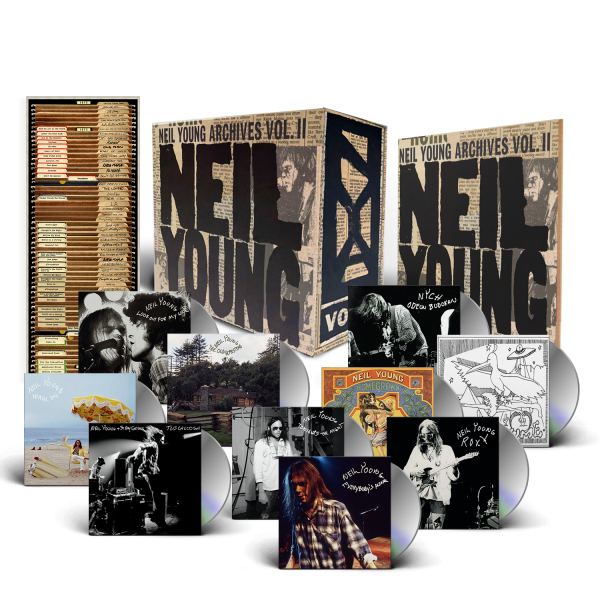
Neil Young tries to sort out the shambles his Archives Volume II pre-order process became one more time, at the NYA Times-Contrarian:
A DELUXE edition with subtle art differences is coming for those who couldn’t get the limited first one because of the demand and shortage. Those who got the first limited one will get a letter of authenticity sent to them. The Deluxe set is coming March 5 2021. I really hope you all enjoy the music as much as we did making it back then.
Love and be well, Neil and NYA
Links to pre-order the Deluxe Edition (which features the “II” in red, for the same price as the sold-out Limited Deluxe Edition) and the Retail Edition (smaller box, smaller book, $90 less) from Young’s online store The Greedy Hand are now active.
So what have we learned from all this?
If you’re Neil Young, you’ve learned that these days it takes a minimum of four months for a second pressing of a box set, no matter how loudly you complain to your record company;
If you’re Warner Reprise, you’ve learned that Neil Young will never, ever let go of a bright idea unless he does so on his own — so for pity’s sake, don’t tell him something can’t be done;
This is probably old news to you by now, but Transatlantic announced their latest album, The Absolute Universe, is coming out in February on an abridged version and an extended version. I’m sure we’ll have more to say about that once we get a chance to hear both versions, but for now check out the press release:
TRANSATLANTIC – the Prog Supergroup of Neal Morse, Mike Portnoy, Roine Stolt & Pete Trewavas – are pleased to announce their fifth studio album ‘The Absolute Universe’, set for release on February 5th, 2021. Representing the band’s first new music since 2014’s ‘Kaleidoscope’, with ‘The Absolute Universe’ the band have done something unique and created two versions of the record: ‘The Absolute Universe: The Breath Of Life (Abridged Version)’ & ‘The Absolute Universe: Forevermore (Extended Version)’.As Mike Portnoy explains: “We’ve got two versions of this album. There is a two CD presentation, which is 90 minutes long, and a single one – that’s 60 minutes. However, the single CD is NOT merely an edited version of the double CD. They each contain alternate versions and even in some cases, new recordings. We wrote fresh lyrics and have different people singing on the single CD version tracks as compared to those on the double CD. Some of the song titles have also been changed, while others might remain the same, but compositionally what you’ll hear has been altered. You must appreciate that what we have done is unique. We revamped the songs to make the two versions different.” Pete Trewavas adds: “We did write some new music for the single CD,” adds Trewavas. “What’s more, there are also differences in the instruments used on some of the tracks across the two records.”Each album will be available on CD, LP & Digitally. But there will also be what has been called ‘The Absolute Universe: The Ultimate Edition’, which collects both versions together in one lavish package that includes 5LP’s, 3CD’s & a Blu-ray that contains a 5.1 surround sound mix with visuals & a behind the scenes documentary. All editions have unique artwork created by Thomas Ewerhard. The full list of formats is below, and pre-orders start on the 20thNovember:‘The Absolute Universe: The Breath Of Life (Abridged Version)’Special Edition CD DigipakGatefold 2LP+CDDigital Album‘The Absolute Universe: Forevermore (Extended Version)’Special Edition 2CD Digipak3LP+2CD BoxsetDigital Album‘The Absolute Universe: The Ultimate Edition’Limited Deluxe Clear 5LP+3CD+Blu-Ray Box-set – contained within a foil-finished lift-off box with extended 16-page LP booklet & 60x60cm poster
Initial tracking began in September 2019 when the band met up in Sweden to write and arrange the new material. As Portnoy explains: “Over a period of 10-14 days, we mapped out the songs. Then we all went back to our home studios and did the recording. That’s the way we always do it. At one point, though, it was suggested that instead of doing what was by that time going to be a double album, we should just be content to do a single CD.”“What happened was that everything kept expanding and expanding,” recalls Stolt. “Therefore we decided it made sense to make it a double album. It was Pete and Neal who then came out and said they felt this would be too long, and we should reduce it to one…But we were already recording, and it didn’t seem feasible to cut it back. There were so many pieces that each of us loved in what we were planning and didn’t want to lose. That’s when we ended up in discussions over the best way forward.”This album also marks a return to the concept album for Transatlantic. “Well, the idea of Transatlantic deciding to do a concept record this time around won’t shock anyone, right?” laughs Portnoy. “What we have is essentially one giant composition, split into chapters. The storyline is about the struggles facing everyone in society today.”“We didn’t start out with the idea of this being conceptual,” admits Stolt. “The way things work with us is that we have a load of ideas, and these are developed spontaneously when we meet up. Everything happens in the moment.”So, how does this new ground-breaking album compare to Transatlantic’s previous four albums?“I always try not to compare albums as much as possible,” insists Morse. “It’s very difficult when you’re trying to be creative, because your natural instinct is to constantly compare. But in order to create you have to kind of step away from that. Having said that, I would say this would have more in common with ‘The Whirlwind’ album (the band’s third, from 2009) than others that we’ve created.” For Trewavas, ‘The Absolute Universe’ is a momentous project.“I think it is right up there with the very finest albums we’ve done. As the others have said, it compares very well to ‘The Whirlwind’, which I believe represents Transatlantic at our best. As on that album, we took our time to write and arrange everything, and that shines through. I am very excited for people to hear it.”Transatlantic were originally formed in 1999, releasing their debut album ‘SMTPe’ the following year as well as its follow-up ‘Bridge Across Forever’ in 2001. Following a 7-year hiatus, the band reconvened to record and release the much-acclaimed epic 77-minute, single-track album ‘The Whirlwind’ followed by a world tour in 2010 which included an appearance at High Voltage Festival in London where they were joined by legendary Genesis guitarist Steve Hackett. The band’s fourth album ‘Kaleidoscope’ arrived in 2014, going on to win ‘Album Of The Year’ at the Progressive Music Awards.

 Editor’s note: Today we are happy to bring you a guest review of Stefan Elefteriu’s album, Quantum Gates, by Chloe Mogg, a UK-based singer/songwriter and music journalist. Typically electronic-style music might be considered on the fringes of what we cover here at Progarchy, but Stefan’s music is anything by typical.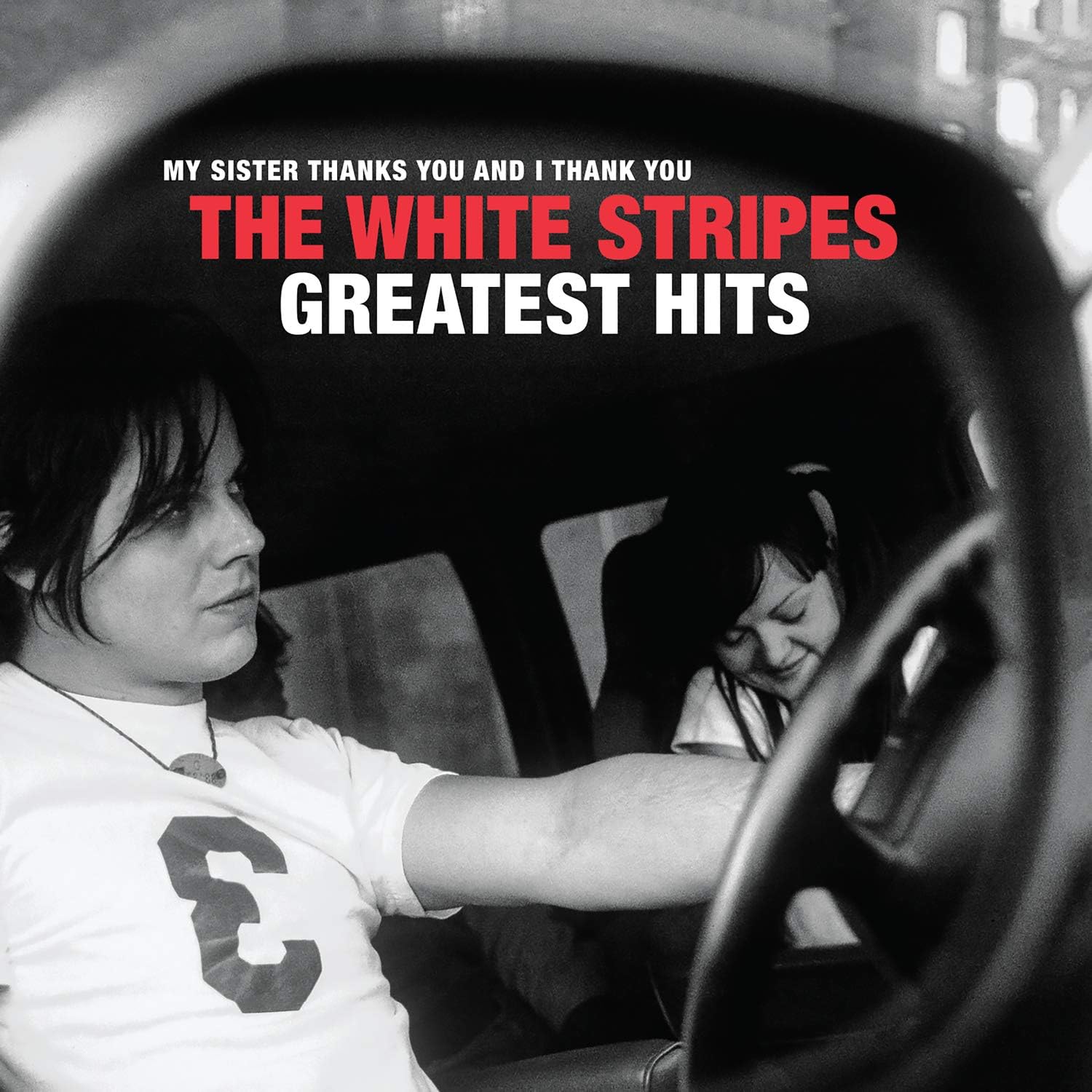






 Progarchy