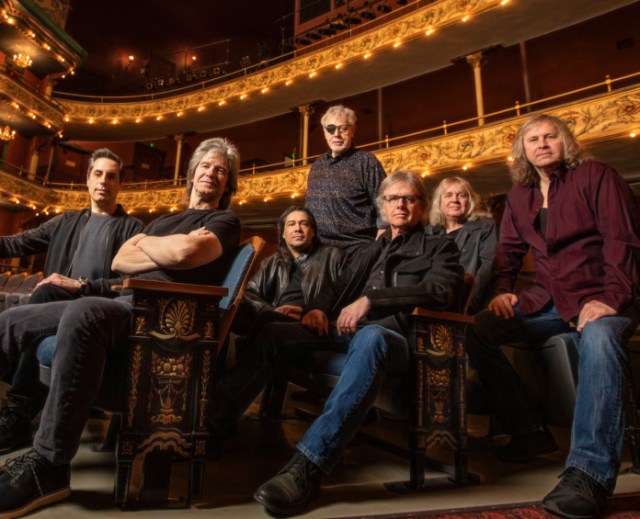
For all that Kansas can’t (and shouldn’t) shrug off the legacy of their golden days, especially the double whammy of Leftoverture and Point of Know Return, they’ve built up quite a track record beyond the hits over the decades. The live set that followed the big albums, Two for the Show, is still thrilling; the 1980s version of the band fronted by Steve Walsh and guitarist Steve Morse changed up the sound without diluting the essence on Power and In the Spirit of Things; the original line-up reunited for a triumphant set of new Kerry Livgren compositions on 2000’s Somewhere to Elsewhere. And 2016’s The Prelude Implicit proved a first-class return to sustained action. The new recruits, guitarist/songwriter Zak Rivzi and singer/keyboardist Ronnie Platt, jelled nicely with Kansas’ long-term bedrock (stalwart violinist David Ragsdale, bassist/vocalist Billy Greer) as well as the band’s remaining founders (piratical guitarist Rich Williams and progressive rock’s most criminally underrated drummer, the brilliant Phil Ehart).
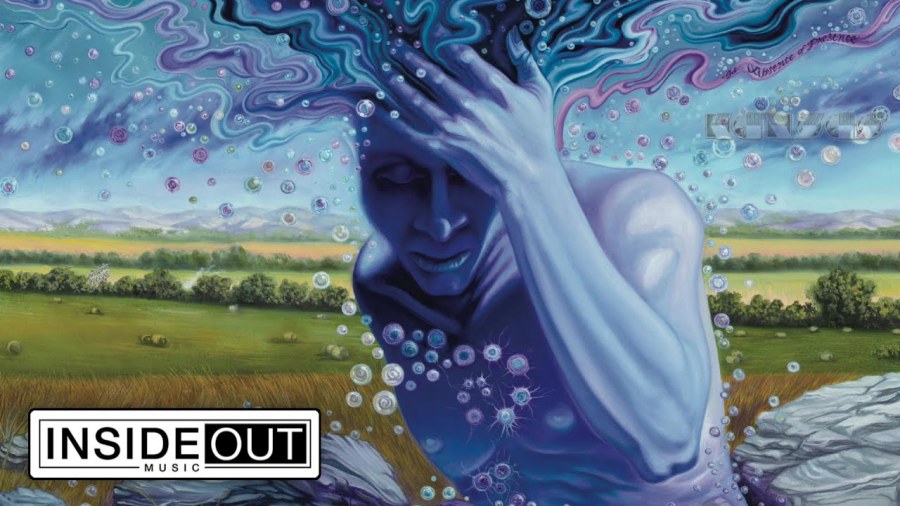
The good news is that Kansas’ latest, The Absence of Presence, is another great leap forward; appealing melodies, heady complexity and breathtaking power unite for maximum impact, and the whole album is a joy to hear. Each player has upped his game multiple notches — Ragsdale, Rivzi and Williams peel off one ear-catching riff and solo after another, Platt sings with smooth, soaring power and commitment (evoking Walsh while being utterly himself), and I could listen to Greer and Ehart’s rolling, tumbling thunder all day. New keyboardist Tom Brislin is the perfect match for this line-up, dishing up just the right lick no matter what’s required — pensive piano intros, crushing organ and synth riffs, lush textures, wigged-out solos, you name it.
But it’s how all these ingredients blend that makes The Absence of Presence compulsively listenable; the writing is more collaborative this time around (Rivzi and Brislin on music, Brislin, Pratt and Ehart on lyrics), and the band navigates the twists and turns of the tunes with pin-sharp focus. The multi-sectioned title track, the instrumental “Propulsion 1” and the unexpected up-tempo groove of “The Song the River Sang” (with Brislin on lead vocal) revel in Kansas’ proggier side. “Throwing Mountains” “Jets Overhead” and “Circus of Illusion” prove solid rockers, laced with unpredictable musical curveballs that set up the compelling, aspirational lyrics. And the obligatory power ballads “Memories Down the Line” and “Never” are earworms you may not want to shake, with words and melodies that bring home the heartfelt sentiments without bogging down in sticky sweetness.
In short, The Absence of Presence shows Kansas unlocking a new level of achievement, still going strong and making excellent new music more than 40 years after their initial breakthrough. Recommended without hesitation; this one has already hit my shortlist for this year’s favorites. Listen for yourself below.
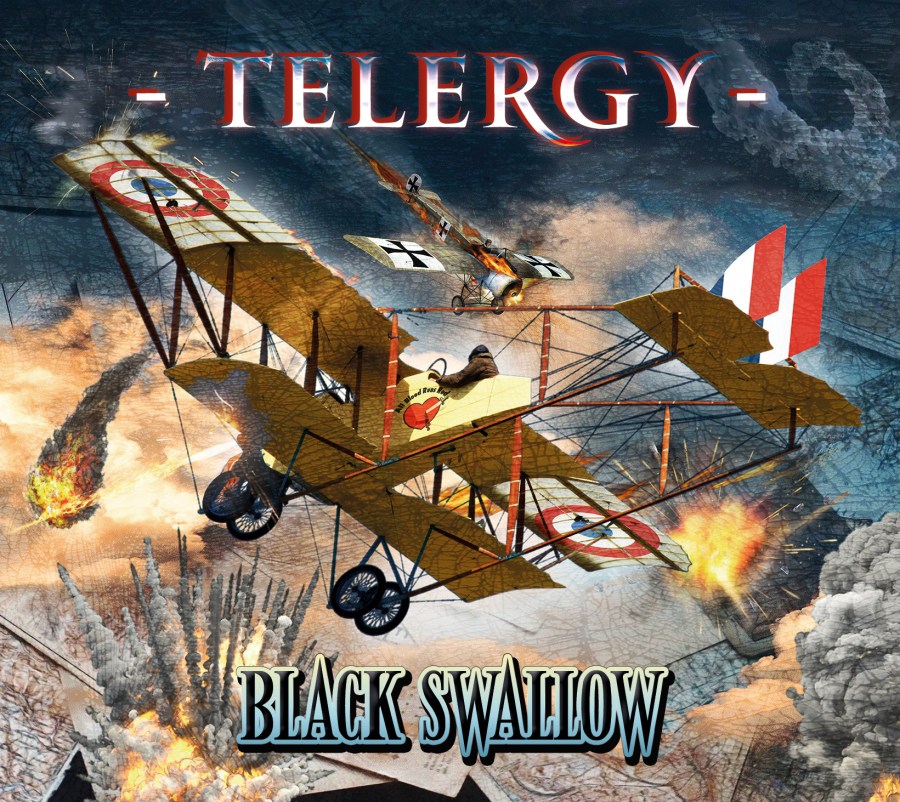
“Black Swallow” is the title of the new, fourth studio album by a New Hampshire based progressive rock project Telergy–a brainchild of the award winning, Emmy nominated, Billboard top ten charting composer, producer, and multi-instrumentalist Robert McClung. As is the case with previous efforts, this new offering is another concept album which, this time, tells the story of the first African-American pilot and hero Eugene Bullard.
McClung has once again gathered a team of guest musicians around himself, featuring members and collaborators for historical acts such Pink Floyd, King Crimson, Iced Earth, Styx, Kansas, Foreigner, Trans-Siberian Orchestra, and many more. The album is available for pre-order via the ongoing crowdfunding campaign over at Indiegogo.
In a new interview for Progarchy, McClung discusses “Black Swallow,” but also lets us know about his favorite releases, and more.
You are about to launch a new full-length album with Telergy entitled “Black Swallow.” How do you feel about the release?
I’m delighted. The album has been five long years in the making. It was a massive endeavor with over sixty people involved. We were meticulous to take our time and get it right. It was too important of a story not to. I think we have absolutely made the best Telergy album so far.
How much of a challenge was to work on the album?
The musicians involved with Telergy are spread out all across the world, and some have very busy schedules. Working out all the logistics of getting them into studios to do their parts was quite an undertaking. From a musical perspective, the album had to incorporate elements of certain styles like blues, jazz, gospel and military themes to properly convey the story. Which for me as a composer was a huge challenge to weave into the progressive rock and metal format that Telergy is built upon. But those are the challenges that fuel my creativity with every Telergy album.
Tell me about how you set on making an album about the life of Eugene Bullard, the first African-American pilot in the history of the United States.
I stumbled upon Eugene’s story online shortly after the release of the last Telergy album, Hypatia. The more a dug into it, the more captivating and incredible it was. I was totally baffled that this great hero had existed, but was never mentioned in any American history books. It was a travesty, and I knew I had a chance to use my outlet with Telergy to bring his story out into the light for more people to discover.
What is your opinion about the current progressive rock scene?
There are so many wonderfully talented artists out there right now making some of the best music ever. Older, more established artists and younger, lesser known ones as well. It’s a delightful scene where everyone respects and supports each other like a big family. I only wish it were possible to bring prog back into the mainstream so those artists could get wider attention. The industry has changed so much, across all genres. It’s become nearly impossible for artists to make a living anymore. I hope in the future our society can see more value in the arts and find ways that musicians can support themselves with their music alone.
Can you tell me something about your influences?
My Grandfather was a country musician. He gave me my first guitar when I was around ten years old. I was first inspired by all the classic rock bands of the 70’s that my parents listened to. Pink Floyd, Fleetwood Mac, Aerosmith, Kansas, etc. In my teens I got into heavy metal bands like Metallica and Megadeth. In my teens I also started working in musical theater. Writing and arranging music for shows and performing in pit orchestras. I found that progressive rock blended these two opposing genres of music very well. Bands like Queensryche, Dream Theater, Savatage and Trans-Siberian Orchestra were doing amazing themed albums during that time and I was pulled right in. I feel so fortunate that I now get the chance to work side by side with many of the artists who inspired me when I was young.
What are you listening to these days?
The latest Kansas album is stunning!! They aren’t resting on the laurels of their past hits. They are making some of the best music of their career right now. I’m also totally entranced by Rachel Flowers, who I had the chance to work with on this album. Her talent is amazing, so original and fresh. You can detect her influences, but she blends them into something totally new. I also listen to allot of classical music and movie soundtracks these days. Hans Zimmer is a favorite.
Your five favorite records of all the time?
It’s hard to pick only five. But here goes…
Pink Floyd – The Wall: Hearing the guitar solo on “Another Brick in the Wall Pt. 2” when I was ten years old was a huge turning point for me. I pointed to the record player and proclaimed “I want to do that when I grow up!”. The albums lyrical themes also connect deeply with my own personal life. I had issues with my parents, school, etc. In many ways I felt like Roger Waters was writing about me. The fact that it told a story was so impactful. It wasn’t just a hodge podge of songs about love, politics, partying or whatever. It all fit together in a bigger way and felt so much more emotional and meaningful by doing so. Animals is another Pink Floyd favorite. All their material really. My wife and I actually met on a Pink Floyd fan page.
Kansas – Leftoverture: This was the band that inspired me to play violin. It was through them that I learned that rock music didn’t have to be stuck in a simplistic, repetitive, three chord, one rhythm format. It could twist and turn intricately, just like an orchestra, yet still be powerful and intense. I first met the band after a concert in my teens. They were so friendly and supportive. Their words of encouragement were key to me perusing my own dreams.
Savatage – The Wake of Magellan: A heavy metal album telling the story of a sailor contemplating suicide, who finds new reason for living when he saves a drowning man in the ocean. The mixture of metal and classical music themes was just so powerful, and the story so captivating. I knew I wanted my own music to encompass these elements.
Dream Theater – Metropolis Pt. 2, Scenes from a Memory: This album hit me like a truck!! I had enjoyed all of Dream Theater’s albums prior to this, but this one was a total mind bender. The virtuosity of the music, the depth of the story. It was all just so perfectly done. Total masterpiece!
Trans-Siberian Orchestra – Beethoven’s Last Night: Beethoven tricks the Devil to save his soul and keep his last symphony. Brilliant! When Savatage morphed into Trans-Siberian Orchestra I enjoyed the spectacle of their live shows, but hoped they wouldn’t only do Christmas music. When this album came out, I got everything I wanted. The over the top metal/classical bombast that had drawn me to their music in the first place, and a creative, intense story with a cool twist at the end. Love it!
Notice a connection here? Almost all of these on my list are concept records that tell stories. Which has become the cornerstone of my work with Telergy.
Besides the release of the album, are there any other plans for the future?
I’m regularly asked if Telergy will ever perform live. As much as I would love to see that happen, the logistics and cost of getting that many people together are far beyond my capabilities. But if the right financial backers came along, who knows? I’m always open to the idea. As for the next album, I haven’t found the right story yet. Once I do, I’ll rev up the engines again and see where the ride takes me.
Any words for the potential new fans?
Thank you for giving Telergy some attention. We are delighted to have you onboard. Understand that Telergy is more than just a band. It’s a massive consortium of musicians from all over the world coming together to do something truly unique. We pour our hearts into everything we do, and I hope that passion comes through in the music. We hope we can inform and educate just as much as we entertain.
“Black Swallow” can be pre-ordered via Indiegogo here. Follow Telergy on Facebook.
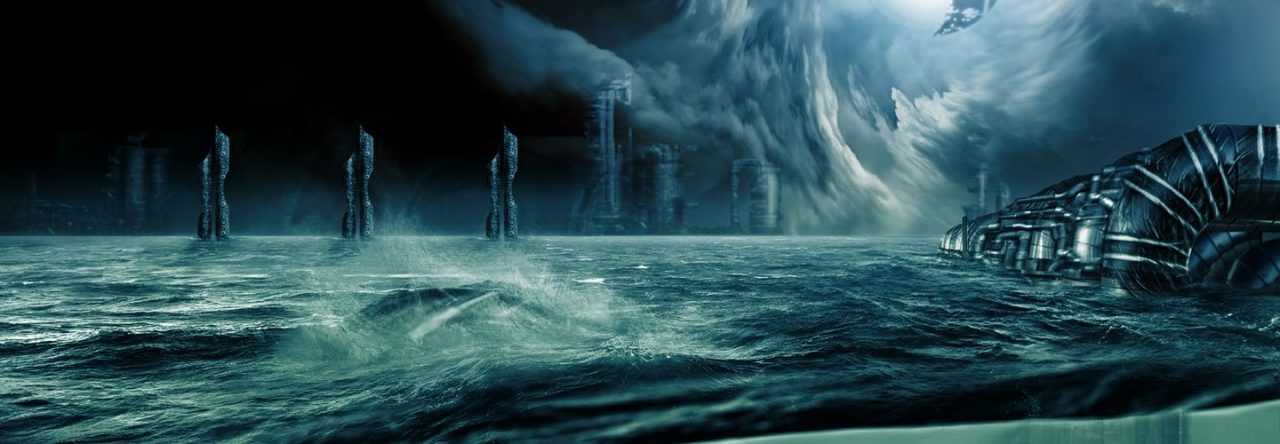
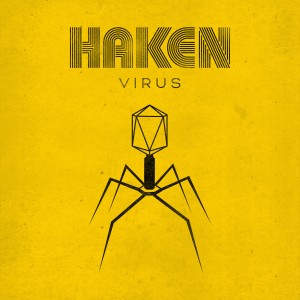
Haken, Virus, Inside Out Music, 2020 Tracks: 1. Prosthetic (05:58) 2. Invasion (06:40) 3. Carousel (10:30) 4. The Strain (05:35) 5. Canary Yellow (04:10) 6. Messiah Complex i: Ivory Tower (03:59) 7. Messiah Complex ii: A Glutton for Punishment (03:38) 8. Messiah Complex iii: Marigold (02:25) 9. Messiah Complex iv: The Sect (02:02) 10. Messiah Complex v: Ectobius Rex (04:51) 11. Only Stars (02:05)
I originally planned on writing about Haken’s new album, Virus, months ago, but then the release date was delayed by the actual virus. It kept getting pushed further and further back, and then real life got in the way and here we are a day before official release. Excuses excuses.
I’ll admit this one took a few listens to sink in for me, but looking back I think I can say that about all of Haken’s albums. There is so much depth to their music and lyrics that it always takes a few listens just to scratch the surface. I’ve found it also takes multiple kinds of listens to help it sink in. There’s the cursory playing over the stereo, there’s the blasting it in the car with the windows down, and (most importantly) the headphones. An album has to be good with the third method to be worthy of the second. Virus is worthy.
Friday Night Progressive, a weekly progressive music radio show, has announced the nominees for the Indeprog Awards (IPA).Categories are for Fusion, Instrumental, Vocal, Composition, Multi Instrumentalist, and Original albums. This will be the 7th consecutive year of the IPA.
The IPA event will be split into around 10 shows starting July 24th with the Fusion Category. Tune into fridaynightprogressive.com at 9pm EST to listen, and fridaynightprogressive/home-2/chat to chat with fellow prog fans and artists during the show. Winners are chosen on the final IPA show (date to be announced), and are voted on by a group of 7 secret judges. The nominations, selected by FNP hosts, Stephen Speelman and Ronald Marquiss, are as follows:
FUSION
Freyja Garbett – Album: Maya
Lenny Rocillo – Album Vanilla Sou Masters
Kenner – Album: 8 Ball City
Spyral Jones – Album: Shock Value
Bob Holz – Album: Silverthorne
Colmorto – Album: Colmorto Vol 1
Identikit – Album: Mind’s Eye Meteorology
Three Wise Monkeys Album: Isolation
Shob – Album: Solide
Alessandro Bertoni Album: Monarkeys
Instrumental
Shob – Album: Solide
a2RK – Album: Morlich
In Continuum – Album: Annihilation
Anders Buaas – Album: The Witches of Finnmark Vol 3
Atlas Cube – Album: The Rift
Time Shift Accident – Album: Chronosthesia
Djam Karet – Album: A Sky Full of Stars for a Roof
The Inner Road – Album: The Majestic Garden
Monolith Orchestra – Album: 21st Century Apocalypse
Tomasz Piwecki – Album: Dark Matter
Andrew Roussack – Album Storm Warning
Biondi Noya – Album: Virgos Night
The Emerald Dawn – Album: Nocturne
Blank Manuskript – Album: Krasna Hora
Diatom – Album: diatom
Metronhomme – Album: Metronhomme 4
Pulsonica – Album: Entre Mundos
Light -Album: Light
Vocal
Huis -Album:Abandoned
Infringement -Album: Alienism
Great Wide Nothing -Album: The View From Olympus
Mangeur de Reves -Album:Mangeur de Reves
Vincent Carr’s Sumic -Album: New Paeans
Vox Nostra -Album: Conjugaison
Onioroshi -Album: Beyond These Mountains
Lobate Scarp -Album: Spirals and Portals
Marco Ragni -Album:Oceans of Thought
Moon Letters -Album:Until They Feel the Sun
Numen -Album: Cyclomythia
Mike Kershaw -Album: Good Intentions
Red Bazar -Album: Things as They Appear
Steve Bonino Project -Album: Stargazer II
Faint Signal -Album: Formula
Coma Rossi -Album: Coma Rossi
Euphoria Station -Album: The Reverie Suite
Grice -Album: One Thousand Birds
Lazleitt -Album: Perpetually Under Idle Grounds
Original
Herd of Instinct -Album:Incantation
Oval Planet-Album: Trench Poems
The Bob Lazar Story -Album: Vanquisher
Cloud Over Jupiter -Album: Short Stories about Tall Aliens
Town Portal -Album: Of Violence
Bruno Karnel -Album: Master Amra 1809
Trampoline – Album: Happy Crimes
Composition
Richard Wileman -Album: Caal of a Thousand Souls
Drifting Sun -Album: Planet Junkie
Habelard2 -Album: Sgnautz
Oak -Album: Giordano Bruno
Bowo C -Album: Endeskrie
The Biology of Plants -Album: Volume 2
Izz -Album: Don’t Panic
United Progressive Fraternity -Album: Loss
The Far Meadow -Album: Foreign Land
Kinetic Element -Album: The Face of Life
Emmett Elvin -Album: The End of Music
Michele Conta -Album: Endless Nights
Soniq Theater -Album: Brandenburg
Multi Instrumentalist
Odd Logic -Album: Last Watch of the Nightingale
Timm Biery -Album: New Shoes
ONY -Album: Salamander
Penna -Album: Soul Magnet
Bonzo Fimbres -Album: Combative Life
Earthkind -Album: Windswept
Custard Flux -Album: Echo
Tom Kelly -Album: Burnt Peas/The Tolling of St John’s Bells
According to Friday Night Progressive’s Facebook Page:
The IPA is a testament of good will and a gesture in recognition of accomplishment above and beyond the realm of excellence. It is perceived as a magical award.
The nominees are selected from the prior year’s album release date.
The judges then decide on a formula for which works and is fair. This formula helps them to decide the advancement of artists / bands to the next tier selection.
Every artist that is played on FNP is recognized as special or outstanding and contributes to a genre which is well respected. The IPA was designed to spice things up for the progressive community throughout the world. If you were played on FNP and nominated, that alone should be enough to win. It is important to bring these artists out to the forefront and the IPA certainly accomplishes that goal.
My copy of Nick d’Virgilo’s Invisible was still in the mail when I read Bryan’s first impressions of it. Following its arrival and repeated listens, here are my two cents.
I honestly didn’t know what to expect from this release, and was pleasantly surprised as a result; it gets better every time I hear it. As Bryan says, Invisible doesn’t sound much like Big Big Train (though it puts d’Virgilio’s jazz-rock flavored compositions for BBT in context), or even middle-period Spock’s Beard. And it only dabbles in the hyper, clattery alt-pop NDV tackled with Randy McStine and Jonas Reingold on The Fringe. Mostly, this is an album of classy, soulful rock and pop with R&B undercurrents, reminiscent of nothing so much as the pre-Nirvana mainstream. The progginess is in the extended structures, the virtuoso playing and the overall concept; “The Alan Parsons Project with a lot more horsepower” might be a good thumbnail description.
(Invisible is a pretty cool example of creative entrepreneurship in today’s music industry, too. By leveraging his gig at Fort Wayne’s Sweetwater Studios, d’Virgilio managed to play ten different drum kits in exchange for promotional considerations — i.e. the drool-worthy “Drum Gear” booklet included with each copy — and draw on a bevy of guest stars from studio master classes, with Cheap Trick’s Rick Nielsen as the wildest card in his deck.)
The down to earth storyline, a solid redemption narrative with some nifty twists, definitely helps make Invisible appealing and relatable. But I would argue that the musical means d’Virgilio uses to build out his concept seal the deal. Beyond his emotive singing and consistently brilliant drum work, Nick’s polished efforts on electric piano, loops, bass, bass synth and guitars provide a sturdy chassis for each track; his fellow Sweetwater pros, guest stars and prog buddies lovingly customize the power trains and bodies; and the strings and brass of the Orchestra at Abbey Road furnish plush aural upholstery (along with a recurring musical theme based on the chorus of “Where’s the Passion”).
As a result, every single track of this album grabs on tight from the beginning — not just revealing more depth and emotional resonance with every repeat, but also relentlessly propelling the overall narrative forward. The desolation of the title track and the downbeat cover of “Money (That’s What I Want)”; the defiance of “Turn Your Life Around” and “Overcome”; the devastation of “Waiting for No One” and “Not My Time to Say Goodbye”; the cathartic deliverance of the finale “I Know the Way” — this is outright sonic cinema, pictures vividly created in your head by state of the art, high quality music.
So, yeah, I’m sold on Invisible; it’s already in contention for my end-of-the-year favorites list. And I think you might dig it too. So order it from NDV’s website or Burning Shed; heck, listen on Spotify if you can’t wait for it to arrive. Whatever. You really shouldn’t miss this one.
Upon being told his Prog fans were hoping he’d shoved the Prog Fader up to 11, [Rick] Wakeman replied, “That could be a problem… as it’s already at 14!!!”
The man ain’t kidding. The Red Planet, Wakeman’s 18th or 122nd solo album (depending on how you count) features eight all-instrumental portraits of Martian landscapes, awash in growling Hammond organ licks and nimble Moog synthesizer solos. So far, so good, if typical — but what makes Wakeman’s latest effort a genuine delight is both the welcome variety of his new compositions and the stellar contributions of his supporting players.
The opening “Ascreaeus Mons” subtly shocks long-time listeners right away, kicking off with a sprightly pipe organ/harpsichord riff (usually the pipes don’t come out until a Wakeman album’s climax), then shifting to a genially chugging melody (doubled by choir on the repeat) for the B section. Through all these pieces, there’s an attractive new compositional freedom at work — texturally, dynamically, rhythmically. The chilled-out groove of “Tharsis Tholus” is lashed with sudden, lightning-fast jazz-fusion riffs; “Arsia Mons” features big, sweeping synth washes underpinned by acoustic guitar strumming; “Olympus Mons” actually swings at one point; the heavy Deep Purple-style Hammond riff of “The North Plain” is prefaced by thundering piano octaves over an exotic soundscape. Unexpected tone colors (the Rhodes electric piano underpinning “Pavonis Mons”) and structures (the massive bolero build of “Valles Marinens”) add to the fun; when Wakeman fires up his usual scales and arpeggios on the Moog, the solos take on a fresh aspect, because he’s playing over something completely different. Stir in the lyricism of his recent solo piano albums, referenced in the more reflective “South Pole,” and you’ve got a well-rounded self-portrait of the complete musician, fully on display.
But Wakeman also deserves credit for recruiting possibly his finest supporting cast ever. Guitarist Dave Colquhoun, bassist Lee Pomeroy (who worked live with Anderson, Rabin and Wakeman) and drummer Ash Soan are perfect for The Red Planet — constantly driving the compositions forward, laying down thick, powerful rhythm beds, playing both around and with what they’re given. And each of them get their chance to shine as virtuosos — check out Soan’s thundering toms on “Ascraeus Mons” and flashy hi-hat work on “Olympus Mons”, Pomeroy’s whacked-out tags on “Pavonis Mons” and mind-blowingly limber solo on “Valles Marinens”, and Coloquhoun’s stinging breaks and spring-loaded grooves throughout. Adding their parts on their own, with no instructions from Wakeman, his collaborators amply repay his trust by giving the album an extra spark that helps it soar.
Last year in an interview with Rolling Stone, Wakeman said that arthritis developing in his hands would probably put an end to his touring days relatively soon (though a solo piano tour of Britain is currently planned for later this year). He didn’t rule out further recordings, though — and if The Red Planet is any indication, he’s got a lot more good music in him. Certainly Wakeman’s new album is in the vein of his Six Wives of Henry VIII/Journey to the Center of the Earth/King Arthur glory days — but by digging deeper, writing smarter and grooving harder, Wakeman and his friends have given his classic style a ripe new maturity, polish and kick for the present. This one is well worth your time, attention and cash.
Judy Dyble, whose crystalline vocals were key contributions to the early days of folk-rock legends Fairport Convention and progressive pioneers King Crimson, has died at the age of 71, following a late-life musical renaissance as a solo artist.
Dyble, who titled her 2016 memoir An Accidental Musician, grew up in North London. Drawn to the ferment of the Smoke’s music scene, she fell in with Ashley Hutchings, Simon Nicol, Martin Lamble, fellow singer Ian Matthews and Richard Thompson, who eventually became Fairport Convention. Their kick-off single “If I Had a Ribbon Bow”, a oddball update of a 1940s big band shuffle, was a prime example of the early Fairport’s wildly eclectic style:
The band’s first self-titled album from 1968 featured a vivid mix of originals and covers (of Bob Dylan and Joni Mitchell among others), but Dyble was shuffled out of the band soon after, briefly joining an embryonic version of King Crimson (then trading as Giles, Giles and Fripp):
Following a final stint with cult duo Trader Horne, Dyble drifted away from singing, marrying music critic/record shop owner Simon Stable, then moving to the country and raising a family. Invited to the occasional Fairport Convention reunion at the Cropredy Festival, she began singing in public again after her husband’s death. A trilogy of electronica-based collaborations with Australasia’s Marc Swordfish eased Dyble back into songwriting — which led to 2009’s marvelous Talking with Strangers, co-produced by Tim Bowness of No-Man and Alistair Murphy (aka the Curator) and featuring contributions from Nicol, Fripp, and a starry host of other guests on the acoustic-prog epic “Harpsong.”
Further solo albums and guest appearances followed, including a vocal on Big Big Train’s “The Ivy Gate” from the Grimspound album. Her latest effort Between a Breath and a Breath, a collaboration with David Longdon featuring contributions from the rest of BBT, has just been announced as a late September release. While fighting her final illness, Dyble penned these reflections on the new album, showing both her unquenchable spirit and her wickedly impish sense of humor:
The lyrics for these songs virtually wrote themselves, with minor tweaks, as music grew around them. All were written before I was diagnosed and before the dreadful virus stamped its footprint on our world.
“Quite a few of my lyrics have a touch of sadness about them but always with an optimism for the future and a desire to know what happens next. France, Whisper and Obedience tell stories suggested in conversations and Between A Breath And A Breath is sheer magic. Astrologers was a simple ‘Hmmpph! Stop it!, while Heartwashing and Tidying Away were just poems which wrote themselves.
David Longdon has written a tribute to Dyble which appears on the front page of Big Big Train’s website. Two songs from the Dyble/Longdon sessions not included on Between a Breath and a Breath will be released as Bandcamp downloads later this year, with proceeds benefiting Dyble’s favorite charity, The Barley Greyhound Sanctuary. A selection of Dyble’s albums (including a freshly released live recording from 2016, Weavings of a Silver Magic) are most easily available from Burning Shed and Amazon UK.
Oddly enough, I’d been celebrating the upcoming release of Between a Breath and a Breath last night, listening to Talking with Strangers again and re-reading An Accidental Musician. So Dyble’s final words in her memoir have an uncanny resonance today:
There may be trouble ahead, but while there’s poetry and starlight and mellow autumn colour in the woods and a dog at my side, I’ll face the music and slightly dance. To be continued. I expect …
For all those who sorrow at Judy Dyble’s passing, I wish them comfort as they remember her life with gratitude, as well as continued delight in the beautiful music she made.
If you were to hunt for any positives to come out of lockdown, one of the few might be the increased opportunities it has afforded many of us to sit down and listen to music, in lieu of social or outdoor activities. Indeed, this simple act seems more important than ever as a means of raising spirits and maintaining one’s mental health in these troubled times.
The pandemic has wrecked the live music scene for the moment, and made the business of recording new material much more challenging, but it doesn’t seem to have stemmed the flow of new releases too much just yet, thankfully. So here’s a round-up of twenty things that have particularly caught my ear over the past six months.
Note: wherever possible, links in this piece are to the relevant Bandcamp page (or, failing that, to sites like Burning Shed or Music Glue).
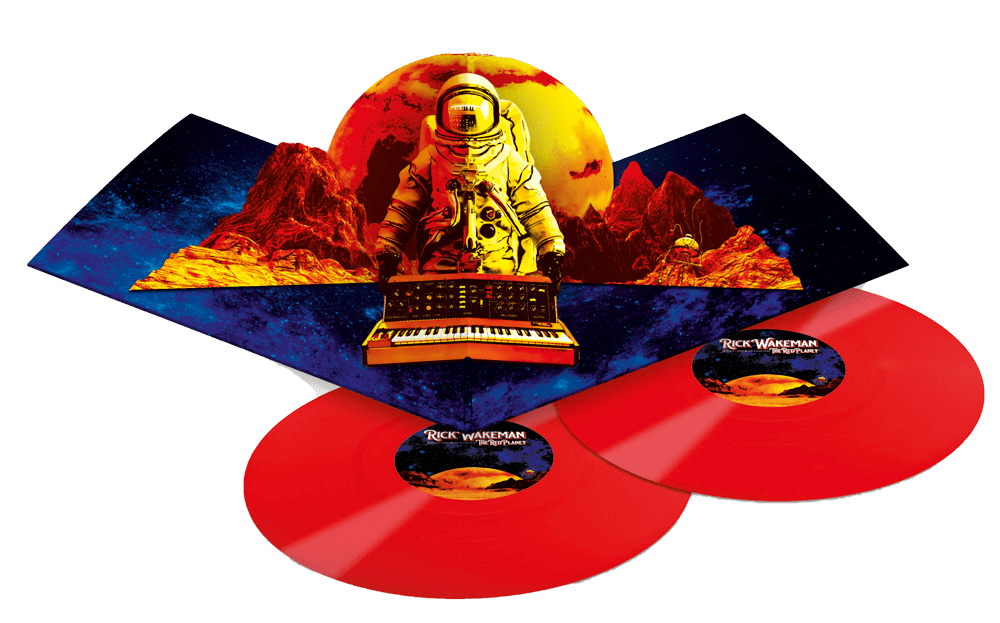
Let’s start with stuff that might be regarded as ‘mainstream prog’. The epitome of this has to be The Red Planet by Rick Wakeman – an album that ploughs a much proggier, Moog-laden furrow than the maestro’s other recent, piano-based work. It’s a delight from start to finish, and my only regret is that I opted for the digital release rather than the CD or vinyl with their distinctive cardboard pop-up covers.
The Red Planet, by Rick Wakeman (Pop-up vinyl version)
Also firmly and squarely in the ‘mainstream prog’ camp lie Pendragon‘s latest, Love Over Fear, and Masters Of Illusion by Magenta. The former is easily the band’s best work for quite a while and features gorgeous aquatic-themed cover art (see below-left). The latter is an intriguing concept album paying tribute to Bela Lugosi, Lon Chaney, Christopher Lee and other stars of classic horror movies. Even better than both of these is the splendid Things Unseen, by I Am The Manic Whale, an album that is uplifting and light in tone yet also satisfyingly intricate. Highlights are the 19-minute epic Celebrity and the touching paean to a newborn infant, Smile.
I’ve avoided lumping new Glass Hammer album Dreaming City in with the aforementioned ‘mainstream prog’ releases, only because this album has a pleasing, harder-than-expected edge to it. I’ll admit that Glass Hammer’s output hasn’t always clicked for me, but I’ve very much enjoyed the heavier tone here, as well as the forays into electronica. Heavier still, and just as engrossing, areInescapable by Godsticks, and Jupiter Hollow‘s latest, Bereavement.
What else has grabbed my attention? Pure Reason Revolution‘s comeback album Eupnea stands out, as does Celexa Dreams by Kyros – an even better album than 2016’s impressive Vox Humana, I reckon. Earworm Rumour and the dramatic In Vantablack are especially noteworthy. If you enjoy slap bass and plenty of synths, you should definitely check this one out!
Rumour by Kyros, from Celexa Dreams
The pop and contemporary music influences that have shaped Celexa Dreams are even more prevalent in another couple of this year’s quality releases: The Empathy Machine by Chimpan A, and Valor by The Opium Cartel. Chimpan A is a side-project of Magenta’s Rob Reed which has been dormant since a 2006 debut album. This long overdue follow-up is a slick, smooth, highly palatable mix of prog, pop, electronica and dance beats, with excellent vocal performances. Valor, meanwhile, is a more straightforward homage to the pop music of the 1980s, but is no less elegant or enjoyable for all that. Elegance is also the watchword in Modern Ruins, by Tim Bowness & Peter Chilvers. This is minimalist art rock at its finest, with Bowness as soothing and seductive as he’s ever been.
In The Streets by The Opium Cartel, from Valor
Instrumental albums have very much been on my radar this year: not just Rick Wakeman’s aforementioned offering, but also material from younger, less established acts. Zopp’s eponymous debut release is a superb slice of jazz-tinged, Canterbury-inspired prog, featuring guest appearances from Andy Tillison and Theo Travis (Andy also engineered and co-produced this one). Much more squarely in jazz territory lies the Jazz Sabbath project, from Rick’s son Adam Wakeman. This imagines an amusing alternate history in which Black Sabbath made their name by ripping off the songs of jazz pianist Milton Keanes! The version of Iron Man on here is especially entertaining. Finally, I can’t leave the Instrumental category behind without mentioning Final Quiet, from the gloriously-named Flies Are Spies From Hell. This is post-rock, but with more delicacy and subtle variation than is generally found in that particular sub-genre.
Before The Light by Zopp, from Zopp
Funnily enough, my favourite releases of 2020 so far would mostly not be categorised as prog. Chief amongst these is Darkness Brings The Wonders Home by Smoke Fairies – a moody, mesmeric album in which minor keys, intertwined guitar parts and vocal harmonies combine to bewitching effect. Stand out tracks are Coffee Shop Blues, Chocolate Rabbit and Chew Your Bones. Equally compelling is Jonathan Hultén‘s acoustic solo albumChants From Another Place, a haunting, mysterious work that taps into obscure folk and choral traditions.
Chew Your Bones by Smoke Fairies, from Darkness Brings The Wonders Home
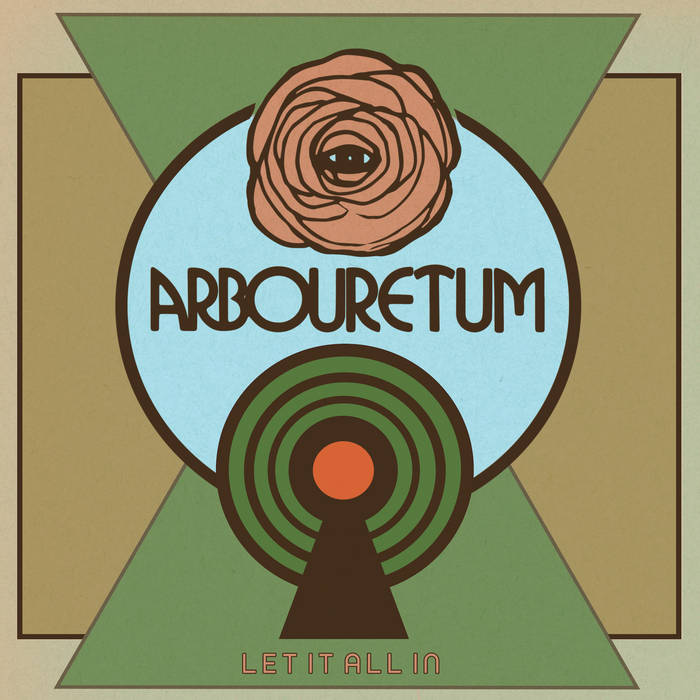
Folk influences also permeate two other 2020 releases that are particularly dear to my heart: Let It All In by Baltimore band Arbouretum, and The Life Of The Honeybee And Other Moments Of Clarity, from Glasgow-based Abel Ganz. The former deftly blends americana, psych and even krautrock, courtesy of the pulsating, hypnotic 11-minute title track. The latter is a majestic and beautiful prog album that somehow improves upon the mood-enhancing, sunny, summery feel of its 2014 predecessor. I guarantee it’ll lift your spirits if you give it a spin. It’s hard to pick a favourite track, but the epic Sepia And White is truly spectacular.
I’ll finish with a shout-out for KOYO, a band local to me, whose new album You Said It has been on constant rotation at home. This is more direct and punchy, and less psychedelia-influenced, than its 2017 predecessor. Overall, it’s not especially proggy, though album closer Against All Odds definitely leans in that direction, while Out Of Control wouldn’t sound out of place on Steven Wilson’s To The Bone. In fact, it’s easy to imagine Wilson producing an album like this, were he to opt for a grungier, more alt rock direction on some future release. However you want to label it, this is a hugely engaging, lively and enjoyable listen, and one of my favourites of the year so far.
Whether contributing to Clive Nolan’s Arena and Jem Godfrey’s Frost*, driving the bus in collaborations like Kino and the latter day It Bites, or helming his own Lonely Robot project, John Mitchell has brought the progressive rock world tons of cool music in the last decade-plus. His irresistible melodic hooks, exciting riffage, heart-on-sleeve lyrics, passionate singing and meticulous craftsmanship are instantly recognizable and (at least for me) guaranteed to raise a smile.
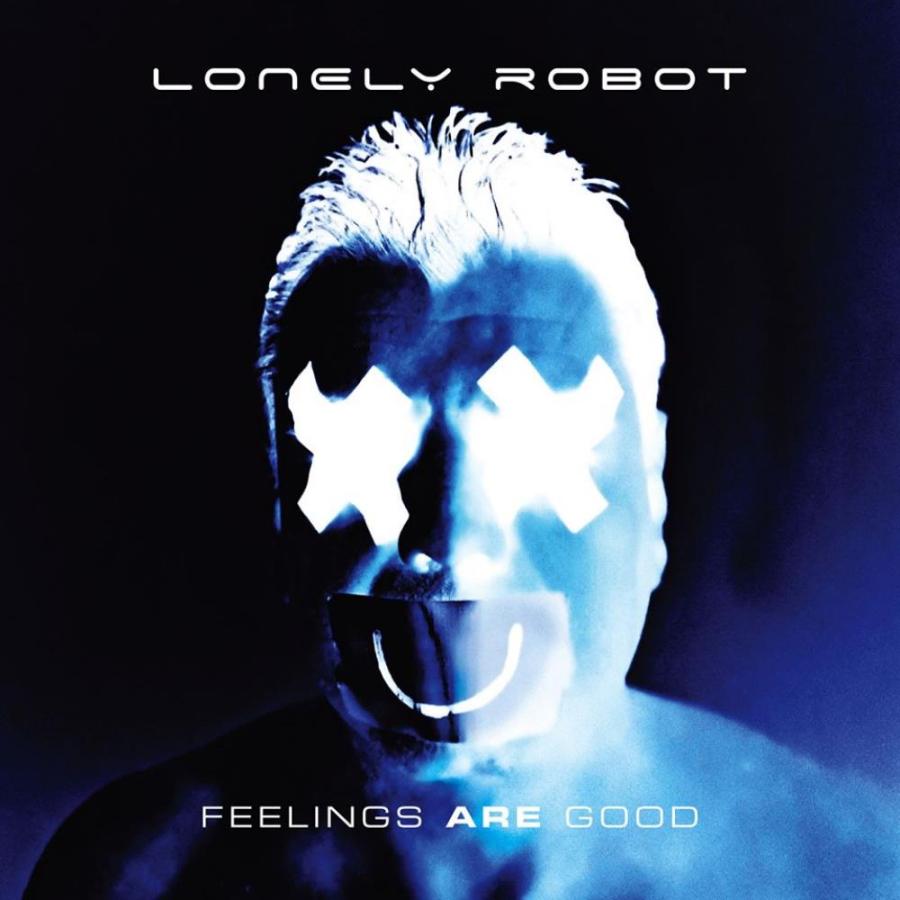
Mitchell’s latest album, Lonely Robot’s Feelings Are Good, pivots from the high-concept themes of the Astronaut Trilogy (2015’s Please Come Home, 2017’s The Big Dream and 2019’s Under Stars), refocusing his sharp observational eye on the rich, sometimes heart-stopping drama of daily life — while resculpting the music to match, aided and abetted by ace drummer Craig Blundell. Released by Inside Out on July 17th on CD, LP and download, Feelings Are Good is a thrilling, wildly eclectic, moving, just plain fun listen.
Getting the chance to interview John Mitchell was just as much fun — he’s warm, humorous and gregarious, serious about his art and at ease with himself. And as you’ll see in the video below, he was definitely having a better hair day than me! An edited transcript of our talk follows the jump.
Hardly breaking stride, Inside Out Music ramps up their summer schedule with a fistful of new releases (some of which had to be rescheduled due to manufacturing delays). Unless otherwise noted, links go to CD versions of these upcoming albums available at Burning Shed; LP and download editions will also be available.
Lonely Robot, Feelings Are Good(July 17). The Astronaut returns to earth. Watch for The Progarchy Interview with Lonely Robot mastermind John Mitchell coming soon!
Pain of Salvation, Panther (August 28). Two years in the making, the latest installment of prog metal plus from Daniel Gildenlow and company.
The Tangent, Auto Reconaissance (August 21) From the ever-fertile mind and fingers of Andy Tillison and his cohorts: jazz, humor, narrative, modern R&B, pop, funk/soul, and a 28-minute epic about England.


 Haken, Virus, Inside Out Music, 2020





 Progarchy