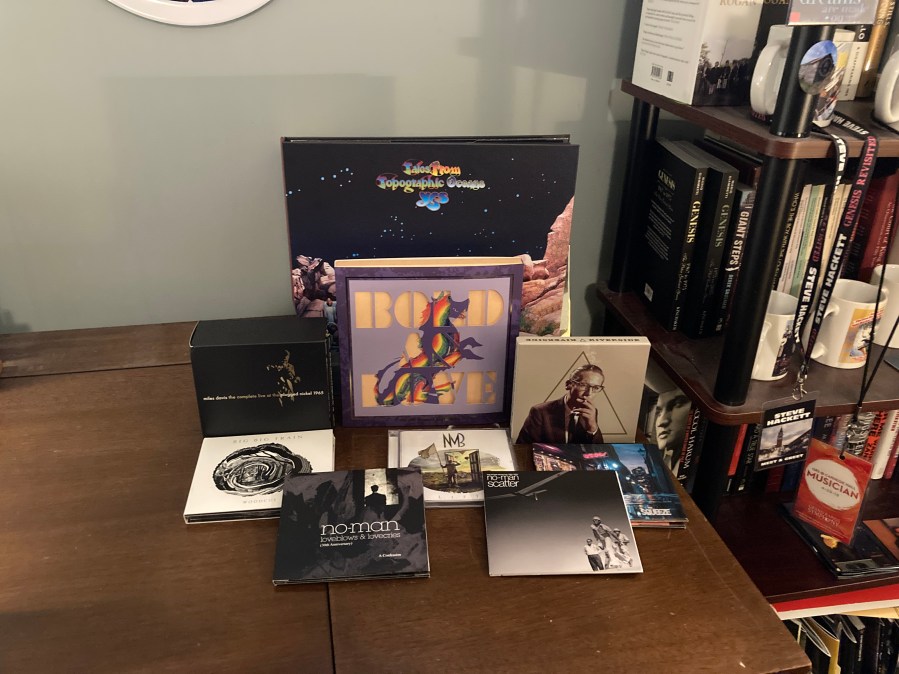
Rick’s Quick Takes: What a (Buncha) Concept(s)!

I might be stretching this a bit, but I’d say that, whether it’s an album that tells a story or a collection that marks an anniversary or achievement (or maybe some do both), every one of the releases below has a concept behind it. Your mileage may vary, but keep that thought in mind as you read on. (Note: listening links are included in each album’s title listing; purchase links are included at the end of each review.)
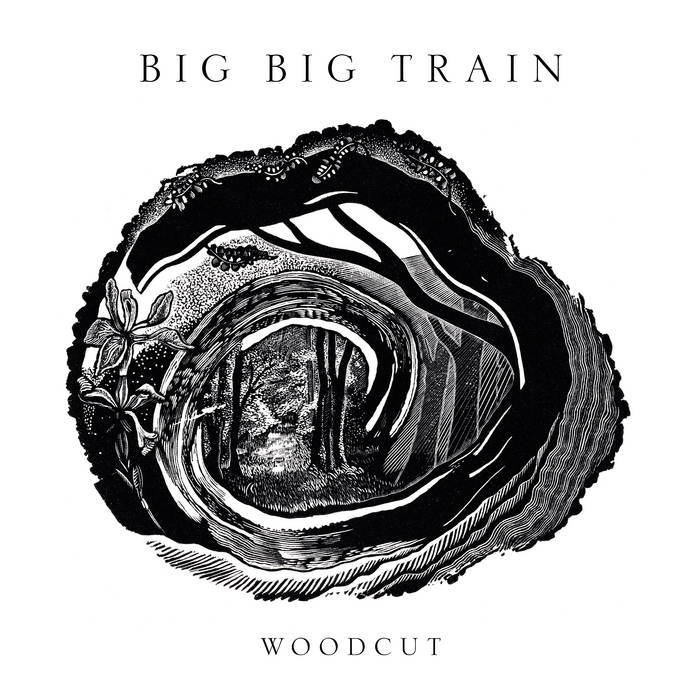
Big Big Train, Woodcut: Nothing but kudos for BBT’s first rock opera from this corner! As I’ve said elsewhere, this band’s chemistry is a big part of why Woodcut is so strong, engrossing in a way that feels natural and organic. So many highlights here: The precise, tough group riffs of “The Artist” and “Albion Press,” accented with Greg Spawton’s distinctive bass licks and chiming 12-string guitar; “The Sharpest Blade’s”folk/metal mash-up, with Clare Lindley and Alberto Bravin working as lyrical and vocal foils to explore darker mental states; Nick D’Virgilio’s tour de force “Warp and Weft”, featuring herky-jerky guitar licks, spot-on a cappella backup vocals, and a soulful NDV lead. The entire album flows – especially from “Light Without Heat” through “Last Stand”, a finale that holds its own alongside any genre classic you could name. It’s all there: expansive musical themes, inspired solo work (especially from Oskar Holldorff and Rikard Sjoblom), gripping instrumental development in “Cut and Run” to set up the cathartic final anthem “Counting Stars”, with Bravin’s vocals soaring above it all. To sum up my reaction to Woodcut, the first time I heard it, I was definitely impressed; now, on repeat listens, it genuinely moves me. In other words, it does for me what Big Big Train’s music has consistently done for nearly ten years now. (Buy from The Band Wagon USA – and definitely pick up Andy Stuart’s book on the making and meaning of the album; it’s the closest you’ll get to the super-deluxe liner notes Passengers like me crave!)
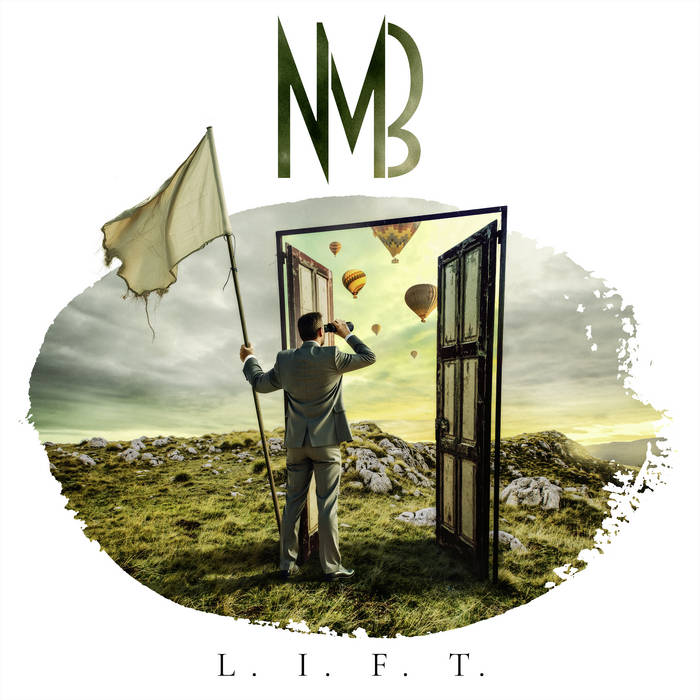
Neal Morse Band (NMB), L.I.F.T: Whatever your take on the title acronym, Neal Morse and his compatriots (complete with Mike Portnoy parachuting in from Dream Theater’s drum throne) know how to whip up an epic. The structure may not be much different from previous efforts (though the first track is titled “Beginning” instead of “Overture”for a change) but there are plenty of musical twists and turns as L.I.F.T.’s everyman protagonist journeys from despair to delight via divine intervention. We get the heartland rock thrust of “Fully Alive”; the hard and heavy “Hurt People” with Eric Gillette contributing monstrous guitar and vocals; the multi-part altar call “Reaching”, featuring fabulous harmonizing and a collective shred over Bill Hubauer’s braying synth fanfares; the U2ish echofest “Carry You Again” propelled by Morse’s voice of God and Randy George’s fleet bass work. And wonders of wonders, “Love All Along” is a climactic conversion power ballad with a spine, effortlessly weaving in core lyrics and themes as Morse, Gillette and Hubauer take the whole thing higher multiple times! Great material, great playing; immediately qualifying for my year-end Favorites list, this is the best NMB has sounded since The Similitude of a Dream. (Buy from Radiant Records.)
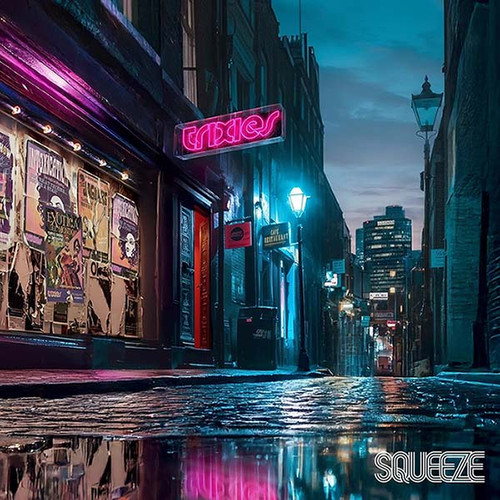
Squeeze, Trixies: Fifty years on, Chris Difford and Glenn Tilbrook recover a lost past. Imagine a pair of working-class teenage Brit musicians, fallen head over heels for slice-of-life vignettes in the throes of the glam/prog/pub rock scrum of 1974. What else could they come up with but an concept album about the habitues of a sleazy, mobbed up members-only nightclub? Fleshed out from recently recovered original demos, this is vintage Squeeze in every sense; Difford’s clever yet plainspoken lyrics and Tillbrook’s sinuous, conversational melodies were already in place, even on influence-heavy tunes like the Bowie-adjacent “The Place We Call Mars”. These evocative sketches of characters (sympathetic or otherwise) whose lives revolve around Trixies (a stage, a haven, a gas, the place to be, ” Hell on Earth”, depending on who’s talking) pre-echo future classics like “Tempted” and “Hourglass”; the pin sharp current lineup of Squeeze, led by producer/bassist Owen Biddle, expertly weave convincing cabaret (“What More Can I Say”, “Good Riddance”) and stomping rock (“Why Don’t You”, “The Jaguars”) around their leaders’ smooth and salty vocals to craft a seamless whole. With this plus another entire album of new songs already in the can, the Lennon & McCartney of the 1980s seem primed to wow both waiting fans and unsuspecting listeners once again. (Buy from Rough Trade.)
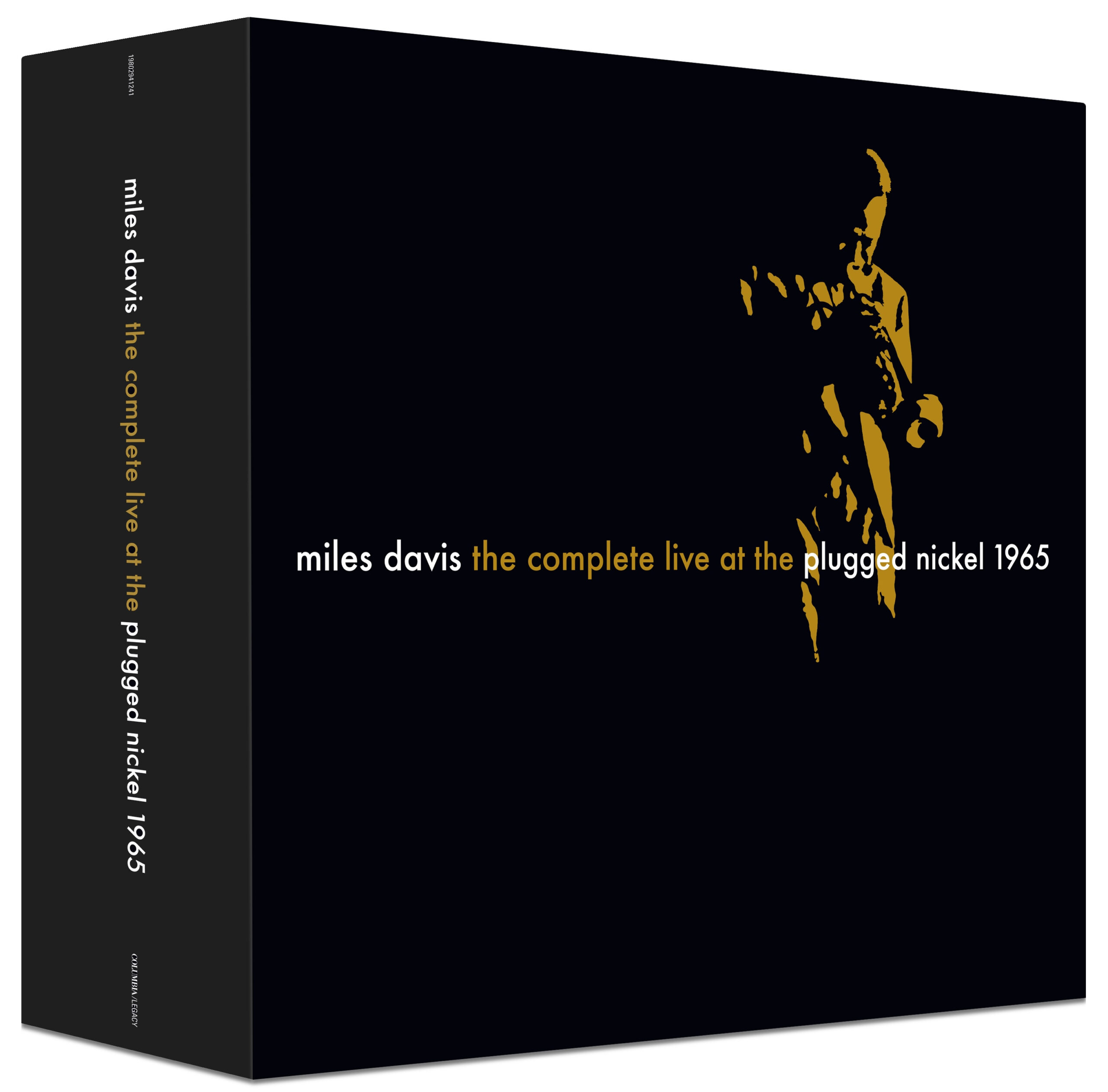
Miles Davis, The Complete Live at the Plugged Nickel 1965: When Columbia recorded seven sets of Miles and his “Second Great Quintet” over two nights in a Chicago club, then tossed the tapes in a vault for twentysome years, did they realize they were sitting on a Rosetta Stone of modern jazz? That’s how these shockingly creative performances were greeted when they finally emerged, and it’s why this fresh reissue (an instant Favorite) is so welcome. Recovering from illness, Davis started the stand playing spaces as much as notes, then coming alive as he realized bassist Ron Carter and drummer Tony Williams’ commitment to new heights of rhythmic gamesmanship, stretching the beat to the breaking point and swinging all the while. Taking their cues, Herbie Hancock switched between single note bop lines and elliptical chording that clouded the harmony instead of clarifying it; all this proved catnip for Miles (constantly drilling through to the abstract essence of the melody) and saxophonist Wayne Shorter (getting gone from the start, launching fragments suggesting multiple keys and rhythms that coalesced into something strange yet true). It’s safe to say that the Plugged Nickel crowd had never heard blues (“Walkin'”), jazz standards (“Round Midnight”), ballads (“My Funny Valentine”, “Autumn Leaves”) and Davis’ signature tunes (“Milestones”, So What”) rendered in this fashion: floating and furious, following the multitonal trails blazed by Ornette Coleman and John Coltrane to break open fresh facets of already classic material. The third time (of at least five) Davis changed jazz, a key to so much great music that followed in his footsteps. (Buy from the Miles Davis 100 webstore.)
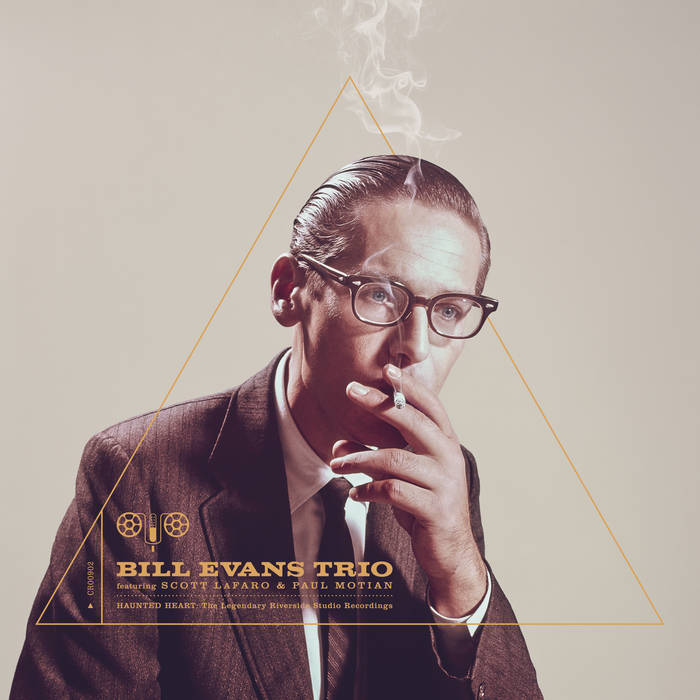
Bill Evans Trio, Haunted Heart: The Legendary Riverside Studio Recordings: If 1960s Miles was about freer, rougher expressionism, Evans (previously the pianist on Davis’ essential Kind of Blue) pursued the opposite affect – a harmonically refined, classically-tinged impressionism – throughout his painfully self-sabotaging career. But in the end, these proved diametric approaches in pursuit of the same goal: near-telepathic sensitivity within the small jazz group, leading to a unity founded in diversity of utterance. Evans’ first trio (with the phenomenally gifted Scott LaFaro on bass and the delicately grooving Paul Motian on drums) took this “conversation of equals” approach to astonishing heights before LaFaro’s tragic accidental death, mere days after their definitive recording live at New York City’s Village Vanguard; but the trio’s two studio albums Portrait in Jazz and Explorations are only micromillimeters below that exalted benchmark. Haunted Heart collects every take from those studio sessions, an embarrassment of musical riches. Through numerous, remarkably varied runthroughs and masters, Evans, LaFaro and Motian lovingly probe the essence of each tune; the quiet fire of ballads “When I Fall in Love” and “How Deep Is the Ocean” proves as engrossing as the restrained yet unmistakable drive of Evans’ “Peri’s Scope” and Miles’ “Nardis”, giving the lie to later critics who equated Evans’ ethos with shallow, unswinging lounge music. Evans has probably been the single most influential pianist in jazz from his heyday right up to the present, and this delectable collection shows why. (Buy from Craft Recordings.)
The Jimi Hendrix Experience, Bold As Love: This new 4-CD/BluRay set prompted a my first deep dive into Hendrix’s music in a long time. I came away unable to pick a clear favorite of the Experience studio albums; they’re all equally mind blowing in the best sense, as Jimi, bassist Noel Redding and drummer Mitch Mitchell melded the blues, psychedelia and soul into something utterly primal, yet progressive in every sense of the word. So bringing 1967’s Axis: Bold As Love’s mono and stereo mixes together with an Atmos version, session outtakes, live tracks and the occasional media promo appearance is as good a way as any to get a handle on Hendrix’s unique, eclectic genius. What the wild stereo panning and goofy humor of intro “EXP”, the breathtaking funk groove of “Wait Till Tomorrow”, the aching warmth of “Little Wing” and “One Rainy Wish” and the trippy fuzz of “If 6 Was 9” have in common is mind and heart in communion, longing and exultation running side by side, each informing and nourishing the other. And as with all of Hendrix’s work, this album proves yet again how utterly essential the man was in the development of the electric guitar; almost every track features an innovative lick that David Gilmour, Steve Howe or Robert Fripp took, ran with and made their own on some of my (and probably your) favorite albums. Rock lovers simply cannot go wrong listening to this. (Buy from the Hendrix webstore.)
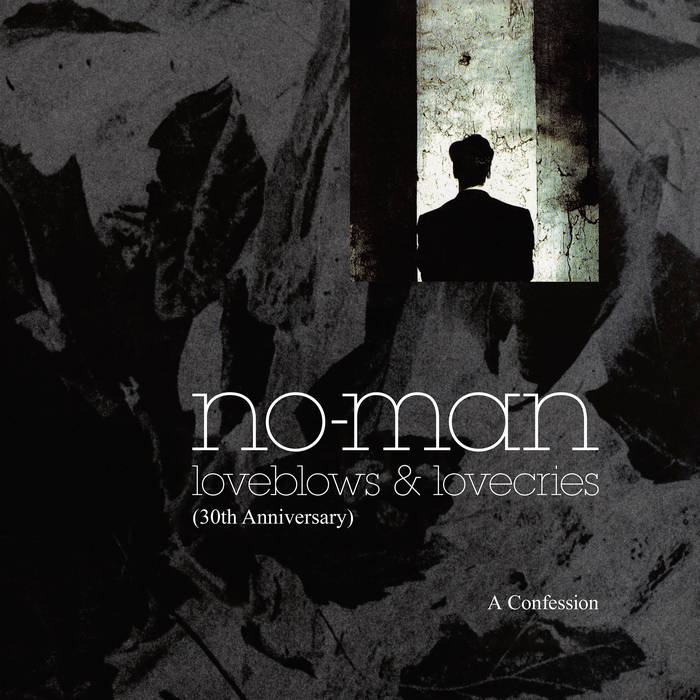
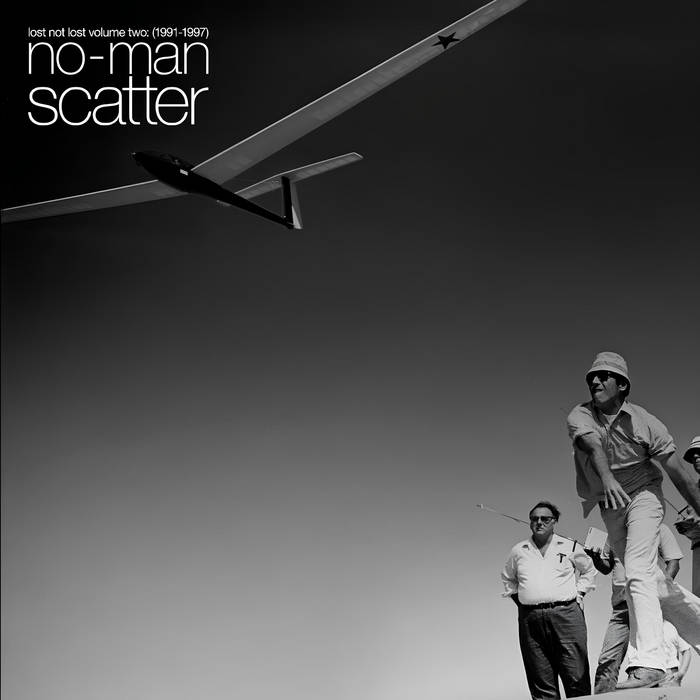
No-Man, Loveblows & Lovecries (30th Anniversary); Scatter (Lost Not Lost Volume 2, 1991-1997): All the material on this double-disc Loveblows & Lovecries was also on 2024’s Housekeeping box, but for those who missed it (as well as hardcore fans of Tim Bowness and Steven Wilson – guilty!), it’s good to have No-Man’s debut album and its offshoots in one compact edition. With violinist Ben Coleman as equal contributor, Bowness and Wilson faced the challenge of balancing their muse’s promptings with the market-focused demands of label One Little Indian; the result is a seductive blend of artistic ambition (whether channeled into wicked dance grooves or lush, demonstrative ballads) and stoically-sung emotional torment. But Scatter is the fresh revelation here! These offcuts often go against the grain of the album projects they hail from; the gorgeous melancholy of “All the Reasons” proved as unsuitable to the extravagant mayhem of Wild Opera as the warped industrial jazz of “Gothgirl Killer” and “Samaritan Snare” to Returning Jesus‘ minimalist calm. Then there are the Flowermouth outtakes”Hard Shoulder” and “Coming Through Slaughter”, with King Crimson mainmen Robert Fripp and Mel Collins providing the necessary instrumental wigouts. Scatter is a surprisingly unified collection, a year-end Favorite in waiting, and perhaps the perfect introduction to No-Man’s special blend of quiet and chaos. (Buy from Burning Shed.)
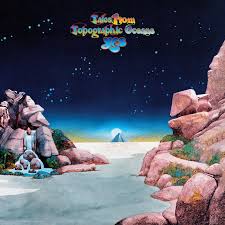
Yes, Tales from Topographic Oceans (Super Deluxe Edition): Decades after the backlash surrounding its release, Topographic Oceans remains a double album easily vilified, but not lightly dismissed. Yes was committed to going over the top here; the journey from the extended song-form of “The Revealing Science of God” through the primal skronk of “The Remembering” and the multidirectional meanderings of “The Ancient” to the focused finale “Ritual” made few concessions to immediate comprehensibility and none to commerciality. In retrospect, it was a genuinely brave move, with Jon Anderson and Steve Howe leading the charge to the outer limits, Chris Squire and Alan White following gamely in their wake, and Rick Wakeman wondering what to do with himself as Yes’ tight arrangements gave way to spacious improvisation. In some ways, the three live concerts contained in this 15-disc LP/CD/BluRay box are the best showcase of Topographic’s full potential; even Wakeman rips it up on the Moog during Manchester’s version of “The Remembering”, while Howe consistently goes wild, his daring guitar arabesques setting off Anderson’s mystical hippie word salad to perfection. As always, Steven Wilson’s fresh remixes buff up every musical destination and detour to maximum clarity; plus there are instrumental-only versions, freshly discovered working tracks, and the usual plethora of extras. Probably the ultimate version of what remains Yes’ proggiest, grandest gesture. (Buy from Rhino.)

— Rick Krueger
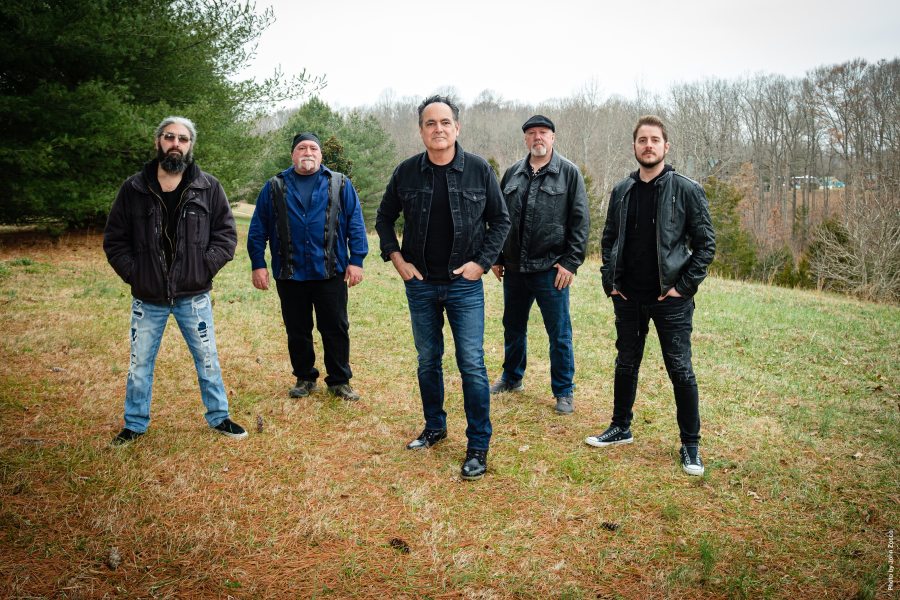
The Neal Morse Band’s Randy George: The Progarchy Interview

The Neal Morse Band, Innocence & DangerInside Out Music, August 27, 2021
Tracks: 
CD 1: 1. Do It All Again (08:55) 2. Bird On A Wire (07:22) 3. Your Place In The Sun (04:12) 4. Another Story To Tell (04:50) 5. The Way It Had To Be (07:14) 6. Emergence (03:12) 7. Not Afraid Pt 1 (04:53) 8. Bridge Over Troubled Water (08:08)
CD2: 9. Not Afraid Pt 2 (19:32) 10.Beyond The Years (31:22)

Last week I had the wonderful opportunity to interview Randy George from the Neal Morse Band about their upcoming album, Innocence & Danger. What an album! After back-to-back double concept albums, the band decided to make an album of independent songs. It’s still a double album, but it’s very digestible.

Innocence & Danger has quickly risen to one of my favorite albums of the year, and Randy George’s brilliant bass playing has a lot to do with that. His bass is more prominent in the mix, and it really shines opposite Mike Portnoy’s drums in the rhythm section. I think Neal Morse’s vocals also deserve a mention as they are the best they have sounded in years. Maybe that’s due to a lack of touring over the past year+, but he (and everyone else) sound great. The vocal harmonies are turned up to the max, and the prog is in full force. But don’t be surprised if you hear a few other surprise elements in the music – something we talk a bit about in the interview below. Oh, and “Beyond the Years,” the album’s 31-minute epic, may be the best long song I’ve heard from Neal Morse and company.

This interview was conducted on July 21, 2021 via Zoom. There was quite a bit of scratchiness in the Zoom audio, so I’ve decided to spare you that and just give you the transcript, which was edited lightly for readability. The interview is pretty wide ranging. We start with an update on the last year and a half for Randy before we go into a deep dive of the album. Then we discuss some of Randy’s influences as a musician before we talk a bit about the history of prog, it’s place in the music world, and how the future will look back on their music. 

NealMorseBand_2

Bryan: Thanks for joining me here for Progarchy. I really appreciate you taking the time.

Randy: Yeah! Happy to do it.

Bryan: It’s been tough career-wise for musicians without being able to tour. How’ve you been in that regard?

Randy: Well, you know, I guess we’re all feeling it to some degree. I guess as a function of where I live it hasn’t really been that bad. We had done that Cover to Cover 3 CD, and it was wrapped and delivered to the label before the pandemic hit. There were some videos that needed to be [made]. We wanted to do videos, so there were a few videos, and I did a couple of those. And then Neal [Morse] did Sola Gratia. I recorded that and then we did videos for that. Then we did Morsefest in September, and my wife and I have been playing locally since September, pretty much twice a month or three times a month ever since last September.

In a lot of ways, yeah we had to wear masks a little more during the time, but for the most part we kept busy. We felt it most right at the beginning. Everybody was sort of freaked out, got shut down March through July or whatever. Then people started to open up a bit. So initially everyone was a little bit like, wow, there’s nowhere to go. But we both work from home. We really didn’t travel outside very much. We’re here on our own little plot. Plenty to keep us busy here. But yeah I watched it from a distance. I’m sure for some people it was really hard, and it sucks that it had to happen like that. I look forward to the end.

Bryan: Yeah I think everybody does. Morsefest was one of the first – definitely one of the biggest in the prog world of concerts that came back in person. That was kind of exciting because it was a glimmer of hope after so many months of nothing at all live-wise.

Randy: People will always find a way.

Bryan: Yeah exactly. I’ve had a chance to listen to Innocence and Danger a little bit over the last couple of days. It’s a fantastic album. It feels like a little bit of a different direction, especially after the last two concept albums. Can you tell me about how the album came together?

Randy: Well, the whole thing – we were going to start working on Innocence & Danger way back in the beginning of 2020. We initially signed a record deal with Inside Out. Then the pandemic hit. Mike [Portnoy] was really busy with Sons of Apollo, and we didn’t really have any clear cut date in mind that we could get together and do this. So quite honestly between signing the deal and getting in the studio to do this, it was more than a year. We did in January come together at Neal’s house and wrote the whole thing in about twelve days and tracked the drums and took it home and developed it over the next couple months, and Rich [Mouser] mixed it.

We went into it not having a lot of pre-written material. Neal didn’t have anything. Bill [Hubauer] and I both brought recorded ideas that were predominantly raw ideas that could be developed rather than finished demos that already had a lot of development to them. The Neal Morse Band tends to – no matter what you bring in, they want to redo it. So we kind of, it’s easier to bring in ideas that they can all sort of get their head into and write with. Some of it is much easier to do that, between Bill and I and Eric [Gillette], we have plenty of musical stuff. Neal, of course, he may not have come in with anything, but he gets up early in the morning and he’ll start writing and work on ideas then we end up working on them the same day or the next day. So Neal does actually write a fair amount of stuff. He just doesn’t always go into the session with all of it prepared, unless it’s a concept thing were he has an idea. We knew this wasn’t going to be another concept album. We just wanted to do an album of songs. We felt it was the right time for that.

Continue reading “The Neal Morse Band’s Randy George: The Progarchy Interview”

Neal Morse Band Announce New Album for August Release

From Radiant Records:


image

Hey, everyone!

We’re delighted to announce details of the eagerly-anticipated new NMB album! Some incredible new music is coming your way. We will be starting pre-orders at www.radiantrecords.com on Friday, June 18th. Watch for our updates as we reveal some amazing exclusives relating to this release, plus another release only available from our website!

** OFFICIAL PRESS RELEASE **

NMB are pleased to announce the release of their much-anticipated fourth studio album Innocence & Danger on August 27th, 2021.

With NMB’s previous two releases being concept albums, it’s perhaps remarkable that Innocence & Danger is a series of unrelated songs, but drummer Mike Portnoy says “After two sprawling back to back double concept albums in a row, it was refreshing to get back to writing a collection of unrelated individual songs in the vein of our first album.”

Indeed, making this album came easy to the band; while the initial inspiration came particularly from Bill Hubauer (keyboards) and Randy George (bass), the ideas flowed from everybody from there on, as George recalls: “I am excited about the level of collaboration that we achieved on this one. We even went in with a lot of ideas that weren’t necessarily developed, and I think in the end we have something that represents the best of everybody in the band.”

In fact – like its two acclaimed predecessors – Innocence & Danger is a double-album by inspiration, rather than design, as Portnoy explains: “As much as we wanted to try and keep it to a single album after having just done two double albums, we wrote so much material that we found ourselves with our third double album in a row! That’s pretty prog!”

There is also plenty: “There’s one half hour epic and another that’s about 20 minutes long. I really didn’t realise that they were that long when we were recording them, which I guess is great because if a movie is really good, you don’t realise that it’s three hours long! But there are also some shorter songs: some have poppier elements, some are heavier and some have three part acoustic sections. I’m excited about all of it, really.”

The album will be released as a Limited 2CD+DVD Digipak (featuring a Making Of documentary), 3LP+2CD Boxset, Standard 2CD Jewelcase & Digital Album, featuring artwork by Thomas Ewerhard (Transatlantic). Pre-orders start on the 18th June, and the full track-listing is below:

CD 1 (Innocence):

1. Do It All Again 08:55

2. Bird On A Wire 07:22

3. Your Place In The Sun 04:12

4. Another Story To Tell 04:50

5. The Way It Had To Be 07:14

6. Emergence 03:12

7. Not Afraid Pt. 1 04:53

8. Bridge Over Troubled Water 08:08

CD 2 (Danger):

1. Not Afraid Pt. 2 19:32

2. Beyond The Years 31:22

The Neal Morse Band (now NMB) was formed in 2012, featuring long-time collaborators Neal Morse (vocals, keyboards and guitars), Mike Portnoy (drums, vocals) and Randy George (bass), as well as Bill Hubauer (keyboards, vocals) and Eric Gillette (guitars, vocals). The band’s first album, The Grand Experiment, showed both a freshness and maturity that was further developed in 2016’s The Similitude Of A Dream, 2019’s The Great Adventure and 2021’s Innocence & Danger.

Look for NMB on tour in North America in October 2021 and in Europe throughout May/June 2022. Tour dates coming soon!

Blessings,

The Radiant Records Team

Neal Morse

By Grace Alone: A Conversation With Neal Morse

Scary man with scythe is the winter snow.

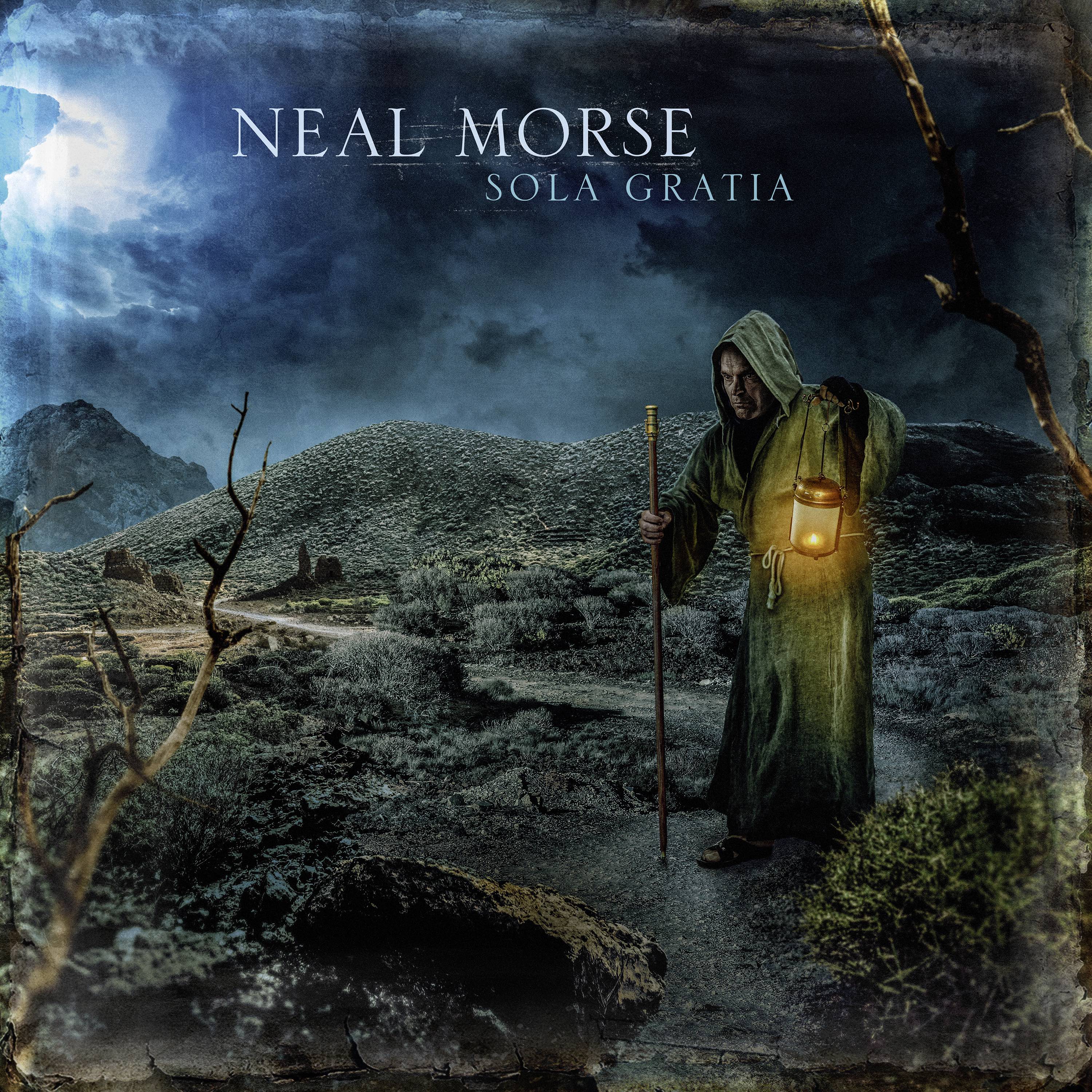
Neal Morse, Sola Gratia, September 11, 2020, Inside Out Music

Tracks: 1. Preface (01:28), 2. Overture (05:59), 3. In The Name Of The Lord (04:27), 4. Ballyhoo (The Chosen Ones) (02:43), 5. March Of The Pharisees (01:40), 6. Building A Wall (05:01), 7. Sola Intermezzo (02:10), 8. Overflow (06:27), 9. Warmer Than The Sunshine (03:22), 10. Never Change (07:52), 11. Seemingly Sincere (09:34), 12. The Light On The Road To Damascus (03:26), 13. The Glory Of The Lord (06:17), 14. Now I Can See/The Great Commission (05:17)

Last Saturday, August 29, 2020, I had the great opportunity to talk to the magnificent Neal Morse about his new solo album, Sola Gratia. Morse is perhaps the most ubiquitous artist of “third wave” progressive rock. You’d be hard pressed to find contemporary progressive rock artists that aren’t influenced by him in some way. His latest solo effort proves why. The lyrical and musical songwriting is in peak form.

As a sequel to 2007’s Sola Scriptura, this album finds Morse exploring the story of the Apostle Paul’s conversion from a persecutor of Christians to the faith’s most ardent missionary. It is a profound story of God’s grace. Morse explores the drama of this story as Paul (then called Saul) wrestles with the newly founded Christian church and the sincerity of its followers. While Paul is on his way to Damascus to persecute more Christians, Jesus appears to him. Paul then converts and repents. The album ends with Paul converting and glorifying God, leaving us on a cliffhanger of sorts for a possible part 2 in the future.

The album pulls a few lyrical and musical highlights from Sola Scriptura, but, as Morse says in the interview below, they are merely sprinklings. It is enough to be familiar without sounding like a retread. The music gives room for the listener to breathe and think about the lyrics, which makes this an enjoyable album to return to. At just over an hour long it isn’t a chore to return to as a double album might be. The music has its expected complexity with the usual suspects playing on the album – primarily Mike Portnoy and Randy George – but the lyrics are the highlight here. There are a lot of calm moments that allow you to reflect. I found that quite appealing about the album, and it has quickly become one of my favorite Neal Morse solo albums.

But enough of that. The interview covers the background of the album, how it was written, and its connections to Sola Scriptura. We talked a bit about Paul, and Transatlantic and Flying Colors came up a few times as well.

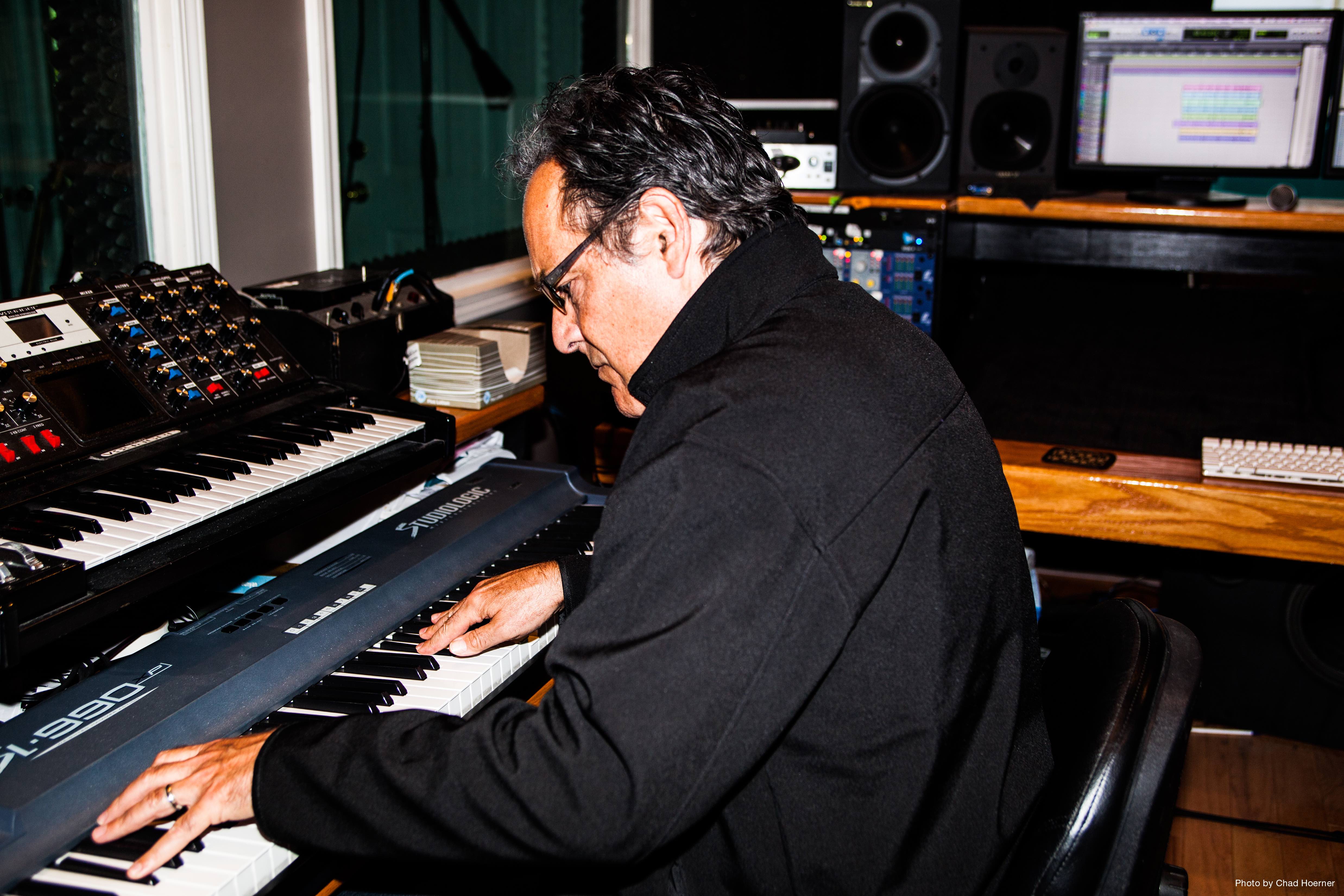
Neal Morse at keyboards

Neal: Hello.

Bryan: Hi, this is Bryan from Progarchy.

Neal: Hey how you doing man?

Bryan: Good how are you?

Neal: Good! Good good.

Bryan: Thanks so much for your time this morning. I really appreciate it. I know you’re a busy man.

Neal: Well, you know, got a couple things going on. That’s alright. I’m sure you do too.

Bryan: Well I don’t have an album coming out every month. [laughs]

Neal: [Laughs] Yeah.

Bryan: So tell me about the background for your upcoming album, Sola Gratia. I’ve had a chance to listen to it several times, and it’s fantastic.

Neal: Oh thanks man. Thanks, I’m glad you like it. Well I mean I started getting these ideas while I was on vacation – sort of half vacation half work actually. We did some gigs down in Australia, and then we took a trip to New Zealand and I was just getting a flood of ideas.

Continue reading “By Grace Alone: A Conversation With Neal Morse”

Premiere: International Prog Rock Outfit UMAE Premiere “Drift” Single

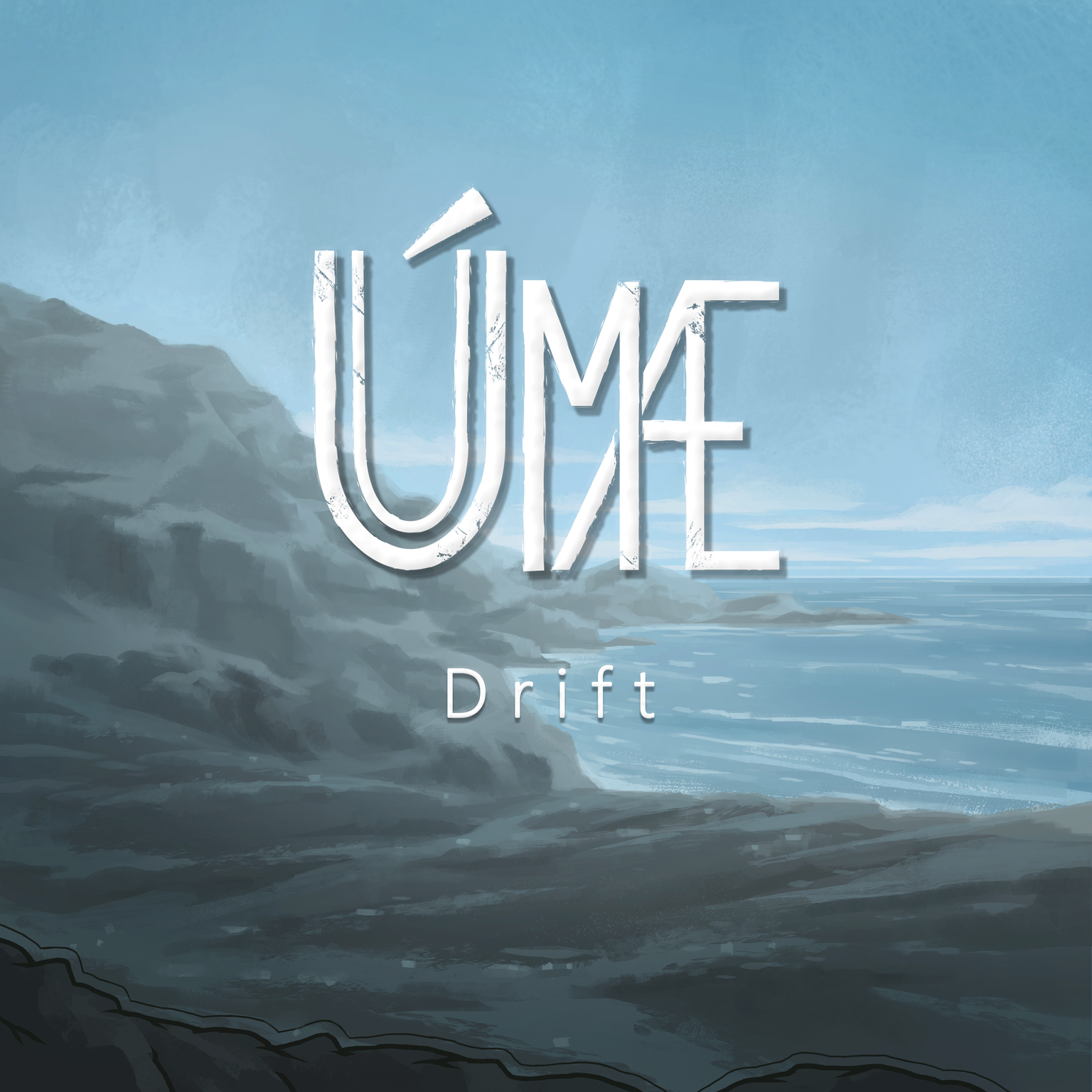
UMÆ - Drift

International progressive rock outfit UMÆ have previously launched two singles via PROG Magazine and Prog-Sphere.com, and coming today exclusively via Progarchy is the third single from the upcoming full-length debut “Lost in the View.” A new single titled “Drift” can be streamed below.

Vocalist and guitarist Anthony Cliplef, guitarist and backing vocalist Guðjón Sveinsson, and drummer Samy-George Salib have gathered a line-up of guest musicians for the debut album, with singer John Wesley (solo, Porcupine Tree), guitarist Eric Gillette (Neal Morse Band, Mike Portnoy’s Shattered Fortress), keyboardist Adam Holzman (Steven Wilson, Miles Davis), and bassist Conner Green (Haken) being the most prominent names. 

About “Drift,” Anthony Cliplef commented: “I wrote the outro section years ago, on guitar. The outro and the rest of the song remained as two separate pieces for a long time, until I coincidentally played them back-to-back. From there, this became the seed of another track which Guðjón and I would collaborate on. I had lyrics for the outro, which were never used, however, the melody was still viable. We ended up putting in an ebow line using that very melody I had in mind, which G’s string arrangement would echo towards the end. In this track, Conner returns on bass, with an inspired bass line, brilliantly reflecting some of the vocal melody in the verses, and bolstering the building power of the outro. Jamison Smeltz, lays down an amazing sax solo towards the end, backed by a powerful string arrangement and rising tension on all instruments.

Guðjón Sveinsson adds: “Compared to the previous singles, this track displays more of the melancholic feel that is strewn around the album. Building up from stripped down verses to a grand ending, it gives off a range of related, yet distinct emotions.

“Lost in the View” is to be launched on January 3rd. Stream “Drift” below, and visit UMÆ’s official website for more information. Follow the band on Facebook and Instagram.

UMÆ_BandphotoCropped

Interview with UMÆ

UMÆ_BandphotoCropped

Now here is an interesting and promising new Prog band. UMÆ is an internation trio featuring guitarist Guðjón Sveinsson, singer/guitarist Anthony Cliplef, and drummer Samy George-Salib. The band has recently launched a debut single “Turn Back Time” via Prog Magazine which features guest contributions by John Wesley (Porcuine Tree) and Haken bassist Conner Green. Their debut album “Lost in the View” is out in December, and beside mentioned gentlemen it also features Adam Holzman (Steven Wilson, Miles Davis) and Eric Gillette (Neal Morse Band). 

Read an interview with Anthony and Guðjón below.

Hello! Thanks for responding to this interview. How have you guys been lately?

G: We’ve been great thank you! Excited for the release, and hard at work preparing for it.

How might you introduce yourselves to new potential listeners?

A: UMÆ is an experience; emotional; meaningful; energetic; somber; melancholic. We are all over the board, but I swear it is cohesive. [laughs]

What inspired the name of the band — UMÆ?

A: Guðjón and I were spitballing a lot of ideas during the demoing phase, some more jokingly than others, but we settled on this one, which uses Icelandic characters, but doesn’t mean anything in Icelandic. I like the idea of a word that isn’t already defined. It gives us the opportunity to define it by the music and artwork we create and associate with it.

How did UMÆ initially form as a creative unit?

A: Well, I went on a trip to a prog festival, where I ended up meeting and playing music with Guðjón, Samy, and many other people. We all had similar interests in music, and we all enjoyed sharing the stage together.

After I returned home from the trip, I was inspired by the jamming, so I decided to contact Guðjón about possibly collaborating on some music. I sent some rough demos, he shared some examples of his own, we shared bands with each other. From there, we laid out plans for me to travel across the ocean to Iceland and start writing. Very soon we sent demos over to Samy and convinced him to commit to the project.

Lost in the View album art

You are about to release a debut album titled “Lost in the View.” Where did the inspiration for it come from and how did you go about the whole process of writing and recording it?

G: In essence it just comes down to our love of music, and willingness to create. It’s hard to pinpoint a specific inspiration for the exact music featured on the album. Some of it was written well before we started working on it together, as far back as 10 years, which was the case for the already-released single “Turn Back Time”. The lyrical concept came as a sort of reaction to the music, and we soon found ourselves writing around that concept.

Over the 6 initial weeks that Anth spent in Iceland, we recorded and arranged demos for the whole album. We started in my living room; plugged in a guitar and played whatever was on our minds. In about three weeks we already had the basis to all the songs. The remaining three weeks were spent arranging the song structures, filling in blanks and sculpting the general vision for the sound of the record. Some of these early demo recordings even made it into the final product. We focused on retaining the initial feeling we got from each and every part, and enhancing it further with the arrangements, and later on lyrics.

The recording process took place literally over the world. We recorded drums with Samy in Toronto over an intense 3 day session. Over the course of a year, we’ve built the layers on top of these bed tracks, with recording taking place in 4 locations in Iceland, 5 different home studios in the US, and more recently, in Sweden. We’ve been tweaking and adding stuff along the way down to these very last days.

UMÆ is a trio in its core but the upcoming full-length release features quite a number of guest musicians, including John Wesley (Porcupine Tree), Conner Green (Haken), Adam Holzman (Steven Wilson) and Eric Gillette (Neal Morse Band). How did the collaboration with each of them come about? How much did they actually contribute in the writing phase?

G: Once the music started coming together, we soon started looking at people that we thought would be a good fit for various parts of the album. We had a good feeling about the music, and decided to aim high from the get-go.

Fairly early in the process we reached out to Conner, who was up for the task, and eventually played on most of the album. At that time all the foundations to the songs were already laid out on guitar and drums, along with some of the main melodies. We left it up to him to interpret the bass parts, and were really happy with the end results.

On the keyboard front, most of the album features Magnús Jóhann, a brilliant young player from Iceland who we worked closely with. On two of the heavier songs however, we wanted to try a little different “flavor”, and figured Adam Holzman might be good fit. So we contacted him; thankfully he was up for it and was able to find a time within his touring schedule to record it. Similarly there the songs were already laid out, and we presented our rough idea of the sounds we were going for. His take on it ended up being just right.

We wrote and recorded all the vocals initially, but didn’t feel our voices were the right fit for certain songs. Samy had encountered John Wesley around the time we were exploring options for these songs, and presented the idea of his involvement. He was up for giving it a shot, and when we heard his take on “Turn Back Time” we were immediately sold.

On one of the tracks we entertained the idea of having a guest solo spot. Eric Gillette responded quickly to our inquiry, and before we knew it we had a killer solo in our hands! He’s such an amazing player, and we’re really stoked to have him appear on the track.

What can be expected from the upcoming album? Would you say the released single for “Turn Back Time” is an accurate sample?

G: Yes and no. The track contains some of the main themes from the album, and lyrically is somewhat representative of the concept, but definitely does not cover the wide range of influences we tap into throughout the album. It’s a good start of the journey that gets a nod here and there, but the atmosphere shifts to a bleaker tone as the album progresses.

What’s your songwriting process like?

A: Guðjón kind of touched on that already, but I’ll elaborate a bit. When I compose a piece from beginning to end, like our aforementioned single, I typically work from a melody and or chord idea, and sometimes just a rhythmic idea. I like to use programming software to document the guitar I’ve come up with, then build the other instruments around it. It’s all midi programmed, but it gives me a good sense of what the song could sound like.

When Guðjón and I were co-writing songs, there were many times where he had a riff or two, I had a riff or two, we placed them in order, and basically connected the dots by filling in the middle. Sometimes we had no idea how we were going to make two parts connect, but we managed to pull them together. So that’s a bit of a deeper glimpse into the process.

What are your ultimate hopes for UMÆ as a band?

G: Hopefully we’ll eventually manage to make a living out of making and performing music. Anything beyond that is a bonus really.

I’m kidding, world domination of course.

Do you have any bigger plans for the future?

G: Bigger? For sure, although we can’t really say much at this point, other than that these plans are currently in formation.

The last words are yours.

A: To keep up with UMÆ, our single releases, album release, touring plans, and all other major news, go to https://www.umaeband.com/

Thanks for having us on this interview!


Stay in touch with UMÆ by following them on Facebook and Instagram.

The Neal Morse Band Live – 2017 Tour Kickoff

nmb-2017
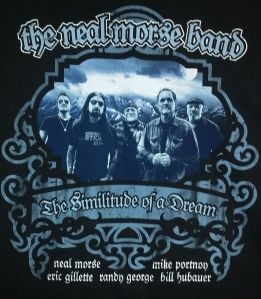
The Tour T-Shirt

A fired-up and ready-to-rock Neal Morse Band kicked off its 2017 Similitude Of A Dream Tour last night at RockeTown in Nashville, TN. They performed the entire album before an ecstatic crowd, most of whom knew every word of the 2-disc magnum opus.

This was a different kind of show than Neal and his band mates have performed before. It’s clear that they want the album as a whole to take center stage, and not the musicians themselves. For instance, Neal did not even address the audience until after Shortcut To Salvation, which was in the second half of the set. Mike spoke briefly before Freedom Song. Other than those breaks, the focus was entirely on the songs.

The performance began with a darkly cowled Neal singing Long Day off to the side, illuminated with a handheld light. Then the entire group exploded into Overture, and we were off on an adventure through all kinds of trials and tribulations. Throughout the show stunning videos complemented the songs, and Neal wore various masks and outfits.

As a group, Neal, Mike, Randy, Bill, and Eric have melded into a mighty musical force. When Randy George and Mike Portnoy lock into their groove, the result is ferocious thunder. Eric Gillette has matured into an extraordinary guitarist and vocalist (give him more lead vocals!), and Bill Hubauer’s keyboards and vocals are always rock-solid. Neal, of course, is the consummate showman – singing, pulling off amazing guitar solos, and mugging for the crowd before every keyboard showcase.

But the real star of the evening was The Similitude of a Dream. Everything was done in service to the tale of a pilgrim on a spiritual journey – one that went from the City Of Destruction through doubt, fear, confusion, sloth, and battle until he reaches the shining city on a hill. When I first heard TSOAD, I liked it, but I wasn’t knocked out – it was just too sprawling a work for me to take in. After last night’s performance, I get it now. It all holds together as a unified work of art, and it is a beautiful allegory.

Highlights of the show were So Far Gone, where everyone takes a turn on lead vocals; a very moving Breath of Angels, which ended the first half; Shortcut to Salvation; a heavy Man in the Iron Cage; an all-acoustic Freedom Song; and the concluding Broken Sky/Long Day. By the end, everyone was wrung out and happy.

For an encore, the band tore through rip-roaring renditions of Momentum, Agenda, and The Call. Lasting nearly three hours, it was a very satisfying evening. The boys travel to Seattle and other parts west before heading up to Canada and then over to Europe and Israel. If there is any way you can catch this show, do it – it’s an amazing visual and musical experience.

Tour details can be found here.

Neal Morse Band Announce Epic Concept Album: “The Similitude of a Dream”

a072010e-c952-475b-955f-0d3386f1fcc7Courtesy of the folks over at Prog, the Neal Morse Band officially announced their upcoming double concept album, The Similitude of a Dream. According to Morse, the concept is loosely based upon the beginning of John Bunyan’s classic story, Pilgrim’s Progress. The first song released, “Long Day/Overture,” features both the quiet and proggy sides of Neal Morse’s career. From the get-go, this song captures your attention and leaves you wanting more. It is definitely one of the proggiest new songs I’ve heard this year.

The Neal Morse Band is made up of, obviously, Neal Morse, as well as Mike Portnoy, Randy George (bass), Bill Hubauer (keyboards), and Eric Gillette, who is quickly proving himself to be one of the best guitarists in the prog world.

Mike Portnoy has said that this is the greatest album of his entire career, even surpassing Dream Theater’s classic Scenes From a Memory. He has gone so far as to compare The Similitude of a Dream to The Who’s Tommy, Genesis’ The Lamb Lies Down on Broadway, and Pink Floyd’s The Wall. Those are bold words, and time will certainly judge whether or not those statements are true. If the first song is any indication, though, this album may very well be the best yet by Neal Morse.

The album is set for release on November 11, but you can pre-order the album from Radiant Records now: http://www.radiantrecords.com/products/634-the-neal-morse-band-the-similitude-of-a-dream.aspx.

The band embarks on a four month tour across the US, Canada, and Europe (and a show in Israel) in the beginning of 2017.


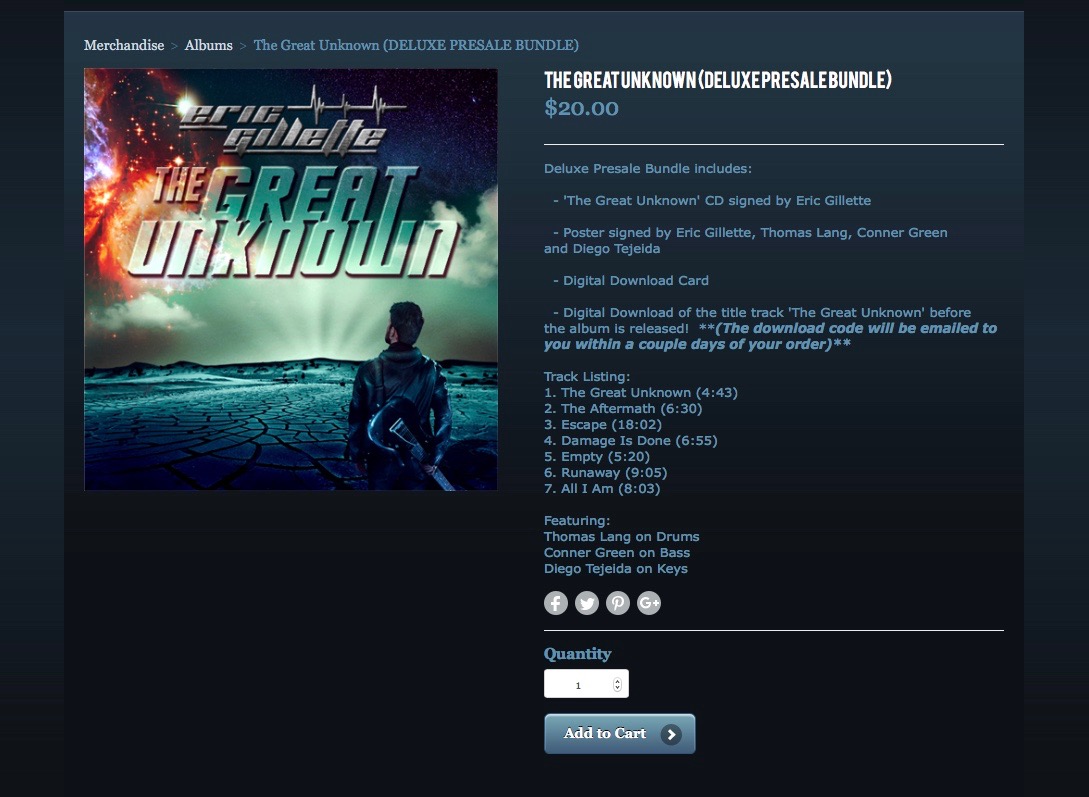
Pre-Order Eric Gillette’s Second Album

Screen Shot 2016-05-03 at 7.57.40 PM

http://www.ericgillettemusic.com/store/p2/The_Great_Unknown_%28DELUXE_PRESALE_BUNDLE%29.html

Teaser Video: Eric Gillette’s 2nd Album

The second album forthcoming from Eric Gillette. His first was absolutely stunning, and this one looks even better! Congratulations Eric and Chris Thompson!