Rick’s Quick Takes for May

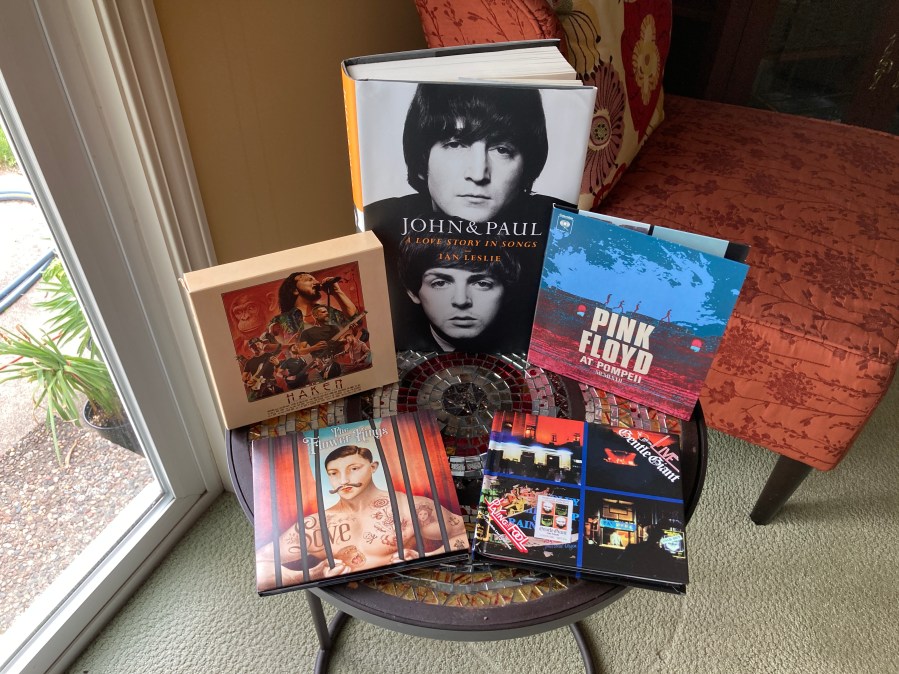
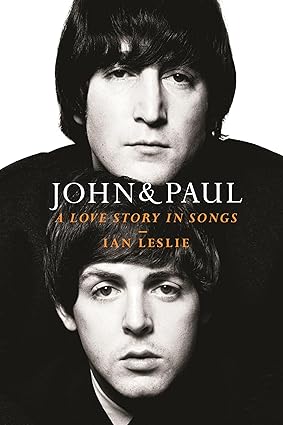
This month’s selection kicks off with something very special: John & Paul: A Love Story in Songs by Ian Leslie, the most impressive book on The Beatles I’ve encountered in ages. Pop-psychology journalist Leslie blew up the Internet in 2020 with “64 Reasons to Celebrate Paul McCartney”, but the driving passion here is his scrupulously balanced estimation of both Macca and John Lennon as men and musicians. Staying off the long and winding “John versus Paul” road so many authors take, Leslie traces the arc of an exceptionally deep male friendship between “two damaged romantics whose jagged edges happened to fit.” Which birthed an exceptional creative partnership, the fruits of which still brighten the world. His thoughtful reflections on 43 songs — grounded in copious documentary evidence, the best Beatle scholarship, accessible musical analysis and his own insight into creativity — vividly portray the forging, then the fracturing of Lennon and McCartney’s bond, from pre-Beatlemania through the Fab Four’s imperial phase and their ill-tempered breakup to Lennon’s shocking death. Tangled as their connection became in the throes of professional and personal conflict, John and Paul couldn’t help but look to each other throughout the 1970s — as competition (writing “Imagine”, John wanted the melody to be as good as Paul’s “Yesterday”), as foe or friend of the moment, as the only other person who could possibly understand. Throughout, Leslie brings to bear admiring gratitude for The Beatles’ music — George and Ringo get their props as well — along with compelling clarity on the emotions that drove that music. And in the end, his portrait of a collaboration that “even as its most competitive, was a duet, not a duel” is utterly moving, equal to chronicling what Lennon and McCartney made of their tempestuous time together and apart. Just read this.
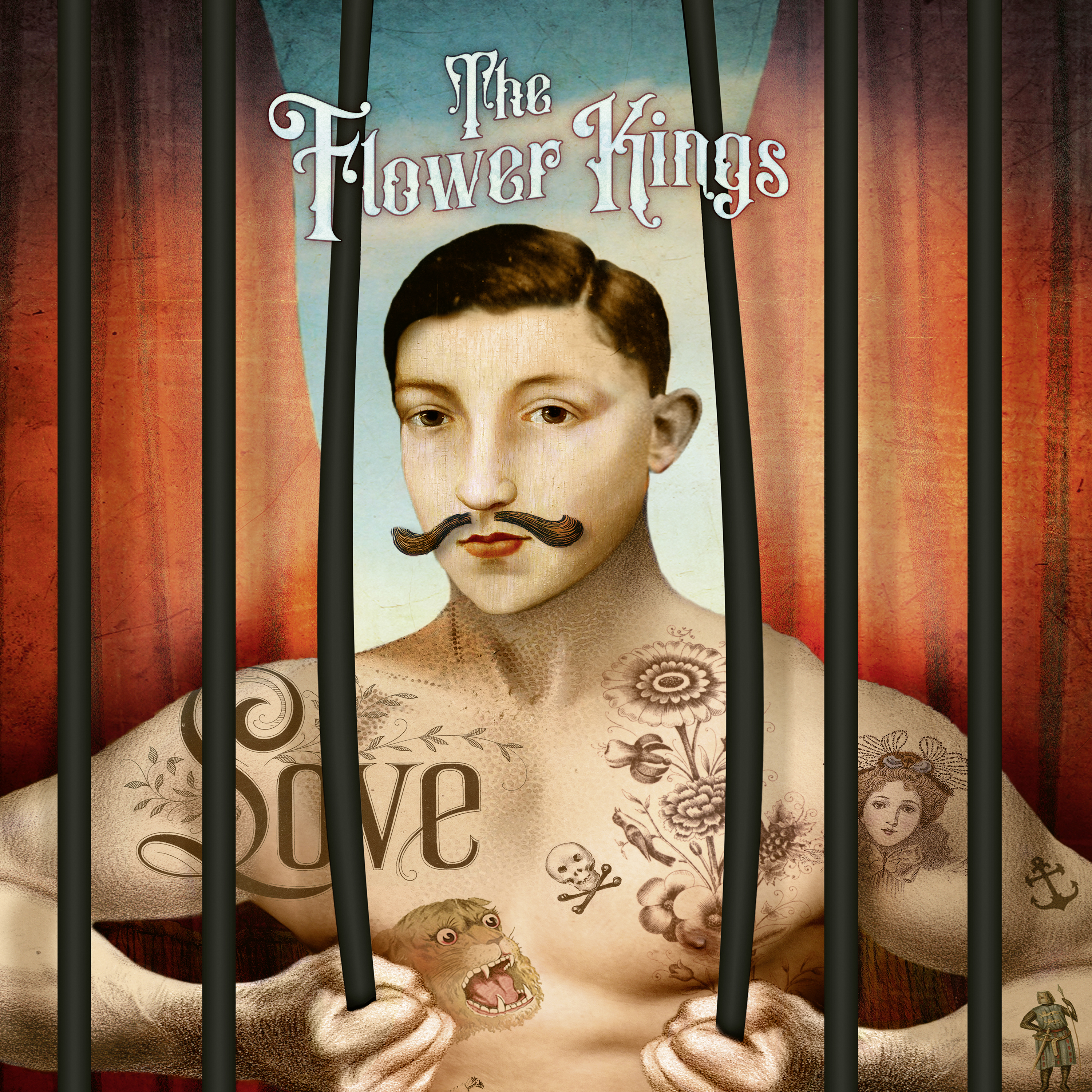
The Flower Kings, Love: A long-playing magic carpet ride, with the minutes effortlessly flying by in the capable hands of Roine Stolt and his Scandinavian comrades. Kicking off with a pair of change-ups (tough, bluesy opener “We Claim the Moon”, jazzified ballad “The Elder”), the Kings then settle into a multi-part suite that, if a bit sedate, has plenty of instrumental color and dynamic vocal shading to hold interest. But the home stretch of this album is where Stolt and company take wing, channelling their inner Yes for the acoustic lilt of “The Promise”, the orchestral build and double-time finale of “Love Is”, the grooving power ballad “Walls of Shame” and the extended closer “Considerations”. Sneakily, subtly addictive, Love is simultaneously a master class in ongoing invention and a psychedelic time travel exercise — so retro it’s actually back there, yet fresh as a daisy throughout.
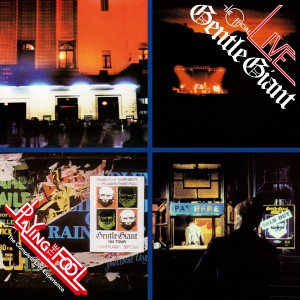
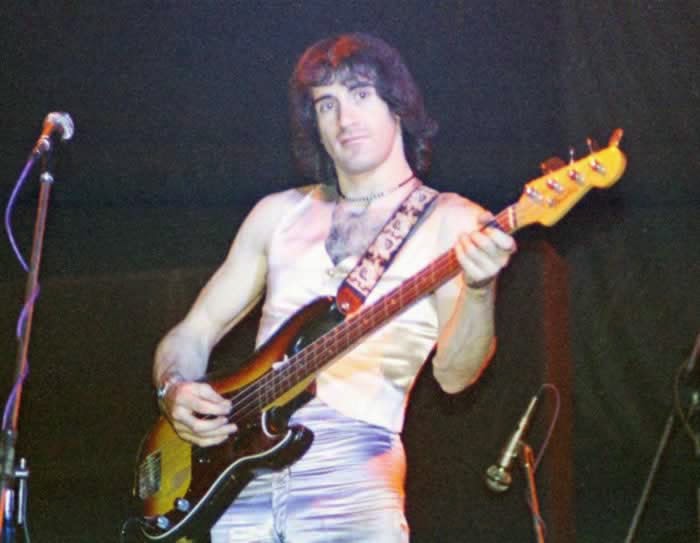
Gentle Giant, Playing the Fool – The Complete Live Experience: The original 1977 release was inspired both by Gentle Giant falling victim to bootleggers and by the rush of mid-70s double concert albums (the British sextet had opened for Peter Frampton both before and after his game-changing Comes Alive set). On the edge of punk’s advent, was a mass-market breakout still possible for a prog band that promiscuously swapped guitars, saxes, recorders, violin, multi-keyboards, mallet percussion and hand drums onstage, mixing soul shouting with Baroque vocal counterpoint all the while? The Shulman brothers, Kerry Minnear, Gary Green and John Weathers give it their all here, from the ricocheting precision of “Excerpts from Octopus” to a wobbly take on “Sweet Georgia Brown” improvised when said keyboards blew up in Brussels. This brand-new reissue restores the complete live set, including three tracks off the contemporaneous “Interview” album, showcasing Gentle Giant as a jaw-dropping live act, doubtless as awesome to behold in the moment as they are to hear right now.
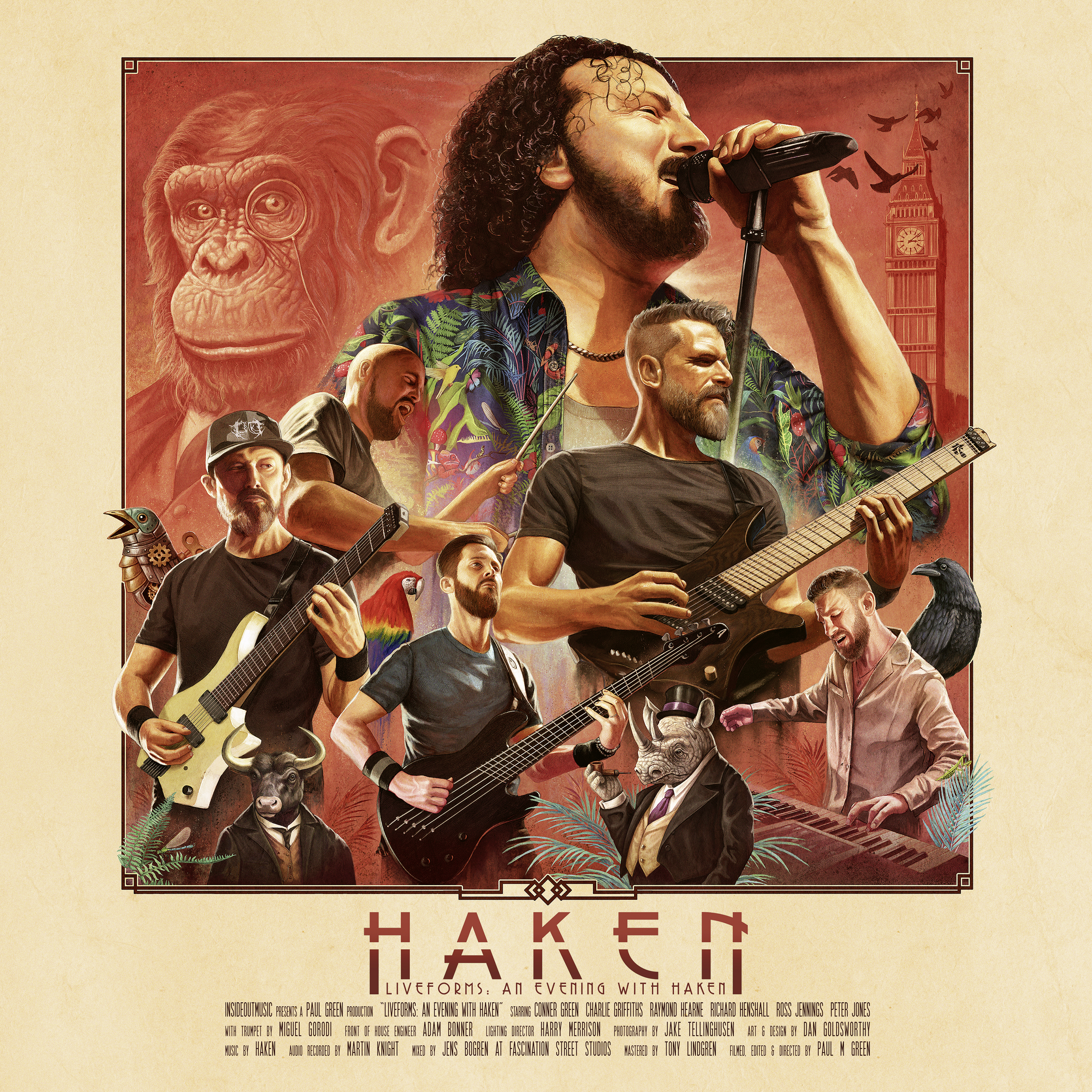
Haken, Liveforms: If Gentle Giant has a modern-day successor, it’s gotta be these guys! Captured in concert at London’s O2 Forum, Haken doesn’t constantly trade instruments, mind you — though the unrelenting interweave of Charlie Griffiths & Richard Henshall’s guitars and Connor Green’s bass (all downtuned, all with an extra string), Peter Jones’ Wakeman-meets-electronica keys and Raymond Hearne’s dizzily polyrhythmic drums evoke a similar instrumental giddiness. Mix in singer Ross Jennings’ searing, soaring leads and occasional demented-barbershop-quartet backing vox, and you have one singular, headturning sound.

A complete run-through of their latest album Fauna (featured on the vinyl version) is equal parts ballet and blitzkrieg. The BluRay/CD package adds a second set to showcase Haken’s catalog to brilliant effect, from the headlong pop-prog of “Cockroach King” and “1985” to the foundational metal epics “Crystallized” and “Visions”. Whether they’re pivoting on rhythmic and melodic dimes, diving into the heavy, or wrangling multiple genres at the same time, this band deserves a hearty “WWOOARRRRGGGHHH” from fans across the board.
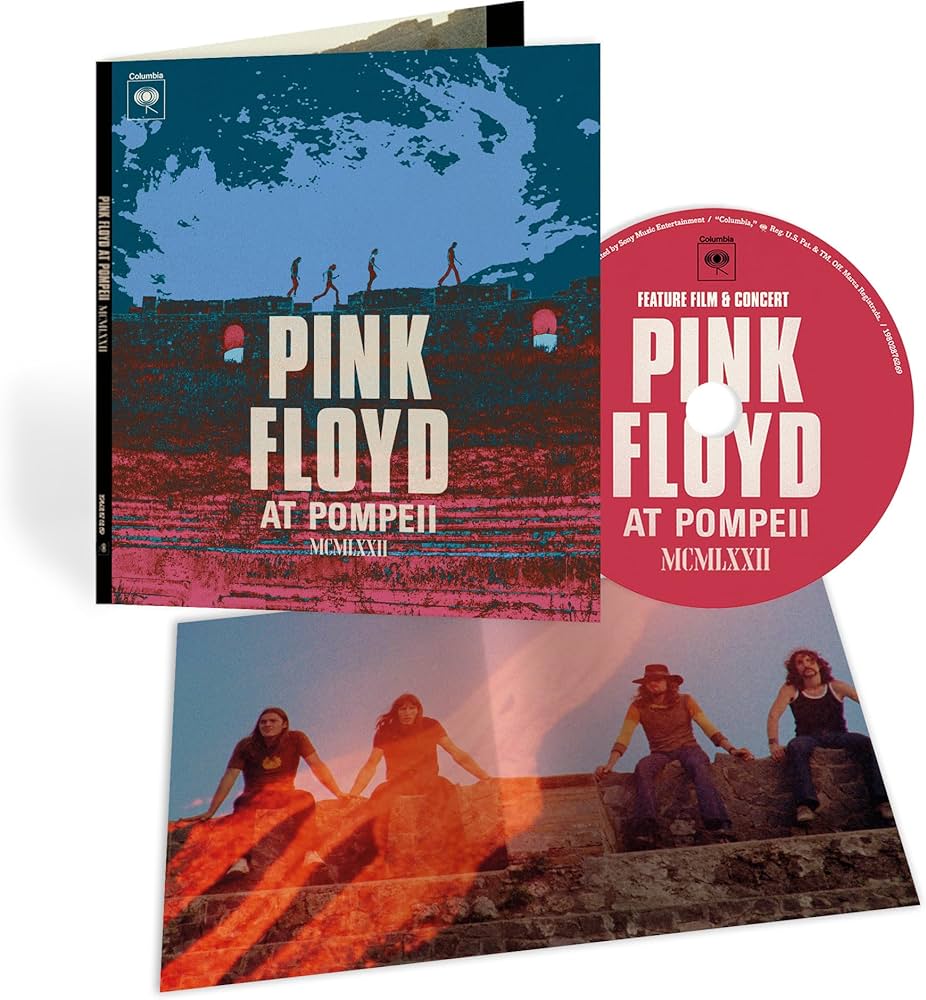
Pink Floyd, At Pompeii MCMLXXII: A pristine new version of the classic acid-trip midnight movie, complete with a typically crystal-clear, hard-hitting new sound mix from Steven Wilson. I dig the behind the scenes footage from the recording of The Dark Side of the Moon at Abbey Road — flashes of studio inspiration, David Gilmour and Nick Mason’s passive-aggressive interview snippets, revealing glimpses of the hostile, fragile band dynamic just waiting to be completely curdled by mass success. But the main course here is Roger Waters, Rick Wright, Gilmour and Mason huddled in that ancient, haunted amphitheatre, surrounded by devastated ruins and arid desert, conjuring up the spooky sonic webs of “Echoes” and “A Saucerful of Secrets”, the obsessive mantra “Set the Controls for the Heart of the Sun”, the whisper-to-scream catharsis of “Careful with That Axe, Eugene” and “One of These Days”.

Without those long years of building their lysergic, near-telepathic style to the feverishly precise pitch shown here, could the Floyd have taken the world by storm with Dark Side? Available in multiple audio and video formats, At Pompeii remains a stunning portrait of a band on the brink of an unlikely world-conquering moment.

— Rick Krueger

Rick’s Quick Takes: Progging and Jamming and Twanging, Oh My!

Due to circumstances beyond my control — thanks to everybody who helped out! — this edition of Quick Takes is playing catch-up. This time around, purchase links are embedded in the release title, with any additional sample/streaming links labelled (LISTEN HERE).

The last few months’ progressive rock releases have skewed heavily toward reissues — for example, Keith Emerson and Greg Lake’s mid-1980s reunion with hard-rocker Cozy Powell in the drummer’s chair. Triple-cd box Emerson, Lake & Powell: The Complete Collection (LISTEN HERE) is a compact, yet worthy appendix to the ELP canon. The main album, ranging from extended throwbacks “The Score” and “The Miracle” through jazzy diversion “Step Aside” to souped-up classical gas like the single “Touch and Go” and Holst’s “Mars, the Bringer of War” is big, brash, widescreen stuff; both in the studio and on the two live discs included, Emerson’s thrusting digital synthesizer upgrades, Lake’s full-throated bravura vocals and Powell’s sleek percussive drive come on like gangbusters on new material and vintage classics such as “Pictures at an Exhibition” and “Pirates”. ELP’s mass appeal remained in the rear view mirror, but Emerson, Lake and Powell was a game try at reinvention for a different time.

Carl Palmer was playing drums for Asia during ELPowell’s flare and fade, but he’s remained engaged with his biggest band’s work, stepping up as legacy guardian after Emerson and Lake’s passing. Disc 1 of Palmer’s solo box Fanfare for the Common Man (a reissue/expansion of 2001’s Do You Wanna Play, Carl?) shows how he emerged from his bandmates’ shadows in the later 1970s, asserting himself in spellbinding trio jams, big band blowouts and a stylish, eclectic percussion concerto; disc 2 covers his roots in British R&B and psychedelia plus his later collaborations with Asia and others, while a new 3rd disc documents live work reinventing the ELP repertoire for guitar-based power trio. The accompanying BluRay video and biography are revealing, though scattered and even self-contradictory. But that’s a minor blemish: Palmer remains rightly admired and respected by musical peers and fans, and still on the road in his 70s, he retains the rhythmic fire and momentum that this set amply demonstrates.

ELP weren’t the only proggers trying to reinvent themselves after the mid-70s; on side one of 1977’s The Missing Piece (LISTEN HERE), the manic British sextet Gentle Giant made ever so coy feints at co-opting the energy of punk and New Wave (especially on the self-conscious spoof “Betcha Thought We Couldn’t Do It”). Side two was more relaxed; reaching for the soul-inflected art-pop that Genesis and Yes later rode to the top of the charts, the Shulman brothers & company still stirred in Baroque cross-rhythms (“As Old As You’re Young”), stately balladry (“Memories of Old Days”) and breakneck instrumental and vocal twists and turns (“Winning”). With Steven Wilson providing fresh stereo and spatial audio remixes, this is another delightful installment in the Giant’s ongoing series of album upgrades.

English folk-classicalists Renaissance kept plugging through the decades, with operatic lead singer Annie Haslam at the helm. 2000’s Tuscany (LISTEN HERE) was Haslam’s last go-round with key members guitarist Michael Dunford and drummer Terence Sullivan (plus limpid guest piano work from former keyboardist Jon Tout). Not as urgent as their 1970s work, it’s still a lovely, impressionistic album, gently meditating on the nexus of art (“Lady from Tuscany”, “Dear Landseer”), nature (“Pearls of Wisdom,” “Dolphin’ s Prayer”) and love (“In the Sunshine”, “One Thousand Roses”). A complete live show from Renaissance’s 2001 tour of Japan included as a bonus mixes new tunes with career standbys such as “Carpet of the Sun,” “Northern Lights” and “Mother Russia”, showing off Haslam and company’s musicality and consistency. As usual, Esoteric Recordings’ latest Renaissance reissue provides the context to better assess the work of this underrated band.

And in the wake of its new reissue, I now consider Yes’ 1994 album Talk the most unified effort of their post-prog decade. (It was also the least well-known, due to grunge taking over rock radio and Yes’ record company collapsing.) The only full-blown songwriting team-up of hippie muse Jon Anderson and guitarist/keyboardist/composer Trevor Rabin, Talk’s tunes ooze out-there ambition and hi-gloss appeal; the choral kick of “The Calling” and “Walls”, “Real Love’ jangle-pop/heavy metal synergy, the skip-hopping “State of Play” and the closing multi-part epic “Endless Dream” are stunningly remastered to devastating impact. Rhythm section Chris Squire and Alan White are at their most down and dirty; Tony Kaye leans in with expressive, gnarly organ work. And a bonus live set (from the soundboard at a 1994s tour stop) showed that this lineup could conjure a fairly close approximation of the classic sound on standbys like “Heart of the Sunrise” and “I’ve Seen All Good People”. If you loved Yes but wrote them off between 90125 and Union, I’m serious; give Talk a shot.

There have also been plenty of ear-opening new releases, mostly rooted in improvisation rather than composition. The latest posthumous set from piano legend Chick Corea has its source in a 2019 tour and follow-up sessions with eclectic banjo virtuoso Bela Fleck; the aptly-titled Remembrance (LISTEN HERE) covers an incredible range of sonic possibilities, with the duo wailing on Thelonious Monk’s “Bemsha Swing”, Scarlatti sonatas, brand new compositions and impromptus pulled from thin air. Impeccably tasty and always in the moment, Corea and Fleck spark off each other constantly, caught up in an unending sense of play and delight. Fans of either player will love this, and folks who dig acoustic jazz, bluegrass or both will find themselves smiling again and again when they hear it.

While Brad Mehldau is one of the numerous young lions who followed in Corea’s wake on piano, his sound and vision are uniquely his own, as a fresh pair of solo discs make clear. On After Bach II, Mehldau brings his love for the classical piano tradition and his improvisational chops to bear on a second set of J.S. Bach’s richly poised keyboard works, mingling preludes and fugues played straight with jazzier extrapolations (“Between Bach”) and superimposed twists of rhythm and counterpoint based on one of Bach’s pinnacles, the Goldberg Variations. Apres Fauré brings a similar freedom to the music of Gabriel Fauré, the French composer who became a unique bridge between the late Romantic and Impressionist schools; Mehldau responds to Fauré’s sense of adventure with sweeping repetitious bass lines, long-spun singing melodies, and thick two-handed harmonies. Plenty of rigorous development to chew on, plenty of knotty invention and lush sound to bask in on both of these!

On their new EP Tropic of Cancer, Chicago’s heavy-prog-jazzers Sons of Ra show how they can unspool variations on a theme with staggering impact. Setting a nimble, dancing idea with roots in fusion’s golden age into motion, multi-instrumentalists Erik Oldman and Keith Wakefield and drummer Michael Rataj put it through exhilarating paces over 23 minutes: you get wah-wah electric piano extrapolations, a sax/bass duet over a bed of guitar/sax noise; a wonderfully idiomatic folk/Celtic throwdown (complete with guests on violin, flute and pipa); a Santanesque guitar jam that spirals up dizzingly before it goes off like a fireworks display; and a gargantuan finish with hypnotic sax wailing over a shuddering guitar army. No jive; this is great stuff, and Sons of Ra are a band to which attention must be paid!

King Crimson-adjacent power trio Markus Reuter, Trey Gunn and Pat Mastelotto are also back with the ironically titled Tu-Ner for Lovers, another heaping helping of rich, doomy thrash. Sculpted from improvs recorded on their 2023 tour, the trio scrape, scratch and scrawl from the get-go, with Mastelotto laying down off-kilter tribal beats, Gunn rattling listeners’ innards with sludgy bass lines and Reuter slapping down arresting leads and color clusters on touch guitar. Stalking the abstract sublime, the music coalesces as the album progresses, locking in to galvanizing effect on closing stompers “They Call Him Threnody” and “Transistor Valentine”, wispily floater “I Put a Crush on You” and skittering finale “Combat and Courtship”. You may need to be in the right mood for this to grab you — alienation? Righteous anger? — but when you are, boy, does it hit home!

Kamasi Washington’s long-awaited double album Fearless Movement is every bit as kickass and sprawling as previous spectaculars The Epic and Heaven and Earth (the latter my 2018 Album of the Year), but somehow settles in a gentler, more welcoming vein. It kicks off with “Lesanu”, an Egyptian Orthodox chant of Psalm 96 riding first a free-jazz slam, then a finger-snapping, hand-clapping vamp and ends with “Prologue”, an Astor Piazzolla tango that morphs into a blaxploitation movie theme; at all points within and between, Washington on tenor sax, keyboardists Cameron Graves and Brandon Coleman, Ryan Porter and Dontae Winslow on brass, and a platoon of guests play and sing up a storm. But slower burning tracks like “Asha the First” and “Together” provide respite from the intensity of Washington’s sweep and surge, and a looser, relaxed sense of momentum on the Zapp cover “Computer Love” and the extended workout “Road to Self (KO)” helps you catch your breath. Washington and his friends are still making audacious spiritual jazz, building from whispers to screams again and again and dancing across barlines like they don’t exist; but somehow this set feels more like a place to make a home than a monument to visit. And yes, this one’s gonna be on my Favorites list this time around, too . . .

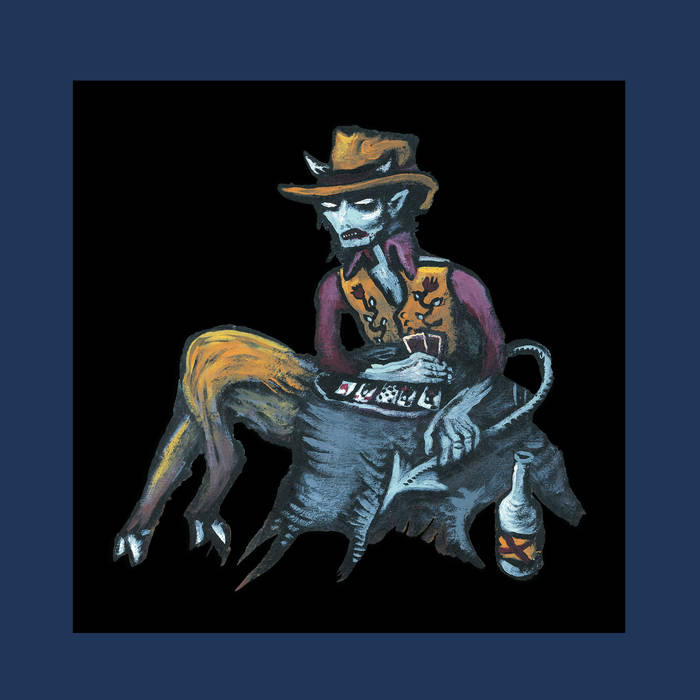
And sometimes, you just need some down-home picking and singing. On the heels of selling out the Ryman Auditorium (documented on record to great effect last year) and duetting with Willie Nelson, Charley Crockett pitches a passel of new songs our way on $10 Cowboy (LISTEN HERE) As with much of Crockett’s recent work, this album leans into soul nearly as much as country; the choogling brass and choral vocals of “America”, the piano-with-strings heartbreaker “Gettin’ Tired Again” and the funky “Diamond in the Rough” can’t help but call Motown and Memphis to mind. But there’s plenty of Nashville/Austin classicism too, in the steel guitar-laced single “Hard Luck and Circumstances”, the Latin-flavored acoustic revenge ballad “Spade” and the honky tonk shuffle “Ain’t Done Losing It” Whether this is the long-predicted breakthrough for Crockett or not, $10 Cowboy is a thoroughly satisfying album, capturing sharply defined snapshots of a nation wondering when things will get better.

And (thanks to the copious music collection found at the main branch of the Grand Rapids Public Library), I discovered that Sierra Ferrell’s 2021 debut Long Time Coming is every bit as good as her new one (Trail of Flowers, reviewed last time). My entire notes for this one consisted of the word “WOW!!”, so I’ll just point you in the direction of this review (from my go-to site for genre news and reviews, Saving Country Music), add Long Time Coming to my 2024 Favorites list and look forward to hearing her live in September!

— Rick Krueger
The Best Prog Bands You’ve Never Heard Of (Part Thirty-Seven): Sindelfingen

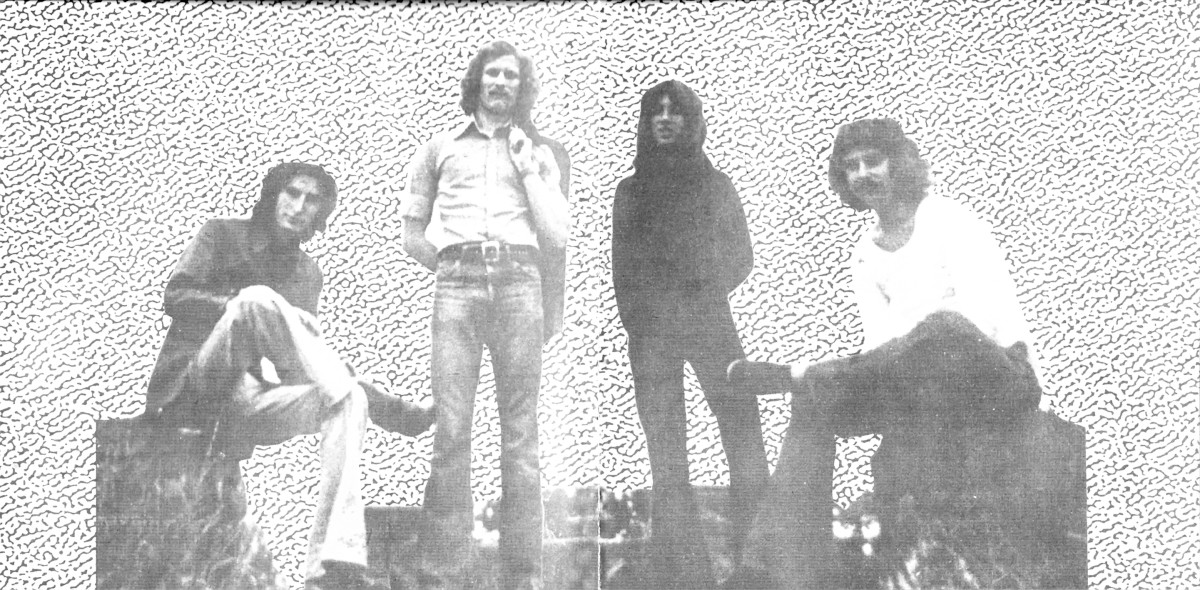
When it comes to obscure prog bands, these guys might just take first prize. Fifty years ago, four British chaps known collectively as Sindelfingen released their only complete studio album, the delightfully named Odgipig – but only 100 copies were made available. Thanks to the Internet, however, we now have regular access to a particularly rare gem such as this one.

Odgipig, although somewhat inconsistent in places, is a solid and even rather original debut. Unlike many of their prog contemporaries, Sindelfingen forwent the typical keyboard setup and opted instead for a glockenspiel (played superbly by Roger Woods), which lends the album a unique and pastoral sound a la Jethro Tull’s Songs from the Wood. This sound is shaped also by the presence of acoustic guitars and recorder (both played with finesse by Mark Letley), especially on “Today and Tomorrow” and “Perpetual Motion,” the former being, in my humble opinion, the strongest track on the album. Lead singer Richard Manktelow (who also plays guitar) and drummer Roger Thorn are no slouches themselves, however, in their respective roles. Manktelow’s vocals are easy on the ears and Thorn anchors a dependable rhythm section with Letley (who also plays bass; he’s the type of musician who might have been recruited by Gentle Giant).

Sindelfingen enjoyed a brief foray into the prog world before fading into obscurity, but we today can appreciate the little gem they left behind for us. Below is the original album along with some bonus tracks that are also worth a listen.

Rick’s Quick Takes for Summer – Part One

Unless otherwise noted, title links are typically to Bandcamp for streaming and purchasing, or to Spotify for streaming with a additional purchase link where available.

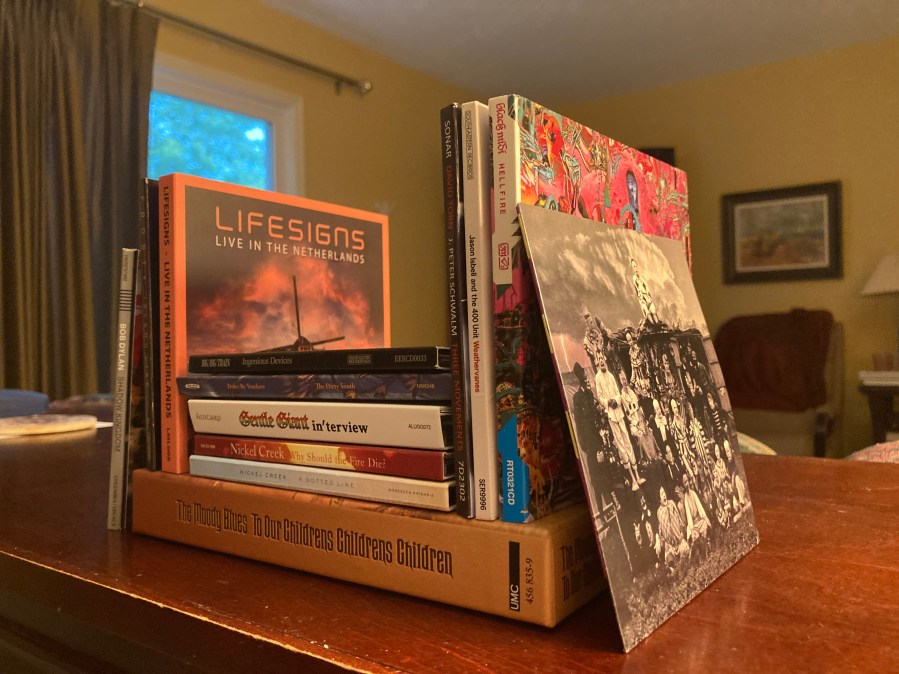
Starting with an obvious choice around these parts: Ingenious Devices proves a winning Big Big Train compilation, featuring Greg Spawton’s life-enhancing explorations of humanity’s drive to expand its reach. Vividly orchestrated reworkings of “East Coast Racer” and “Brooklands” join a remix of Grand Tour’s “Voyager” and a stirring live take of “Atlantic Cable” featuring new lead singer Alberto Bravin; the result is a fresh, vital, thoroughly moving suite of prog epics. Recommended without hesitation!

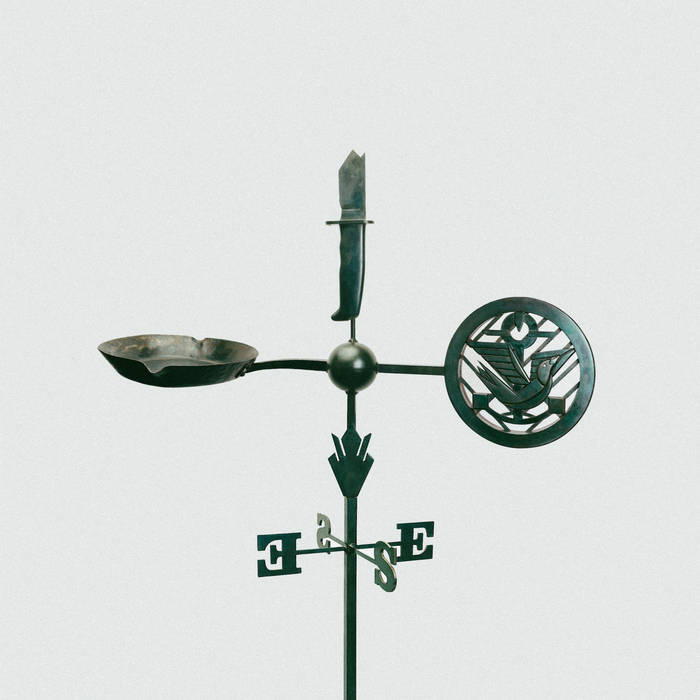
Southern rockers Drive-By Truckers have also reached back — fleshing out their classic 2004 effort as The Complete Dirty South, the double album they originally conceived. Triple-threat guitarist/songwriters Patterson Hood, Mike Cooley and Jason Isbell reel off tale after compelling tale of characters caught in desperate circumstances, torn between bad choices, clinging to vagrant hopes. Their rampaging hard-rock energy, seasoned with delicate country soul balladry, is what elevates the whole concept beyond haunted fatalism to an intense meditation on courage in the face of overwhelming odds. (Having left the DBTs in 2007, Jason Isbell continues to go from strength to strength. His brand-new effort with The 400 Unit, Weathervanes, brings tons of sharp writing and fiery playing to a clutch of deeply empathetic Americana narratives, topped with irresistible choruses and just a pinch of classic rock a la Bruce, The Byrds and Neil Young. Whatever your take on country music, you really shouldn’t miss either of these.)

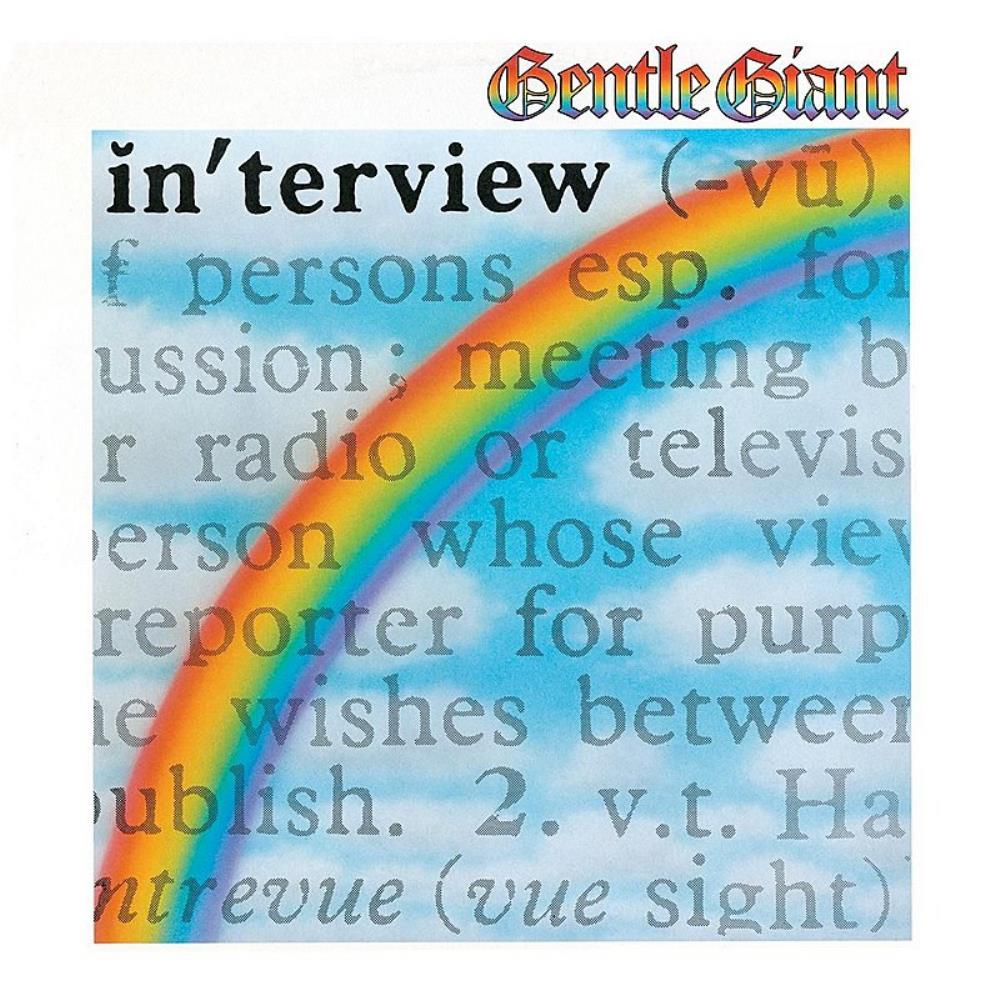
Also on the reissue front, Gentle Giant’s 1976 effort Interview now has a spruced-up, punchy remix from Steven Wilson (available here) that breezily clarifies the British quintet’s counterpoint vocals (“Design”), interweaving instrumental lines (the title track, frenetically funky closer “I Lost My Head”) and multistylistic hijinks (the unanticipated reggae chorus of “Give It Back”). The Moody Blues’ second release of 1969, To Our Children’s Children’s Children, becomes their third vintage set to get the multi-disc box treatment – though it’s only available digitally in the US. While the album proper leans toward studio psychedelia laced with wispy slow-dance tunes and the odd cabaret flourish, the bonus live tracks (including a complete set from the Royal Albert Hall) reveal the Moodies as quite the stomping rock outfit, slipping the leash on the album’s single “Gypsy,” the encore “Ride My Seesaw” and core tracks from Days of Future Passed.

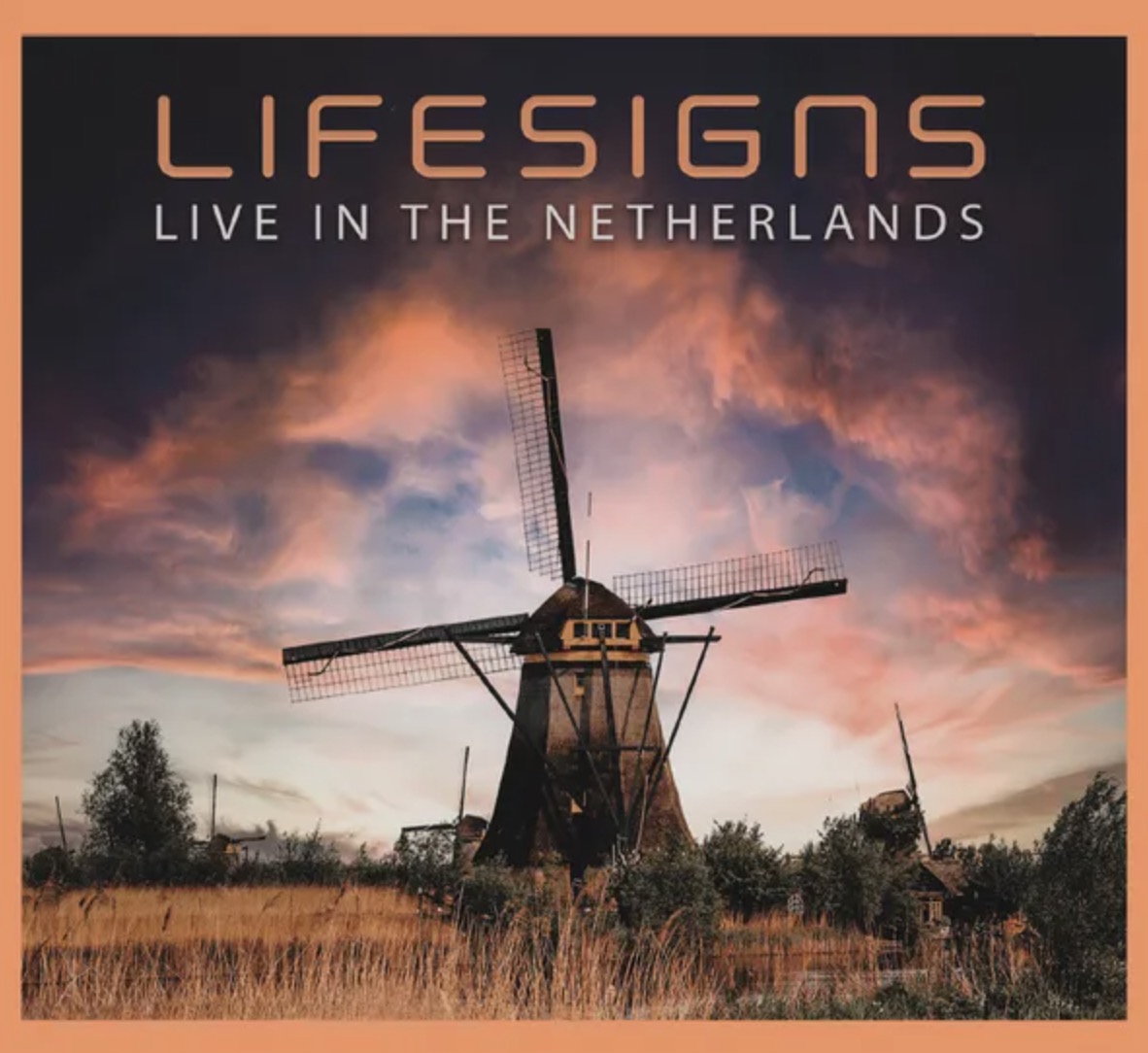
Live releases have picked up again as well. For their concert video debut Island Live (available through Magenta’s Tigermoth label), Jem Godfrey’s tech-forward quartet Frost* reap a whirlwind harvest of monumentally proportioned prog. With bassist Nathan King and drummer Craig Blundell anchoring the jumpy polyrhythms, guitarist John Mitchell and keyboardist Godfrey eagerly splatter as many unhinged solos as possible across devilishly ingenious harmonic structures, singing their hearts out all the while. (Check out a video sample here.) Prefer calmer (though no less extended) sonic voyages? Lifesigns’ Live in the Netherlands should be just the ticket. Leaning on the music from 2021’s Altitude, keyboardist/composer John Young and guitarist Dave Bainbridge prove steady hands on the wheel, soothing the soul as they scale the majestic heights of “Open Skies,” “Ivory Tower” and “Last One Home”. (One other winner from outside the genre: for a 2021 COVID-time video, Bob Dylan fused his recent rummagings amongst the blues and pre-rock vocal stylings to revitalize his vintage repertoire. The unplugged sorta-soundtrack Shadow Kingdom is the winning result; order it here.)

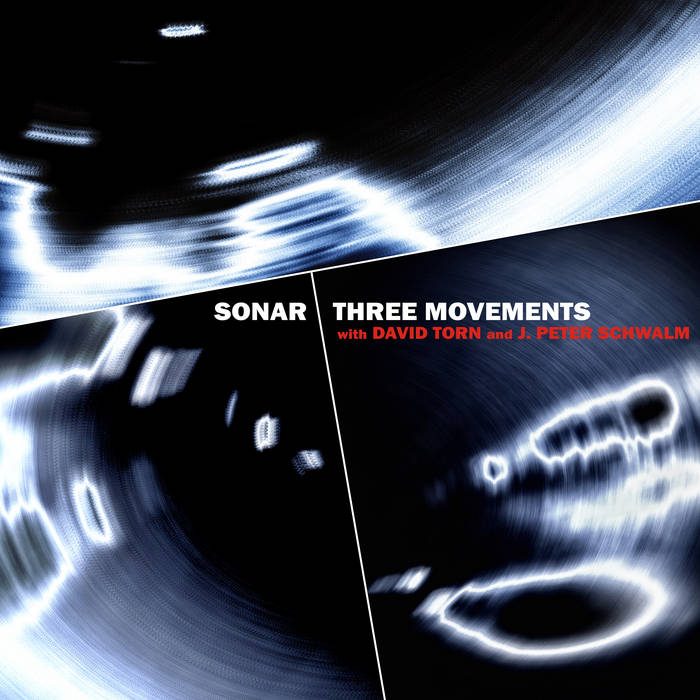
Speaking of concerts, my prep for a recent show by British “post-Brexitcore” bashers black midi included their latest album Hellfire, which hit plenty of 2022 best-of lists in and out of the prog world. A detailed live review is forthcoming; suffice to say that on record, bm’s dense, anarchic musical interaction tracks all too well with their jaundiced first-person lyrical vignettes — it’s postmodern life as absurd, unstoppable apocalypse. A welcome bonus from that concert was meeting Mike Potter, Renaissance man of the Eastern Seaboard — astrophysicist, former recording studio owner and a whiz on keys, woodwinds and vocals too! Potter’s band Alakazam has just released their fourth disc, Carnival Dawnit’s a heady conceptual effort that stirs equal parts Ray Bradbury and Stephen King into a bubbling stew garnished with ominous Mellotron, creepy clarinet and saxophone, and the wondrously deranged verbal musings of sundry evil clowns. By the pricking of my thumbs, it’s worth a listen — if you dare. And for a coolly energizing dose of order to chase the above chaos, you won’t do better than Sonar’s new Three Movements. Here Stephen Thelen and company harness a genuinely symphonic tension, building up towering rhythmic edifices that reach dizzying heights; at the climaxes, as guests David Torn on guitar and J. Peter Schwalm on electronics launch volley after volley of improvised ambience, the tension breaks, the clouds clear, and you might just hear the music of the spheres!

P.S.: in the aftermath of last month’s Nickel Creek concert, I’ve continued to delight in their back catalog. In addition to this year’s brilliant Celebrants, I especially recommend the final effort from their original run, 2005’s sprawingly eclectic Why Should the Fire Die?, and their tightly focused 2014 reunion, A Dotted Line. (Buy Nickel Creek CDs here.)

— Rick Krueger

Ray Shulman (1949 – 2023)

Requiescat in pace

https://www.yahoo.com/entertainment/ray-shulman-gentle-giant-co-014615148.html

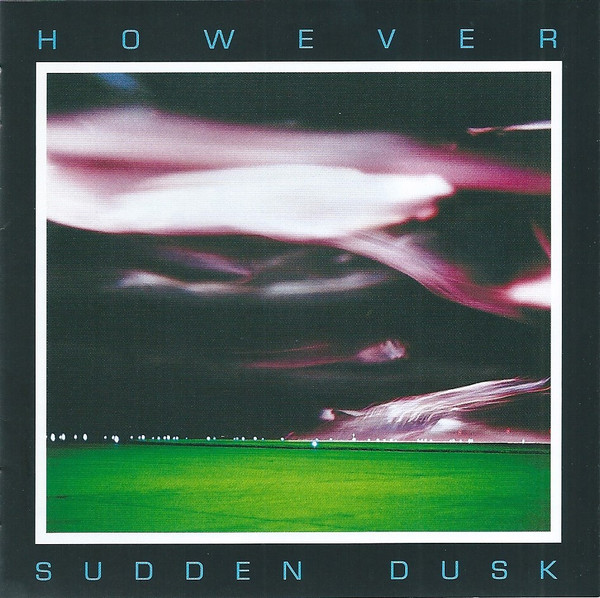
The Best Prog Bands You’ve Never Heard Of (Part Thirty-Three): However

One might imagine that a band that adopted a common conjunctive adverb as its name would lack creativity; however, that is not the case. Among the many bands I have covered in this series so far, However is without question one of the more rhythmically complex. In fact, comparisons to Gentle Giant and Frank Zappa would not be uncalled for. Like Gentle Giant, However’s four members display an impressive dexterity on a variety of instruments: brothers Peter and Joe Princiotto play everything from synthesizer and autoharp (Peter) to drums and trash can lids (Joe). Bobby Read’s saxophones steal the show on most songs, but he’s also no slouch on the clarinet, xylophone, and glockenspiel (among other instruments). And Bill Kotapish, although not credited with an equally long laundry list of instruments, performs superbly on bass and lead guitar. Like Frank Zappa, these boys clearly had some fun with the lyrics which, although used sparingly (on four out of ten songs), would appeal to many a progger’s quirky side (check out “Beese” below).

Despite the tracks’ complex structure and melody, they tend to be on the shorter side: the first three pieces are under four minutes each, but are nevertheless delightful to the music lover’s ear. The fourth piece, “Louise Sitting in a Chair,” is downright lovely: Peter’s piano and Bobby’s saxophones will have you convinced that Louise ought to remain forever fixed in her position. The title track features eerie soundscapes a la Robert Fripp punctuated here and there by Bobby’s saxes, which need no rest on this album. But the highlight of the ten, as mentioned earlier, opens with spoken word: “The bumblebee makes two different musical tones as it flies.” And the band seem to take this to heart, treating our ears to quirky synth sounds that imitate the frenetic buzzing of bees before re-introducing the sax and allowing Bill to shine with some deft work on his electric guitar. A touch of Zappa appears about five minutes in with some bizarre spoken word vocals that any fan of prog will appreciate.

The vocals may not blow you away, but they are not However’s centerpiece. What this band offers is a fantastical journey through a land of melodic and rhythmic complexity. Sounds to hear along the way will include the standard drums, bass, guitar, and keys, but as a bonus you will also be treated to the sounds of the duck call, marimba, kalimba, and – as the album ends – the gentle lapping of waves. Bon voyage!

Stay tuned for number thirty-four!

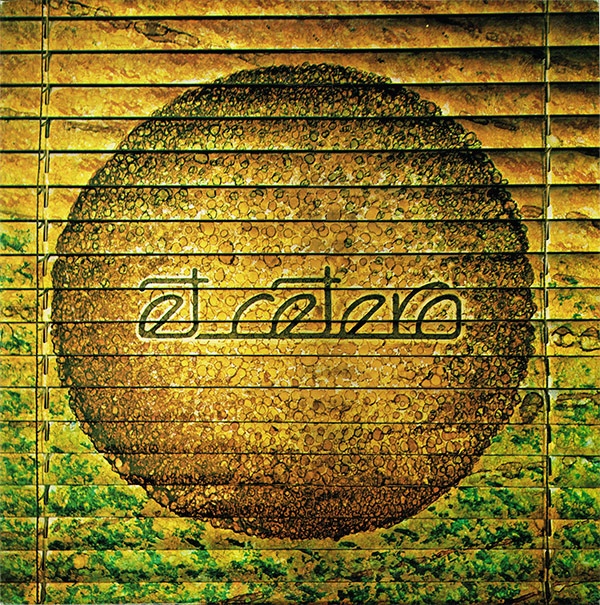
The Best Prog Bands You’ve Never Heard Of (Part Twenty-Nine): Et Cetera

Do you admire the technical virtuosity of Gentle Giant? (You probably do – you’re a reader of Progarchy, after all.) Do you speak French, or at least consider the language beautiful? (Of course you do.) Then consider listening to this long lost Quebecois gem. Et Cetera, a Canadian quintet (with a female vocalist!), released their sole album in the USA’s bicentennial year, but unfortunately disbanded shortly thereafter. This was certainly a shame considering their level of skill: Marie Bernard Page has the voice of an angel (you’ll appreciate her talent from the get go); Robert Marchand transitions from soft strumming on acoustic guitar to jazzy licks on electric with ease (see “Entre chien et loup” and “Apostrophe” to hear it for yourself); Denis Chartrand plays with the focus of Kerry Minnear and would certainly be his match in a duel of keyboard virtuosos; and Alain Pigeon and Pierre Dragon on bass and drums, respectively, prove that those two winged creatures can get along splendidly when they combine their talents in order to tackle a variety of intricate rhythmic patterns.

Some critics dismissed Et Cetera as a Gentle Giant clone, but they clearly failed to appreciate what each of these musicians brought to the table. The gorgeous, multi-layered vocal harmonies; rock-solid rhythm section; and symphonic synth and keys (among other instruments, including flute, sax, and cello) place this quintet near the top of the list of obscure gems. Fans of Gentle Giant should definitely give this a spin, but any serious prog aficionado will find something to appreciate here.

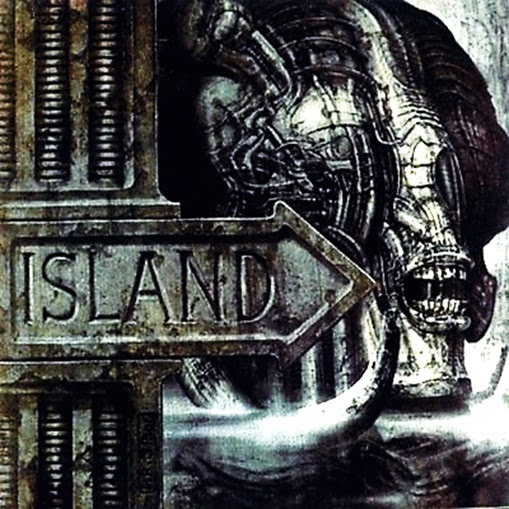
The Best Prog Bands You’ve Never Heard Of (Part Twenty-Two): Island

If the album cover looks familiar to you, that’s because it was designed by the same man responsible for Emerson, Lake, and Palmer’s Brain Salad Surgery and Ridley Scott’s Alien: H. R. Giger. Island may be the strangest thing to come out of Switzerland since that eccentric creator of biomechanical horrors. That small, idyllic mountain country may not come to mind when one thinks of avant-garde, but, like Giger, Island certainly does not fit the Swiss mold – or any mold, for that matter. Pictures is easily one of the bolder, more original releases that I have ever heard. Like Van der Graaf Generator, Island relied not on bass or guitar (in fact, they feature not a single guitar on the entire album), but rather on percussion, keys, and woodwinds. Like Gentle Giant, Island’s free jazz-style approach offered the band opportunities for some incredibly complex improvisation. And like King Crimson and Peter Gabriel, Island wasn’t afraid to add a dash of black humor to their lyrics, providing the album with a (somewhat) lighter tone than is suggested by that horrifying album cover. Now to the music itself:

The album opens with the appropriately titled “Introduction,” which sounds like Ligeti’s Requiem or something out of Kubrick’s 2001: A Space Odyssey. This brief piece ends with some eerie words whispered over a cacophony of sound before it transitions rapidly to…

The dynamic “Zero,” which opens with a flourish of keyboards. The interplay between keyboardist Peter Scherer, drummer Guge Jurg Meier, and woodwind wunderkind Rene Fisch is impressive and will probably remind most listeners of King Crimson or Gentle Giant. But we do not hear the vocals of Benjamin Jager until…

The title track. Jager, who sounds a bit like Peter Gabriel, has some fun on this song (it takes a quirky fellow to sing about “gastric juices”), but the focus remains on the instruments, and Jager himself is no slouch on percussion. In the middle of this complex piece we are entertained to both a gentle clarinet solo and smooth sax work courtesy of Fisch. These mad scientists of music continue to experiment on…

“Herold and King / Dloreh,” a fitting title for such an odd piece. After some three minutes of beautiful but somewhat dark piano melodies, we get a good half minute of silence before Jager’s vocals fade in…singing the lyrics in reverse, of course (look again at the title of the song). Once again, we are treated to some fascinating interplay between keys, sax, and percussion, and at one point the ominous sound of a drone provides an additional layer of eeriness. To up the weirdness factor, the track includes some whispered vocals (reminiscent of Goblin or VDGG) and scat (or something like it) throughout. The strange brew continues to satisfy on…

“Here and Now,” the closing track. This piece features (briefly, alas) a gorgeous and textured organ sound, and the percussion and sax shine as they have throughout. The drone effect is again put to good use, adding a haunting layer to what is otherwise the most “upbeat” track on the album.

This is a challenging album that may not initially appeal to your tastes. In fact, it may take three or four spins before you can appreciate it, and it is certainly worth more than one listen: this is top-notch musicianship with a healthy dose of dark humor. Anyone who appreciates Gentle Giant, Van der Graaf Generator, or King Crimson will be impressed by this little-known avant-garde masterpiece. Just don’t let Giger’s monster scare you off.

Stay tuned for number twenty-three!

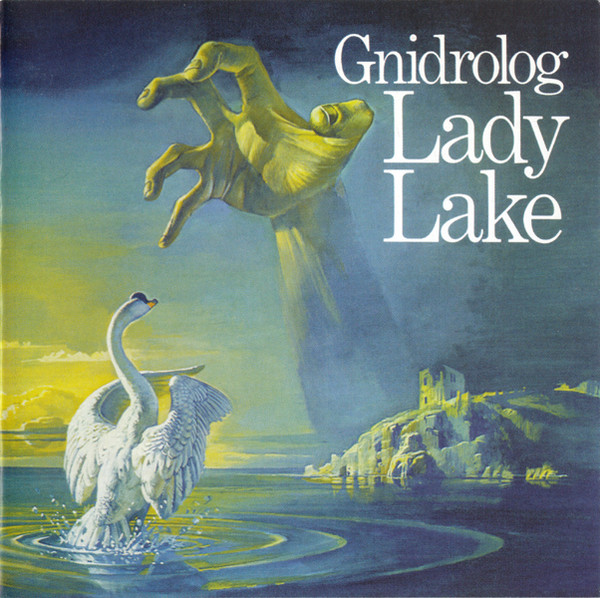
The Best Prog Bands You’ve Never Heard Of (Part Twenty-One): Gnidrolog

An enormous and menacing hand looms over a graceful yet defiant swan: here is an album cover fit for a symphony orchestra. Yet Gnidrolog’s Lady Lake, despite it’s romantic artwork and title, features neither orchestra (a la Camel’s The Snow Goose) nor keyboards imitating the sound of an orchestra (a la nearly every symphonic prog band) nor even the prominent sound of a stringed instrument (guitars notwithstanding, and they are not the driving force behind this work). Instead, Gnidrolog relies on a blend of saxes, flutes, and recorders to create a full, rich sound that provides the foundation for one of the stronger obscure prog albums of the 1970s.

Lady Lake is the second of three albums produced by Gnidrolog, an English quintet consisting of identical twin brothers Colin and Stewart Goldring (lead vocals and guitar, respectively), John Earle (flute and saxophones), Peter Cowling (bass), and Nigel Pegrum (drums, flute, and oboe). Although each member is clearly talented (all of them, like the members of Gentle Giant, play several instruments), Earle is the star on this album, and he puts his woodwinds – a refreshing substitute for keys or mellotron – to good use. Here are some of the highlights from this under-appreciated gem:

Released during the Vietnam War (1972), Lady Lake opens with the idealistic epic “I Could Never Be a Soldier.” The longest piece on the album, it opens with some superb flute courtesy of Earle and the multitalented Pegrum, giving the song a Jethro Tull-like feel. Colin’s vocals, however, sound nothing like Mr. Ian Anderson’s: think Peter Hamill without the “apocalyptic” quality and grittiness. (The vocals are not bad, but neither are they the strongest element here.) Colin’s twin Stewart enjoys some time in the limelight with a brief guitar solo about ten minutes into the song, followed by some funky bass work by Cowling, before the epic finishes just shy of twelve minutes with a flourish of sax courtesy of Earle.

The title song is perhaps the best on the album. After Cowling and Pegrum lay a solid foundation with bass and percussion, respectively, Earle’s layered saxophones add a welcome richness and texture. Toward the middle of the piece the layered saxes are blended with the smooth sounds of recorder and oboe. Cowling’s ominous pounding bass reminds us, however, that the looming hand continues to threaten our (false) sense of tranquility. The frenetic ending hits with the force of Van der Graaf Generator thanks to Earle’s talent on the sax, which would impress any admirer of David Jackson.

“Social Embarrassment” may be one of the stranger finales on any album, progressive or not. Earle sings lead vocals on this one (his voice sounding a bit like Jon Anderson’s). Cowling again demonstrates his chops on bass guitar, and Stewart Goldring unleashes a furious electric guitar solo toward the end of the song before he is overwhelmed by the screams (yes, screams) of the Colney Heath Male Choir: perhaps the hand has conquered! Now that’s a memorable way to close an album.

Despite my reservations concerning the vocals, Lady Lake is nevertheless an excellent example of early progressive rock. The songwriting is above average and the musicianship top-notch. It would be a worthy addition to any serious progger’s catalogue.

Stay tuned for number twenty-two!

The Best Prog Bands You’ve Never Heard Of (Part Ten): Hands

hands

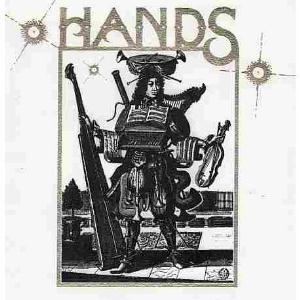
Alas, we have arrived at the end of this ten part series.  The final band I would like to draw your attention to hails from the great state of Texas.  They are a sextet known as Hands and they are one of the most talented bands I have ever had the pleasure of listening to.  As a matter of fact, I consider these Texan minstrels to be up there with Universe as two of the finest American prog bands (apologies to Kansas and Styx).  Their first album, released in 1977, features quite an array of instruments besides the standard guitar, bass, keys, and drums, including flute, saxophone, oboe, violin, and vitar.  This band is no doubt America’s version of Gentle Giant, although I prefer the vocals of Hands to those of their British counterparts.  Each song is a treat, and although idiosyncratic compositions are ubiquitous in the prog rock world, these guys seem to have the ability to produce a unique tune every time.  Here are just a few songs from the album that I especially enjoyed:

1. Zombieroch– the opener is a fun and rollicking instrumental straight out of the Gentle Giant catalogue.

5. Worlds Apart– the first song to feature vocals, similar to John Wetton’s soft and raspy voice; excellent performance on the keys.

6. Dreamsearch– my favorite piece; a sweeping epic with fine guitar, bass, and keyboard work; features a brief but funky clavinet riff, transitions to a wonderful bass and keys interplay, and then finally to flute and keys.

7. Left Behind– opens with Simon and Garfunkel-like acoustic guitar and piano, but eventually transitions to electric guitar before ending the same way it opened.

Hands has remained active over the years, releasing a handful of albums, their latest as recently as 2008.  I found every song on this album enjoyable to listen to, which I admit I cannot say of every prog album, even some of the most noteworthy ones. Hands deserved more attention, but unfortunately they couldn’t quite reach that level of stardom that some of their British comrades did.  I hope you will take the time to listen to their eponymous debut album. You won’t regret it.

Also, although this series has ended, I will not ignore other obscure prog rock bands, and neither should you.  The website Proggnosis is an excellent database of bands old and new, well documented and rare, good and bad.  Take some time to discover some of the hidden gems of the prog world.