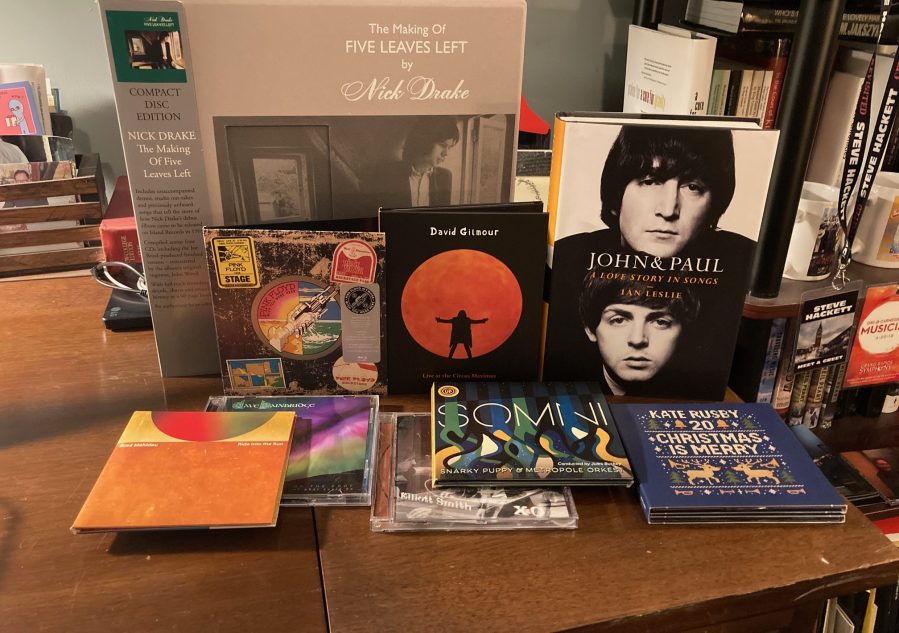
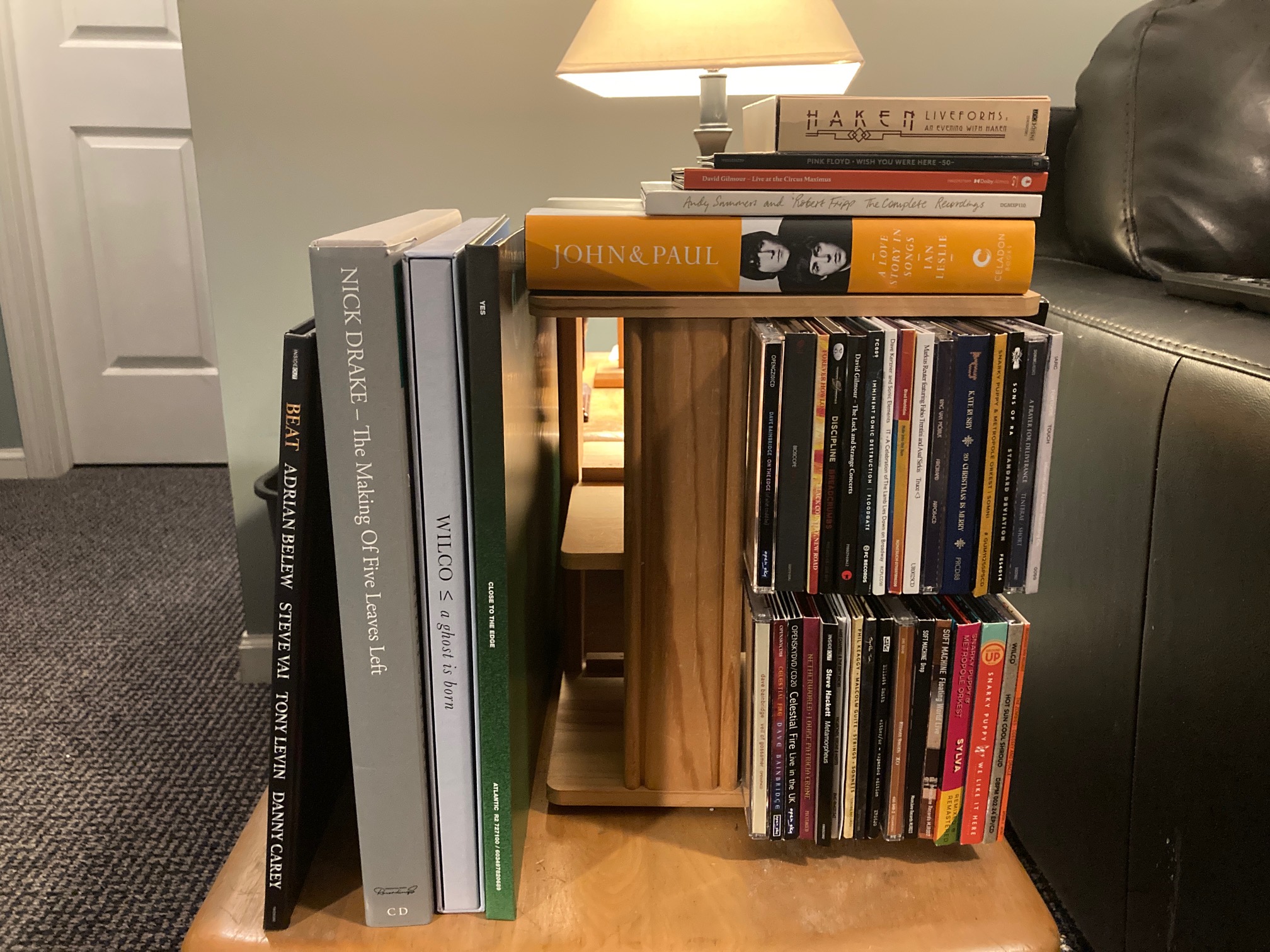
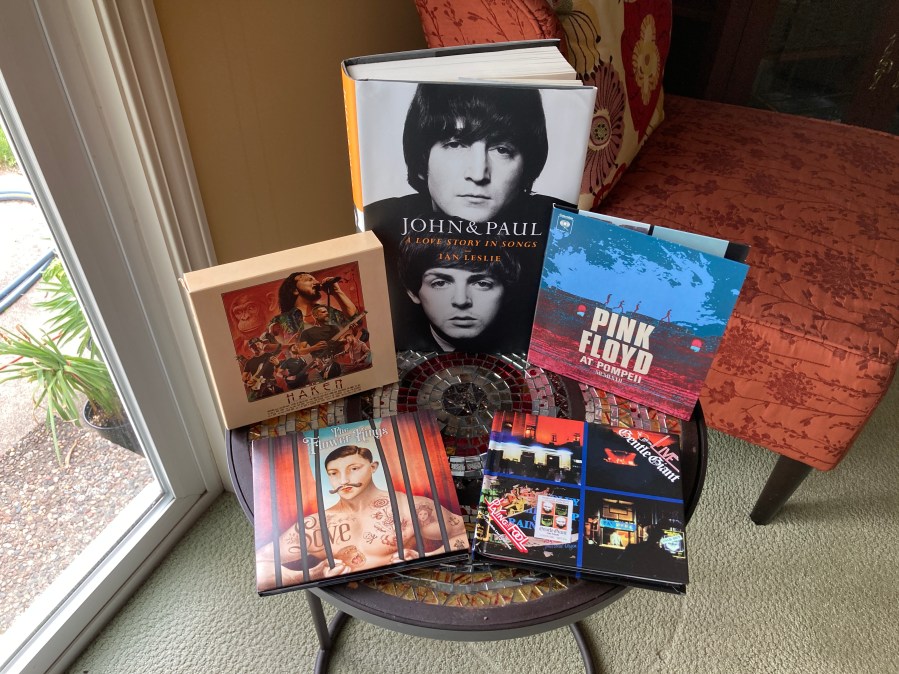
It’s been a good year for music! So good it demanded a slightly different format this time around. You can read my original reviews of my 40 or so favorites from 2025 at the article links that precede each listicle. Listings include the types of release as laid out below, with Top Favorite listings in bold italics (as well as pictured above)!
New Releases:
New Albums
Live Albums (audio and video)
Christmas Albums
Back Catalog:
Reissues
Box Sets (minimum of 3 CDs)
Discoveries (unheard until 2025)
Rediscoveries (heard before, forgotten, loved again in 2025)
Nick Drake, The Making of Five Leaves Left – Top Favorite Box Set! An utter original who died far too young, Drake’s wistful, sturdy, thoroughly unique British folk-rock gradually rose from turn-of-the-1970s obscurity to be embraced by aficionados worldwide. While his three albums (and another disc of studio leftovers) speak for themselves, this lovely box traces his progress over two formative years, from impromptu dorm-room recordings through a breathtaking audition and simpatico sessions (especially those with double bass magician Danny Thompson and master orchestrator Robert Kirby) to the uncluttered, spacious beauty of his debut. If Drake needs any advocacy beyond the sheer communicative power of his songs, here’s all the evidence you need; and as a bonus, long-time fans will find treasures they may not have known they were missing.
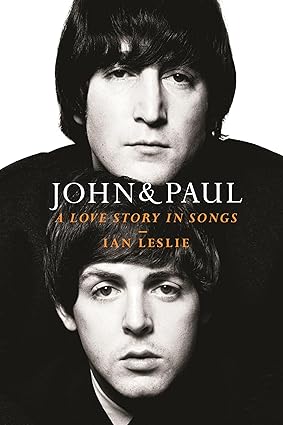
This month’s selection kicks off with something very special: John & Paul: A Love Story in Songs by Ian Leslie, the most impressive book on The Beatles I’ve encountered in ages. Pop-psychology journalist Leslie blew up the Internet in 2020 with “64 Reasons to Celebrate Paul McCartney”, but the driving passion here is his scrupulously balanced estimation of both Macca and John Lennon as men and musicians. Staying off the long and winding “John versus Paul” road so many authors take, Leslie traces the arc of an exceptionally deep male friendship between “two damaged romantics whose jagged edges happened to fit.” Which birthed an exceptional creative partnership, the fruits of which still brighten the world. His thoughtful reflections on 43 songs — grounded in copious documentary evidence, the best Beatle scholarship, accessible musical analysis and his own insight into creativity — vividly portray the forging, then the fracturing of Lennon and McCartney’s bond, from pre-Beatlemania through the Fab Four’s imperial phase and their ill-tempered breakup to Lennon’s shocking death. Tangled as their connection became in the throes of professional and personal conflict, John and Paul couldn’t help but look to each other throughout the 1970s — as competition (writing “Imagine”, John wanted the melody to be as good as Paul’s “Yesterday”), as foe or friend of the moment, as the only other person who could possibly understand. Throughout, Leslie brings to bear admiring gratitude for The Beatles’ music — George and Ringo get their props as well — along with compelling clarity on the emotions that drove that music. And in the end, his portrait of a collaboration that “even as its most competitive, was a duet, not a duel” is utterly moving, equal to chronicling what Lennon and McCartney made of their tempestuous time together and apart. Just read this.
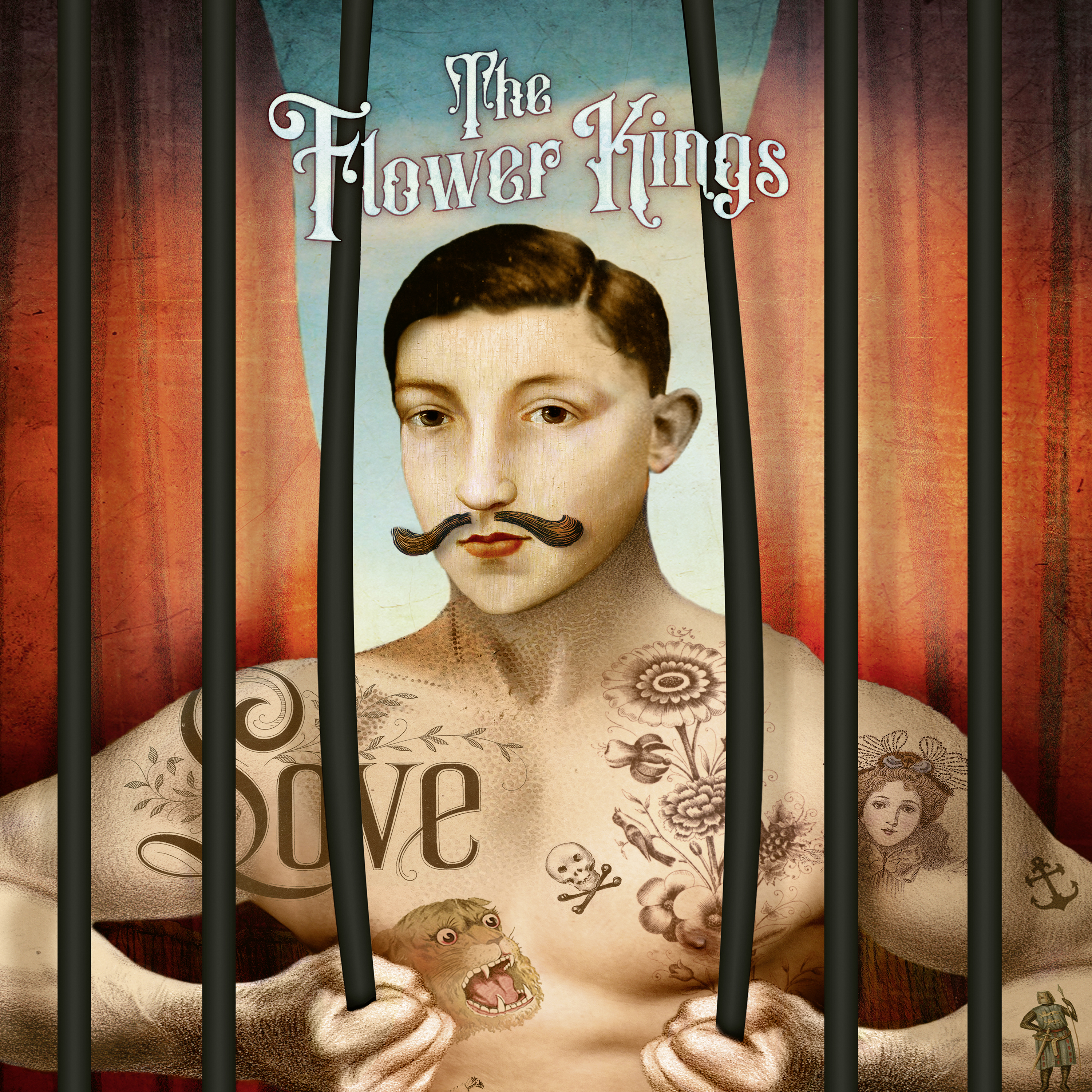
The Flower Kings, Love: A long-playing magic carpet ride, with the minutes effortlessly flying by in the capable hands of Roine Stolt and his Scandinavian comrades. Kicking off with a pair of change-ups (tough, bluesy opener “We Claim the Moon”, jazzified ballad “The Elder”), the Kings then settle into a multi-part suite that, if a bit sedate, has plenty of instrumental color and dynamic vocal shading to hold interest. But the home stretch of this album is where Stolt and company take wing, channelling their inner Yes for the acoustic lilt of “The Promise”, the orchestral build and double-time finale of “Love Is”, the grooving power ballad “Walls of Shame” and the extended closer “Considerations”. Sneakily, subtly addictive, Love is simultaneously a master class in ongoing invention and a psychedelic time travel exercise — so retro it’s actually back there, yet fresh as a daisy throughout.
Gentle Giant, Playing the Fool – The Complete Live Experience: The original 1977 release was inspired both by Gentle Giant falling victim to bootleggers and by the rush of mid-70s double concert albums (the British sextet had opened for Peter Frampton both before and after his game-changing Comes Alive set). On the edge of punk’s advent, was a mass-market breakout still possible for a prog band that promiscuously swapped guitars, saxes, recorders, violin, multi-keyboards, mallet percussion and hand drums onstage, mixing soul shouting with Baroque vocal counterpoint all the while? The Shulman brothers, Kerry Minnear, Gary Green and John Weathers give it their all here, from the ricocheting precision of “Excerpts from Octopus” to a wobbly take on “Sweet Georgia Brown” improvised when said keyboards blew up in Brussels. This brand-new reissue restores the complete live set, including three tracks off the contemporaneous “Interview” album, showcasing Gentle Giant as a jaw-dropping live act, doubtless as awesome to behold in the moment as they are to hear right now.
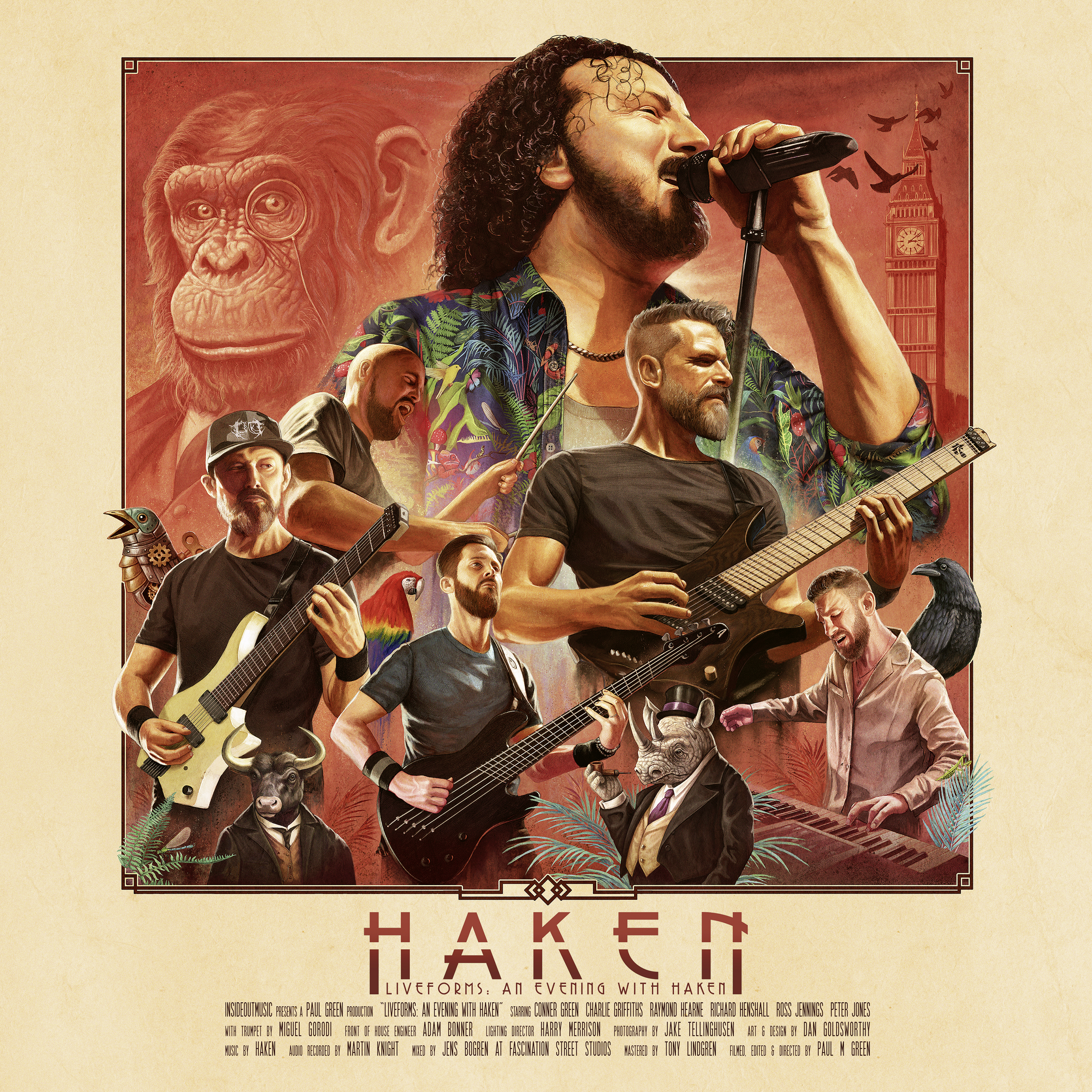
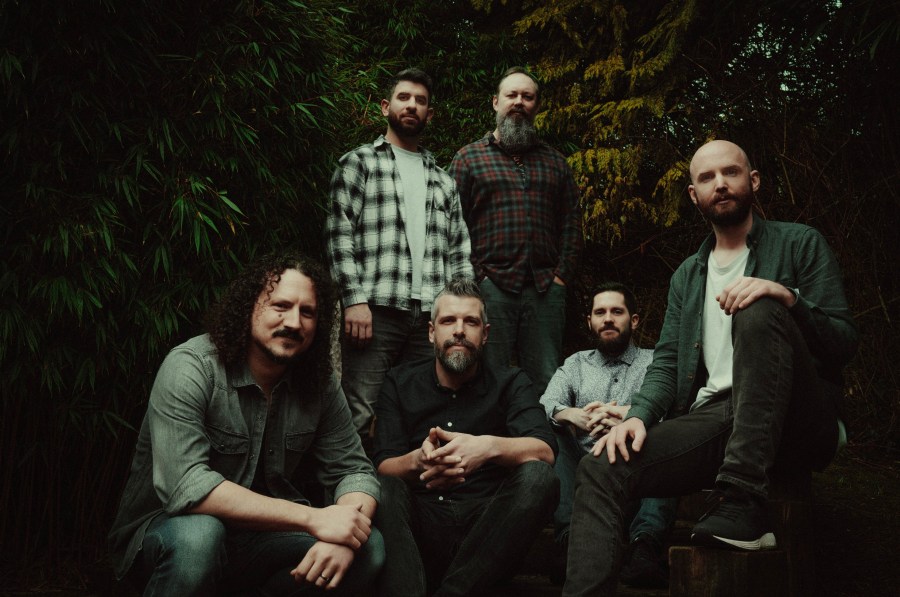
Haken, Liveforms: If Gentle Giant has a modern-day successor, it’s gotta be these guys! Captured in concert at London’s O2 Forum, Haken doesn’t constantly trade instruments, mind you — though the unrelenting interweave of Charlie Griffiths & Richard Henshall’s guitars and Connor Green’s bass (all downtuned, all with an extra string), Peter Jones’ Wakeman-meets-electronica keys and Raymond Hearne’s dizzily polyrhythmic drums evoke a similar instrumental giddiness. Mix in singer Ross Jennings’ searing, soaring leads and occasional demented-barbershop-quartet backing vox, and you have one singular, headturning sound.
A complete run-through of their latest album Fauna (featured on the vinyl version) is equal parts ballet and blitzkrieg. The BluRay/CD package adds a second set to showcase Haken’s catalog to brilliant effect, from the headlong pop-prog of “Cockroach King” and “1985” to the foundational metal epics “Crystallized” and “Visions”. Whether they’re pivoting on rhythmic and melodic dimes, diving into the heavy, or wrangling multiple genres at the same time, this band deserves a hearty “WWOOARRRRGGGHHH” from fans across the board.
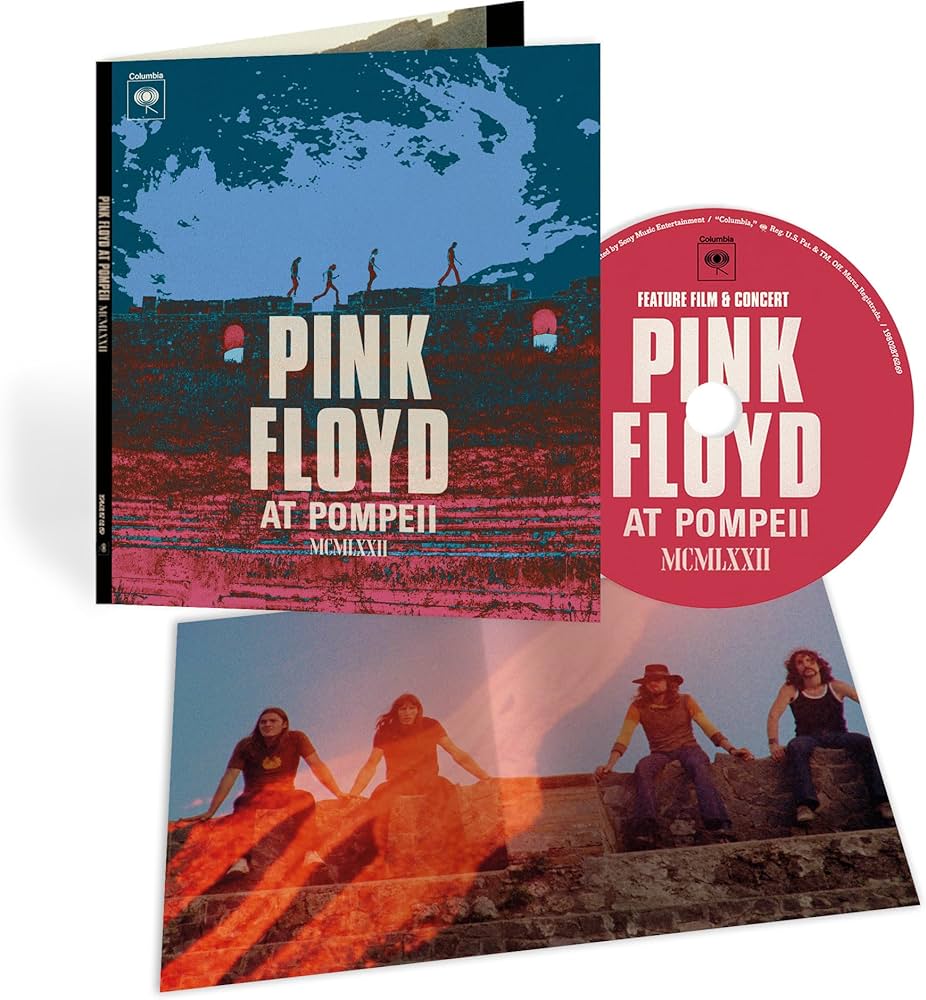
Pink Floyd, At Pompeii MCMLXXII: A pristine new version of the classic acid-trip midnight movie, complete with a typically crystal-clear, hard-hitting new sound mix from Steven Wilson. I dig the behind the scenes footage from the recording of The Dark Side of the Moon at Abbey Road — flashes of studio inspiration, David Gilmour and Nick Mason’s passive-aggressive interview snippets, revealing glimpses of the hostile, fragile band dynamic just waiting to be completely curdled by mass success. But the main course here is Roger Waters, Rick Wright, Gilmour and Mason huddled in that ancient, haunted amphitheatre, surrounded by devastated ruins and arid desert, conjuring up the spooky sonic webs of “Echoes” and “A Saucerful of Secrets”, the obsessive mantra “Set the Controls for the Heart of the Sun”, the whisper-to-scream catharsis of “Careful with That Axe, Eugene” and “One of These Days”.
Without those long years of building their lysergic, near-telepathic style to the feverishly precise pitch shown here, could the Floyd have taken the world by storm with Dark Side? Available in multiple audio and video formats, At Pompeii remains a stunning portrait of a band on the brink of an unlikely world-conquering moment.
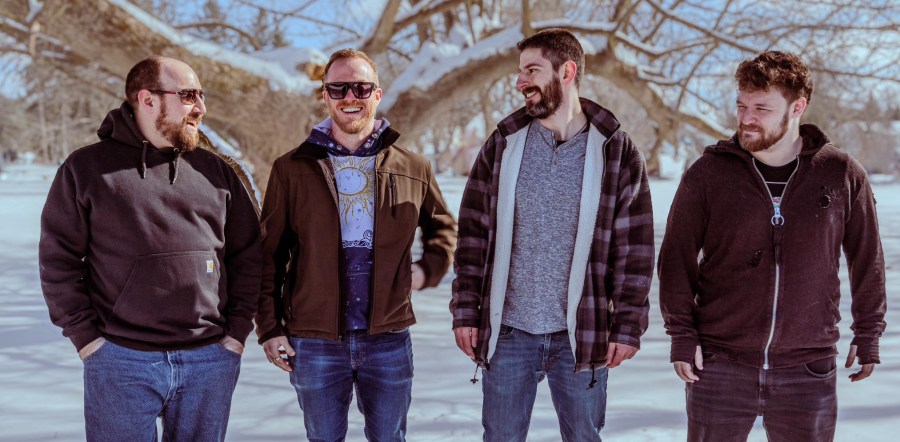
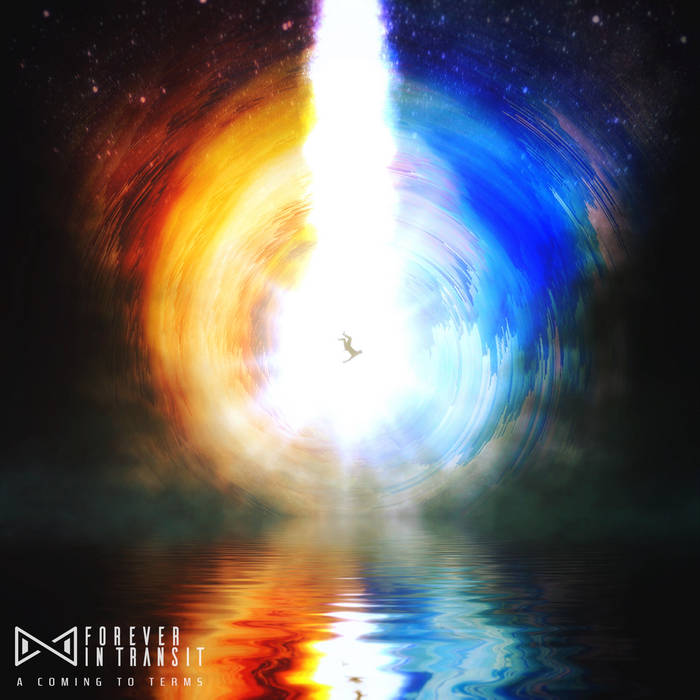
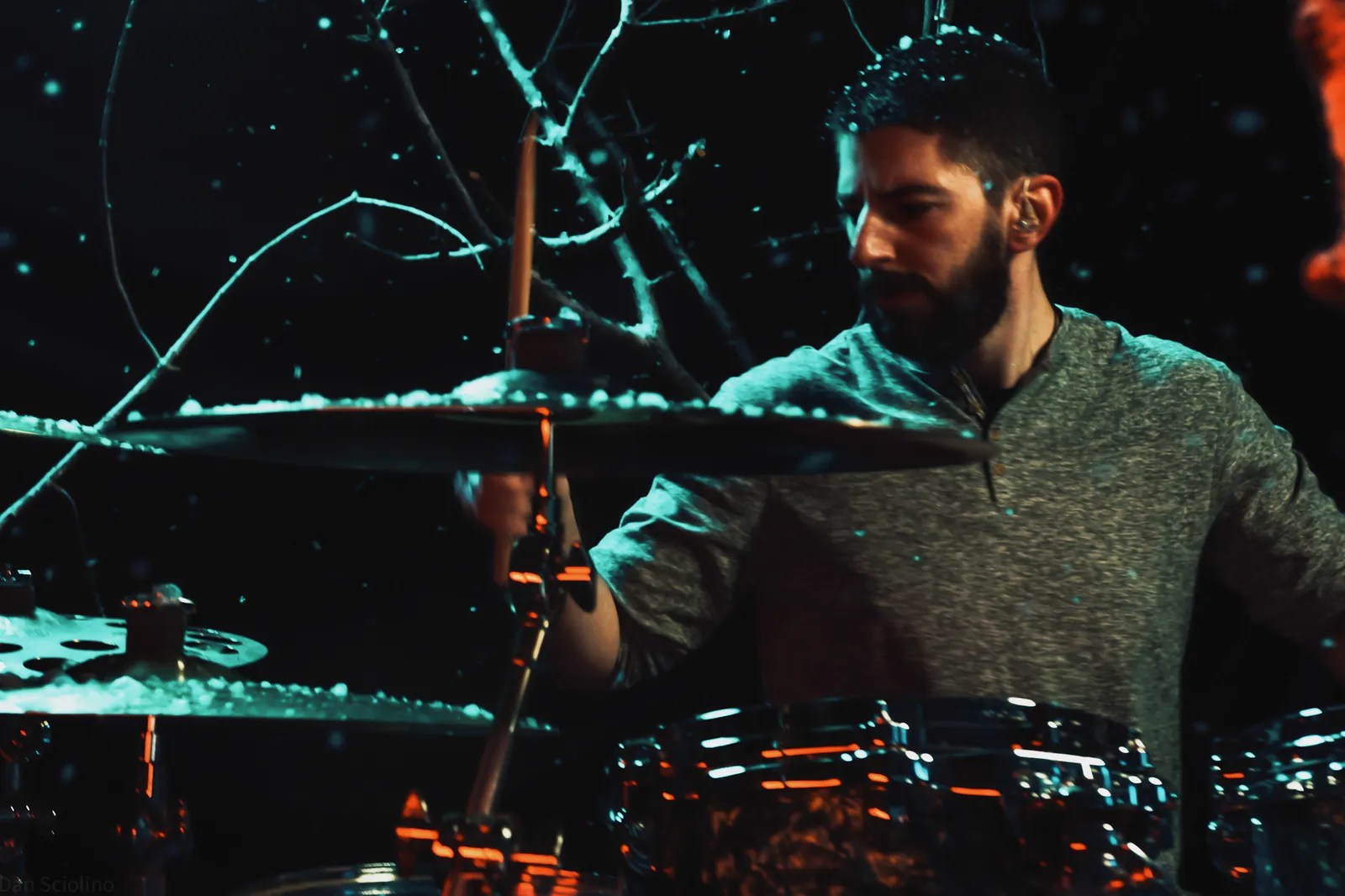
Forever in Transit, the Buffalo, NY-based progressive metal project led by songwriter, keyboardist and drummer Dan Sciolino, is set to release their brand new album, A Coming to Terms, on September 13th, 2024. The album marks the band’s return with a dynamic blend of high-energy metal and atmospheric soundscapes, exploring themes of identity, self-acceptance, and personal transformation. In this interview, Sciolino dives deep into the creative process behind the album, the evolution of the band’s sound, and the powerful philosophical ideas that shaped A Coming to Terms. Join us as we explore the journey behind this new release.
“A Coming to Terms” marks your return with a full-length album after several years. How does it differ from your previous releases, like “States of Disconnection” and “Re:Connection”?
One of the biggest differences between A Coming to Terms and our previous releases is that I wanted the writing to be more focused and intentional, while still preserving the longer song forms. For example, if you listen to some of the tracks on States of Disconnection, they have these really long, tangential bridges with lots of different ideas and unexpected changes. The songs on A Coming to Terms are still long, but I feel there is a stronger, more unified purpose informing the structure! I also spent a lot of time incorporating different motifs that pop up all over the album!
Another big difference is the lineup on A Coming to Terms. Jeremy Schroeder returns as the guitarist – he also played on States and Re:Connection, and is the only musician besides me to play on every Forever in Transit release. Our vocalist for this album is Chris Lamendola, and his voice really suits the direction I took this album, between his clean vocals and screams. We had a lot of fun arranging the vocals on this album! Finally, Daniel Ross joined us on bass guitar for this release, and he even played fretless bass on two songs – “What Lies Beneath” and “A Coming to Terms”!
Can you delve into the themes of identity, self-acceptance, and personal transformation that you explore on this album? What inspired you to focus on these concepts?
Following the release of States of Disconnection, many of the lyrics I had written explored these concepts, and they seemed to match well with the new music I had been working on at the time! The follow-up to States was originally intended to be an instrumental EP with three tracks forming a suite – “Tether”, “Void”, and “Empty” which were inspired by a character from the Avatar:The Last Airbender series. That character’s arc in the show revolves around letting go of attachment to attain greater freedom and power, and that served as a jumping-off point for me to explore it as a concept for the album! I eventually decided to expand to the seven songs that are on the album, laid out more like a journey exploring these themes, starting from initial questioning ultimately to acceptance. What I love about these themes is that I think they are universal – everyone has to come to grips with them at some point in their life! Who am I? How am I defined by the things that I attach myself to, and how does that shape my trajectory as a person?”
The album features a mix of high-energy progressive metal and ambient soundscapes. How did you approach blending these elements to create the dynamic sonic journey on “A Coming to Terms”?
What really helps in that balance is that I am both a drummer and a keyboardist, so playing with interpretations of rhythm and contrasting those different rhythmic ideas with immersive soundscapes has been a defining aspect of Forever in Transit’s sound. I think of Forever in Transit’s music as having this push-pull balance between inertia and weightlessness. The inertia comes from our more “metal” aspect, as well as the way that the songs are structured, and this gets contrasted with more open and ambient passages, which adds a layer of intimacy and emotional depth. I have always loved music – progressive and beyond – that takes me on a journey, and I strive to incorporate that into each Forever in Transit release.
“Enter the Void” features a guest performance by Diego Tejeida and his work on keyboards. How did this collaboration come about, and what was it like working with him?
I first met Diego when he was offering tour lessons, I think on Haken’s 10-year anniversary tour in 2017. I wanted to learn how to design sounds for Roli’s Seaboard, which is essentially a keyboard with a continuous silicone surface, so you can slide between notes, play vibrato right on each key, and control sounds in a really natural and intuitive way. I used all over the Re:Connection EP as well as the intro of our new song “Let Go Your Earthly Tether”. Fast-forward to 2020 when bands could no longer tour, and Diego, like many other touring musicians in that time, offered online lessons! After taking lessons from him, I had eventually asked him whether he would contribute a guest keyboard solo on “Enter the Void”, which he agreed to! He is very easy to work with – deeply knowledgeable, but always down to earth wanting to serve the best interest of the song!
You’ve mentioned that Diego Tejeida also mixed the album. How did his involvement influence the overall sound and atmosphere of “A Coming to Terms”?
One of the biggest areas that Diego influenced on the album was the sense of movement through each song. He is extremely detail-oriented, and the placement of all of the different elements change subtly in interesting ways. He also spent a lot of time maximizing the impact of each song, from a narrative standpoint. A great example of this is his mix for “Empty and Become Wind”. He maintained a very delicate balance of how much low end was present throughout the song, gradually incorporating more as the song unfolds, until you get to the very last section when everything reaches its peak! He also spends a lot of time working with music that is heavily layered with lots of sound design elements, so he was a perfect fit to mix the album!
Nick Borgosz recorded the album, and Andy VanDette handled the mastering. How did their expertise contribute to the final product?
If there is a word to describe Nick, it is meticulous! He recorded the drums, vocals, guitars, and some of the bass for the album, and when I record with him, I know that I am always going to capture the best takes I am capable of. He has a great ear for nuance, and will usually push and give feedback to get that extra 10% in a take! He also mixed our previous releases, States of Disconnection and Re:Connection.
Working with Andy was a great experience! He mastered many of my favorite artists, including Porcupine Tree, Devin Townsend, and VOLA, so I knew he was the perfect guy for the job! I was very satisfied with Diego’s mixes, but Andy’s masters just took the songs to another level! He is originally from the Buffalo, New York area where Forever in Transit is based. He also mastered another Buffalo based prog band called Turning Virtue, including their newest album He Held the Sun Captive, which I played keyboards on!
Dan Sciolino
The album opens with “Let Go Your Earthly Tether,” which sets the stage for the overarching narrative. Can you talk about the significance of this track in relation to the album’s themes?
“Tether” introduces many of the themes of the album by posing them as questions. Our narrator is at a place where they are frustrated, unsure of who they are or the direction they should take. “Who am I in relation to everything else? Where do I end, and the world begins?” Their attachments are perceived as tethers holding them back from their goal of inner peace. They wonder what would happen if they were to let go, but are afraid of the outcome. Emotionally, to me, Tether balances rage, fear, and desperation with an uplifting sense of hope! From more of a musical standpoint, I think Tether is a good representation of what to expect from the rest of the album – contrast between atmosphere and more driving sections, and lots of layering! There are also many motifs presented in “Tether” that pop up in other songs – keep an ear out!
Each track on the album represents a chapter in the journey of self-identity. How did you structure the album to reflect this narrative arc?
The album starts at a place where the narrator is questioning where they are in life and asking fundamental questions about who they are, especially when you strip away external attachment. From there, each track unveils a different step in the journey, until we arrive at a place where the narrator is at a place where they can fully accept the person they are, as they are, realizing that integrity to self is what will allow them to reach the goal they are after. Along the way, they have to navigate the pitfalls of their own biases and attachments, fears and insecurities, and emerge on the other side a better person.
It begins with the track “Let Go Your Earthly Tether”, which explores the challenge of unraveling the different biases and attachments that make it difficult to identify yourself, and the urge to discard those ties in a desperate effort to find inner peace. “What Lies Beneath” navigates the relationship between ourselves and the self-rationalizing narrative that we spin that compromises our identity. “Streams of Thought” is about the frustrations that we encounter when we try to find meaning or inner peace – it can take countless attempts or approaches and sometimes we arrive more lost than we began. “I Cling to Threads” represents the difficulty of letting go of our wants and expectations, even if they actually are the root cause of our suffering. “Enter the Void” deals with actuality and impermanence, and the idea that once we set aside all of the things we are supposed to “do” or “be”, then we are actually free to become anyone or anything that we can imagine. “Empty and Become Wind” deals with self-actualization, building on the themes presented in earlier songs as a culmination of becoming the person you were always meant to be. “A Coming to Terms” is the final step in the journey – learning to love and accept the person that you are, and to wield your identity with honesty and integrity.
“Empty and Become Wind” is described as the emotional climax of the album. What does this track represent in the context of the album’s story?
“Empty” is the fallout from the chaos of “Enter the Void”. It represents weathering a lot of hurt and pain, and emerging on the other side changed. Not necessarily in a good or bad way, but accepting the change, leaning into it fully, and making the most of it – turning it into a source of inner strength. The narrator is finally at a place where they can let go of things that no longer serve them. If the worst that can happen is that we lose everything, we are then free to act with limitless potential! “Empty” was the song I enjoyed working on the most!
Lyrically, you’ve explored various philosophical and spiritual perspectives on the album. Which philosophies or teachings influenced you the most during the writing process?
I had to spend a lot of time researching and studying different sources while working on the lyrics for A Coming to Terms. I’d say that lyrically, there are perspectives informed by bits and pieces of Existentialism, Taoism, Stoicism, Buddhism, psychology, cognitive science, and modern physics. I find it incredibly fascinating how each area can offer different insight or shed new light on a problem especially in the context of the main themes of the album, so I wanted to treat each source as a different lens! I am by no means an expert in any of these areas, but in general, I love learning and trying to see things from as many different perspectives as I can! I think the biggest challenge was to create a cohesive and unique tone lyrically for the album while incorporating all of these different influences, without getting too repetitive or too derivative.
You’ve mentioned that the album is deeply personal and reflects your own experiences in self-discovery. How did you balance this personal journey with making the album relatable to listeners?
I wanted to focus much more on the emotional processing rather than specific situations, which I think helps to make the songs more generalizable. I didn’t want the album to be about “me” specifically – I always hope my music can resonate with people in a way that is relevant to their life at that moment. I especially hope that my work can help people, or at the very least, help them to find some insight in what they are going through.
I have always considered Forever in Transit to be a vehicle to document my growth both as a musician and as a person. With each release, I want to progress in some dimension – songwriting, technical proficiency, or ability to create a more moving emotional experience! Forever in Transit’s music is intended to be an honest portrayal of where I am at a moment in time – lyrically, what moves me, what am I working through in my own life, and what I have experienced. That sentiment is where the project name came from – Forever in Transit – I am always a work in progress.
Progressive metal is known for pushing boundaries. How do you feel “A Coming to Terms” pushes the boundaries of modern progressive metal?
I don’t know at this time whether A Coming to Terms truly pushes the boundaries of modern prog metal in terms of doing things that have never been done before – I think I wear a lot of my influences on my sleeve in that regard. However, I do feel that the album presents modern prog in a very dynamic way, and that the push-pull approach between inertia and ambience I had mentioned earlier is uniquely implemented. At the end of the day, I’ll leave it up to fans of the genre to decide if this work pushes any boundaries!
With this album, what message or feeling do you hope listeners take away from their experience?
I hope listeners feel unburdened after listening to this album. Music has always been an incredible source of catharsis for me, so I hope I can offer this album so others can feel that same emotional release! I also hope that the concepts I explored resonate with people, and that it can help others to view themselves through a more positive and accepting lens.
The title track, “A Coming to Terms,” closes the album with a sense of acceptance and self-love. Can you share more about how this track encapsulates the album’s themes?
The underlying message of “A Coming to Terms” is acceptance for the person you are in spite of circumstance, your perceived flaws, or the challenges you have faced. Like a stone being worn smooth by the waves, our narrator arrives at a place of calmness and inner peace, living with integrity and newfound purpose. I decided to represent this by losing some of the metal edge from the previous tracks, leaning more into prog rock territory. The album both opens and closes with a stack of vocals singing “Let go…”, bringing the listener back to the start of the journey on “Let Go Your Earthly Tether”
As the release date approaches, how are you preparing to share “A Coming to Terms” with the world? Are there any plans for live shows or special events?
I’m already working on a follow-up album to A Coming to Terms, so that will be taking much more of a focus following this release, as well as continuing to promote A Coming to Terms. I am also working on developing Forever in Transit into a live act as well, most likely initially limited to the Western New York area! That is particularly exciting to me because until this point Forever in Transit has existed exclusively as a studio project!
Forever in Transit’s A Coming to Terms is out on September 13. The album is available on Bandcamp. Follow the band Facebook and Instagram.
(A quick note: for new releases, order links are embedded in album titles; online playlists/previews/etc. follow reviews when available. For catalog albums, playlists are linked with titles.)
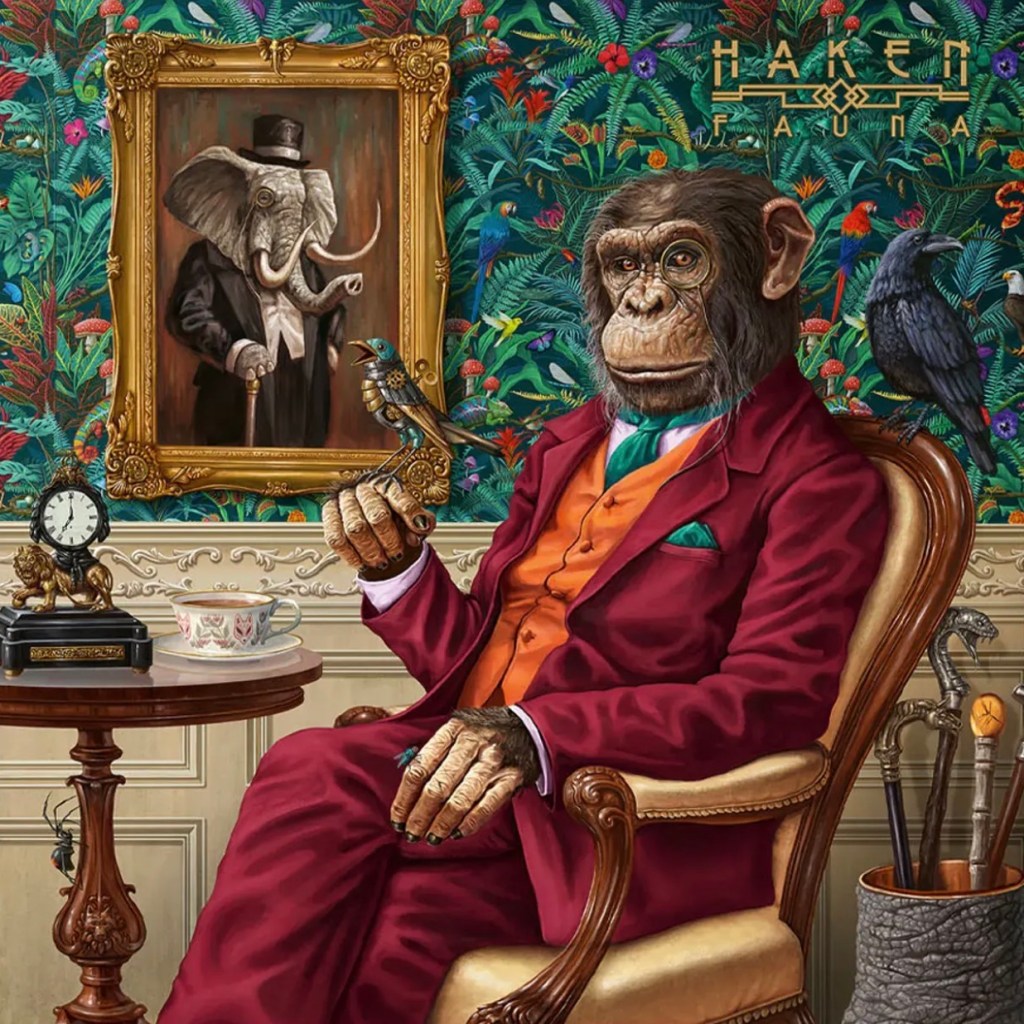
Once again, I get to second a positive review from Bryan — this time of Fauna, the new release from prog-metallers Haken. Wildly creative, I found this to be the British sextet’s most appealing effort since 2016’s Affinity, stirring in flavors of fusion, postmodern pop, funk, reggae, electronica and even opera alongside one heavy yet tuneful chorus after another. Whether on the short, sharp shocks of “Taurus” and “Lovebite” or the extended journeys of “Sempiternal Beings” and “Elephants Never Forget”, Ross Jennings’ vocals soar, Charlie Griffiths and Richard Henshall’s guitars crunch, Peter Jones’ keys fill what few sonic crevices remain, and rhythm section Conner Green and Raymond Hearne thunder. Play it loud — but look out for multiple, exciting curveballs on every track!
Last month also saw the release of two live albums from veteran bands who’ve made it through the pandemic back to the stage:
Van der Graaf Generator’s The Bath Forum Concert(a CD/DVD/BluRay set) documents the venerable trio’s 2022 return to action; tackling an ambitious setlist that spans their entire career, guitarist/pianist/singer Peter Hammill is as declamatory and vehement as ever, organist Hugh Banton covers the aural spectrum between cathedral and crypt, and drummer Guy Evans locks into or disrupts the grinding soundscapes as the spirit moves him. The beautifully filmed video shows VDGG working hard and watching each other, opting for the flow as they feel it rather than relying on clinical precision; warts and all, this is refreshingly in the moment, a strong show that captures the band’s existential angst and humanistic idealism in full.
Two years after their 2020 Far Eastern tour collapsed around them, King Crimson satellite band Stick Men returned to Japan and blew away any cobwebs that might have accumulated at Osaka’s BB Live venue. The resulting album Umedashowcases avant guitarist Markus Reuter, multi-bassist Tony Levin and percussionist Pat Mastelotto at their aggressive, angular best; whether on long-standing improvisational frameworks “Cusp”, “Schattenhaft” and “Swimming in Tea”, newer compositions “Ringtone”, “Tentacles” and “Danger in the Workplace” or Crimson classics “Red”, “Larks’ Tongues in Aspic Pt. II” or “The Sheltering Sky”, these guys are frighteningly good, whether working up a hair-raising din or backing off for spacey, unexpectedly lush interludes. A great introduction for newbies and a must for fans.
Plus, in February and March the recorded music industry resumed cranking out deluxe box set reissues and compilations — apparently the market of Boomers (like me) with more money than sense isn’t tapped out yet:
Haken, Fauna, Inside Out Music, 2023 Tracks: Taurus (4:49), Nightingale (7:25), The Alphabet of Me (5:34), Sempiternal Beings (8:24), Beneath the White Rainbow (6:45), Island in the Clouds (5:46), Lovebite (3:50), Elephants Never Forget (11:07), Eyes of Ebony (8:32)
Haken have never been a band to shy away from experimentation, yet no matter what musical pond they dip their toes into, their albums always sounds distinct. There’s no mistaking their music for someone else’s. Maybe it’s the syncopation and the speedy jazz-influenced guitar riffing. Or Ross Jennings’ signature voice. Or the band’s ability to make quiet music remarkably complex while still being able to lay down intensely heavy riffs that hold their own amongst the heaviest prog metal powerhouses of the day. And they can go back and forth between the two seamlessly.
Fauna is in many ways a typical Haken album, then, in the sense that is features the band’s playfulness and willingness to experiment. “The Alphabet of Me” has both rapped lines (before you get mad, even Dream Theater has tried that) and trumpet. “Sempiternal Beings” (sempiternal is a fancy word for eternal) has a masterful balance between the dark and light sides of Haken’s music. “Island in the Clouds” even has cowbell.
The ocean between us is where we find inner peace.
“Sempiternal Beings”
“Beneath the White Rainbow” is magnificently chaotic. The bizarre filter on the vocals make it seem a bit cloudy, and the heaviness of the music give it a djent edge. “Lovebite” has a pop edge with a catchy melody in the chorus, but the chorus remains heavy enough to make it palatable to my prog snob ears. Keyboardist Peter Jones’ (original Haken keyboardist who rejoined the band; not the Tiger Moth Tales PJ) swirling key acrobatics adds a layer of interest here as well, as does the brief guitar solo in the final third. The drum blast beats to open the song are anything but pop.
“Elephants Never Forget” is the prog star of the record and the best song here, in my opinion. This is the kind of song that made me fall in love with Haken a decade ago. It has the playfulness of “The Cockroach King” with the epic grandeur of “Crystallised.” The vocal harmonies return, although they probably could have been used to even greater effect. But they are there. The song’s length gives it space to breathe and move, which is generally what holds my interest in music. And it doesn’t get more prog than singing about the “leviathan of Doggerland.”
I think the album would have been better served by ending on this track rather than “Eyes of Ebony.” It has a sort of swell to it that feels complete. “Eyes of Ebony” is still a great track, especially once it gets rolling, but I don’t think it’s the best choice for an album closer. It kind of just tapers off, leaving the record on a bit of an uncertain note. “Elephants Never Forget” has a satisfying ending.
Truth be told, I’d be perfectly happy if Haken made an entire album of songs like “Elephants Never Forget,” rather than the rabbit trails they often go down into other musical genres. A lot of the electronic, rap, etc. does very little for me, but I appreciate how they are able to fold those elements into their sound without compromising their style of music. I generally prefer the softer elements in Riverside’s and TesseracT’s music over Haken’s softer side, but that may be because both of those bands have a spacier Floydy edge that Haken doesn’t really have. It all comes down to preference. All in all this is another solid record from one of the foremost names in the prog metal scene today. It’s one of the best records released thus far this year, second only to Riverside’s ID.Entity.
As we here at Progarchy continue to celebrate our tenth anniversary, we’re moving from talking about our favorite artists of the decade to our favorite albums. Since 2014 I’ve compiled a “best of” list highlighting my favorite music of the year. Looking back, I still stand behind my lists because they represent where I was with music at the time. But now as I look back and try to compile a top ten for 2012-2022, my list looks a little bit different. The following list reflects my views and tastes regarding the last ten years as they sit right now. It’s all very fluid and subjective.
But enough blathering. On with my top ten. The only limit I put on myself was I didn’t want to repeat artists, because otherwise it would all be Big Big Train or Neal Morse and Mike Portnoy. Limiting myself to one album from each of those artists was difficult, but I’ll steer you back to my yearly best of lists at the end of the article, for those artists abound in those lists.
[Headline links, for those that have them, link to Progarchy reviews, articles, or interviews associated with the album.]
10. Pain of Salvation – In The Passing Light Of Day (2017)I missed this album when it came out, although I remember reading about it in Prog magazine. I came to appreciate Pain of Salvation with their 2020 album, Panther, which was my top album of the year. I finally started to dig into their back catalog this summer, and I’ve been blown away. In The Passing Light Of Day is a brilliant tour-de-force of emotions. Some of the lyrics I think are too sexually explicit, which is primarily why I rank it at number 10 and why I almost kicked it off my top ten. But the music and melodies are so good, and most of the lyrics are incredibly profound. I also think Ragnar Zolberg brought a lot to the table and was a great balance to Daniel Gildenlöw.
9. The Neal Morse Band – Innocence and Danger(2021) It was hard to pick one of the MANY albums made by Neal Morse and Mike Portnoy over the past decade. They’re all just so good, so I took the easy way out and picked the most recent. I think this is the most well put-together of all the Neal Morse Band albums. “Beyond the Years” is one of the finest pieces of music to come out of the last several years.
8. TesseracT – Portals(2021) Portals is a brilliant album. It is unique on this list for being a live release, but it is also unique for being a live-in-studio release – a product of the pandemic. I suppose that’s why I don’t rank it higher on this list, but I’ve been listening to it a ton since it came out. I even broke down recently and bought the fancy deluxe CD/DVD/Blu-ray edition. I think most of the tracks on here sound better than they do on the original albums. The album also introduced me to the band, as well as to the world of djent. The way the band blends djent riffs with Floydian spacey motifs is just perfect. One of the finest bands in the world right now.
7. Haken – The Mountain(2013) I go in spurts when listening to Haken (like I do with many bands). The Mountain has a magnificent blend of metal with splashes of 70s golden age prog. Songs like “Atlas Stone,” “The Cockroach King,” “Falling Back to Earth,” and “Pareidolia” have become prog metal classics, in my book. I’ve come to think Haken isn’t as compelling in their quiet tracks as bands like Riverside of TesseracT, but this entire album is still very listenable nine years later.
6. Marillion – F.E.A.R.(2016) Marillion’s F.E.A.R. was my introduction to the band, and I’ve thoroughly enjoyed diving back into their catalog. I’d have to say I think this is one of their best with Hogarth. Their latest album, “An Hour Before It’s Dark,” comes very close to it, but “Reprogram the Gene” knocks it down a peg for me. F.E.A.R. combines musical prowess with cultural critique to wonderful effect, even if I may disagree with Hogarth at points.
5. Riverside – Shrine of New Generation Slaves(2013) I had a hard time deciding which of Riverside’s three studio albums from the past decade to choose. Love, Fear and the Time Machine and Wasteland are both brilliant, and if I had allowed myself to choose multiple albums from the same artist in a top ten, Wasteland would probably be here too, but I think Shrine edges both of them out. It’s heavy, both musically and lyrically. Several of the songs turn into real earworms for me, and I’m never disappointed when I return to this record. And it’s another one on this list that I discovered several years after its release.
4. Oak – False Memory Archive (2018) Oak is my favorite new band of the last decade. Both their 2013 (2016 release on CD) album Lighthouse and 2018’s False Memory Archive are brilliant albums, if not perfect. This record was my top album of 2018, and Lighthouse was my top album of 2016 (I didn’t realize at the time it had been released digitally earlier). The Norwegian melancholic aesthetic is dripping from both albums. It was hard to pick one of the two, but the closing track on False Memory Archive, “Psalm 51,” is one of the finest album closers I’ve ever heard. I think that gives this record the edge.
3. Devin Townsend – Empath (2019) I was blown away by Devin Townsend’s Empath when it came out – so much so that I bought the 2CD deluxe version that year and the super deluxe version when Inside Out funded that project the next year. The record masterfully blends all the aspects of Devin’s career into a truly unique and truly Devin experience. It has the heavy bombast of Strapping Young Lad at points, yet it’ll soar into orchestral and even operatic highs elsewhere – or even at the same time. Pure musical theater in the best way. Devin’s vocal performance on “Why?” is stunning, and the message of hope on “Spirits Will Collide” is always a pleasant reminder that life is worth living. The production side of things, with Devin’s famed “wall of sound,” is unmatched in his career, or anyone else’s for that matter.
Here we come to one of the truly great albums of our time. I would certainly rank this in a top 10 best albums of all time. Back in 2015, this album was my number 3 pick, with The Tangent’s “A Spark in the Aether” coming in at number 1. Now I still think that’s a great record, and I wrestled with whether or not to include it in my top 10, but I think over time Wilson’s masterpiece has proven to be a generational album. Both the music and the story sound fresh, even seven years and many listens later. The themes of isolation and loneliness in city life (or life in general) will always be relatable. Someone 100 years from now could listen to this record, and while they may miss some of the references (even I still miss some of them), the underlying theme will still connect. That’s what places this record up there with the likes of Pink Floyd’s The Wall.
1. Big Big Train – English Electric: Full Power(2013) The defining band and defining album for the last decade of prog. Looking back, this record was the one that got me into the contemporary progressive rock scene. Returning to it today is a special treat, as I hope it always will be. It contains everything you might want out of a quintessentially “English” progressive rock band. It has the rock, the folk elements, the complex musicality, the well-told stories. And then there’s David Longdon’s voice, showing us his command of the material and his command of the upcoming several years in the prog scene. When I traveled to England in 2015 (which to me felt like a longer distance between its release than it feels between now and that visit – it’s weird how your perception of time changes as you grow older) I really wanted to listen to this album while being out in the hedgerows and fields. I can still remember sitting on a bus traveling between towns listening to English Electric (I wrote more about this in a piece back in 2016). There are a lot of good emotions connected to this record for me. But beyond that, Big Big Train showed us all that they were THE powerhouse in the new generation of prog bands. They were who all the younger bands were going to look up to for the next decade, and they did it all themselves. Sure, the journey began when Longdon boarded back in 2009 for The Underfall Yard, but English Electric was where they really picked up steam. Every album since has been magnificent, with many topping my best of lists in the ensuing years, but this one will always be the quintessential Big Big Train album for me.
As a coda to this review of the past decade in the best of prog, I want to give you the albums I picked as my favorites for the years 2014-2021 (I didn’t start my best of lists until ’14). I’ll include links to those lists as well. I find it interesting how I’ve “discovered” albums and bands even within the last year that have soared up my list, even if I missed them when they came out. Better late than never.
2014 – Flying Colors – Second Nature – I saw them live right after this was released. It’s a great record and a great band, but the poppier edge doesn’t stick with me as much as the records on my list above do.
2015 – The Tangent – A Spark in the Aether – I shared above how Wilson’s Hand. Cannot. Erase. has grown in my estimation. I still think this is one of The Tangent’s finest records.
2016 – Oak – Lighthouse – Even if its original release was 2013, this record still dominated my listening in 2016 and was my album of that year.
2017 – Big Big Train – Grimspound, The Second Brightest Star, London Song, Merry Christmas EP – Enough said. Brilliant band. Brilliant music. Brilliant year for them.
2020 – Pain of Salvation – Panther – I still think this is a great album. I listened to it yesterday at work, in fact. It was my intro to the band, and maybe I was shocked by how different it was from everything else I had been listened to in the genre. I’d still rank this record extremely highly, but I don’t know if I would put it at the top of the list if I were making a 2020 list today.
2021 – Big Big Train – Common Ground – What can I say? I like Big Big Train.
Thanks for reading through all this. If you’ve been a prog fan throughout this past decade, I hope this brought back some good memories. If you’re new to prog, consider every album mentioned in this post as your homework over the coming weeks. Prepare to be blown away.
Here’s a fun one no one was expecting. Haken guitarist Charlie Griffiths teamed up with members of Dream Theater, Protest the Hero, Cradle of Filth and Inhuman Condition to create a special Christmas version of Slayer’s “Seasons In The Abyss.” And of course they named their “band” Sleigher. Ha.
Charlie Griffiths and Dan Goldsworthy play guitars, with the latter also writing alternate lyrics. Rody Walker of Protest the Hero sings vocals, Daniel Firth (Cradle of Filth) plays bass, Jeramie Kling (Inhuman Condition) plays drums, Haken’s Ray Hearne plays tuba, and the incomparable Jordan Rudess of Dream Theater provides a stellar keyboard solo – that he played on the first take! What a legend. Check it out:
Discipline, Unfolded Like Staircase: a stone cold classic of late 1990s prog, freshly remixed by Rush producer Terry Brown. True, this Detroit quartet wore their influences (Gabriel-era Genesis, 1980s King Crimson, Peter Hammill and Van der Graaf Generator) on their sleeves here, but they also gave them a fresh, arresting spin. As Jon Preston Bouda’s guitar, Matthew Kennedy’s bass and Paul Dzendel’s drums weave grim, mesmeric webs of sound, Matthew Parmenter’s flamboyant vocals and literate scenarios drill deep into existential desperation. Lush, dramatic and riveting, the four twilit epics included here, kicking off with the Dante-influenced “Canto IV (Limbo)”, will get under your skin in a breathtaking way. In short, I believe you need this music; get it on CD or LP from The BandWagon USA or download it at Bandcamp. (Here’s hoping Discipline’s studio follow-up To Shatter All Accord and the live This One’s for England get similar treatment in the near future.)
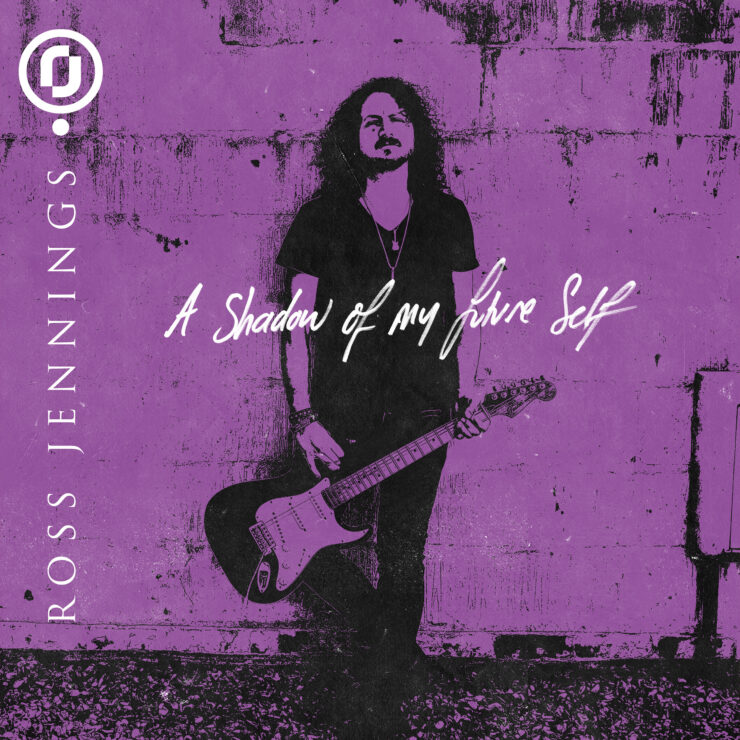
Ross Jennings, A Shadow of My Future Self: a superbly accomplished, immensely appealing solo debut from Haken frontman Jennings. Recorded during (what else?) COVID lockdown, he spans and mixes genres with ease, diving headlong into folk (“Better Times”), funk with lashings of metal (“Violet”), power pop (“Rocket Science”), cinematic ballads (the moving elegy “Catcher in the Rye”) — oh, and even extended-song-form-verging-on-prog workouts (“Phoenix” and “Grounded”). Jennings is at the top of his game on vocals and guitar, backed by stellar players. And the songwriting is outright wonderful; on every single track, the riffs demand air guitar, the verses demand your attention, and the choruses demand a cathartic singalong. Yes, all of this raises my hopes for Jennings’ upcoming collaboration with Nick D’Virgilio and Neal Morse, but that can wait; this thrilling, eclectic album is a genuine treat in itself. Unquestionably my pick of the month. Get it on CD or LP (merch and bundles also available) at OMerch.
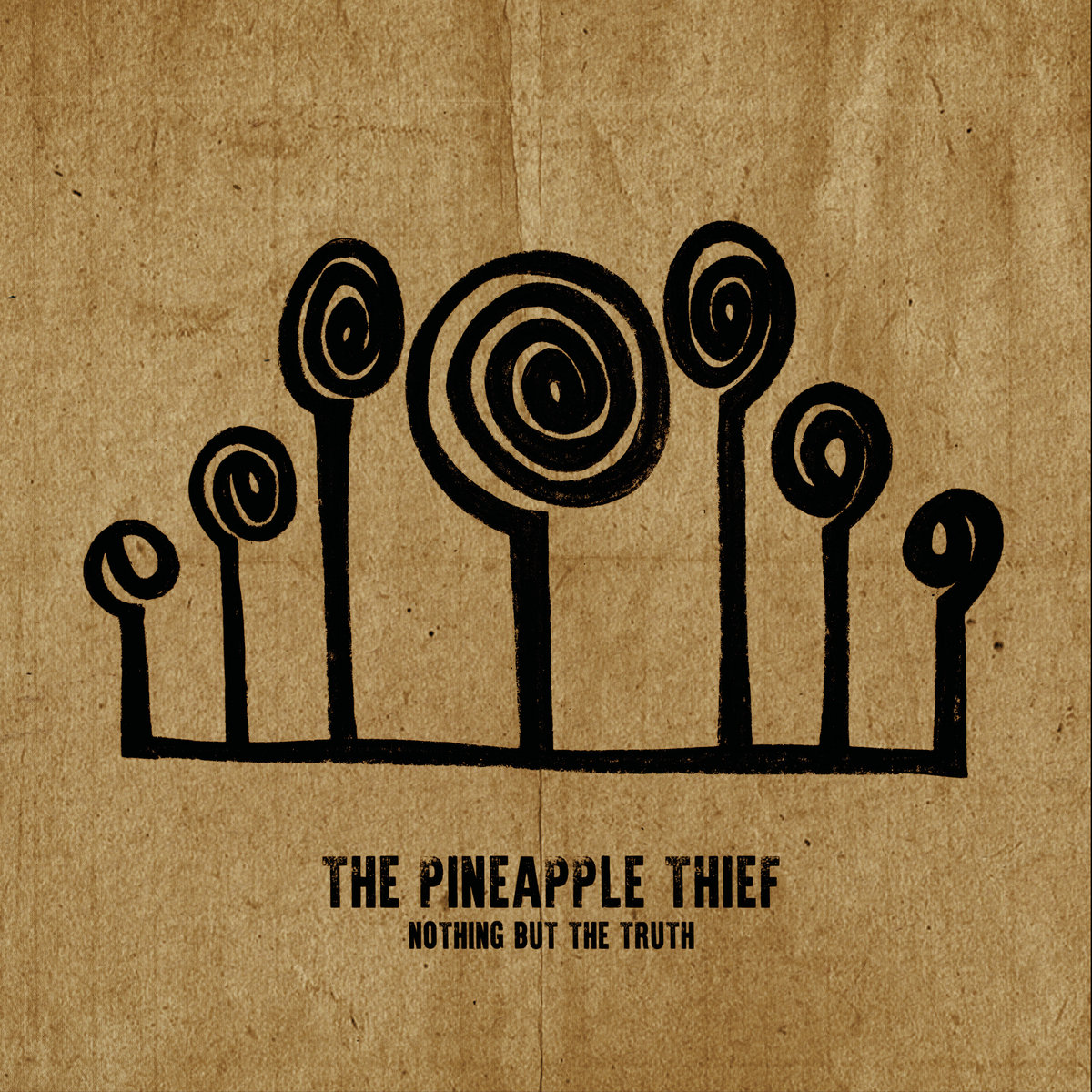
The Pineapple Thief, Nothing but the Truth: whatever the substantial virtues of their studio efforts, The Pineapple Thief’s recent live albums have been where they’ve shone the brightest. Their latest is no exception; filmed for streaming in lieu of their cancelled tour for Versions of the Truth, this 90-minute set finds TPT as brooding, stylish and kickass as ever. Bruce Soord nurses his songs of disillusionment and division through the gathering angst, then opens fire on one blazing chorus after another; Gavin Harrison does the unexpected on drums with astonishing regularity — and yes, I bought the BluRay for the drumcam option! Steve Kitch’s atmospheric keys and Jon Sykes’ throbbing bass are essential ingredients here, not anonymous backing. The new songs gain heightened guts and strength; the dives into the back catalog aren’t just well-calculated, but passionately played, and essential to the set. This one makes me more eager than ever to see The Pineapple Thief when they return to North America next spring. Get it on CD, LP, Blu-Ray video and deluxe artbook box (CD/DVD/BluRay) at Burning Shed.
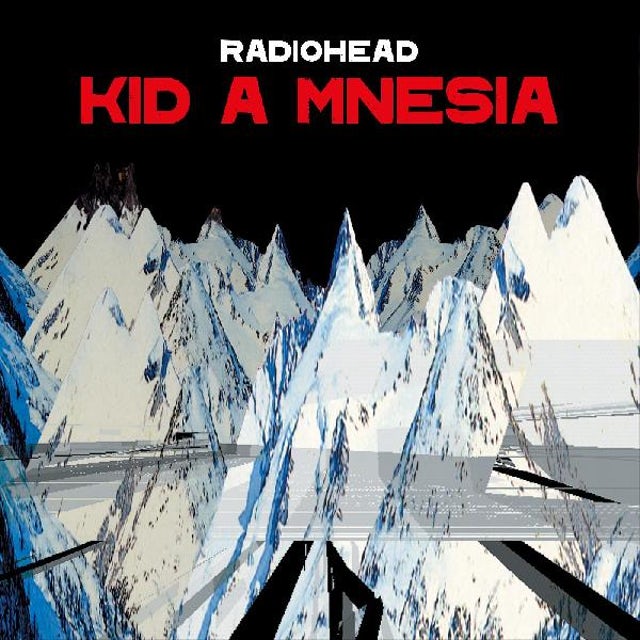
Radiohead, Kid A Mnesia: a band hard at work tearing down the sound that made them world famous, then rebuilding from scratch. Which somehow made them more famous, given that their first Number One album in America was the result. I’ve always found Kid A gripping stuff; with their wholesale shift to glitchy electronica beats, found-sound patchworks, soupy orchestral backing and sharp-edged noise, Thom Yorke, Jonny Greenwood and company achieved a genuine paradox — alienation embodied in music, that immediately connected with a mass audience. And when Radiohead walked backward into rock on Amnesiac, the success of their breakaway strategy made both guitar-based grooves like “I Might Be Wrong” and off-kilter art-pop like “Pyramid Song” even more effective. This triple-disc reissue pulls the era together with a bonus set of ear-tickling odds and sods: Yorke, the most deliberately unbeautiful of singers, reaches for actual purity of tone on the unreleased songs, while Greenwood scratches his avant-garde compositional itches, courtesy of a full string section. Get it on CD, LP, cassette or download from Radiohead’s webstore.
The War on Drugs, I Don’t Live Here Anymore: a recent immersion course in Adam Granduciel’s ongoing project — regrafting 1980s tropes like tick-tock rhythms and thick ambient textures onto the stock of classic rock — has proved enticing, though not consistently galvanizing. The War on Drugs’ latest slab of Big Rock Redux is their most organic album to date, integrating the blips and blobs with the rootsy muscle of a tight sextet. Whether a given track goes minimal or maximal, each musical backdrop is built in loving, precise detail, and the simple hooks become earworms before you know it. Granduciel’s vocals — his most individual to date — insistently ride the rhythms, his songs meditating on scenes of a dissatisfied youth (“Change”, “Victim”), then finding unanticipated serenity in the quiet victories and encroaching vulnerabilities of middle age (“Living Proof”, the widescreen title track, “Occasional Rain”). This one snuck up on me via multiple evening listens, and now it’s not letting go; see if it grabs you! Get it on LP, CD or cassette from TWoD’s webstore.
One of our media contacts sent us the debut album from prog metal duo Athemon, featuring Adriano Ribeiro (guitars and vocals) and former Haken bassist Tom MacLean (bass, production), as well as guest Gledson Gonçalves on drums. Initial thoughts – quite good. Heavy and dark. Vocals run the metal spectrum with cleans and distortion. Their overall sound is a lot larger than the number of musicians might suggest. Definitely check them out.
Here’s the press release and a Bandcamp link at the end:
Progressive metal duo Athemon debut self-titled full length will release on October 11th, 2021 and will be available on Flyathemon.bandcamp.com and Spotify.
Crossing paths online during the beginning of the Covid global lockdown, musicians Tom MacLean (bassist/producer, To-Mera, ex-Haken) based in the UK and Adriano Ribeiro (vocalist and guitarist) based in Brazil, used the digital world to their advantage to give rise to their new band Athemon. “Adriano sent me his demo and it gave me goosebumps, so I was keen to get involved,” says MacLean.
From a significant evolution between demos to their final introductory recordings, MacLean and Ribeiro created a bonding friendship over musical interests that created the perfect environment to allow them to evolve and conceive their debut album. Formed as a gateway to express their art using progressive metal music, Athemon’s first release is a concept record that is meant to be heard as one long 50-minute track divided into nine parts.
“Full of dark and enigmatic atmospheres, this is a 50-minute concept album divided into nine songs, which tells a story about self-awareness. This is a creative release that seeks to forge the perfect alloy of darkness and beauty,” adds the band.
For the album’s recording, the duo invited a special guest drummer from Brazil, Gledson Gonçalves who added his percussionist touch to compliment each one of the nine tracks.
“As nobody goes alone in this world (even being totally alone inside one’s own mind), the songwriting process had a lonely beginning, but a very collaborative end. The beginning of this project was driven by Adriano, but nothing would fit so well if it wasn’t for the amazing connection the three of us have (Adriano, Tom, and our special guest on drums, Gledson),” says MacLean.
The lyrics for the album were written by vocalist/guitarist Adrian Ribeiro and were inspired by thoughts of how confusing reality can be if you are not taking care of your emotional side. “The thin line between what’s real and what’s not is an endless world,” adds Ribeiro.
New fans of Athemon, can expect much more to come from the pair as they already have plans to launch their second album by the end of 2022, which they are currently composing with promising results. As for the live spectacle of Athemon, for now, the band will let the music flow until the duo can connect from across the Atlantic for their first in-person jam session. Recommended for fans of Nevermore, Pain of Salvation, Opeth, Gojira, and Mastodon, Athemon’s self-titled debut is available on all digital platforms.
Looking back at 2020, it’s hard to believe that we lost Neil Peart at the beginning of the year. That loss hit me pretty hard, since Rush’s music has been central to my life from an early age. I talk more about that in my tribute to Peart: https://progarchy.com/2020/01/12/neil-peart-a-misfits-hero/. I start off my year-end review list with a reminder of the loss of Neil because it seems like a fitting way to remember 2020. Peart’s loss represents what so many people have lost this year, whether it be family members and friends due to the virus or jobs lost due to draconian forced business closures that haven’t actually accomplished anything in slowing the viral spread. Not to mention the emotional distress that physical separation is causing many people.
Another thing we lost this year was live music from our favorite bands. Big Big Train had their first North American tour planned for late spring this year. Canceled. Devin Townsend was in the middle of a glorious North American tour with Haken when everything blew up. Canceled. Obviously this list could be expanded to every band that tours. Losing live music makes it even more difficult for bands in a niche genre to spread their music to more people.
But enough lamenting. We still got a lot of great music this year. The following list is in no particular order apart from my number one album at the end. I include both new albums and live records.
Haken – Virus I was a little surprised that I was the only person over at the Dutch Progressive Rock Page to include this one in my top ten list for their annual list. Maybe people were really sensitive about the name of the album, but it was clear that the album was written and completed before the novel coronavirus was a known entity. The music is fantastic. It’s probably their heaviest album to date, but it still has some of their calmer moments. It’s Haken through-and-through, and it makes a wonderful companion to 2018’s Vector. We also get to hear some more about our old nemesis, the cockroach king. It’s pretty cool how they worked in some of those themes. Fantastic album that should’ve received more attention than it did. Check out my review: https://progarchy.com/2020/07/23/haken-goes-viral-virus-album-review-haken_official/


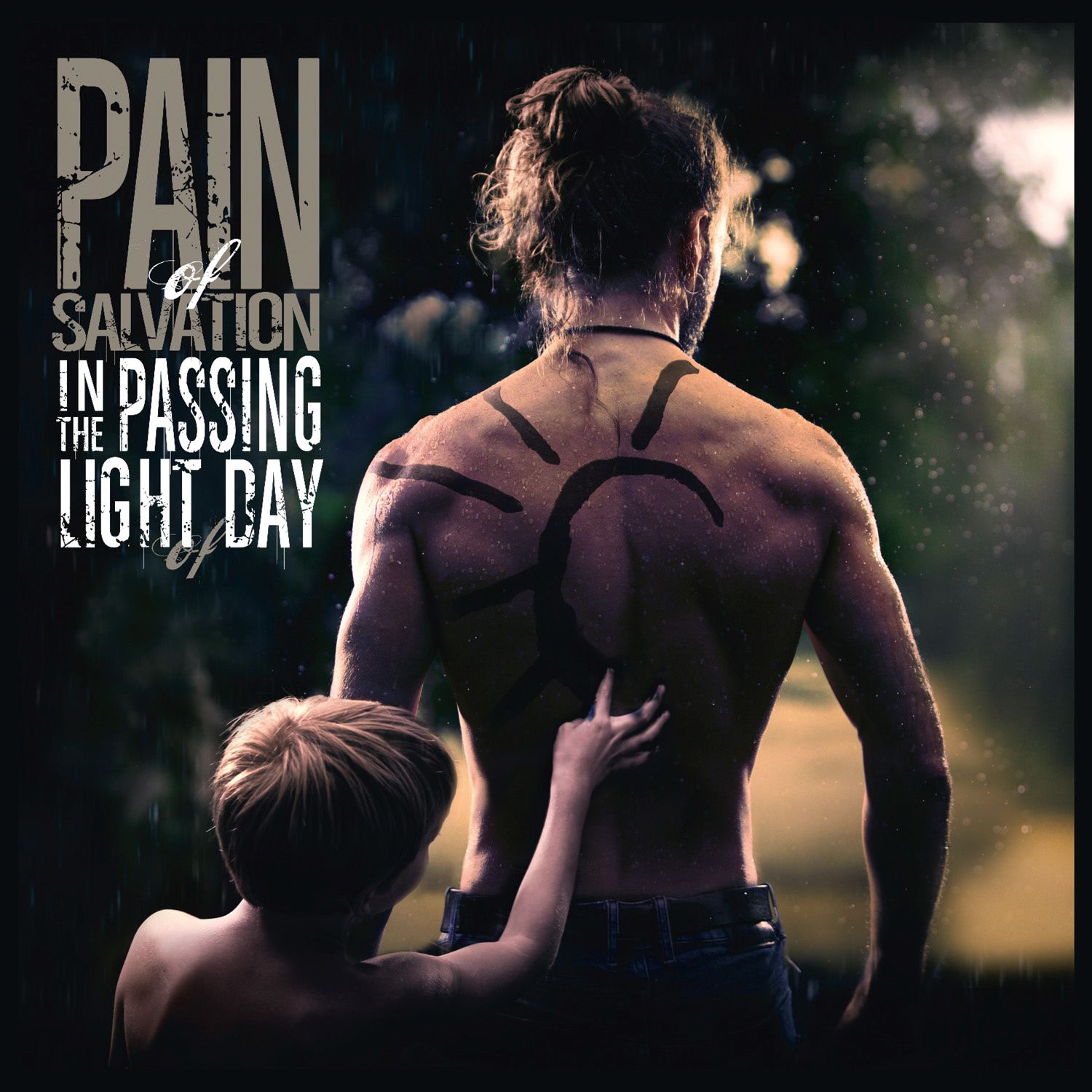 I missed this album when it came out, although I remember reading about it in Prog magazine. I came to appreciate Pain of Salvation with their 2020 album, Panther, which was my top album of the year. I finally started to dig into their back catalog this summer, and I’ve been blown away. In The Passing Light Of Day is a brilliant tour-de-force of emotions. Some of the lyrics I think are too sexually explicit, which is primarily why I rank it at number 10 and why I almost kicked it off my top ten. But the music and melodies are so good, and most of the lyrics are incredibly profound. I also think Ragnar Zolberg brought a lot to the table and was a great balance to Daniel Gildenlöw.
 It was hard to pick one of the
 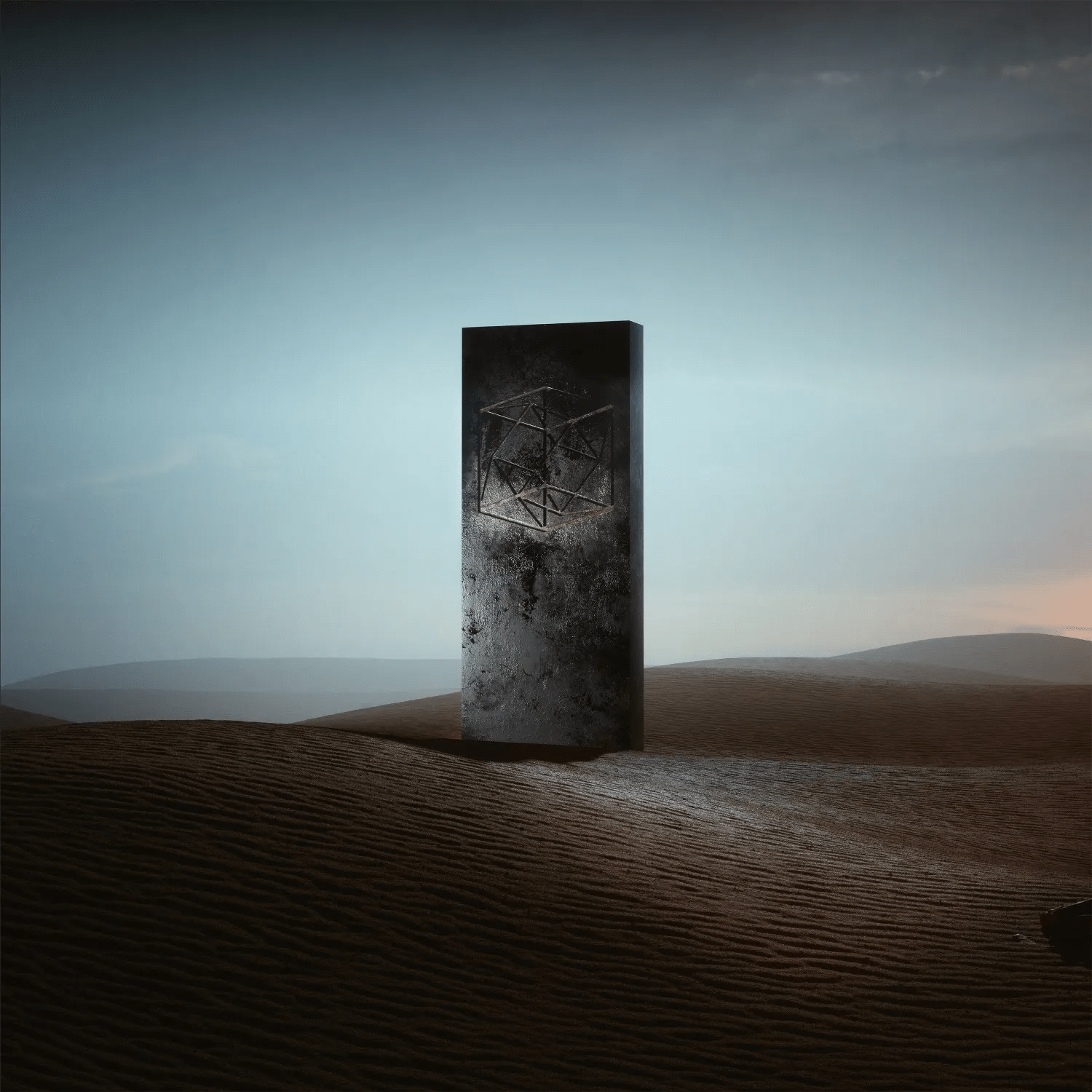 Portals is a brilliant album. It is unique on this list for being a live release, but it is also unique for being a live-in-studio release – a product of the pandemic. I suppose that’s why I don’t rank it higher on this list, but I’ve been listening to it a ton since it came out. I even broke down recently and bought the fancy deluxe CD/DVD/Blu-ray edition. I think most of the tracks on here sound better than they do on the original albums. The album also introduced me to the band, as well as to the world of djent. The way the band blends djent riffs with Floydian spacey motifs is just perfect. One of the finest bands in the world right now.
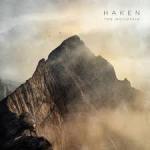 I go in spurts when listening to Haken (like I do with many bands). The Mountain has a magnificent blend of metal with splashes of 70s golden age prog. Songs like “Atlas Stone,” “The Cockroach King,” “Falling Back to Earth,” and “Pareidolia” have become prog metal classics, in my book. I’ve come to think Haken isn’t as compelling in their quiet tracks as bands like Riverside of TesseracT, but this entire album is still very listenable nine years later.
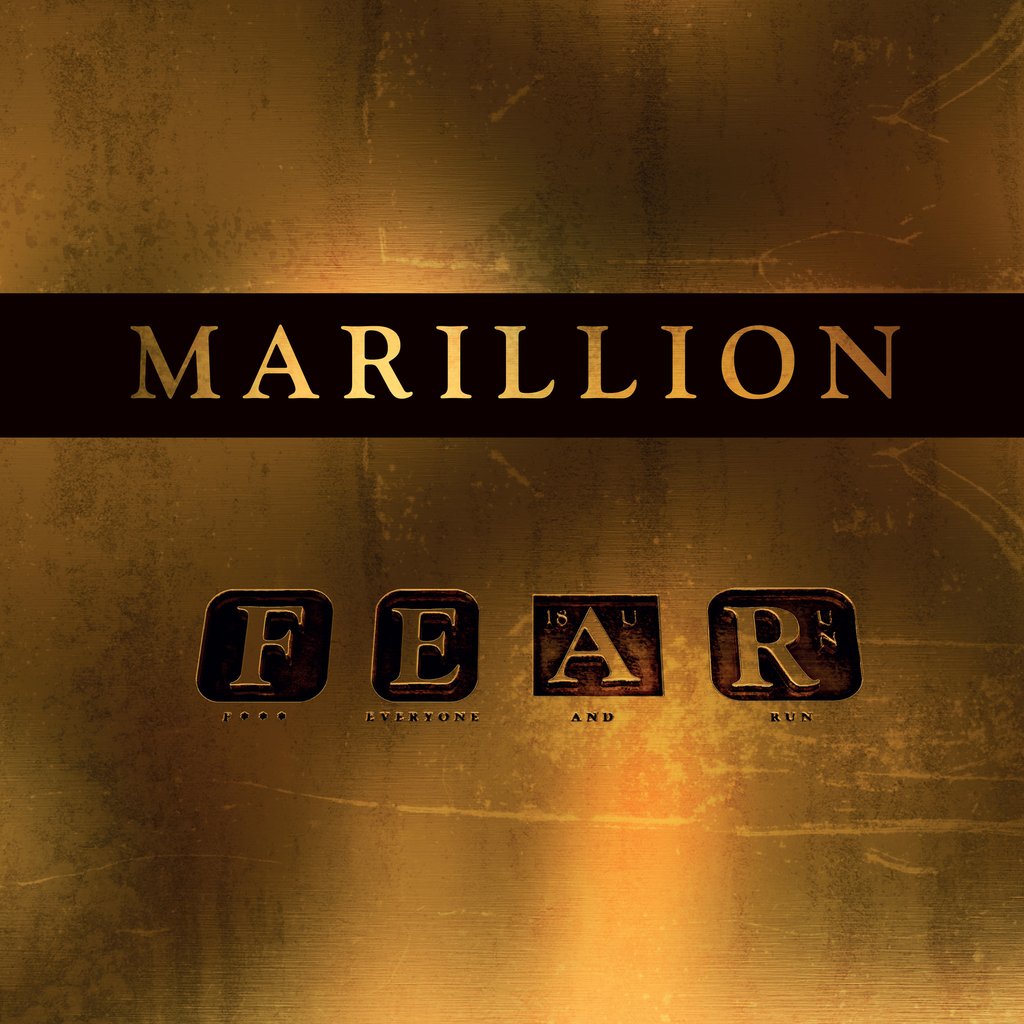 Marillion’s F.E.A.R. was my introduction to the band, and I’ve thoroughly enjoyed diving back into their catalog. I’d have to say I think this is one of their best with Hogarth. Their latest album, “An Hour Before It’s Dark,” comes very close to it, but “Reprogram the Gene” knocks it down a peg for me. F.E.A.R. combines musical prowess with cultural critique to wonderful effect, even if I may disagree with Hogarth at points.
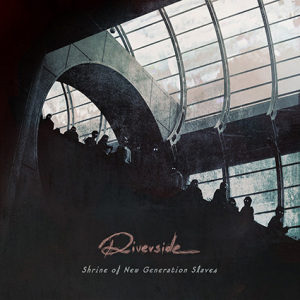 I had a hard time deciding which of Riverside’s three studio albums from the past decade to choose. Love, Fear and the Time Machine and Wasteland are both brilliant, and if I had allowed myself to choose multiple albums from the same artist in a top ten, Wasteland would probably be here too, but I think Shrine edges both of them out. It’s heavy, both musically and lyrically. Several of the songs turn into real earworms for me, and I’m never disappointed when I return to this record. And it’s another one on this list that I discovered several years after its release.
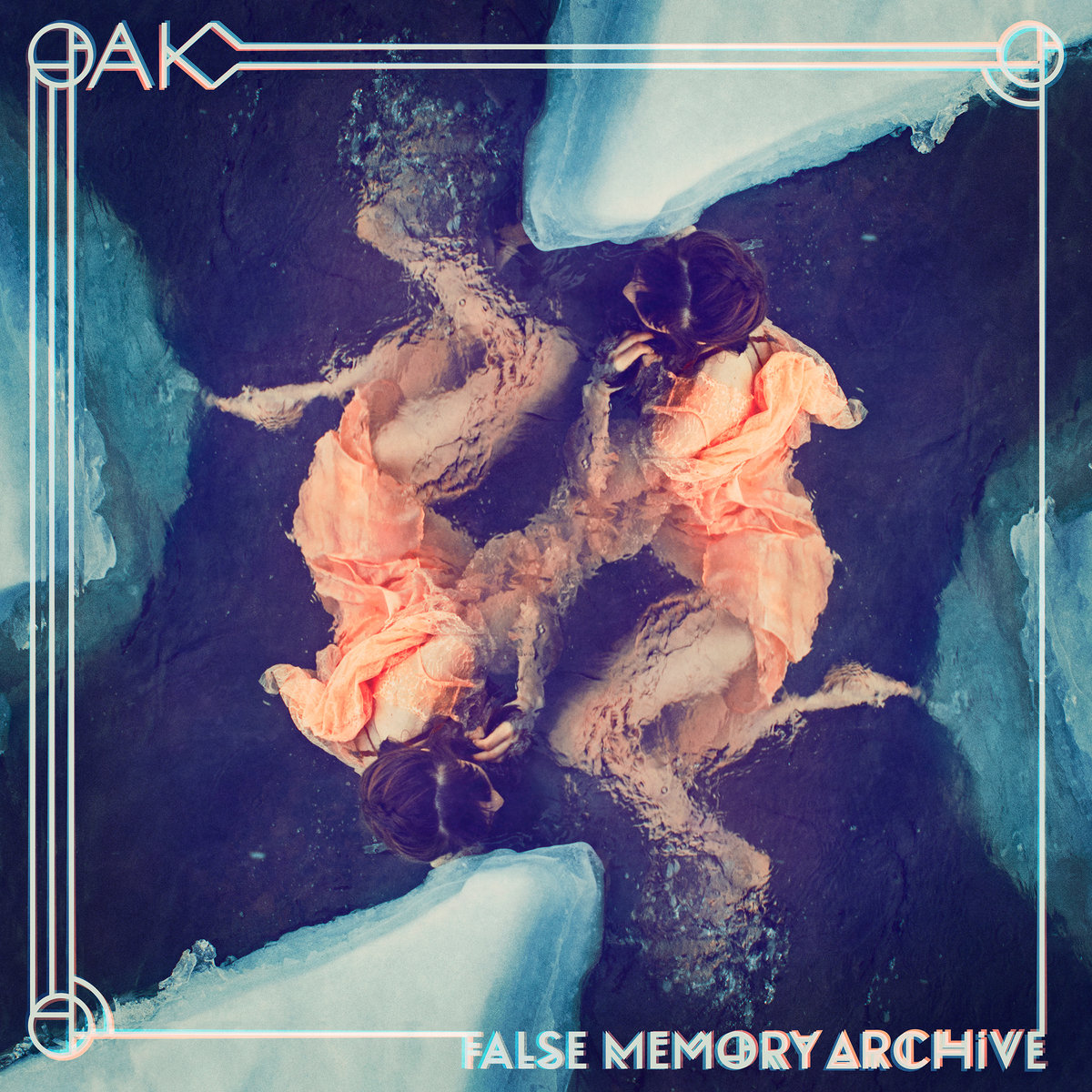 Oak is my favorite new band of the last decade. Both their 2013 (2016 release on CD) album Lighthouse and 2018’s False Memory Archive are brilliant albums, if not perfect. This record was my top album of 2018, and Lighthouse was my top album of 2016 (I didn’t realize at the time it had been released digitally earlier). The Norwegian melancholic aesthetic is dripping from both albums. It was hard to pick one of the two, but the closing track on False Memory Archive, “Psalm 51,” is one of the finest album closers I’ve ever heard. I think that gives this record the edge.
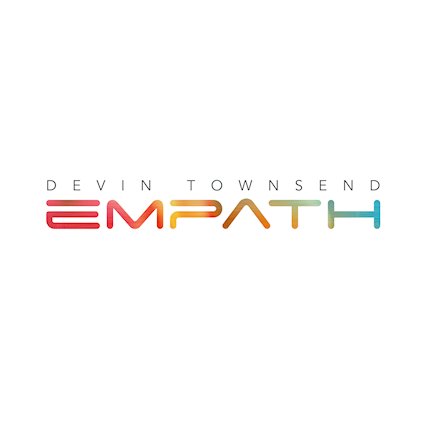 I was blown away by Devin Townsend’s Empath when it came out – so much so that I bought the 2CD deluxe version that year and the super deluxe version when Inside Out funded that project the next year. The record masterfully blends all the aspects of Devin’s career into a truly unique and truly Devin experience. It has the heavy bombast of Strapping Young Lad at points, yet it’ll soar into orchestral and even operatic highs elsewhere – or even at the same time. Pure musical theater in the best way. Devin’s vocal performance on “Why?” is stunning, and the message of hope on “Spirits Will Collide” is always a pleasant reminder that life is worth living. The production side of things, with Devin’s famed “wall of sound,” is unmatched in his career, or anyone else’s for that matter.
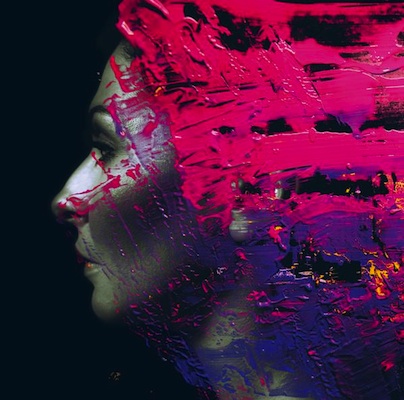 Here we come to one of the truly great albums of our time. I would certainly rank this in a top 10 best albums of all time. Back in 2015, this album was my number 3 pick, with The Tangent’s “A Spark in the Aether” coming in at number 1. Now I still think that’s a great record, and I wrestled with whether or not to include it in my top 10, but I think over time Wilson’s masterpiece has proven to be a generational album. Both the music and the story sound fresh, even seven years and many listens later. The themes of isolation and loneliness in city life (or life in general) will always be relatable. Someone 100 years from now could listen to this record, and while they may miss some of the references (even I still miss some of them), the underlying theme will still connect. That’s what places this record up there with the likes of Pink Floyd’s The Wall.
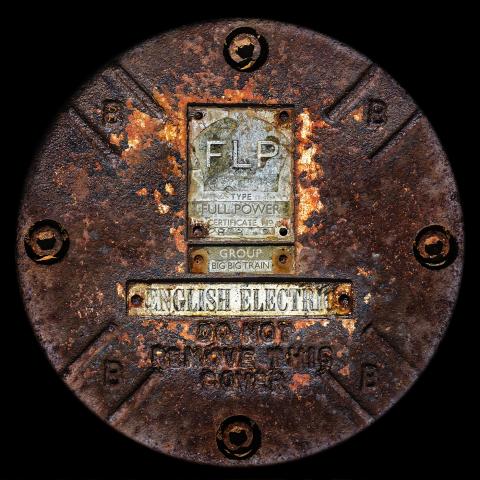 The defining band and defining album for the last decade of prog. Looking back, this record was the one that got me into the contemporary progressive rock scene. Returning to it today is a special treat, as I hope it always will be. It contains everything you might want out of a quintessentially “English” progressive rock band. It has the rock, the folk elements, the complex musicality, the well-told stories. And then there’s David Longdon’s voice, showing us his command of the material and his command of the upcoming several years in the prog scene. When I traveled to England in 2015 (which to me felt like a longer distance between its release than it feels between now and that visit – it’s weird how your perception of time changes as you grow older) I really wanted to listen to this album while being out in the hedgerows and fields. I can still remember sitting on a bus traveling between towns listening to English Electric (I wrote more about this in a

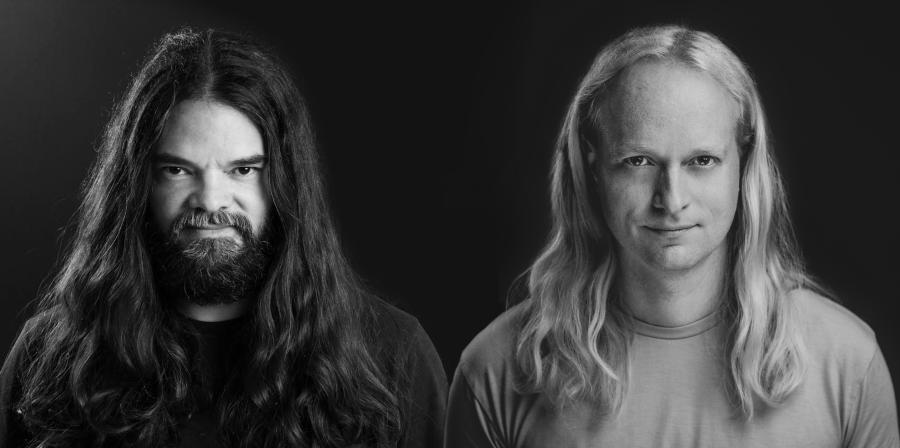
 One of our media contacts sent us the debut album from prog metal duo Athemon, featuring Adriano Ribeiro (guitars and vocals) and former Haken bassist Tom MacLean (bass, production), as well as guest Gledson Gonçalves on drums. Initial thoughts – quite good. Heavy and dark. Vocals run the metal spectrum with cleans and distortion. Their overall sound is a lot larger than the number of musicians might suggest. Definitely check them out.
 Progarchy