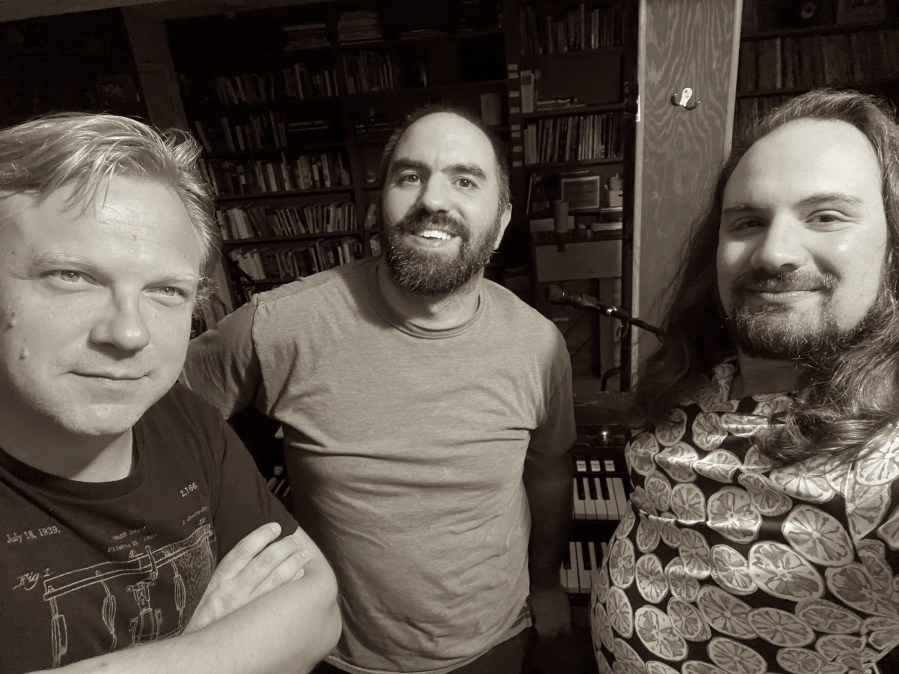
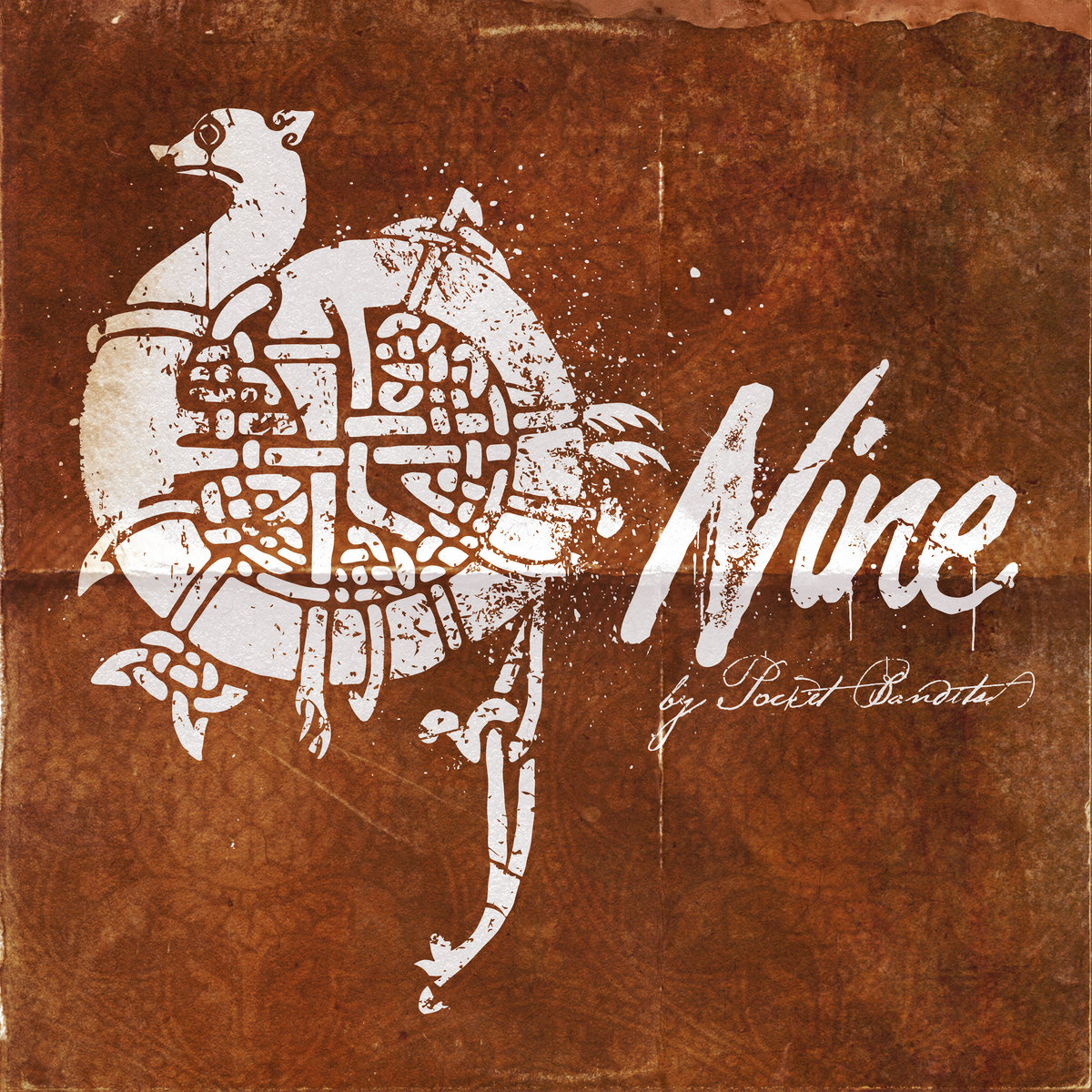
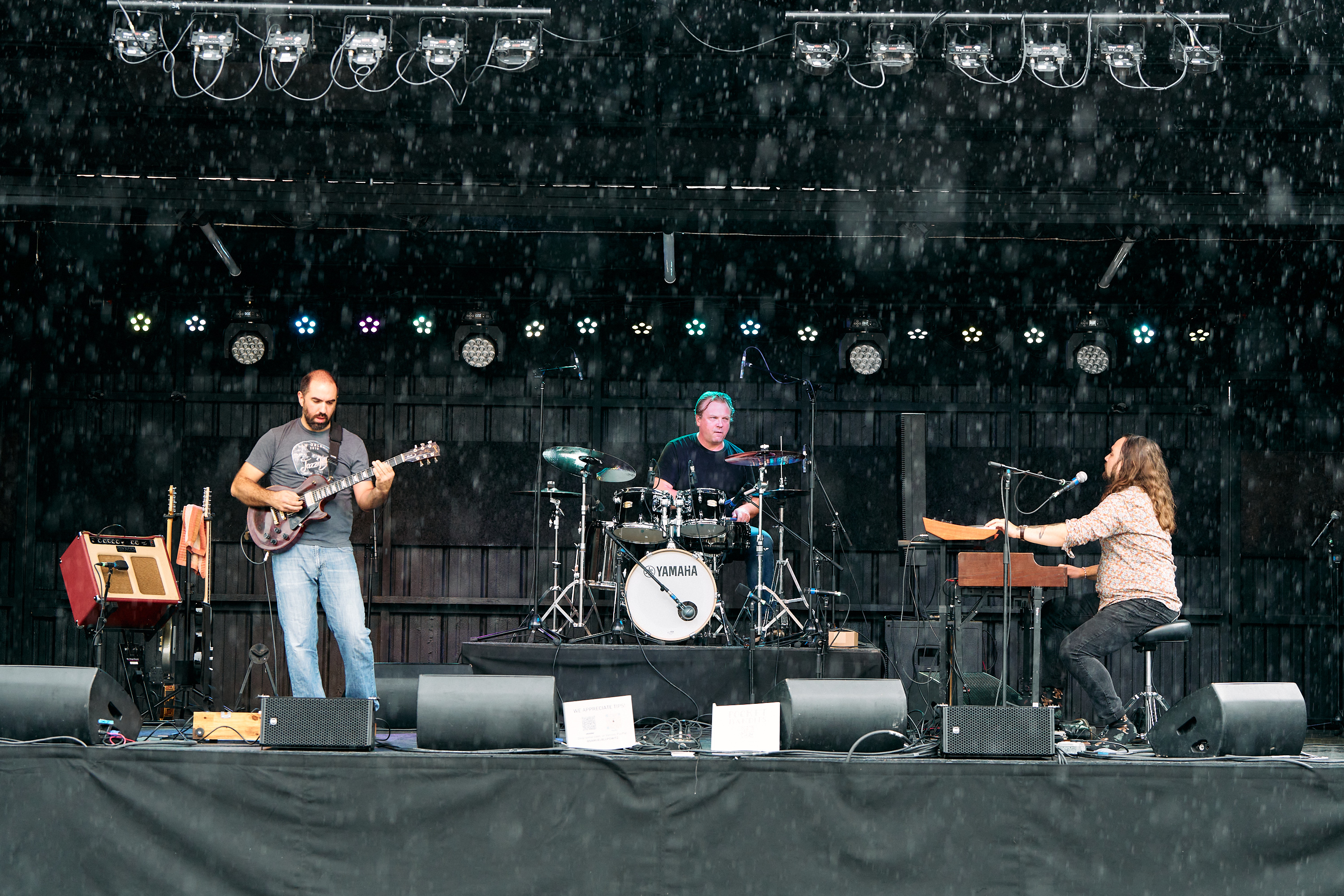
New York-based progressive fusion trio Pocket Bandits are on the verge of launching their full-length debut album titled Nine. The nine-tracker is full of adventurous, improvised, but also calculated musical elements that as a whole work splendidly well. The members of the band—Simon Bjarning (drums), Samuel B. Lupowitz (organ), and Joe Massa (guitars)—speak for Progarchy about the upcoming release, inspiration, influences, and more.
“Nine” is your debut album—what’s the story behind its creation, and why did you choose the title “Nine”?
SAM: We were into the idea of doing a retro-sounding, not-quite-self-titled debut, something like With the Beatles or Ladies and Gentlemen: The Rolling Stones. I think Simon suggested By Pocket Bandits, and when we thought about what was by Pocket Bandits — an album? A bunch of songs? Nine songs! — we wound up with Nine by Pocket Bandits.
SIMON: We all have a love for the Beatles and since there are nine tracks on the album, we also decided to make a reference to “Revolution 9” from the White Album.
Your sound is described as a modern twist on the old-school organ trio. What inspired you to explore this format, and how do you make it your own?
SAM: One of my musical heroes, John Paul Jones from Led Zeppelin, once said he learned to cover bass parts while playing keyboards so he could switch instruments without having to worry about “some bass player” messing him up. I work as a keyboard player 90% of the time these days, but I love playing bass, and I was really inspired by the challenge and the liberation of covering both. Joe was the one who had the initial idea to put an organ trio together; he’s a big fan of Eric Krasno and Soulive, and Simon came into the fold with a real love of three-piece bands of any instrumentation. But I think early on any attempts to play “traditional” jazz organ trio music went by the wayside; we just kind of play and write what we like and make it work with this instrumentation, which winds up sounding pretty far from, say, Jimmy Smith or Delvon Lamarr.
Each of you brings a distinct musical background to Pocket Bandits. How do your individual experiences shape the band’s sound?
SAM: I think spending the majority of my musical life accompanying vocalists and writing lyrics has been a huge influence on how I approach playing in an instrumental ensemble. As much as we like to write complex, unexpected, intricate music, we also prioritize melody and arrangement. We want you to be able to sing and dance to our music as much as if there were vocals.
SIMON: We are very open to how each member plays, and we immediately explore our own sounds to be a good fit.
Can you walk us through the creative process for a song like “The Pocket Bandit” or “Second Drink”? Where do you start, and how do the tracks evolve?
SIMON: “The Pocket Bandit” was actually quite simple. I wrote a bass line – almost making the riff the melody. It’s a funny little tune and I had no idea what to call it so the working title became “The Pocket Bandit” and it stuck 🙂
SAM: As collaborative as the end results wind up being, all three of us are pretty self-sufficient as composers. Generally one of us will bring in a demo with the tune and arrangement (with at least rough examples of the full instrumentation). Once we get in a room together, our natural personalities tend to color in the black-and-white outline of the demo, even if the tune is mostly written already. Often one of us will start filling in melodies or extra hooks that become a crucial part of the song, but if you listened to Joe’s pandemic-era demo of Second Drink, most of what’s on the record is there, at least in an embryonic state. You’d miss a couple of things though — like, imagine “Come Together” without Paul McCartney’s bass part. It’s not the same tune, even though, technically, it is.
Simon, you’ve performed with everyone from Evanescence to symphony orchestras. How does your background in classical and rock influence your approach to drums in Pocket Bandits?
SIMON: Yeah, it’s been a fun and diverse ride for sure. Those gigs were Livenation gigs, and I performed with bands like Evanescence and others as a percussionist. The thing (one of many) I love about Pocket Bandits is that I’m kind of leaving the idea of genre behind. Of course, we’ll have approaches as we work on tunes, but most of the time, I’m just letting my ears guide my hands and feet.
I guess my background spoke louder years back, but as I’m getting older – in my case anyway – I’m becoming more my own player and actually liking what I do, haha. I grew up in Copenhagen, Denmark, and as it is over there as well as here, there’s a bit of pigeon holing going on in regards to being a jazzer or a rocker or a classical player. I’ve always been a little bothered by that, so maybe unintentionally I’ve never thought I was one type of player. I do, however, try to stay inspired, listen to my own sound, develop that, and discover new recordings or check out videos on YouTube, etc. I’m sure that there’s a pattern somewhere that reveals the true nature of my background, hahaha. Some days I listen more to heavier styles, some days it’s more jazz, and I have my classical periods as well.
Sam, as the Hammond organist and multi-tasker juggling basslines, melodies, and harmonies, how do you balance the demands of your role in the trio?
SAM: it’s been an exercise in balancing what comes naturally to me with how far I can push my chops. As an organist and as a bass player, I have strong opinions about what I would want each instrument to do on its own, and I will hit the woodshed until I’m able to execute those independent parts together. That said, the most important thing is that the music FEELS good. As much as I want my left hand (and foot) to be James Jamerson, and as much as I want my right hand to sound like Billy Preston or Cory Henry, it’s also been educational to learn that sometimes less is more. Being crafty and finding ways to play the two roles in a way that locks together rhythmically, rather than trying to integrate two independent parts, has made for some slicker arrangement choices that sit in the pocket better than when I’m trying to force it too much.
Joe, your electric guitar work on the album is described as vibrant and intense. Who are your biggest influences, and how do you approach your tone and phrasing?
JOE: Influences include but are certainly not limited to: Larry Carlton, George Harrison, John Frusciante, Eric Krasno, John Scofield, Andy Summers.
The biggest factor in approach is not having to account for a vocalist so it’s important to keep a balance between creating interesting and captivating melodies and making sure all the chord changes/harmonies are covered. Being an instrumental group also opens up some more options when it comes to composition as well, both from a structural and melodic standpoint and it’s a fun challenge to walk the balance of pushing the envelope while still trying to be as accessible as possible.
You’ve mentioned being inspired by bands like Soulive and Snarky Puppy. What elements of their music do you admire, and how do you incorporate those influences into your own compositions?
SIMON: Those guys are so good! The inspiration no 1:-). As a drummer, I use the energy and the jazzy and gospel-like elements to stay inspired. I pay attention to where Sam and Joe are going and I structure my parts around what they’re doing, leaving room for improv, in the same fashion as SP and Soulive.
SAM: We love complex music that makes you dance! These bands have chops and progressive ideas for days, but it’s always the groove that grabs your attention first.
The album closes with “The Sidler,” a jazzy and bombastic track. What was the inspiration for that piece, and how do you approach the challenge of ending an album with such a bold statement?
JOE: I honestly wrote this song with the intention of using it as an album closer. I had written the outro separately from the first part of the song and once I put the two sections together, it came out pretty seamlessly.
SAM: This was definitely the song we put the most extra studio production into — more layers of guitars, keyboards, and percussion than we have access to live as a three piece. Playing “Sidler” live has forced us to be really thoughtful about dynamics and textures, making sure we really let it build gradually and not peak too early. We certainly kept that concept in mind for the studio, but being able to build in extra parts and utilize some different instruments to expand the orchestral palette really helped us intensify the build.
Beyond your original compositions, you’re known for unique covers of artists ranging from The Beatles, Steely Dan to Super Mario Brothers. How do you choose which songs to reimagine, and what do you hope to bring to those renditions?
SIMON: My approach is usually “Hey, I like this tune. Should we cover it?” Nothing deeper than that on my end. We cover Life On Mars as well as Kid Charlemagne. Those are very far apart stylistically, but they have in common that they are really great tunes. That’s a big draw for us.
SAM: We just want to have fun! We love to choose songs that get a little “aha” from the audience, especially songs that land in an interesting way without lyrics or vocals. I think music from video games or movies or TV would be harder to integrate into a band with a singer, but the themes from Succession or Super Mario 64 are familiar in a different way than what might come up on a Spotify playlist. And I don’t think people generally expect three white guys around middle age to bust out contemporary pop tunes, and while our audiences have been very receptive to our more challenging music, I love to feel the lift from the audience when we hit the chorus of a Chappell Roan or Billie Eilish song. And sometimes our song choices are just about a power move. We can cover Kid Charlemagne because Joe can crush the guitar solo. We can bust out Kashmir because we can give it the weight and grandeur that it requires without it feeling like an underwhelming bar band version (and I don’t have to try to sing or dress like Robert Plant). We like to flex those muscles! We’re in a weird, challenging time for live music, and I think we all want to make sure we deliver freshness and surprise while still being inviting, rather than alienating.
How has the Central New York music scene shaped your journey as a band, and how do you see your music reaching audiences beyond the region?
SAM: Joe is born and raised in this area, his father is also a musician, so he knows this scene well. Simon and I both moved to this area from other parts of the world in the last decade or two, and I think we both love the opportunity and diversity of musicians and styles we’ve connected with. Pocket Bandits seems to fill a musical niche that’s different than a lot of other things going on in our area, but it’s also engaging and (to my surprise and delight) accessible to people stumbling across us at a bar. But part of the appeal of this project has been that it’s a little easier to pack up and go — we’ve all got families and extramusical commitments, but we all want to get out there and play for as many people as possible, and I’m hoping some jazz and progressive rock festivals, along with breweries and other small indie venues, will take to us too, as we begin to book gigs in support of Nine by Pocket Bandits.
Your live performances are clearly a big part of your identity. What do you think makes a Pocket Bandits show special and memorable for your audience?
SAM: I think it’s our chemistry, that we’re having a great time seeing where the music is going to take us. I think that joy is infectious. These guys make me play better, and I’m always as excited as anyone to see what’s going to happen when we get going!
SIMON: I think our focus on musical diversity and our striving towards virtuosity. And to put smiles on people’s faces. Positive energy is important to us.
The pandemic played a role in forming Pocket Bandits. How did that period of reflection and limitation influence the band’s vision and music?
SAM: Joe and I had been playing together in multiple bands nonstop for so many years, and I think the two of us were just dying to get back to playing together after this sudden, unplanned hard stop. With all the challenges around lockdown and people taking care of their families and the other life changes that came with Covid, something small and low maintenance (with no vocals, you don’t even need a PA system) made sense. It just felt more manageable to try for something more intimate than the seven-to-ten-piece bands with horns and a bunch of vocalists we’d been working in. And the downtime meant Simon was available, and we’d been admiring his playing in the region and hoping for a chance to work more closely with him.
But all that said, the stress and anxiety of that time did make it challenging for me to rise to the occasion of covering organ and bass on this very complex music. It was a couple of years of casually working on music as a trio before I felt I could get it together to really commit. After those first few variant waves were past us, we really hit the ground running with writing and gigging.
Funk, jazz, progressive rock—your music spans multiple genres. How do you strike a balance between these influences while staying true to your sound?
SAM: Honestly, I think it’s just what comes out when we play! We’re all heavily inspired by those genres in different ways, and it all becomes part of the stew. It feels authentic because it is authentic — not a lot of thought about “is this too jazzy, is this too aggressive.” It’s just what we like and what we do!
What’s next for Pocket Bandits after the release of “Nine”? Are there plans for touring, new music, or other projects in the works?
SAM: We’re not looking to hit the road for months at a time, but we’re trying to travel around the northeast US and beyond as much as we can, anywhere that will have us. It’s always a challenge getting a new ensemble off the ground, but with this album out in the world, we’re really looking forward to playing for as many people in as many places as possible. And we’re always writing, so I don’t think it will be very long until the next record is underway!
Pocket Bandits’ Nine is out on January 24, and is available for pre-order on Bandcamp. For more about Pocket Bandits, visit their website. Follow the band on Facebook and Instagram.
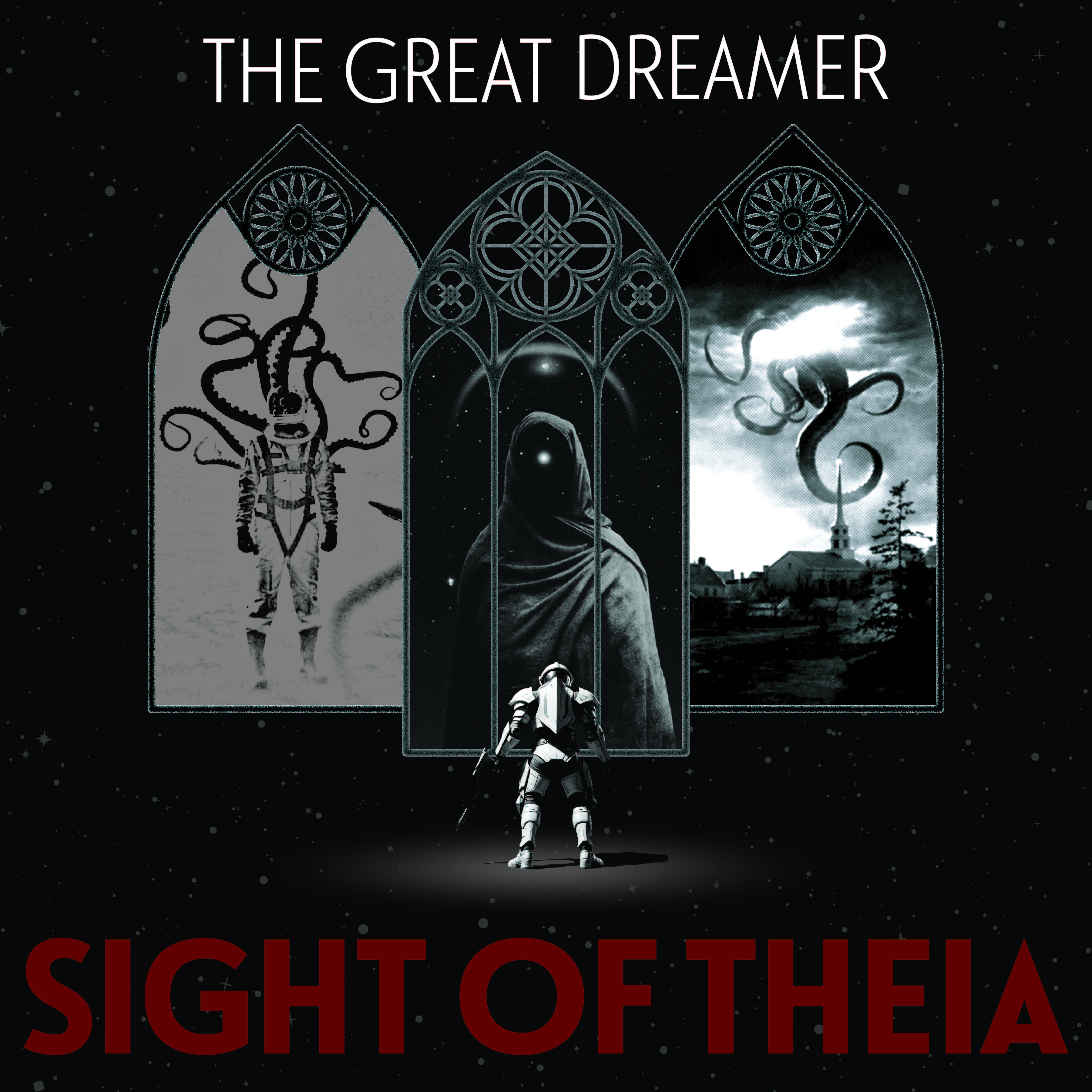
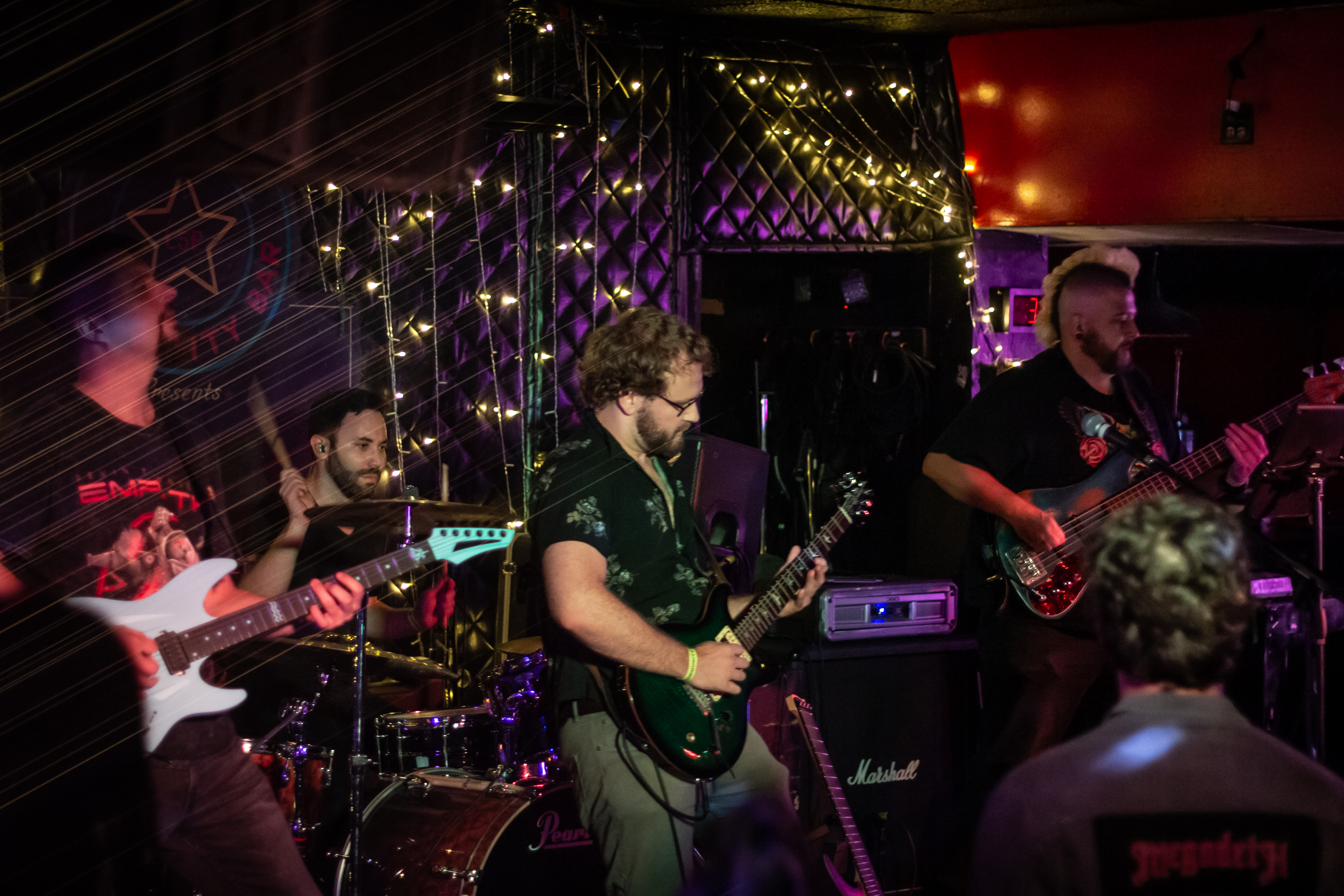
Progressive metal quartet from Atlanta, Sight of Theia are launching their first full-length album entitled The Great Dreamer on January 11, 2025. Bringing together influences from Meshuggah and Mastodon, and packing it all together with a touch of southern stoner metal, the band are determined to continue experimenting with different musical elements in the future.
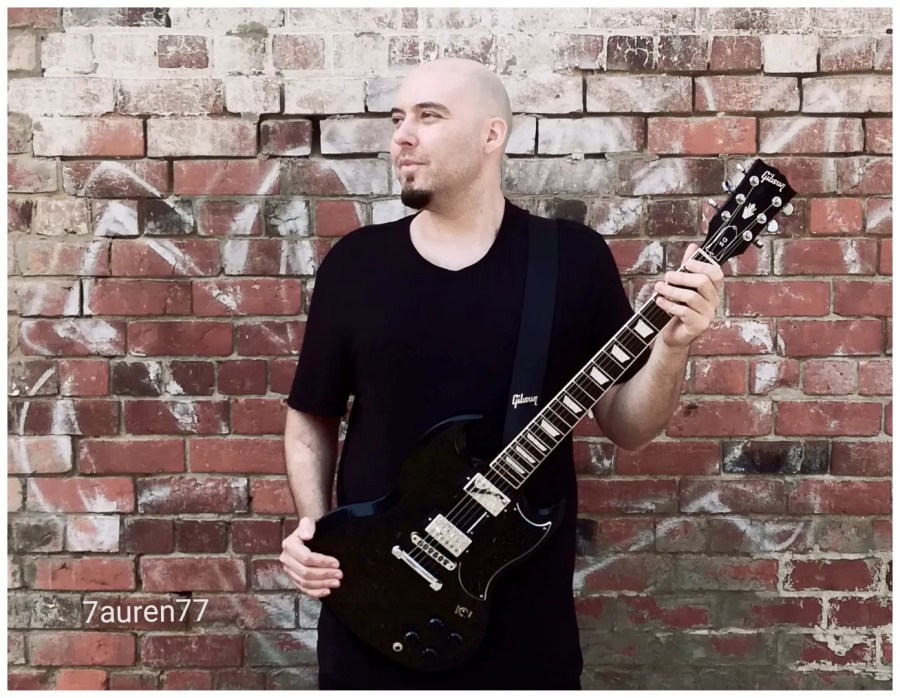
In this interview Alex Buhlig (guitars, synths) tells us about the band’s work on The Great Dreamer, experimenting, influences, and more.
The Great Dreamer is your first full-length album, following your 2021 EP Lighthouse. How does this album represent the evolution of Sight of Theia’s sound?
When “Lighthouse” came out we noticed that the EP’s closer, “Black Magic” really got the crowds going at our shows. So we tried to explore the rhythmic and meditative nature of that track more. That song also featured us tuning lower, so we ditched the 6 strings for seven string tuned to Drop A.
The album’s title track is described as a “séance for Cthulhu.” Can you dive deeper into how H.P. Lovecraft’s themes influenced the song and the album as a whole?
Before we had named the track the ominous and psychedelic nature of the track was apparent. Before we played it live, we asked the crowd if they were ready to summon a demon. Once we started to collaborate with Mezzianna on Vagabond and the general outline of the narrative took shape, summoning a demon turned into summoning space Cthulhu.
You’ve mentioned the album combines progressive metal with Southern stoner metal influences. How did you find the balance between technicality and raw, earthy riffs?
For us it’s all about creating tension and release. If everything is always at a ten out of ten technically there is no release and the song doesn’t ‘go’ anywhere. Adding moments of simpler but more ethereal riffs creates movement, crescendos, peaks and valleys. We really want to create music that takes the listener on a journey.
Tracks like “Children of the Uplift” and “Alea Iacta Est” showcase a range of moods. How did you approach crafting such contrasting soundscapes within the album?
I am a big Steven Wilson fan and have always loved how he tackles a wide variety of genres in his work so I try to take the same approach while arranging. When starting an arrangement I generally have a direction I want to go in, whether it’s more technical and progressive or rhythmic and vibey. Regardless of the approach we like trying to introduce dynamics to our songs with different techniques, effects or influence from genres outside our beaten path.
“Vagabond” stands out with Mezzianna’s vocal contribution. What inspired you to include a vocal track on an otherwise instrumental album?
The arrangement of “Vagabond” feels like it lends itself to vocals, when writing it we were all admittedly going through a bit of a Sleep Token phase and it made sense to try to incorporate vocals. Mezzianna had been a friend/fan of the band for a while and wanted to try his hand at the vocals. So we cooked up some lyrics and some melodies for him to try out and he knocked it out of the park in our opinion.
Mezzianna’s lyrics on “Vagabond” set the stage for the album’s story. Can you share more about that narrative and how the music reflects it?
Children of the Uplift starts our narrative out with trying to capture the excitement and wonder that would be felt by a crew of space explorers setting out from earth to settle amongst the stars. Gravity Well captures the chaotic nature of their journey and the rigorous nature of their journey. Vagabond is the realization that the ship they’ve been given for their journey is faulty and they were set up to fail essentially. The Great Dreamer is the entrance of Cthulhu offering to save their souls from dying alone in space. Mad Hatter is the manic energy of someone desperate enough to take Cthulhu up on their offer. Parhelion is the ritual and awakening of Cthulhu. Alea Iacta Est is the realization, and remorse of our explorers. Followed by the destruction of the universe.
You worked with John Douglass, Alexa Parra, and Christoffer Borg during the recording, editing, and mastering process. How did their expertise shape the final product?
John Douglass brought his expertise to our drum tracks and got a fantastic drum performance out of Ricky. Editing is always a tricky, time consuming process and we’re thankful that Alex Parra was able to use his years of experience to discern what needed to be edited and what didn’t. As for the mixing, I appreciate having an objective ear when it comes to the mix. It’s pretty easy to think that your parts should be louder because they are your parts while completely ignoring the bigger picture of the song. I think Chris did a great job seeing the bigger picture of what the songs were going for.
Recording in Atlanta must bring a certain vibe to your work. How did the city’s music culture influence The Great Dreamer?
Atlanta has such an incredible music scene filled with many diverse genres. When you have access to such a wide variety of shows to check out it’s easy to let it work its way into your work. The stoner metal influence in our music definitely comes from the regional metal scene here in Atlanta. I’ve spent some time at warehouse raves in Atlanta which inspired me to work synths and more electric elements into our music.
With influences like Meshuggah and Mastodon, what aspects of their styles inspired you the most when crafting this album?
We find the rhythmic phrasing of bands like Meshuggah to be really compelling and wanted to try to blend that with rich harmonies that bands like Mastodon incorporate into their work.
Stoner metal isn’t often combined with progressive metal’s technical elements. What challenges did you face blending these genres, and how did you overcome them?
Combining more technical moments with some of the more laid back sensibilities that stoner metal bands have creates a sense of dynamics in our music we think creates more of a journey for the listener to go on. It’s all about creating a sense of tension and release. You can absolutely sometimes try to cram too much into one song and need to cut it down. Certain musical ideas can be so much more impactful if they only occur once in a piece though.
You’re celebrating the release of The Great Dreamer with a performance at Smith’s Olde Bar. What can fans expect from the live show? Any surprises planned?
Our show at Smith’s Olde Bar has a line up absolutely stacked with some of the best underground prog that Atlanta and the South East has to offer. We’ve got something special in the works for that show but it wouldn’t be much of a surprise if I gave it away now. Come to the show and find out!
How do you approach translating the album’s complexity into a live setting, especially for instrumental tracks?
We make use of backing tracks to make our live shows as seamless as possible. We try to invoke a mood or vibe that doesn’t stop between songs. Whatever is happening between songs might be minimal but it’s there and makes everything feel more immersive. We’ve included some of the transitional pieces on the album as palate cleansers so to speak.
The album will be available on major platforms and Bandcamp. Why is Bandcamp still an important platform for a progressive metal band like yours?
I think Bandcamp still offers the most direct way for fans to connect with bands. Bandcamp Fridays are a great way to put money in the pockets of musicians you are a fan of.
Looking back at the journey from Lighthouse to The Great Dreamer, what lessons have you learned as a band?
I think we’ve learned how to better communicate with each other, which creative battles are worth fighting and how to creatively problem solve during the songwriting/recording process.
Where do you see Sight of Theia’s music heading in the future? Are there new directions or ideas you’re excited to explore?
I kind of hope we get to go further in all directions. I’d love to write heavier songs, more complicated songs, more straight-forward and accessible stuff. I did really enjoy collaborating with a vocalist and we are talking to some more vocalists about other guest spots to release later as singles to hopefully flesh out the story of the album a bit more.
If you could collaborate with any other progressive or stoner metal band, who would it be and why?
I’d say Night Verses, I feel like the ethos of the bands are similar, primarily instrumental progressive metal with the occasional guest vocalists.
How do you hope The Great Dreamer resonates with listeners? What do you want fans to take away from the album?
Hopefully, fans can get a sense of the narrative even if the music is primarily instrumental. If someone listens to the songs and just thinks, “dang these are some sick riffs,” that’s great too!
Instrumental music relies heavily on listener interpretation. Have fans ever shared interpretations of your music that surprised or inspired you?
I had a friend come out to one of our shows who told me that seeing us play made him feel closer to his late father who was a musician. Which might be one of the most sincere and meaningful compliments I’ve gotten for our music.
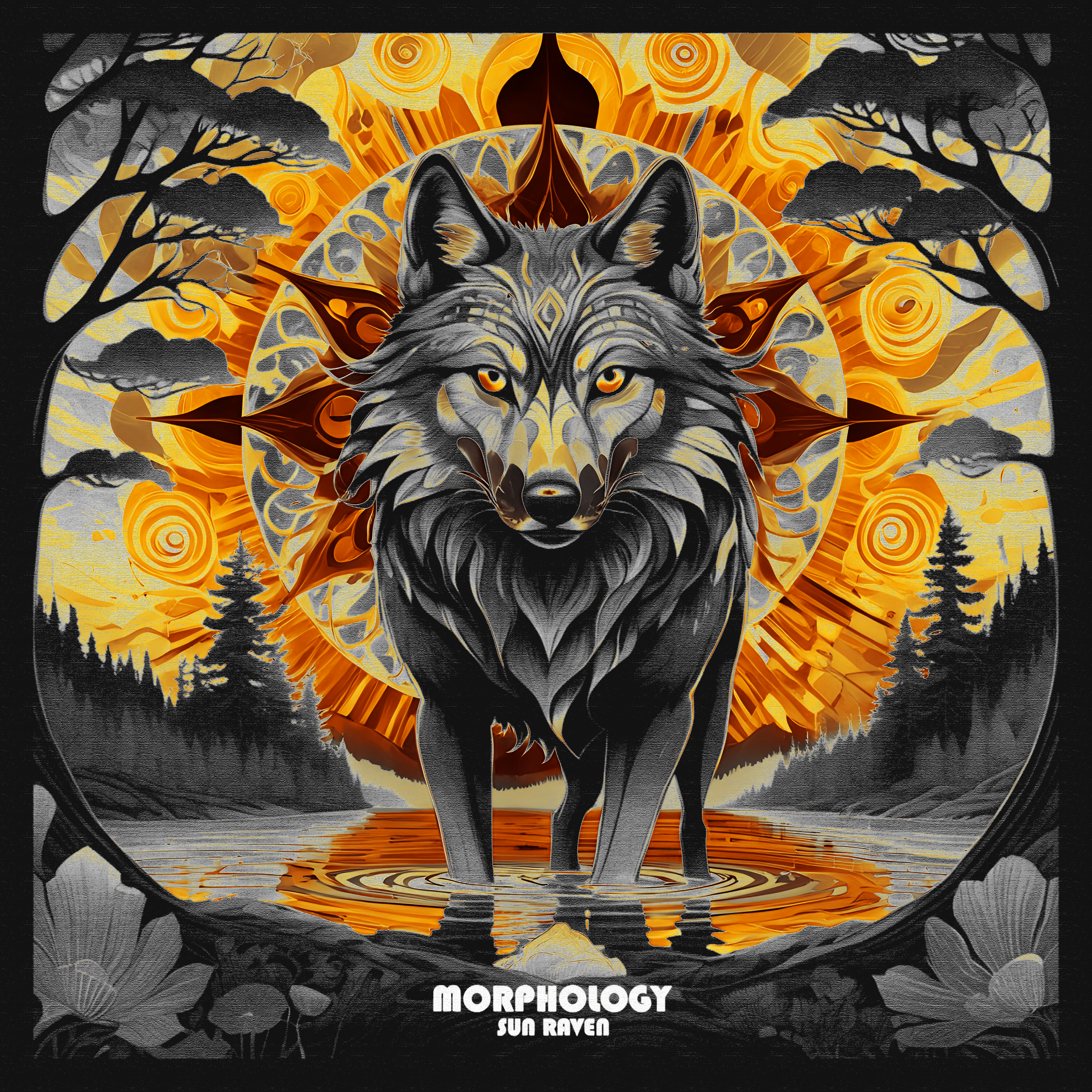
Stephen Murray, the creative force behind the Sun Raven project, has carved his own path in progressive metal by fusing a wide range of genres into immersive, complex instrumental works. Known for his ability to effortlessly weave together distinct musical influences, Murray continues to push boundaries with his interesting sound. With his second album Morphology, Murray takes listeners on a journey that stretches beyond progressive metal, weaving together elements of classic prog rock, ambient soundscapes, and modern heavy riffs. In this interview, Murray dives deep into the creative process behind Morphology, discussing everything from his musical influences and nature-inspired compositions to the evolution of his sound. He also shares insights on working as a one-man band, balancing technical proficiency with emotional depth, and how he stays true to his artistic vision.
Morphology takes listeners on a genre-spanning journey with elements from progressive metal and beyond. What was the driving force behind your vision for this album, and how did you go about blending such diverse musical styles?
I didn’t have a specific concept in mind when I began writing Morphology. I wanted it to follow a similar style to my first album Liberation, but with more classic prog rock elements. I also aimed for a grungier, less polished sound, while still maintaining a solid technical playing level. To achieve this, I used different guitars, amps, and effects, and kept takes that might not be perfect but have a certain vibe, playing slightly ahead or behind the beat, rather than always being perfectly in time.
You’ve mentioned you’re fascinated by the idea of one style of music morphing into another. How did you balance these transitions in Morphology without losing cohesiveness?
I’ve always listened to a wide variety of music. I used to make playlists where one track would be metal, followed by classical or jazz. Similarly, when I’m jamming on guitar or drums, I might go from a metal riff to something ambient, and then to something funky. When I write, I experiment with different styles and see what works. The real challenge is to ensure the transitions between genres are smooth and cohesive—unless the song calls for something intentionally jarring.
On Morphology, you’ve integrated classic prog rock elements with a modern sound. What challenges did you face in modernizing these traditional influences while staying true to your heavier, groove-driven metal roots?
I used Drop C and D standard tuning across the entire album. It’s low enough to sound heavy and modern, yet versatile enough to evoke that classic prog rock vibe. This tuning naturally guided the riffs and ideas, allowing them to develop in a way that lent itself to both classic and modern styles.
As an instrumental project, Sun Raven relies heavily on intricate guitar work and composition. How do you balance showcasing lead guitar parts while ensuring the overall composition remains the focal point of each track?
Though I consider myself a lead guitarist, I’ve reached a point where I don’t feel the need to constantly play fast, technical solos just for the sake of it. The riff, chord progression, harmony, melody, and groove always come first. If the song benefits from a technical solo, I’ll go for it, but more often than not, I opt for melodic leads and solos.
You’ve spoken about how your understanding of music theory has evolved over the years. How did this influence the writing and arrangement process for Morphology?
A deeper understanding of music theory definitely made the recording process faster and more efficient. I know the time signature of a riff and which scales fit over certain chord progressions. While you can rely entirely on your ear, knowing theory helps me get the sound I’m looking for much quicker.
A common theme in your music is avoiding predictability. How did you challenge yourself to create fresh and original riffs, melodies, and solos in a genre with so many established conventions?
For Morphology, I recorded most of the lead guitar parts on a Fender Strat with a fuzz pedal and various delay and modulation effects. This setup inspired a psychedelic rock tone for the leads, which I combined with heavier modern riffs. It helped me come up with different sounding melodies and solos that didn’t follow the typical formula.
Nature plays a key role in your creative process. Can you share how specific environments or moments in nature influenced particular tracks on Morphology?
I live near the Australian bush, and I often jam outside with acoustic guitar. There’s a bird here that makes a sixteenth-note triplet sound, and I jammed along to that rhythm. This led to the creation of the heavy riff in “Wolf.” It’s funny to think that such an intense riff came from a small bird!
Although Morphology is instrumental, it carries a deep emotional resonance. How do your life experiences and relationships influence the mood and energy of the music, even without lyrics?
Most of the music I listen to has lyrics, especially rock and metal. So, even when I write instrumental songs, I often have a lyrical melody in mind. Some tracks are inspired by fantasy stories I create, while others, like “Starr,” are about real people in my life who evoke certain moods or vibes in the music.
The progressive metal genre often embraces technical complexity. How do you strike a balance between technical proficiency and emotional resonance in Morphology?
When writing, I’m not focused on creating “progressive metal” per se. I’m more interested in writing a heavy, melodic song with cool riffs. If a time signature or tempo change feels right, I’ll include it to keep things interesting, but I don’t aim to impress anyone with speed or technique. I see myself more as a rock/metal artist with prog influences, rather than a pure prog metal artist.
For aspiring musicians, you’ve emphasized creating music for yourself rather than seeking external approval. How do you maintain that mindset in an industry where success often hinges on public reception?
In my early 20s, I studied jazz and tried hard to fit into that world, but it drained my passion for music. I took a break, and when I returned, I decided to focus on creating music for myself. Now, I only care about whether I’m happy with what I’ve created. The joy of making something new is the ultimate reward for me.
What was your creative process like when developing the album’s overall theme and structure? Did you have a specific narrative in mind, or did the songs come together organically through experimentation?
The songs came together organically. I wrote them in the order they appear on the album, which is something I hadn’t done before. Only the first two songs had names initially; the rest came after I finished writing and recording.
You’ve now released two albums under Sun Raven. How do you feel your sound has evolved between your debut and Morphology, and what key lessons did you carry from the first album into this one?
The first album had more progressive death metal influences. Morphology is more accessible to a broader audience, but still maintains those heavier elements. I’ve also learned more about the engineering side, and I think I did a better job with the production on the second album.
As a one-man band, you’re responsible for every aspect of the creative process. How do you stay motivated and focused when working solo, and what do you find most rewarding about having complete creative control?
When I started working on my first album, I was collaborating with a singer and bassist, but I ultimately felt the music worked better without vocals. Struggling to find like-minded musicians led me to take on everything myself, which I didn’t think I could do. Learning to program and play drums was the biggest challenge, but the freedom to explore any musical direction is the most rewarding part.
Are there any non-musical influences—books, films, or personal experiences—that played a significant role in shaping the themes or atmosphere of Morphology?
I’m a fan of thriller movies, and that suspenseful atmosphere likely influenced some tracks. Nature, both its beauty and danger, as well as societal and political issues, also inspire me. Standing up for what you believe in and challenging things that aren’t right are themes that resonate throughout my music.
Looking ahead, what are your aspirations for Sun Raven? Are there any new musical directions or projects you’re excited to explore in the future?
Since I don’t tour, I have plenty of time to create, and I’ve already started writing Sun Raven’s third album. I’m excited to keep pushing boundaries and exploring new musical directions.
The Friday Night Progressive online radio show is celebrating its tenth anniversary tomorrow night (June 25, 2021) starting at 9PM EST. The show is hosted by Ron Marquiss, and it celebrates the best in independent progressive rock, instrumental, and fusion. The free show focuses on the more complex and technical side of the genre rather than the poppier stuff. You can find links to all the places you can listen to the show live over at their website: https://fridaynightprogressive.com.
In addition to the tenth anniversary show, Ron is releasing a short album called Lines & Circles under the band name, Drive In Movie Band. The group features musicians from all around the world. This just under a half-hour album is all instrumental, highlighting the complex and jazz side of the genre. The first track even has a bit of an early King Crimson vibe.
Lines & Circles has the following lineup:
Ron Marquiss – Composition, Keys, Guitar, Bass
Jordan Marquiss – Drums
Joe Compagna – Bass
Nathan Ames – Guitar
Adrianne Simioni – Violin
Astraea Antal – Flute
Bret Harold Hart – Guitar and other instruments
Brent McDonald – Guitar and Keys
David Leiter – ELP sound FX
The albums are a way for Marquiss to cover the costs of running the free Friday Night Progressive radio show. You can check them out at the following links:
In computer coding, a null terminator is a control character representing the value zero. It can also signify the end of a string of code. At least that’s what Wikipedia tells me. I’m an historian, not a computer programmer. Anyways, that California musician Luke Simpson chose to name his music project after this comes as no surprise when you look at his background. While he studied music in college, he ended up spending a decade as a software engineer, so it seems logical to blend the two into an instrumental album.
Despite the absence of lyrics, Zero Integration is a concept album, and a darn good one at that. Simpson describes the concept,
In the far future, the Catholic Church has developed over the centuries into a galactic government body. Null Terminator is an agent in their employ, flushing out evil wherever it hides in the darkest corners of the cosmos. The recording on this album is a personal reflection by Null Terminator on the process of perfecting himself for service in this eternal project.
The album is a healthy balance of keyboards and guitars, and it has an energy to it that reminds me of an 80s movie where the character is preparing for something while some sort of hype music plays. That isn’t to say the music sounds like it’s from the 80s, although I think Simpson may have been influenced by the synth sounds of the 1980s sort of like Haken with their album Affinity. The production here is definitely contemporary, and the guitars keep the keyboards from dominating. The music can range from that hype-me-up energy to a more foreboding sound, such as on “Invisible Panmechanicosophy.” Say that ten times fast.
Parts of “Transeuphonic Gnosticonduction” could be from a soundtrack to a scene from a sci-fi movie or tv show. It starts off with a rather mysterious ethereal sound before transforming into prog keyboard heaven with touches of early 70s Deep Purple and early Mannheim Steamroller thrown in. It all comes together with the guitar by the end.
There are moments that remind me of ELP and others that remind me of Dream Theater, especially Jordan Rudess-era DT. I think Simpson’s style of keyboard playing reminds me the most of Rudess, if I had to pick any particular player to compare him to. The guitars have a bit of a Petrucci flair as well, and the combo of keyboards, guitar, and bass shredding together definitely gives a Dream Theater vibe, even if it isn’t quite as heavy.
Luke Simpson shows off an incredible amount of talent on this album. The melodies and soundscapes are well-developed without being overworked. The songs tell a story without words. And the beautiful artwork – both the cover art and the other pieces inside the CD’s sleeve packaging – helps further tell that story. If you can make your way through the big words in the tracklisting, you’ll find Zero Integration has a lot to offer.
Sometimes you just don’t want vocals. When I’m trying to work, for instance, I enjoy the soothing presence of music in the background but I really don’t need the additional distractions of singers or lyrics.
With that in mind, here, in no particular order, is my pick of ten great instrumental or mostly-instrumental albums I encountered last year. What have I missed? Let me know in the comments…
Adam Holzman – Truth Decay
Reflects his jazz background as well as his involvement with Steven Wilson’s band (several of whom feature amongst the guest musicians). Nine of its eleven tracks are instrumentals. Sophisticated and diverse, with some wonderful electric piano and Moog work from Adam.
Matt Baber – Suite For Piano and Electronics
Elegant, minimalist stuff from Sanguine Hum’s keyboard wizard. The title say it all, really.
Jo Quail – Exsolve
Cello, effects and loop pedal combine to thrilling effect in this intense and haunting album. For the full impact, listen in the dark with headphones 🙂
The Fierce And The Dead – The Euphoric
Dynamic, exciting, inventive and thoroughly modern guitar music. And the album artwork is fantastic. What’s not to like?
Jean-Michel Jarre – Equinoxe Infinity
The maestro is in good form at the moment. This pays tribute to his revered 1978 sophomore release but also has something new to contribute.
Kalman Filter – Exo-Oceans
Three long-form pieces from The Tangent’s Andy Tillison, drawing on influences as diverse as Tangerine Dream, Brian Eno, Stravinsky and Miles Davis. The Fierce And The Dead’s Matt Stevens contributes guitar to the first track.
Mark Peters – Innerland
Beautifully sedate and atmospheric guitar-based music from a co-founder of the shoegaze band Engineers. The delightful artwork mimics the visual style of old British Ordnance Survey maps.
Matt Calvert – Typewritten
This has a lovely gentle acoustic vibe – rather different from Matt’s work with Three Trapped Tigers. Matt plays nine different instruments on it!
Gleb Kolyadin – Gleb Kolyadin
Thoroughly excellent piano-based solo debut from iamthemorning’s hugely talented co-founder and composer. Nine of its thirteen tracks are instrumentals.
Sonar – Vortex
Pulsating, hypnotic brilliance from the Swiss instrumentalists, featuring David Torn on electric guitar. One of the best albums, of any kind, to have been released in 2018.
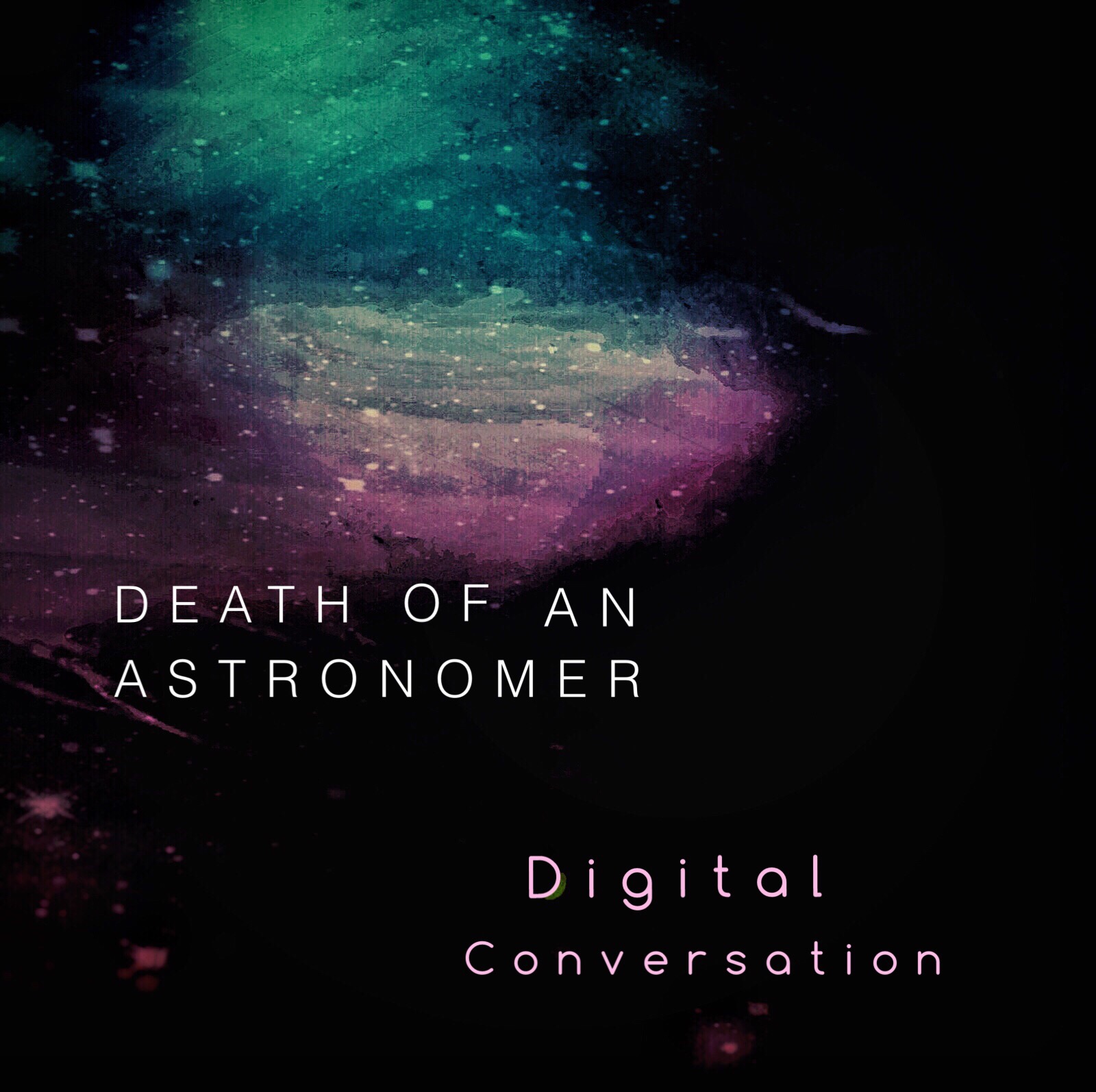
Sometimes, metal guys want to play jazz fusion, and that is something that Los Angeles based keyboardist, guitarist and composer Jairo Estrada does with his project Death is an Astronomer on the recently released single “Digital Conversation.”
Estrada offers up striking, highly progressive metallic fusion music that never bores or ventures too far off into aimless territory. Highly complex yet flowing, “Digital Conversation” sees weaving guitar and bass melodies twisting and turning around each other, the drums, following along every step of the way but keeping it all grounded. Arrangements just grab hold of you and take you on a mind altering journey. Nothing here is overly heavy, but there is just enough crunch in the guitar to keep this in the metal camp, yet when Estrada goes for some soaring, thought provoking chops, it’s classic jazz fusion/prog rock all the way.
If you like adventurous, classy instrumental metal fusion, Death of an Astronomer’s debut single is a something you need to seek out immediately. But to make it easy, here is where you can get it.
It’s hard to believe that I first encountered The Fierce and the Dead almost a full decade ago. They’ve been such a part of my musical life over the past eight years, that it’s actually hard to remember a time when I didn’t listen to them.
As I’ve had the privilege of arguing before, The Fierce and the Dead is, essentially, what might happen if Johnny Marr played with King Crimson.
But, labels.
Who needs them? Just know that Matt Stevens and co. give theirs hearts, minds, and souls for the world of music. And, we are all the better for it.
Inspired by Craig Breaden’s brilliant 104-part Soundstream, I’ve decided to post music that reveals that rock and jazz (and some other forms of music) are not the end of western civilization, but the culmination of western civilization up to this point in time. A second spring, if you will.
Distant Horizon is a new band coming from Lapua, Finland who released their debut EP “Laniakea” in June 2017. This fully instrumental progressive metal project is led comprised of Joona Lehto on guitar, Jere Lehto on bass, Jesse Lehto on drums, and Matias Kalli on keyboards and guitar.
As is the case with most instrumental albums, “Laniakea” requires careful listening in order to be fully appreciated. It is definitely not the kind of stuff you can put on as a soundtrack for other activities — complex music, full of twists and turns, yet not unnecessarily complicated, or weird for weirdness’ sake. In fact, the music has a beautiful, natural flow, a clarity and melodic quality. Even though guitars make up a prominent part of the sound, they never get to the point of overwhelming the other instruments. As in most experimental music, however, the foundation of Distant Horizon’s sound lies in the rhythm section, especially in the jaw-dropping drumming patterns provided by Jesse Lehto.
Head-spinningly complex without being cold and sterile as other efforts in a similar vein, “Laniakea” can easily be (re)listed as one of the top releases of 2017. In fact, the sterling musicianship, coupled with an admirable sense of restraint, focuses on creating cohesive, highly listenable tracks rather than pointless displays of technical skill. However, it is also a release that will definitely not be everyone’s cup of tea. Strongly recommended to practising musicians and fans of intricate, challenging music, it may come across as daunting to those fans who prefer a higher measure of melody and accessibility, as well as a more conservative approach to progressive rock and jazz fusion.
Alchemist is a new EP release from a Japanese guitarist and composer Keigo Yoshida (The Blue Prison), residing in Los Angeles, CA.
Right from the start, the title song kicks off the EP incredibly strong with its toe-tappingly catchy rhythms and roaring guitars, followed by an equally solid djenty “Zenith,” presented with immaculate detail with ricocheting metalcoresque drums. “Kingdom” is far more edgy, with guitar solos tripping over the song’s plodding rhythm. “Red Sun” introduces a symphonic pattern forming a backbone for Yoshida’s immaculate soloing. Short closing piece “River” is an atmospheric piece that brings Alchemist to a solid closure.
Curiosity begs the question: what does The Blue Prison sound like outside the comfort of his niche he’s carved? Perhaps necessity will force him outside his signature sound before stagnation takes hold in future releases, but for now, Yoshida has done his best: no-nonsense, tightly produced melodic prog.


 In addition to the tenth anniversary show, Ron is releasing a short album called Lines & Circles under the band name, Drive In Movie Band. The group features musicians from all around the world. This just under a half-hour album is all instrumental, highlighting the complex and jazz side of the genre. The first track even has a bit of an early King Crimson vibe.
  Null Terminator, Zero Integration, 2021


 Progarchy