

http://prog.teamrock.com/news/2014-08-21/peter-gabriel-is-prog-god-2014
A well deserved honor, in my humble opinion.

http://prog.teamrock.com/news/2014-08-21/peter-gabriel-is-prog-god-2014
A well deserved honor, in my humble opinion.
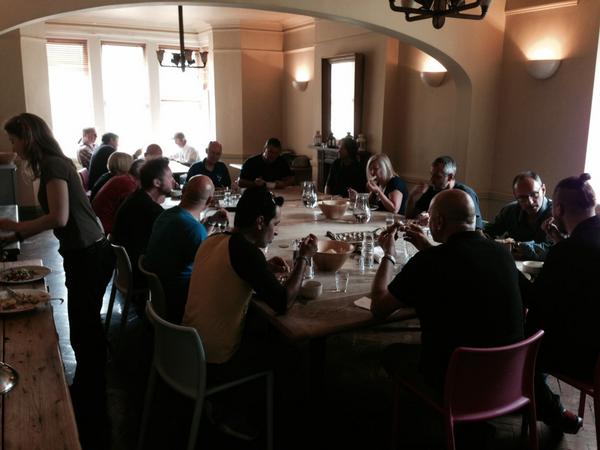
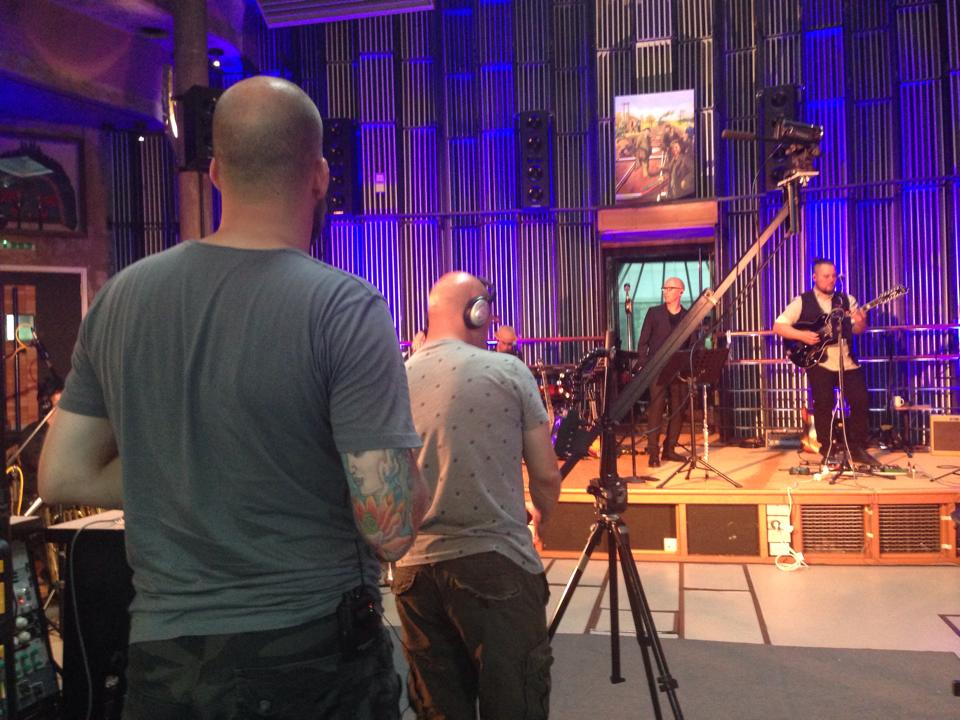
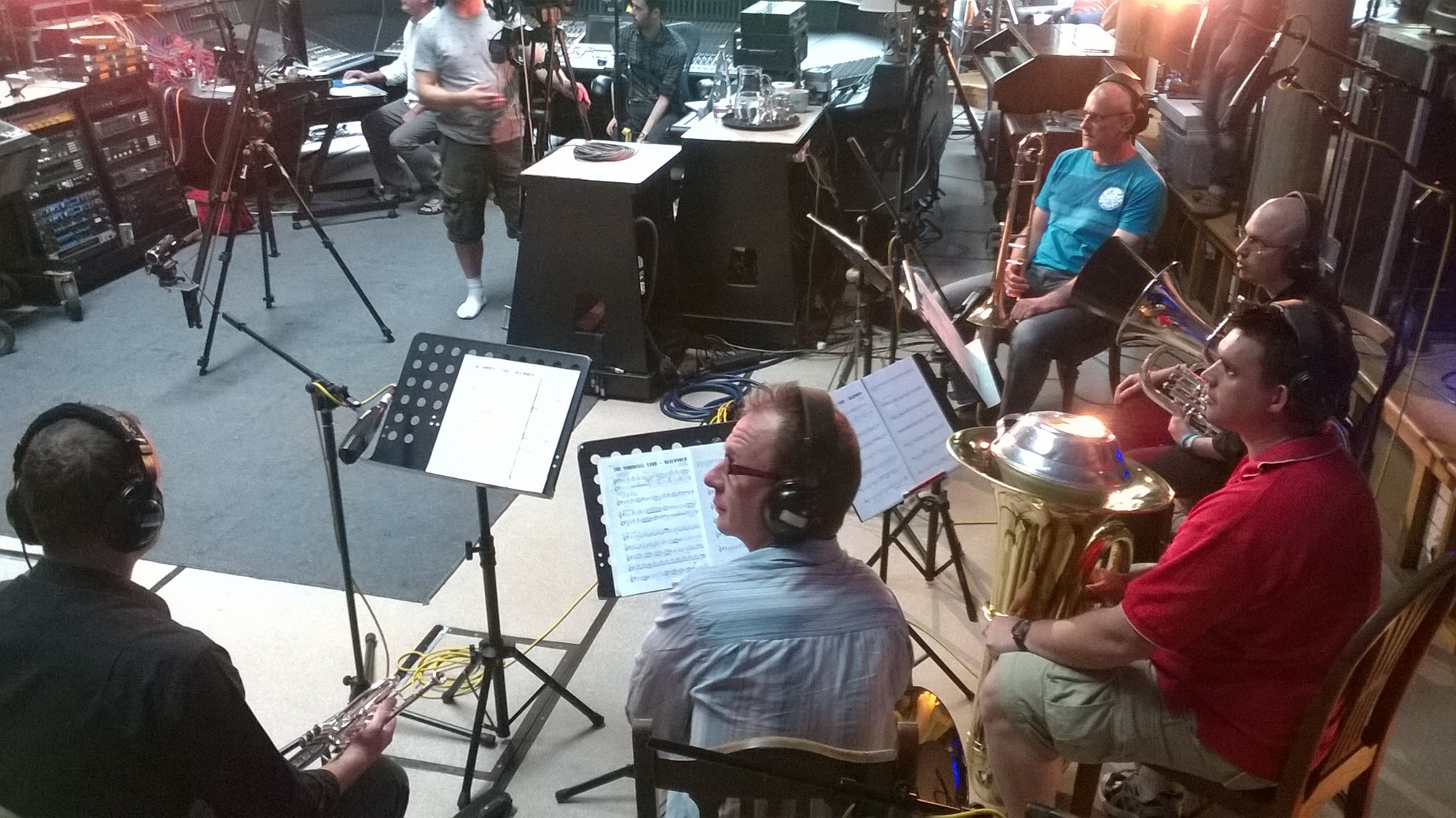
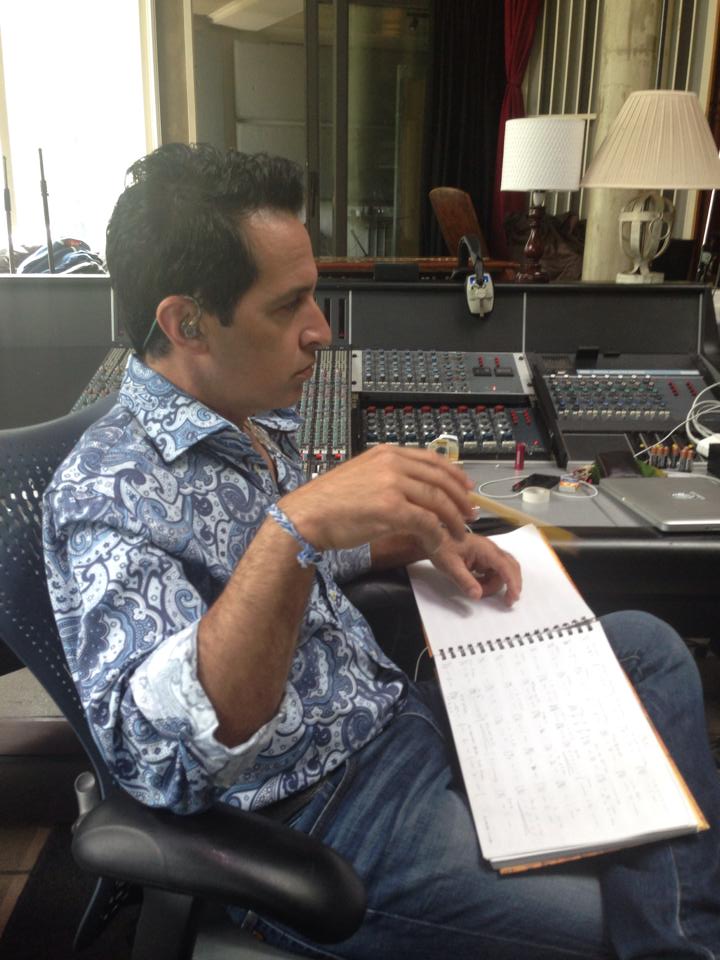
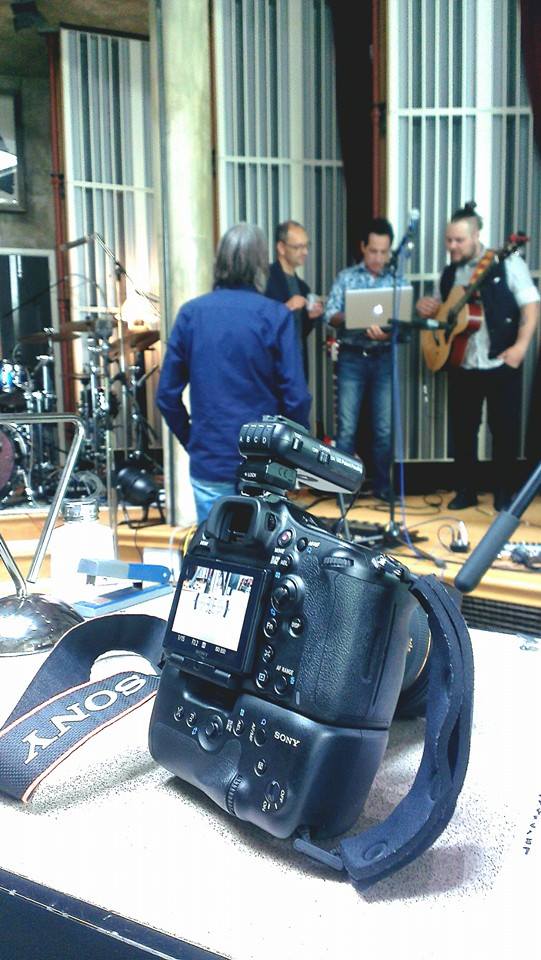
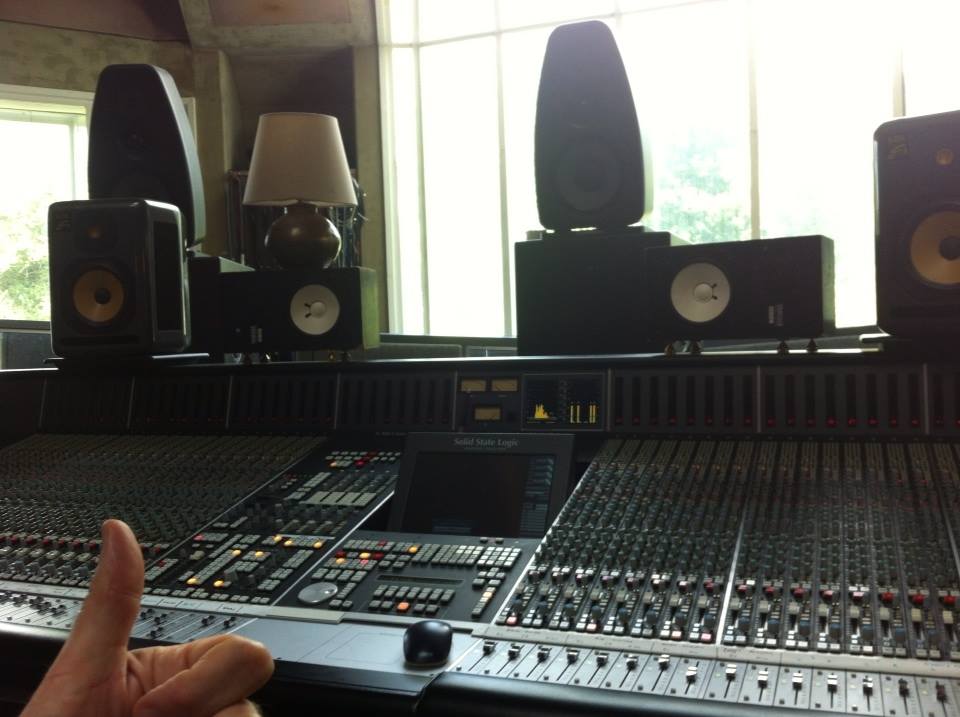
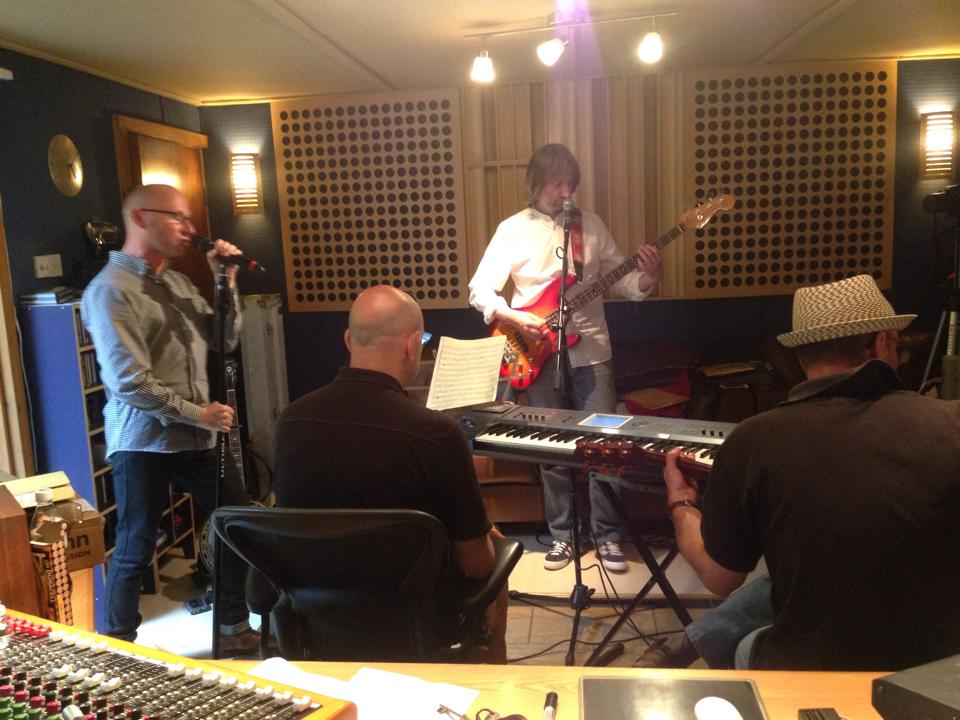
The following are photos taken by Kain Dear, Dave Desmond, Rob Aubrey, and Greg Spawton as Big Big Train enjoys the immensity and perfection of Peter Gabriel’s Real World Studios.



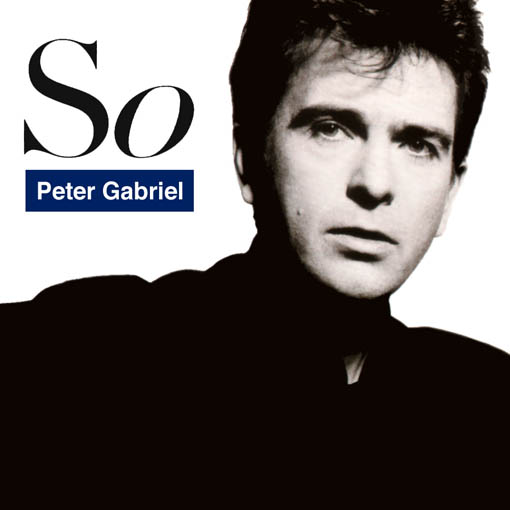
Whilst traveling the Pennsylvania countryside last month, I listened to Peter Gabriel’s So album for the first time in years. That is not to say I had neglected the album (I’ve always enjoyed the upbeat tunes Sledgehammer and Big Time, as well as the haunting Mercy Street), but I had not listened to the entire album in quite some time. As a matter of fact, So, Gabriel’s most successful album to date, opened the door to the world of prog for me when I was about 12 years old, and I’ve never closed it. 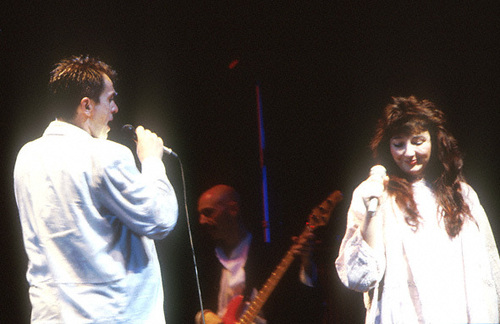
I often wonder what my taste in music would be like had I never entered the wonderful world of progressive rock music. Something tells me I would have stumbled upon it at one point or another, considering I have never truly enjoyed what passes for “pop” these days. Or perhaps I would have been content listening to what I call “standard” rock (i.e., Fleetwood Mac, Bruce Springsteen, Billy Joel, etc.). It’s not that I don’t like standard rock, but it is generally missing the idiosyncrasy and complexity that progressive rock espouses. Thankfully, my dad has a rather broad taste in music, and while searching through his vast collection of CDs years ago, I came across So. I had heard In Your Eyes on the radio before, and I figured I should listen to the album in its entirety. It was my personal first great awakening in regards to music. Up until this point, music had always been pleasant melodies coming out of the radio and nothing more. As I sat in my room that day, however, a lanky, bespectacled, and (self-professed) nerdy 12-year-old boy fell in love with progressive rock for the first time. Music was now an entire world of its own. It had life, rhythm, beauty, truth, and goodness. I don’t mean to sound dramatic, but it was quite an epiphany for me. But I digress. Back to the music itself. The opener, Red Rain, drew me in instantly, and I listened to the rest of the album with great enthusiasm. Sledgehammer, with its opening salvo of horns, was by far the most enjoyable song I had listened to up to that point. Don’t Give Up showcased the work of uber-talented bassist Tony Levin (who I would truly come to appreciate when I discovered King Crimson) and the beautiful voice of Kate Bush (who I may have had a crush on after the first listen). The next two songs, That Voice Again and In Your Eyes, were FM radio staples in my area that I had heard before and continue to enjoy today. The haunting but graceful Mercy Street was next, followed by the upbeat Big Time. The final two songs, We Do What We’re Told (a reference to Stanley Milgram’s sociological experiment on obedience to authority figures) and This Is The Picture, are two of the more “distinctive” pieces on the album, but I suppose prog rock musicians have a reputation for originality, do they not? 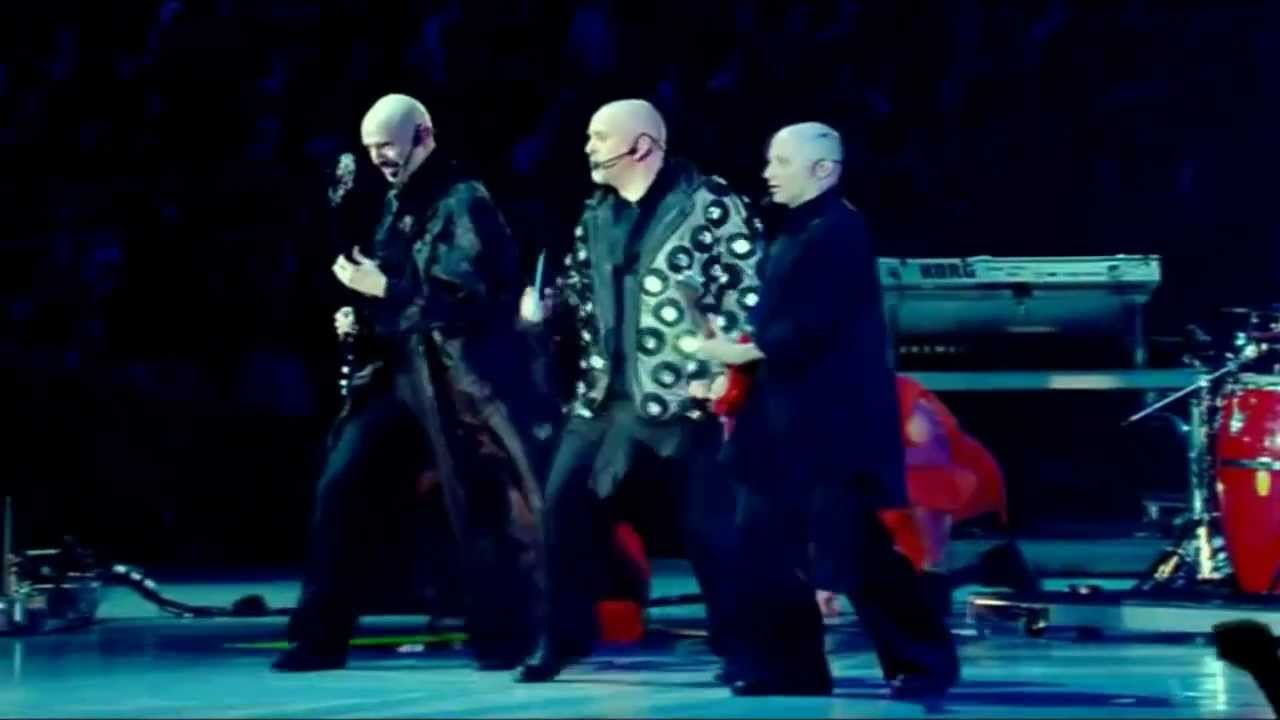
After about 8 years of listening to an untold amount of progressive rock, I do not believe So is the greatest album of all time. It is more “pop” like in nature than I prefer, yet I still enjoy it from time to time. Gabriel’s first four albums are superior in regards to musicianship and originality, but I cannot stress the impact So had on me enough. I became enamored with the thought of listening to more music in the vein of So, and that is how I eventually stumbled upon Gabriel-era Genesis and, eventually, the golden era of prog (I’ll save my top ten prog albums of all time for a later post). And although Gabriel is no longer even my favorite musician, I cannot thank him enough for unwittingly opening the door to an entire new world for me.
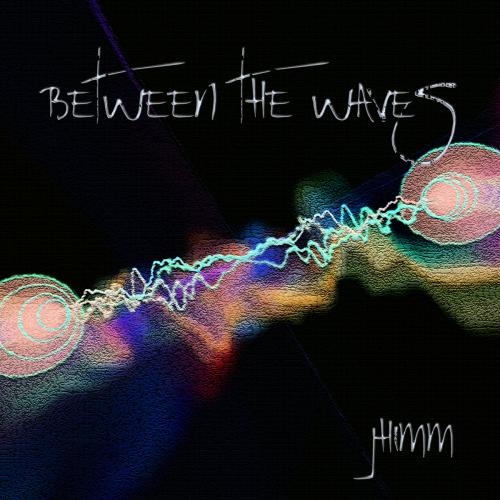
Some time ago I wrote a brief post introducing jhimm, a one man band from Connecticut (my home state), to Progarchy. Jason Himmelberger, the man behind the project, has since contacted me, and I am now honored to review his debut album Between the Waves, which I have recently had the pleasure of listening to. I hope this review does the album justice because I was thoroughly impressed. Here is a brief description of each song:
Outside the Box: great Hackett-like guitar (slow and smooth); beautiful song about a man who believed he had everything, but realized he was missing the most important thing of all-human contact
Different Eyes: in my humble opinion, the catchiest song on the album; eerie piano and distorted guitar; sounds dark, but picks up the pace and is quite enjoyable
About to Fall: another excellent song with great keyboard work; builds up to an “explosion” of keys and drums about halfway through; features a minimalist guitar sound
Part of Nothing: eerie but beautiful acoustic opening (with solid bass and keys); darker song that picks up after about 4 minutes
Between the Waves: wonderful piano drive piece; similar in sound to some of Coldplay’s work
Waiting for the Tide: great keyboard/synth driven piece instrumental; shortest song on the album, but entertaining nonetheless
Everyday Dying: definitely a “radio friendly” song (if only radio recognized more prog!); similar again in sound to Coldplay or Elbow; nice gentle guitar work
Falling Down: touching song dedicated to the victims of the Newtown school shooting; great vocals filled with emotion; Pink Floyd-ish atmospheric sound
jhimm has certainly produced a fine album. He is a gifted multi-instrumentalist and great songwriter, and I hope his talent does not go unnoticed for much longer. In my opinion, jhimm sounds like a wondrous blend of Pink Floyd, Peter Gabriel, and Coldplay- a softer, mellow art rock that truly is a pleasure to listen to. Even if you appreciate harder rock or metal, you will not be disappointed by this album. And despite its rather serious tone, it does have a message of hope, hidden between the waves.
And here is the great song Outside the Box for your listening pleasure:
Jason Himmelberger, aka jhimm, a new artist, has just released his debut album titled Between the Waves. I have not had a chance to listen to the entire album, but I was impressed by the one song I did listen to: Falling Down, a moving tribute to the victims of the Newtown, CT school shooting. jhimm, who hails from New Haven, Connecticut, has written a beautiful piece of music; his haunting, atmospheric vocals (similar to Peter Gabriel) add the necessary amount of emotion to the song. It’s also nice to hear some quality prog from my home state. His album is available for purchase on iTunes. I look forward to listening to the rest of his work. Here’s Falling Down:
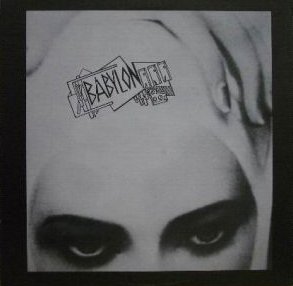
Following a busy (and triumphant) end to another college semester, I have finally returned to help bring to light those bands which would have been lost to history if not for the wondrous powers of the Internet. There are many groups left to cover, and this Christmas week I would like to call your attention to a band called Babylon. This Florida based quintet released one eponymous album in 1978. It was an excellent effort, but due to lack of sales the group disbanded shortly after the album’s release. Nevertheless it is an album worth listening to. Babylon has been compared to Genesis, but they are more than mere copycats. Like Genesis, Babylon found its niche in the symphonic school of prog; their sound is primarily driven by keyboards and a guitar synthesizer (no flute is present, however). The lead singer could best be described as a blend of Peter Gabriel and Peter Hammill; his vocals are rather distinct and dramatic. Guitarist J. David Boyko was no doubt inspired by Steve Hackett’s unique sound, and he does some fine work on the album. The individual members are comparable in sound (and nearly in skill) to the members of Genesis, but some of the lyrics are darker. And now to the songs:
The Mote in God’s Eye: keyboard driven piece; (somewhat) humorous lyrics sung with dramatic vocals provides an interesting contrast
Before the Fall: solid bass performance (louder than Rutherford usually played); Hackett-like guitar synth
Dreamfish: excellent keyboard intro reminiscent of some of Banks’s finest work; Hammill-like vocals; solid drumming and bass provides great rhythm section
Cathedral of the Mary Ruin: vocals sound like Fish and Gabriel; another fine keyboard and guitar synthesizer driven song
All four songs are over seven minutes in length and each is of the utmost quality. It’s unfortunate this group never released another album, but thanks to Youtube and iTunes, you can enjoy the small masterpiece they did produce.
Have a Merry Christmas and Happy New Year!
Here is Dreamfish:
One of the things I love about prog is that there’s very often an interesting story lurking behind a song.
Classic Genesis track The Battle Of Epping Forest is no exception to this, and I would imagine most Genesis fans have some idea of its origins, but Rob Webb has delved a little deeper to uncover more of the history.
Well worth a read.
Geoffrey Keezer (website) is a young (six months younger than myself, so very young) but accomplished jazz pianist, having recorded a number of excellent albums as a leader, while also playing in support of Art Farmer, Wynton Marsalis, Diane Krall, Wayne Shorter, Art Blakey, Chris Botti, and many others. Keezer, like other young jazz pianists such as Brad Mehldau, Jason Moran, Aaron Choulai, Ethan Iverson (The Bad Plus), Marcin Wasilewski, Hiromi, and Robert Glasper (to name a few), draws freely and easily from the world of rock music. And folks in that world take notice, if this quote from Sting (from Keezer’s site) is any indication: “In the universe of piano players that I have been exposed to over the years, Geoffrey has proved himself to be not only a superb technician and improviser, but also above and beyond this, a composer and conceptualist who can maintain the overall line and the DNA of the song in everything he plays. A musician’s musician.”
Keezer’s most recent album, Heart of the Piano, released this month, is a solo album featuring a mixture of original tunes and covers of songs by Peter Gabriel (“Come Talk To Me”), K.T. Tunstall (“Suddenly I See”), and Alanis Morissette (“Still”). But of most interest, I think, is the excellent and lively opening song/cover, “Limelight”, by a band that needs no introduction to Progarchy.com readers:
For some reason, I’ve always been quite taken with the idea of the “cover,” a great group or artist remaking the old art into something new, profound, and tangible for a new audience.
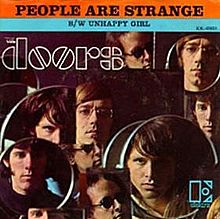 Unfortunately, the result of the cover is often a mere imitation of the original. This, sadly, does nothing but waste everyone’s time. In this instance, I can’t help but think of Echo and the Bunnymen’s remake of “People are Strange.” It is almost note for note and instrument for instrument the same as the original by the Doors. No matter how great, Echo, they will simply not best a classic by merely imitating. There’s nothing even remotely interesting or unusual in the Echo version. They sound bored, and they probably are. Echo was simply too good to be a glorified cover band.
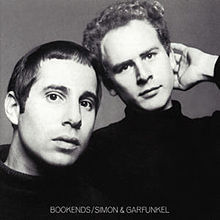 There are also inferior versions of a once great song that simply had never had a wide audience in the first place. Here, I think specifically of the Bangles remaking A Hazy Shade of Winter. The Simon and Garfunkel version is in every way superior except one. When it was originally released, A Hazy Shade of Winter appeared around a number of other attention-gathering songs off of the album, Bookends. It would’ve been pretty hard to complete with “Mrs. Robinson.” And, A Hazy Shade never became absorbed into American culture the way so many other Simon and Garfunkel songs did. When the Bangles released it in 1987, it climbed to #2 on the American pop charts. Who can forget first hearing that song, realizing the immense disconnect between a barely talented hack corporate band and some of the best lyrics ever written? No, it shouldn’t have succeeded, but it clearly did. Commercially, a success. Artistically, a travesty.
Over the last decade or so, though, a number of excellent songs have been covered by various prog bands. In each case, at least as I see it, the songs covered are–quite the opposite of the Bangles assault on and diminution of a classic–in most respects far better than the originals. Three things help account for this. First, some of this improving, I’m sure, is a product of better technology. Still, we can all think of examples where the newer technology has driven the life out of a song or an album. Technology, in the end, is a tool, neither good nor bad in and of itself but a means to a good or bad end.
Second, in ways that could never be measured, a remake is importantly the result of the love the artist of today feels for the artists and traditions of the past. The current prog artist has absorbed some beloved songs for years and years, and the songs have become an essential part of the art itself and of the artist herself or himself.
Third, very importantly, few progressive rock acts perform merely to be commercial. They do so for love of the art itself.
Again, let me go back to that Strawband, the Bangles. What did they have to offer to a Simon and Garfunkel song? Nothing in the least. Per the above three points. First, the technology made them mere apes, allowing them to present sanitary mimicking of a great song. Second, the Bangles play their version as though they’d only encountered the original version days or possibly hours before recording. Their version came out twenty years later, but it, in no way, feels as though an artist had absorbed that song for twenty years. Third, the Bangles wanted to cash in on a piece of art that failed to reach its full potential two decades earlier. And, they did. Again, a commercial success, but a artistic horror.
***
But, what about some wonderful, beautiful, intense, gorgeous covers?
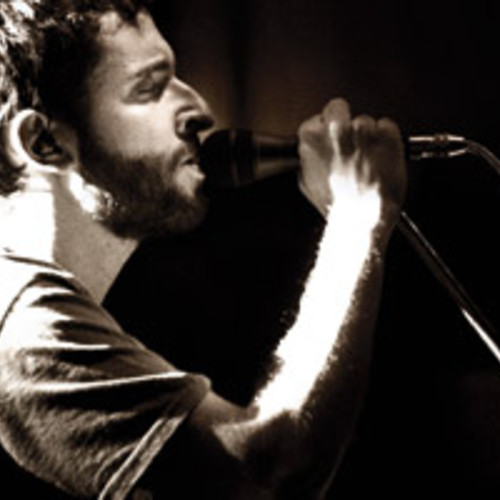 Nosound’s remake of Pink Floyd’s 1971, “Echoes.” Four minutes longer than the original, the Nosound version not only records their version with affection, but there is an unmistakable Nosound sound. Where Floyd used a cold and rather impressive technology to make certain unusual sounds, Nosound substitutes a much greater organicism to the song.
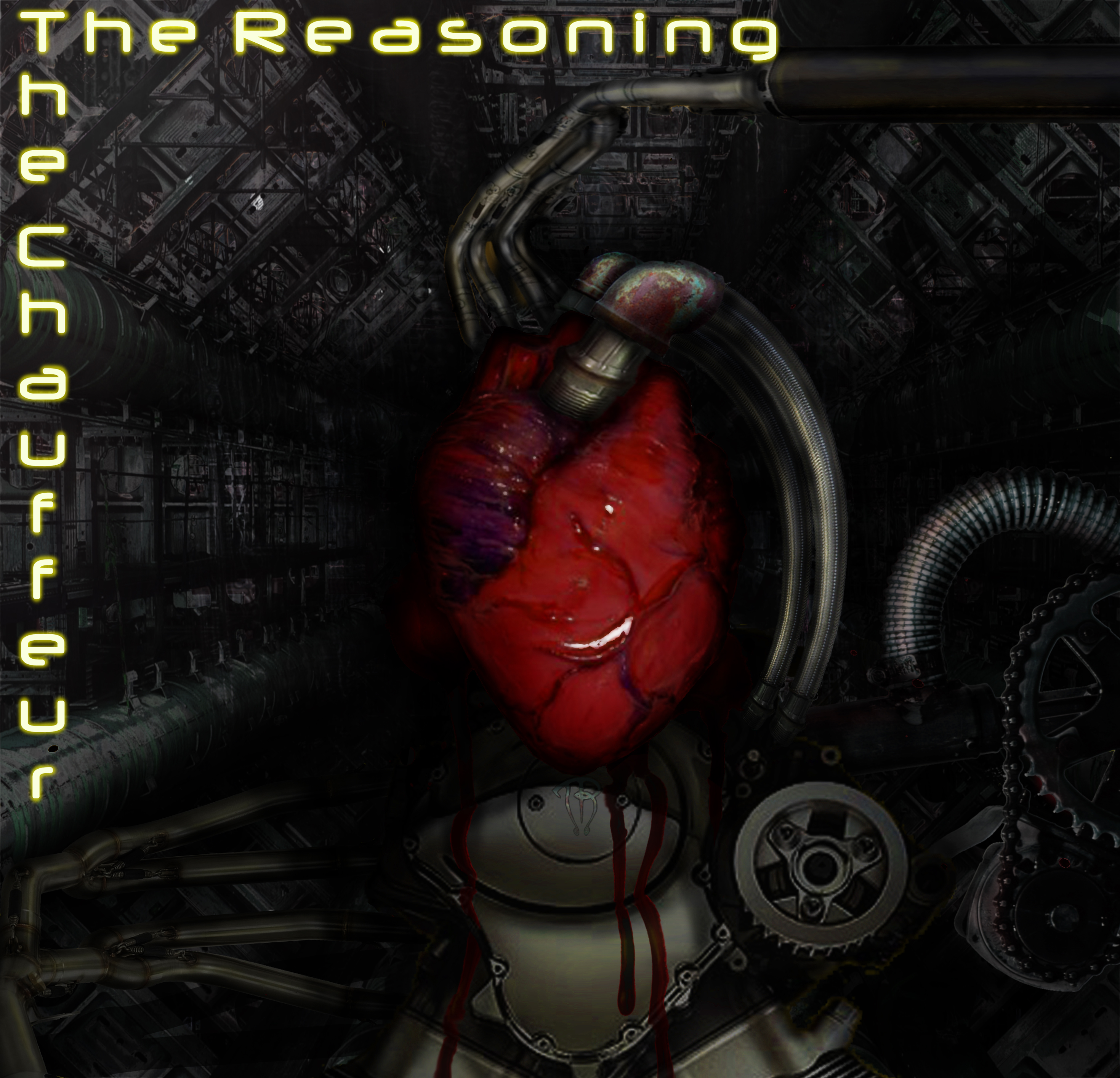 The Reasoning’s remake of Duran Duran’s “The Chauffeur.” This was certainly the best and most interesting track off of Rio (1982). And, Rachel Cohen of the The Reasoning has never once hidden her admiration of the best rock of the 1980s. Matt, Rachel, and the others do wonders to the original, making it far, far superior. At once more delicate and yet harder than the original, The Reasoning makes this a serious work of art. Matt’s deep and haunting bass is especially good. But, so is Rachel’s voice. The Reasoning takes a good pop/rock song, and makes it a short but haunting masterpiece of prog.
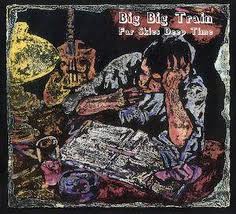 Big Big Train’s “Master of Time.” Sheer bucolic glory. Next to the original by the former Genesis guitarist, BBT’s Master is a blatant and full-voiced work of immaculacy. It makes the original seem a fine sketch of a song, while paying all due homage to it. Even in its BBT’s intensity, joy multiplies as the song progresses, following NDV’s driving drums. If this isn’t a glimpse of a pre-fallen Eden, nothing is. And, yes, I wouldn’t be surprised if David Longdon’s voice has an angelic counterpart in the spheres far beyond this world.
 Peter Gabriel’s Scratch Your Back, in many ways, corrects the errors of the Bangles. While the whole album is good, and Gabriel covers everyone from Elbow to David Bowie to the Talking Heads, nothing bests his own version of the Paul Simon song, “Boy in the Bubble.” While it’s not necessarily better than Simon’s version, it is a penetrating look at the darker aspects of the song. I would challenge anyone to listen to Gabriel’s version with headphones and not tearing up at the terrors and tragedies revealed anew in the lyrics. This might be Gabriel at his absolute highest as an artist. “These are the days of miracle and wonder. Don’t cry, baby. Don’t cry.”
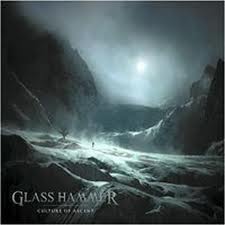 Glass Hammer remaking Yes’s “South Side of the Sky.” This has been one of my two or three favorite Yes songs going back to my early childhood in the mid 1970s. Certainly, when I saw Yes play live in Grand Rapids for the 35th Anniversary tour, this song was the highlight. Nothing, however, prepared me for hearing Glass Hammer’s version when I first purchased “Culture of Ascent.” This cover is a perfect example of a band and a group of artists that had fully absorbed the song–every single aspect of it–over period of two or three decades. This song by Yes is simply an immense part of the DNA of Glass Hammer. And, it shows in every aspect of Glass Hammer’s version. Everything is simply perfect, and it’s as obvious as obvious can be that Glass Hammer recorded and produced their version with nothing but love, pure and unadulterated love. And, dare I say it without risking the reader just switching off and heading to the wilds of a new website. . . Susie Bogdanowicz was born to sing this song.
***
There are other songs I’d love to write about, but time prevents me at the moment from doing so. Let me just conclude with this. When a cover is done well and with love, it’s a hard thing to beat. And, while I would never want the current progressive moment to become imitative at its heart, it’s a healthy thing to remember and honor those who came before us. In particular, I think there are a number of songs from the 80s that were brilliant in their time, but could really benefit from being progged up. Imagine Thomas Dolby’s One of Submarines redone as full-blown prog. Or, Big Country’s The Seer. Or, The Cure’s Disintegration. Or, New Model Army’s Whitecoats.
So much to be done. So little time.
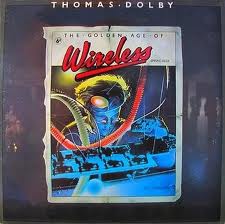


Dan Flynn pays tribute to the greatest album cover artist ever, Storm Thorgerson, in “The Death of an Artist in Everybody’s Collection“:
His greatest critical if not commercial triumph may have come not with his pre-fame friends in Pink Floyd but with a similarly experimentally minded artist. Peter Gabriel didn’t name his early albums. Hipgnosis’s cover art did. The singer’s third solo effort, officially titled Peter Gabriel like the two albums preceding it, unofficially became “Melt” because of the arresting black-and-white image of the singer manipulated to look as though his flesh dripped off his face. Thorgerson created that one, as well as “Scratch,” in which Gabriel’s fingernails leave a trail of white streaks. Thorgerson’s car appears on—what else?—“Car” by Gabriel. Akin to The Beatles’ “white album,” Gabriel’s early releases go by the names the cover graphic bestowed upon them rather than their proper titles. …
If cassettes and CDs supplanting vinyl didn’t signal the end of cover art, then certainly digital downloads did. The LP record awarded Thorgerson a canvass a foot long by a foot wide. Steve Jobs reduced these visuals to roughly the size of a Starburst candy. Small is the new big. Something gained, something lost—what we reclaim in shelf space we miss in aesthetic beauty.
Storm Thorgerson understood visual for people who understood aural. He also knew when to die. Cover art, like the vinyl discs they protected, play about as vibrant a role in contemporary pop culture as the Victrola. Album art is sadly gone. So is the man who most excelled at creating it.


 Progarchy