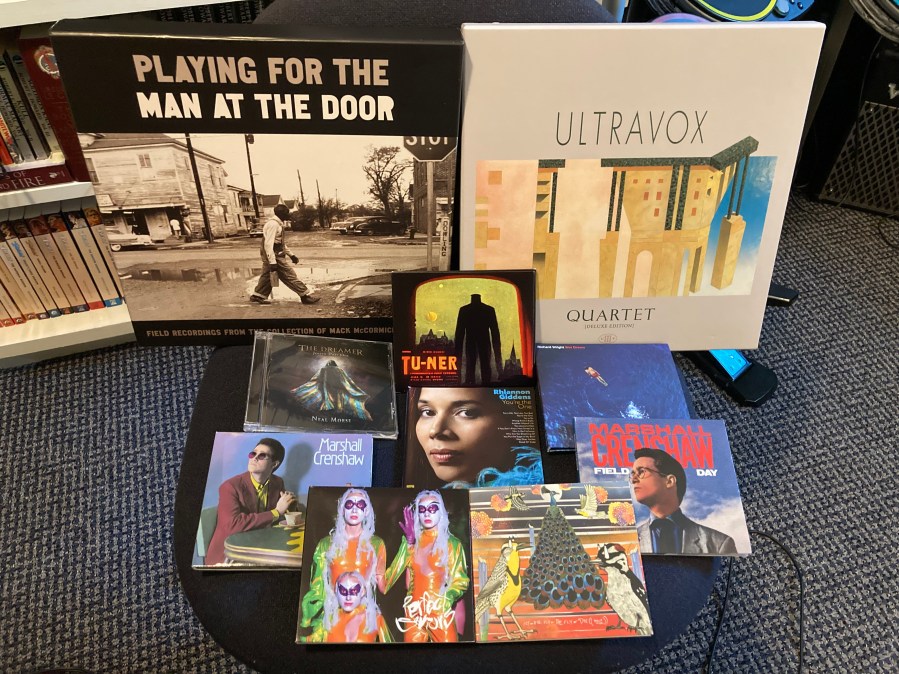
My Proggy Vacation

How does a two-week vacation circling the Great Lakes wind up being this . . . proggy?

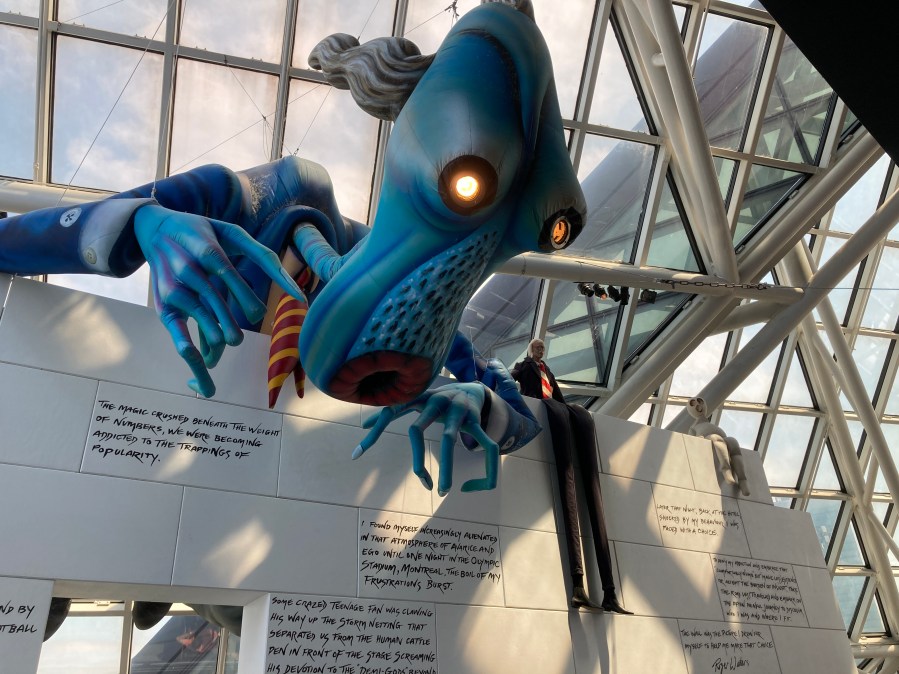
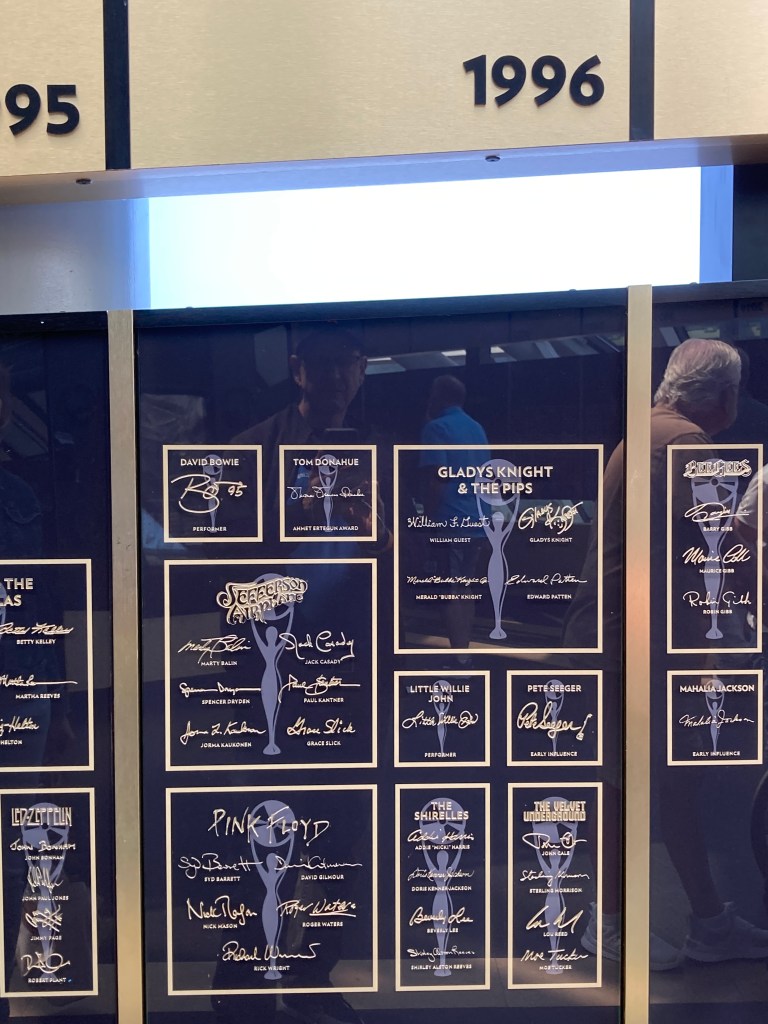
Well, starting out with a few days in Cleveland made a visit to The Rock and Roll Hall of Fame inevitable; it’s been almost thirty years since I set foot in its controversial precincts. (In fact, I’d argue that any hall of fame, no matter its subject, is about controversy — who’s in, who’s not, who should and shouldn’t be there. On such foundations are sports talk radio and the seething hatred of prog fans for Rolling Stone magazine built.) Has the R&RHoF improved in welcoming progressive rock since its fledgling days in 1997, when gigantic props from Roger Waters’ version of The Wall glowering from the top of its atrium (see above) were about the only evidence prog was even on its radar?

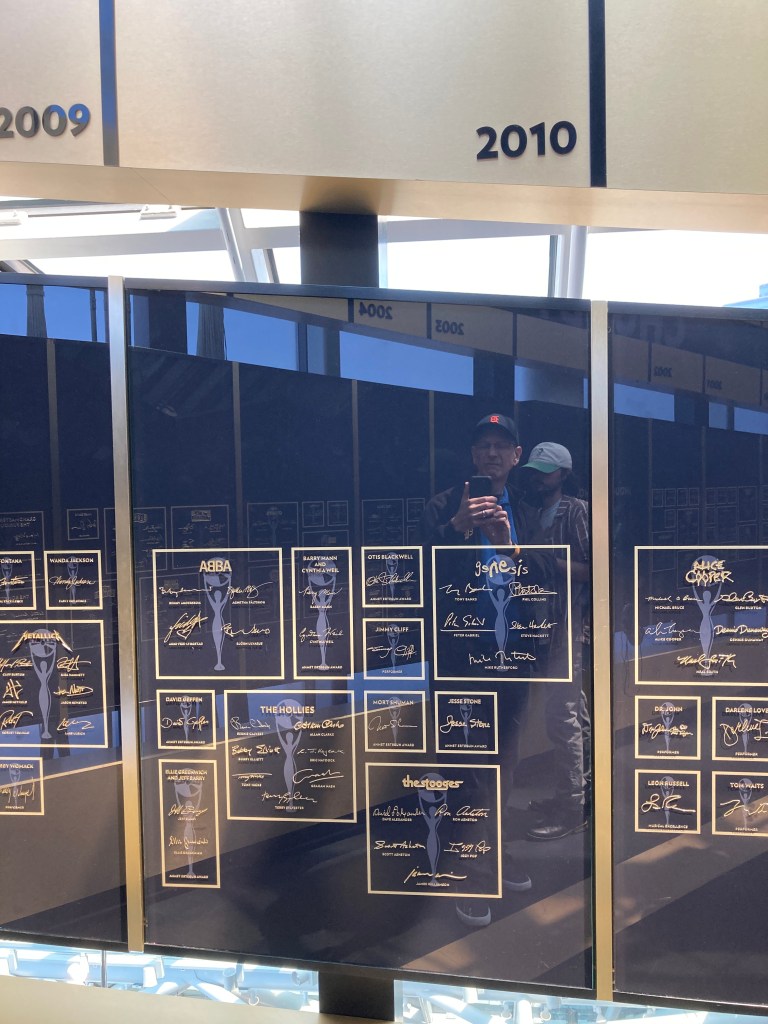
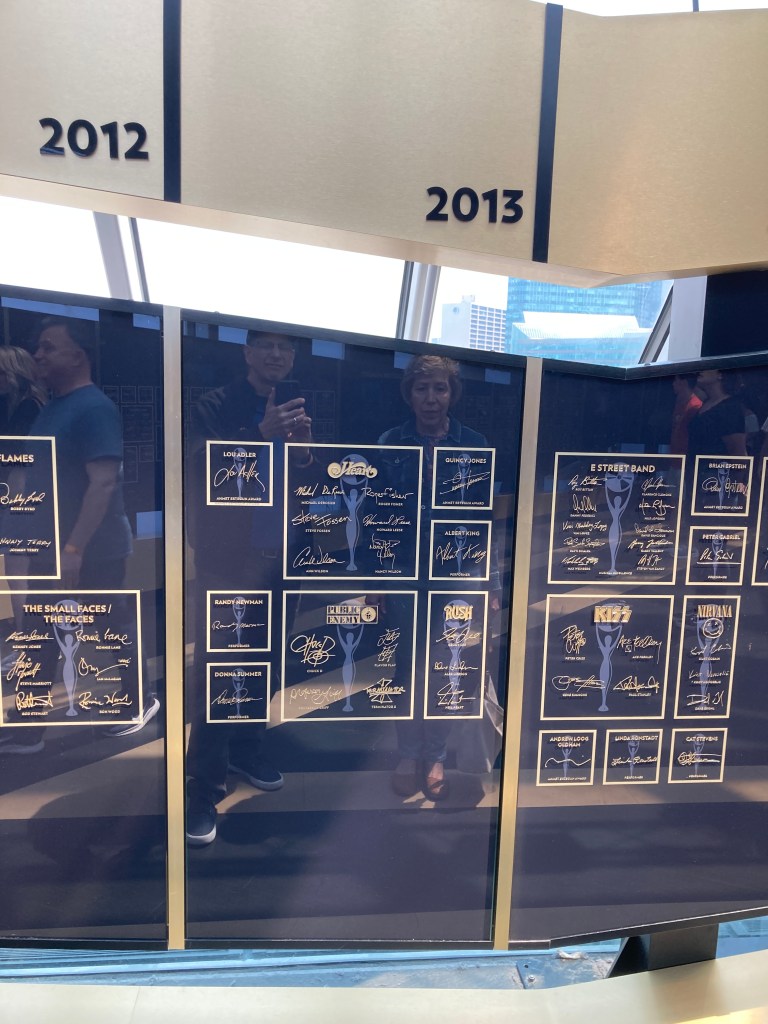
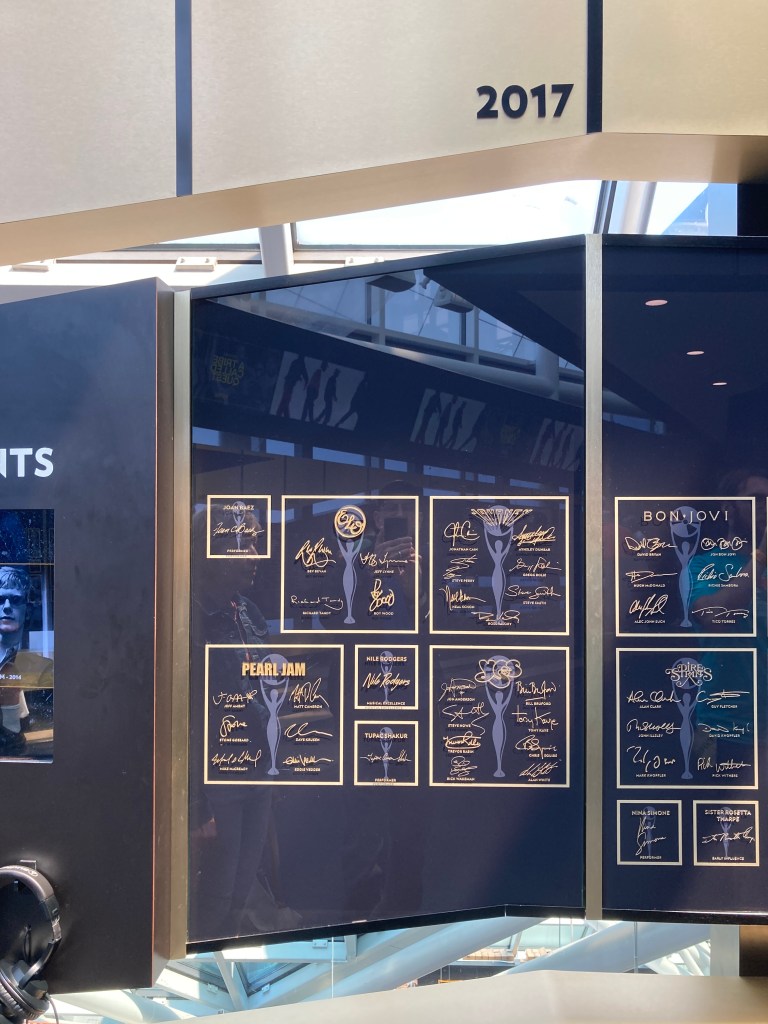
Honestly, omissions are still painfully plentiful; the otherwise comprehensive rock history displays on the first two floors blank out prog entirely, hopping from psychedelia and singer-songwriters to punk with only the barest nod to heavy metal. On the other hand, there has been movement in the last 30 years, with three of Britprog’s Big Six — Pink Floyd (1996), Genesis (2010) and Yes (2017) — plus Rush (2013) inducted into the Hall proper, currently housed on the third floor.

(By the way, you can watch highlights from any artist’s HoF induction on video displays stationed in the Hall. Of course I dialed up that marvelously manic night when Rush was honored — the highlight reel included a full minute of Alex Lifeson’s inspired “Blah blah blah” speech.)

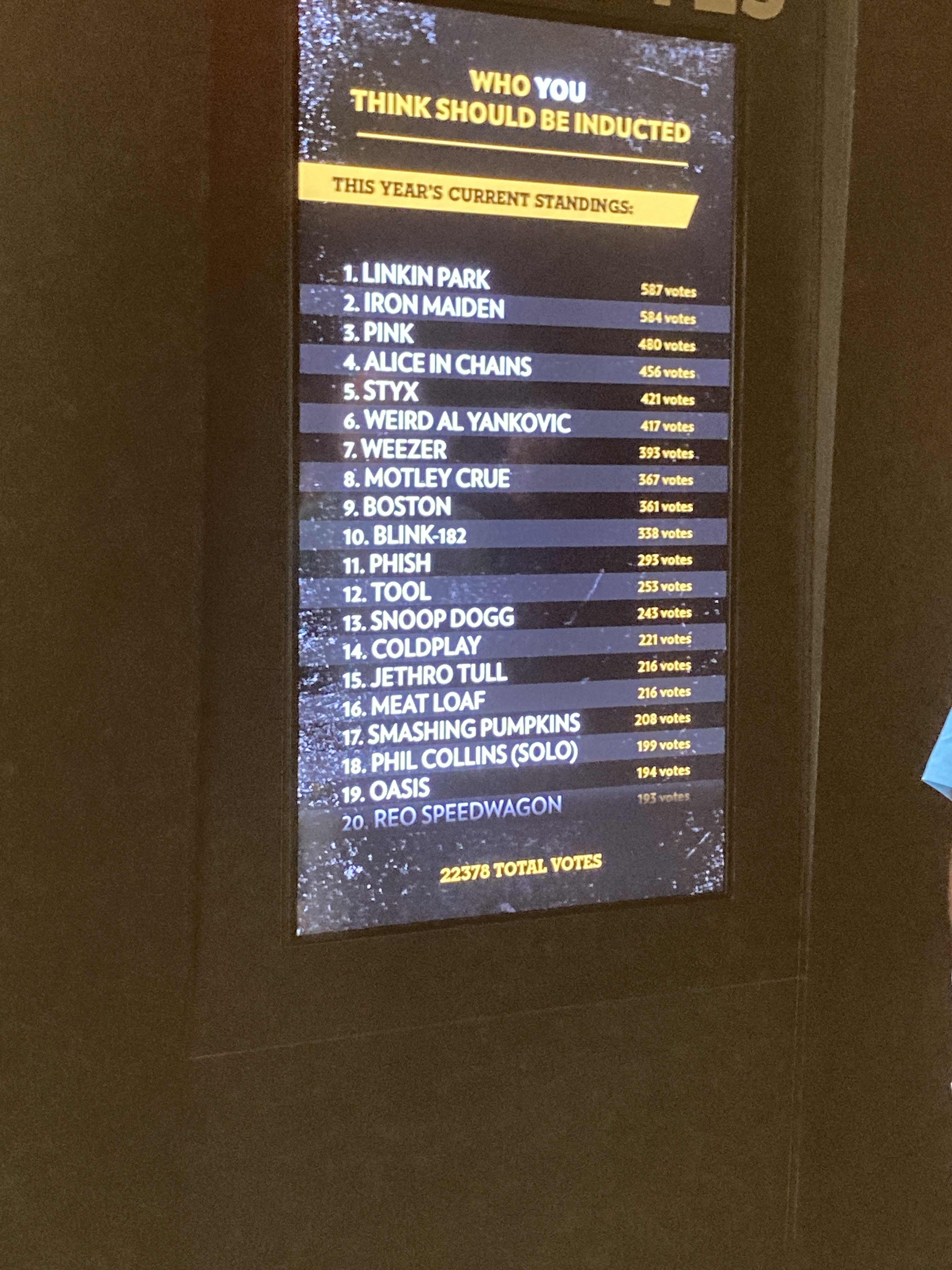
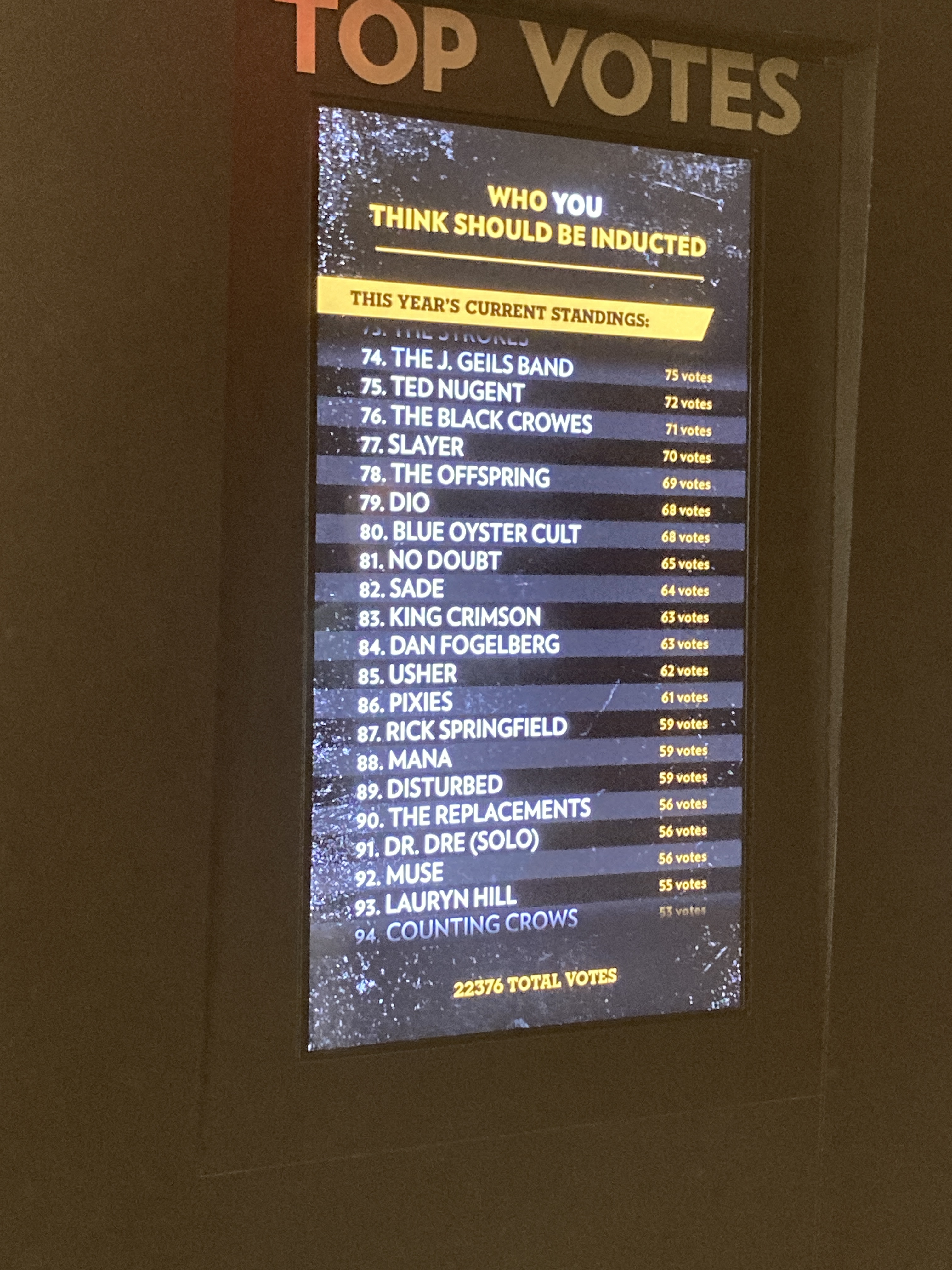
And, doubtless more to harvest email addresses than anything else, you can also vote on who you think should be in the Hall on adjacent video screens. Having done my civic duty by casting a vote for King Crimson, it was heartening to see them at #83 in the Top 100 of this year’s fan poll, though in a lower position than Styx (#5, just in front of Weird Al Yankovic), Tool (#12), Jethro Tull (#15), and Kansas (#35, not pictured). (And sad to say, Emerson Lake & Palmer were nowhere in sight.)

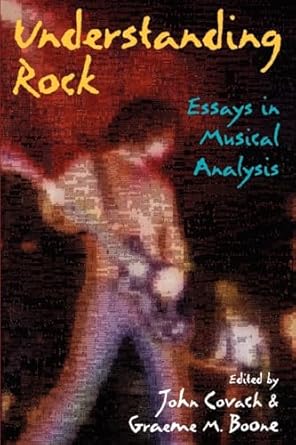
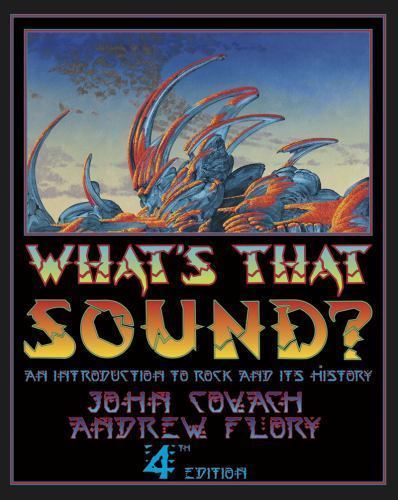
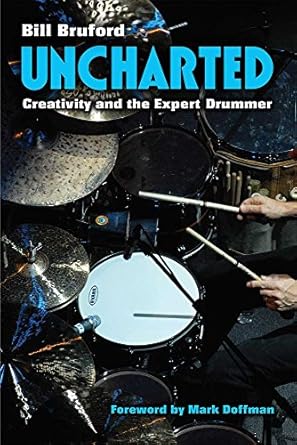
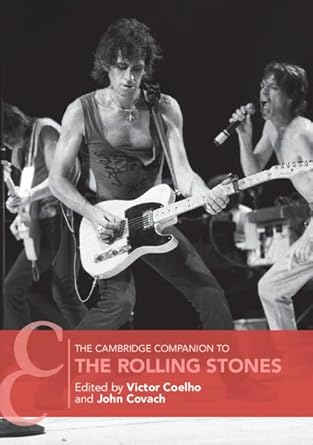
Then it was on to upstate New York, where I spent a delightful hour over coffee with noted music theory scholar and killer guitarist (and acquaintance from my grad school days) John Covach. One of the vanguard academics who pioneered rigorous analytical study of rock in general and prog in particular, John overflowed with good vibes as he waxed eloquent on the delights and challenges of shepherding books like Understanding Rock, What’s That Sound? and The Cambridge Companion to the Rolling Stones through the university press publication process; setting up a lecture tour of U.S. music schools for legendary drummer Bill Bruford (fresh from gaining his own Ph.D at the time); and getting gigs in a Yes tribute band when the post-Anderson version of the group still toured North America every summer! It was a blast to reconnect with John, who in addition to teaching and researching at the Eastman School of Music, is hard at work editing The Cambridge Companion to Progressive Rock (still in pre-publication, hopefully to be officially announced in 2026).

From there, it was a short border hop to an overnight stay in St. Catherine’s, Ontario — in a subdivision:

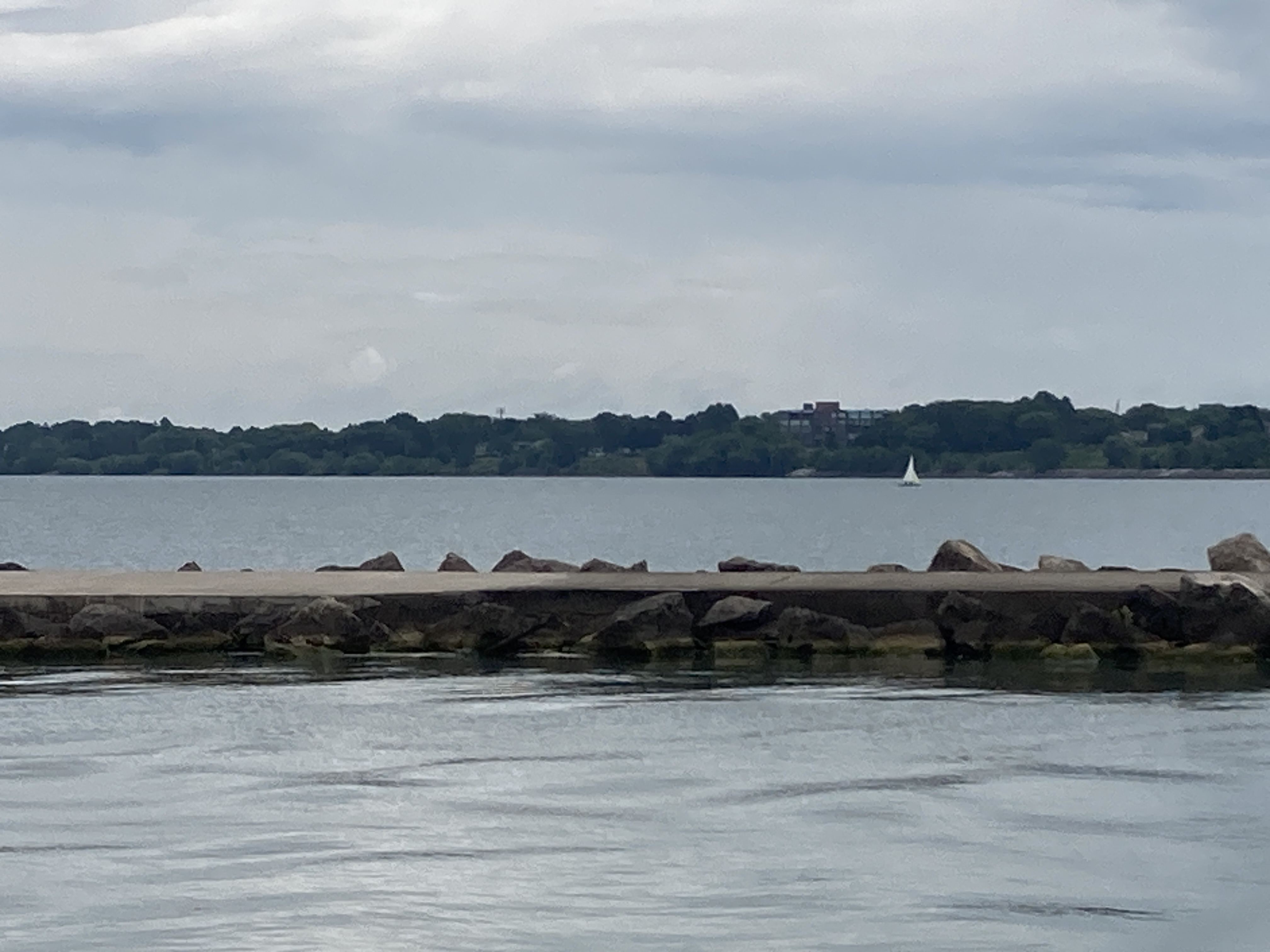
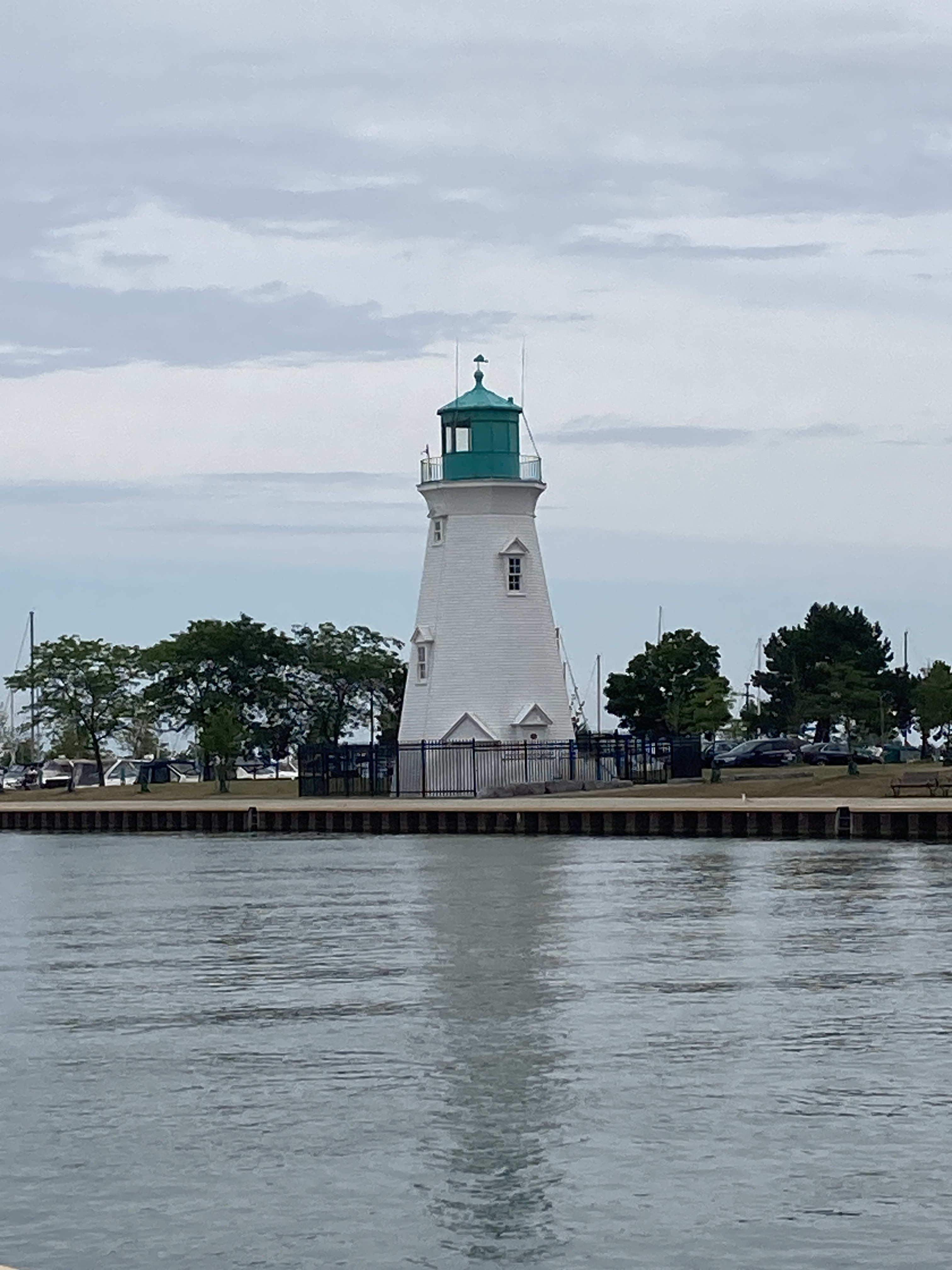
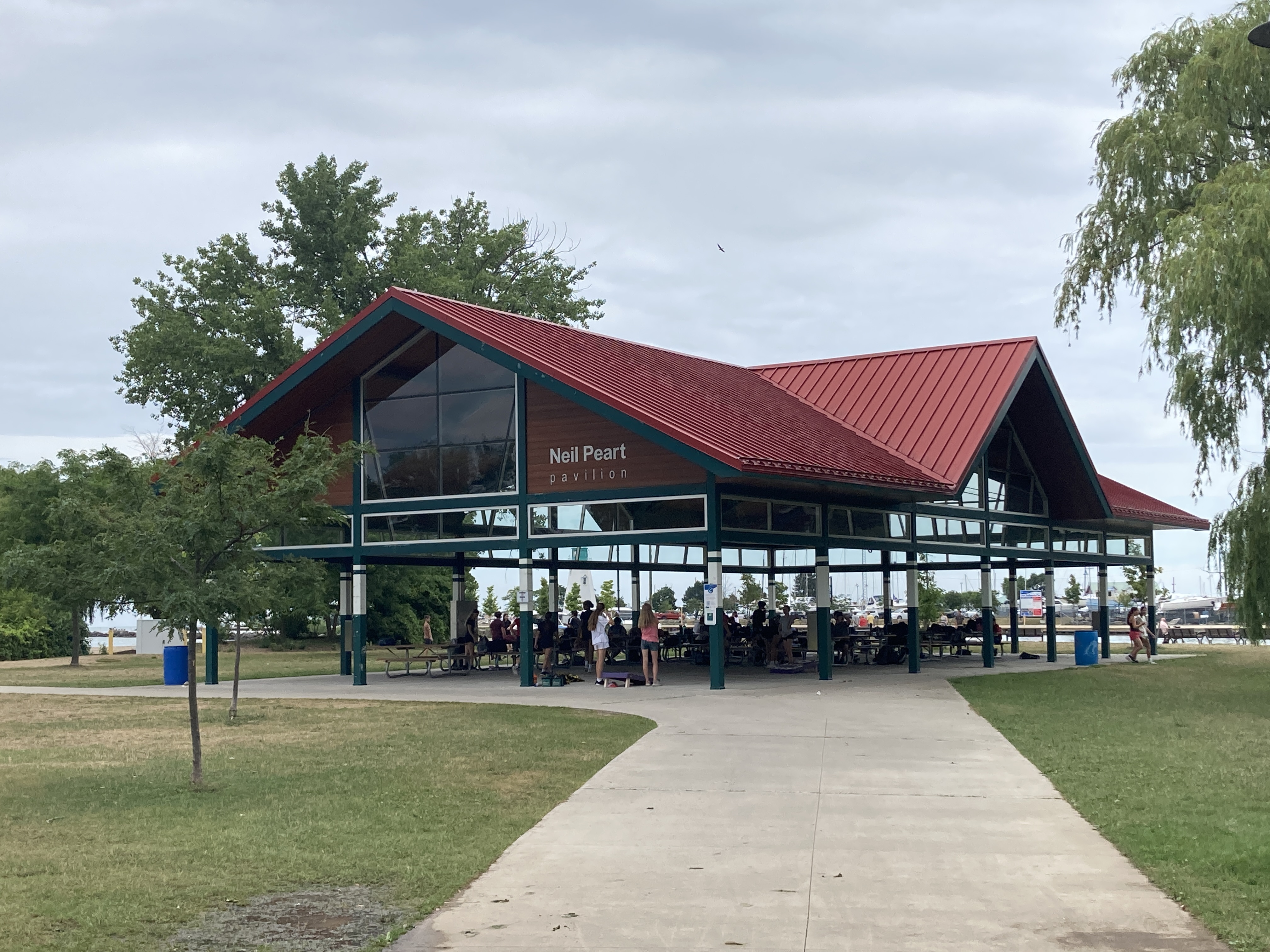
And yes, landing in the hometown of prog-metal’s finest drummer/lyricist was no coincidence; an outing to the town’s Lakeside Park (gorgeous even on an overcast day), complete with a picnic lunch in the shadow of the Neil Peart Pavilion brought the early Rush song of that name to vibrant life. (Fundraising for a memorial sculpture of Peart to be installed in the park has been in progress since last fall; click here for more information.)

If there’s a lesson, I suppose it’s this: a proggy vacation does not just happen; it must be carefully planned. So, fellow Progarchists: what’s your dream itinerary?

— Rick Krueger

P.S. Yes, all of the above is pretty retro; but new prog and more cool music piled up in my inbox while I was gone, so the appropriate Quick Takes are coming . . .

Rick’s Quick Takes for May

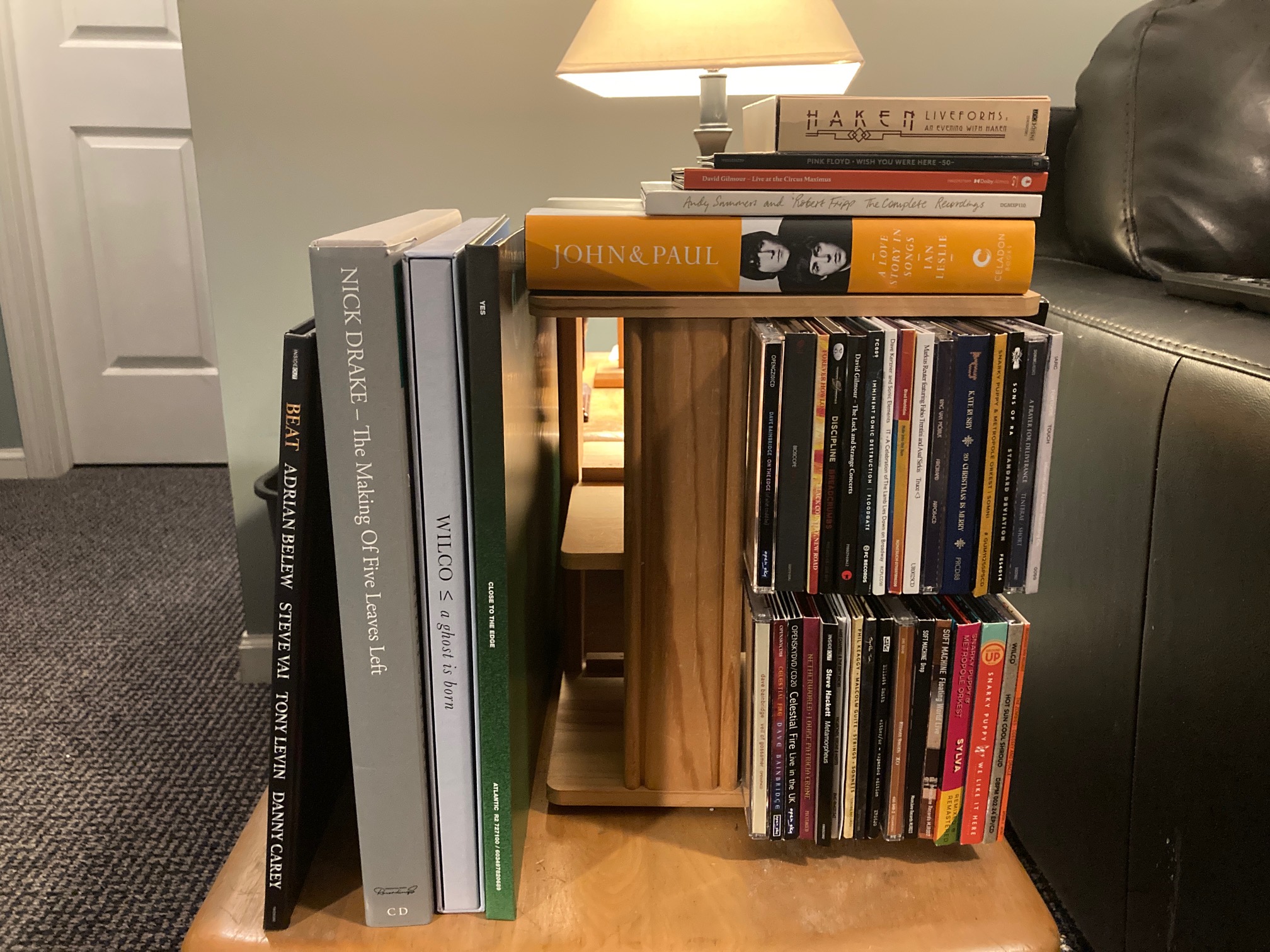
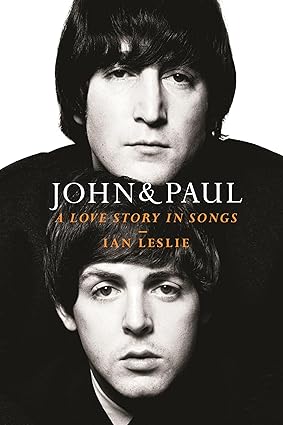
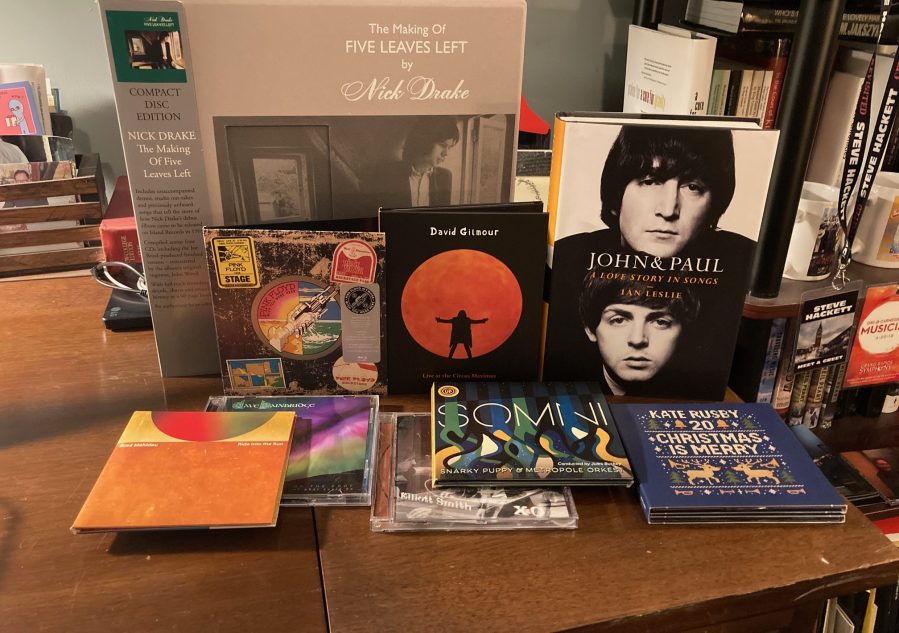
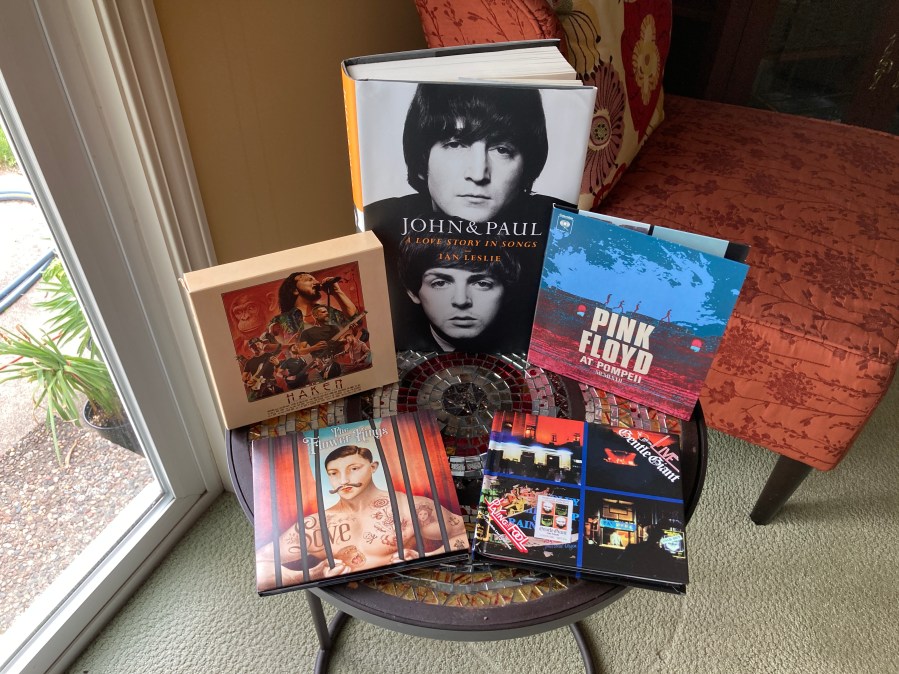
This month’s selection kicks off with something very special: John & Paul: A Love Story in Songs by Ian Leslie, the most impressive book on The Beatles I’ve encountered in ages. Pop-psychology journalist Leslie blew up the Internet in 2020 with “64 Reasons to Celebrate Paul McCartney”, but the driving passion here is his scrupulously balanced estimation of both Macca and John Lennon as men and musicians. Staying off the long and winding “John versus Paul” road so many authors take, Leslie traces the arc of an exceptionally deep male friendship between “two damaged romantics whose jagged edges happened to fit.” Which birthed an exceptional creative partnership, the fruits of which still brighten the world. His thoughtful reflections on 43 songs — grounded in copious documentary evidence, the best Beatle scholarship, accessible musical analysis and his own insight into creativity — vividly portray the forging, then the fracturing of Lennon and McCartney’s bond, from pre-Beatlemania through the Fab Four’s imperial phase and their ill-tempered breakup to Lennon’s shocking death. Tangled as their connection became in the throes of professional and personal conflict, John and Paul couldn’t help but look to each other throughout the 1970s — as competition (writing “Imagine”, John wanted the melody to be as good as Paul’s “Yesterday”), as foe or friend of the moment, as the only other person who could possibly understand. Throughout, Leslie brings to bear admiring gratitude for The Beatles’ music — George and Ringo get their props as well — along with compelling clarity on the emotions that drove that music. And in the end, his portrait of a collaboration that “even as its most competitive, was a duet, not a duel” is utterly moving, equal to chronicling what Lennon and McCartney made of their tempestuous time together and apart. Just read this.

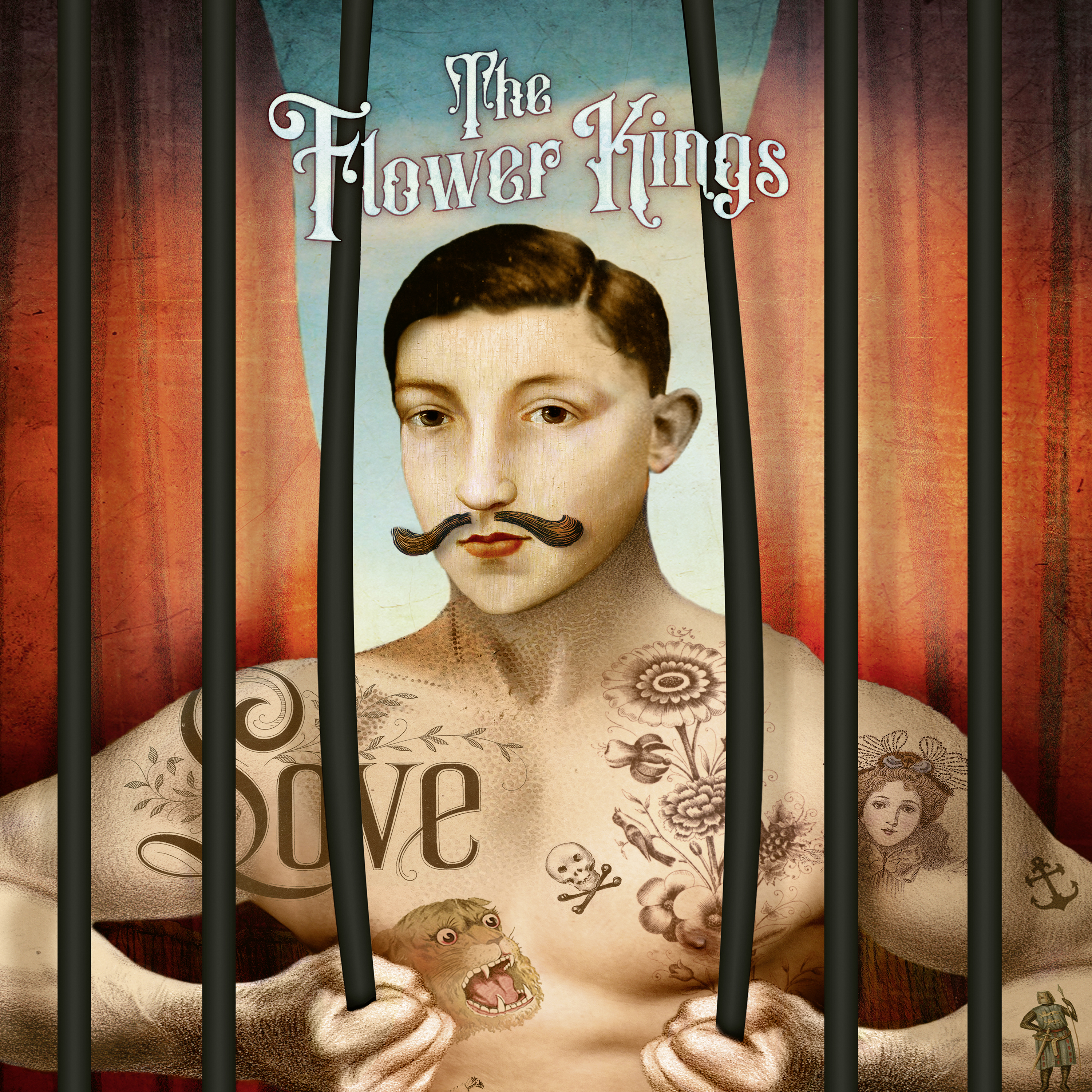
The Flower Kings, Love: A long-playing magic carpet ride, with the minutes effortlessly flying by in the capable hands of Roine Stolt and his Scandinavian comrades. Kicking off with a pair of change-ups (tough, bluesy opener “We Claim the Moon”, jazzified ballad “The Elder”), the Kings then settle into a multi-part suite that, if a bit sedate, has plenty of instrumental color and dynamic vocal shading to hold interest. But the home stretch of this album is where Stolt and company take wing, channelling their inner Yes for the acoustic lilt of “The Promise”, the orchestral build and double-time finale of “Love Is”, the grooving power ballad “Walls of Shame” and the extended closer “Considerations”. Sneakily, subtly addictive, Love is simultaneously a master class in ongoing invention and a psychedelic time travel exercise — so retro it’s actually back there, yet fresh as a daisy throughout.

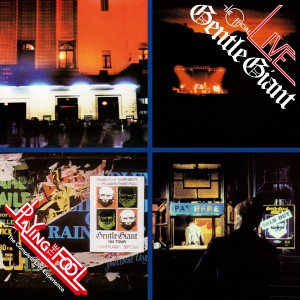
Gentle Giant, Playing the Fool – The Complete Live Experience: The original 1977 release was inspired both by Gentle Giant falling victim to bootleggers and by the rush of mid-70s double concert albums (the British sextet had opened for Peter Frampton both before and after his game-changing Comes Alive set). On the edge of punk’s advent, was a mass-market breakout still possible for a prog band that promiscuously swapped guitars, saxes, recorders, violin, multi-keyboards, mallet percussion and hand drums onstage, mixing soul shouting with Baroque vocal counterpoint all the while? The Shulman brothers, Kerry Minnear, Gary Green and John Weathers give it their all here, from the ricocheting precision of “Excerpts from Octopus” to a wobbly take on “Sweet Georgia Brown” improvised when said keyboards blew up in Brussels. This brand-new reissue restores the complete live set, including three tracks off the contemporaneous “Interview” album, showcasing Gentle Giant as a jaw-dropping live act, doubtless as awesome to behold in the moment as they are to hear right now.

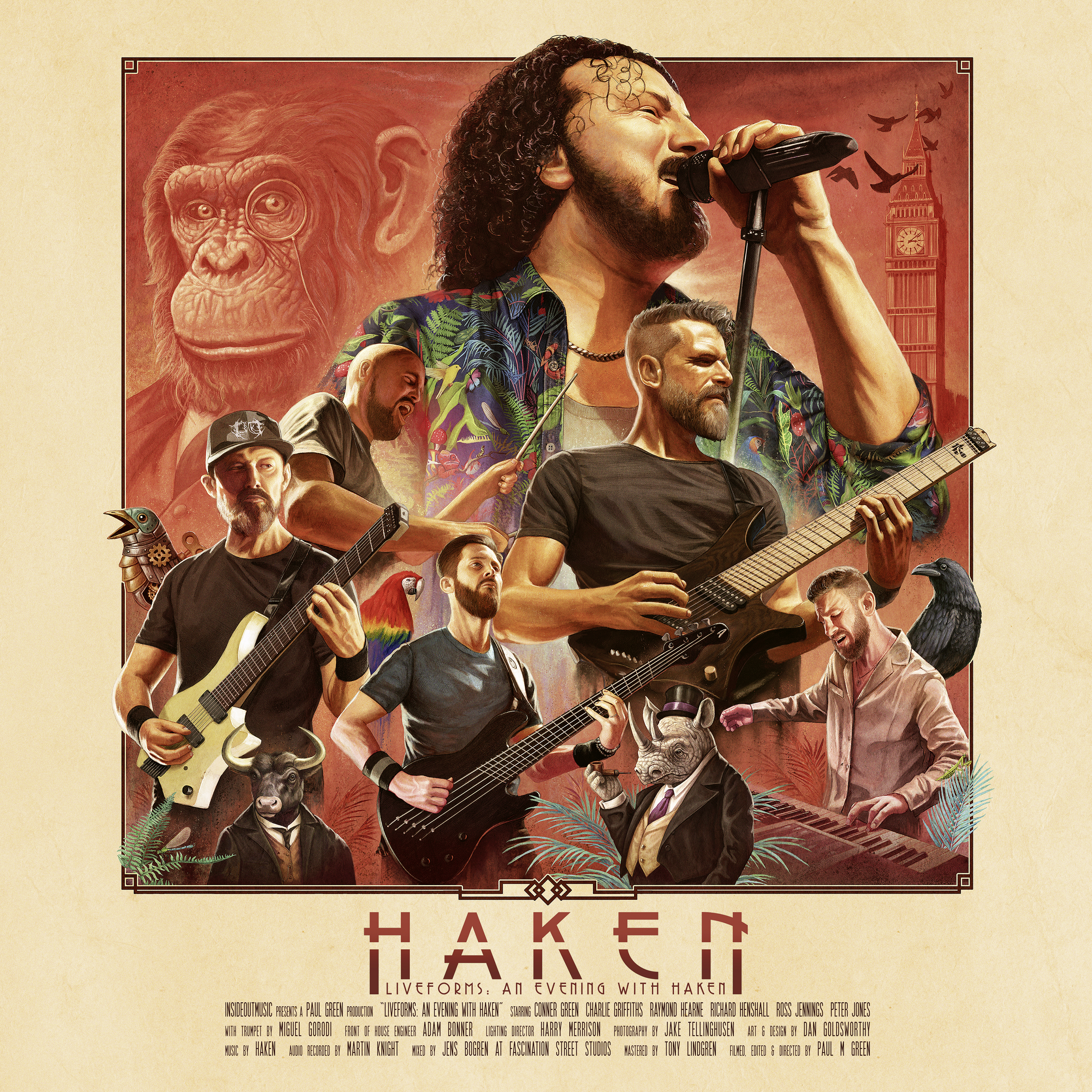
Haken, Liveforms: If Gentle Giant has a modern-day successor, it’s gotta be these guys! Captured in concert at London’s O2 Forum, Haken doesn’t constantly trade instruments, mind you — though the unrelenting interweave of Charlie Griffiths & Richard Henshall’s guitars and Connor Green’s bass (all downtuned, all with an extra string), Peter Jones’ Wakeman-meets-electronica keys and Raymond Hearne’s dizzily polyrhythmic drums evoke a similar instrumental giddiness. Mix in singer Ross Jennings’ searing, soaring leads and occasional demented-barbershop-quartet backing vox, and you have one singular, headturning sound.

A complete run-through of their latest album Fauna (featured on the vinyl version) is equal parts ballet and blitzkrieg. The BluRay/CD package adds a second set to showcase Haken’s catalog to brilliant effect, from the headlong pop-prog of “Cockroach King” and “1985” to the foundational metal epics “Crystallized” and “Visions”. Whether they’re pivoting on rhythmic and melodic dimes, diving into the heavy, or wrangling multiple genres at the same time, this band deserves a hearty “WWOOARRRRGGGHHH” from fans across the board.

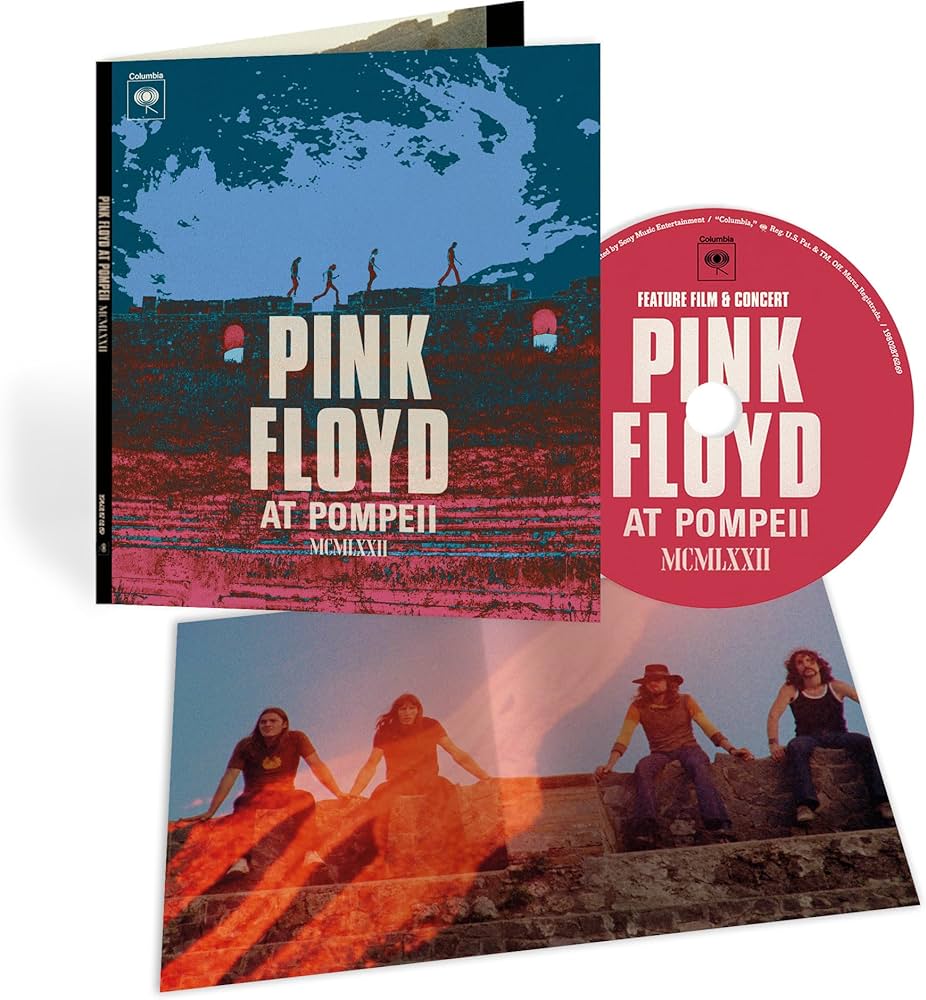
Pink Floyd, At Pompeii MCMLXXII: A pristine new version of the classic acid-trip midnight movie, complete with a typically crystal-clear, hard-hitting new sound mix from Steven Wilson. I dig the behind the scenes footage from the recording of The Dark Side of the Moon at Abbey Road — flashes of studio inspiration, David Gilmour and Nick Mason’s passive-aggressive interview snippets, revealing glimpses of the hostile, fragile band dynamic just waiting to be completely curdled by mass success. But the main course here is Roger Waters, Rick Wright, Gilmour and Mason huddled in that ancient, haunted amphitheatre, surrounded by devastated ruins and arid desert, conjuring up the spooky sonic webs of “Echoes” and “A Saucerful of Secrets”, the obsessive mantra “Set the Controls for the Heart of the Sun”, the whisper-to-scream catharsis of “Careful with That Axe, Eugene” and “One of These Days”.

Without those long years of building their lysergic, near-telepathic style to the feverishly precise pitch shown here, could the Floyd have taken the world by storm with Dark Side? Available in multiple audio and video formats, At Pompeii remains a stunning portrait of a band on the brink of an unlikely world-conquering moment.

— Rick Krueger

2024 In Review: kruekutt’s Final Favorites!

No big hoo-hah this year: just a down and dirty list of my favorite releases and reissues of the year, covered in previous Quick Takes or elsewhere on the Web (links are to my original articles)!

New Releases

Reissues

(Re)Discoveries

Thanks for your ongoing attention and steadfast support. We at the Rockin’ Republic of Prog appreciate it! Best wishes as we all turn the corner and head into the New Year!

— Rick Krueger

Rick’s Quick Takes: Across the Great Divide

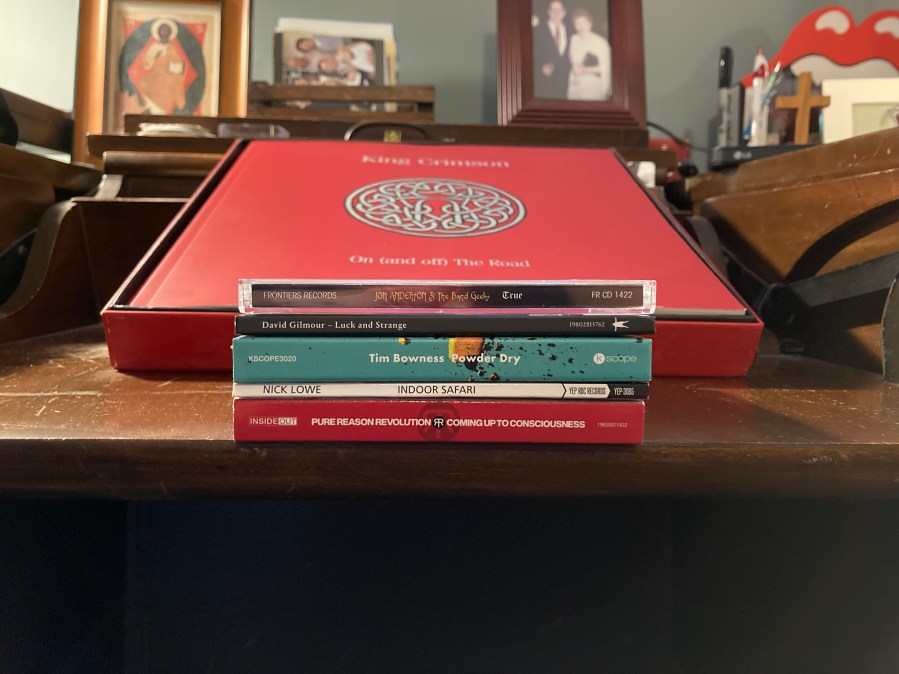
This month’s connecting thread: grizzled veterans connect with high-powered talent from younger generations; the chemistry fizzes, fuses and pops — and some excellent new music is the result! (Of course, there’s an outlier or two in this month’s stack as well.) Let’s get down to it, shall we? Purchase links are embedded in the artist/title listing, with album streams or samples following the review.

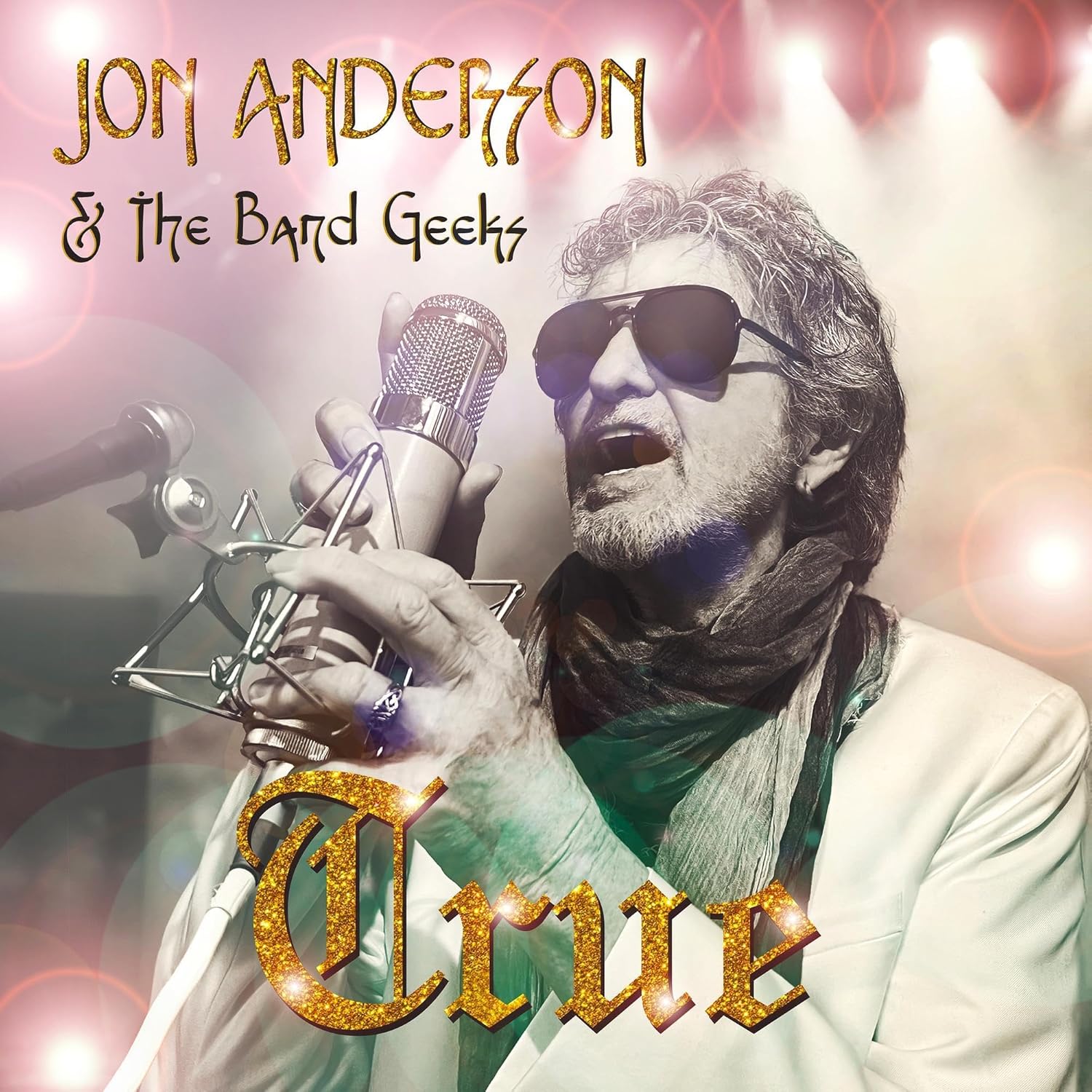
Jon Anderson and The Band Geeks, True: Anderson (going on 80, and as seemingly immortal as Keith Richards) has consistently worked with little-known yet impeccable virtuosos since his abrupt exit from Yes; watching him front a high-impact big band from the 10th row in 2019 was a thrilling experience. Now, teaming with a quintet of killer players half his age, he delivers the album fans have desired for decades. Sure, there are times when The Band Geeks (bassist Richie Castellano, guitarist Andy Graziano, keyboardists Christopher Clark and Robert Kipp and drummer Andy Ascolese) seem a little too eager to ape their counterparts in the classic Yes lineup, but overall they lean into epics like “Counties and Countries” or “Once Upon a Dream” and shorter romps like “True Messenger”, “Shine On” and “Still a Friend” with full commitment, fresh creativity and chops galore. Then there’s Anderson, still soaring into sub-orbit with that unmistakable voice, still preaching peace, love and understanding with his trademark New Age word salads. (Is there no way this man could run for U.S. President? At this point, he’d get my vote.) At first, I thought Time Lord’s full review was a bit over the top — but repeated hearings are bringing me around. Most hardcore Yes-heads will flip over this, and casual listeners will find plenty to lure them in.

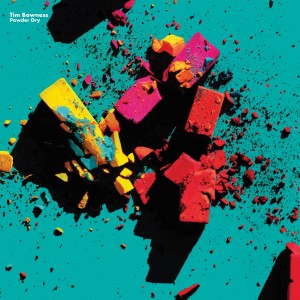
Tim Bowness, Powder Dry: the exception to this month’s rule, Bowness’ first-ever “solo solo project” hits the speakers like a cold slap in the face. Instead of the languorous widescreen ruminations of previous albums, we get brusque, sparse song sketches (rarely more than 3 minutes); a disorienting mix of natural tones, machine rhythms, bracing industrial grit and gnarled lo-fi samples yields shocks, disturbances and wake-up calls aplenty across these 16 tracks. Well practiced in the dark arts of ineffable yearning and melancholy, here Bowness hones and refines his lyrics to bare-knuckled, highly charged haikus, whether staring down decadent cultures (opener “Rock Hudson”), devolving psyches (“This Way Now”, the title track), disintegrating connections (“Heartbreak Notes”) or the unholy conjunction of all three (“Summer Turned”, “Built to Last”). With his stoic vocals bearing the brunt of this emotional tangle, Bowness’ voice plumbs fresh depths, flickering in desperate hope one moment, driven to sublimated fury and fear the next. If you’re already a Bowness fan, stow your expectations — but whether he’s familiar or brand new to you, don’t hesitate to strap in for a compelling, cathartic ride.

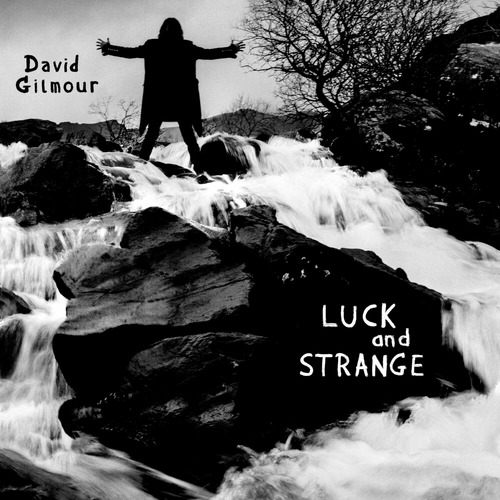
David Gilmour, Luck and Strange: another prog legend who can sound like nobody but himself cranks up one more time. But the canvass Gilmour paints on here accents different tones and tints, with youthful co-producer Charlie Andrew shaking up instrumental backgrounds and song formats to good effect. There’s a sense of lightness, air and space this time around, a less obviously Floydian palette that both complements and contrasts with Gilmour’s craggy singing and singular take on blues guitar. Polly Samson’s lyrics level up as well, tackling well-worn topics (nostalgia on “Luck and Strange”, spirituality on “A Single Spark”, love as refuge on “Dark and Velvet Nights” and “Sings”) from newly contemplative angles, sounding absolutely right coming out of Gilmour’s mouth. (Oh, and daughter Romany Gilmour totally enthralls in her vocal turn on The Montgolfier Brothers’ “Between Two Points”.) By the time Gilmour hearkens back to which one’s Pink, firing off a final round of Stratocaster fireworks on orchestral closer “Scattered”, he’s taken us on the most varied – and I’d argue, most sheerly enjoyable – ride of his solo career; this one’s already a 2024 Favorite.

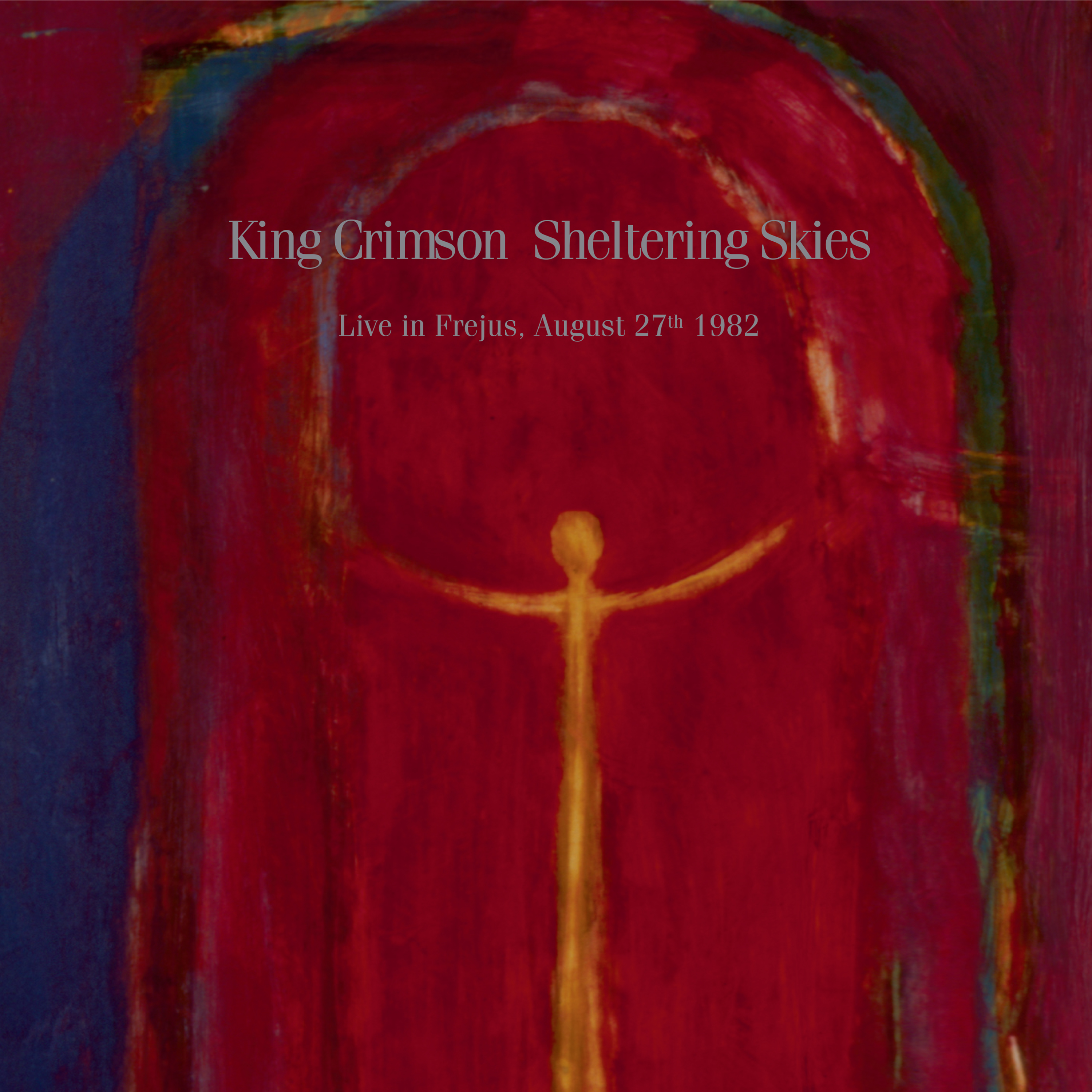
King Crimson, Sheltering Skies: OK, so this one isn’t “new” new. But when Crimson sherpas Robert Fripp and Bill Bruford teamed with American upstarts Adrian Belew and Tony Levin back in the 1980s, the result was a revitalized second reign for the King, swapping out trademark Mellotrons and prodigious pomp for raucous noise, limber polyrhythms and surging, seething energy. With Belew and Levin now touring this music again as BEAT, this issue of a 1982 show previously released on video couldn’t come at a better time; opening for Roxy Music on the French Riviera, Crimson pulls the unsuspecting audience right into the clinches for the hottest of hot dates. From the subdued intensity of “Matte Kudasai” and “The Sheltering Sky” through the dynamic clatter of “Indiscipline” and the hypnotic guitar weave of “Neal and Jack and Me” to Bruford and Belew’s ecstatic percussion duet that kicks off “Waiting Man”, this is that rare live album of nothing but highlights. Banter, bicker, balderdash, brouhaha, ballyhoo — whatever their desired flavor of elephant talk (including some 70s throwbacks), Crim devotees will find it here.

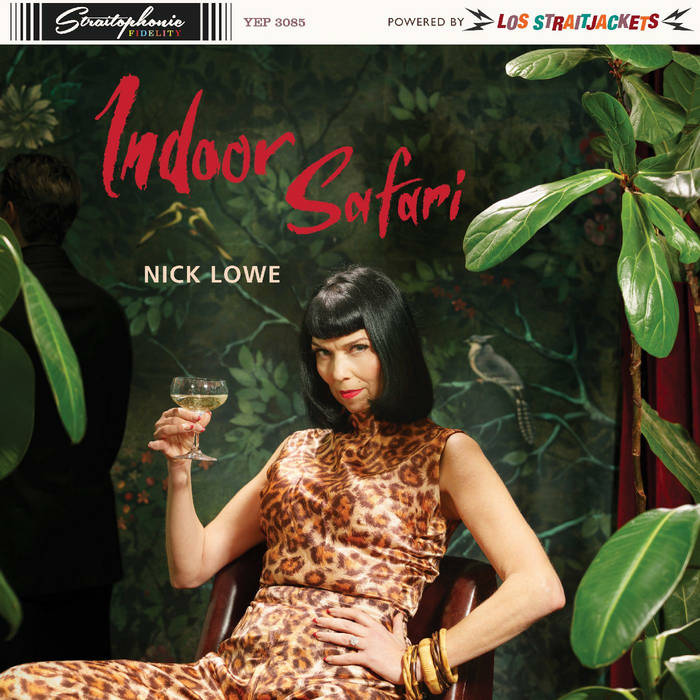
Nick Lowe, Indoor Safari: almost 50 years on from his solo debut at the crest of the New Wave, Lowe’s pure pop for now people remains pin-sharp and on point. Who else can still pump out breezy rockers like “Went to A Party” and “Jet Pac Boomerang” (the latter complete with high-culture similes and a Fab easter egg), ring wry changes on the battle of the sexes in “Blue on Blue” (“You’re like a mill, you run me through”) and “Don’t Be Nice to Me”, then capture the emotional devastation of the quietly crooned “A Different Kind of Blue”? Masked surf-rockers Los Straitjackets (currently celebrating their 30th anniversary) prove crucial here, laying down swinging retro grooves for Lowe’s originals and hoisting just the right backdrops as he nails the blue-collar aspiration of Garnet Mimms “A Quiet Place” and the innocent romance of Ricky Nelson’s “Raincoat in the River”. Lowe’s smart-aleck satire has always entertained, but his later embrace of pre-rock stylings deepened his songwriting and singing; now, even at his jauntiest, his aim for the heart is true. This is a real charmer that’s gone straight onto my 2024 Favorites list.

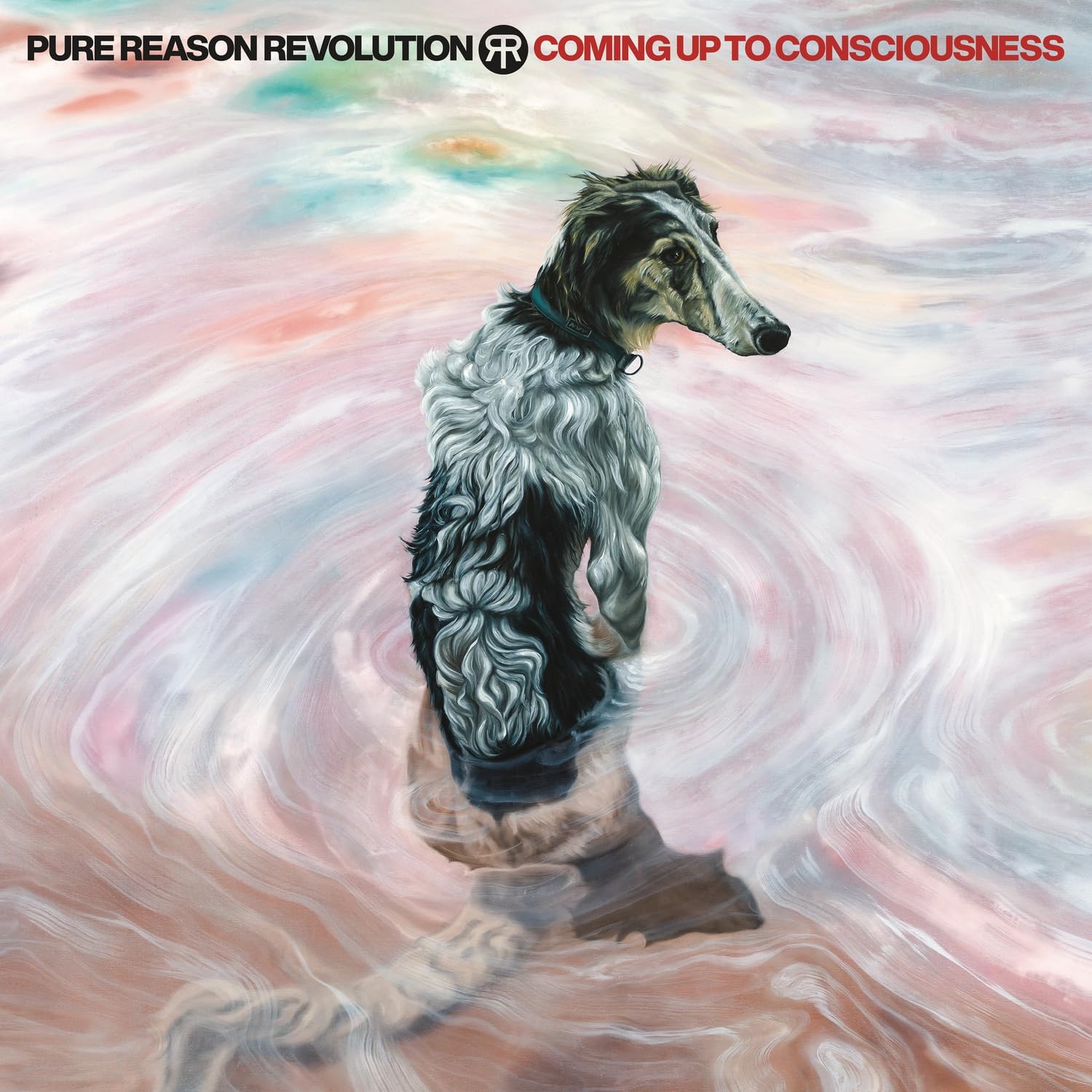
Pure Reason Revolution, Coming Up to Consciousness: a variation in reverse of this month’s theme, as long-time Pink Floyd/Gilmour bassist Guy Pratt brings extra low-end oomph to the latest from Jon Courtney, Greg Jong and their fellow electroproggers. As Time Lord ably spells out in his full review, once again PRR relies on the proven recipe of previous high points like 2006 debut The Dark Third and 2022’s Above Cirrus: float in on low-key ambience, keep the verses chilled out, ramp up on the bridge, kick hard into the chorus! (While seasoning to taste with lush harmonies, towering guitar riffs and slamming club beats, whipping up maximum tension and release before serving.) Here the results are consistently yummy, not least because the soundscapes’ ebb and flow echo Courtney’s perennial lyrical themes. As Courtney, Jong and Annicke Shireen’s voices entwine, splinter, and reunite, there’s a serene insistence on transfiguration, on something more than material, beyond the harsh realities of eros (“Dig til You Die”, “Betrayal”), fear (“The Gallows”), and death itself (“Useless Animal”, “As We Disappear”). Pure Reason Revolution isn’t giving us answers, but Coming Up to Consciousness points us toward the mystery they’ve pursued all along.

— Rick Krueger
Rick’s Quick Takes: Summer, Part 3

Unless otherwise noted, title links are typically to Bandcamp for streaming and purchasing, or to Spotify/YouTube for streaming with a additional purchase link following the review.

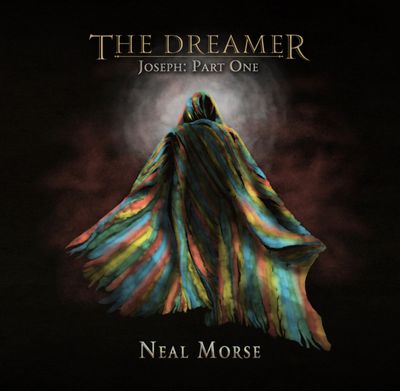
Neal Morse, The Dreamer – Joseph, Part One: For his latest rock opera a la 2019’s Jesus Christ the Exorcist, Morse and his studio sidekicks swerve toward hard-hitting blues-rock; the usual “Overture” and the narrative tracks “Burns Like A Wheel” and “Gold Dust City” are stuffed to the brim with chunky organ and grunged-up wah-wah guitar work. Wailing vocals from the cast of Christian Progressive Rock stalwarts who play Jacob, Joseph’s brothers and his Egyptian captors slot right in; even the power ballads (“The Pit”) have more grit this time around! And while the second half of the album is stylistically slicker (complete with classical chorale “I Will Wait on the Lord”), the hooky closer “Why Have You Forsaken Me?” pulls all the musical threads together, with Morse’s emotive portrayal of Joseph setting up intriguing possibilities for Part 2 — which, given his extravagant productivity, shouldn’t be too long in coming. Order from Radiant Records here.

Tu-Ner, T-1 Contact Information: Power trio improvisation that takes no prisoners, from another eerily luminous satellite band orbiting the gravity well of King Crimson. Trey Gunn and Pat Mastelotto formed one of Crimson’s most ferocious rhythm sections in the early 2000s, also recording together as TU; here Mastelotto clatters away merrily on his sonic smorgasbord of drums and percussion, while Gunn unleashes the deepest, fattest bass licks known to subwoofers. Above and around the Rhythm Buddies’ brutalist bedrock, Markus Reuter (who’s worked with Mastelotto in the duo Tuner and the trio Stick Men) unleashes slashing, swooping touch guitar lines and dark, brooding soundscape clouds — and when Gunn joins him on the higher end, sparks really fly. Always arresting, intermittently galvanizing, but the track titles (or this review for that matter) can’t really give you a feel for what this sounds like. In other words, you’ve gotta hear what Tu-Ner do to believe it.

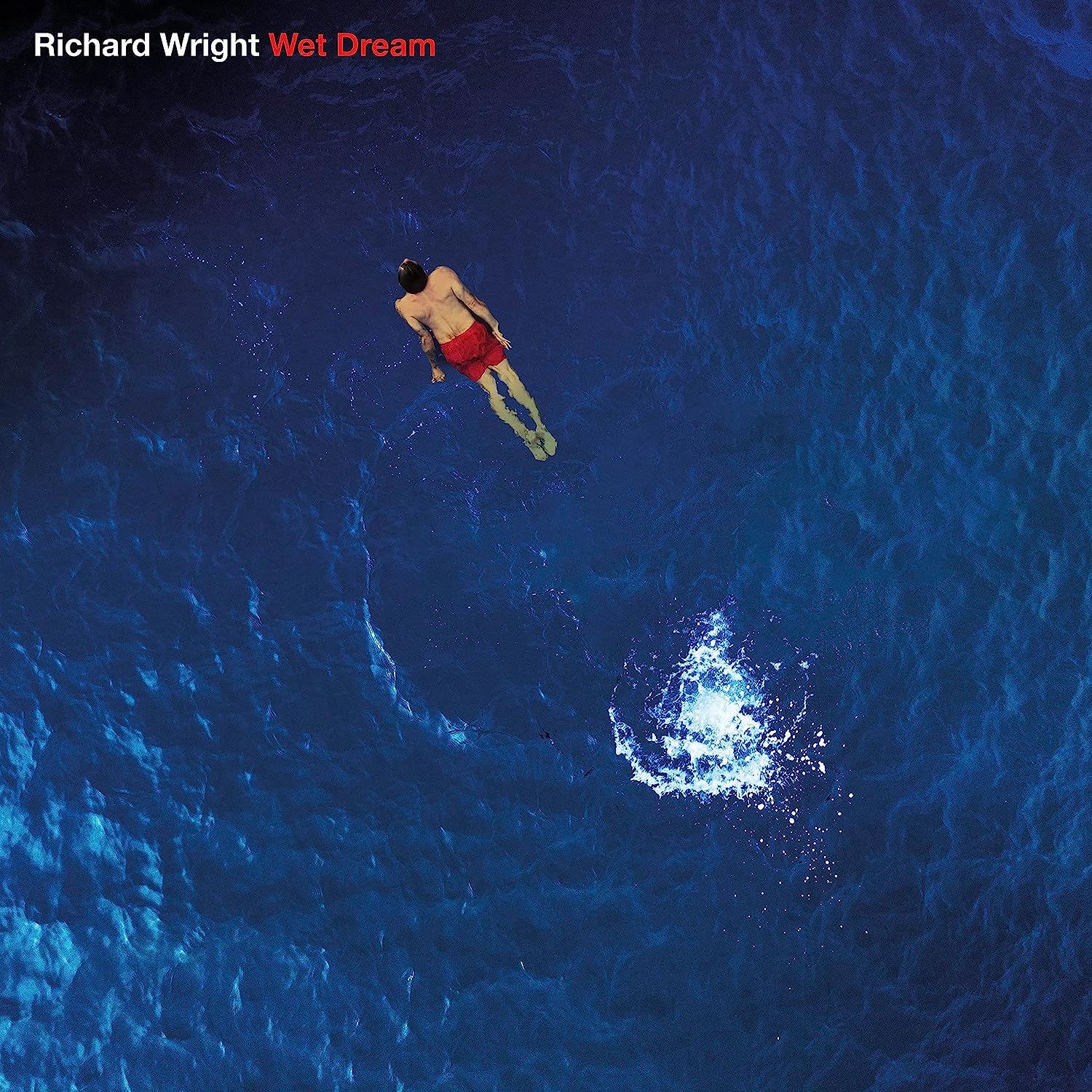
Richard Wright, Wet Dream: In case you ever wondered exactly what keyboardist Wright brought to Pink Floyd, his 1978 solo album has it in spades. On tracks like “Mediterranean C” and “Drop In from the Top” lush, floating chord progressions set up open-ended jams by guitarist Snowy White and sax legend Mel Collins; Wright’s reedy voice spins out languid vignettes of detachment and disillusion such as “Summer Elegy” and “Holiday”. All thoroughly gorgeous (especially in this immaculate new Steven Wilson remix), occasionally funky, ineffably melancholy — and not terribly urgent in isolation. Still, you can hear the breathing space that Floyd lost as Wright faded into the background and Roger Waters began repeatedly kicking his audience in the head on The Wall. Order from Rhino Records here.
Ultravox, Quartet [Deluxe Edition]: Speaking of immaculate Steven Wilson remixes: this is his third in a series for the British new wave quartet. Regrouping after early personnel changes, Ultravox struck a quirky vein of New Romantic post-punk on 1980’s Vienna, then pursued cutting-edge Krautrock on the follow-up Rage in Eden. Connecting with legendary producer/5th Beatle George Martin, frontman Midge Ure, violinist/keyboardist Billly Currie, bassist Chris Cross and drummer Warren Cann aimed straight for the charts; Quartet is as pure of a pop album as they ever achieved. The UK singles “Reap the Wild Wind,” “Hymn,” “Visions in Blue” and “We Came to Dance” have an irresistible mix of rock drive, synth-pop color and devil-may-care melody, and the album tracks slot right in; the whole thing’s overripe and melodramatic in the most appealing way. Plenty of extras in the 7-disc box too, with b-sides, rarities, rehearsal tapes, studio monitor mixes and an intense live set all included. Order from the Ultravox store here.
Continue reading “Rick’s Quick Takes: Summer, Part 3”

The Best Prog Bands You’ve Never Heard Of (Part Twenty): Gracious

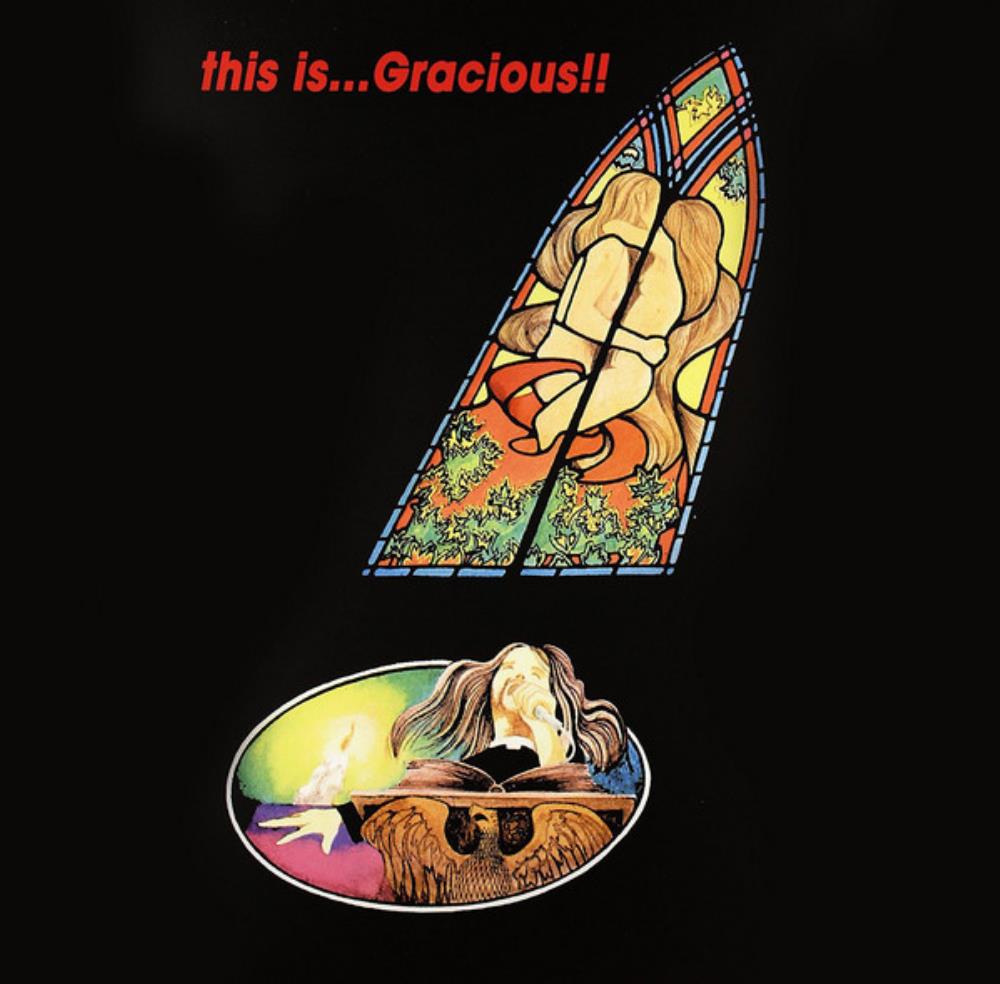
An album cover designed by Roger Dean. A mellotron sound inspired by In the Court of the Crimson King. An opening suite reminiscent of Syd Barrett-era Pink Floyd. this is…Gracious!! had many of the key ingredients needed for a superior prog album, but it didn’t sell, and the band broke up not long after their sophomore effort. Perhaps Gracious tried to be too much at once: prog, psych, hard rock, blues, space rock, etc. Sometimes this eclectic blend works; sometimes it does not. this is…Gracious!! lands somewhere in the middle. Here are some of my thoughts:

Unlike most of the albums I have reviewed, this is…Gracious!! includes a true prog epic, the four-part suite “Supernova,” which takes up the entire first side of the album. Clocking in at just under twenty-five minutes, “Supernova” had the potential to be a classic prog epic, but it suffers from some shortcomings. The first two parts of the song – the Floydian instrumental “Arrival of the Traveler” and the Crimsonian “Blood Red Sky” – are fine examples of prog’s “classic” era (although Paul Davis’s vocals may be an acquired taste for some). Anchored by drums and mellotron, the latter would have fit nicely on King Crimson’s debut album. Unfortunately, “Blood Red Sky” transitions rather awkwardly into “Say Goodbye to Love,” a romantic guitar ballad with saccharine lyrics that just feels out of place on this epic piece. The fourth and final part, “Prepare to Meet Thy Maker,” thankfully returns to the Floydian/Crimsonian sound.

“C. B. S.” opens with a catchy guitar riff courtesy of Alan Cowderoy, and stays anchored by Martin Kitcat’s clavinet and piano.

“Blue Skies and Alibis” also opens with a catchy riff and is by far the strongest and most upbeat track. Kitcat and Cowderoy share centerstage on mellotron and guitar, respectively. The rhythm section also holds its own: drummer Robert Lipson anchors the song with his pacing, and Tim Wheatley’s nimble fingers produce a hopping bass line.

It’s too bad Gracious never had a chance to develop their sound, as they may have ended up among the prog elite of the early 1970s. Alas, they are now instead part of the long but colorful list of obscure prog artists. this is…Gracious!! may be a diamond in the rough, but it’s certainly worth a listen: you may find it more polished than I did.

Stay tuned for number twenty-one!

We Have Become “Comfortably Numb” – Via Law and Liberty

It’s always nice to see progressive rock taken seriously outside of our little prog bubble. Today I came across this recent July 2 essay by Henry T. Edmondson III over at Law & Liberty, a wonderful website dedicated to the tradition of classical liberalism and its impact on law and society. Edmondson is professor of political science and public policy at Georgia College.

https://lawliberty.org/we-have-become-comfortably-numb/

In this essay, Edmondson looks at vice and virtue through the lens of Pink Floyd’s “Comfortably Numb,” going so far as to compare the lyrics of this song (and others by Pink Floyd) to the wise words of Aristotle. Here are some brief highlights:

Ours may be an age of unanticipated consequences. The longevity offered by medical progress proceeds apace with a falling interest in those things that make for a meaningful life. The constant connectivity of social media is shredding the nation’s shared fabric; and, convenience and the alleviation of pain may have produced an untroubled insensitivity to things that matter.

How then, might the prophetic Waters/Gilmour composition have anticipated the present day? The “prophet” in this sense is not a fortune-teller; rather he sees further in the distance than others, and has the capacity to articulate what others cannot. In this case, “Comfortably Numb” suggests that the individual life is dissolving into an insubstantial existence—the “smoke” of “a distant ship” visible “on the horizon.”

And this:

The collective politics of the band were decidedly left-of-center, especially those of Roger Waters, who could be arrogant and obnoxious, especially to his bandmates. Pink Floyd’s acclaimed album “Animals” (1977) repurposes George Orwell’s Animal Farm so that the oppressors include the commercial class as well as the political. But the band’s insight into the human condition has appeal across the political spectrum. Their diagnosis of our present state is remarkable, and when that acumen is expressed through their art, it is arresting.

Aristotle, in his Ethics, develops the idea of the cardinal virtues. In Aristotle’s scheme, for every virtue, there are two vices: one vice is too much of the virtue; the other two little. One of those virtues is temperance or moderation. It is flanked by two vices, indulgence on the excessive side and insensibility on the defective side (Nicomachean Ethics, III, 11).While self-indulgence may be easy to recognize, insensibility may not, and that vice may offer a clue to the state of comfortable numbness. Whereas lust and desire may run amok in the vice of excess; in the defective vice of insensibility, the passions that support virtue, including honor, ambition, love, pride and fear, are scarce. Consequently, the insensible life is bland and driftless: comfortably numb. Aristotle warns such a state is barely “human.” Curbing the vice of excess seems relatively straightforward, at least compared with awakening someone from the insensible state, precisely because the motivating passions are enervated. Perhaps ruminative artists like Pink Floyd can be of assistance in the quest for a cure.

The Wall is certainly a deep lyrical well from which to draw. In 2019 I wrote an in depth piece about “Hey You,” arguing that the song touches on our most deepest of human desires – connection with others. Certainly that theme connects with the numbness spoken about in “Comfortably Numb.” If one can’t get the human connection they need, then they will often turn to drugs, alcohol, lust, or any other vice instead. We would do well to heed Pink Floyd’s warning, especially in an age where we are torn apart by loneliness, substance abuse, lust, and violence.

The Best Prog Bands You’ve Never Heard Of (Part Eleven): Alloy Now

I began this series when I first joined Progarchy back in 2013, and my last post concerning these obscure prog bands dates back to June 8, 2014 – almost seven years ago exactly! At the time I told myself I was going to cover only ten of these bands – it’s a tidy number, and, considering how many obscure prog bands were and are currently out there, I wanted to keep the list manageable. Furthermore, after graduating from college in 2016, my taste in prog remained almost exclusively centered on the heavy hitters of the “classic” era: Yes, Genesis, ELP, Pink Floyd, and King Crimson.

But then yesterday I changed my mind. My interest in these unheralded bands was rekindled only very recently, thanks to fellow Progarchist Reyna McCain. There are far too many under-appreciated progressive rock musicians out there – so why stop at ten? I compiled a list of some thirty bands (yes, I know that is not an exhaustive number; I will probably add more), and my goal is to cover all of them. My other goal is to keep these reviews fairly brief – after all, it’s the listening that matters most. So, without further ado, let’s begin at eleven:

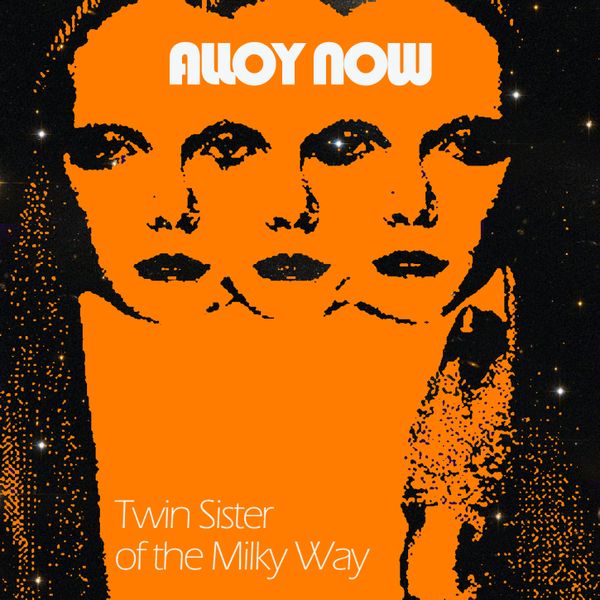
Alloy Now is the brainchild of multi-instrumentalist David Noel, who began his prog career with the Plastic Overlords, a Georgia-based psychedelic trio. Shortly after Plastic Overlords released their eponymous album, Noel started Alloy Now, a solo project (although he does feature some guest musicians on bass guitar and drums). Despite his Southern roots, Noel sounds like a mix of David Gilmour, Dave Brock, and Peter Hamill (at his more restrained): the acid-space-psychedelic influences are clear throughout this album.

Twin Sister of the Milky Way was released in the year 2000, but sounds like it could have been made in the early 1970s. That being said, it is not a simple homage to its influences, which range from Pink Floyd to Van der Graaf Generator to Hawkwind. Particular highlights include the opening number, “The Butterscotch Star,” which features a rich bass guitar (think Chris Squire), trippy vocals, and gorgeous keyboard-driven melodies. The instrumental “Shoulder of Orion” opens with ominous keyboards and percussion, but gradually transforms into something like a cosmic march through the stars. “Ghostly Superhero” could have been written by a Ziggy Stardust-era David Bowie – think “Starman” or “Moonage Daydream.” Finally, the title track may be the strongest on the album: Noel’s spaced-out, symphonic guitar and keys play over wordless vocals, taking you on a trip through the Milky Way galaxy.

In my humble opinion, there is not a weak song on this album. If you are inclined towards symphonic prog or the acid and space rock sound of Hawkwind and Pink Floyd, then Twin Sister of the Milky Way belongs in your galaxy.

Stay tuned for obscure prog band number twelve!

The Big Prog (Plus) Preview for Fall 2020!

As always seems to be the case, there’s tons of great music coming out between now and Black Friday, November 27. Below, the merest sampling of upcoming releases in prog and other genres below, with purchase links to Progarchy’s favorite online store Burning Shed unless otherwise noted.

Out now:

Simon Collins, Becoming Human: after 3 solo albums and Sound of Contact’s acclaimed Dimensionaut, Phil Collins’ oldest son returns on vocals. keys and drums; his new effort encompasses rock, pop, prog, electronica and industrial genres. Plus an existential inquiry into the meaning of life! Available on CD from Frontiers Records.

John Petrucci, Terminal Velocity: the Dream Theater guitarist reunites with Mike Portnoy on drums for his second solo set of instrumentals. Plus Dave LaRue of the Dixie Dregs and Flying Colors on bass. Expect lotsa notes! Available on CD or 2 LP from Sound Mind Records/The Orchard.

The Pineapple Thief, Versions of the Truth: Hot on the heels of their first US tour, Bruce Soord and Gavin Harrison helm TPT’s latest collection of brooding, stylized alt/art rock, honing in on the post-truth society’s impact on people and relationships. Available on CD, BluRay (with bonus track plus alternate, hi-res and surround mixes), LP or boxset (2 CDs/DVD/BluRay) – plus there’s a t-shirt!

Rikard Sjöblom’s Gungfly, Alone Together: Sjöblom spearheads a thoroughly groovy collection on vocals, guitar and organ, with Petter and Rasmus Diamant jumping in on drums and bass. Heartfelt portraits of daily life and love that yield extended, organic instrumental jams and exude optimism in the midst of ongoing isolation. Available on CD and LP (black or deep blood red vinyl).

[Upcoming releases follow the jump …]

Continue reading “The Big Prog (Plus) Preview for Fall 2020!”

2019 Prog (Plus) Preview 2!

More new music, live albums, reissues (regular, deluxe & super-deluxe) and even books about music heading our way between now and Christmas?  Yep.  Following up on my previous post, it’s another exhaustive sampling of promised progressive goodies — along with other personal priorities — below.  Click on the titles for pre-order links — whenever possible, you’ll wind up at the online store that gets as much money as possible directly to the creators.

Out now:

Andrew Keeling, Musical Guide to In the Court of the Crimson King, 10/50 Edition: composer/musicologist/online diarist Keeling’s revision of his 2009 book (the first of a series acclaimed by King Crimson’s Robert Fripp).

Marillion with Friends from the Orchestra: 9 Marillion classics re-recorded by the full band, the string quartet In Praise of Folly, flautist Emma Halnan and French horn player Sam Morris.  Available on CD.

A Prog Rock Christmas: Billy Sherwood produces 11 holiday-themed tracks from the typical all-star cast (members of Yes, Utopia, Flying Colors, Renaissance, District 97, Curved Air and more).  Download and CD available now; LP available November 1.


October 25:

King Crimson, In the Court of the Crimson King (50th Anniversary Edition): featuring brand new stereo and surround mixes in 24/96 resolution by Steven Wilson.  Available in 3 CD + BluRay or  2 LP versions.  (Note that the new mixes will also be included in the Complete 1969  CD/DVD/BluRay box set, which has been delayed until 2020.)

Van Morrison, Three Chords and the Truth: 14 new songs from Van the Man, available in digital, CD or LP versions.

Neil Young & Crazy Horse, Colorado: the first Young/Horse collaboration since the 2012 albums Americana and Psychedelic Pill, available in CD or 2LP versions.

Continue reading “2019 Prog (Plus) Preview 2!”