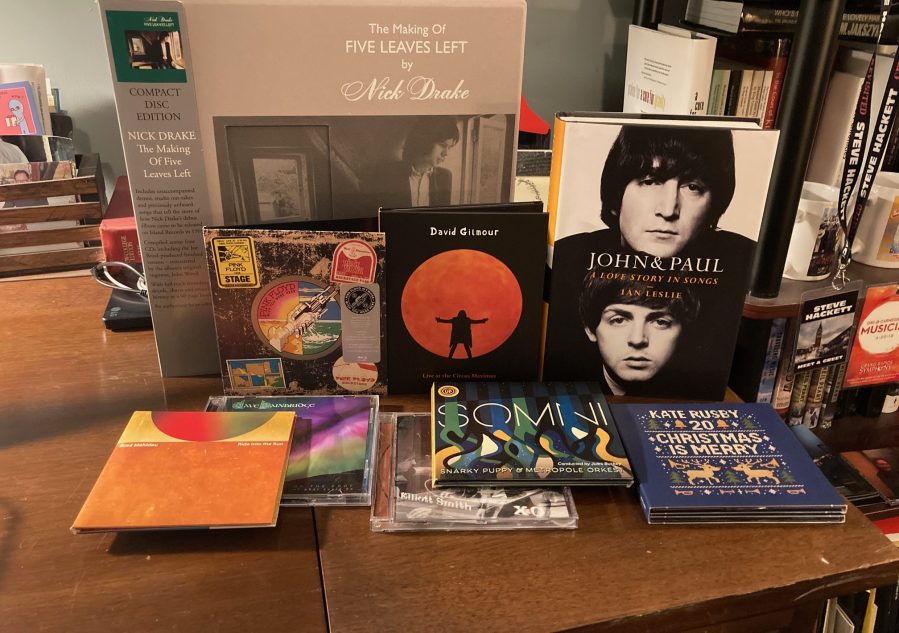
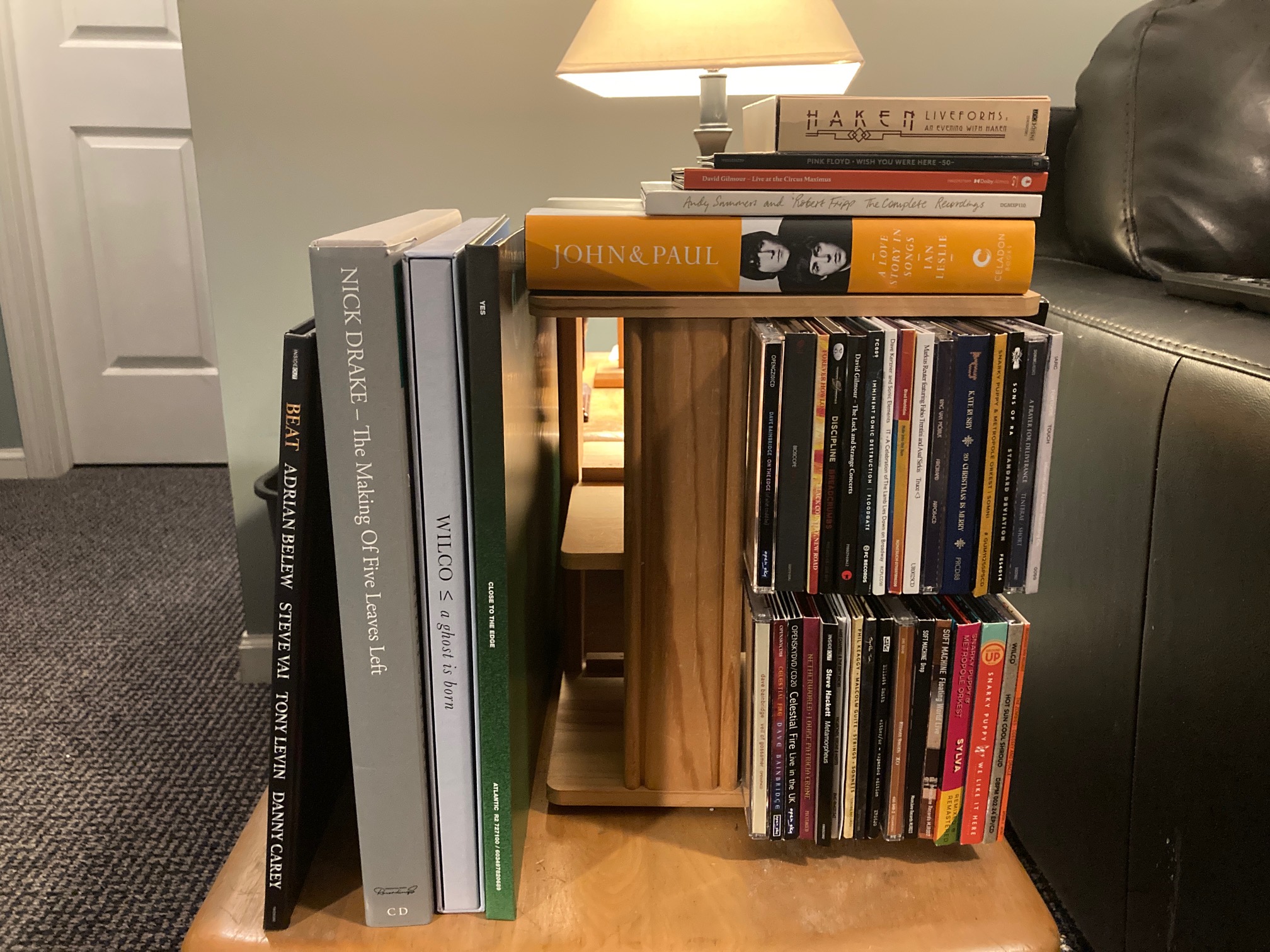
It’s been a good year for music! So good it demanded a slightly different format this time around. You can read my original reviews of my 40 or so favorites from 2025 at the article links that precede each listicle. Listings include the types of release as laid out below, with Top Favorite listings in bold italics (as well as pictured above)!
New Releases:
New Albums
Live Albums (audio and video)
Christmas Albums
Back Catalog:
Reissues
Box Sets (minimum of 3 CDs)
Discoveries (unheard until 2025)
Rediscoveries (heard before, forgotten, loved again in 2025)
Nick Drake, The Making of Five Leaves Left – Top Favorite Box Set! An utter original who died far too young, Drake’s wistful, sturdy, thoroughly unique British folk-rock gradually rose from turn-of-the-1970s obscurity to be embraced by aficionados worldwide. While his three albums (and another disc of studio leftovers) speak for themselves, this lovely box traces his progress over two formative years, from impromptu dorm-room recordings through a breathtaking audition and simpatico sessions (especially those with double bass magician Danny Thompson and master orchestrator Robert Kirby) to the uncluttered, spacious beauty of his debut. If Drake needs any advocacy beyond the sheer communicative power of his songs, here’s all the evidence you need; and as a bonus, long-time fans will find treasures they may not have known they were missing.
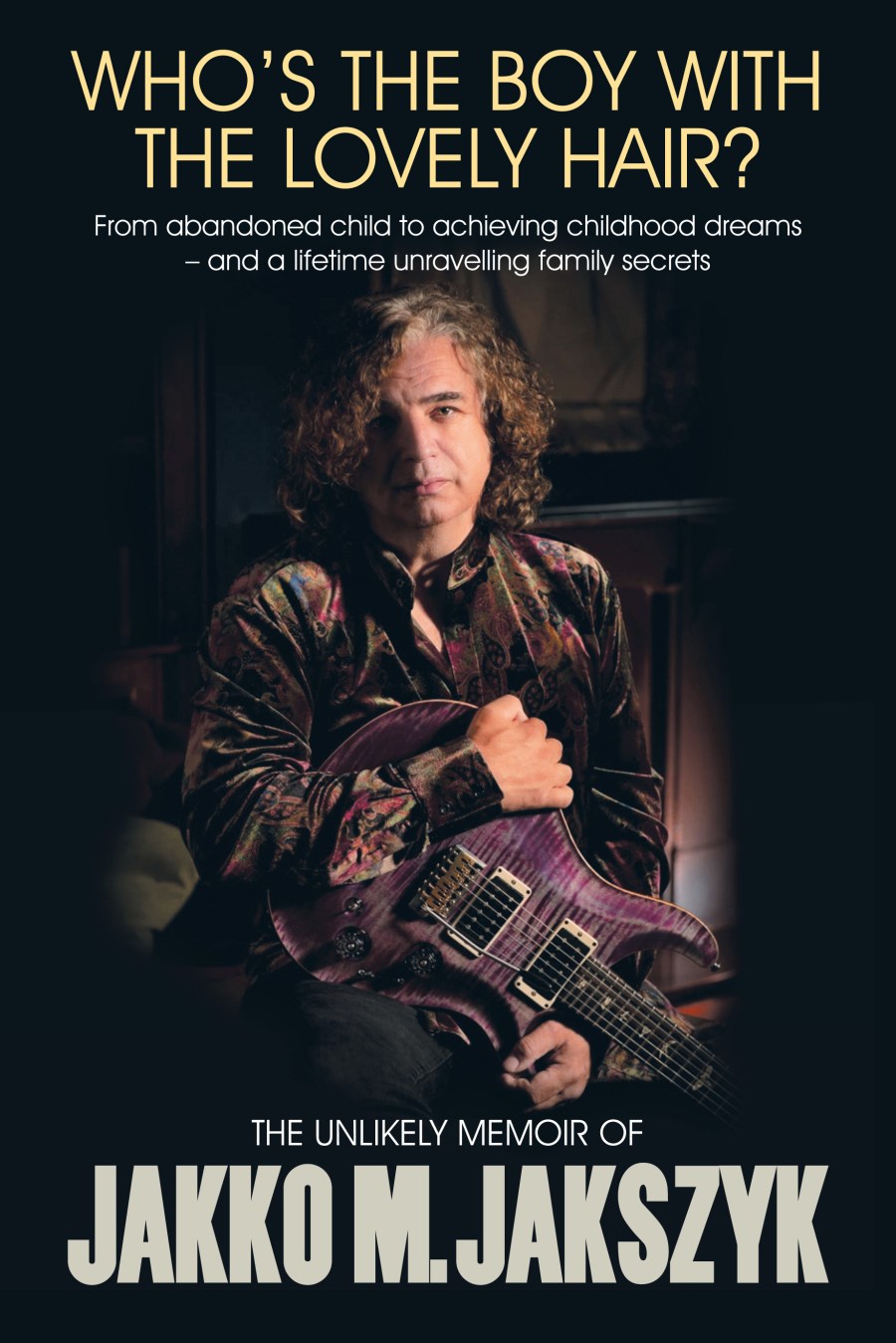
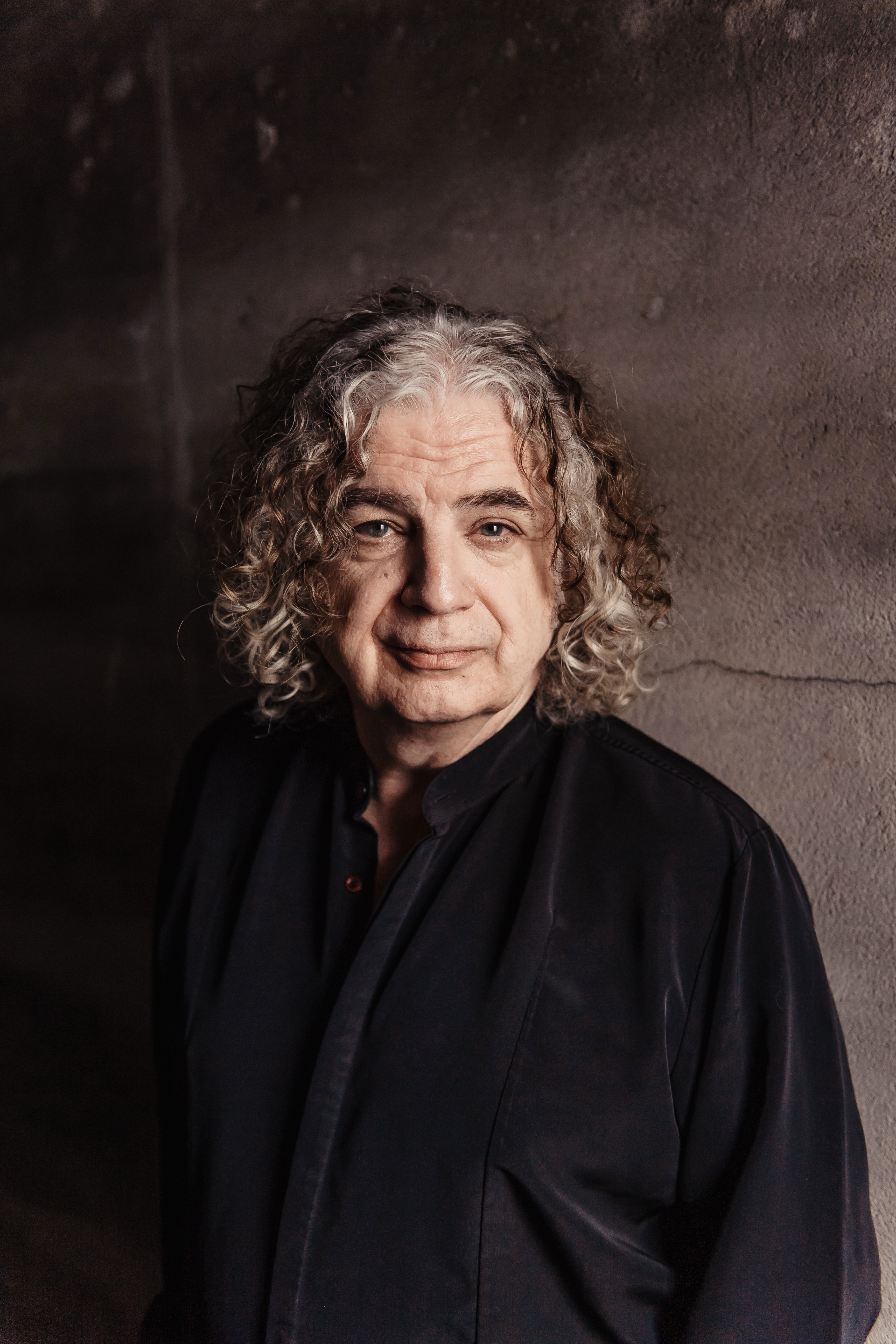
“A Musical Memoir Like No Other” – as always, the estimable Alison Reijman nailed it in her review of Who’s The Boy with the Lovely Hair: The Unlikely Memoir of Jakko M. Jakszyk last fall. Stranger than fiction would be an understatement; only Jakszyk could have told this page-turning, hair-raising narrative — the son of Irish and American parents, raised by a older Polish/French couple, driven both to make his mark in the music business (from having his shoes noticed by Michael Jackson to joining The Kinks for a week to becoming the singer in King Crimson’s final incarnation to date) and to suss out the twisty, elusive truth of his life story.
In fact, Jakko’s past has consistently fed his most personal art, from radio dramas and one-man theatrical shows to his pensive, potent solo albums The Bruised Romantic Glee Club (2007) and Secrets and Lies(2020). Released later this month, his new record Son of Glen continues his quest for both clarity about his past and a settled present, building from subdued acoustic beginnings to an explosive electric finale with patient, long-breathed confidence. Like all Jakszyk’s work, it’s bracing stuff that nonetheless goes down smooth — fearless, affecting and engrossing.
It was a pleasure to talk to Jakko about the new album. Even at the end of what I’m sure was a long day, he was positive, attentive and kind — when I had audio problems at my end, he generously recorded the interview and sent it to me! My thanks to him for his time and for going the extra mile. Audio is immediately below, with a transcription following.
We last talked about five years ago, after your last [album] had been released, and I know you published your book in that time. What are the things that you see as milestones or turning points on your path between Secrets and Lies and Son of Glen?
Well, I guess the book came in between. I did a one-man show at the Edinburgh Festival, which is loosely based on events in my life; that followed the album.
And then, as a result of that, I got the book deal. And although I’d been asked to complete another record, I kind of started bits and pieces. Really, what inspired the record as it stands now was partly the work I did on an album called Netherworld by the lovely Louise Patricia Crane.
And I did a lot of things on there at her behest, I think; I found myself digging deep into my musical DNA and my past to come up with stuff that is part of what I grew up listening to, but stuff I hadn’t ever really used in my own work.
And then when we’d finished, when I’d finished the book, again, I was in a weird place and Louise was incredibly significant in building my confidence back up. And then I remember one evening we were having dinner and, having discovered my real father after decades of fruitless searching for him, she pointed out something that I guess was kind of obvious, but hadn’t crossed my mind in that the reason I exist at all is that my American airman father was stationed in England and fell in love with a dark haired Irish singer.
And here I was all these decades later, kind of repeating the same thing! Which was, I guess, kind of staring me in the face, but it was only when she mentioned it. And so that became the inspiration for the title track and the title of the song, really.
I then, armed with this conceptual idea — both [my] kids play, they’re both great musicians, both my kids. So there’s always instruments in the house everywhere. And they quite often, both of them, my daughter and my son, mess around with alternate tunings. I’ve never really done that. And I remember picking up a guitar and I had no idea what was going on, tuning-wise. And I came up with this pattern, and that started the whole title track.
And then it just developed. I didn’t set out to write some epic. It was just this conceptual idea, a few chords, and then it just kind of started to write itself, really. And then that set the tenor of the whole record, and the idea of making it relate to the book.
Okay. You mentioned some musical areas that you dug into when working on your partner’s album that you had maybe put aside or not necessarily used. Could you be a little more explicit about that?
Yeah, sure. When I was a kid, the band I probably saw live more than any other was the Gabriel-era Genesis, because they played locally to me, where I live in England. And I was completely taken with that. But I’ve never really done anything Genesis-like, I don’t think, on my own stuff. And there were certain references that Louise was utilizing when we were creating her album. And I thought, “oh, okay, yeah, I used to love that record!”
And so Genesis, there’s bits of Jethro Tull, again, a lot of acoustic-type stuff that’s not really normally evident or fundamental to any of the work that I’ve done. I think I’m referring to those specifically in terms of my own record. But there was other stuff. There’s a lot of the references that she utilized that I was able to kind of replicate, because I understood the musical language.
To backtrack a little bit, one of the things I noticed is that a number of the chapter titles in your book become song titles on Son of Glen. I’m assuming that’s a deliberate thing, and that there’s some significance involved with that.
Yeah, some of them were ideas I’d started and then wrote the book. In fact, there was a couple of things I’d done when I was promoting the book later on. There was a couple of instances where it was a really interesting thing, where I would talk about how some of the songs are kind of diary entries. They’re responding to something that’s happened. And so I was able to say, “well, look, what I’m going to do now is read a passage from the book that describes the event in detail, and then I’m going to play the song that I wrote about it.” So I was able to do that at that stage as well, because the two things started to overlap.
And sometimes I’d just have a title, which I then used as the title for the chapter of the book, and then extrapolated from that. And some of the things I’d already started, that were from way back, but fitted into the conceptual continuity of the whole nature of the book and the album together.
Another thing I noticed: if you divide the album into LP sides, each one opens with a distinct version of that instrumental, “Ode to Ballina”. Is that simply for the sake of variety, or does that play a part in how things unfold musically?
It was a deliberate ploy. I thought, and I was deliberately thinking about it as vinyl, even though I know it comes out on CD too. For the first time really, I was definitely thinking about it in vinyl terms. I had a conversation with Thomas Waber, whose label it is, and we were discussing about how the length of albums has got preposterous due to the ability to store more information on a CD. And in his head, and kind of mine, those album era years of the ‘70s, 40 minutes, 45 minutes, that was enough, that was ideal. So, I did think in those terms.
And I thought, well, “Ode to Ballina” is a piece based on my emotional response to going to Ireland, back to where my mum came from for the first time. And so I thought, that’s a great place to start, because that’s the kind of start of the story. And then halfway through, to reiterate that theme, but do it — by which time I’m now a musician, and I’m living a life as a musician — to reiterate that same thematic idea, but in a more modern, more electric way. So that was deliberate, as was the beginning of each side and the end of each side.
I knew I definitely wanted to end with the 10-minute title track. And I wanted to end side one with the song I wrote about Louise.
And as I heard that album, what I felt like was that the whole thing built from the acoustic beginning on the first side, it was almost like this long 40-minute crescendo, which was really effective.
Oh, well, thank you.
Because like you say, on side two, you’re bringing in more of the electric elements, and it just sort of gains in whoomp, to use a technical term.
[Laughs] That’s great. You know, these things, you have a rough outline of a conceptual idea, and then the music kind of takes over and presents itself in a way. So it’s a combination of finding a vehicle and then somehow something else takes over. I mean, I don’t know what it is, whatever you call it, you know, inspiration or the muse or whatever.
Yeah, I felt good that I’d kind of dealt with some subjects that are peppered throughout the book and ended up with a paean to my real father. That’s the mystery of the beginning of my book and the beginning of my life. That’s where the book ends, really: me finally, after decades of fruitless searching, finding who he was and stuff about him after being thrown all sorts of red herrings by my mother and downright lies.
I know one of the themes of the book is how difficult it has been to get to the truth, because you had to pick your way through any number of deceptions and equivocations.
Yeah. And it feels, like all of us, we want a degree of stability, we want to know who we are, we want some solid ground on which to stand, you know.
And you keep thinking, “Oh, OK, that’s what happened. Fantastic.” And then, and then, you know, a few years later, the rugs pulled out and you thought, “Oh, hang on, that was all bulls–t. Wait a minute!”
And so, you find yourself constantly in a state of flux. And, you know, these things, as we’ve discovered in the decades since — at its most basic in the 50s and 60s, I think the attitude was, “Well, having children adopted has got to be better than bringing them up in a home [orphanage],” and it’s only in the intervening decades that a lot of research has been done into how that experience fundamentally affects an awful lot of adopted kids, and it f—s with your psyche and it and it has a whole controlling influence on your whole personality.
So as you say, these songs are full of people from your history, your birth mother, your adoptive father, your current partner, your biological father, a friend who passed away. Does writing about them, whether in your book or for this album — how does that make a difference in terms of how you think about them, how you feel about them?
Well, I think writing the book in particular, because it’s so detailed and so if you’ve read the book, you’ll realize how long it is.
Oh yeah, that was one of the things that I think was fascinating about it, is how much detail and depth and — your life has been so full of incidents and coincidences and synchronicities, as well as — frankly, the incredibly difficult foundation that you had. But again, you can tell that you’re processing this.
Yeah. I tell you what, there was a weird thing right at the end of writing the book. There was a sense of achievement. Because I know when I was first approached to write the book, the publisher sent me a kind of contractual breakdown and advances and all this. And then I ignored it.
And about three weeks later, they said, “Do you not want to do this?” And I said, “I don’t think I can do it. I’m a small person at the bottom of the Himalayas. I can’t get up there. That’s miles away.”
And then they suggested, “Well, maybe we can get a ghostwriter.” And I said, “You know what? I’m not going to use a ghostwriter. So, I’m going to write an opening chapter. And if you think it’s of any worth, then let’s discuss it further.” And that’s what I did.
So, when I finished the book, there was a sense of achievement and euphoria that I’d actually done something that extraordinary and that long and [of] that depth. And that stayed with me for about a week. And then we had a meeting about it coming out.
And then suddenly it dawned on me that I’ve written this unbelievably personal, exposing stuff. And everyone would — you know, people were going to read this!
So that was a real shock. I mean, I know it sounds ridiculous in that that’s the very nature of writing a book. But that really freaked me out.
So, it was a whole rollercoaster of emotions, because on one level, it was incredibly cathartic. But on another level, you know, all these things have happened. There’s an approximate chronology in your head of how things led one thing to another. But when you sit down in a concentrated way and lay it all out before you, all of those things, the random things that you mentioned, you know, it’s kind of weird moments of luck and timing.
But they’re all kind of connected, because had I had a normal upbringing, I would not have been so driven and I wouldn’t have felt so fundamentally insecure and have a low self-worth, which means I wouldn’t have just worked like a maniac, you know, and said yes to everything. So I would never have put myself in those different places and gone forward, so it’s a kind of weird mishmash of the experience.
So, you’re still left with those fundamental flaws in your personality from what happened as a child. But at the same time, it’s enabled me to live this extraordinary life and meet the most amazing people. So, it’s a weird kind of car crash of of all those things, of all those emotions.
And I think the cathartic nature of it, seeing it all written down, understanding how bits fit. When I finished the book, I went into some post-adoptive counselling as well. And one thing I found is that, whilst you can place what happened and how you feel as a result of what happened and while you can understand it and see the logistics of it, what it doesn’t do is stop you — you still feel those feelings. The difference is, you now know where they come from, and you understand how that journey has manifested itself. But it doesn’t — for me anyway, it doesn’t stop those innate feelings. You just know where they come from.
[On the other side: Jakko talks with and about Steven Wilson, best mate/drummer supreme Gavin Harrison, the guys in Marillion, Robert Fripp, the future of King Crimson releases, and much more!]
With new releases from the first third of 2025 piling up, a desperate attempt to answer the question “Can album reviews convey the essential info listeners need in haiku form?” For example, about the format used below:
Streams linked in titles; Brief poetic impressions; Shopping links follow.
Spawton’s young heartache Sparked this grandiose concept – Well-wrought remaster. (CDs sold out; vinyl available at Burning Shed and The Band Wagon USA)
Musical memoirs embrace many styles and formats, but it’s probably fair to say there has never been a story quite like that of King Crimson alumnus, Jakko M. Jakszyk.
For starters, that’s not his birth name, a fact he is keen to point out from the very beginning and provides a key to the essence of his story.
The book’s overriding theme is his personal quest to establish his true identity against the backdrop of an extraordinary musical career, crowned by fulfilling a personal dream of becoming a member of his teenage heroes, King Crimson.
That he has been able to carve out a successful career as a musician, vocalist, songwriter, composer, documentary maker, producer and sound engineer, as well as one time actor – and once, almost a promising soccer player – is testament to his extraordinary talent, superhuman determination and unwavering tenacity. To write this story is to try and make some sense of it all.
But what is clear is that his existential journey towards finding himself has been the driver for informing a greater part of his creative life.
There are so many facets to his story, but as his “public” name would otherwise suggest, Jakko, a nickname given to him instead of his birthname Michael, of Irish/America parentage, but was adopted by a Polish/French couple when he was a babe in arms whose surname he took.
Norbert, his adopted father, came to England after World War Two. He had been spared action on the Russian front due to an accident which damaged his hand, but ended up fighting with the Allies for the Polish Free Army in Italy. However, his wartime experiences left indelible internal scars. He met his wife Camille when she came to England and worked for an American family close to where he had settled.
Royal Albert Hall
Jakko’s childhood proved difficult and oppressive. His adoptive father was a strict disciplinarian who never really appreciated what Jakko did, even when given the VIP treatment at the prestigious Royal Albert Hall in London to see him perform many years later.
Discovering bands like Henry Cow, Matching Mole and ultimately King Crimson, drew him towards the flame of music and the creative arts when he was still at school. “There was a huge hole inside me; I was just desperately trying to fill it up,” Jakko recalls.
An overheard conversation finally paved the way to him finding his birth mother, an Irish woman, Peggy Curran, a singer in a 50s band, and the reality that his father was in probability a US airman stationed in the UK in the 50s.
As he served his musical apprenticeship in various bands, he finally found his mother, calling her at her then home in Arkansas but from the outset, she would not reveal his father’s identity.
What he did discover then was that she had married again, had three sons, also a daughter Debbie who was Jakko’s full sibling. He and Debbie finally met up in New York in an attempt to put together some more pieces of the very fractured family jigsaw.
His solo career was thwarted several times, promised album releases never materialising. However, when Geffen Records showed an interest in his work, Jakko had a chance to go to LA where he met soon to be lifelong friends, the songwriter, Jon Lind and Larry Williams, sax player with the influential Seawindhorn section, that was featuring on two of his latest solo album’s tracks.
Finally, he met his mother and extended family in Little Rock, Arkansas. It proved a difficult and uncomfortable meeting because of her never-ending manipulation of the truth and her continual self-denial.
Michael Jackson
Other Stateside meetings brought him into contact, accidental or otherwise, with David Bowie, Jeff “Skunk” Baxter and Gene Simmons.
However, it was his encounter with Michael Jackson at Westlake Audio in LA which left, not surprisingly, something of a lasting bizarre impression. Laying down some of the tracks for Bad with Quincy Jones, Jackson told Jakko he liked his shoes, which led into a surreal conversation about shoe shops in London’s famous shopping area, Oxford Street.
Meanwhile, his family situation got even more complicated when he found he had another full brother, Darren, who was living in Florida but they eventually met in England.
On the musical front, Jakko’s star continued to rise when he joined the ranks of the 21st Century SchizoidBand comprised four alumni from King Crimson who made albums and toured This led to him making the highly acclaimed Scarcity of Miracles with Robert Fripp and Mel Collins release in 2011.
An invitation to sing Entangled with Amanda Lehman on Steve Hackett’s Genesis Revisited II thrust him even further in the Prog limelight. Then came the call he had been waiting for all his life – from Fripp, asking him if he would accept the challenge of being Crimson’s second guitarist and lead singer. As his friend Nick Beggs would quip: “Well that’s the longest audition in rock history!”
Joining King Crimson would be the pinnacle in Jakko’s remarkable career. However, his personal situations was far from resolution. His adopted parents both died (and provide the most heart-breaking of reasons for the naming of this book). More revelations from the USA emerged, his mother dying, taking even more secrets with her including the possibility of there being a further offspring
And finally, reaching the age of 64, Jakko learned the identity of his father, but having died in violent circumstances at a very young age, there’s no knowing if he was ever aware of Jakko’s existence after he returned to the States and married his childhood sweetheart.
Genesis
What is more, following the storming of the Capitol Building on 6th January 2021, Facebook posts showed that one of his Arkansas half-brothers is a white supremacist with views that are a total anathema to Jakko and the creative world which he has inhabited most of his life.
This summary only scratches the surface of this remarkable, heart-wrenching and utterly compelling story, which stuns, confounds, delights, astounds, amazes and horrifies in equal measures.
As well as the constant deeply affecting quest for identity, there are plenty of lighter moments too, one of them being a “lost” weekend he spent in Amsterdam with his son Django, which takes father/son bonding to a new “high”!
Who is Jakko Jakszyk? With the constant shifting sands that still underpin his life, he fears he will never ever know. Even at the end of his story, he remarks: “The answers themselves just manifest more questions. And then there are no answers anymore.”
If there’s a theme this month, it might be “musicians going for it” — whatever the era, whatever the wisdom they assimilate along the way. Another common factor: all of these are strong contenders for my end of the year favorites list! As usual, purchasing links are embedded in each artist/title listing; where available, album playlists or samples follow each review.
Bill Bruford, Making a Song and Dance: completists may go pale, but this isn’t another massive “collect ’em all” box a la Bruford: Seems Like A Lifetime Ago or Earthworks Complete. Rather, it’s a judiciously curated, career-spanning set targeted at a wider market and chosen by the man himself. Organized to reflect the creative roles Bruford posited for expert drummers in his doctoral dissertation Uncharted, discs 1 and 2 cover his years as a “collaborator” in ongoing bands, (mostly Yes and King Crimson), while discs 3 and 4 lay out his qualifications as a jazz-oriented “composing leader” in the above bands and other occasional combos. But if your listening experience is like mine, discs 5 (“The Special Guest”) and 6 (“The Improviser”) will provide the freshest material and perhaps the niftiest surprises; Bruford sits in with everyone from folk-rock iconoclast Roy Harper to speed-fusion guitarist Al DiMeola to the Buddy Rich Big Band, then contributes equal amounts of chops and space to music conjured from thin air with (among others) daringly lateral pianists Patrick Moraz and Michael Borstlap. When the man said he retired from performance because he couldn’t think of anything more to play, he wasn’t kidding — based on the evidence collected here, he’d already done it all. Not only does Making A Song and Dance give an ample picture of Bruford’s stylistic range, it brilliantly charts the growth of an essential artist down the decades.
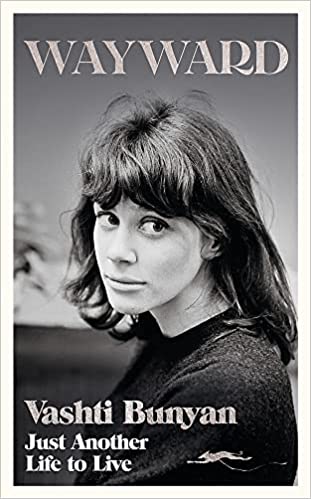
Vashti Bunyan, Wayward – Just Another Life to Live: indirectly named after a Biblical queen, Vashti Bunyan’s thirst for meaning led from a middle-class childhood through Oxford art school to a London fling as a wannabe pop chanteuse (her debut single was a Mick Jagger/Keith Richards offcut). Adrift in the aftermath, Bunyan seized what seemed a golden opportunity: a journey with her paramour from the Big Smoke to a new life in the Hebrides, undertaken by horse-drawn wagon. That unlikely odyssey forms the heart of this evocative, compelling narrative; laboriously heading north through the heart of England, Bunyan gains understanding of the natural world, of the extremes of human kindness and cruelty — and of her own animating passions, her sturdy inner core. She also writes the deceptively simple, uncommonly rich songs that became her lovely 1970 album Just Another Diamond Day. The fulfillment (and dissolution) of Bunyan’s quest, her immersion in “lookaftering” children and stepchildren, and her artistry’s rebirth when the Internet rediscovered her music in the early 2000s provide the epilogue to this tale of a wandering soul’s coming to terms with the beauty and the beastliness of life. Highly recommended.
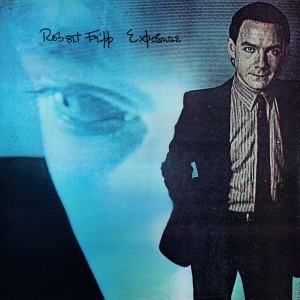
Robert Fripp, Exposure:After King Crimson “ceased to exist” in 1974, Fripp withdrew from the music industry, pursuing a spiritual sabbatical. Reinvigorated, he dipped his toe back in the water via guest shots with David Bowie and Blondie, then moved to New York City to get serious about returning to active service. Exposure was Fripp’s calling card for his “Drive to 1981,” self-described as research and development for what might come next; along with nods to his current production work with Peter Gabriel and Daryl Hall, ghosts of Crimson past (the metallic “Breathless”) and future (“NY3,” with ‘found vocals’ from Fripp’s argumentative neighbors draped over cyclical odd-time riffs) haunt the album. But there’s also New Wave 12-bar blues (“You Burn Me Up I’m A Cigarette,” with tongue-twister lyrics gamely tackled by Hall), furious punk energy (“Disengage,” featuring Peter Hammill’s improvised, gleefully atonal vocals cutting across Fripp’s proto-shred guitar and Phil Collins’ blunt, brutal drumming), and surprising amounts of gentle lyricism (Hall on “North Star”, Terre Roche on “Mary”, Gabriel on a gorgeous solo piano “Here Comes the Flood”). What binds these disparate tracks together is the innovation of Frippertronics — the solo guitar looping set-up that Fripp then took to concert halls, dance clubs, restaurants and record stores on a low-budget promotional tour — weaving in, out, between and behind it all to unify the album and give it a futuristic impetus. As strange and compelling a beast as any Fripp has brought us over the years, Exposure is a wild, worthwhile listen in and of itself, while providing distinctive previews of coming attractions. The new “Fourth Edition” features a discreetly energizing remix by Steven Wilson, plus previous versions (including an unreleased master with Hall as the primary vocalist) on a bonus DVD. For those with deeper pockets, the 32-disc box set Exposures exhaustively archives Fripp’s studio and live work from 1979-1981 — including the Frippertronics concert at Peaches Records in Detroit that completely exploded my own musical boundaries. (More of this boundary-breaking beauty can be found on the new release of 1981 Frippertronics, Washington Square Church.)
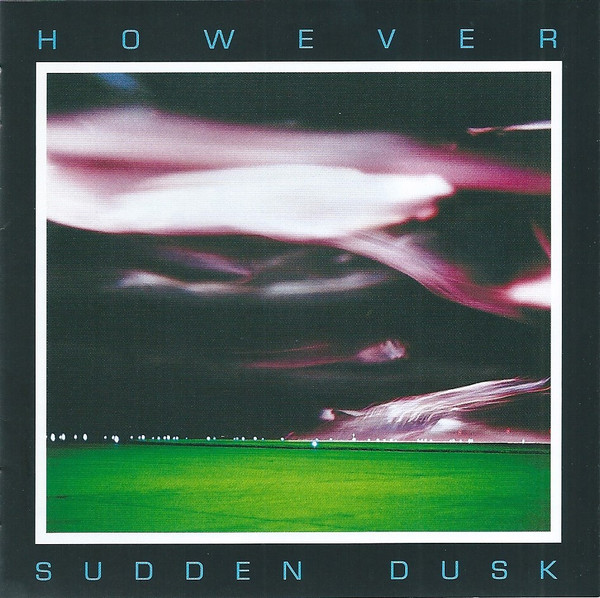
One might imagine that a band that adopted a common conjunctive adverb as its name would lack creativity; however, that is not the case. Among the many bands I have covered in this series so far, However is without question one of the more rhythmically complex. In fact, comparisons to Gentle Giant and Frank Zappa would not be uncalled for. Like Gentle Giant, However’s four members display an impressive dexterity on a variety of instruments: brothers Peter and Joe Princiotto play everything from synthesizer and autoharp (Peter) to drums and trash can lids (Joe). Bobby Read’s saxophones steal the show on most songs, but he’s also no slouch on the clarinet, xylophone, and glockenspiel (among other instruments). And Bill Kotapish, although not credited with an equally long laundry list of instruments, performs superbly on bass and lead guitar. Like Frank Zappa, these boys clearly had some fun with the lyrics which, although used sparingly (on four out of ten songs), would appeal to many a progger’s quirky side (check out “Beese” below).
Despite the tracks’ complex structure and melody, they tend to be on the shorter side: the first three pieces are under four minutes each, but are nevertheless delightful to the music lover’s ear. The fourth piece, “Louise Sitting in a Chair,” is downright lovely: Peter’s piano and Bobby’s saxophones will have you convinced that Louise ought to remain forever fixed in her position. The title track features eerie soundscapes a la Robert Fripp punctuated here and there by Bobby’s saxes, which need no rest on this album. But the highlight of the ten, as mentioned earlier, opens with spoken word: “The bumblebee makes two different musical tones as it flies.” And the band seem to take this to heart, treating our ears to quirky synth sounds that imitate the frenetic buzzing of bees before re-introducing the sax and allowing Bill to shine with some deft work on his electric guitar. A touch of Zappa appears about five minutes in with some bizarre spoken word vocals that any fan of prog will appreciate.
The vocals may not blow you away, but they are not However’s centerpiece. What this band offers is a fantastical journey through a land of melodic and rhythmic complexity. Sounds to hear along the way will include the standard drums, bass, guitar, and keys, but as a bonus you will also be treated to the sounds of the duck call, marimba, kalimba, and – as the album ends – the gentle lapping of waves. Bon voyage!
As previously promised, a look at the big reissues landing in the next few months — especially those available in one or more box set formats. Ordering links are embedded in the artist/title listings below.
Out Now:
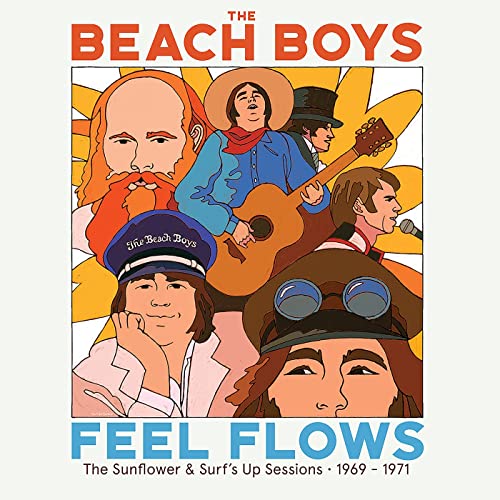
The Beach Boys, Feel Flows – TheSunflower and Surf’s Up Sessions, 1969-1971: between their initial impact and their imperial phase as timeless purveyors of fun fun fun, Brian Wilson and his family pursued heaviness and relevance in a market that thought it had outgrown them — at least for the moment. This slice of the Boys’ catalog features less slick, more homespun takes on their timeless concerns (the same amount of girls, less cars, more daily life), with Wilson brothers Dennis (on Sunflower) and Carl (on Surf’s Up) taking the lead. The brilliant moments — “This Whole World,” “Forever,” “Long Promised Road,” “Til I Die” for starters — outweigh the embarrassingly dated ones, and music to make you smile is never too long in coming. Available from The Beach Boys’ webstore as 2 CDs, 5 CDs, 2 LPs or 4 LPs (colored vinyl).
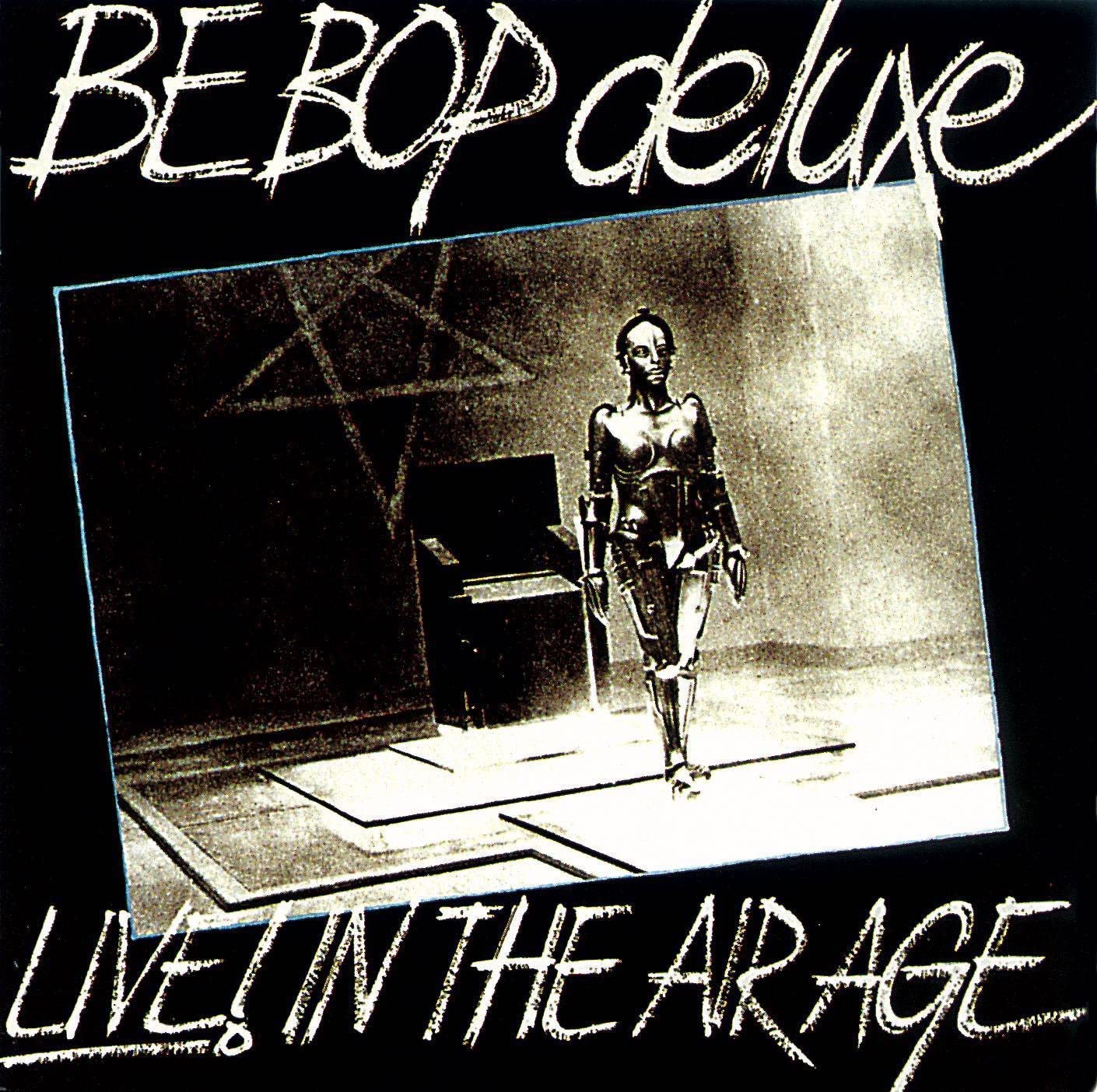
BeBop Deluxe, Live in the Air Age:when Bill Nelson’s avant-glam guitar heroics didn’t generate bigger record sales, a live album was the next obvious move for this sterling British quartet. Better chart positions weren’t forthcoming, but 1977’s Live in the Air Age is an exquisite slab of BBD at work — Chuck Berry updated for the Apollo era, with a bit of Bowie/Mercury panache in Nelson’s vocals and blazing solos aplenty. Available from Esoteric Recordings as 3 CDs (adding the complete 1977 London concert) or 15 CDs/1 DVD (adding all surviving recordings from the 1977 British tour and a live television special).
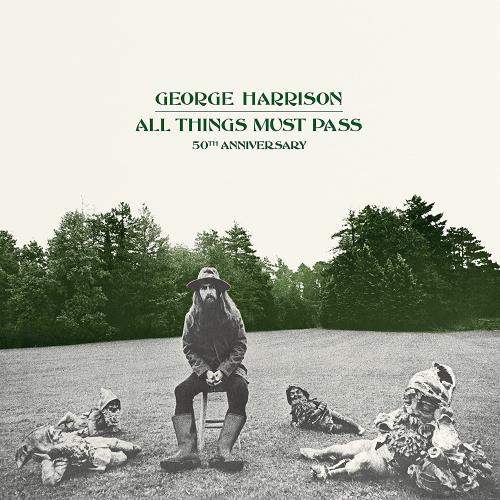
George Harrison, All Things Must Pass: the quiet Beatle exploded on his first album after the Fabs’ breakup, immersing his radiant devotional compositions in Phil Spector’s patented Wall of Sound and drafting Ringo, Badfinger and the embryonic Derek and the Dominoes as his rock orchestra. The new remix scales back the symphonic swirl, brings forward George’s vocals, and gives the rhythm section a kick in the pants; just right to these ears. A serious contender for the single best solo Beatle album, well worth an immersion course. Available from the Harrison webstore in Standard (2 CDs or 3 LPs — limited colored vinyl available as well), Deluxe (3 CDs or 5 LPs), Super Deluxe (5 CDs/BluRay or 8 LPs) and Uber Deluxe (5 CDs/BluRay/8 LPs/various bespoke gimcracks/”artisan wooden crate” — you don’t wanna know what it costs) editions.
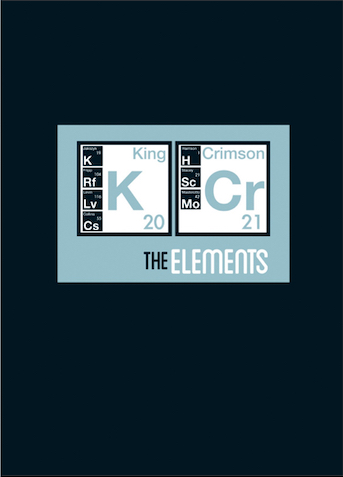
The Elements of King Crimson – 2021 Tour Box: the 7th annual compilation of tidbits from the Discipline Global Mobile archives, doubling as a concert program. This year’s selection of rarities focuses on the nine drummers that have called King Crimson their musical home (sometimes two or three of them at once). Studio snippets – like the one with Fripp, John Wetton on bass and Phil Collins on drums – live tracks, oddities, previews of coming attractions, and more. Available from Burning Shed or on Crimson’s current USA tour.
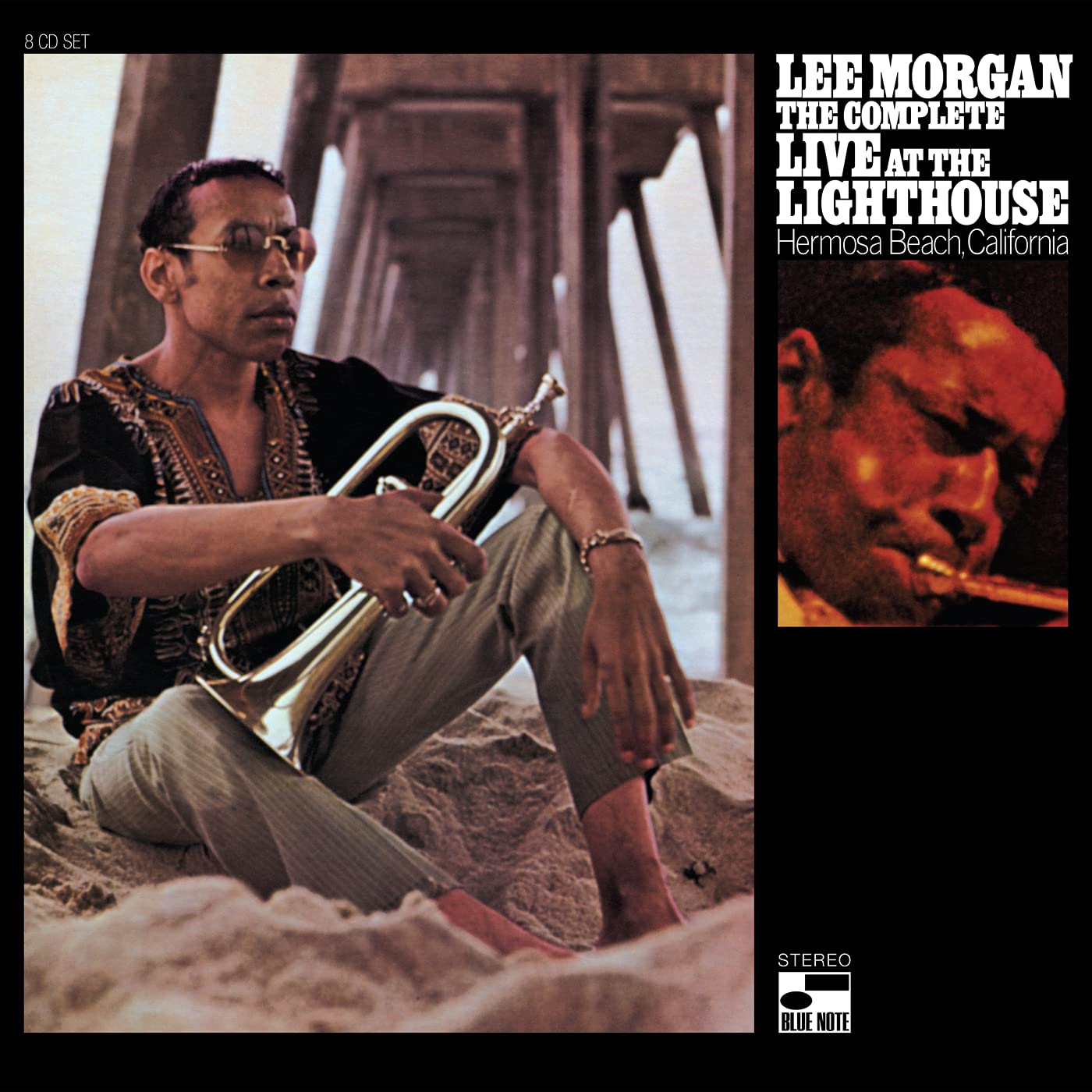
Lee Morgan, The Complete Live at the Lighthouse: never a mass media superstar, Morgan was nonetheless a jazz icon — one of the finest trumpeters of his day who played with heroes of the music like Art Blakey and John Coltrane, recorded more than 20 albums as a leader for Blue Note Records, and even managed to score a Top 25 pop hit with his funky “The Sidewinder.” This box (another product of jazz archivist Zev Feldman’s boundless energy) sets forth an entire weekend’s worth of recordings by Morgan and his dedicated, powerful 1970 band. Bennie Maupin on reeds, Harold Mabern on piano, Jymie Merritt on bass and Mickey Roker on drums bring the sophisticated, challenging compositions and spirited solos and backing; Morgan takes it from there, lyrical and fiery in turn. This is a great potential entry point if you want to explore jazz as a newbie, and a serious desert island possiblility for those already into the music. Available from Blue Note’s webstore as 8 CDs or 12 LPs.
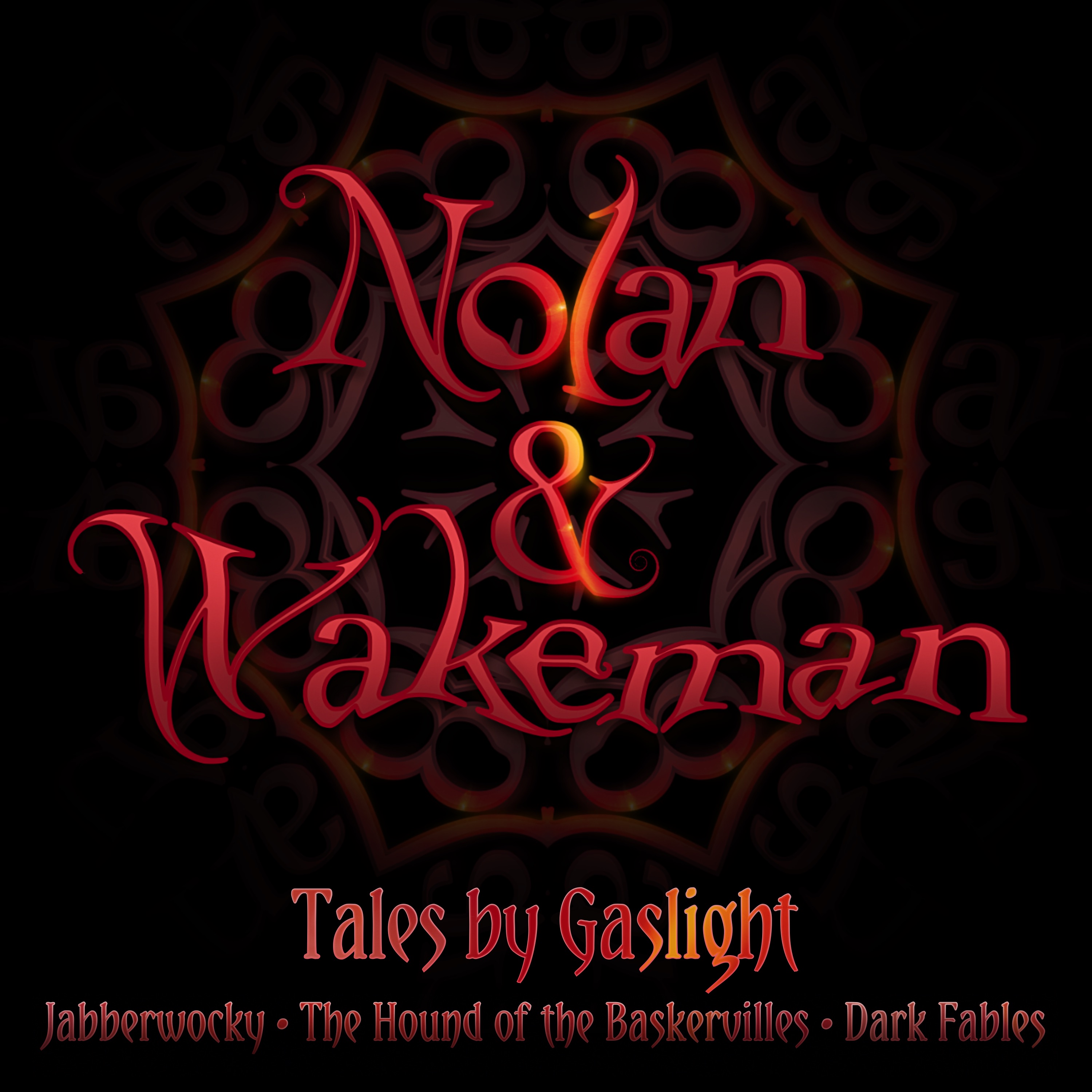
Clive Nolan and Rick Wakeman, Tales by Gaslight: keyboardists Nolan (Pendragon, Arena) and Wakeman (Yes, Strawbs) box up their out-of-print concept albums Jabberwocky (with dad Rick W. reciting Lewis Carroll’s nonsense verse) and The Hound of the Baskervilles, adding a bonus disc collecting rough drafts of a 3rd album based on Frankenstein. Separate booklets and art prints for each of the 3 CDs included. Theatrical as all get out, and surprisingly good fun if you’re in the mood for Victorian-flavored melodrama. Available from Burning Shed.
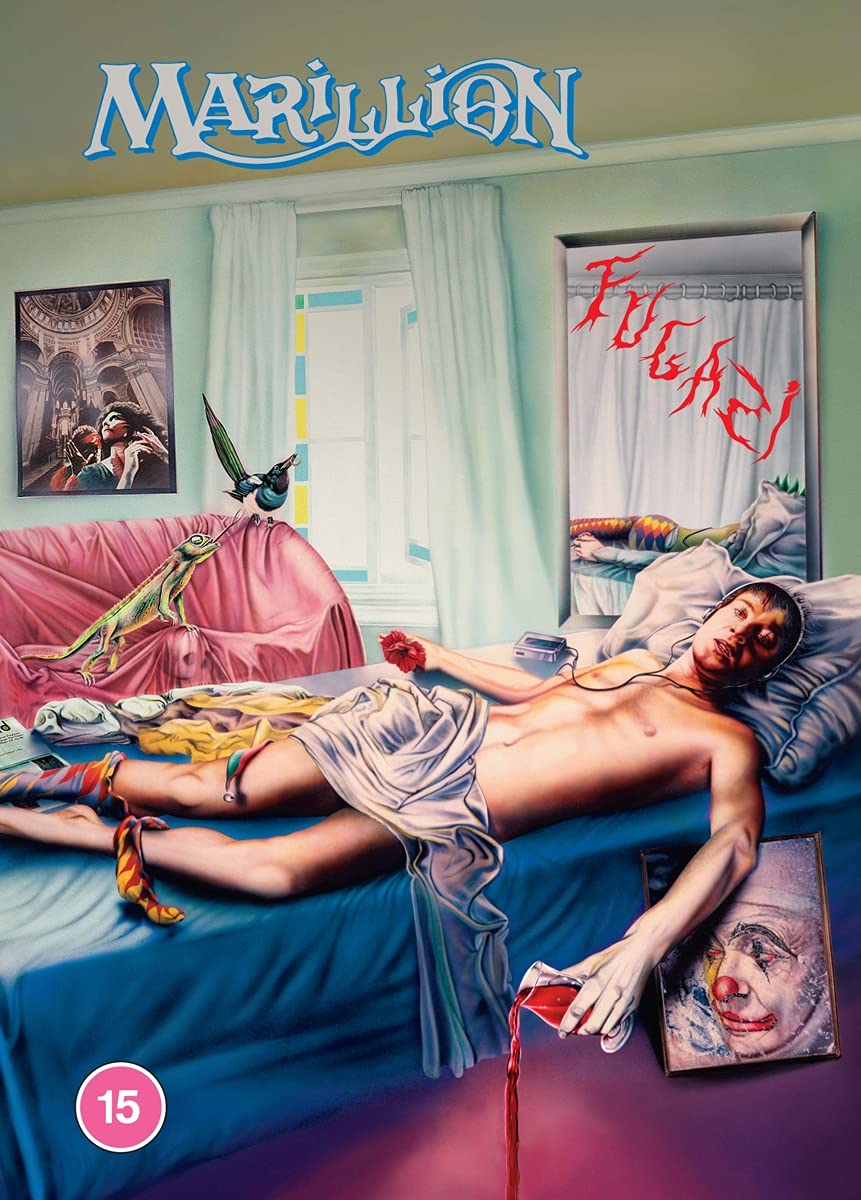
Marillion, Fugazi: the band’s 1984 album, perceived as a “sophomore slump” at the time, is much more than a bridge between the feral debut Script for A Jester’s Tear and the early masterwork Misplaced Childhood, with plenty of gripping moments to recommend it. A new remix by Andy Bradfield and Avril Mackintosh compensates handily for the production nightmares recounted in this deluxe edition’s copious notes. Also includes a complete live set from Montreal; the CD/BluRay version adds bonus tracks, documentaries, and a Swiss television concert. Out September 10; pre-order from Marillion’s webstore as 4 CDs/BluRay or 4 LPs.
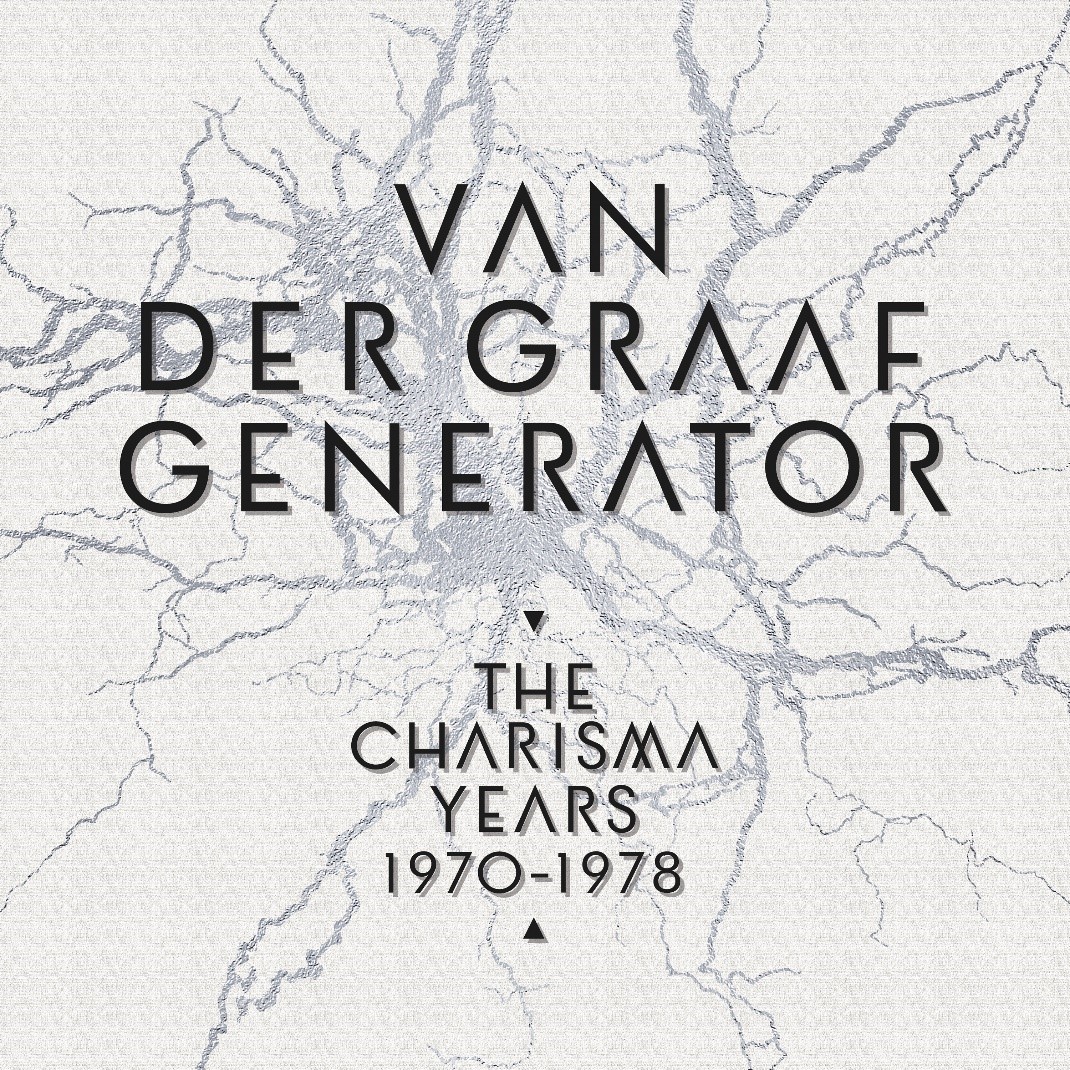
Van der Graaf Generator, The Charisma Years, 1970-1978: VDGG may have shared the stage with Genesis in each band’s formative years, but they were a thoroughly different beast. Peter Hammill’s desperate existential narratives and the wigged out instrumental web woven by David Jackson, Hugh Banton and Guy Evans made for a unique, highly combustible chemistry — bonkers dystopian sci-fi narrative over free jazz one moment, raggedly soaring hymns to human potential the next. This 17 CD/3 BluRay set collects the band’s 8 studio albums from the Seventies, adding extensive BBC sessions, a live show from Paris, all surviving television appearances “and more.” Now available from Burning Shed; the four newly remastered albums in this box (H to He Who Am the Only One, Pawn Hearts, Godbluffand Still Life) are available as separate CD/DVD sets for those wanting a lower priced introduction to this underrated band’s indescribably stirring music.
October:
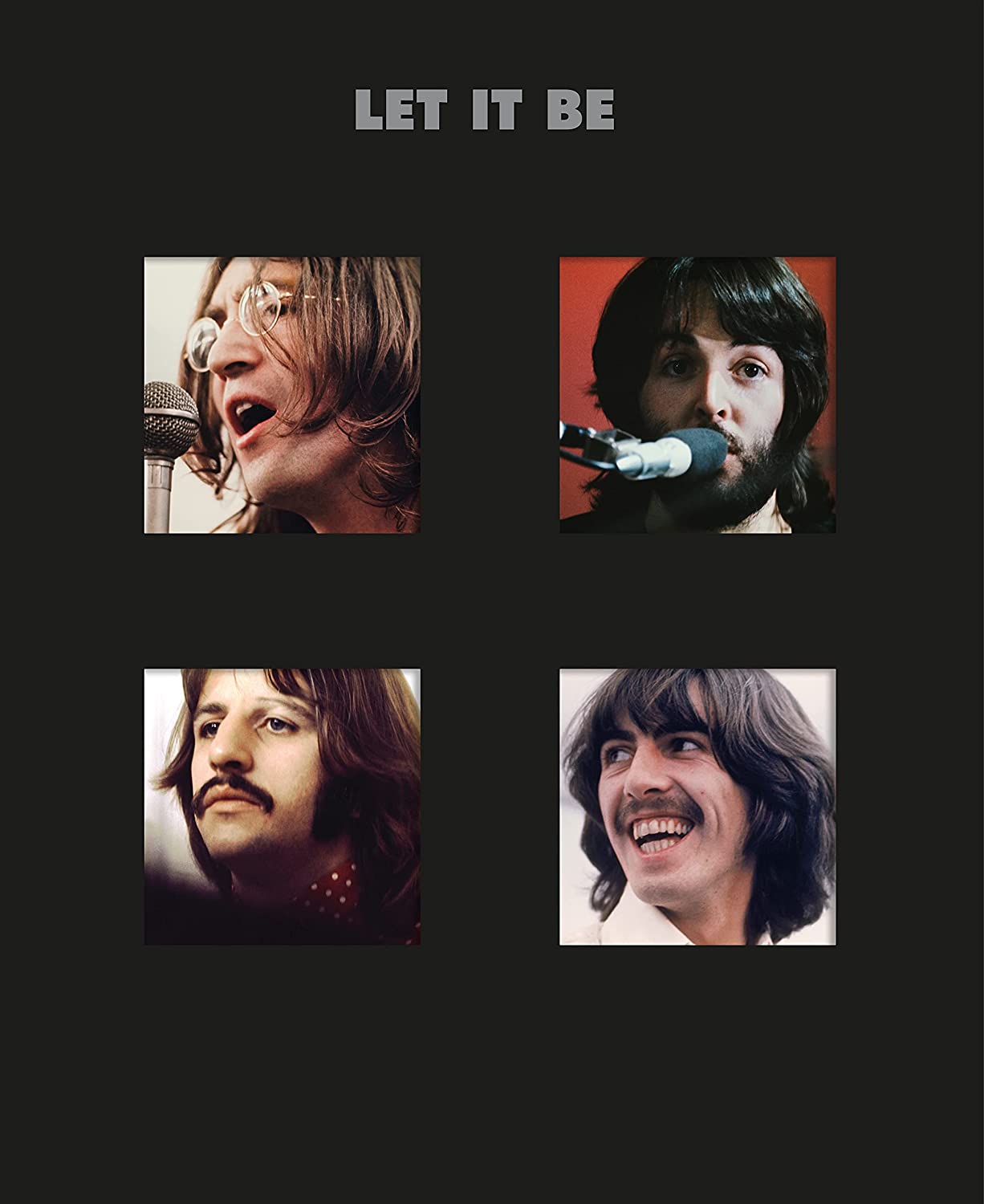
The Beatles, Let It Be: the Fab Four’s star-crossed attempt to return to their roots – recording live in front of movie cameras – ultimately became their first post-break-up release, drenched with Phil Spector’s orchestral overdubs to cover the rough spots. With a new 6-hour Peter Jackson documentary on the sessions hitting Disney Plus Thanksgiving weekend, Apple unleashes a fresh stereo remix (the 4th in the series that kicked off with Sgt. Pepper’s 50th anniversary). Super Deluxe versions also include 27 sessions tracks, a 4-track EP and a test mix of Get Back, the proposed original version of the album. Out October 15th; pre-order from the Fabs’ webstore in Standard (1 CD or 1 LP), Deluxe (2 CDs with selected bonus tracks) and Super Deluxe (4 CDs/1 BluRay or 4 LP/1 EP) editions. (The companion book of photos and transcribed conversations from the sessions, Get Back, is released on October 12.)
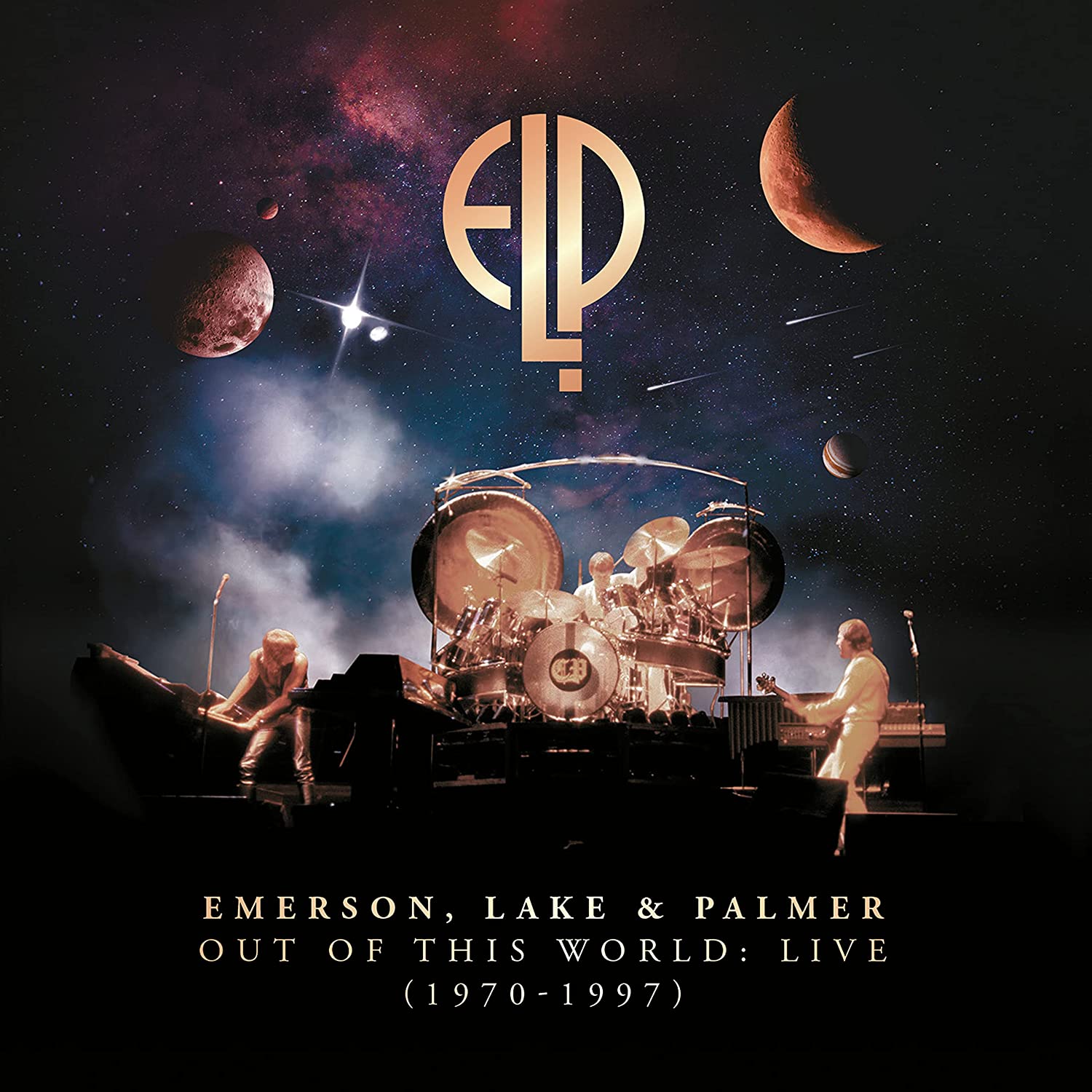
Emerson Lake and Palmer, Out of This World – Live (1970-1997): a compilation of key live shows in ELP’s history: their 1970 debut at the Isle of Wight Festival; a career peak show at the 1974 California Jam; the 1977 full-orchestra extravaganza at Montreal’s Olympic Stadium; 1992’s comeback concert at London’s Royal Albert Hall; and a previously unreleased 1997 show from Phoenix, Arizona. Out October 29; pre-order from ImportCDs as 7 CDs or 10 LPs.
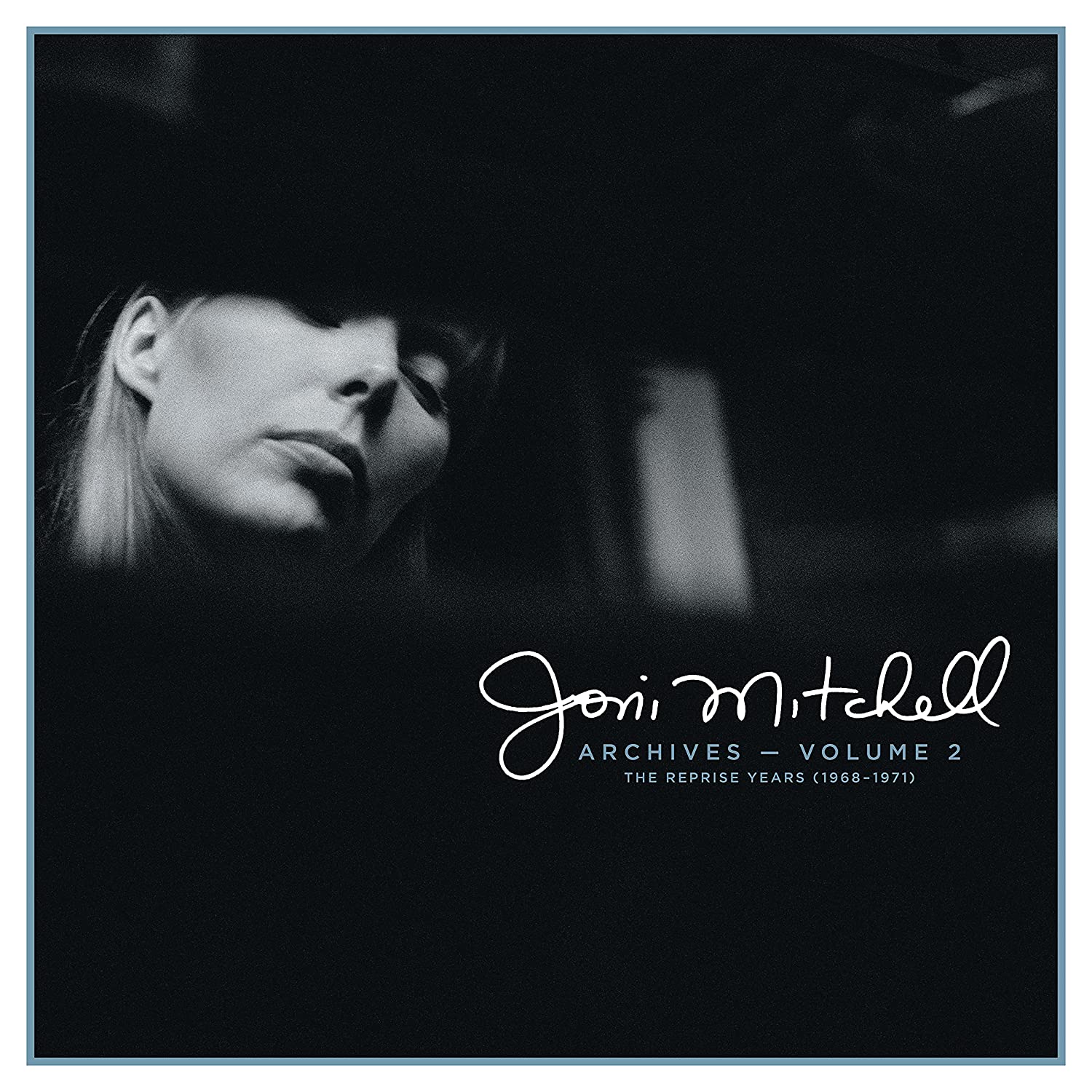
Joni Mitchell, Archives , Volume 2 – The Reprise Years (1968-1971): more archival recordings from the early days of Mitchell’s recording career. Home and studio demos, outtakes, unreleased songs, her Carnegie Hall debut and much more — a complete acoustic set recorded by a enraptured Jimi Hendrix, anyone? Out October 29; pre-order from Mitchell’s webstore on 5 CDs or 10 LPs (4000 copies only), The Carnegie Hall concert is available separately on 3 LPs (black or white vinyl).
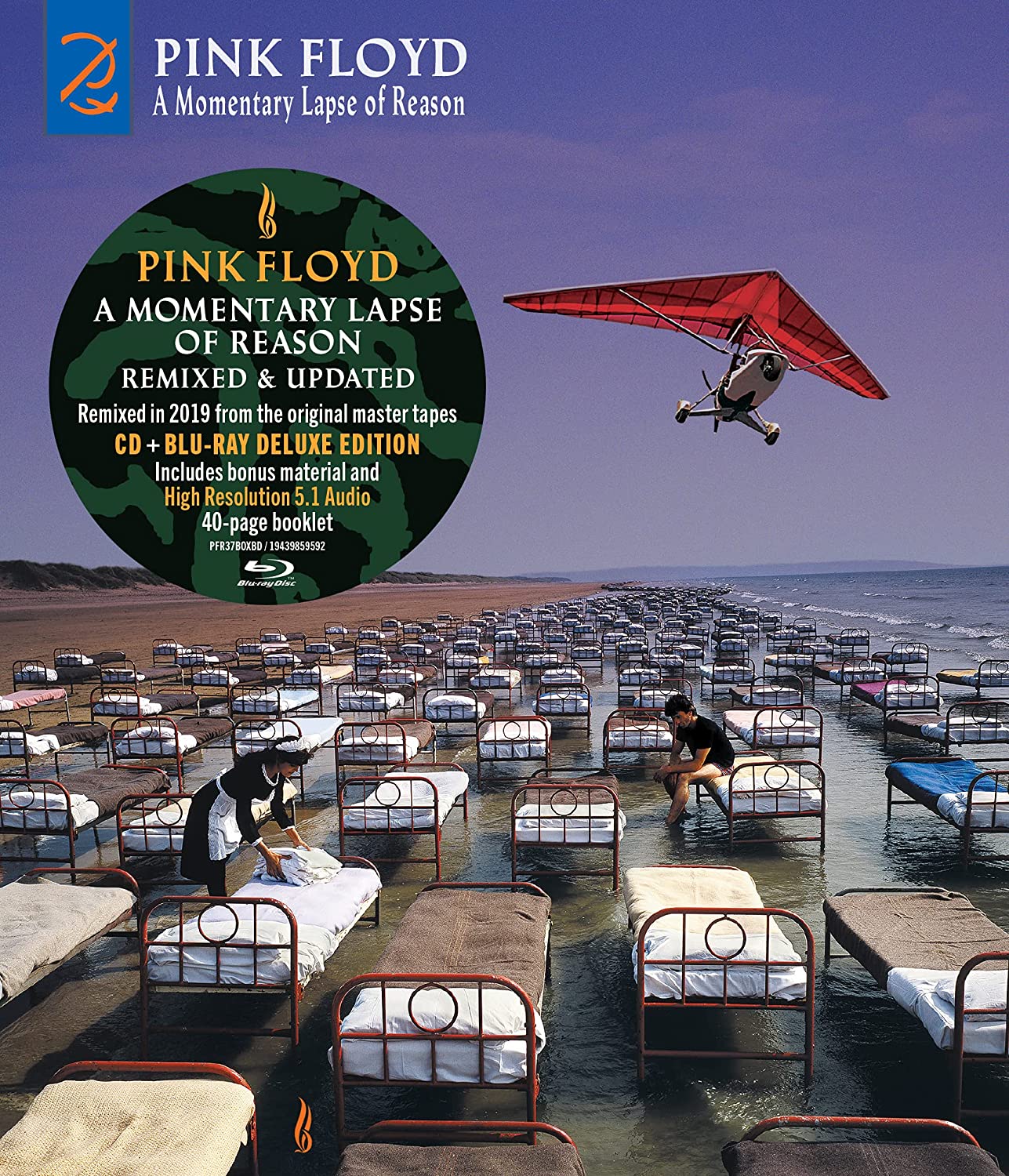
Pink Floyd, A Momentary Lapse of Reason (Remixed and Updated): the 2019 remix of Floyd’s post-Roger Waters comeback from the opulent The Later Years box, now available on its own. “Sounds less like the 1980s, more like classic Floyd” is the party line here. Out October 29; pre-order from Floyd’s webstore in 1 CD, CD/DVD, CD/BluRay or 2 LP formats.
November:
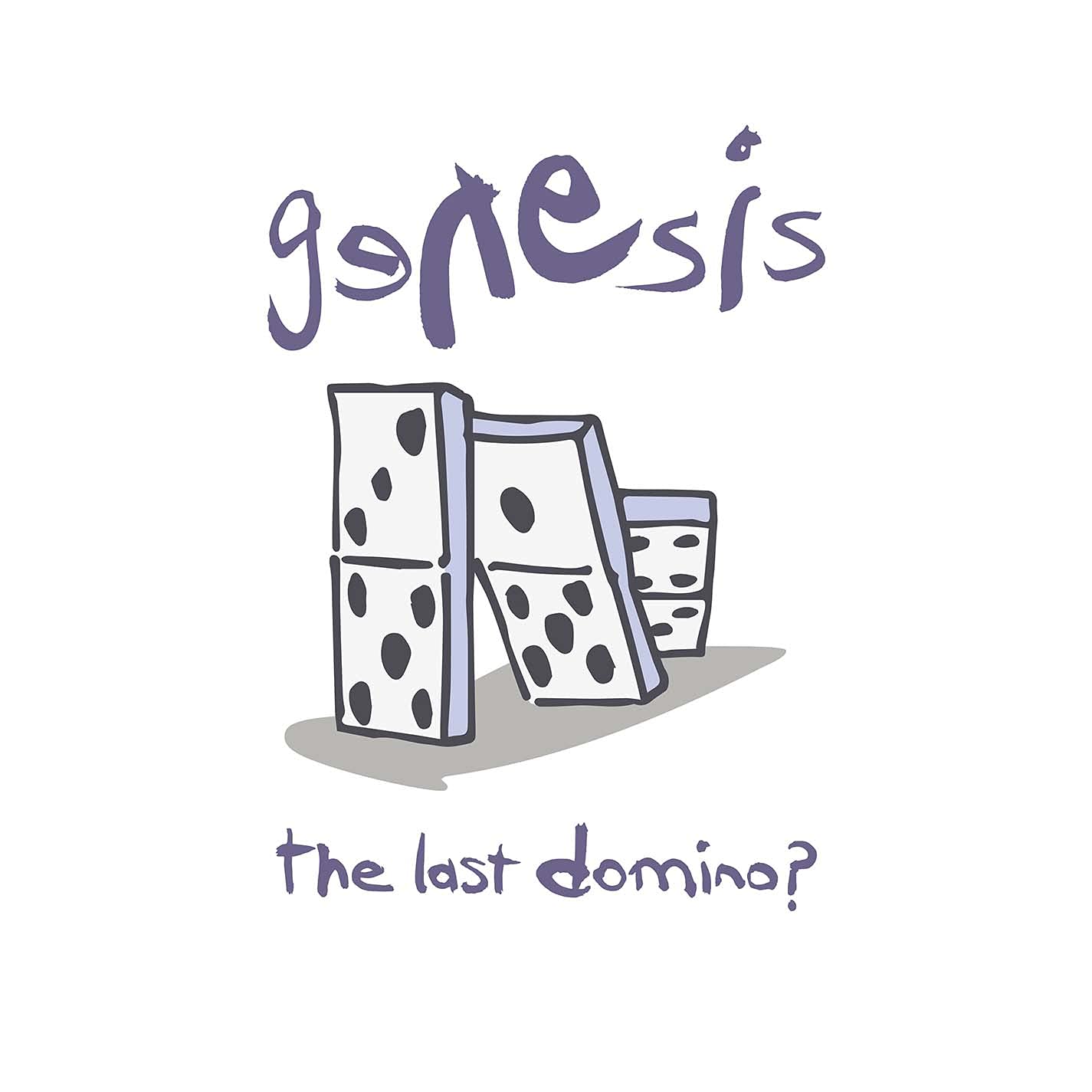
Genesis, The Last Domino? Yet another compilation of Genesis’ greatest hits, fan favorites and core album cuts, released just in time for their first US tour in 14 years. No real surprises in the track selection, but the blurbed promise of “new stereo mixes” of four Gabriel-era classics is intriguing. Out November 19; pre-order from Genesis’ webstore on 2 CDs or 4 LPs. (The UK version of this compilation, out September 17, sports a slightly different track list.)
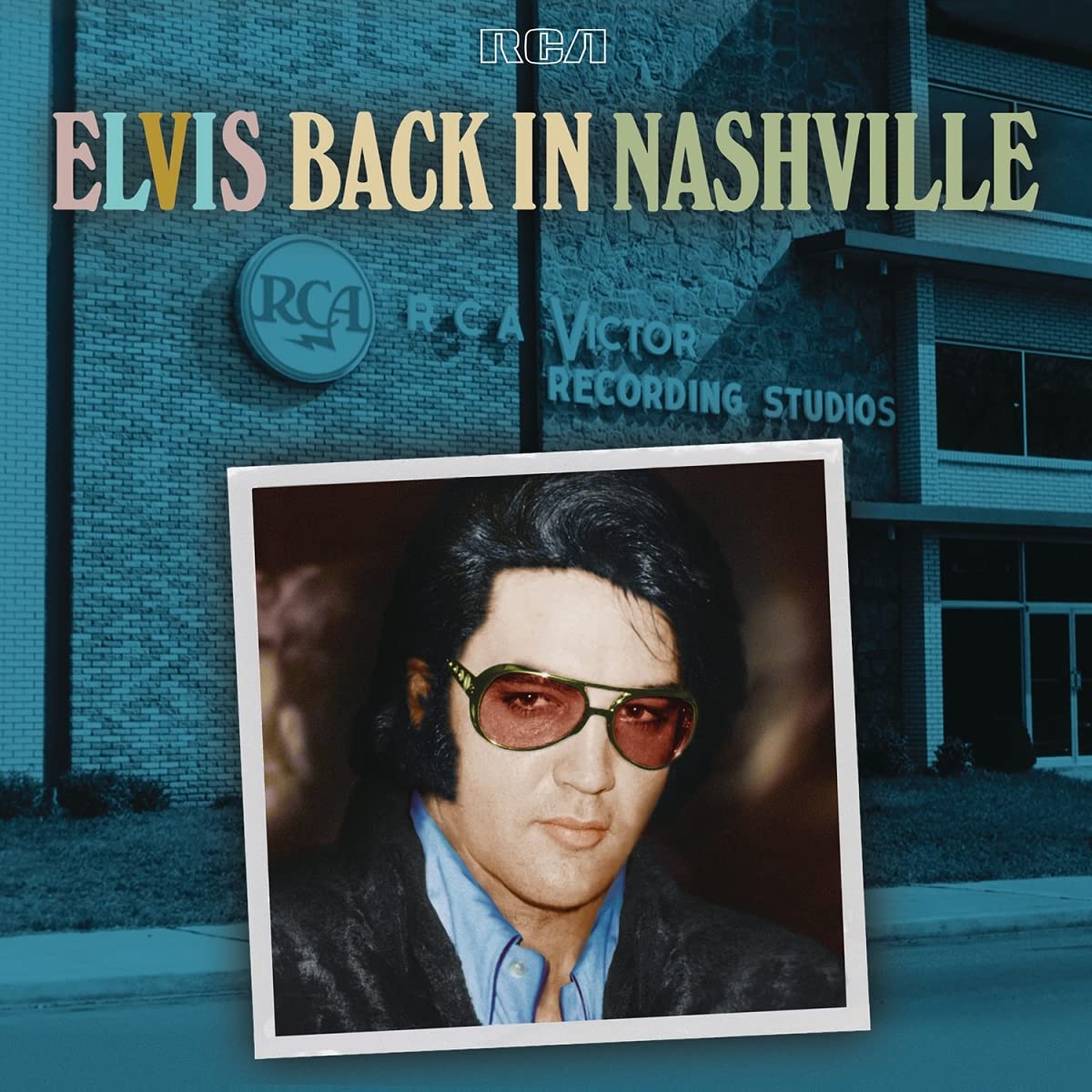
Elvis Presley, Back in Nashville:the King’s final sessions in Music City, stripped of overdubs a la last year’s From Elvis in Nashville box, that yielded material for three years worth of albums. 82 tracks encompassing country/folk, pop, religious music and Christmas music. Out November 12; pre-order from the Presley webstore on 4 CDs or 2 LPs.
In the Works (release date forthcoming):
Robert Fripp, Exposures: another exhaustive (and potentially exhausting) set from Discipline Global Mobile. This one promises to cover Fripp’s “Drive to 1981,” including his guest-star-heavy solo debut Exposure, the ambient Frippertronics of God Save the Queen and Let the Power Fall, and the egghead dance music of Under Heavy Manners and The League of Gentlemen. Tons of live gigs promised to supplement rarities and studio outtakes.
Marillion, Holidays in Eden: the new Marillion album (now officially titled An Hour Before It’sDark) may push this further back on the release schedule, but Steve Hogarth’s second effort with the boys (an intriguing effort that tried and failed to go commercial) is next up for the deluxe reissue treatment.
Porcupine Tree, Deadwing:a promised deluxe set in the vein of 2020’s In Absentia. Internet gossip flared up when Steven Wilson, Steve Barbieri and Gavin Harrison were rumored to have reset the band’s legal partnership earlier this year; who knows how or when the Tree may blossom again?
Renaissance, Scheherezade and Other Stories: coming from Esoteric Recordings, the folk-prog quintet’s finest hour in the studio, melding orchestral grace with an Arabian Nights theme for the half-hour title track. If this is in the vein of other recent Renaissance issues, hope for a multi-disc set with a bonus live set and a surround remix.
What do you get when you combine an Australian Aboriginal creation myth, jazz guitar, several flutes, mellotron, and a healthy dose of psychedelic and ambient soundscapes? Yaraandoo. The brainchild of Rob Thomsett, an Australian guitarist, Yaraandoo is considered quite the collector’s item in the world of obscure prog: only 100 LP copies were originally released in 1975.
Yaraandoo tells the tale (through the instruments listed above, in this case) of the world’s creation and the fall of man. According to Thomsett, the story includes several elements that make it distinctively Australian, including gum trees, kangaroo rats, and the red earth of the Outback.
The album opens with the soft sound of mellotron and percussion, and this ambient, dreamy, and spacy sound, driven by the mellotron, several flutes, and Thomsett’s luscious guitar, never lets up. (The best comparison I can think of is some of Robert Fripp’s ambient work.) Although jazz is clearly an influence here, it is not the kind of jazz-inspired music you would hear on Relayer or In the Court of the Crimson King; this is much more ethereal in tone. About twenty minutes in, however, we get to enjoy some faster-paced interplay between the saxophone and electric guitar. And too soon, alas, Yaraandoo closes as it opens: softly, with chimes and acoustic guitar gently returning us to earth after this serene cosmic journey.
Caveat emptor: for those looking for an epic, this may not be the album for you – most of the songs are very short (under three minutes). But that does not mean you should overlook this obscure gem. And if ever you find yourself pondering the permanent things in the Outback, consider Yaraandoo as a source of inspiration.
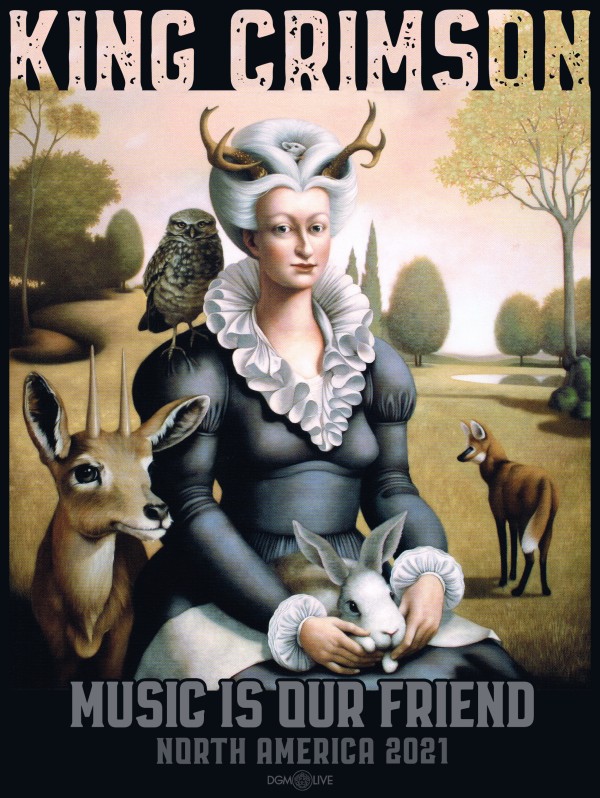
We are pleased to announce the dates for the re-scheduled 2021 King Crimson tour of the USA. This is also a good moment to publicly thank all those who have worked so hard to make this tour possible. The dates have changed on an almost daily basis over the last six months as rules and restrictions have changed.
The California Guitar Trio will be appearing as a special guest for the first leg of the tour. King Crimson will be accompanied by the Zappa Band for the whole of the second leg of the tour from 22nd August – 11th September, and also for the concerts in Concord and Los Angeles on 5th and 6th August.
There are currently Royal Package places available at all these concerts. The Royal Package gives priority seating at the front of the venue, early access, special merchandise, and personal insights and answers from David Singleton and one of the band members. Anyone with an existing place reserved last year, who now needs to move to a different venue or apply for a refund, should contact iona@dgmhq.com.
The Crimson Beast Of Terror has woken from its enforced slumbering and is venturing out to stomp flat the psyches of innocents not yet experienced in the hammering onslaught of King Crimson’s uncompromising pounding – bish! bish! bish! – before turning on a beat to jellify hearts with gut-wrenching passion and soul-squeezing epic unfoldings to remind us that we are all mere subjects in the unfolding drama of the universe’s unfathomable mysteries while simultaneously rocking out and having a great time bopping about with Tony and Bobby and Gavin and Jakko and Mel and Pat and Jezza too.
Tour dates are listed below; Royal Packages are available by clicking the appropriate link, and regular seats will go on sale soon. I look forward to entering the Court of the Crimson King for the 10th time on August 18 at Meadow Brook Amphitheater!
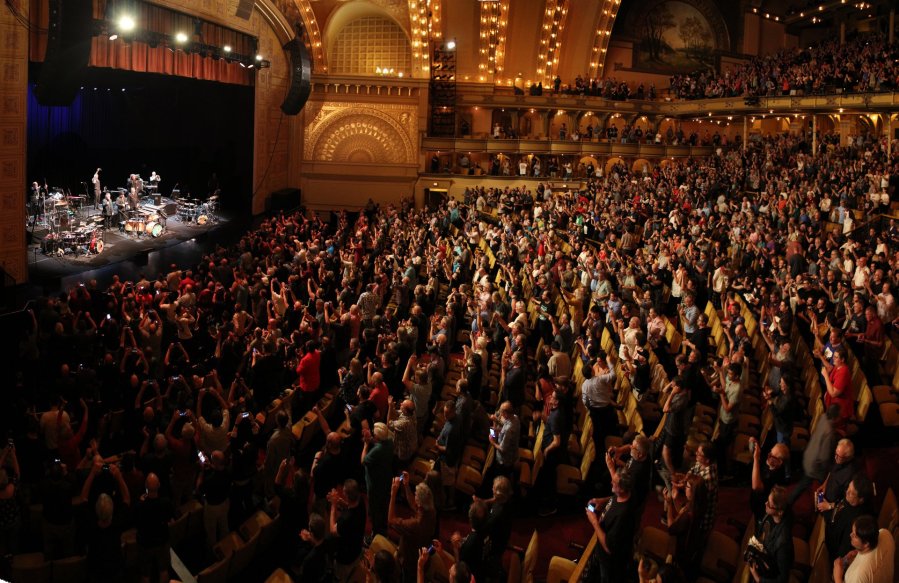
King Crimson, Auditorium Theatre at Roosevelt University, Chicago Illinois, September 10, 2019. (Featured photo by King Crimson manager David Singleton.)
“Expectation is a prison.” Robert Fripp says that a lot.
He said it again this past Tuesday in Chicago. Specifically, to about sixty fans who had paid a lot of cash for a King Crimson pre-concert VIP package. Even more specifically, to one particularly zealous fan, who nervously, repeatedly begged Fripp to reveal if “Cat Food” was on the evening’s setlist.
Fripp wasn’t biting. Having already pivoted from reflections on music’s ability to change the world and the necessity for presence in the musical event (like an abbot exhorting his monastic chapter) to “wittering” on the disadvantage of playing guitar while seated (“pimples on my arse”, spoken with the endearing delivery of a bawdy rock-and-roll Mr. Magoo), his response was firm, but simple: when you don’t know what’s coming next, consider it a challenge to pay more attention. And to be more present. Then Fripp let us take his picture while he took ours; manager David Singleton teased another possible US tour next summer (he deliberately doesn’t look at the setlist); and bassist Tony Levin engaged in a much lighter Q&A session (but he wasn’t telling, either).
As blunt as Fripp frequently is, his admonition came in handy Tuesday night. This is the third time I’ve seen the current version of King Crimson live, and the personal temptation to tune out in anticipation of repetition from previous years (even seated in the center of the sixth row) was surprisingly persistent. Fortunately, Fripp and friends weren’t about to let the sold-out, 4000-strong audience off the hook; the evening swiftly turned into another hot date with one of the best working bands in the world.






 Progarchy