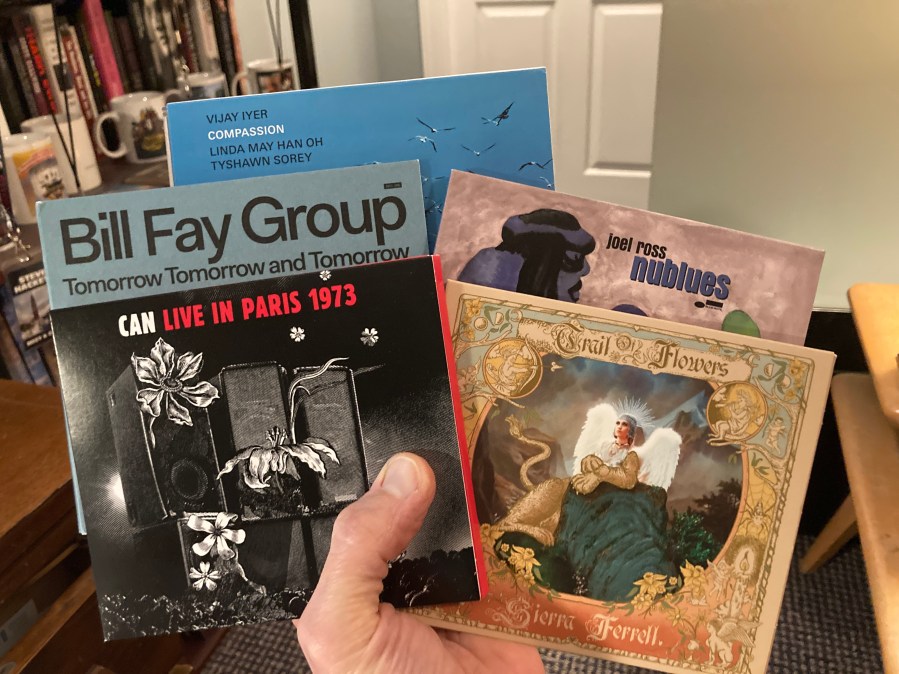
Rick’s Quick Takes for Spring

For your consideration, recent releases from the worlds of prog, jazz, folk, country and marvelously unclassifiable music. As usual, purchase links are embedded in the artist/title listing, with streaming previews below the review.
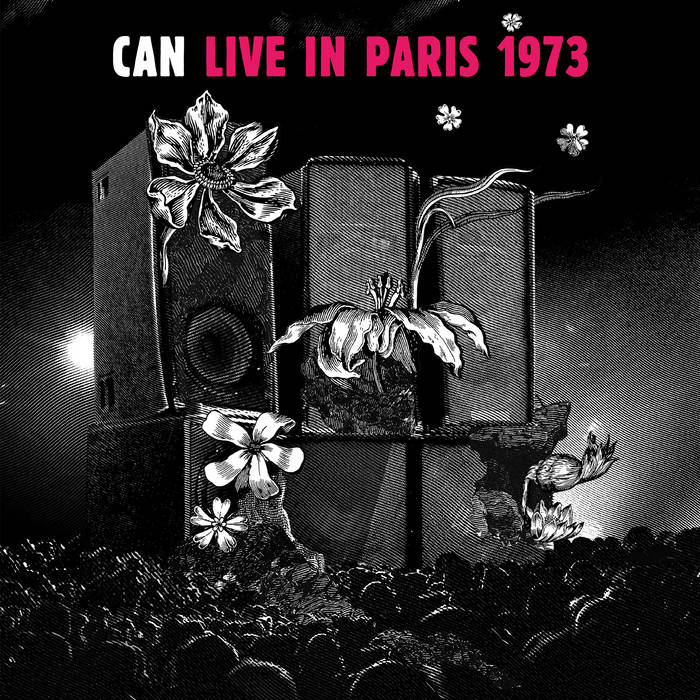
Can, Live in Paris 1973: Another immensely enjoyable archive release from the guys who sent krautrock into orbit with a winning combination of tight grooves and freeform jamming. The fresh angle this time around is the presence of late vocalist Damo Suzuki; locking in with Jaki Liebezeit’s propulsive percussion, the throbbing bass of Holger Czukay, and Michael Karoli and Irwin Schmidt’s guitar/keyboard interplay, Suzuki burbles, banters, bickers – a daffy, devious jester who pulls improvised melody and lyric from thin air as he goes along. Oh, and forget about sounding “just like the records” – studio tracks “One More Night” and “Spoon” are touched on to kick off the jams, then abandoned or deepened, stretched like taffy to the point of sonic hypnosis, mannnn . . . Five gripping examples of Can’s live prowess; whether they could actually stop time or not (it may have been the psychedelics), these ninety minutes of unbridled creativity go by in a flash.
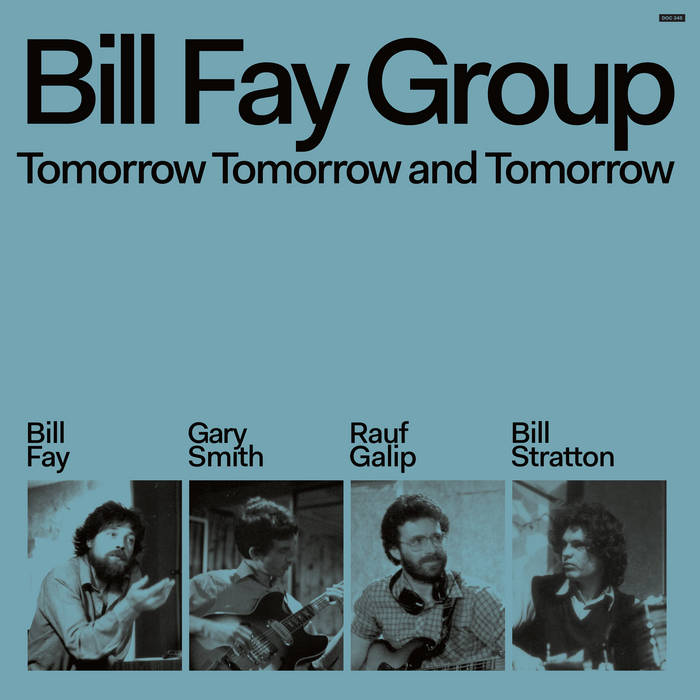
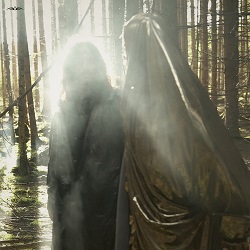
The Bill Fay Group, Tomorrow and Tomorrow and Tomorrow: Ignored in the late 1960s and early 70s, British singer-songwriter Fay achieved cult favorite status after Wilco covered his hymnic “Be Not So Fearful” in the wake of 9/11. Utterly unlike the manneristic Dylan-meets-Kinks pop of his debut or the bleak rock crunch of 1971’s lost classic Time of the Last Persecution (both well worth seeking out), these vibrant demos from 1977 capture the gentle Christian mysticism at the heart of Fay’s songs, executed with grace and empathy by the three-piece Acme Quartet (?). The multiple versions of meditations like “Strange Stairway”, “Isles of Sleep” and “Life” radiate understated grace and power, foregoing apocalyptic panic to embrace simple, jubilant confessions of faith (“So that the world might believe/That Life has risen/That Life has conquered”). Prayers and hypnotic invocations that invite and welcome without rancor or hectoring, couched in song that’s timeless yet vividly in the moment.

Sierra Ferrell, Trail of Flowers: Widescreen mountain music for the anxious generation, this went straight to my 2024 Favorites list. In West Virginia native Ferrell’s sure grasp, her second album mounts to melodramatic heights on the wings of old time country. Ferrell’s sly, witty songwriting whiplashes between Americana subgenres to perfection; her opening run of originals – yearning road dog anthem “American Dreaming”, cautionary honky-tonk stomp “Dollar Bill Bar”, giddy fiddle reel “Fox Hunt”, and string-swathed heartbreaker “Wish You Well” left me astonished in the wake of their range and breadth. There isn’t a dud track here (check out jaunty Latin-tinged romp “Why Haven’t You Loved Me Yet”, murder ballad “Rosemary”, hybrid gospel/love song “Lighthouse” – oh heck, all of ’em); when you add in Ferrell’s beguiling voice (spanning the spectrum of twang from Janis Joplin to Dolly Parton and all points between) and gutsy fiddle work, plus producer Eddie Spear’s rich gothic ambience, the result is thoroughly winning. Believe the hype – if anybody can save country music from Greater Nashville’s ongoing torrent of processed pop, artists like Sierra Ferrell and Charley Crockett (both playing my local outdoor amphitheater this summer) are your best bet.

Vijay Iyer, Compassion: Building on the near-telepathic teamwork they established on 2021’s Uneasy (one of my faves from that year), pianist Iyer, bassist Linda May Han Oh and drummer Tyshawn Sorey come out swinging with this full-on follow-up. The impressionistic title tune shimmers into focus, with the trio relying on space and silence as much as sound; a luscious take on Stevie Wonder’s “Overjoyed” doubles as a tribute to Chick Corea, inspired by Iyer’s opportunity to play the late legend’s own piano. Whether on the angular, driving “Ghostrumental” or the rugged throwback blues “It Goes”, Oh pulls gorgeous melodies out of the air, Sorey whips up a seething percussive stew even as he grooves, and Iyer stirs in one heady, pensive idea after another. Iyer characterizes the music as “a reminder, an assurance, a plea, and perhaps an inspiration – to find each other in this together”; it’s a tribute to these exceptional musicians that, with what seems like maximum grace and minimum sweat, Compassion tangibly conjures up the empathy it advocates in sound.
Joel Ross, nublues: Chicago-born vibraphonist Ross impressed me to no end when I caught him live as part of the Blue Note 85th-Anniversary All-Star Band this past January. His fourth album is of a piece with his previous three: a soundworld of abstract yet delightfully contemplative jazz, soaked in the blues, always tumbling and turning with a non-stop flow of invention. Ross’ interaction with young saxophone lion Immanuel Wilkins (also an All-Star), Jeremy Corren on piano and bass/drums duo Kanoa Mendenhall and Jeremy Corren are the secret sauce at the music’s heart, whether putting their own spin on Thelonious Monk’s “Evidence” or John Coltrane’s “Equinox” and “Central Park West”, conjuring the title track from thin air – Mendenhall shines on bowed bass here – or building “Bach (God the Father in Eternity)” into a steamrolling surge of gospel-soaked eloquence. It’s like crashing a conversation already in progress and discovering you were invited all along.
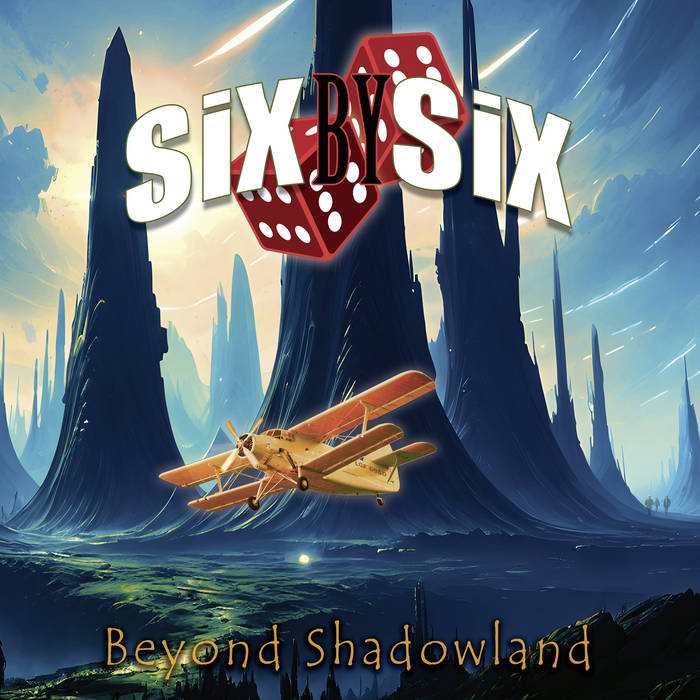
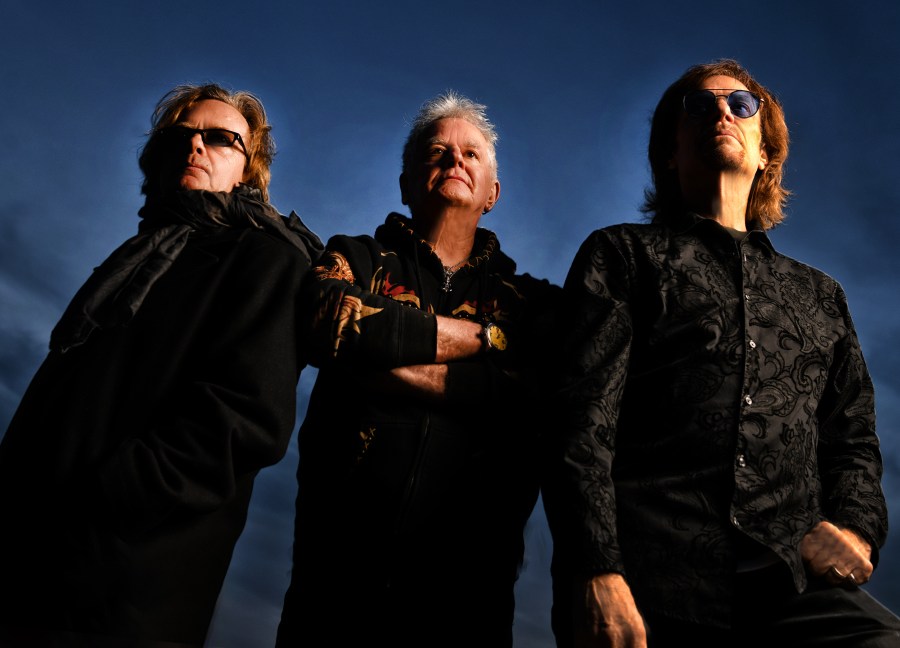
SiX by SiX, Beyond Shadowland: Robert Berry, Ian Crichton and Nigel Glockler hit hard and strong, blasting past Difficult Second Album Syndrome to craft a wild and wooly extension of their first-rate debut. Sonically, this one comes across hotter and crunchier, as multi-instrumentalist Berry corrals Crichton’s hypercreative guitar licks into decidedly unconventional song structures, then layers in heaping helpings of lyrical positivity, while Glockler lays down rock solid percussive foundations. The result is a record that gets stronger as it goes, with head-turning surprises that stack up thick and fast: the acoustic-based sci-fi narrative “Obiliex”, the slashing, tribally funky “Titans”, the fuzz-toned flutter of “Sympathize” and, in “One Step”, an epic that progresses from yearning balladry through a proggy midsection to a hip-hop shuffle that works! Add in the relatively straight-up singles “Arms of a Word” and “The Mission” and you have a sophomore effort that oozes both mass appeal and maximum creativity. Check out the new Progarchy interview with Robert Berry here.
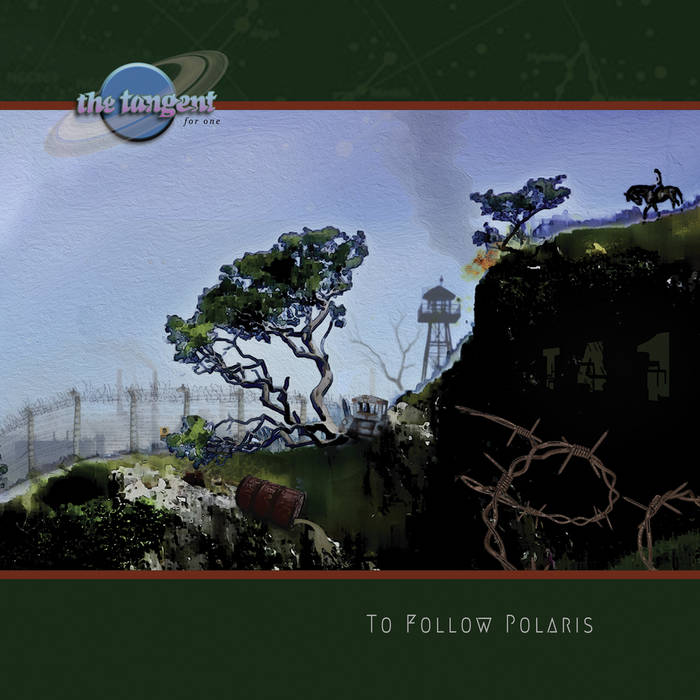
The Tangent, To Follow Polaris (released May 10): On which Andy Tillison takes off the gloves. Playing all the instruments himself (the album’s labeled “Tangent for one”) with style and panache, Tillison sails confidently through textures ranging from glitchy electronica to vintage soul and funk, with generous lashings of his trademark organ and synthesizer throughout. Kaleidoscopic overture/mission statement “The North Sky” lays down Tillison’s lyrical marker on graspable truth; brooding ballad-of-the-algorithm “A Like in the Darkness” paints a genuinely creepy portrait of online life; “The Fine Line” muses on the commodification of journalism, “destroy[ing] the world to sell the story”. Then on “The Anachronism”, Andy lets it rip – a furious jeremiad calling out both the ineffectual monocracy that’s lost its grip on events and the self-absorbed masses who watch it all happen on their phones. The whole thing builds to a crashing, anarchic climax – only to return to Tillison’s beginning, “follow[ing] the North Star/(When all around me seems to be going South)”. Be warned: something Tillison sings on this audacious, accomplished effort will probably cheese you off – but only because, in a world of grinning provocateurs, shameless attention whores and cynical game players, he’s a genuine idealist, with no other agenda than speaking his mind and wondering why we can’t have a better world.
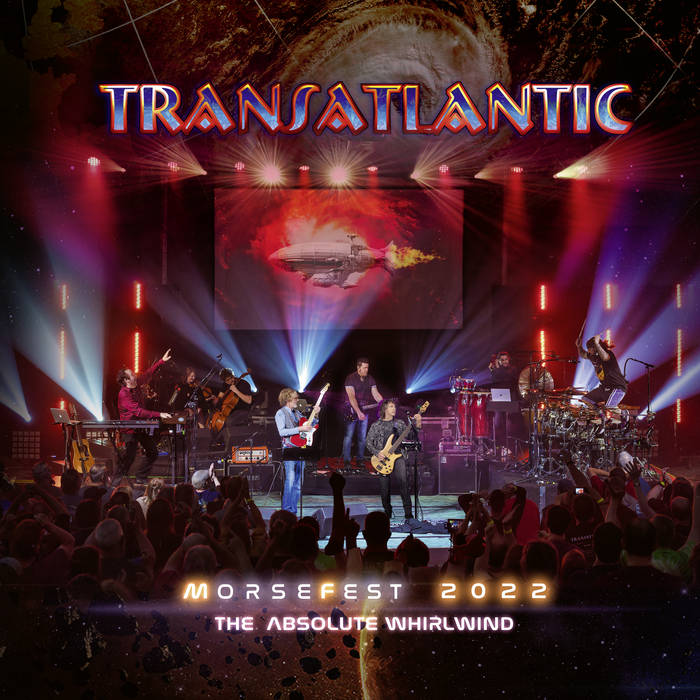
Transatlantic, Morsefest 2022: The Absolute Whirlwind: Or should this be subtitled, “More Never Is Enough . . . Yet Again, Still”? Transatlantic’s second live set off the back of 2022’s The Absolute Universe, this five-CD, two-BluRay set certainly doesn’t skimp on the quantity. There’s five hours of music here from two consecutive nights: the twin album-length epics that provide the release’s title, three elongated ballads, a side-long Procol Harum cover, and bits and bobs of five more extended extravaganzas from the back catalog. It’s not all gravy; there are brief instants where the energy flags and, as Neal Morse and Roine Stolt strain to sing the high notes, I’m reminded that it’s been 25 years since this supergroup first crashed into the prog world’s consciousness. But these are far outnumbered by the moments where Morse, Stolt, Pete Trewavas, Mike Portnoy and “fifth Transatlantic” Ted Leonard fire up the afterburners and launch into startlingly tight ensemble passages, awe-inspiring solos, pin-sharp vocal counterpoint (often backed up by a real choir), dizzying transitions and over-the-top, orchestrally augmented climaxes. Too much of a good thing? It’s possible – but, with the recent news that Portnoy’s resumed the drum chair in Dream Theater, Transatlantic isn’t a good thing to be taken for granted.

— Rick Krueger
Rick’s Quick Takes for August

It’s been another excellent month for new music. So let’s just cut to the chase, shall we? Purchase links are embedded in the artist/title listing; playlists or video samplers follow each review.

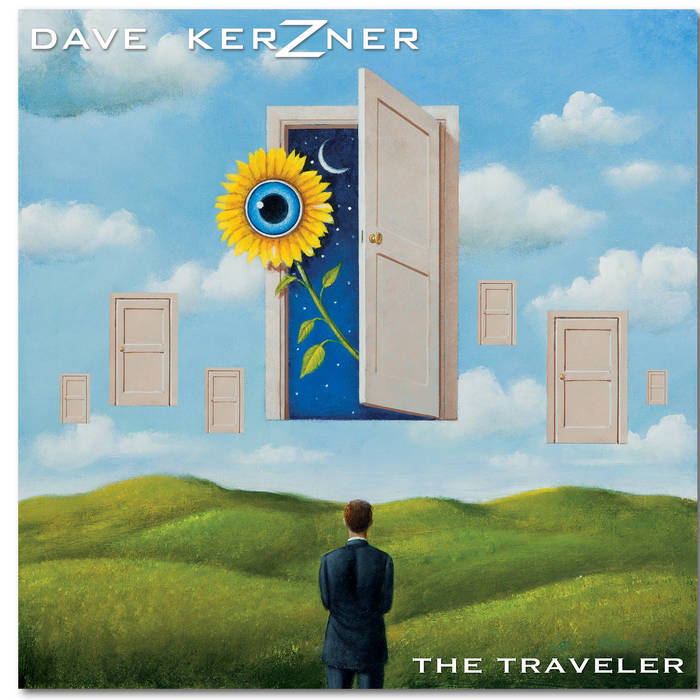
Dave Kerzner, The Traveler: A third concept album from Kerzner, continuing the through line of New World and Static (with nods to In Continuum’s Acceleration Theory lurking about as well). The opener “Another Lifetime” sets out this record’s remarkable strengths: confident, appealing songwriting with hooky yet sophisticated melodies and structures; Kerzner’s best, widest ranging vocals to date; and the perfectly judged contributions of Fernando Perdomo on guitar, Joe Deninzon on violin, Ruti Celli on cello and Marco Minneman on drums (only a smattering of the stellar guest list here). The dry, forward sound and the copious use of vintage keyboards on tunes like “A Time In Your Mind” evokes early-80s Genesis at times (since Kerzner got those keyboards from Tony Banks, no real surprise there), but the power ballad “Took It For Granted” and the closing suite framed by the two parts of “Here and Now” show Kerzner moving his character’s story forward while striking out in fresh musical directions like the sunshine guitar pop of “A Better Life”. Overall, Kerzner exhibits a lighter touch here, and The Traveler is the better for it; by letting his new songs sell themselves and keeping proceedings to the point, he both satisfies us and leaves us wanting more. After repeated listens, this one’s already on my “favorites of ’22” list!

Lonely Robot, A Model Life: John Mitchell has had a rough last few years, and he doesn’t care who knows it. In the wake of a global pandemic, the collapse of a long-term relationship, and a confrontation with his deepest doubts and fears, Mitchell’s done what he does best: slip into his Lonely Robot persona and pour it all out in a fine set of laterally structured, elegantly crafted, fearlessly emotional songs. Writing, singing and playing (especially in his rekindled relationship with the guitar solo) at peak inspiration, Mitchell lays the ghost of his former love (the nervy “Recalibrating”, the forlorn “Mandalay”), skewers our mad world (“Digital God Machine” and “Island of Misfit Toys”), mourns ways of lives and times now in the rearview mirror (the breathtaking ballad “Species in Transition”, the crunching elegy “Starlit Stardust”), and ponders how and why he became who he is (the brilliant final run of “Rain Kings”, “Duty of Care”, “In Memoriam”). Easily his best work under the Lonely Robot banner, Mitchell wears his heart on his sleeve and plays to the gallery at the same time; this is an outright spectacular effort that’s got both all the feels and all the chops. (Check out our latest interview with John Mitchell here.)

Motorpsycho, Ancient Astronauts: the kings of Norwegian drone-prog continue their enviable hot streak on their fifth album in six years. “We’re all a little bit insane,” Bent Saether chirps on the opener “The Ladder”, and as the track spirals upward, mingling the howl of Hans Magnus Ryan’s guitar and Saether’s darkly glimmering Mellotron, you believe him. The edgily abstract interlude “The Flower of Awareness” cleanses the palette for a Crimsonesque workout on “Mona Lisa/Azrael”; Ryan builds towering edifices of distortion over a trademark Saether riff, as drummer Tomas Jarmyr matches their ebb and flow all the way through the shuddering climax and the slo-mo collapse. Astonishingly, all this just serves as prologue to the “Chariot of the Sun: To Phaeton on the Occasion of the Sunrise (Theme from an Imagined Movie)” It’s as if Motorpsycho’s brief for this 22-minute finale was to rival “La Villa Strangiato” in both range and focus; gentle strumming and wordless vocals give way to more menacing bass riffs, fuzz guitar deployed in duet and counterpoint, feral percussive cross-rhythms. It all mounts to multiple climaxes (a mighty unison riff, ominous post-rock minimalism) that circle back to end with the melancholy lyricism that kicked it all off. Ancient Astronauts is a genuinely thrilling ride; strap in and brace yourself for liftoff.

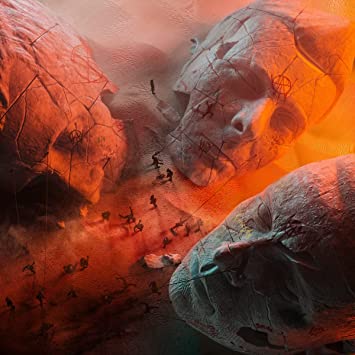
Muse, Will of the People: they’re baaack!!!!!! And as usual, Matt Bellamy, Chris Wolstenholme and Dominic Howard earn every one of those exclamation points. The guitars and drums are turned up to 12, the classical keyboard licks pack double the bombast (including a Bach “Toccata and Fugue” steal), the electronica wallows in creepshow kitsch, the vacuum-packed harmonies are piled even higher, and the gang chants are bellowed louder than ever. All this sound and fury portrays a world on the brink, an elite obsessed with control, and a populace angry that the game is rigged. Still, it’s hard to know who Bellamy is rooting for; at times, his lyrics and driven singing seem equally repulsed by both the leaders (“Compliance”, Kill or Be Killed”) and the led (the title track and “Euphoria”). But in the end, this is quite the slamming album; if you’re in the mood for existential desperation set to one badass, air-guitarable riff and singalong chorus after another — and these days, who isn’t? — this just may be your ticket. Might want to only play that obscenity-laden final track when no one else is around, though.

Continue reading “Rick’s Quick Takes for August”

SiX by SiX’s Robert Berry: The Progarchy Interview

After decades behind the scenes, Robert Berry has unquestionably stepped into the spotlight. In the late 1980s Berry hit the big time alongside Keith Emerson and Carl Palmer as vocalist, multi-instrumentalist and co-producer of the progressive-pop trio 3. Afterwards, he parleyed his new-found visibility into decades of fine work in both mainstream rock (Ambrosia, Greg Kihn, Sammy Hagar, his album-oriented rock band Alliance) and the prog scene (numerous tribute albums for the Magna Carta label, discs and tours by the holiday-themed collective The December People). Though Keith Emerson’s suicide in 2016 thwarted a planned reunion, Berry honored Emerson’s legacy with his deeply felt, impressively realized 3.2 project, releasing the posthumous collaborations The Rules Have Changed (2018) and Third Impression (2021) and mounting a career-retrospective tour in 2019.

But the Robert Berry I spoke with last month is focused on the future, not the past — namely, his brand new, very different trio SiX by SiX. Collaborating on songs with Saga’s guitarist Ian Crichton and anchored by Saxon’s drummer Nigel Glockler, Berry sounds like he’s having the time of his life. The new band’s self-titled album, released by InsideOut/Sony on August 19th, doesn’t really fit into any prog or progressive metal pigeonholes — and it’s all the better for it. One minute SiX by SiX is making an almighty, rifftastic noise; the next comes a killer singalong chorus; the next you’re reveling in a lush, impressionistic soundscape. Wrapping up our interview, Berry said, “we want a wide audience of all kinds of people that just like good music,” and this album has both the ambition and the substance to hit that sweet spot. There’s plenty here for your head, your heart and your guts to grab onto!

When I interviewed Robert Berry at his California homebase Soundtek Studios, he managed to be supremely casual, pumped about his new music (as well as about a graphic novel based on the album by Chicago artist J. C. Baez) and genuinely interested in what I thought of SiX by SiX’s debut, all at the same time! I think both of us had fun; join us by watching the video below or reading the transcript that follows.

So, first of all, tell us about the way SiX by SiX, this new project of yours, came together.

It’s sort of magical, really.  My manager Nick [Shilton] who’s in the UK – we were talking, he goes, “well, what are you gonna do next?  You’ve said that there’s gonna be three 3 albums, right?”  The original one [made in] ’88, and we had The Rules Have Changed and we had Third Impression.  I said, “yeah, I feel that’s all we had from Keith, material-wise.  I don’t wanna do that on my own; it needs to feed off him.”

“Well, what are you gonna do?”  I said, “I’m either gonna hang it up and tour with the past, or I’d like to find a guitar player to work with that was like Keith Emerson, that made up these incredible parts.  But except for Steve Howe, who’s very busy, what guitar player makes up parts?  Orchestrates a song, doesn’t just play power chords and a smokin’, rippin’ lead?”  He goes, “Let me think about it.”

He called me back the next day; he says, “what about Ian Crichton from Saga?”  I said, “why didn’t I think of that?”  Now I didn’t know Ian at the time.  I said, “he plays parts and you could almost sing his solos; they’re so great!”  So he tracked him down, got us on the phone.  Ian was, like everybody, having some down time with the COVID, not touring.  And we decided to start sending some things back and forth – and it couldn’t have been better for me, inspiration-wise!   I mean, if I could have written down, really thought about “I’d really like this, I’d like this.”  Also, all these parts kept coming!  He’s so prolific, making up that great stuff that I only thought of in my head, like “what guy does this?”

And the songs started coming out; we committed to this band once we found the right drummer.  Which of course, it was an old friend of mine.  I felt anyway; didn’t know if he’d say yes, cause he’s in a big band too, Saxon.  And Nigel said yes and bang!  It was organic, actually; just happened just like that!  But it took a whole year to get it to the point of that now.

OK!  What I’m hearing you say, and from what I’ve listened to of the album, I agree with you on what Ian brings to the table.  Two or three great riffs on just about every single tune, plus that unique solo voice that, as you say, is so melodic.

Yeah!

Can you talk a bit more about what Nigel Glockler brings to the party?

Nigel and I were in GTR together, back [in] 1987.  And Steve [Howe] brought him in to replace the guy that had done the first album with them.  And I had said to Steve Howe, “the drums are kinda muddy; don’t we need something a little more solid?”  They brought Nigel in; I didn’t know Nigel at all.  And he was just the greatest drummer and the nicest guy, that we stayed friends, stayed in contact.

When he came through town here – I’m in Silicon Valley, San Jose, close to eBay and Apple and all that – I went to see him and we just chatted a bit and I said, “Man, the guy, he’s still in good form, still playin’ solid and hard.”  And so, he was a top of the list choice for me!  And Ian didn’t know him, but they had bumped heads on tours a little bit maybe, and seen each other but not really got to know each other.  So once Nigel said “I’m really interested in this,” and then we got his drums on a couple of songs.  And it was like having John Bonham in the band, you know?  [Laughs]  Really heavy hitter, solid!  It was a little to me like Cozy Powell in ELP; it just cinched it up!

That comparison just had occurred to me as well; that when Powell was with E[merson] and L[ake], there was this rock-solid bottom.  I heard them live.  He’s so completely different from Carl [Palmer], but what he brings to the table is amazing.

And it was a good album they did too!  Not that we need to talk about that . . . [Laughs]

That’s true!  And you can tell that Nigel isn’t just a pounder.

He’s a big prog rock fan, which is probably why Steve Howe brought him in originally.  He and Phil, the bass player for GTR, were pretty good friends, and they’d done a few things together before.  So, Phil knew about the intricacy of what Nigel could bring.  He just doesn’t get to expand that in Saxon, of course.  He hit the fine line between “let’s do a few things” and “let’s keep the thing really solid”.  So again, Ian’s guitar can do what it does, and if the power chords [makes guitar noises with his voice] aren’t always there, something has to keep it solid.  And Nigel just made it happen, really.

And again, hearing what I’ve heard from the album, there’s a lot of elements going into what you do.  But there’s also space for all of those elements.  It doesn’t feel cluttered or crowded; it feels like everything just locks together.

And it’s mainly the guitar!  The keyboards on this, I use them very sparingly, and it’s really just a sort of glue, a little background in there sometimes when the guitar’s gotta do other things.  Even onstage, my thing is to once in a while, during a solo or something, I’ll change to the keyboards and left-hand bass and cover the fullness and the bass on keyboards, then get back to the bass guitar when Ian comes back into playing the full chord and whatever he’s doing.

So, you’ve described the creative process.  You and Ian are working together and the songs come up out of his ideas; obviously you add to that.   What was the recording process like?

Continue reading “SiX by SiX’s Robert Berry: The Progarchy Interview”