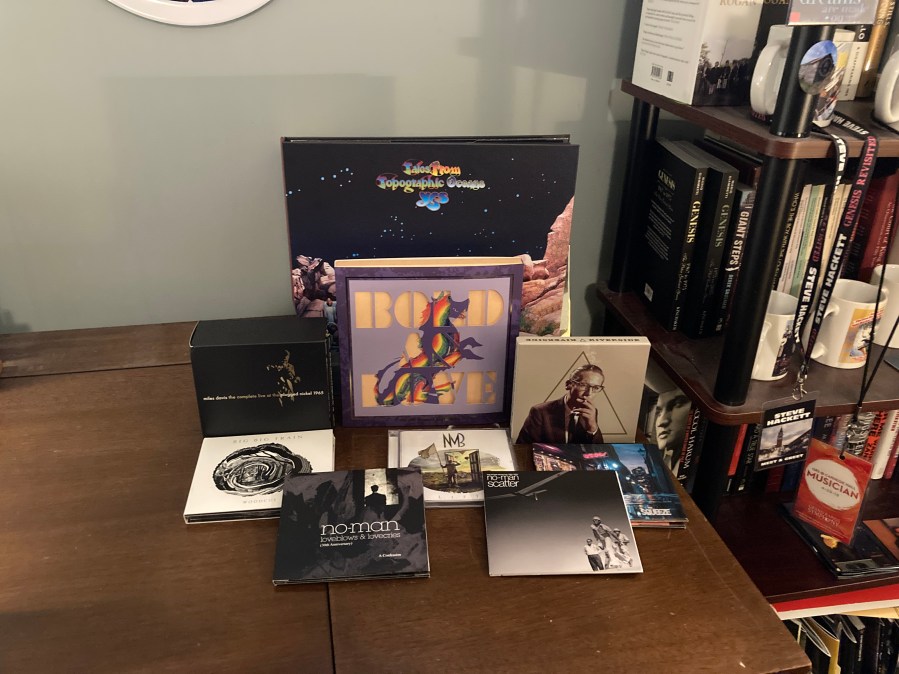
Rick’s Quick Takes for Q4!

No haikus this time, I promise! However, I am going to try and make up for my recent radio silence by covering a lot of ground at a fast and furious pace. Listening links will be available in the title listings. Buckle up . . .

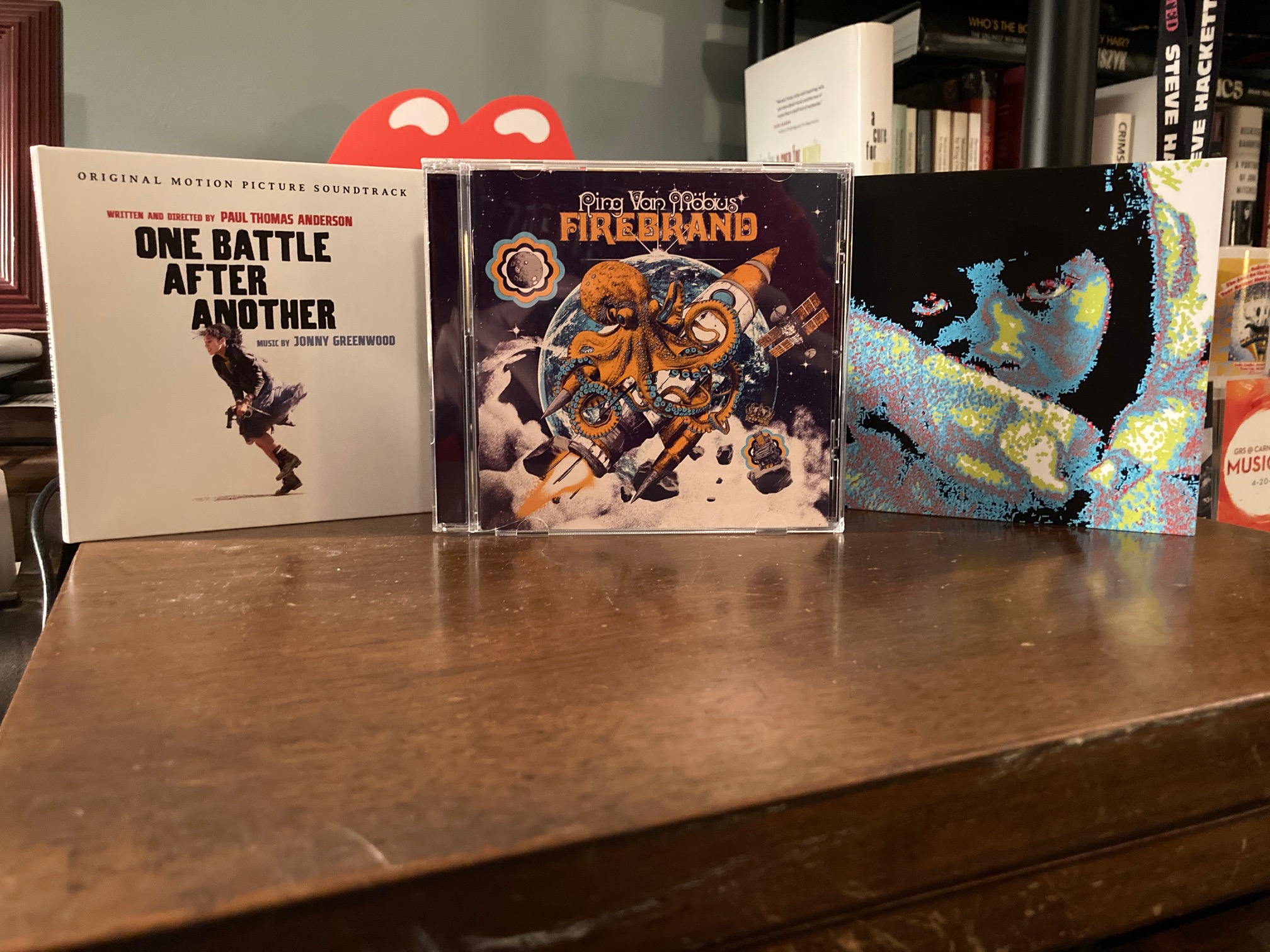
Completely new & noteworthy releases have seemed few and far between the last few months — although I’ve not yet heard the new Neal Morse album Time Lord has so fulsomely praised. My hands-down favorite (easily making my year-end shortlist) has to be Firebrand, the farewell album from Norwegian keyboard trio Ring Van Möbius. On three extended tracks, Thor Erik Helgesen delivers more frenzied organ riffs and howling modular synthesizer licks per minute than we’ve heard since the glory days of Emerson, Lake & Palmer — plus thoroughly unhinged singing of Dag Olav Husås’ trippy lyrics to boot! With Havard Rasmussen’s growling bass and Husås’ throbbing percussion driving the album to multiple shattering climaxes, Firebrand is a demented psychedlic journey to the outer limits of angular, aggressive prog — and all the more gripping on account of it! Meanwhile Tony Levin, Markus Reuter and Pat Mastoletto are back as Stick Men for a 5-track EP of new material, Brutal. This one packs a serious, King Crimson-adjacent punch; the title track, “Bash Machine” and “Pulp” all live up to their names, leaping out of the speakers with heady abandon, precision instrumental riffery, and dense blocks of hardcore sound. More, please! And whatever the debate over the merits of Paul Thomas Anderson’s latest film One Battle After Another, Jonny Greenwood provides yet another arresting soundtrack for the director; this time around, Greenwood foregrounds jagged piano over his exquisitely modernist orchestral textures (as well as the occasional gnarly reminder of his trademark guitar sounds in Radiohead and The Smile).

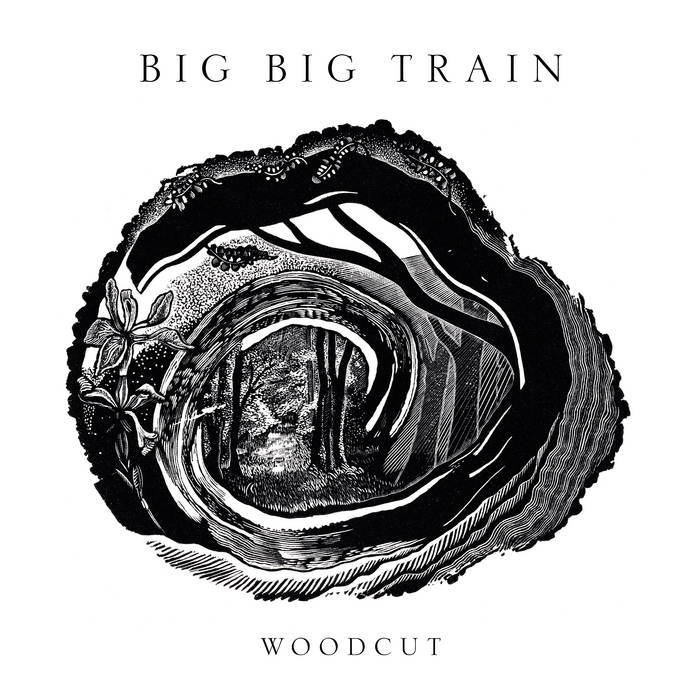
On the other hand, there’s a motherlode of excellent live albums out this quarter! Big Big Train score yet again with Are We Nearly There Yet?, as Alberto Bravin, Greg Spawton and their band of equals blitz through 2024’s fabulous The Likes of Us on disc 1, then gloriously reaffirm BBT back-catalog highlights and rarities on disc 2. District 97 has buffed up and expanded their stellar 2013 collaboration with John Wetton, One More Red Night: Live in Chicago, doubling the disc’s playing time with the Wetton/Leslie Hunt duet “The Perfect Young Man” and D97’s debut album epic “Mindscan”. Reunited with Mike Portnoy, Dream Theater’s 3-CD, 2-BluRay Quarantieme: Live a Paris is an unbeatable 40th-anniversary souvenir; from the crunchy, complex metal of “Metropolis” and Scenes from a Memory through phone-waving power ballads like “Hollow Years” and “The Spirit Carries On” to full-on prog suites “Stream of Consciousness” and “Octavarium”, the entire band operates at a new peak. And, while mashing up a new production of Hamlet with songs from Radiohead’s Hail to the Thief for the Royal Shakespeare Company, Thom Yorke decided the group’s concert takes on the material deserved their own release. Hail to the Thief (Live Recordings 2003-2009) is a banger well worth fans’ time; Radiohead is at their most feral here, squeezing fresh juice from the album’s fuzzed-up, squelchy snapshots of cultural unease with a tightened-up yet wilder sound.

Still, two live particular live releases stood out for me. David Gilmour’s 2024 tour set, available as audio from throughout (The Luck and Strange Concerts) or breathtaking video of a single show (Live at the Circus Maximus), is sleek and spectacular in equal measure, the subdued melancholy and sublimated anger of his solo albums and late Pink Floyd interlaced with the familiar flavors of selected Floyd classics. One of the best things about this set is that it isn’t all Gilmour’s baby: Greg Phillinganes ably fills the keyboard and vocal roles of Richard Wright on “Time”; daughter Romany visibly steals the Rome audience’s heart with her lead vocal on “Between Two Points”; backing vocalists Louise Campbell and The Webb Sisters light up a fresh take on “The Great Gig in the Sky” plus recent solo songs “The Piper’s Call” and “A Boat Lies Waiting”. But Gilmour is still the star, never disappointing on the standards, raising chills with his singing and solos every bit as much on “A Great Day for Freedom” and “High Hopes” as on “Wish You Were Here” and “Comfortably Numb”, his young backing band keeping up all the while. Unmissable, and a unquestioned 2025 Favorite, especially the video version.

Plus, just this past week I discovered my holiday album of the year! Yorkshire songstress Kate Rusby, “the nightingale of Barnsleydale”, has made eight Christmas albums in the last two decades; her latest, Christmas Is Merry, is a live compilation from recent December tours that celebrates the season with the joy and awe it deserves. From whimsical takes on Tin Pan alley chestnuts (“It’s the Most Wonderful Time of the Year”, “I Want a Hippopotamus for Christmas”) to rumbustious traditional carols (“Hark Hark”, “Sunny Bank”) to off-center originals (“Glorious”), all backed by a trad folk band and brass, Rusby is guaranteed to raise a smile. And when she switches to her intimate croon for the foreboding “The Moon Shines Bright” and a hushed “O Little Town of Bethlehem”, I dare you not to be moved. An immediate 2025 Favorite; you really need to hear this.

There have been first-rate reissues aplenty as well. My Favorites have been: The Zombies’ long-neglected Summer of Love classic Odessey and Oracle remastered in mono, with Colin Blunstone’s sublime vocals and Rod Argent’s classically tinged organ propelling an impressively mature song suite; the 20th anniversary remaster of Sigur Ros’ Takk — a delightfully imaginative, massively symphonic highlight of the Icelandic post-rockers’ output; and Pink Floyd’s 50th anniversary edition of their elegiac masterpiece Wish You Were Here (especially the BluRay release, which includes a complete 1975 show suitably exhumed from its original bootleg by Steven Wilson).

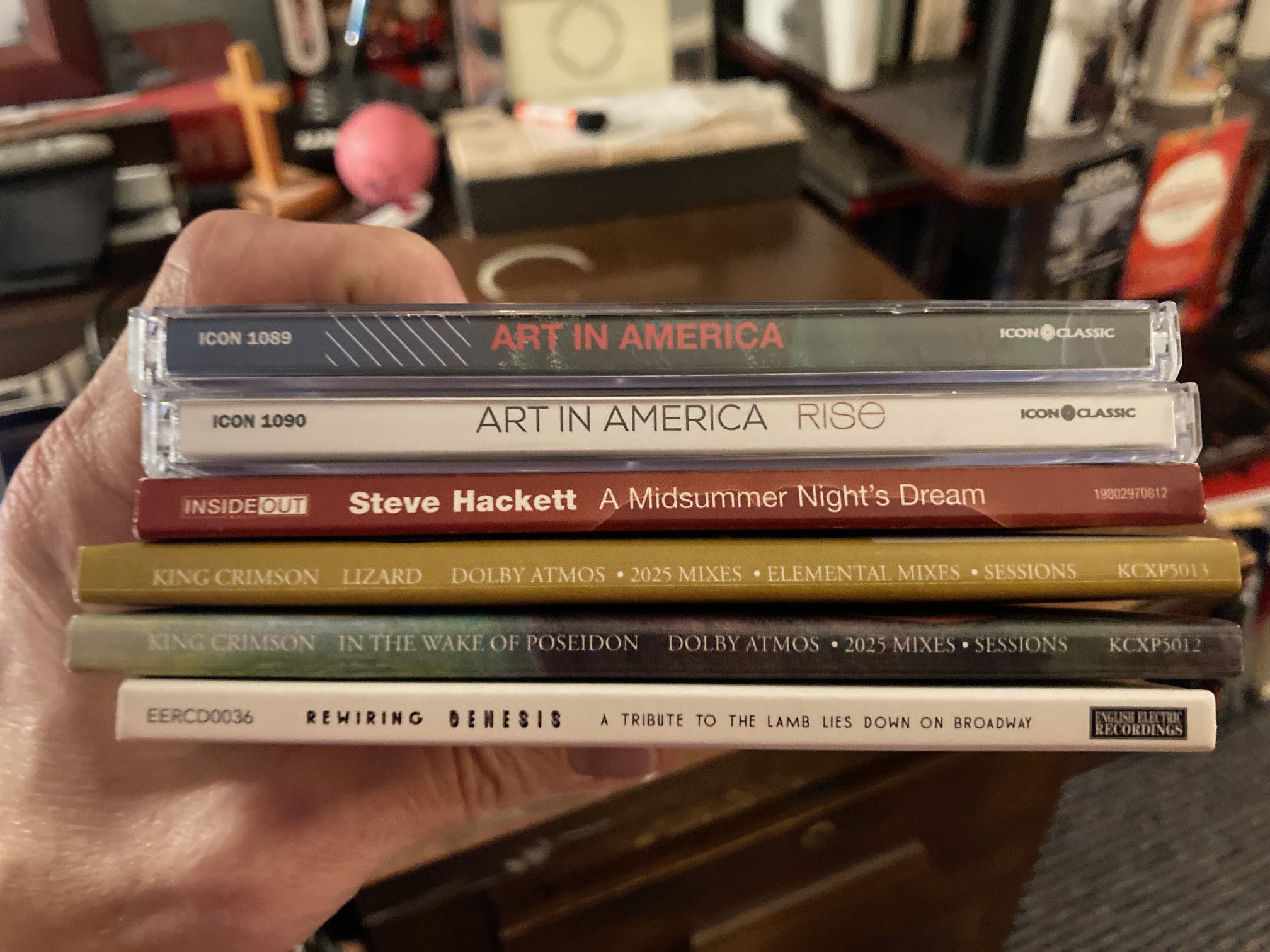
And there are lots more reissues worth a listen: the 1983 debut from Detroit pop-proggers Art in America (they had a harp player — yes, a giant harp, one with all those strings) along with their unreleased second album Rise; Steve Hackett’s album-length acoustic collaboration with Shakespeare and the Royal Philharmonic Orchestra, A Midsummer Night’s Dream; fresh Steven Wilson remixes in stereo, surround and Atmos of King Crimson’s transitional albums In the Wake of Poseidon (Robert Fripp and Peter Sinfield carrying on from the innovative debut with a rotating cast of characters) and Lizard (free jazz meets post-Wagnerian romanticism; quite the magnificent mess); Nick d’Virgilio and Mark Hornby’s long-unavailable, polystylistic Rewiring Genesis: A Tribute to The Lamb Lies On Broadway (with full orchestra on “In the Cage” a Dixieland “Counting Out Time”, sneaky Jethro Tull quotes tucked in the fadeout of “The Waiting Room”, etc.)

Lastly, while the music industry’s annual fourth-quarter release glut means that my box set backlog is worse than ever, I can wholeheartedly recommend the super-deluxe version of the original The Lamb Lies Down on Broadway; while the set’s Atmos mix has been controversial, its straight-up stereo remaster gives the music an absorbing clarity that fills in the blanks of Peter Gabriel’s opaque storyline, and a live bootleg from Genesis’ contemporaneous tour (with vocals mostly overdubbed by Gabriel 20 years later) is equally, winningly surreal. Finally, the 20-disc Peter Hammill: The Charisma and Virgin Recordings, 1971-1986 isn’t for the faint of heart — but given Hammill’s track record with Van der Graaf Generator, hardcore enthusiasts like me knew that anyway. Boundless existential musings set to music of structural, timbral and histrionic extremes — nearly 200 tracks, with 1975’s proto-punk album Nadir’s Big Chance and 1977’s dark, devastating break-up song cycle Over standing out. Hammill (who opened for Genesis during parts of The Lamb tour) may be strong meat, but he never gives less than his all.

— Rick Krueger

Steven Wilson In Concert: The Overview, Present and Past

“How many of you came here by mistake tonight?  Wives, girlfriends, best friends, and so on?  I know what you’re thinking — ‘we’ve been here ninety minutes and he’s played four [expletive deleted] songs!’”

— Steven Wilson, September 19, 2025

To which the mostly – though not exclusively – male fans who brought those wives, girlfriends, best friends and so on to The Fillmore Detroit (btw, thanks for renaming the venerable State Theater so it’s just another franchise, Live Nation) would probably reply: “Yeah, but how about those four songs?!?”

As usual on this tour, Steven Wilson and his band kicked off with the entirety of his new concept album, The Overview, with hi-rez video projections and surround audio to match. While my critique of Wilson’s latest music holds — I found it compositionally thin, too derivative of his influences, annoyingly reductive in its materialist message — the scope of the visuals fused with the propulsion of Nick Beggs on basses and Craig Blundell on drums supplied the depth and drive my at-home listening has lacked. And when Randy McStine launched into a scorching guitar lament on “Objects Outlive Us: The Heat Death of the Universe”, or when Adam Holzman and his synthesizer skittered across galaxies on “The Overview: Infinity Measured in Moments” — well, the Chestertonian sense of wonder I’d been longing for was there in the moment, embodied if unprofessed.

Confirming Wilson’s current fascination with the creative template of vintage electronic music, he and Holzman opened the second set with a creepy synth duet on The Future Bites’ “King Ghost”. But then came the moment the numerous folks in Rush t-shirts had been awaiting – an no-holds-barred take on “Home Invasion/Regret #9” from 2015’s neo-prog masterwork Hand.Cannot.Erase. Everything veteran cosmic rockers love about this album was there: blazing guitar riffs, biting Rhodes chords from Holzman, earthy funk grooves from Beggs and Blundell, solo space aplenty for Holzman and McStine, and lyrics spat out by Wilson, as on target in their bleak portrait of online life as they were a decade ago:

Download sex and download God
Download the funds to meet the cost
Download a dream home and a wife
Download the ocean and the sky

Download love and download war
Download the shit you didn’t want
Download the things that make you mad
Download the life you wish you had

Another day of life has passed me by
But I have lost all faith in what’s outside
The awning of the stars across the sky
And the wreckage of the night

From that point, Wilson and the band didn’t miss a trick; as they trawled his back catalog, the crowd stayed with them through every twist and turn. And admittedly, there was something for everyone in this setlist: the soft pop of “What Life Brings” (which, Wilson pointed out, never got traction on TikTok due to its minute-long guitar solo); Beggs’ jaw-dropping Stick feature on The Harmony Codex closer “Staircase”; a take on the vintage Porcupine Tree tarantella “Dislocated Day”, stretched out by Wilson bringing Blundell’s volume lower . . . and lower . . . and lower; “Pariah”, To The Bone’s vocal duet that proved effective even with a prerecorded Ninet Tayib; extended cinematic workout “Impossible Tightrope”; the metal-injected melancholy of “Harmony Korine”; and brutal, thrashy set-closer “Vermillioncore”. As encores, the multi-part epic “Ancestral” and the mournfully uplifting title track of The Raven That Refused To Sing put a satisfying button on the night.

If Steven Wilson remains unapologetic about his consistently contrarian musical moves, his current live concerts embrace a certain realism; repeated stabs at channeling modern pop toward progressive ends (especially on The Future Bites) didn’t necessarily expand his core audience, while the recent Porcupine Tree reunion seems to have brought younger generations of rock and metal fans into the fold. Projecting a new-found comfort with cult status (as he cracked after a labored joke about tariffs, “I’m not famous enough to be extradited”), Wilson and his killer band are delivering the virtuoso goods present and past on this tour, and the delighted Detroit crowd — a pleasant surprise for a grateful Wilson, given that it was his first solo stop there — ate it up. Whether you believe Wilson peaked ten years ago, hold on to hope that his best is yet to come, or even wind up at his concert by mistake, I think you’ll find something to your liking at this generous three-hour show. (Remaining US and world tour dates are here.)

— Rick Krueger
Jakko M. Jakszyk: The Progarchy Interview

“A Musical Memoir Like No Other” – as always, the estimable Alison Reijman nailed it in her review of Who’s The Boy with the Lovely Hair: The Unlikely Memoir of Jakko M. Jakszyk last fall. Stranger than fiction would be an understatement; only Jakszyk could have told this page-turning, hair-raising narrative — the son of Irish and American parents, raised by a older Polish/French couple, driven both to make his mark in the music business (from having his shoes noticed by Michael Jackson to joining The Kinks for a week to becoming the singer in King Crimson’s final incarnation to date) and to suss out the twisty, elusive truth of his life story.

In fact, Jakko’s past has consistently fed his most personal art, from radio dramas and one-man theatrical shows to his pensive, potent solo albums The Bruised Romantic Glee Club (2007) and Secrets and Lies (2020). Released later this month, his new record Son of Glen continues his quest for both clarity about his past and a settled present, building from subdued acoustic beginnings to an explosive electric finale with patient, long-breathed confidence. Like all Jakszyk’s work, it’s bracing stuff that nonetheless goes down smooth — fearless, affecting and engrossing.

It was a pleasure to talk to Jakko about the new album. Even at the end of what I’m sure was a long day, he was positive, attentive and kind — when I had audio problems at my end, he generously recorded the interview and sent it to me! My thanks to him for his time and for going the extra mile. Audio is immediately below, with a transcription following.

We last talked about five years ago, after your last [album] had been released, and I know you published your book in that time. What are the things that you see as milestones or turning points on your path between Secrets and Lies and Son of Glen?

Well, I guess the book came in between. I did a one-man show at the Edinburgh Festival, which is loosely based on events in my life; that followed the album.

And then, as a result of that, I got the book deal. And although I’d been asked to complete another record, I kind of started bits and pieces. Really, what inspired the record as it stands now was partly the work I did on an album called Netherworld by the lovely Louise Patricia Crane.

And I did a lot of things on there at her behest, I think; I found myself digging deep into my musical DNA and my past to come up with stuff that is part of what I grew up listening to, but stuff I hadn’t ever really used in my own work.

And then when we’d finished, when I’d finished the book, again, I was in a weird place and Louise was incredibly significant in building my confidence back up. And then I remember one evening we were having dinner and, having discovered my real father after decades of fruitless searching for him, she pointed out something that I guess was kind of obvious, but hadn’t crossed my mind in that the reason I exist at all is that my American airman father was stationed in England and fell in love with a dark haired Irish singer.

And here I was all these decades later, kind of repeating the same thing!  Which was, I guess, kind of staring me in the face, but it was only when she mentioned it. And so that became the inspiration for the title track and the title of the song, really.

I then, armed with this conceptual idea — both [my] kids play, they’re both great musicians, both my kids. So there’s always instruments in the house everywhere. And they quite often, both of them, my daughter and my son, mess around with alternate tunings. I’ve never really done that. And I remember picking up a guitar and I had no idea what was going on, tuning-wise. And I came up with this pattern, and that started the whole title track.

And then it just developed. I didn’t set out to write some epic. It was just this conceptual idea, a few chords, and then it just kind of started to write itself, really. And then that set the tenor of the whole record, and the idea of making it relate to the book.

Okay. You mentioned some musical areas that you dug into when working on your partner’s album that you had maybe put aside or not necessarily used.  Could you be a little more explicit about that?

Yeah, sure. When I was a kid, the band I probably saw live more than any other was the Gabriel-era Genesis, because they played locally to me, where I live in England. And I was completely taken with that.  But I’ve never really done anything Genesis-like, I don’t think, on my own stuff. And there were certain references that Louise was utilizing when we were creating her album.  And I thought, “oh, okay, yeah, I used to love that record!”

And so Genesis, there’s bits of Jethro Tull, again, a lot of acoustic-type stuff that’s not really normally evident or fundamental to any of the work that I’ve done. I think I’m referring to those specifically in terms of my own record. But there was other stuff.  There’s a lot of the references that she utilized that I was able to kind of replicate, because I understood the musical language. 

To backtrack a little bit, one of the things I noticed is that a number of the chapter titles in your book become song titles on Son of Glen. I’m assuming that’s a deliberate thing, and that there’s some significance involved with that.

Yeah, some of them were ideas I’d started and then wrote the book. In fact, there was a couple of things I’d done when I was promoting the book later on. There was a couple of instances where it was a really interesting thing, where I would talk about how some of the songs are kind of diary entries.  They’re responding to something that’s happened. And so I was able to say, “well, look, what I’m going to do now is read a passage from the book that describes the event in detail, and then I’m going to play the song that I wrote about it.” So I was able to do that at that stage as well, because the two things started to overlap.

And sometimes I’d just have a title, which I then used as the title for the chapter of the book, and then extrapolated from that. And some of the things I’d already started, that were from way back, but fitted into the conceptual continuity of the whole nature of the book and the album together.

Another thing I noticed: if you divide the album into LP sides, each one opens with a distinct version of that instrumental, “Ode to Ballina”. Is that simply for the sake of variety, or does that play a part in how things unfold musically?

It was a deliberate ploy. I thought, and I was deliberately thinking about it as vinyl, even though I know it comes out on CD too.  For the first time really, I was definitely thinking about it in vinyl terms. I had a conversation with Thomas Waber, whose label it is, and we were discussing about how the length of albums has got preposterous due to the ability to store more information on a CD.  And in his head, and kind of mine, those album era years of the ‘70s, 40 minutes, 45 minutes, that was enough, that was ideal. So, I did think in those terms.

And I thought, well, “Ode to Ballina” is a piece based on my emotional response to going to Ireland, back to where my mum came from for the first time.  And so I thought, that’s a great place to start, because that’s the kind of start of the story. And then halfway through, to reiterate that theme, but do it — by which time I’m now a musician, and I’m living a life as a musician — to reiterate that same thematic idea, but in a more modern, more electric way. So that was deliberate, as was the beginning of each side and the end of each side.

I knew I definitely wanted to end with the 10-minute title track. And I wanted to end side one with the song I wrote about Louise.

And as I heard that album, what I felt like was that the whole thing built from the acoustic beginning on the first side, it was almost like this long 40-minute crescendo, which was really effective.

Oh, well, thank you.

Because like you say, on side two, you’re bringing in more of the electric elements, and it just sort of gains in whoomp, to use a technical term.

[Laughs] That’s great. You know, these things, you have a rough outline of a conceptual idea, and then the music kind of takes over and presents itself in a way. So it’s a combination of finding a vehicle and then somehow something else takes over.  I mean, I don’t know what it is, whatever you call it, you know, inspiration or the muse or whatever.

Yeah, I felt good that I’d kind of dealt with some subjects that are peppered throughout the book and ended up with a paean to my real father.  That’s the mystery of the beginning of my book and the beginning of my life.  That’s where the book ends, really: me finally, after decades of fruitless searching, finding who he was and stuff about him after being thrown all sorts of red herrings by my mother and downright lies.

I know one of the themes of the book is how difficult it has been to get to the truth, because you had to pick your way through any number of deceptions and equivocations.

Yeah.  And it feels, like all of us, we want a degree of stability, we want to know who we are, we want some solid ground on which to stand, you know.

And you keep thinking, “Oh, OK, that’s what happened.  Fantastic.” And then, and then, you know, a few years later, the rugs pulled out and you thought, “Oh, hang on, that was all bulls–t. Wait a minute!”

And so, you find yourself constantly in a state of flux. And, you know, these things, as we’ve discovered in the decades since — at its most basic in the 50s and 60s, I think the attitude was, “Well, having children adopted has got to be better than bringing them up in a home [orphanage],” and it’s only in the intervening decades that a lot of research has been done into how that experience fundamentally affects an awful lot of adopted kids, and it f—s with your psyche and it and it has a whole controlling influence on your whole personality.

So as you say, these songs are full of people from your history, your birth mother, your adoptive father, your current partner, your biological father, a friend who passed away. Does writing about them, whether in your book or for this album — how does that make a difference in terms of how you think about them, how you feel about them?

Well, I think writing the book in particular, because it’s so detailed and so if you’ve read the book, you’ll realize how long it is.

Oh yeah, that was one of the things that I think was fascinating about it, is how much detail and depth and — your life has been so full of incidents and coincidences and synchronicities, as well as — frankly, the incredibly difficult foundation that you had. But again, you can tell that you’re processing this.

Yeah.  I tell you what, there was a weird thing right at the end of writing the book. There was a sense of achievement. Because I know when I was first approached to write the book, the publisher sent me a kind of contractual breakdown and advances and all this. And then I ignored it.

And about three weeks later, they said, “Do you not want to do this?”  And I said, “I don’t think I can do it. I’m a small person at the bottom of the Himalayas.  I can’t get up there. That’s miles away.”

And then they suggested, “Well, maybe we can get a ghostwriter.”  And I said, “You know what? I’m not going to use a ghostwriter. So, I’m going to write an opening chapter. And if you think it’s of any worth, then let’s discuss it further.”  And that’s what I did.

So, when I finished the book, there was a sense of achievement and euphoria that I’d actually done something that extraordinary and that long and [of] that depth. And that stayed with me for about a week.  And then we had a meeting about it coming out.

And then suddenly it dawned on me that I’ve written this unbelievably personal, exposing stuff. And everyone would — you know, people were going to read this!

So that was a real shock. I mean, I know it sounds ridiculous in that that’s the very nature of writing a book. But that really freaked me out.

So, it was a whole rollercoaster of emotions, because on one level, it was incredibly cathartic. But on another level, you know, all these things have happened. There’s an approximate chronology in your head of how things led one thing to another.  But when you sit down in a concentrated way and lay it all out before you, all of those things, the random things that you mentioned, you know, it’s kind of weird moments of luck and timing.

But they’re all kind of connected, because had I had a normal upbringing, I would not have been so driven and I wouldn’t have felt so fundamentally insecure and have a low self-worth, which means I wouldn’t have just worked like a maniac, you know, and said yes to everything. So I would never have put myself in those different places and gone forward, so it’s a kind of weird mishmash of the experience.

So, you’re still left with those fundamental flaws in your personality from what happened as a child.  But at the same time, it’s enabled me to live this extraordinary life and meet the most amazing people. So, it’s a weird kind of car crash of of all those things, of all those emotions.

And I think the cathartic nature of it, seeing it all written down, understanding how bits fit. When I finished the book, I went into some post-adoptive counselling as well. And one thing I found is that, whilst you can place what happened and how you feel as a result of what happened and while you can understand it and see the logistics of it, what it doesn’t do is stop you — you still feel those feelings. The difference is, you now know where they come from, and you understand how that journey has manifested itself. But it doesn’t — for me anyway, it doesn’t stop those innate feelings. You just know where they come from.

[On the other side: Jakko talks with and about Steven Wilson, best mate/drummer supreme Gavin Harrison, the guys in Marillion, Robert Fripp, the future of King Crimson releases, and much more!]

Continue reading “Jakko M. Jakszyk: The Progarchy Interview”

Rick’s Quick Takes for May

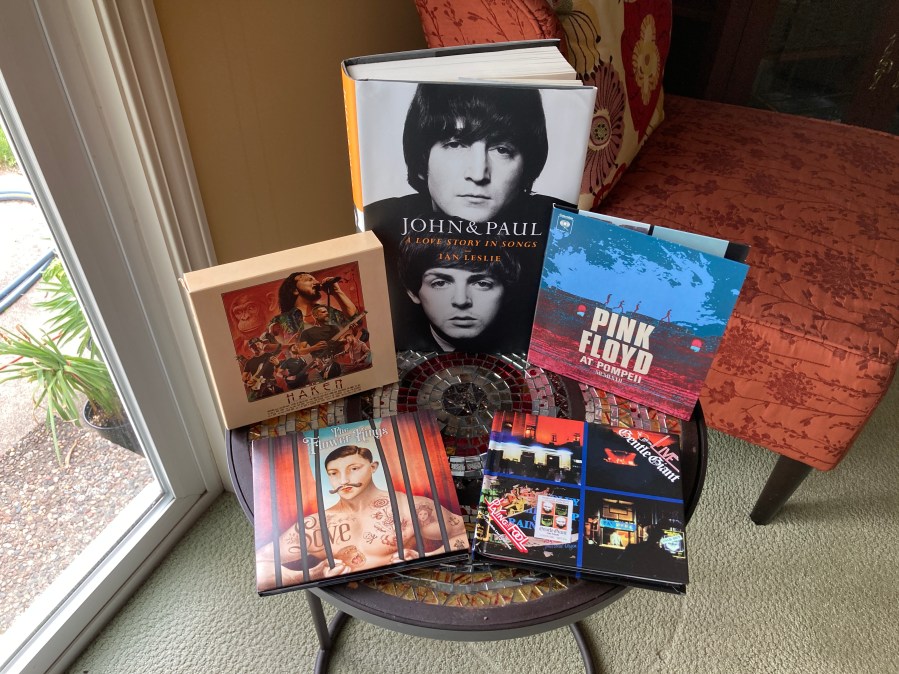
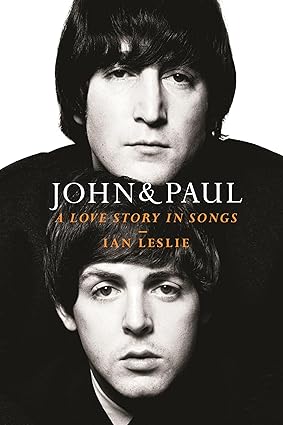
This month’s selection kicks off with something very special: John & Paul: A Love Story in Songs by Ian Leslie, the most impressive book on The Beatles I’ve encountered in ages. Pop-psychology journalist Leslie blew up the Internet in 2020 with “64 Reasons to Celebrate Paul McCartney”, but the driving passion here is his scrupulously balanced estimation of both Macca and John Lennon as men and musicians. Staying off the long and winding “John versus Paul” road so many authors take, Leslie traces the arc of an exceptionally deep male friendship between “two damaged romantics whose jagged edges happened to fit.” Which birthed an exceptional creative partnership, the fruits of which still brighten the world. His thoughtful reflections on 43 songs — grounded in copious documentary evidence, the best Beatle scholarship, accessible musical analysis and his own insight into creativity — vividly portray the forging, then the fracturing of Lennon and McCartney’s bond, from pre-Beatlemania through the Fab Four’s imperial phase and their ill-tempered breakup to Lennon’s shocking death. Tangled as their connection became in the throes of professional and personal conflict, John and Paul couldn’t help but look to each other throughout the 1970s — as competition (writing “Imagine”, John wanted the melody to be as good as Paul’s “Yesterday”), as foe or friend of the moment, as the only other person who could possibly understand. Throughout, Leslie brings to bear admiring gratitude for The Beatles’ music — George and Ringo get their props as well — along with compelling clarity on the emotions that drove that music. And in the end, his portrait of a collaboration that “even as its most competitive, was a duet, not a duel” is utterly moving, equal to chronicling what Lennon and McCartney made of their tempestuous time together and apart. Just read this.

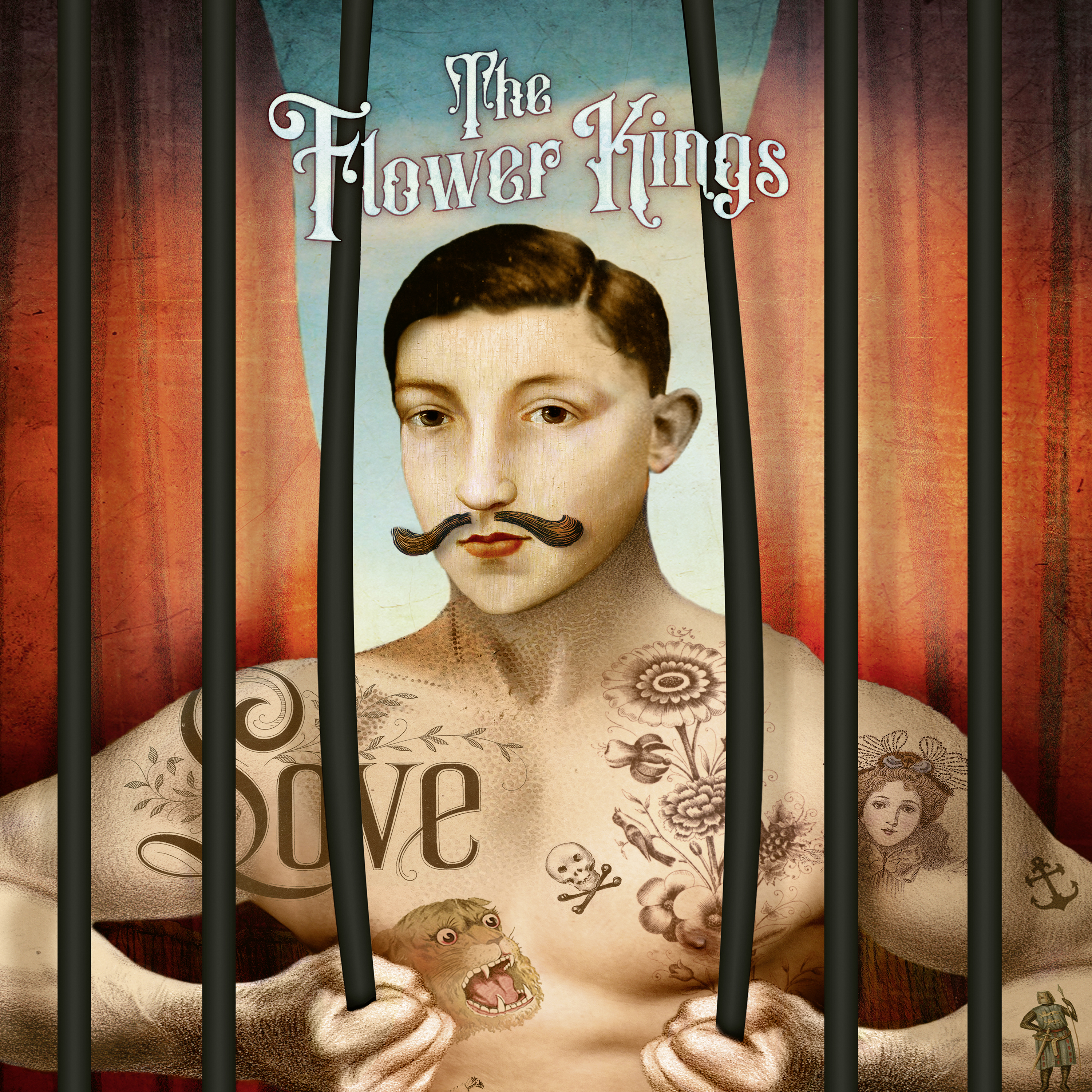
The Flower Kings, Love: A long-playing magic carpet ride, with the minutes effortlessly flying by in the capable hands of Roine Stolt and his Scandinavian comrades. Kicking off with a pair of change-ups (tough, bluesy opener “We Claim the Moon”, jazzified ballad “The Elder”), the Kings then settle into a multi-part suite that, if a bit sedate, has plenty of instrumental color and dynamic vocal shading to hold interest. But the home stretch of this album is where Stolt and company take wing, channelling their inner Yes for the acoustic lilt of “The Promise”, the orchestral build and double-time finale of “Love Is”, the grooving power ballad “Walls of Shame” and the extended closer “Considerations”. Sneakily, subtly addictive, Love is simultaneously a master class in ongoing invention and a psychedelic time travel exercise — so retro it’s actually back there, yet fresh as a daisy throughout.

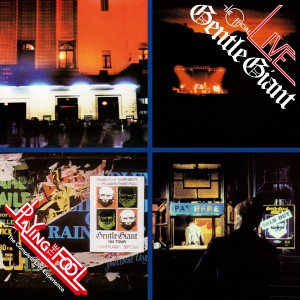
Gentle Giant, Playing the Fool – The Complete Live Experience: The original 1977 release was inspired both by Gentle Giant falling victim to bootleggers and by the rush of mid-70s double concert albums (the British sextet had opened for Peter Frampton both before and after his game-changing Comes Alive set). On the edge of punk’s advent, was a mass-market breakout still possible for a prog band that promiscuously swapped guitars, saxes, recorders, violin, multi-keyboards, mallet percussion and hand drums onstage, mixing soul shouting with Baroque vocal counterpoint all the while? The Shulman brothers, Kerry Minnear, Gary Green and John Weathers give it their all here, from the ricocheting precision of “Excerpts from Octopus” to a wobbly take on “Sweet Georgia Brown” improvised when said keyboards blew up in Brussels. This brand-new reissue restores the complete live set, including three tracks off the contemporaneous “Interview” album, showcasing Gentle Giant as a jaw-dropping live act, doubtless as awesome to behold in the moment as they are to hear right now.

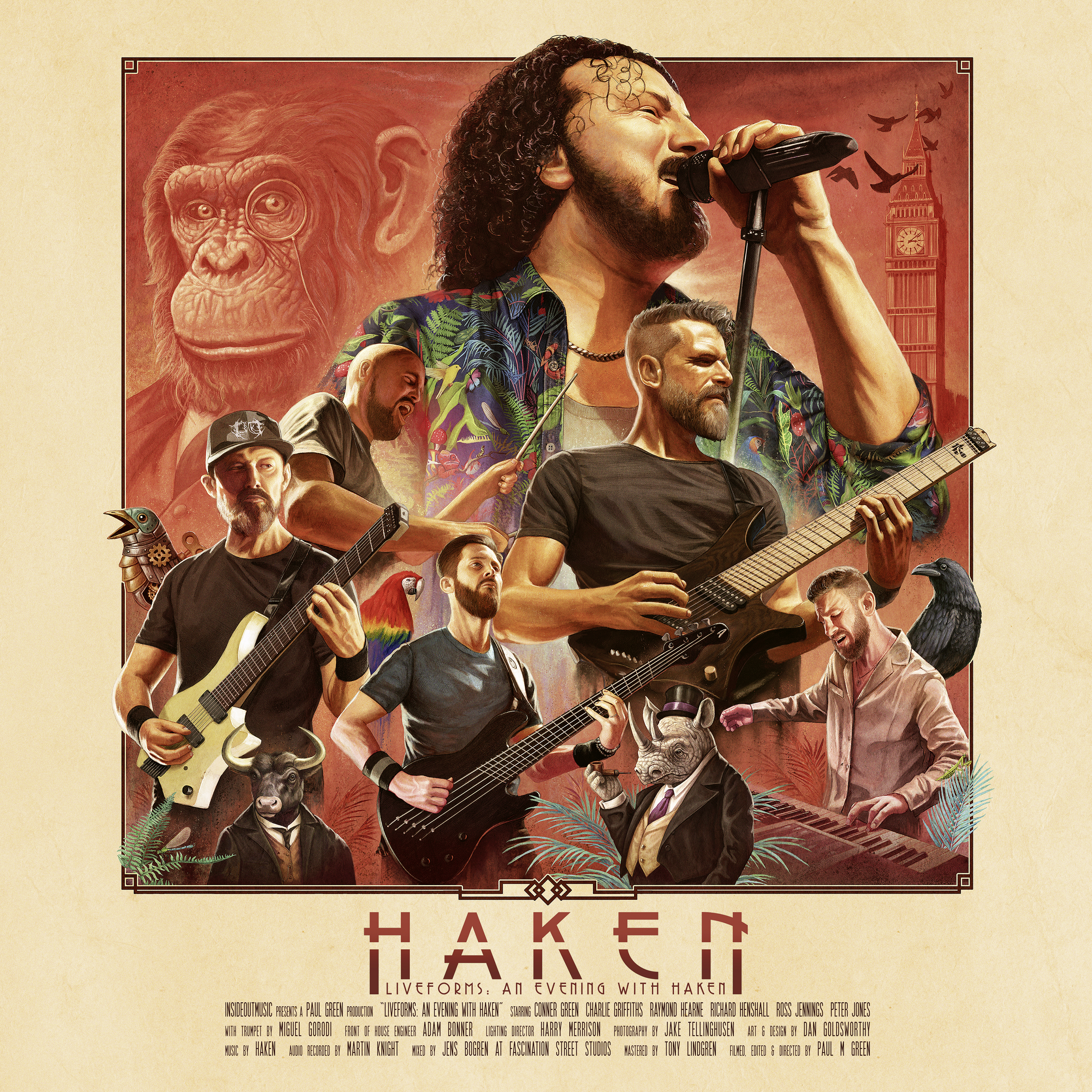
Haken, Liveforms: If Gentle Giant has a modern-day successor, it’s gotta be these guys! Captured in concert at London’s O2 Forum, Haken doesn’t constantly trade instruments, mind you — though the unrelenting interweave of Charlie Griffiths & Richard Henshall’s guitars and Connor Green’s bass (all downtuned, all with an extra string), Peter Jones’ Wakeman-meets-electronica keys and Raymond Hearne’s dizzily polyrhythmic drums evoke a similar instrumental giddiness. Mix in singer Ross Jennings’ searing, soaring leads and occasional demented-barbershop-quartet backing vox, and you have one singular, headturning sound.

A complete run-through of their latest album Fauna (featured on the vinyl version) is equal parts ballet and blitzkrieg. The BluRay/CD package adds a second set to showcase Haken’s catalog to brilliant effect, from the headlong pop-prog of “Cockroach King” and “1985” to the foundational metal epics “Crystallized” and “Visions”. Whether they’re pivoting on rhythmic and melodic dimes, diving into the heavy, or wrangling multiple genres at the same time, this band deserves a hearty “WWOOARRRRGGGHHH” from fans across the board.

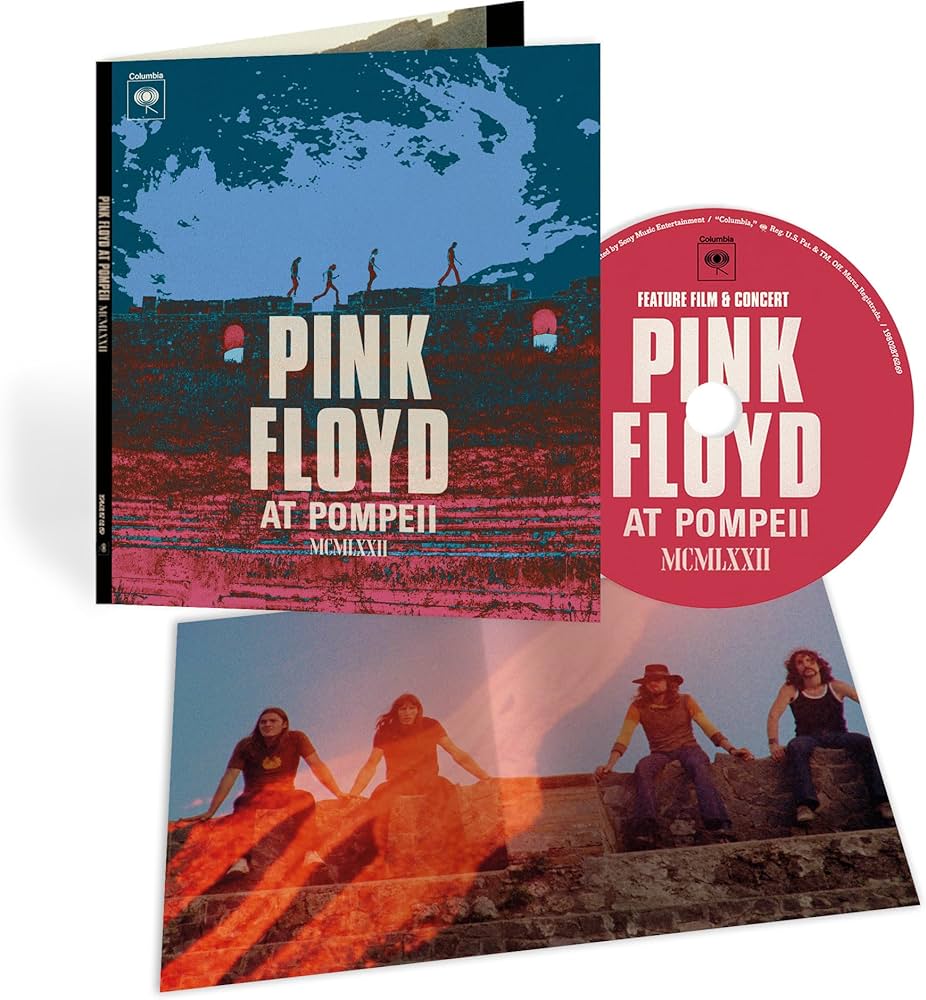
Pink Floyd, At Pompeii MCMLXXII: A pristine new version of the classic acid-trip midnight movie, complete with a typically crystal-clear, hard-hitting new sound mix from Steven Wilson. I dig the behind the scenes footage from the recording of The Dark Side of the Moon at Abbey Road — flashes of studio inspiration, David Gilmour and Nick Mason’s passive-aggressive interview snippets, revealing glimpses of the hostile, fragile band dynamic just waiting to be completely curdled by mass success. But the main course here is Roger Waters, Rick Wright, Gilmour and Mason huddled in that ancient, haunted amphitheatre, surrounded by devastated ruins and arid desert, conjuring up the spooky sonic webs of “Echoes” and “A Saucerful of Secrets”, the obsessive mantra “Set the Controls for the Heart of the Sun”, the whisper-to-scream catharsis of “Careful with That Axe, Eugene” and “One of These Days”.

Without those long years of building their lysergic, near-telepathic style to the feverishly precise pitch shown here, could the Floyd have taken the world by storm with Dark Side? Available in multiple audio and video formats, At Pompeii remains a stunning portrait of a band on the brink of an unlikely world-conquering moment.

— Rick Krueger

Rick’s Quick Takes: Box Set Report, Q1

By January 31st of this year, I had already ordered a ridiculous number of multiple-CD box sets since Christmas. With three delayed in the production process, five have already landed on my doorstep (OK, one was small enough to fit in the mailbox). Reviews follow in the order that I tripped over them on the porch coming home from work. As usual, order links are embedded in the Artist/Title listing and streaming options follow whenever available.

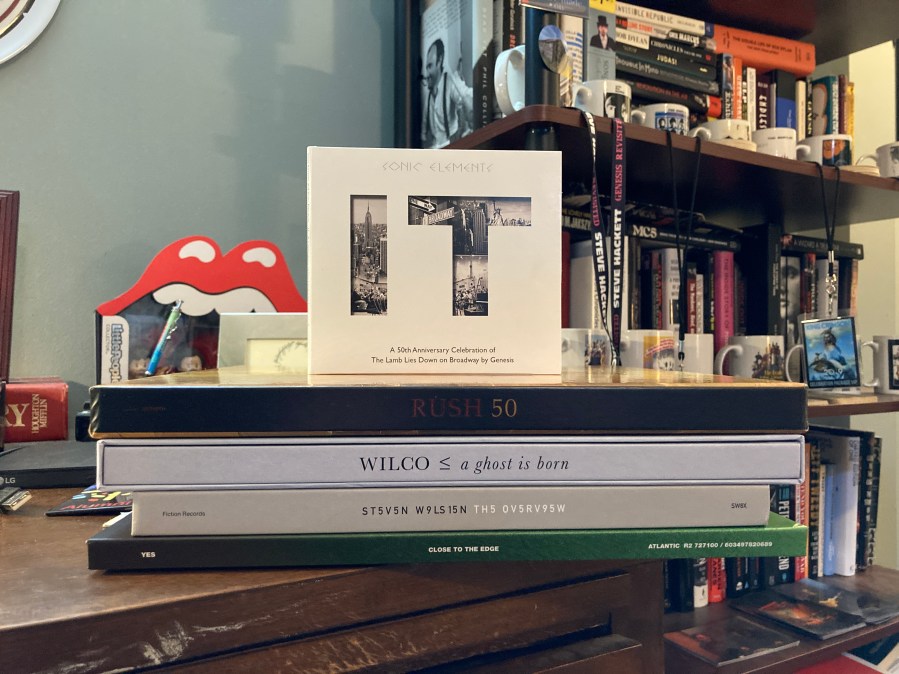
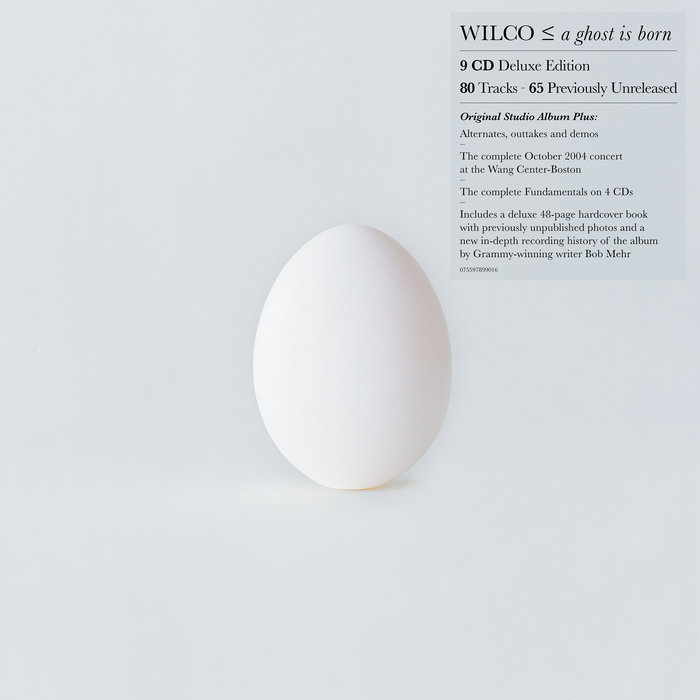
Wilco, A Ghost Is Born Deluxe Edition: springing from entangled hardcore and Americana roots, Jeff Tweedy had steered Wilco through band tumult and record company rejection to plant a left-field cultural marker with 2001’s freak-folk classic Yankee Hotel Foxtrot. The band’s 2004 follow-up A Ghost Is Born went to further extremes, a sputtering tornado of punky guitar thrash, electronic noise, avant-garde improvisational systems and lyrical grapplings with personal vulnerability, mental dysfunction and substance abuse. Heavy? Yep. But never offputting or boring; Glenn Kotche and John Stirratt lay down lateral yet accessible beats that float (“Muzzle of Bees”, “Wishful Thinking”) crackle (the hypnotic “Spiders (Kidsmoke)”) shuffle (“Handshake Drugs”, “Theologians”, “I’m A Wheel”) and stomp (“At Least That’s What You Said”, “The Late Greats”) while Leroy Bach and Mikael Jorgenson add spicy, soulful accents and colors. All the while Tweedy waxes deadpan yet primal, ripping holes in the fabric of his personal time and space, searching out both tender and torturous byways to catharsis and healing. If that kind of quest sounds up your alley, this reissue gives it up in excelsis: the finished album plus 4 discs of jammed “Fundamentals”, 2 discs of outtakes and alternates, and a double-disc live show with then-new members Pat Sansone and Nels Cline fleshing out Tweedy’s unique, unlikely Hero’s Journey. Great, extensive liner notes by Replacements biographer Bob Mehr as well. Already on my Favorites list for the year.

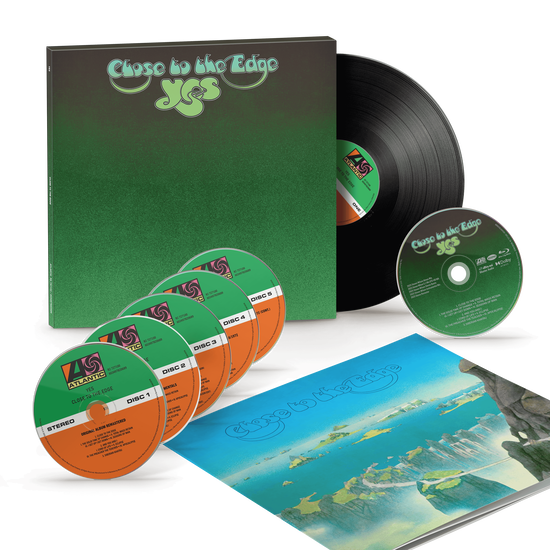
Yes, Close to the Edge Super Deluxe Edition: Well, I did ask for this — and Rhino delivered! The third in the series of SD Yes reissues, this captures what might be the quintessential prog band’s quintessential album in pristine, high-impact sound (both the original mix remastered and Steven Wilson’s latest remixes). It all comes down to the three original tunes from 1972 — the side-long title track, the majestic “And You and I” and the remarkably funky “Siberian Khatru” — with Jon Anderson’s wailing word games, Steve Howe’s lacerating guitar licks, Rick Wakeman’s extravagantly classical keys, and the simmering, bubbling rhythm work of Chris Squire and Bill Bruford all battling for space yet somehow fusing into a triumphant whole. Bonuses include plenty of rarities and alternates (including both versions of Yes’ classic take on Paul Simon’s “America”) and a complete live show from the tour that followed, with Alan White’s beefy thwack on drums replacing Bruford’s loose, limber dance. Well worth hearing and picking up, even if you have previous reissues; another instant Favorite.

Steven Wilson, The Overview: If Wilson has never realized his dream of broad pop stardom, he’s entranced the mainstream rock press this time around — both usual (Prog Magazine) and unusual (MOJO named it album of the month) suspects have hailed The Overview as a return to prog that doubles as a conceptual tour de force. For once, though, I’m underwhelmed; while intermittently galvanizing, the two-track album stubbornly refuses to coalesce in my ears. Is Wilson’s musical material stretched too thin? (Side One’s 23-minute suite “Objects Outlive Us” is ultimately a set of variations on one six-chord sequence.) Are his influences, for once, undigested? (The Dark Side of the Moon, Tangerine Dream and “Space Oddity” are practically italicized and bracketed on Side Two’s title suite.) Or is it more likely that I’m bouncing off Wilson’s main conceit (admittedly snarky paraphrase: “the universe is big, cold, and dead, so loosen up in your petty day-to-day lives and find your own existential purpose in the face of meaninglessness”)? As stunning as its high points can be, for me The Overview feels like Wilson’s chilliest, least empathetic effort since his 2008 solo debut Insurgentes. Still, I wouldn’t be surprised if hearing SW live this fall, backed by the players responsible for the instrumental highlights here (Randy McStine and Adam Holzman absolutely bring the goods) shifts my perspective. After all, I wound up advocating for The Future Bites . . . Bonuses of the sold-out deluxe edition include an orchestrated version of Side One and the complete take of album closer “Permanence”, with saxophonist Theo Travis lighting up Wilson’s ambient aural nebulas.

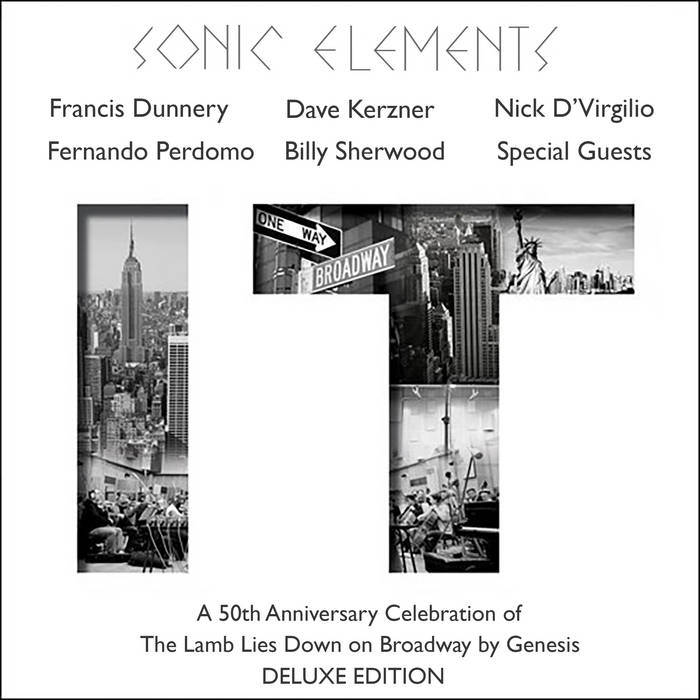
Sonic Elements, IT – A 50th Anniversary Celebration of The Lamb Lies Down on Broadway by Genesis: Genesis’ first entry into the superdeluxe marketplace, a 50th-anniversary remaster of their 1974 rock opera, wound up being delayed until June. In meantime, we have to content ourselves with this remake, masterminded by keyboardist/conceptualist extraordinaire Dave Kerzner. But never fear; there’s contentment — indeed, satisfaction — aplenty to be found! An all-star team of contemporary American giants (Kerzner, Fernando Perdomo on guitar, Billy Sherwood on bass) have the time of their lives rewiring The Lamb as a lushly upholstered, dynamic film score, complete with Nick D’Virgilio’s drums and orchestrations repurposed from a similar 2009 project. But the secret sauce here is vocalist Francis Dunnery (whose credits range from original lead singer for Brit neo-proggers It Bites to guitarist for Robert Plant); his magnificent, dramatic singing echoes Peter Gabriel’s originals while avoiding the safety of imitation. Dunnery absolutely inhabits Genesis’ Puerto Rican punk pilgrim Rael on his journey from the streets of New York through realms of embodied myth to absorption into Jung’s collective unconscious (I think). It’s all done with love, gusto and plenty of polish, and it’s absolutely thrilling. Available as a basic double-disc set, a Deluxe triple set with alternate versions of multiple tracks, or a hi-res download with even more alternate takes. Well worth every penny, whichever version you opt for, and in the running for the Favorites list.

Rush 50, Deluxe Edition: So how do you put together yet another Rush anniversary compilation — especially the first since the passing of Neil Peart? Rush 50 turns out to be a pretty ingenious solution to the problem — not just one of marketing, but of producing genuine value. Yes, it’s organized around the career arc of everyone’s favorite Canadian hard-prog power trio as usual; yes, there’s at least one song from every album, with career high points from Fly By Night to Clockwork Angels given extra representation. But more than half the 50 tracks are live versions — spanning the decades from an early TV appearance recorded at an Ontario secondary school to the encore from the final gig of the R40 tour, taken from the canonical All the World’s A Stage, the bonus concerts on recent 40th-anniversary reissues, later live video/audio packages, and the vaults. If some of the fledgling band’s material seems woefully unfashionable now — the Beatles’ “Bad Boy” spun into a psychedelic workout a la Cream, for example — we still get the privilege of eavesdropping as Alex Lifeson, Geddy Lee and Peart grow in muscularity, depth and confidence, building an audience with their audacity and prowess, while time stands still before our ears. The mouthwatering physical package, with sympathetic, well-reported overviews of the band’s first and final decades plus mouthwatering new art by the stalwart Hugh Syme, is the icing on the cake here. Even if most of this material is familiar to longtime fans, having it all in one box turns out to be a genuine pleasure.

— Rick Krueger

Steven Wilson North American Tour Announced

Steven Wilson has announced dates and other details for a fall North American tour, focusing on his upcoming concept record The Overview and his 2023 album The Harmony Codex.

Beginning September 9th and running through October 11th, the tour will include 15 shows at large theaters (2,000+ seats), covering the USA’s West Coast, Midwest, East Coast and South, as well as 3 Canadian shows in Toronto and Quebec. On his first full-band tour in 7 years, Wilson will be backed by longtime stalwarts Adam Holzman on keyboards, Nick Beggs on bass/Stick & vocals, and Craig Blundell on drums, along with Porcupine Tree sideman Randy McStine on guitar & vocals.

Tickets go on public sale Friday, January 31st at 10 am local time through Ticketmaster/Live Nation. In addition, there will be a fan presale TODAY beginning at 10 am local time. Tour dates (and yes, the fan presale password) follow the jump!

Continue reading “Steven Wilson North American Tour Announced”

Rick’s Quick Takes: 4th-Quarter ’24 Lightning Round!

Where have the last two months gone? And how many new releases have I enjoyed in the interim? Enough that I’ll be shooting to summarize each one included below in two to four sentences, max! (Though I can’t guarantee they’ll be short sentences.) Purchase/streaming links embedded as usual, so here we gooo . . .

New Music

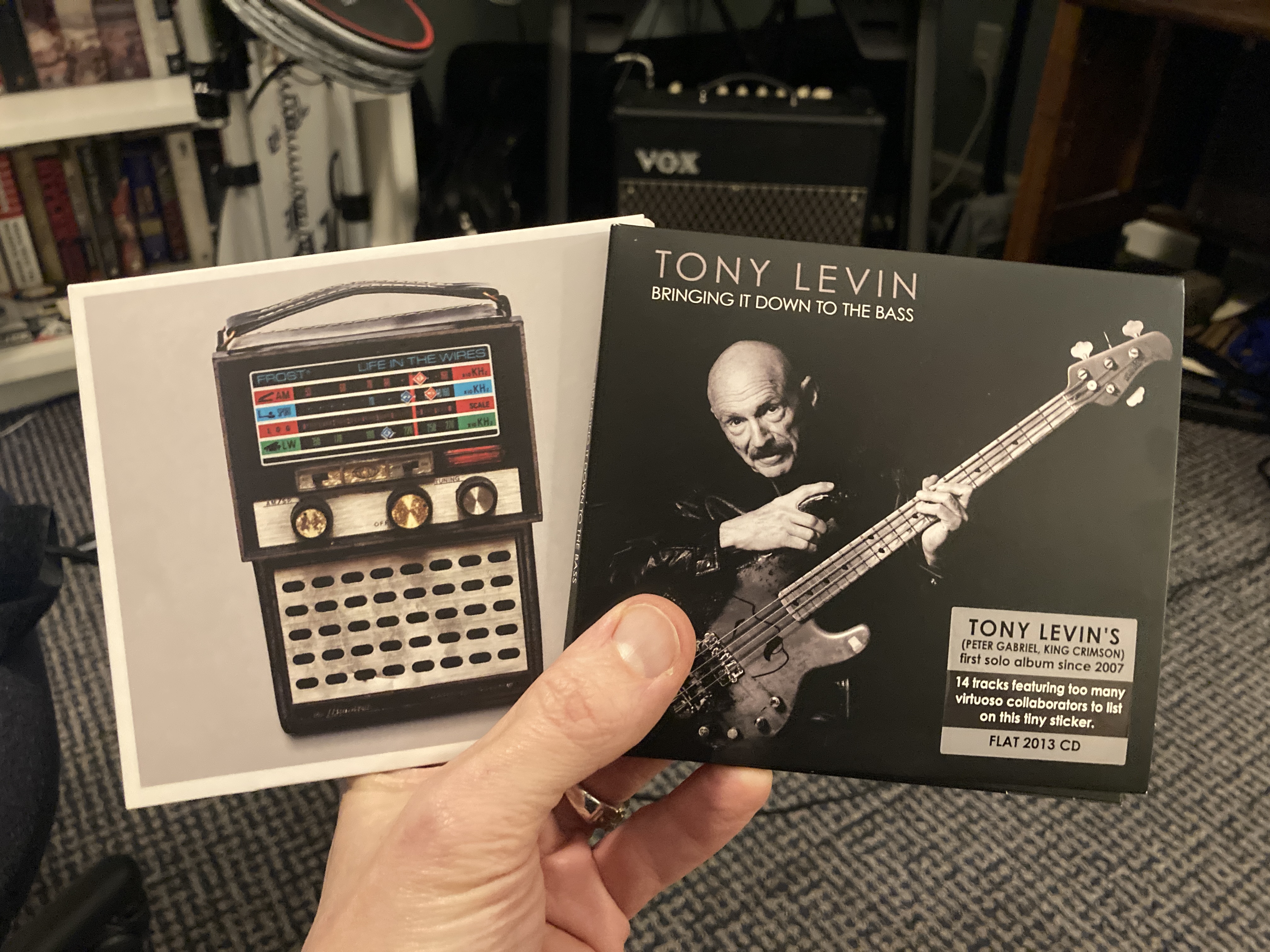
As teased in our October interview with mainman Jem Godfrey, Frost*’s Life in the Wires (listen here) is the conceptual album of a prog fan’s fondest dreams; the storyline is vintage dystopia (1984 meets Who’s Next), the music a full-on sonic assault from the get-go (replete with widdly synthesizer solos). Pitted against the required cybernetic supervillain, in search of freedom out there in the fields, can Godfrey’s protagonist Naio escape permanent lockdown in teenage wasteland? The ultimate answer is well worth the winding journey; powered by the heady backing of John Mitchell, Nathan King and Craig Blundell, Godfrey easily conjures up the equal of previous band high points Milliontown and Falling Satellites.

On his fresh solo album Bringing It Down to the Bass, Tony Levin launches 14 low-end odysseys with (to quote the hype sticker) “too many virtuoso collaborators to list.” But whether proving that “Boston Rocks” with Bowie guitarist Earl Slick and Dream Theater drummer Mike Portnoy, “Floating in Dark Waves” below Robert Fripp’s soundscapes, or reuniting with fellow Peter Gabriel bandmembers on multiple jams, Levin always grabs the ear with his supremely melodic bass, Stick and cello work. And his low-key, half-spoken vocals prove surprisingly effective, especially on dry barbershop throwbacks “Side B/Turn It Over” and “On the Drums” and the moving John Lennon tribute “Fire Cross the Sky.”

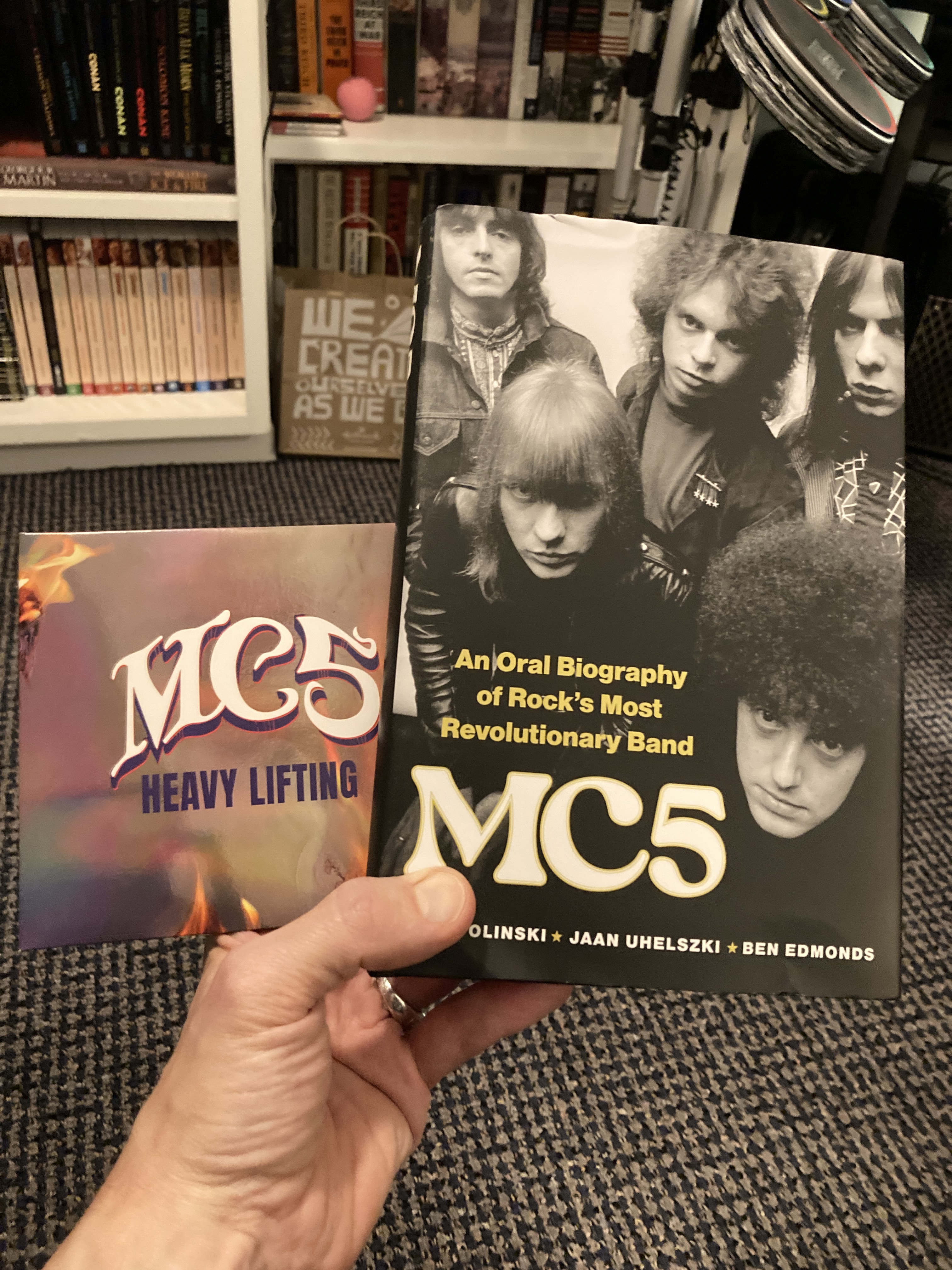
Pioneer garage rock guitarist Wayne Kramer had one more winner in him before his passing earlier this year. Credited in tribute to Kramer’s seminal Detroit collective MC5, Heavy Lifting (listen here) rages against the political and cultural machines still standing since the band’s original heyday, agitating for a better deal with 13 brash, irresistible helpings of punk (“Barbarians at the Gate”), rock (“Edge of the Switchblade”) and soul (Edwin Starr cover “Twenty-Five Miles”). For the full skinny on why Kramer & company finally snuck into the Rock & Roll Hall of Fame through the back door this year, the new MC5: A Oral Biography of Rock’s Most Revolutionary Band is essential reading.

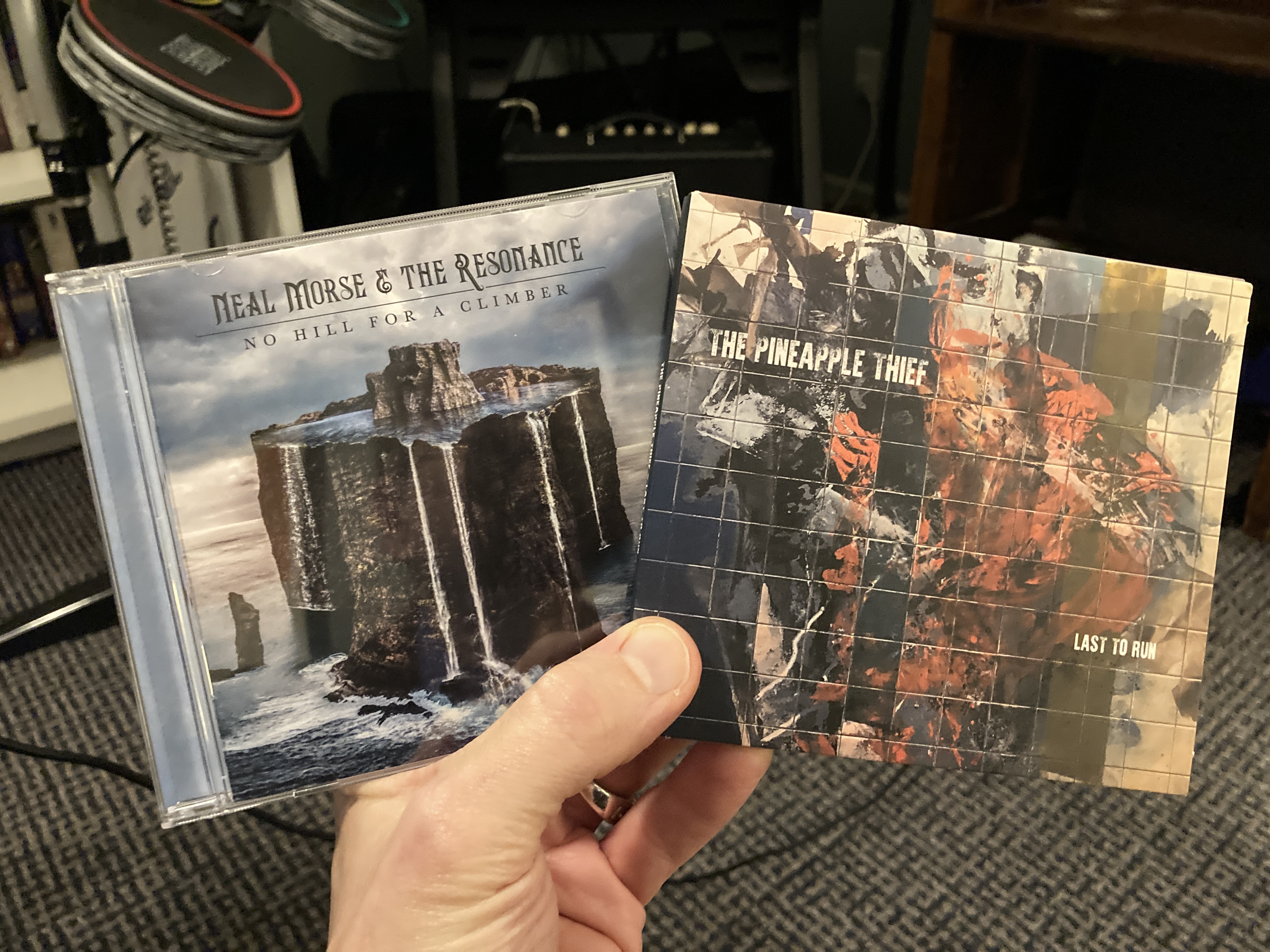
As his long-time collaborators spin off in other directions, Neal Morse just keeps on keeping on! Teaming with The Resonance, a purpose-built quartet of young Nashville hotshots, Morse’s latest No Hill for a Climber (listen here) is a bit of a throwback; instead of full-blown rock opera, Morse builds a multi-faceted album, sandwiching creepy swinger “Thief”, head-down rocker “All the Rage” and melting ballad “Ever Interceding” between twin epics (opener “Eternity in Your Eyes” and the closing title suite). The more straight-on vibe Morse embraced on his Joseph duology predominates here, but with enough detours to keep long-time listeners coming back and intrigue new hearers.

Straight-on is a pretty good description of the new The Pineapple Thief EP Last to Run (listen here) as well; far more than leftovers from the fine It Leads to This, the five songs included here strike hard and deep. As Gavin Harrison weaves enticing rhythmic illusions on drums, Bruce Soord spins up dark, pensive vignettes of personalities in crisis (“All Because of Me”), relationships snarled by dysfunction (“No Friend of Mine”) and societies on the brink (“Election Day”). Another band that mines a familiar vein repeatedly, yet consistently leaves listeners craving more.

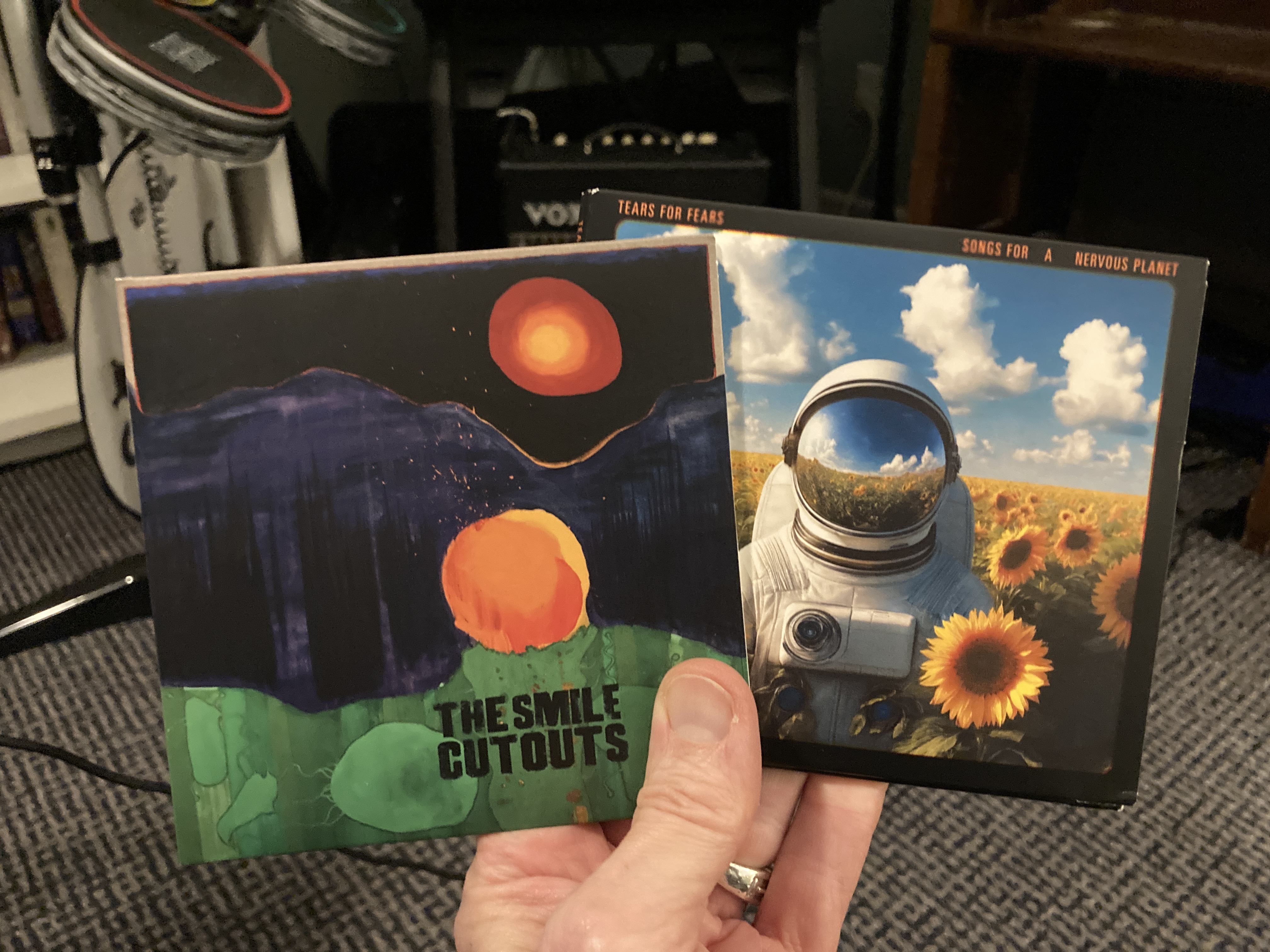
Speaking of dysfunction, The Smile’s Cutouts (listen here) resembles nothing so much as a numbed comedown, trailing the apocalypses unflinchingly depicted earlier this year on their Wall of Eyes. Thom Yorke’s nonsense lyrics and bleached-out vocal affect sound light-years away from the redemption Radiohead intimated even at their most jaundiced; Jonny Greenwood spins up orchestral/electronics, evoking distant, forgotten nightmares; Tom Skinner holds down the spare, spacey beat, blithely driving into nothingness. If not as gripping as this trio’s first two albums, Cutouts can still compel with its chill.

But where The Smile chills, Tears for Fears seeks warmth; the four fresh tracks on TfF’s mostly-live Songs for a Nervous Planet (listen here) home in on healing (“Say Goodbye to Mom and Dad”), lasting love (the lush “The Girl that I Call Home” and the psychedelic “Emily Says”) and self-actualization (the quirkily glib “Astronaut”). And there’s plenty more catharsis in concert, as Roland Orzbaal, Curt Smith and backing band blast out the hits of yesteryear and revisit the highlights of their fine 2022 comeback The Tipping Point, all with plenty of enthusiasm and aplomb.

(Live albums and archival releases – box set time! – follow the jump.)

Continue reading “Rick’s Quick Takes: 4th-Quarter ’24 Lightning Round!”

Rick’s Quick Takes: Come On, Feel the Noise!

This time around, a cross-section of mostly new, mostly instrumental albums that may start in one genre but willfully refuse to stay there — with frequently bracing results. Purchase links are embedded in the artist/title listings, with any additional purchase links for physical media at the end of a review and streaming access following.

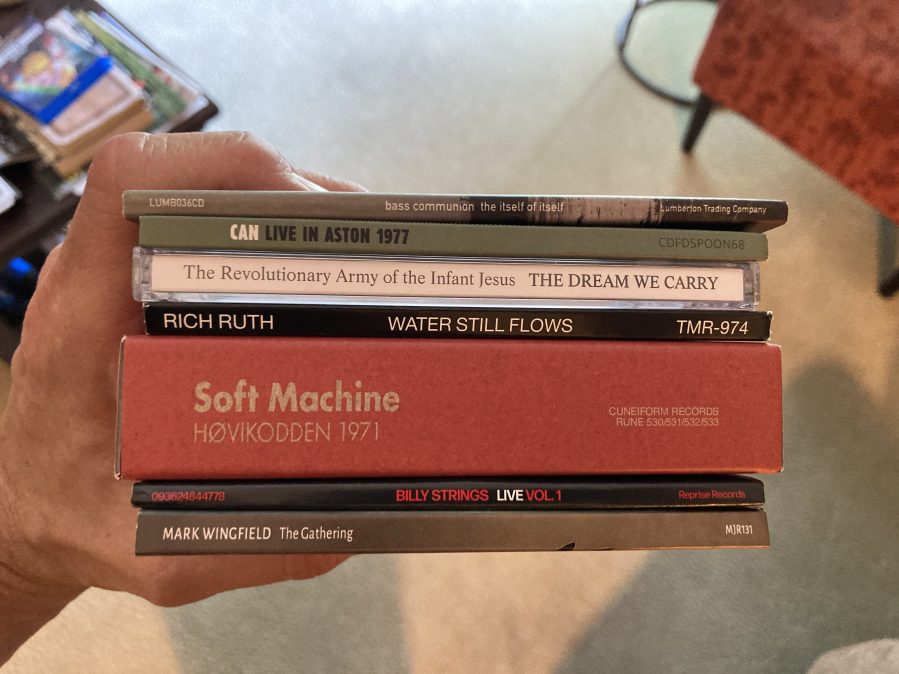
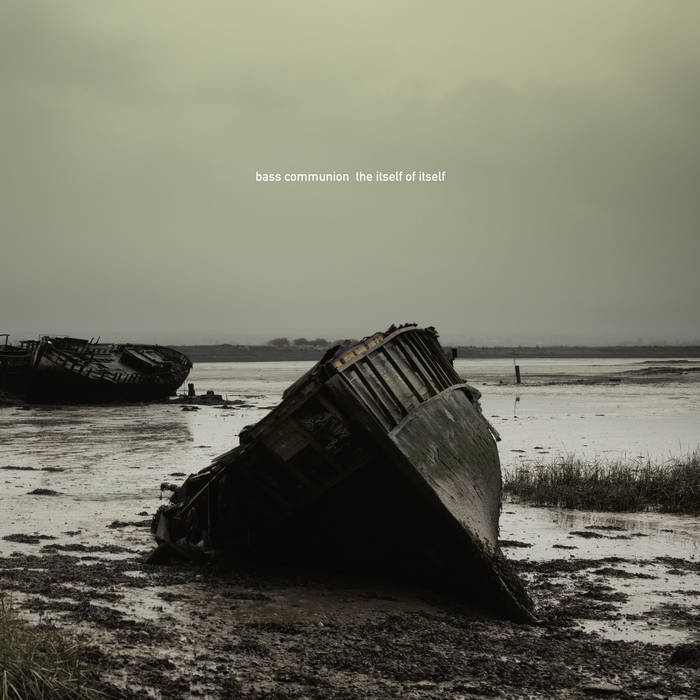
Bass Communion, The Itself of Itself: We can’t say Steven Wilson doesn’t warn us on the album sleeve: “audio artefacts and noise such as tape hiss, wow and flutter, vinyl crackle, distortion and earth hum are (probably) deliberate.” Delving into his longstanding experimental/electronic doom-drone persona, Wilson once again abandons melody and rhythm to slap down raw sonic textures and grind them together across extended time spans. The results range from arresting (the relentless build of horror-soundtrack opener “Unperson”, the uneasy, alarming stasis of the title piece) to utterly forgettable (when my dehumidifier kicked in during “Study for Tape Hiss and Other Artefacts”, I really thought it was part of the track). Am I finally sussing out (as some have theorized) Wilson’s extended con of the prog world? Getting a sneak peek of his 2025 solo album The Overview? Or hearing the latest from an artist who just does whatever he wants and doesn’t particularly care how possessive fans get about him? I’m a diehard Wilson fan, but when it comes to Bass Communion, your guess as to his motivation is probably as good as mine. (Order the CD from Burning Shed here.)

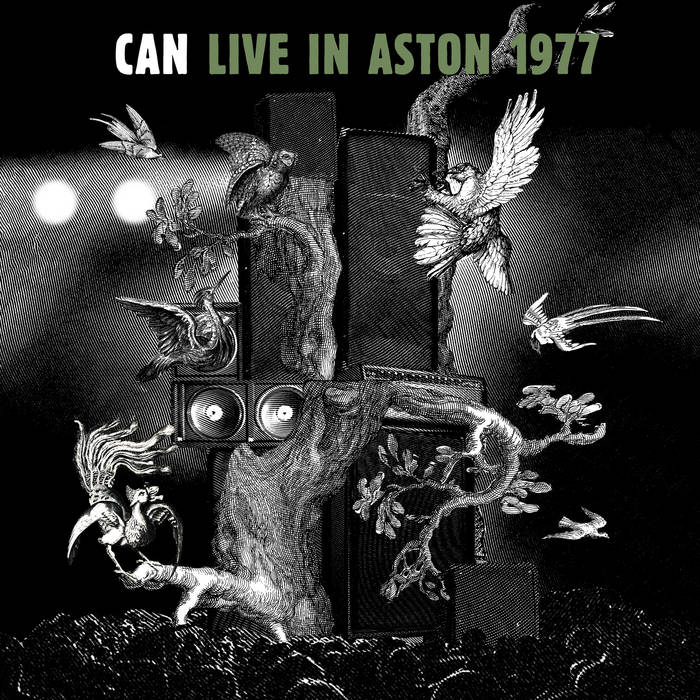
Can, Live in Aston 1977: Krautrock’s most thoroughly improvisational outfit got thoroughly funky in the late ’70s, courtesy of Rosko Gee, Jamaican bassist of no mean ability. With Gee powering the beat and previous bassist Holger Czukay dialing up snippets from shortwave radio and tape libraries, this version of Can is rhythmically tighter and tonally looser at the same time. That means Michael Karoli has more room to howl on guitar, Irmin Schmidt can conjure thicker clouds and launch edgier thunderbolts from his keyboards, and drummer Jaki Liebezeit can drill down into his unstoppable, drily metronomic groove. The clangorous solo section of “Drei” (enticing in its ambiguity – who’s playing this crazy thing that sounds like a bell choir in hyperdrive?) and the insistent, stonking, organ-led groove of “Vier” are high points. A solid addition to this fine archival series of vintage concerts.

The Revolutionary Army of the Infant Jesus, The Dream We Carry: RAIJ’s 2020 effort Songs of Yearning was my Top Favorite album of that strange year; I called it “a sacramental transmission from, then to, the heart of creation.” The Liverpool “experimental arthouse collective” has reduced its core personnel and pared back its weirdness ever so slightly, but their inviting mélange of reflection and insistence, sacred and profane persist. Jesse Main’s vocals and Eliza Carew’s cello gracefully arc over Paul Boyce and Leslie Hampson’s lush instrumental backing; on multi-track suites like “Les Fils des Etoiles” through “Object of Desire”, fragments of multilingual poems, songs and spoken word rise from nowhere, become incarnate, declare their tidings, then disappear into a wistful bed of chamber and orchestral tone color. Like RAIJ’s entire catalog, The Dream We Carry testifies to mystery tucked within the mundane, exemplified by album ender “The Song of Wandering Aengus”; it’s an eloquent yet elusive invitation to encounter the Spirit active at the heart of the fields we know.

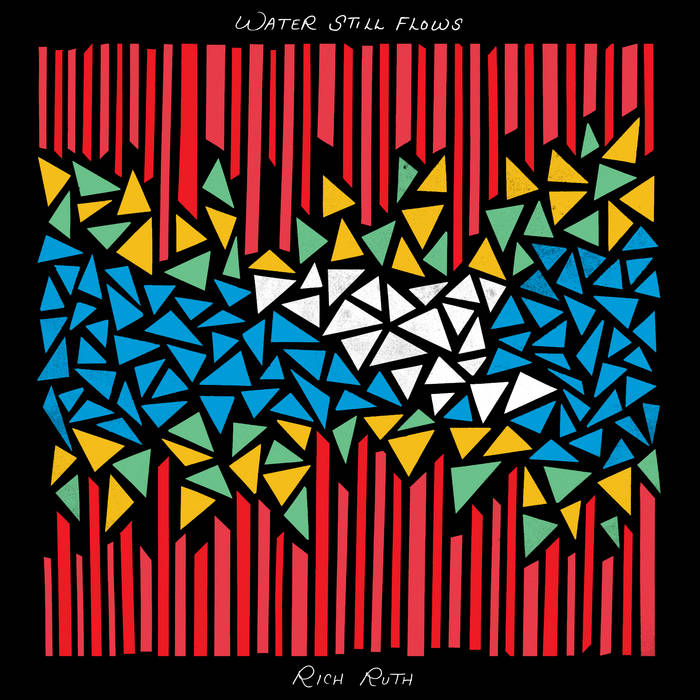
Rich Ruth, Water Still Flows: Reviewing 2022’s I Survived, It’s Over, my thumbnail sketch of Nashville guitarist Rich Ruth pointed to him as RAIJ’s American counterpart — but on the evidence of his latest, that assessment sells him short. For Water Still Flows, Ruth adds massive slabs of dark metal riffage to his already potent mix of cosmic ambience, celebratory spiritual jazz, and slow-crawling post-rock. Opener “Action at a Distance” feels like a heftier “Won’t Get Fooled Again”; marauding power chords choke off the luxuriant strings of “God Won’t Speak”; the blissful comedown of “Somewhere in Time” sticks a soft landing after the devastating climax of “Aspiring to the Sky”. With an eclectic ensemble of sax, harp, and pedal steel plus Ruth’s frenetic axework anchored by Reuben Gingrich’s crashing drums, this album is a mighty, impeccably shaped tone poem that once again journeys through pain and catastrophe to refreshment and renewal. (Order the LP or CD from Third Man Records here.)

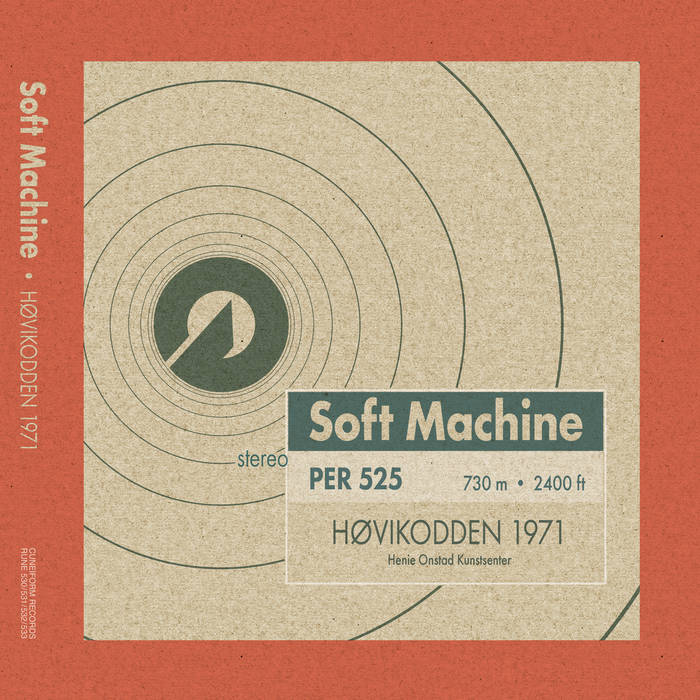
Soft Machine, H​ø​vikodden 1971: The seminal British jazz-rock band at its creative peak, recorded over two nights at a Norwegian arts center. At each show, Mike Ratledge’s inimitable fuzz organ takes command; multi-saxist Elton Dean lets loose with an unending stream of raucous Coltrane licks; Hugh Hopper’s bass swarms, clambers and climbs, refusing to stay on the low end; Robert Wyatt’s limber drumming seethes, weaving through the tonal murk at will. Sometimes locking together in breathtaking unison, sometimes scattering to widely separated corners, the Softs approach classic material like “Facelift”, “Fletcher’s Blend” and “Out-Bloody-Rageous” from vastly different perspectives at different shows; the first night is a anarchic fireworks display, gobsmacking in its sweep, while the second night channels the quartet’s energy into a thrilling, thrusting sense of unified drive (albeit with laid back interludes). There’s tons of live Soft Machine available, but this newly released box set is a genuine high point of their already formidable discography.

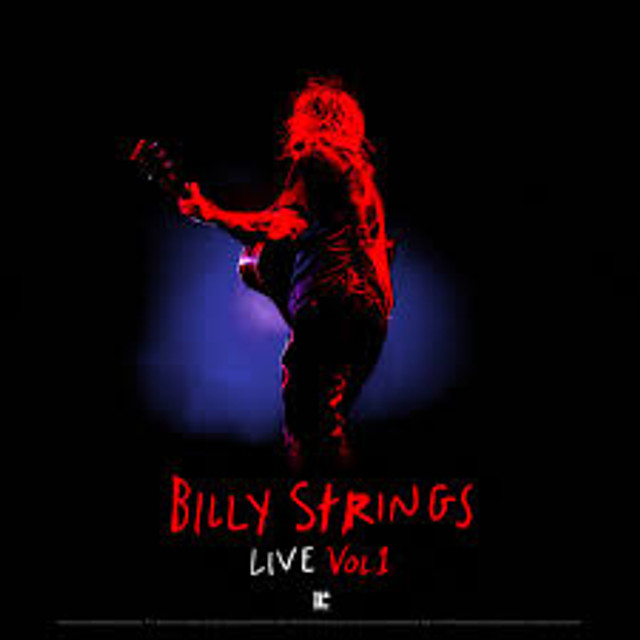
Billy Strings, Live Vol. 1: I’ve gotta admit, I’m late to the party here; before a recent sojourn in Nashville and a resulting reacquaintance with all things Americana, I had missed out on the mightiest musician to hail from Michigan in a long, long time. Strings is, without a doubt, the real deal: a virtuoso guitarist, a first-rate singer and a songwriter who’s already shown signs of true, durable greatness. On his first live release, he and his band turn gritty evocations of small-town vice (“Dust in a Baggie,” “Turmoil and Tinfoil”) and poetic contemplations of the bigger picture (“Long Forgotten Dream”, “Fire Line/Reuben’s Train”) into unabashed, dynamic bluegrass brilliance, stirring in proggy interplay and psychedelic seasoning, stretching out their jams for maximum tension and impact, but with nary a wasted note or a thoughtless lick. This is an absolutely smashing major label debut, a snapshot of a phenomenon in perpetual motion, the music grounded in Strings’ heart as well as his fearsome chops, and already on my Favorites list for this year. (Strings’ next studio album, Highway Prayers, has just been announced for a September 27 release.)

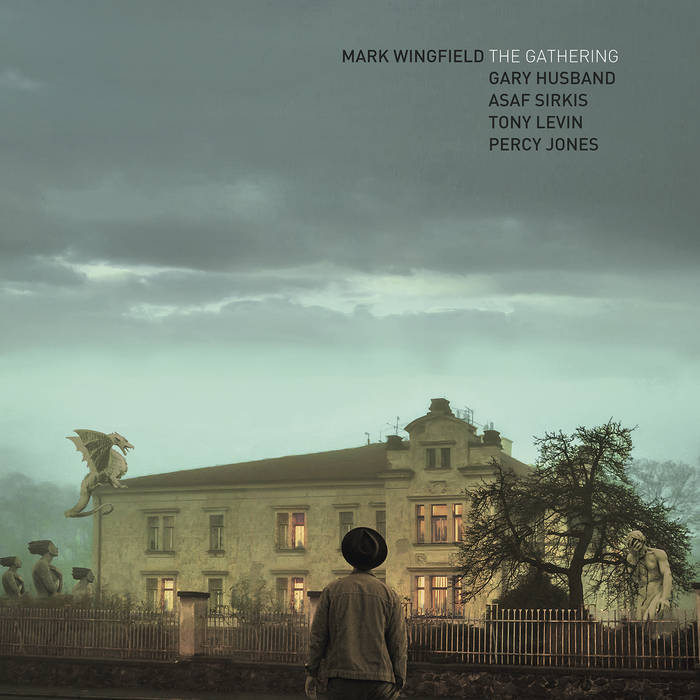
Mark Wingfield, The Gathering: Nightmarish complications severely curtailed MoonJune Records’ ability to sell this beauty on CD — which is a shame, because it may be British fusionist Wingfield’s most accomplished and focused effort to date. Languorous, enticing compositions like “Apparition in the Vaults”, “A Fleeting Glance” and “Cinnamon Bird” consistently take flight here: Wingfield’s guitar traces ecstatic melodic parabolas and sparse changes; Gary Husband colors the soundscape with juicy pads, inspired atmospheres and choice accents on piano and synth; Asaf Sirkis lays down a spacious, unshakeable polyrhythmic grid to propel things forward. What makes this even more of a killer session is the overdubbed bass contributions of King Crimson’s Tony Levin (focusing on active, rich-toned counterpoint) and Brand X’s Percy Jones (bubbling under with his unique tone and angular comping). It’s daring and delightful from start to finish, as an all-star lineup of truly great players work with total concentration and dedication, and make this sophisticated yet accessible music their own.

— Rick Krueger

Rick’s Quick Takes for February ( Levels, Likes, Loves, Leads – and Nightwhales?)

2024 is out of the gate hot — three of the albums below are already on my Year-End Favorites list, and there are no duds in this bunch! As usual, purchase links are embedded in the artist/title listing, with a partial or complete streaming preview below the review.

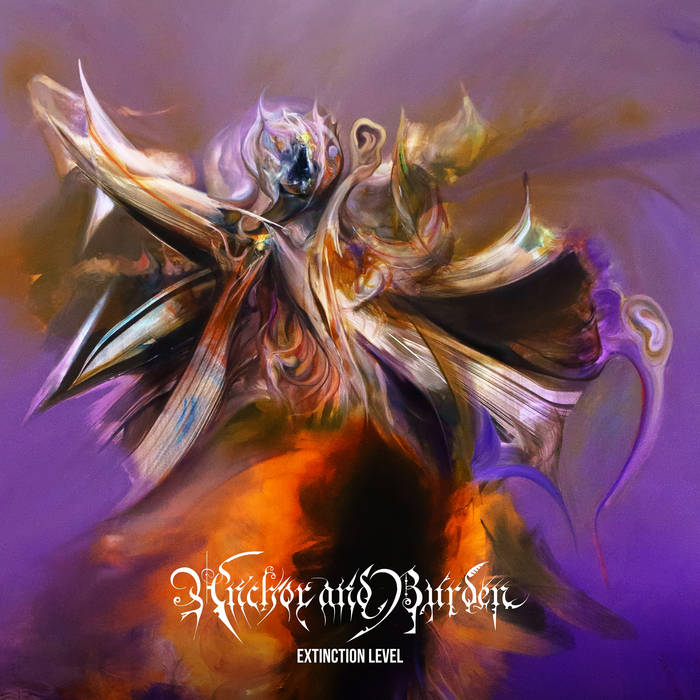
Anchor and Burden, Extinction Level: MoonJune Music mainman Leonardo Pavkovic has labelled this brutal beauty “uncompromising progressive avantgarde doom-jazz post-metal”. That pretty much covers it! Kicking off with opener “Fractured Self” and “Body Expansion”, touch guitarists Markus Reuter and Alexander Dowerk spend the next hour launching knife-edged slabs of sonic concrete into sub-orbit; drummer Asaf Sirkis pulverizes any semblance of a steady beat into terrifying quick marches (“Mutual Assured Destruction”), hyperactive polyrhythms (“Nine Gates to Dominion”), or just lethal, unanticipated deadfalls; and electronics wizard Bernhard Wöstheinrich provides both breathing space for a comedown, as on the closing “The Crust of This Earth”, and crash pads for droning, sludgy guitar plunges throughout the extended title track. Absolutely bonkers, already a favorite; you may have to be in the right mood for it, but Extinction Level’s free-for-all improv (not far removed from King Crimson’s outer limits) turns out to be a heady, head-banging good time.

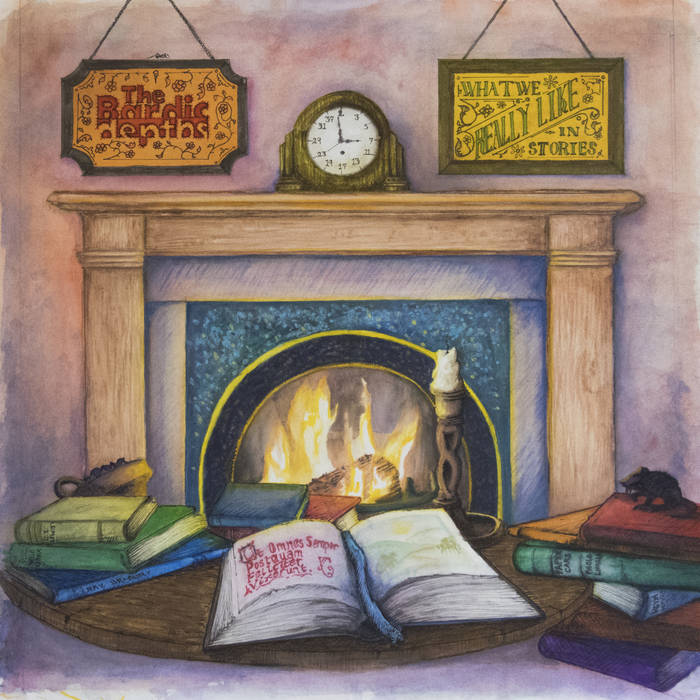
The Bardic Depths, What We Really Like in Stories (released March 7): both more direct and more varied than their previous releases, TBD’s third is a first-class album that delivers generously on its title’s promises. Brad Birzer’s graceful lyrics effortlessly transport us into the minds of creators as diverse as Ray Bradbury (“You’ve Written Poetry, My Boy”), Willa Cather (“Old Delights”) and Robert E. Howard (“The Feast Is Over”) — then into the creations themselves (the Orwellian dystopia of “Vendetta”, the postapocalyptic “Stillpoint”, the high adventure of “Whispers in Space”). In turn, Dave Bandana and Gareth Cole’s compositions are appealingly streamlined, giving Cole’s guitars, Bandana’s guitars & synths and Peter Jones’ keys & saxophones plenty of room to shine but never straying into aimless jams. Add a warm vocal blend from the quartet (with Jones and Bandana at the forefront) to Tim Gehrt’s steady, sparkling grooves, and you have a prog album that’s accessible without compromise, thought-provoking without pretension. This one’s charms might sneak up on you, but repeated listens will thoroughly repay your kind attention. (Check out our Bardic Depths roundtable here.)

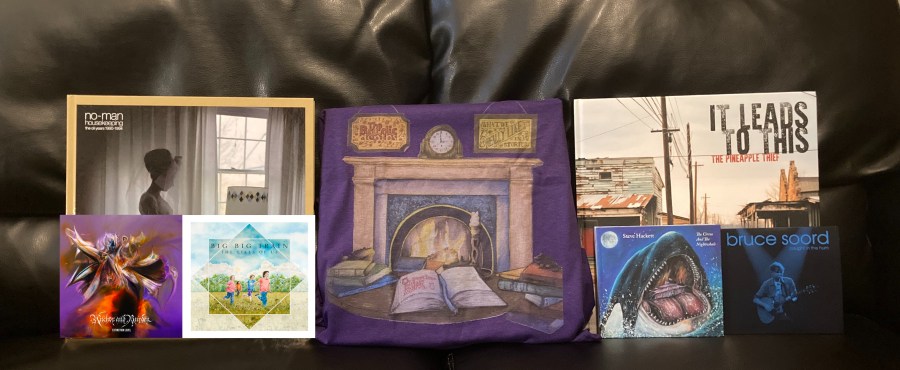
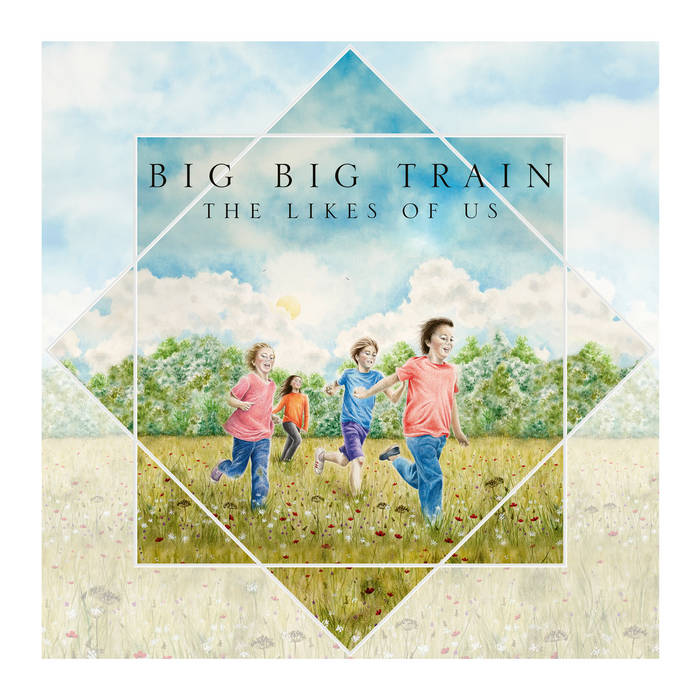
Big Big Train, The Likes of Us (released March 1): the wonder here isn’t that indefatigable founder Greg Spawton and his international crew have regrouped with such power and panache; it’s that they’ve tackled the struggles and sorrows of recent years head-on, forging them into the band’s most direct, integrated album since Grimspound. From mission statement/overture “Light Left in the Day” through epics “Between the Masts” and “Miramare” to killer ballad “Love’s Light” and finale “Last Eleven”, new singer Alberto Bravin fares forward into the unknown, summoning the essence of friendship and the pain of loss, calling on all in earshot to seize the day. There’s tons of musical variety, too, from the hard-rocking “Oblivion” to the playful “Skates On” and the 12-string weave of “Bookmarks”, with all seven players (five of whom sing) each getting their time to shine. And yes, that brass section pops in at just the right moments, to bring a tear to the eye or lift the spirit as required. Familiar yet fresh, and destined for that year-end faves list, BBT fans can be well satisfied with this latest excursion – and The Likes of Us is well turned out to welcome new Passengers onboard as well! (Check out our interview with Alberto Bravin here.)

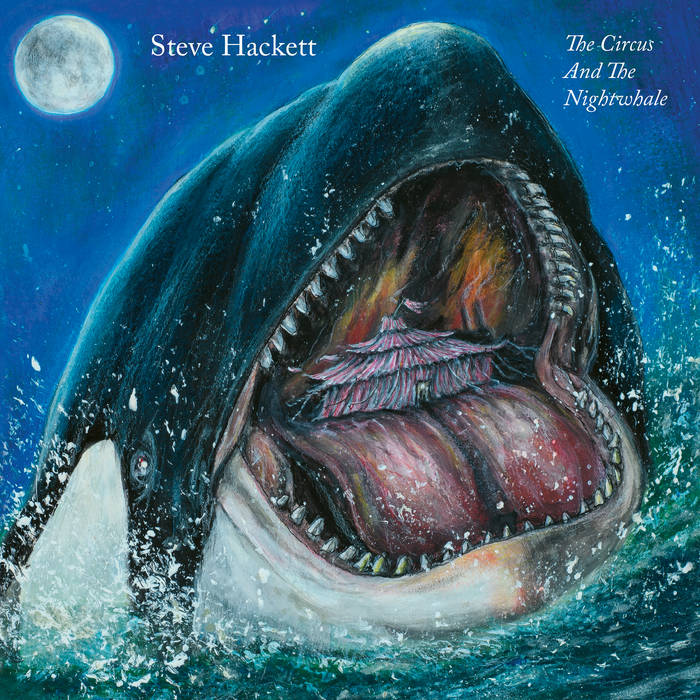
Steve Hackett, The Circus and the Nightwhale: Prepare to have your ears pinned back here: Hackett leaps out of the gate with freshly energized songwriting and ferocious guitar work and doesn’t let up throughout this compact, compellingly listenable concept album. The restless opening sprint of “People of the Smoke”, the “Squonk”-like stomp of “Taking You Down” (with standout lead vocal by Nad Sylvan and towering sax from Rob Townsend), the lush orchestral interlude “These Passing Clouds” are all full to bursting with devastatingly melodic, wildly spraying six-string excursions from Steve; even lighter tracks like the harmonious “Enter the Ring” and luxuriant 12-string centerpiece “Ghost Moon and Living Love” overflow with prime solo licks, mind-melting and heart-gripping in equal measure. Add Roger King’s richly scenic keyboards to a succession of marvelously eclectic tunes that waste no time and a coming-of-age narrative that climbs from the gutter to the stars (braced with a dose of the marvelous — there’s that Nightwhale, after all). And voila! You’ve got a Hackett opus that immediately goes to the 2024 favorites list, ranking right up there with Spectral Mornings, At the Edge of Light or whichever of his 30 solo efforts you prefer best.

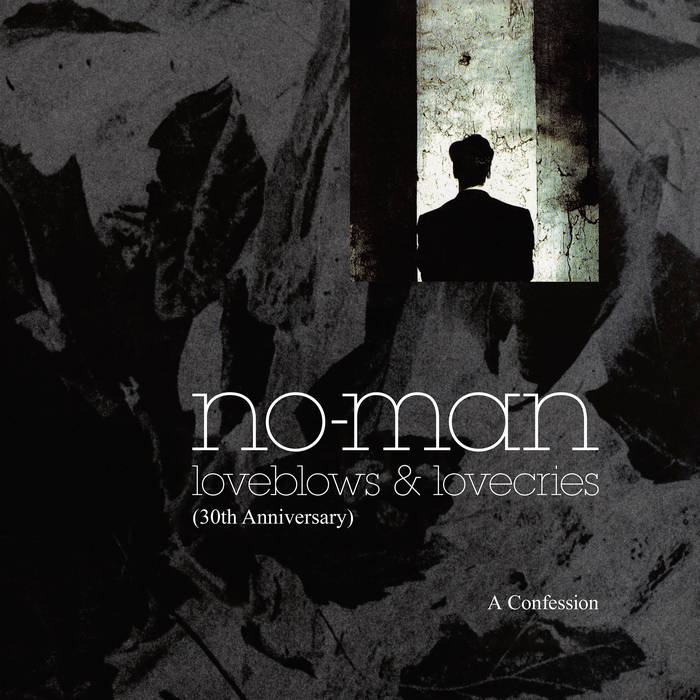
No-Man, Housekeeping – The OLI Years, 1990-1994: Ben Coleman, Tim Bowness and Steven Wilson’s earliest singles for One Little Indian (oops, Independent), “Days in the Trees” and Donovan’s “Colours”, are the perfect sneak peek/summation of this compilation’s garishly romantic delights. Just as you start thinking “ho hum, fey indie Nineties dance-pop”, the heavens – or are they the abysses? – open, accompanied by lush squalls of immaculately recorded dissonance. As if Roxy Music and ABC had somehow wound up co-headlining a vaudeville show, Bowness’ desperate vocals and Coleman’s slashing violin work match up swoon for swoon, while Wilson toughens the grooves and hoists ambitious synthesized backdrops, colorful splatters of guitar punctuating the aching pantomimes all the while. Containing the first two No-Man albums (the singles-oriented Loveblows and Lovecries and the ravishing, guest-heavy Flowermouth) plus the early EP Lovesighs, a singles disc and radio sessions, Housekeeping is a generously filled, beautifully designed boxset that points unerringly toward Bowness and Wilson’s more mature achievements (whether together or apart), but is also thoroughly listenable and intriguing in its own right.

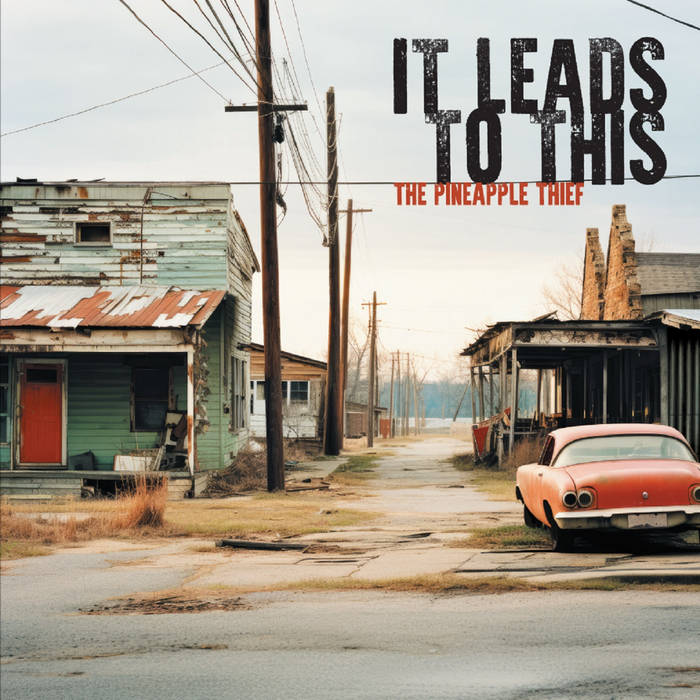
The Pineapple Thief, It Leads to This: more badass guitar loops and riffs (spaghetti westerns and surf music entwined in a Steve Reich soundscape); more bleak musings on our pervasive inability to connect, crooned with Bruce Soord’s trademark tenderness and fury; more moments of tasty, laterally-inflected drumming from Gavin Harrison. The current edition of the Thief’s fourth studio album is its own self-contained world, set in motion by the Soord/Harrison team’s moody interplay and rotating on Jon Sykes and Steve Kitch’s steady axis; undeniably of a piece with their recent catalog, and all the better for it. If none of the eight songs particularly stand out, they’re all honed to sleek perfection, building through seductive, bracing miasmas of dread and determined pursuits of flickering light to the knockout punch of the last two tracks. Whatever nightmare Soord is sleepwalking through, his eyes and heart are wide open as he edges forward, with Sykes, Kitch and Harrison urging him on all the while. (Soord’s recent “unplugged” solo CD/DVD, the already out-of-print Caught in the Hum, is an even more distilled example of this melancholy, coolly yearning aesthetic.)

— Rick Krueger
Rick’s Quick Takes for January (In the Bleak Midwinter)

Note: Artist/title links go to purchase options; streaming previews follow reviews.

Mary Halvorson, Cloudward: Trailblazing guitarist Halvorson gathers the sextet from her 2022 classic Amaryllis around eight new avant-jazz compositions. Trumpeter Adam O’Farrill and trombonist Jacob Garchik sizzle on opener “The Gate”; Patricia Brennan’s vibraphone lends a rich shimmer to “The Tower”; Nick Dunston launches an epic bass solo to kick off the closing “Ultramarine”. And Tomas Fujiwara? He’s everything you could imagine in one drummer — meditatively punctuating “Unscrolling”, driving the riff-fest “Tailhead” and covering all points in-between. Set these folks loose on their leader’s sinewy, elegant concoctions of yearning and abstraction, and you never know what will happen next. All the while, Halvorson sets the pace on her instrument, with a woody, delay-laced sound and a skittering, percussive style all her own. Whether Halvorson’s and company are swinging like mad on “Collapsing Mouth” or coalescing like electrical static around Laurie Anderson’s guest violin on “Incarnadine”, Cloudward is another head-spinning, laugh-out-loud delight.

Neal Morse, The Restoration — Joseph, Part Two: The conclusion of Morse’s latest rock opera takes Part One’s rough and ready swagger and turns it up to 11, with grit even in the proggiest moments (Jacob’s sons’ vocal fugue a la Gentle Giant on “The Argument”) and fresh muscle propelling the Latin groove “Everlasting”. There’s heft to the lyrics too, as the showdown between a newly-powerful Joseph and his off-balance brothers displaces Neal’s usual conversion narrative. (Don’t worry, though; reconciliation and revival are just a title track away.) With tight melodic/thematic connections to The Dreamer and a beefy sound recalling George Harrison’s All Things Must Pass and Joe Cocker’s Mad Dogs and Englishmen, The Restoration is also a spectacular vocal showcase; ensemble highlights include Ted Leonard’s emotive Judah and the Nick D’Virgilio/Ross Jennings cameos as Pharaoh’s butler and baker, and Morse puts his newly darkened tone to thrilling use at dramatic highpoints like “I Hate My Brothers”. Together, the Joseph albums are easily my favorite Morse-related releases since The Similitude of a Dream and The Great Adventure, and The Restoration goes straight to my Official Faves List for the new year.
PAKT, No Steps Left to Trace: Another year, another heaping helping of cutting-edge free improvisation from MoonJune Records, courtesy of indefatigable impresario Leonardo Pavkovic! Now in their third year as a collective, bassist Percy Jones, guitarist Alex Skolnick, drummer Kenny Grohowski and guitarist/electronicist Tim Motzer unleash their first double album, created entirely from scratch both in the studio and live. It’s a genuinely explosive set, especially when Jones (best known from Phil Collins’ 1970s fusion band Brand X) ramps up the double-time grooves and his compatriots lock on! But the intensity doesn’t slacken when the music spaces out, either; listening hard and leaning into their deep, uncanny sense of interplay, PAKT also conjures some of the most arresting ambient jams I’ve come across recently. Bursting every genre boundary you can think of, No Steps Left to Trace isn’t for the musically faint of heart — but, for those with ears to hear, it’s a trip well worth taking.

Porcupine Tree, Closure/Continuation. Live Amsterdam 7/11/22: The show I saw in Chicago a couple of months before but bigger, scaled up for packed European arenas instead of partially-filled Stateside auditoriums and rush-released on video before Christmas. The sum of all the prog-metal parts here is flat-out engaging: Gavin Harrison’s percussive impossibilities and Richard Barbieri’s synth squelches ground Steven Wilson’s driven singing and sardonic patter, while utility players supreme Randy McStine and Nate Navarro slam the songs home. Newer material stacks up well against PT’s classics, with pensive slowburns “Dignity”, “Chimera’s Wreck” and “Buying New Soul” nicely offsetting thrashy frequency-eaters “Blackest Eyes”, “Herd Culling” and “Anesthetize”. A solid introduction for anyone who missed the Tree’s initial, spiky flowering, this one will probably resonate deeper with longtime fans (like me) who took Wilson’s long-term “never again” PR onslaught at face value – until we no longer had to.

The Smile, Wall of Eyes: Admit it: does Stanley Donwood’s latest album cover look like a psychedelic Lord of the Rings paperback cover from the 1960s or what? And the title track kick-off of this Radiohead-facing project is every bit as disorienting: a understated bossa nova from Tom Skinner to which a balefully depressive Thom Yorke lyric, tightly wound orchestral smears and Jonny Greenwood’s arhythmic guitar plinks attach themselves like disfiguring barnacles. No forthright kicks to the head in the style of A Light for Attracting Attention here; The Smile beckon us toward dystopia ever so gently — odd-time licks over the ominous vamp “Read the Room”, Greenwood and Skinner gouging a trench below Yorke’s mewling protests on “Under Our Pillows”; the Beatlesque ballad “Friend of a Friend” delicately dissolving the boundary between courage and despair in less than five minutes. In the face of lives ever more trapped onscreen, are the only options self-destruction (as “Bending Hectic’s” dissonant strings erupting into unmistakable Greenwood power chords) or resignation to Technopoly’s embrace (the closing “You Know Me!”)? Whatever our take, Yorke, Greenwood and Skinner once again prove brutally honest guides to the expanse of beauty and abyss of horrors lying before us. 

— Rick Krueger