

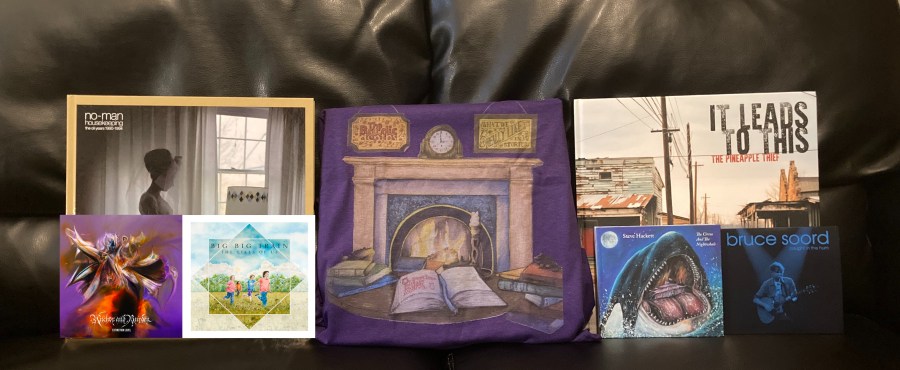
2024 is out of the gate hot — three of the albums below are already on my Year-End Favorites list, and there are no duds in this bunch! As usual, purchase links are embedded in the artist/title listing, with a partial or complete streaming preview below the review.
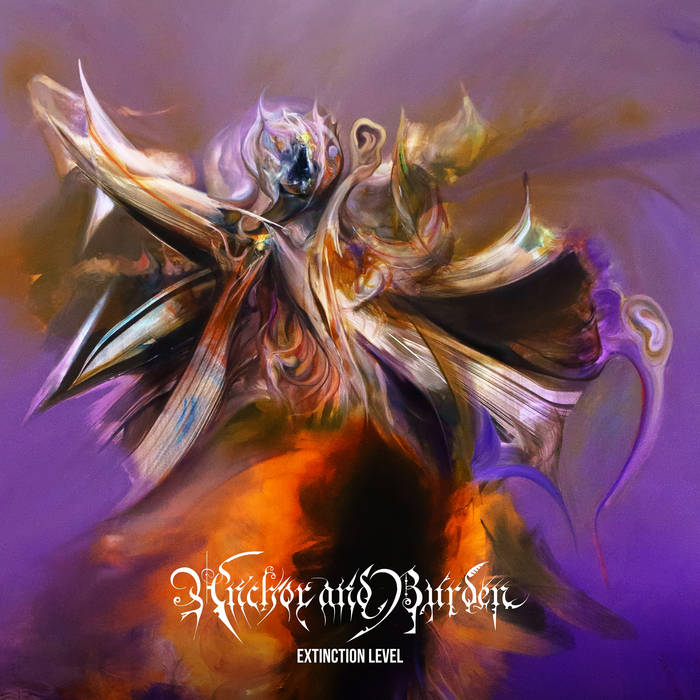
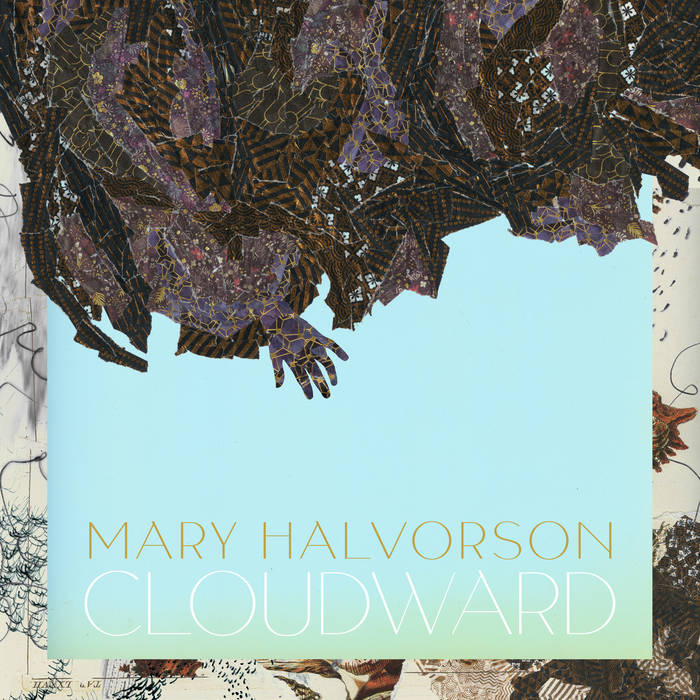
Anchor and Burden, Extinction Level: MoonJune Music mainman Leonardo Pavkovic has labelled this brutal beauty “uncompromising progressive avantgarde doom-jazz post-metal”. That pretty much covers it! Kicking off with opener “Fractured Self” and “Body Expansion”, touch guitarists Markus Reuter and Alexander Dowerk spend the next hour launching knife-edged slabs of sonic concrete into sub-orbit; drummer Asaf Sirkis pulverizes any semblance of a steady beat into terrifying quick marches (“Mutual Assured Destruction”), hyperactive polyrhythms (“Nine Gates to Dominion”), or just lethal, unanticipated deadfalls; and electronics wizard Bernhard Wöstheinrich provides both breathing space for a comedown, as on the closing “The Crust of This Earth”, and crash pads for droning, sludgy guitar plunges throughout the extended title track. Absolutely bonkers, already a favorite; you may have to be in the right mood for it, but Extinction Level’s free-for-all improv (not far removed from King Crimson’s outer limits) turns out to be a heady, head-banging good time.
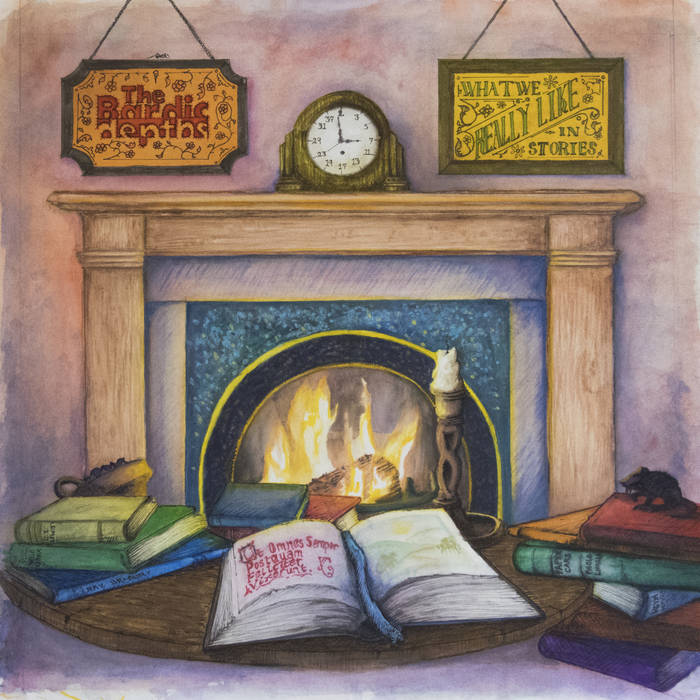
The Bardic Depths, What We Really Like in Stories (released March 7): both more direct and more varied than their previous releases, TBD’s third is a first-class album that delivers generously on its title’s promises. Brad Birzer’s graceful lyrics effortlessly transport us into the minds of creators as diverse as Ray Bradbury (“You’ve Written Poetry, My Boy”), Willa Cather (“Old Delights”) and Robert E. Howard (“The Feast Is Over”) — then into the creations themselves (the Orwellian dystopia of “Vendetta”, the postapocalyptic “Stillpoint”, the high adventure of “Whispers in Space”). In turn, Dave Bandana and Gareth Cole’s compositions are appealingly streamlined, giving Cole’s guitars, Bandana’s guitars & synths and Peter Jones’ keys & saxophones plenty of room to shine but never straying into aimless jams. Add a warm vocal blend from the quartet (with Jones and Bandana at the forefront) to Tim Gehrt’s steady, sparkling grooves, and you have a prog album that’s accessible without compromise, thought-provoking without pretension. This one’s charms might sneak up on you, but repeated listens will thoroughly repay your kind attention. (Check out our Bardic Depths roundtable here.)
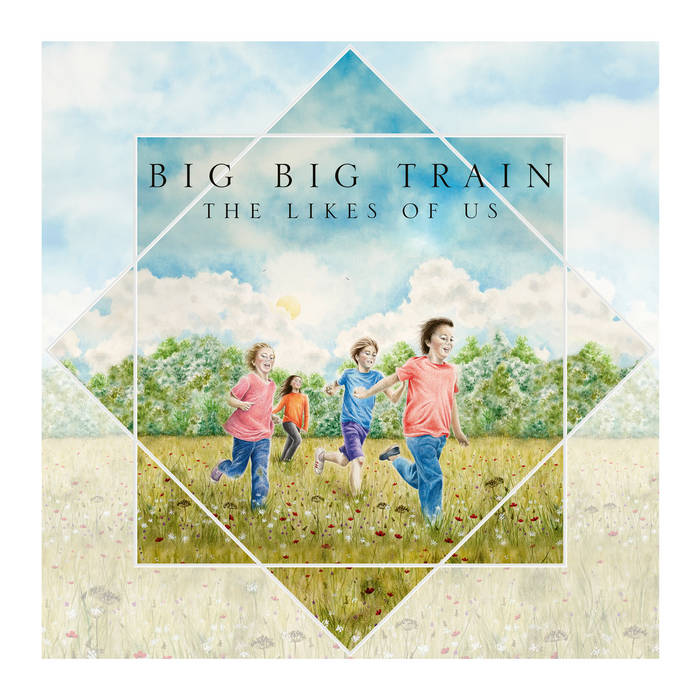
Big Big Train, The Likes of Us (released March 1): the wonder here isn’t that indefatigable founder Greg Spawton and his international crew have regrouped with such power and panache; it’s that they’ve tackled the struggles and sorrows of recent years head-on, forging them into the band’s most direct, integrated album since Grimspound. From mission statement/overture “Light Left in the Day” through epics “Between the Masts” and “Miramare” to killer ballad “Love’s Light” and finale “Last Eleven”, new singer Alberto Bravin fares forward into the unknown, summoning the essence of friendship and the pain of loss, calling on all in earshot to seize the day. There’s tons of musical variety, too, from the hard-rocking “Oblivion” to the playful “Skates On” and the 12-string weave of “Bookmarks”, with all seven players (five of whom sing) each getting their time to shine. And yes, that brass section pops in at just the right moments, to bring a tear to the eye or lift the spirit as required. Familiar yet fresh, and destined for that year-end faves list, BBT fans can be well satisfied with this latest excursion – and The Likes of Us is well turned out to welcome new Passengers onboard as well! (Check out our interview with Alberto Bravin here.)
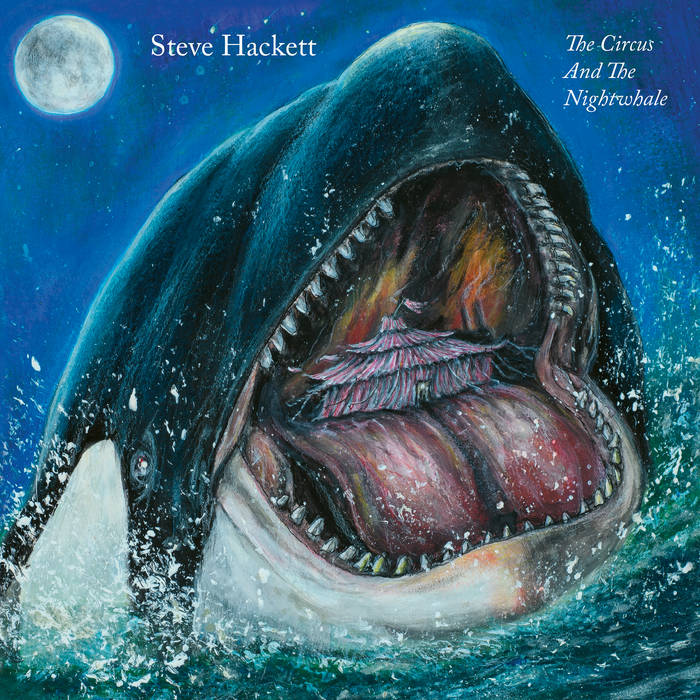
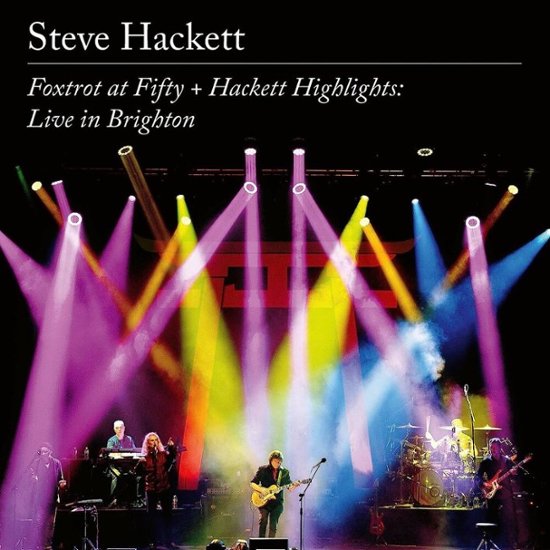
Steve Hackett, The Circus and the Nightwhale: Prepare to have your ears pinned back here: Hackett leaps out of the gate with freshly energized songwriting and ferocious guitar work and doesn’t let up throughout this compact, compellingly listenable concept album. The restless opening sprint of “People of the Smoke”, the “Squonk”-like stomp of “Taking You Down” (with standout lead vocal by Nad Sylvan and towering sax from Rob Townsend), the lush orchestral interlude “These Passing Clouds” are all full to bursting with devastatingly melodic, wildly spraying six-string excursions from Steve; even lighter tracks like the harmonious “Enter the Ring” and luxuriant 12-string centerpiece “Ghost Moon and Living Love” overflow with prime solo licks, mind-melting and heart-gripping in equal measure. Add Roger King’s richly scenic keyboards to a succession of marvelously eclectic tunes that waste no time and a coming-of-age narrative that climbs from the gutter to the stars (braced with a dose of the marvelous — there’s that Nightwhale, after all). And voila! You’ve got a Hackett opus that immediately goes to the 2024 favorites list, ranking right up there with Spectral Mornings, At the Edge of Light or whichever of his 30 solo efforts you prefer best.
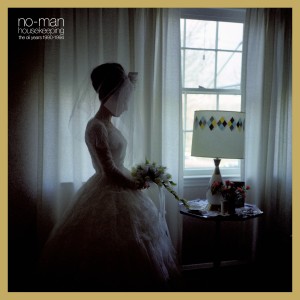
No-Man, Housekeeping – The OLI Years, 1990-1994: Ben Coleman, Tim Bowness and Steven Wilson’s earliest singles for One Little Indian (oops, Independent), “Days in the Trees” and Donovan’s “Colours”, are the perfect sneak peek/summation of this compilation’s garishly romantic delights. Just as you start thinking “ho hum, fey indie Nineties dance-pop”, the heavens – or are they the abysses? – open, accompanied by lush squalls of immaculately recorded dissonance. As if Roxy Music and ABC had somehow wound up co-headlining a vaudeville show, Bowness’ desperate vocals and Coleman’s slashing violin work match up swoon for swoon, while Wilson toughens the grooves and hoists ambitious synthesized backdrops, colorful splatters of guitar punctuating the aching pantomimes all the while. Containing the first two No-Man albums (the singles-oriented Loveblows and Lovecries and the ravishing, guest-heavy Flowermouth) plus the early EP Lovesighs, a singles disc and radio sessions, Housekeeping is a generously filled, beautifully designed boxset that points unerringly toward Bowness and Wilson’s more mature achievements (whether together or apart), but is also thoroughly listenable and intriguing in its own right.
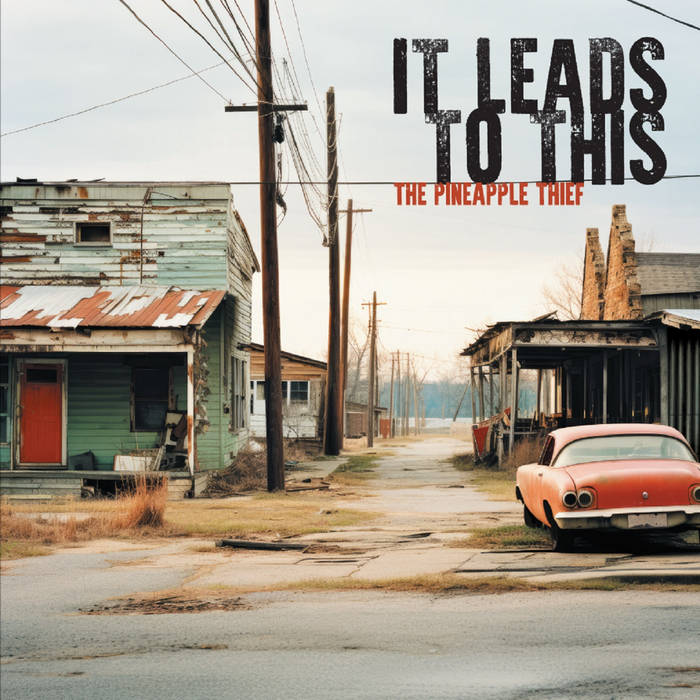
The Pineapple Thief, It Leads to This: more badass guitar loops and riffs (spaghetti westerns and surf music entwined in a Steve Reich soundscape); more bleak musings on our pervasive inability to connect, crooned with Bruce Soord’s trademark tenderness and fury; more moments of tasty, laterally-inflected drumming from Gavin Harrison. The current edition of the Thief’s fourth studio album is its own self-contained world, set in motion by the Soord/Harrison team’s moody interplay and rotating on Jon Sykes and Steve Kitch’s steady axis; undeniably of a piece with their recent catalog, and all the better for it. If none of the eight songs particularly stand out, they’re all honed to sleek perfection, building through seductive, bracing miasmas of dread and determined pursuits of flickering light to the knockout punch of the last two tracks. Whatever nightmare Soord is sleepwalking through, his eyes and heart are wide open as he edges forward, with Sykes, Kitch and Harrison urging him on all the while. (Soord’s recent “unplugged” solo CD/DVD, the already out-of-print Caught in the Hum, is an even more distilled example of this melancholy, coolly yearning aesthetic.)
— Rick Krueger
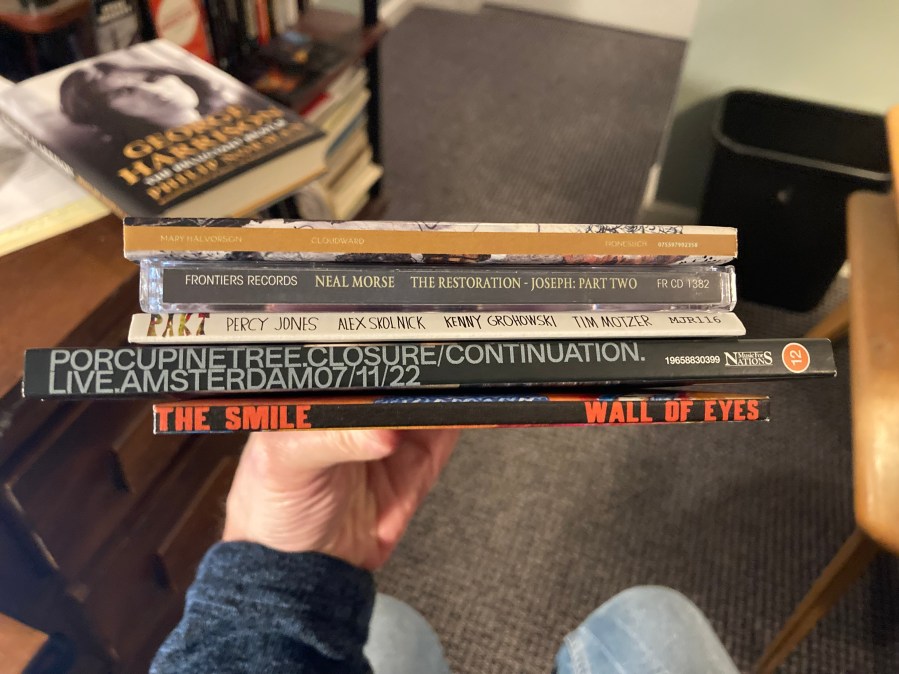
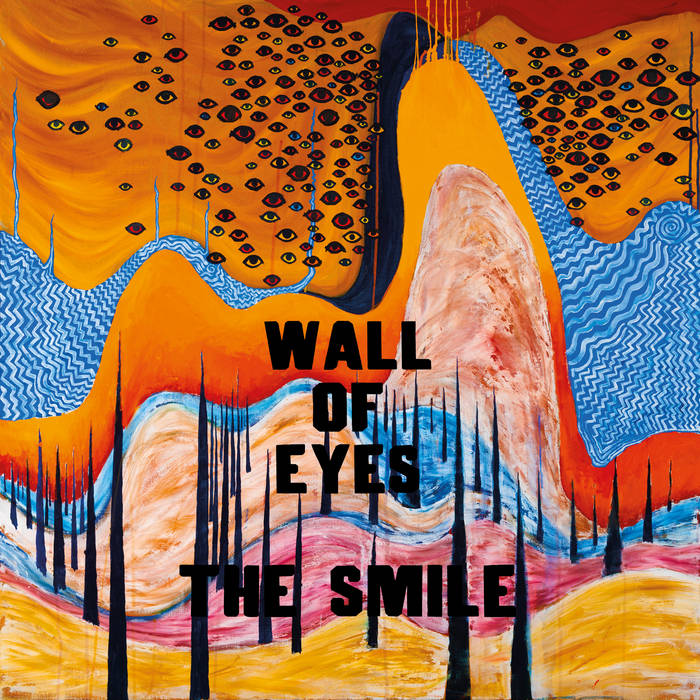
 Soen – Memorial
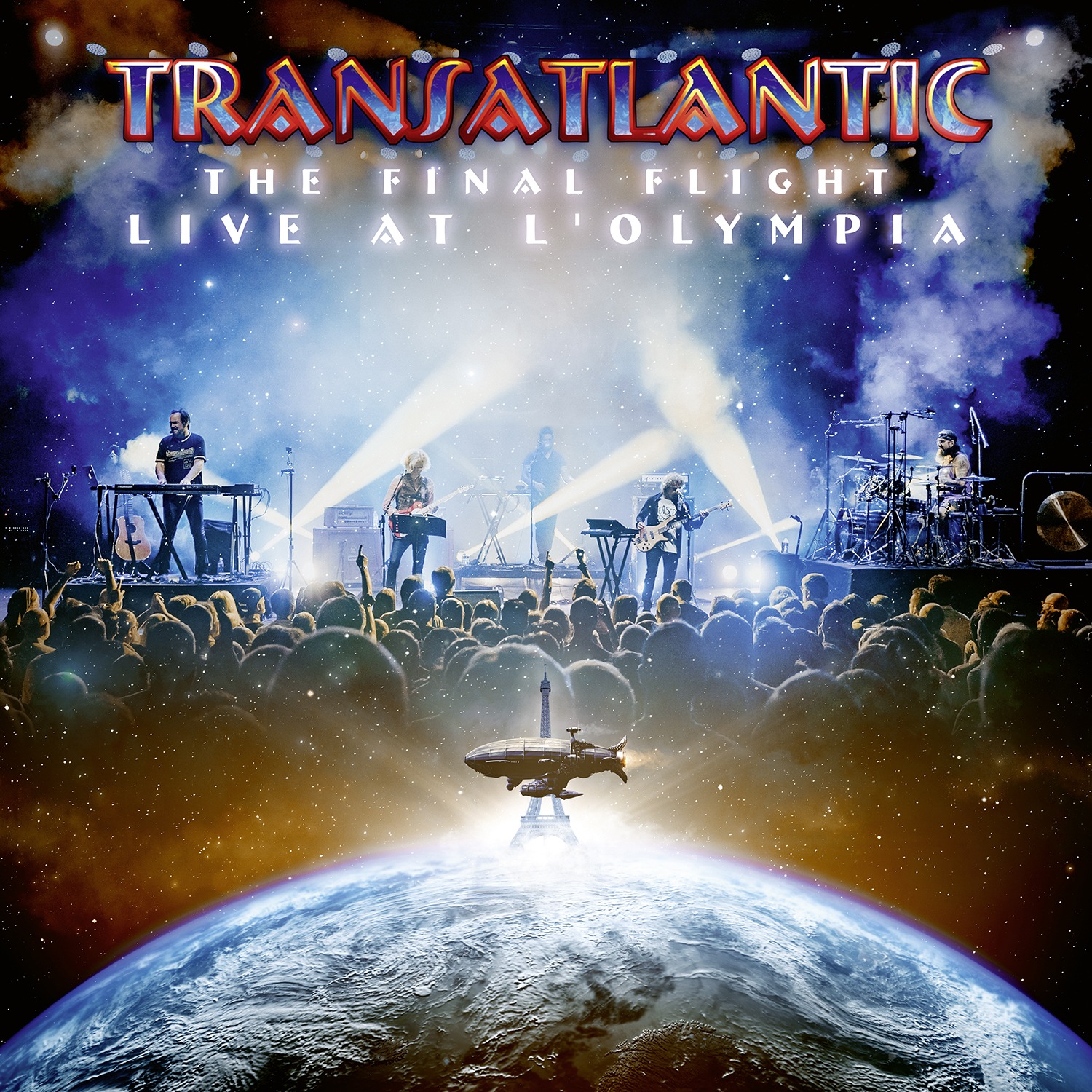 Transatlantic – The Final Flight, Live at L’Olympia
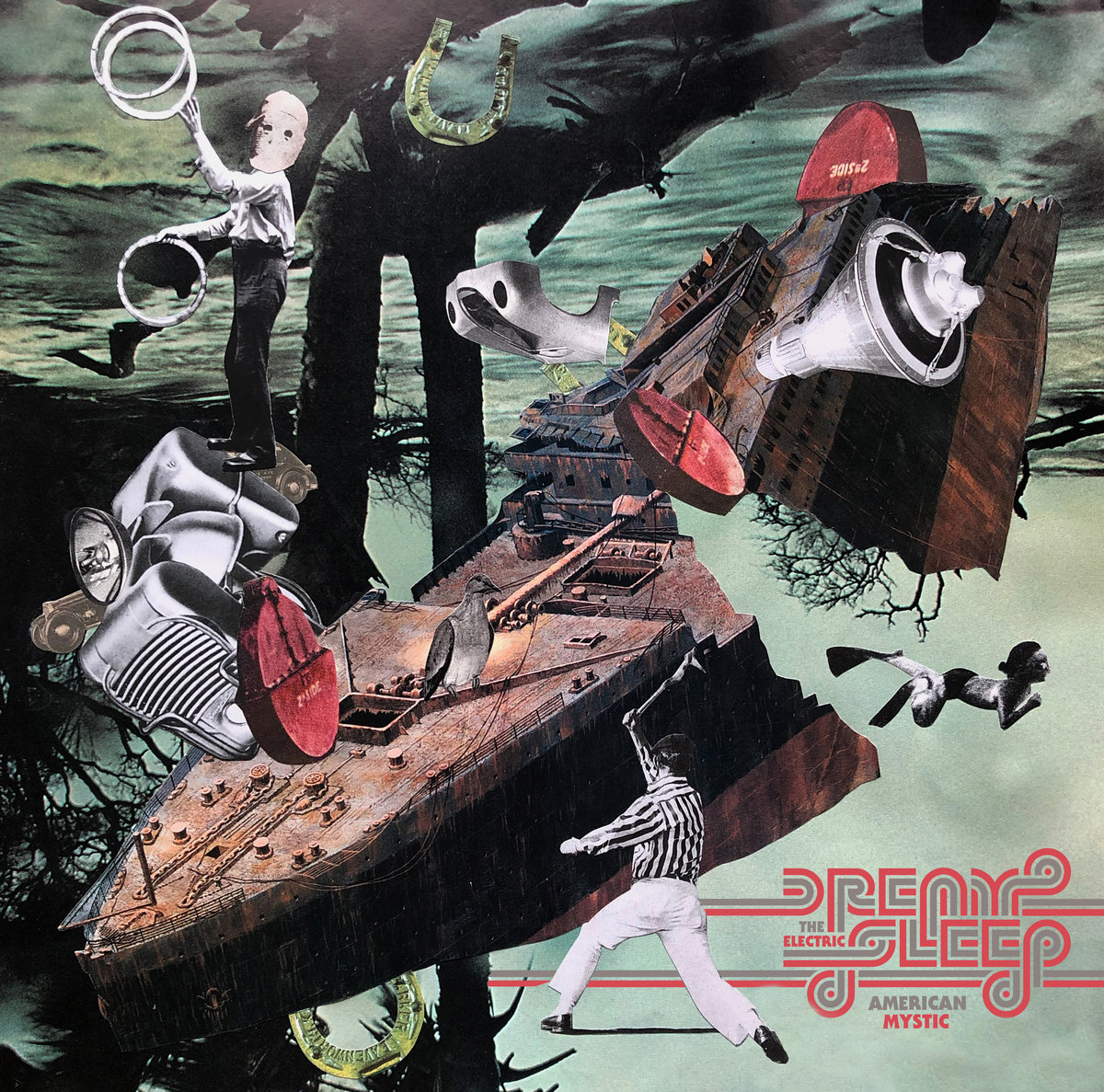 Dream the Electric Sleep – American Mystic
 Big Big Train — Ingenious Devices
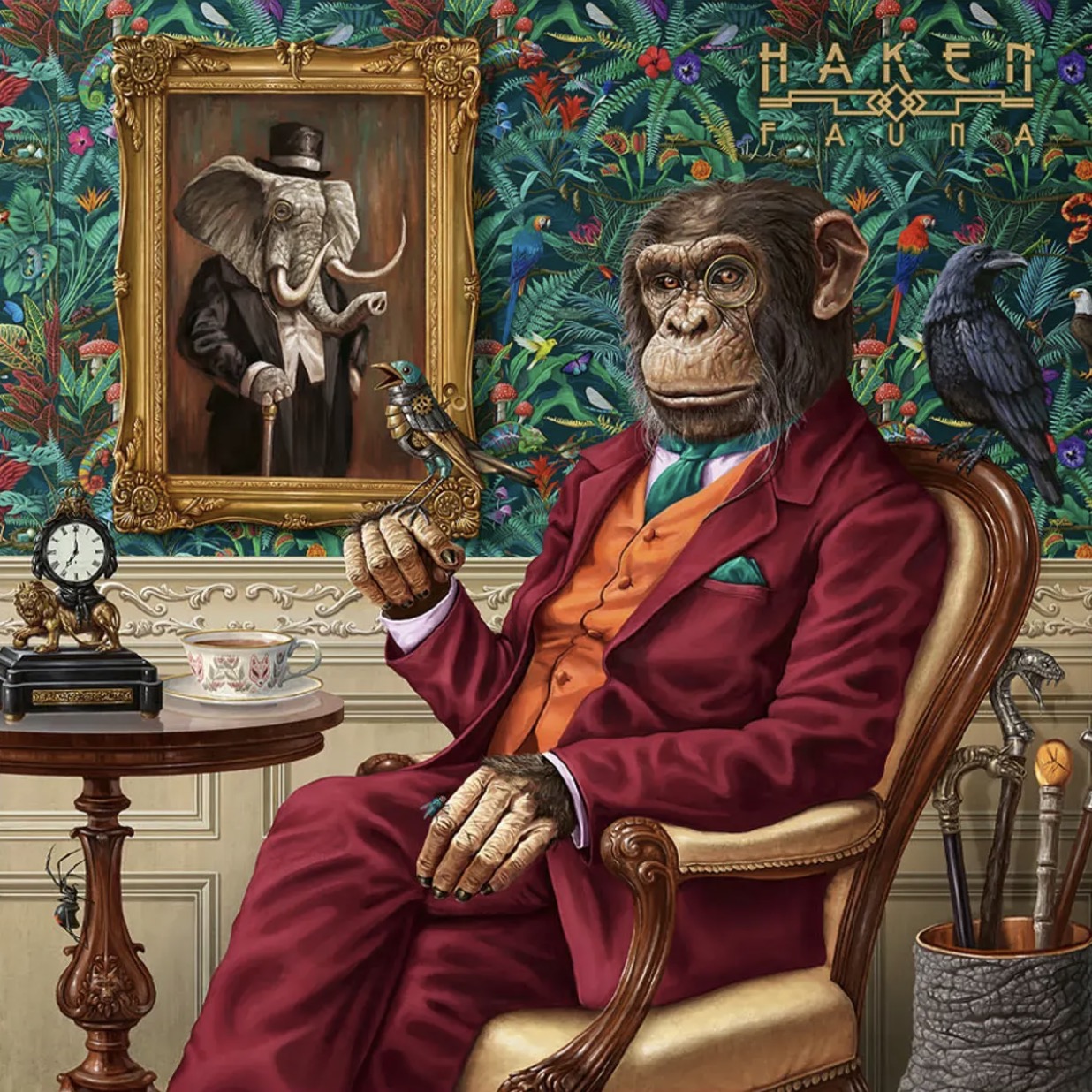 Haken – Fauna
 Steven Wilson – The Harmony Codex
 Southern Empire – Another World
 Moon Safari – Himlabacken Vol. 2
 3. Riverside – ID.Entity
 2. Molybaron – Something Ominous
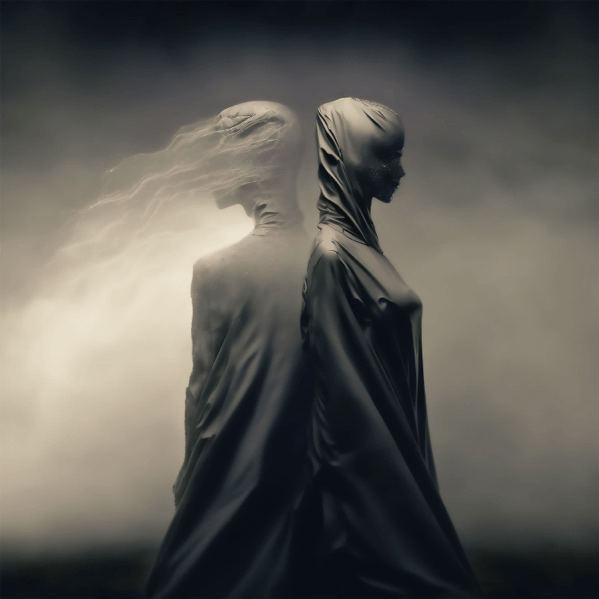 1. TesseracT – War Of Being








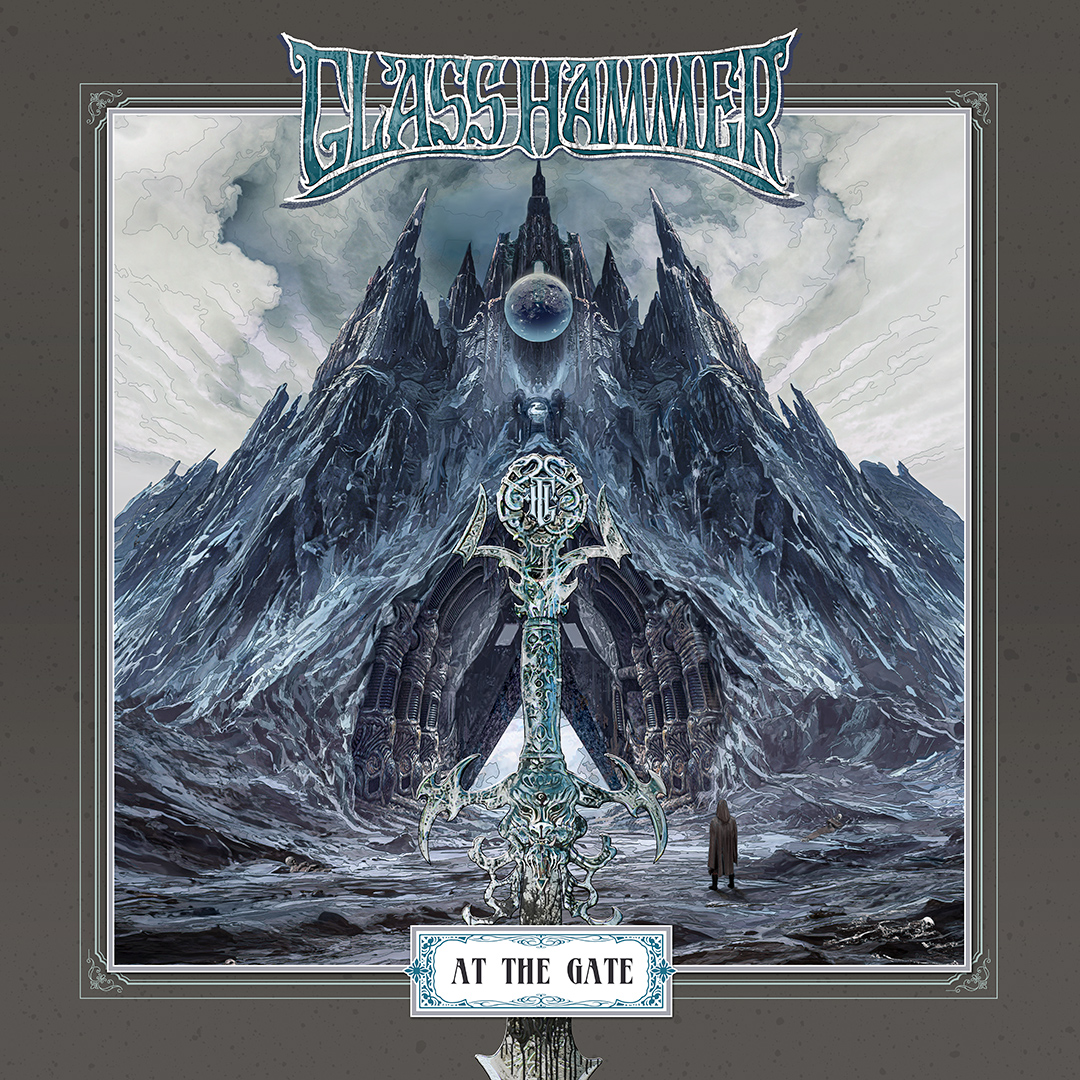 Glass Hammer – At The Gate
 The Tangent – Songs From The Hard Shoulder
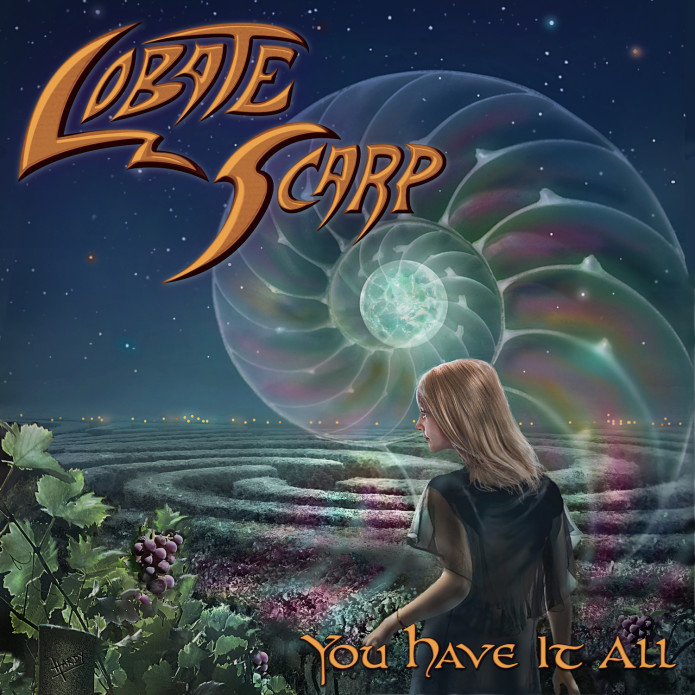 Lobate Scarp – You Have It All
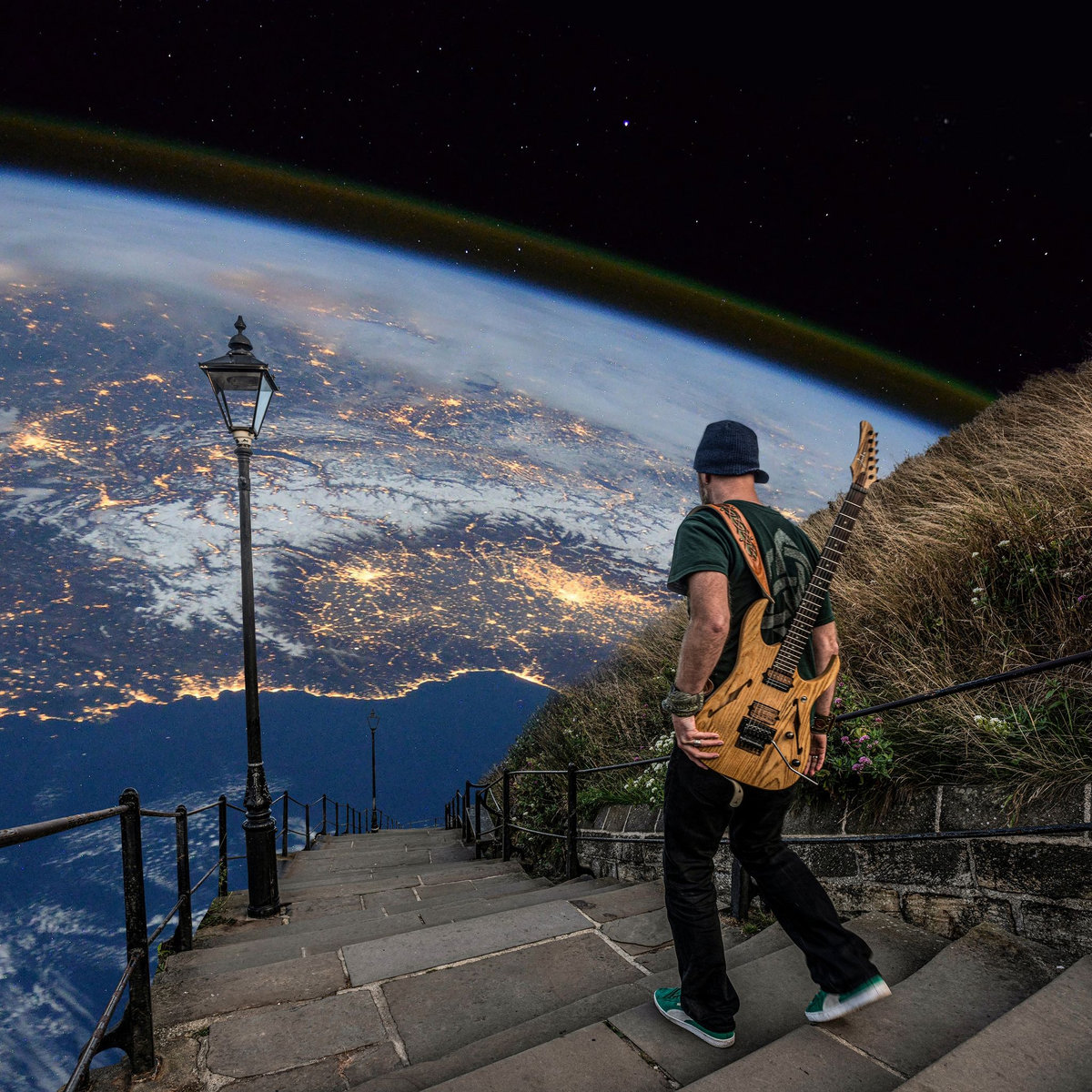 Dave Brons – Return to Arda
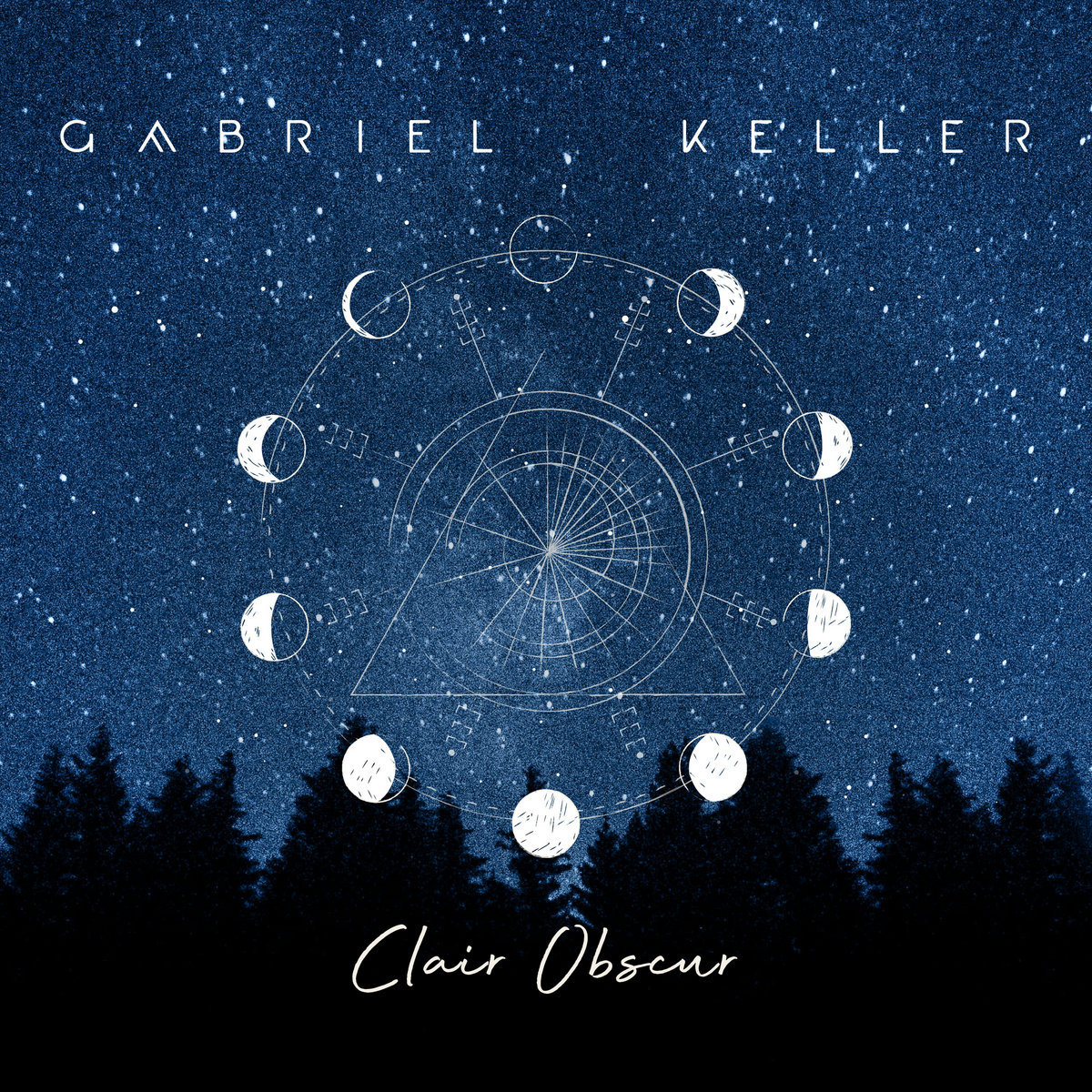 Gabriel Keller – Clair Obscur
 Inhalo – Sever
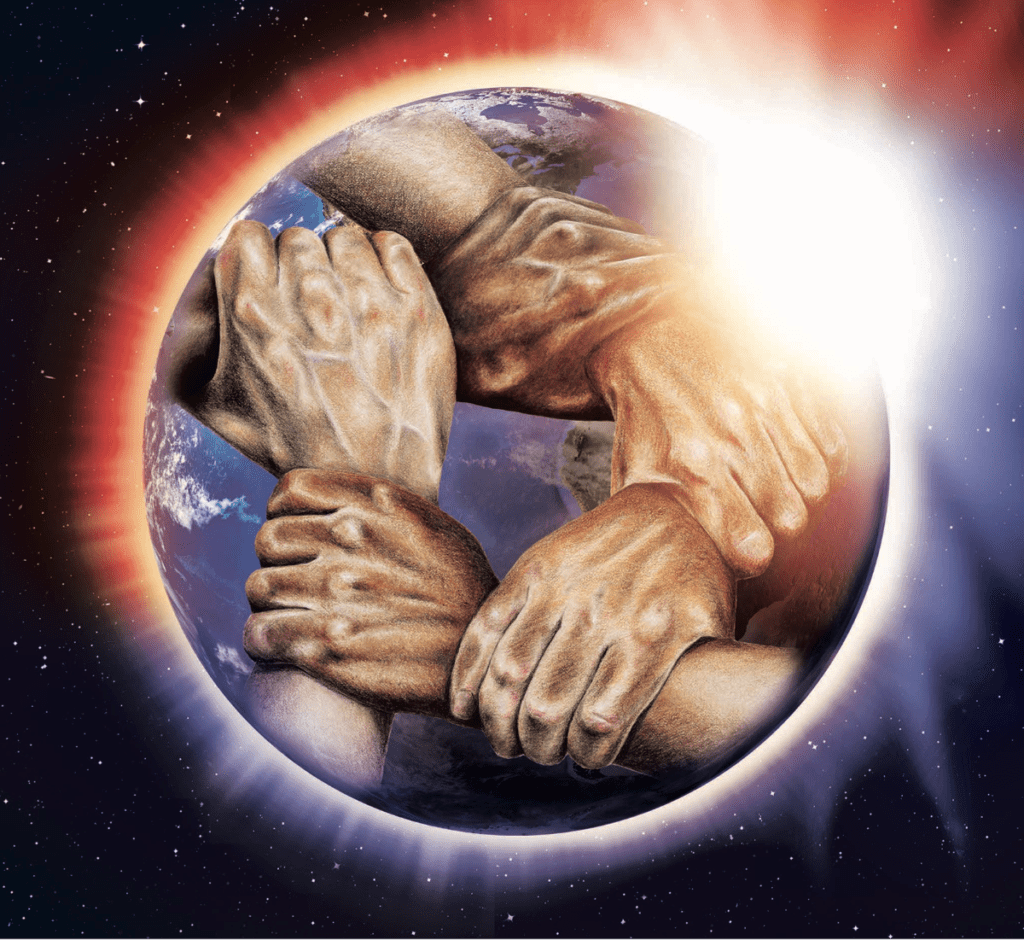 Big Big Train – Welcome To The Planet
 Big Big Train – Summer Shall Not Fade
 Bjørn Riis – Everything To Everyone
 Devin Townsend – Lightwork/Nightwork
 Meshuggah – Immutable
 Porcupine Tree – Closure Continuation
 Marillion – An Hour Before It’s Dark
 1. Oak – The Quiet Rebellion Of Compromise
 My favorite prog book of the year was Steven Wilson’s Limited Edition of One. Breaking the mold of rock artist memoirs, Wilson (and Mick Wall, who helped him in the writing process) created a post-modern masterpiece. I typically dislike anything deconstructive (in an academic sense), but Wilson turned it into an art form. He combines memories with lists of his favorite music, books, and movies along with more philosophical commentary on his career and on music in general. Check out my full review of the book:

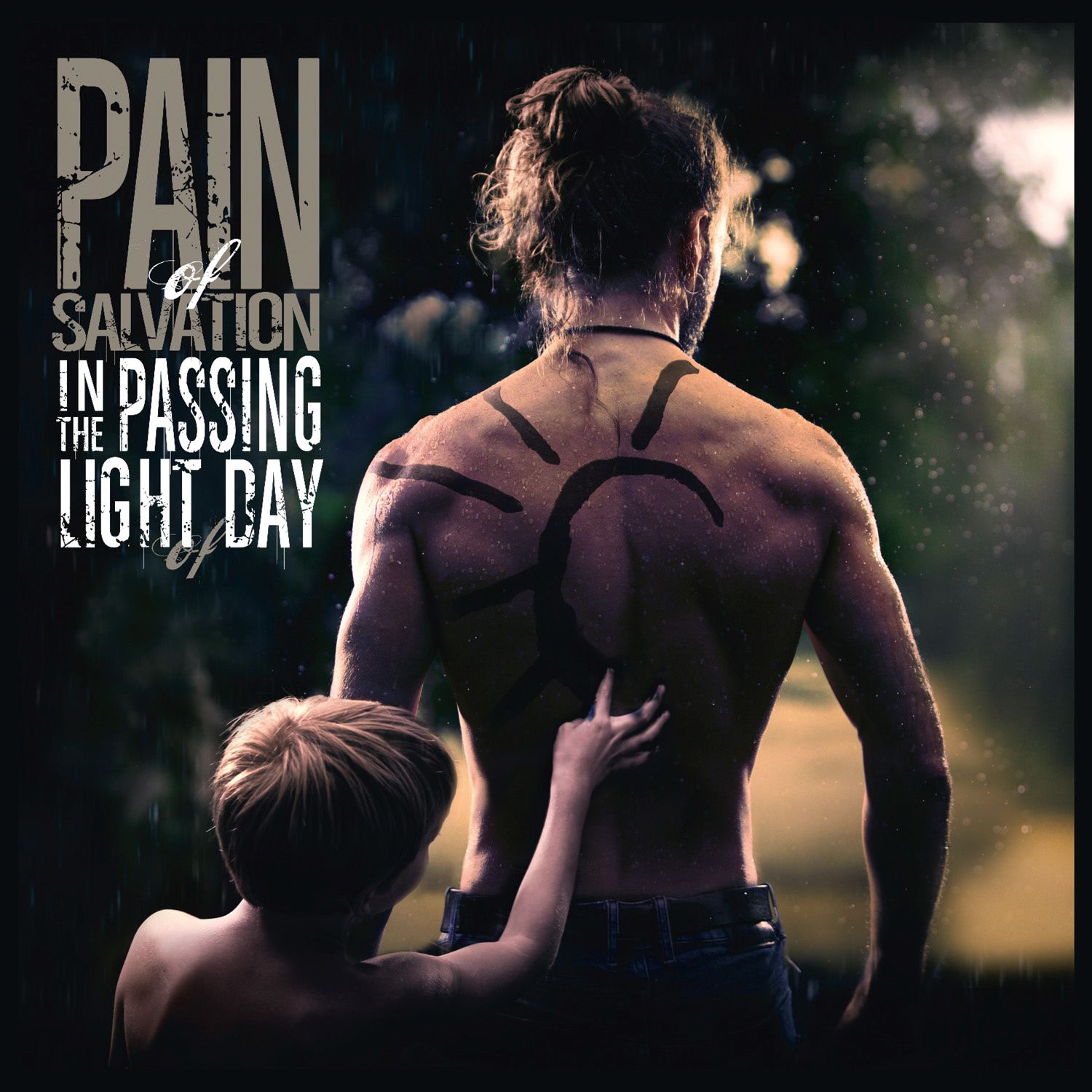 I missed this album when it came out, although I remember reading about it in Prog magazine. I came to appreciate Pain of Salvation with their 2020 album, Panther, which was my top album of the year. I finally started to dig into their back catalog this summer, and I’ve been blown away. In The Passing Light Of Day is a brilliant tour-de-force of emotions. Some of the lyrics I think are too sexually explicit, which is primarily why I rank it at number 10 and why I almost kicked it off my top ten. But the music and melodies are so good, and most of the lyrics are incredibly profound. I also think Ragnar Zolberg brought a lot to the table and was a great balance to Daniel Gildenlöw.
 It was hard to pick one of the
 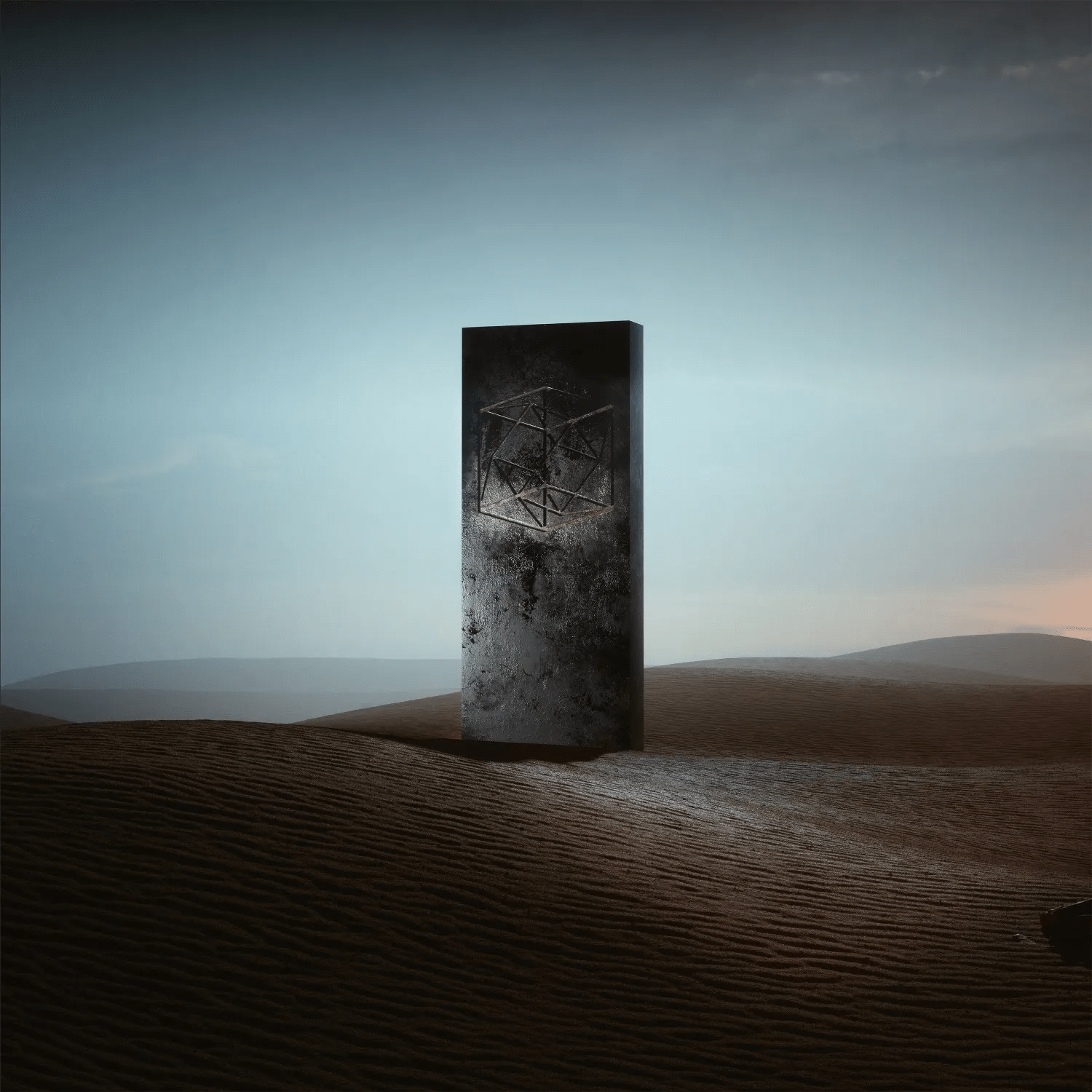 Portals is a brilliant album. It is unique on this list for being a live release, but it is also unique for being a live-in-studio release – a product of the pandemic. I suppose that’s why I don’t rank it higher on this list, but I’ve been listening to it a ton since it came out. I even broke down recently and bought the fancy deluxe CD/DVD/Blu-ray edition. I think most of the tracks on here sound better than they do on the original albums. The album also introduced me to the band, as well as to the world of djent. The way the band blends djent riffs with Floydian spacey motifs is just perfect. One of the finest bands in the world right now.
 I go in spurts when listening to Haken (like I do with many bands). The Mountain has a magnificent blend of metal with splashes of 70s golden age prog. Songs like “Atlas Stone,” “The Cockroach King,” “Falling Back to Earth,” and “Pareidolia” have become prog metal classics, in my book. I’ve come to think Haken isn’t as compelling in their quiet tracks as bands like Riverside of TesseracT, but this entire album is still very listenable nine years later.
 I had a hard time deciding which of Riverside’s three studio albums from the past decade to choose. Love, Fear and the Time Machine and Wasteland are both brilliant, and if I had allowed myself to choose multiple albums from the same artist in a top ten, Wasteland would probably be here too, but I think Shrine edges both of them out. It’s heavy, both musically and lyrically. Several of the songs turn into real earworms for me, and I’m never disappointed when I return to this record. And it’s another one on this list that I discovered several years after its release.
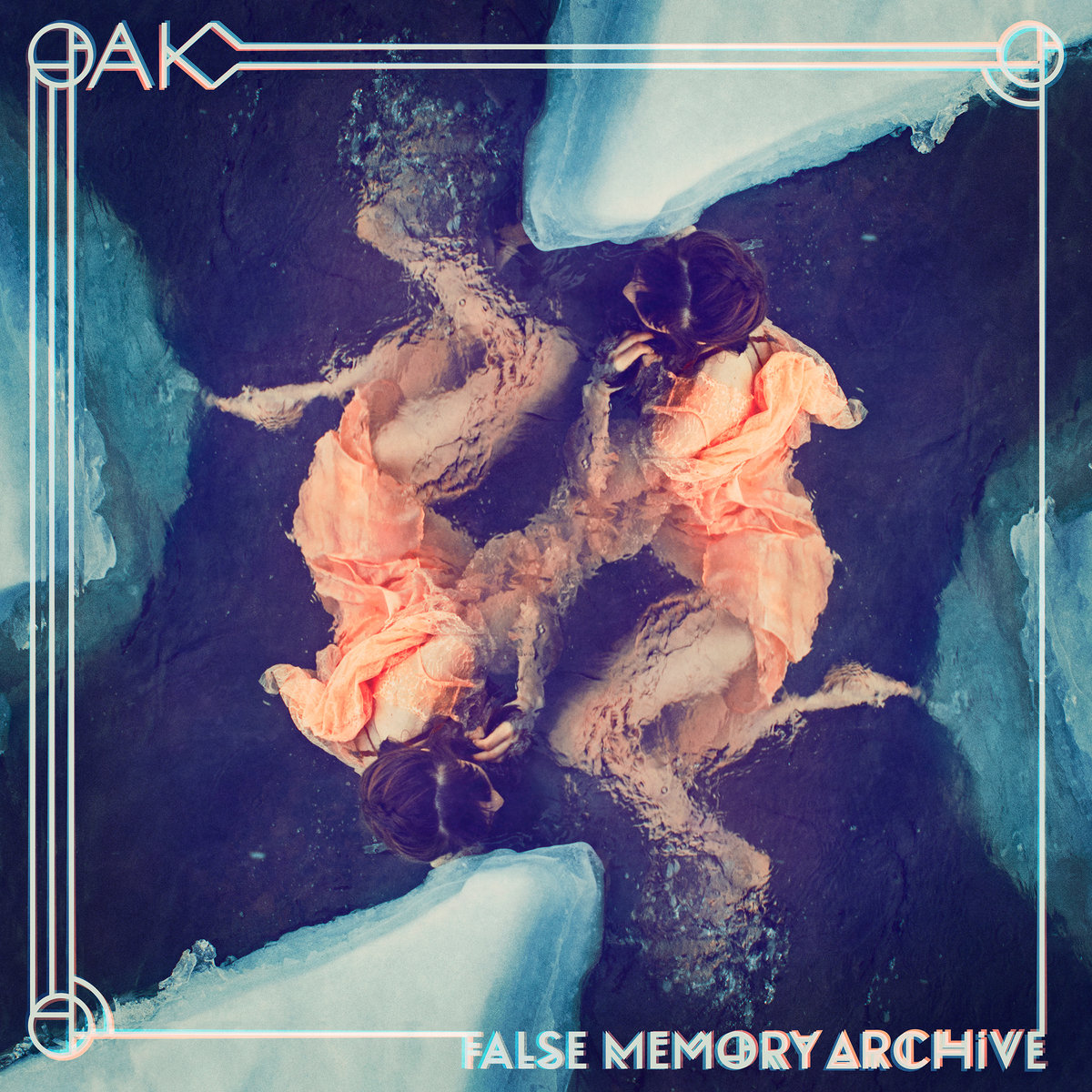 Oak is my favorite new band of the last decade. Both their 2013 (2016 release on CD) album Lighthouse and 2018’s False Memory Archive are brilliant albums, if not perfect. This record was my top album of 2018, and Lighthouse was my top album of 2016 (I didn’t realize at the time it had been released digitally earlier). The Norwegian melancholic aesthetic is dripping from both albums. It was hard to pick one of the two, but the closing track on False Memory Archive, “Psalm 51,” is one of the finest album closers I’ve ever heard. I think that gives this record the edge.
 I was blown away by Devin Townsend’s Empath when it came out – so much so that I bought the 2CD deluxe version that year and the super deluxe version when Inside Out funded that project the next year. The record masterfully blends all the aspects of Devin’s career into a truly unique and truly Devin experience. It has the heavy bombast of Strapping Young Lad at points, yet it’ll soar into orchestral and even operatic highs elsewhere – or even at the same time. Pure musical theater in the best way. Devin’s vocal performance on “Why?” is stunning, and the message of hope on “Spirits Will Collide” is always a pleasant reminder that life is worth living. The production side of things, with Devin’s famed “wall of sound,” is unmatched in his career, or anyone else’s for that matter.
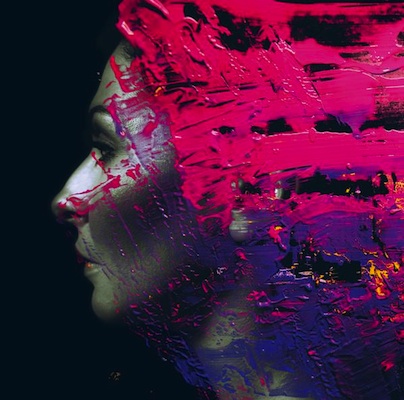 Here we come to one of the truly great albums of our time. I would certainly rank this in a top 10 best albums of all time. Back in 2015, this album was my number 3 pick, with The Tangent’s “A Spark in the Aether” coming in at number 1. Now I still think that’s a great record, and I wrestled with whether or not to include it in my top 10, but I think over time Wilson’s masterpiece has proven to be a generational album. Both the music and the story sound fresh, even seven years and many listens later. The themes of isolation and loneliness in city life (or life in general) will always be relatable. Someone 100 years from now could listen to this record, and while they may miss some of the references (even I still miss some of them), the underlying theme will still connect. That’s what places this record up there with the likes of Pink Floyd’s The Wall.
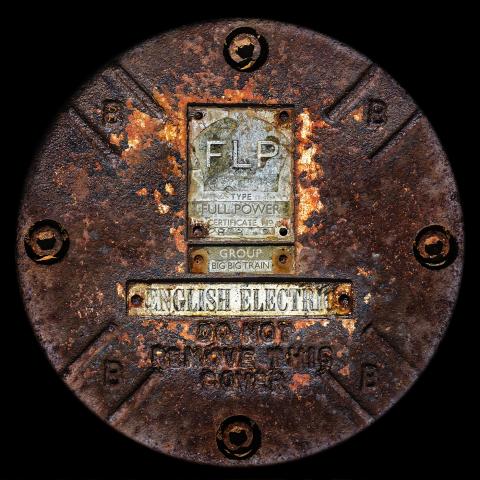 The defining band and defining album for the last decade of prog. Looking back, this record was the one that got me into the contemporary progressive rock scene. Returning to it today is a special treat, as I hope it always will be. It contains everything you might want out of a quintessentially “English” progressive rock band. It has the rock, the folk elements, the complex musicality, the well-told stories. And then there’s David Longdon’s voice, showing us his command of the material and his command of the upcoming several years in the prog scene. When I traveled to England in 2015 (which to me felt like a longer distance between its release than it feels between now and that visit – it’s weird how your perception of time changes as you grow older) I really wanted to listen to this album while being out in the hedgerows and fields. I can still remember sitting on a bus traveling between towns listening to English Electric (I wrote more about this in a
