Grateful for my beloved wife, son, daughter-in-law, grandchildren and siblings. Also a lover of theology, music, history, philosophy, classic novels, science fiction, fantasy and Looney Tunes.
Yes, I have a backstory with The Bardic Depths: spoken word shouts on their 2020 debut album, then a special guest credit on keyboards for the 2022 follow-up Promises of Hope. And the fun continued when, early in 2023, project originator Dave Bandana asked me to whip up another snippet of pipe organ for the third TBD opus!
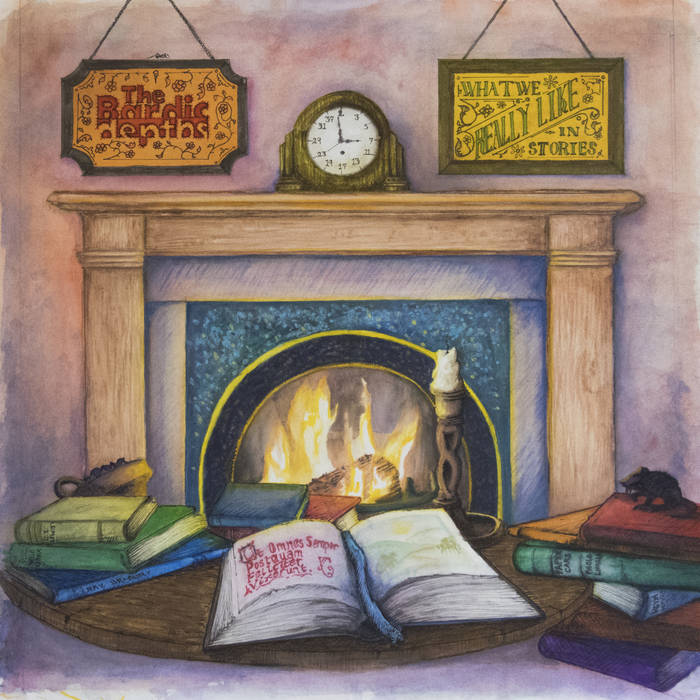
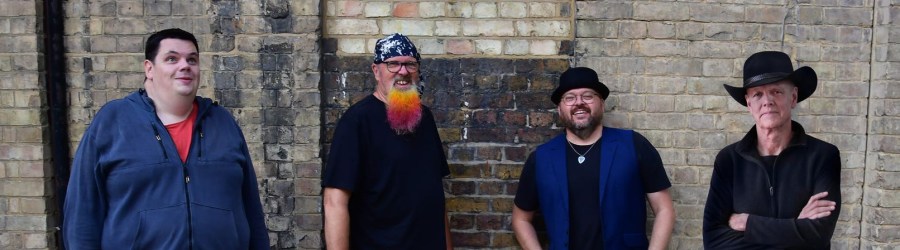
Out on March 7th, the new album What We Really Like in Storiesfeatures the quartet at the core of The Bardic Depths: Dave B. on vocals, keys and guitars; Gareth Cole (Fractal Mirror, Paul Menel) on guitars and vocals; Peter Jones (Tiger Moth Tales, Red Bazar, Camel, Cyan, multiple et ceteras) on keys, sax and vocals, and drummer Tim Gehrt (best known from Steve Walsh’s Streets) on drums and vocals. Inspired by and setting the lyrics and literary reflections of founding Progarchist Brad Birzer, the seven new songs (plus a prelude or two) focus on the creations of authors spanning science fiction (C.S. Lewis, Alan Moore, Walter Miller Jr.), fantasy (J.R.R. Tolkien, Robert E. Howard) and American realism (Willa Cather). The group’s leanest and lushest effort to date, the music here is equally ambitious and appealing, progressive and accessible, warmly melodic and mightily stirring.
After talking with Dave two years ago, I couldn’t help but think it would be a blast to get all the members of TBD in on the same Zoom call to talk about the new album. It was a blast, but little did I know what I was getting into, as the byplay between the merry quartet crossed the Internet at lightning speed. Enjoy the interview below; a complete transcription immediately follows the jump.
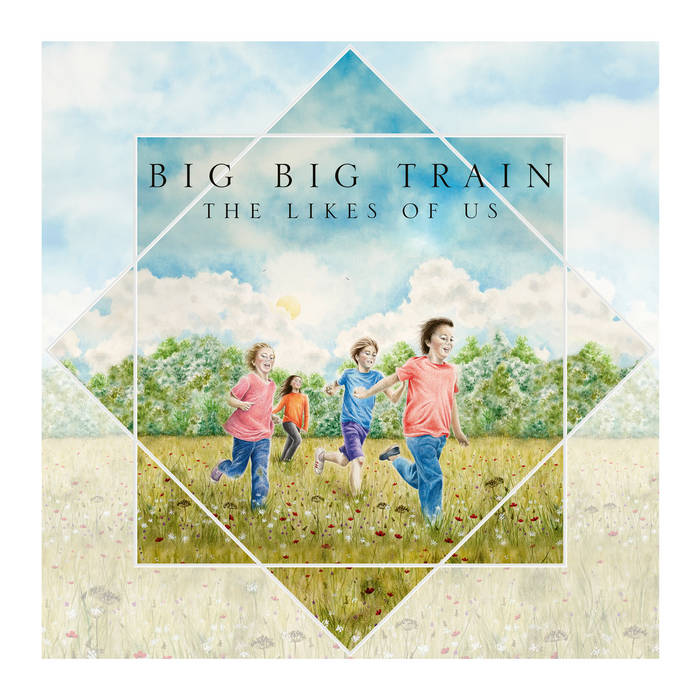
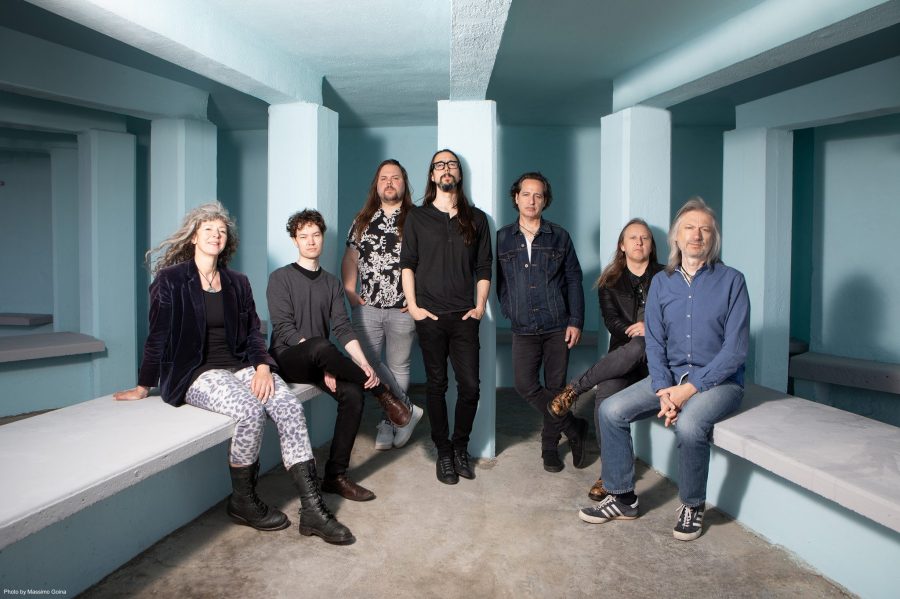
While this will be Alberto’s first stateside jaunt with the band, he’s definitely paid his dues with BBT; since joining up, he’s toured Europe with them in 2022 and 2023, as well as collaboratively writing and recording The Likes of Us at his homebase of Trieste, Italy. When I spoke with him earlier this month, Alberto was candid about the challenges involved integrating into Big Big Train following previous singer David Longdon’s passing, but also grateful for his reception by the band (and its devoted fans, the Passengers) and unquenchably enthusiastic about the new album and the coming tour! Our video conversation is immediately below, with a transcript following.
So my first question is kind of a softball: what does it feel like to be the lead singer in Big Big Train?
It’s a great situation, musically and also personally, from a human point of view. Because it’s a great band with great people in it! It’s a really, really, really great honor to be the lead singer and be part of this family, actually. It’s two years [since] I joined the band, and I can call it family, because there are really great relationships inside the band and between us. So, this is great!
That’s lovely to hear; I’m so pleased. Going back those two years, when Greg Spawton and the band’s management reached out to you, what was your first reaction?
Well, I didn’t expect that, actually; it was completely out of the blue! Greg saw me with PFM in 2015 and he just wrote down my name at the time. Then I was in a list of people to audition. He wrote me an email and he asked me if I was aware of the band – and of course, I was aware of the band [laughs]; I was a fan! I knew what happened and everything.
And it was just a great honor to do the audition, and I didn’t have big expectation from that. It was just, “Alright, let’s try; let’s have the opportunity; let’s sing as best as I can. Let’s have fun, actually, and enjoy the situation.” I didn’t expect to become the singer, [laughs] actually!
Backtracking, how did you first hear of Big Big Train, that you became a fan?
I remember I was in Japan with PFM; I was in the Tower Records in Tokyo. And there was a Japanese newspaper with a photo of PFM, because we were playing there. So, I just got the newspaper, and inside there was a photo of, I think it was Grimspound; that was the album. And just the cover — I said, “Whoa, this is a cool cover – I need to dig deeper on this band!” And I fell in love with it.
The main reason is that Big Big Train always had great songs, I think. They are in the progressive world, where you have all the instrumental madness or weird time signatures or whatever, but the basic thing of the band are the songs. They have great melodies; they always had great songs and great lyrics. So that was the first thing that I really fell in love with. I’m a Beatles fan, and I love songwriting. And I could hear the songwriting behind these incredible arrangements, the vocal harmonies and all the keyboards and Mellotrons and 12-string guitars. The great thing is that most of the songs, you can play them [with just] guitar and vocals, and they still sound like those songs. That’s the magic there.
That makes a lot of sense, because it was the songs that grabbed me, a little further back before that time. And I share your Beatles fandom! So I get where you’re coming from with that. Now you seem to have had – I read in the tour program, you’ve had a real variety of musical experience before this. I understand you trained in opera, as well as in modern singing. And you play multiple instruments; you’ve led your own band; you joined PFM, which definitely has a reputation in the prog world. So, after those two years you’ve talked about — two tours and time in the studio with Big Big Train — what do you think are the particular strengths you bring that slot in with how you describe this band, this songwriters’ collective, and the music that comes out of it?
I think from day one, me and Greg – there was chemistry, just human chemistry, and so we started right away. When they were looking for a singer, they were looking just for a singer, actually. They didn’t expect to have a songwriter or [laughs] a control freak like I am! [Laughs] They needed a singer, but they had the whole package here! And [laughs] now they have to deal with it!
From day one or after a week [that] I was into the band, I was asked if I was writing stuff, and I said, “Well, yeah, I also write songs and musical parts.” We shared a couple of things, and I think Greg liked it.
We started to really dig into the music and worked together on the music, on the lyrics. So, I just brought my – it’s not really a style; I mean I don’t have a style! [Laughs] It’s just the vibe or whatever. But the important thing is that I was a fan of the band. I know really well the Big Big Train sound, and I don’t want to change that, because it’s a wonderful mood and vibe and color that the band have. So, I don’t want to change that, but just make it a little bit, maybe – new, my own! Because I’m into the band and I’m into the songwriting of the band.
Let’s move on to that new album; I’ve been able to hear it a couple of times. One of the things I’ve noticed; when I saw some interviews with Greg, he said, “This time, it’s personal.” It’s less about third-person storytelling and maybe more about first-person experiences and reflections. If you’re comfortable, what sort of experiences have you brought from your life that have fed into these songs?
Big Big Train always talked about – not always, but most of the time, they talked about historic facts or legends or people. This time, actually, it was totally natural; I think we realized that after we finished the album, “Oh, this time it’s really more personal!” We didn’t think about it! It wasn’t thought out; it was just a natural thing.
One example: I wrote the song called “Love Is The Light”. That song is about a dark period that I had, dealing with depression. So, to actually be able to talk about it and put it in music and those lyrics – it’s a really deep experience, and really helpful!
We played it live on the last tour; I made the demo of the song, then we recorded it in the studio, and then we rehearsed it for the live situation. But the first time there was an audience in front of me and we started the song, I just realized that I was playing and singing a really personal thing of my life! So that just clicked, and I said, [laughs] “Oh, OK; let’s see how it goes!” And it was an incredible feeling, incredible emotions. And I think people really, really react on that. If you feel it in a genuine way, and you know what you’re talking about, I think the audience can feel it too. Then it’s pretty strong.
I can imagine, especially with the intensity that that band’s audience brings to hearing you guys live.
Oh, yeah; oh, my God! I mean, the people that we have, it’s actually incredible! We have people coming to see us in Europe from all over the world. And they’re coming to the US from Europe to see the gigs! We have people that came to all the 18 shows that we did last year. It’s amazing; they are really the foundation of the band! I mean, without them we can just play in our rooms! [Laughs]
Makes sense. So, you mentioned “Love Is The Light.” There are definitely some themes in the music and the lyrics that connect across the songs on The Likes of Us. You have “Light Left In The Day”, which is kind of an overture. And some of those themes really go all the way through to “Last Eleven”, which was the first new song that we heard with you singing the lead vocals. How would you sum up the common threads on this album?
Glad you noticed [laughs] all the themes coming and going during the album! At one time, we had a couple of songs there – we chose the setlist of the album. And there was no reprises. I think “Last Eleven” had the reprise that is on “Beneath The Masts” at the beginning. At the beginning of “Beneath The Masts” there is a part that is the end section of “Last Eleven”, because it was Greg’s song and he doubled up this kind of thing.
Note: Artist/title links go to purchase options; streaming previews follow reviews.
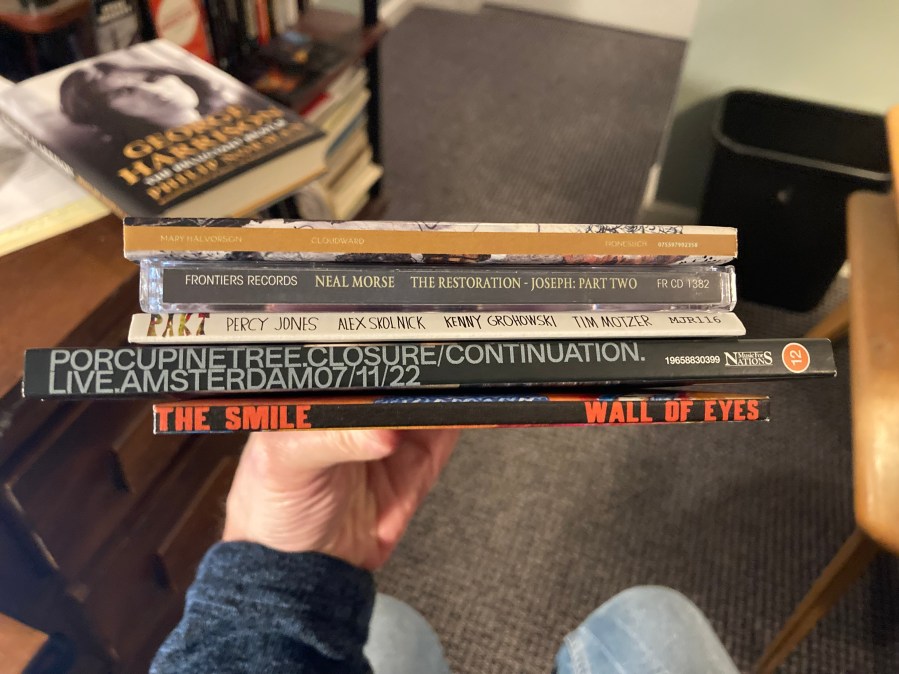
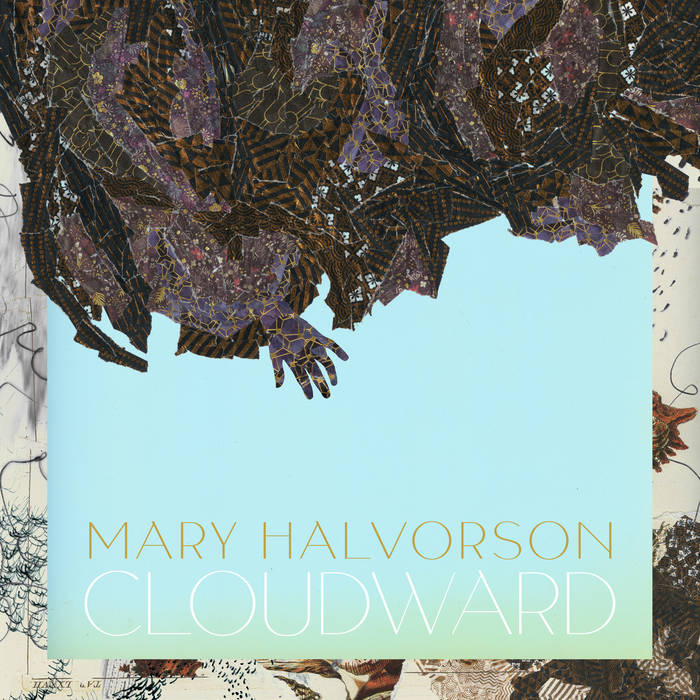
Mary Halvorson, Cloudward: Trailblazing guitarist Halvorson gathers the sextet from her 2022 classic Amaryllis around eight new avant-jazz compositions. Trumpeter Adam O’Farrill and trombonist Jacob Garchik sizzle on opener “The Gate”; Patricia Brennan’s vibraphone lends a rich shimmer to “The Tower”; Nick Dunston launches an epic bass solo to kick off the closing “Ultramarine”. And Tomas Fujiwara? He’s everything you could imagine in one drummer — meditatively punctuating “Unscrolling”, driving the riff-fest “Tailhead” and covering all points in-between. Set these folks loose on their leader’s sinewy, elegant concoctions of yearning and abstraction, and you never know what will happen next. All the while, Halvorson sets the pace on her instrument, with a woody, delay-laced sound and a skittering, percussive style all her own. Whether Halvorson’s and company are swinging like mad on “Collapsing Mouth” or coalescing like electrical static around Laurie Anderson’s guest violin on “Incarnadine”, Cloudward is another head-spinning, laugh-out-loud delight.
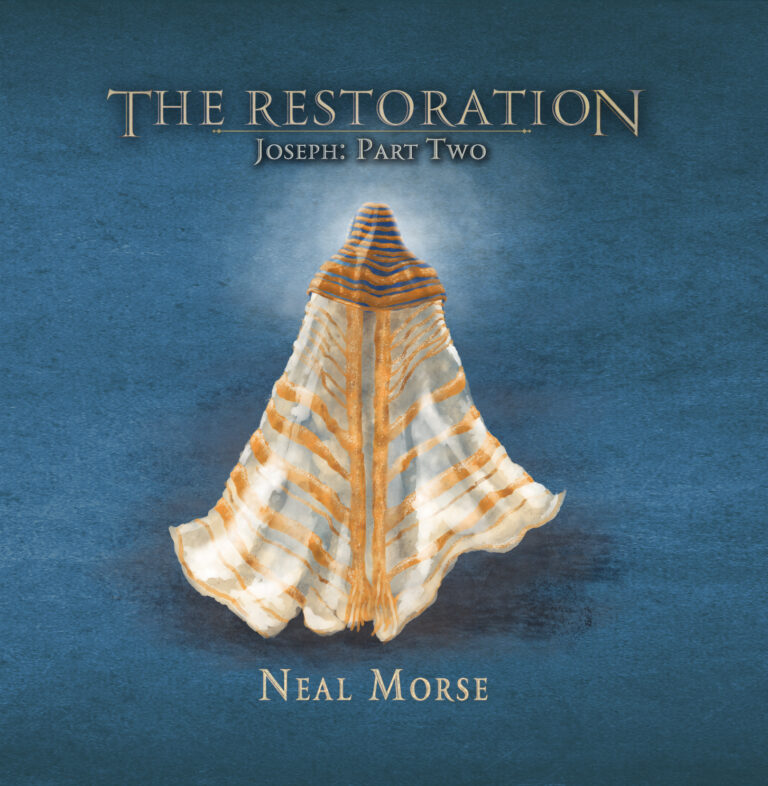
Neal Morse, The Restoration — Joseph, Part Two:The conclusion of Morse’s latest rock opera takes Part One’s rough and ready swagger and turns it up to 11, with grit even in the proggiest moments (Jacob’s sons’ vocal fugue a la Gentle Giant on “The Argument”) and fresh muscle propelling the Latin groove “Everlasting”. There’s heft to the lyrics too, as the showdown between a newly-powerful Joseph and his off-balance brothers displaces Neal’s usual conversion narrative. (Don’t worry, though; reconciliation and revival are just a title track away.) With tight melodic/thematic connections to The Dreamer and a beefy sound recalling George Harrison’s All Things Must Pass and Joe Cocker’s Mad Dogs and Englishmen, The Restoration is also a spectacular vocal showcase; ensemble highlights include Ted Leonard’s emotive Judah and the Nick D’Virgilio/Ross Jennings cameos as Pharaoh’s butler and baker, and Morse puts his newly darkened tone to thrilling use at dramatic highpoints like “I Hate My Brothers”. Together, the Joseph albums are easily my favorite Morse-related releases since The Similitude of a Dream and The Great Adventure, and The Restoration goes straight to my Official Faves List for the new year.
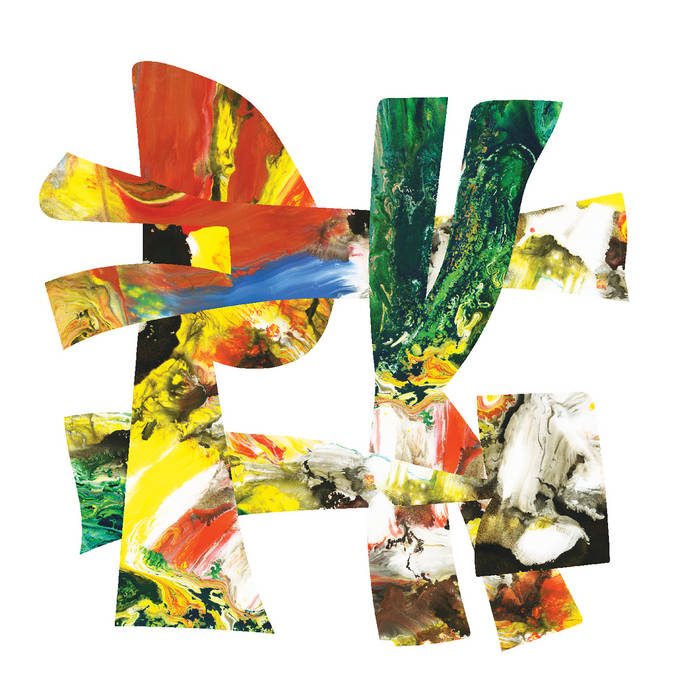
PAKT, No Steps Left to Trace: Another year, another heaping helping of cutting-edge free improvisation from MoonJune Records, courtesy of indefatigable impresario Leonardo Pavkovic! Now in their third year as a collective, bassist Percy Jones, guitarist Alex Skolnick, drummer Kenny Grohowski and guitarist/electronicist Tim Motzer unleash their first double album, created entirely from scratch both in the studio and live. It’s a genuinely explosive set, especially when Jones (best known from Phil Collins’ 1970s fusion band Brand X) ramps up the double-time grooves and his compatriots lock on! But the intensity doesn’t slacken when the music spaces out, either; listening hard and leaning into their deep, uncanny sense of interplay, PAKT also conjures some of the most arresting ambient jams I’ve come across recently. Bursting every genre boundary you can think of, No Steps Left to Trace isn’t for the musically faint of heart — but, for those with ears to hear, it’s a trip well worth taking.
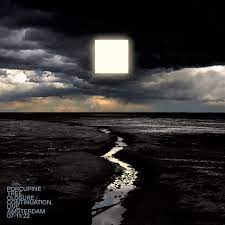
Porcupine Tree, Closure/Continuation. Live Amsterdam 7/11/22: The show I saw in Chicago a couple of months before but bigger, scaled up for packed European arenas instead of partially-filled Stateside auditoriums and rush-released on video before Christmas. The sum of all the prog-metal parts here is flat-out engaging: Gavin Harrison’s percussive impossibilities and Richard Barbieri’s synth squelches ground Steven Wilson’s driven singing and sardonic patter, while utility players supreme Randy McStine and Nate Navarro slam the songs home. Newer material stacks up well against PT’s classics, with pensive slowburns “Dignity”, “Chimera’s Wreck” and “Buying New Soul” nicely offsetting thrashy frequency-eaters “Blackest Eyes”, “Herd Culling” and “Anesthetize”. A solid introduction for anyone who missed the Tree’s initial, spiky flowering, this one will probably resonate deeper with longtime fans (like me) who took Wilson’s long-term “never again” PR onslaught at face value – until we no longer had to.
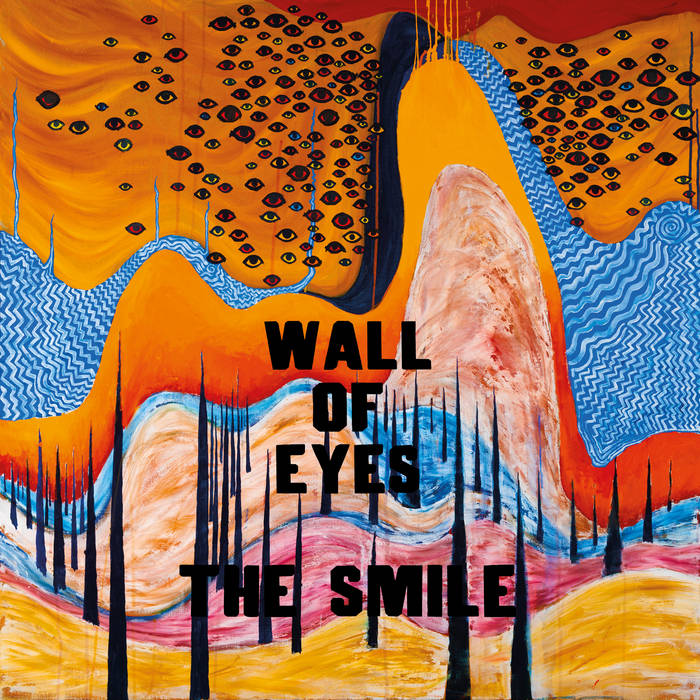
The Smile, Wall of Eyes: Admit it: does Stanley Donwood’s latest album cover look like a psychedelic Lord of the Rings paperback cover from the 1960s or what? And the title track kick-off of this Radiohead-facing project is every bit as disorienting: a understated bossa nova from Tom Skinner to which a balefully depressive Thom Yorke lyric, tightly wound orchestral smears and Jonny Greenwood’s arhythmic guitar plinks attach themselves like disfiguring barnacles. No forthright kicks to the head in the style of A Light for Attracting Attention here; The Smile beckon us toward dystopia ever so gently — odd-time licks over the ominous vamp “Read the Room”, Greenwood and Skinner gouging a trench below Yorke’s mewling protests on “Under Our Pillows”; the Beatlesque ballad “Friend of a Friend” delicately dissolving the boundary between courage and despair in less than five minutes. In the face of lives ever more trapped onscreen, are the only options self-destruction (as “Bending Hectic’s” dissonant strings erupting into unmistakable Greenwood power chords) or resignation to Technopoly’s embrace (the closing “You Know Me!”)? Whatever our take, Yorke, Greenwood and Skinner once again prove brutally honest guides to the expanse of beauty and abyss of horrors lying before us.
Well – that was a longer break than anticipated. (Sometimes, as John Lennon sang, “Life is what happens to you/While you’re busy making other plans.”) Thanks for your patience and ongoing support as we wave goodbye to 2023 and 2024 begins!
Thanks as well to Time Lord and Bryan for their 2023 wrap-ups. The flow of excellent new and reissued music continued unabated in November and December; below are some further favorites (plus some I didn’t get around to before my last post), with listening links and “micro-quick takes” to match.
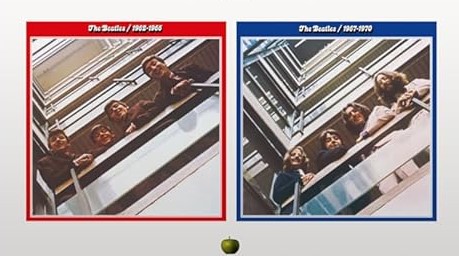
The Beatles, 1962-1966 & 1967-1970: The pioneering 1973 compilations get a cutting-edge makeover. The “Red” album expands by 12 tracks — more covers, more George vocals, more from Revolver — and everything’s finally remixed to breathtaking true stereo by Giles Martin. The “Blue” album broadens the picture of the Fab Four’s later years via 9 more tracks, with the archival swan song “Now and Then” (read Time Lord’s elegiac appreciation here) serving as a lovely, definitive coda. Fifty years on, a reminder of what all the shouting was about – and why Beatlemania has never really gone away.
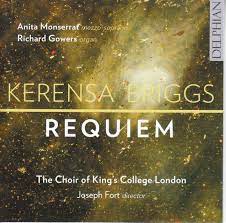
Kerensa Briggs, Requiem: The first new classical piece I’ve fallen in love with in a long time. Briggs is a young British choral composer with formidable gifts and a direct, appealing style; based in chant and ripened with echoes of the French romantics, her Requiem cuts straight to the heart of grief, consoling the listener’s spirit with its rich settings of Scriptural promises. The Choir of King’s College London, conducted by Joseph Fort, responds vibrantly on the major piece and other short works (including a setting of the Taoist text “Inner Light” that George Harrison nicked for a Beatles B-side). Restorative, uplifting and highly recommended.
Charley Crockett, Live from the Ryman Auditorium: A recent Nashville vacation (including a night at the Grand Ole Opry) triggered a deep dive into all things country — traditional, bluegrass, alternative, modern, you name it. Leaning on his Gothic concept album The Man from Waco, Texas troubadour Crockett and his band The Blue Drifters electrify a sold-out Mother Church of Country Music with this generous, rambunctious set. One of the most eclectic artists in the genre today, Crockett flavors his honky-tonk stew with everything from mariachi to Motown (check out “I’m Just A Clown”), from funk to deep blues, with props to Red Dirt forebears like James Hand and Townes Van Zandt along the way — and his thick, chewy baritone sells it all. If you crave some down-home listening, you can’t go wrong here.
Peter Gabriel, i/o:Yeah, PG has been promising new music for twenty years — but, boy, has he delivered the goods! Released a track at a time every full moon, the finished album (available in three different mixes) is a hypnotic, seductive delight all the way. Whether on atmospheric opener “Panopticom”, melancholy meditations “Playing for Time” and “And Still”, or upscale worldbeat anthems “Road to Joy” and “Olive Tree”, killer hooks, arresting soundscapes and neoclassic soul melodies abound. It’s Gabriel as you remember him — including those lyrics that swing wildly between sappy motivational speeches and sage advice — freshly retooled and energized, blazing a hopeful, humanistic path thru this century’s chaos.
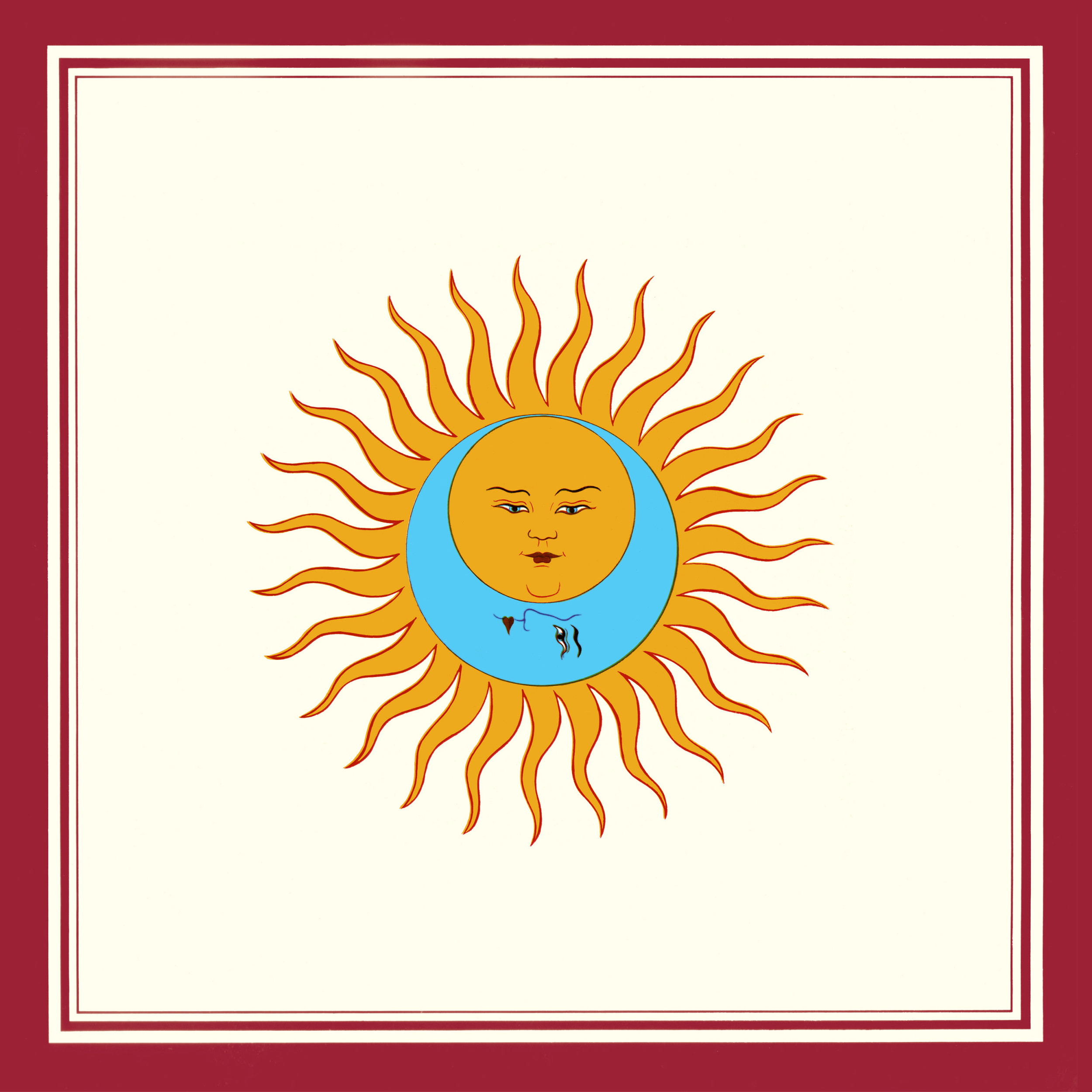
King Crimson, Larks’ Tongues in Aspic XL:Robert Fripp wasn’t kidding when he called the 1972-73 incarnation of Crimson a magic band. John Wetton on bass and Bill Bruford on drums bring the muscle; David Cross on violin and Jamie Muir on percussion add thrills in the moment. Arguably, the crunching Hendrix-meets-Stravinsky title tracks, menacing balladry of “Exiles” and improvised mojo of “The Talking Drum” set the template for the rest of KC’s career. This 2-CD/2-BluRay set includes a new spatial audio mix by (who else?) Steven Wilson, an “Elemental Mix” that spotlights individual contributions and the complete sessions for nerds like me who want to know how the sausage got made. Explosive, unstoppable stuff.
Marty Stuart and His Fabulous Superlatives, Altitude:Whether backing greats like Lester Flatt and Johnny Cash, riding his “hillbilly boogie” to a successful solo career, or charming Ken Burns’ documentary audiences, Stuart comes as close to the living personification of country music as anybody. Here he and his stellar backing band lay down some serious hoodoo: “Sitting Alone” fuses tight harmonies to a Byrdsy guitar jangle, the title track twangs with abandon, “Tomahawk” joyfully calls down the Second Coming in double time, and a hush descends for the haunting “And the Angels Came Down.” A fresh helping of Cosmic American Music as pioneered by The Grateful Dead and Gram Parsons: sleek, gutsy and deeply satisfying.
And in review, the list of my other favorite releases and reissues of the year, covered in previous Quick Takes (links are to my original articles):
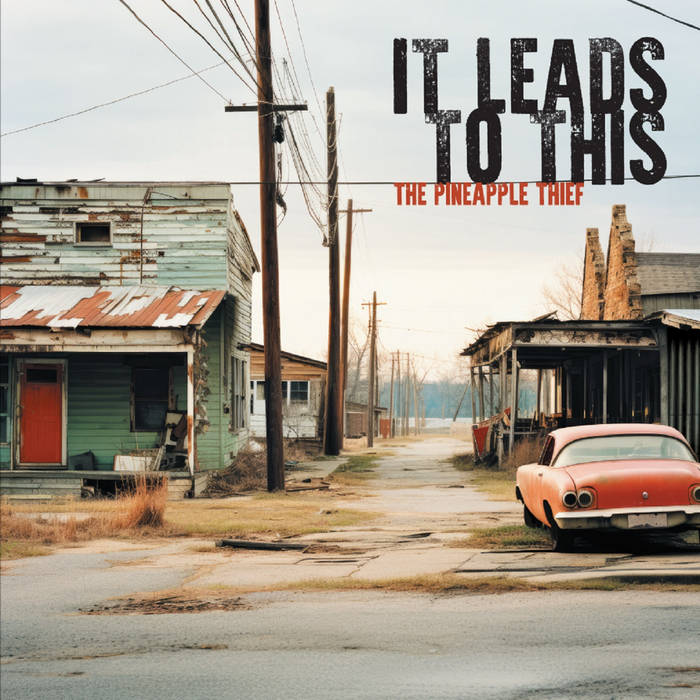
Stay tuned, won’t you? With new albums due soon from Neal Morse, The Pineapple Thief, Steve Hackett, The Bardic Depths and Big Big Train (not to mention BBT’s first US tour this March), the Rockin’ Republic of Prog is ready for a banner year!
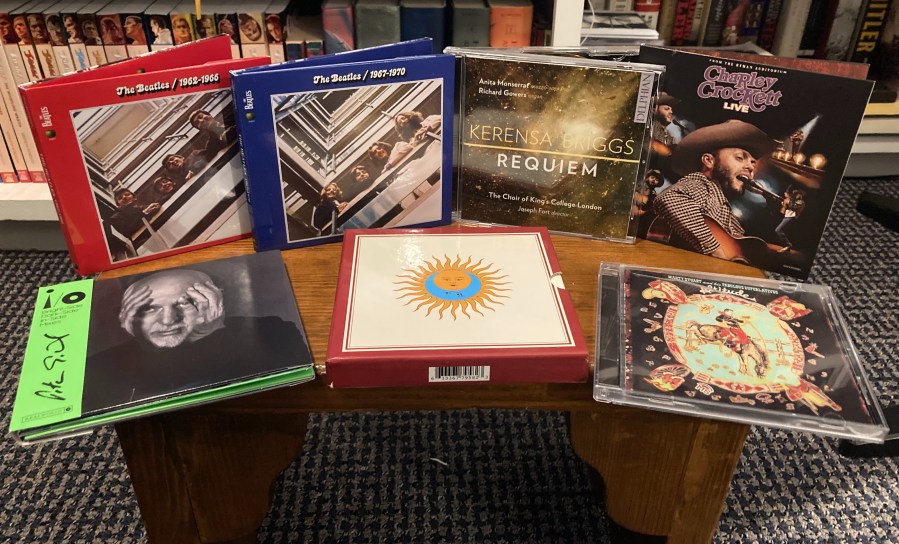
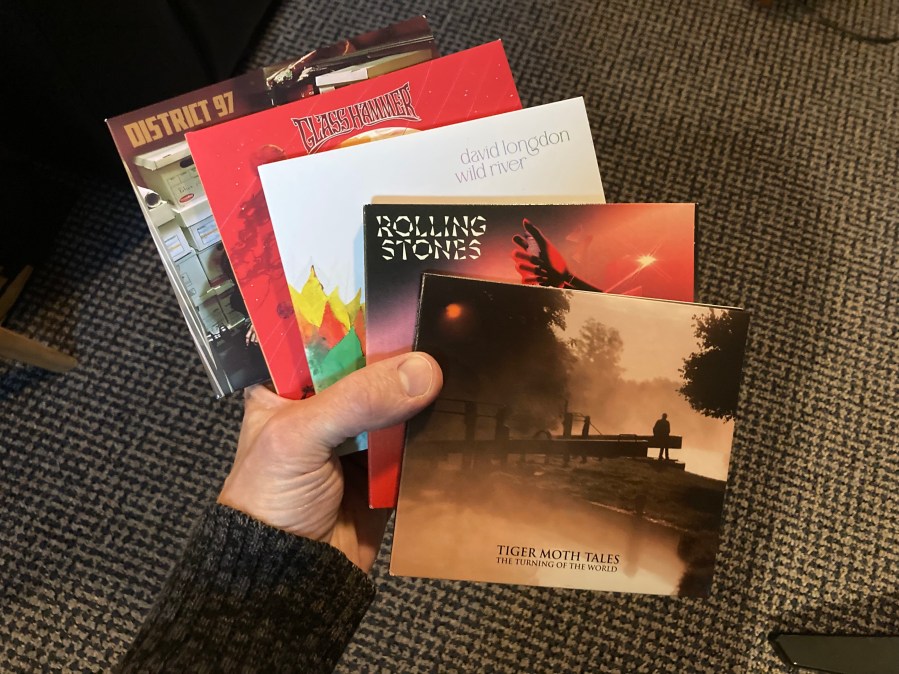
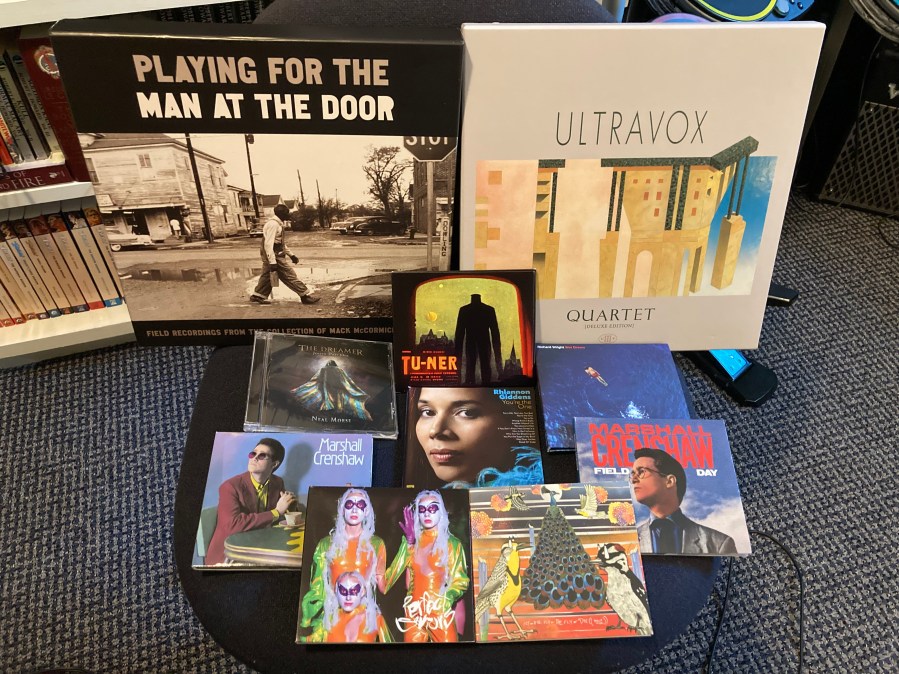
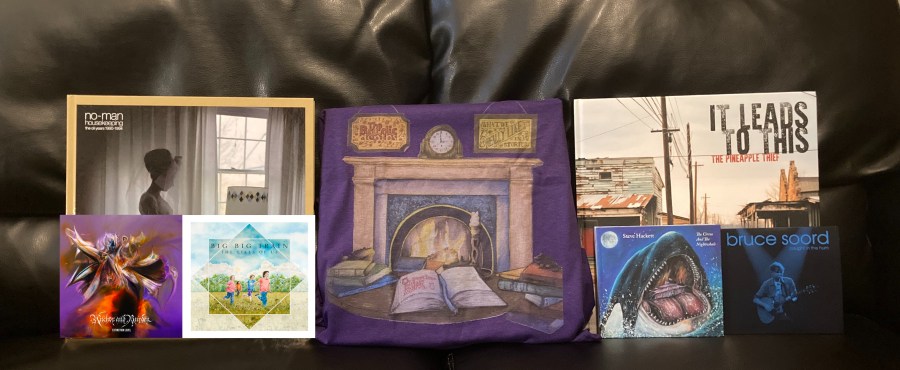
As you can see in the photo above, I’ve drawn a full house of fresh music by artists well known in the Rockin’ Republic of Prog for this hand. (As well as a world-famous joker from another deck.) Unless otherwise noted, title links are to Bandcamp or Spotify for streaming. Where streaming links don’t include them, separate links with purchase options follow each review.
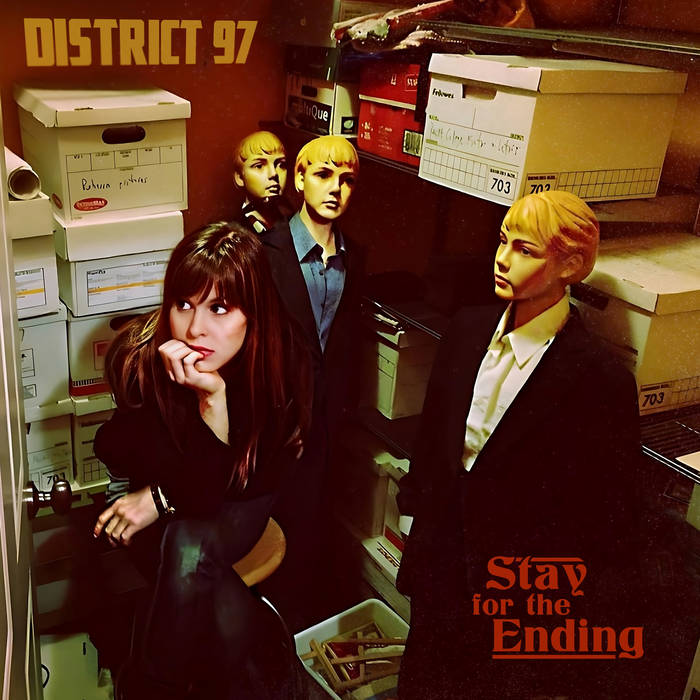
District 97, Stay For The Ending: Another great leap forward for the prog pride of Oak Park, Illinois, D97’s fifth studio album is a shoo-in for my year-end list of favorites. It bursts at the seams with the good stuff – Jim Tashjian’s massive guitar thrash, Andrew Laurence’s neck-snapping synth licks and harmonies, Tim Seisser’s buoyant, bubbling bass work and Jonathan Schang’s exuberant off-center drum grooves. As always, singer Leslie Hunt hits every musical curveball out of the park, her energy and sophistication driving home one breathtaking melodic hook after another. Once the stylish, thrilling title track ropes you in, the eccentric fusion workout “Many New Things”, the Crimsonesque riff-go-round of “Crossover”, the galloping social comment of “Divided We Fall” and the stutter-stepped “Deck Is Stacked” will keep you on the edge of your seat. Can’t recommend this highly enough.
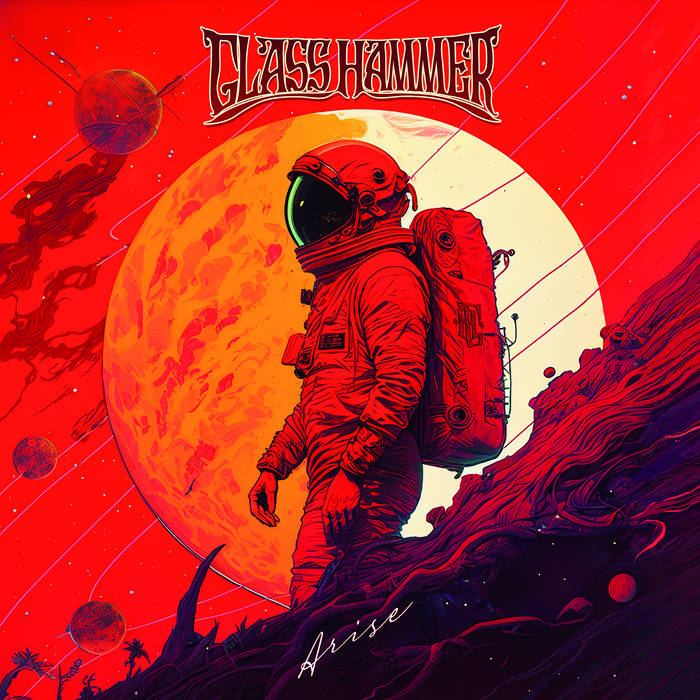
Glass Hammer, Arise:How does ace GH conceptualist Steve Babb follow up on his surprisingly heavy Skallagrim fantasy trilogy? With an even heavier sci-fi concept album, of course! As Babb’s AI-enhanced android protagonist heads for the stars, the spacey invention comes fast and furious; the propulsive kick of “Wolf 339”, droning industrial ballad “Lost” and blues cruise “Proxima Centauri B” all build to a shattering, sludgy apocalypse on the title track. Throughout, multi-instrumentalist Babb and his colleagues (including fellow GH founder Fred Schendel on one track) pile on the dramatic tension, while Hannah Pryor’s vocals vividly trace the turmoil of an intelligence lost in the cosmos – only to be confronted with Someone greater than it bargained for. Dare we hope for a sequel? Order from Glass Hammer’s website.
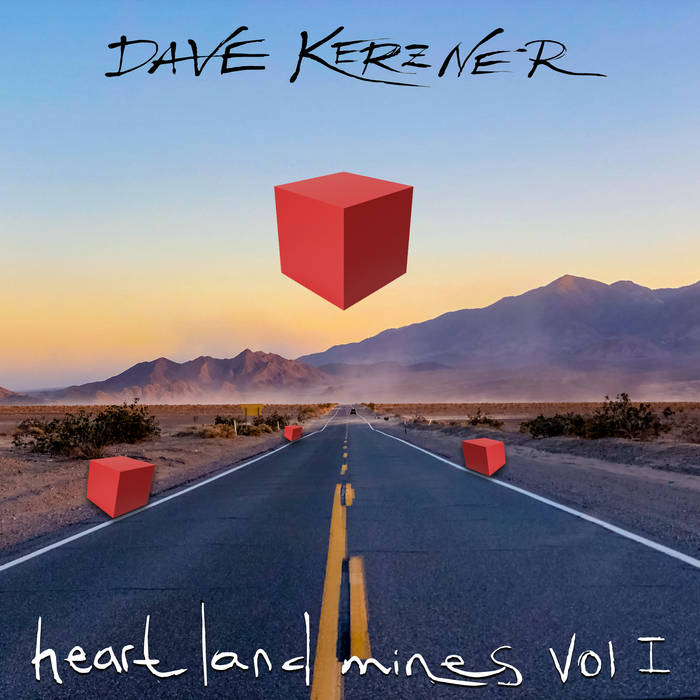
Dave Kerzner, Heart Land Mines, Vol. 1: After a troika of albums exploring distant worlds in the extended fashion prog fans so love, Kerzner brings it all back home. No, it’s not an original concept: boy meets, loves and loses girl, then drives across country to forget girl while writing songs about the whole mess. But it all happened to Dave back in the 1990s, including the songwriting – which gives this project (the first in a series based on his “songs from the attic”) a real edge and vibrancy. In terms of the music, think less Pink Floyd and Genesis, more Beatles, Steely Dan and Alan Parsons: sturdily constructed, left-field pop, chock full of emotion and color. From the cynical shuffles “Dreaming in LA” and “Dirty Girl” to the heartbreak ballad “Worlds Apart” and beyond, Kerzner gives this music his all, his singing more expressive than ever, his arranging and production even more vivid and intense. With tasty touches galore from his world-class backing band (Fernando Perdomo, Matt Dorsey and Derek Cintron) and special guests, Kerzner has hit my year-end favorites list yet again; on the surface, the first installment of Heart Land Mines (more volumes are promised) might seem less ambitious than New World, Static and The Traveller, but it’s every bit as compelling and delightful. Order various editions from Bandcamp.
David Longdon, Wild River: Music by a younger man than we came to know during Longdon’s time with Big Big Train, his 2004 solo debut reveals both an eclectic sensibility and the level of aspiration you’d expect from a singer ballsy enough to audition for Genesis as Phil Collins’ replacement. The basic vibe is folk-inflected, artsy singer-songwriter, focused on acoustic guitar and fiddle (with a pinch of Pete Townshend’s aggression on the opener “Always”, “Mandy” and “Vertigo”), but even then, Longdon’s range extended to the title song’s R&B shout-out and the darker turns of “This House” and “Joely”. And as the Floydish “Falling Down to Earth” (complete with Mellotron) gives way to the extended metaphor of the finale “On to the Headland,” we hear the sensibility that emerged to tell Greg Spawton’s tales of Old Albion for The Underfall Yard and the English Electric sequence, then seek fresh destinations for Big Big Train before his untimely death. This pristine reissue, remastered by Rob Aubrey, includes a bonus live album with previously unreleased material Order from Burning Shed or The Band Wagon USA.
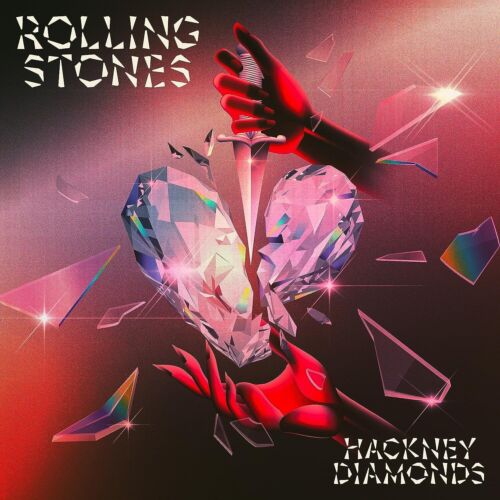
The Rolling Stones, Hackney Diamonds: You might have heard something about this one; “those British bad boys” (as Bob Dylan referred to them when I heard him in concert last month) are back in the saddle, hedonistic and petulant as ever. Slashing their way across producer Andrew Watt’s dry, tight soundstage, Keith Richards and Ron Wood whip up vigorous, punchy riffs by the dozen (though there’s little room for their classic guitar weave). Meanwhile, Mick Jagger strikes every vocal pose in his repertoire and then some, shouting and moaning what are quite possibly the filthiest lyrics he’s ever written. The whole thing rocks hard, and there’s genuine magic afoot when Bill Wyman and the late Charlie Watts crank up the rhythm on “Live By the Sword”. But ironically, the best moments here come during the collaborations — Paul McCartney powering “Bite My Head Off” with an immense fuzzed bass lick, “Lady Gaga” channeling the early 1970s with Jagger during the gospel-soaked “Sweet Sounds of Heaven”. A respectable showing for the Stones and a fun listen for fans — but how of many of these songs, as cool as they sound, will make the setlist for next year’s inevitable tour? Order from … well, just about everywhere.
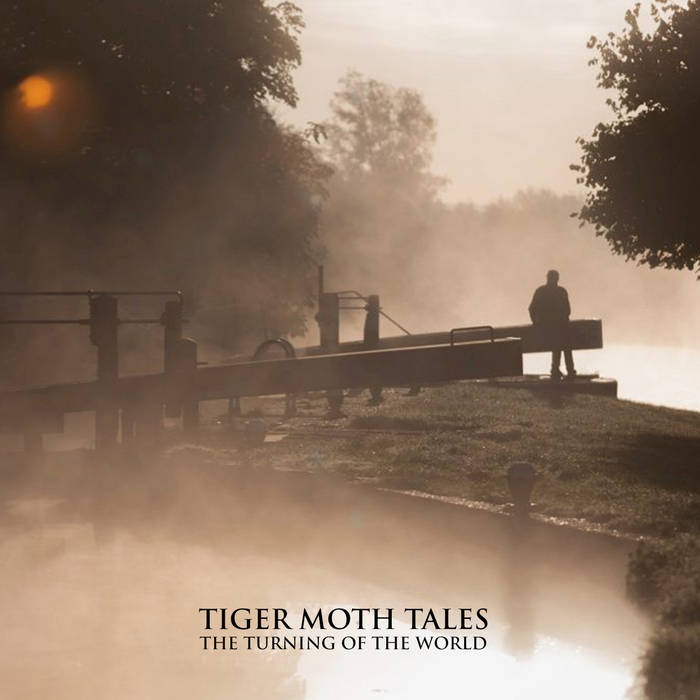
Tiger Moth Tales, The Turning Of The World: When Pete Jones stepped back a bit from the keyboard and picked up his acoustic guitar, this more straightforward sequel to 2020’s chamber-prog opus The Whispering of the Worldwas the attractive result. The man’s got a lot on his mind – “revolution, changing technology, life-altering events” – and he doesn’t hold back with his opinions. At his best, Jones’ direct, sensitive reflections on the passing scene cut to the heart, especially on the epic allegory of “The Snail, the Horse and the River” and “We’ll Remember”, an affecting tribute to David Longdon. And if upbeat inspirational songs about life such as “Pass It On” and “Make a Good Sound” lean a bit toward limpid jazz-funk, they quickly pick up energy every time Jones picks up his saxophone and melodica for expressive fills or soaring solo choruses. A change of pace from his recent seasonal albums, it’s always good to hear from a man who truly believes “It’s So Wonderful to Be Alive” — and isn’t shy about reminding us of it! (There’s also a bonus disc available, The Whispering Suite, with outtakes and live versions bridging TMT’s two “World” albums and 2022’s A Song of Spring.)
I get into trouble and I hit the wall No place to turn – no place at all I pick a number between one and two And I ask myself what would Julius Caesar do?
Bob Dylan, “My Own Version of You”
Shortly after Bob Dylan barked out those couplets to the audience at Grand Rapids’ DeVos Performance Hall, he answered his rhetorical question with another recent tune: “I prayed to the cross and I kissed the girls and I crossed the Rubicon”. So it was no surprise that, on a night where the 82-year-old icon genially lorded it over his band and a capacity crowd, another historical JC crept into the setlist too . . .
But let’s rewind. Hitting the stage in a black sequined suit and white hat, Dylan planted himself behind a baby grand piano and promptly dispelled any expectations of a by-the-numbers night of bygone hits. The opener was recognizable as the 1970s deep track “Watching the River Flow” — but only just. Words were stretched out, scrunched together and slurred, melodies recast on the very edge of speech, the original flowing folk song juiced up by jumpin’ R&B from the backup quintet. To top it off, Dylan took all the solos — ranging from inspired rhythmic riffs to maddeningly repeated three-note licks (the kind you played in grade-school piano duets) that occasionally locked in with the band’s chords. The message was clear: “I’m doing whatever I want with these songs tonight. Keep up.”
To their credit, Dylan’s crew did just that, with style to spare. Whether on electric or stand-up bass, long-time musical director Tony Garnier’s pulse was always squarely in the pocket; guitarists Bob Britt and Doug Lancio’s sturdy strumming kept the songs plowing forward, even when their boss pulled back on the melodies and rhythms. With the vehicle in motion, utility player Donnie Herron piled on the colorful trim — floating pedal steel guitar, countrified fiddle, sprightly mandolin. And drummer Jesse Pentecost, the newest band member, gave it all a kick in the pants, changing and chopping the grooves of every tune from Dylan’s latest album of new material, Rough and Rowdy Ways. Nothing was straight off the record: slow blues spread out into shuffles; crawling ballads shifted up a gear to more fluid tempos; the whimsical meditation “Key West (Philosopher Pirate)” turned into film noir, darkening on a dime during an ominous, reharmonized refrain. If details got lost in the roar of the journey, it proved an exhilarating ride. (And Dylan was digging it — late in the set, he introduced the band members by name, which apparently only happens when he’s in a good mood.)
Dylan proved equally daring on a relatively obscure selection of vintage tunes, taking the reinventions of this year’s live-in-studio Shadow Kingdom even farther. “I’ll Be Your Baby Tonight” careened from free-tempo intro to Little Richard stomper (complete with Jerry Lee Lewis piano glisses) to a hard-braked burlesque finale. “To Be Alone With You” got the full honky-tonk treatment, courtesy of Pentecost’s loping backbeat and Herron’s cry-in-your-beer filigree. Given the nature of the night, the biggest surprise wasn’t that Dylan’s fundamentalist calling card “Gotta Serve Somebody” cropped up as a rockabilly-flavored rhumba; it was that the only cover of the set, Chuck Berry’s “Nadine”, was played and sung absolutely straight (and garnered as much applause as anything else)!
Though I’ve gotta say the biggest kick for me was the relaxed finale: “Every Grain of Sand”, one of Dylan’s numerous farewells to whoever or whatever threatened to cramp his style over the decades. A final fruit of his evangelizing years, it proved a graceful closer for the evening, a benediction of sorts on the rapt audience, complete with Bob’s only harmonica solo of the night after the final lyrics:
I hear the ancient footsteps like the motion of the sea Sometimes I turn, there’s someone there, other times it’s only me I am hanging in the balance of the reality of man Like every sparrow falling, like every grain of sand.
At which point, Bob Dylan carefully hobbled to center stage, stood there bathed in applause, smiled, and — the very embodiment of Boomer noblesse oblige — took leave of the 2,000 mere mortals before him, off to future stops on his latest imperial progress.
Unless otherwise noted, title links are typically to Spotify or Bandcamp for streaming, with a purchase link following the review.
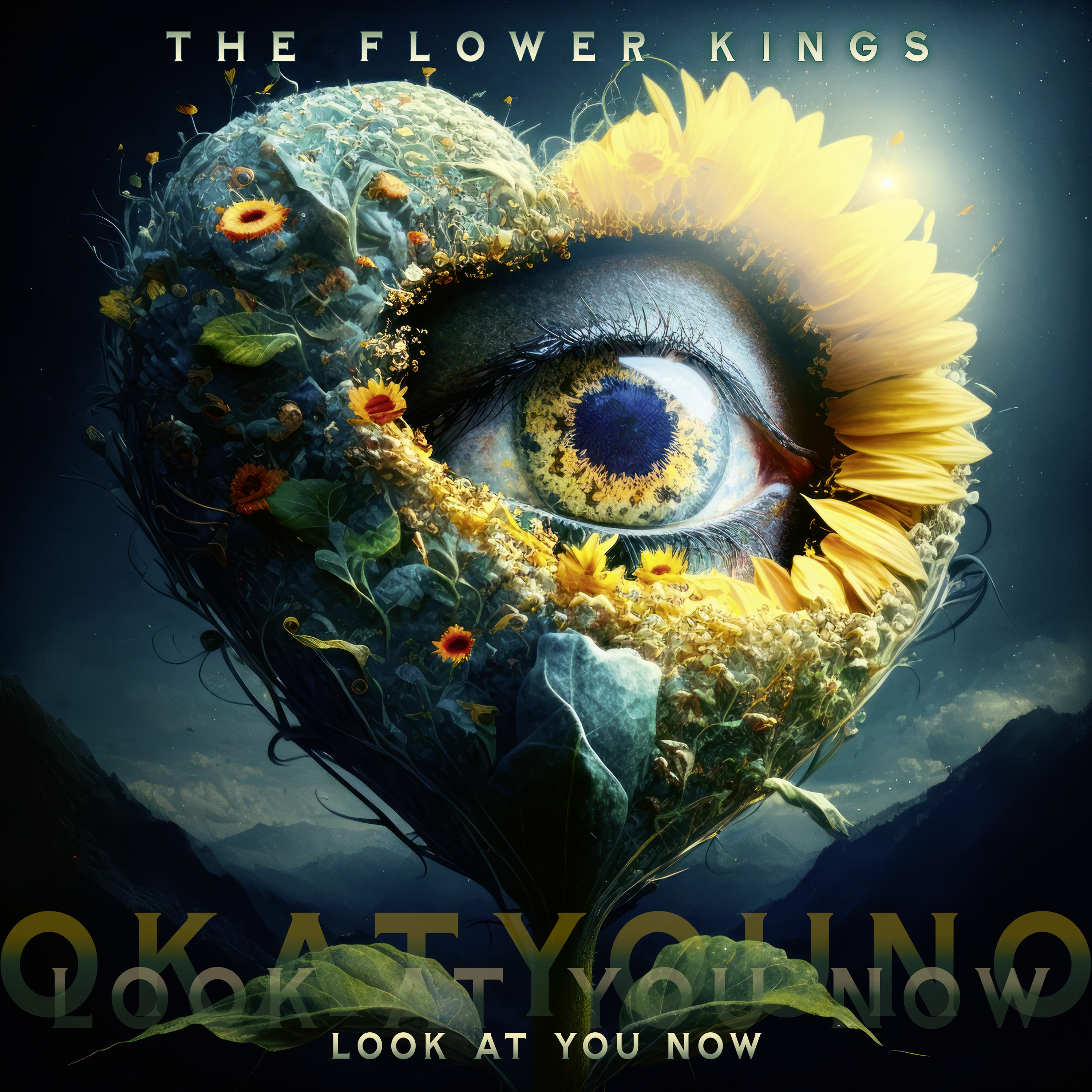
The Flower Kings, Look At You Now:The Stolt brothers — Michael on bass, Roine on almost everything else — vocalist Hasse Fröberg and drummer Mirko DeMaio crank up that progressive-psychedelic roundabout, and what comes out the chute is yet another spellbinding album-length suite. Snippets from the past and fresh in-studio invention lock together seamlessly; from the merry-go-round kickoff “Beginners Eyes” and the Beatleish “Hollow Men” through renaissance pastoral “The Queen” and blues-edged workout “Scars”, to the closing workout (cinema showoff vamp “Father Sky” into bolero build “Day for Peace” into the closing title epic), TFK don’t miss a trick, evoking vintage Yes and Genesis while always leaning into their own unique, up-to-the-minute spin. This is easily the equal of recent double-disc standouts 2020’s Waiting for America and last year’s By Royal Decree, on track to be one of my favorites at the end of the year. Order from Burning Shed here.
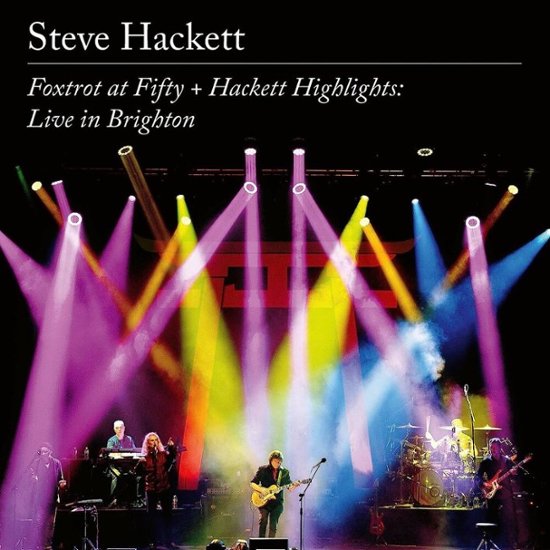
Steve Hackett, Foxtrot at Fifty + Hackett Highlights – Live in Brighton: Yep, this is Hackett’s eighth live album since he made “Genesis Revisited” a regular feature of his live set and rejuvenated his international touring career. But doggone it if he doesn’t make this latest set make worth our while yet again! Leading off with a refreshed solo repertoire (blending in vintage throwbacks “A Tower Struck Down” and “Camino Royale”) that provides new showcases for his talented band (Rob Townsend and Roger King’s wind/keys duet on “Ace of Wands”, Jonas Reingold’s fleet-fingered solo spot “Basic Instincts”), Hackett proceeds to blow out Brighton’s doors with an inspired romp through Genesis’ 1972 breakout album. Especially noteworthy: singer Nad Sylvan, at his personal best on “The Devil’s Cathedral”, “Watcher of the Skies” and a taut, compelling “Supper’s Ready” — well, really all through the night. I thought I might have actually seen Hackett enough (four times!) in the last decade, but this release has me eager to catch this show when he returns to the States next spring. Order from Burning Shed here.
Bruce Soord, Luminescence:Just a songwriter and his gear (plus the occasional electronica and orchestral seasonings); on break from The Pineapple Thief, Soord descends into the postmodern maelstrom, in search of an evasive inner tranquility. A placid, brooding first half of string swells (“Dear Life”), slinky acoustic funk (“Lie Flat”) and pensive melodic sketches (“So Simple”) gathers momentum, only to hit a stalled-out sense of desolation (“Instant Flash of Light”, “Stranded Here”) — which gives Soord’s concluding pleas for human connection (“Read to Me” and “Find Peace”) a vulnerability that chills to the bone, even as it cracks open all the feels. Spacious, shimmering and seductive (kudos to Soord and mastering engineer/TPT bandmate Steve Kitch), Luminescence’s stoic gaze into the heart of darkness packs a serious emotional depth charge. Order from Burning Shed here.
The Who, Who’s Next / Life House (Super Deluxe Edition):Who’s Next is an album that changed my life, and over the decades, it’s developed a reputation as one of rock’s finest moments. But Pete Townshend remains haunted by his original, unrealized post-Tommy concept of The Life House — a gathering place for the outcasts of a nightmarish virtual reality, with rock music as the saving sacrament of a splintered counterculture. Thus, this behemoth box: two discs of impeccable Townshend demos; three discs of session outtakes and singles; two complete, ferocious live sets; and an immaculate spatial audio remix of the final product by (of course) Steven Wilson. Even with exhaustive liner notes and a graphic novel version included, the Life House storyline simply refuses to cohere. But listening to The Who as they wrestle with the throughline, then pitch it away and just slam into “Baba O’Riley”, “Behind Blue Eyes” and “Won’t Get Fooled Again”, you hear the fragments of one man’s overweening ambition transmuted into a furious, majestic rush of sheer hard rock glory. Order from The Who online store.
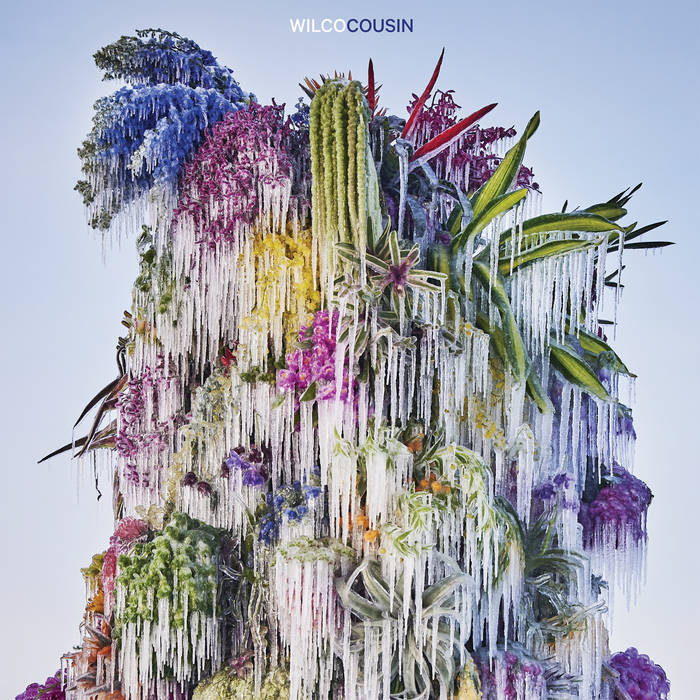
Wilco, Cousin: 2022’s Cruel Country (my top favorite album of last year) interrupted Wilco’s work on this excursion back into art-pop, made with Welsh multi-instrumentalist/co-producer Cate Le Bon as sidekick. Here Jeff Tweedy’s elusive, folky reflections are splattered with spectral atmospherics and thick blobs of tonal texture; workouts like technicolor opener “Infinite Surprise”, the sunnily chaotic title track and the Wild West gallop of “Meant to Be” sit side by side with morose elegy “Ten Dead”, baroque/dance crosscut “A Bowl And A Pudding” and the compelling meander “Pittsburgh”. The proceedings here lean a bit to the downtempo side, but it’s great to hear Tweedy and his merry crew of cutting-edge players revisit the experimental approach of their Yankee Hotel Foxtrot/A Ghost Is Born era, with the gains of the decades since then thoroughly integrated. Few American bands offer such solid work on such a consistent basis. Order from Wilco’s online store.
Steven Wilson, The Harmony Codex: On which Wilson decides not to pay homage to one particular musical style, bringing his magpie/studio boffin tendencies fully to the fore. Digging into the resources of vintage synthesizers, SW leans on mood more than movement, warming up the temperature from the glacial electronics of The Future Bites a bit, spinning trippy webs of sound braced with a percussive snap. As he flicks through a dizzying array of genres, there are plenty of hypnotic moments (the 1970s spiritual jazz/fusion of “Inclination” and “Invisible Tightrope”, pop nugget “What Life Brings”, imaginary Bond theme “Rock Bottom” with Ninet Tayeb, the langorous switched-on Bach/spoken-word melodrama of the title track), but it can also feel like Wilson is channel-surfing for its own sake; the focus of his best work is only intermittently there, and shorter tracks sometimes peter out instead of paying off. Still, as far and wide as The Harmony Codex wanders, there’s lots to catch the ear as it rambles, and it’s already rewarded repeated listens for me; Wilson remains an artist well worth checking out and reacting to. (So, yeah, Time Lord and I have very different opinions here. And, in line with de gustibus non est disputantum, I’m down with that.) Order from Burning Shed here. (BTW, thanks to the Burning Shed crew & the Royal Mail for getting my copy across the pond to my mailbox in 6 days!)
Unless otherwise noted, title links are typically to Bandcamp for streaming and purchasing, or to Spotify/YouTube for streaming with a additional purchase link following the review.
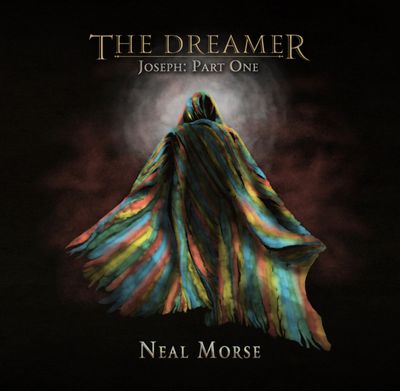
Neal Morse, The Dreamer – Joseph, Part One: For his latest rock opera a la 2019’s Jesus Christ the Exorcist, Morse and his studio sidekicks swerve toward hard-hitting blues-rock; the usual “Overture” and the narrative tracks “Burns Like A Wheel” and “Gold Dust City” are stuffed to the brim with chunky organ and grunged-up wah-wah guitar work. Wailing vocals from the cast of Christian Progressive Rock stalwarts who play Jacob, Joseph’s brothers and his Egyptian captors slot right in; even the power ballads (“The Pit”) have more grit this time around! And while the second half of the album is stylistically slicker (complete with classical chorale “I Will Wait on the Lord”), the hooky closer “Why Have You Forsaken Me?” pulls all the musical threads together, with Morse’s emotive portrayal of Joseph setting up intriguing possibilities for Part 2 — which, given his extravagant productivity, shouldn’t be too long in coming. Order from Radiant Records here.
Tu-Ner, T-1 Contact Information: Power trio improvisation that takes no prisoners, from another eerily luminous satellite band orbiting the gravity well of King Crimson. Trey Gunn and Pat Mastelotto formed one of Crimson’s most ferocious rhythm sections in the early 2000s, also recording together as TU; here Mastelotto clatters away merrily on his sonic smorgasbord of drums and percussion, while Gunn unleashes the deepest, fattest bass licks known to subwoofers. Above and around the Rhythm Buddies’ brutalist bedrock, Markus Reuter (who’s worked with Mastelotto in the duo Tuner and the trio Stick Men) unleashes slashing, swooping touch guitar lines and dark, brooding soundscape clouds — and when Gunn joins him on the higher end, sparks really fly. Always arresting, intermittently galvanizing, but the track titles (or this review for that matter) can’t really give you a feel for what this sounds like. In other words, you’ve gotta hear what Tu-Ner do to believe it.
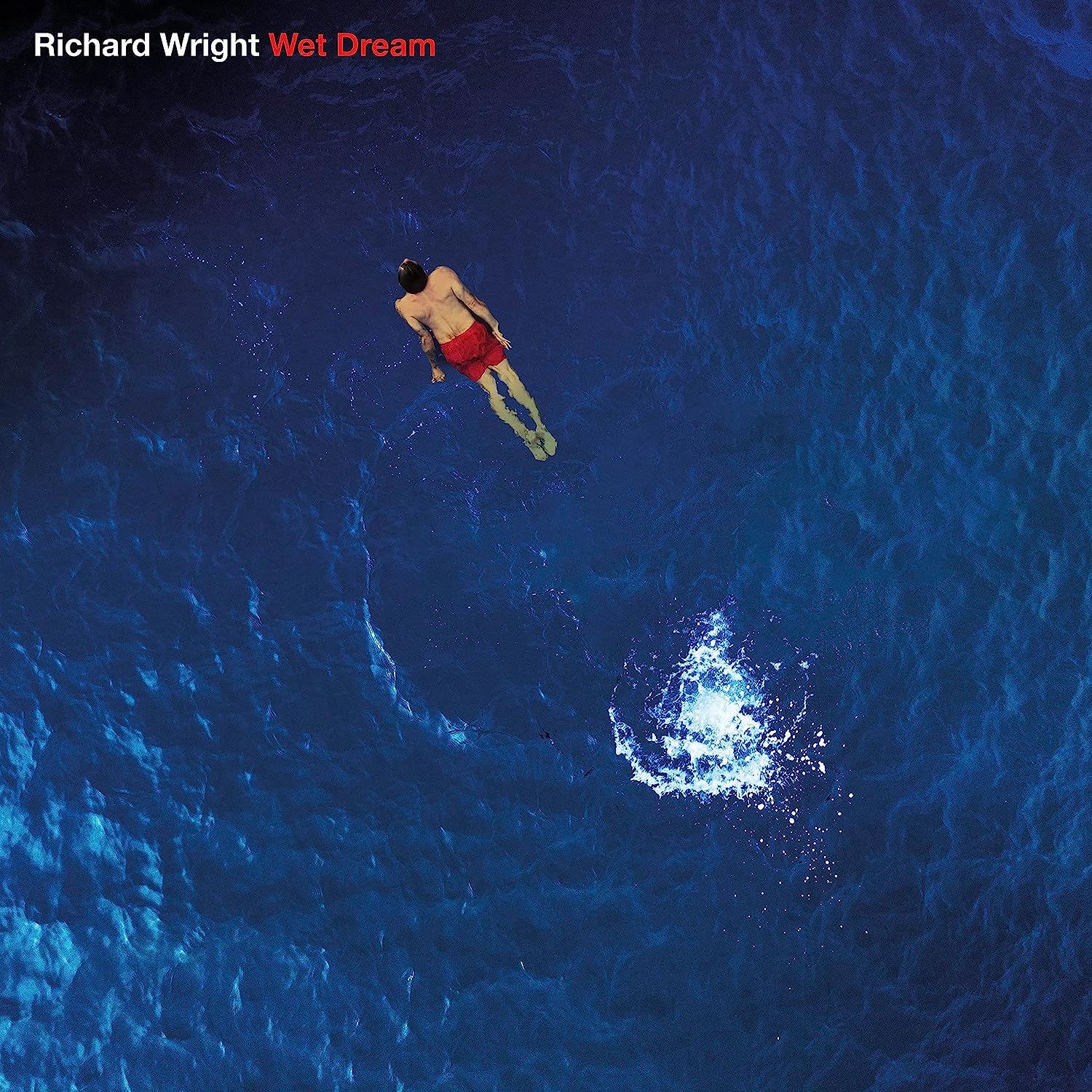
Richard Wright, Wet Dream: In case you ever wondered exactly what keyboardist Wright brought to Pink Floyd, his 1978 solo album has it in spades. On tracks like “Mediterranean C” and “Drop In from the Top” lush, floating chord progressions set up open-ended jams by guitarist Snowy White and sax legend Mel Collins; Wright’s reedy voice spins out languid vignettes of detachment and disillusion such as “Summer Elegy” and “Holiday”. All thoroughly gorgeous (especially in this immaculate new Steven Wilson remix), occasionally funky, ineffably melancholy — and not terribly urgent in isolation. Still, you can hear the breathing space that Floyd lost as Wright faded into the background and Roger Waters began repeatedly kicking his audience in the head on The Wall. Order from Rhino Records here.
Ultravox, Quartet [Deluxe Edition]: Speaking of immaculate Steven Wilson remixes: this is his third in a series for the British new wave quartet. Regrouping after early personnel changes, Ultravox struck a quirky vein of New Romantic post-punk on 1980’s Vienna, then pursued cutting-edge Krautrock on the follow-up Rage in Eden. Connecting with legendary producer/5th Beatle George Martin, frontman Midge Ure, violinist/keyboardist Billly Currie, bassist Chris Cross and drummer Warren Cann aimed straight for the charts; Quartet is as pure of a pop album as they ever achieved. The UK singles “Reap the Wild Wind,” “Hymn,” “Visions in Blue” and “We Came to Dance” have an irresistible mix of rock drive, synth-pop color and devil-may-care melody, and the album tracks slot right in; the whole thing’s overripe and melodramatic in the most appealing way. Plenty of extras in the 7-disc box too, with b-sides, rarities, rehearsal tapes, studio monitor mixes and an intense live set all included. Order from the Ultravox store here.
The Harmony Codex – the seventh album by Steven Wilson – is a genre-spanning collection that represents the apotheosis of a life spent fully absorbed in music.
While The Harmony Codex nods to records from Steven Wilson’s recent past, at times echoing the paranoid rumble of 2008’s Insurgentes, the crystalline electronics of 2021’s The Future Bites and the expansive storytelling of 2013’s The Raven That Refused To Sing (and Other Stories), here he has managed to create something entirely unique, a record that exists outside of the notion of genre. And although The Harmony Codex is a record made with spatial audio in mind, it’s not one that needs an elaborate sound system to lift you out of body – two speakers and an open mind will do just fine.
Released on September 29th. Tracklist:
1. Inclination (7.15)
2. What Life Brings (3.40)
3. Economies of Scale (4.17)
4. Impossible Tightrope (10.42)
5. Rock Bottom (4.25)
6. Beautiful Scarecrow (5.21)
7. The Harmony Codex (9.50)
8. Time is Running Out (3.57)
9. Actual Brutal Facts (5.05)
10. Staircase (9.26)
Watch the video for the track “Economies of Scale” below:
Bruce Springsteen and the E Street Band, Wrigley Field, Chicago, Illionis, August 9, 2023.
If it’s not official, it should be: since James Brown passed on, Bruce Springsteen live has to be The Hardest Working Man In Show Business.
Kicking off the second North American leg of his current world tour, Springsteen was in nonstop motion for three solid hours: counting in 26 tunes at the head of a supersized, 18-strong E Street Band — playing off wingman guitarists Stevie Van Zandt and Nils Lofgren, cueing “Mighty Max” Weinberg’s drum shots with his body, “conducting” the five-piece horn section (including featured saxman Jake Clemons), often to intentionally comic effect. And, oh yeah, he sang every lead vocal, took his share of guitar and harmonica breaks and rambled up and down multiple steps and ramps to engage the folks standing in front of the center field stage again and again. Whew!
But it isn’t just the 73-year-old Springsteen’s stamina that’s impressive; the body of work he brings onstage stacks up favorably against any classic rocker in his league. While some hardcore fans have complained of static setlists this go-round, the range and depth of what is being played would be pretty hard to beat. Almost half of second album The Wild, The Innocent And The E Street Shuffle — tunes that Bruce himself called “the soul children of the lengthly prog pieces” he’d written for a previous band; most of operatic breakout Born to Run; core songs from noir melodrama Darkness on the Edge of Town, mass culture beachhead Born in the USA and 2020’s elegiac Letter To You; and a choice cross-section from the rest of his catalog, including last year’s cover of the Commodores’ “Nightshift” (which spotlit his quartet of backing vocalists and percussionist Anthony Almonte). The 40,000-plus in attendance ate all of it up — cheering and “Brooooooce”-ing at will, dancing on the field and in the stands, singing along with everything from the monster hits to the funky Stones-alike deep track “Darlington County”. Even taking the first verse vocal of “Thunder Road” away from Springsteen while he stood there and smiled!
So there’s an alchemy at work at a Springsteen show; the fans’ determination to have a good time strikes sparks with the E Streeters’ ability to navigate endless twists and turns, stretch middle eights beyond their breaking point for maximum tension, build repeating riffs to towering heights and pile up enough false endings to make “Free Bird” seem like a punk-rock single. Presiding over it all, Bruce bounces between driven storyteller — eyes shut tight, straining as he belts out the lyrics with rough and ready voice — and genial MC — gazing out at the faithful in delight at what he’s stirred up, then turning back to his band to stoke up the fires one. More. Time!
And beyond that release, that feeling of freedom is the place where Springsteen can strike his deepest emotional vein; at the halfway point and the very end of the set, Bruce brought the volume down to address the heart of his subject matter, via solo acoustic takes on two songs that anchor Letter to You. Introducing “Last Man Standing”, dedicated to late bandmate George Theiss, he sharpened his message to a keen point: “Death’s final gift to the living is an expanded awareness of the possibilities of right now.” And after the final rave-up “Tenth Avenue Freeze-Out” incorporated video tributes to late E Streeters Danny Frederici and Clarence Clemons, “I’ll See You in My Dreams” looked ahead to what awaits us all, reveling in the memories made by those who have gone, yearning for a life beyond the grave.
It’s a paradox Springsteen has explored before, especially on his post-9/11 album The Rising. Both the title track and “Mary’s Place” were in the setlist at this show:
Meet me at Mary’s place, we’re gonna have a party Tell me how do you live broken-hearted
“Mary’s Place”
Sometimes the best solution to the world’s pain and grief might just be a party, a timely reminder that life and love themselves are gifts. Here’s hoping the folks at Wrigley Field and on the rest of Bruce’s upcoming tour take that home truth along with them, long after their ecstatic night with Springsteen and the E Street Band has faded.