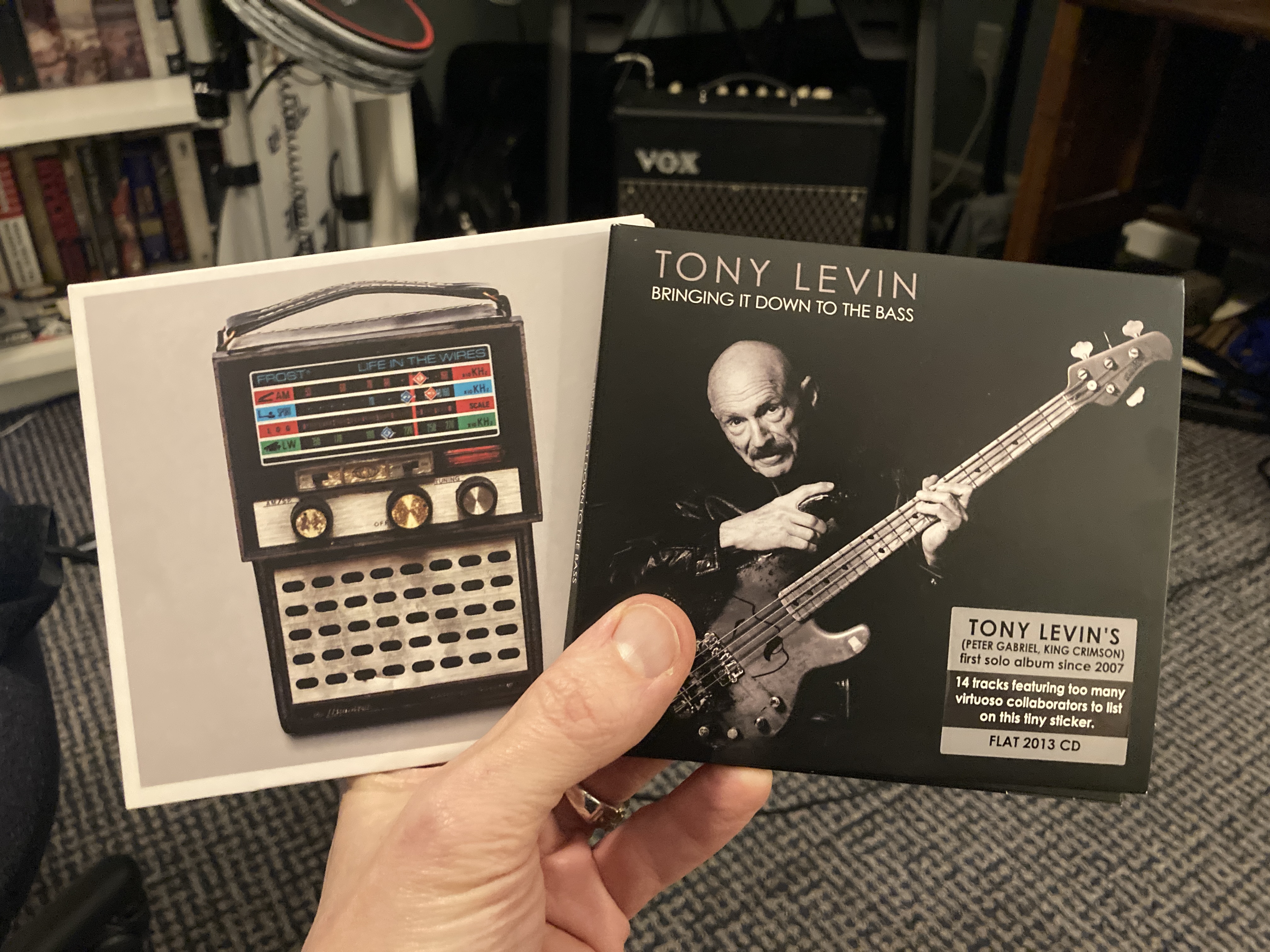
Jem Godfrey of Frost*: The Progarchy Interview

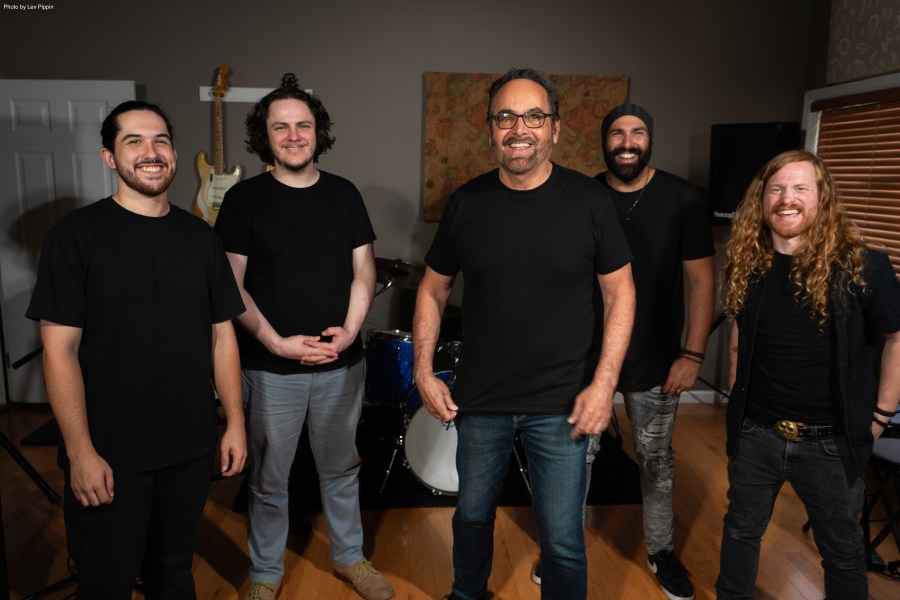
With their upcoming double album, Life in the Wires, ringing in my ears, I recently sat down to talk with Frost* conceptualist/keyboardist/vocalist/grinning mastermind Jem Godfrey. Impishly humorous and thoughtfully reflective in turn, he was more than ready to talk about how the new album came to be, where it sits in the grand tradition of prog concept albums, what each band member contributes, the chances of touring behind this record, and possibilities for Frost*’s future. Video of our chat is below, with a full transcript following.

First of all, congratulations on the new album, Life in the Wires!  It’s been three years since the last one by Frost*.  And the first thing I was curious about was, what was the journey between the last one and this one?  How did Day and Age perhaps lay the groundwork for this album?

Weirdly, it created a world, a sort of cinematic universe that the new album is set in.  When John and I were writing Day and Age – I didn’t realize this at the time, but I think quite visually in terms of music.  I’ve started to realize that when I’m writing songs, I can kind of see the world that these people are in.  The Day and Age world was quite cinematic; to me it felt very cinematic with these different places, and the album cover being quite iconic with the five megaphone-holding gentlemen, and the world it was in!  It felt quite cinematic.  And so, at the end of Day and Age, there’s a little bit at the end of the song “Repeat to Fade” where the song fades out and is replaced by static.  And there’s just a voice in the static that says, “Can you hear me?”  Which is how the new album starts.

I quite liked that; I put it in at the end of Day and Age thinking it might be nice to have a little hook.  It’s almost like the sort of thing where they say, “James Bond will return.”  I quite liked that sort of idea.

In my head, it’s set in the same world, like the video game Grand Theft Auto, where you used to be able to be in one city driving around and doing stuff.  But if you wanted to, you could just jump in a car and drive across the bridge to another city, and there’d be another world going on there.  It felt a bit like that to me, the Day and Age world and the Life in the Wires world are the same world.  But things are happening concurrently.  So while in Day and Age-land we’ve got the characters, like in “Terrestrial” and “The Boy Who Stood Still”, these characters similarly over here there’s the character in Life in the Wires and that’s happening there at the same time.  I quite liked the idea that it’s all set in the same universe.  And so, as a result of that, visually and musically, it was quite easy to set a house style, in that respect.

Ah!  OK, that makes sense.  Was that part of the emphasis behind making it a double album as well?

Not really; I think that the story of Life in the Wires, there was enough of a story to tell that it felt like a double album would do it justice.  Cause there’s nothing worse than a prog band – I’m saying this hopefully – there’s nothing worse than being judged as a prog band that’s waffling on.  We’ve always thought that we had enough to say within the confines of a 60-minute CD format previously.

But with this one I very much had a mind, I wanted to do vinyl, as in, it’s four sides of vinyl.  And as a result, each bit of vinyl, the constraint’s about 20 minutes [a side] for optimum audio quality.  What’s nice about that it is gave me some parameters to work in.  And weirdly, when you say 86 minutes that seems like a very long time.  But if you say four 20-minute sides of vinyl, in my head it doesn’t feel anywhere near as daunting.

The double album idea, we’d always wanted to do one, I’d always wanted to do one.  This just felt like the right time to do that fabulous prog cliché of the double vinyl album!

Four sides kind of gives you a structure like a movie structure to play with.

Exactly!  You introduce the characters in the first half, the first act – there you go, that’s the word!  And then the journey happens over the next phase, which is Act Two.  And then you have the third act, where it’s all concluded and the fable is told, the lessons are learned, or whatever.  So yeah, it had enough material, musically, for it to extend over those sorts of formats.  And because I was thinking of it in longer bits of music like 20 minutes –  they’re not all 20 minutes long, but all the songs are connected.  So they’re sort of like a suite of songs.

And so naturally with that, the feeling is “well, the songs need to be more progressive; there needs to be more of a journey.”  Like The Wall is a continuous thing and The Lamb, is quite a lot of it linked.

It just felt like that right, natural thing to do.  I think if I gone into it thinking, “I’m making a CD,” it would have been different.  But my mind said it was four sides of vinyl and it seemed – I don’t know, it seemed perfectly natural this time around.

And that seems to be a shift that’s happened across the music industry.  You can tell that things are being planned more for sides of an LP, if you will, than a single CD.  It certainly covers a lot of ground; I had the chance to listen to it this week, and there’s a lot of sonic difference and variation, and there’s quite a bit of thematic ground that it covers as well.  But you also mentioned, in the press release, that there are deliberate nods to the back catalog; Milliontown was mentioned in the press releaseWhat kind of facets of your previous albums did you want to bring forward?  And were there any particular reasons for that? 

There is [laughs] – I was thinking about this earlier.  I went on a nice long walk; it’s this beautiful autumn day, and I was thinking about it.  The push/pull for me is that I sort of know why, but what I don’t necessarily want to do at this point is talk too much about it.  Because I don’t want it to be too defined – it sounds like a strange thing to say.  If I say, “well, this is because of that”, everyone’s gonna go ,“Oh, well, fine, I won’t bother!”  I think at this point, there’s quite a lot I’d like to leave up to people’s imaginations and interpretations.

I know why it is, and the reason is tied up in the name of the character, but apart from that it’s open to interpretation.  In my head, I have a reason why it is.  I will explain it, but maybe not yet.

Yeah, I understand the need to avoid spoilers at this point!

[Laughs] Yes, exactly.

But I did notice that this time around, there’s more – we Americans would call them 16th notes; I believe you call them semiquavers – involved than there were on Day and Age.

Mainly [drummer] Darby Todd was the purveyor of 16th notes and 32nd notes on Day and Age.  Yes, with Day and Age we made a conscious decision to not do too much widdle, you know?   We wanted to pull back from that a bit.  Because there’s obviously a danger; you can drown in a sea of hemi-demi-semiquavers [64th notes].  What we decided on that one is to do arrangements.

But then what I realized is that in the gap between Falling Satellites and this album is, I think, eight years?  A decade is quite a long time to ask your fanbase to put up with you not doing one of the things they enjoy you doing!  Again, also because the album is more progressive in its demeanor and arrangement, it seemed sensible for us to not have any rules this time.  So, we can play and we can do a bit of soloing; we can be a bit cleverer.  Also, as you’ve said, it covers many, many different moods and atmospheres.  And as a result of that, if you take away the ability to solo or to express yourself in musical terms instrumentally, you are over the course of 86 minutes making it more difficult for yourself.  I think one of the things that we all enjoy about this genre and musicians in it is when they can cut loose with a bit of this [mimes guitar shredding].  It seemed fair to have a bit of light and shade, to allow that in the band; so we’ve all had a little moment when we allow ourselves to let go a bit.  I hope it’s tasteful!  I hope it’s tasteful! [Laughs]

Well, sometimes bad taste is the best taste, but …

Exactly. Well, look at my dress sense!  Exactly. [Both laugh]

Continue reading “Jem Godfrey of Frost*: The Progarchy Interview”
Rick’s Quick Takes: Across the Great Divide

This month’s connecting thread: grizzled veterans connect with high-powered talent from younger generations; the chemistry fizzes, fuses and pops — and some excellent new music is the result! (Of course, there’s an outlier or two in this month’s stack as well.) Let’s get down to it, shall we? Purchase links are embedded in the artist/title listing, with album streams or samples following the review.

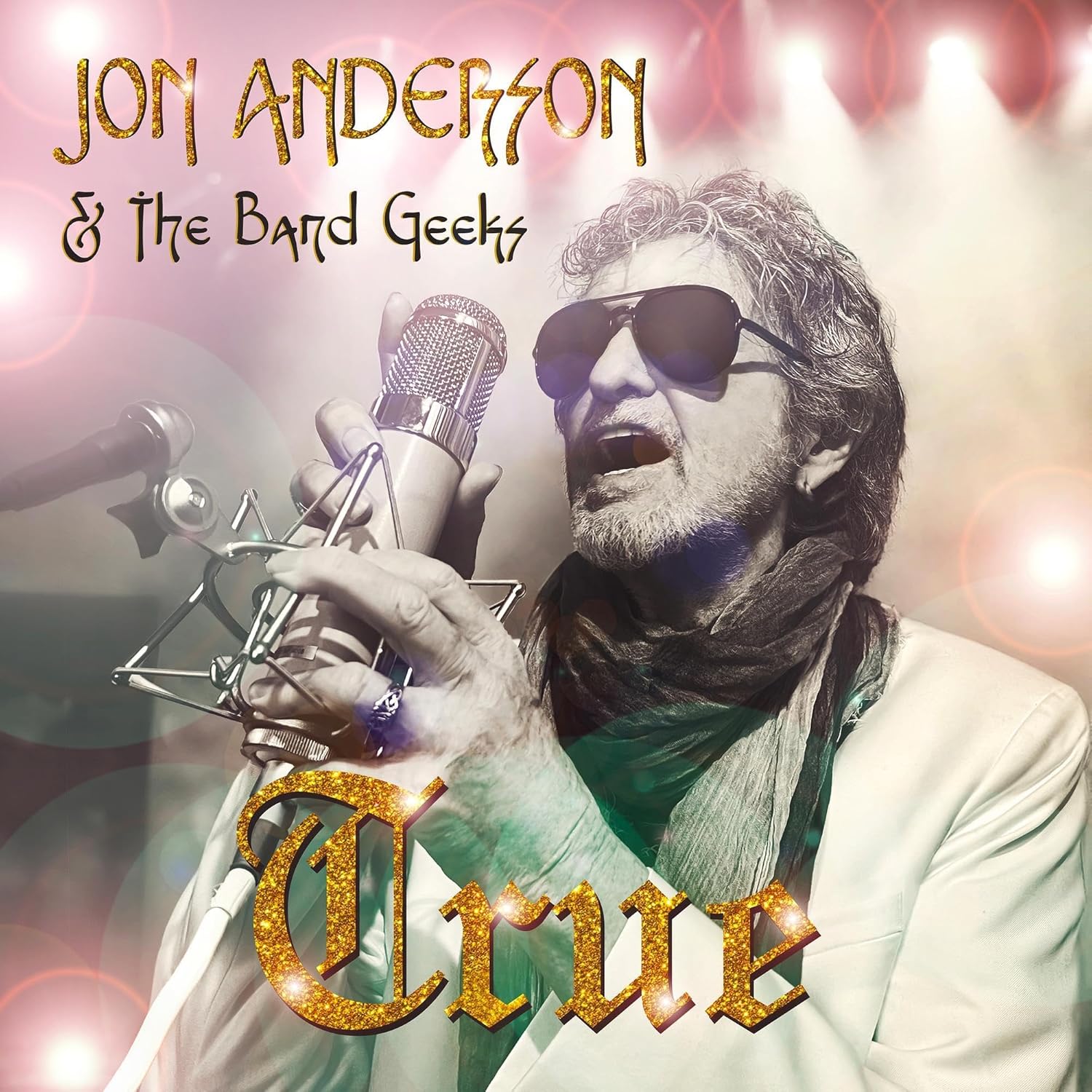
Jon Anderson and The Band Geeks, True: Anderson (going on 80, and as seemingly immortal as Keith Richards) has consistently worked with little-known yet impeccable virtuosos since his abrupt exit from Yes; watching him front a high-impact big band from the 10th row in 2019 was a thrilling experience. Now, teaming with a quintet of killer players half his age, he delivers the album fans have desired for decades. Sure, there are times when The Band Geeks (bassist Richie Castellano, guitarist Andy Graziano, keyboardists Christopher Clark and Robert Kipp and drummer Andy Ascolese) seem a little too eager to ape their counterparts in the classic Yes lineup, but overall they lean into epics like “Counties and Countries” or “Once Upon a Dream” and shorter romps like “True Messenger”, “Shine On” and “Still a Friend” with full commitment, fresh creativity and chops galore. Then there’s Anderson, still soaring into sub-orbit with that unmistakable voice, still preaching peace, love and understanding with his trademark New Age word salads. (Is there no way this man could run for U.S. President? At this point, he’d get my vote.) At first, I thought Time Lord’s full review was a bit over the top — but repeated hearings are bringing me around. Most hardcore Yes-heads will flip over this, and casual listeners will find plenty to lure them in.

Tim Bowness, Powder Dry: the exception to this month’s rule, Bowness’ first-ever “solo solo project” hits the speakers like a cold slap in the face. Instead of the languorous widescreen ruminations of previous albums, we get brusque, sparse song sketches (rarely more than 3 minutes); a disorienting mix of natural tones, machine rhythms, bracing industrial grit and gnarled lo-fi samples yields shocks, disturbances and wake-up calls aplenty across these 16 tracks. Well practiced in the dark arts of ineffable yearning and melancholy, here Bowness hones and refines his lyrics to bare-knuckled, highly charged haikus, whether staring down decadent cultures (opener “Rock Hudson”), devolving psyches (“This Way Now”, the title track), disintegrating connections (“Heartbreak Notes”) or the unholy conjunction of all three (“Summer Turned”, “Built to Last”). With his stoic vocals bearing the brunt of this emotional tangle, Bowness’ voice plumbs fresh depths, flickering in desperate hope one moment, driven to sublimated fury and fear the next. If you’re already a Bowness fan, stow your expectations — but whether he’s familiar or brand new to you, don’t hesitate to strap in for a compelling, cathartic ride.

David Gilmour, Luck and Strange: another prog legend who can sound like nobody but himself cranks up one more time. But the canvass Gilmour paints on here accents different tones and tints, with youthful co-producer Charlie Andrew shaking up instrumental backgrounds and song formats to good effect. There’s a sense of lightness, air and space this time around, a less obviously Floydian palette that both complements and contrasts with Gilmour’s craggy singing and singular take on blues guitar. Polly Samson’s lyrics level up as well, tackling well-worn topics (nostalgia on “Luck and Strange”, spirituality on “A Single Spark”, love as refuge on “Dark and Velvet Nights” and “Sings”) from newly contemplative angles, sounding absolutely right coming out of Gilmour’s mouth. (Oh, and daughter Romany Gilmour totally enthralls in her vocal turn on The Montgolfier Brothers’ “Between Two Points”.) By the time Gilmour hearkens back to which one’s Pink, firing off a final round of Stratocaster fireworks on orchestral closer “Scattered”, he’s taken us on the most varied – and I’d argue, most sheerly enjoyable – ride of his solo career; this one’s already a 2024 Favorite.

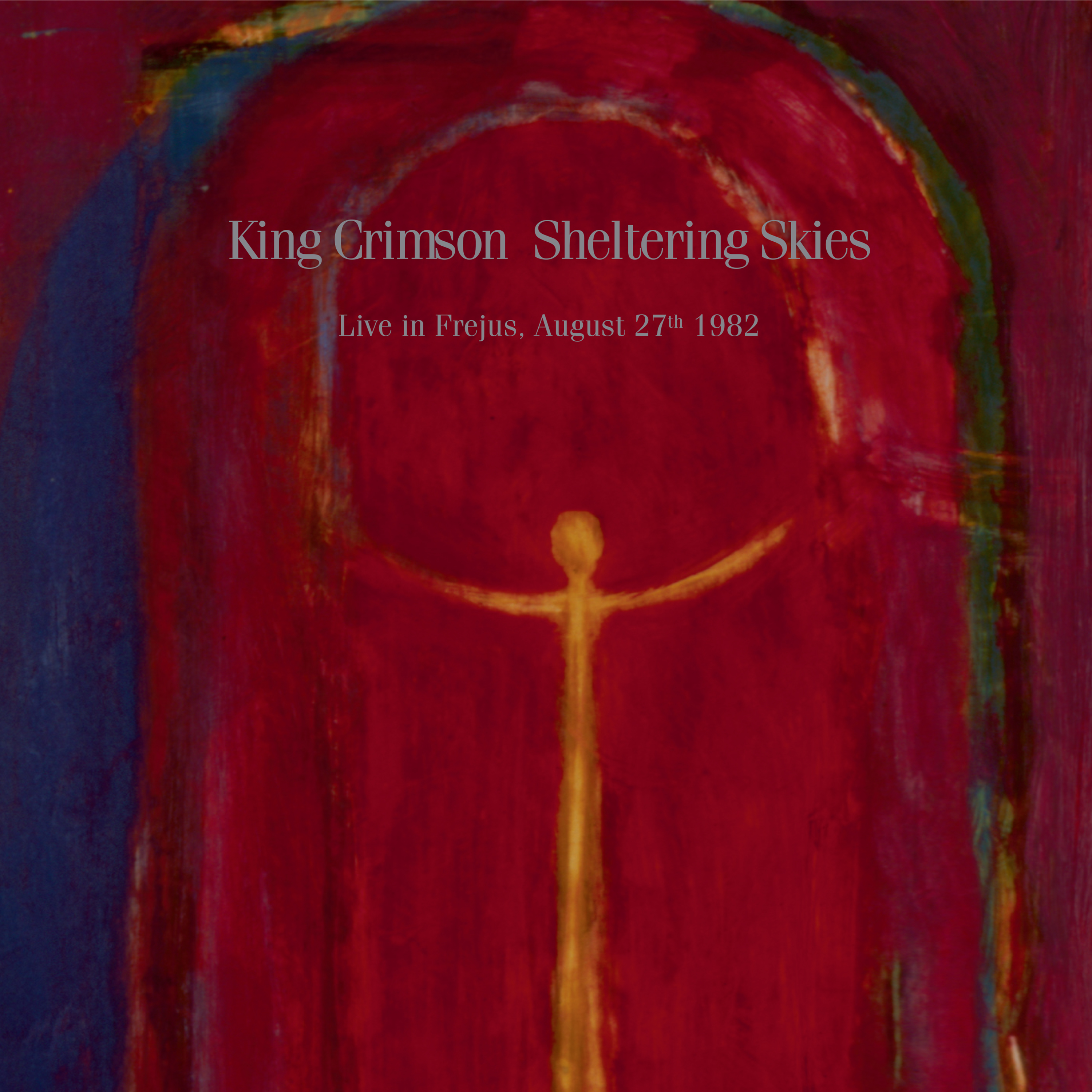
King Crimson, Sheltering Skies: OK, so this one isn’t “new” new. But when Crimson sherpas Robert Fripp and Bill Bruford teamed with American upstarts Adrian Belew and Tony Levin back in the 1980s, the result was a revitalized second reign for the King, swapping out trademark Mellotrons and prodigious pomp for raucous noise, limber polyrhythms and surging, seething energy. With Belew and Levin now touring this music again as BEAT, this issue of a 1982 show previously released on video couldn’t come at a better time; opening for Roxy Music on the French Riviera, Crimson pulls the unsuspecting audience right into the clinches for the hottest of hot dates. From the subdued intensity of “Matte Kudasai” and “The Sheltering Sky” through the dynamic clatter of “Indiscipline” and the hypnotic guitar weave of “Neal and Jack and Me” to Bruford and Belew’s ecstatic percussion duet that kicks off “Waiting Man”, this is that rare live album of nothing but highlights. Banter, bicker, balderdash, brouhaha, ballyhoo — whatever their desired flavor of elephant talk (including some 70s throwbacks), Crim devotees will find it here.

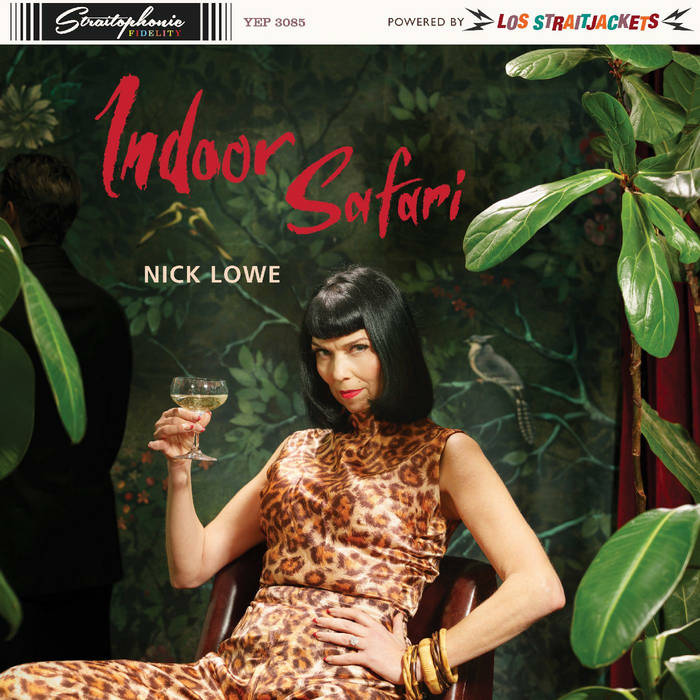
Nick Lowe, Indoor Safari: almost 50 years on from his solo debut at the crest of the New Wave, Lowe’s pure pop for now people remains pin-sharp and on point. Who else can still pump out breezy rockers like “Went to A Party” and “Jet Pac Boomerang” (the latter complete with high-culture similes and a Fab easter egg), ring wry changes on the battle of the sexes in “Blue on Blue” (“You’re like a mill, you run me through”) and “Don’t Be Nice to Me”, then capture the emotional devastation of the quietly crooned “A Different Kind of Blue”? Masked surf-rockers Los Straitjackets (currently celebrating their 30th anniversary) prove crucial here, laying down swinging retro grooves for Lowe’s originals and hoisting just the right backdrops as he nails the blue-collar aspiration of Garnet Mimms “A Quiet Place” and the innocent romance of Ricky Nelson’s “Raincoat in the River”. Lowe’s smart-aleck satire has always entertained, but his later embrace of pre-rock stylings deepened his songwriting and singing; now, even at his jauntiest, his aim for the heart is true. This is a real charmer that’s gone straight onto my 2024 Favorites list.

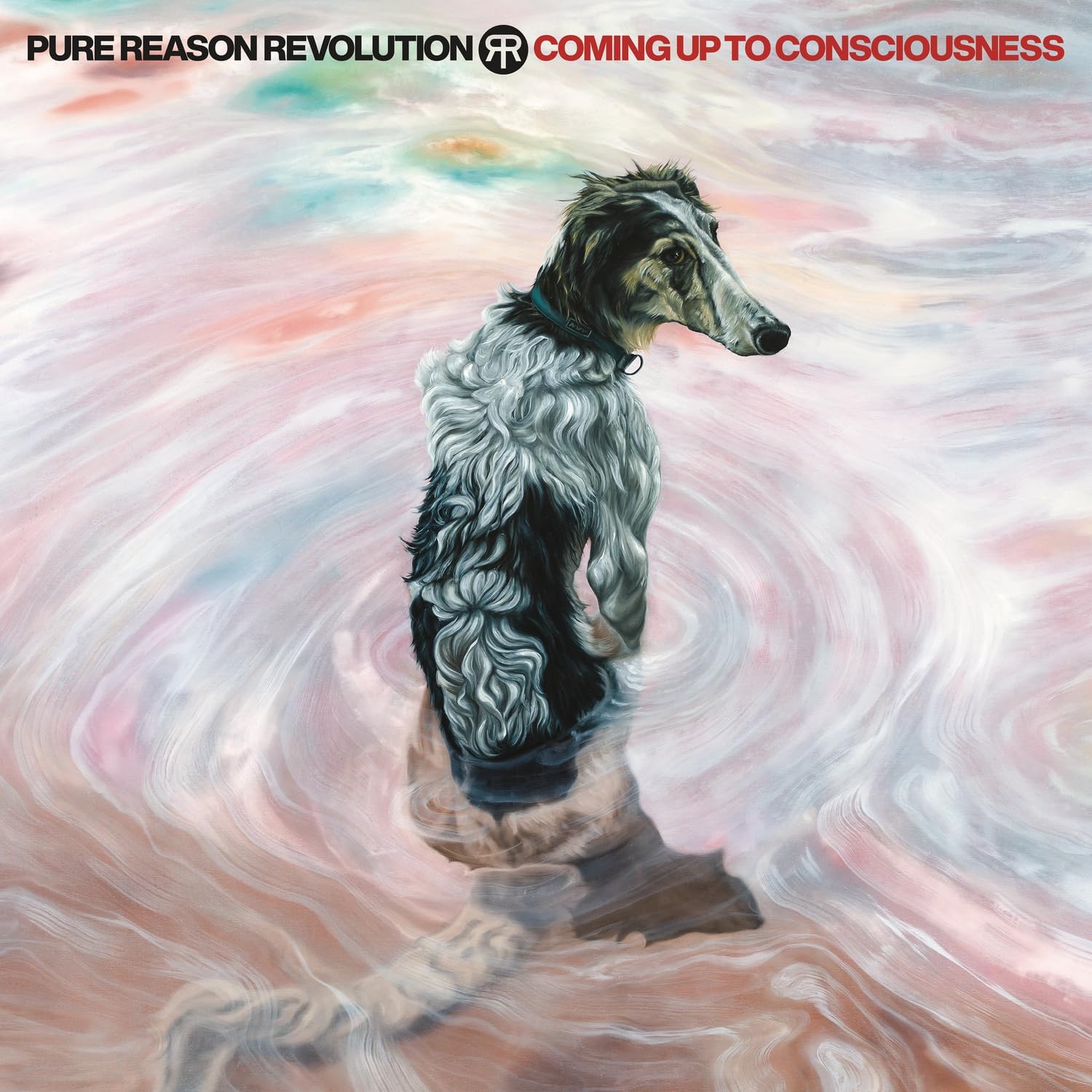
Pure Reason Revolution, Coming Up to Consciousness: a variation in reverse of this month’s theme, as long-time Pink Floyd/Gilmour bassist Guy Pratt brings extra low-end oomph to the latest from Jon Courtney, Greg Jong and their fellow electroproggers. As Time Lord ably spells out in his full review, once again PRR relies on the proven recipe of previous high points like 2006 debut The Dark Third and 2022’s Above Cirrus: float in on low-key ambience, keep the verses chilled out, ramp up on the bridge, kick hard into the chorus! (While seasoning to taste with lush harmonies, towering guitar riffs and slamming club beats, whipping up maximum tension and release before serving.) Here the results are consistently yummy, not least because the soundscapes’ ebb and flow echo Courtney’s perennial lyrical themes. As Courtney, Jong and Annicke Shireen’s voices entwine, splinter, and reunite, there’s a serene insistence on transfiguration, on something more than material, beyond the harsh realities of eros (“Dig til You Die”, “Betrayal”), fear (“The Gallows”), and death itself (“Useless Animal”, “As We Disappear”). Pure Reason Revolution isn’t giving us answers, but Coming Up to Consciousness points us toward the mystery they’ve pursued all along.

— Rick Krueger

Rick’s Quick Takes: Box ‘Em Up!

Like a man named Will said, summer’s lease hath all too short a date – so I decided it was time for a lightning roundup of the season’s box sets! Purchasing links are included in the artist/title listings below, with streaming and video samples following each review.

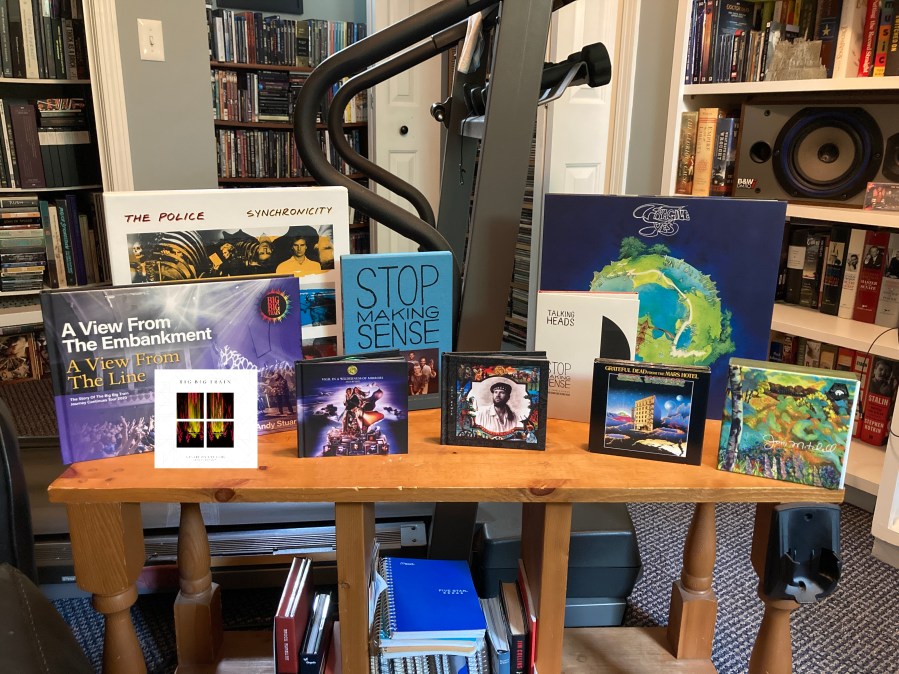
Big Big Train, A Flare on the Lens: Officially released on September 13th, only promotional audio was available for review, so I can’t tell you how the closing night of BBT’s 2023 European tour looks on BluRay – but it sure sounds like dynamite! With all the animation and verve they displayed on this year’s first American jaunt, Greg Spawton’s mighty crew (joined by guest guitarist Maria Barbara and the obligatory brass quartet) tear into a similar setlist packed full of drama and pathos. New vocalist Alberto Bravin is particularly impressive, getting right to the heart of fan favorites like “Curator of Butterflies” and “A Boy in Darkness” along with epic standbys “East Coast Racer” and “Victorian Brickwork”. But everyone’s at the top of their game, culminating when Nick D’Virgilio and Rikard Sjöblom join Bravin up front for a devastating yet joyous medley of “Leopards”, “Meadowland” and “Wassail” in honor of the late David Longdon. Amply documented here as well as in Andy Stuart’s mouth-watering tour diary/photobook A View from the Embankment, A View from the Line, and on new album The Likes of Us, BBT’s rebirth is a genuine cause for celebration.

Fish, Vigil in a Wilderness of Mirrors and Internal Exile: In the wake of his stormy departure from Marillion, lead singer/lyricist Fish (AKA Derek Dick, rock star and Scottish nationalist) was unsurprisingly eager to prove his worth as a solo act. 1990’s debut Vigil In a Wilderness of Mirrors was as emotionally direct and lyrically convoluted as ever, built around the charged concept of climbing “The Hill” of success — a goal unrelentingly pursued despite the Stateside seductions of “Big Wedge”, the obsessions holding “The Voyeur” captive, the damage documented in “The Company” and “Family Business”. Internal Exile, released the following year after legal troubles and a label change, steers toward individual songs; highlights include delicate ballad “Just Good Friends”, comfortably numb polemic “Credo” and the Highland-inflected title track. Fish’s dramatic declamation is the focus throughout; it’s as riveting as always, though the music (mostly by sidekick Mickey Simmonds) can be a bit pedestrian, lacking the organic interplay and inspired unconventionality that marked Marillion’s response to his heady, hearty words. Each album is available as 2-LP Vinyl Editions, 3-CD Standard Editions (with bonus demos and live versions) and Deluxe Editions (with another disc of live versions and surround mixes on BluRay).

Grateful Dead, From the Mars Hotel: It took a looong time, but somehow I’ve finally tuned into the Grateful Dead’s wavelength (and without the use of illegal substances, mannnnn). Having zeroed in on the band’s “stoned electric bluegrass” period of the early 1970s, this latest 50th anniversary reissue is right up my alley – and it has more appeal even now than you might expect. Made in the midst of the Dead’s doomed attempt at running their own record label, there’s a delicacy instilled in the music, a humble yet unflinchingly honest cast to the lyrics. The social commentary of Jerry Garcia and Robert Hunter’s “U.S. Blues” and “Ship of Fools” is more bemused than bitter; tinged with Keith Godchaux’s harpsichord, “China Doll” is an exceptional ballad, and the awestruck love song “Scarlet Begonias” stayed in the band’s onstage repertory for decades. Plus, there’s Phil Lesh’s extended workout “Unbroken Chain”, one of the few Dead songs of that vintage to feature the bassist’s charmingly down-home vocals. Add a live set that handily covers the group’s career to that date, featuring well-chosen country covers and mesmerizing jams, all blasted through the band’s Wall of Sound to a University of Nevada audience the year of From the Mars Hotel’s release, and you have an exemplary package. 1971’s Skull and Roses (first encountered in my older brother’s record collection) and Europe ’72 remain the quintessential Dead in my book, but this isn’t far behind.

Joni Mitchell, The Asylum Albums (1976-1980): Let the record show that Mitchell carried a torch for jazz for decades, ranking Miles Davis right up there with Beethoven long before her music slid into the smoothly swinging grooves of 1974’s Court and Spark. With Hejira (1976), haunting meditations on love and wandering like “Coyote”, “Amelia” and the title track lit out for more expansive territory, simultaneously anchored and uplifted by fusion genius Jaco Pastorius’ free-floating bass work. 1978’s Don Juan’s Reckless Daughter stretched further into abstraction, with the side-long tone poem “Paprika Plains” swathed in rich orchestral colors, instrumental “The Tenth World” and the grooving “Dreamland” enveloped in Latin percussion, and Pastorius’ Weather Report compatriot Wayne Shorter swooping in with unmistakably lateral sax work. And in collaboration with a dying genius, 1979’s Mingus (instigated by composer/bassist Charles Mingus himself) saw Mitchell pay tribute to the era epitomized in the closing “Goodbye Pork Pie Hat”, with words as inspiringly bopping as the tunes. Add the live double album Shadows and Light, with Mitchell backed by then-young guns like Pat Metheny on guitar and Michael Brecker on sax, and you have a remarkably unified overview of her farthest out, yet most eccentrically open period. (Volume 4 of Mitchell’s Archives series, focusing on unreleased and live music from these years, is released October 4th.)

Continue reading “Rick’s Quick Takes: Box ‘Em Up!”

Rick’s Quick Takes for Spring

For your consideration, recent releases from the worlds of prog, jazz, folk, country and marvelously unclassifiable music. As usual, purchase links are embedded in the artist/title listing, with streaming previews below the review.

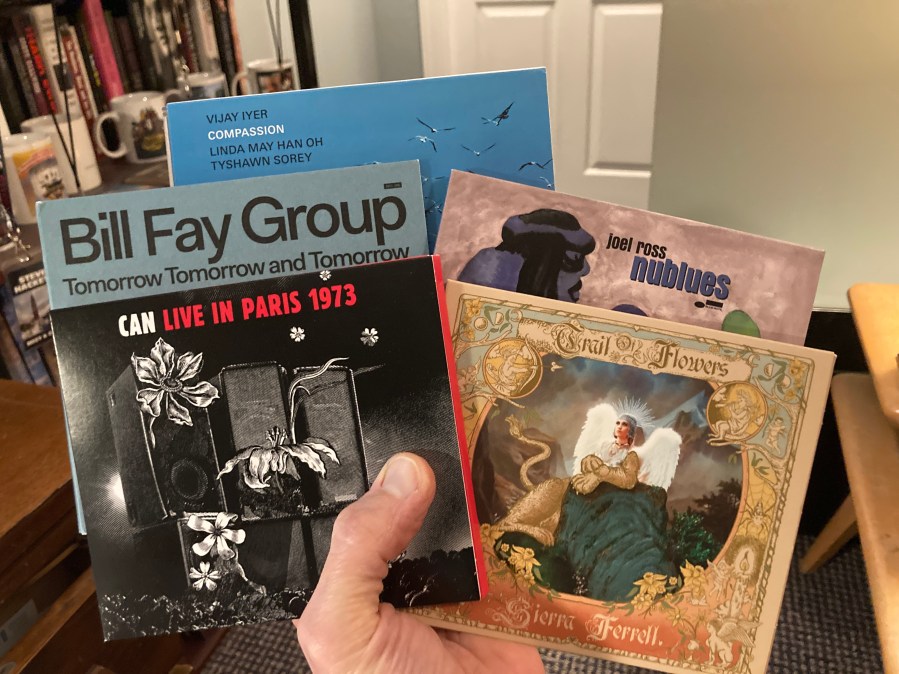
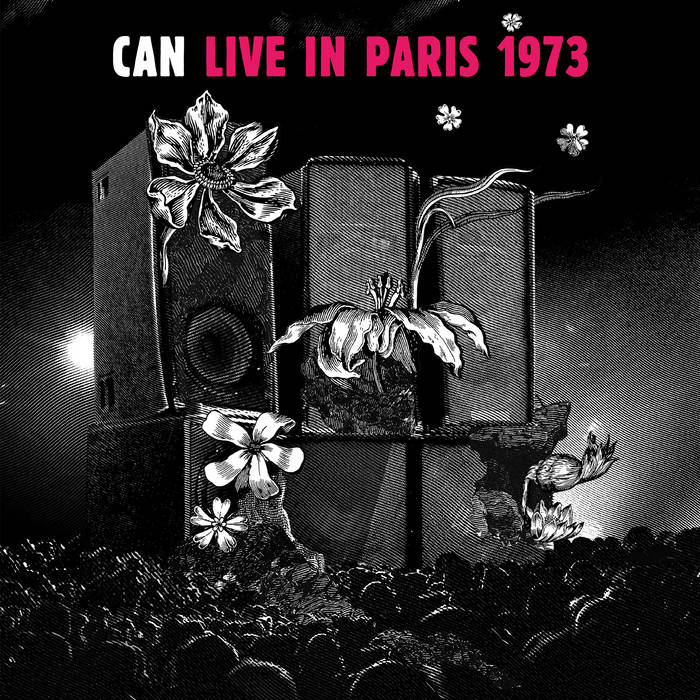
Can, Live in Paris 1973: Another immensely enjoyable archive release from the guys who sent krautrock into orbit with a winning combination of tight grooves and freeform jamming. The fresh angle this time around is the presence of late vocalist Damo Suzuki; locking in with Jaki Liebezeit’s propulsive percussion, the throbbing bass of Holger Czukay, and Michael Karoli and Irwin Schmidt’s guitar/keyboard interplay, Suzuki burbles, banters, bickers – a daffy, devious jester who pulls improvised melody and lyric from thin air as he goes along. Oh, and forget about sounding “just like the records” – studio tracks “One More Night” and “Spoon” are touched on to kick off the jams, then abandoned or deepened, stretched like taffy to the point of sonic hypnosis, mannnn . . . Five gripping examples of Can’s live prowess; whether they could actually stop time or not (it may have been the psychedelics), these ninety minutes of unbridled creativity go by in a flash.

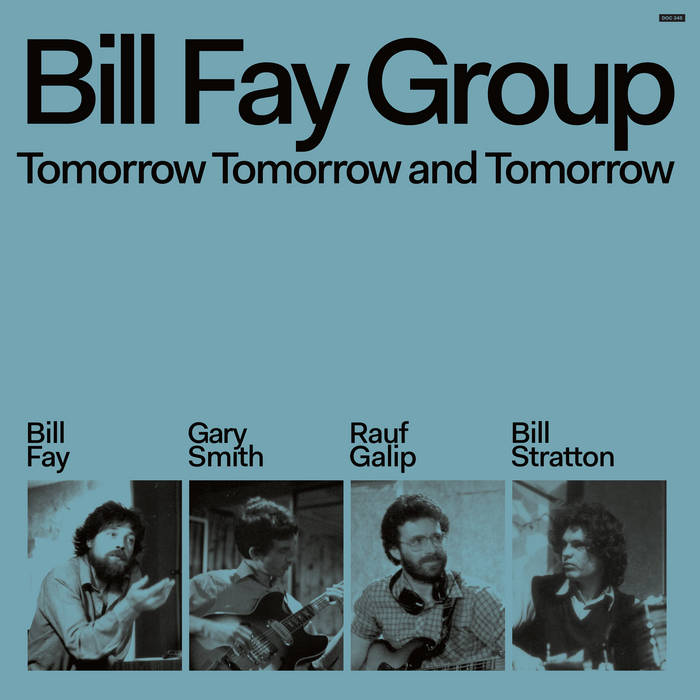
The Bill Fay Group, Tomorrow and Tomorrow and Tomorrow: Ignored in the late 1960s and early 70s, British singer-songwriter Fay achieved cult favorite status after Wilco covered his hymnic “Be Not So Fearful” in the wake of 9/11. Utterly unlike the manneristic Dylan-meets-Kinks pop of his debut or the bleak rock crunch of 1971’s lost classic Time of the Last Persecution (both well worth seeking out), these vibrant demos from 1977 capture the gentle Christian mysticism at the heart of Fay’s songs, executed with grace and empathy by the three-piece Acme Quartet (?). The multiple versions of meditations like “Strange Stairway”, “Isles of Sleep” and “Life” radiate understated grace and power, foregoing apocalyptic panic to embrace simple, jubilant confessions of faith (“So that the world might believe/That Life has risen/That Life has conquered”). Prayers and hypnotic invocations that invite and welcome without rancor or hectoring, couched in song that’s timeless yet vividly in the moment.

Sierra Ferrell, Trail of Flowers: Widescreen mountain music for the anxious generation, this went straight to my 2024 Favorites list. In West Virginia native Ferrell’s sure grasp, her second album mounts to melodramatic heights on the wings of old time country. Ferrell’s sly, witty songwriting whiplashes between Americana subgenres to perfection; her opening run of originals – yearning road dog anthem “American Dreaming”, cautionary honky-tonk stomp “Dollar Bill Bar”, giddy fiddle reel “Fox Hunt”, and string-swathed heartbreaker “Wish You Well” left me astonished in the wake of their range and breadth. There isn’t a dud track here (check out jaunty Latin-tinged romp “Why Haven’t You Loved Me Yet”, murder ballad “Rosemary”, hybrid gospel/love song “Lighthouse” – oh heck, all of ’em); when you add in Ferrell’s beguiling voice (spanning the spectrum of twang from Janis Joplin to Dolly Parton and all points between) and gutsy fiddle work, plus producer Eddie Spear’s rich gothic ambience, the result is thoroughly winning. Believe the hype – if anybody can save country music from Greater Nashville’s ongoing torrent of processed pop, artists like Sierra Ferrell and Charley Crockett (both playing my local outdoor amphitheater this summer) are your best bet.

Vijay Iyer, Compassion: Building on the near-telepathic teamwork they established on 2021’s Uneasy (one of my faves from that year), pianist Iyer, bassist Linda May Han Oh and drummer Tyshawn Sorey come out swinging with this full-on follow-up. The impressionistic title tune shimmers into focus, with the trio relying on space and silence as much as sound; a luscious take on Stevie Wonder’s “Overjoyed” doubles as a tribute to Chick Corea, inspired by Iyer’s opportunity to play the late legend’s own piano. Whether on the angular, driving “Ghostrumental” or the rugged throwback blues “It Goes”, Oh pulls gorgeous melodies out of the air, Sorey whips up a seething percussive stew even as he grooves, and Iyer stirs in one heady, pensive idea after another. Iyer characterizes the music as “a reminder, an assurance, a plea, and perhaps an inspiration – to find each other in this together”; it’s a tribute to these exceptional musicians that, with what seems like maximum grace and minimum sweat, Compassion tangibly conjures up the empathy it advocates in sound.

Joel Ross, nublues: Chicago-born vibraphonist Ross impressed me to no end when I caught him live as part of the Blue Note 85th-Anniversary All-Star Band this past January. His fourth album is of a piece with his previous three: a soundworld of abstract yet delightfully contemplative jazz, soaked in the blues, always tumbling and turning with a non-stop flow of invention. Ross’ interaction with young saxophone lion Immanuel Wilkins (also an All-Star), Jeremy Corren on piano and bass/drums duo Kanoa Mendenhall and Jeremy Corren are the secret sauce at the music’s heart, whether putting their own spin on Thelonious Monk’s “Evidence” or John Coltrane’s “Equinox” and “Central Park West”, conjuring the title track from thin air – Mendenhall shines on bowed bass here – or building “Bach (God the Father in Eternity)” into a steamrolling surge of gospel-soaked eloquence. It’s like crashing a conversation already in progress and discovering you were invited all along.

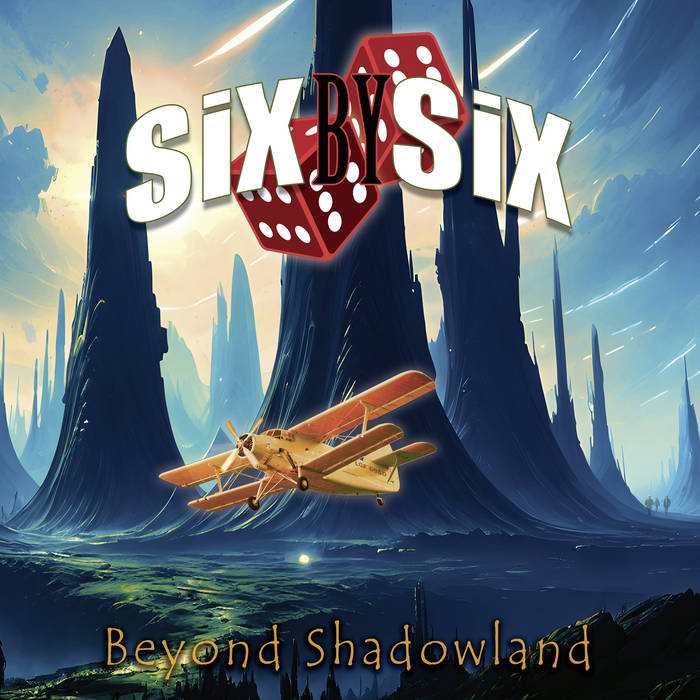
SiX by SiX, Beyond Shadowland: Robert Berry, Ian Crichton and Nigel Glockler hit hard and strong, blasting past Difficult Second Album Syndrome to craft a wild and wooly extension of their first-rate debut. Sonically, this one comes across hotter and crunchier, as multi-instrumentalist Berry corrals Crichton’s hypercreative guitar licks into decidedly unconventional song structures, then layers in heaping helpings of lyrical positivity, while Glockler lays down rock solid percussive foundations. The result is a record that gets stronger as it goes, with head-turning surprises that stack up thick and fast: the acoustic-based sci-fi narrative “Obiliex”, the slashing, tribally funky “Titans”, the fuzz-toned flutter of “Sympathize” and, in “One Step”, an epic that progresses from yearning balladry through a proggy midsection to a hip-hop shuffle that works! Add in the relatively straight-up singles “Arms of a Word” and “The Mission” and you have a sophomore effort that oozes both mass appeal and maximum creativity. Check out the new Progarchy interview with Robert Berry here.

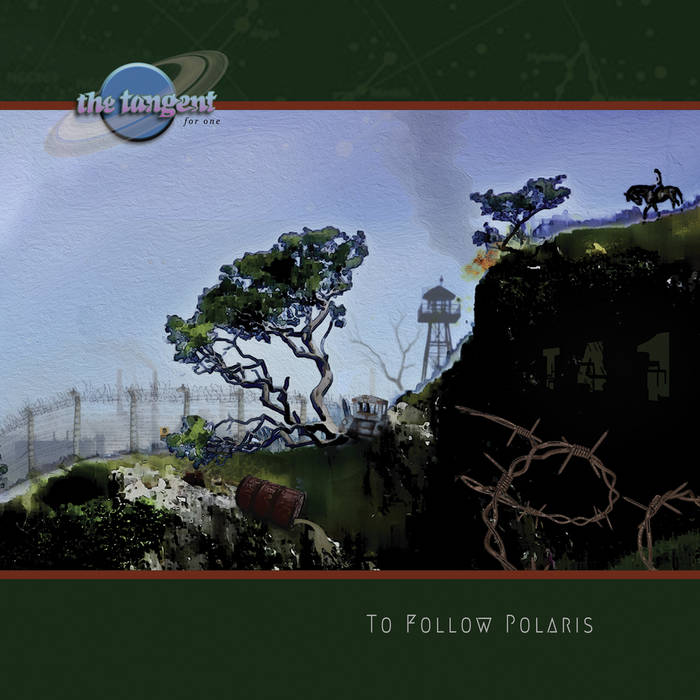
The Tangent, To Follow Polaris (released May 10): On which Andy Tillison takes off the gloves. Playing all the instruments himself (the album’s labeled “Tangent for one”) with style and panache, Tillison sails confidently through textures ranging from glitchy electronica to vintage soul and funk, with generous lashings of his trademark organ and synthesizer throughout. Kaleidoscopic overture/mission statement “The North Sky” lays down Tillison’s lyrical marker on graspable truth; brooding ballad-of-the-algorithm “A Like in the Darkness” paints a genuinely creepy portrait of online life; “The Fine Line” muses on the commodification of journalism, “destroy[ing] the world to sell the story”. Then on “The Anachronism”, Andy lets it rip – a furious jeremiad calling out both the ineffectual monocracy that’s lost its grip on events and the self-absorbed masses who watch it all happen on their phones. The whole thing builds to a crashing, anarchic climax – only to return to Tillison’s beginning, “follow[ing] the North Star/(When all around me seems to be going South)”. Be warned: something Tillison sings on this audacious, accomplished effort will probably cheese you off – but only because, in a world of grinning provocateurs, shameless attention whores and cynical game players, he’s a genuine idealist, with no other agenda than speaking his mind and wondering why we can’t have a better world.

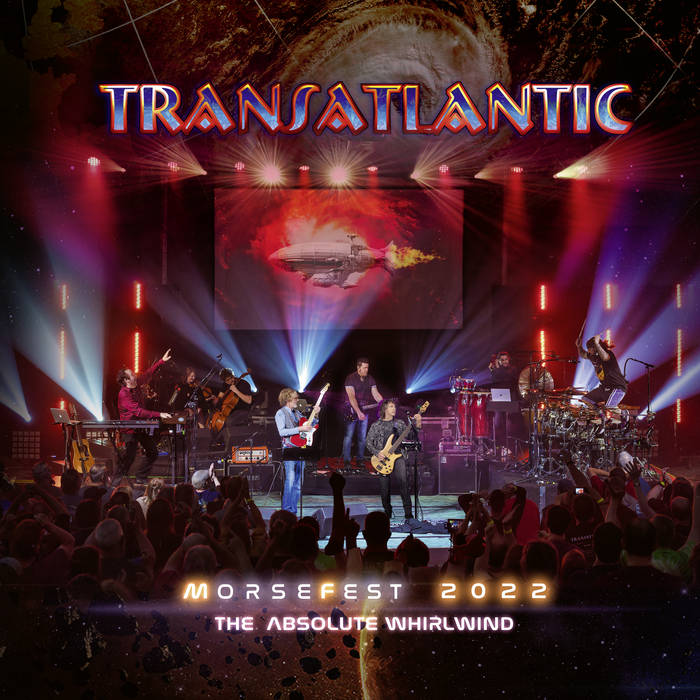
Transatlantic, Morsefest 2022: The Absolute Whirlwind: Or should this be subtitled, “More Never Is Enough . . . Yet Again, Still”? Transatlantic’s second live set off the back of 2022’s The Absolute Universe, this five-CD, two-BluRay set certainly doesn’t skimp on the quantity. There’s five hours of music here from two consecutive nights: the twin album-length epics that provide the release’s title, three elongated ballads, a side-long Procol Harum cover, and bits and bobs of five more extended extravaganzas from the back catalog. It’s not all gravy; there are brief instants where the energy flags and, as Neal Morse and Roine Stolt strain to sing the high notes, I’m reminded that it’s been 25 years since this supergroup first crashed into the prog world’s consciousness. But these are far outnumbered by the moments where Morse, Stolt, Pete Trewavas, Mike Portnoy and “fifth Transatlantic” Ted Leonard fire up the afterburners and launch into startlingly tight ensemble passages, awe-inspiring solos, pin-sharp vocal counterpoint (often backed up by a real choir), dizzying transitions and over-the-top, orchestrally augmented climaxes. Too much of a good thing? It’s possible – but, with the recent news that Portnoy’s resumed the drum chair in Dream Theater, Transatlantic isn’t a good thing to be taken for granted.

— Rick Krueger

SiX by SiX’s Robert Berry: The 2024 Progarchy Interview

Two years after their fine debut album, SiX by SiX — Saga guitarist Ian Crichton, Saxon drummer Nigel Glockler and veteran vocalist/bassist/keyboardist/arranger Robert Berry — release their sophomore effort Beyond Shadowland on April 26th. The 11 new tracks hit hard and strong, stretching out in an eclectic variety of directions but always stuffed full of upbeat lyrics, killer melodic hooks, thrillingly crunchy guitar work, and tough, grounded percussive grooves.

What with the pre-release singles “The Arms of a Word” and “Obiliex” – the pronunciation of the latter somehow becoming a running gag below) already out in the wild, Robert Berry – who I first interviewed in 2022 – was ready and eager to talk about the band’s working process, their hopes for the new album, and their coalescing plans for live work! (One confirmed live date was announced after our time together, at New Jersey’s annual ProgStock festival in October.) As before, Berry proved gracious, genial, and genuinely interested in my reactions to SiX by SiX’s latest material. The video of this interview is right below, with a transcript plus the videos of the singles following the jump.

Continue reading “SiX by SiX’s Robert Berry: The 2024 Progarchy Interview”

Rick’s Quick Takes for February ( Levels, Likes, Loves, Leads – and Nightwhales?)

2024 is out of the gate hot — three of the albums below are already on my Year-End Favorites list, and there are no duds in this bunch! As usual, purchase links are embedded in the artist/title listing, with a partial or complete streaming preview below the review.

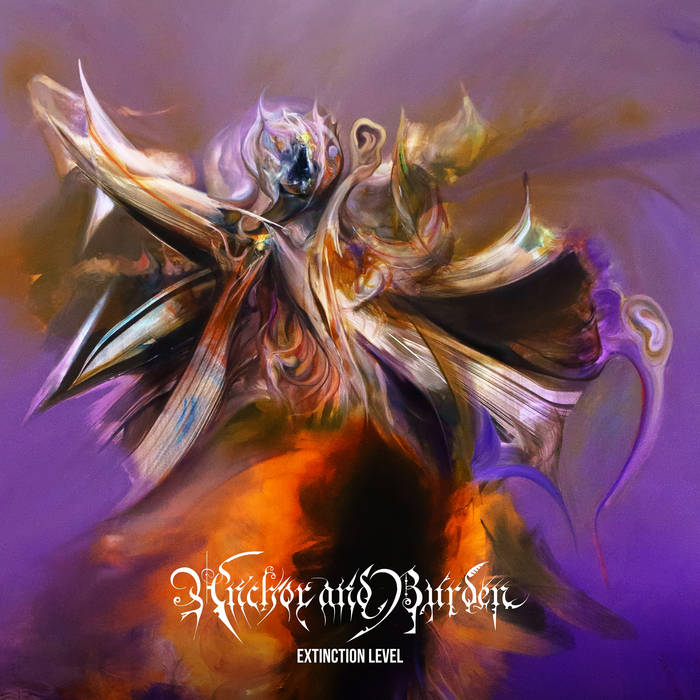
Anchor and Burden, Extinction Level: MoonJune Music mainman Leonardo Pavkovic has labelled this brutal beauty “uncompromising progressive avantgarde doom-jazz post-metal”. That pretty much covers it! Kicking off with opener “Fractured Self” and “Body Expansion”, touch guitarists Markus Reuter and Alexander Dowerk spend the next hour launching knife-edged slabs of sonic concrete into sub-orbit; drummer Asaf Sirkis pulverizes any semblance of a steady beat into terrifying quick marches (“Mutual Assured Destruction”), hyperactive polyrhythms (“Nine Gates to Dominion”), or just lethal, unanticipated deadfalls; and electronics wizard Bernhard Wöstheinrich provides both breathing space for a comedown, as on the closing “The Crust of This Earth”, and crash pads for droning, sludgy guitar plunges throughout the extended title track. Absolutely bonkers, already a favorite; you may have to be in the right mood for it, but Extinction Level’s free-for-all improv (not far removed from King Crimson’s outer limits) turns out to be a heady, head-banging good time.

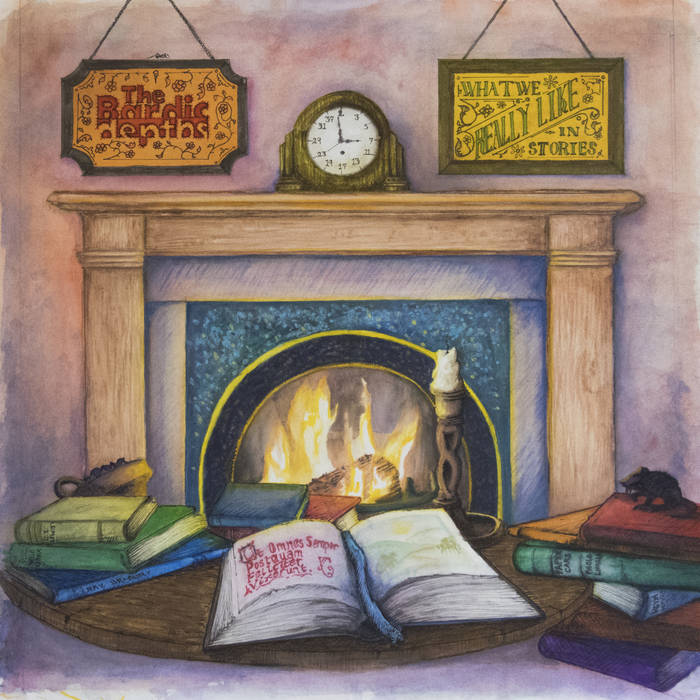
The Bardic Depths, What We Really Like in Stories (released March 7): both more direct and more varied than their previous releases, TBD’s third is a first-class album that delivers generously on its title’s promises. Brad Birzer’s graceful lyrics effortlessly transport us into the minds of creators as diverse as Ray Bradbury (“You’ve Written Poetry, My Boy”), Willa Cather (“Old Delights”) and Robert E. Howard (“The Feast Is Over”) — then into the creations themselves (the Orwellian dystopia of “Vendetta”, the postapocalyptic “Stillpoint”, the high adventure of “Whispers in Space”). In turn, Dave Bandana and Gareth Cole’s compositions are appealingly streamlined, giving Cole’s guitars, Bandana’s guitars & synths and Peter Jones’ keys & saxophones plenty of room to shine but never straying into aimless jams. Add a warm vocal blend from the quartet (with Jones and Bandana at the forefront) to Tim Gehrt’s steady, sparkling grooves, and you have a prog album that’s accessible without compromise, thought-provoking without pretension. This one’s charms might sneak up on you, but repeated listens will thoroughly repay your kind attention. (Check out our Bardic Depths roundtable here.)

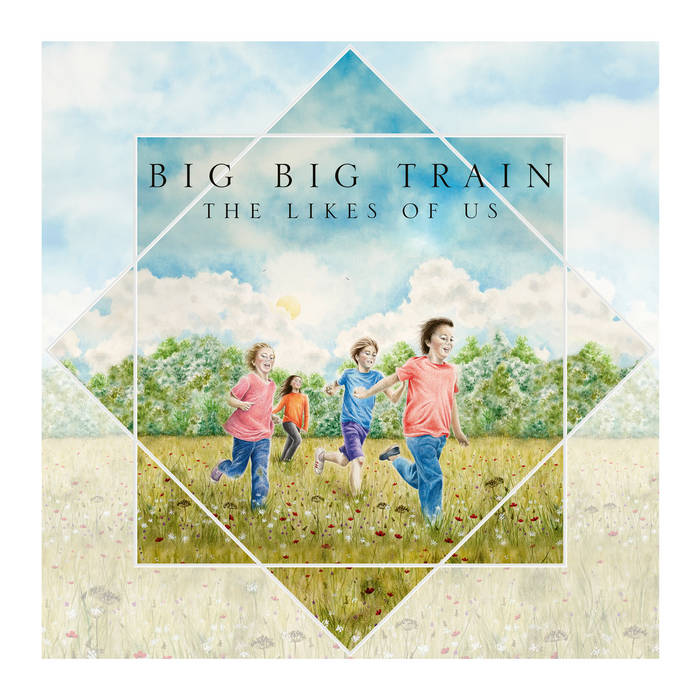
Big Big Train, The Likes of Us (released March 1): the wonder here isn’t that indefatigable founder Greg Spawton and his international crew have regrouped with such power and panache; it’s that they’ve tackled the struggles and sorrows of recent years head-on, forging them into the band’s most direct, integrated album since Grimspound. From mission statement/overture “Light Left in the Day” through epics “Between the Masts” and “Miramare” to killer ballad “Love’s Light” and finale “Last Eleven”, new singer Alberto Bravin fares forward into the unknown, summoning the essence of friendship and the pain of loss, calling on all in earshot to seize the day. There’s tons of musical variety, too, from the hard-rocking “Oblivion” to the playful “Skates On” and the 12-string weave of “Bookmarks”, with all seven players (five of whom sing) each getting their time to shine. And yes, that brass section pops in at just the right moments, to bring a tear to the eye or lift the spirit as required. Familiar yet fresh, and destined for that year-end faves list, BBT fans can be well satisfied with this latest excursion – and The Likes of Us is well turned out to welcome new Passengers onboard as well! (Check out our interview with Alberto Bravin here.)

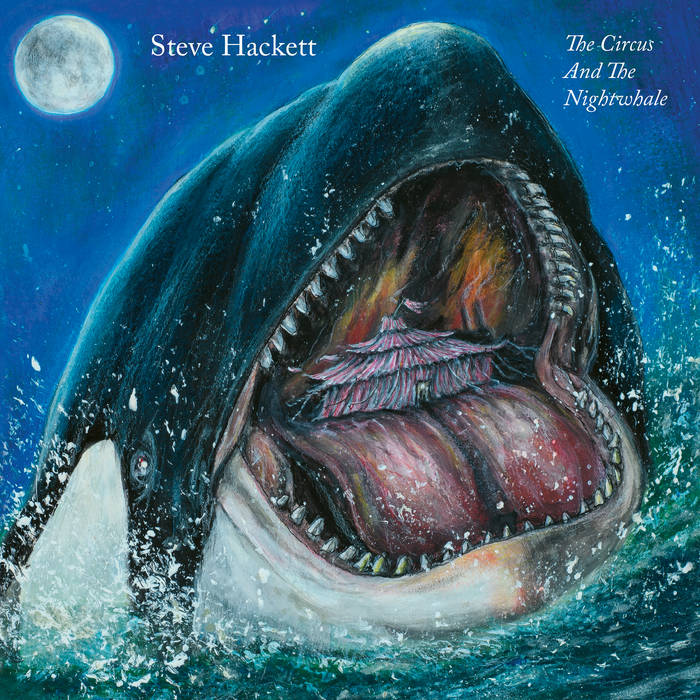
Steve Hackett, The Circus and the Nightwhale: Prepare to have your ears pinned back here: Hackett leaps out of the gate with freshly energized songwriting and ferocious guitar work and doesn’t let up throughout this compact, compellingly listenable concept album. The restless opening sprint of “People of the Smoke”, the “Squonk”-like stomp of “Taking You Down” (with standout lead vocal by Nad Sylvan and towering sax from Rob Townsend), the lush orchestral interlude “These Passing Clouds” are all full to bursting with devastatingly melodic, wildly spraying six-string excursions from Steve; even lighter tracks like the harmonious “Enter the Ring” and luxuriant 12-string centerpiece “Ghost Moon and Living Love” overflow with prime solo licks, mind-melting and heart-gripping in equal measure. Add Roger King’s richly scenic keyboards to a succession of marvelously eclectic tunes that waste no time and a coming-of-age narrative that climbs from the gutter to the stars (braced with a dose of the marvelous — there’s that Nightwhale, after all). And voila! You’ve got a Hackett opus that immediately goes to the 2024 favorites list, ranking right up there with Spectral Mornings, At the Edge of Light or whichever of his 30 solo efforts you prefer best.

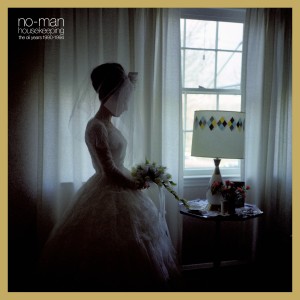
No-Man, Housekeeping – The OLI Years, 1990-1994: Ben Coleman, Tim Bowness and Steven Wilson’s earliest singles for One Little Indian (oops, Independent), “Days in the Trees” and Donovan’s “Colours”, are the perfect sneak peek/summation of this compilation’s garishly romantic delights. Just as you start thinking “ho hum, fey indie Nineties dance-pop”, the heavens – or are they the abysses? – open, accompanied by lush squalls of immaculately recorded dissonance. As if Roxy Music and ABC had somehow wound up co-headlining a vaudeville show, Bowness’ desperate vocals and Coleman’s slashing violin work match up swoon for swoon, while Wilson toughens the grooves and hoists ambitious synthesized backdrops, colorful splatters of guitar punctuating the aching pantomimes all the while. Containing the first two No-Man albums (the singles-oriented Loveblows and Lovecries and the ravishing, guest-heavy Flowermouth) plus the early EP Lovesighs, a singles disc and radio sessions, Housekeeping is a generously filled, beautifully designed boxset that points unerringly toward Bowness and Wilson’s more mature achievements (whether together or apart), but is also thoroughly listenable and intriguing in its own right.

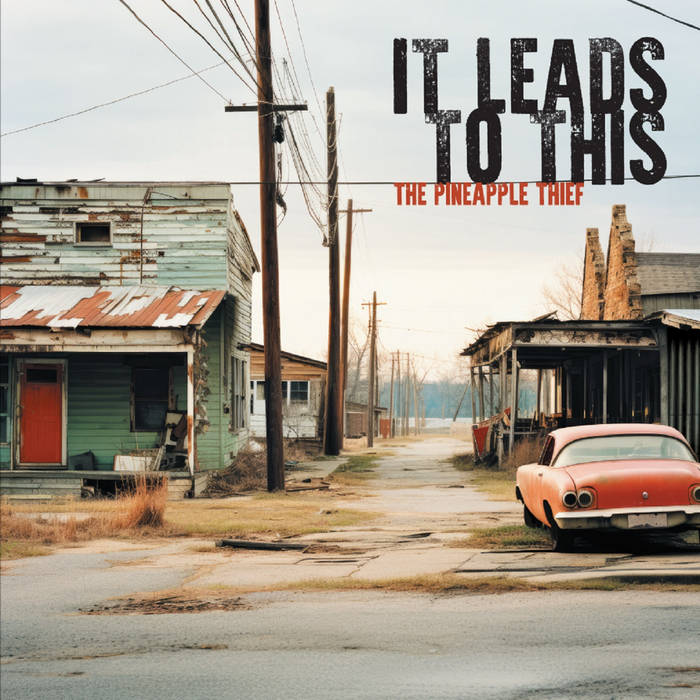
The Pineapple Thief, It Leads to This: more badass guitar loops and riffs (spaghetti westerns and surf music entwined in a Steve Reich soundscape); more bleak musings on our pervasive inability to connect, crooned with Bruce Soord’s trademark tenderness and fury; more moments of tasty, laterally-inflected drumming from Gavin Harrison. The current edition of the Thief’s fourth studio album is its own self-contained world, set in motion by the Soord/Harrison team’s moody interplay and rotating on Jon Sykes and Steve Kitch’s steady axis; undeniably of a piece with their recent catalog, and all the better for it. If none of the eight songs particularly stand out, they’re all honed to sleek perfection, building through seductive, bracing miasmas of dread and determined pursuits of flickering light to the knockout punch of the last two tracks. Whatever nightmare Soord is sleepwalking through, his eyes and heart are wide open as he edges forward, with Sykes, Kitch and Harrison urging him on all the while. (Soord’s recent “unplugged” solo CD/DVD, the already out-of-print Caught in the Hum, is an even more distilled example of this melancholy, coolly yearning aesthetic.)

— Rick Krueger

Big Big Train’s Alberto Bravin: The Progarchy Interview

March 1st will see multiple firsts for Progarchy faves Big Big Train: the release of their impressive major label debut on Inside Out/Sony, The Likes of Us, and the sold-out opening night of their long-delayed US tour at Fort Wayne, Indiana’s Sweetwater Performance Theater. Alongside founder/bassist Greg Spawton and the rest of BBT’s international lineup, lead singer/multi-instrumentalist Alberto Bravin will spend the first half of the month barnstorming from Indiana to New Jersey, Boston and Buffalo, winding up onboard progressive rock’s annual floating festival, Cruise To The Edge.

While this will be Alberto’s first stateside jaunt with the band, he’s definitely paid his dues with BBT; since joining up, he’s toured Europe with them in 2022 and 2023, as well as collaboratively writing and recording The Likes of Us at his homebase of Trieste, Italy. When I spoke with him earlier this month, Alberto was candid about the challenges involved integrating into Big Big Train following previous singer David Longdon’s passing, but also grateful for his reception by the band (and its devoted fans, the Passengers) and unquenchably enthusiastic about the new album and the coming tour! Our video conversation is immediately below, with a transcript following.

So my first question is kind of a softball: what does it feel like to be the lead singer in Big Big Train?

It’s a great situation, musically and also personally, from a human point of view.  Because it’s a great band with great people in it!  It’s a really, really, really great honor to be the lead singer and be part of this family, actually.  It’s two years [since] I joined the band, and I can call it family, because there are really great relationships inside the band and between us.  So, this is great!

That’s lovely to hear; I’m so pleased.  Going back those two years, when Greg Spawton and the band’s management reached out to you, what was your first reaction?

Well, I didn’t expect that, actually; it was completely out of the blue!  Greg saw me with PFM in 2015 and he just wrote down my name at the time.  Then I was in a list of people to audition.  He wrote me an email and he asked me if I was aware of the band – and of course, I was aware of the band [laughs]; I was a fan!  I knew what happened and everything. 

And it was just a great honor to do the audition, and I didn’t have big expectation from that.  It was just, “Alright, let’s try; let’s have the opportunity; let’s sing as best as I can.  Let’s have fun, actually, and enjoy the situation.”  I didn’t expect to become the singer, [laughs] actually!

Backtracking, how did you first hear of Big Big Train, that you became a fan?

I remember I was in Japan with PFM; I was in the Tower Records in Tokyo.  And there was a Japanese newspaper with a photo of PFM, because we were playing there.  So, I just got the newspaper, and inside there was a photo of, I think it was Grimspound; that was the album.  And just the cover — I said, “Whoa, this is a cool cover – I need to dig deeper on this band!”  And I fell in love with it.

The main reason is that Big Big Train always had great songs, I think.  They are in the progressive world, where you have all the instrumental madness or weird time signatures or whatever, but the basic thing of the band are the songs.  They have great melodies; they always had great songs and great lyrics.   So that was the first thing that I really fell in love with.  I’m a Beatles fan, and I love songwriting.  And I could hear the songwriting behind these incredible arrangements, the vocal harmonies and all the keyboards and Mellotrons and 12-string guitars.  The great thing is that most of the songs, you can play them [with just] guitar and vocals, and they still sound like those songs.  That’s the magic there.

That makes a lot of sense, because it was the songs that grabbed me, a little further back before that time.  And I share your Beatles fandom!  So I get where you’re coming from with that.  Now you seem to have had – I read in the tour program, you’ve had a real variety of musical experience before this.  I understand you trained in opera, as well as in modern singing.  And you play multiple instruments; you’ve led your own band; you joined PFM, which definitely has a reputation in the prog world.  So, after those two years you’ve talked about — two tours and time in the studio with Big Big Train — what do you think are the particular strengths you bring that slot in with how you describe this band, this songwriters’ collective, and the music that comes out of it?

I think from day one, me and Greg  – there was chemistry, just human chemistry, and so we started right away.  When they were looking for a singer, they were looking just for a singer, actually.  They didn’t expect to have a songwriter or [laughs] a control freak like I am! [Laughs]  They needed a singer, but they had the whole package here!  And [laughs] now they have to deal with it!

From day one or after a week [that] I was into the band, I was asked if I was writing stuff, and I said, “Well, yeah, I also write songs and musical parts.”  We shared a couple of things, and I think Greg liked it.

We started to really dig into the music and worked together on the music, on the lyrics.  So, I just brought my – it’s not really a style; I mean I don’t have a style! [Laughs] It’s just the vibe or whatever.  But the important thing is that I was a fan of the band.  I know really well the Big Big Train sound, and I don’t want to change that, because it’s a wonderful mood and vibe and color that the band have.  So, I don’t want to change that, but just make it a little bit, maybe – new, my own!  Because I’m into the band and I’m into the songwriting of the band.

Let’s move on to that new album; I’ve been able to hear it a couple of times.  One of the things I’ve noticed; when I saw some interviews with Greg, he said, “This time, it’s personal.” It’s less about third-person storytelling and maybe more about first-person experiences and reflections.  If you’re comfortable, what sort of experiences have you brought from your life that have fed into these songs?

Big Big Train always talked about – not always, but most of the time, they talked about historic facts or legends or people.  This time, actually, it was totally natural; I think we realized that after we finished the album, “Oh, this time it’s really more personal!”  We didn’t think about it!  It wasn’t thought out; it was just a natural thing.

One example: I wrote the song called “Love Is The Light”.  That song is about a dark period that I had, dealing with depression.  So, to actually be able to talk about it and put it in music and those lyrics – it’s a really deep experience, and really helpful! 

We played it live on the last tour; I made the demo of the song, then we recorded it in the studio, and then we rehearsed it for the live situation.  But the first time there was an audience in front of me and we started the song, I just realized that I was playing and singing a really personal thing of my life!  So that just clicked, and I said, [laughs] “Oh, OK; let’s see how it goes!”  And it was an incredible feeling, incredible emotions.  And I think people really, really react on that.  If you feel it in a genuine way, and you know what you’re talking about, I think the audience can feel it too.  Then it’s pretty strong.

I can imagine, especially with the intensity that that band’s audience brings to hearing you guys live.

Oh, yeah; oh, my God!  I mean, the people that we have, it’s actually incredible!  We have people coming to see us in Europe from all over the world.  And they’re coming to the US from Europe to see the gigs!  We have people that came to all the 18 shows that we did last year.  It’s amazing; they are really the foundation of the band!   I mean, without them we can just play in our rooms! [Laughs]

Makes sense.  So, you mentioned “Love Is The Light.”  There are definitely some themes in the music and the lyrics that connect across the songs on The Likes of Us.  You have “Light Left In The Day”, which is kind of an overture.  And some of those themes really go all the way through to “Last Eleven”, which was the first new song that we heard with you singing the lead vocals.  How would you sum up the common threads on this album?

Glad you noticed [laughs] all the themes coming and going during the album!  At one time, we had a couple of songs there – we chose the setlist of the album.  And there was no reprises.  I think “Last Eleven” had the reprise that is on “Beneath The Masts” at the beginning.  At the beginning of “Beneath The Masts” there is a part that is the end section of “Last Eleven”, because it was Greg’s song and he doubled up this kind of thing.

Continue reading “Big Big Train’s Alberto Bravin: The Progarchy Interview”
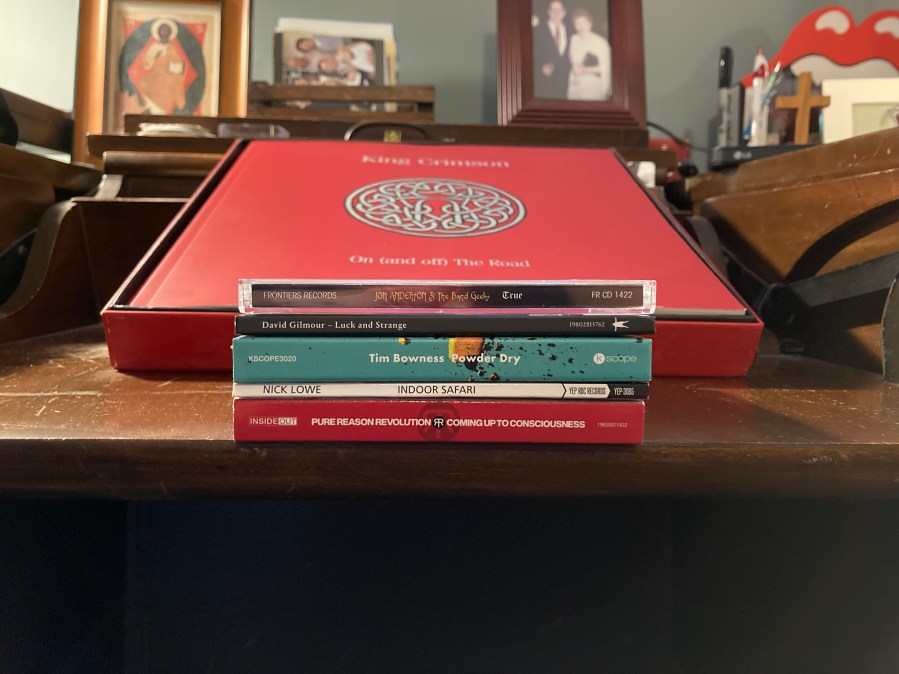
Rick’s Quick Takes – The Autumn Report

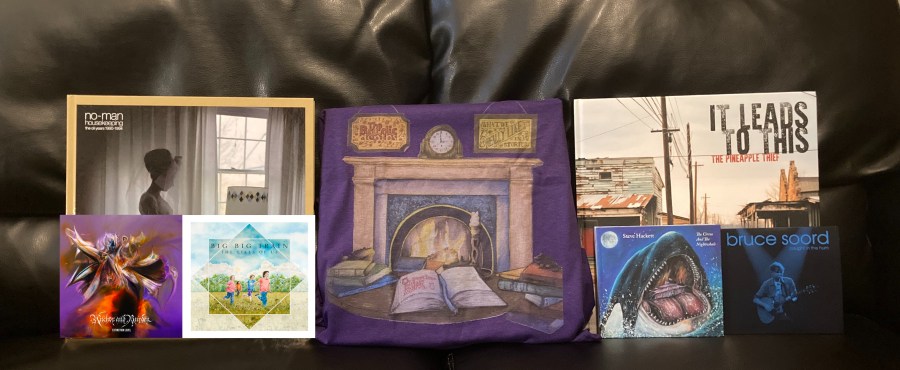
As you can see in the photo above, I’ve drawn a full house of fresh music by artists well known in the Rockin’ Republic of Prog for this hand. (As well as a world-famous joker from another deck.) Unless otherwise noted, title links are to Bandcamp or Spotify for streaming. Where streaming links don’t include them, separate links with purchase options follow each review.

District 97, Stay For The Ending: Another great leap forward for the prog pride of Oak Park, Illinois, D97’s fifth studio album is a shoo-in for my year-end list of favorites. It bursts at the seams with the good stuff – Jim Tashjian’s massive guitar thrash, Andrew Laurence’s neck-snapping synth licks and harmonies, Tim Seisser’s buoyant, bubbling bass work and Jonathan Schang’s exuberant off-center drum grooves. As always, singer Leslie Hunt hits every musical curveball out of the park, her energy and sophistication driving home one breathtaking melodic hook after another. Once the stylish, thrilling title track ropes you in, the eccentric fusion workout “Many New Things”, the Crimsonesque riff-go-round of “Crossover”, the galloping social comment of “Divided We Fall” and the stutter-stepped “Deck Is Stacked” will keep you on the edge of your seat. Can’t recommend this highly enough.

Glass Hammer, Arise: How does ace GH conceptualist Steve Babb follow up on his surprisingly heavy Skallagrim fantasy trilogy? With an even heavier sci-fi concept album, of course! As Babb’s AI-enhanced android protagonist heads for the stars, the spacey invention comes fast and furious; the propulsive kick of “Wolf 339”, droning industrial ballad “Lost” and blues cruise “Proxima Centauri B” all build to a shattering, sludgy apocalypse on the title track. Throughout, multi-instrumentalist Babb and his colleagues (including fellow GH founder Fred Schendel on one track) pile on the dramatic tension, while Hannah Pryor’s vocals vividly trace the turmoil of an intelligence lost in the cosmos – only to be confronted with Someone greater than it bargained for. Dare we hope for a sequel? Order from Glass Hammer’s website.

Dave Kerzner, Heart Land Mines, Vol. 1: After a troika of albums exploring distant worlds in the extended fashion prog fans so love, Kerzner brings it all back home. No, it’s not an original concept: boy meets, loves and loses girl, then drives across country to forget girl while writing songs about the whole mess. But it all happened to Dave back in the 1990s, including the songwriting – which gives this project (the first in a series based on his “songs from the attic”) a real edge and vibrancy. In terms of the music, think less Pink Floyd and Genesis, more Beatles, Steely Dan and Alan Parsons: sturdily constructed, left-field pop, chock full of emotion and color. From the cynical shuffles “Dreaming in LA” and “Dirty Girl” to the heartbreak ballad “Worlds Apart” and beyond, Kerzner gives this music his all, his singing more expressive than ever, his arranging and production even more vivid and intense. With tasty touches galore from his world-class backing band (Fernando Perdomo, Matt Dorsey and Derek Cintron) and special guests, Kerzner has hit my year-end favorites list yet again; on the surface, the first installment of Heart Land Mines (more volumes are promised) might seem less ambitious than New World, Static and The Traveller, but it’s every bit as compelling and delightful. Order various editions from Bandcamp.

David Longdon, Wild River: Music by a younger man than we came to know during Longdon’s time with Big Big Train, his 2004 solo debut reveals both an eclectic sensibility and the level of aspiration you’d expect from a singer ballsy enough to audition for Genesis as Phil Collins’ replacement. The basic vibe is folk-inflected, artsy singer-songwriter, focused on acoustic guitar and fiddle (with a pinch of Pete Townshend’s aggression on the opener “Always”, “Mandy” and “Vertigo”), but even then, Longdon’s range extended to the title song’s R&B shout-out and the darker turns of “This House” and “Joely”. And as the Floydish “Falling Down to Earth” (complete with Mellotron) gives way to the extended metaphor of the finale “On to the Headland,” we hear the sensibility that emerged to tell Greg Spawton’s tales of Old Albion for The Underfall Yard and the English Electric sequence, then seek fresh destinations for Big Big Train before his untimely death. This pristine reissue, remastered by Rob Aubrey, includes a bonus live album with previously unreleased material Order from Burning Shed or The Band Wagon USA.

The Rolling Stones, Hackney Diamonds: You might have heard something about this one; “those British bad boys” (as Bob Dylan referred to them when I heard him in concert last month) are back in the saddle, hedonistic and petulant as ever. Slashing their way across producer Andrew Watt’s dry, tight soundstage, Keith Richards and Ron Wood whip up vigorous, punchy riffs by the dozen (though there’s little room for their classic guitar weave). Meanwhile, Mick Jagger strikes every vocal pose in his repertoire and then some, shouting and moaning what are quite possibly the filthiest lyrics he’s ever written. The whole thing rocks hard, and there’s genuine magic afoot when Bill Wyman and the late Charlie Watts crank up the rhythm on “Live By the Sword”. But ironically, the best moments here come during the collaborations — Paul McCartney powering “Bite My Head Off” with an immense fuzzed bass lick, “Lady Gaga” channeling the early 1970s with Jagger during the gospel-soaked “Sweet Sounds of Heaven”. A respectable showing for the Stones and a fun listen for fans — but how of many of these songs, as cool as they sound, will make the setlist for next year’s inevitable tour? Order from … well, just about everywhere.

Tiger Moth Tales, The Turning Of The World: When Pete Jones stepped back a bit from the keyboard and picked up his acoustic guitar, this more straightforward sequel to 2020’s chamber-prog opus The Whispering of the World was the attractive result. The man’s got a lot on his mind – “revolution, changing technology, life-altering events” – and he doesn’t hold back with his opinions. At his best, Jones’ direct, sensitive reflections on the passing scene cut to the heart, especially on the epic allegory of “The Snail, the Horse and the River” and “We’ll Remember”, an affecting tribute to David Longdon. And if upbeat inspirational songs about life such as “Pass It On” and “Make a Good Sound” lean a bit toward limpid jazz-funk, they quickly pick up energy every time Jones picks up his saxophone and melodica for expressive fills or soaring solo choruses. A change of pace from his recent seasonal albums, it’s always good to hear from a man who truly believes “It’s So Wonderful to Be Alive” — and isn’t shy about reminding us of it! (There’s also a bonus disc available, The Whispering Suite, with outtakes and live versions bridging TMT’s two “World” albums and 2022’s A Song of Spring.)

— Rick Krueger

Rick’s Quick Takes: The (Belated) September Report

Unless otherwise noted, title links are typically to Spotify or Bandcamp for streaming, with a purchase link following the review.

The Flower Kings, Look At You Now: The Stolt brothers — Michael on bass, Roine on almost everything else — vocalist Hasse Fröberg and drummer Mirko DeMaio crank up that progressive-psychedelic roundabout, and what comes out the chute is yet another spellbinding album-length suite. Snippets from the past and fresh in-studio invention lock together seamlessly; from the merry-go-round kickoff “Beginners Eyes” and the Beatleish “Hollow Men” through renaissance pastoral “The Queen” and blues-edged workout “Scars”, to the closing workout (cinema showoff vamp “Father Sky” into bolero build “Day for Peace” into the closing title epic), TFK don’t miss a trick, evoking vintage Yes and Genesis while always leaning into their own unique, up-to-the-minute spin. This is easily the equal of recent double-disc standouts 2020’s Waiting for America and last year’s By Royal Decree, on track to be one of my favorites at the end of the year. Order from Burning Shed here.

Steve Hackett, Foxtrot at Fifty + Hackett Highlights – Live in Brighton: Yep, this is Hackett’s eighth live album since he made “Genesis Revisited” a regular feature of his live set and rejuvenated his international touring career. But doggone it if he doesn’t make this latest set make worth our while yet again! Leading off with a refreshed solo repertoire (blending in vintage throwbacks “A Tower Struck Down” and “Camino Royale”) that provides new showcases for his talented band (Rob Townsend and Roger King’s wind/keys duet on “Ace of Wands”, Jonas Reingold’s fleet-fingered solo spot “Basic Instincts”), Hackett proceeds to blow out Brighton’s doors with an inspired romp through Genesis’ 1972 breakout album. Especially noteworthy: singer Nad Sylvan, at his personal best on “The Devil’s Cathedral”, “Watcher of the Skies” and a taut, compelling “Supper’s Ready” — well, really all through the night. I thought I might have actually seen Hackett enough (four times!) in the last decade, but this release has me eager to catch this show when he returns to the States next spring. Order from Burning Shed here.

Bruce Soord, Luminescence: Just a songwriter and his gear (plus the occasional electronica and orchestral seasonings); on break from The Pineapple Thief, Soord descends into the postmodern maelstrom, in search of an evasive inner tranquility. A placid, brooding first half of string swells (“Dear Life”), slinky acoustic funk (“Lie Flat”) and pensive melodic sketches (“So Simple”) gathers momentum, only to hit a stalled-out sense of desolation (“Instant Flash of Light”, “Stranded Here”) — which gives Soord’s concluding pleas for human connection (“Read to Me” and “Find Peace”) a vulnerability that chills to the bone, even as it cracks open all the feels. Spacious, shimmering and seductive (kudos to Soord and mastering engineer/TPT bandmate Steve Kitch), Luminescence’s stoic gaze into the heart of darkness packs a serious emotional depth charge. Order from Burning Shed here.

The Who, Who’s Next / Life House (Super Deluxe Edition): Who’s Next is an album that changed my life, and over the decades, it’s developed a reputation as one of rock’s finest moments. But Pete Townshend remains haunted by his original, unrealized post-Tommy concept of The Life House — a gathering place for the outcasts of a nightmarish virtual reality, with rock music as the saving sacrament of a splintered counterculture. Thus, this behemoth box: two discs of impeccable Townshend demos; three discs of session outtakes and singles; two complete, ferocious live sets; and an immaculate spatial audio remix of the final product by (of course) Steven Wilson. Even with exhaustive liner notes and a graphic novel version included, the Life House storyline simply refuses to cohere. But listening to The Who as they wrestle with the throughline, then pitch it away and just slam into “Baba O’Riley”, “Behind Blue Eyes” and “Won’t Get Fooled Again”, you hear the fragments of one man’s overweening ambition transmuted into a furious, majestic rush of sheer hard rock glory. Order from The Who online store.

Wilco, Cousin: 2022’s Cruel Country (my top favorite album of last year) interrupted Wilco’s work on this excursion back into art-pop, made with Welsh multi-instrumentalist/co-producer Cate Le Bon as sidekick. Here Jeff Tweedy’s elusive, folky reflections are splattered with spectral atmospherics and thick blobs of tonal texture; workouts like technicolor opener “Infinite Surprise”, the sunnily chaotic title track and the Wild West gallop of “Meant to Be” sit side by side with morose elegy “Ten Dead”, baroque/dance crosscut “A Bowl And A Pudding” and the compelling meander “Pittsburgh”. The proceedings here lean a bit to the downtempo side, but it’s great to hear Tweedy and his merry crew of cutting-edge players revisit the experimental approach of their Yankee Hotel Foxtrot/A Ghost Is Born era, with the gains of the decades since then thoroughly integrated. Few American bands offer such solid work on such a consistent basis. Order from Wilco’s online store.

Steven Wilson, The Harmony Codex: On which Wilson decides not to pay homage to one particular musical style, bringing his magpie/studio boffin tendencies fully to the fore. Digging into the resources of vintage synthesizers, SW leans on mood more than movement, warming up the temperature from the glacial electronics of The Future Bites a bit, spinning trippy webs of sound braced with a percussive snap. As he flicks through a dizzying array of genres, there are plenty of hypnotic moments (the 1970s spiritual jazz/fusion of “Inclination” and “Invisible Tightrope”, pop nugget “What Life Brings”, imaginary Bond theme “Rock Bottom” with Ninet Tayeb, the langorous switched-on Bach/spoken-word melodrama of the title track), but it can also feel like Wilson is channel-surfing for its own sake; the focus of his best work is only intermittently there, and shorter tracks sometimes peter out instead of paying off. Still, as far and wide as The Harmony Codex wanders, there’s lots to catch the ear as it rambles, and it’s already rewarded repeated listens for me; Wilson remains an artist well worth checking out and reacting to. (So, yeah, Time Lord and I have very different opinions here. And, in line with de gustibus non est disputantum, I’m down with that.) Order from Burning Shed here. (BTW, thanks to the Burning Shed crew & the Royal Mail for getting my copy across the pond to my mailbox in 6 days!)

— Rick Krueger

Rick’s Quick Takes: Summer, Part Two

Unless otherwise noted, title links are typically to Bandcamp for streaming and purchasing, or to Spotify/YouTube for streaming with a additional purchase link following the review.

First off, the triple-disc elephant in the room: the Neal Morse Band’s An Evening of Innocence & Danger: Live in Hamburg. Morse, Eric Gillette, Bill Hubauer, Randy George and Mike Portnoy deliver exactly what the title says, plowing through the NMB’s most recent conceptual opus with the added excitement of rougher vocal edges and elongated opportunities for face-melting solos. Welcome deep cuts at the end of each set plus the heady mashup encore “The Great Similitude” heat things up nicely. The band’s delight in being back in front of a transatlantic audience comes through with (sorry not sorry) flying colors. Order from Radiant Records here.

Motorpsycho, on the other hand, cools things down on their new, palindromically titled Yay! This time around, Bent Sæther, Magnus “Snah” Ryan and Tomas Järmyr back off the booming drones, steering into light acoustic textures and Laurel Canyon vocal harmonies for a fresh, intimate variation on their spiraling neopsychedelia. Even with titles like “Cold & Bored” and “Dank State (Jan ’21)”, the results are inviting and exhilarating. (And don’t worry — the band’s penchant for the long jam is alive and well on more expansive tracks like “Hotel Daedelus” and closer “The Rapture”) My favorite from this crew since 2017’s The Tower.

And, seconding Russell Clarke, I heartily recommend I Am the Manic Whale’s Bumper Book of Mystery Stories. Dialing down the snark of previous albums and turning up the atmospherics, it’s a thematically linked suite of veddy veddy British melodic prog vignettes engineered to thrill and disturb. Michael Whiteman and his jolly compatriots seem absolutely delighted to creep you out on “Ghost Train”, send your head spinning on “Erno’s Magic Cube”, and drag you into headlong adventure on land (“Secret Passage”), sea (“Nautilus”) and outer space (“We Interrupt This Broadcast . . .”). I felt like a kid again!

Meanwhile, Greta Van Fleet come slamming back with Starcatcher. With the polished studio sound of 2021’s The Battle of Garden’s Gate well and truly ditched, Frankenmuth, Michigan’s finest get down and dirty here, launching one ferocious rocker after another and mounting a stairway to . . . somewhere? on the trippy single “Meeting the Master.” Yeah, GVF still wear their influences on their capacious sleeves, and sometimes feel a bit inside the box for all the Kiszka brothers’ ecstatic caterwauling. But getting the Led out to Generation Z still strikes me as a worthwhile mission, and to see these young’uns keep the flame alight is all an aging rocker could ask for. Order from GVF’s webstore here.

Continue reading “Rick’s Quick Takes: Summer, Part Two”