SiX by SiX’s Robert Berry: The Progarchy Interview

After decades behind the scenes, Robert Berry has unquestionably stepped into the spotlight. In the late 1980s Berry hit the big time alongside Keith Emerson and Carl Palmer as vocalist, multi-instrumentalist and co-producer of the progressive-pop trio 3. Afterwards, he parleyed his new-found visibility into decades of fine work in both mainstream rock (Ambrosia, Greg Kihn, Sammy Hagar, his album-oriented rock band Alliance) and the prog scene (numerous tribute albums for the Magna Carta label, discs and tours by the holiday-themed collective The December People). Though Keith Emerson’s suicide in 2016 thwarted a planned reunion, Berry honored Emerson’s legacy with his deeply felt, impressively realized 3.2 project, releasing the posthumous collaborations The Rules Have Changed (2018) and Third Impression (2021) and mounting a career-retrospective tour in 2019.

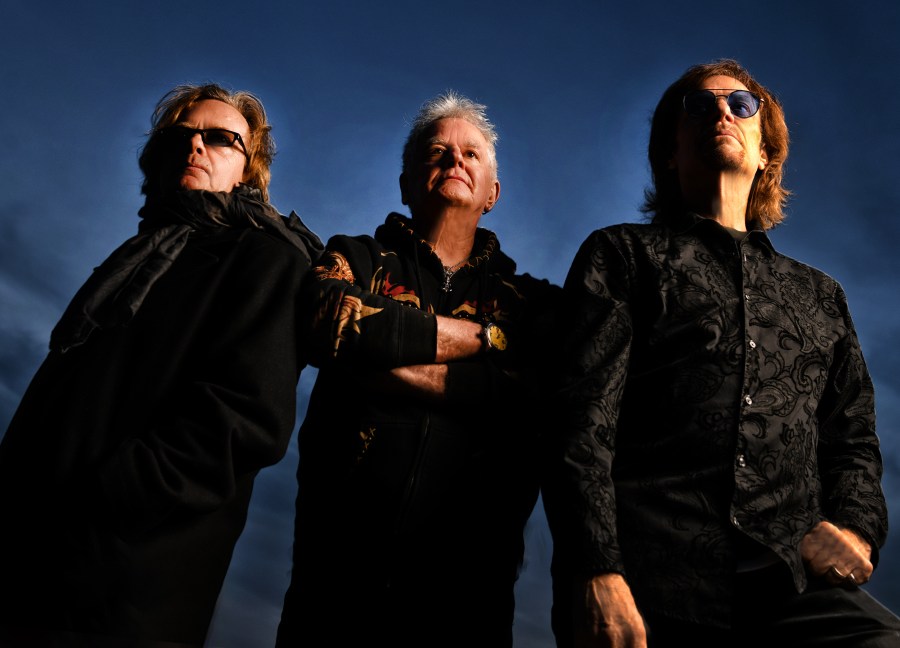
But the Robert Berry I spoke with last month is focused on the future, not the past — namely, his brand new, very different trio SiX by SiX. Collaborating on songs with Saga’s guitarist Ian Crichton and anchored by Saxon’s drummer Nigel Glockler, Berry sounds like he’s having the time of his life. The new band’s self-titled album, released by InsideOut/Sony on August 19th, doesn’t really fit into any prog or progressive metal pigeonholes — and it’s all the better for it. One minute SiX by SiX is making an almighty, rifftastic noise; the next comes a killer singalong chorus; the next you’re reveling in a lush, impressionistic soundscape. Wrapping up our interview, Berry said, “we want a wide audience of all kinds of people that just like good music,” and this album has both the ambition and the substance to hit that sweet spot. There’s plenty here for your head, your heart and your guts to grab onto!

When I interviewed Robert Berry at his California homebase Soundtek Studios, he managed to be supremely casual, pumped about his new music (as well as about a graphic novel based on the album by Chicago artist J. C. Baez) and genuinely interested in what I thought of SiX by SiX’s debut, all at the same time! I think both of us had fun; join us by watching the video below or reading the transcript that follows.

So, first of all, tell us about the way SiX by SiX, this new project of yours, came together.

It’s sort of magical, really.  My manager Nick [Shilton] who’s in the UK – we were talking, he goes, “well, what are you gonna do next?  You’ve said that there’s gonna be three 3 albums, right?”  The original one [made in] ’88, and we had The Rules Have Changed and we had Third Impression.  I said, “yeah, I feel that’s all we had from Keith, material-wise.  I don’t wanna do that on my own; it needs to feed off him.”

“Well, what are you gonna do?”  I said, “I’m either gonna hang it up and tour with the past, or I’d like to find a guitar player to work with that was like Keith Emerson, that made up these incredible parts.  But except for Steve Howe, who’s very busy, what guitar player makes up parts?  Orchestrates a song, doesn’t just play power chords and a smokin’, rippin’ lead?”  He goes, “Let me think about it.”

He called me back the next day; he says, “what about Ian Crichton from Saga?”  I said, “why didn’t I think of that?”  Now I didn’t know Ian at the time.  I said, “he plays parts and you could almost sing his solos; they’re so great!”  So he tracked him down, got us on the phone.  Ian was, like everybody, having some down time with the COVID, not touring.  And we decided to start sending some things back and forth – and it couldn’t have been better for me, inspiration-wise!   I mean, if I could have written down, really thought about “I’d really like this, I’d like this.”  Also, all these parts kept coming!  He’s so prolific, making up that great stuff that I only thought of in my head, like “what guy does this?”

And the songs started coming out; we committed to this band once we found the right drummer.  Which of course, it was an old friend of mine.  I felt anyway; didn’t know if he’d say yes, cause he’s in a big band too, Saxon.  And Nigel said yes and bang!  It was organic, actually; just happened just like that!  But it took a whole year to get it to the point of that now.

OK!  What I’m hearing you say, and from what I’ve listened to of the album, I agree with you on what Ian brings to the table.  Two or three great riffs on just about every single tune, plus that unique solo voice that, as you say, is so melodic.

Yeah!

Can you talk a bit more about what Nigel Glockler brings to the party?

Nigel and I were in GTR together, back [in] 1987.  And Steve [Howe] brought him in to replace the guy that had done the first album with them.  And I had said to Steve Howe, “the drums are kinda muddy; don’t we need something a little more solid?”  They brought Nigel in; I didn’t know Nigel at all.  And he was just the greatest drummer and the nicest guy, that we stayed friends, stayed in contact.

When he came through town here – I’m in Silicon Valley, San Jose, close to eBay and Apple and all that – I went to see him and we just chatted a bit and I said, “Man, the guy, he’s still in good form, still playin’ solid and hard.”  And so, he was a top of the list choice for me!  And Ian didn’t know him, but they had bumped heads on tours a little bit maybe, and seen each other but not really got to know each other.  So once Nigel said “I’m really interested in this,” and then we got his drums on a couple of songs.  And it was like having John Bonham in the band, you know?  [Laughs]  Really heavy hitter, solid!  It was a little to me like Cozy Powell in ELP; it just cinched it up!

That comparison just had occurred to me as well; that when Powell was with E[merson] and L[ake], there was this rock-solid bottom.  I heard them live.  He’s so completely different from Carl [Palmer], but what he brings to the table is amazing.

And it was a good album they did too!  Not that we need to talk about that . . . [Laughs]

That’s true!  And you can tell that Nigel isn’t just a pounder.

He’s a big prog rock fan, which is probably why Steve Howe brought him in originally.  He and Phil, the bass player for GTR, were pretty good friends, and they’d done a few things together before.  So, Phil knew about the intricacy of what Nigel could bring.  He just doesn’t get to expand that in Saxon, of course.  He hit the fine line between “let’s do a few things” and “let’s keep the thing really solid”.  So again, Ian’s guitar can do what it does, and if the power chords [makes guitar noises with his voice] aren’t always there, something has to keep it solid.  And Nigel just made it happen, really.

And again, hearing what I’ve heard from the album, there’s a lot of elements going into what you do.  But there’s also space for all of those elements.  It doesn’t feel cluttered or crowded; it feels like everything just locks together.

And it’s mainly the guitar!  The keyboards on this, I use them very sparingly, and it’s really just a sort of glue, a little background in there sometimes when the guitar’s gotta do other things.  Even onstage, my thing is to once in a while, during a solo or something, I’ll change to the keyboards and left-hand bass and cover the fullness and the bass on keyboards, then get back to the bass guitar when Ian comes back into playing the full chord and whatever he’s doing.

So, you’ve described the creative process.  You and Ian are working together and the songs come up out of his ideas; obviously you add to that.   What was the recording process like?

Continue reading “SiX by SiX’s Robert Berry: The Progarchy Interview”

Tim Bowness: The 2022 Progarchy Interview

Tim Bowness’ sterling new album Butterfly Mind — to be released after last-minute supply delays on August 5th — isn’t just his latest for InsideOut Music/Sony, it’s also his 40th anniversary release! Since 1982, Tim has made his mark in the music industry as a contributor to bands such as Plenty (2 albums of recently re-recorded material from their 1980s heyday) and No-Man (7 albums, including 2019’s comeback Love You to Bits), as the co-founder of the record label and online music shop Burning Shed, and as co-host of the podcast The Album Years with No-Man collaborator and long-time friend Steven Wilson. Oh, and he’s also released five of his six previous solo albums on InsideOut since 2014, all chock-full of thoughtful, provocative art-rock brought to life by the cream of today’s progressive musicians. Butterfly Mind continues Bowness’ hot streak while striking out in fresh, arresting directions.

This is also at least Tim’s fifth interview with us at Progarchy. This time around, as well as revealing how “shed envy”, George Orwell, and flavored milk drinks played into the creation of Butterfly Mind, Tim unpacks his philosophy of lyric writing, reacts to Steven Wilson’s memoir and brings us up to date on the latest challenges of running Burning Shed. A complete transcription follows the video below!

So, when last we spoke, and I think that was in 2020, you joked about doing nothing and emptying out your Hard Drive of Doom over the next couple years.  But here we are, in the run-up to yet another new album.  So, what was the impetus behind the songs that have become your new album, Butterfly Mind?

Well, I did actually have nine months of not writing anything; the same before Late Night Laments as well.  Basically, I didn’t write for about eight and nine months, and then I suddenly felt compelled to write.  Because before Late Night Laments, I’d been working on No-Man’s Love You to Bits, and that had taken us about a year.  That was a case of rewriting an existing piece and adding to it.  And Late Night Laments came out very much as an album in opposition to Love You to Bits, cause Love You to Bits had been this quite electronic, pummeling, beat-oriented work.  And I desperately wanted to do something quieter, more reflective.

And when I’d finished Late Night Laments, I really did have no ideas!  All I did for about nine months was record cover versions of songs for fun.  As you say, I got my Hard Drive of Doom out, I re-recorded some very old Plenty songs, and about nine months after that, I wrote a piece called “Lost Player”.  And the floodgates opened once again! 

So, within about four months, I’d written four or five pieces, several of which didn’t end up on the album.  Two were with Richard Barbieri, who is in Porcupine Tree, as I’m sure many of you might know.  And another was a track with [Plenty member] Brian [Hulse], which is ending up on the Japanese version of the album.  But it really kickstarted again, sort of October 2020, and I just suddenly felt the desire to write.  And if there was any motivation, it was again to do something different from what I’d done.

So, whereas Late Night Laments as an atmospheric album and it was quite consistently quiet, with this album I wanted to surprise myself and surprise the listener.

And I think you did!  Because it’s true; when I heard Butterfly Mind, it immediately seemed harder-edged – there’s experimental sonics; you’ve got some songs with multiple sections; there’s almost a sort of muted hysteria in terms of the subject matter.  But we can get to that in a bit.

On this album, instead of using that variety of players that you used on Flowers at The Scene and Late Night Laments, you’re building out from this core band – Brian Hulse on guitars and keys, Nick Beggs on bass and Stick, and Richard Jupp on drums.  How did that unit come together?

It came together in a variety of ways, really.  With Richard Jupp, I’d long been a fan of Elbow, and with him it was a case of shed envy!  I’d seen an article on him and his home studio, and he had this magnificent shed and home studio.  So, I contacted him, and obviously mentioned how much I liked his drumming as well.  I particularly liked it on the first couple of Elbow albums, where he’s a very versatile player who can do dynamic, and he can do quiet.  And luckily his teenage son, it turned out, was a fan of No-Man, Porcupine Tree and The Album Years, so he knew my work. 

So that’s how Richard got involved; I said, “would you be interested in playing with me?”  The session with Richard was great, because it was the first session after all the lockdowns in the UK.  And so we were in the studio together, working in real time on the music.  So, it’s very exciting!  And he definitely went above and beyond what I’d expected.  Because originally, he was planned to be on maybe half the album.  But he heard certain tracks like “Always the Stranger” and said, “I’ve got to play on this; let me play on this!”  So, it was really good!

Nick Beggs came about because as much as I love the players I’d been using on my previous albums — Colin Edwin, John Jowett, they’re both incredibly gifted.  And I’ll continue to work with them; in fact, I’ve worked with Colin since I completed this album.  I wanted something different; I wanted a different kind of energy.  I mentioned this to Steven Wilson and he said, “Nick Beggs would be my choice.”  So, then I approached Nick Beggs, and luckily he agreed. 

So, yeah, it comes from a core group working on the song, then finding the right solo instrumentalists.  People like Ian Anderson and Dave Formula, who are on the album.

Yes, and I noticed that here are plenty of cameos – you mentioned Ian Anderson; Peter Hammill comes in on guitar and vocals for a couple of tracks again; Greg Spawton plays bass pedals that don’t sound like bass pedals, so that’s kind of fun. 

[Laughs] Yeah, it’s true!

But the biggest news that I saw in terms of guest shots was Ben Coleman playing some violin.    What led the two of you to team up again?  As I understand it, it’s the first time you’ve been in the studio together since No-Man’s initial heyday.

Yeah, it’s the first time since 1993, so 29 years!   I think in the case with a lot of the players, such as Ian Anderson, it’s because I felt like it required that flute solo voice.  And Ian plays on three tracks; one of them isn’t on the album, it’s on the outtakes CD, which is the second disc of the CD version.

And so really, it was finding the players I thought were appropriate for the piece.  And Dave Formula is somebody whose music I’ve loved for many years.  He was in a band called Magazine, who were very big when I was at school, and then he was also in a band Visage, who were also very big as well.  But he’s a tremendous Hammond organ and synth player, who has been around actually since the mid-60s.  He’s the same age as Ian Anderson, even though his heyday was in the early 1980s, with people like Visage and Magazine!

So generally speaking, I found people whose music I felt resonated with mine, and I felt they’d be able to bring something out of the material.  And the same goes for younger artists.   Like Martha Goddard, who sings backing vocals on three tracks, and Mark Tranmer, who is a wonderful guitarist who’s in a band called The Montgolfier Brothers.

And with Ben Coleman, it was because I could hear violin on two of the track; I could suddenly hear that classic No-Man sound!  I just got in touch with him, and luckily, he was interested.  He contributed to three or four of the tracks on the album in the end.  And it was glorious – as soon as he started playing, it was that sound!

Yes, yes it is!  It’s absolutely unmistakable!  So let’s dig into subject matter a little bit more.  The first time I heard “We Feel” and “Only A Fool” they were genuinely scary to me!  And I also know that you never want to connect all the dots for us; you want us to take away our own meaning.  Or our own perception of what you’re trying to say in these songs.  But what clues are you leaving for us to decipher?

Continue reading “Tim Bowness: The 2022 Progarchy Interview”

Rick’s Quick Takes for June

Six months in, 2022 is already shaping up as a banner year for new music. My own positive bias prevents me from objectively reviewing The Bardic Depths’ brand new album (though modesty doesn’t seem to prevent me mentioning it; I’m still stoked that I got to participate) — but there are still plenty of fresh releases to cover this time around! As usual, purchasing links are embedded in each artist/title listing; where available, album playlists or samples follow each review. But first, the latest installment in what’s becoming Progarchy’s Book of the Month Club . . .

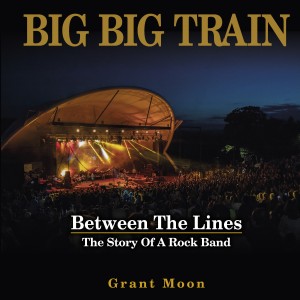
Big Big Train – Between The Lines: The Story Of A Rock Band: when Greg Spawton and Andy Poole started a band, it didn’t stand out at first; one early concert promoter called the nascent Big Big Train “fairly mediocre” in retrospect. How BBT became a prog powerhouse — through sheer bloody-mindedness, growth in their craft and a keen ear for what world class musicians like Nick D’Virgilio, David Longdon and so many others could contribute — is the tale at the core of this passionately detailed band bio/coffee table book. Standout features include lavish design, with a overflow of revelatory photos; fully rounded portraits of major and minor participants, mostly unfolded through Grant Moon’s thorough interview work; and remarkable candor, especially in a self-published effort, about the human costs of BBT’s rise to genre prominence and mainstream media attention. (Moon’s portrayal of Spawton and Poole’s gradual estrangement, even as their joint project finally gathers speed, is both sensitive and haunting.) Between The Lines covers all of Big Big Train’s great leaps forward and forced backtracks through Longdon’s untimely death, leaving the reader with Spawton and his fellow survivors determined as ever to continue. Not shy about celebrating the beauty and ambition of the music the group has made, on record and in person, it also doesn’t flinch from portraying the price paid to scale those heights.

The Pineapple Thief, Give It Back: on which Gavin Harrison gives his new band’s vintage repertoire a kick up the backside with his stylish stick work, and Bruce Soord willingly “rewires” his own songs with new sections, verses and narrative closures. The results probe further into the moody motherlode that new-era TPT mines and refines: dramatic vignettes simmering with emotional turmoil; lean, mean guitar riffs arching over roiling keyboard textures; and always, those simultaneously airy and propulsive grooves. But while Soord and Harrison take the creative lead, this is a marvelously tight unit at work; Steve Kitch (keys) and Jon Sykes (bass and backing vocals) are indispensable contributors throughout. All of which makes Give It Back another enticing entry in the Thief’s discography — deceptively low-key on first impression, it blossoms into a compelling combination of tenderness and grit. (With plenty of headroom in the mastering to pump up the volume!)

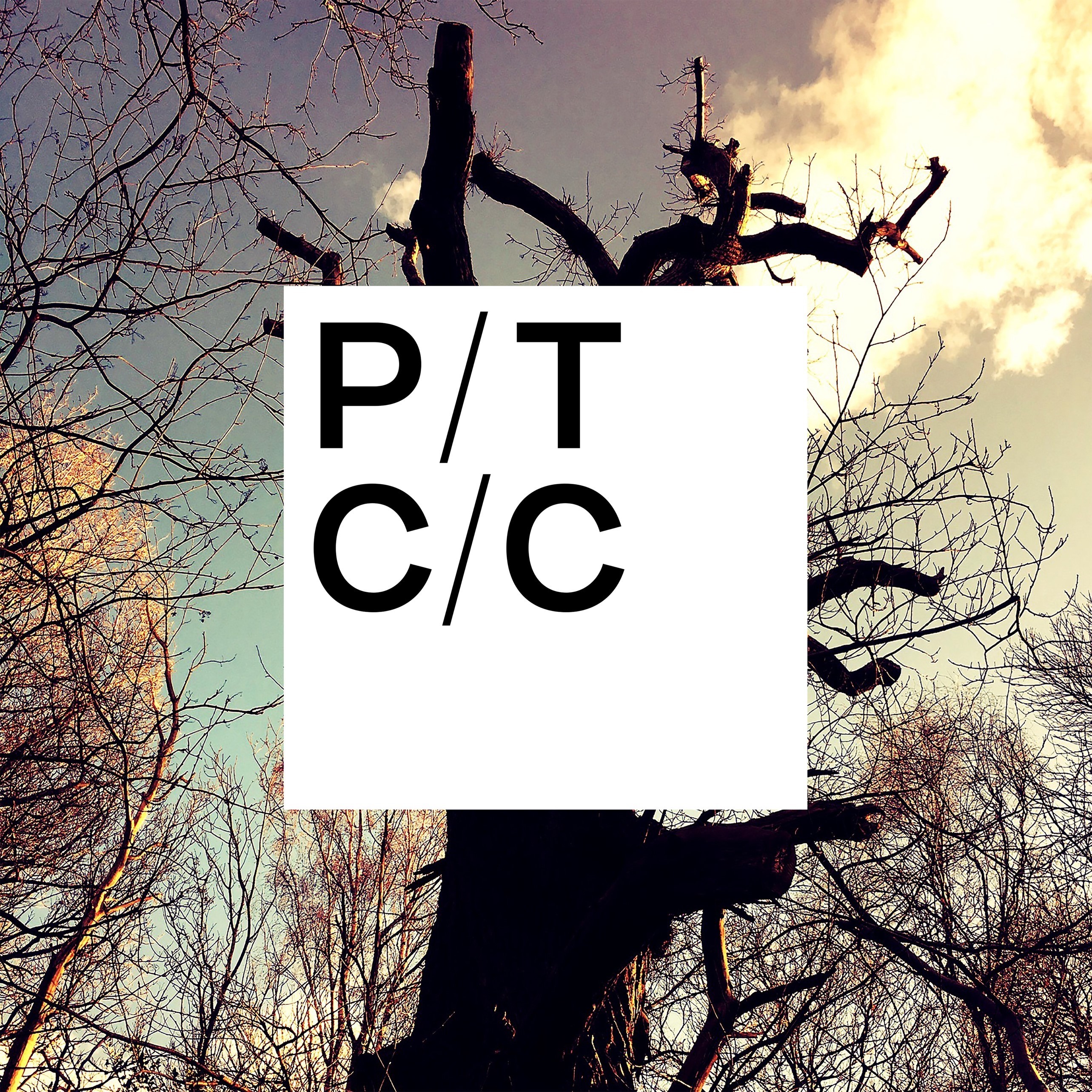
Porcupine Tree, Closure/Continuation: The big news is that this is recognizably a Porcupine Tree album — that’s why, over repeated listens, it works so well. Steven Wilson is as happy and carefree as ever, cutting loose about fraught relationships (“Harridan”), nihilism in high places (“Rats Return”, “Walk the Plank”) and, of course, the inevitability of death (“Chimera Wreck”); plus there’s a spooky take on a Lovecraftian invasion (“Herd Culling”), a compassionate portrait of a man with nothing (“Dignity”) and a drop-dead gorgeous ballad that looks forward in hope and back in regret at the same time (“Of the New Day”). Still, it’s the reconstituted band, mostly writing the music in team formation, that gives the record its core integrity and guts. Wilson’s angular guitar and bass work, seemingly effortless songcraft and vocals that often climb to a wordless falsetto (a legacy of The Future Bites?) are perfectly swaddled in Richard Barbieri’s squelchy sound design and ineffably eerie synth solos, then hurtled forward by Gavin Harrison’s consummate percussive drive — whether he’s cruising the straightaways or leaning into jaw-dropping polyrhythmic curves. Of a piece if not conceptual, Closure/Continuation is never less than well-wrought and frequently awesome, worthy to stand alongside Porcupine Tree’s catalog as either a next or a final chapter in their saga. Now floating like a butterfly, now stinging like a bee, with commitment evident in every note, it may well knock you out.

Continue reading “Rick’s Quick Takes for June”

Andy Tillison: The Progarchy Interview

The latest album from that stalwart institution The Tangent, Songs from the Hard Shoulder, will be released — or perhaps I should say unleashed — on June 10th. Boasting three extended tracks (“The Changes,” “GPS Vultures” and “The Lady Tied to the Lamp Post”), the short, sharp retro-anthem “Wasted Soul” and a head-turning cover of UK’s “In the Dead of Night”, it’s a brilliant collection from a first-class band at the peak of its powers. And beyond the formidable talents of guitarist Luke Machin, woodwind specialist Theo Travis, bassist Jonas Reingold and drummer Steve Roberts, the group’s remarkable collaborative chemistry is firmly rooted in the eclectic musical appetite and deeply humane vision of its founder, keyboardist and singer Andy Tillison.

It was serious fun for me to spend an hour talking with Andy, going into detail about the album — including some of the real life experiences behind the songs — and heading down other delightful rabbit trails besides: why he goes out of his way to hear other groups at prog festivals, our respective experiences of radio in our formative days, his favorite band (which may surprise you), and much, much more! Throughout, Andy answered every question candidly and put up with my schoolboy goofs/fanatical excesses, exuding his wonderfully unique mixture of curiosity, passionate commitment and dry humor. I hope you enjoy the experience as much as I did! The video is immediately below, with a complete transcript of the interview following (and continuing over the jump). But why were we both looking to our right??

Alright!  Well, first of all, congratulations on the new Tangent album!    I’ve heard it and I really enjoy it.  I’ve been a fan since the Le Sacre [du Travail] album, and have very much enjoyed – I saw you live in 2017 actually, in Chicago.

Right, yeah!  That was a great night; really enjoyed that one!  Some good experiences that night for me; I’ll never forget that one.

And that was a great weekend overall.

It was, yes.

To put you on the spot right away, if you had to describe Songs from the Hard Shoulder to someone who had never heard The Tangent, what kind of a pitch would you make?  

[Laughs] I would say it’s a difficult album, actually!  We haven’t made this as an easy sort of pigeonhole-able album.  Obviously, we do make albums where we try to put our case and make a beautifully constructed record.  But on this one – we just did what we wanted to do.  And we do that from time to time, you know?  We don’t always try to write to fit the need; we sometimes write from the point of view of what we want to write!  And we ended up with this slightly imbalanced record; it’s got three epic tracks and one short one! [Laughs]  How many other albums are quite like that?

And of course, the fact that all the three main tracks are completely different from one another!  I’ve been saying in other interviews that it’s almost like three different bands made three different tracks! [Both laugh].  The first one being very much like The Tangent, the second being a jazz-fusion band, the third one being dark and electronica influenced.  And then a Tamla-Motown song! 

I think it’s probably best to understand what the band have been doing before!  This is not necessarily a first album to hear by a band; it’s one of a sequence.

It works better in context is what you’re saying.

I think it’s a contextual album.  To be fair, if you’re looking at classic progressive bands of the past, most people who came into the world of Yes did not enter from the point of view of Tales from Topographic Oceans.  They came in with Fragile or The Yes Album or maybe even Close to the Edge is where they came in.  I say “maybe even Close to the Edge” cause that’s where I came in!

And the same with Genesis: most people who came in didn’t arrive with The Lamb Lies Down on Broadway; they came in at some other point.  And the sort of deeper albums are the ones they go back to and help develop their relationship with a group.

OK!  I think that what I heard in your pitch is that it’s very much “you guys” – the band that you are right now.

Yeah!

So, definitely not a snapshot, more like a short video at least!  [Both laugh]

I think that being in a progressive rock band, if you’re serious about it, and this is more than just a commercial label you use to make things more convenient for markets – you have to be able to make the developments, to take the risks, to do the non-commercial things!  Because that’s what the audience wants of us!  Sure, everybody likes Asia, for example, but they always want something more meaty than that, if you get what I’m saying.  They want something that’s a bit more out there, more adventurous.

So, the fact is that this great progressive arc can take in everything from pop songs, rock songs, pop-rock songs if you like, through to massive great big sinfonias!  Everything from an acoustic guitar being bashed on the stage by Peter Hammill right through to massive symphony orchestras.  There’s so much available to us in the power – every so often you have to use it!  And this means on this occasion, we didn’t write much short-form material for this record.

So that kind of answers my next question, because as you mentioned, three of the four tracks on the main album plus the bonus track are all over 15 minutes; they’re definitely what you would call “of epic length.”  Did you feel like, in terms of the songs with lyrics, that the subject matter demanded that?  How do you develop these longer pieces?

I think that it’s just something that happened.  To me, I grew up listening to rock music, but the first rock music I heard was long! [Laughs] 

OK!

I was listening to Yes age 12, Van der Graaf Generator age 12, Genesis 14 perhaps.  Picking up on Pink Floyd and finding that, because of my history in classical music, I tended to be more interested in the longer pieces.  Because the classical upbringing I’d had – and I’m talking about classical listening, because there was so much music in my house when I was a boy.  And so, I’d get to hear all this stuff!

Consequently, when I first heard things like the Beatles, I always used to be disappointed that the songs were over so quickly.  I thought, “I was just getting into it, what’s happened?”  [Both laugh]  So it just seemed a natural way.  In me it’s writing to how I always like listening to music!  I like music that goes on for a bit.

[Laughs] As I’ve said, many times, “this music is not epic at all!”  20 minutes is not epic at all; it’s an episode of Friends!

Continue reading “Andy Tillison: The Progarchy Interview”

Rick’s Quick Takes for March

Lots of great music has crossed the metaphorical Progarchy transom this month! Purchasing links are embedded in each artist/title listing; album playlists or samples follow each review.

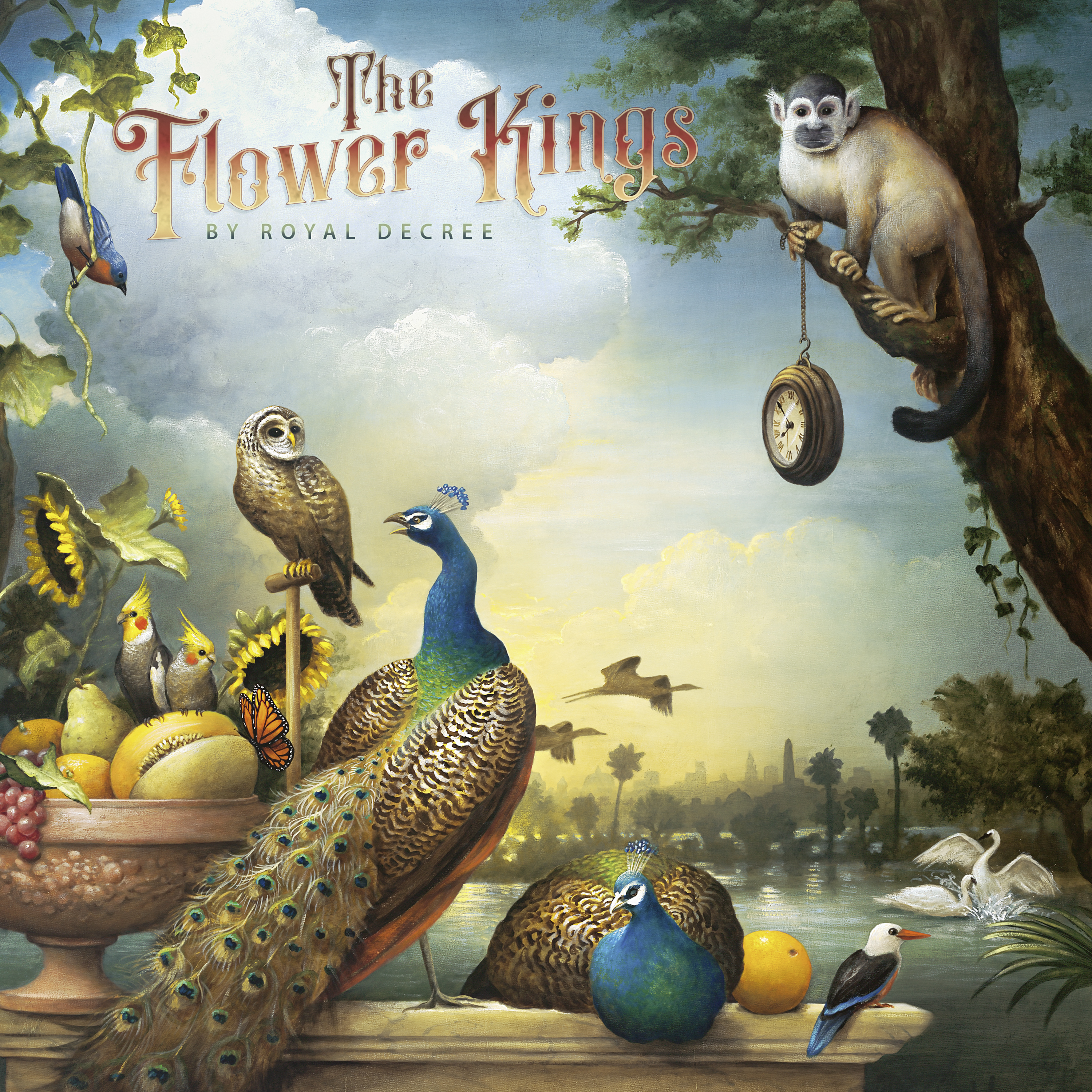
The Flower Kings, By Royal Decree: Fun fact: this is the third double album in a row from king of Kings Roine Stolt and his merry band. And like 2019’s Waiting for Miracles (which started the streak) it’s compulsively listenable from start to finish. Fresh out of lockdown, Stolt, singer Hasse Fröberg, keyboardist Zach Kamins, drummer Mirko deMaio and alternating bassists Jonas Reingold & Michael Stolt laid down 18 songs in the studio, negotiating the twists and turns of wildly varied material (some of which dates back to the early 1990s) with energy, precision and evident delight. Not a trace of metal here, and I hear much more psychedelia, fusion and Eurofunk in the mix than stereotypical “prog” — but to my ears, that’s what makes goodies like the unpredictable opener “The Great Pretender”, the ravishing ballads “A Million Stars” and “Silent Ways”, and the off-kilter eccentricity “Letter” so fresh and fun. There are plenty of serious lyrical moments too, as in “The Soldier” and “Revolution”; but, by and large, By Royal Decree is the sound of Stolt and company refreshed and revisiting their optimistic roots, soaring on the wings of one marvelous melody after another. It’s as much a joy to hear as it must have been to create.

Continue reading “Rick’s Quick Takes for March”

Kruekutt’s 2021 Favorites!

I thought I didn’t have a big list of favorites from this year’s listening — until I revisited my six-month survey from back in June and added in the good stuff I’ve heard since then! The listing below incorporates links to full or capsule reviews, or other relevant pieces on Progarchy and elsewhere; albums I haven’t written about yet get brief comments, along with my Top Favorites of the year. Most of these are available to check out online in some form; if you find yourself especially enjoying something, use that Christmas cash and support your choice with a purchase! And the winners are . . .

Continue reading “Kruekutt’s 2021 Favorites!”

The Big Prog (Plus) Preview for Fall 2021!

What new music and archival finds are heading our way in the next couple of months? Check out the representative sampling of promised progressive goodies — along with a few other personal priorities — below. (Box sets based on reissues will follow in a separate article!) Pre-order links are embedded in the artist/title listings below.

Out now:

Amanda Lehmann, Innocence and Illusion: “a fusion of prog, rock, ballads, and elements of jazz-blues” from the British guitarist/vocalist best known as Steve Hackett’s recurring sidekick. Available direct from Lehmann’s webstore as CD or digital download.

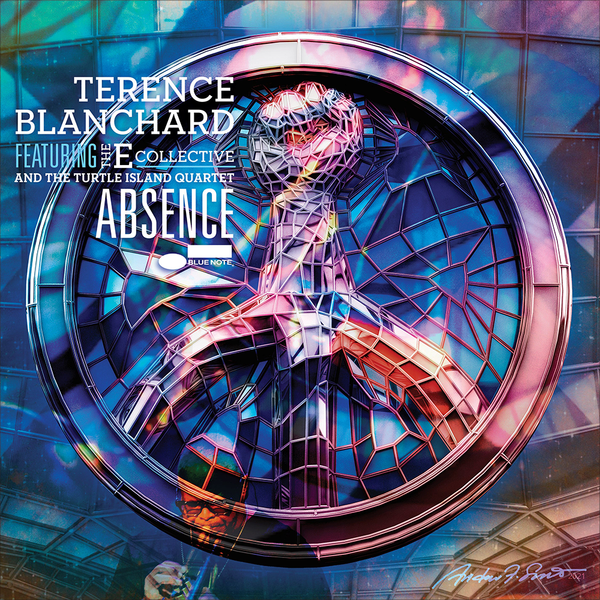
Terence Blanchard featuring the E-Collective and the Turtle Island Quartet, Absence: trumpeter/film composer Blanchard dives into music both written and inspired by jazz legend Wayne Shorter. His E-Collective supplies cutting edge fusion grooves, and the Turtle Island String Quartet adds orchestral depth to the heady sonic concoctions. Available from Blue Note Records as CD or digital download.

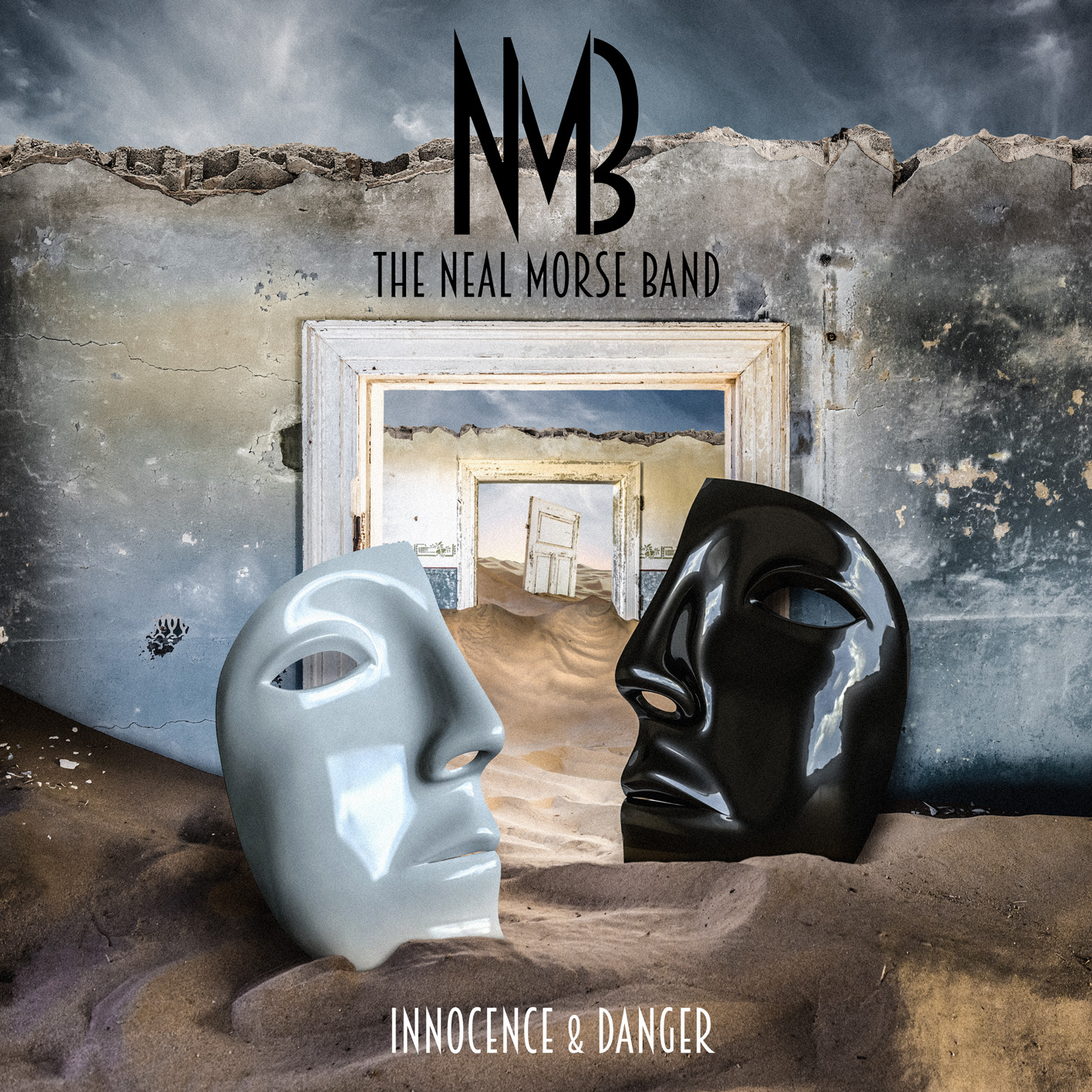
The Neal Morse Band, Innocence and Danger: another double album from Neal, Mike Portnoy, Randy George, Bill Hubauer and Eric Gillette. No overarching concept this time — just everything and the kitchen sink, ranging from a cover of Simon and Garfunkel’s “Bridge Over Troubled Water” to brand-new half-hour epics. Available from Inside Out as 2CD, 2CD/DVD or 3 LPs/2 CDs

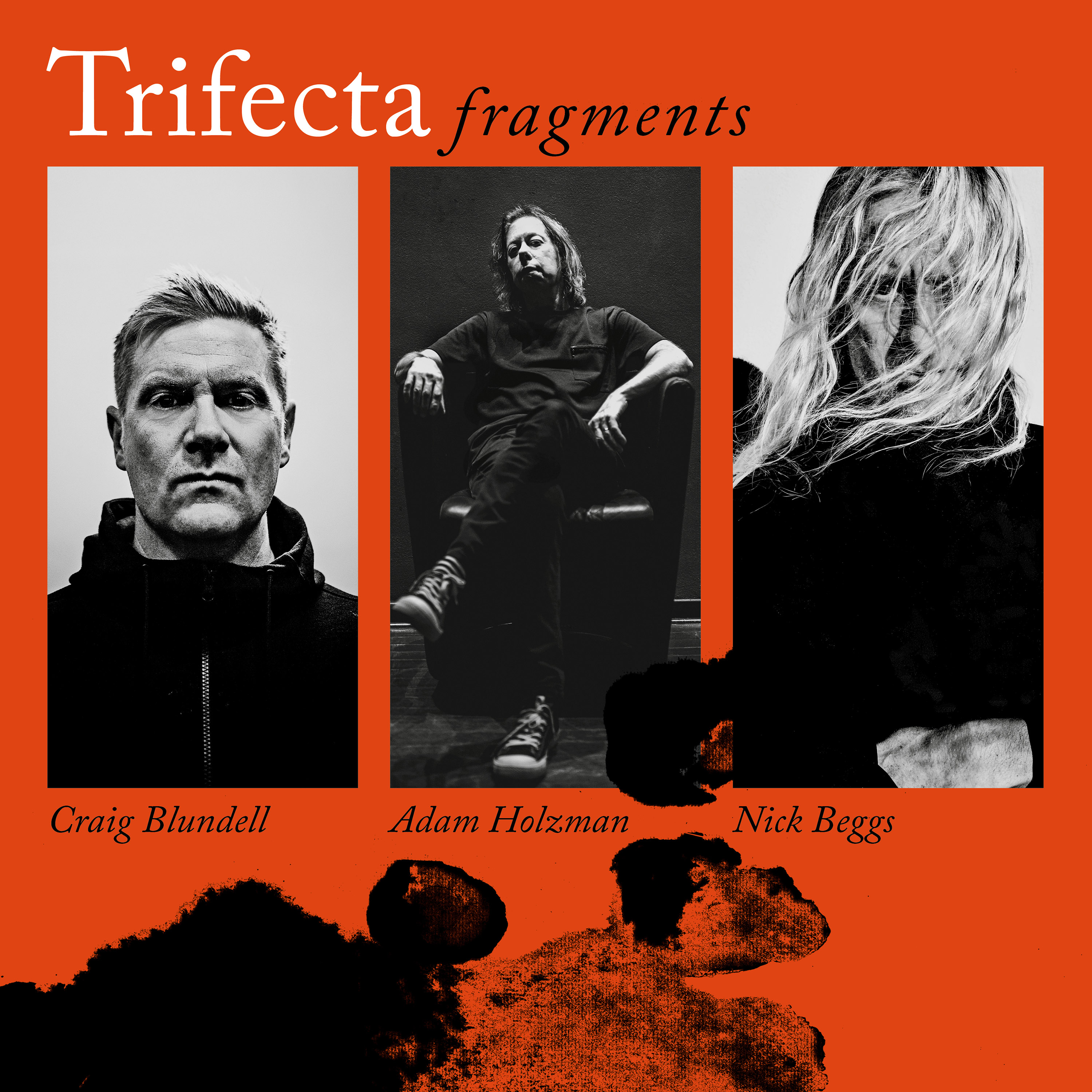
Trifecta, Fragments: what happens when Steven Wilson’s rhythm section turns his pre-show sound checks into “jazz club”? Short, sharp tracks that mix the undeniable chops and musicality of Adam Holzman on keys, Nick Beggs on Stick and Craig Blundell on drums with droll unpredictability and loopy titles like “Clean Up on Aisle Five” and “Pavlov’s Dog Killed Schrodinger’s Cat”. Available from Burning Shed as CD or LP (black or neon orange).

Upcoming releases after the jump!

Continue reading “The Big Prog (Plus) Preview for Fall 2021!”

The Peaceful Beauty of Nad Sylvan’s “Spiritus Mundi”

album_coverNad Sylvan’s latest solo album, Spiritus Mundi, is one of the finest records released thus far in 2021, and I expect it to be one of the top albums of the year come December. Sylvan brought his vampirate trilogy to a close with 2019’s The Regal Bastard. Spiritus Mundi, which is Latin for “spirit of the world,” departs from the more classic prog sound on his previous three albums, but it hasn’t quite set sail for new genres. Rather it explores different musical territories, including classical, folk, acoustic, and rock, all befitting the beautiful poetry of William Butler Yeats which serve as the lyrics. The musical elements from his previous albums are all here, but they are interpreted in a different way. In an interview with Progarchy’s very own Rick Krueger, Nad expands upon the development of the record and his collaboration with Vermont-based musician Andrew Laitres, so I’ll direct you to that for more info about how the album came to be. 

As it should be, Nad’s voice is the centerpiece on the record. All of the musical elements serve to frame his voice and the lyrics, bringing the poems to life through varying sounds. The baroque elements found on Nad’s vampirate trilogy pop up now and again, such as on “Cap and Bells” and “The Realists,” which I think adds a flavor that is uniquely Sylvan. Laitres also provides some lead and backing vocals, which adds some variety.

Musically the album is more open and relaxed than Sylvan’s previous records. It doesn’t have the heavier rock moments that those albums had, but the lyrics don’t call for it. Nad plays most of the keyboards, as well as some of the acoustic, electric, and bass guitars, and the orchestration. Jonas Reingold and Tony Levin also appear on bass, along with Steve Hackett on the 12 string. The Flower Kings’ Mirkko De Maio appears on drums. There are a few other guests too, but this should give you a sample of what to expect. It seems fitting that Nad, who’s become well-known for his work with Steve Hackett’s touring band, releases this sort of more acoustic and classically inspired record soon after Hackett released a beautiful acoustic album, Under a Mediterranean Sky

I’ll readily admit I’m frequently skeptical when an artist says they’re going in a new direction on their next album. While I didn’t have particular reservations about this album going into it, I was admittedly curious about what that different sound might be. I didn’t expect him to move into some sort of techno-pop trash like Steven Wilson, and thankfully he didn’t. Instead he leaned more heavily into the folk and classical elements that already existed in his music. At times the music is reminiscent of Big Big Train, and at other times I hear bits that remind me of Jethro Tull. The rock is still there though, with a fantastic bass line and slide guitar on “The Fisherman.”

Spiritus Mundi is a well-rounded album that offers a breath of fresh air in a very dark time in our world. Perhaps that is fitting since many of Yeats’ poems offered a similar freshness to the broken and hurting world of the early twentieth century. Nad Sylvan may have taken an unusual path to rock stardom in his 50s and early 60s, but that seems to have brought a maturity to the music he makes. This album is well-crafted, and it is both a fitting tribute to Yeats’ poetry and a wonderful introduction of that poetry to new audiences a century after it was written.

Sylvan is one of the most creative people working under the broad umbrella of progressive rock today. He seems to get better with each passing record. I only hope he gets the chance to tour his own music someday. Check out Spiritus Mundi along with his other solo albums. You won’t be disappointed. 

https://www.nadsylvan.com
https://www.facebook.com/Nadsylvanartist
https://twitter.com/sylvanofficial

Signed albums available from Nad’s webstore: https://www.nadsylvan.com/cd-shop
Or purchase from Burning Shed: https://burningshed.com/tag/Nad%20Sylvan&filter_category_id=261

Nad Sylvan: The Progarchy Interview

Born in California and raised in Sweden, singer/songwriter/multi-instrumentalist Nad Sylvan is a music lifer who formed his first band in 1968, toured for the first time in 1975 and signed his first record contract in 1983. With three eclectic solo albums already under his belt, Sylvan’s 2008 collaboration with keyboardist Bonamici Unifaun caught the prog community’s ear; it’s a stunningly fine pastiche that goes beyond superficial gestures to embody the musical soul of Genesis’ progressive period. One thing led to another from that point: Sylvan joining Roine Stolt and Jonas Reingold in Agents of Mercy; his ongoing gig with Steve Hackett, providing a visually and vocally flamboyant focus for multiple Genesis Revisited tours since 2013; and the deliciously Baroque solo albums on Inside Out that constitute his Vampirate trilogy (2015’s Courting the Widow, 2017’s The Bride Said No and 2019’s The Regal Bastard).

Nad’s new effort Spiritus Mundi sees him joining forces with guitarist/songwriter Andrew Laitres to set poems by W. B. Yeats — including visionary classics such as “The Second Coming,” “Sailing to Byzantium” and “The Stolen Child.” This is a fresh, winning album, focused on Laitres’ acoustic guitar, shimmering orchestral colors — and Sylvan’s voice, ably navigating the spry melodies, inhabiting Yeats’ weighty words with grace, power and panache.

Nad Sylvan spoke with us last in 2019; after seeing him in concert with Hackett three times, it was delightful for me to chat with him about Spiritus Mundi and related topics. Recovering from a long day of shipping out preorders (roughly five times the amount he anticipated), Nad was nonetheless thoughtful, charming, and engaged throughout. The audio of our conversation is below, with a transcript following.

So, let’s talk about the new album, about Spiritus Mundi.  How did you decide on a direction after you finished the Vampirate trilogy?

You got that one right!  Vampirate — good!  It’s my own invention; think of the vampire and the pirate combined into one character.

Well, to make a long story short, I was approached by Andrew Laitres, who I’ve done this record with.  About two and a half years ago.  And he asked me if I would be interested to track my voice for a song of his that was gonna go on one of his solo records.  And that was a song called “The Lake Isle of Innisfree,” which turned out to be a bonus track on The Regal Bastard, my previous album.

So I asked him, “could I use this for this album?”  ‘Cause I thought, it just went so well, it sounded so good, and I thought, “what a nice thing to use as a bonus track.”  And so he granted me permission to do that!

So after I’d finished the trilogy, I immediately came to “where am I gonna go now?  What should I do now?  I feel like doing something completely different.”  And then before you knew it, you had the pandemic as well come along.  And I thought, well, spiritus mundi means sort of “the spirit of the world,” if you like.  And that’s very much what we’re concerned about these days, more so than ever.  It’s also a quote from the first song, “The Second Coming.” Where he sings about spiritus mundi.  And it sounds so lovely, and it’s got some power behind those words.  And I thought “why not use that as a title?” 

And so I asked Andrew, “would you be keen to make a full album with these lyrics of Yeats?  Let’s write these songs together.”  I don’t have any prestigious thoughts about “I have to do everything.”  I’ve already proven that I can write, ‘cause I’ve done three albums already.  So he was enticed to go along with my idea, and then we started to work together – I would say it kicked off December of ’19.  So during the whole pandemic, as I returned home from the tour with Hackett about a year ago – I would say mid-March of 2020 — I’ve been completely absorbed by this work.  And it comes down to everything, even the artwork I’ve done for the album, so I could totally focus on this record, and I think it shows.  It just sounds and comes across as being a bit more mature this time.

Well, that was one of the things that struck me, that you’re using Yeats’ poems for lyrics, because that strikes me as an amazing challenge.  They’ve been set to music almost since the moment they were originally written.

Yeah, I know, but this was Andrew’s idea, you see.  I wasn’t even that familiar with Yeats’ poems; I’ve heard of him.  But once [Andrew] presented all his demos for me, I’d cherry pick: “Oh, this sounds nice.”  And we started to mold the songs together, like “maybe this bit should be restructured” or “maybe we should change these chords” or stuff like that.  It was very much a combined work effort.  So, yes, Yeats has been covered by The Waterboys, back in the late 80s, I believe.  But I didn’t even know that!  I just thought, “what lovely poems!  Let’s do it.”

Continue reading “Nad Sylvan: The Progarchy Interview”

Steve Hackett, Under A Mediterranean Sky

Give Steve Hackett credit for grace under pressure. With the 2020 leg of his Genesis Revisited tour stopped in its tracks by COVID-19, Hackett retreated to his London home, pulled out the acoustic guitar ideas he had been accumulating since 2008’s Tribute album, and huddled with wife Jo and keyboardist/musical director Roger King. Under A Mediterranean Sky is the sultry, stirring result, a first-rate blend of the world musics Hackett explored on recent electric albums The Night Siren and At the Edge of Light with the lush orchestral settings of his vintage classical efforts A Midsummer Night’s Dream and Metamorpheus. If you’re currently cooped up inside (whether due to the pandemic, winter in the Northern Hemisphere or both), this welcoming sonic travelogue will transport you to a brighter, better place.

Under A Mediterranean Sky grabs the listener right from the start with “Mdina (The Walled City). King’s opening orchestrations (a rich blend of acoustic instruments and synths throughout) seethe and sprawl, giving way to Hackett’s virtuosic solo work on nylon-string guitar; at the end, it’s a headlong dash to a sprightly finish, the guitar bursting forward as the symphonic storm gives way to sunshine on the coast of Malta. As a mission statement for the album, it could hardly be bettered.

Organically structured to circle the Mediterranean coast, Hackett’s musical portraits are drawn with ever-present grace and appealing variety. The delectable arpeggiated melody of “Adriatic Blue”, the pensive lines that link up with galloping Middle Eastern percussion on “Sirocco”, the folky, almost downhome French vibe of “Joie de Vivre” and the haunting, romantic Grecian portrait “The Memory of Myth” each tantalize in their own unique way. At the heart of the album comes Hackett’s only solo piece, a sonata by Italian composer Domenico Scarlatti (1685-1757) that features both breathtaking technique and a profound feel for melodic line, harmonic depth and rhythmic panache. It’s drop dead gorgeous, a true testimony to his heartfelt love for the classical guitar tradition.

The latter half of the program broadens the musical palette as the voyage continues, with stellar guest turns by brother John Hackett and regular band member Rob Townsend on flutes (a lush duet on “Casa del Fauno”), Azerbaijan tar virtuoso Malik Mansurov and Armenian duduk master Arsen Petrosyan (the dizzying, atmospheric “The Dervish and the Djin”), and oboist Frank Avril and violinist/violist Christine Townsend on “Andalusian Heart” (which also spotlights stunning extended flamenco work by Hackett). The poignant, rhapsodic finale “The Call of the Sea” is the perfect capstone to the album, winding down the journey to leave the listener at peace in heart and spirit.

Under A Mediterranean Sky is not just a welcome detour from Steve Hackett’s familiar sonic paths; it’s also a culmination to his lifetime pursuit of musical excellence. Hackett’s compositions and performances here are filled to the brim with both the fire of the young at heart and the canny craft of the mature, seasoned performer. Making this album obviously refreshed him during a difficult time; if my experience is any indication, hearing it — in fact, returning to it again and again — will refresh you as well.

(You can watch and listen to Steve Hackett talk about the album and selected tracks here.)

— Rick Krueger