Rick’s Quick Takes: Come On, Feel the Noise!

This time around, a cross-section of mostly new, mostly instrumental albums that may start in one genre but willfully refuse to stay there — with frequently bracing results. Purchase links are embedded in the artist/title listings, with any additional purchase links for physical media at the end of a review and streaming access following.

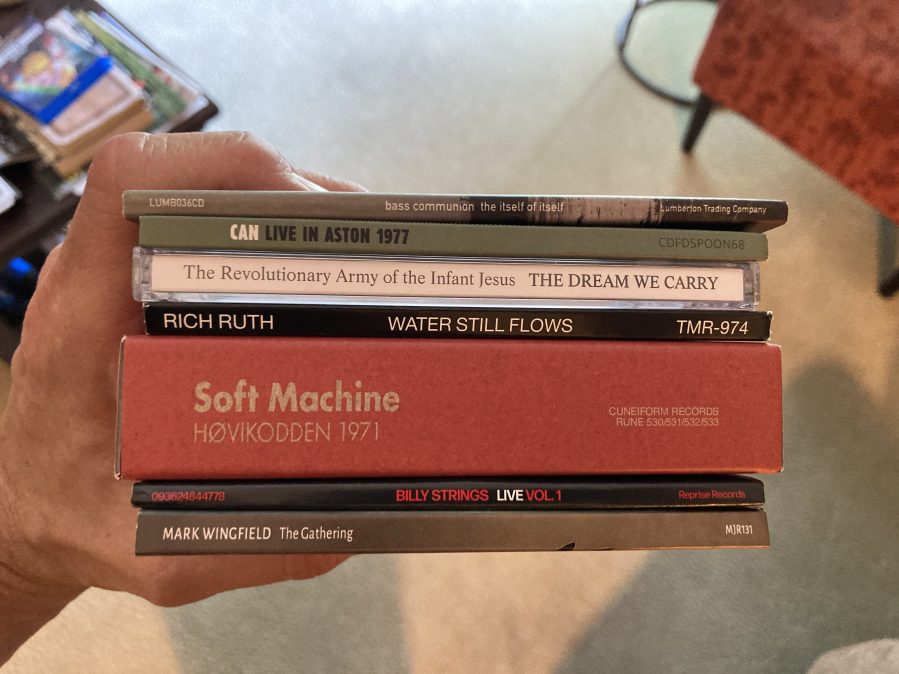
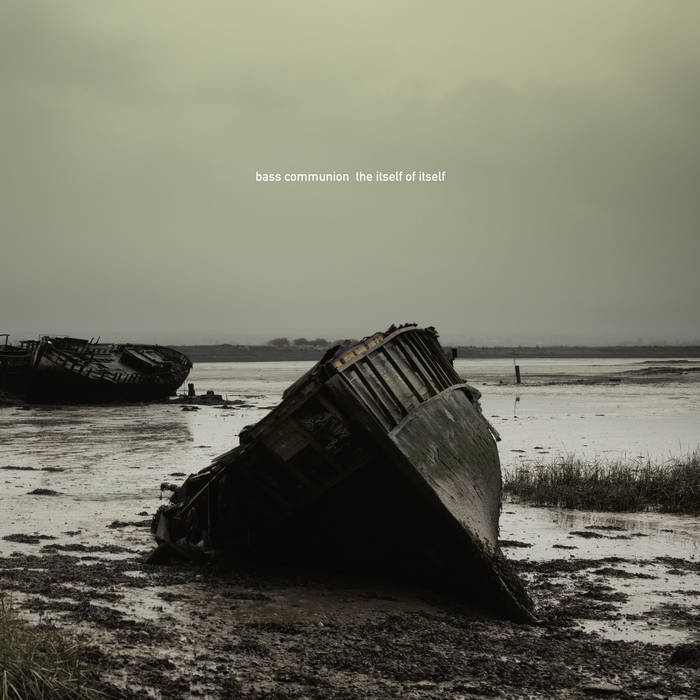
Bass Communion, The Itself of Itself: We can’t say Steven Wilson doesn’t warn us on the album sleeve: “audio artefacts and noise such as tape hiss, wow and flutter, vinyl crackle, distortion and earth hum are (probably) deliberate.” Delving into his longstanding experimental/electronic doom-drone persona, Wilson once again abandons melody and rhythm to slap down raw sonic textures and grind them together across extended time spans. The results range from arresting (the relentless build of horror-soundtrack opener “Unperson”, the uneasy, alarming stasis of the title piece) to utterly forgettable (when my dehumidifier kicked in during “Study for Tape Hiss and Other Artefacts”, I really thought it was part of the track). Am I finally sussing out (as some have theorized) Wilson’s extended con of the prog world? Getting a sneak peek of his 2025 solo album The Overview? Or hearing the latest from an artist who just does whatever he wants and doesn’t particularly care how possessive fans get about him? I’m a diehard Wilson fan, but when it comes to Bass Communion, your guess as to his motivation is probably as good as mine. (Order the CD from Burning Shed here.)

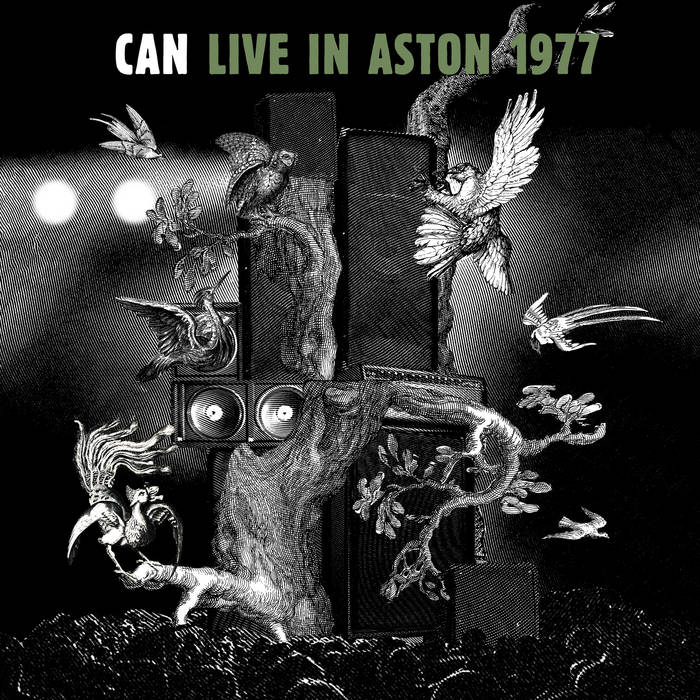
Can, Live in Aston 1977: Krautrock’s most thoroughly improvisational outfit got thoroughly funky in the late ’70s, courtesy of Rosko Gee, Jamaican bassist of no mean ability. With Gee powering the beat and previous bassist Holger Czukay dialing up snippets from shortwave radio and tape libraries, this version of Can is rhythmically tighter and tonally looser at the same time. That means Michael Karoli has more room to howl on guitar, Irmin Schmidt can conjure thicker clouds and launch edgier thunderbolts from his keyboards, and drummer Jaki Liebezeit can drill down into his unstoppable, drily metronomic groove. The clangorous solo section of “Drei” (enticing in its ambiguity – who’s playing this crazy thing that sounds like a bell choir in hyperdrive?) and the insistent, stonking, organ-led groove of “Vier” are high points. A solid addition to this fine archival series of vintage concerts.

The Revolutionary Army of the Infant Jesus, The Dream We Carry: RAIJ’s 2020 effort Songs of Yearning was my Top Favorite album of that strange year; I called it “a sacramental transmission from, then to, the heart of creation.” The Liverpool “experimental arthouse collective” has reduced its core personnel and pared back its weirdness ever so slightly, but their inviting mélange of reflection and insistence, sacred and profane persist. Jesse Main’s vocals and Eliza Carew’s cello gracefully arc over Paul Boyce and Leslie Hampson’s lush instrumental backing; on multi-track suites like “Les Fils des Etoiles” through “Object of Desire”, fragments of multilingual poems, songs and spoken word rise from nowhere, become incarnate, declare their tidings, then disappear into a wistful bed of chamber and orchestral tone color. Like RAIJ’s entire catalog, The Dream We Carry testifies to mystery tucked within the mundane, exemplified by album ender “The Song of Wandering Aengus”; it’s an eloquent yet elusive invitation to encounter the Spirit active at the heart of the fields we know.

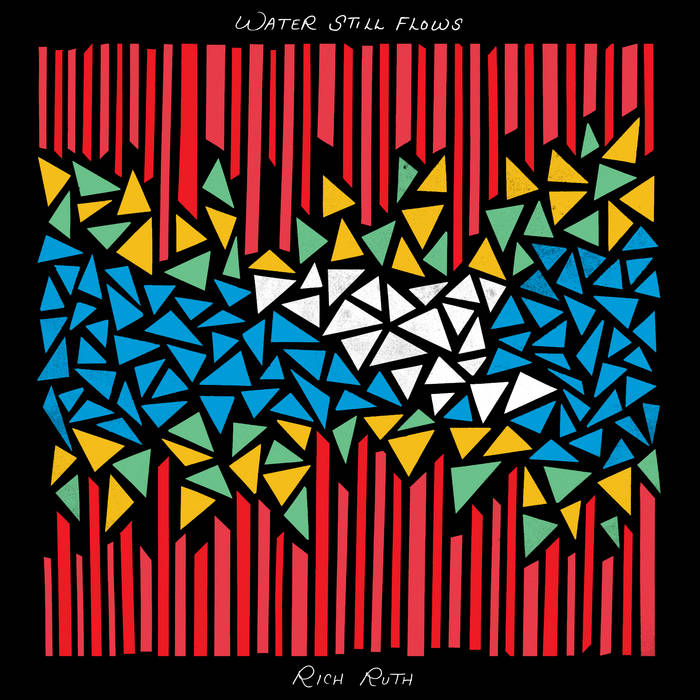
Rich Ruth, Water Still Flows: Reviewing 2022’s I Survived, It’s Over, my thumbnail sketch of Nashville guitarist Rich Ruth pointed to him as RAIJ’s American counterpart — but on the evidence of his latest, that assessment sells him short. For Water Still Flows, Ruth adds massive slabs of dark metal riffage to his already potent mix of cosmic ambience, celebratory spiritual jazz, and slow-crawling post-rock. Opener “Action at a Distance” feels like a heftier “Won’t Get Fooled Again”; marauding power chords choke off the luxuriant strings of “God Won’t Speak”; the blissful comedown of “Somewhere in Time” sticks a soft landing after the devastating climax of “Aspiring to the Sky”. With an eclectic ensemble of sax, harp, and pedal steel plus Ruth’s frenetic axework anchored by Reuben Gingrich’s crashing drums, this album is a mighty, impeccably shaped tone poem that once again journeys through pain and catastrophe to refreshment and renewal. (Order the LP or CD from Third Man Records here.)

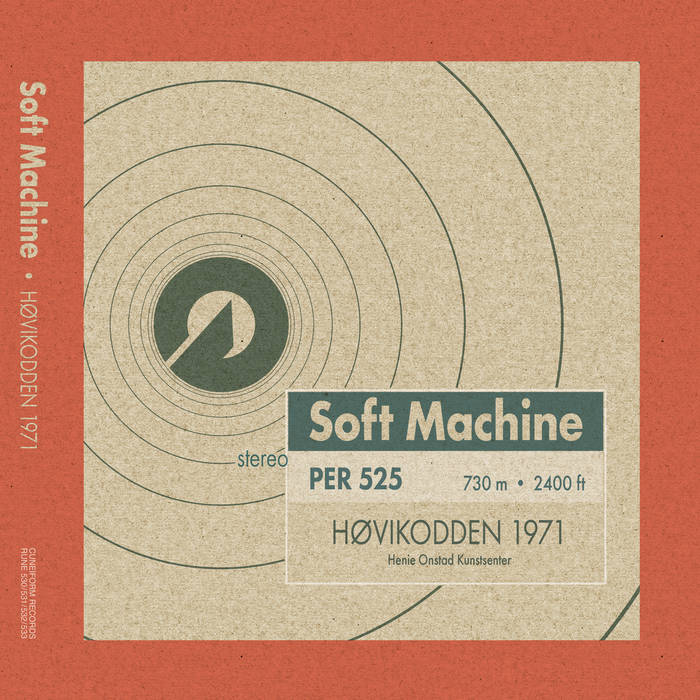
Soft Machine, H​ø​vikodden 1971: The seminal British jazz-rock band at its creative peak, recorded over two nights at a Norwegian arts center. At each show, Mike Ratledge’s inimitable fuzz organ takes command; multi-saxist Elton Dean lets loose with an unending stream of raucous Coltrane licks; Hugh Hopper’s bass swarms, clambers and climbs, refusing to stay on the low end; Robert Wyatt’s limber drumming seethes, weaving through the tonal murk at will. Sometimes locking together in breathtaking unison, sometimes scattering to widely separated corners, the Softs approach classic material like “Facelift”, “Fletcher’s Blend” and “Out-Bloody-Rageous” from vastly different perspectives at different shows; the first night is a anarchic fireworks display, gobsmacking in its sweep, while the second night channels the quartet’s energy into a thrilling, thrusting sense of unified drive (albeit with laid back interludes). There’s tons of live Soft Machine available, but this newly released box set is a genuine high point of their already formidable discography.

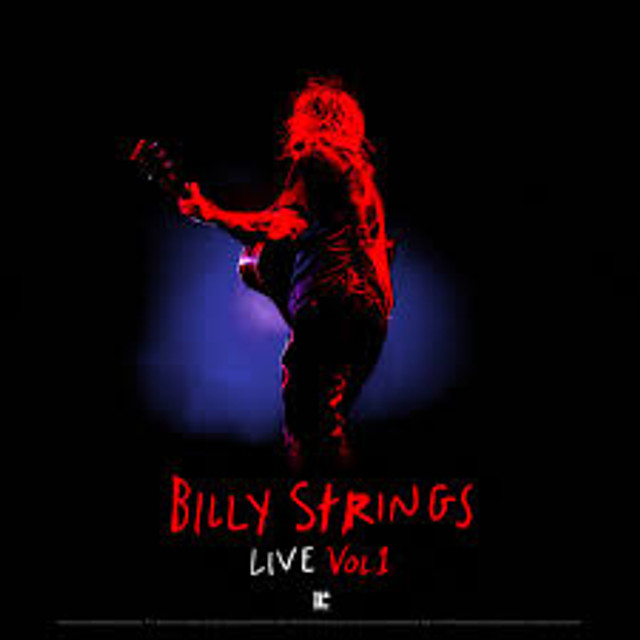
Billy Strings, Live Vol. 1: I’ve gotta admit, I’m late to the party here; before a recent sojourn in Nashville and a resulting reacquaintance with all things Americana, I had missed out on the mightiest musician to hail from Michigan in a long, long time. Strings is, without a doubt, the real deal: a virtuoso guitarist, a first-rate singer and a songwriter who’s already shown signs of true, durable greatness. On his first live release, he and his band turn gritty evocations of small-town vice (“Dust in a Baggie,” “Turmoil and Tinfoil”) and poetic contemplations of the bigger picture (“Long Forgotten Dream”, “Fire Line/Reuben’s Train”) into unabashed, dynamic bluegrass brilliance, stirring in proggy interplay and psychedelic seasoning, stretching out their jams for maximum tension and impact, but with nary a wasted note or a thoughtless lick. This is an absolutely smashing major label debut, a snapshot of a phenomenon in perpetual motion, the music grounded in Strings’ heart as well as his fearsome chops, and already on my Favorites list for this year. (Strings’ next studio album, Highway Prayers, has just been announced for a September 27 release.)

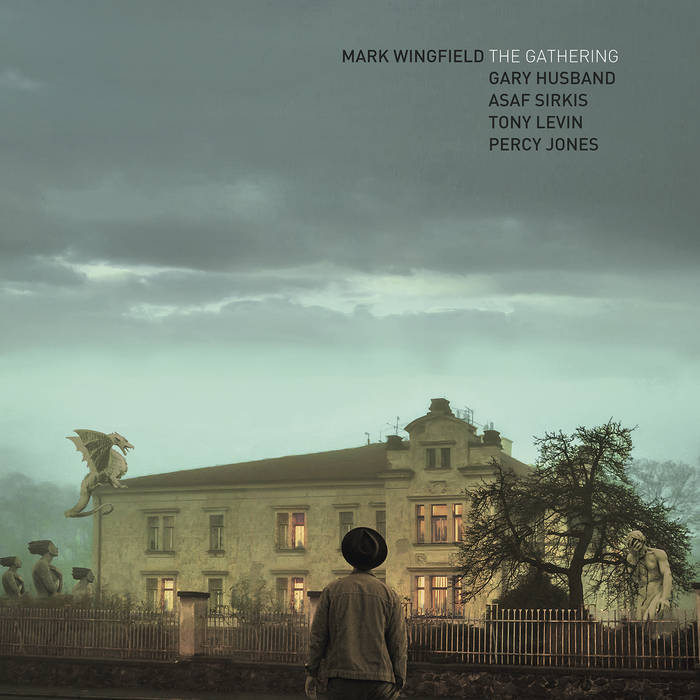
Mark Wingfield, The Gathering: Nightmarish complications severely curtailed MoonJune Records’ ability to sell this beauty on CD — which is a shame, because it may be British fusionist Wingfield’s most accomplished and focused effort to date. Languorous, enticing compositions like “Apparition in the Vaults”, “A Fleeting Glance” and “Cinnamon Bird” consistently take flight here: Wingfield’s guitar traces ecstatic melodic parabolas and sparse changes; Gary Husband colors the soundscape with juicy pads, inspired atmospheres and choice accents on piano and synth; Asaf Sirkis lays down a spacious, unshakeable polyrhythmic grid to propel things forward. What makes this even more of a killer session is the overdubbed bass contributions of King Crimson’s Tony Levin (focusing on active, rich-toned counterpoint) and Brand X’s Percy Jones (bubbling under with his unique tone and angular comping). It’s daring and delightful from start to finish, as an all-star lineup of truly great players work with total concentration and dedication, and make this sophisticated yet accessible music their own.

— Rick Krueger
Rick’s Quick Takes for Summer – Part One

Unless otherwise noted, title links are typically to Bandcamp for streaming and purchasing, or to Spotify for streaming with a additional purchase link where available.

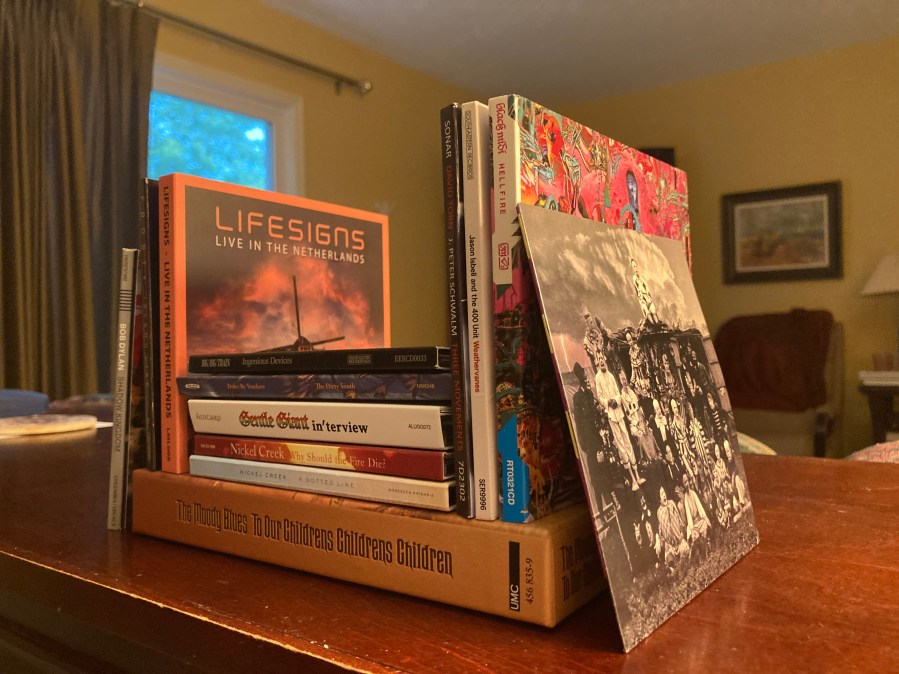
Starting with an obvious choice around these parts: Ingenious Devices proves a winning Big Big Train compilation, featuring Greg Spawton’s life-enhancing explorations of humanity’s drive to expand its reach. Vividly orchestrated reworkings of “East Coast Racer” and “Brooklands” join a remix of Grand Tour’s “Voyager” and a stirring live take of “Atlantic Cable” featuring new lead singer Alberto Bravin; the result is a fresh, vital, thoroughly moving suite of prog epics. Recommended without hesitation!

Southern rockers Drive-By Truckers have also reached back — fleshing out their classic 2004 effort as The Complete Dirty South, the double album they originally conceived. Triple-threat guitarist/songwriters Patterson Hood, Mike Cooley and Jason Isbell reel off tale after compelling tale of characters caught in desperate circumstances, torn between bad choices, clinging to vagrant hopes. Their rampaging hard-rock energy, seasoned with delicate country soul balladry, is what elevates the whole concept beyond haunted fatalism to an intense meditation on courage in the face of overwhelming odds. (Having left the DBTs in 2007, Jason Isbell continues to go from strength to strength. His brand-new effort with The 400 Unit, Weathervanes, brings tons of sharp writing and fiery playing to a clutch of deeply empathetic Americana narratives, topped with irresistible choruses and just a pinch of classic rock a la Bruce, The Byrds and Neil Young. Whatever your take on country music, you really shouldn’t miss either of these.)

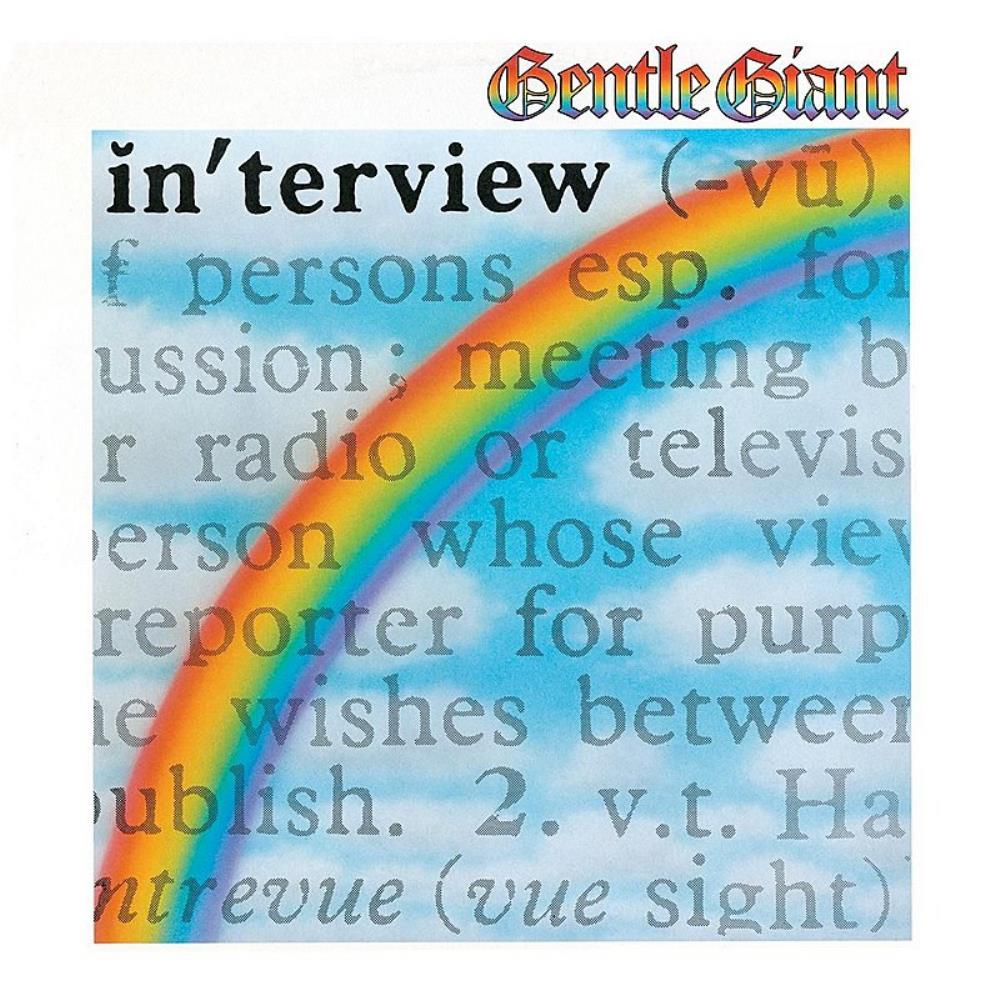
Also on the reissue front, Gentle Giant’s 1976 effort Interview now has a spruced-up, punchy remix from Steven Wilson (available here) that breezily clarifies the British quintet’s counterpoint vocals (“Design”), interweaving instrumental lines (the title track, frenetically funky closer “I Lost My Head”) and multistylistic hijinks (the unanticipated reggae chorus of “Give It Back”). The Moody Blues’ second release of 1969, To Our Children’s Children’s Children, becomes their third vintage set to get the multi-disc box treatment – though it’s only available digitally in the US. While the album proper leans toward studio psychedelia laced with wispy slow-dance tunes and the odd cabaret flourish, the bonus live tracks (including a complete set from the Royal Albert Hall) reveal the Moodies as quite the stomping rock outfit, slipping the leash on the album’s single “Gypsy,” the encore “Ride My Seesaw” and core tracks from Days of Future Passed.

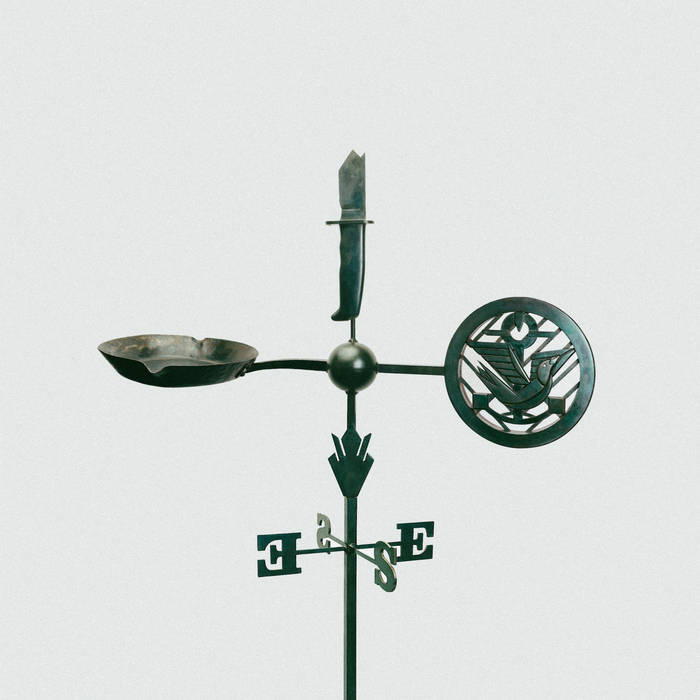
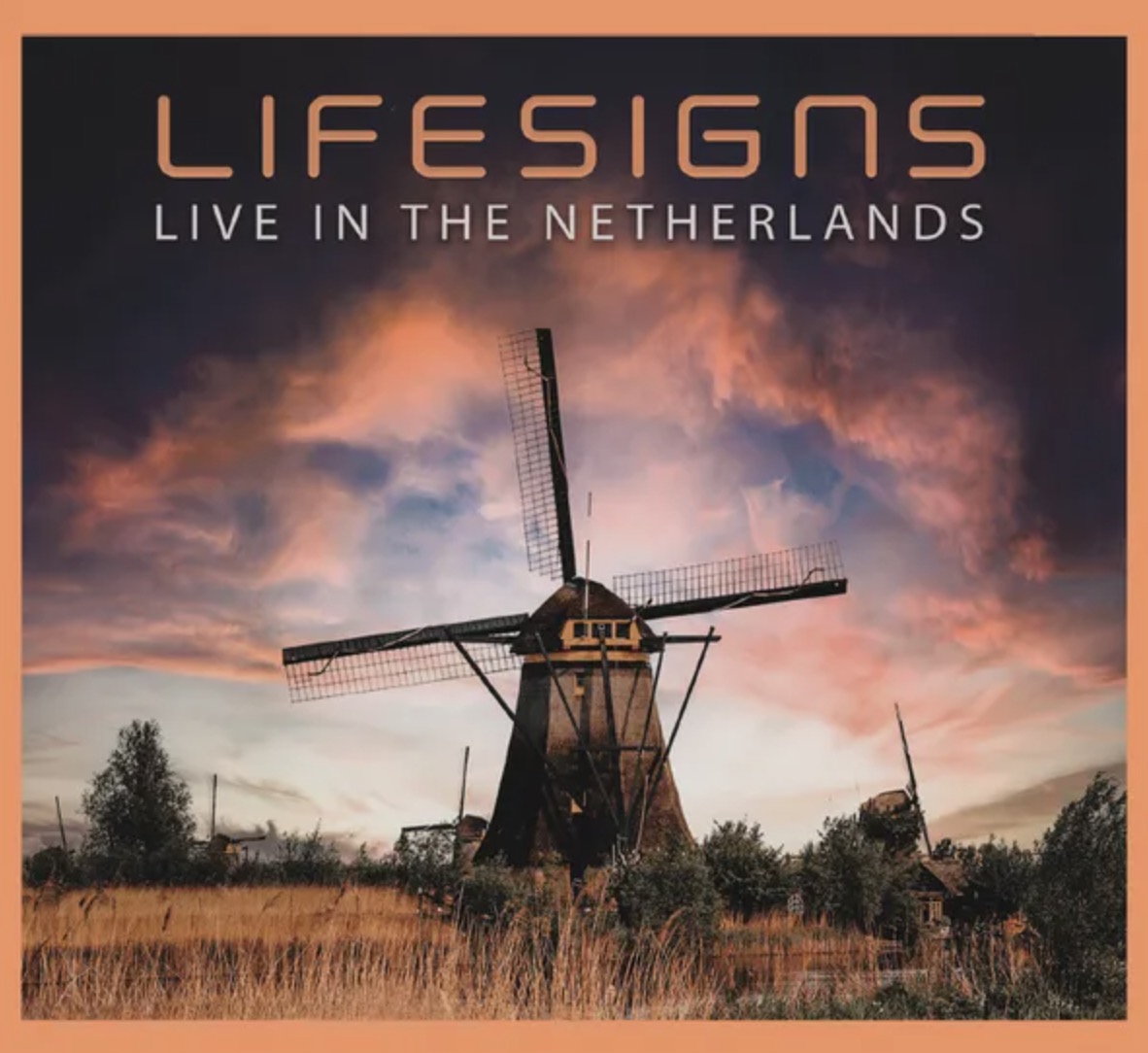
Live releases have picked up again as well. For their concert video debut Island Live (available through Magenta’s Tigermoth label), Jem Godfrey’s tech-forward quartet Frost* reap a whirlwind harvest of monumentally proportioned prog. With bassist Nathan King and drummer Craig Blundell anchoring the jumpy polyrhythms, guitarist John Mitchell and keyboardist Godfrey eagerly splatter as many unhinged solos as possible across devilishly ingenious harmonic structures, singing their hearts out all the while. (Check out a video sample here.) Prefer calmer (though no less extended) sonic voyages? Lifesigns’ Live in the Netherlands should be just the ticket. Leaning on the music from 2021’s Altitude, keyboardist/composer John Young and guitarist Dave Bainbridge prove steady hands on the wheel, soothing the soul as they scale the majestic heights of “Open Skies,” “Ivory Tower” and “Last One Home”. (One other winner from outside the genre: for a 2021 COVID-time video, Bob Dylan fused his recent rummagings amongst the blues and pre-rock vocal stylings to revitalize his vintage repertoire. The unplugged sorta-soundtrack Shadow Kingdom is the winning result; order it here.)

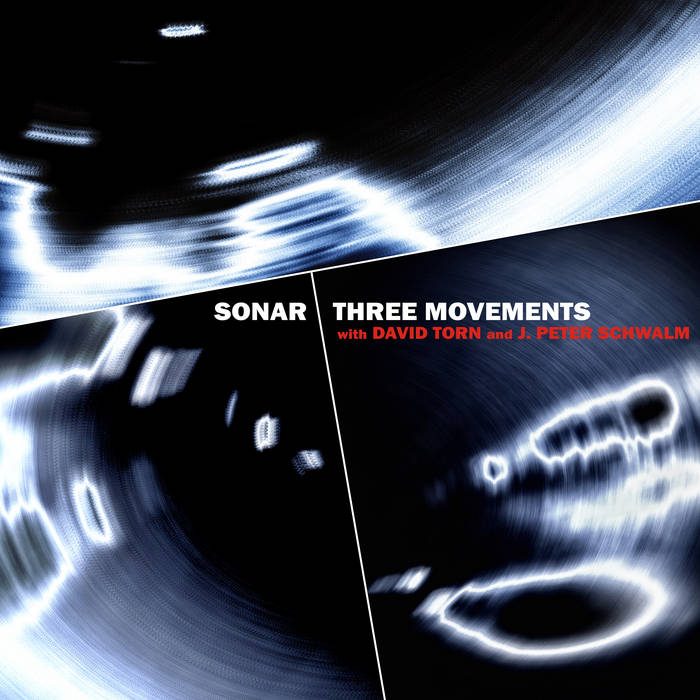
Speaking of concerts, my prep for a recent show by British “post-Brexitcore” bashers black midi included their latest album Hellfire, which hit plenty of 2022 best-of lists in and out of the prog world. A detailed live review is forthcoming; suffice to say that on record, bm’s dense, anarchic musical interaction tracks all too well with their jaundiced first-person lyrical vignettes — it’s postmodern life as absurd, unstoppable apocalypse. A welcome bonus from that concert was meeting Mike Potter, Renaissance man of the Eastern Seaboard — astrophysicist, former recording studio owner and a whiz on keys, woodwinds and vocals too! Potter’s band Alakazam has just released their fourth disc, Carnival Dawnit’s a heady conceptual effort that stirs equal parts Ray Bradbury and Stephen King into a bubbling stew garnished with ominous Mellotron, creepy clarinet and saxophone, and the wondrously deranged verbal musings of sundry evil clowns. By the pricking of my thumbs, it’s worth a listen — if you dare. And for a coolly energizing dose of order to chase the above chaos, you won’t do better than Sonar’s new Three Movements. Here Stephen Thelen and company harness a genuinely symphonic tension, building up towering rhythmic edifices that reach dizzying heights; at the climaxes, as guests David Torn on guitar and J. Peter Schwalm on electronics launch volley after volley of improvised ambience, the tension breaks, the clouds clear, and you might just hear the music of the spheres!

P.S.: in the aftermath of last month’s Nickel Creek concert, I’ve continued to delight in their back catalog. In addition to this year’s brilliant Celebrants, I especially recommend the final effort from their original run, 2005’s sprawingly eclectic Why Should the Fire Die?, and their tightly focused 2014 reunion, A Dotted Line. (Buy Nickel Creek CDs here.)

— Rick Krueger
The Unexpected Religious, Psychedelic Rock of The Electric Prunes

The title alone may have made you unsure if this is the kind of music for you or weary of any music put out by these apparent galvanic fruits. However, I’m here to tell you that The Electric Prunes have some incredibly notable psychedelic rock opera songs that will quite literally bring you closer to the Heavens. The Electric Prunes are better known for their consistent and classic ’60s rock ‘n’ roll sound; “I Had Too Much To Dream Last Night” is a great example of this through the band’s garage punk vibe. “Onie” is another certified ’60s classic from the group, and a personal favorite of mine because of its iconic, delicate, and melancholic sound.

However, through the name of The Electric Prunes, composer David Axelrod created some of the most unique, spiritual, and coolest psychedelic rock. The songs I’ll be covering are from an EP and album that were sort of unnecessary, but intentional additions to the discography of The Electric Prunes. Personally, I think they are fascinating creations by Axelrod and worthy of praise by fans of psych. The following songs consist of delectable and extraordinary blends of R&B, rock, psychedelica, Gregorian music, soul, and jazz. So, get ready for a spiritual awakening of sorts.

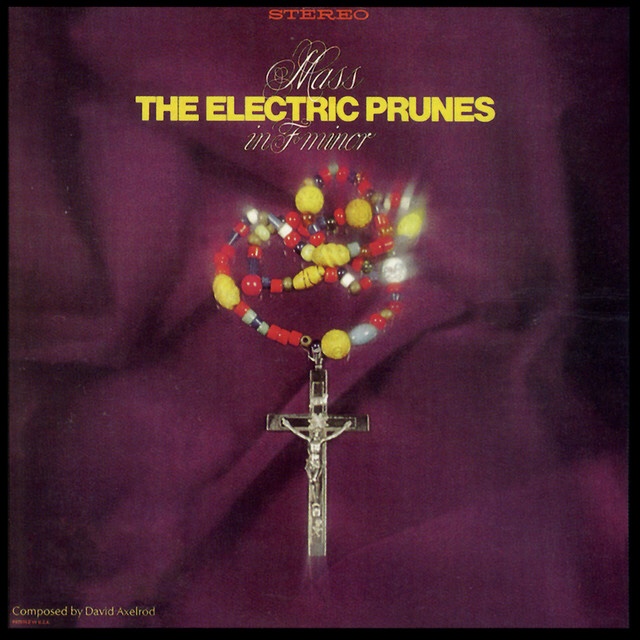
Mass in F Minor was the EP that started this short, but very interesting phase for the band. It consists of six tracks which are entirely sung in Latin, and is almost thirty minutes of a psychedelic mass. What you’ll notice throughout the songs is the authenticity of Gregorian chant and its use of what is known as “stepwise motion”. Stepwise motion is when each note in a melody moves up or down a single note. It creates this singular and uniform sound, making this EP a respectable piece to this medieval craft. In addition, drummer Michael Weakly stabilizes a jazzy feel by holding all of the other musicians’ instrumental parts together. Interestingly enough, this release was sort of the start of the decline of The Electric Prunes due to their inability to keep up with their producer David Hassinger’s demands for the EP. The band played on every track, however, session musicians were brought in and, in a sense, took over the project. As unfortunate as this was for the band members, some great music was created. David Axelrod is really the genius behind this concept and why it works so well; he wrote and arranged everything. Axelrod’s style shines brightly throughout, creating such a solid set of confident and holistic tracks. Stripping it down to the basics: the blend of the vocals, electric guitar, drums, bass, and organ form this cadence that really itches the part of my brain that adores the aesthetics of the past.

Cover art for Mass in F minor EP

The opening track: “Kyrie Eleison”, better known from cult classic film Easy Rider, is sung boldly and outspokenly by lead singer James Lowe. I think Lowe did a great job on all the tracks—he really added so much mystique and graveness. There’s a point in the song when Lowe’s vocals are isolated. You really get immersed in it all because he truly sounds like a man of religious order, strongly citing a sacred chant for a congregation to hear. This song, along with the others, have a signature ’60s rock sound mixed with music that goes back hundreds of years. Without his superb vocals, I would not be transported to a daydream of ancient ceremony and royal garbs. The simple guitar riff and drum combo as soon as the song starts is cool and collected. The guitar reverb is essential in creating that dreamy, psychedelic effect. Every time I hear it, I can’t help but sway. Another cool thing in the song is this brief guitar rendition of the song “My Favorite Things.” Guitarist Ken Williams plays this demented version of it for just a few seconds towards the end of the song.

The song “Credo” is my favorite example of the use of stepwise motion. The song starts off pretty regular and then it jumps to this faster pace cadence with Lowe’s vocals leading a fleet of instruments. It is only a small portion of the song, but it is so catchy. Lowe is surfing off that singular melody with a massive wave of instruments behind him. The rest of the song is pure instrumental rock ‘n’ roll with subtle trickles of allure.

My personal favorite song is the last one off the EP titled “Agnus Dei”. This song starts and ends with so much confidence. I can see David Axelrod’s vision so clearly with how he arranged and directed this piece. This song does not quiver or feel unsure of itself, but instead almost stands on its own as this beautifully written piece. The fusion of stringed instruments and electric guitar blend with grand conviction. In the beginning, Lowe sings the title of the song and after a momentary pause the stringed instruments emerge gracefully. Then, the rock ‘n’ roll begins: Weakly starts things off with a simple groove, and then, the iconic, echoing reverb of the electric guitar takes over. The unification of the orchestra and rock is one of my favorite parts of the song. I can’t help but get lost in the music. Midway through is this instrumental tunnel the musicians take you into. It’s Williams’ guitar and the strings surfing through this cosmic echo chamber that I never want to leave. Ultimately, this song is solid throughout and unwavering.

Listen to “Agnus Dei”—my favorite song from this EP

Not too long after Mass in F minor, their next album, Release of an Oath was released. It is the same concept as its predecessor with its religious undertones intertwined with rock and jazz fusions. This album is centered more around R&B type tunes and is sung entirely in English. At this point, the original Electric Prunes had disbanded. The musicians playing on this album are an entirely new set of people. It was kind of sad to learn that this was not the original band nor was it done in the true spirit of The Electric Prunes, however, some truly unique music was born in the process; there is no doubt about that. Just like the previous release, Axelrod created a solid set of songs that matched one another very nicely. The instrumentals are an easy listen for all fans of psych, so it’s a no brainer to check this album out. My favorite parts of this album are the drums and keyboard.

David Axelrod, the man behind Mass in F minor and Release of an Oath

“Holy Are You” is the most recognized song from the album, and rightfully so, because this song is absolutely timeless. The beginning, middle, and end take you on this beautifully mastered journey. Within the first minute of the song we go from a simple keyboard and vocal combo to a groovy R&B beat. The percussion in this track is incredible. It is no wonder this song has been sampled many times by Rap and Hip-Hop artists. (Sidenote, “Respect Mine” by Fat Joe is a perfect example of a great song that sampled “Holy Are You”). Drummers, Earl Palmer, Gary Coleman, and Richard Whetstone elevate the song entirely and are the reason the song is such a contemporary tour de force, in my opinion. With every groove and fill carrying the song to mastery, I can’t help but dance and sing along every time I hear it. A part I really love from the song is when you can hear the percussion, flute, bass, and keyboard create this enchanting jam. The keyboard adds this delightful twinkling sound to the mix that just whisks the listener away into an instrumental dream. And, of course, the insanely awesome guitar solo is another notable feat. Every note and every instrument in this song feels absolutely necessary and purposeful. I can not stress this enough: the unity of the orchestra, R&B, and electric guitar are perfect. This song is simply fantastic and is truly an example of Axelrod’s best.

Listen to this legendary R&B song “Holy Are You” by The Electric Prunes

The other song I want to briefly cover from this album is “Closing Hymn”. As you can tell from the title of the song, it is the final one on the album. I really enjoy the repetition in this track and the tune overall. Again, you have this killer drum beat that holds everything together and makes you want to dance along. Despite being such a simple note change from up to down and vice versa, keyboard Don Randi performs a wistful lulling effect through this. The dreamlike sound of the notes brushes you softly like the touch of flower petals and the subtle reverberation in the ending of the notes are a hollow, ethereal echo. It is such a pretty song and a great close to the album.

I learned a lot while writing this review, but I’m most excited about hearing more of David Axelrod’s works. I listened to a few of his solo works and I have to say I think I found another style of music that deeply resonates with me. He does such a great job blending genres together like I’ve never heard before. Even though this psychedelic gospel wasn’t what the original Electric Prunes had in mind, some truly special melodies were made in the process. David Axelrod did good in the name of The Electric Prunes. Thank you to all the musicians involved in these pieces and thank you for reading.

A huge thank you to The Electric Prunes website for all of this amazing information: http://www.electricprunes.com/

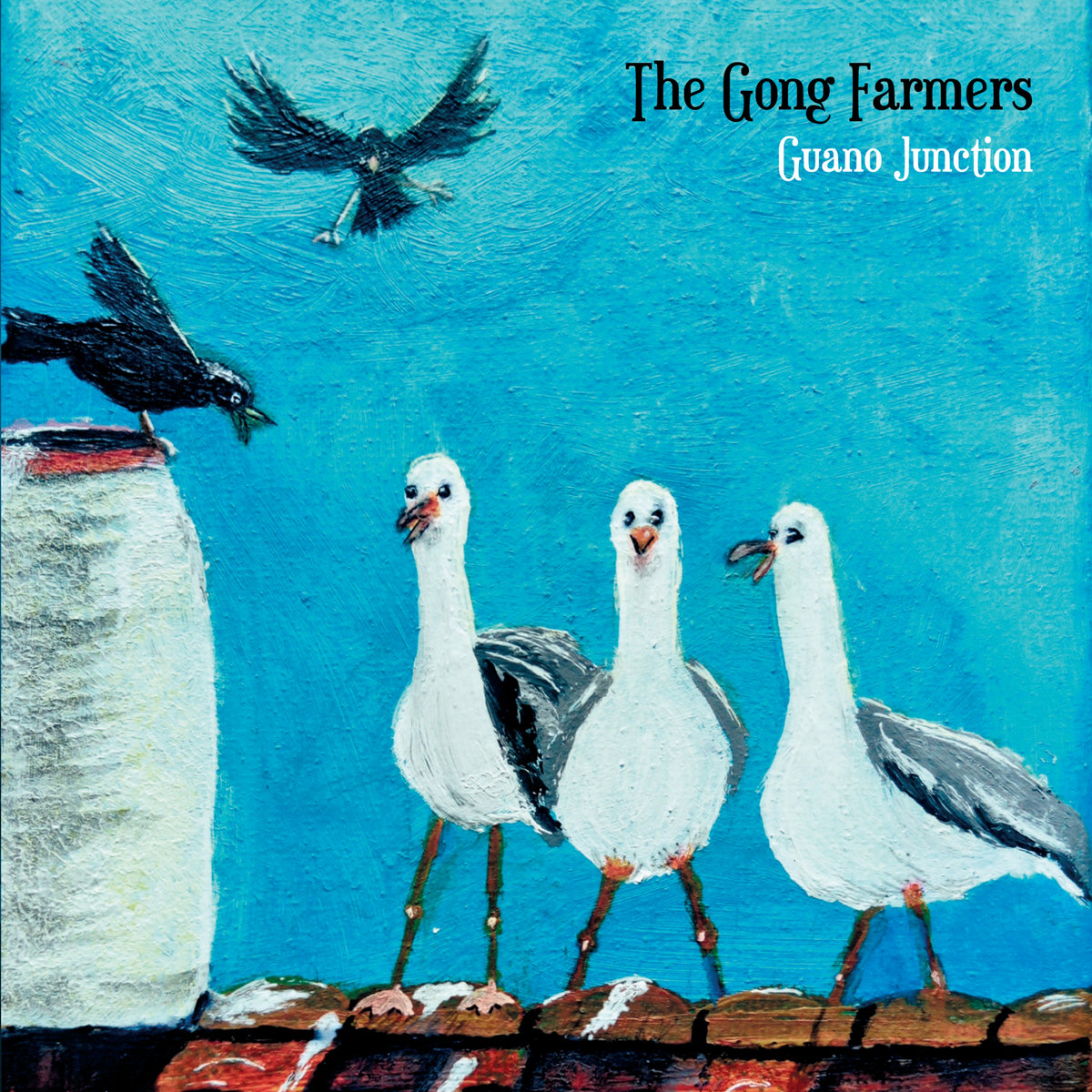
Cleaning the Outhouse: The Gong Farmers’ “Guano Junction”

The Gong Farmers -The Gong Farmers, Guano Junction, Spaceward Records, November 5, 2021
Tracks: As Sunlight Falls 1 (2:26), Drive (6:14), Pip, Squeak and Wilfred 1 (3:56), Guano Junction 3 (2:43), Evergreen (4:24), As Sunlight Falls 2 (2:42), Vista de Toledo (3:22), Guano Junction 2 (3:52), Wednesday Afternoon (4:42), SHAVE! (1:41), Winter Hill (3:32), Dark Skies (4:19), Pip, Squeak and Wilfred 2 (3:28)

I have to start off this review talking about the best band name I’ve heard in a while. Before today I was blissfully unaware of what a gong farmer was, having not heard the term before receiving this CD for review. It’s kind of funny, actually, considering one of my main focuses as a history major in undergrad was early modern Europe, but there’s always more to learn. I looked it up, and a gong farmer was someone in Tudor England tasked with cleaning excrement from outhouses. While that might lead you to believe that Guano Junction is a steaming pile of… gong, nothing could be further from the truth. The album is quite good, with a mature sound and a delightful array of influences.

The Gong Farmers

The Gong Farmers are primarily Mark Graham (vocals, synthesizers) and Andrew Keeling (classical guitar, flute, piano, organ), but they are joined by a very talented cast of supporting musicians, including David Jackson, the saxophonist for Van Der Graaf Generator. Here’s a list of everyone else who played on the album:

  • Alex Che (vocals, synthesizers)
  • Cliff Hewitt (drums, percussion)
  • René van Commenée (drums, percussion)
  • Ricardo Odriozola (violins)
  • Ben Keeling (electric guitar)
  • Martin Walker (electric guitar)
  • Brian Taylor (electric guitar and textures)
  • Noko 440 (viola and string arrangements)

The array of musicians should give you a hint of the variety found in their music, which bears elements of 1960s psychedelic rock (could be why they are on a label called Spaceward Records). Their sound expands beyond that, though, incorporating electronic, symphonic, jazz, and, of course, prog elements.

“Pip, Squeak and Wilfred 1” and “Pip, Squeak and Wilfred 2” are my favorite tracks on the album. They simultaneously have a strong Moody Blues influence and a huge Muse influence. The vocal effects on the song really bring in the Muse sound, reminding me a lot of “Exogenesis,” the three part symphony that ends Muse’s brilliant 2009 album, Resistance. The lyrics on these two tracks are short and simple, but they make you think.

Today I found my father’s medals in a drawer
And I thought of all the sacrifice,
All the sufferings of war

As you can see from the tracklisting, these songs are on the shorter side. They work together to form a cohesive sound, although the songs stand by themselves. “SHAVE!” is a strange track, being more a collection of various sounds and textures, which would be the psychedelic side of things. I suppose it reminds me a bit of the beginning of “The Waiting Room” off Genesis’ The Lamb Lies Down on Broadway. Speaking of Genesis, the inclusion of flute throughout Guano Junction reminds me a bit of them, although “Guano Junction 3” also has some Jethro Tull to it.

Classical guitar plays a fairly prominent role on the album. At times it reminds me of some of Steve Hackett’s more recent solo work. “Evergreen,” for instance, has that world and classical influence, although I hear some Muse-style sounds towards the end. The gentle and melancholic Spanish-style guitar on “Vista de Toledo” has a very warm and contemplative feel. Lyrically the track is a love song reflecting on lovers apart from each other. The melancholy in the music reflects those lyrics rather well.

“Dark Skies” has a sparse Floydian guitar solo that is played over simple plucked strings with vocal effects swirling around. It’s a simple way to frame a guitar solo, but it works in the context of The Gong Farmers’ music.

For me “Pip, Squeak and Wilfred” parts 1 and 2 are worth the price of admission. They stand out on the album with a compelling symphonic melody and atmospheric vocal effects that take you to another dimension. The flute playing in the background makes it that much better. If you listen to anything off this album, make it those two tracks. But do yourself a favor and check out the rest of the record while you’re at it. It has a compelling blend of psychedelic spaciness with symphonic overtones.

https://thegongfarmers.bandcamp.com/releases
https://www.gong-farmers.co.uk
https://www.facebook.com/GongFarmers/

A Review On The Front Page Review

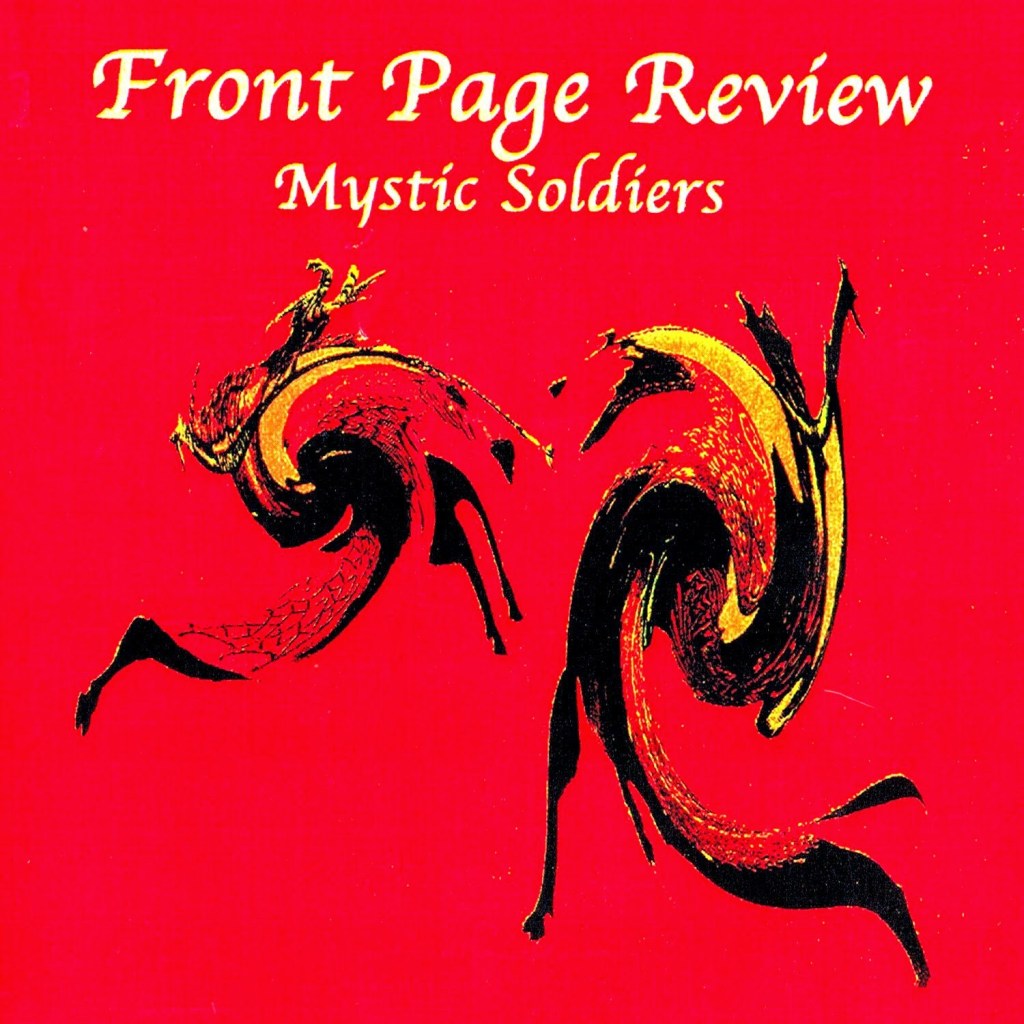
Front Page Review is the type of hidden gem that perfectly illustrates the vibrancy of ‘60s rock. They were a psychedelic, indie rock band that was part of the “Bosstown Sound.” The “Bosstown Sound” was a term used for New England bands that emerged from the San Francisco music scene. These bands were not taken seriously because they were perceived as only concerned with money and fame. The band never really gained popularity and their only album ever recorded, Mystic Soldiers, was not released until 30 years later. Steve Cataldo is the man behind this excellent album; he is the lead guitarist, singer, and songwriter. Each song is an audible display of Cataldo’s talent and hard work. He seemed to perfectly capture his own psychedelic and dreamy sound of the time. Every song off the album takes you on a musical quest, which makes the album so special.

Despite their lack of recognition and discography, Front Page Review’s Mystic Soldiers is worth hearing. This exquisite album is a must listen for all fans of ‘60s psychedelic rock. It will get you dancing and feeling groovy.

I first came across Front Page Review randomly. My Apple Music subscription offers a radio station that caters to the type of music I frequently listen to. My love for all types of ‘60s rock made it only sensible for Front Page Review to be recommended to me. The song titled Prophecies/Morning Blue was the first song I ever heard by the band. It was love at first listen. I knew that through the rough mix of the distorted sounds added to that first song off the album, I had found something worth listening to. Prophecies/Morning Blue opens up with some manipulated sounds of children playing in the background and ends with a swooping and loud swirl of pure, psychedelic goodness. Not to mention the smooth and clever change of rhythm in the middle of the song, which leads up to the peak: an illustrious organ playing done by Joseph Santangelo. Listening to that brief organ solo is a moment I could stay in forever— it gives me chills every time!

As I went through the album, I noticed how every song made me want to stop everything I was doing and just start dancing! The overall catchiness of the instrumentals in all of the songs took me by surprise—I was not used to hearing that consistently in one album.

I will briefly note three other songs off the album. The first song is titled Silver Children. This song is truly a ‘60s dream through Santangelo’s organ playing. It creates a sort of dazed and peaceful atmosphere, allowing the listener to get lost in it. This song feels like the warmth of the sun beaming down on your face on a spring day; all it can do is make you smile.

The next song is called Valley of Eyes. There is so much intensity in this song that it leaves you thinking about what exactly Steve is writing about. The obvious political undertones of this song are conjoined with powerful guitar playing and simple lyrics. When I hear this song it feels as though I am on a journey and I have reached an important part of it that can not be ignored. Valley of Eyes is an epically told quest to find answers because there is far too much violence in the world. The narrater is losing hope, but hopefully someone will listen.

I have saved my absolute favorite song for last. For the Best Offer is personally one of my favorite songs of all time. Cataldo’ s vocals on this song are beautiful! Not to mention the instrumental portion of the chorus. All of the instruments coming together in this song work together wonderfully to create this mysterious and, for lack of a better word, groovy tune. It hits the listener out of nowhere, a sudden burst of energy driven by a frenetic guitar. This song may first seem playful and trivial, but as it goes on, it puts its foot down and demands respect. This song has the best offer for your ears.

The short lived music endeavors from the Front Page Review will continue to live on for ‘60s music lovers. This album is such a treat that can not be resisted. I’d like to give a huge thank you to all the musicians involved in the making of it. It’s truly a lost treasure from the past.

Steve Cataldo: Singer/Songwriter, Guitar

Richard Bartlett: Guitar

David Weber: Drums

David Christiansen: Guitar

Thomas Belliveau: Bass

Joseph Santangelo: Organ, Piano

Continue reading “A Review On The Front Page Review”

Shining Pyramid’s Atmospheric Triumph

Shining Pyramid, Tree, December 29, 2020
Tracks: Transmitter C (9:18), Triskel (4:11), Campfire (3:03), Rain (4:58), Like Katriona (10:20), Weird Science (6:15), Joy? (5:32)

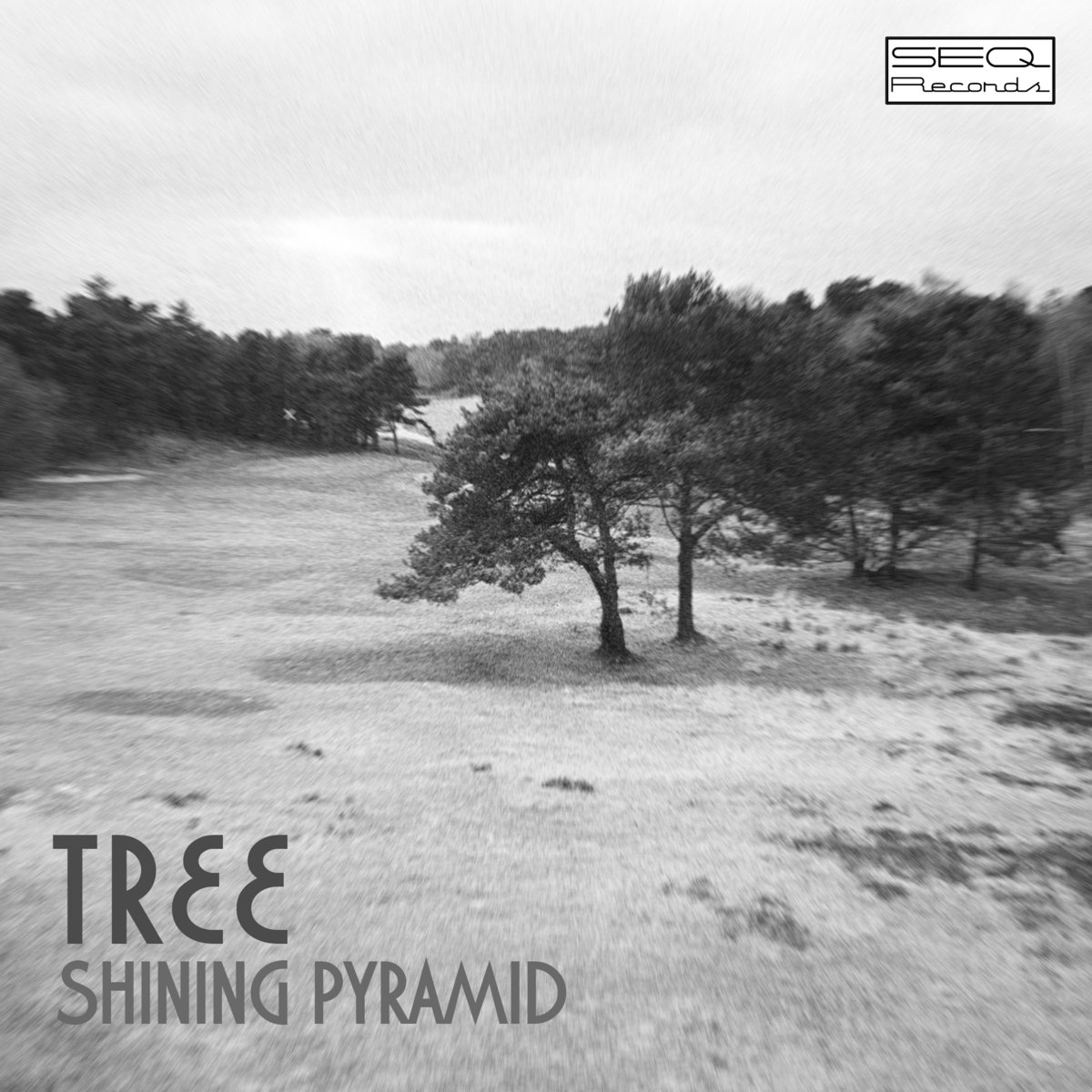
London’s Shining Pyramid released their third album back at the very end of December 2020. This follows 2015’s self-titled debut, loosely based on the 1895 Arthur Machen of the same name, and 2018’s Children of Stones. Their latest album, Tree, was my introduction to the band, as they generously sent me a CD to review. I was hooked from the opening electronic notes, which reminded me a little bit of Oak, who I seem to mention a lot around here. The duo is comprised of Nick Adams on guitars and Peter Jeal on keyboards. A page on their website offers a breakdown of the guitars and keyboards used on the album. I’m not a musician, but I found it interesting that Adams used such a wide array of guitars and basses on the record. They all sound wonderful.

Swirling synths set the stage on Tree, but the spacey guitar quickly steps into the spotlight, taking on a Floydian tone with a bit of the late Piotr Grudziński (Riverside) thrown in for good measure. It would be a mistake to describe this album as only ambient, or only atmospheric, electronic, or space rock. It contains elements of those things, but the guitar keeps the album rooted in rock territory, even if the album is on the sedate side of the rock spectrum. 

Shining Pyramid

Perhaps what I like most about Tree is the variety it contains, even though it’s only 44 minutes long. The opening track, “Transmitter C,” centers around a very spacey guitar with electronic synth sounds swirling around it. “Campfire” places an undistorted guitar seemingly just behind the bass in the mix, giving it a bit of a distant feel before the keyboards build and take the main spot in the mix. It isn’t particularly atmospheric. The next track, “Rain,” offers an ambient sound centered on a simple repeated piano refrain. That refrain, along with the bass, serves as a framework to support the varying synth sounds that keep the track interesting as it proceeds. Each track on the record sounds unique. They share common elements, but the band approach them in different ways. 

My favorite tracks are “Transmitter C” and “Like Katriona.” They’re both the longest songs on the album, allowing the music to build and grow. They also both feature a spacey Floydian guitar tone and appropriately proggy keyboards. These tracks sound the most musically focused and cohesive as well. A fun fact from their website: the ring of sound waves printed on the physical CD was taken from Adams’ guitar on “Like Katriona.” That’s a pretty cool little thing to throw into the physical product. 

I couldn’t help but feel a calming sense of peace when I listened to Tree with undivided attention. The music is calm and almost hypnotic at points. Frankly it was just what I needed. It gives you space to reflect, but it does so with interesting musical textures that make you want to return to it. For those into the atmospheric and ambient sides of prog, give Shining Pyramid a listen. They won’t disappoint. 

http://shiningpyramid.org
Bandcamp
Facebook
Twitter

In Concert: Todd Rundgren’s Clear Humanity

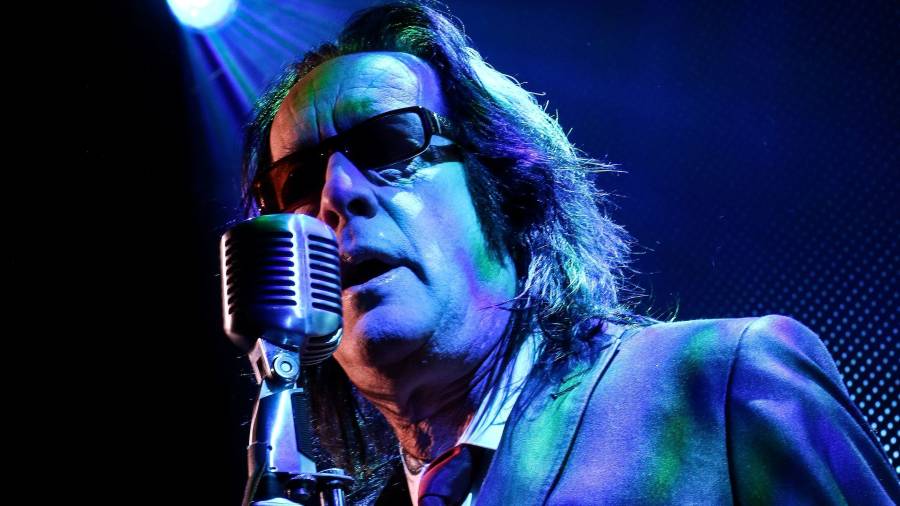
With multiple attempts at a 2020-21 tour yanked out from under him, Todd Rundgren has pulled a fresh concept out of his back pocket in turn. In lieu of a one-off worldwide livestream, Rundgren kicked off the “Clearly Human Virtual Tour” on February 14.

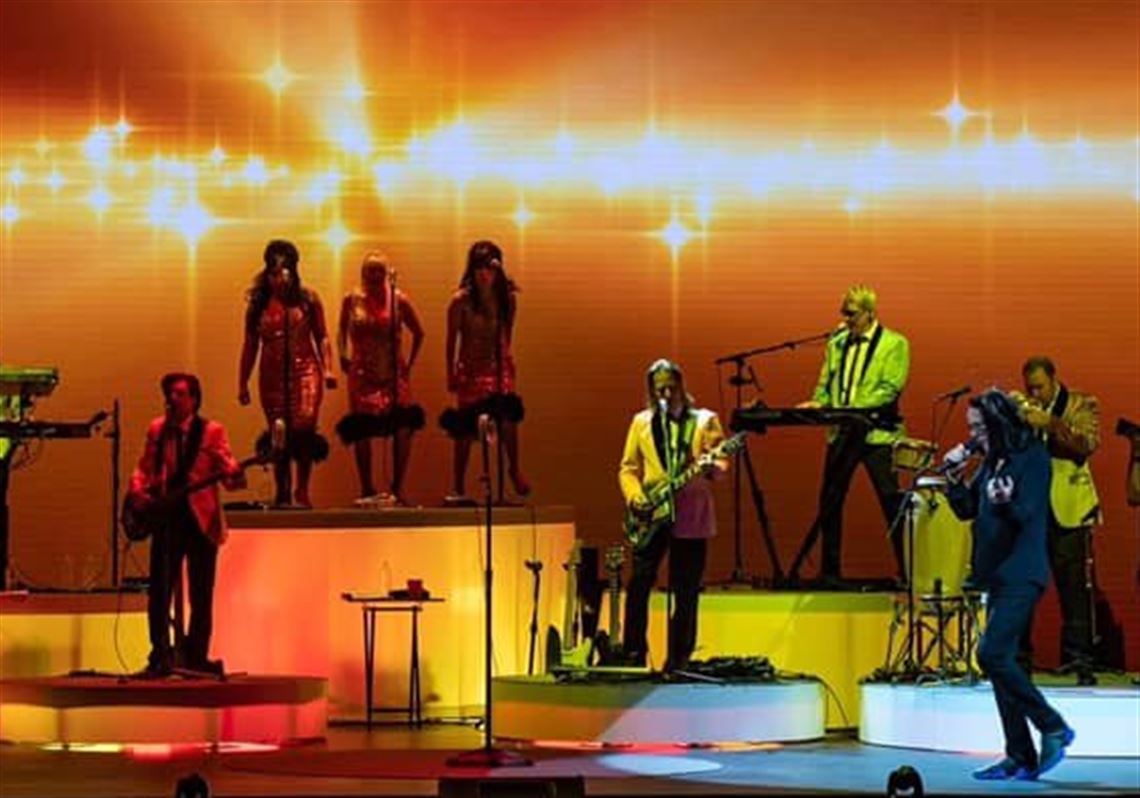
Sporting a setlist focused on the ambitious 1989 album Nearly Human, Rundgren and his 10-piece band (including bassist Kasim Sulton and synthesist Gil Assayas from the 2018 Utopia reunion tour) are now midway through a 25-date residency in Chicago; original talk of limiting each show’s streaming market via “geofencing” quickly gave way to a few visual and verbal nods to a different city each night. Intrigued, I ponied up $40 for February 25’s “Indianapolis” show; for more cash, you could control what camera angle you were seeing, order the usual merch, have your face projected onto video screens the band can see, or even attend in person (the last option subject to being one of 19 people to pay VIP prices, then pass a COVID test within 72 hours of the show).

It’s a great concept: cutting down overhead by staying in one place, Rundgren has added a horn section (Steven Stanley on trumpet and Nearly Human sax man Bobby Strickland), three backup singers (Nia Halvorson, Grace Yoo and Todd’s wife Michele), guitarist Bruce McDaniel and second keyboardist Elliot Lewis to his usual rhythm section of Sulton, Assayas and drummer Prairie Prince. The musical results all night were pretty marvelous, ranging from a smooth purr to a raucous roar, with lots of guts and grace to spare. Pin-sharp after two weeks with the material, the band eagerly powered through most of Nearly Human plus selected classics from the 1970s (the 10-part vocalese in “Can We Still Be Friends” was downright awe-inspiring), a few Utopia tunes and later R&B-inflected gems (with the precision funk of 2nd Wind’s “Love Science” and the slow burn of “God Said” from 2004’s Liars proving especially effective). Rundgren’s occasional forays into lead guitar on his iconic green instrument “Foamy” were spaced out for maximum impact; the rest of the time he stalked the lip of the stage, strutting his stuff while the players did their thing. His obvious delight in his “nebbish as soul man” persona was utterly endearing — and once he shucked his suit jacket to reveal a bit of a pot belly and comfy athletic shoes, you were in on the joke as well.

The only weak link, for this show at least, was Rundgren’s voice. His melodies, especially on his soul material, are fairly fearsome, multi-octave constructions; they require a sturdy vocal instrument, a comprehensive range, consistent breath support, and lots of stamina! On this night, Rundgren’s bottom and top were strong, but a little phlegmy and forced, and the midrange between the two was unsteady to the point of outright disappearance at times — including during the opener “Real Man”. (l’ve had to sing for numerous worship services or concerts with a dry throat, sinus congestion or a cold, and I think that’s what may have been going on. Take it from me, it ain’t much fun.) Previous reports have found Todd in great vocal form on this tour (and Cirdec Songs’ Cedric Hendrix reported that he was up to snuff for the next night’s show); hopefully, this was a one-time glitch that some rest — or maybe hot tea and honey — fixed! And in my book, Rundgren earned “show must go on” bonus points for his perseverance in difficult circumstances.

In short, Todd Rundgren’s come up with an enjoyable cure for the no-concert blues — one that, even on a bit of an off night, was highly effective, impressive and fun! If it’s been too long since you rocked out in your favorite venue, I recommend you check out the remaining livestream dates for the “Clearly Human Virtual Tour” at NoCap Shows.

— Rick Krueger
Setlist:

  • Real Man
  • Love of the Common Man
  • Secret Society (Utopia)
  • Something to Fall Back On
  • Parallel Lines
  • Unloved Children
  • Love in Action (Utopia)
  • Compassion
  • Can’t Stop Running
  • The Waiting Game
  • The Smell of Money
  • God Said
  • Love Science
  • Feel It
  • Sweet
  • Change Myself
  • Can We Still Be Friends
  • Lost Horizon
  • Rock Love (Utopia)
  • Hawking
  • The Want of a Nail
  • Hello It’s Me
  • I Love My Life
Jarrod Gosling and Cecilia Fage

Album Review: Cobalt Chapel’s “Orange Synthetic”

Cobalt Chapel, Orange Synthetic, Klove Recordings, January 29, 2021
Tracks: In Company (4:27), The Sequel (3:49), Message To (3:18), A Father’s Lament (3:41), Our Angel Polygon (4:32), Cry A Spiral (4:53), It’s The End, The End (5:26), Pretty Mire, Be My Friend (4:04), E.B. (2:15), Orange Synthetic (6:21)

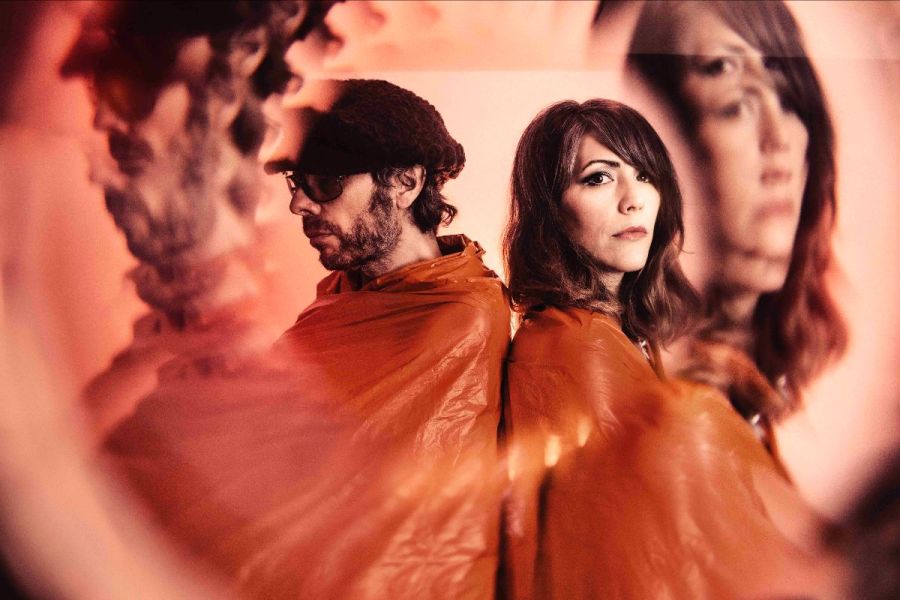
Yorkshire, UK, duo Cobalt Chapel recently released their second album, Orange Synthetic, and it’s a wonderful contemporary progressive take on the psychedelic music of the 1960s. It has fresh production values with lush textures and glowing vocals. So who are Cobalt Chapel? Cecilia Fage (from Matt Berry & The Maypoles) and Jarrod Gosling (from I Monster). Gosling also happens to make the album artwork for Tim Bowness‘ solo albums. 

Fage’s vocals are the clear centerpiece of the album, and her voice is absolutely stunning. It’s treated with some echoey effects that give it a choral feeling, which matches the aesthetic implied by the band’s name. The album sounds fantastic, with the vocals and music clear, clean, and distinct. The various organs and keyboards are the primary musical sounds, with their textures swirling around the listeners head as Fage sings in the center. The guitar, drums, and soft bass complete the psychedelic sound. You’ll be hard-pressed to find a better-sounding album out today. It is mixed very well with everything easy to pick out. Nothing is muddled. You can even make out the clicking of keys or buttons on whatever instrument Gosling is playing at the end of “A Father’s Lament.” There’s a slight hum in the background at that point which makes you feel like you’re in the room with him as he closes out the song. The whole record is really a pleasure to listen to.

There are folk elements to the music, with the album being influenced by Yorkshire itself. The song “E.B.” sounds the most folky, with instruments kept to a relative minimum and Fage’s voice carrying the brief track. Overall though the music retains a psychedelic vibe through heavy use of keyboards and organs, along with very 60s-sounding drums and guitars. The music is much more upbeat than the type of psychedelic music I’m more familiar with, though. It isn’t as spacey, although there are times when it sounds like they’re about to launch into the spacier side of this corner of rock music. They never quite get there all the way, except for on “Cry A Spiral,” which is the spaciest track on the record. Even on that song the ending is heavier and more lush-sounding, ending with a light touch of saxophone and various organs. Melody takes a central position on the album, which is perhaps what makes this album so appealing on repeated listens. You’re left feeling refreshed after listening to Orange Synthetic

If I had to make one complaint, it’s that I would have preferred some longer extended instrumental sections. The end of the first track, “In Company,” breaks into what sounds like it’s going to be a wonderfully psychedelic Floydian soundscape, but then it breaks off suddenly. The second track similarly fades out as it enters an instrumental passage. The third track does the same thing. It drops into the beginning of a 1960s-style psychedelic mood, yet it cuts off after a few brief seconds. At about 43 minutes in length, I think there’s room on the album for some longer musical exploration. They set the listener up for it, but they leave me longing for that instrumental space to breathe.

The title track, which ends the record, is the longest on the album at over six minutes, and it has a longer instrumental passage in the middle that feels much more natural for this kind of music. When Fage’s vocals kick in again after that passage, I’m left satisfied. In that regard the song is the perfect ending for the album. I just wish more of the songs on the album more generously balanced the instrumental side of this style of music with Fage’s beautiful vocals by having more extended musical passages. 

I highly recommend Cobalt Chapel’s sophomore album, Orange Synthetic. It’s a refreshing blend of upbeat psychedelic music with stunningly beautiful vocals presented with choral overtones. The music is accessible, yet complex enough to reward on repeated listens. Cobalt Chapel have masterfully brought the psychedelic sounds of a bygone era into fresh territory for a contemporary audience. 

Buy the album on CD, vinyl, or digital download, including signed copies of physical media: https://cobaltchapel.tmstor.es/#main_menu

https://www.facebook.com/cobaltchapel/
https://twitter.com/cobaltchapel
https://www.instagram.com/cobaltchapel/

The Big Prog (Plus) Preview for Fall 2020!

As always seems to be the case, there’s tons of great music coming out between now and Black Friday, November 27. Below, the merest sampling of upcoming releases in prog and other genres below, with purchase links to Progarchy’s favorite online store Burning Shed unless otherwise noted.

Out now:

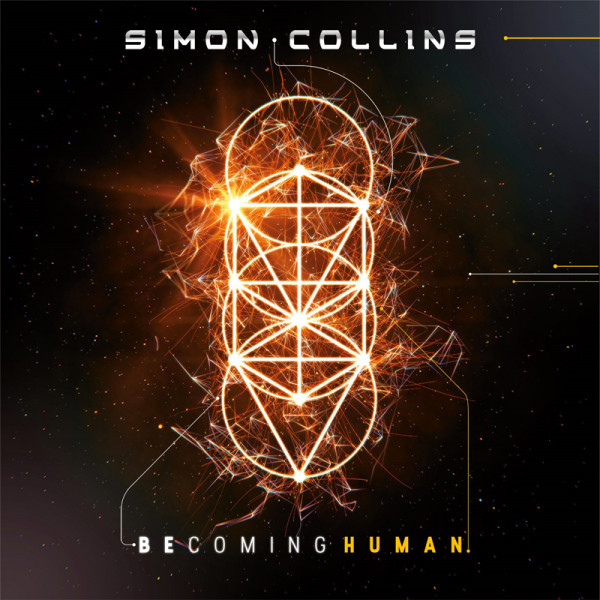
Simon Collins, Becoming Human: after 3 solo albums and Sound of Contact’s acclaimed Dimensionaut, Phil Collins’ oldest son returns on vocals. keys and drums; his new effort encompasses rock, pop, prog, electronica and industrial genres. Plus an existential inquiry into the meaning of life! Available on CD from Frontiers Records.

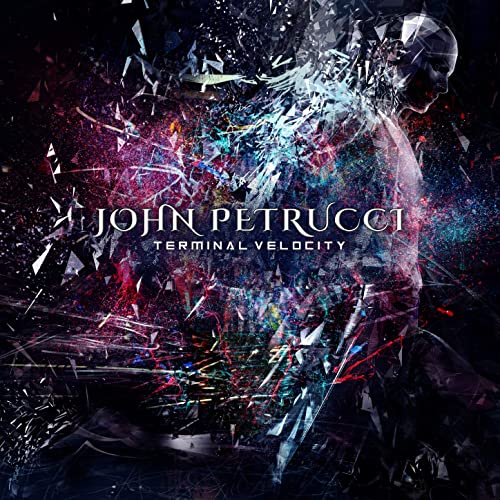
John Petrucci, Terminal Velocity: the Dream Theater guitarist reunites with Mike Portnoy on drums for his second solo set of instrumentals. Plus Dave LaRue of the Dixie Dregs and Flying Colors on bass. Expect lotsa notes! Available on CD or 2 LP from Sound Mind Records/The Orchard.

The Pineapple Thief, Versions of the Truth: Hot on the heels of their first US tour, Bruce Soord and Gavin Harrison helm TPT’s latest collection of brooding, stylized alt/art rock, honing in on the post-truth society’s impact on people and relationships. Available on CD, BluRay (with bonus track plus alternate, hi-res and surround mixes), LP or boxset (2 CDs/DVD/BluRay) – plus there’s a t-shirt!

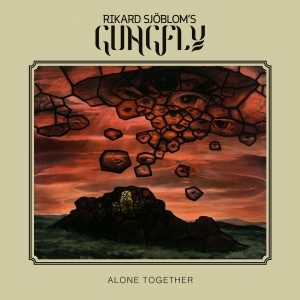
Rikard Sjöblom’s Gungfly, Alone Together: Sjöblom spearheads a thoroughly groovy collection on vocals, guitar and organ, with Petter and Rasmus Diamant jumping in on drums and bass. Heartfelt portraits of daily life and love that yield extended, organic instrumental jams and exude optimism in the midst of ongoing isolation. Available on CD and LP (black or deep blood red vinyl).

[Upcoming releases follow the jump …]

Continue reading “The Big Prog (Plus) Preview for Fall 2020!”

2019 Prog (Plus) Preview 2!

More new music, live albums, reissues (regular, deluxe & super-deluxe) and even books about music heading our way between now and Christmas?  Yep.  Following up on my previous post, it’s another exhaustive sampling of promised progressive goodies — along with other personal priorities — below.  Click on the titles for pre-order links — whenever possible, you’ll wind up at the online store that gets as much money as possible directly to the creators.

Out now:

Andrew Keeling, Musical Guide to In the Court of the Crimson King, 10/50 Edition: composer/musicologist/online diarist Keeling’s revision of his 2009 book (the first of a series acclaimed by King Crimson’s Robert Fripp).

Marillion with Friends from the Orchestra: 9 Marillion classics re-recorded by the full band, the string quartet In Praise of Folly, flautist Emma Halnan and French horn player Sam Morris.  Available on CD.

A Prog Rock Christmas: Billy Sherwood produces 11 holiday-themed tracks from the typical all-star cast (members of Yes, Utopia, Flying Colors, Renaissance, District 97, Curved Air and more).  Download and CD available now; LP available November 1.


October 25:

King Crimson, In the Court of the Crimson King (50th Anniversary Edition): featuring brand new stereo and surround mixes in 24/96 resolution by Steven Wilson.  Available in 3 CD + BluRay or  2 LP versions.  (Note that the new mixes will also be included in the Complete 1969  CD/DVD/BluRay box set, which has been delayed until 2020.)

Van Morrison, Three Chords and the Truth: 14 new songs from Van the Man, available in digital, CD or LP versions.

Neil Young & Crazy Horse, Colorado: the first Young/Horse collaboration since the 2012 albums Americana and Psychedelic Pill, available in CD or 2LP versions.

Continue reading “2019 Prog (Plus) Preview 2!”