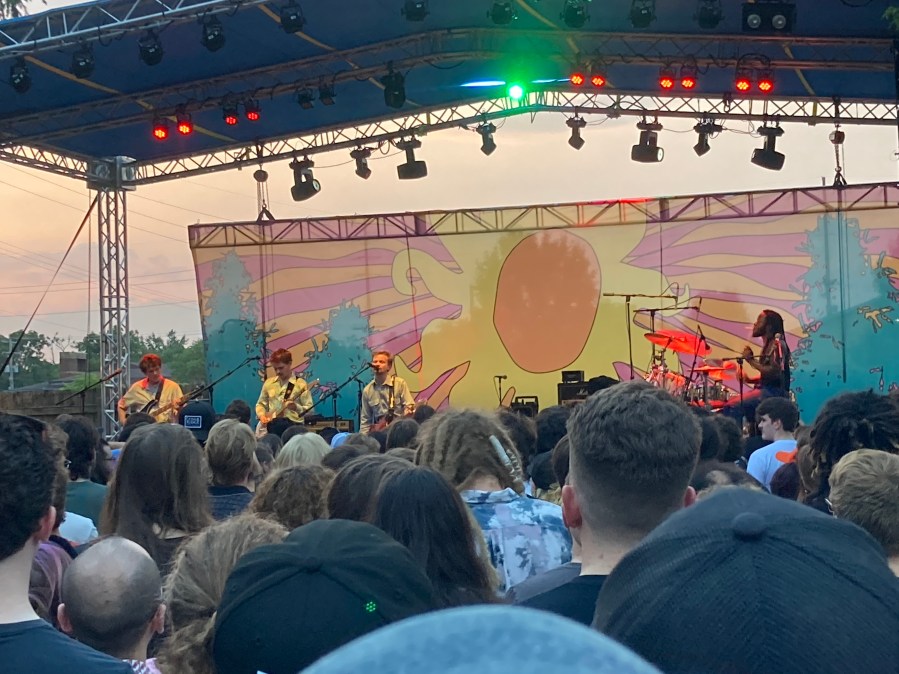
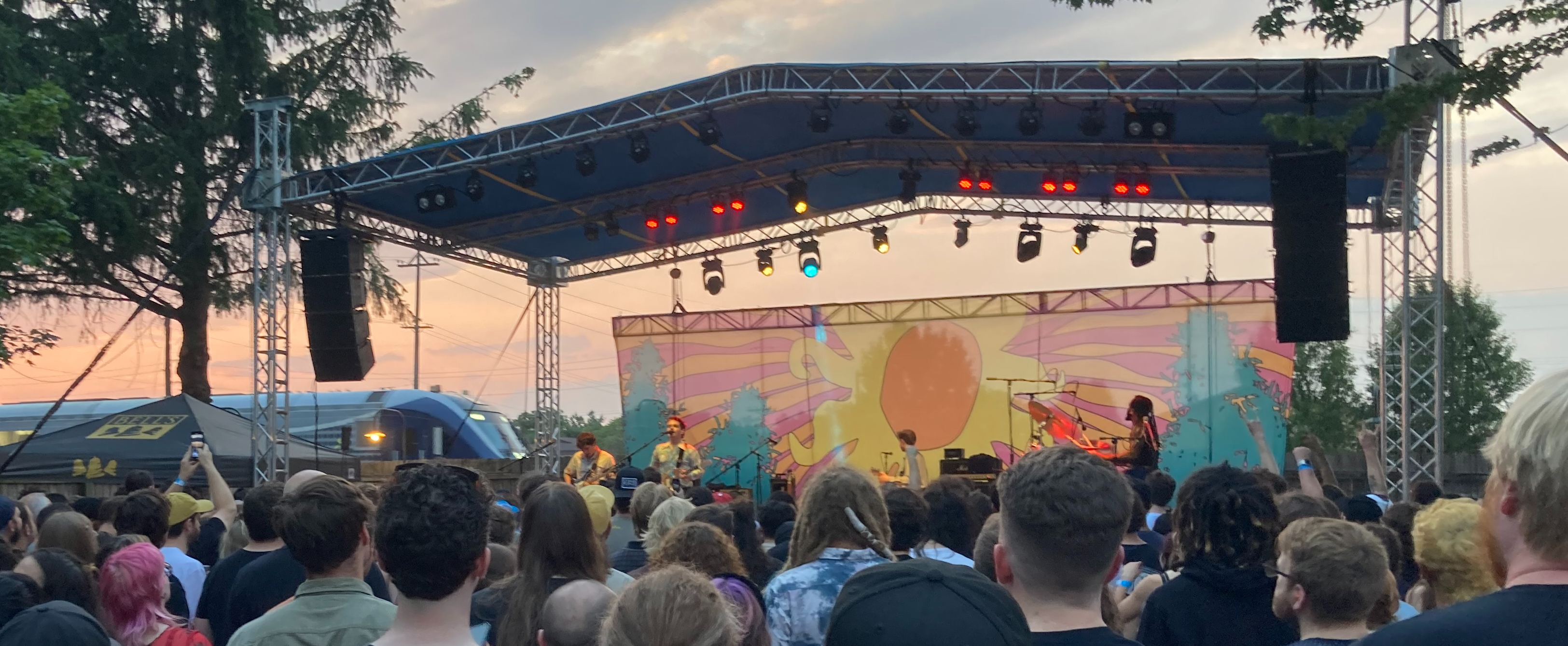
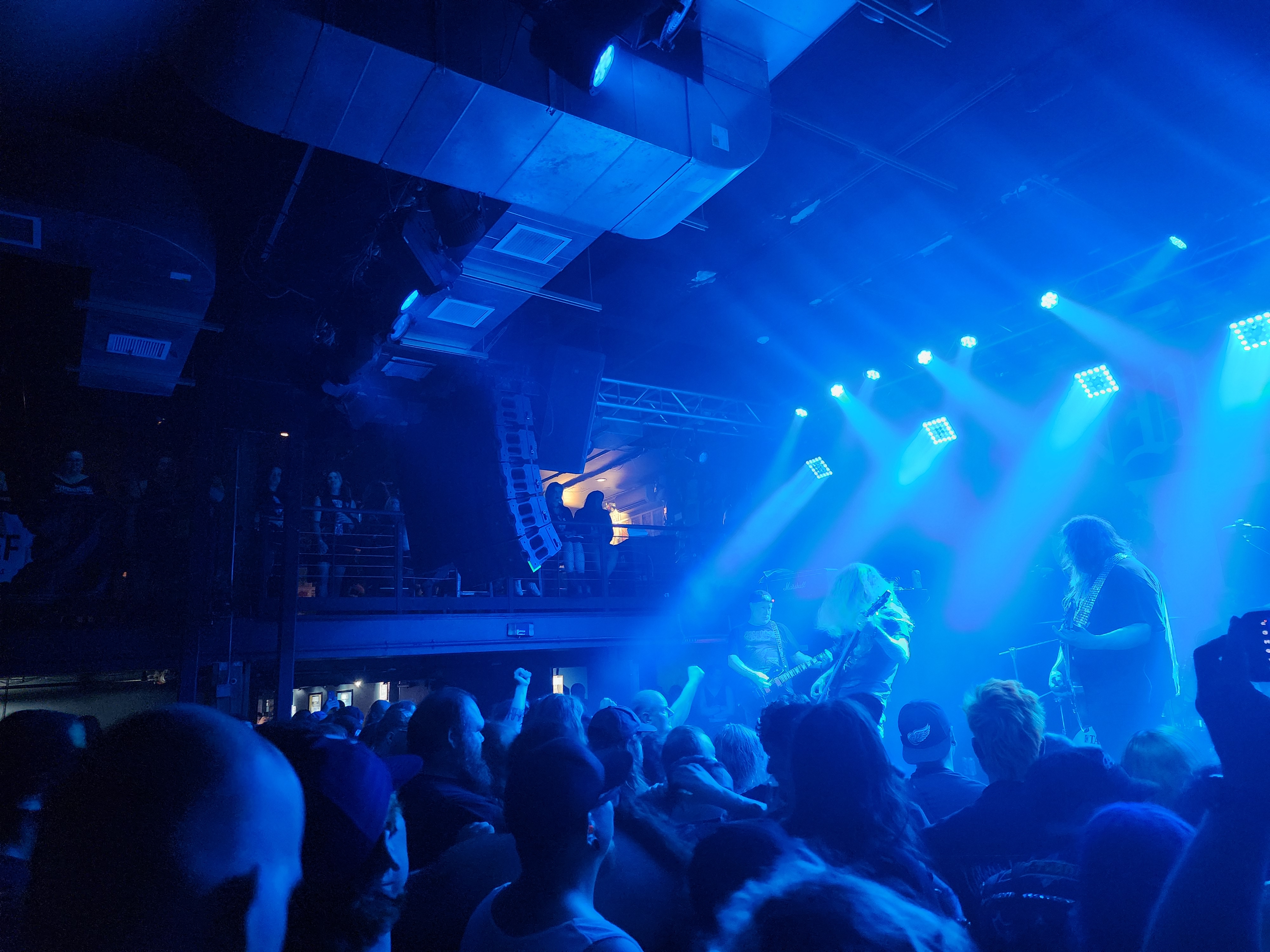
black midi with Circuit des Yeux, Bell’s Eccentric Cafe & Beer Garden, Kalamazoo Michigan, June 30, 2023.
The sludgy, spasmodic riffs of black midi’s opener “953” had crashed to a definitive, screeching halt. The hundreds-strong audience stood happily stunned at the young British quartet’s feral, frenetic onslaught. Cue an Amtrak train passing directly behind the stage, hailing the north side of Kalamazoo with its overblown, howling whistle, right in rhythm. It made perfect sense that guitarist/second vocalist Cameron Picton stepped immediately to the mike and yelled at the top of his lungs, “I [EXPLETIVE] LOVE TRAINS!!!!” just before the band kicked into the taut build of “Speedway.”
black midi’s music sounded like that all night — an unstoppable series of planned accidents that formed weirdly compelling shapes as they unspooled. Sculpting order into chaos, drummer Morgan Simpson’s groove and chops never faltered, no matter how many unpredictable stops and starts in a given song; guest bassist Seth Evans locked down apparently arbitrary pulses with imperturbable style. Guitarists Picton and Gordie Greep bounced off these lopsided foundations in furiously random directions, especially on the highlights from bm’s Hellfire album — ominously creepy funk slamming into a death-metal polka on “Welcome to Hell”, superspeed jazz-fusion counterpoint melting into lounge-lizard ambience on “Sugar/Tzu”, quietly floating chords ramping up to accelerating sheets of thrashy noise on “Dangerous Liaisons”. These guys know their rock history — teasing the Beatles’ “Taxman” before kicking into “27 Questions”, morphing from Metallica’s “Enter Sandman” riff into their unreleased “Lumps” — but they obviously feel bound by none of it when they jam and compose. Which seemed to be a giant part of their appeal to the remarkably youthful crowd; had they ever heard anything quite like this? (A middle-aged geezer like me definitely hadn’t; these guys made The Mars Volta sound normal.)
Hot on the heels of the release of Big Big Train’s Igenious Devices, the band has announced the upcoming remaster and reissue of the late David Longdon’s first solo album, “Wild River,” complete with new artwork.
More from the band:
‘Wild River’, the first solo album from David Longdon has been re-mixed, re-mastered and expanded and will be released on 20th October. It is preceded by a single ‘Always’, which is available now.
‘Wild River’ was originally self-released in 2004 and at that time only a minimal quantity of CDs were produced. Whilst it was briefly available via the Big Big Train website, it has long been out of print. David had always intended to remix and repackage it. However, his sudden death in November 2021 meant that his plan never came to fruition. In a final act of remembrance by his long-time colleague Rob Aubrey, Big Big Train’s engineer since 1994, David’s wishes have now been fulfilled. The album packaging has also been re-designed by Longdon’s friend and collaborator Steve Vantsis.
Sarah Ewing, David’s partner, recalls why he was so keen to revisit ‘Wild River’. “David was really proud of those songs,” she says. “He produced and engineered the album himself, but always felt that the recording, the production and the mix never quite met his expectations. Over the years he became much more skilled at his craft, and had he been alive now, he would have been able to deliver the album the way he always wanted it to be. He’d also always wanted to improve the cover art, but at the time he’d spent all his money on the recording and mixing.”
Wild River’ represented a transitional period for David, both artistically and emotionally. His father, Eric, had passed away in 1994, he had been through a divorce, and he’d auditioned to be the lead singer of Genesis following the departure of Phil Collins. However, after a protracted audition-cum-rehearsal process, he was immensely disappointed to lose out on the role. Which, with hindsight, was a blessing in disguise.
Around this time, XTC guitarist Dave Gregory was playing a session where he first met David. Between XTC projects, Gregory had been recording a version of the Genesis epic ‘Supper’s Ready’ and David, a big XTC fan, offered to sing on it, adding, “I really need to do this.” Gregory was astonished at how quickly David recorded the vocal parts: “Soup to nuts in an afternoon and an evening.” Rather than accepting payment for the session, David invited Gregory to play guitar and Mellotron on the work-in-progress ‘Wild River’. Gregory recalls, “The Genesis experience galvanised him. He was saying, ‘Look, this is what I can do. And I’m gonna f*cking show you’. That was a huge motivation for him. He felt rejected, so had to work a lot harder.”
Big Big Train’s sound engineer and David’s friend Rob Aubrey was asked to remix the album earlier this year. “It still fills me with sadness that he’s gone, but ‘Wild River’ needed to be made available again as it is such a strong album.” The last word on ‘Wild River’ goes to Sarah: “I don’t think it sounds like an album that’s 20 years old; it sounds very immediate and contemporary and that speaks of David’s talent,” says Ewing. “It’s hard for me to be objective, but I hear the younger David and in that regard it’s a beautiful time capsule.”
Unless otherwise noted, title links are typically to Bandcamp for streaming and purchasing, or to Spotify for streaming with a additional purchase link where available.
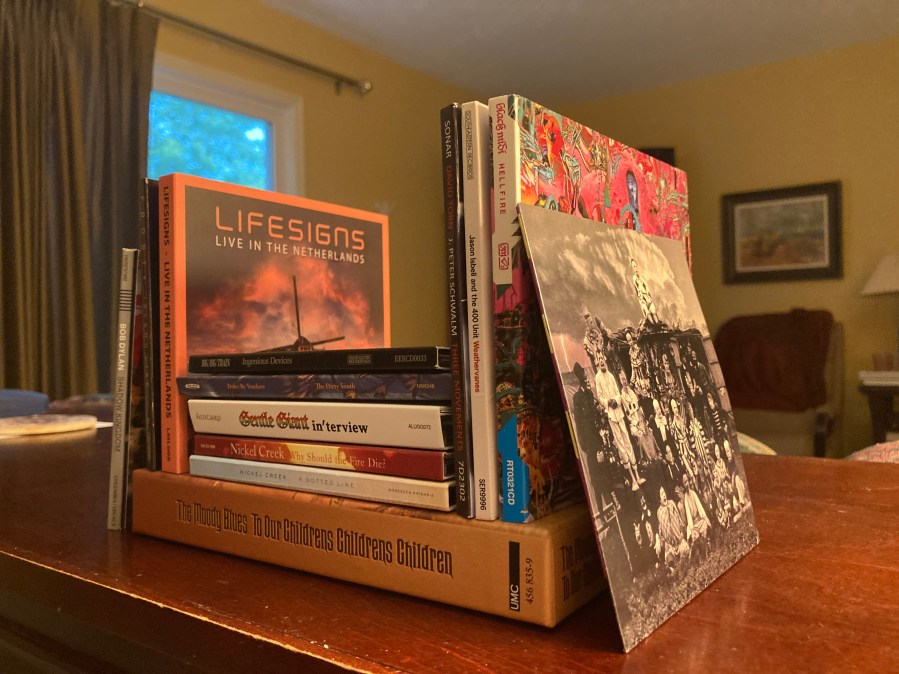
Starting with an obvious choice around these parts: Ingenious Devices proves a winning Big Big Train compilation, featuring Greg Spawton’s life-enhancing explorations of humanity’s drive to expand its reach. Vividly orchestrated reworkings of “East Coast Racer” and “Brooklands” join a remix of Grand Tour’s “Voyager” and a stirring live take of “Atlantic Cable” featuring new lead singer Alberto Bravin; the result is a fresh, vital, thoroughly moving suite of prog epics. Recommended without hesitation!
Southern rockers Drive-By Truckers have also reached back — fleshing out their classic 2004 effort as The Complete Dirty South, the double album they originally conceived. Triple-threat guitarist/songwriters Patterson Hood, Mike Cooley and Jason Isbell reel off tale after compelling tale of characters caught in desperate circumstances, torn between bad choices, clinging to vagrant hopes. Their rampaging hard-rock energy, seasoned with delicate country soul balladry, is what elevates the whole concept beyond haunted fatalism to an intense meditation on courage in the face of overwhelming odds. (Having left the DBTs in 2007, Jason Isbell continues to go from strength to strength. His brand-new effort with The 400 Unit, Weathervanes, brings tons of sharp writing and fiery playing to a clutch of deeply empathetic Americana narratives, topped with irresistible choruses and just a pinch of classic rock a la Bruce, The Byrds and Neil Young. Whatever your take on country music, you really shouldn’t miss either of these.)
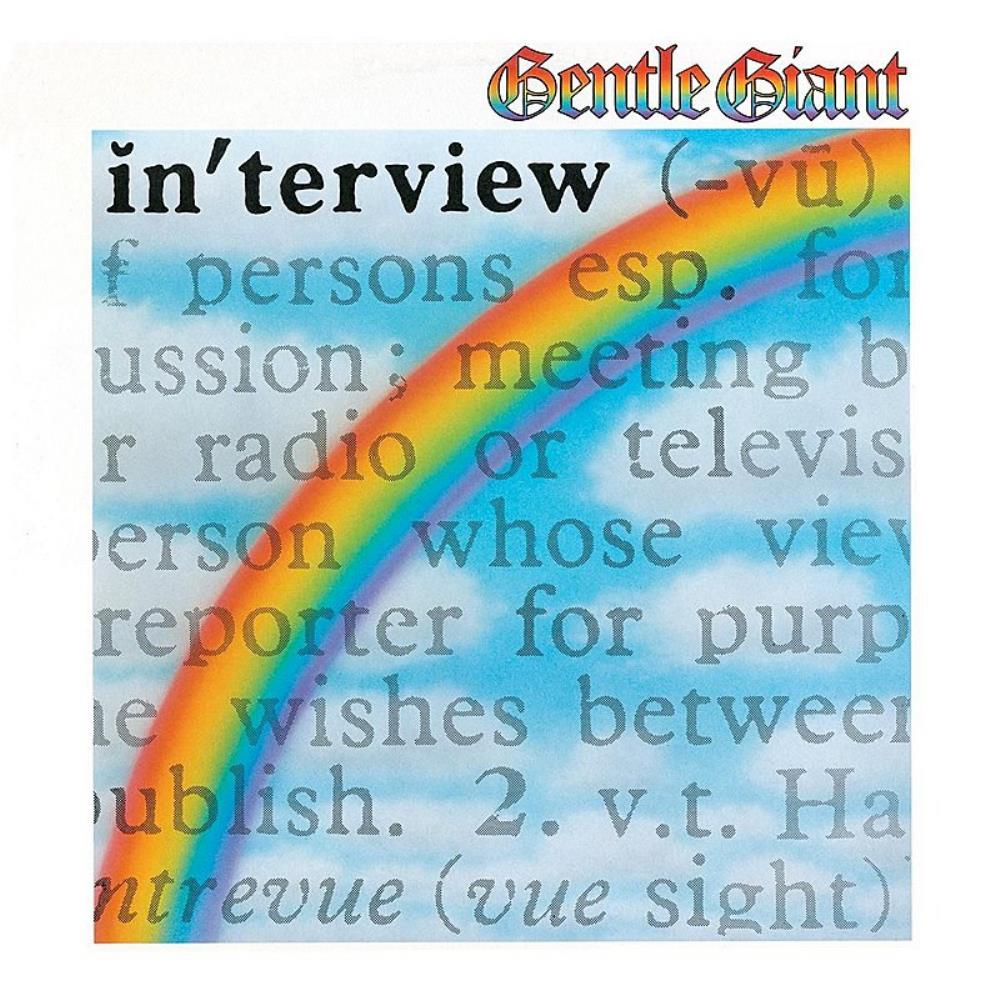
Also on the reissue front, Gentle Giant’s 1976 effort Interview now has a spruced-up, punchy remix from Steven Wilson (available here) that breezily clarifies the British quintet’s counterpoint vocals (“Design”), interweaving instrumental lines (the title track, frenetically funky closer “I Lost My Head”) and multistylistic hijinks (the unanticipated reggae chorus of “Give It Back”). The Moody Blues’ second release of 1969, To Our Children’s Children’s Children, becomes their third vintage set to get the multi-disc box treatment – though it’s only available digitally in the US. While the album proper leans toward studio psychedelia laced with wispy slow-dance tunes and the odd cabaret flourish, the bonus live tracks (including a complete set from the Royal Albert Hall) reveal the Moodies as quite the stomping rock outfit, slipping the leash on the album’s single “Gypsy,” the encore “Ride My Seesaw” and core tracks from Days of Future Passed.
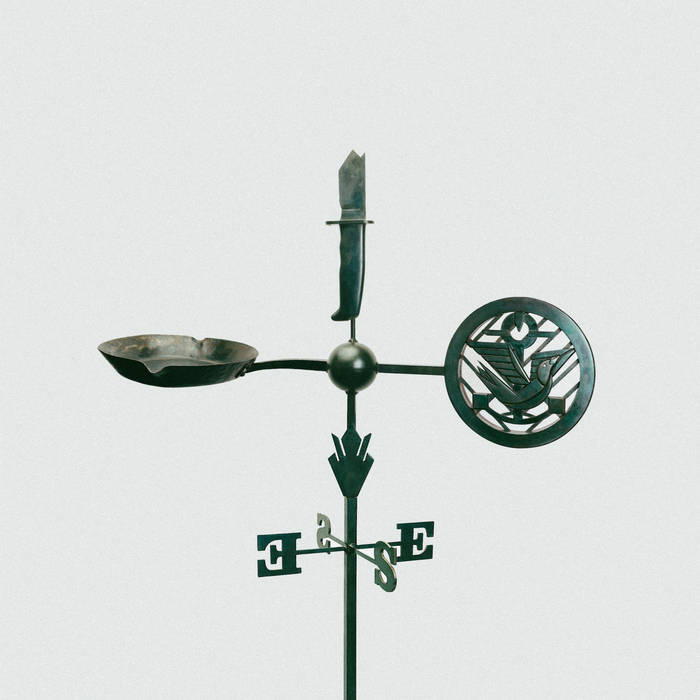
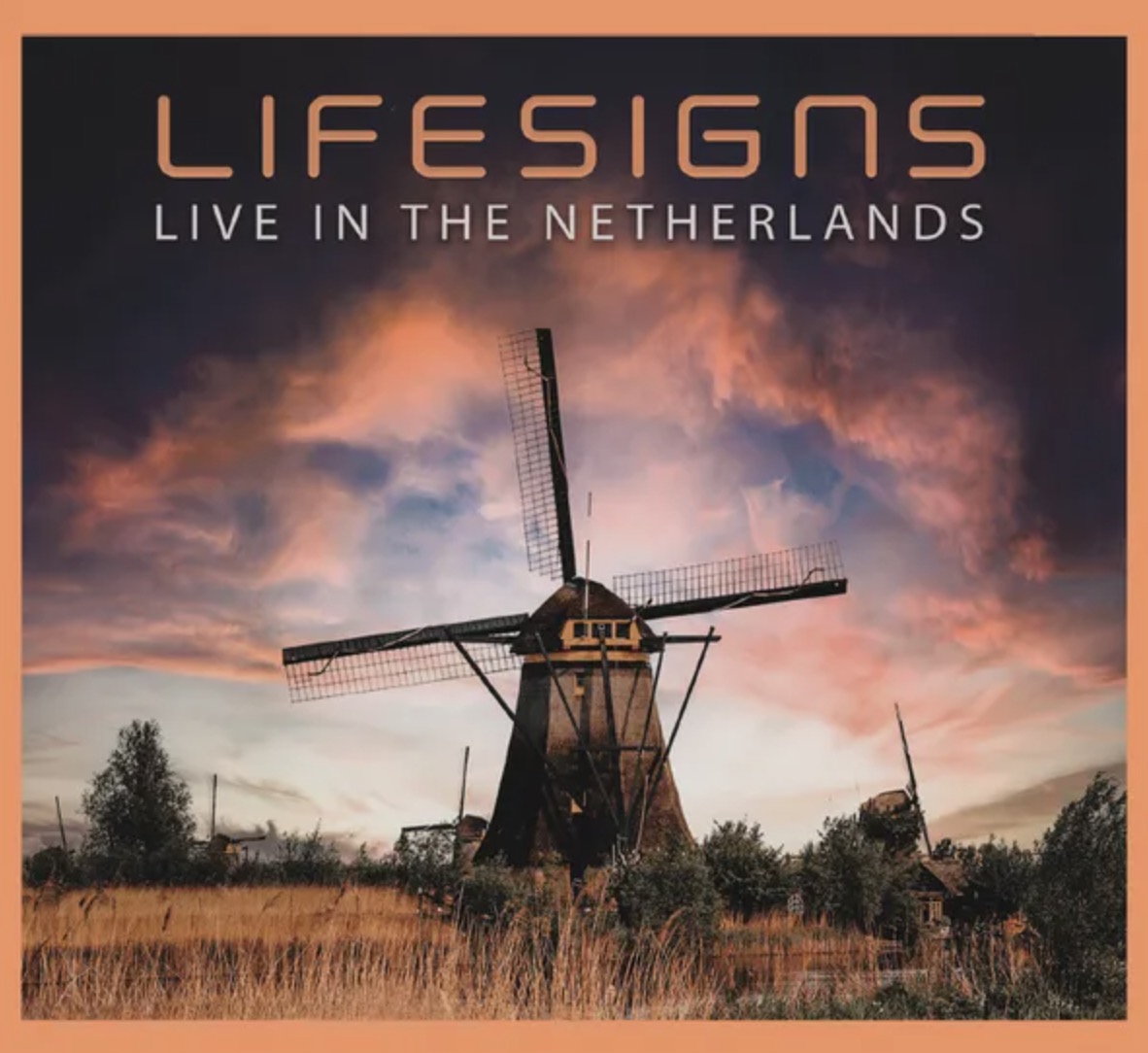
Live releases have picked up again as well. For their concert video debut Island Live (available through Magenta’s Tigermoth label), Jem Godfrey’s tech-forward quartet Frost* reap a whirlwind harvest of monumentally proportioned prog. With bassist Nathan King and drummer Craig Blundell anchoring the jumpy polyrhythms, guitarist John Mitchell and keyboardist Godfrey eagerly splatter as many unhinged solos as possible across devilishly ingenious harmonic structures, singing their hearts out all the while. (Check out a video sample here.) Prefer calmer (though no less extended) sonic voyages? Lifesigns’ Live in the Netherlands should be just the ticket. Leaning on the music from 2021’s Altitude, keyboardist/composer John Young and guitarist Dave Bainbridge prove steady hands on the wheel, soothing the soul as they scale the majestic heights of “Open Skies,” “Ivory Tower” and “Last One Home”. (One other winner from outside the genre: for a 2021 COVID-time video, Bob Dylan fused his recent rummagings amongst the blues and pre-rock vocal stylings to revitalize his vintage repertoire. The unplugged sorta-soundtrack Shadow Kingdom is the winning result; order it here.)
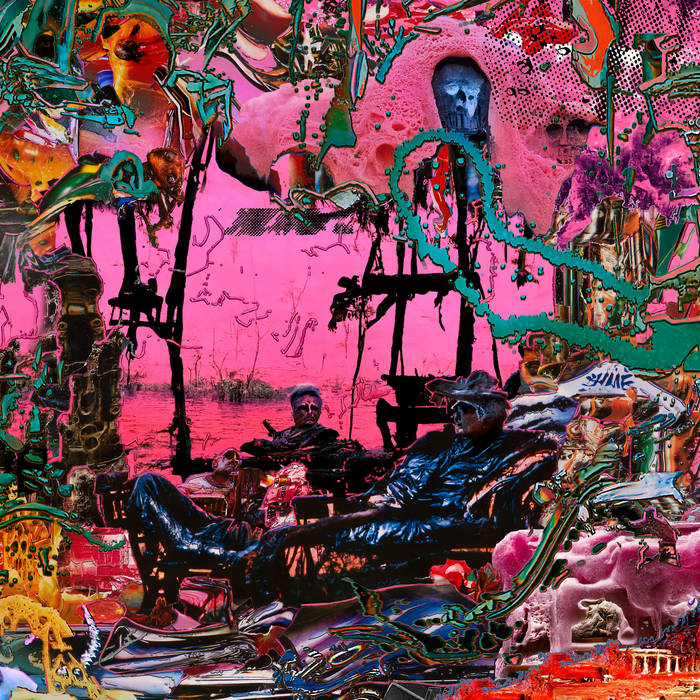
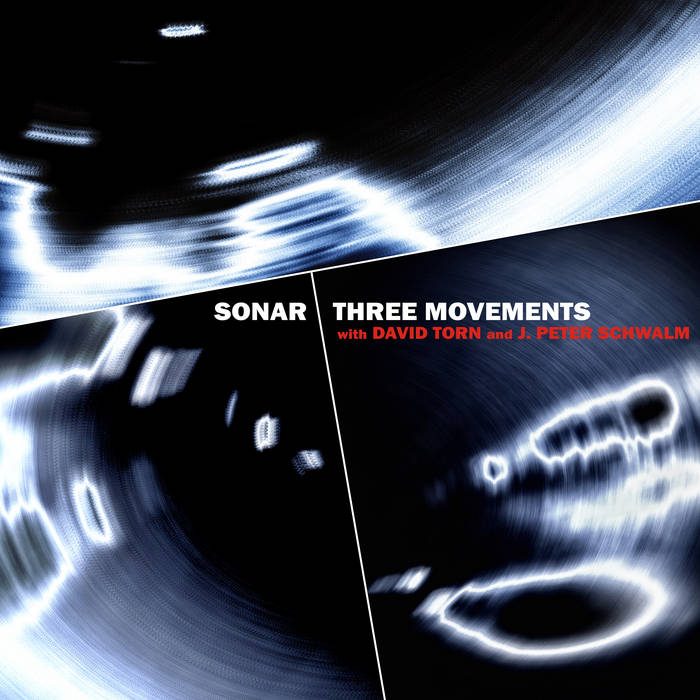
Speaking of concerts, my prep for a recent show by British “post-Brexitcore” bashers black midi included their latest album Hellfire, which hit plenty of 2022 best-of lists in and out of the prog world. A detailed live review is forthcoming; suffice to say that on record, bm’s dense, anarchic musical interaction tracks all too well with their jaundiced first-person lyrical vignettes — it’s postmodern life as absurd, unstoppable apocalypse. A welcome bonus from that concert was meeting Mike Potter, Renaissance man of the Eastern Seaboard — astrophysicist, former recording studio owner and a whiz on keys, woodwinds and vocals too! Potter’s band Alakazam has just released their fourth disc, Carnival Dawn; it’s a heady conceptual effort that stirs equal parts Ray Bradbury and Stephen King into a bubbling stew garnished with ominous Mellotron, creepy clarinet and saxophone, and the wondrously deranged verbal musings of sundry evil clowns. By the pricking of my thumbs, it’s worth a listen — if you dare. And for a coolly energizing dose of order to chase the above chaos, you won’t do better than Sonar’s new Three Movements. Here Stephen Thelen and company harness a genuinely symphonic tension, building up towering rhythmic edifices that reach dizzying heights; at the climaxes, as guests David Torn on guitar and J. Peter Schwalm on electronics launch volley after volley of improvised ambience, the tension breaks, the clouds clear, and you might just hear the music of the spheres!
Happy Canada Day from the good folks here at Progarchy! We hope you’re rocking out with suitable Canuck tunes. But, if you are looking for some new music, why not check out these three albums from the top bands descending from up in the True North?
Brass Camel, Brass
Since they have just completed a magnificent musical tour across Canada, it’s worth drawing the band Brass Camel once again to your attention. I highlighted this album as one of the best last year:
Here’s an obscure one for you, but it will seduce your heart and mind. A genuinely unique mixture of hard rocking funk plus an intricately overlaid tapestry of prog. Dive into this album (the follow-up to their 2018 debut) by sampling the prog cred on tracks like “King for a Day,” “Easy,” and “Last Flight of the Vulcan.” I’d say one of the strongest contenders for Prog Song of the Year is “Last Flight of the Vulcan,” because the way that song takes flight is truly thrilling. As it fades out, you just want it to circle back and never end. The album itself ends perfectly with “Only Love.”
This Vancouver supergroup burst on the scene in 2000, with their debut Mass Romantic. It was unmistakable power pop perfection, announced via the glorious single “Letter from an Occupant,” which featured Neko Case’s impressively soaring vocal trajectories.
Next, two classic albums followed after the requisite time for their consummate craftsmanship to reach fruition: Electric Version (2003) and Twin Cinema (2005).
Then, over the ensuing decades, five more gems were released in a steady stream for the audio enjoyment of the cognoscenti.
This year, the New Pornographers show no signs of senescence, as the glorious disc Continue as a Guest (2023) demonstrates their musical skill to be still of the highest level.
It’s worth the effort to hunt down this album for the art rock masterclass given on standout tracks like “Pontius Pilate’s Home Movies,” “Angelcover,” “Wish Automatic Suite,” and the dazzling title track, “Continue as a Guest.”
Crown Lands, Fearless(Deluxe)
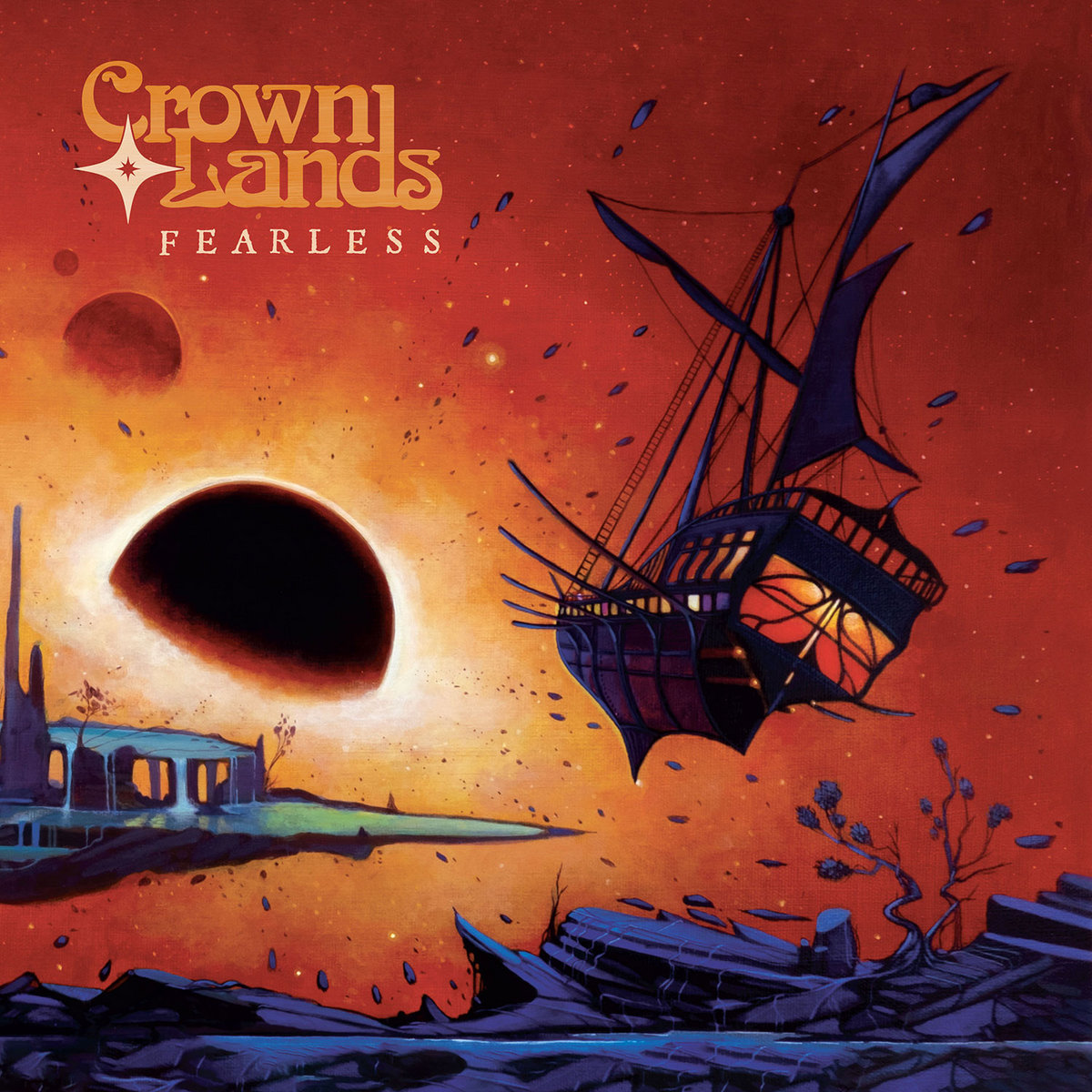
Last but certainly not least, I have to mention what I already know is the Album of the Year for 2023. It’s the masterpiece Fearless from the mighty Crown Lands.
No other album in my collection has received more repeated listens this year than this one. I alerted you to the lead track, “Starlifter,” back in February. Then, with the release of the whole album in March, it has been in heavy rotation in the succeeding months.
Despite the many top contenders for Prog Album of 2023 that have issued forth since then (such as the perfect-score five-star wonders from The Winery Dogs, Yes, Riverside, Haken, and Tanith), I now have indisputable proof that Crown Lands must be awarded the top prize for 2023. That proof is the Deluxe edition of Fearless that was made available last weekend.
Added to the nine tracks that comprise the Fearless album, we now have eight instrumental versions (so you can do Crown Lands karaoke, or practice playing the musical parts on your own instruments—and the number is eight, because the album track “Penny” is already a guitar instrumental in the tradition of prog palate cleansers like Steve Howe’s “Mood for a Day” or “The Clap”); not only that, we also have seven live versions of tracks from the studio version of Fearless (and it’s seven, not nine, since the album tracks “Context” and “Right Way Back” date back to 2021, and we’ve already witnessed live audio and video versions of those songs in the intervening months).
The Deluxe edition live versions of the Fearless tracks are nothing short of amazing. Usually bands sound worse live than on record. But with Crown Lands, we get versions of the studio tracks that sound even heavier and even more energetic than the carefully produced prog perfection originals.
Somehow, Crown Lands manages to capture on this recording a special energy that they obviously have when they play live. Kevin’s riffs are even darker and more menacing, and the synth sounds punch and crackle with tactile gusto. Cody’s singing is impassionate and immediate, hitting all the high notes and even adding extra sentiment in the heat of the moment. The drum fills are astonishing, as they fly from speaker to speaker and you feel like you are standing behind the kit next to Cody as he kicks out the songs with enhanced verve. Kevin’s guitar solos and bass lines induce ecstasy, which is symbolized by all those bonus fretboard dive-bombing finger slides and power chord zoom blasts.
Fearless (Deluxe): You have to hear it to believe it, and you won’t be able to pick a favorite version of the album—live or studio—since they each have their own special charms. All that the listener can do after hearing Fearless (Deluxe) is to pronounce the winner of Album of the Year for 2023: unquestionably, it has to be awarded to the invincibly fearless and unstoppable Crown Lands.
All hail Cody Bowles and Kevin Comeau! Prog on, eh? Happy Canada Day!
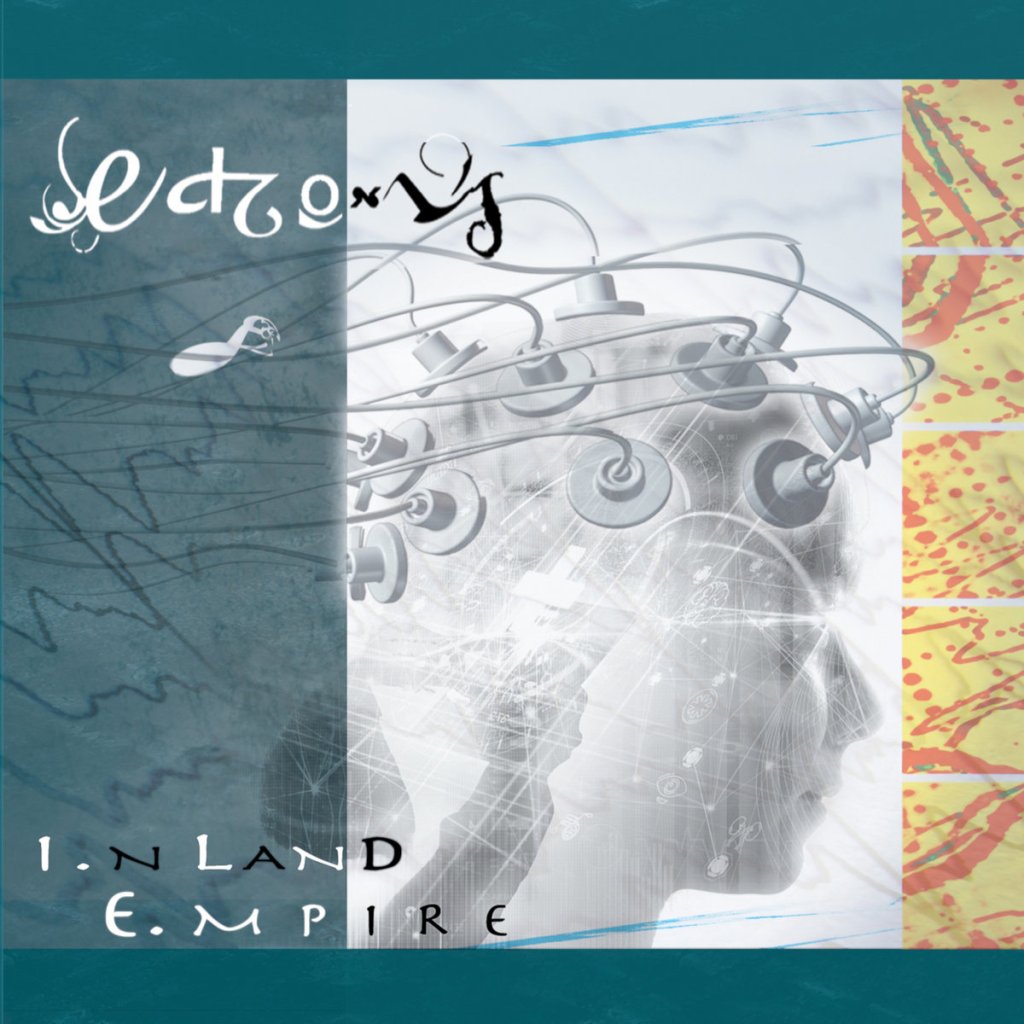
Echo US, Inland Empire, 2023 Tracks: Across The Star (3:50), Echo Us (9:38), Dark Shock (8:35), It’s Time For Winter (3:42), Inland Empire (7:43), Nest Egg (2:09) From The Furthest Memory (1:14), Far Above The Sky (5:20), Solarium (6:33), Singing With You (10:17)
For the first of my ridiculous backlog of albums to review, I bring you a review of Echo Us’ album from the beginning of the year, Inland Empire. You may remember the band from past Progarchy reviews: James Turner’s review of 2014’s XII A Priori Memoriae and my review of 2021’s The Windsong Spires.
My review of InlandEmpire begins similarly to my review of their last record: eclectic, atmospheric, ethereal. Waves of guitar, claps of percussion, strangely spacey vocals. While not a typical rock album, much like The Windsong Spires wasn’t, it does incorporate rock and certainly progressive elements. Electric guitars and clever percussion, along with aptly placed synths, create a wall of sound that draws from myriad musical influences. New age? Rock? Certainly ambient, yet it retains enough melody to keep the album engaging.
The atmospheric elements occasionally take on a Floydian edge. “Echo Us” has some spacey yet rock-hardened tones before introducing some spoken word fragments, much in the way Pink Floyd did on The Wall. The second half of “Dark Shock” features more Floydian atmospherics, with some particularly enjoyable guitar work.
Some elements of the guitar remind me a bit of Big Big Train, as well, which was a bit of a surprise. But overall, their sound is still more atmospheric than traditional prog. The album flows together almost too well, making most of the songs sound a bit the same. Since the music is contemplative and rather ambient, it’s more palatable even if there’s not much variety. The vocals aren’t a strong point, but they’re heavily filtered with various effects, adding a synth-like quality to them which helps them recede into the ambient wall of sound.
Overall “Inland Empire” is a worthy successor to 2021’s “The Windsong Spires.”
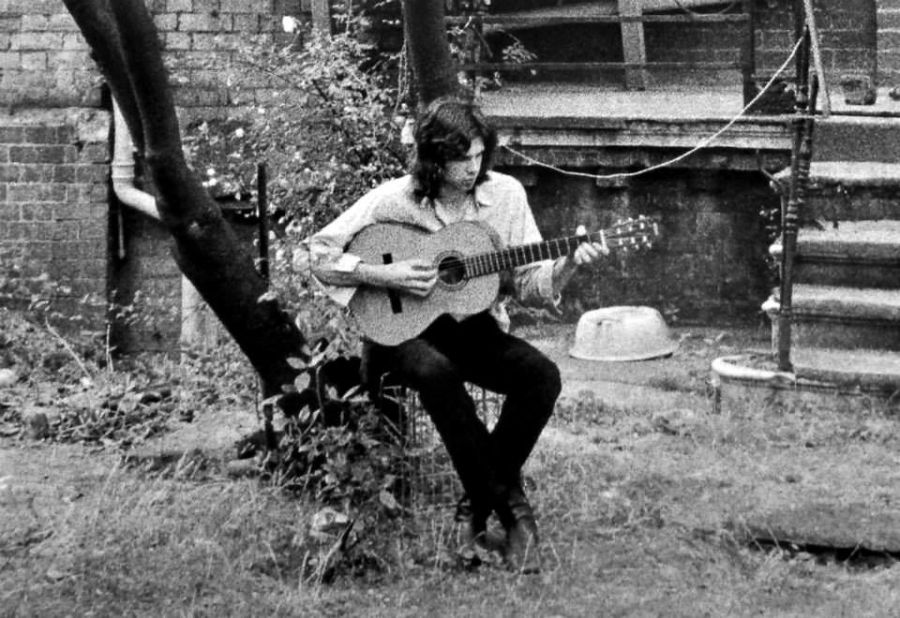
Leading up to his 75th birthday today, I’ve been thinking of writing about Nick Drake — perhaps the ultimate Rock-era example of a brilliant musician neglected in his lifetime and “discovered” long afterwards. But Ted Gioia, author of The History of Jazz and one of the best current writers about music of all kinds, has said everything I’d want to say and more at his Honest Broker Substack.
Drake had a paradoxical power to touch the emotions of the audience even when it sounded as if he were singing just for himself . . . every syllable seems infused with private meaning . . . Drake is now more than a music star, almost an emblematic figure. And I say with some sorrow, but with complete conviction, that his life and times remind me of so many people nowadays who have been cast adrift in our society—suffering in ways spookily reminiscent of what he experienced fifty years ago.
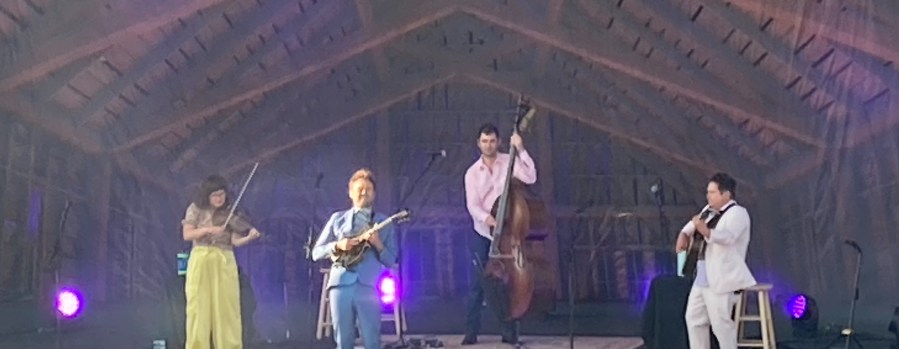
Nickel Creek with Gaby Moreno, Frederik Meijer Gardens Amphitheater, June 8, 2023
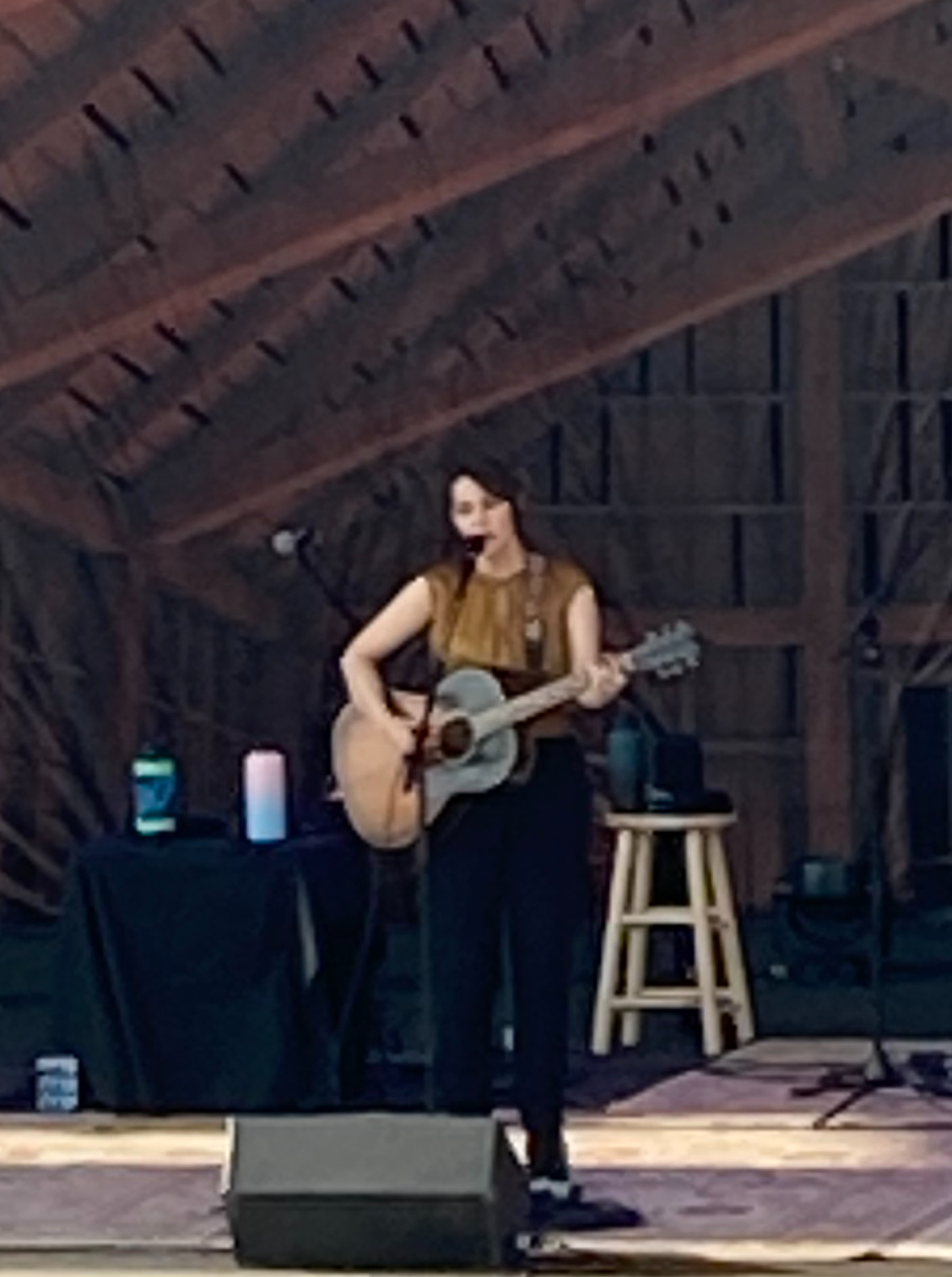
After a warm late spring day (with atmospheric residue from Canadian forest fires actually visible under the stage lights), a capacity crowd of 1,900 was primed for ignition at my local outdoor amphitheater’s opening night. And once Guatemalan singer-songwriter Gaby Moreno had warmed us up with her beguiling vocals and deft guitar work, Nickel Creek didn’t disappoint.
Launching into “Where the Long Line Leads” from the brand-new reunion album Celebrants, fiddler/guitarist Sara Watkins shot off sassy sung verses like rockets, as mandolinist Chris Thile and guitarist Sean Watkins fueled the rhythm with their tight backing harmonies, then grabbed equal shares of the three-part choruses. And once Thile, then Sara ripped out incendiary solos, stoked by guest bassist Jeff Picker — whew! By the end of that opener, the progressive bluegrass trio had fired up Meijer Gardens but good.
It was a hot start to a hot night, even as the temperature on the amphitheater lawn went down with the sun. Mixing in about half of Celebrants with roughly equal selections from their previous four albums, Nickel Creek walked the line flawlessly between fresh and vintage, instrumental and vocal, tradition and the cutting edge. The trickily-timed bluegrass workout “Going Out . . .” slotted in effortlessly with obvious audience favorites like “Ode to a Butterfly” and “Smoothie Song”; Thile’s “The Meadow” proved another ironic kiss-off to passing romance in the ongoing vein of “Helena”, “This Side” and “Somebody More Like You”. Sara’s “Thinnest Wall”, goofily introduced as a song about “the middle of a relationship for a change,” wore its heart on its sleeve just as much as oldies “When You Come Back Down” and “Sabra Girl”; and Sean’s vocal feature “21st of May” proved weirdly sympathetic to its tale of a desperate preacher who believes that, at long last, he’s finally got the date of the Rapture right!
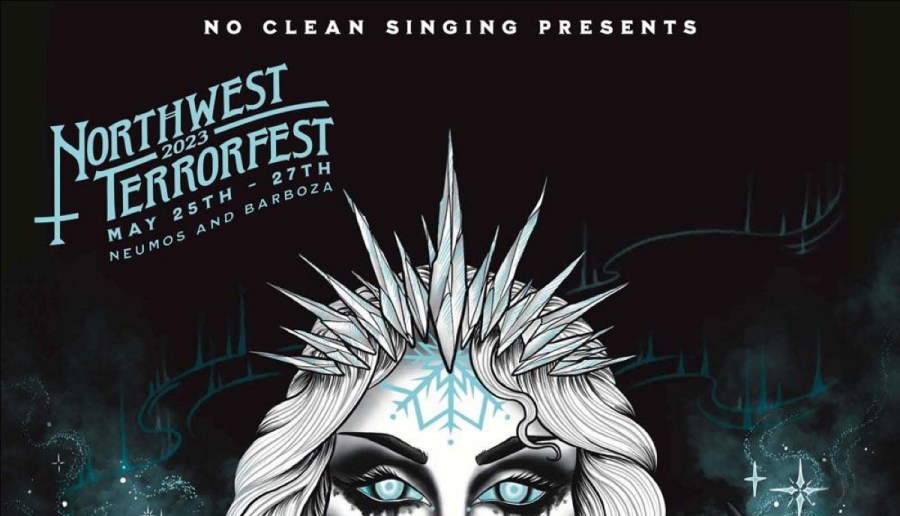
Quite like the 90s Seattle scene, Northwest Terrorfest also specializes in everything grungy. Guitars here are drop D downtuned to the abyss, decibels are off the charts, and all this at a venue which could be mistaken for a dive bar. Such bleak aesthetics would easily surpass the lows of an average Pacific Northwest winter. Mirroring those archetypal lifestyle and geographic signatures, if not accentuating them, this is probably as dark as it can get. Three days with about forty extreme bands will sort of explore the limits of your resilience. Safe to say, it’s probably not for the delicate of heart or health. But, all this translates to pure bliss if you’re one of those hardened metalheads.
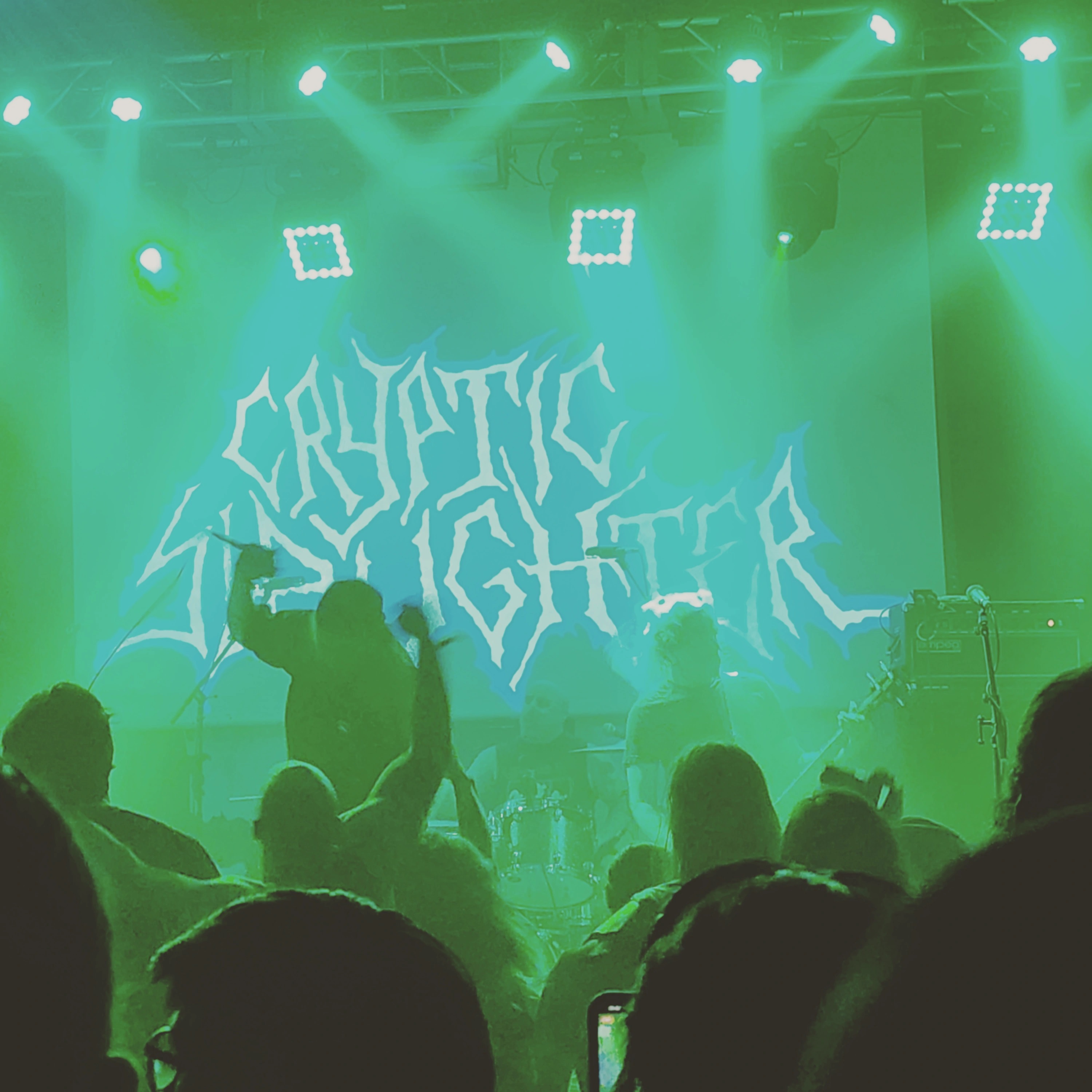
Pattern here is similar to other fests, it combines the esoteric and the arcane bands with few well known acts, and then throws in couple of legends, but yet everyone here flies under the radar of most of the civilized world. Basically Northwest Terrorfest caters to an audience who are at least neck deep in metal, if not actually submerged and drowning. Even though spanning more than a few sub-genres, even by normal extreme metal standards, every band here fits exclusively within the grim and grisly end of the spectrum. Imagine cross-over thrash like Cryptic Slaughter being the most cheerful of the lot! Mighty Autopsy being the grisliest, and seeing them live qualifies as one of those unique life moments. Their death/doom imprint is deeply embedded on to a broad range of 90s extreme metal acts. Basically you have heard Autopsy, if you have been exposed to any of the Florida, NY Death or Swedish bands.
In fact, most of the entourage here owes or shares their DNA in varying degrees with Autopsy and Cryptic Slaughter. These two bands combined captures a broad set of extreme metal building blocks. Hardcore punk, guitar melodies, doom, thrash and electric blues. Bands like Necrot, Misery Index, Ghoul, Genocide Pact or Antichrist Siege Machine will basically trace their entire lineage to them. Doom/Stoner like YOB, Conan or Bell Witch shares a subset of influences. Same with post-metal like The Silver. But, there are also some curve-ball folk bands like Serpentent which shares little in terms of musical influences, but still follows similar aesthetics. Seems like Northwest Terrorfest tells a story, and it’s all in shades of melancholy and gloom, but quite memorable if you find beauty in those hues. Honestly, all this sounds a lot like life in Pacific Northwest itself.
As always, purchase links are embedded in each artist/title listing; playlists/videos/samples follow the review.
Artemis, In Real Time: This second album delivers on the promise and potential of Artemis’ 2020 debut. As I recently discovered in concert, here’s a jazz sextet with a forceful front line (Nicole Glover and Alexa Tarantino on woodwinds, Ingrid Jensen on trumpet) and an assertive rhythm section (founder Renee Rosnes on piano, Noriko Ueda on bass, Allison Miller on drums) that revels in both challenging and collaborating with each other. Whether hurtling through the post-bop twists of Miller’s “Bow and Arrow” and Jensen’s “Timber”, reaching for the skies on Ueda’s open-hearted “Lights Away From Home” or tenderly exploring Rosnes’ spacious ballads “Balance Of Time” and “Empress Afternoon” — not to mention their unique spins on tunes by departed giants Lyle Mays and Wayne Shorter — this is a group of top-rank players that mesh marvelously as an ensemble, delivering a whole lot of serious, elegant fun.
Brian Dunne, Loser on the Ropes: It’s true that I wouldn’t have come across this New Jersey-born, Brooklyn-based singer-songwriter if my nephew hadn’t played drums for his recent tour. But I’m glad I did! Dunne’s vivid lyrics — questing, skeptical, bemused, and poignant all at once — hitch a ride on his insistent verbal rhythms, catchy melodies and tightly constructed tunes, sung with his direct, inviting voice to impressive effect. He rocks out on “Stand Clear of the Closing Doors” and “Bad Luck” and whips up midtempo singalongs on “It’s A Miracle” and “Optimist,” slowing down for more reflective efforts like the title track and the closer “Something to Live For”. There are sonic echoes of mid-period Dire Straits and (inevitably?) 1980s Springsteen, but this is fresh, thoughtful music with both forthright appeal and subtle intensity, well worth hearing.
Bill Evans, Treasures: from the late 1950s to his premature demise in 1980, Bill Evans changed jazz piano forever with what Miles Davis called his “quiet fire”, reshaping the piano trio format as a conversation of equals in the process. The latest in a rich harvest of archival discoveries from jazz detective Zev Feldman and his compatriots, Treasures captures Evans’ steady, probing artistic growth in the late 1960s via a series of visits to Denmark. Whether captured solo, in full flight with various bassists and drummers, or even at a heart of a suite for big band and orchestra, Evans is consistently engaged, shaping jazz standards, rarified pop tunes and his own compositions into things of sheer beauty with his intense lyricism and sense of swing. As good an introduction to this titan of the genre as any!
Guardians of the Galaxy, Awesome Mix, Vol. 3:Fair warning: this semi-soundtrack to the latest Marvel Cinematic Universe blockbuster probably won’t give children of 1970s radio like me the same nostalgia buzz as the first two volumes of Awesome Mix. Sure, there are still great throwbacks from Heart, Rainbow, Earth Wind & Fire, Alice Cooper and Bruuuce; but this time around they share playlist space with the American slacker punk (X, The Replacements) rock-rap (Beastie Boys, Faith No More), and post-indie dream pop (Florence and the Machine) that followed over the decades. So it’s a more diffuse experience, with tracks that are actually eminently forgettable (Spacehog? The Mowgli’s?) — not to mention a missed opportunity for a prog shout-out. On the other hand, any compilation that includes The Flaming Lips’ hospice anthem “Do You Realize?” and EHAMIC’s “Koinu No Carnival” — Chopin filtered through an electronica mixmaster! — deserves at least a listen, and possibly space on your shelf or hard drive.
Marillion, Seasons End Deluxe Edition: The final reissue in the set of Los Marillos’ eight EMI albums, boxed up in typically comprehensive fashion. Layering his and John Helmer’s words atop the veteran band’s latest soundscapes (often repurposed from a futile final effort at working with original vocalist Fish), new boy Steve Hogarth brought it all back home with melodies that tacked closer to folksong than operatic recitative and scenarios that evoked slice-of-life drama as well as existential soliloquies. In retrospect, Seasons End was just the start of H-era Marillion’s evolution, but the end result still rocks hard, smart and sharp after all these years, from the atmospheric intro of “The King of Sunset Town” to the unnerving claustrophobia of closer “The Space”. In addition to a remix of the 1989 original, we get b-sides, demos and early versions of multiple album tracks — plus three high-energy live sets (audio and video from 1990, plus 2022’s British Marillion Weekend) and two documentaries on the CD Blu-Ray version. Like the entire series, this re-release is great listening and great value for money. (And deluxe boxes of post-EMI albums have been promised by manager Lucy Jordache. Stay tuned …)
Paul Simon, Seven Psalms: Designed as a unified song-cycle to be heard in its entirety (it’s one 33-minute track on CD and streaming audio), Simon’s new work is a dreamlike meditation unlike anything else in his catalog. His subdued voice and acoustic guitar carry the musical weight, hinting at gospel, folk and blues as the suite unfurls, with ambience courtesy of composer Harry Partch’s “cloud chamber bowls”, British choir Voces8 and full orchestra. Anything but orthodox, metaphor-packed portraits of “The Lord” — who Simon compares to, among other things, a virus, a virgin forest and a record producer — become a recurring theme, punctuating scattered thoughts on life past and present. Scattered, that is, until the finale “Wait” (“I’m not ready/I’m just packing my gear”), where Simon abruptly, delicately drills down to our common endpoint. Ruminating on what’s been becomes a stoic stock-taking of what we’ve become, a bracing reminder of what awaits us all — and, just possibly, a call to hope in what might lie beyond. Subtle and devastatingly effective, Seven Psalms is a momento mori for the Boomer generation — and for anybody else with ears to hear.
U.K., Curtain Call: When keyboardist/violinist Eddie Jobson locked in with guitar genius Allan Holdsworth and the then-defunct King Crimson’s rhythm section — John Wetton on bass & vocals, Bill Bruford drumming — sparks flew thick and fast. U.K.’s 1978 debut album was a sleek, captivating blend of progressive rock and jazz fusion; 1979’s Danger Money slimmed down to a more focused power trio as Zappa drummer Terry Bozzio replaced Bruford and Wetton’s writing veered toward proto-Asia pomp-rock. The inevitable semi-reunion happened in the 2010s, with Jobson coming off a productive career in film and TV scoring and Wetton rebounding from a hard-fought battle with substance abuse for a extraordinary final run. Joined here in 2013 by hot young virtuosos Alex Machacek (guitar) and Marco Minnemann (drums), the duo triumphantly roar through U.K.’s complete repertoire to an enthusiastic Tokyo crowd. From the crash/bash technoflash of “In the Dead of Night”, “Alaska/Time To Kill” and “Carrying No Cross” to the glowering, tasty tension of “Thirty Years” and Rendezvous 6:02″, this foursome whips up a level of excitement and energy that was unstoppable on the night and remains irresistible on disc. Now remastered and reissued by Jobson in tribute to his late partner, this reasonably priced video (on BluRay & DVD with a bonus audio Blu-Ray) is an immensely satisfying summation for long-time fans, and a glimpse of what the fuss was all about for curious newbies.
Yes, Mirror to the Sky: After the stodgy fiasco that was Heaven & Earth and the modest charm of The Quest, Steve Howe and the rest of Yes’ current line-up actually raise a ruckus this time around. Large helpings of vocal and instrumental interplay in the grand tradition, plenty of fresh, arresting guitar licks by Howe, and lots of splendidly evocative harmonies from Jon Davison and Billy Sherwood make Mirror to the Sky a real pleasure to hear. If you expect the peak inspiration and combustible drive of Yes’ classic era, you’ll be disappointed, but this release is a convincing mix of extended epics like the title track and proggy pop like the singles “Cut from the Stars” and “All Connected”, with only the bonus disc’s “Magic Potion” sounding like a dud to my ears. For me, the most enjoyable new Yes album since 1999’s The Ladder. Check out Time Lord’s review here.
I pre-ordered the new Yes album, Mirror to the Sky, hoping it would show up today (Friday, May 19, 2023) for the official day of release. But on Tuesday this week, something really weird happened. Amazon delivered a giant cardboard box, the size of a microwave oven, onto my front door step. Baffled as to what could be inside, I opened it up. It was empty, with nothing in it, expect for a handful of tiny air-filled plastic cushions that scarcely made a dent into the empty space. But there, right beneath them, in the far corner of the box, was the Mirror to the Sky 2-CD set!
I don’t know why the new Yes album showed up early in such bizarre fashion, but I like to speculate. Maybe a fellow Yes fan, working at Amazon, sent the album out early to me in secret solidarity: maybe items receive extra fast shipping, if the big box functions to indicate a high-margin, top-priority item. Or maybe the algorithm controlling the shipping had achieved sentience and decided autonomously to prioritize the Yes shipments, because of course any sentient AI truly worthy of its name would, after surveying all the digitized music in the world, undoubtedly become an aficionado of Yes music.
Or maybe there was just a screw-up. Who cares! It got me the Yes discs early, which meant I could digest them with advance special treatment in order to write this review. Usually I listen to music in my car (where I can turn it up as loud as I like) or through ear buds (during daily exercise). Only rarely do I actually put a CD into that ancient device in the living room known as a stereo system. Sure, it has the best sound, but who has time to sit around like a teenager doing nothing else but listen to vinyl LPs?
Reader, I made the time. The early arrival was a message from the sky that I had to immerse myself in this record. Just like the good old days, when there was no demand on your time—just a copy of The Yes Album or Fragile or Close to the Edge on the turntable. I gave Mirror to the Sky the special treatment, following along with the accompanying booklet, reading every line of lyrics as it was sung.
During instrumental passages, I was silently thrilled to read in the liner notes about exactly which guitars Steve Howe used on each track! The info here is so precise, it tells you exactly what time codes Jon Davison is playing acoustic guitar, or exactly when the orchestra comes in. I absolutely love it, and I volunteer to write liner notes for Yes or any other band after they get me to interview their musicians about what pedals and other gear they used on every track. I can’t recall the last time I listened to a new album this way, with album cover and liner notes carefully caressed by the trembling hand of the true collector. But if any band deserves it, surely it is Yes, a band that introduced me early on to such wondrous arcana. This is the way.
Despite what you may have heard, I don’t think you can believe the hype. I reserve the right to change my opinion after many more days of listening (because I recall hating ABWH at first, only to reverse that absurd reaction 180 degrees soon after), but I don’t think Mirror to the Sky is on equal footing with the three classics I named earlier, or with any other of their very best albums. We can save that debate for another day, but I would also include Drama, 90125, and The Ladder.
Production-wise, this is Steve Howe’s baby, and I can understand his urgent fervor at 76 years of age to assume control and make no compromises regarding his musical legacy as it enters its final stage. (I note that Mirror to the Sky is lovingly dedicated to Alan White.) But what makes The Ladder great is an outside ear, and Bruce Fairbairn gave that disc a unique flavor—a fact which Steve Howe agrees with me on, since we discussed this very point at the Yes VIP Meet and Greet in Vancouver, Canada, which was where the album was recorded. Another essential ingredient for capturing the full energy of a band is to have them all live on the studio floor together. But a band-produced outing, without the outside ear that will argue for another take with more verve, or without a one-take wonder live off the studio floor, runs the risk of sounding like a collection of demos.
(Also, a producer wouldn’t let Steve Howe sing lead or duets. But Howe is excellent when he does classic Yes background vocals with Billy Sherwood or Chris Squire. By the way, I can’t get enough of Sherwood singing lead: he has the ability to sound like Peter Gabriel, which Arc of Life takes advantage of on many an occasion. But Howe is the producer, so we hear him loud and clear on this release, where I would have chosen more Sherwood.)
That’s really the worst I can say about Mirror to the Sky, because this album in fact sounds amazing—I just found myself imagining what these songs would sound like live, because that is the Yes that I know and love. Sure, their albums are amazing, but that’s because they can actually play all that crazy shit live too.
So let’s get right down to it. Yes fans will be hypercritical and debate this versus that, just because we can. None of it is a knock on the world’s greatest band. It’s just a way of expressing how much time and thought we devote to meditating on the beautiful musical experiences Yes gives to us. I can lay my cards quickly on the table, and then we can compare notes.
The best track is “Mirror to the Sky,” which is no doubt why it is the title track. Despite my earlier remarks about non-equal footing, this track does in fact achieve entrance into the Yes pantheon. It is destined to be ranked among all their very best songs. And I can only dream of what it sound like live. Because I know it will be a dream come true. I hope I get the chance to hear it someday.
Two more tracks off the album also achieve the highest rank. “Luminosity” and “Circles of Time” are both stunning. Each is achingly beautiful in its own special way. As I listened to these tracks, I realized that Jon Davison has consolidated his place in the history of this band as one of its giants. Just as we would find it foolish to denigrate one giant at the expense of another (Bill Bruford vs. Alan White, or Rick Wakeman vs. Geoff Downes, or Trevor Rabin vs. Steve Howe), so too must we admit Davison is one of this band’s giants, no less so than Anderson.
Now on to the lesser tracks. Sure, “Cut from the Stars” has that nimble Billy Sherwood tribute to Chris Squire, but it still sounds to my ear like 3/5 Arc of Life and 2/5 Yes. (Which is no criticism, since I classify Arc of Life as truly Yes, and no less so than ABWH.) Still, the hippy-dippy lyrics are ambiguous: one day they sound to me like loving homage to Jon Anderson (he of “shiny flying purple wolfhounds” et cetera), but another day they sound like an SNL parody of Yes. I guess that “All Connected” strikes me the same way: it’s inspired by the best Yes music of ages past, in the same way that Arc of Life is inspired, but not quite there yet in the upper echelon of Yes achievements.
None of this is a negative evaluation, because even lesser tracks on a Yes album are better than anything you will hear elsewhere. I’m just insisting that “Cut from the Stars” and “All Connected” are the lesser tracks, and they do not reach the highest levels of Yes achievement, which “Mirror to the Sky,” “Luminosity,” and “Circles of Time” all do. Those three tracks make this the best Yes album since The Ladder or Magnification. (Fly from Here has a top-notch title track, just like Mirror to the Sky, but it also has some lesser material too, just like Mirror to the Sky.)
I appreciate Yes striving to make a classic LP-length statement. Mirror to the Sky is a perfect 47 minutes long. That’s why I fully support the decision to have a second CD with three bonus songs, even if they could all be on one disc. By making a second disc, the band is making a principled artistic statement: disc one is the album and disc two has the bonus tracks.
And for Mirror to the Sky, this makes sense, because disc one has the unifying thread of the use of a studio orchestra on all six tracks. Disc two, however, has no orchestra, and the songs are all written by Steve Howe, unlike the first disc, where everything has collaborations with at least two band members, except for the solo-scribed Jon Davison masterpiece, “Circles of Time.”
But let’s be honest, the Downes-Howe collaboration “Living Out Their Dream” is the worst of the six tracks. If I were the producer on this Yes album, or I could be pulling rank on them at the record company, I would have replaced “All Connected” with “Unknown Place,” which is truly a killer track. That’s no doubt why it is placed first on the second disc. The amazing keyboard and organ work by Geoff Downes is a real highlight, and the sonorous organ pedals blow you away so much that you wanna get up and get down.
Also, I would have swapped “One Second is Enough” for “Living Out Their Dream.” “One Second is Enough” has Steve Howe shredding away in glory, and at key points I think the track even invokes some memories of “Tempus Fugit” off of Drama. The only filler seems to be “Magic Potion,” but hey, not every Yes track is equal in magic.
But “Mirror to the Sky” brings us right back to the old magic. And that’s why you cannot miss out on Mirror to the Sky.
For, in the end, every band must be weighed. And finally answer to Yes!











 Progarchy
