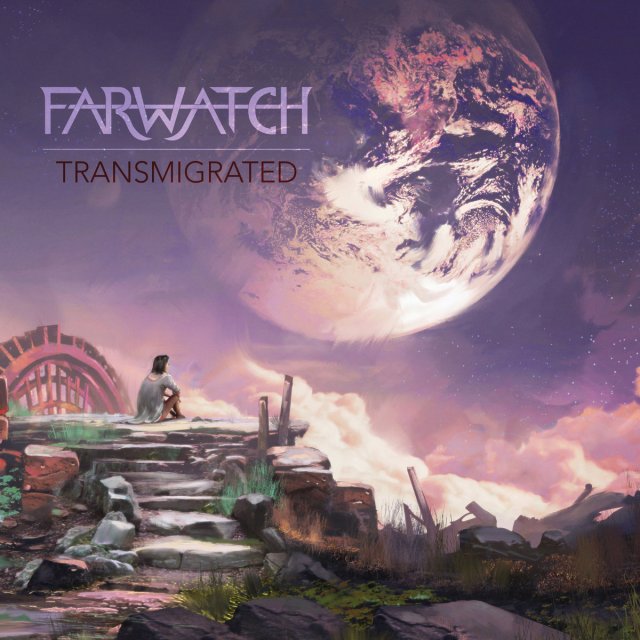
Review: Farwatch – Transmigrated

transmigrated

Nothing is more challenging in music than new names in a genre, especially if there are great guitar solos. Progressive rock, just like its title, as a genre always remains thirsty for something new.

Farwatch is one of these bands that brings that challenging taste to the scene. Great guitar solos, female fronted vocals and little passages that are always between prog rock and metal. Their new work “Transmigrated” was released last month, so it falls into the category of late-great 2016 releases. Musically, especially with those sudden rhythm changes, prog-specific drums and great guitar solos, we are “confronted” with influences by some of the genres greats: Dream Theater, Haken, Rush. The album gets a bit of a gothic vibe courtesy of the vocals. Another courtesy of vocals — there is somewhat fairy atmosphere in the way of Blackmore’s Night.

Different than usual with its own character. That is how I would describe Farwatch’s “Transmigrated.” It knows the ways to your ears.

You can get a copy of “Transmigrated” from Bandcamp here.

Prog? In the EYE of the Behearer

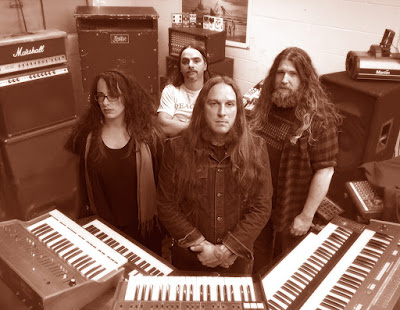
Founding members Brandon Smith (drums) and Lisa Bella Donna (keys, guitar, voices) are joined with new members Michael Sliclen (bass) and John Finley (guitars) in the Columbus, Ohio band: Eye. Their November 2016 five track album, “Vision and Ageless Light,” is a Laser’s Edge release which is also available at Amazon.com.
A droning electronic synth with some tinkling bell noises starts of the first 40 seconds of the opening track ‘Book of The Dead’ (3:34) until joined by some synth strings. The tune sort of meanders around on a two to four note theme that is somber and quirky…until at the 2-minute mark there’s a loud KING CRIMSON-ish crescendo of drums and more synths. This is followed by some nice runs of analogue sounding effects that made me think of Klaus Schulze and “Timewind.” This cool opening song ends with some bird noises.

The dueling riffage between the organ and axe at the end of track 2, ‘Kill the Slavemaster’ (6:04) caps off a rollicking and galloping “desert” rocker that is loaded with stoner vocals, synth horns and a section with enough chimes and keys to verge into Jazz fusion. This is a beautiful example of “throwback” (i.e. retro) psych/sludge that brings to mind newer bands such as Purson, Orchid, Kadaver, or Uncle Acid. There is a kinship between this type of protégé of Sabbath and harder prog.

‘Searching’ (5:29) with its hard-rock opening continues the Black Sabbath vibe (minus Iommi) with its chugging and relentless guitar & bass propelling it along in a way that made me think of an “amped up” Steppenwolf. The song ends with a few seconds of outer space beeps and bleeps effects noises.

As a big Lovecraft fan (the author more so than the band) I was predisposed to like track four on its title alone: ‘Dweller of the Twilight Void’ (4:01).  And though it wasn’t quite what I thought it might be it was still a strong offering. The nice slow guitar at the start is joined by the harmonizing of Brandon, Lisa, and Michael in a mournful dirge like vocal. At the end of the piece the nice use of Lisa’s mellotron and synths deliver a spacey “prog folk” meets “Forbidden Planet.”

Image may contain: 3 people, people standing and indoor

Though the first four tracks might have a dearth of some of the classic components many proggers look for in their music, the final track with its epic length of 27 minutes should win Eye some bona fides points. ‘As Sure as the Sun’ (27:11) starts with a brief soft acoustic guitar with a babbling brook of water that almost brings to mind Rush and 2112 (you know the section). This bubbly and dreamy opening is joined at 2:45 with some soundtrack “cue” music heavily topped with mellotron and synths. The whole album is infused with tasty shredding by John Finley, and he really shines on this closing monster of a track. With the changes in tempo and the mixture of vocals, the song images early Nektar and early King Crimson before it shape-shifts off to honor some more of the bands’ 70s heroes. For what it’s worth I heard what made me think of Robin Armstrong’s Cosmograf at 10:30.
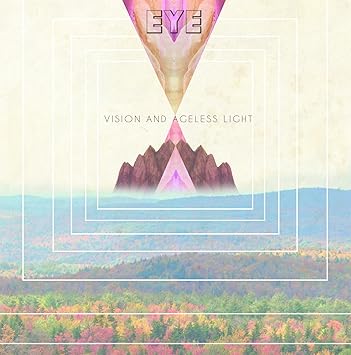
Vision And Ageless Light

Derivative or homage? I think the latter. This is like early Pink Floyd meeting Blue Cheer with a seltzer of Anekdoten shot on the top. If you like Krautrock and the burgeoning revival of sludge/psych prog of the many bands that I’ve mentioned, I really think you should give Eye your ear. “Vision and Ageless Light” can be streamed at Bandcamp, and the group can be followed at Facebook. I find the album very enjoyable, playful, and worth listening to again.  7/10

Eye Facebook page

Eye Bandcamp page


Mellotron set to 11

soundstreamsunday: “Blue Flower” by Mazzy Star

brightlymc2Like Rush, the Velvet Underground were painted as a cult band so frequently that it became clear by the early 1980s, a decade after the band was done, that they were anything but.  In the rock-and-roll retrospectives and histories that began appearing at that time, the band became a pivotal force despite their commercial failure — Brian Eno famously half-joked that even though the band’s first record (that Andy Warhol one with the banana on it) only sold 10,000 copies on its release, every one who bought it started their own group — and through sheer collective will the rock community at large cemented VU’s role as the progenitor of punk by the time of Legs McNeil’s and Gillian McCain’s landmark Please Kill Me: The Uncensored Oral History of Punk (1996).  It’s a conclusion that’s hard to argue with, if at the same time you cast a wider net including bands like Love and the Stooges and countless garage-rock monsters like the Sonics and the Seeds.  The legacy of the Velvet Underground comes down to attitude, songwriting, and, importantly, their connection with Warhol and New York.

By the mid-1980s American college rock (for so it was called at the time) was jonesing for all things VU, but often threw that influence in with the other nostalgia trips taking place at the time, to the lands of Byrds, Beatles, and Barrett.  California’s neo-psychedelic “paisley underground” existed in this space, and reached its pinnacle in the early 1990s with Mazzy Star, a group that grew out of another band, Opal, and, before that, Rain Parade.  Mazzy Star matched David Roback’s sculpted fuzz country blues with Hope Sandoval’s beautiful vocal phrasing, which paired a remarkable emotional investment with the kind of matter-of-fact distance that characterized Lou Reed’s and the Velvet Underground’s best work.  While their hit, “Fade Into You,” would come from their second album, it’s their first record, She Hangs Brightly, that defines their sound best, slow- and mid-tempo country/blues/americana rock that is its own reverb-ed thing but also strongly evokes VU and the Doors (to the point where they lift the riff for “Ghost Highway” straight from the Doors’ “My Eyes Have Seen You”).  As a whole the album is near-perfect, has aged as gracefully as any of its contemporaries.  “Blue Flower” reminds me of standing in front of a stage in Carrboro, North Carolina, in 1994, watching one of the best live bands I’ve seen make a case for the past and future of American rock and roll.

soundstreamsunday presents one song or live set by an artist each week, and in theory wants to be an infinite linear mix tape where the songs relate and progress as a whole. For the complete playlist, go here: soundstreamsunday archive and playlist, or check related articles by clicking on”soundstreamsunday” in the tags section above.

Stardust

610px-stardust_we_are
Unapologetic hippie prog!

The older I get, the more I love the past, even as I’m profoundly enjoying the present.  2017.  It has a nice sound.  2017.  Looking back over the years of which this current one is an important anniversary (ok, not the best writing in the world), I can’t help but think of several important years and albums that spring to mind immediately.

Continue reading “Stardust”

(Belated) Best of 2016

Please forgive my late entry, for I did not listen to as many new albums as I should have in 2016; I suppose I still have an affinity for the “classics.” Anyway, here is my all too brief list (in no particular order) of the best albums of 2016:moonpool

A Moon Shaped Pool (Radiohead): This was my first exposure to Radiohead, and I was impressed. The atmospheric, almost hypnotic vocals of Thom Yorke, supported by Jonny Greenwood’s haunting string arrangements, make this a work of eerie beauty. Burn the Witch and Daydreaming are the two stand out pieces, but the album overall is excellent.

Say So (Bent Knee): Not as well-known as the other two, but a gem nonetheless. This innovative band from Boston features the inbentkneecredible vocals of Courtney Swain, whose range will impress prog and non-prog lovers alike. You can check out my review of their first album here.
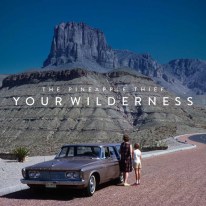

Your Wilderness
(The Pineapple Thief): I must admit that I enjoy just about anything created by Bruce Soord. The man is quite the talent – as a songwriter, vocalist, and guitarist. His latest effort is no exception; it is filled with well-crafted and accessible songs. Overall, it is a great followup to 2014’s Magnoliayour-wilderness


Ripped into Little Pieces: LITTLE EARTHQUAKES at 25

A retro review of Tori Amos, LITTLE EARTHQUAKES (Atlantic, 1992), originally released January 6, 1992.  Twelve tracks at 57 minutes: Crucify; Girl; Silent All These Years; Precious Things; Winter; Happy Phantom; China; Leather; Mother; Tear in Your Hand; Me and a Gun; and Little Earthquakes.

amos-little-earthquakes
Originally released January 6, 1992.

Nothing quite prepared me for my first listen to LITTLE EARTHQUAKES by Tori Amos, twenty-five years ago this month (actually, twenty-five years ago tomorrow, to be exact).

Full of confessional anger and blasphemy, LITTLE EARTHQUAKES is nothing if not utterly honest.  Indeed, this first album from American vocalist and pianist remains one of the most honest and earnest albums I’ve ever heard in my 49 years of life.  Amos has a voice that could awake the dead who await the Last Judgment.  And, if she challenged God to a debate, I don’t think it would be a pretty sight.  Though, I can imagine Tori raising her fist pretty quickly at the first glimpse of the divine.  I’m not quite sure what God would do.

Continue reading “Ripped into Little Pieces: LITTLE EARTHQUAKES at 25”

Review: Althea – Memories Have No Name

memories-have-no-name_cover

With the amount of records being released in the present era, ranging from the bedroom to high-class studio productions, it is quite a challenge to satisfy my hunger for music lately. Most of this has to do with the fact that the music being released today lacks sincerity. Maybe I am stuck badly to the old-school understanding of rock music, but even though I try so hard, it happens quite a lot that I cannot understand and enjoy the modern music. The sound of 1970s is my comfort zone.

Althea from Milan, Italy could be described as a true progressive rock metal band with touches of metal here and there, offering well-thought melodies, interesting vocal arrangements, and passages that connect the dots that are quite enjoyable.

The album opens with “Regression from Regrets,” which after a short atmospheric intro shows that Memories Have No Name has a lot to offer. With often changes, Althea distances themselves from delivering just a pure, lifeless showcase of technical proficiency, something that these guys definitely have, but rather presents the work that is alive, dynamic and above all, interesting.

References to various stylistically different artists can be heard in Althea’s music. Their explorations within Anathema’s or Porcupine Tree’s melancholia speak of that, but the band is not afraid to delve deeper and expand their horizons. As Melodies Have No Name flows by, a listener is taken to a sound-trip that gets more metal-esque. Each of the songs on the album has its own personality, and labelling this record under a single genre would do this band a lot of injustice. As an example, “Paralyzed” is a very classic rock oriented song with addition of Opeth-ian vibe. “Revenge” channels Dream Theater, while “Halfway of Me” is somewhere between the mentioned US prog veterans and Rush. And that is just a small piece of what Memories Have No Name delivers.

To summarise, Memories Have No Name is a record largely based on the progressive rock genre channelling many different elements. This is a true epic, both in length and amount of quality material, which requires quite a few listens to get into it. How far Althea are ready to go? Time will tell. But for now they are on the right path.

Visit Althea on Facebook.

Interview with MERKABA

merkaba

Merkaba is a new instrumental ambidjent project that emerged in 2016. Led by Louis Goodwin, this one-man band produced the self-titled debut EP which includes nine tracks. We asked Louis some questions about the record, and here is what he had to say.

Alright, first thing is first. Before we dive into all the music stuff, how’s life?

Life’s good! Writing plenty of riffs, practising a lot, learning a lot. Things are chill!

Speaking of new music, you have an EP. What can people expect from “Merkaba”?

A strange mix of really heavy stuff and really light stuff. I can’t seem to decide what part of the “Djent” subgenre I’m most going for with Merkaba, whether it’s the really heavy Meshuggah, Glass Cloud or Monuments kinda thing, the more metalcorey Born of Osiris and Veil of Maya stuff, the jazzy Animals as Leaders, Plini and later Intervals influences, or super ambient stuff like Tesseract, Skyharbour or David Maxim Micic. One moment it could be a super heavy riff like the breakdown in “Sonder”, the next it could be the jazz/proggy, clean chords in Interludes I and II.

Continue reading “Interview with MERKABA”

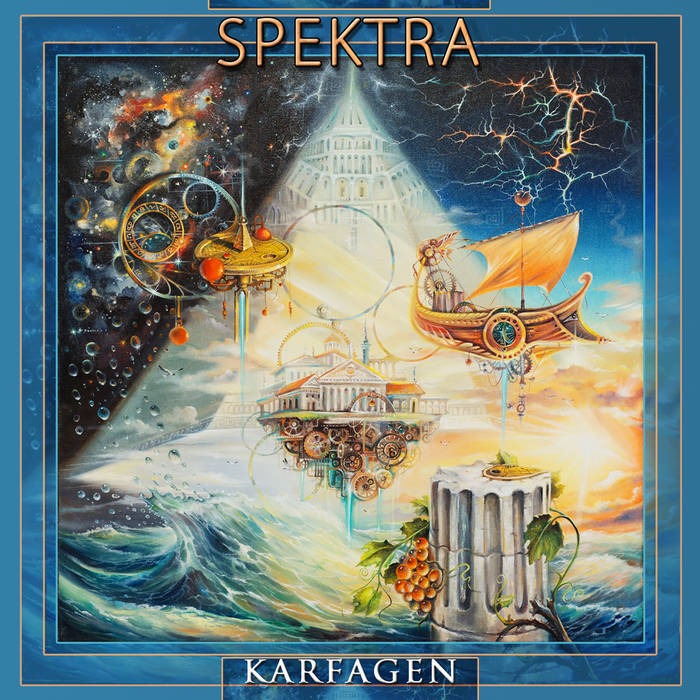
Some Good News from Ukraine: My “mash note” to Antony Kalugin’s SPEKTRA

You older readers might remember and understand. Back when dinosaurs walked the earth we sometimes bought our vinyl in smaller stores that did not have turn-table listening stations. How many times did we either “score” or “strike-out” when, not knowing anything about the music, we took a gamble and just bought the lp for the cool art on the cardboard jacket?  My average was way better than 50%

But when it comes to prog,  we expect the art to be, well, “proggy.”  When I was perusing some online albums to listen to recently, this artwork really grabbed my attention.  The album is light-years better than the art. The art is great. What a find. This will be a rave review.

Continue reading “Some Good News from Ukraine: My “mash note” to Antony Kalugin’s SPEKTRA”

If it carries on like this I’ll be moving to the sea

I seem to have spent most of the last few months catching up with a backlog of album reviews that have landed either on my door step or in my inbox which built up during a traumatic move, (I am never spending two weeks sleeping in the living room again!!) and so I fear this latter part of the year has been chasing my own tail, as whilst I’ve reviewed older albums, never ones have appeared!

My new Years resolution is to be more organised (honest!)

This is my first word on Bad Elephant Music this year, wrapping up some of their fine releases last year.

tfatd

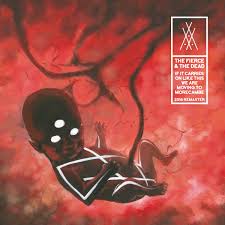
The Fierce and the Dead: If it carries on like this we’ll be moving to Morecambe

This is where it all began, and what better place for a shiny new remastered edition of TFATD debut long player to be released, complete with new artwork by Mark Buckingham, than their new home. BEM and TFATD have become synonymous with adventurous and eclectic music, and as some one who previously bought the original release from band camp, the remastering is absolutely superb, and does make a difference to the sound. Not that there was ever anything wrong with the production originally, but it’s like the difference between watching your favourite TV show on a normal telly and then switching to HD, it highlights certain nuances and little pieces of music on the album that you might have missed originally.

Continue reading “If it carries on like this I’ll be moving to the sea”