Album Review – JPL’s “Sapiens Chapitre 3/3: Actum”

JPL-SAPIENS-3-v3-300x300JPL (Jean Pierre Louveton), Sapiens Chapitre 3/3: Actum, Quadrifonic Records, March 2022
Tracks: Paradis Perdu (5:53), Mon Cercueil (6:08), Alia (La Mahine) (4:50), Dansez Maintenant (5:12), Memento Mori [a. Marche Vers l’inconnu, b. Tempus Fugit, c. La Mort Du Roi, d. Paria, e. Acta Fabula Est] (23:01)

Over the last several months, Progarchy HQ has received a fair number of CDs from France for review. The first such record is the third album in a trilogy of records about the history of humanity from Jean Pierre Louveton, under the alias JPL. Louveton is perhaps most well-known for his work with NEMO, a now on hiatus French progressive rock band (sort of on hiatus – the band is releasing a re-recorded version of an earlier album later this year). Since the lyrics are in French, much of Louveton’s work is likely unknown to all but the most dedicated of English-speaking prog fans.

Sapiens Chapitre 3/3: Actum is the only album of the trilogy I have heard, but I must say it is quite good. It travels the breadth of progressive rock, with hard classic rock elements, forays into jazz and fusion, and swashes of symphonic rock, especially most prevalent in the album’s 23-minute epic, “Memento Mori,” which is split into five tracks on the CD.

As you might expect, since it is the final chapter of a trilogy of records, the album sounds like it is picking up in the middle of a story. There isn’t really a big build-up in the first song, “Paradis Perdu.” It has an instrumental opening for the first few minutes, but it doesn’t strike me as being any sort of overture. Even though I haven’t heard the other albums, I quite like that this one gets right to the point. At 46 minutes in length, the album lacks the fluff that often gets padded into many progressive rock albums today.

“Mon Cercueil” starts off pretty slowly – perhaps too slowly – but it digs into a nice bass groove in the middle of the track with a brooding layer of synths over the top and complex drumming lifting up the back end. This moves into a faster tempo section with a vocal duet between JPL and Stéphanie Vouillot, who also plays piano on “La Mort Du Roi” and “Paria.” She has a lovely voice which I wish had been used even more on the record. “Mon Cercueil” ends with a great guitar solo that foreshadows the closing of the record.

YouTube – “Mon Cercueil”

“Dansez Maintenant” has a bit of an unexpected surprise with the inclusion of a Hurdy Gurdy played by Marguerite Miallier. The Hurdy Gurdy (vielle à roue in French) is a medieval-period stringed instrument used primarily in European folk music (German metal band Saltatio Mortis also have a Hurdy Gurdy player). It is operated by turning a wheel at the lower end. It adds a very distinctive sound, somewhat similar to how a bagpipe might sound if played at a fast tempo.

“Memento Mori” travels through five different movements, and it is heavy on the instrumentation. There are large symphonic elements, along with a heavier guitar sound in parts. “Tempus Fugit” is a particularly strong track in the way it combines the heavier rock sound with the orchestral tones. JPL’s vocals on “La Mort Du Roi” are more spoken in a quick whispered fashion at the beginning of the track before they are sung in a slower fashion. The band takes its most experimental route on “Paria,” with a fast jazz fusion sound and even a saxophone solo featuring Sylvain Haon. The album closes with a stellar guitar solo from JPL that builds along with the symphonic parts to a satisfying ending to the album, and I suspect also a satisfying ending to the trilogy.

The artwork by Stan Decker is another feather in the JPL cap. Somewhat reminiscent of Roger Dean’s artwork, although distinctively different, the album cover has a lot of detail that draws you in for a closer look. Jupiter in the background, Earth in the center, rising columns of green Dean-esque shapes with alien-looking bugs and flying sea rays roaming the skies. And that isn’t even all of it. The CD booklet and packaging contain further art, which certainly adds to my enjoyment of the record.

Awaken your inner Francophile and check out JPL’s Actum. Musically it will not disappoint, and for the ear accustomed to English styles of singing, the French lyrics and style of singing might be a nice change of pace for you.

Stay tuned for more reviews featuring French artists in the near future.

http://www.jplouveton.com/home-2/
https://www.quadrifonic.com/en/home/552-jpl-sapiens-chapitre-33-actum-cd.html

Bandcamp (CD quality): https://jplouveton.bandcamp.com/album/sapiens-chapitre-3-3-actum
Bandcamp (High Resolution audio): https://jplouveton.bandcamp.com/album/sapiens-chapitre-3-3-actum-hr

Rick’s Quick Takes for July

In addition to this month’s new music, I’ve taken a few column inches to double back on “Blasts from the Past” — albums that I missed the first time around or haven’t heard in a while, but have become firm favorites as I discovered (or rediscovered) them during the first six months of this year. For new releases, purchasing links are embedded in each artist/title listing, with playlists or samples following each review as available; Blasts from the Past have listening links embedded in each album title.

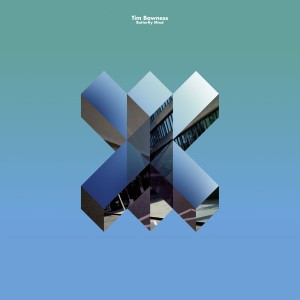
Tim Bowness, Butterfly Mind: As Bowness mentioned in his latest Progarchy interview, the concept of his 2020 album Late Night Laments‘ was of a fragile refuge, however imperfect, from current societal storms. Butterfly Mind drops those defenses, confronting protest (“We Feel”), polemics (“Only A Fool”), fear of the future (the album frame “Say Your Goodbyes”) and, yes, death (“About the Light That Hits the Forest Floor”) with Bowness’ typically thoughtful, allusive lyrics and rich, warmly delivered melodies. But there’s also a gritty energy welling up from the roots of the music (bassist Nick Beggs and drummer Richard Jupp are a fabulous rhythm section), toughening the musical tendrils nurtured by soloists like Jethro Tull’s Ian Anderson, Magazine’s Dave Formula, Big Big Train’s Greg Spawton and former No-Man bandmate Ben Coleman. Urgent art-rock that compels multiple listens, as beauty takes on today’s ugliness without flinching. Preorder now for August 5th release.

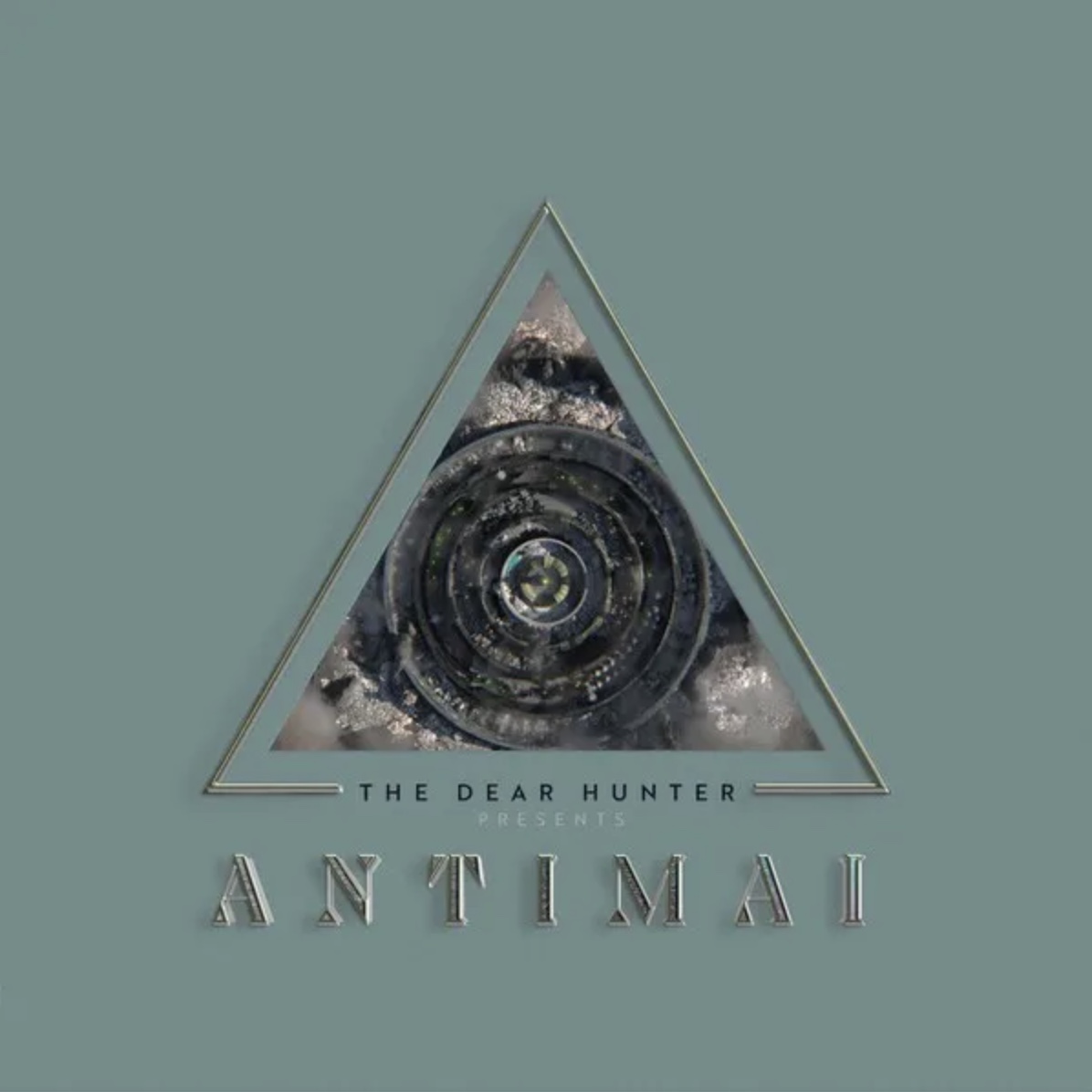
The Dear Hunter, Antimai: having cleansed their palette with 2017’s relatively straightforward All Is As All Should Be, Casey Crescenzo and his crew of emocore/musical theater/prog rockers settle in for some serious world-building. Exploring the dystopian culture that underlies Crescenzo’s short film The Indigo Child from bottom (“Ring 8 – Poverty”) to top (“Ring 1 – The Tower”), his lyrics portray the variations of despair, complacence, and self-deception each imagined caste falls prey to. Honestly, it’s the music that provides sharper differentiation between social strata, with surprising amounts of sonorous brass — plus jazz/funk, R&B and even hip-hop — snuggling alongside TDH’s trademark power chords, mallet percussion riffs and singalong choruses stacked with Beach-Boys-meet-Queen harmonies. It feels a bit like an aural version of a cinematic trilogy’s middle installment — lots of set-up, with the ultimate payoff beyond the horizon — but with TDH’s sonic and structural ambition clicking so often, Antimai is quite a dazzling trip.

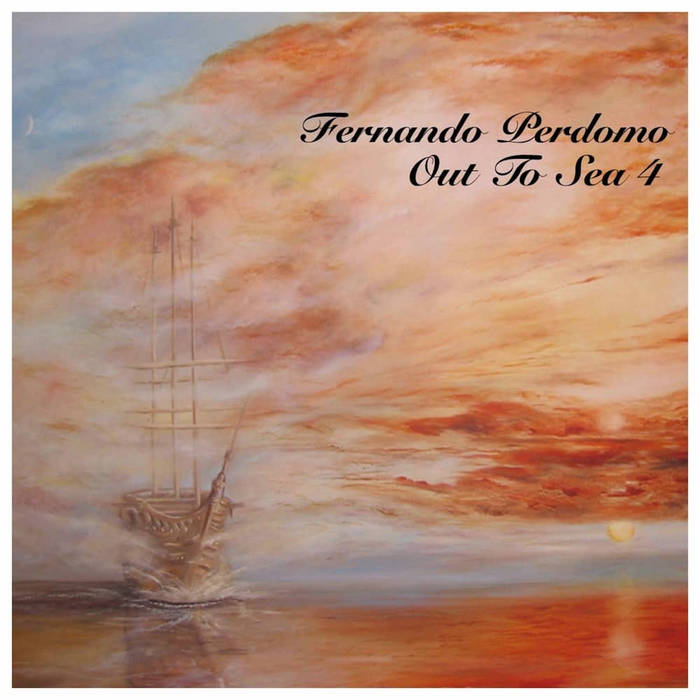
Fernando Perdomo, Out To Sea 4: Even with this year’s return of Cruise to the Edge (the series’ initial impetus), this fresh installment of nautically-themed prog instrumentals comes as a surprise — but then it did to Perdomo as well! Written in the heat of inspiration, his new compositions are sure-footed and energized from first to last, immediately appealing while packed with depth. Playing all the instruments, Perdomo lays down powerful, propulsive grooves on bass and drums and sets up sparkling, jangly chordal textures and fires off his arresting themes on guitar with confidence and aplomb. And his guitar solos! Never pat or predictable, always heartfelt and daringly executed, each solo is a ravishing song in itself. The only reason I haven’t mentioned any standout tracks: every single one is equally excellent. If you’ve heard Out To Sea 1, 2 and 3, you’ll definitely want this; if Fernando Perdomo’s name is new to you, you won’t regret giving OTS 4, the high water mark of a really fine run of albums, a spin.

Robert Berry’s 3.2 Alive at Progstock: Berry’s recent posthumous collaboration with Keith Emerson (an extension of his work with Emerson and Carl Palmer in the 1980s band 3) gave him renewed exposure and the chance to command prog festival stages in 2019. Surrounded by chops-heavy compadres Paul Keller, Andrew Colyer and Jimmy Keegan, he delivers with a thrilling mix of 3 and 3.2 highlights, prog classics as reimagined for 1990s tribute albums, solo tracks and even “Deck the Halls” a la 1980s Rush! Plus, Berry’s unpretentious spoken introductions, peaking behind the curtain to reveal how the music came to be, are nearly as riveting as the performances themselves. All in all, this CD/DVD set is a worthy showcase for a remarkably underrated musician, finally in the spotlight after decades behind the scenes. (Watch for a Progarchy interview with Berry about his next project, SiX By SiX, coming soon.)

Blasts From The Past:

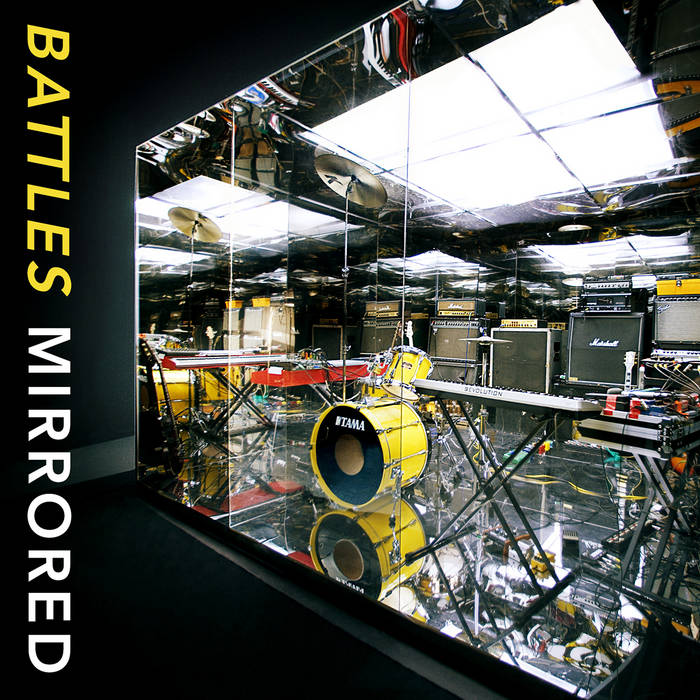
  • Battles caught my ear opening for Primus back in May; their first two albums, 2007’s Mirrored & 2011’s Gloss Drop, turned out to be especially exciting. Glitchy electronica that defies predictability with every asymmetric loop, candy-coated melody, whipsaw rhythmic shift, and whomping backbeat, with each album meant to be experienced in one extended go. As proggy as dance music gets!
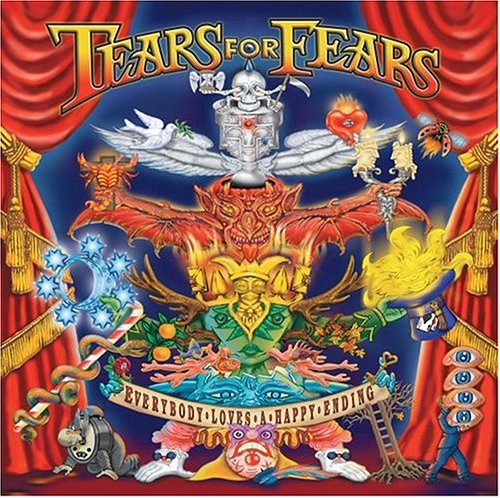
  • Tears For Fears’ The Tipping Point inspired a deep dive into the lesser known corners of their catalog. Roland Orzbaal and Curtis Smith’s 2004 reunion, Everybody Loves a Happy Ending (which I never heard at the time), lives up to the same high standards as their latest; unstoppable riffs and hooks abound in killer songs like “Call me Mellow”, “Who Killed Tangerine?” and the delectable “Ladybird”.
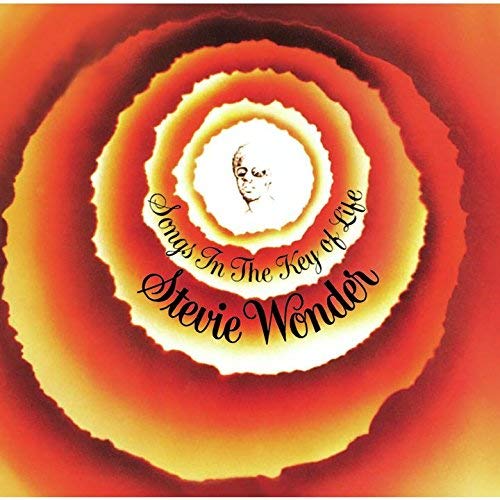
  • Andy Tillison’s reflections on soul music in his recent Progarchy interview sent me back to Stevie Wonder’s masterful 1970s albums, where Wonder blended soaring melodies, sophisticated chord structures, groundbreaking synthesizer work and heaping helpings of funk rhythms for one innovative, irresistible breakthrough after another. 1976’s Songs in the Key of Life remains Wonder’s most expansive, fascinating and welcoming classic, ranging from the swing of “Sir Duke” to the drive of “I Wish” and “Isn’t She Lovely” to the sardonic classical gas of “Pastime Paradise”. And the songs you don’t know from this double album are just as good — or often better! Sheer genius at its peak.

— Rick Krueger

The Big Big Book Review: “Big Big Train – Between The Lines: The Story Of A Rock Band”

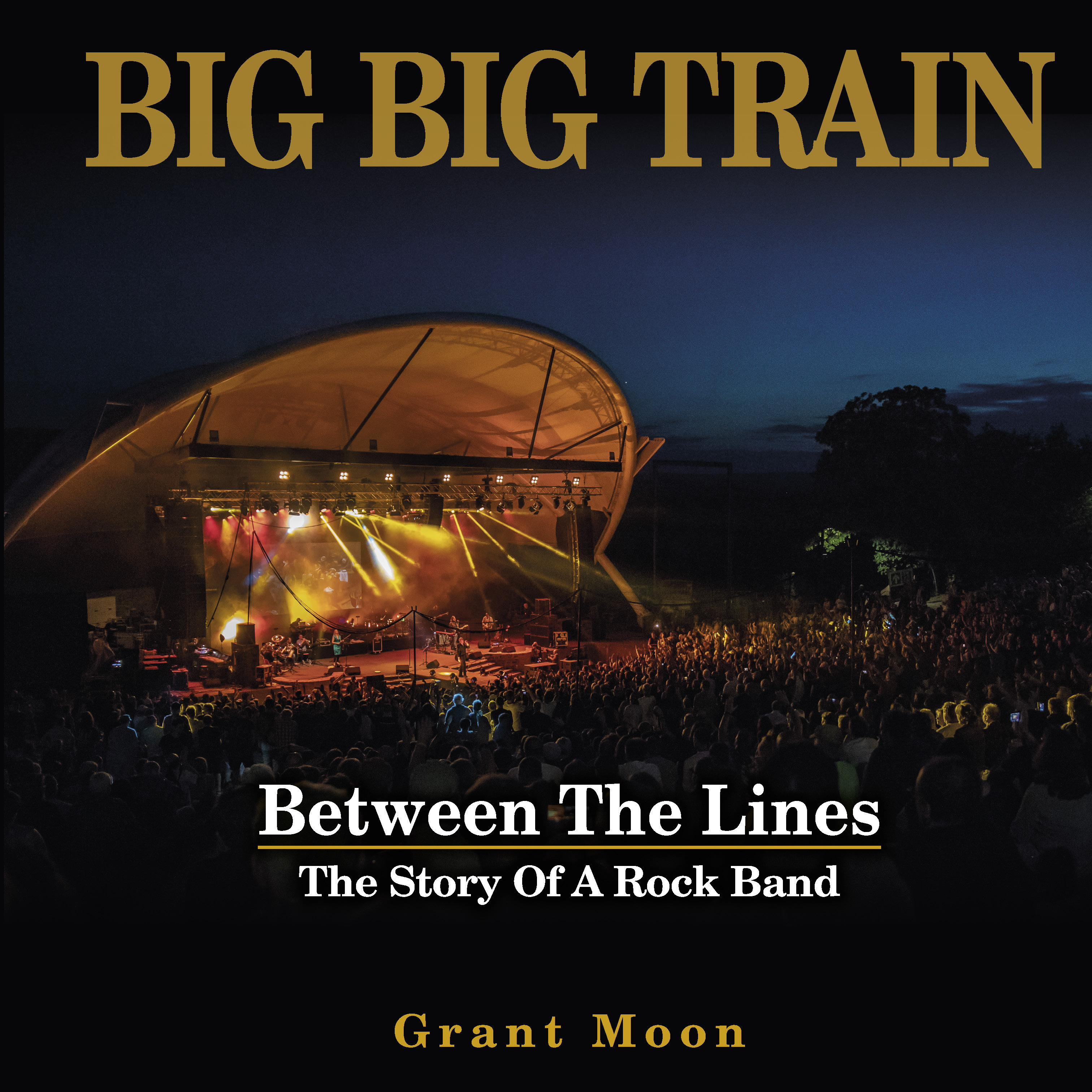
grant-moon_big-big-train–between-the-lines_bookGrant Moon, Big Big Train – Between The Lines: The Story Of A Rock Band, Great Britain: Kingmaker Publishing, 2022, 271 Pages. 
It seems fitting that a band that has taken such an unusual path to success as Big Big Train should have a book detailing the route they took. Few other artists in progressive rock, apart from perhaps Kate Bush, have reached the successes Big Big Train have accomplished without a heavy grind of international touring.

Grant Moon’s Between The Lines: The Story Of A Rock Band tells in detail how their story unfolded, but it is clear this story is not a roadmap for other bands to follow in their steps. Rather Big Big Train has been a labor of love from the outset, and if it weren’t for the longtime commitment of founders Greg Spawton and Andy Poole, the band never would have arrived where they are now. With that said, to reach beyond the obscure world Big Big Train inhabited pre-2009, a little (or a lot) of luck had to roll their way. David Longdon joining the band for The Underfall Yard, along with Nick D’Virgilio joining as a permanent member after playing on the previous record and Dave Gregory guesting on TUY, poured the requisite coal into the firebox. Members have come and gone throughout the band’s long history, as Moon covers in intense detail, but these three helped provide the signature sound that helped break Greg Spawton’s musical and lyrical ideas to wider audiences.

Since the purpose of the book is to provide you with the juicy details, I’ll spare you any further plot summary and rather speak to the qualities of the book itself. For starters, it’s a beautiful product. Rather than being a simple paperback or even traditional hardback book with maybe an insert of color or black and white photos somewhere in the center, Between The Lines is a large coffee-table style hardcover book. The cover features a lovely dusk photograph of the band playing at Night of the Prog in Loreley, Germany, in 2018. Each page is printed in two columns, and the book is filled with both color and black and white photos from the band’s history and digging even deeper into certain member’s pasts. There are also some great photos of Sarah Ewing’s album artwork in process. Put simply, the book makes an attractive addition to a progressive music fan’s collection. Certainly any diehard Big Big Train fan will have already purchased it.

As a relatively longtime fan of the band (since 2013), I have followed Big Big Train very closely for close to a decade. I’m not on Facebook, so I’m not a part of the band’s public facebook group, although I’ve perused it before. I’ve also never attended any of their live concerts, but with the exception of Bard and the band’s first two demo CDs, I have all of the band’s albums on CD, including the rare English Electric: Full Power, my first Big Big Train purchase. I also have all of their Blu Rays and even the digital video download of the Kings Place shows. I have all of the band’s recordings (including Bard and the early demos) in my iTunes, and I’m a proud charter member of the Passengers Club. I signed up as soon as it was announced. All of that to say, even though I’ve followed the band more closely than any other band of which I am a fan, there was a lot for me to learn within the pages of Moon’s book. For instance, the band experienced growing tensions both internally and externally during their intense period of growth. While seemingly at the top of the world, Longdon underwent a difficult collapse of his marriage as the band continued to expand. As the group sought to push into live performances, tension mounted between founders Spawton and Poole, which eventually ended in the latter being pushed out of the band. The band kept many of these tensions away from the public eye, yet they still managed to create some of the finest music the genre has ever known. Moon shines a light on both aspects of the band’s career.

Moon seemingly hides nothing in this book, which is comprised heavily of edited interviews with the band’s members, both past and present. The nice thing about that is we get both sides of the stories, with Moon doing his best to present the truth somewhere in the middle. Additionally we get detailed explanations about how each member came to board the Train, and we even get a look at David Longdon and Nick D’Virgilio’s involvement with Genesis during the Calling All Stations sessions, including input from Tony Banks himself. The book also gives hints at some of the band’s future plans, even teasing a reissue of Bard. Between The Lines ends on the sad note of Longdon’s passing and Sarah Ewing encouraging the band to keep going.

Since Moon is a journalist, the book, his first, is written in a very journalistic style. The prose is often very informal and sometimes grammatically incorrect, which is common in journalistic writing. It is also very British, which is to be expected. Some of it can be a bit jarring. It’s one thing to repeat expletives or phrases like “cock-up” in a quotation, but it’s another thing to use them in narrative prose. Even if that is more common in UK English, to my American eyes I found it unnecessary. Such language works fine in a quotation – I always keep it in place when I transcribe my own interviews with artists. For a book, especially one covering such serious and top tier music, it would have been better to have more formality in the non-quotation parts.

With that said, I found the book to be a very enjoyable read. I read most of it this weekend on the couch as I’ve been sick with a cold. The narrative drew me onwards as it filled in the gaps in my already pretty expansive knowledge of Big Big Train’s history. I particularly enjoyed reliving the energy of band’s triumphant rise following English Electric. It’s hard to believe so much time has passed. I remember so many of the events as they happened, even if I experienced them from afar. I remember closely following social media the weekend of the King’s Place shows in 2015, and it was exciting to read a well-crafted narrative of the preparation for and execution of those shows, as well as the other live shows the band have performed since.

The insights the band members, past and present, give to their roles in the band is perhaps the most interesting aspect of the book. Big Big Train’s music is densely layered, and it is all too easy to get lost in the complexity and appreciate the sound as a whole. Having the members explain how and what they contributed helps break things down, giving us fans a peak into the band’s writing process. The book also gives loud voices to members of the band who may have been quieter around the press, particularly Andy Poole, Rachel Hall, Dave Gregory, and Danny Manners. I found the well-rounded approach Moon took in representing the members to be very refreshing.

Between The Lines proved to be an enjoyable and engaging read about one of my favorite bands. It is clearly oriented towards the already-engaged fanbase, but anyone with a strong interest in the current wave of progressive music will find this book an interesting read. Beyond that, the book tells the story of a band’s non-traditional rise to success quite separate from the record label establishment. As such anyone interested in that aspect of the music industry should certainly give the book a read. There’s more than one way to set a course for the stars.

Bryan Morey

Purchase the book here: https://burningshed.com/store/bigbigtrain/grant-moon_big-big-train–between-the-lines_book

“Spend the Day”: Advance single from STEADY @SloanMusic

The advance single from the mighty Sloan is now available: “Spend the Day” …

It’s a foretaste of their forthcoming album (Oct 21), Steady.

It’s a great way to begin to spend your day!

Tim Bowness: The 2022 Progarchy Interview

Tim Bowness’ sterling new album Butterfly Mind — to be released after last-minute supply delays on August 5th — isn’t just his latest for InsideOut Music/Sony, it’s also his 40th anniversary release! Since 1982, Tim has made his mark in the music industry as a contributor to bands such as Plenty (2 albums of recently re-recorded material from their 1980s heyday) and No-Man (7 albums, including 2019’s comeback Love You to Bits), as the co-founder of the record label and online music shop Burning Shed, and as co-host of the podcast The Album Years with No-Man collaborator and long-time friend Steven Wilson. Oh, and he’s also released five of his six previous solo albums on InsideOut since 2014, all chock-full of thoughtful, provocative art-rock brought to life by the cream of today’s progressive musicians. Butterfly Mind continues Bowness’ hot streak while striking out in fresh, arresting directions.

This is also at least Tim’s fifth interview with us at Progarchy. This time around, as well as revealing how “shed envy”, George Orwell, and flavored milk drinks played into the creation of Butterfly Mind, Tim unpacks his philosophy of lyric writing, reacts to Steven Wilson’s memoir and brings us up to date on the latest challenges of running Burning Shed. A complete transcription follows the video below!

So, when last we spoke, and I think that was in 2020, you joked about doing nothing and emptying out your Hard Drive of Doom over the next couple years.  But here we are, in the run-up to yet another new album.  So, what was the impetus behind the songs that have become your new album, Butterfly Mind?

Well, I did actually have nine months of not writing anything; the same before Late Night Laments as well.  Basically, I didn’t write for about eight and nine months, and then I suddenly felt compelled to write.  Because before Late Night Laments, I’d been working on No-Man’s Love You to Bits, and that had taken us about a year.  That was a case of rewriting an existing piece and adding to it.  And Late Night Laments came out very much as an album in opposition to Love You to Bits, cause Love You to Bits had been this quite electronic, pummeling, beat-oriented work.  And I desperately wanted to do something quieter, more reflective.

And when I’d finished Late Night Laments, I really did have no ideas!  All I did for about nine months was record cover versions of songs for fun.  As you say, I got my Hard Drive of Doom out, I re-recorded some very old Plenty songs, and about nine months after that, I wrote a piece called “Lost Player”.  And the floodgates opened once again! 

So, within about four months, I’d written four or five pieces, several of which didn’t end up on the album.  Two were with Richard Barbieri, who is in Porcupine Tree, as I’m sure many of you might know.  And another was a track with [Plenty member] Brian [Hulse], which is ending up on the Japanese version of the album.  But it really kickstarted again, sort of October 2020, and I just suddenly felt the desire to write.  And if there was any motivation, it was again to do something different from what I’d done.

So, whereas Late Night Laments as an atmospheric album and it was quite consistently quiet, with this album I wanted to surprise myself and surprise the listener.

And I think you did!  Because it’s true; when I heard Butterfly Mind, it immediately seemed harder-edged – there’s experimental sonics; you’ve got some songs with multiple sections; there’s almost a sort of muted hysteria in terms of the subject matter.  But we can get to that in a bit.

On this album, instead of using that variety of players that you used on Flowers at The Scene and Late Night Laments, you’re building out from this core band – Brian Hulse on guitars and keys, Nick Beggs on bass and Stick, and Richard Jupp on drums.  How did that unit come together?

It came together in a variety of ways, really.  With Richard Jupp, I’d long been a fan of Elbow, and with him it was a case of shed envy!  I’d seen an article on him and his home studio, and he had this magnificent shed and home studio.  So, I contacted him, and obviously mentioned how much I liked his drumming as well.  I particularly liked it on the first couple of Elbow albums, where he’s a very versatile player who can do dynamic, and he can do quiet.  And luckily his teenage son, it turned out, was a fan of No-Man, Porcupine Tree and The Album Years, so he knew my work. 

So that’s how Richard got involved; I said, “would you be interested in playing with me?”  The session with Richard was great, because it was the first session after all the lockdowns in the UK.  And so we were in the studio together, working in real time on the music.  So, it’s very exciting!  And he definitely went above and beyond what I’d expected.  Because originally, he was planned to be on maybe half the album.  But he heard certain tracks like “Always the Stranger” and said, “I’ve got to play on this; let me play on this!”  So, it was really good!

Nick Beggs came about because as much as I love the players I’d been using on my previous albums — Colin Edwin, John Jowett, they’re both incredibly gifted.  And I’ll continue to work with them; in fact, I’ve worked with Colin since I completed this album.  I wanted something different; I wanted a different kind of energy.  I mentioned this to Steven Wilson and he said, “Nick Beggs would be my choice.”  So, then I approached Nick Beggs, and luckily he agreed. 

So, yeah, it comes from a core group working on the song, then finding the right solo instrumentalists.  People like Ian Anderson and Dave Formula, who are on the album.

Yes, and I noticed that here are plenty of cameos – you mentioned Ian Anderson; Peter Hammill comes in on guitar and vocals for a couple of tracks again; Greg Spawton plays bass pedals that don’t sound like bass pedals, so that’s kind of fun. 

[Laughs] Yeah, it’s true!

But the biggest news that I saw in terms of guest shots was Ben Coleman playing some violin.    What led the two of you to team up again?  As I understand it, it’s the first time you’ve been in the studio together since No-Man’s initial heyday.

Yeah, it’s the first time since 1993, so 29 years!   I think in the case with a lot of the players, such as Ian Anderson, it’s because I felt like it required that flute solo voice.  And Ian plays on three tracks; one of them isn’t on the album, it’s on the outtakes CD, which is the second disc of the CD version.

And so really, it was finding the players I thought were appropriate for the piece.  And Dave Formula is somebody whose music I’ve loved for many years.  He was in a band called Magazine, who were very big when I was at school, and then he was also in a band Visage, who were also very big as well.  But he’s a tremendous Hammond organ and synth player, who has been around actually since the mid-60s.  He’s the same age as Ian Anderson, even though his heyday was in the early 1980s, with people like Visage and Magazine!

So generally speaking, I found people whose music I felt resonated with mine, and I felt they’d be able to bring something out of the material.  And the same goes for younger artists.   Like Martha Goddard, who sings backing vocals on three tracks, and Mark Tranmer, who is a wonderful guitarist who’s in a band called The Montgolfier Brothers.

And with Ben Coleman, it was because I could hear violin on two of the track; I could suddenly hear that classic No-Man sound!  I just got in touch with him, and luckily, he was interested.  He contributed to three or four of the tracks on the album in the end.  And it was glorious – as soon as he started playing, it was that sound!

Yes, yes it is!  It’s absolutely unmistakable!  So let’s dig into subject matter a little bit more.  The first time I heard “We Feel” and “Only A Fool” they were genuinely scary to me!  And I also know that you never want to connect all the dots for us; you want us to take away our own meaning.  Or our own perception of what you’re trying to say in these songs.  But what clues are you leaving for us to decipher?

Continue reading “Tim Bowness: The 2022 Progarchy Interview”

“Prog Architects at Heart” — @Metric

Progarchy is pleased to announce Metric releases their new album today: Formentera ★★★★ 8/10 A-

There is a great interview and analysis, along with track previews, over at Apple Music:

They may be synonymous with nervy dance-punk and neon-lit electro-pop, but Metric have always been prog architects at heart—think of the multi-sectional sprawl of early standards like “Hustle Rose” or “Empty,” or the two-part cosmic synth suite “The Face” that closed out 2015’s Pagans in Vegas. And with the first track of their eighth album, Formentera, they erect their most labyrinthine musical obstacle course to date. Clocking in at over 10 minutes, “Doomscroller” instantly thrusts you into a nightmarish beatscape, as lead singer Emily Haines dispenses vivid vignettes of the cabin-fever claustrophobia that defined pandemic life for so many. But after building to a mid-song climax, “Doomscroller” simmers down into a wounded but comforting piano-ballad finale that shifts the vibe from Kid A to Queen, providing a road map of the therapeutic emotional arc that plays out over the course of the record. “We weren’t interested in making a pandemic record,” guitarist James Shaw tells Apple Music. “We were interested in making an end-of-pandemic record. We wanted to soundtrack people’s journey out of this hellhole.”

For Metric, the destination they had in mind was Formentera, the Balearic island that the group spotted in a travel magazine they discovered in Shaw’s rural Ontario studio, and which became their lodestar as they sheltered and recorded in place with producers Liam O’Neil and Gus van Go. As Shaw tells it, that isolating experience ultimately proved to be liberating for a band entering its third decade of existence. “What we realized in the course of making this record was that we actually can do whatever we want,” Shaw says as he begins his track-by-track commentary for the album. “We’ve built a career that is somewhat insulated from a lot of external forces, and that was very freeing—like, ‘Yes, we can start our record with a 10-and-a-half minute song!’”

“Doomscroller”
“We didn’t set out to make a 10-and-a-half minute song. The first half of the song was something that Liam and I had been working on; Emily listened to it and sang her whole part in one take. But there was something about the song that just felt unfinished. It felt kind of stark—doomscrolling is not the most uplifting feeling! We wanted to add some sort of redemption, and Emily came in with this other piece of music and thought, ‘What if we segued into this?’ Once we got to the place where the two things melded, I really wanted the ending to feel like a big hug after the whole thing you just went through.”

“All Comes Crashing”
“We were getting near the end of the record, and we had written a ton of music. We were trying to assemble this group of songs, and we knew we were missing one. So, right at the end, Emily sat me and Gus down and played us three songs that she had just recorded on the piano. This song was the last one that she played for us. Gus and I both looked at each other and we’re like, ‘You’re kidding, right?’ Of all the music that we’d written over two years, this was the most straightforward, completely relatable song! Emily’s talking about a love that’s not bound by the conventions of heterosexual romantic relationships, or even romantic relationships at all. When everything really hits the fan, we have an opportunity to find out who that important person is for you—maybe it’s your neighbor, maybe it’s your pal, maybe it’s your dog.”

“What Feels Like Eternity”
“This started as an electronic piece but definitely developed into more of a band moment—especially in the bridge, where I got to exercise my love for Johnny Marr’s playing. When we started sequencing the record, we realized the narrative arc is that it starts in a lot of turmoil and anxiety, and this song is sort of the height of that stress we were all feeling about a year into this [pandemic] mess and wondering, ‘Is this thing ever gonna end?’ It just felt like every step forward was actually two or three steps backwards.”

“Formentera”
“What happened to us over the course of the last two years is encapsulated more in this song than anything else. We realized that everything you thought you were in control of, you weren’t. But in that process of realizing how little control you actually have in the world, there’s a huge amount of freedom. So, when you get to this point on the record, an orchestra carries you into the escapism of ‘Formentera,’ which is where we went in our imaginations. Emily says in the song, ‘Why not just let go?’ Emily tends to be the canary in the coal mine in the group—she was like, ‘Hey, guys, I think I’m free. And it’s pretty nice in here. Let’s go to Formentera.’”

“Enemies of the Ocean”
“In the narrative arc, this is the moment where you realize, once you find peace, it’s OK to reflect. You’re not in a struggle anymore, so you can come to terms with what happened and where you are and where you’ve been and what the hell’s going on. When I heard this the other day again, I thought, ‘Man, we must have listened to a lot of Mercury Rev!’”

“I Will Never Settle”
“Liam and I were working, and I pulled up an old, little fragment of music from maybe 2014. We resurrected it and completely changed the vibe, and then we sent it to Emily, and she said, ‘OK, you guys are insane—mind blown. I guess I’m writing a new song to this.’ It ended up being like a midpoint mission statement: Once you’ve left all the anxiety and demons behind, then you can put your fist up and say, ‘I’m not doing that again—I’m not going to settle for that kind of life. I know what I can do in this world, and I know what I’m capable of.’”

“False Dichotomy”
“Emily became obsessed for a minute with the idea of a false dichotomy and how there’s so many things in the world where you’re told that you can only do one or the other, and that they’re mutually exclusive—like success and integrity. This is like an extension of ‘I Will Never Settle.’ It’s saying, ‘I don’t have to be one or the other. I don’t have to be starving to be a poet. I don’t have to only express love or hate. It’s just not that simple.’ When you embrace the complexity of things, it allows you to lead a much richer and deeper existence.”

“Oh Please”
“This was a very early track that we did in summer 2020. And it was just Emily expressing an excitement over not being held down by anything. It’s basically her saying, ‘Whatever you think I am, I am something else. You can’t peg a title on me. You don’t know what I am—I know what I am.’”

“Paths in the Sky”
“Because this album starts with so much stress, we felt it was important to end on a really peaceful note—but also have it feel a little bit open-ended. ‘Paths in the Sky’ is really just an ode to true friendship. We all have those people in our lives that you can call and say, ‘Meet me at the back of the bar’ and tell them how shitty things are, and they’ll hear you, and they’ll give you advice—and you probably won’t take it! Emily’s always writing songs about friendship. There’s people who write songs about romance a lot—romance gets a ton of airtime, but friendship doesn’t get that much, and it kind of deserves it.”

Upcoming Live Big Big Train Album and David Longdon Solo Album

gr0k6A bit late to the news on this one, but in case you haven’t heard, Big Big Train recently announced they will be releasing a live Blu-ray/2CD set from their 2018 show at Night of the Prog in Loreley, Germany. The live album will be called Summer Shall Not Fade

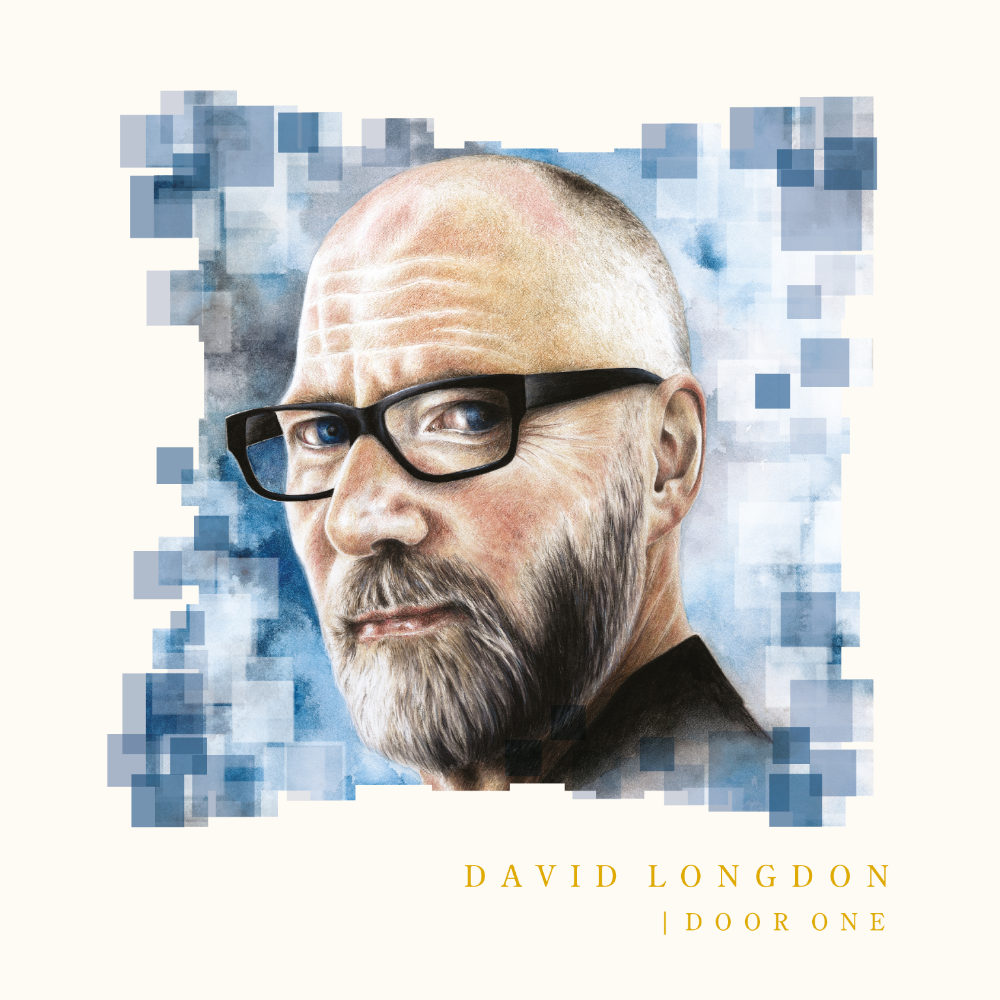
The band have also announced that David Longdon’s solo album, Door One, will be released. The record was 90 percent finished at the time David Longdon Door Oneof David’s tragic passing back in November. Both the live BBT album and Door One will be released on October 14, and they are available for pre-order individually and as a bundle from Burning Shed (UK/Europe/worldwide) and Bandwagon (USA) [embedded links are for the bundle].
Some additional info from the band (also available at their website: https://www.bigbigtrain.com/door-one/):

Door One was recorded with a core of four musicians: drummer Jeremy Stacey (King Crimson, Noel Gallagher, Sheryl Crow, The Finn Brothers), bassist Steve Vantsis (best known for his work with Fish), saxophonist Theo Travis (Steven Wilson, Soft Machine, Gong) and David’s longstanding friend and former 1990s Gifthorse band mate Gary Bromham (Bjork, Sheryl Crow, George Michael) who contributed guitar, backing vocals, keyboard parts and textures.

Door One, borrowing the nickname for a recreation ground in Nottingham near where David grew up, has a musical personality that is distinct from his work within Big Big Train even though Gregory Spawton plays acoustic guitar on two songs. Gregory Spawton: “David was aware of my passion for 12-string guitar and said he had a song called Love Is All which he wanted me to play on. I recorded my parts for the song a few days after David died. Although he was gone, it felt like it was one last precious moment of making music together.

The album’s eight songs are highly personal and follow a lyrical journey from darkness to enlightenment, from the intense and raw first single ‘Watch It Burn’, channelling David’s love of The Who, to the folk inflected ‘There’s No Ghost Like An Old Ghost’, which recalls David’s Dyble Longdon album with the late Fairport Convention singer Judy Dyble, and ‘Love Is All’, the gorgeous ballad which closes the album.

Gary Bromham: “Having worked with David on and off for over 35 years, we talked extensively about the influences for the album. He was very interested in the sonic textures created by David Bowie and Brian Eno in his Berlin Trilogy of albums. The atmospheres and use of ambience were a huge source of inspiration and a big factor in the making of Door One. My brief was to add what David termed ‘aural dimensions’ to the album. He said, ‘You know the brief.’ I subsequently had to take on a wider role with David’s passing, but Patrick Phillips and I were definitely on the same wavelength when it came to manifesting some of this at the mixing stage, with these goals in mind.”

The album’s stunning artwork is by Sarah Louise Ewing with graphic design by Steve Vantsis. Sarah’s cover portrait of David is from a photograph by Sophocles Alexiou.

In The Times, Dominic Maxwell said of David “Having taken a long time to get where he wanted to be, Longdon tried not to waste his precious time.” Door One is a testament to a very special artist whose creativity was continuing to flourish.

Rick’s Quick Takes for June

Six months in, 2022 is already shaping up as a banner year for new music. My own positive bias prevents me from objectively reviewing The Bardic Depths’ brand new album (though modesty doesn’t seem to prevent me mentioning it; I’m still stoked that I got to participate) — but there are still plenty of fresh releases to cover this time around! As usual, purchasing links are embedded in each artist/title listing; where available, album playlists or samples follow each review. But first, the latest installment in what’s becoming Progarchy’s Book of the Month Club . . .

Big Big Train – Between The Lines: The Story Of A Rock Band: when Greg Spawton and Andy Poole started a band, it didn’t stand out at first; one early concert promoter called the nascent Big Big Train “fairly mediocre” in retrospect. How BBT became a prog powerhouse — through sheer bloody-mindedness, growth in their craft and a keen ear for what world class musicians like Nick D’Virgilio, David Longdon and so many others could contribute — is the tale at the core of this passionately detailed band bio/coffee table book. Standout features include lavish design, with a overflow of revelatory photos; fully rounded portraits of major and minor participants, mostly unfolded through Grant Moon’s thorough interview work; and remarkable candor, especially in a self-published effort, about the human costs of BBT’s rise to genre prominence and mainstream media attention. (Moon’s portrayal of Spawton and Poole’s gradual estrangement, even as their joint project finally gathers speed, is both sensitive and haunting.) Between The Lines covers all of Big Big Train’s great leaps forward and forced backtracks through Longdon’s untimely death, leaving the reader with Spawton and his fellow survivors determined as ever to continue. Not shy about celebrating the beauty and ambition of the music the group has made, on record and in person, it also doesn’t flinch from portraying the price paid to scale those heights.

The Pineapple Thief, Give It Back: on which Gavin Harrison gives his new band’s vintage repertoire a kick up the backside with his stylish stick work, and Bruce Soord willingly “rewires” his own songs with new sections, verses and narrative closures. The results probe further into the moody motherlode that new-era TPT mines and refines: dramatic vignettes simmering with emotional turmoil; lean, mean guitar riffs arching over roiling keyboard textures; and always, those simultaneously airy and propulsive grooves. But while Soord and Harrison take the creative lead, this is a marvelously tight unit at work; Steve Kitch (keys) and Jon Sykes (bass and backing vocals) are indispensable contributors throughout. All of which makes Give It Back another enticing entry in the Thief’s discography — deceptively low-key on first impression, it blossoms into a compelling combination of tenderness and grit. (With plenty of headroom in the mastering to pump up the volume!)

Porcupine Tree, Closure/Continuation: The big news is that this is recognizably a Porcupine Tree album — that’s why, over repeated listens, it works so well. Steven Wilson is as happy and carefree as ever, cutting loose about fraught relationships (“Harridan”), nihilism in high places (“Rats Return”, “Walk the Plank”) and, of course, the inevitability of death (“Chimera Wreck”); plus there’s a spooky take on a Lovecraftian invasion (“Herd Culling”), a compassionate portrait of a man with nothing (“Dignity”) and a drop-dead gorgeous ballad that looks forward in hope and back in regret at the same time (“Of the New Day”). Still, it’s the reconstituted band, mostly writing the music in team formation, that gives the record its core integrity and guts. Wilson’s angular guitar and bass work, seemingly effortless songcraft and vocals that often climb to a wordless falsetto (a legacy of The Future Bites?) are perfectly swaddled in Richard Barbieri’s squelchy sound design and ineffably eerie synth solos, then hurtled forward by Gavin Harrison’s consummate percussive drive — whether he’s cruising the straightaways or leaning into jaw-dropping polyrhythmic curves. Of a piece if not conceptual, Closure/Continuation is never less than well-wrought and frequently awesome, worthy to stand alongside Porcupine Tree’s catalog as either a next or a final chapter in their saga. Now floating like a butterfly, now stinging like a bee, with commitment evident in every note, it may well knock you out.

Continue reading “Rick’s Quick Takes for June”

Album Review – The Tangent – Songs From the Hard Shoulder

tangent-hard-shoulderThe Tangent, Songs From the Hard Shoulder, Inside Out Music, June 10, 2022
Tracks: The Changes (17:06), The GPS Vultures (17:01), The Lady Tied to the Lamp Post (20:52), Wasted Soul (4:40), In the Dead of Night / Tangential Aura / Reprise (Bonus Track) (16:11)

The Tangent never cease to inspire, amaze, and mystify. Two years after Auto Reconnaissance, the band’s follow-up Songs From the Hard Shoulder might be their proggiest yet. Auto Reconnaissance was my favorite Tangent record since 2015’s Spark in the Aether, and Songs From the Hard Shoulder is a more than worthy successor. But where Auto Reconnaissance may have been a great place for new listeners to jump into the band’s work, this record may be a bit daunting for that. It is, after all, made up of three epics each over 17-minutes long, one shorter track, and a 16-minute bonus track cover of a UK song mixed with some Tangential noodling. This isn’t a record for the fainthearted, but it will reward you if you give it the chance. 

Oh, the jazz. Besides Andy Tillison’s lyrics, my favorite aspect of The Tangent’s music is their use of jazz. It permeates their sound, but it doesn’t overpower the rock. Theo Travis’ work on saxophone and flute particularly stand out to me on this record. It’s always brilliant, but it strikes me as more prominent here. Or maybe I’m just noticing it more this time around. Either way, it’s great. 

The instrumental jamming is front and center on this record. It’s always been there, but it is unmistakably the core of this record. How could it not be with songs this long. “The GPS Vultures” is a 17-minute long instrumental! But don’t let that fool you. It never bores. It ebbs and flows, as any longer track should. There are solos from every band member, there’s experimentation, and there’s general jamming. Maybe some of the crinkly experimental passages of computer-synth noise could be excised, but those don’t last long. 

Lyrically “The Changes” finds Tillison wrestling with the last 2+ years, how we dealt with that, and what we do going forwards. He uses personal stories from the band to give an example of what it is they lost during lockdowns before pointing out that his story is just one of millions. He points out that things weren’t so hot before all this, so what’s the point in going back to the way it was? In an interview with Progarchy, he made sure to explain that he wasn’t making a political statement but rather a cultural critique. After all, cultural critique is where he excels, in my opinion. 

Speaking of that, “The Lady Tied to the Lamp Post” is peak Tillison. The song tells the story of an encounter Tillison had with a homeless woman, and he uses that story as a lens to comment on the social crisis of homelessness. It’s a powerful track, particularly near the end when he reminds the listener that all of us aren’t much more than a few clicks of a mouse on somebody’s computer screen before we too are out on the streets. In the end he calls for more humanity in the way we treat those less fortunate than ourselves.

At over 20 minutes, this song covers a lot of ground. It opens quiet with Tillison singing over a mix of light drums, piano, and subtle guitar. It moves into a much more fast-paced section that’s pure prog, as Tillison tells more of the story. At 9 minutes in, Tillison delivers an especially passionate high-note that certainly surprised me. A second longer instrumental passage follows, most of which is good. There’s about 30 seconds that we probably could have done without, but it moves into an industrial-sounding passage that works quite well. The fast-paced section with Steve Roberts’ drums leading the way returns to finish off the story. 

Tillison’s vocal delivery really sells the story on this track, as well as on the opening song. Throughout the album he uses his various styles of singing, including his regular voice, his talk-singing, and his shout-singing when he’s really worked up. He uses these to accentuate his particular points, adding in an element of acting to the performance. Is his voice for everyone? Probably not, but it sounds great to me. 

If you’re like me you might be surprised at “Wasted Soul.” In his interview with Progarchy, Andy explained how much of an influence Earth, Wind & Fire and other African American music from the 1970s was on him musically. This song is pure 70s funk and soul. That’s not music I’m particularly well-versed in, but “Wasted Soul” is a great track. It has a catchy up-temp beat with a great horn section. It shows the versatility of the band, and it’s a fun closer to a somewhat weird record. 

I’ve listened to this album a lot over the last month or two, and I’m still not sure if I like it better than Auto Reconnaissance or not. The last album had a more accessible balance of shorter tracks to longer ones, but I’ve found myself engrossed with Songs From the Hard Shoulder each time I’ve put it on. Andy’s lyrics almost always draw me into reflection (I’ve been turned off by some of his more overtly political lyrics in the past), which is always a good thing. This is art, after all, and good art should make you think.  The icing on the cake with The Tangent is stellar music performed by one of the most unique bands on the scene today. They really don’t sound like anyone else, even when they’re wearing their influences on their sleeves. Their sound is their own, which makes them a joy to listen to. While Songs From the Hard Shoulder might be difficult for newcomers to get into, it’s still a great album I’ll be happy to return to for years to come. 

https://www.thetangent.org

Album Review – Shades of Plato’s “Malware” – When Plato Met Jethro Tull

a0998253074_10Shades of Plato, Malware, March 28, 2022
Tracks: Malware (3:57), Death Of Me (4:23), All Women To Me (3:11), Oliver Reed (3:44), Clickbait (3:59), Time Is Not Your Friend (3:49), Ecdysis (3:57), Une Place Au Soleil (5:14), A Little Learning (3:53), She’s Always Hitting On Me (4:41), No Friend To Me (3:35), The Dead Don’t Dance (3:38), Mr. Von Hugo (3:22), People Suck (6:14), Don’t Let Your Dreams Be Shadows (4:54)

Three years in the making and five years after their debut album, UK band Shades of Plato’s sophomore album Malware blends musical and lyrical influences into a compelling and hard-hitting rock album. The result sounds a bit like Jethro Tull minus the folk influence. Sprinkle in a bit of Canterbury scene influence (hey, the album was recorded in Kent) and straight up hard-rock, and you have a pretty good idea of their overall sound. Frank Zappa’s eclecticism also seems to be a pretty strong influence.

The four band members play behind pseudonyms: Ol’ Dirty Flute on vocals and flute, Captain Black on bass and keyboards, Jack Sorrow on guitars and keyboards, and Pandora on drums. Ol’ Dirty Flute’s voice is very reminiscent of Ian Anderson, albeit without the range Anderson had in his prime. His flute make the Tull influence unmistakable, yet it manages to still not sound pastoral at all.

The music itself leans perhaps more classic rock than prog as we might think of it today. The tracks are on the shorter side, and they tend to show off varying influences while still maintaining a cohesive sound across the record. The bass on the title track has a heavy Tool sound, while the opening rhythm of “Death Of Me” reminds me a lot of early Black Sabbath, a sound maintained in the song by a distinct guitar crunch.

The songs contain memorable hooks and melodies, which help serve the quite exceptional lyrics. The band even shows some quirkiness with a track like “Mr. Von Hugo,” which has a catchy repetitive chorus. The vocals on the album could be a bit stronger, as the limited range does seem cause the vocals to fade back into the mix a little bit. Having the lyric sheet included with the digipack CD is a help.

The lyrics really stand out on this record. As the band’s name might suggest, Plato is a big influence here, with his ideas spread throughout the record. The philosophic bend to the lyrics reminds me of Neil Peart’s lyrics at times, especially in the middle period of Rush’s career. Shades of Plato also have a strong grasp on contemporary culture, and as such there are some great critiques of modern ills. “Clickbait” brings up the negative aspects of the internet, such as the ability of it to radicalize people or turn them into virulent “activists” in ways they might not be in real life.

You can be an activist
It takes one finger to enlist
Virtue-signalling your friends
With whatever twitter trends
Share the same ideology
Hash tag haters by decree
Then selfie surfeit Instagram
Like a good Kardashian

“Clickbait”

“Time Is Not Your Friend” is a good reminder that life is fleeting. Things you wanted to tell your loved ones but didn’t should be said when you get the chance. No matter how far away we think the end is, it is indeed there waiting for us, and that should cause us to act.

Counting on your demise
As a far distant event
Well think again, it sits in wait
At every hour you are sent
Time is not your friend
And you’re always close to the end
And you can’t go round again

“Time Is Not Your Friend”

“A Little Learning” is fantastic. Every big-name musician or any actor who decides to use their platform to push beliefs which have nothing to do with how they make their living really should take this song to heart.

I’d put a sock in what you’ve said so far
You ain’t changing shit with your guitar
Keep your polemics to yourself
Your audience, they don’t share your wealth

Don’t proselytize on my timeline
Your diatribes don’t define
My anarchy, it’s not okay
Keep your own counsel, is what I saw

A little learning is a dangerous thing
I’m going to duck you in the Pyrian spring…

“A Little Learning”

Shades of Plato save the best for last: the final track, “Don’t Let Your Dreams Be Shadows,” takes its influence from Plato’s Allegory of the Cave. For those unfamiliar with said allegory, the short version is everyone is living in the darkness of a cave where their reality is limited to shadows cast by a candle. Someone escapes from the cave and discovers the brightness of reality in the outside world. That person (the philosopher) returns to the cave to bring everyone else out into reality, but they refuse to leave their world of shadows. Shades of Plato similarly call the listeners not to “let your dreams be shadows,” choosing instead to “run free through orchid meadows / Unhindered by the hedgerows.” Experience life as it really is, not as the internet projects it to be (see “Clickbait”).

And I’ll be waiting for you
Here on the outside
When light comes streaming through
I’ll be your guide
Until you’re accustomed to
The cosmos in your eyes
And our ascent to the firmament
Is assured; undying; heaven-sent.

“Don’t Let Your Dreams Be Shadows”

Earlier I said this album had more of a classic rock edge, but this is no mere straightforward hard-rock album. The lyrics move far beyond that, and combined with the subtle keyboard washes and the recurring flute, this album begins to take on a progressive edge. While not necessarily a concept album, there are lyrical themes that pop up across the album that connect with each other in subtle ways, some of which I have touched on in this review. The album is worth digging into for the lyrics alone, but you’ll also find the music very rewarding.

The album is available at Bandcamp for download or a CD – both priced at £5.

https://www.facebook.com/shadesofplato/
https://shadesofplato1.bandcamp.com/album/m-a-l-w-a-r-e