


When we last talked with singer/songwriter/multi-instrumentalist/prog man-about-town John Mitchell back in 2020, he said that the songs on his 4th Lonely Robot album Feelings Are Good were about “very down to earth things,” in contrast to the outer space trappings of his three previous efforts. The new Lonely Robot effort, A Model Life (released on August 26th), burrows even further into inner space, as Mitchell grapples with recent experiences of loss, loneliness, frustration, conflict and even death. But as heavy as the subject matter is, this album is by no means a downer. Preview tracks like the driving opener “Recalibrating” and the quirky “Island of Misfit Toys” once again reveal Mitchell’s gift for memorable melodies and hooks, his empathetic lyrical journeys from crisis to closure, and his instantly recognizable way with a cathartic guitar solo. Confronting a world in the grip of obsessions, searching for a way through life’s challenges, and emerging at peace with himself, on A Model Life Mitchell invites us to discover what does and doesn’t really matter, charming and comforting us with his remarkable gifts all the way.
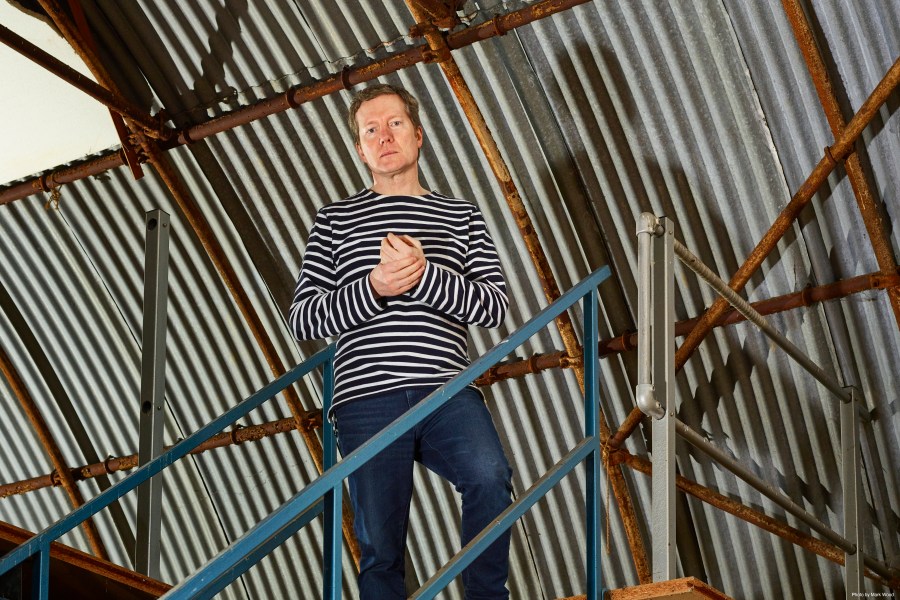
In the middle of a busy day filming the video for A Model Life’s “Digital God Machine”, John Mitchell took the time to have a wide-ranging, candid and remarkably humorous chat with us about the new album. Watch the complete interview (including sundry musings and digressions on Netflix documentaries, Phil Collins’ memoir, the forcible learning of Rush songs, changing flat tires near blind curves, grass clipping collection fees and much more) below; a transcription of highlights follows.
The last time we talked, it was about 5 or 6 months into the pandemic – which was right before Feelings Are Good came out. So, my first question for you is a two-parter. How does A Model Life chart a different path from that album? But also, what might the two albums have in common?
The things that they do have in common — I do think of them as quite brother-and-sister albums in a way. I think that in hindsight, I’m much happier with the production on this latest record.
The main difference is, at the time that I did Feelings Are Good, I was still in a relationship, but writing songs about not being in a relationship! But by the time I did A Model Life, the whole thing was over; I was into the whole recovery period of what I was writing about. I approached the songs very differently from that perspective.
And from a production point of view, they are very different. I wanted Feelings Are Good to be a tiny bit more rough around the edges. So, the drum sound on Feelings Are Good is deliberately a bit more trashy; the guitar sounds aren’t quite as refined as they are on this latest record.
They do have a lot in common in terms of that they’re more personal. I’m writing about much more personal subject matter. And who knows what happens next! I might go back to writing about otherworldly things of which I do not know! [Laughs]
I see! It’s true; lyrically, I feel like you really dug deeply this time around. There’s a lot of frustration that comes through, and the emotions you’re singing about are right there, they’re up front. You mentioned the end of a relationship. Are you OK with talking about some of the other things you might have been drawing on as well?
Yeah, of course; I’ll talk about anything. That’s the whole point of this – it’s been very cathartic for me to address certain things. The way that I view things in life – my background is quite complicated. I was adopted by a family, by two people who were considerably older than they would have been had they been my biological mother’s age, who was 17 when she had me.
I find it fascinating that, at the same time in equal measure, I can chart that fact that a lot of my traits as a human being I have inherited, I think, from my [adoptive] mother – a lot of very good traits. They always say, is it nurture or nature? Well, I think largely it’s nurture . . .
A lot of what troubles me over the years has been this strange phenomenon of, whilst having [laughs] unfeasibly vast Impostor Syndrome, I think at the same time I am fascinated by the fact that a lot of the good parts of my makeup are from my [adoptive] mum’s kindness! When you’re adopted by somebody who ultimately – my dad, he basically killed himself when I was 12. Somebody I didn’t really know, but I felt some great duty to live up to in some strange way, whereas I think the opposite is true. Being adopted you don’t have the same sort of genetics. I never have been an academic in the way that he was; my skill set is completely opposite to what his would have been. So, I’m very interested by those things – why it’s taken me this long to realize it’s a fool’s errand to try and chase somebody’s ghost, as it were.
[Tracks] like “Starlit Stardust”, “Rain Kings”, “In Memoriam” – those sound like you’re putting grief on record.
Yeah, pretty much. Certainly “Duty of Care” and “In Memoriam”. “Duty of Care” is pretty much about the twin nature of the relationship with my dad and with my mom. I think it’s been really helpful for me.
I know that [laughs] not everybody’s gonna want to – what did Phil Collins say? He kind of retired from music didn’t he, in the early 90s. And he pretty much said, no one wants to hear another Phil Collins divorce record. [Laughs] And I thought, “well, Phil, you could be right”! But Phil, whether you like him playing drums in early Genesis, or whatever you like or don’t like about Phil Collins, you can’t deny that he’s very good at tickling the emotional buttons that people relate to.
I think a lot of things I’m writing are relatable subjects. And it’s not just me that has gone through these things in life. I have found it cathartic to write about it. And if I find it cathartic to write about it, I’m sure somebody might find it cathartic. But the next time around I might write a completely cheery reggae record, so who knows? . . .
You’ve mentioned not fitting in and not wanting to be part of any cool kids ‘club that would have you as a member. Is “Digital God Machine” part of that as well?
Continue reading “Lonely Robot’s John Mitchell: The 2022 Progarchy Interview”


 JPL (Jean Pierre Louveton),

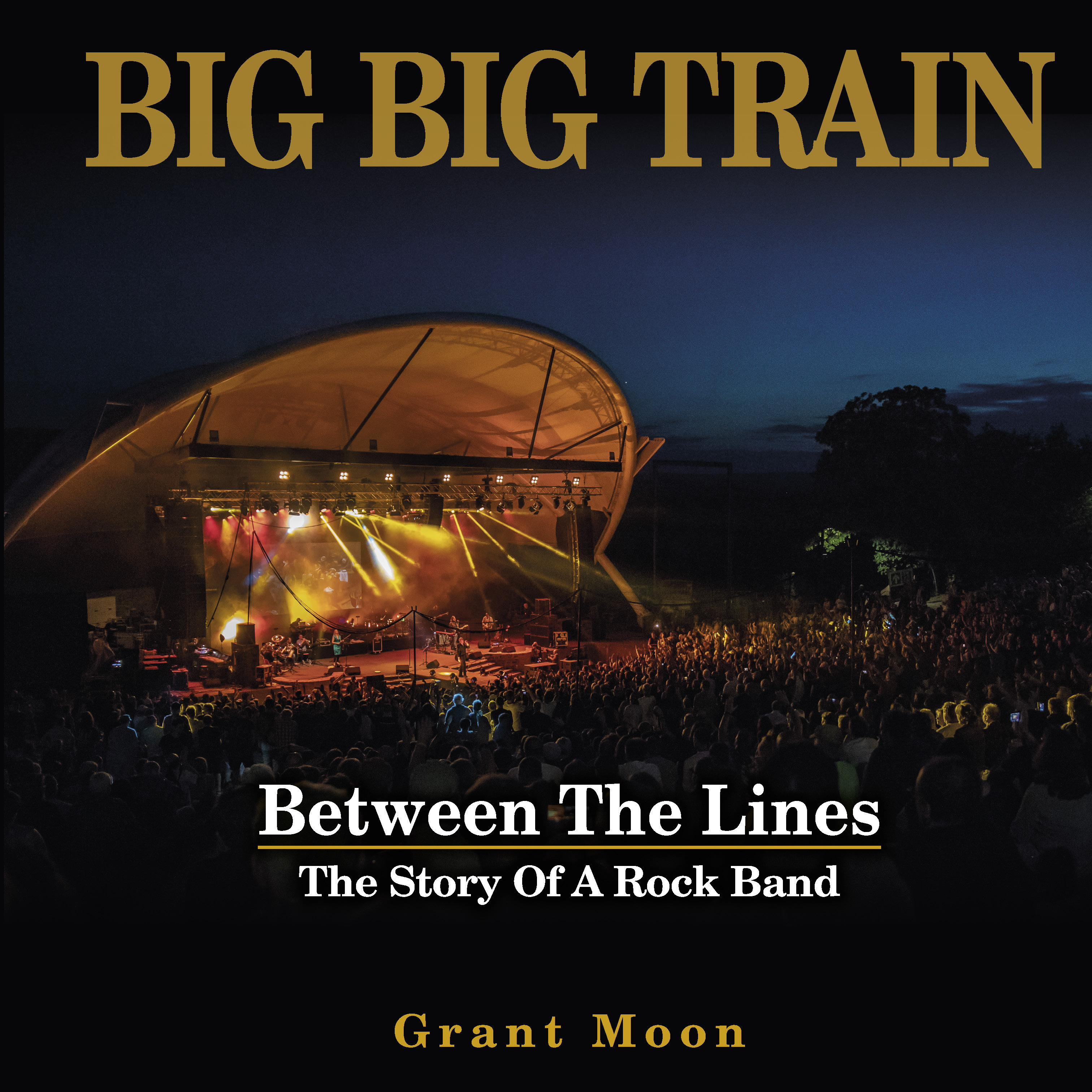 Grant Moon, Big Big Train – Between The Lines: The Story Of A Rock Band, Great Britain: Kingmaker Publishing, 2022, 271 Pages.
 Progarchy