
Our Fractal Mirror transatlantic musical experience and our attempt to land a deal have been an education on recording economics and the commercial appeal of prog. As part of our discussions with several labels we have been able to see sales on some well-known and respected artists. It is amazing that many of the CDs we know well sell less than a few thousand units, and it is typical for the smaller bands to be in the 500-1,000 range. Re-releases and live vintage recordings might sell less than 500 units. The implications for the artist are:
- record cheap or at home or self fund or all of the above (like we did-self recorded, paid for studio for drums, self funded mixing/mastering with well-known engineer/producer)
- have fans sponsor the recording
- don’t expect heavy promotion-use social media
- don’t quit your day job.
Bands often make more touring-if they can find the gigs, selling t-shirts and CDs at the shows, than they make from Amazon/iTunes. While we are spoiled with great music, especially in 2013, the CD sales don’t justify the number of bands and offerings and it is only the new economics of digital recordings and distribution and the artist’s love of the music that makes all this possible.
As a basis of comparison, I have 2 nephews active in the Philadelphia music scene ages 26 and 30:
Bacio is an indie shoe gazer band-their friends in some of the more successful bands in the Philly/Lehigh Valley have recording budgets of $10-$40k, and are selling thousands of each CD. He likes some of the prog I play for him but it is a bit too busy for him. Shoe gazer/teen/twenty something bands get bigger budgets on average and sell more.
Psychic Teens-post punk (think New Order/Doors) was just named one of Spin’s top 5 up and coming bands, they were named best new band in Philly by U of Penn’s WXPN, and their CD received numerous accolades. The new CD “COME took 2 year to record as funded 50% with a small label in PA, publicity all word of mouth, live shows and social media, and they have sold out on their first vinyl pressing. (Punk and post punk music stores are a huge draw, especially with vinyl). They have played 2 short tours to fund the recording of their next CD. But they play between Richmond, DC, NY and Boston on weekends so it is a young man’s game to hold FT jobs and play on weekends like that. The band used to love prog, but have shifted to more of a wall of noise, heavy sound after becoming disenchanted with the instrumental prowess of prog.
Big Big Train, Glass Hammer and a few other popular bands have figured out the new economics quite well. They are thrifty, keep their day jobs, invest in the right recording equipment and bring in good people as needed to compliment their sound. Self-funding with extended distribution relationships, a strong ground force and positive press reviews helps them realize more money on each sale than a typical band signed to a traditional label. Earnings go back into better recording technology and new projects. They might not be getting rich but have ‘earned’ the right to bigger and better productions through their business model.
There are also a number of new labels such as BEM and Third Contact that are more ‘cooperatives’ that facilitate distribution, share the costs with the band, and enable more dollars per sale to reach the band. This trend will likely continue to grow in popularity with smaller bands who are not likely to become the next big commercial hit.
It is clear that (almost) no one is getting ‘rich’ on prog and most bands need to keep their day jobs, limiting their touring time and ability to produce new music. Sadly the audience is aging along with the bands. Since much of the prog crowd is looking like grey haired men (self portrait) with X-Large being the preferred t-shirt size I worry about the longevity of the audience. This is especially true if it is not at least break even for the labels if the band is lucky enough to be signed, or if it a cost out of their pocket for the band. There are years that personal investments in time and expense are not possible as families grow and wives tire of hearing about the next music production. Logistics are a challenge as band members relocate. In summary, it takes a ton of work to produce an album and distribute it, often with little or no recognition. I have definite concerns for the future of the genre, but there are more bands than ever producing great music so maybe there will be increased sales in the near future and the new economics will allow this trend to continue.
Thank goodness these artists love their music! So if you think 2013 has been an excellent year for prog, give your favorite artists a great Christmas, give the gift of prog this holiday! They will appreciate it, and hopefully they sell enough to make more great music in the future!
(Deck the Halls image by Brian Watson)
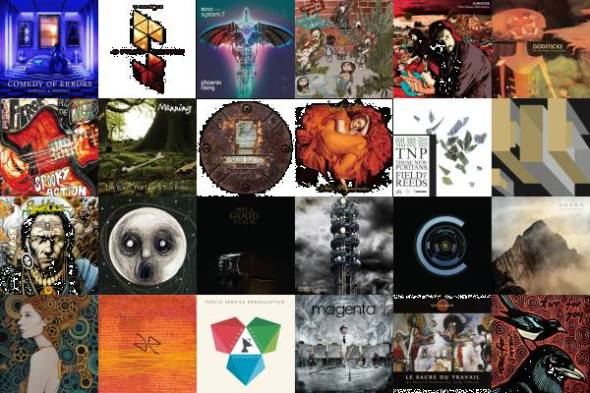
Best of CD list by David Elliott/The European Perspective.


 The ever-brilliant and intriguing Matt Cohen posted some very good (if cryptic) news this morning on Facebook.









 Progarchy