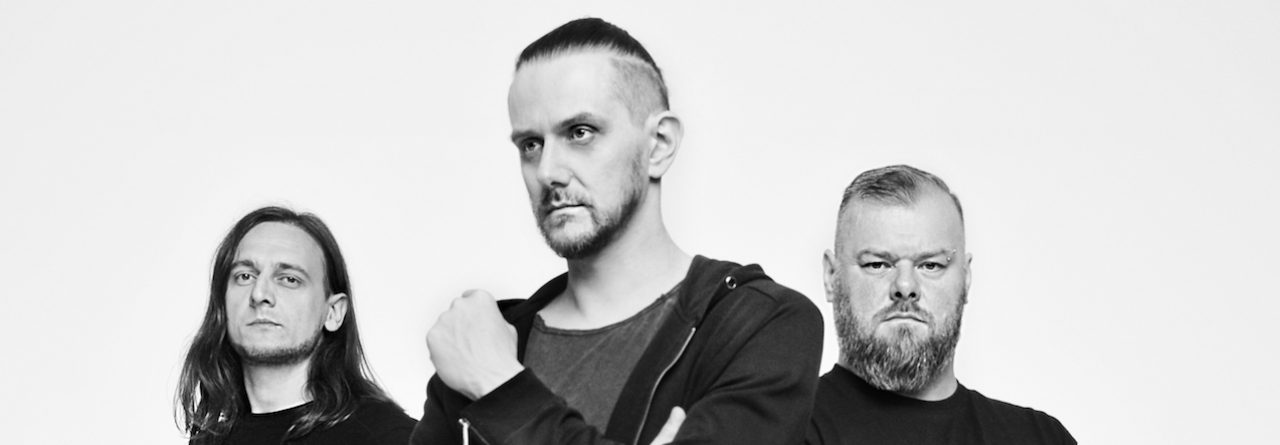
Great profile of Andy Sneap in the WSJ today. It includes this interesting statistic about metal versus rap:
[Andy Sneap] and old-school producer Tom Allom co-produced Judas Priest’s 18th full-length studio album, which was released in March. “Firepower” won critical praise and sold nearly 100,000 copies in the U.S., according to Nielsen Music. It also rose to No. 5 on the Billboard album chart—the highest spot in Judas Priest’s 50-year career. “Andy had always been a big fan of Judas Priest,” the group said by email. “He brought all of that love and sound knowledge into the studio.”
Mr. Sneap’s success reflects the enduring appeal of classic metal in the age of hip-hop. In the first half of 2018, rock, including metal, accounted for 41% of U.S. physical and digital album sales, compared with 16% for hip-hop/R&B, according to Nielsen Music. Including streaming, Metallica was America’s third-most popular rock act, after the Beatles and Imagine Dragons.
The resurgence of bands like Judas Priest comes amid a swing back to the traditional in metal. For years, younger acts enlisted dizzying chord changes and growly vocals in a bid to sound less commercial. Now, bands like Ghost, Kvelertak and Deafheaven are re-embracing the hummable melodies of metal’s glory days.
The future belongs to rock! Keep making great albums, dude. The metal-heads will be there for you.
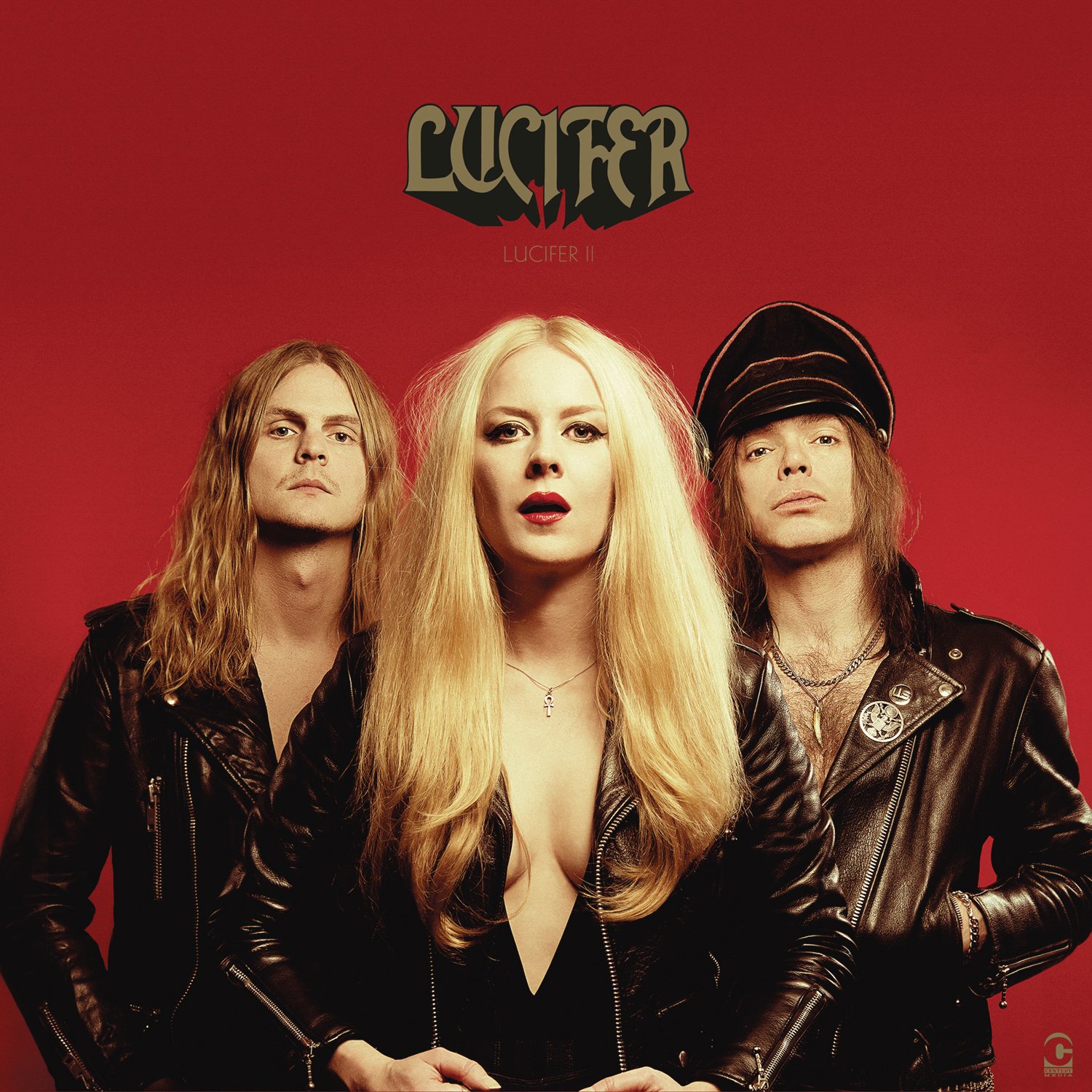
This album, Lucifer II, came as a refreshing surprise. After a number of disappointments — albums I had been awaiting from artists with eager expectation, that only turned out not to be as good as I hoped — I was surprised when I discovered a new band, whose sophomore release was nothing less than superb. (And do you notice the homage their band logo plays to the font on the first Rush album? Attention, all planets!)
Hailing from Stockholm and Berlin, Lucifer is fronted by the extremely talented Johanna Sadonis. After previous exploratory work with The Oath, and the first incarnation of Lucifer with Gaz Jennings, Johanna has now found the ultimate magical combination with Nicke Andersson on drums and Robin Tidebrink on guitars and (newly added for touring purposes and as permanent members going forward) Martin Nordin on guitars and Alexander Mayr on bass. This new album was recorded at Nicke’s studio in Stockholm, where he did all the drums, bass, and half the guitar parts himself, and then lead guitarist Robin came in to do the rest of the guitar work.
The album opens with the fairly straightforward blues boogie “California Son,” which didn’t really cause me to get too excited. Johanna’s vocals are fantastic, but the song is pretty conventional, although the excellent guitar solos caused me to perk up on first listen, along with the nifty organ chords riding out that exhilarating guitar solo break.
But it was the second track, “Dreamer,” that instantly blew me away. Along with the third track, “Phoenix,” it is one of the two best songs on the album. The complexity, nuance, supremely intelligent songwriting, and impeccable instrumental performance on these two tracks place the album irreversibly into the upper echelon of rock and roll achievement.
The Rolling Stones cover, “Dancing With Mr. D,” is even better than the original, infused as Lucifer’s version is with a Black Sabbath sensibility. “Reaper on Your Heels” then shows that the magisterial songwriting skill displayed on “Dreamer” and “Phoenix” will abide, making it a perfect closer to an impeccable A-side.
The album B-side of “Eyes In The Sky,” “Before The Sun,” “Aton,” and “Faux Pharaoh” offers a swirling cauldron of excellent sounds, brewed from a recipe that tastes mostly like classic Heart mixed with the best of Black Sabbath. At times I even detect the timbre of a Karen Carpenter gone over to the dark side in Johanna’s enchanting voice. While the A-side is immediately convincing, appreciation for these B-side tracks grows more slowly, over repeated listens, and you eventually come to realize fully that with this album you are in the presence of contemporary rock greatness.
The closing track “Faux Pharaoh” offers an instructive contrast with the album’s conventional radio-friendly opener, proving that Lucifer is actually a serious doom prog force to be reckoned with. It’s perhaps their most original composition, showing that they are capable of doing whatever they want with the utmost of skill. Here’s hoping they get the recognition they deserve for their carefully cultivated talents.
This album has catapulted itself into my top ten list for 2018, and there is no way it will be removed from that ranking. Get a copy of Lucifer II and hear for yourself a band that, inspired by the best of 70s rock, is creating utterly compelling original music today, to be savored by those with only the most developed taste in rock.
My progarchist album rating is: FIVE pentagrams. ☆☆☆☆☆
LUCIFER II tracklist (42:00)
01. California Son (03:26)
02. Dreamer (04:46)
03. Phoenix (05:47)
04. Dancing With Mr. D (04:11)
05. Reaper On Your Heels (05:06)
06. Eyes In The Sky (04:30)
07. Before The Sun (03:38)
08. Aton (05:05)
09. Faux Pharaoh (05:25)
Johanna Sadonis – Vocals
Nicke Andersson – Drums
Robin Tidebrink – Guitar
Martin Nordin – Live Guitar
Alexander Mayr – Live Bass
… If you’re a prog fan, that is. Some of what’s in the forecast for the rest of the year:
3.2, The Rules Have Changed, Robert Berry’s one-man tribute to and posthumous collaboration with Keith Emerson; released August 10. Details and a teaser track here.
Dave Stewart & Barbara Gaskin,Star Clocks. I’ll be writing more about Stewart & Gaskin’s music soon; suffice to say it’s some of the best intellipop you’ve probably never heard. (With Gavin Harrison on drums, no less.) The new album is out August 17; pre-order it and investigate their back catalog at Burning Shed.
The Pineapple Thief, Dissolution. Bruce Soord and the TPT crew are joined by Gavin Harrison — him again! — as drummer and co-writer. Released August 31. Details and a teaser track here; check out Sonic Perspectives’ interview with Soord (which hints at a possible 2019 US mini-tour) here.
Soft Machine, Hidden Details. The pioneer psych/prog/jazz-rock collective is back for a 50th anniversary world tour — and they’re bringing a new album with them! Three members from the 1970s versions of the band plus sax/flute progger Theo Travis (Robert Fripp, Steven Wilson, David Gilmour) tackle new compositions and a couple of vintage classics. Released September 9; watch for a Soft Machine retrospective series from me during the run-up. Tour info here; pre-order options for the album and a sample track here;
Yes featuring Jon Anderson, Trevor Rabin & Rick Wakeman, Live at the Apollo.The “unofficial” version of the band (albeit one with two “classic era” members plus the musical mastermind of 90125) weighs in for the band’s 50th anniversary year. Released September 9 in various audio and video formats; details and a teaser here.
Coming soon from In Continuum: the debut album by Dave Kerzner’s new supergroup, with contributions from: vocalist Gabriel Agudo (Steve Rothery Band / Bad Dreams); guitarists Fernando Perdomo (Dave Kerzner Band), Matt Dorsey (Sound of Contact) Randy McStine (Sound of Contact, The Fringe) and John Wesley (Porcupine Tree); drummers Marco Minnemann (Steven Wilson, The Aristocrats), Nick D’Virgilio (Big Big Train, Spock’s Beard) and Derek Cintron; and special guests singer Jon Davison (Yes) and guitarist Steve Rothery. Release date TBA; more info here.
Coming soon from King Crimson: Based on the liner notes in Crimson’s 2018 Tourbox, we can anticipate: a reissue/revamp of the band’s 2001 album, The ReConstruKction of Light; a related, more exhaustive box focusing on the era of the ProjeKcts and the Double Duo Crimson, Heaven and Earth; and a fresh concert set from the current Crims, Live in Mexico. Release dates TBA. Meanwhile there have been rumblings from Robert Fripp ruling out Europe for Crimson’s 50th anniversary tour in 2019. Does that rule in the USA? Stay tuned …
Coming soon from Marillion: deluxe edition of Clutching at Straws (release date TBA); mass market reissues of the Racket Records live sets Happiness is Cologne, Popular Music(U.S. release in September), Live in Glasgowand Brave Live(U.S. release in November). Clutching rumors to be found in the Lucy’s Friday Questions group on Facebook; live reissue info is here and here.
Coming soon from Steven Wilson:Home Invasion Live at the Royal Albert Hall,with guest appearances by Richard Barbieri (Porcupine Tree), Mark Feltham (Talk Talk), Dave Kilminster and Ninet Tayeb. (Oh, and a Bollywood dance company). Release info for the video TBA; details here.
Bonus round from the Pink Floyd camp: Nick Mason expects to tour the USA next year with his new band Saucerful of Secrets. The group’s set of early Pink Floyd classics (from the albums Piper at the Gates of Dawn through Obscured By Clouds) went down a storm in London earlier this summer; they embark on a European tour in September. More info on the band and Mason’s box set reissuing his solo albums here.
Layered and melodic, aggressive and measured — Black Fast is old school extreme metal at its roaring best. Firmly rooted in the late 80s, Spectre of Ruin illustrates German thrash to early Florida death, but with Coroner like progressive riffs and even more sinister old school hooks. Like a melodic variant of early Sodom or Kreator, but with the same turbulent levels of ferocity and intense screams.
With sharp and frequent compositional shifts, the band effectively reconciles progressive sensibilities with extreme thrash. In other words, there are no meandering passages here, just devastatingly precise twin guitar assault and thrashy progressions. Integrating the best of the both worlds, Spectre of Ruin is old-school cross-over at its brutal best. Essentially Black Fast is what they might call as an anachronism, misplaced in time, but undoubtedly channeling the Gods — of metal.
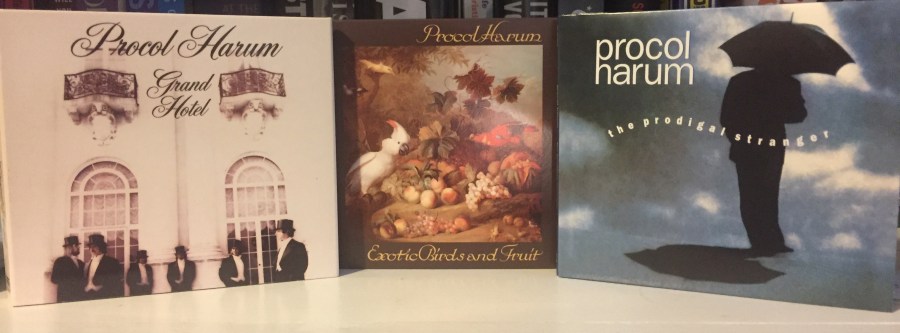
Trailing the superior box set Still There’ll Be More, Esoteric Recordings has unleashed three further Procol Harum reissues — two underrated classics from the 1970s, plus the first of the group’s periodic reunion albums.
1972’s Live In Concert with the Edmonton Symphony Orchestra and its swaggering single “Conquistador” propelled Procol Harum into the Top 20 for the first time since “A Whiter Shade of Pale;” in response, Chrysalis Records threw money at the follow-up. When guitarist Dave Ball and the band parted ways in the studio, the new material was re-recorded with successor Mick Grabham; Gary Brooker went all in on orchestral and choral arrangements; producer Chris Thomas got free rein with further bells and whistles; and the group was flown to Manhattan in top hats and tails for the new album’s over the top launch party.
To their credit, Procol Harum didn’t succumb to the excess; on Grand Hotel they harnessed it, examining the pursuit of pleasure from the perspective of the morning after, and counting the cost without flinching.
There’s nothing quite like flying along Colorado 9 and US 285 through the Pike National Forest with the windows down, listening to Rush’s MOVING PICTURES with my 13-year old and 9-year old. The heads rocked and the questions flew. Who was Tom Sawyer? Why did the government pass a “motor law”? Canadians really say “zed”? Why do the band tour if they don’t like the light? Are people in New York really mangular? Did they find the witch? What’s the norm?
At one level, it’s nearly impossible to believe that I was first 13–the age of my Harry–when I first heard MOVING PICTURES. And, yet, at another level, I don’t really remember a time when MOVING PICTURES wasn’t a part of my life, even though I remember so vividly my first listen.
What an honor it is to share it and my memories with my own children. And, I’m reminded–as I hear the album through different ears–how intelligent MOVING PICTURES was and remains.
It’s time to admit it. Too many bands are releasing albums that are too long.
Digital technology makes it possible, but reviewers must now unite in their opposition to today’s most ridiculous musical trend.
Any album longer than 45 minutes must be criticized mercilessly if the artist has failed to edit it.
The first item in any review should be a list of the songs that should have been cut. If the artist won’t do it, then the reviewer should begin the review with an elementary lesson for the artist in how their new release is abusing the listener’s patience.
If artists don’t want the reviewers editing their work for them, and if artists don’t want listeners only downloading or listening piecemeal, then they have to start showing some discipline.
There is so much good music out there. But too many artists are wasting our time.
There, I said it. Let the discussion begin at Progarchy on this. Perhaps we can begin by taking AMG as our reference point:
I want artists to produce coherent, holistic albums. This is not the same thing from lining up 10 songs you wrote in a specific order that works pretty well. For me, the peak of the album is Seventh Son of a SeventhSon or The Wall. When I start The Wall I listen to it front to back and I enjoy the whole experience. Similarly, Seventh Son of a Seventh Son or Symphony X‘s V: The New Mythology Suite. These are albums that use the form to create something cohesive and should a band need 75 minutes to do that, more power to them. The key, though, is immersion. Listeners lose themselves in the music and the album is akin to looking at a painting. Sure, you could look at the left half now and the right half later, but a painting is meant to be seen in its totality. Such albums are usually carefully crafted so as to be continuously interesting and engaging; both as composition and narration. The best album-as-whole is the record that has likely been heavily edited because it needs to be perfect.
…
Releasing the 15 songs I wrote in the last 18 months without consideration for time and space is not constructing an album. This is, rather, a playlist. There are plenty of great records that are playlists; in fact, I think most albums that are released are simply playlists.2 But that changes expectations. In this case, there will be varying compositional quality and it behooves bands to remove the worst material to improve the flow and feel of their playlist. Historically, this meant sitting down and cutting down to the LP length. And while this is hard, anyone who makes music knows that we all write stuff that we don’t like as well. We all produce music that we think is subpar, even if we like this riff or that idea. The musician who wants to produce the best album possible will either re-write those pieces or drop them. They edit.
Playlist albums are more likely to be repetitive at longer lengths, particularly if they lack dynamics. I love Amon Amarth, but those guys write pretty much the same songs for every album. They’re really good at it, but a 75 minute Amon Amarth album would fall absolutely flat. By the 40-minute mark, you’ve heard everything you’re going to hear and at that point you’re pretty much ready to move on. You’ll see them live, of course, but then they play 120 minutes of their best material, not their most recent.
Sometimes you’ll encounter albums where every song is great but it’s super long, making it enjoyable in two sittings. But is that a successful album? My answer is no. A successful album is something that you want to hear in a single sitting. Generally, the most successful albums are the ones which end before you’re ready. The ones that leave you wanting more. I review new albums on these terms. When enjoyable records crest at 55, 60, or 70 minutes and I’m bored, I consider it an editing problem. An album with plenty of interesting sections but that falls flat on a total listen is a failure which could have been averted with better editing.3 I’d say the same thing of a 30 minute album that I was bored with by the end, too. It’s the whole that matters.
…
Ultimately, I think that records that bloat make for bad records and that labels are releasing fewer good records because of it. If you’re a person who doesn’t enjoy albums as a whole, then this isn’t a problem. But what are we to do when we review? Our job is to review albums. That means pointing out the strengths and weaknesses of the whole product that we’re reviewing. Since we judge them as single units, rather than rating how much we like each song and creating a composite score, length risks dropping scores due to dropping quality.
People, we must learn from ages past. Vinyl is the gold standard here, and we must learn from it. Exceed the running time length of an LP at your own peril, dear artists. You have been warned.
Lucky US residents can look forward to an incredible line-up of bands touring this fall. Co-headliners are Haken, showcasing Album No. 5, and the mighty Leprous. Supporting them are the magnificent Bent Knee, whose Land Animal was my top album of 2017.
“There are dark parts to life. We all want to tuck our heads down and cry somewhere. But there’s a lot that’s really beautiful. It’s amazing, a blessing, that we have all these influences. That’s what this album is saying: you don’t have to be overwhelmed.” — Kamasi Washington, quoted in July 2018’s MOJO magazine.
If you take mainstream American media seriously (just once, for fun), Kamasi Washington is the latest Savior Of Jazz. Leading a vanguard of hot young musicians from South Central Los Angeles, Washington has been everywhere at once since he emerged in 2004, working in the bands Young Jazz Giants and Throttle Elevator Music, playing with R&B/hip-hop stars like Snoop Dogg and Flying Lotus, even writing string charts for Kendrick Lamar’s To Pimp a Butterfly.
In 2015, Washington unleashed his first solo statement, The Epic, and the jazz world was understandably blown away. The 3 hour, 3-CD concept album, performed by The West Coast Get Down (Washington’s 13-piece, double-rhythm section band) with strings and choir, channels the “spiritual jazz” of 1960s heroes like John Coltrane and Sun Ra into a fluid, expansive historical survey of black consciousness. One example of the man’s range and ambition: Disc Three, subtitled The Historic Repetition, whipsaws from Charlie Parker’s “Cherokee” through Claude Debussy’s “Clair de lune” to Terence Blanchard’s “Theme for Malcolm,” moving from a whisper to a scream, contentment to anguish, simplicity to maximum overdrive with seemingly effortless mastery and power.
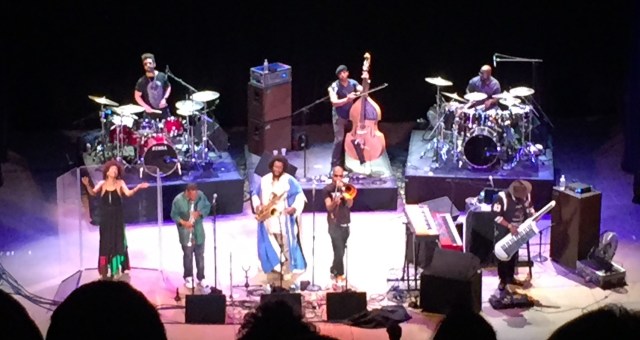
Crossing over to a wider public, Kamasi Washington had it all, and everyone wanted him on their side (critic Greg Tate, riffing on Washington’s work with Kendrick Lamar, tagged him as “the jazz voice of Black Lives Matter”). After The Epic, the floodgates opened: Washington composed a suite for New York’s Whitney Biennial, guested across the modern musical spectrum, and toured worldwide — including a stop in Ann Arbor, where I heard his 8-piece band The Next Step live in 2016.
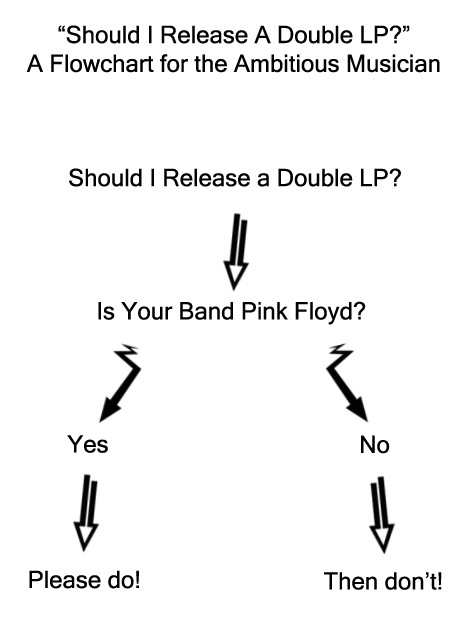
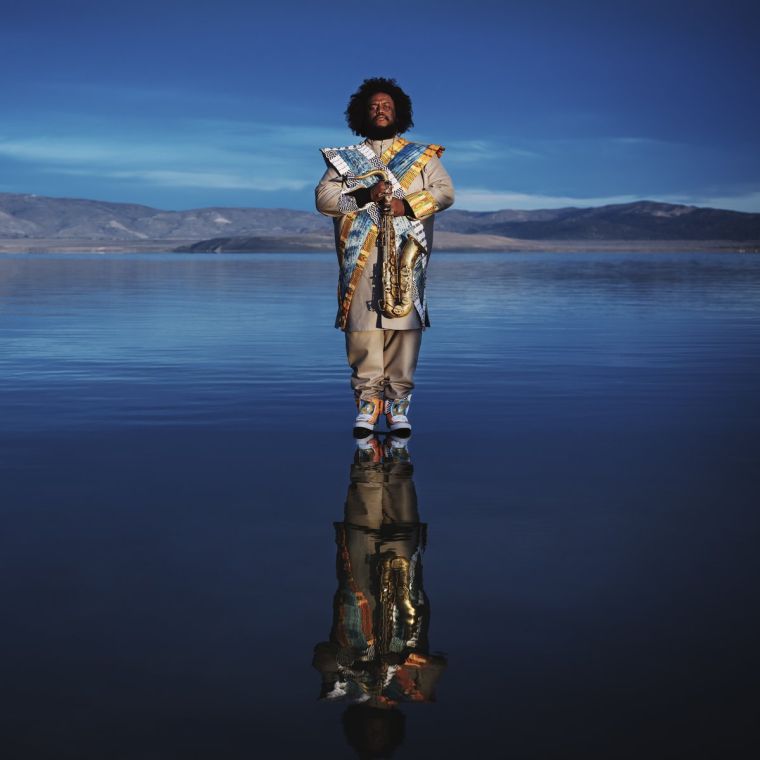
So when you’re on top of the heap, or in the center of the storm, where do you go next? With Heaven and Earth (only a double album — but hold that thought!) Washington makes a classic move, diving deep into a personal take on African-American spirituality, with new music informed by the gospel tradition and the blues. As he said to the British magazine Dazed:
The inspiration for that is this idea I had that the world is the way we imagine it to be, but it’s also informed by the way we experience it … The journey, you realise, is one and the same: how you imagine the world affects how you experience it. The world your mind lives in, lives in your mind.





 Progarchy

.jpg)