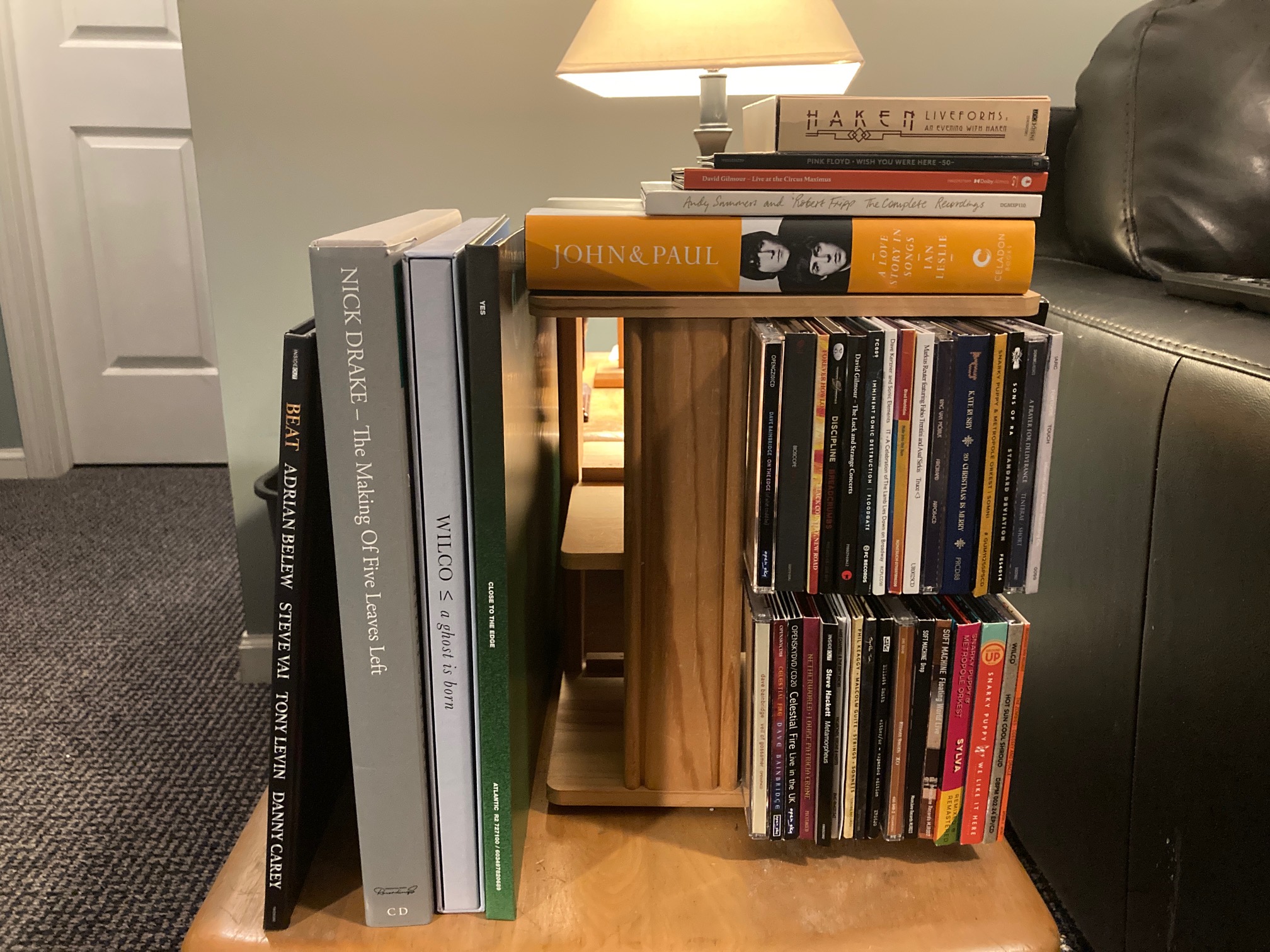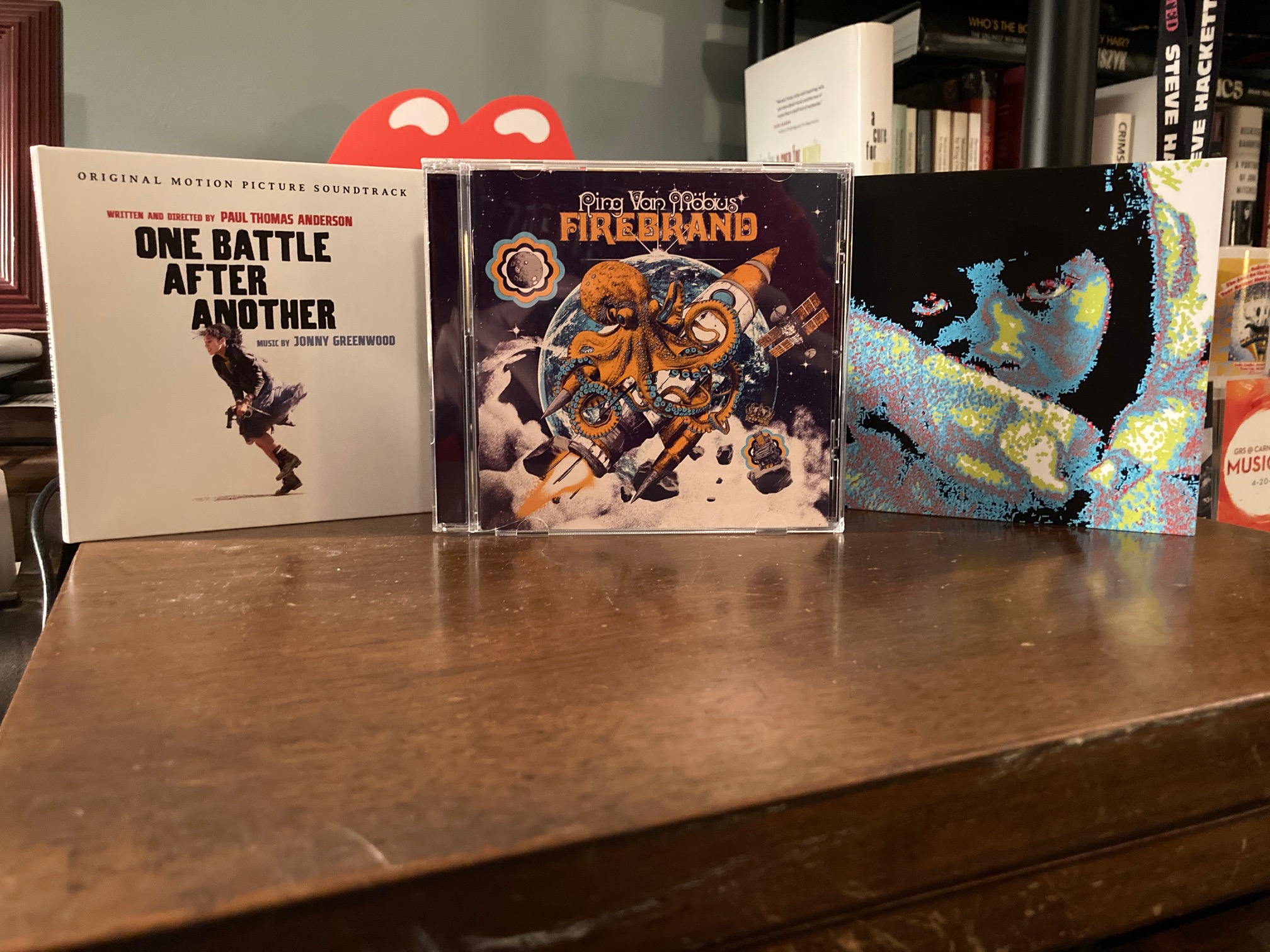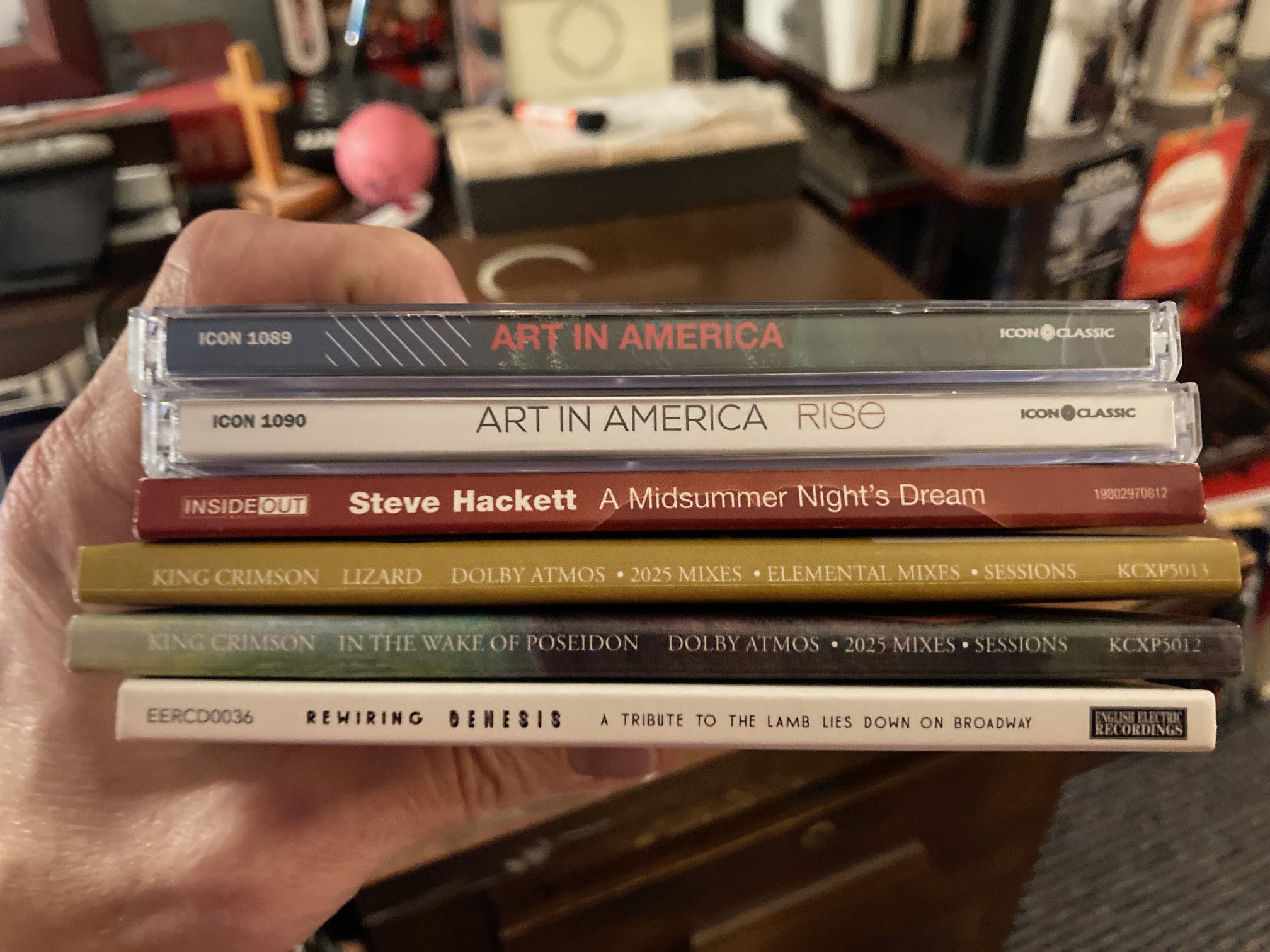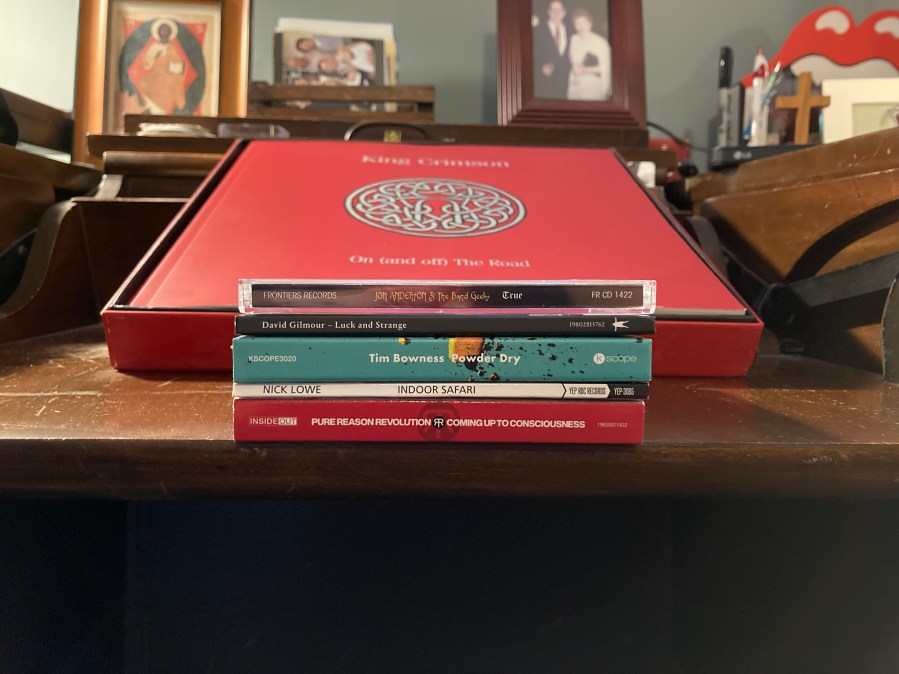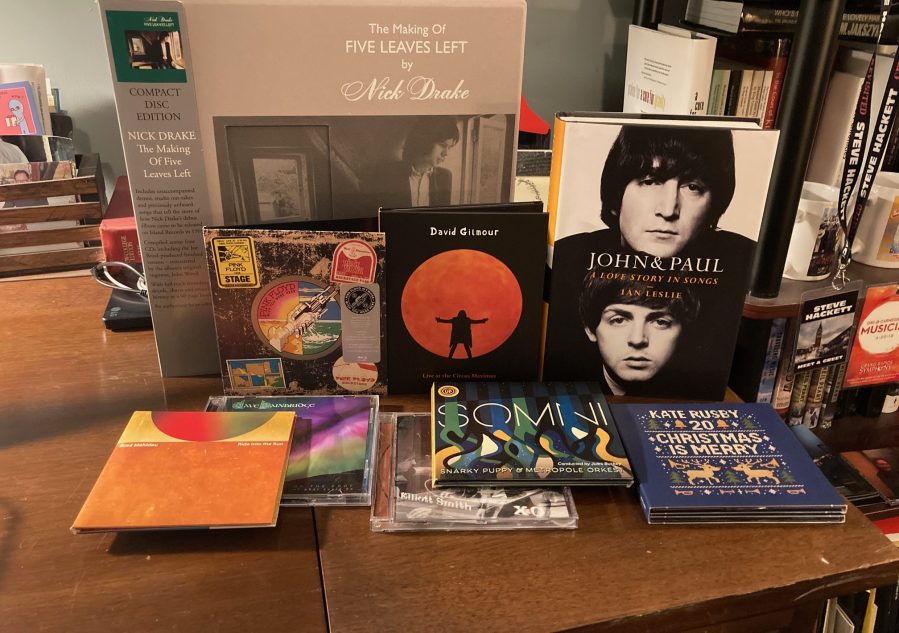
No big hoo-hah this year: just a down and dirty list of my favorite releases and reissues of the year, covered in previous Quick Takes or elsewhere on the Web (links are to my original articles)!
Bruce Hornsby, The Way It Is; Scenes from the Southside; Harbor Lights; Here Come the Noisemakers (live); Intersections 1985-2005 (box set); Solo Concerts (live). See my appreciation of Bruce’s career here!
Thanks for your ongoing attention and steadfast support. We at the Rockin’ Republic of Prog appreciate it! Best wishes as we all turn the corner and head into the New Year!
This month’s connecting thread: grizzled veterans connect with high-powered talent from younger generations; the chemistry fizzes, fuses and pops — and some excellent new music is the result! (Of course, there’s an outlier or two in this month’s stack as well.) Let’s get down to it, shall we? Purchase links are embedded in the artist/title listing, with album streams or samples following the review.
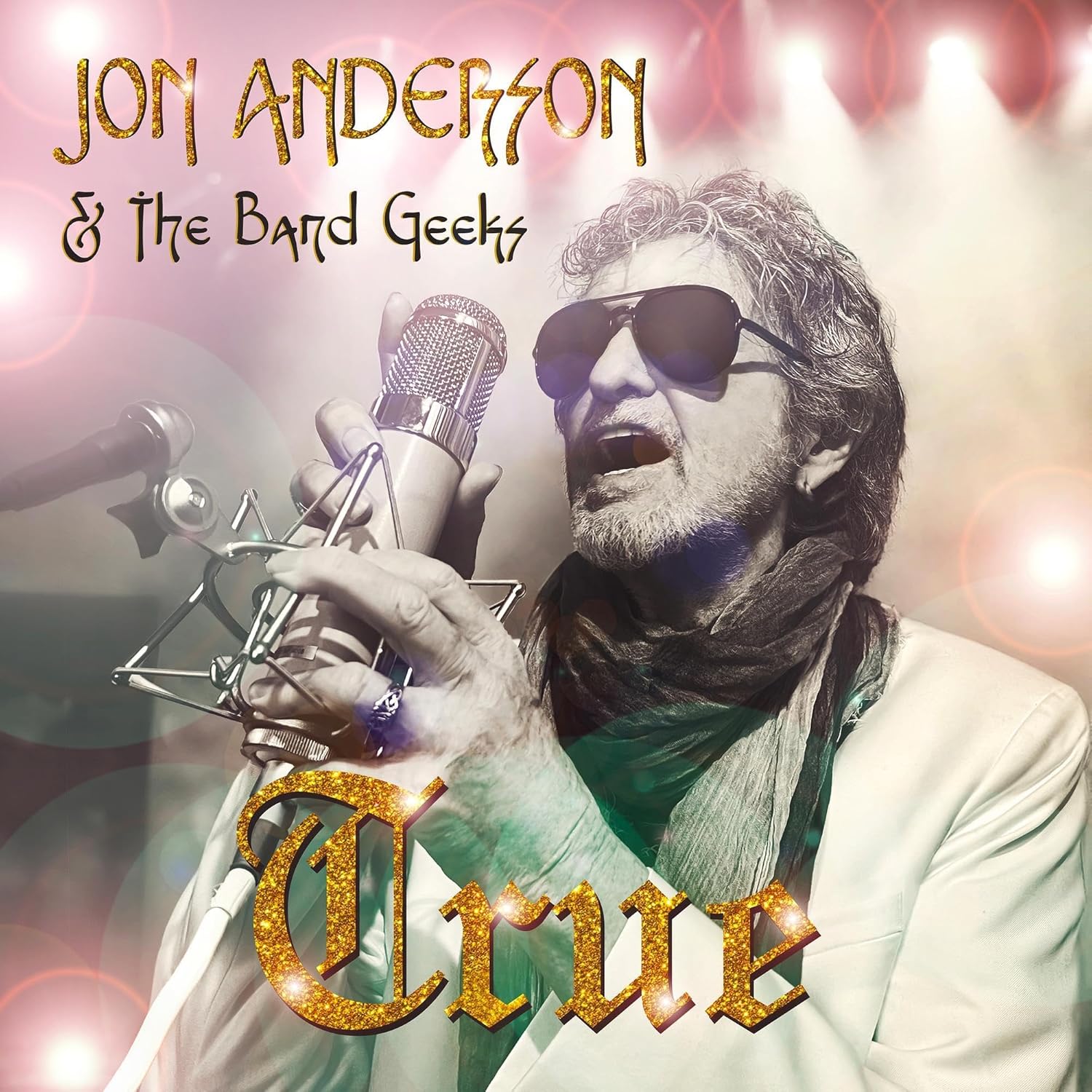
Jon Anderson and The Band Geeks, True: Anderson (going on 80, and as seemingly immortal as Keith Richards) has consistently worked with little-known yet impeccable virtuosos since his abrupt exit from Yes; watching him front a high-impact big band from the 10th row in 2019 was a thrilling experience. Now, teaming with a quintet of killer players half his age, he delivers the album fans have desired for decades. Sure, there are times when The Band Geeks (bassist Richie Castellano, guitarist Andy Graziano, keyboardists Christopher Clark and Robert Kipp and drummer Andy Ascolese) seem a little too eager to ape their counterparts in the classic Yes lineup, but overall they lean into epics like “Counties and Countries” or “Once Upon a Dream” and shorter romps like “True Messenger”, “Shine On” and “Still a Friend” with full commitment, fresh creativity and chops galore. Then there’s Anderson, still soaring into sub-orbit with that unmistakable voice, still preaching peace, love and understanding with his trademark New Age word salads. (Is there no way this man could run for U.S. President? At this point, he’d get my vote.) At first, I thought Time Lord’s full review was a bit over the top — but repeated hearings are bringing me around. Most hardcore Yes-heads will flip over this, and casual listeners will find plenty to lure them in.
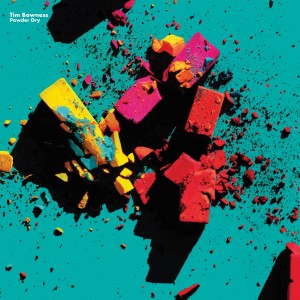
Tim Bowness, Powder Dry:the exception to this month’s rule, Bowness’ first-ever “solo solo project” hits the speakers like a cold slap in the face. Instead of the languorous widescreen ruminations of previous albums, we get brusque, sparse song sketches (rarely more than 3 minutes); a disorienting mix of natural tones, machine rhythms, bracing industrial grit and gnarled lo-fi samples yields shocks, disturbances and wake-up calls aplenty across these 16 tracks. Well practiced in the dark arts of ineffable yearning and melancholy, here Bowness hones and refines his lyrics to bare-knuckled, highly charged haikus, whether staring down decadent cultures (opener “Rock Hudson”), devolving psyches (“This Way Now”, the title track), disintegrating connections (“Heartbreak Notes”) or the unholy conjunction of all three (“Summer Turned”, “Built to Last”). With his stoic vocals bearing the brunt of this emotional tangle, Bowness’ voice plumbs fresh depths, flickering in desperate hope one moment, driven to sublimated fury and fear the next. If you’re already a Bowness fan, stow your expectations — but whether he’s familiar or brand new to you, don’t hesitate to strap in for a compelling, cathartic ride.
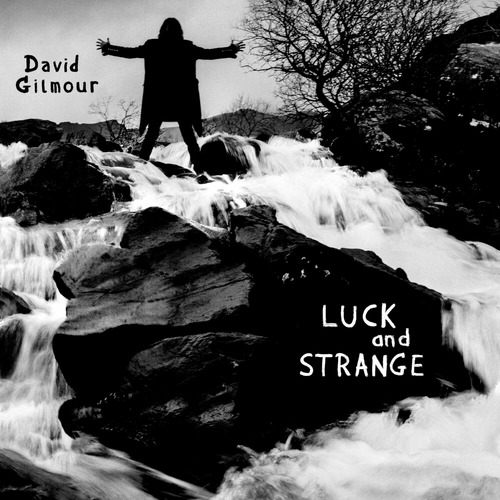
David Gilmour, Luck and Strange: another prog legend who can sound like nobody but himself cranks up one more time. But the canvass Gilmour paints on here accents different tones and tints, with youthful co-producer Charlie Andrew shaking up instrumental backgrounds and song formats to good effect. There’s a sense of lightness, air and space this time around, a less obviously Floydian palette that both complements and contrasts with Gilmour’s craggy singing and singular take on blues guitar. Polly Samson’s lyrics level up as well, tackling well-worn topics (nostalgia on “Luck and Strange”, spirituality on “A Single Spark”, love as refuge on “Dark and Velvet Nights” and “Sings”) from newly contemplative angles, sounding absolutely right coming out of Gilmour’s mouth. (Oh, and daughter Romany Gilmour totally enthralls in her vocal turn on The Montgolfier Brothers’ “Between Two Points”.) By the time Gilmour hearkens back to which one’s Pink, firing off a final round of Stratocaster fireworks on orchestral closer “Scattered”, he’s taken us on the most varied – and I’d argue, most sheerly enjoyable – ride of his solo career; this one’s already a 2024 Favorite.
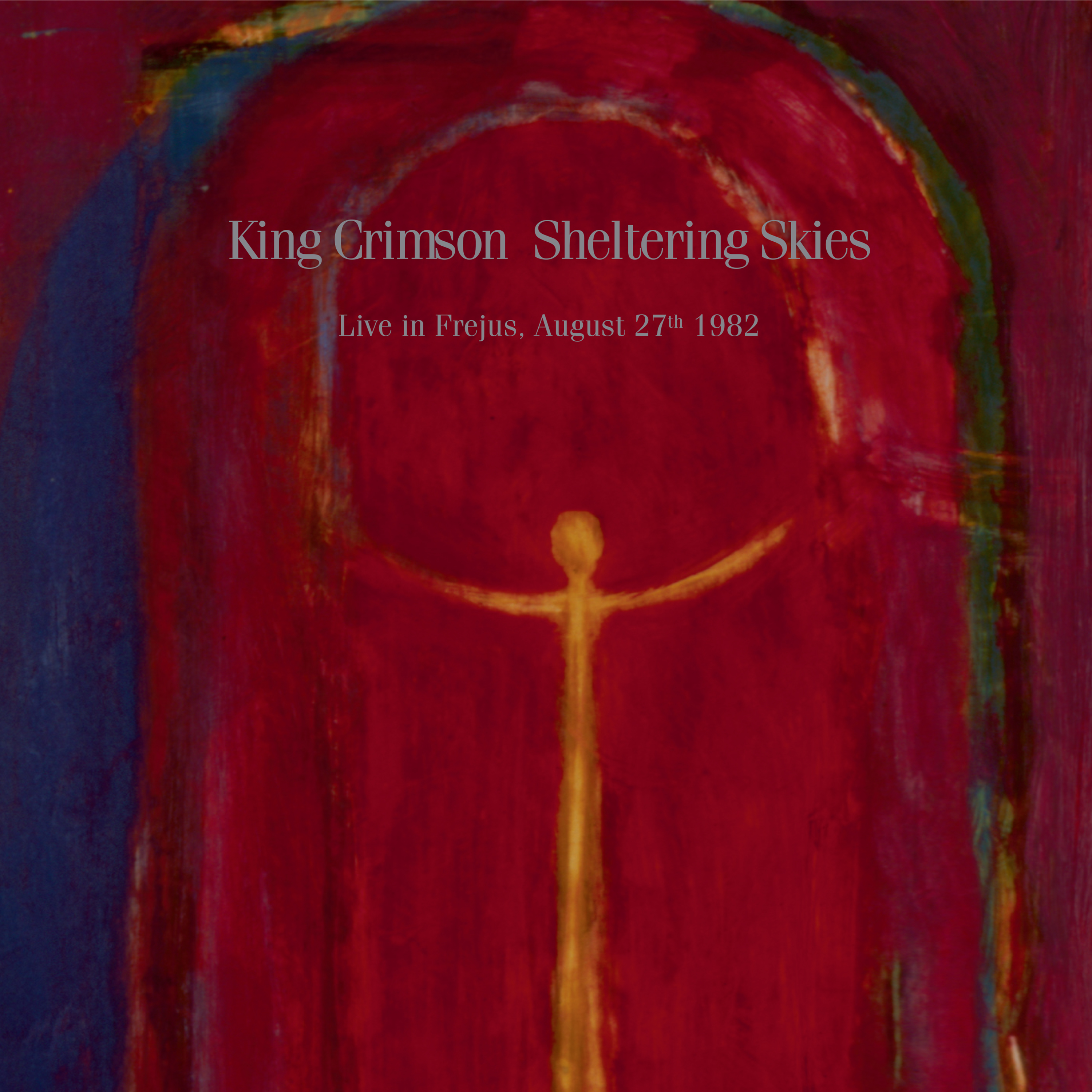
King Crimson, Sheltering Skies: OK, so this one isn’t “new” new. But when Crimson sherpas Robert Fripp and Bill Bruford teamed with American upstarts Adrian Belew and Tony Levin back in the 1980s, the result was a revitalized second reign for the King, swapping out trademark Mellotrons and prodigious pomp for raucous noise, limber polyrhythms and surging, seething energy. With Belew and Levin now touring this music again as BEAT, this issue of a 1982 show previously released on video couldn’t come at a better time; opening for Roxy Music on the French Riviera, Crimson pulls the unsuspecting audience right into the clinches for the hottest of hot dates. From the subdued intensity of “Matte Kudasai” and “The Sheltering Sky” through the dynamic clatter of “Indiscipline” and the hypnotic guitar weave of “Neal and Jack and Me” to Bruford and Belew’s ecstatic percussion duet that kicks off “Waiting Man”, this is that rare live album of nothing but highlights. Banter, bicker, balderdash, brouhaha, ballyhoo — whatever their desired flavor of elephant talk (including some 70s throwbacks), Crim devotees will find it here.
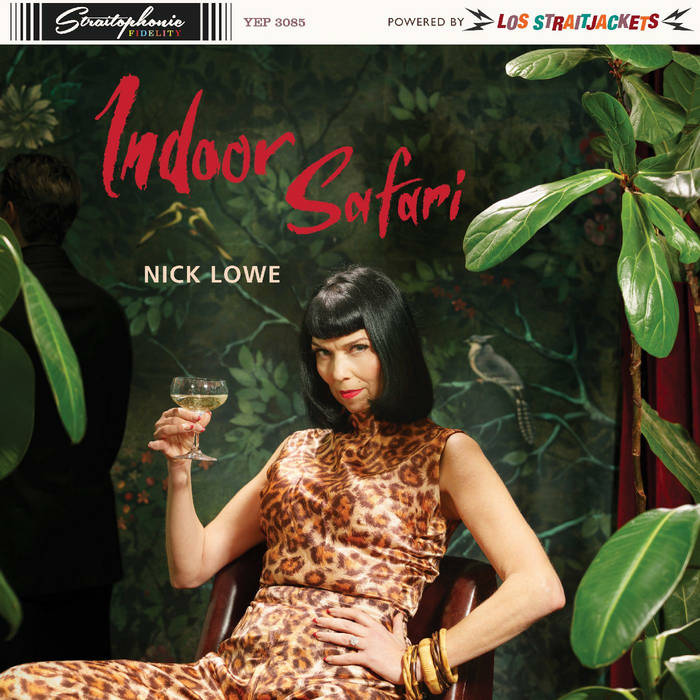
Nick Lowe, Indoor Safari:almost 50 years on from his solo debut at the crest of the New Wave, Lowe’s pure pop for now people remains pin-sharp and on point. Who else can still pump out breezy rockers like “Went to A Party” and “Jet Pac Boomerang” (the latter complete with high-culture similes and a Fab easter egg), ring wry changes on the battle of the sexes in “Blue on Blue” (“You’re like a mill, you run me through”) and “Don’t Be Nice to Me”, then capture the emotional devastation of the quietly crooned “A Different Kind of Blue”? Masked surf-rockers Los Straitjackets (currently celebrating their 30th anniversary) prove crucial here, laying down swinging retro grooves for Lowe’s originals and hoisting just the right backdrops as he nails the blue-collar aspiration of Garnet Mimms “A Quiet Place” and the innocent romance of Ricky Nelson’s “Raincoat in the River”. Lowe’s smart-aleck satire has always entertained, but his later embrace of pre-rock stylings deepened his songwriting and singing; now, even at his jauntiest, his aim for the heart is true. This is a real charmer that’s gone straight onto my 2024 Favorites list.
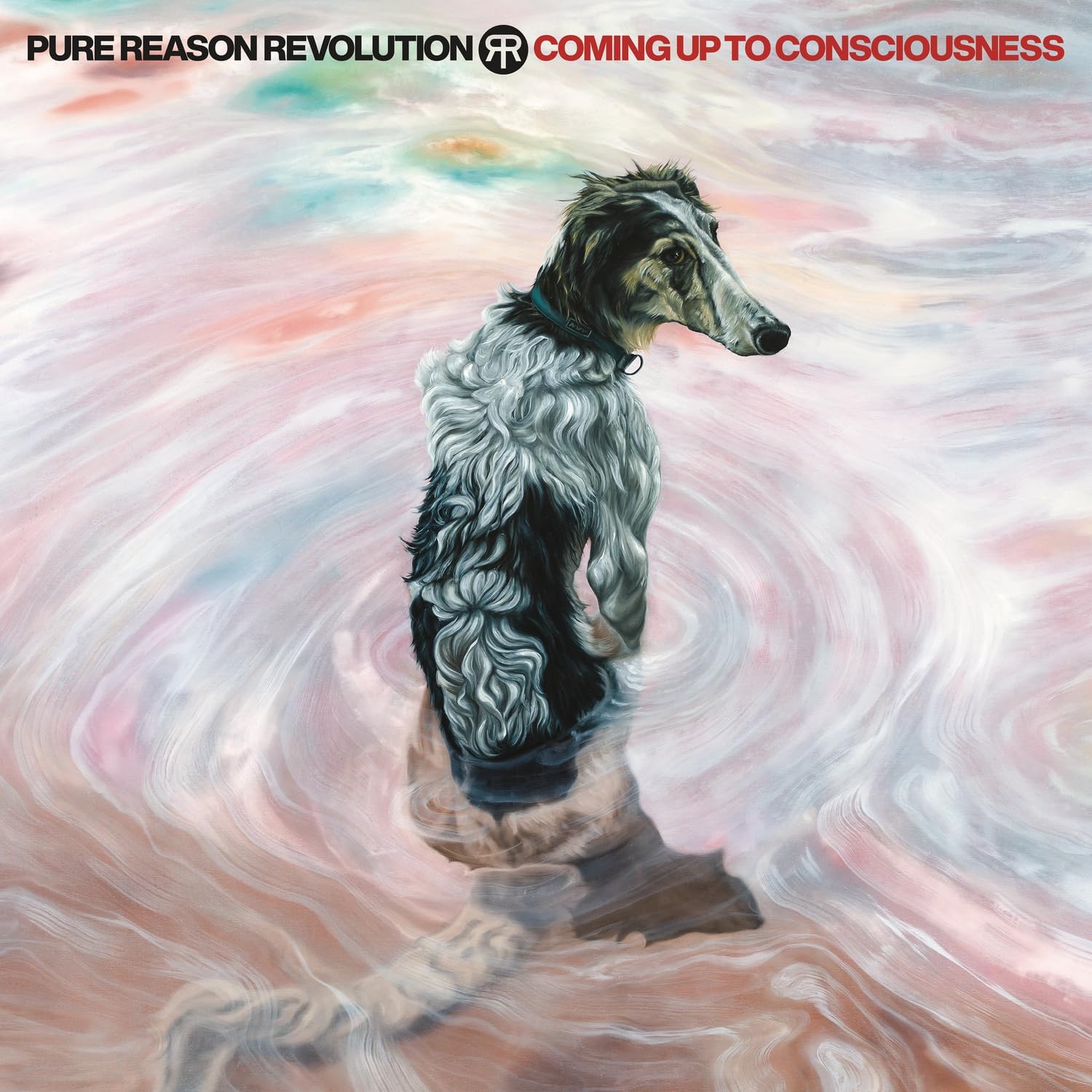
Pure Reason Revolution, Coming Up to Consciousness:a variation in reverse of this month’s theme, as long-time Pink Floyd/Gilmour bassist Guy Pratt brings extra low-end oomph to the latest from Jon Courtney, Greg Jong and their fellow electroproggers. As Time Lord ably spells out in his full review, once again PRR relies on the proven recipe of previous high points like 2006 debut The Dark Third and 2022’s Above Cirrus: float in on low-key ambience, keep the verses chilled out, ramp up on the bridge, kick hard into the chorus! (While seasoning to taste with lush harmonies, towering guitar riffs and slamming club beats, whipping up maximum tension and release before serving.) Here the results are consistently yummy, not least because the soundscapes’ ebb and flow echo Courtney’s perennial lyrical themes. As Courtney, Jong and Annicke Shireen’s voices entwine, splinter, and reunite, there’s a serene insistence on transfiguration, on something more than material, beyond the harsh realities of eros (“Dig til You Die”, “Betrayal”), fear (“The Gallows”), and death itself (“Useless Animal”, “As We Disappear”). Pure Reason Revolution isn’t giving us answers, but Coming Up to Consciousness points us toward the mystery they’ve pursued all along.
I began this series when I first joined Progarchy back in 2013, and my last post concerning these obscure prog bands dates back to June 8, 2014 – almost seven years ago exactly! At the time I told myself I was going to cover only ten of these bands – it’s a tidy number, and, considering how many obscure prog bands were and are currently out there, I wanted to keep the list manageable. Furthermore, after graduating from college in 2016, my taste in prog remained almost exclusively centered on the heavy hitters of the “classic” era: Yes, Genesis, ELP, Pink Floyd, and King Crimson.
But then yesterday I changed my mind. My interest in these unheralded bands was rekindled only very recently, thanks to fellow Progarchist Reyna McCain. There are far too many under-appreciated progressive rock musicians out there – so why stop at ten? I compiled a list of some thirty bands (yes, I know that is not an exhaustive number; I will probably add more), and my goal is to cover all of them. My other goal is to keep these reviews fairly brief – after all, it’s the listening that matters most. So, without further ado, let’s begin at eleven:
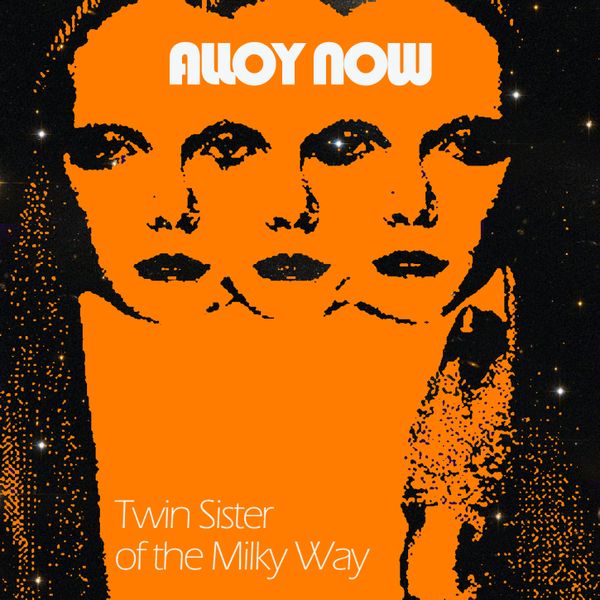
Alloy Now is the brainchild of multi-instrumentalist David Noel, who began his prog career with the Plastic Overlords, a Georgia-based psychedelic trio. Shortly after Plastic Overlords released their eponymous album, Noel started Alloy Now, a solo project (although he does feature some guest musicians on bass guitar and drums). Despite his Southern roots, Noel sounds like a mix of David Gilmour, Dave Brock, and Peter Hamill (at his more restrained): the acid-space-psychedelic influences are clear throughoutthis album.
Twin Sister of the Milky Way was released in the year 2000, but sounds like it could have been made in the early 1970s. That being said, it is not a simple homage to its influences, which range from Pink Floyd to Van der Graaf Generator to Hawkwind. Particular highlights include the opening number, “The Butterscotch Star,” which features a rich bass guitar (think Chris Squire), trippy vocals, and gorgeous keyboard-driven melodies. The instrumental “Shoulder of Orion” opens with ominous keyboards and percussion, but gradually transforms into something like a cosmic march through the stars. “Ghostly Superhero” could have been written by a Ziggy Stardust-era David Bowie – think “Starman” or “Moonage Daydream.” Finally, the title track may be the strongest on the album: Noel’s spaced-out, symphonic guitar and keys play over wordless vocals, taking you on a trip through the Milky Way galaxy.
In my humble opinion, there is not a weak song on this album. If you are inclined towards symphonic prog or the acid and space rock sound of Hawkwind and Pink Floyd, then Twin Sister of the Milky Way belongs in your galaxy.
Over the past several months, I’ve been rather taken with Pink Floyd. Don’t get me wrong, I’ve always loved the band. . . as far back as I can remember, their music was a part of my life. Certainly, in my little town in central Kansas, I could hear someone or some station playing Floyd at any time. As I’ve had the chance to mention before, our local planetarium played lots of Laser Floyd. I heard them so much and so often that I started to take them for granted.
Several months ago, I picked The Wall up after years of not listening to it. There was a time I thought it was a masterful work of art. I still think it’s brilliant, but it’s way too depressing for me to pick up casually. If I’m in a good mood, I certainly don’t want to be brought down by the album. If I’m in a bad mood, I don’t need it to bring me down any further.
There’s no doubt, however, that its message of anti-fascism and anti-conformity influenced my own thinking on the world profoundly.
Pink Floyd’s MOMENTARY LAPSE OF REASON turns 30 this year. Like so much of “prog” (yes, I put this in quotes) of the 1980s, it’s still controversial.
The same thing happened to Genesis, of course. Is ABACAB really a Genesis album? Or, how about ELP? Is EMERSON LAKE AND POWELL really an ELP album? Or Yes? Are 90125 or BIG GENERATOR really Yes albums? Ok, I won’t drag this idea into the ground. But, it’s fair to note, that the question regarding MOMENTARY LAPSE OF REASON is not unique.
At the time MOMENTARY LAPSE came out, I was living in Austria for my sophomore year of college. My great friend, Liz Ehret (now Bardwell), was visiting an American Army base in West German and picked up a copy of it as well as copies of Rush’s HOLD YOUR FIRE and Yes’s BIG GENERATOR for me. Of the three, the only one that floored me was HOLD YOUR FIRE. Still, I very much liked MOMENTARY.