The David Cross Band in Concert: Larks’ Tongues Ascending

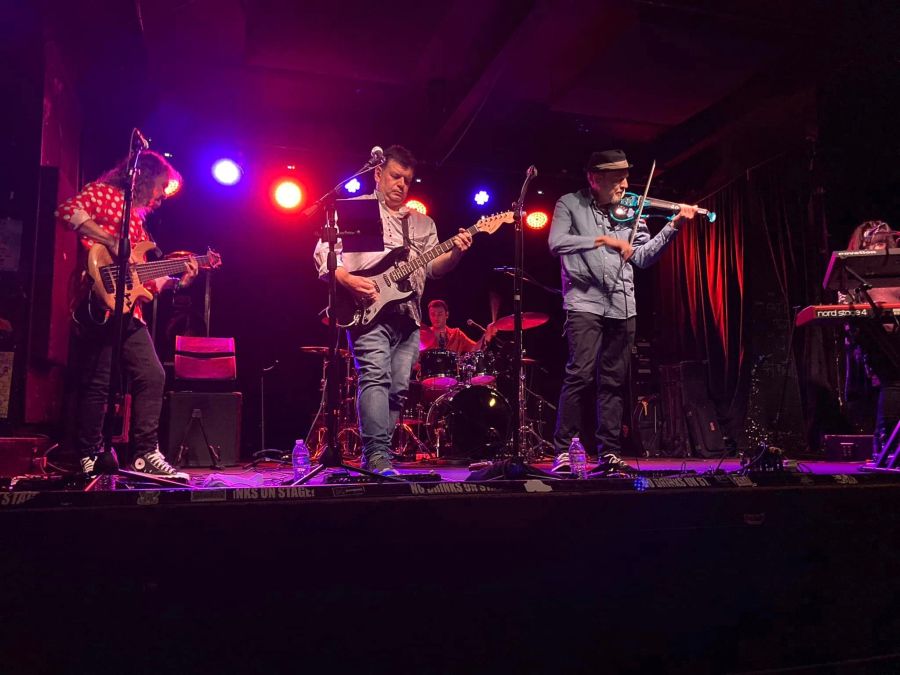
It hadn’t been an auspicious beginning for The David Cross Band’s stateside tour; their opening night in Asheville, North Carolina was scuttled by Hurricane Helene’s brutal landfall, blowing a hole in their plans (and their finances) and stranding them in the disaster zone for a couple of fateful days, until they could source a full tank of gas and find an open road north. As they took the stage at Grand Rapids’ Pyramid Scheme, you could tell they felt for the devastated community they’d left behind — but also that they were also grateful to be back on track and playing for an enthusiastic (if compact and shall we say, mostly of a certain vintage) audience.

Electric violinist Cross, best known for his early-1970s stint in King Crimson, wasn’t messing around. As guitarist/vocalist John Mitchell — yep, fellow Progarchists, that genial jack of all trades from The John Wetton Band/Frost*/Lonely Robot’/Kino/Arena/It Bites/etc. — hit a chord, Cross took off on the kind of free improvisation that awed Crimson fans back in the day (including the drummer two seats over from me, who raved about a stop at GR’s Aquinas College 50 years ago). Cross, Mitchell, bassist/vocalist Mick Paul, keyboardist Sheila Maloney and drummer Jack Summerfield quickly locked in, building the folky core material to a simmering peak with classical flourishes and just the right amount of rock muscle. The epic Cross original “Calamity” shared a similar brooding feel, while “Tonk” and “Starfall” (the latter written with Crimson lyricist Richard Palmer-James) proved convincing slabs of the hard-hitting odd-time prog-metal the crowd had come to hear.

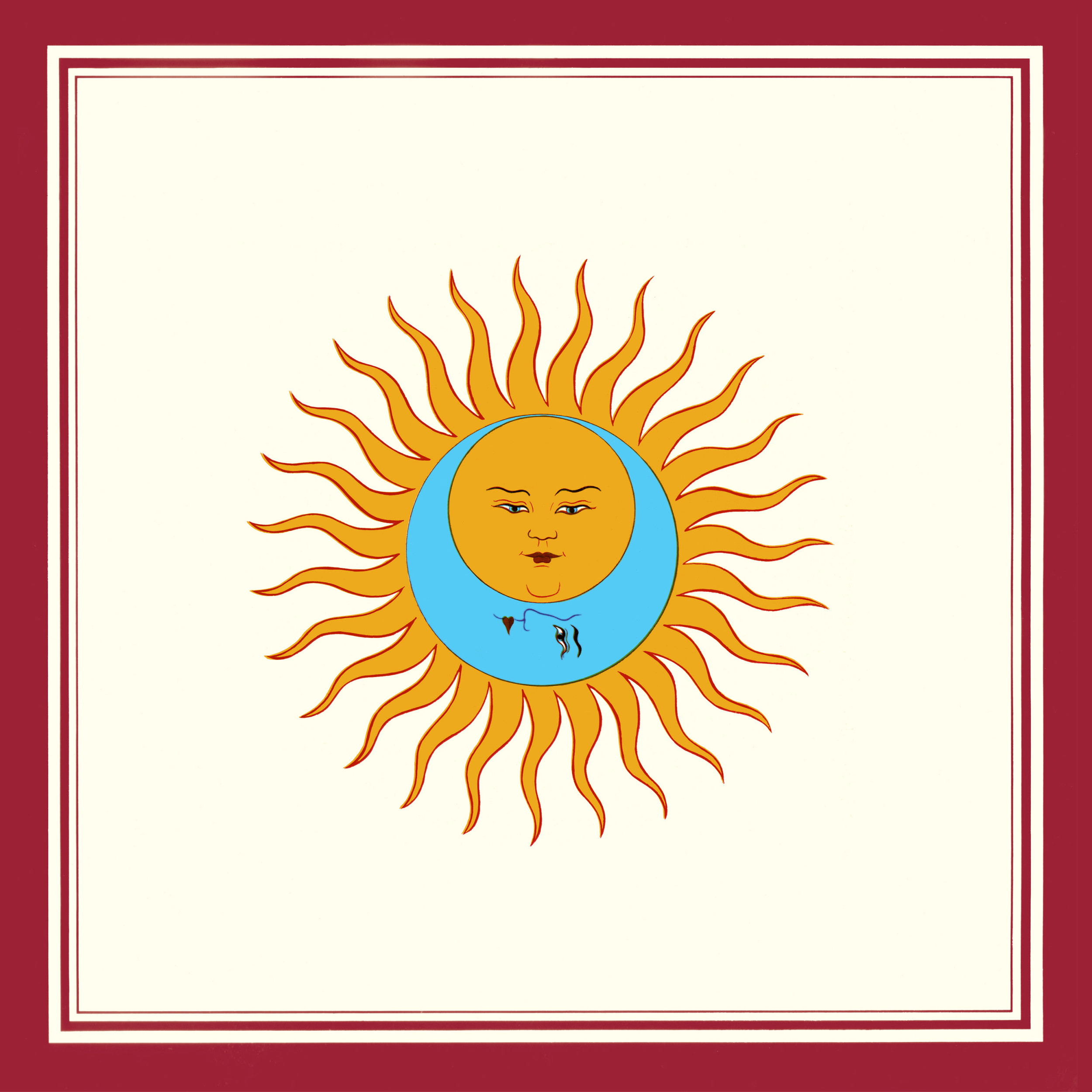
But as cool as Cross’ original work is, this North American stint isn’t called the “Larks Tongues’ 50+” tour for nothing; there was plenty of classic King Crimson on tap. “The Great Deceiver” was a high-octane update of the “flying brick wall” groove with which Bill Bruford and Wetton had terrorized Robert Fripp and Cross back in the day, as Paul, Mitchell and Maloney belted out Palmer-James’ sardonic lyrics; “Red” remains every inch the monstrous instrumental stomp it was in 1974. And after an apropos announcement in the vein of the Who’s Keith Moon from Mitchell (“Silence for rock history, please – especially up there in the jazz club”), the band launched into the entire Larks’ Tongues in Aspic album — complete with the extended thumb-piano intro that opens Part 1 of the title track.
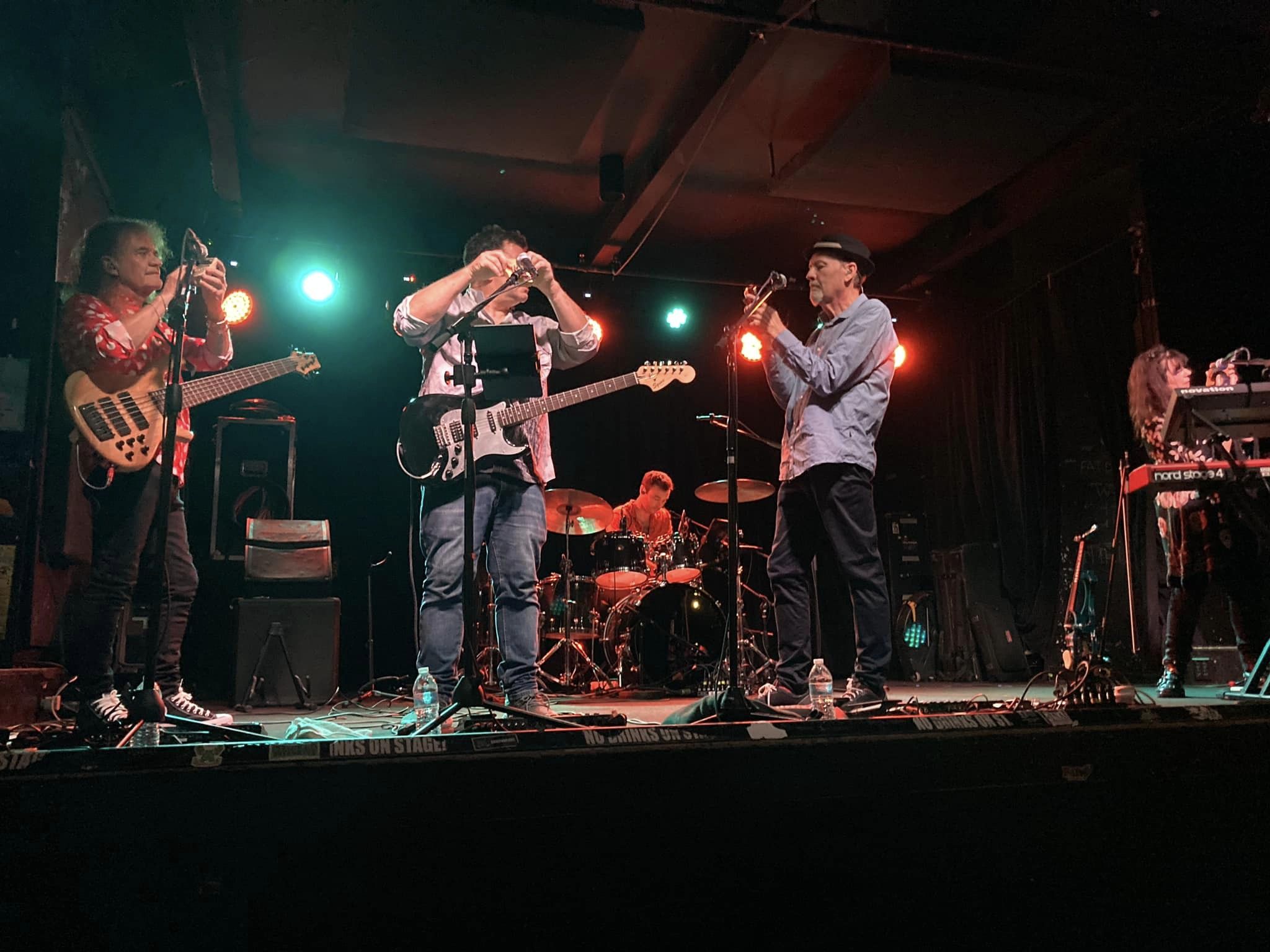
Not on their cell phones: the Larks’ Tongues in Aspic Thumb Piano Ensemble in action

Throughout the night, Summerfield and Paul drove the band forward with propulsive power and a wicked edge, while Maloney served up lush keyboard colors, the occasional synth solo, and a nifty electronica backbone to freshen the mournful ballad “Exiles”. Paul’s rough-hewn voice soared on that tune, and Mitchell’s singing spanned the tender ardor of “Book of Saturday” and the vicious kiss-off of “Easy Money”, channeling Fripp’s monolithic power chords and tritone-laced solo style all the while. At center stage, Cross covered all bases with aplomb; buzzing like a hornet’s nest, shrieking like a banshee or launching sustained flights of aching, soaring melody, he moved with the music in the moment, no matter its direction or destination. Eschewing the precision tooling of recent King Crimson tours for a freer flow, the band built the tribal funk of “The Talking Drum” to a fever pitch, then pumped up the crushing Hendrix-plays-Stravinsky riffs of “Larks’ Tongues Part Two” to a shattering climax.

The final touch could only be “Starless”, one of the last pieces Cross played live with Crimson in those early salad days. Mitchell rose to the occasion, singing Wetton & Palmer-James’ melancholy words with fervor and grace. Then Summerfield and Paul cranked the tension of the instrumental build to a tipping point. From that height, Cross dove into the breakneck double-time coda, blazing the trail for Maloney and Mitchell to follow. As the quintet stuck the landing, the audience hit their feet (with only minimal prompting from Mitchell), glad to be in the moment with a band that, on this night, had ascended to a sweet spot where memory and spontaneity combine.

The David Cross Larks’ Tongues Band’s North American tour continues through October; check out currently scheduled tour dates here.

— Rick Krueger

Setlist:

  • The Pyramid Scheme (improvisation)
  • Tonk
  • The Great Deceiver
  • Red
  • Starfall
  • Calamity
  • Larks’ Tongues in Aspic, Part 1
  • Book of Saturday
  • Exiles
  • Easy Money
  • The Talking Drum
  • Larks’ Tongues in Aspic, Part 2
  • Starless

Rick’s Quick Takes: Across the Great Divide

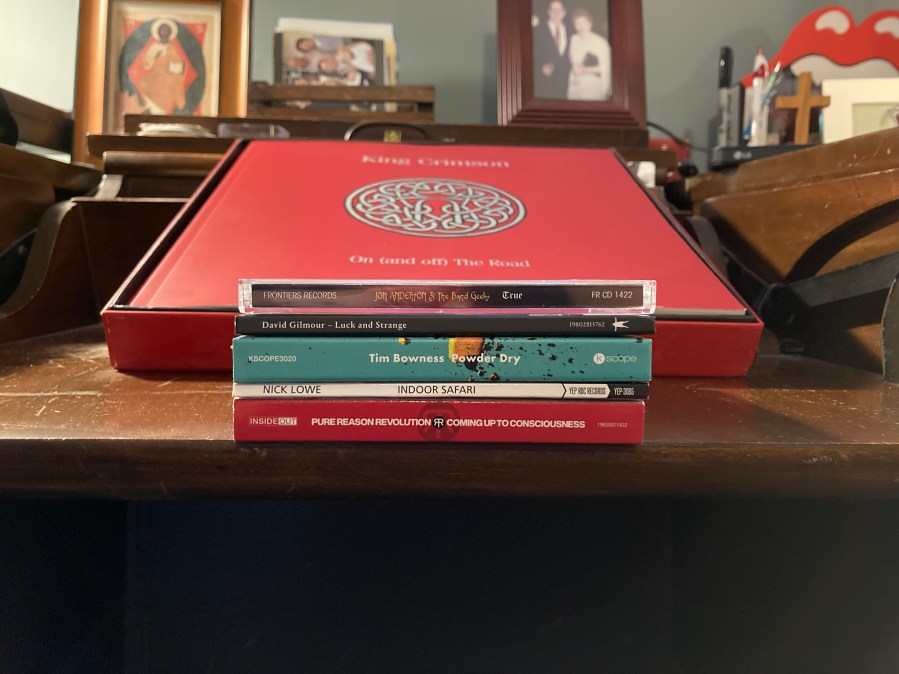
This month’s connecting thread: grizzled veterans connect with high-powered talent from younger generations; the chemistry fizzes, fuses and pops — and some excellent new music is the result! (Of course, there’s an outlier or two in this month’s stack as well.) Let’s get down to it, shall we? Purchase links are embedded in the artist/title listing, with album streams or samples following the review.

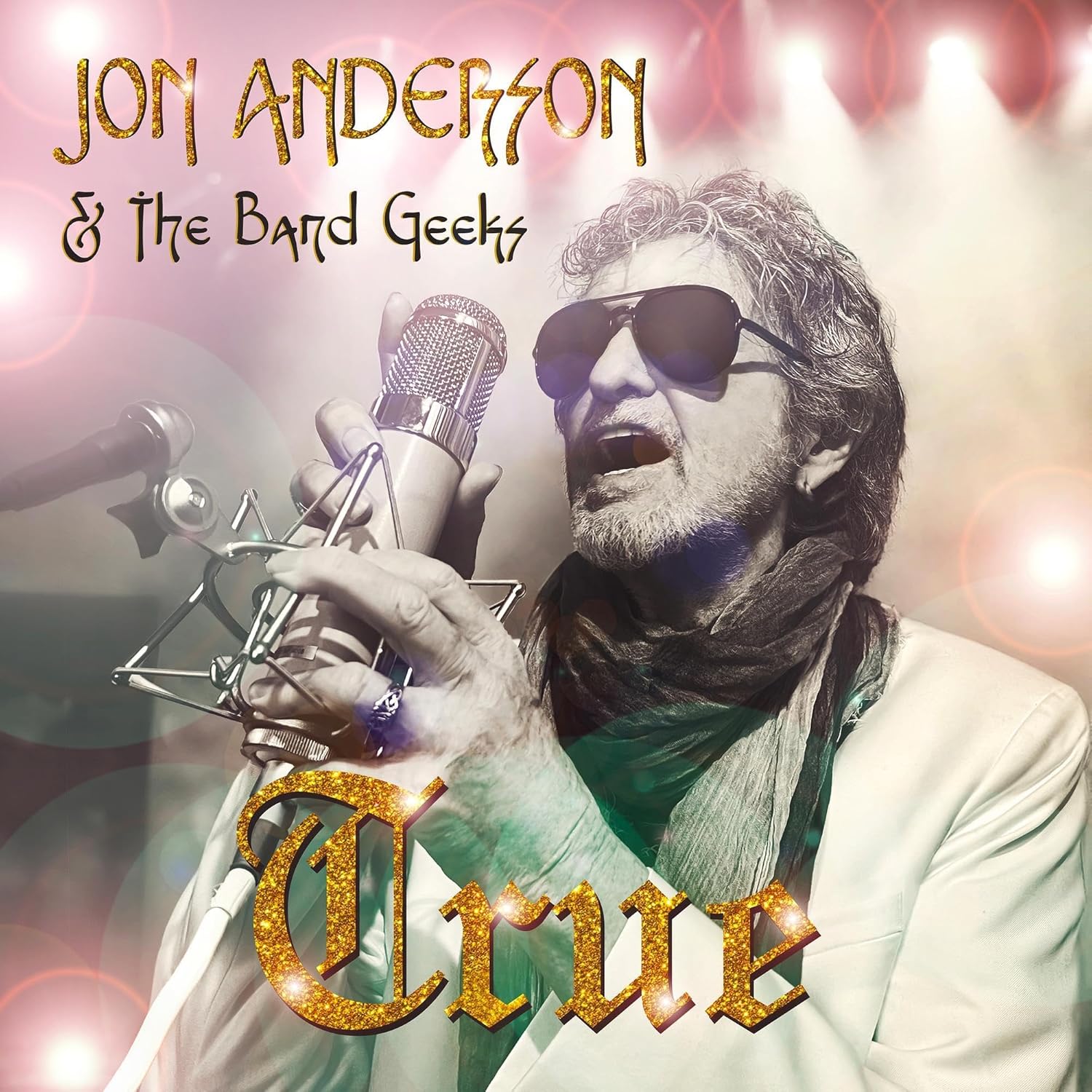
Jon Anderson and The Band Geeks, True: Anderson (going on 80, and as seemingly immortal as Keith Richards) has consistently worked with little-known yet impeccable virtuosos since his abrupt exit from Yes; watching him front a high-impact big band from the 10th row in 2019 was a thrilling experience. Now, teaming with a quintet of killer players half his age, he delivers the album fans have desired for decades. Sure, there are times when The Band Geeks (bassist Richie Castellano, guitarist Andy Graziano, keyboardists Christopher Clark and Robert Kipp and drummer Andy Ascolese) seem a little too eager to ape their counterparts in the classic Yes lineup, but overall they lean into epics like “Counties and Countries” or “Once Upon a Dream” and shorter romps like “True Messenger”, “Shine On” and “Still a Friend” with full commitment, fresh creativity and chops galore. Then there’s Anderson, still soaring into sub-orbit with that unmistakable voice, still preaching peace, love and understanding with his trademark New Age word salads. (Is there no way this man could run for U.S. President? At this point, he’d get my vote.) At first, I thought Time Lord’s full review was a bit over the top — but repeated hearings are bringing me around. Most hardcore Yes-heads will flip over this, and casual listeners will find plenty to lure them in.

Tim Bowness, Powder Dry: the exception to this month’s rule, Bowness’ first-ever “solo solo project” hits the speakers like a cold slap in the face. Instead of the languorous widescreen ruminations of previous albums, we get brusque, sparse song sketches (rarely more than 3 minutes); a disorienting mix of natural tones, machine rhythms, bracing industrial grit and gnarled lo-fi samples yields shocks, disturbances and wake-up calls aplenty across these 16 tracks. Well practiced in the dark arts of ineffable yearning and melancholy, here Bowness hones and refines his lyrics to bare-knuckled, highly charged haikus, whether staring down decadent cultures (opener “Rock Hudson”), devolving psyches (“This Way Now”, the title track), disintegrating connections (“Heartbreak Notes”) or the unholy conjunction of all three (“Summer Turned”, “Built to Last”). With his stoic vocals bearing the brunt of this emotional tangle, Bowness’ voice plumbs fresh depths, flickering in desperate hope one moment, driven to sublimated fury and fear the next. If you’re already a Bowness fan, stow your expectations — but whether he’s familiar or brand new to you, don’t hesitate to strap in for a compelling, cathartic ride.

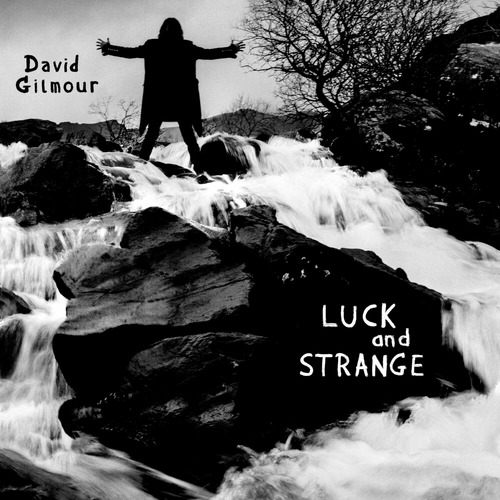
David Gilmour, Luck and Strange: another prog legend who can sound like nobody but himself cranks up one more time. But the canvass Gilmour paints on here accents different tones and tints, with youthful co-producer Charlie Andrew shaking up instrumental backgrounds and song formats to good effect. There’s a sense of lightness, air and space this time around, a less obviously Floydian palette that both complements and contrasts with Gilmour’s craggy singing and singular take on blues guitar. Polly Samson’s lyrics level up as well, tackling well-worn topics (nostalgia on “Luck and Strange”, spirituality on “A Single Spark”, love as refuge on “Dark and Velvet Nights” and “Sings”) from newly contemplative angles, sounding absolutely right coming out of Gilmour’s mouth. (Oh, and daughter Romany Gilmour totally enthralls in her vocal turn on The Montgolfier Brothers’ “Between Two Points”.) By the time Gilmour hearkens back to which one’s Pink, firing off a final round of Stratocaster fireworks on orchestral closer “Scattered”, he’s taken us on the most varied – and I’d argue, most sheerly enjoyable – ride of his solo career; this one’s already a 2024 Favorite.
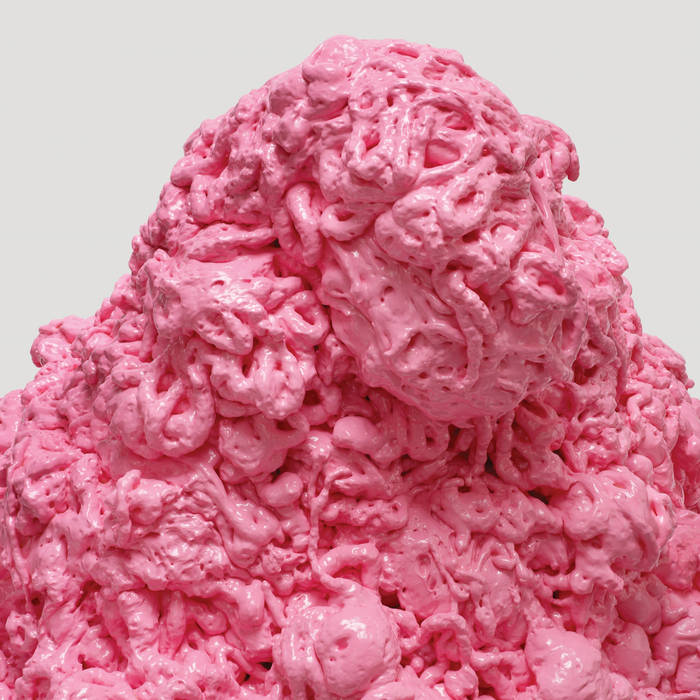
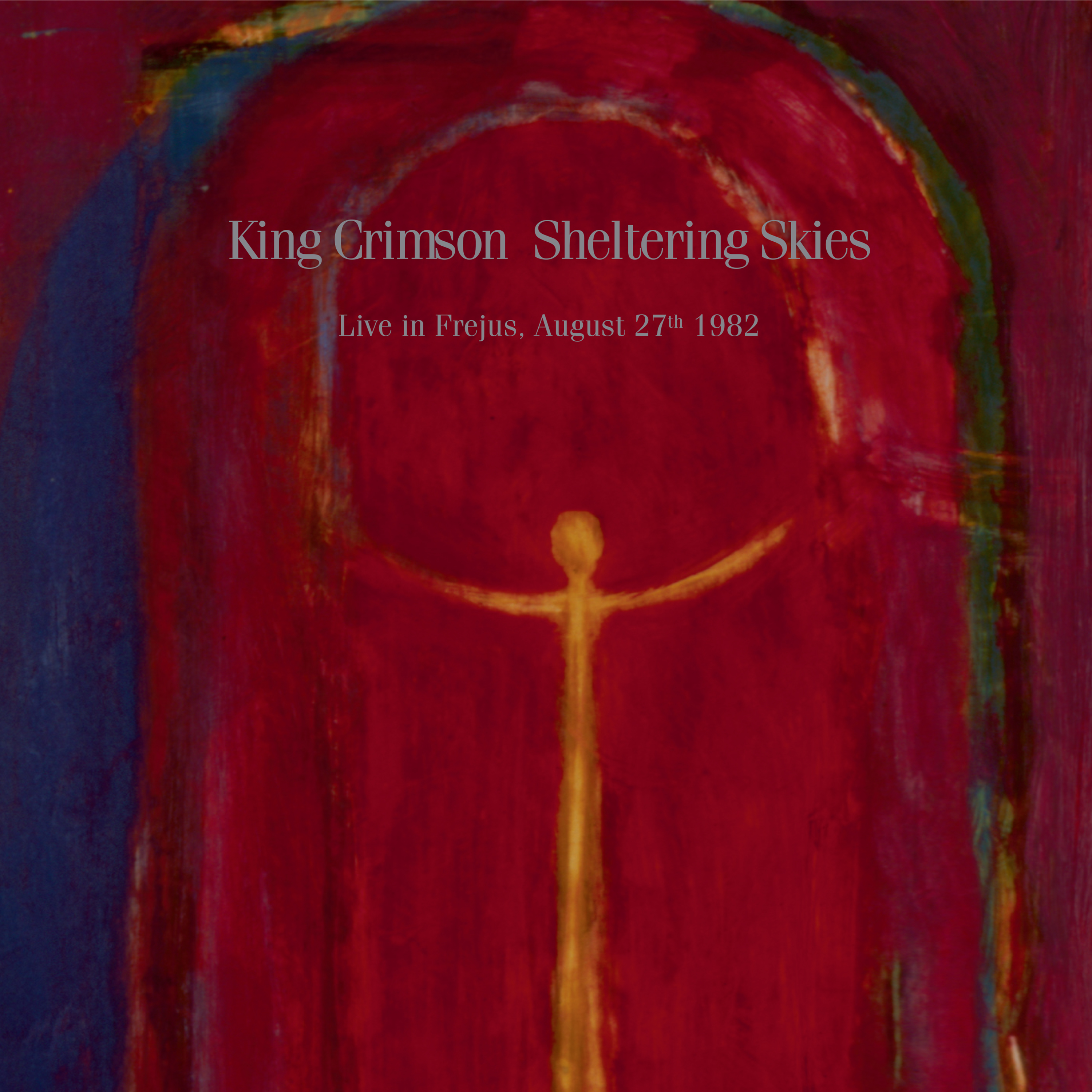
King Crimson, Sheltering Skies: OK, so this one isn’t “new” new. But when Crimson sherpas Robert Fripp and Bill Bruford teamed with American upstarts Adrian Belew and Tony Levin back in the 1980s, the result was a revitalized second reign for the King, swapping out trademark Mellotrons and prodigious pomp for raucous noise, limber polyrhythms and surging, seething energy. With Belew and Levin now touring this music again as BEAT, this issue of a 1982 show previously released on video couldn’t come at a better time; opening for Roxy Music on the French Riviera, Crimson pulls the unsuspecting audience right into the clinches for the hottest of hot dates. From the subdued intensity of “Matte Kudasai” and “The Sheltering Sky” through the dynamic clatter of “Indiscipline” and the hypnotic guitar weave of “Neal and Jack and Me” to Bruford and Belew’s ecstatic percussion duet that kicks off “Waiting Man”, this is that rare live album of nothing but highlights. Banter, bicker, balderdash, brouhaha, ballyhoo — whatever their desired flavor of elephant talk (including some 70s throwbacks), Crim devotees will find it here.

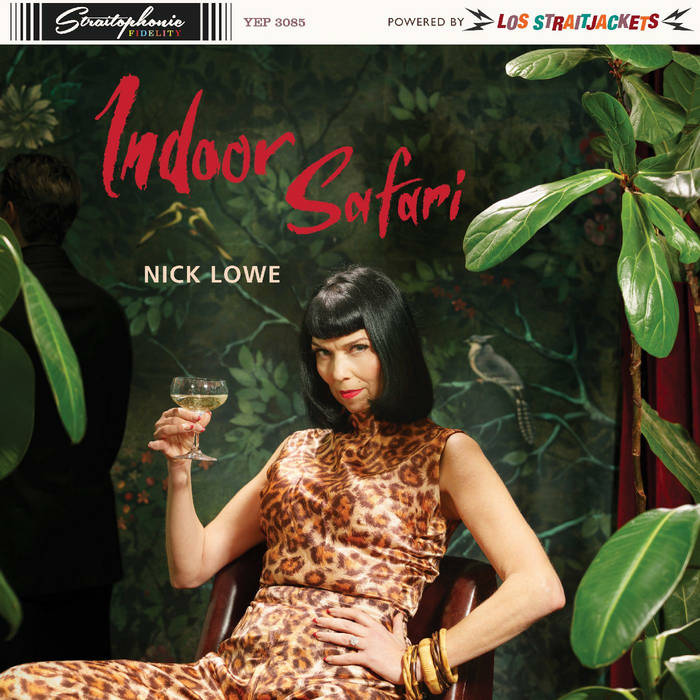
Nick Lowe, Indoor Safari: almost 50 years on from his solo debut at the crest of the New Wave, Lowe’s pure pop for now people remains pin-sharp and on point. Who else can still pump out breezy rockers like “Went to A Party” and “Jet Pac Boomerang” (the latter complete with high-culture similes and a Fab easter egg), ring wry changes on the battle of the sexes in “Blue on Blue” (“You’re like a mill, you run me through”) and “Don’t Be Nice to Me”, then capture the emotional devastation of the quietly crooned “A Different Kind of Blue”? Masked surf-rockers Los Straitjackets (currently celebrating their 30th anniversary) prove crucial here, laying down swinging retro grooves for Lowe’s originals and hoisting just the right backdrops as he nails the blue-collar aspiration of Garnet Mimms “A Quiet Place” and the innocent romance of Ricky Nelson’s “Raincoat in the River”. Lowe’s smart-aleck satire has always entertained, but his later embrace of pre-rock stylings deepened his songwriting and singing; now, even at his jauntiest, his aim for the heart is true. This is a real charmer that’s gone straight onto my 2024 Favorites list.

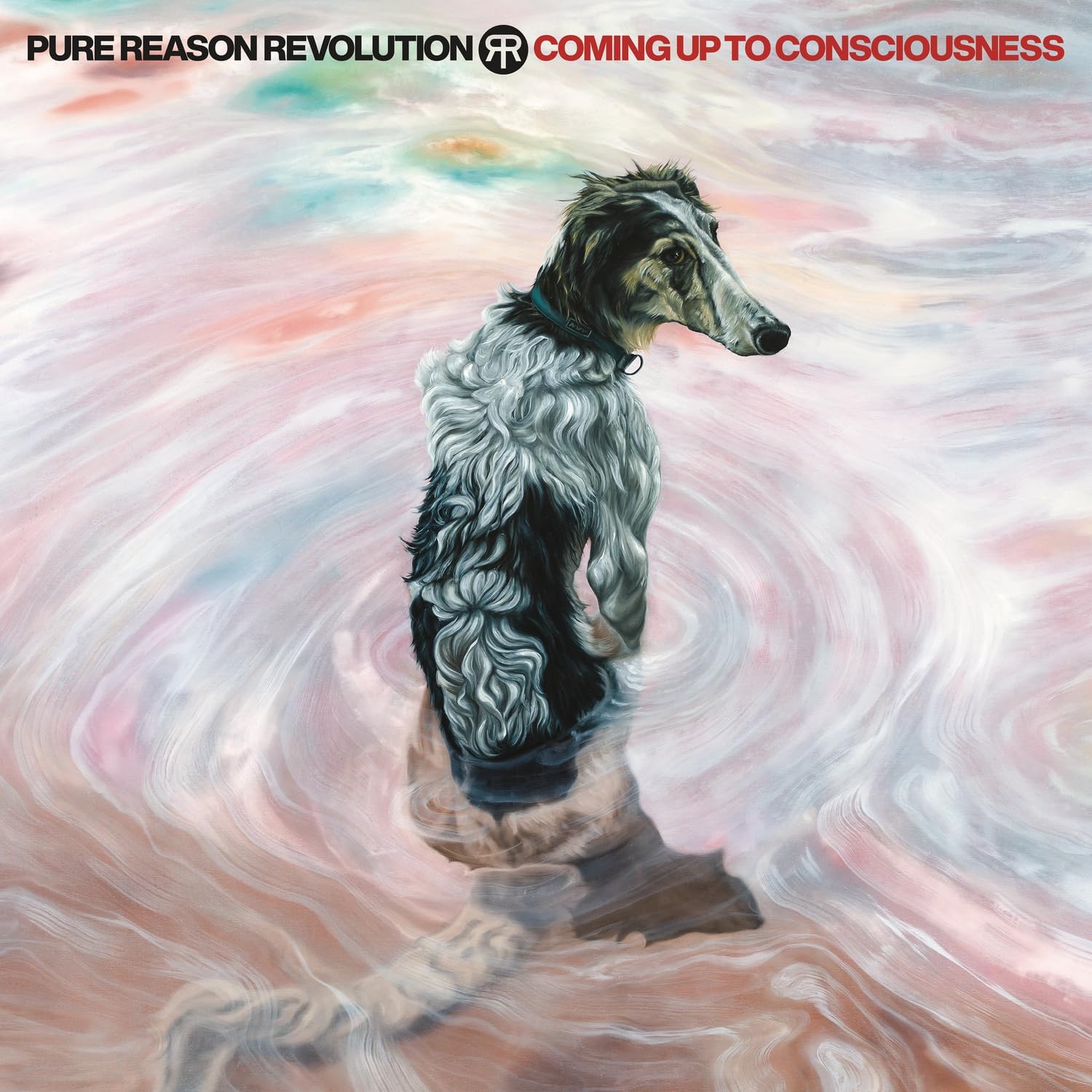
Pure Reason Revolution, Coming Up to Consciousness: a variation in reverse of this month’s theme, as long-time Pink Floyd/Gilmour bassist Guy Pratt brings extra low-end oomph to the latest from Jon Courtney, Greg Jong and their fellow electroproggers. As Time Lord ably spells out in his full review, once again PRR relies on the proven recipe of previous high points like 2006 debut The Dark Third and 2022’s Above Cirrus: float in on low-key ambience, keep the verses chilled out, ramp up on the bridge, kick hard into the chorus! (While seasoning to taste with lush harmonies, towering guitar riffs and slamming club beats, whipping up maximum tension and release before serving.) Here the results are consistently yummy, not least because the soundscapes’ ebb and flow echo Courtney’s perennial lyrical themes. As Courtney, Jong and Annicke Shireen’s voices entwine, splinter, and reunite, there’s a serene insistence on transfiguration, on something more than material, beyond the harsh realities of eros (“Dig til You Die”, “Betrayal”), fear (“The Gallows”), and death itself (“Useless Animal”, “As We Disappear”). Pure Reason Revolution isn’t giving us answers, but Coming Up to Consciousness points us toward the mystery they’ve pursued all along.
— Rick Krueger

BEAT (Belew, Vai, Levin, Carey) Tour 1980s King Crimson This Fall — Full Details Below

As Kevin McCormick posted two weeks ago, Adrian Belew & Tony Levin of King Crimson will be performing that band’s innovative 1980s repertoire live with pioneering shred guitarist Steve Vai (Frank Zappa, David Lee Roth, G3) and drummer Danny Carey (Tool). More than 40 US/Canada dates (listed below and at www.beat-tour.com) have been announced; a presale begins April 2nd at 12 noon EDT (password BEATTOUR), with sales to the general public starting April 5th.

To say I’m stoked for this tour is an understatement! I became a fan of all things associated with King Crimson founder Robert Fripp after hearing him live at a local record store in 1979,then devouring his articles about the creative process and the travails of the music business in Musician magazine. So I was primed when Fripp, Belew, Levin and drummer Bill Bruford launched a re-envisioned KC with 1981’s breakthrough album Discipline. In addition to the striking use of cutting-edge tech like Simmons electronic drums and Roland guitar synthesizers (along with a New Wave sense of texture and space), I loved how all four players were constantly interweaving; there was no real precedent for the sound in rock or even prog, but Balinese gamelan music, classical minimalists like Steve Reich & Philip Glass, and some of Talking Heads’ contemporaneous experiments came to mind. This was just the noise for a heady, more than slightly pretentious listener like me!

1982’s Beat turned out to be my favorite of the albums the band released, but I didn’t see the mighty Crim live until the Three of a Perfect Pair tour in the summer of 1984 – by which time they had throughly assimilated their new music and stomped audiences flat with it! It was the first of 10 times I heard Crimson in concert over the decades, and still it’s vividly memorable.

Shortly afterward, Fripp put Crimson on one of the band’s numerous indefinite pauses, but Belew has always had a soft spot for this music, even publishing an online appeal to Fripp, Levin & Bruford for a 30th-anniversary reunion in 2011. This only happened in truncated form: Belew’s Power Trio hooked up with Levin’s Stick Men for a series of Two of A Perfect Trio dates (I caught the Detroit stop of the tour late that year) eventually becoming the Crimson ProjeKct and opening for Dream Theater on a lengthly tour.

And while I absolutely adore Fripp’s Belew-less version of KC that ran from 2014 to 2021 (see my reviews here, here and here), I’m no less ready to lose it for a Fripp-less take on this classical material like BEAT. Given Vai & Carey’s impeccable credentials, this should be some show.

— Rick Krueger

BEAT Tour dates:

  • 9/12 SAN JOSE, CA @ SAN JOSE CIVIC
  • 9/13 NAPA, CA @ BLUE NOTE SUMMER SESSIONS at MERITAGE RESORT
  • 9/14 LOS ANGELES, CA @ THE UNITED THEATER on BROADWAY
  • 9/15 ANAHEIM, CA @ CITY NATIONAL GROVE of ANAHEIM
  • 9/17 SAN DIEGO, CA @ HUMPHREY’S CONCERTS
  • 9/18 PHOENIX, AZ @ CELEBRITY THEATRE
  • 9/20 AUSTIN, TX @ THE PARAMOUNT THEATRE
  • 9/21 HOUSTON, TX @ BAYOUS MUSIC CENTRE
  • 9/22 DALLAS, TX @ MAJESTIC THEATRE
  • 9/24 ATLANTA, GA @ THE EASTERN
  • 9/26 FORT LAUDERDALE, FL @ THE PARKER
  • 9/27 ORLANDO, FL @ HARD ROCK LIVE
  • 9/28 CLEARWATER, FL @ RUTH ECKERD HALL
  • 9/29 CHARLESTON, SC @ CHARLESTON MUSIC HALL
  • 10/01 CHARLOTTE, NC @ KNIGHT THEATER
  • 10/02 DURHAM, NC @ CAROLINA THEATRE of DURHAM / FLETCHER HALL
  • 10/04 WASHINGTON, DC @ WARNER THEATRE
  • 10/05 NEW YORK, NY @ BEACON THEATRE
  • 10/06 GLENSIDE, PA @ KESWICK THEATRE
  • 10/08 RICHMOND, VA @ CARPENTER THEATER in DOMINION ENERGY CENTER
  • 10/09 RED BANK, NJ @ COUNT BASIE CENTER
  • 10/11 BOSTON, MA @ SHUBERT THEATRE
  • 10/12 HAMPTON BEACH, NH @ HAMPTON BEACH CASINO BALLROOM
  • 10/14 HALIFAX, NS @ REBECCA COHEN AUDITORIUM
  • 10/15 MONCTON, NB @ CASINO NEW BRUNSWICK
  • 10/17 MONTREAL, QC @ THEATRE MAISONNEUVE
  • 10/18 TORONTO, ON @ MASSEY HALL
  • 10/19 ROCHESTER, NY @ KODAK CENTER
  • 10/21 ALBANY, NY @ THE EGG
  • 10/22 GREENSBURG, PA @ PALACE THEATRE
  • 10/23 READING, PA @ SANTANDER PERFORMING ARTS CENTER
  • 10/25 CLEVELAND, OH @ AGORA THEATRE
  • 10/26 CINCINNNATI, OH @ TAFT THEATRE
  • 10/27 ROYAL OAK, MI @ ROYAL OAK MUSIC THEATRE
  • 10/28 NASHVILLE, TN @ RYMAN AUDITORIUM
  • 10/30 INDIANAPOLIS, IN @ MURAT THEATRE
  • 11/01 CHICAGO, IL @ COPERNICUS CENTER
  • 11/02 MILWAUKEE, WI @ PABST THEATRE
  • 11/03 MADISON, WI @ ORPHEUM THEATER
  • 11/04 MINNEAPOLIS, MN @ STATE THEATRE
  • 11/06 DENVER, CO @ PARAMOUNT THEATRE
  • 11/08 LAS VEGAS, NV @ THE THEATER at VIRGIN HOTEL

2023 In Review: kruekutt’s Final Favorites

Well – that was a longer break than anticipated. (Sometimes, as John Lennon sang, “Life is what happens to you/While you’re busy making other plans.”) Thanks for your patience and ongoing support as we wave goodbye to 2023 and 2024 begins! 

Thanks as well to Time Lord and Bryan for their 2023 wrap-ups. The flow of excellent new and reissued music continued unabated in November and December; below are some further favorites (plus some I didn’t get around to before my last post), with listening links and “micro-quick takes” to match.

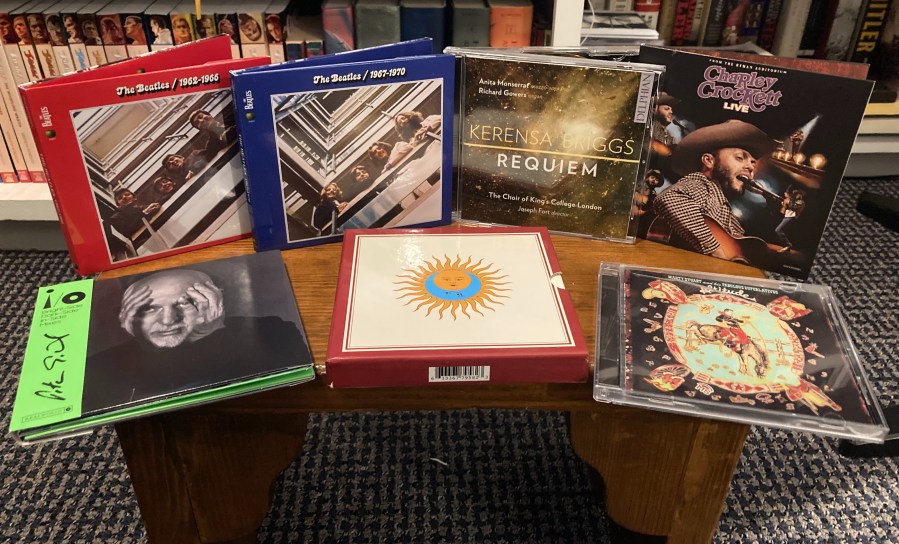
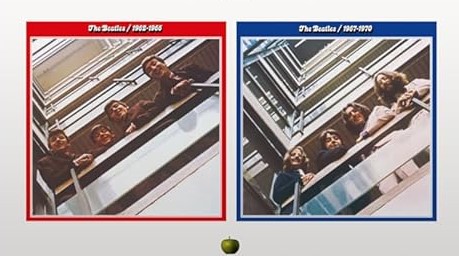
The Beatles, 1962-1966 & 1967-1970: The pioneering 1973 compilations get a cutting-edge makeover. The “Red” album expands by 12 tracks — more covers, more George vocals, more from Revolver — and everything’s finally remixed to breathtaking true stereo by Giles Martin. The “Blue” album broadens the picture of the Fab Four’s later years via 9 more tracks, with the archival swan song “Now and Then” (read Time Lord’s elegiac appreciation here) serving as a lovely, definitive coda. Fifty years on, a reminder of what all the shouting was about – and why Beatlemania has never really gone away.  

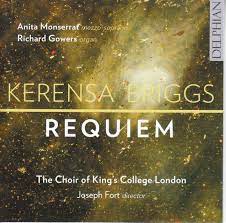
Kerensa Briggs, Requiem: The first new classical piece I’ve fallen in love with in a long time. Briggs is a young British choral composer with formidable gifts and a direct, appealing style; based in chant and ripened with echoes of the French romantics, her Requiem cuts straight to the heart of grief, consoling the listener’s spirit with its rich settings of Scriptural promises. The Choir of King’s College London, conducted by Joseph Fort, responds vibrantly on the major piece and other short works (including a setting of the Taoist text “Inner Light” that George Harrison nicked for a Beatles B-side). Restorative, uplifting and highly recommended.

Charley Crockett, Live from the Ryman Auditorium: A recent Nashville vacation (including a night at the Grand Ole Opry) triggered a deep dive into all things country — traditional, bluegrass, alternative, modern, you name it. Leaning on his Gothic concept album The Man from Waco, Texas troubadour Crockett and his band The Blue Drifters electrify a sold-out Mother Church of Country Music with this generous, rambunctious set. One of the most eclectic artists in the genre today, Crockett flavors his honky-tonk stew with everything from mariachi to Motown (check out “I’m Just A Clown”), from funk to deep blues, with props to Red Dirt forebears like James Hand and Townes Van Zandt along the way — and his thick, chewy baritone sells it all.  If you crave some down-home listening, you can’t go wrong here.

Peter Gabriel, i/o: Yeah, PG has been promising new music for twenty years — but, boy, has he delivered the goods! Released a track at a time every full moon, the finished album (available in three different mixes) is a hypnotic, seductive delight all the way. Whether on atmospheric opener “Panopticom”, melancholy meditations “Playing for Time” and “And Still”, or upscale worldbeat anthems “Road to Joy” and “Olive Tree”, killer hooks, arresting soundscapes and neoclassic soul melodies abound. It’s Gabriel as you remember him — including those lyrics that swing wildly between sappy motivational speeches and sage advice — freshly retooled and energized, blazing a hopeful, humanistic path thru this century’s chaos.

King Crimson, Larks’ Tongues in Aspic XL: Robert Fripp wasn’t kidding when he called the 1972-73 incarnation of Crimson a magic band. John Wetton on bass and Bill Bruford on drums bring the muscle; David Cross on violin and Jamie Muir on percussion add thrills in the moment. Arguably, the crunching Hendrix-meets-Stravinsky title tracks, menacing balladry of “Exiles” and improvised mojo of “The Talking Drum” set the template for the rest of KC’s career. This 2-CD/2-BluRay set includes a new spatial audio mix by (who else?) Steven Wilson, an “Elemental Mix” that spotlights individual contributions and the complete sessions for nerds like me who want to know how the sausage got made. Explosive, unstoppable stuff.

Marty Stuart and His Fabulous Superlatives, Altitude: Whether backing greats like Lester Flatt and Johnny Cash, riding his “hillbilly boogie” to a successful solo career, or charming Ken Burns’ documentary audiences, Stuart comes as close to the living personification of country music as anybody. Here he and his stellar backing band lay down some serious hoodoo: “Sitting Alone” fuses tight harmonies to a Byrdsy guitar jangle, the title track twangs with abandon, “Tomahawk” joyfully calls down the Second Coming in double time, and a hush descends for the haunting “And the Angels Came Down.” A fresh helping of Cosmic American Music as pioneered by The Grateful Dead and Gram Parsons: sleek, gutsy and deeply satisfying.

And in review, the list of my other favorite releases and reissues of the year, covered in previous Quick Takes (links are to my original articles):

Stay tuned, won’t you? With new albums due soon from Neal Morse, The Pineapple Thief, Steve Hackett, The Bardic Depths and Big Big Train (not to mention BBT’s first US tour this March), the Rockin’ Republic of Prog is ready for a banner year!

— Rick Krueger

Kruekutt’s 2022 Favorites

A few notes before I dive in: items I’ve reviewed here are linked to the relevant Progarchy article via the artist/album title; If I didn’t review an item here or elsewhere, it’s marked with an asterisk (*) — but I hope the capsule description and listening/order links will encourage you to check it out!

My favorite new music of 2022:

  • Dave Bainbridge, To The Far Away: A thrilling, ravishingly beautiful album about love, longing, hope and a future. Lyrics of rich simplicity cradled in a lush orchestral blend of rock, prog and Celtic folk. My interview with Bainbridge is here.
  • Big Big Train, Welcome to the Planet: what turned out to be BBT’s final effort with the late David Longdon consolidates the widened horizons of Grand Tour and the intimate subjects of Common Ground, casting an epic light on the everyday glory of family, community, joy and loss.
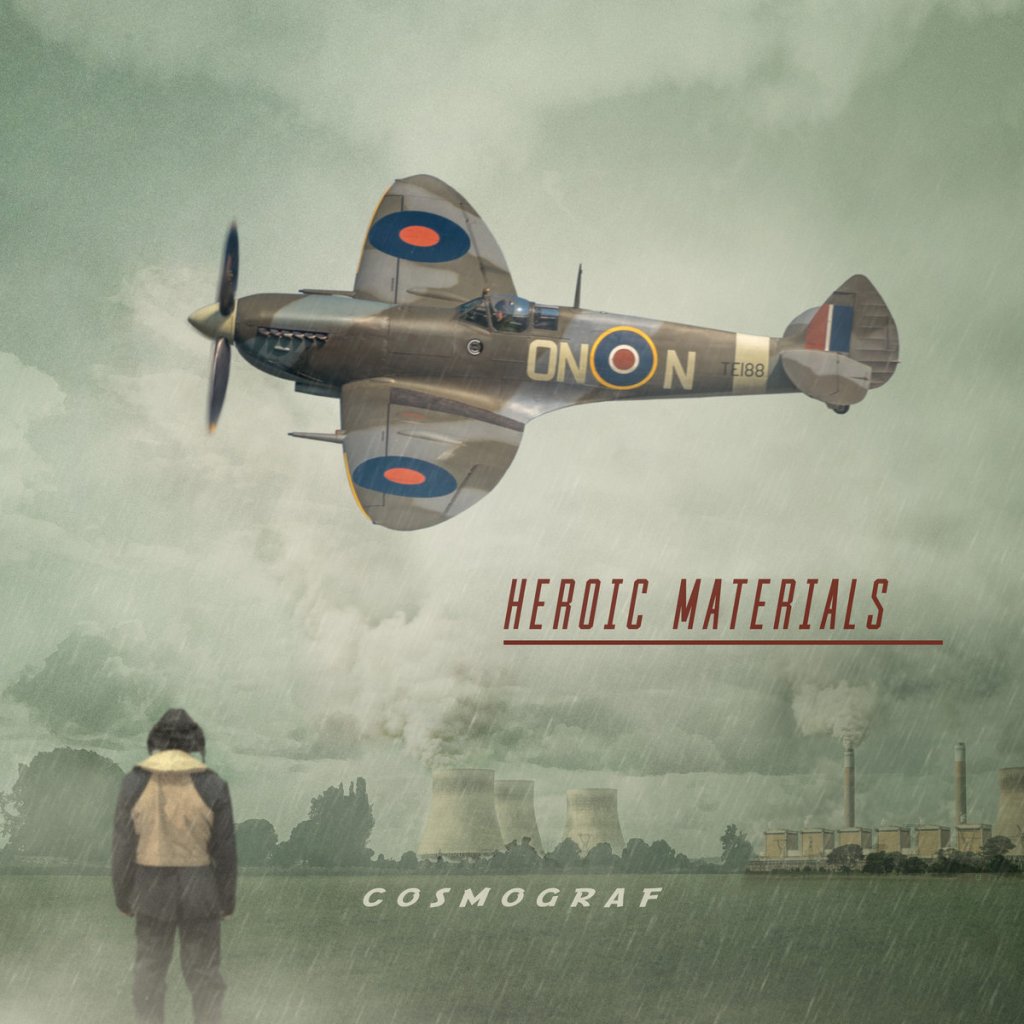
  • Cosmograf, Heroic Materials: Elegiac in its evocation of past achievements, urgent in its contemporary call to action, breathtaking in its poised blend of fragility and strength, Robin Armstrong’s latest is a riveting listen.
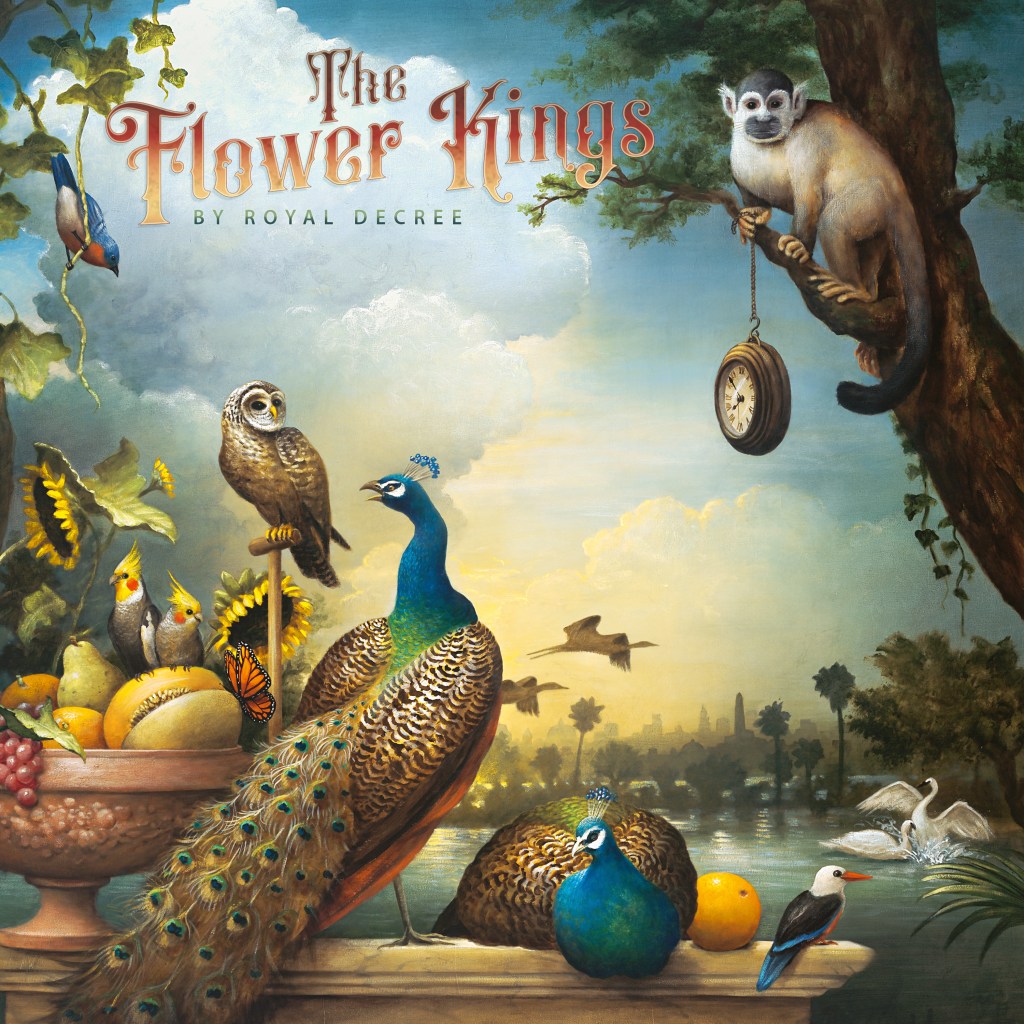
  • The Flower Kings, By Royal Decree: TFK’s third double album in a row, this is the sound of Roine Stolt and company refreshed and revisiting their optimistic roots, soaring on the wings of one marvelous melody after another. As much a joy to hear as it must have been to create.
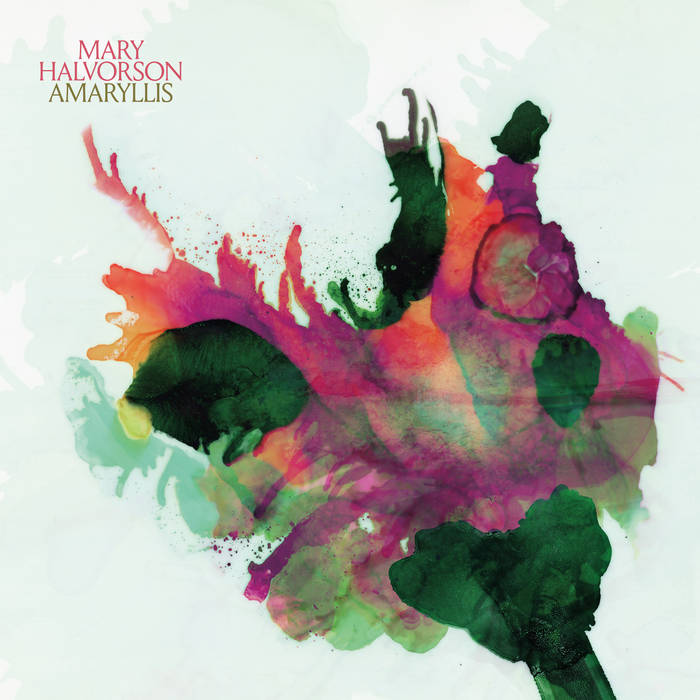
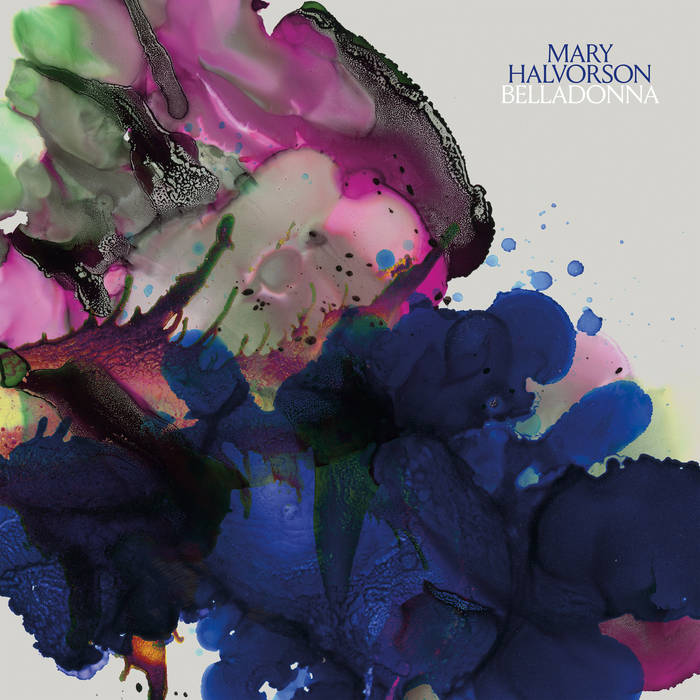
  • Mary Halvorson, Amaryllis & Belladonna: free jazz guitarist Halvorson hits a major label with two albums — teaming with a boisterously simpatico sextet on Amaryllis, then dancing atop and around modern classical textures from the Mivos Quartet on Belladonna. Audacious and engrossing, this music will open your ears real good!
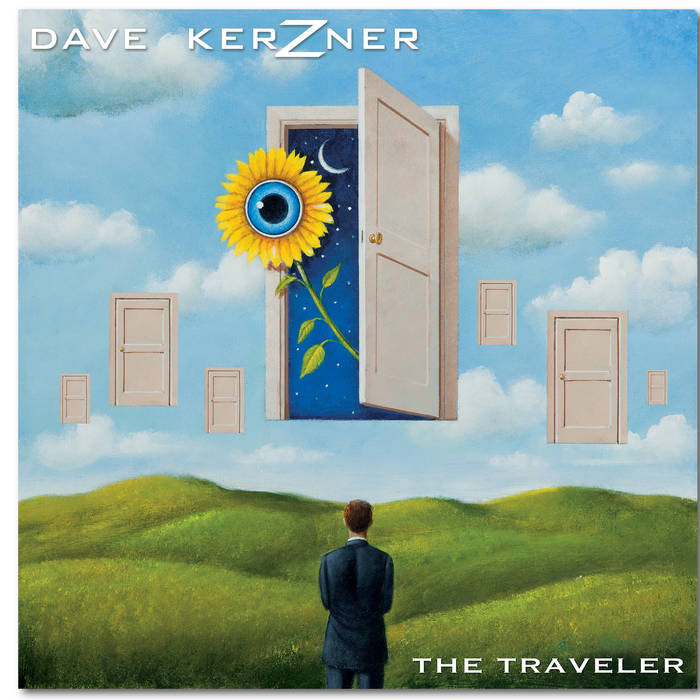
  • Dave Kerzner, The Traveller: confident, appealing songwriting with hooky yet sophisticated melodies and structures, Kerzner’s best, widest ranging vocals to date and perfectly judged contributions from a stellar guest list. Letting his new songs sell themselves and keeping proceedings to the point, he both satisfies us and leaves us wanting more. 
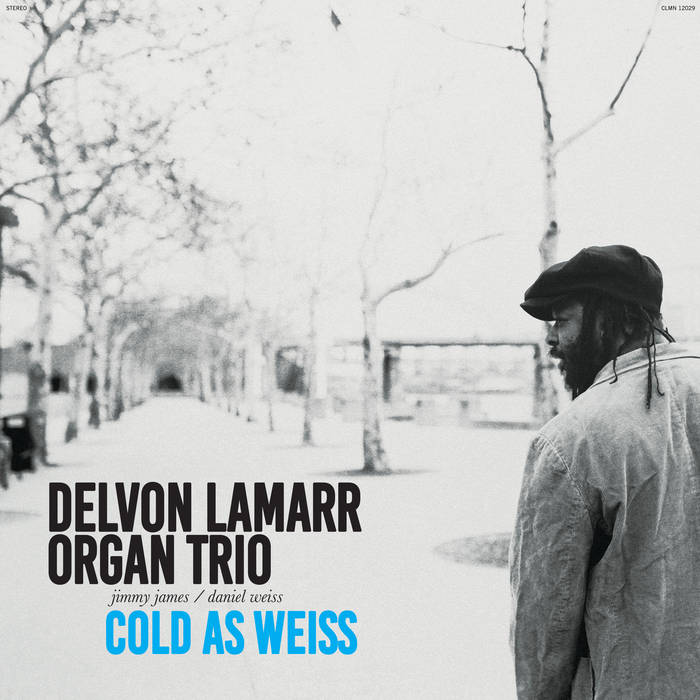
  • The Delvon Lamarr Organ Trio, Cold As Weiss: An immediately accessible reboot of a classic jazz trio format. Organist Lamarr, guitarist Jimmy James and drummer Daniel Weiss are thrilling players who never fail to make their instruments sing. Funky, catchy bite-size tracks with great individual playing and razor sharp ensemble. 
  • Marillion, An Hour Before It’s Dark: The front half of Los Marillos’ latest has more swagger than they’ve mustered in a while; the back half’s meditative downshift climaxes with the sweeping smashcut finale “Care,” as power chords and massed choirs climb heavenward. Unique as anything in their catalog, and another thoroughbred winner.
  • Pure Reason Revolution, Above Cirrus: this fifth album reveals PRR at their best, consistently upping their game to the next level. For every moment of blissful harmonies and glidepath atmospherics, there’s an equal and opposite moment of feral guitar/drum slammin’ — and when they layer the two together, look out! Well worth buckling up for the ride.
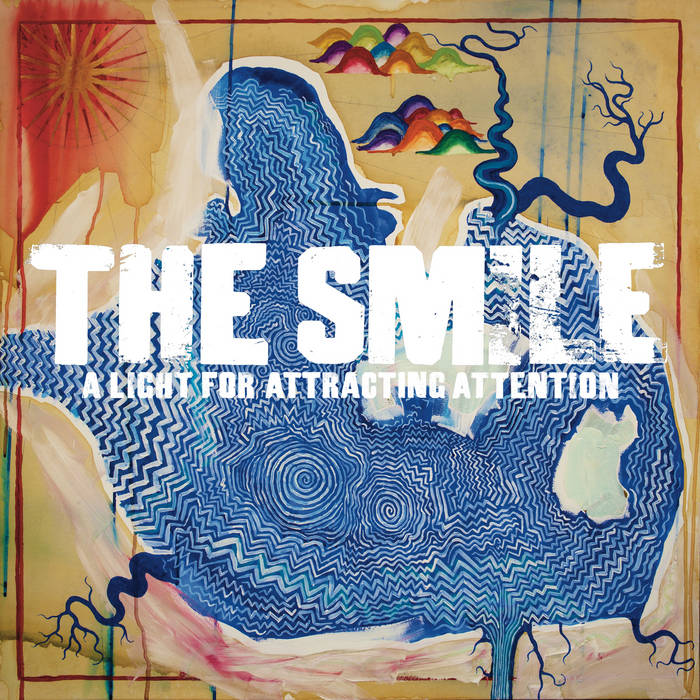
  • The Smile, A Light For Attracting Attention: A Radiohead side project worth your while. Thom Yorke overflows with apocalyptic dread; Jonny Greenwood’s off-kilter instrumental instincts are keener than ever; Tom Skinner’s skittering beats relentlessly drive the grim, lush soundscapes forward. Music for our contemporary dystopia, irresistibly sucking you in.
  • Tears For Fears, The Tipping Point: Roland Orzbaal & Curtis Smith’s catchy-as-always comeback goes for catharsis via unstoppable rhythms, unforgettable choruses and naked vulnerability on every single track, Devastatingly gorgeous, uncompromising art-pop that will haunt you long after every listen.
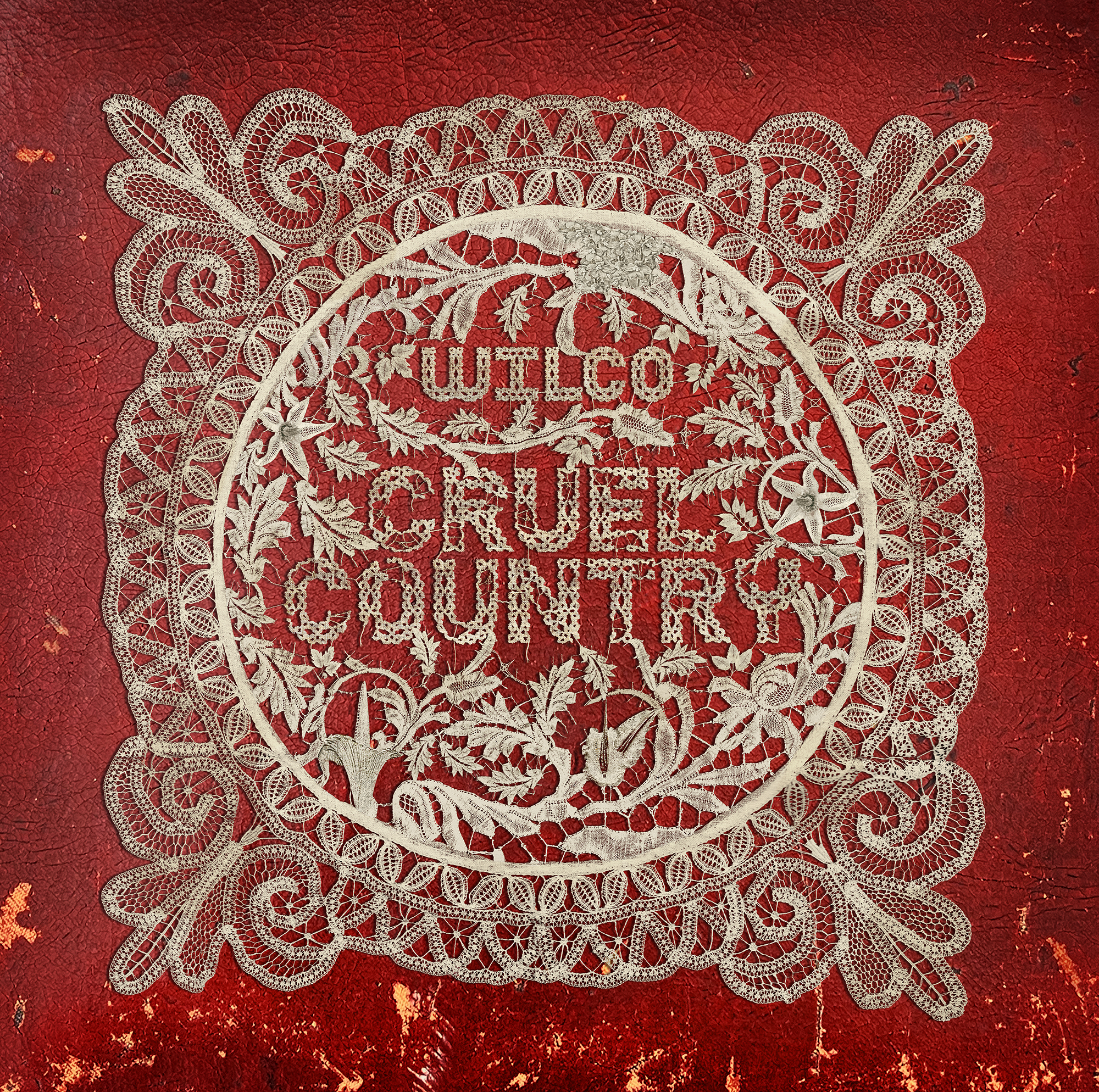
  • And my Top Favorite of the year — Wilco, Cruel Country. A double set that detours from Jeff Tweedy’s thoughtful dad-rock toward Nashville and Bakersfield, the tactile interplay of the band and Tweedy’s quizzical, empathetic probes of societal alienation elevate this to an album of genuine tenderness and subtlety, gathering strength and heart as it unrolls. After a digital-only release this year, it’s finally coming out on LP and CD January 20!

My favorite reissues of 2022:

  • The Beatles, Revolver Special Edition*: No Revolver, no Sergeant Pepper — no prog? Regardless of what ifs, the Fabs’ great leap forward of 1966 was brilliant in its own right, dragging pop headlong toward the avant-garde. Here it gets a subtle yet effective remix, with fascinating studio outtakes framing the cutting-edge results.
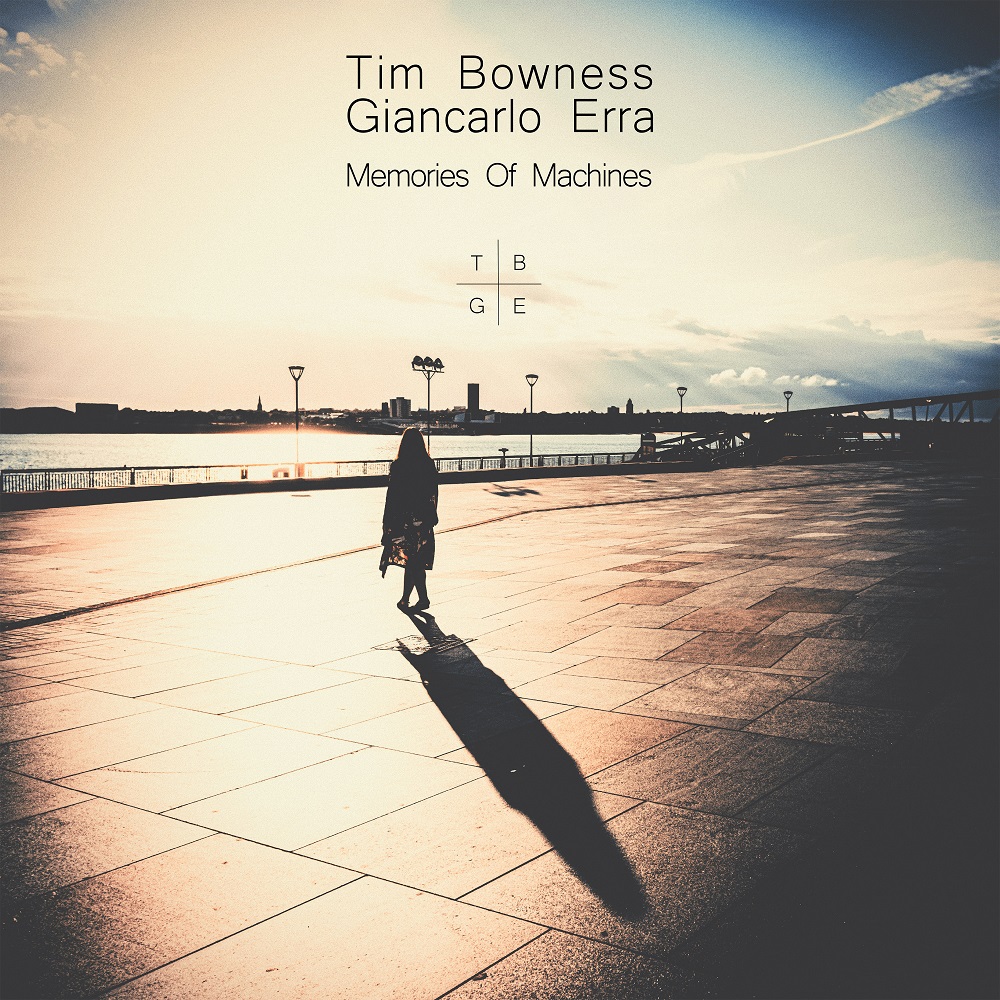
  • Tim Bowness & Giancarlo Erra, Memories of Machines: an irresistible mix of unflinchingly intimate art-rock and lowering ambient backdrops. Ten years on, original arrangements and track lengths are restored, Erra’s textural work is inched forward — and as always, Bowness breaks your heart with his ringing couplets and his stoic voice.
  • My Top Favorite Reissue of the year: Robert Fripp, Exposure/Exposures. The guitarist’s 1979 return to active duty after a post-King Crimson sabbatical, binding together a disparate set of songs and guest artists with his innovative ambient Frippertronics. Whether by itself or as part of a gargantuan box set that chronicles Fripp’s entire “Drive to 1981,” it’s a wild, worthwhile listen in and of itself, while providing distinctive previews of coming attractions.
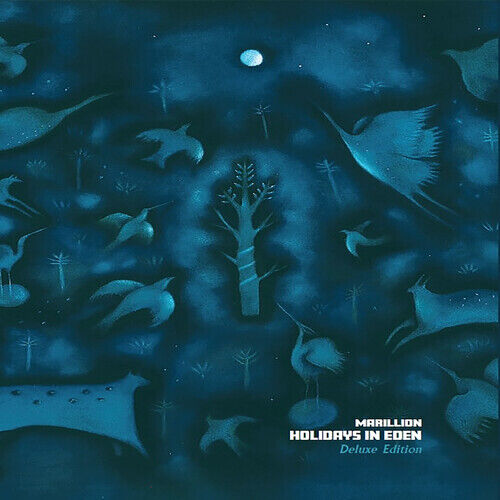
  • Marillion, Holidays in Eden Deluxe Edition*: my introduction to the band (I first saw them live on the US tour promoting the album), Holidays was partially a product of record company pressure for hit singles, but it also has plenty of Marillion’s trademark ambition, power and lyricism. A fresh remix complemented by exciting live shows on both audio and video.
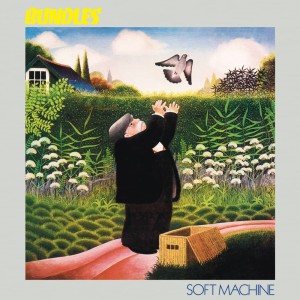
  • Soft Machine, Bundles*: Add blazing young guitarist Allan Holdsworth to one of the pioneering British jazz-rock bands, stir in quirky compositions by keyboardists Karl Jenkins and Mike Ratledge, and stand by for fireworks! This fresh reissue also includes a hot live set featuring Holdsworth’s successor John Ethridge (still active with the Softs today).
  • Wilco, Yankee Hotel Foxtrot Super Deluxe Edition*: The album that put Wilco on the map (after they were dropped by their label), YHF mutated from Americana through dream-pop to electronica-tinged folk-rock as band members and producers came and went. Eight discs that copiously chronicle the recording process, plus blistering two live sets.

My favorite (re)discoveries of 2022:

My favorite live album of 2022: Big Big Train, Summer Shall Not Fade*. Equal parts power and grace, BBT’s 2018 headlining gig at Germany’s Night of the Prog may be their best live release yet. Playing to their largest crowd ever, David Longdon commands the stage; Greg Spawton and Nick D’Virgilio provide a muscular foundation; Dave Gregory, Rikard Sjobom, Danny Manners and Rachel Hall serve up one delightful moment after another. Bryan Morey’s review nails it; this is indispensable.

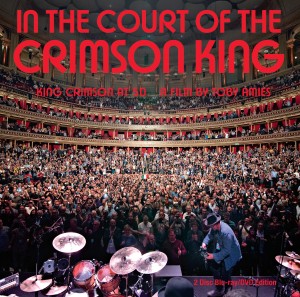
My favorite rock documentary of 2022: In The Court of the Crimson King: King Crimson at 50*. The most unconventional band of the last five decades gets the most unconventional documentary possible. Crims past and present weigh in on “living, dying, laughing, playing and rocking out”, with Robert Fripp providing the ever-present focal point in a particularly puckish fashion. There’s also a deluxe edition with live Crimson video (both in the studio and at 2019’s Rock in Rio festival) and four bonus CDs of soundtrack cuts, rarities, etc.

My favorite books about music of 2022:

  • Vashti Bunyan, Wayward: Just Another Life to Live. Singer-songwriter Bunyan’s unlikely late-60s odyssey from Swinging London to the Hebrides forms the heart of this evocative narrative. Laboriously traversing the heart of England, she gains understanding of the natural world, of human kindness and cruelty — and of her own sturdy inner core.
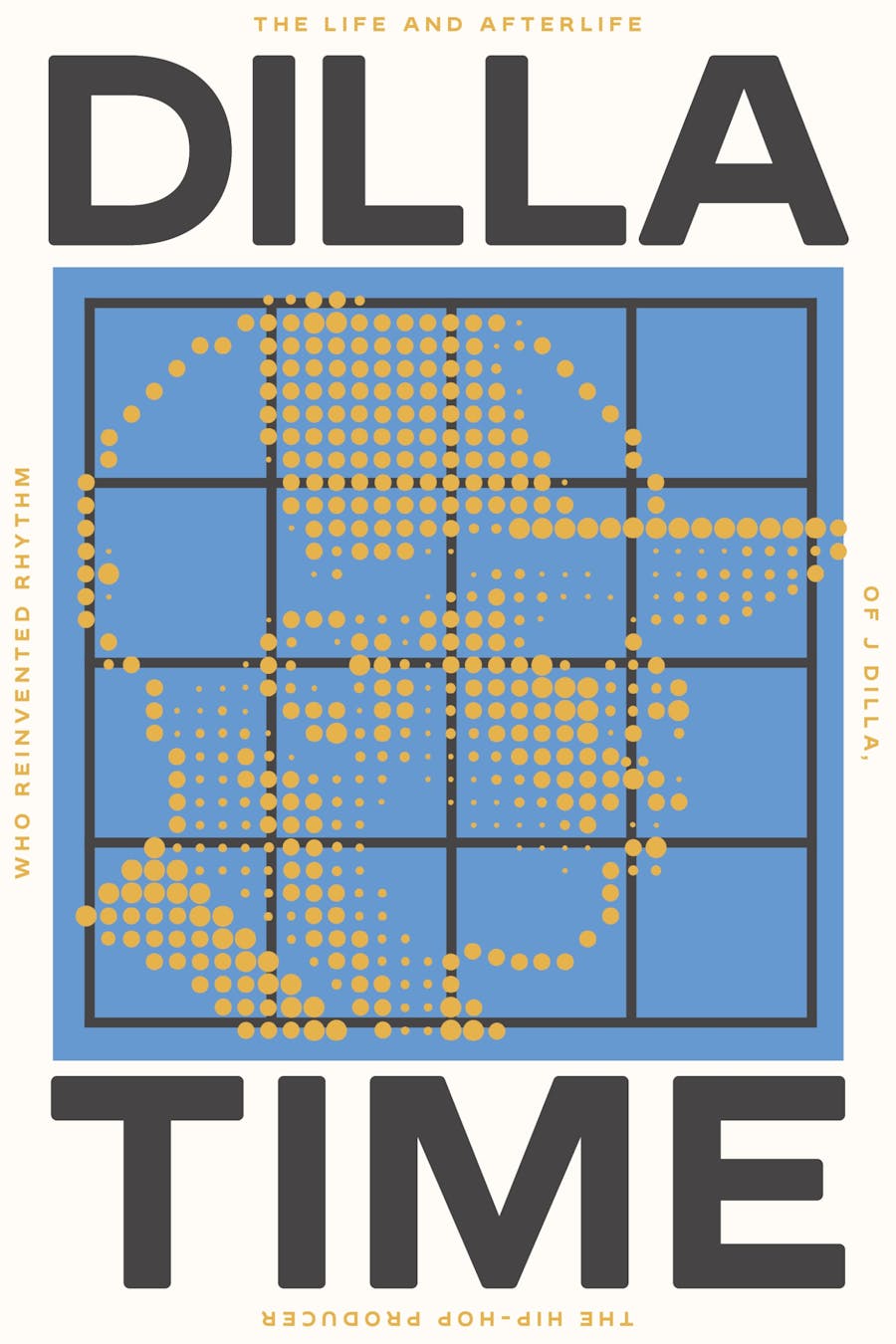
  • Dan Charnas (with musical analysis by Jeff Peretz), Dilla Time: The Life And Afterlife Of J Dilla, The Hip-Hop Producer Who Reinvented Rhythm*. In Charnas’ telling, Dilla emerges as an innovator who laid down new paths for neo-soul and conceptual hip-hop, via his subtle yet unsettling variations on previously straight-up rhythms. Peretz’s equally innovative graphic depictions of rhythmic innovations across the decades buttress the page-turning narrative.
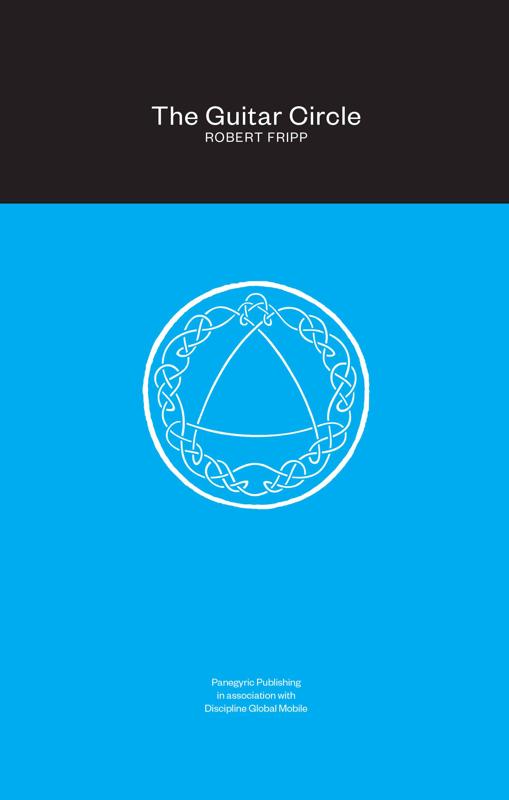
  • Robert Fripp, The Guitar Circle*. More a philosophical tome than a how-to book, though still remarkably practical, Fripp’s highly conceptual explanation of his process (as unfolded in Guitar Craft courses and Guitar Circles) won’t be for everyone. But those who dig in will grasp where this eternally questing musician is coming from better than ever before.
  • David Leaf, God Only Knows: The Story of Brian Wilson, The Beach Boys And The California Myth*. The third edition of Leaf’s lifework chronicles The Beach Boys’ journey from surf-rock through eccentric art-pop to the dead end of nostalgia, then sidesteps to Wilson’s solo comeback, culminating in the completion of his masterwork Smile. Not in the least objective, but comprehensive, even-handed toward the rest of The Beach Boys, and heartfelt.
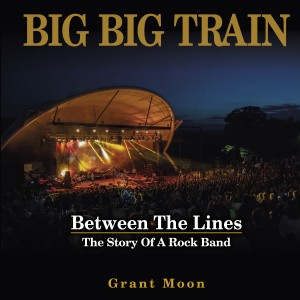
  • Grant Moon, Big Big Train – Between The Lines: The Story Of A Rock Band. How BBT became a prog powerhouse — through sheer bloody-mindedness, growth in craft and a keen ear for musical contributors — is the tale told in this richly detailed bio/coffee table tome. Both a celebration of the music made and an unflinching look at the price paid for a dream.

And in closing . . .

If you’re interested, check out these recordings I played or sang on that were released in 2022:

— Rick Krueger

Rick’s Best of the Decade

I’ve kept a spiral-bound notebook titled “Core Discs: The Honor Roll” since the mid-1990s, when I was deeply into a classical music binge at the height of that genre’s last recording boom. Over the years, as I migrated through jazz (courtesy of the Ken Burns documentary) and country/folk (blame Johnny Cash & Leonard Cohen) back into my earlier love of rock, I find it intriguing that my picks started shifting in tandem with the prog revival of the 21st century, long before I started writing for this site in 2017. But unlike Bryan’s methodology for finalizing his excellent list, when I sat down to pick my ten favorite albums of the last ten years, I looked at my top favorite for each year and said, “yeah, those are all still up there.” Which is why I also decided to just list them by the year of their release (not always the year I first heard them) instead of ranking them from 10 to 1. (Oh, and links to my original reviews are embedded in the artist/album listing from 2017 onward.)

It’s true that, in more recent years, my picks have been busting out of genre boundaries — but, if you’ve been generous enough to sample my wares before, you’ve probably figured that out. And hey, if such a tendency isn’t progressive, then what is? Whether the following list confirms or challenges your preconceptions of “what’s prog”, I fervently believe that every one of these albums is worth checking out — but be warned, your mileage may vary!

So, without further adieu:

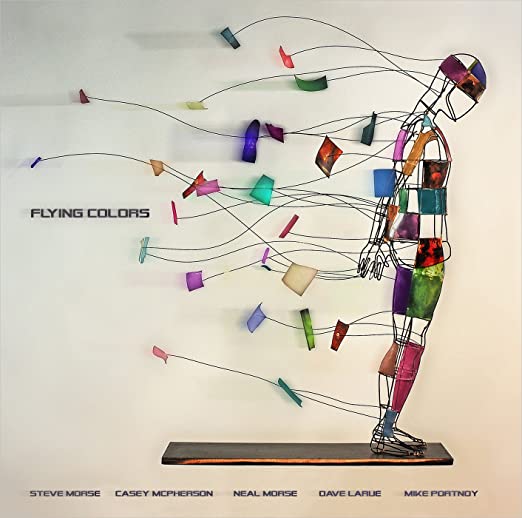
2012 – Flying Colors: gotta agree with Time Lord here — this one’s a total winner from start to finish. Neal Morse and Mike Portnoy had captivated me long before this with the first three Transatlantic releases and Morse’s two Testimony albums, but Flying Colors showcased an even broader stylistic range, from the Beatlesque “Fool In My Heart” through the retro-80s prog-pop vibe of “Blue Ocean” and “Kayla” to the cutting-edge Museings of “Shoulda Coulda Woulda” and “All Fall Down”. The album also proved that Morse and Portnoy know how to pick collaborators! Guitarist Steve Morse applied his unique mix of Southern-fried chicken pickin’, fusion a la Mahavishnu John McLaughlin and Purpleish power riffs to winning effect (solidly supported by his longtime bassist Dave LaRue), and vocalist Casey McPherson proved he could run with the big boys, stirring fresh melodic and lyrical flavors into every track, including more familiar constructions like the inspirational “The Storm” and the epic finale “Infinite Fire”. This one also gets nostalgia points for being available at Best Buy stores back in the day (remember when you could get CDs there?).

2013 – Big Big Train, English Electric Full Power: OK, I actually didn’t discover this one until 2016, when the BBT bug finally bit me — more on this in a future post. And while I sort of wish I had done so earlier, maybe hearing EEFP on the British trip my wife and I took the year it was released would have been too much of a good thing! Steeped in a love of their native land and affectionate empathy for its people, Greg Spawton and David Longdon doubled down on the longform approach of 2009’s The Underfall Yard to probe forgotten milestones of British history (“The First Rebreather”, the heart-stopping “East Coast Racer”) and portray unforgettable characters (“Uncle Jack”, “Curator of Butterflies”) against a bucolic landscape (“Upton Heath”, “The Permanent Way”), along with the perennial challenges of the heart (“The Lovers”) and the soul (“A Boy in Darkness”, “Judas Unrepentant”). All in a style that recalled original prog touchstones (looking at you, Gabriel-era Genesis) but blended in the dizzying guitar of Dave Gregory and the wicked drum grooves of Nick D’Virgilio to awesome effect. The two separate volumes of English Electric and the Make Some Noise EP certainly have their charms, but in the scope and sequence of this complete package, Spawton, Longdon and company touched on perfection.

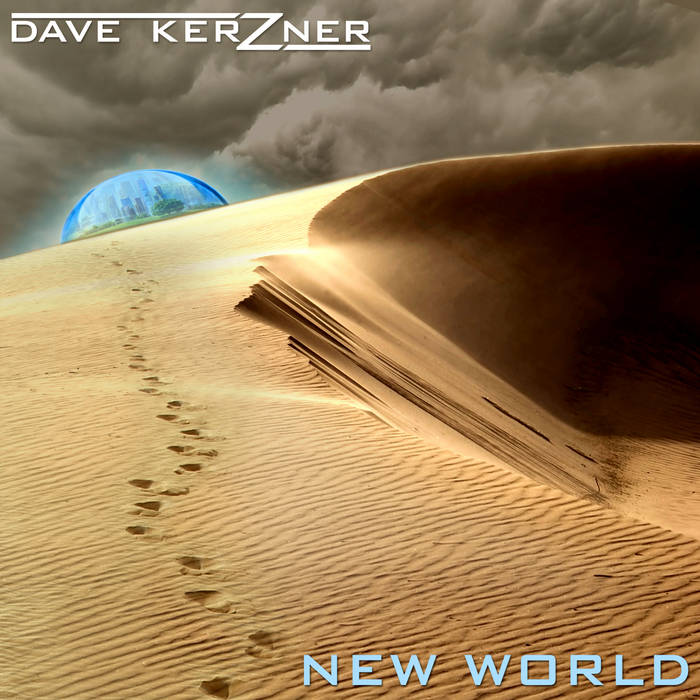
2014 – Dave Kerzner, New World: another late arrival in my collection, this is the album that convinced me a genuine prog-rock revival was afoot beyond the continuing efforts of Morse/Portnoy and Steven Wilson. Kerzner’s mastery of cinematic soundscapes was evident from the first Floydian flourish of “Stranded” to the closing upward spiral of “Redemption”; his ability to involve guest stars like Steve Hackett and Keith Emerson, as well as quality players like guitarist Fernando Perdomo and Nick D’Virgilio (him again!), bore impressive results; and his intuitive grasp of pop hooks proved a solid foundation for irresistible shorter songs like “The Lie” and “Nothing”. Stir in longer, brooding tracks “Into the Sun”, “Under Control” and “My Old Friend” (in memory of performer/producer/polymath Kevin Gilbert), and you had a consistently gripping effort. Whether in its single-disc or deluxe double-disc format, New World aimed high and hit every target that a latter-day concept album could — thoroughly immersive, richly compelling and a breakthrough kick-off for Kerzner’s ongoing solo career.

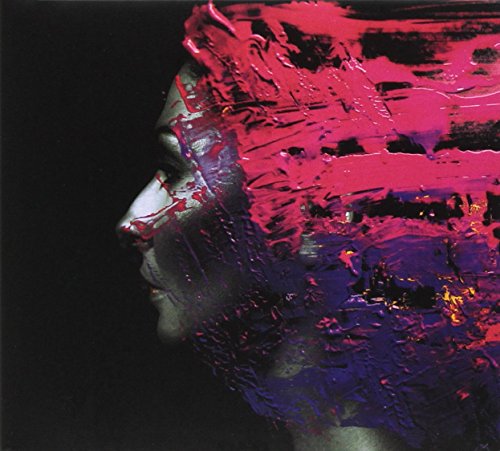
2015 – Steven Wilson, Hand. Cannot. Erase: speaking of latter-day concept albums . . . Seems like *everyone*, especially the ex-SW fans who think he lost the plot with To The Bone and The Future Bites now cite this as his best effort; me, I remember the online ruckus when “Perfect Life” became the pre-release single. (“IT’S! TOO! POP!” As I’ve said before, if only they had known . . .) But as Bryan mentions in his article, Wilson struck conceptual paydirt with the true story of Joyce Carol Vincent’s lonely death, unearthing both the bleakness and the beauty inherent in a life of urban isolation. His sharp, highly committed writing met its match in the blistering playing of his band: guitarist Guthrie Govan (“Regret #9), keyboardist Adam Holzman (“Home Invasion”) and singer Ninet Tayeb (“Routine”) all have some of their best recorded moments featured here. HCE’s enduring appeal does partially stem from its similarity to Porcupine Tree in their prime — but both Wilson’s musical growth in the intervening years and his return to a humane lyrical vision after the voyeurism of Insurgentes and Grace for Drowning were what made the difference then, and now. The melancholy inherent in the final track “Happy Returns” still feels like we’re mourning a life, lived and lost, for real.

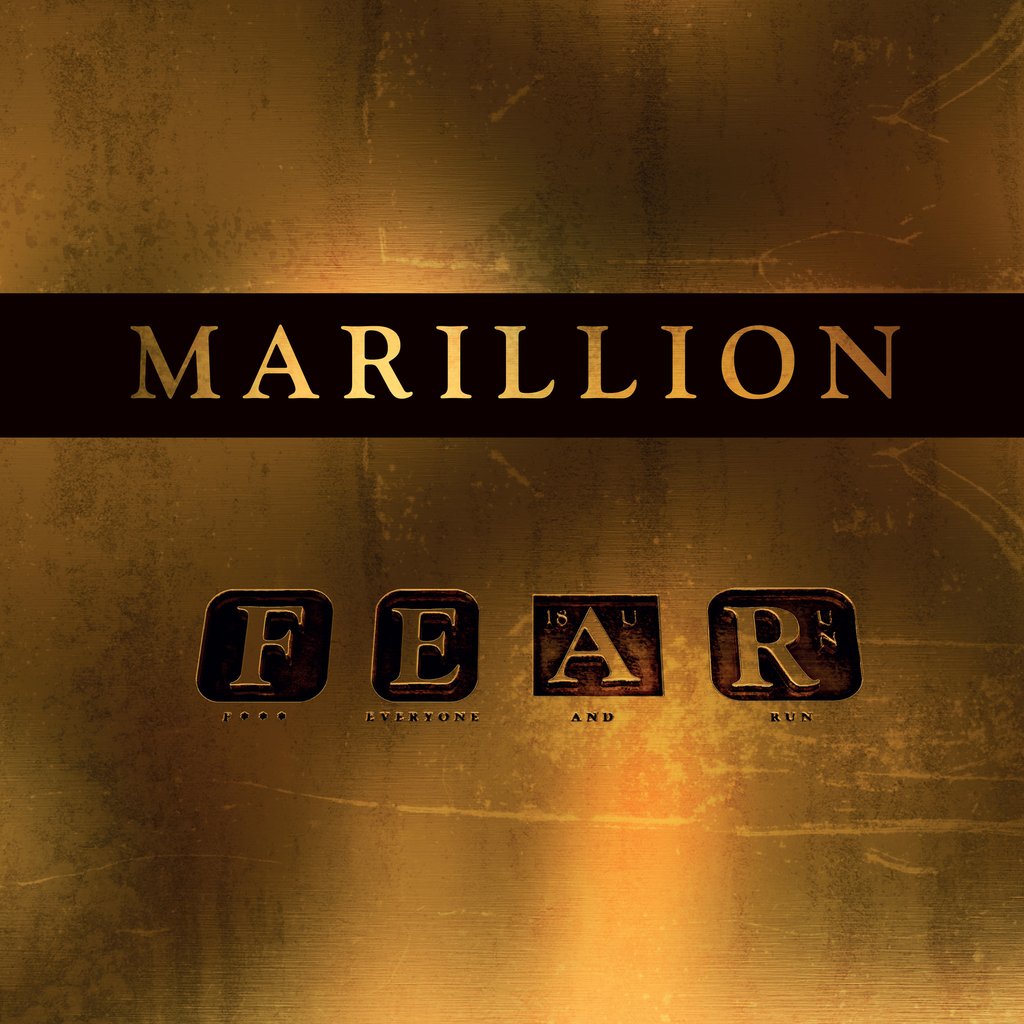
2016 – Marillion, FEAR: that rare example of a band hitting a creative and commercial peak simultaneously. Marillion as a band got even more serious about musical substance here, with lush, detailed sonic backdrops adding depth and resonance to their smash-cut collages. All of which fused seamlessly with Steve Hogarth’s lyrical concerns — for example, the opener “El Dorado” built from self-satisfied, affluent peace to twitchy paranoia, as the lyrics and music stewed in the pressure cooker of an over-connected, unsettled world. The heartfelt road narrative of “The Leavers” made a consummate live epic that captured the special relationship between the band and its fans, while ominous closer “The New Kings” (capped by H’s heartbroken refrain, “Why is nothing ever true?”) still seems way too spooky — and way too relevant six years later. Since its release, FEAR’s success has enabled Marillion to go from strength to strength both live (as I witnessed in 2018) and with their equally powerful follow-up, this year’s superb An Hour Before It’s Dark. Which testifies to its ongoing impact, then and now.

Continue reading “Rick’s Best of the Decade”

Rick’s Quick Takes for April

Short, sharp shocks this month: all albums and EPs reviewed below come in under the old school LP limit of 45 minutes! Purchasing links are embedded in each artist/title listing; album playlists or samples follow each review.

Entransient, Ghosts in the Halls: My hometown’s very own prog-metal band lays out the cards for all to see on their Facebook page: “Melodic neo/post-prog rock from Michigan. Influenced by Anathema, Alcest, and Porcupine Tree.” The good news is that guitarists Matt Schrauben & Doug Murray, bassist Nick Hagen, drummer Jeremy Hyde and vocalist/keyboardist Scott Murray refine those influences into a distinctive blend, marked by rich atmosphere and a towering core sound. The opening epic “Parasite” grabs hold immediately with its games of acoustic/electric musical chairs; “Synergize” and “Last Strawman” drive forward without mercy, as Murray testifies fiercely over bare grooves and fuzzed chords alike. More reflective moments like the title track, “Misplaced” and “Where the Shadows Lie” dial down the tempos and the lyrical angst while keeping the edge intact as the band prowls lush, more aerated soundscapes. (Kudos for Hagen’s mixing and engineering, as well as for the mastering work of The Pineapple Thief’s Steve Kitch; the band’s dynamic and textural range is captured with crystalline clarity throughout.) Entransient has an open, readily appealing touch to their music; as they blaze a fresh trail in a style that easily collapses into cliché, they’re well worth a listen.

Envy of None: No, this sounds nothing like Rush, even with Alex Lifeson’s guitar work in the mix. (If that’s what you want, the new anniversary edition of Moving Pictures is now available — and getting glowing reviews from unlikely sources like Pitchfork, for pete’s sake.) Lifeson does provide satisfying crunch, acoustic contrast, and creative lead work in spades, bedding in seamlessly with fellow core players Andy Curran (bass & guitar) and Alfio Annibalini (guitar and keys). They weave a darkly enticing aural mesh that cradles the understated, seductive singing of Maiah Wynne; her breathily fragile volleys, playing off the sticky minimalist hooks embedded in EoN’s web, are what might really ensnare you. Musically, this is all about basic song forms deployed in ambient/industrial/goth/post-rock styles; the seasoned instrumental interplay and Wynne’s preternaturally mature vocal work are what elevate the album above the obvious genre markers. So it’s old-fashioned chemistry and star quality, from veterans and newcomer alike, that turn out to be key to Envy of None’s appeal. Try it on that basis and see if it grabs you.

Continue reading “Rick’s Quick Takes for April”

The Best Prog Bands You’ve Never Heard Of (Part Thirty-Two): Rainbow Theatre

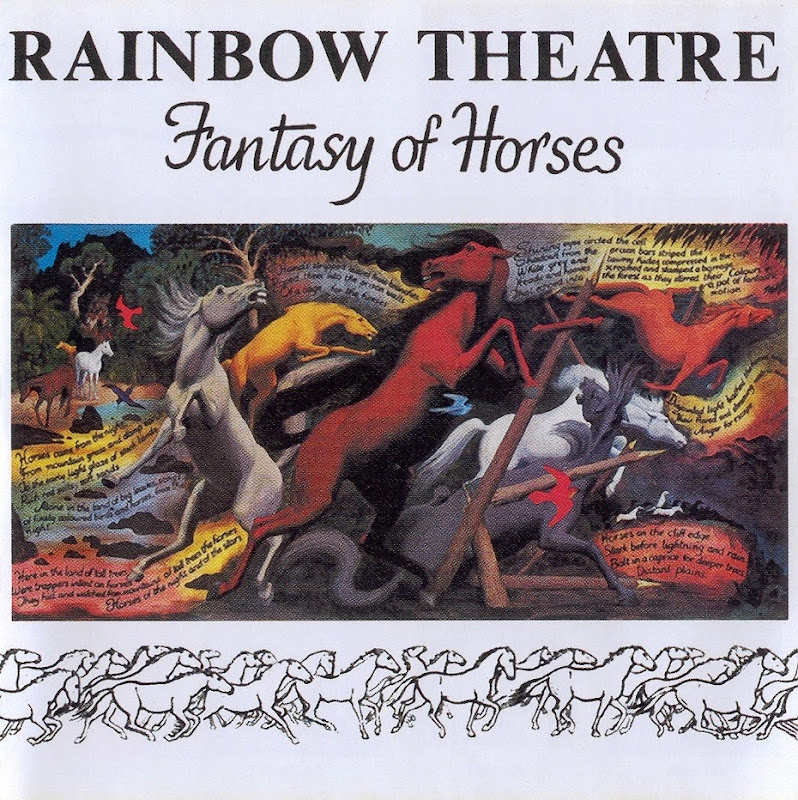
How does this strike your fancy? King Crimson (RIP, Mr. McDonald) + Australia + a string ensemble + jazz rock + opera = Fantasy of Horses. Sound interesting? If so, then you may enjoy the music of the somewhat divisive Rainbow Theatre. Based upon other reviews I have read, even proggers find this album difficult to categorize: is it an obscure masterpiece? An unjustly maligned effort? Or a cheap imitation of King Crimson? I’m not sure where I stand on this at the moment, so I’ll leave it to you to decide. Hailing from the Land Down Under, Rainbow Theatre released two albums in the mid-70s, Fantasy of Horses being the second of the two. Here’s a brief review of this polarizing album:

The album opens with the instrumental “Rebecca.” In what sounds like an homage to In the Court of the Crimson King, Rainbow Theatre begins with a beautiful mellotron and horn-driven sound. Bassist Ferg McKinnon is the focal point on this piece, however: his thunderous hammering drives this track along.

“Dancer” is perhaps the strongest track on the album. Like many a great progressive track, there are several notable melodic and sonic shifts throughout this piece: gentle organ and horns introduce the song before we first hear Keith Hoban’s dramatic vocals. Unlike Freddie Mercury, however, Hoban does not pull off the operatic style he is trying to capture, resulting in what may charitably be described as a “forced” sound. Despite the underwhelming vocals, this piece benefits from its dynamic character: after a flourish of horns and bass we are treated to some impressive work on the trumpet courtesy of Frank Graham and a solid guitar solo from Julian Browning (who doubles as a keyboardist). A sudden transition to piano and flute caresses our ears with pleasant harmonies before we return to horns and mellotron toward the conclusion of the piece.

Drummer Graeme Carter (who shines throughout the album) leads a frenetic opening charge in “Caption for the City Night Life,” which captures the attitude of King Crimson’s “Pictures in a City” fairly well. Carter’s drum solo is an especial standout on this track.

The title song (see below) transitions from a soft piano melody to pounding bass and horns to a spacey, Tangerine Dream-like sequence to more enjoyable interplay between horns, bass, and percussion. Like “Dancer,” this is a dynamic piece that would qualify as excellent if it were not for the operatic vocals. Overall, however, it’s a fitting conclusion to this album.

Is Fantasy of Horses worth a listen? Without a doubt. I cannot say it will appeal to all tastes, but those of you who find yourselves hooked will appreciate the interplay between the bass, percussion, and horns, all of which are played with a passion and skill comparable to some of the classic progressive artists.

Stay tuned for number thirty-three!

Ian McDonald, Progressive Rock Pioneer, 1946-2022

From Rolling Stone:

“Ian McDonald, a multi-instrumentalist and songwriter best known for his co-founding roles in both King Crimson and Foreigner, died Wednesday at the age of 75. A rep for McDonald confirmed the musician’s death, adding that McDonald “passed away peacefully on February 9, 2022 in his home in New York City, surrounded by his family.” His son reported on Facebook that the cause was cancer.

” McDonald was known as one of the key architects of progressive rock, playing both saxophone and keyboards in King Crimson and co-writing its iconic 1969 debut, In the Court of the Crimson King. The record’s opening track, “21st Century Schizoid Man,” featured McDonald’s wild double-tracked alto-sax solo, which he performed the same year at a famous concert in London’s Hyde Park. He left King Crimson before the year was over, moving on to a duo project with Crimson drummer Michael Giles. He would also appear as a session musician on King Crimson’s 1975 classic, Red.”

“Later, McDonald co-founded rock outfit Foreigner with guitarist Mick Jones, playing various instruments and singing on their first three LPs — all of which cracked the Top 10.”

Our condolences go out to McDonald’s colleagues, friends and family.

— Rick Krueger

Kruekutt’s 2021 Favorites!

I thought I didn’t have a big list of favorites from this year’s listening — until I revisited my six-month survey from back in June and added in the good stuff I’ve heard since then! The listing below incorporates links to full or capsule reviews, or other relevant pieces on Progarchy and elsewhere; albums I haven’t written about yet get brief comments, along with my Top Favorites of the year. Most of these are available to check out online in some form; if you find yourself especially enjoying something, use that Christmas cash and support your choice with a purchase! And the winners are . . .

Continue reading “Kruekutt’s 2021 Favorites!”