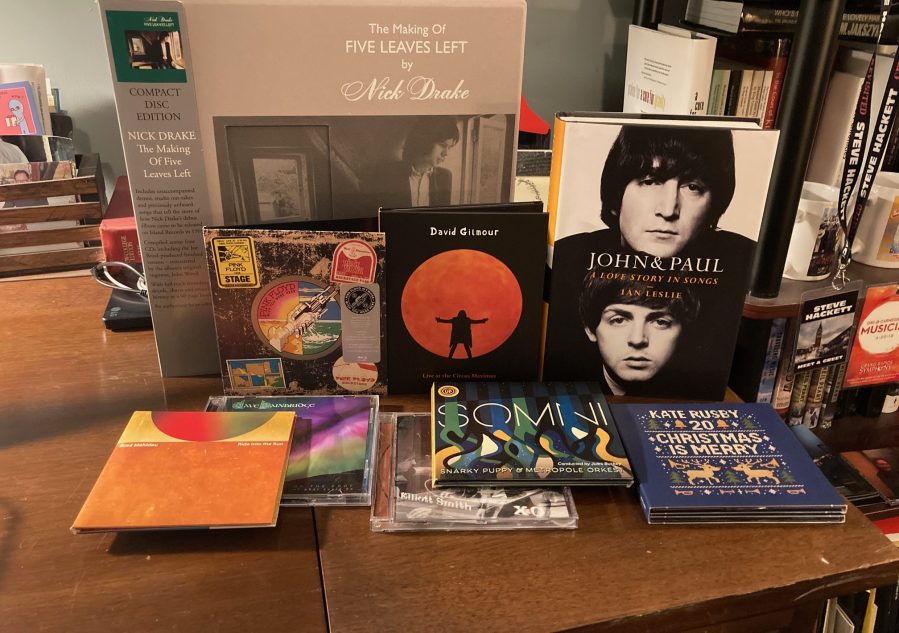
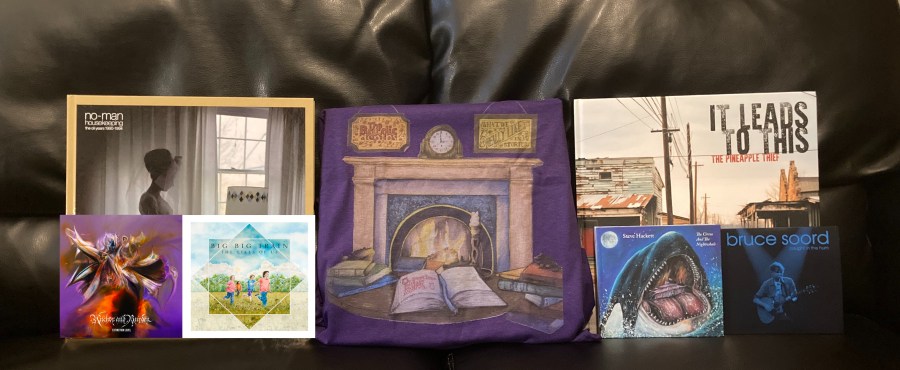
It’s been a good year for music! So good it demanded a slightly different format this time around. You can read my original reviews of my 40 or so favorites from 2025 at the article links that precede each listicle. Listings include the types of release as laid out below, with Top Favorite listings in bold italics (as well as pictured above)!
New Releases:
New Albums
Live Albums (audio and video)
Christmas Albums
Back Catalog:
Reissues
Box Sets (minimum of 3 CDs)
Discoveries (unheard until 2025)
Rediscoveries (heard before, forgotten, loved again in 2025)
Nick Drake, The Making of Five Leaves Left – Top Favorite Box Set! An utter original who died far too young, Drake’s wistful, sturdy, thoroughly unique British folk-rock gradually rose from turn-of-the-1970s obscurity to be embraced by aficionados worldwide. While his three albums (and another disc of studio leftovers) speak for themselves, this lovely box traces his progress over two formative years, from impromptu dorm-room recordings through a breathtaking audition and simpatico sessions (especially those with double bass magician Danny Thompson and master orchestrator Robert Kirby) to the uncluttered, spacious beauty of his debut. If Drake needs any advocacy beyond the sheer communicative power of his songs, here’s all the evidence you need; and as a bonus, long-time fans will find treasures they may not have known they were missing.
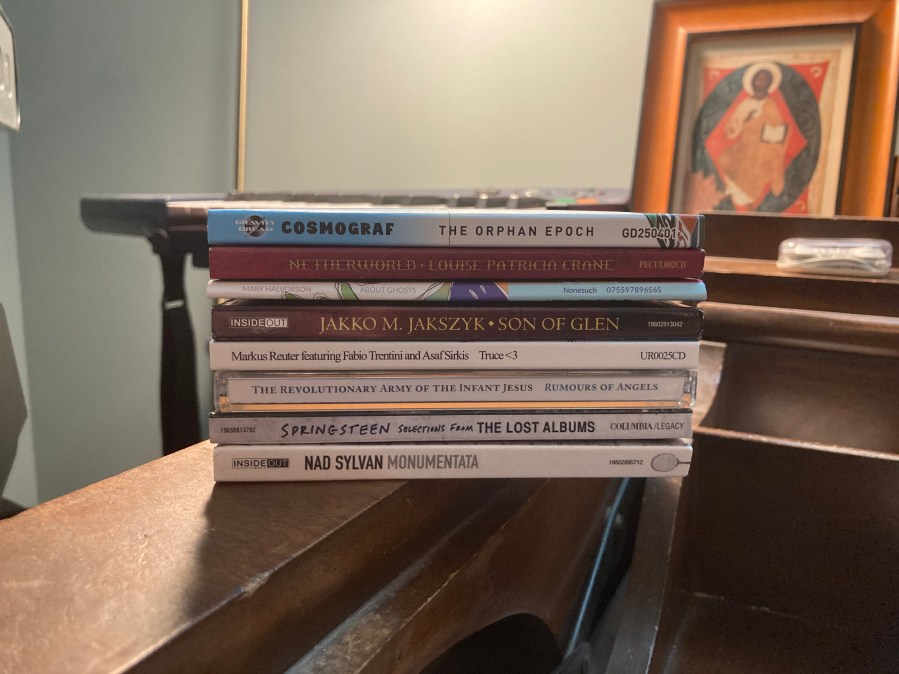
It’s been an hugely enjoyable month for out-of-the-box music! Along with the alluring, elegant wallop of Nad Sylvan’s Monumentata(listen here) and the mesmeric slow burn of Jakko Jakszyk’s ruminative Son of Glen (listen here), three impressive new releases, a compilation taken from one of this year’s most-anticipated box sets, an utterly unexpected reissue — plus one from last year that got away — have crossed my desk. As usual, purchasing links are embedded in the artist/title listing, with streaming options after the review.
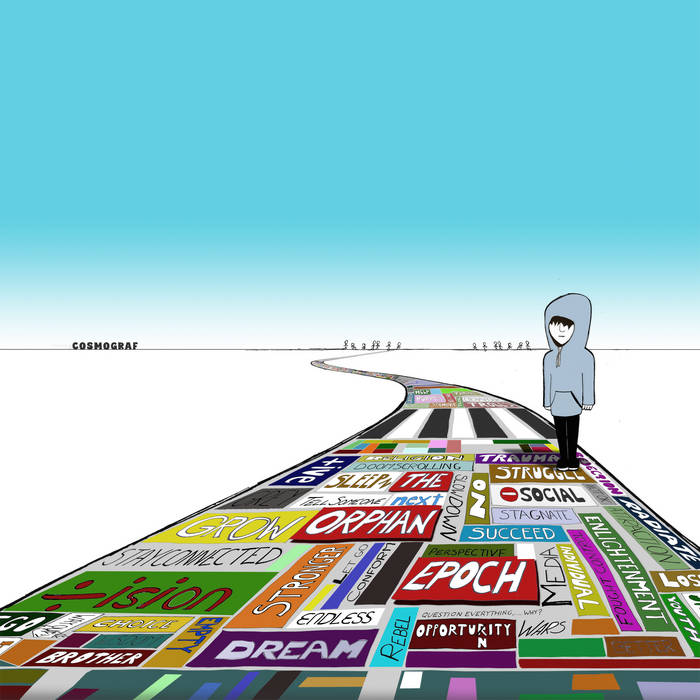
Cosmograf, The Orphan Epoch: Another winning set from Robin Armstrong! More thematic than conceptual this time around, The Orphan Epoch focuses on today’s younger generation and their search for a valid path, confronted by conformity and control like never before. “Division Warning” unfurls from fetching piano filigree to steamroller guitar supporting a dramatic, emotionally ripe chorus; elegance and savagery bob and weave, then fly in formation for “We Are the Young.” There’s gorgeous sax commentary from Peter Jones on the foreboding “Seraphim Reels”; big riffs, gang chanting and blustery organ workouts on “Kings and Lords”; a quiet, menacing synth pulse that, with Kyle Fenton’s skittering drums, propels the encroaching darkness of “You Didn’t See the Thief”; the loose yet inevitable build of “Empty Box.” It all coalesces along “The Road of Endless Miles,” as strong, hard power chording pushes Armstrong’s overdriven vocals to a striking crest, then ebbs away into dead silence. Impeccable, punchy, dynamic sound throughout brings out so much fine-grained detail, all in the service of Armstrong’s bleak yet beautiful, thoroughly humanistic vision. Moving and gutsy, this impressive record deserves the widest possible audience.
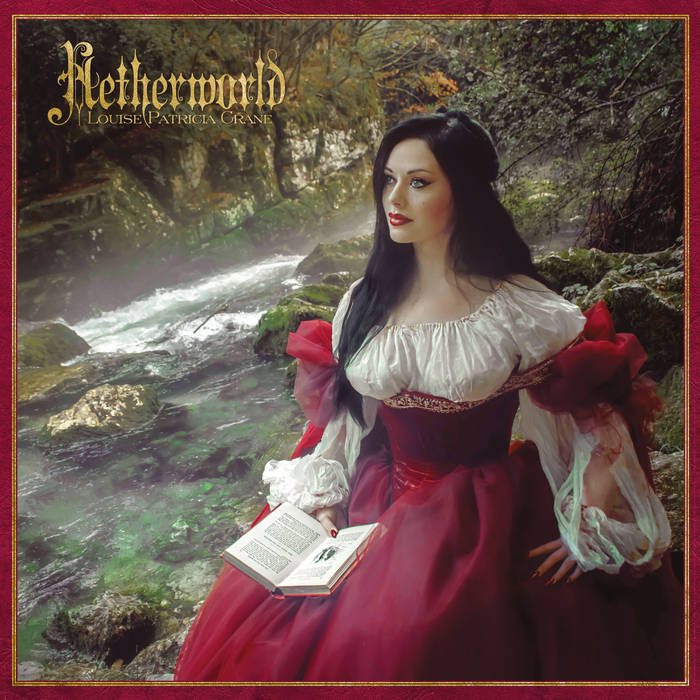
Louise Patricia Crane, Netherworld: Both in his recent Progarchy interview and in the liner notes for his latest, Son of Glen, Jakko M. Jakszyk has been beating the drums for this 2024 album – and he’s right to do it! Crane brings vaulting artistic ambition, assured worldbuilding and mad skills at singing, playing and production to bear on Netherworld; the result is an utterly absorbing song-cycle that pulls you in with the initial “Dance with the Devil” and refuses to let go until the last strains of “Japanese Doll” have died away. Wisps of early Genesis and Tull give “Tiny Bard” and “The Lady Peregrine’s Falcon” a folk-prog tinge, while a trace of vintage Kate Bush lingers in Crane’s resonant vocals, but the sweep of her archetypal lyrics and the variety of settings (from subtly psychedelic “The Red Room” to the overcast jazz of “Bete Noire”) dispel any hint of tired pastiche. Rather, Jakszyk joins an imposing crew of modern prog titans (hailing from King Crimson, Marillion, and points beyond), all dedicated to bringing Crane’s singular point of view to life. These classic ingredients come together in a heady, winningly original brew on an atmospheric soundstage that breathes; Nick Drake’s catalog and the rumbling calm of Talk Talk’s post-rock years are the closest parallels I can call to mind. Netherworld is a brilliant album, thoroughly deserving of your time, attention — and even love. It went on my Belated Favorites list like a shot!
Mary Halvorson, About Ghosts: More kaleidoscopic ensemble jazz from Halvorson’s Amaryllis sextet plus guests (including youthful sax giant Immanuel Wilkins). The warm, glittering sound of opener “Full of Neon” is typical here; launching a pointillistic riff, the ensemble builds through brass smears and a convoluted unison head to perfectly judged solos from trombonist Jacob Garchik and guest tenor Brian Settles. Trumpeter Adam O’Farrill, vibist Patricia Brennan and Wilkins get their licks in as well, while the rhythm section of Nick Dunston and Tomas Fujiwara kick up plenty of dust and swing like mad. And while Halvorson generally lays back as a soloist here (“Carved From”, also a spotlight moment for Wilkins, is an enjoyable exception), her pointed guitar tone laced with congenial digital wobbles consistently pokes through at just the right moments. From “Absinthian’s” uptempo tick-tock through the graceful Ellingtonia of the title track to the sleek glide of “Polyhedral” and “Endmost’s” smooth, richly chorded bossa, Halvorson and her players are always inventive and inviting, conjuring sunny textures from the knottiest material. A great way to either discover this fine composer/performer’s unique voice, or to check out her continuing growth.
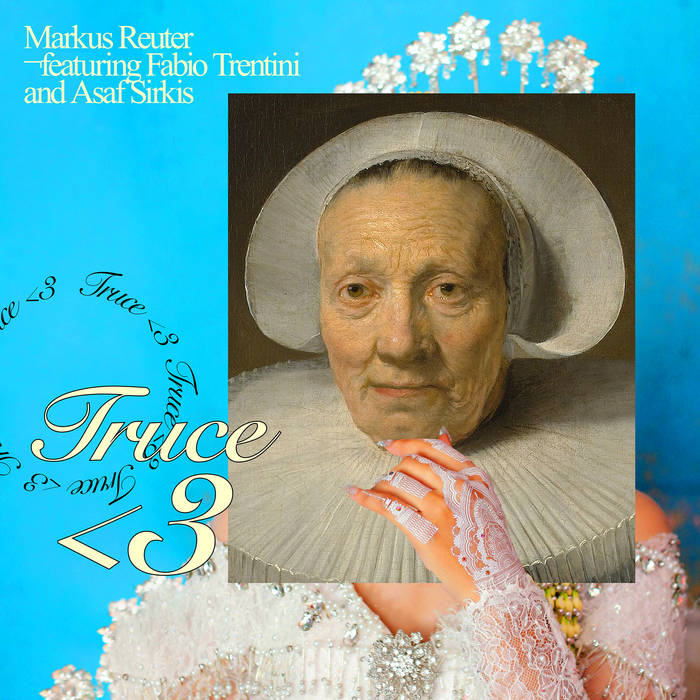
Markus Reuter – featuring Fabio Trentini and Asaf Sirkis, Truce <3: Full-on instrumental rock from three undersung players who know their stuff — including the magic that can happen when the red light comes on with nothing prepared! Reuter’s touch guitar conjures up hanging sonic clouds, cycling loops, piledriving licks and rich melodic spirals; Trentini’s bass lines ground the evolving excursions with a tasty mix of repetition and variation, plus fat, enticing tone; on drums, Sirkis is endlessly, subtly inventive within rock-solid grooves. Slinky kickoff “Not Alone,” the driven, stuttering funk of “It’s Not in the Cards,” the bubbling, smoldering interplay of “Crooked” and “Guardian Shadow,” with its stinging elegiac lament that morphs into a total wig-out, are just the highlights; every improvisatory leap here is inspired. Completely whipped up from scratch like the first two entries in this stunning series, Truce<3 catches music as it’s made on the fly, irresistibly setting body, mind and heart in motion. Already on the Favorites list for this year.
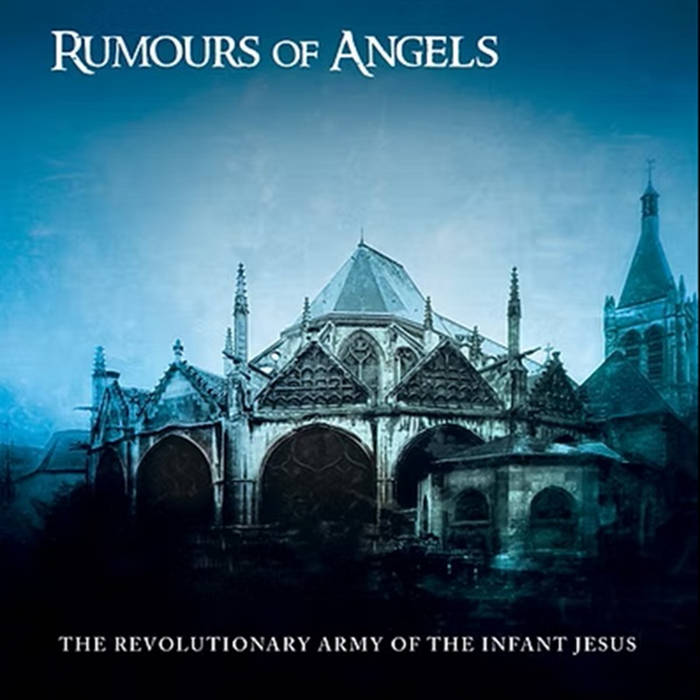
The Revolutionary Army of the Infant Jesus, Rumours of Angels: Originally part of 2013 French boxset After the End, this set compiles two EPs from the end of RAIJ’s 20th-century run and two previously uncollected tracks. As such, you can hear the gleeful clash of opposites — floating folk melodies, chant and spoken word colliding with low drones, tribal rhythms and bruising industrial noise, all drenched in thick, wet echo — that marked the Liverpool collective’s initial, headlong assault on modernity. If tracks like “Cantata Sacra” and “Dies Irae” feel like desperate attempts to call down the Holy Spirit through sheer, strenuous force, moments in “The Parable (of the Singing Ringing Tree)” and “Suspended on a Cross” point toward the mix of ambient stillness and randomized sound collage that permeate later, more considered classics Beauty Will Save the World and Songs of Yearning(my album of 2020). For those who’ve already taken the plunge, Rumours of Angels is an unexpected gift, a vital signpost on RAIJ’s road toward their current, more meditative (yet still earthy) incarnation. If you’re new to it all, don’t let me dissuade you from trying this one out — but be sure to buckle up!
Bruce Springsteen, Lost and Found – Selections from the Lost Albums: I’d argue there are at least three facets to Springsteen’s artistic persona: the unstoppable Boss, barnstorming the globe with the E Street Band; the compulsive singer/songwriter, forever panning his psyche for creative gold; and most evident here, the obsessional auteur, agonizing time after time over the content of his next release. This sampler from Tracks II, an expansive (and exorbitantly priced) box of 7 unreleased albums, startles with the scope of Springsteen’s musical inspirations — though your mileage may vary as to how convincing the various genre exercises are. Chilled-out trip-hop Bruce (“Blind Spot”), spiritual-but-not-religious Bruce (“Faithless”) and country/rockabilly Bruce (“Repo Man”) click best for me; and even tejano Bruce (“Adelita”) and saloon crooner Bruce (“Sunday Love”) have their arresting moments. If anything, the straight-up rockers might be the weakest element here; “You Lifted Me Up” reminds me of nothing so much as a third-string praise and worship chorus. Still, it’s hard to beat Lost and Found’s value — 1/4th of the box set’s tracks for 1/20th of the price, and it certainly lets you know what you’re in for from Springsteen’s latest raid on his vaults. If you’re intrigued like I am, check out the sampler, maybe listen to the complete set online — then hope for a Black Friday price drop.
Due to circumstances beyond my control — thanks to everybody who helped out! — this edition of Quick Takes is playing catch-up. This time around, purchase links are embedded in the release title, with any additional sample/streaming links labelled (LISTEN HERE).
The last few months’ progressive rock releases have skewed heavily toward reissues — for example, Keith Emerson and Greg Lake’s mid-1980s reunion with hard-rocker Cozy Powell in the drummer’s chair. Triple-cd box Emerson, Lake & Powell: The Complete Collection(LISTEN HERE) is a compact, yet worthy appendix to the ELP canon. The main album, ranging from extended throwbacks “The Score” and “The Miracle” through jazzy diversion “Step Aside” to souped-up classical gas like the single “Touch and Go” and Holst’s “Mars, the Bringer of War” is big, brash, widescreen stuff; both in the studio and on the two live discs included, Emerson’s thrusting digital synthesizer upgrades, Lake’s full-throated bravura vocals and Powell’s sleek percussive drive come on like gangbusters on new material and vintage classics such as “Pictures at an Exhibition” and “Pirates”. ELP’s mass appeal remained in the rear view mirror, but Emerson, Lake and Powell was a game try at reinvention for a different time.
Carl Palmer was playing drums for Asia during ELPowell’s flare and fade, but he’s remained engaged with his biggest band’s work, stepping up as legacy guardian after Emerson and Lake’s passing. Disc 1 of Palmer’s solo boxFanfare for the Common Man(a reissue/expansion of 2001’s Do You Wanna Play, Carl?) shows how he emerged from his bandmates’ shadows in the later 1970s, asserting himself in spellbinding trio jams, big band blowouts and a stylish, eclectic percussion concerto; disc 2 covers his roots in British R&B and psychedelia plus his later collaborations with Asia and others, while a new 3rd disc documents live work reinventing the ELP repertoire for guitar-based power trio. The accompanying BluRay video and biography are revealing, though scattered and even self-contradictory. But that’s a minor blemish: Palmer remains rightly admired and respected by musical peers and fans, and still on the road in his 70s, he retains the rhythmic fire and momentum that this set amply demonstrates.
ELP weren’t the only proggers trying to reinvent themselves after the mid-70s; on side one of 1977’s The Missing Piece(LISTEN HERE), the manic British sextet Gentle Giant made ever so coy feints at co-opting the energy of punk and New Wave (especially on the self-conscious spoof “Betcha Thought We Couldn’t Do It”). Side two was more relaxed; reaching for the soul-inflected art-pop that Genesis and Yes later rode to the top of the charts, the Shulman brothers & company still stirred in Baroque cross-rhythms (“As Old As You’re Young”), stately balladry (“Memories of Old Days”) and breakneck instrumental and vocal twists and turns (“Winning”). With Steven Wilson providing fresh stereo and spatial audio remixes, this is another delightful installment in the Giant’s ongoing series of album upgrades.
English folk-classicalists Renaissance kept plugging through the decades, with operatic lead singer Annie Haslam at the helm. 2000’s Tuscany(LISTEN HERE) was Haslam’s last go-round with key members guitarist Michael Dunford and drummer Terence Sullivan (plus limpid guest piano work from former keyboardist Jon Tout). Not as urgent as their 1970s work, it’s still a lovely, impressionistic album, gently meditating on the nexus of art (“Lady from Tuscany”, “Dear Landseer”), nature (“Pearls of Wisdom,” “Dolphin’ s Prayer”) and love (“In the Sunshine”, “One Thousand Roses”). A complete live show from Renaissance’s 2001 tour of Japan included as a bonus mixes new tunes with career standbys such as “Carpet of the Sun,” “Northern Lights” and “Mother Russia”, showing off Haslam and company’s musicality and consistency. As usual, Esoteric Recordings’ latest Renaissance reissue provides the context to better assess the work of this underrated band.
And in the wake of its new reissue, I now consider Yes’ 1994 album Talk the most unified effort of their post-prog decade. (It was also the least well-known, due to grunge taking over rock radio and Yes’ record company collapsing.) The only full-blown songwriting team-up of hippie muse Jon Anderson and guitarist/keyboardist/composer Trevor Rabin, Talk’s tunes ooze out-there ambition and hi-gloss appeal; the choral kick of “The Calling” and “Walls”, “Real Love’ jangle-pop/heavy metal synergy, the skip-hopping “State of Play” and the closing multi-part epic “Endless Dream” are stunningly remastered to devastating impact. Rhythm section Chris Squire and Alan White are at their most down and dirty; Tony Kaye leans in with expressive, gnarly organ work. And a bonus live set (from the soundboard at a 1994s tour stop) showed that this lineup could conjure a fairly close approximation of the classic sound on standbys like “Heart of the Sunrise” and “I’ve Seen All Good People”. If you loved Yes but wrote them off between 90125 and Union, I’m serious; give Talk a shot.
There have also been plenty of ear-opening new releases, mostly rooted in improvisation rather than composition. The latest posthumous set from piano legend Chick Corea has its source in a 2019 tour and follow-up sessions with eclectic banjo virtuoso Bela Fleck; the aptly-titled Remembrance(LISTEN HERE) covers an incredible range of sonic possibilities, with the duo wailing on Thelonious Monk’s “Bemsha Swing”, Scarlatti sonatas, brand new compositions and impromptus pulled from thin air. Impeccably tasty and always in the moment, Corea and Fleck spark off each other constantly, caught up in an unending sense of play and delight. Fans of either player will love this, and folks who dig acoustic jazz, bluegrass or both will find themselves smiling again and again when they hear it.
While Brad Mehldau is one of the numerous young lions who followed in Corea’s wake on piano, his sound and vision are uniquely his own, as a fresh pair of solo discs make clear. On After Bach II, Mehldau brings his love for the classical piano tradition and his improvisational chops to bear on a second set of J.S. Bach’s richly poised keyboard works, mingling preludes and fugues played straight with jazzier extrapolations (“Between Bach”) and superimposed twists of rhythm and counterpoint based on one of Bach’s pinnacles, the Goldberg Variations. Apres Fauré brings a similar freedom to the music of Gabriel Fauré, the French composer who became a unique bridge between the late Romantic and Impressionist schools; Mehldau responds to Fauré’s sense of adventure with sweeping repetitious bass lines, long-spun singing melodies, and thick two-handed harmonies. Plenty of rigorous development to chew on, plenty of knotty invention and lush sound to bask in on both of these!
On their new EP Tropic of Cancer, Chicago’s heavy-prog-jazzers Sons of Ra show how they can unspool variations on a theme with staggering impact. Setting a nimble, dancing idea with roots in fusion’s golden age into motion, multi-instrumentalists Erik Oldman and Keith Wakefield and drummer Michael Rataj put it through exhilarating paces over 23 minutes: you get wah-wah electric piano extrapolations, a sax/bass duet over a bed of guitar/sax noise; a wonderfully idiomatic folk/Celtic throwdown (complete with guests on violin, flute and pipa); a Santanesque guitar jam that spirals up dizzingly before it goes off like a fireworks display; and a gargantuan finish with hypnotic sax wailing over a shuddering guitar army. No jive; this is great stuff, and Sons of Ra are a band to which attention must be paid!
King Crimson-adjacent power trio Markus Reuter, Trey Gunn and Pat Mastelotto are also back with the ironically titled Tu-Ner for Lovers, another heaping helping of rich, doomy thrash. Sculpted from improvs recorded on their 2023 tour, the trio scrape, scratch and scrawl from the get-go, with Mastelotto laying down off-kilter tribal beats, Gunn rattling listeners’ innards with sludgy bass lines and Reuter slapping down arresting leads and color clusters on touch guitar. Stalking the abstract sublime, the music coalesces as the album progresses, locking in to galvanizing effect on closing stompers “They Call Him Threnody” and “Transistor Valentine”, wispily floater “I Put a Crush on You” and skittering finale “Combat and Courtship”. You may need to be in the right mood for this to grab you — alienation? Righteous anger? — but when you are, boy, does it hit home!
Kamasi Washington’s long-awaited double album Fearless Movement is every bit as kickass and sprawling as previous spectaculars The Epic and Heaven and Earth (the latter my 2018 Album of the Year), but somehow settles in a gentler, more welcoming vein. It kicks off with “Lesanu”, an Egyptian Orthodox chant of Psalm 96 riding first a free-jazz slam, then a finger-snapping, hand-clapping vamp and ends with “Prologue”, an Astor Piazzolla tango that morphs into a blaxploitation movie theme; at all points within and between, Washington on tenor sax, keyboardists Cameron Graves and Brandon Coleman, Ryan Porter and Dontae Winslow on brass, and a platoon of guests play and sing up a storm. But slower burning tracks like “Asha the First” and “Together” provide respite from the intensity of Washington’s sweep and surge, and a looser, relaxed sense of momentum on the Zapp cover “Computer Love” and the extended workout “Road to Self (KO)” helps you catch your breath. Washington and his friends are still making audacious spiritual jazz, building from whispers to screams again and again and dancing across barlines like they don’t exist; but somehow this set feels more like a place to make a home than a monument to visit. And yes, this one’s gonna be on my Favorites list this time around, too . . .
And sometimes, you just need some down-home picking and singing. On the heels of selling out the Ryman Auditorium (documented on record to great effect last year) and duetting with Willie Nelson, Charley Crockett pitches a passel of new songs our way on $10 Cowboy(LISTEN HERE) As with much of Crockett’s recent work, this album leans into soul nearly as much as country; the choogling brass and choral vocals of “America”, the piano-with-strings heartbreaker “Gettin’ Tired Again” and the funky “Diamond in the Rough” can’t help but call Motown and Memphis to mind. But there’s plenty of Nashville/Austin classicism too, in the steel guitar-laced single “Hard Luck and Circumstances”, the Latin-flavored acoustic revenge ballad “Spade” and the honky tonk shuffle “Ain’t Done Losing It” Whether this is the long-predicted breakthrough for Crockett or not, $10 Cowboy is a thoroughly satisfying album, capturing sharply defined snapshots of a nation wondering when things will get better.
And (thanks to the copious music collection found at the main branch of the Grand Rapids Public Library), I discovered that Sierra Ferrell’s 2021 debut Long Time Coming is every bit as good as her new one (Trail of Flowers, reviewed last time). My entire notes for this one consisted of the word “WOW!!”, so I’ll just point you in the direction of this review (from my go-to site for genre news and reviews, Saving Country Music), add Long Time Coming to my 2024 Favorites list and look forward to hearing her live in September!
2024 is out of the gate hot — three of the albums below are already on my Year-End Favorites list, and there are no duds in this bunch! As usual, purchase links are embedded in the artist/title listing, with a partial or complete streaming preview below the review.
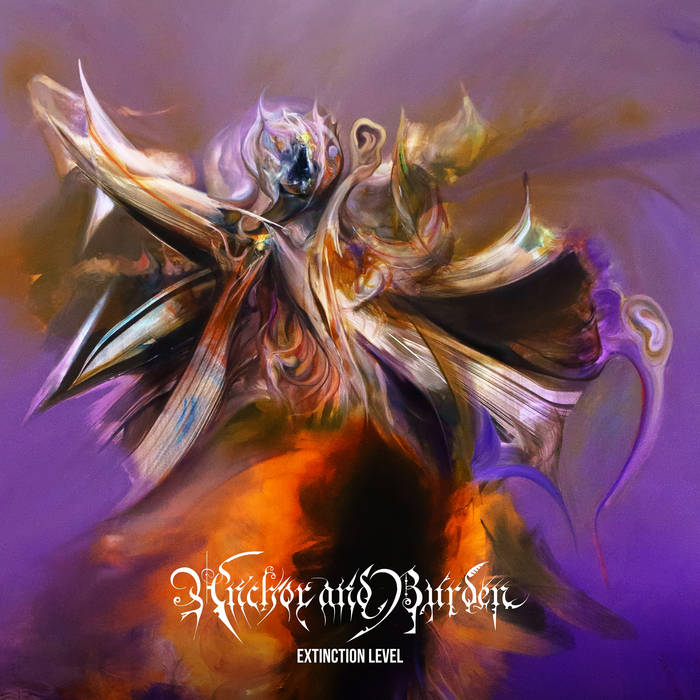
Anchor and Burden, Extinction Level:MoonJune Music mainman Leonardo Pavkovic has labelled this brutal beauty “uncompromising progressive avantgarde doom-jazz post-metal”. That pretty much covers it! Kicking off with opener “Fractured Self” and “Body Expansion”, touch guitarists Markus Reuter and Alexander Dowerk spend the next hour launching knife-edged slabs of sonic concrete into sub-orbit; drummer Asaf Sirkis pulverizes any semblance of a steady beat into terrifying quick marches (“Mutual Assured Destruction”), hyperactive polyrhythms (“Nine Gates to Dominion”), or just lethal, unanticipated deadfalls; and electronics wizard Bernhard Wöstheinrich provides both breathing space for a comedown, as on the closing “The Crust of This Earth”, and crash pads for droning, sludgy guitar plunges throughout the extended title track. Absolutely bonkers, already a favorite; you may have to be in the right mood for it, but Extinction Level’s free-for-all improv (not far removed from King Crimson’s outer limits) turns out to be a heady, head-banging good time.
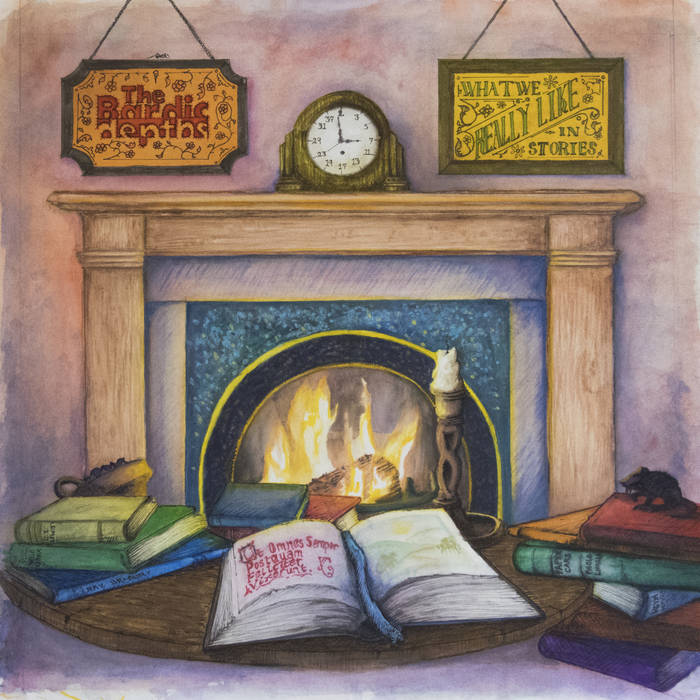
The Bardic Depths, What We Really Like in Stories (released March 7): both more direct and more varied than their previous releases, TBD’s third is a first-class album that delivers generously on its title’s promises. Brad Birzer’s graceful lyrics effortlessly transport us into the minds of creators as diverse as Ray Bradbury (“You’ve Written Poetry, My Boy”), Willa Cather (“Old Delights”) and Robert E. Howard (“The Feast Is Over”) — then into the creations themselves (the Orwellian dystopia of “Vendetta”, the postapocalyptic “Stillpoint”, the high adventure of “Whispers in Space”). In turn, Dave Bandana and Gareth Cole’s compositions are appealingly streamlined, giving Cole’s guitars, Bandana’s guitars & synths and Peter Jones’ keys & saxophones plenty of room to shine but never straying into aimless jams. Add a warm vocal blend from the quartet (with Jones and Bandana at the forefront) to Tim Gehrt’s steady, sparkling grooves, and you have a prog album that’s accessible without compromise, thought-provoking without pretension. This one’s charms might sneak up on you, but repeated listens will thoroughly repay your kind attention. (Check out our Bardic Depths roundtable here.)
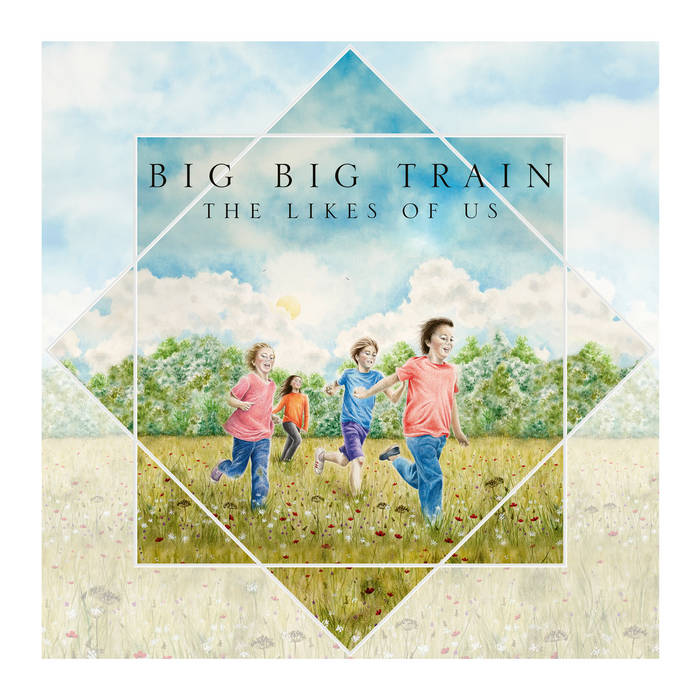
Big Big Train, The Likes of Us (released March 1): the wonder here isn’t that indefatigable founder Greg Spawton and his international crew have regrouped with such power and panache; it’s that they’ve tackled the struggles and sorrows of recent years head-on, forging them into the band’s most direct, integrated album since Grimspound. From mission statement/overture “Light Left in the Day” through epics “Between the Masts” and “Miramare” to killer ballad “Love’s Light” and finale “Last Eleven”, new singer Alberto Bravin fares forward into the unknown, summoning the essence of friendship and the pain of loss, calling on all in earshot to seize the day. There’s tons of musical variety, too, from the hard-rocking “Oblivion” to the playful “Skates On” and the 12-string weave of “Bookmarks”, with all seven players (five of whom sing) each getting their time to shine. And yes, that brass section pops in at just the right moments, to bring a tear to the eye or lift the spirit as required. Familiar yet fresh, and destined for that year-end faves list, BBT fans can be well satisfied with this latest excursion – and The Likes of Us is well turned out to welcome new Passengers onboard as well! (Check out our interview with Alberto Bravin here.)
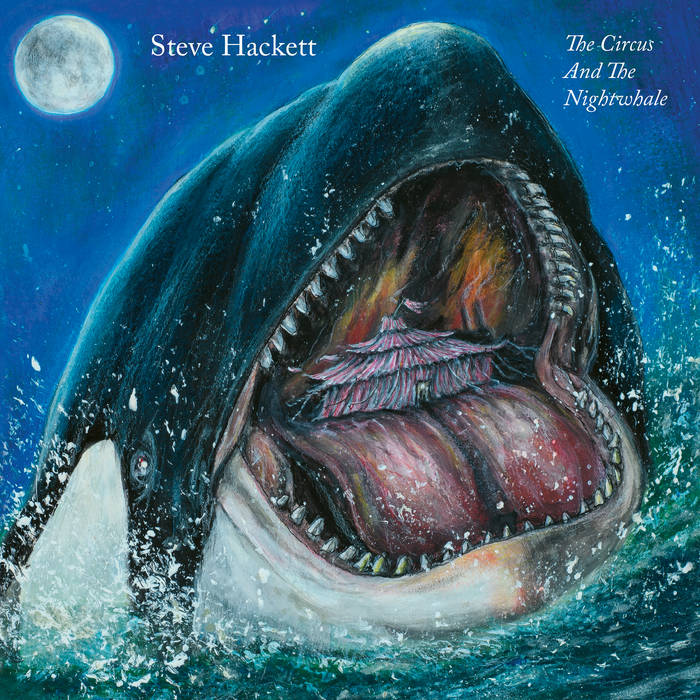
Steve Hackett, The Circus and the Nightwhale: Prepare to have your ears pinned back here: Hackett leaps out of the gate with freshly energized songwriting and ferocious guitar work and doesn’t let up throughout this compact, compellingly listenable concept album. The restless opening sprint of “People of the Smoke”, the “Squonk”-like stomp of “Taking You Down” (with standout lead vocal by Nad Sylvan and towering sax from Rob Townsend), the lush orchestral interlude “These Passing Clouds” are all full to bursting with devastatingly melodic, wildly spraying six-string excursions from Steve; even lighter tracks like the harmonious “Enter the Ring” and luxuriant 12-string centerpiece “Ghost Moon and Living Love” overflow with prime solo licks, mind-melting and heart-gripping in equal measure. Add Roger King’s richly scenic keyboards to a succession of marvelously eclectic tunes that waste no time and a coming-of-age narrative that climbs from the gutter to the stars (braced with a dose of the marvelous — there’s that Nightwhale, after all). And voila! You’ve got a Hackett opus that immediately goes to the 2024 favorites list, ranking right up there with Spectral Mornings,At the Edge of Lightor whichever of his 30 solo efforts you prefer best.
No-Man, Housekeeping – The OLI Years, 1990-1994:Ben Coleman, Tim Bowness and Steven Wilson’s earliest singles for One Little Indian (oops, Independent), “Days in the Trees” and Donovan’s “Colours”, are the perfect sneak peek/summation of this compilation’s garishly romantic delights. Just as you start thinking “ho hum, fey indie Nineties dance-pop”, the heavens – or are they the abysses? – open, accompanied by lush squalls of immaculately recorded dissonance. As if Roxy Music and ABC had somehow wound up co-headlining a vaudeville show, Bowness’ desperate vocals and Coleman’s slashing violin work match up swoon for swoon, while Wilson toughens the grooves and hoists ambitious synthesized backdrops, colorful splatters of guitar punctuating the aching pantomimes all the while. Containing the first two No-Man albums (the singles-oriented Loveblows and Lovecries and the ravishing, guest-heavy Flowermouth) plus the early EP Lovesighs, a singles disc and radio sessions, Housekeeping is a generously filled, beautifully designed boxset that points unerringly toward Bowness and Wilson’s more mature achievements (whether together or apart), but is also thoroughly listenable and intriguing in its own right.
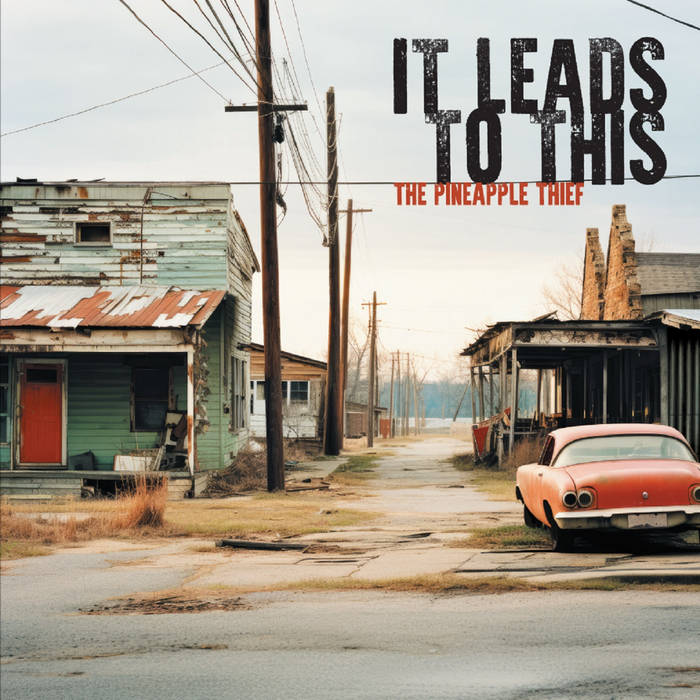
The Pineapple Thief, It Leads to This: more badass guitar loops and riffs (spaghetti westerns and surf music entwined in a Steve Reich soundscape); more bleak musings on our pervasive inability to connect, crooned with Bruce Soord’s trademark tenderness and fury; more moments of tasty, laterally-inflected drumming from Gavin Harrison. The current edition of the Thief’s fourth studio album is its own self-contained world, set in motion by the Soord/Harrison team’s moody interplay and rotating on Jon Sykes and Steve Kitch’s steady axis; undeniably of a piece with their recent catalog, and all the better for it. If none of the eight songs particularly stand out, they’re all honed to sleek perfection, building through seductive, bracing miasmas of dread and determined pursuits of flickering light to the knockout punch of the last two tracks. Whatever nightmare Soord is sleepwalking through, his eyes and heart are wide open as he edges forward, with Sykes, Kitch and Harrison urging him on all the while. (Soord’s recent “unplugged” solo CD/DVD, the already out-of-print Caught in the Hum, is an even more distilled example of this melancholy, coolly yearning aesthetic.)
Unless otherwise noted, title links are typically to Bandcamp for streaming and purchasing, or to Spotify/YouTube for streaming with a additional purchase link following the review.
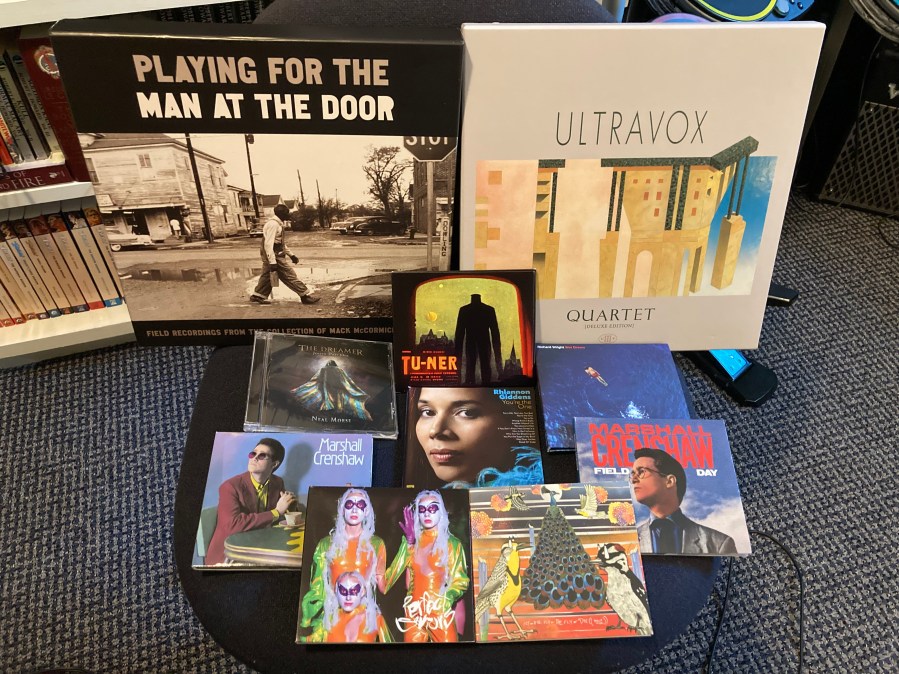
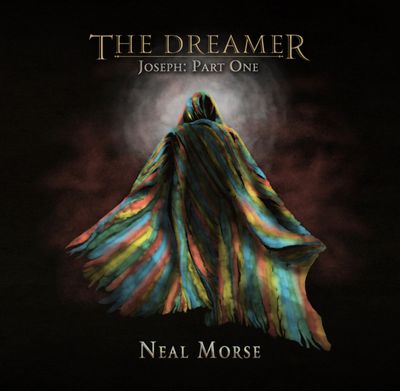
Neal Morse, The Dreamer – Joseph, Part One: For his latest rock opera a la 2019’s Jesus Christ the Exorcist, Morse and his studio sidekicks swerve toward hard-hitting blues-rock; the usual “Overture” and the narrative tracks “Burns Like A Wheel” and “Gold Dust City” are stuffed to the brim with chunky organ and grunged-up wah-wah guitar work. Wailing vocals from the cast of Christian Progressive Rock stalwarts who play Jacob, Joseph’s brothers and his Egyptian captors slot right in; even the power ballads (“The Pit”) have more grit this time around! And while the second half of the album is stylistically slicker (complete with classical chorale “I Will Wait on the Lord”), the hooky closer “Why Have You Forsaken Me?” pulls all the musical threads together, with Morse’s emotive portrayal of Joseph setting up intriguing possibilities for Part 2 — which, given his extravagant productivity, shouldn’t be too long in coming. Order from Radiant Records here.
Tu-Ner, T-1 Contact Information: Power trio improvisation that takes no prisoners, from another eerily luminous satellite band orbiting the gravity well of King Crimson. Trey Gunn and Pat Mastelotto formed one of Crimson’s most ferocious rhythm sections in the early 2000s, also recording together as TU; here Mastelotto clatters away merrily on his sonic smorgasbord of drums and percussion, while Gunn unleashes the deepest, fattest bass licks known to subwoofers. Above and around the Rhythm Buddies’ brutalist bedrock, Markus Reuter (who’s worked with Mastelotto in the duo Tuner and the trio Stick Men) unleashes slashing, swooping touch guitar lines and dark, brooding soundscape clouds — and when Gunn joins him on the higher end, sparks really fly. Always arresting, intermittently galvanizing, but the track titles (or this review for that matter) can’t really give you a feel for what this sounds like. In other words, you’ve gotta hear what Tu-Ner do to believe it.
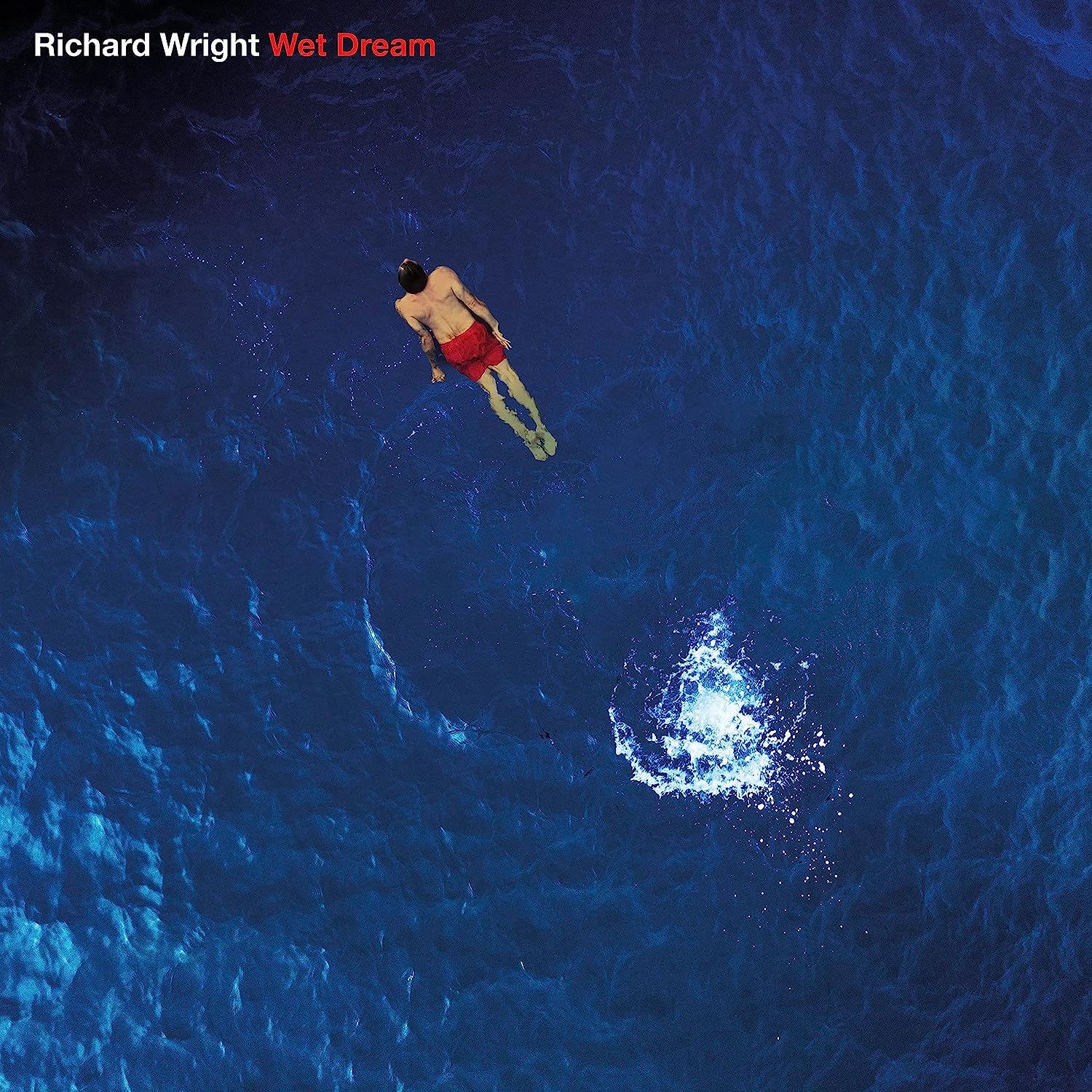
Richard Wright, Wet Dream: In case you ever wondered exactly what keyboardist Wright brought to Pink Floyd, his 1978 solo album has it in spades. On tracks like “Mediterranean C” and “Drop In from the Top” lush, floating chord progressions set up open-ended jams by guitarist Snowy White and sax legend Mel Collins; Wright’s reedy voice spins out languid vignettes of detachment and disillusion such as “Summer Elegy” and “Holiday”. All thoroughly gorgeous (especially in this immaculate new Steven Wilson remix), occasionally funky, ineffably melancholy — and not terribly urgent in isolation. Still, you can hear the breathing space that Floyd lost as Wright faded into the background and Roger Waters began repeatedly kicking his audience in the head on The Wall. Order from Rhino Records here.
Ultravox, Quartet [Deluxe Edition]: Speaking of immaculate Steven Wilson remixes: this is his third in a series for the British new wave quartet. Regrouping after early personnel changes, Ultravox struck a quirky vein of New Romantic post-punk on 1980’s Vienna, then pursued cutting-edge Krautrock on the follow-up Rage in Eden. Connecting with legendary producer/5th Beatle George Martin, frontman Midge Ure, violinist/keyboardist Billly Currie, bassist Chris Cross and drummer Warren Cann aimed straight for the charts; Quartet is as pure of a pop album as they ever achieved. The UK singles “Reap the Wild Wind,” “Hymn,” “Visions in Blue” and “We Came to Dance” have an irresistible mix of rock drive, synth-pop color and devil-may-care melody, and the album tracks slot right in; the whole thing’s overripe and melodramatic in the most appealing way. Plenty of extras in the 7-disc box too, with b-sides, rarities, rehearsal tapes, studio monitor mixes and an intense live set all included. Order from the Ultravox store here.
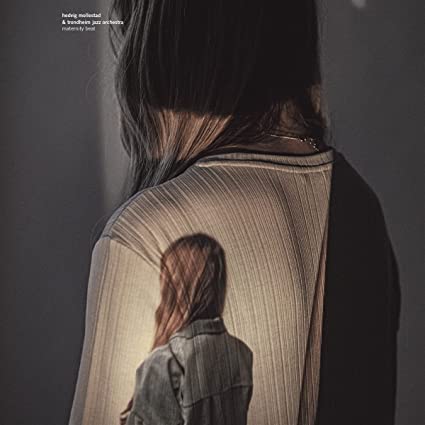
Starting out with a burner from 2022 that just arrived due to the ongoing vagaries of overseas shipping: Norwegian guitarist Hedvig Mollestad connects with the Trondheim Jazz Orchestra for the conceptual Maternity Beat. As on her previous collaborative jazz-rock projects Ekhidna and Tempest Revisited, Mollestad’s writing runs the gamut, from thrusting dash through tribal fusion getdowns and chamber interplay to a glorious finale that ratchets up to a blazing climax. And her playing is as creative and involving as ever, ranging from the gutbucket blues and skronky feedback of “Do Re Mi Ma Ma” to the gliding, Jeff Beck-ish boogie of “All Flights Cancelled” and beyond. Another winner from this impressive musician that grows more immersive the more you listen.
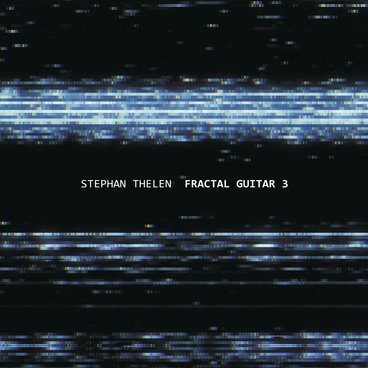
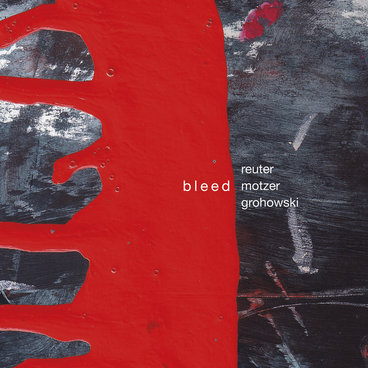
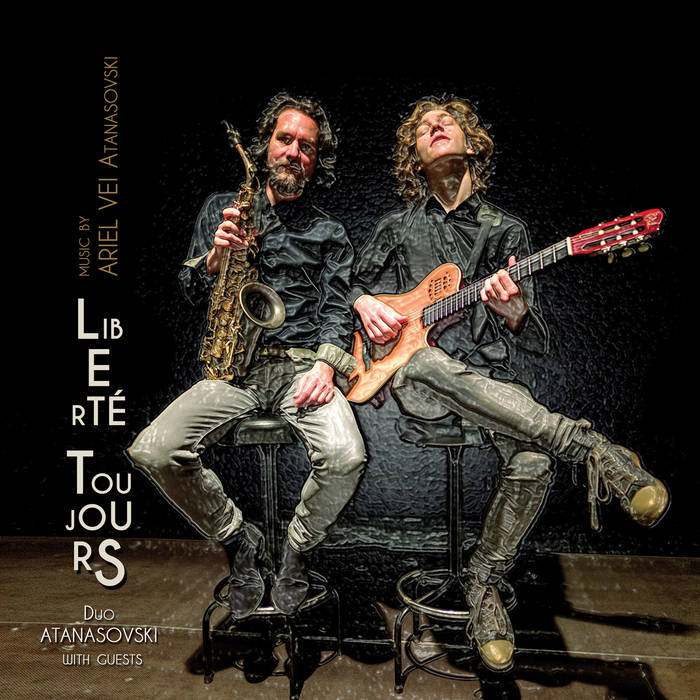
Even with his relocation from New York City to Toledo, Spain this year, impresario Leonardo Pavkovic has kept MoonJune Records churning out first rate albums that consistently ride the cutting edge of possible musics. In the most recent batch of MoonJune releases, Sonar guitarist Stephan Thelen returns with Fractal Guitar 3, another winning album of intriguing compositions that create harmony and structure via the interaction of cyclic time and minimalist melodies; touch guitarist Markus Reuter teams with multi-instrumentalist Tim Motzer and drummer Kenny Growhoski for Bleed, a bold, grungy set of abstract pieces drawn from free improvisation; Anchor & Burden (Reuter’s “European supergroup” featuring drummer extraordinaire Asaf Sirkis) weighs in with Kosmonautik Pilgrimage, monumentally turbulent full improv with Lovecraftian artwork and titles to match its swirling, heavy vibe; and Duo Atanatovski (a Slovenian father and son on guitar/cello and winds) team with a rhythm section for the radiant Liberté Toujours, an album of soaring, propulsive jazz that I guarantee will lift your spirits. The best way to catch all the action on MoonJune is a yearly subscription at Bandcamp.
On a whim (admittedly nudged by a recommendation from allmusic.com), I checked out Guided by Voices’ brand new La La Land and was instantly captivated. The brainchild and main musical vehicle of Dayton Ohio guitarist and singer Robert Pollard, the band is known for its insanely prolific output (the current lineup has released 14 albums in the last 5 years), slamming home musical earworms laced with whimsical, elusive lyrics aplenty in a devil-may-care blend of the British invasion, low-fi punk-pop and just the right amount of psych-prog garnish. In the past, GbV’s releases lacked a certain quality control, but recent albums seem to be all killer, no filler: here the air-tight riffs lodge directly in your pleasure centers; Pollard reels off irresistible chorus after irresistible chorus in a delightfully mannered, indeterminate accent; and expansive efforts like the pretty acoustic tune “Queen of Spaces” and the off-kilter, multi-part build of “Slowly On the Wheel” offset the short, sharp shocks of the opening “Another Day to Heal” and the Beatlesque “Ballroom Etiquette”. Well worth exploring, but mind stepping too far into the whirlpool …
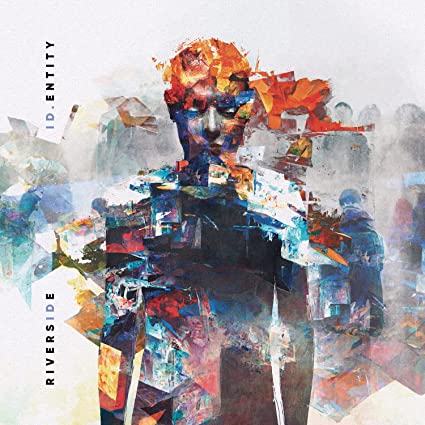
I’ve got to agree with Bryan that Riverside’s latest, ID.Entity, is a strong contender for “best of the year” status, even this early in the game. This is hooky, hard art-rock (metallic around the edges) with a compelling sense of ebb and flow — not to mention plenty of high-power guitar and keyboard heroics. What makes the blend especially savory here is Mariusz Duda’s vocals; wistfully edgy, drily sardonic and bluntly dismissive by turns, his melancholy meditations on a divided world with no place left to hide grab and shake you, whether you want to see the pictures he’s painting or not. Definitely up to Progarchy’s favorite Polish proggers’ high standards, with the potential to rope in fans of a recent vintage — like me — as well. (Need to catch up on Duda and company? The 2021 online compilation20 – The Shorts and the Longsmight be your ticket.)
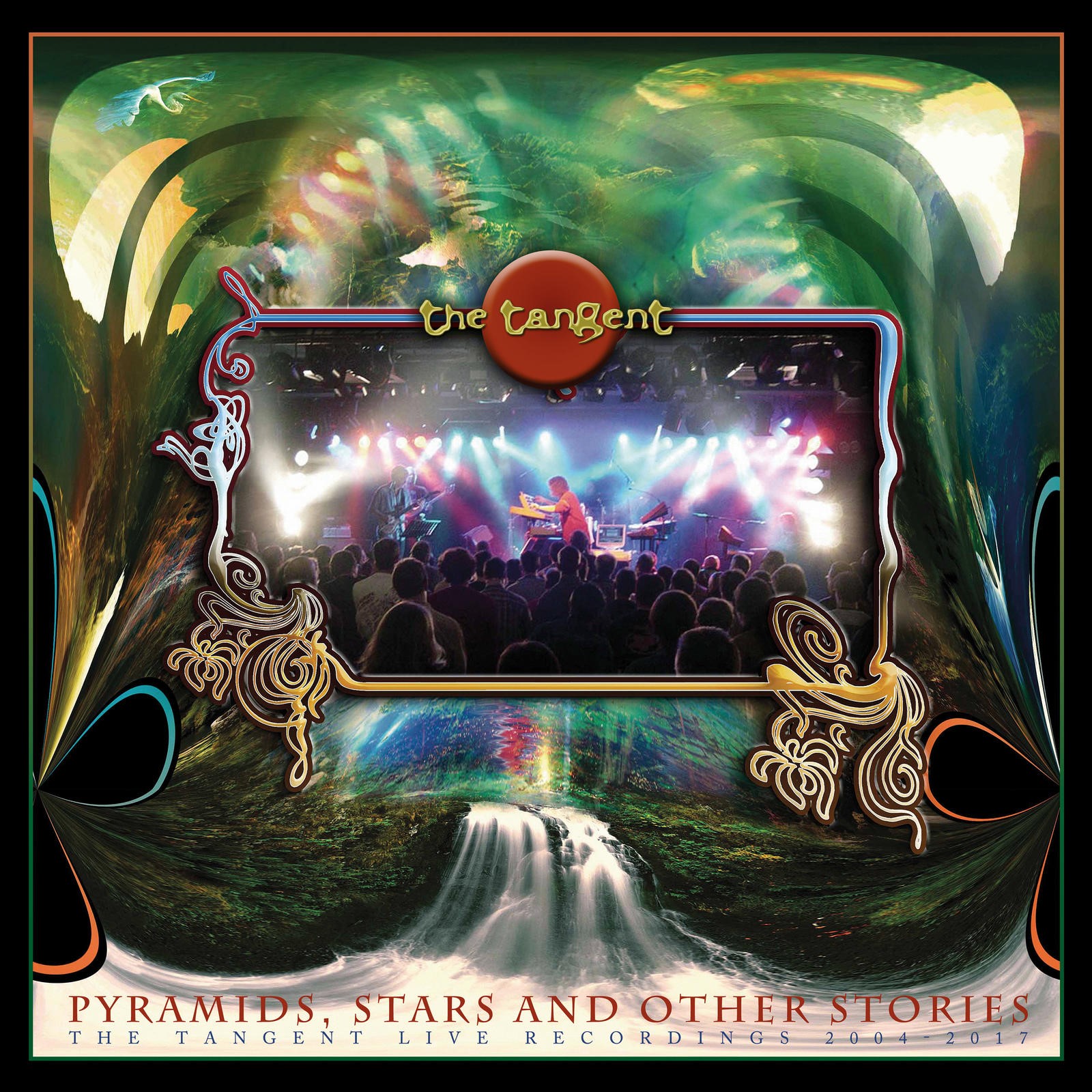
Always ready to bring a bit of reconfigured retro flash into here and now, Andy Tillison has opened wide The Tangent’s vaults for an old-school “triple-live” album, Pyramids, Stars and Other Stories. The release kicks off with a soul-stirring 2004 set, as the original lineup (including Roine Stolt) powers through early classics like “The World That We Drive Through” and “The Music That Died Alone”. Add a substantial serving of later songs and instrumentals performed by equally gifted lineups on the 2012 UK and the 2017 US tours (the last of which I was privileged to see at Chicago’s Progtoberfest), and you have 2 1/2 hours of back-catalog gems delivered in grand style. I gleefully gulped down the whole thing in one sitting; Tillison’s non-stop compositional eclecticism and his unquenchable penchant for speaking (well, singing) his mind delight from beginning to end, and his compatriots step up to match his commitment throughout. On their game, The Tangent’s devotion to music and their appeal to our consciences point us to the best of what we are and what we can be; here, they hit peak form throughout, with any rough edges only adding to their appeal. This generous set is both a first-rate introduction for new listeners and an essential item for hard core fans. In addition to purchasing the album through the usual outlets, you can still support the band directly and pre-order a limited number of signed copies here.
Big Big Train, Welcome to the Planet:Yet another stellar addition to BBT’s discography, their latest effort consolidates the widened horizons of Grand Tour and the intimate subjects of Common Ground, casting an epic light on the everyday glory of family, community, love and loss. With Nick D’Virgilio, Rikard Sjöblom, new guitarist Dave Foster and new keyboardist Carly Bryant all involved in the writing, rockers like “Made of Sunshine” and “The Connection Plan” hit with maximum impact; ballads like “Capitoline Venus” and “Oak and Stone” are masterfully expressive; instrumentals like “A Room with No Ceiling” and “Bats in the Belfry” unleash the requisite nifty twists and turns — not forgetting less easily classified delights like the multi-sectioned “Lanterna” and the woozy dreamland wash of the title track. Throughout, Greg Spawton’s firm hand on the tiller and the late David Longdon’s vocal authority are rock solid, their partnership the beating heart of this music. In the wake of Longdon’s untimely passing, we can’t know if Welcome to the Planet is the last stop on Big Big Train’s journey or a way station before what might come next. But such considerations pale in the face of what we’ve been given; this one — easily my favorite BBT effort since the English Electric days — is a real thing of beauty, an album to be treasured and listened to again and again. (Check out Bryan Morey’s detailed review here.)
Here are the albums of new music from 2020 that grabbed me on first listen, then compelled repeated plays. I’m not gonna rank them except for my Top Favorite status, which I’ll save for the very end. The others are listed alphabetically by artist. (Old school style, that is — last names first where necessary!) Links to previous reviews or listening/purchase sites like Bandcamp are embedded in the album titles.
Nick D’Virgilio, Invisible: No echoes of Big Big Train or even Spock’s Beard to be heard here. D’Virgilio’s long-awaited latest focuses on classy, soulful rock and pop with R&B undercurrents, reminiscent of nothing so much as the pre-Nirvana mainstream; the progginess is in the extended structures, the virtuoso playing and the overall concept. The down to earth storyline, a redemption narrative with some nifty twists, definitely helps make Invisible appealing and relatable. But it’s the musical means D’Virgilio uses to build out the story — emotive singing, consistently powerful drum work, polished electric piano, loops, bass, bass synth and guitars — that seal the deal. As a result, every single track grabs on tight from the start — not just revealing more depth and emotional resonance with every repeat, but also relentlessly propelling the album forward.
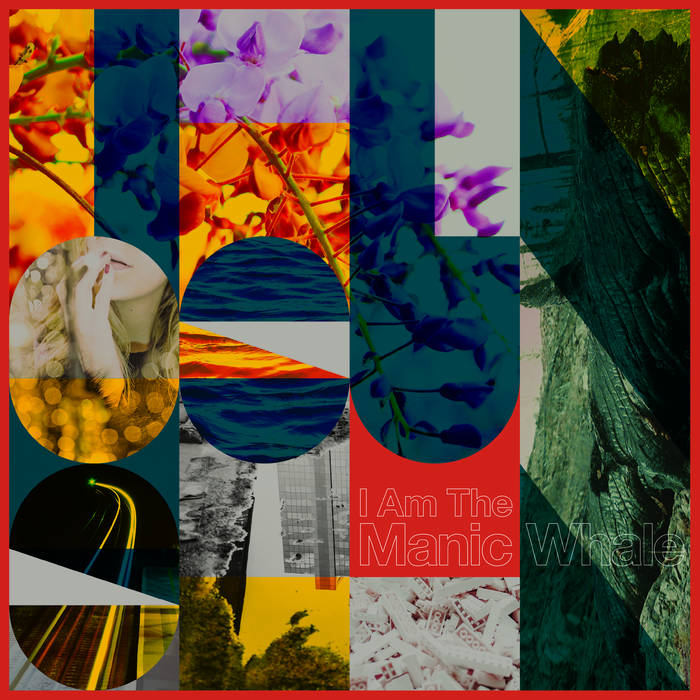
I Am the Manic Whale, Things Unseen: I remain blown away by the energy, humor and sheer delight these young British proggers bring to their story-songs; this third album sounds like their best yet, with crystal clear production by Rob Aubrey. There’s wickedly cheery satire in “Billionaire” and “Celebrity”, a brooding, atmospheric trip to Narnia in “The Deplorable Word” and unbounded delight in the gift of children in “Smile” and “Halcyon Days”. Not to mention IAtMW’s very own train song, “Valenta Scream”, laying down a challenge to Big Big Train with (in my opinion) the best lyrical simile of 2020: “Making it look so very easy/Eating up the distance like a cheese sandwich.” Really. (Check out their free compilation of covers and live-in-studio tracks, Christmas Selection Box on Bandcamp, too.)
Kansas, The Absence of Presence: A real leap forward for a revitalized band; appealing melodies, heady complexity and breathtaking power unite for maximum impact, and it’s a joy to hear all the way through. Each band member has upped his game multiple notches — David Ragsdale, Zak Rivzi and Rich Williams peel off one ear-catching riff and solo after another, Ronnie Platt sings with smooth, soaring power and commitment (evoking Steve Walsh while being utterly himself), and I could listen to Billy Greer and Phil Ehart’s rolling, tumbling thunder all day. New keyboardist Tom Brislin is the perfect match for this line-up, dishing up just the right lick no matter what’s required — pensive piano intros, crushing organ and synth riffs, lush textures, wigged-out solos, you name it. Stir in a new level of collaboration in the writing, and you get Kansas unlocking a new level of achievement, making excellent new music more than 40 years after their initial breakthrough. Recommended without hesitation.
Lunatic Soul, Through Shaded Woods: The perfect Hero’s Journey for this frustrating year. Mariusz Duda’s latest holiday from Riverside’s post-prog heads straight for Mirkwood — ominous, lowering music, echoing the colors and contours of Slavic and Scandinavian folk. Playing all the instruments (frenetic acoustic strums; decorative baroque keys; tasty metallic riffs and electronica accents; unstoppable primal percussion) Duda penetrates the heart of his melancholy, only to discover his greatest obstacle: himself. At which point “Summoning Dance” pivots, echoing Dante lyrically as it turns toward the soul-easing finale of “The Fountain.” Imagine Bela Bartok and Jethro Tull collaborating on a sequel to Kate Bush’s “The Ninth Wave,” and you’ll have some idea of how unique and special this album is. (The bonus disc — currently only available as a Bandcamp download link above and as a Polish import — is essential listening too, especially the hypnotic minimalist epic “Transition II.”)
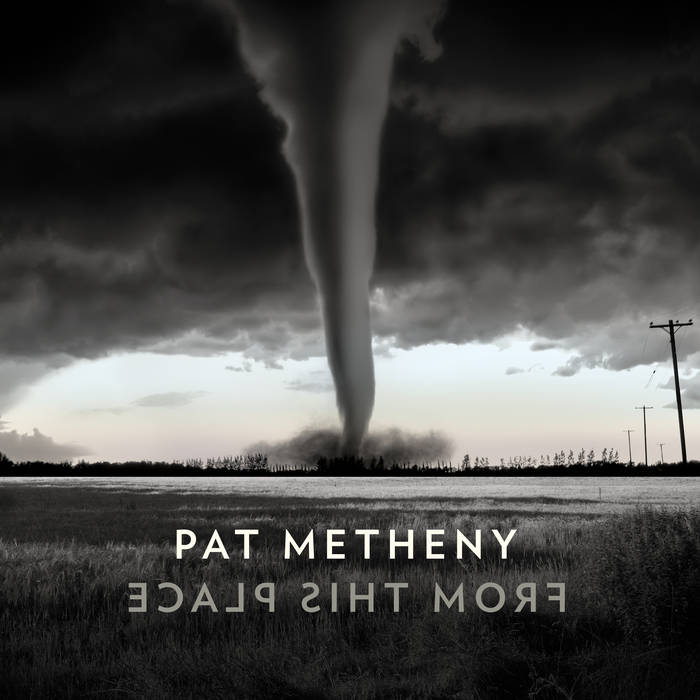
Pat Metheny, From This Place: State of the art jazz composed and performed at the highest level, this is a unified work of formidable emotional range and intelligence: instantly accessible, inescapably substantial — and above all, incredibly moving. Metheny, pianist Gwilym Simcock, bassist Linda May Han Oh and drummer Antonio Sanchez ride the exhilarating ebb and flow of ten new tunes, their rich interplay locking together with sumptuous orchestral overdubs for awe-inspiring, high-intensity results. From This Place communicates like mad; confronting knotty, pensive questions of culture, identity and hope, it’s also a deeply satisfying culmination to Metheny’s career-long pursuit of transcendence — music both of its time and potentially timeless, gripping at first acquaintance, deepening its impact with every further listen.
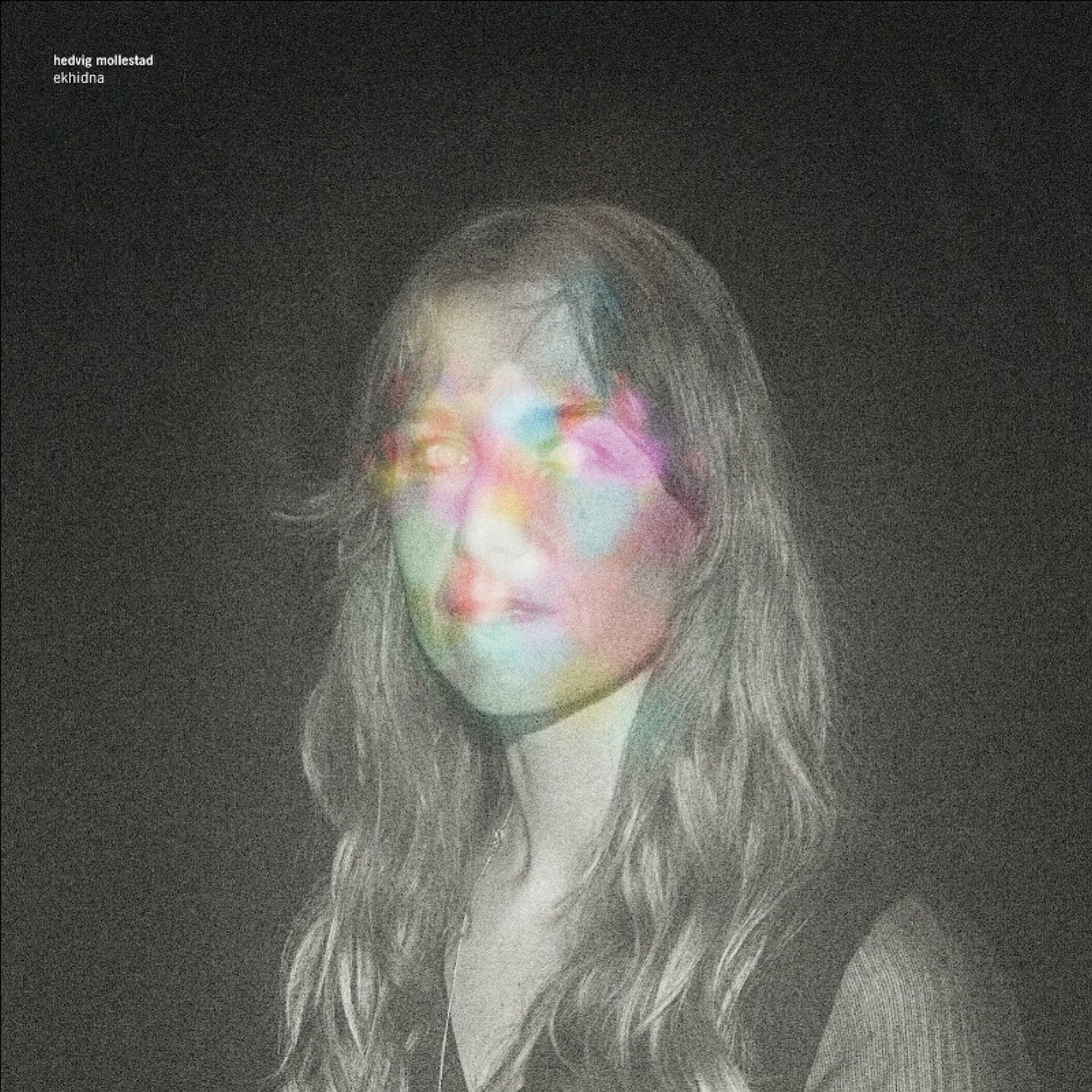
Hedvig Mollestad, Ekhidna: The Norwegian guitarist takes her incandescent blend of heavy rock and avant-garde jazz to the next level, triumphantly meeting the challenges inherent in writing for a bigger band and a broader sonic palette. Ekhidna is a bracing blend of tumbling rhythms, killer riffs and brain-bending improv that goes down remarkably smooth, but leaves a fiery aftertaste. Writing for an accomplished sextet of players, Mollestad’s new music doesn’t avoid the expectations raised by its evocation of Miles Davis’ Bitches Brew, sometimes confronting classic genre strategies head-on, sometimes blithely subverting them. Named for the she-dragon of Greek mythology (also called “the mother of all monsters”), this album is monstrous in the best sense — a musical rollercoaster ride suffused with heat, light and heart, recombining the raw materials of jazz-rock and extending its reach into realms of vast new potential. A real breakthrough, and Mollestad’s best effort to date.
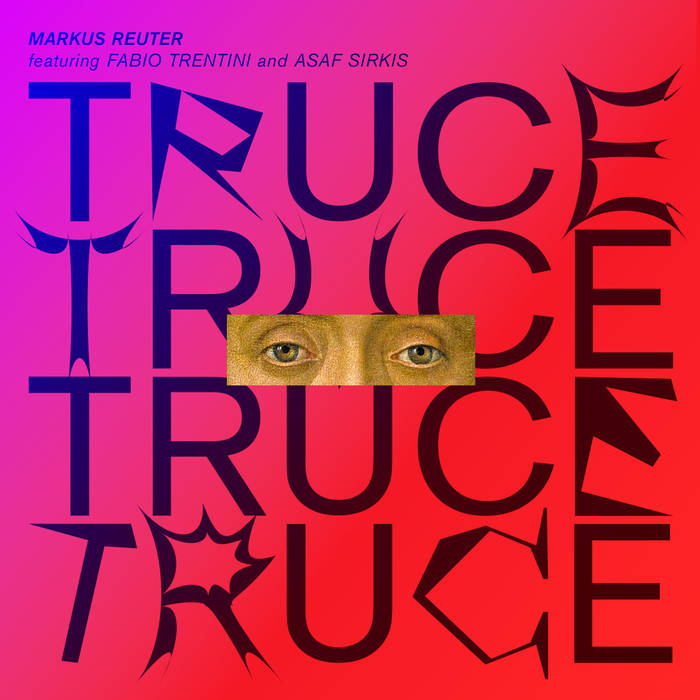
Markus Reuter, Fabio Trentini and Asaf Sirkis, Truce: Utterly bracing, a cold slap in the face that kicked off 2020 in the best way possible. Recorded live in the studio on a single day by touch guitarist Reuter, bassist Trentini and drummer Sirkis, this is the unfiltered, mind-boggling sound of three virtuosos throwing caution to the winds and just going for it. From start to stop, the music they make is unbeatably heavy, head-snappingly varied, and vividly compelling — whether on the searing stomp of a title track, the brutal mid-tempo funk of “Bogeyman”, the abstract balladry of “Be Still My Brazen Heart”, or the Police-ified dub freak-out of “Let Me Touch Your Batman”. Listening to Truce is an hour-long thrill ride with tons of substance to chew on — one you need to experience for yourself, more than once.
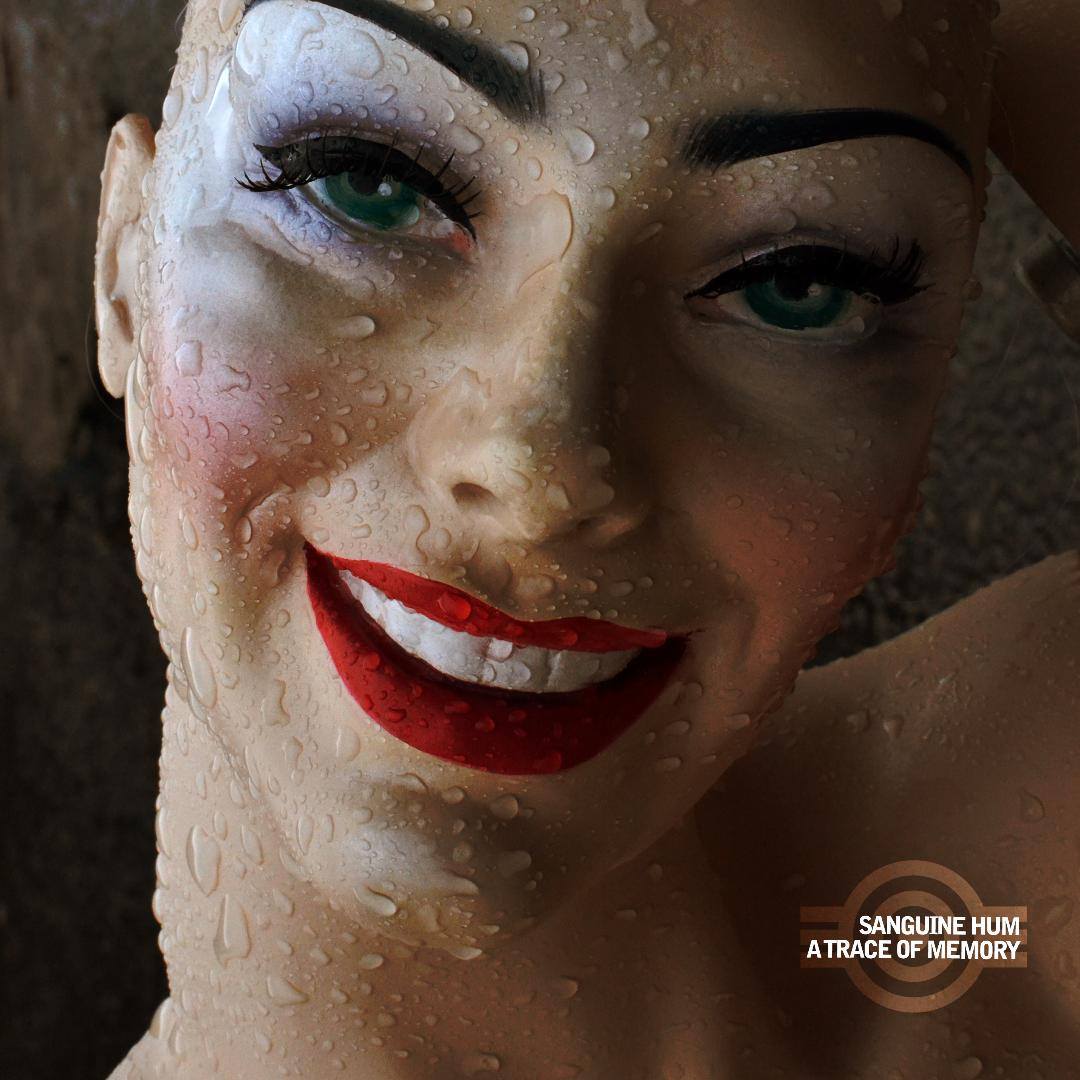
Sanguine Hum, A Trace of Memory: Rarely does eccentricity sound so graceful as in the hands of Joff Binks, Matt Baber and Andrew Waismann. Sequenced as a seamless whole, the seven tracks on A Trace of Memory trace a playful trajectory; no matter the giddy succession of off-kilter riffs, the complex counterpoint of Binks’ guitar and Baber’s keys, or the intensity of the musical climaxes, the ebb and flow is consistently welcoming, yet always subtly stimulating. Freed from the broadly goofy, conceptual conceit of Now We Have Light and Now We Have Power, Binks can explore a more allusive lyrical style and spare melodic lines that soar instead of patter; less is definitely more in this context. Sanguine Hum has hit new heights here; listening to this album is like watching clouds travel unhurriedly across a clear sky, and it makes me smile every time. In 2020, this may be the closest you can come to hearing the harmony of the spheres.
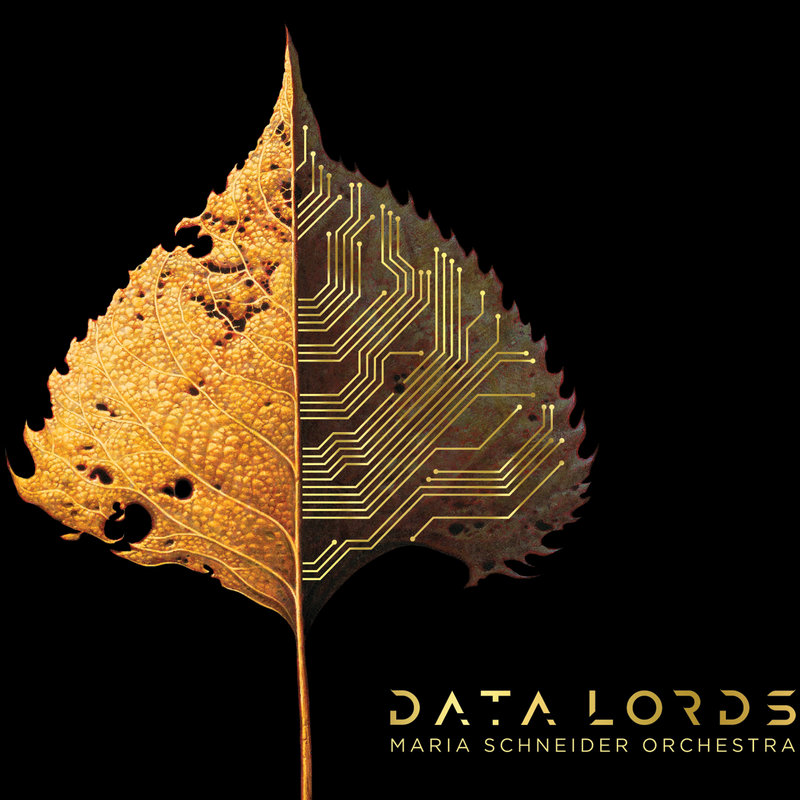
Maria Schneider Orchestra, Data Lords: There’s no question in my mind that composer Maria Schneider (based in jazz but embracing musical terrain beyond category) and her orchestra have reached a new artistic pinnacle on this album. Conveying both the bleak potential of online life blindly lived and the bounteous beauty of the life around us we take for granted, Schneider conjures up slow-burning tone poems that, as they catch fire, blaze with fear and dread — but also with hope and joy. Throughout there’s a symphonic sweep, a supple rhythmic foundation and a seamless flow of inexhaustible melody; Schneider’s compatriots inhabit and animate her music with dedicated unity and thrilling improvisational daring; and the high-definition sound lovingly unfolds all of the music’s sophisticated, profoundly moving beauty with breathtaking clarity.
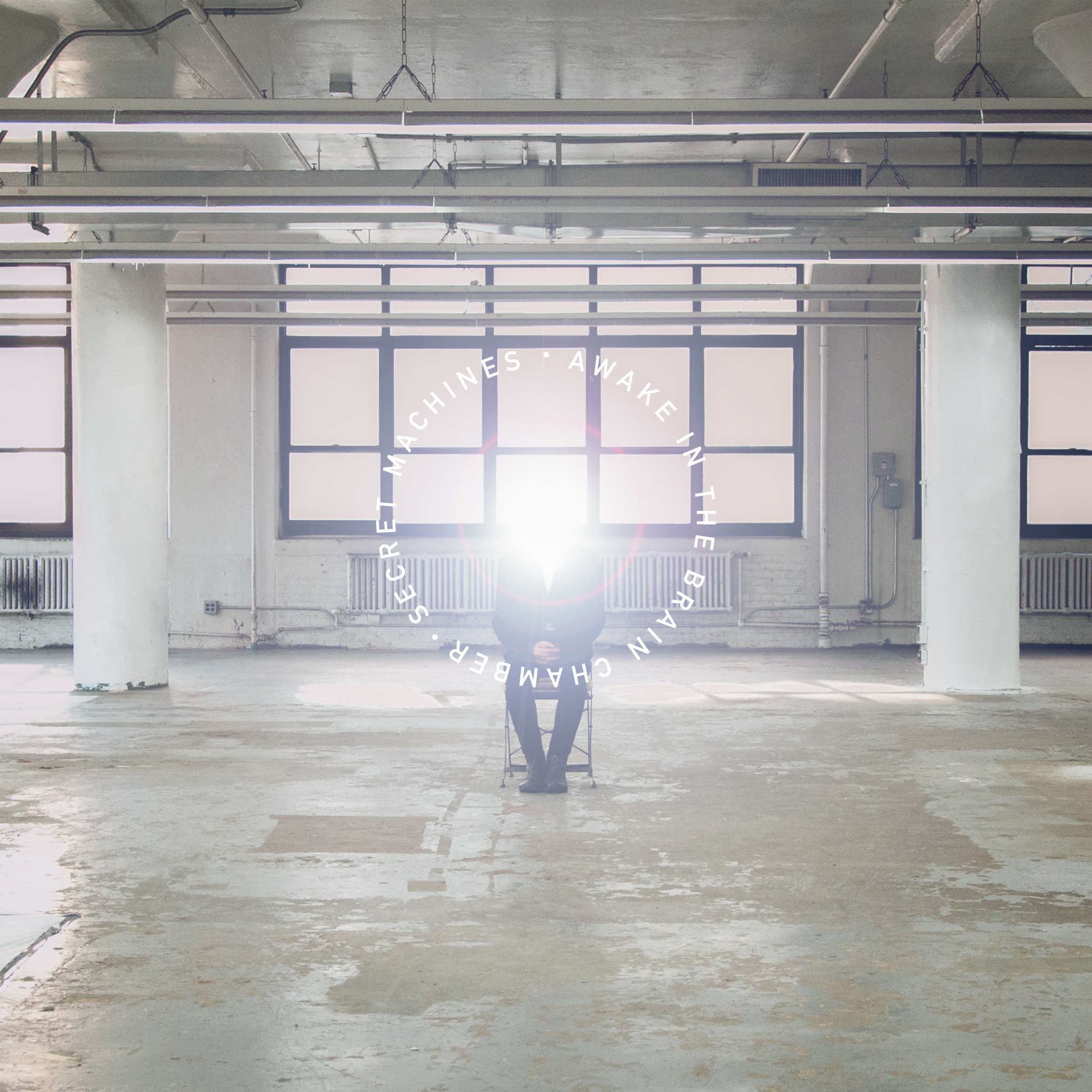
Secret Machines, Awake in the Brain Chamber: Way back in 2004, Secret Machines’ Now Here Is Nowhere was one of that year’s most compelling albums, a ferocious collage of droning space-rock riffs, rampaging Zeppelinesque grooves and unsettling, dystopian lyrics. A stalled major-label career and a revolving door of personnel dissolved the band’s momentum, capped by guitarist Benjamin Curtis’ passing in 2013 — but somehow, this magnificent beast is back. On Awake in the Brain Chamber, brother Brandon Curtis writes the songs and supplies keys, guitar and bass (as well as his patented, heartbroken vocal sneer) while drummer Josh Garza fills all available frequencies with his customary thunder. Whether they’re uptempo sprints (“Dreaming Is Alright, “Everything’s Under”), widescreen ballad-paced crawls (“3, 4, 5 Let’s Stay Alive,” “So Far Down”), or determined drives into the middle distance (“Talos’ Corpse,” “Everything Starts”), these eight taut, sharp tracks hit the sweet spot between hard rock and modern-day psychedelia — tight, mesmerizing, absolutely exhilarating. This one will get your blood flowing.
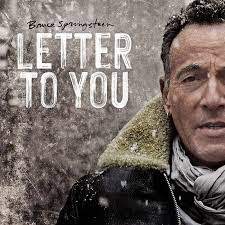
Bruce Springsteen, Letter to You: As his career trajectory flared, climbed, peaked, then settled into the long tail of legacy-rock stardom, Springsteen never really stopped exploring his core concerns: the ins and outs of freedom and community, their costs and their consolations. The good news here is that Letter to You digs deeper, pondering the price of escape, love, friendship, loss, grief and jubilation, remembering friends now dead, reviving songs once abandoned. When Bruce has something big to write about, he can cut straight to your heart, even from a secluded home studio in deepest New Jersey, and he’s done it again here. With the E Street Band on fire behind him, Letter to You could be the basis of a tour to top them all for Springsteen; but even if that never comes to pass, this album is something special, a hard-rocking reminder that yes, our days on this earth are numbered — but also that love is strong as death.
Three Colours Dark, The Science of Goodbye: This new collaboration between vocalist Rachel Cohen (Karnataka, The Reasoning) and keyboardist/guitarist Jonathan Edwards (Karnataka, Panic Room) proves elegant, introspective and strangely irresistible; there’s brooding power to the music and a darkly compelling lyrical vision to match. Lured by Edwards’ lush, disconcerting settings into Cohen’s brave, quietly harrowing narratives of pain, bewilderment, and self-doubt, you wonder how you’ll make it out — which makes the album’s cathartic finale even more delicious. From claustrophobic onset to the inspiring end, The Science of Goodbye rings true as both testimony and art, as Three Colours Dark follow the light that seeps through the cracks in everything to a new day.
and my favorite new album of 2020 . . .
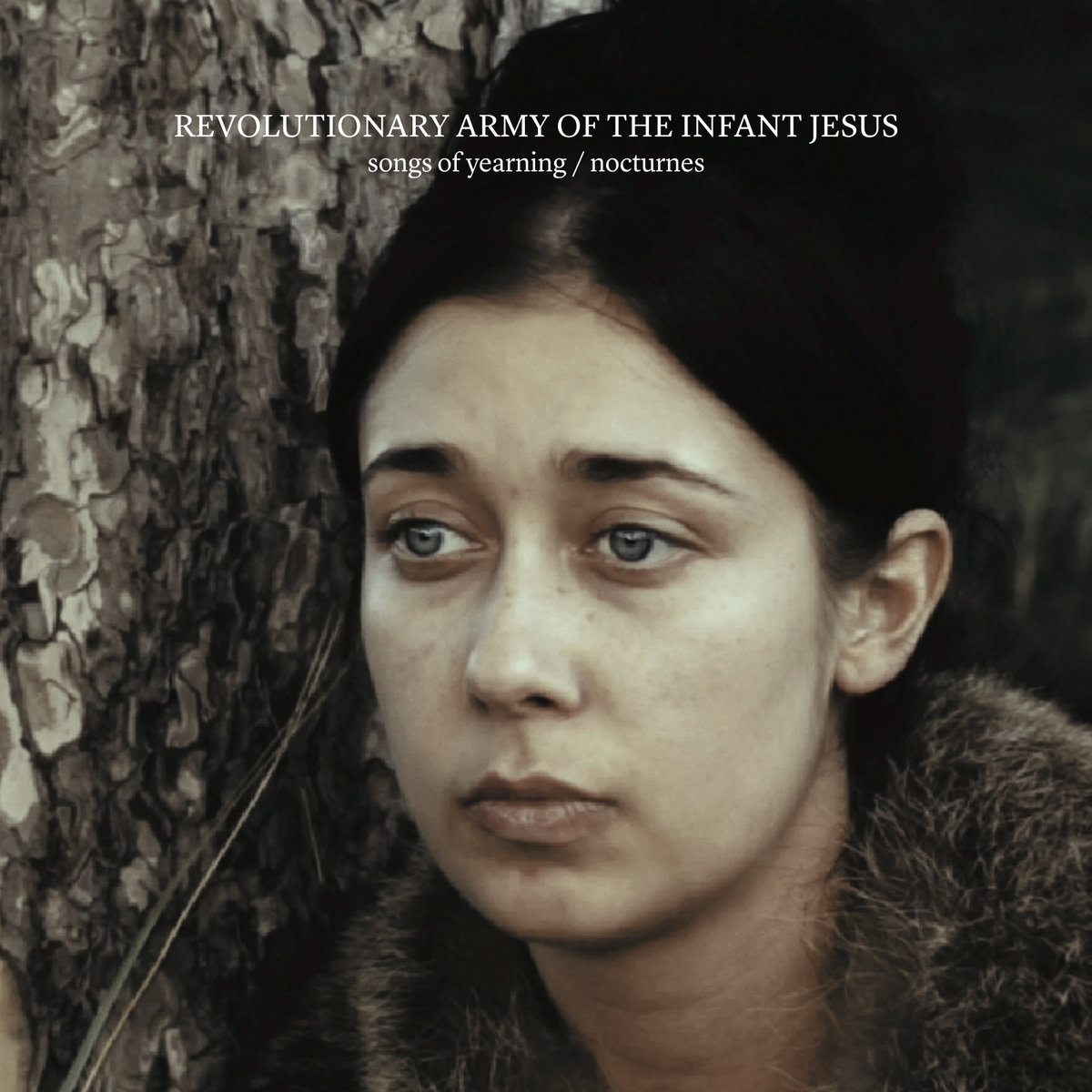
Revolutionary Army of the Infant Jesus, Songs of Yearning/Nocturnes: I have never before heard anything quite like this album, and found myself returning to it all year. This loose creative collective from Liverpool has pursued “echoes of the sacred” across three decades, striving to access sonic space where transcendence can invade a stiflingly measured-out world. Songs of Yearning and the limited bonus album Nocturnes (still available as a pair at Bandcamp) both stake out new territory where rumors of glory can run; brimming with rough-hewn beauty and deep mystery, pairing audacious scope with quiet, insistent appeal, this music is primal and postmodern in the same eternal instant. As the idols of prosperity and progress continue to totter around us, RAIJ’s latest feels like genuinely good news — a sacramental transmission from, then back to, the heart of creation.
This year, I’m starting off my “best of” retrospective with albums that aren’t technically “new” — compilations, live albums, reissues and (re)discoveries from previous years — that grabbed me on first listen, then compelled repeated plays in 2020. I’m not gonna rank them except for my Top Pick, which I’ll save for the very end. The others are listed alphabetically by artist. (Old school style, that is — last names first where necessary!) Where available, listening opportunities are linked in the album title or included below my summary via Bandcamp, YouTube or Spotify.
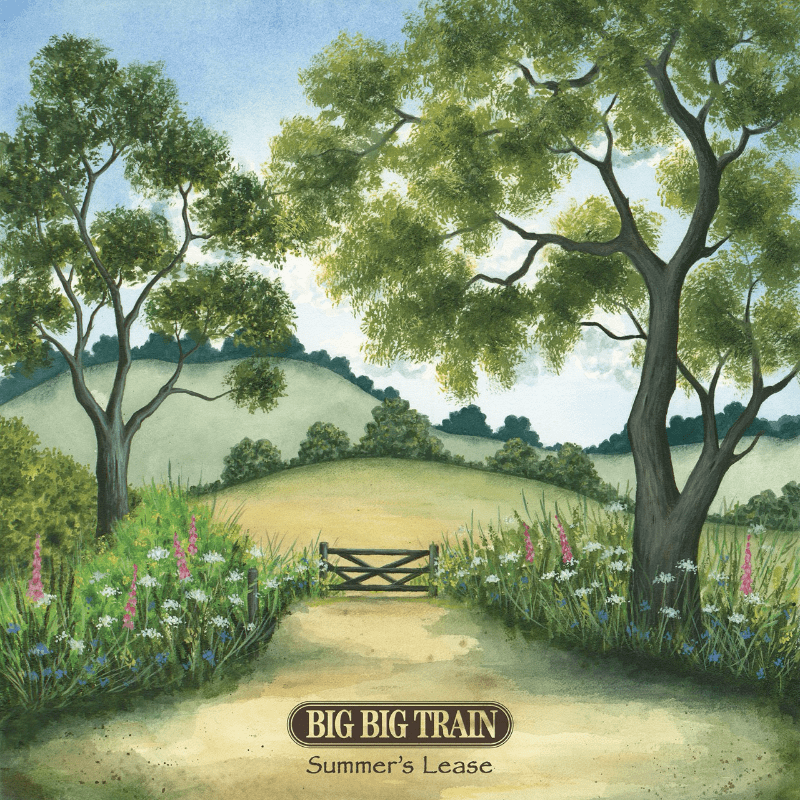
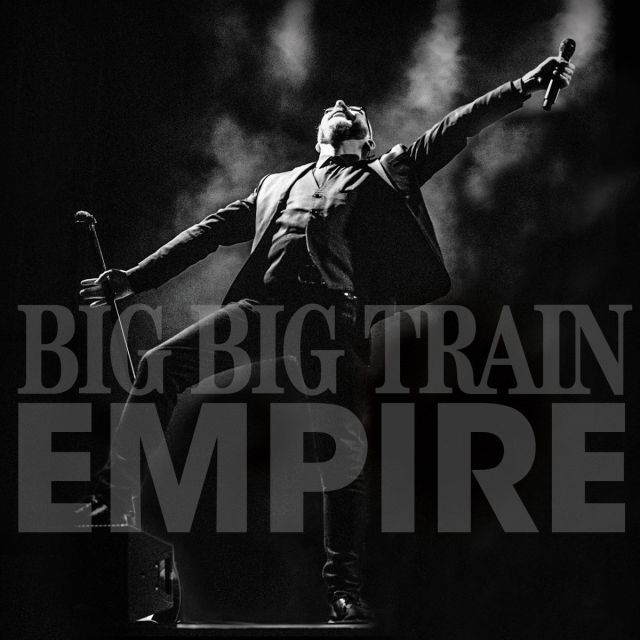
Big Big Train, Summer’s Lease (compilation)and Empire (live): This year, I’ve bought music from even more far-flung corners of the world than usual — including Big Big Train’s Japanese-only retrospective. Disc 1 features various rarities on CD for the first time: re-recordings old and new (including excerpts from my intro to the band, the Stone and Steel Blu-Ray), plus the “London Song” sequence from Folklore in all its sprawling glory. Disc 2 leans into the post-Underfall Yard era with a solid mix of epics and, um, shorter epics, plus an unreleased instrumental as dessert. It’s all impeccably curated, and (in retrospect) a fitting capstone to the work of recently departed Train crew Dave Gregory Rachel Hall and Danny Manners. In a similar fashion, Empire is a fond farewell — the last concert played by this incarnation of the band (including Cosmograf’s Robin Armstrong) before COVID-19 killed off their first-ever North American tour. Which makes the entire show, brilliantly performed as always, even more poignant, from the rocket-fueled opener “Alive” to the romantic, spiraling coda for the best version of “East Coast Racer” yet. Sorry, there’s something in my eye . . .
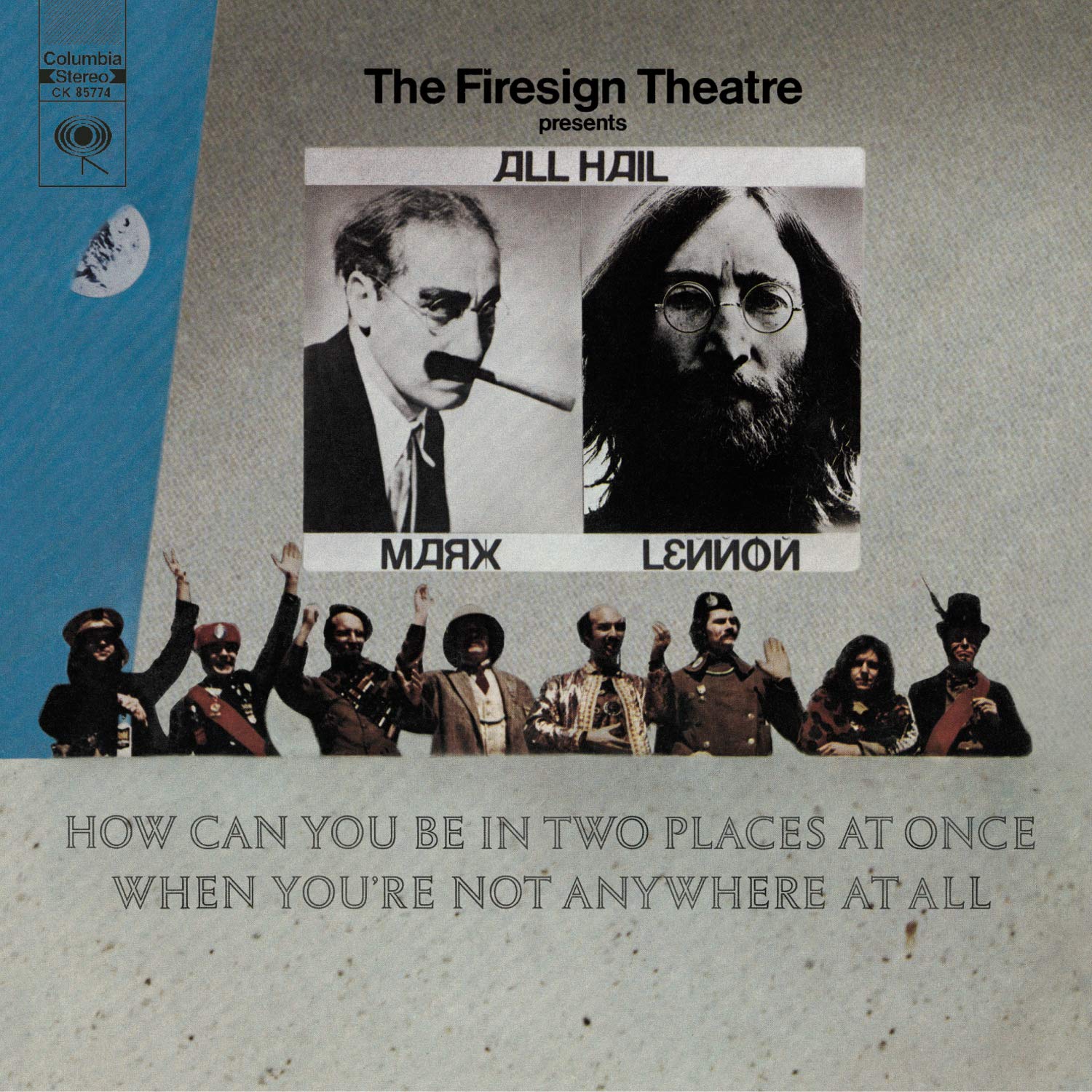
The Firesign Theatre, How Can You Be in Two Places at Once When You’re Not Anywhere At All(rediscovery): This spring, my big brother Bob pointed me back to this 1969 classic — quite possibly the single most insane comedy album ever recorded. The half-hour long title track’s surrealistic road trip morphs into a wickedly irreverent (yet oddly touching) patriotic pageant, with stopover cameos from Lewis Carroll and James Joyce; “The Further Adventures Of Nick Danger,” memorized and mimed to by me and my roommates back in college, is a hallucinogenic smoothie of hardboiled detective drama, time travel and the Beatles’ White Album. “Wait a minute — didn’t I say that line on the other side of the record?” Believe me, you need to find out.
Pat Mastelotto and Markus Reuter, FACE (discovery): My New Year’s resolution was to become a MoonJune Music subscriber through Bandcamp; twelve months later, it’s still one of the best musical decisions I made. In recent years, touch guitarist Reuter has become a major contributor to Leonardo Pavkovic’s ongoing quest to “explore and expand boundaries of jazz, rock, ethnographic, avant, the unknown and anything between and beyond,” frequently joined by King Crimson drummer Mastelotto (his partner with Tony Levin in Stick Men). The 2017 FACE (not actually on MoonJune) stands out in the duo’s catalog: a single, 35-minute instrumental travelogue that swiftly spans the globe and its myriad rhythms, aided and abetted by Steven Wilson and associates of David Lynch, Tool and the Rembrandts. Blink with your ears and you’ll miss the transitions from theme to theme and place to place; this one both demands and thoroughly rewards my attention every time. Hopefully, the excerpts linked above will convince you — don’t hesitate to hop on board!
The Neal Morse Band, The Great Adventour Live in Brno (live): every bit as impressive as when I saw this show in Detroit the same year, the NMB’s concert take on The Great Adventure is even tighter, more driven and more finely honed than the studio version. Kaleidoscopic contrasts of rhythm, instrumental color, vocal textures (mainly from Morse, guitarist Eric Gillette and keyboardist Bill Hubauer) and tonality mesh effortlessly with drummer Mike Portnoy and bassist Randy’s George’s badass forward propulsion, mirroring the lyrical highs and lows of the journey to John Bunyan’s Celestial City. The result is sustained, extended, unforced ecstasy in the Czech audience, capturing how Morse’s recent work embodies the ongoing ideal of American revivalist religion. A journey worth taking, whether you caught this in person or not.
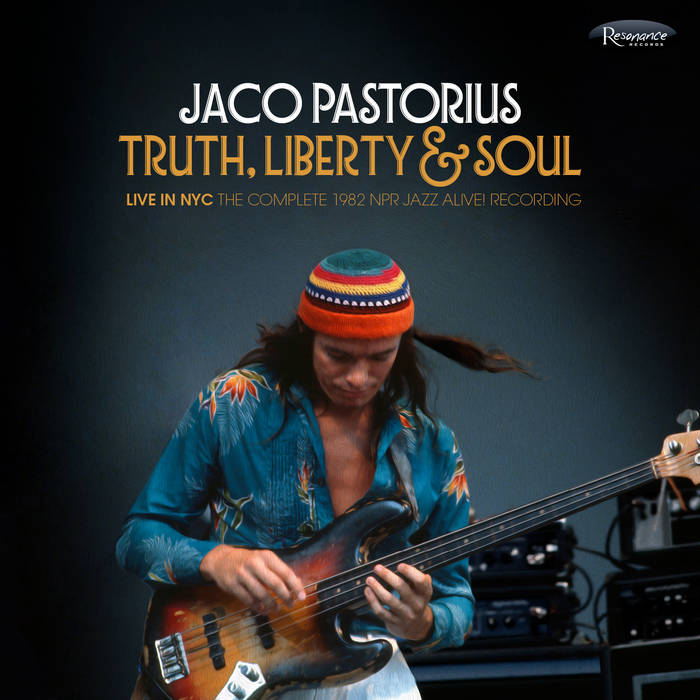
Jaco Pastorius, Truth, Liberty and Soul: Live in NYC(live, archival, discovery): 2020 was the year I came across Resonance Records, where “jazz detective” Zev Feldman has been unearthing incredible archival treasures for nearly a decade. Jaco Pastorius single-handedly revolutionized electric bass playing in the 1970s; this 2017 release captures him in 1982, fresh from his boundary-busting stint in jazz-rock titans Weather Report. Fronting a big band of great players — the best New York horns, the drum/percussion duo of Peter Erskine and Don Alias, Othello Molineaux on steel pans and harmonica virtuoso Toots Thielmanns — Pastorius mixes classic tunes with his own soulful writing. It’s a mighty, bubbling noise — jazz, funk, rock, reggae, swing and more, with a groove that never stops and heart behind the flash. Irresistible for anyone with a pulse!
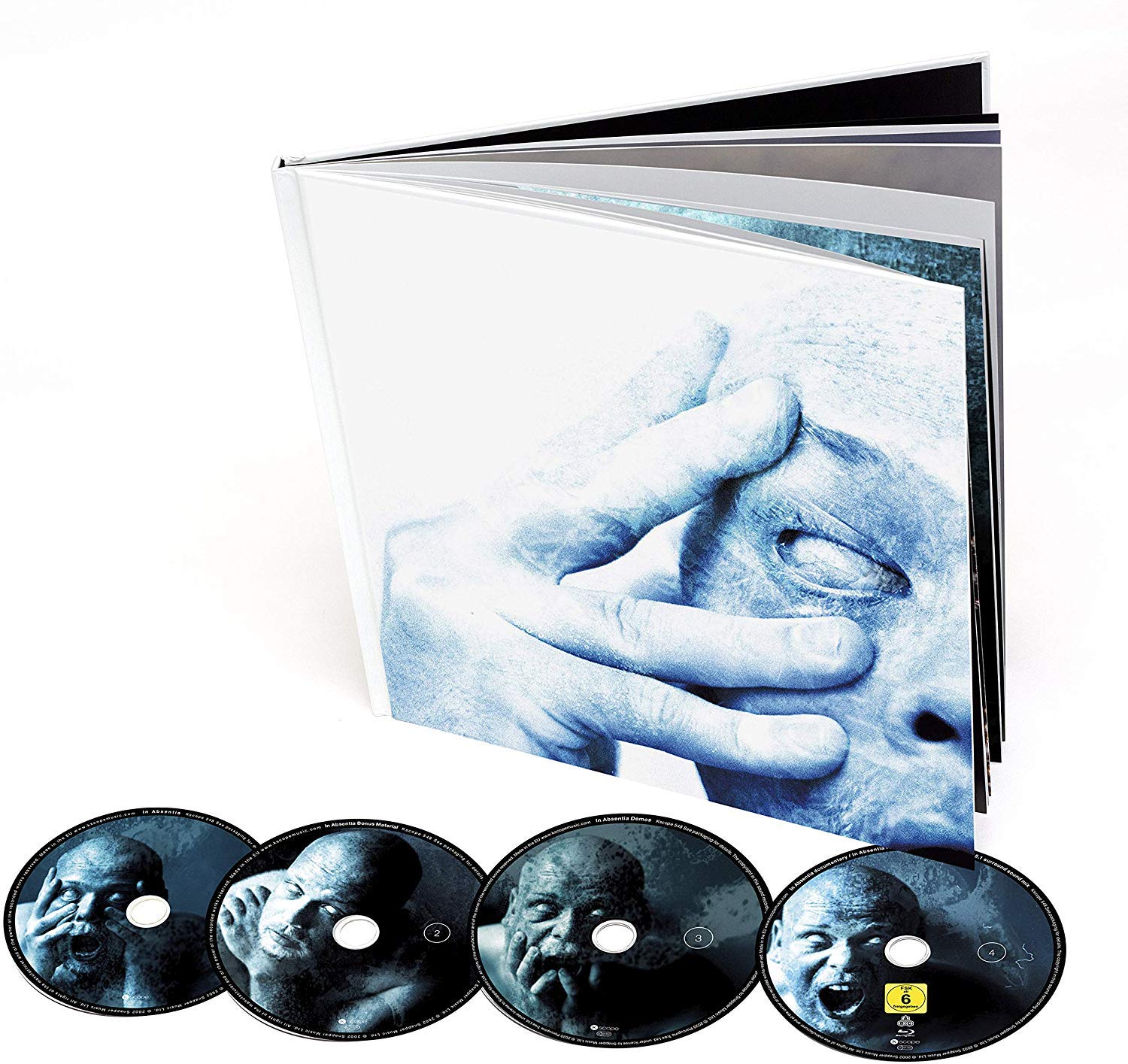
Porcupine Tree, In Absentia(deluxe reissue): Not the Porcupine Tree album that hooked me (that was Deadwing, promised its own deluxe box next year) but, looking back, my firm favorite of the band’s late period. Freshly signed to the American label that brought us Trans Siberian Orchestra, Steven Wilson and company made the polar opposite of a sentimental holiday album, focusing on the inner motivations of — serial killers? What makes that work? Well, how about: the full-on debut of Gavin Harrison’s stylish, rhythmically slippery drumming; Richard Barbieri’s off-center, arresting synth textures and solos; Colin Edwin’s relentless, incomparably steady bass workouts; Steven Wilson’s reignited love of metal slamming up against the songcraft developed on Stupid Dream and Lightbulb Sun, as well as a fixation with Beach Boys-tinged harmonies? Oh, and a clutch of superior tunes that became perennial favorites, both on the main album (“Blackest Eyes,” “Trains,” “The Sound of Muzak”) and the bonus disc (“Drown With Me,” “Futile”). Add in subtle yet superb remastering and you have a near-perfect example of how these boxes should be done.
Pure Reason Revolution, The Dark Third (reissue): At a time when progressive rock’s troops were thin on the ground, PRR provided reinforcements — and a breath of fresh air. It’s still hard to believe a major label released The Dark Third back in 2006; the effortlessly evolving long-form suites, the sweet-and-sour pairings of lush soundscapes and jacked-up beats were a vivid variant on Pink Floyd’s classic palette that turned the bass and drums up to 11. Jon Courtney, Chloe Alper and their cohorts weave the webs of melody and harmony; Paul Northfield’s co-production brings out the cavernous bottom end. The new bonus disc includes both the intriguing student work that led to Sony signing PRR and outtakes that showed up in different forms on later albums. Always an booming, blissed-out listen, now more inviting than ever.
Tears for Fears, The Seeds of Love (reissue): A marvelously all-over-the-place, widescreen record. Unabashedly pop but also fearlessly expanding the TFF sound into psychedelia (the title track was everywhere back in 1989), soul (big shout-out to Oleta Adams and Tessa Niles, who pushed Roland Orzbaal and Curt Smith to new vocal heights on “Woman in Chains” & “Swords & Knives”), jazz (Nicky Holland & Adams serve up stunningly tasty piano), world music (Jon Hassell’s superlative trumpet on “Standing on the Corner of the Third World” & “Famous Last Words”) and even a touch of prog-funk on “Year of the Knife.’ The squeaky-clean remaster (plenty of headroom and dynamic range) is dandy, but if you need more, the super-deluxe set linked above includes some dynamite rehearsal recordings.
and my Top Pick . . .
Ella Fitzgerald, The Lost Berlin Tapes (live, archival): My recent listening has tacked in the direction of mainstream jazz; if I had to speculate as to why, I’d say I might be looking for less tension and more release during my unobligated time. But what’s on offer is a factor as well. Instead of baking sourdough bread or taking up acoustic guitar during the time of COVID, it’s as if jazz musicians and aficionados have all dug deep in their closets and simultaneously unearthed long lost vintage recordings — which record companies eager to fill their distribution pipelines have snapped up and launched into the wider world.
This, in my view, is the best of that harvest: an astounding, life-affirming 1962 concert buried in the archives of Ella Fitzgerald’s manager until now. Ella and her fellas (Paul Smith on piano, Wilfred Middlebrooks on bass, Stan Levey on drums) are at their absolute peak, in tune with each other and with an extroverted, enthralled Berlin audience. Every note of this concert radiates warmth and inner joy, even when the mood darkens on torch songs like “Cry Me A River” and Billie Holiday’s “Good Morning Heartache.” And when Ella swings on “Jersey Bounce,” jumps on “Clap Hands, Here Comes Charlie,” digs into Ray Charles’ “Hallelujah, I Love Him So” (resulting in an immediate, complete encore!), then breaks into her trademark scatting on “Mack the Knife,” well, she is unstoppable. I have had no finer feeling listening to music this year; whatever may ail your soul, I believe that The Lost Berlin Tapes are good medicine for it.
But wait, there’s more! Watch for my “new album” favorites from 2020 coming soon . . .
Back on March 20, Bandcamp waived its share of all sales, in order to support artists whose livelihoods were effected by the COVID-19 pandemic (especially because of cancelled live shows and tours). The results were astonishing: $4,300,000 in sales of downloads, CDs, LPs and merch, 15 times a normal Friday’s take.
On May 1, June 5, and July 3 (the first Friday of each month), we’re waiving our revenue share for all sales on Bandcamp, from midnight to midnight PDT on each day.
(Over 150 artists and labels are offering discounts, exclusive items, merch bundles, and more this Friday.)
It may sound simple, but the best way to help artists is with your direct financial support, and we hope you’ll join us through the coming months as we work to support artists in this challenging time.
And, in case you’re wondering, there’s tons of recorded goodness available at Bandcamp from these Progarchy-favored artists:












 Progarchy