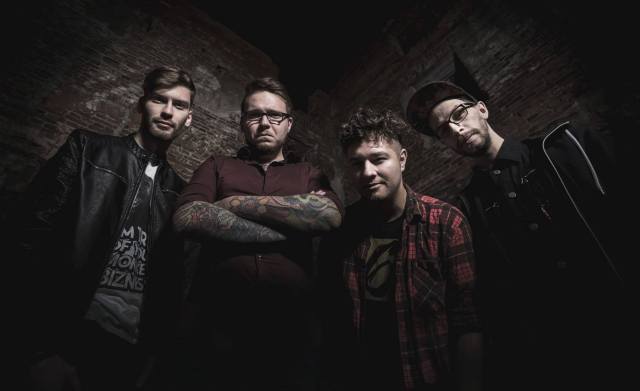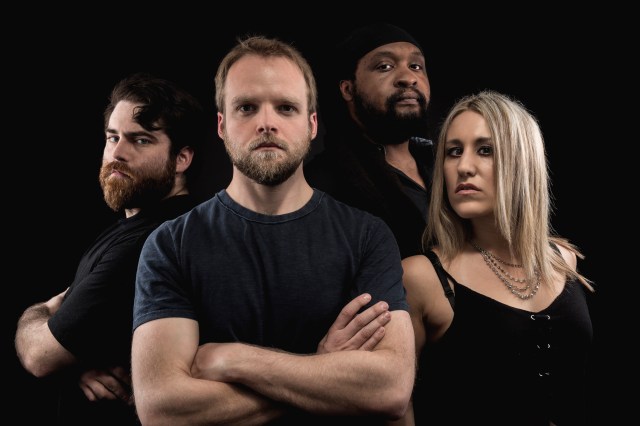
Interview with Graham Bacher of Protean Collective

Protean Collective

Prog metal act Protean Collective is one of those bands for me whose name I’ve been seeing around the web but never gave them a proper listen, until few weeks ago. I was contacted by the group’s publicist, who was very ambitious about the four-piece’s most recent, third studio album “Collapse,” and who insisted that I should check the Boston-based group out.

And so I listened… With four releases under their belt (one of them being an EP) since 2010, it’s quite easy to notice that these three guys and a girl know their craft. It can be said that each of the ten songs on “Collapse” is a gem per se; the album was released last year but the group is still promoting it, with the release of a playthrough video which was launched a few weeks ago.

I talked with guitarist and singer Graham Bacher about this new album — which, by the way, was mixed and mastered at Fascination Street Studios by André Alvinzi and Jens Bogren, respectively.

Let’s start from your early music beginnings. How did your musical career begin? When did you start playing? Which groups have been your favorites as a young man? Please tell us something more about your early life.

Well, I first started playing violin when I was about 6, and played acoustic and electric violin through my teens, but as time went on, I got much more into the sounds and textures of the guitar. It felt like an instrument that I was more free to experiment with and really be creative.

I’d say the first bands that really got me excited about playing music were the 90’s bands like Soundgarden, Alice in Chains, the Smashing Pumpkins — and then in high school I started discovering bands like Porcupine Tree, King Crimson, Rush, and Pain of Salvation who really turned music from a hobby to a kind of obsession. Those are all bands that have been huge influences on me as a musician. Of course, while we do have a lot of common musical interests, I think everyone in the band has a pretty wide array of influences.

Graham Bacher

How did you go about forming Protean Collective? Who was the most influential when the band started its musical journey?

Matt [Zappa, drums], Steph [Goyer, guitars], and I all became good friends in our first year of college but never really played together. Sometime late in our first year there, we all got in a room together to jam, and I think it was a kind of amazing moment, where we all realized that we had some really special musical chemistry together. I’m not really sure who was the most influential — I think it was just something we were all really excited about and we really worked together on it.

In the beginning, did you have some “fixed” tempo in composing songs or everything was a product of jamming, improvising?

We always have been this way, and probably always will be to some degree, but everything was very fluid in the beginning. Someone might come in with a riff or a beat or a melody and we’d just play off it until we were all excited about it. I think later on, on the last two albums, there are a few songs that we’ve gone into thinking that we were going to go for a particular feel or effect on the listener, but writing for us has always been a very collaborative process. In the beginning, I think the improvisational nature was very apparent, with more meandering song structures; over time, I think we’ve gotten more direct and concise with our writing, but the collaboration is always an integral part of what we do.

How would you describe Protean Collective’s music on your own?

First I would grimace because I’m absolutely terrible at answering that question. I don’t feel like I’m emotionally separated enough from the music to really have perspective on it, so I’d LOVE to hear how you’d describe it.

But ultimately, what we try to do is create powerful music that meshes the aggressive energy of metal with powerful melodies and a great deal of dynamic depth. When we use progressive elements in our music, it’s to create a certain effect on the listener. I hope that each song it’s it’s own journey.
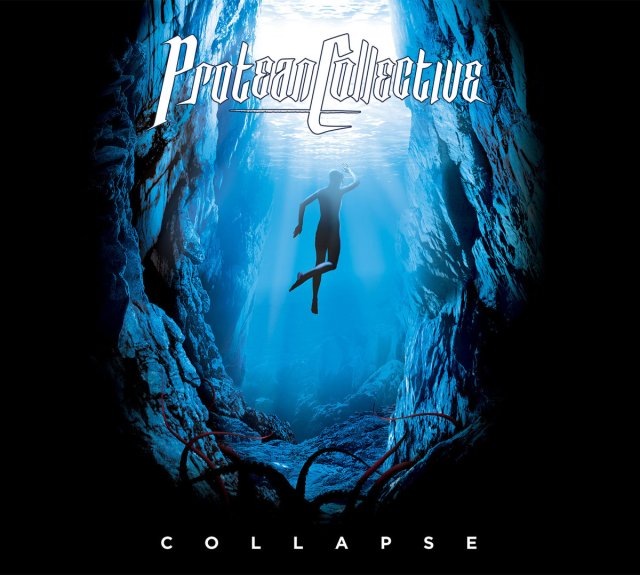
Protean Collective - Collapse

Your most recent full-length album, “Collapse” (2017), is a follow-up to 2010’s debut full-length “Divided” and 2014’s “The Red and the Grey.” Have you felt any pressure while working on “Collapse” because of that in terms of coming up with something that’s sort of expected to be better than the first two efforts?

It absolutely was for me, because “The Red and the Grey” is an album I was very proud of. We put a lot of time, energy, and love into making that record be the best album we could put out, and I think it was the first musical project for me that, after the lengthy process of writing, tracking, mixing, and mastering, I was still excited to listen to. For me personally, it was written during a very challenging time mentally, so I think it felt especially meaningful.

At the same time, since we were self producing, that took some of the pressure off, just because we were free to make sure that we had something we were really proud of and happy with before releasing it into the world — and in the end, I have to say I absolutely couldn’t be happier with how “Collapse” turned out.

What has changed for Protean Collective when it comes to writing new music — “Collapse” in particular?

Well, as I alluded to earlier, the general process has really stayed the same, but I think with Collapse in particular, we were really leaning towards creating more focused, powerful songs than ever before. So I’m not sure the process itself has changed so much as I just think we’ve grown a lot as writers and maybe what we’re trying to accomplish with each song has changed. I think and hope that our writing will always continue to evolve as we continue to write.

What would you say is the most important segment for the structures of your songs?

To me, it’s got to be the choruses. There are a lot of structures and moving pieces that go through our songs, but the choruses are where I feel like it all comes together into a unified message that connects all the pieces together into a coherent construct.

How do you see the modern progressive metal scene?

I think this is an absolutely amazing time to be a musician. I think now, with the ability nearly anyone can have to record professional sounding music, there are an unprecedented number of people who are free to create music in a way that wouldn’t have been possible 15 years ago. There are so many amazing musicians out there creating so much amazing music that it’s absolutely inspiring to see. There’s so much variety of music out there that really, I’m not sure if there’s any one real sound I could even nail down as defining a modern progressive metal sound, but I think there’s a tremendous amount of people out there who are trying to do something new and make music that is their own, and I love it.

Do you guys consider yourselves a part of any specific cultural movement, however peripheral?

I don’t think so in particular. We’re about making music we feel strongly about, and that’s the focus.

Are you also involved in any other projects or bands beside Protean Collective?

I’m not, personally. Matt also plays in an amazing band called Walter Sickert & the Army of Broken Toys.

What comes next for Protean Collective?

More shows! We’re hoping to get out there and share what we have with as much of the world as possible. Right now we’re very much in the mode of getting “Collapse” out there to as many listeners as we can. This is an album that I’m really passionate about, and I really just want to get to share it with as many people as we possibly can.

Thank you for the time and for listening!


Visit Protean Collective on Bandcamp, and follow them on Facebook and Instagram.

Protean Collective is:

Graham Bacher – vocals, guitars
Dan Ehramjian – bass
Steph Goyer – guitars
Matt Zappa – drums, percussion
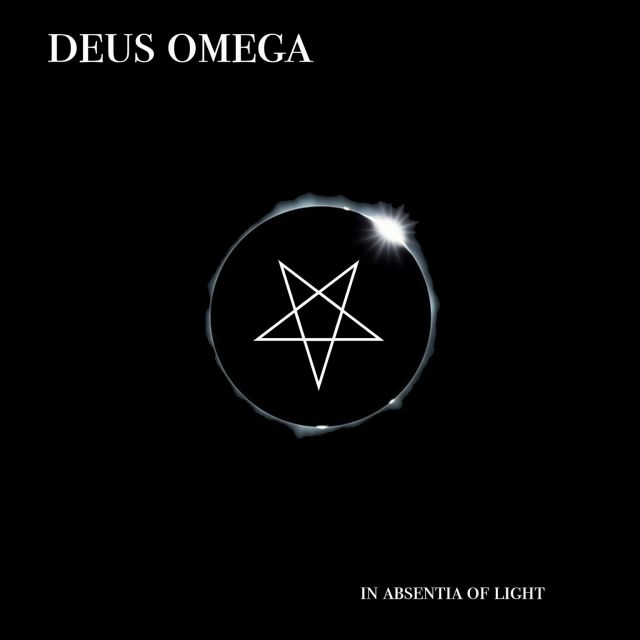
Review: Deus Omega – In Absentia of Light

Deus Omega - In Absentia of Light

The Sydney-based Progressive Death/Black Metal project Deus Omega — managed by singer, multi-instrumentalist and producer Alex Moore — released its new album titled “In Absentia of Light” on March 20th. It includes, wait for it, whooping 23 songs in total, and remains true to the project’s genre description which borders on experimental in every kind of meaning. Sudden rhythm changes, crushing guitar riffs, combination of growl, scream and clean vocals, and blast beats are some of the parts that make up this release. 

Whole album has a cinematic, dark vibe what is easily derived from the title. That also adds a bit of avantgarde to the mix. Moore’s vocals are outstanding, and they certainly deepen the atmosphere making everything more meaningful. The only remark here is the album’s length; not that I’m complaining but there is enough material here for three separate releases what just speaks about the talent of this Australian musician.

It is a good thing to see that Deus Omega is keen on exploring different elements in their music. “In Absentia of Light” is a success, and is truly one of the 2018 albums that surprised me the most so far. Hear it on Spotify.

Review: 23 Acez – Embracing the Madness

23 Acez - Embracing the Madness

Prog/Heavy metallers from Belgium, 23 Acez, have been around since 2010, and they have recently returned with their third album “Embracing the Madness.” Why the hell didn’t I know about them earlier? Now, thanks to the PR wire, I got a promo copy of the mentioned release, which is a real t(h)reat. 

The style that 23 Acez plays is pretty standard, comparing somewhat with more traditionalist ‘80s metal throwbacks, yet they manage to sound different and fresh when compared with a lot of the other bands that attempt to play in this particular style.

Benny Willaert’s vocals are gravely and rough, standing at the very center of the counter-tenor wails of Rob Halford and the husky baritone of Blaze Bailey. During the choruses of such catchy anthems as “Cellbound” and “Embracing the Madness” the vocal work almost punches past the rest of the arrangement. While he doesn’t soar into the higher stratosphere in the manner that most in the genre do, he more than compensates with sheer power.

Although the voice alone gives this album a heavy yet melodic edge, the entire arrangement pounds the sonic threshold of the listener into submission. Whether its faster songs like or down tempo stomping machines, there is a consistent picture of a mighty fist slamming itself down on a stone table and commanding your undivided attention.

“Embracing the Madness” is a powerful statement from a band that is hungry to show what their abilities are, and according to this they have much more to offer. Grab this record, you’ll not regret.

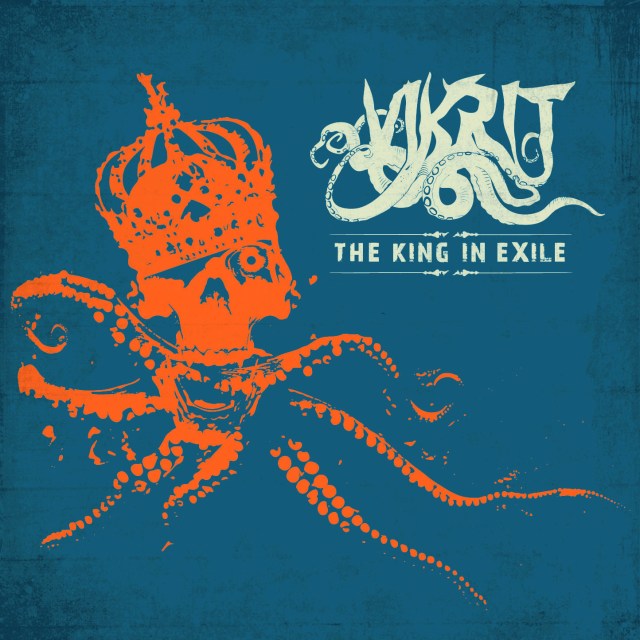
Review: Vikrit – The King in Exile

Print

Vikrit is a progressive metal band from India influenced by variety of different styles. The band has been together for over seven years, but earlier this year they put out their debut EP The King in Exile.

It could easily be said that Vikrit plays progressive metal with elements of heavy metal/hard rock and extreme take on the prog metal genre, and fans of likes such Lam of God, Pantera, Periphery, Mastodon, and Opeth are apt to find something familiar in their sound. Tracks generally consist of simple dominating metal chord patterns with more complex underlying melodies. Instead of focusing on technical musicianship, each track of The King in Exile attempts to evoke a certain mood or feeling – and it does this quite well. Most tracks revolve around a central musical theme, but they manage to repeat themselves without feeling repetitive. Though the music is never too heavy or too relaxed, it still manages to span a wide range of musical styles, with tracks that are equal parts dark, calm, angry and passionate. It is vibrant with emotional quality, and the music is very refined – The King in Exile certainly has a high production quality, and the members of Vikrit know how to complement each other well.

That is, in fact, the album’s greatest strength. The music and the vocals suit each other very well, and combine to create the emotional experience that is the album’s best quality. 

Ultimately, The King in Exile is very well made for what it is. While those who prefer more complex melodies won’t find it enthralling, it is clear that Vikrit’s members are quite talented, and the simple nature of the music is more of a stylistic choice than an indicator of poor musicianship. The King in Exile left quite a good impression on me. It is subdued but expressive, with little technicality but a lot of feeling.

The King in Exile is available from iTunes.

In the Passing Light of Day

So, Pain of Salvation makes a grand return to their metal roots — album does manage to pack more than adequate amounts of dissonance and melody. ‘The Beatles’ like undercurrents still remain intact. In short, along with caustic riffs and coarse vocals, we get more than subtle glimpses of blues rock — vividly expressed through the same old characteristic Pain of Salvation torment.

Drums run a tad out of phase with hardcore punk like riffs — effortlessly blending into those matching vocal screams — add those precise temporal switches and the rare combination of aggression with progressive metal harmony is complete.

Heavy and mellow – discordant and melodic – In the Passing Light of Day integrates not just sonic contradictions, but emotions uncomfortably fragile for heavy metal – “You’re watching me slowly slip away, Like the passing light of day, Watching our colors turning grey, Like the passing light of day”

Rated 5/5 – for that unparalleled experience.


Image Attribution:
By Selbymay [CC BY-SA 4.0], from Wikimedia Commons

Black Clouds & Silver Linings…& More

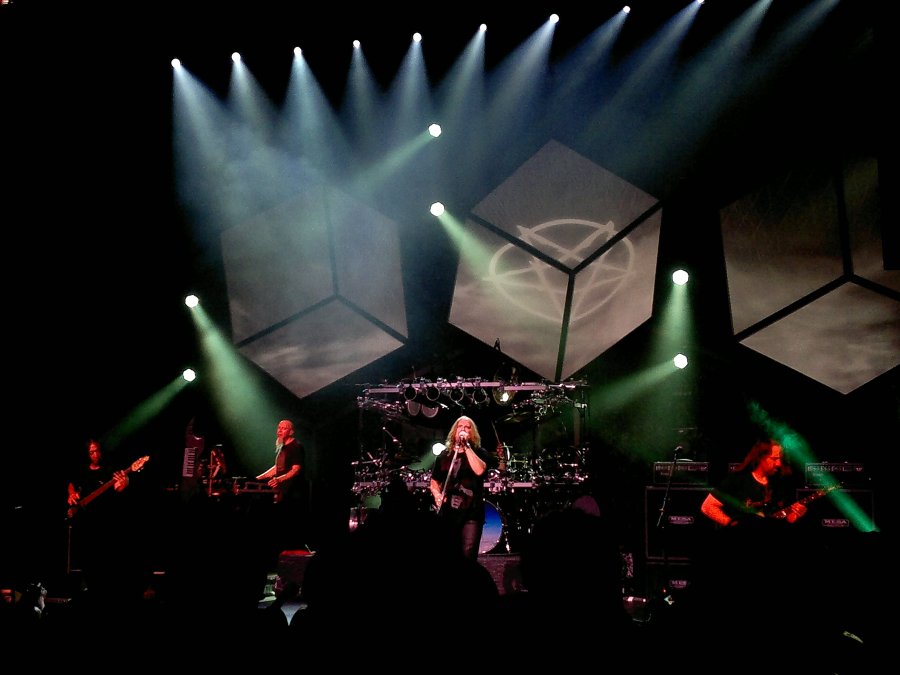
Five days of listening to Six Degrees of Inner Turbulence, another couple of days with Octavarium — no doubt, with this band mind is always in a great place. But, “just when I thought I was out…Bryan pull me back in”. Black Clouds & Silver Linings is the last Dream Theater album I thoroughly enjoyed. Always play it from start to finish – like how all progressive albums should be explored. On top of their usual run-of-the mill complexity; we get to hear some grungy riffs, narrative vocals, extended melodic passages and a violin. Essentially, it’s another astonishing display of Dream Theater School of craft.

Years ago I used to be a regular at this metal bar. The place had two categories of head-bangers — ones who resented Dream Theater, but admired Tool. Then there was the faction obsessed with the former, but at best indifferent towards Tool. Most of the Dream Theater critics were tripped by that brazen exhibitionism. Usual complaints include: they take themselves too seriously, or the band is mostly about Rudess and Portnoy sharing time slots whenever Petrucci takes a break. LaBrie is awfully off-pitch was also a rather popular opinion. Myung was generally spared from these searing insightful dissections.

Perpetually warring metal tribes aside, Tool is also a lot about that brazen self-indulgent exhibitionism. As much as these bands differ musically, they do share that striking quality. So it’s merely a question of choice – of your brand of pretentiousness. My preference is obvious, but more crucially, Dream Theater tickets are affordable.

Image Attribution:
————————
By dxburbuja [Public domain or Public domain], from Wikimedia Commons

Six Degrees of Inner Turbulence

From classical music to thrash metal, all within six degrees of musical separation. For Dream Theater, channeling this stunning wealth of influences is nothing novel. But, a concept album clocking 96 minutes and without any weak moments is extraordinary.

Covering the full spectrum from Overture to catchy choruses — “Are you justified, Are you justified —- Justified in taking, Life to save life”  — they comfortably elevate progressive musicianship to stratospheric levels. Layered passages with grinding riffs and complex time signatures — that sheer jazz like drumming with adequate doses of coarse and clean vocals. These drawn out compositions simply demand our undivided attention.

Within a world of carefully orchestrated concept albums, this level of spontaneity with elaborate structural progression is uncommon. In short, brazenly intricate and yet restrained, Dream Theater composes a rare aesthetic blend of metal and prog mindset. Musically and emotionally complex, Six Degrees of Inner Turbulence is a progressive epic even without attempting to be one.

Featured Image : Shot by yours truly (San Francisco, circa 2012)

Review: Choral Hearse – Mire Exhumed

ChoralHearse bandphoto72

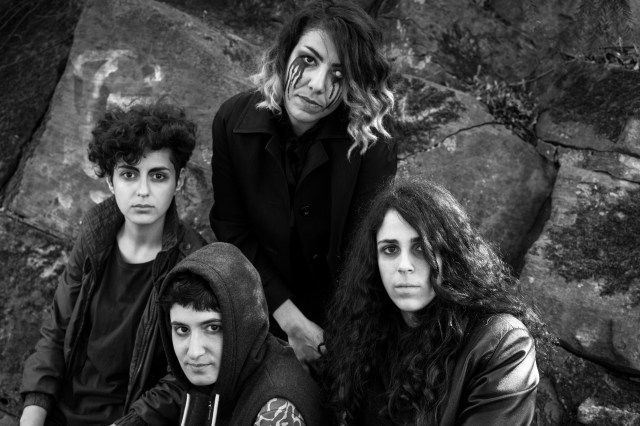
Here comes an album that really surprised me. Choral Hearse is a Berlin-based all-female four-piece who are having their debut full-length album “Mire Exhumed” released on April 16th. The group creates what they call Progressive Doom Metal, which is then impeccably mashed with Experimental Rock and Folk elements.

The album flows seamlessly from track to track, carrying the listener through dark and disturbing soundscapes. The opener, “Chronic Departure,” acts as the perfect overture to the album, opening with a very simple, ominous melody, then carrying that melody through a consistent, driving beat with singer Liaam Iman’s haunting vocals adding the third layer. In many ways, this track takes the primal beats, presents them to the listener, and then shows the ways in which they have been altered and developed to produce this record.

Continue reading “Review: Choral Hearse – Mire Exhumed”

Interview: ENCELADUS

Enceladus

Texas-based progressive metallers Enceladus have launched their second album titled “Arrival” a few days ago. In the interview below they tell us about this new release, but also about the metal scene, favorite records, and more.

Hey guys. How are you doing?

Hey there, we’re doing fantastic, thanks for having us!

You have just launched a new album entitled “Arrival.” How do you feel about the release?

Pretty stoked! Releasing music is always fun. I think a sophomore album release is quite a milestone, showing the world that we have a lot more to offer! We added a few new elements to this album, so were excited to see how it’s received.

Enceladus - Arrival

How much of a challenge was to put these songs together?

There wasn’t much of a challenge putting the songs together. Some come together easier than others, however. For instance, Universal Century was written in about an hour. We record the songs in our own time, so we’ve had enough time to let the songs breathe a bit before recording them.

What other artists similar to your genre that are coming from Texas are you friends with?

There are a number of good bands in a similar style coming out of Texas. We know some of the guys in Immortal Guardian, Aeternal Requiem, and Jessikill. I met them all in San Antonio actually. Its good to know there are bands getting that style of metal out there.

What is your opinion about the current metal scene?

The metal scene is great because I always feel like I’m in good company at a show or just talking about music. I feel there should be a wider audience and it should just be bigger overall though. Lets see some shows where just as many people come out for live bands as people do for computers! The more metalheads the better. [laughs] Id like to see more melodic power/prog metal bands coming out of the states as well.

Can you tell me something about your influences?

Any artist that dares to be different and step outside the box is an influence. Innovators inspire more than emulators for sure.

Enceladus (band)

What are you listening to these days?

Quite a few things such as classical, Jrock, video game/cinema compositions, and prog bands. We’ve been jamming some Circus Maximus. In between that there’s some chill groovy stuff to get ‘down’ to as well. 😉

Your 5 favourite records of all the time?

Thats too hard for some of us, but here is a selection at the moment:

1) Angel of Salvation by Galneryus

2) The Divine Wings of Tragedy by Symphony X

3) Destiny by Stratovarius

4) Temple of Shadows by Angra

5) Blue Blood by X Japan

Can you tell me a little bit more about the gear you use to record “Arrival”?

Sure. Its been a pretty simple process. We use Cubase 8 for our DAW / ESP LTD Bass/ ESP LTD and PRS S2 Guitars, then Focusrite Scarlett’s as the recording interfaces.

What can we expect from Enceladus in the near future?

Definitely keep on a lookout! You can expect a style that is constantly evolving and never stagnant. We have enough ideas in the works for a third album and beyond already. Some epic stuff, some chill stuff, and most of all more METAL!

“Arrival” is available from Bandcamp.

Belarusian Progressive Metalcore Act THORNYWAY Launch Kickstarter Campaign

Thornyway

Hailing from Belarus capital Minsk, THORNYWAY is a progressive metalcore four-piece emerged in 2010 whose debut full-length album “Absolution” was launched back in 2014. Almost four years later, the band is ready to unleash their sophomore effort entitled “Awaken,” but they ask your help in achieving their goals with this ambitious project. A Kickstarter crowdfunding campaign was recently launched where THORNYWAY try to raise $5,000 for mixing the album at the Anthropocide Mixing & Mastering Studio.

Speaking about this new material, the band commented: “Awaken’ is expression of our attitude towards Human Nature: Striving, Faith, Love, Forgiveness. The album reflects the events taking place in the modern world. Each listener will find in it something close for themselves. ‘Awaken’ is a logical follow-up to our first album, ‘Absolution,’ which was released in 2014.

All songs on “Awaken” are recorded, and the album is to be delivered to the mixing and mastering studio for further treatment. You can head over to THORNYWAY’s Bandcamp profile to hear their first album which also gives a small hint what can be expected from “Awaken.”

Visit the Kickstarter crowdfunding page and help the band in reaching their goal by contributing and receiving fine perks in return. A video where the band talks about the campaign can be seen below.

THORNYWAY on-line:

Facebook
Bandcamp
Instagram