

- Out of the Body
- Wolflight
- Love Song to a Vampire
- The Wheel’s Turning
- Corycian Fire
- Earthshine
- Loving Sea
- Black Thunder
- Dust and Dreams
- Heart Song

- Out of the Body
- Wolflight
- Love Song to a Vampire
- The Wheel’s Turning
- Corycian Fire
- Earthshine
- Loving Sea
- Black Thunder
- Dust and Dreams
- Heart Song

About a year ago an album was released of re-workings of a number prog standards called ‘Playing The History’. It was principally the work of Marco Lo Musico, an Italian organist and composer, Carlo Matteucci of Dancing Knights, an Italian Genesis tribute band, and John Hackett. In the liner notes to the CD of the project, the three artists say that ‘the core of our idea is to give a place of honour to progressive rock music on the same level as the works of the great classical composers’, and in order to achieve this they have produced fresh instrumental interpretations, without vocals or drums, of a number of progressive pieces.
The arrangements are based around flute, bass guitar and organ or piano, with the addition (on the CD) of further guitars from Giorgio Gabriel (The Watch) & Steve Hackett and saxophone from David Jackson (VdGG), and feature works by ELP, Genesis, King Crimson, Van der Graaf Generator, Pink Floyd, Anthony Phillips, Rick Wakeman & Steve Hackett, as well as original material by John & Marco. The sound is lyrical and haunting in places: Marco’s arrangement of Steve Hackett’s ‘Horizons for piano and flute particularly stands out, as does the re-working of King Crimson’s ‘I Talk to the Wind’, and one of the new pieces – ‘Bilbo’s Dream’ (come on, it wouldn’t be real prog without some Tolkien references!) is, I hope, destined to become a classic. (Check out the link below) Indeed, John Hackett writes in the liner notes: “With Bilbo’s Dream Marco Lo Muscio has written a masterpiece – it deserves to be heard in concert halls throughout the world alongside the few really good pieces for solo flute such as the JS & CPE Bach A minor sonatas and Debussey’s Syrinx.”
http://youtu.be/UIKzDm4PTro?t=34s
I beleive this is a highly commendable piece of work, and one that shows the durability and timelessness of many of the classics of progressive rock. The album is available from www.hacktrax.co.uk
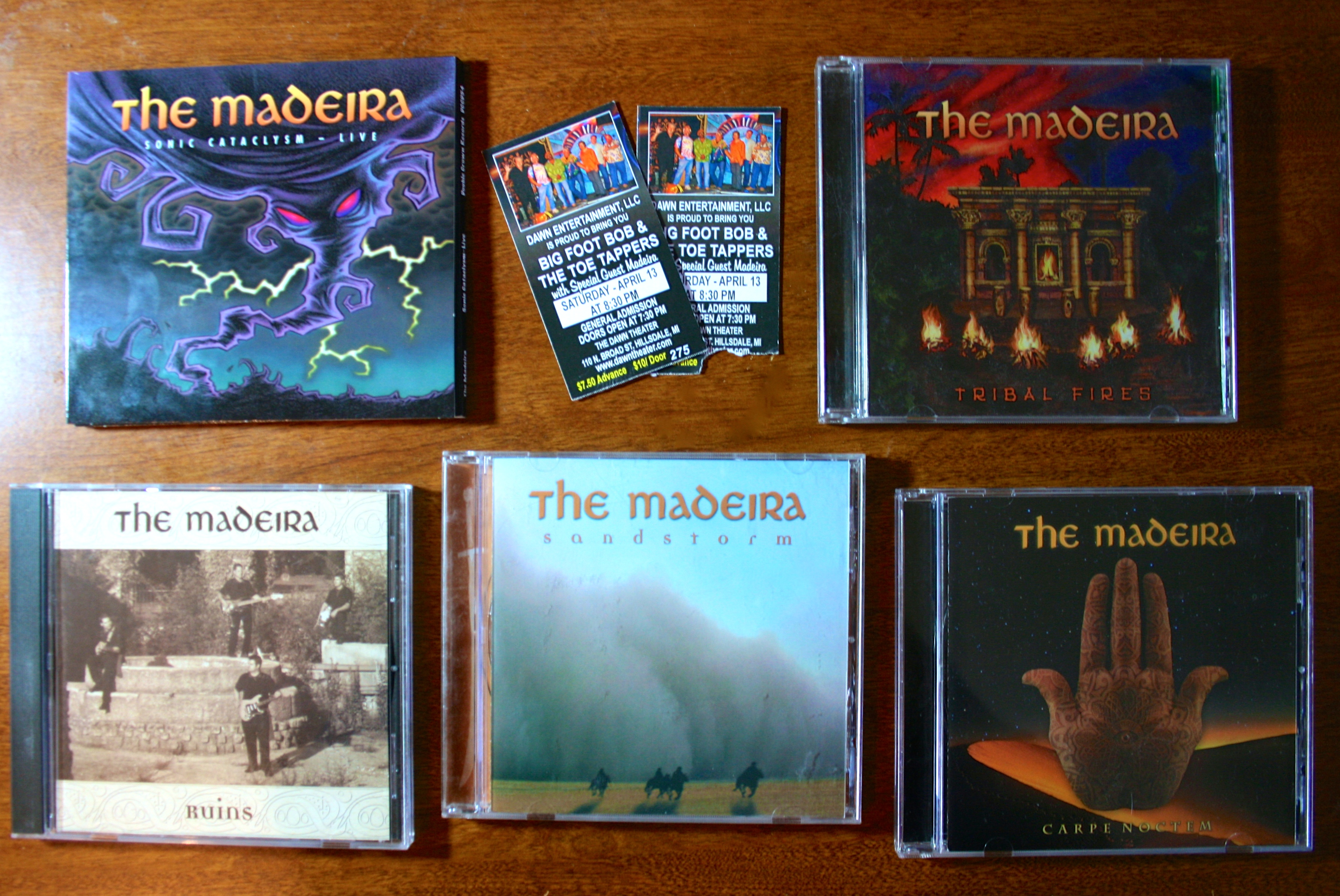
The best surf band in the world, The Madeira, is releasing their first live album, SONIC CATACLYSM, this week. It’s, in part, a celebration of the band’s tenth anniversary.
The brainchild behind the band, Ivan Pongracic, an economist by day, is also a fellow progger. Though Dick Dale informs the music than any other person, there’s certainly a lot of Alex Lifeson and Steve Hackett thrown in as well.
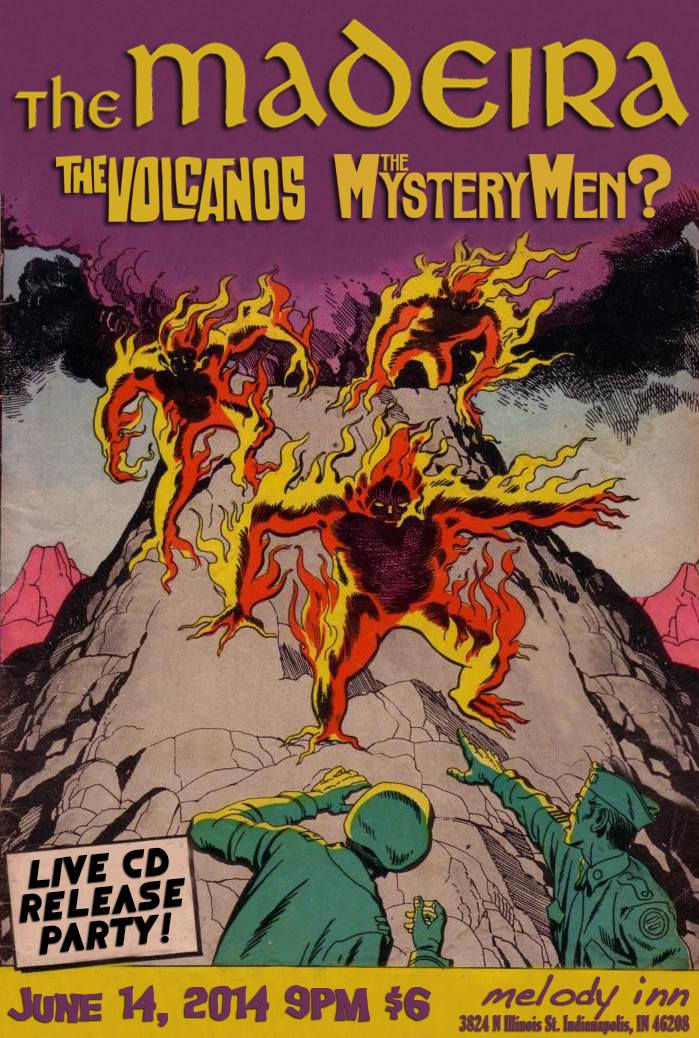
To celebrate their tenth anniversary, The Madeira will be playing a special show in Indianapolis on June 14.
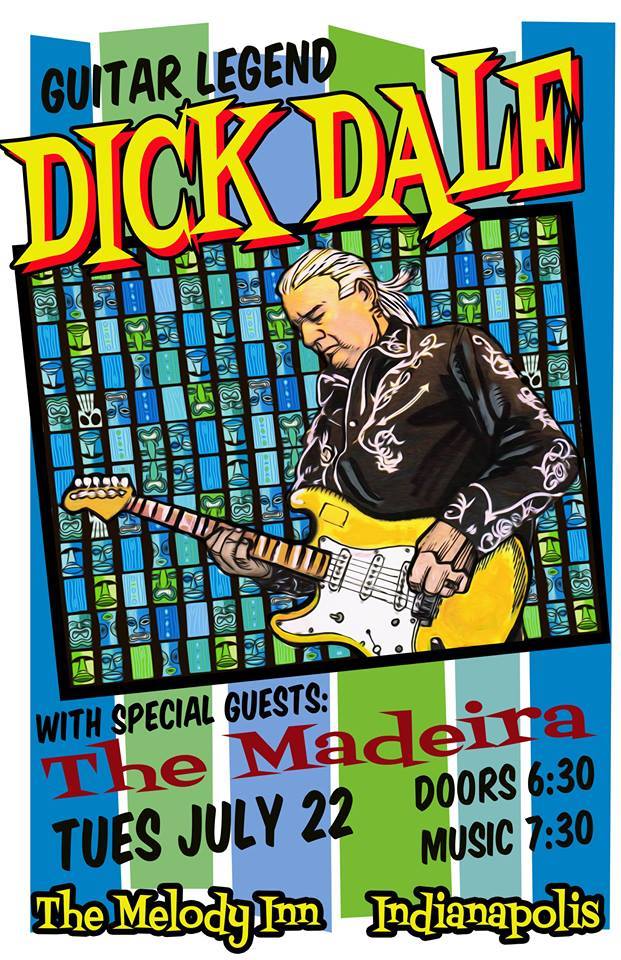
On July 22, the band will open for Dick Dale, also in Indy.
To order any of the band’s cds, go here: http://themadeira.net/
As a lover of Progressive Music for many years now – from the days when I simply knew it as ‘good music’ back in my school days in the 1970s – I have been delighted to see the recent resurgence of the genre. This has been in no small measure down to the efforts of groups like the Classic Rock Society, who have been striving to keep the flame burning, particularly during the dark days when ‘Prog’ was considered by many to be a word not spoken aloud. This striving, though, happened (sadly) under my radar for a large number of years, but I recently came across them, and was delighted to discover that they functioned in my own neck-of-the-woods in South Yorkshire.
Once I’d made this discovery, I ventured out to a few of their gigs in the humble surroundings of the Wesley Centre in Matlby, near Rotherham – interestingly for me the site of a former Methodist Chapel – and when I heard that their awards night was on the horizon I decided to go along (taking my younger son with me, as a fellow traveller). These are my personal reflections on the event.
The venue – the Montgomery Hall in Wath-upon-Dearne – is similar to the Wesley Centre in lay-out, though it has a larger capacity and a larger stage, which proved helpful for the evening’s entertainment. We began with a short solo set from the brilliant Andy Tillison, who coped seamlessly with a keyboard malfunction shortly before the off which left him having to rely on someone else’s equipment for his performance. There didn’t appear to be any problems caused, and Andy gave us around 20 minutes of magic – one man and his keyboards performing without the aid of backing tracks, loops or a safety net and giving us stunning renditions of ‘GPS Culture’ and ‘Perdu Dans Paris’. As a recent ‘convert’ to his work, particularly with The Tangent, I found it sublime and wonderful.
The ‘business’ of the evening was the awards themselves, and after suitable lubrication with ‘Big Big Train’ beer, on sale at the bar, we settled down to find out who had topped the polls at the end of what many have called a classic year for Prog. The awards were presented this year by none other than Fish, who brought his own laconic wit to the proceedings. The awards went to:
Best Male Vocalist – David Longdon
Best Female Vocalist – Christina Booth
Best Keyboard Player – Rob Reed
Best Bass Player – Lee Pomeroy
Best Drummer – Henry Rogers
Best Guitarist – Steve Hackett
Best Album – The Twenty Seven Club – Magenta
Best Track – East Coast Racer- Big Big Train
Best Lyricist – Fish (presented by Andy Tillison)
Best CRS Live Act – Moon Safari
Best UK Band or Artist – Big Big Train
Best Overseas Band or Artist – Moon Safari
CRS Newcomer – Hekz
Unsung Hero – Summer’s End
Amusing incident of the night has to go to Steve Hackett, who having picked up the Best Bassist award on Lee Pomeroy’s behalf, disappeared and was nowhere to be found when his own award was announced. He did eventually return, but we were deprived of what would, I’m sure, have been a great acceptance speech!
The business done, we returned to the music, with a 2-hour performance, with numerous singers and a full band as well as visual images and a virtual choir, of Clive Nolan’s epic rock opera, ‘Alchemy’. This was not a piece with which I was familiar, but it carried you along with a good narrative, well-told and performed: I shall no doubt return to it in the future.
So, five hours after arriving, we set off back home, thrilled by a great evening of rock in the fabulous company of fellow fans and ‘passengers’. Three highlights for me: seeing Andy Tillison perform – an absolute treat; meeting Dave, David & Danny from Big Big Train – real, genuine guys who seem at times quite bemused by their much-deserved recent accolades; and seeing my young son, James, ask Steve Hackett if he would take a photo of James with Fish (he’d already got one with Steve when he came to Sheffield last year!)
All in all, a wonderful night, and a fitting celebration of another classic year for lovers of Progressive Rock!
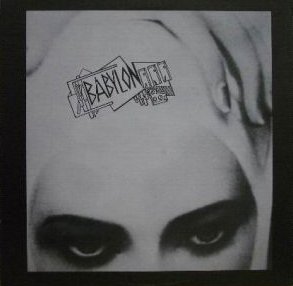
Following a busy (and triumphant) end to another college semester, I have finally returned to help bring to light those bands which would have been lost to history if not for the wondrous powers of the Internet. There are many groups left to cover, and this Christmas week I would like to call your attention to a band called Babylon. This Florida based quintet released one eponymous album in 1978. It was an excellent effort, but due to lack of sales the group disbanded shortly after the album’s release. Nevertheless it is an album worth listening to. Babylon has been compared to Genesis, but they are more than mere copycats. Like Genesis, Babylon found its niche in the symphonic school of prog; their sound is primarily driven by keyboards and a guitar synthesizer (no flute is present, however). The lead singer could best be described as a blend of Peter Gabriel and Peter Hammill; his vocals are rather distinct and dramatic. Guitarist J. David Boyko was no doubt inspired by Steve Hackett’s unique sound, and he does some fine work on the album. The individual members are comparable in sound (and nearly in skill) to the members of Genesis, but some of the lyrics are darker. And now to the songs:
The Mote in God’s Eye: keyboard driven piece; (somewhat) humorous lyrics sung with dramatic vocals provides an interesting contrast
Before the Fall: solid bass performance (louder than Rutherford usually played); Hackett-like guitar synth
Dreamfish: excellent keyboard intro reminiscent of some of Banks’s finest work; Hammill-like vocals; solid drumming and bass provides great rhythm section
Cathedral of the Mary Ruin: vocals sound like Fish and Gabriel; another fine keyboard and guitar synthesizer driven song
All four songs are over seven minutes in length and each is of the utmost quality. It’s unfortunate this group never released another album, but thanks to Youtube and iTunes, you can enjoy the small masterpiece they did produce.
Have a Merry Christmas and Happy New Year!
Here is Dreamfish:
Last year was an incredible year for Progressive Music (note: upper case), but in my opinion, 2013 has been even better. Thanks to this community (Progarchy) and the ever-lively Big Big Train Facebook group, I have been exposed to more new prog in 2013 than in any year since the halcyon days of the early 70s. As a result, my wallet has been considerably lightened, but my musical universe has been enriched way beyond mere monetary value.
What follows is a brief review of my top ten purchases in 2013 – albums received for review or borrowed from friends are not included, however much I enjoyed them. The list is alphabetic, as each of these albums is my favourite when I’m listening to it, depending on my mood.
Steven Wilson – The Raven That Refused To Sing: A superb album from start to finish, replete with powerful, hard-rocking passages, beautiful melodies, jazzy interludes, lush arrangements, and oodles of emotion (not something SW is renowned for). Much as I enjoy SW’s guitar playing, I’m delighted that he has handed over most of the guitar work to the incredible Guthrie Govan and stepped back to be more of a musical director – he has always been an excellent songwriter, but I think his compositions have benefitted greatly from this change of focus. I also think this is Wilson’s strongest and most confident vocal performance ever. Of course the rest of the band members are all outstanding, but in particular I love Wilson’s use of Theo Travis’ woodwinds to add an extra dimension that was sometimes lacking in the Porcupine Tree soundscape.

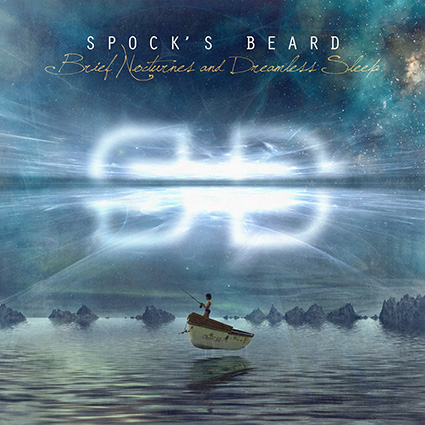
Spock’s Beard – Brief Nocturnes and Dreamless Sleep: I love Nick D’Virgilio’s singing and drumming and was concerned when I heard that he’d left Spock’s Beard, but I needn’t have worried. I thought X was an excellent album, but Brief Nocturnes is even better. Ted Leonard not only brings his powerful and emotive vocal delivery to the band (I think he’s the best vocalist the Beard have had to date), but also his strong compositional skills, which were always evident with Enchant. And Jimmy Keegan is a monster drummer, a worthy full-time successor to the vacated “batterie” stool (he’s been touring with the band for years). Ryo’s keyboard work has also been going from strength to strength since Neal Morse, the uber-controlling force, left the band, while Alan Morse and Dave Meros seem to be even more energised by the injection of new blood into the band. A strong set of songs, powerfully delivered by a great band.
Sanguine Hum – The Weight of the World: Sanguine Hum are one of my favourite “new” finds. This Oxford-based band deliver layered and beautifully structured compositions with plenty of dynamics, which never fail to surprise and delight. One reviewer described their approach as “polymath”, but I think this may give the wrong impression – while their music is precise, it is never clinical, and while complex, it is never complicated for the sake of it. Although I slightly prefer their first album, “Diving Bell”, “Weight of the World” is an excellent album that gets repeated listening, and will continue to do so.

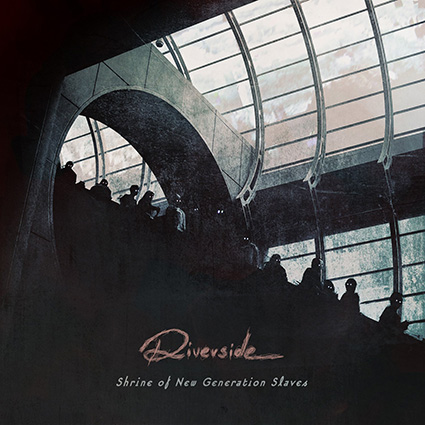
Riverside – Shrine of New Generation Slaves: “SoNGS”, to my ears, is the best Riverside album since their impressive debut “Out Of Myself” in 2004. With greater emphasis on songwriting rather than thrash, and more varied textures that their last few albums, this album is imminently listenable, apart from the rather tiresome first few minutes of the opening song, which seems to stutter along for ages before it gets going. Mariusz Duda’s side project, Lunatic Soul, is definitely bleeding back into Riverside, which I’m delighted about. More, please Mariusz…
Haken – The Mountain: For me, the find of the year. Two months go I’d never heard of this band, but now I have all three of their albums and can’t stop listening to them. “The Mountain” is a real tour de force, with light and shade, strong melodies, excellent harmonies, tight ensemble playing and impressive pyrotechnics that are just right in context of each song, when they explode. I think their “Gentle Giant” moment (The Cockroach King) is one of the finest since the great band themselves were performing – far better than Spock’s Beard’s efforts (which are nevertheless uniformly good), and rivalling Kevin Gilbert’s genius in his “Suit Canon”. This band has everything (except a permanent bass player – sad that I’m living on the wrong continent, too old and simply not talented enough to audition for the post… !). Great album, and great band with a stellar future.

Cosmograf – The Man Left In Space: I’m a sucker for good sci-fi – combine it with superb songwriting and musicianship from wide range of musicians and I’m in there, lead boots, space suit and all. The first time I heard this album, I thought some of the the interludes caused the album to lose momentum musically, but repeated listening has completely dispelled that impression. I now think this is a beautifully balanced album, lyrically and musically, and I’m really looking forward to the next Cosmograf album (which is always a good sign).
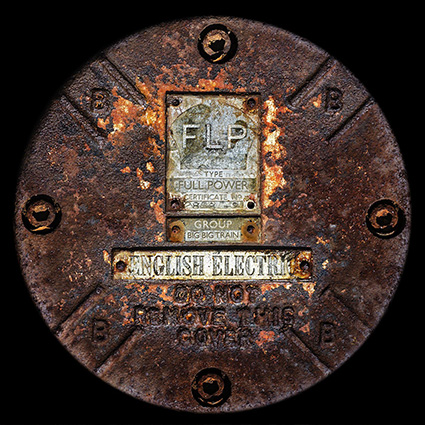
Big Big Train – English Electric Full Power: “English Electric”, parts 1 and 2, were already two of my all-time favourite albums, but the combined and expanded package, “Full Power”, has raised the bar even higher. I have already written full reviews of the individual albums (here on Progarchy and elsewhere), so suffice to say that the re-ordering of the songs and the additional material has created one of the most satisfying listening experiences I’ve had since I first became “aware” of music. Brilliant songwriting, meaningful lyrics, exemplary delivery, superb, lush production. And of course, there’s also the magnificent packaging…
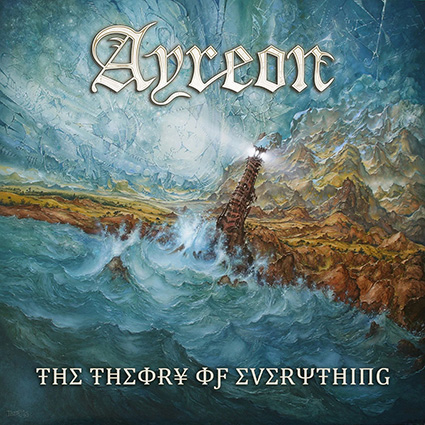
Ayreon – The Theory of Everything: Two adjectives often associated with Ayreon are “bombastic” and “overblown”, but I prefer to use adjectives such as “majestic” and “melodic”. Arjen Lucassen has more musical ideas than is reasonable for any single human being, and he seems to be a helluva nice guy as well. “The Theory of Everything” is his best work, including side projects, since “The Human Equation”, which was my first encounter with his music and still my favourite. However, I’ve only had TTOE for two weeks, and already it is threatening to nudge THE aside. With a stellar cast of musicians and singers, including major prog alumni John Wetton, Rick Wakeman, Keith Emerson, Jordan Rudess and Steve Hackett, he’s created another intense epic work that soars and delights, while examining the very human themes of genius, deception, ambition, pride and love. As a scientist, I also appreciate the recurring symbol of the lighthouse, representing intellect and science casting illumination through the gloom. Brilliant album.
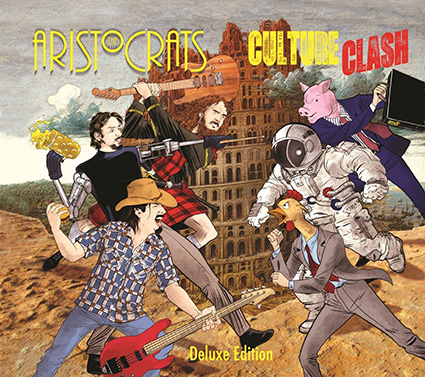
The Aristocrats – Culture Clash: This band has literally blown my socks off (it’s OK, it’s summer in the southern hemisphere, so I’m not too uncomfortable). I bought the “Boing! We’ll Do It Live” DVD earlier this year, and was mesmerised by the incredible technical abilities of the three musicians, Govan Guthrie (guitar), Marco Minnemann (drums) and Bryan Beller (bass). But this is not just a musical show-off band – not only do they write splendid (instrumental) music that crosses a vast range of genres (truly Progressive), but their obvious enjoyment of the music, and each other, is completely infectious. “Culture Clash”, their second album, sees them settling into their relationships and interactions, and writing music specifically for each other – and it’s a sheer delight. Want more!
Antione Fafard – Occultus Tramatis: I get to listen to a lot of new music while I’m working, putting science textbooks together. Much of it tends to slip by me while I’m concentrating on the work, but every now and then an album wrests my attention from whatever I’m doing and forces me to focus on the music. “Occultus Tramatis” was one of those albums. Canadian bassist Antione Fafard has put together a star-studded cast of jazz, jazz-fusion and progressive rock performers including Jerry Goodman and drummers Simon Phillips, Chad Wackerman, Terry Bozzio and Gavin Harrison, and produced an outstanding album of prog fusion, which despite its musical complexity and ever changing time signatures is nevertheless fresh and rewarding, revealing different possibilities every time you listen to it. Each track has its own feel, with changes of pace, a variety of complex rhythms and contrasting instrumental arrangements, but the album still still has an organic flow. I listened to my review copy twice straight through, and immediately ordered the CD. Challenging, but excellent.
Honourable mention:
Thieves’ Kitchen – One For Sorrow, Two For Joy: I marginally prefer The Water Road, but this is a strong collection of jazzy prog songs.
Roy Harper – Man and Myth: Powerful, emotional work.
The Flower Kings – Desolation Rose: Their darkest album to date, but a real return to form. May have made it into my top 10 if it had arrived earlier.
Amplifier – Echo Street: Gorgeous guitar-based, atmospheric music.
Airbag – The Greatest Show On Earth: Only arrived last week. Excellent album that is rapidly growing on me.
Notable omission:
Lifesigns: This is a strange one for me. I really like the instrumental work, but some of the compositions seem to meander for long periods. And I can’t get into the vocals – the delivery seems flat and unidimensional to me. Sorry.
Not considered (see above, but added to my wish list):
Comedy of Errors – Fanfare & Fantasy
Days Between Stations – In Extremis
Dream Theater – Dream Theater
KingBathmat – Overcoming the Monster
Levin Minnemann Rudess – LMR
Magenta – The Twenty Seven Club
Moon Safari – Himlabacken Vol. 1
Persona Grata – Reaching Places High Above
PFM – Da Mozart A Celebration
Shadow Circus – On A Dark and Stormy Night
Sound of Contact – Dimensionaut
The Tangent – Le Sacre Du Travail
TesseracT – Altered State
Verbal Delirium – From The Small Hours of Weakness
Von Hertzen Brothers – Nine Lives
Verdict:
So much to listen to, so little time. Prog has never been healthier.
Craig Farham/faroutsider
2012 has been a fantastic year for progressive music. I’ve listened to a huge pile of albums and still don’t feel like I have scratched the surface of all the great material that’s out there at the moment. I know of albums that would probably be on my ‘Best Of’ list if only I’d had the time (and money) to hear them in full before now – Katatonia’s Dead End Kings, Mörglbl’s Brutal Romance and The Void from Beardfish spring immediately to mind. But a list must be produced, so let’s activate the ERTEM and get on with it!
First, some restrictions. My list considers only original releases of full albums from 2012: no reissues or remixes and no EPs. (Hey, I’ve got to simplify things somehow, OK?)
I’ll also split my list into three parts: ‘Highly Commended’, ‘Top 5 Contenders’ and ‘Top 5’. To avoid the paralysis of indecision, only the last of these will actually be ranked; the other two will be listed alphabetically.
We’ll begin with my Highly Commended category: 10 albums that I have enjoyed hugely this year.
 Astra – The Black Chord
Follow-up to their 2009 debut The Weirding, boasting higher production values. Variously described as ‘retro’ or ‘classic’ in sound, I suppose because of the liberal use of Hammond organ and Mellotron. I don’t know what you’d call it, but it’s trippy, atmospheric and darned good! The epic title track is particularly splendid.
 Crippled Black Phoenix – (Mankind) The Crafty Ape
A big brooding monster of an album from the stoner prog legends, probably their best yet – although I have yet to hear the follow-up that appeared recently, No Sadness Or Farewell. (Yes, you read that right: two albums in one year). Pretty much how I’d expect Pink Floyd to sound if they’d all been born 25 years later.
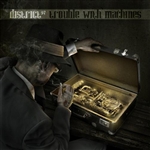 District 97 – Trouble With Machines
Yes, yes, “former American Idol finalist”, blah blah blah. Forget all that nonsense about vocalist Leslie Hunt and concentrate instead on the music – precise, technical and totally absorbing, all crunching guitars and shifting time signatures, with Hunt’s voice weaving intricate and unusual melodies throughout. Top-class prog metal. John Wetton guests on one track.
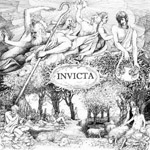 The Enid – Invicta
How do you even begin to categorise such a unique band? Some people simply don’t ‘get’ The Enid, but if your tastes encompass the classical or symphonic, there’s a good chance you will fall in love with them. This latest release features a wonderful new lead vocalist, Joe Payne. There is high drama here – think opera or musical theatre – but also moments of great beauty and delicacy.
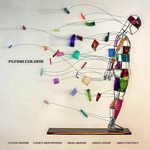 Flying Colors – Flying Colors
Given my innate scepticism regarding supergroups, I really wasn’t expecting this to be as good as it is. Album opener Blue Ocean starts off like a more upbeat version of a track by The Doors, and Kayla is a superbly catchy pop anthem. There’s even some real, honest-to-goodness prog in here, in the form of long-form album closer Infinite Fire. A thumbs-up to all concerned; on this evidence, the second album really will be something to relish.
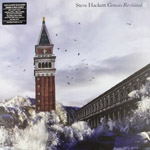 Steve Hackett – Genesis Revisited II
What can I say? A set of well-crafted, tasteful reinterpretations of classic Genesis tracks spanning the entire Hackett era, plus new versions of a few songs from his solo career. Call me a heretic, but I think some of them improve upon the originals. There are things on here that will make you smile and probably one or two that will make you frown, but discovering which is part of the fun. See my review for more details!
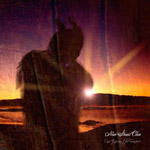 Nine Stones Close – One Eye On The Sunrise
The follow-up to 2010’s Traces. Powerful and atmospheric, achieving true Floydian grandeur in places, with plenty of long liquid guitar solos that would would make Dave Gilmour proud. The excellent vocals of Marc Atkinson – sadly now moving on to pastures new – are also worthy of note. Stand-out tracks are probably The Weight and Frozen Moment.
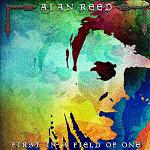 Alan Reed – First In A Field Of One
The solo format allows this former Pallas front man’s vocal talents to really shine. Well-crafted songs with a varied mix of styles, successfully blending prog, pop, rock and even folk influences. The finger-clicking jazzy opening of final track The Usual Suspects is unexpected, to say the least!
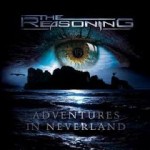 The Reasoning – Adventures In Neverland
Reviewed elsewhere in the hallowed pages of Progarchy. A real statement of intent from a band still mourning the disappearance of former guitarist Owain Roberts. I might quibble with the production, which needs to be more crisp and dynamic, but the songs are very good – particularly those on the second half of the album.
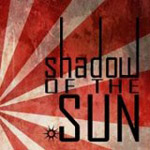 Shadow Of The Sun – Monument
Debut album from ex-Reasoning guitarist/singer Dylan Thompson’s new band. More straight metal than prog, with only hints of The Reasoning here and there. A very enjoyable blend of heavy stuff with one or two quieter and more mellow pieces. Definitely worth a listen.
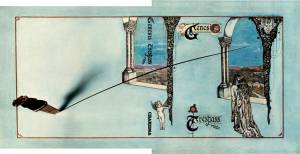 by Chuck Hicks
By way of introduction, I grew up in and around Southern Appalachia. I’m as conversant on Roscoe Holcomb, Flatt & Scruggs and the Stanley Brothers as Robert Fripp, Crack the Sky and Spock’s Beard. I grew up hearing pop, psychedelic and folk/country stirred together. When I was 8 years old Tommy James’ “Sweet Cherry Wine,” with its church organ, quasi-religious lyrics and Leslie speaker-distorted background vocals helped shape my standards for genre-bending music. It was fairly inevitable that I would fall in love with progressive rock. But I have a peculiar need to find harmony in disparate styles. That in part explains my choice for a first submission to Progarchy.
+++++++
The most memorable mental picture I have of early Genesis came from a set played on Belgian TV: Steve Hackett, with black beard and aviator spectacles, sitting at Peter Gabriel’s hand, ripping through the furious instrumental break of “The Musical Box” on his black Les Paul. After whipping the pick up the neck Hackett dropped his hands to his knees and sat like a classical musician at rest, his section of the piece done. I’d never seen anything like his demeanor in a rock band. Hackett could have just played with the London Philharmonic.
It’s easy to forget that Steve Hackett was not the first Genesis lead guitarist. A year earlier his “seat” was filled by Anthony Phillips, classmate of Peter Gabriel, Tony Banks and Mike Rutherford at Surrey’s exclusive Charterhouse School, a place where future gentlemen were groomed. Among many distinguished Old Cartusians was Ralph Vaughan Williams, collector of English folk songs and hymns who melded them into memorable classical pieces like Norfolk Rhapsody and the fantasias on “Greensleeves” and a Theme by Thomas Tallis. To listen to Phillips-era Genesis is to be reminded of Charterhouse manners and influence, which included things like mandatory chapel attendance and respect for the ancient traditions of England. The medieval, the rural, and the sacred surrounded the lads as they turned their attention to becoming pop song writers in 1967.
Brad has already discussed A Proggy Christmas by The Prog World Orchestra (and very good it is, too!) but there are yet more musical treats out there to get you in the mood during the festive season.
 My first recommendation is the 2009 two-disc edition of The Jethro Tull Christmas Album. Disc 1 of this set is a reissue of the original 2003 album. It contains some reinterpretations of seasonal Tull material such as Ring Out Solstice Bells and A Christmas Song plus some new songs and some new arrangements of traditional tunes.
Even more interesting is Disc 2, a recording of a 2008 concert at St Bride’s Church in London. The concert features live versions of half of the material from Disc 1, interspersed with readings and carols sung by choir and congregation.
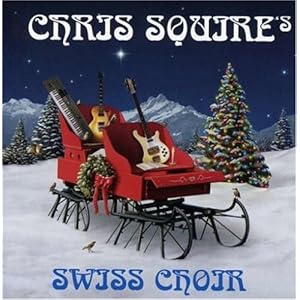 My second recommendation is Chris Squire’s Swiss Choir. This album appeared in 2007, over three decades after Squire’s first solo album, but it is quite unlike that earlier work. Twelve of the album’s thirteen tracks are traditional carols or Christmas songs. The album title is a Spoonerism rather than a clue as to the nationality of the singers, for it is The English Baroque Choir that plays a pivotal role here. Some of the tracks are largely choral in nature whilst others have a predominently pop/rock flavour. Squire is on bass throughout (of course), with Steve Hackett guesting on guitars.
The final track is a remix of the enjoyable 1981 Chris Squire-Alan White Christmas single Run With The Fox. You can listen to the original version here:
Like many of you, I “suffer” from the common “problem” that afflicts those of us who are prog fans in this, the Second Golden Age of Prog – mainly, that there is just so much good prog out there that nobody could possibly listen to it all. In short, it’s like trying to drink from a firehouse.
Happily, this “problem” has been exacerbated for me since joining this site, as I have had the good fortune to be able to borrow a number of albums I had yet to hear. As such, I’m going to write a few quick reviews (which are more like first impressions). Please pardon the lack of detail, but do remember these reviews are worth every penny you paid me to write them ;).
The Flower Kings, Banks of Eden: This is my second foray into Flower Kings territory, the first being ‘Space Revolver’ some time ago. I thought the latter album was quite good, and ‘Banks of Eden’ only reinforced my good impression of these guys. Even if there were no other good songs on the album, the hippy-dippy-trippy epic ‘Numbers’ that opens the show makes the price of admission worth it. Luckily, there are other good songs, and thus I would definitely give this album a thumbs up.
Continue reading “Drinking From the Firehose – Some Quick Reviews”
 Progarchy