Bryan’s Best of 2023

We’ve come to the end of yet another fine year in prog. It has been an extremely difficult year for me personally and professionally, and that’s been reflected in my output here at Progarchy. I wish I had had the bandwidth to write many more reviews this year, but such is life. I currently find myself unemployed (my temporary job ended at the end of 2023 due to lack of funding) and many months in to a thus-far fruitless job search. This year’s musical output has been a soundtrack through some incredibly uncertain times. Here are some of my favorites, in no particular order apart from my top three albums at the end.

soen-album-1300x1300Soen – Memorial

While not as good as their last few albums, this record has still been in frequent rotation for me. It has more quiet and orchestral moments than they typically include, but there is still a lot of their heavier crunchy prog metal riffing and signature melodies. Soen isn’t a band to be missed.

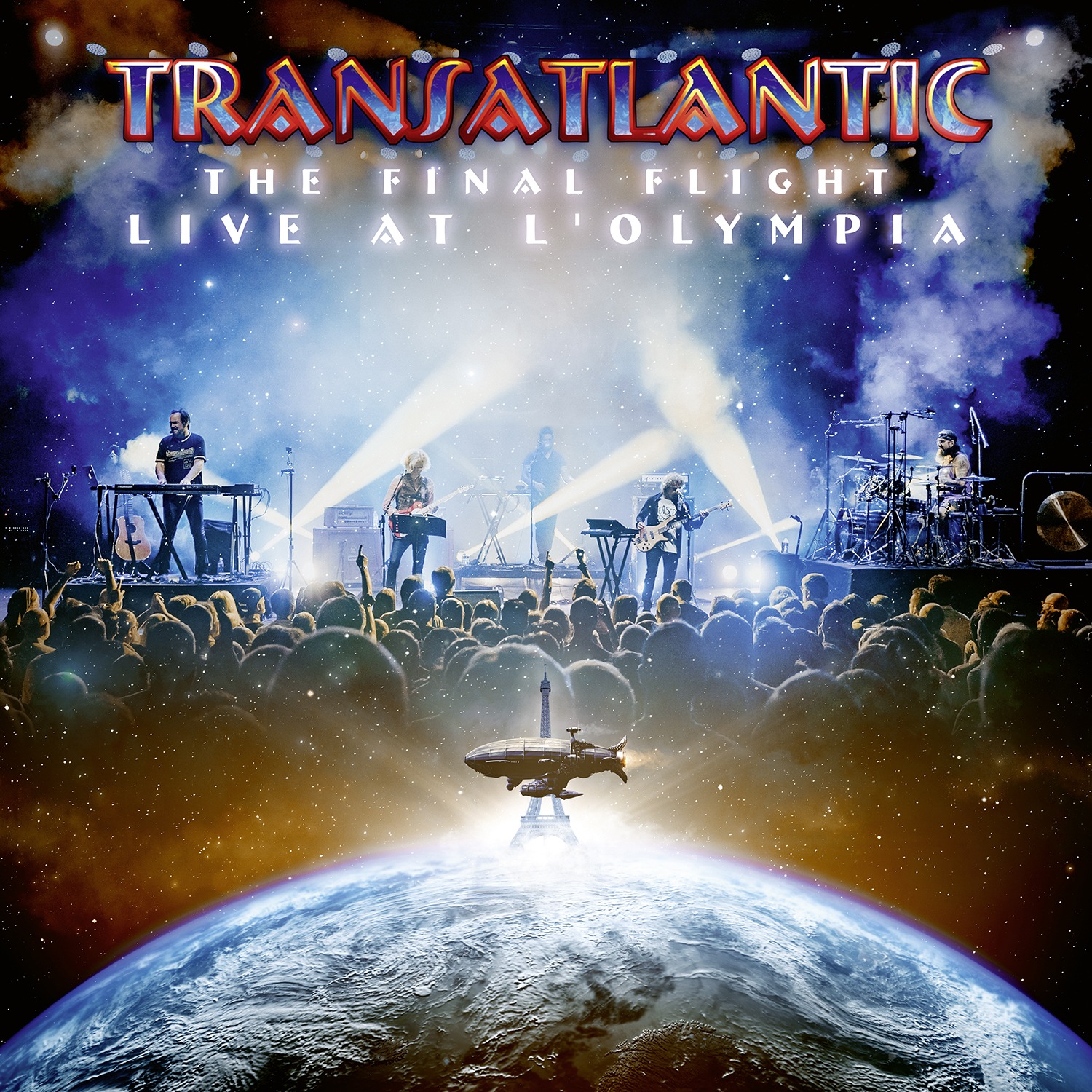
The-Final-Flight-Live-at-LOlympia-TransatlanticTransatlantic – The Final Flight, Live at L’Olympia
I’ve long preferred Transatlantic’s live work to their studio albums. Their studio albums are great, but this is a band that is best experienced live. While I’ve never seen them live in person and perhaps never will as it sounds like this could be the end for them, their live albums are always a treat. They are especially good for long car rides. I remember listening to KaLIVEoscope on a long car ride home from college back in the day, and just a few weeks ago I listened to The Final Flight during a long drive to eastern Tennessee to meet a special someone in person for the first time (at least something has gone well for me this year). The complexity of the music and the skill of the musicians keep your brain occupied on the long open roads. Transatlantic create a fourth version of their epic The Absolute Universe with this live outing, adding in a final set featuring a Whirlwind Suite, “We All Need Some Light,” and a medley from their first two records. It’s a great way to get into Transatlantic’s music for the uninitiated.

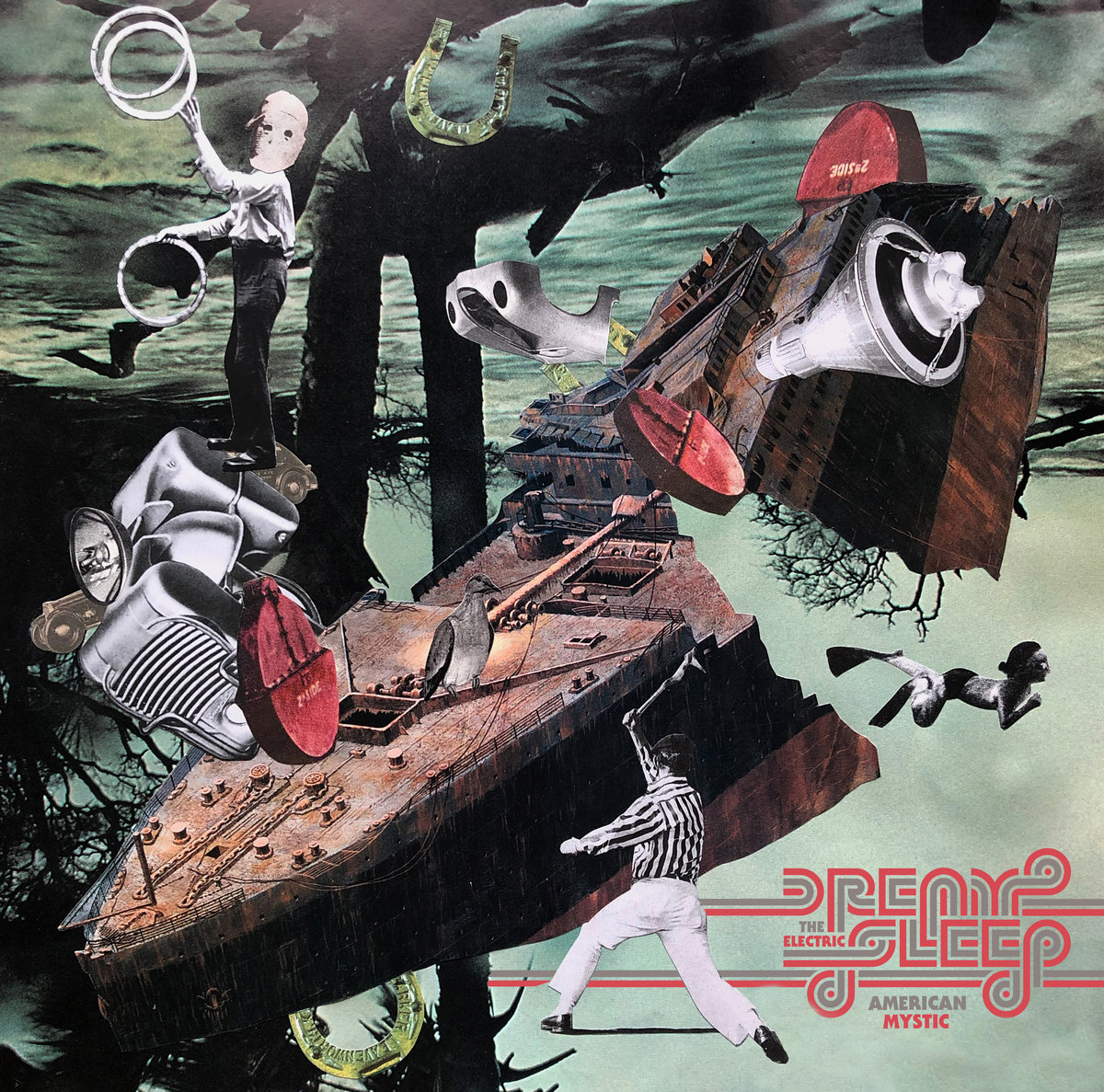
a3333831894_10Dream the Electric Sleep – American Mystic

I’ve been following Dream the Electric Sleep since 2014, and I think American Mystic is their best album. It’s more concise and more focused with subtle variety. It’s distinctly American prog, reminding me of the heavier prog of American prog bands of the 70s and 80s. Their vocal harmonies are definitely worth noting. Check out my full review at the DPRP.

bbt-ingenious-devicesBig Big Train — Ingenious Devices

While not exactly a new album, Big Big Train’s Ingenious Devices caught my attention and held onto it tightly. The band worked for years revisiting their “mankind and machine” trilogy of “East Coast Racer” (off 2013’s English Electric: Part Two), “Brooklands” (off 2016’s Folklore), and “Voyager” (off 2019’s Grand Tour). They re-recorded most of the instrumentals and added full string sections to the first two (“Voyager” was recorded with full strings). They also added a short track to bridge “East Coast Racer: with “Brooklands,” and they added a live version of “Atlantic Cable” featuring new singer Alberto Bravin. The mix is phenomenal, and it’s great to hear these songs set apart on their own. A must listen for Big Big Train fans. Check out my DPRP review.

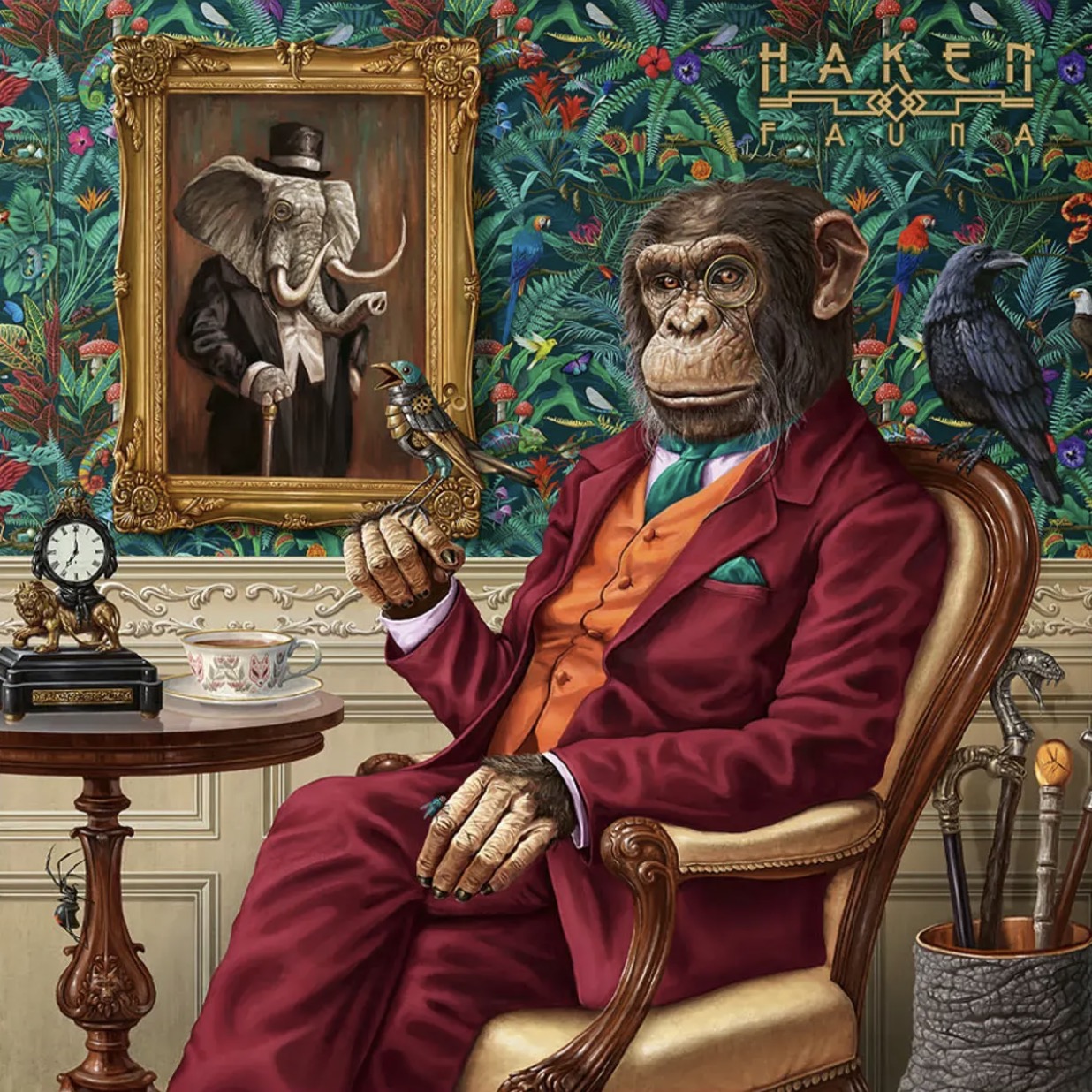
haken-faunaHaken – Fauna

Haken’s Fauna is somewhat of a mixed bag for me. It’s a solid album throughout, but it leans a little too much on the softer side, but when it gets heavy and creative it slays. “Elephants Never Forget” is simply fantastic – one of Haken’s best songs. Check out my full review.

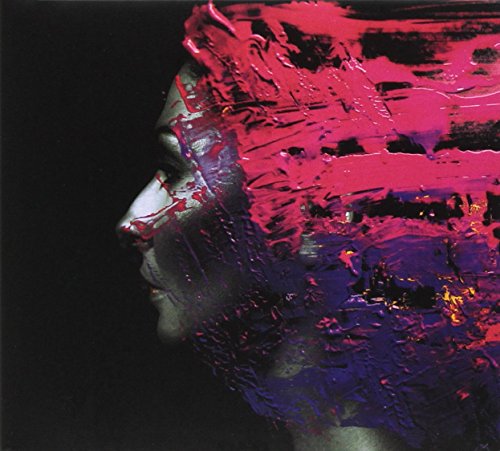
harmony-codexSteven Wilson – The Harmony Codex

This album grew on me slowly. At first I was mildly indifferent and then grew to like it, as opposed to my immediate and lasting distaste for The Future Bites. I think The Harmony Codex rather tactfully blends the spacey progressive elements of Wilson’s abilities with the pop edge that strongly influences his recent work. I don’t know if it was commercially successful for him, but the final product is a solid record that actually sounds more familiar. No it isn’t Hand. Cannot. Erase., but I think it’s his best solo record since then. But it isn’t for everybody, namely Progarchy’s Time Lord. Rick Krueger found more to enjoy.

Southern Empire Another World-CoverSouthern Empire – Another World

The Aussie band’s first record since 2018 finds them with a new vocalist – Shaun Holton. He has a great voice, but former vocalist Danny Lopresto’s voice is so unique and one of my favorite elements from their last album. As such it’s been hard for me to like Another World as much as I like Civilisation. With that said, it’s still a solid album with moving melodies and a stellar almost 20 minute-long track blending heavy with symphonic prog. Definitely worth checking out.

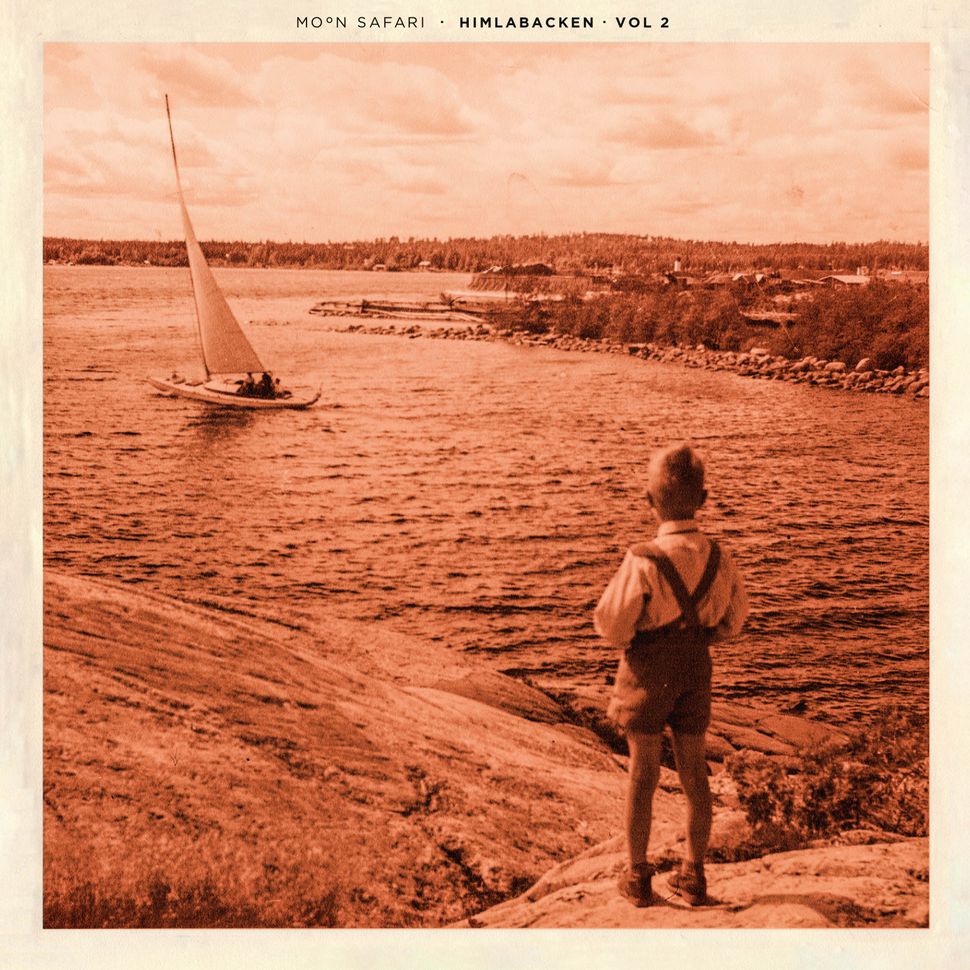
Moon Safari Himlabacken Vol. 2Moon Safari – Himlabacken Vol. 2

Finally! After wondering for ten years “whatever happened to Moon Safari,” the band returned this month with the follow up to 2013’s Himlabacken Vol. 1, an album I don’t listen to frequently but will always have a warm spot in my heart because it came out around the time I really started getting into newer progressive rock. Vol. 2 is even better than it’s predecessor, making the decade-long wait worth it. The 21-minute “Teen Angel Meets the Apocalypse” is the finest long track I’ve heard this year. I’m a sucker for intelligent writing, and this song incorporates influences (and lyrics) from T. S. Eliot’s masterpiece “The Wasteland” (a poem that also inspired Genesis’ “Cinema Show”). The subtle inclusion of the melody from “London Bridge is Falling Down” throughout the song is itself a nod to part of “The Wasteland”. The song is great and a must listen. Nobody does vocal harmonies better than Moon Safari.

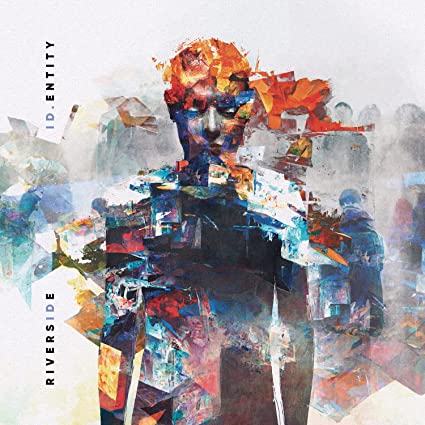
riverside IDE3. Riverside – ID.Entity

Riverside have yet to make a bad album. They’re all great in their own way. ID.Entity finds them taking a synthier approach to criticism of modern technosociety, and it works really well. They still get heavy when they need to, especially with Mariusz Duda’s vocals on “I’m Done With You.” It’s a solid album throughout and shouldn’t be missed. Check out my full review.

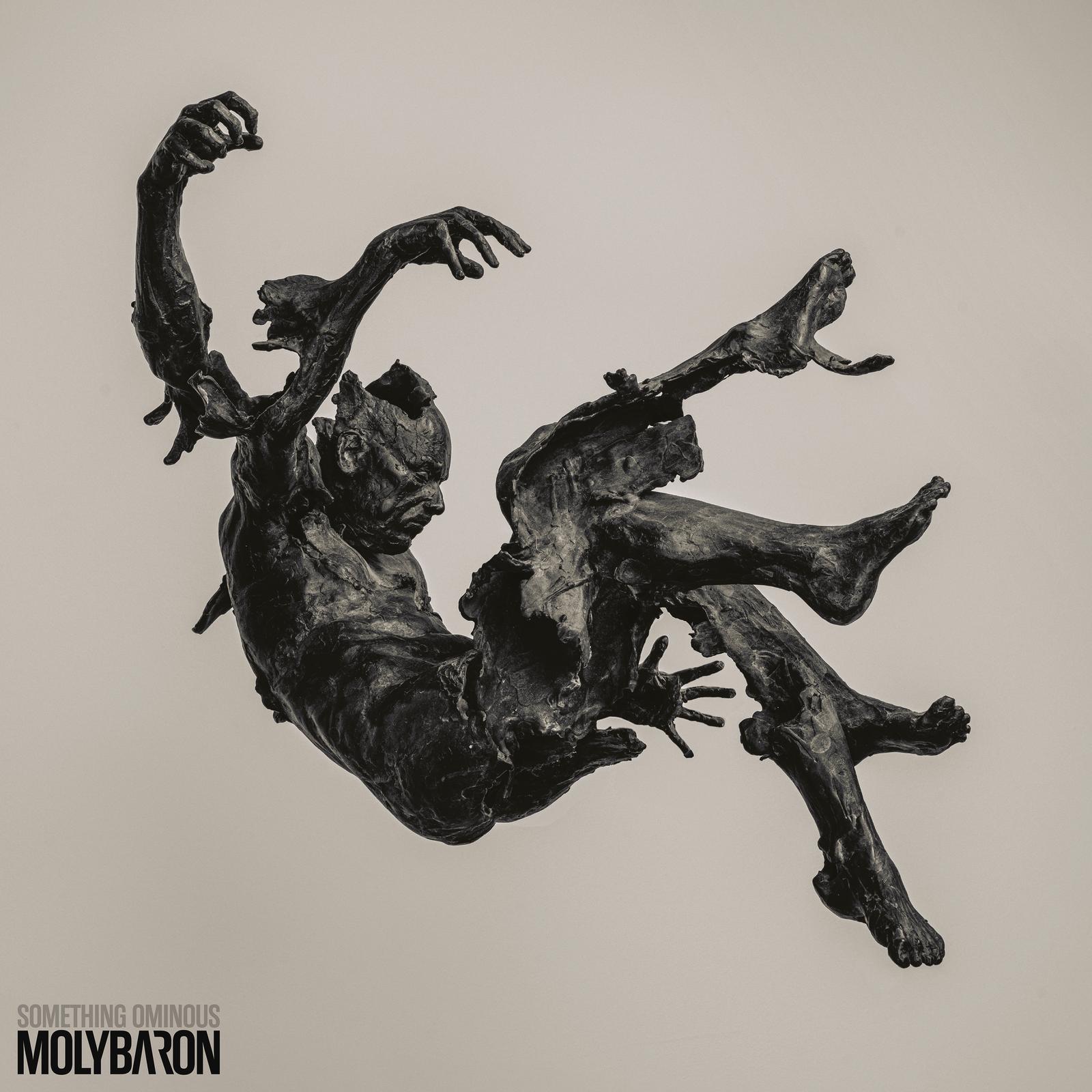
molybaron_somethingominous2. Molybaron – Something Ominous

This album was the unexpected musical surprise of the year for me. I liked the band’s previous album, but I wasn’t as much a fan of the lyrics. This time around, it seems western government’s tyrannical overreach during the Covid-19 debacle has made vocalist and lyricist Gary Kelly rather based. The songs are short, but that doesn’t keep this from being a prog metal funfest. Kelly’s vocal acrobatics make the album thoroughly entertaining. “Billion Dollar Shakedown” is a magnificent teardown of modern society’s incestuous elitist blend of government and big business marching in lockstep to ruin all our lives. “Breakdown” is a refreshing and real take on mental illness, and it’s been a bit of a themesong for me since it was released. The title track points out how the elites are pitting the rest of us against each other instead of against them. “Daylight Dies in Darkness” takes a spacier tone before building into heavy metal. It’s a fantastic smashmouth rock n’ roll heavy metal album. The only thing I don’t like is it’s only 38 minutes long – it’s so good I want more. Check out my review.

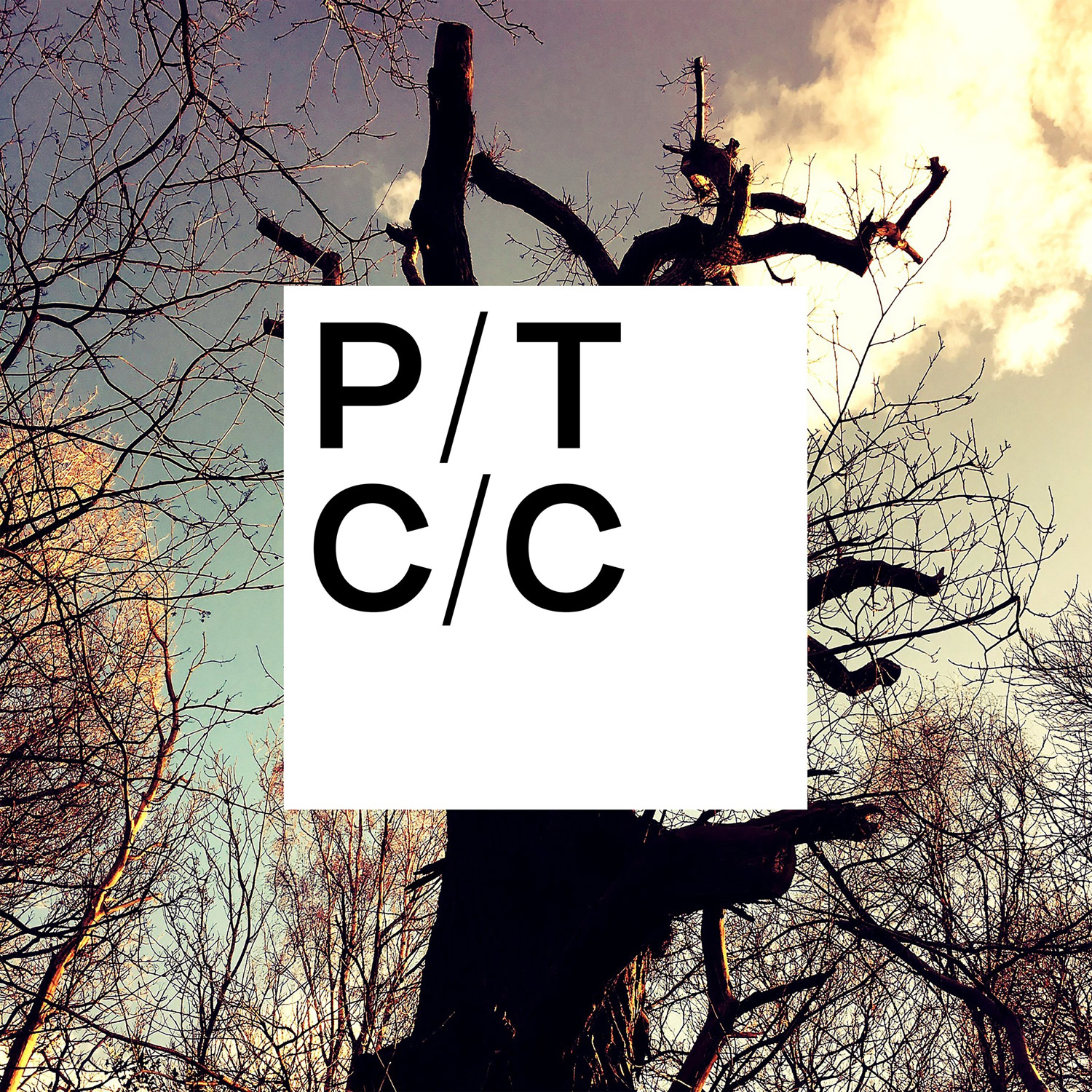
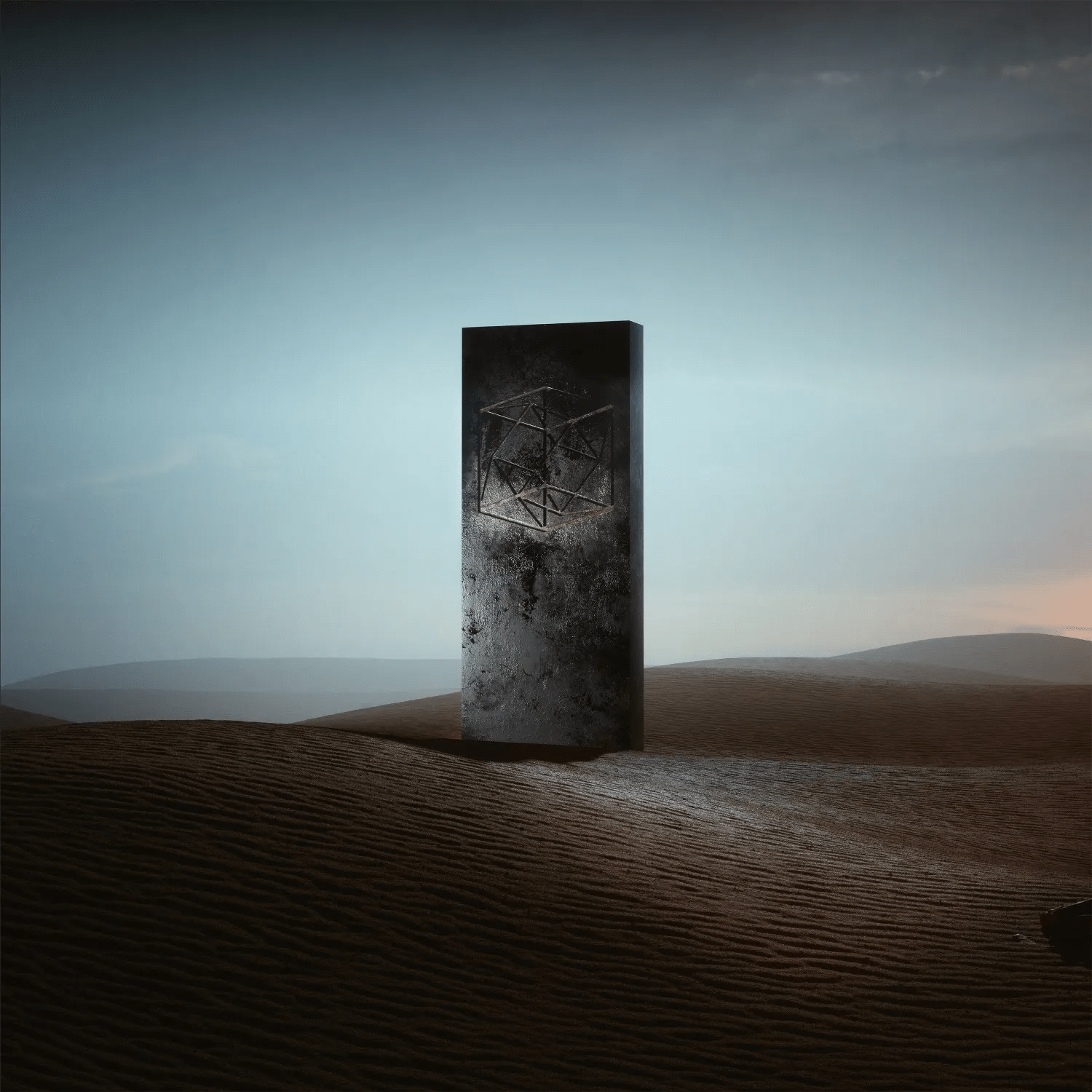
tesseract-war-of-being-album1. TesseracT – War Of Being
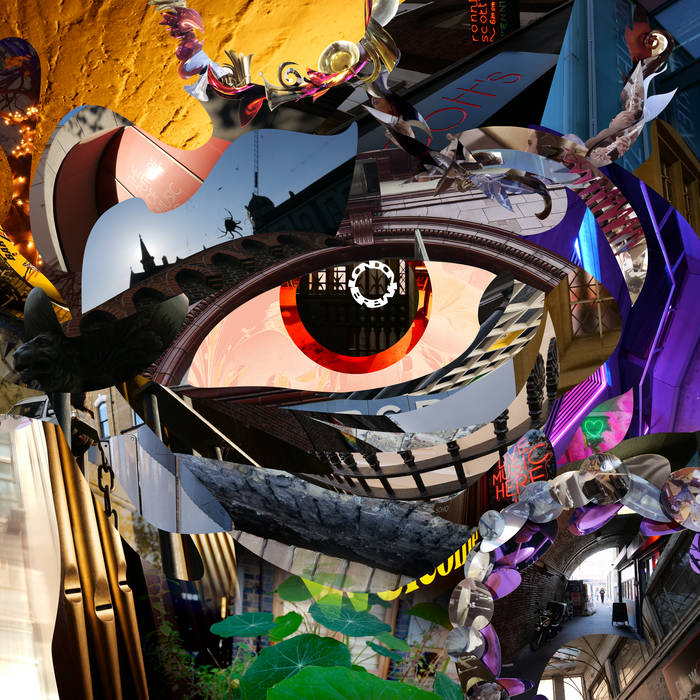
Unfortunately I never got around to reviewing this one, but I did review their concert. This is such a fantastic album – the band’s best to date. It’s also their heaviest since their debut. Singer Dan Tompkins demonstrates that he has one of the best voices in the business. One minute he can sing high like Matt Bellamy from Muse and the next he’s doing distorted vocals a la Devin Townsend. He even learned new methods of distorted vocals for this album, enabling him to create different sounds for the different characters, since this is a concept album. I’m still trying to figure out the story, but the djenty crunch is a headbangers dream. Everything about the record is great, and it easily tops my year-end list.


So there you have it. TesseracT was the only concert I went to this year, and it was a banger. I bought tickets to the upcoming Big Big Train show in March, so hopefully I’ll be able to make it to that (life is pretty crazy right now being between jobs). I didn’t read any prog books this year, but I plan on starting Geddy Lee’s “My Effin’ Life” tonight. Hopefully the new year will suck less for me, and I hope it’s a good one for you all.

Thanks so much for reading and sticking with us here at Progarchy this year, even though our output was rather thin compared to last year. Hopefully we’ll get things rolling again in 2024.

Happy New Year, and prog on!.

Rick’s Quick Takes: The (Belated) September Report

Unless otherwise noted, title links are typically to Spotify or Bandcamp for streaming, with a purchase link following the review.

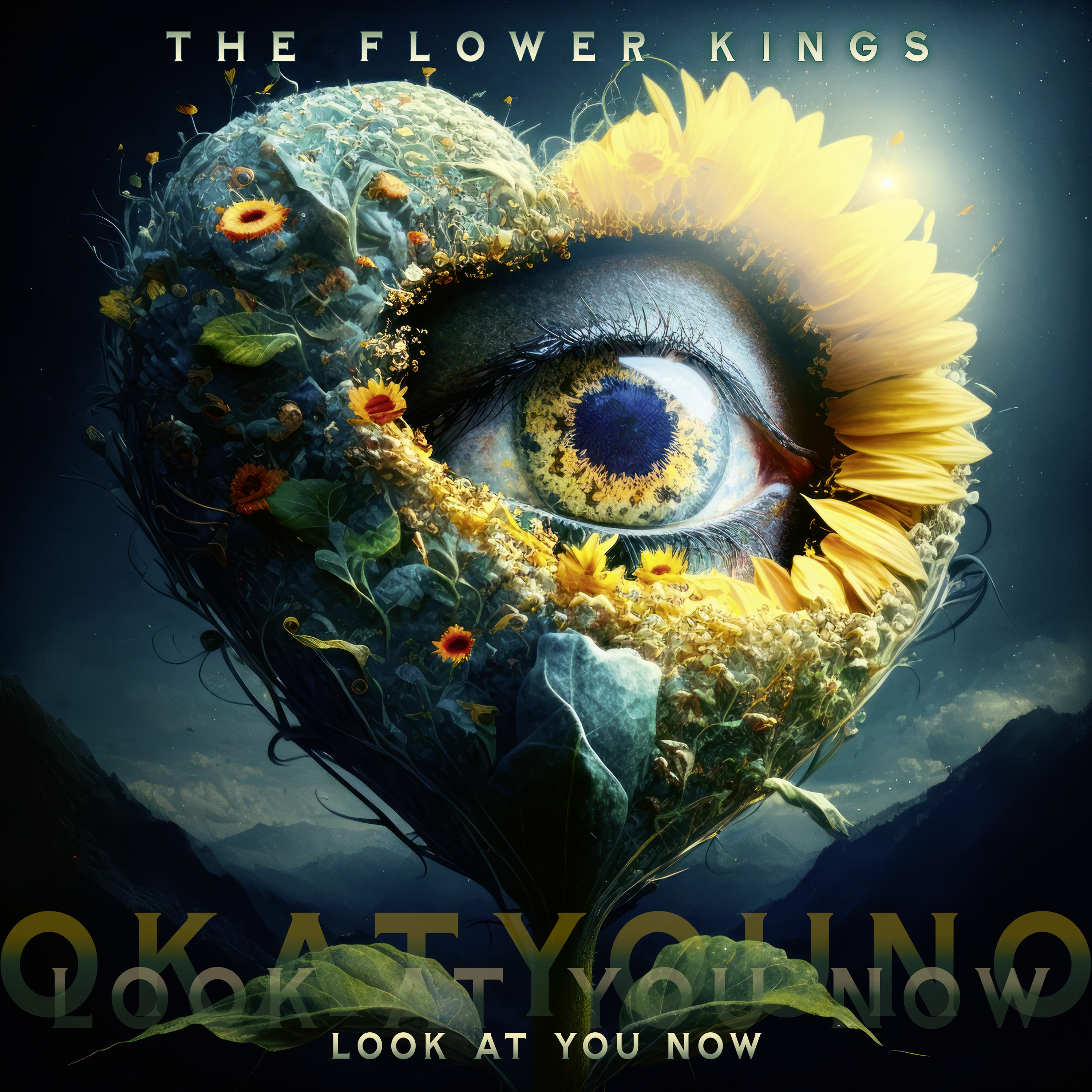
The Flower Kings, Look At You Now: The Stolt brothers — Michael on bass, Roine on almost everything else — vocalist Hasse Fröberg and drummer Mirko DeMaio crank up that progressive-psychedelic roundabout, and what comes out the chute is yet another spellbinding album-length suite. Snippets from the past and fresh in-studio invention lock together seamlessly; from the merry-go-round kickoff “Beginners Eyes” and the Beatleish “Hollow Men” through renaissance pastoral “The Queen” and blues-edged workout “Scars”, to the closing workout (cinema showoff vamp “Father Sky” into bolero build “Day for Peace” into the closing title epic), TFK don’t miss a trick, evoking vintage Yes and Genesis while always leaning into their own unique, up-to-the-minute spin. This is easily the equal of recent double-disc standouts 2020’s Waiting for America and last year’s By Royal Decree, on track to be one of my favorites at the end of the year. Order from Burning Shed here.

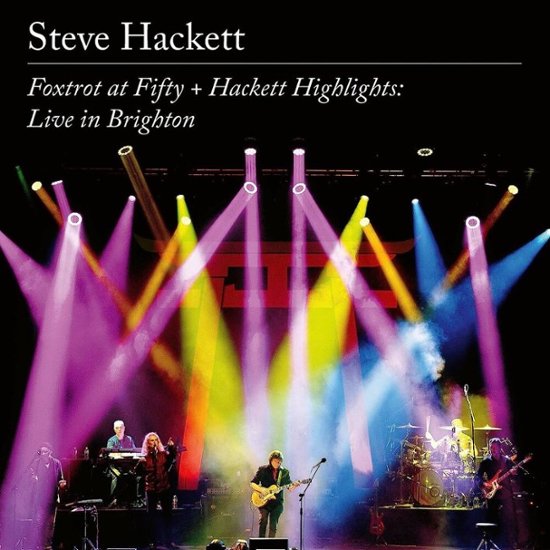
Steve Hackett, Foxtrot at Fifty + Hackett Highlights – Live in Brighton: Yep, this is Hackett’s eighth live album since he made “Genesis Revisited” a regular feature of his live set and rejuvenated his international touring career. But doggone it if he doesn’t make this latest set make worth our while yet again! Leading off with a refreshed solo repertoire (blending in vintage throwbacks “A Tower Struck Down” and “Camino Royale”) that provides new showcases for his talented band (Rob Townsend and Roger King’s wind/keys duet on “Ace of Wands”, Jonas Reingold’s fleet-fingered solo spot “Basic Instincts”), Hackett proceeds to blow out Brighton’s doors with an inspired romp through Genesis’ 1972 breakout album. Especially noteworthy: singer Nad Sylvan, at his personal best on “The Devil’s Cathedral”, “Watcher of the Skies” and a taut, compelling “Supper’s Ready” — well, really all through the night. I thought I might have actually seen Hackett enough (four times!) in the last decade, but this release has me eager to catch this show when he returns to the States next spring. Order from Burning Shed here.

Bruce Soord, Luminescence: Just a songwriter and his gear (plus the occasional electronica and orchestral seasonings); on break from The Pineapple Thief, Soord descends into the postmodern maelstrom, in search of an evasive inner tranquility. A placid, brooding first half of string swells (“Dear Life”), slinky acoustic funk (“Lie Flat”) and pensive melodic sketches (“So Simple”) gathers momentum, only to hit a stalled-out sense of desolation (“Instant Flash of Light”, “Stranded Here”) — which gives Soord’s concluding pleas for human connection (“Read to Me” and “Find Peace”) a vulnerability that chills to the bone, even as it cracks open all the feels. Spacious, shimmering and seductive (kudos to Soord and mastering engineer/TPT bandmate Steve Kitch), Luminescence’s stoic gaze into the heart of darkness packs a serious emotional depth charge. Order from Burning Shed here.

The Who, Who’s Next / Life House (Super Deluxe Edition): Who’s Next is an album that changed my life, and over the decades, it’s developed a reputation as one of rock’s finest moments. But Pete Townshend remains haunted by his original, unrealized post-Tommy concept of The Life House — a gathering place for the outcasts of a nightmarish virtual reality, with rock music as the saving sacrament of a splintered counterculture. Thus, this behemoth box: two discs of impeccable Townshend demos; three discs of session outtakes and singles; two complete, ferocious live sets; and an immaculate spatial audio remix of the final product by (of course) Steven Wilson. Even with exhaustive liner notes and a graphic novel version included, the Life House storyline simply refuses to cohere. But listening to The Who as they wrestle with the throughline, then pitch it away and just slam into “Baba O’Riley”, “Behind Blue Eyes” and “Won’t Get Fooled Again”, you hear the fragments of one man’s overweening ambition transmuted into a furious, majestic rush of sheer hard rock glory. Order from The Who online store.

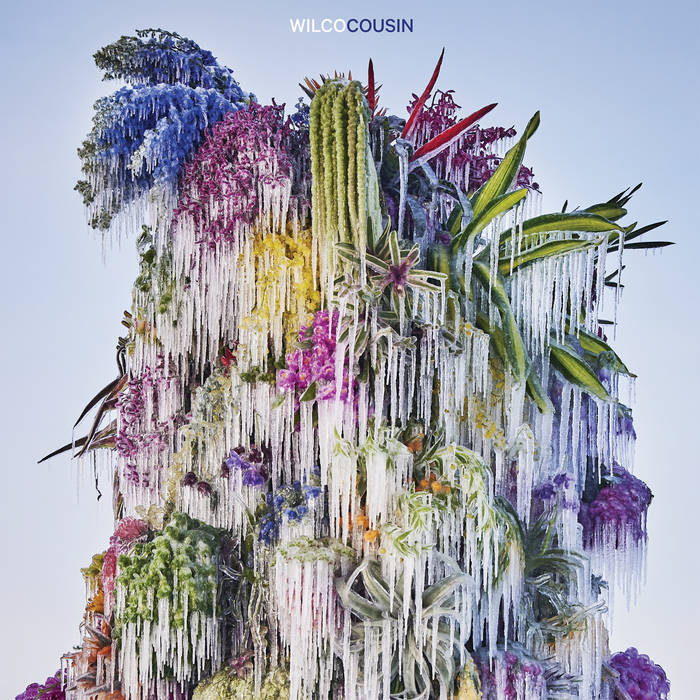
Wilco, Cousin: 2022’s Cruel Country (my top favorite album of last year) interrupted Wilco’s work on this excursion back into art-pop, made with Welsh multi-instrumentalist/co-producer Cate Le Bon as sidekick. Here Jeff Tweedy’s elusive, folky reflections are splattered with spectral atmospherics and thick blobs of tonal texture; workouts like technicolor opener “Infinite Surprise”, the sunnily chaotic title track and the Wild West gallop of “Meant to Be” sit side by side with morose elegy “Ten Dead”, baroque/dance crosscut “A Bowl And A Pudding” and the compelling meander “Pittsburgh”. The proceedings here lean a bit to the downtempo side, but it’s great to hear Tweedy and his merry crew of cutting-edge players revisit the experimental approach of their Yankee Hotel Foxtrot/A Ghost Is Born era, with the gains of the decades since then thoroughly integrated. Few American bands offer such solid work on such a consistent basis. Order from Wilco’s online store.

Steven Wilson, The Harmony Codex: On which Wilson decides not to pay homage to one particular musical style, bringing his magpie/studio boffin tendencies fully to the fore. Digging into the resources of vintage synthesizers, SW leans on mood more than movement, warming up the temperature from the glacial electronics of The Future Bites a bit, spinning trippy webs of sound braced with a percussive snap. As he flicks through a dizzying array of genres, there are plenty of hypnotic moments (the 1970s spiritual jazz/fusion of “Inclination” and “Invisible Tightrope”, pop nugget “What Life Brings”, imaginary Bond theme “Rock Bottom” with Ninet Tayeb, the langorous switched-on Bach/spoken-word melodrama of the title track), but it can also feel like Wilson is channel-surfing for its own sake; the focus of his best work is only intermittently there, and shorter tracks sometimes peter out instead of paying off. Still, as far and wide as The Harmony Codex wanders, there’s lots to catch the ear as it rambles, and it’s already rewarded repeated listens for me; Wilson remains an artist well worth checking out and reacting to. (So, yeah, Time Lord and I have very different opinions here. And, in line with de gustibus non est disputantum, I’m down with that.) Order from Burning Shed here. (BTW, thanks to the Burning Shed crew & the Royal Mail for getting my copy across the pond to my mailbox in 6 days!)

— Rick Krueger

Rick’s Quick Takes: Summer, Part 3

Unless otherwise noted, title links are typically to Bandcamp for streaming and purchasing, or to Spotify/YouTube for streaming with a additional purchase link following the review.

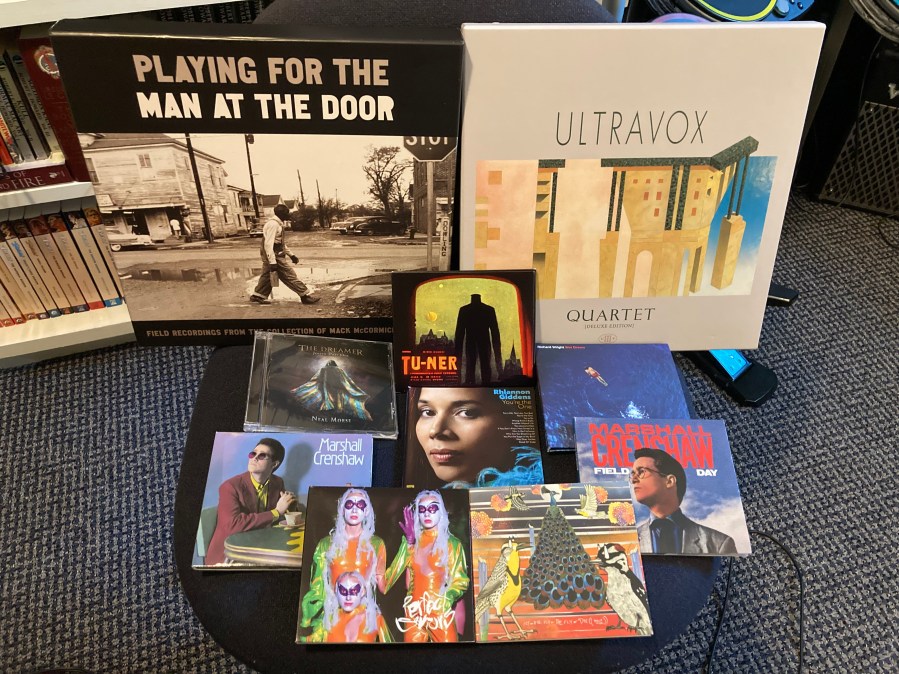
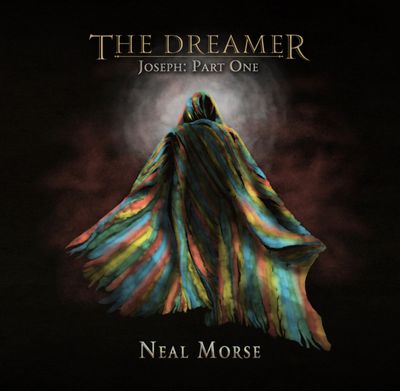
Neal Morse, The Dreamer – Joseph, Part One: For his latest rock opera a la 2019’s Jesus Christ the Exorcist, Morse and his studio sidekicks swerve toward hard-hitting blues-rock; the usual “Overture” and the narrative tracks “Burns Like A Wheel” and “Gold Dust City” are stuffed to the brim with chunky organ and grunged-up wah-wah guitar work. Wailing vocals from the cast of Christian Progressive Rock stalwarts who play Jacob, Joseph’s brothers and his Egyptian captors slot right in; even the power ballads (“The Pit”) have more grit this time around! And while the second half of the album is stylistically slicker (complete with classical chorale “I Will Wait on the Lord”), the hooky closer “Why Have You Forsaken Me?” pulls all the musical threads together, with Morse’s emotive portrayal of Joseph setting up intriguing possibilities for Part 2 — which, given his extravagant productivity, shouldn’t be too long in coming. Order from Radiant Records here.

Tu-Ner, T-1 Contact Information: Power trio improvisation that takes no prisoners, from another eerily luminous satellite band orbiting the gravity well of King Crimson. Trey Gunn and Pat Mastelotto formed one of Crimson’s most ferocious rhythm sections in the early 2000s, also recording together as TU; here Mastelotto clatters away merrily on his sonic smorgasbord of drums and percussion, while Gunn unleashes the deepest, fattest bass licks known to subwoofers. Above and around the Rhythm Buddies’ brutalist bedrock, Markus Reuter (who’s worked with Mastelotto in the duo Tuner and the trio Stick Men) unleashes slashing, swooping touch guitar lines and dark, brooding soundscape clouds — and when Gunn joins him on the higher end, sparks really fly. Always arresting, intermittently galvanizing, but the track titles (or this review for that matter) can’t really give you a feel for what this sounds like. In other words, you’ve gotta hear what Tu-Ner do to believe it.

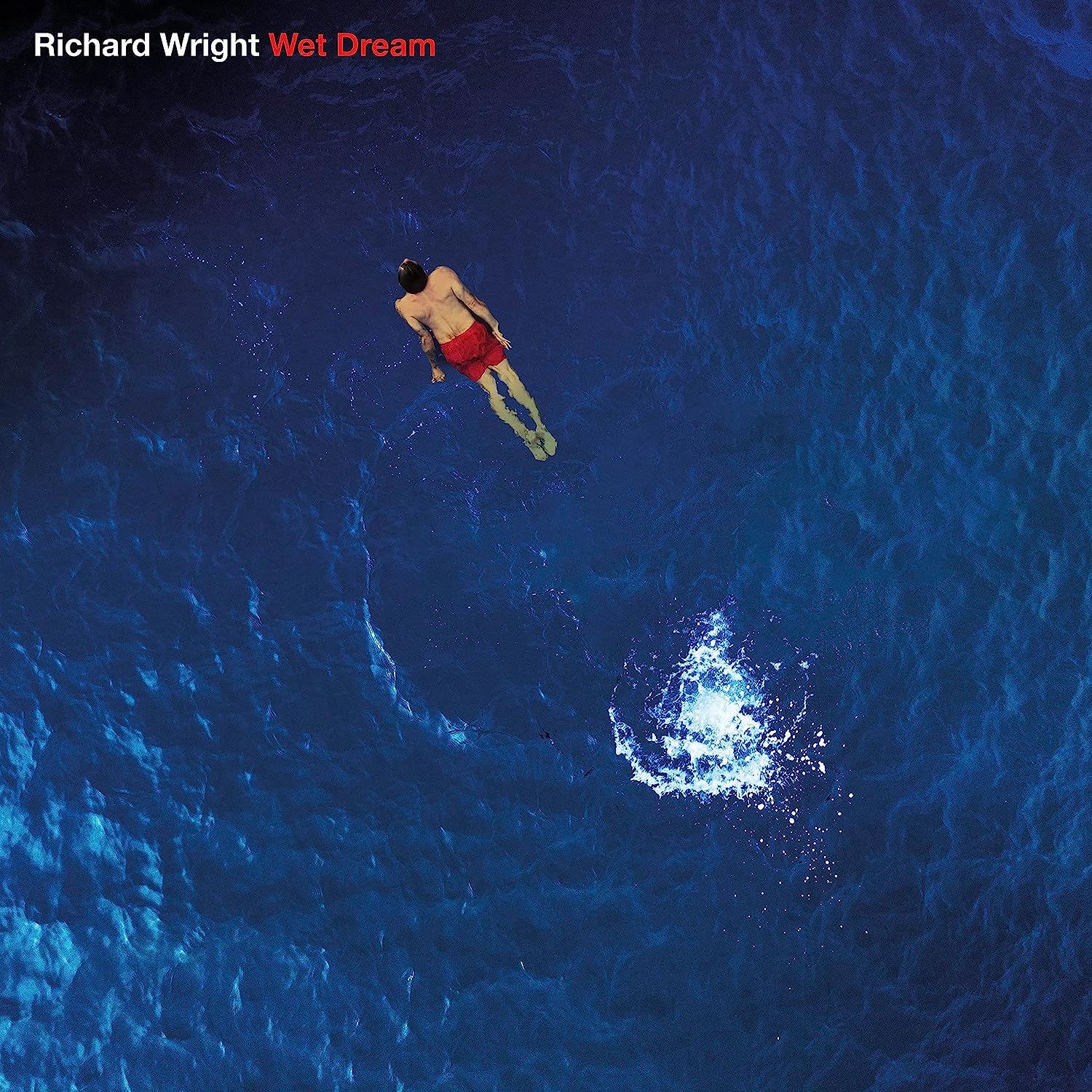
Richard Wright, Wet Dream: In case you ever wondered exactly what keyboardist Wright brought to Pink Floyd, his 1978 solo album has it in spades. On tracks like “Mediterranean C” and “Drop In from the Top” lush, floating chord progressions set up open-ended jams by guitarist Snowy White and sax legend Mel Collins; Wright’s reedy voice spins out languid vignettes of detachment and disillusion such as “Summer Elegy” and “Holiday”. All thoroughly gorgeous (especially in this immaculate new Steven Wilson remix), occasionally funky, ineffably melancholy — and not terribly urgent in isolation. Still, you can hear the breathing space that Floyd lost as Wright faded into the background and Roger Waters began repeatedly kicking his audience in the head on The Wall. Order from Rhino Records here.

Ultravox, Quartet [Deluxe Edition]: Speaking of immaculate Steven Wilson remixes: this is his third in a series for the British new wave quartet. Regrouping after early personnel changes, Ultravox struck a quirky vein of New Romantic post-punk on 1980’s Vienna, then pursued cutting-edge Krautrock on the follow-up Rage in Eden. Connecting with legendary producer/5th Beatle George Martin, frontman Midge Ure, violinist/keyboardist Billly Currie, bassist Chris Cross and drummer Warren Cann aimed straight for the charts; Quartet is as pure of a pop album as they ever achieved. The UK singles “Reap the Wild Wind,” “Hymn,” “Visions in Blue” and “We Came to Dance” have an irresistible mix of rock drive, synth-pop color and devil-may-care melody, and the album tracks slot right in; the whole thing’s overripe and melodramatic in the most appealing way. Plenty of extras in the 7-disc box too, with b-sides, rarities, rehearsal tapes, studio monitor mixes and an intense live set all included. Order from the Ultravox store here.

Continue reading “Rick’s Quick Takes: Summer, Part 3”

Rick’s Quick Takes for April

(As always, purchase links are included in the artist/title listing, with available online audio/video following.)

This month’s favorites:

The Zombies, Different Game. Led by singer Colin Blunstone and keyboardist Rod Argent, The Zombies notched three hit singles (“She’s Not There”, “Tell Her No” & “Time of the Season”) and a noted album of psychedelia (the misspelled, wildly adored Odessey and Oracle) back in the 1960s. This fourth effort since their late-90s reunion is my unexpected album of the month: a mesmerizing mix of the Baroque, the blues, witty lyrics worthy of the Great American Songbook and pile-driving soul. Argent’s compact yet ambitious songwriting is at a peak here: check out the elegiac, Bach-meets-John Lee Hooker title track; the doo-wop harmonies of “Rediscover”; the Motown/Steely Dan workouts of “Runaway” and “Merry-Go-Round”; the forlorn, string-laden balladry of “If You Would Be My Love” and “I Want to Fly”. And Blunstone can still stir up a furious storm with his R&B-inflected shouting or calm troubled waters with his cool serenity, frequently in the same tune! Mostly cut live in the studio, this is rock classicism at its finest; don’t miss it.

Nickel Creek, Celebrants. On their first outing in nine years, the progressive bluegrass trio riffs off an unlikely source to stunning effect. Inspired by the Beach Boys’ unfinished modular masterpiece SMiLE, mandolinist Chris Thile, violinist Sara Watkins and guitarist Sean Watkins conceived this album as a suite, with songs and instrumentals interconnected by recurring melodies and lyrics. The result flows brilliantly from beginning to end, impelled by these technically formidable, yet invitingly inventive players; the music moves like a flash from supple chamber textures (“The Meadow”) to propulsive rock (“Where the Long Line Leads”), through pensive slices of life (“To the Airport”) to hard-pickin’ instrumentals (such as the widely separated bookends “Going Out . . . Despite the Weather”). And that’s to say nothing of the trio’s thrilling, acrobatic vocal work, both solo and in harmony. Nickel Creek opens my local outdoor amphitheater this summer — and I, for one, can’t wait to hear what they do with this material!

London Brew. As with so much floating in the atmosphere of early 2020, this concept (a London concert celebrating the 50th anniversary of Miles Davis’ groundbreaking fusion album Bitches Brew) mutated along with COVID-19. Instead, we got something that’s arguably better — a dozen of the hottest young British jazzers jamming for three days in the studio, inspired by Miles’ ideas but whipping up a double-length set of free playing that’s more a seething maelstrom than a reverent tribute. Saxophonists Shabaka Hutchings (Sons of Kemet, The Comet Is Coming) and Nubya Garcia are probably most familiar to American listeners. along with drummer Tom Skinner (Sons of Kemet, Radiohead side project The Smile). Their fluidly molten lines and explosive grooves are core elements of this stormy music — but so are Nick Ramm and Nikolaj Torp Larsen’s floating keyboards, Martin Terefe and Dave Okumu’s boundary-bursting guitars, Raven Bush’s arcing violin, Theon Cross’ pumping tuba, and the volatile rhythm section of Tom Herbert and Dan See. The end result spins unpredictably between open, spacious textures and unstoppable torrents of furious sound, delivering 90 minutes of inspired, spectacularly unclassifiable music that never doubles back on itself.

This month’s jazz:

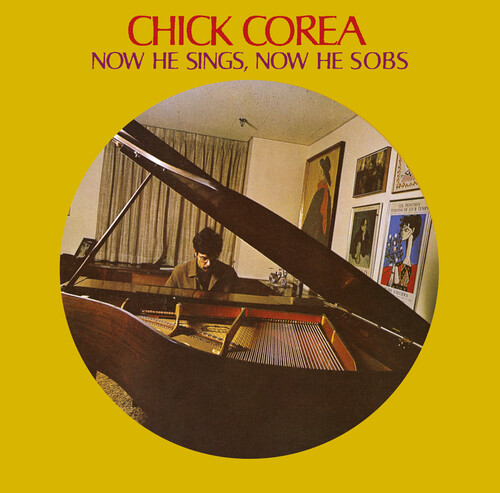
Chick Corea, Now He Sings, Now He Sobs (reissue). thanks to the no-frills Dutch reissue label Music On CD for bringing back this 1968 gem; arguably the first great album in Corea’s mind-boggling discography, it’s a near-perfect blend of lyricism and experimentation, simultaneously honoring and stretching the jazz tradition of the time. Teaming up with bassist Miroslav Vitous (later of Weather Report) and legendary drummer Roy Haynes, Corea weaves seamlessly through classic early compositions (“Matrix”, “Windows”), standards (Thelonious Monk’s “Pannonica”, “My One and Only Love”) and in-the-moment improvisations (the bulk of the original album and the additional session tracks included here). Laced with snatches of iconic Corea moments to come, this is also a solid, satisfying record in its own right.

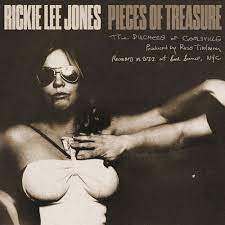
Rickie Lee Jones, Buried Treasures. You can argue that Jones was always a jazz singer, even on her folk-inflected debut smash and her cinematic follow-up Pirates. (And hey, if Bob Dylan can sing songs made famous by Frank Sinatra . . .) Reunited with her original producer Russ Titelman and fronting a wonderfully sympathetic instrumental quartet plus horns, Jones lovingly leans into ten classic pre-rock songs, her inimitable voice gently caressing the melodies, her sparky gift for bringing the words and sentiments she sings to life blissfully intact. Hushed and intimate, but with rough edges in all the right places, Buried Treasures lives up to its title – and then some.

Rob Mazurek Exploding Star Orchestra, Lightning Dreamers. The latest from Chicago’s headily progressive jazz label International Anthem. Take trumpeter/composer Mazurek’s programmatic depictions of South American landscapes married to the free-form poetry of Damon Locks; add Gerald Cleaver and Mauricio Takara’s sturdy, hip-hop inflected percussion, Jeff Parker’s liquid post-rock guitar, and the atmospheric keys of Craig Taborn and Angelica Sanchez; then run the whole thing through a mixmaster of electronic treatments. Listen to this music with open ears, and you may come out the other side looking at the world around you with new eyes, too. A celebratory, cathartic experience.

This month’s veteran (cosmic?) rockers:

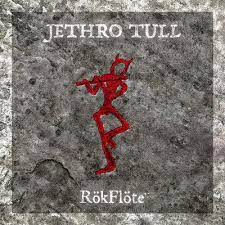
Jethro Tull, RökFlöte. After his revisionist take on the Bible on last year’s The Zealot Gene, Ian Anderson turns his gimlet eye on the old Norse gods, with 12 new songs that portray that mythology’s pantheon and flesh out present day cultural parallels — all in strict poetic meters, no less! The music is welcoming and nimble, often reminding me of classical or Celtic tunes I can’t quite place; Anderson’s flute work is wickedly sharp and his back-up band (including new guitarist Joe Parrish-James) give each tune plenty of oomph. And while Anderson can’t attack this material with the vocal gusto and range he had in Tull’s heyday, he’s learned how to cannily work with his limitations to pull the listener into each vignette. Reminiscent of the Songs from the Wood/Heavy Horses era of Tull, this will charm long-time fans while holding open possibilities for broader appeal.

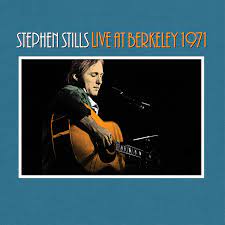
Stephen Stills, Live at Berkeley 1971. The latest fuel for my ongoing Crosby Stills Nash & Young fixation. No wonder they called Stills “Captain Many Hands”; two-thirds of this archival set feature the man holding an audience of 3,500 spellbound with just his voice, guitar, piano and banjo (oh, and David Crosby chipping in harmonies on two songs). Which makes the impact of the full band finale even stronger, as a six-piece group plus the Memphis Horns power Stills’ singing to soulful heights (while sounding remarkably proggy in the 7/4 section of the epic “Cherokee”). With impressive tunes spanning a broad spectrum of roots music and superb musicianship throughout, this set offers a valuable chance to hear a now-underrated American master at his best.

The Who with Orchestra, Live at Wembley. In 2019, I attended the first concert of Roger Daltrey and Pete Townshend’s foray into playing with a full-blown orchestra; recorded six months afterwards, this double set is now released in advance of The Who taking their symphonic show across Britain this summer. The bugs of that opening night had definitely been ironed out by the time they got to London; the orchestral backing on their “greatest hits plus a couple new tunes” set hits hard consistently, reaching majestic heights on the extended suite from Quadrophenia. And if Daltrey and Townshend’s voices are showing their age at long last, their gutsy commitment to the material triumphs over any moments that reveal the wear and tear. Still, the highlight of the show for me remains the duo’s acoustic duet on the evergreen “Won’t Get Fooled Again”, with Townshend supplying an introduction that pokes holes in any lingering political pretensions: “You provide the [expletive deleted] activism; we’ll provide the soundtrack.”

Box Set of the Month:

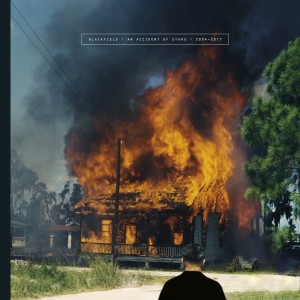
Blackfield, An Accident of Stars – 2004-2017. Customer service alerts first: the “limited one-time pressing” of this CD-based set, collecting Steven Wilson and Aviv Geffen’s first five albums under the Blackfield banner plus live audio and video is already sold out, though Amazon and indie stores like Michigan’s Dearborn Music are listing stray copies as available. Oh, and there’s a technical glitch with the included BluRay, which won’t play in American and Asian players. (Though purchasers can get a free replacement BluRay via press@snappermusic.co.uk) All that aside, Blackfield made a whole bunch of gorgeously doomy art pop in those 13 years, with Wilson and Geffen’s vocals adding salty, sour, spicy notes to their melancholy, string-laden soundscapes. While the debut Blackfield album is still my favorite, albums II and V really aren’t that far behind in quality – and there’s good stuff to be found on the lesser albums as well (all available individually through Burning Shed or Bandcamp). So if this piques your curiosity, go for selected highlights – or the complete set! (But be forewarned — KScope has announced a similarly limited box of early Pineapple Thief albums for June release, and a set of Wilson’s No-Man albums with Tim Bowness is rumored to be in the works. So start saving your shekels now . . .)

–Rick Krueger

Rick’s Quick Takes from March

“Delays, delays!”

Marvin the Martian, “Hare-Way to the Stars”

(A quick note: for new releases, order links are embedded in album titles; online playlists/previews/etc. follow reviews when available. For catalog albums, playlists are linked with titles.)

Once again, I get to second a positive review from Bryan — this time of Fauna, the new release from prog-metallers Haken. Wildly creative, I found this to be the British sextet’s most appealing effort since 2016’s Affinity, stirring in flavors of fusion, postmodern pop, funk, reggae, electronica and even opera alongside one heavy yet tuneful chorus after another. Whether on the short, sharp shocks of “Taurus” and “Lovebite” or the extended journeys of “Sempiternal Beings” and “Elephants Never Forget”, Ross Jennings’ vocals soar, Charlie Griffiths and Richard Henshall’s guitars crunch, Peter Jones’ keys fill what few sonic crevices remain, and rhythm section Conner Green and Raymond Hearne thunder. Play it loud — but look out for multiple, exciting curveballs on every track!

Last month also saw the release of two live albums from veteran bands who’ve made it through the pandemic back to the stage:

Van der Graaf Generator’s The Bath Forum Concert (a CD/DVD/BluRay set) documents the venerable trio’s 2022 return to action; tackling an ambitious setlist that spans their entire career, guitarist/pianist/singer Peter Hammill is as declamatory and vehement as ever, organist Hugh Banton covers the aural spectrum between cathedral and crypt, and drummer Guy Evans locks into or disrupts the grinding soundscapes as the spirit moves him. The beautifully filmed video shows VDGG working hard and watching each other, opting for the flow as they feel it rather than relying on clinical precision; warts and all, this is refreshingly in the moment, a strong show that captures the band’s existential angst and humanistic idealism in full.

Two years after their 2020 Far Eastern tour collapsed around them, King Crimson satellite band Stick Men returned to Japan and blew away any cobwebs that might have accumulated at Osaka’s BB Live venue. The resulting album Umeda showcases avant guitarist Markus Reuter, multi-bassist Tony Levin and percussionist Pat Mastelotto at their aggressive, angular best; whether on long-standing improvisational frameworks “Cusp”, “Schattenhaft” and “Swimming in Tea”, newer compositions “Ringtone”, “Tentacles” and “Danger in the Workplace” or Crimson classics “Red”, “Larks’ Tongues in Aspic Pt. II” or “The Sheltering Sky”, these guys are frighteningly good, whether working up a hair-raising din or backing off for spacey, unexpectedly lush interludes. A great introduction for newbies and a must for fans.

Plus, in February and March the recorded music industry resumed cranking out deluxe box set reissues and compilations — apparently the market of Boomers (like me) with more money than sense isn’t tapped out yet:

Continue reading “Rick’s Quick Takes from March”

Bryan’s Best of 2022

This year has been an interesting one for me musically. For much of the middle of the year I was absorbed by older progressive metal music, primarily diving into back catalogs for Meshuggah, Pain of Salvation, TesseracT, and Caligula’s Horse. I found that I wasn’t as compelled by more traditional “prog rock,” at least not in its shorter forms. I did find myself enjoying some of the longer form tracks, like Lobate Scarp’s “Flowing Through The Change” and Ryo Okumoto’s “The Myth Of The Mostrophus.” Much of my favorite new music leaned towards post-progressive music, with a few more traditional picks thrown in as well. I’ve reviewed a lot of music this year and listened to far more, some of which would have made a best-of list in years past where I listened to less music. Alas.

The following order is relatively arbitrary apart from my top album at the end.

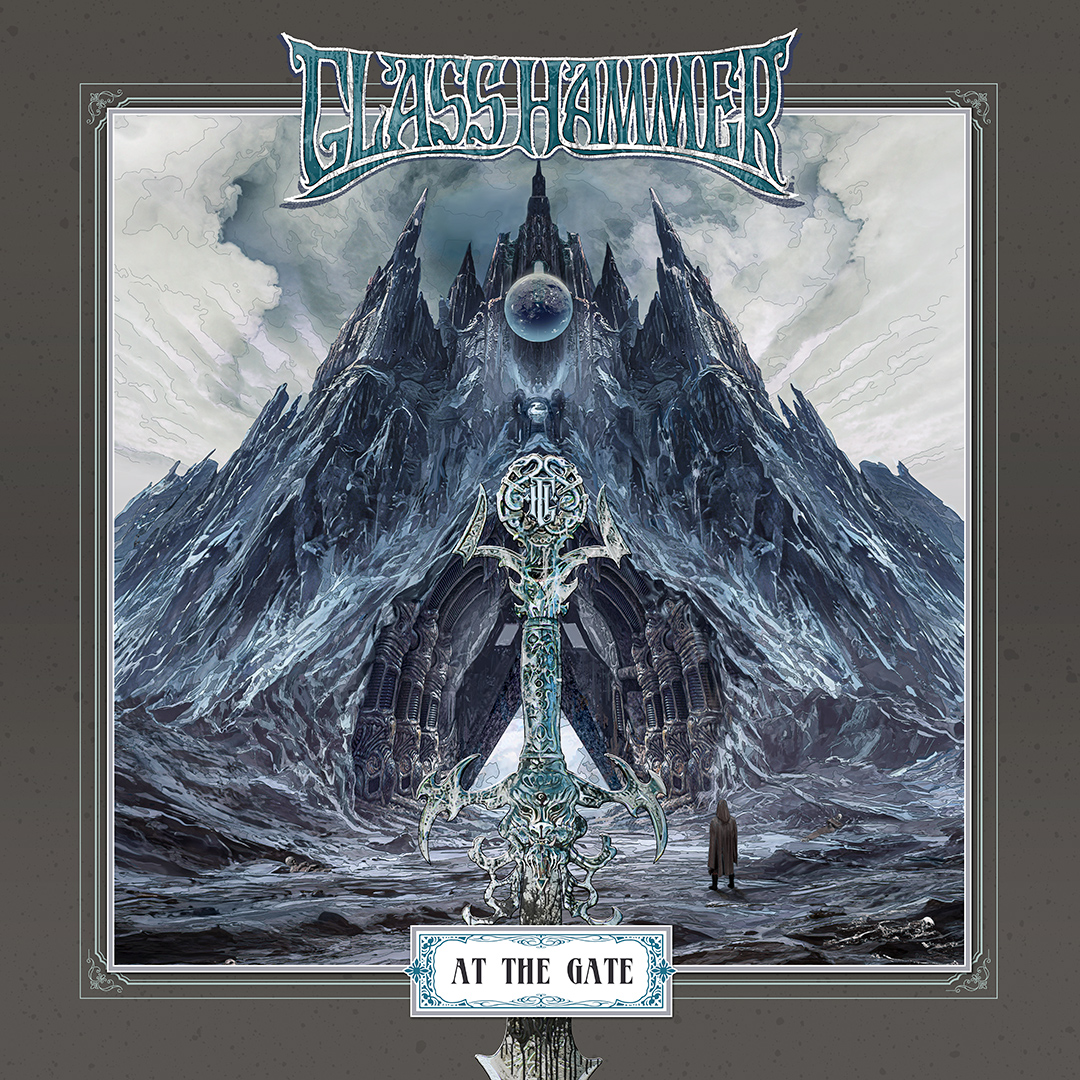
GH-2022-cover-1080px-PREVIEWGlass Hammer – At The Gate
The third record in Glass Hammer’s Skallagrim trilogy of fantasy albums doesn’t disappoint. In fact in may be the best of the trilogy. Equal parts heavy and proggy, I think my favorite parts are when the band goes full Rush. You don’t hear many bands really showing a mature Rush influence (as opposed to hearing elements of a Rush sound), and it was great to hear it on this album.

tangent-hard-shoulderThe Tangent – Songs From The Hard Shoulder
The Tangent returned this year with a collection of prog epics (and one R&B, disco, funk track), sure to thrill longstanding fans and possibly scare away the uninitiated. Check out my review of the album: https://progarchy.com/2022/06/28/album-review-the-tangent-songs-from-the-hard-shoulder/. Check out Rick Krueger’s interview with Andy Tillison, as well: https://progarchy.com/2022/05/27/andy-tillison-the-progarchy-interview/.

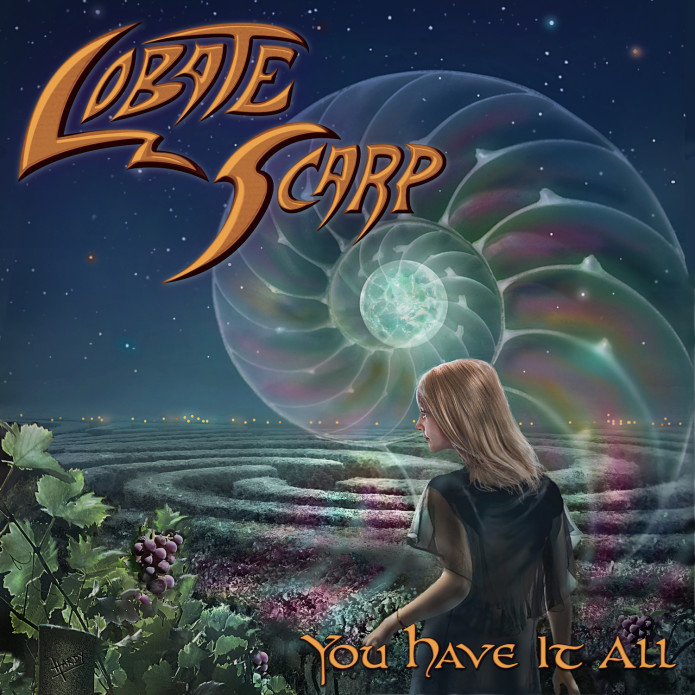
Lobate Scarp - You Have It AllLobate Scarp – You Have It All
This record was a long time in the making for Lobate Scarp and it’s mastermind, Adam Sears. The record masterfully blends prog with pop sensibility, all while bearing a strong Spock’s Beard influence. My favorite song is the 17-minute “Flowing Through The Change.” Beyond that, I’ve found many of the uplifting lyrics from other tracks running through my mind over the course of the year. Check out Time Lord’s review: https://progarchy.com/2022/05/06/album-review-you-have-it-all-by-lobate-scarp/.

a0006828710_10Dave Brons – Return to Arda
Dave Brons recently released a follow-up to his 2020 Tolkien-influenced record, Not All Those Who Wander Are Lost. Return to Arda looks at nature within Tolkien’s “Middle-Earth” through a celtic progressive rock lens. Featuring vocals from Sally Minnear, and mixing by Dave Bainbridge. Check out the album on Bandcamp: https://davebrons.bandcamp.com/album/return-to-arda.

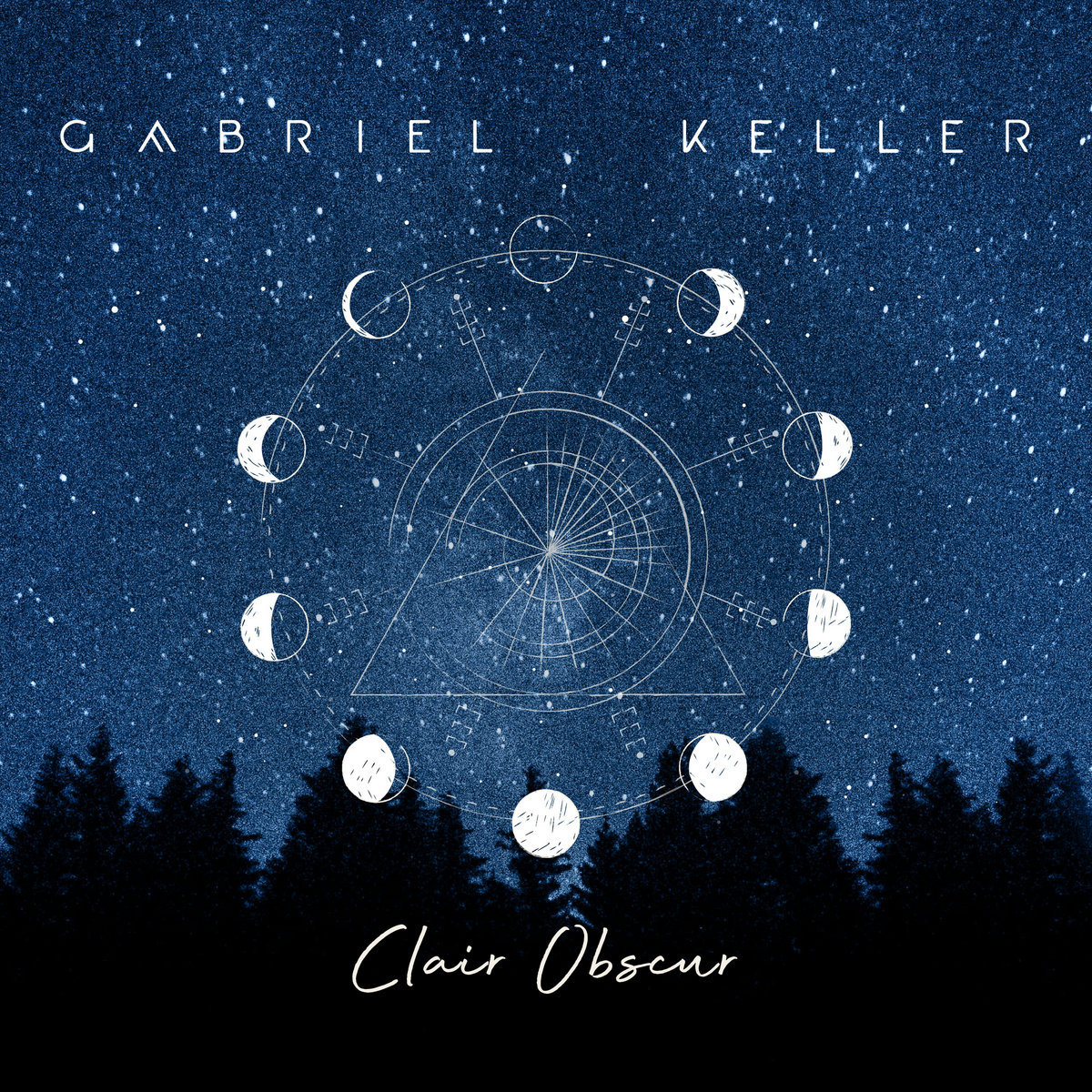
Gabriel Keller - Clair ObscurGabriel Keller – Clair Obscur
I reviewed quite a few albums from France this year, and this record was my favorite of those. It contains a blend of English and French lyrics with multiple vocalists. The album has a variety of styles, gradually getting darker and heavier as it goes along. Check out my review: https://progarchy.com/2022/11/13/gabriel-kellers-stunning-musical-journey-clair-obscur/.

8716059014463-cover-zoomInhalo – Sever
I reviewed this debut album from the Dutch proggers for the Dutch Progressive Rock Page earlier this year, and it was a very pleasant surprise for me. It reminded me of TesseracT if they were playing just hard rock and not metal. Very atmospheric with a mature sound. I love their wall-of-sound approach. It’s a solid record, and I look forward to more music from the band. Check out my DPRP review: https://www.dprp.net/reviews/2022/071.

Big Big Train - Welcome to the PlanetBig Big Train – Welcome To The Planet
This record was bittersweet, being the final Big Big Train record to feature David Longdon on lead vocals. It was also an album of change for the band, with new member Carly Bryant taking a more prominent role on the record compared to Common Ground released a mere six months earlier. The record contains a pleasant blend of the band’s more accessible bits as well as their proggy moments. “Capitoline Venus” is a touching love song, while “Oak and Stone” fits in a long tradition of Big Big Train’s pastoral contemplative tracks. The title track is a bit unlike anything we’ve heard from the band, at least during Longdon’s tenure, reflecting Bryant’s new influence. It took me a few listens, as it took me by surprise at first. But once I “got” it, I really came to enjoy it. Check out my review: https://progarchy.com/2022/01/19/album-review-big-big-trains-welcome-to-the-planet/; and check out Rick’s review too: https://progarchy.com/2022/01/21/ricks-quick-takes-for-january/.

Big Big Train Summer Shall Not FadeBig Big Train – Summer Shall Not Fade
The band’s 2018 performance at the Night of the Prog in Loreley, Germany, has been a bit legendary amongst the band’s fans for years, and I suspect the band decided to release it this year due to Longdon’s tragic passing last year. The concert finds the “classic” lineup of the band playing at or near their best in front of a very large crowd. We’re reminded of how great a frontman Longdon really was. It’s a pleasant way to remember this part of the band’s history. Check out my review: https://progarchy.com/2022/11/05/big-big-train-summer-shall-not-fade/.

Bjørn Riis Everything to EveryoneBjørn Riis – Everything To Everyone
This record dominated my listening early in the year. Riis is an excellent guitarist, and his atmospheric rock is always compelling. Every one of his solo albums is worth listening to for his music, vocals, and lyrics. His albums are melancholic, like most of the progressive rock I’ve heard from Norway. Check out my review: https://progarchy.com/2022/05/09/album-review-bjorn-riis-everything-to-everyone/.

dt-lightwork-front-coverDevin Townsend – Lightwork/Nightwork
Devin may have gone quieter on Lightwork, but the album displays his talent as well as any of his records. His skills as a mixer, writer, composer, guitarist, and singer are on full display. The companion album, Nightwork, has some heavier moments, perhaps to soothe parts of his fan base. Either way, both records are great. Check out my review: https://progarchy.com/2022/12/22/devin-townsend-lights-the-night-lightwork-and-nightwork/.

meshuggah-immutableMeshuggah – Immutable
It has taken me close to a decade of listening to progressive metal before I was able to finally get into Meshuggah, and it happened this year! I’ve long known about them and respected them, but I just couldn’t get it. Maybe me getting into Devin Townsend’s more extreme side over the past couple years helped open that door, but I’m now a big Meshuggah fan. I could even hear a Meshuggah riff (from “Demiurge”) coming from my knife and cutting board when I was chopping celery last week. “Immutable” is a fantastic record, finding the band tweaking their sound a bit without changing their substance at all. “Broken Cog” is heavy, brooding, and atmospheric. The scream of “broken cog” close to the end is absolutely epic. Check out Mahesh Sreekandath’s review: https://progarchy.com/2022/11/25/immutable/.

Porcupine-Tree-–-Closure-ContinuationPorcupine Tree – Closure Continuation
I didn’t get into Porcupine Tree until after their hiatus following 2009’s “The Incident” and subsequent tours. I had no real expectations for this record, since Porcupine Tree has played a lot of different styles over the course of their long career. I kept an open mind, and I was highly rewarded. This album is pure Porcupine Tree without feeling like it’s trying to create a certain sound. It’s just what came about from the members writing and playing together on occasion over the past decade. Upon reflection, I think my dislike for some of Steven Wilson’s poppier solo work might be tempered if he continues to make music like this in other outlets. Check out Rick Krueger’s review of the band’s live show in Chicago: https://progarchy.com/2022/09/23/porcupine-tree-in-concert/.

marillion-ahbitd-1Marillion – An Hour Before It’s Dark
Another record that dominated my listening early in the year. This record is almost as good as 2016’s F.E.A.R. Perhaps not quite, but it is close. It’s one I’ll likely enjoy for years to come. Well written music and lyrics (for the most part – I have my beefs with one track) that ponder the turmoil of the last few years. It’s a hopeful album that has some calls to reflect and change our ways. In the end, it makes you think, as all good art should. Check out my review: https://progarchy.com/2022/03/27/we-still-have-time-marillions-message-of-hope-an-hour-before-its-dark/.

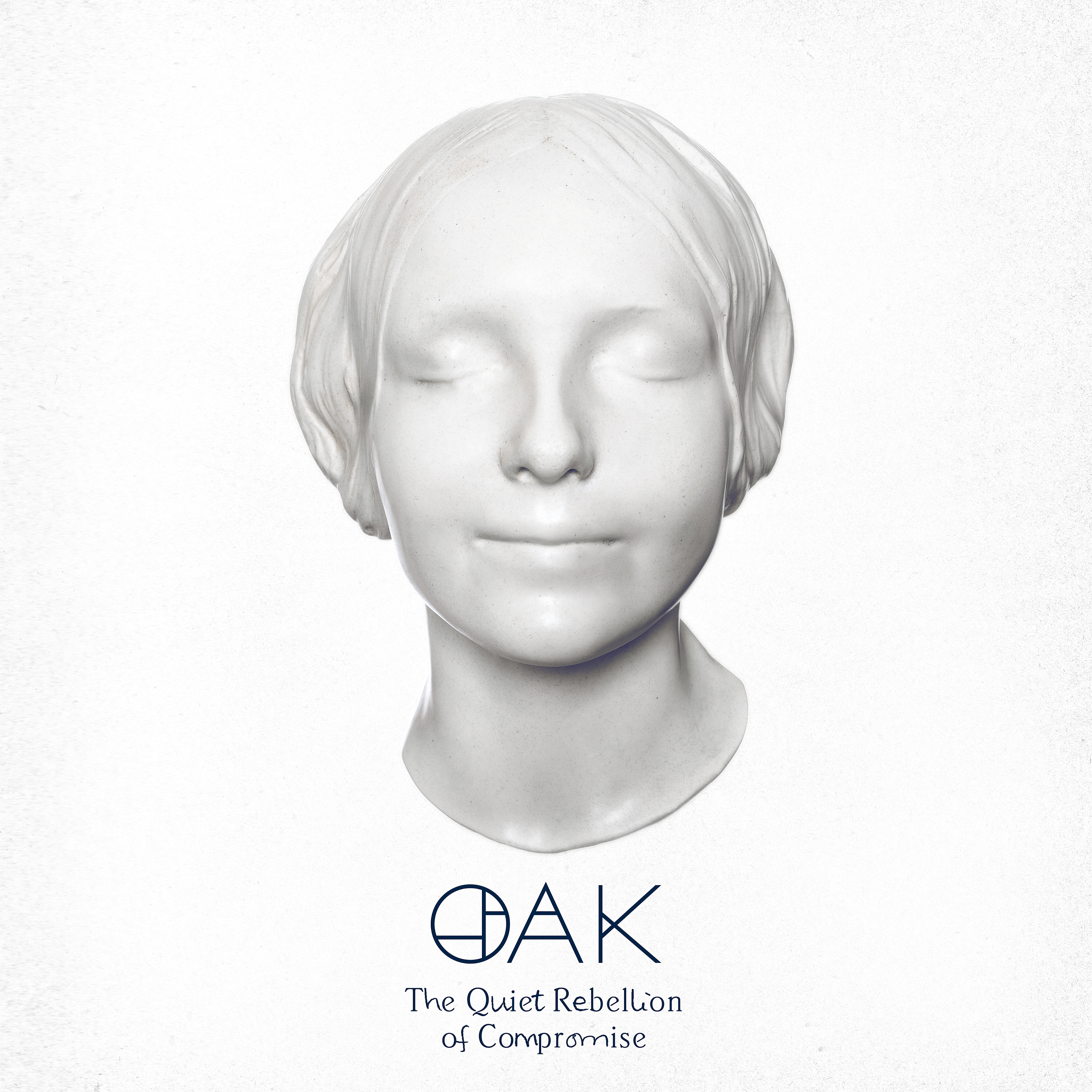
Oak - The Quiet Rebellion of Compromise1. Oak – The Quiet Rebellion Of Compromise
Oak never disappoint me. Their latest record finds them evolving their sound a little bit, but it is still definitively Oak. Their layered soundscapes, haunting vocals, and thoughtful lyrics have kept them at the top of my list of favorite newer bands since I first heard them in 2016, and they’ve only confirmed that for me with this record. They’re a band that deserves far more recognition from the prog world. Check out my review: https://progarchy.com/2022/12/14/oaks-third-masterpiece-the-quiet-rebellion-of-compromise/.


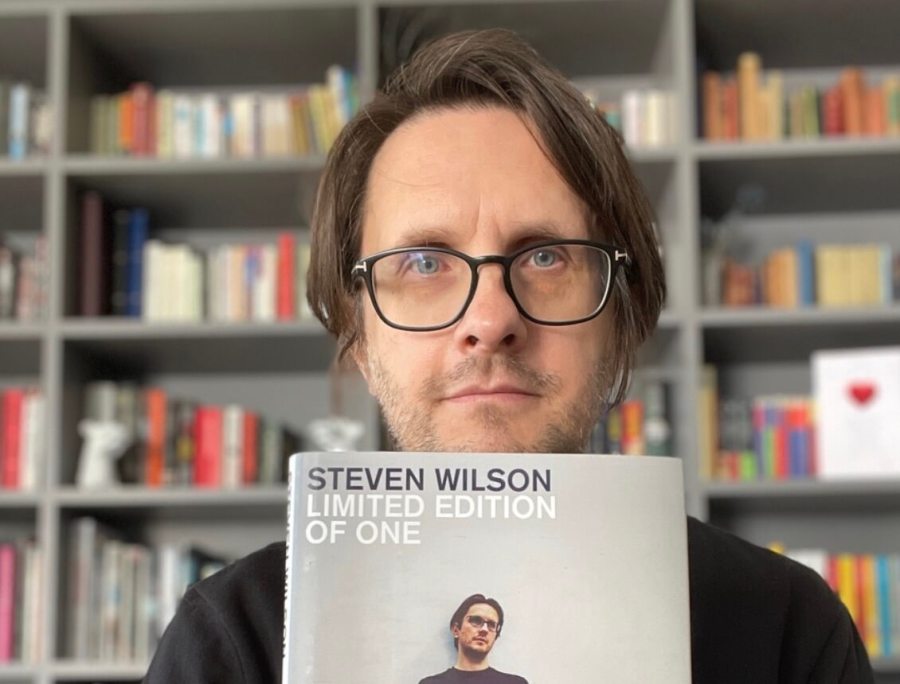
steven-wilson_limited-edition-of-one_bookMy favorite prog book of the year was Steven Wilson’s Limited Edition of One. Breaking the mold of rock artist memoirs, Wilson (and Mick Wall, who helped him in the writing process) created a post-modern masterpiece. I typically dislike anything deconstructive (in an academic sense), but Wilson turned it into an art form. He combines memories with lists of his favorite music, books, and movies along with more philosophical commentary on his career and on music in general. Check out my full review of the book: https://progarchy.com/2022/05/08/more-than-a-memoir-steven-wilsons-limited-edition-of-one/.
I only went to one concert this year: Steve Hackett. Interestingly, Hackett was the last concert I saw before governments shut everything down for Covid. The band played the Seconds Out setlist, along with some of his solo tracks. It was a brilliant show, with Hackett clearly demonstrating that his band is the best thing touring right now. He even released a live album from the tour that is well worth checking out. Check out my concert review: https://progarchy.com/2022/04/27/live-again-steve-hackett-plays-st-louis-4-26-22/. And check out Rick’s concert review too: https://progarchy.com/2022/05/06/steve-hackett-in-concert-from-spectral-surrender-to-seconds-out/.

This best-of list feels woefully incomplete considering how much excellent music was released this year… Muse, The Flower Kings, Six by Six, Ryo Okumoto, The Bardic Depths, Cosmograf – all great records, but the above list really captured my attention for one reason or another.

Hopefully 2023 will be another great year for prog. As usual for me, music has been an escape, a sedative, a lighthouse in the storm. With 2022 being one of the most difficult years of my life, music provided much needed comfort and direction over the course of the year. I suspect that will continue in the new year.

Merry Christmas and Happy New Year, everyone. Thanks so much for reading.

Rick’s Best of the Decade

I’ve kept a spiral-bound notebook titled “Core Discs: The Honor Roll” since the mid-1990s, when I was deeply into a classical music binge at the height of that genre’s last recording boom. Over the years, as I migrated through jazz (courtesy of the Ken Burns documentary) and country/folk (blame Johnny Cash & Leonard Cohen) back into my earlier love of rock, I find it intriguing that my picks started shifting in tandem with the prog revival of the 21st century, long before I started writing for this site in 2017. But unlike Bryan’s methodology for finalizing his excellent list, when I sat down to pick my ten favorite albums of the last ten years, I looked at my top favorite for each year and said, “yeah, those are all still up there.” Which is why I also decided to just list them by the year of their release (not always the year I first heard them) instead of ranking them from 10 to 1. (Oh, and links to my original reviews are embedded in the artist/album listing from 2017 onward.)

It’s true that, in more recent years, my picks have been busting out of genre boundaries — but, if you’ve been generous enough to sample my wares before, you’ve probably figured that out. And hey, if such a tendency isn’t progressive, then what is? Whether the following list confirms or challenges your preconceptions of “what’s prog”, I fervently believe that every one of these albums is worth checking out — but be warned, your mileage may vary!

So, without further adieu:

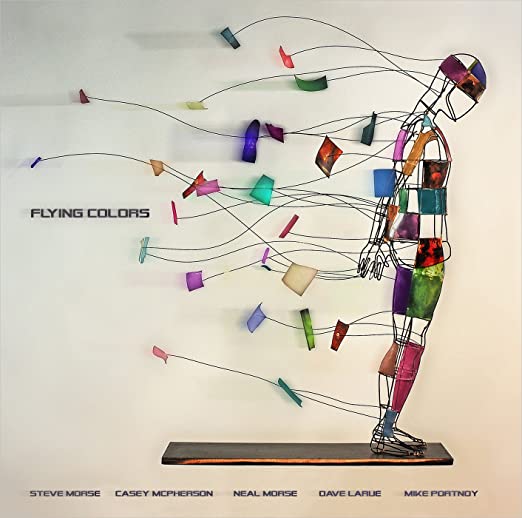
2012 – Flying Colors: gotta agree with Time Lord here — this one’s a total winner from start to finish. Neal Morse and Mike Portnoy had captivated me long before this with the first three Transatlantic releases and Morse’s two Testimony albums, but Flying Colors showcased an even broader stylistic range, from the Beatlesque “Fool In My Heart” through the retro-80s prog-pop vibe of “Blue Ocean” and “Kayla” to the cutting-edge Museings of “Shoulda Coulda Woulda” and “All Fall Down”. The album also proved that Morse and Portnoy know how to pick collaborators! Guitarist Steve Morse applied his unique mix of Southern-fried chicken pickin’, fusion a la Mahavishnu John McLaughlin and Purpleish power riffs to winning effect (solidly supported by his longtime bassist Dave LaRue), and vocalist Casey McPherson proved he could run with the big boys, stirring fresh melodic and lyrical flavors into every track, including more familiar constructions like the inspirational “The Storm” and the epic finale “Infinite Fire”. This one also gets nostalgia points for being available at Best Buy stores back in the day (remember when you could get CDs there?).

2013 – Big Big Train, English Electric Full Power: OK, I actually didn’t discover this one until 2016, when the BBT bug finally bit me — more on this in a future post. And while I sort of wish I had done so earlier, maybe hearing EEFP on the British trip my wife and I took the year it was released would have been too much of a good thing! Steeped in a love of their native land and affectionate empathy for its people, Greg Spawton and David Longdon doubled down on the longform approach of 2009’s The Underfall Yard to probe forgotten milestones of British history (“The First Rebreather”, the heart-stopping “East Coast Racer”) and portray unforgettable characters (“Uncle Jack”, “Curator of Butterflies”) against a bucolic landscape (“Upton Heath”, “The Permanent Way”), along with the perennial challenges of the heart (“The Lovers”) and the soul (“A Boy in Darkness”, “Judas Unrepentant”). All in a style that recalled original prog touchstones (looking at you, Gabriel-era Genesis) but blended in the dizzying guitar of Dave Gregory and the wicked drum grooves of Nick D’Virgilio to awesome effect. The two separate volumes of English Electric and the Make Some Noise EP certainly have their charms, but in the scope and sequence of this complete package, Spawton, Longdon and company touched on perfection.

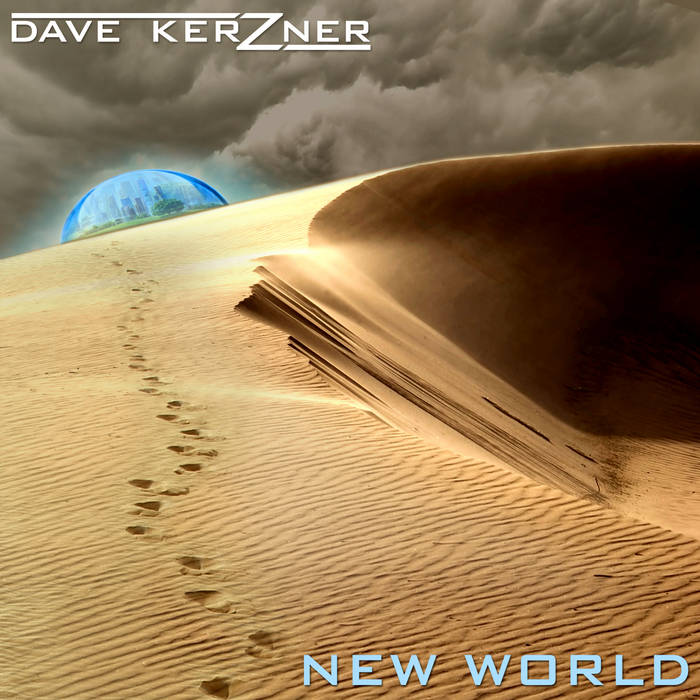
2014 – Dave Kerzner, New World: another late arrival in my collection, this is the album that convinced me a genuine prog-rock revival was afoot beyond the continuing efforts of Morse/Portnoy and Steven Wilson. Kerzner’s mastery of cinematic soundscapes was evident from the first Floydian flourish of “Stranded” to the closing upward spiral of “Redemption”; his ability to involve guest stars like Steve Hackett and Keith Emerson, as well as quality players like guitarist Fernando Perdomo and Nick D’Virgilio (him again!), bore impressive results; and his intuitive grasp of pop hooks proved a solid foundation for irresistible shorter songs like “The Lie” and “Nothing”. Stir in longer, brooding tracks “Into the Sun”, “Under Control” and “My Old Friend” (in memory of performer/producer/polymath Kevin Gilbert), and you had a consistently gripping effort. Whether in its single-disc or deluxe double-disc format, New World aimed high and hit every target that a latter-day concept album could — thoroughly immersive, richly compelling and a breakthrough kick-off for Kerzner’s ongoing solo career.

2015 – Steven Wilson, Hand. Cannot. Erase: speaking of latter-day concept albums . . . Seems like *everyone*, especially the ex-SW fans who think he lost the plot with To The Bone and The Future Bites now cite this as his best effort; me, I remember the online ruckus when “Perfect Life” became the pre-release single. (“IT’S! TOO! POP!” As I’ve said before, if only they had known . . .) But as Bryan mentions in his article, Wilson struck conceptual paydirt with the true story of Joyce Carol Vincent’s lonely death, unearthing both the bleakness and the beauty inherent in a life of urban isolation. His sharp, highly committed writing met its match in the blistering playing of his band: guitarist Guthrie Govan (“Regret #9), keyboardist Adam Holzman (“Home Invasion”) and singer Ninet Tayeb (“Routine”) all have some of their best recorded moments featured here. HCE’s enduring appeal does partially stem from its similarity to Porcupine Tree in their prime — but both Wilson’s musical growth in the intervening years and his return to a humane lyrical vision after the voyeurism of Insurgentes and Grace for Drowning were what made the difference then, and now. The melancholy inherent in the final track “Happy Returns” still feels like we’re mourning a life, lived and lost, for real.

2016 – Marillion, FEAR: that rare example of a band hitting a creative and commercial peak simultaneously. Marillion as a band got even more serious about musical substance here, with lush, detailed sonic backdrops adding depth and resonance to their smash-cut collages. All of which fused seamlessly with Steve Hogarth’s lyrical concerns — for example, the opener “El Dorado” built from self-satisfied, affluent peace to twitchy paranoia, as the lyrics and music stewed in the pressure cooker of an over-connected, unsettled world. The heartfelt road narrative of “The Leavers” made a consummate live epic that captured the special relationship between the band and its fans, while ominous closer “The New Kings” (capped by H’s heartbroken refrain, “Why is nothing ever true?”) still seems way too spooky — and way too relevant six years later. Since its release, FEAR’s success has enabled Marillion to go from strength to strength both live (as I witnessed in 2018) and with their equally powerful follow-up, this year’s superb An Hour Before It’s Dark. Which testifies to its ongoing impact, then and now.

Continue reading “Rick’s Best of the Decade”

Bryan’s Best of the Decade, 2012-2022

As we here at Progarchy continue to celebrate our tenth anniversary, we’re moving from talking about our favorite artists of the decade to our favorite albums. Since 2014 I’ve compiled a “best of” list highlighting my favorite music of the year. Looking back, I still stand behind my lists because they represent where I was with music at the time. But now as I look back and try to compile a top ten for 2012-2022, my list looks a little bit different. The following list reflects my views and tastes regarding the last ten years as they sit right now. It’s all very fluid and subjective.

But enough blathering. On with my top ten. The only limit I put on myself was I didn’t want to repeat artists, because otherwise it would all be Big Big Train or Neal Morse and Mike Portnoy. Limiting myself to one album from each of those artists was difficult, but I’ll steer you back to my yearly best of lists at the end of the article, for those artists abound in those lists.

[Headline links, for those that have them, link to Progarchy reviews, articles, or interviews associated with the album.]

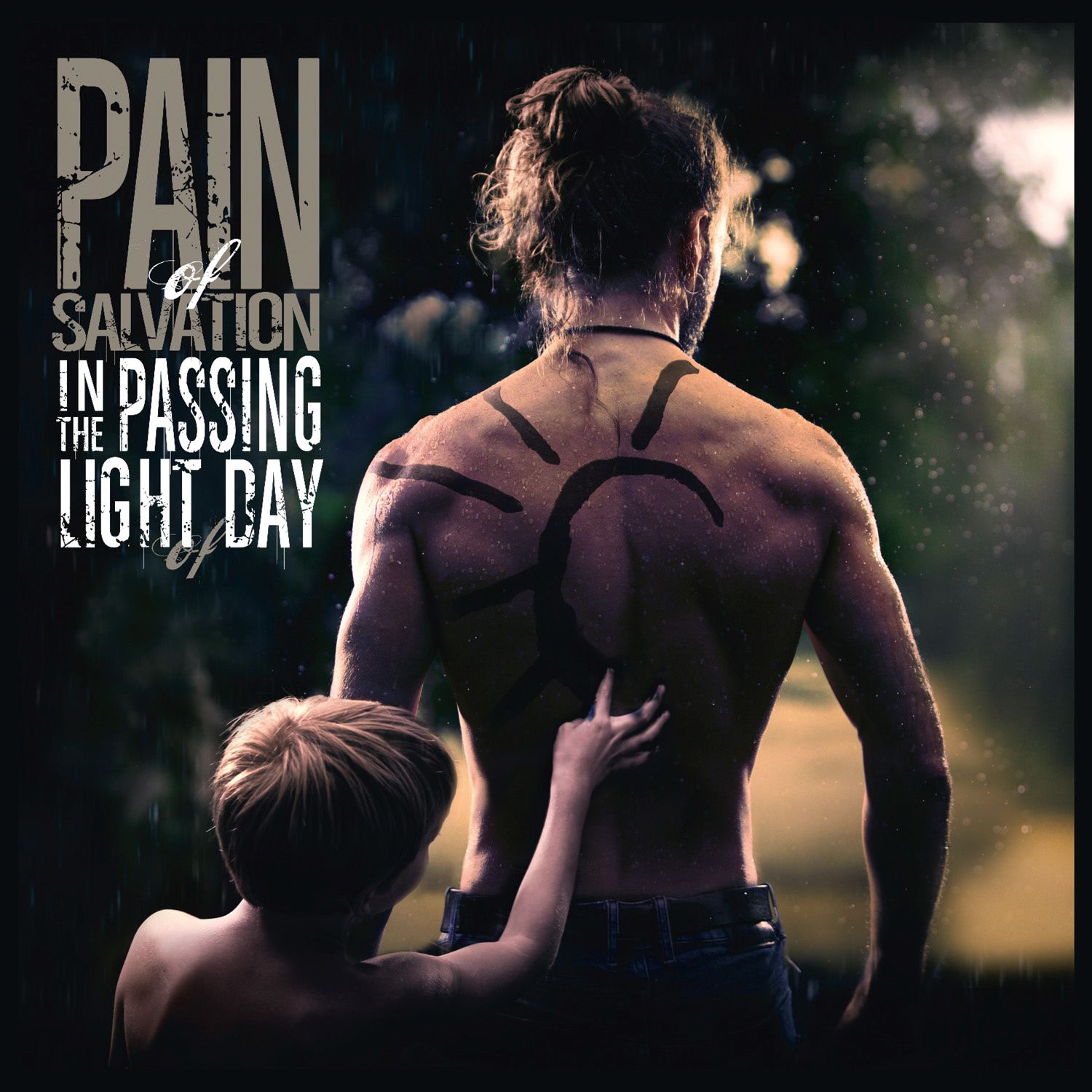
10. Pain of Salvation – In The Passing Light Of Day (2017)Pain of Salvation - Passing Light of DayI missed this album when it came out, although I remember reading about it in Prog magazine. I came to appreciate Pain of Salvation with their 2020 album, Panther, which was my top album of the year. I finally started to dig into their back catalog this summer, and I’ve been blown away. In The Passing Light Of Day is a brilliant tour-de-force of emotions. Some of the lyrics I think are too sexually explicit, which is primarily why I rank it at number 10 and why I almost kicked it off my top ten. But the music and melodies are so good, and most of the lyrics are incredibly profound. I also think Ragnar Zolberg brought a lot to the table and was a great balance to Daniel Gildenlöw.

9. The Neal Morse Band – Innocence and Danger (2021)
The Neal Morse Band Innocence & DangerIt was hard to pick one of the MANY albums made by Neal Morse and Mike Portnoy  over the past decade. They’re all just so good, so I took the easy way out and picked the most recent. I think this is the most well put-together of all the Neal Morse Band albums. “Beyond the Years” is one of the finest pieces of music to come out of the last several years.

8. TesseracT – Portals (2021)
tesseract-portalsPortals is a brilliant album. It is unique on this list for being a live release, but it is also unique for being a live-in-studio release – a product of the pandemic. I suppose that’s why I don’t rank it higher on this list, but I’ve been listening to it a ton since it came out. I even broke down recently and bought the fancy deluxe CD/DVD/Blu-ray edition. I think most of the tracks on here sound better than they do on the original albums. The album also introduced me to the band, as well as to the world of djent. The way the band blends djent riffs with Floydian spacey motifs is just perfect. One of the finest bands in the world right now.
7. Haken – The Mountain (2013)
haken mountainI go in spurts when listening to Haken (like I do with many bands). The Mountain has a magnificent blend of metal with splashes of 70s golden age prog. Songs like “Atlas Stone,” “The Cockroach King,” “Falling Back to Earth,” and “Pareidolia” have become prog metal classics, in my book. I’ve come to think Haken isn’t as compelling in their quiet tracks as bands like Riverside of TesseracT, but this entire album is still very listenable nine years later.
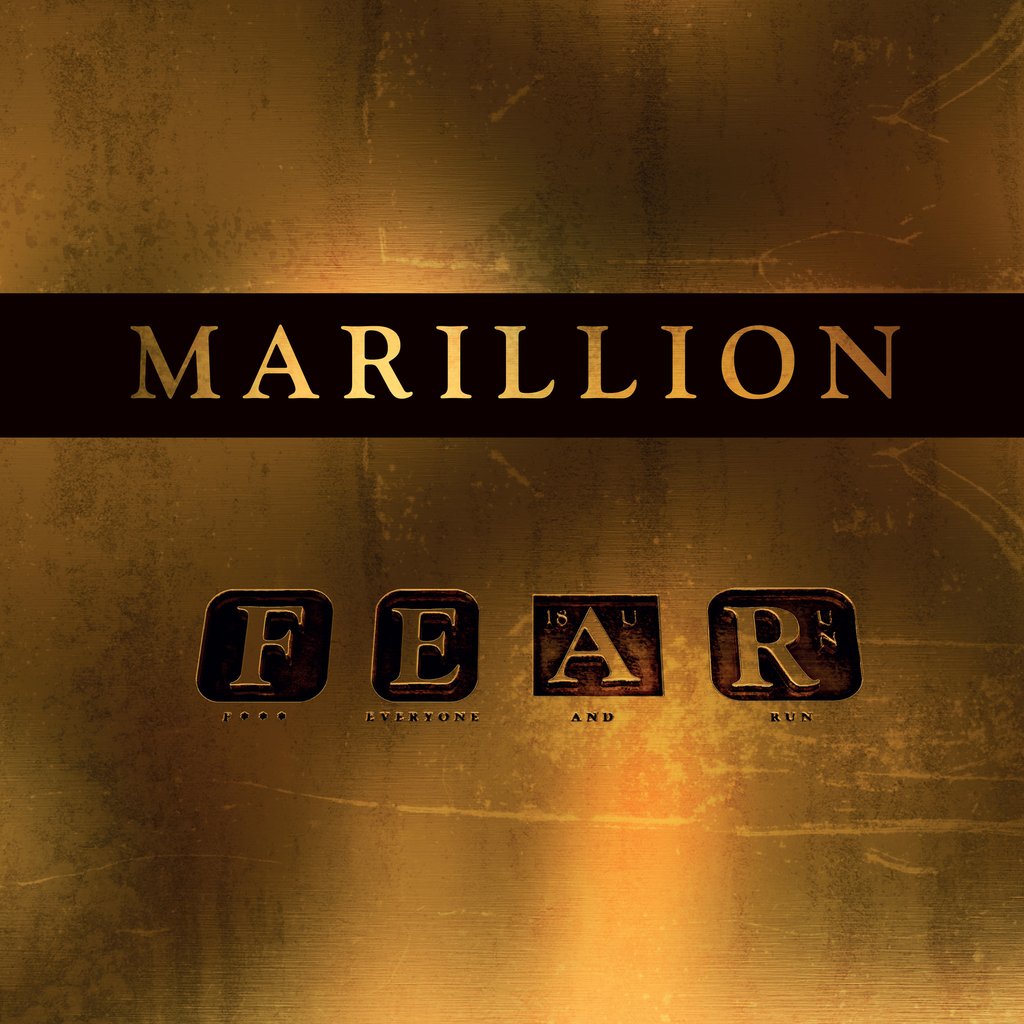
6. Marillion – F.E.A.R. (2016)
arton33729Marillion’s F.E.A.R. was my introduction to the band, and I’ve thoroughly enjoyed diving back into their catalog. I’d have to say I think this is one of their best with Hogarth. Their latest album, “An Hour Before It’s Dark,” comes very close to it, but “Reprogram the Gene” knocks it down a peg for me. F.E.A.R. combines musical prowess with cultural critique to wonderful effect, even if I may disagree with Hogarth at points.

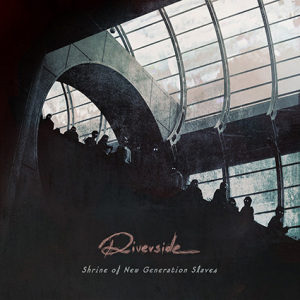
5. Riverside – Shrine of New Generation Slaves (2013)
riversideI had a hard time deciding which of Riverside’s three studio albums from the past decade to choose. Love, Fear and the Time Machine and Wasteland are both brilliant, and if I had allowed myself to choose multiple albums from the same artist in a top ten, Wasteland would probably be here too, but I think Shrine edges both of them out. It’s heavy, both musically and lyrically. Several of the songs turn into real earworms for me, and I’m never disappointed when I return to this record. And it’s another one on this list that I discovered several years after its release.
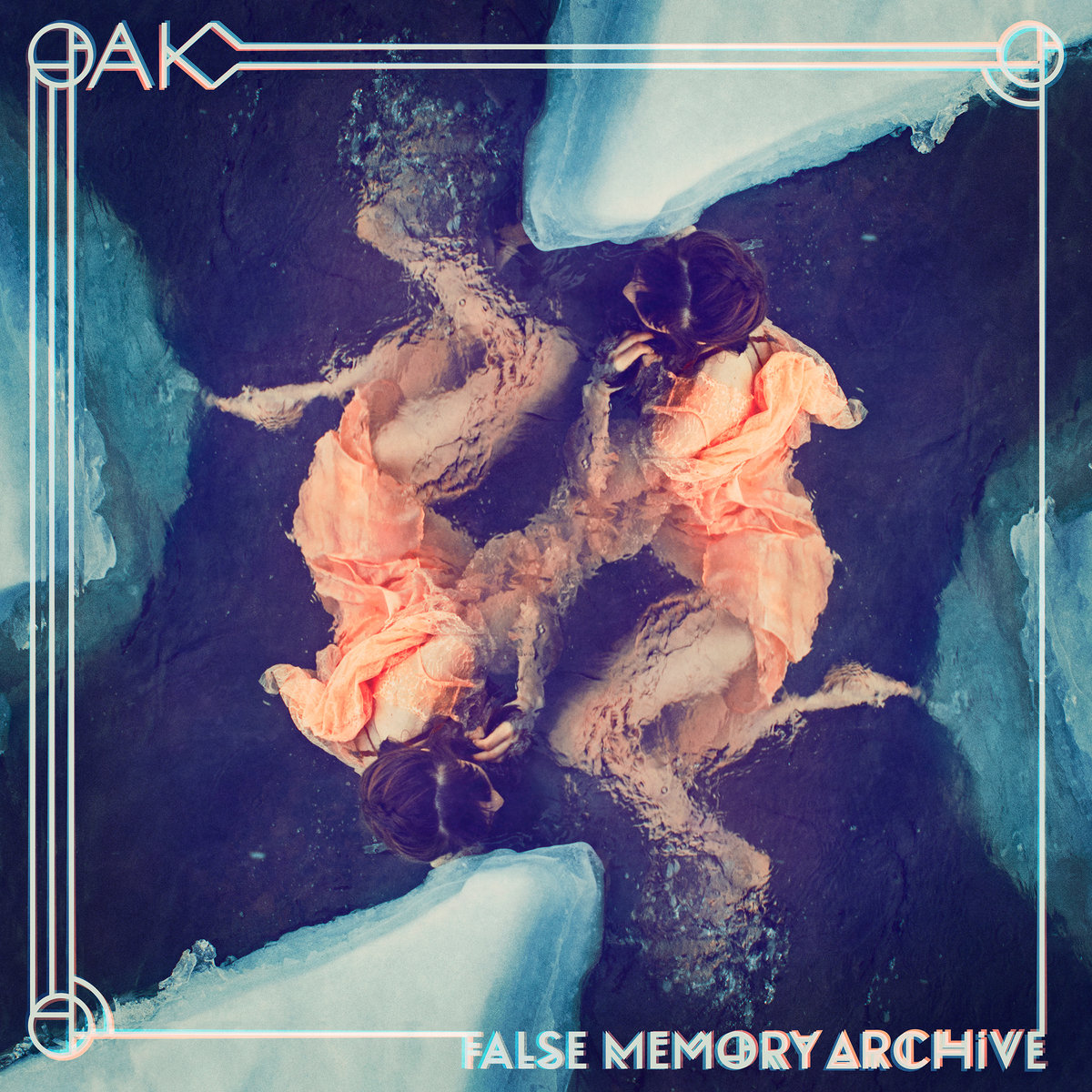
4. Oak – False Memory Archive (2018)
Oak false memory archiveOak is my favorite new band of the last decade. Both their 2013 (2016 release on CD) album Lighthouse and 2018’s False Memory Archive are brilliant albums, if not perfect. This record was my top album of 2018, and Lighthouse was my top album of 2016 (I didn’t realize at the time it had been released digitally earlier). The Norwegian melancholic aesthetic is dripping from both albums. It was hard to pick one of the two, but the closing track on False Memory Archive, “Psalm 51,” is one of the finest album closers I’ve ever heard. I think that gives this record the edge.
3. Devin Townsend – Empath (2019)
Devin Townsend - EmpathI was blown away by Devin Townsend’s Empath when it came out – so much so that I bought the 2CD deluxe version that year and the super deluxe version when Inside Out funded that project the next year. The record masterfully blends all the aspects of Devin’s career into a truly unique and truly Devin experience. It has the heavy bombast of Strapping Young Lad at points, yet it’ll soar into orchestral and even operatic highs elsewhere – or even at the same time. Pure musical theater in the best way. Devin’s vocal performance on “Why?” is stunning, and the message of hope on “Spirits Will Collide” is always a pleasant reminder that life is worth living. The production side of things, with Devin’s famed “wall of sound,” is unmatched in his career, or anyone else’s for that matter.
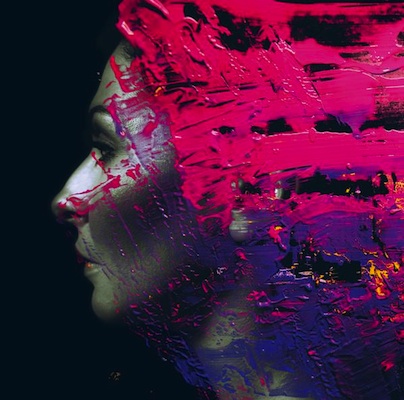
2. Steven Wilson – Hand. Cannot. Erase. (2015)

Steven_Wilson_Hand_Cannot_Erase_coverHere we come to one of the truly great albums of our time. I would certainly rank this in a top 10 best albums of all time. Back in 2015, this album was my number 3 pick, with The Tangent’s “A Spark in the Aether” coming in at number 1. Now I still think that’s a great record, and I wrestled with whether or not to include it in my top 10, but I think over time Wilson’s masterpiece has proven to be a generational album. Both the music and the story sound fresh, even seven years and many listens later. The themes of isolation and loneliness in city life (or life in general) will always be relatable. Someone 100 years from now could listen to this record, and while they may miss some of the references (even I still miss some of them), the underlying theme will still connect. That’s what places this record up there with the likes of Pink Floyd’s The Wall.
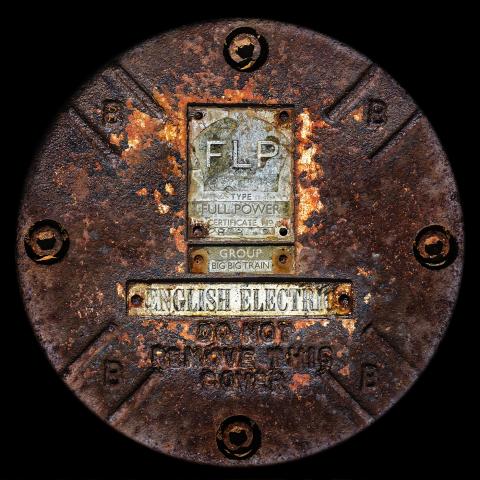
1. Big Big Train – English Electric: Full Power (2013)
Big Big Train English Electric Full PowerThe defining band and defining album for the last decade of prog. Looking back, this record was the one that got me into the contemporary progressive rock scene. Returning to it today is a special treat, as I hope it always will be. It contains everything you might want out of a quintessentially “English” progressive rock band. It has the rock, the folk elements, the complex musicality, the well-told stories. And then there’s David Longdon’s voice, showing us his command of the material and his command of the upcoming several years in the prog scene. When I traveled to England in 2015 (which to me felt like a longer distance between its release than it feels between now and that visit – it’s weird how your perception of time changes as you grow older) I really wanted to listen to this album while being out in the hedgerows and fields. I can still remember sitting on a bus traveling between towns listening to English Electric (I wrote more about this in a piece back in 2016). There are a lot of good emotions connected to this record for me. But beyond that, Big Big Train showed us all that they were THE powerhouse in the new generation of prog bands. They were who all the younger bands were going to look up to for the next decade, and they did it all themselves. Sure, the journey began when Longdon boarded back in 2009 for The Underfall Yard, but English Electric was where they really picked up steam. Every album since has been magnificent, with many topping my best of lists in the ensuing years, but this one will always be the quintessential Big Big Train album for me.

As a coda to this review of the past decade in the best of prog, I want to give you the albums I picked as my favorites for the years 2014-2021 (I didn’t start my best of lists until ’14). I’ll include links to those lists as well. I find it interesting how I’ve “discovered” albums and bands even within the last year that have soared up my list, even if I missed them when they came out. Better late than never.

  • 2014Flying Colors – Second Nature  – I saw them live right after this was released. It’s a great record and a great band, but the poppier edge doesn’t stick with me as much as the records on my list above do.
  • 2015 – The Tangent – A Spark in the Aether – I shared above how Wilson’s Hand. Cannot. Erase. has grown in my estimation. I still think this is one of The Tangent’s finest records.
  • 2016 – Oak – Lighthouse – Even if its original release was 2013, this record still dominated my listening in 2016 and was my album of that year.
  • 2017Big Big Train – Grimspound, The Second Brightest Star, London Song, Merry Christmas EP – Enough said. Brilliant band. Brilliant music. Brilliant year for them.
  • 2018 – Oak – False Memory Archive
  • 2019 – Devin Townsend – Empath
  • 2020 – Pain of Salvation – Panther – I still think this is a great album. I listened to it yesterday at work, in fact. It was my intro to the band, and maybe I was shocked by how different it was from everything else I had been listened to in the genre. I’d still rank this record extremely highly, but I don’t know if I would put it at the top of the list if I were making a 2020 list today.
  • 2021 – Big Big Train – Common Ground – What can I say? I like Big Big Train.

Thanks for reading through all this. If you’ve been a prog fan throughout this past decade, I hope this brought back some good memories. If you’re new to prog, consider every album mentioned in this post as your homework over the coming weeks. Prepare to be blown away.

Here’s to hoping the next decade is even better.

Progarchy’s Artists of the Decade: Steven Wilson

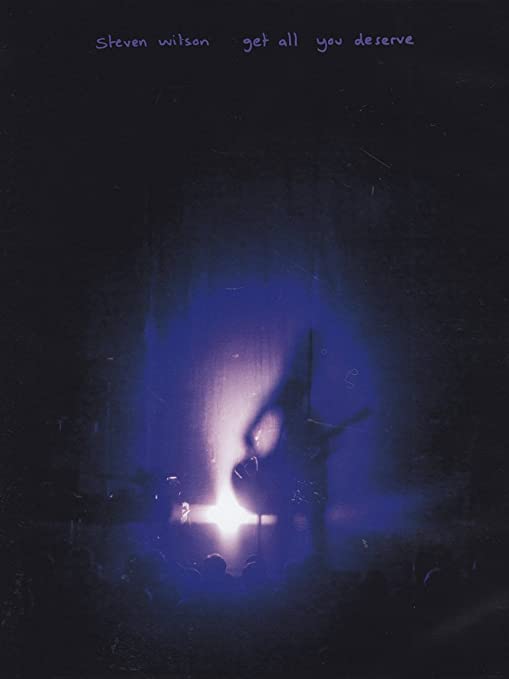
Back at the end of 2012, when I was compiling my year’s-end list of favorites (then a solitary pursuit, mostly for personal reflection), Steven Wilson’s Get All You Deserve was the only concert video that made the cut. Recorded in Mexico City at the end of Wilson’s initial solo tour, it’s still a ferociously intense — though oddly chilly — set, with tracks from Insurgentes and Grace for Drowning snarled by the glowering artist and meticulously brought to life by an all-star band of players. I had begun following Porcupine Tree when they hit Grand Rapids on 2005’s Deadwing tour, glomming onto them as The Great Progressive Hope and seeing them twice more that decade. So the video struck me as Wilson’s declaration of intent; the Tree was no longer bearing fruit for him, and it was time to make a name and a way for himself.

My thesis here is that, in the last ten years, Steven Wilson has done exactly that. And from the birthday of Progarchy through its tenth anniversary, Wilson’s next moves have consistently captured the attention of the subculture this website serves. As reflected in the frequent coverage of his projects here — whether we loved ’em, loathed ’em, or wound up somewhere in between! That’s why when the Progarchy editoral braintrust bantered about who to consider as our Artists of the Decade, I claimed SW.

Look at the man’s track record these last ten years, kicking off with 2013’s The Raven That Refused to Sing. So many genre boxes ticked here: a thematic album of ghost stories (!) cut live in the studio with Alan Parsons as engineer (!!), its jazz-rock leanings unmistakably influenced by Wilson’s remastering/surround mixing work for historic giants like King Crimson, Jethro Tull, Marillion, Gentle Giant and two or three et ceteras. Impressive writing, great playing, immaculate sound. When I caught that tour at Chicago’s Park West, though, it gave me an uneasy feeling; all too often, it felt like the onstage Wilson was peering into the lives of the damaged (“Harmony Korine,” “Luminol”) and disturbed (“Index,” “Raider II”) with no purpose beyond voyeuristic giggles and lurid thrills.

But then came 2015’s Hand. Cannot. Erase., Wilson’s rock opera portraying a young woman’s inexorable disappearance into the maw of the big city. Not only was this his most fully integrated album musically (reminiscent of his conceptual work with PT, with plenty of intense instrumental fireworks), but his latent empathy came forward again in his treatment of the “based on a true story” subject matter and his lyrics, to the benefit of both the album and the ensuing tour. Live again at Park West, an obviously proud Wilson played the whole thing, engaging with the audience instead of hiding behind transparent scrims and long hair, and even indulged in multiple Porcupine Tree tunes. If a bus had hit SW that year, at least a slice of retro-prog fandom might still be clamoring for him to join Rush and Genesis in the Rock and Roll Hall of Fame.

Continue reading “Progarchy’s Artists of the Decade: Steven Wilson”

Porcupine Tree In Concert: Not Closed, Continuing

Porcupine Tree, Auditorium Theatre, Chicago, Illinois, September 20, 2022.

The kick-off of Porcupine Tree’s first Chicago show in twelve years was nothing if not dramatic: a deep drone booming out as automated stage lighting menacingly swept the 3,000+ plus audience, the house lights dimming at the point of maximum tension — then a full-on visual assault from lights and screen, tracking with the slashing hard rock riffs of In Absentia’s “Blackest Eyes”.

At stage left: Richard Barbieri, ensconced in his wraparound nest of keyboards, conjuring up fearsome sonic webs of mist, gloom and abrasive noise as required. At stage right: Gavin Harrison, similarly surrounded by an overwhelming array of drums, cymbals and percussive accessories — and somehow appearing to be able to hit them all at once. And at center stage: Steven Wilson, throwing shapes on guitar as the power chords crashed, scrambling toward the mike on bare feet to chime in with typically sunny lyrics about a serial killer making a move on his desired prey.

It was an impressive opening, but something seemed off, and Wilson quickly acknowledged the state of affairs — sickness had been running through the band, and tonight it was effecting his voice. Promising his best efforts on both the Tree’s back catalog and the whole of their new album Closure/Continuation, singer and band proceeded to a nimble, ominous reading of “Harridan” and a lilting take on “Of The New Day.” Here Wilson’s challenges for the evening became apparent, as congestion and pitching problems crept into passages sung with less than full power. By “Rats Return”, though, Wilson had his voice under control, excoriating the cowardice of political strongmen both at the top of his lungs and in chilling undertones, while vicious fuzzed riffs raged around him.

The rest of the first set was completely stunning, mixing new tracks with superbly chosen throwbacks like the Floydian angst of “Even Less” and the doomy drive of “Drown With Me”. A zesty “The Sound Of Muzak” had it all: a bitterly hilarious Wilson intro (“21 years ago, I wrote a song about how music was becoming commodified — something you picked up at the supermarket, or as part of a software application. Well, thank goodness that didn’t come to pass!”), one bewilderingly brilliant Harrison drum fill after another, and a spontaneous audience singalong to the choogling chorus. Then it was Barbieri’s turn to stoke the darkly atmospheric “Last Chance to Evacuate Planet Earth Before It Is Recycled”, its instrumental build eerily synced with the video suicide note of Heaven’s Gate cult founder Marshall Applewhite. And after senseless death, mourning: the new “Chimera’s Wreck” finally clicked into place for me as a survivor’s lament, Wilson diving into the depths of human experience, probing extremes in search of exorcism and catharsis. But after that emotional a ride, what do you do for the second half?

Continue reading “Porcupine Tree In Concert: Not Closed, Continuing”